The Underworld Vision of an Assyrian Prince Chapter 1
A night below
Kummaya asks the queen of the underworld to reveal what is hidden. In his second dream he sees a procession of strange beings, stands before Nergal and hears a warning. A scribe carries the account to the palace.
SourcesTurn the pages with the arrows, the arrow keys or a swipe.
ASSUR
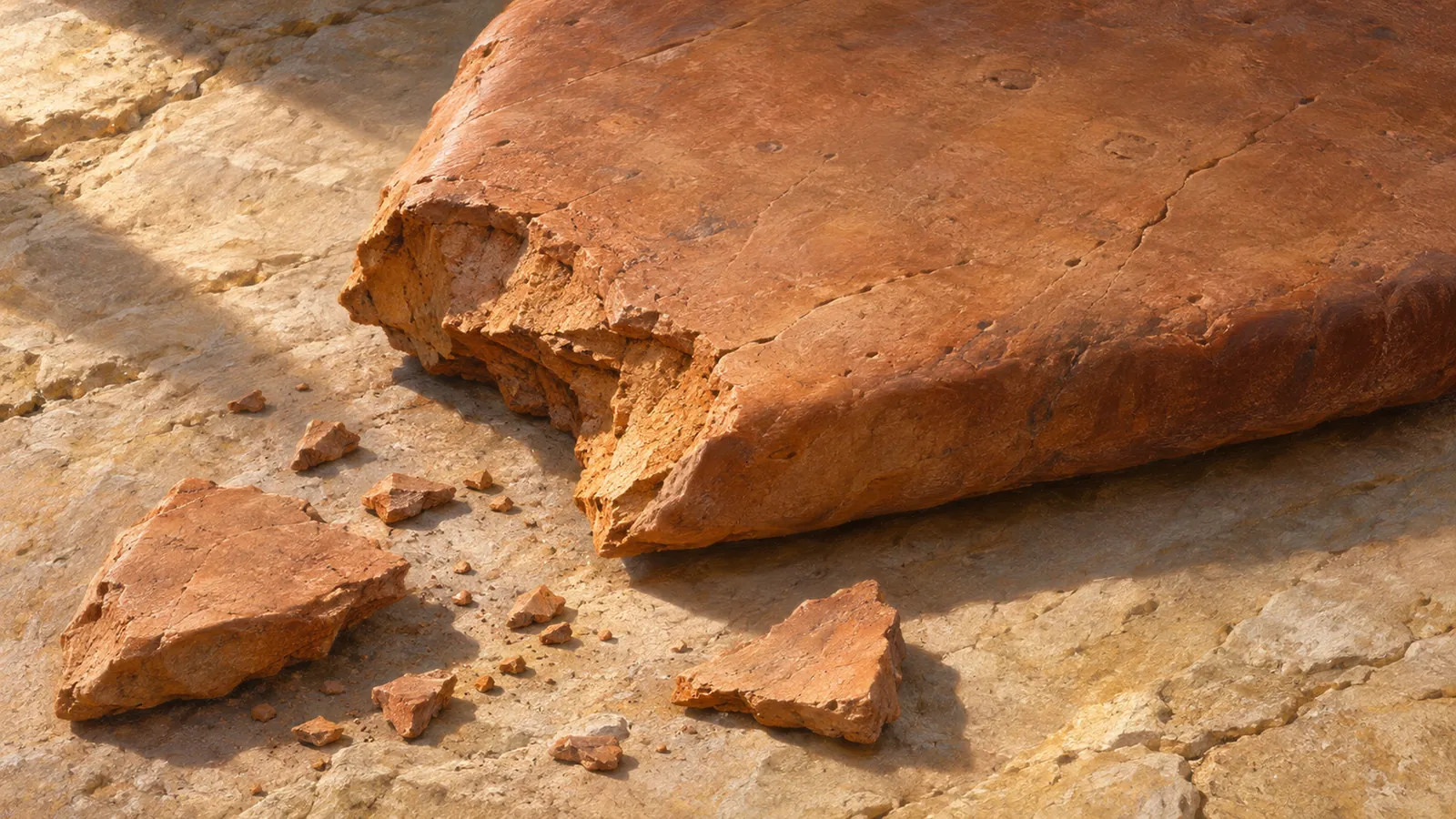
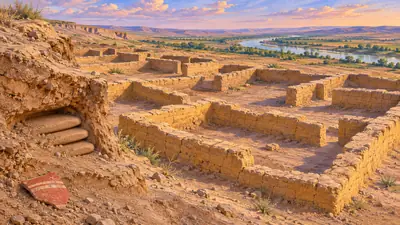
One clay tablet preserves the vision of the Assyrian prince. It was found at Assur. Pieces of its opening have broken away, leaving the first events hard to follow.
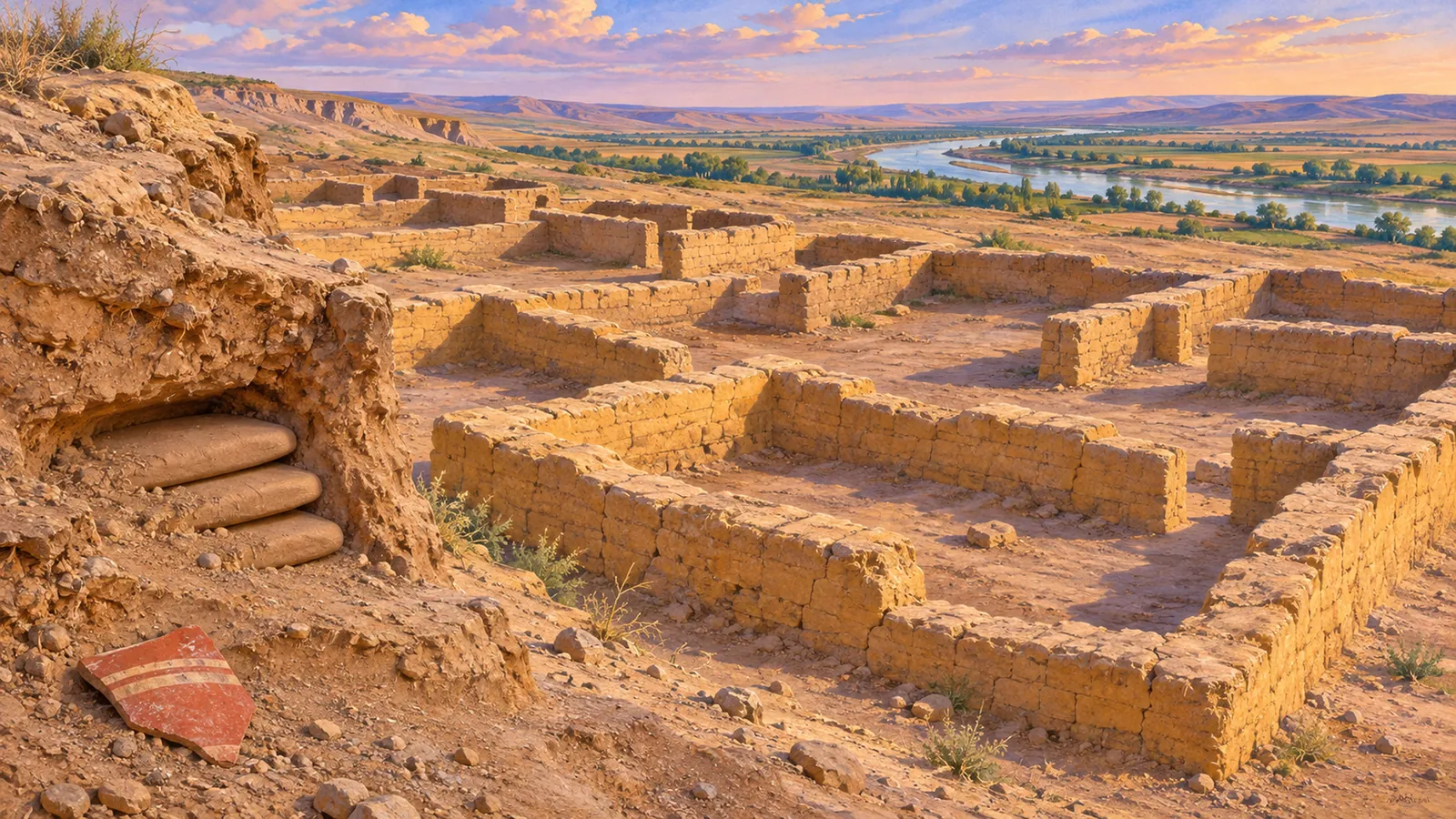
The manuscript lay among other tablets in the ruins of a private house. Among the texts from that spot were rituals, omens and lists of words.
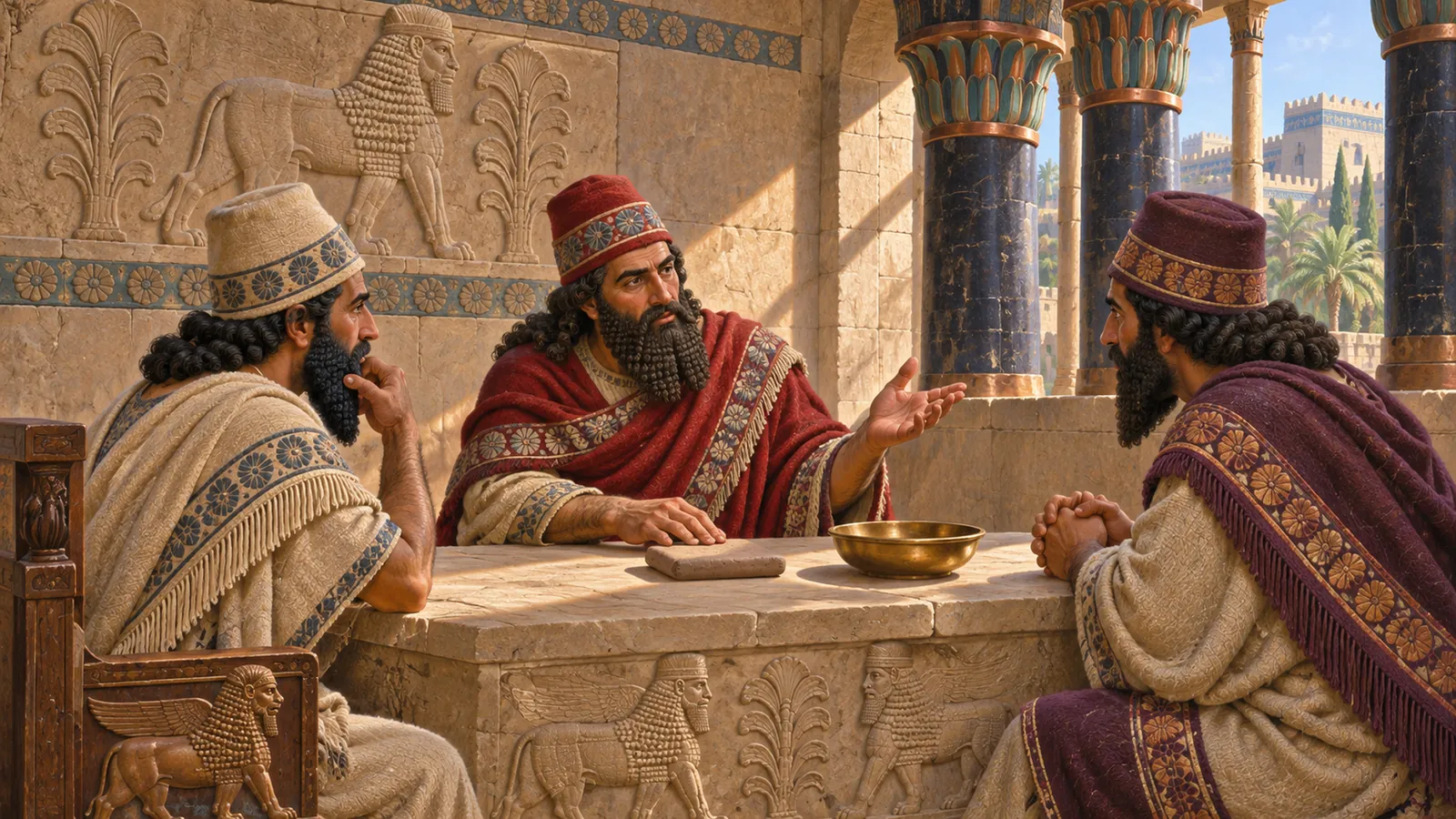
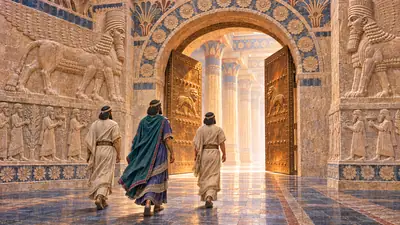
The damaged lines mention specialists who read omens and officials who kept records. The tablet describes those officials as guardians of their masters’ secrets.
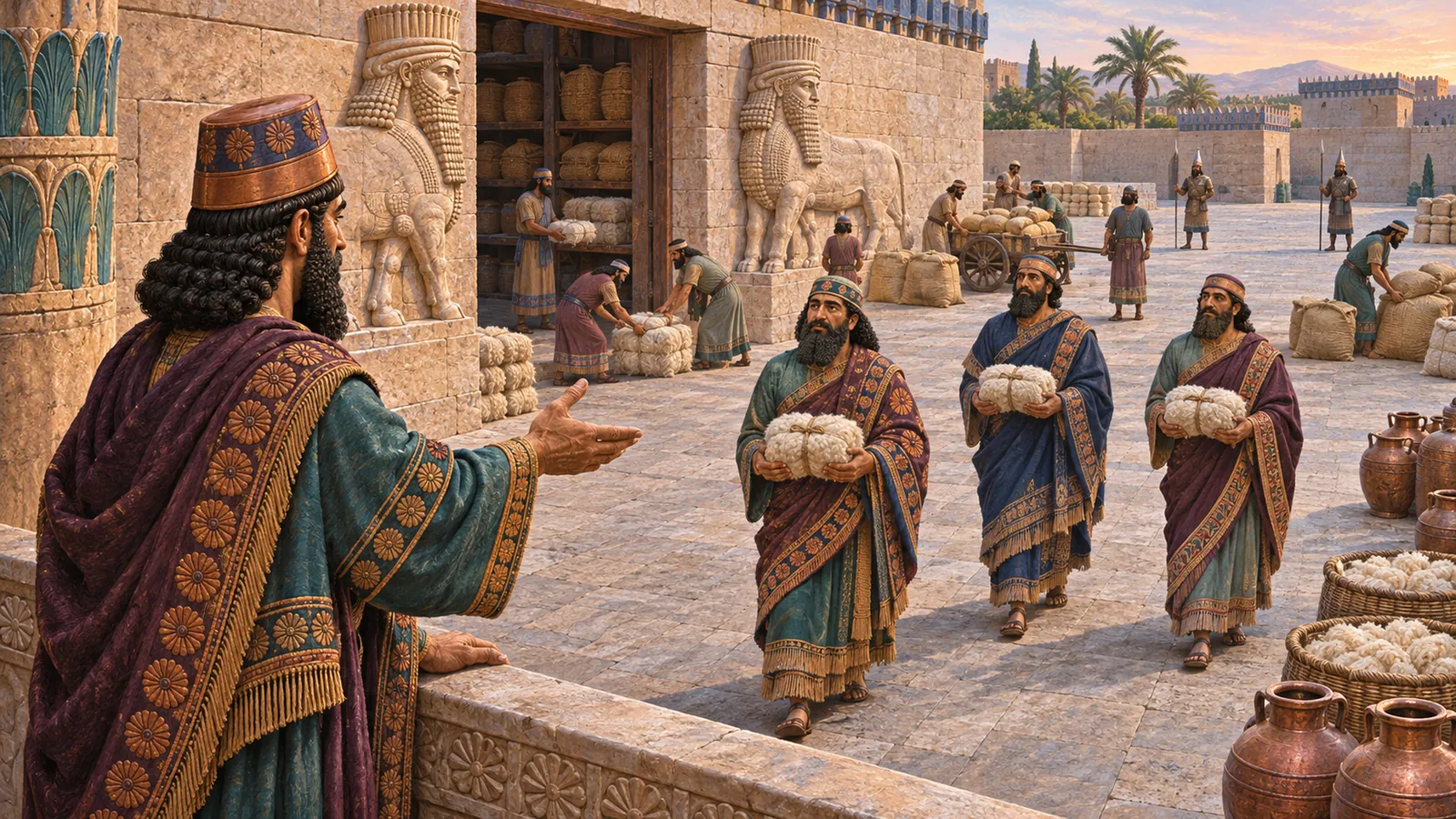
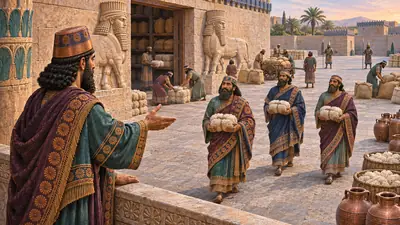
A few lines concern governors and other high officials. Someone strengthens the watch over his property and gives a man named Dada responsibility. The break leaves the whole arrangement unclear.
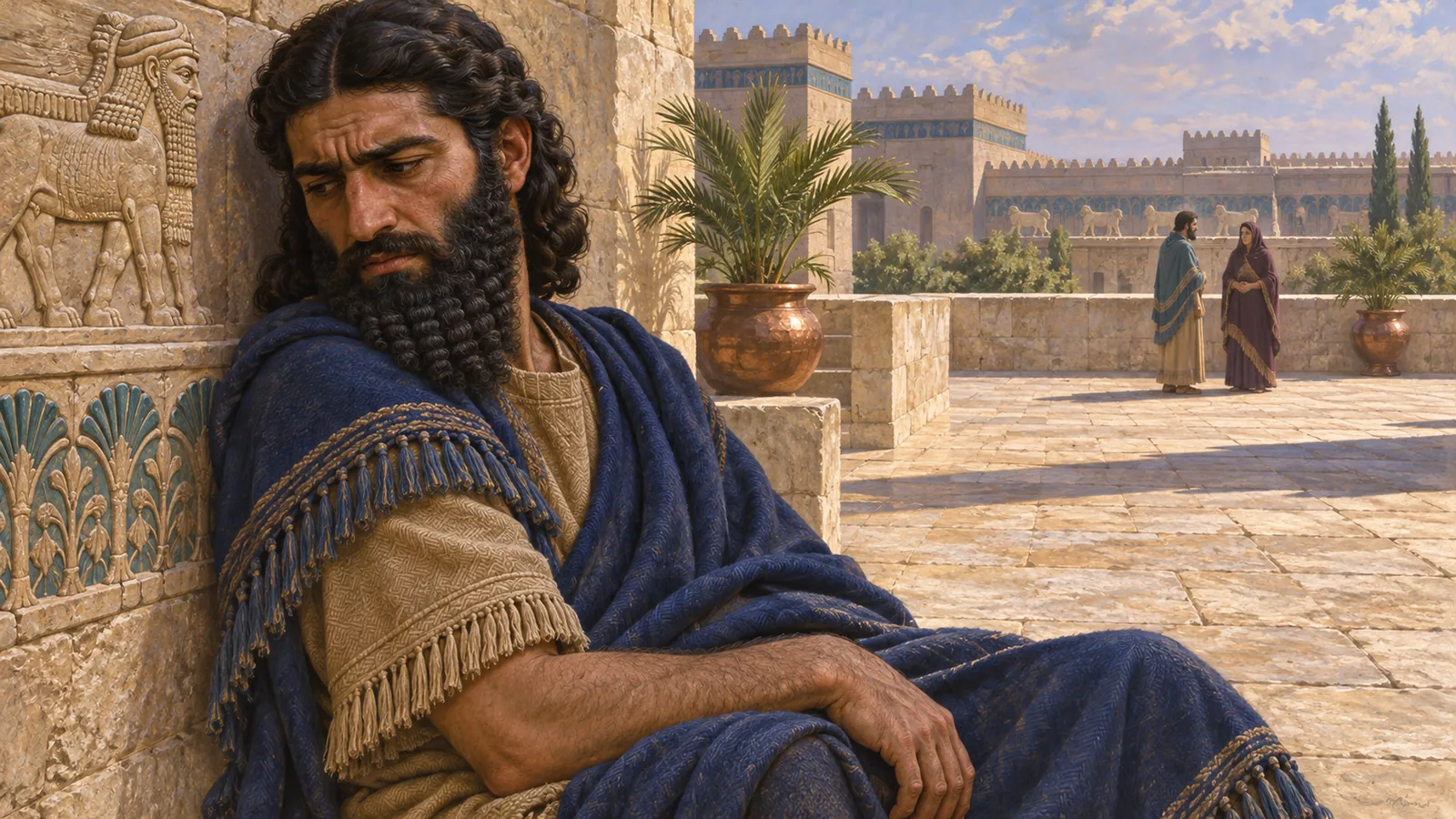
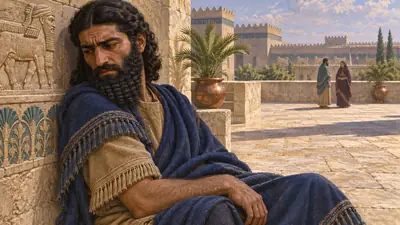
The figure at the center of these lines wants to do good, yet fear weighs on him. The tablet says he forgets the splendor of the gods and falls into neglect.

The man gathers jewels fit for a ruler. The text compares his swelling wealth to bitumen seeping out of the ground. The comparison survives even where the lines around it fail.
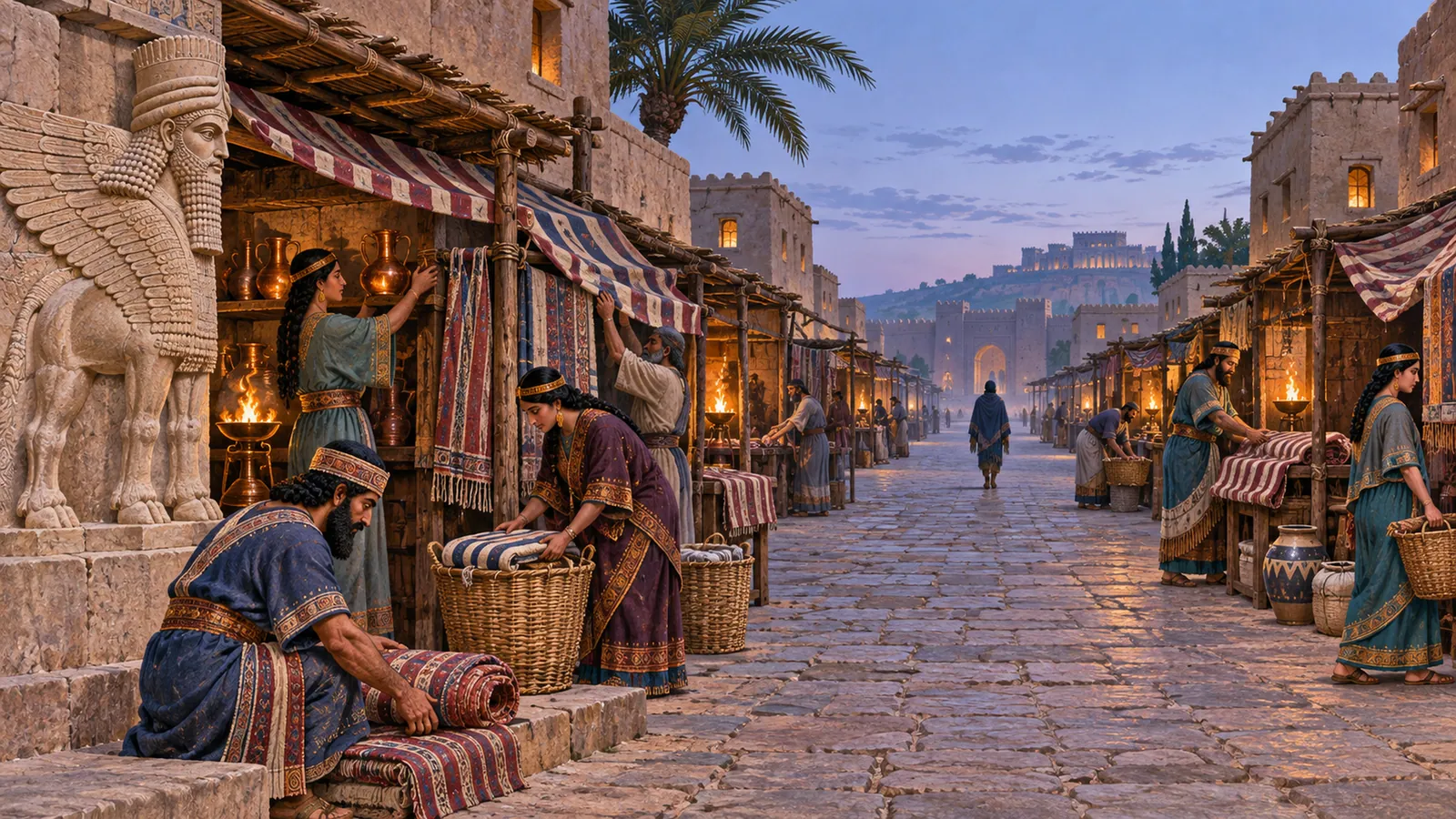
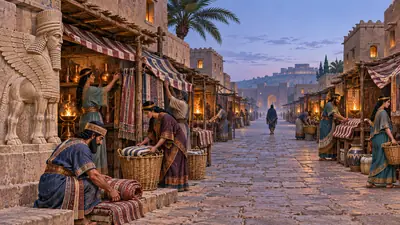
The names Nineveh and Assur emerge from the broken lines. There are glimpses of a scribe and of someone who loses sleep, cries out and walks the streets alone.
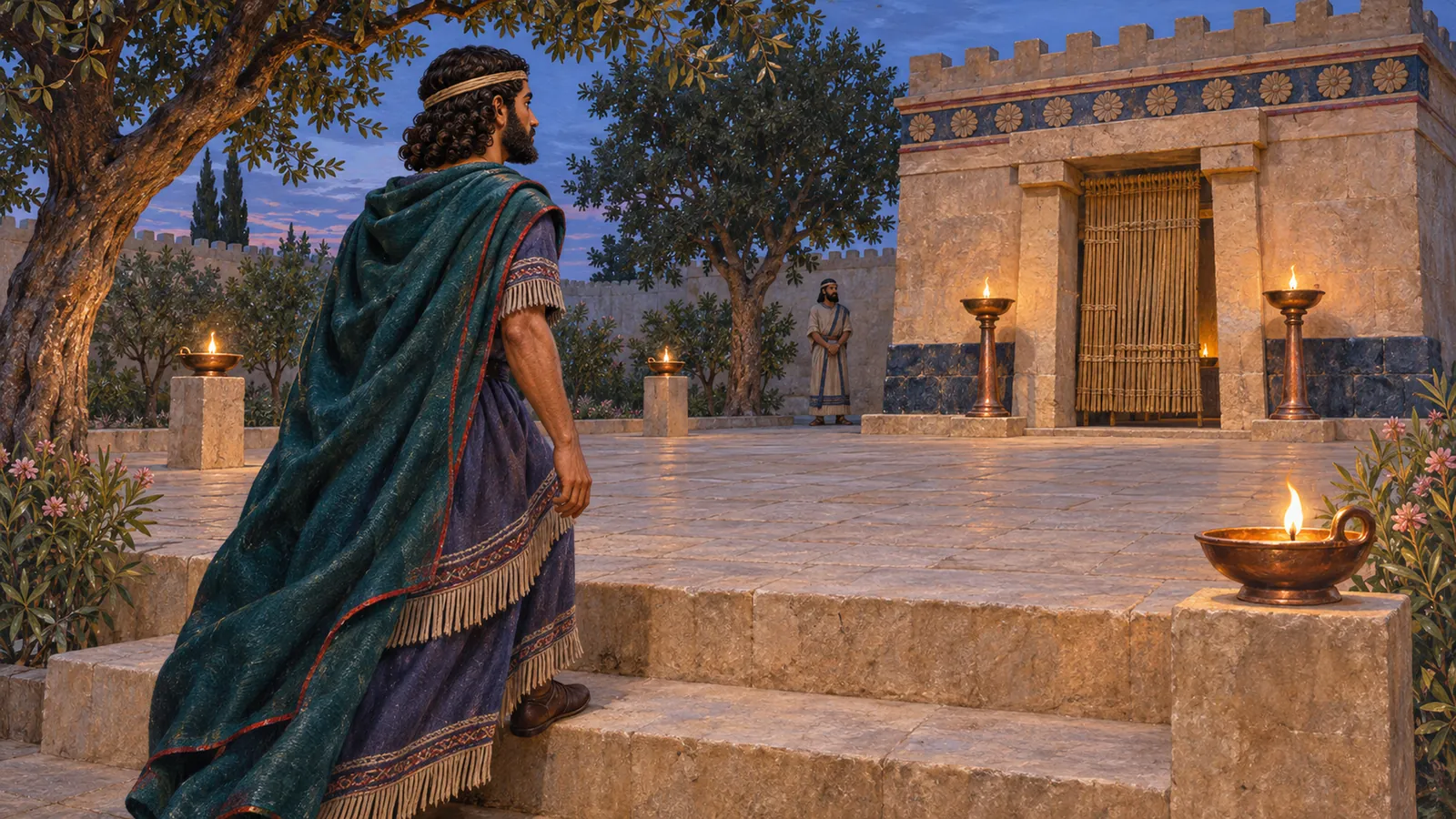
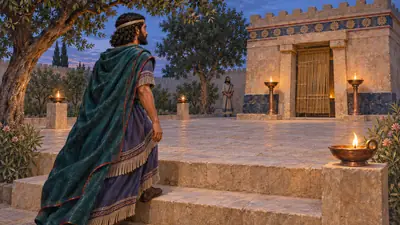
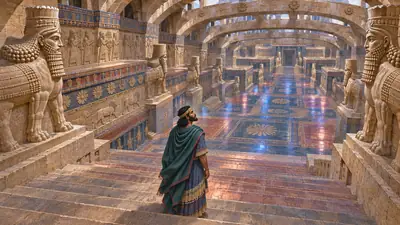
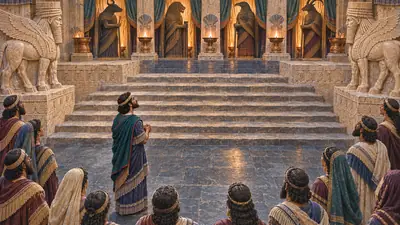
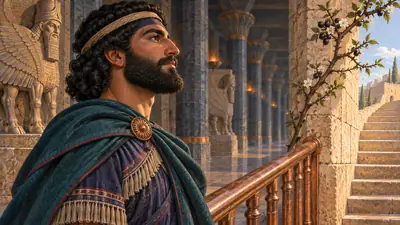
The tablet finally gives the prince a name, Kummaya. The line naming his father is damaged. What we can read is that he enters a temple, intending to go below.
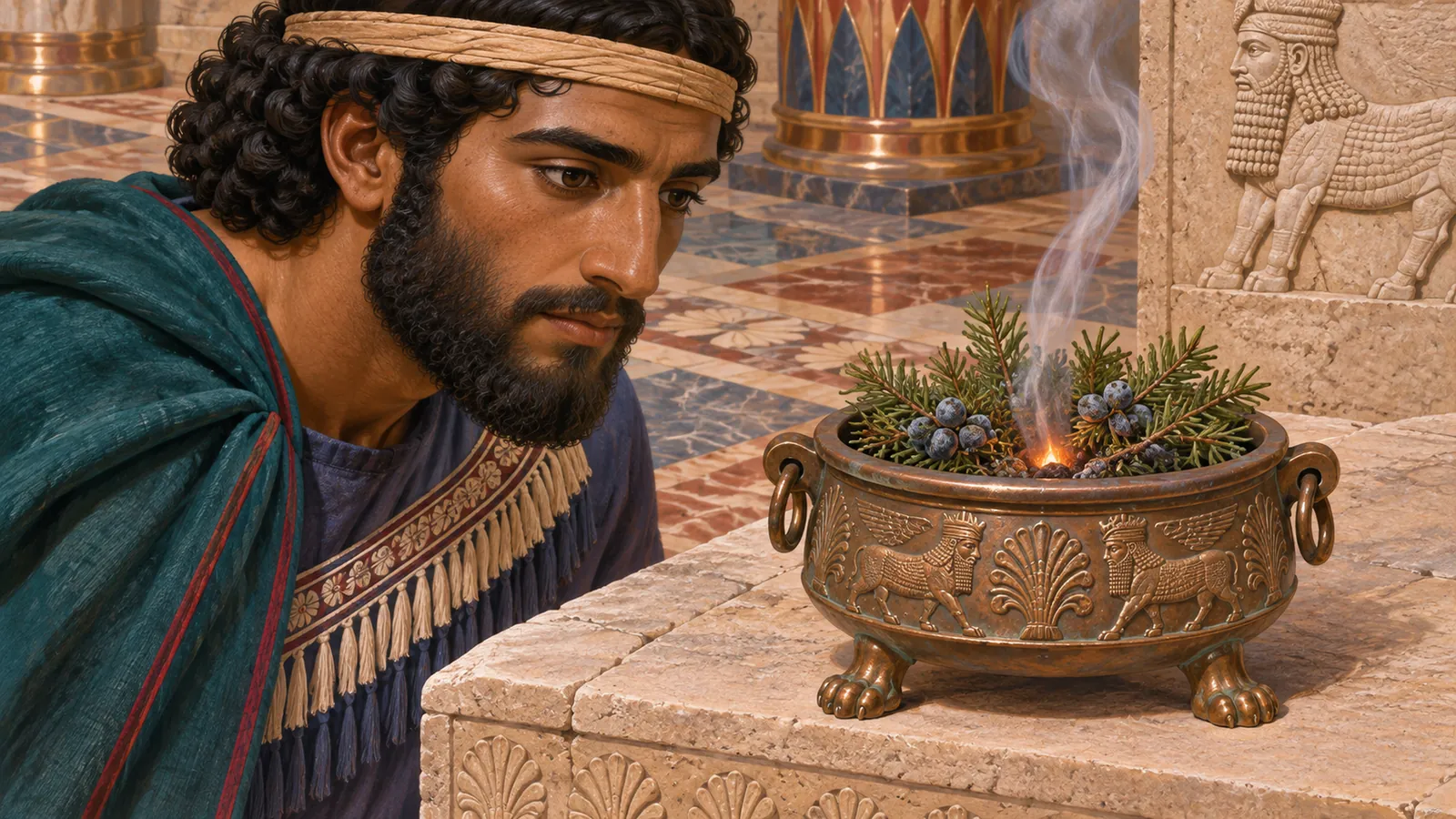
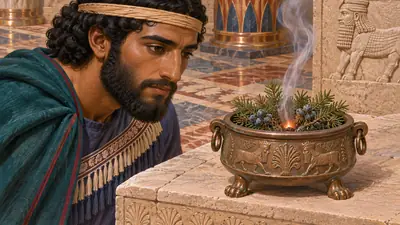
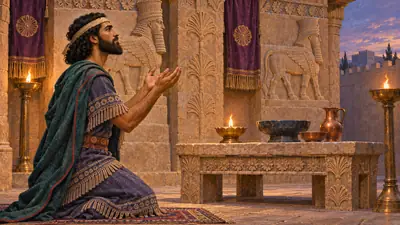
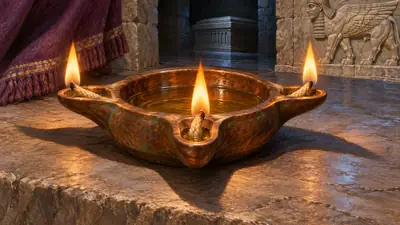
Kummaya sets out a censer with juniper. The text places his whispered prayer beside words about disregarding a divine command. Here, too, pieces of the account are gone.
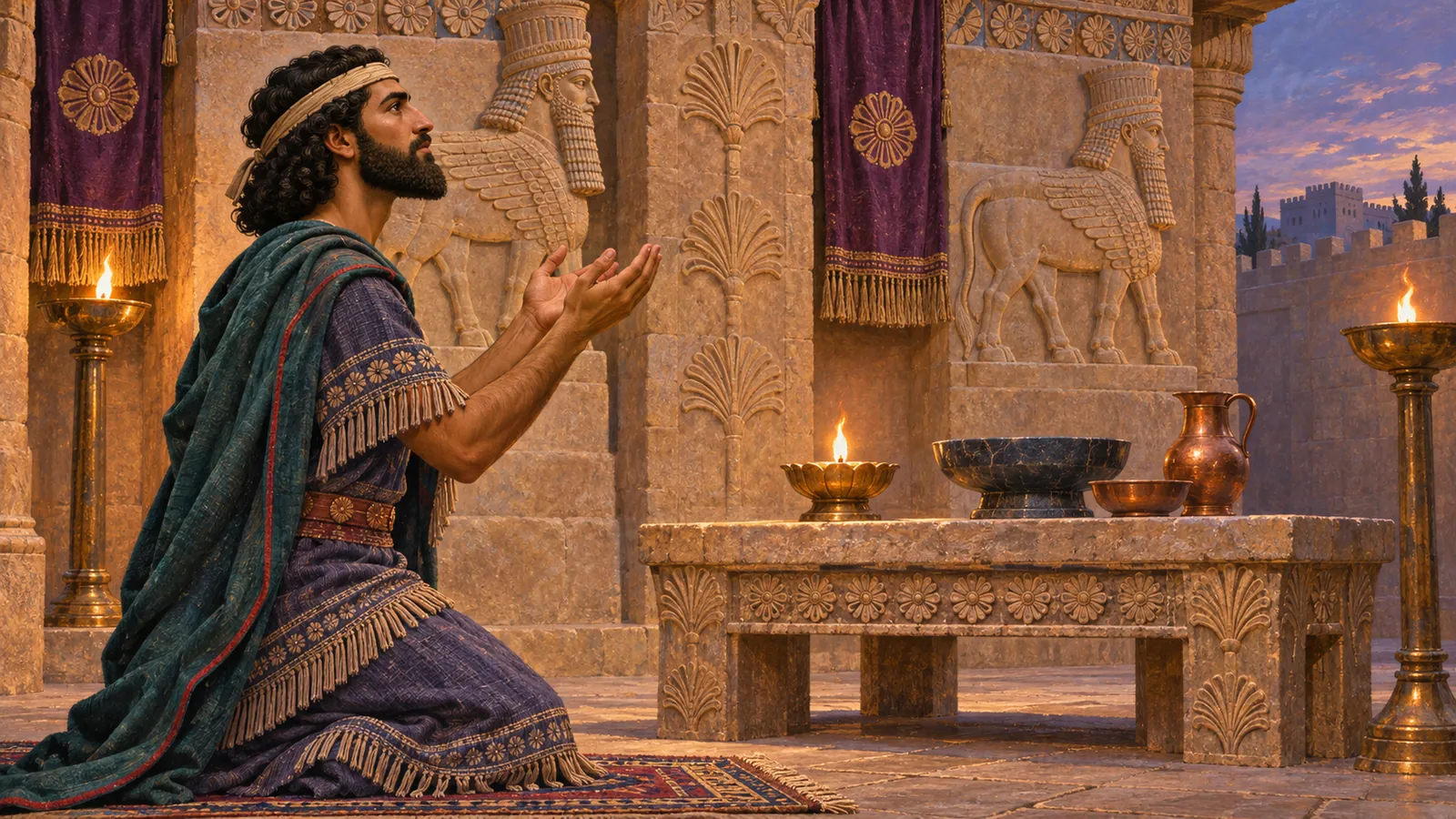
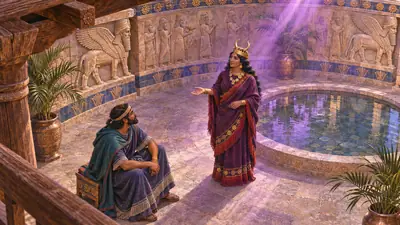
He calls the queen below by the name Allatu. In a broken line he appears to ask to see the spirit of a lost girl. The rest of that request is uncertain.
THE FIRST DREAM
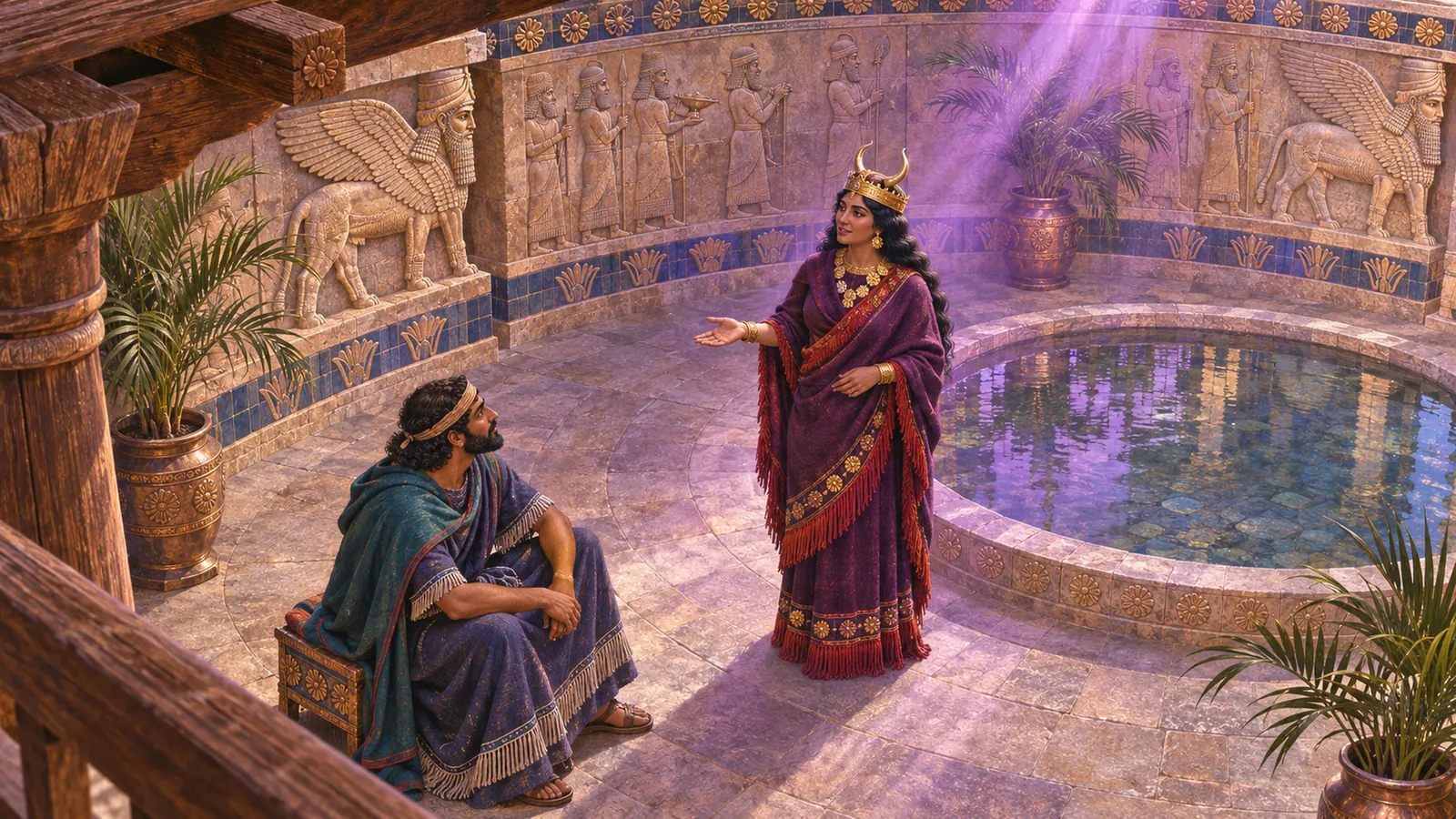
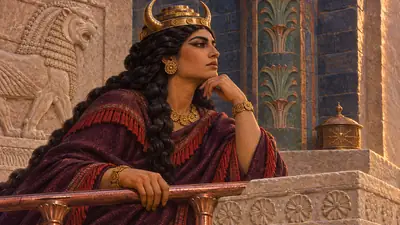
Ereshkigal appears at midnight in Kummaya’s first dream. She mentions the offering and asks to hear his prayers. The tablet preserves only part of what she says next.
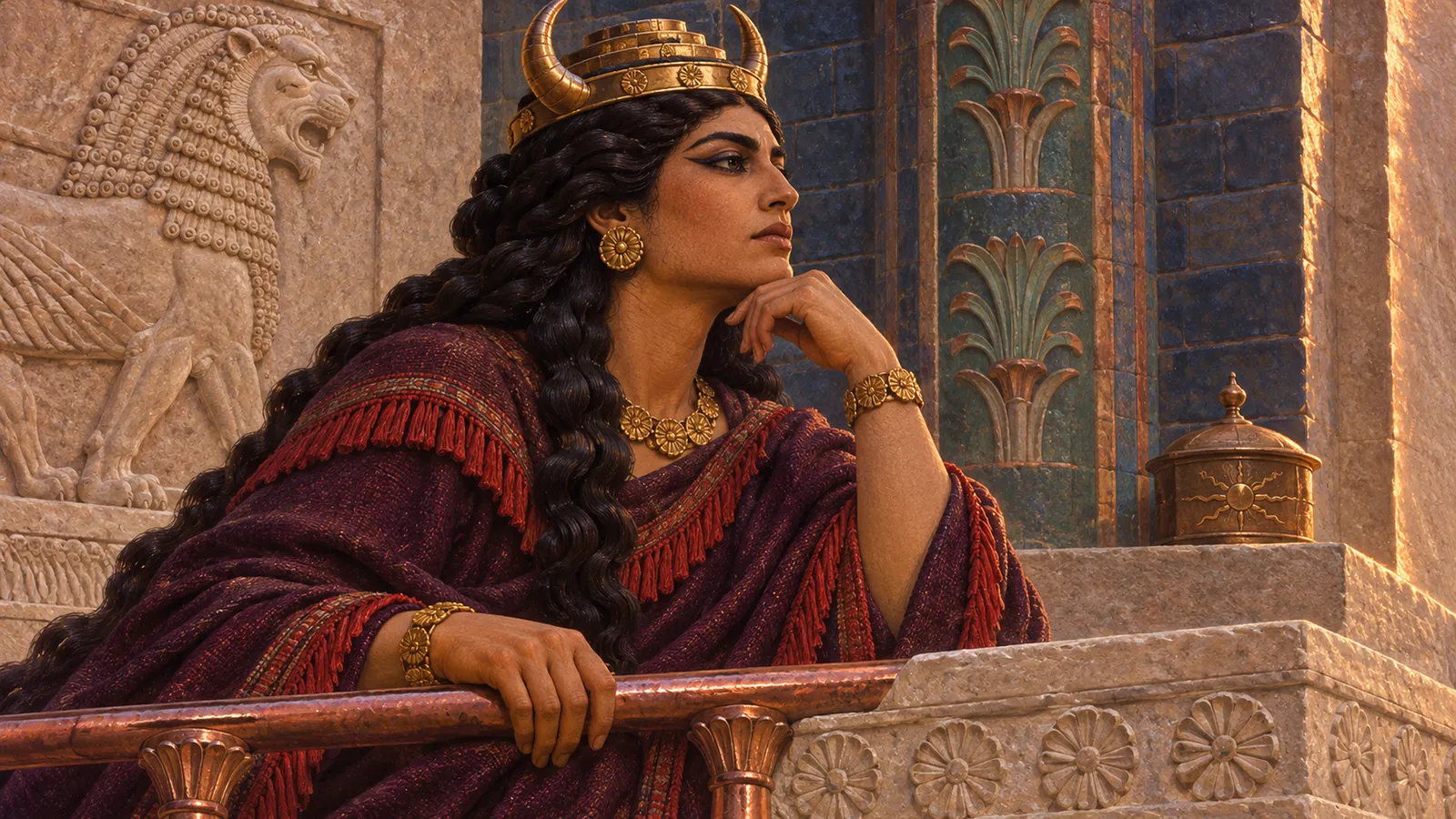
One question remains legible. Why had he come to her and passed over Shamash? The queen asks why he overlooked the sun god when he sought her help.
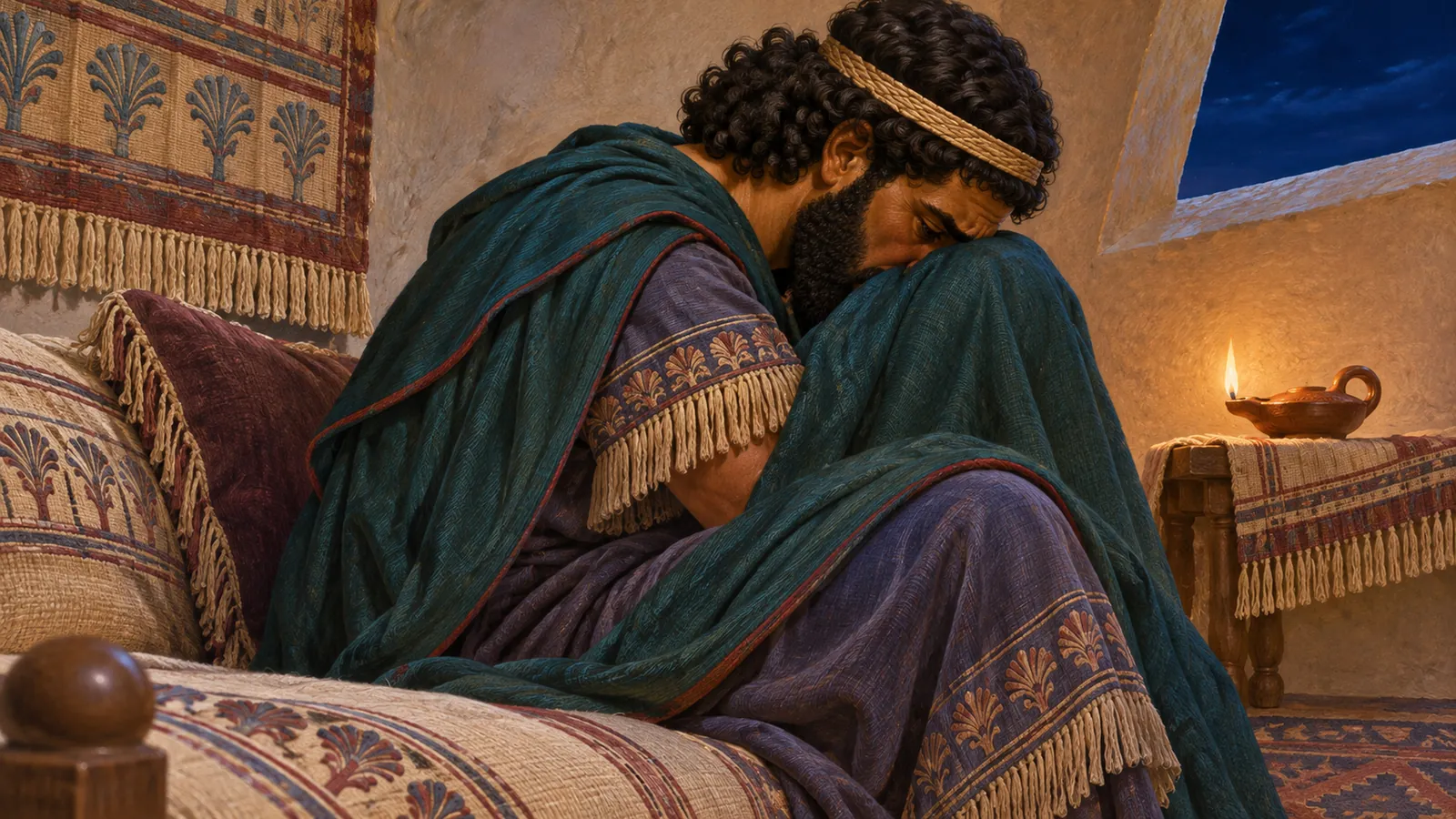
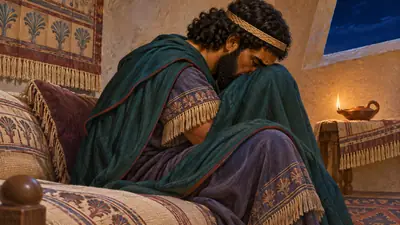
Kummaya wakes and weeps. The tablet likens his mourning to a dove’s call. He curses the dream again and again, while the answer he sought still eludes him.
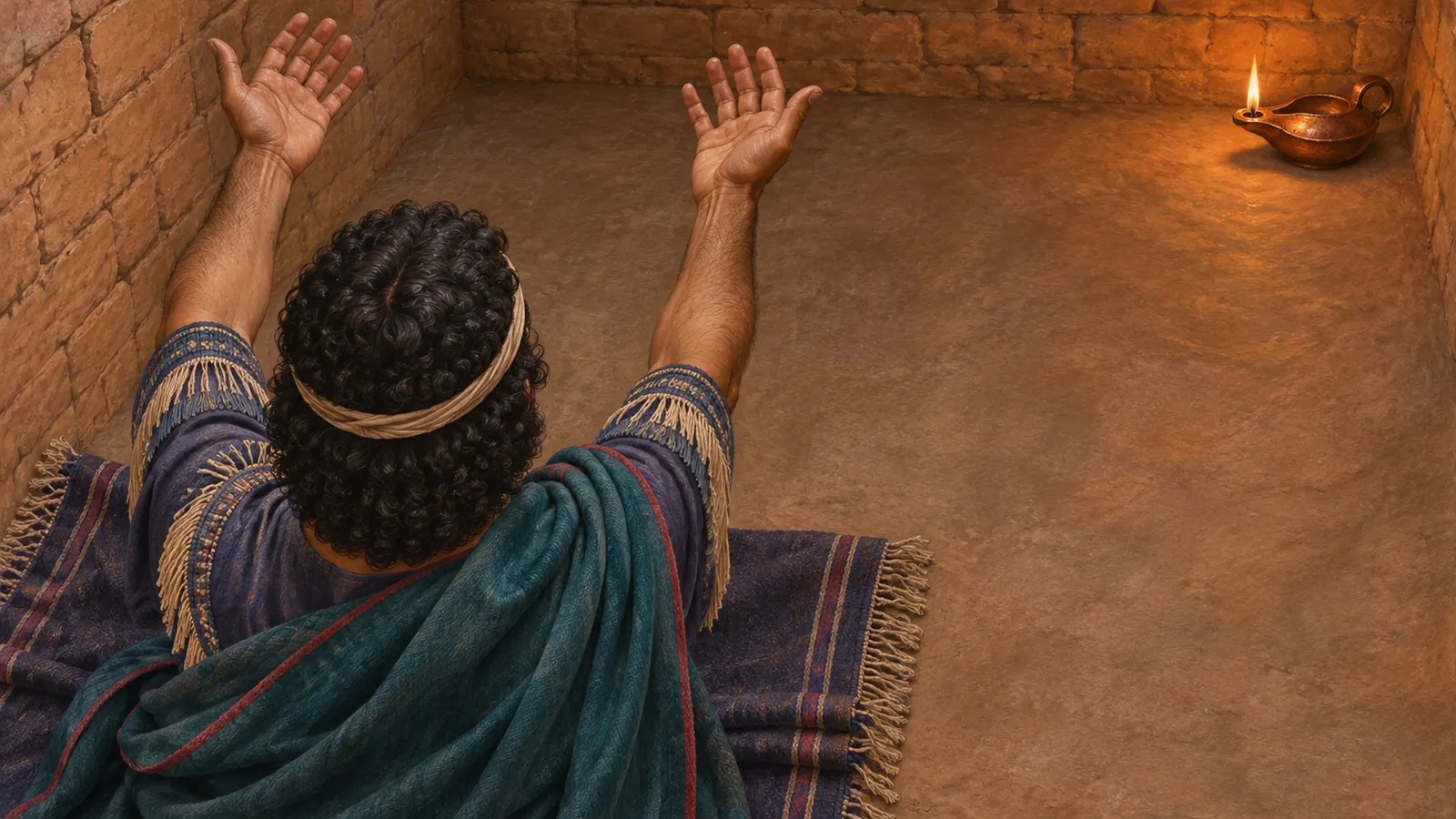
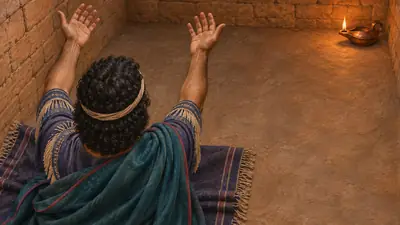
Kummaya again raises his hands with tears. He appeals to Ereshkigal in the presence of her husband Nergal. The damaged prayer closes with a plea to reveal what has been hidden.
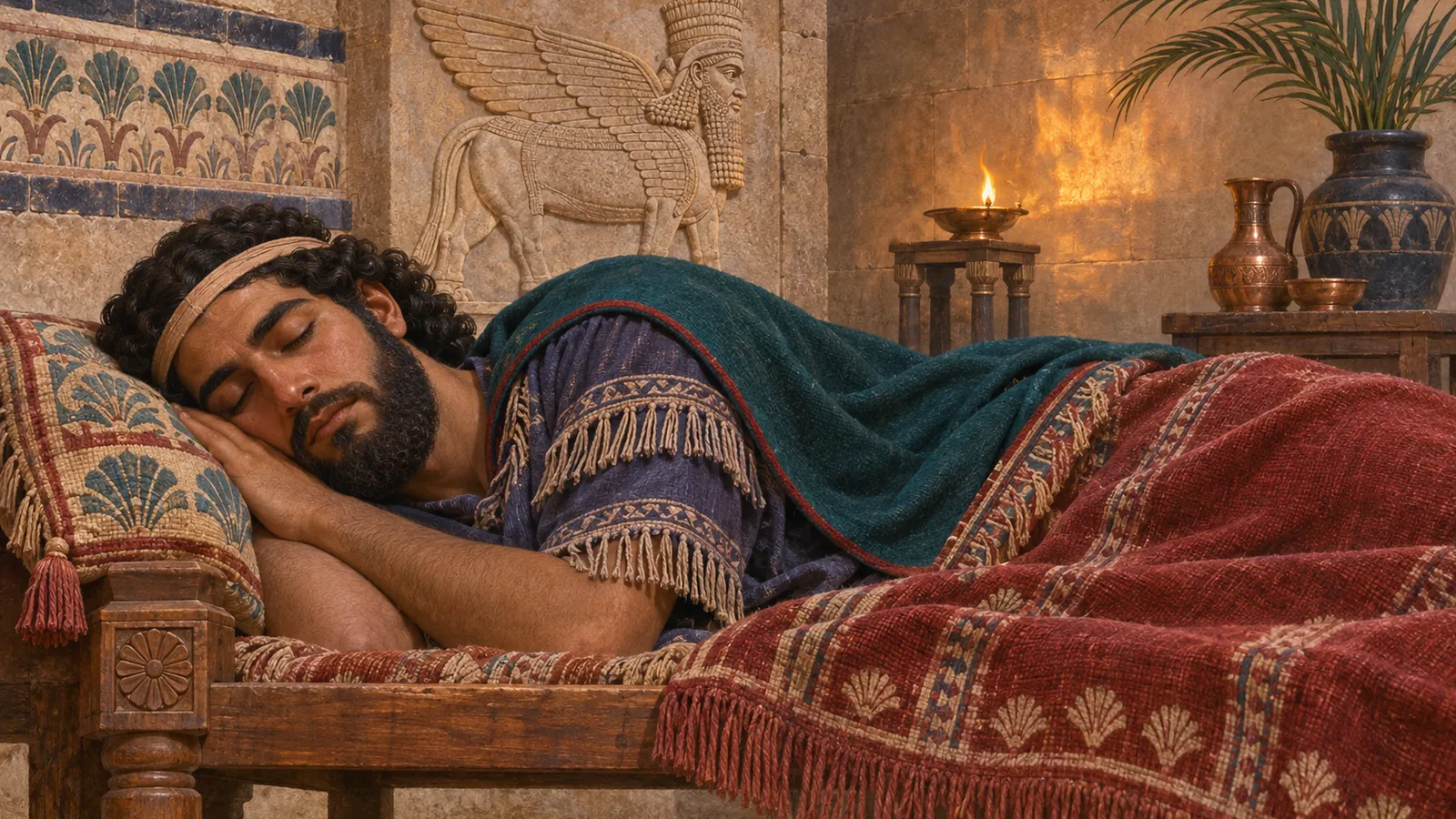
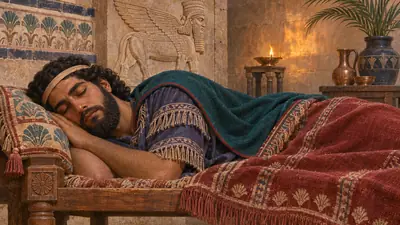
Kummaya lies down again. This time the tablet names a night vision. The storytelling changes, and the prince begins to speak of what he himself saw below.
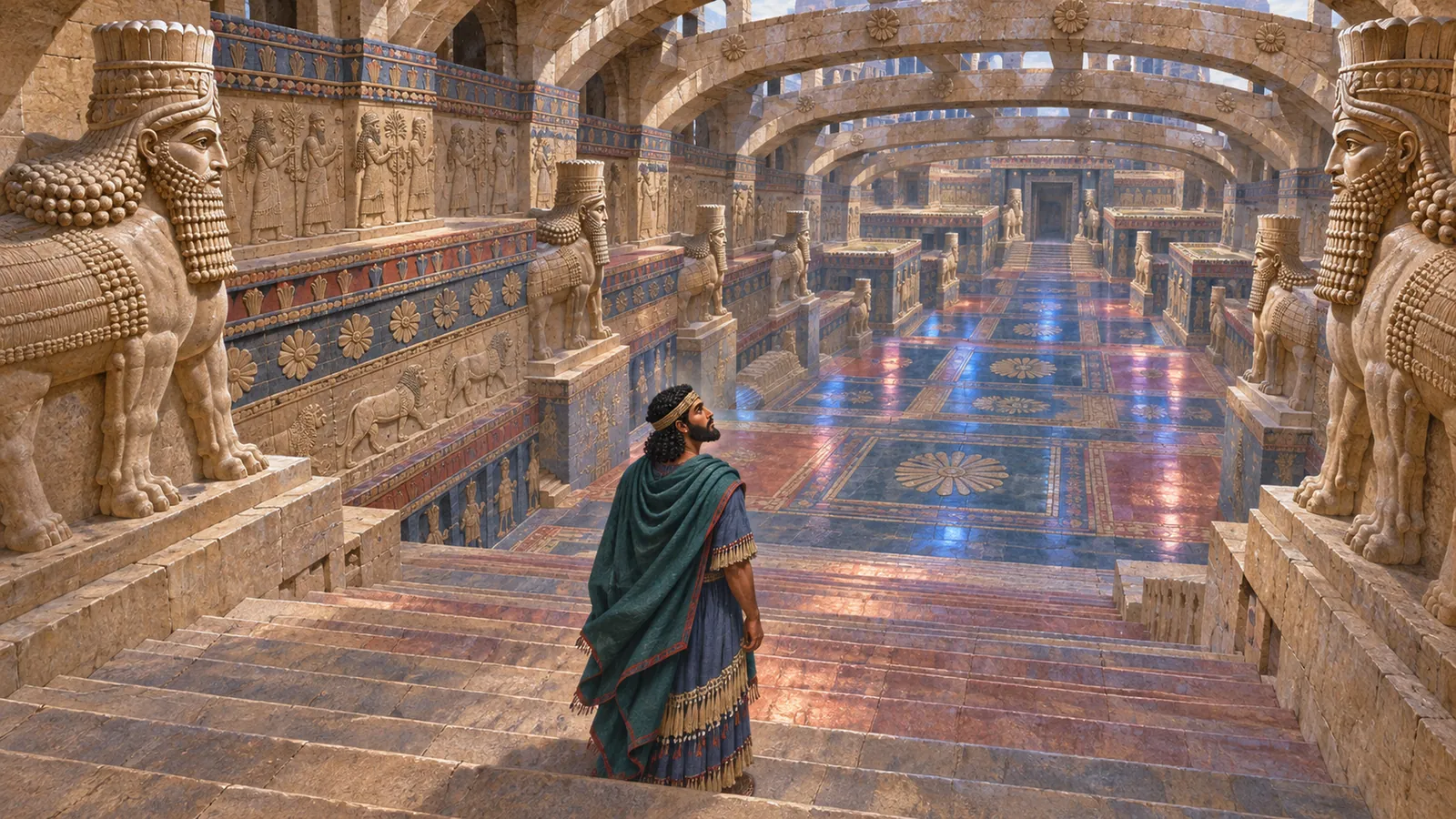
THE WORLD BELOW
He finds himself a prisoner in a house in the underworld. The house’s name is lost where the tablet breaks. He can see a presence whose radiance fills him with dread.
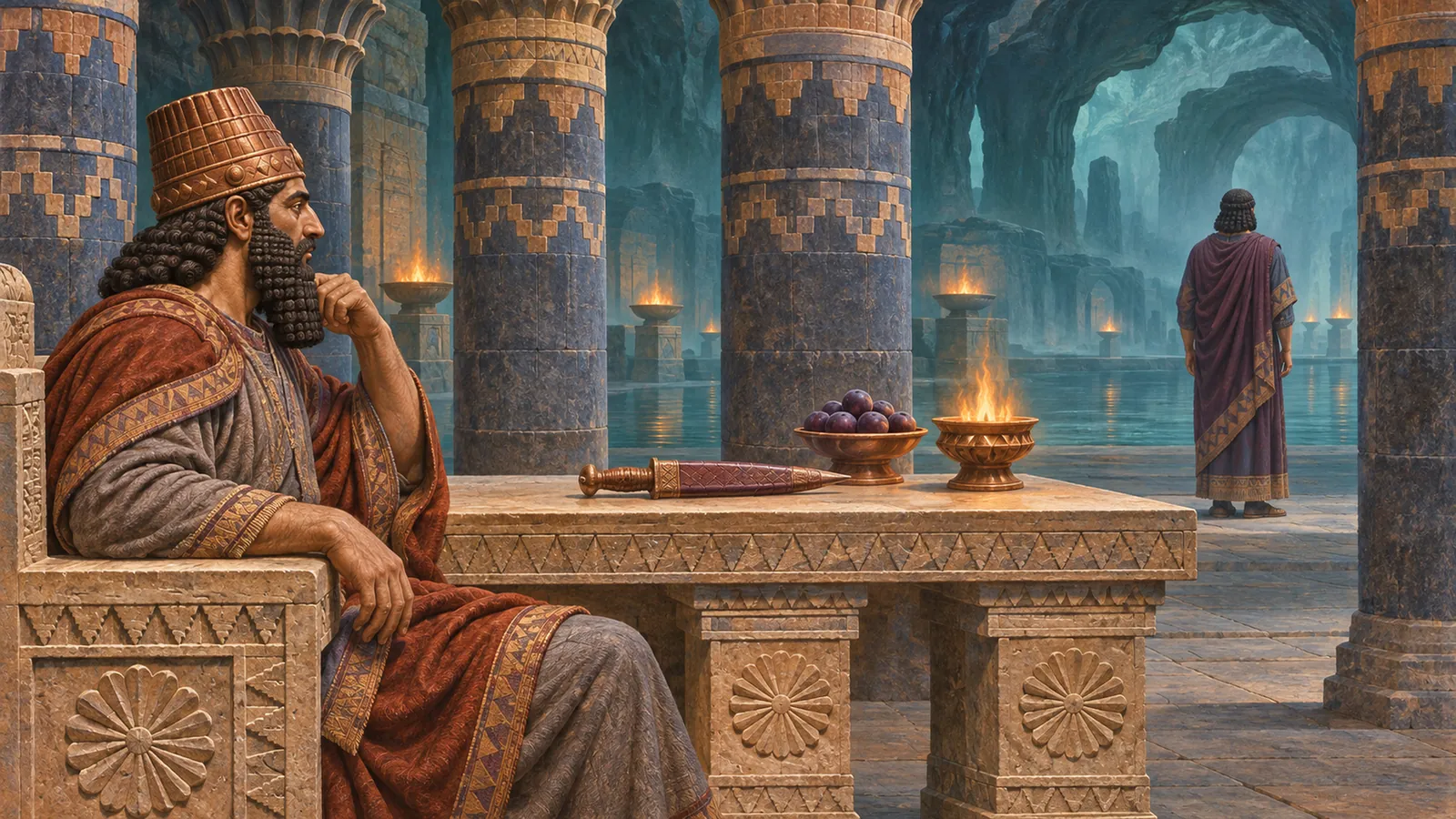
First comes Namtar, minister of the underworld and maker of omens. He stands facing a man. The description mentions a grip on the man’s hair and a dagger, then breaks off.
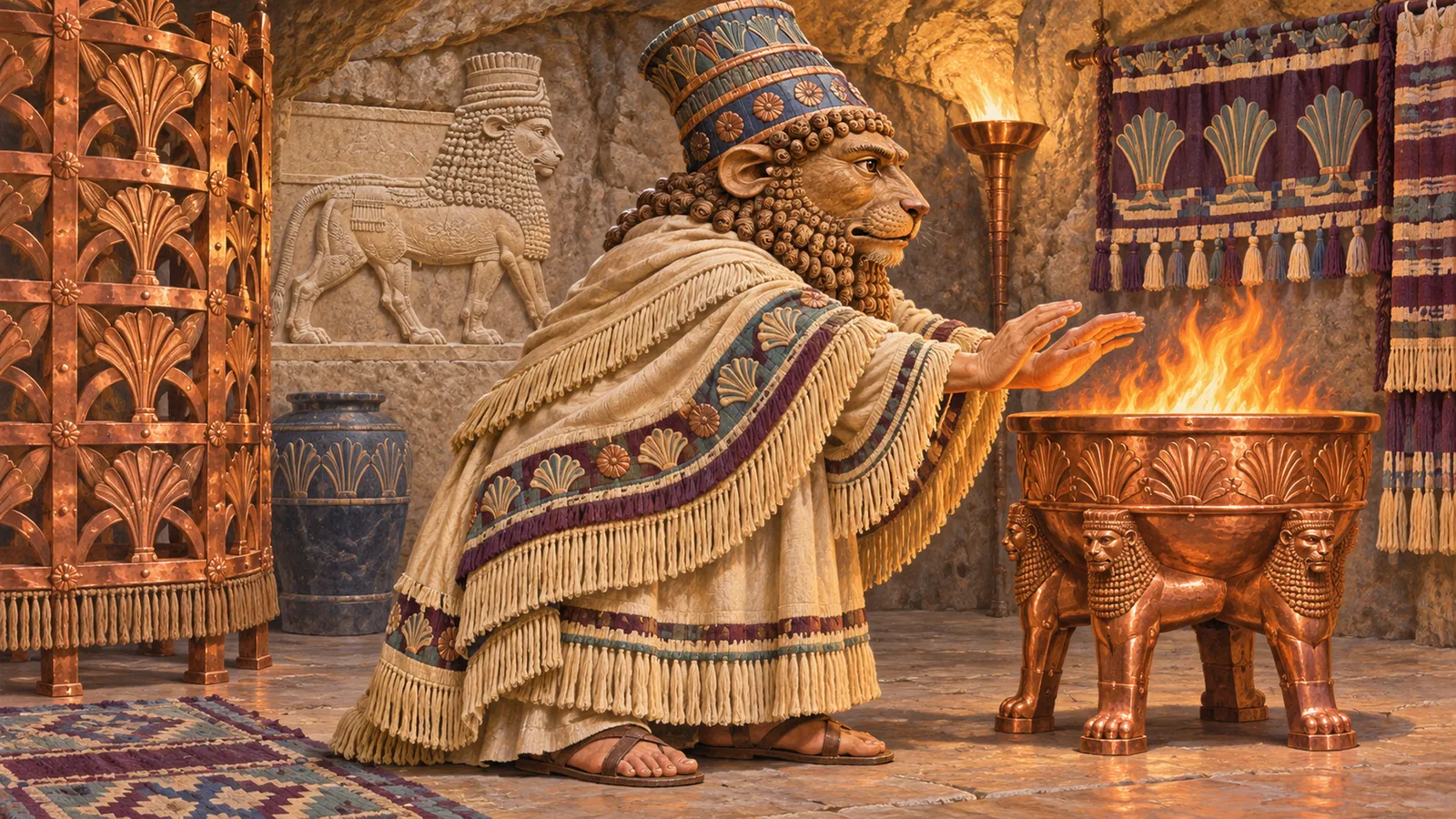
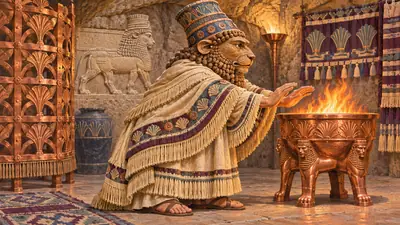
Kummaya next describes Namtartu, named in the edition as Namtar’s wife. Her head resembles a Mesopotamian protective being called a kuribu. Her hands and feet are human.
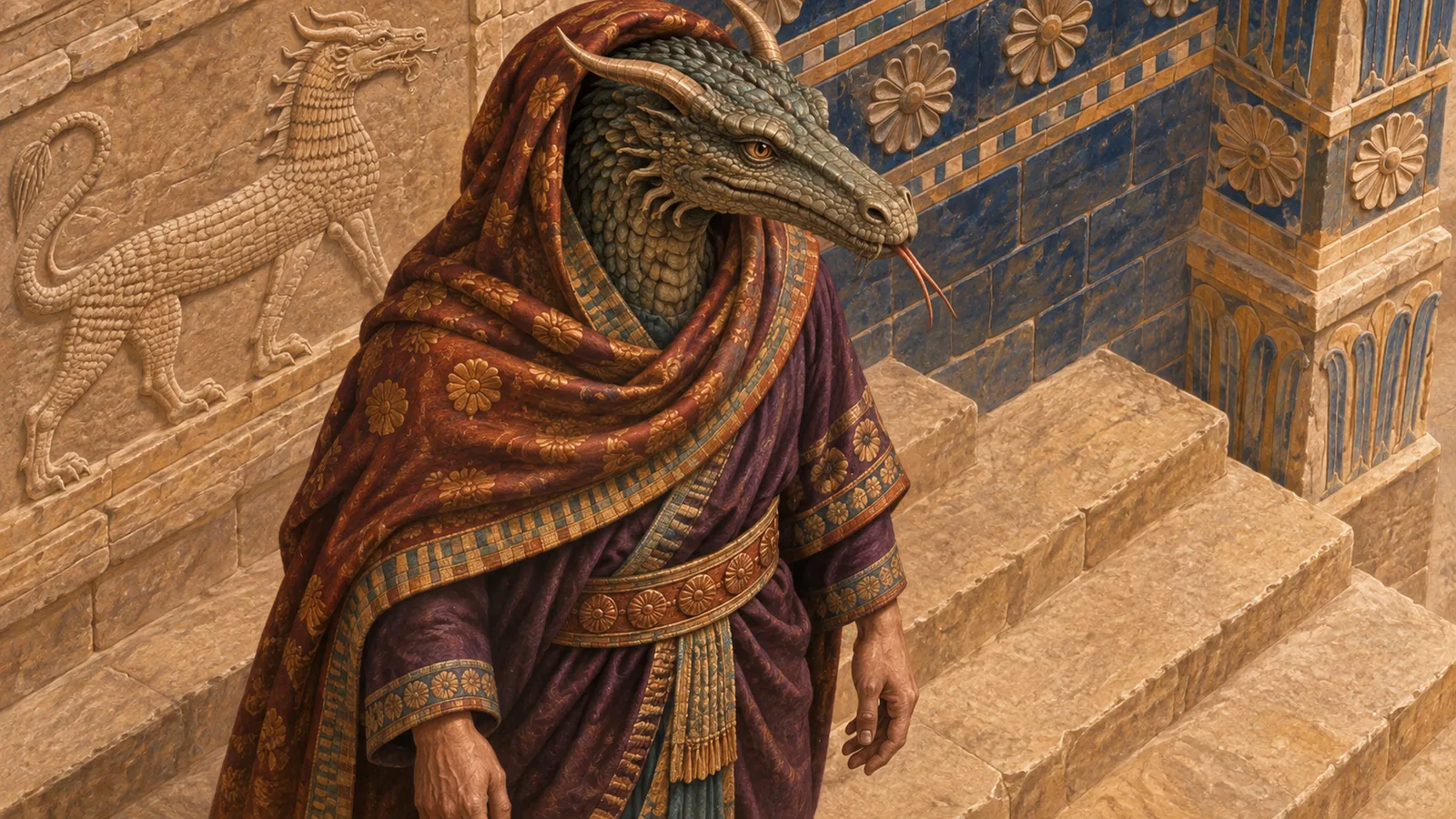
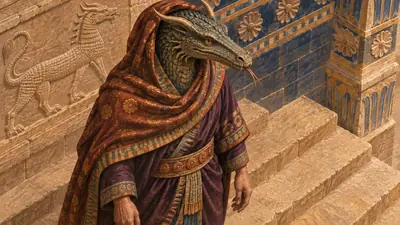
Then the prince sees Death. It has the head of the dragon the Babylonians called a mushhushshu and hands like a person’s. The description of its feet breaks off.
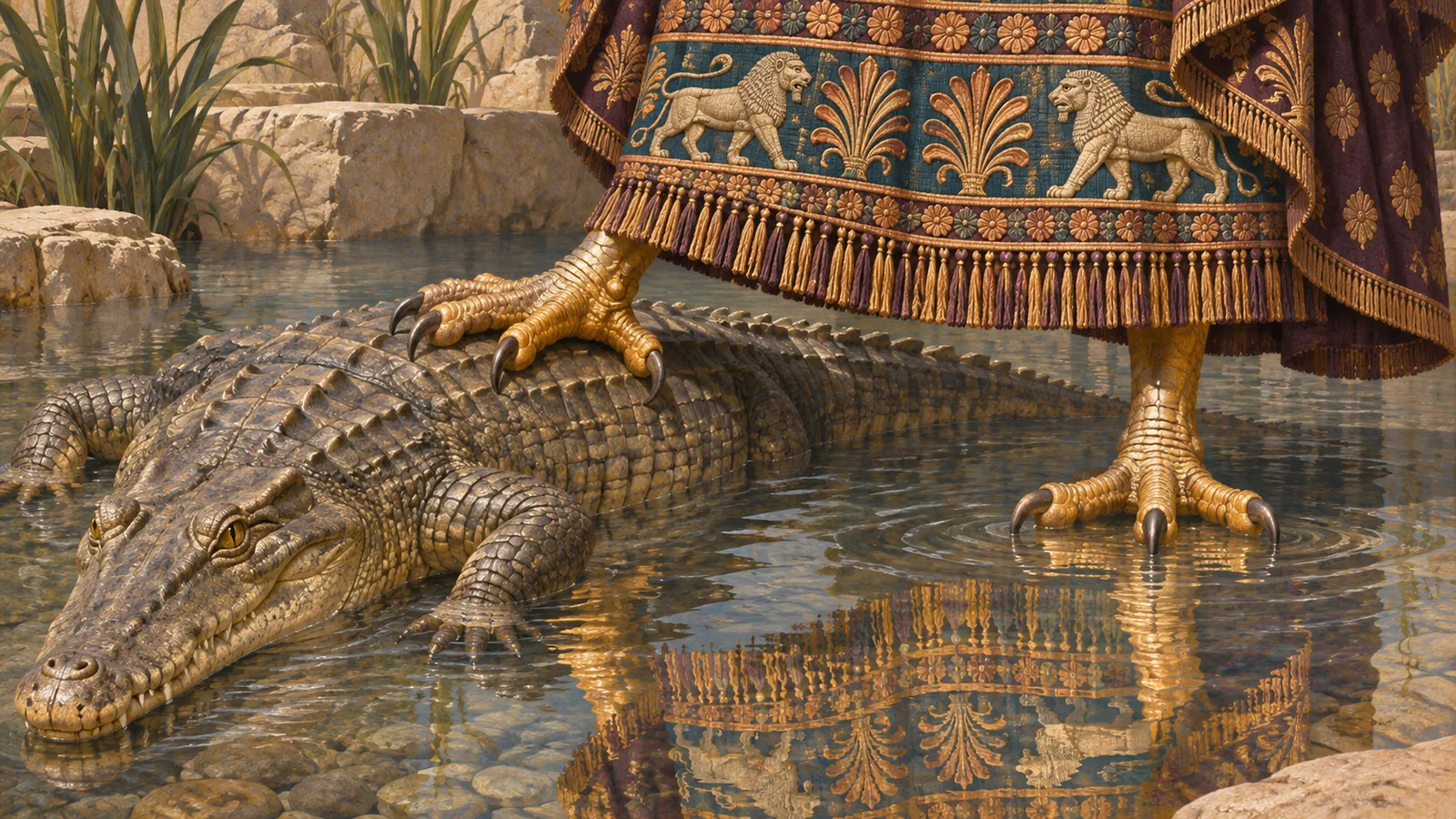
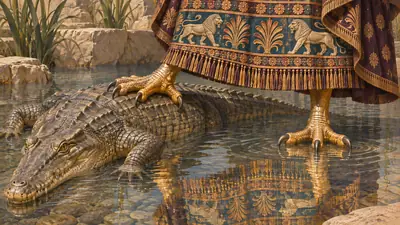
The next being has a human head and hands, a tiara and an eagle’s feet. One of those feet is set on a crocodile.
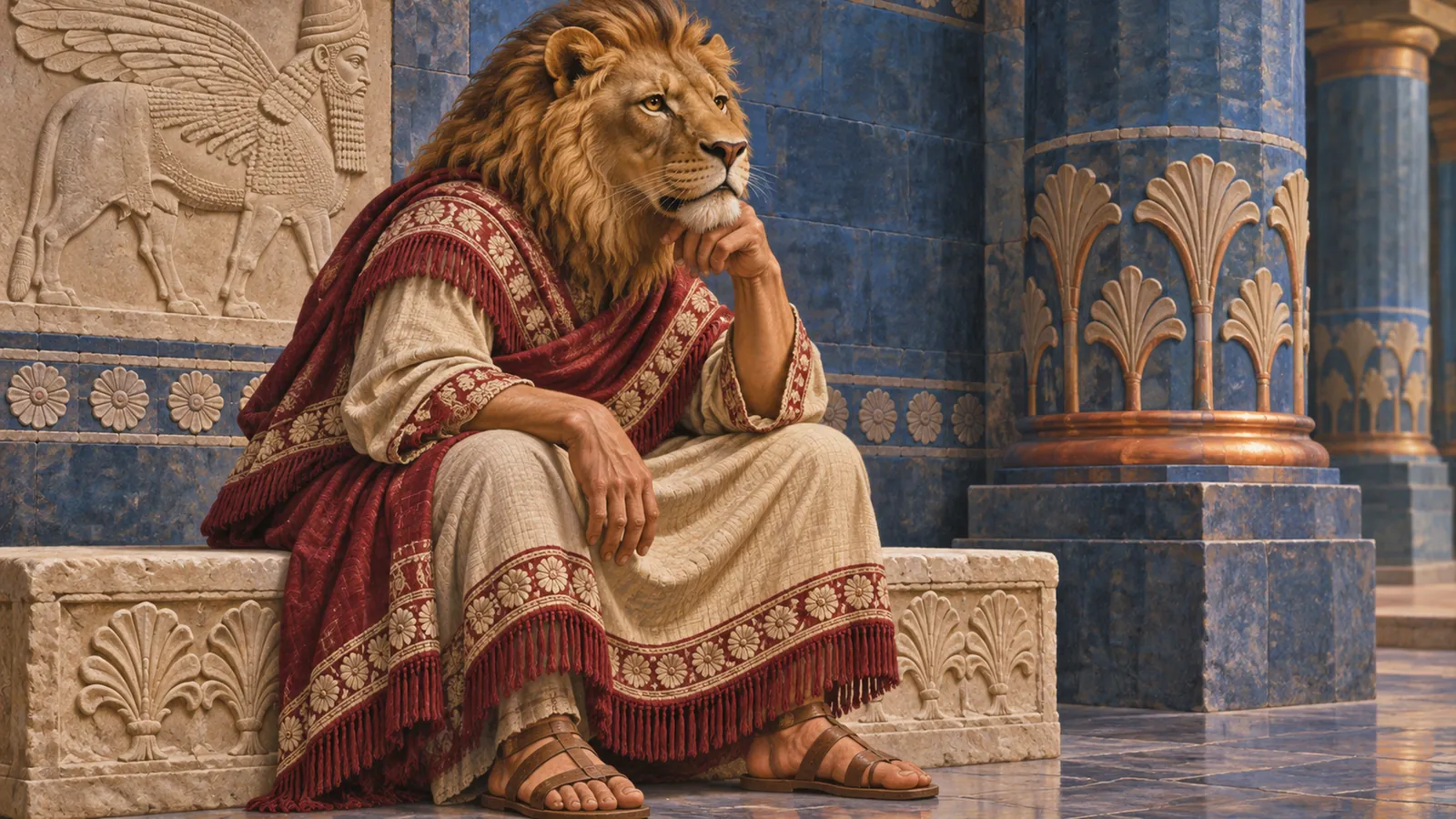
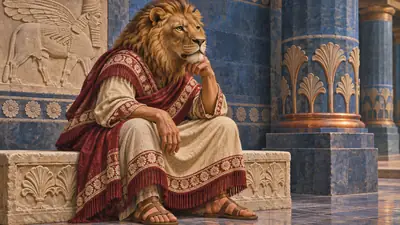
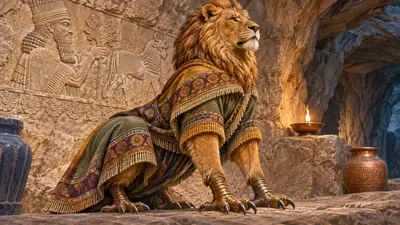
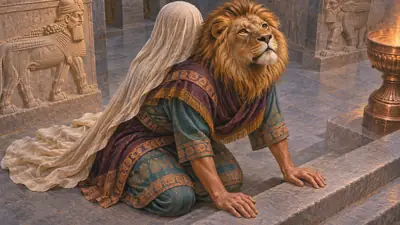
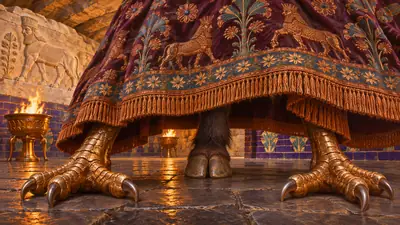
Alluhappu has the head of a lion, with hands and feet like a person’s. The prince has just seen talons on the figure before him. Now he can make out human limbs.
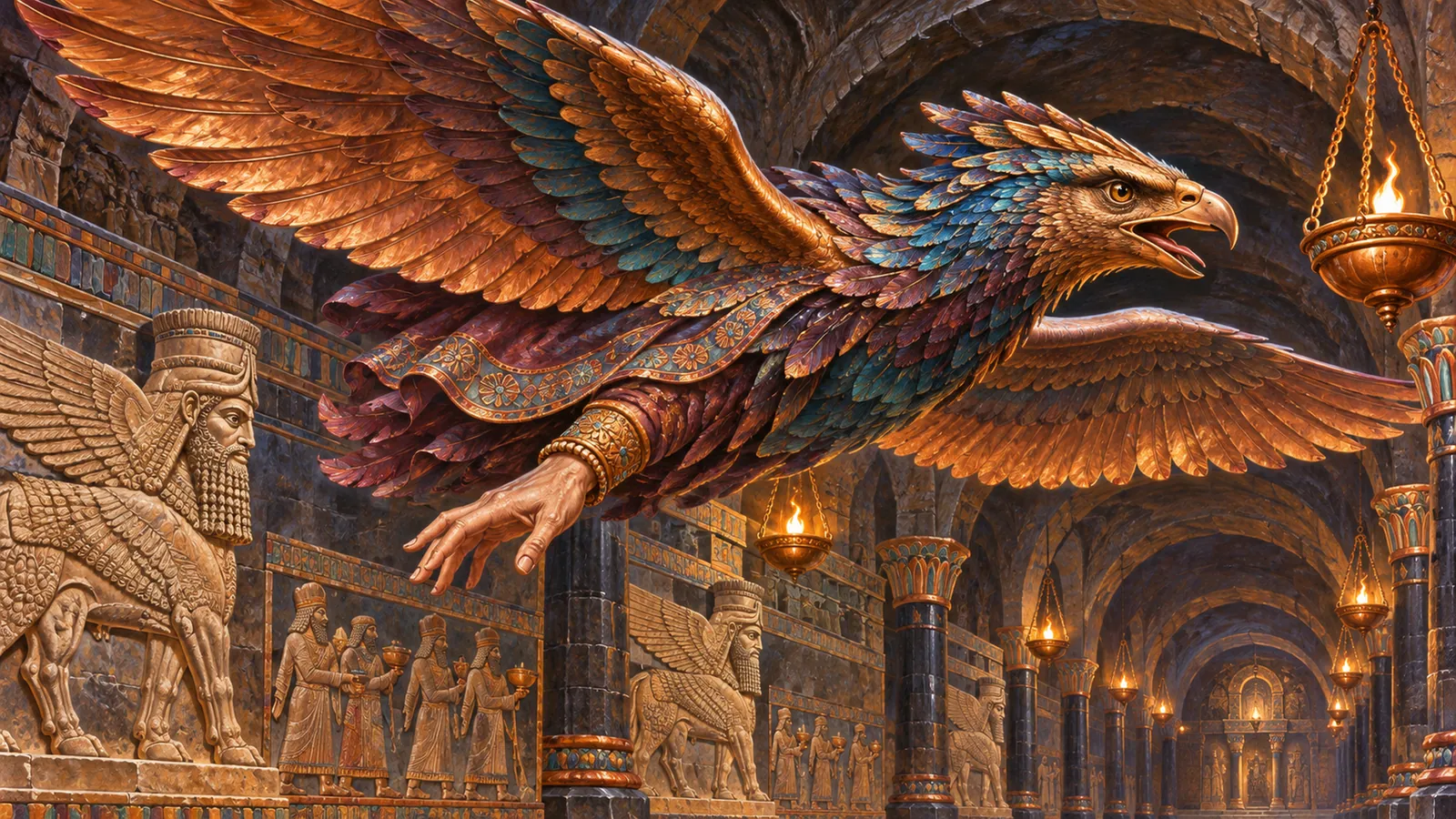
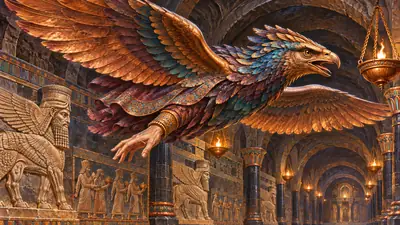
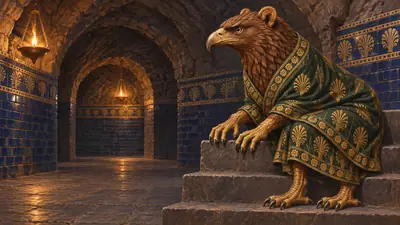
Another being has a bird’s head and spreads its wings as it crosses back and forth. The words also give it human hands and feet. Kummaya sees it in motion.
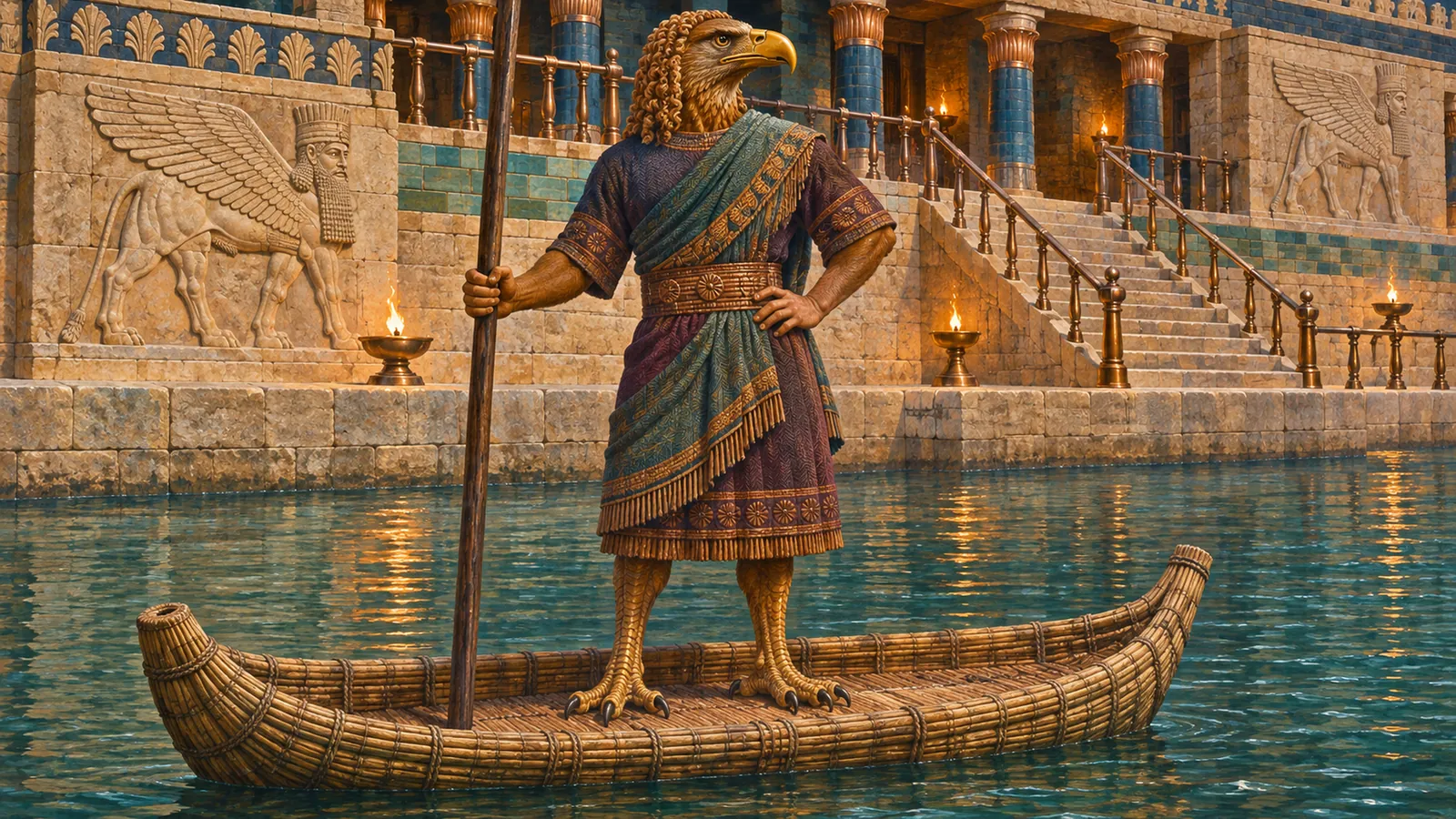
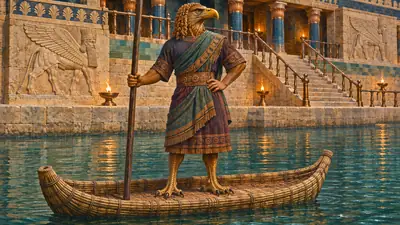
The ferryman of the underworld is Humut-tabal. His head resembles Anzu, the mythical lion-bird. The tablet mentions his limbs, then breaks before giving their shape.
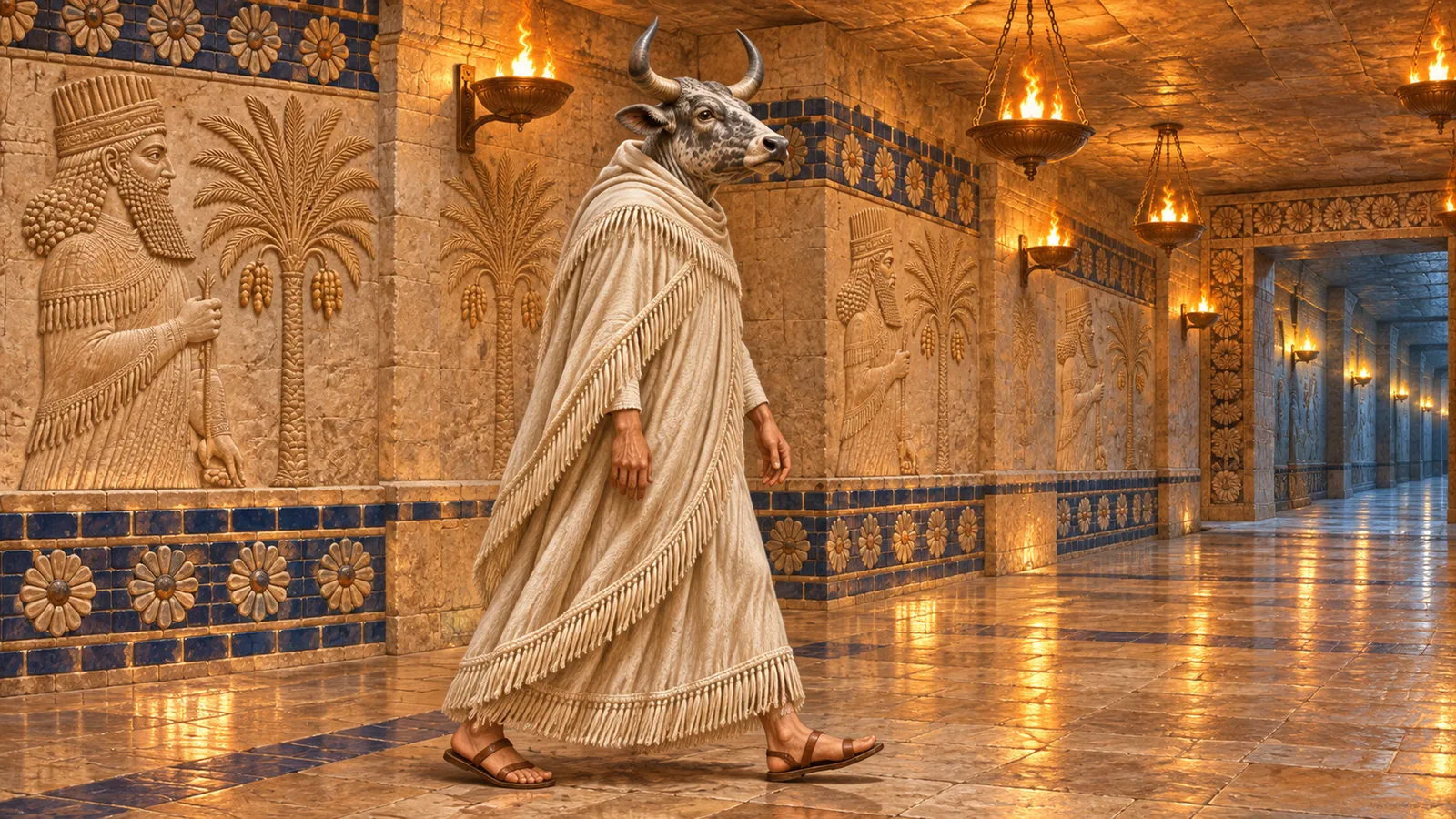
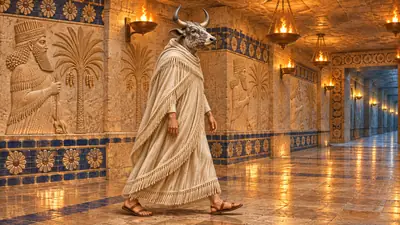
Kummaya meets a ghost whose head is that of an ox. Its hands and feet are human. Horns, hair and human limbs share a single form in the prince’s account.
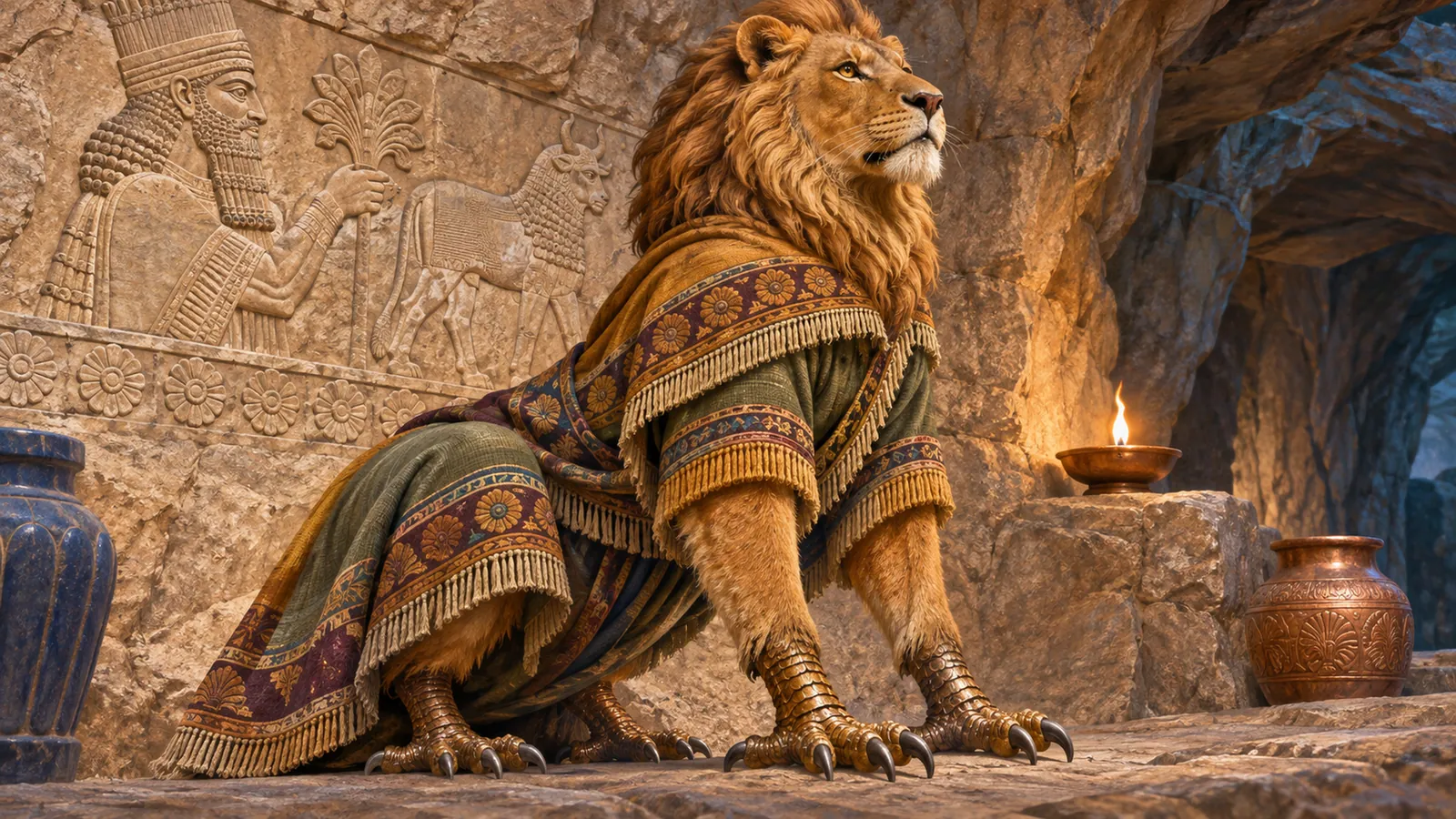
Another being has a lion’s head. The tablet gives it hands and feet like those of Anzu. With each figure, Kummaya records what he could make out in the vision.
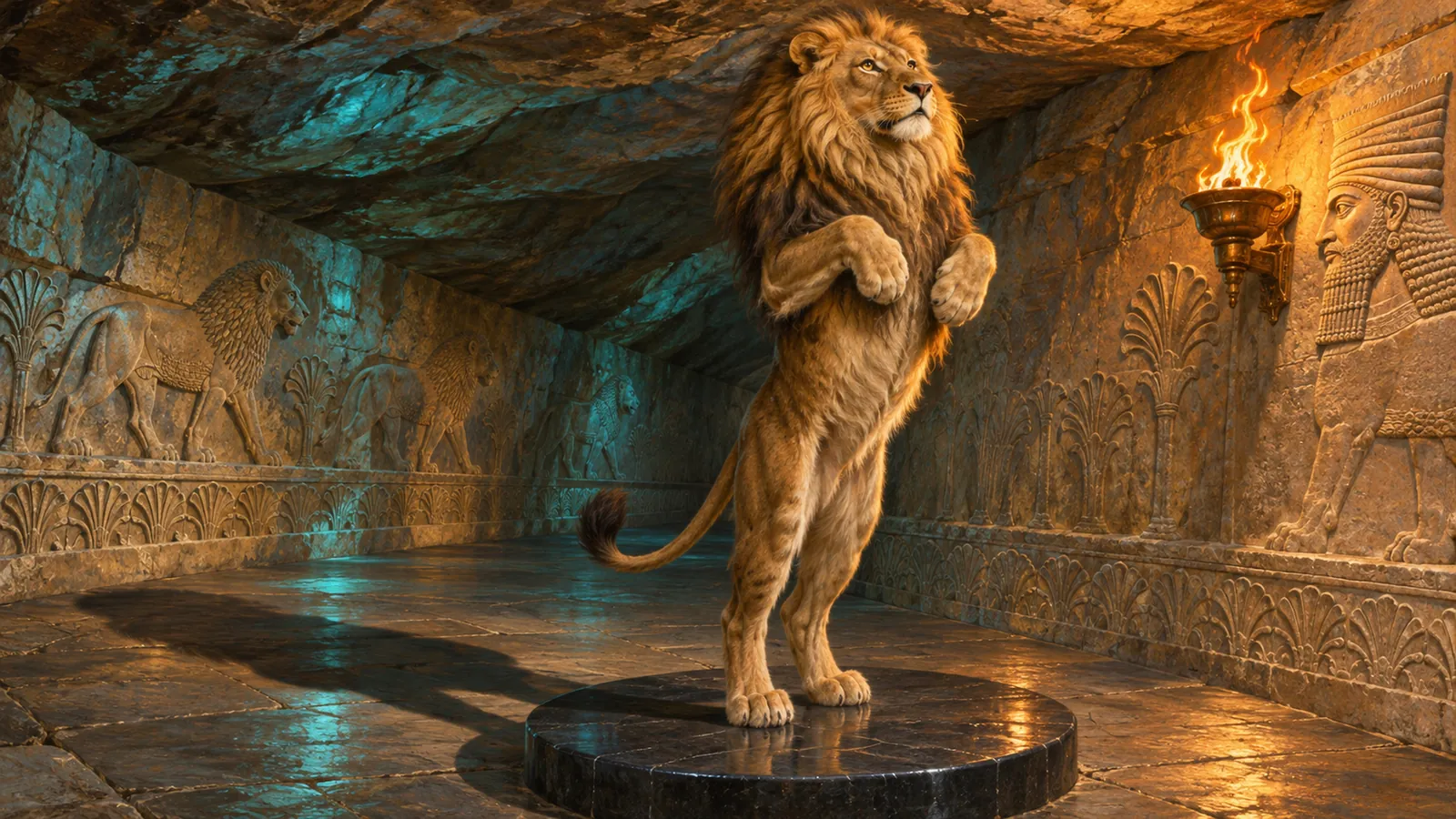
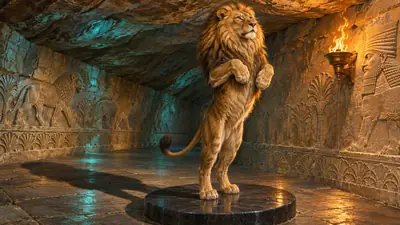
Shulak is a lion, but he is always on his hind legs. The tablet gives him just that one striking pose, a lion held upright in the middle of the vision.
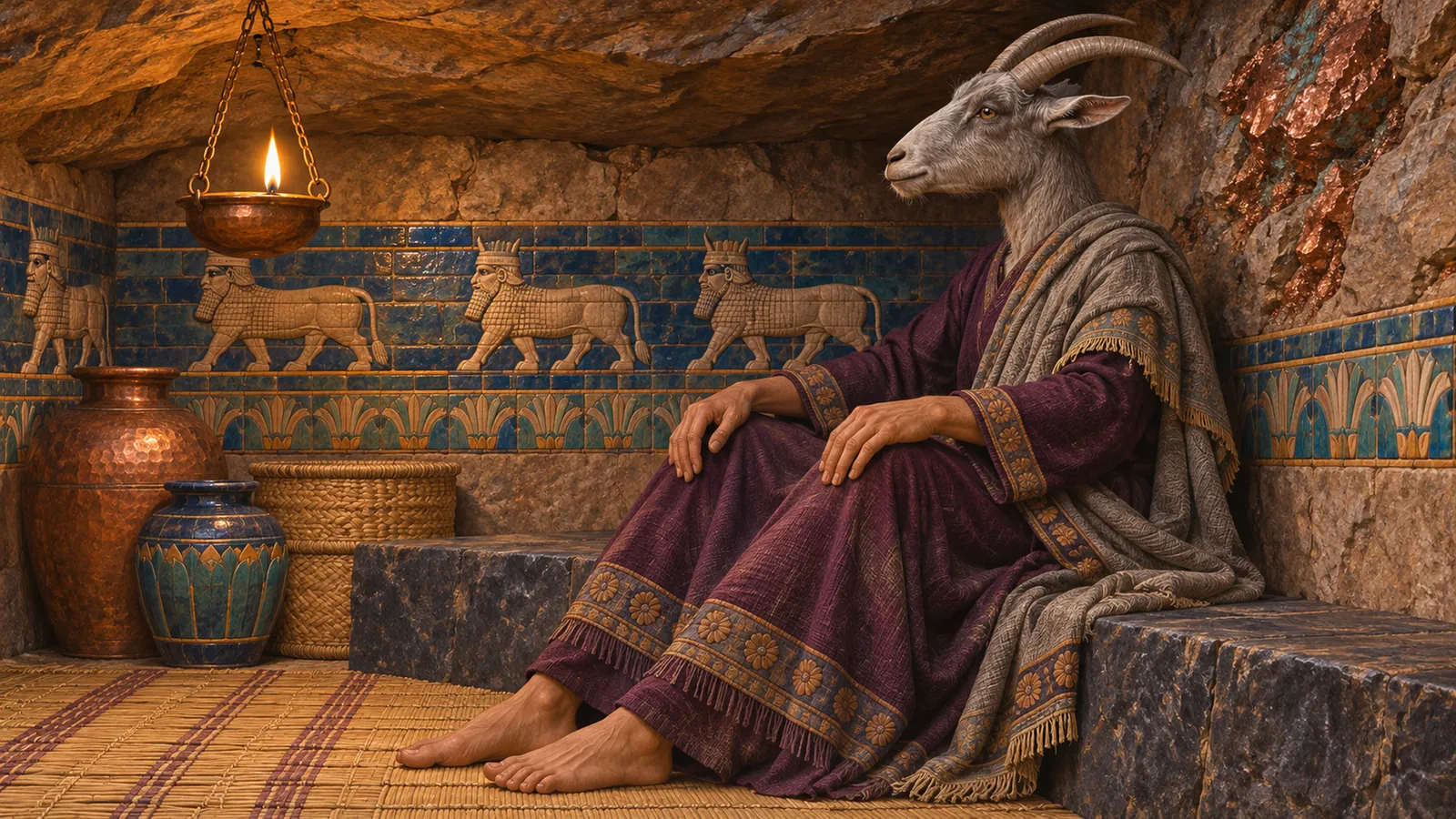
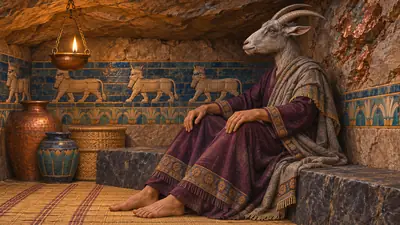
Even an oath takes shape in this place. Its figure has a goat’s head, with hands and feet like a person’s. It is the form the tablet gives to a binding promise.
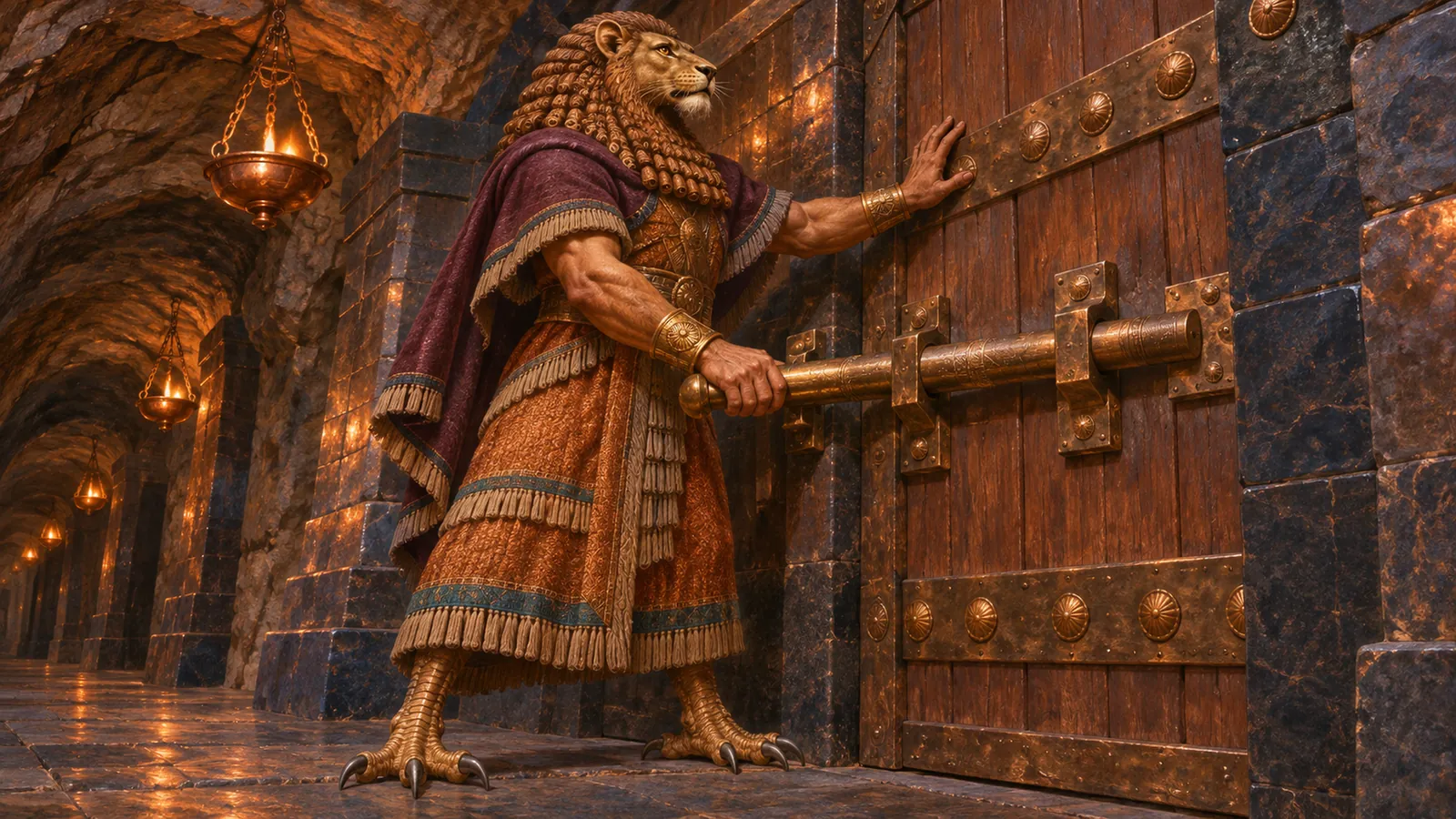
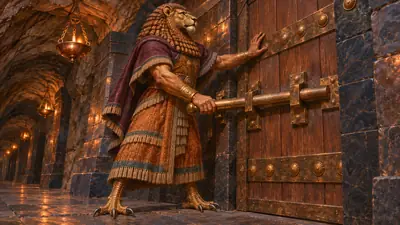
Nedu keeps the gate below. His head is a lion’s, his hands are human, and he stands on a bird’s feet. Kummaya notices all three features.
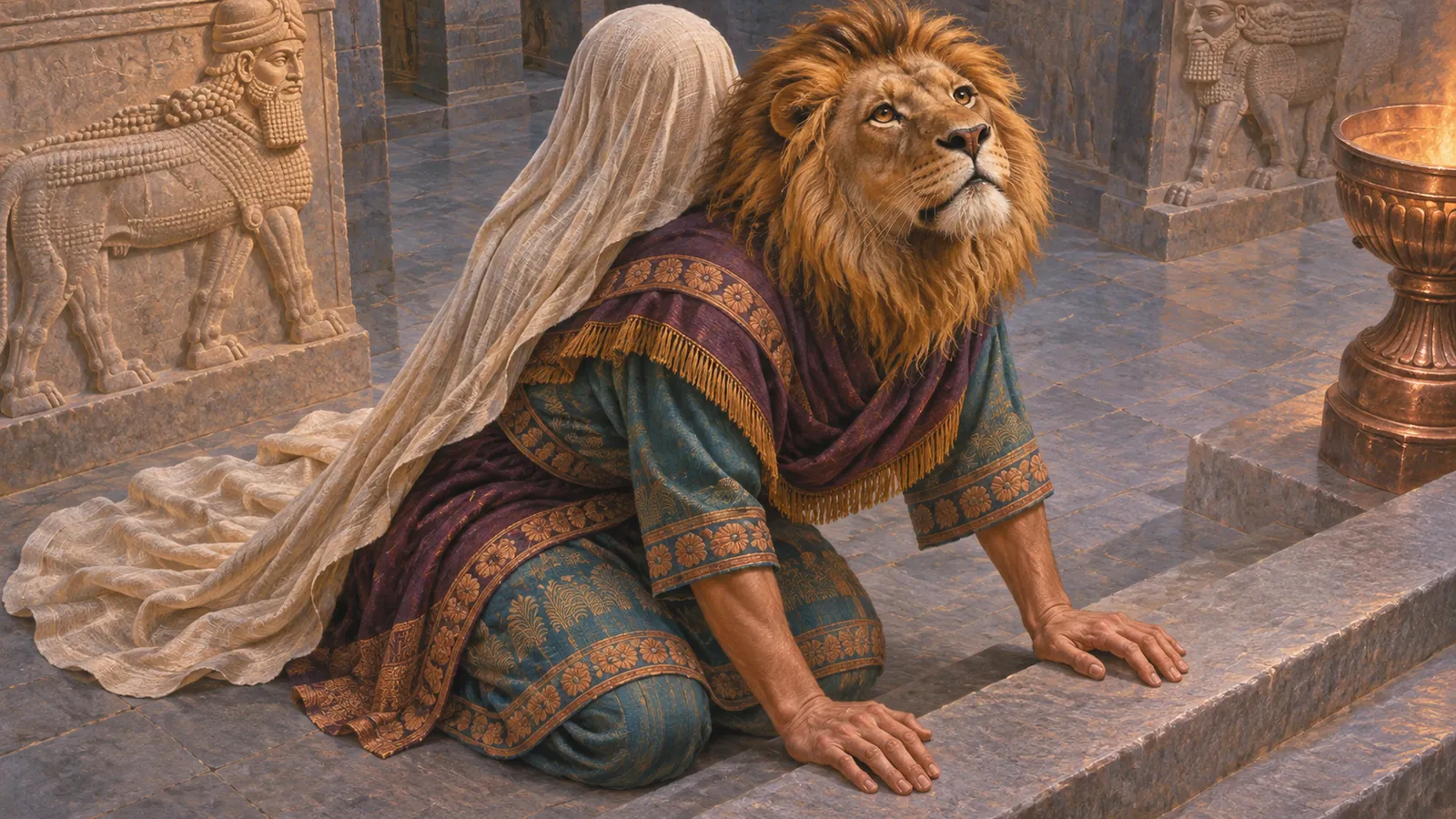
The prince names a being that embodies evil, with two heads. One is a lion’s. The line breaks where it would tell us what the other head looked like.
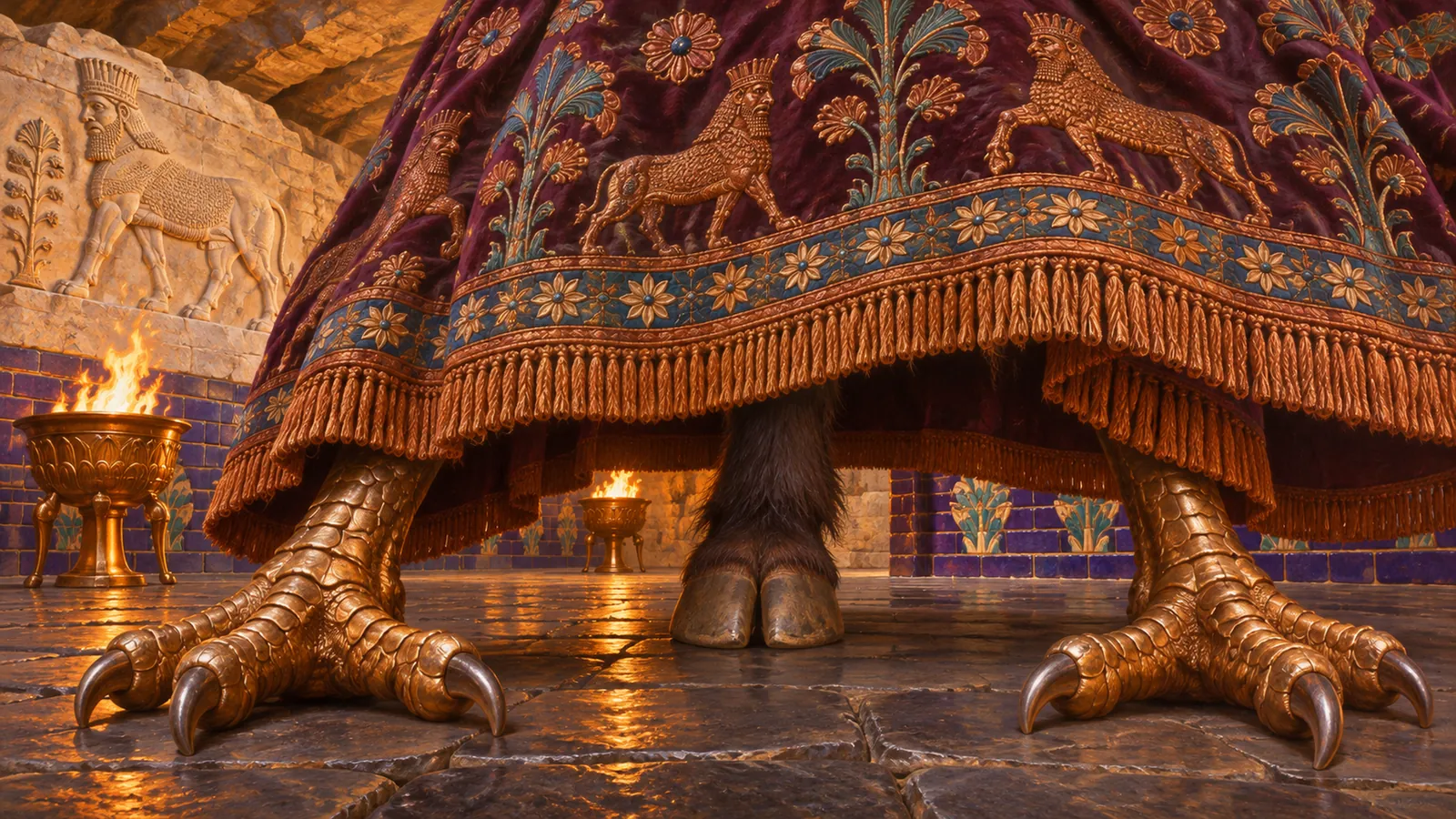
The next is called Muhra in the edition. Two birds’ feet stand at the front and one bull’s foot behind. The prince remembers the radiance and terror of the sight.
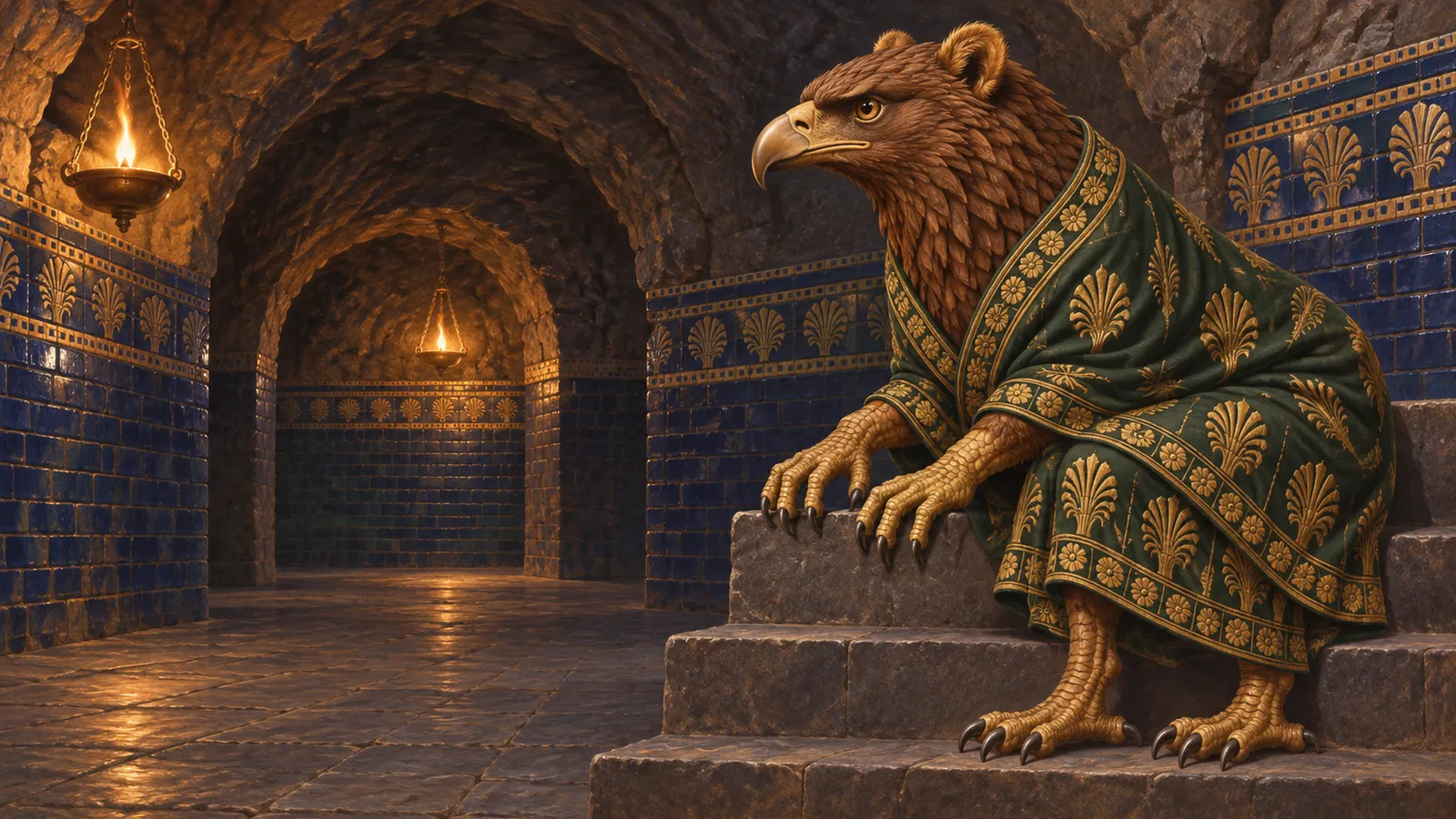
The prince cannot name two further gods. The first has a head, hands and feet like Anzu’s. The words that might have told us what its left hand held are lost.
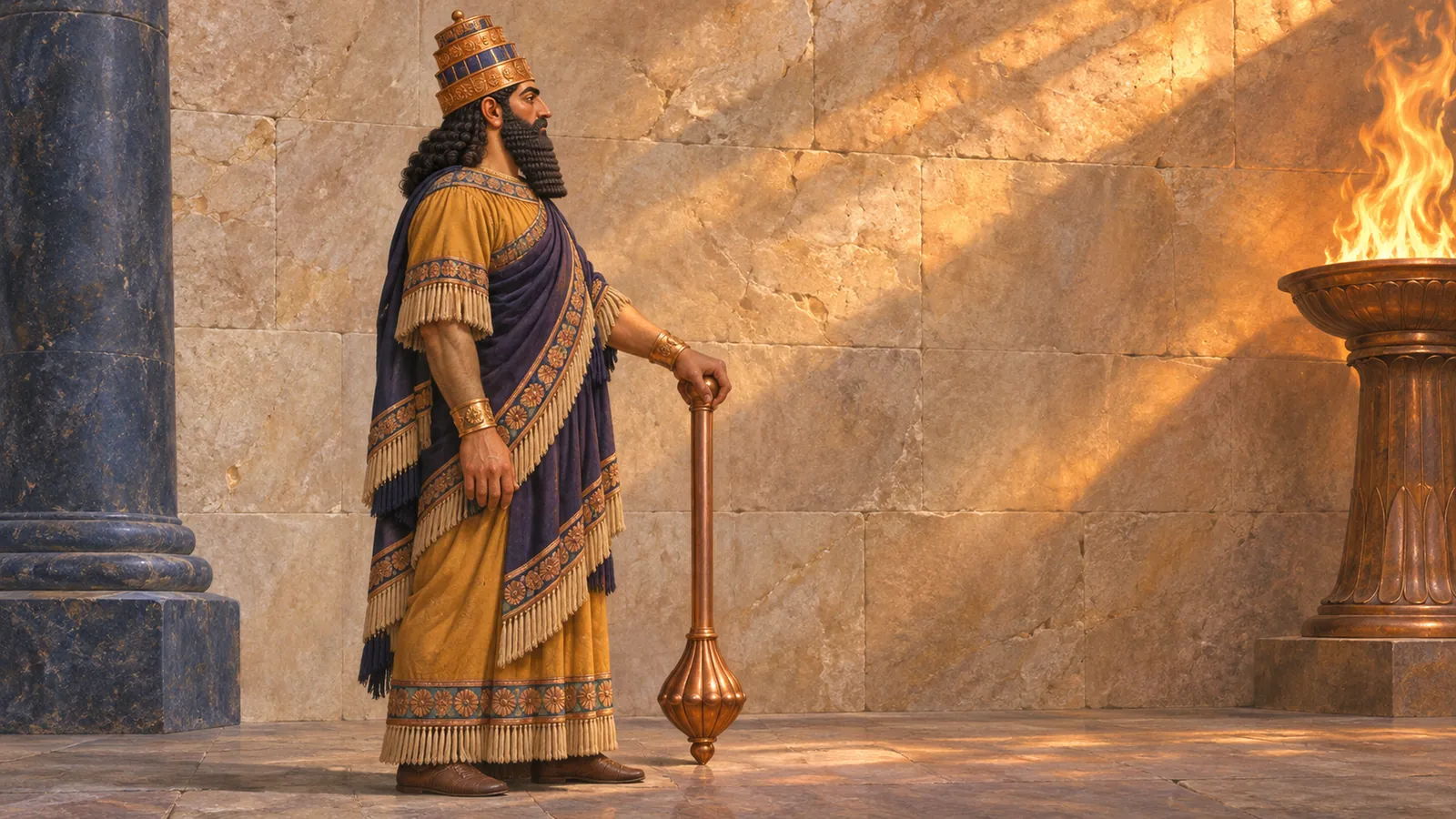
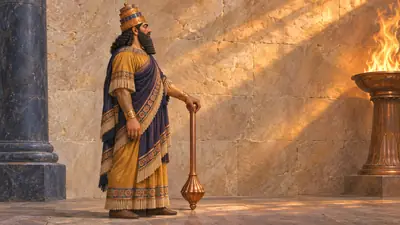
The other has a human head and wears a tiara. It holds a mace in its right hand. The text breaks before we learn clearly what lay before it.
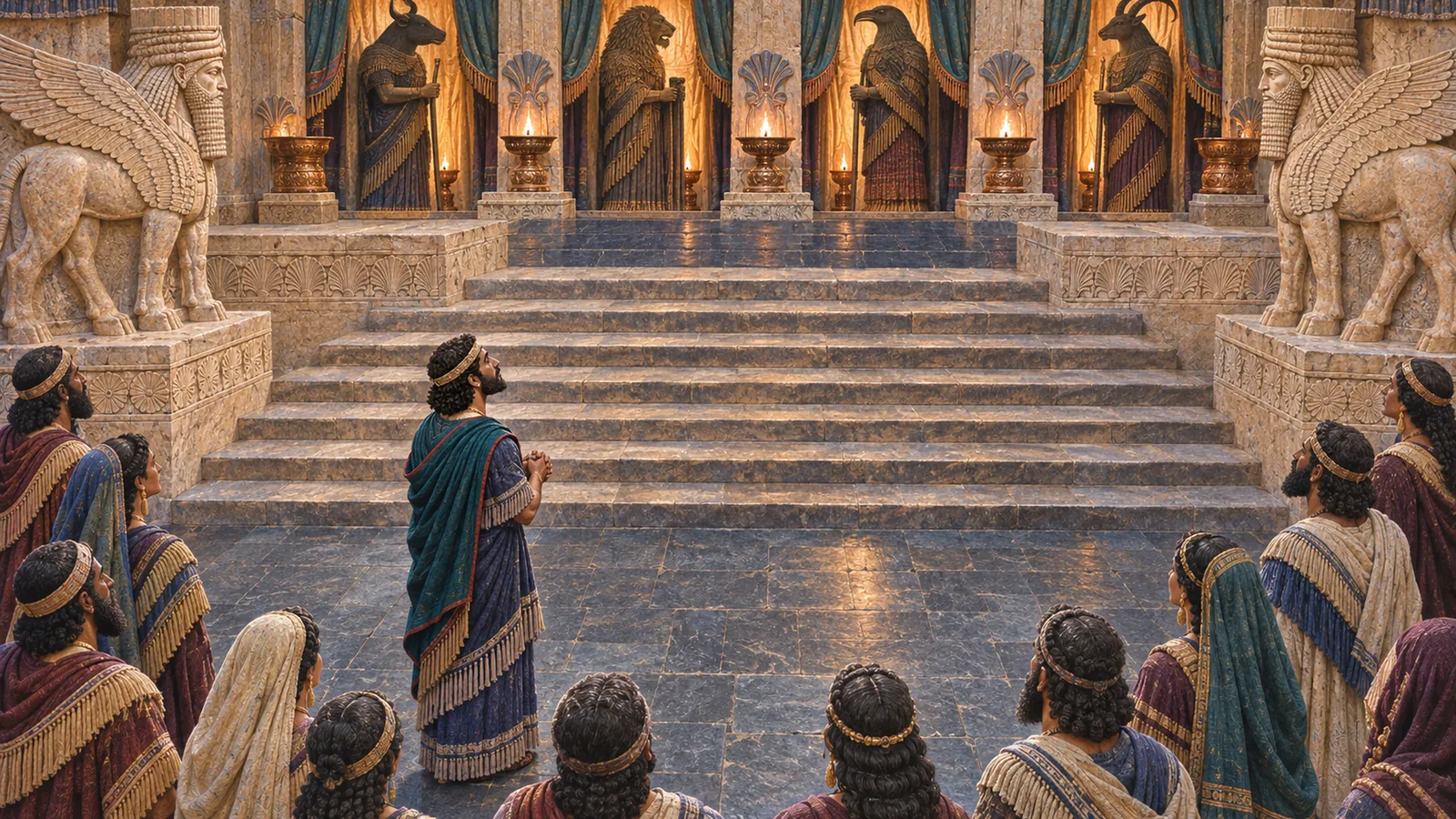
The tablet reports fifteen gods, and Kummaya salutes them in prayer. It describes the figures in sequence, sometimes by name and sometimes by the shape he saw.
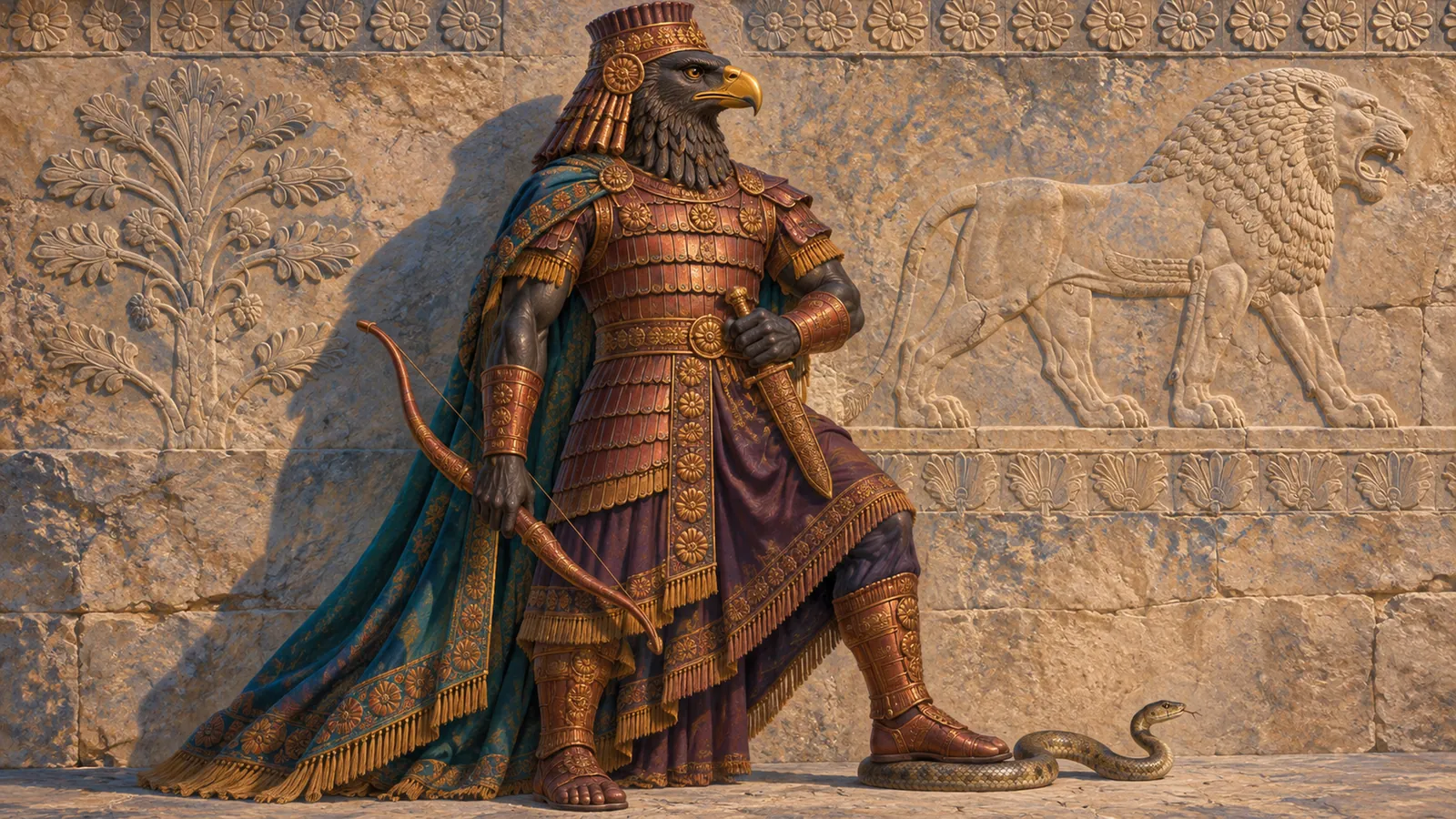
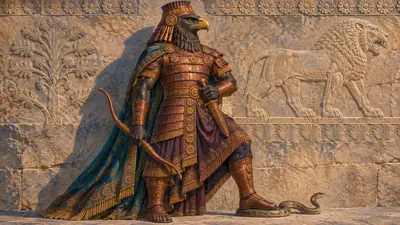
After the count, the tablet describes a dark figure in red armor with a face like Anzu’s. It holds a bow and a dagger, with one foot on a snake.
NERGAL
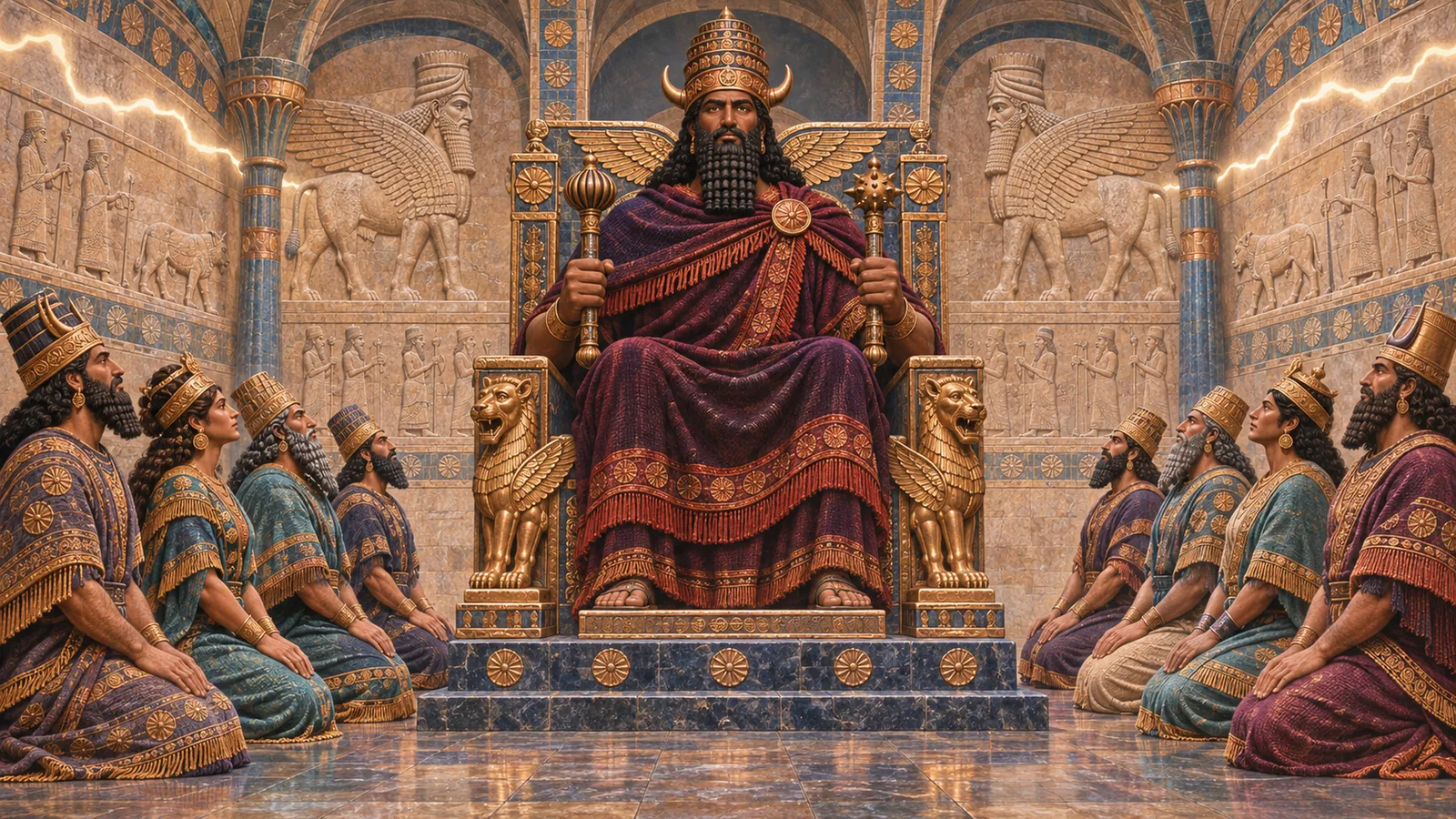
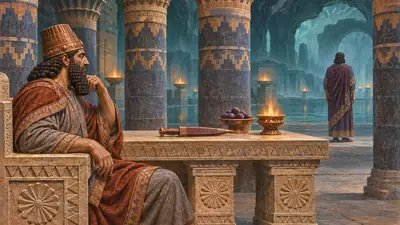
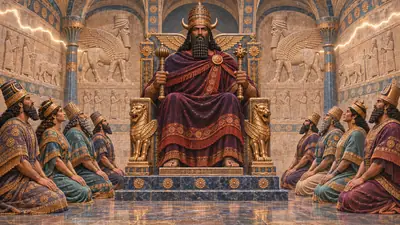
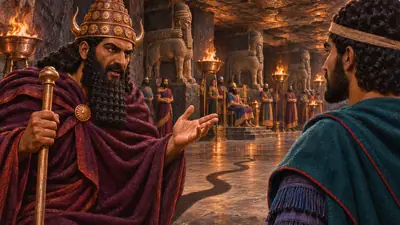
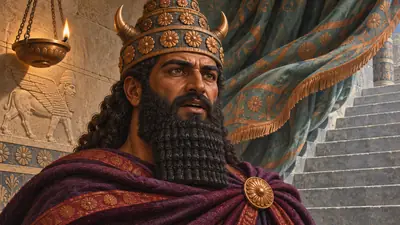
Kummaya raises his eyes. Nergal sits enthroned with his royal crown and a mace in each hand. Lightning flashes in the vision, and the great gods kneel around their king.
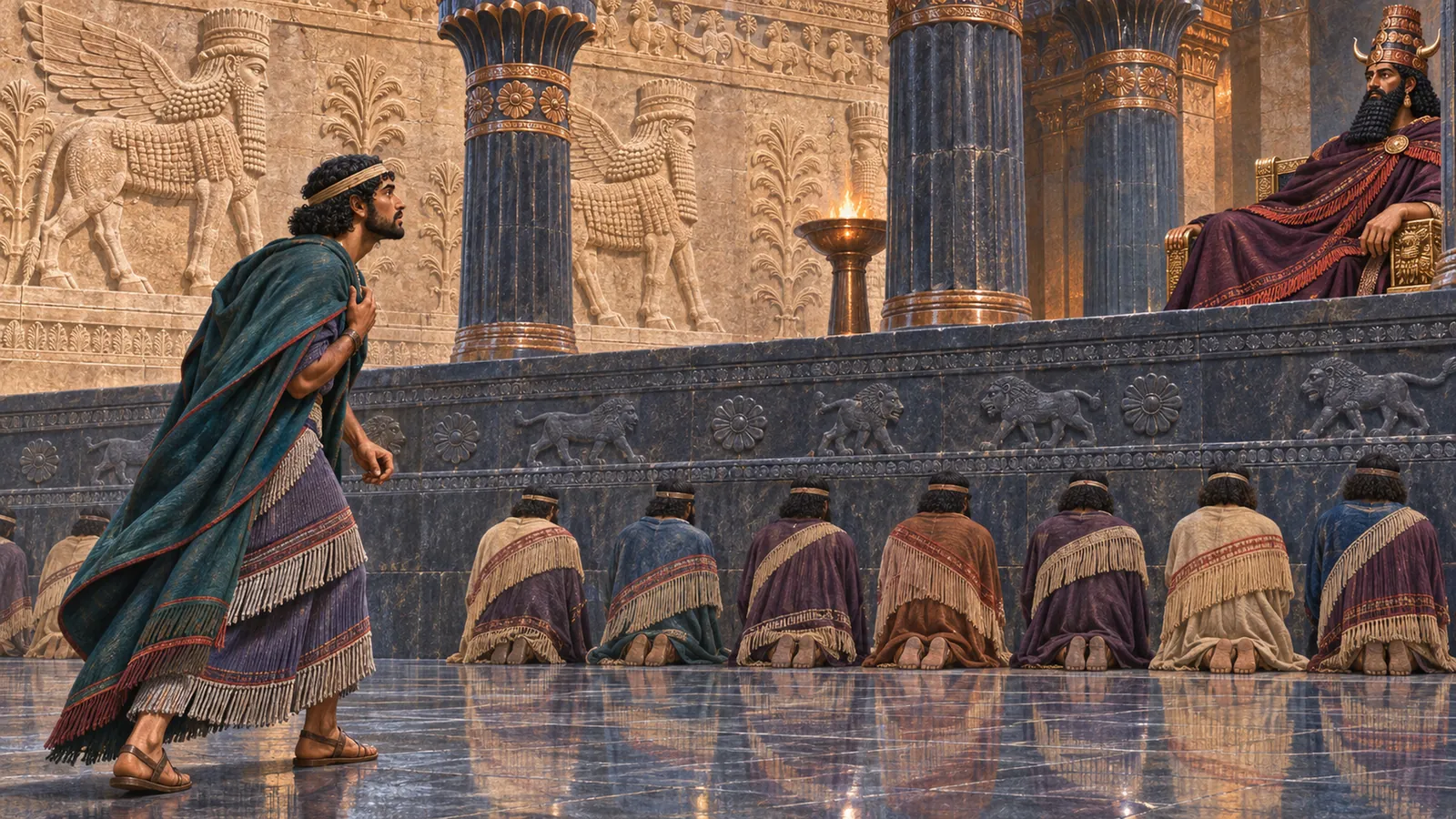
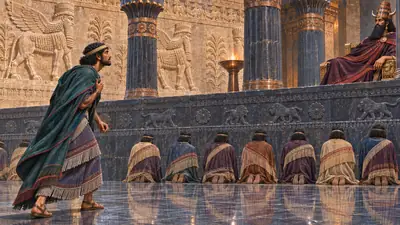
A great silence falls over the court. Kummaya says he is drawn before Nergal by his forelock. The terrifying splendor comes so close that he feels it in his bones.
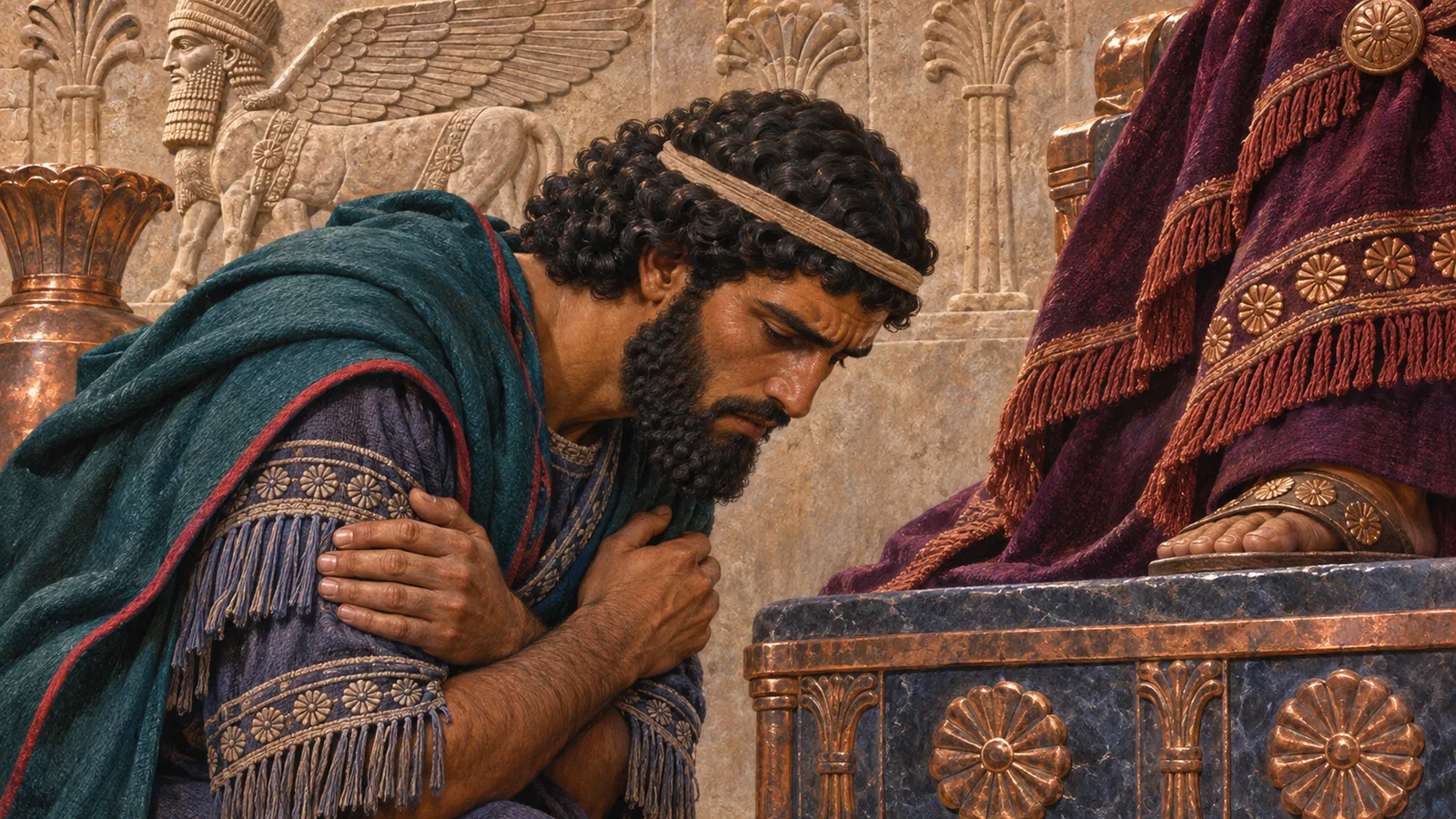
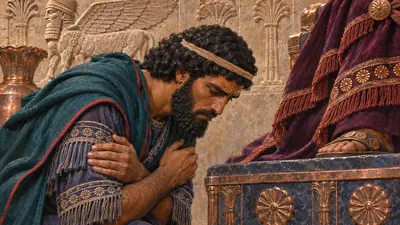
Kummaya trembles and kneels low. He touches his lips to Nergal’s feet, then rises as the god looks at him and shakes his head.
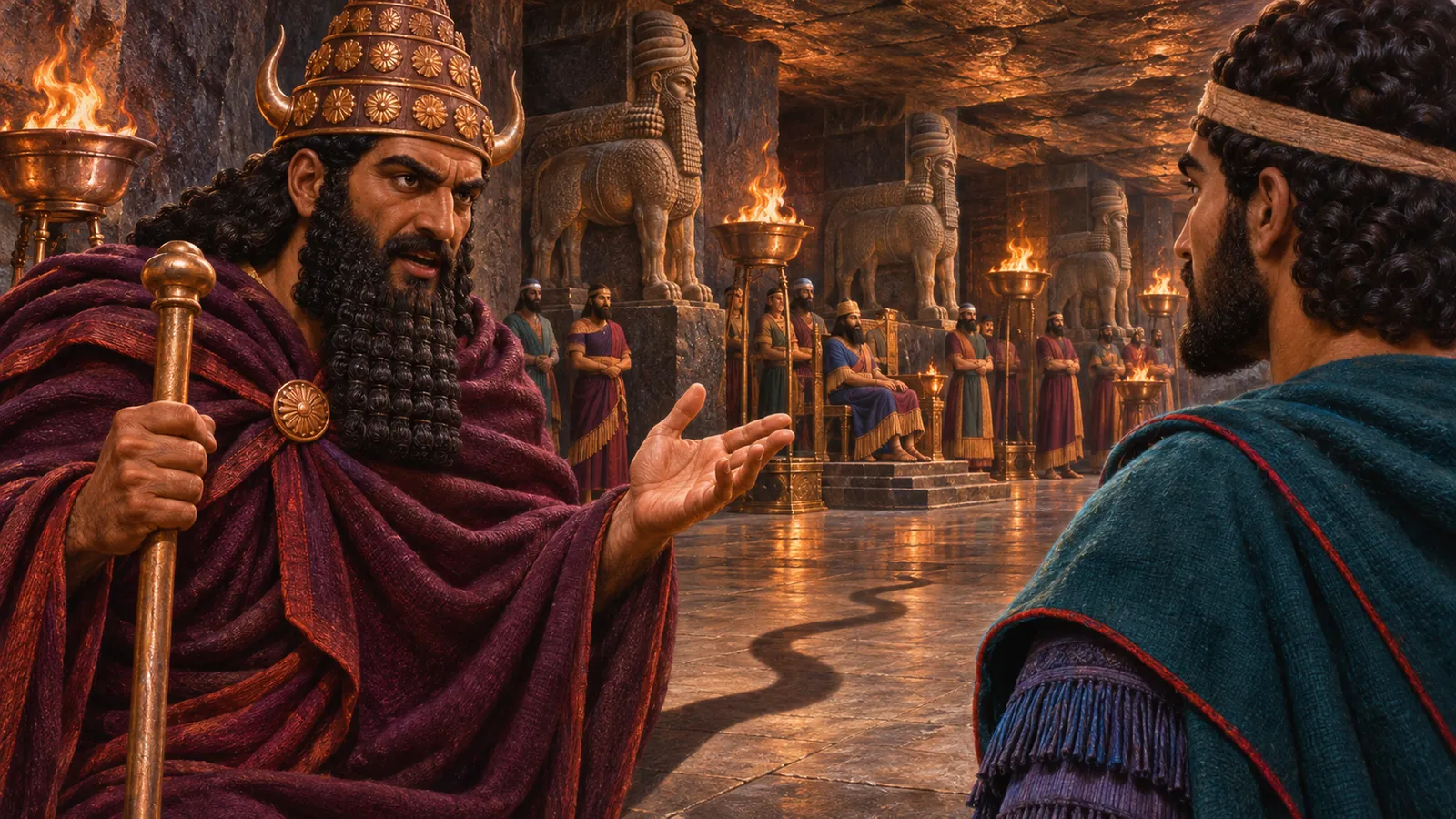
Nergal’s voice sounds to the prince like a storm. He turns his scepter toward Kummaya. The tablet compares it to a viper, and Kummaya believes his life is in danger.
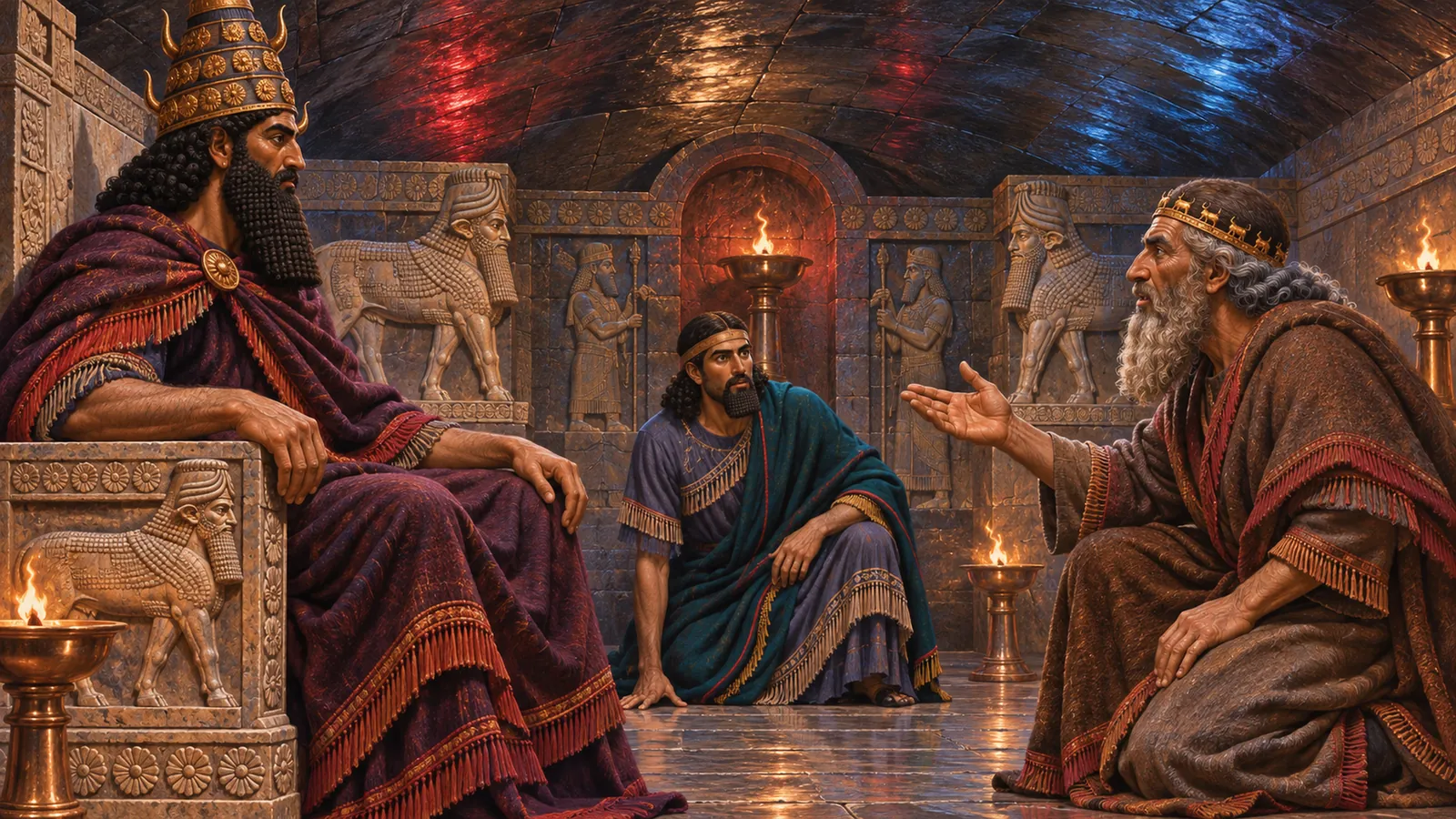
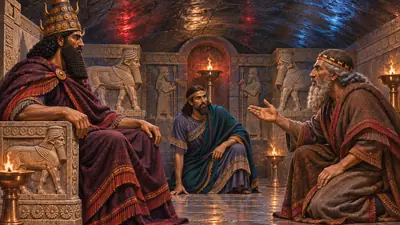
Ishum speaks before Nergal can act. He asks the king below to let the man live so people in many lands can hear praise of the king’s deeds.
The appeal calms Nergal. The tablet compares his heart to clear water in a well. He relents and asks Kummaya why he insulted his wife, the queen of the underworld.
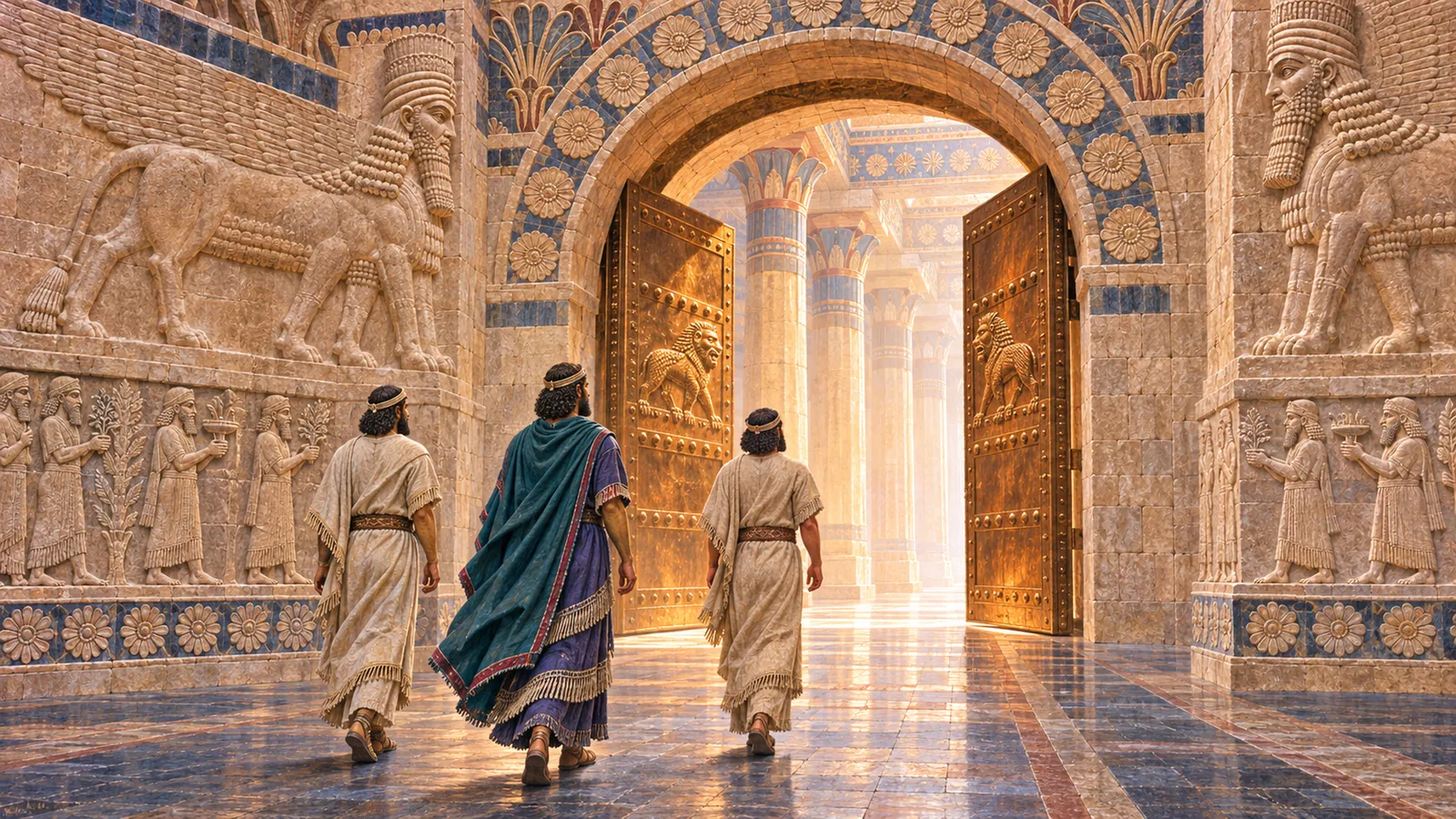
Nergal orders Bibbu to deliver Kummaya to the porter Lugalsula. He is to be let out through the gate of Ishtar and Aya. The order is given in the queen’s name.
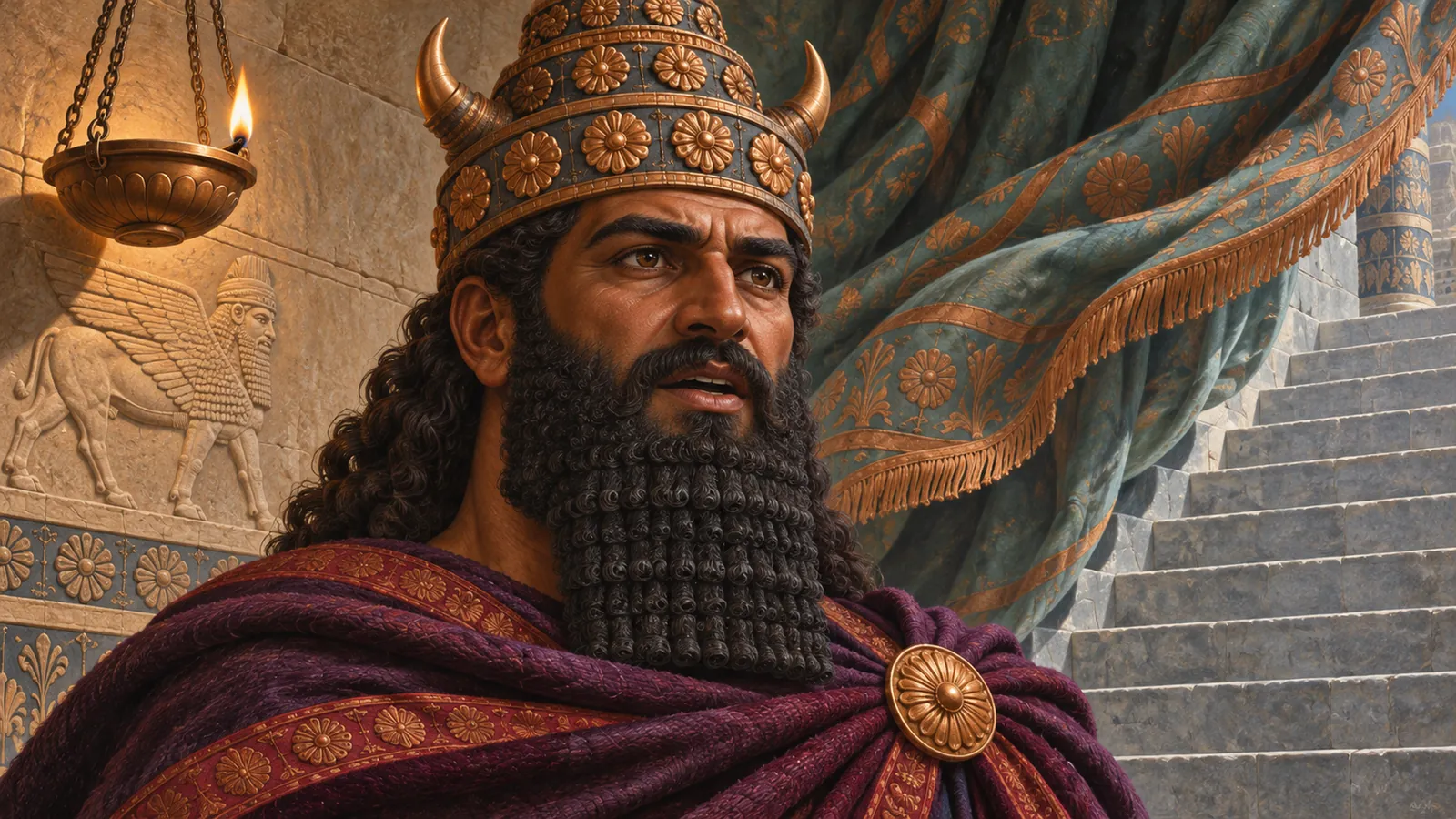
Nergal tells Kummaya to remember him. He leaves the prince alive, but says that at Shamash’s command distress and upheaval will be so loud that he will find no sleep.
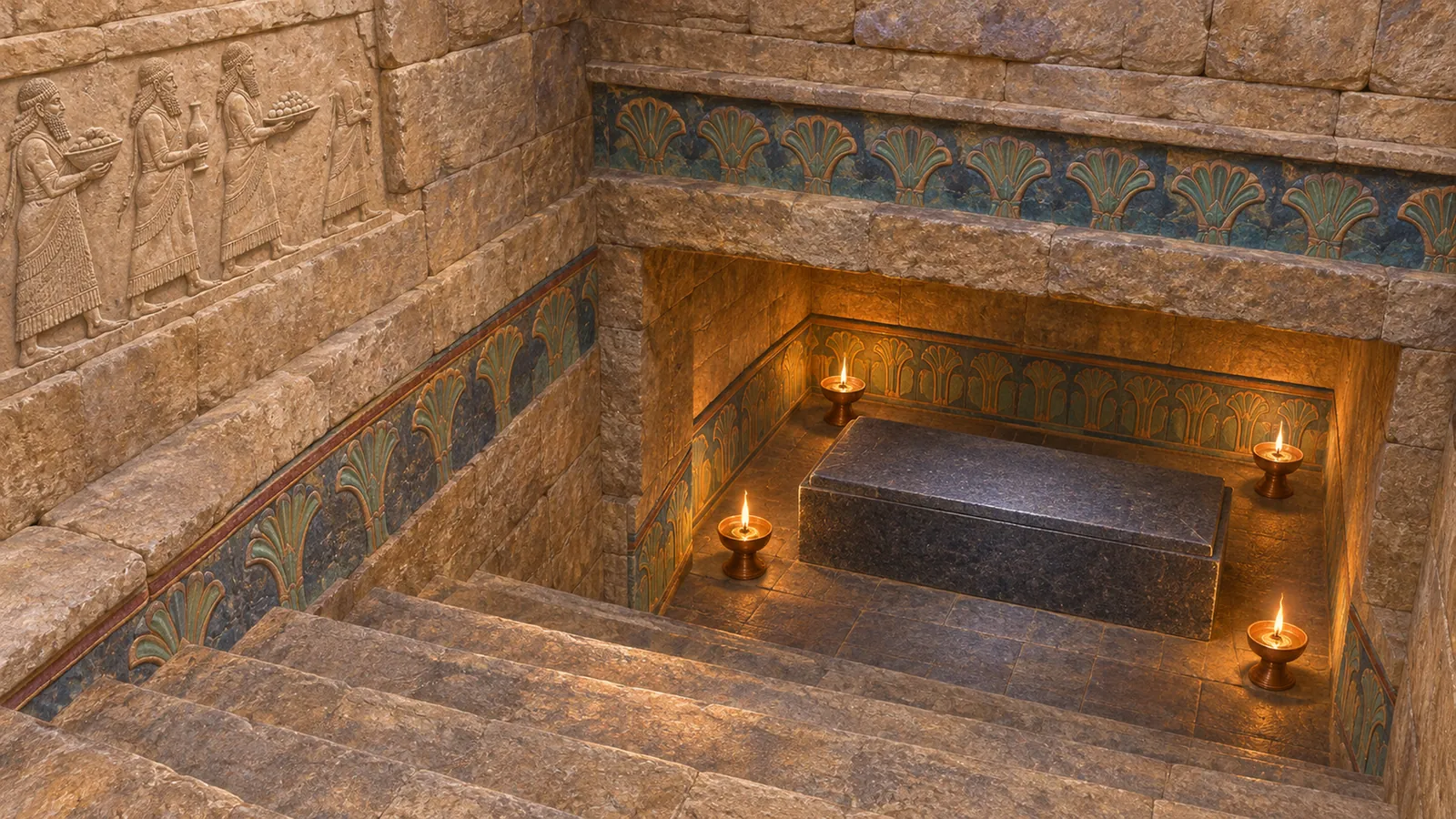
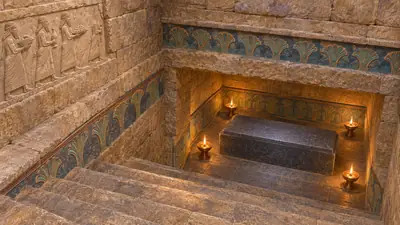
Nergal points to a ruler buried in the underworld. He calls him a proud shepherd and speaks of rule from east to west. The tablet preserves no secure name for that king.
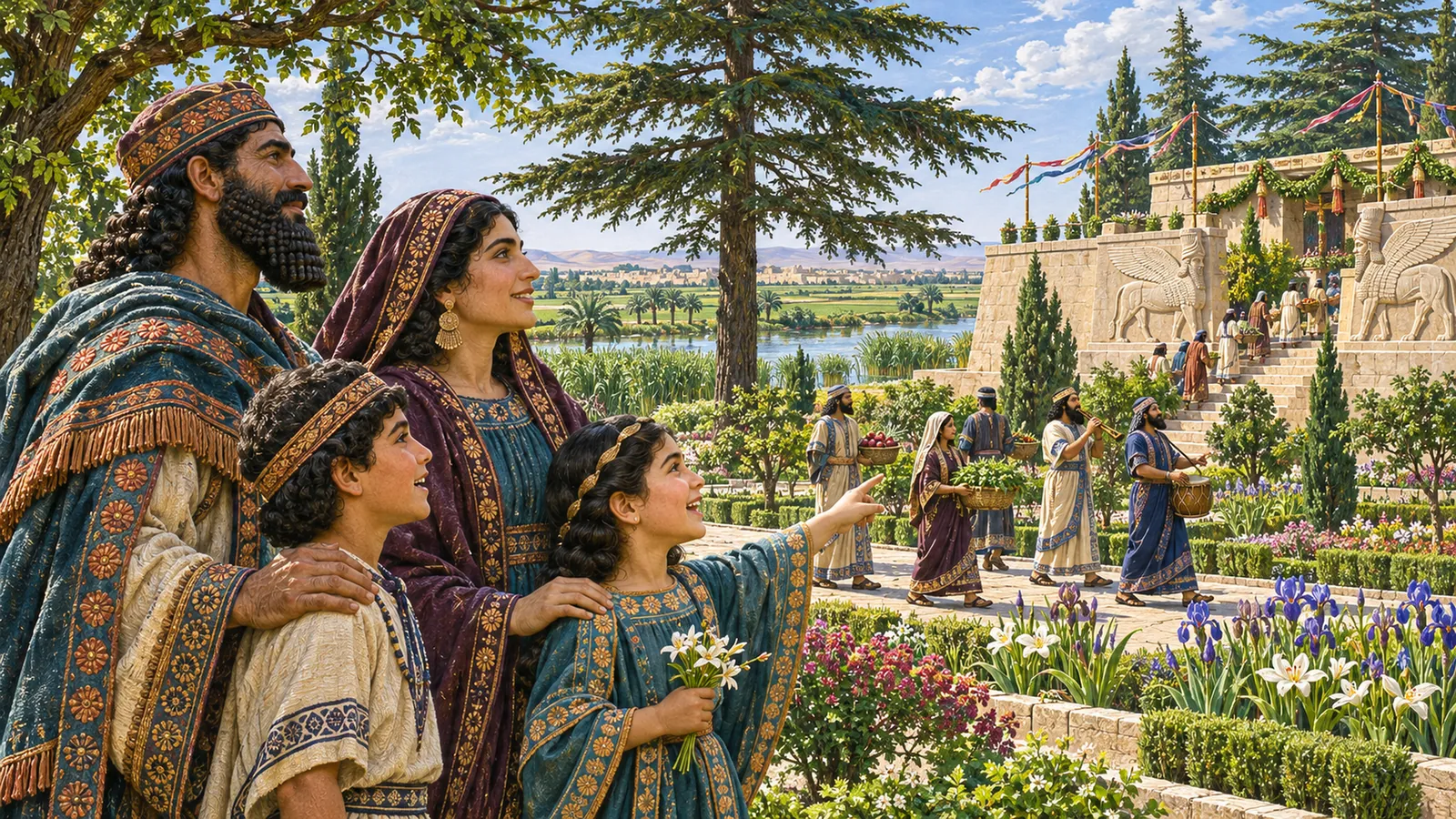
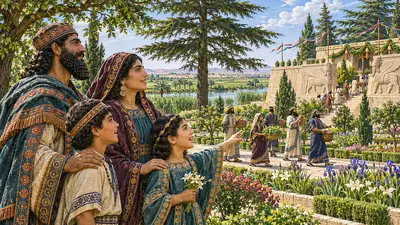
The ruler, Nergal says, was commissioned by Ashur to build a sacred festival house. The text places it in a rich garden and compares that setting to Mount Lebanon.
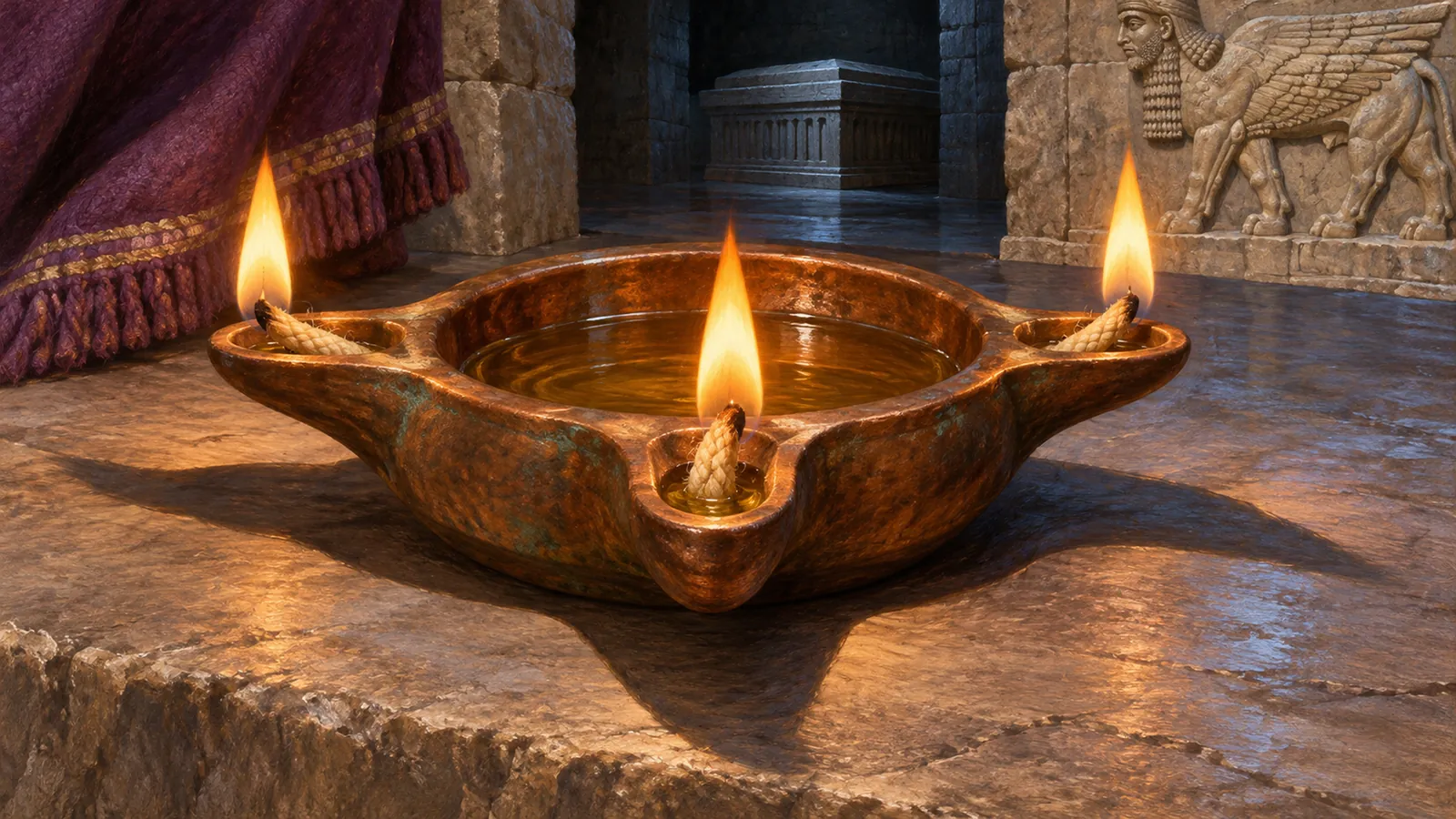
Nergal names Yabru, Humban and Naprushu as protectors of the buried ruler. Their protection extends to his family. The next line calls the prince’s father a man experienced in judgment.
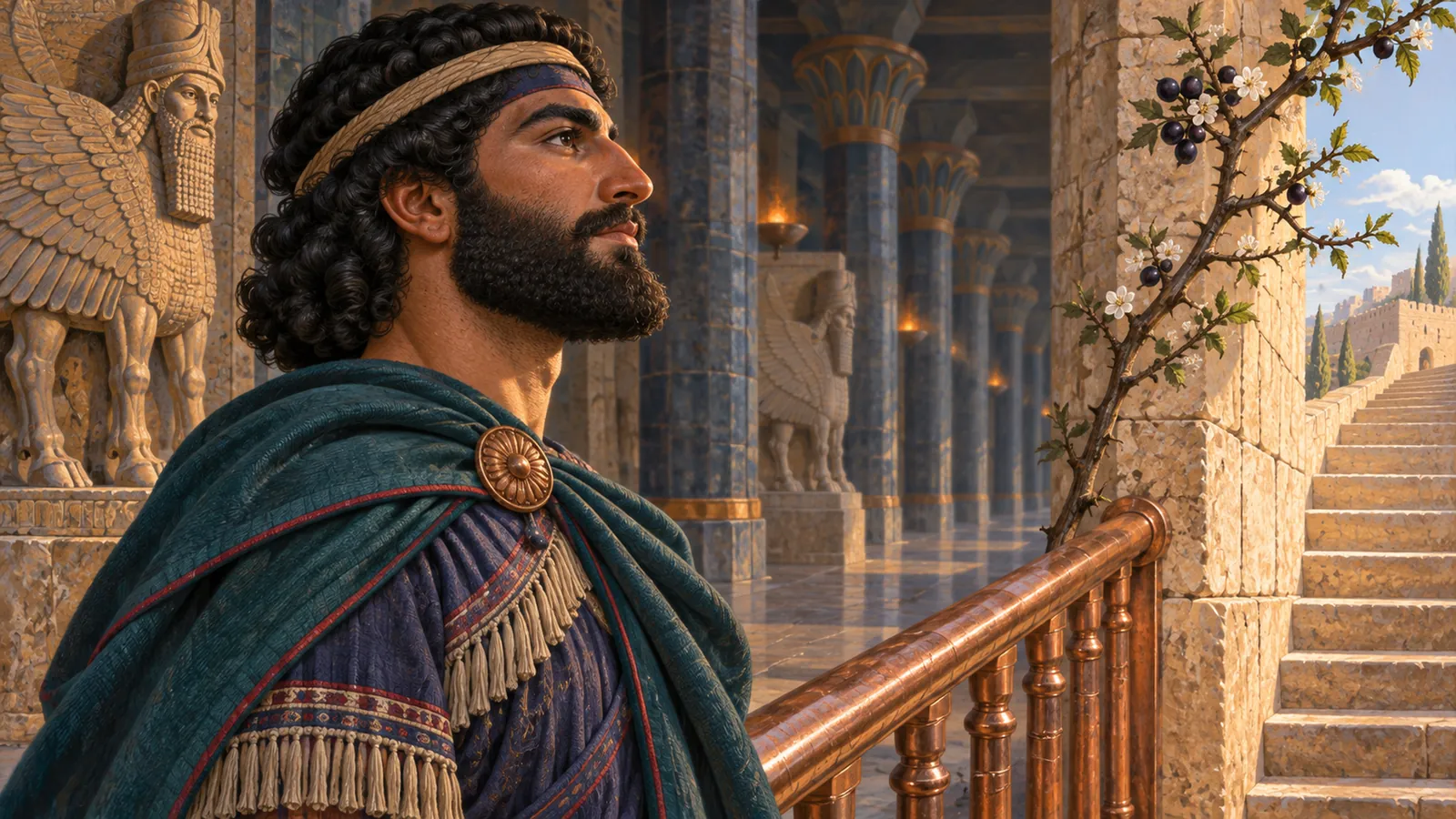
Nergal says a person who ignores the father’s words or violates what is sacred can be swept away. He tells Kummaya to carry the warning like a thorn and go back above.
THE WAKING
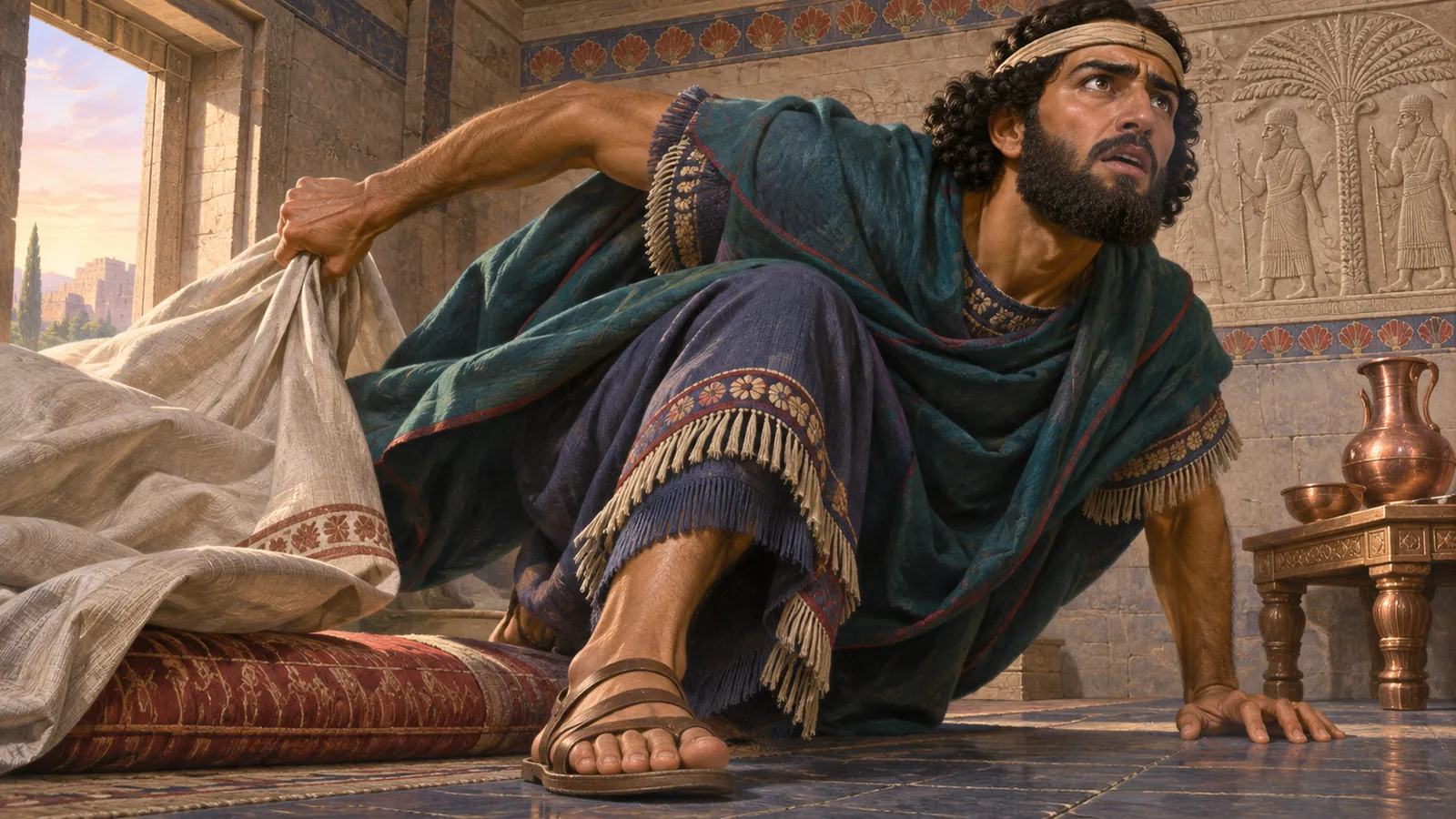
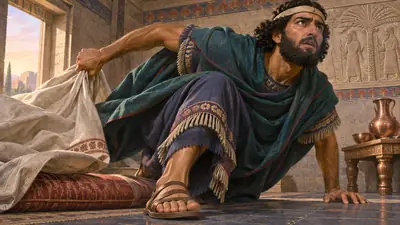
The prince wakes with a pounding heart. The tablet likens his fright to that of a man overtaken in a reed bed. An instant later, he is out of the room.
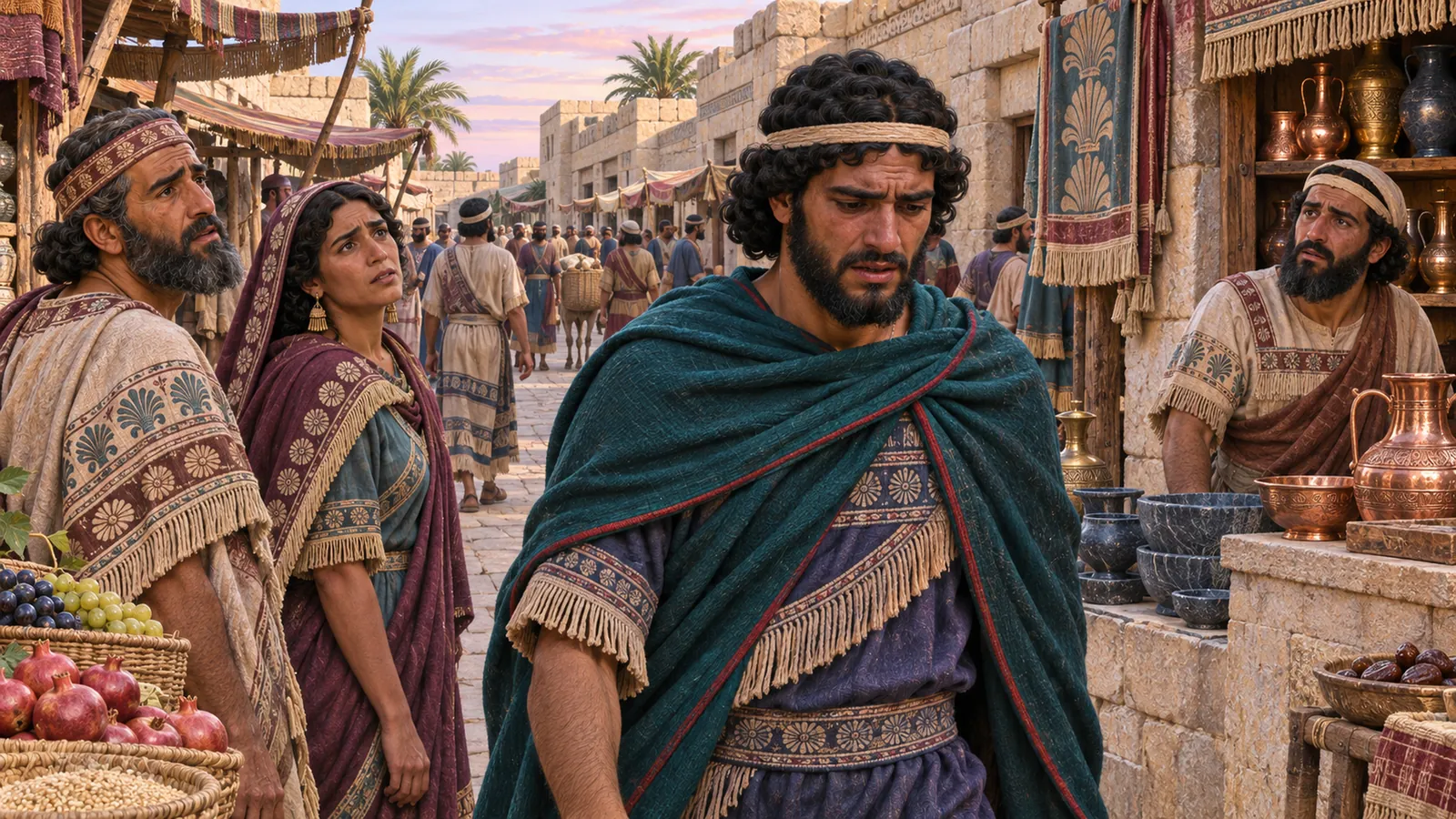
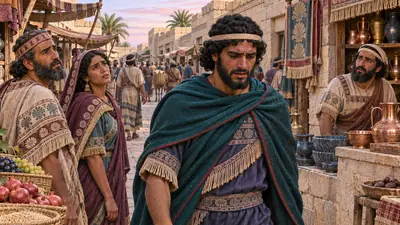
Kummaya rushes into the road, tastes the dust and cries out. Before the people of Assyria he praises Nergal and Ereshkigal, whose power has been shown to him in the vision.
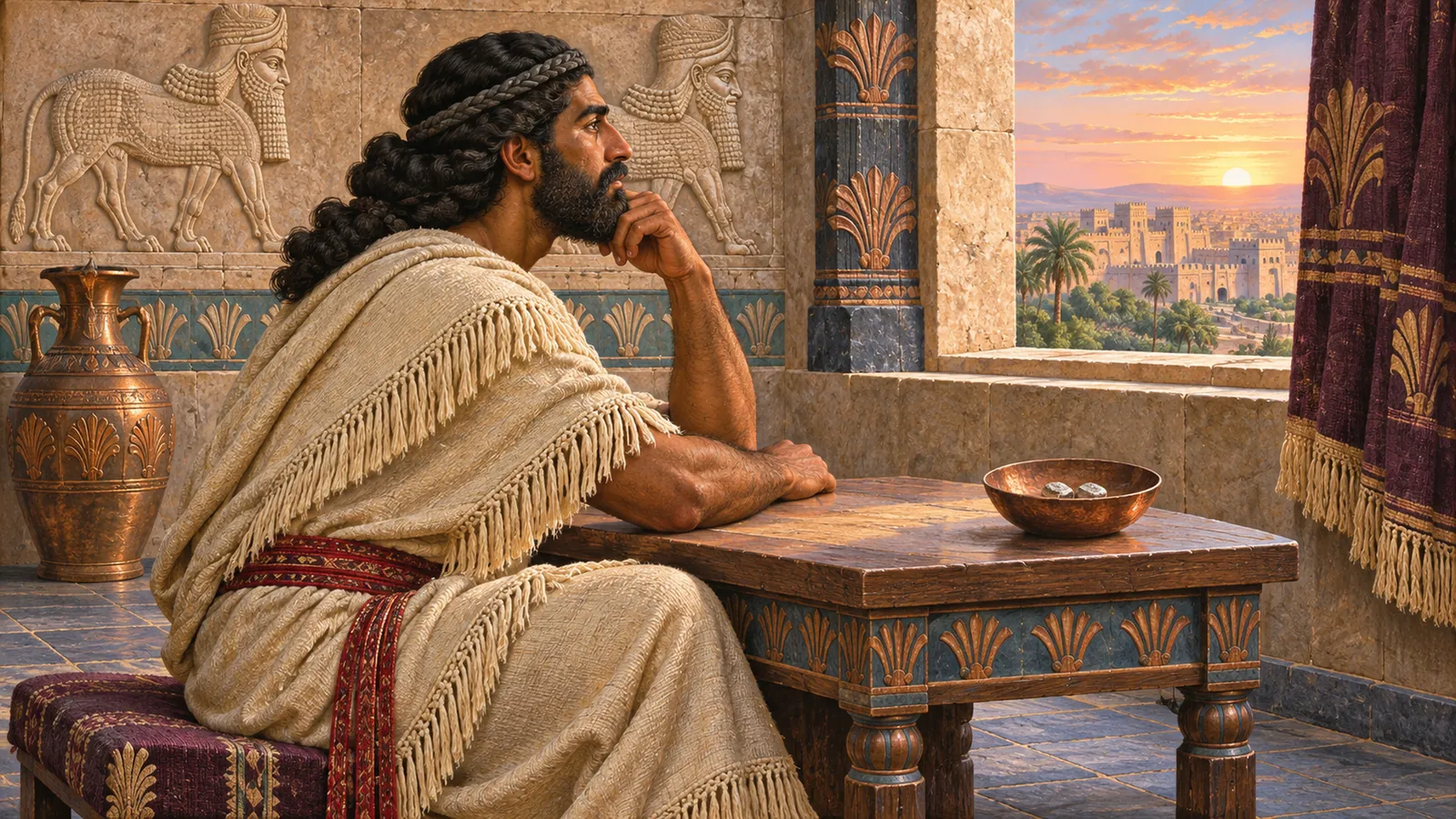
The last lines turn to a scribe who had inherited his father’s post and accepted bribes. He takes the prince’s words to heart and fears the curses of the royal treaty.
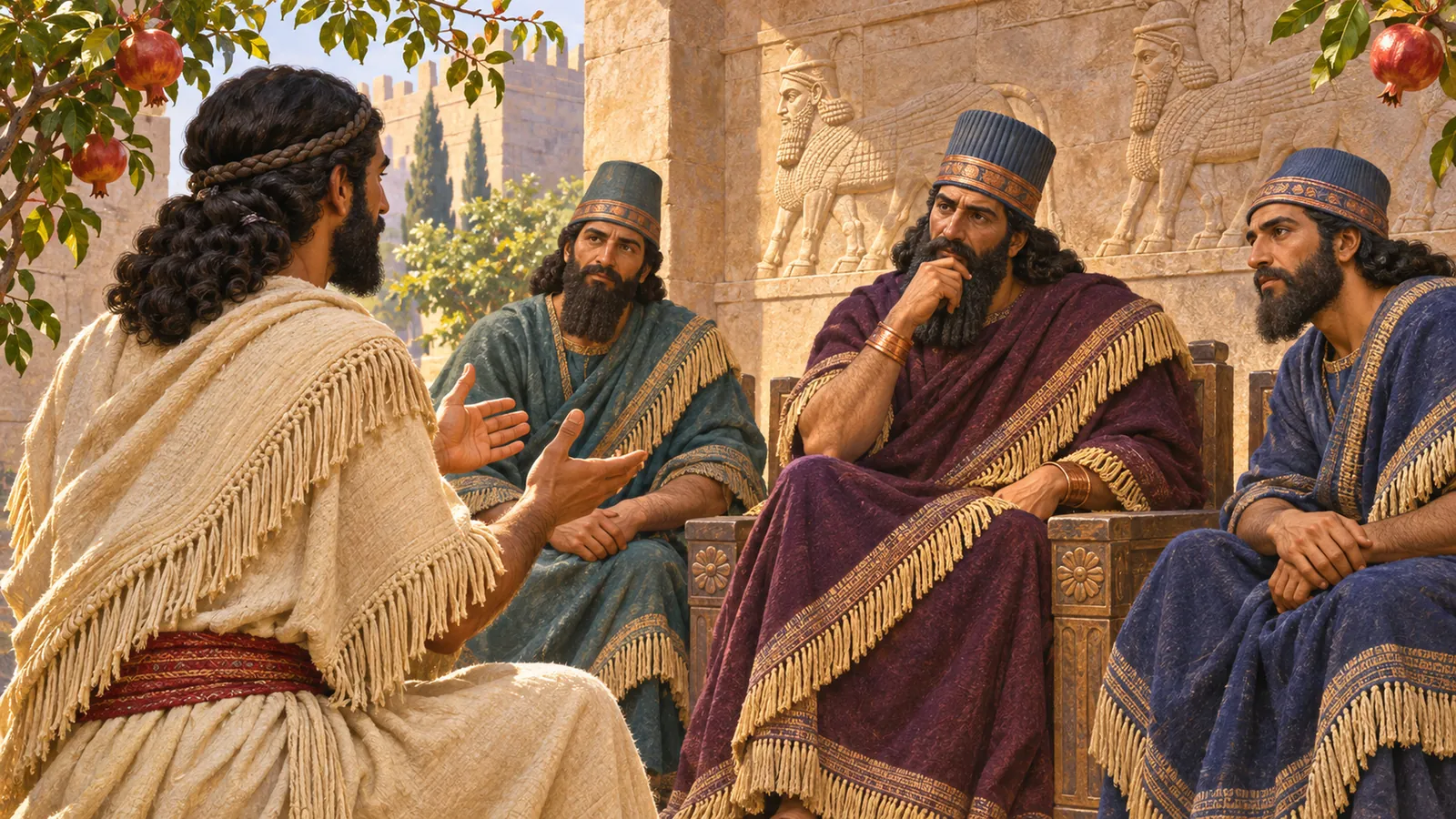
The scribe resolves to act as Nergal had ordered. He retells Kummaya’s vision to the palace and offers the telling as atonement. Those are the tablet’s closing words.
End of chapter 1
All pages

Sources
Editions consulted
- State Archives of Assyria Online, SAA 03 032, VAT 10057: — cuneiform edition and translation of the Assur tablet.
- Alasdair Livingstone, Court Poetry and Literary Miscellanea, introduction and contents: — edition context and designation of the text.
- Johannes Bach, A Transtextual View on the “Underworld Vision of an Assyrian Prince”: — interpretation and variant readings for the damaged obverse, dream sequence and composite figures.
- Eckart Frahm, The Protagonist of the Underworld Vision of an Assyrian Prince: — VAT 10057 and its excavation context at Assur, with a proposed historical reading of Kummaya’s identity.
Ancient lines behind each page
- Page 1: SAA 03 032, obv. 1–3; Frahm, pp. 207–208
- Page 2: Frahm, pp. 207–208
- Page 3: SAA 03 032, obv. 1–3
- Page 4: SAA 03 032, obv. 4–6
- Page 5: SAA 03 032, obv. 6–7
- Page 6: SAA 03 032, obv. 8–11
- Page 7: SAA 03 032, obv. 11–26
- Page 8: SAA 03 032, obv. 27–29
- Page 9: SAA 03 032, obv. 29–32
- Page 10: SAA 03 032, obv. 30–34
- Page 11: SAA 03 032, obv. 35–36
- Page 12: SAA 03 032, obv. 36
- Page 13: SAA 03 032, obv. 37
- Page 14: SAA 03 032, obv. 38–40
- Page 15: SAA 03 032, obv. 40–rev. 1
- Page 16: SAA 03 032, rev. 1
- Page 17: SAA 03 032, rev. 2
- Page 18: SAA 03 032, rev. 3
- Page 19: SAA 03 032, rev. 3; Bach, p. 83
- Page 20: SAA 03 032, rev. 4
- Page 21: SAA 03 032, rev. 4
- Page 22: SAA 03 032, rev. 5
- Page 23: SAA 03 032, rev. 5
- Page 24: SAA 03 032, rev. 6
- Page 25: SAA 03 032, rev. 6
- Page 26: SAA 03 032, rev. 6
- Page 27: SAA 03 032, rev. 7; Bach, p. 79
- Page 28: SAA 03 032, rev. 7
- Page 29: SAA 03 032, rev. 7; Bach, p. 79
- Page 30: SAA 03 032, rev. 8
- Page 31: SAA 03 032, rev. 8–9
- Page 32: SAA 03 032, rev. 9
- Page 33: SAA 03 032, rev. 9; Bach, pp. 75–79
Tablet’s own tally. - Page 34: SAA 03 032, rev. 10
- Page 35: SAA 03 032, rev. 11–12
- Page 36: SAA 03 032, rev. 13–14
- Page 37: SAA 03 032, rev. 14
- Page 38: SAA 03 032, rev. 15
- Page 39: SAA 03 032, rev. 16–17
- Page 40: SAA 03 032, rev. 17–18
- Page 41: SAA 03 032, rev. 19–20
- Page 42: SAA 03 032, rev. 20–21
- Page 43: SAA 03 032, rev. 22–23; Frahm, pp. 214–216
- Page 44: SAA 03 032, rev. 24; Frahm, pp. 214–216
- Page 45: SAA 03 032, rev. 25–26; Frahm, pp. 215–216
The relationship between the buried king and the father remains uncertain. - Page 46: SAA 03 032, rev. 27–28
- Page 47: SAA 03 032, rev. 29–31
- Page 48: SAA 03 032, rev. 31–32
- Page 49: SAA 03 032, rev. 33–35; Frahm, pp. 208, 217
- Page 50: SAA 03 032, rev. 35; Bach, pp. 75–76
Illustrations made with AI tools by IL Archive; the text is based on the ancient sources (see the sources at the end of each chapter).