Unis at the Gate of the Akhet Chapter 1
Passing Through the Akhet
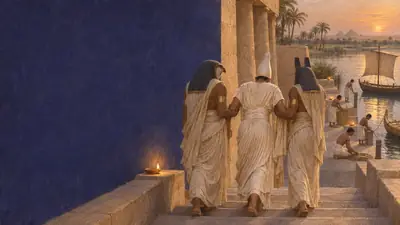
The voice from the Pyramid Texts of Unis asks for a place at the entrance to the Akhet and hears the West welcome it. The voice calls to a ferryman and asks to climb the Sun’s ladder. Its final appeal is for the portal of Nu to open.
SourcesTurn the pages with the arrows, the arrow keys or a swipe.
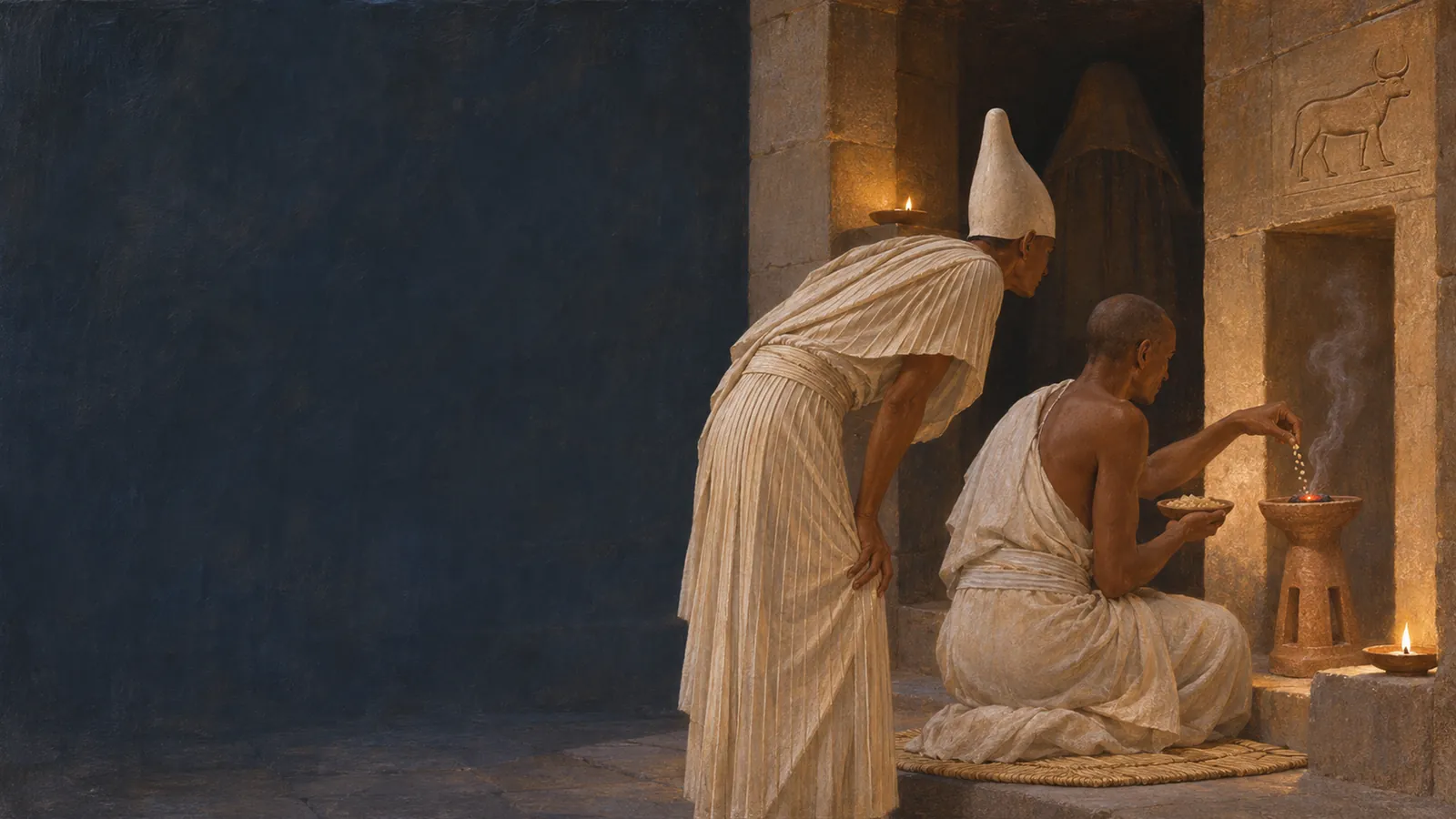
THE ENTRANCE
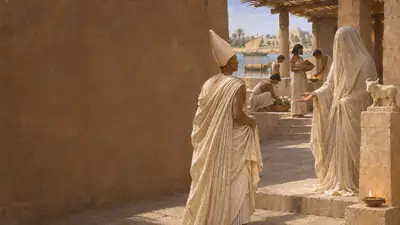
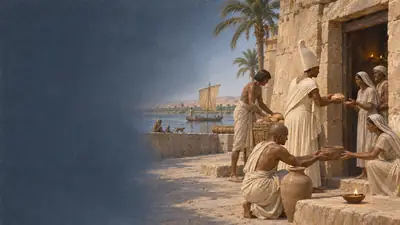
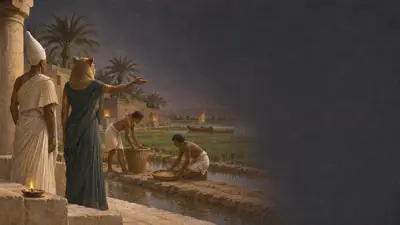
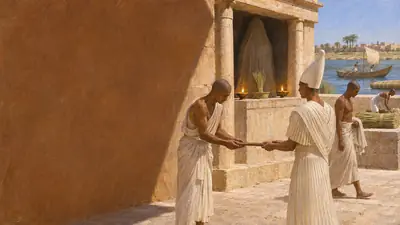
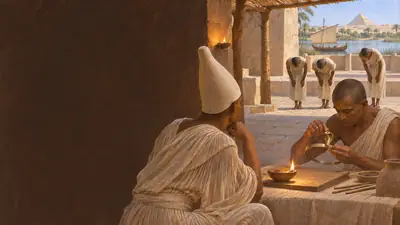
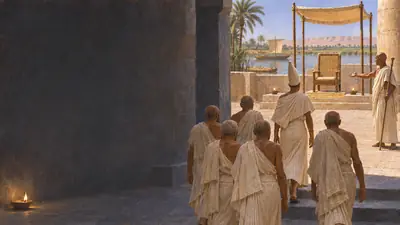
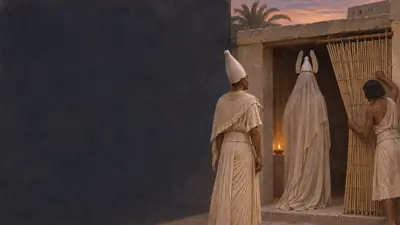
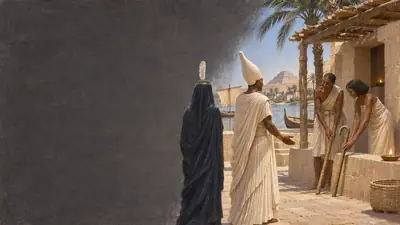
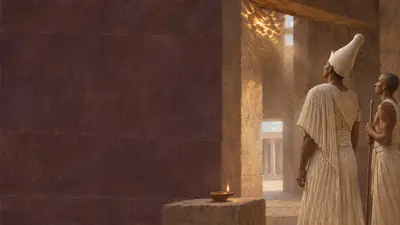
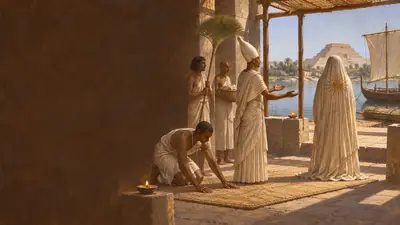
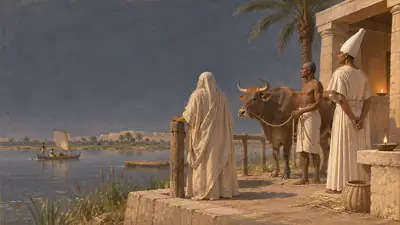
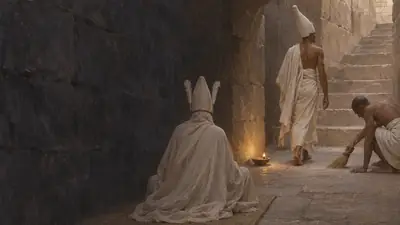
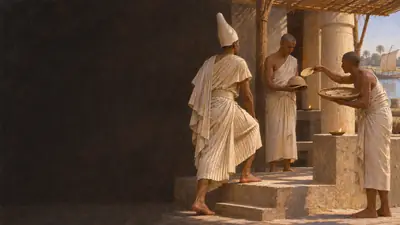
This passage survives in the pyramid of Unis. The opening spell speaks of incense in the Akhet for the Bull of Nekhen, and of a flame directed against those around the shrine.
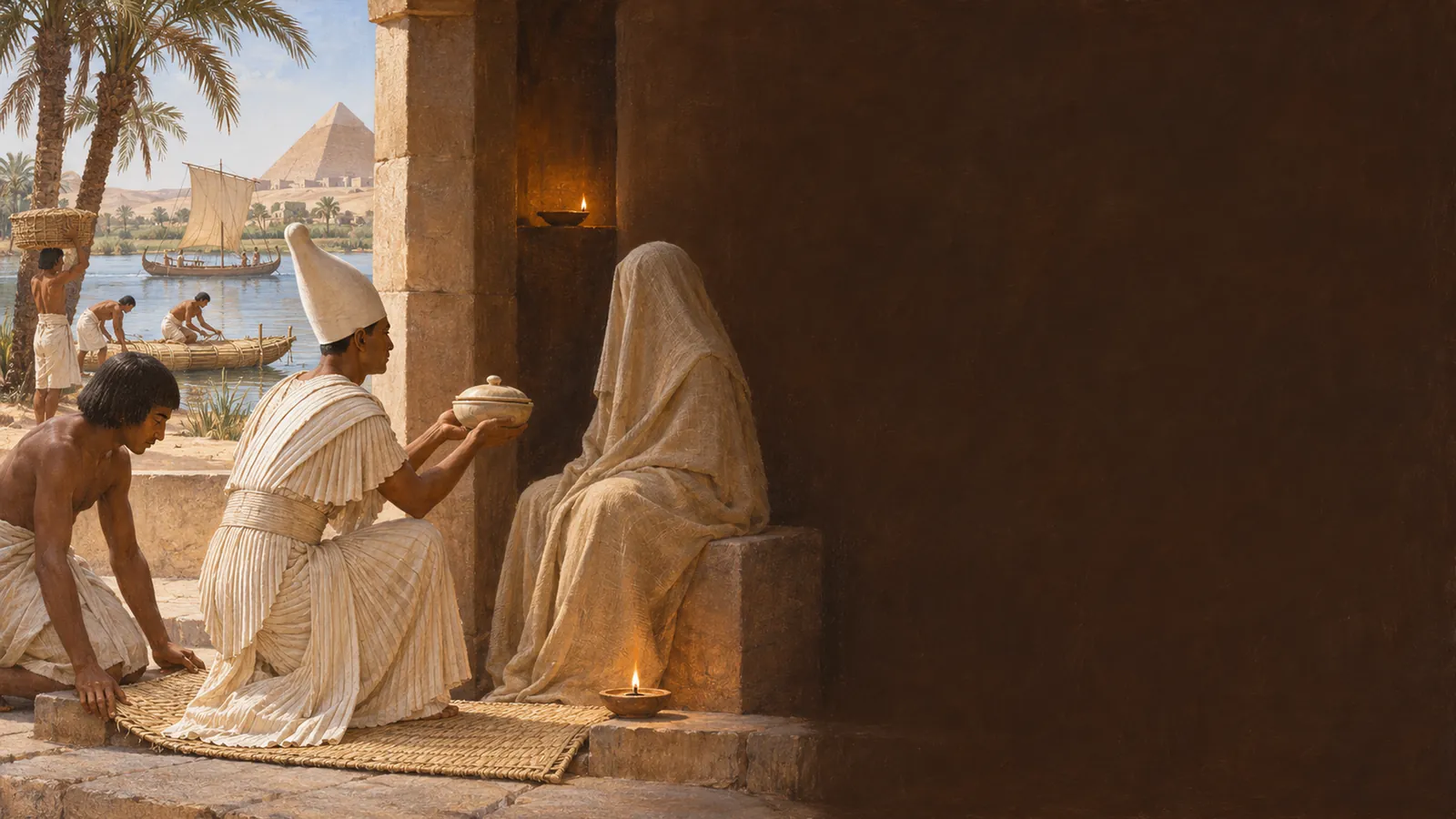
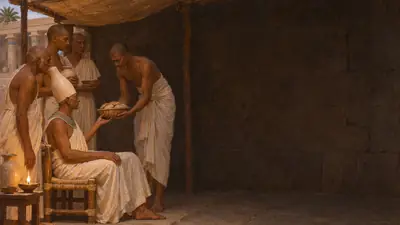
The speaker calls to a great god whose identity is unknown. He mentions a meal for the sole lord and appeals to the lord of the Akhet to make a place for him.
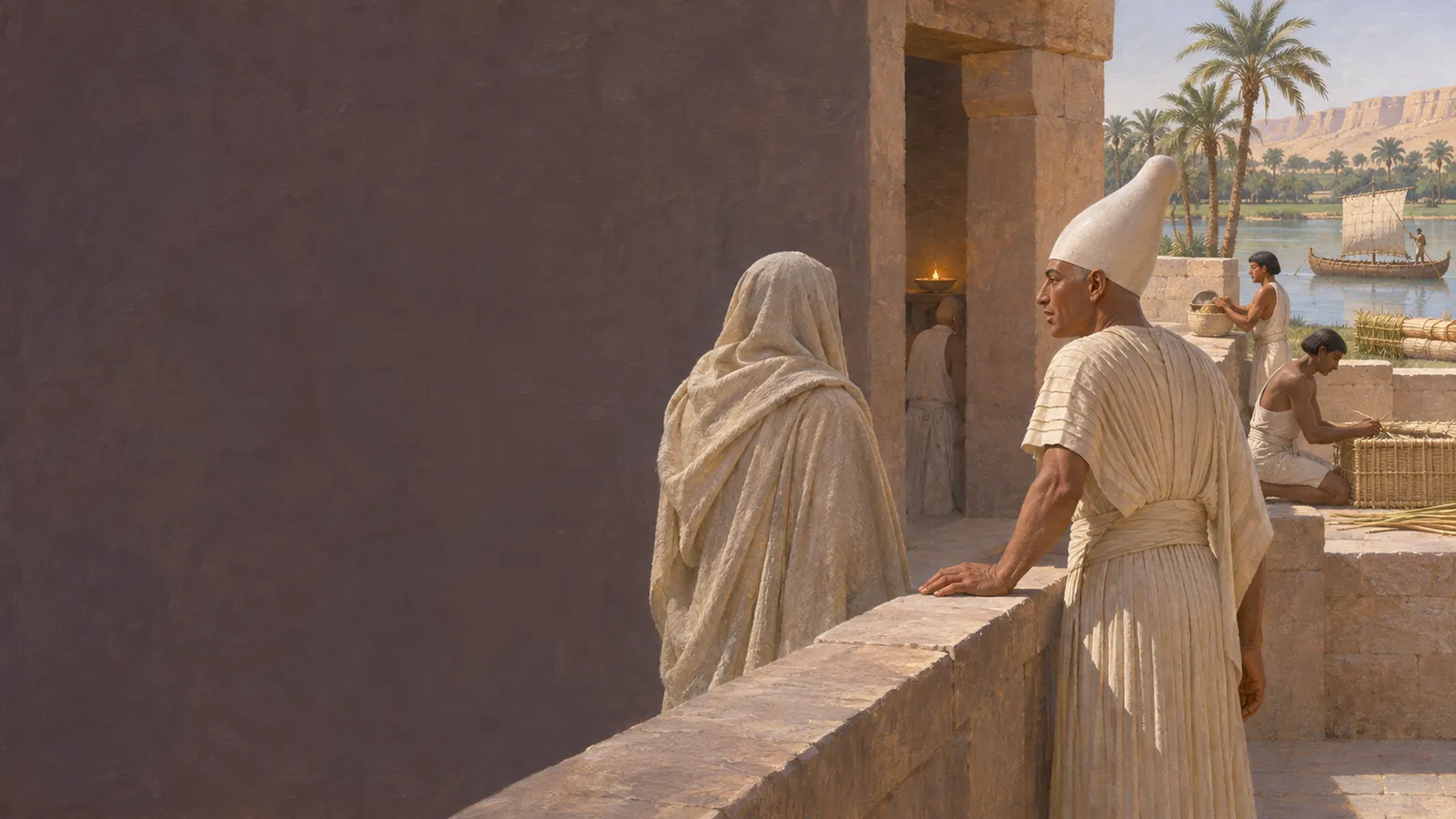
If denied a place, the speaker threatens to curse Father Geb. He says the earth has no spokesman and Geb has no guard. In that threat he says he will devour anyone in his way.
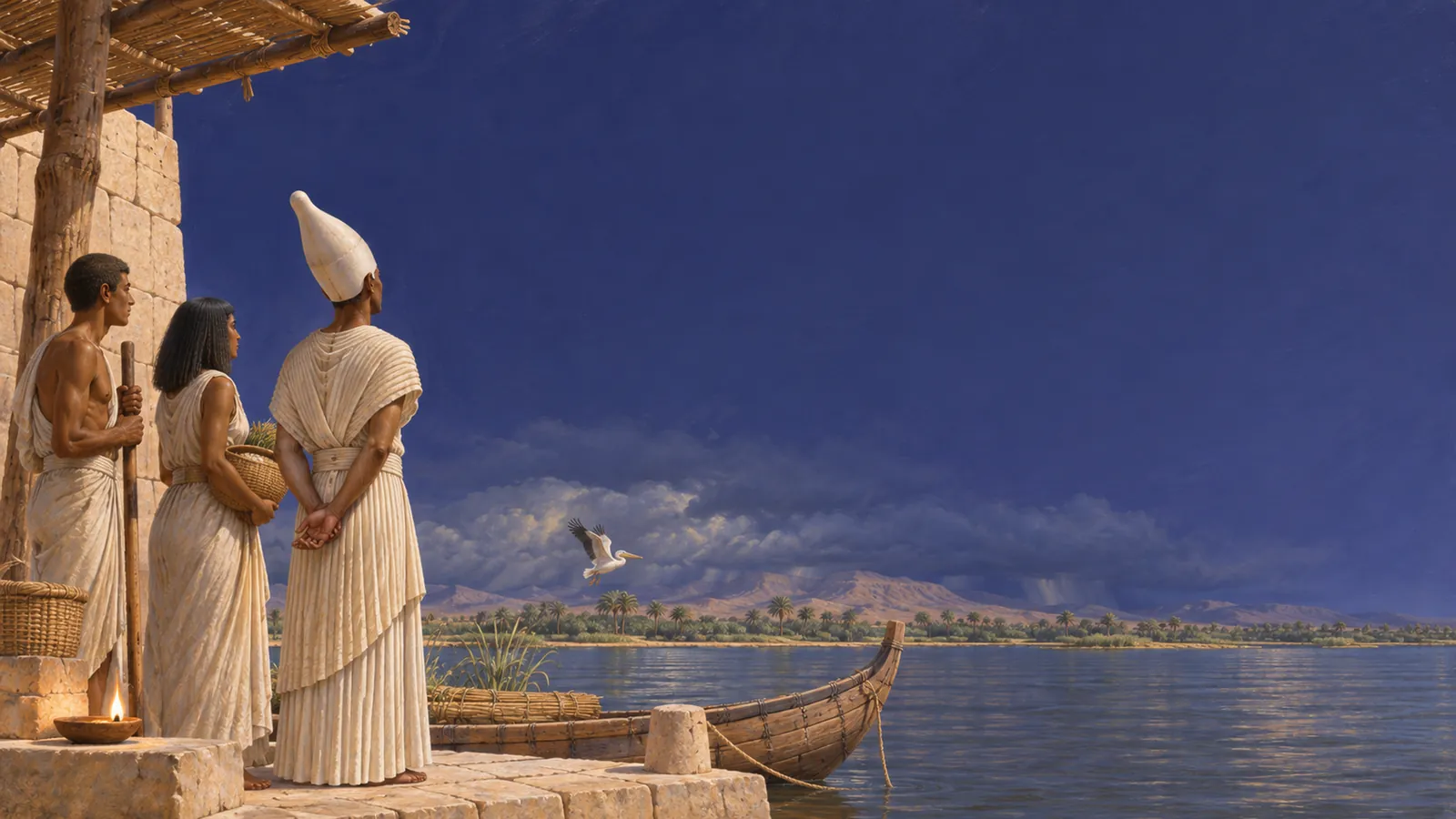
The spell says a pelican will prophesy, the Sunshine-bird will emerge and the Great One will rise. The Enneads foretell that the mountain ranges and the riverbanks will join, closing the roads and destroying the terraces.
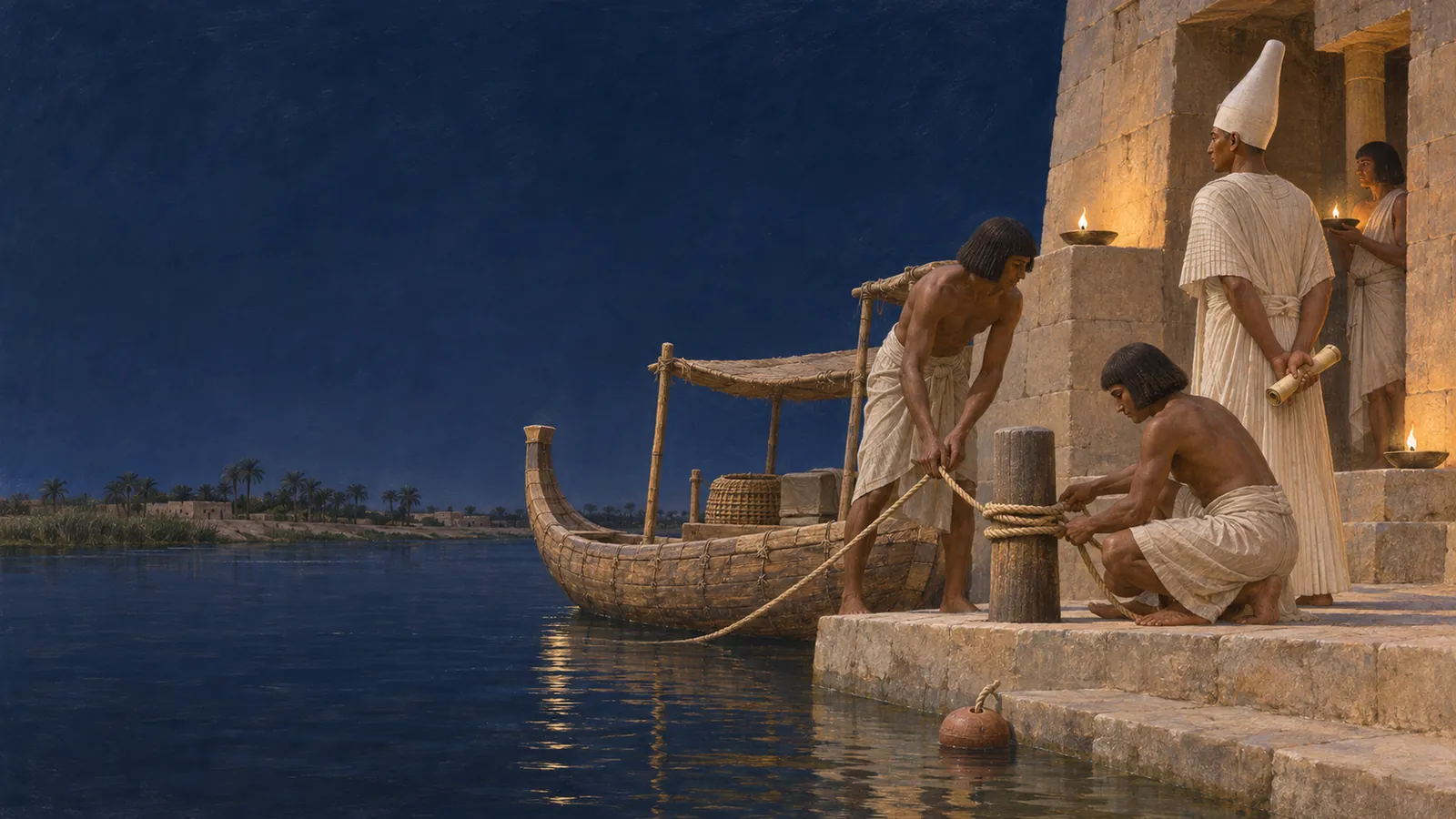
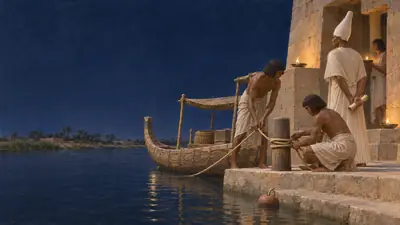
The recitation then speaks of a rope already guided and of a crossing of the Beaten Path. It also says a ball has been struck at the mouth of the canal of Apis.
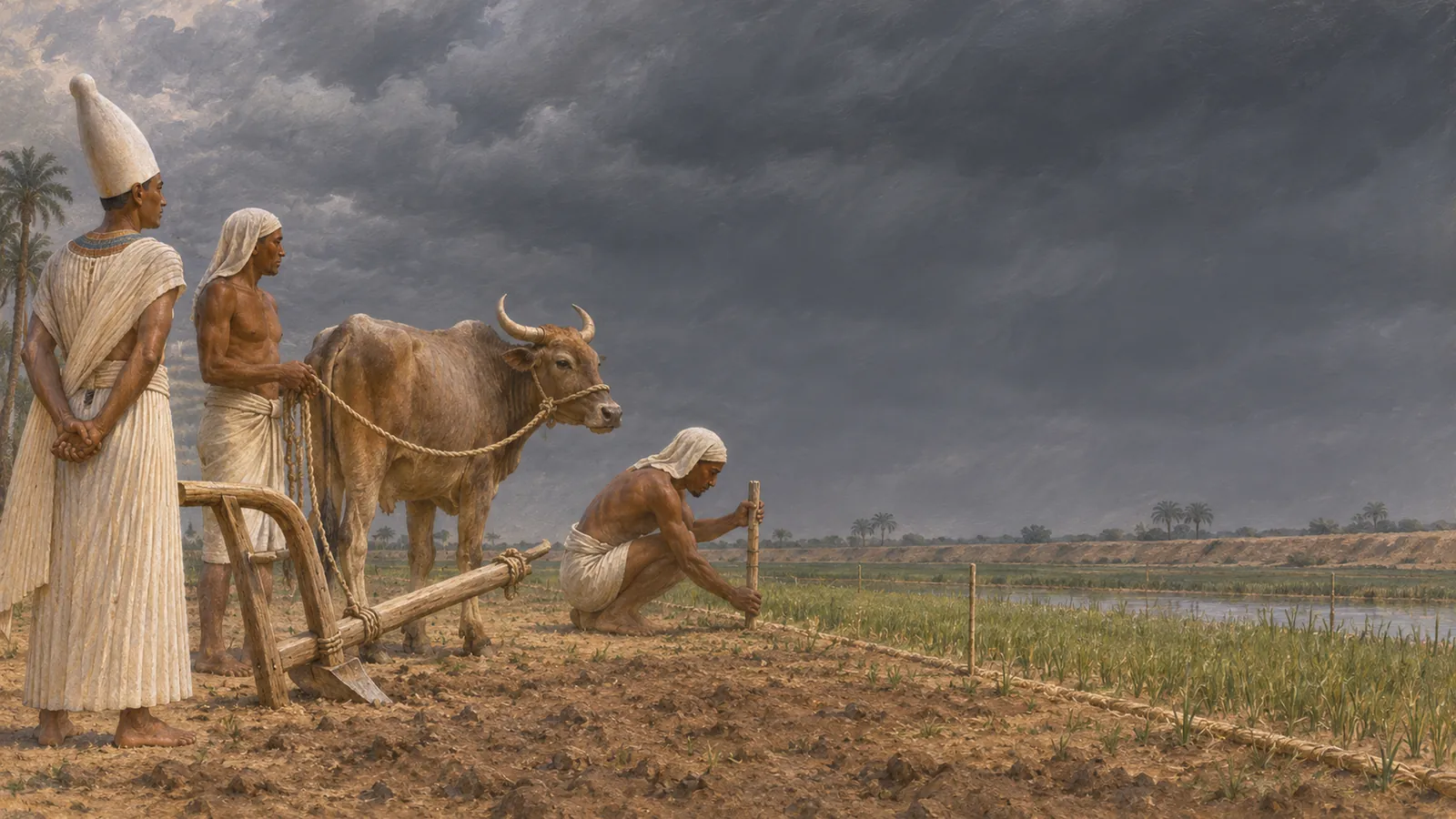
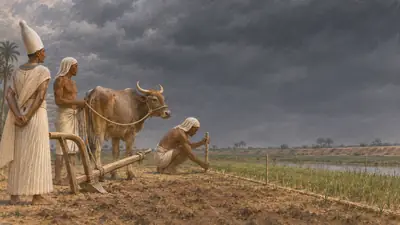
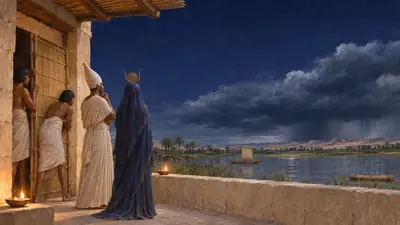
From the Duat, the god with the great plow describes the Climbing Star’s frightened fields. He names the Star’s Pillar and Kenzet’s pillar, the overwhelmed Oxherd and the Knife-Bearers’ fear before a storm in the sky.
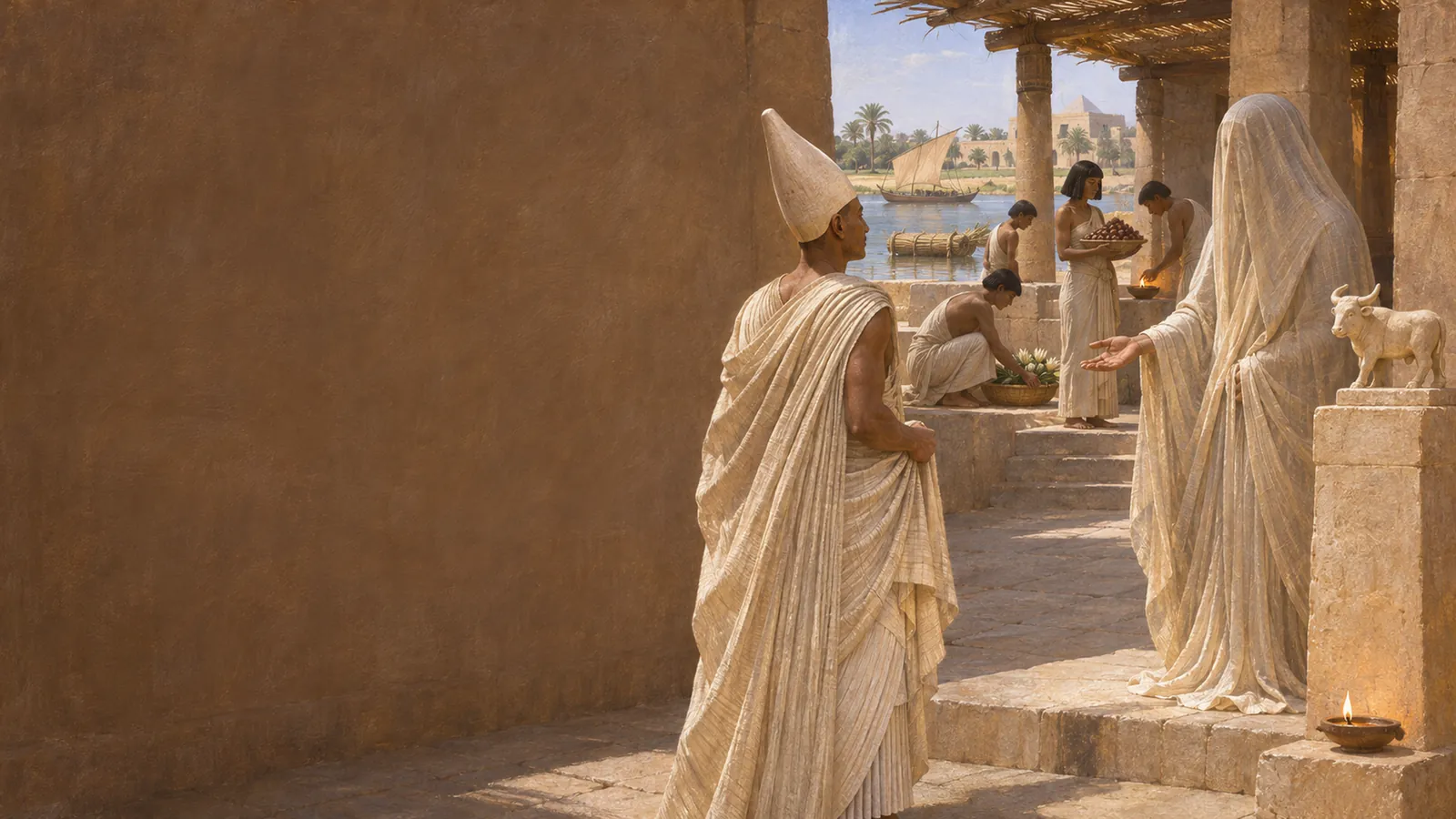
The West comes to meet the speaker and calls him the one she bore. She describes him through a rising horn, a painted pillar and the sky bull. She says she has joined him and tells him to pass in peace.
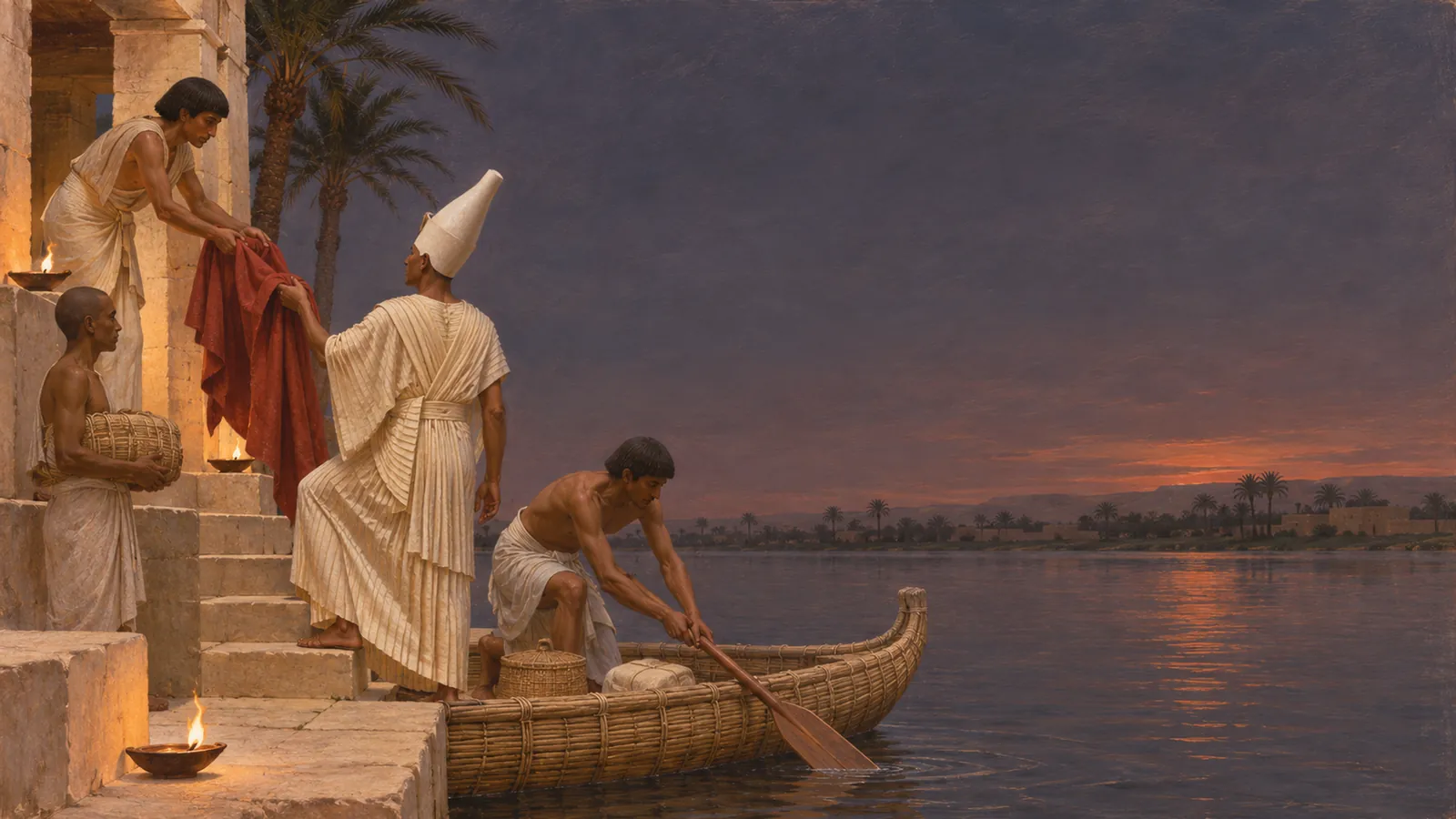
Thighs-Forward tells him to row to the Field of Offerings, steer toward the god on a high tree and plow deeply. He sees the sun bound and then freed through the Great One’s red linen. The lord of contentment gives him his title.
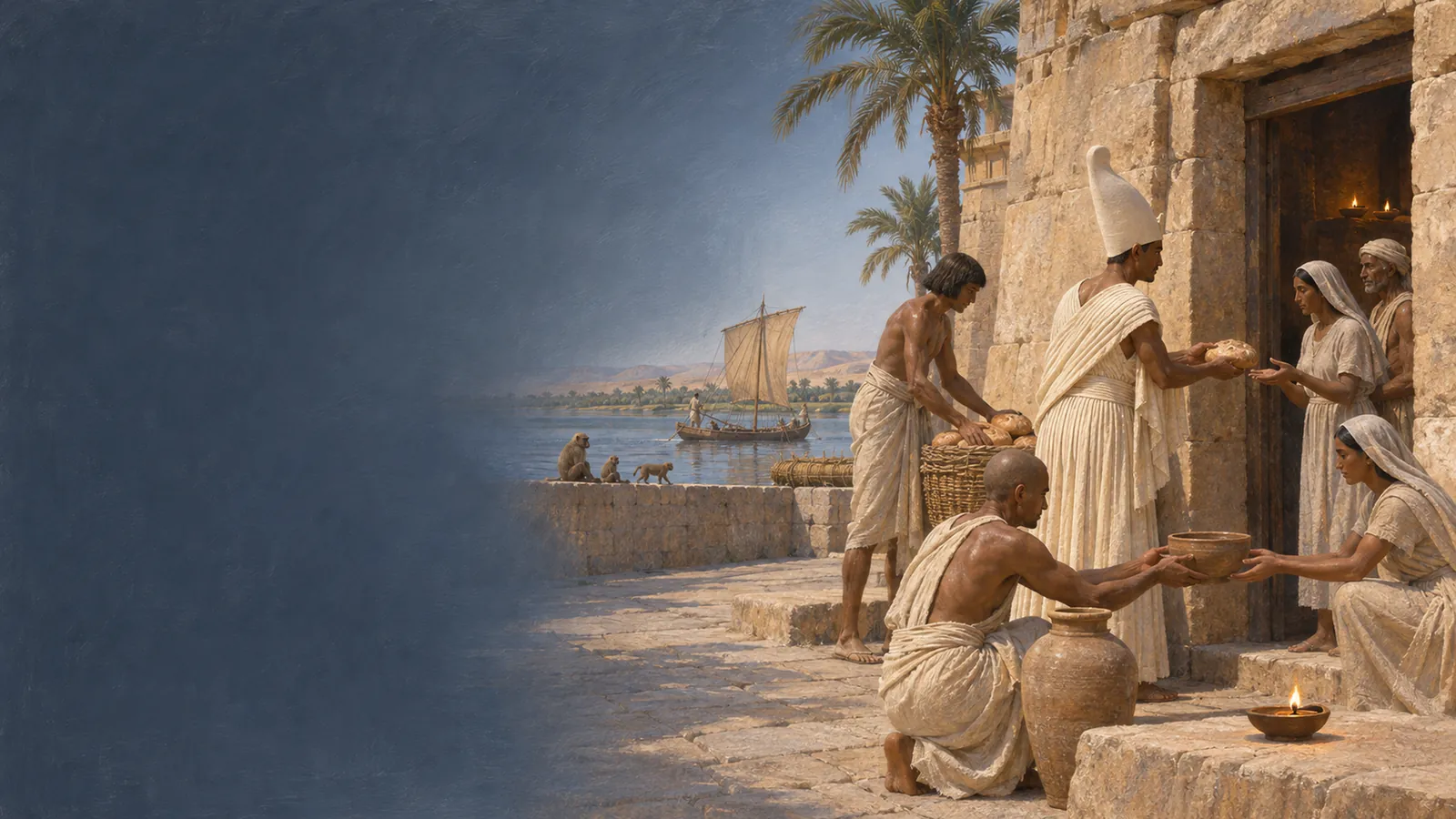
Calling himself Head-Tier, the speaker says he passes the apes that sever heads in peace and recalls securing the head of Apis. He says he is protected because he allowed others food and drink.
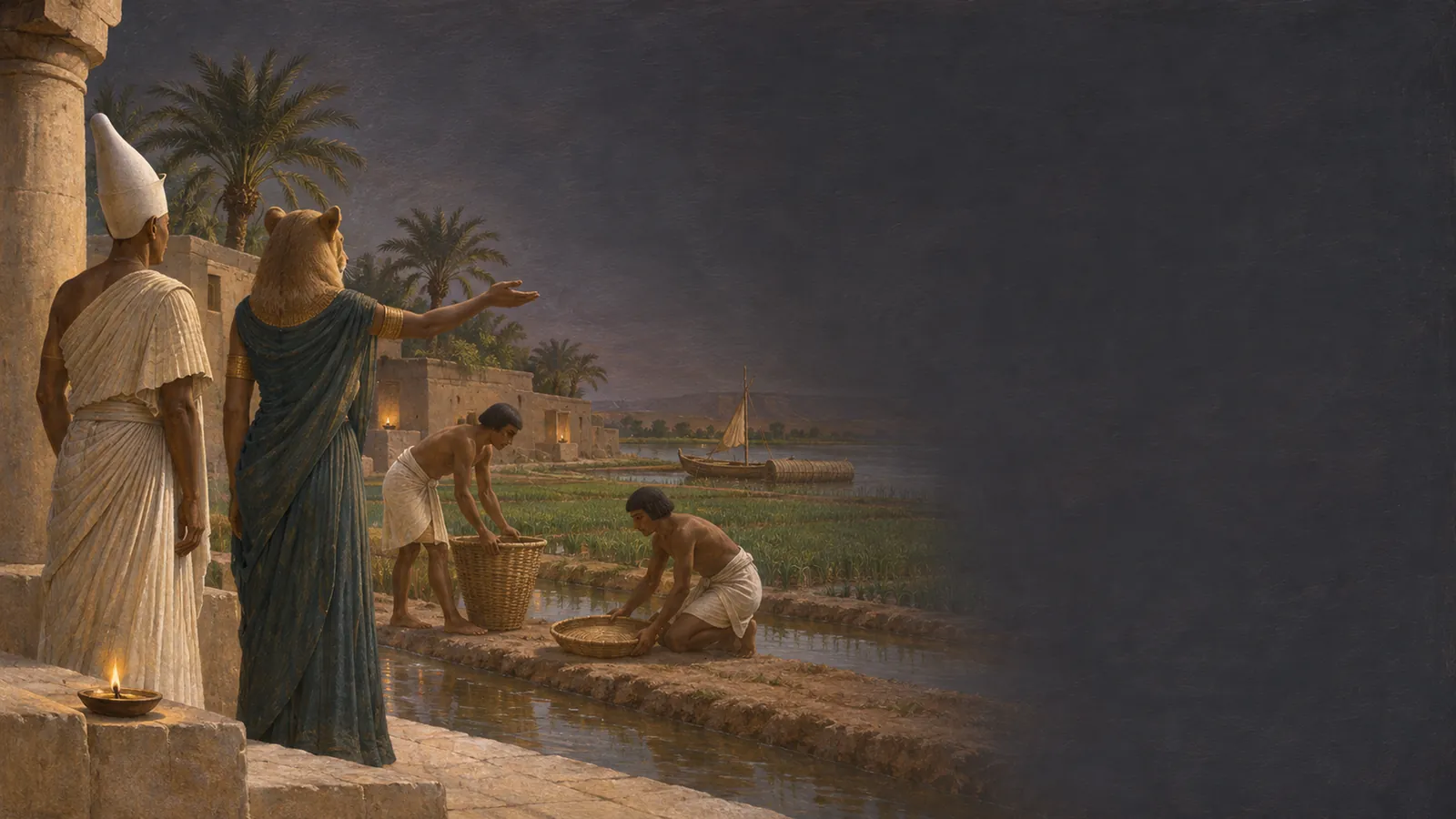
The spell sets the jubilation uraeus on her staff. Tefnut makes room for the speaker in Busiris, Mendes and Djedut and prepares his fields. He judges two contestants in the Great Immersion by the power of Tebi’s eye.
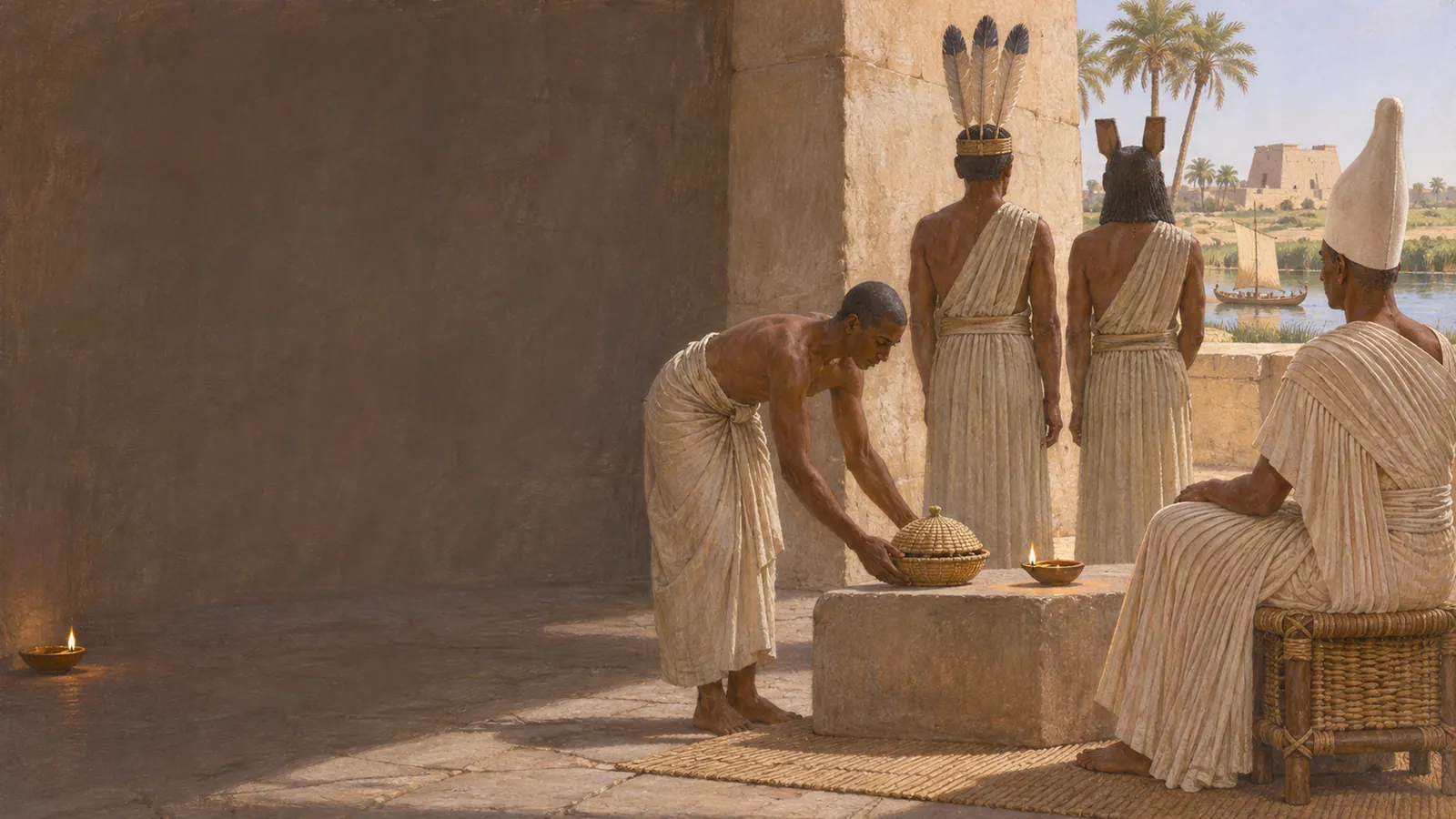
The speaker says he saved himself from those who would take his food, breath and life. He foretells severe reprisals, claims to have killed the survivors and names the seat Shu gave him beside Seth.
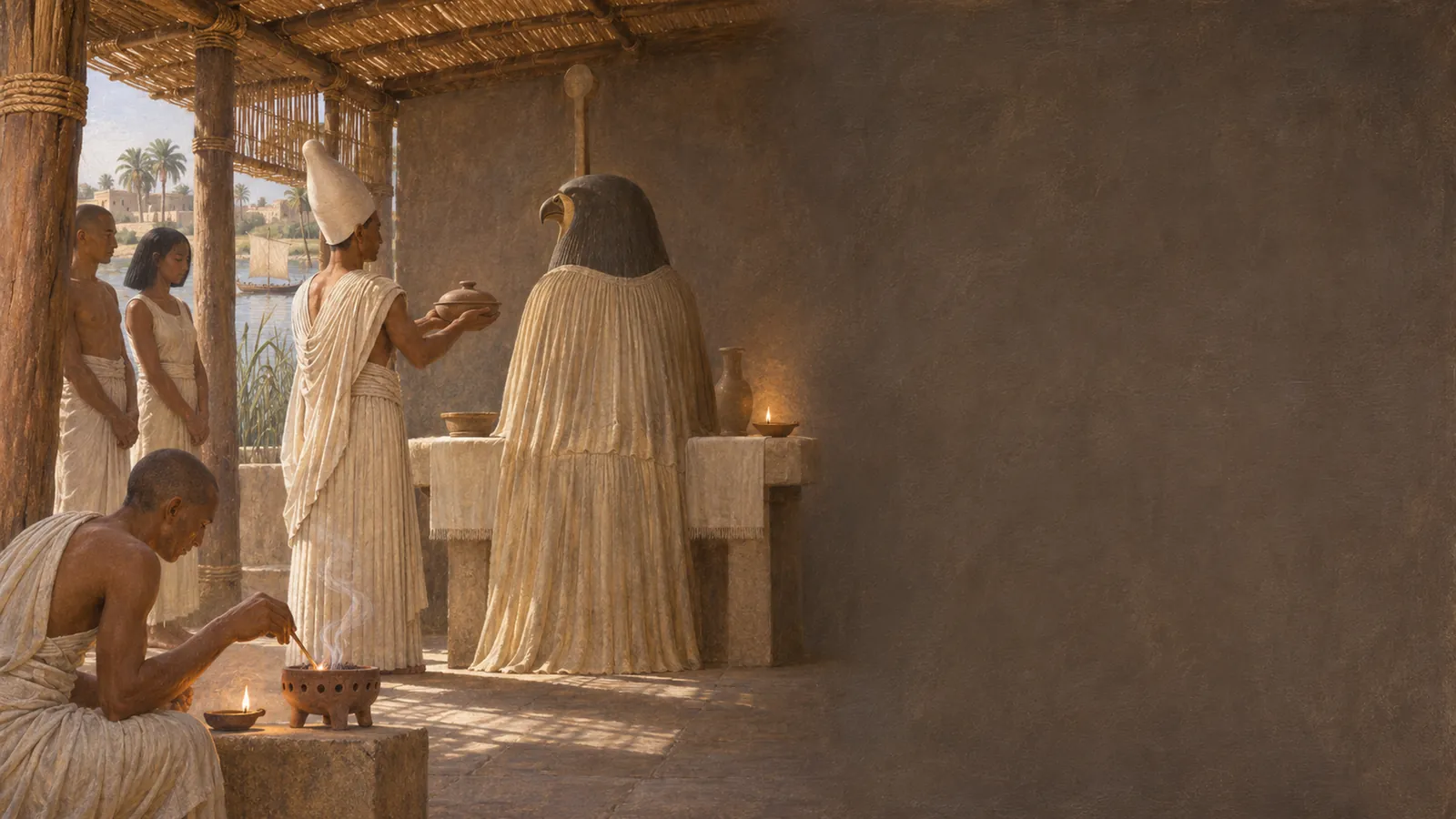
The next spell repeats that incense is offered in the Akhet for Horus of Nekhen and that a meal is ready for the lords. It directs its fiery blast toward those near the shrine and the bearers of the great goddess.
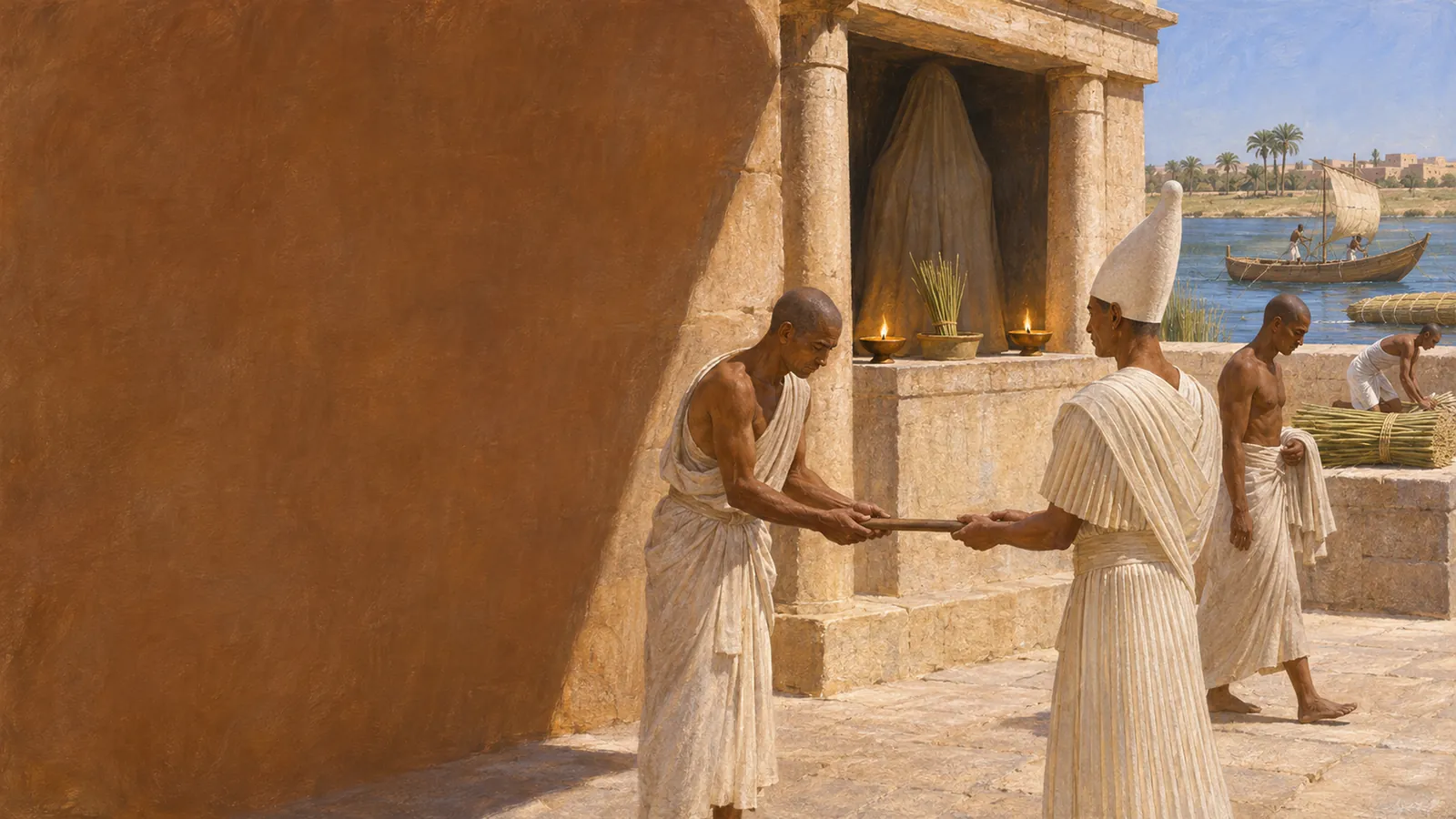
The speaker denounces the one he addresses, disparaging his character and appearance. He demands that he leave his place and lay down his insignia.
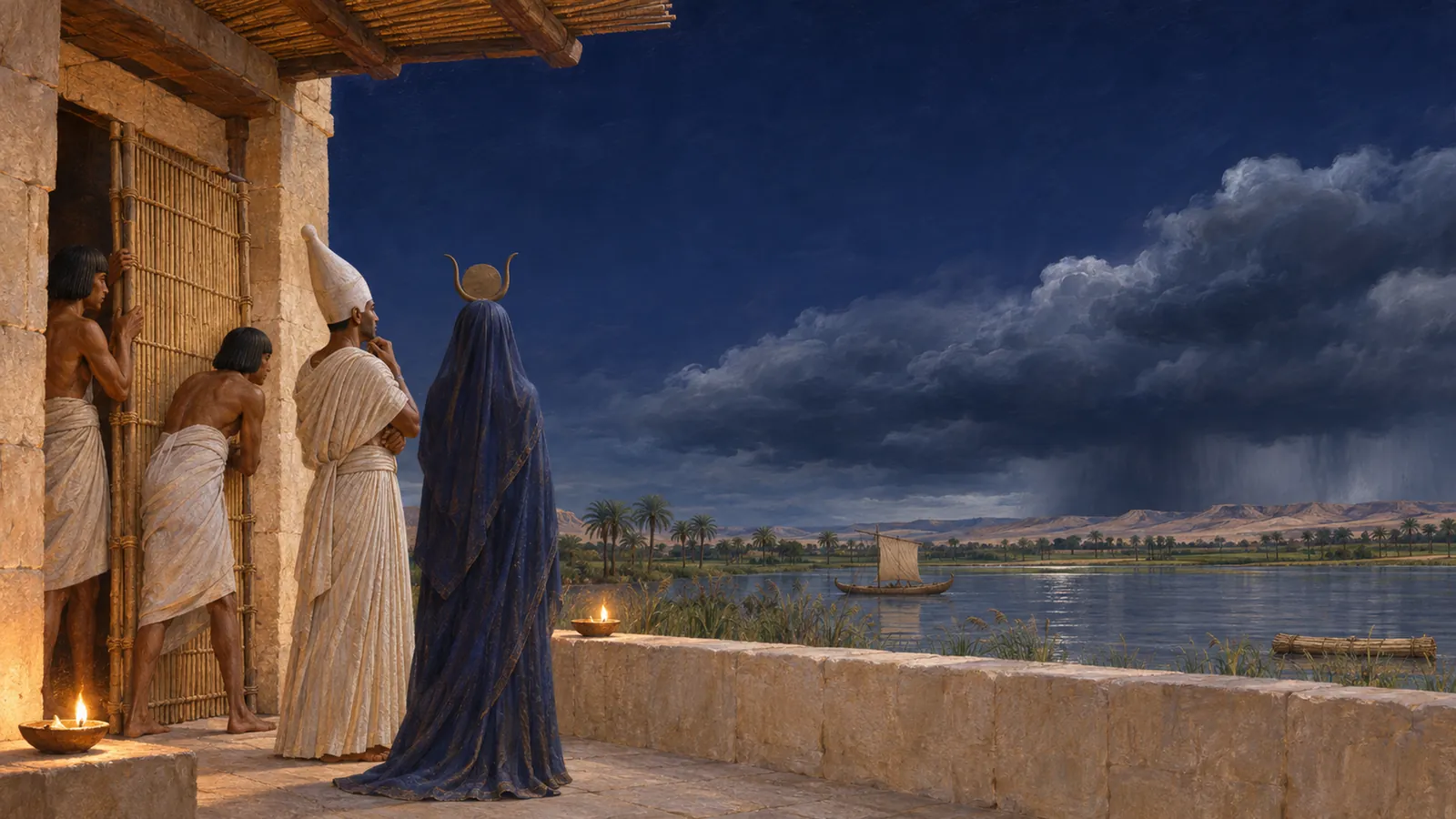
If the demand is refused, the speaker threatens to come as the wrathful Horus and bring a storm through the flame of his eye. He threatens to knock away Shu’s arms from under Nut and push against the addressee’s barrier.
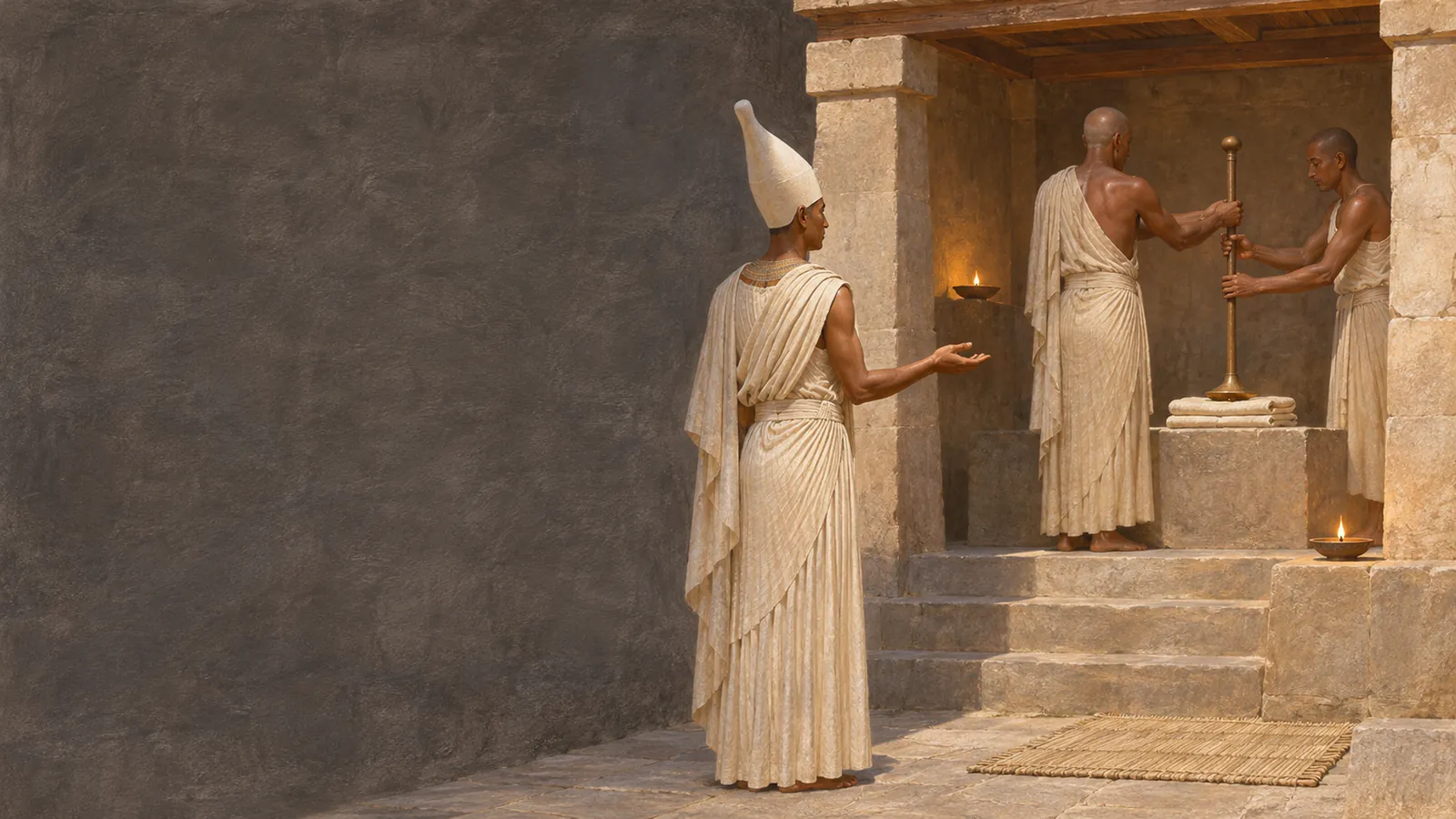
The great one rises in his shrine and lays down the insignia for the speaker. The speaker says he has gained Authoritative Utterance and has Perception under his control.
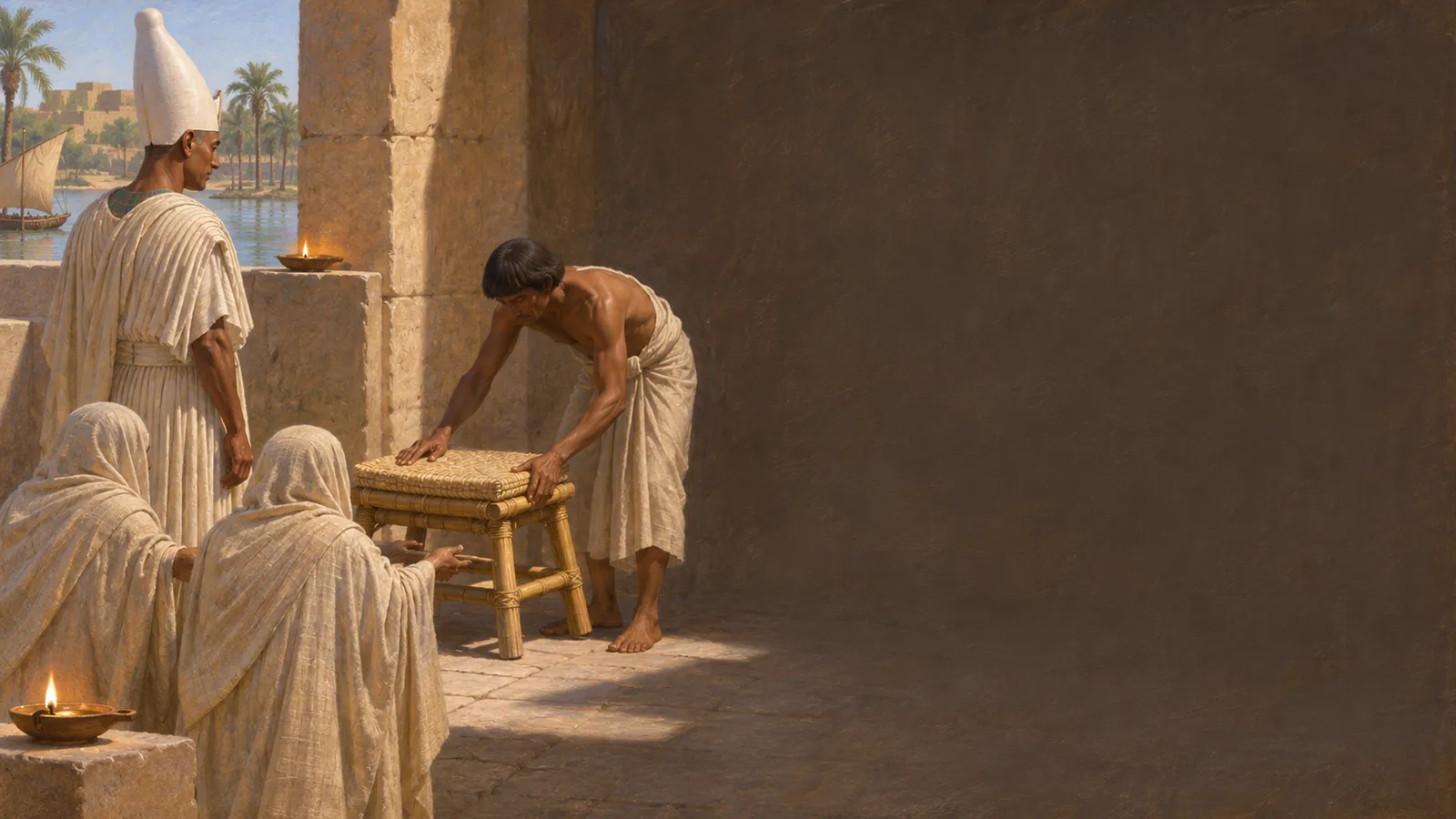
The speaker twice says he has inherited from Geb. He also claims an inheritance from Atum and says he occupies the throne of Senior Horus.
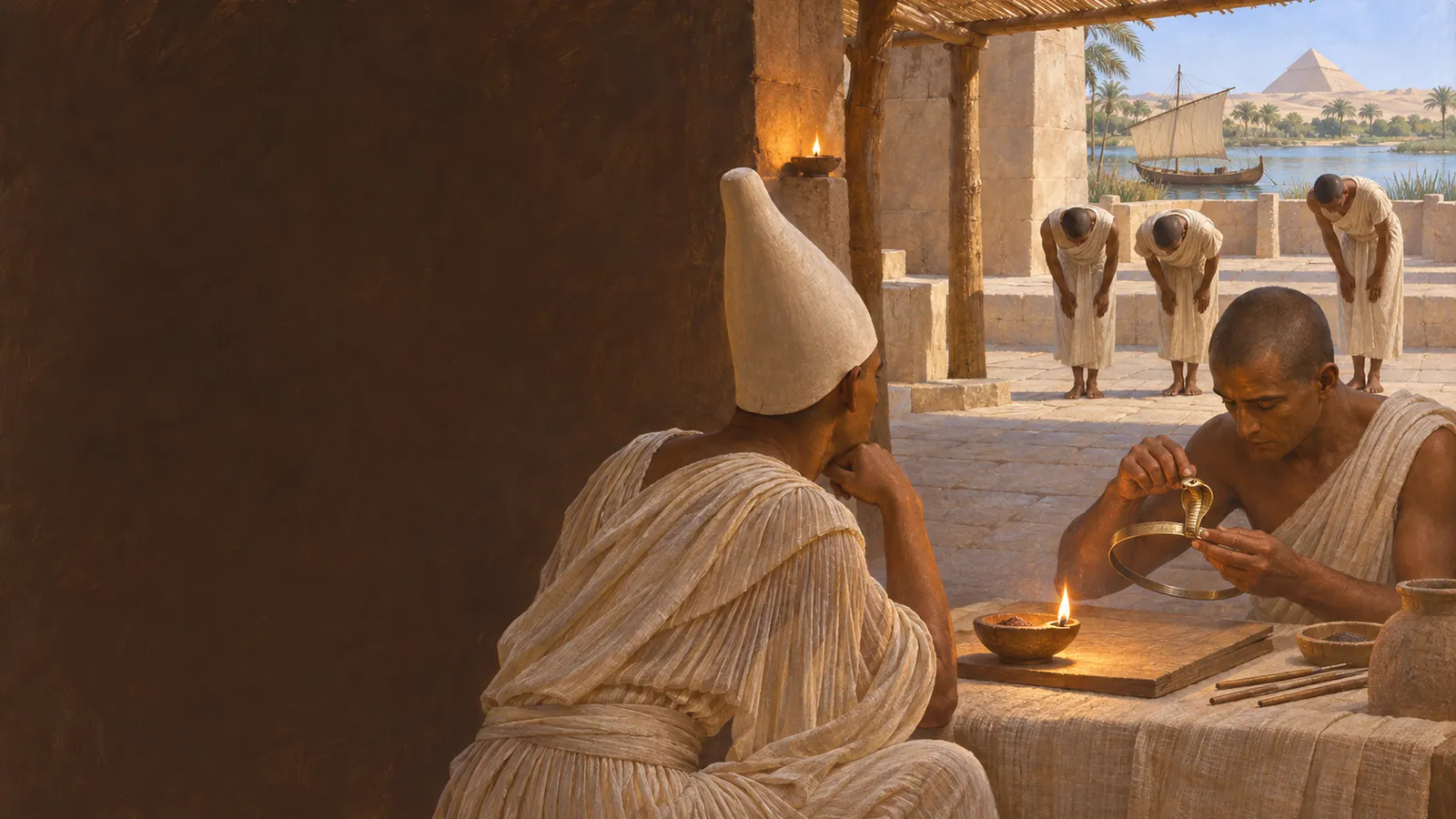
The speaker calls his eye his strength and names Renenutet as the fire of his uraeus. He says he stirred fear by causing discord and saw the gods unclothed and bowing in praise.
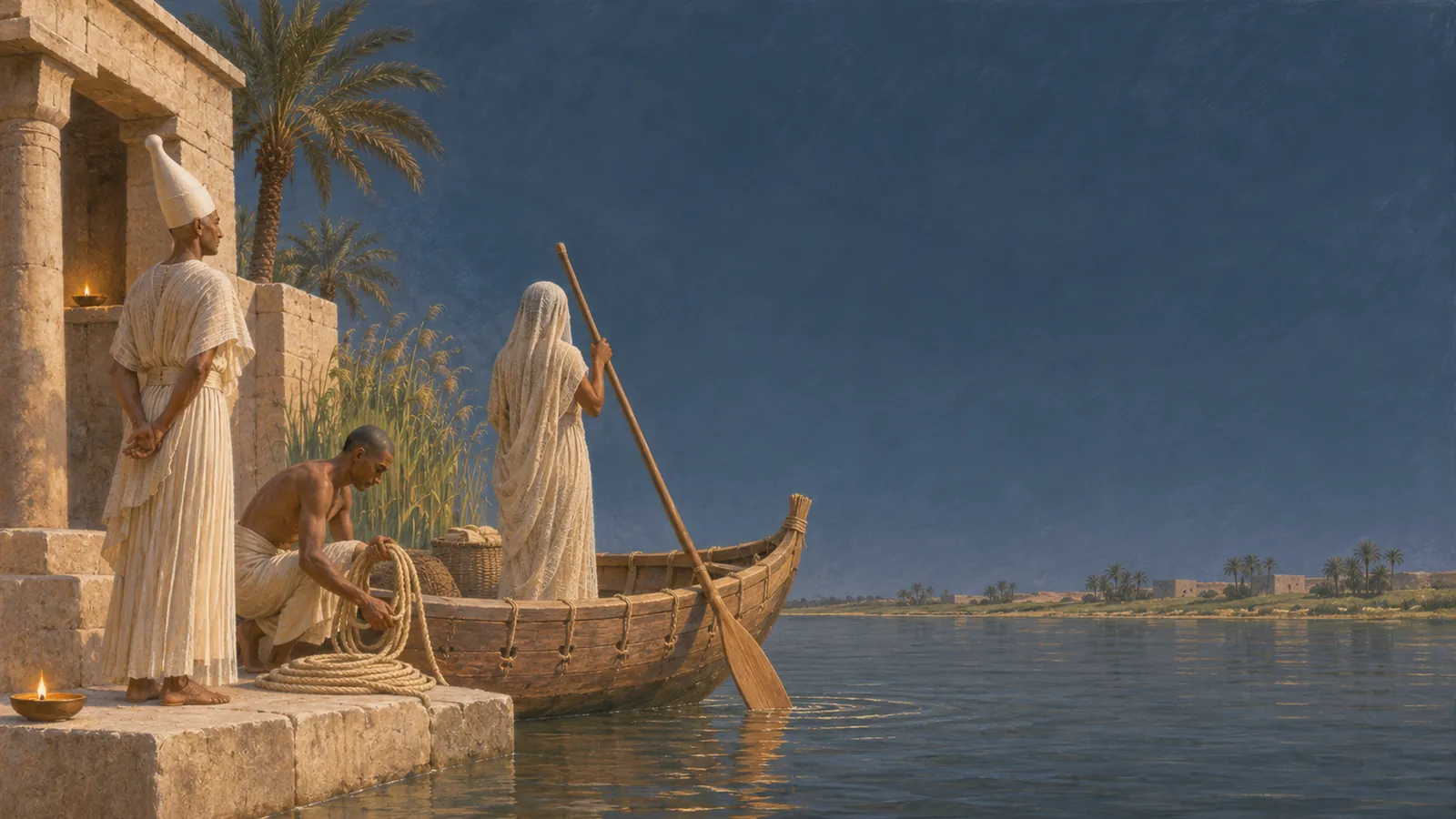
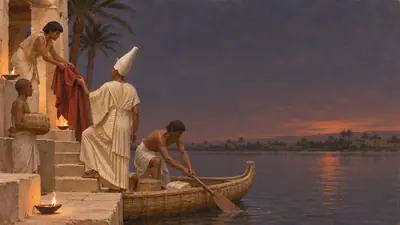
The spell ends with two calls. The speaker asks his mother to row him, then addresses the harbour itself and calls on it to haul the rope.
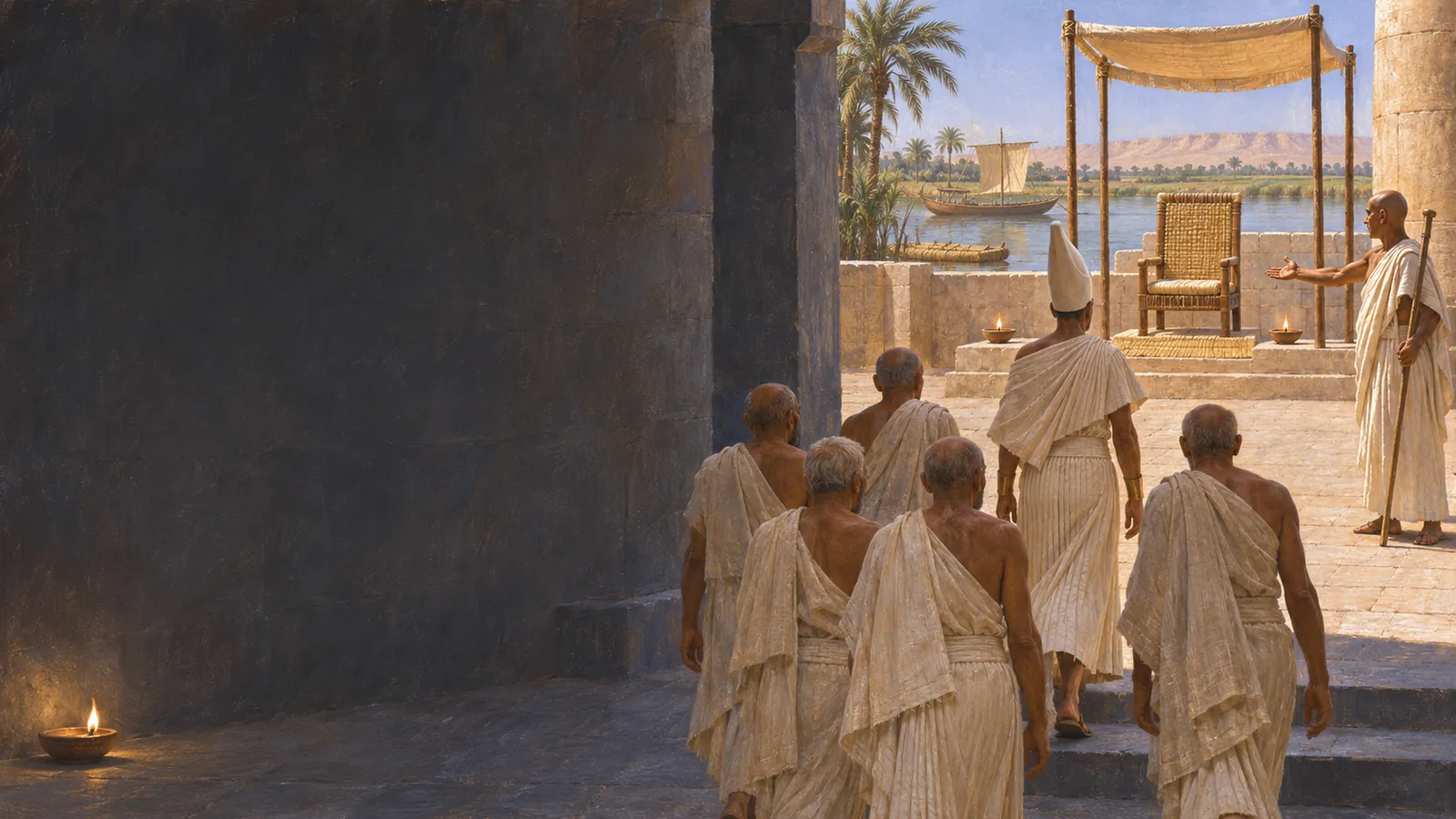
The earliest gods see something new in the disturbed sky, and the reciter declares Horus is in the sunlight. He calls on Atum’s Dual Ennead to serve him while he takes the seat of the Lord of All.
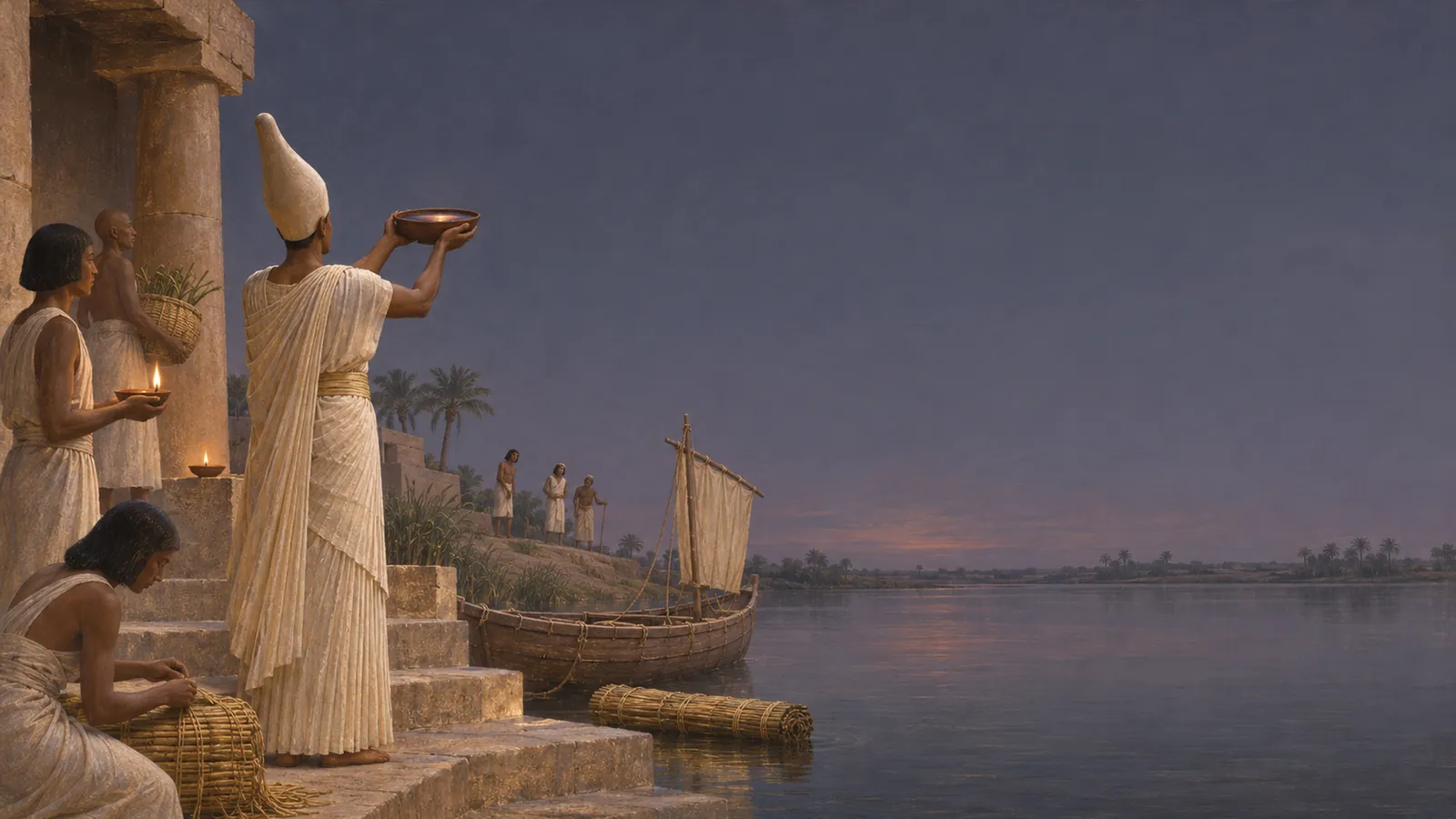
The speaker claims the sky, splits its basin and leads the paths of Evolver. Those of the Duat follow him when he sets in the west, and the one who separated the contestants pays homage when he shines anew in the east.
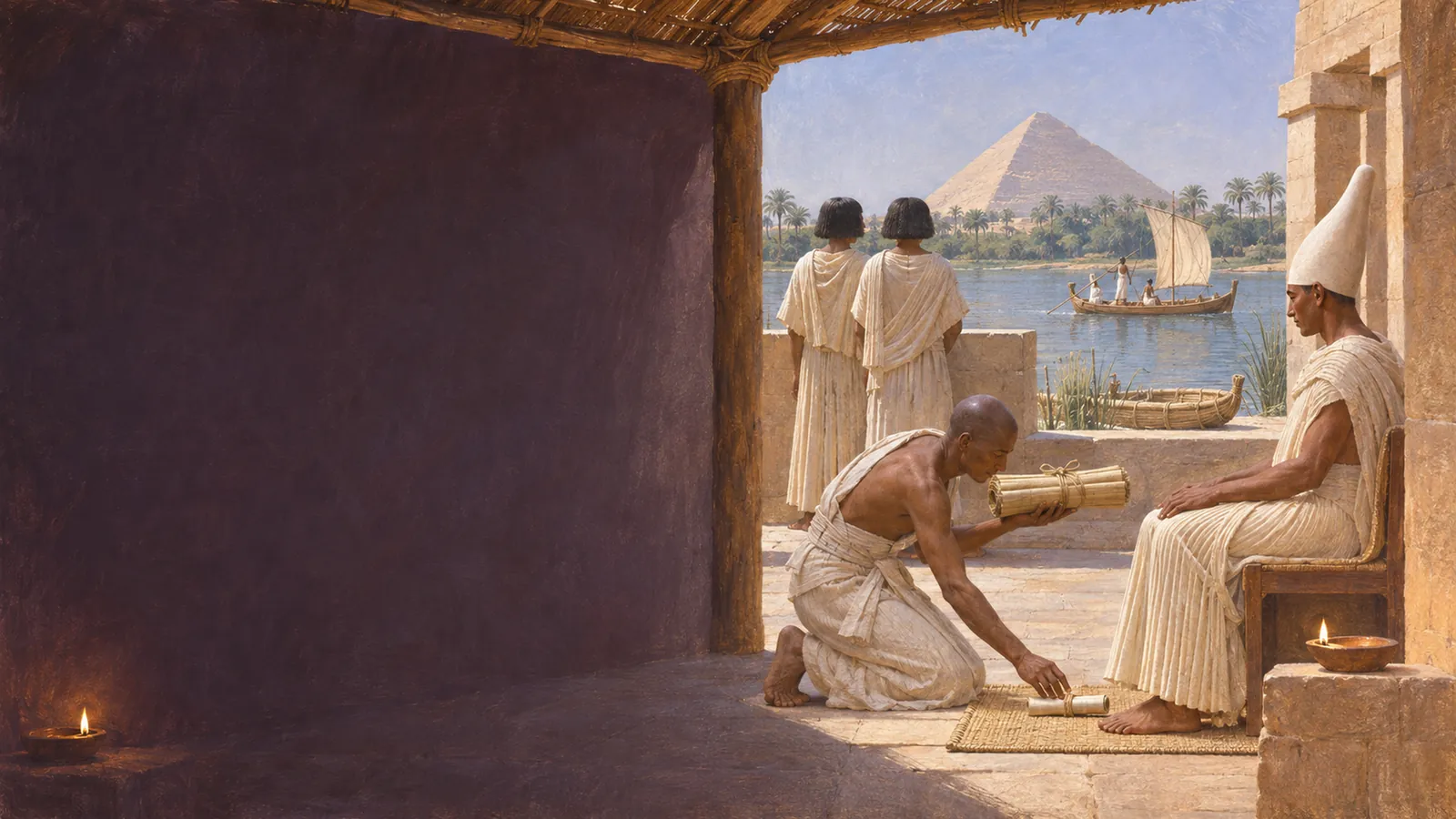
The speaker says that the gods cause fear on his behalf because he outranks the great one. He claims Authoritative Utterance and says that Continuity is brought to him and Perception is set at his feet.
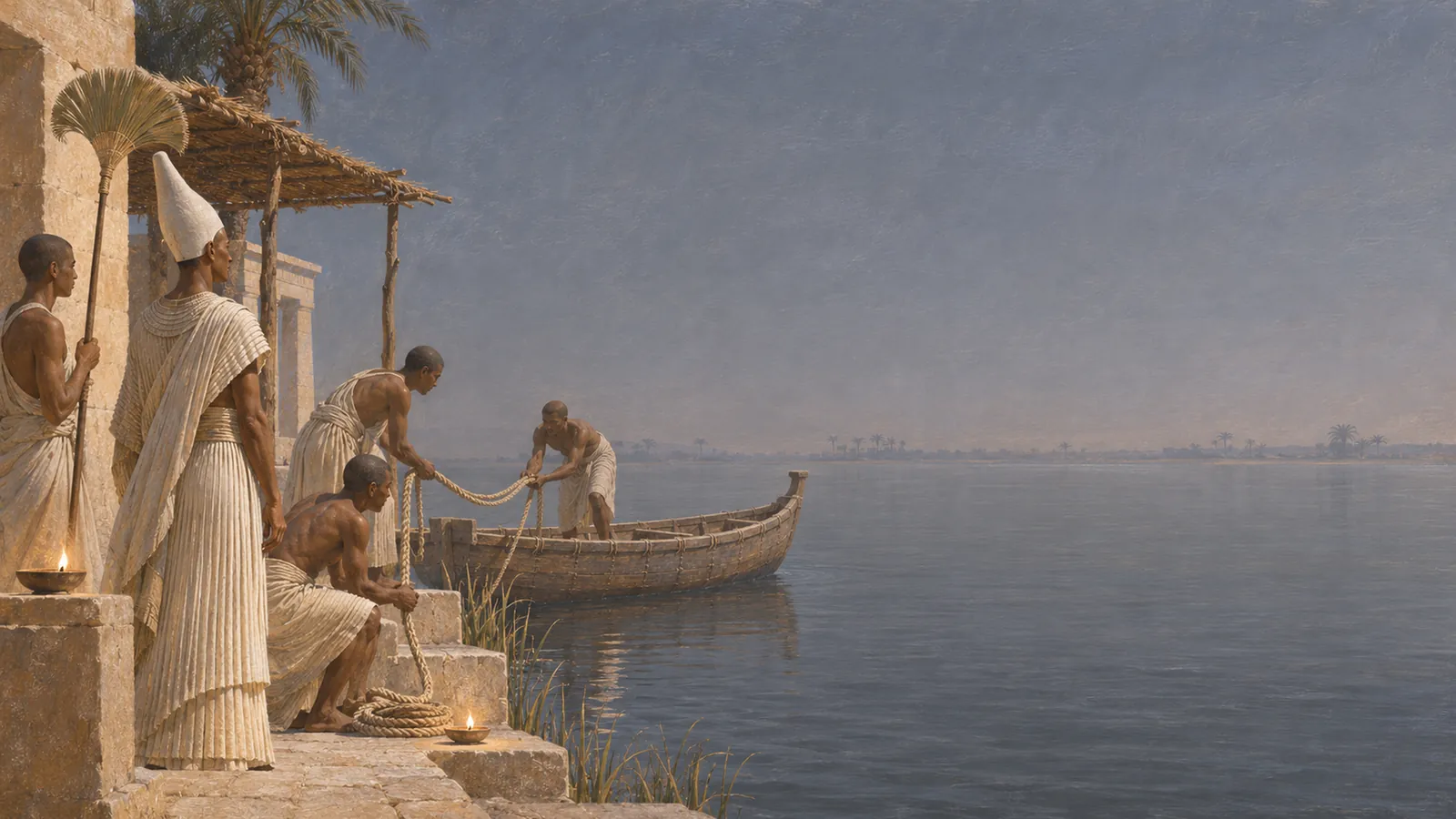
The reciter closes by calling for the vessel to be hauled to him. He gives his reason in the same breath. The Akhet is now his.
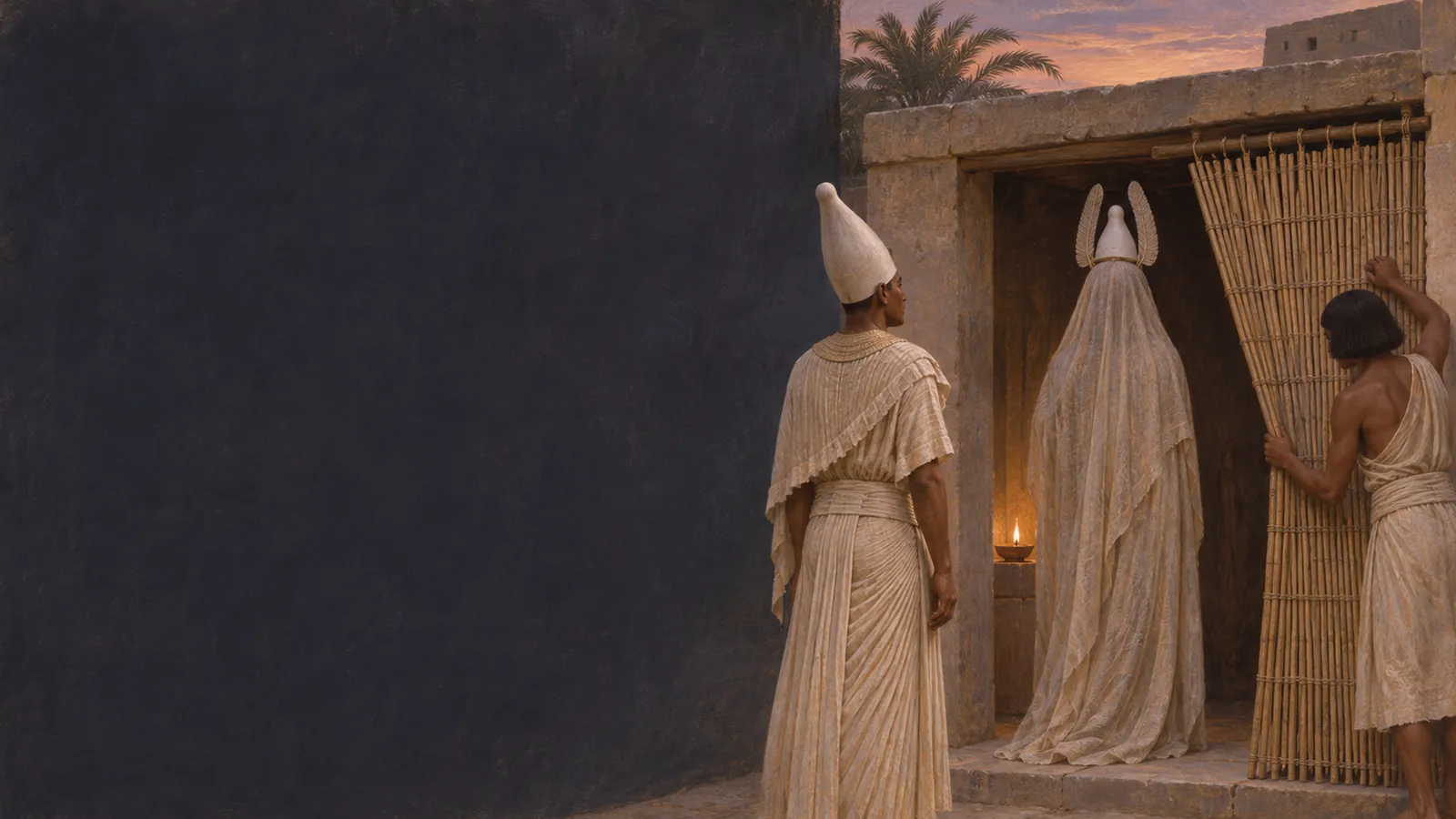
EMERGING
The speaker calls himself Osiris in a whirlwind of dust. He says the ground is abhorrent to him and he will not enter Geb.
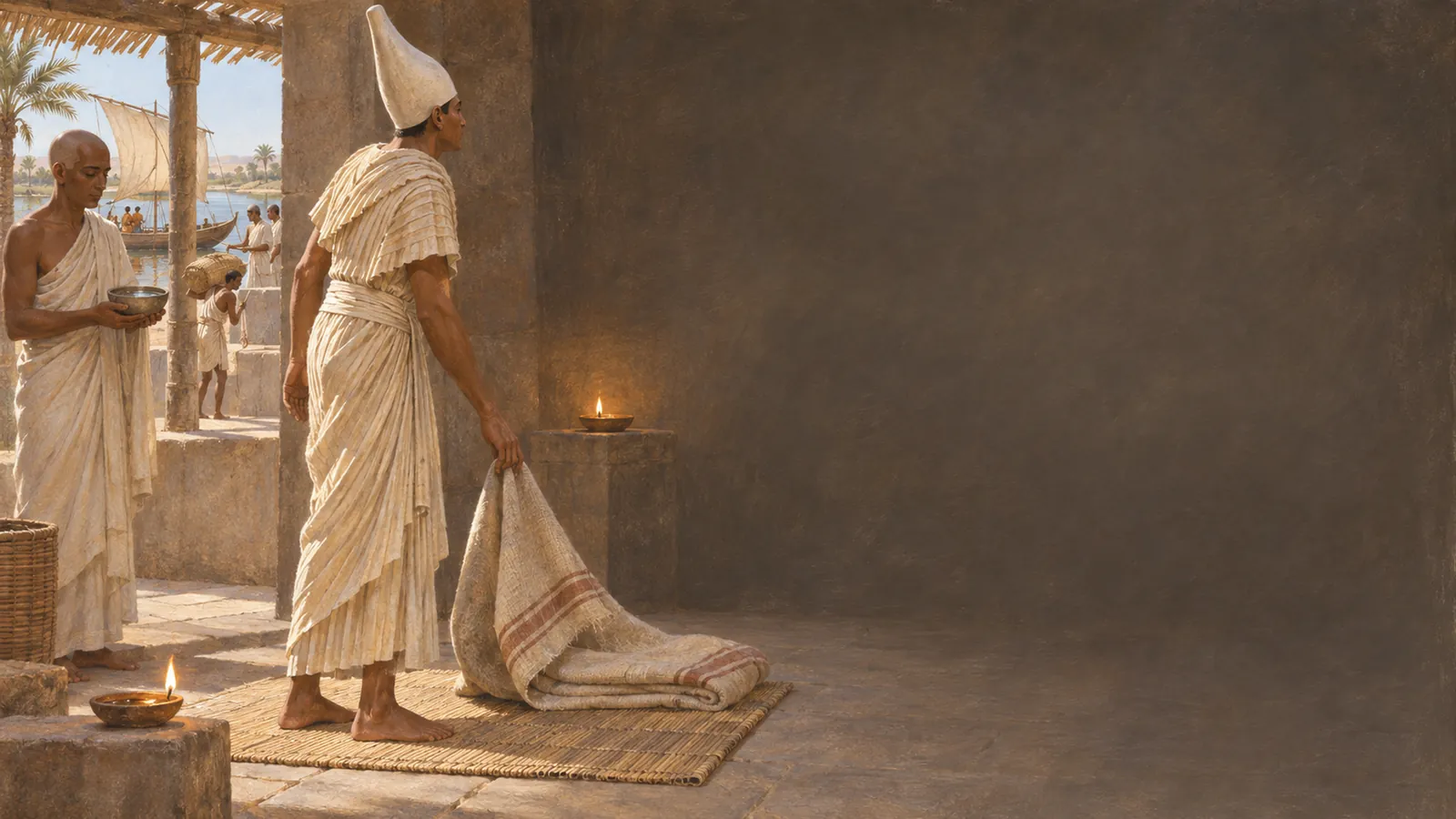
The speaker says he wakes in his earthly compound with his bones broken. He says he clears away what obstructs him.
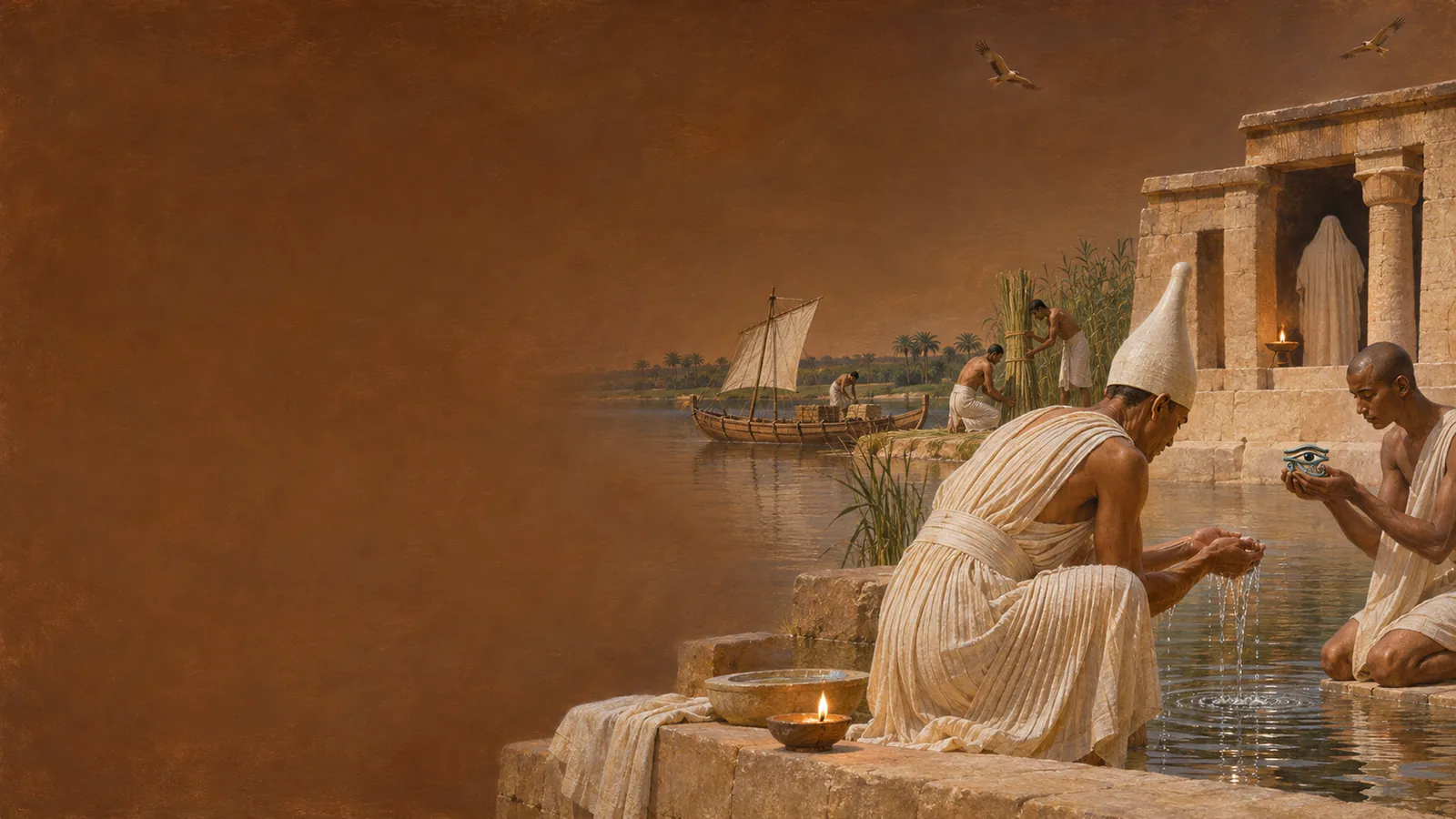
The speaker says Horus’s eye cleanses him and the two kites of Osiris remove his obstruction. He says he releases what flows from him to the earth at Qus.
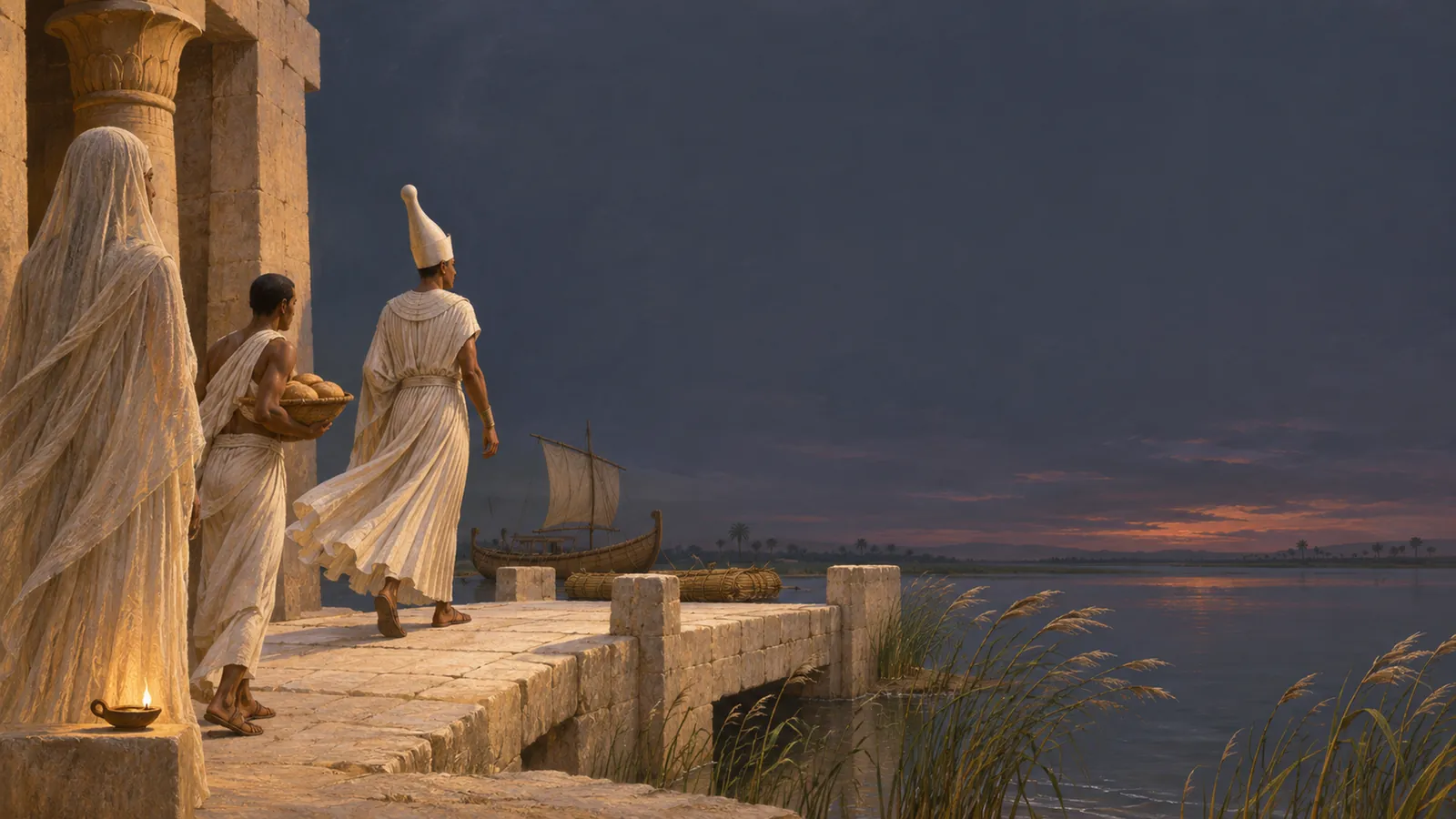
The Lady of Pe cries that the speaker is off to the sky in the wind. He says no one will turn him away and he will not sit for judgment in the god’s court. His bread is with the Sun, his feast from Nu.
THE JUDGMENT
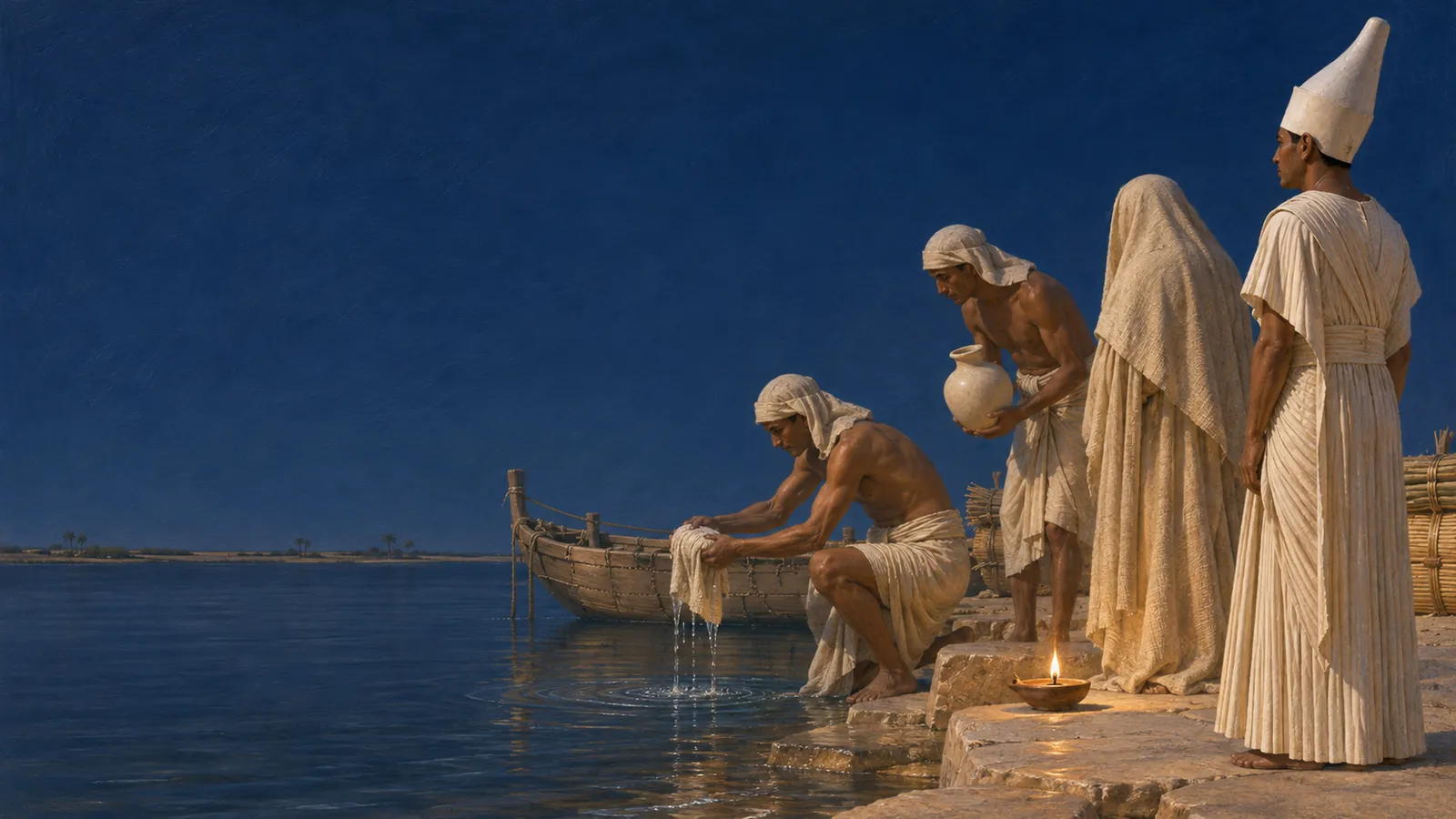
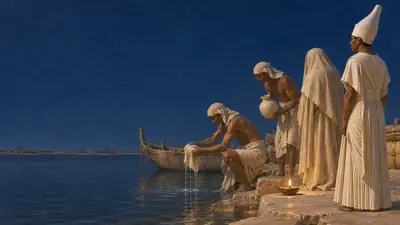
The speaker addresses Geb, Nut’s bull, and calls himself Horus, his father’s heir. He says he has gone and returned, and is the fourth of four gods who fetch water and scrub. He asks to be justified in what he has done.
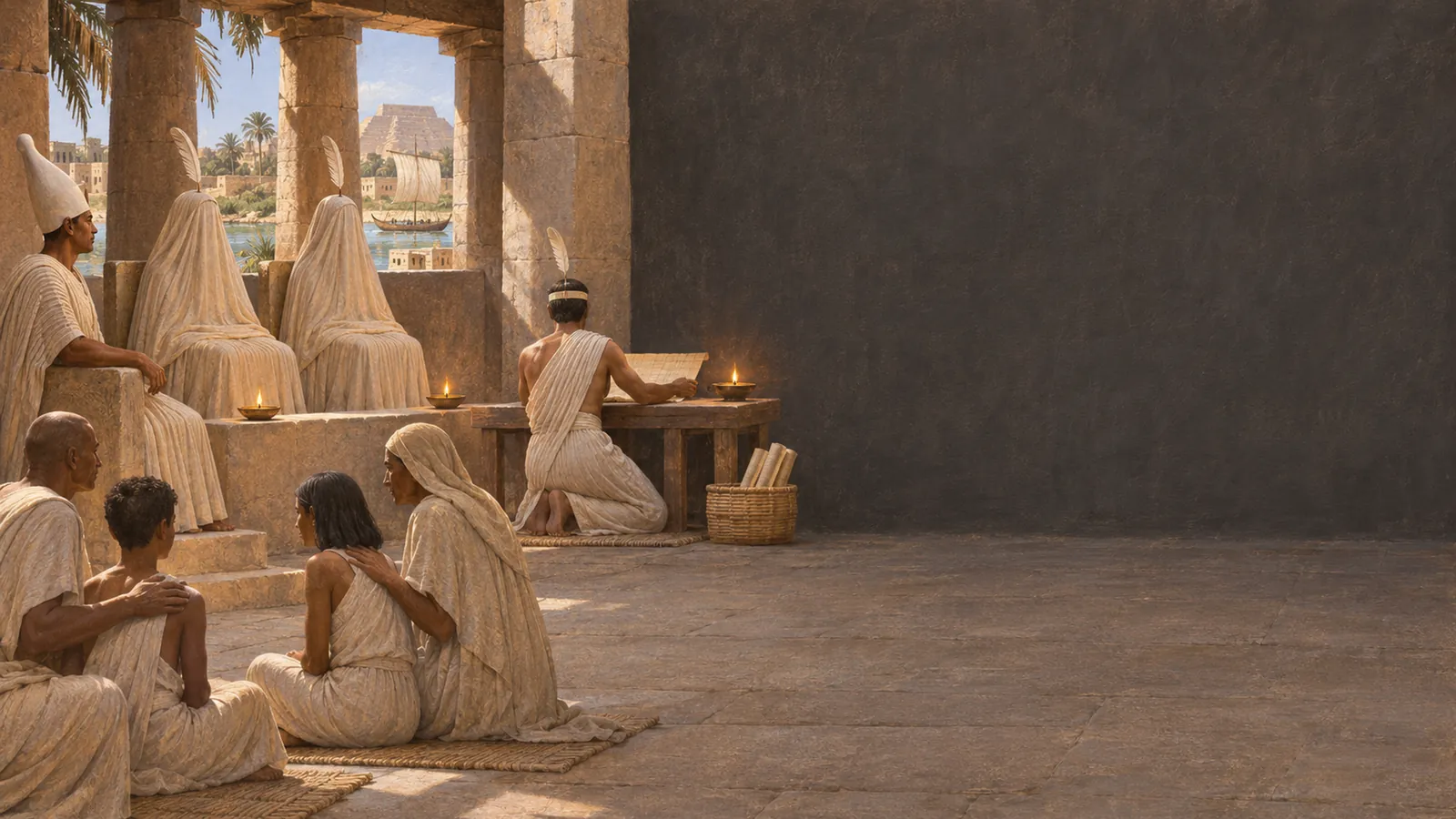
Dual Maat hears the case between an orphan boy and an orphan girl, with Shu as a witness. She orders Geb’s thrones to serve the speaker, his hidden limbs to be joined, and him to end the contention in Heliopolis.
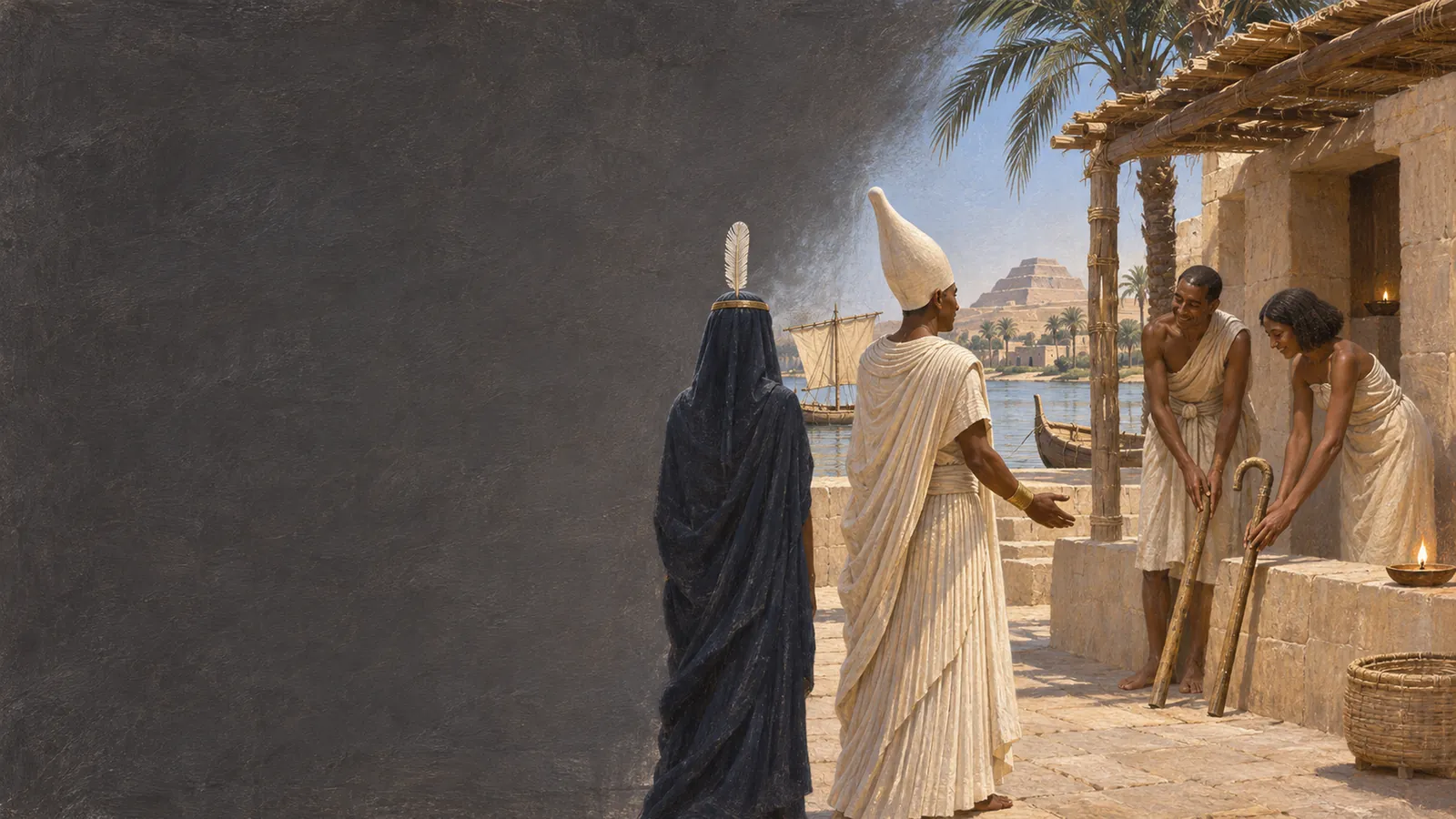
The speaker says he emerges as a living akh to end fighting and quiet commotion. Maat is with him and rage departs. Those in Nu bring him life, and he calls the eye his refuge, protection and power.
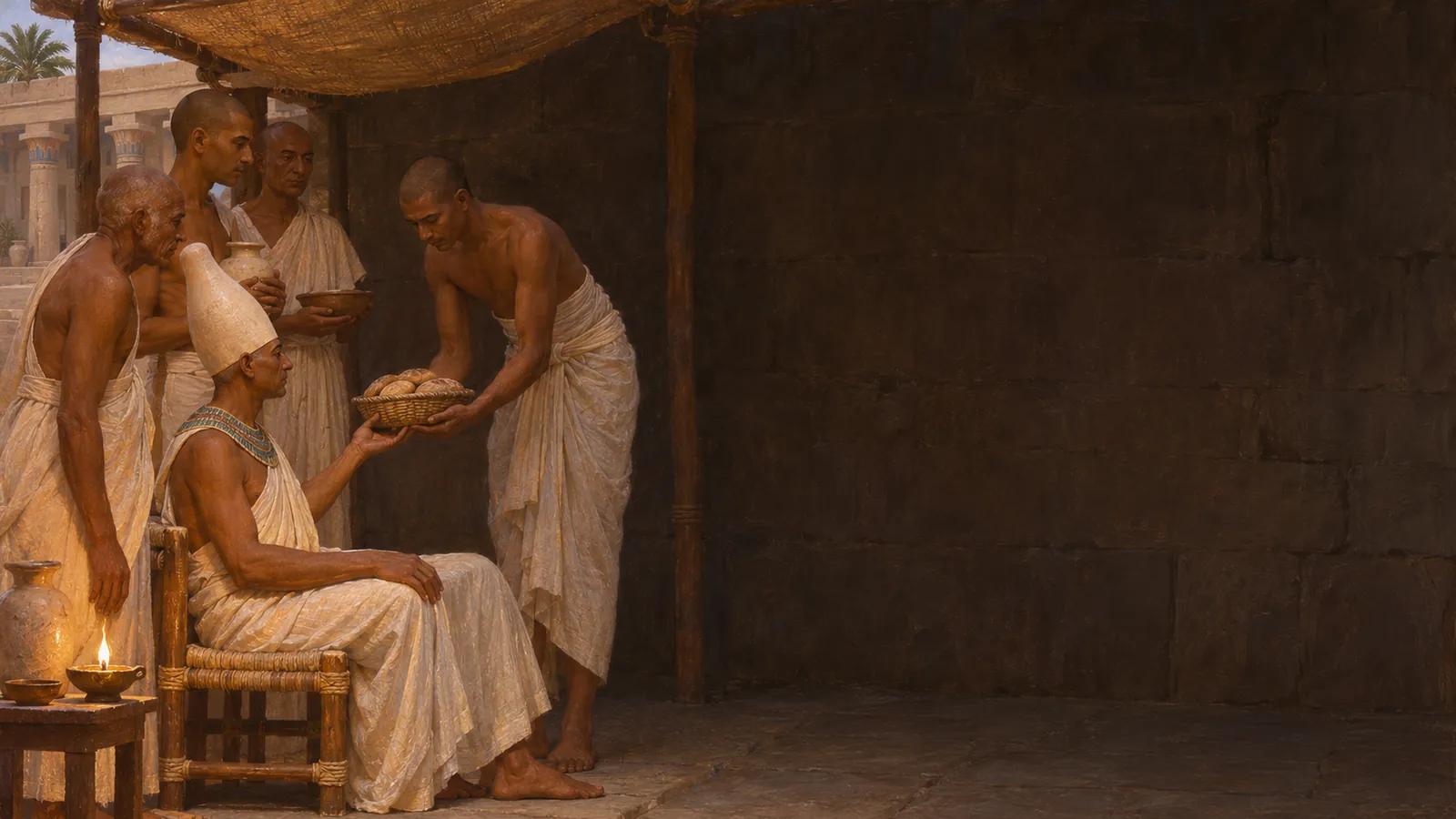
The speaker asks the gods of the four directions to protect and fear him. He says he sat beneath the awning of the double courtyard and challenges those who would obstruct him. He shuns travel in darkness and says he has emerged for Maat.
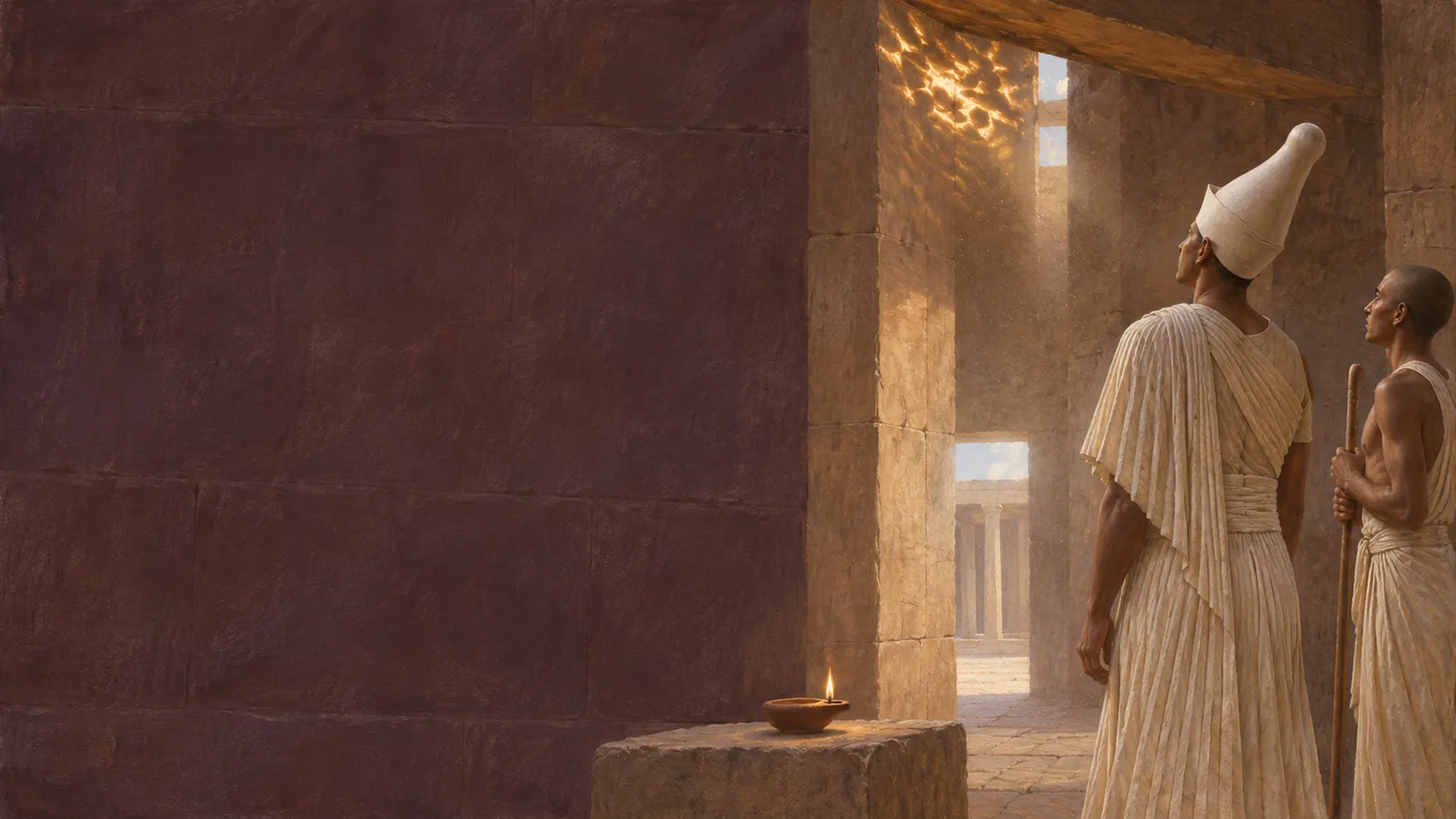
The speaker calls himself woe to the mind and the son of Shu’s mind, with a scorching light. He calls himself fire high in the wind, reaching the limits of sky and earth before the arms of the lightning empty of him.
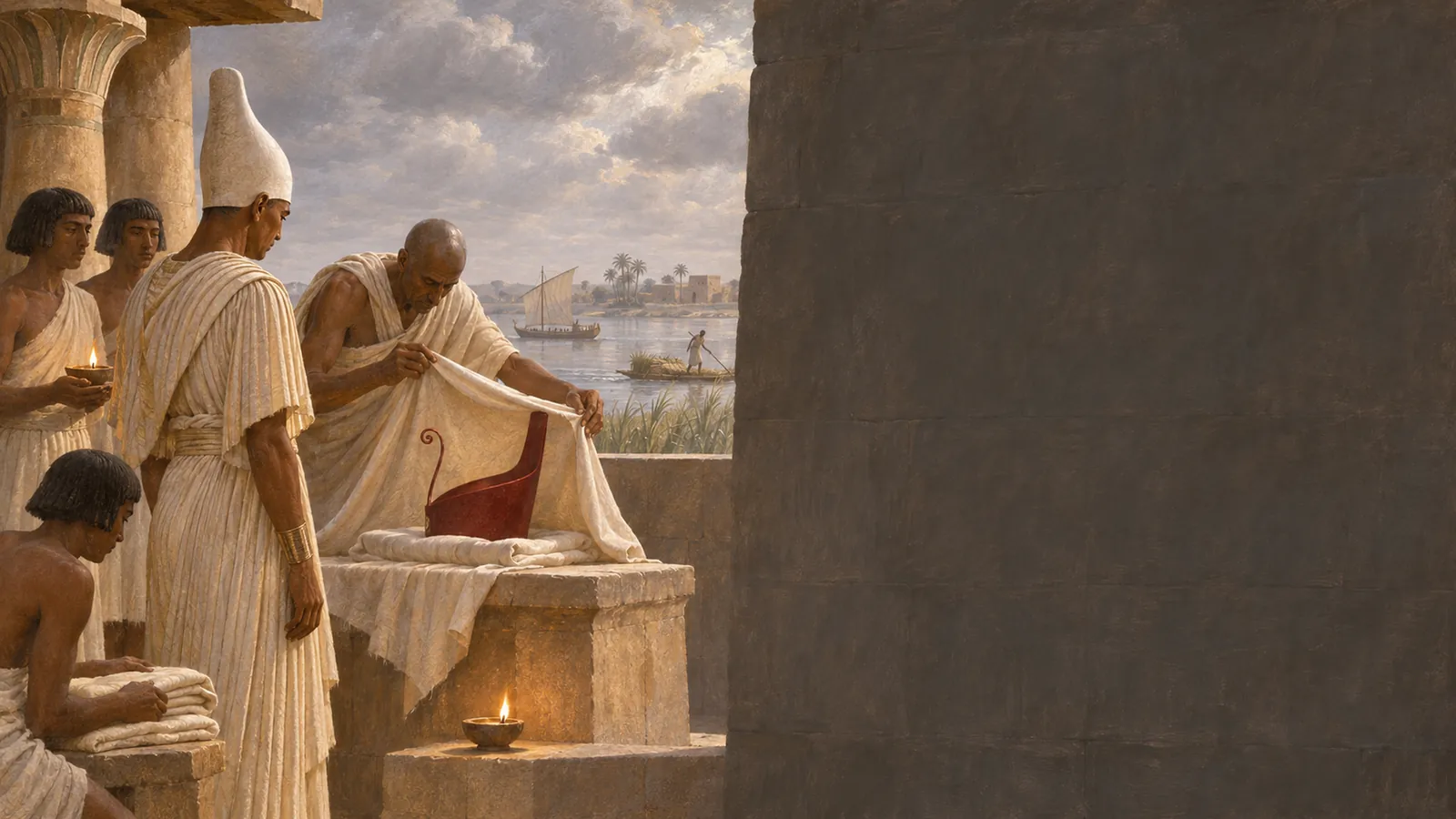
The speaker passes through Shu, travels the horizon and kisses the Red Crown. He says he has ascended and stands on the eastern side of the hail. He calls himself the one who carries out the tempest’s mission.
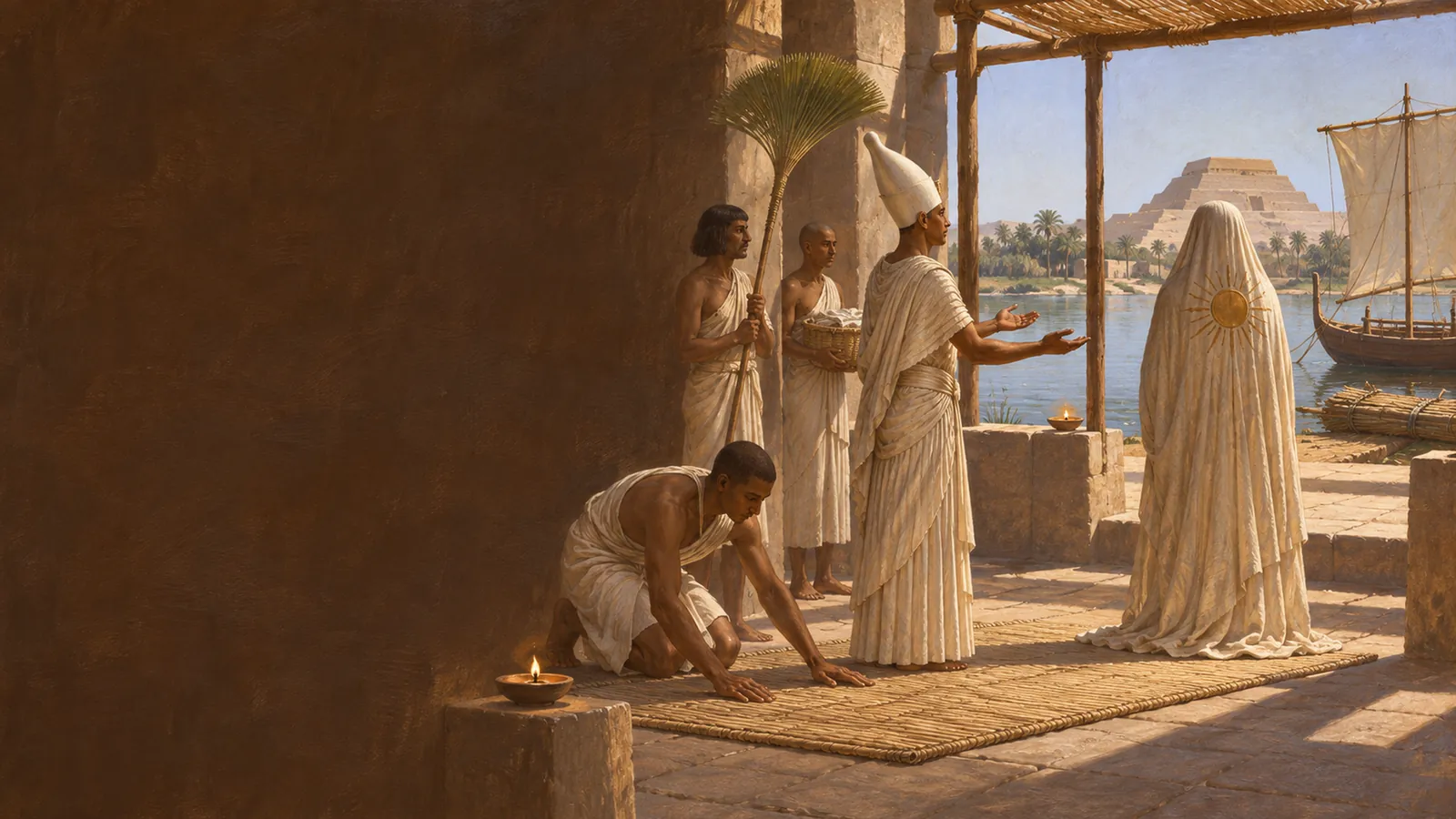
The speaker asks a god to recognize him, saying each knows the other. He makes the same appeal to the Sun and calls it Great of Provision and Lord of All.
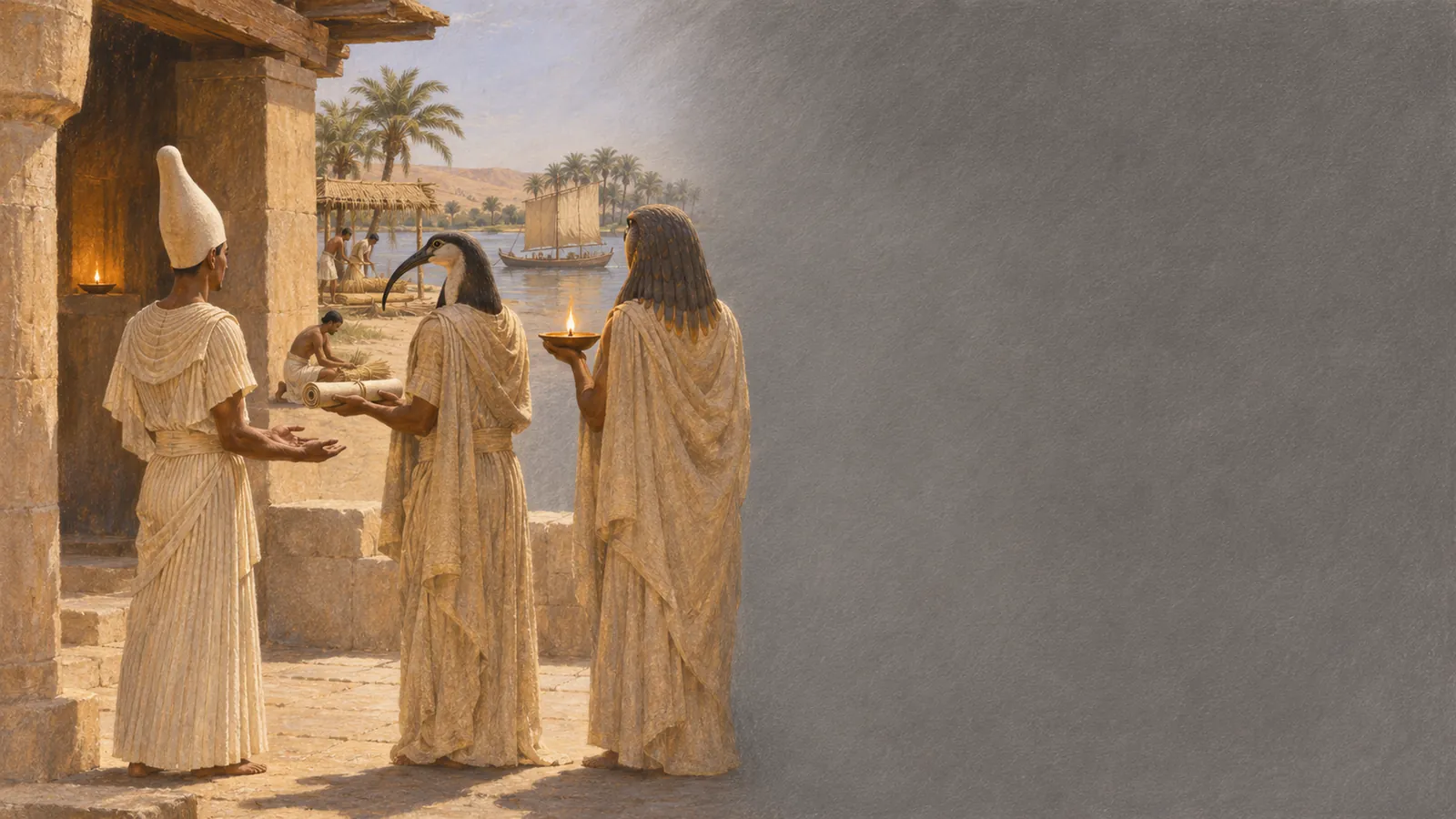
The speaker asks Thoth to recognize him and calls him He Who Sets Alone. He addresses Sharp Horus in the same way and calls him Difficult.
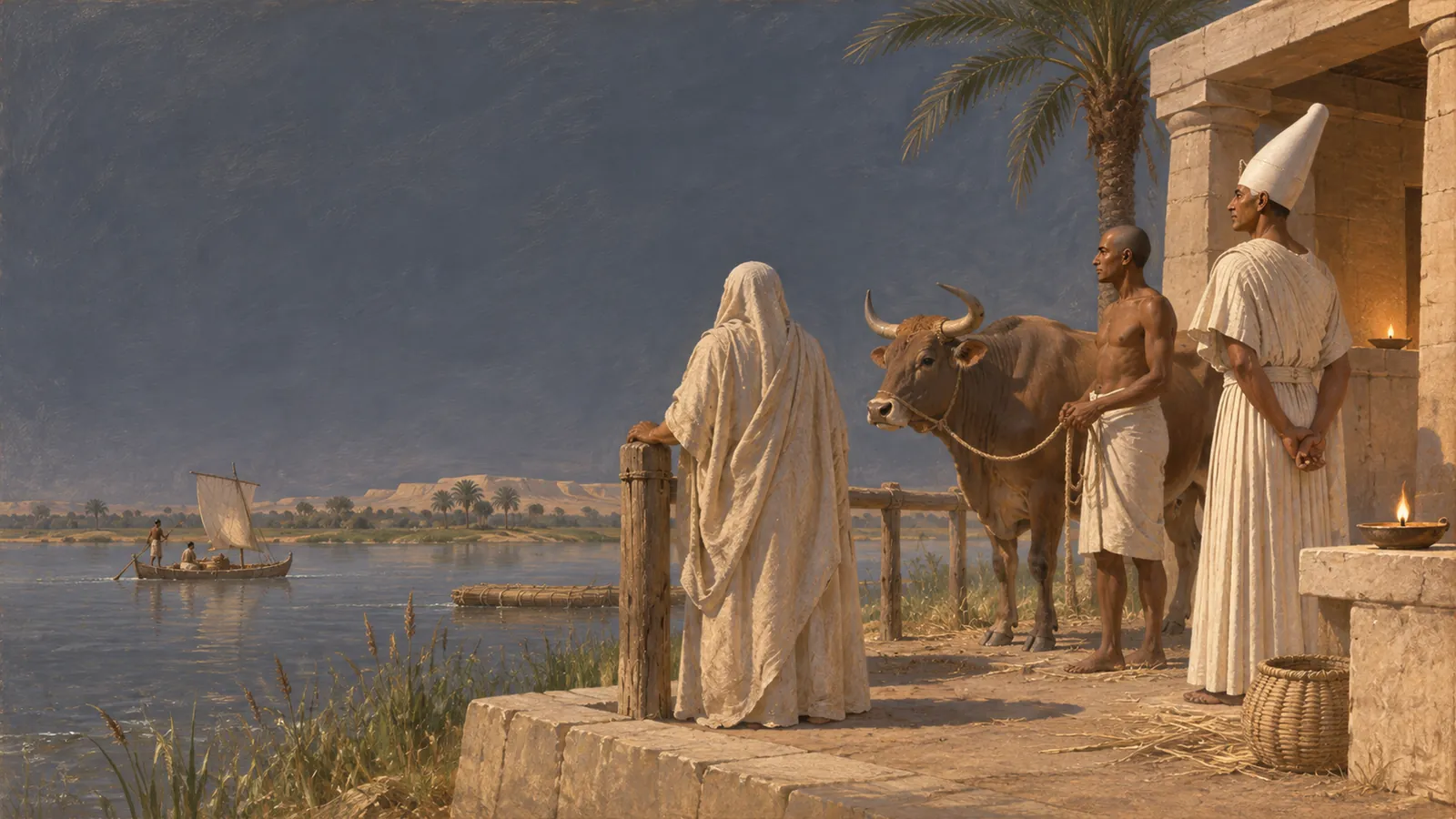
The speaker asks the one of the Duat to recognize him and calls him He Who Wakes Sound. He also addresses the Sky Bull and calls him This One Who Endures.
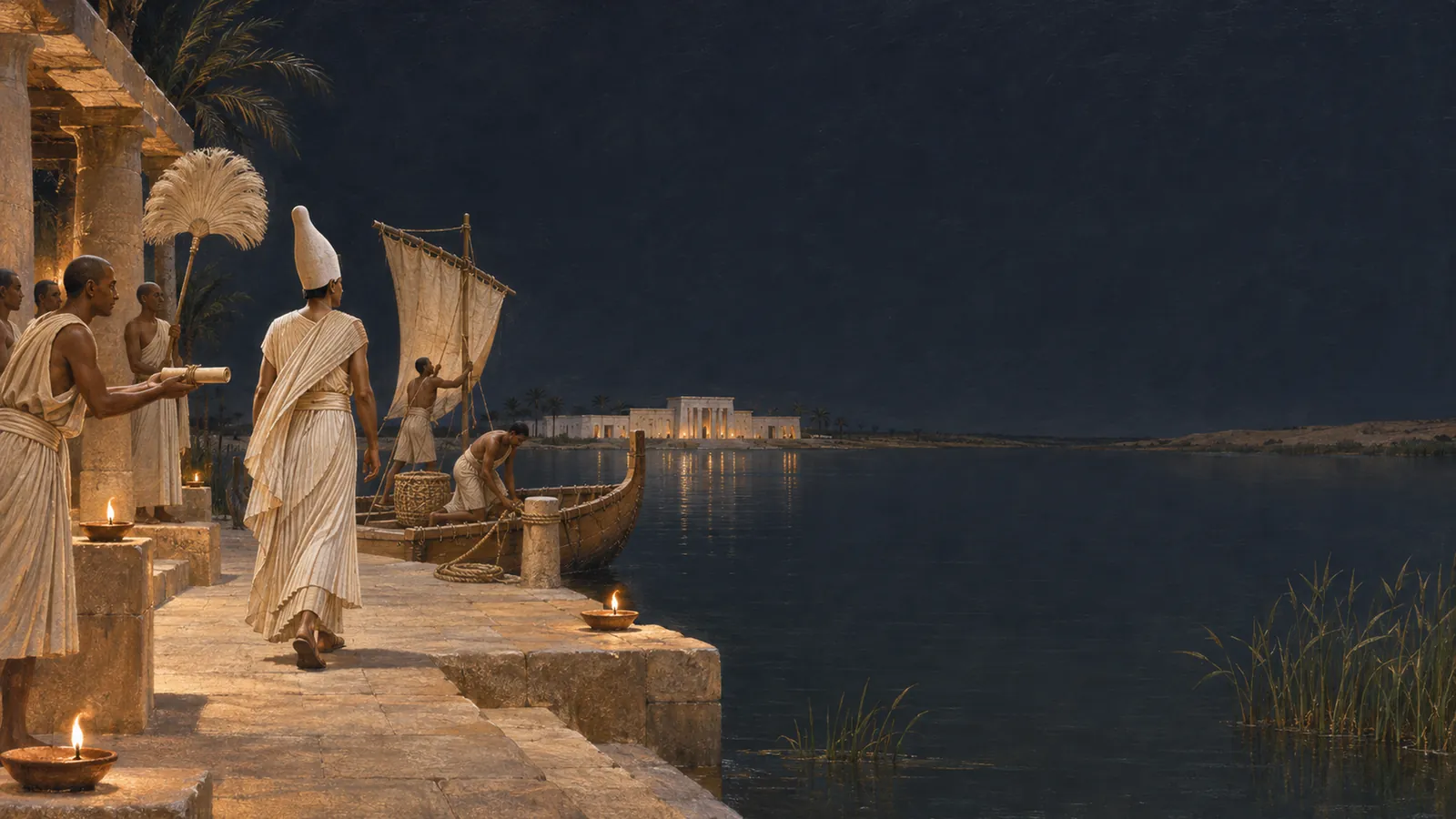
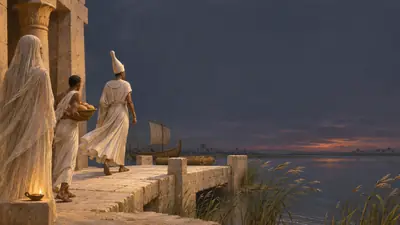
Summoned by a dispatch, he passes his ba’s house. The Great Lake’s wrath misses him. No one demands ferry fare or bars him from the White Palace of the great ones by the Beaten Path of Stars, for he has reached the sky’s height.
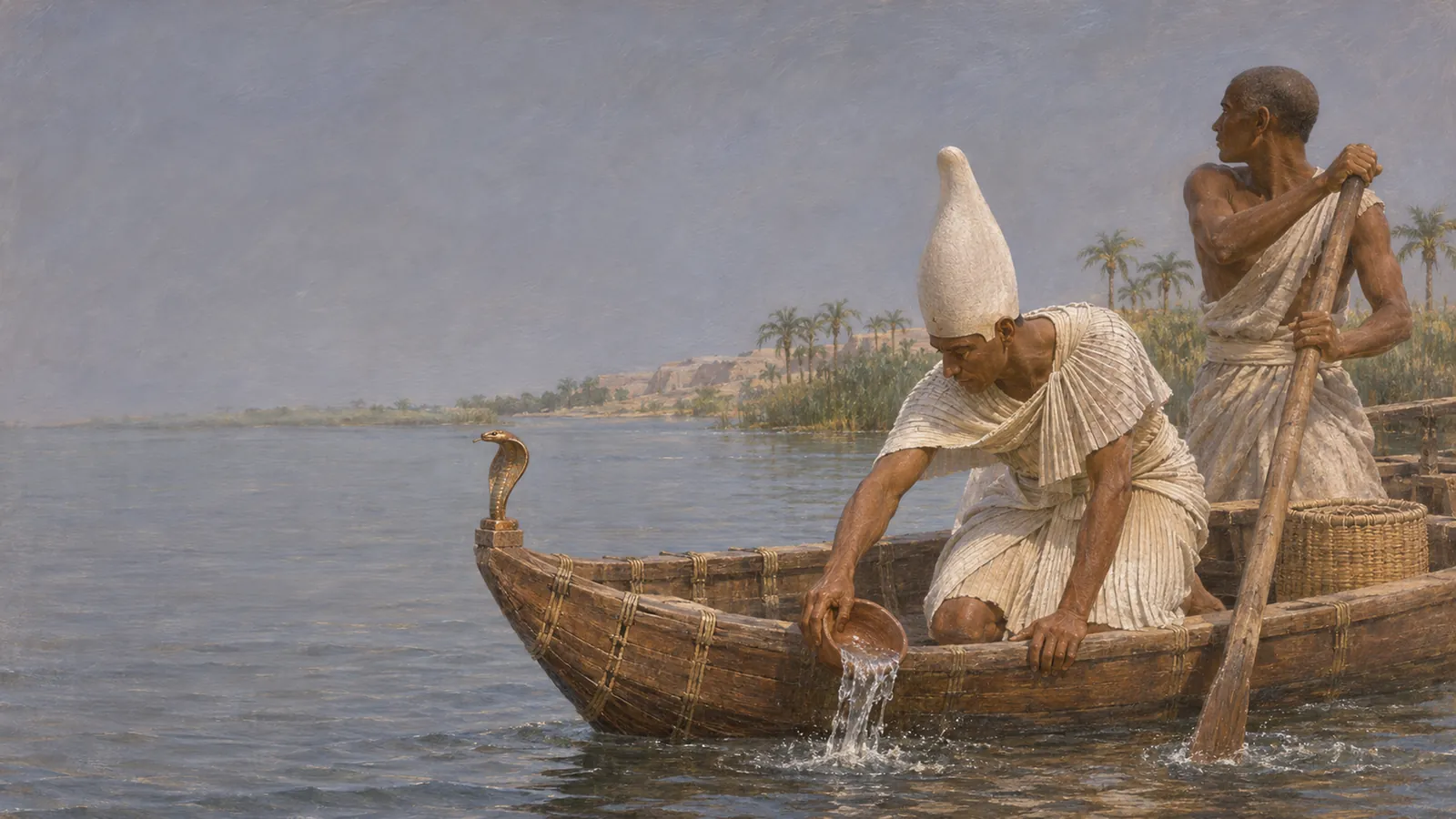
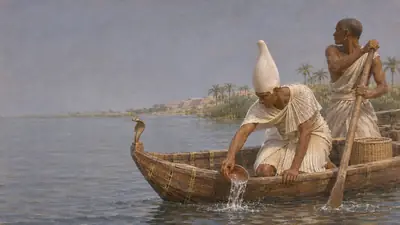
The speaker sees his cobra in the Nightboat and rows there. He recognizes the uraeus in the Dayboat and bails water from it. Humanity sees him, and hail-clouds lift him toward the Sun.
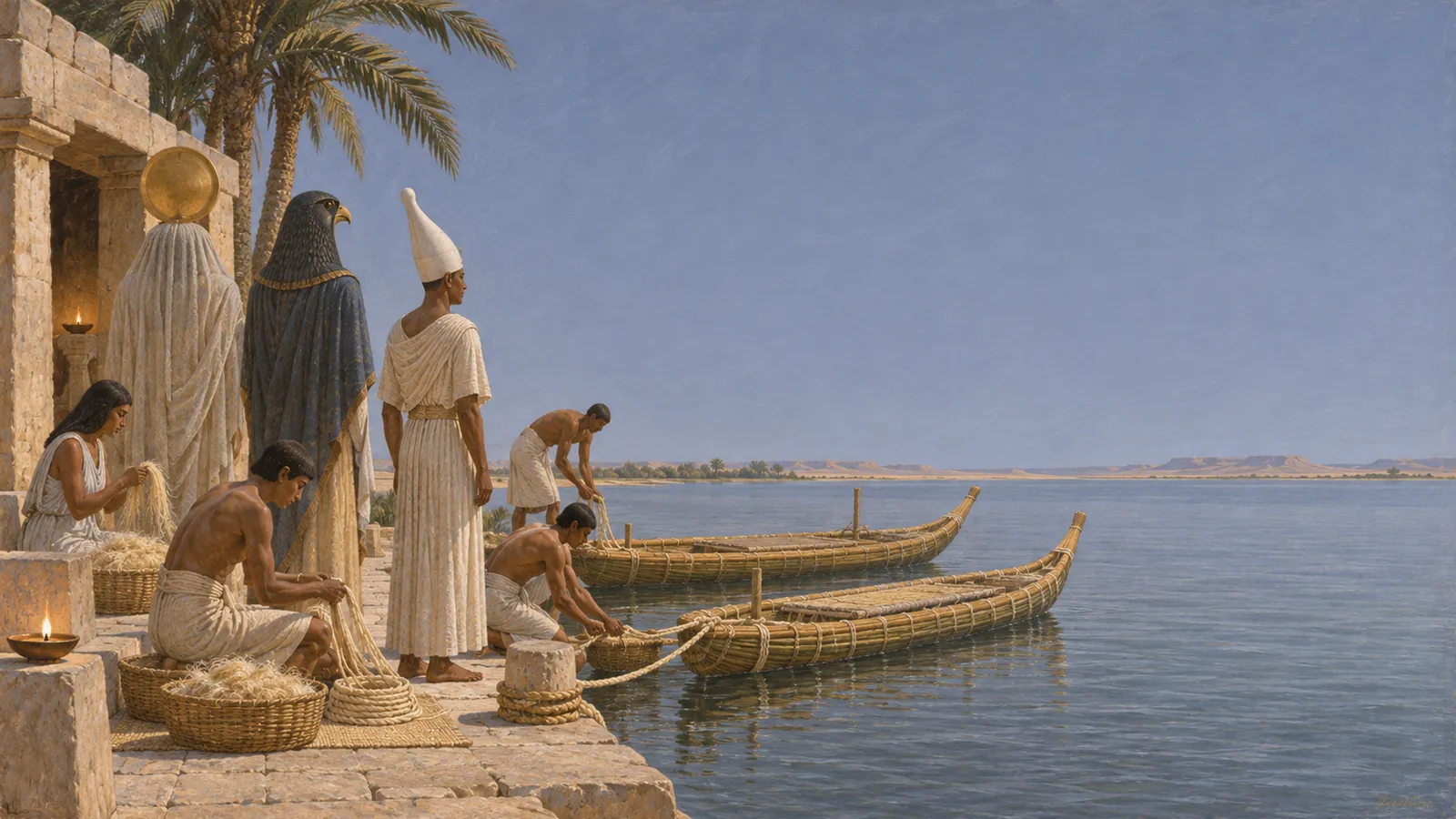
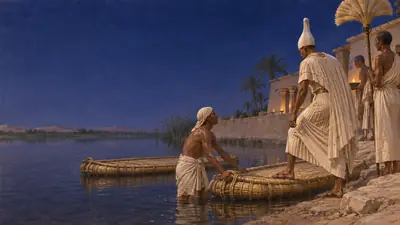
The sky’s two reed floats are set out for the Sun to cross to the Akhet. They are set out for Horus of the Akhet to cross to where the Sun is.
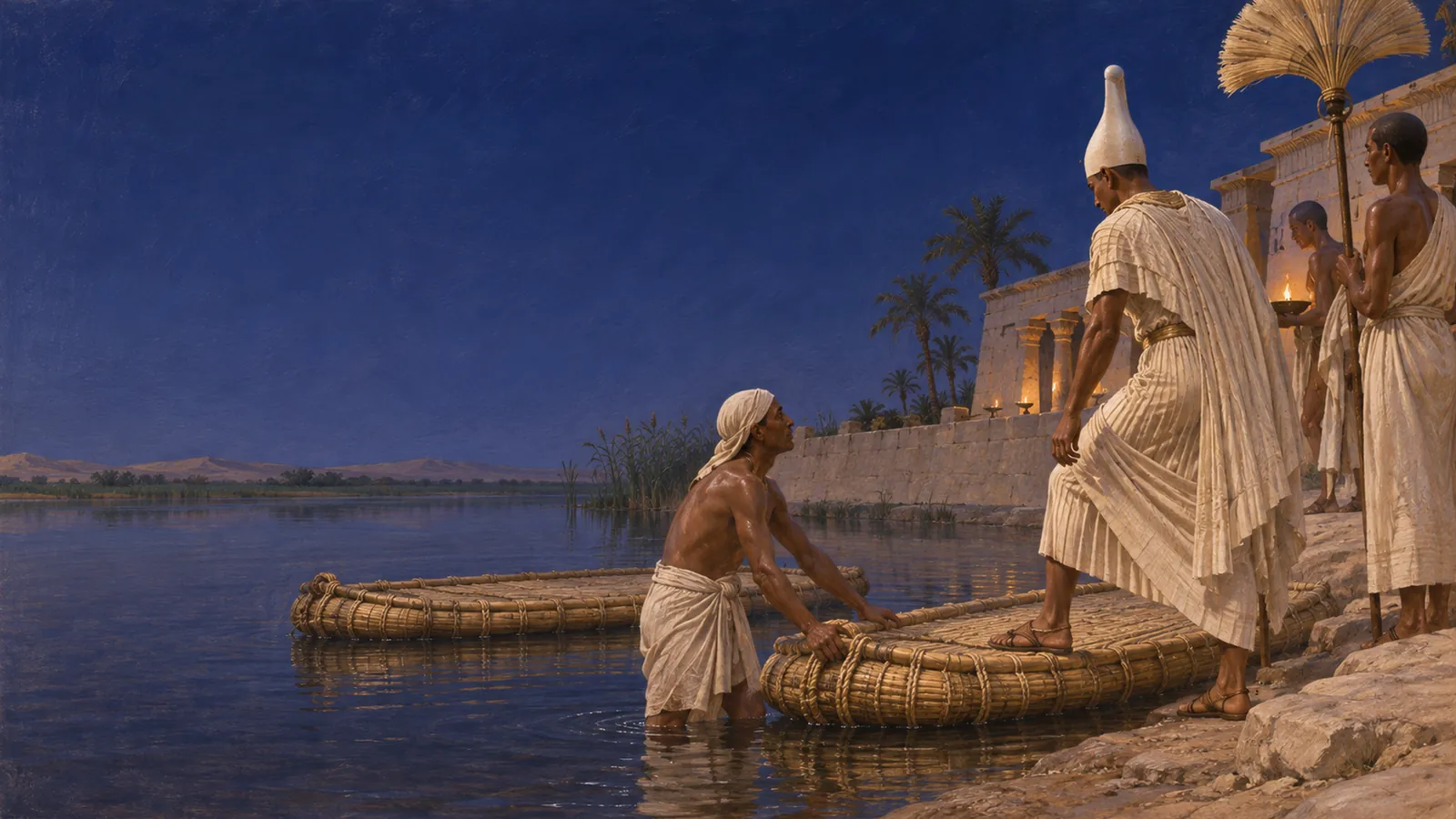
The speaker says the sky’s two reed floats are also set out for him. He is to cross to the Akhet, to where Horus of the Akhet and the Sun are.
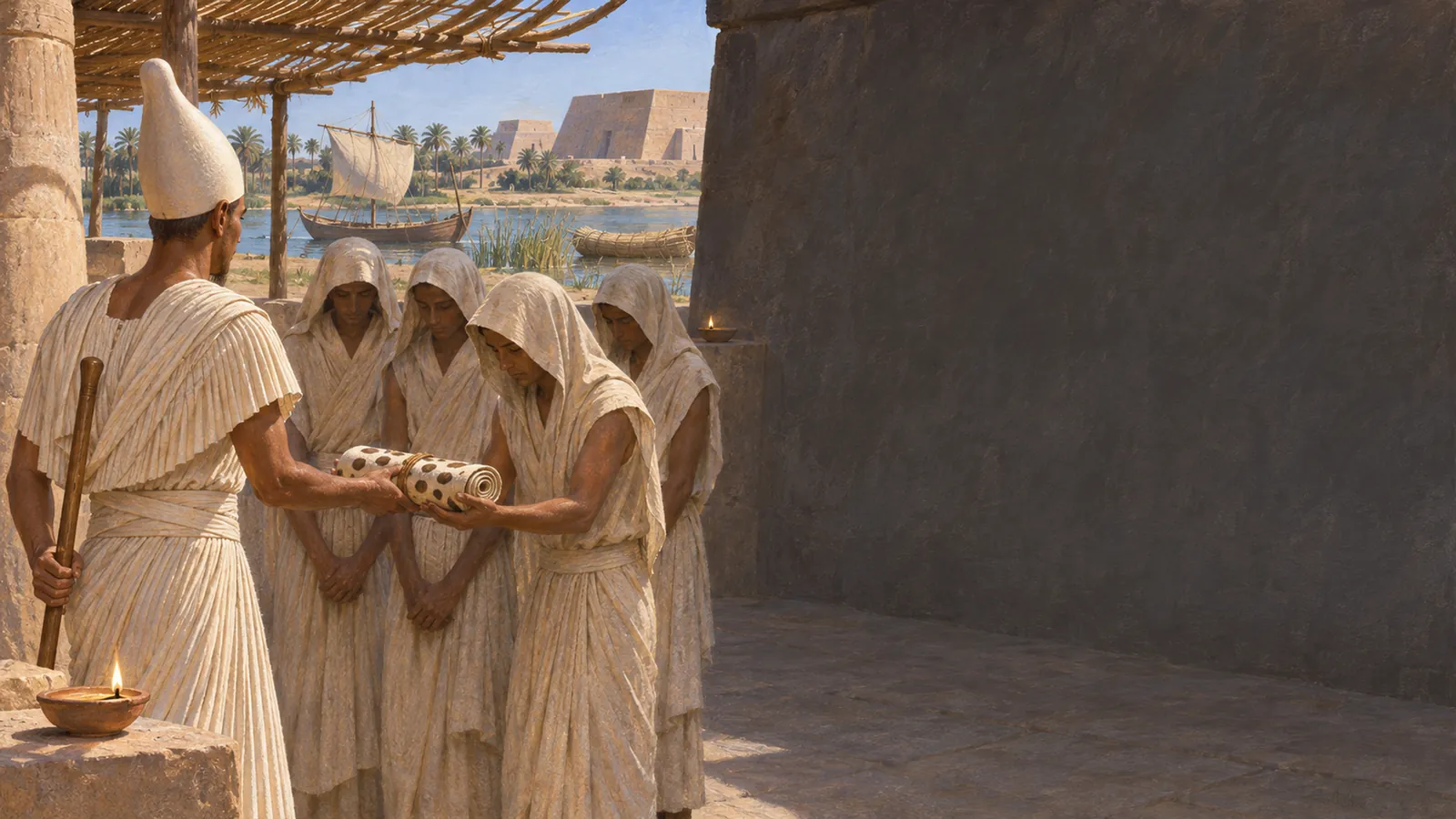
The speaker says he lives with his ka, with a leopard skin, a staff and a baton. Those who have gone away have missed him and bring four senior akhs in the eastern sky. His nickname is told to the Sun.
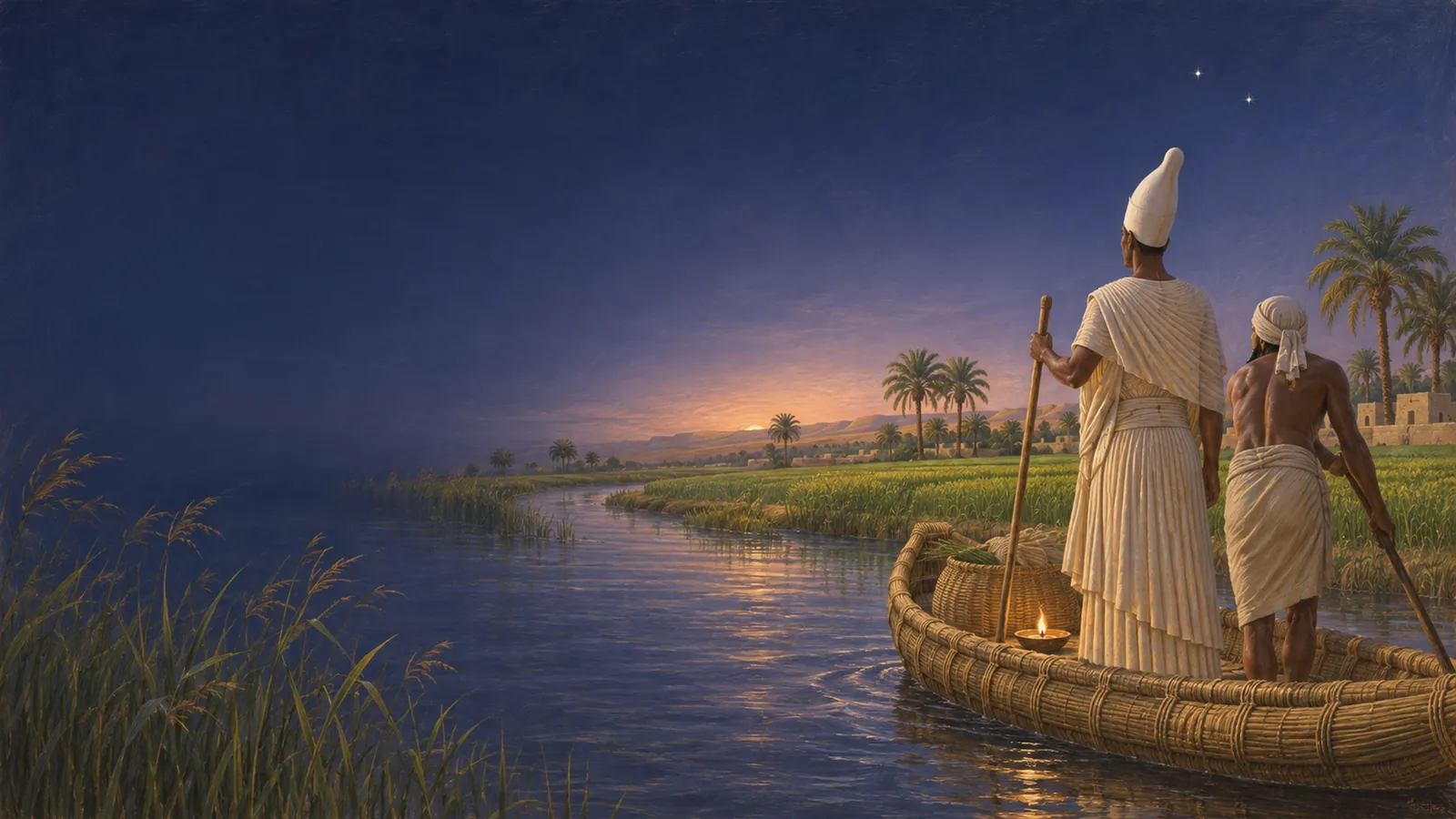
In the speech, they call for him to be welcomed in the north of the Field of Reeds. They say to let him cross the Winding Canal to the eastern Akhet and the eastern sky. They name Sothis and the Morning Star as his sisters.
CROSSING
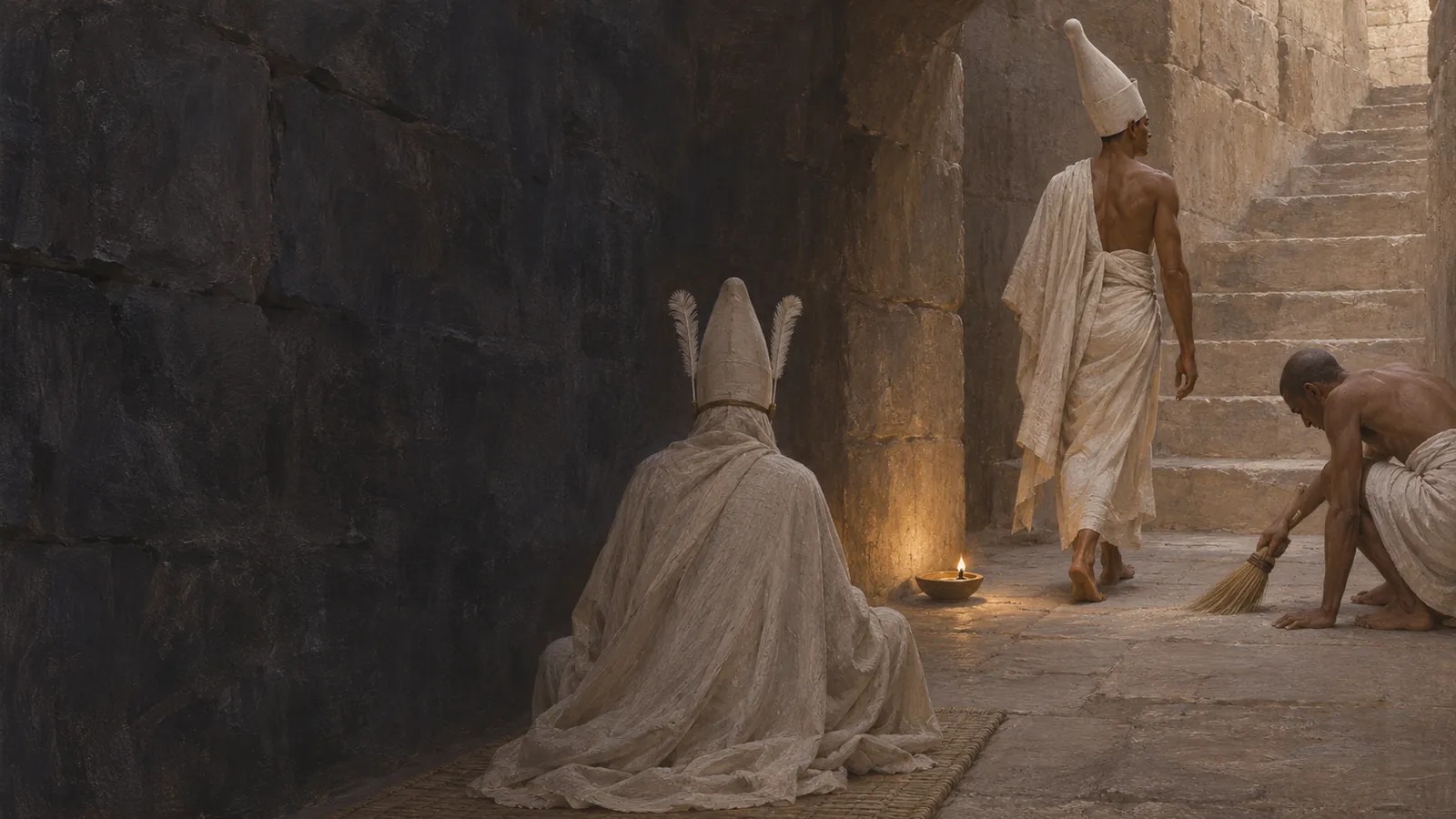
The speaker addresses Osiris and lays claim to his own mind, legs and arms. A footpath is laid so that he can ascend to the sky.
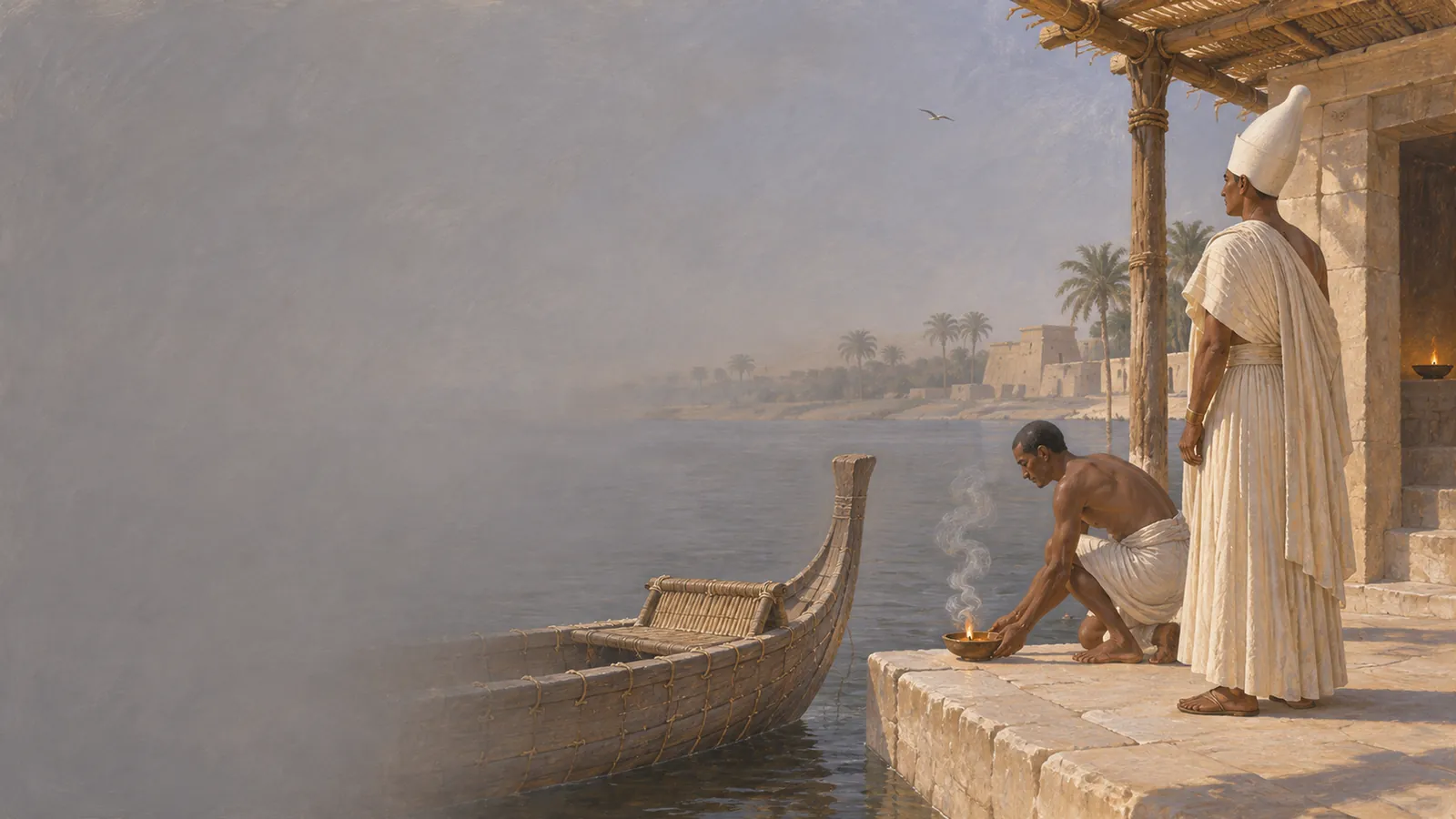
The speaker says he rises in the smoke of incense, flies like a bird and lands like a beetle. He names an empty seat in the Sun’s boat as his landing place.
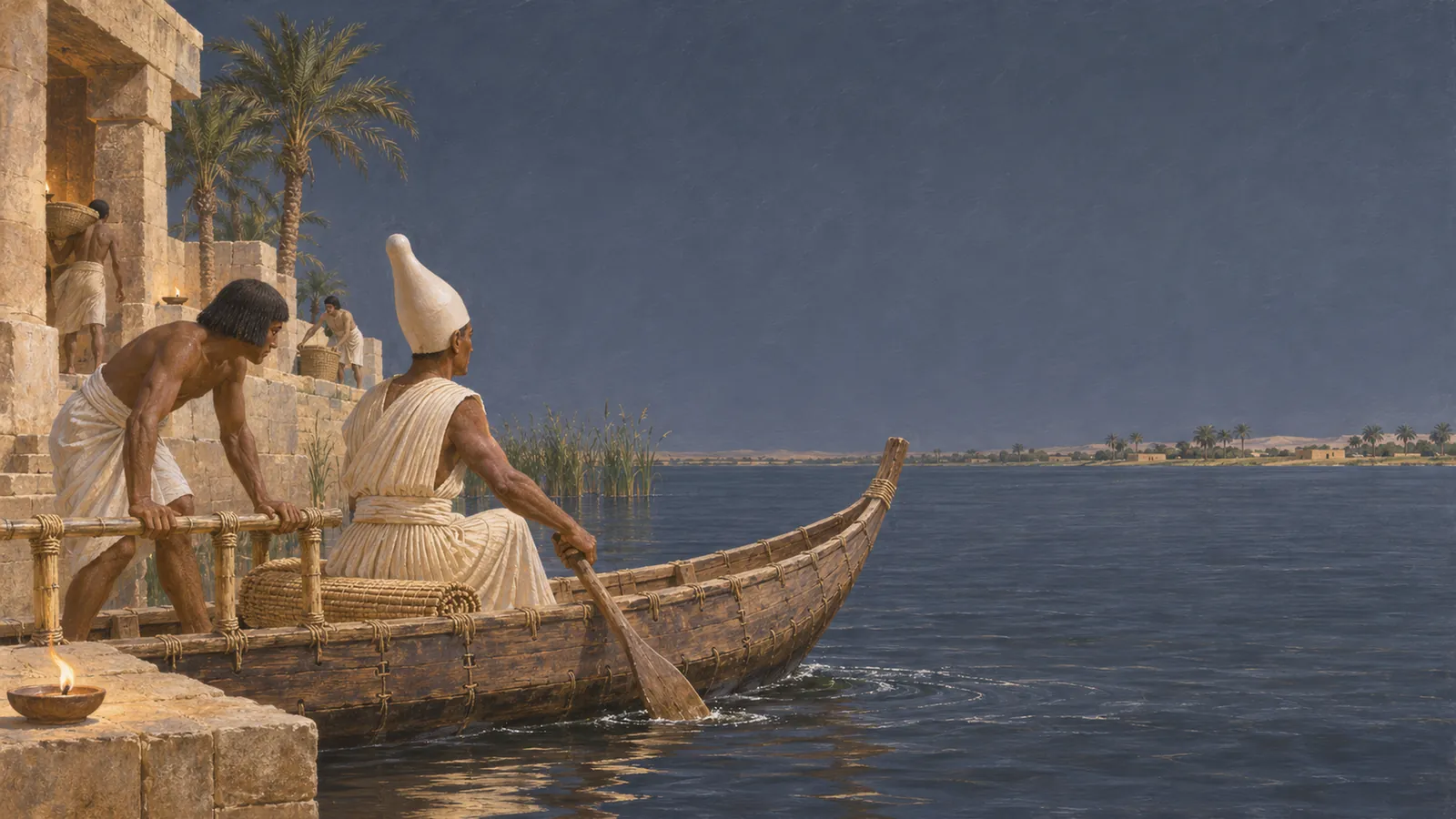
The speaker tells someone unfamiliar with the reeds to leave the seat. He says he rows and pushes off from land in the Sun’s boat, then promises to sail it as the Sun emerges from the Akhet.
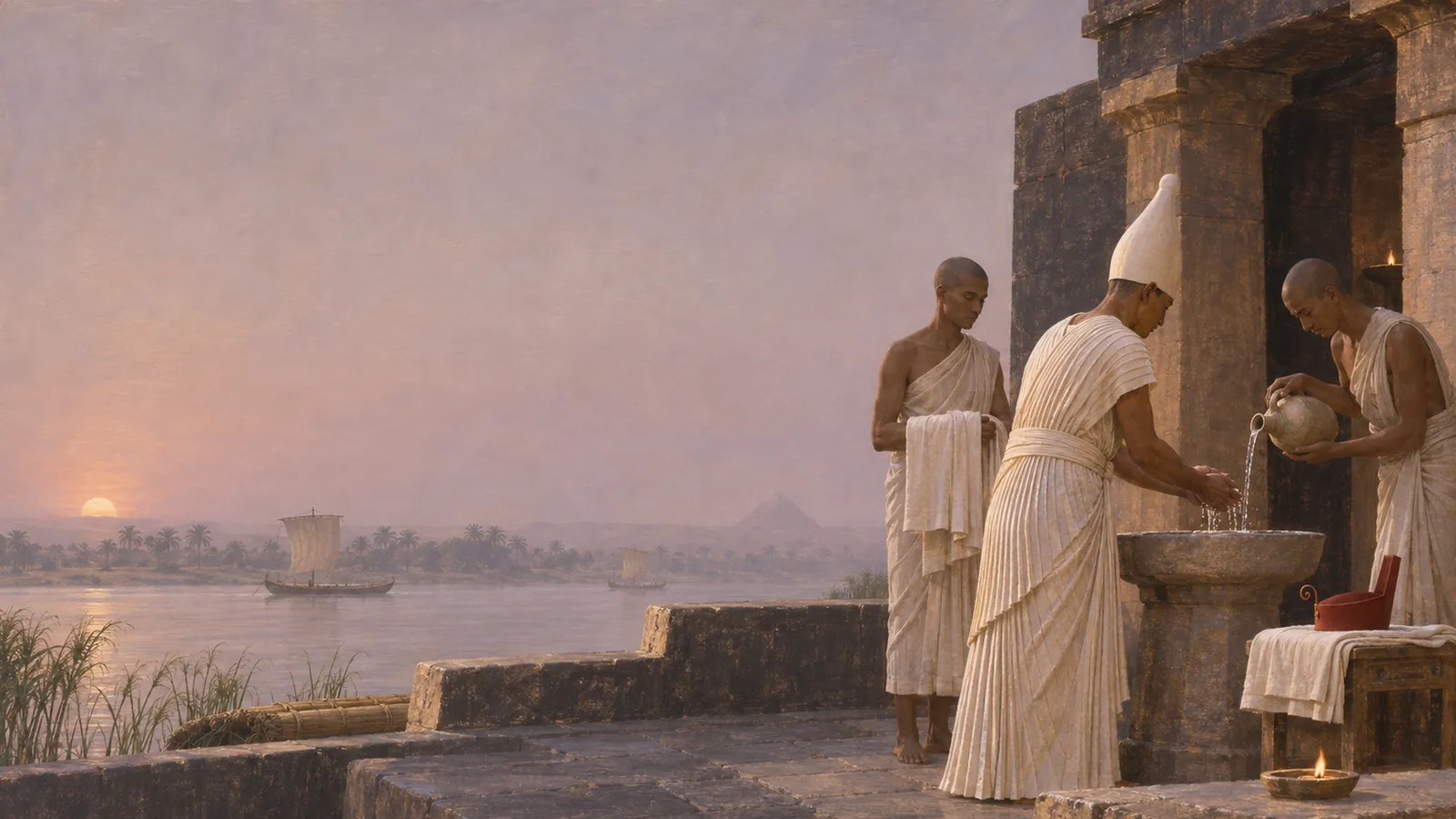
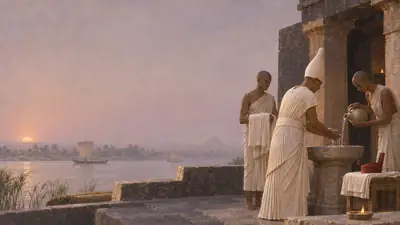
The speaker washes as the Sun appears and the Elder Ennead shines. He then declares that if the Ombite rises to the front of the shrine, he will seize the crown from the Dual Ennead.
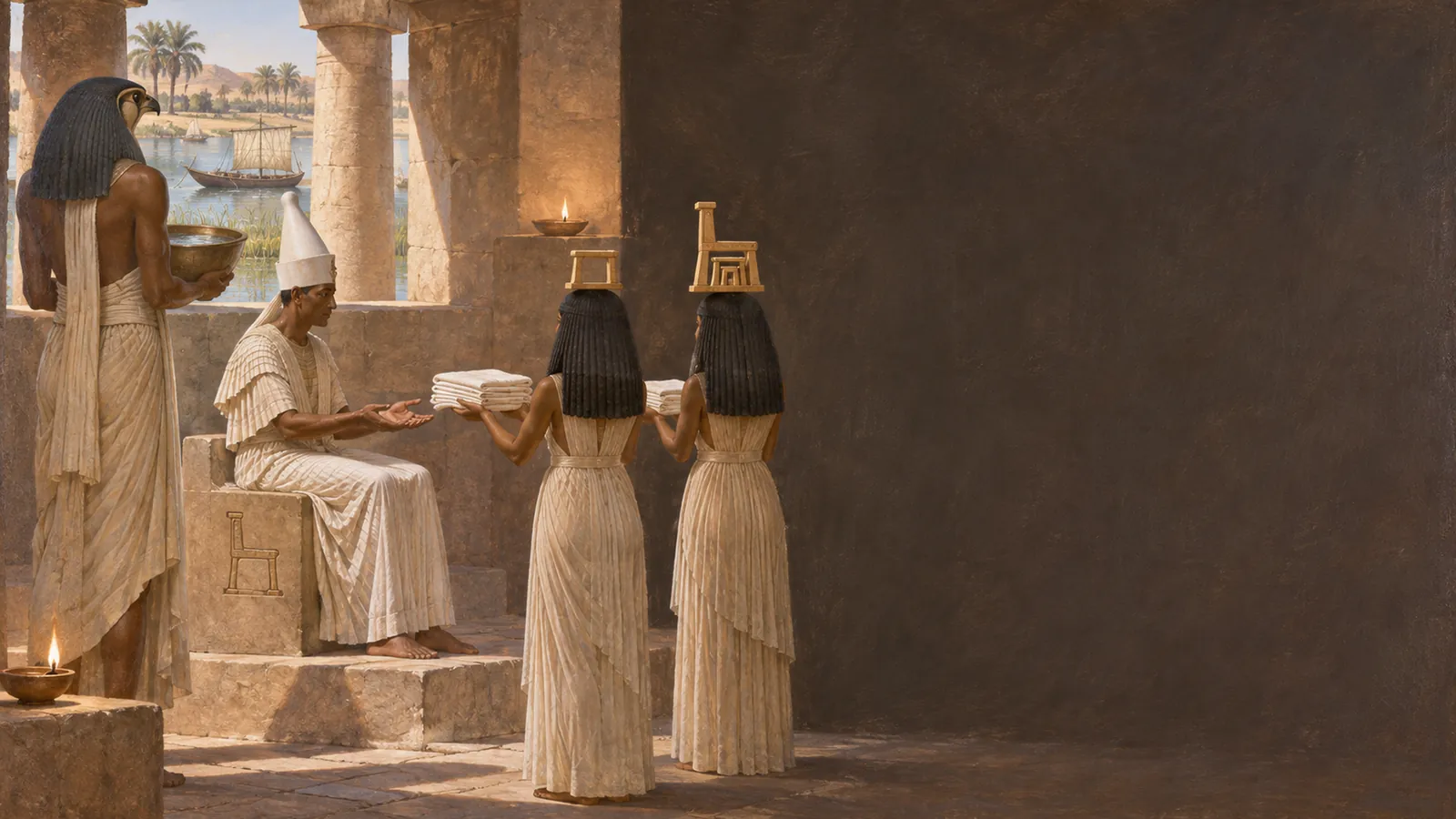
Isis and Nephthys nurture the speaker, and Horus receives him. Horus cleanses him in the Jackal Lake and releases his ka from the Duat Lake.
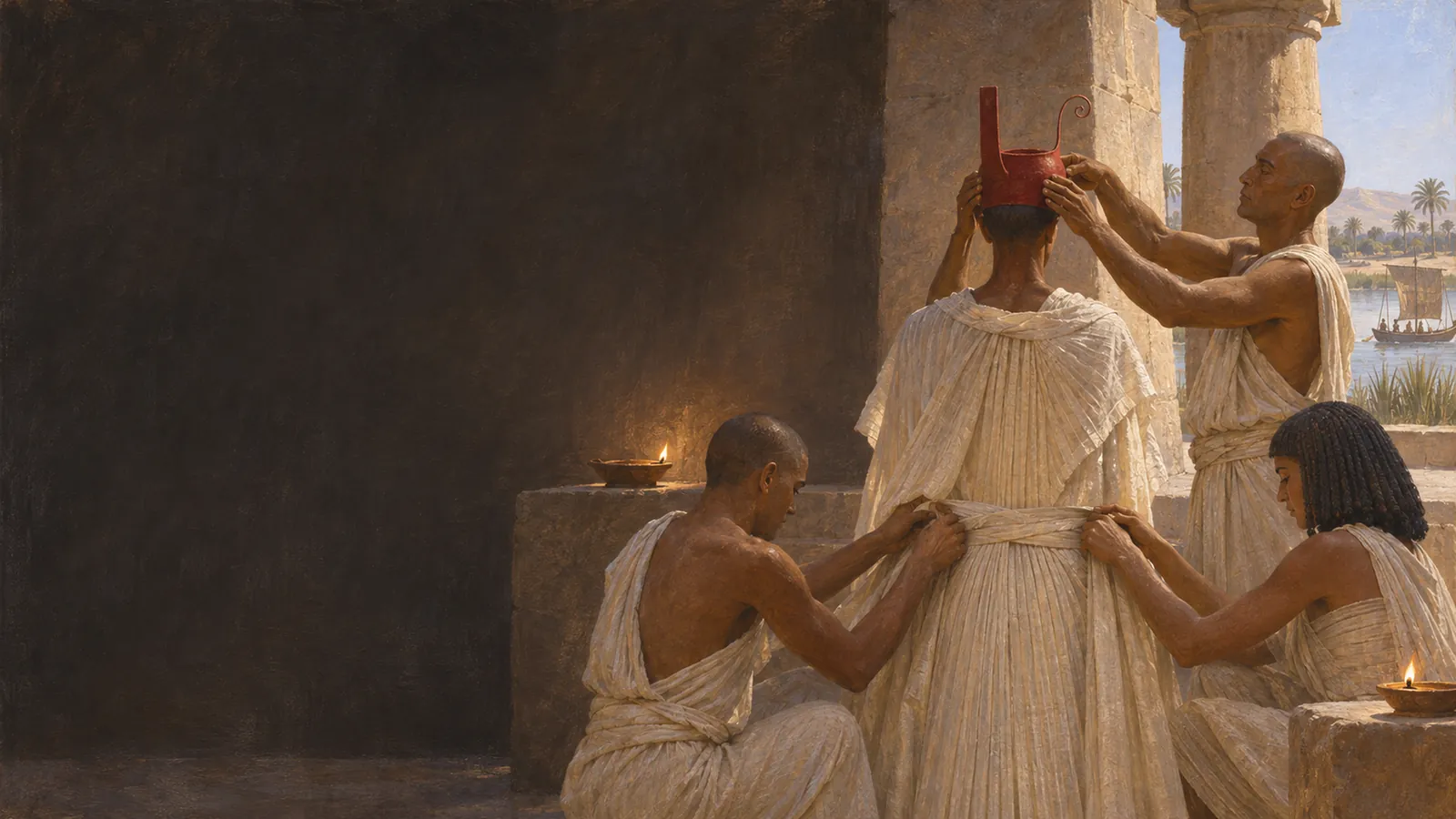
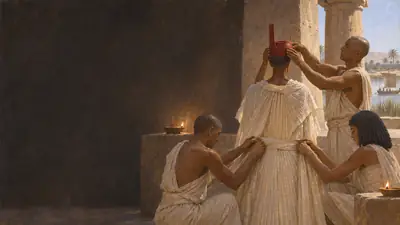
Horus reunites the speaker’s ka with his body at the Big Compound. The portals act for him, the coil of the Red Crown is tied on for him, and he leads the Imperishable Stars.
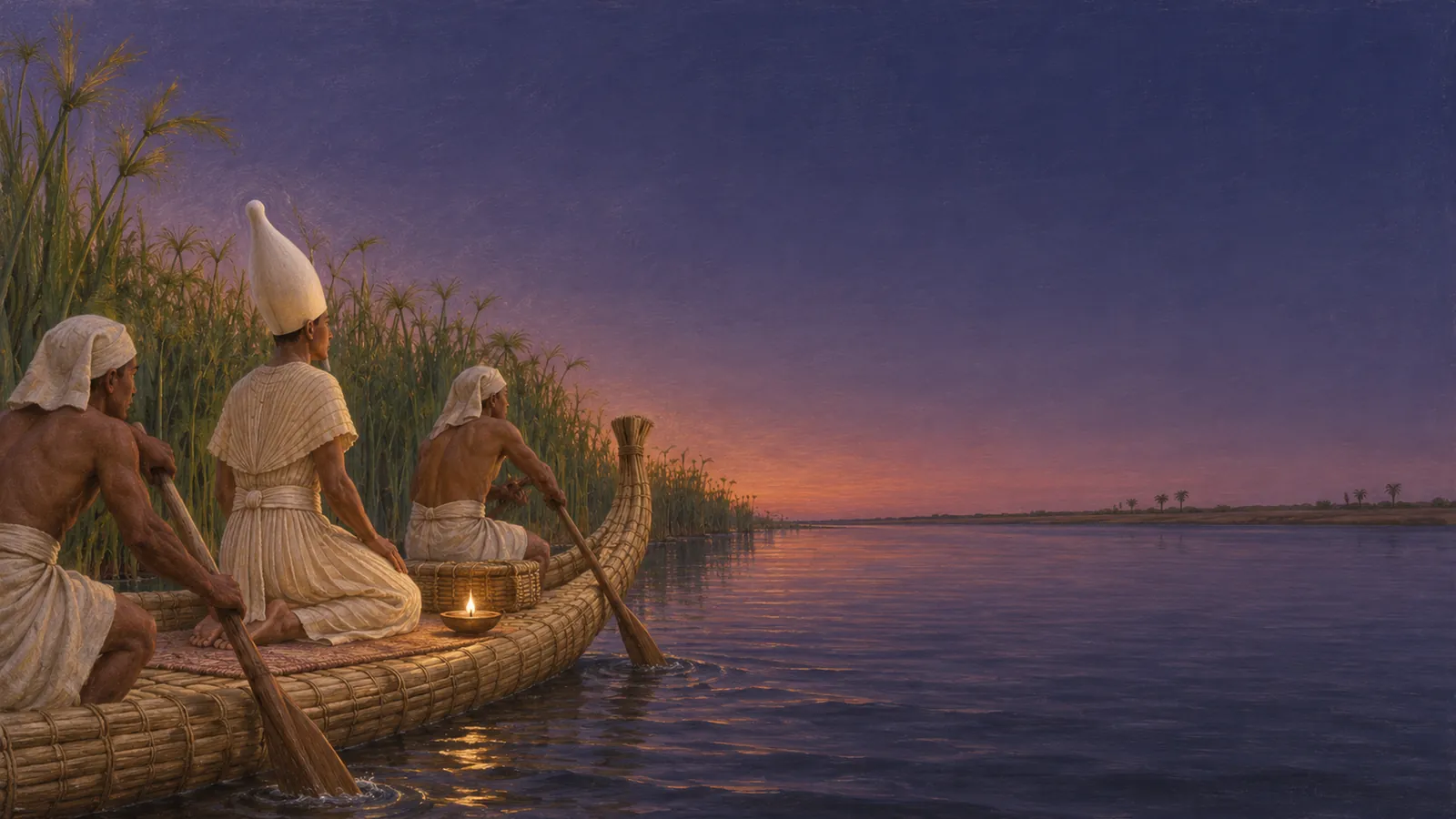
Those in the Akhet row the speaker across to the Fields of Reeds, and those in the Cool Waters sail him there. He declares his strength restored and says his ka reaches him.
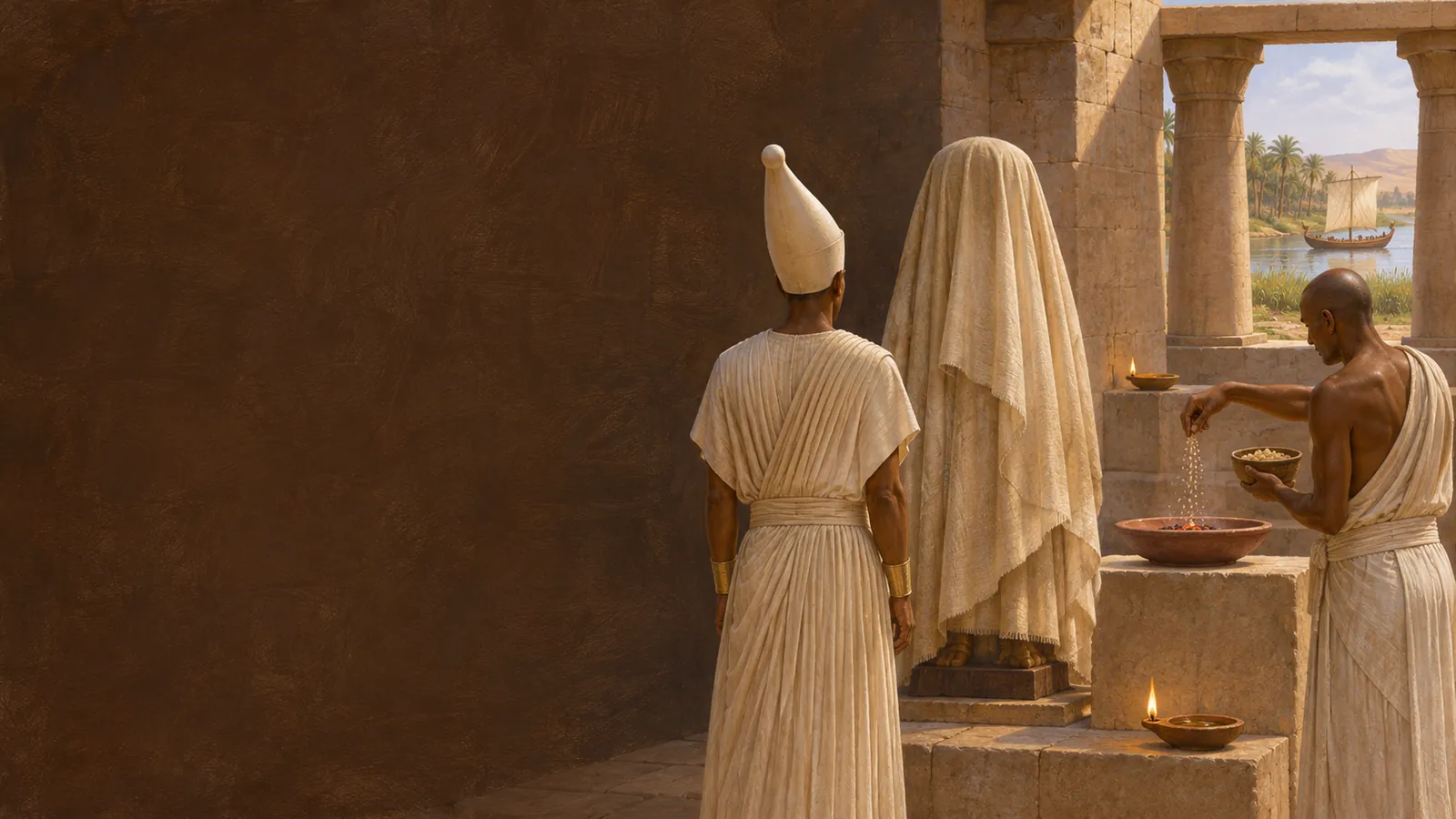
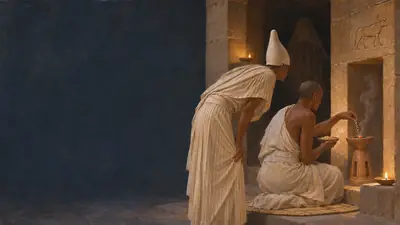
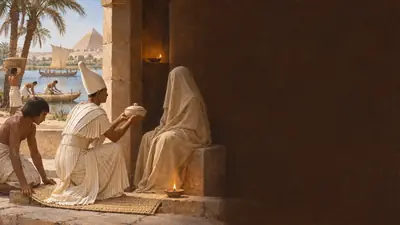
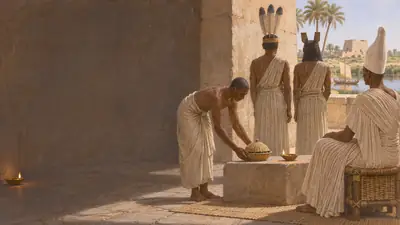
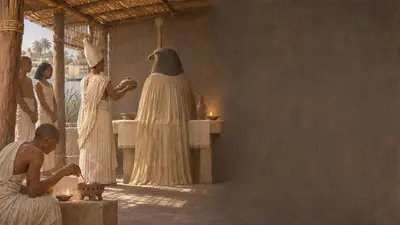
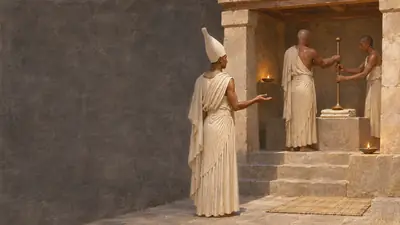
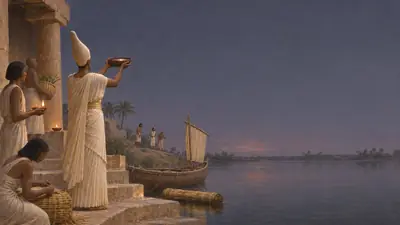
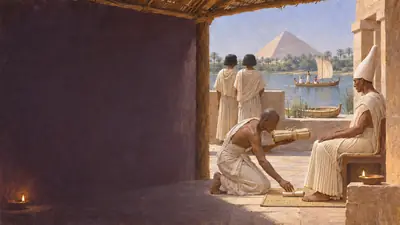
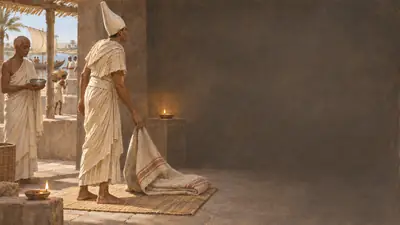
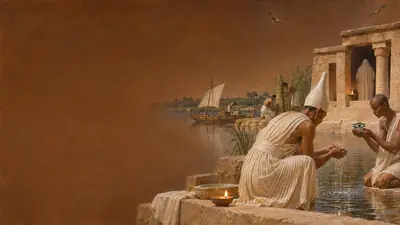
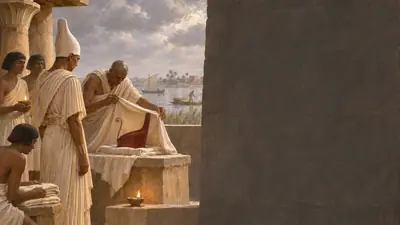
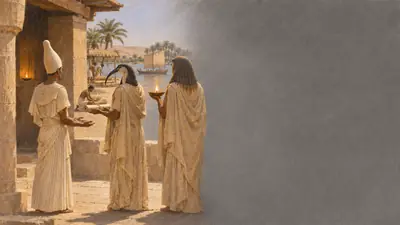
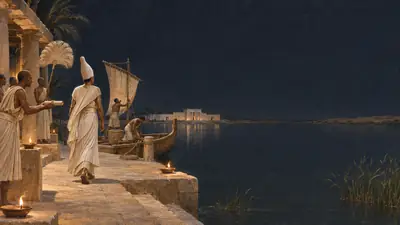
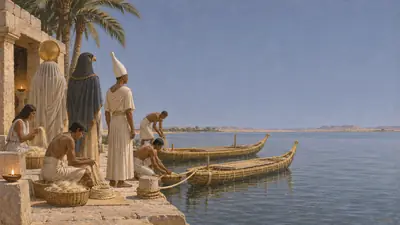
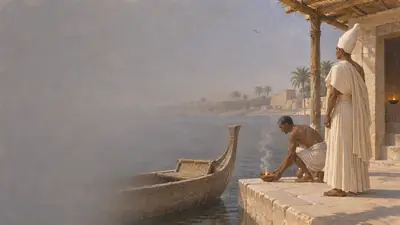
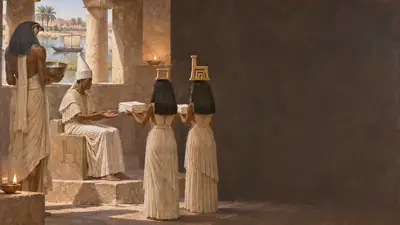
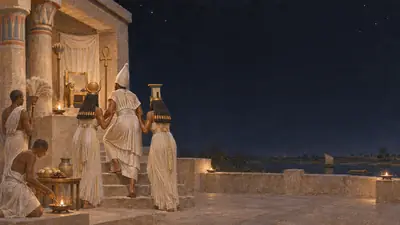
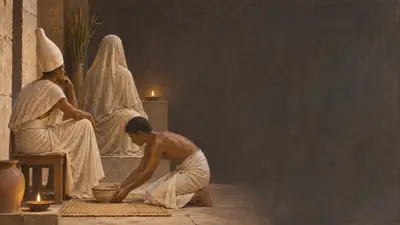
A fire is lit and incense is laid over it. The speaker describes the rising scent as passing between the incense, the gods and the reciting voice.
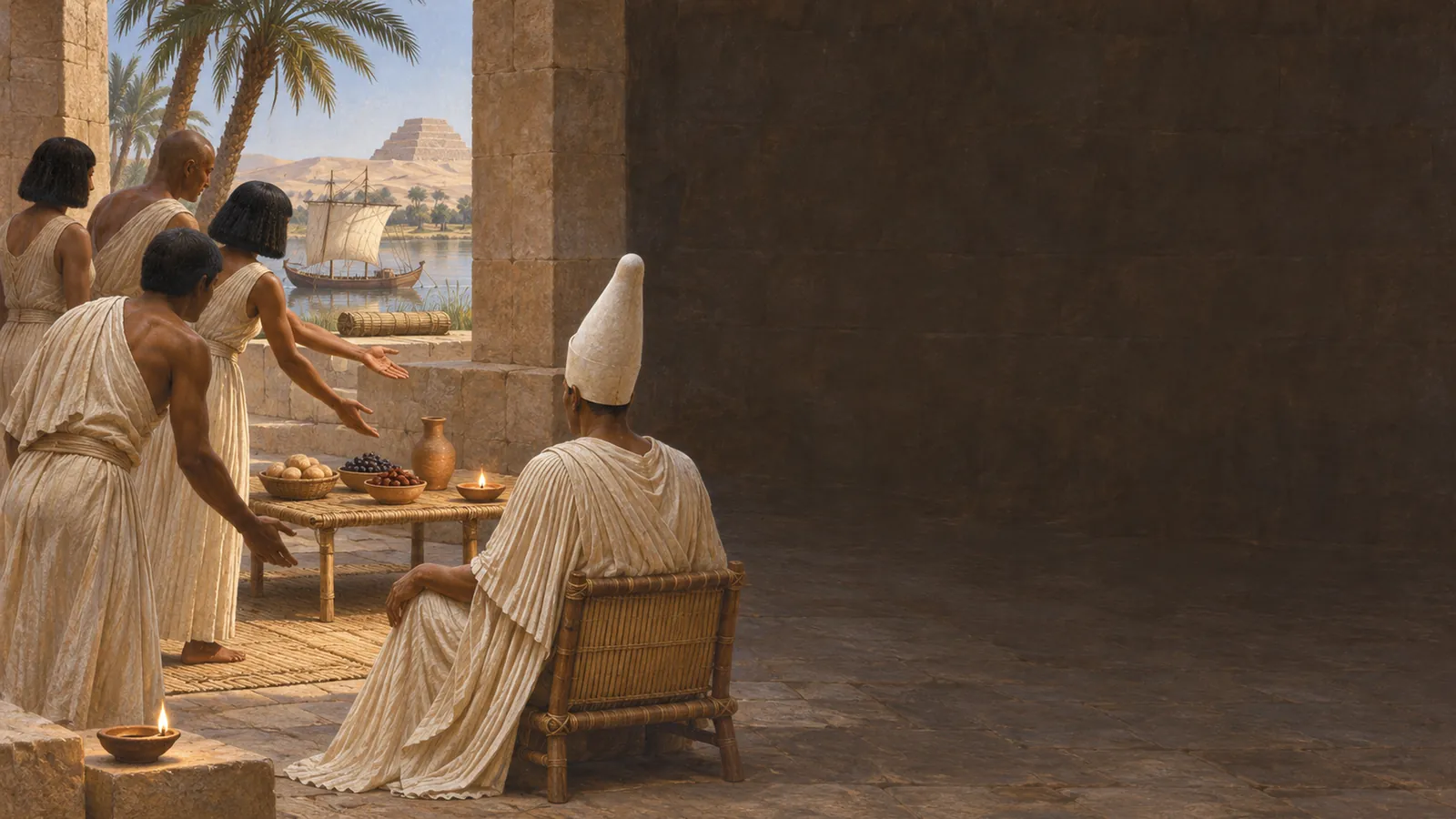
The exchange of scent gives way to an appeal for life together. The speaker says he lives alongside the gods and asks them to desire his company in turn.
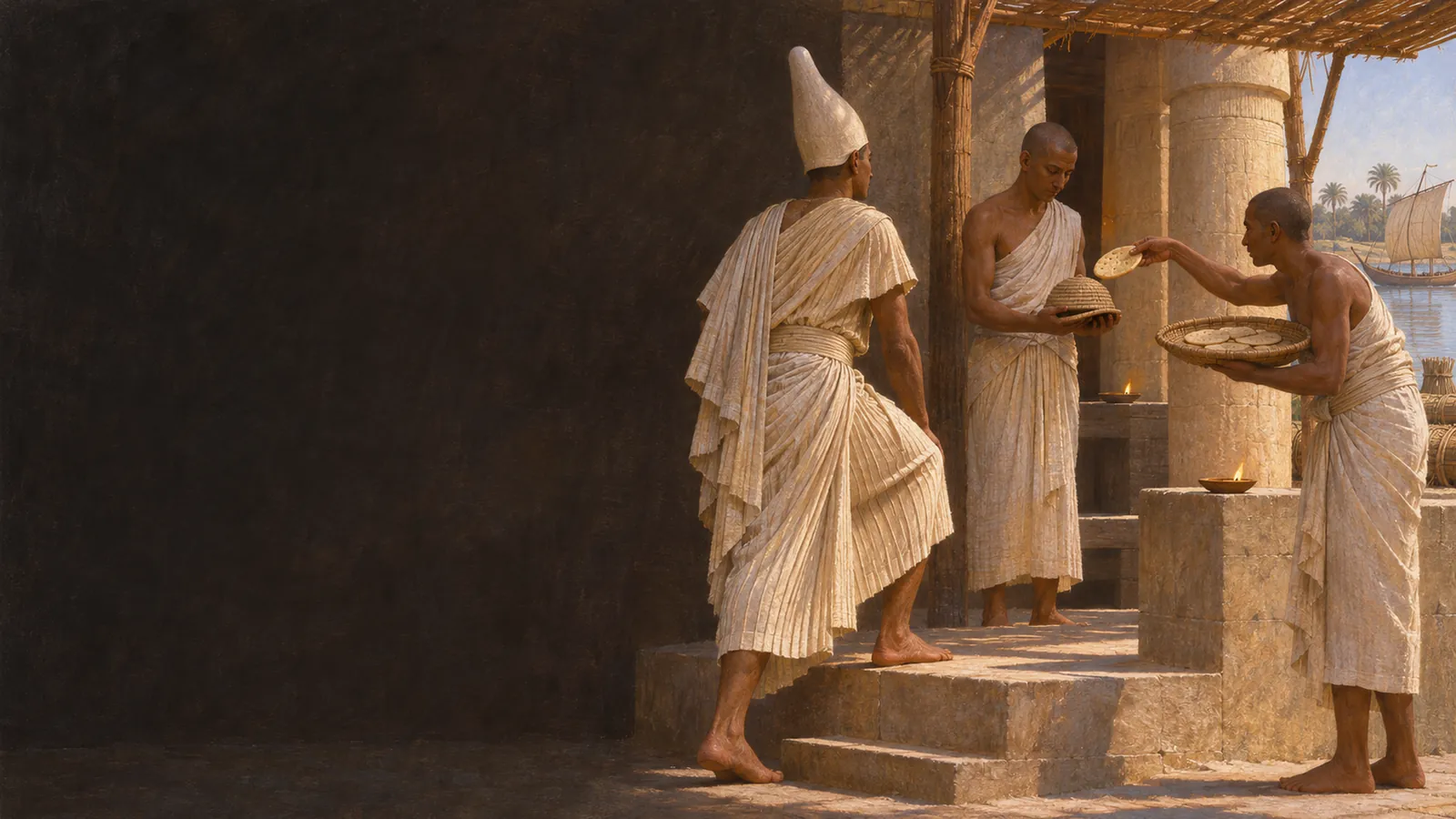
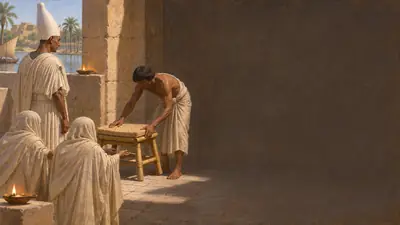
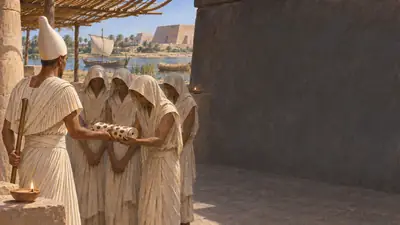
The recitation announces a wafer and a cap associated with Horus’s knee. Then a repeated call heralds the one who emerges, climbs and ascends.
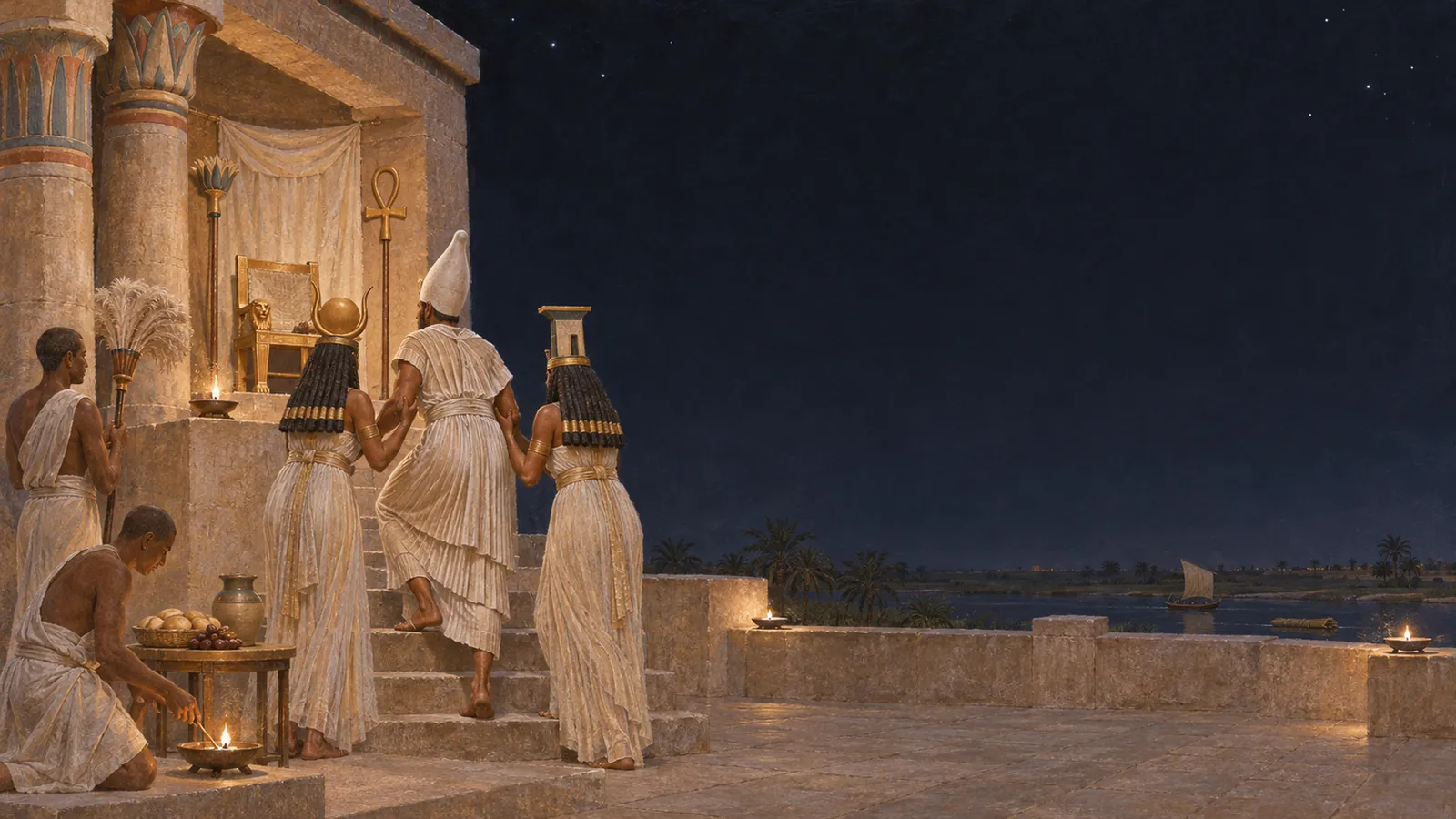
The speaker ascends with Isis and Nephthys, and Atum assigns him to the Imperishable Stars. He asks Ipy to nurse him and says he will never hunger or thirst in the land ahead.
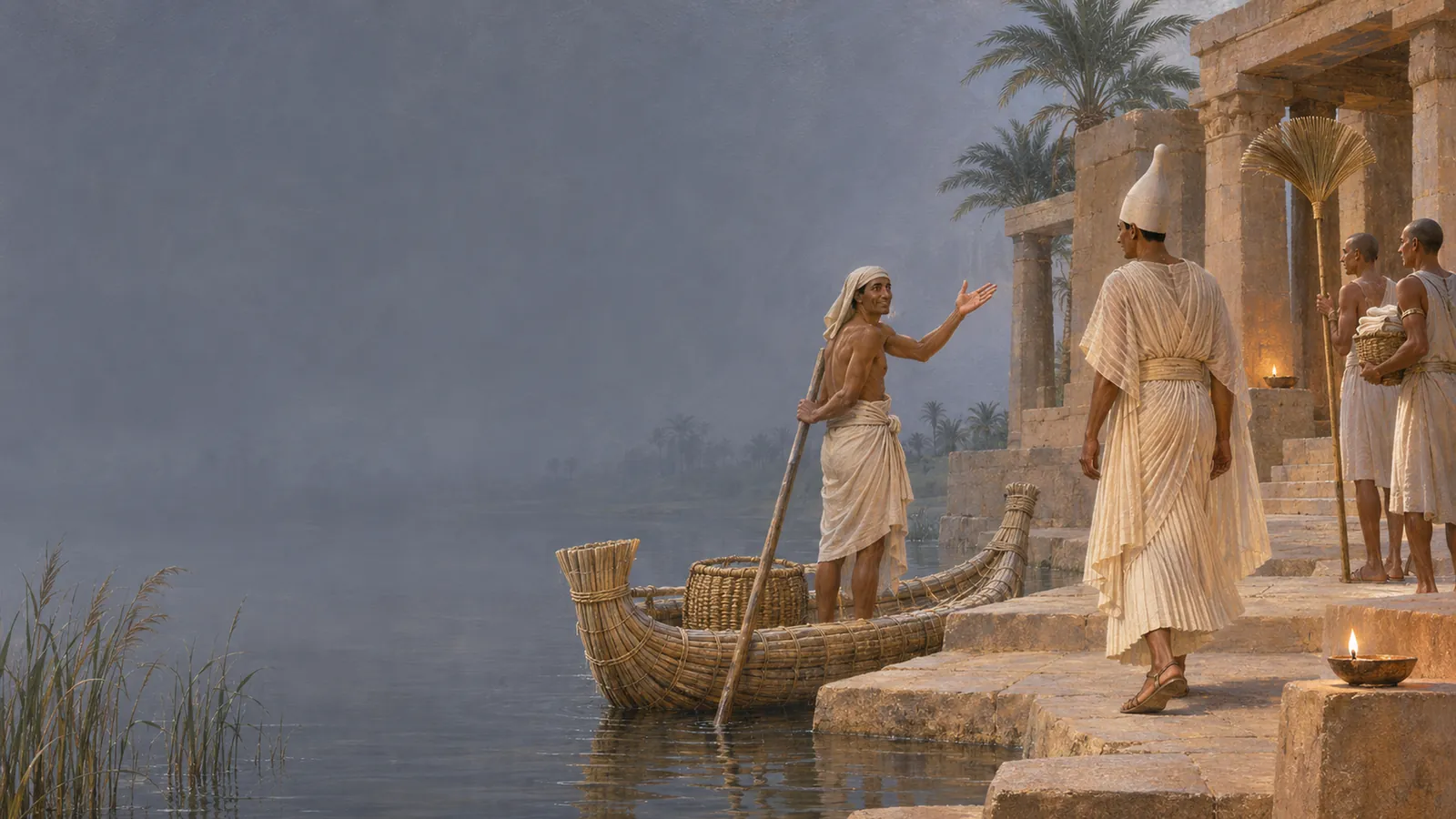
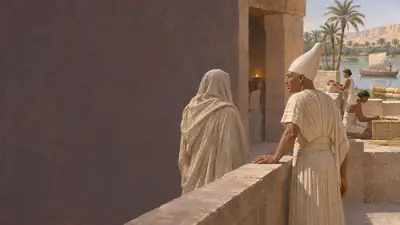
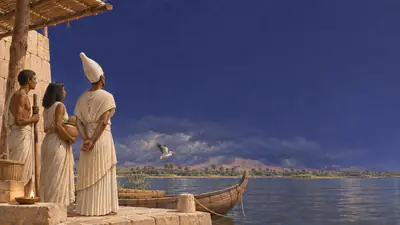
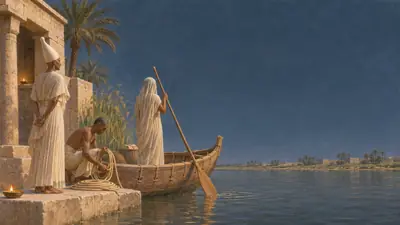
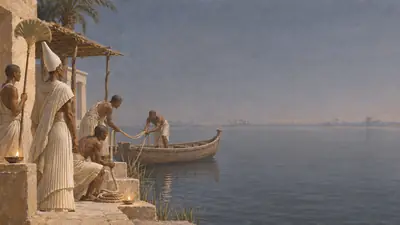
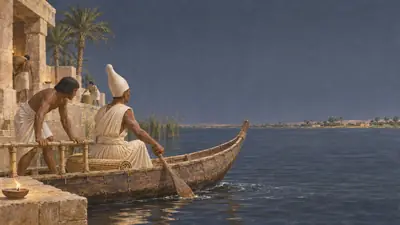
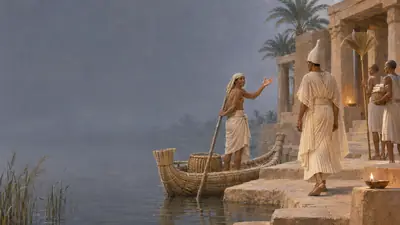
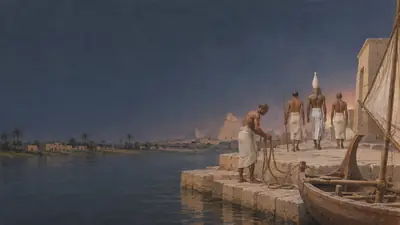
The speaker greets the ferryman with peace. He calls him the one who sees behind him, the ferryman of the sky and of Nut, and requests passage on the boat that carries the gods.
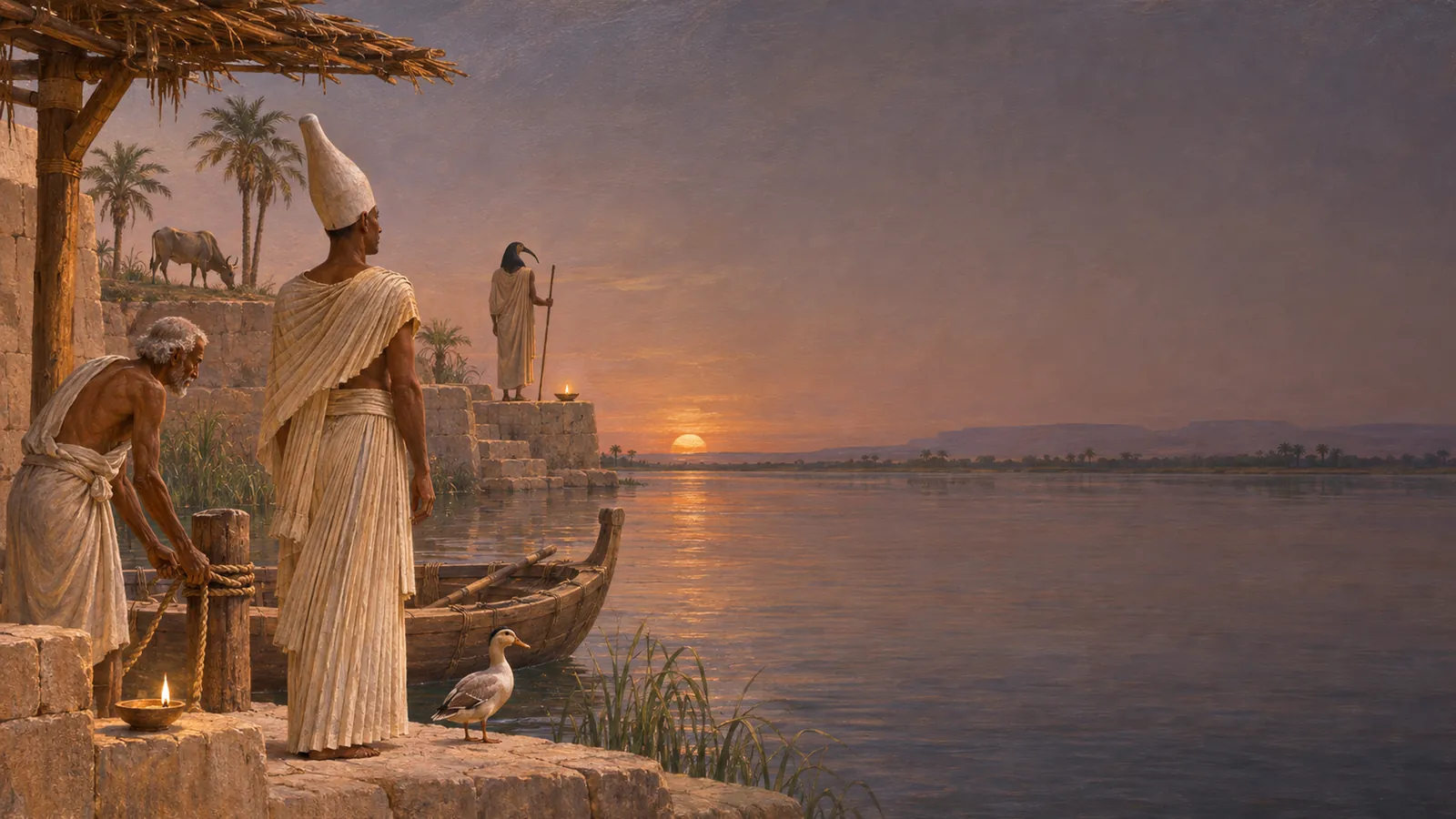
The speaker says nobody living or dead accuses him, and adds a duck and a steer to the list. If the ferryman refuses, he will leap onto a wing of Thoth to reach the other shore.
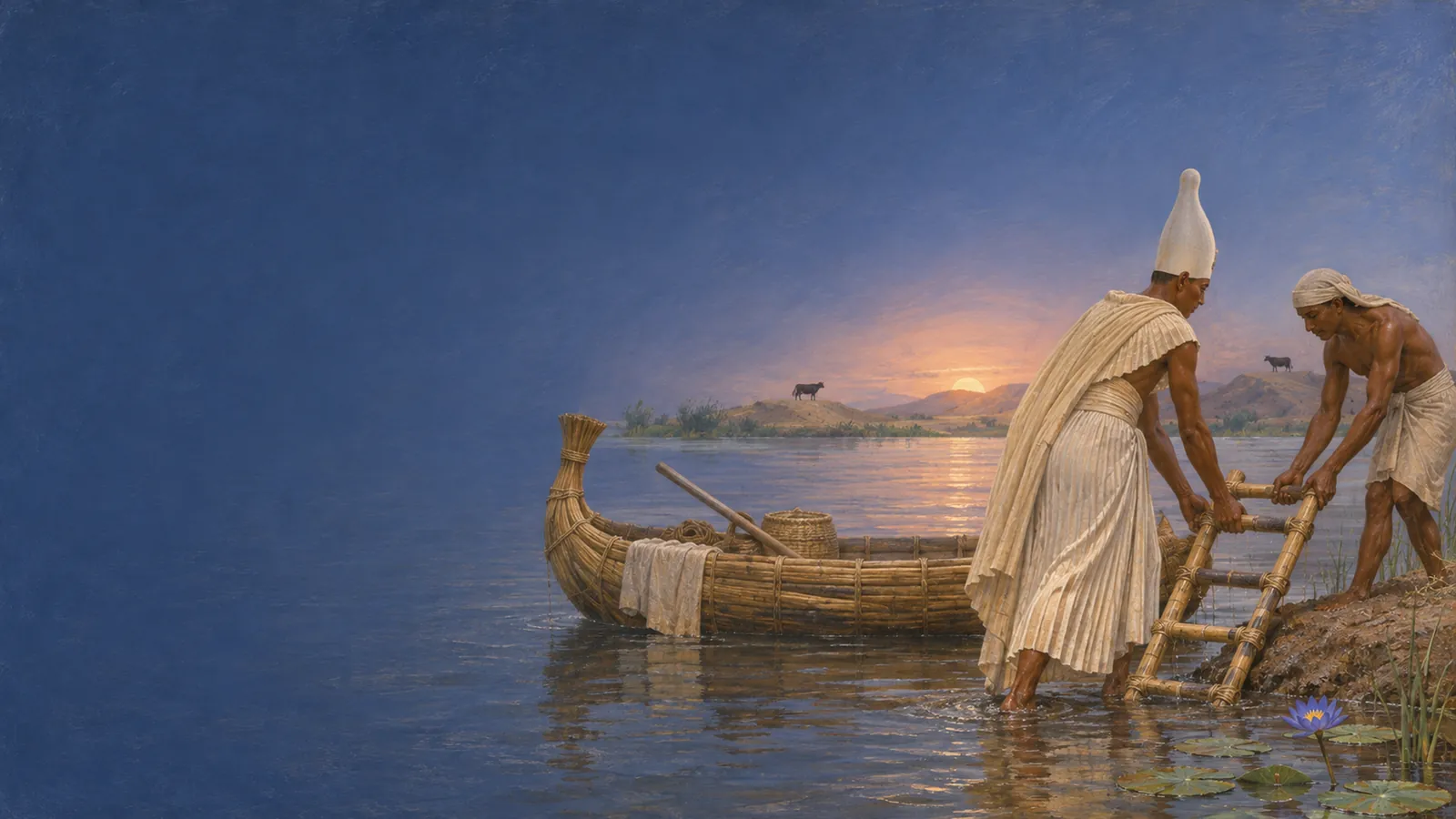
The speaker says he swam from the lake and is a fresh lotus. He asks the Two Lands to unite and calls together his two mothers, whom he names as wild cows on separate hills.
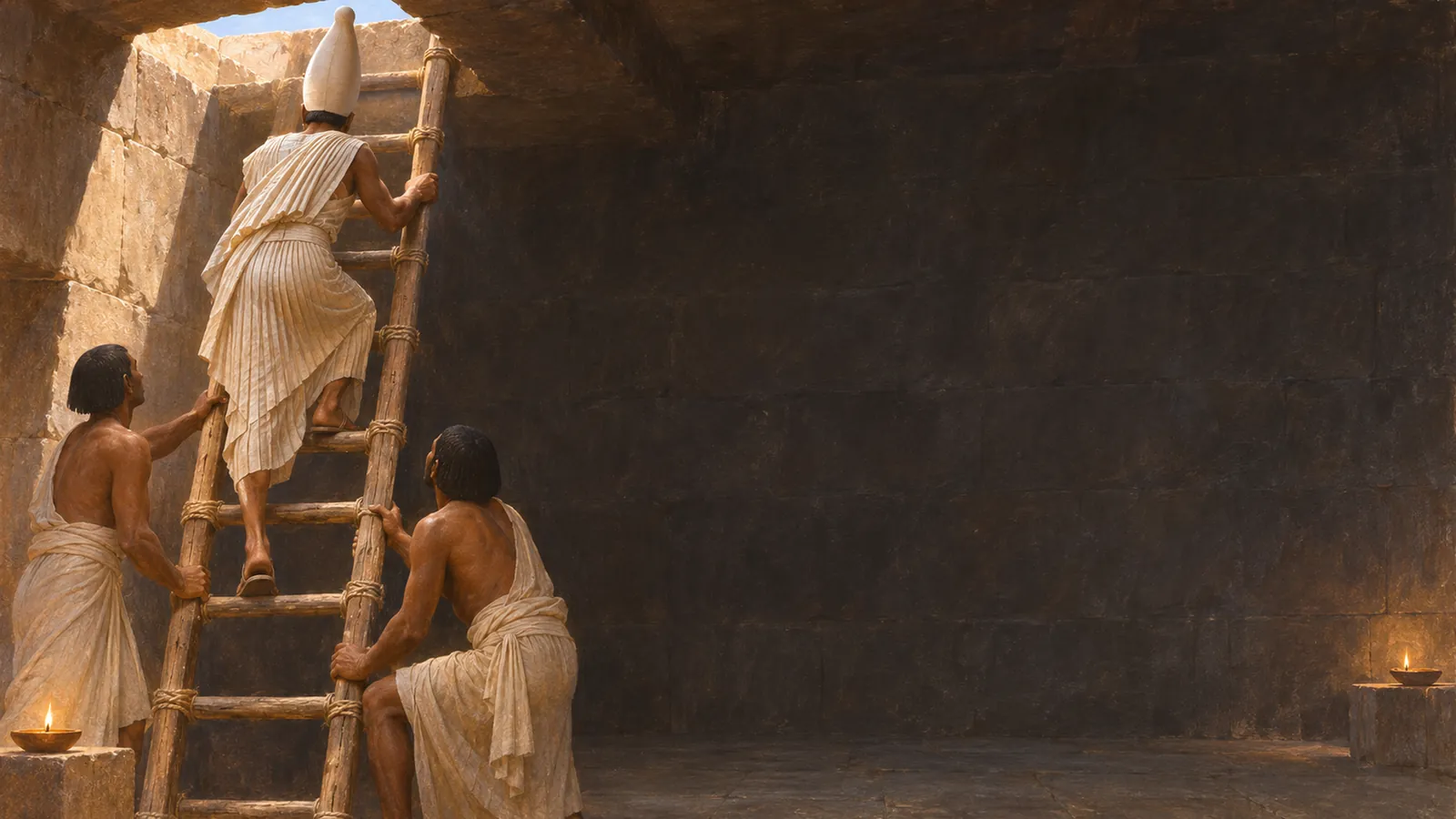
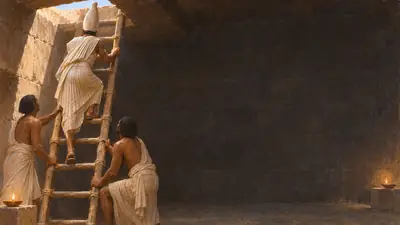
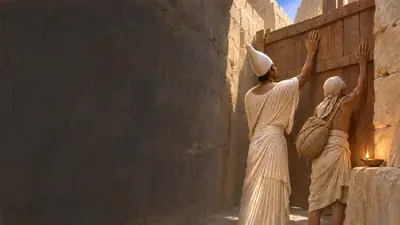
The speaker calls on the two uprights to stand and on the crossbars to come down. He intends to climb the ladder made for him by the Sun, whom he calls his father.
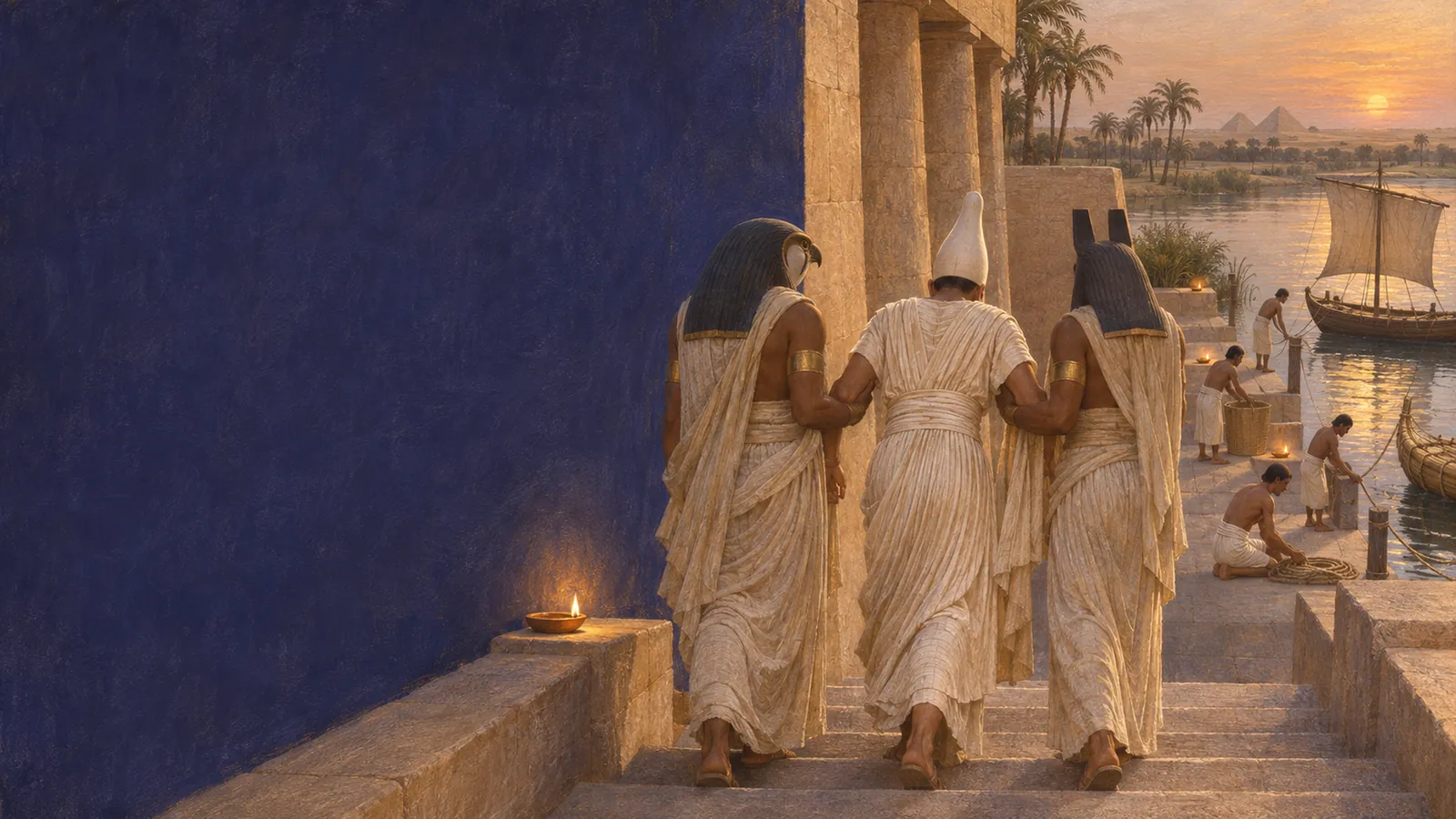
The speaker asks Horus and Seth to take his arm and lead him to the Duat. The recitation also warns the one with an injured eye and the one with command to beware of one another.
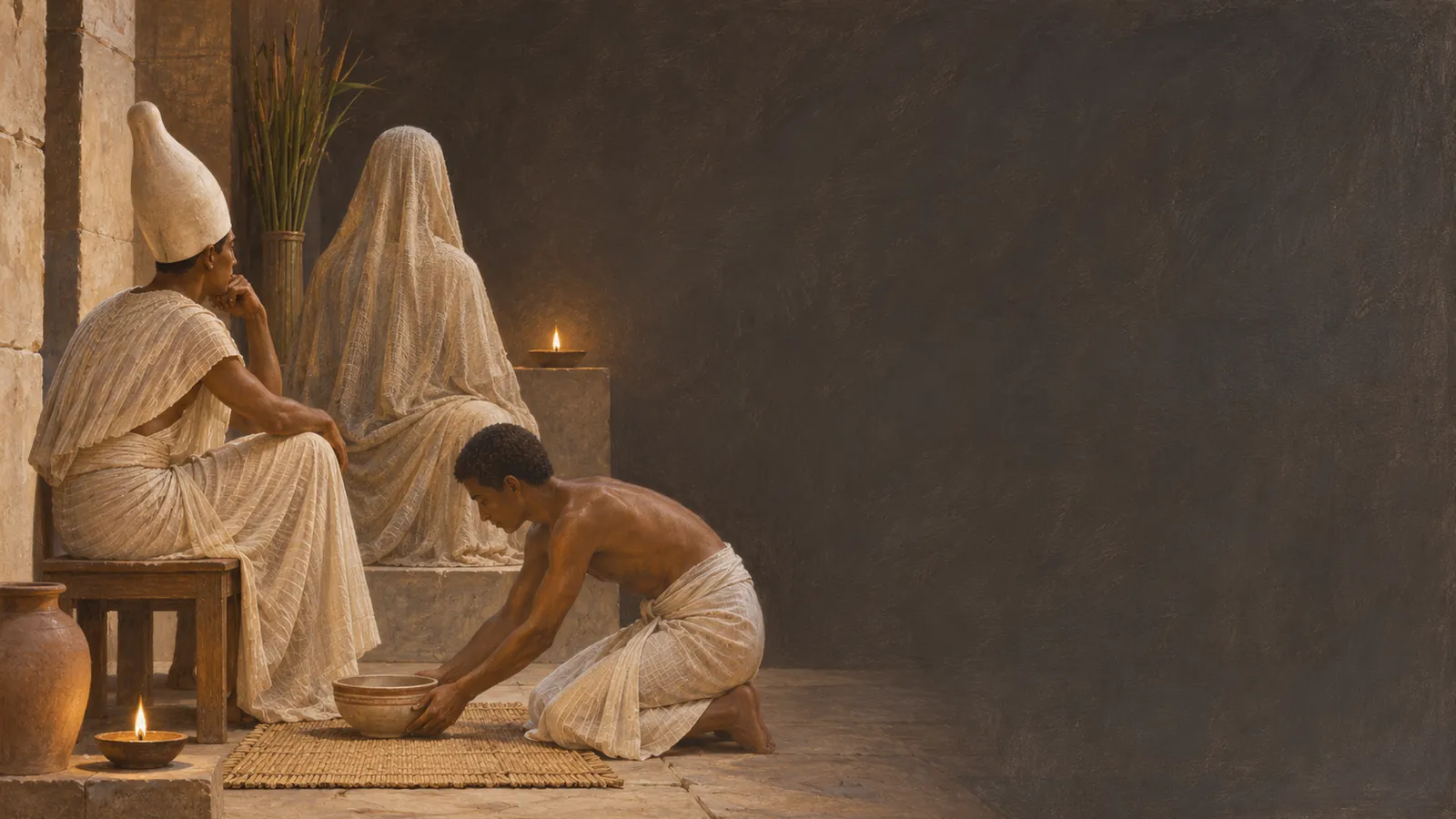
As the recitation draws to its close, the speaker asks that the face of the god be opened to him. He says that he sits beside the god on the great seat.
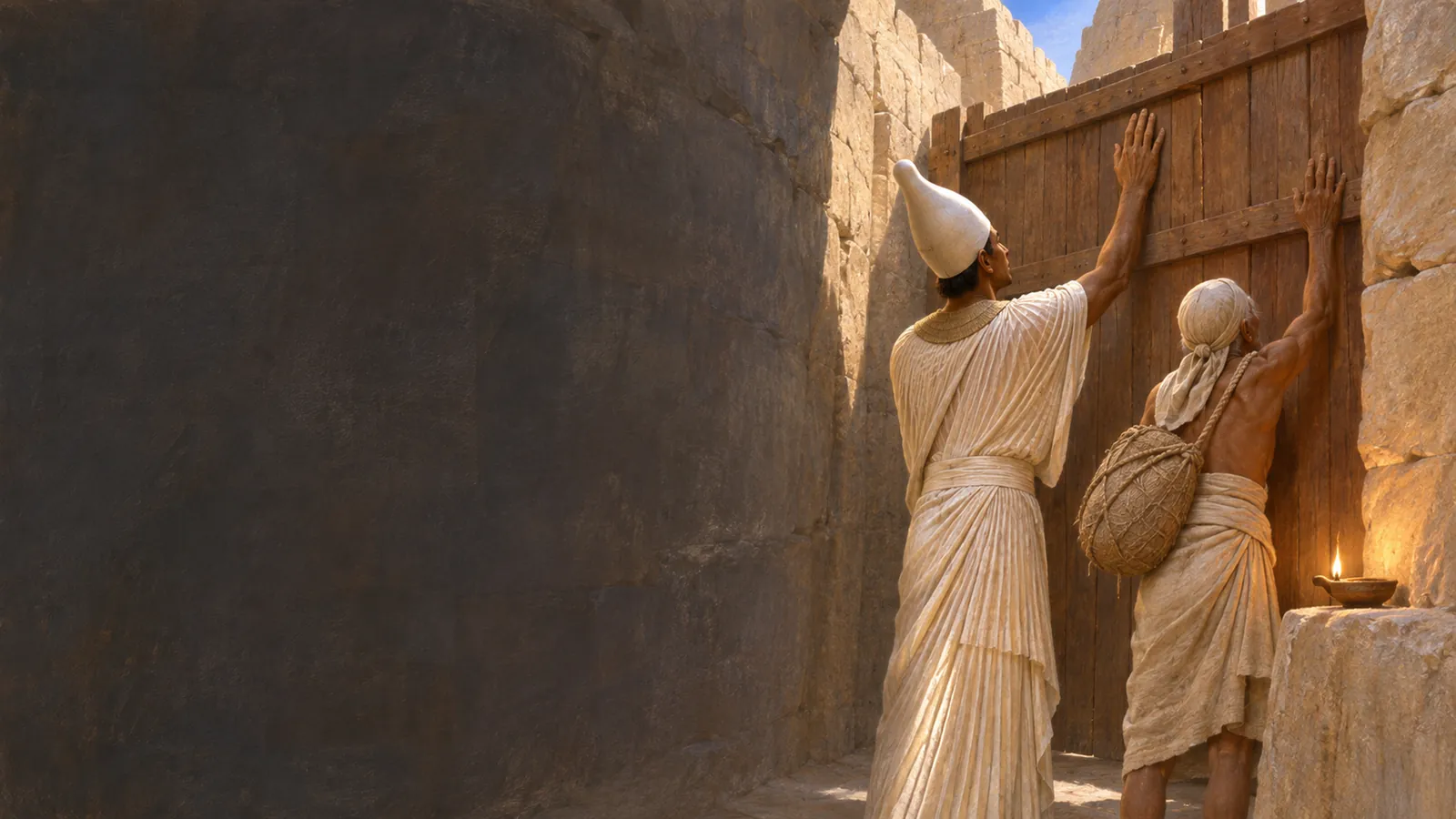
The final recitation addresses an impenetrable height as the portal of Nu. The voice asks for it to open and describes himself as the little one within it.
THE SUN’S FOLLOWERS
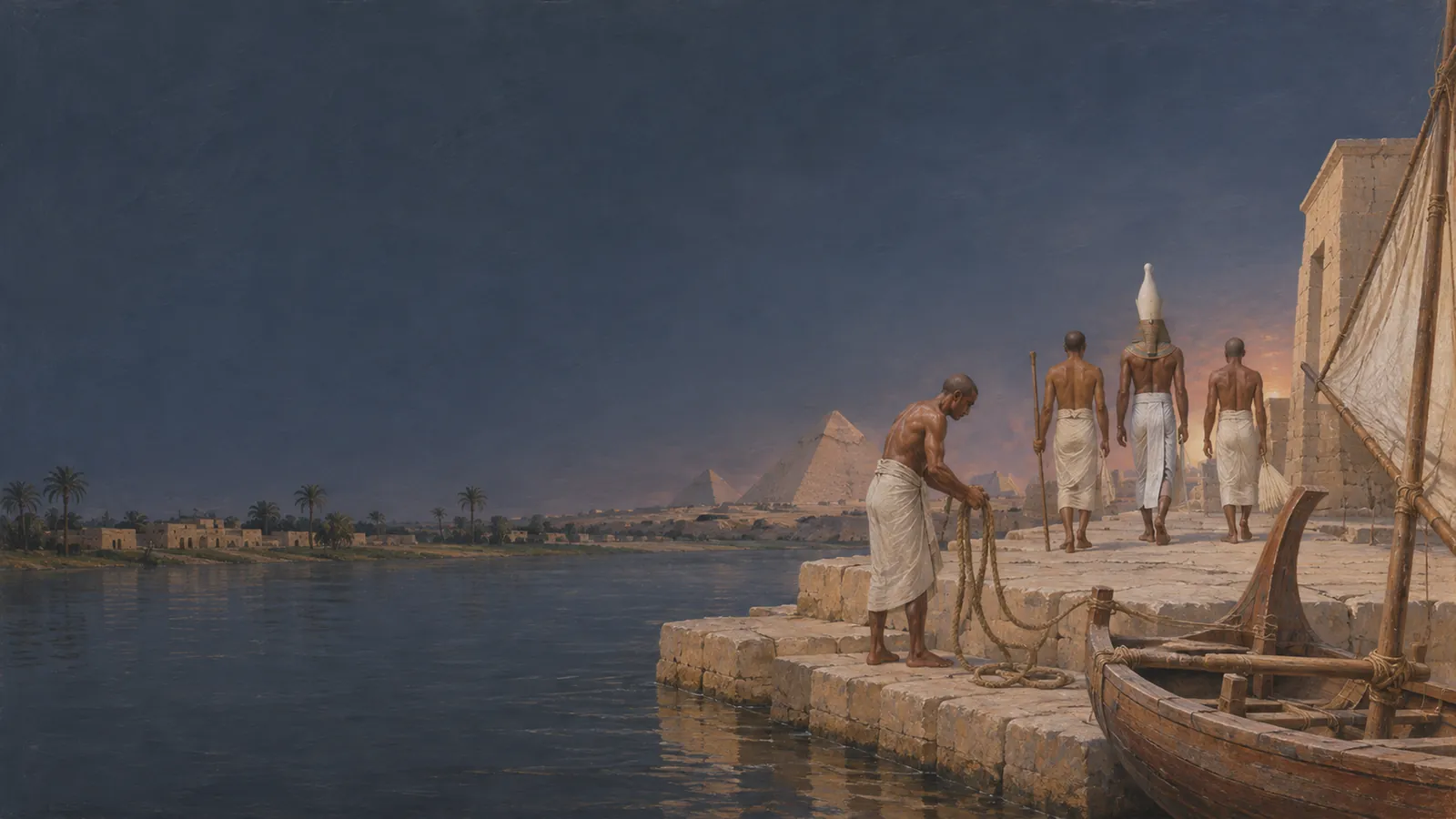
The speaker says he is at the head of the Sun’s followers. He separates himself from the gods of disturbance, and the section on passing through the Akhet comes to its close.
End of chapter 1
All pages




Sources
Page references follow the printed page numbers. Some spell numbers in the interval have no separate heading in the edition.
Editions consulted
- James P. Allen, The Ancient Egyptian Pyramid Texts, second edition, SBL Press, 2015
- At the entrance to the Akhet, printed page 47
- Emerging into the Akhet, printed page 49
- Crossing the Akhet, printed page 52
- The close of PT 271 and final recitation PT 272, printed page 54
Ancient lines behind each page
- Page 1: Allen, The Ancient Egyptian Pyramid Texts, 2nd ed. (2015), Unis, PT 254, p. 47
- Page 2: Allen, The Ancient Egyptian Pyramid Texts, 2nd ed. (2015), Unis, PT 254, p. 47
- Page 3: Allen, The Ancient Egyptian Pyramid Texts, 2nd ed. (2015), Unis, PT 254, p. 47
- Page 4: Allen, The Ancient Egyptian Pyramid Texts, 2nd ed. (2015), Unis, PT 254, p. 47
- Page 5: Allen, The Ancient Egyptian Pyramid Texts, 2nd ed. (2015), Unis, PT 254, p. 47
- Page 6: Allen, The Ancient Egyptian Pyramid Texts, 2nd ed. (2015), Unis, PT 254, p. 47
- Page 7: Allen, The Ancient Egyptian Pyramid Texts, 2nd ed. (2015), Unis, PT 254, p. 47
- Page 8: Allen, The Ancient Egyptian Pyramid Texts, 2nd ed. (2015), Unis, PT 254, p. 47
- Page 9: Allen, The Ancient Egyptian Pyramid Texts, 2nd ed. (2015), Unis, PT 254, pp. 47–48
- Page 10: Allen, The Ancient Egyptian Pyramid Texts, 2nd ed. (2015), Unis, PT 254, p. 48
- Page 11: Allen, The Ancient Egyptian Pyramid Texts, 2nd ed. (2015), Unis, PT 254, p. 48
- Page 12: Allen, The Ancient Egyptian Pyramid Texts, 2nd ed. (2015), Unis, PT 255, p. 48
- Page 13: Allen, The Ancient Egyptian Pyramid Texts, 2nd ed. (2015), Unis, PT 255, p. 48
- Page 14: Allen, The Ancient Egyptian Pyramid Texts, 2nd ed. (2015), Unis, PT 255, p. 48
- Page 15: Allen, The Ancient Egyptian Pyramid Texts, 2nd ed. (2015), Unis, PT 255, p. 49
- Page 16: Allen, The Ancient Egyptian Pyramid Texts, 2nd ed. (2015), Unis, PT 256, p. 49
- Page 17: Allen, The Ancient Egyptian Pyramid Texts, 2nd ed. (2015), Unis, PT 256, p. 49
- Page 18: Allen, The Ancient Egyptian Pyramid Texts, 2nd ed. (2015), Unis, PT 256, p. 49
- Page 19: Allen, The Ancient Egyptian Pyramid Texts, 2nd ed. (2015), Unis, PT 257, p. 49
- Page 20: Allen, The Ancient Egyptian Pyramid Texts, 2nd ed. (2015), Unis, PT 257, p. 49
- Page 21: Allen, The Ancient Egyptian Pyramid Texts, 2nd ed. (2015), Unis, PT 257, p. 49
- Page 22: Allen, The Ancient Egyptian Pyramid Texts, 2nd ed. (2015), Unis, PT 257, p. 49
- Page 23: Allen 2015, The Ancient Egyptian Pyramid Texts, Unis PT 258, p. 49
- Page 24: Allen 2015, The Ancient Egyptian Pyramid Texts, Unis PT 258, p. 49
- Page 25: Allen 2015, The Ancient Egyptian Pyramid Texts, Unis PT 258, p. 49
- Page 26: Allen 2015, The Ancient Egyptian Pyramid Texts, Unis PT 258, pp. 49–50
- Page 27: Allen 2015, The Ancient Egyptian Pyramid Texts, Unis PT 260, p. 50
- Page 28: Allen 2015, The Ancient Egyptian Pyramid Texts, Unis PT 260, p. 50
- Page 29: Allen 2015, The Ancient Egyptian Pyramid Texts, Unis PT 260, p. 50
- Page 30: Allen 2015, The Ancient Egyptian Pyramid Texts, Unis PT 260, p. 50
- Page 31: Allen 2015, The Ancient Egyptian Pyramid Texts, Unis PT 261, p. 50
- Page 32: Allen 2015, The Ancient Egyptian Pyramid Texts, Unis PT 261, p. 50
- Page 33: Allen 2015, The Ancient Egyptian Pyramid Texts, Unis PT 262, p. 51
- Page 34: Allen 2015, The Ancient Egyptian Pyramid Texts, Unis PT 262, p. 51
- Page 35: Allen 2015, The Ancient Egyptian Pyramid Texts, Unis PT 262, p. 51
- Page 36: Allen 2015, The Ancient Egyptian Pyramid Texts, Unis PT 262, p. 51
- Page 37: Allen 2015, The Ancient Egyptian Pyramid Texts, Unis PT 262, p. 51
- Page 38: Allen 2015, The Ancient Egyptian Pyramid Texts, Unis PT 263, p. 51
- Page 39: Allen 2015, The Ancient Egyptian Pyramid Texts, Unis PT 263, p. 51
- Page 40: Allen 2015, The Ancient Egyptian Pyramid Texts, Unis PT 263, pp. 51–52
- Page 41: Allen 2015, The Ancient Egyptian Pyramid Texts, Unis PT 263, p. 52
- Page 42: Allen 2015, The Ancient Egyptian Pyramid Texts, Unis PT 267, p. 52
- Page 43: Allen 2015, The Ancient Egyptian Pyramid Texts, Unis PT 267, p. 52
- Page 44: Allen 2015, The Ancient Egyptian Pyramid Texts, Unis PT 267, p. 52
- Page 45: Allen 2015, The Ancient Egyptian Pyramid Texts, Unis PT 268, p. 52
- Page 46: Allen 2015, The Ancient Egyptian Pyramid Texts, Unis PT 268, p. 52
- Page 47: Allen 2015, The Ancient Egyptian Pyramid Texts, Unis PT 268, p. 52
- Page 48: Allen 2015, The Ancient Egyptian Pyramid Texts, Unis PT 268, p. 52
- Page 49: Allen 2015, The Ancient Egyptian Pyramid Texts, Unis PT 269, p. 53
- Page 50: Allen 2015, The Ancient Egyptian Pyramid Texts, Unis PT 269, p. 53
- Page 51: Allen 2015, The Ancient Egyptian Pyramid Texts, Unis PT 269, p. 53
- Page 52: Allen 2015, The Ancient Egyptian Pyramid Texts, Unis PT 269, p. 53
- Page 53: Allen 2015, The Ancient Egyptian Pyramid Texts, Unis PT 270, p. 53
- Page 54: Allen 2015, The Ancient Egyptian Pyramid Texts, Unis PT 270, p. 53
- Page 55: Allen 2015, The Ancient Egyptian Pyramid Texts, Unis PT 271, p. 53
- Page 56: Allen 2015, The Ancient Egyptian Pyramid Texts, Unis PT 271, p. 53
- Page 57: Allen 2015, The Ancient Egyptian Pyramid Texts, Unis PT 271, p. 54
- Page 58: Allen 2015, The Ancient Egyptian Pyramid Texts, Unis PT 271, p. 54
- Page 59: Allen 2015, The Ancient Egyptian Pyramid Texts, Unis PT 272, p. 54
- Page 60: Allen 2015, The Ancient Egyptian Pyramid Texts, Unis PT 272, p. 54
Illustrations made with AI tools by IL Archive; the text is based on the ancient sources (see the sources at the end of each chapter).