Unis Emerging from the Duat Chapter 1
From the Burial Chamber to the Field of Reeds
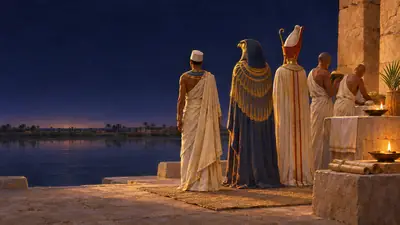
Unis is called by name as he emerges from the Duat in a recitation on the west gable of his pyramid’s antechamber. Later formulas name the Morning Star, Nefertem and Perception before the reading closes with cleansing in the Field of Reeds.
SourcesTurn the pages with the arrows, the arrow keys or a swipe.
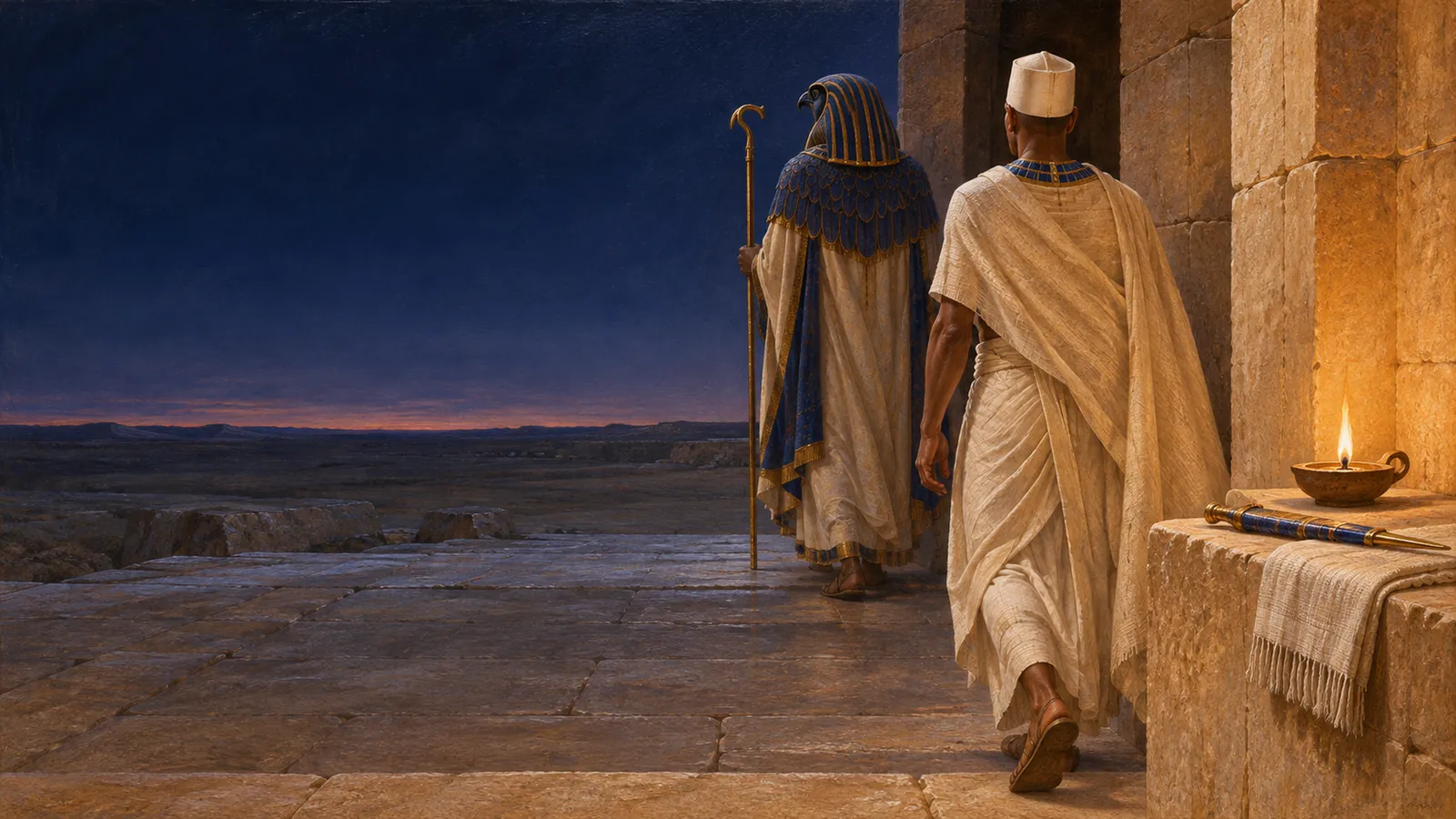
EMERGENCE
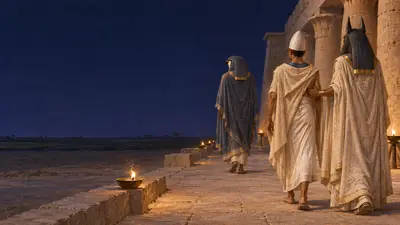
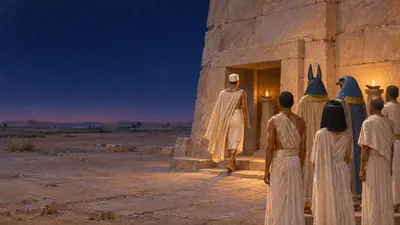
The opening address tells Unis that his son Horus has acted for him. The great ones tremble when they see him carrying a knife as he emerges from the Duat.
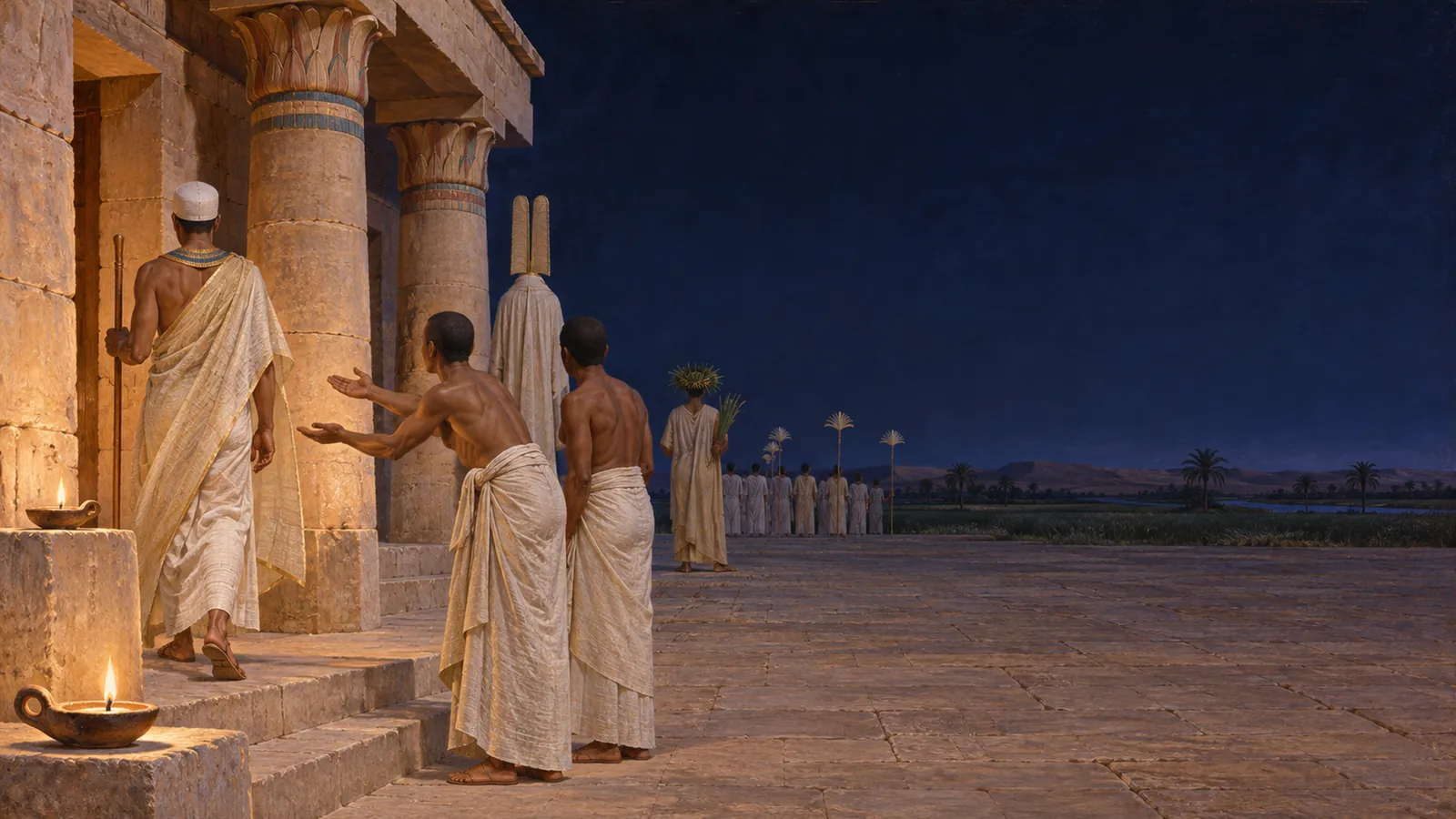
The address greets Unis as one who has experience. It says Geb has created him and the Ennead has given birth to him.
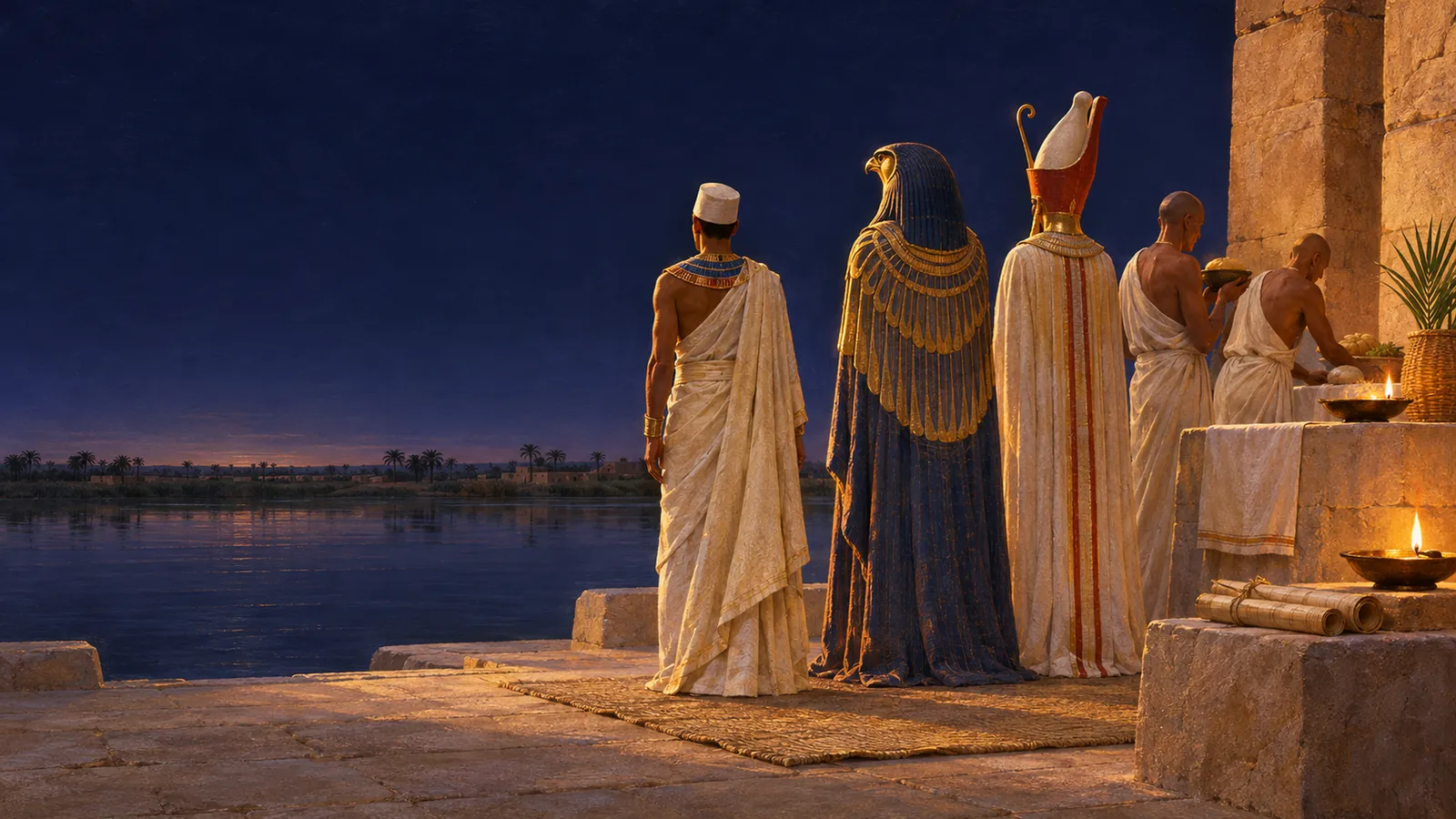
Horus is pleased about his father, and Atum is pleased about his years. The gods of east and west are pleased about the great thing that happened in Atum’s embrace, the birth of the god.
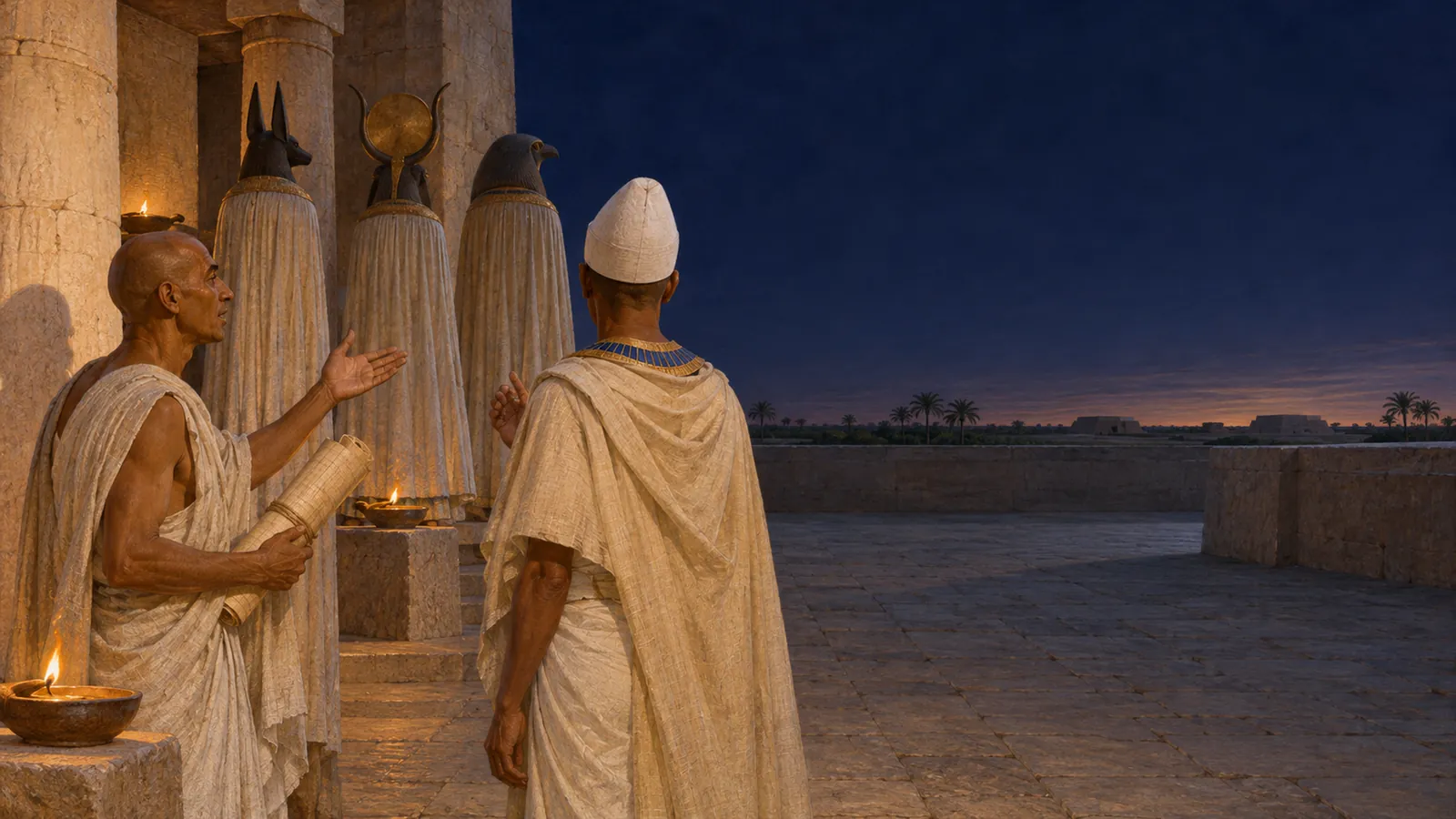
The voice repeats the name of Unis. It calls on him to see, to look, to hear and to exist.
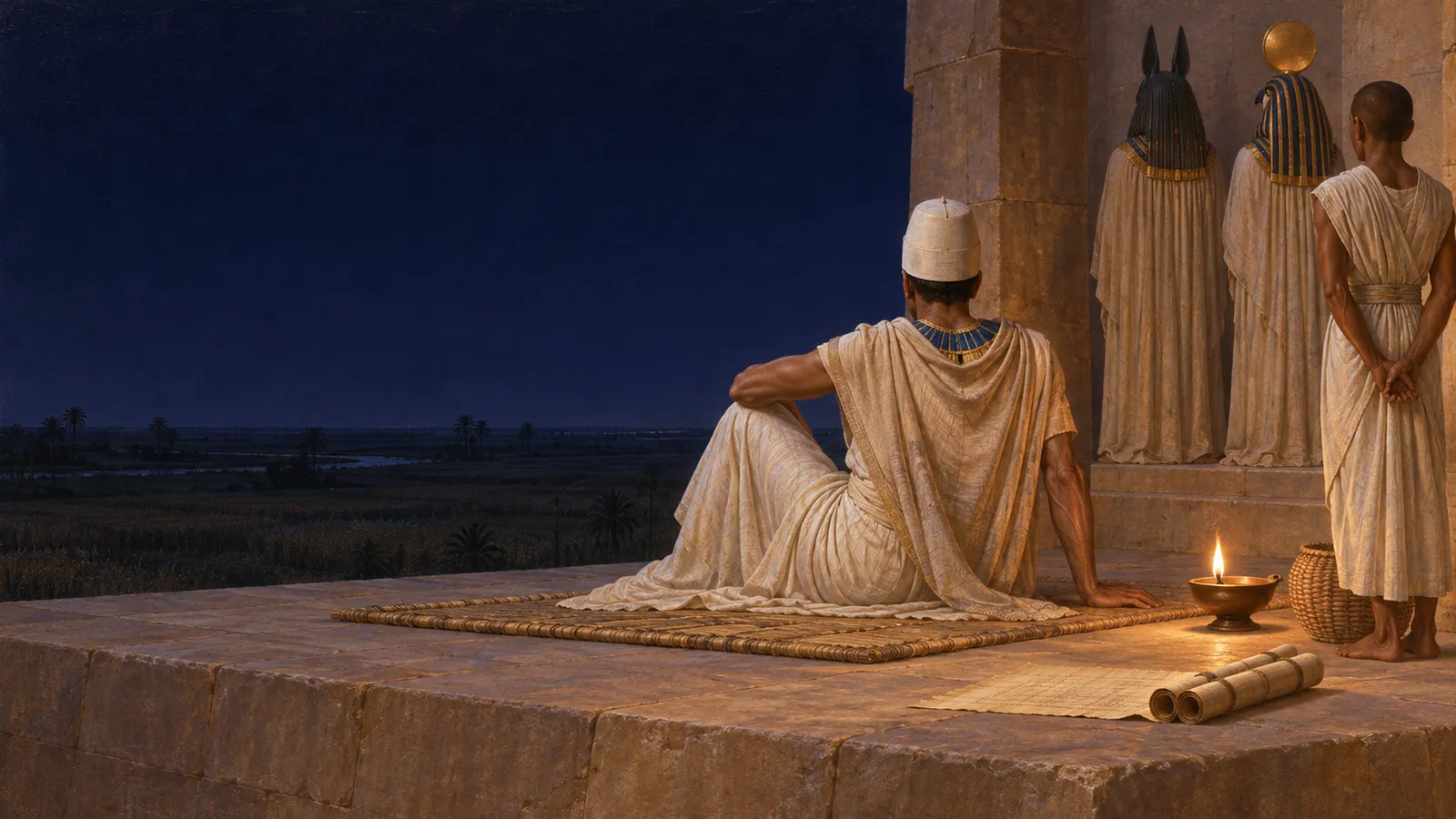
The voice tells Unis to raise himself from his side and obey the command. It addresses him as one who hates sleep and was made slack.
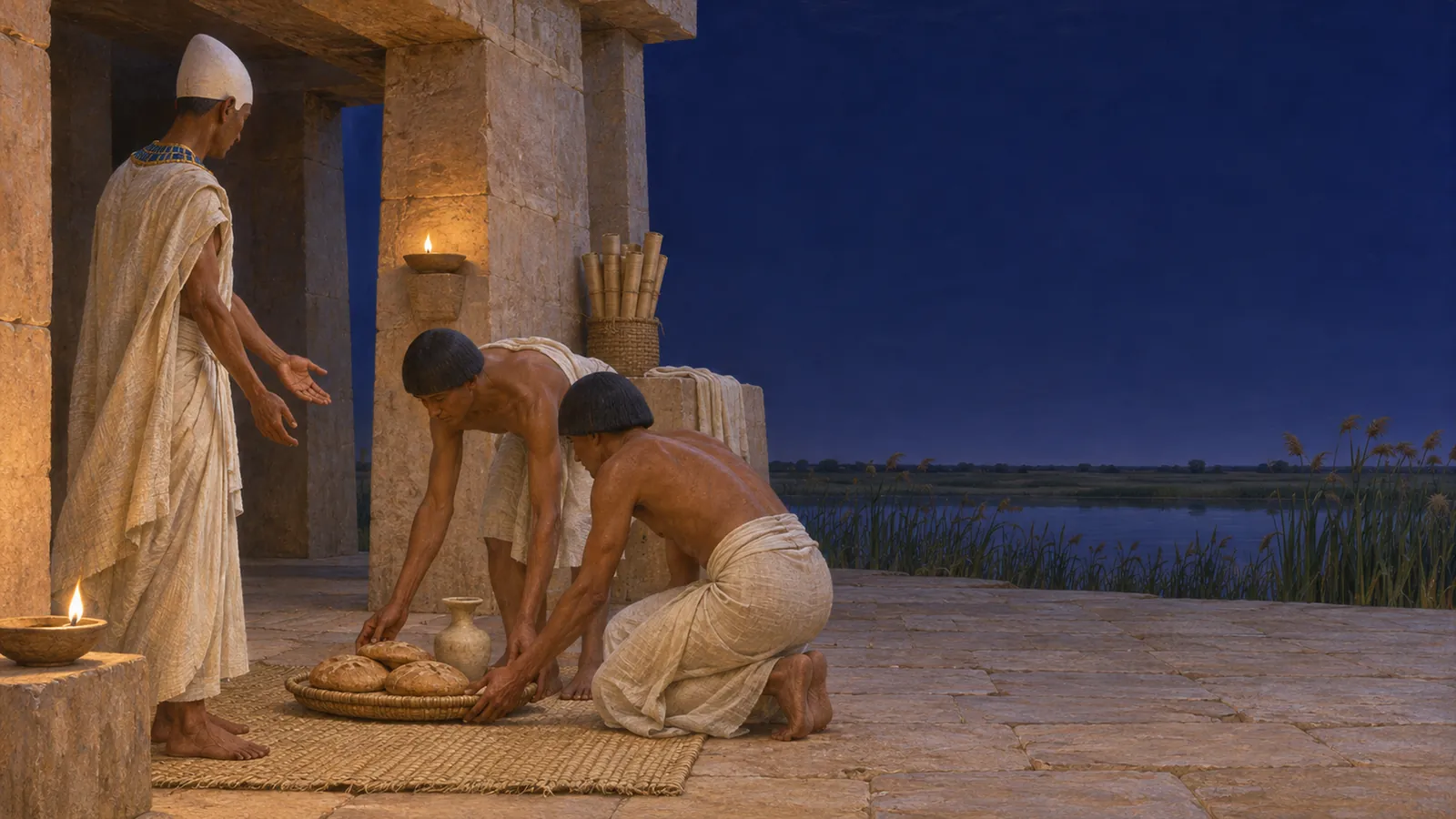
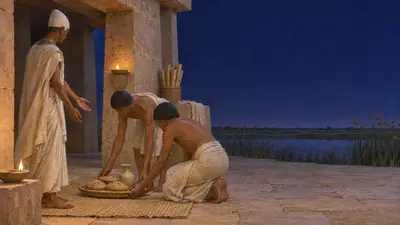
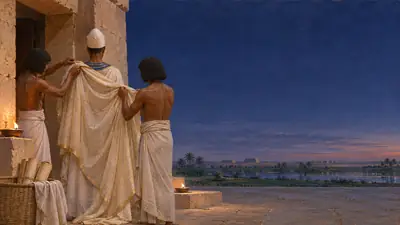
The voice tells Unis to stand up in Nedit. His good bread has been made in Pe, and he is told to receive his control of Heliopolis.
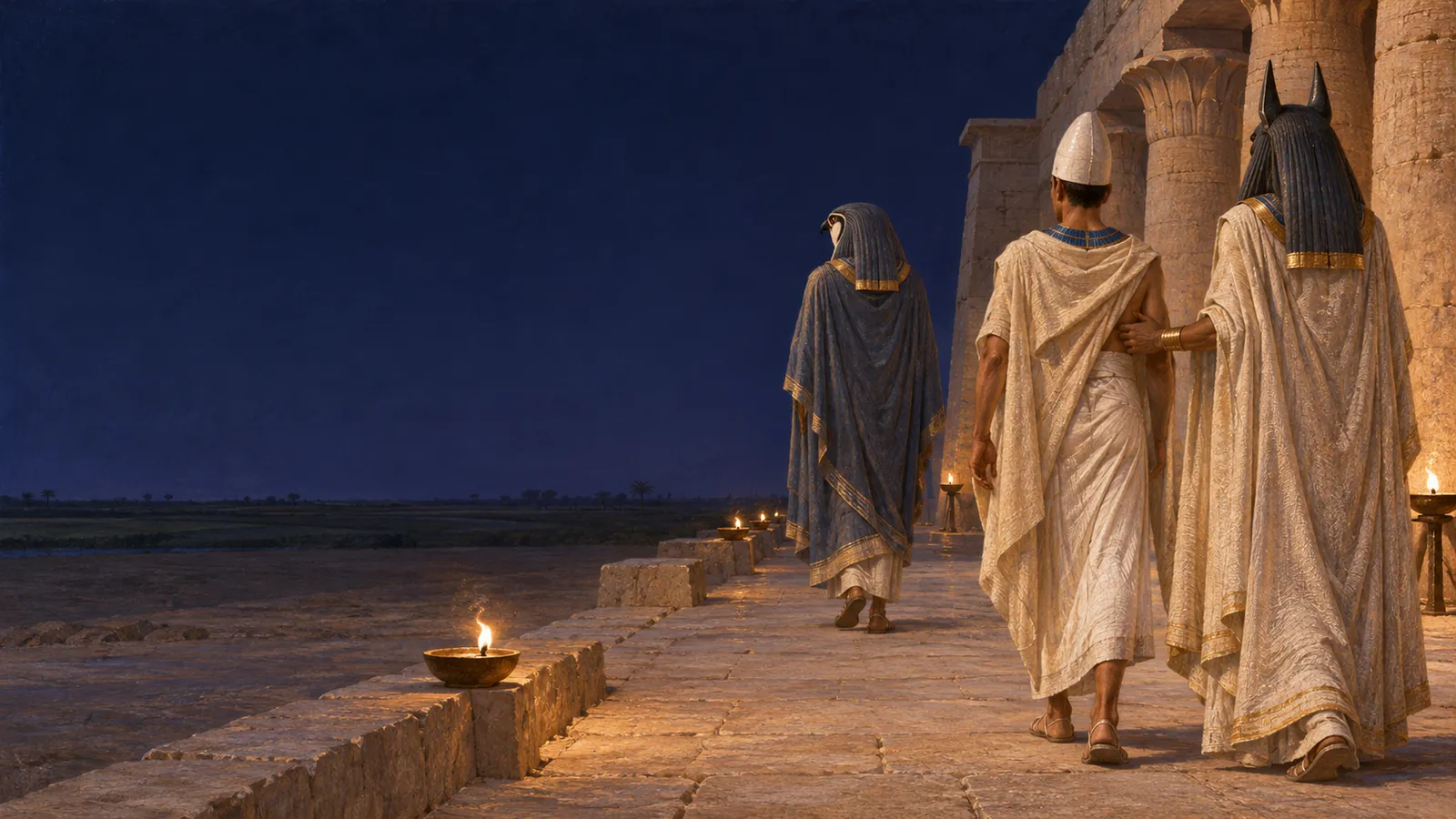
The spell identifies the voice as Horus, commanded to act for his father. Seth, the storm-lord with spittle around him, carries Unis as he carries Atum.
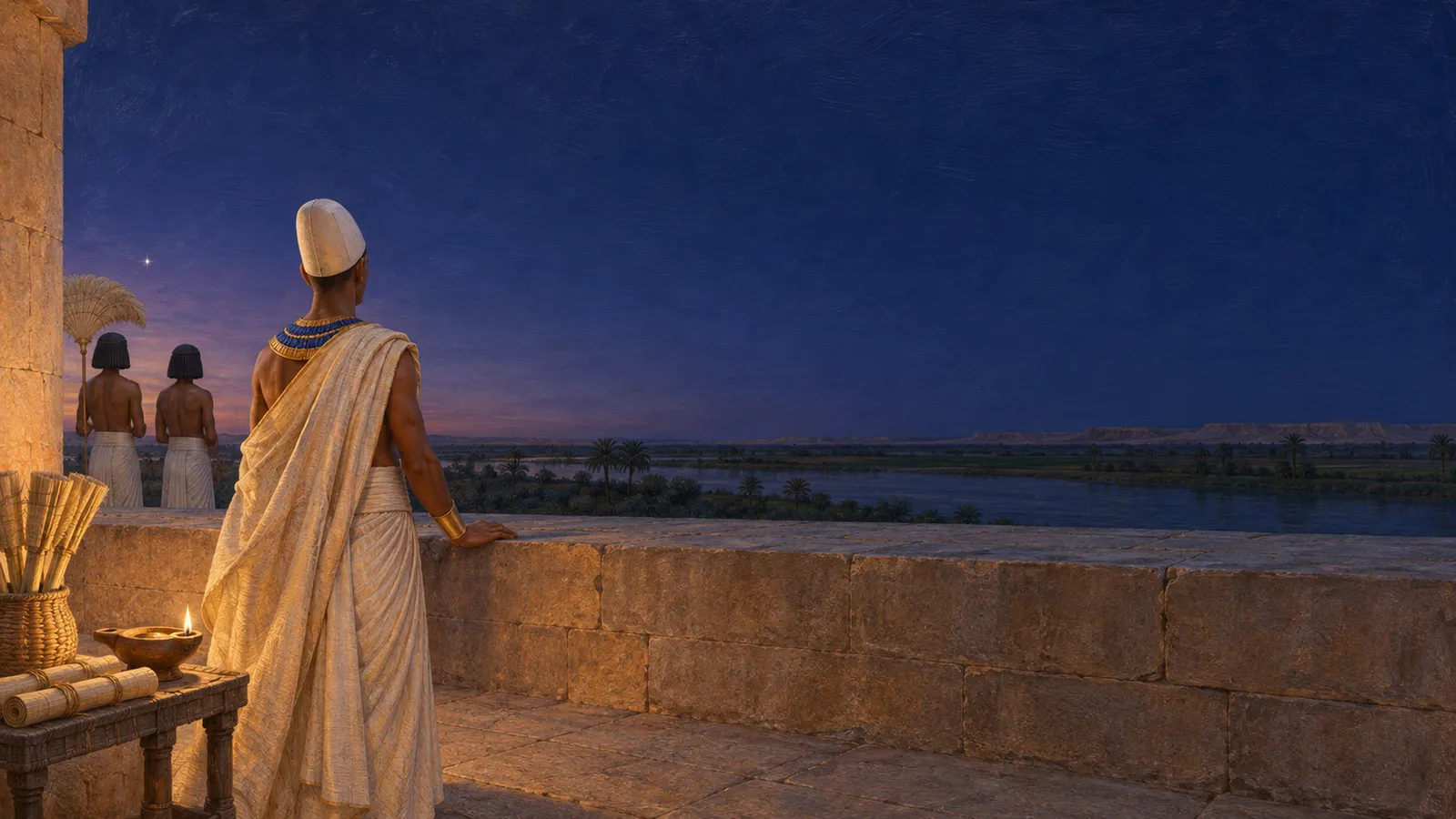
In the recitation for appearing as the Morning Star, the speaker calls himself a great one who has emerged from the Ennead’s thighs.
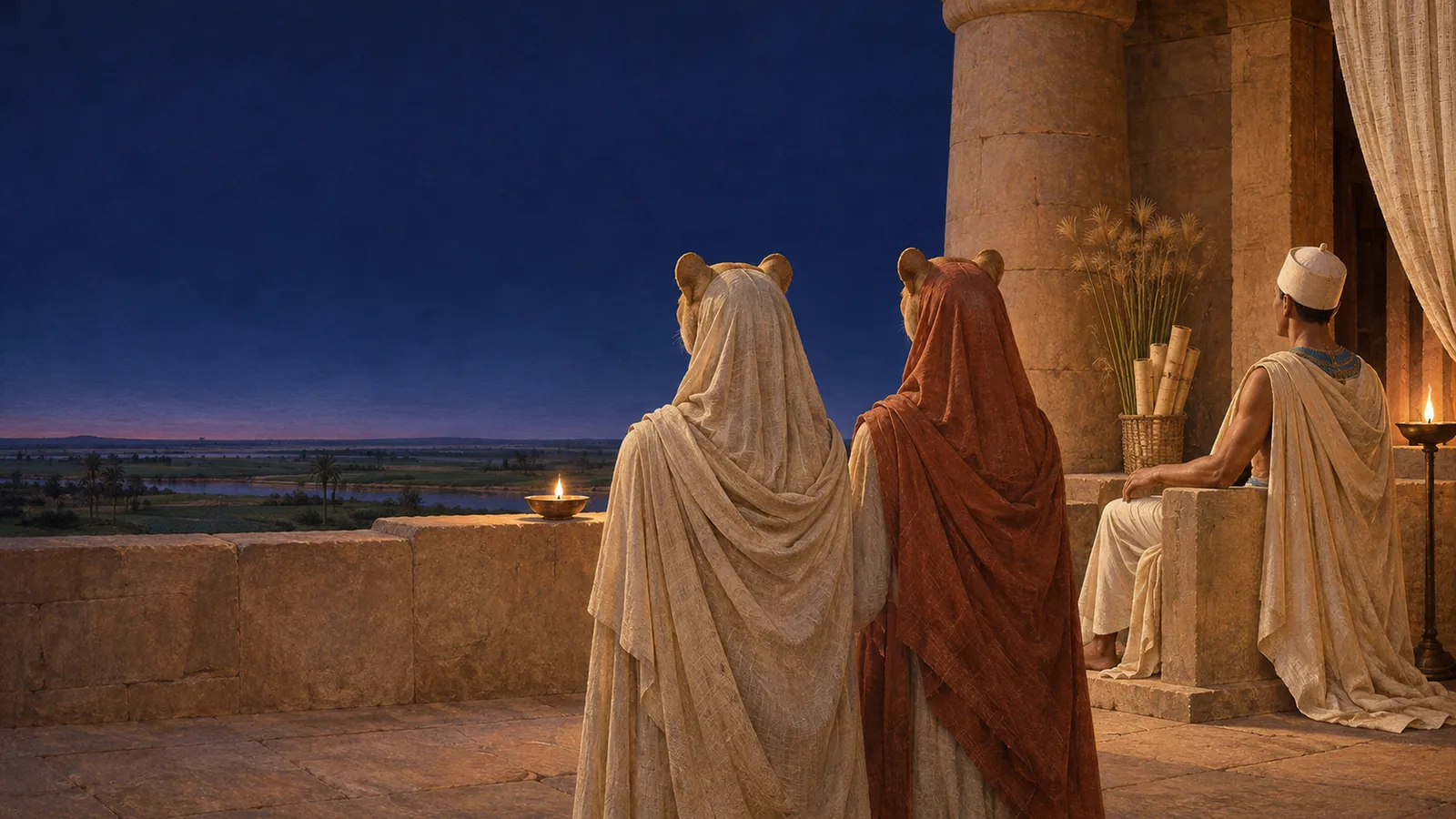
The speaker names Sekhmet as the one who conceived him. He names Shezmetet as the one who gave birth to him.
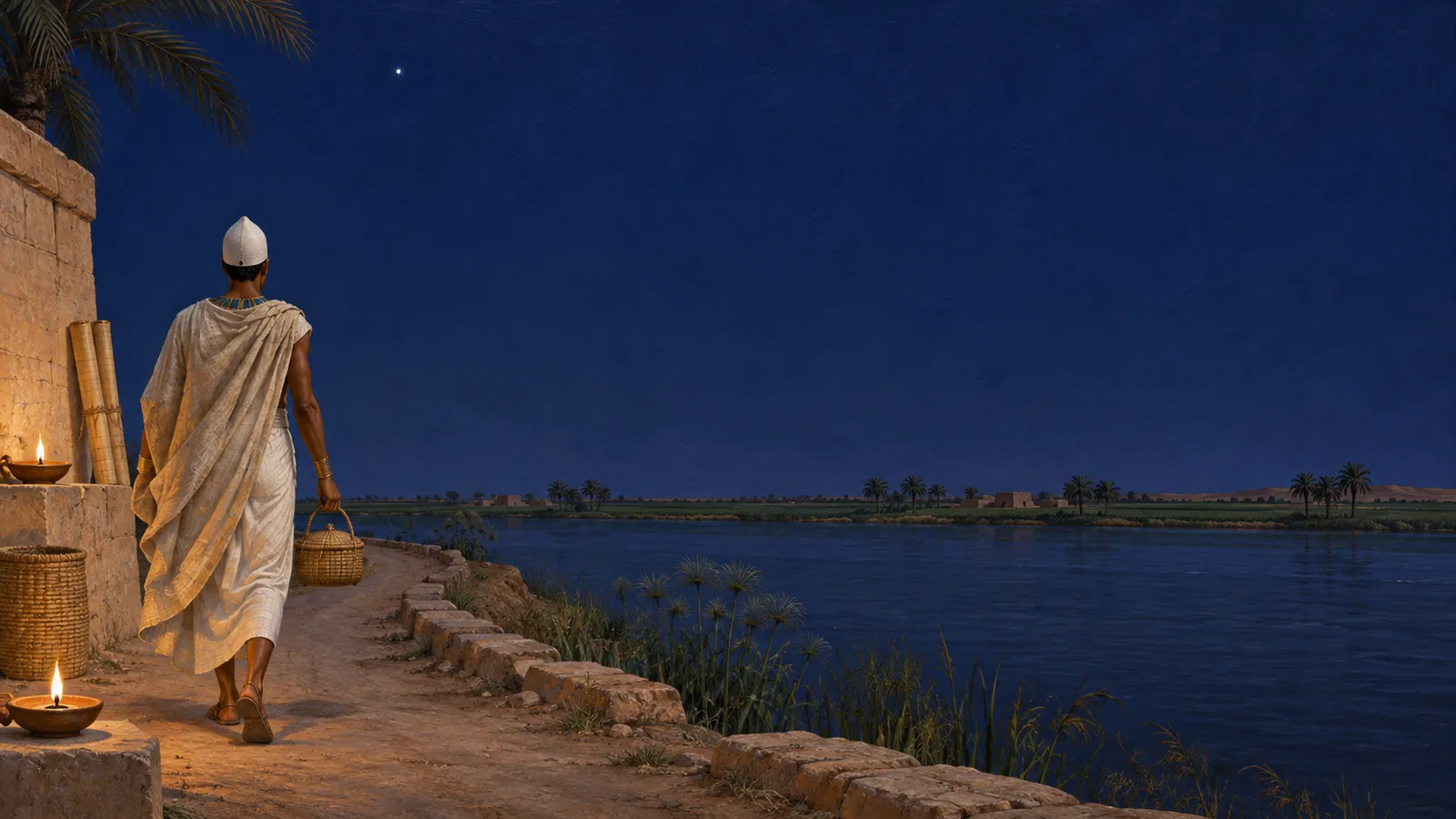
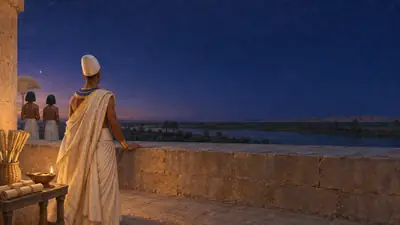
The speaker calls himself a star with a sharp front that travels far. Every day he fetches what the realm above has for the Sun.
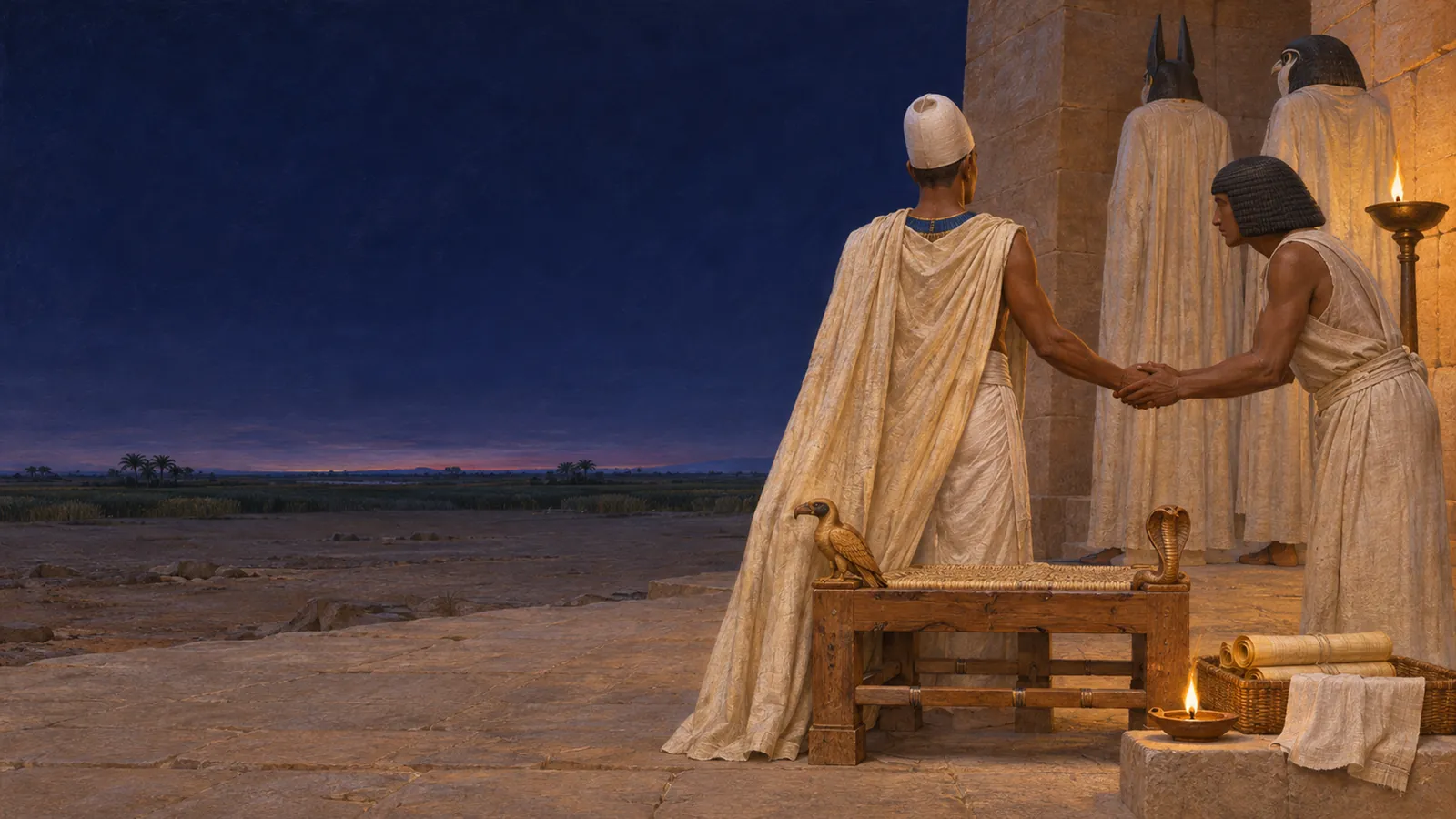
The speaker says he has come to his seat in the form of a star. The Two Ladies are on the seat.

The speaker asks the two combatants to tell a noble one whose identity is left open that he is the lotus rising clean from the earth.
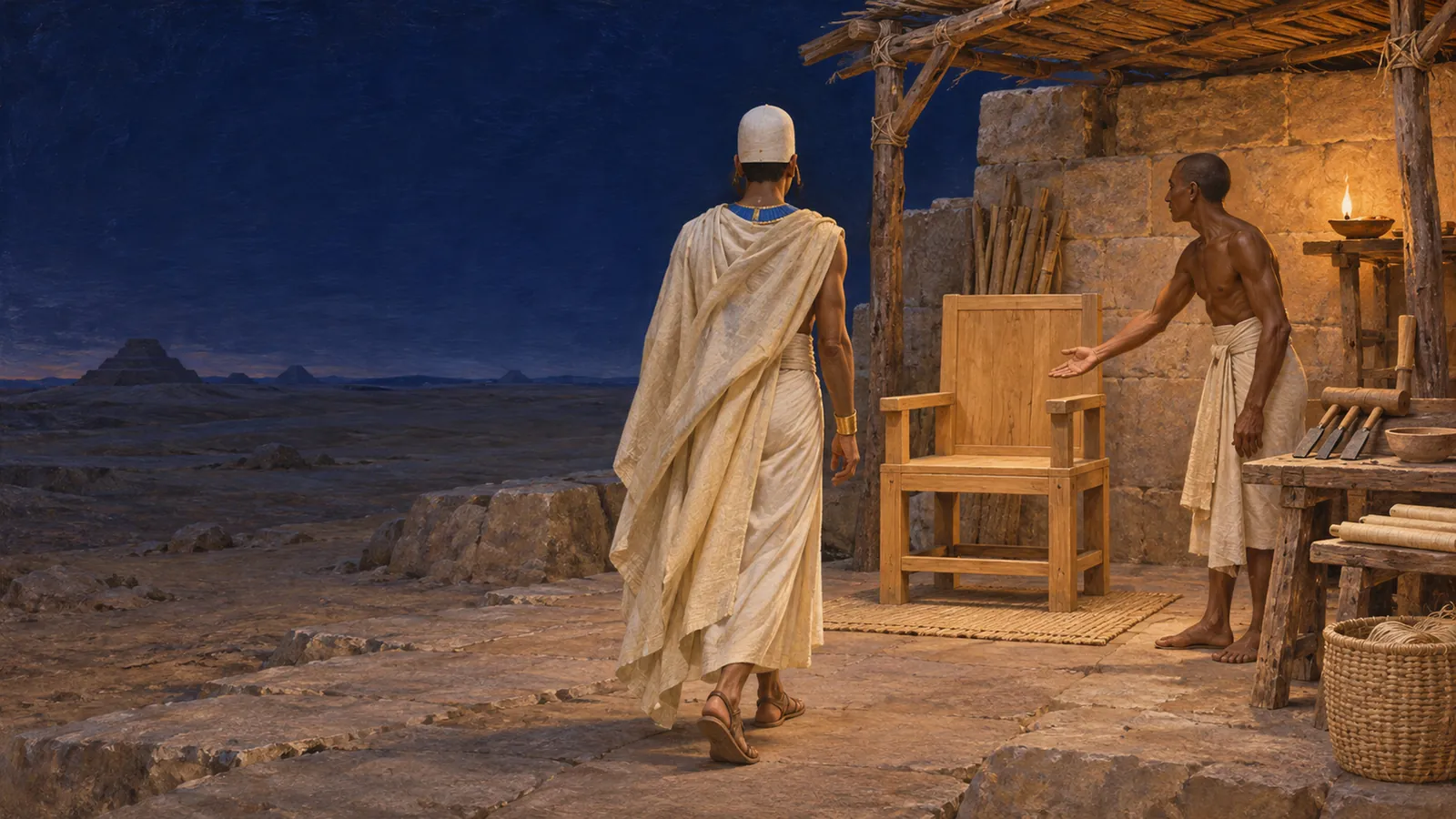
The speaker says that the one who made his seat receives him. He places himself at the nose of the great controlling power.
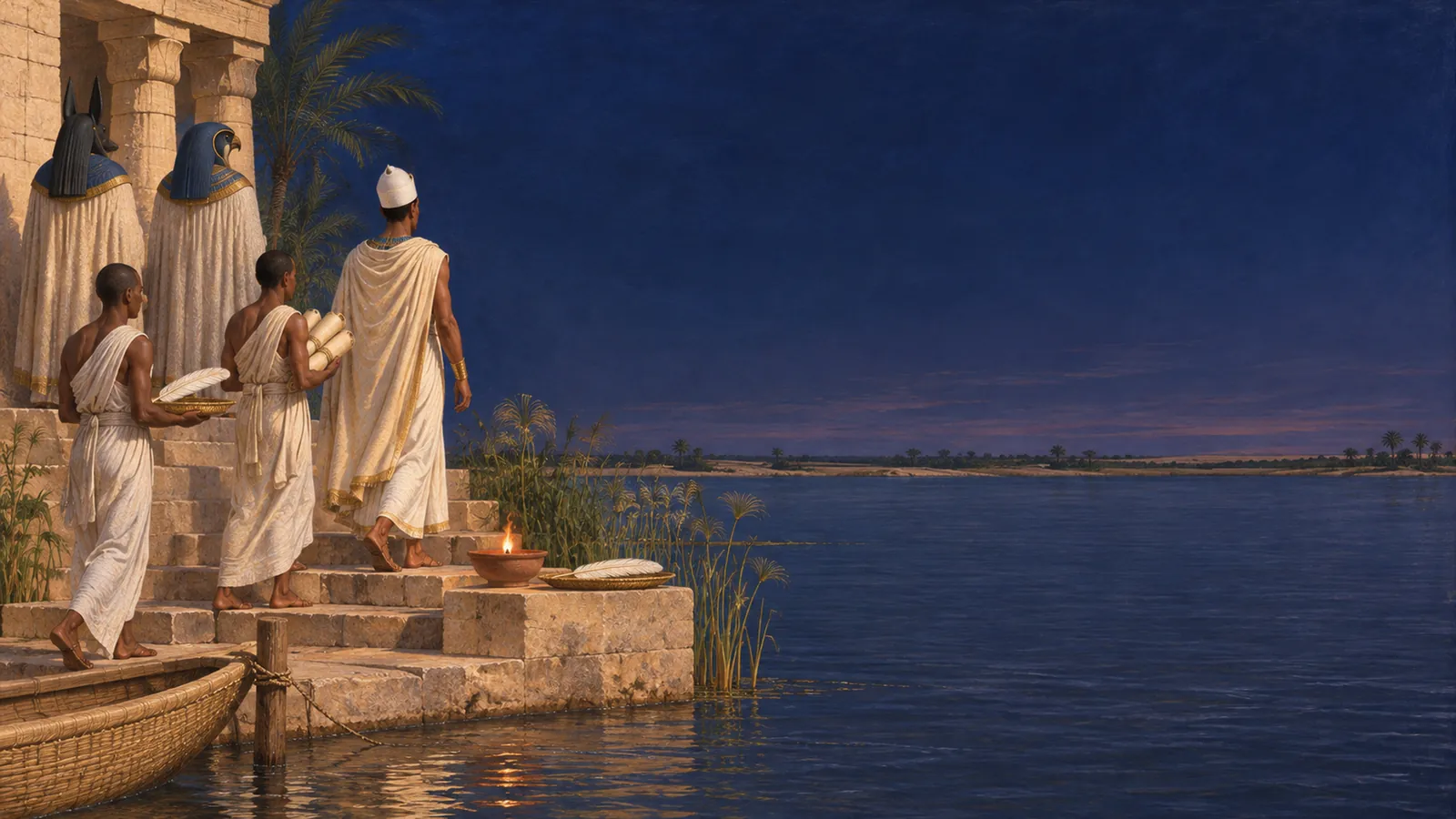
The speaker says he has come from the Isle of Flame. He declares that he put Maat in place of disorder there.
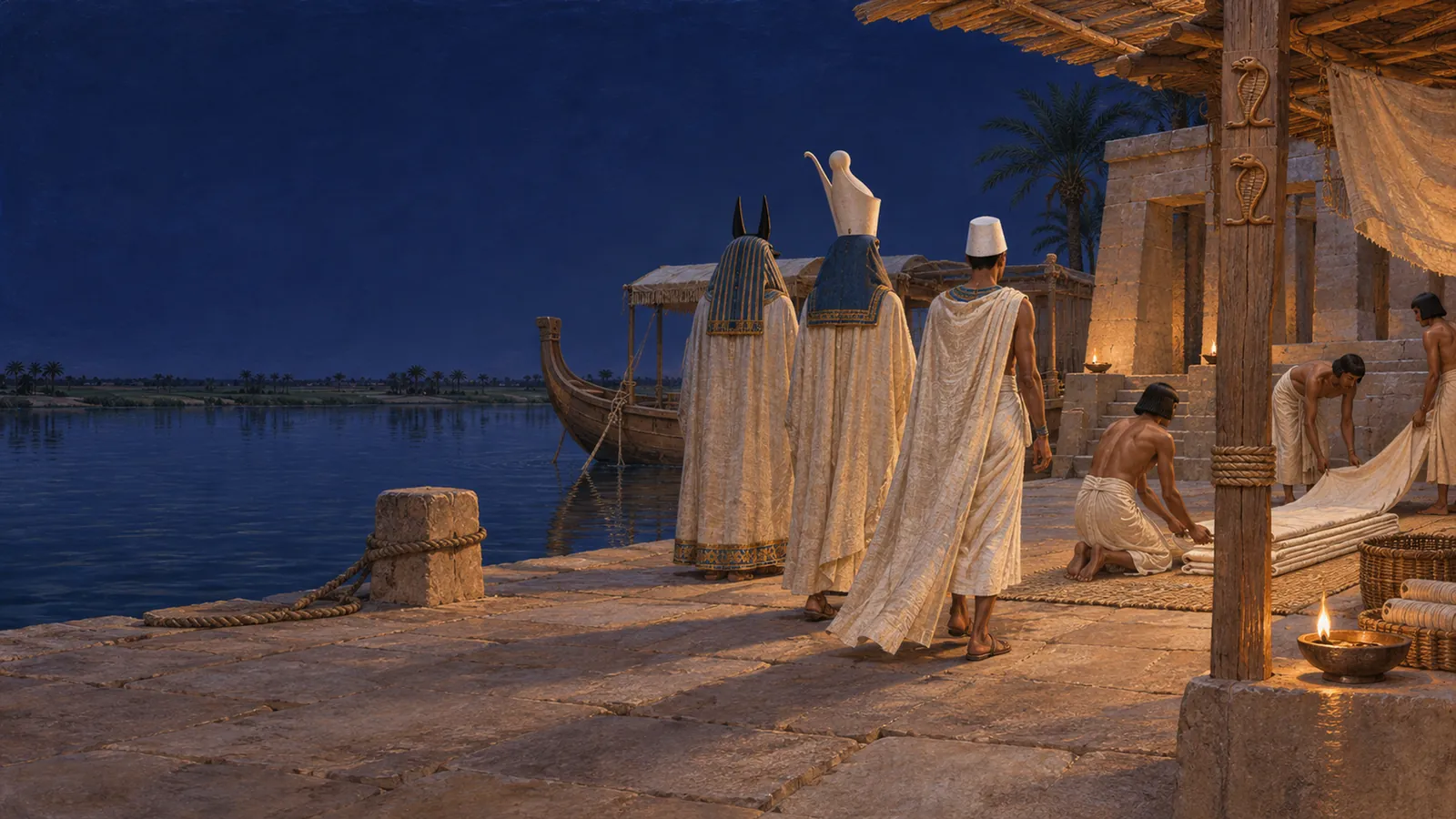
The speaker says he owns the linen that the uraei guard during the night of the great flood. He says that the flood comes from the great goddess.
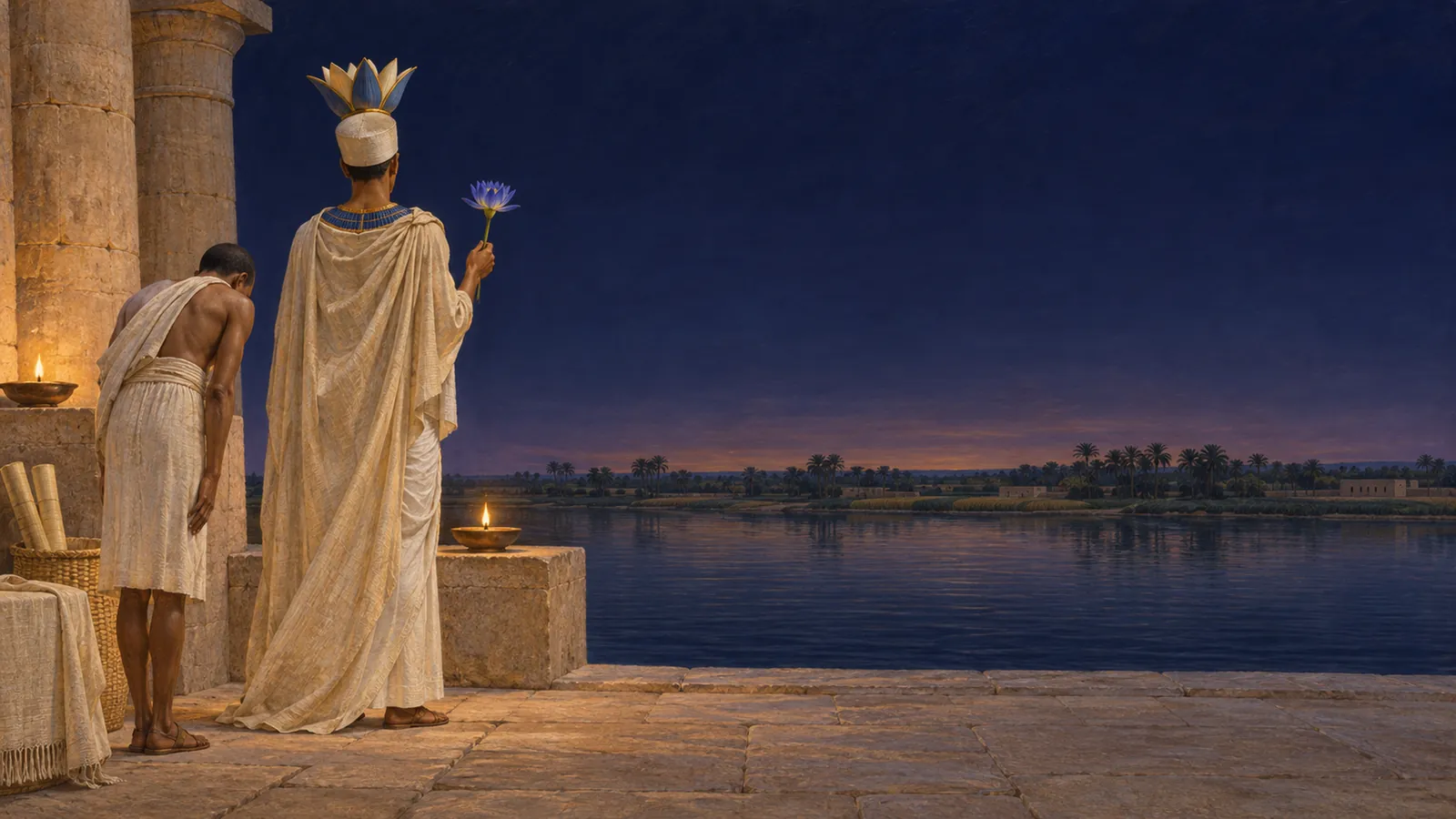
The speaker appears as Nefertem, the lotus at the Sun’s nose when the Sun emerges from the Akhet each day. At the sight of him the gods become clean.
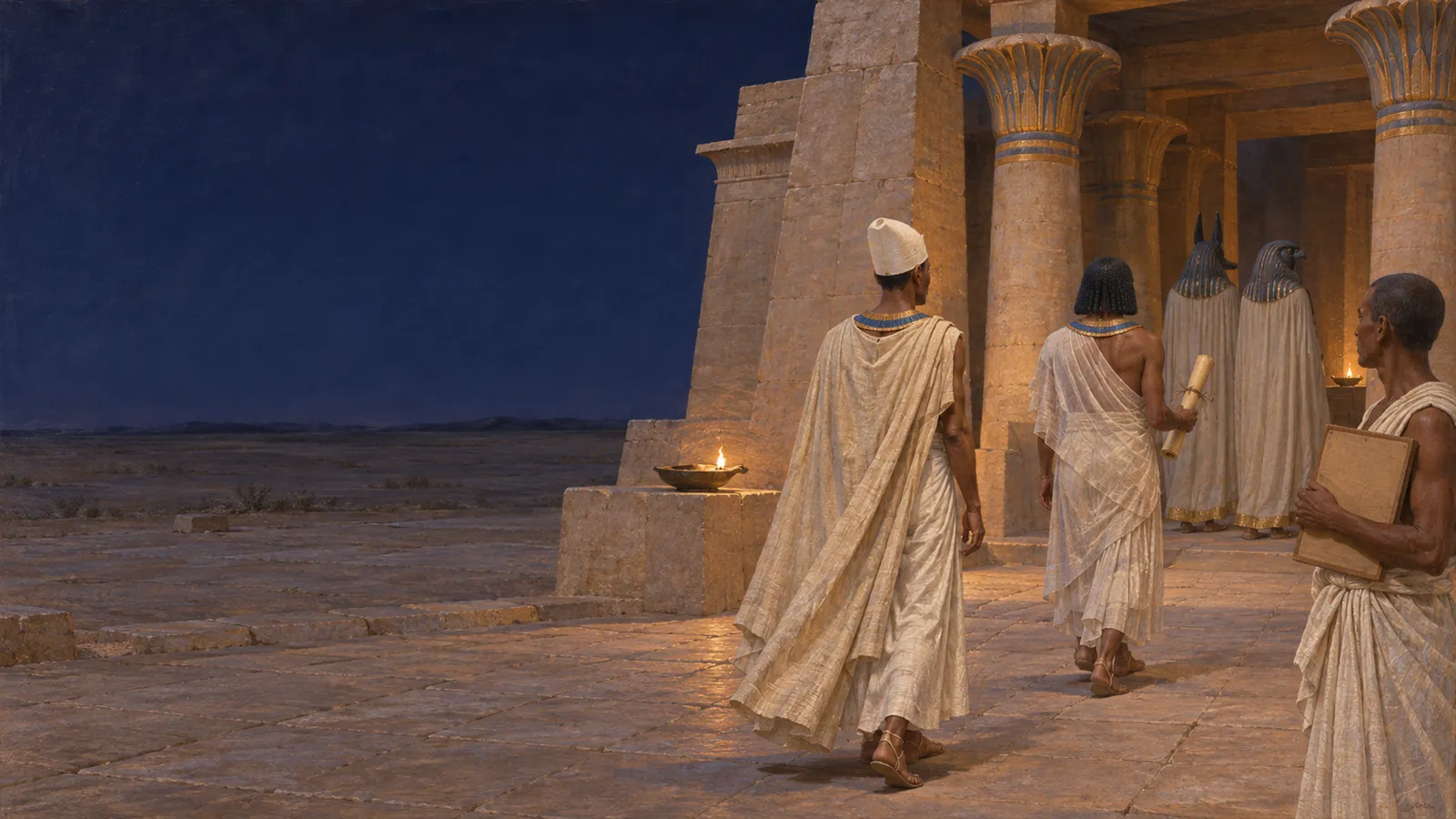
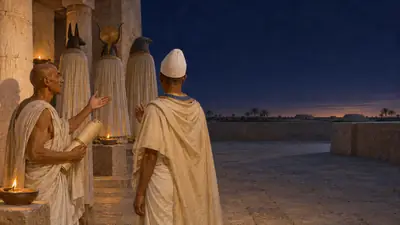
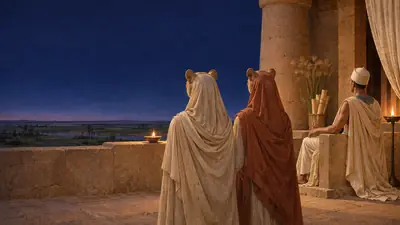
The reciter says he is in charge of the kas and joins minds for the great one who oversees experience. He calls himself Perception, carrying the god’s scroll at the west of the Sun.
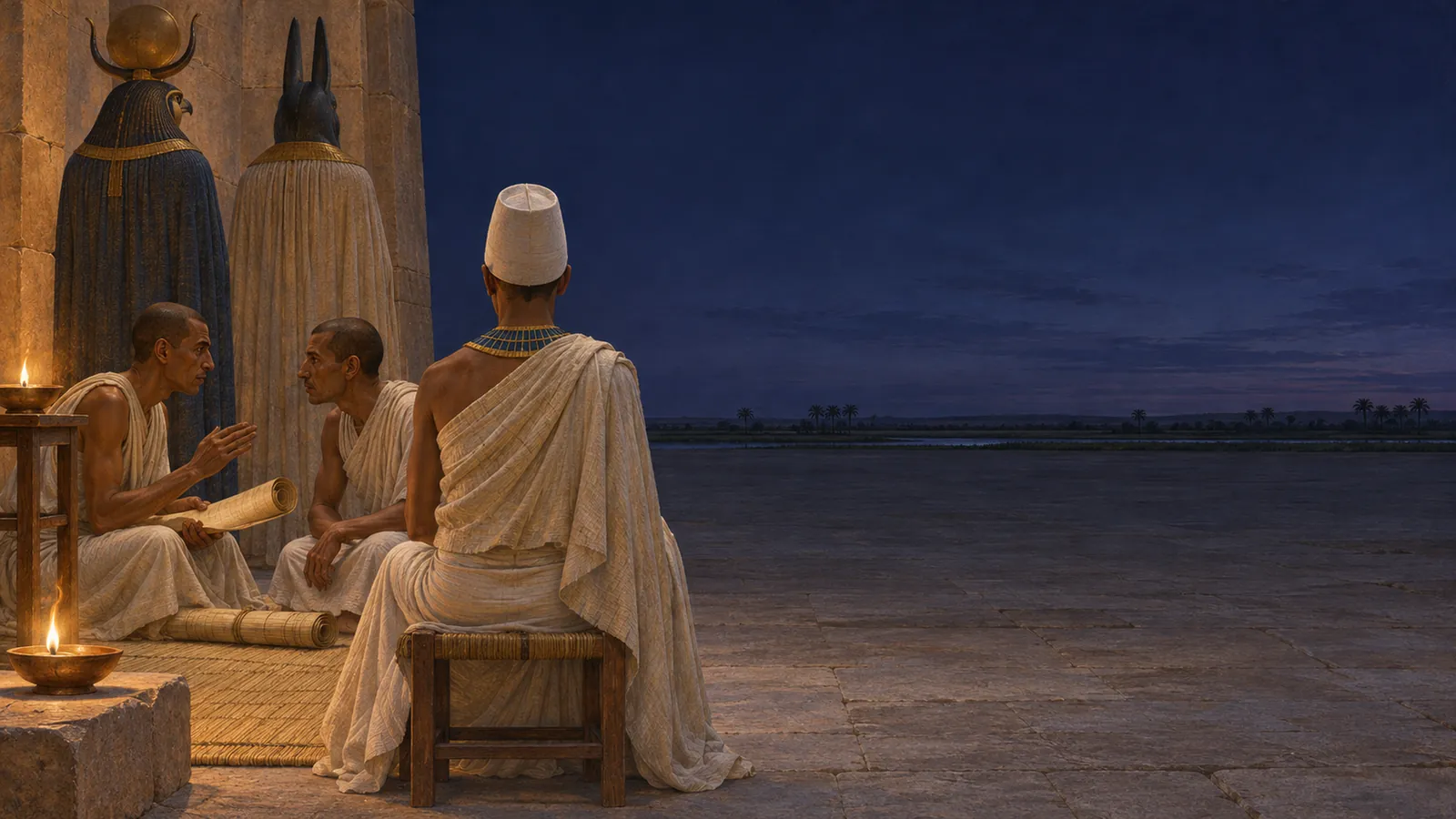
He says he has reached his seat in charge of the kas. He joins to minds the experience of something great.
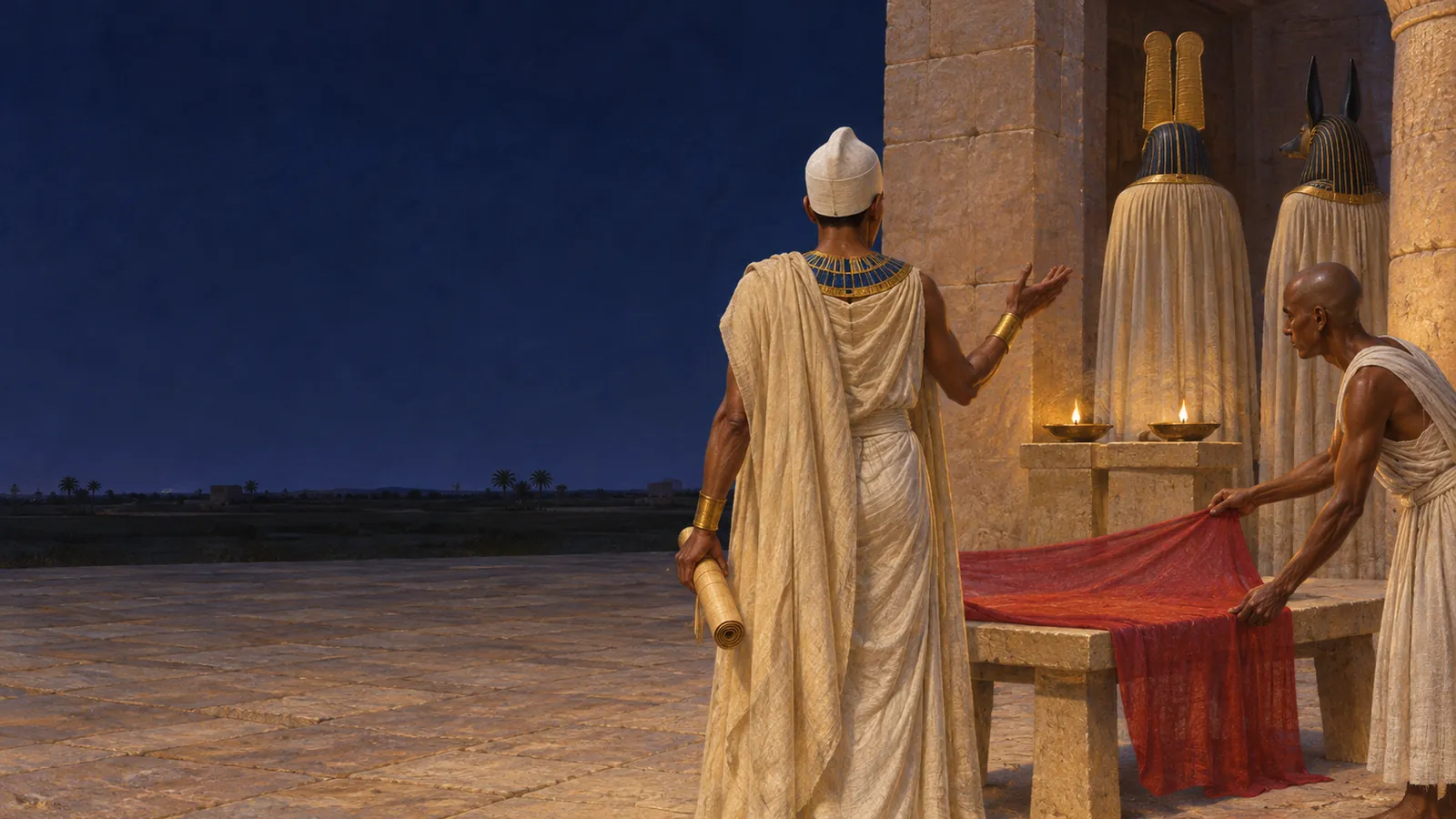
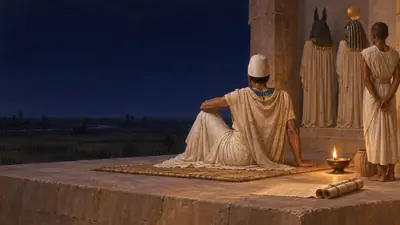
He becomes Perception and carries the god’s scroll at the west of the Sun. At the festival of red linen, he says, he gives voice to the great thing in the Sun’s mind.
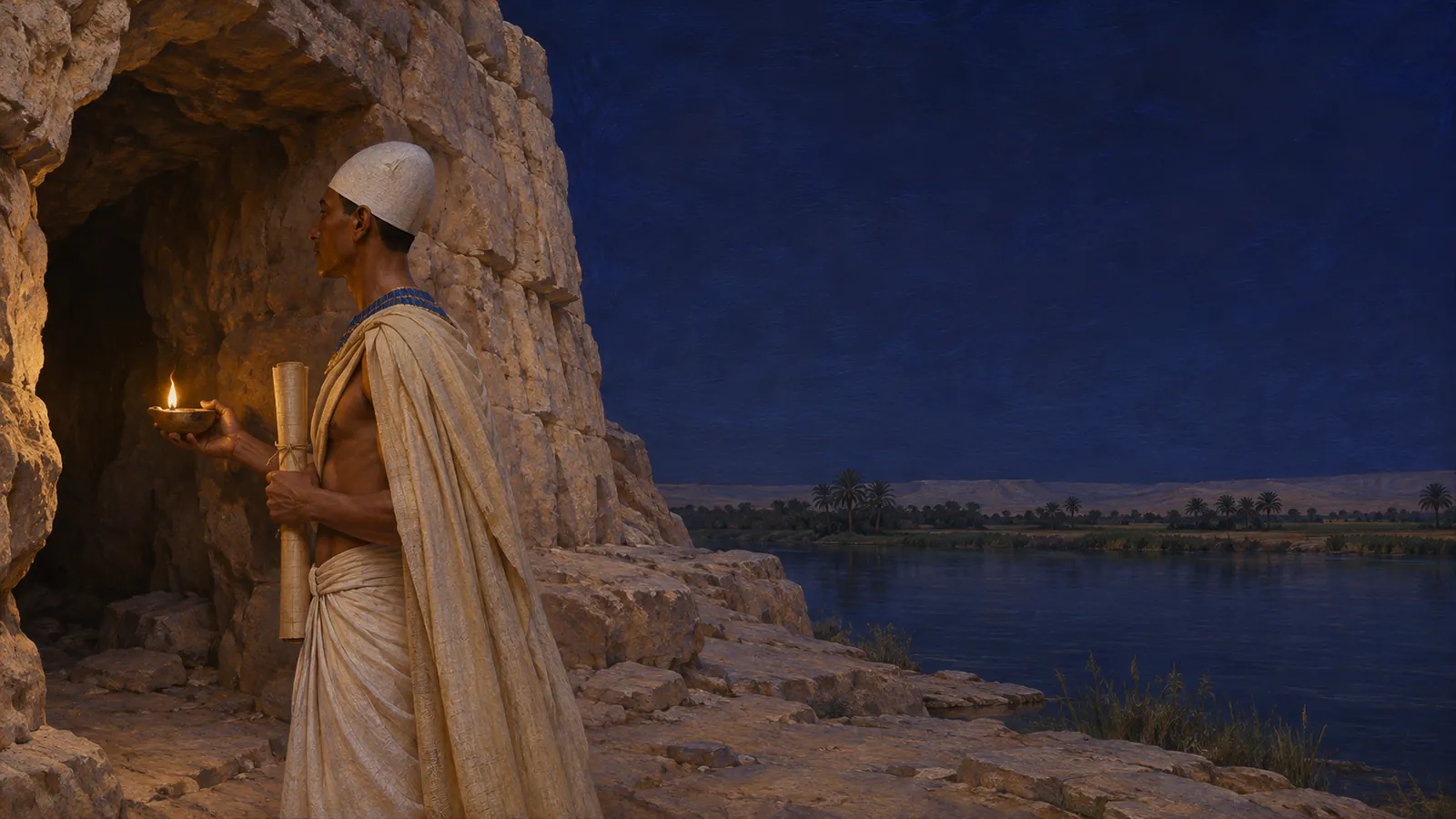
At the close of the spell, he identifies himself again as Perception. He describes himself as reserved in mind, west of the Sun and before the cavern of Nu.
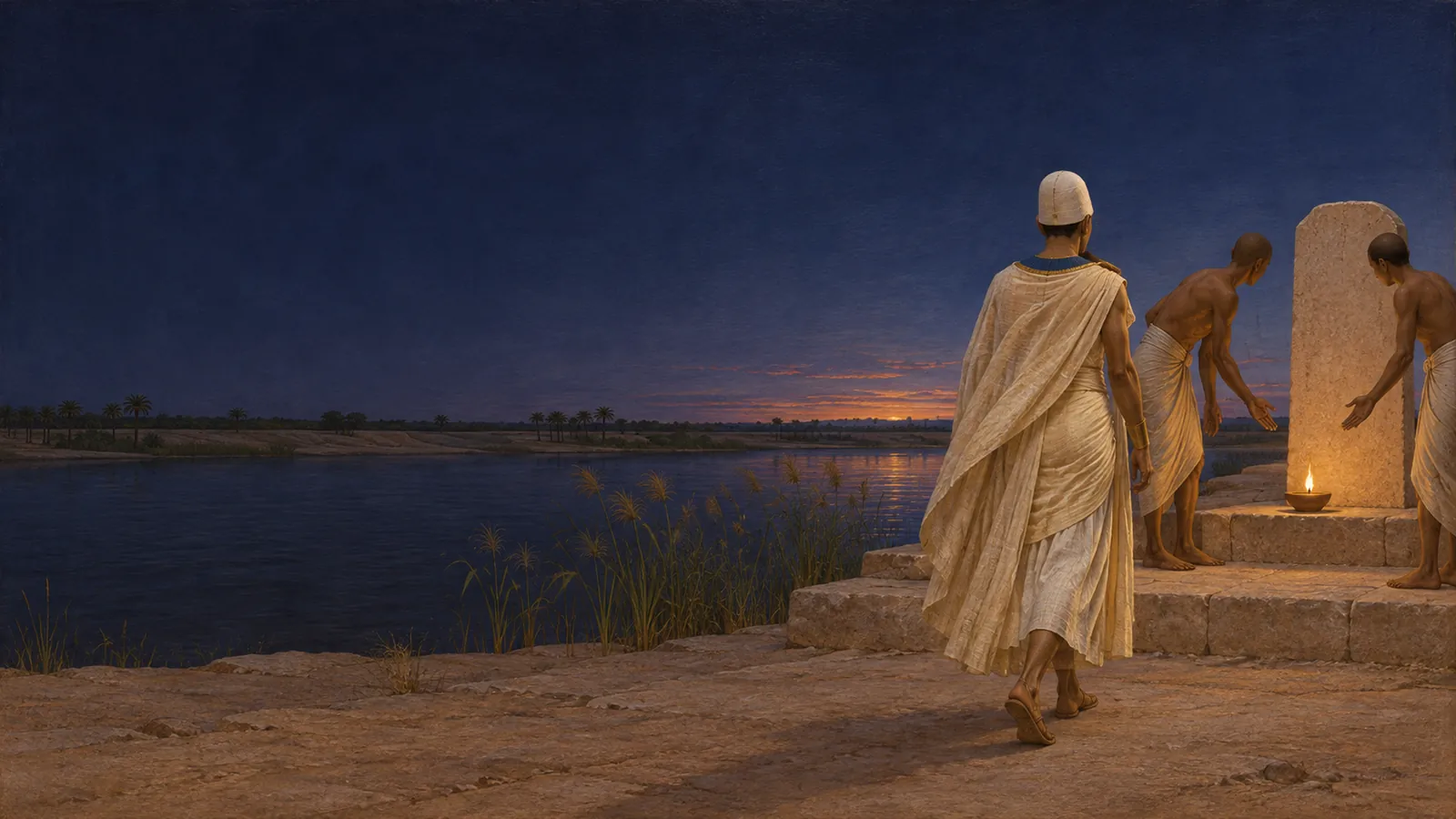
The reciter addresses those who keep the hours and go before the Sun. He asks them to make way so he can pass within the circuit of Belligerent-Face.
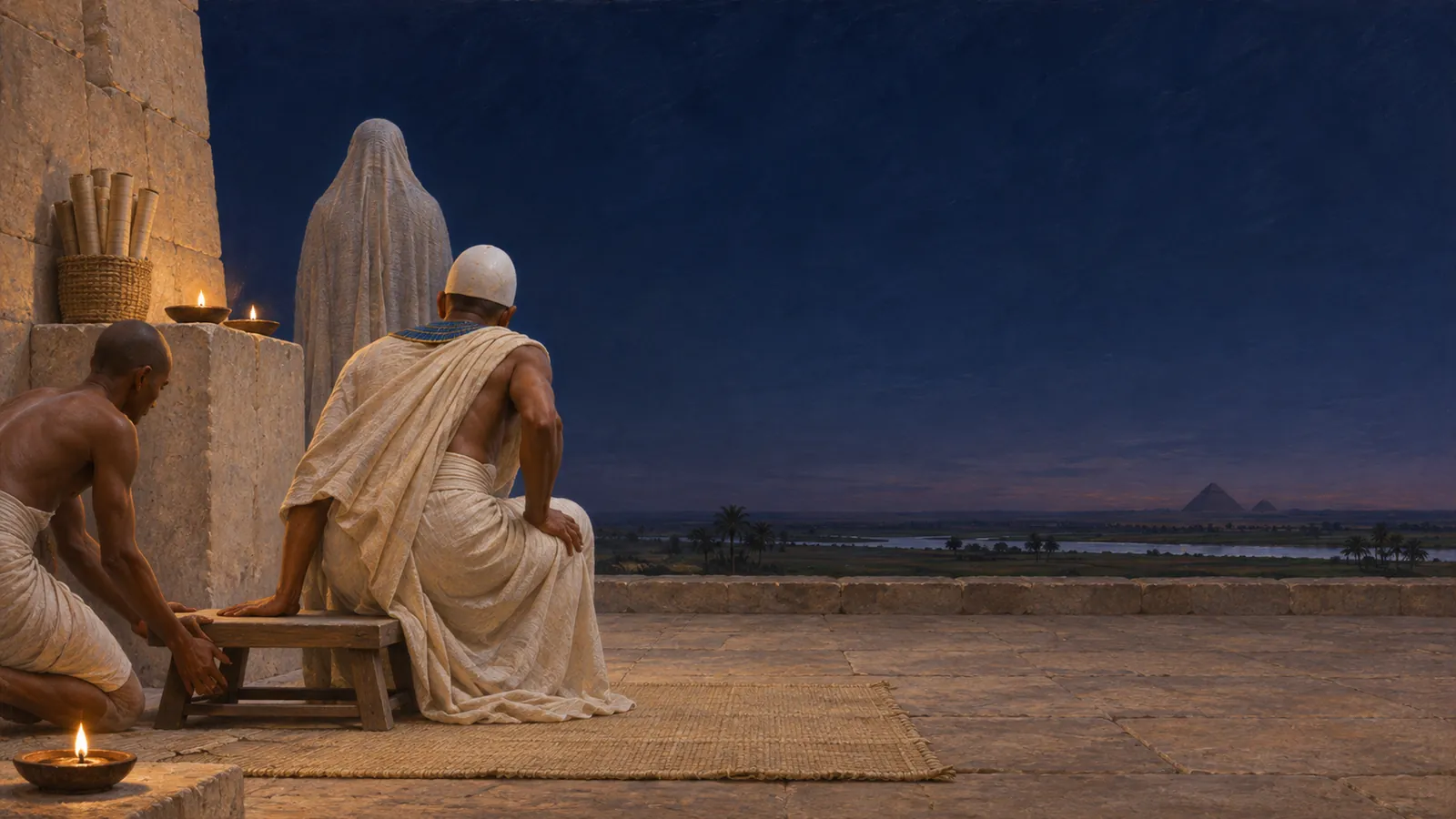
The reciter says he is on his way to his seat, the foremost of all seats. He describes his position as one behind the god.
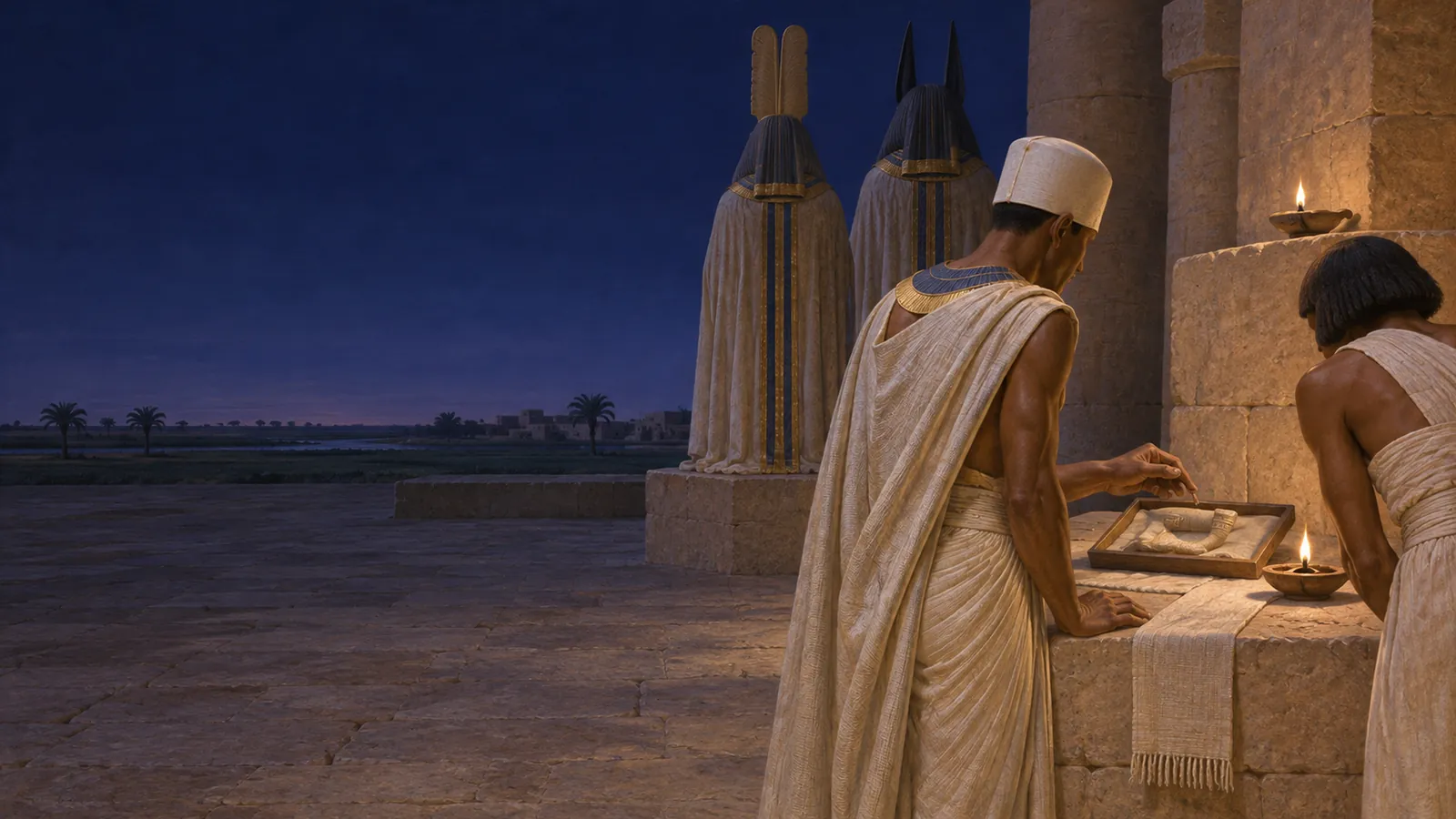
The recitation likens the speaker’s sharp horn to a knife that cuts throats. The horn severs strife from the bull’s head and makes those in darkness tremble. It is behind the great god.
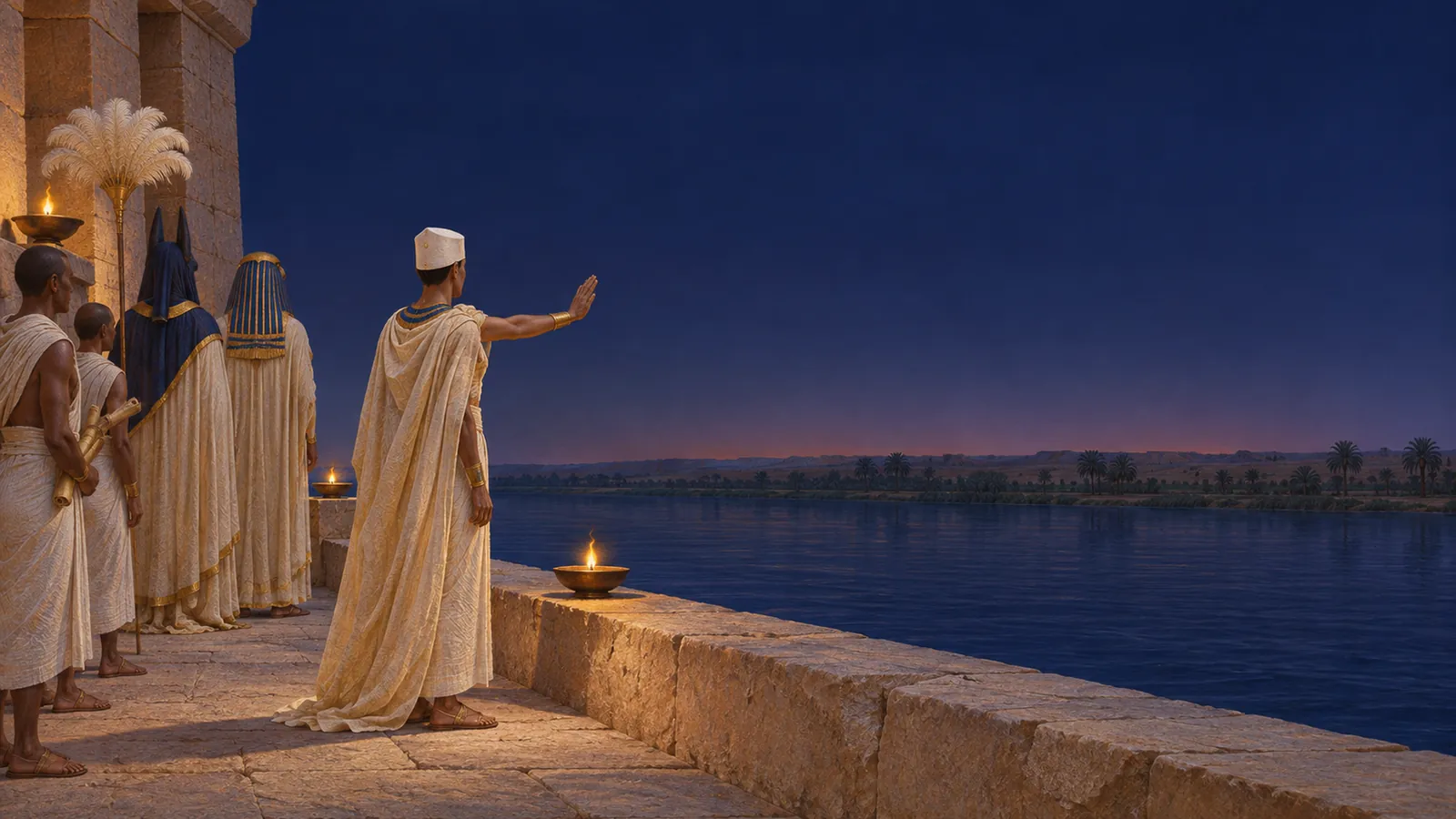
The reciter says he drove back those who were caught and struck down their heart. He declares that his arm cannot be barred in the Akhet.
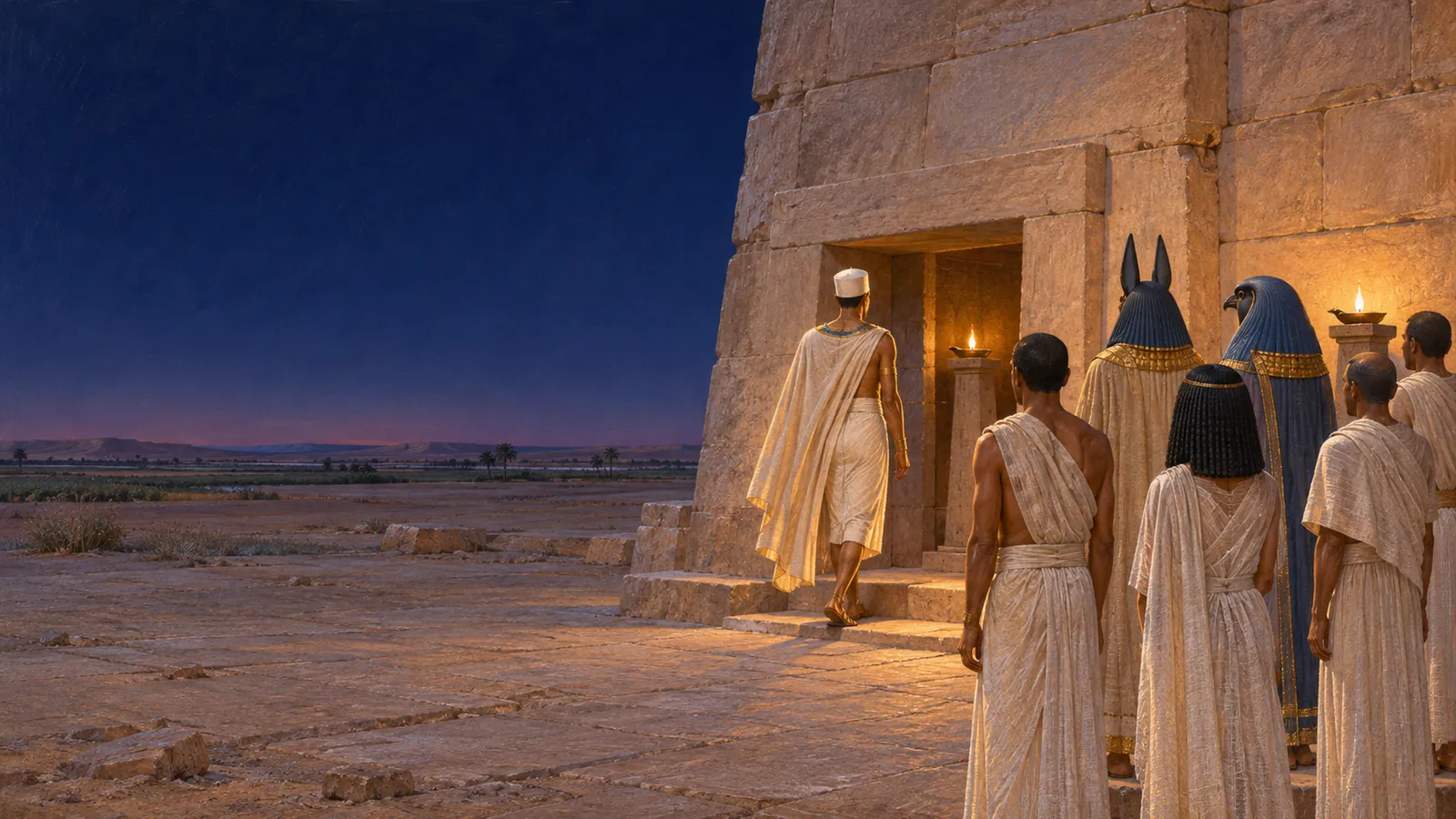
The reciter calls on the gods of the Duat to raise their faces. He says he has come so they can see that he has changed into the great god.
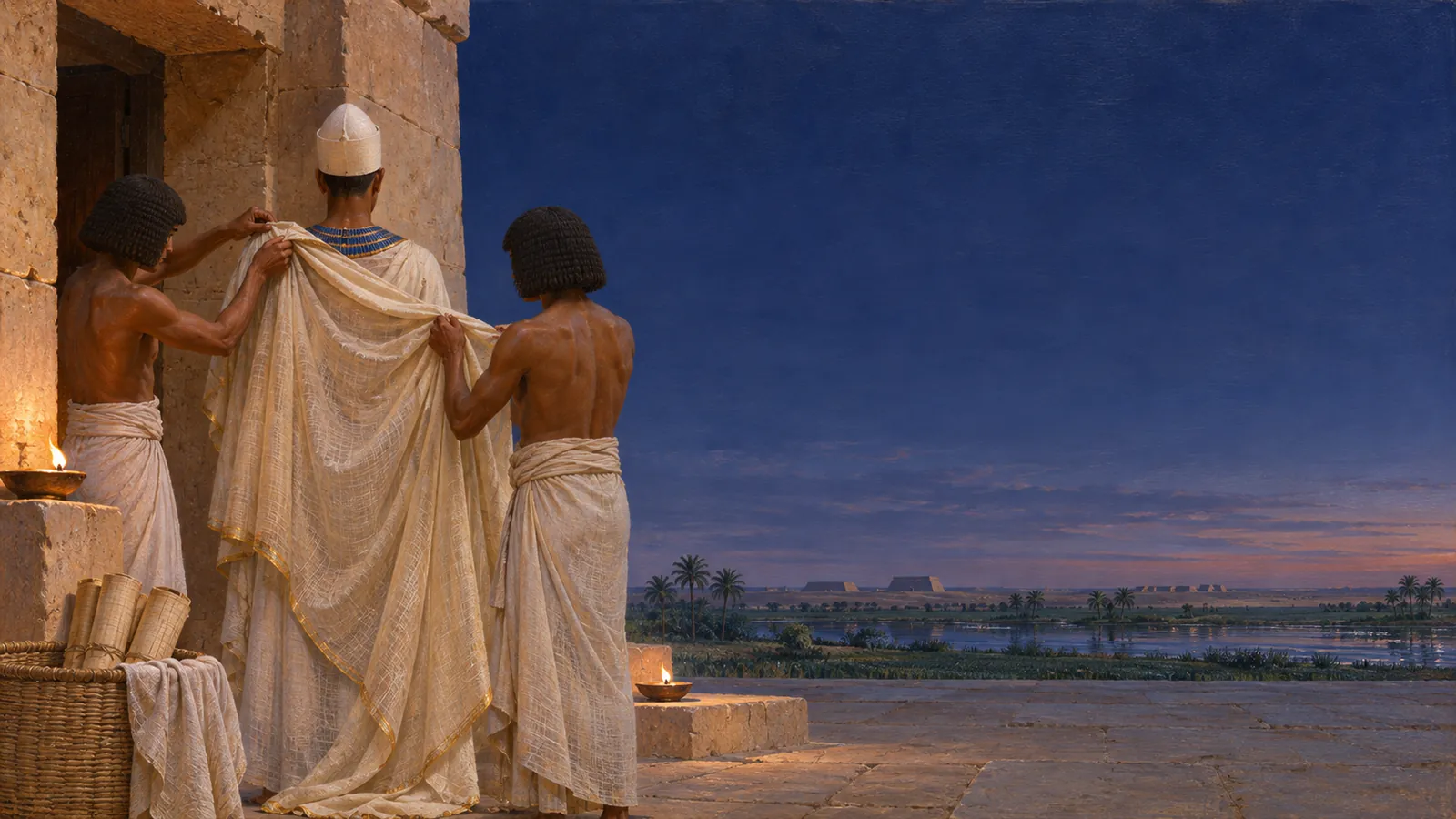
The reciter tells the gods to induct him while they tremble. He asks them to array him as lord of them all.
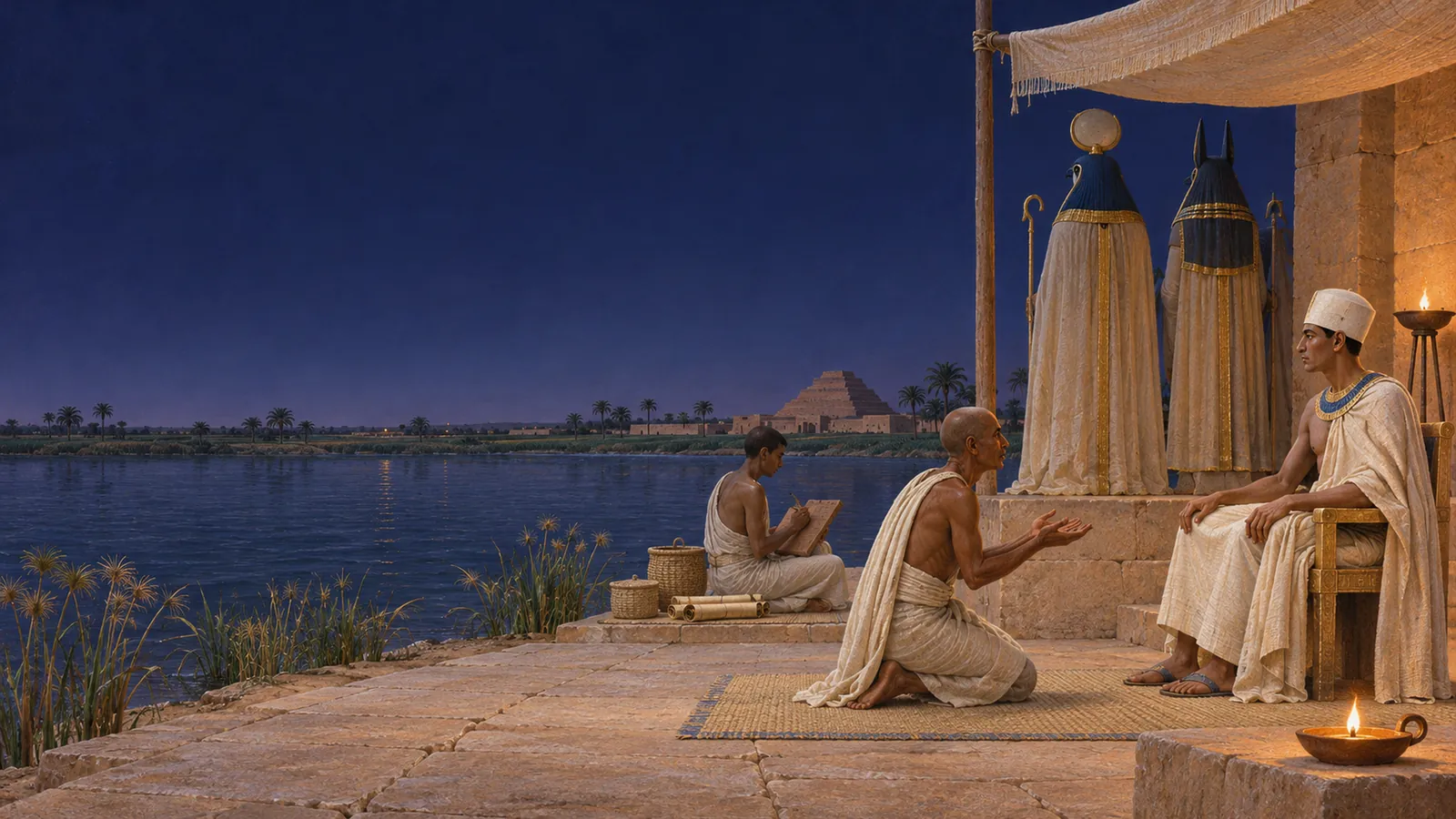
The reciter asserts that he governs the people. He also says he judges the living within the bounds of the Sun’s shore.

On the clean shore, where he has made his seat, he speaks with someone who parted the two gods. The recitation leaves that figure unnamed.
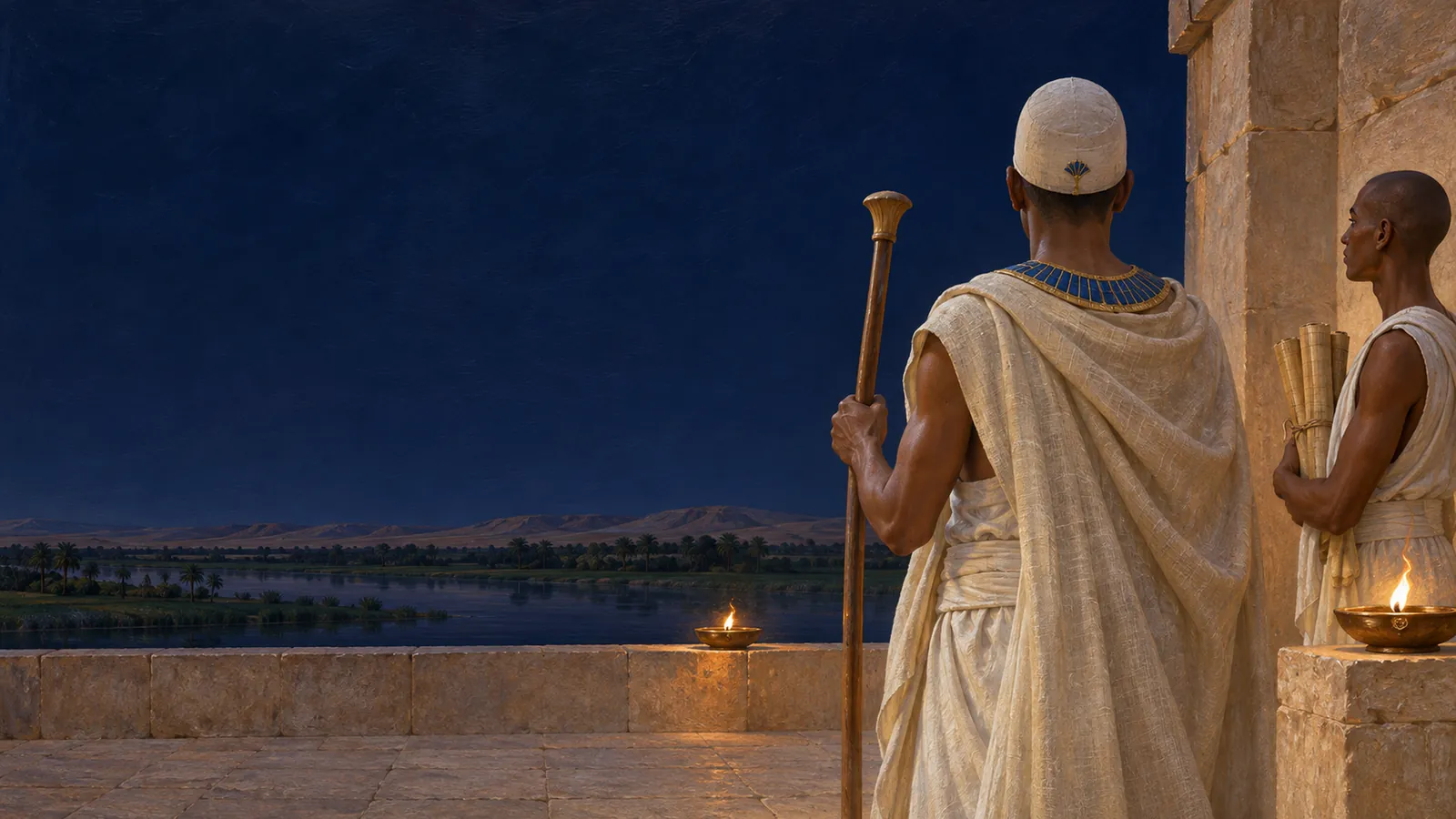
He says his authority is shown by a sign at his head. He names his scepter as the reason he commands respect.
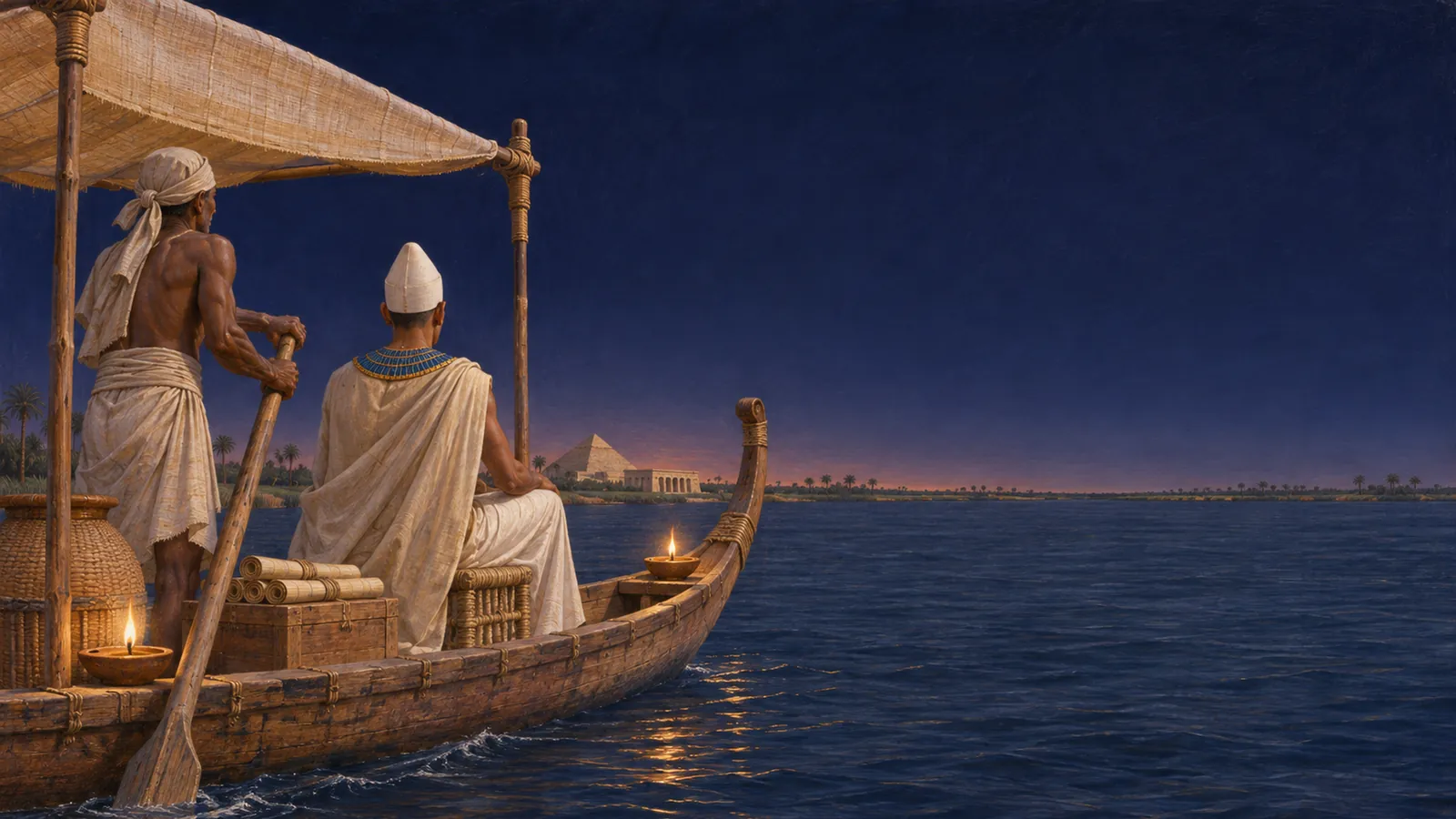
The reciter says he sits beside the Sun’s rower, who carries out his good commands. He closes the speech by declaring himself the great god.
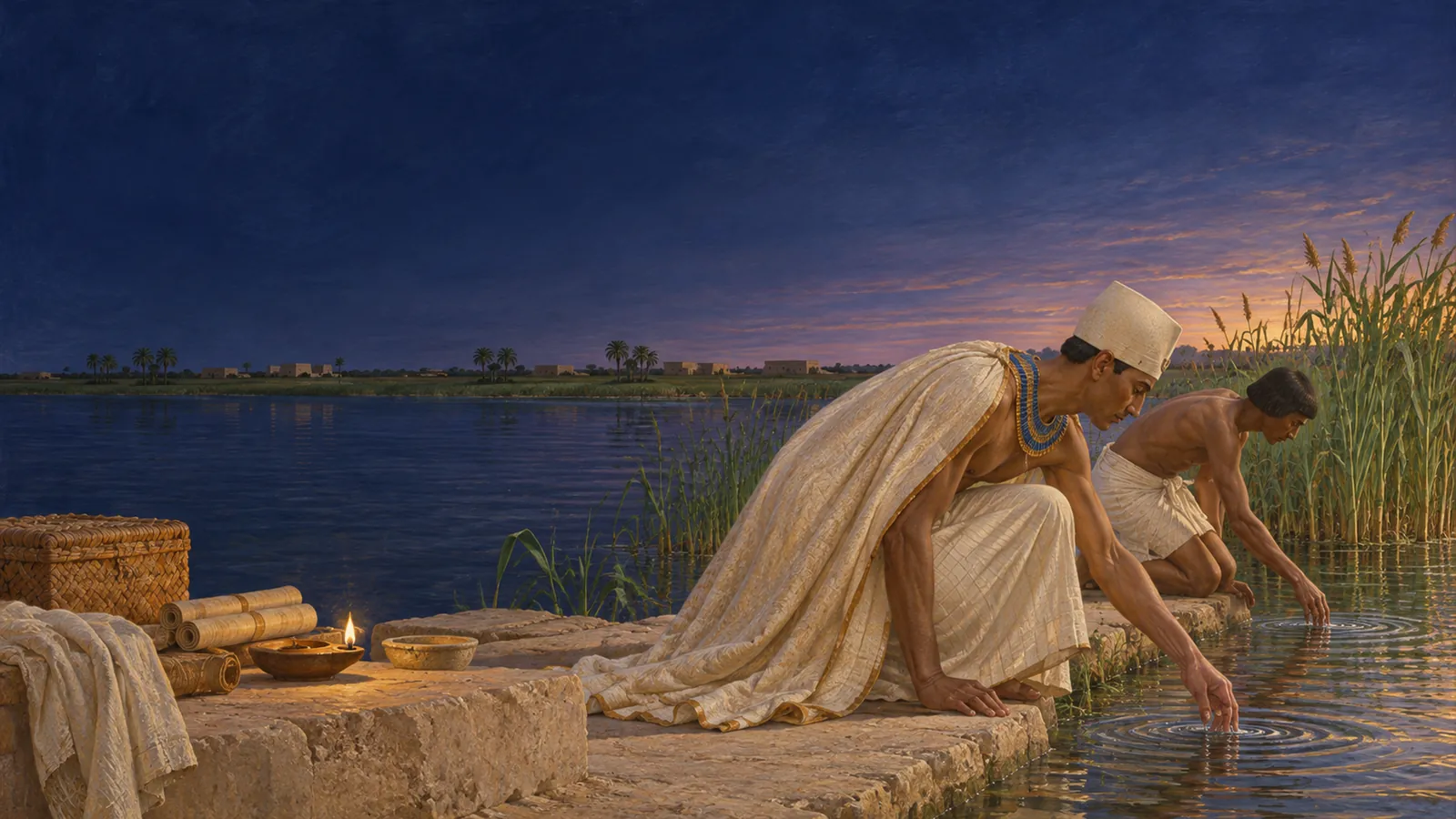
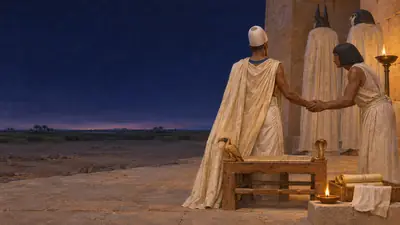
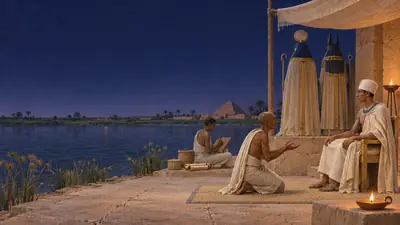
The recitation repeats the words about becoming clean in the Field of Reeds. First the Sun becomes clean there, and then the speaker says that he too has become clean.
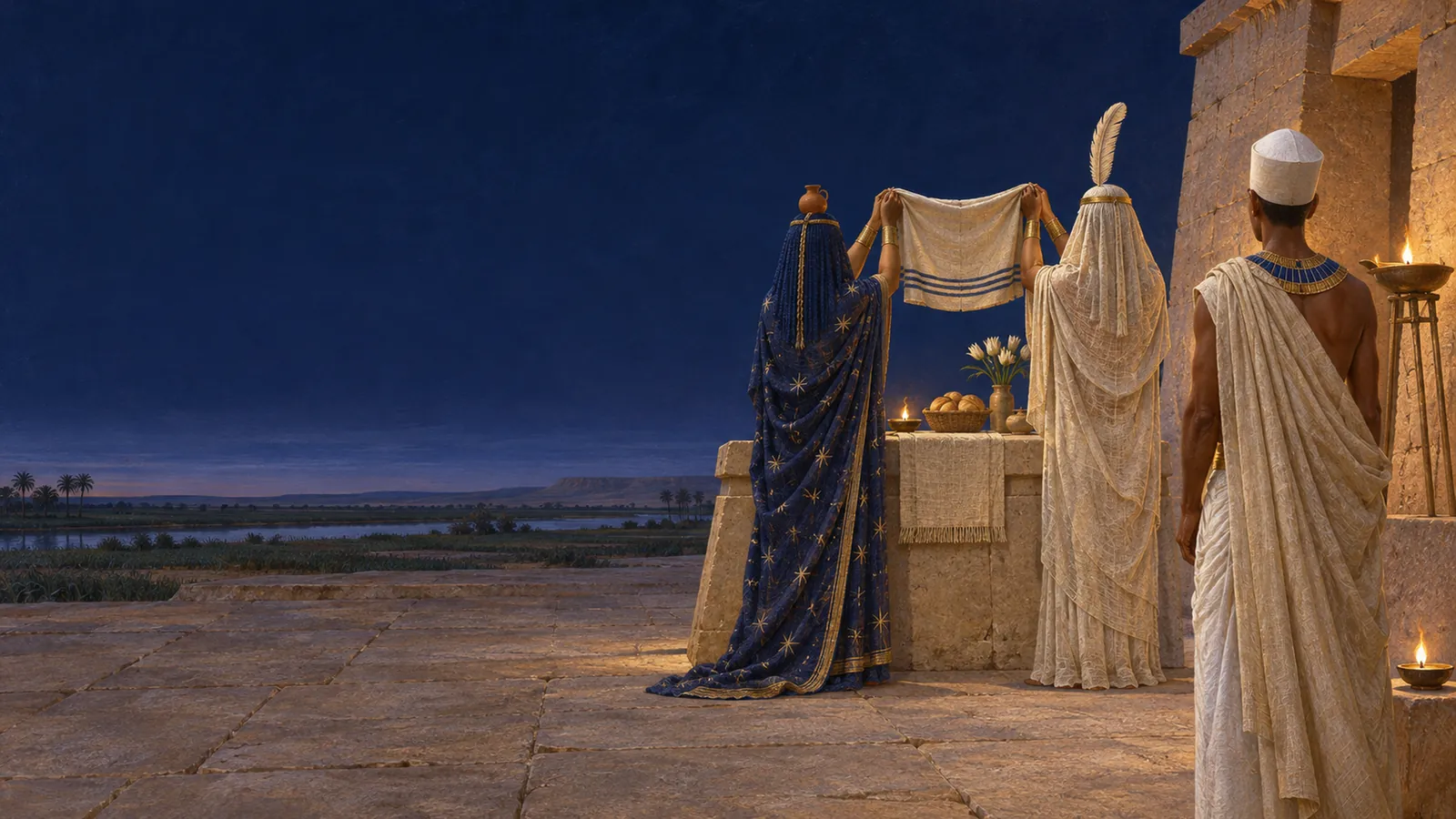
THE FIELD OF REEDS
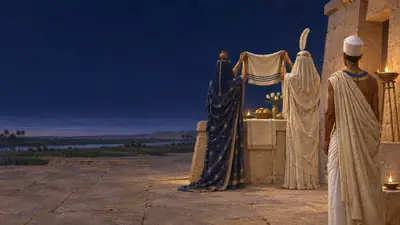
The speaker says his title comes from the Sun. He calls on Nut to receive it and twice asks Shu to raise it.
End of chapter 1
All pages










Sources
References on each page use the book’s printed numbering.
Editions consulted
- James P. Allen, The Ancient Egyptian Pyramid Texts, second edition, SBL Press, 2015
- Opening address and appearances as the Morning Star and Nefertem, printed page 45
- Appearance as Perception, address to the stars and final cleansing, printed page 46
- Notes 45–48 on later titles, wording and identifications, printed page 66
Ancient lines behind each page
- Page 1: Allen 2015, The Ancient Egyptian Pyramid Texts, Unis PT 247, p. 45
- Page 2: Allen 2015, The Ancient Egyptian Pyramid Texts, Unis PT 247, p. 45
- Page 3: Allen 2015, The Ancient Egyptian Pyramid Texts, Unis PT 247, p. 45
- Page 4: Allen 2015, The Ancient Egyptian Pyramid Texts, Unis PT 247, p. 45
- Page 5: Allen 2015, The Ancient Egyptian Pyramid Texts, Unis PT 247, p. 45
- Page 6: Allen 2015, The Ancient Egyptian Pyramid Texts, Unis PT 247, p. 45
- Page 7: Allen 2015, The Ancient Egyptian Pyramid Texts, Unis PT 247, p. 45
- Page 8: Allen 2015, The Ancient Egyptian Pyramid Texts, Unis PT 248, p. 45
- Page 9: Allen 2015, The Ancient Egyptian Pyramid Texts, Unis PT 248, p. 45
- Page 10: Allen 2015, The Ancient Egyptian Pyramid Texts, Unis PT 248, p. 45
- Page 11: Allen 2015, The Ancient Egyptian Pyramid Texts, Unis PT 248, p. 45
- Page 12: Allen 2015, The Ancient Egyptian Pyramid Texts, Unis PT 249, p. 45
- Page 13: Allen 2015, The Ancient Egyptian Pyramid Texts, Unis PT 249, p. 45
- Page 14: Allen 2015, The Ancient Egyptian Pyramid Texts, Unis PT 249, p. 45
- Page 15: Allen 2015, The Ancient Egyptian Pyramid Texts, Unis PT 249, p. 45
- Page 16: Allen 2015, The Ancient Egyptian Pyramid Texts, Unis PT 249, p. 45
- Page 17: Allen, The Ancient Egyptian Pyramid Texts, 2nd ed. (2015), Unis, PT 250, p. 46
- Page 18: Allen, The Ancient Egyptian Pyramid Texts, 2nd ed. (2015), Unis, PT 250, p. 46
- Page 19: Allen, The Ancient Egyptian Pyramid Texts, 2nd ed. (2015), Unis, PT 250, p. 46
- Page 20: Allen, The Ancient Egyptian Pyramid Texts, 2nd ed. (2015), Unis, PT 250, p. 46
- Page 21: Allen, The Ancient Egyptian Pyramid Texts, 2nd ed. (2015), Unis, PT 251, p. 46
- Page 22: Allen, The Ancient Egyptian Pyramid Texts, 2nd ed. (2015), Unis, PT 251, p. 46
- Page 23: Allen, The Ancient Egyptian Pyramid Texts, 2nd ed. (2015), Unis, PT 251, p. 46
- Page 24: Allen, The Ancient Egyptian Pyramid Texts, 2nd ed. (2015), Unis, PT 251, p. 46
- Page 25: Allen, The Ancient Egyptian Pyramid Texts, 2nd ed. (2015), Unis, PT 252, p. 46
- Page 26: Allen, The Ancient Egyptian Pyramid Texts, 2nd ed. (2015), Unis, PT 252, p. 46
- Page 27: Allen, The Ancient Egyptian Pyramid Texts, 2nd ed. (2015), Unis, PT 252, p. 46
- Page 28: Allen, The Ancient Egyptian Pyramid Texts, 2nd ed. (2015), Unis, PT 252, p. 46
- Page 29: Allen, The Ancient Egyptian Pyramid Texts, 2nd ed. (2015), Unis, PT 252, p. 46
- Page 30: Allen, The Ancient Egyptian Pyramid Texts, 2nd ed. (2015), Unis, PT 252, p. 46
- Page 31: Allen, The Ancient Egyptian Pyramid Texts, 2nd ed. (2015), Unis, PT 253, p. 46
- Page 32: Allen, The Ancient Egyptian Pyramid Texts, 2nd ed. (2015), Unis, PT 253, p. 46
Illustrations made with AI tools by IL Archive; the text is based on the ancient sources (see the sources at the end of each chapter).