When One Became Three Chapter 1
The First Becoming
Neb-er-tcher brings himself into being as Khepera, utters his own name and makes a foundation where he found no place to stand. He brings forth Shu and Tefnut and becomes Three. The closing lines name the next generations and the children born to Nut.
SourcesTurn the pages with the arrows, the arrow keys or a swipe.
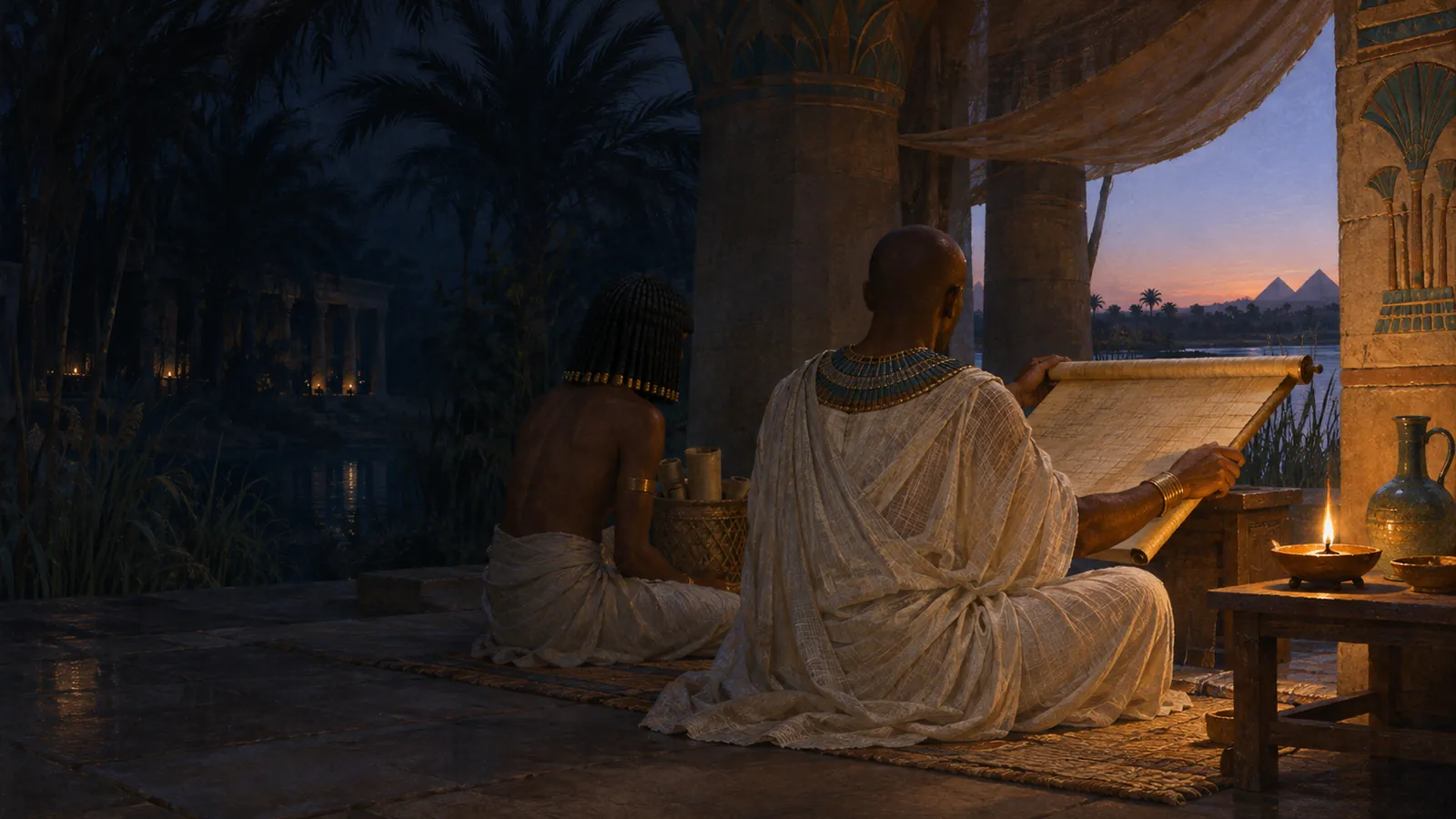
THE FIRST BECOMING
The speaker opens by saying that he brought forth the very process by which things came into being.
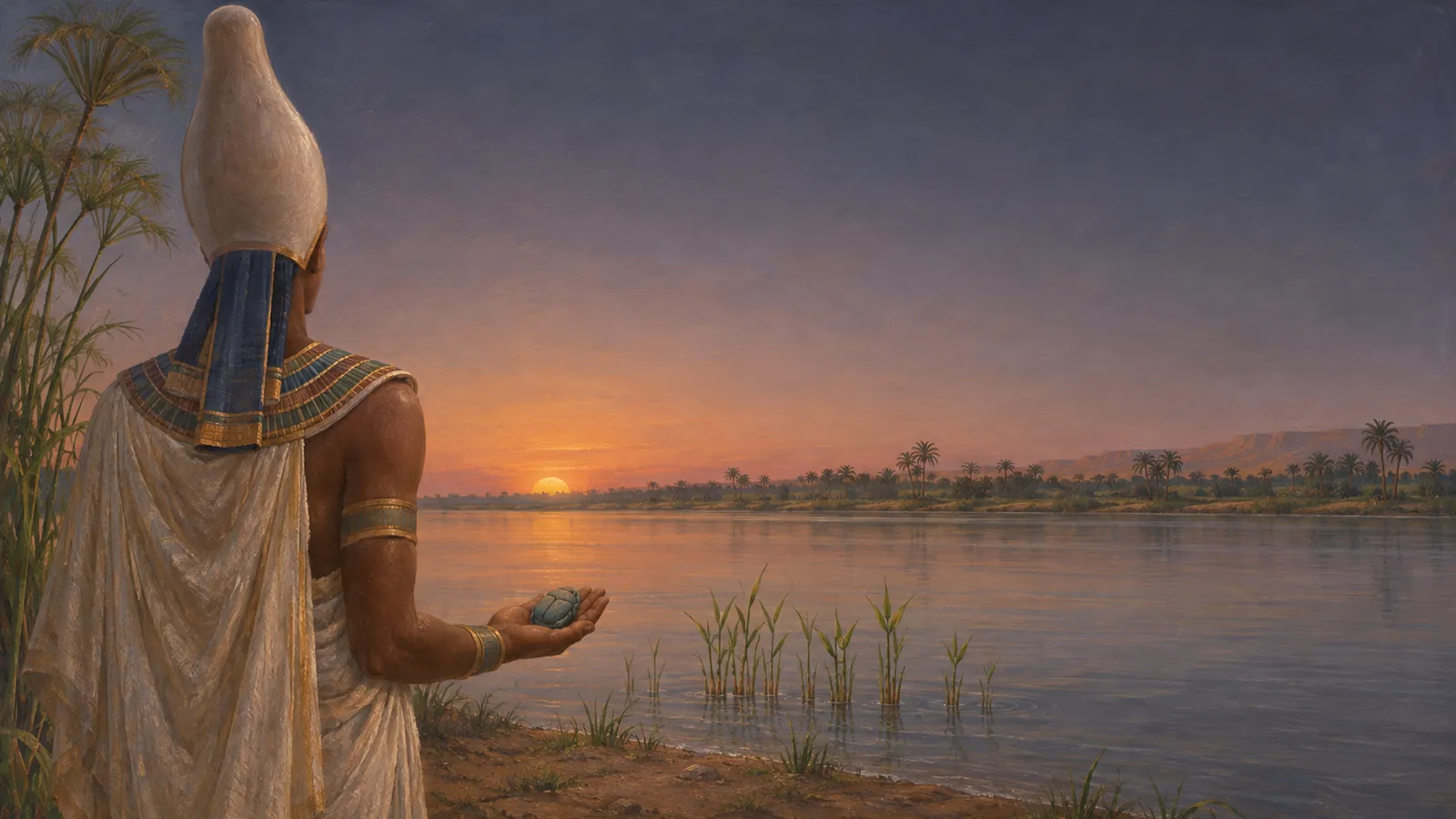
The speaker says he took the form of Khepera’s transformations, which came into being at the beginning of all time. He says he came into being with them.
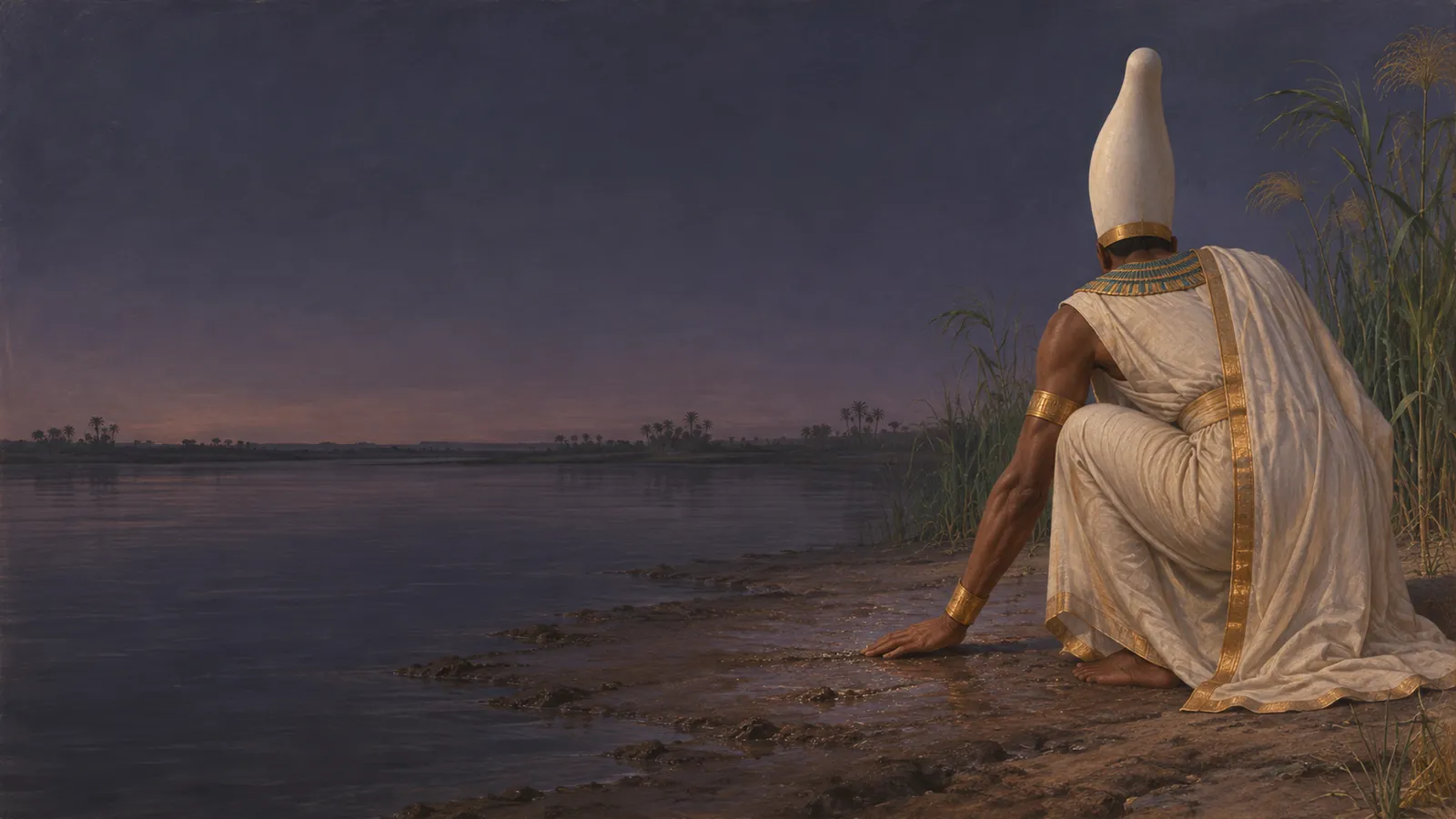
The speaker says that he developed himself from the primeval matter and that he was the one who made it.
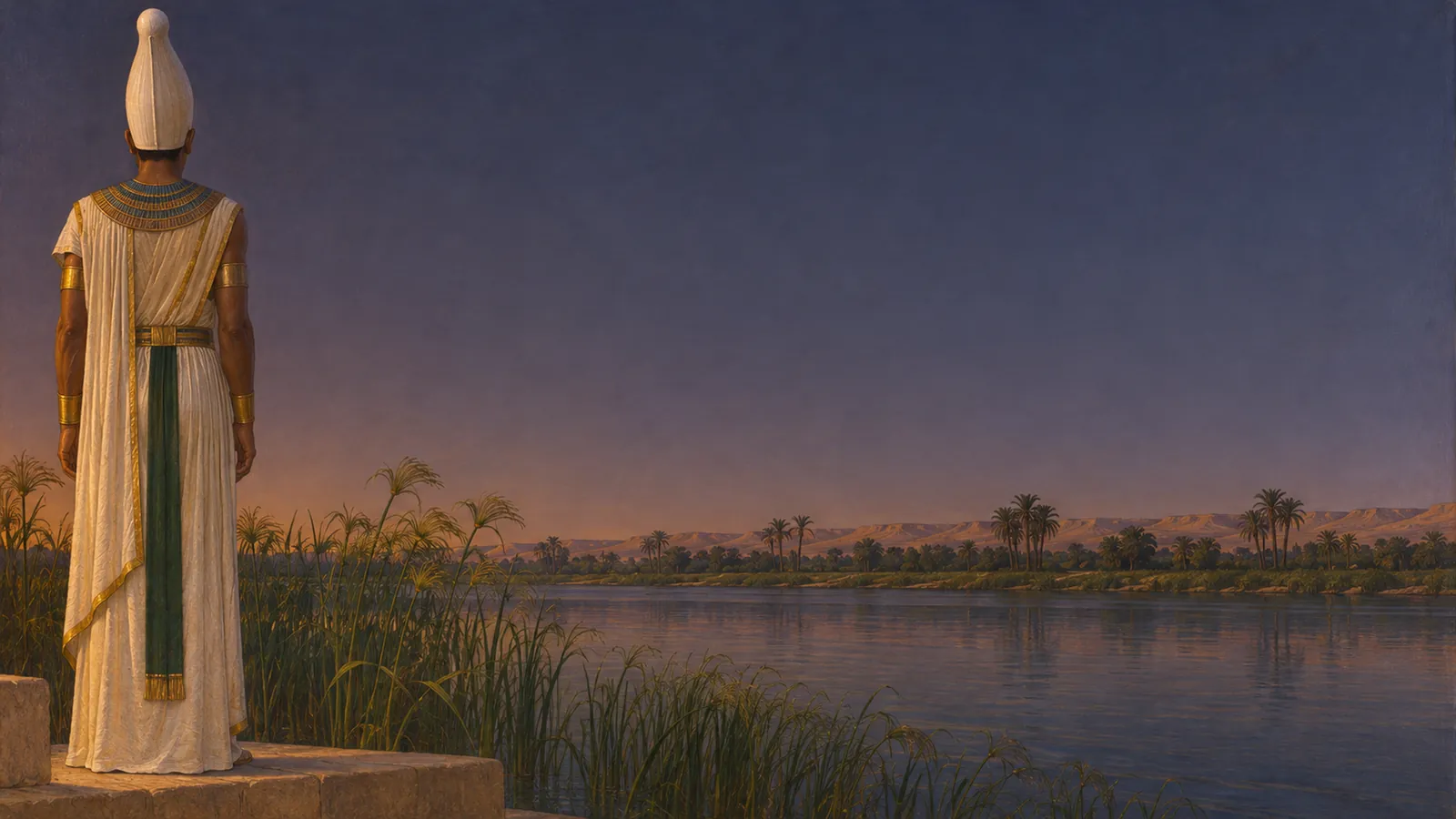
The speaker gives his name as Ausares, which Budge identifies as Osiris. He calls himself the germ of primeval matter.
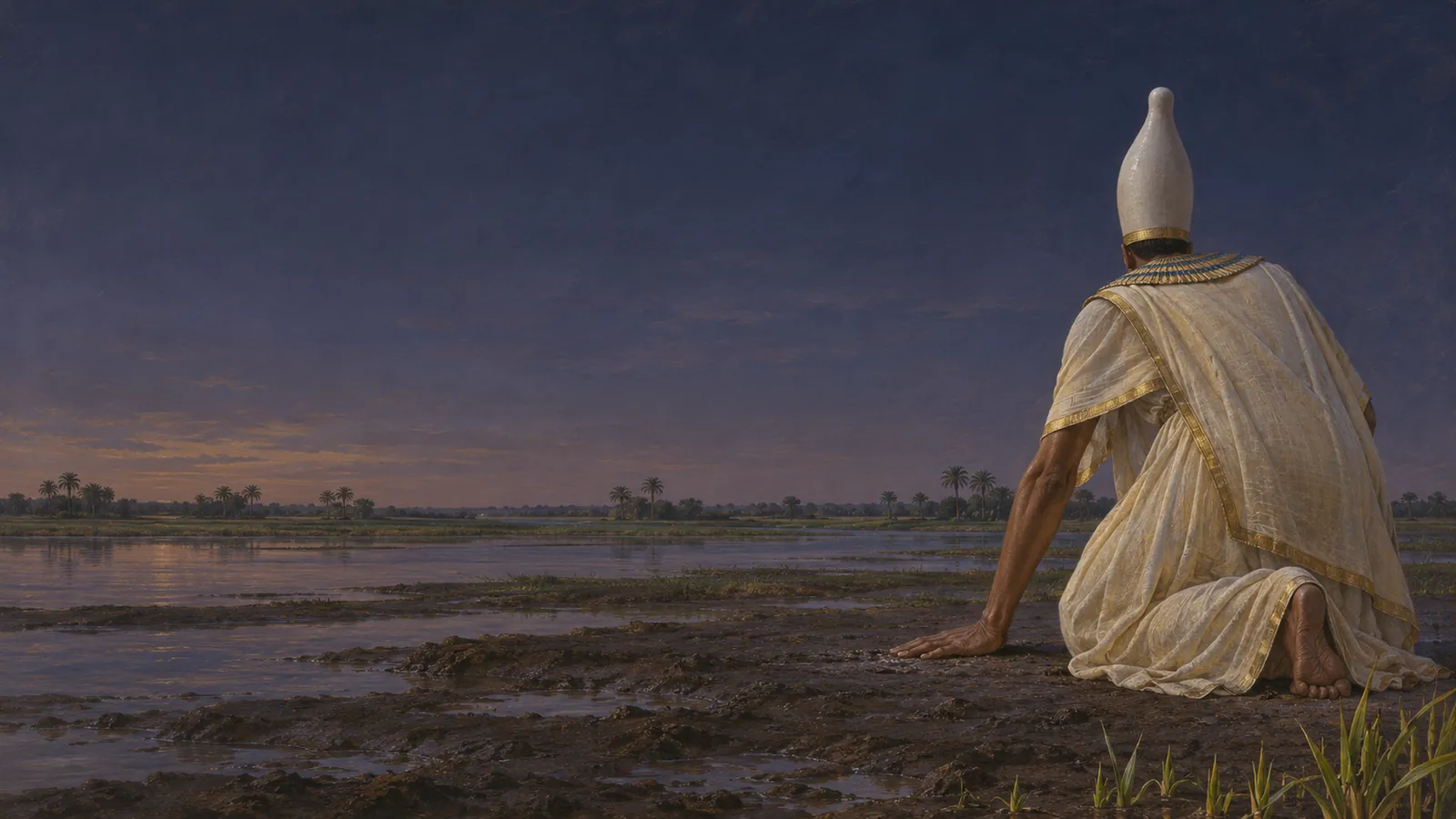
The speaker says he carried out his will on the earth, spread abroad and filled it. He says he strengthened the earth with his hand.
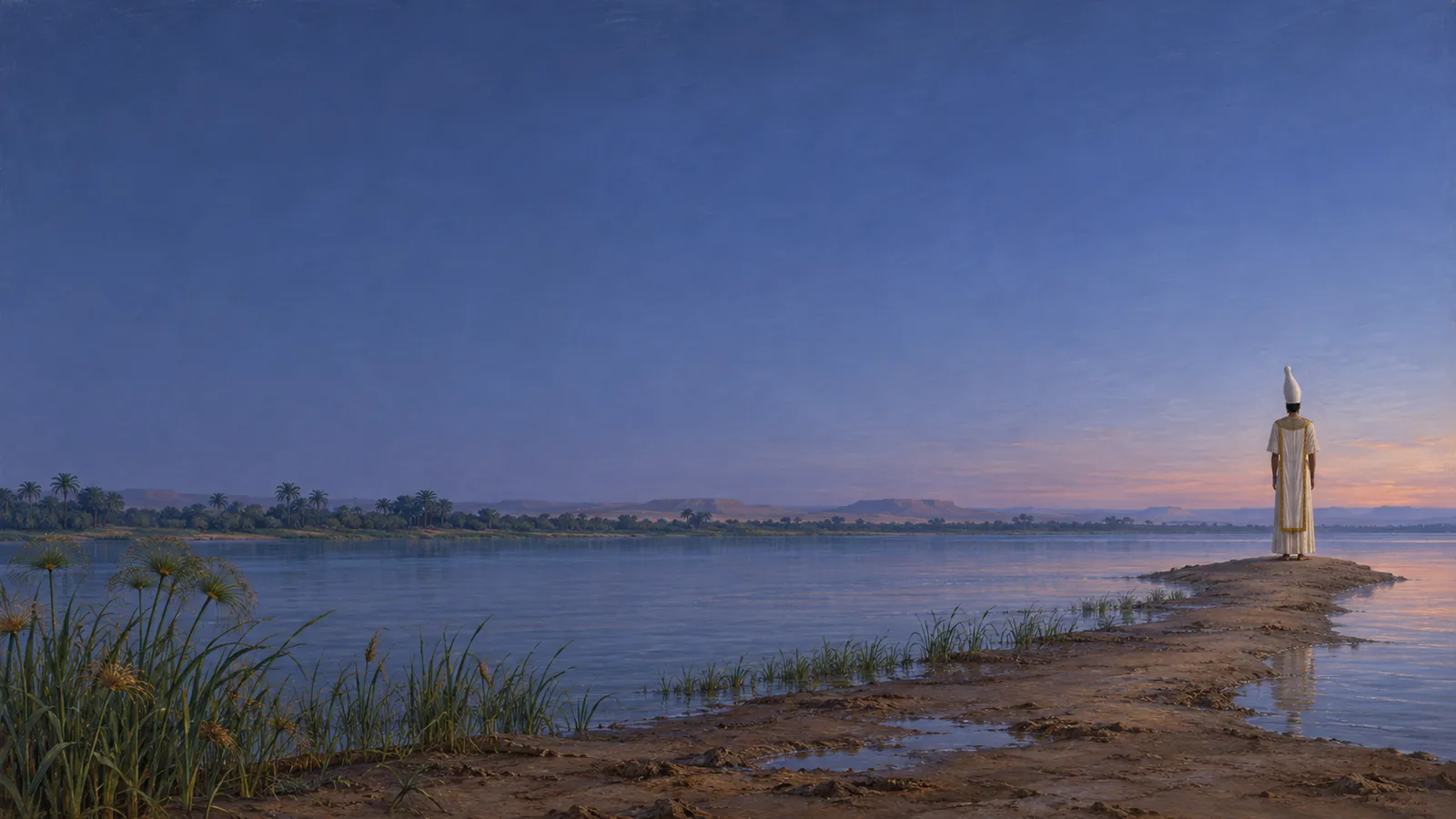
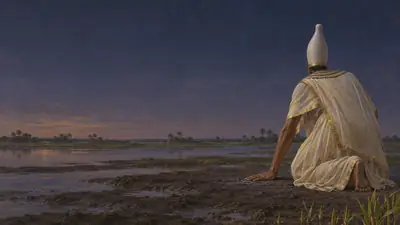
The speaker says he was alone because nothing had yet been brought forth. He had not yet brought Shu or Tefnut forth from himself.
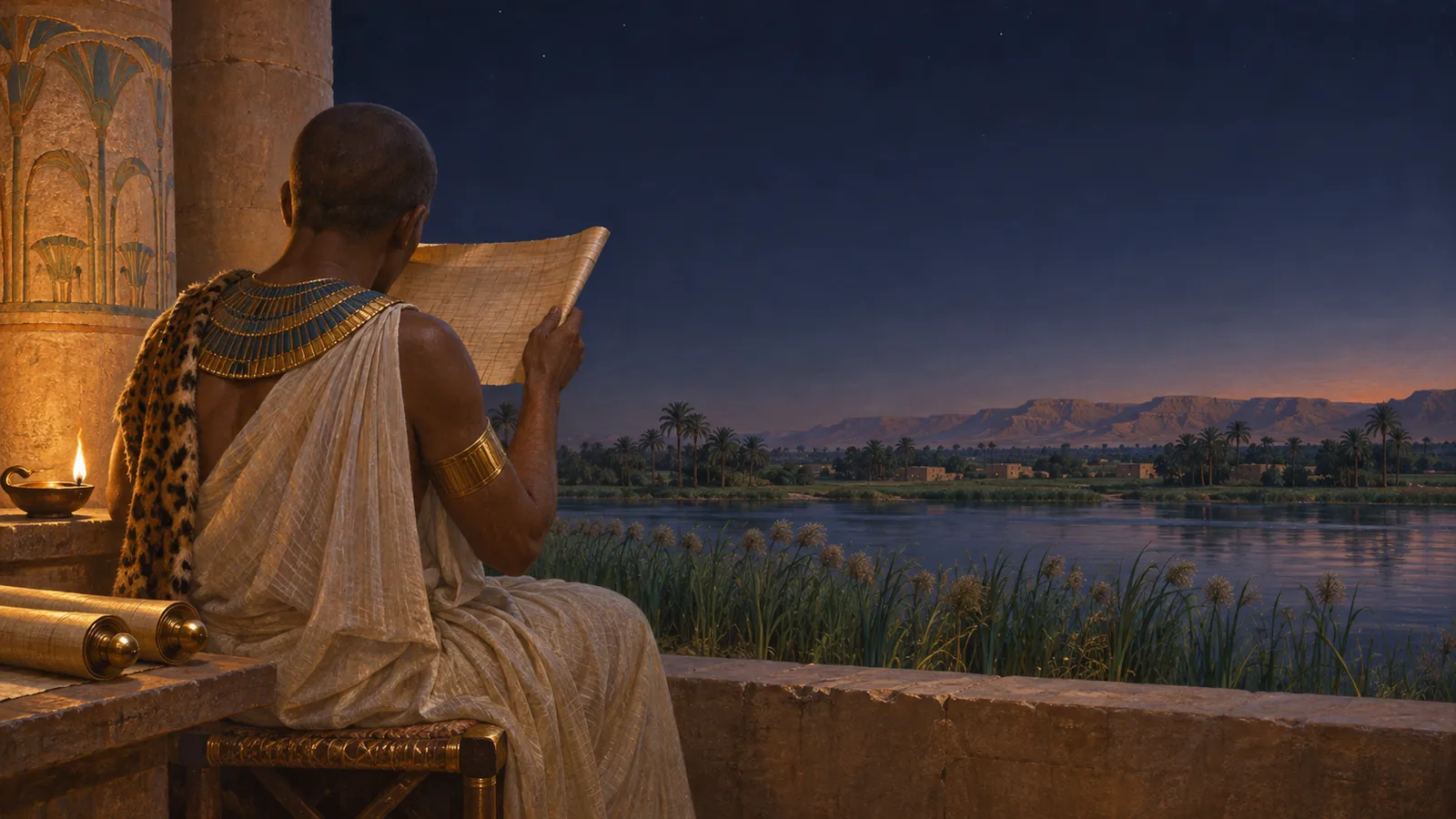
The speaker says he uttered his own name from his mouth as a word of power and at once brought himself into being.
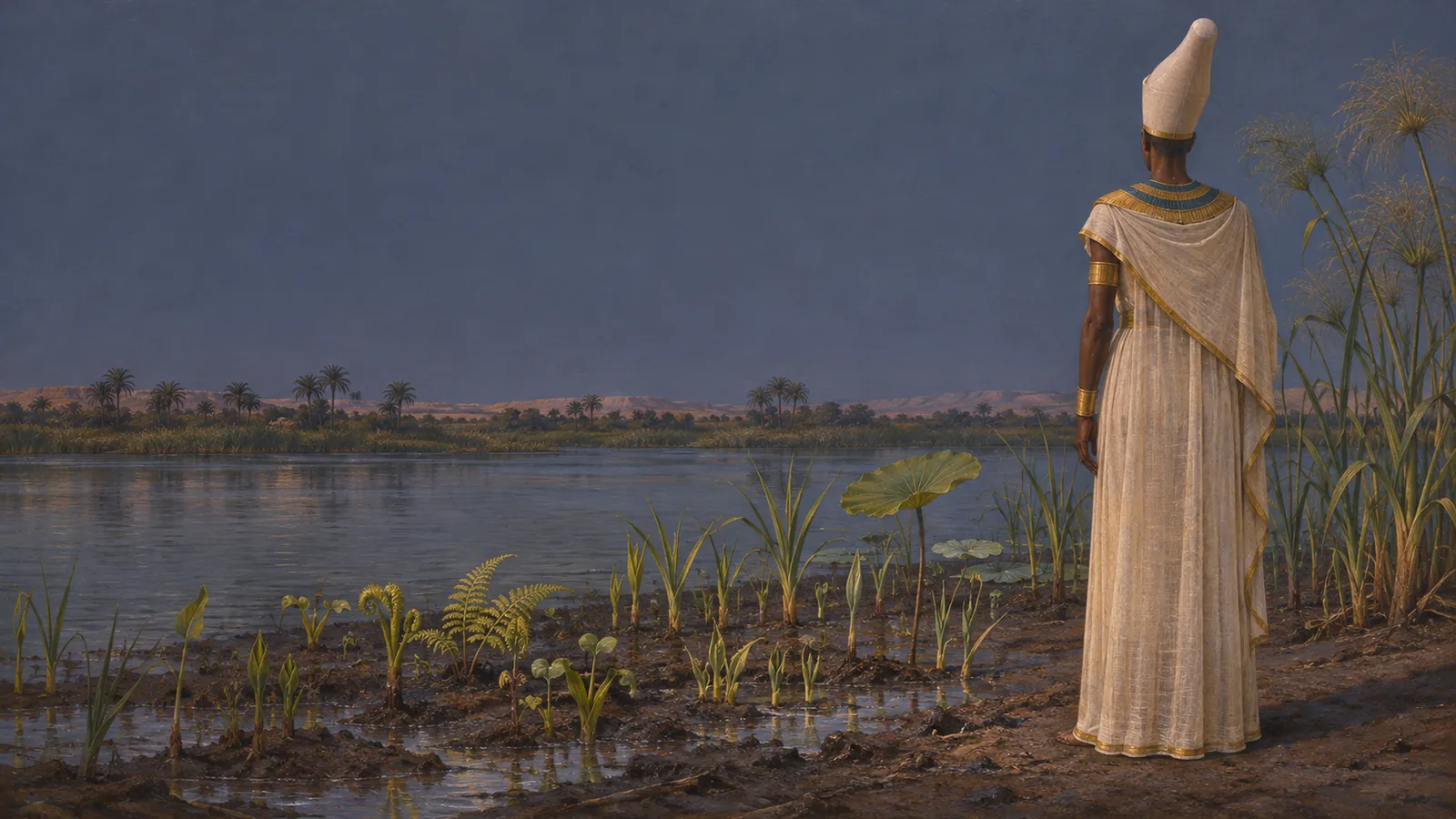
The speaker again says that he came into being in the form of Khepera’s transformations. He developed from primeval matter, which brought forth many forms from the beginning of time.
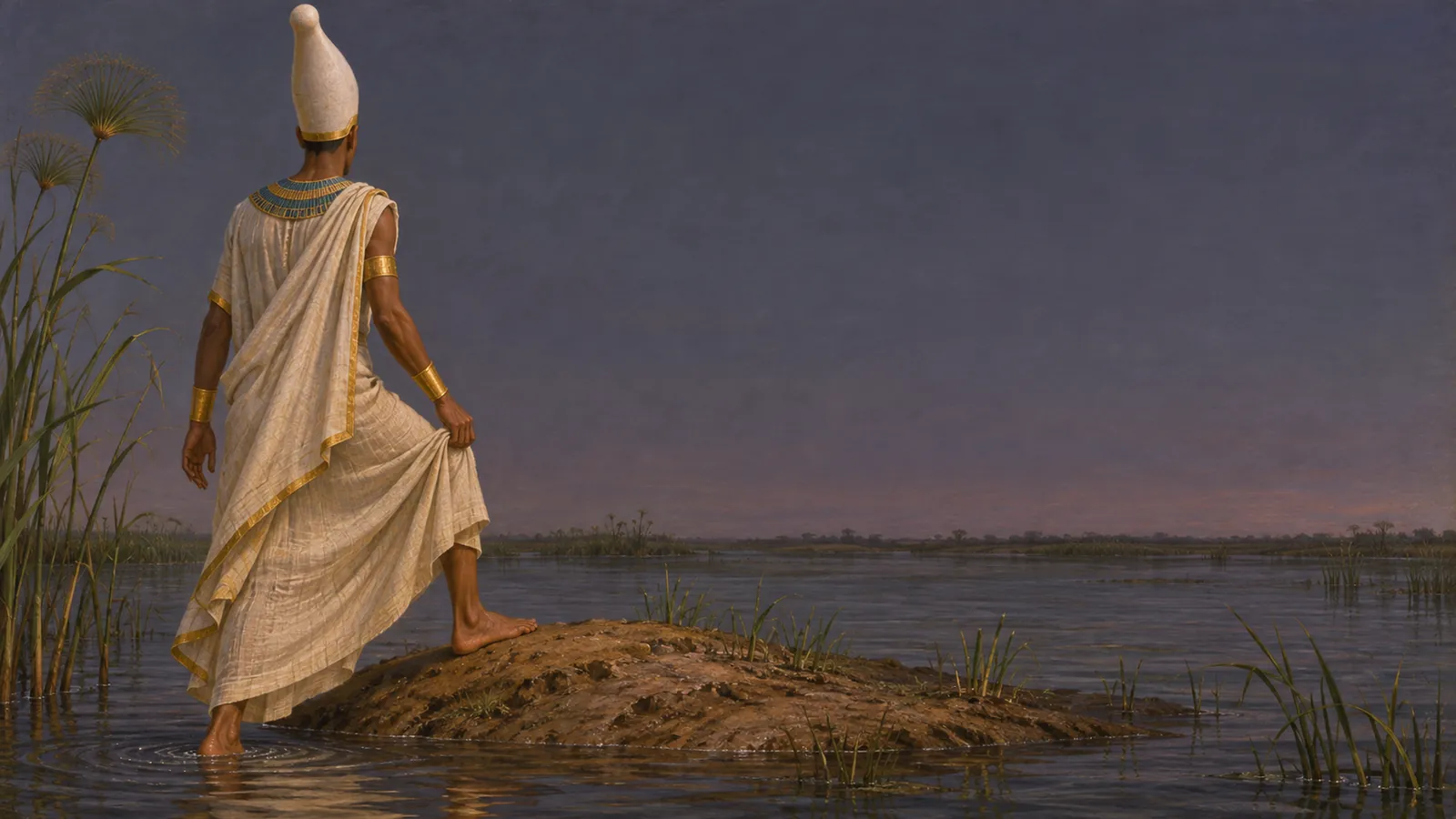
The speaker says nothing existed on earth. He says he made all things and no one else worked with him at that time.
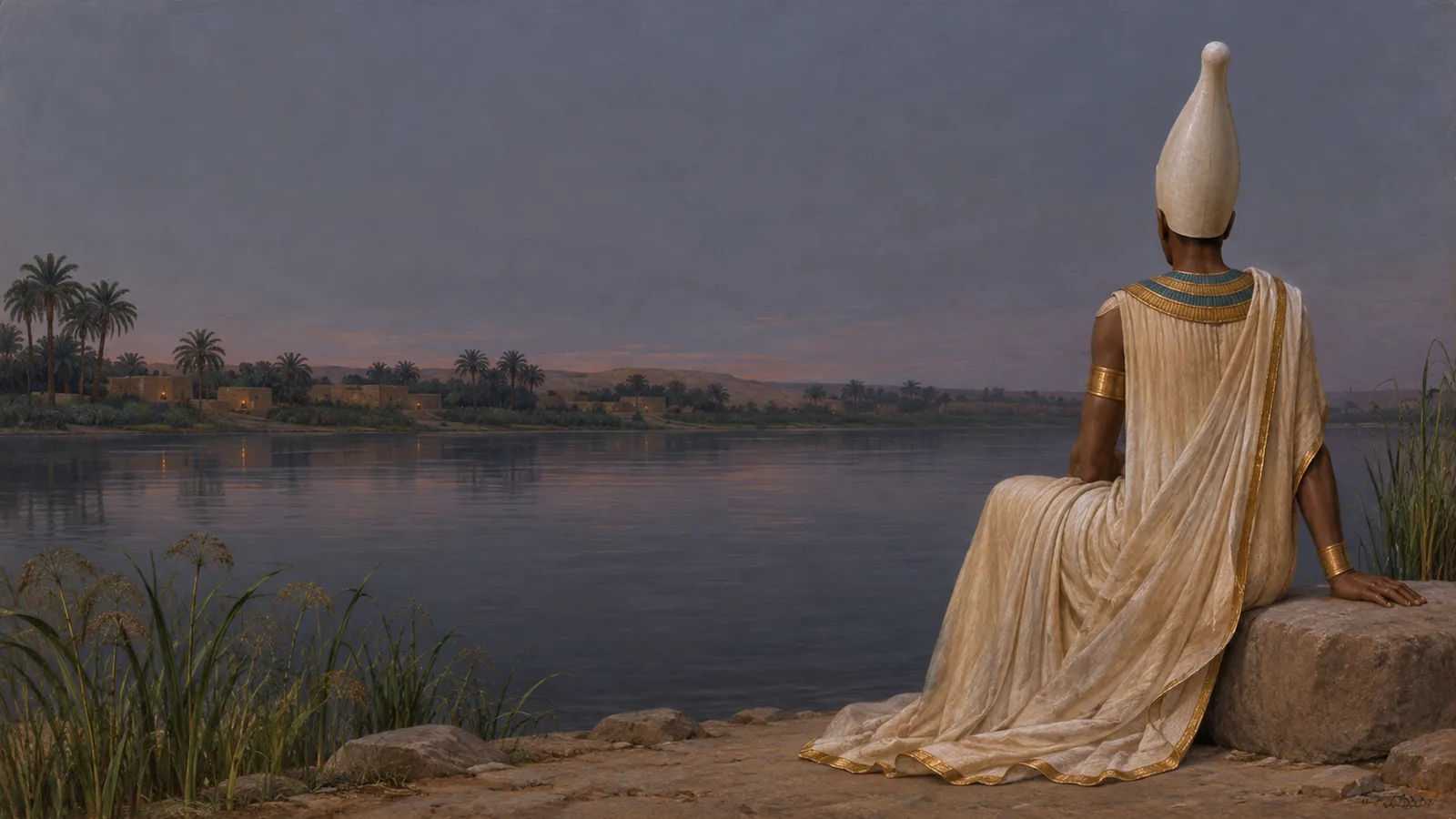
The speaker says he made all becomings through the divine Soul he fashioned. He says it had remained inactive in the watery abyss.
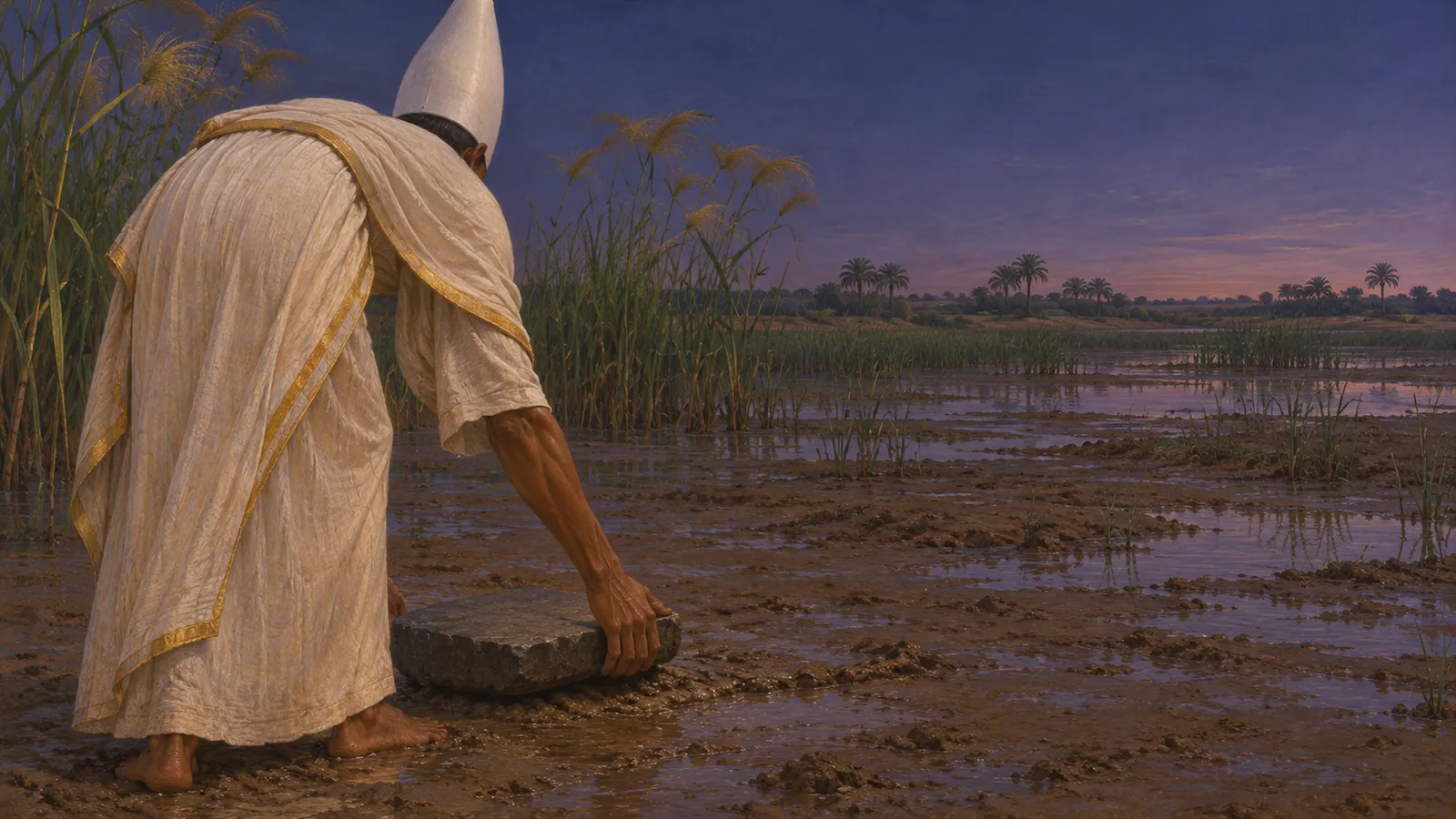
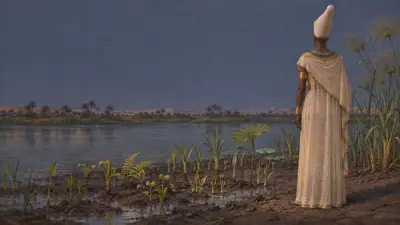
The speaker says he found no place to stand. Strong in his heart, he made a foundation for himself and says he made all that was made.
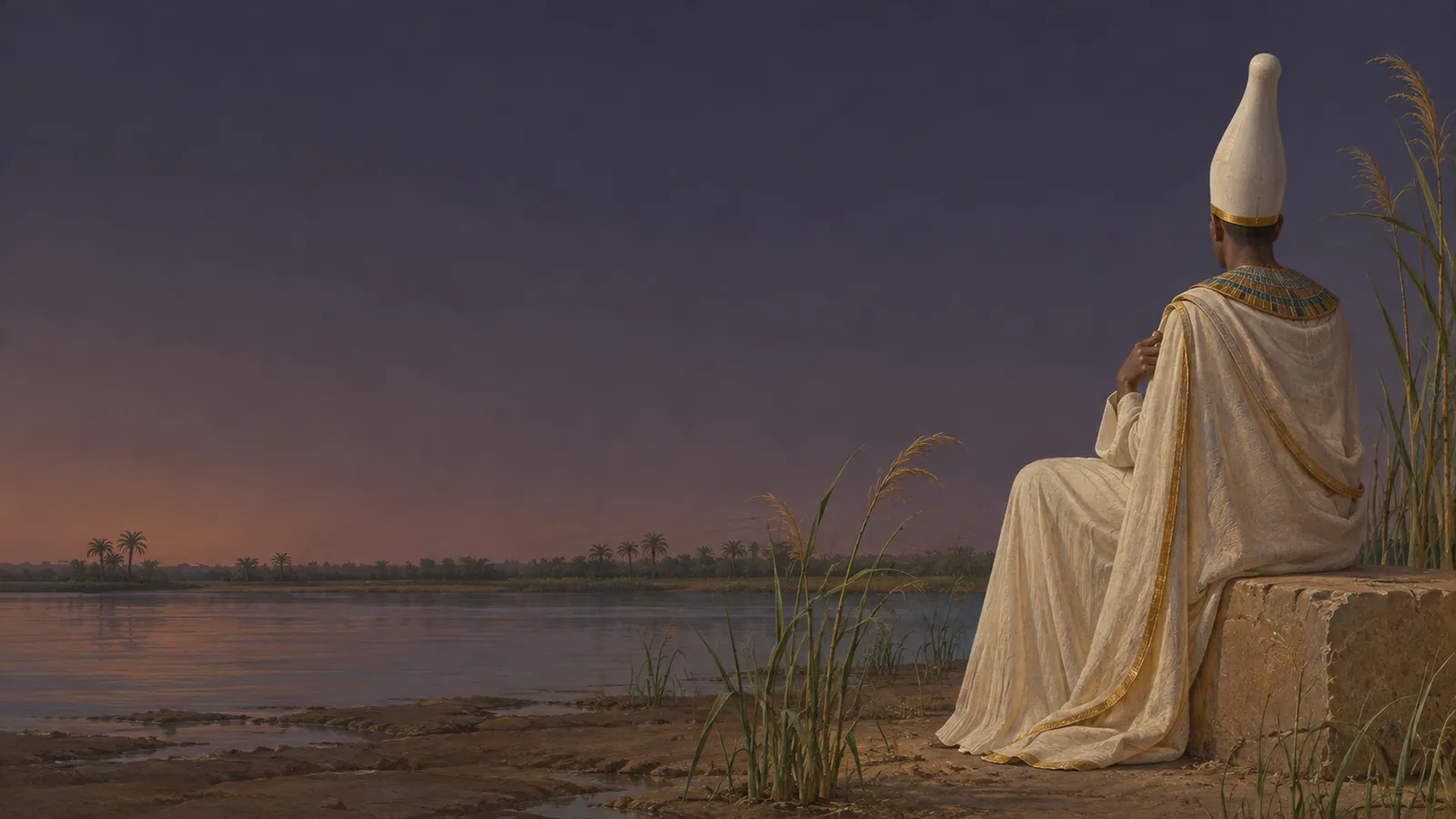
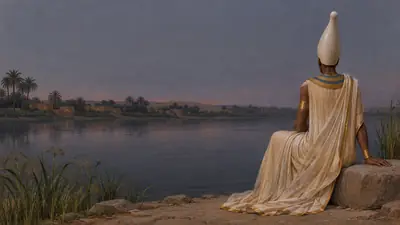
The speaker says he was alone and made a foundation for his heart. Budge gives will as an alternative. The speaker then says he created a multitude of things.
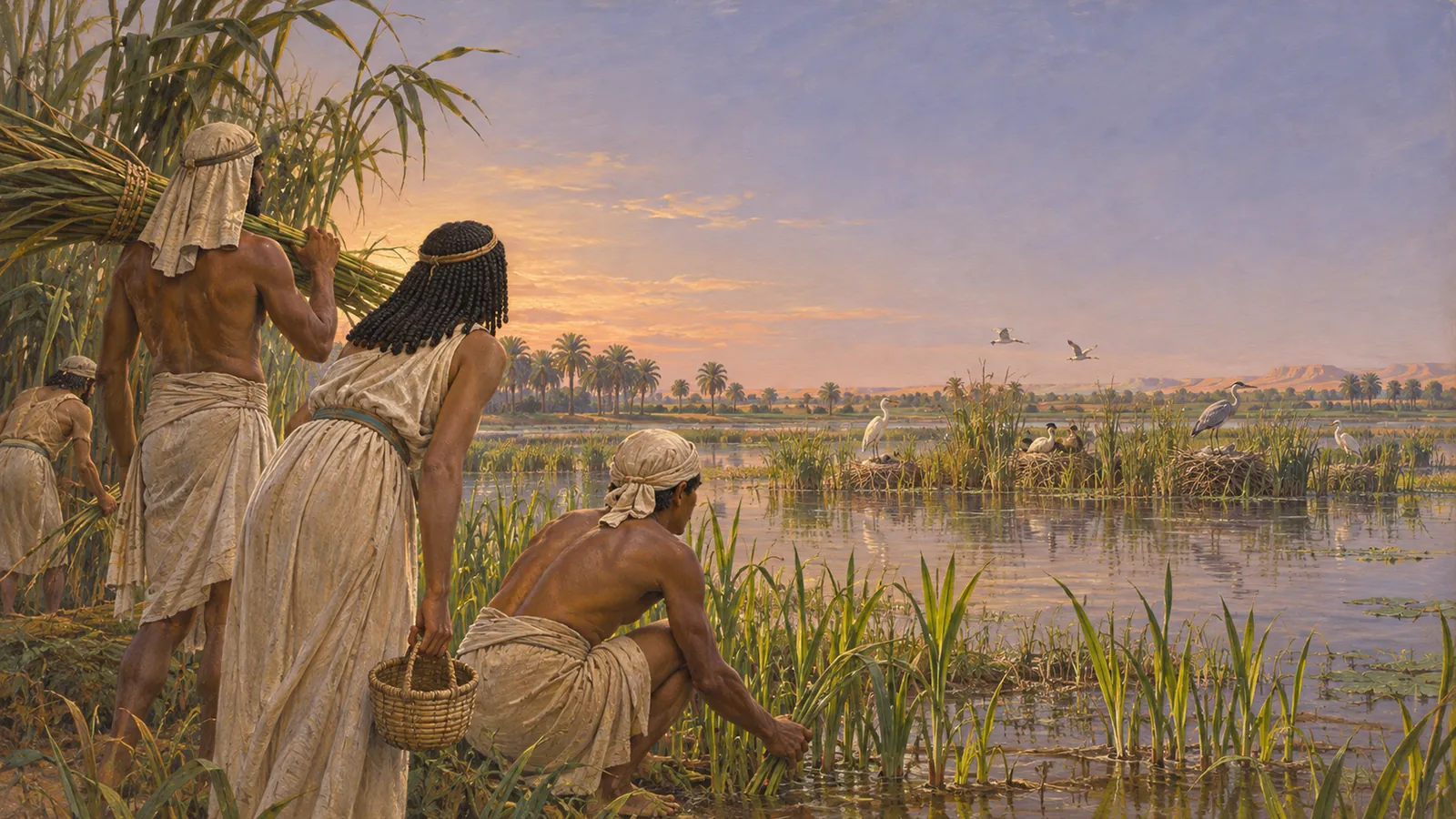
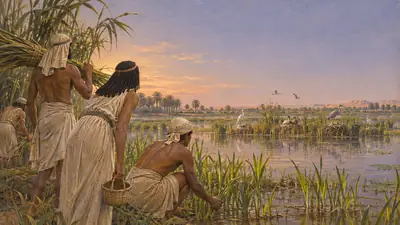
The speaker says the things he created developed by themselves like the becomings of Khepera. He says their offspring came into being through their births.
ONE INTO THREE
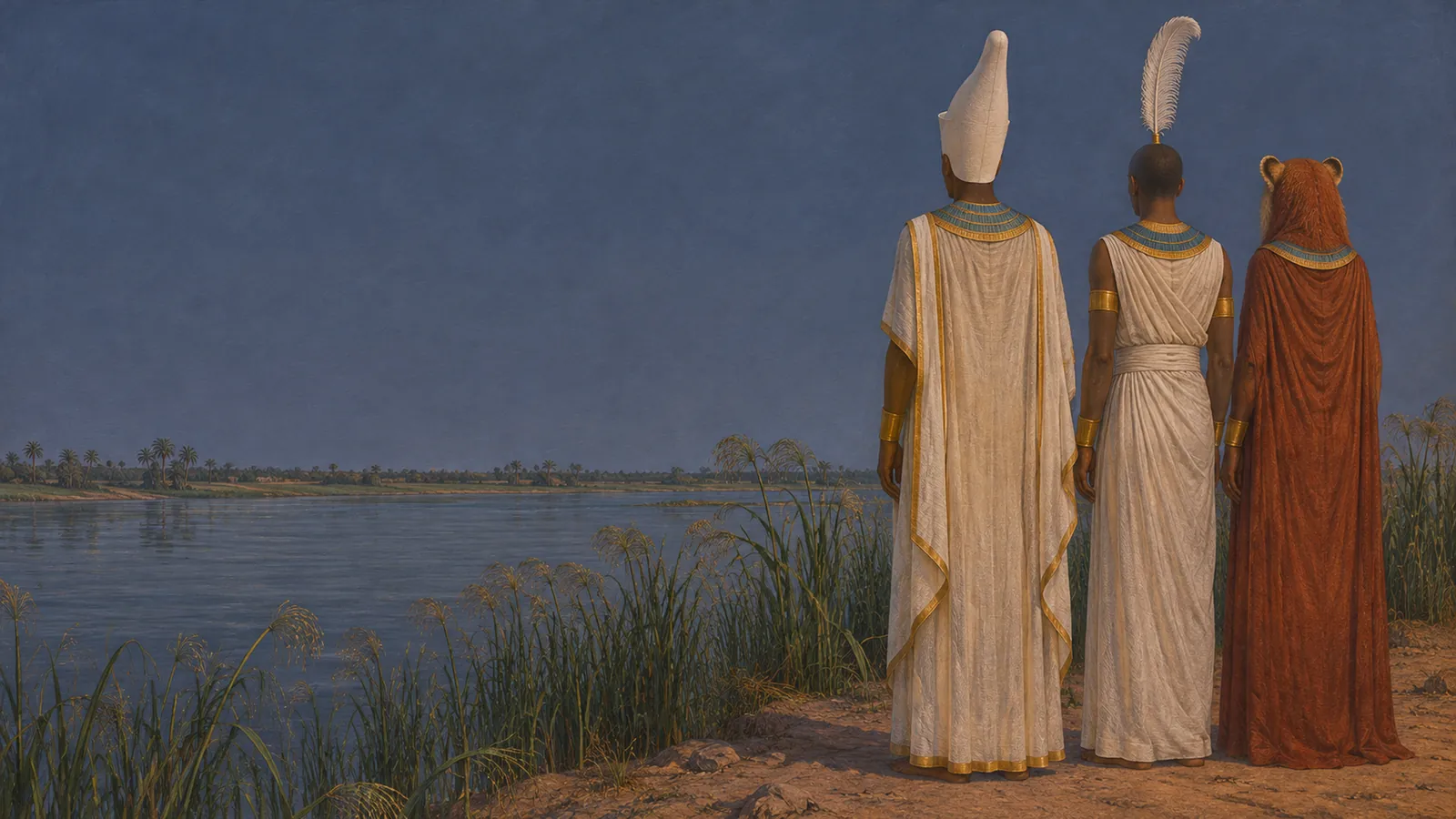
The speaker says he brought forth Shu and Tefnut from himself and that from One he became Three. They sprang from him and came into existence on earth.
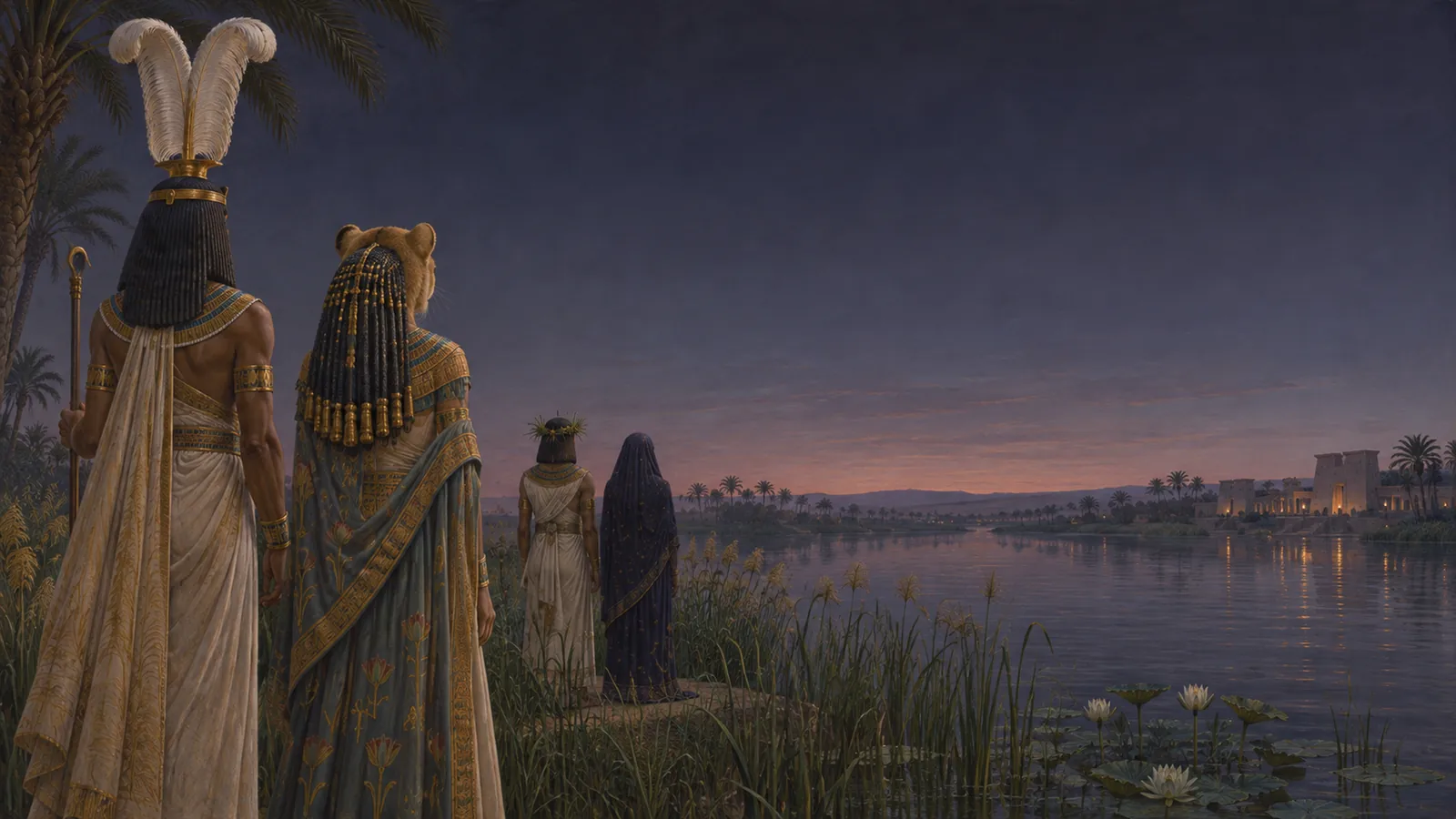
The printed quotation has an ellipsis here. It then says that Shu and Tefnut brought forth Seb and Nut.
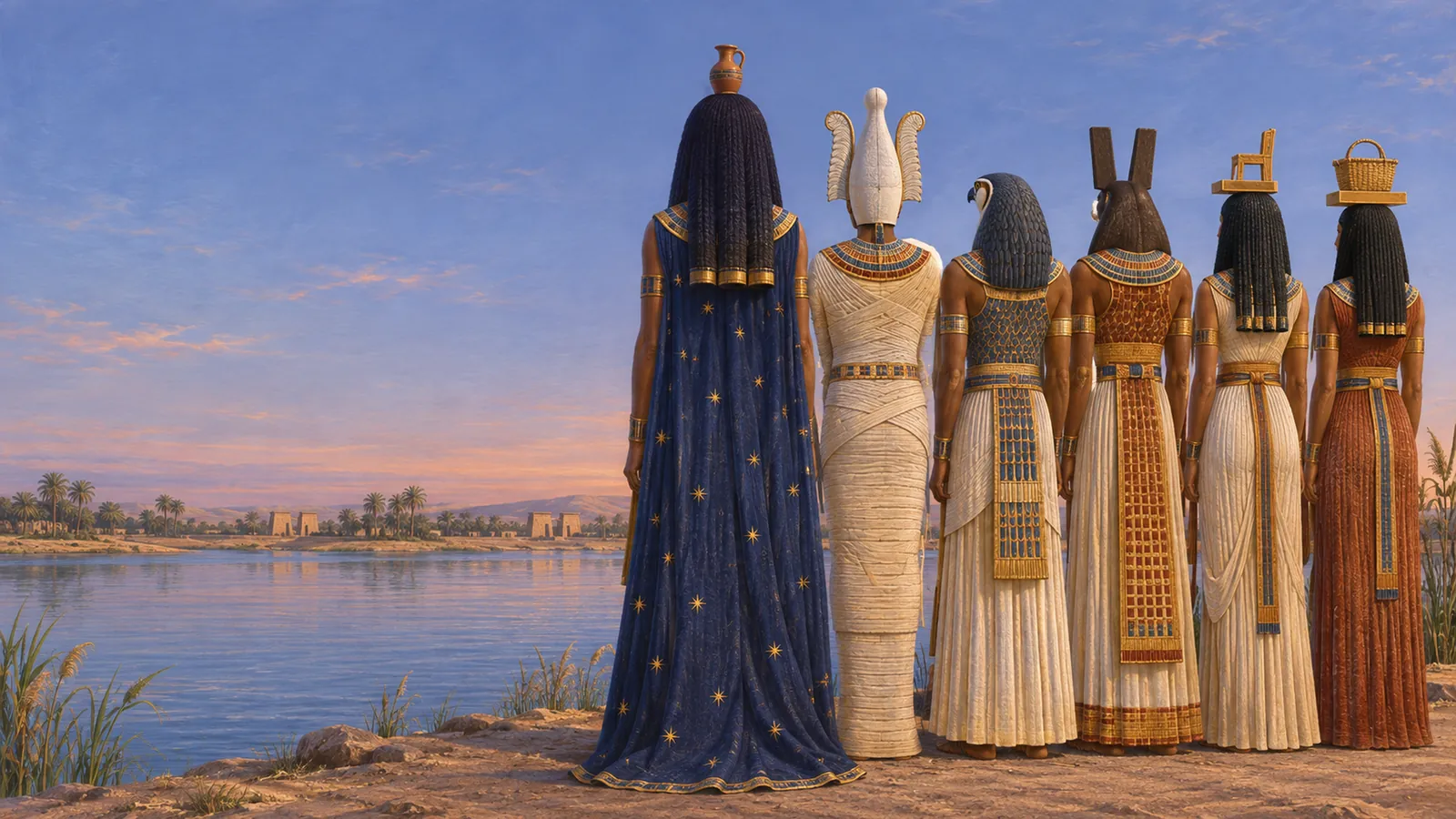
The recitation ends by saying that Nut brought forth Osiris, Horus-khent-an-maa, Sut, Isis, and Nephthya at one birth.
End of chapter 1
All pages





Sources
A. Wallis Budge assigns to section III of the Papyrus of Nesi Amsu in Egyptian Ideas of the Future Life, third edition, 1908. The quoted text begins and ends at transcription lines 749–779. Budge’s introduction identifies the speaker and the papyrus.
Editions consulted
- Egyptian Ideas of the Future Life, publication record
- Budge’s creation quotation, Chapter I
- Budge’s note 20 identifying British Museum No. 10188
- Budge’s note 21 on the papyrus
Notes on this retelling
The speaker’s opening uses Budge’s repeated language of evolving and evolutions. The next clauses say that he assumes the form of Khepera’s transformations, which came into being at the beginning of time, and that he comes into being with them. The paraphrase keeps the opening statement about becoming and both roles of the transformations.
The speaker says twice that he developed from primeval matter, which he says he himself made. He names himself Ausares and calls himself the germ of primeval matter. Budge prints “Osiris” in parentheses after Ausares.
The speaker says he carried out his will in the earth, spread abroad, filled the earth and strengthened it with his hand. Budge brackets “with,” which connects the action to the hand.
The speaker says that he was alone because nothing had yet been brought forth, and that Shu and Tefnut had yet to come from him.
The speaker utters his own name from his own mouth as a word of power. He says he comes into being immediately.
The quotation again names the form of Khepera’s evolutions. It now describes the primeval matter as that which brought forth many forms from the beginning of time.
The speaker says that nothing existed on earth, that he made all things and that no other worked with him. He credits his making of all “evolutions” to the divine Soul he fashioned. This Soul had remained inactive in the watery abyss.
Finding no place to stand, the speaker says he is strong in his heart and makes a foundation for himself. He again claims to have made everything that was made. He then says he was alone and makes a foundation for his heart, where Budge gives “(or will)” as an alternative. The first mention of heart on line 768 has no alternative. The speaker then creates a multitude of things.
The things created develop themselves in the manner of the “evolutions” of Khepera and their offspring come into being through their births. The speaker brings forth Shu and Tefnut from himself, says that from One he became Three, and says that both sprang from him and came into existence on earth.
It resumes with the statement that Shu and Tefnut brought forth Seb and Nut.
Budge prints the names Osiris, Horus-khent-an-maa, Sut, Isis, and Nephthya in that order and says Nut brought them forth at one birth. This is the end of the printed quotation.
Ancient lines behind each page
- Page 1: Budge 1908, Egyptian Ideas of the Future Life, ch. I, Papyrus of Nesi Amsu, creation quotation (local)
- Page 2: Budge 1908, Egyptian Ideas of the Future Life, ch. I, Papyrus of Nesi Amsu, creation quotation (local)
- Page 3: Budge 1908, Egyptian Ideas of the Future Life, ch. I, Papyrus of Nesi Amsu, creation quotation (local)
- Page 4: Budge 1908, Egyptian Ideas of the Future Life, ch. I, Papyrus of Nesi Amsu, creation quotation (local)
- Page 5: Budge 1908, Egyptian Ideas of the Future Life, ch. I, Papyrus of Nesi Amsu, creation quotation (local)
- Page 6: Budge 1908, Egyptian Ideas of the Future Life, ch. I, Papyrus of Nesi Amsu, creation quotation (local)
- Page 7: Budge 1908, Egyptian Ideas of the Future Life, ch. I, Papyrus of Nesi Amsu, creation quotation (local)
- Page 8: Budge 1908, Egyptian Ideas of the Future Life, ch. I, Papyrus of Nesi Amsu, creation quotation (local)
- Page 9: Budge 1908, Egyptian Ideas of the Future Life, ch. I, Papyrus of Nesi Amsu, creation quotation (local)
- Page 10: Budge 1908, Egyptian Ideas of the Future Life, ch. I, Papyrus of Nesi Amsu, creation quotation (local)
- Page 11: Budge 1908, Egyptian Ideas of the Future Life, ch. I, Papyrus of Nesi Amsu, creation quotation (local)
- Page 12: Budge 1908, Egyptian Ideas of the Future Life, ch. I, Papyrus of Nesi Amsu, creation quotation (local)
- Page 13: Budge 1908, Egyptian Ideas of the Future Life, ch. I, Papyrus of Nesi Amsu, creation quotation (local)
- Page 14: Budge 1908, Egyptian Ideas of the Future Life, ch. I, Papyrus of Nesi Amsu, creation quotation (local)
- Page 15: Budge 1908, Egyptian Ideas of the Future Life, ch. I, Papyrus of Nesi Amsu, creation quotation (local)
- Page 16: Budge 1908, Egyptian Ideas of the Future Life, ch. I, Papyrus of Nesi Amsu, creation quotation (local)
Illustrations made with AI tools by IL Archive; the text is based on the ancient sources (see the sources at the end of each chapter).