Zakkur at Hadrach Chapter 1
The Appeal at Hadrach
In an Old Aramaic royal inscription, Zakkur describes appealing for help at Hadrach and receiving a reply through seers and messengers. This reading follows Collin Cornell’s translation of five lines through Baalšamen’s promise of support and rescue.
SourcesTurn the pages with the arrows, the arrow keys or a swipe.
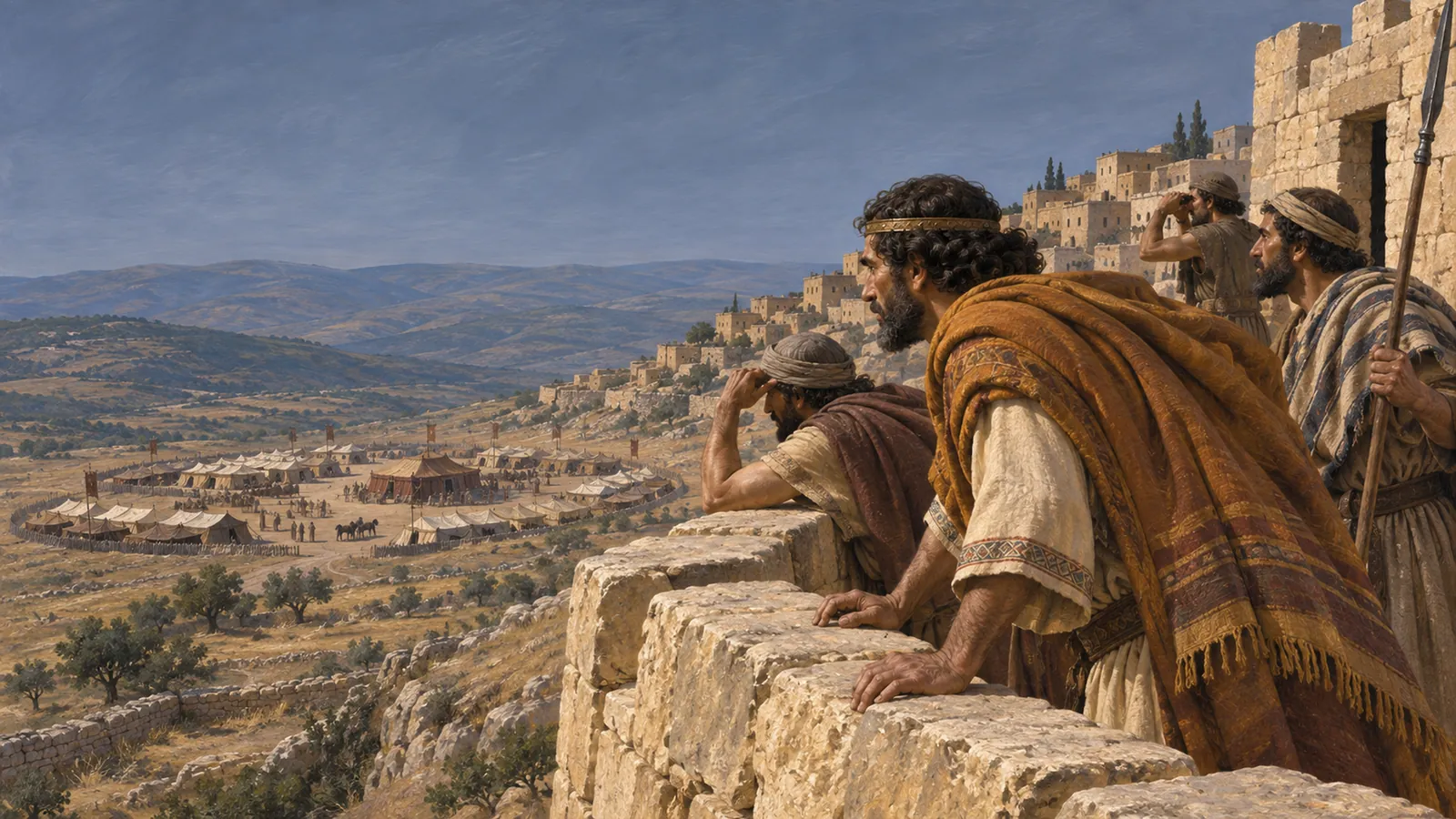
HADRACH
Collin Cornell introduces Zakkur as king of Hamath and Lu’ash. In his account of the Old Aramaic inscription, a group of kings besieges Zakkur at Hadrach.
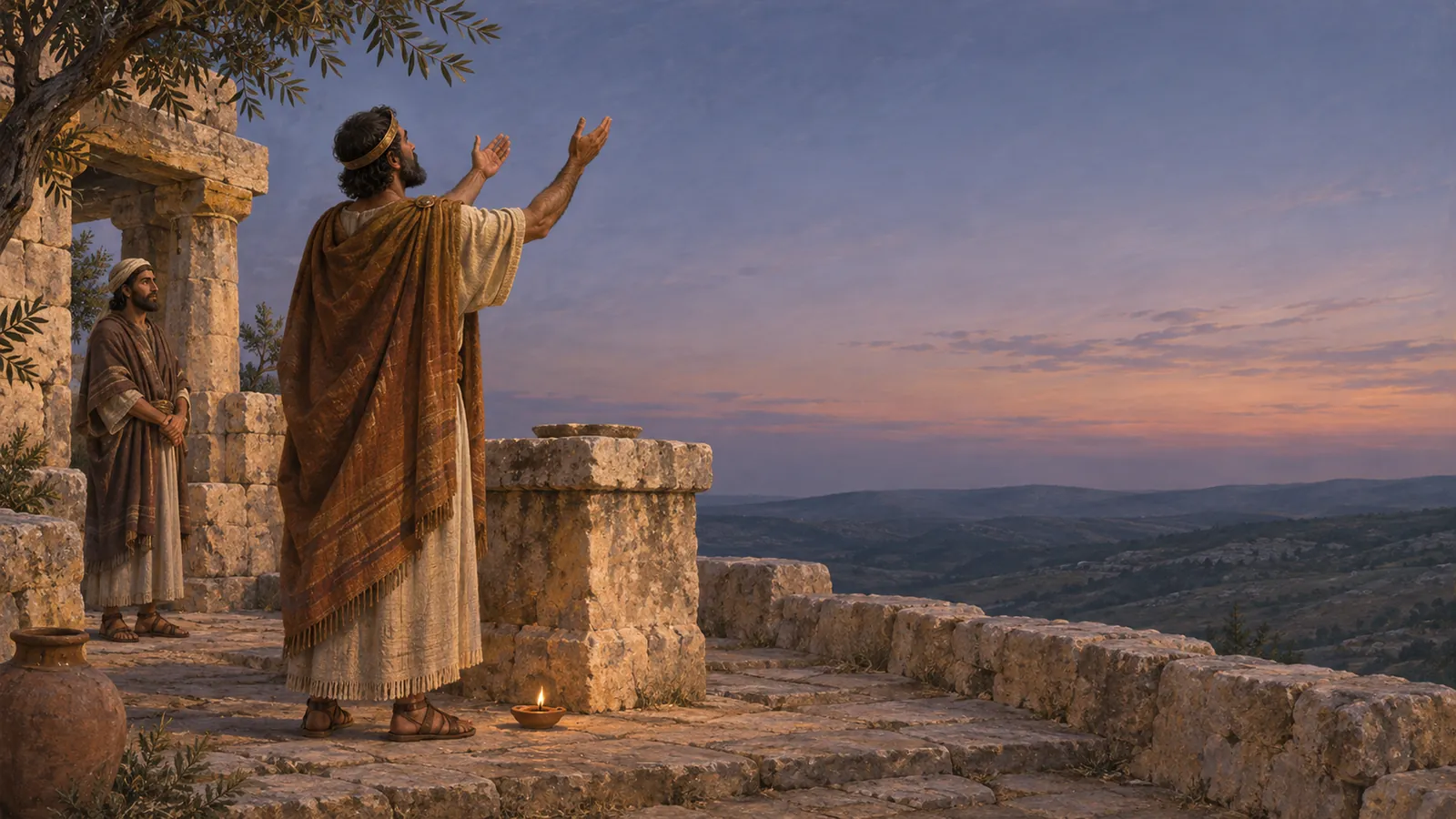
In the opening words of the excerpt, Zakkur says he raised his hands in appeal to Baalšamen.
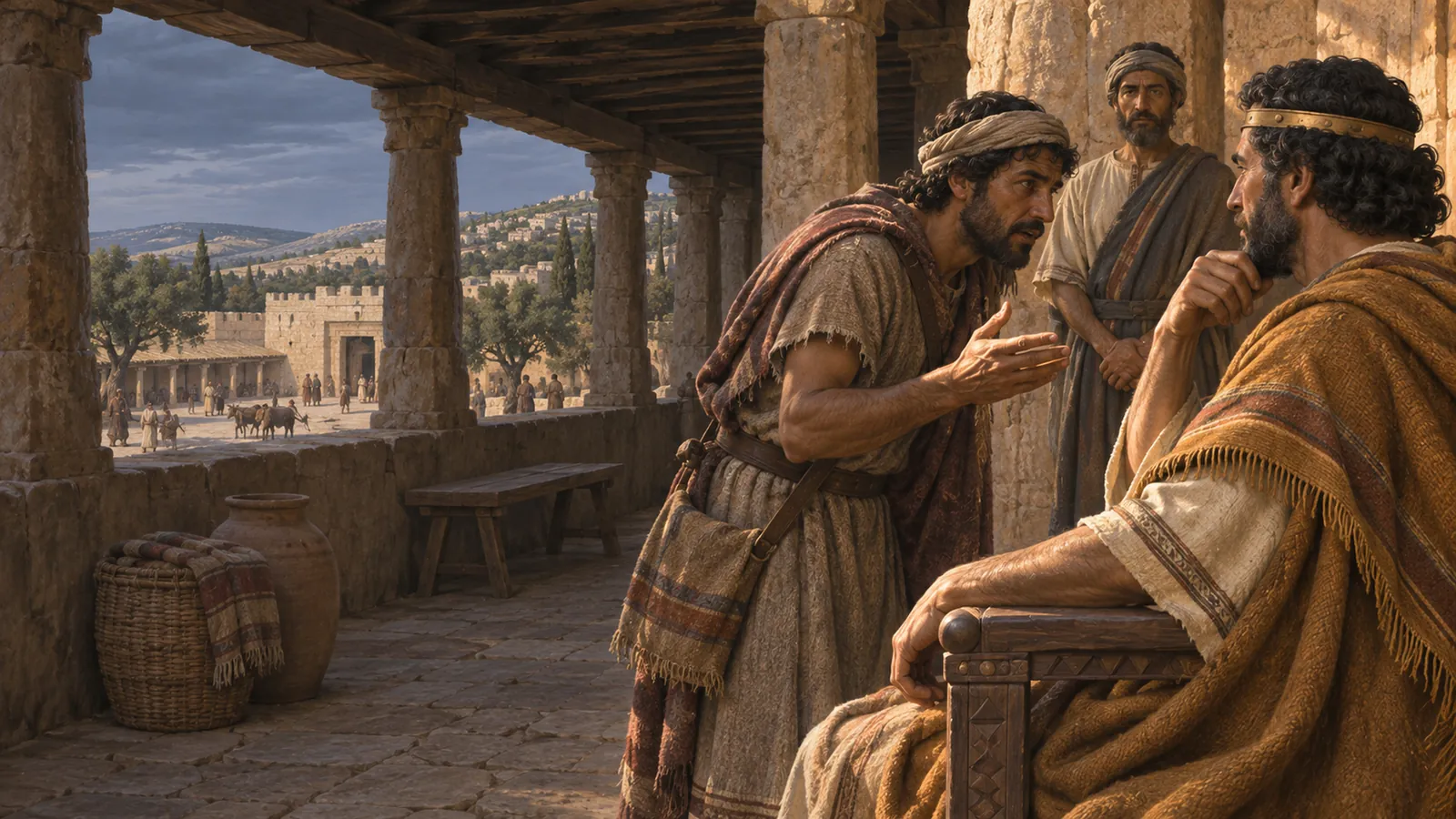
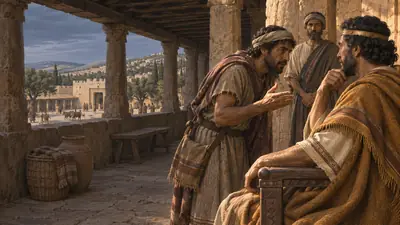
Zakkur says Baalšamen answered his appeal and spoke to him through seers and through messengers.
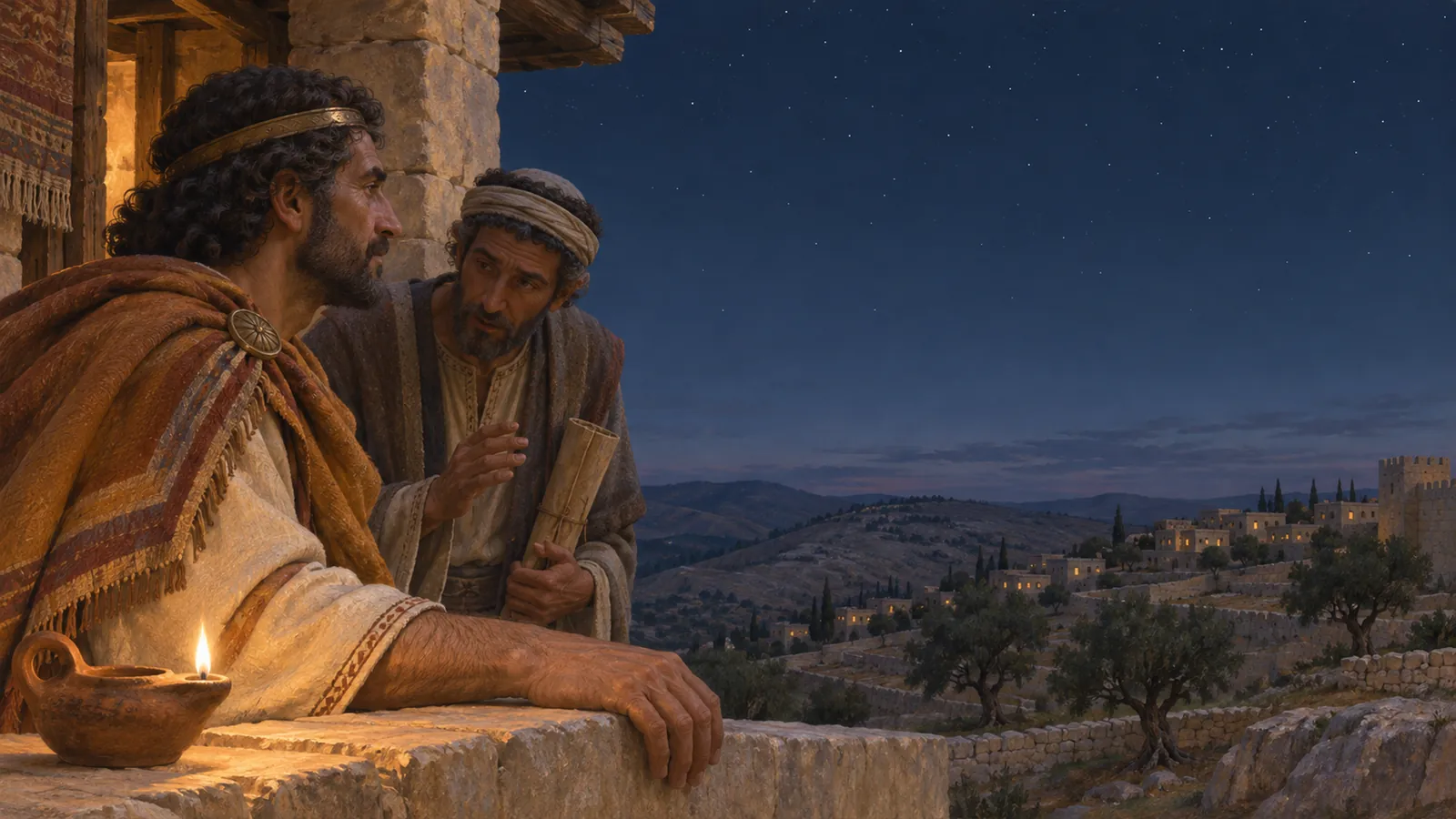
Baalšamen tells Zakkur that he need not be afraid. As the reason, the god says that he made Zakkur king.
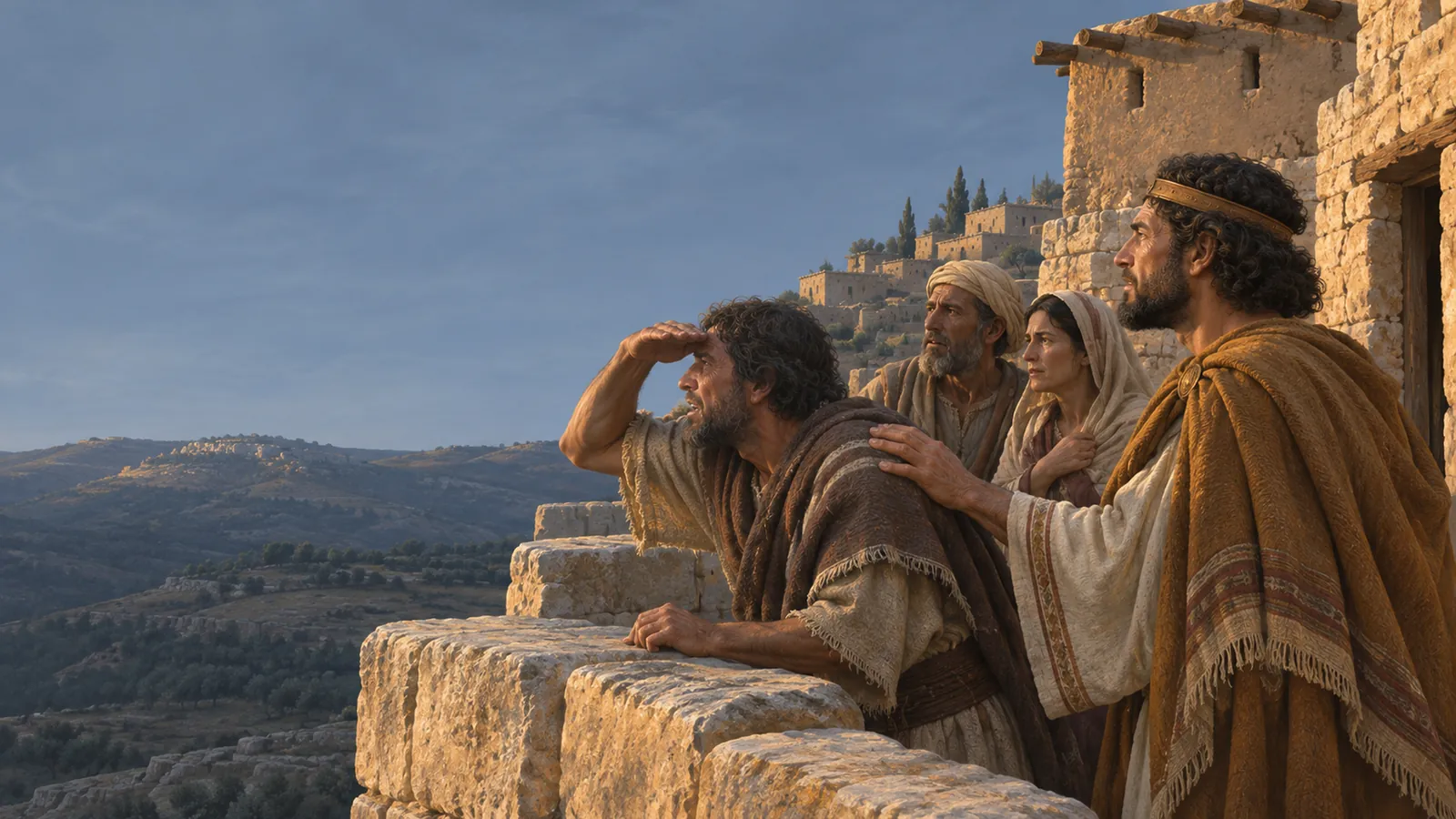
In the next part of the reply, Baalšamen tells Zakkur that he will stand with him.
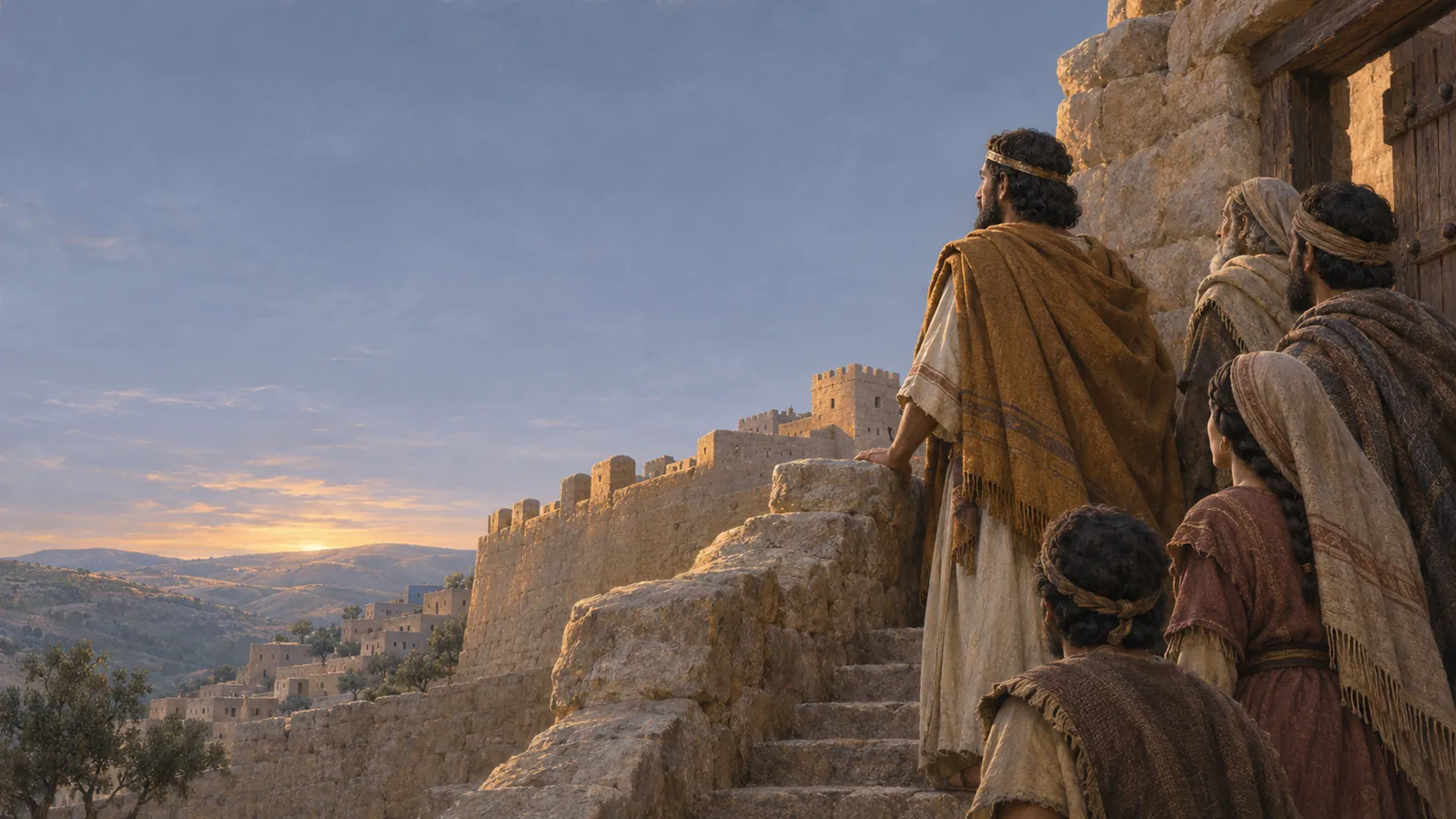
THE PROMISE
Baalšamen promises to save Zakkur from every king who has besieged him. The selected lines end with that promise.
End of chapter 1
All pages



Sources
13. Its opening gives the king and siege context from Cornell’s prose. The inscription presents the appeal and the answer as the king’s report. The reading stops with the promise of rescue at the end of the selected lines.
Editions consulted
- Collin Cornell, The Value of Egyptian Aramaic for Biblical Studies, Journal of Biblical and Theological Studies 7.1 (2022)
- Cornell, printed p. 13, the excerpt of Zakkur lines 11–15
- Cornell, p. 14, adjoining interpretation
Notes on this retelling
Page 1, Cornell’s opening context. Before quoting the passage, Cornell identifies Zakkur as king of Hamath and Lu’ash and describes a coalition of kings besieging him at Hadrach. Cornell places the dedication to Iluwer at apparently Aphis elsewhere in his discussion.
Page 2, lines 11–15, appeal. The first clause of the quoted passage has Zakkur recount raising his hands to Baalšamen.
Page 3, lines 11–15, answer. Zakkur says the god answered and spoke by means of seers and messengers. The passage gives neither individuals’ names nor the setting of their messages.
Page 4, lines 11–15, reassurance. In Zakkur’s report, the god tells him to set aside fear and cites having made him king as the reason.
Page 5, lines 11–15, support. The next clause promises that the god will stand with him. It belongs to the reported reply.
Page 6, lines 11–15, rescue promised. The final clause promises to save Zakkur from all the kings who besieged him. The selected text ends on the promise.
Ancient lines behind each page
- Page 1: Cornell, JBTS 7.1 (2022), p. 13, Zakkur Inscription, opening context, immediately before lines 11–15
- Page 2: Cornell, JBTS 7.1 (2022), p. 13, Zakkur Inscription, lines 11–15, opening clause
- Page 3: Cornell, JBTS 7.1 (2022), p. 13, Zakkur Inscription, lines 11–15, mediation of the reply
- Page 4: Cornell, JBTS 7.1 (2022), p. 13, Zakkur Inscription, lines 11–15, opening of the reported reply
- Page 5: Cornell, JBTS 7.1 (2022), p. 13, Zakkur Inscription, lines 11–15, pledge of support
- Page 6: Cornell, JBTS 7.1 (2022), p. 13, Zakkur Inscription, lines 11–15, end of the reported reply
Illustrations made with AI tools by IL Archive; the text is based on the ancient sources (see the sources at the end of each chapter).