Atrahasis Chapitre 1
Le poids de la terre
Les dieux qui ont creusé les cours d’eau réclament un répit, et Mami prépare l’argile d’où naîtront les humains. Quand leurs voix emplissent le pays, Atrahasis demande l’aide d’Enki contre la maladie et la sécheresse.
Voir le filmSourcesTournez les pages avec les flèches, le clavier ou en balayant l’écran.
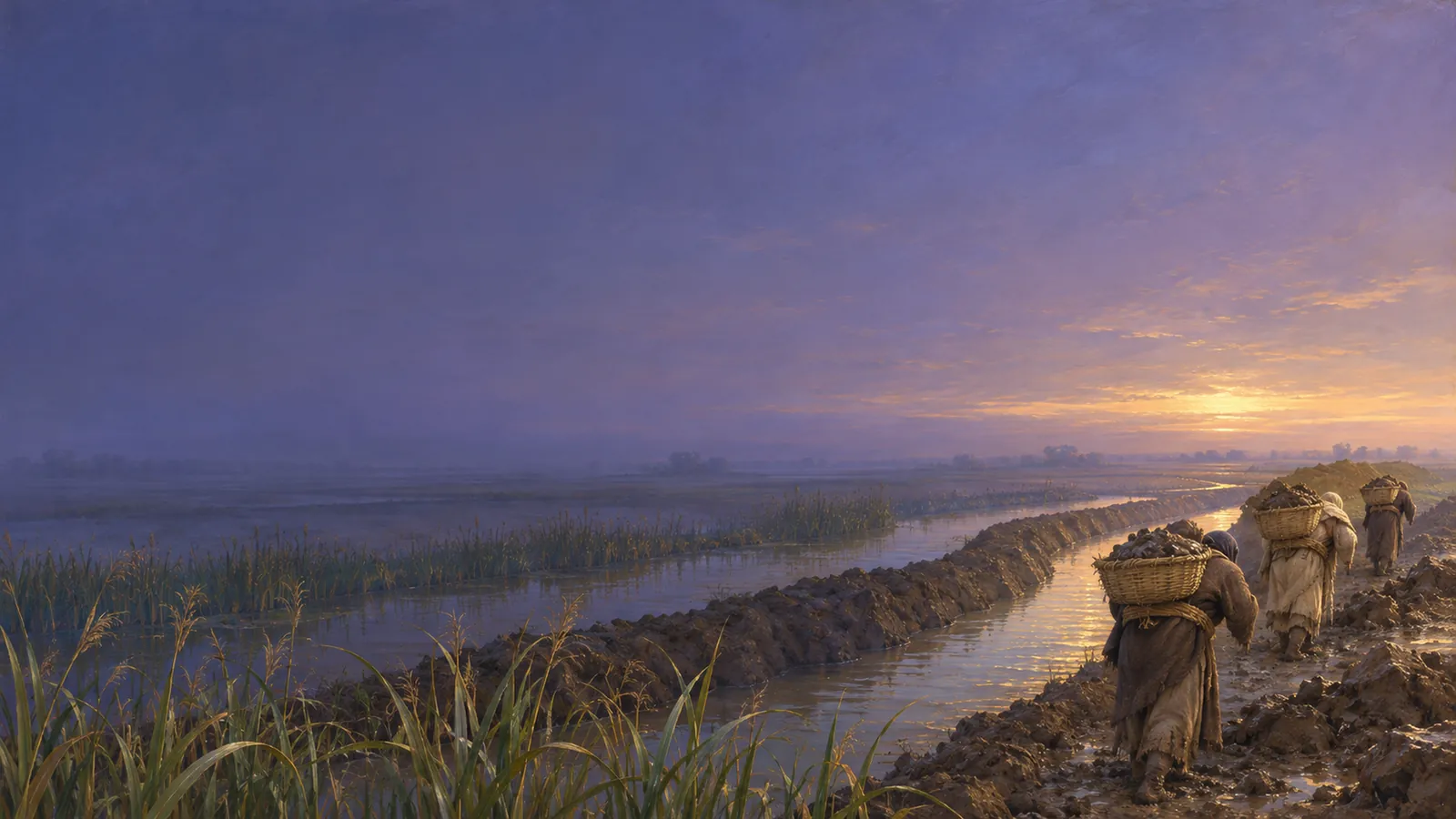
LE POIDS DE LA TERRE
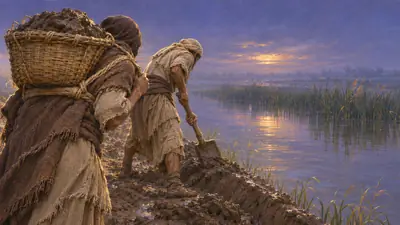
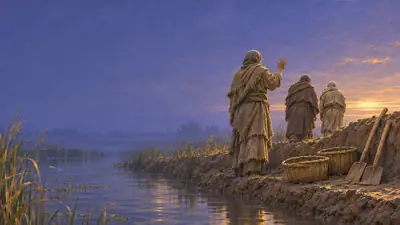
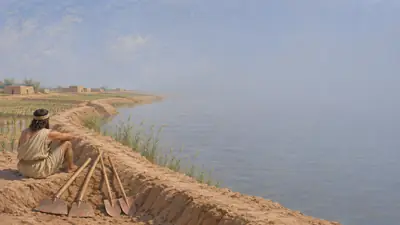
Avant qu’il y ait des humains pour cultiver la terre, les dieux faisaient eux-mêmes le travail. Ils creusaient et transportaient la terre, et son poids les épuisait.
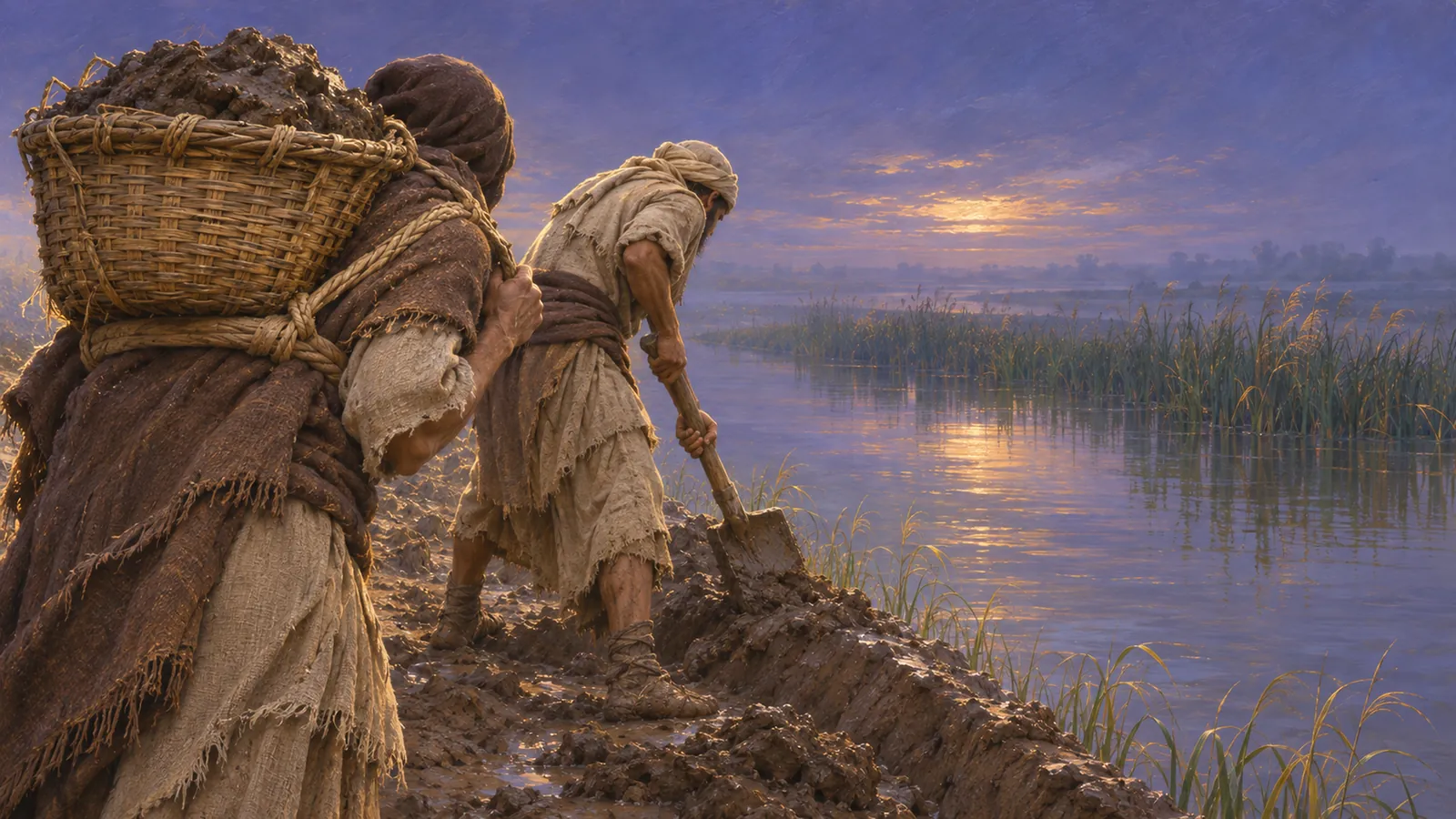
Les grands dieux confièrent aux Igigi le creusement et le transport de la terre. Jour après jour, c’étaient leurs épaules qui portaient la charge.
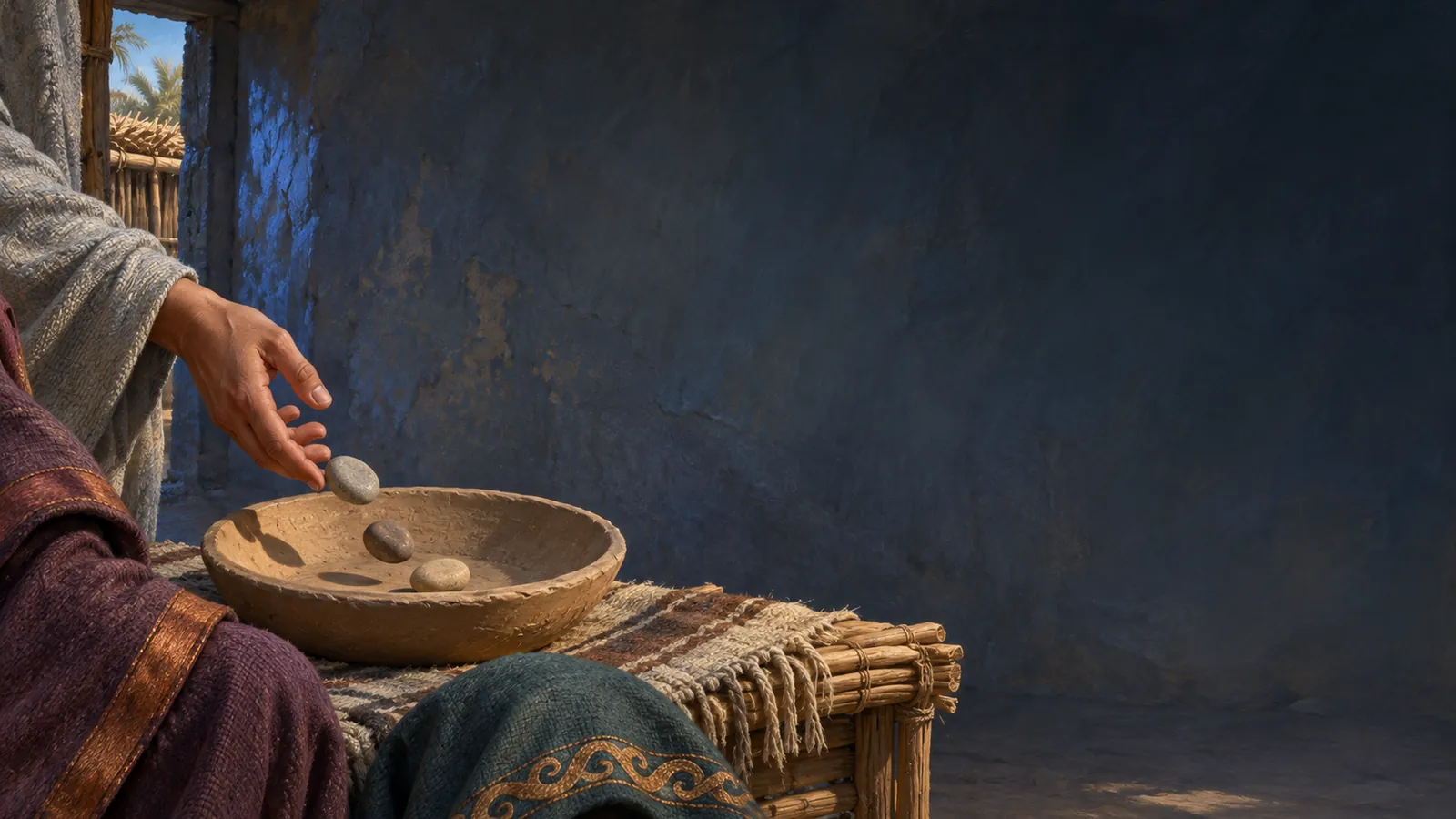
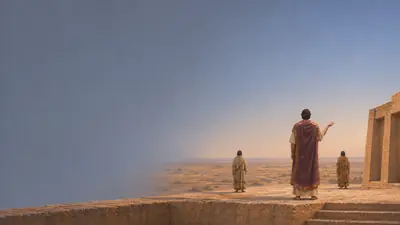
Les dieux tirèrent au sort. Anu monta au ciel, Enlil reçut la terre, et Enki fut chargé de la digue qui retenait la mer.
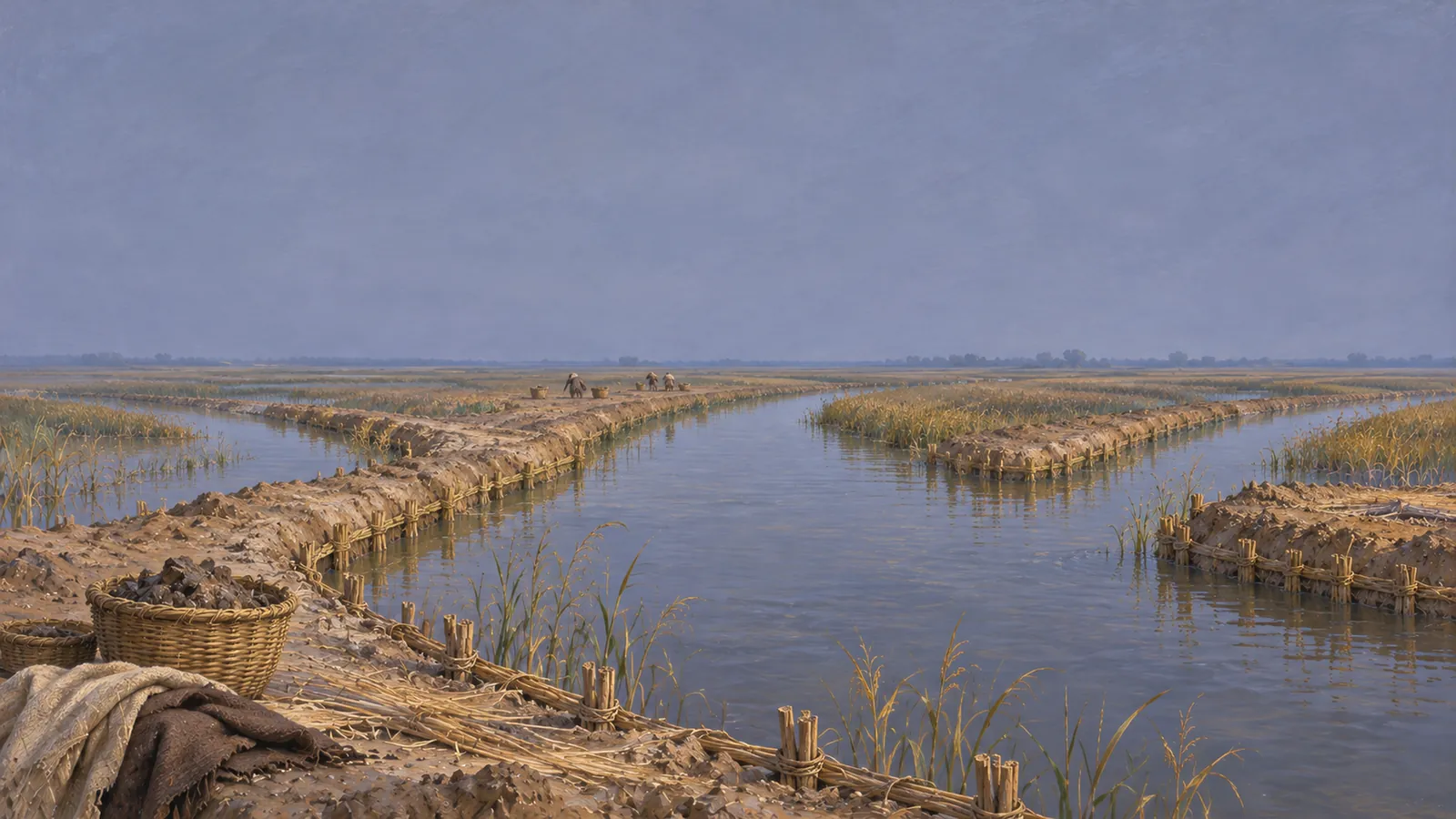
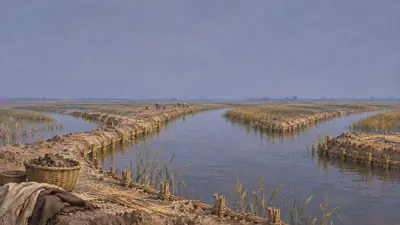
En bas, le travail continuait. Les dieux qui creusaient ouvrirent des voies d’eau à travers le pays, et le poème se souvient de ces canaux comme de la vie même du pays.

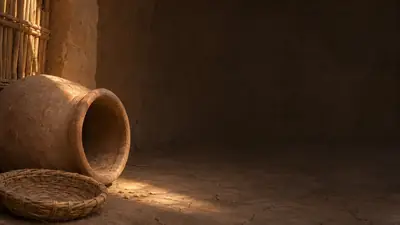
Les vers lacunaires gardent la mémoire des roseaux dont on faisait les paniers. Pour les dieux qui les portaient, ces paniers finirent par évoquer des années de dur labeur.
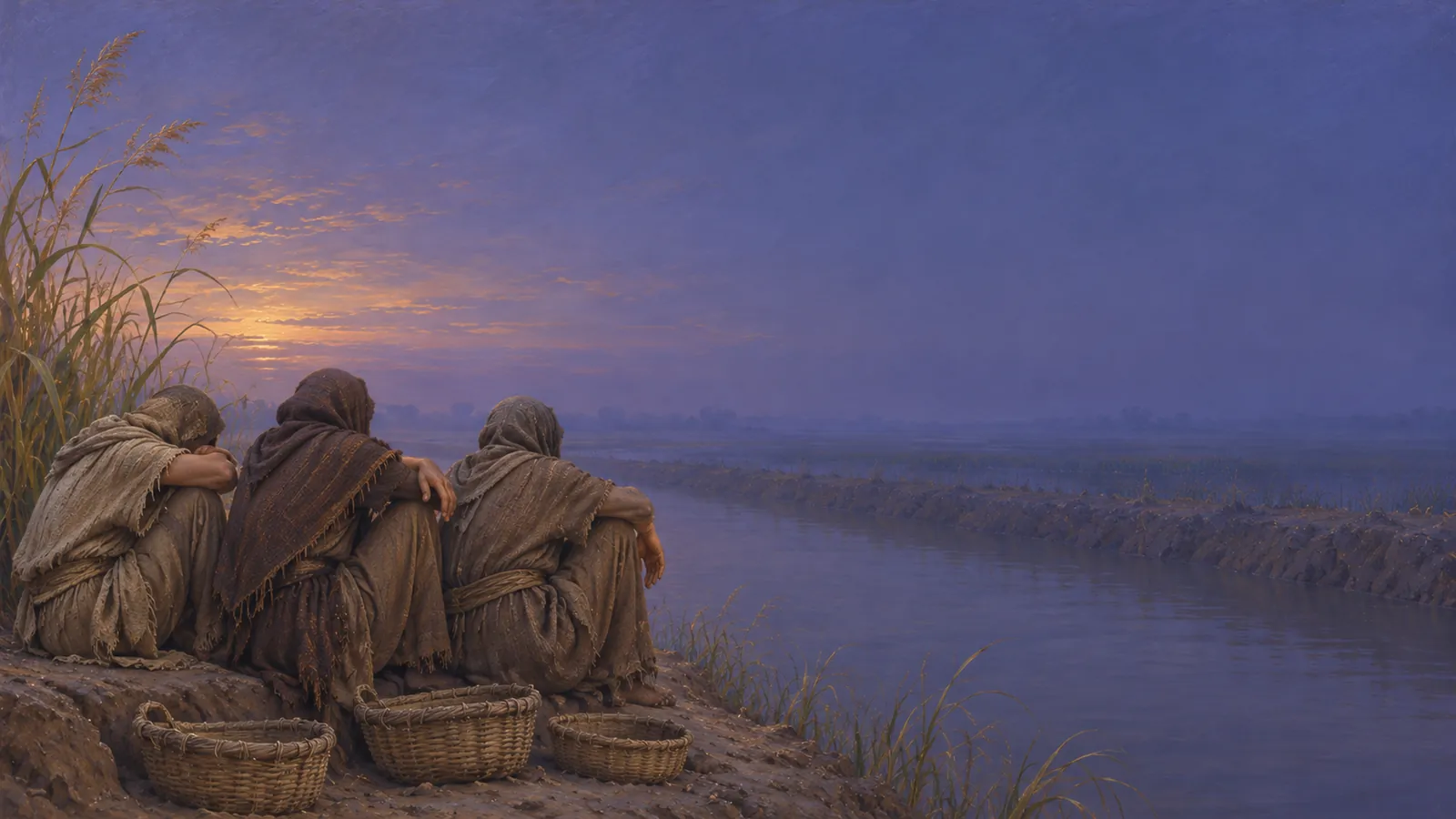
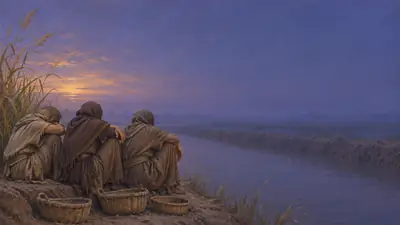
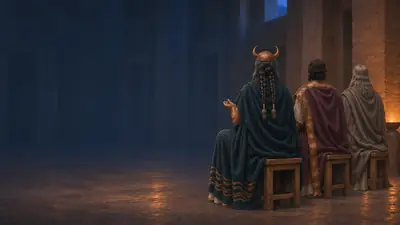
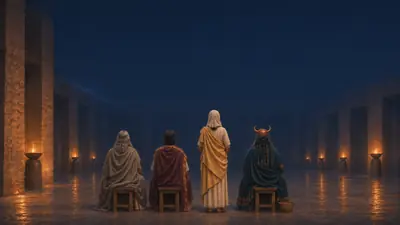
Ils travaillaient de jour comme de nuit. Puis les travailleurs s’assirent au fond du chantier et commencèrent à dire tout haut ce que ce labeur leur avait coûté.
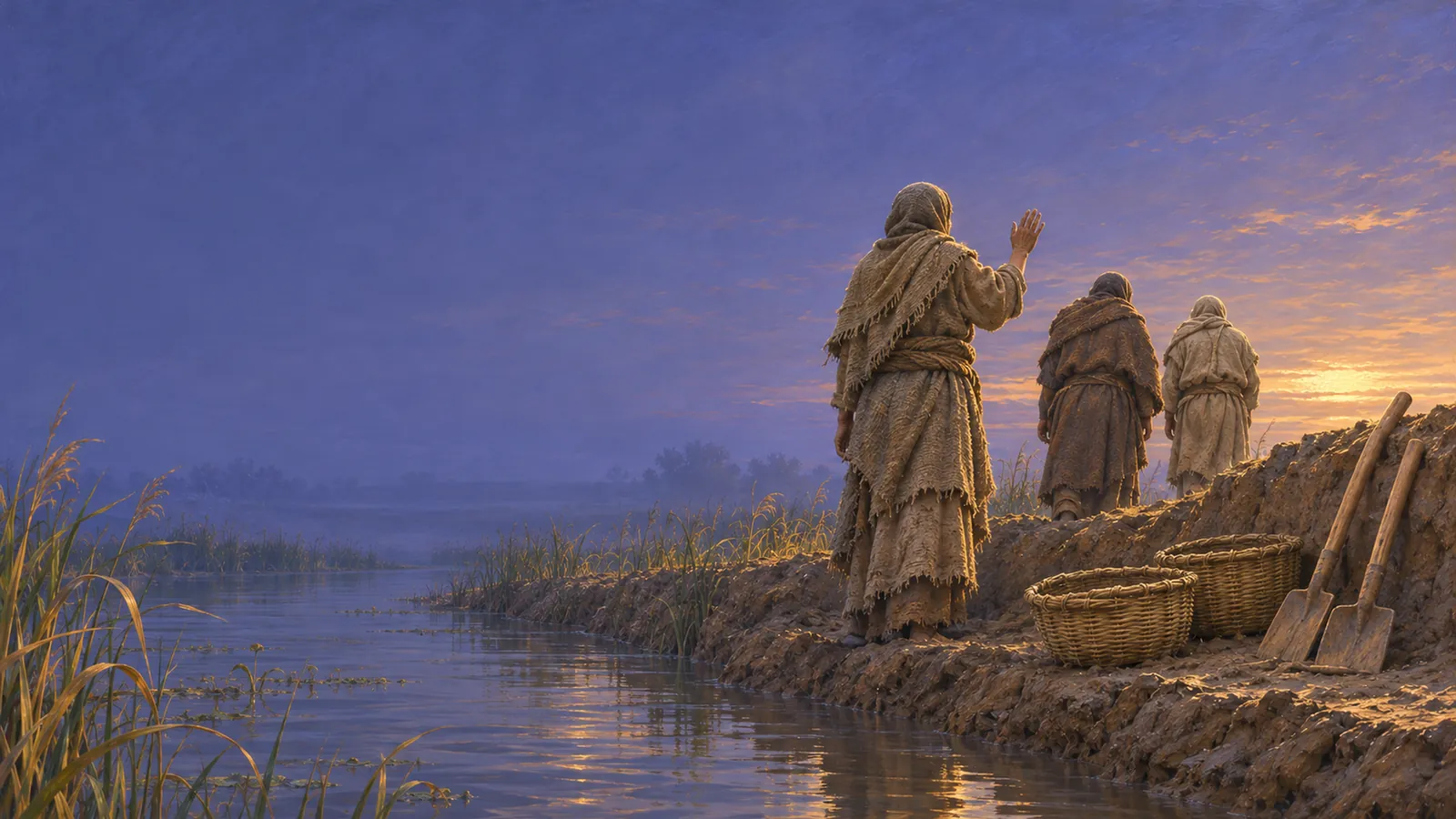
Parmi les travailleurs, une voix appela les autres à quitter le chantier et à faire face à Enlil. Ils voulaient qu’il réponde du fardeau qu’il leur avait imposé.
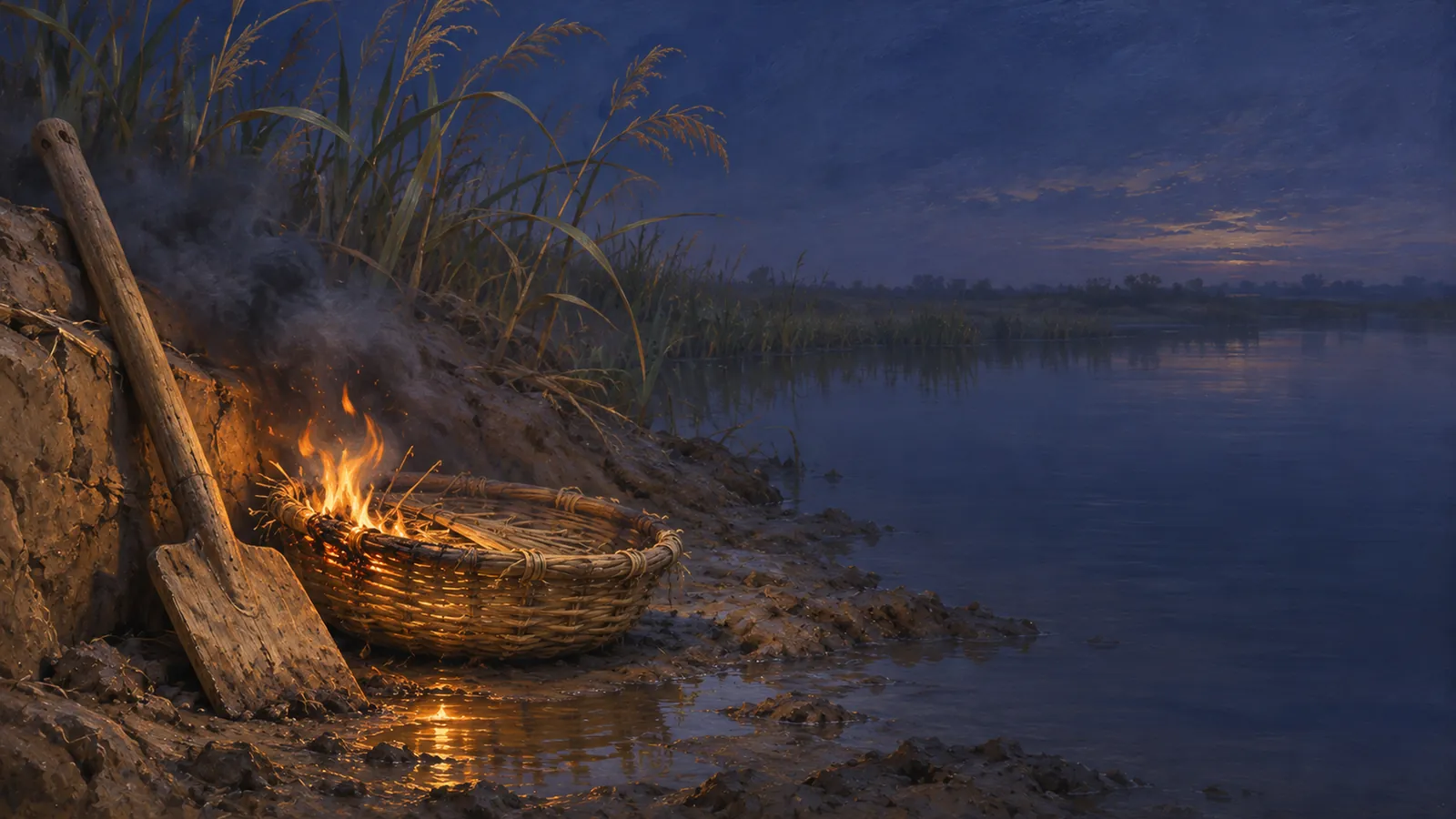
LES OUTILS DANS LES FLAMMES
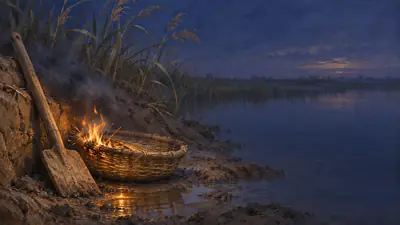
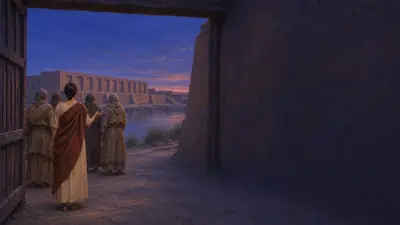
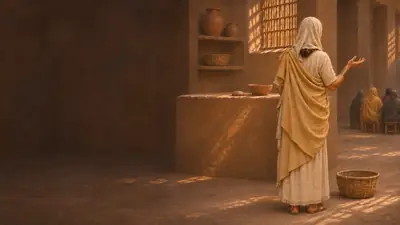
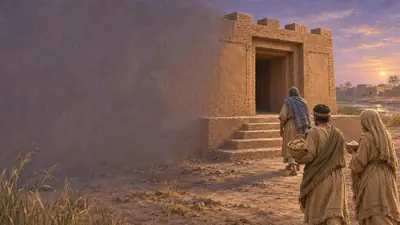
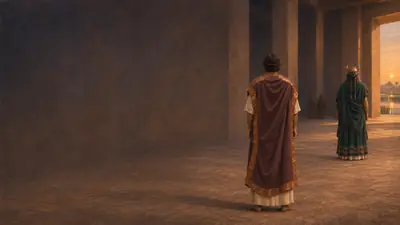
Les travailleurs entendirent l’appel. Ils jetèrent au feu leurs bêches et les paniers qu’ils portaient, puis gagnèrent ensemble la porte du sanctuaire d’Enlil.
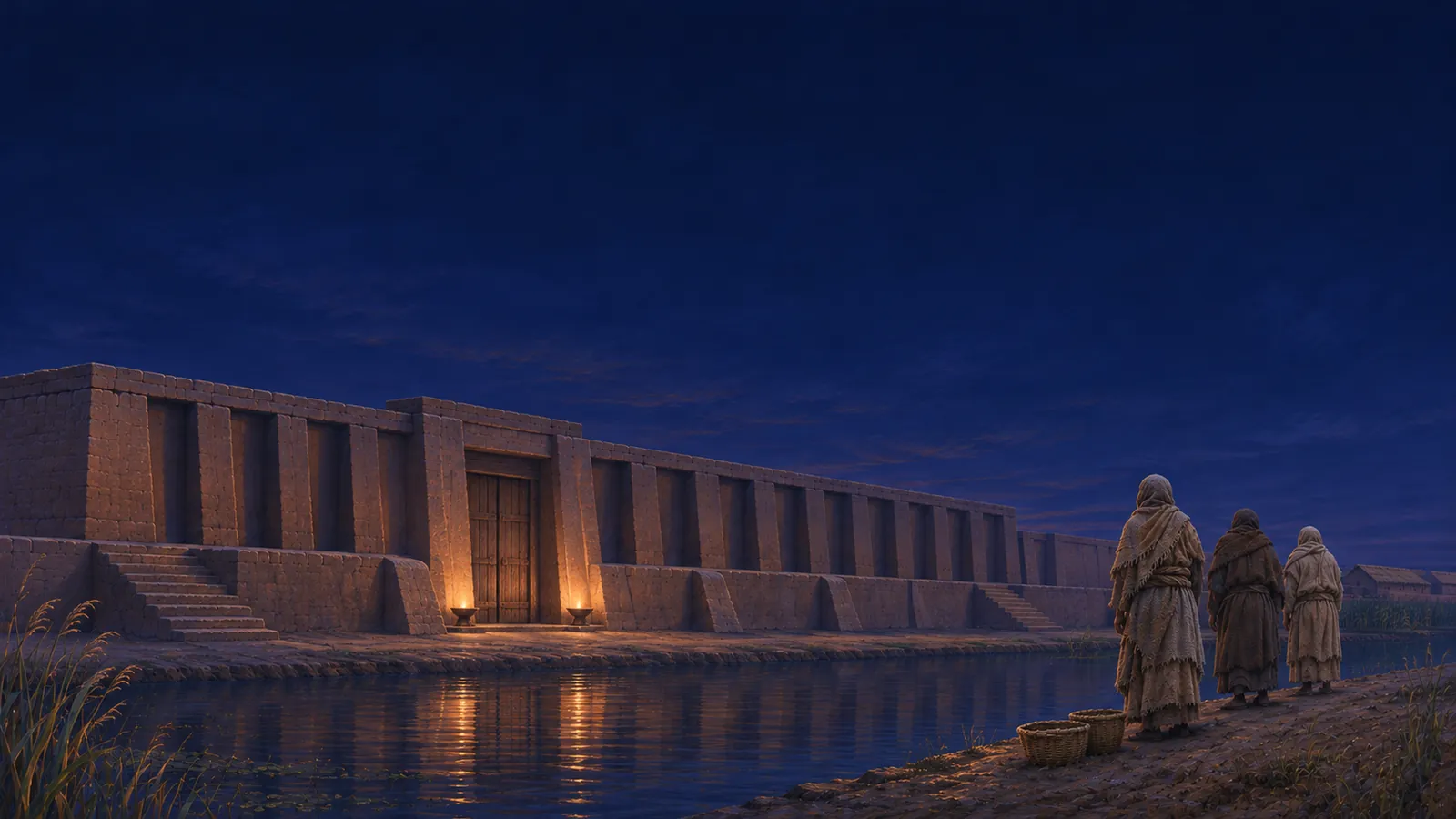
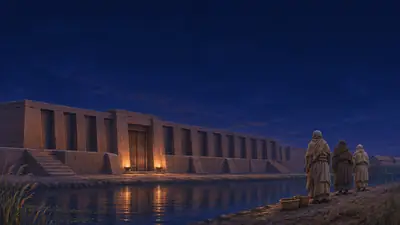
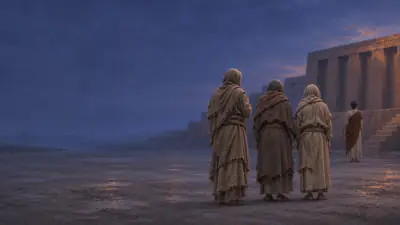
On était au milieu de la veille nocturne quand les travailleurs encerclèrent l’Ekur. Dans sa demeure, Enlil n’avait pas encore entendu ce qui s’amassait à sa porte.
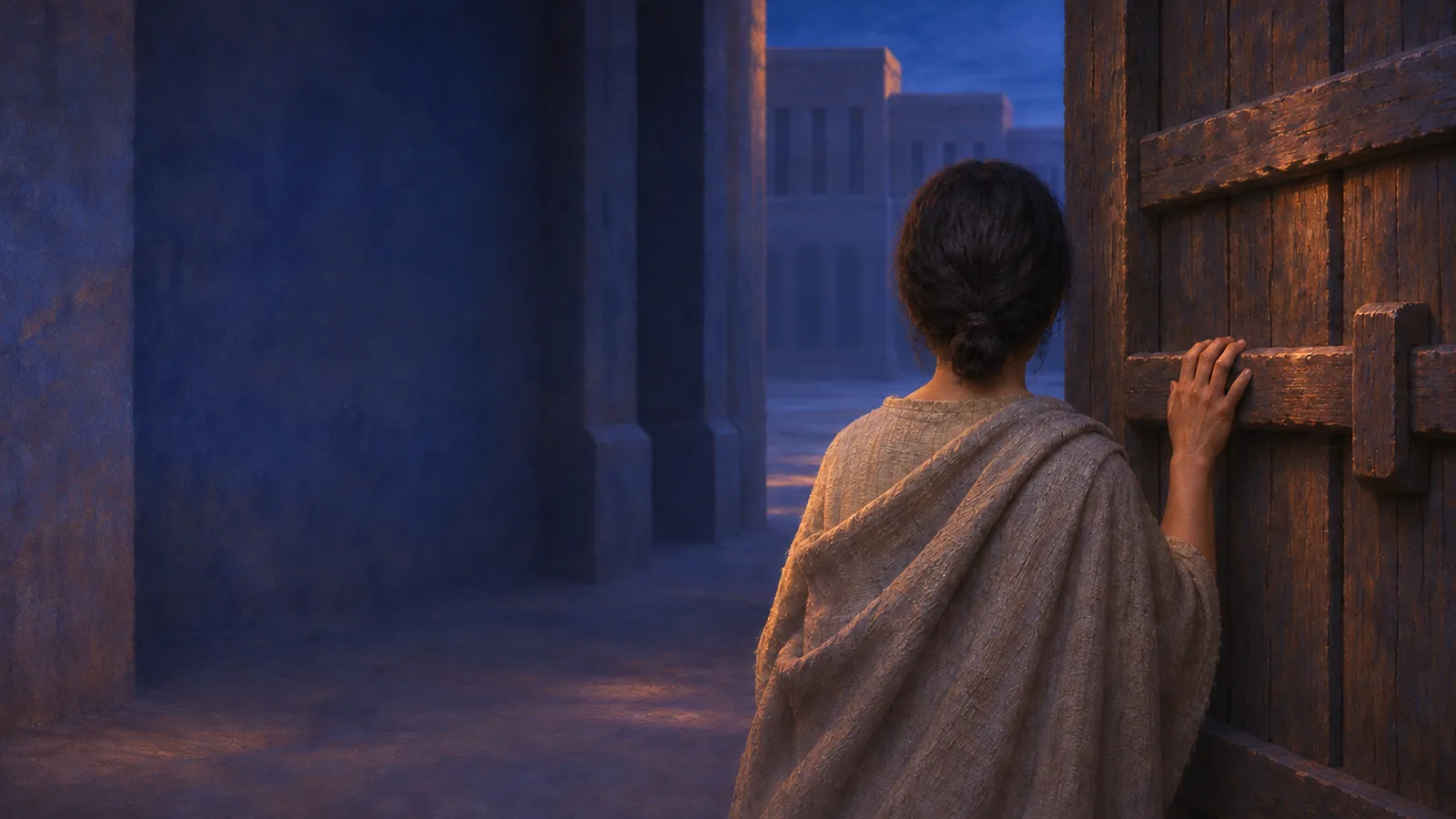
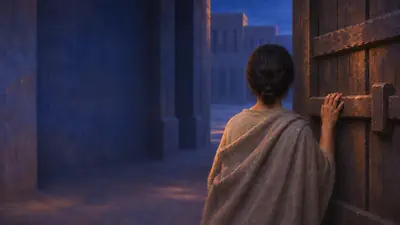
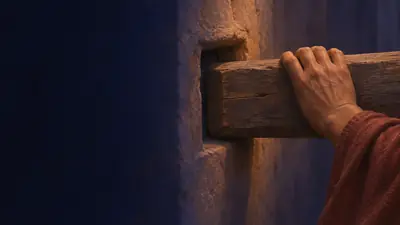
À la porte, Kalkal posa la main sur le verrou et alla réveiller Nuska. Tous deux écoutèrent les voix des travailleurs au-dehors.
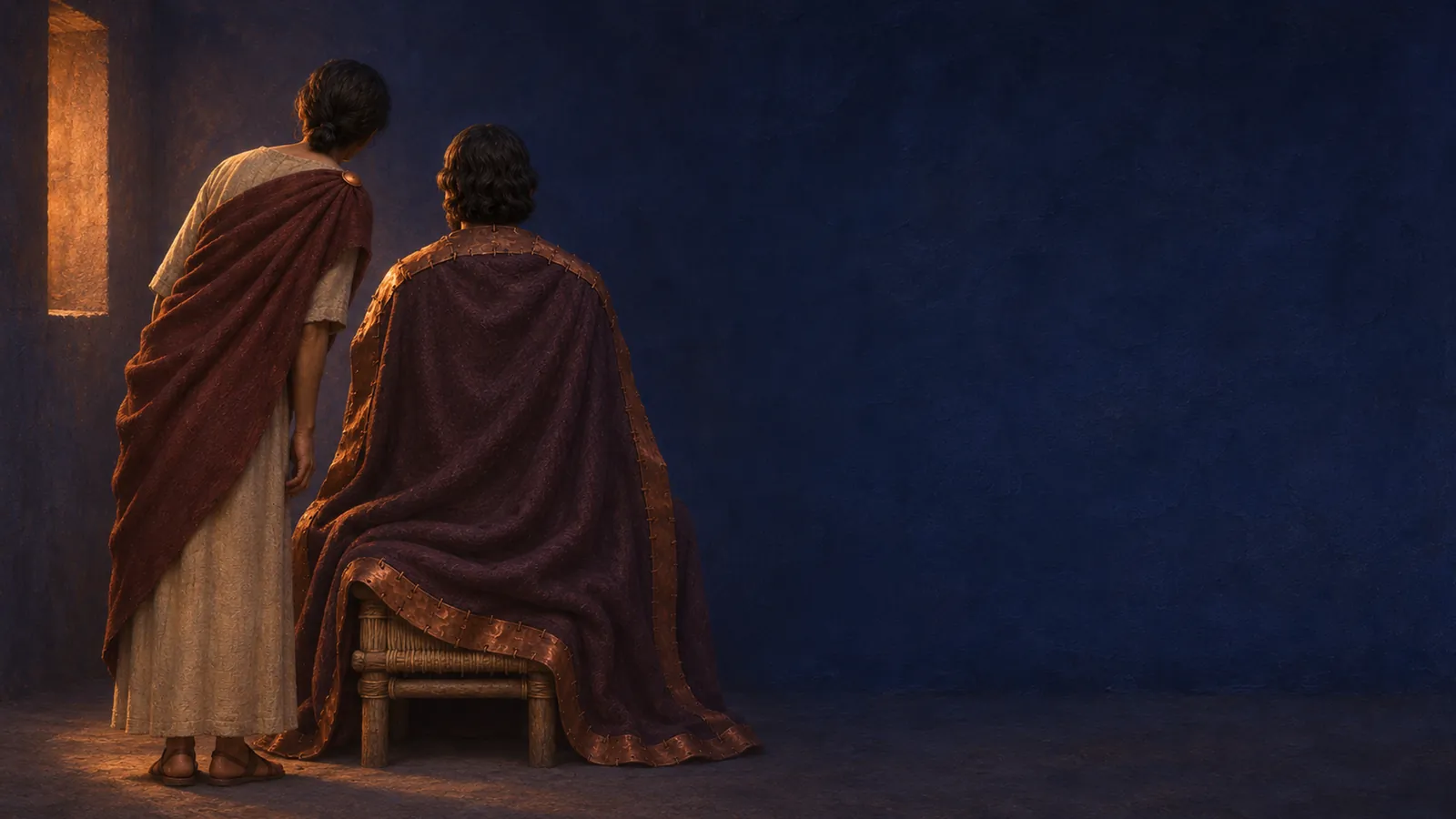
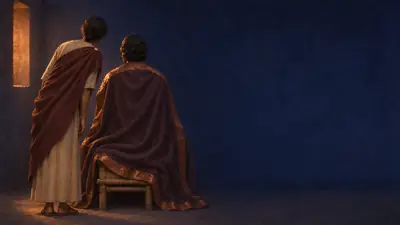
Nuska réveilla son maître et lui dit que la maison était encerclée. Le conflit né sur le chantier se trouvait désormais à la porte d’Enlil lui-même.
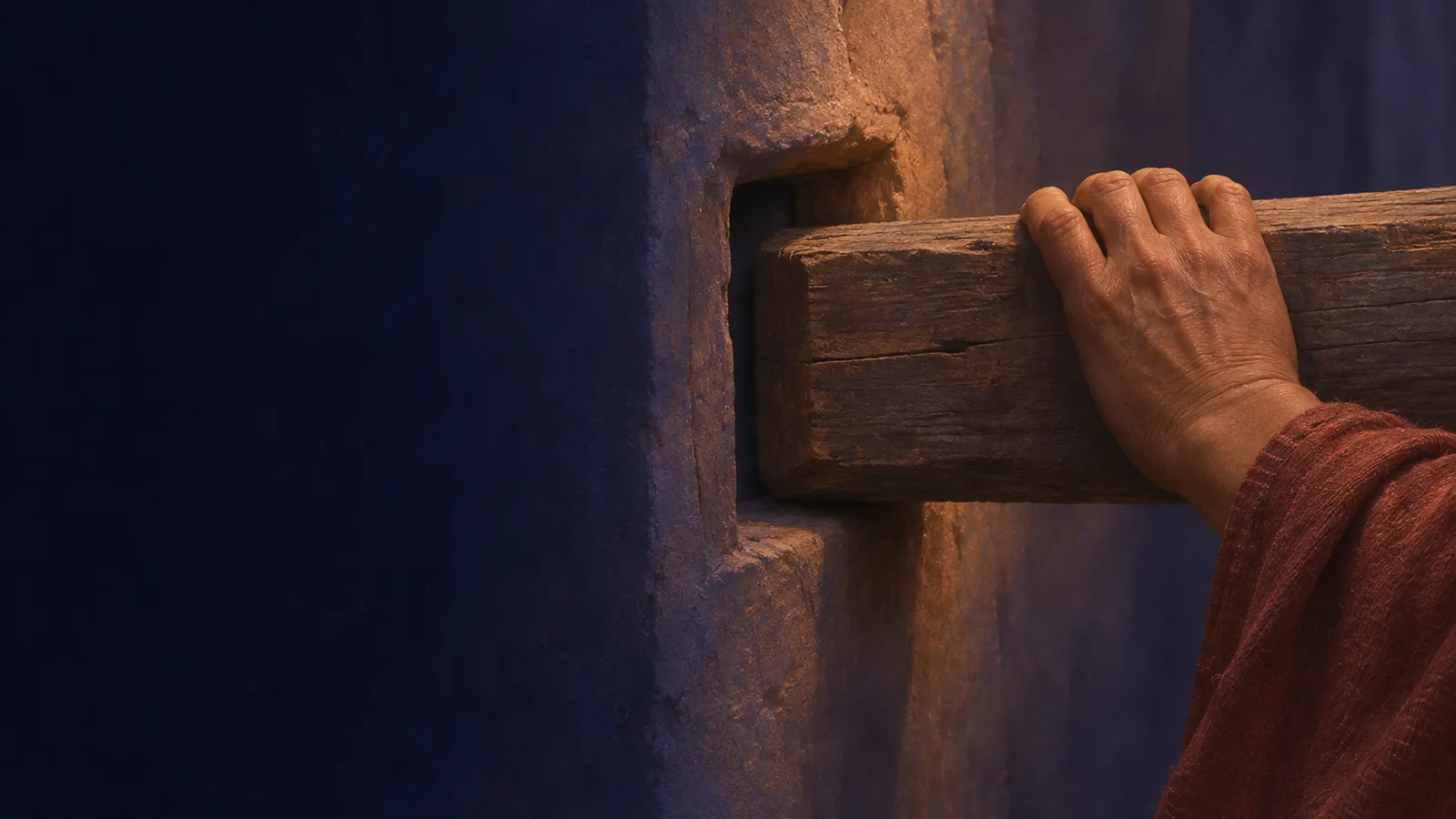
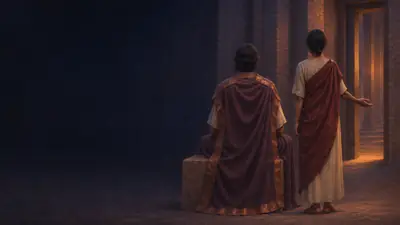
Enlil ordonna à Nuska de barrer la porte, de prendre ses armes et de se tenir devant lui. Nuska obéit. Dehors, les travailleurs attendaient toujours.
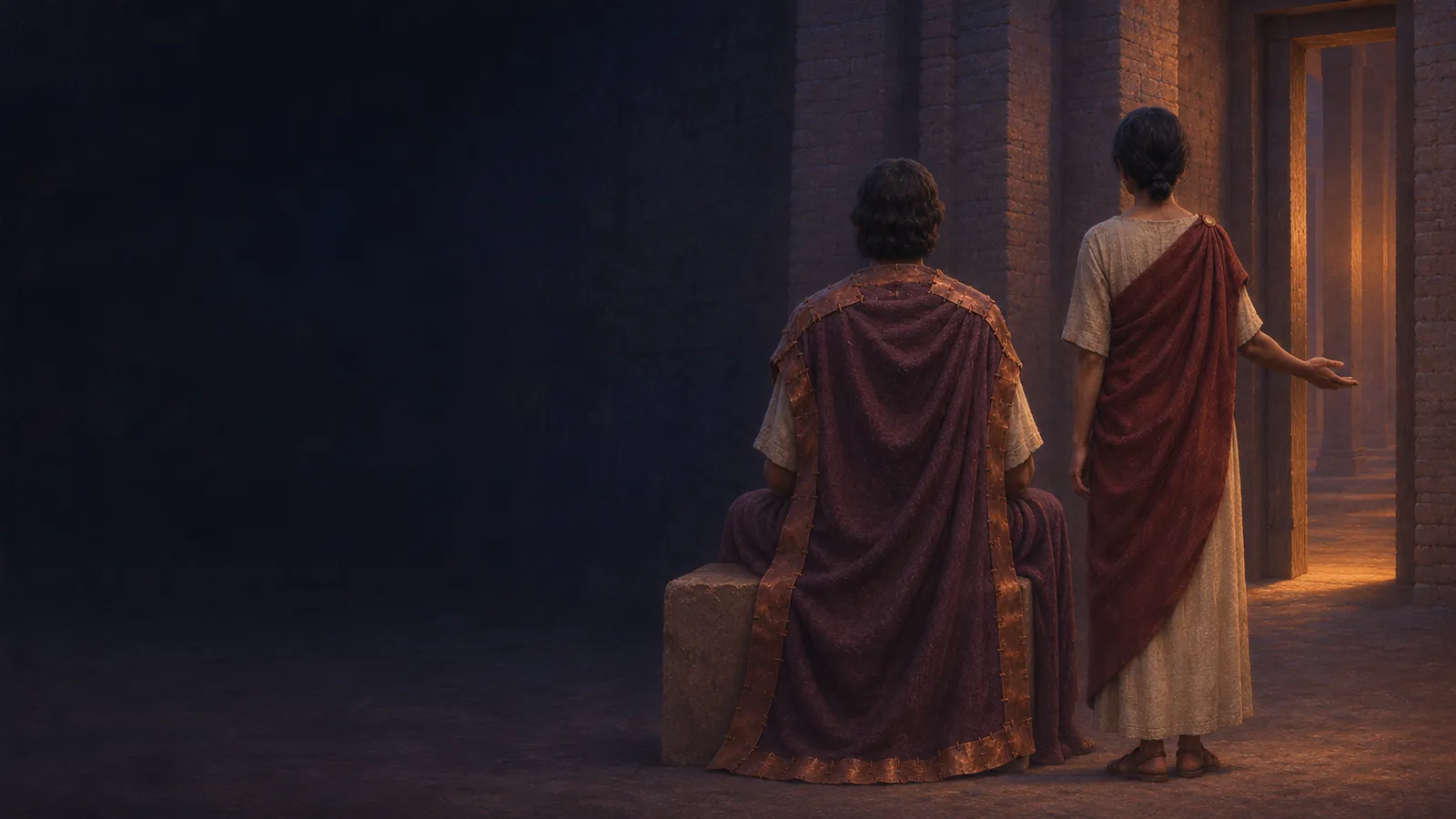
Nuska vit combien son maître était effrayé. Il le pressa de faire descendre Anu et de convoquer Enki devant lui, pour que les dieux puissent entendre l’affaire ensemble.
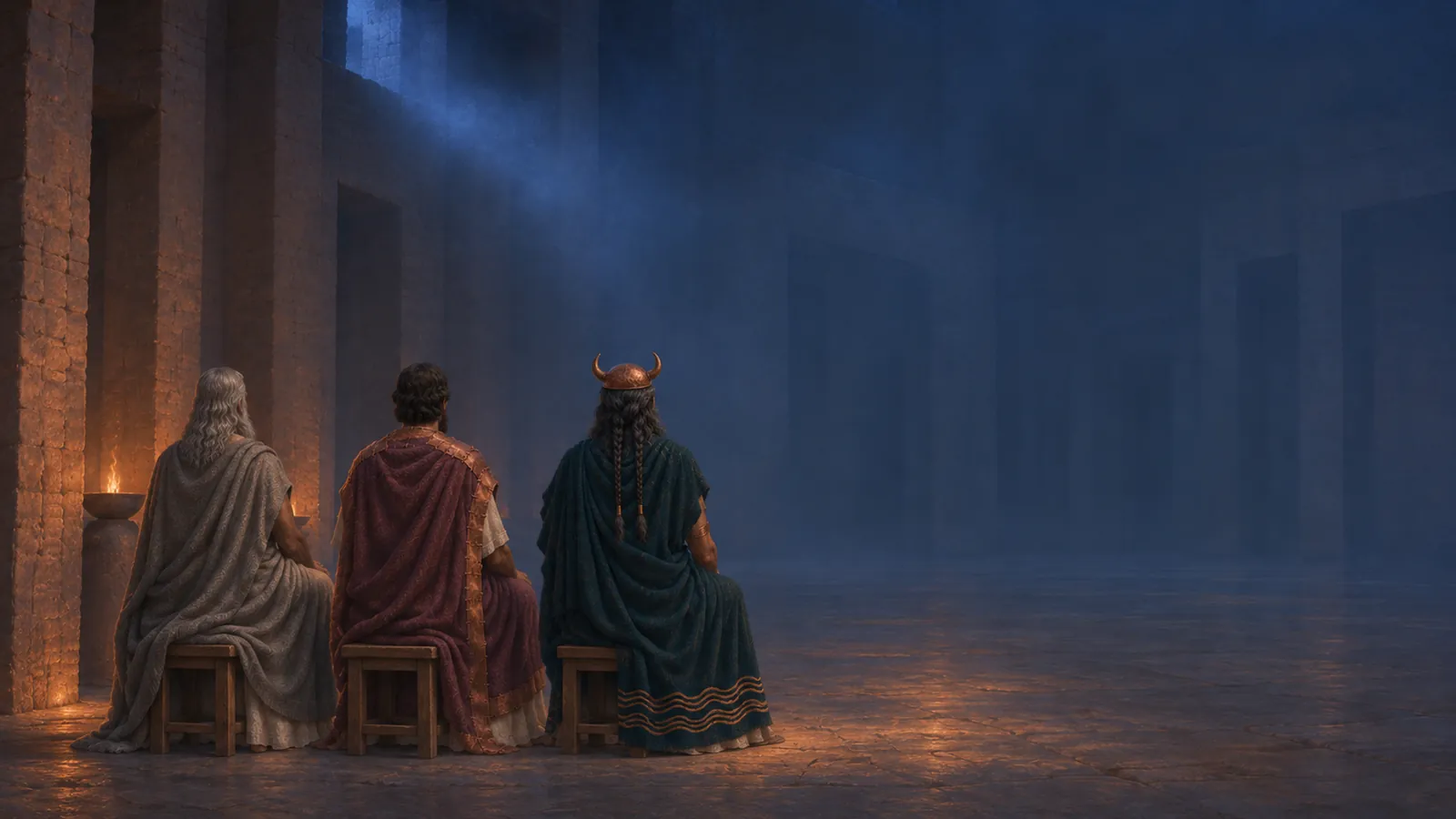
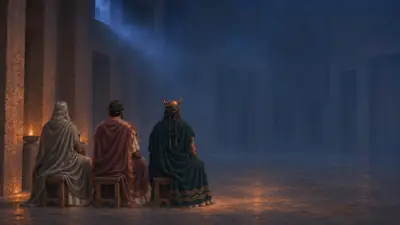
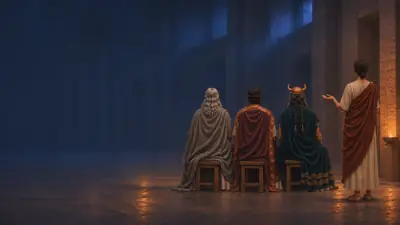
Enlil demanda au conseil pourquoi les travailleurs s’étaient soulevés contre lui. Anu le pressa d’envoyer Nuska dehors et d’entendre de la bouche des travailleurs ce qui les avait amenés à la porte.
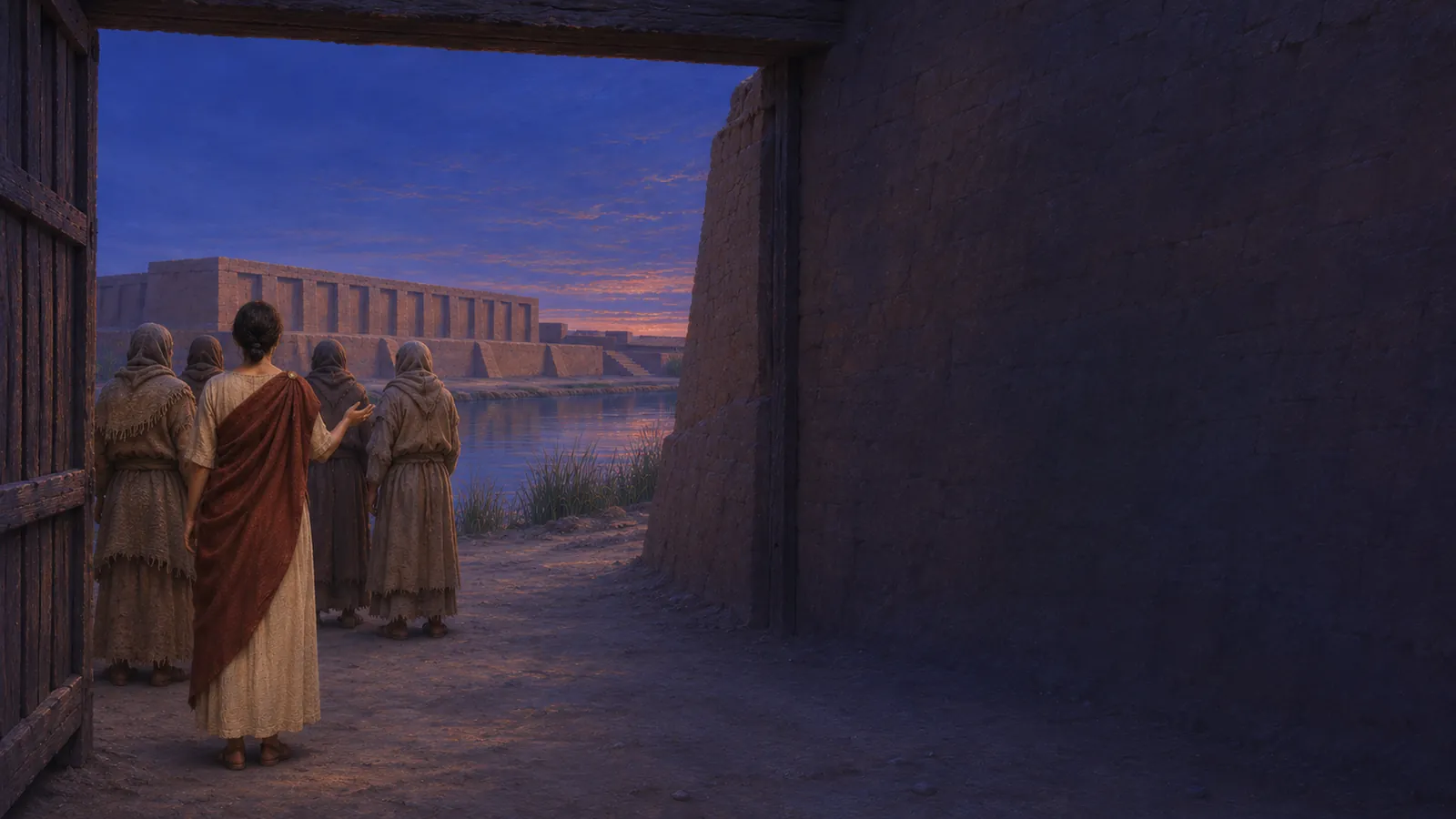
Nuska ouvrit la porte, se tint devant la troupe rassemblée au-dehors et transmit les paroles qu’on lui avait confiées. Il demanda quel dieu les avait conduits là.
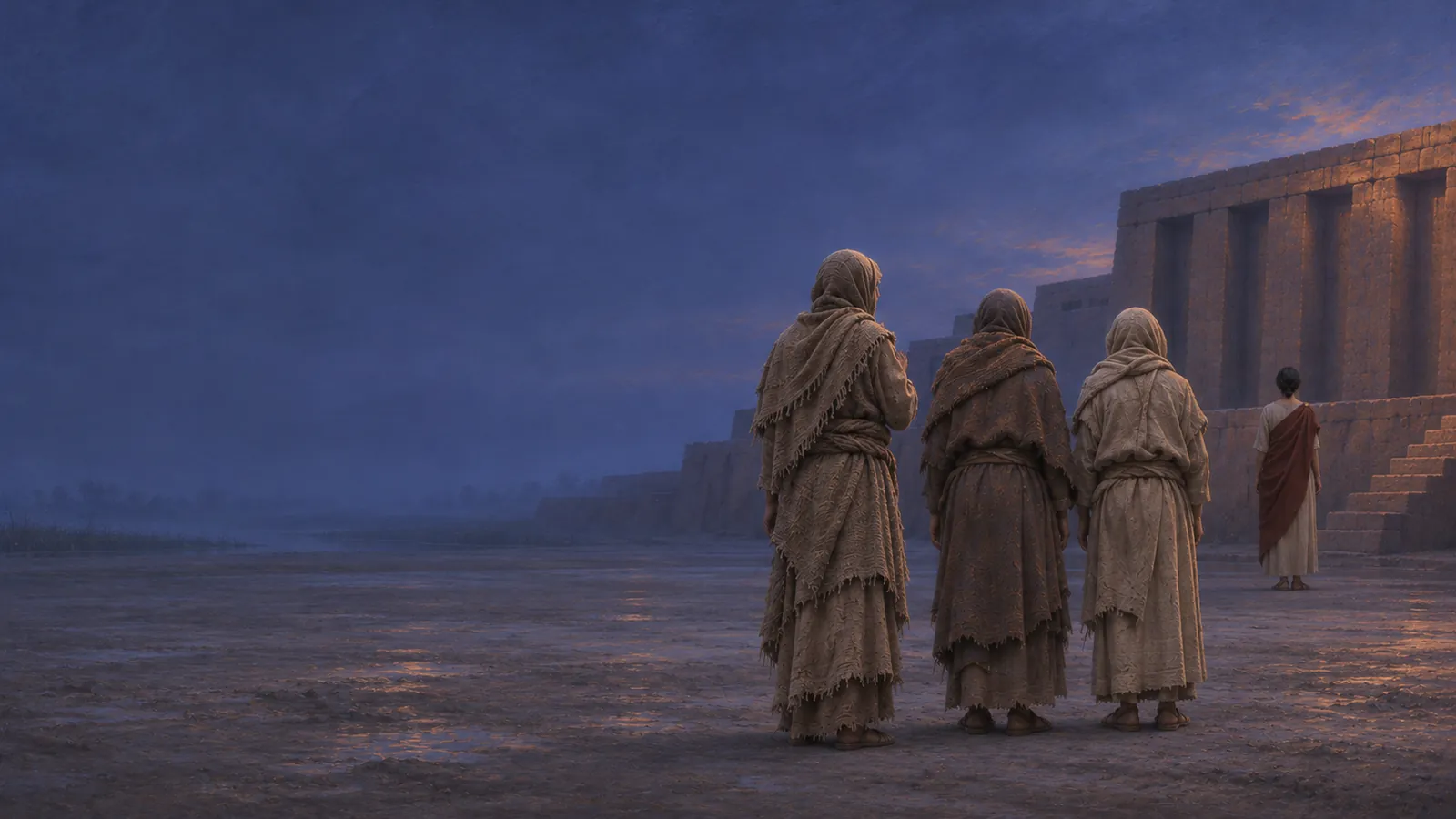
NOUS TOUS
La réponse vint de toute la troupe des travailleurs. Ils s’étaient tous rassemblés sur le chantier, dirent-ils, et le travail était devenu trop lourd pour eux.
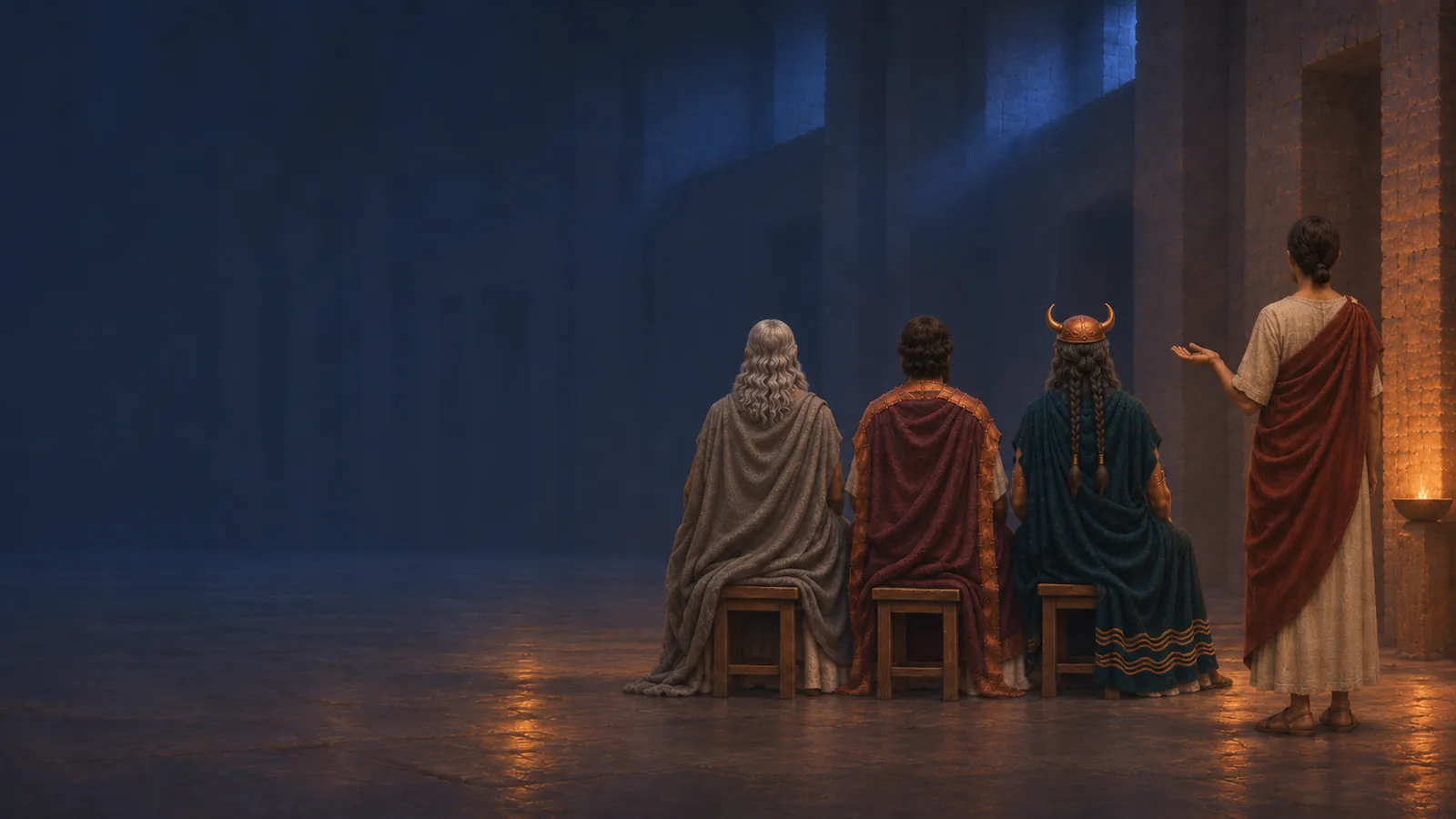
Nuska rapporta les paroles des travailleurs dans la salle du conseil. Chacun d’eux y avait pris part, dit-il. C’était le poids des paniers qui les avait poussés à venir.
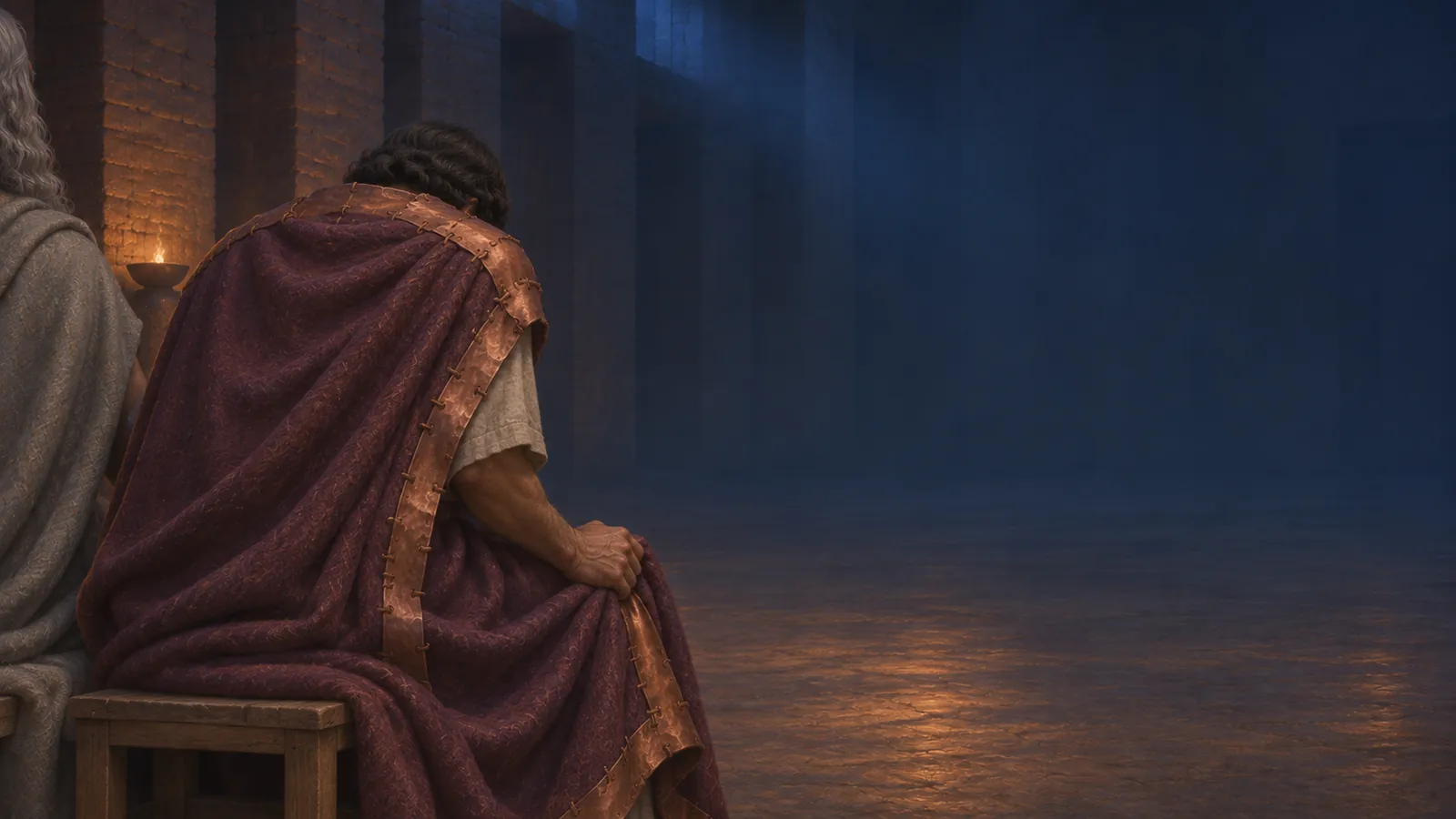
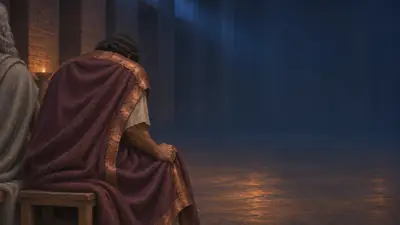
Le rapport fit pleurer Enlil. Il se tourna vers Anu et parla de monter au ciel avec lui, laissant au conseil le soin de décider de la suite.
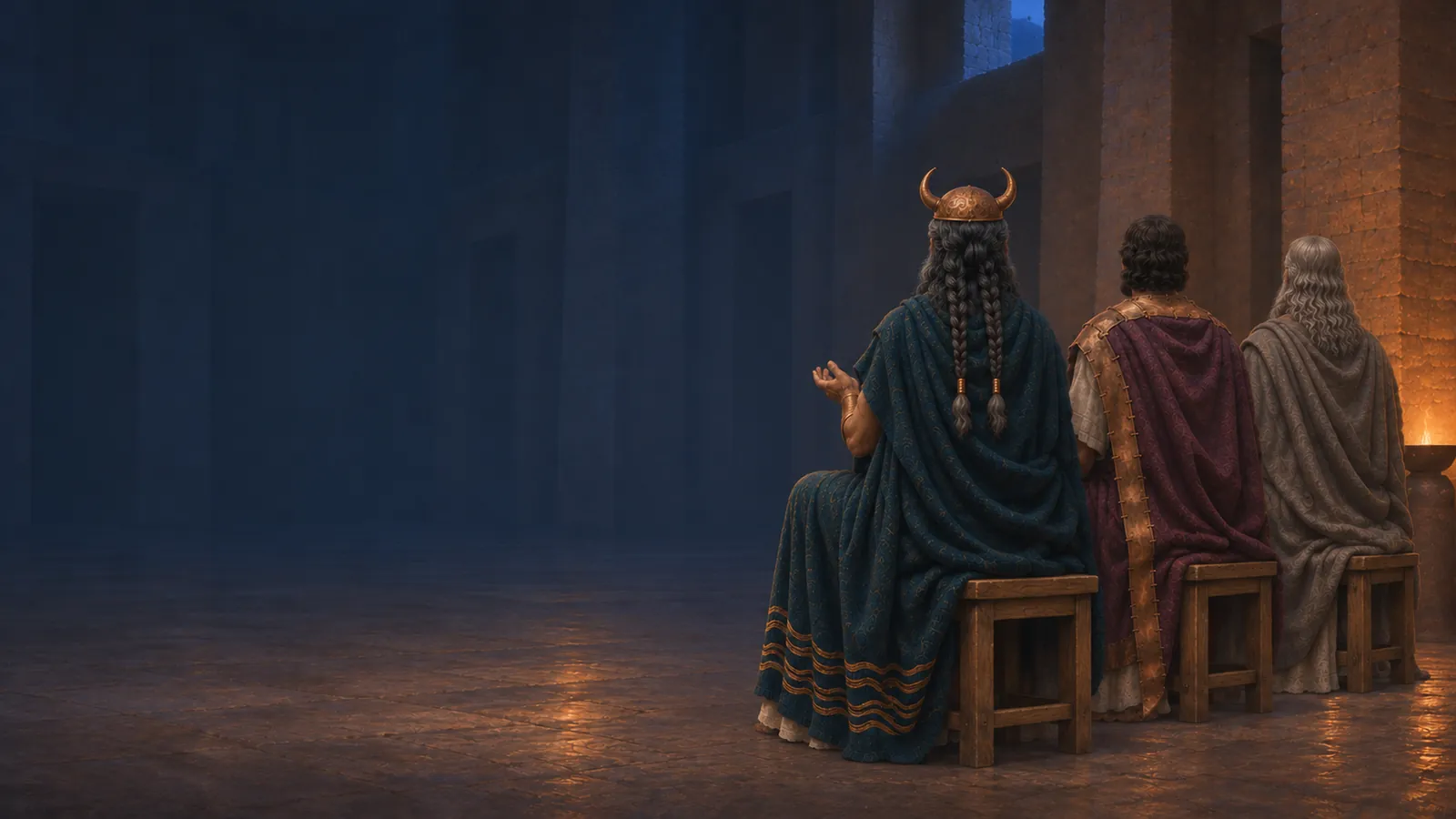
Enki demanda comment on pouvait blâmer les travailleurs. Leur tâche était trop lourde, dit-il, et tous ceux qui étaient réunis pouvaient maintenant entendre ce qu’elle leur avait coûté.
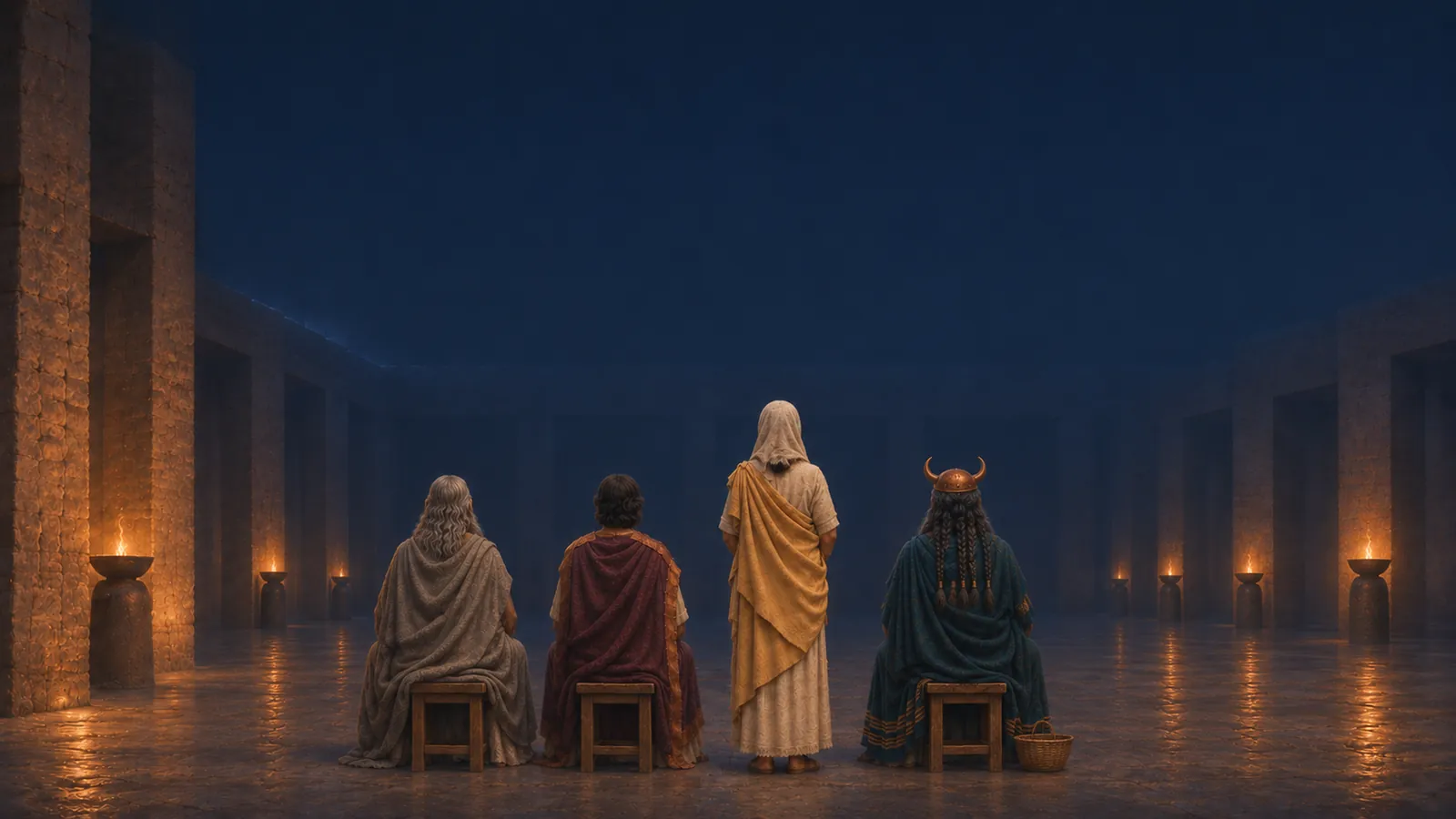
Il faudrait toujours quelqu’un pour porter le panier. Les dieux demandèrent à la sage accoucheuse Mami de mettre au monde les êtres humains et de faire reposer le travail sur leurs épaules.
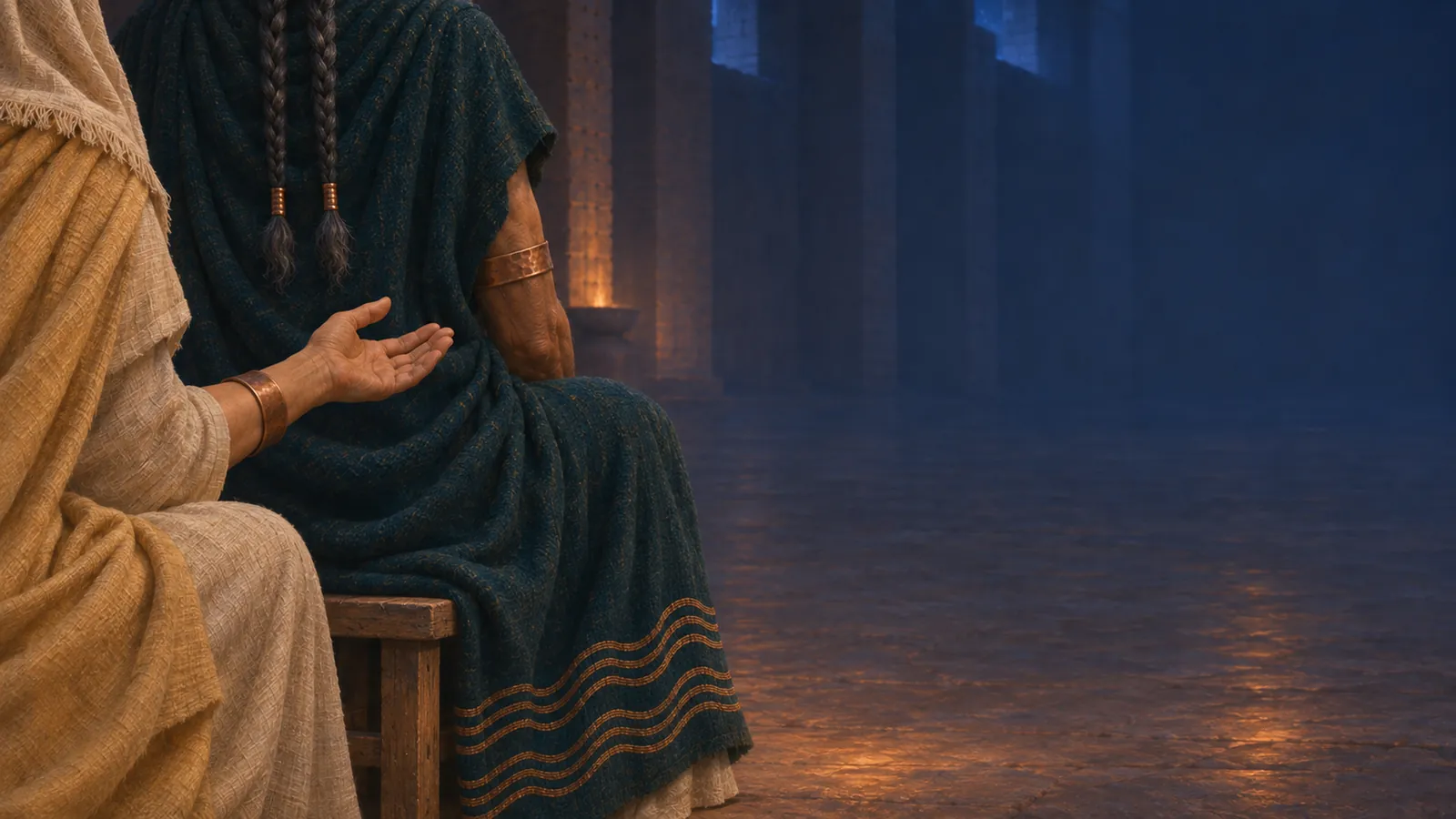
Mami renvoya la question à Enki. C’était lui qui connaissait l’œuvre de purification, dit-elle. Qu’il lui donne l’argile, et elle ferait sa part.
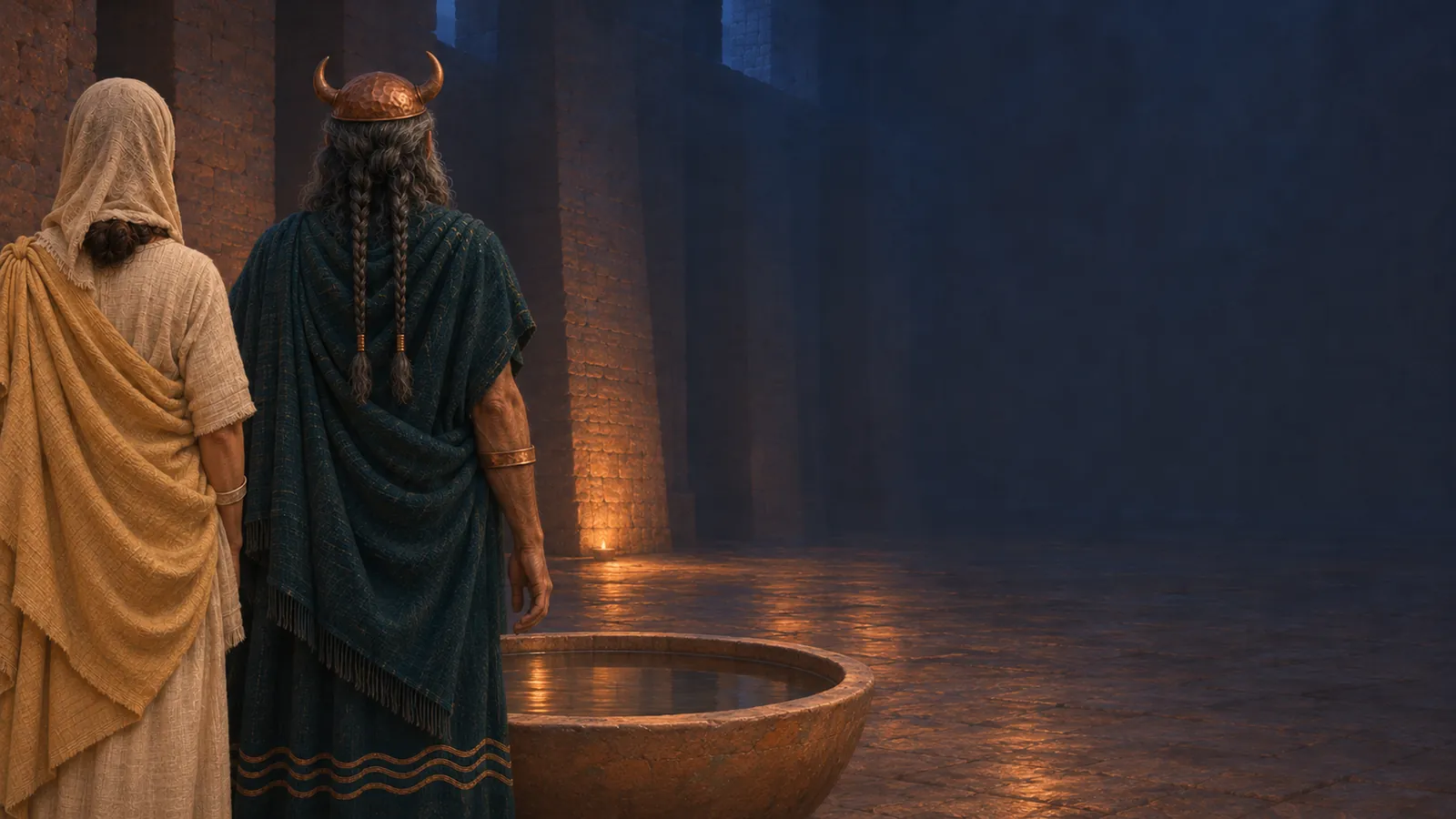
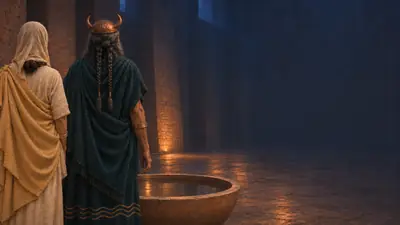
Enki prescrivit un bain de purification à répéter aux jours fixés. L’argile nouvelle, dit-il, garderait en elle quelque chose d’un dieu. L’assemblée donna son accord.
L’ARGILE ET LA MÉMOIRE
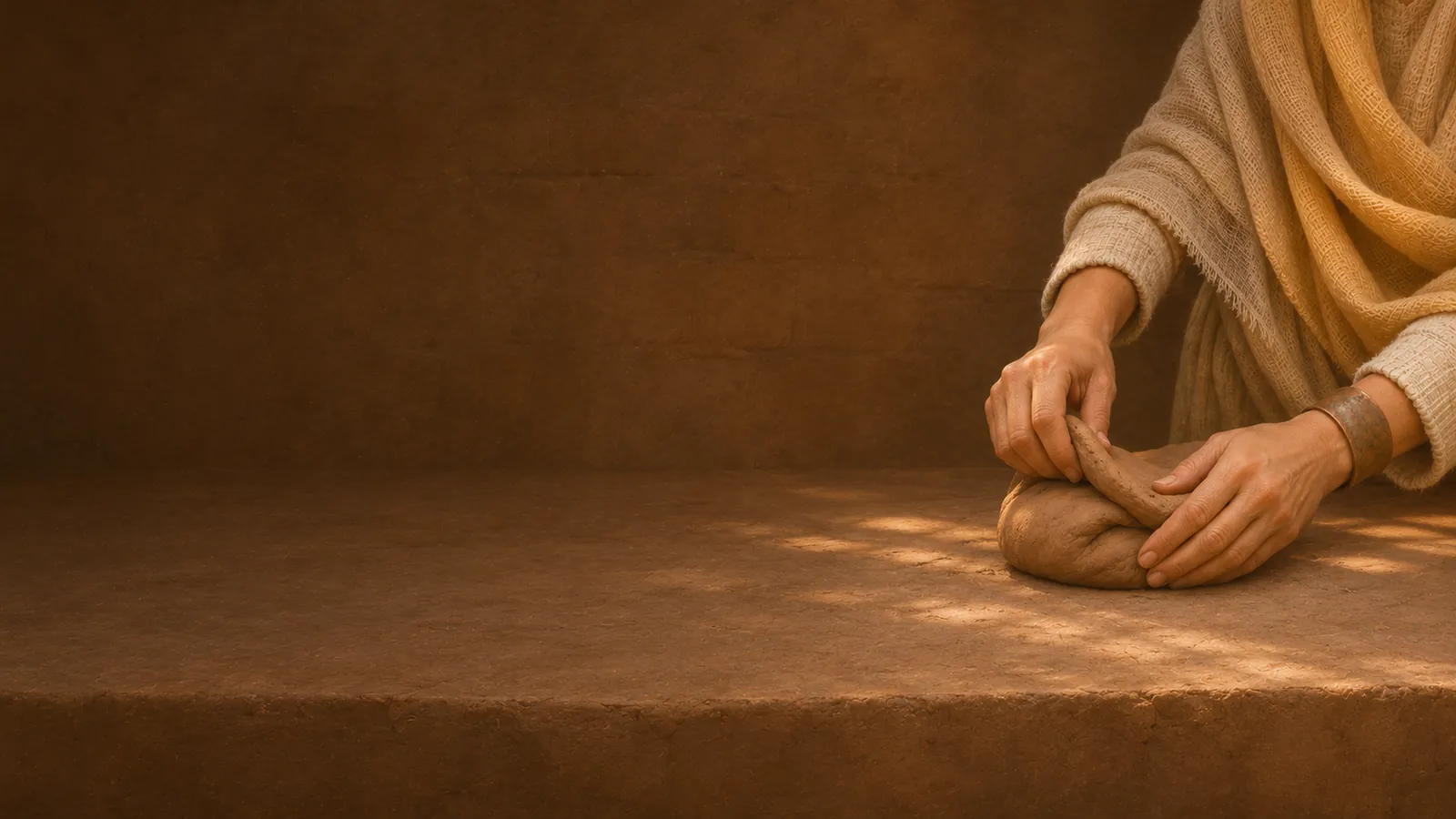
Dans l’assemblée, on mit à mort l’un des dieux. Mami mêla sa chair et son sang à l’argile, et le poème dit que son esprit demeurerait en souvenir parmi les vivants.
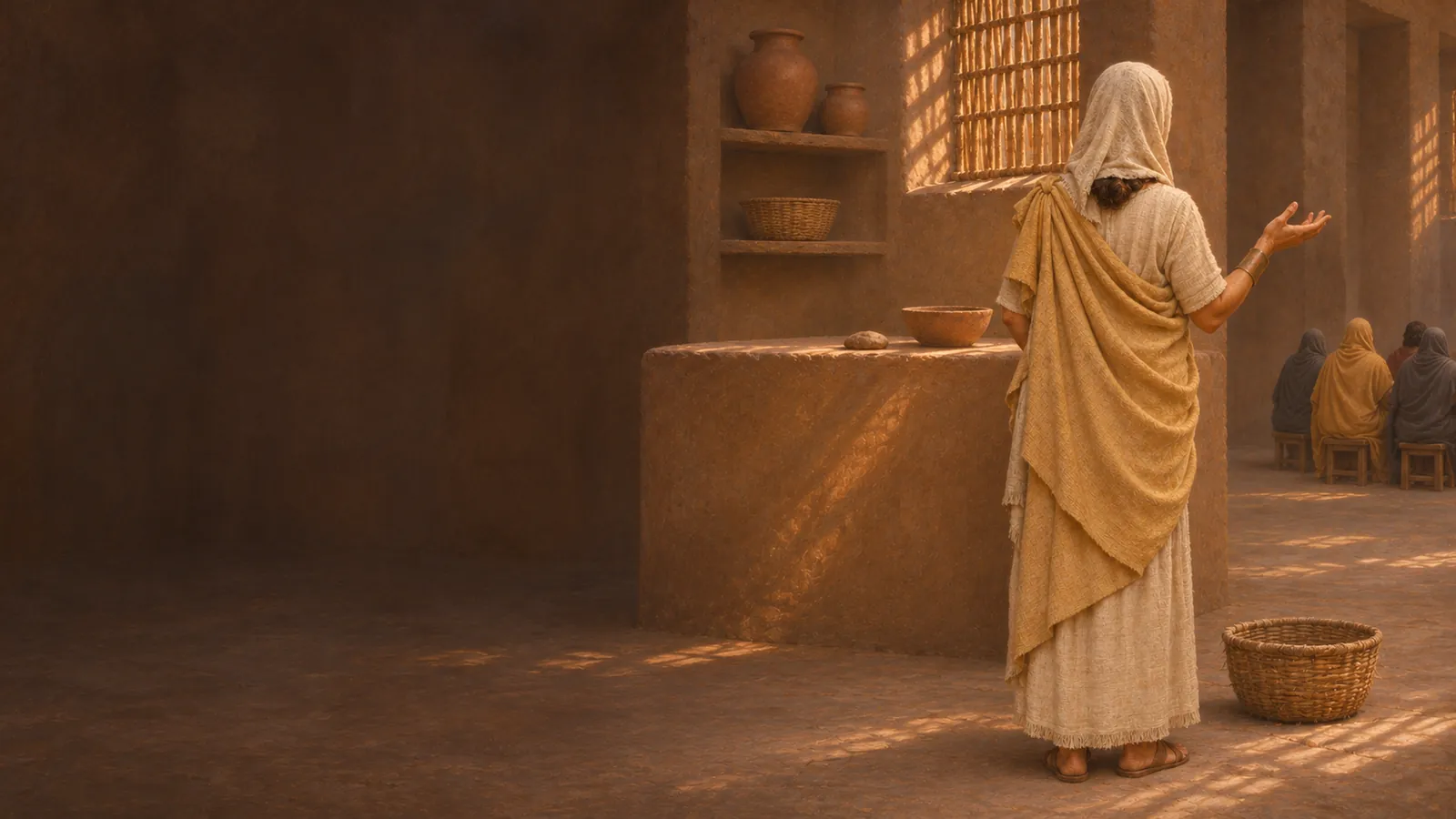
Quand l’argile fut prête, Mami dit aux dieux qu’elle leur avait ôté leur lourd travail. Le panier passerait aux humains. Les dieux étaient délivrés du joug.
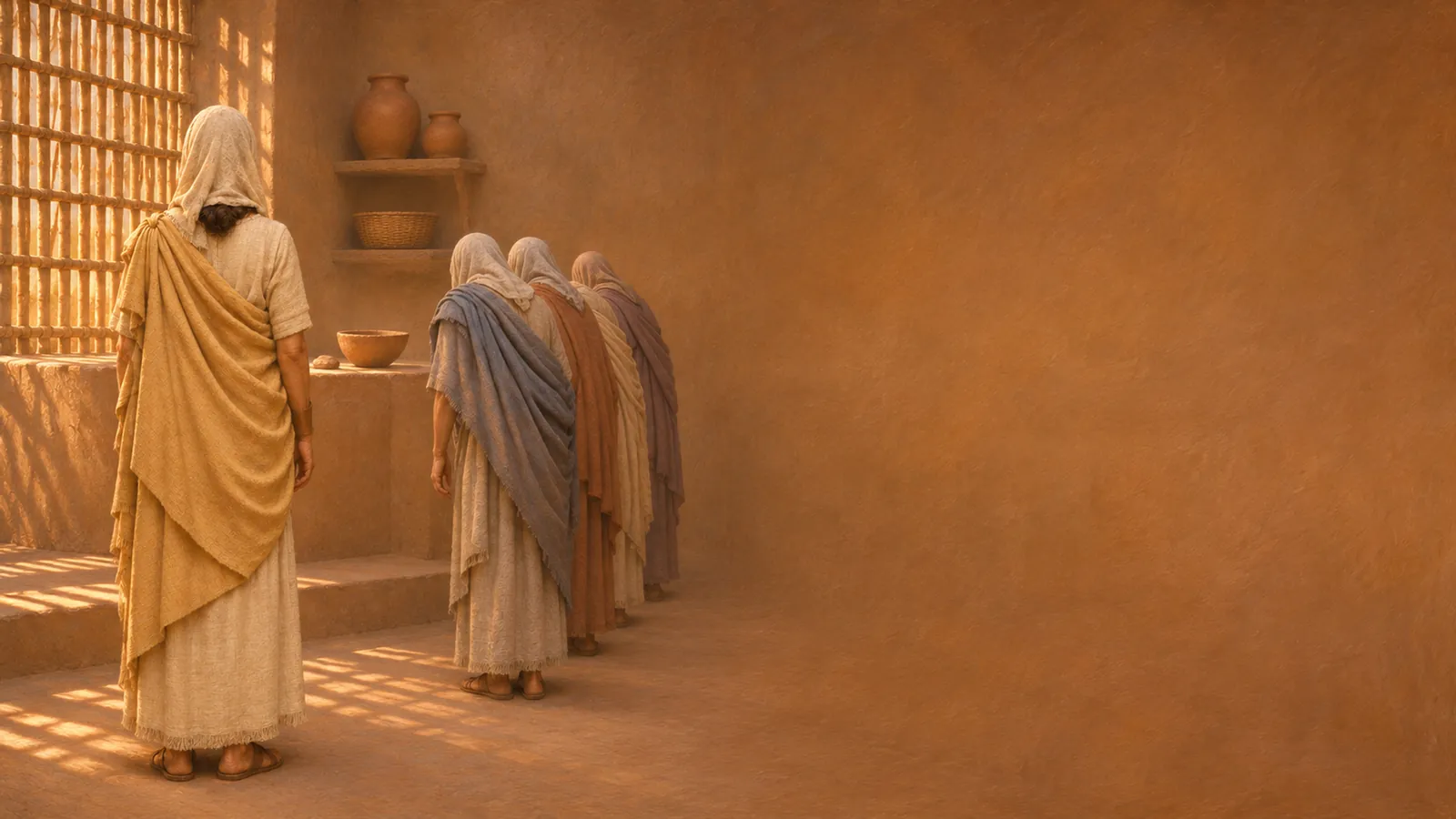
Les dieux s’avancèrent pour honorer Mami. Jusque-là, dirent-ils, ils l’avaient appelée Mami. Désormais, ils l’appelleraient la Maîtresse de tous les dieux.
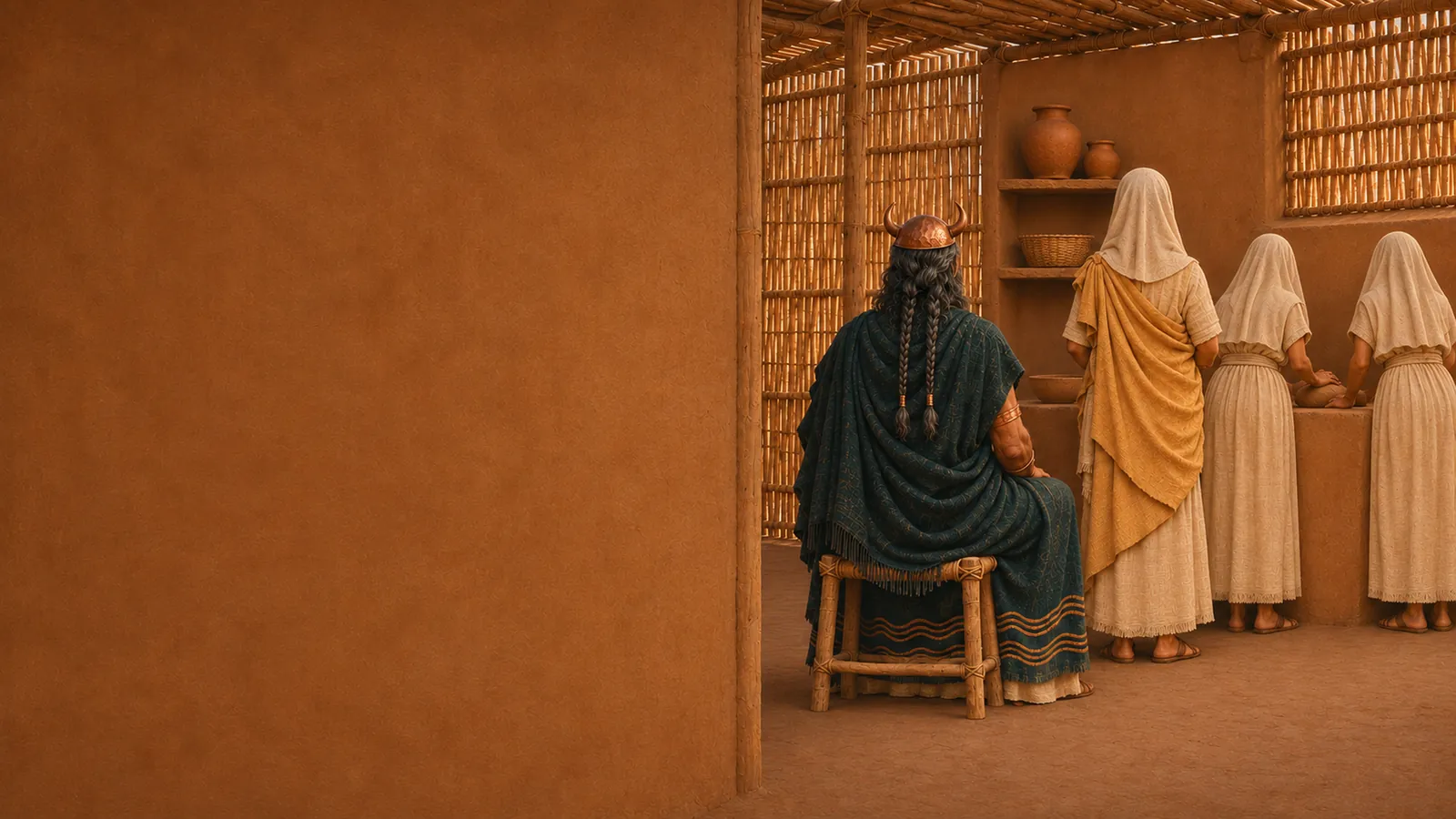
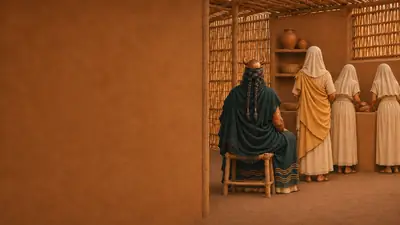
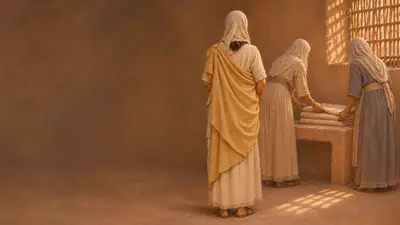
Enki entra avec Mami dans la Maison du Destin. Les sages-femmes s’y rassemblèrent pour travailler l’argile. Enki était assis devant elle quand Mami prononça l’incantation sur l’argile.
SEPT ET SEPT
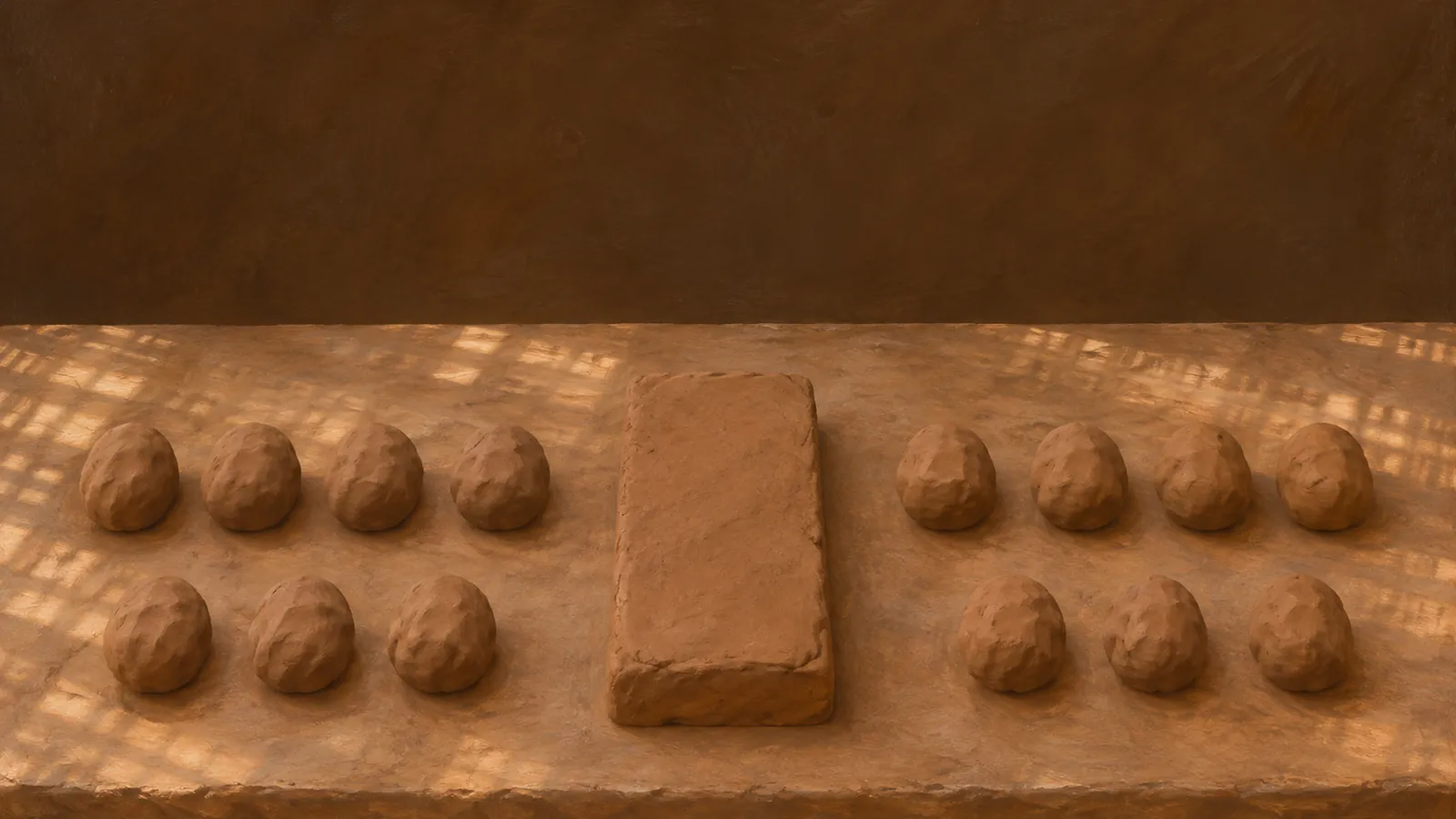
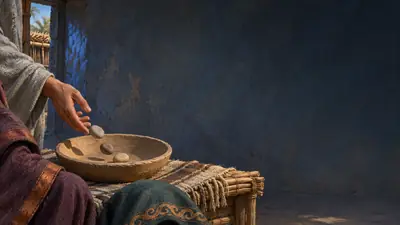
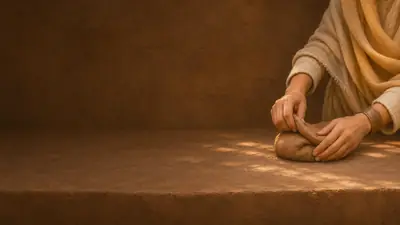
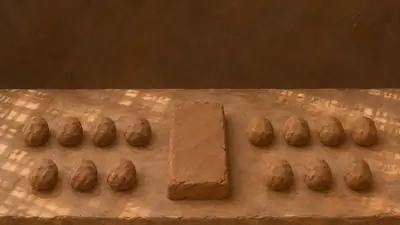
Mami détacha quatorze morceaux d’argile du bout des doigts. Elle en posa sept d’un côté et sept de l’autre, avec une brique dans l’espace entre les deux.
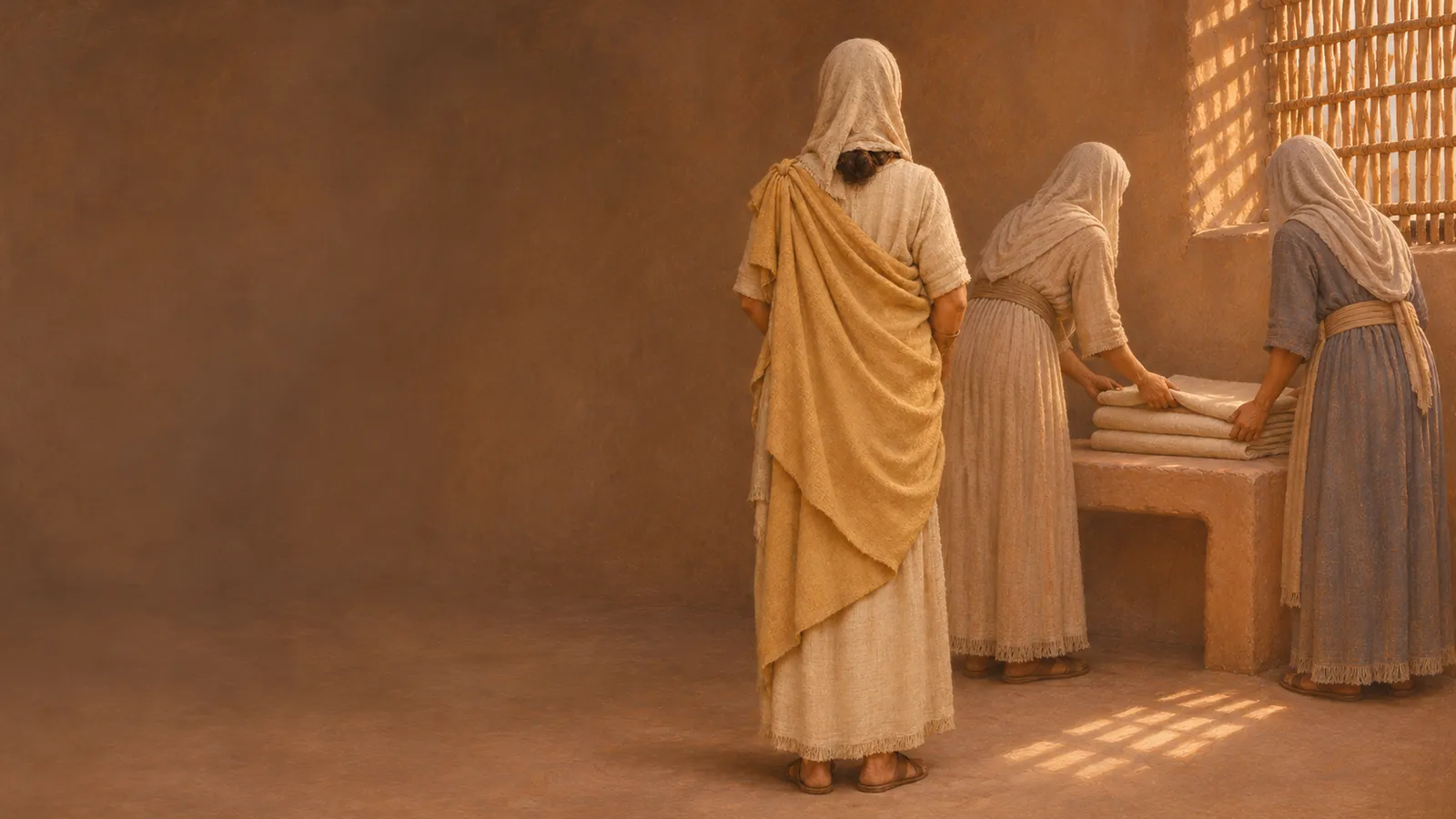
Le poème se souvient de sept garçons et de sept filles au commencement. Mami dit ce qui viendrait ensuite, quand ils auraient grandi et commenceraient à choisir leurs compagnons.
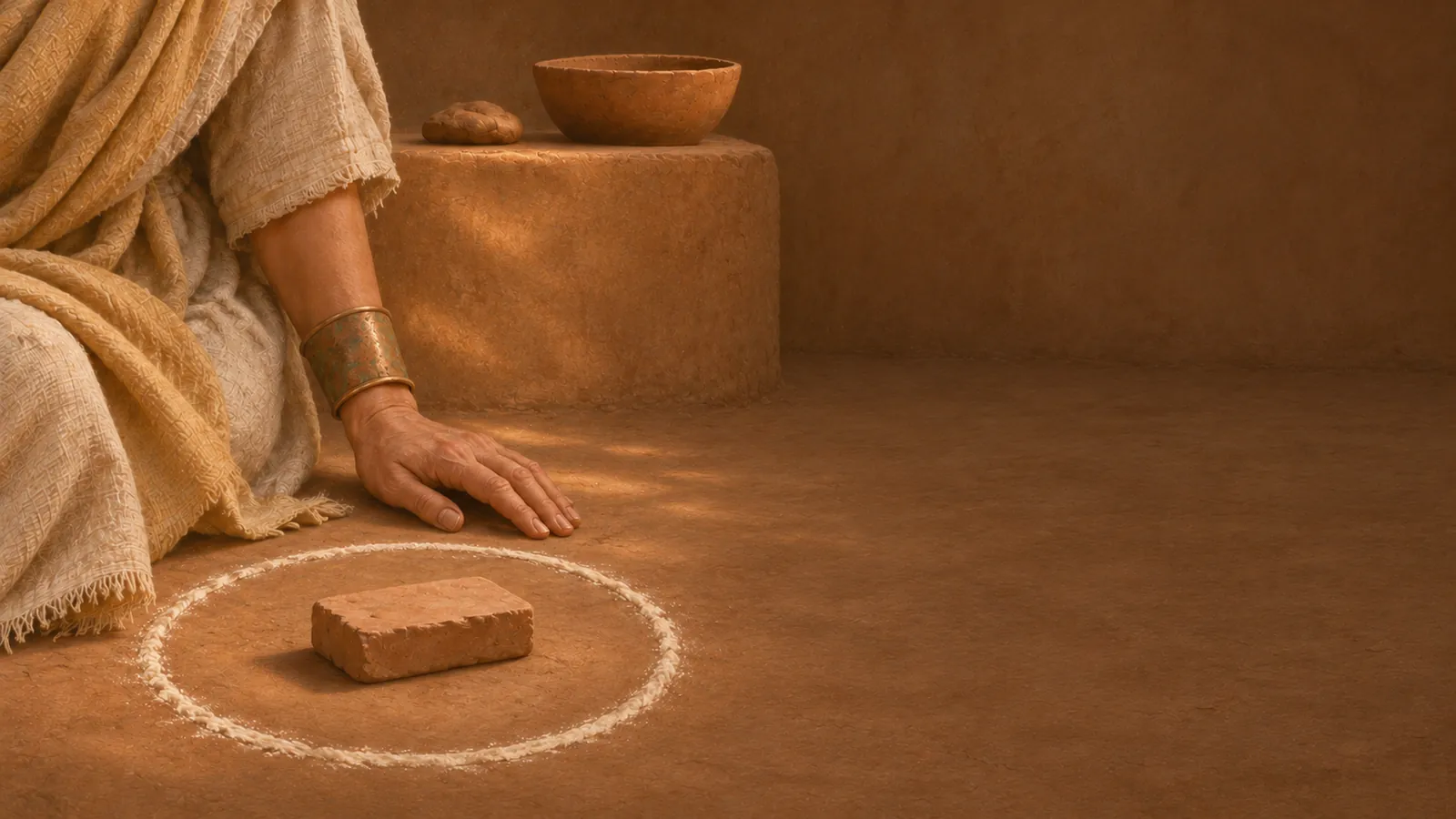
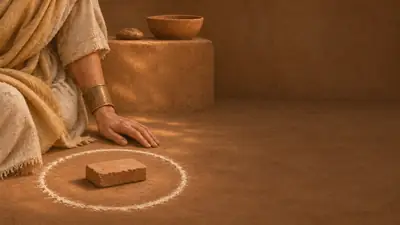
Au mois fixé, la sage-femme accomplit son travail dans la joie. Nintu donna sa bénédiction, traça un cercle avec de la farine et y déposa une brique.
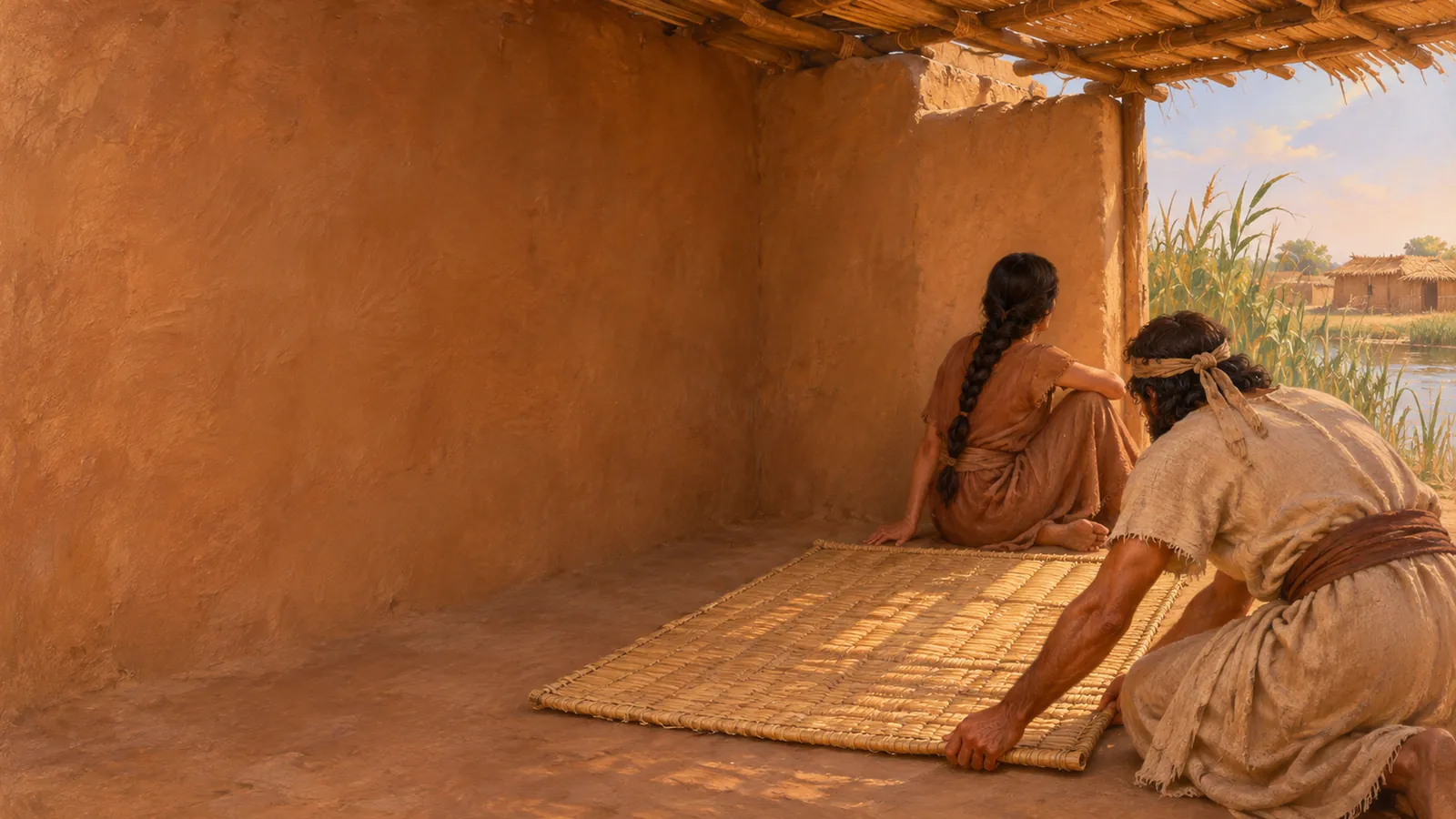
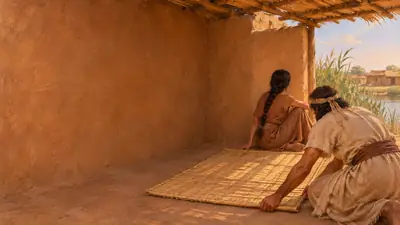
Le fragment de tablette qui nous est parvenu parle d’une natte de roseaux et du choix d’un époux. Il invite à la joie quand deux êtres commencent leur vie ensemble.
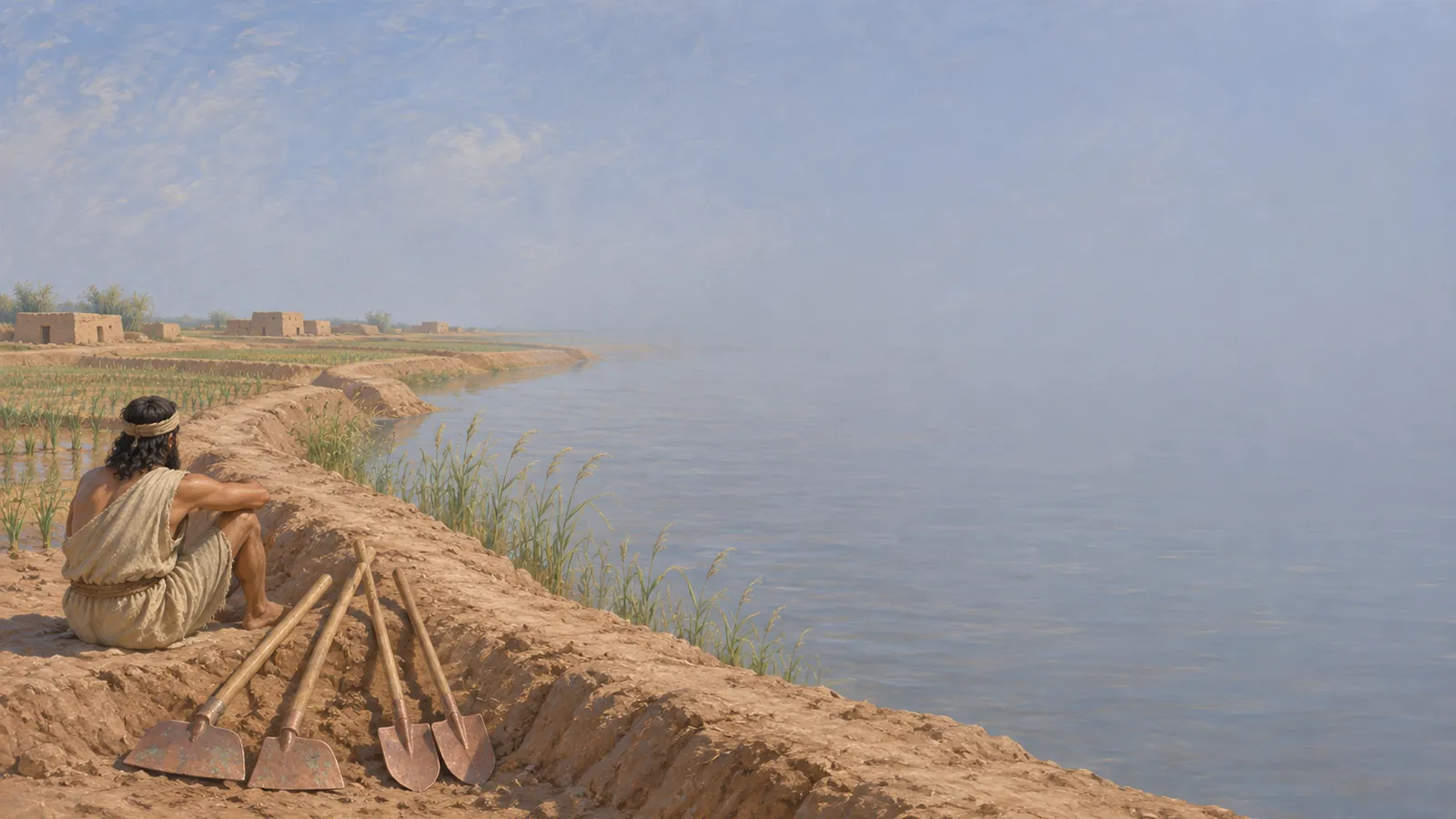
Une partie de la tablette manque ici. Là où le texte redevient lisible apparaissent des houes et des pelles neuves, ainsi que de grandes digues pour les travaux qui nourrissent le pays.
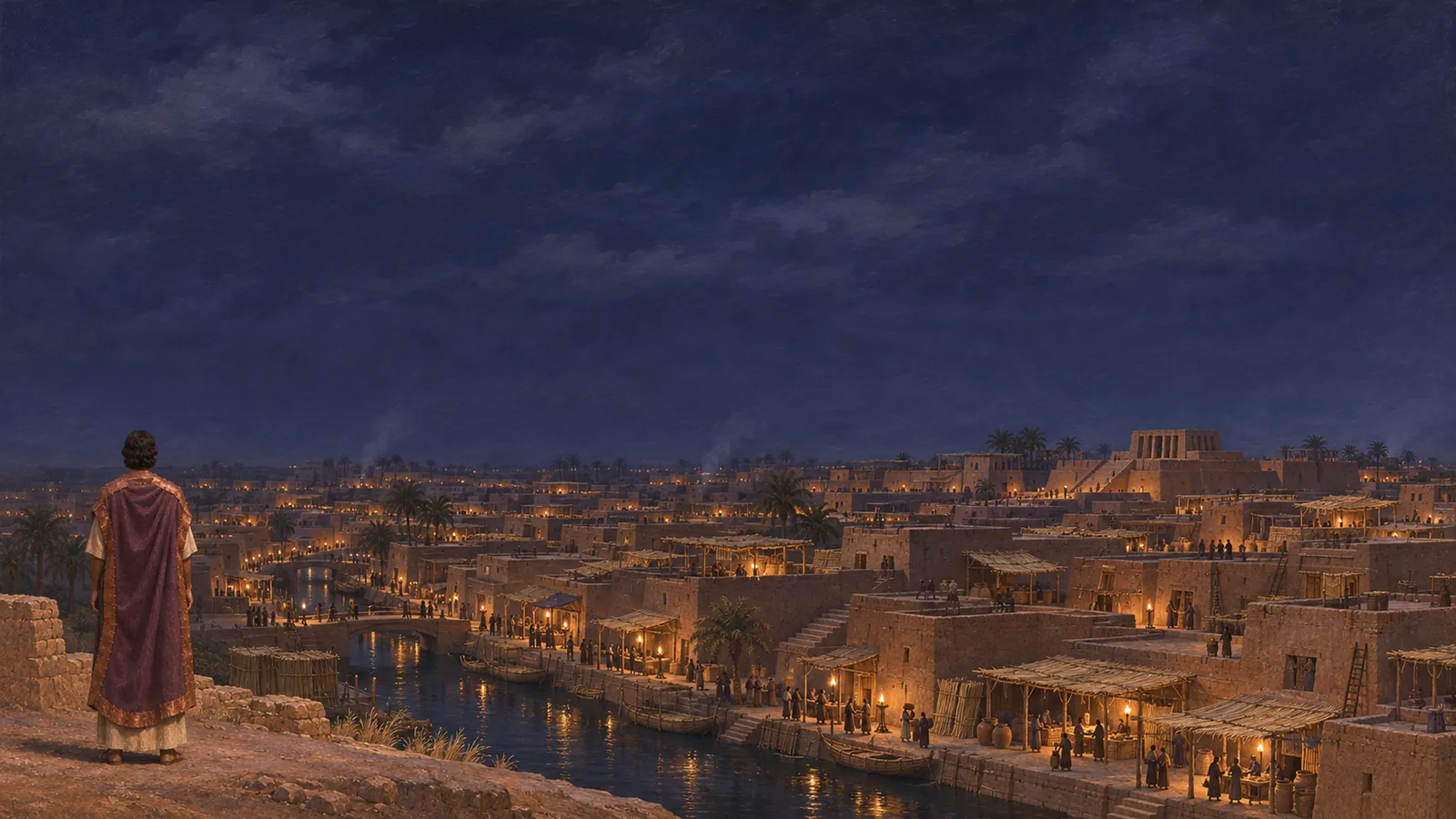
Avec le temps, le pays se peupla. Son bruit monta comme le mugissement d’un taureau et, la nuit, son vacarme empêchait Enlil de dormir.
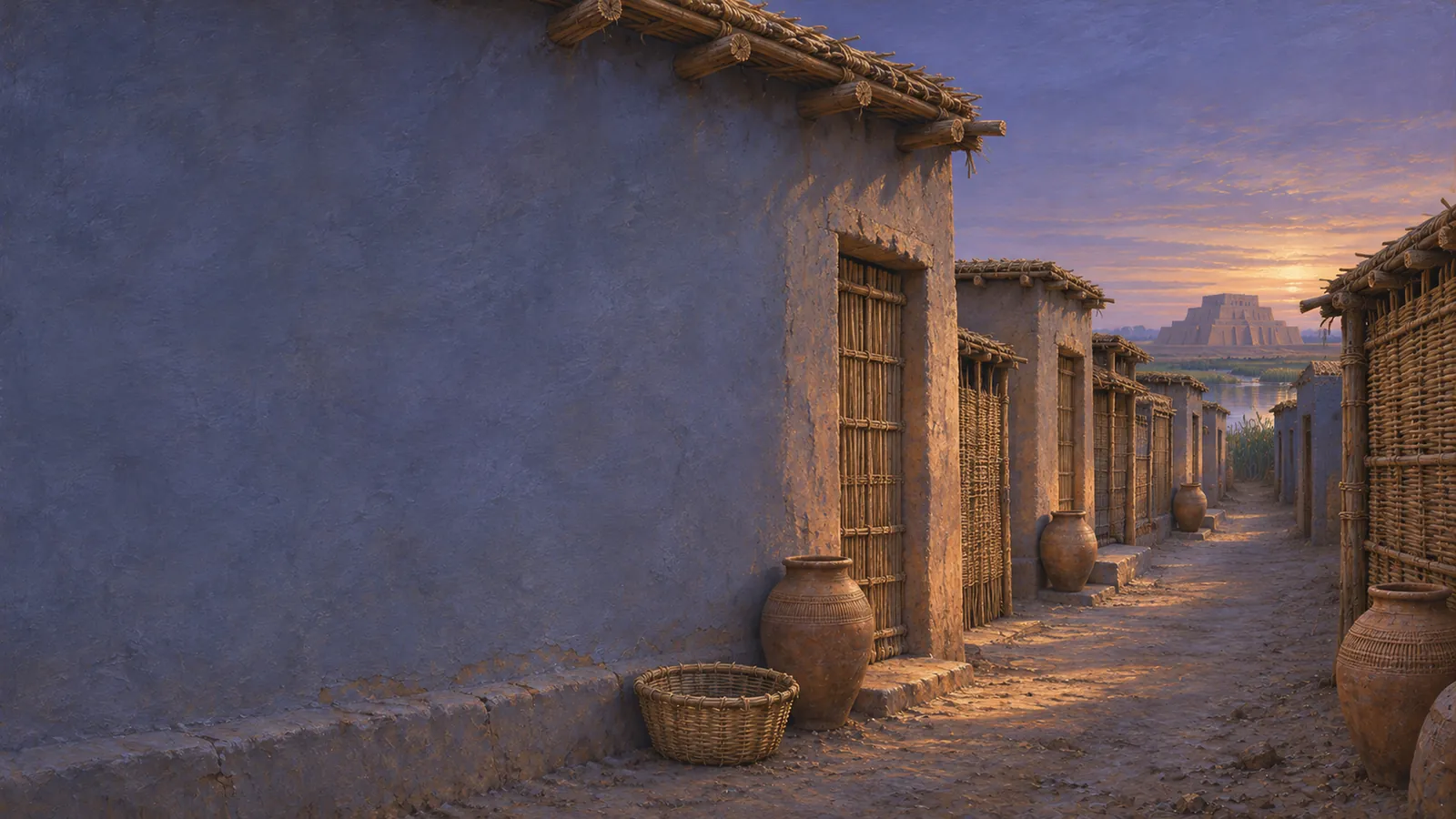
Enlil dit aux dieux combien ce bruit le tourmentait. Il demanda à Namtar d’envoyer la maladie et les frissons à travers le pays, jusqu’à ce que le vacarme s’éteigne.
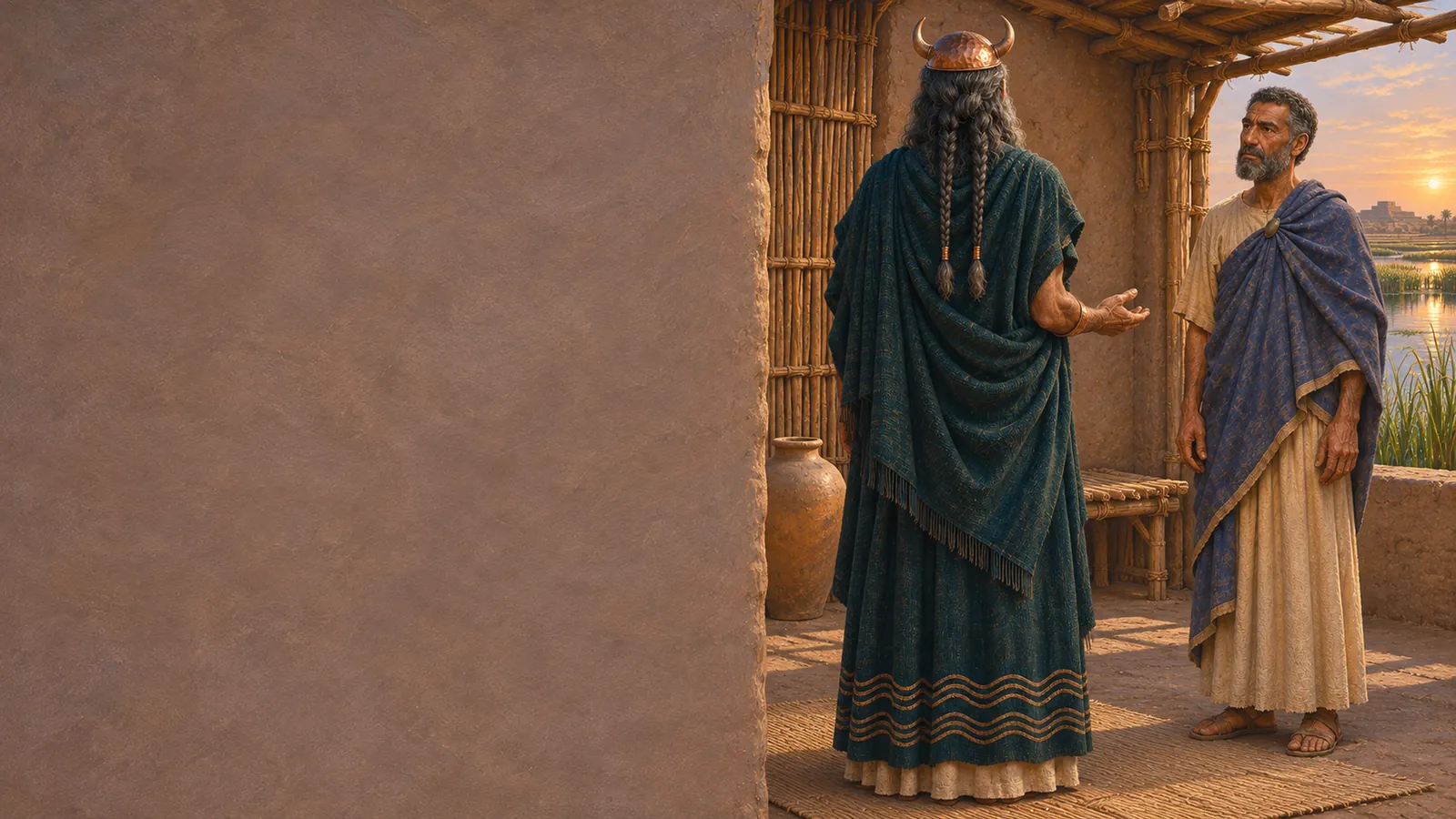
ATRAHASIS
Il y avait un homme nommé Atrahasis qui parlait à Enki et à qui Enki répondait. Cet homme porta maintenant à son dieu la voix d’un pays qui gémissait sous la maladie.
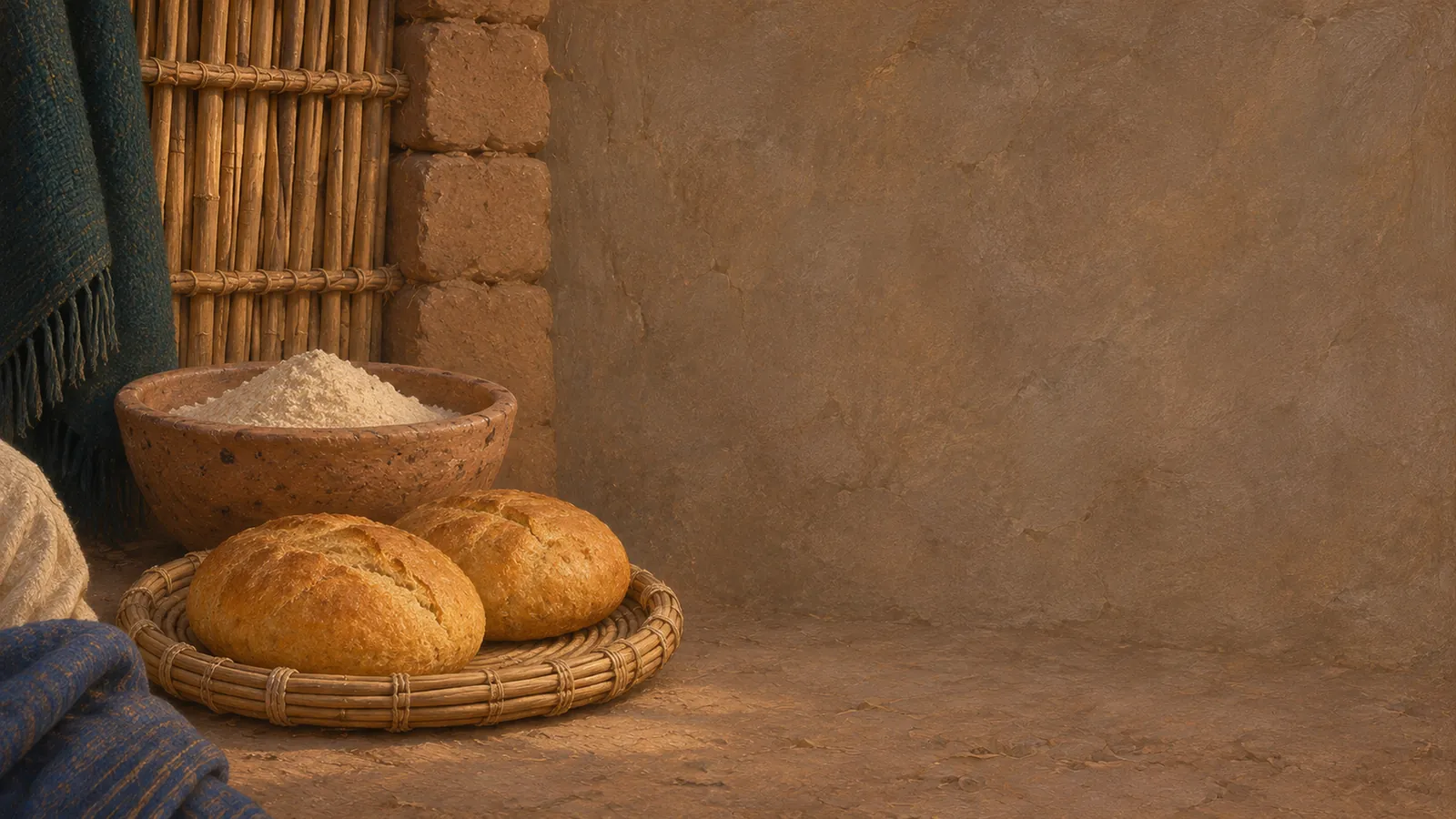
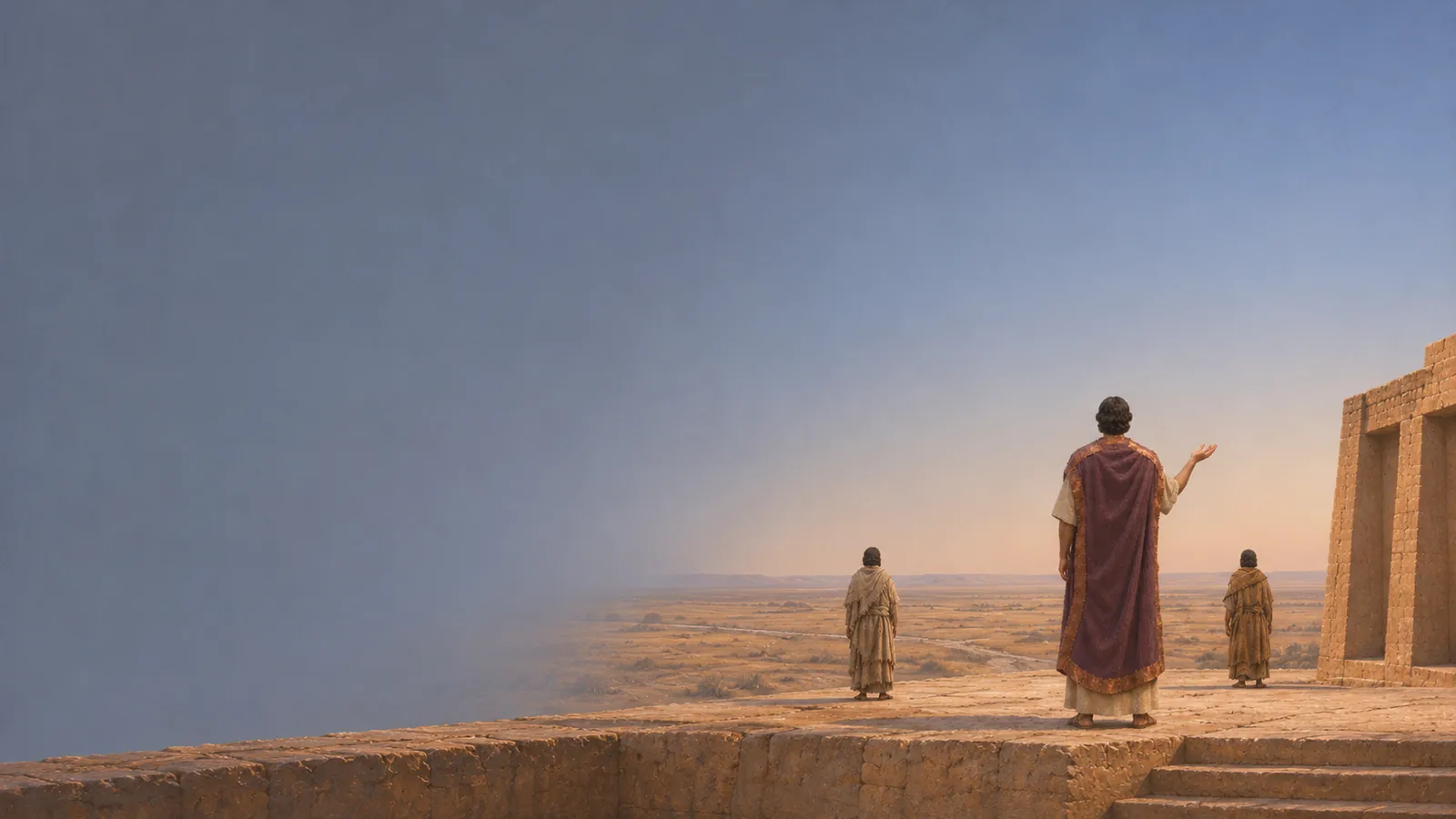
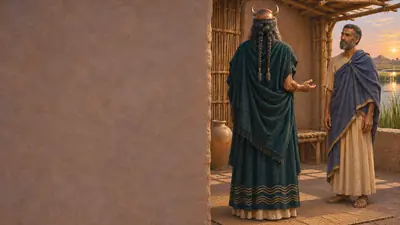
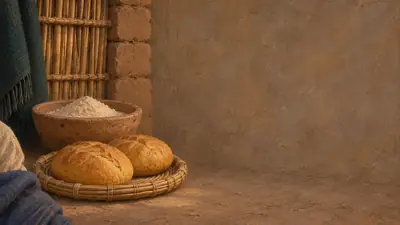
Enki indiqua à Atrahasis ce qu’il devait faire. Il devait réunir les anciens et leur demander d’envoyer les gens auprès de Namtar avec du pain cuit et une offrande de farine.
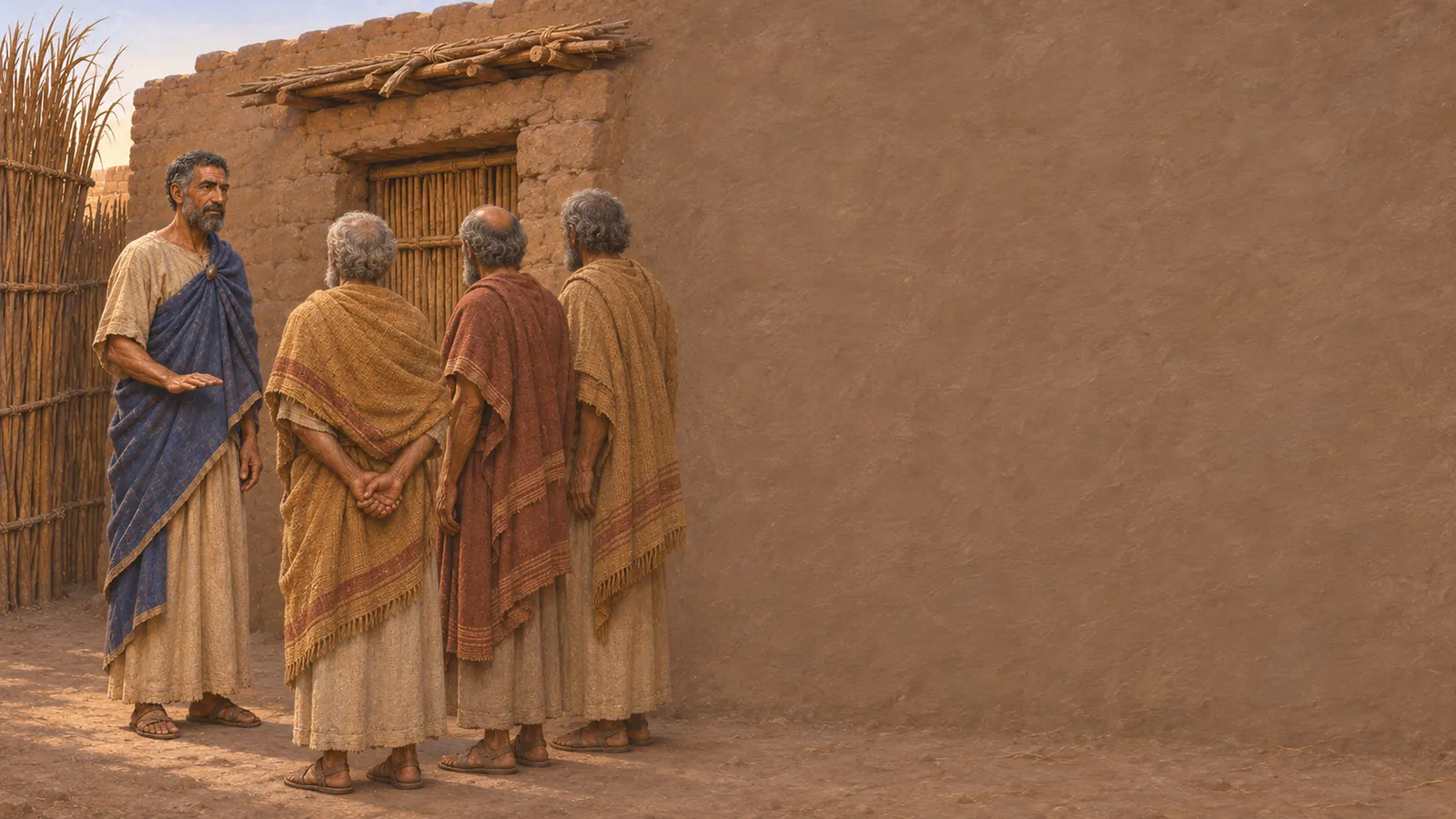
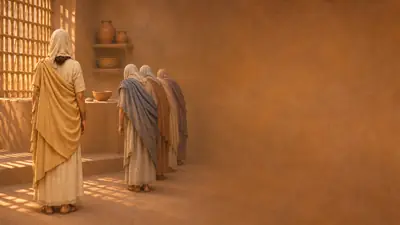
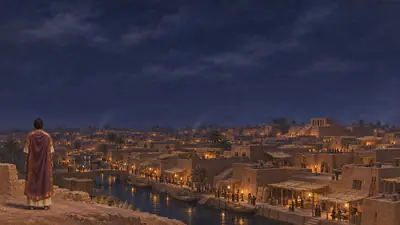
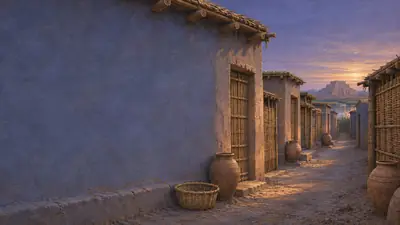
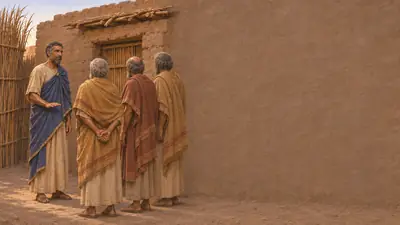
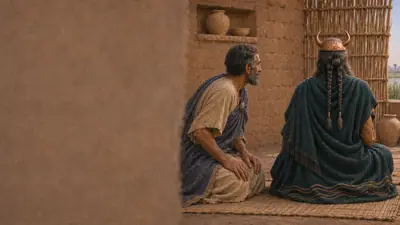
Atrahasis réunit les anciens à sa propre porte. Il leur transmit les paroles d’Enki pour que les crieurs portent son conseil à travers la ville.
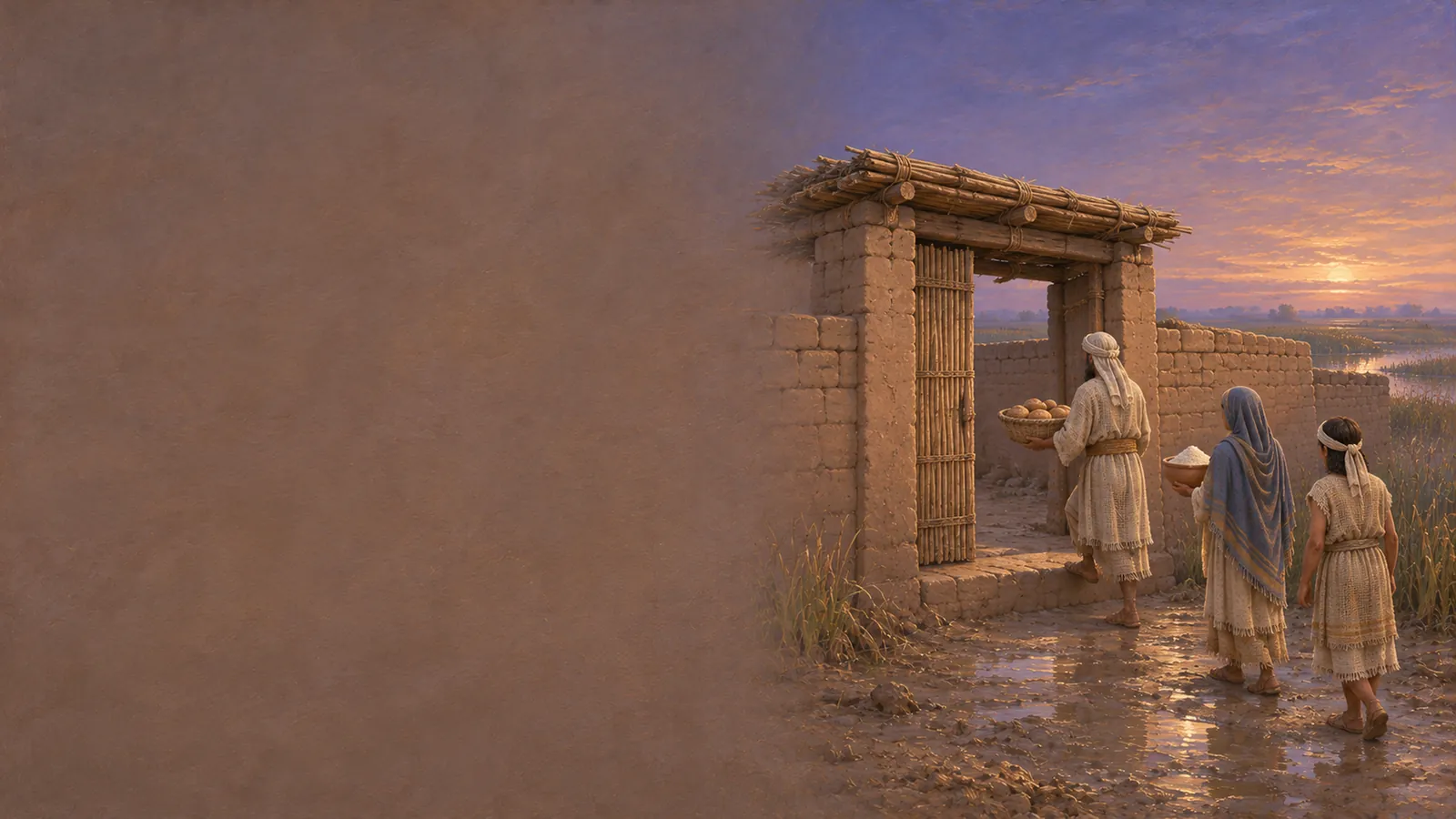
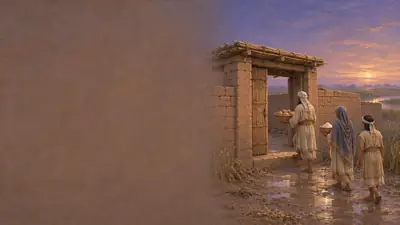
Les anciens écoutèrent et la ville éleva un temple à Namtar. Les crieurs partirent, et les gens apportèrent leurs pains et leur farine à sa porte.
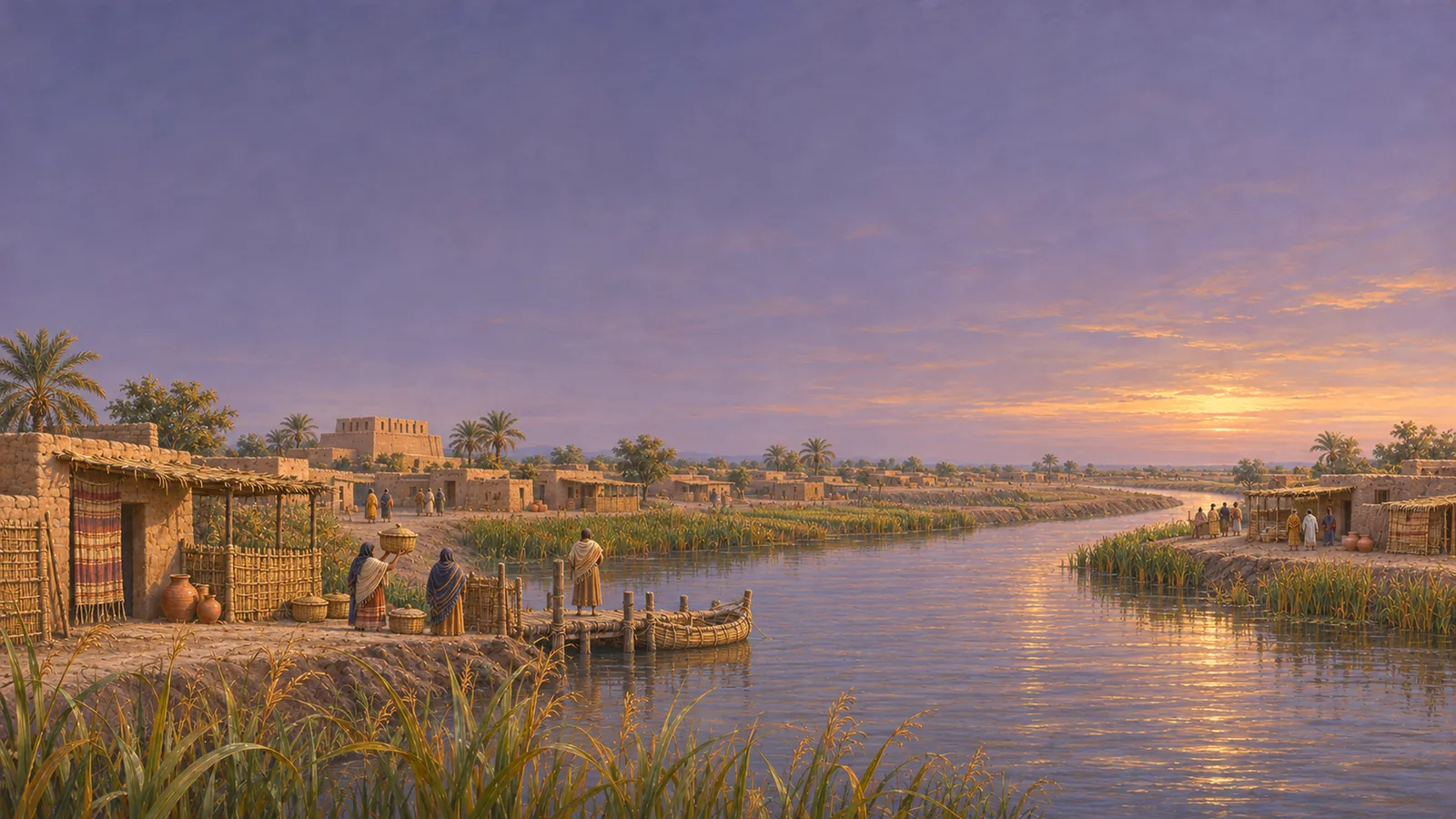
Namtar accepta le don et s’éloigna. Les jours de bonne santé revinrent, des enfants naquirent et bientôt les voix s’élevèrent de nouveau comme autrefois.
SÉCHERESSE
Les voix montèrent de nouveau jusqu’à Enlil. Il ordonna que les vivres soient coupés, qu’Adad retienne la pluie et que le sol s’assèche.
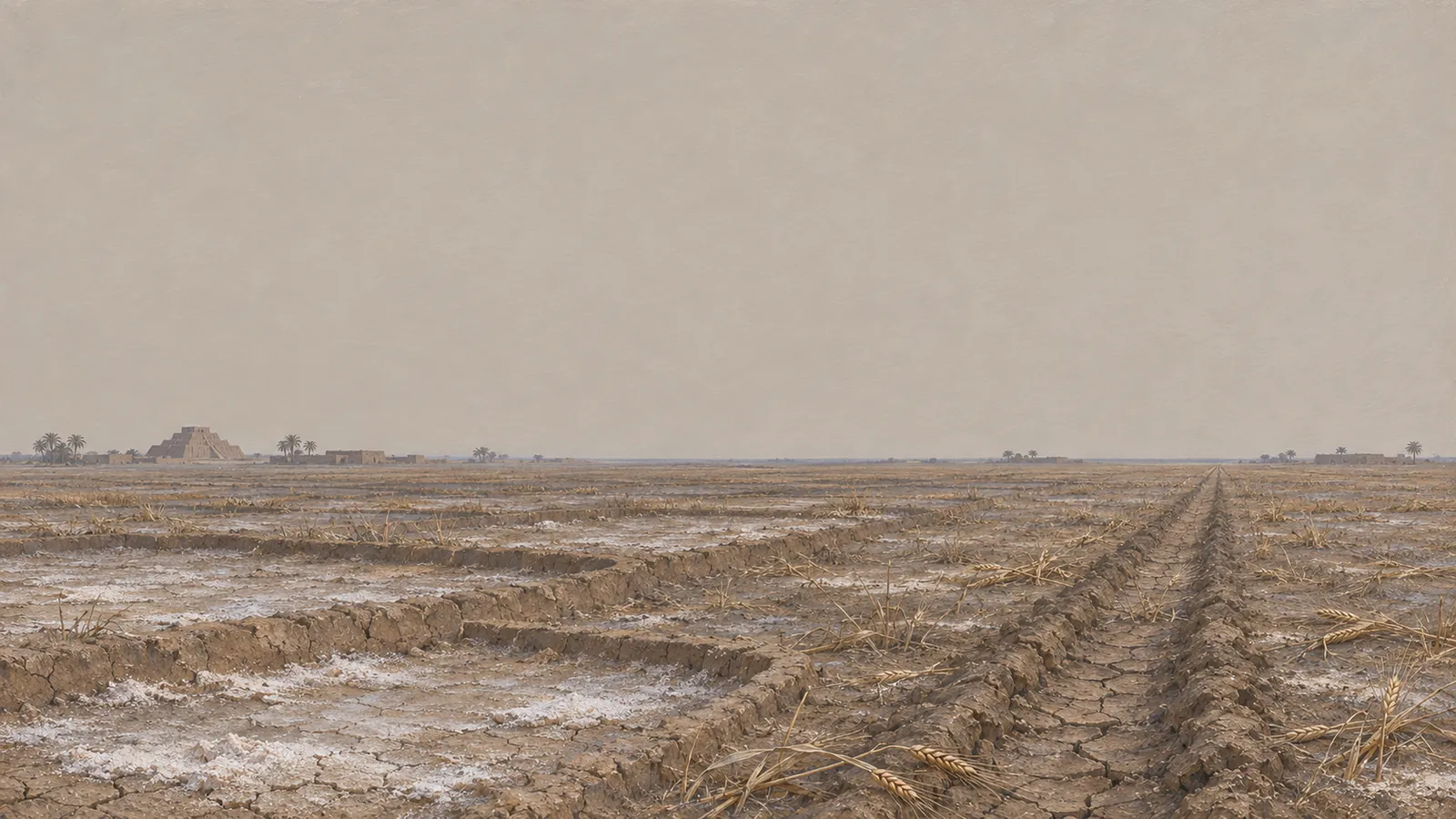
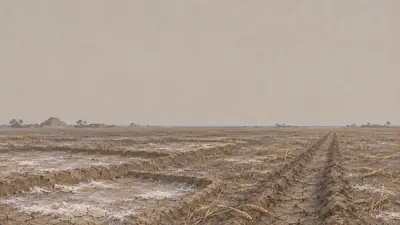
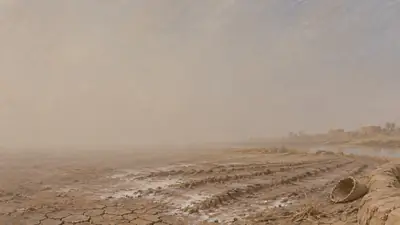
Les nuages n’apportèrent aucun secours. Les céréales dépérirent et la terre sombre blanchit de sel. Le pays parvenait à peine à nourrir ceux qui y vivaient.
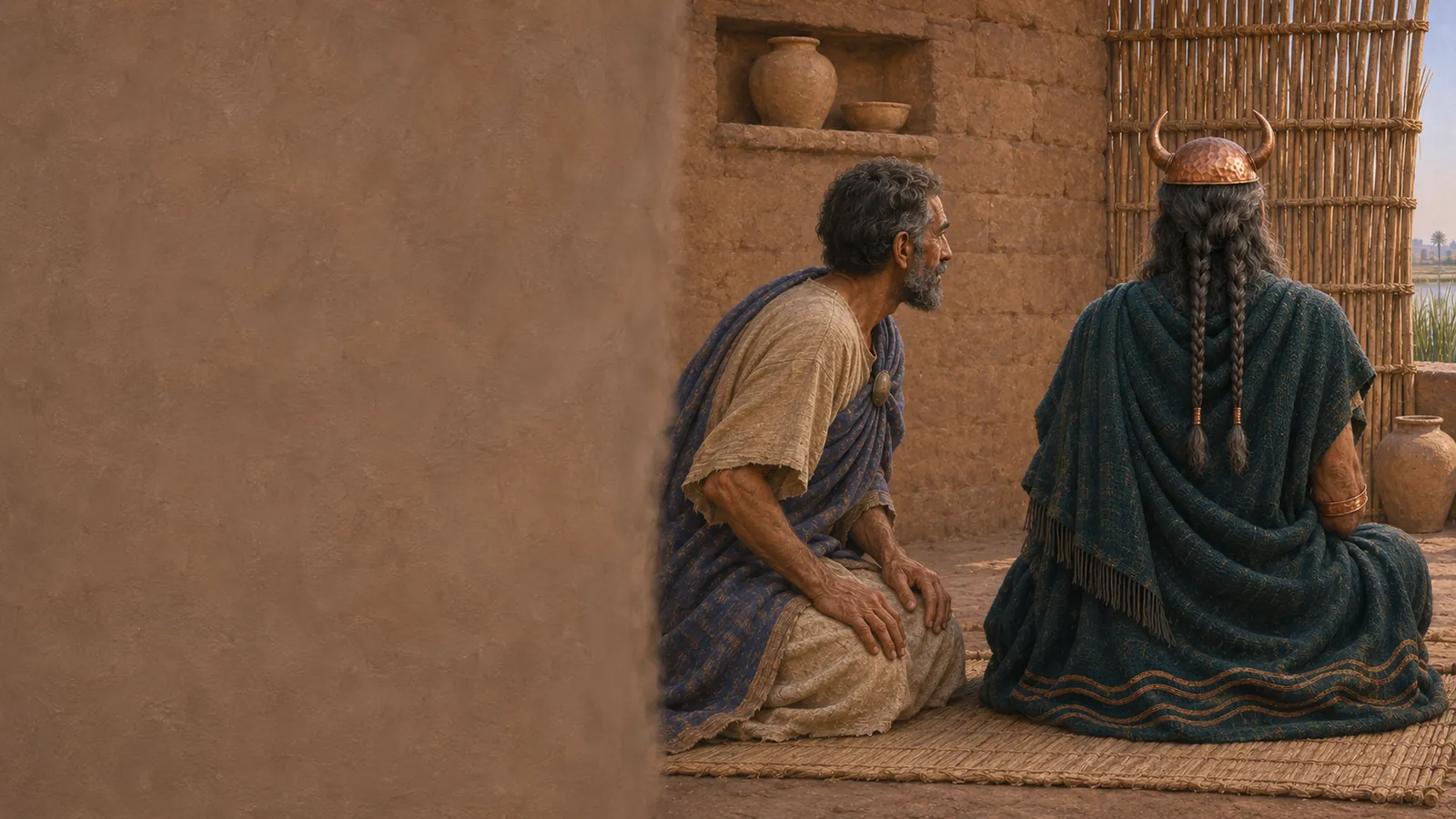
Atrahasis vit les dégâts de la faim et parla de nouveau à Enki. Une grande partie de ses paroles est perdue, mais les lignes lisibles qui suivent nous donnent la réponse d’Enki.
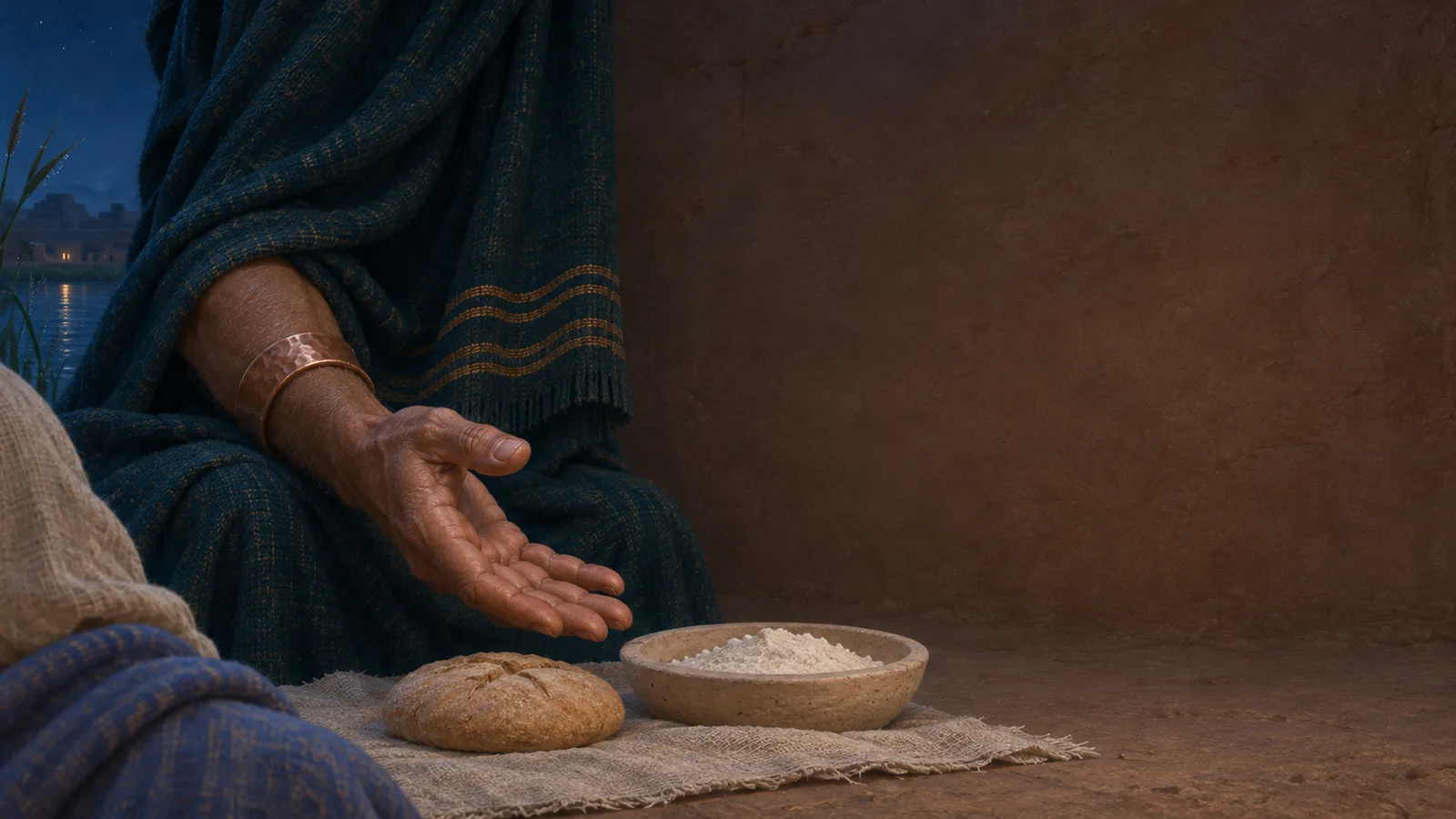
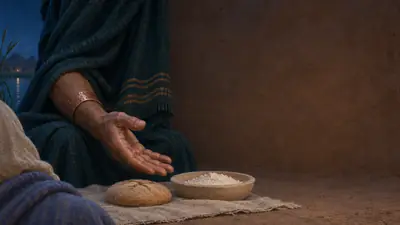
Enki dit à Atrahasis d’envoyer les gens à la porte d’Adad avec du pain et de la farine. La pluie pouvait être retenue, mais un peu de rosée nocturne aiderait les champs à reprendre vie.
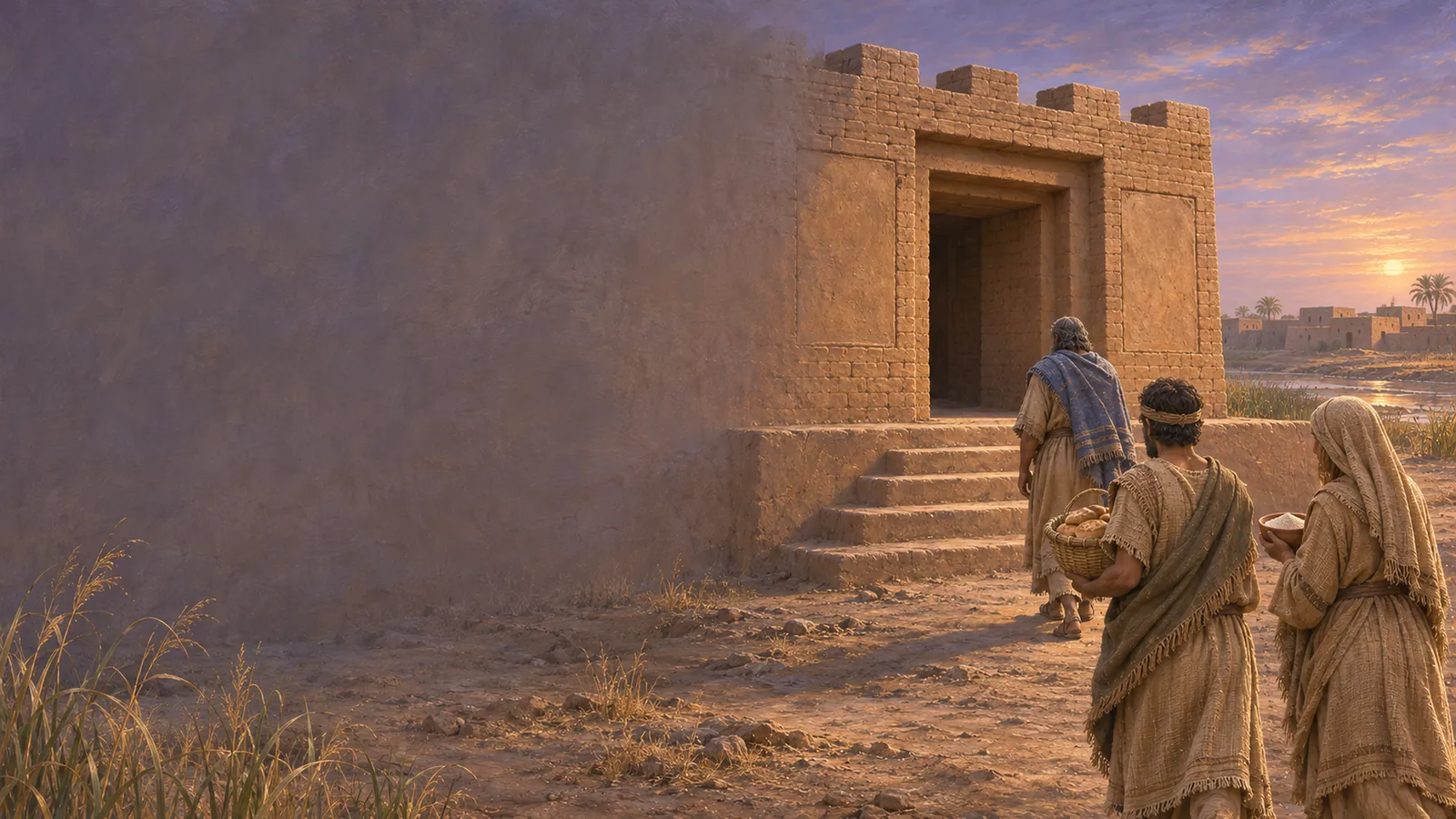
Atrahasis réunit les anciens et leur transmit le conseil d’Enki. Les crieurs le portèrent dans toute la ville, et les gens apportèrent leurs pains et leur farine au nouveau temple d’Adad.
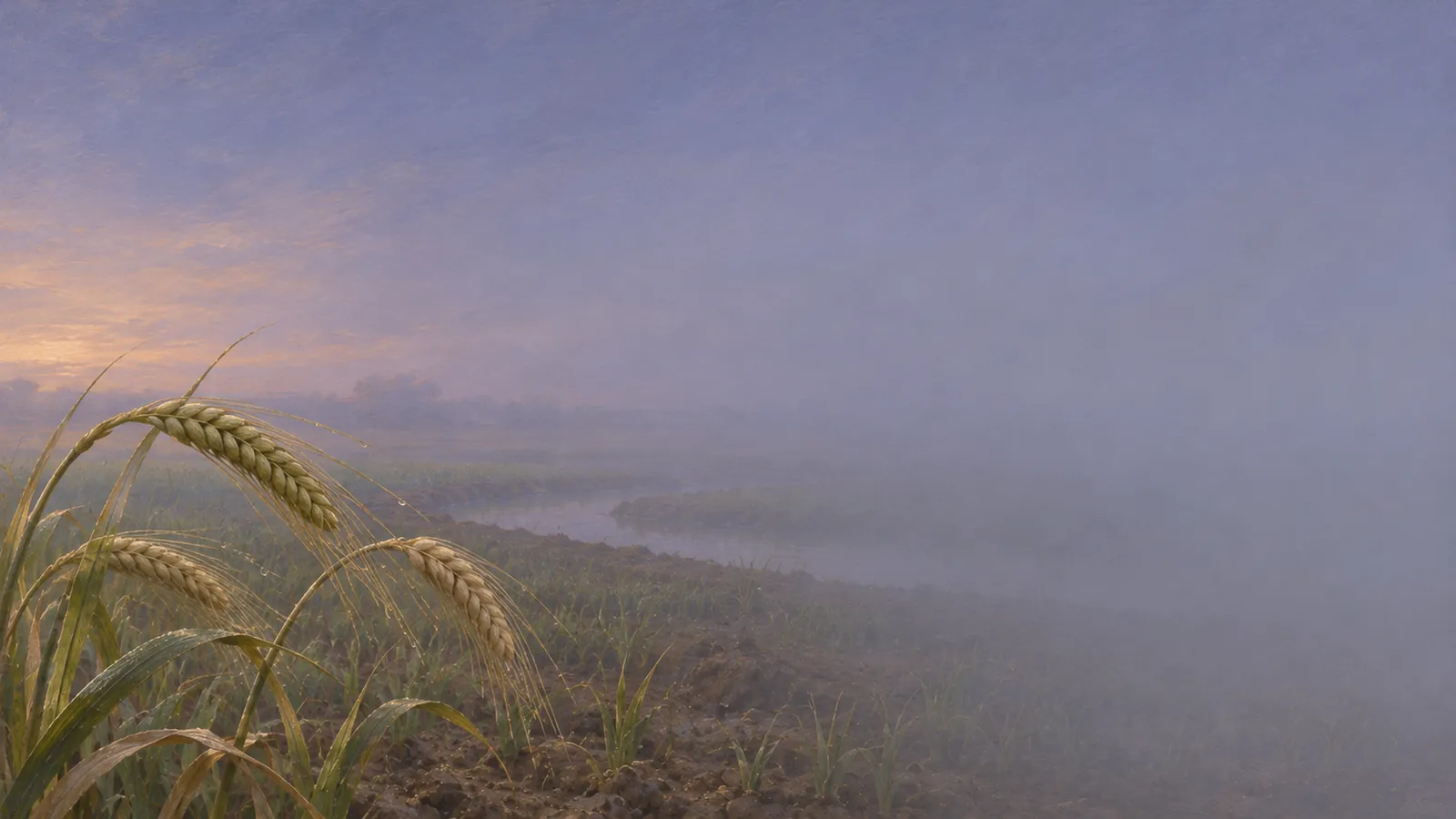
Le matin apportait la brume et, la nuit, la rosée se déposait sur les champs. La terre donna de nouvelles récoltes. Les gens se rétablirent et Enlil entendit bientôt leurs voix s’élever comme autrefois.

Cette fois, Enlil voulait placer des gardes sur le monde entier. Il en assigna aux hauteurs et à la terre, et chargea Enki et ses compagnons de surveiller la barrière qui retenait la mer.
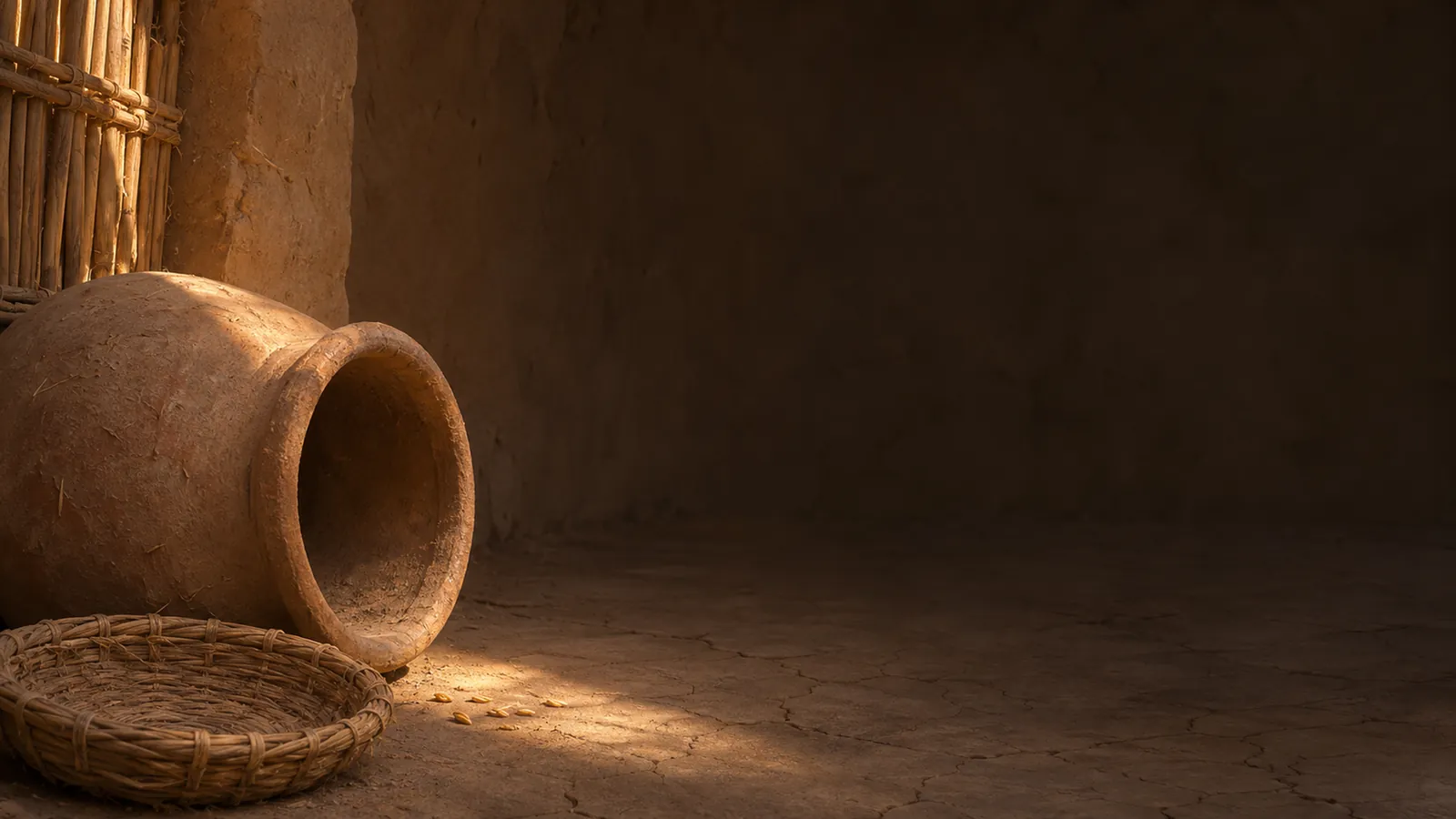
Les récoltes se perdent à nouveau, et le poème compte les années de famine. Dans un passage lacunaire, une fille est servie comme nourriture et les gens se dévorent entre eux.
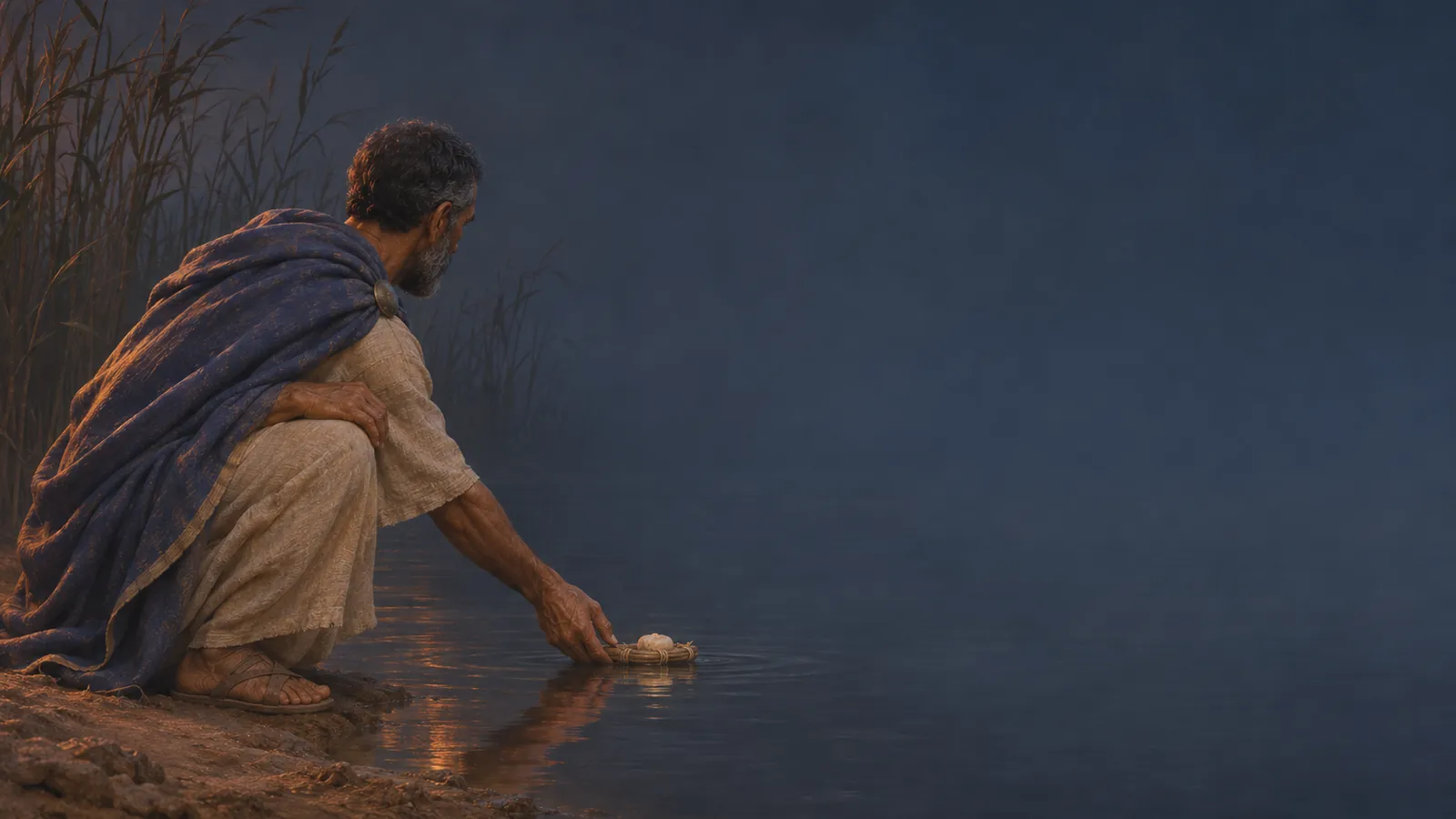
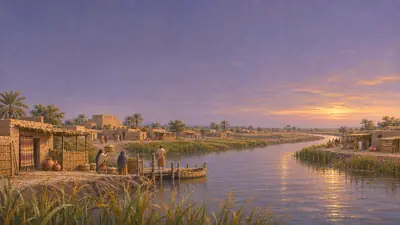
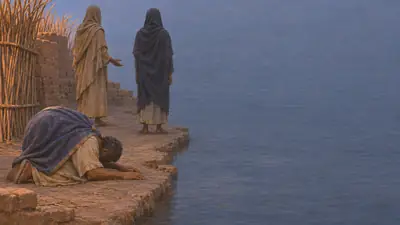
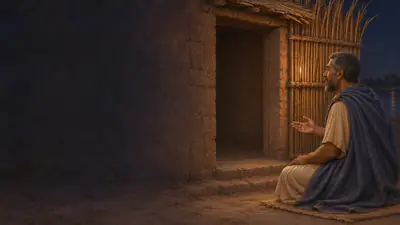
Atrahasis pleura et demanda à Enki de lui répondre en rêve. La nuit, il fit une offrande au bord du fleuve et pria l’eau de porter son don jusqu’à son dieu.
PROFONDEURS
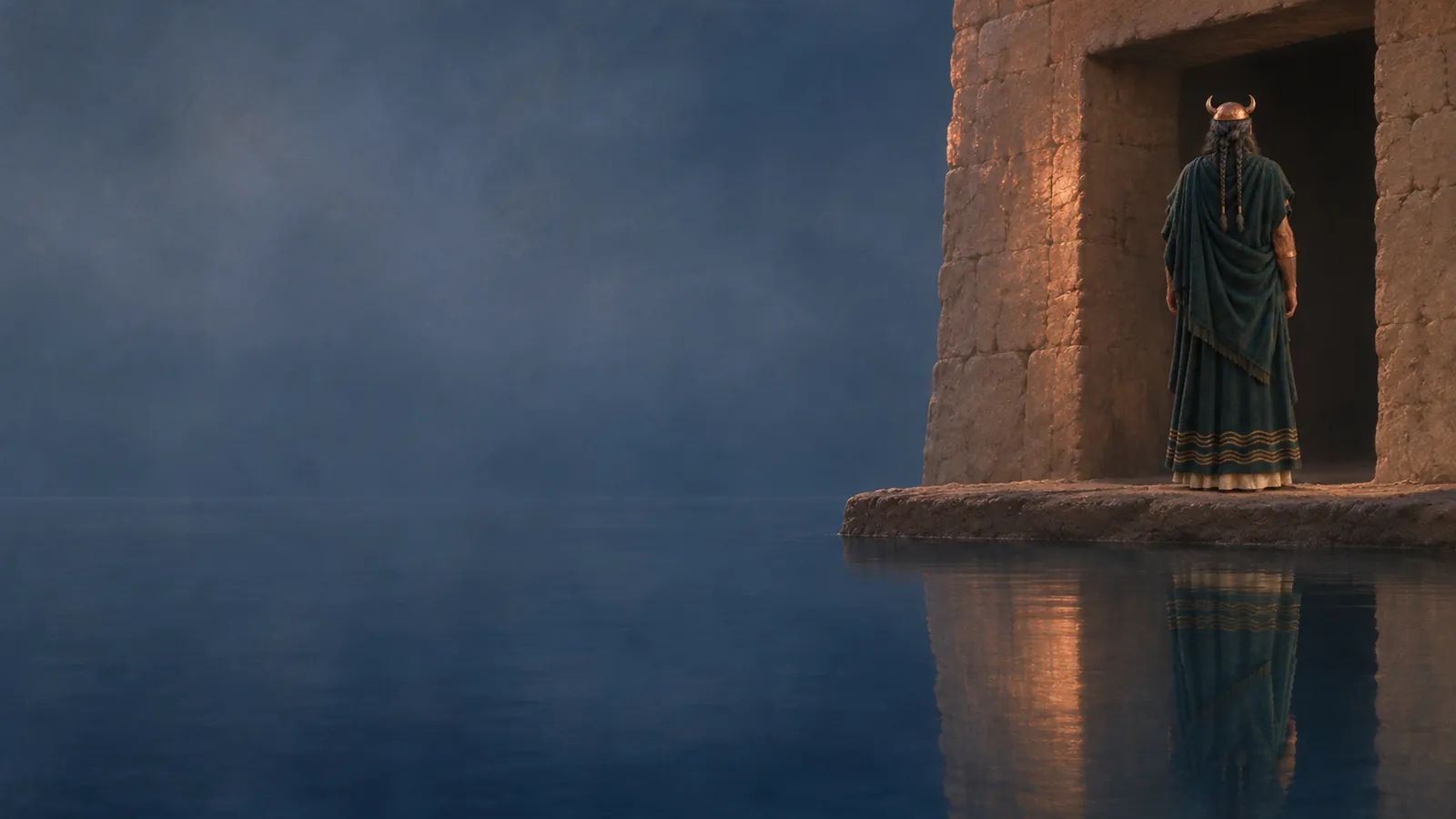
Le poème dit que la voix de l’homme descendit jusqu’à l’Apsu et qu’Enki l’y entendit. Il envoya des messagers s’enquérir de l’état du pays.
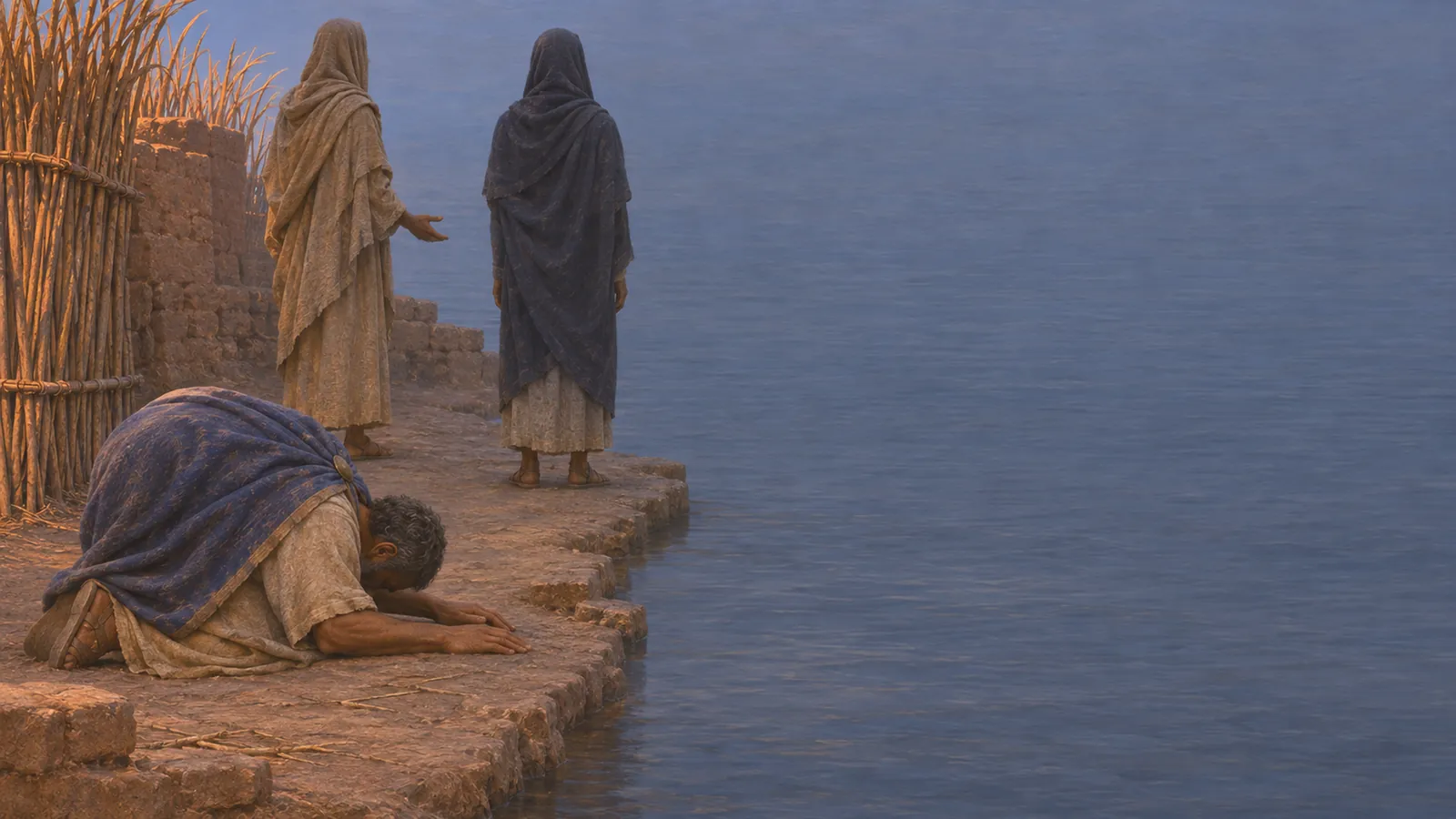
Les messagers traversèrent les eaux et arrivèrent au quai. Ils dirent à Atrahasis que son don était parvenu à Enki. Il s’inclina et baisa le sol devant eux.
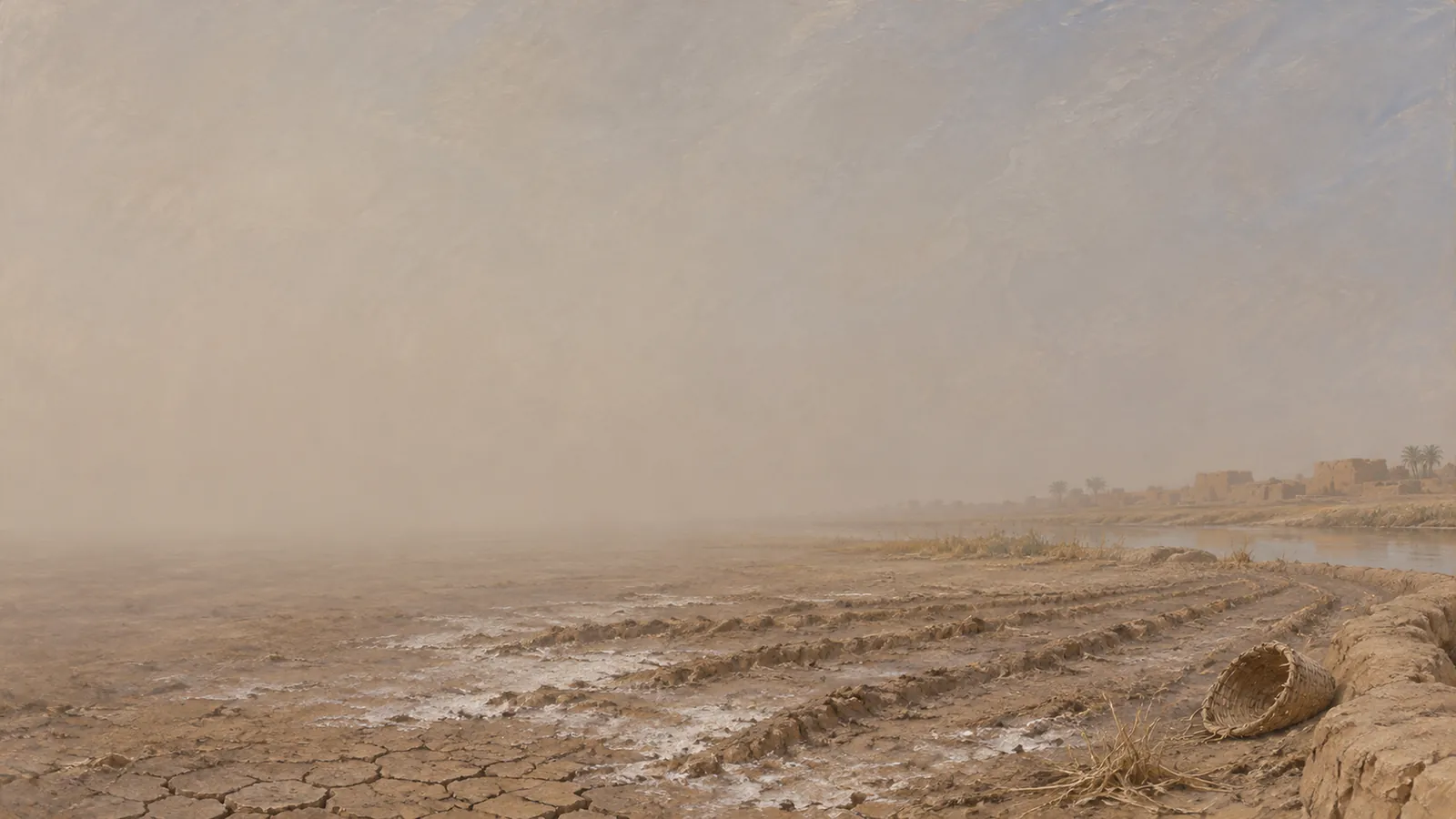
L’échange qui suit est endommagé. Enki envoie son ministre, qui rapporte que les pluies ont manqué, que le sel étouffe les champs et que les gens ont épuisé leur grain.

Les fragments suivants parlent de poissons qui franchissent une barrière brisée et de nourriture qui revient aux gens. Au conseil, Enlil dit qu’Enki a libéré cette abondance.
SERMENT
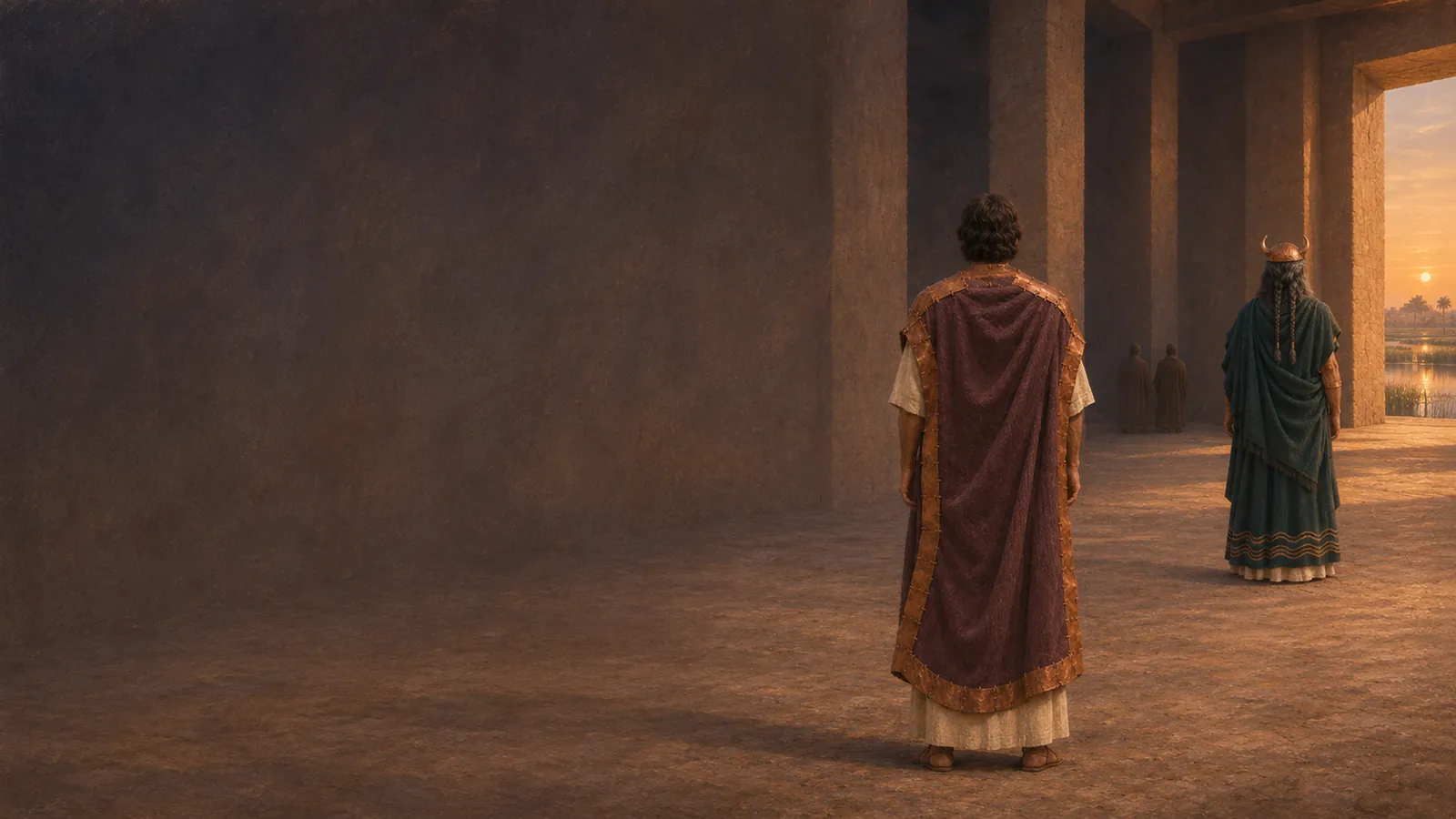
La décision suivante du conseil fut d’envoyer un déluge. Les dieux voulaient lier Enki par un serment, mais les lignes brisées gardent sa protestation quand on lui demande de se retourner contre les siens.

Les voix de l’assemblée deviennent difficiles à suivre. La tablette brisée parle encore d’eaux qui déborderont et d’une tâche à accomplir à la nouvelle lune.
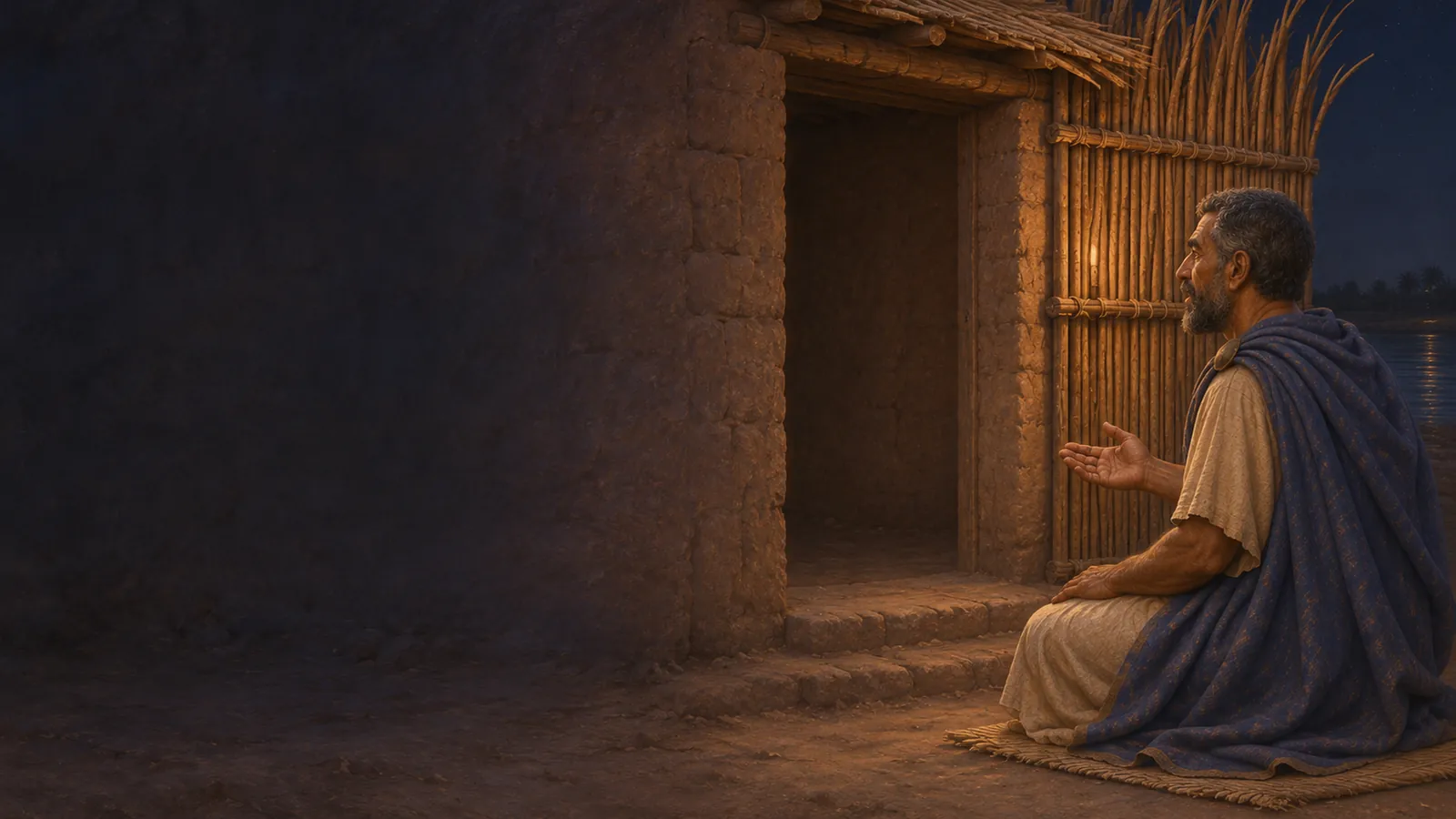
Les dieux avaient décidé la destruction. À la fin de cette tablette, un homme seul parle encore à Enki. Que peut maintenant lui dire Enki, avec un serment entre eux ?
Fin du chapitre 1
Toutes les pages







Sources
On page 46, the fragmentary famine lines preserve the serving of a daughter as food and the consuming of one person by another (Atrahasis II, section E 78q–78w, SEAL 39732). Parts of the lines are restored, and the retelling condenses them to one sentence.
Éditions consultées
- SEAL 1515, Atrahasis I with translation and manuscript apparatus
- SEAL 39732, Atrahasis II with translation and manuscript apparatus
- SEAL 1516, Old Babylonian Sippar Tablet II witness
- SEAL 1518, Old Babylonian Larsa Tablet II–III fragment
- Wasserman 2020, Old Babylonian Atra-ḫasīs and Flood recensions, pp. 16–19
- IL Archive, Atrahasis: Epic and Hero
Notes sur ce récit
On page 23, the slain god is Wē in the SEAL reading of the Sippar passage, traditionally read We-ila. The Igigi spit on the clay after Mami mixes it with his flesh and blood (Atrahasis I 223–234, SEAL 1515). The retelling gives the killing and mixing.
Les vers antiques de chaque page
- Page 1: Atrahasis I 1–4, SEAL 1515
- Page 2: Atrahasis I 1–6, 37–38, SEAL 1515
- Page 3: Atrahasis I 7–18, SEAL 1515
- Page 4: Atrahasis I 19–26, SEAL 1515
The Tigris and Euphrates are partly restored here. - Page 5: Atrahasis I 33–38, SEAL 1515
Reeds are explicated in the SEAL translation. The exact numeral for the duration varies by witness. - Page 6: Atrahasis I 37–42, SEAL 1515
- Page 7: Atrahasis I 43–63, SEAL 1515
The name Wē is preserved in the composite, with variation in the witnesses. - Page 8: Atrahasis I 63–69, SEAL 1515
- Page 9: Atrahasis I 68–73, SEAL 1515
The Ekur appears by name in line 73. - Page 10: Atrahasis I 74–77, SEAL 1515
The verb following Kalkal’s inspection is fragmentary. - Page 11: Atrahasis I 78–83, SEAL 1515
- Page 12: Atrahasis I 84–90, SEAL 1515
- Page 13: Atrahasis I 91–104, SEAL 1515
- Page 14: Atrahasis I 103–123, SEAL 1515
- Page 15: Atrahasis I 124–143, SEAL 1515
- Page 16: Atrahasis I 144–152, SEAL 1515
- Page 17: Atrahasis I 153–165, SEAL 1515
- Page 18: Atrahasis I 166–173, SEAL 1515
The later part of Enlil’s response is fragmentary. - Page 19: Atrahasis I 174–180, SEAL 1515
The speaker is Ea in the composite. Several later witnesses assign the speech to Anu. - Page 20: Atrahasis I 181–197, SEAL 1515
- Page 21: Atrahasis I 198–203, SEAL 1515
- Page 22: Atrahasis I 204–222, SEAL 1515
- Page 23: Atrahasis I 213–217, 223–230, SEAL 1515
The victim is Wē in the Sippar tradition, Alla in other witnesses. - Page 24: Atrahasis I 231–245, SEAL 1515
- Page 25: Atrahasis I 244–248, SEAL 1515
- Page 26: Atrahasis I 249–255, SEAL 1515
- Page 27: Atrahasis I 255–260, SEAL 1515
The later Neo-Assyrian witness supplies the fourteen pieces, their arrangement and the central brick. - Page 28: Atrahasis I 260b–260g, 265–276, SEAL 1515
The later Neo-Assyrian witness supplies the seven-and-seven births. - Page 29: Atrahasis I 277–295, SEAL 1515
- Page 30: Atrahasis I 296–308, SEAL 1515
The events around these customs are fragmentary. - Page 31: Atrahasis I 309–339, SEAL 1515
- Page 32: Atrahasis I 351–359, SEAL 1515
The comparison is a simile. - Page 33: Atrahasis I 357–363f, SEAL 1515
- Page 34: Atrahasis I 364–371, SEAL 1515
- Page 35: Atrahasis I 372–384, SEAL 1515
- Page 36: Atrahasis I 385–400, SEAL 1515
- Page 37: Atrahasis I 400–409, SEAL 1515
The temple and action toward line 412 are partly restored in the composite. - Page 38: Atrahasis I 407–416, SEAL 1515
Some lines are restored. - Page 39: Atrahasis II A 1–20, SEAL 39732
- Page 40: Atrahasis II A 14–20, B 7–18, SEAL 39732
II A survives in Old Babylonian and later copies. - Page 41: Atrahasis II D 1–11, E 1–10, SEAL 39732
Its closing address and the opening of Segment E are damaged. - Page 42: Atrahasis II E 9–24, SEAL 39732
The instructions in E 9–24 are primarily preserved in later copies. The Old Babylonian text repeats the advice and preserves the relief at II E 32–60. - Page 43: Atrahasis II E 25–53, SEAL 39732
- Page 44: Atrahasis II E 54–70, SEAL 39732
- Page 45: Atrahasis II E 63–78, SEAL 39732
Different witnesses vary as to which gods guard the middle region. - Page 46: Atrahasis II, Seg. E 78q–78w, SEAL 39732 (fragmentary); E 144–156 for the wider famine episode
- Page 47: Atrahasis II E 79–105, SEAL 39732
The surviving account names the gift but leaves its container unspecified. - Page 48: Atrahasis II E 106–113, SEAL 39732
- Page 49: Atrahasis II E 114–131, SEAL 39732
- Page 50: Atrahasis II E 132–168, SEAL 39732
Usmû is named as Enki’s minister. The dialogue and several stages of the famine are fragmentary. - Page 51: Atrahasis II G 14–35, 42–49, 55–62, 73–93, SEAL 39732; C₀ i–ii, Wasserman 2020
The surviving exchanges differ by witness and include Enki’s account of the gatekeepers. - Page 52: Atrahasis II H 9–16, I 3–5, SEAL 39732; C₀ iii 1–8, Wasserman 2020
The longer oath sequence in Segment G is supplemented by a Middle Babylonian witness. The protest is preserved in Old Babylonian witnesses D and C₀. - Page 53: Atrahasis II H 20–31, SEAL 39732; C₀ iii 7–20, Wasserman 2020
The month’s dark transition is used without settling a precise astronomical reading. - Page 54: Atrahasis II I 1–7, SEAL 39732
Atrahasis addresses his lord in the closing preserved line; C₀ iii–iv and Tablet III carry the transition onward.
Illustrations réalisées par IL Archive avec des outils d’IA ; le texte s’appuie sur les sources antiques (voir les sources à la fin de chaque chapitre).