Le Récit de Kirta Chapitre 1
Le vœu de Kirta
Après avoir perdu sa famille, Kirta suit les indications d’un rêve et fait un vœu à Athirat. Des années plus tard, sa famille prend soin de lui pendant sa maladie et, une fois Kirta rétabli, Yassib lui dispute le trône.
SourcesTournez les pages avec les flèches, le clavier ou en balayant l’écran.
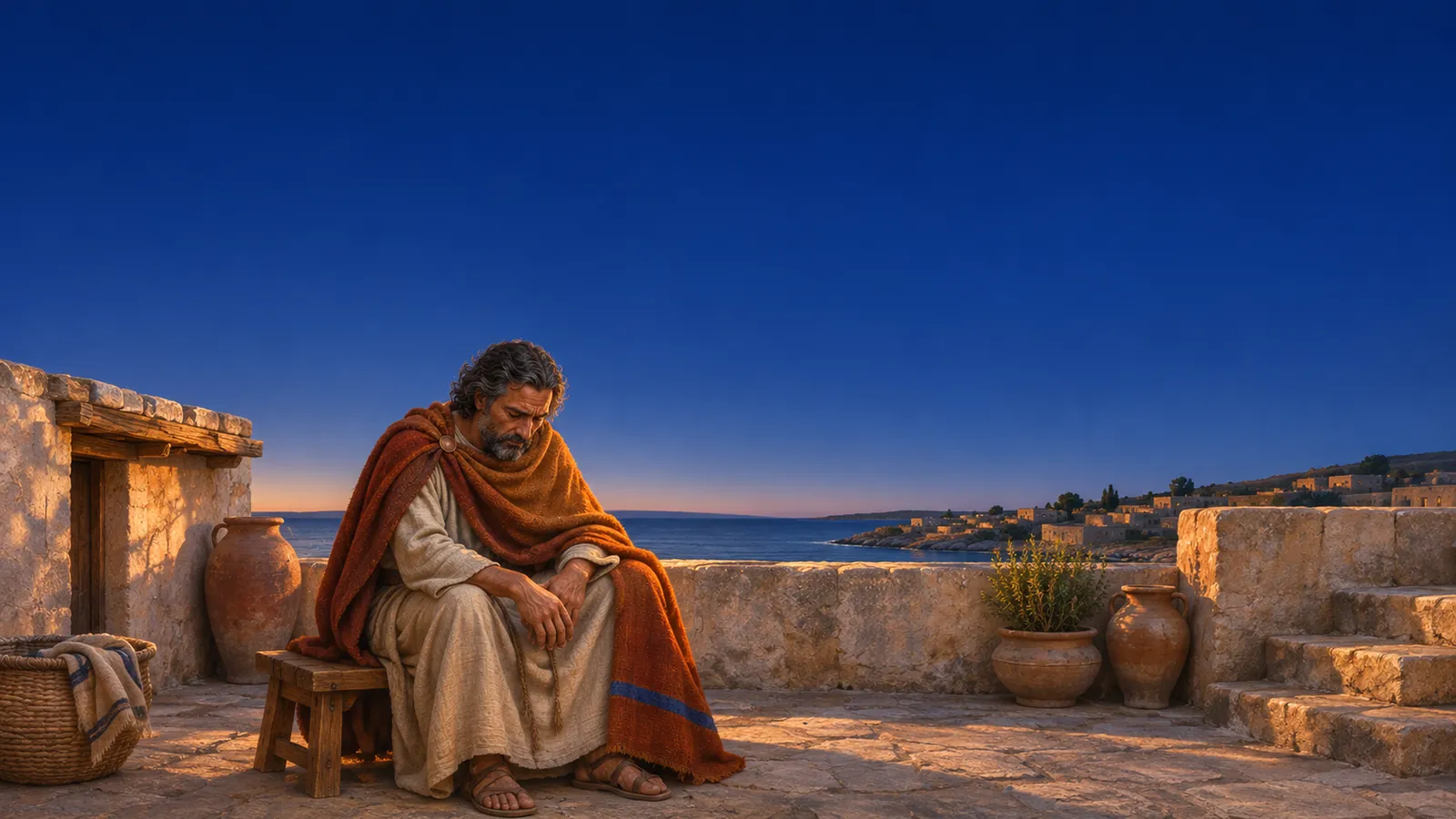
LE VŒU DE KIRTA
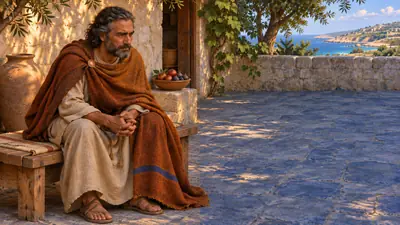
Une partie du début a disparu. Dans les vers que nous pouvons lire, la maison de Kirta a connu le deuil et l’avenir de sa lignée reste incertain.
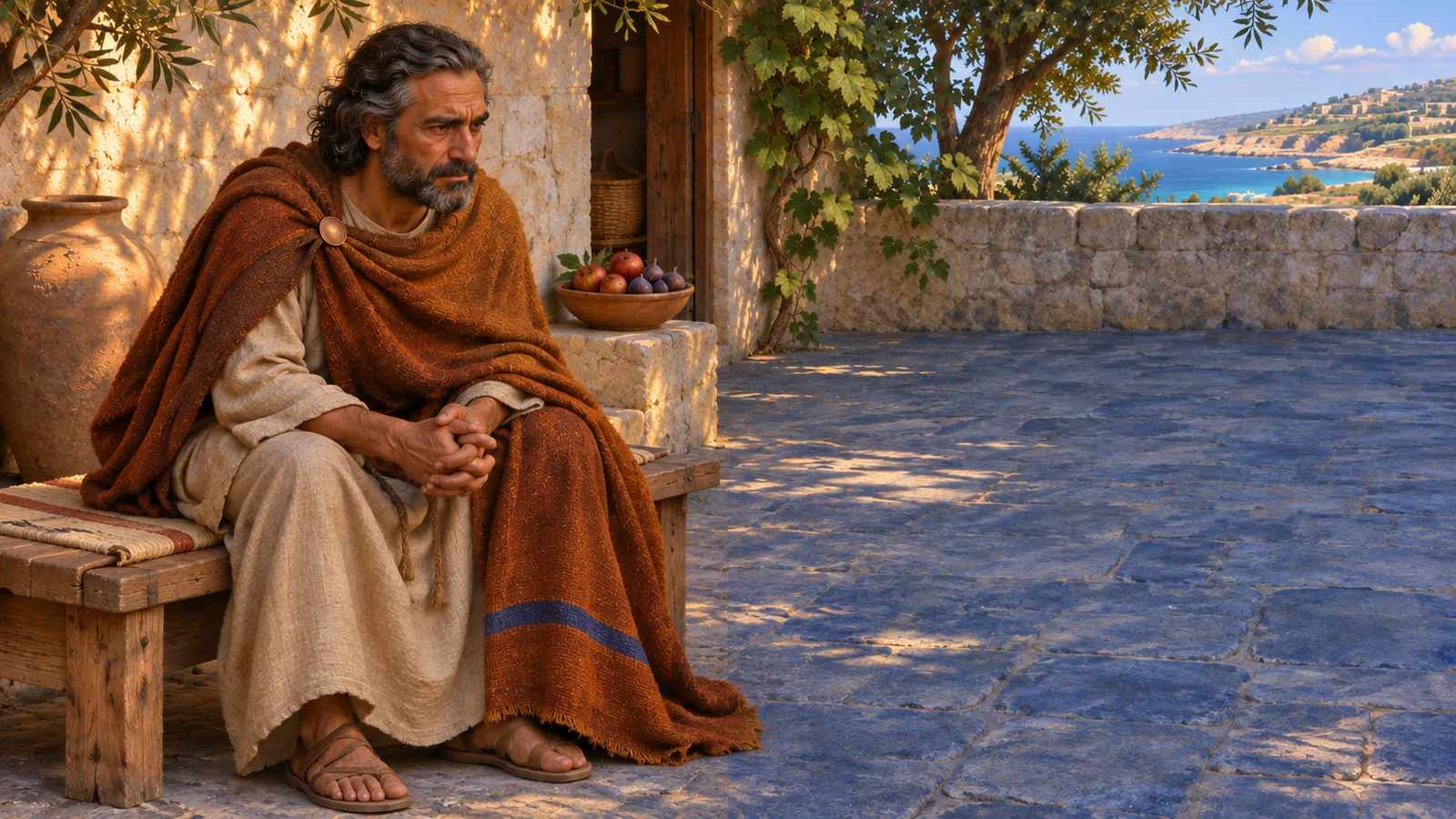
La maladie, la peste, la mer et l’épée emportent des membres de la famille de Kirta, le laissant seul dans son chagrin.
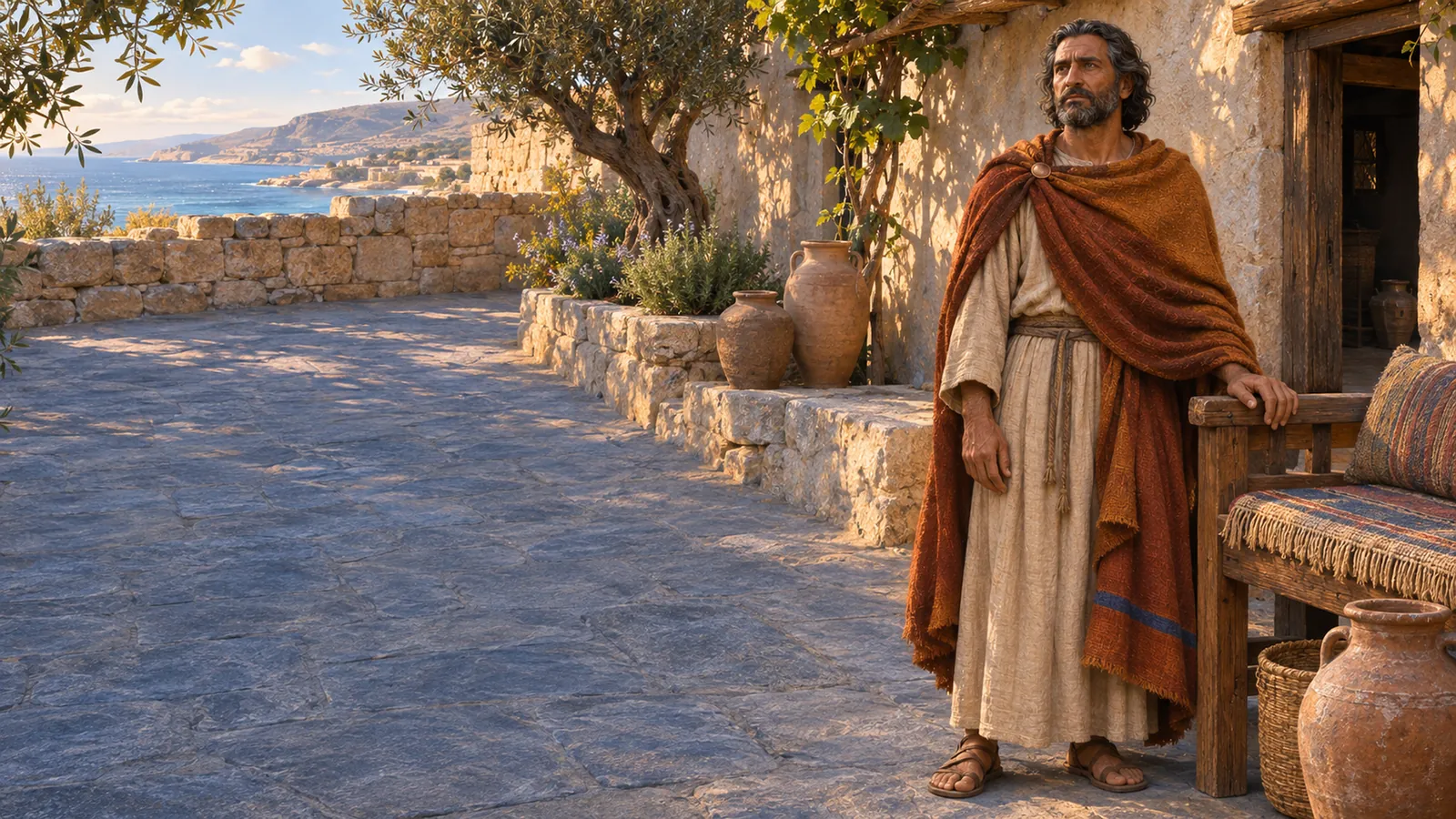
Kirta n’a personne pour perpétuer sa lignée. L’avenir de sa maison reste en suspens.
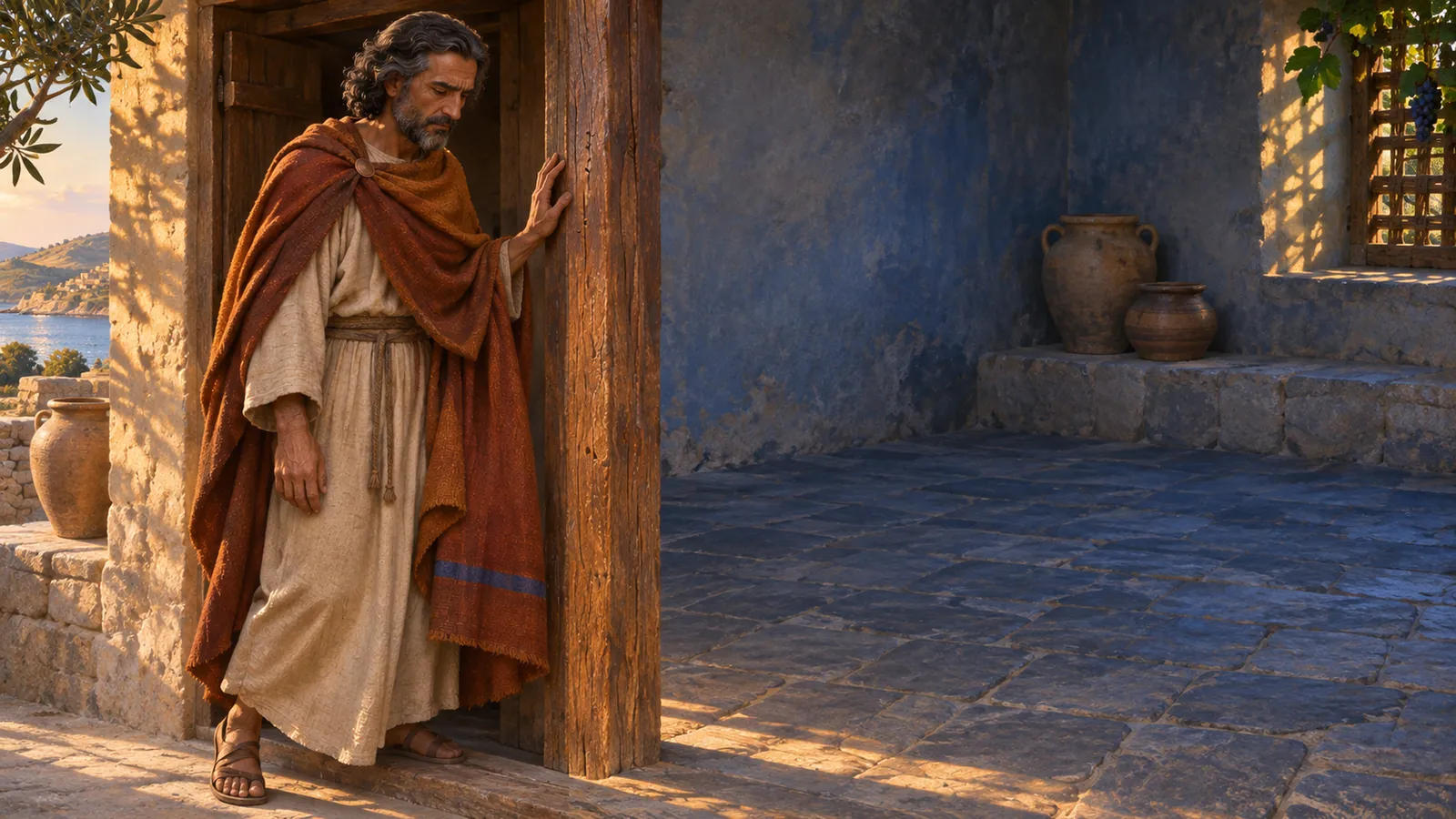
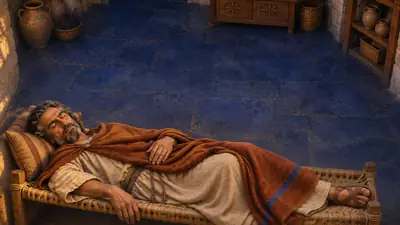
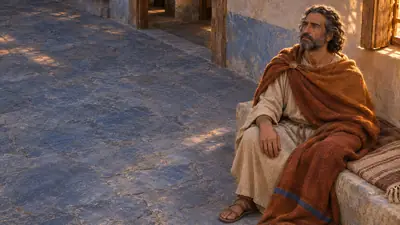
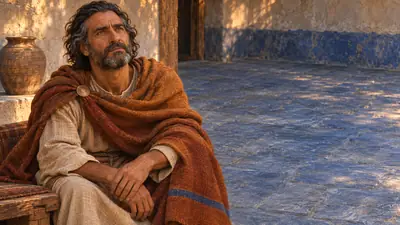
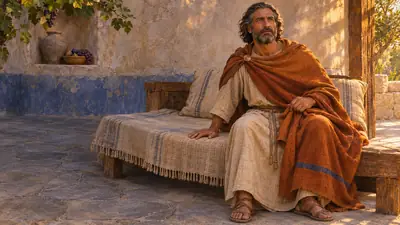
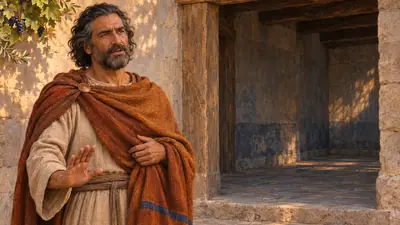
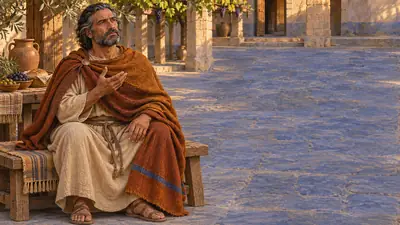
Kirta gagne la chambre intérieure. Là, à l’écart du reste de la maison, il laisse libre cours à son chagrin.
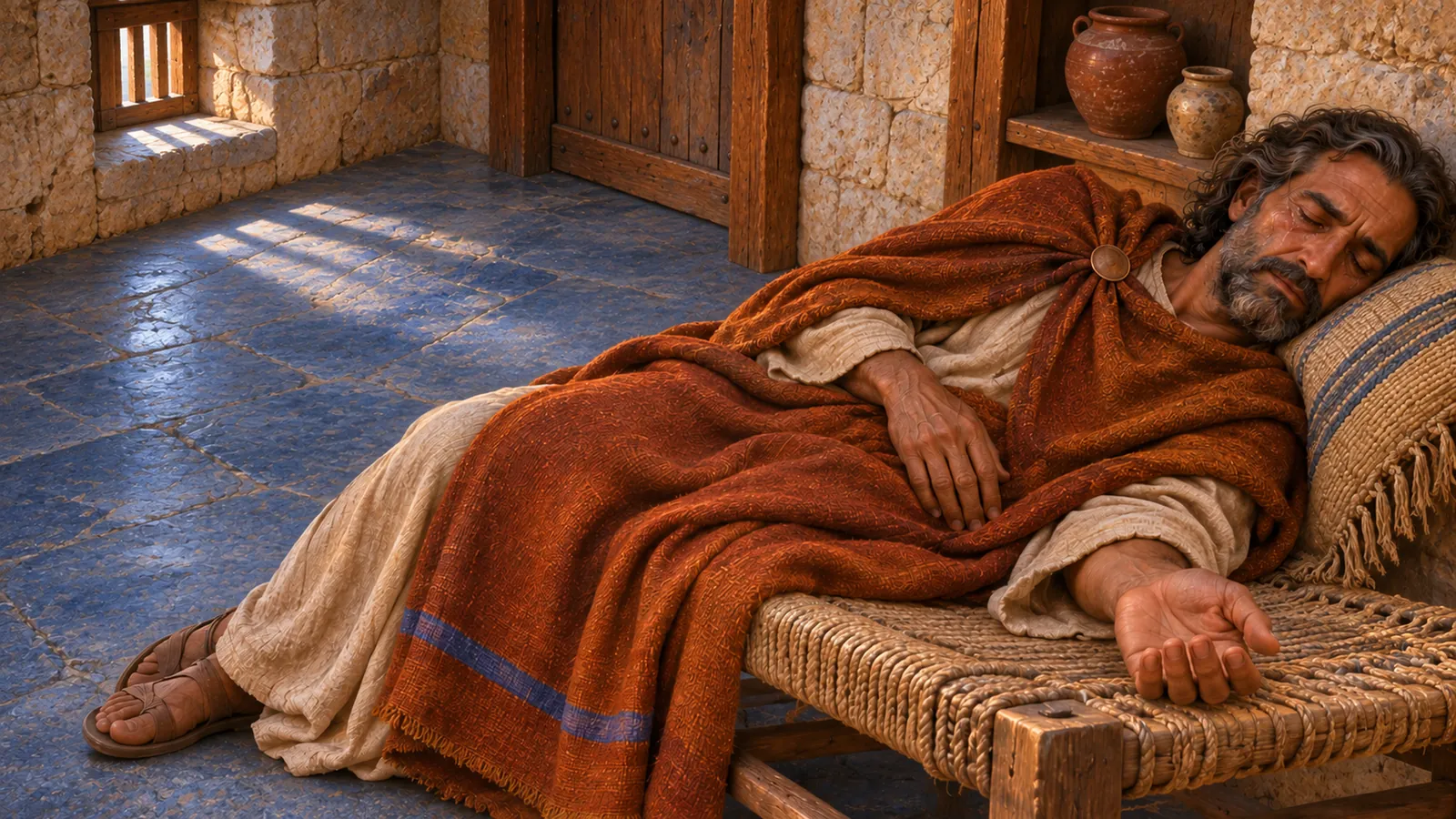
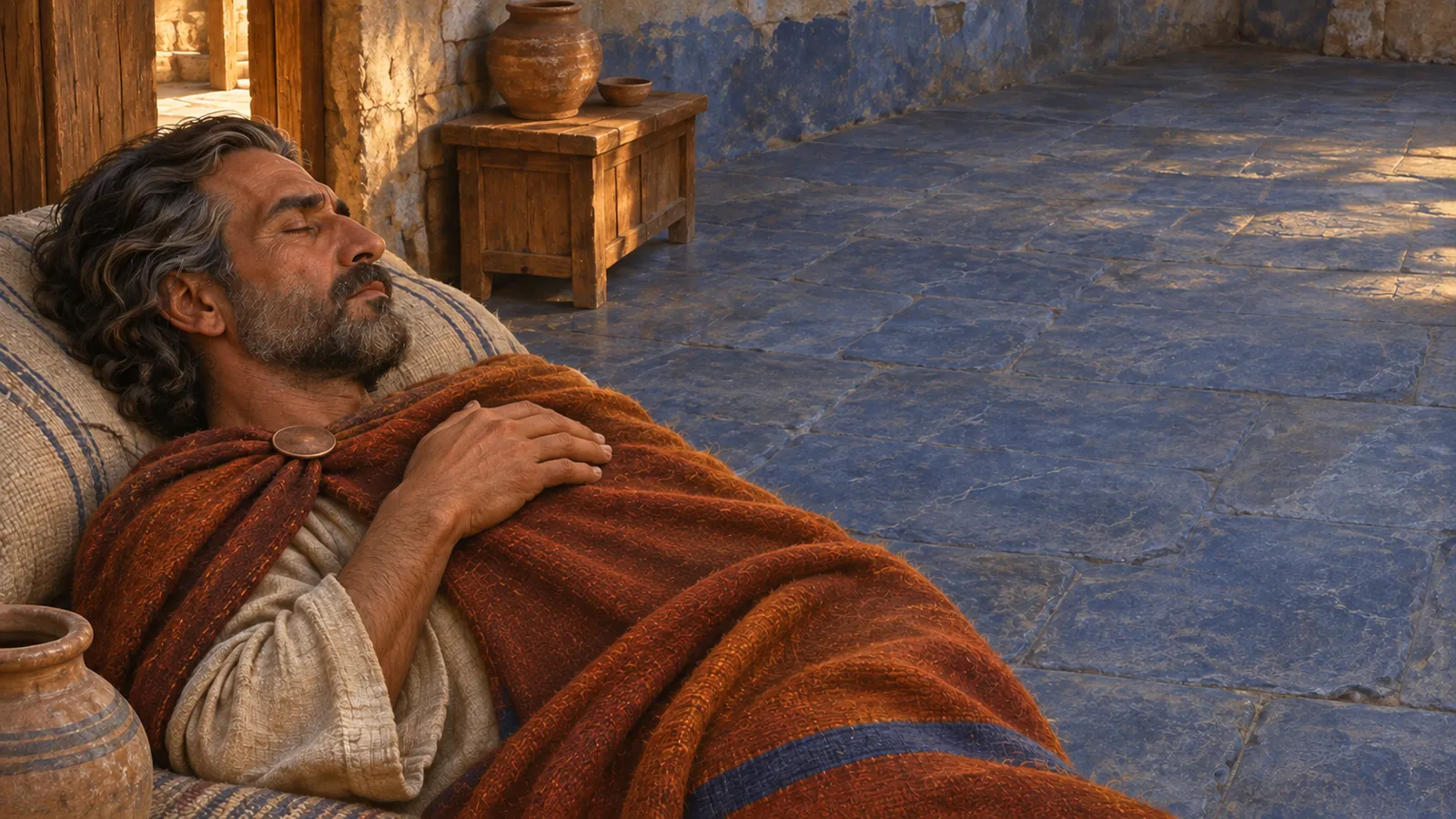
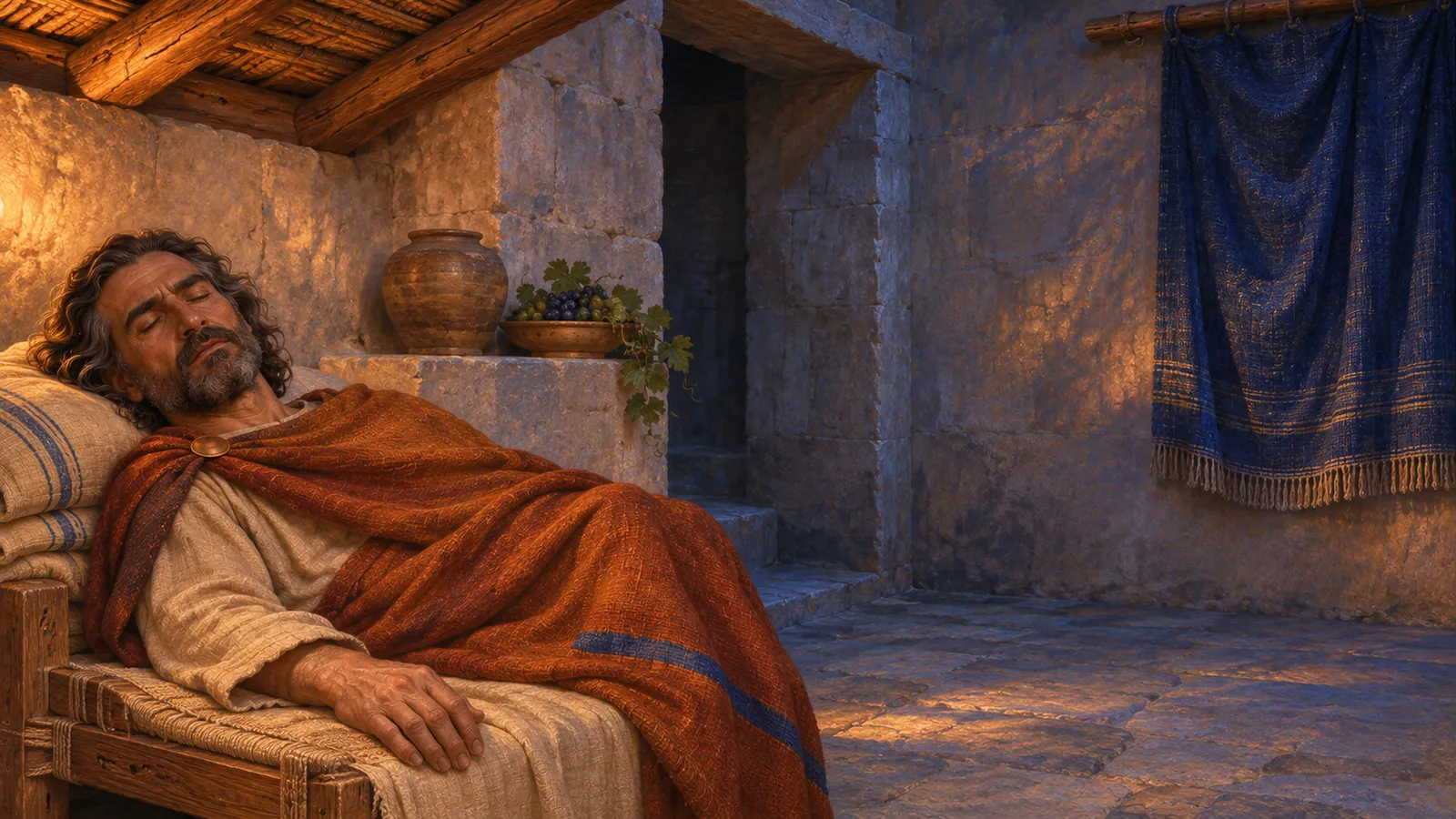
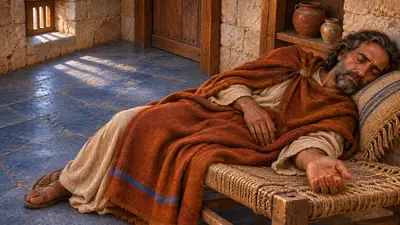
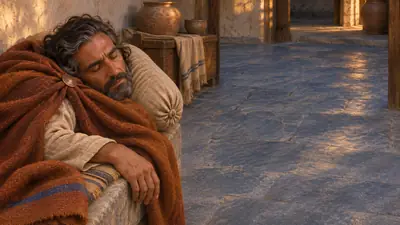
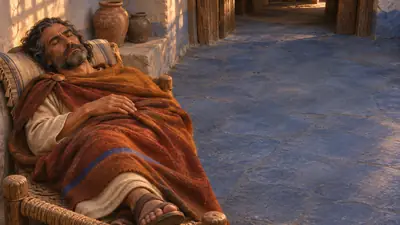
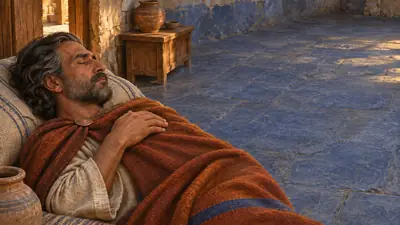
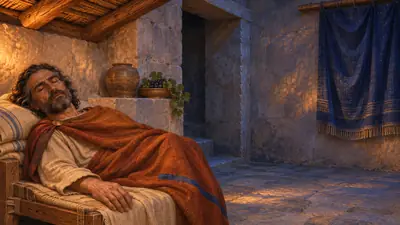
Le poème s’attarde auprès de Kirta en pleurs. Il finit par s’endormir, et son chagrin laisse place à un rêve.
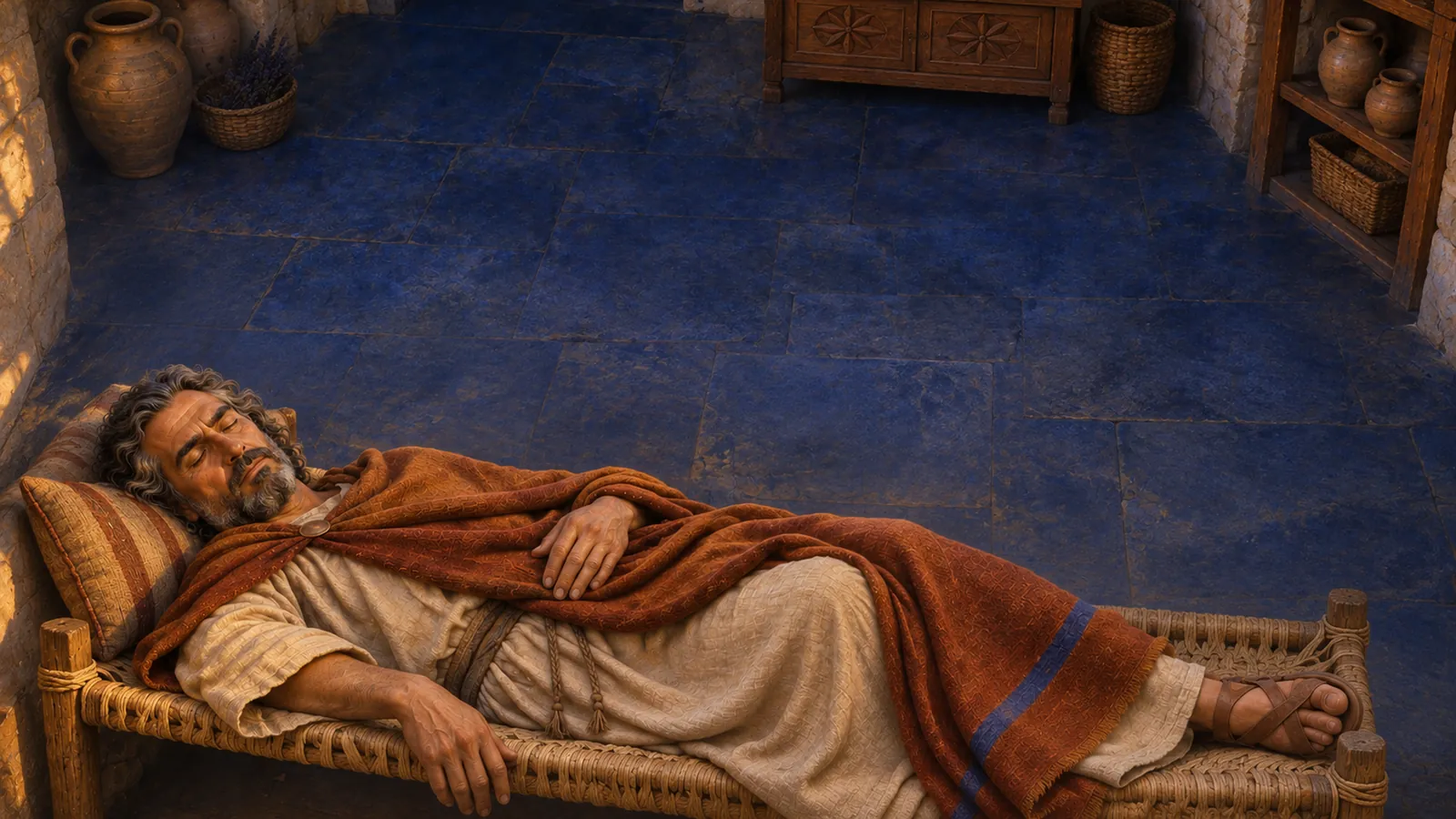
EL DANS LE RÊVE
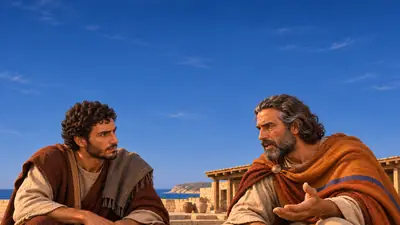
Pendant que Kirta dort, El s’approche de lui en rêve. La chambre est silencieuse, et le poème passe de la peine de Kirta aux paroles d’El.
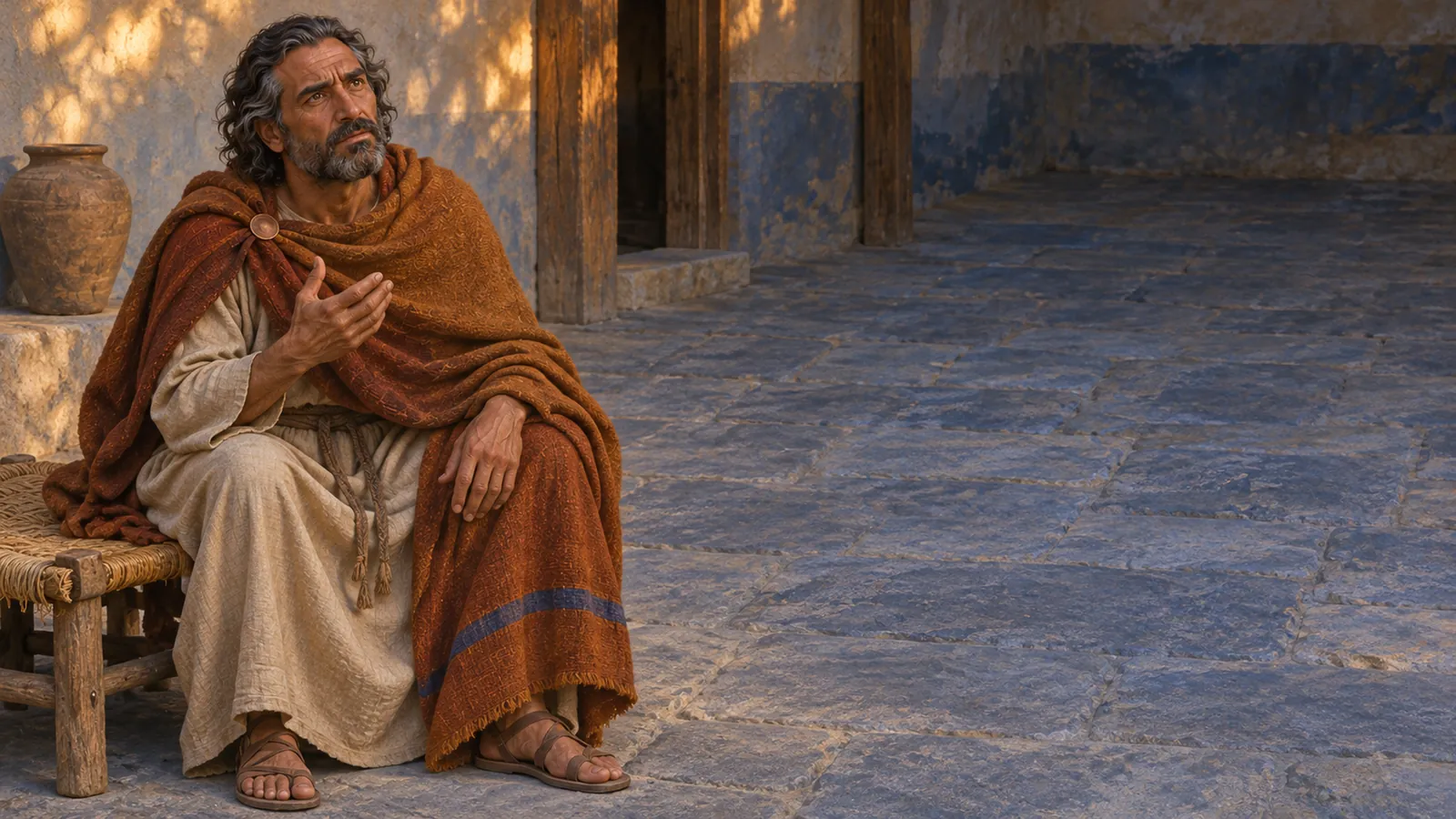
Dans le rêve, El demande à Kirta pourquoi il pleure et ce qui lui cause tant de peine. Ces questions ouvrent leur échange.
Les questions d’El en viennent aux richesses. Il évoque les biens précieux qu’un roi pourrait désirer en demandant à Kirta ce qui apaiserait son chagrin.
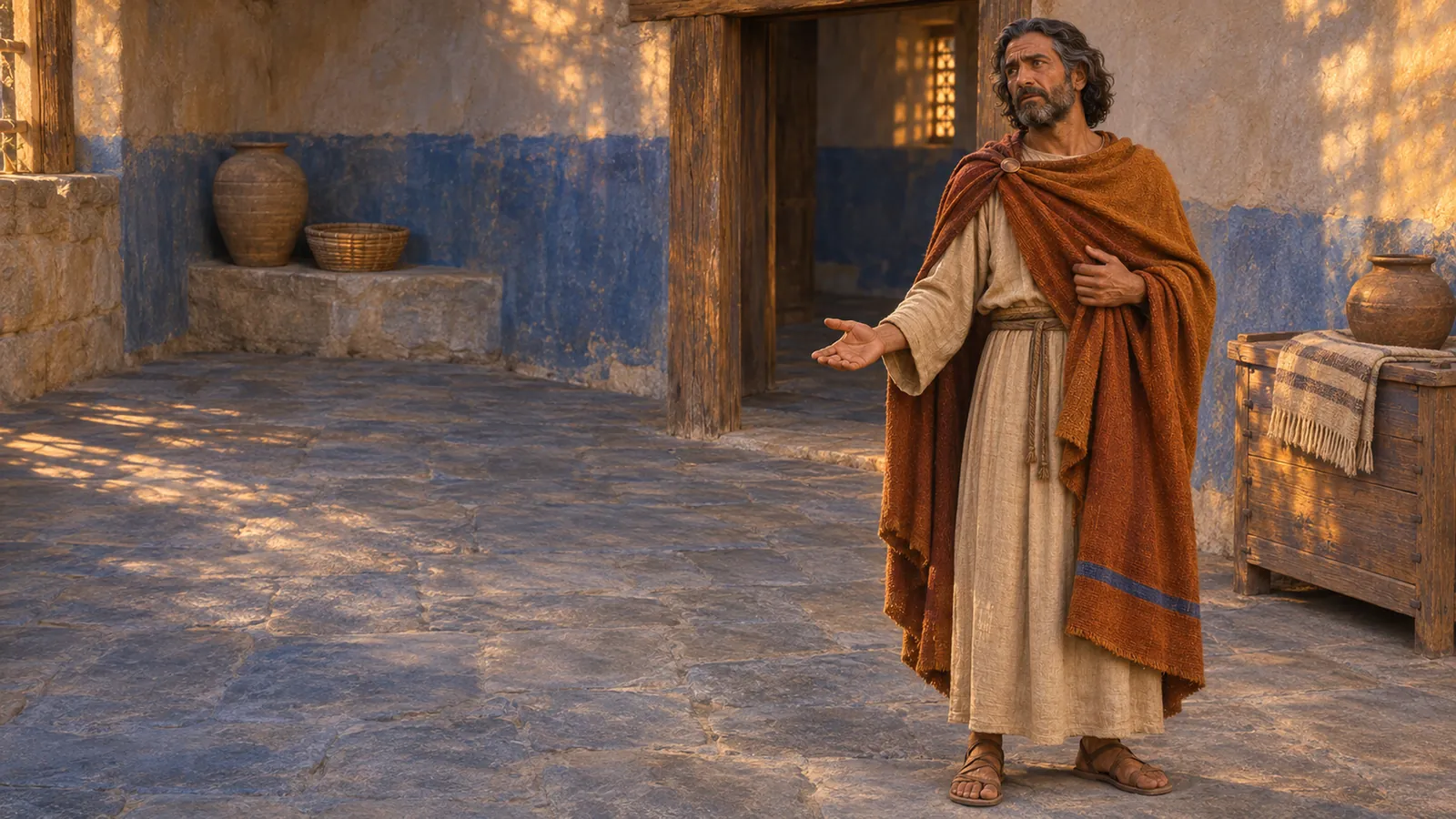
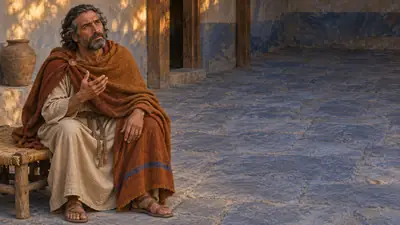
Kirta répond que les richesses ne lui sont d’aucun secours dans son chagrin. Il souhaite une famille et quelqu’un pour perpétuer sa lignée.
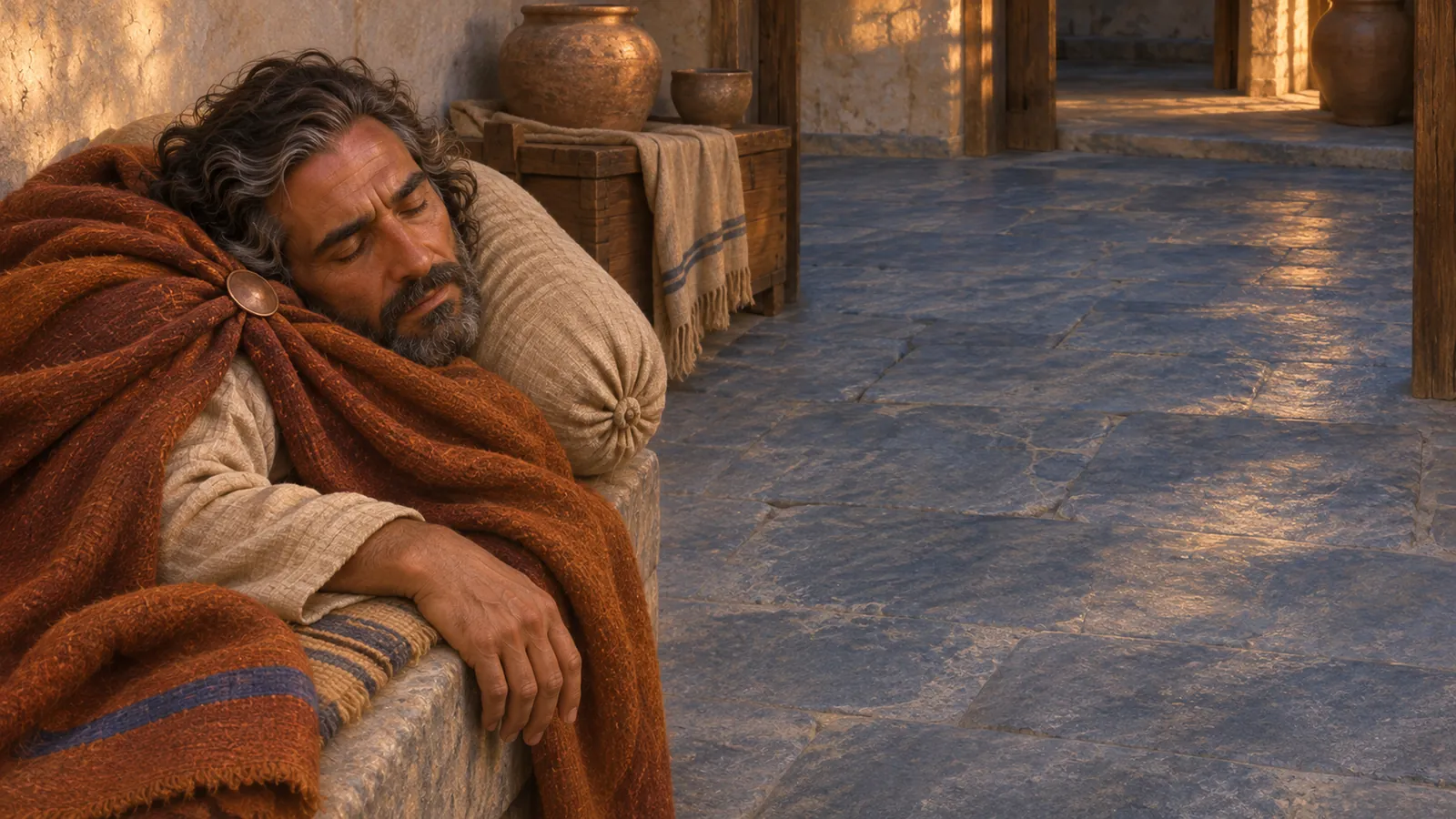
El dit à Kirta de cesser de pleurer et de se préparer. Ces paroles appartiennent toujours au rêve, tandis que Kirta dort.
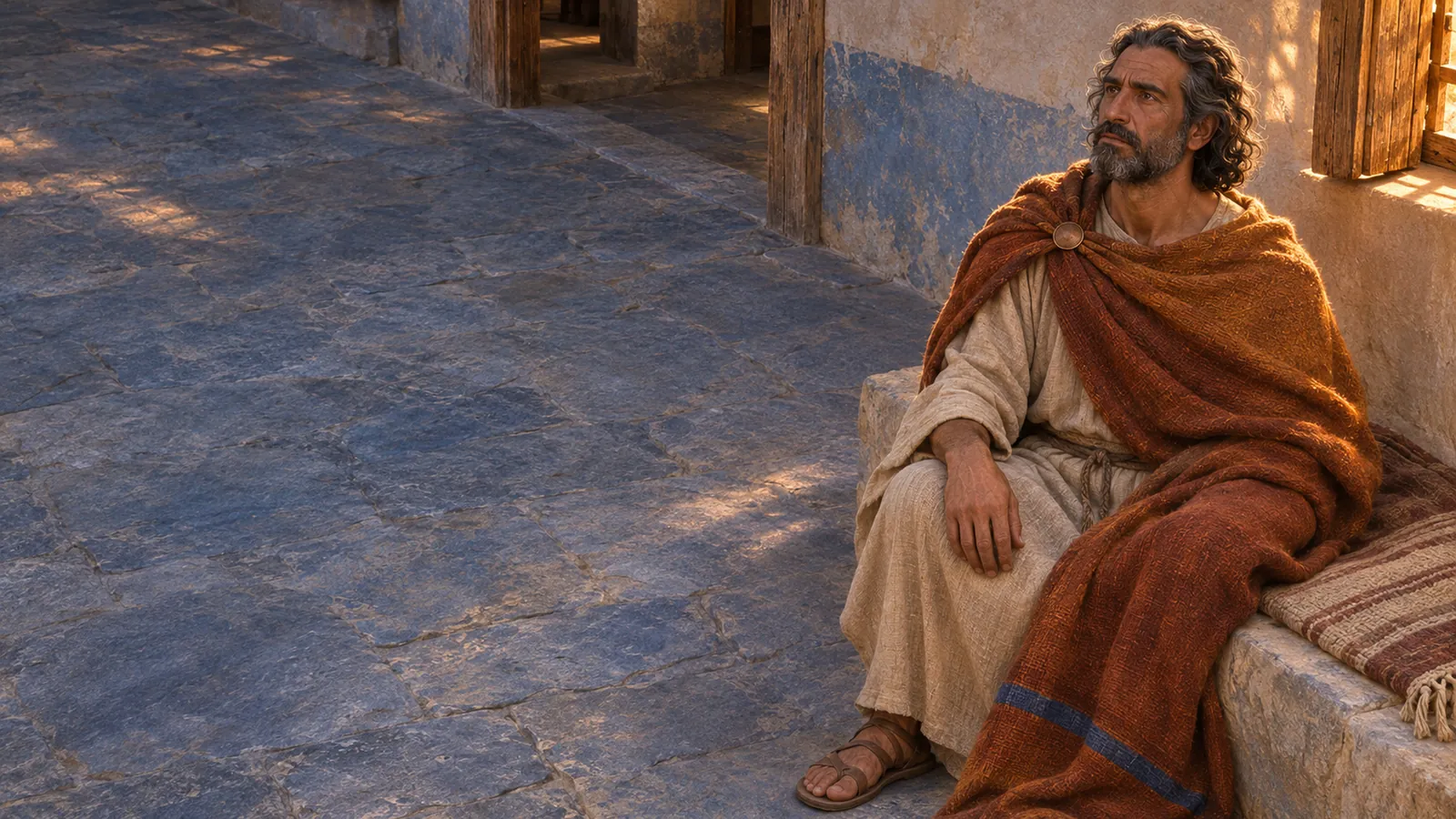
El dit à Kirta de rassembler ce qu’il lui faut pour une offrande. Il poursuit en lui indiquant ce qu’il doit préparer.
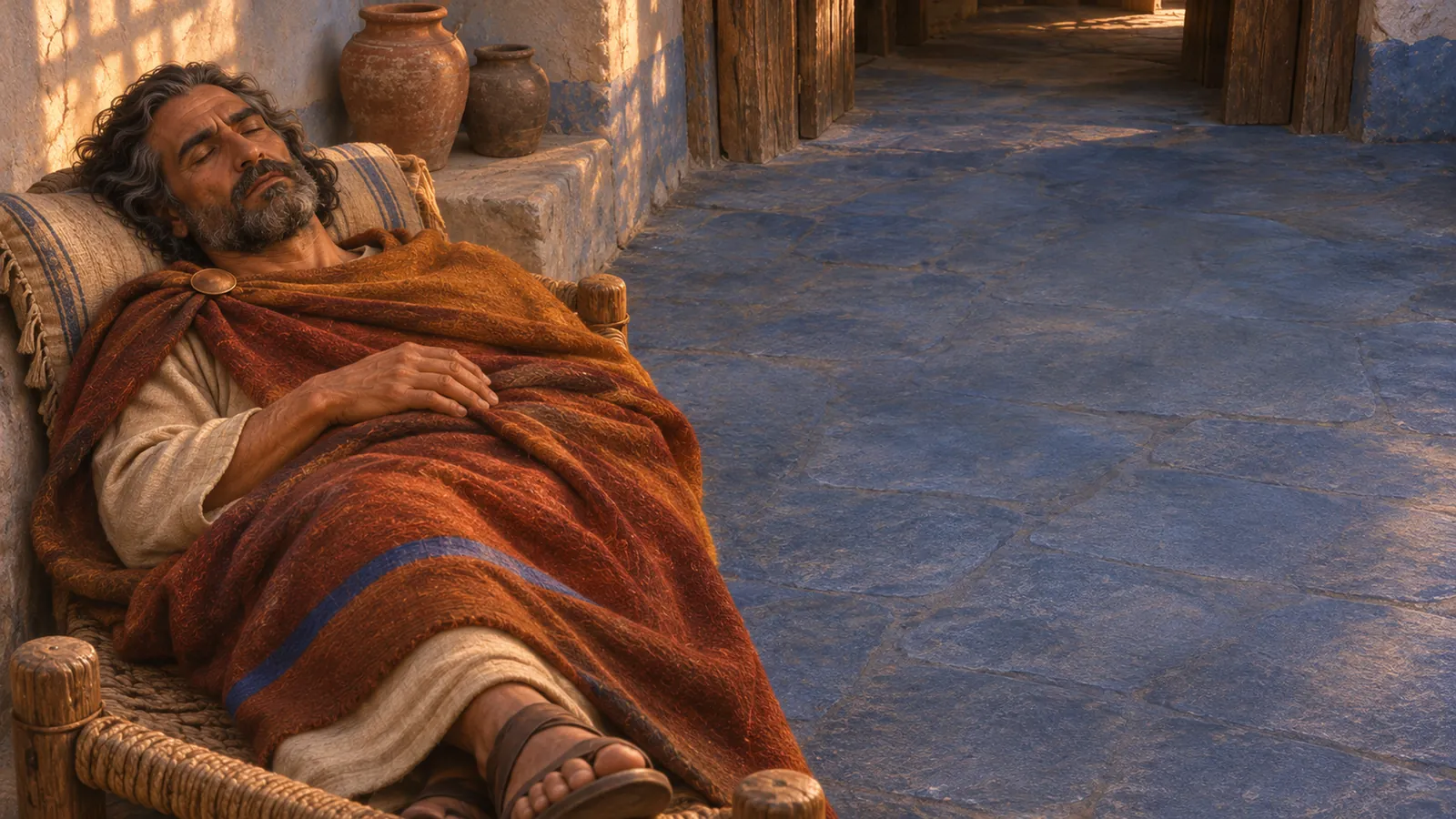
Dans le rêve, Kirta entend les noms d’El et de Baal dans les instructions pour l’offrande. Il ne s’est pas encore réveillé pour suivre ces paroles.
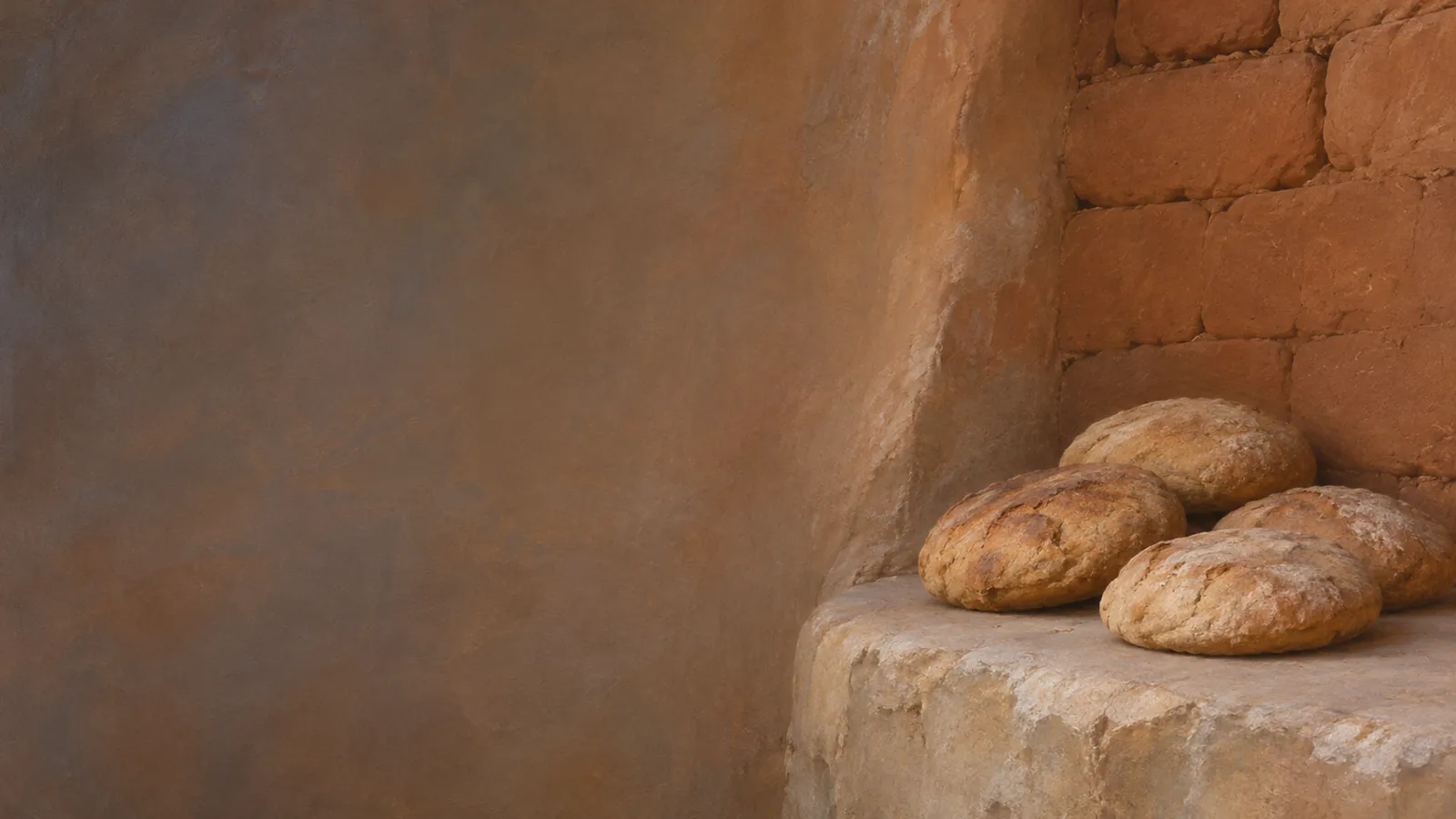
Les paroles d’El en viennent aux vivres pour le voyage. Dans le rêve, le pain doit être préparé avant le départ de Kirta.
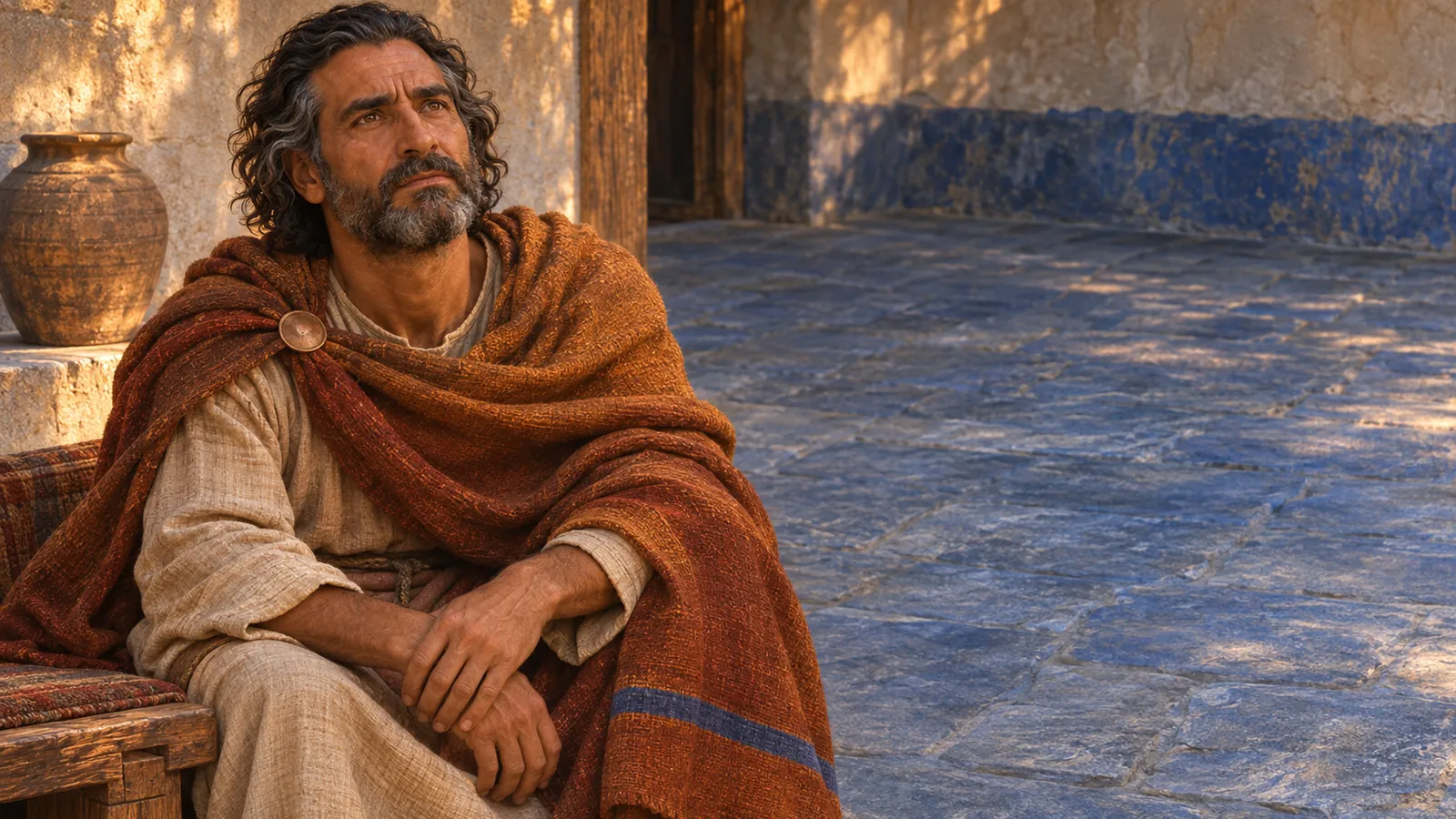
El dit à Kirta de rassembler une grande troupe pour le voyage. Les nombres du rêve donnent une idée de l’ampleur de l’appel.
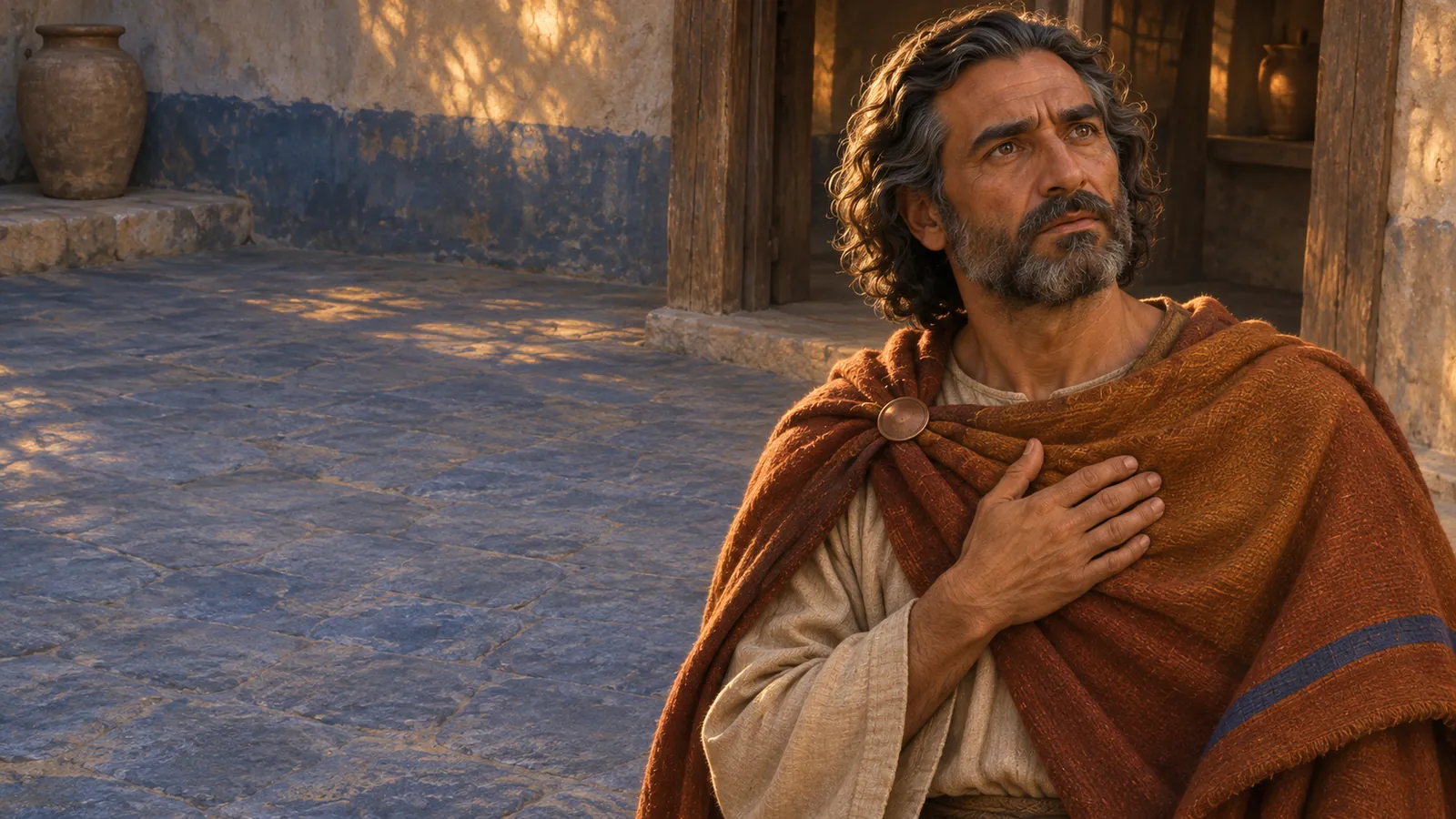
Le rêve dit jusqu’où l’appel doit porter. Il va de maison en maison tandis qu’El parle du voyage.
El nomme Udum et compte les jours à venir. Dans le rêve, l’arrivée de Kirta fait pression sur Udum, et des messages doivent passer de l’un à l’autre.
Le rêve annonce un message de Pabil qui offre des richesses. Kirta refusera de renoncer à ce qu’il cherche en échange de ces biens.
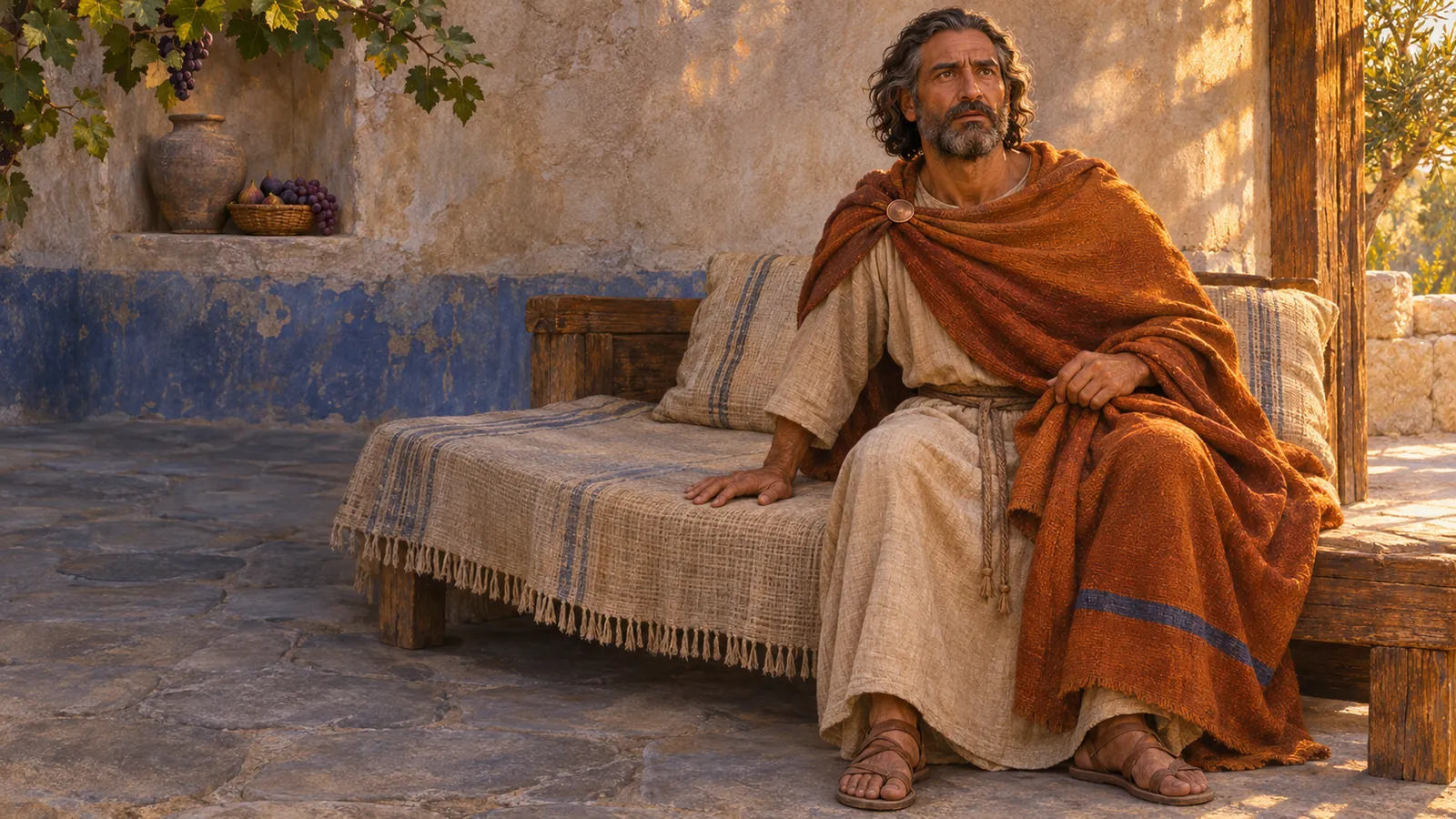
Kirta s’éveille de son rêve. À partir de là, le poème raconte ce qu’il fait après avoir entendu les paroles d’El.
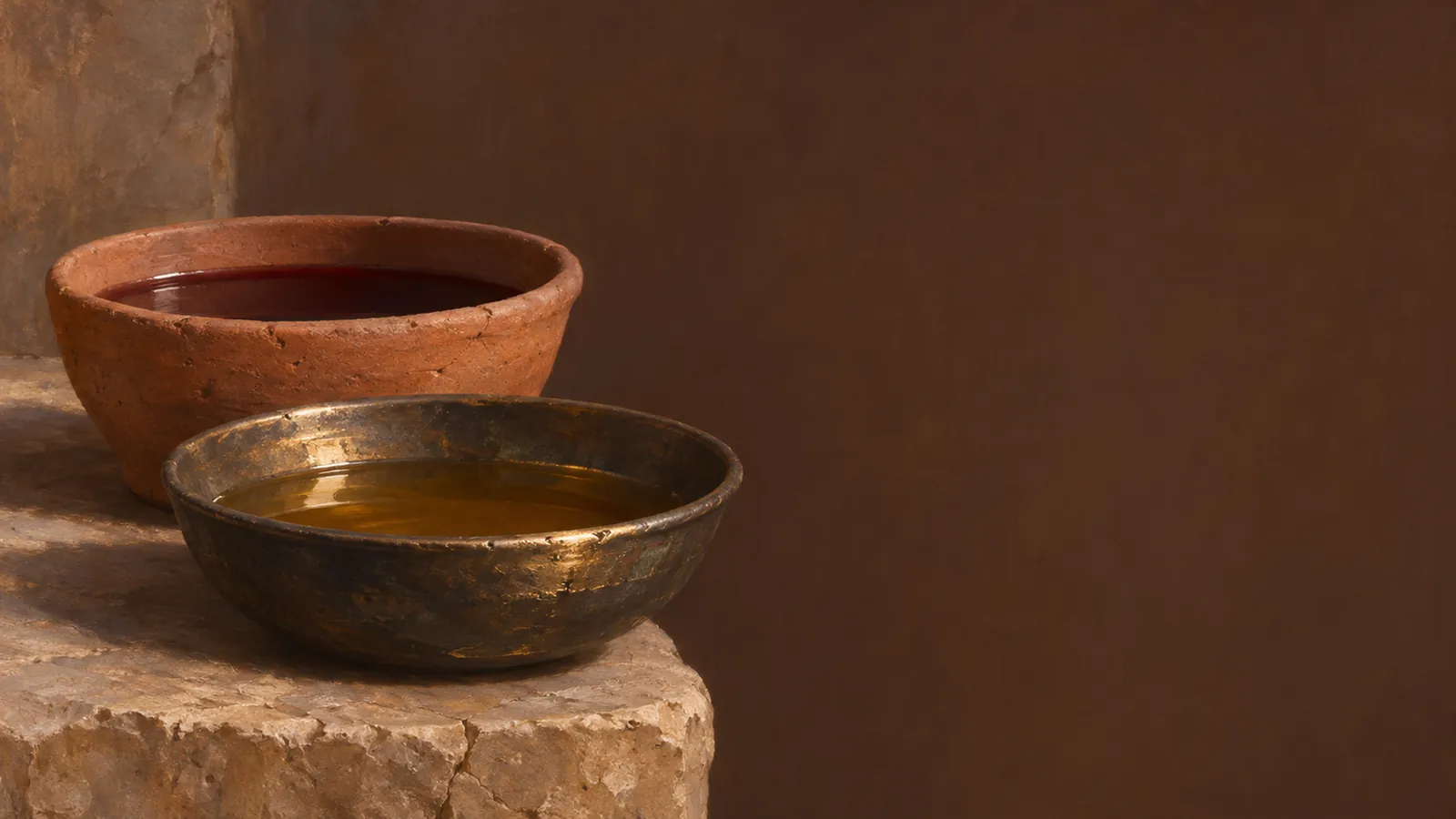
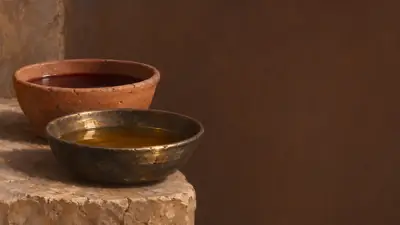
Kirta se prépare. Il réserve du vin et du miel dans des récipients, entamant les préparatifs dont il a entendu parler en rêve.
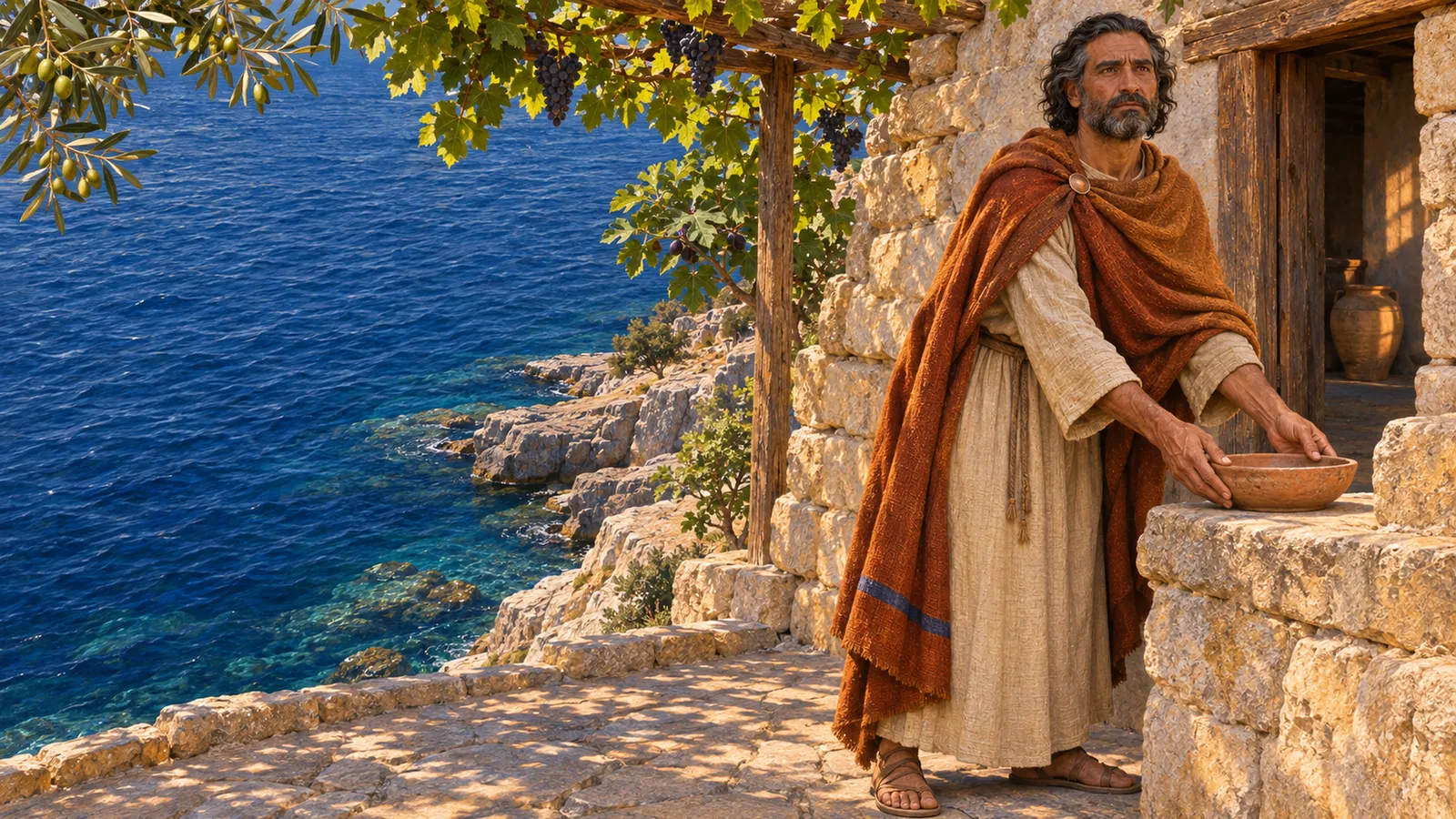
Kirta va présenter l’offrande comme on le lui a dit en rêve. Les vers conservés ne donnent pas de réponse immédiate.
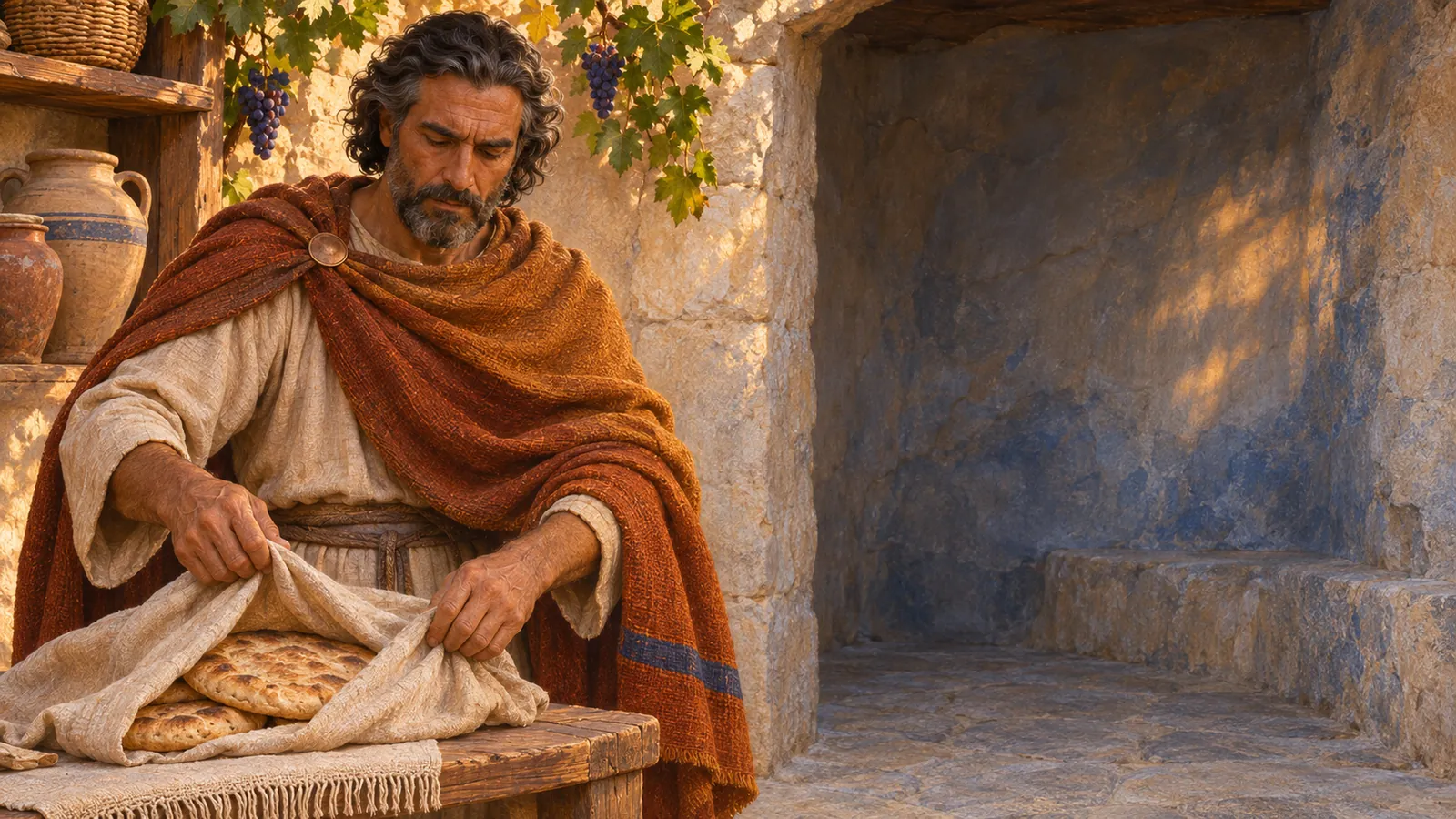
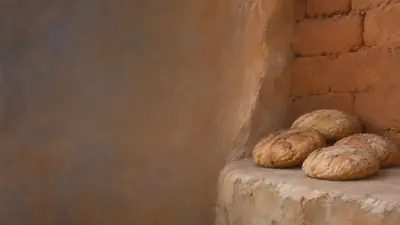
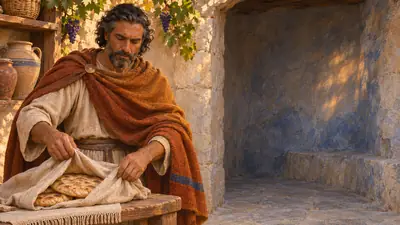
Kirta prépare le pain pour le voyage. Les provisions du rêve font désormais partie de ses actes.
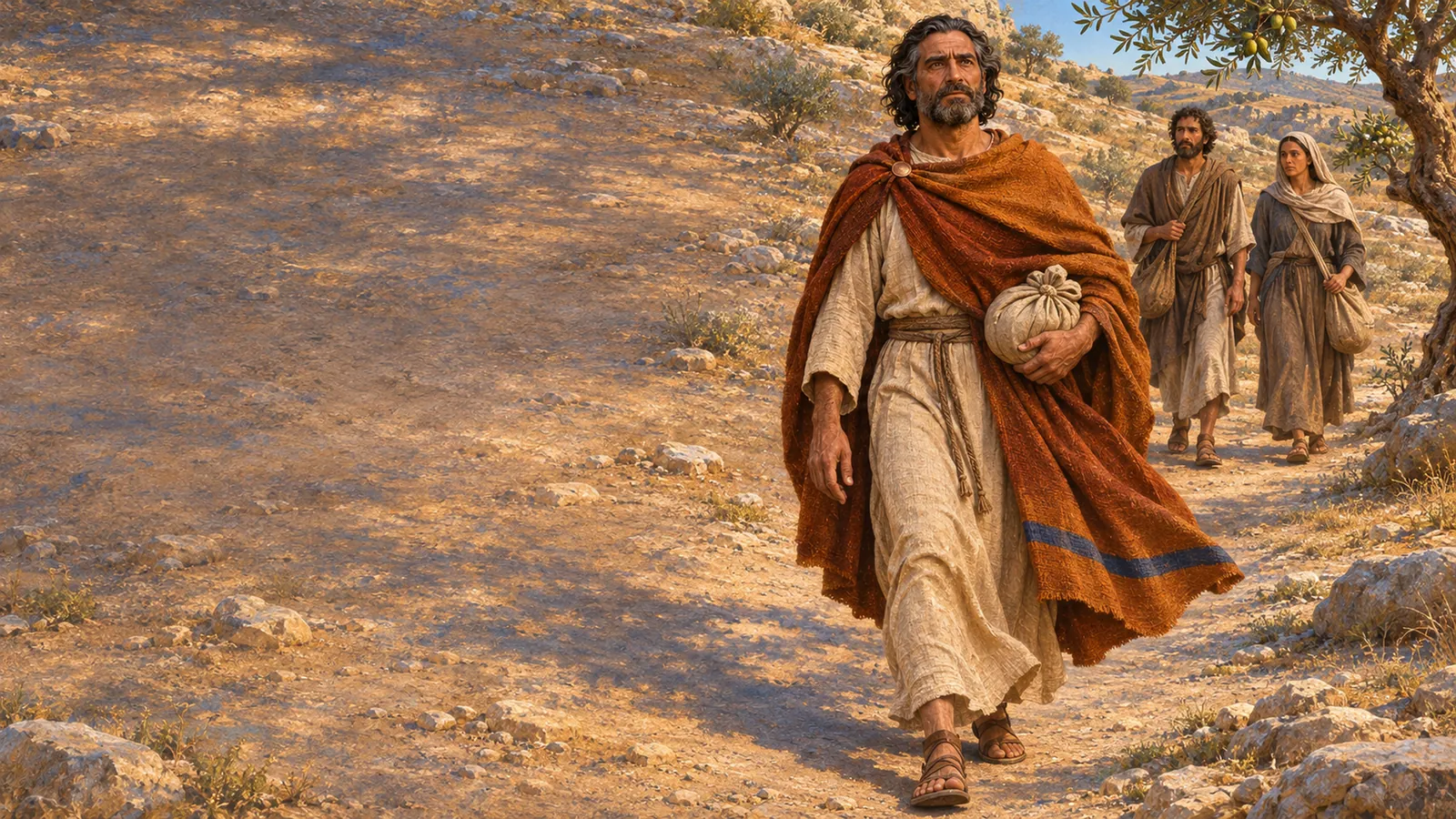
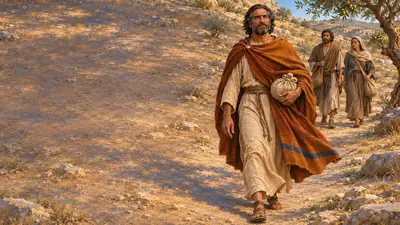
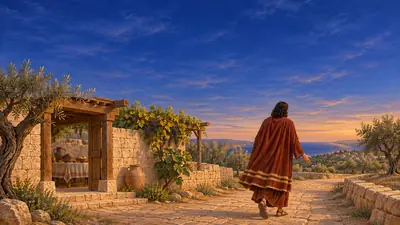
Kirta et les siens se mettent en route. Le poème passe de leurs préparatifs aux journées qu’ils passent en chemin.
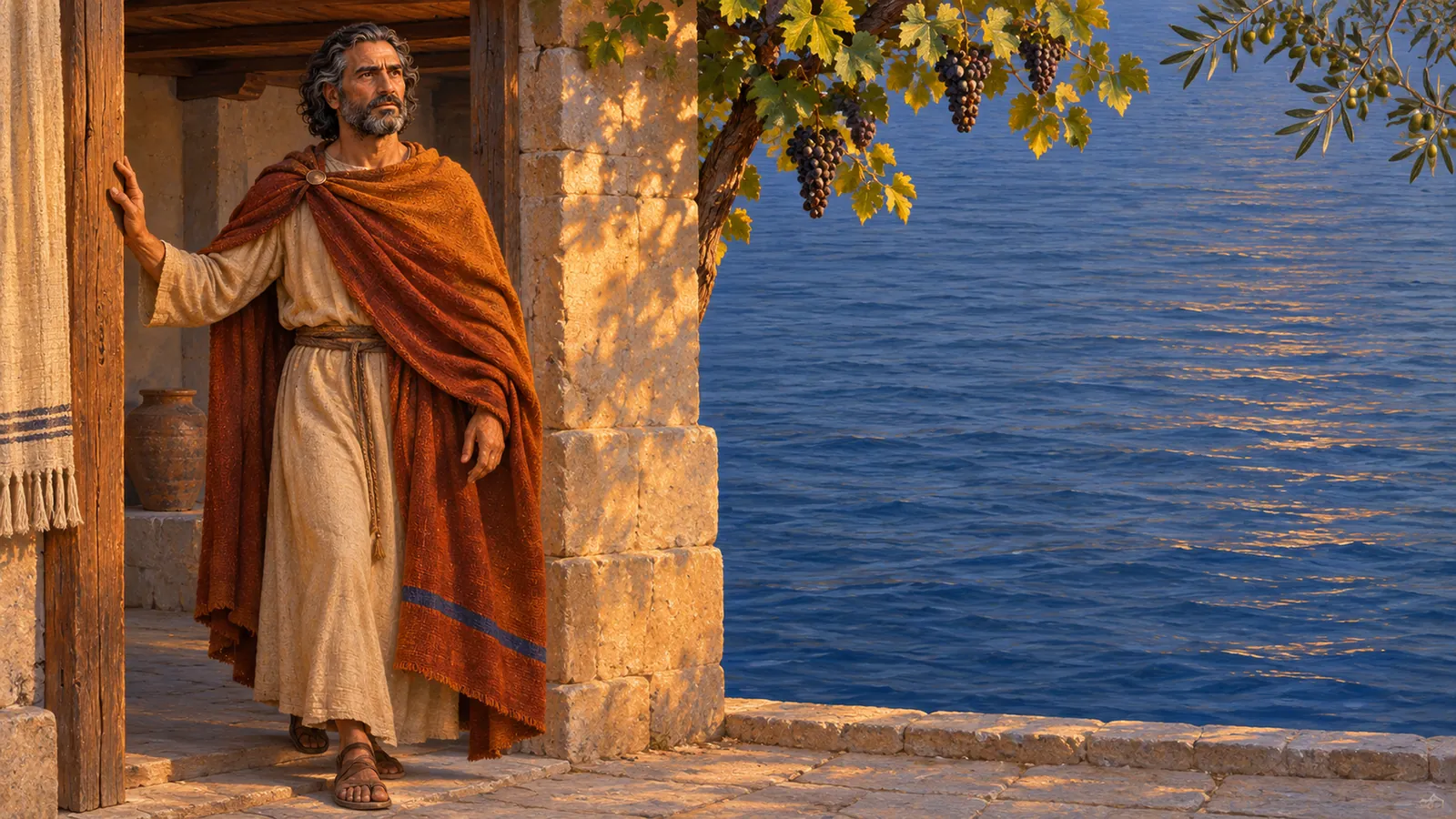
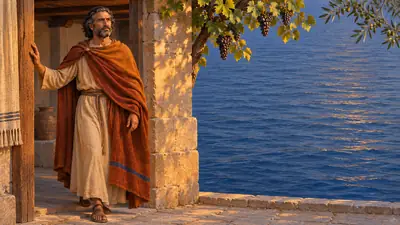
Le troisième soir, Kirta arrive au sanctuaire d’Athirat, dont le poème associe ici le nom à Tyr et à Sidon.
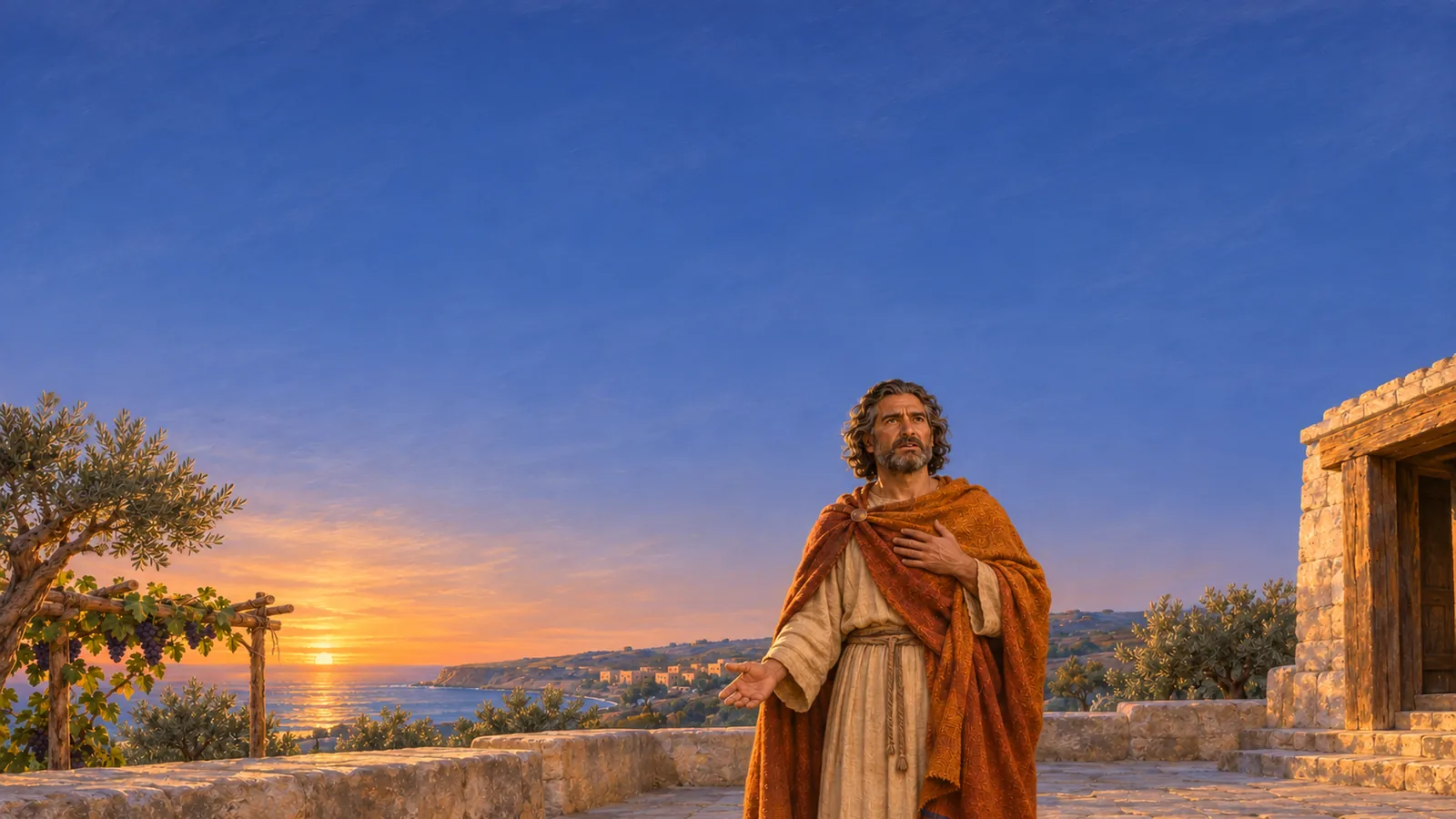
LE VŒU
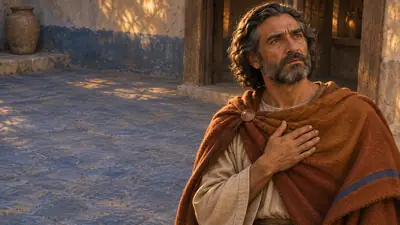
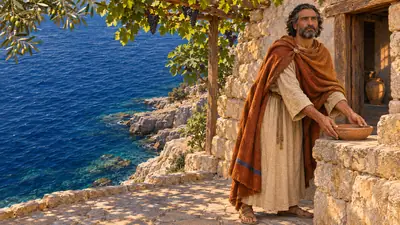
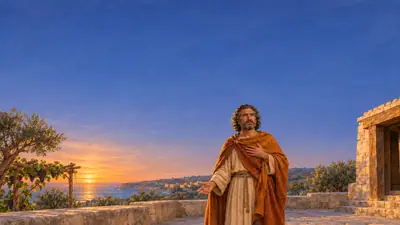
Kirta s’arrête au sanctuaire d’Athirat et lui fait un vœu. Cela se passe en chemin, après son réveil.
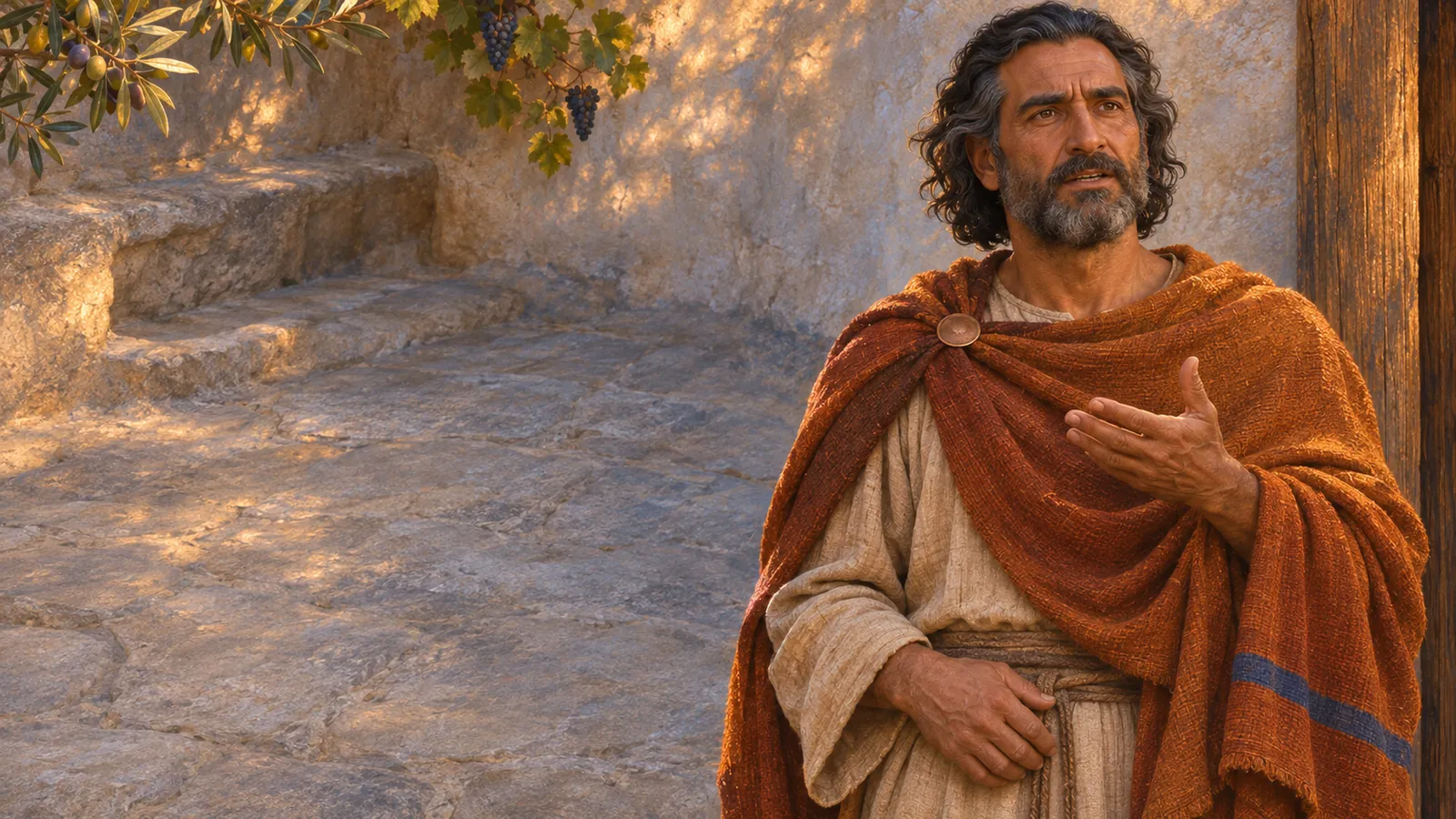
Kirta promet à Athirat de l’argent et de l’or s’il obtient ce qu’il cherche. Sa promesse dépend de l’issue du voyage.
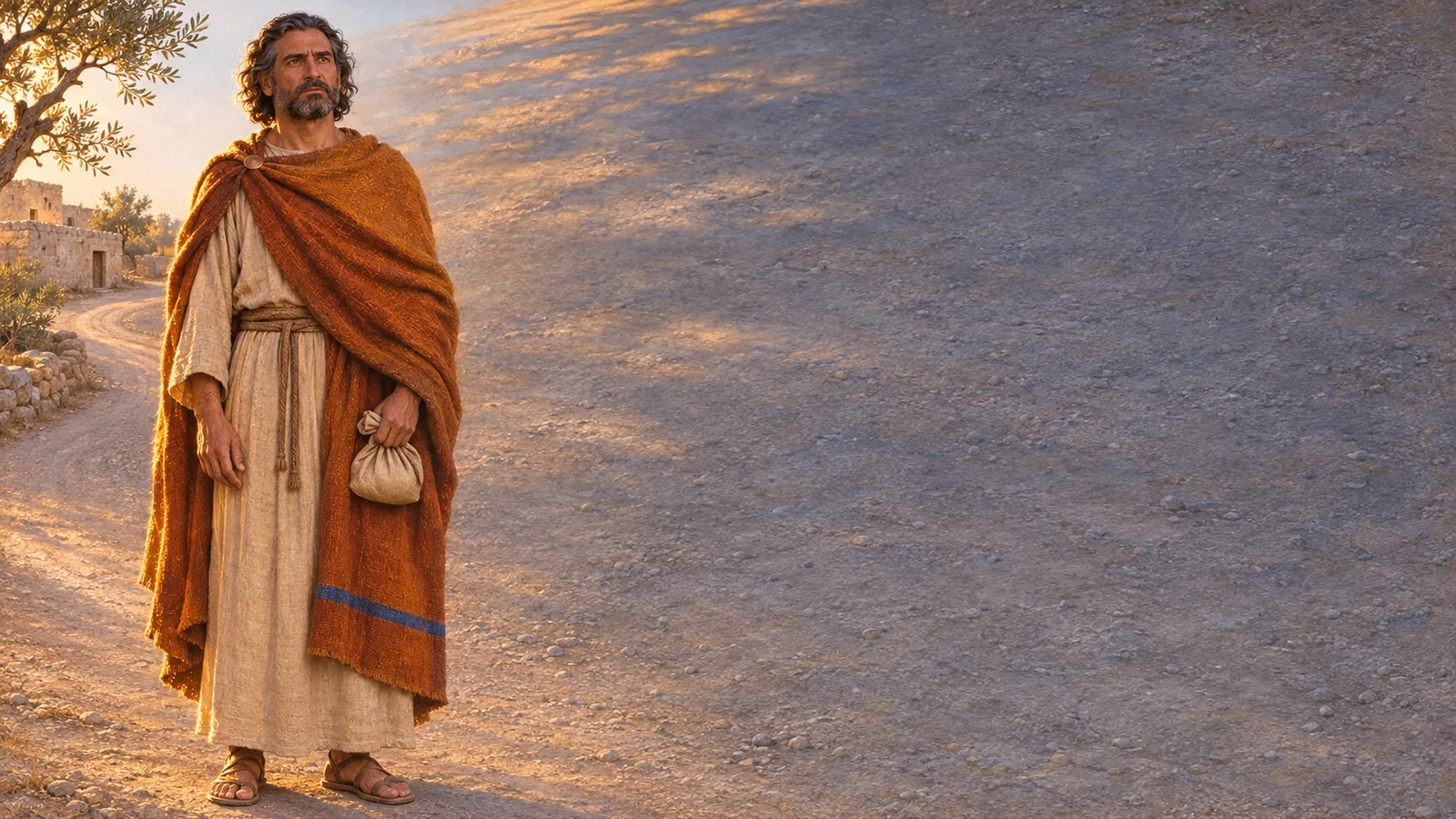
Le décompte des jours reprend, et le voyage mène à Udum. Au matin du septième jour, le récit se tourne vers Pabil.
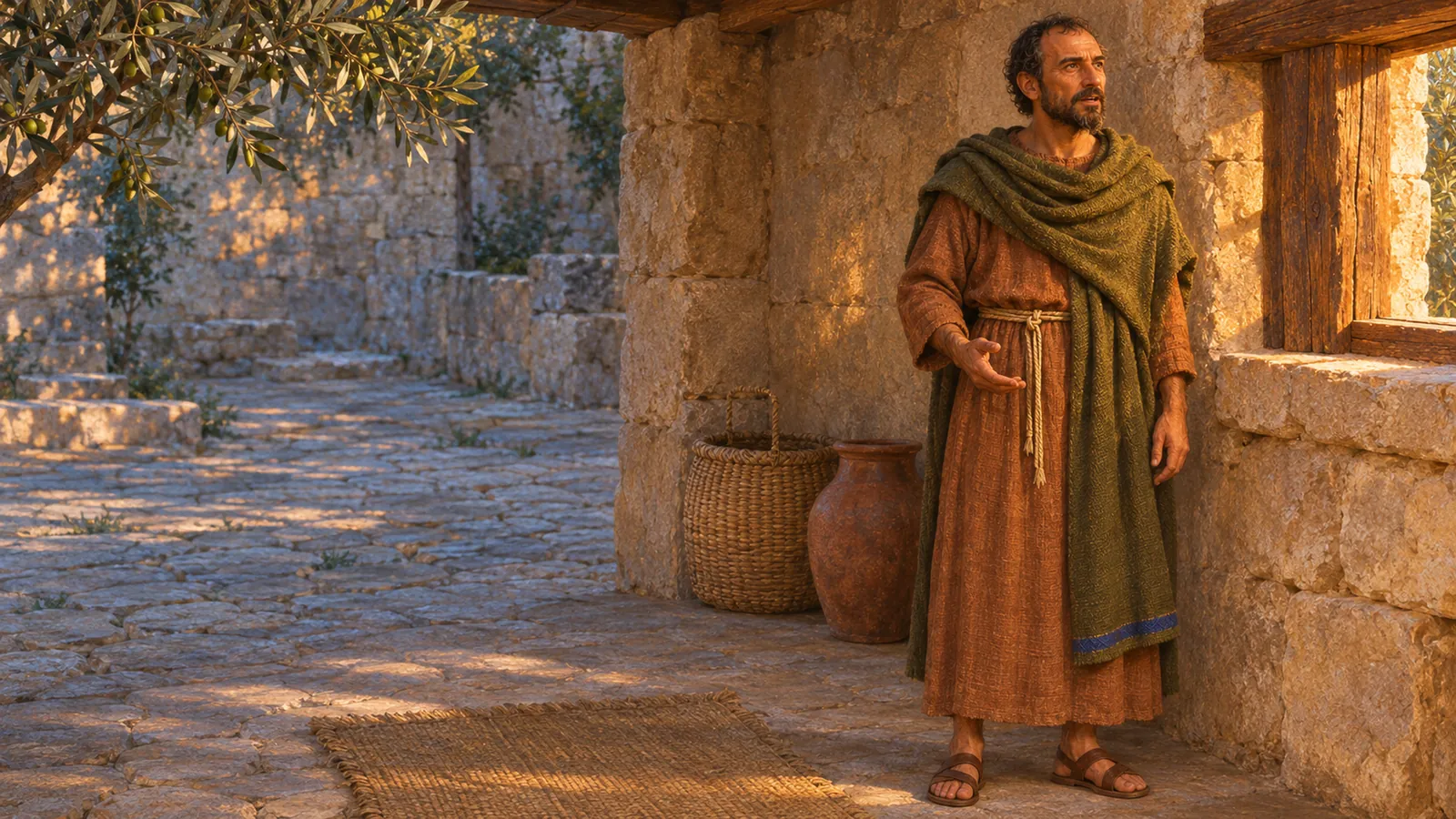
À l’aube, Pabil entend les cris des animaux. Il appelle, et le poème suit le cours de la matinée de son côté.
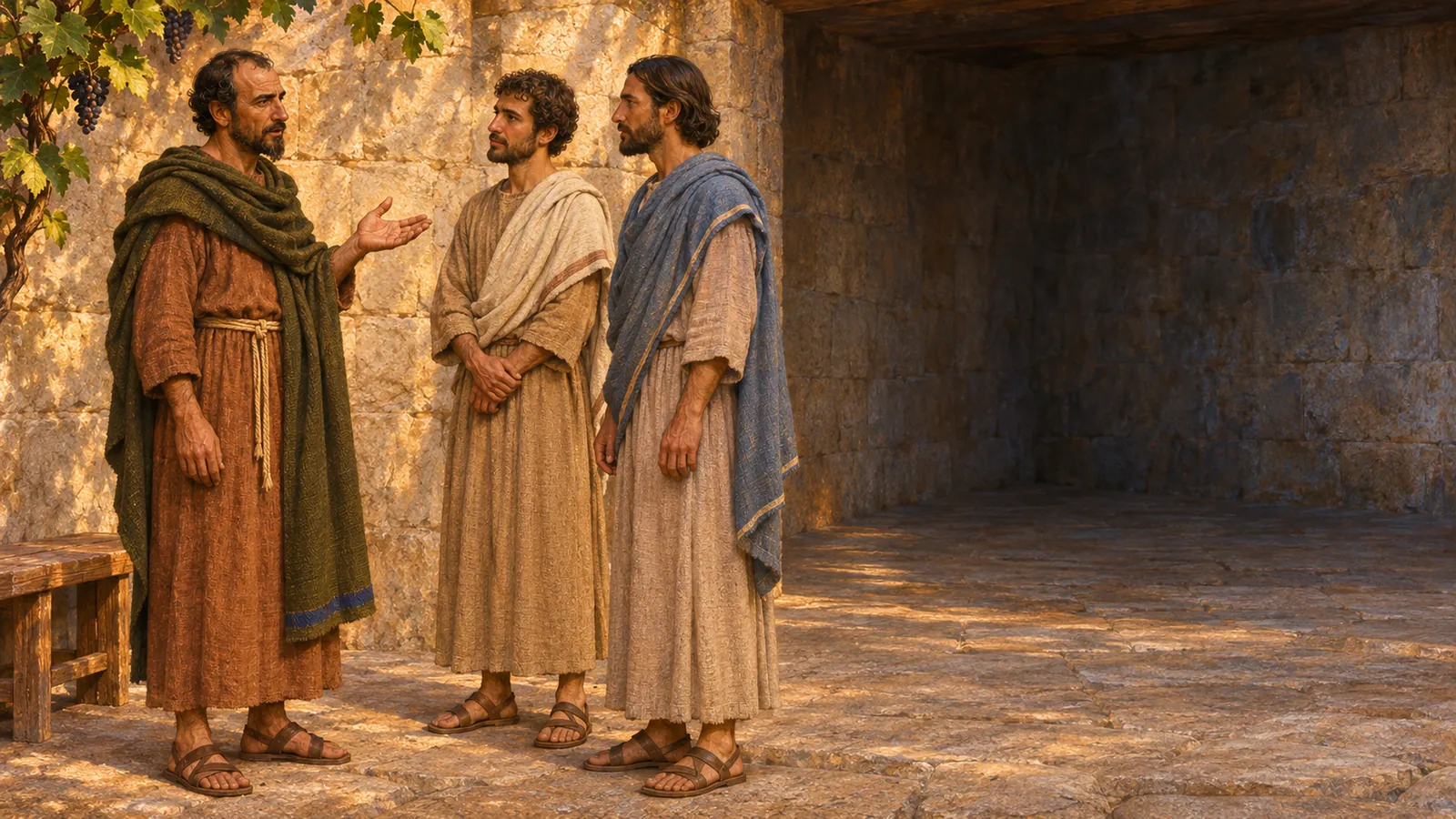
Quand les paroles redeviennent claires, Pabil offre des richesses à Kirta et lui demande de partir. L’offre est transmise par un message.
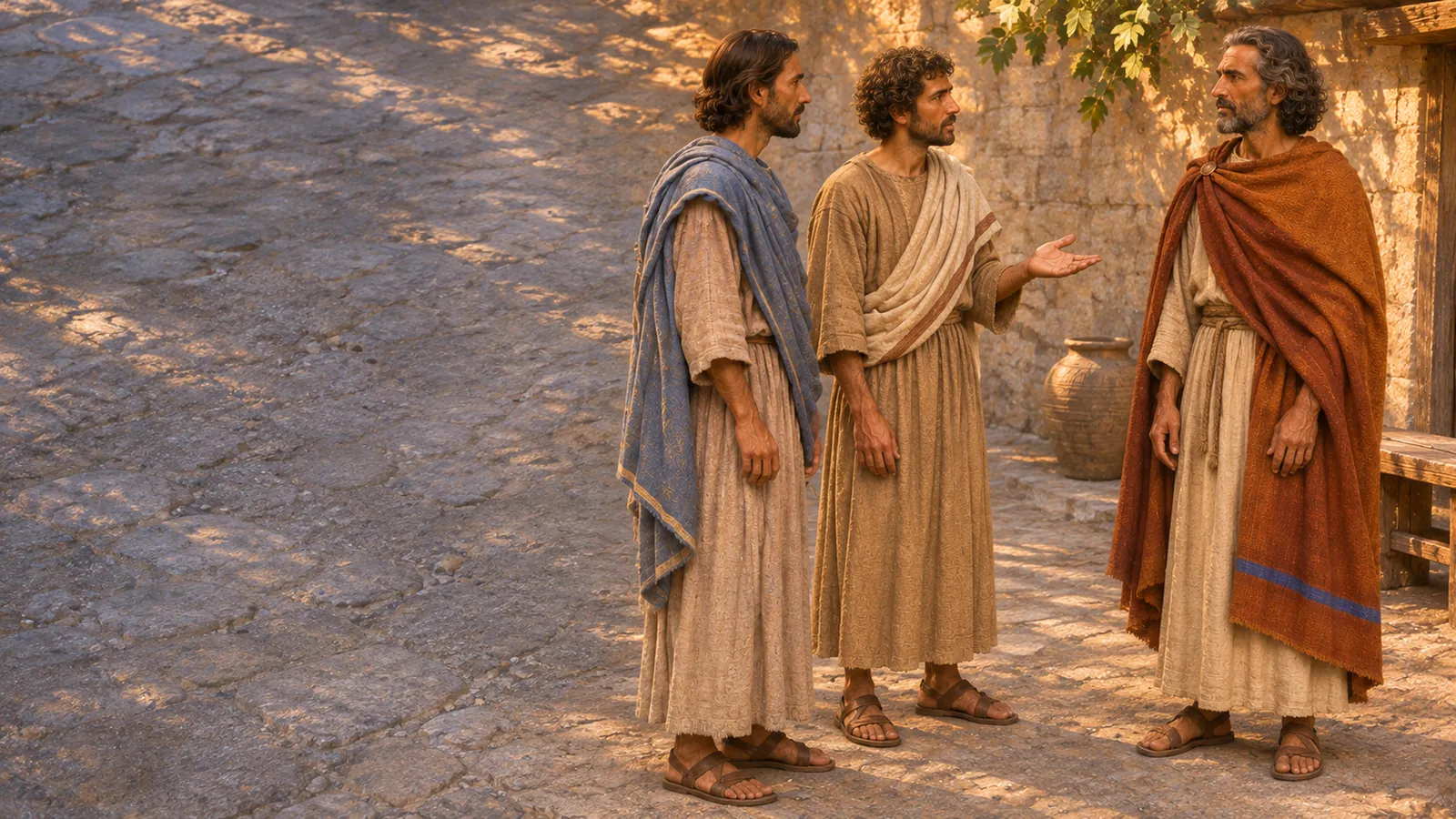
Les envoyés de Pabil portent ses paroles à Kirta. Arrivés auprès de lui, ils répètent l’offre qu’ils ont été chargés de transmettre.
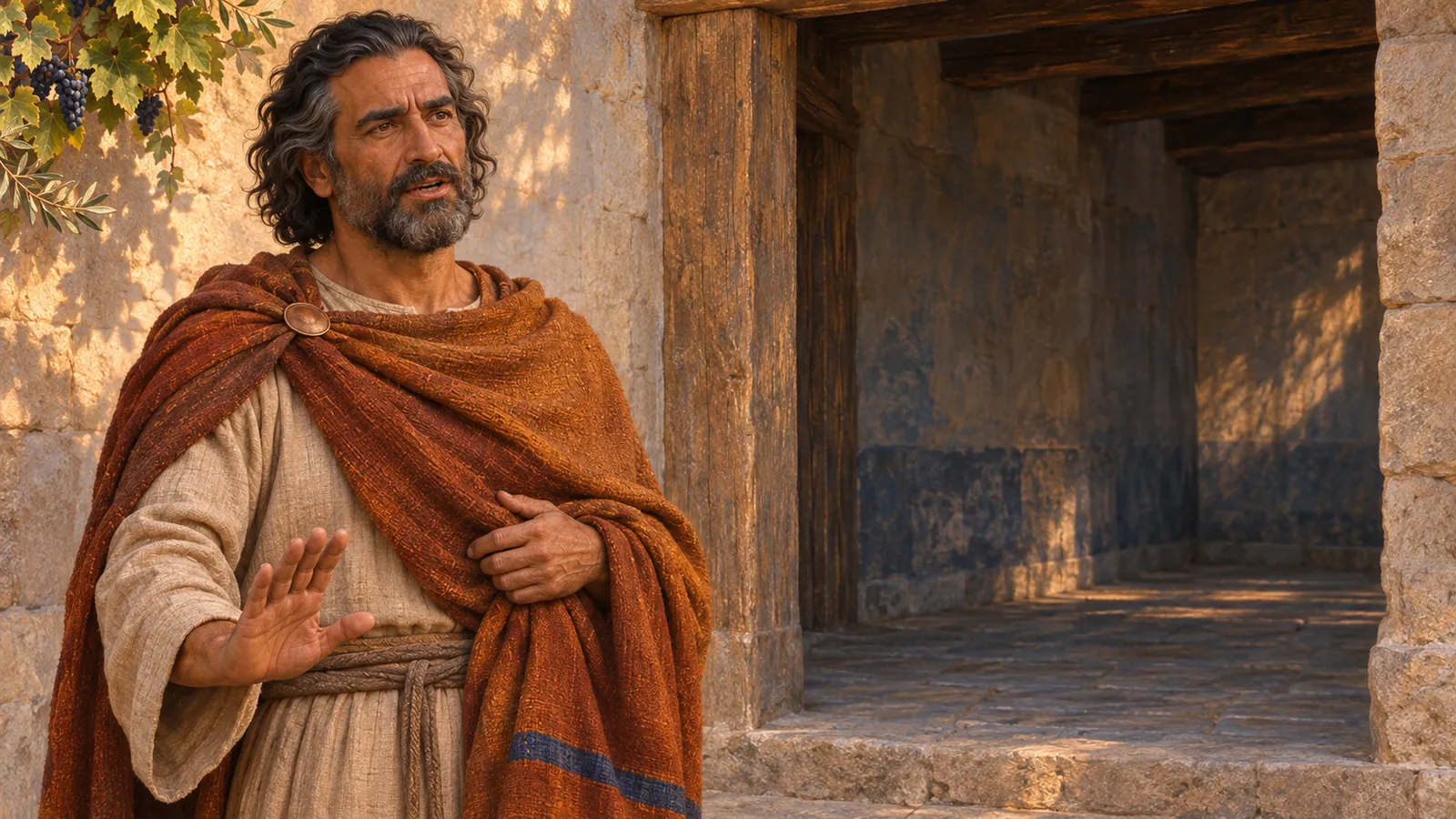
Kirta repousse l’offre de Pabil et lui fait porter sa réponse. Cet échange rappelle le refus qu’El avait annoncé dans le rêve.
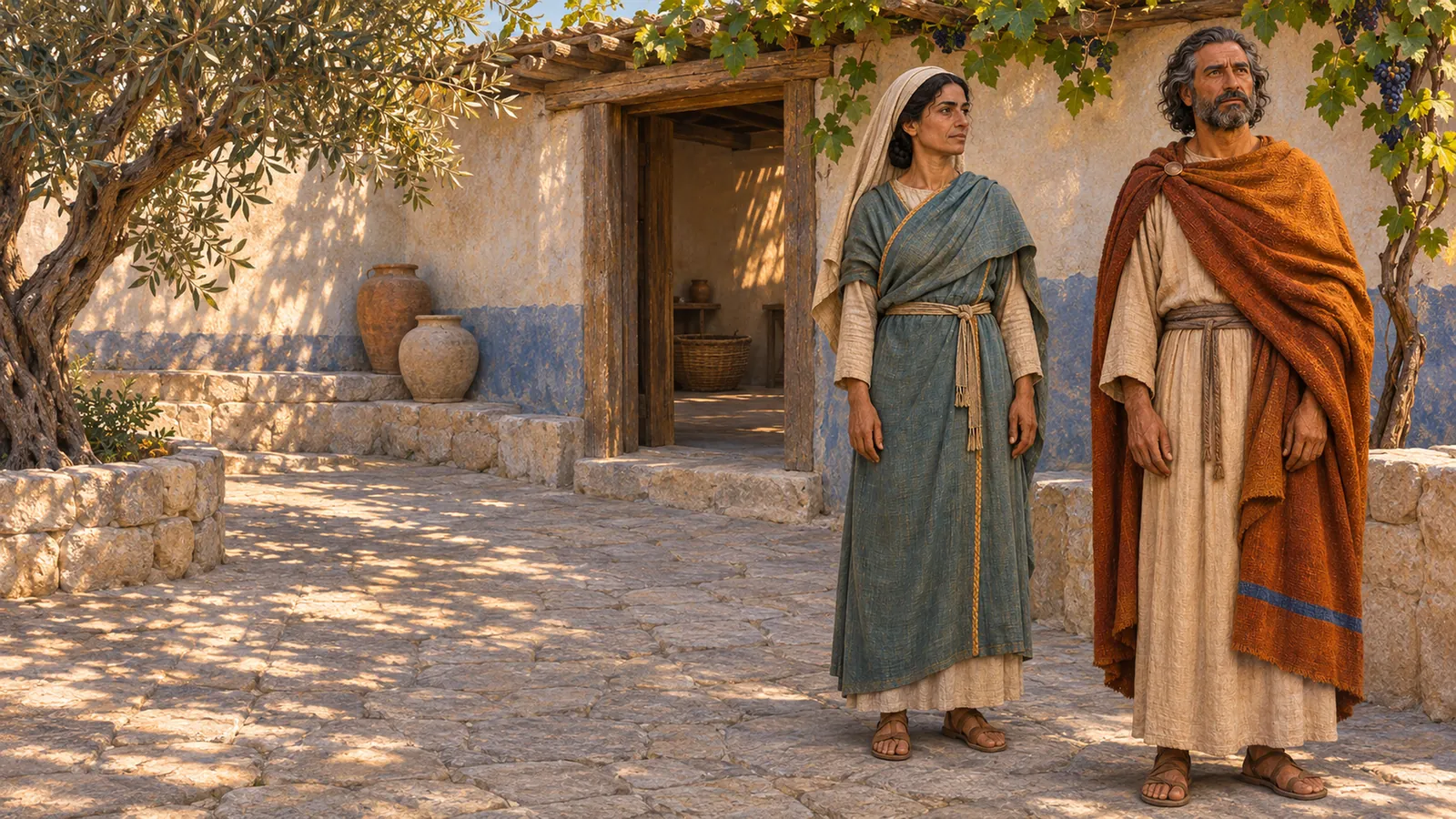
Pabil cède sous la pression de Kirta, et Hurriya devient l’épouse de Kirta, bien que le passage qui relie ces événements soit endommagé.
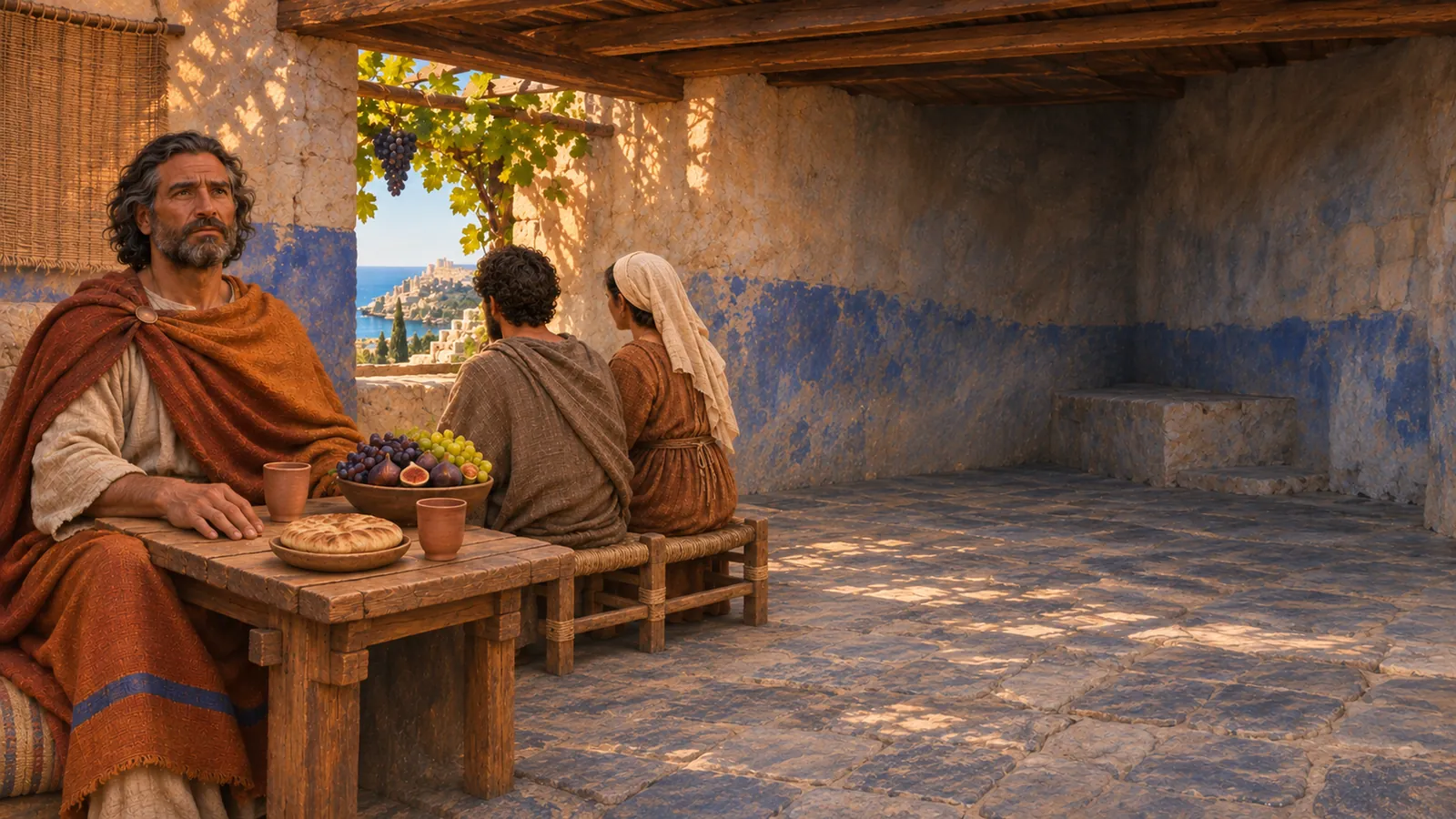
Après une autre lacune, le poème revient à un rassemblement et à un festin. On entend parler du repas tandis que les invités se réunissent.
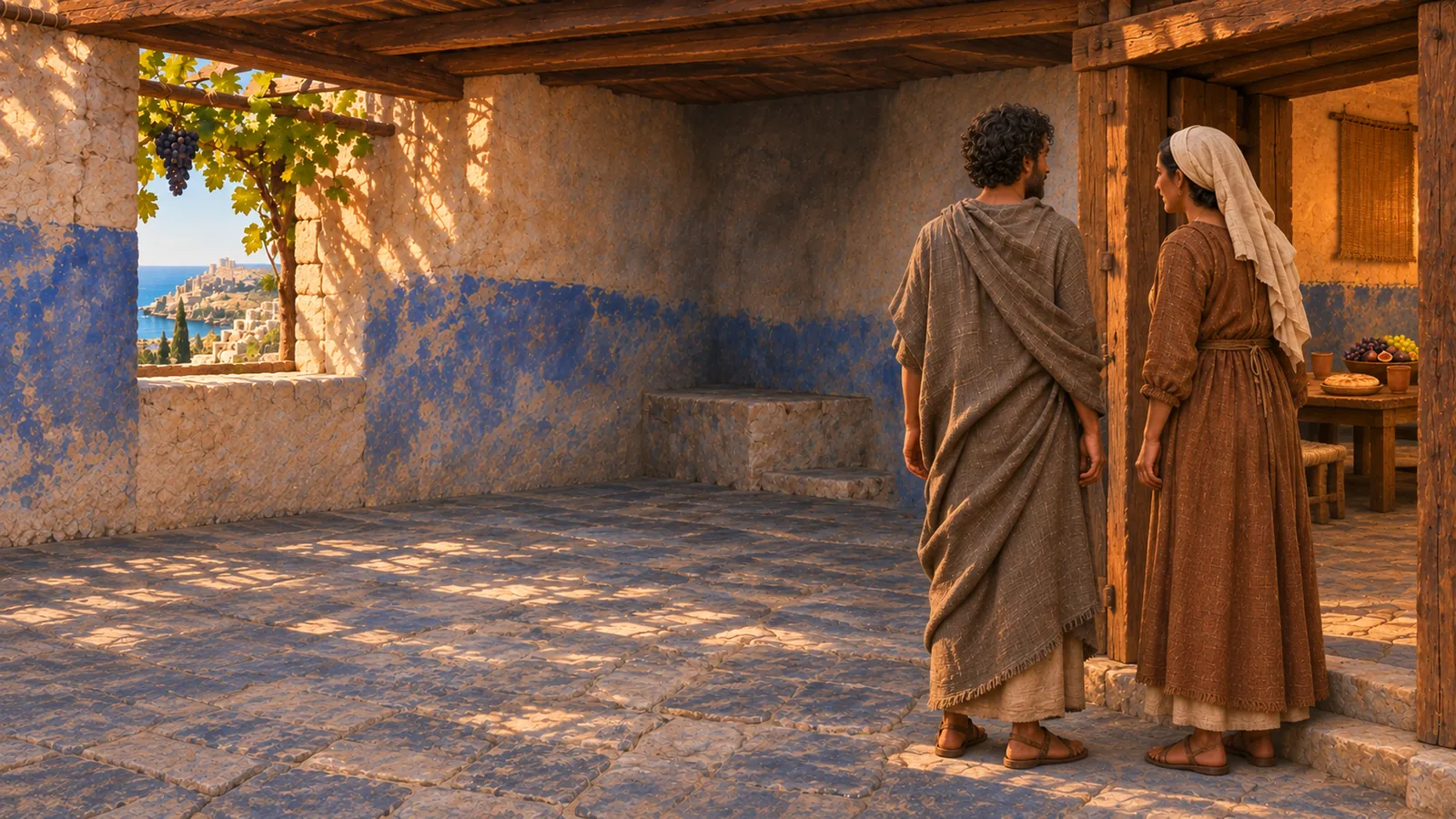
Le poème s’arrête aux portes tandis que les invités se rassemblent. Bientôt, on demandera une bénédiction pour Kirta.
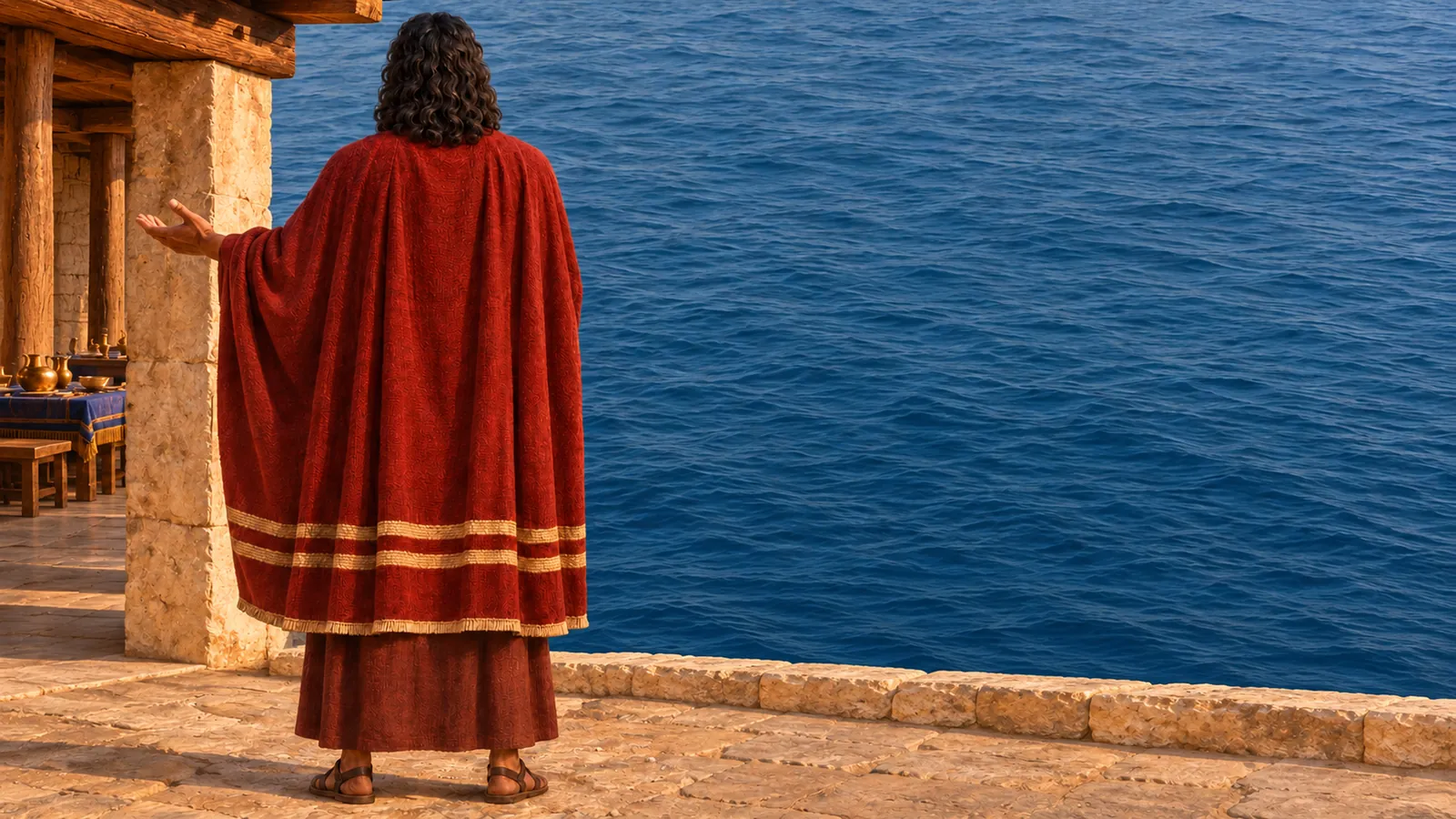
Alors que les invités sont encore réunis dans la salle, Baal demande à El de bénir Kirta.
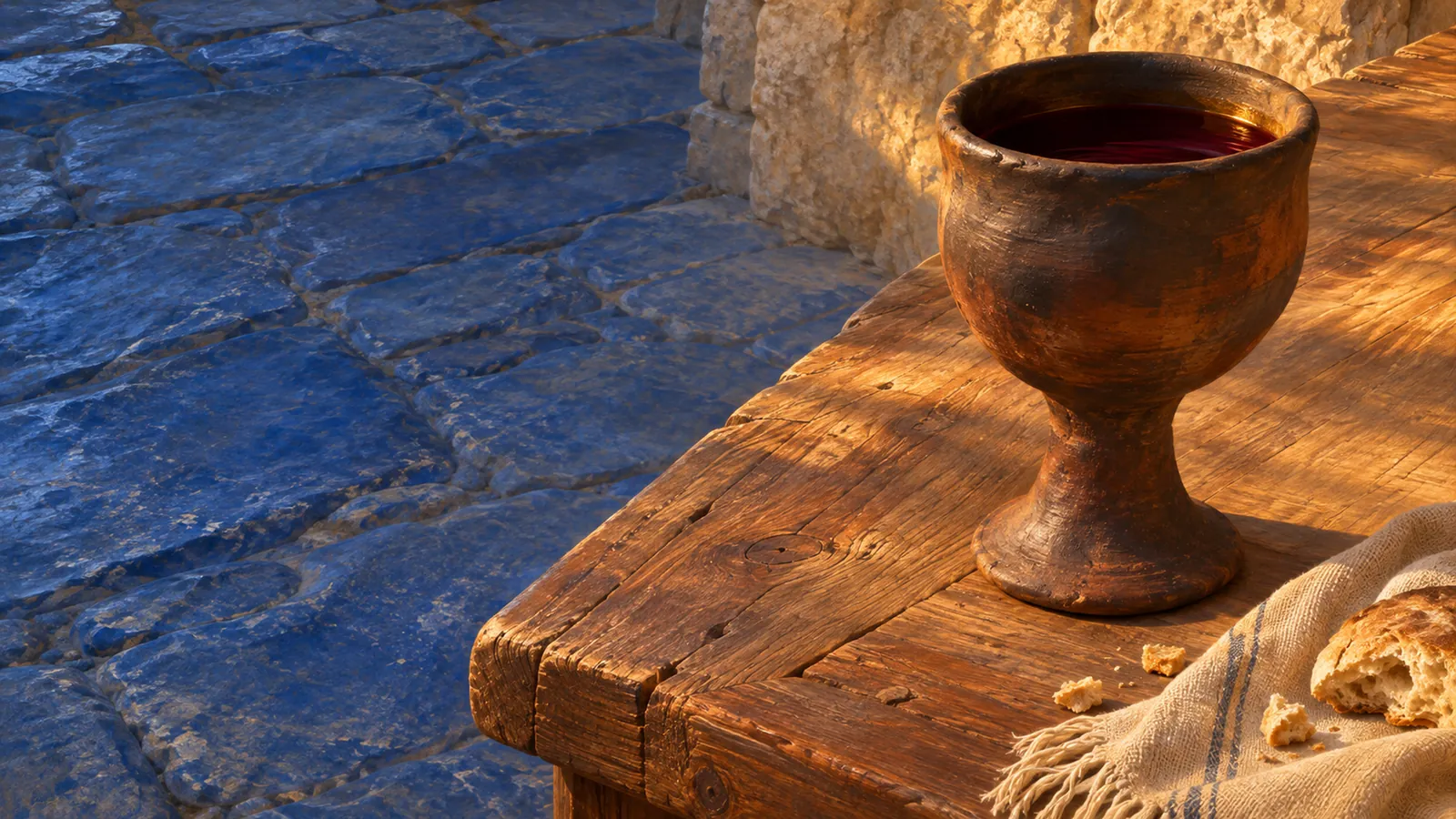
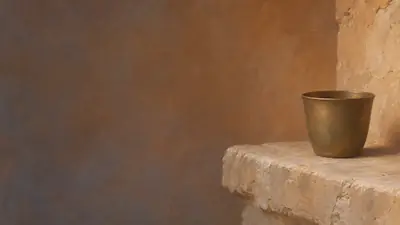
El prend une coupe et commence sa bénédiction. Il s’adresse à Kirta devant l’assemblée, et le récit s’arrête sur ses paroles.
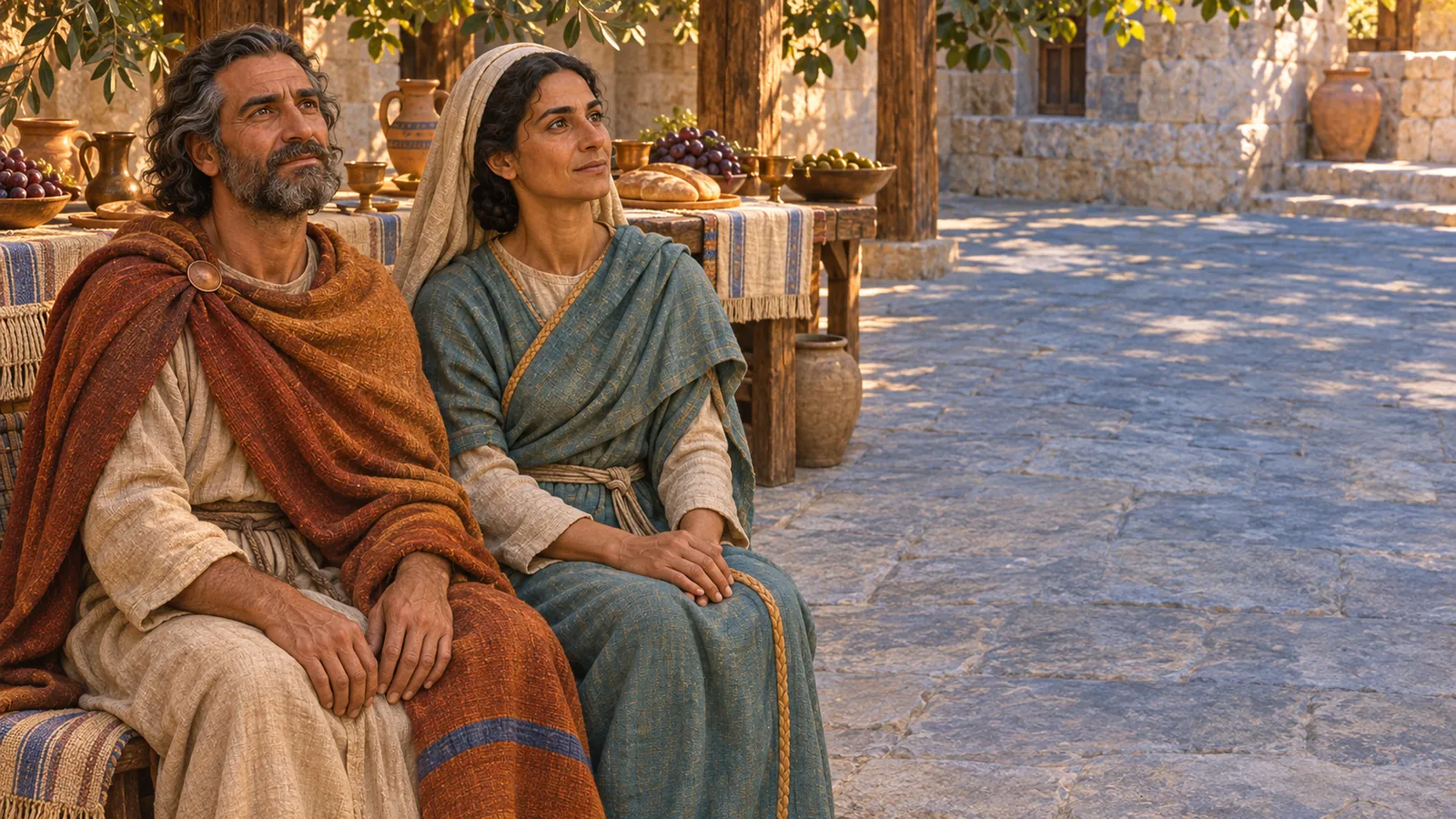
La bénédiction annonce des enfants dans la maison de Kirta. Elle nomme aussi une assemblée d’êtres honorés du passé.
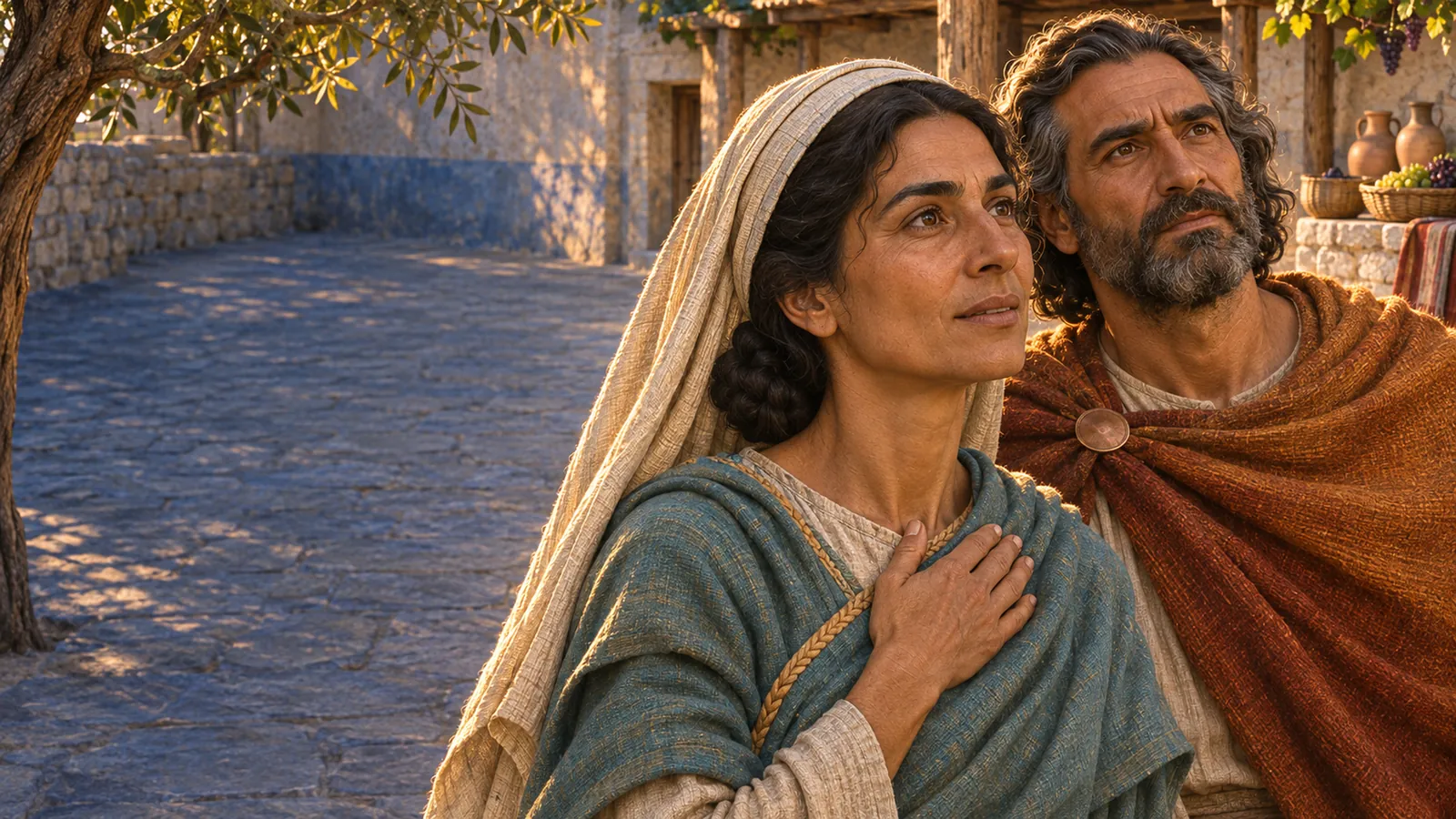
La bénédiction d’El se poursuit avec des filles et des fils. Une nouvelle génération est promise à la maison qui semblait sans avenir au début du poème.
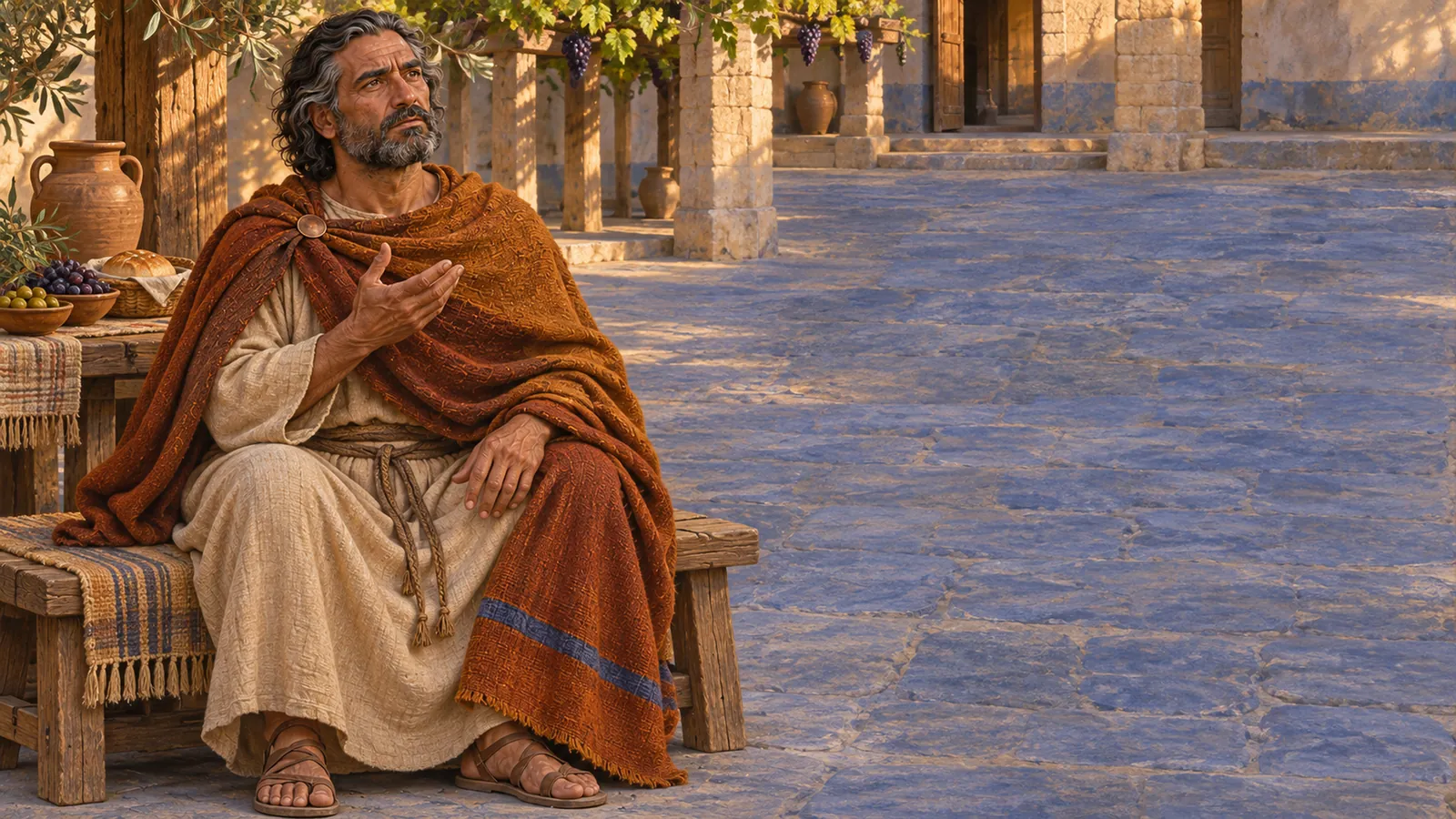
La bénédiction d’El donne au plus jeune le rang d’un premier-né. Le poème le dit dans la bénédiction, bien avant la querelle pour le trône de Kirta.
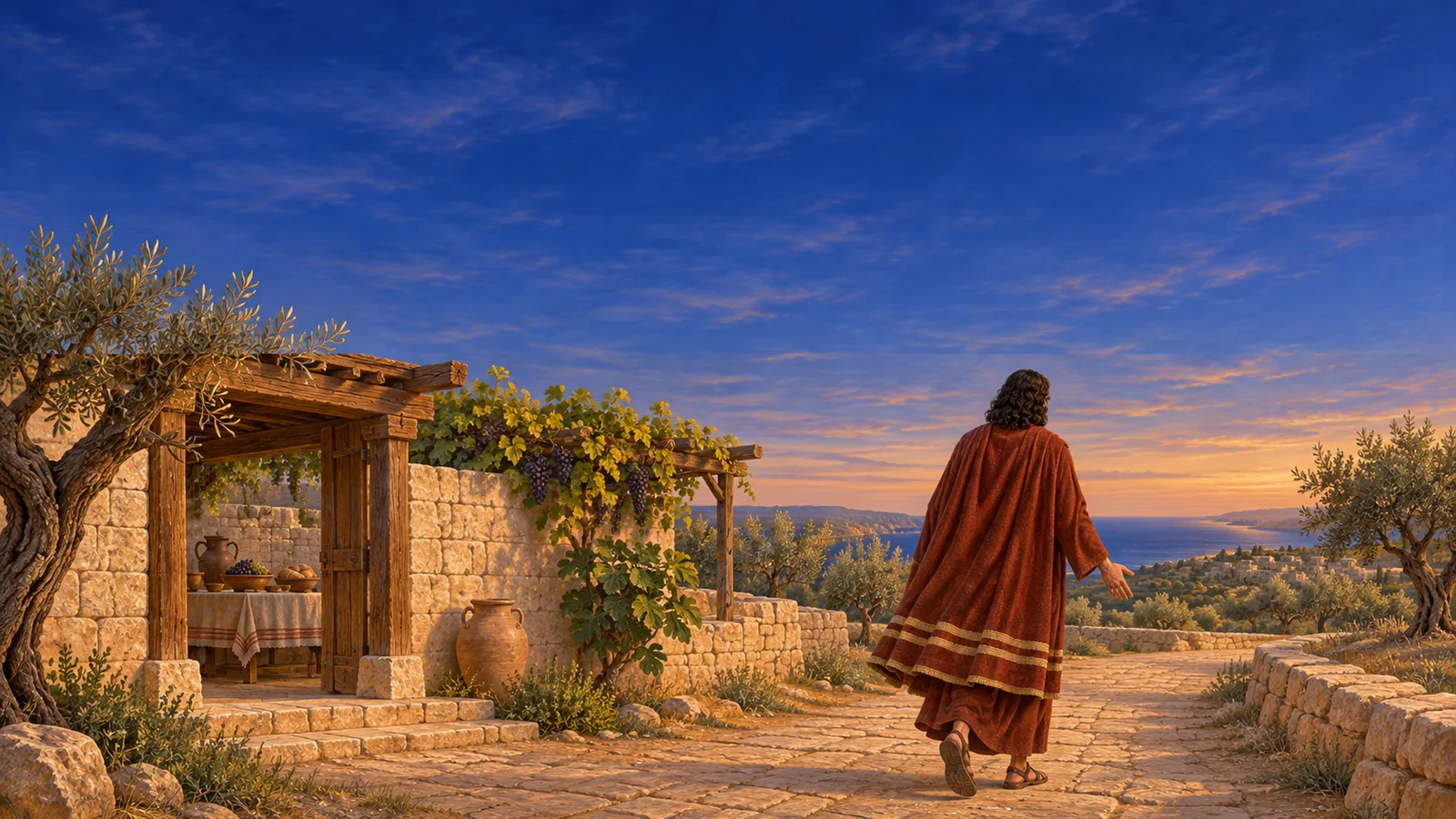
Les personnes réunies ajoutent leurs bénédictions. Une fois les paroles prononcées, les dieux regagnent leurs demeures et le festin s’achève.
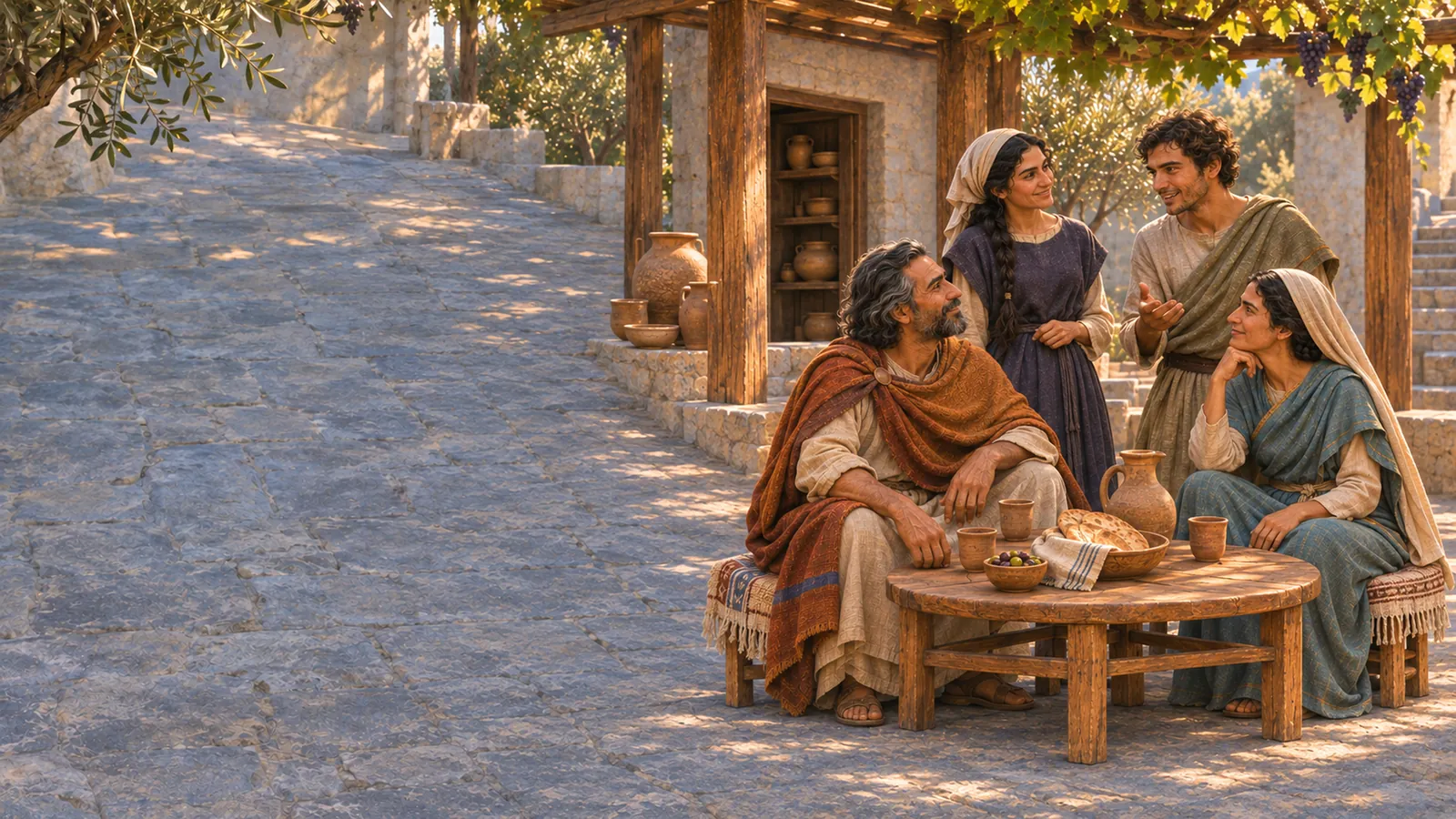
Les années passent. Le poème parle des enfants dans la maison de Kirta et de Hurriya et rappelle la bénédiction qui promettait une nouvelle génération.
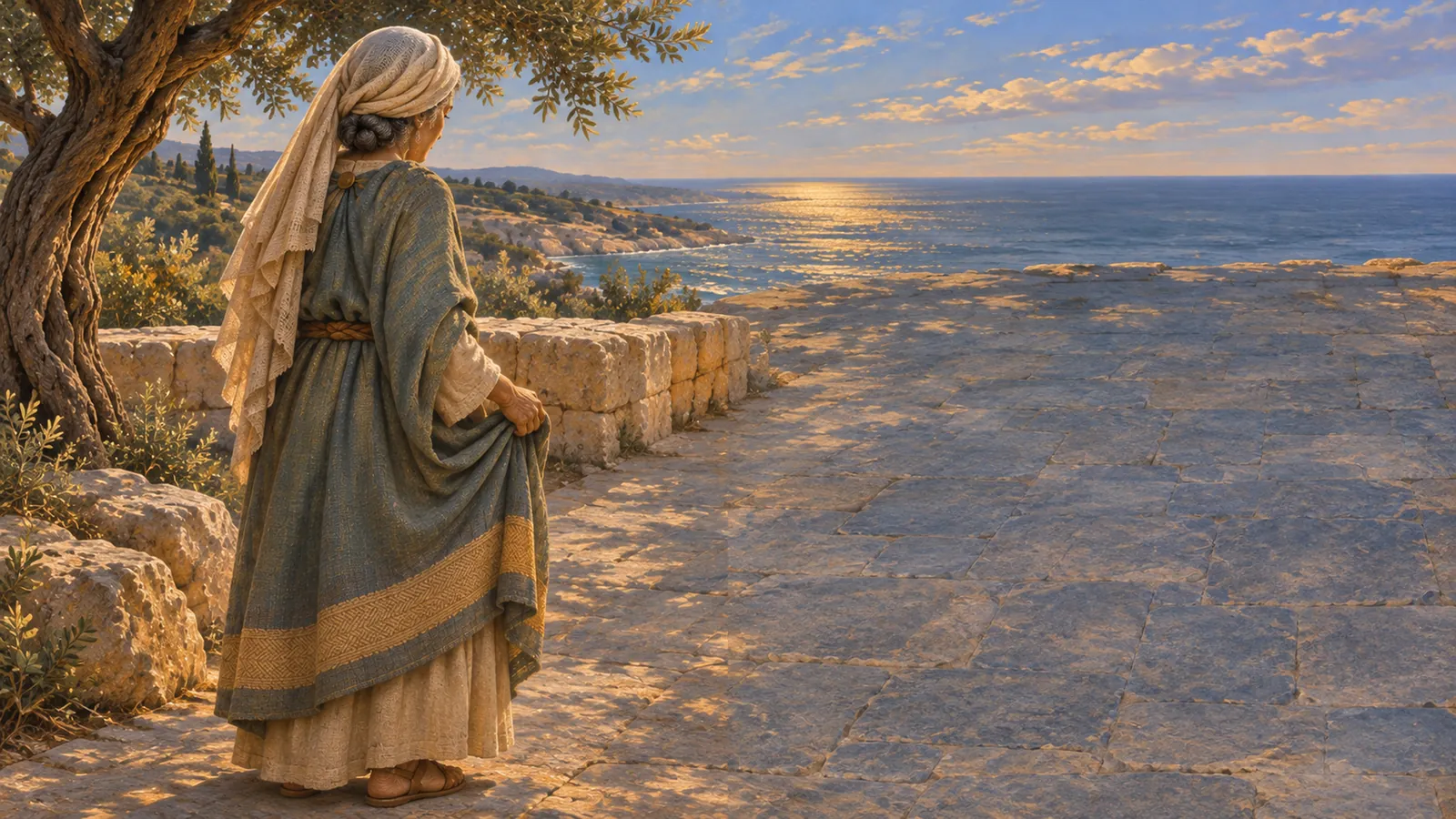
LE VŒU
Après ces années, Athirat se souvient du vœu que Kirta lui a fait. La promesse reste inaccomplie. Les lignes suivantes deviennent difficiles à lire.
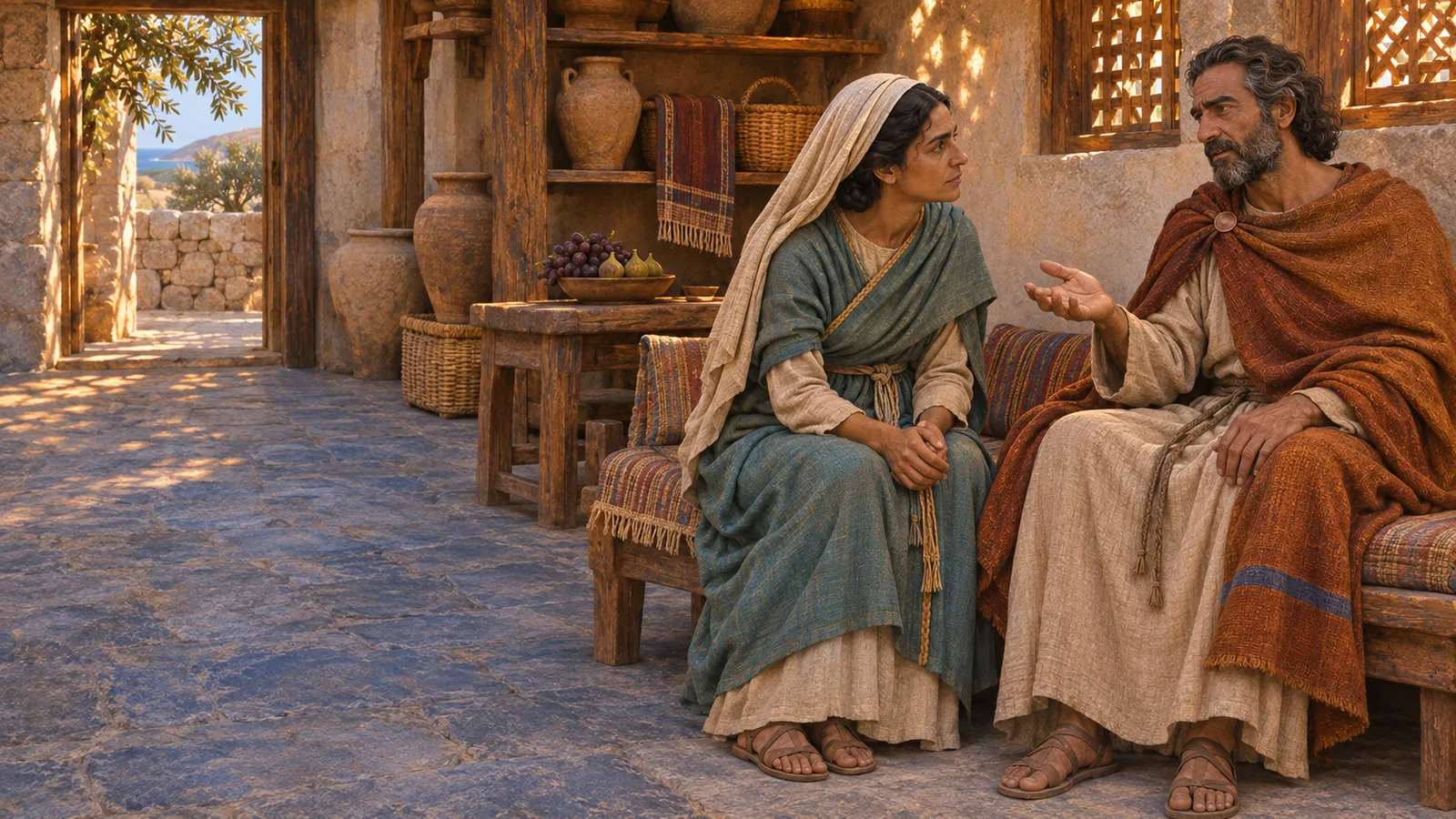
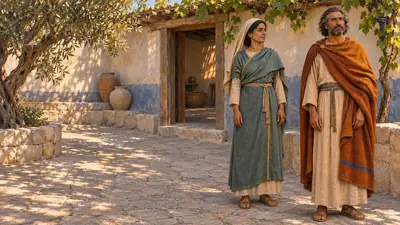
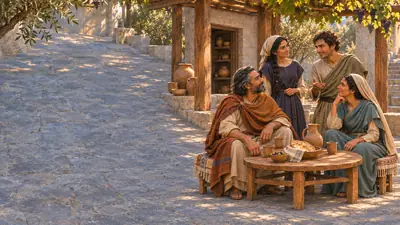
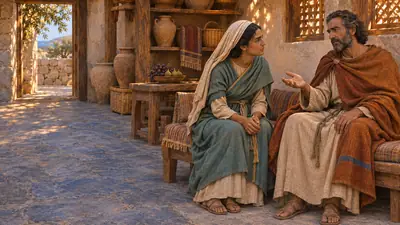
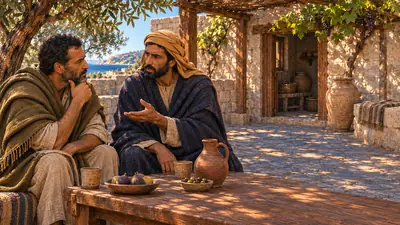
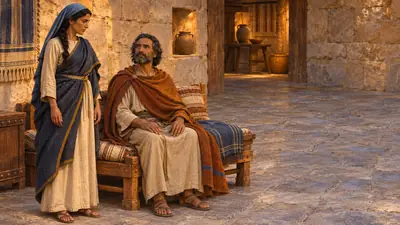
Kirta est gravement malade. Il demande à Hurriya de faire venir des gens à la maison et de préparer un repas. Elle prend en charge la réunion.
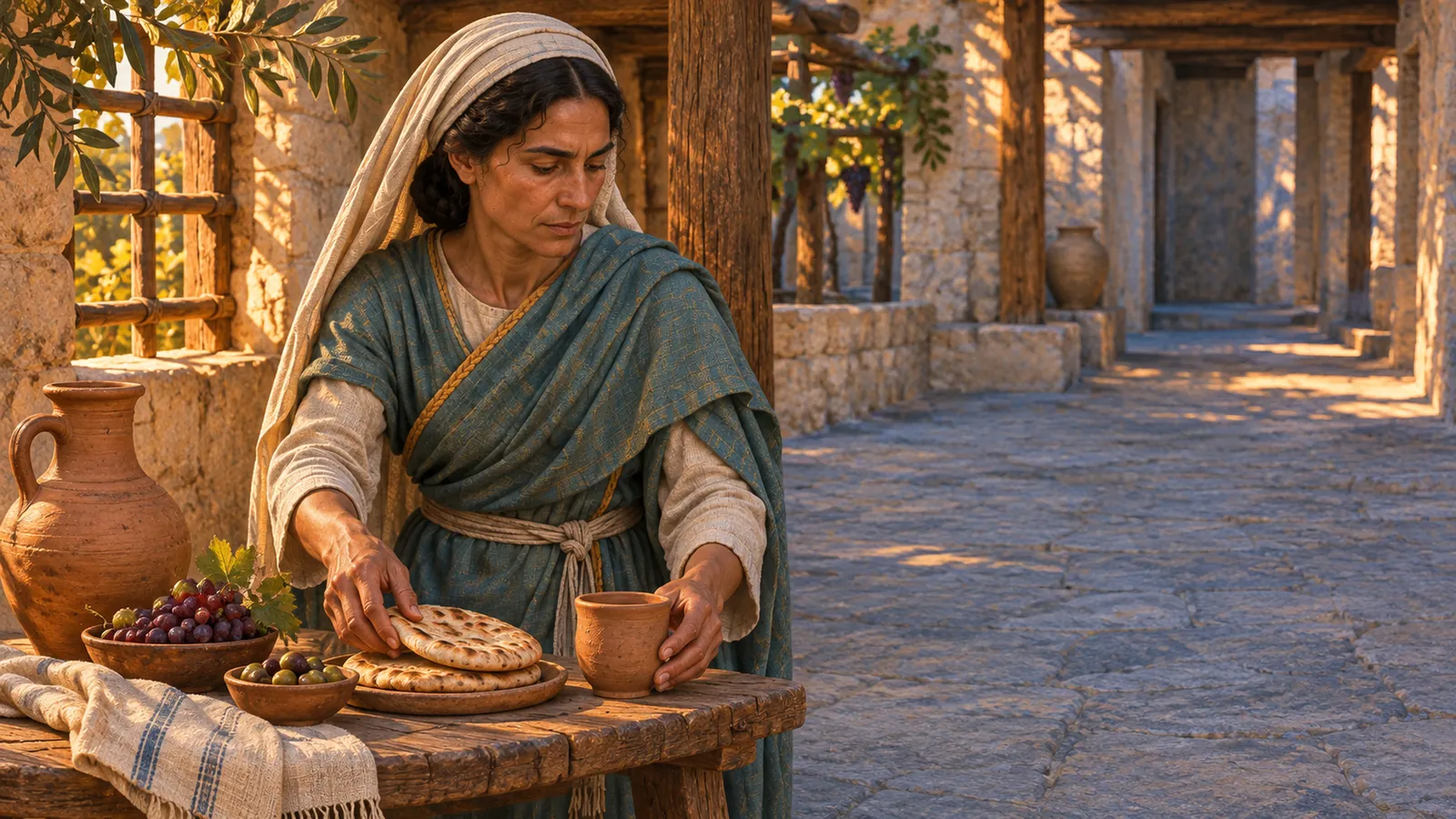
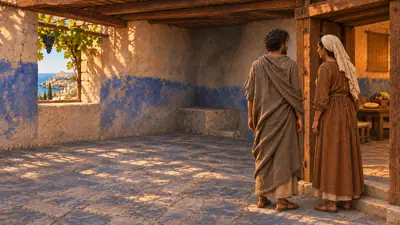
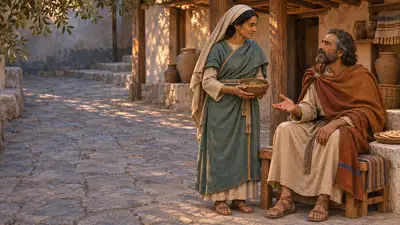
Hurriya fait les préparatifs demandés par Kirta. Le poème suit son travail tandis que la maison s’apprête à offrir à boire et à manger aux invités.
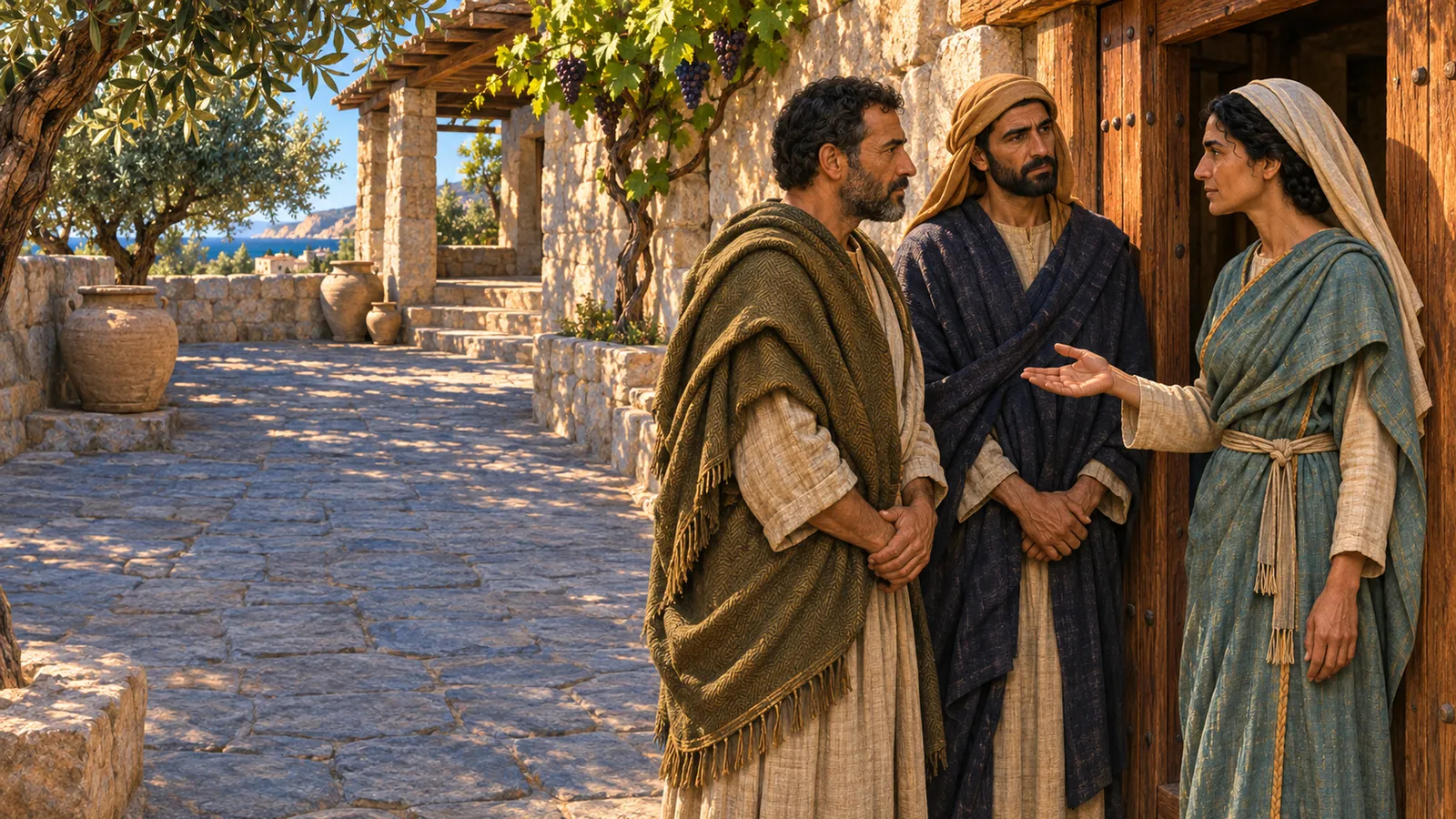
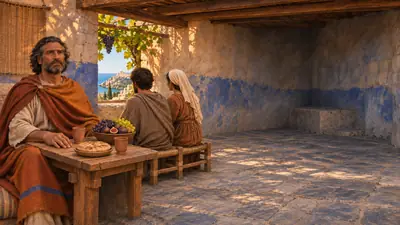
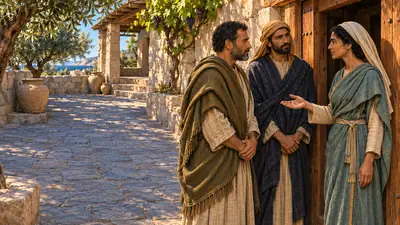
Hurriya fait entrer les notables au nom de Kirta. Le poème le dit deux fois, puis décrit le lieu où elle reçoit ses invités.
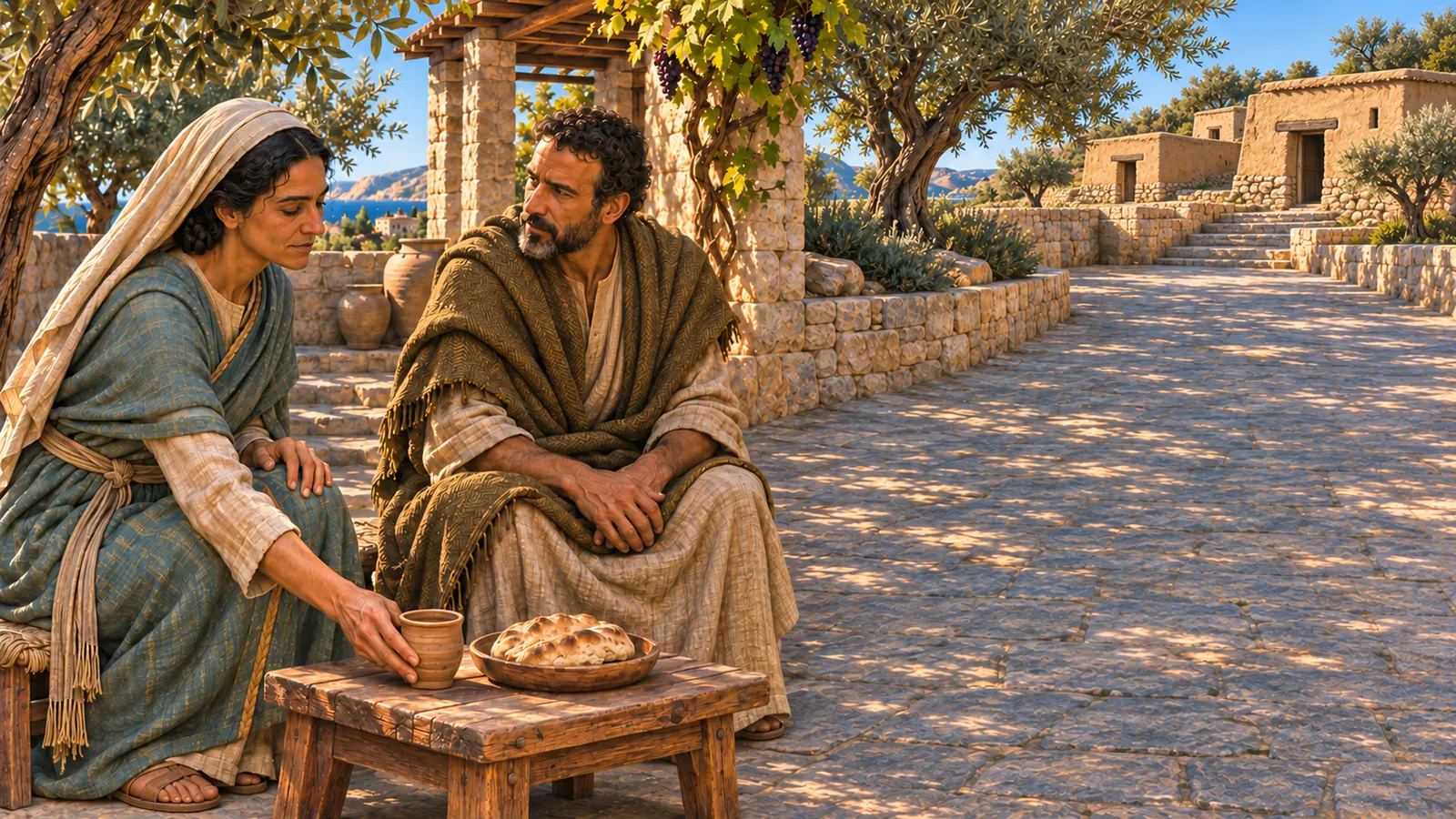
Une partie de l’échange se perd à la fin de la colonne. Lorsque les lignes redeviennent claires, le poème revient à l’hospitalité de Hurriya et au repas.
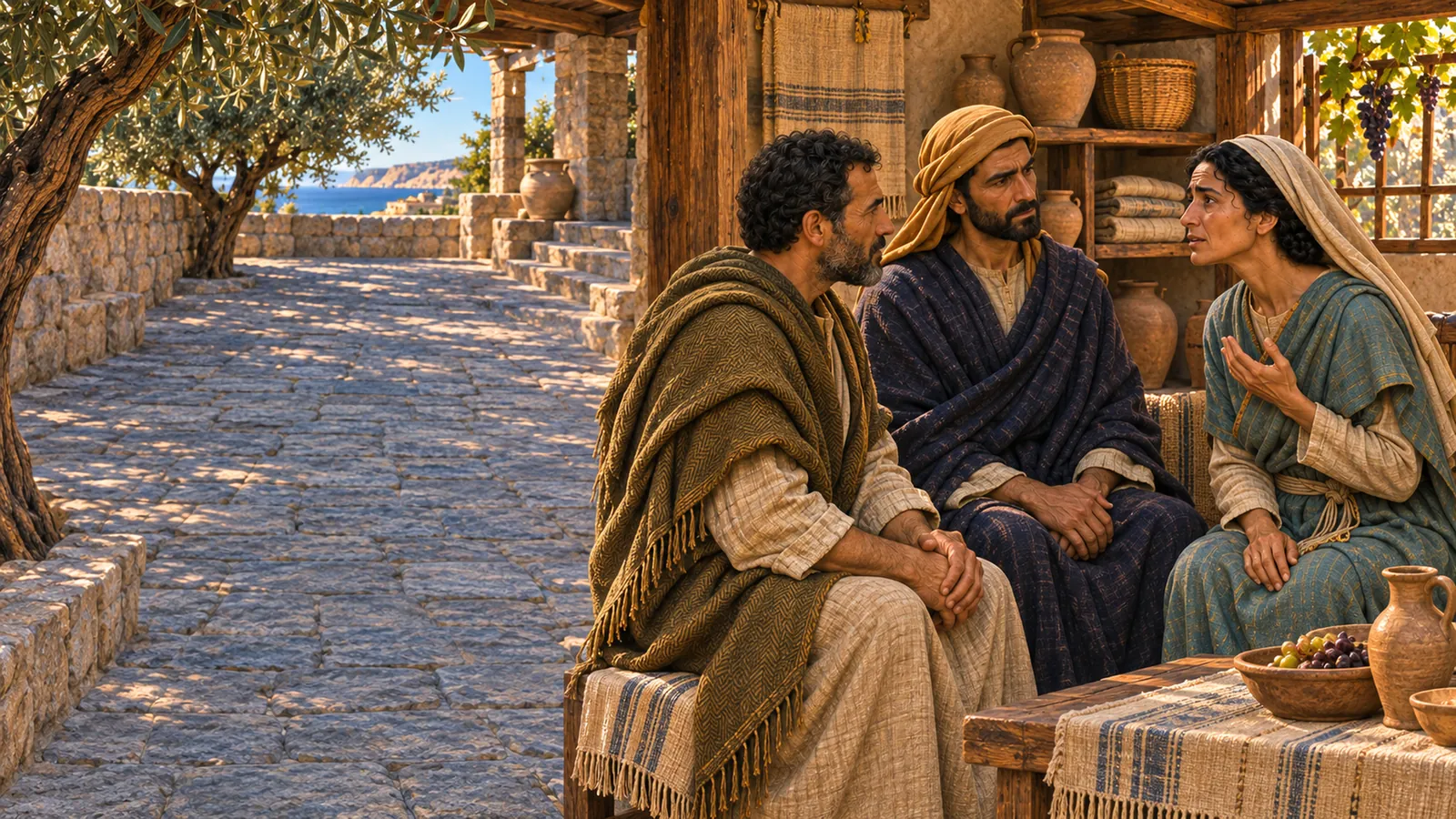
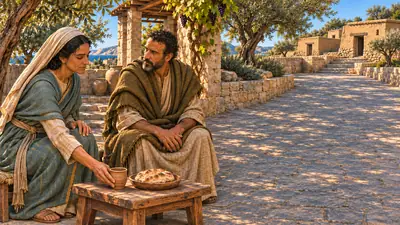
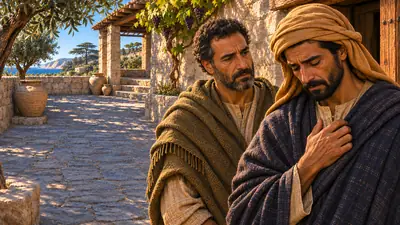
Hurriya demande aux invités de bénir Kirta. Elle leur demande de partager le chagrin de la famille, car elle craint qu’il ne meure.
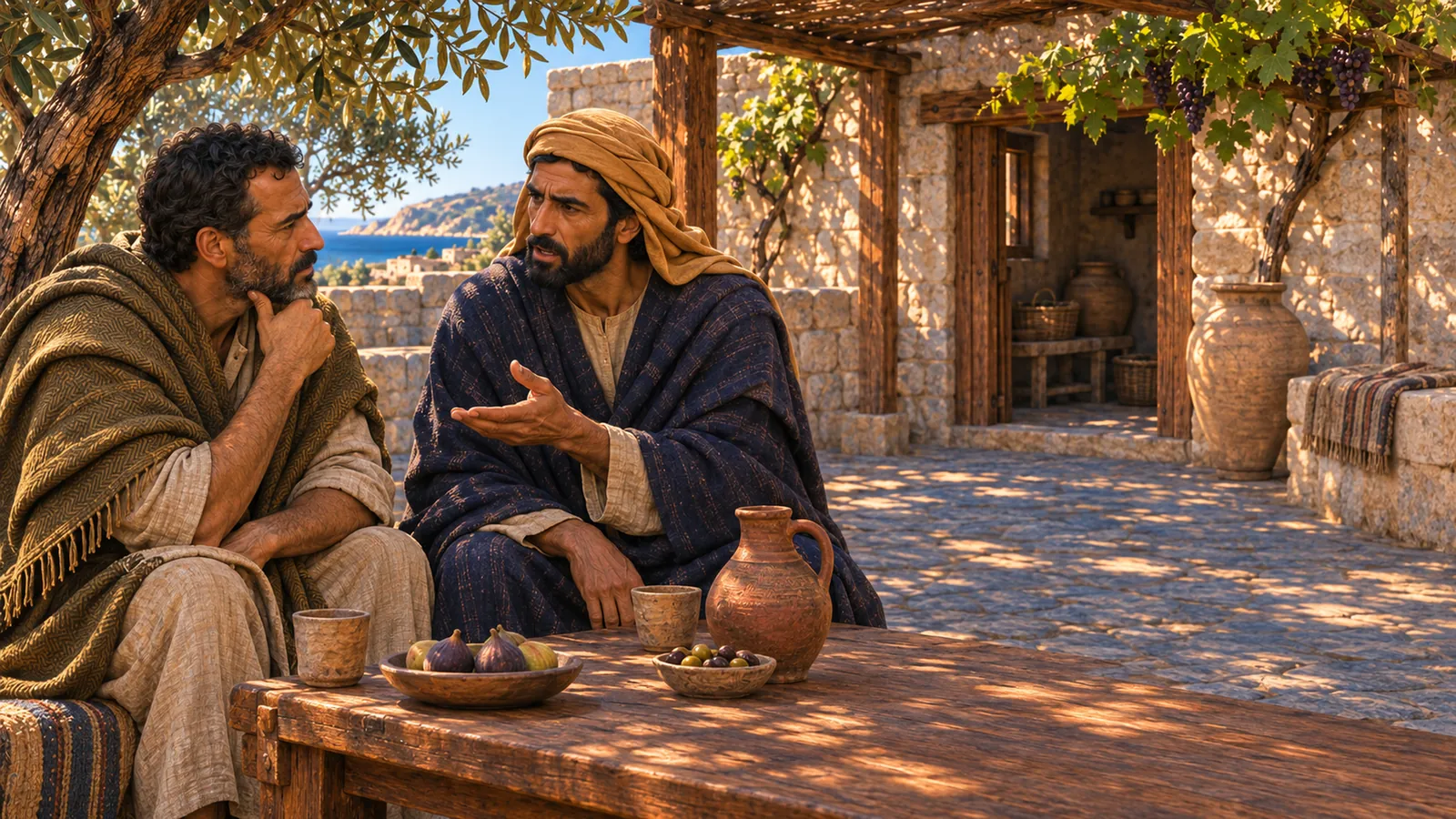
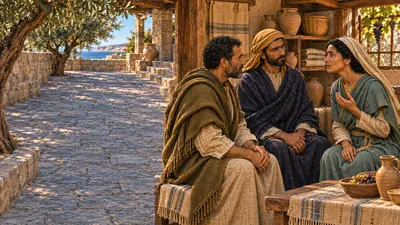
Dans une lecture des mots endommagés, les invités nomment Yassib comme celui qui pourrait prendre la place de Kirta. L’échange porte sur la personne qui pourrait régner.
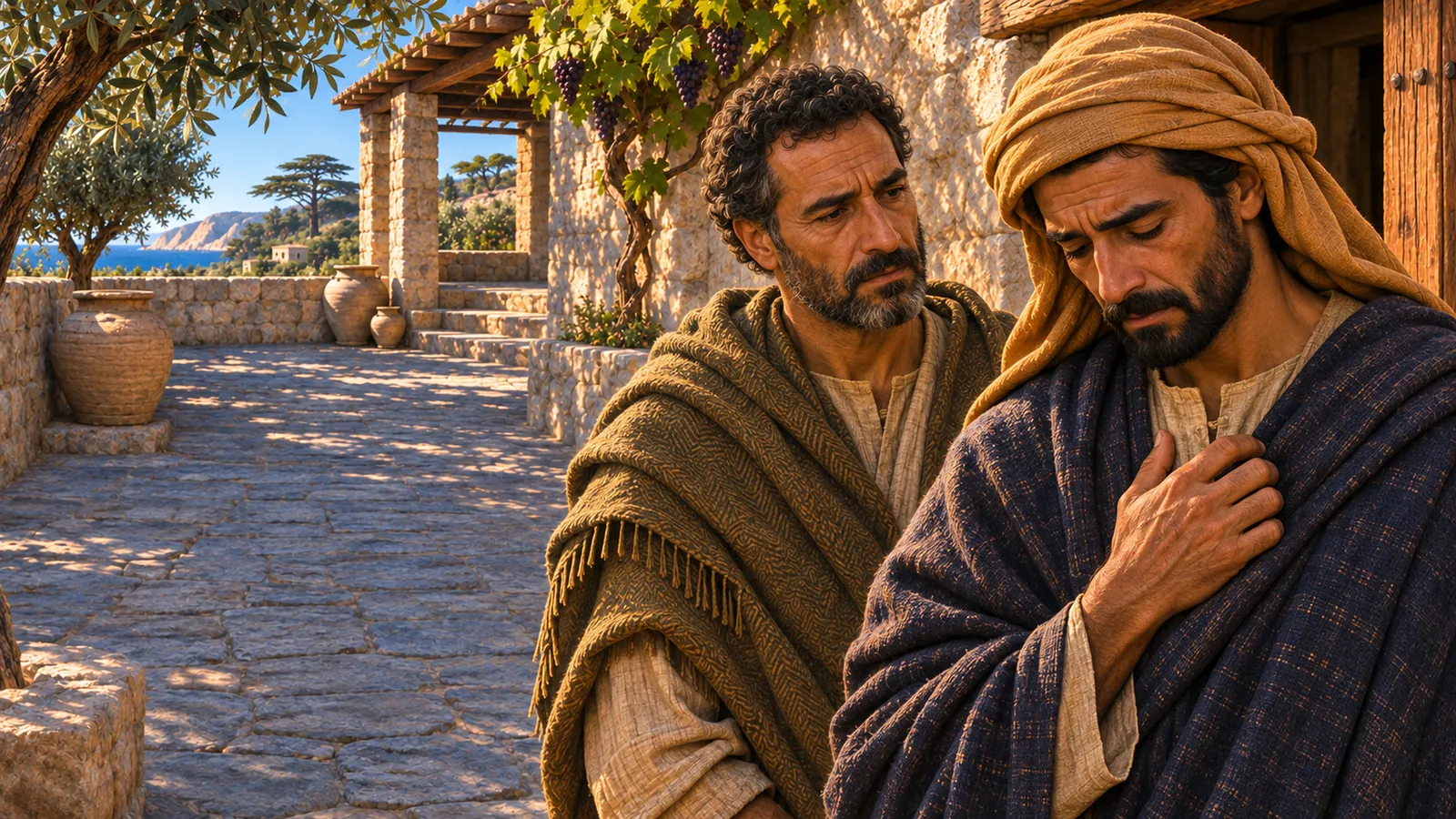
Ce qui reste de la colonne laisse entrevoir le chagrin des invités. De nombreuses lignes se perdent ensuite, et l’histoire de Kirta se poursuit sur une autre tablette.
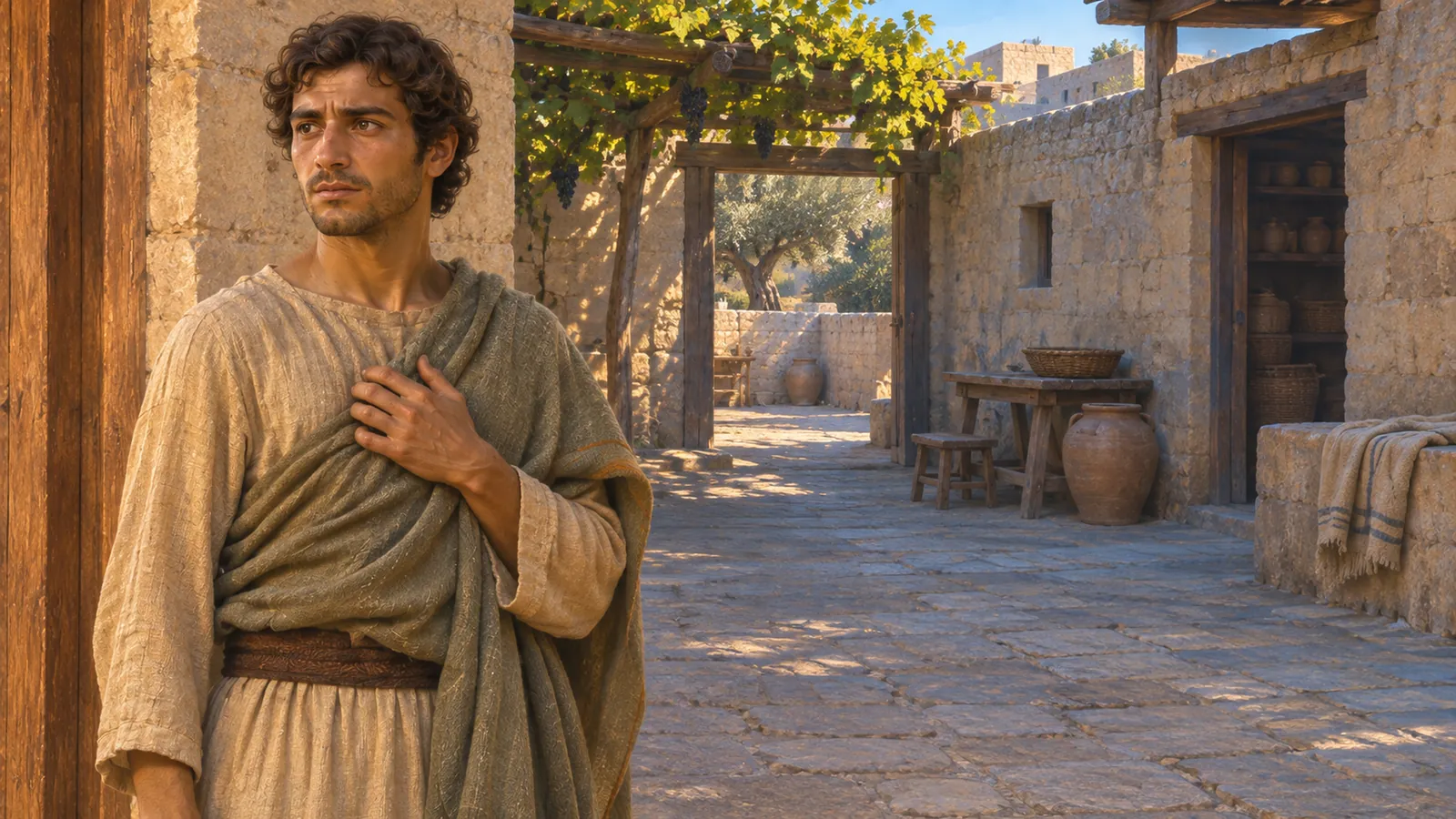
Sur la tablette suivante, Ilhau, le fils de Kirta, prend la parole. Il craint que son père ne meure et prononce sa première lamentation avant d’entrer le voir.

Dans sa lamentation, Ilhau appelle les montagnes à pleurer son père. Le vers nomme le Saphon et donne aux collines une place dans son chagrin.
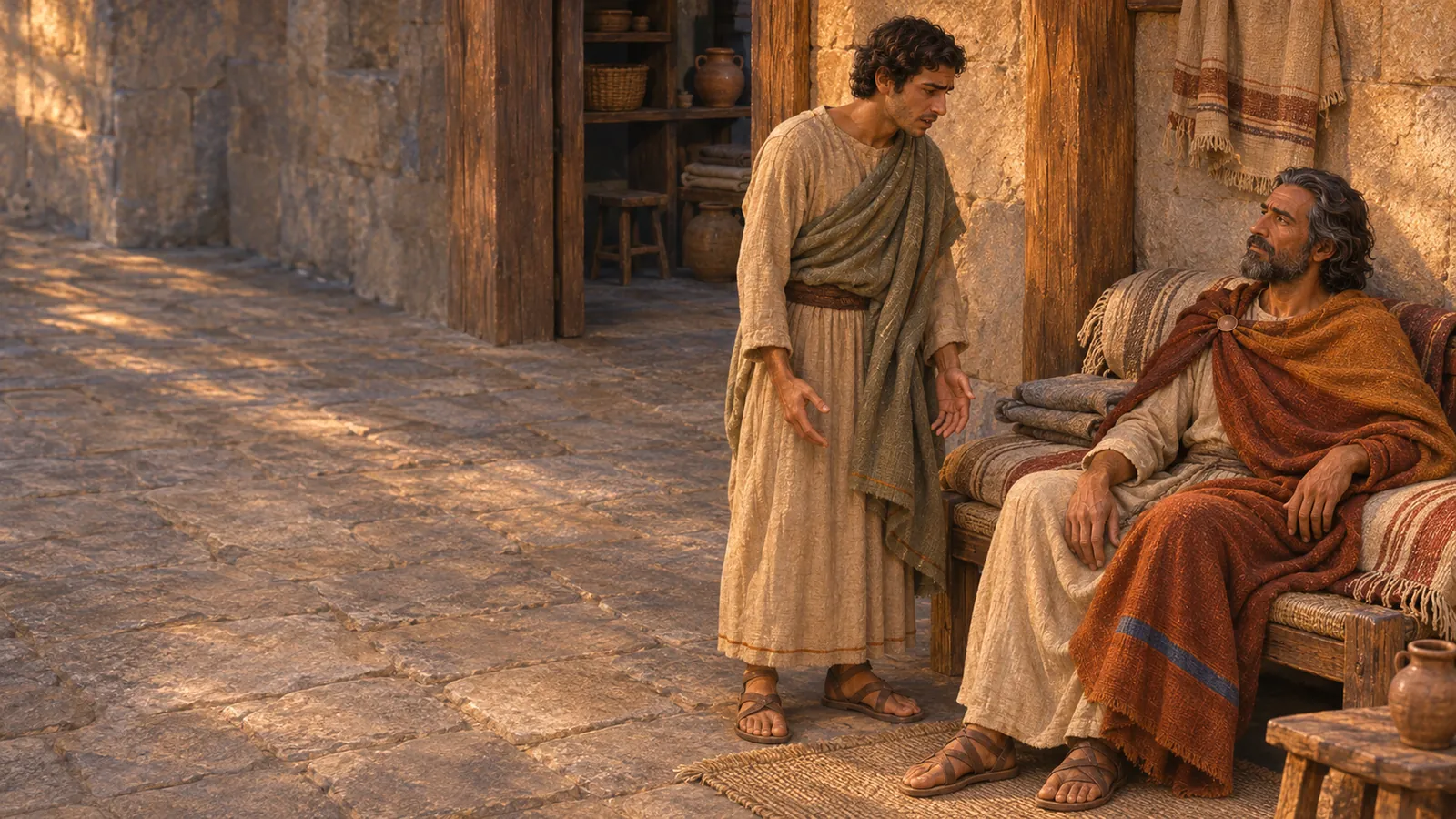
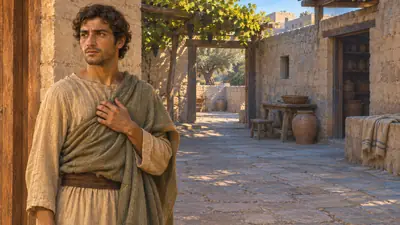
Ilhau paraît devant son père, affligé. Il dit encore le chagrin qu’il éprouve à l’idée de perdre Kirta.
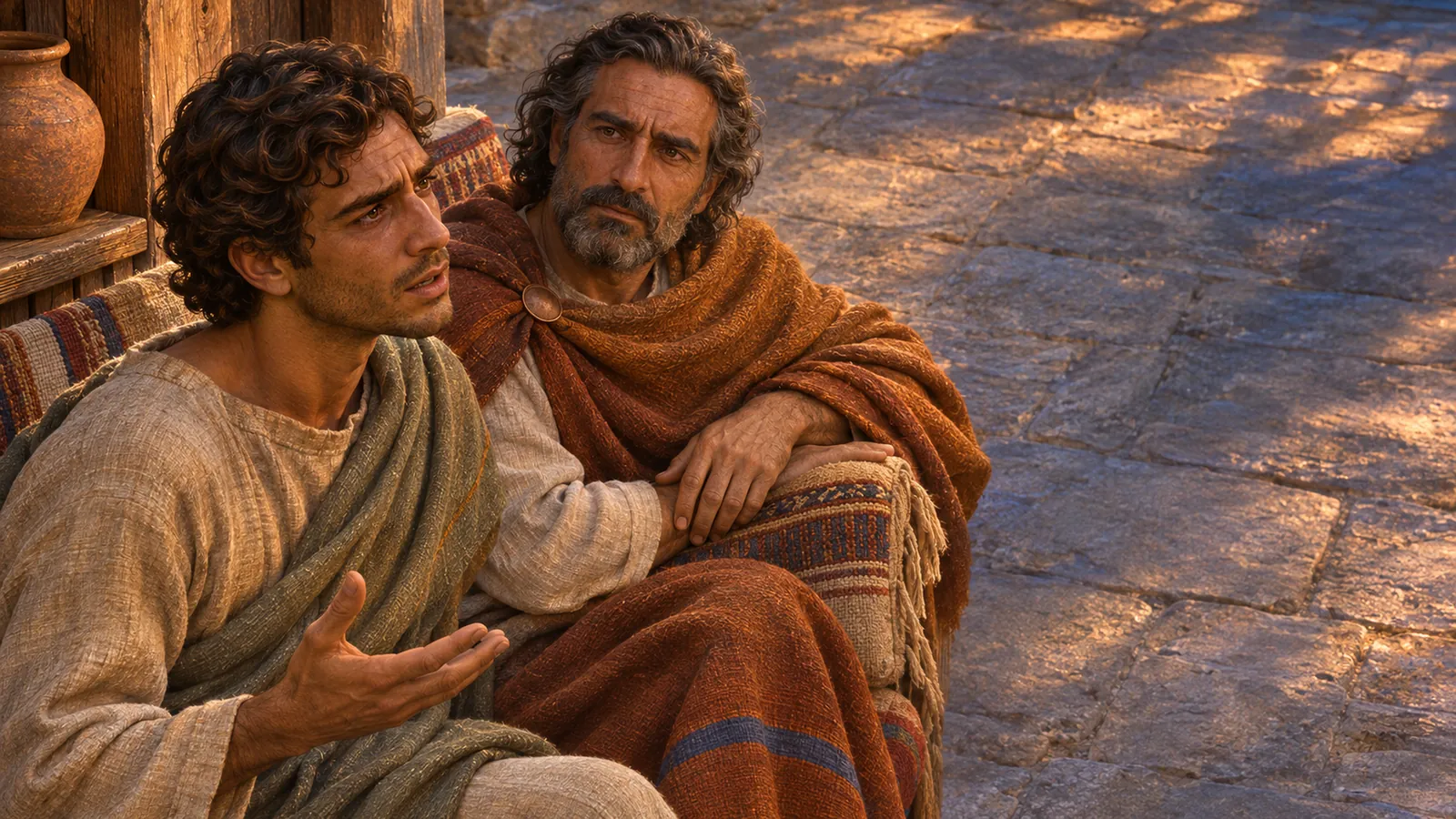
Ilhau demande comment celui qu’on appelle fils d’El peut mourir. En parlant à Kirta, il dit par ses questions le chagrin d’un fils pour son père.
THITMANIT
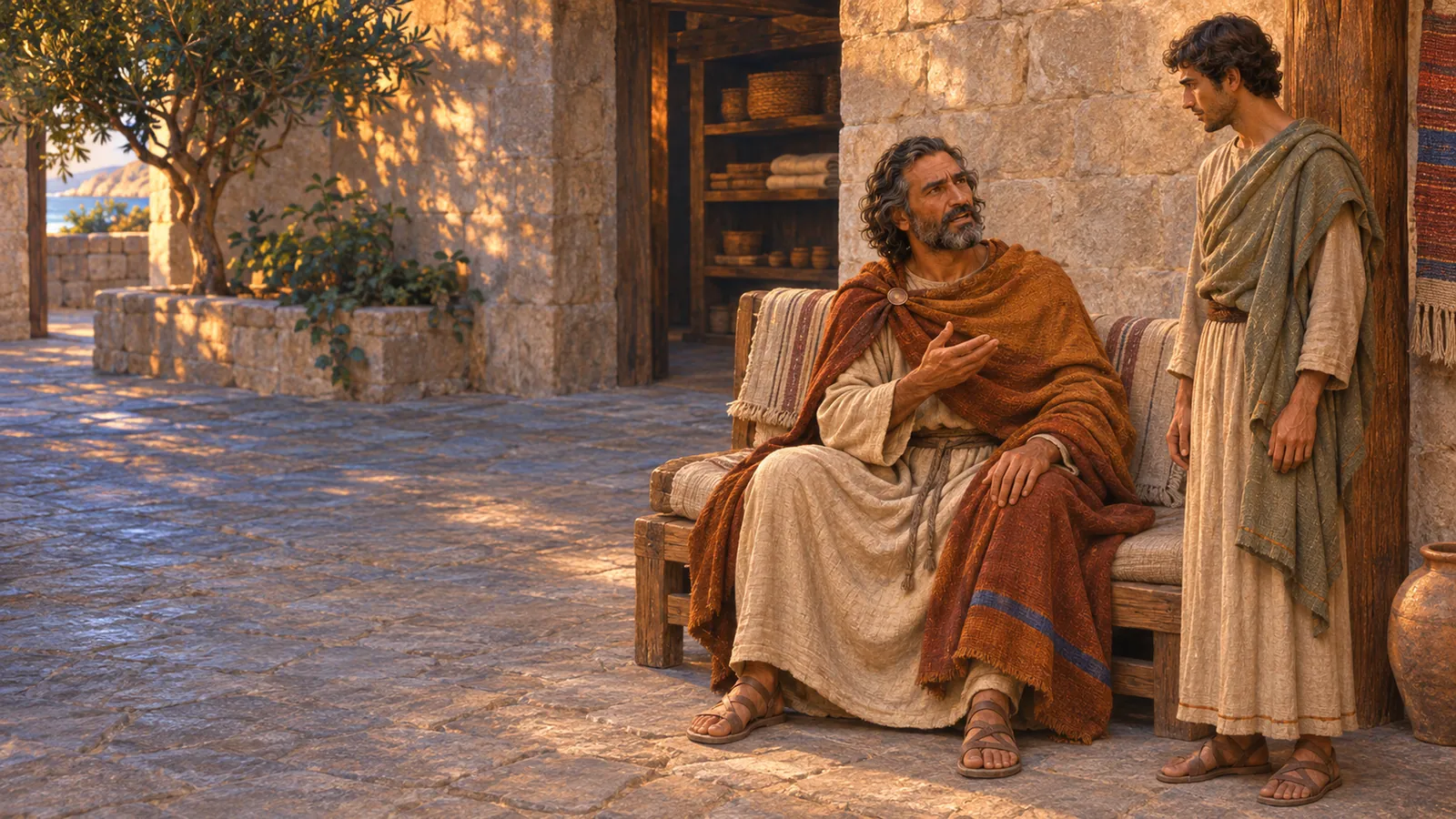
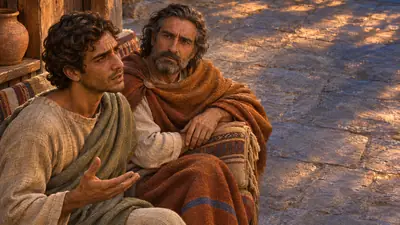
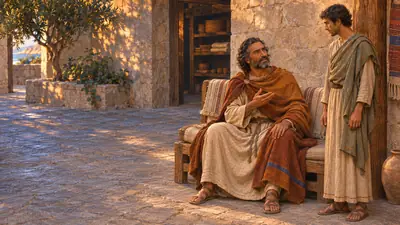
Kirta répond à Ilhau et lui demande d’appeler sa sœur Thitmanit. Il lui dit qu’il sait à quel point elle tient à son père.
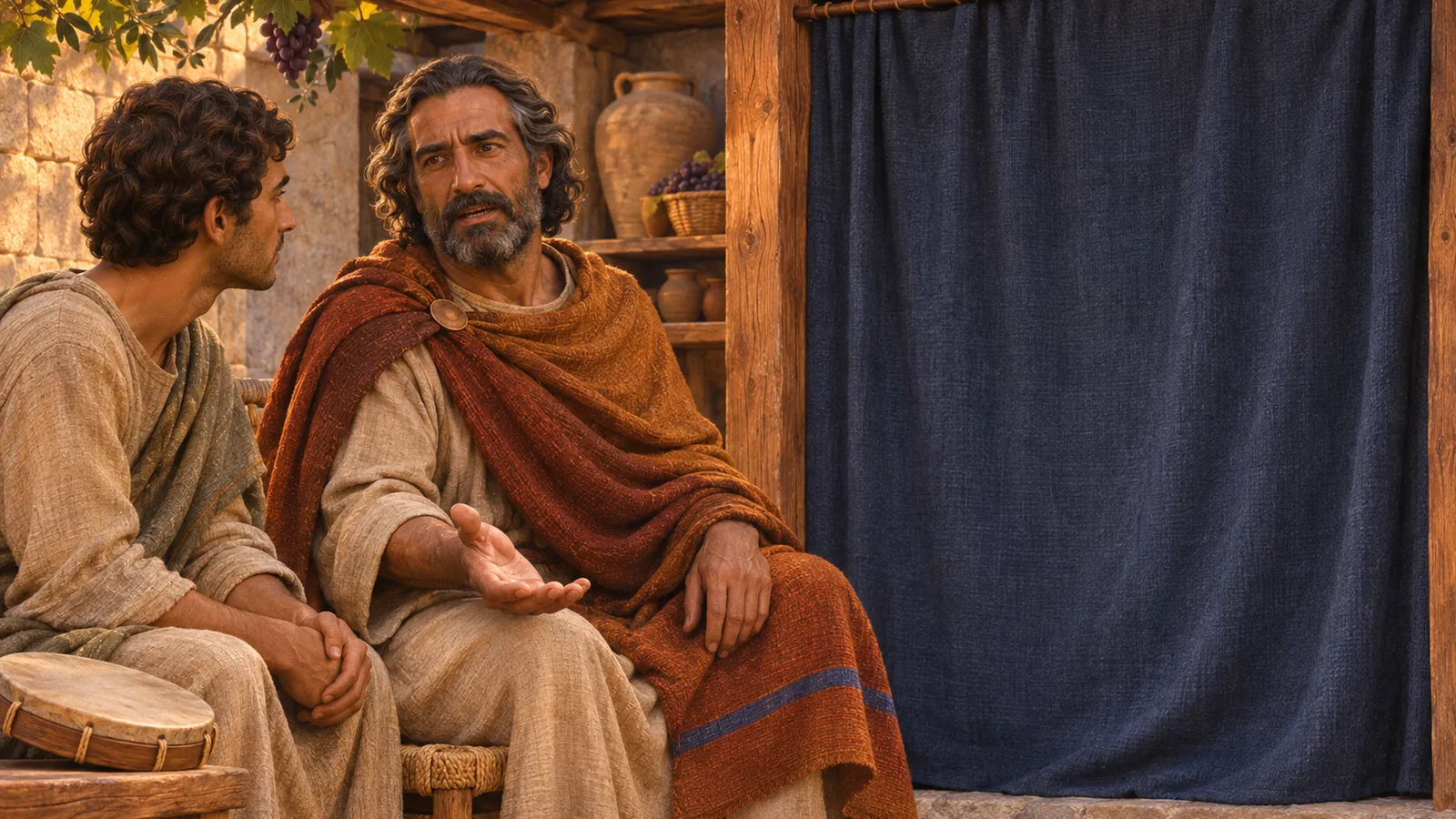
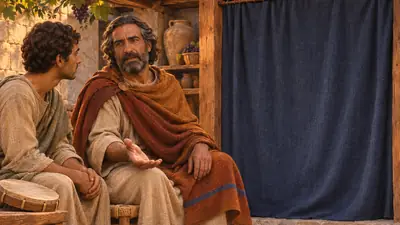
Kirta dit à Ilhau de parler d’un festin à Thitmanit. Il lui demande de venir avec sa musique et donne à Ilhau les mots à lui transmettre.
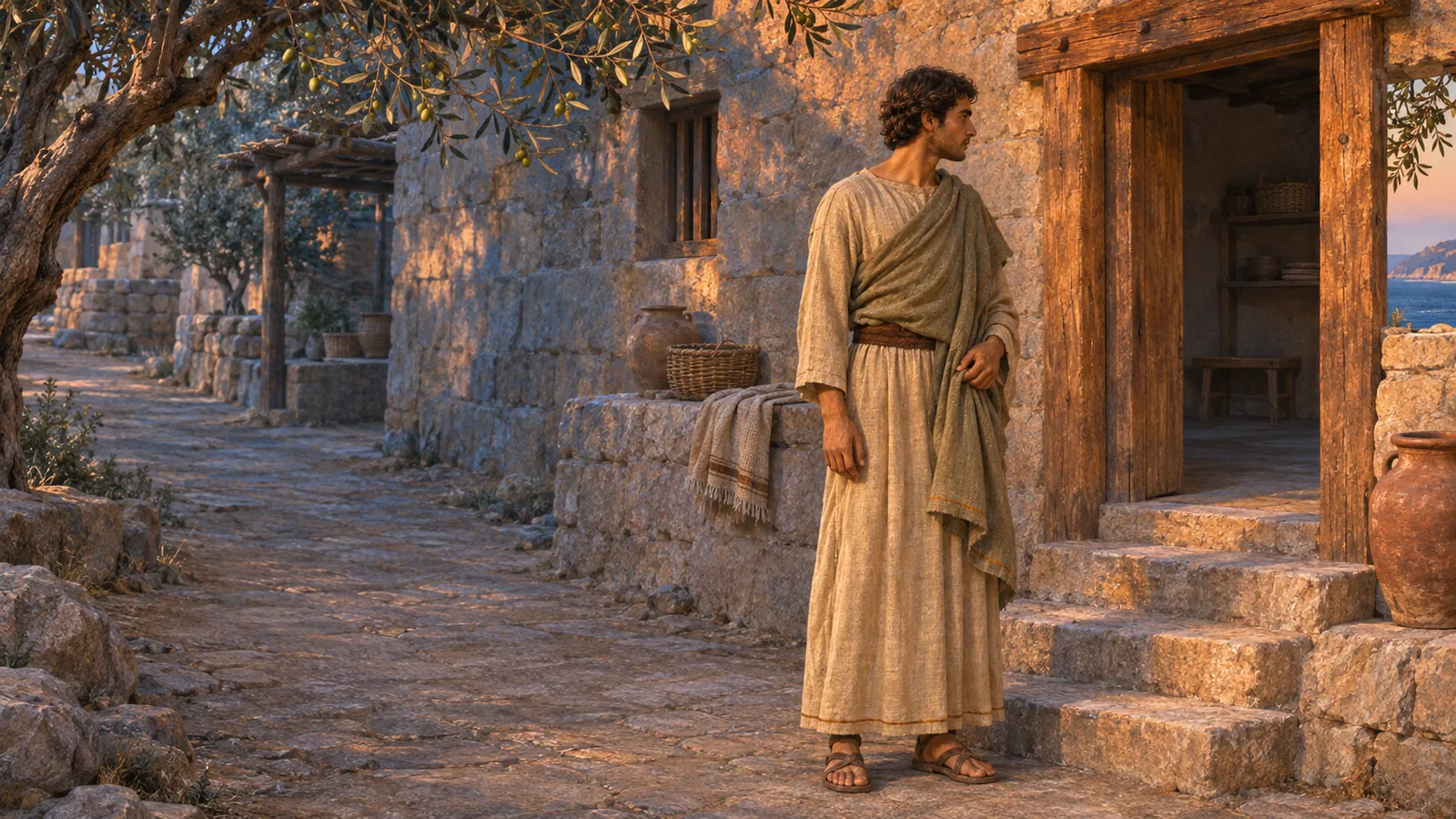
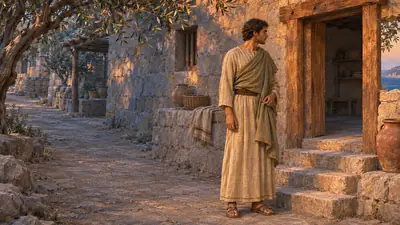
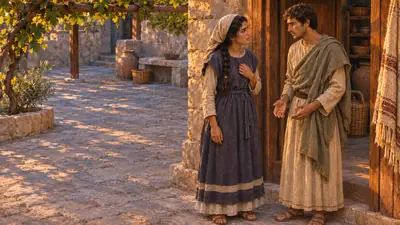
À la tombée du soir, Ilhau se rend chez sa sœur. Thitmanit est partie puiser de l’eau, et il ne trouve personne à sa porte.
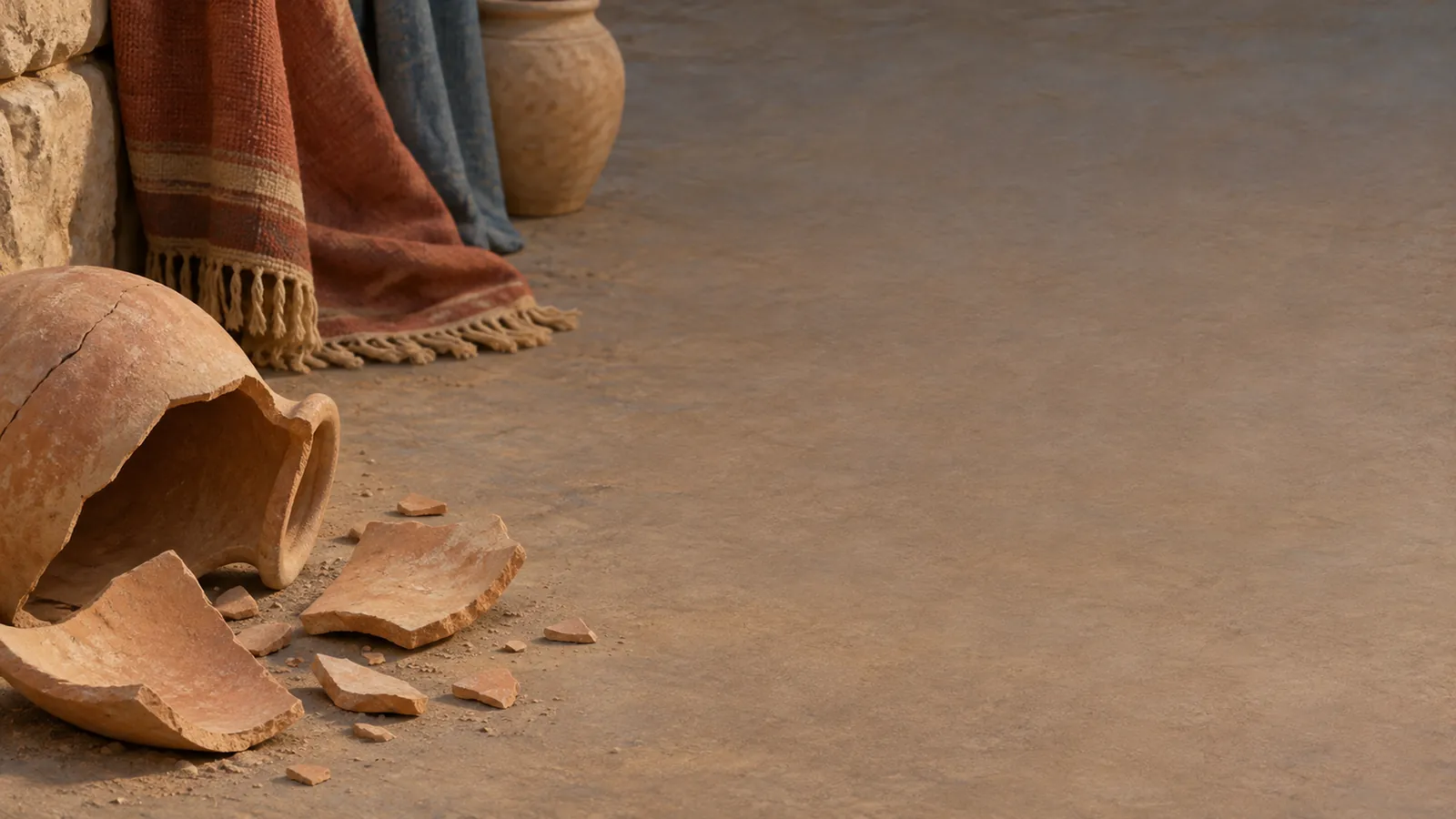
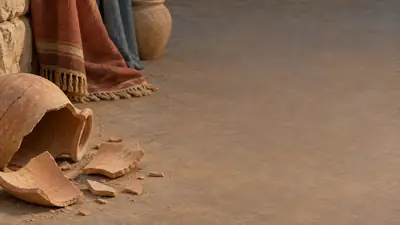
Thitmanit aperçoit Ilhau à la porte et sursaute. Sa jarre d’eau tombe et se brise avant qu’elle ne parle à son frère.
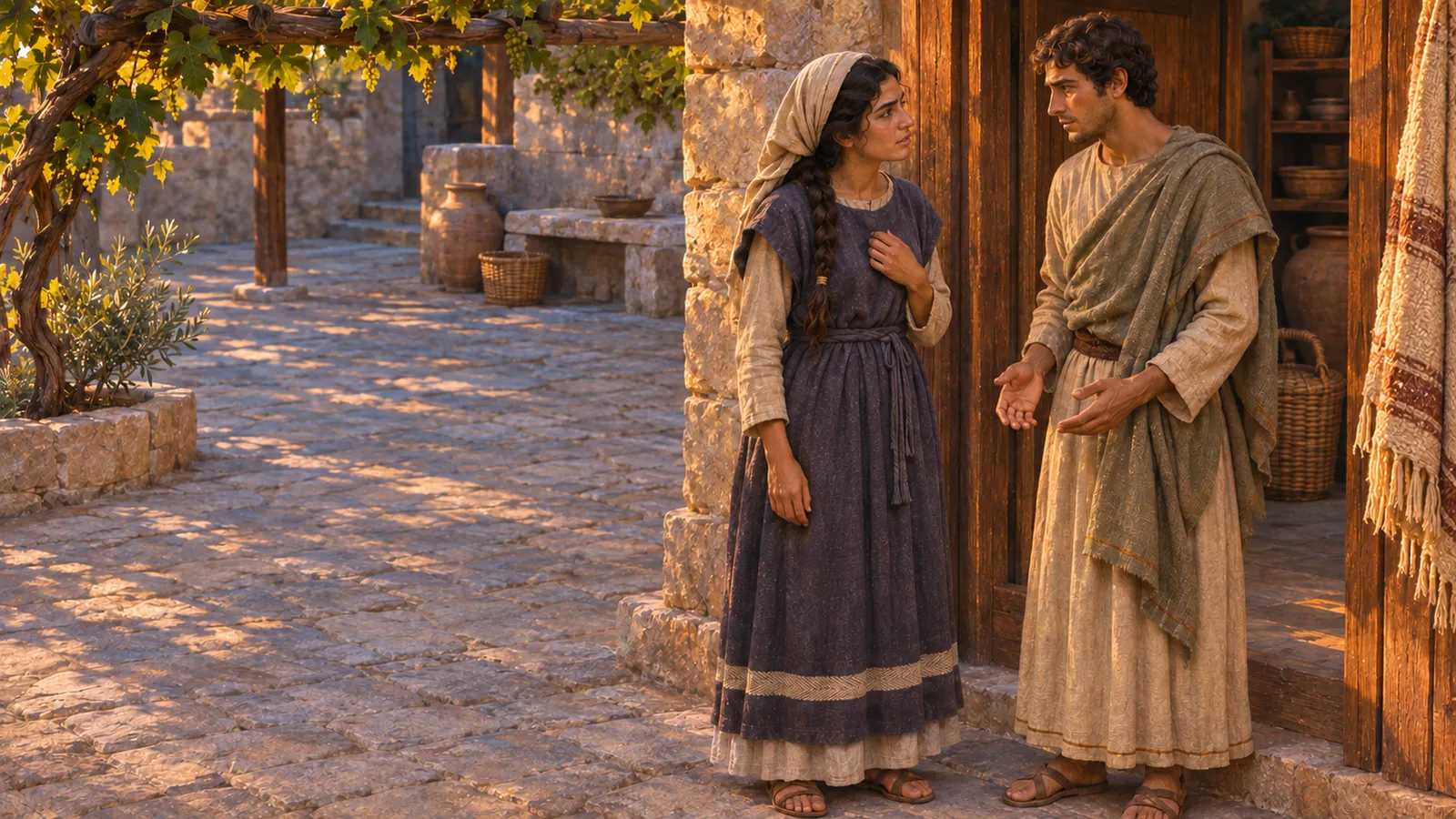
Thitmanit demande si Kirta est malade. Ilhau répond d’abord en parlant d’un festin. Après une lacune, elle apprend la gravité de la maladie de son père.
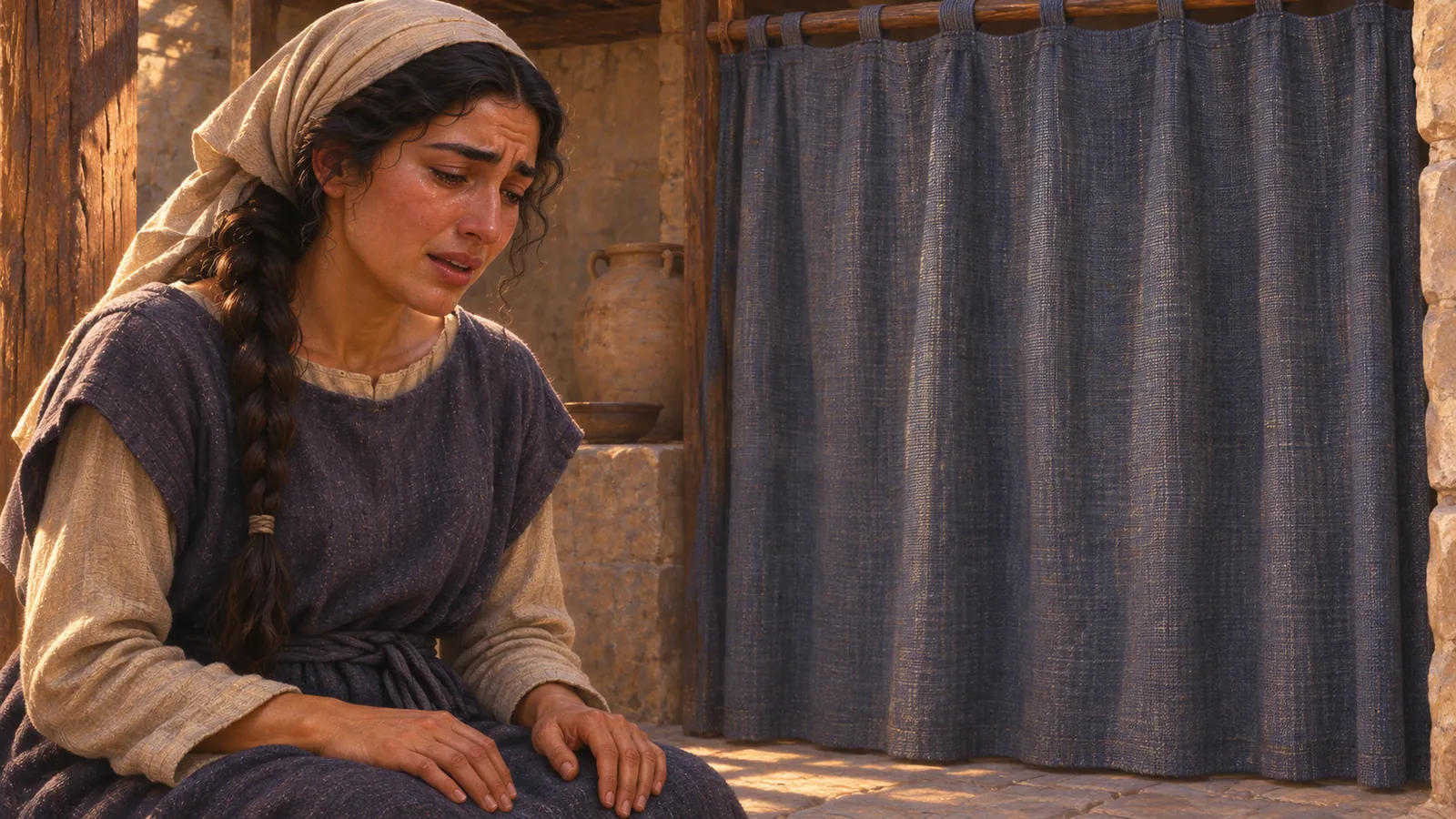
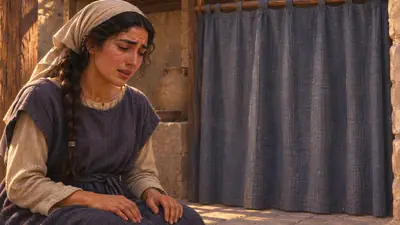
Thitmanit sanglote et élève la voix. Les lignes endommagées s’attardent sur son chagrin avant que le poème n’en vienne aux mots de sa lamentation.
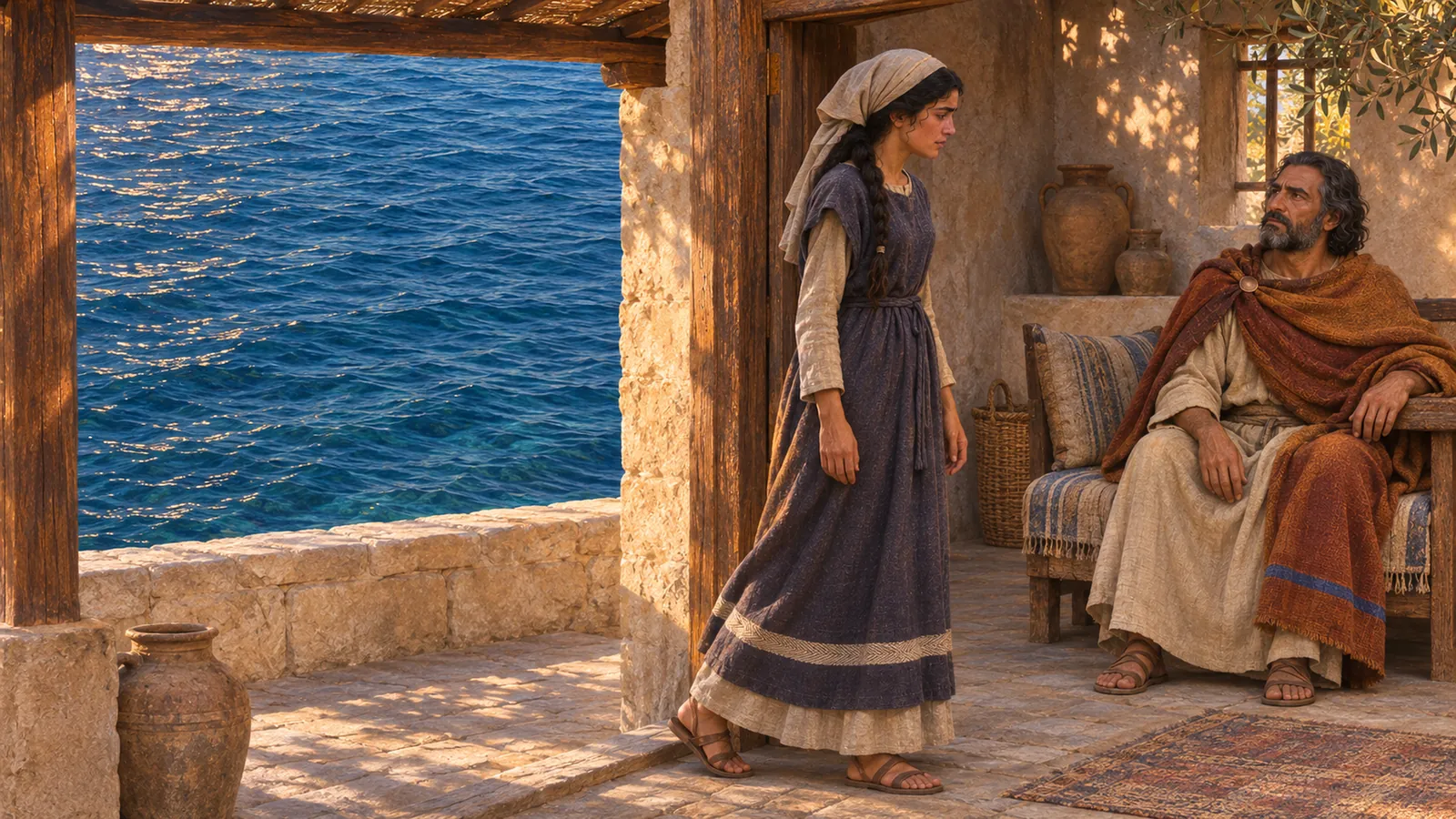
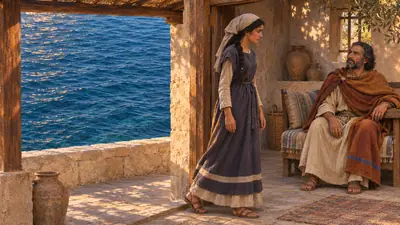
La lamentation de Thitmanit fait écho aux paroles de son frère. Quand elle a parlé, elle entre voir Kirta dans sa chambre.
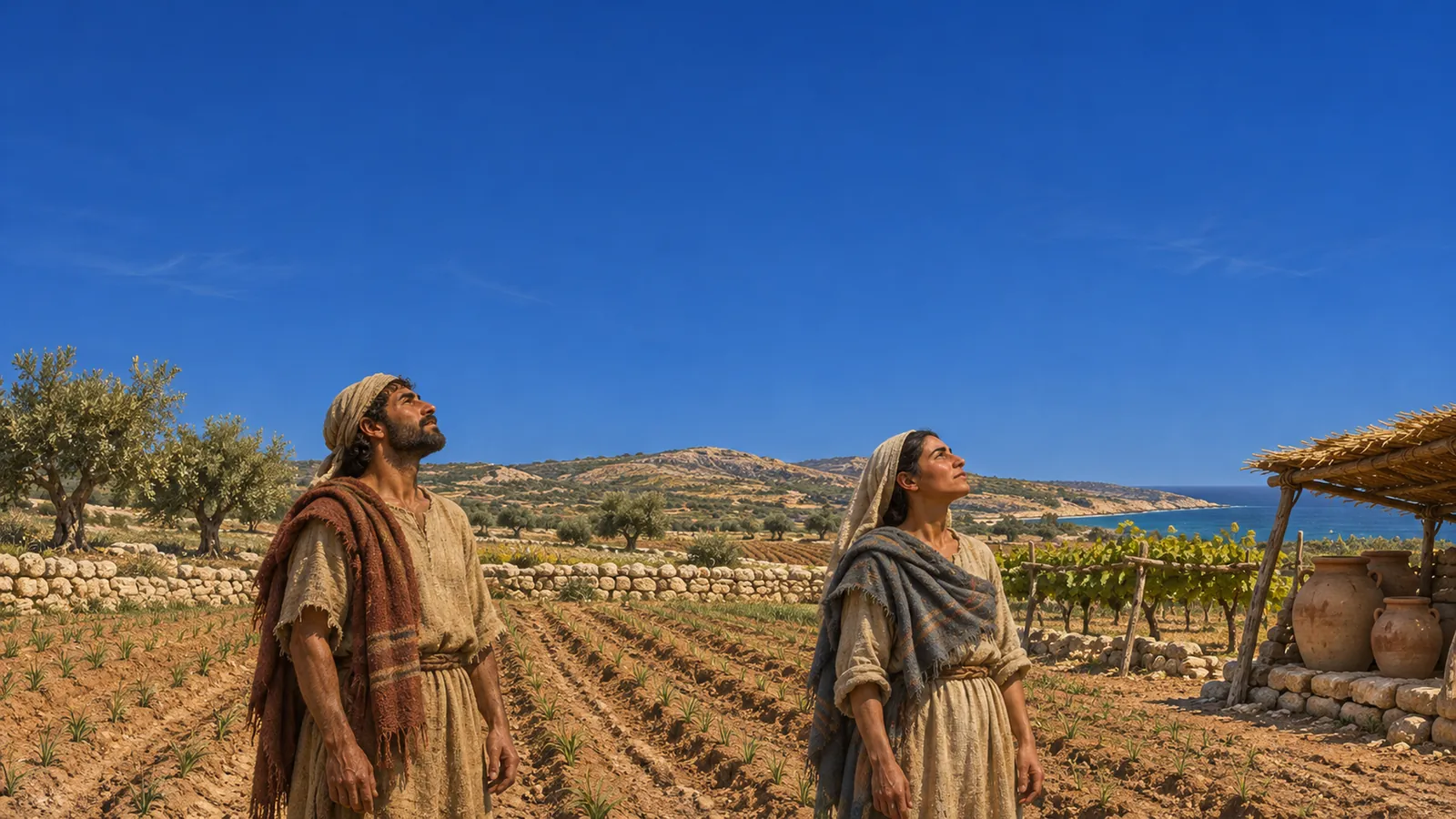
Après une lacune, le poème parle de pluie et de travailleurs des champs qui lèvent les yeux. Il est question de pénurie dans les greniers avant que le récit ne revienne à El.
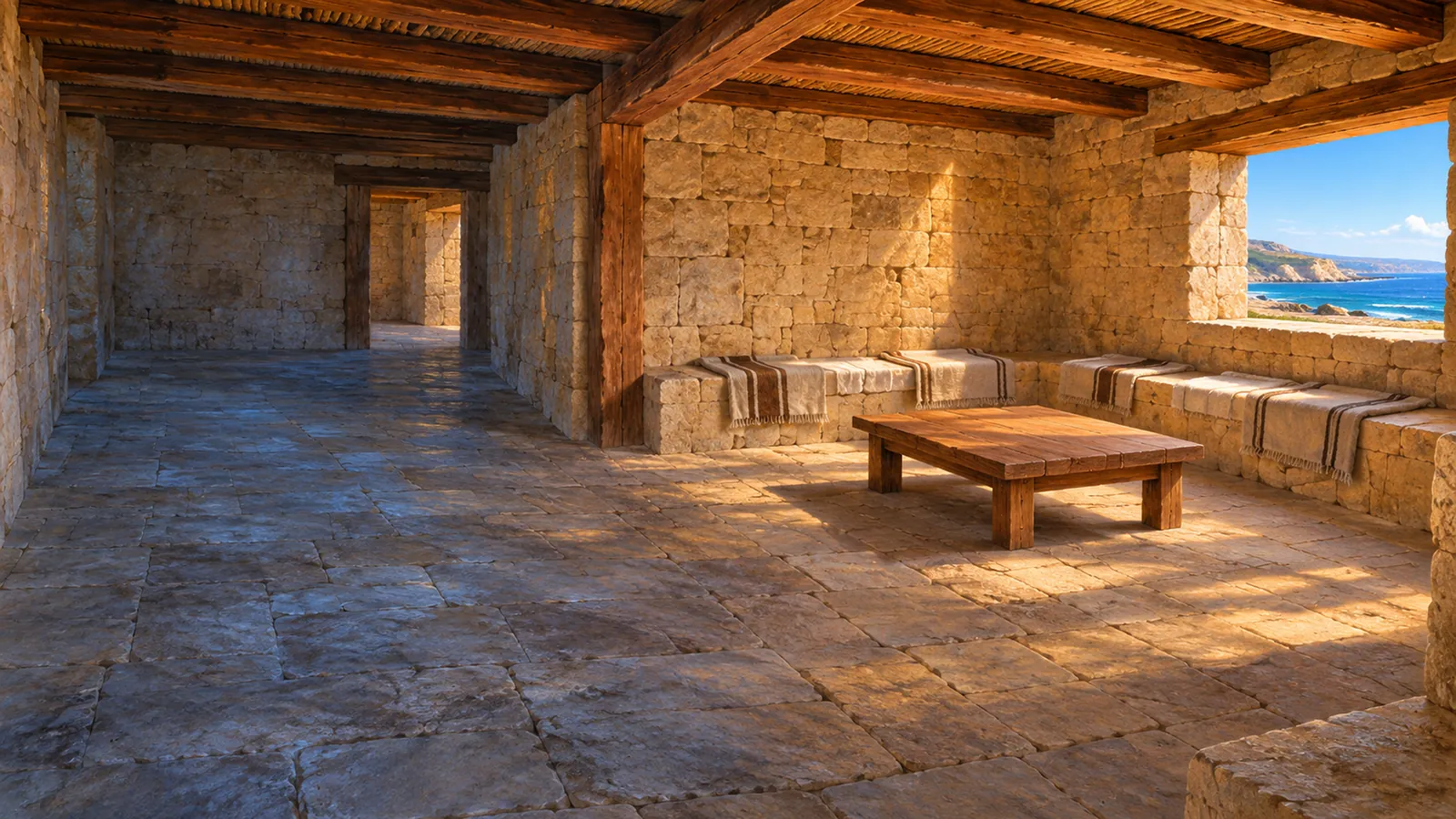
El demande à l’assemblée qui peut chasser la maladie de Kirta. Il répète sa question. Personne ne répond, et El leur dit de s’asseoir.
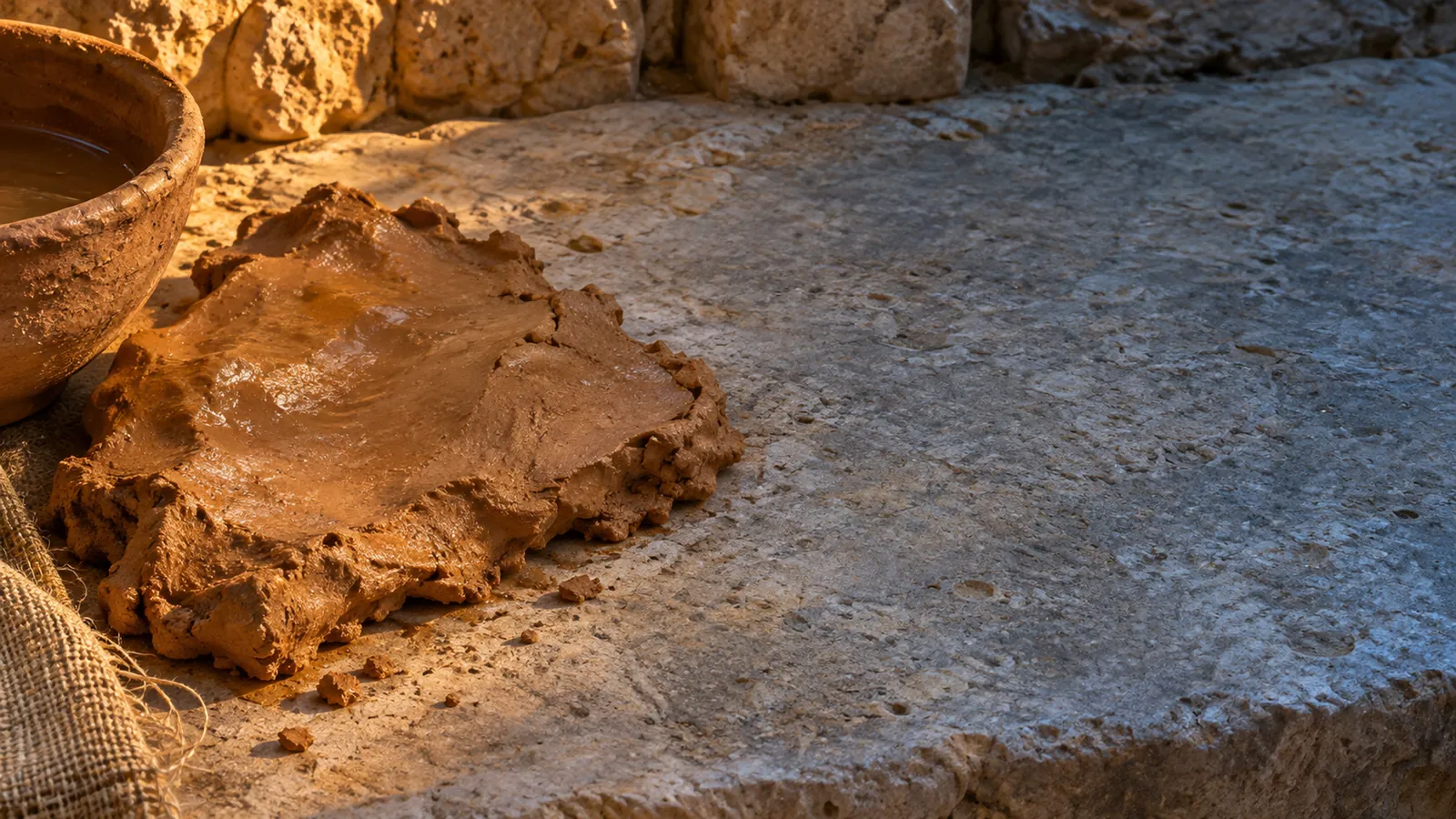
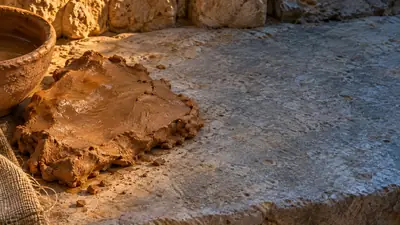
Quand personne ne répond, El prend de l’argile et façonne Shatiqatu. Le poème s’attarde sur la terre dont il la fait naître.
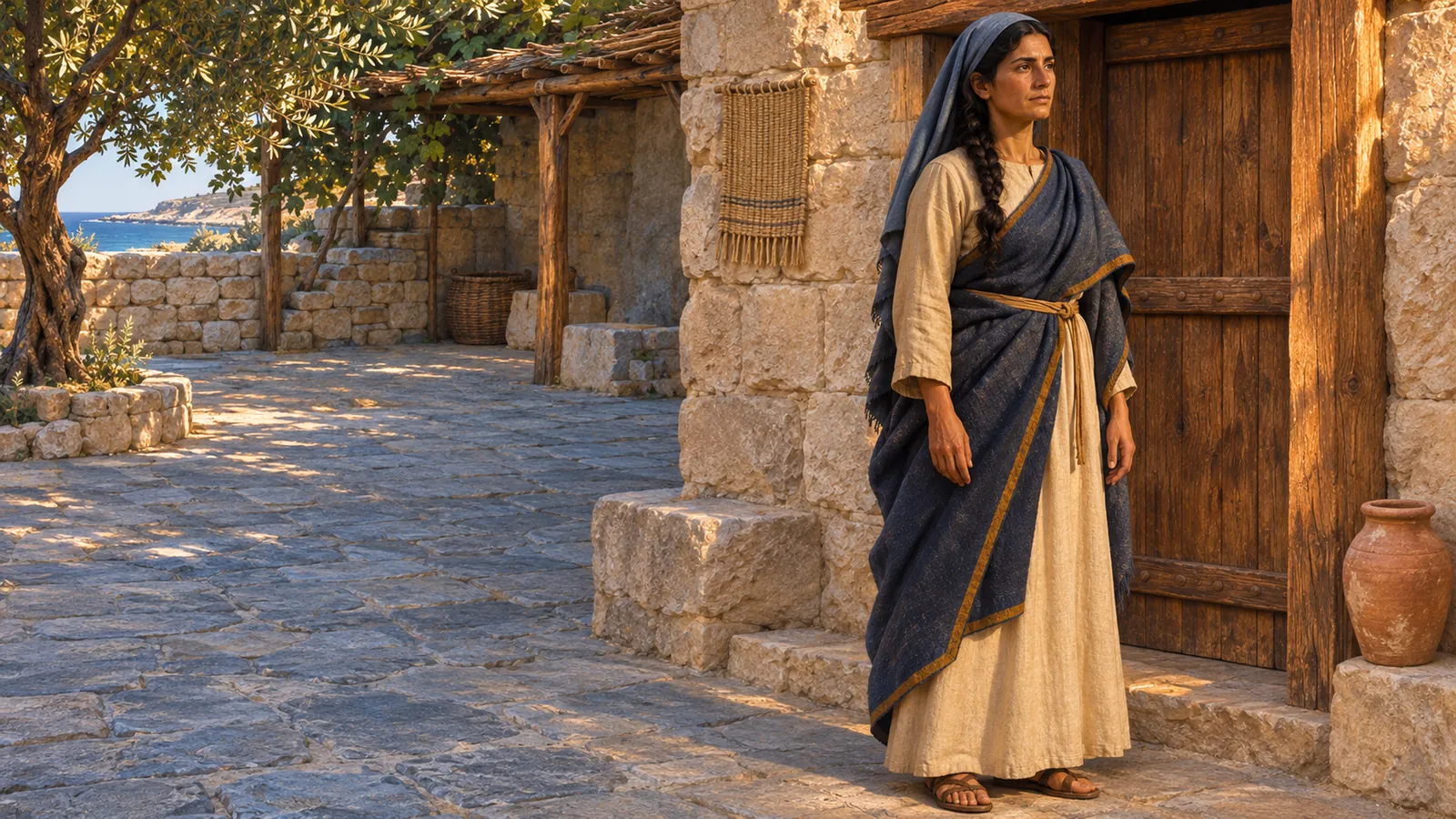
El nomme Shatiqatu et l’envoie au secours de Kirta. Une partie de ses instructions s’est perdue. Les lignes suivantes disent son pouvoir face à la Mort.
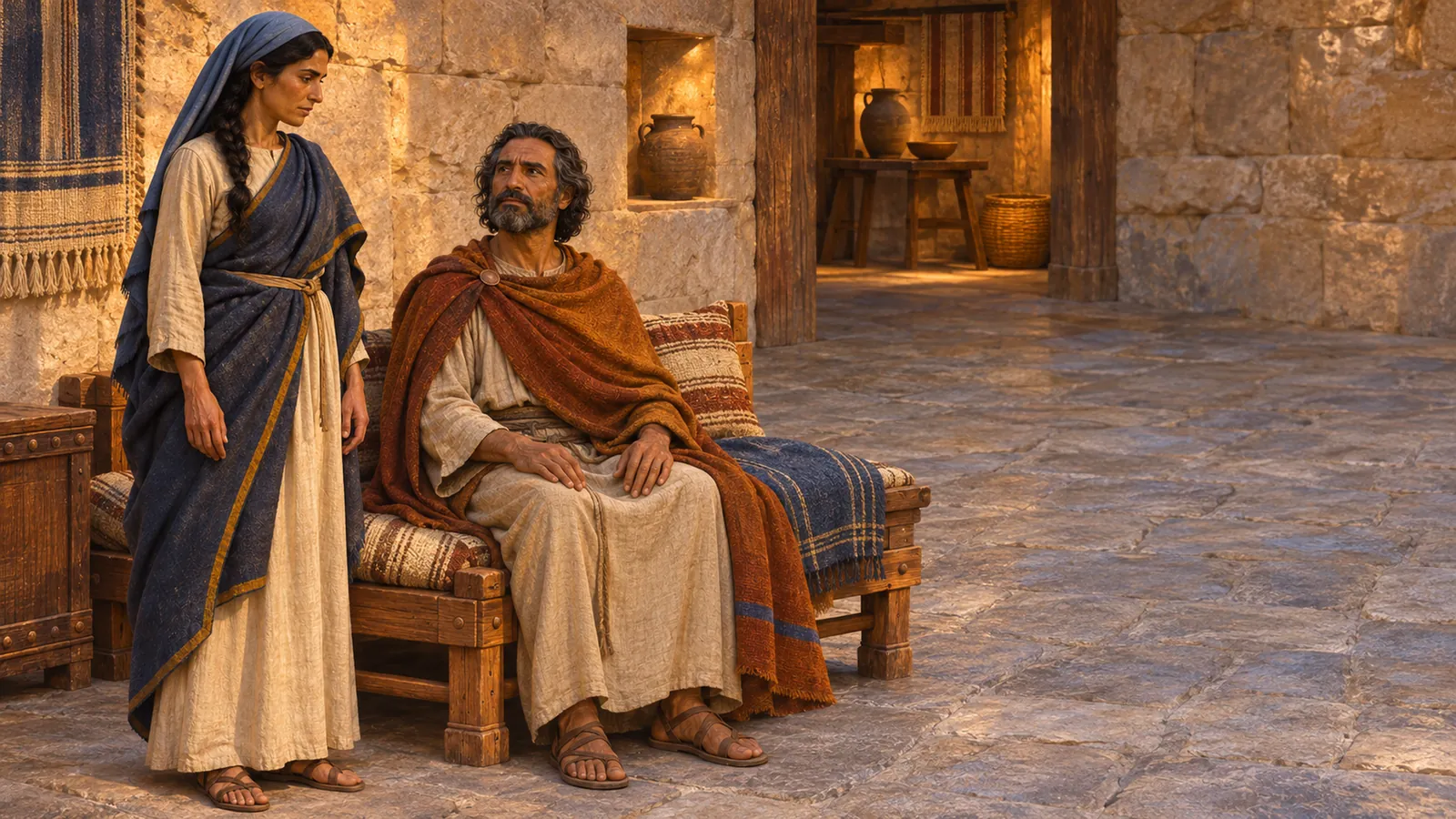
LA GUÉRISON
Shatiqatu entre dans la maison de Kirta. Les lignes sont difficiles par endroits, mais elles lui attribuent la fin de la maladie.
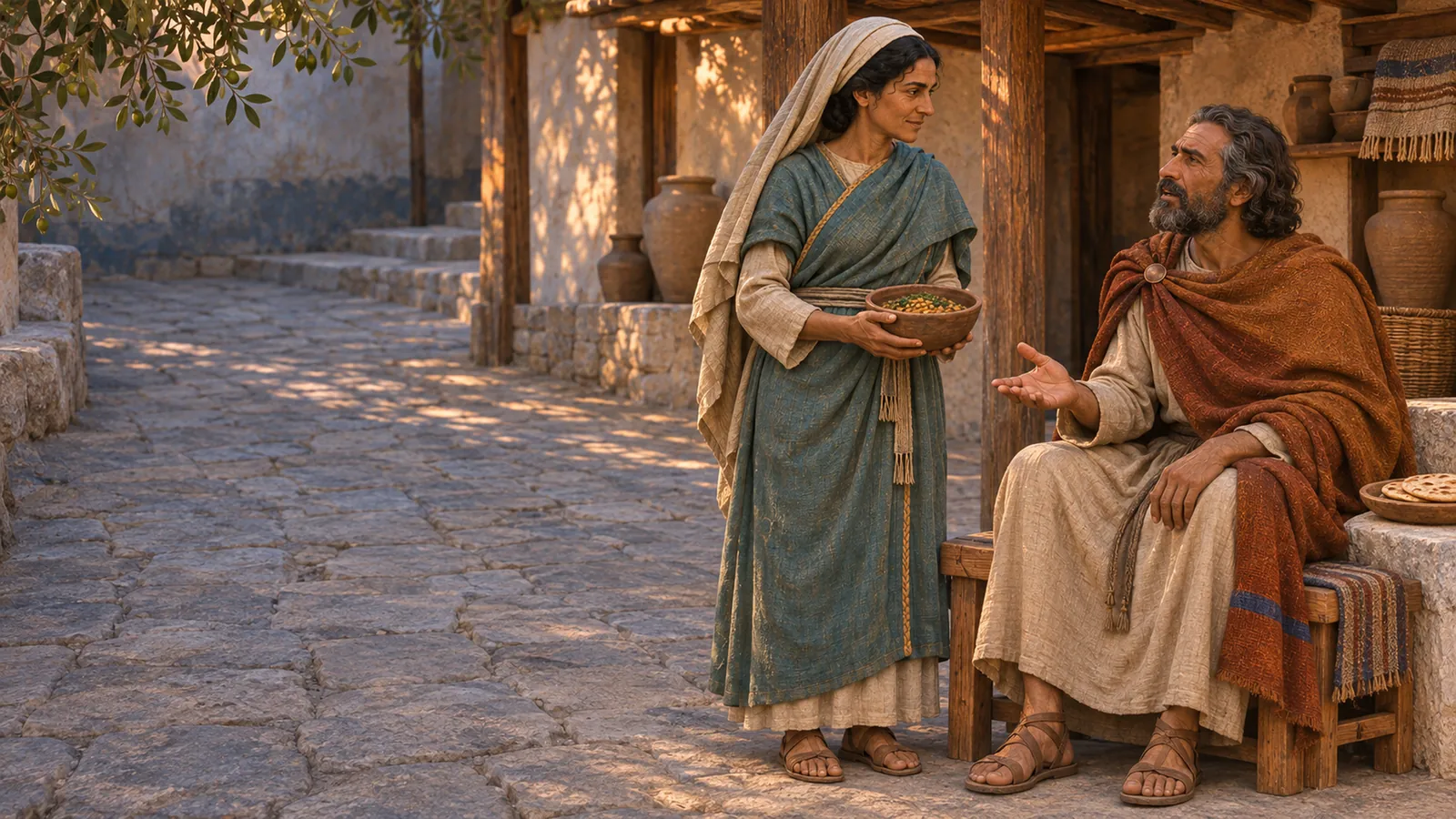
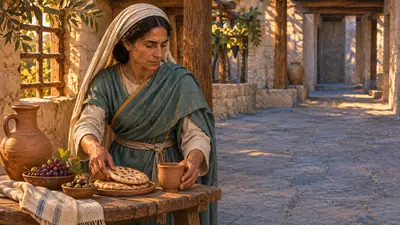
Kirta reprend la parole et demande à manger à Hurriya. Elle prépare le repas et, peu après, le poème retrouve Kirta sur son siège.
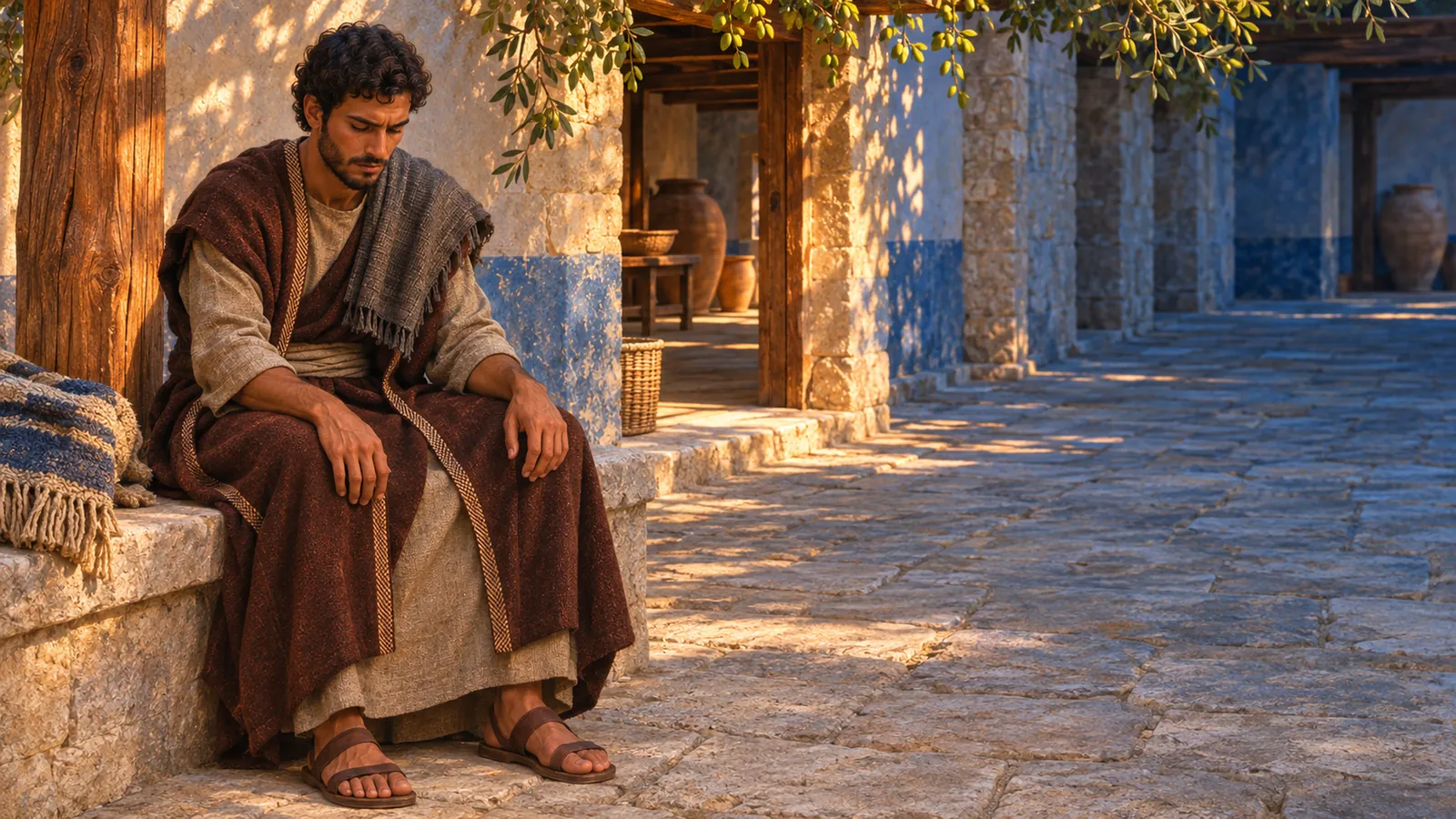
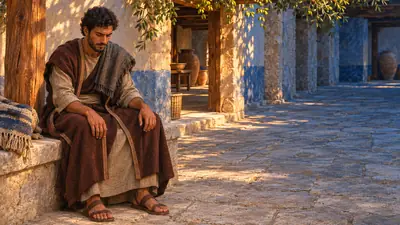
Yassib s’assied au palais et réfléchit à la façon de parler à son père. Le poème donne les mots de sa contestation avant qu’il ne les prononce à voix haute.
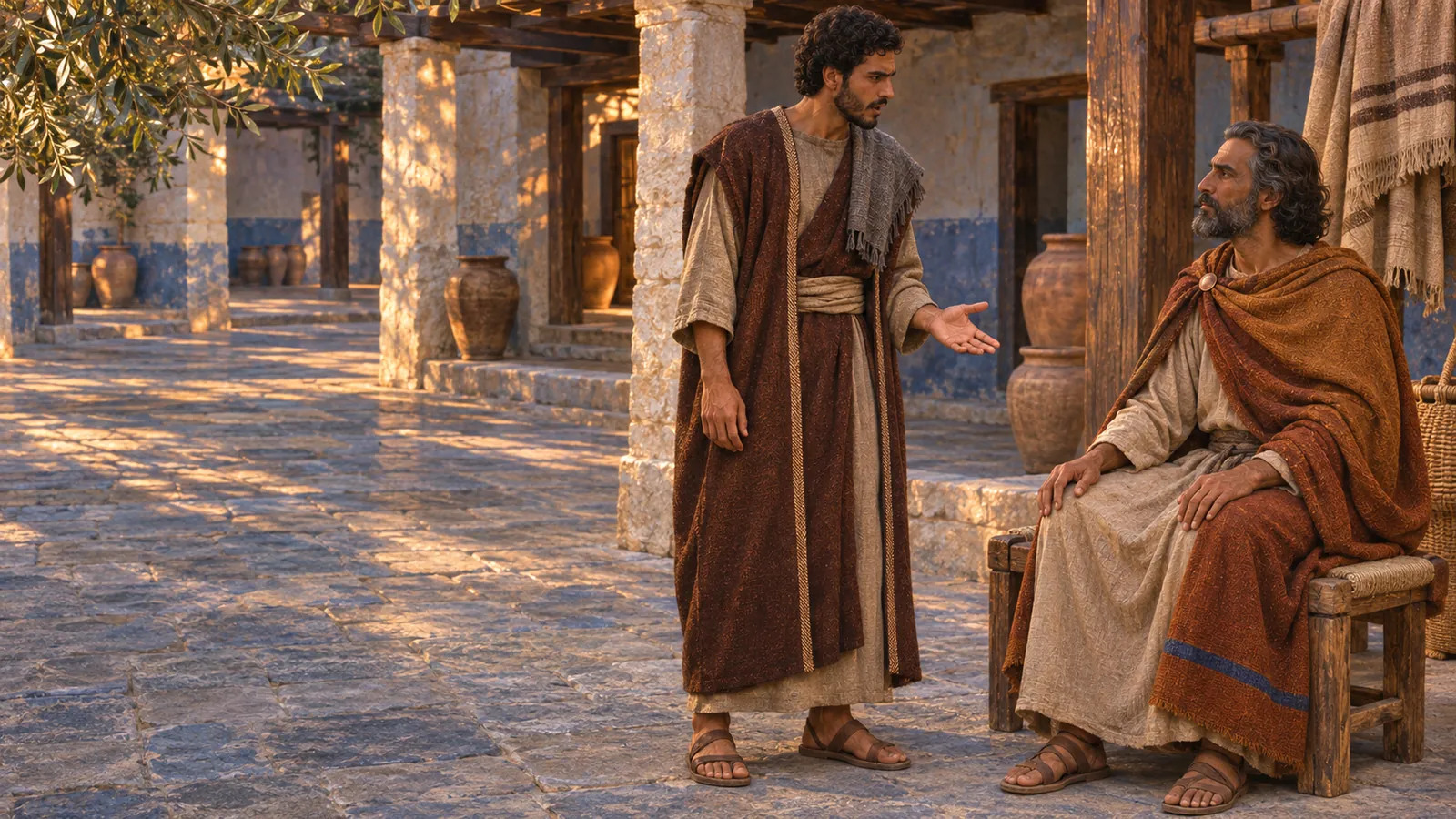
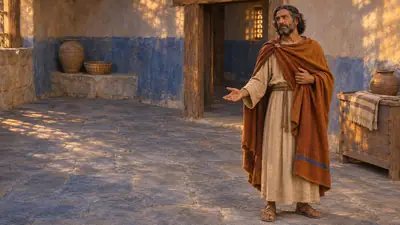
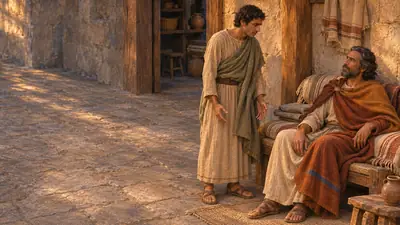
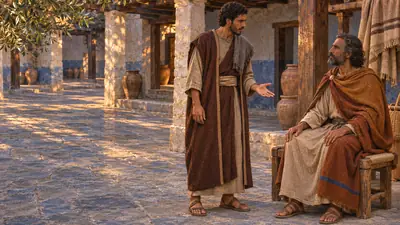
Yassib se présente devant Kirta et parle des devoirs d’un roi. Il accuse son père de négliger ceux qui ont besoin de justice, dont les veuves et les orphelins.
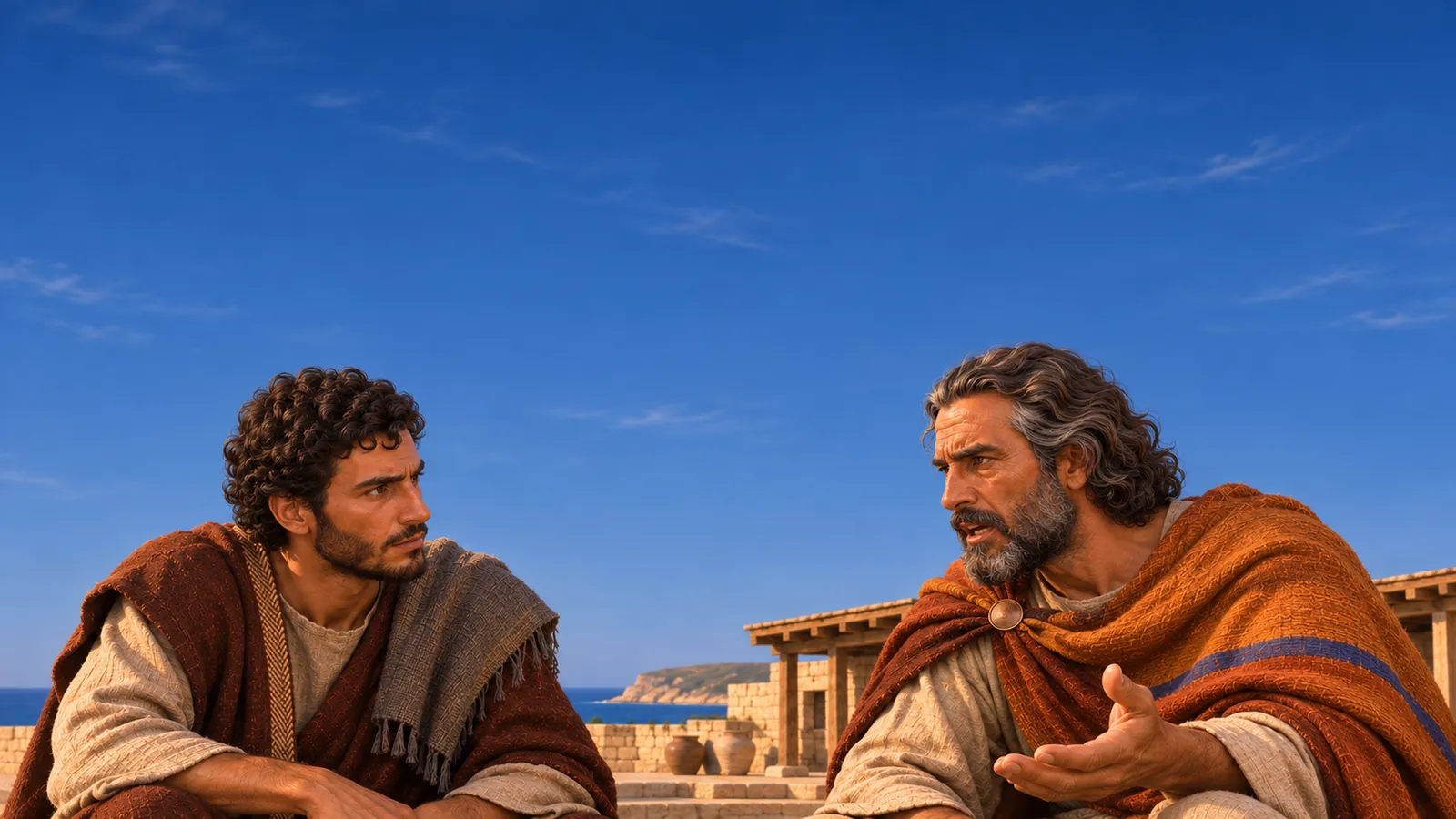
LES DERNIERS MOTS
Yassib demande à prendre la place de son père. Kirta lui répond par une malédiction. Le récit conservé s’arrête sur ces mots et laisse la succession ouverte.
Fin du chapitre 1
Toutes les pages


Sources
Page 2. The list of deaths includes illness, pestilence, the sea and the sword. Natan-Yulzary reads an additional cause as childbirth.
Éditions consultées
- Göttingen EUPT, introductions and concordance for the Kirta tablets
- Göttingen EUPT, Tablet I of Kirta, KTU 1.14
- Göttingen EUPT, Tablet II of Kirta, KTU 1.15
- Göttingen EUPT, Tablet III of Kirta, KTU 1.16
- Clemens Steinberger, Ugaritic poetic forms with numbered readings of the vow and challenge
- Scott B. Noegel, Kirtu’s Allusive Dream
- Shirly Natan-Yulzary, Reading Ugaritic Narrative-Poetry
- Shirly Natan-Yulzary, The Role of Thitmanit as a Mourner in the Kirta Epic
- Theodore J. Lewis, The Shaʿtiqatu Narrative from the Ugaritic Story about the Healing of King Kirta
- Shirly Natan-Yulzary, Twice-used Songs and Other Oral Traditions in Ugaritic Epics
- IL Archive, Tale of Kirta
- IL Archive, Six Days, Then the Seventh
Notes sur ce récit
Page 68. Kirta invokes Horon and Athtart in a curse asking that Yassib’s head be struck and that he fall in his prime. 65).
Pages 11–12 and 19–20. The dream calls for a lamb, a kid and a bird as sacrificial offerings, and Kirta later carries out the offering.
Les vers antiques de chaque page
- Page 1: KTU 1.14 I before 6 and I 6–12 (Göttingen EUPT; Noegel, Narrator)
The opening is damaged. - Page 2: KTU 1.14 I 13–21 (Göttingen EUPT; Noegel, Narrator)
The precise relationships in these lines are debated. - Page 3: KTU 1.14 I 21–25 (Göttingen EUPT; Noegel, Narrator)
- Page 4: KTU 1.14 I 26–29 (Göttingen EUPT; Noegel, Narrator)
- Page 5: KTU 1.14 I 29–35 (Göttingen EUPT; Noegel, Narrator)
- Page 6: KTU 1.14 I 35–38 (Göttingen EUPT; Noegel, Narrator)
- Page 7: KTU 1.14 I 38–43 (Göttingen EUPT; Noegel, Kirtu’s Allusive Dream)
Some question wording varies by edition. - Page 8: KTU 1.14 I 43–51 (Göttingen EUPT; Noegel, Kirtu’s Allusive Dream)
- Page 9: KTU 1.14 I 51b–II 5 (Göttingen EUPT; Noegel, Kirtu’s Allusive Dream)
- Page 10: KTU 1.14 II 6–12 (Göttingen EUPT; Noegel, Kirtu’s Allusive Dream)
- Page 11: KTU 1.14 II 13–21 (Göttingen EUPT; Noegel, Kirtu’s Allusive Dream)
- Page 12: KTU 1.14 II 22–26 (Göttingen EUPT; Noegel, Kirtu’s Allusive Dream; Noegel, Narrator)
- Page 13: KTU 1.14 II 27–34 (Noegel, Kirtu’s Allusive Dream; Natan-Yulzary, Reading Ugaritic Narrative-Poetry)
- Page 14: KTU 1.14 II 35–42 (Noegel, Kirtu’s Allusive Dream; Natan-Yulzary, Reading Ugaritic Narrative-Poetry)
- Page 15: KTU 1.14 II 43–III 1 (Noegel, Kirtu’s Allusive Dream; Natan-Yulzary, Reading Ugaritic Narrative-Poetry)
- Page 16: KTU 1.14 III 2–21 (Noegel, Kirtu’s Allusive Dream; Natan-Yulzary, Reading Ugaritic Narrative-Poetry)
- Page 17: KTU 1.14 III 22–49 (Noegel, Kirtu’s Allusive Dream; Natan-Yulzary, Reading Ugaritic Narrative-Poetry)
- Page 18: KTU 1.14 III 50–52 (Noegel, Kirtu’s Allusive Dream; Natan-Yulzary, Reading Ugaritic Narrative-Poetry)
- Page 19: KTU 1.14 III 52–IV 2 (Noegel, Kirtu’s Allusive Dream; Noegel, Narrator)
- Page 20: KTU 1.14 IV 2–8 (Noegel, Kirtu’s Allusive Dream; Noegel, Narrator)
- Page 21: KTU 1.14 IV 8–12 (Noegel, Kirtu’s Allusive Dream; Noegel, Narrator)
- Page 22: KTU 1.14 IV 13–32a (Noegel, Kirtu’s Allusive Dream; Natan-Yulzary, Reading Ugaritic Narrative-Poetry; Noegel, Narrator)
- Page 23: KTU 1.14 IV 32b–36a (Göttingen EUPT; Steinberger, Glossar)
- Page 24: KTU 1.14 IV 36b–39 (Göttingen EUPT; Noegel, Kirtu’s Allusive Dream; Steinberger, Glossar)
- Page 25: KTU 1.14 IV 40–43b (Göttingen EUPT; Steinberger, Glossar)
- Page 26: KTU 1.14 IV 44–V 6 (Noegel, Kirtu’s Allusive Dream; Natan-Yulzary, Reading Ugaritic Narrative-Poetry; Noegel, Narrator)
- Page 27: KTU 1.14 V 6–14 (Noegel, Narrator)
- Page 28: KTU 1.14 V 15–26 and 27–45 (Noegel, Narrator; Noegel, Kirtu’s Allusive Dream)
Part of the transition is damaged. - Page 29: KTU 1.14 V 46–VI 15 (Noegel, Narrator)
- Page 30: KTU 1.14 VI 16–36 (Noegel, Kirtu’s Allusive Dream; Noegel, Narrator)
- Page 31: KTU 1.14 VI 36–end and 1.15 I 1′–7′, II 21′–22′ (Göttingen EUPT; Noegel, Narrator)
The words linking the reply to the later marriage are damaged. - Page 32: KTU 1.15 I following loss to II 3′–7′ (Göttingen EUPT; Noegel, Narrator)
The surviving passage resumes with a feast. - Page 33: KTU 1.15 II 8′–11′ (Göttingen EUPT; Noegel, Narrator)
- Page 34: KTU 1.15 II 11′–15′ (Göttingen EUPT; Steinberger, Glossar; Noegel, Narrator)
- Page 35: KTU 1.15 II 16′–20′ (Göttingen EUPT; Noegel, The Narrator, p. 61)
- Page 36: KTU 1.15 II 21′–end and III 1′–5′ (Göttingen EUPT and EUPT-Lab; Noegel, p. 61)
Identifying the honored beings more precisely would depend on the reading of the epithets. - Page 37: KTU 1.15 III 6′–12′ (Göttingen EUPT; Noegel, pp. 61–62)
- Page 38: KTU 1.15 III 13′–16′ (Göttingen EUPT; Natan-Yulzary, JANES 35, p. 83)
- Page 39: KTU 1.15 III 17′–19′ (Göttingen EUPT; Noegel, pp. 61–62)
- Page 40: KTU 1.15 III 20′–25′ (Göttingen EUPT and EUPT-Lab; Noegel, p. 62)
The poem compresses several years into a short passage. - Page 41: KTU 1.15 III 25′–30′ (Göttingen EUPT; Natan-Yulzary, JANES 35, pp. 82–83; Noegel, p. 62)
The tablet places the remembrance beside Kirta’s illness, with damage in the transition. - Page 42: KTU 1.15 IV 1′–9′ (Göttingen EUPT; Noegel, p. 62)
- Page 43: KTU 1.15 IV 14′–16′ (Göttingen EUPT; Noegel, p. 62)
- Page 44: KTU 1.15 IV 17′–25′ (Göttingen EUPT and Steinberger, EUPT-Lab; Noegel, p. 62)
- Page 45: KTU 1.15 IV end–V 7 (Göttingen EUPT; Noegel, pp. 62–63)
- Page 46: KTU 1.15 V 8–14 (Göttingen EUPT; Noegel, p. 62)
- Page 47: KTU 1.15 V 17–22 (Göttingen EUPT; Noegel, pp. 62–63)
The wording is difficult. - Page 48: KTU 1.15 VI 1–10 and following loss (Göttingen EUPT; Noegel, pp. 62–63)
Much of the column is broken away. - Page 49: KTU 1.16 I 1–5 (Steinberger, EUPT-Lab; Natan-Yulzary, Thitmanit; Noegel, p. 63)
- Page 50: KTU 1.16 I 6–12 (Natan-Yulzary, Thitmanit; Noegel, pp. 62–63)
- Page 51: KTU 1.16 I 11–17 (Natan-Yulzary, Thitmanit; Noegel, p. 63)
- Page 52: KTU 1.16 I 17–23 (Natan-Yulzary, Thitmanit; Lewis, pp. 188–190; Noegel, p. 63)
The words are Ilhau’s questions. - Page 53: KTU 1.16 I 24–35 (Natan-Yulzary, Thitmanit; Noegel, pp. 62–63)
- Page 54: KTU 1.16 I 36–45 (Natan-Yulzary, Thitmanit; Noegel, p. 63)
- Page 55: KTU 1.16 I 46–51 (Steinberger, EUPT-Lab; Natan-Yulzary, Thitmanit; Noegel, p. 63)
- Page 56: KTU 1.16 I 51–55 (Natan-Yulzary, Thitmanit; Noegel, p. 63)
The text records the jar falling. - Page 57: KTU 1.16 I 56–62 and II 17–25 (Natan-Yulzary, Thitmanit; Noegel, pp. 62–64)
- Page 58: KTU 1.16 II 26–36 (Natan-Yulzary, Thitmanit; Lewis; Noegel, p. 63)
The comparisons in this passage survive in fragments. - Page 59: KTU 1.16 II 37–51 (Natan-Yulzary, Thitmanit; Noegel, pp. 63–64)
- Page 60: KTU 1.16 III 1–16 and IV 17 onward (Noegel, p. 64; Lewis, p. 190)
The words about rain and the speech in the following column are fragmentary. - Page 61: KTU 1.16 V 9–25 (Lewis, pp. 190–192; Noegel, p. 64)
- Page 62: KTU 1.16 V 25–40 (Lewis, pp. 191–196; Noegel, p. 64)
The account is damaged in places. - Page 63: KTU 1.16 V 41–52 and VI 1–2 (Lewis, pp. 194–198; Noegel, p. 64)
- Page 64: KTU 1.16 VI 2–14 (Lewis, pp. 197–211; Noegel, p. 64)
- Page 65: KTU 1.16 VI 14–24 (Noegel, pp. 64–65; Lewis, transition at VI 14)
- Page 66: KTU 1.16 VI 25–38 (Steinberger, EUPT-Lab; Natan-Yulzary, Twice-used Songs; Noegel, p. 65)
The lines give Yassib’s contemplated speech. - Page 67: KTU 1.16 VI 39–50 (Steinberger, EUPT-Lab; Natan-Yulzary, Twice-used Songs; Noegel, p. 65)
The accusations are Yassib’s words. - Page 68: KTU 1.16 VI 50–58, with separate colophon (Steinberger, EUPT-Lab; Noegel, p. 65; IL Archive, Tale of Kirta)
Kirta’s curse is the last surviving exchange. The scribal notice names Ilimilku separately.
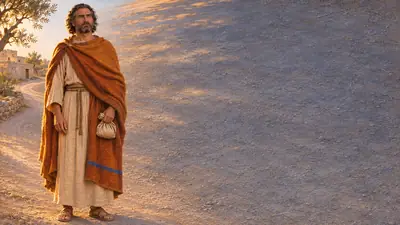
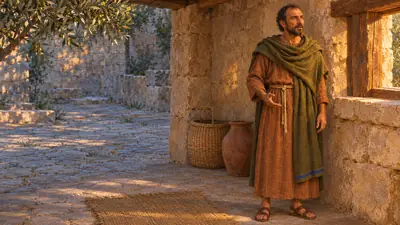
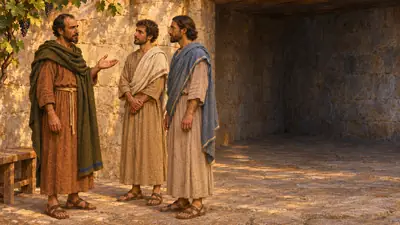
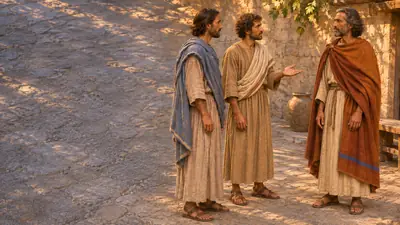
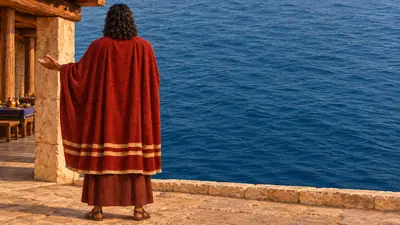
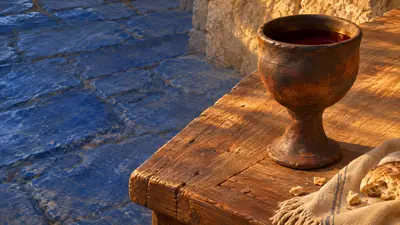
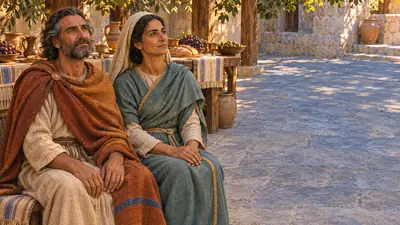
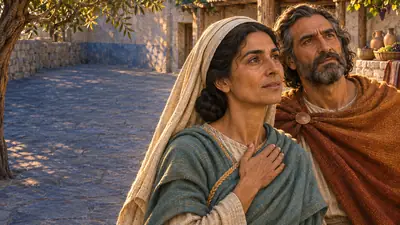
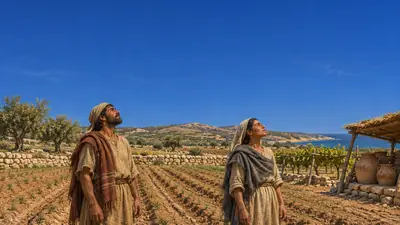
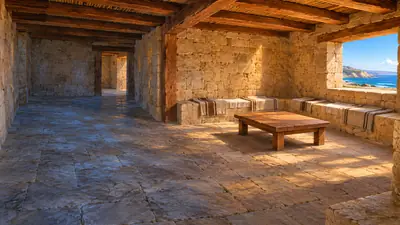
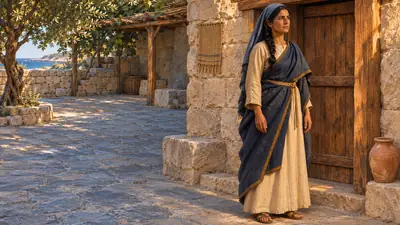
Illustrations réalisées par IL Archive avec des outils d’IA ; le texte s’appuie sur les sources antiques (voir les sources à la fin de chaque chapitre).