Telipinu, le dieu disparu Chapitre 1
Quand l’abondance s’en alla
Le départ de Telipinu prive le pays d’abondance, et ni les dieux ni l’aigle ne le retrouvent. Des versions parallèles signalées conservent la recherche de l’abeille et son réveil destructeur ; la première poursuit les paroles d’apaisement jusqu’au retour de la vie.
SourcesTournez les pages avec les flèches, le clavier ou en balayant l’écran.

TELIPINU
Le début du premier récit est brisé. Telipinu est en colère, mais les mots conservés n’en donnent pas une cause certaine.
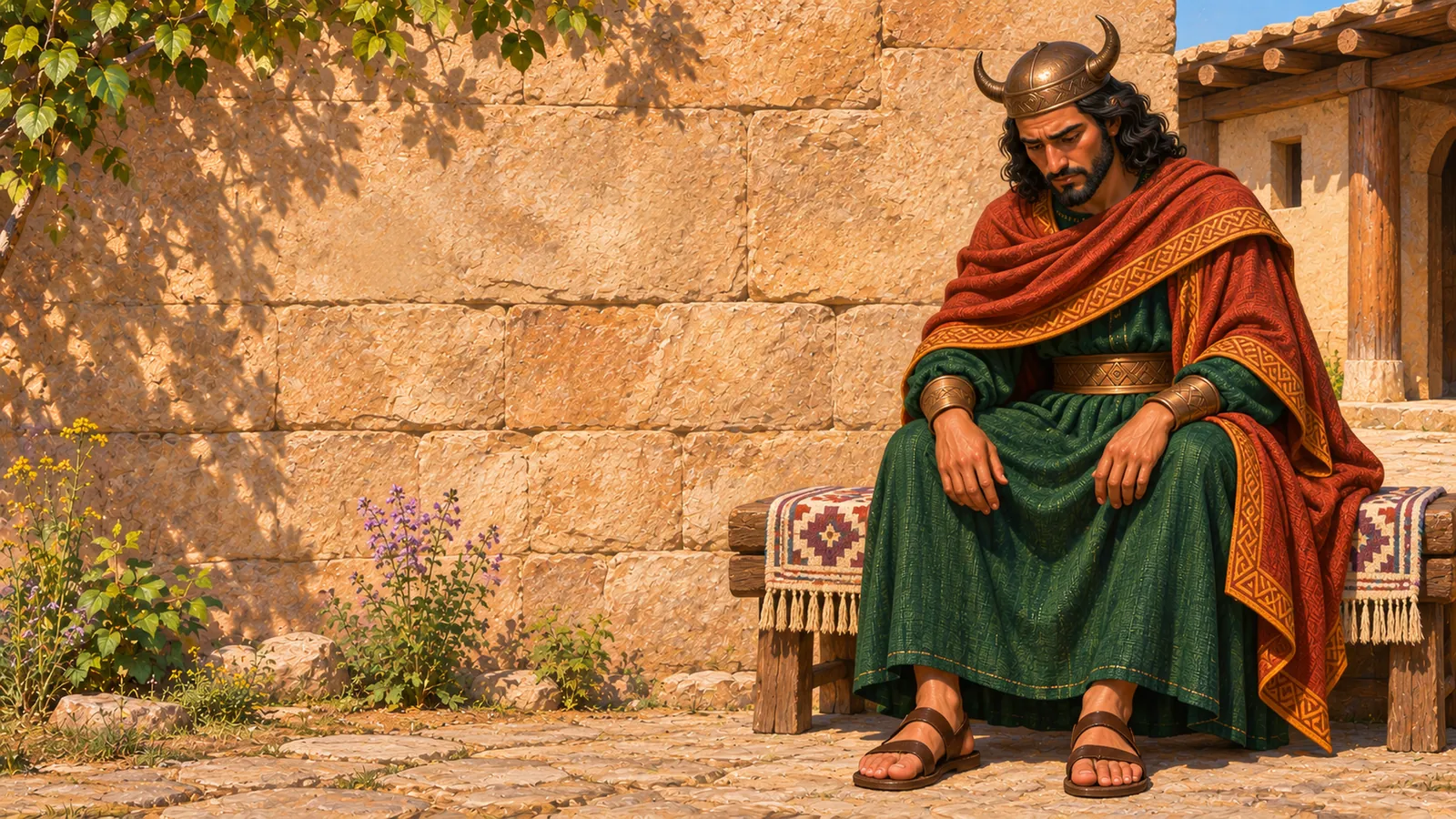
Le début endommagé décrit la chaussure droite au pied gauche et la gauche au droit. Même les choses ordinaires ont perdu leur bon ordre.
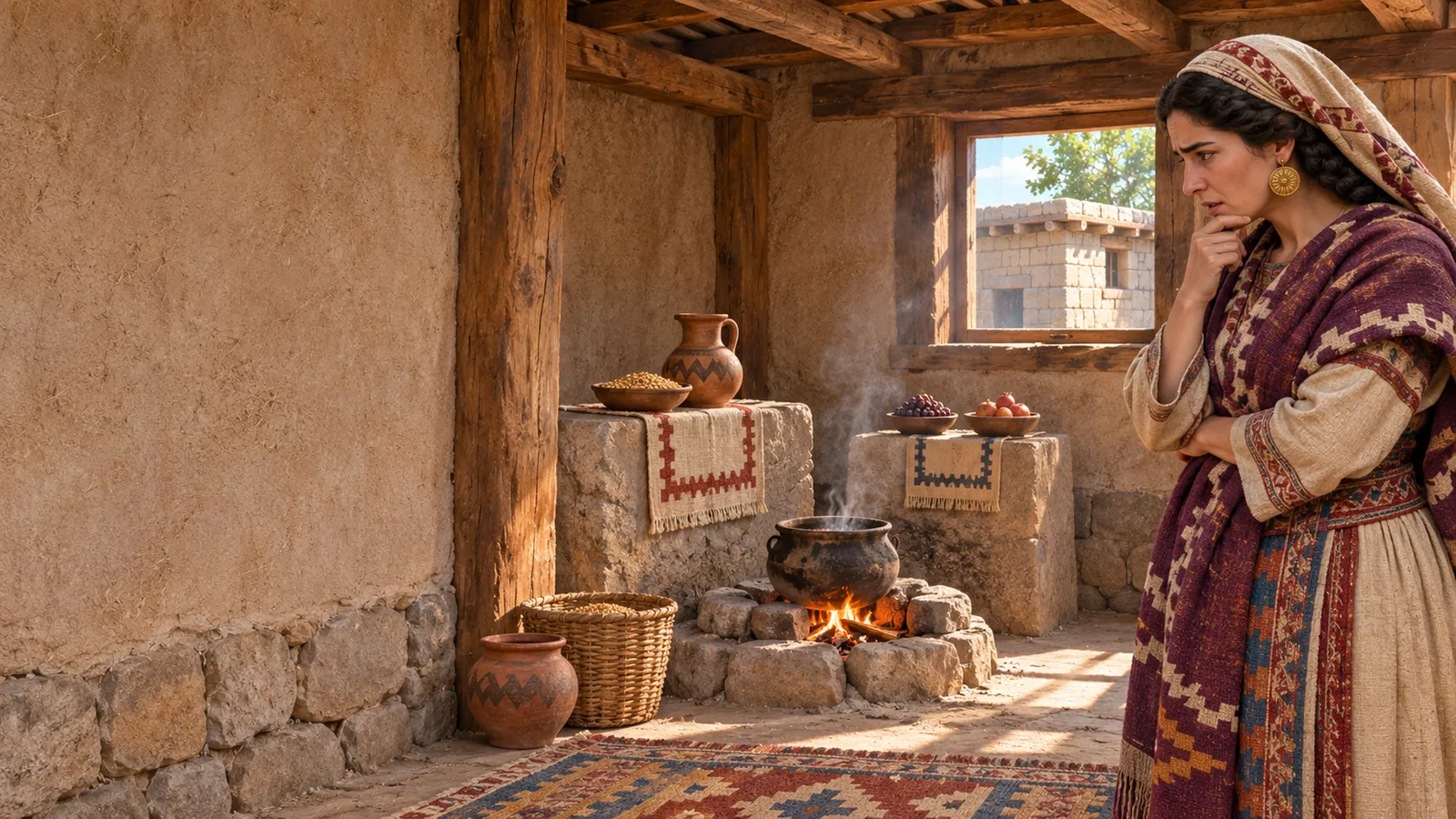
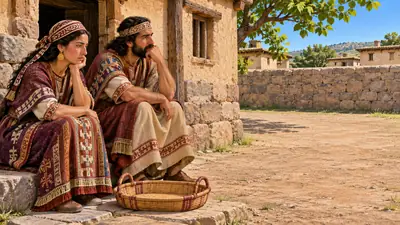
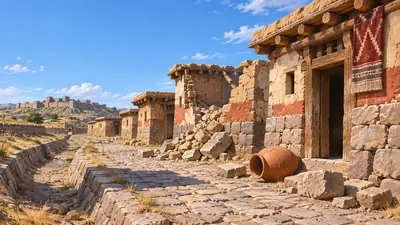
La brume couvrit les fenêtres et la fumée remplit la maison. Foyer, autels et troupeaux furent troublés : selon une lecture savante, les choses étaient serrées et désordonnées.
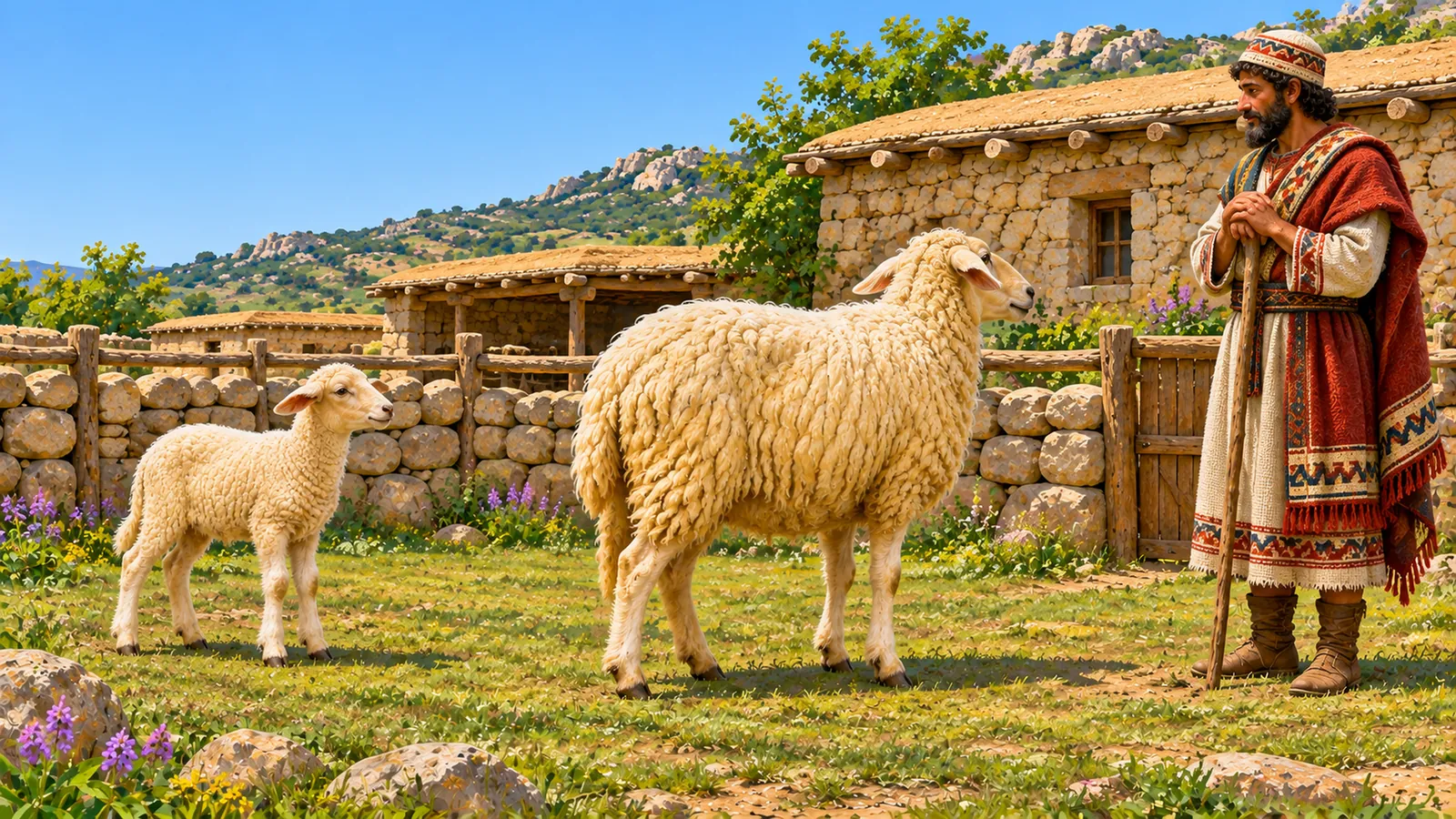
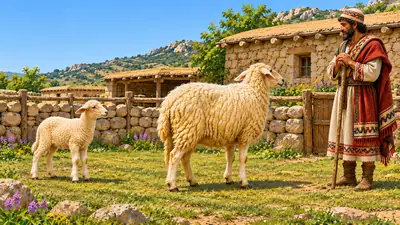
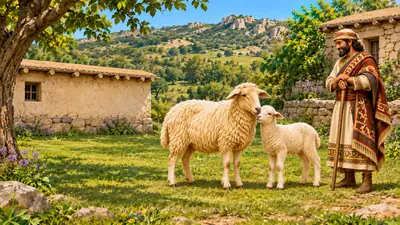
La brebis refusa son agneau. Le désordre atteignait le lien maternel, l’un des premiers signes que le monde de la maison s’était déréglé.
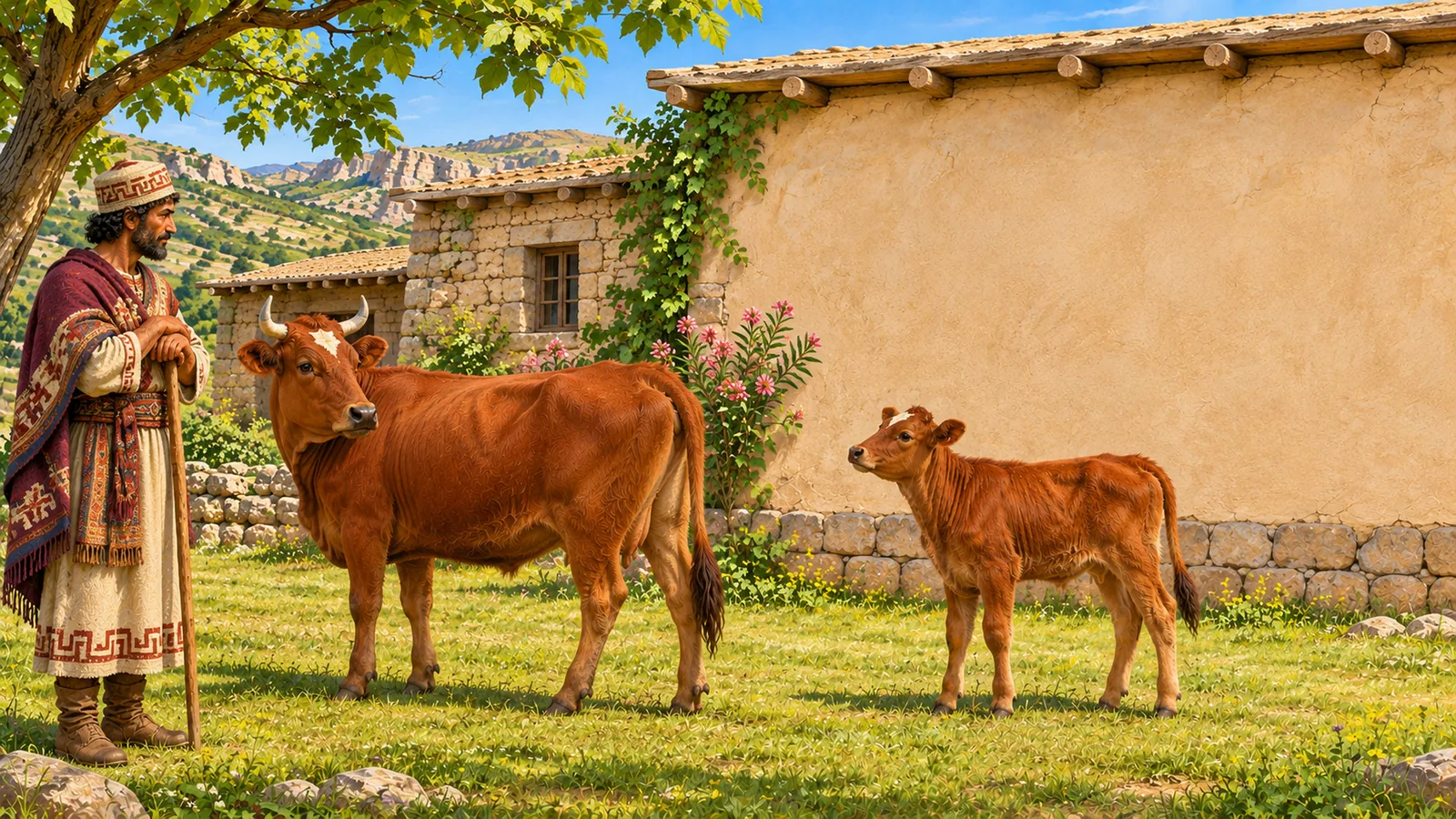
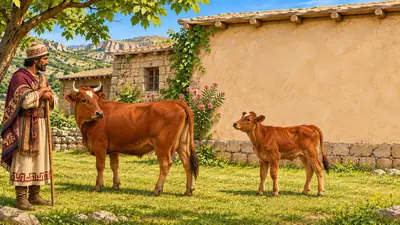
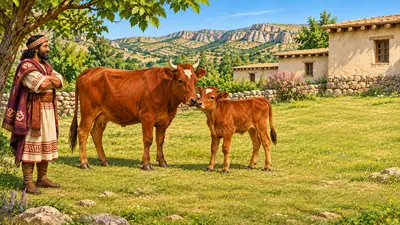
La vache refusa elle aussi son veau. Ce qui devait unir le troupeau ne tenait plus ; l’ordre familier des êtres vivants défaillait.
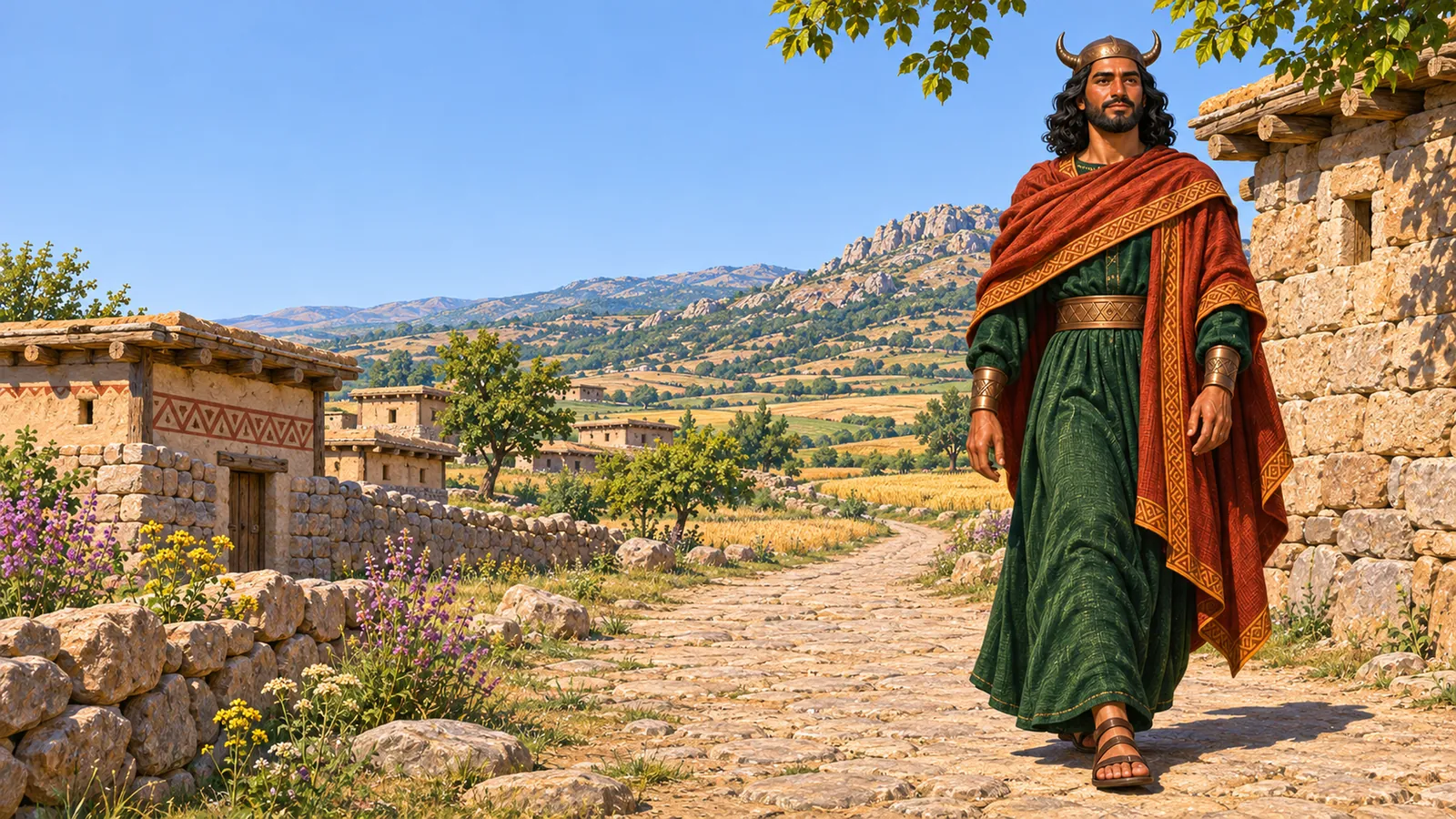
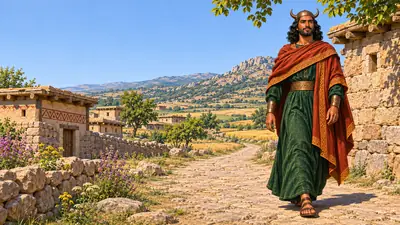
Telipinu était parti, emportant grain, fécondité, croissance et satiété. Le récit nomme maintenant l’absence derrière l’abondance perdue du pays.

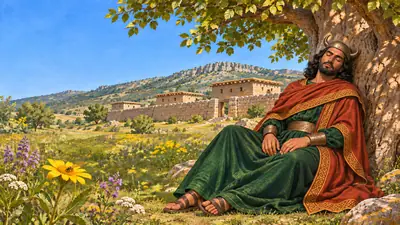
Telipinu se cacha dans le marais, et une plante appelée halenzu poussa sur lui. Il échappait à ceux qui allaient le chercher.
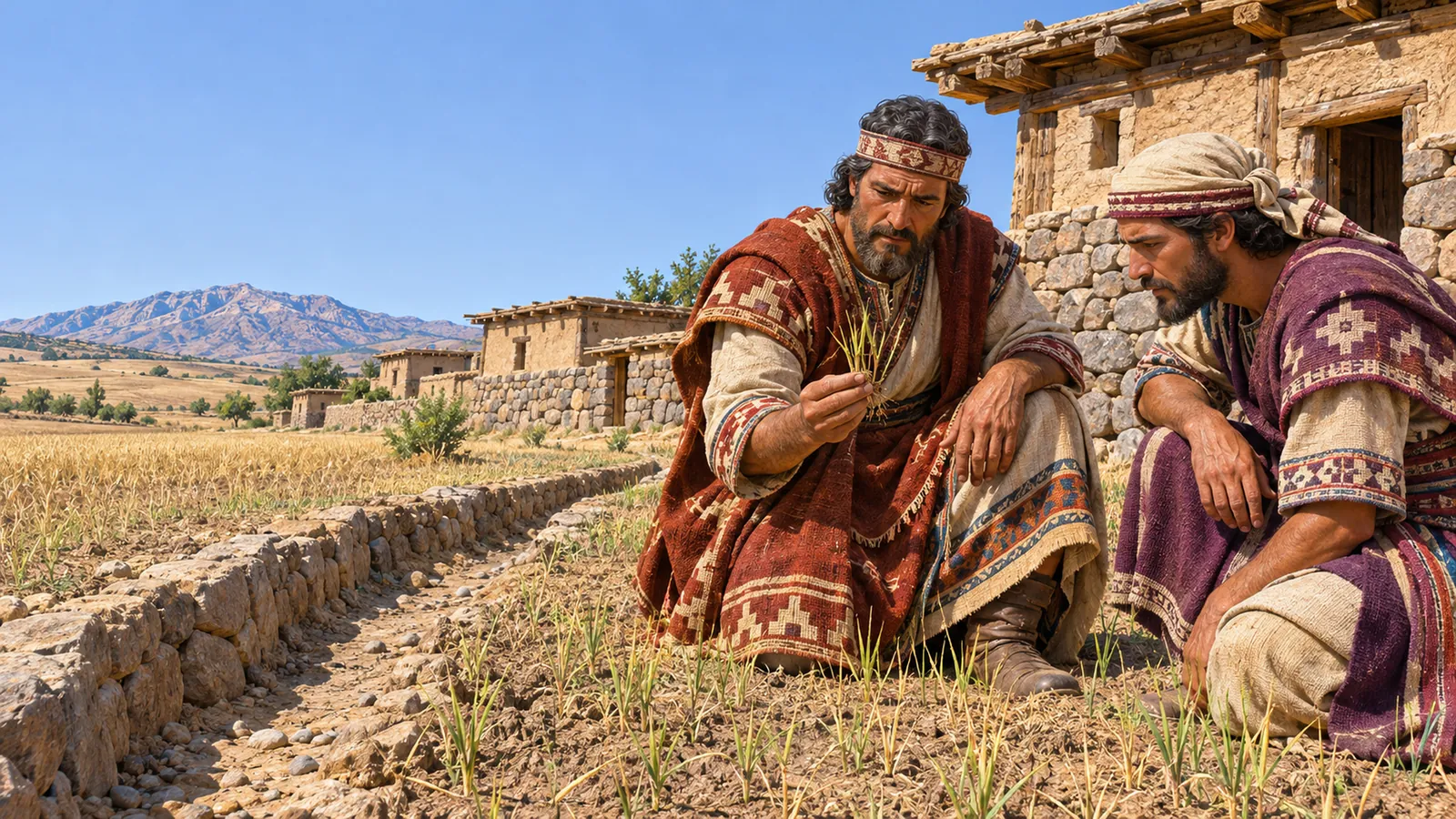
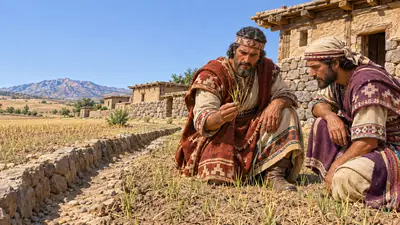
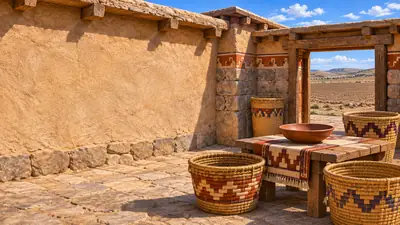
Grain et amidonnier ne poussaient plus. Montagnes, bois, pâturages et sources se desséchaient, sans nouvelles pousses pour renouveler le pays troublé.
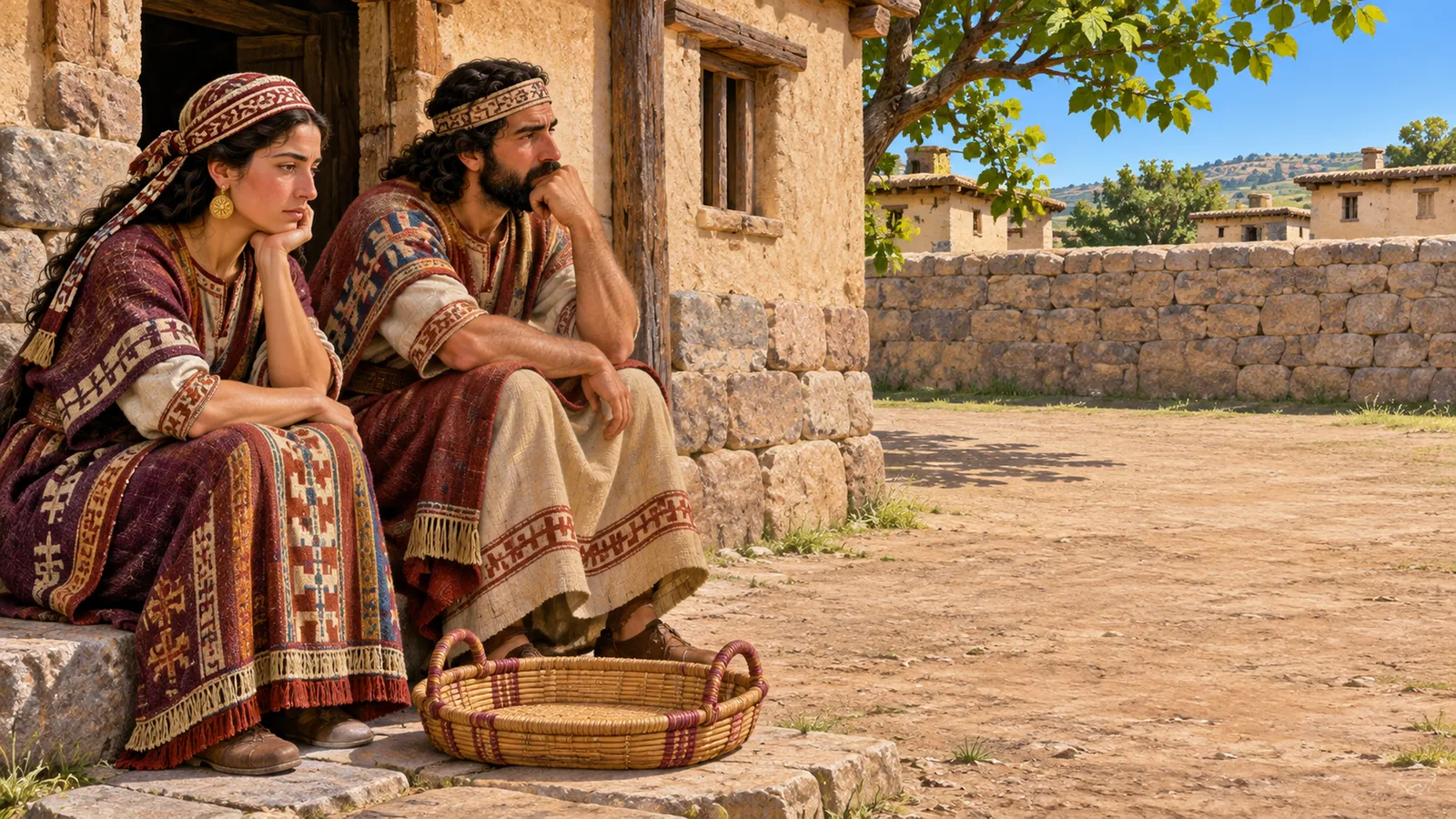
Bovins, moutons et humains ne concevaient plus, et les êtres déjà enceints ne mettaient pas bas. L’absence du dieu interrompait le renouvellement de la vie.

La famine frappa le pays, et humains et dieux mouraient de faim. La crise dépassait les champs pour atteindre les maisons des mortels comme des divinités.
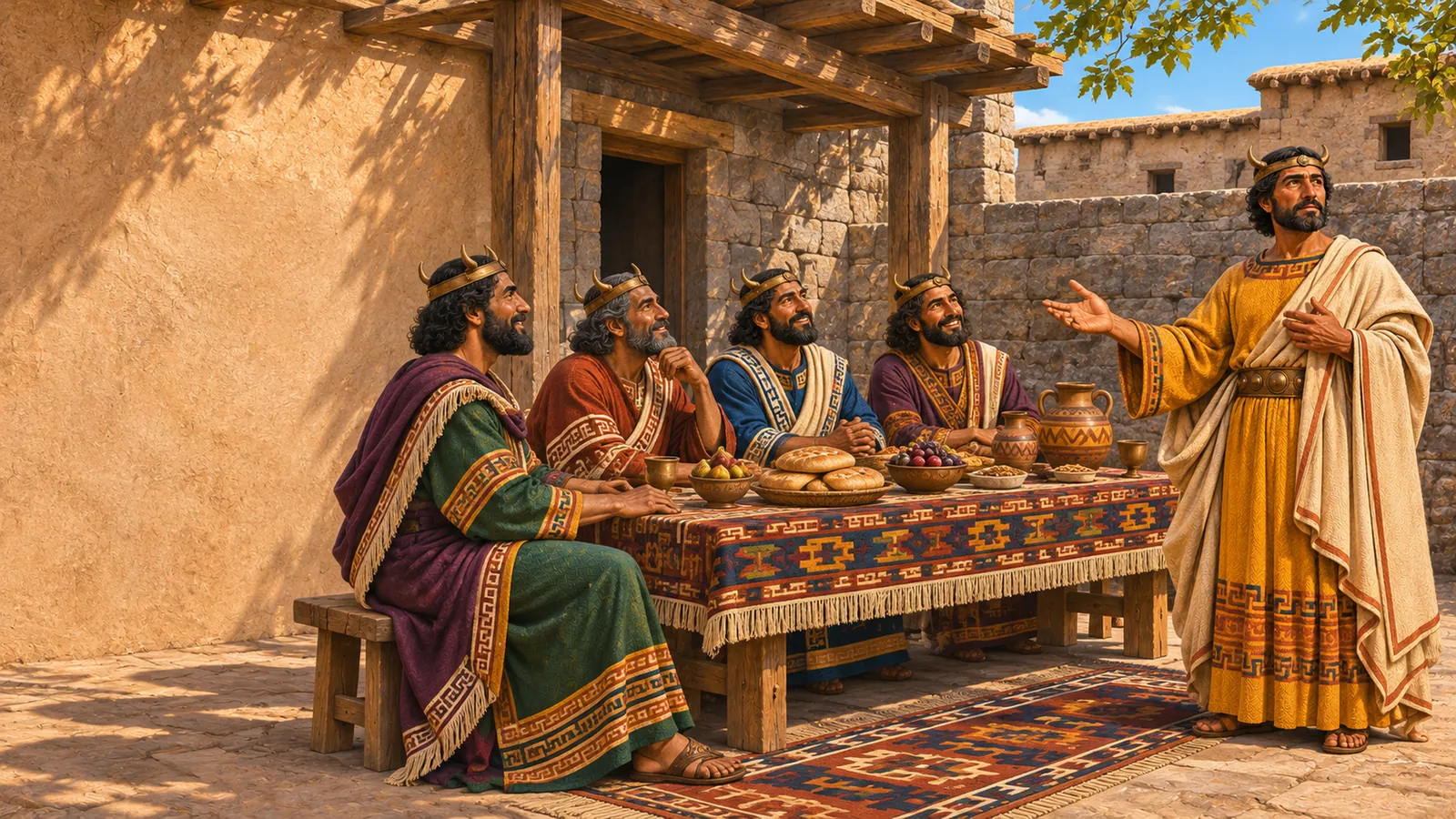
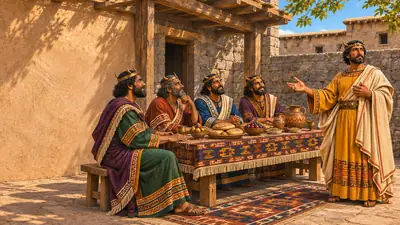
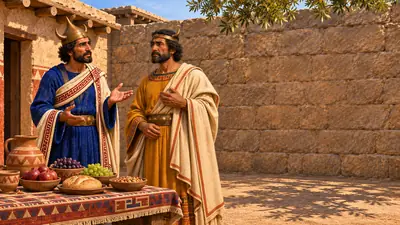
Le grand dieu du Soleil prépara un festin et y convia mille dieux. Pourtant, même cette immense assemblée ne pouvait retrouver la satiété disparue.
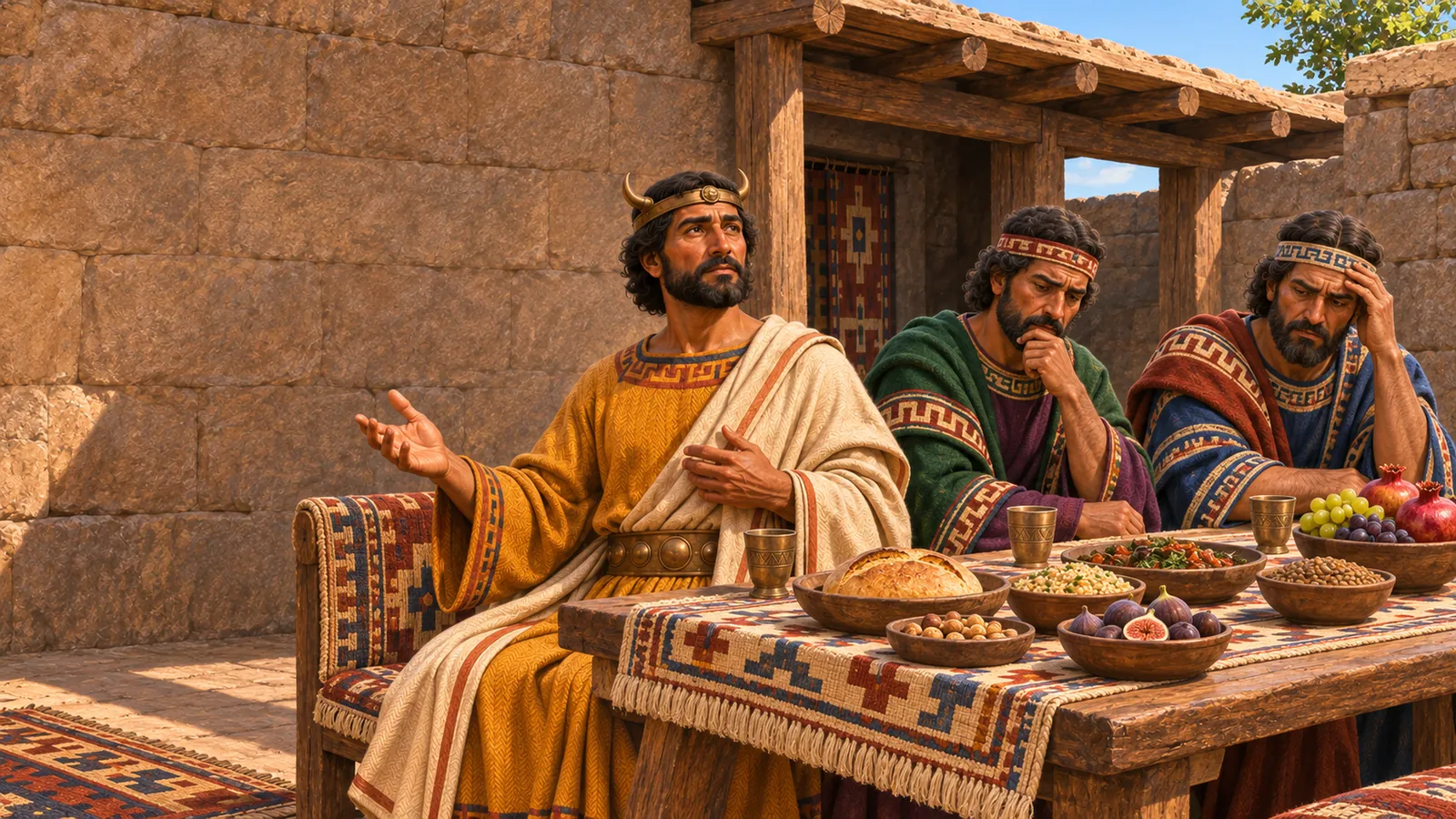
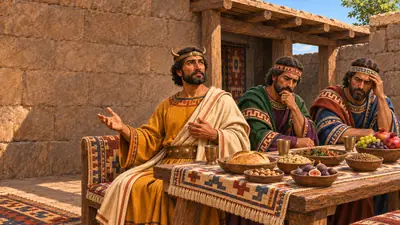
Les dieux mangèrent sans apaiser leur faim. Ils burent sans étancher leur soif ; le festin lui-même révélait combien le monde était désordonné.
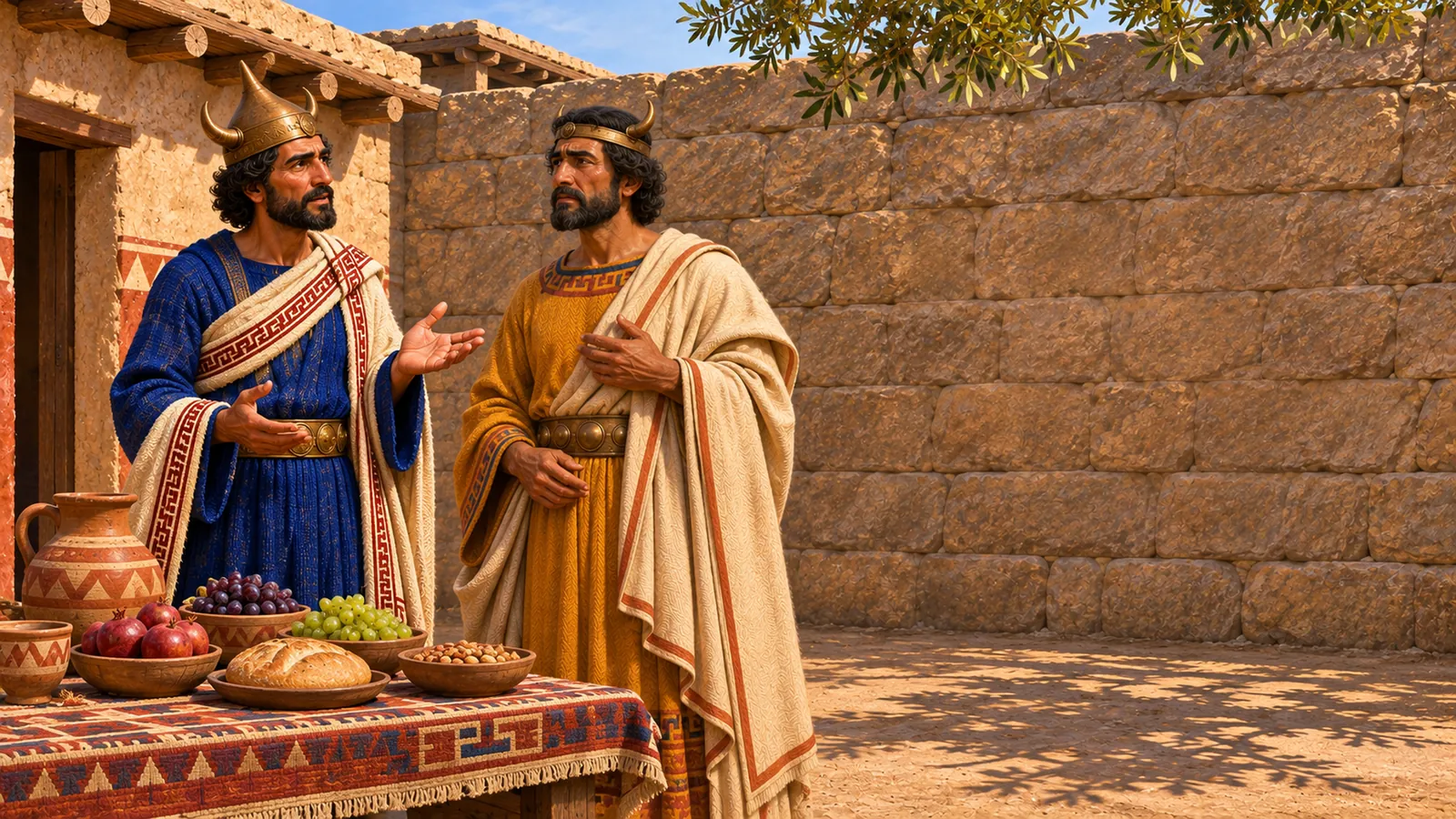
Le dieu de l’Orage s’inquiéta pour son fils Telipinu. Il dit que le dieu absent s’était fâché et avait emporté avec lui toutes les bonnes choses.
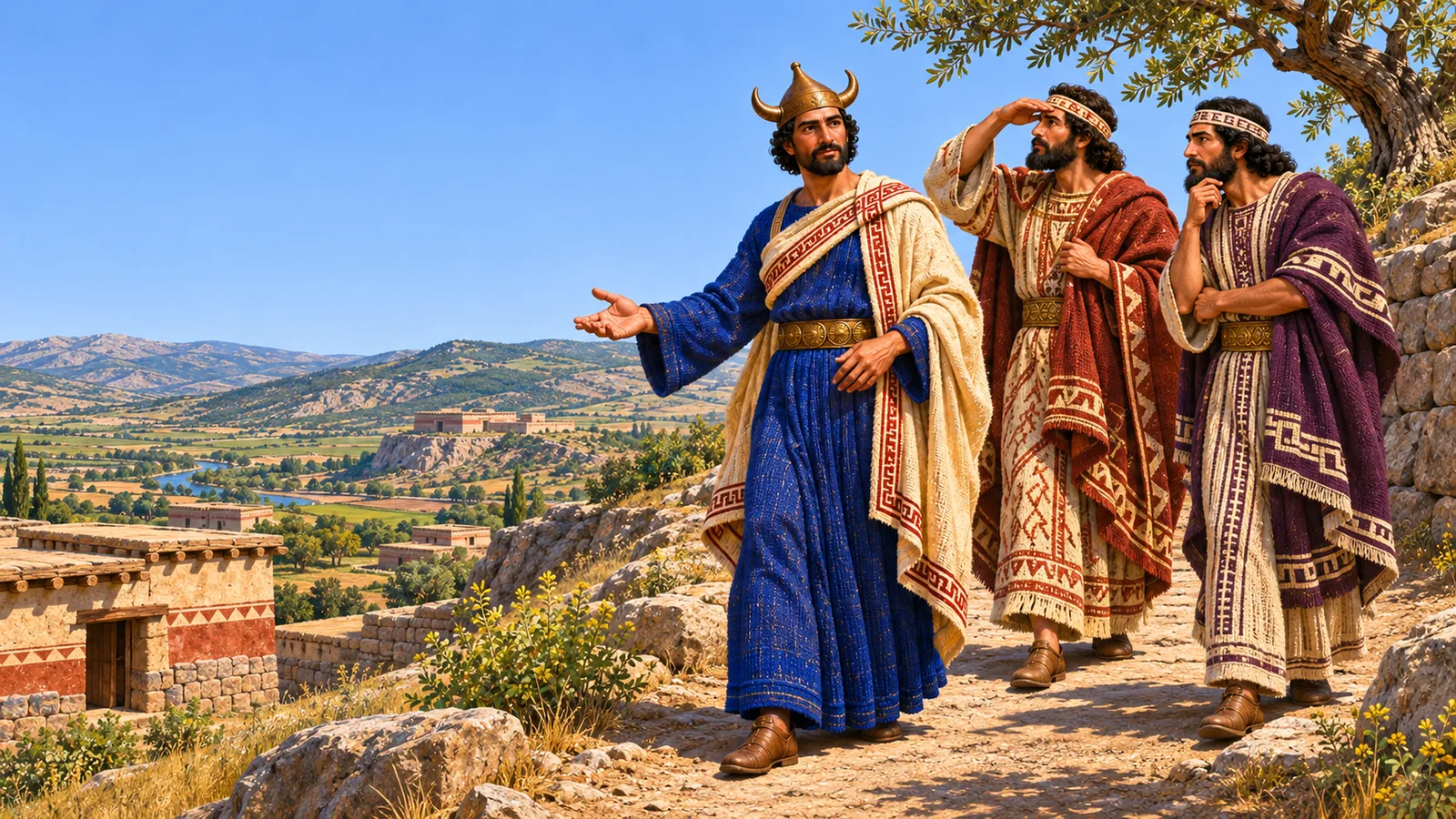
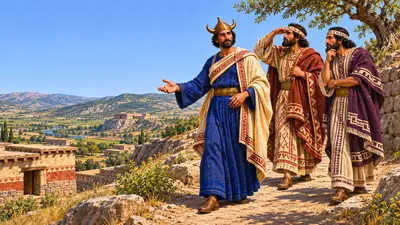
Les grands dieux et les petits commencèrent à chercher Telipinu. Ni leur nombre ni leur puissance divine n’avaient encore ramené le dieu caché.
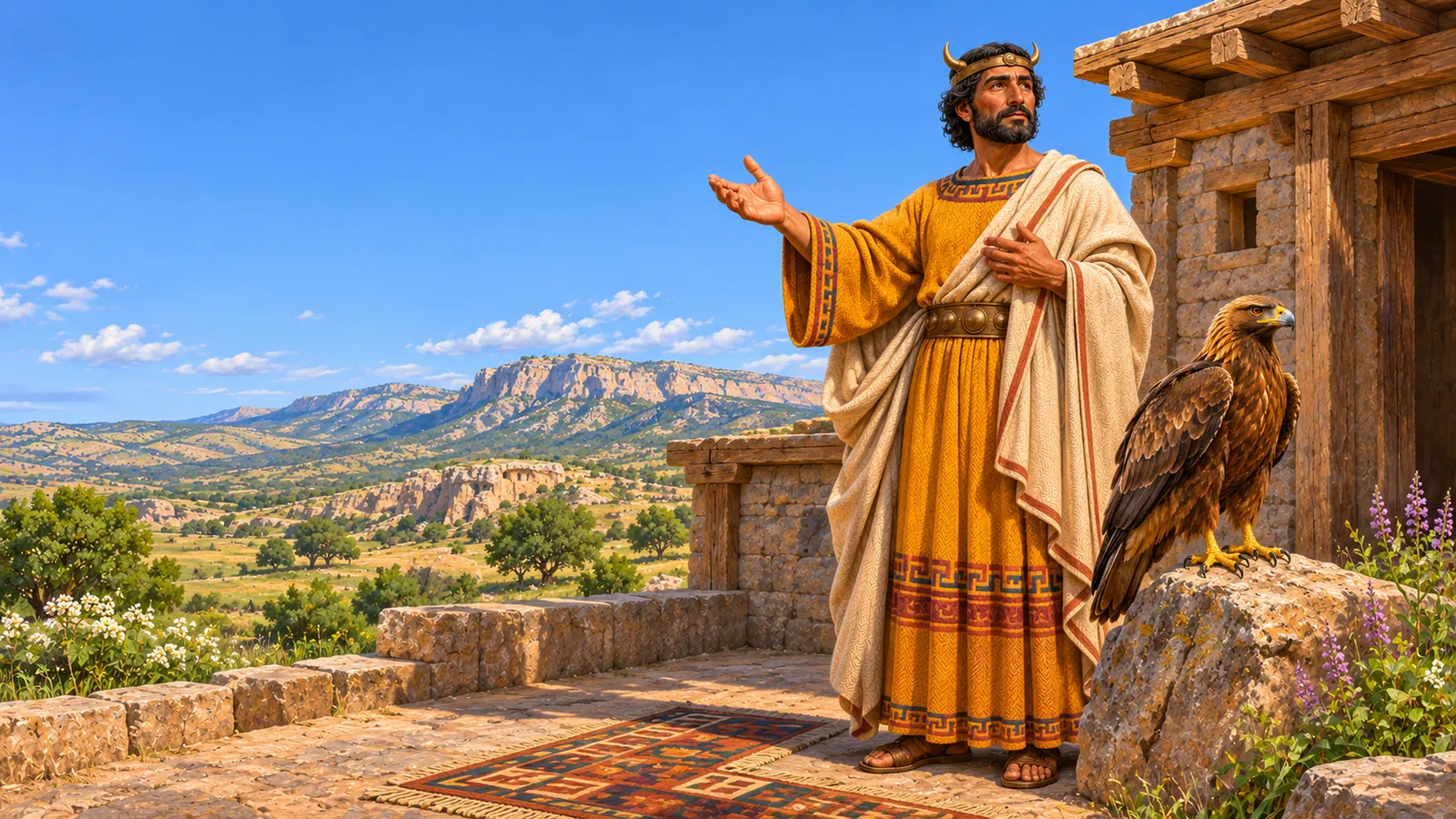
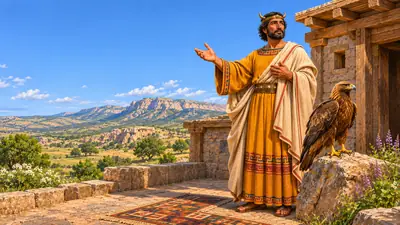
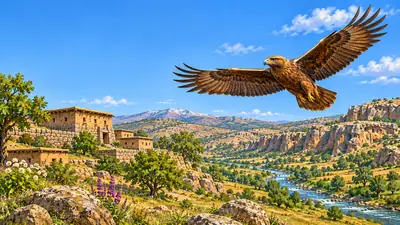
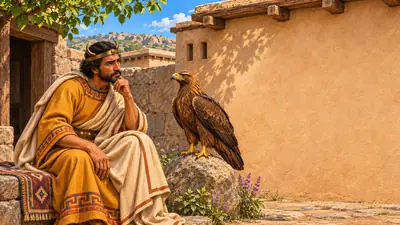
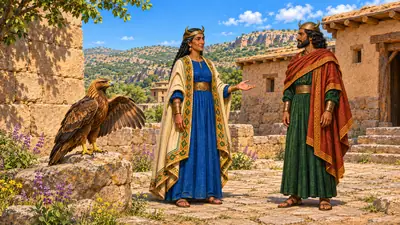
Le dieu du Soleil envoya l’aigle rapide fouiller les hautes montagnes, les vallées profondes et les vastes eaux. L’oiseau partit chercher Telipinu disparu.
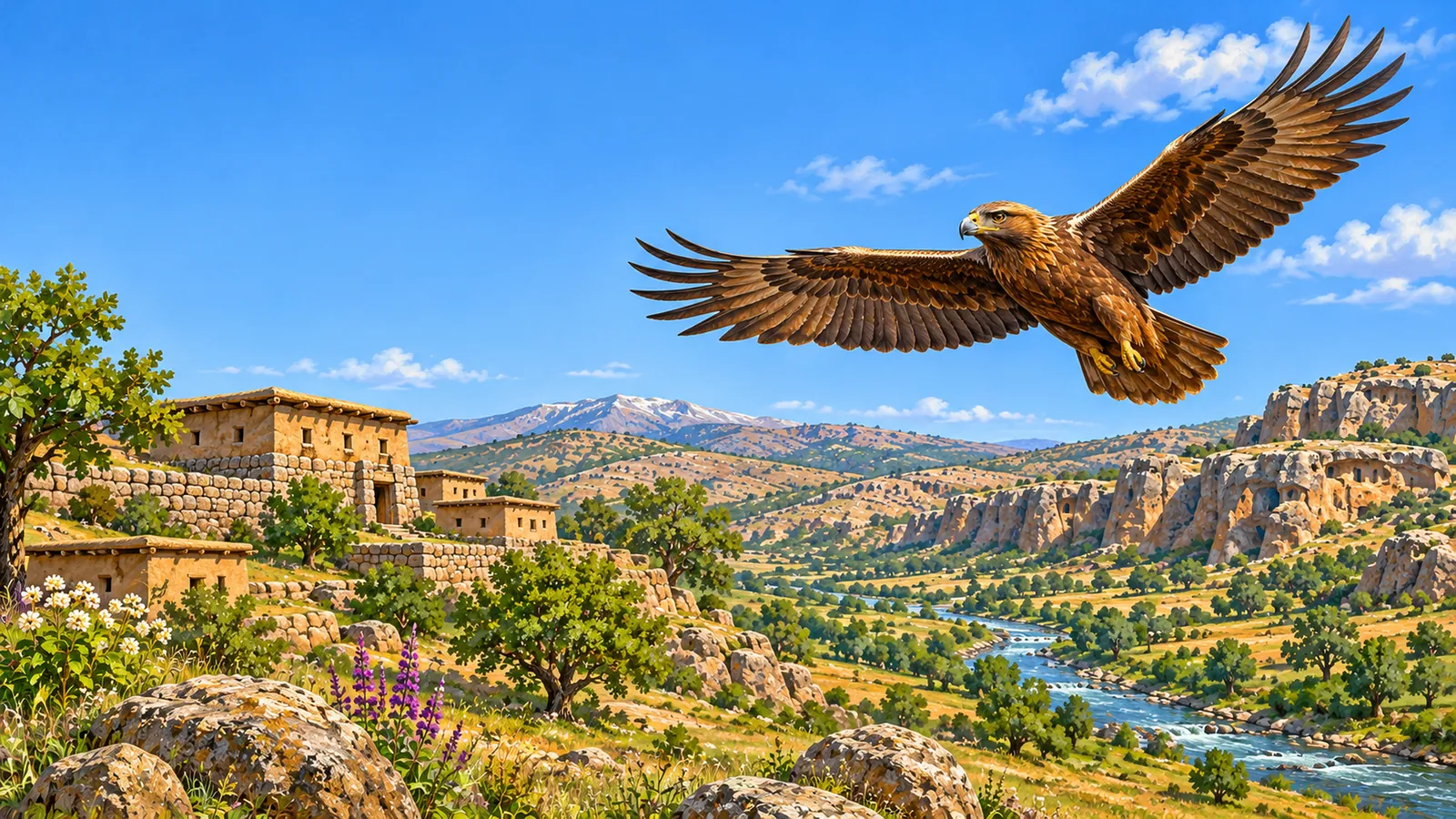
L’aigle chercha dans les hauteurs, les vallées et les eaux, sans trouver Telipinu. Le dieu restait caché malgré le voyage du puissant oiseau.
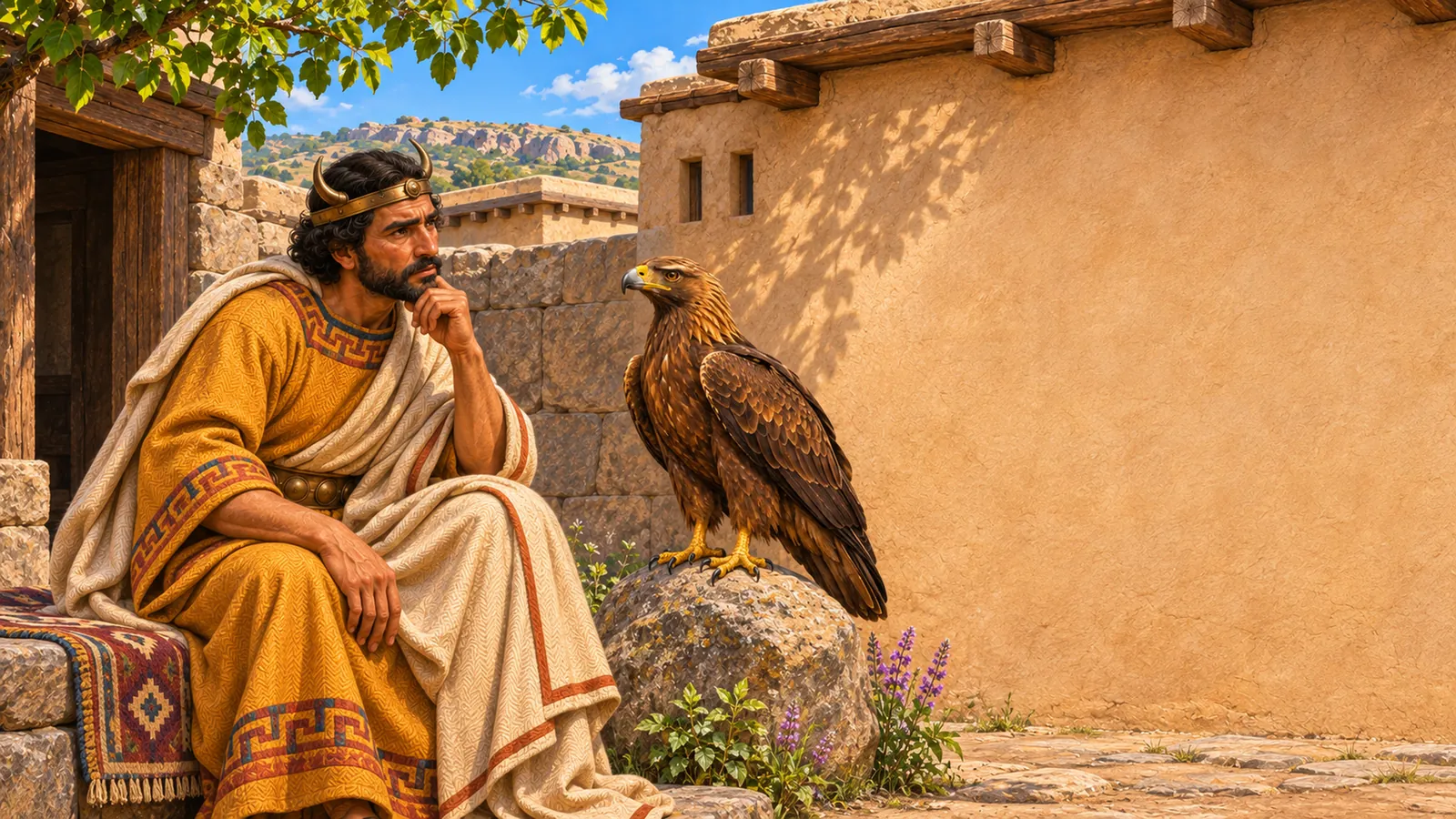
L’aigle revint annoncer son échec au dieu du Soleil. Il n’avait pas trouvé Telipinu, le dieu important dont l’absence avait troublé le pays.
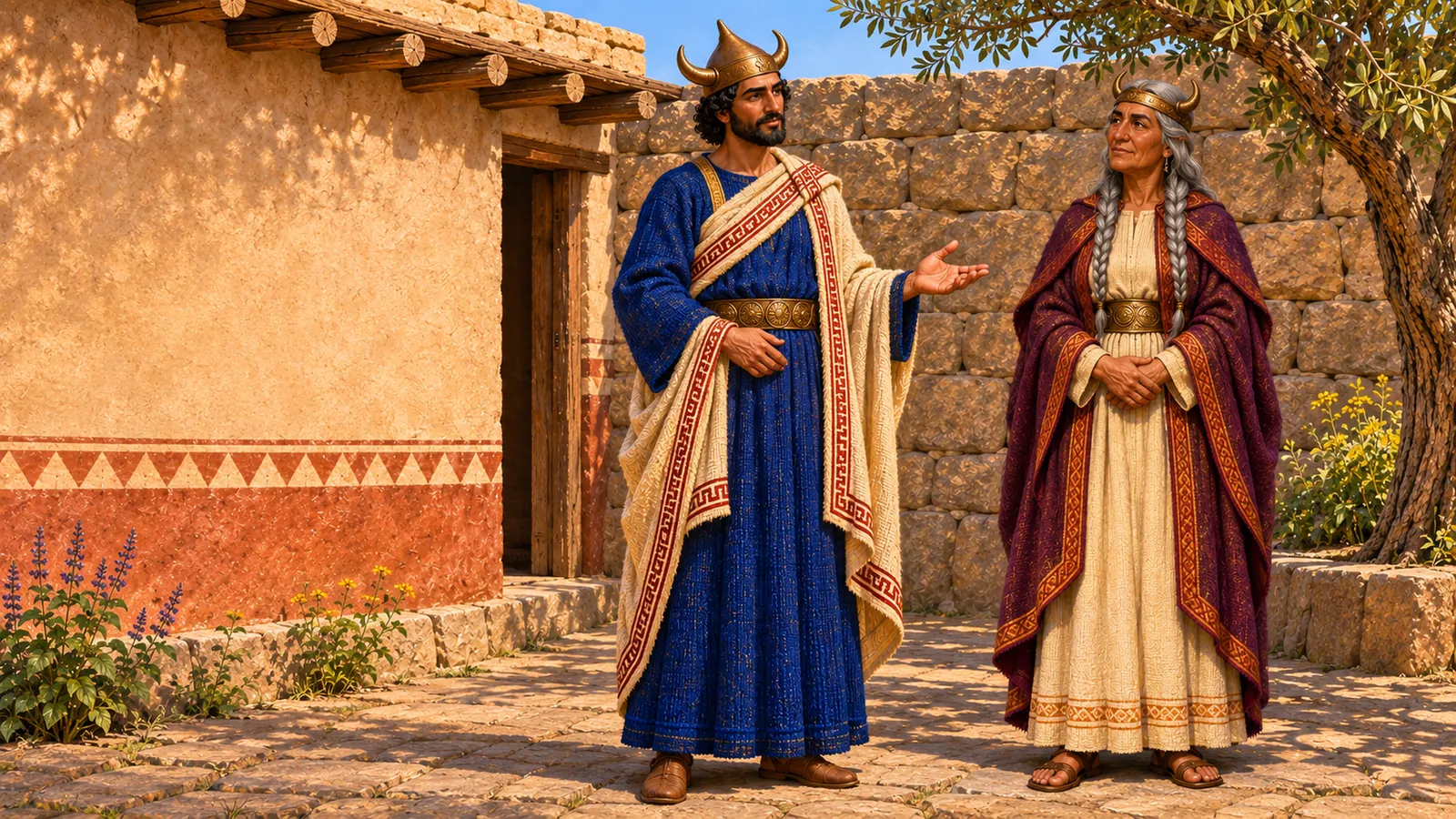
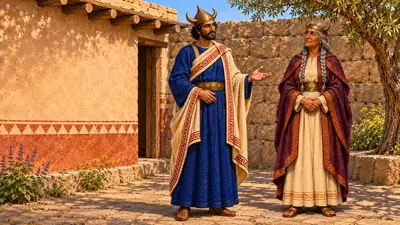
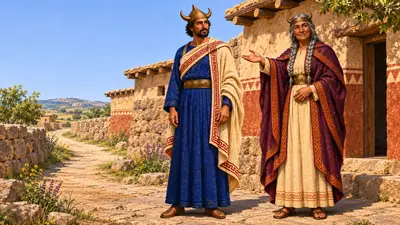
Le dieu de l’Orage se tourna vers Hannahanna dans sa détresse. Il demanda que faire, craignant qu’ils meurent de faim si la crise continuait.
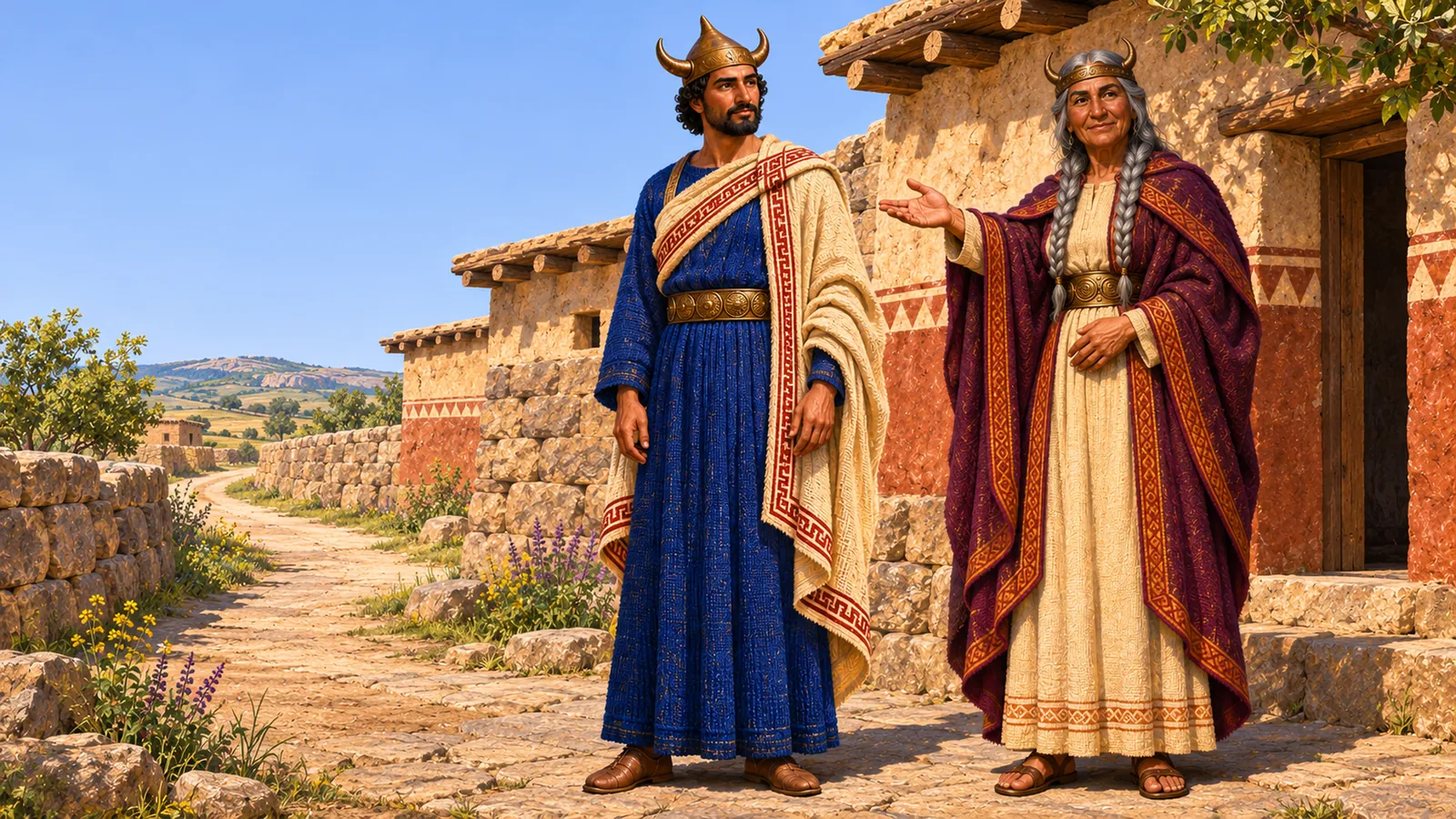
Hannahanna pressa le dieu de l’Orage d’agir et de chercher lui-même Telipinu. Le père partit alors retrouver le fils que les autres n’avaient pas trouvé.
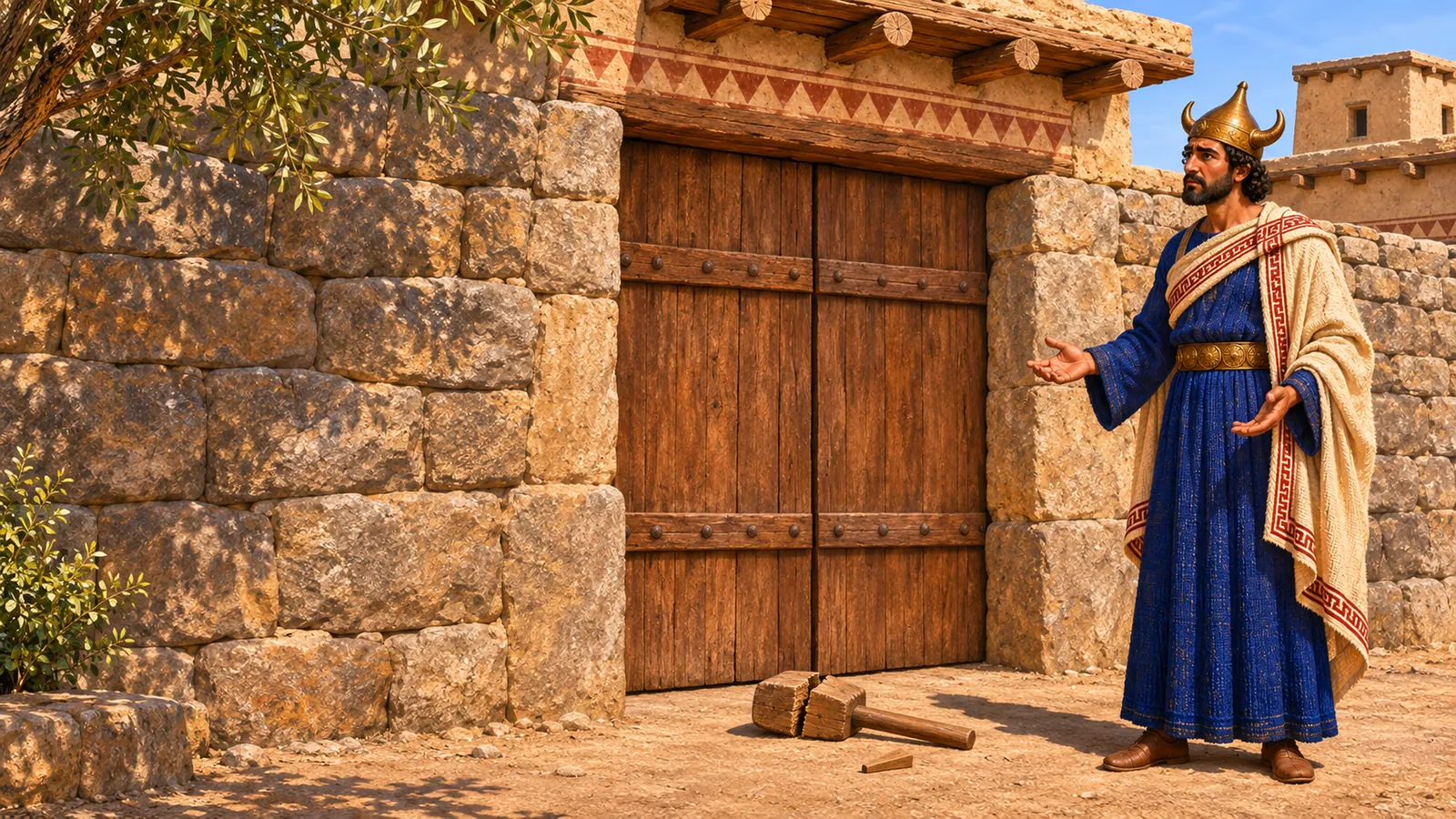
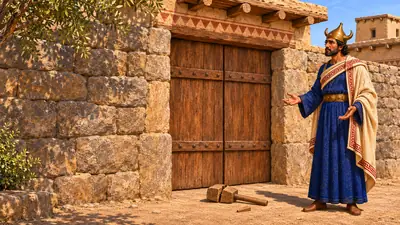
Le dieu de l’Orage atteignit une porte de ville sans pouvoir l’ouvrir. Selon cette lecture, il brisa son marteau et son coin dans cette tentative infructueuse.
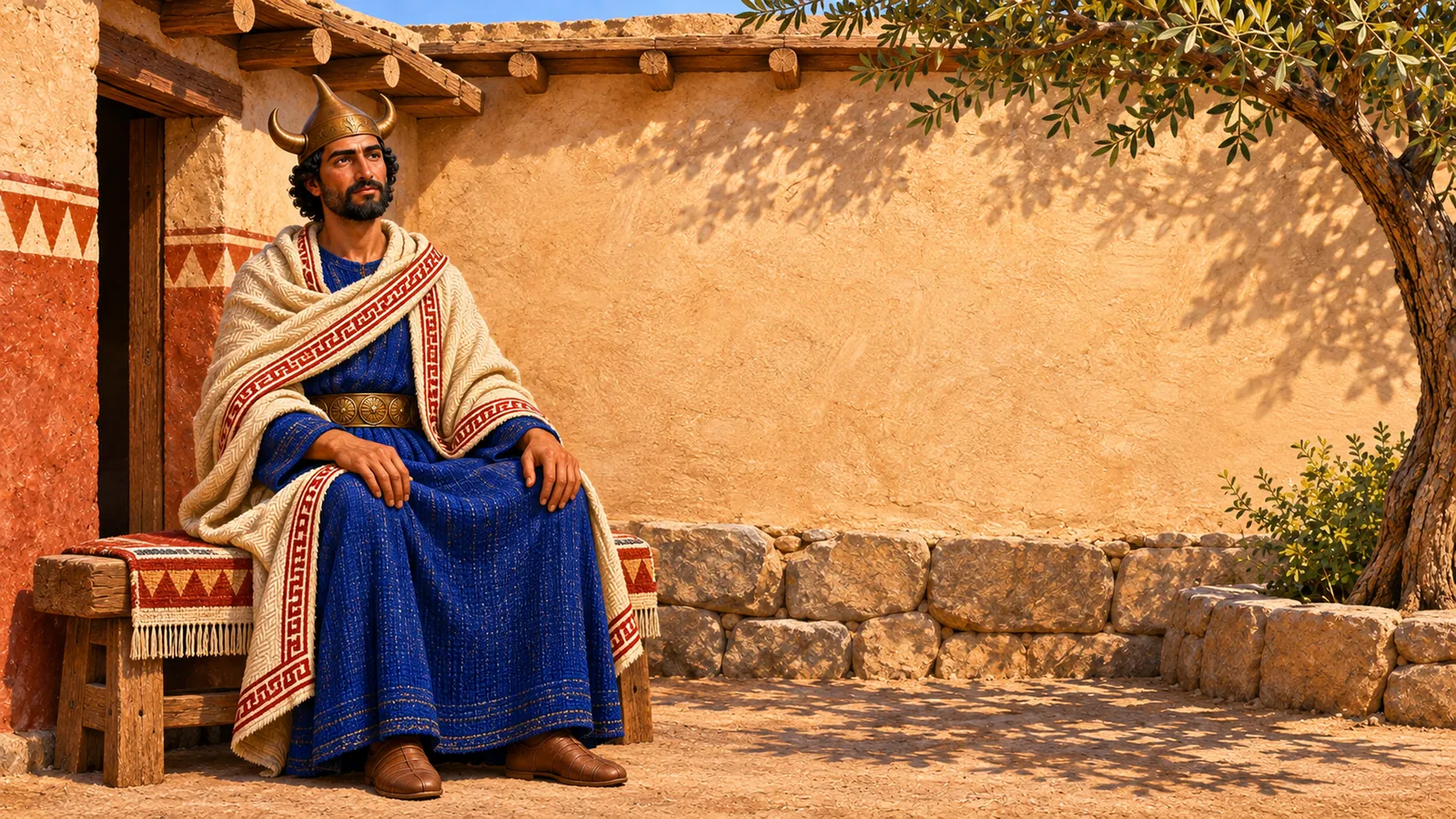
Après cette recherche vaine, le dieu de l’Orage s’enveloppa dans son vêtement et s’assit. Telipinu manquait toujours, et l’on enverrait un chercheur d’un autre genre.
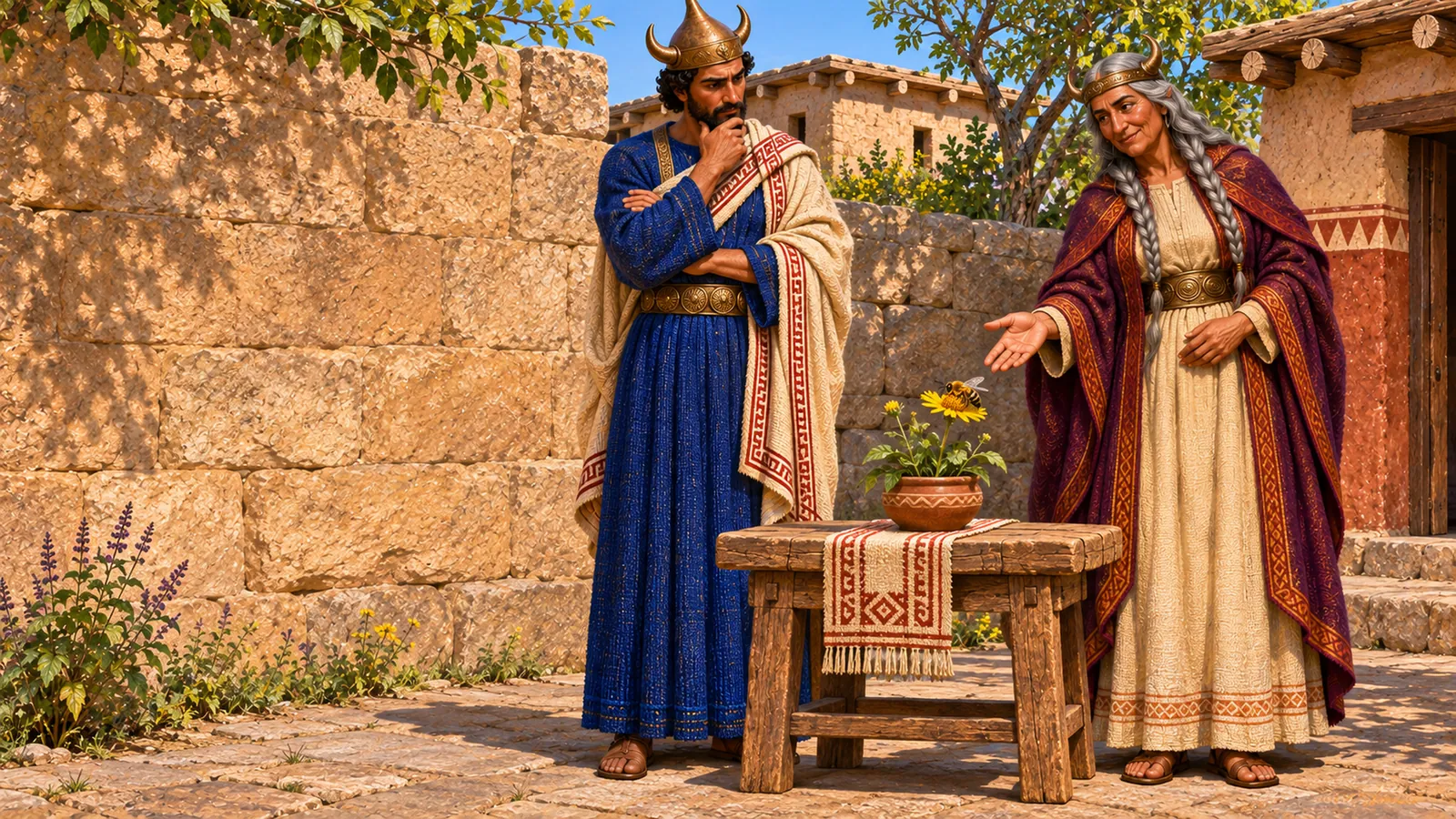
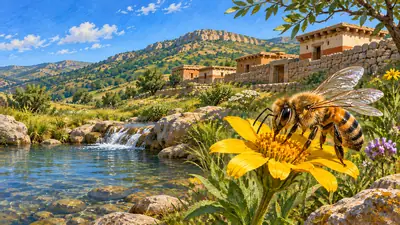
Hannahanna envoya une abeille chercher Telipinu. Le dieu de l’Orage douta que cette petite créature réussisse là où grands et petits dieux avaient échoué.
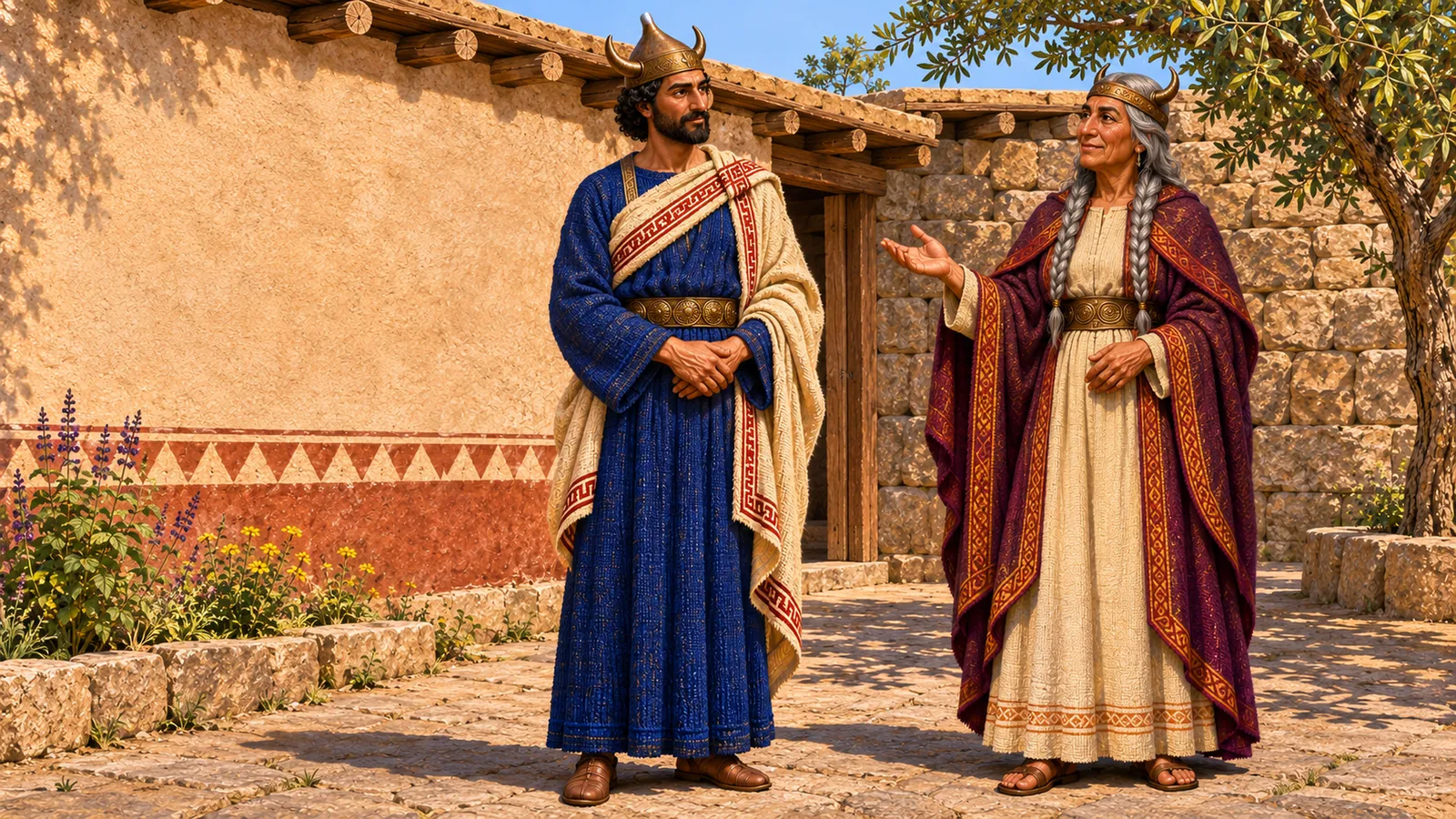
Il mit en doute les petites ailes de l’abeille et se moqua d’elle en une phrase discutée. Le second récit conserve la réponse d’Hannahanna : l’abeille trouverait Telipinu.
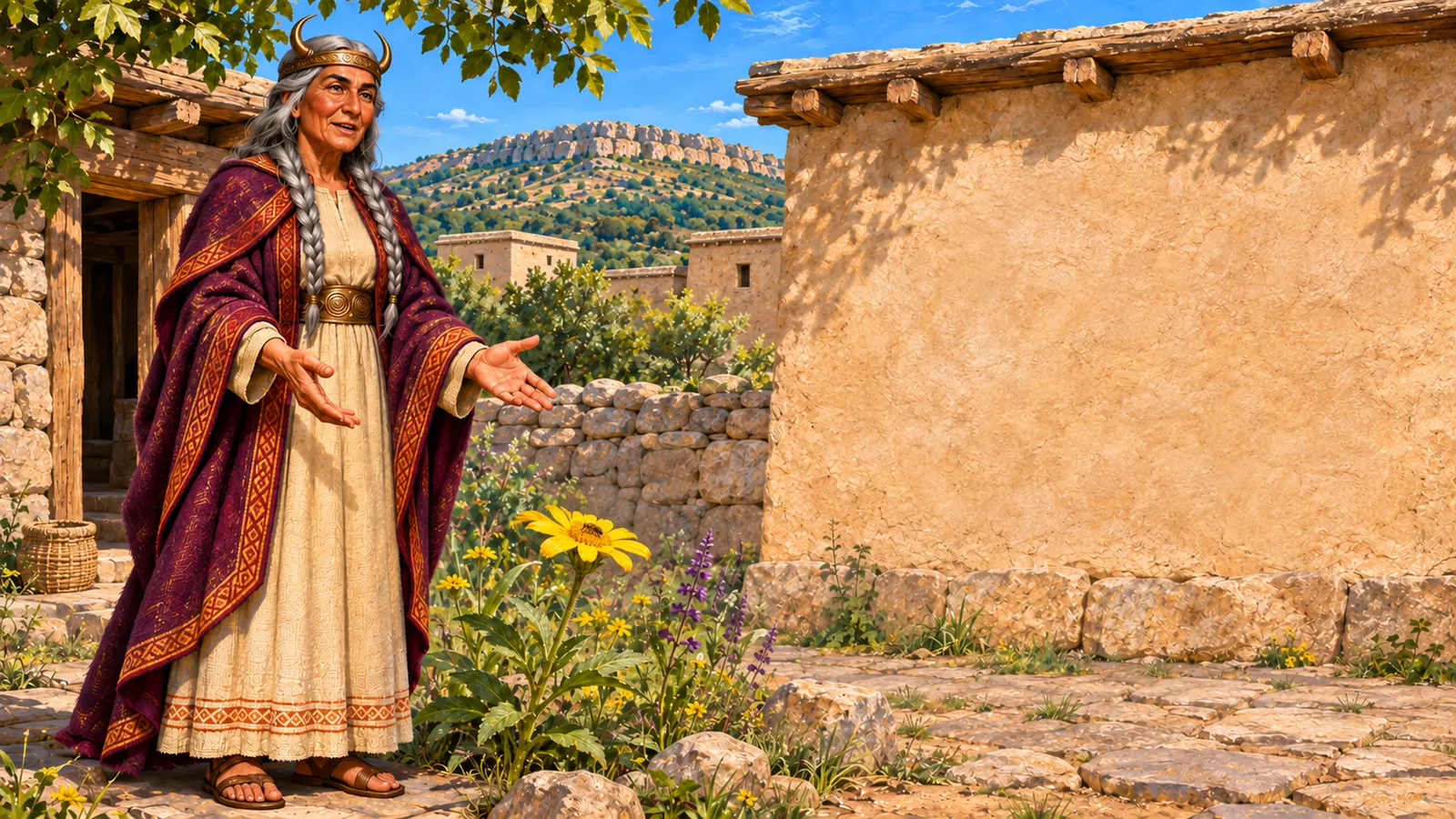
Le second récit conserve les instructions d’Hannahanna : trouver Telipinu, piquer ses mains et ses pieds, l’essuyer avec de la cire, le purifier, le consacrer puis le ramener.
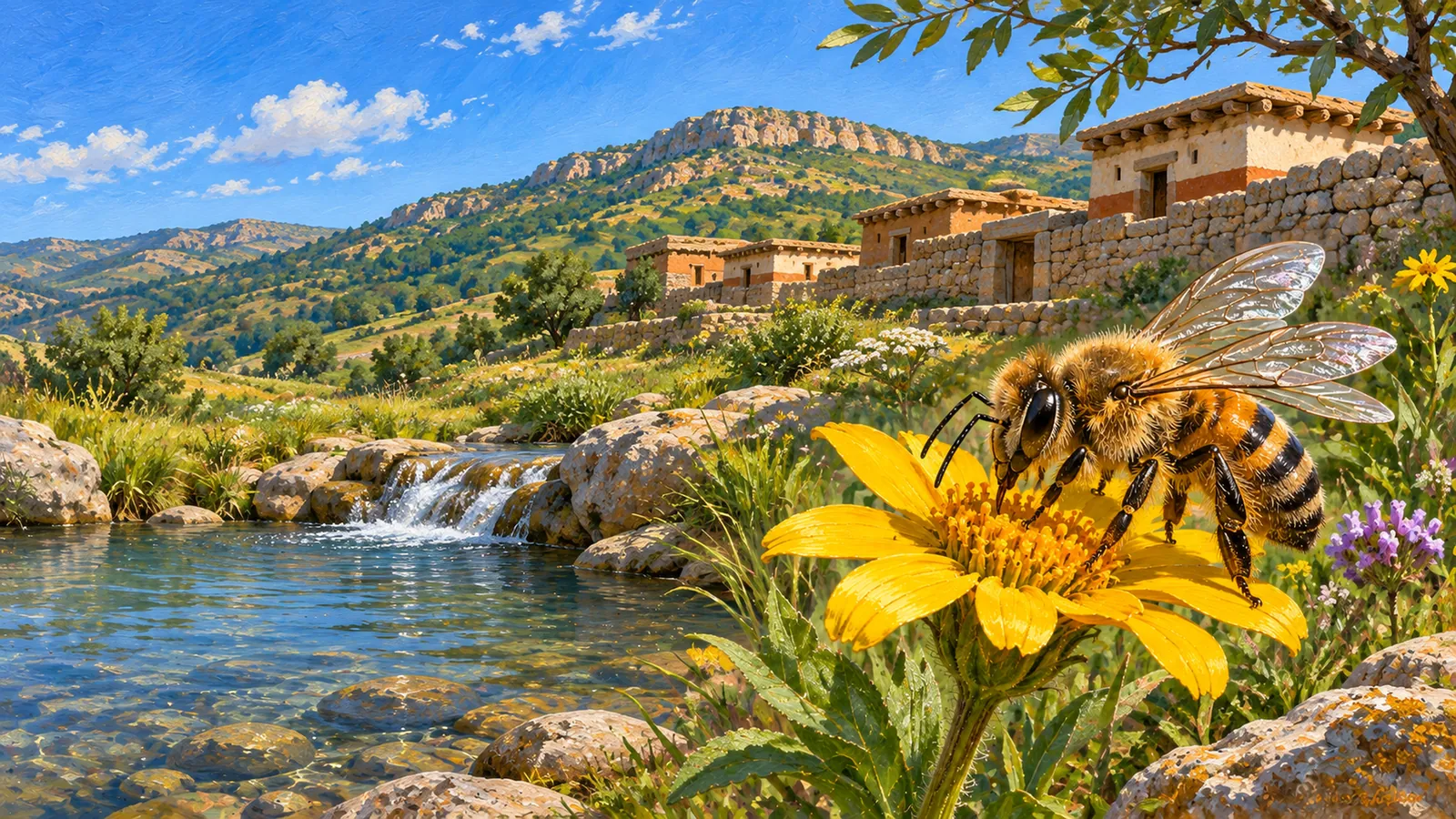
L’abeille partit chercher, parcourant montagnes, rivières et sources dans le second récit. Son petit corps ne l’empêcha pas d’entreprendre le voyage.
UN TROISIÈME RÉCIT
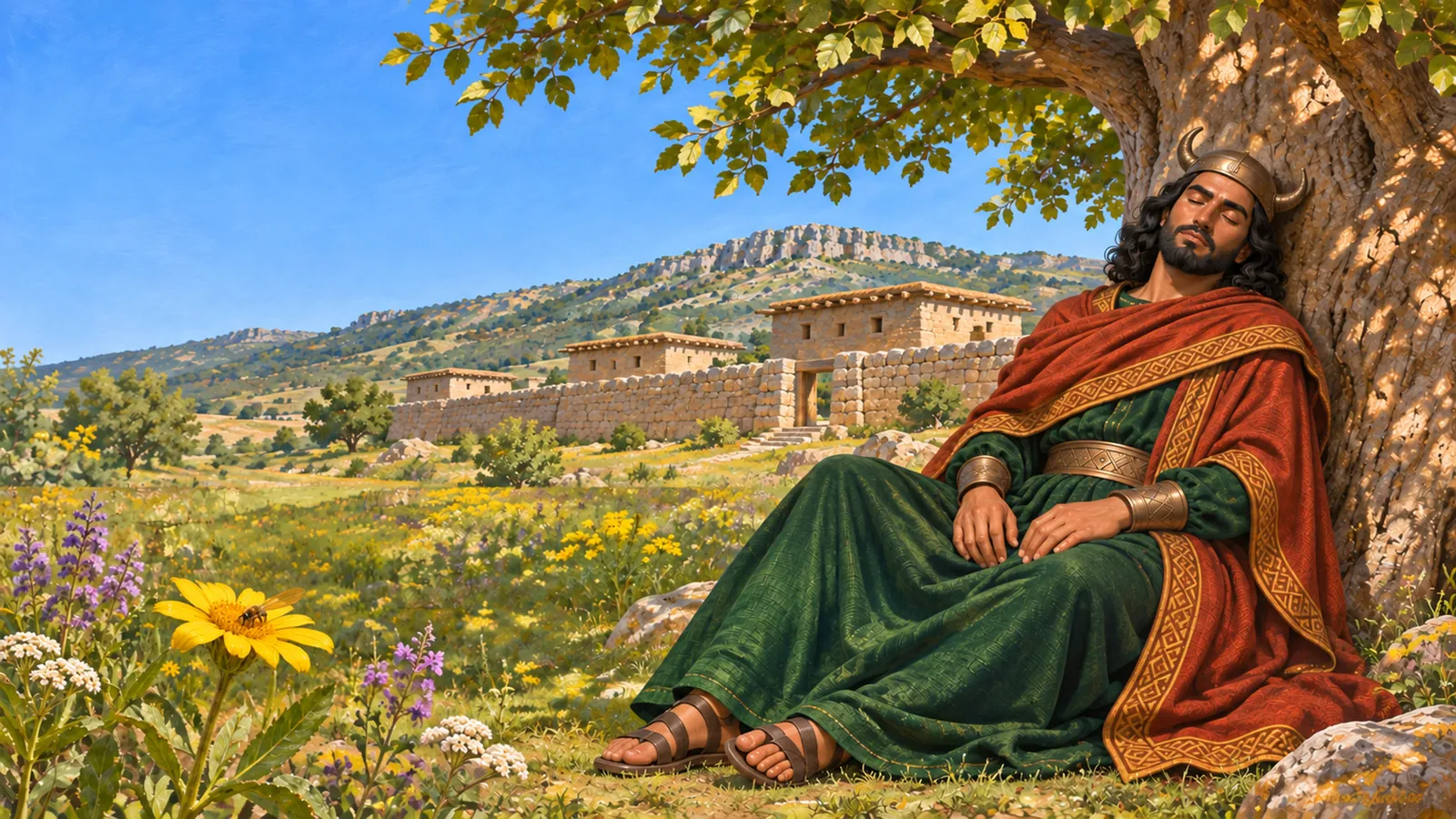
Dans le troisième récit, le miel et la cire de l’abeille s’épuisèrent. Un passage partiellement restitué situe Telipinu dans une prairie boisée de Lihzina, où l’abeille le trouva.

L’abeille piqua les mains et les pieds de Telipinu, qui se leva. Retrouver le dieu caché ne l’avait pas encore rendu paisible.
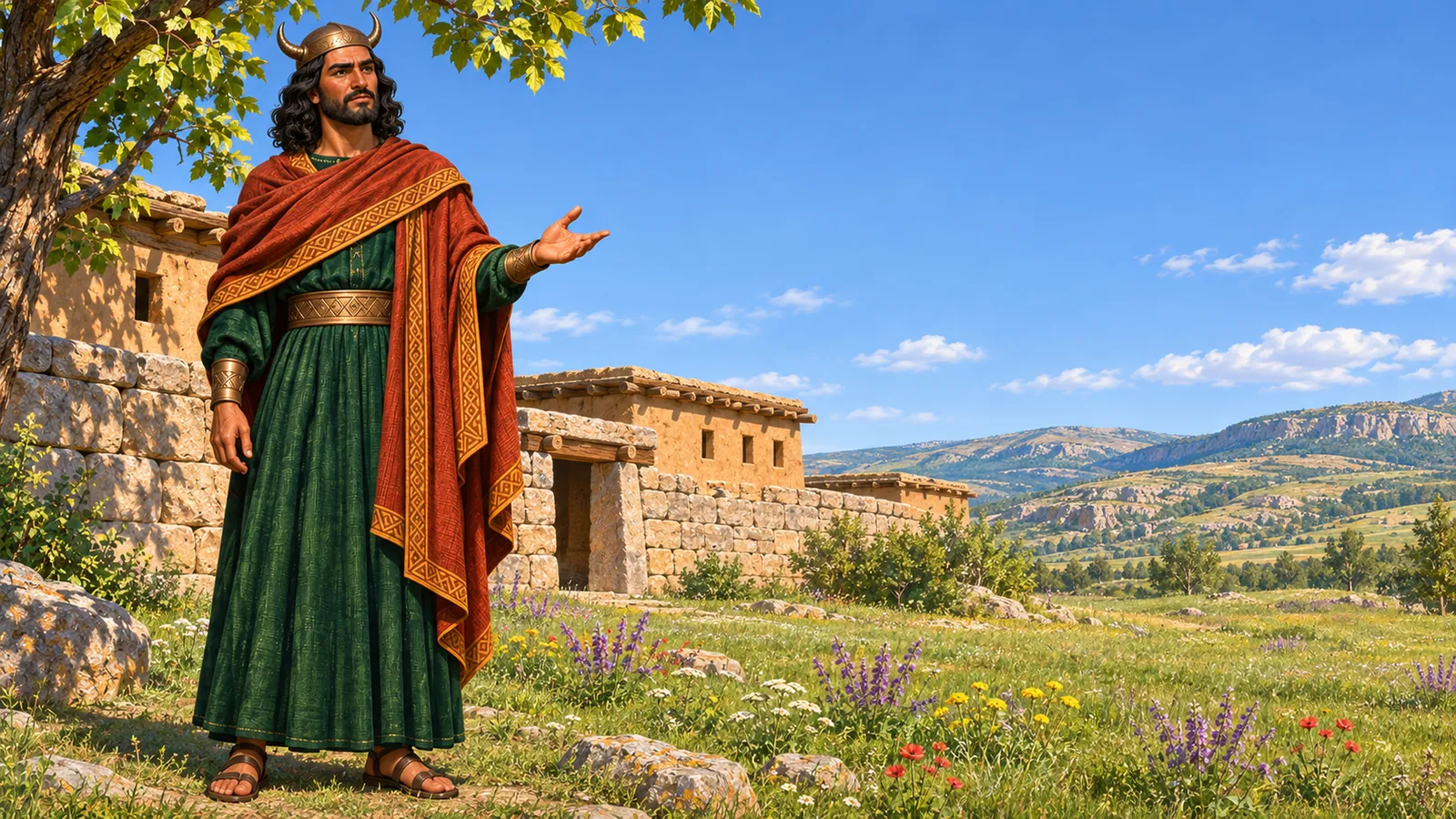
Telipinu demanda pourquoi on l’avait réveillé et fait parler alors qu’il était en colère. Sa colère revint avec lui dans le monde ouvert.
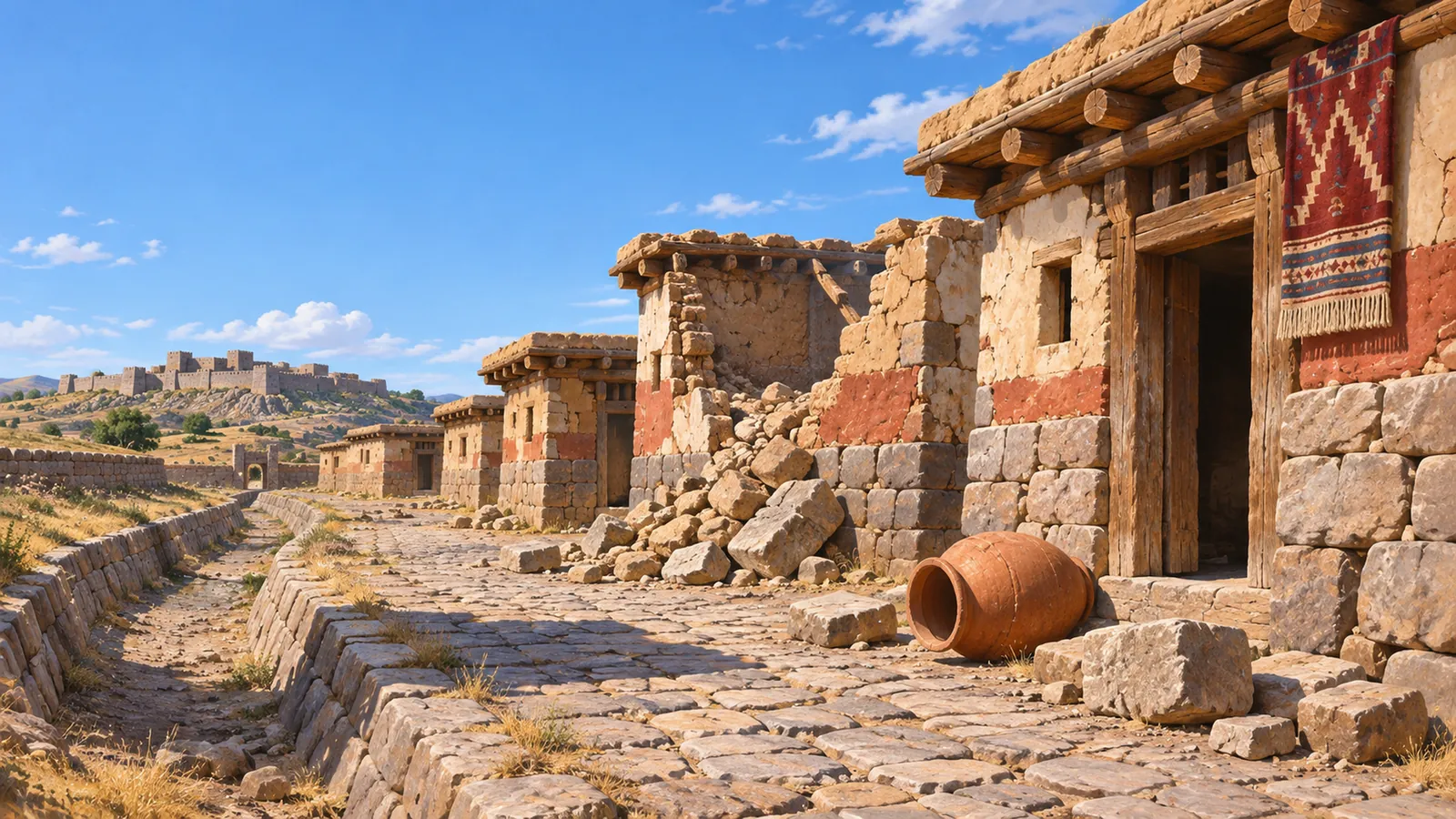
Dans ce troisième récit endommagé, Telipinu détourna les rivières, détruisit villes et maisons, et tua humains, bovins et moutons. Sa découverte aggrava la crise avant le retour du calme.
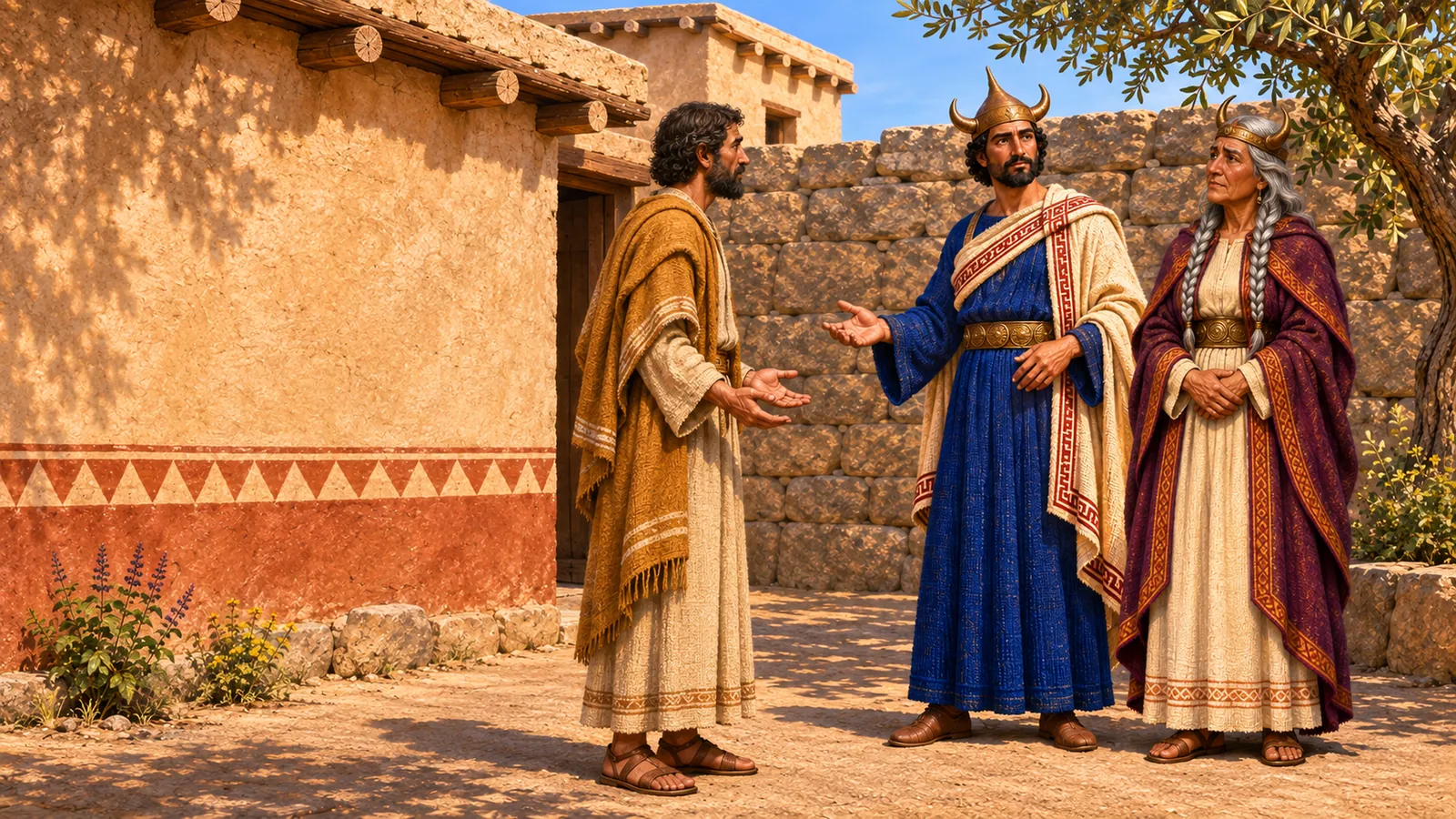
Les dieux affrontèrent la colère renouvelée de Telipinu et demandèrent que faire. Les mots conservés se tournent vers l’aide humaine et d’autres efforts pour ôter sa fureur.
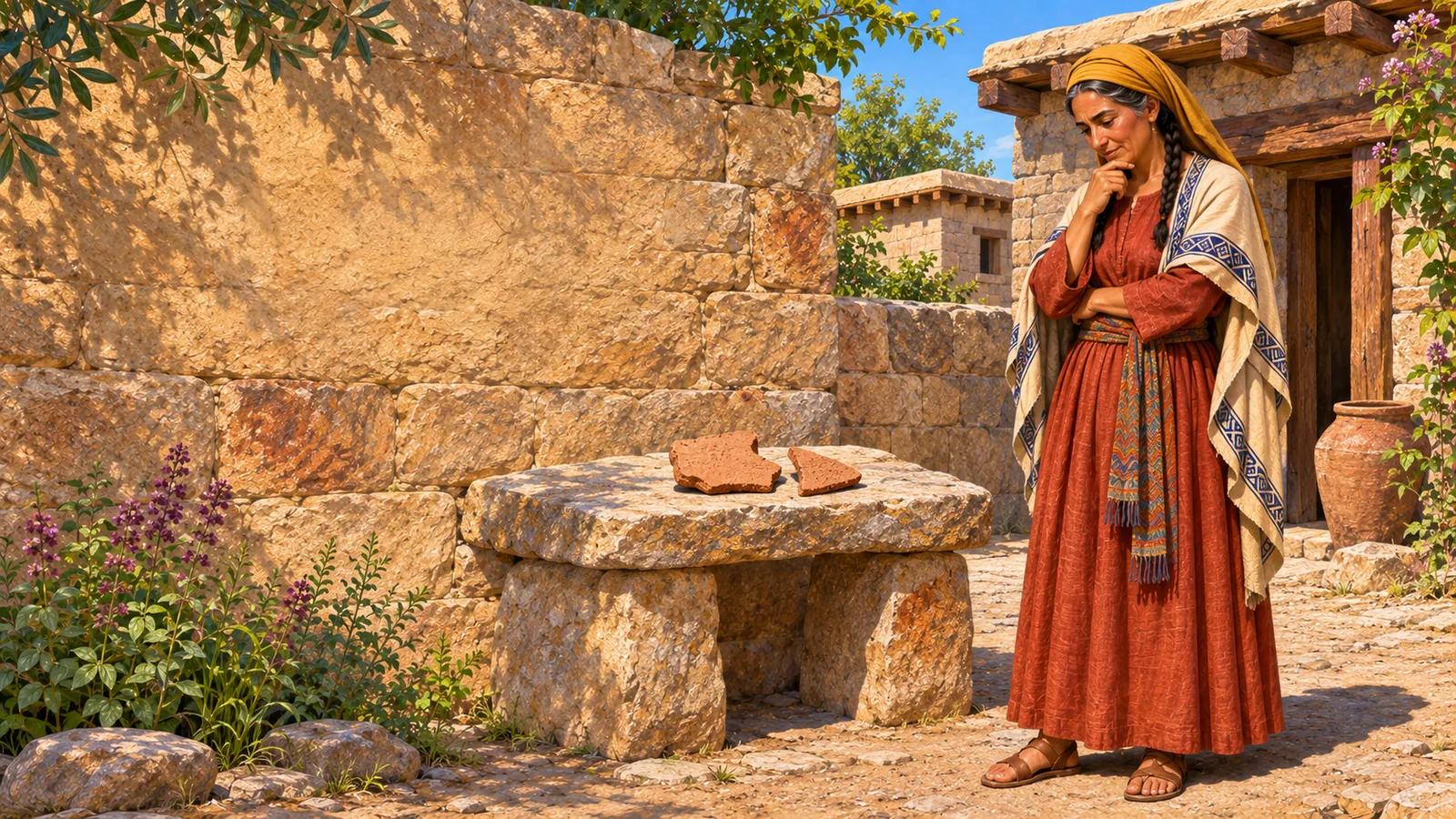
Des instructions brisées mentionnent l’aide humaine, un dard ou outil au mont Ammuna, un aigle et une combustion. Elles ne disent pas entièrement ce qui fut brûlé.

LE PREMIER RÉCIT
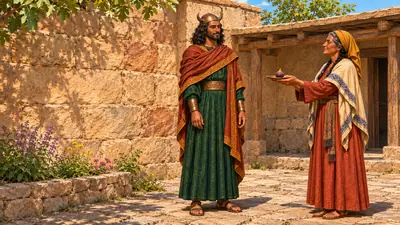
De retour au premier récit, des lignes brisées évoquent malt et pain de bière broyés, puis une coupe incertaine à une porte. Le rituel commence ses paroles d’apaisement.
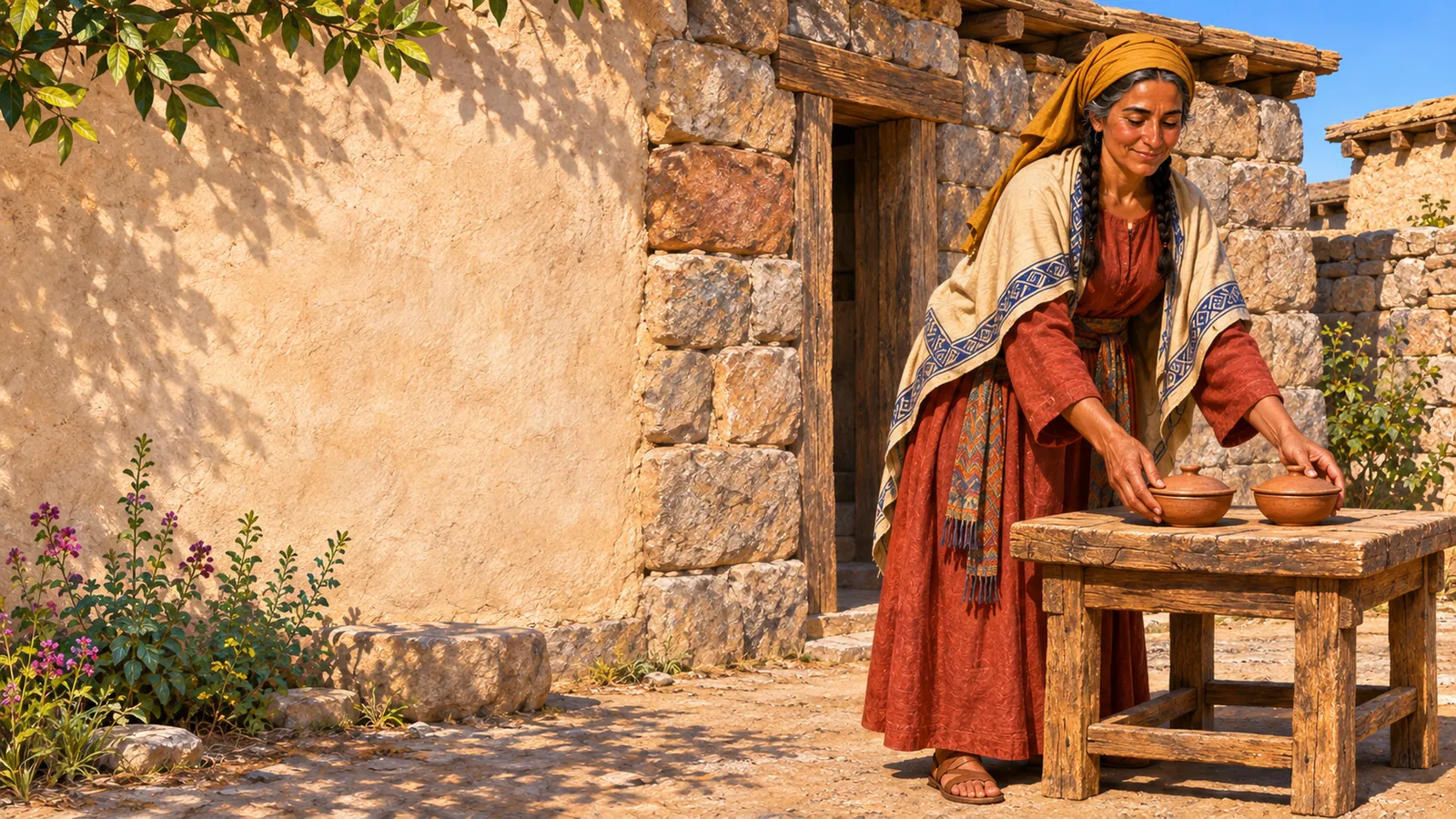
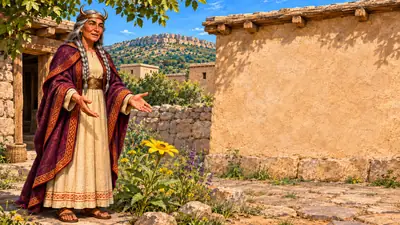
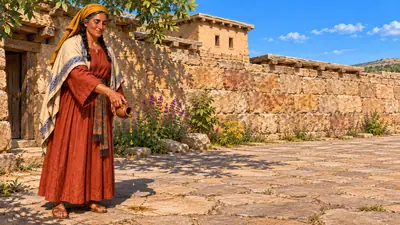
La voix rituelle disposa des substances nommées galaktar et parhuena. Leur identité exacte reste incertaine, mais les paroles demandaient l’apaisement du cœur et de l’être intérieur de Telipinu.
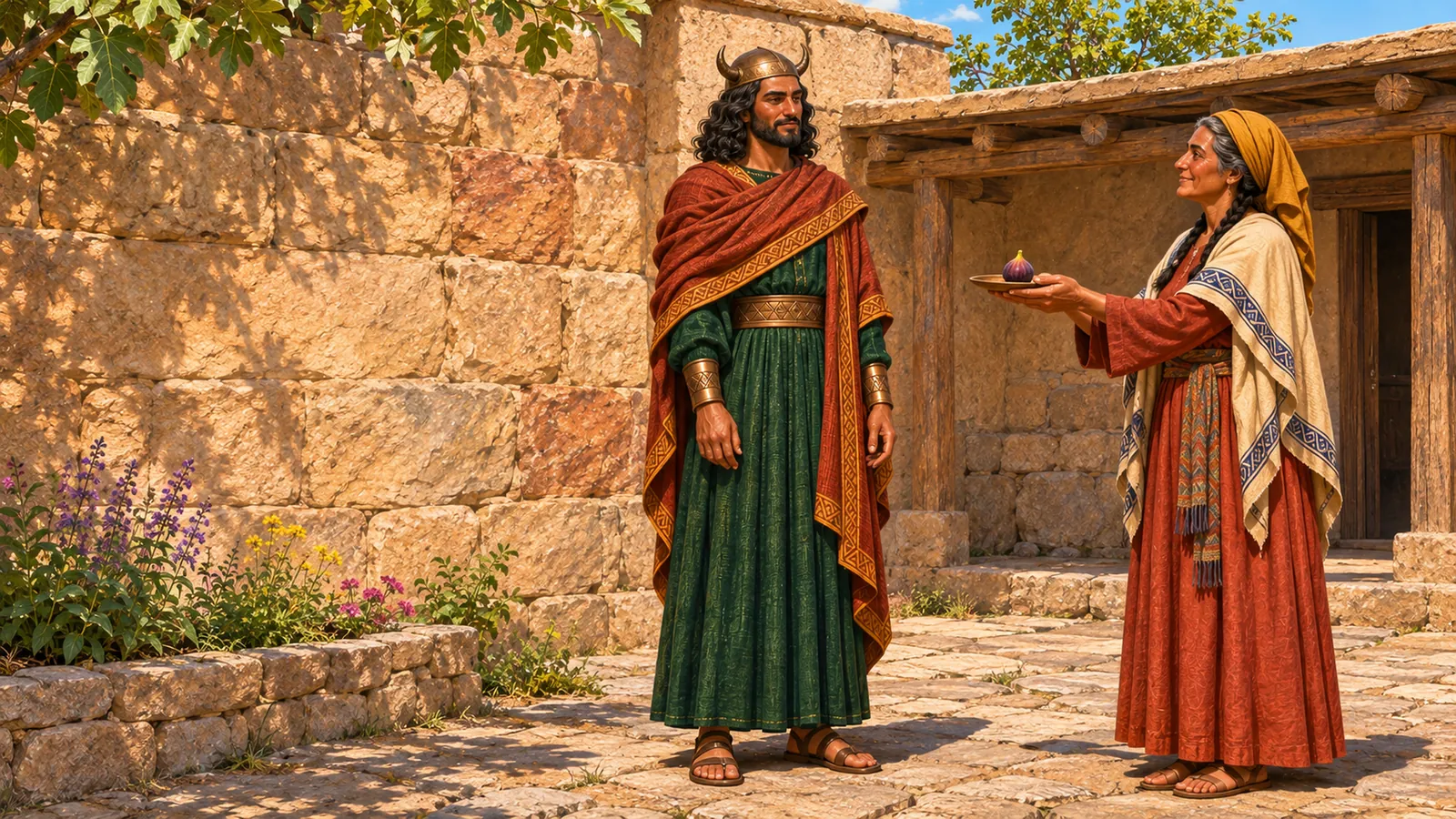
Une figue fut placée devant Telipinu. Comme le fruit était doux, la voix rituelle souhaitait que son esprit s’adoucisse et se détourne de la colère.

Comme l’olive garde l’huile et le raisin sec le vin en lui, les paroles demandaient à Telipinu de garder le roi dans la bienveillance de son cœur.

Une version parallèle dit que la bière enivre les personnes en colère ou inquiètes et souhaite que malt et pain de bière fassent de même pour Telipinu.

Le premier récit compare la douceur du miel et du beurre clarifié à l’état souhaité pour Telipinu. Son esprit devait devenir doux, pur et réceptif aux paroles humaines.
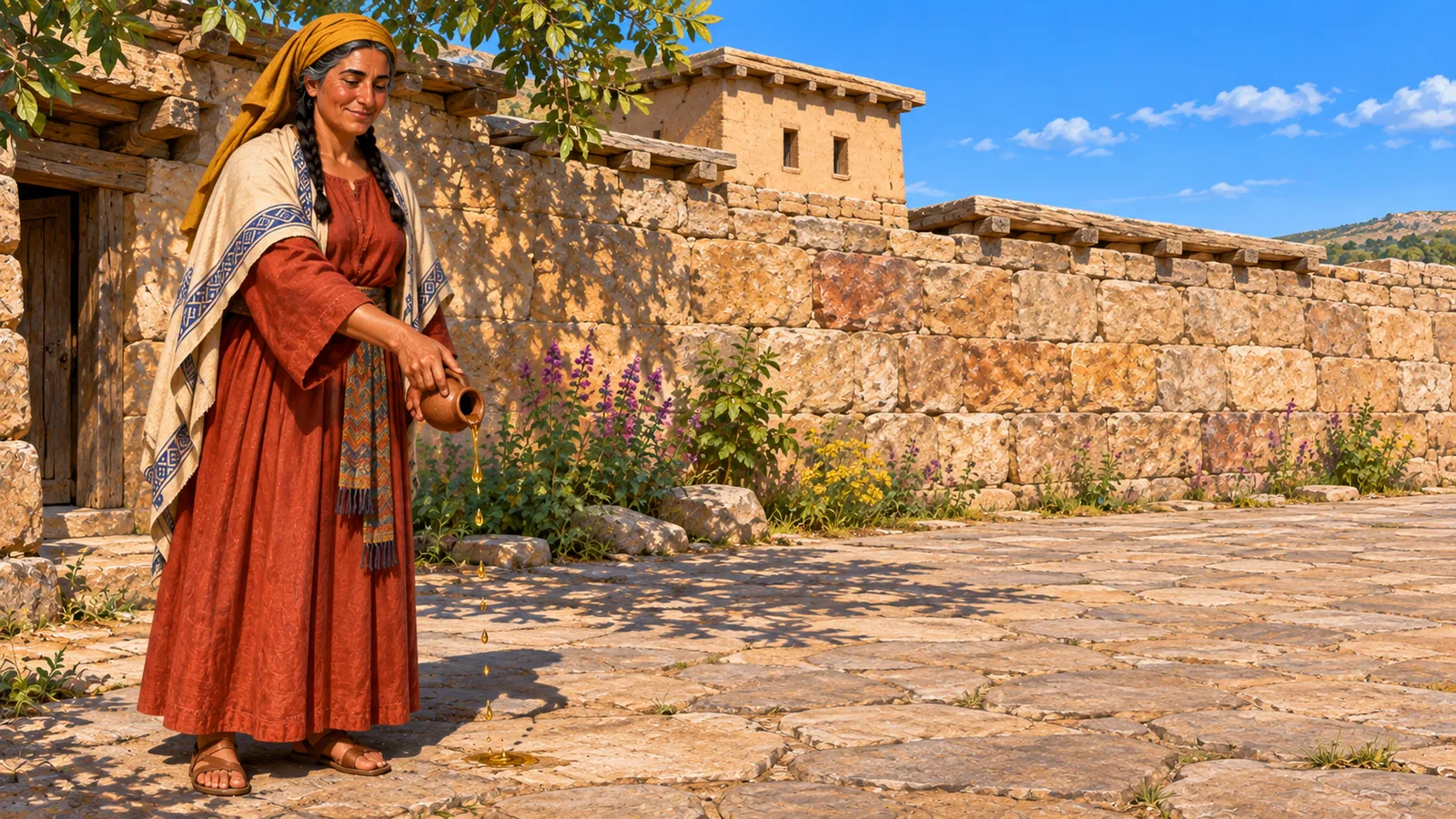
La voix rituelle aspergea d’huile fine les chemins de Telipinu et l’invita à les suivre. D’autres comparaisons demandaient qu’il retrouve le bon ordre, tel un roseau droit et aligné.
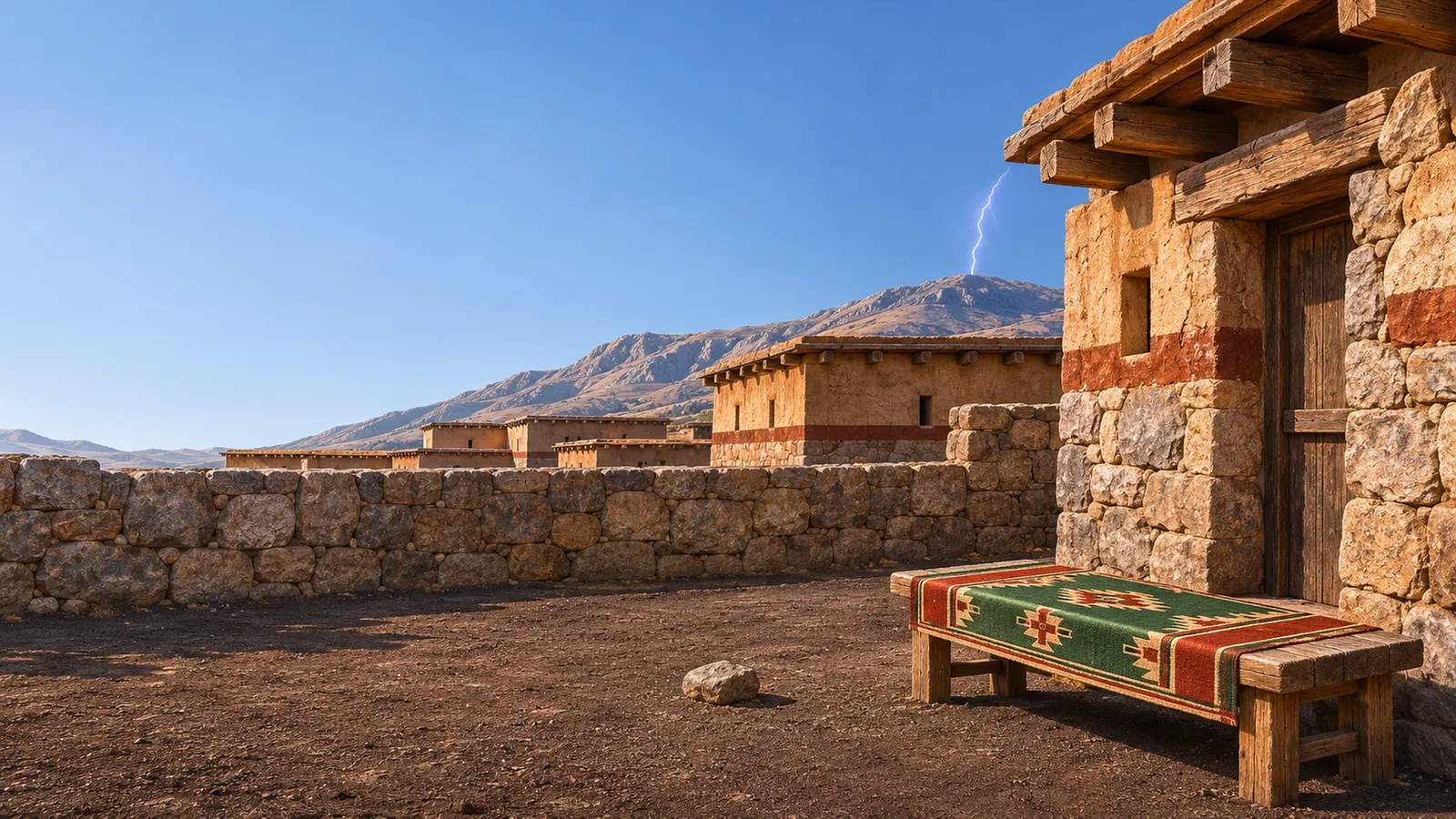
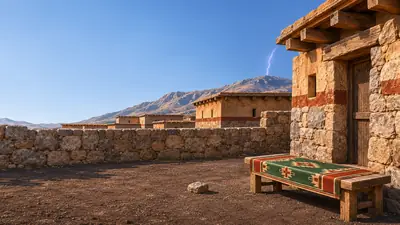
Telipinu arriva en colère, tonnant avec la foudre et frappant la terre sombre. Dans le premier récit, son retour exigeait encore que l’on arrête sa fureur.
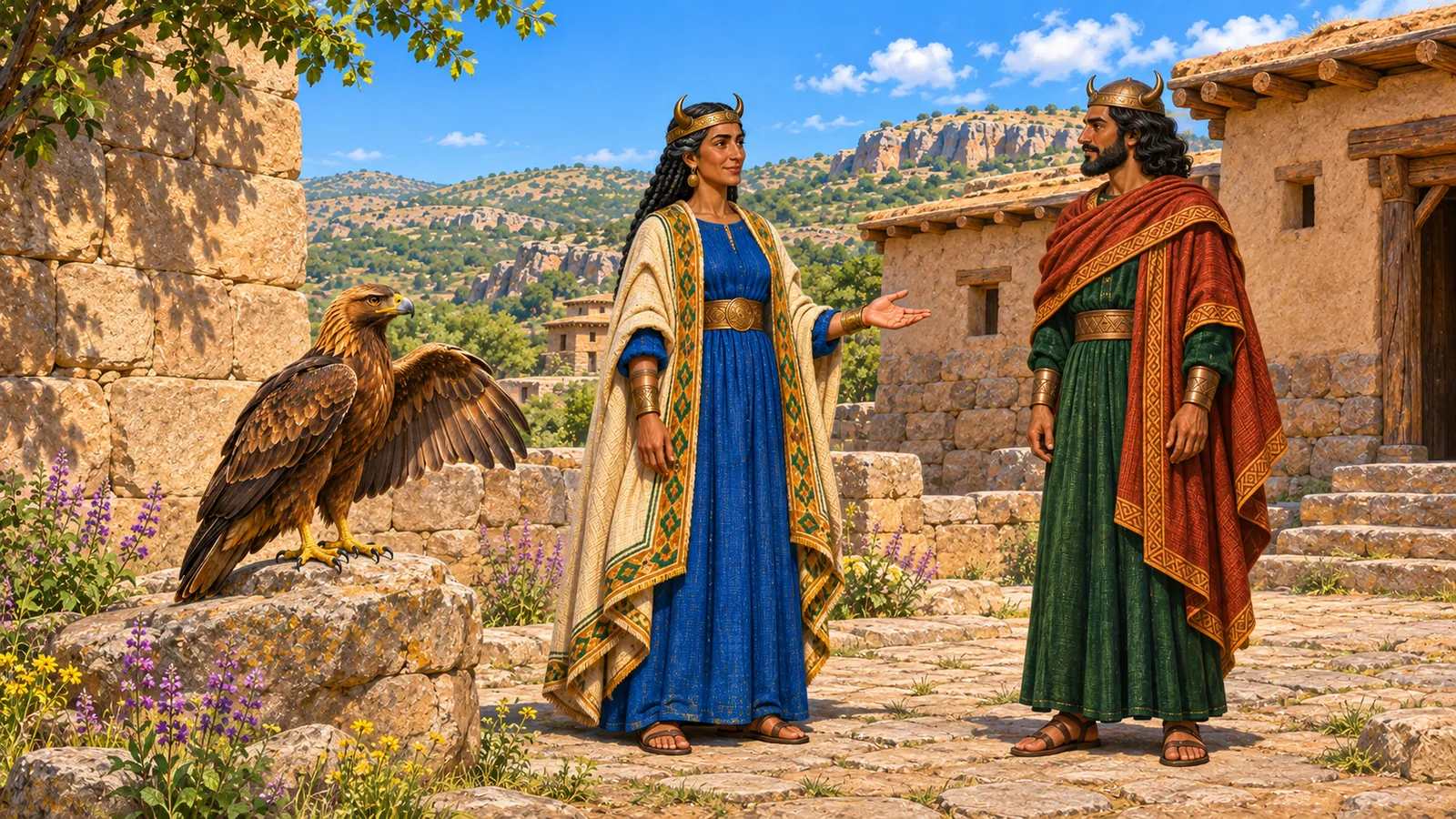
Kamrusepa vit Telipinu et agita une aile d’aigle dans un passage rituel endommagé. Elle arrêta colère, fureur, faute et irritation qui le troublaient.
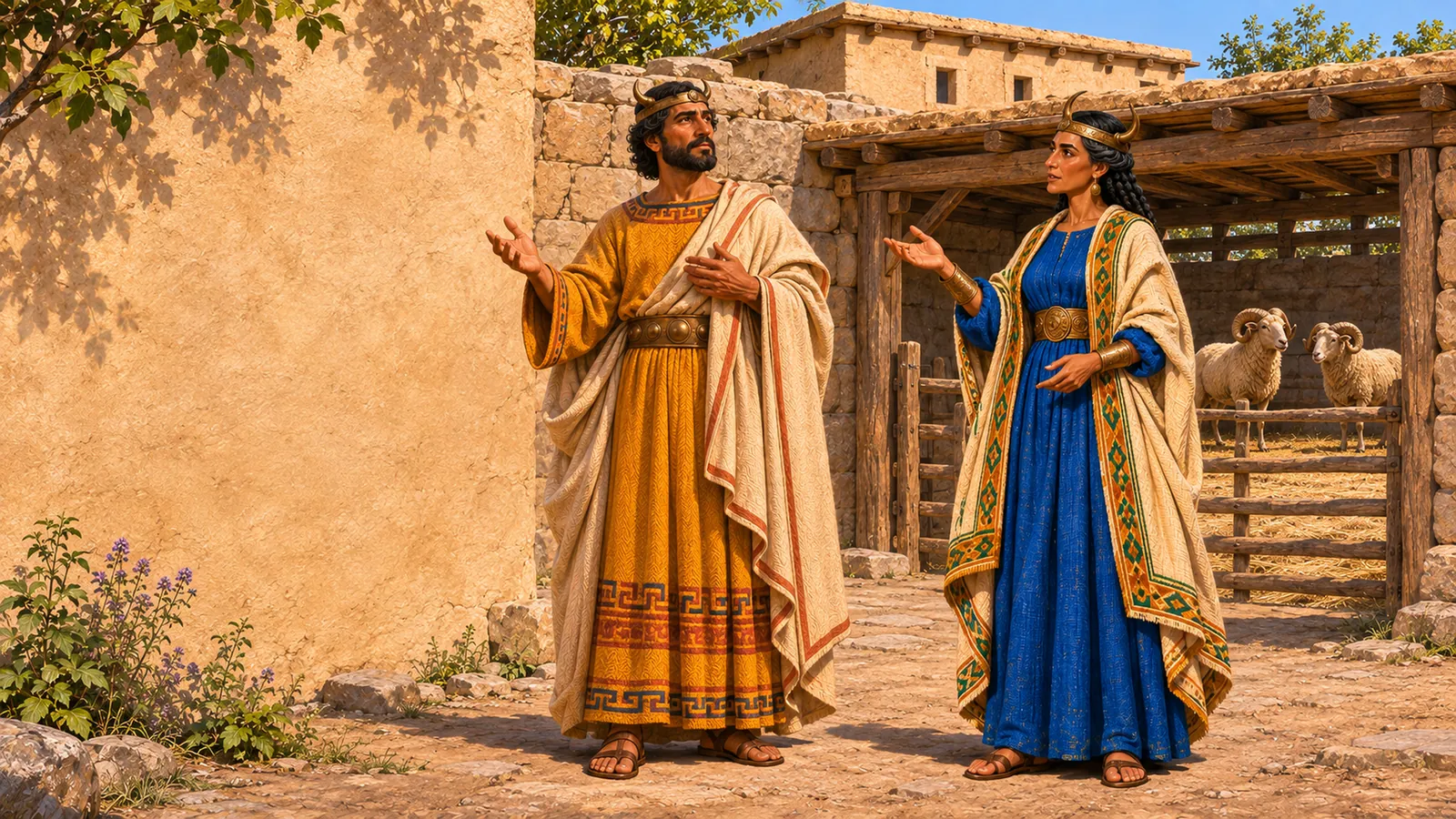
Kamrusepa dirigea les dieux vers les moutons du dieu du Soleil gardés par Hapantali et demanda douze béliers. Selon cette lecture savante, ils devaient être tondus pour traiter les membres de Telipinu.

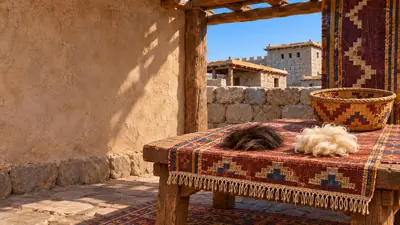
La voix rituelle prit un panier percé de mille trous et y étendit la laine tondue des béliers. Le panier portait le matériau de purification.

La voix rituelle décrivit la combustion du matériau d’un côté de Telipinu, puis de l’autre. Le rituel cherchait à emporter la colère loin de son corps.
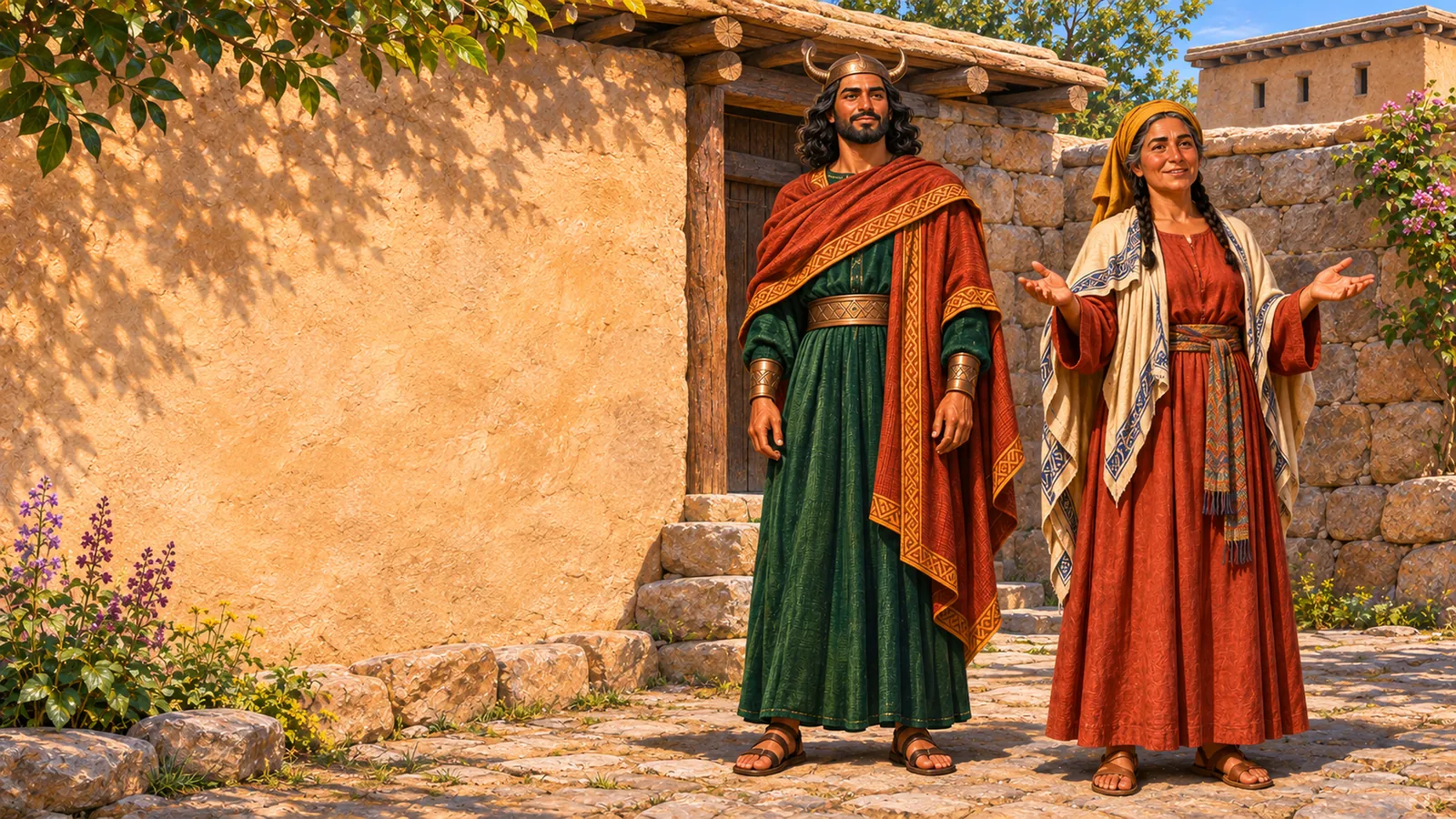
La voix rituelle dit avoir retiré de Telipinu le mal, la faute, la fureur, la colère et l’irritation. Tels étaient les fardeaux que le rituel voulait ôter.

Les paroles comparaient la colère au bois qui brûle et au malt qui sèche. Elles demandaient que la fureur de Telipinu brûle et se dessèche comme ces matériaux.

Comme un feu s’éteint et que l’eau ne remonte pas dans un roseau, la récitation souhaitait que la colère de Telipinu parte sans revenir.
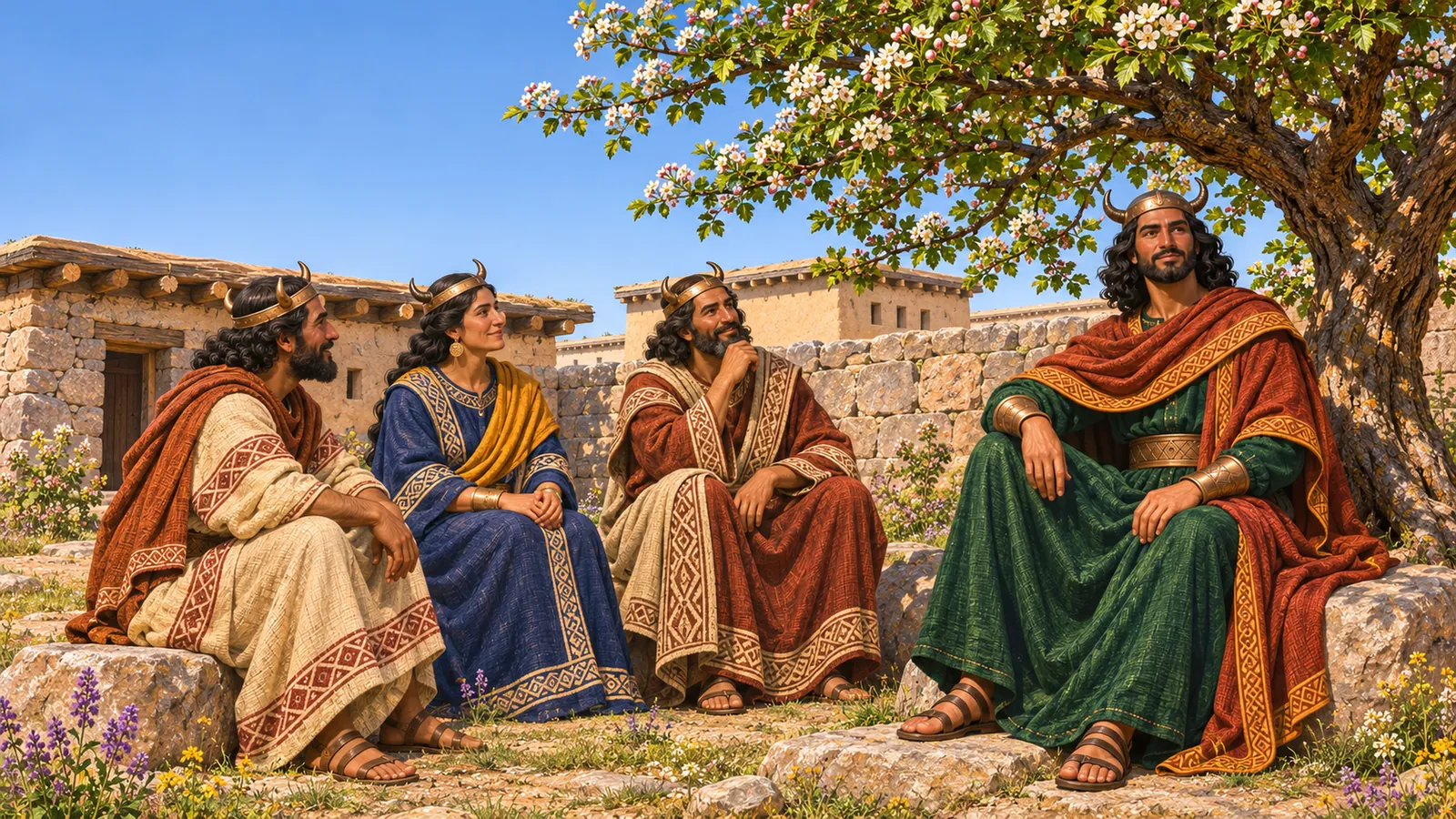
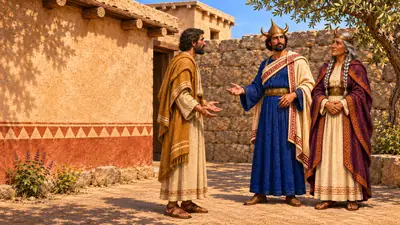
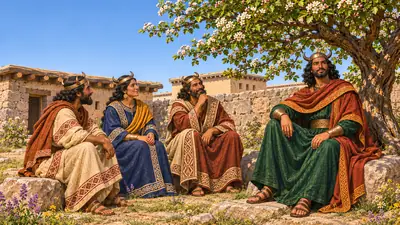
Les dieux siégeaient ensemble sous une aubépine, Telipinu parmi eux. La voix rituelle décrivit sa purification dans une assemblée dont la liste des noms est partiellement restituée.
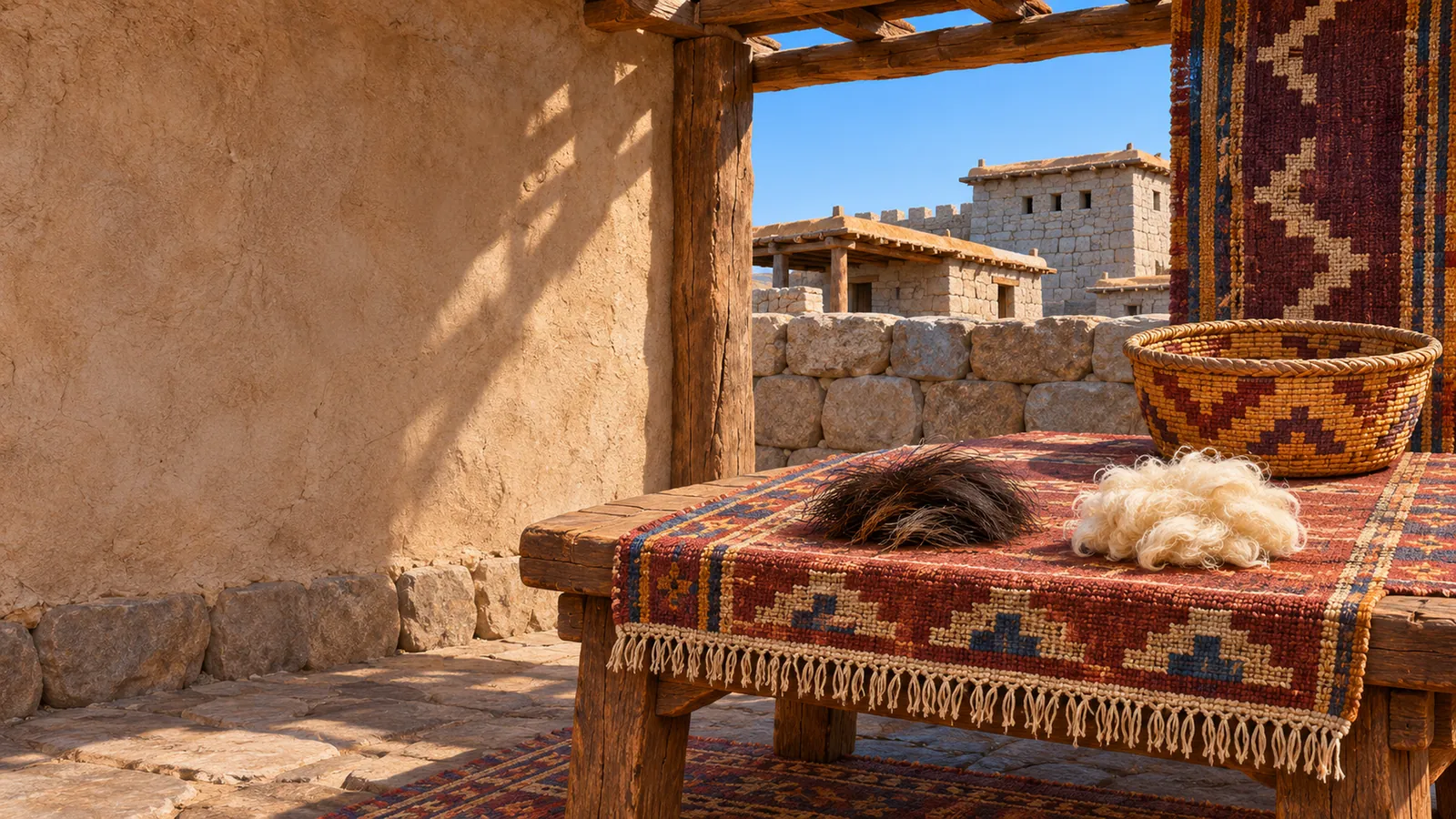
La formule comparait le retrait de la colère à l’arrachage de poils et de laine sur du bétail passant. Elle demandait qu’on retire ainsi la fureur de Telipinu.
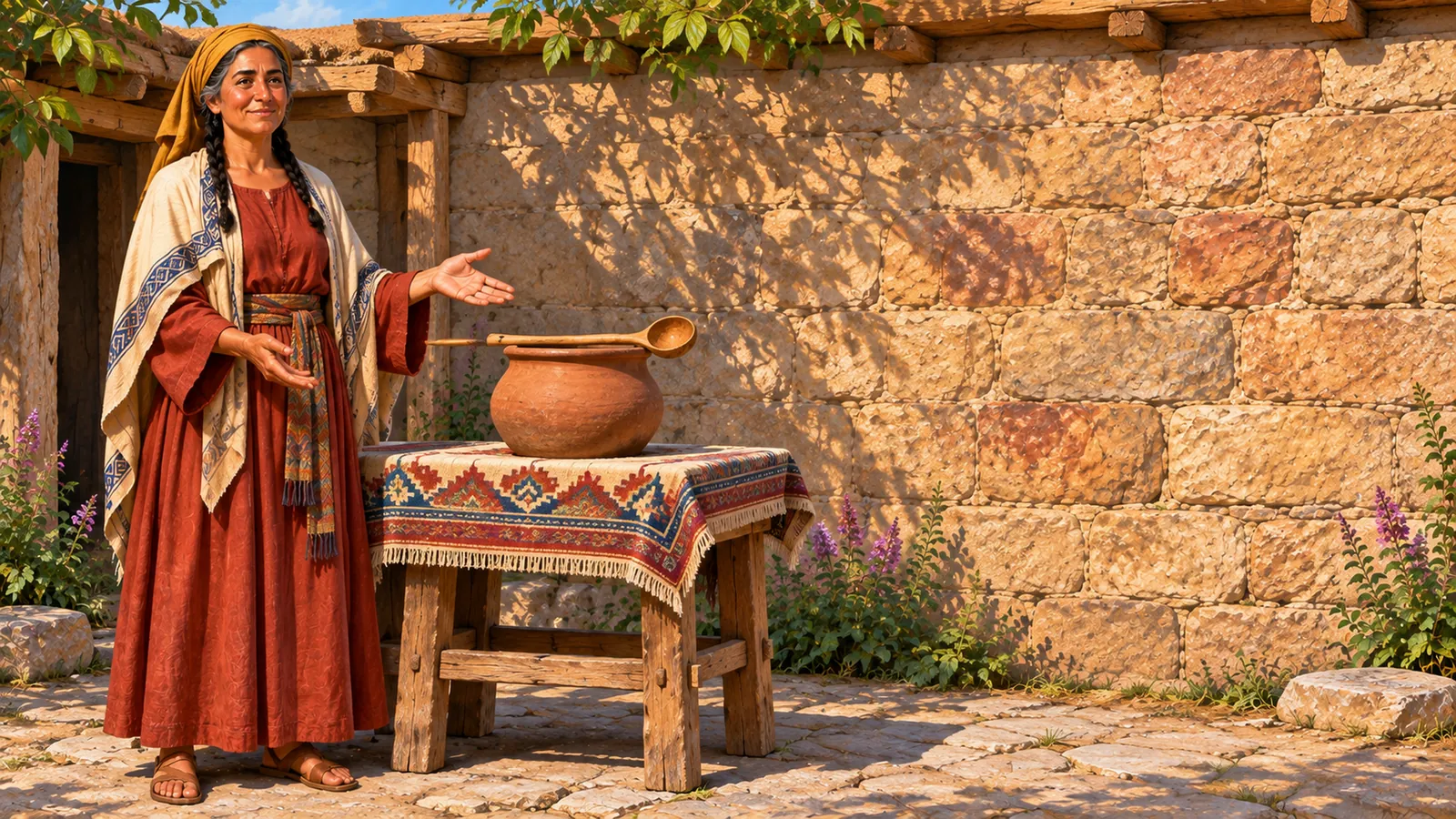
La formule comparait les paroles à un serviteur arrêtant le dieu de l’Orage et à une louche retenant une marmite. Les mots humains devaient retenir ainsi la colère de Telipinu.

La récitation appelait maison, fenêtre, porte et route royale à libérer la colère. Elle devait éviter champ, jardin et forêt et prendre le chemin de la terre sombre.
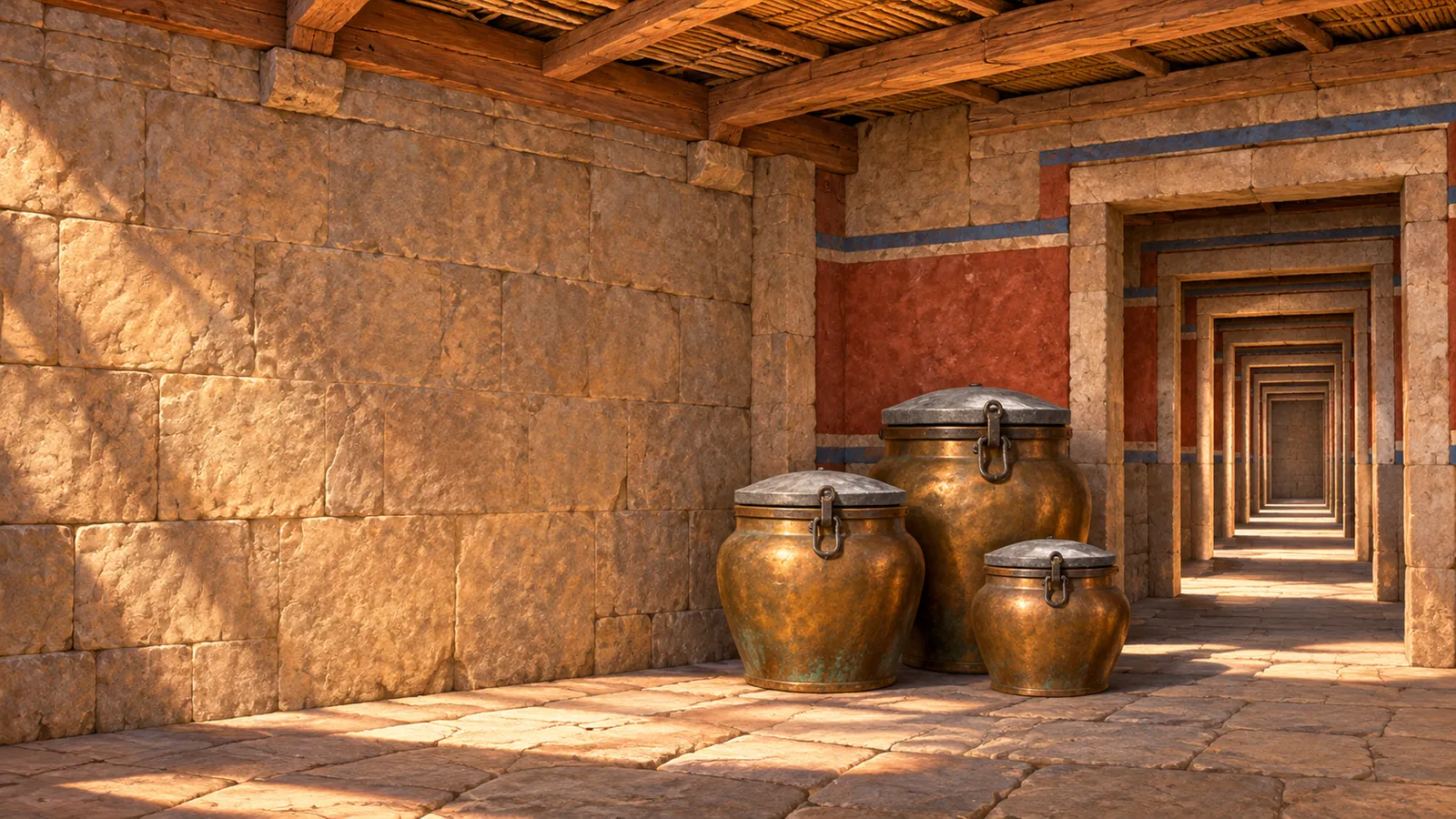
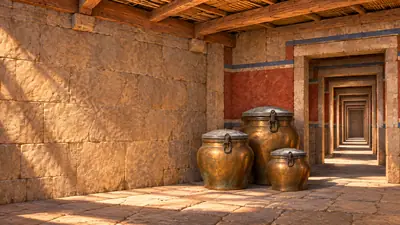
Le chant évoquait un gardien ouvrant sept portes en bas et des récipients de bronze à couvercles de plomb et fermetures de fer. Il souhaitait y enfermer la colère sans retour.
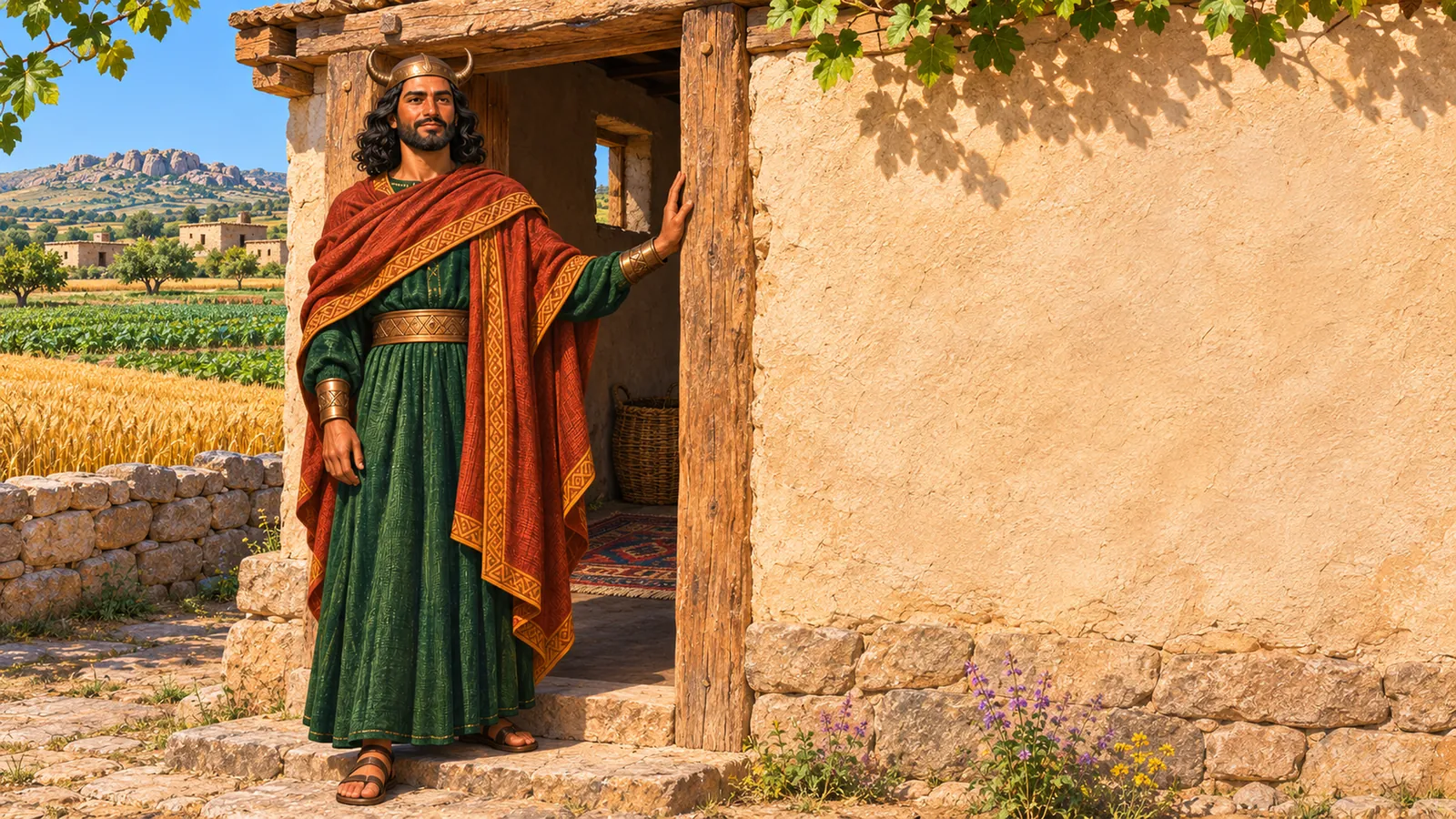
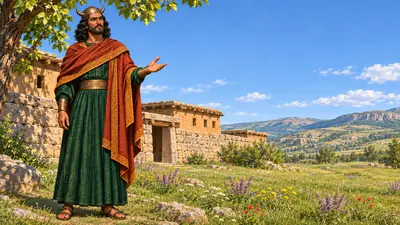
Telipinu revint chez lui et prit soin de son pays. Le premier récit passe désormais des paroles d’apaisement au rétablissement de la vie ordinaire.
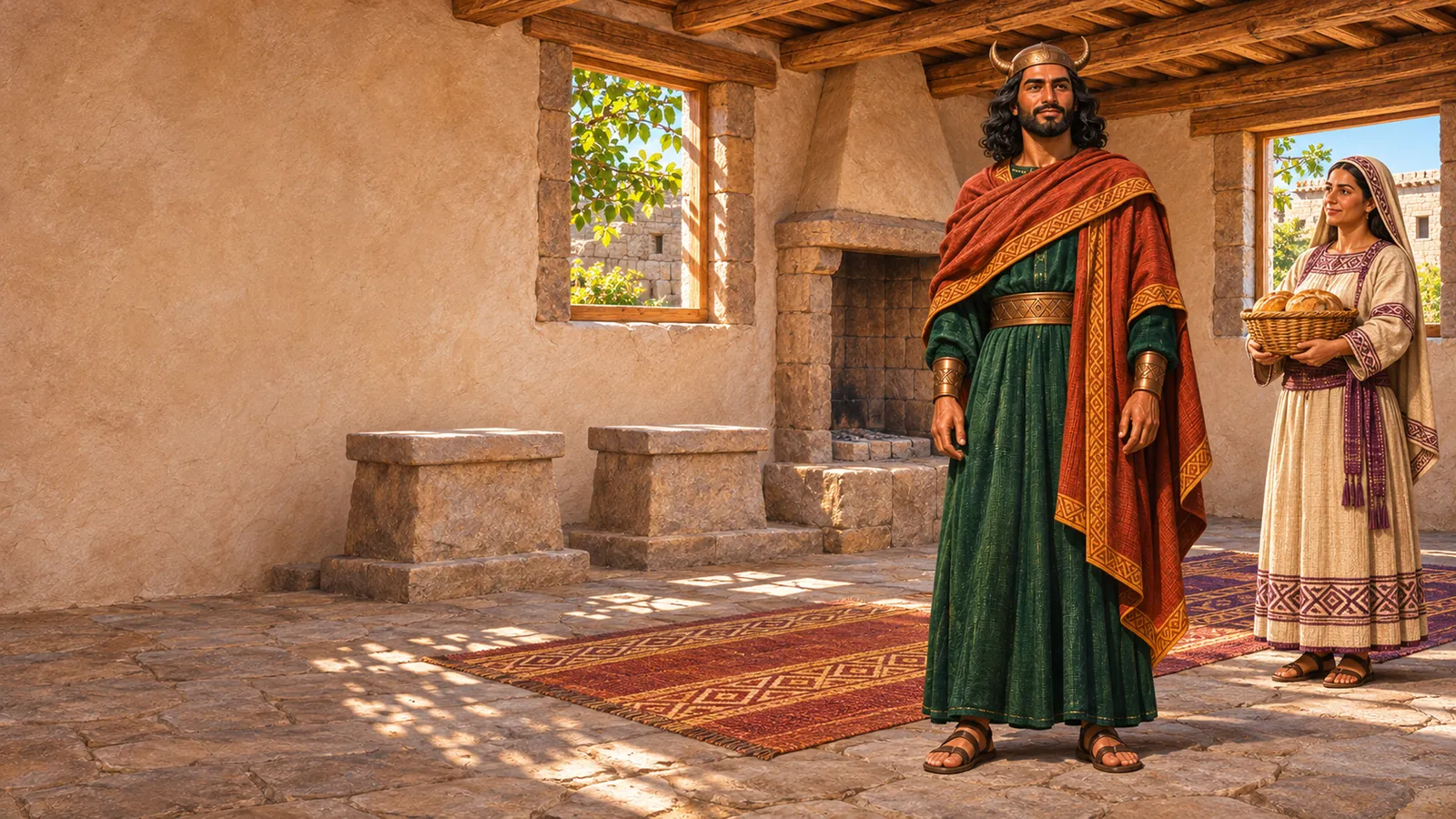
La brume quitta les fenêtres, la fumée la maison, et foyer et autels furent remis en ordre. Le désordre du début cédait la place à l’ordre.
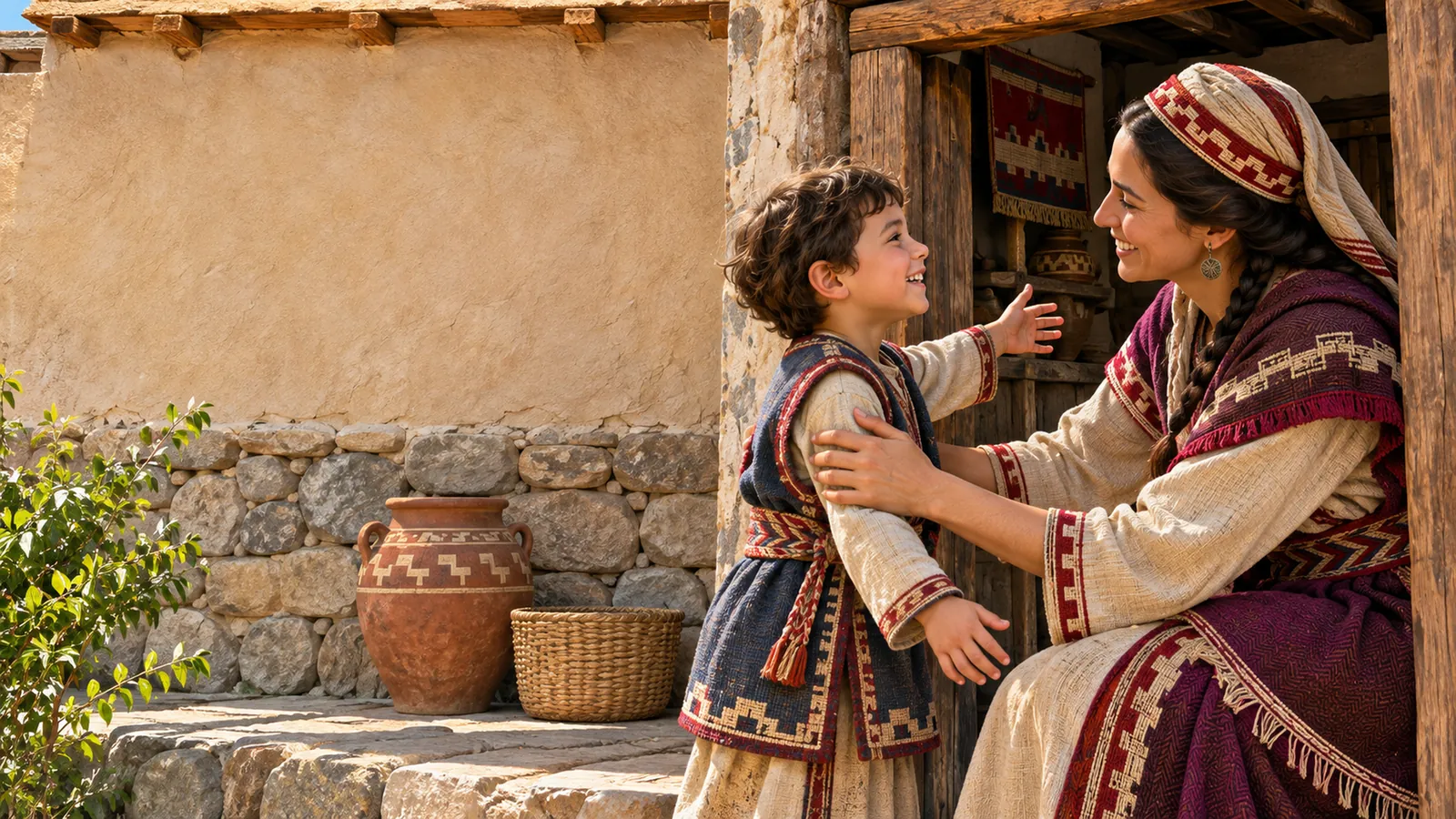
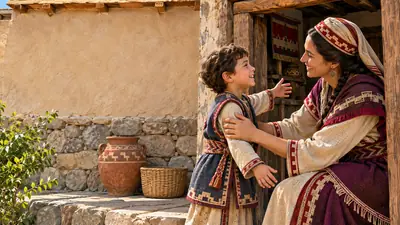
La mère accepta son enfant. Ce lien retrouvé était un signe de la reprise de la vie, avec le retour de Telipinu et l’ordre rétabli dans les maisons.
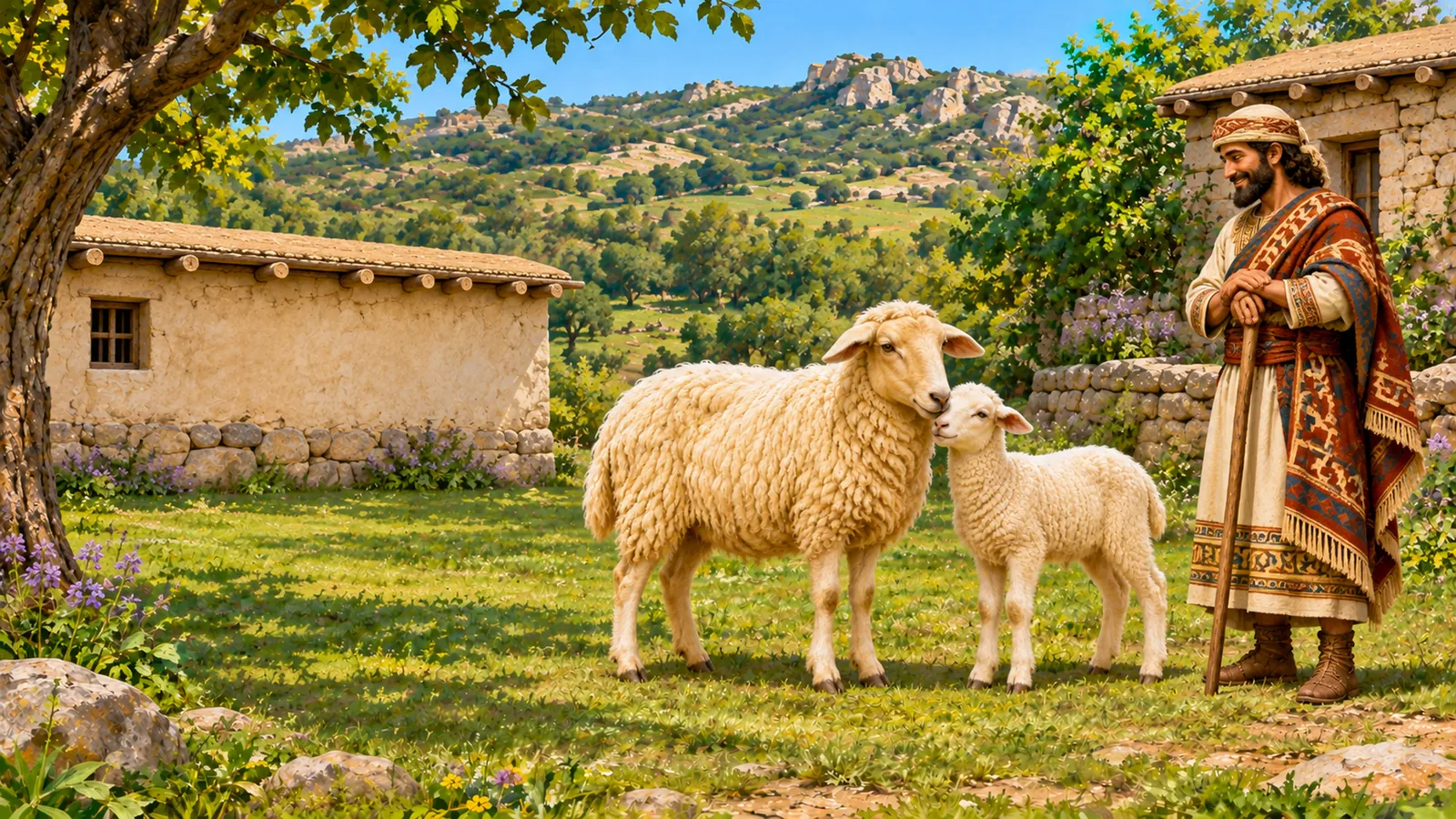
La brebis accepta de nouveau son agneau. Ce qui avait failli au début était rétabli, et le troupeau retrouvait son ordre vivant.
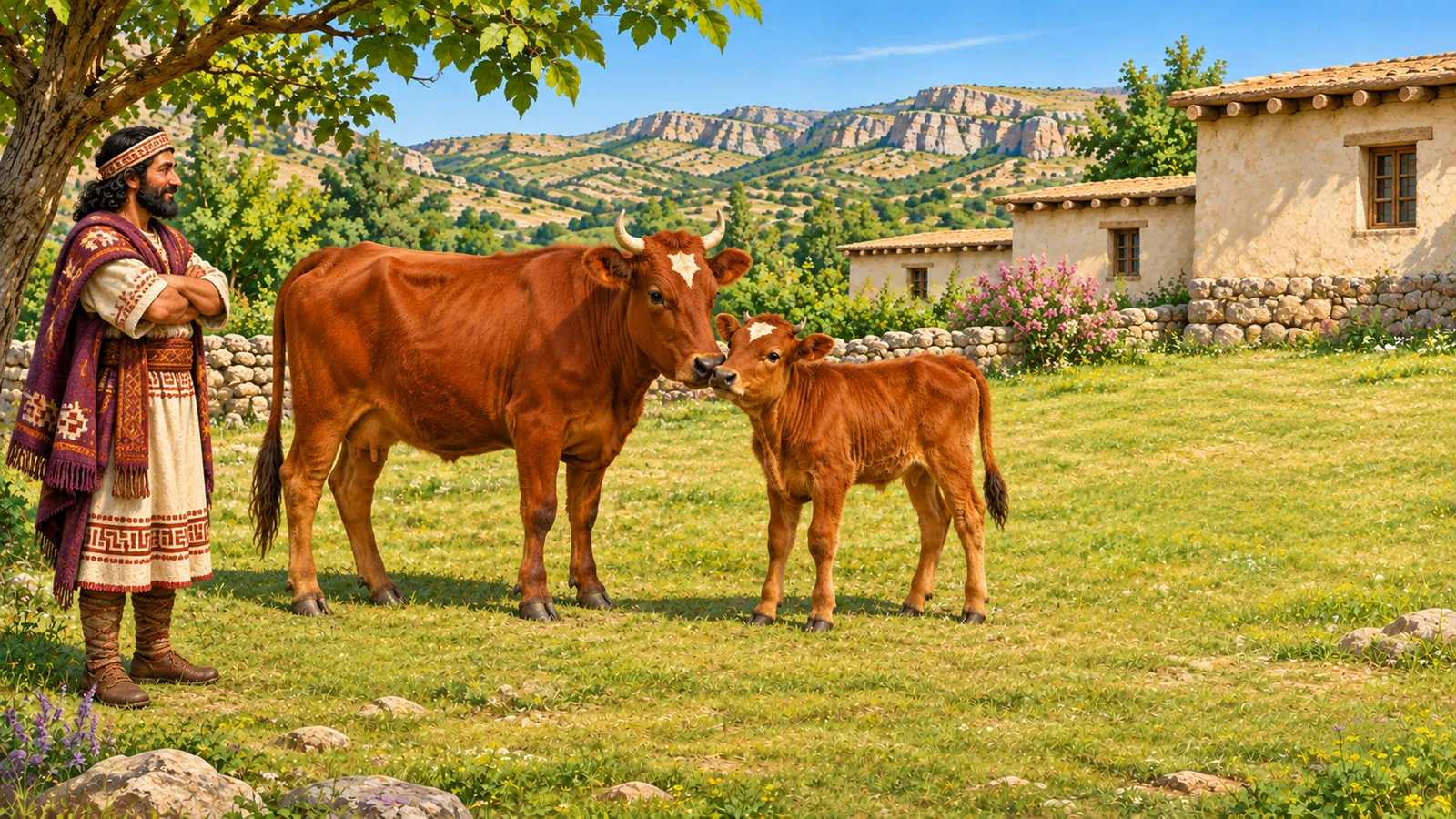
La vache accepta aussi son veau. Le récit répond à son ancienne image de séparation par les liens renouvelés entre les animaux de la maison.
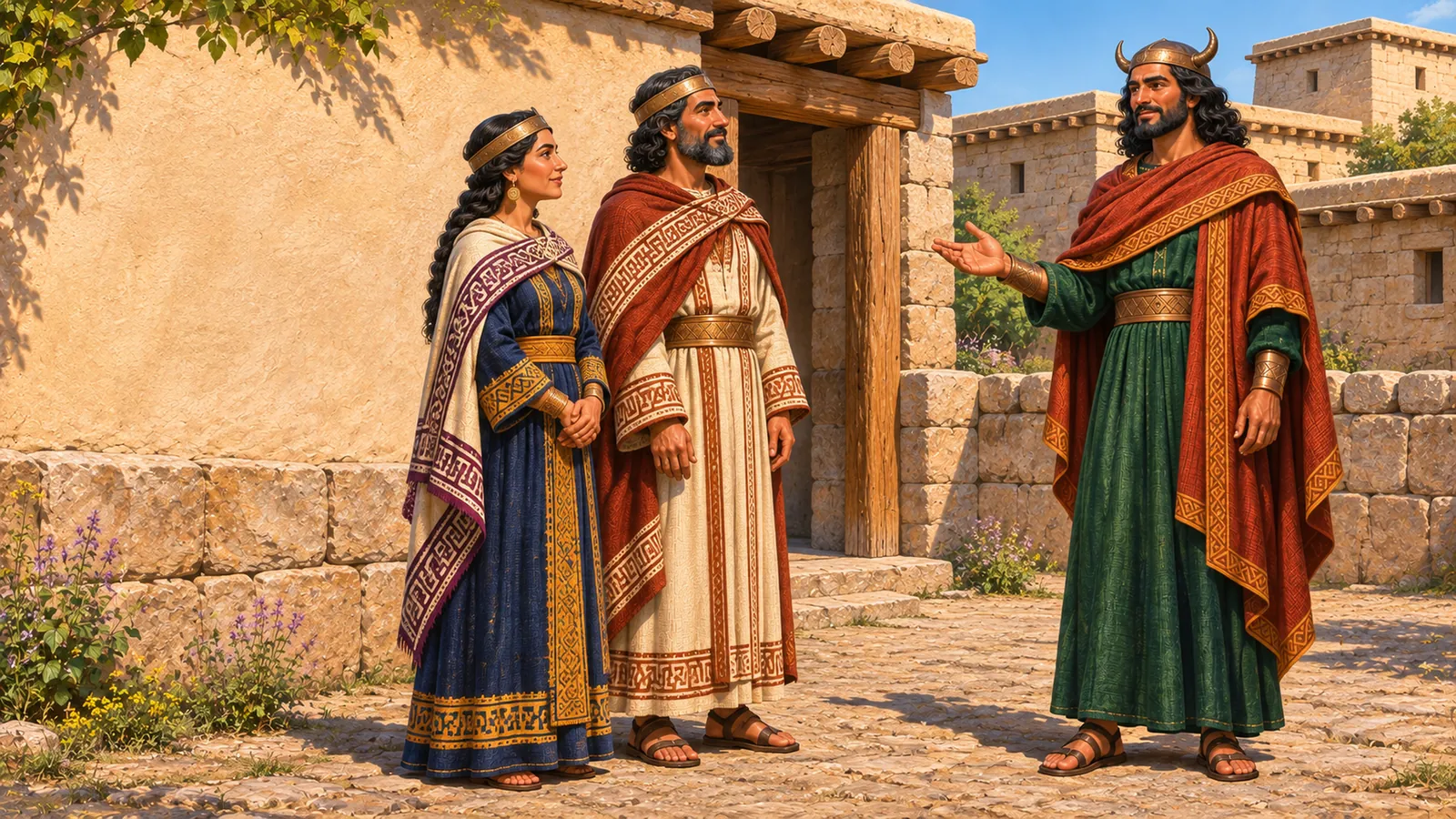
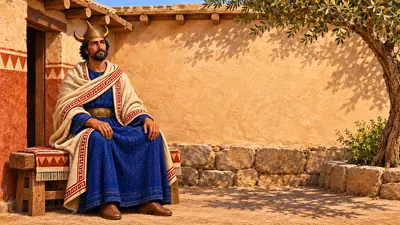
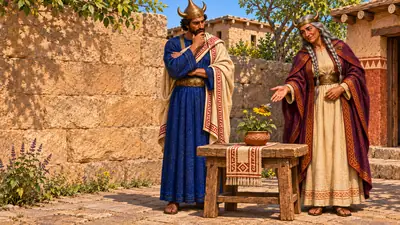
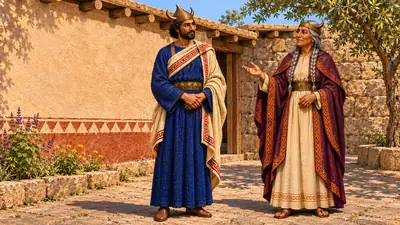
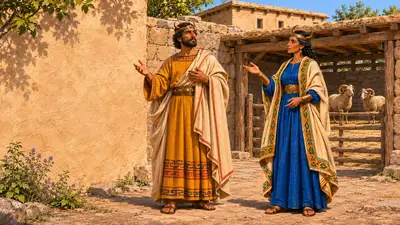
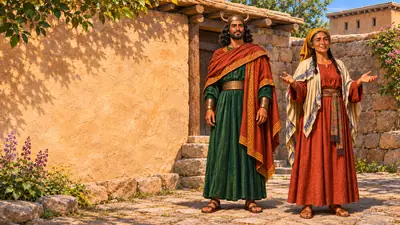
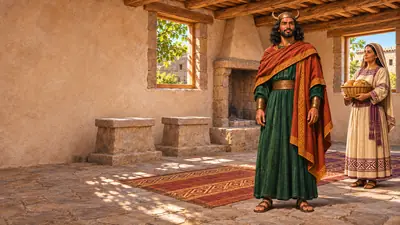
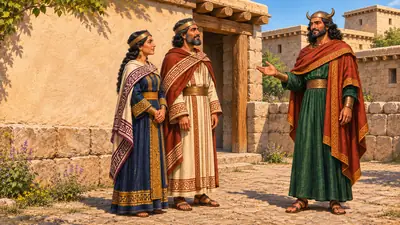
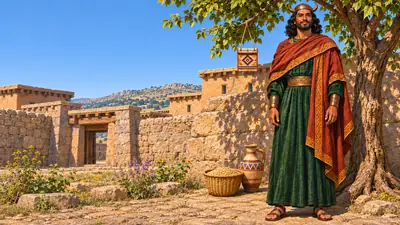
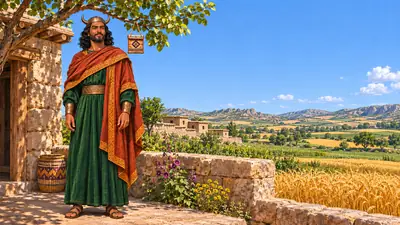
Telipinu reconnut le roi et la reine et leur accorda vie, force et avenir. Son soin du pays embrassait aussi la maison royale.
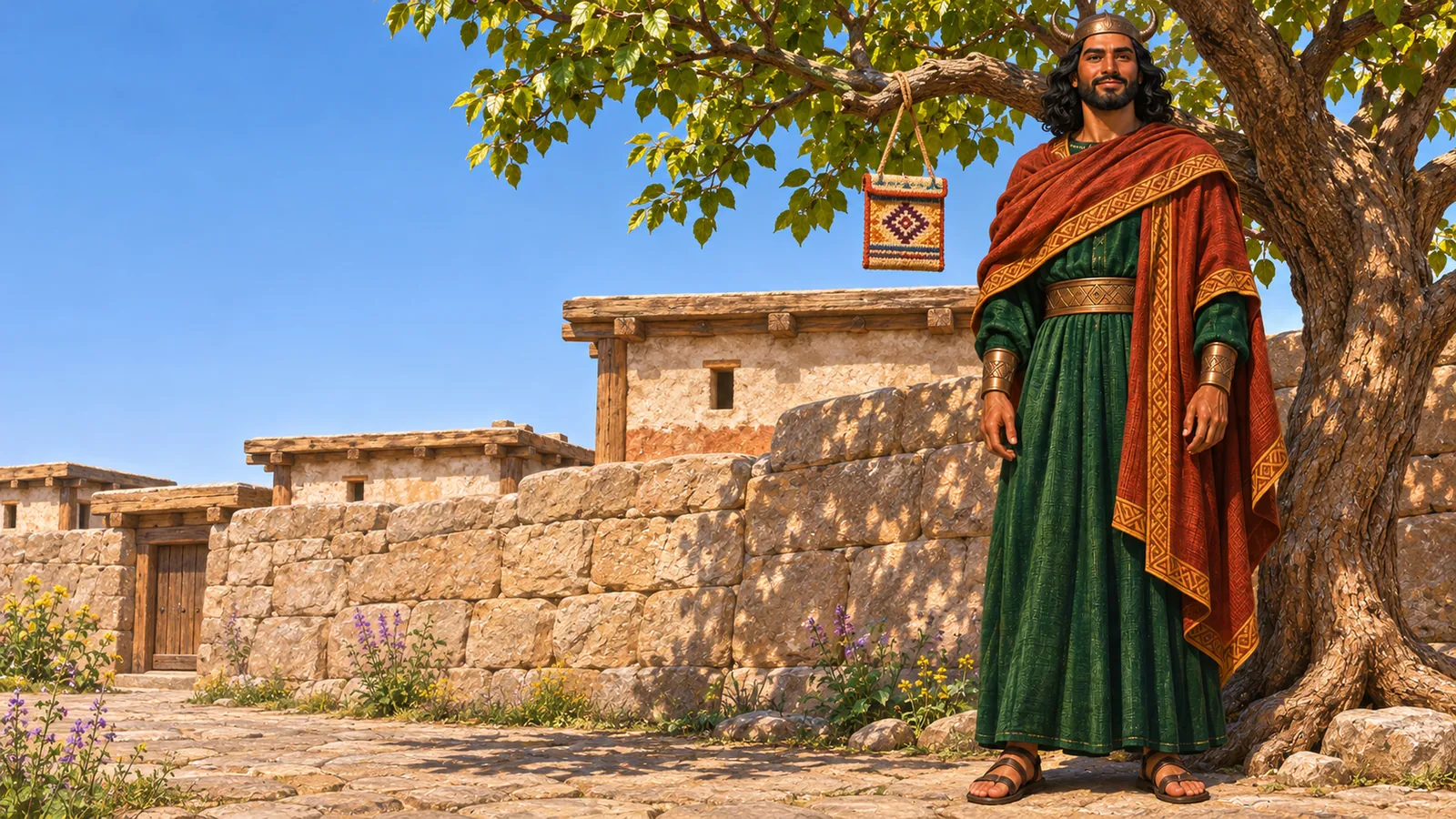
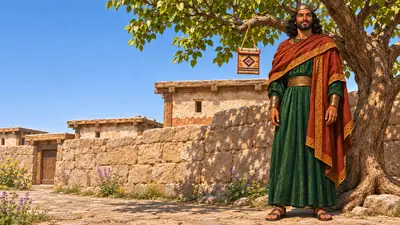
Un arbre eyan se dressait devant Telipinu, portant une toison de mouton suspendue. L’image finale réunissait les formes d’abondance revenues avec le dieu.
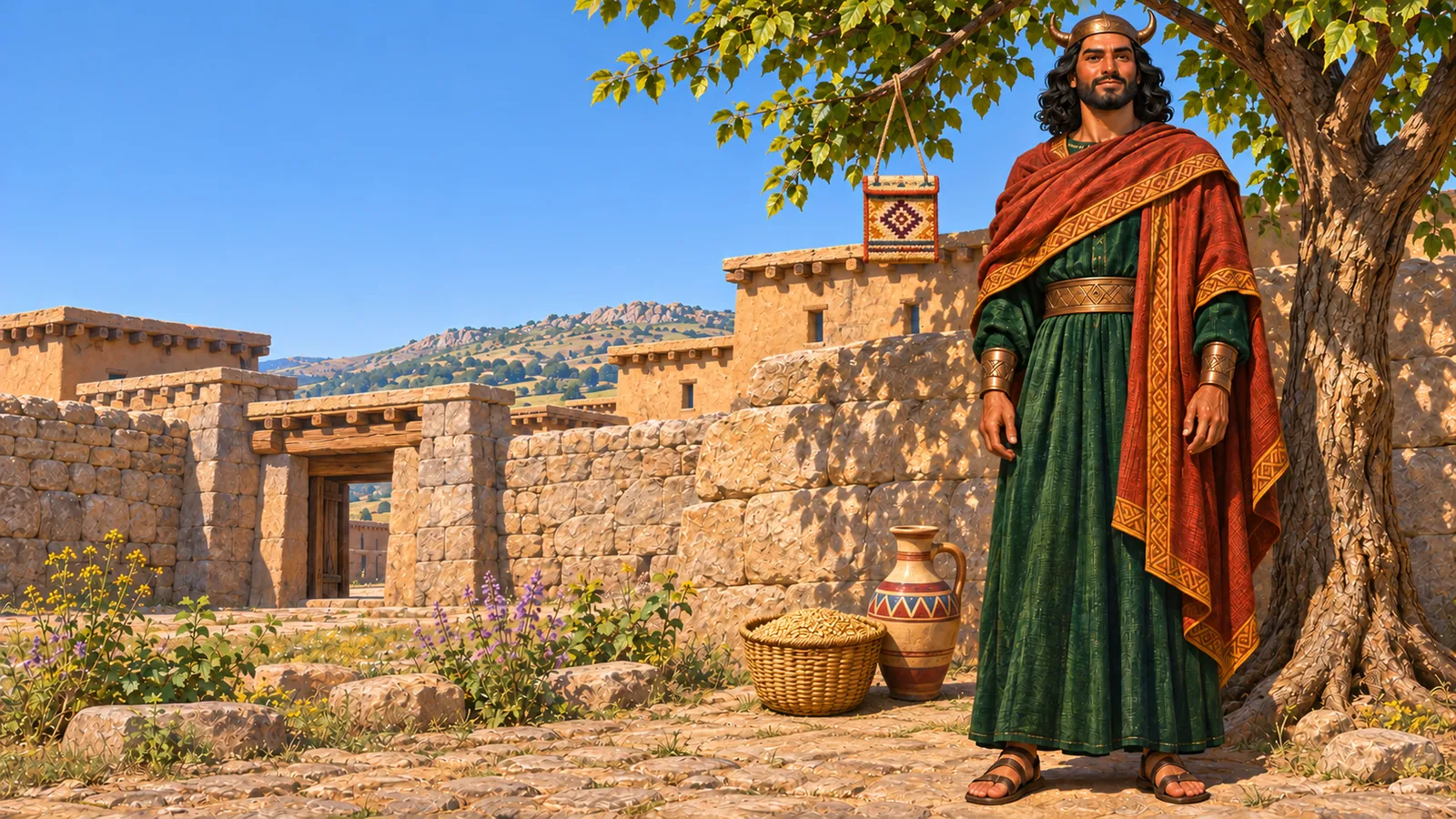
La toison portait les signes du grain, du vin, du bétail, de la longue vie et des descendants, avec bonnes nouvelles et obéissance. Une cuisse droite figure aussi parmi ces dons.
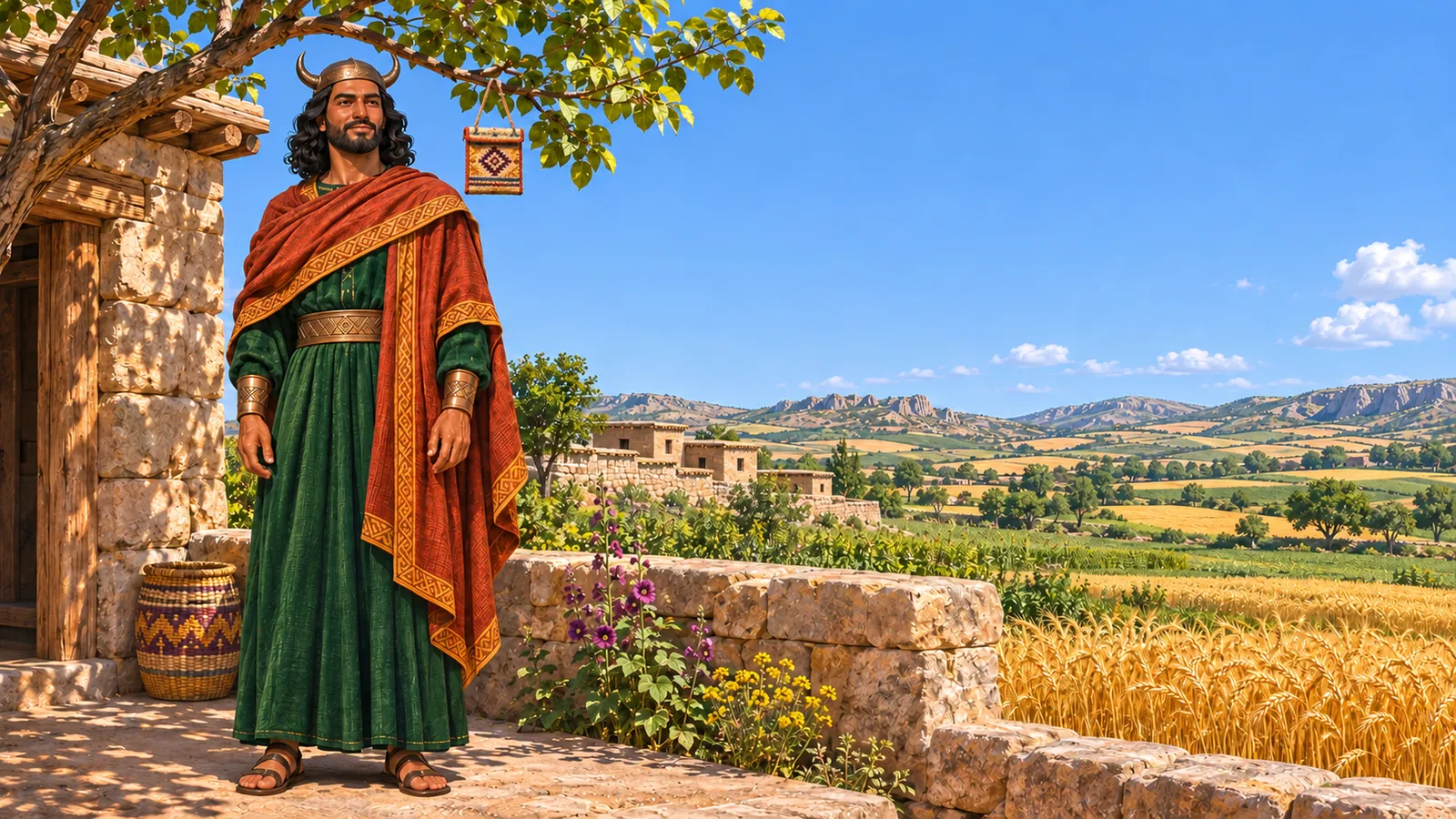
Le premier récit s’achève sur des dons de prospérité devant Telipinu. D’autres fragments conservent des mots et détails rituels différents ; leurs passages perdus restent perdus.
Fin du chapitre 1
Toutes les pages

















Sources
Complete TITUS CTH324.1–324.9 translations, witness lists and all 149 notes read: 644 continuous entries across nine versions and fragment groups. Numbers below refer to translation entries, not physical tablet lines. The first telling, CTH324.1 (principally KUB17.10), supplies the narrative spine and genuine ending; the second and third supply explicitly identified parallel passages. Fragmentary duplicates and prescriptions in IV–IX are discussed without inventing missing events. H. Craig Melchert, “Marginalia to the Myth of Telipinu” (2016), printed 210–220 and bibliography, was read in full from the author-posted PDF. Adopted readings are labelled: crowded or misaligned altars, hearth and livestock rather than literal suffocation; the disputed bee phrase describing shape rather than an actual cutting; twelve rams shorn, wool on a perforated basket and treatment of limbs; and a straight, well-aligned reed. This is an original retelling of ancient subject matter, not a republication of a modern translation.
Éditions consultées
- TITUS, CTH324.1, complete edited German translation and notes
- TITUS, CTH324.2, complete edited German translation and notes
- TITUS, CTH324.3, complete edited German translation and notes
- TITUS, CTH324.4, complete edited German translation and notes
- TITUS, CTH324.5, complete edited German translation and notes
- TITUS, CTH324.6, complete edited German translation and notes
- TITUS, CTH324.7, complete edited German translation and notes
- TITUS, CTH324.8, complete edited German translation and notes
- TITUS, CTH324.9, complete edited German translation and notes
- H. Craig Melchert2016, Marginalia to the Myth of Telipinu,210–220; author-posted full article
- Melchert2016 DOI
- IL Archive, Hittites
- IL Archive, Hattusha
- IL Archive, Anatolia
- IL Archive, cuneiform
- IL Archive, ritual
Les vers antiques de chaque page
- Page 1: CTH324.1, entries1–2. The opening is damaged and does not preserve a certain cause of Telipinu’s anger. The first surviving admonition has several competing translations; no quarrel, insult or punishment has been supplied.
The opening is damaged and does not preserve a certain cause of Telipinu’s anger. The first surviving admonition has several competing translations. - Page 2: CTH324.1, entries3–4. The right and left shoes are exchanged in a partly restored passage. The subject and complete context are damaged; the illustration uses Telipinu as the narrative figure without claiming an excavated shoe or a certain explanation of the gesture.
The right and left shoes are exchanged in a partly restored passage. The subject and complete context are damaged. - Page 3: CTH324.1, entries5–10; Melchert2016,215–219. Older translations describe gods and livestock as stifled. Melchert instead reads the altars, hearth and herds as crowded, twisted or out of alignment, comparing the restoration passage. This retelling follows that interpretation and does not invent deaths by suffocation. Mist and smoke remain part of the ancient description.
Older translations describe gods and livestock as stifled. Melchert instead reads the altars, hearth and herds as crowded, twisted or out of alignment, comparing the restoration passage. - Page 4: CTH324.1, entry11. The ewe’s rejection of her lamb is explicit. Both animals are shown healthy and unharmed; the picture does not add an attack or the death of the lamb.
- Page 5: CTH324.1, entry12. The cow’s rejection of her calf parallels the ewe’s action. No physical assault, injury or death of the calf is stated.
- Page 6: CTH324.1, entries13–14. The edition names grain, fertility, growth, prosperity and satiety, with uncertainty over some terms and the deified concept Immarni. The source describes the household disorder before explaining Telipinu’s departure; the past-perfect narration preserves that presentation.
The edition names grain, fertility, growth, prosperity and satiety, with uncertainty over some terms and the deified concept Immarni. The source describes the household disorder before explaining Telipinu’s departure. - Page 7: CTH324.1, entries15–16. Telipinu hides in, or merges with, a marsh, and the halenzu plant grows over him. The precise plant and geographical location are not securely identified. This passage is not silently equated with the wooded meadow at Lihzina in the third version.
This passage is not silently equated with the wooded meadow at Lihzina in the third version. - Page 8: CTH324.1, entries17 and21–26. Grain and emmer fail, woodland, pastures and springs dry, and shoots cease. The source supplies no modern diagnosis, named season or exact duration.
The source supplies no modern diagnosis, named season or exact duration. - Page 9: CTH324.1, entries18–20. The cessation of conception and birth among humans, cattle and sheep is explicit. No intimate action, pregnancy anatomy or injured mother or child is pictured.
- Page 10: CTH324.1, entries26–27. The text expressly says that humans and gods die of hunger. The narration retains this event; an empty-provisions image represents it without depicting dying bodies.
The text expressly says that humans and gods die of hunger. - Page 11: CTH324.1, entries28–29. The great Sun-god summons one thousand gods. The picture uses a small representative group rather than claiming to reconstruct the entire divine assembly.
- Page 12: CTH324.1, entries30–33. The gods eat without becoming satisfied and drink without quenching thirst. The feast is not described as lacking food, nor does the passage say that everyone dies at the table.
- Page 13: CTH324.1, entries34–37. The Storm-god calls Telipinu his son and says he has taken all good things away in anger. This relationship does not identify Telipinu with the unnamed human son in the separate Illuyanka narrative.
- Page 14: CTH324.1, entry38. Both great and small gods search. The passage does not supply a complete roster or a successful route.
- Page 15: CTH324.1, entries39–42. The eagle is sent to mountains, valleys and waters. Translations of the last expression include quiet waters, blue sea and the Blue Deep; a particular historical sea has not been identified here.
Translations of the last expression include quiet waters, blue sea and the Blue Deep; a particular historical sea has not been identified here. - Page 16: CTH324.1, entries40–44. The eagle’s journey ends in failure. The ordinary eagle is an artistic species choice, not an identification supplied by the tablet.
- Page 17: CTH324.1, entries45–46. The eagle reports that it did not find Telipinu, described as an important or weighty god. That epithet has not been turned into a claim about bodily size.
- Page 18: CTH324.1, entries47–49. The Storm-god fears that they will die of hunger. His words are a fear about what may happen, not another narrated death and resurrection.
His words are a fear about what may happen, not another narrated death and resurrection. - Page 19: CTH324.1, entries50–53. Hannahanna tells the Storm-god to act and search himself, and he goes. No additional refusal or reason for the original disappearance is preserved.
- Page 20: CTH324.1, entries54–57. This retelling follows the edited translation in which the Storm-god cannot open the gate and breaks his hammer and wedge. Other translations understand a hammer breaking the gate’s bolt. The city’s possessive reference and a damaged verb also remain uncertain.
This retelling follows the edited translation in which the Storm-god cannot open the gate and breaks his hammer and wedge. Other translations understand a hammer breaking the gate’s bolt. The city’s possessive reference and a damaged verb also remain uncertain. - Page 21: CTH324.1, entries58–61. The father wraps himself in his garment and sits; Hannahanna’s sending of the bee is partly restored. The passage does not describe the father dying or losing his throne.
The father wraps himself in his garment and sits; Hannahanna’s sending of the bee is partly restored. - Page 22: CTH324.1, entries60–67. The small bee is sent despite the Storm-god’s doubts about its wings and body. No exact modern bee species is named.
- Page 23: CTH324.1, entries62–69;324.2, entries38–47; Melchert2016,210–212. The final mocking phrase is disputed. Melchert proposes a description of the bee as flat-faced or snub-nosed, rather than an action cutting its body or wings. Hannahanna’s reassurance is explicitly drawn from the second version.
The final mocking phrase is disputed. Hannahanna’s reassurance is explicitly drawn from the second version. - Page 24: CTH324.2, entries27–37. These are instructions to sting the hands and feet, wipe with wax, purify, consecrate and bring Telipinu back. They are labelled as the second version, and every commanded action is not assumed to have been carried out in the damaged first or third version.
They are labelled as the second version, and every commanded action is not assumed to have been carried out in the damaged first or third version. - Page 25: CTH324.2, entries48–52. The bee searches mountains, rivers and springs before a gap. The narration does not invent a complete itinerary.
The bee searches mountains, rivers and springs before a gap. - Page 26: CTH324.3, entries11–17. The switch to the third version is explicit. Honey and wax are exhausted, while the finding verb and the location in a wooded meadow at Lihzina are partly restored. This witness is not presented as an intact continuation of the first version.
The switch to the third version is explicit. Honey and wax are exhausted, while the finding verb and the location in a wooded meadow at Lihzina are partly restored. This witness is not presented as an intact continuation of the first version. - Page 27: CTH324.3, entries18–19. The bee actually stings Telipinu’s hands and feet and he rises. This action is retained in narration and represented through unpeopled objects, without a puncture, swelling or injured body.
- Page 28: CTH324.3, entries20–25. Telipinu asks why he was made to rise while asleep and speak while angry. The source does not provide a new motive for his original anger or a subsequent attack on the bee.
The source does not provide a new motive for his original anger or a subsequent attack on the bee. - Page 29: CTH324.3, entries25–33. The third version describes diverted rivers, overthrown cities and houses, and the destruction of humans, cattle and sheep; some connecting verbs and references to riverbanks are damaged. These severe events are stated in one calm sentence and pictured symbolically. They are not all preserved in the first version.
The third version describes diverted rivers, overthrown cities and houses, and the destruction of humans, cattle and sheep; some connecting verbs and references to riverbanks are damaged. They are not all preserved in the first version. - Page 30: CTH324.3, entries34–41. The distressed gods ask what to do and call for human help. The damaged exchange supplies neither a complete answer nor a named human helper’s biography.
The damaged exchange supplies neither a complete answer nor a named human helper’s biography. - Page 31: CTH324.3, entries41–55, with parallels in324.7, entries14–29. The passage mentions Ammuna, a stinger or possibly a tool, an eagle, burning and removal of anger. The object of burning is incomplete; the edited note takes a pronoun as referring to the stinger. No burning of Telipinu, the bee, the eagle or a person has been invented.
- Page 32: CTH324.1, entries71–82. The return to the first version is explicit. Damaged lines mention crushed malt and a brewing ingredient often rendered beer bread, followed by an uncertain cutting at a gate. Neither its object nor a complete action is recoverable, so no new mutilation is supplied.
The return to the first version is explicit. Damaged lines mention crushed malt and a brewing ingredient often rendered beer bread, followed by an uncertain cutting at a gate. - Page 33: CTH324.1, entries83–88. Galaktar, parhuena, samamma and their botanical or material identities are disputed. The unnamed ritual voice asks for calm. Its depiction as an adult human woman is an artistic choice; the text does not name that individual.
The text does not name that individual. - Page 34: CTH324.1, entries89–91. A fig’s sweetness forms a wish that Telipinu’s spirit become sweet. The passage does not describe forced feeding or a proven instant cure.
- Page 35: CTH324.1, entries92–94. Oil within an olive and wine within a raisin are the ancient analogy for keeping the king in goodwill. This is the wording of a ritual comparison, not a modern botanical claim or the identification of a historical king.
This is the wording of a ritual comparison, not a modern botanical claim or the identification of a historical king. - Page 36: CTH324.2, entries69–82. This parallel passage compares pure emmer and united brewing ingredients with the desired state of the god. It says beer makes angry or worried people drunk and wishes a similar effect for Telipinu; it does not narrate the god actually becoming drunk.
- Page 37: CTH324.1, entries95–104. Oil-plant, malt, emmer, honey and clarified butter supply comparisons for purity, sweetness, softness and receptiveness to human words. Botanical identities are uncertain, and the comparisons remain wishes rather than additional completed events.
Oil-plant, malt, emmer, honey and clarified butter supply comparisons for purity, sweetness, softness and receptiveness to human words. Botanical identities are uncertain, and the comparisons remain wishes rather than additional completed events. - Page 38: CTH324.1, entries105–109; Melchert2016,218–219. The speaker declares the paths sprinkled and calls Telipinu to walk. Melchert understands the reed comparison as straight and well-aligned. The woods are interpreted differently in324.7, where they form a bed; the versions are not silently combined.
The woods are interpreted differently in324.7, where they form a bed; the versions are not silently combined. - Page 39: CTH324.1, entries110–112. The first version explicitly has Telipinu arrive in wrath, thunder with lightning and strike the dark earth. This is distinct from the earlier, labelled third-version destruction. The picture represents the harsh action without impact or bodily injury.
The first version explicitly has Telipinu arrive in wrath, thunder with lightning and strike the dark earth. This is distinct from the earlier, labelled third-version destruction. - Page 40: CTH324.1, entries113–119. Kamrusepa sees Telipinu, moves an eagle’s wing in a damaged clause and halts wrath, anger, wrongdoing and irritation. The illustration does not require a severed wing, an injured bird or a winged human goddess.
Kamrusepa sees Telipinu, moves an eagle’s wing in a damaged clause and halts wrath, anger, wrongdoing and irritation. - Page 41: CTH324.1, entries120–124; Melchert2016,212–214. The passage names the Sun-god’s flock, Hapantali and twelve rams. Melchert reads shearing the rams and treating Telipinu’s limbs; the older edition reads selecting rams and has a disputed object of treatment. The chosen reading is signalled in narration. No slaughter or castration is added.
The passage names the Sun-god’s flock, Hapantali and twelve rams. Melchert reads shearing the rams and treating Telipinu’s limbs; the older edition reads selecting rams and has a disputed object of treatment. - Page 42: CTH324.1, entries125–126; Melchert2016,212–214. A basket with one thousand eyes is understood as a perforated basket or sieve. Melchert interprets its contents as wool shearings, against the older grain reading. The eyes are holes, not body parts; the image does not claim an exact count of visible holes.
Melchert interprets its contents as wool shearings, against the older grain reading. - Page 43: CTH324.1, entries127–134; Melchert2016,214. The first-person ritual description burns material and moves it away on both sides of Telipinu. In Melchert’s interpretation this is wool fumigation. The material is burned, not the body of a god, human or animal.
- Page 44: CTH324.1, entries129–138 and160–166. The ritual voice declares the removal of evil, wrongdoing, wrath, anger and irritation. References elsewhere in the list to a harmful tongue and footsole can concern speech and conduct; they are not treated as the cutting away of body parts.
- Page 45: CTH324.1, entries135–148. Kindling, dry malt and a dying fire are comparisons in wishes that anger burn, wither and go out. The passage does not describe Telipinu’s body burning or another actual destruction of towns.
- Page 46: CTH324.1, entries147–153. The extinguished fire and water not returning through a reed express the wish that anger never return. They do not establish a new physical barrier or a modern rule about water.
- Page 47: CTH324.1, entries154–166. The hawthorn assembly lists partly restored Papaya, Ishtushtaya, fate and mother deities, the grain deity, a prosperity spirit, Telipinu, a protective deity and Hapantali, with gaps. Any pictured companions are representatives, not a reconstruction of the full roster. The rite’s long-life substitutes are also uncertain.
The hawthorn assembly lists partly restored Papaya, Ishtushtaya, fate and mother deities, the grain deity, a prosperity spirit, Telipinu, a protective deity and Hapantali, with gaps. The rite’s long-life substitutes are also uncertain. - Page 48: CTH324.1, entries172–175;324.9, entries1–3. The preceding cattle-forelock clause is restored from parallels, followed by pulling a sheep’s fleece. The narration summarises the physical details as hair and fleece from passing livestock and retains the analogy: anger should be drawn away similarly. No animal is shown being plucked or injured.
The preceding cattle-forelock clause is restored from parallels, followed by pulling a sheep’s fleece. - Page 49: CTH324.1, entries176–180. An attendant checking the Storm-god and a ladle restraining a pot are comparisons for the power requested of human words. They are not made into another battle, the god’s physical imprisonment or a magically animate pot.
An attendant checking the Storm-god and a ladle restraining a pot are comparisons for the power requested of human words. - Page 50: CTH324.1, entries181–190. House, inner structure, window, courtyard, gate, gateway and royal road are asked to release anger. It must avoid productive land and take the road of the Sun-goddess of the Earth. These are invocations; anger and the goddess are not given invented bodily forms.
- Page 51: CTH324.1, entries191–200; compare324.2,93–98 and324.7,42–49. The first version invokes seven doors and bolts, bronze vessels, lead lids and iron fastenings. The parallel versions have iron vessels. The chant wishes anger shut away without return; it does not state that a person or god was buried in a jar.
The first version invokes seven doors and bolts, bronze vessels, lead lids and iron fastenings. The parallel versions have iron vessels. - Page 52: CTH324.1, entries201–202. Telipinu’s actual return home and care for the land belong to the first version’s surviving ending. They are not a happy conclusion invented to replace a missing outcome.
Telipinu’s actual return home and care for the land belong to the first version’s surviving ending. - Page 53: CTH324.1, entries203–208; Melchert2016,215–219. Mist and smoke depart and the hearth, altars and herds return to order. The older translation’s compressed verbs and altar reading are disputed. Restored order does not erase the earlier statement of famine deaths.
The older translation’s compressed verbs and altar reading are disputed. Restored order does not erase the earlier statement of famine deaths. - Page 54: CTH324.1, entry209. The human mother accepts or acknowledges her child. No prior death, resurrection or specific family biography is supplied.
- Page 55: CTH324.1, entry210. The ewe accepts her lamb, reversing the opening refusal. The animals remain the same healthy artistic pair; no resurrection or forced contact is added.
- Page 56: CTH324.1, entry211. The cow accepts her calf, reversing the other opening refusal. The passage does not narrate a new birth or an animal’s resurrection.
- Page 57: CTH324.1, entries212–214. Telipinu recognises king and queen and provides life, strength and a future. The royal figures are unnamed in the passage, so no historical identities or dates are assigned.
- Page 58: CTH324.1, entries215–216. An eyan tree or pole stands before Telipinu and holds a sheep’s fleece, often discussed as a kursha. The species and exact object are uncertain. The illustration uses a flat, closed wool-covered pouch and does not add an animal’s head, limbs or an actual slaughter.
The species and exact object are uncertain. - Page 59: CTH324.1, entries217–225. The contents include fat, grain, a deified fertility term, wine, cattle and sheep, long years, descendants, a gentle lamb-message or bleating, approval, obedience and a right thigh, followed by growth and satiety. The right thigh is named calmly and is not pictured. The symbolic list does not imply live animals or human bodies physically inside the pouch.
- Page 60: CTH324.1,214–225; compare324.4–324.9. The first version genuinely closes with prosperity. Other fragments preserve food and drink requests, uncertain plants, three goat skins, a disputed nine-arrows or drinking-tube passage, a hunting verb, a palace reference and parallel fleece imagery. Their damaged contexts do not yield a complete extra hunt, battle or ending; these fragmentary ritual details are recorded here without manufacturing new episodes.
The first version genuinely closes with prosperity. These fragmentary ritual details are recorded here without manufacturing new episodes.
Illustrations réalisées par IL Archive avec des outils d’IA ; le texte s’appuie sur les sources antiques (voir les sources à la fin de chaque chapitre).