Entity
ʿEved: Service and Subordination in Ancient Hebrew
A reference page linking a name, group, or concept to the materials that discuss it.
A Hebrew word whose status depends on each rule’s kinship, ownership and duration; not one modern legal category.
Text
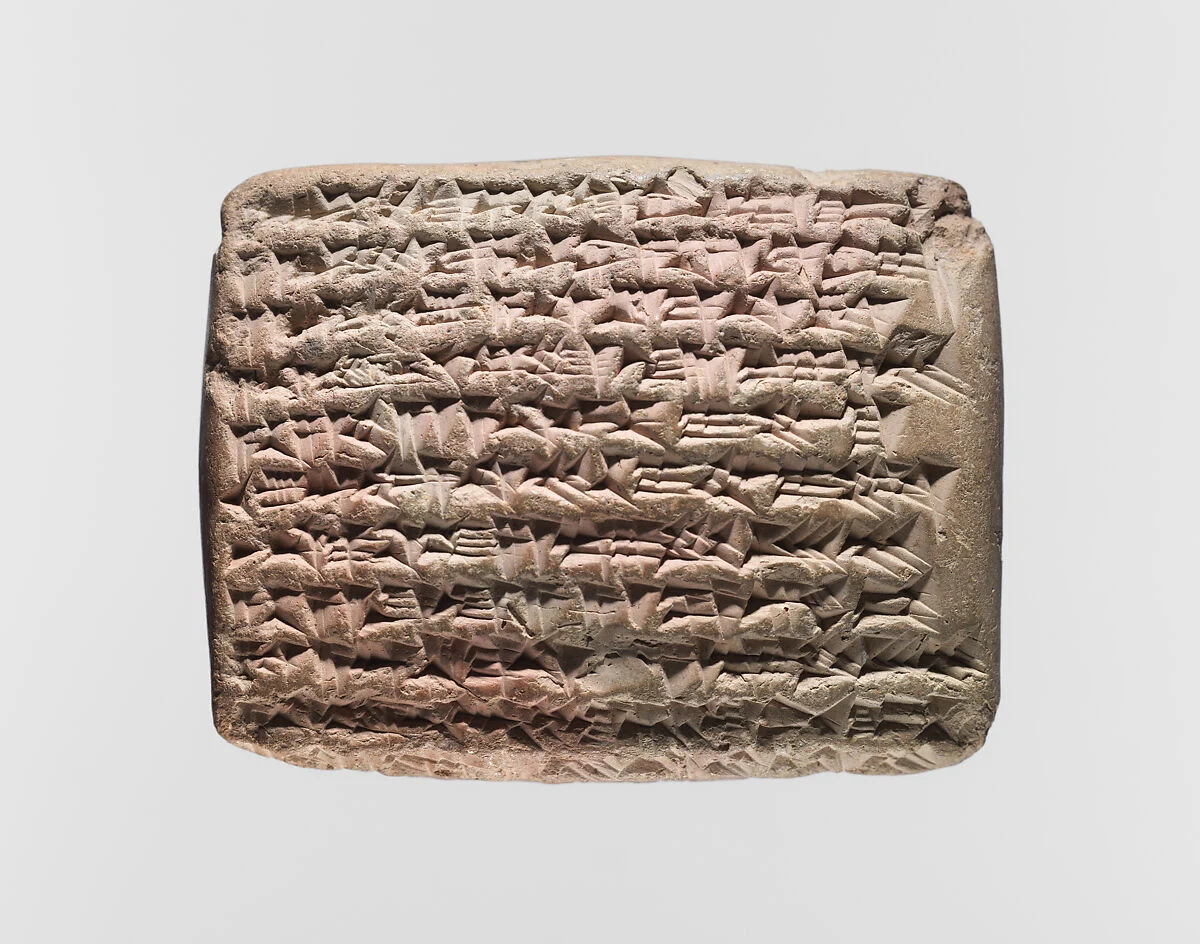
*ʿEved* occurs in differing arrangements in Exodus 21, Deuteronomy 15 and Leviticus 25. One Exodus case releases a HebrewHebrewA Northwest Semitic language in the Canaanite group, with ancient and modern forms.Glossary · Click to read the explanation servant in the seventh year, but a master-provided wife and her children can remain; Leviticus protects an Israelite kinsman while permitting ownership of outsiders. The word alone establishes neither how service began nor how it ended. [4][5][6]
References and notes
- Exodus 21:2–27, Hebrew text and older JPS translation, with attention to cited cases Exodus 21:2–11, 16, 20–21, 26–27; Hebrew and JPS 1917 Return to the text ↑
- Deuteronomy 15:7–18, Hebrew text and older JPS translation Deuteronomy 15:7–18; Hebrew and JPS 1917 Return to the text ↑
- Leviticus 25:39–46 in chapter context, Hebrew and older JPS translation Leviticus 25:39–46; Hebrew and JPS 1917 Return to the text ↑
Research history
Substantive changes are retained here. Minor copy edits remain in the internal operational log.
-
Substantive record update
-
Substantive record update
Suggest a correction · Suggest a source for this record
Cite this record
IL Archive, «ʿEved: Service and Subordination in Ancient Hebrew», Edition 3, https://ilarchive.com/en/entities/eved-servant-ancient-israel