Entity · Deity
Belili in the Stories and Laments of Dumuzi
A reference page linking a name, group, or concept to the materials that discuss it.
- Names
- Be-li-li · Belili
- Region
- Mesopotamia
Belili gives the fugitive Dumuzi food and water in a Sumerian poem. In the Akkadian Descent of Ishtar, a figure of the same name hears her brother’s cries and breaks her jewelry.
Estimated reading time: 5 min Published Last reviewed:
Share article
Text
Introduction
Belili is a goddess named in Mesopotamian texts about Dumuzi. In the Sumerian poem Dumuzi’s Dream, he reaches the house of an older woman named Belili while fleeing the demons who are pursuing him. She gives him food and water. Near the end of the AkkadianAkkadianAn ancient East Semitic language written in cuneiform from the third millennium BCE; its varieties include Babylonian and Assyrian, and it served in international diplomacy.Glossary · Click to read the explanation Descent of IshtarInanna / IshtarA prominent Mesopotamian goddess whose Sumerian name Inanna became associated with Akkadian Ishtar across diverse traditions. She was associated with desire, war, royal authority and Venus, while local forms and genealogies varied among texts.Glossary · Click to read the explanation, a figure called Belili hears her brother’s cries, breaks her jewelry and asks that her brother be spared. [1][2][3]
These passages give Belili two places in traditions about Dumuzi. The Sumerian poem describes what happens at a particular house during his flight. The Akkadian poem puts her gesture and words close to directions for mourning. Both name Belili, while the description of her relationship to Dumuzi depends on which text is being read. [1][2][3]
A house on the fugitive’s route
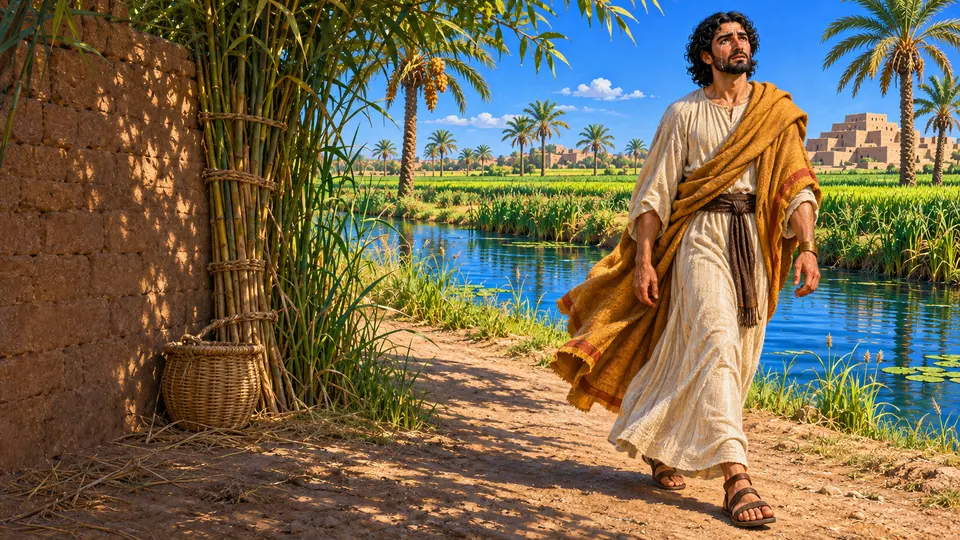
In Dumuzi’s Dream, Dumuzi describes his dream to Geshtinanna, who is called his sister and interprets what he has seen. The poem traces several stages of his pursuit and capture. After the demons take him at Ku-biresh, he appeals to Utu, the sun-god. He asks that his hands and feet change so that he can escape to the house of Belili. The Oxford edition translates the main reading as a change to gazelle limbs and notes a manuscript with a snake instead. [1]
At the house he identifies himself as the husband of a goddess and asks for water and food. Belili gives him what he asks for, and then she goes out. The demons see her anxiety and infer that she knows where to find Dumuzi. They go to the house and take him again. They learn where to look through her behaviour, and the poem gives her no speech revealing his whereabouts to them. [1][3]
Manuel Ceccarelli discusses the term um-ma, which can describe an older or experienced woman. He reads Belili’s response to Dumuzi’s plea as a scene of care and points out that Dumuzi introduces himself to her. This gives a reason to take the two relationships in the poem on their own terms. Geshtinanna is identified as a sister. Belili receives the fugitive at her own house and offers him what he needs for the moment. [1][3]
Differences between the clay witnesses
A fragment catalogued by the CuneiformCuneiformWriting with wedge-shaped signs, developed from Mesopotamian recording traditions and used for several languages from the third millennium BCE.Glossary · Click to read the explanation Digital Library Initiative preserves parts of the episode, including the line about Dumuzi seeking Belili’s house. Other pieces of that witness show the demons asking where he is and proposing to go there. Even a tablet that preserves only part of the episode can help a reader check the position of the name and the speeches around it. [4]
Pascal Attinger’s edition discusses witnesses in which the order of Dumuzi’s flight differs. In one version he goes first to his sister and then to Belili. A break later makes it uncertain whether the next speech or action belongs to Belili or to Geshtinanna. Attinger also points out that the line describing an escape from the demons at one transition survives in only one witness and is omitted in eight others. The printed sequence draws on copies that differ about some of its details. [5]
In the Oxford version, the capture at Belili’s house is followed by another appeal to Utu. The names of the places where Dumuzi asks to go matter to the shape of the story. Each short refuge is followed by a renewed search. Later, the demons look for him at the sheepfold, and the poem marks his death by the loss of the ordinary work done there. The churns and drinking vessels are overturned. [1]
The sound of a brother’s cries
The closing lines of the Akkadian Descent of Ishtar include directions for Dumuzi to be washed, anointed, dressed in red and accompanied by music. The text then refers to Belili and her jewelry. She hears her brother, strikes or breaks her ornaments and asks that her only brother be spared. The words of protest and the gesture are preserved in a partly damaged passage. [2]
Noga Ayali-Darshan relates the sound of the cry to mourning rites for Dumuzi. She proposes that the closing sequence draws on ritualRitualAn organised or distinguished practice meaningful to a community; it may leave traces, but its form alone does not reveal an associated doctrine.Glossary · Click to read the explanation material, with Belili’s response echoing a day of crying in those ceremonies. It is an interpretation of how the Akkadian poem places actions and voices together. The passage has prompted different readings because its references to Dumuzi’s treatment, Belili’s grief and the rising of the dead enter in rapid succession. [2]
The tradition of mourning Dumuzi
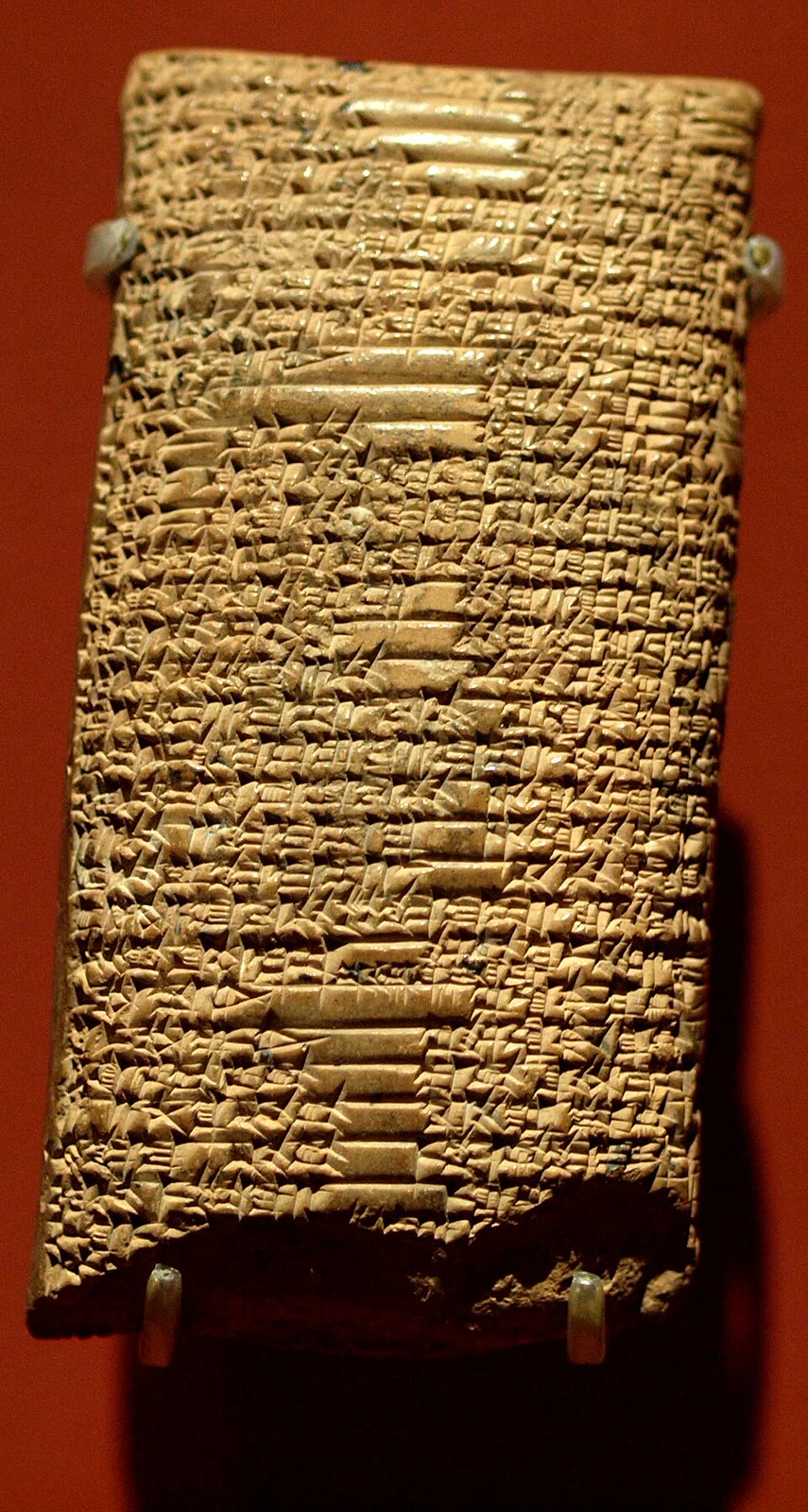
The Louvre catalogues the pictured clay tablet, AO 3023, under the myth of Dumuzi. It gives a view of how some of the related literature was written on clay. The Belili scenes discussed here come from the two editions cited above. In one, a request for food and water sets up the shelter scene. In the other, an audible cry and a gesture with jewelry carry the account of mourning. [1][2][6]
The two episodes offer ways to see the place of Belili in Dumuzi’s story. He can ask for a meal while there is still a chance to flee, and she can make a protest when she hears him cry. The surviving versions build out these acts through particular things that people could recognize, including the house of a host, the food held out to a guest and the jewelry worn by someone who grieves. [1][2][3][5]
References and notes (6)
- Electronic Text Corpus of Sumerian Literature, Dumuzid’s Dream Read the dream interpretation, the appeal to Utu, the variant involving snake limbs, and the episode from Dumuzi’s arrival at Belili’s house to his recapture. Return to the text ↑
- Noga Ayali-Darshan, Dying and Rising Gods: The History of a Mythologem in West Asia of the Second Millennium BCE Read pages 38–47, including the Akkadian and translation of lines 127–138, the damaged readings and the comparison with rituals of mourning for Dumuzi. Return to the text ↑
- Manuel Ceccarelli, Die ‘Alte Weise’ und die ‘weise Frau’ im alten Mesopotamien Read pages 114–116 on the translation of the shelter episode, um-ma, Belili’s care and Dumuzi’s self-introduction. Return to the text ↑
- Cuneiform Digital Library Initiative, Dumuzi’s Dream, Witness P346105 Read the transliteration and English rendering of the fragment naming the house of Belili and the demons’ speculation. Return to the text ↑
- Pascal Attinger, Le rêve de Dumuzi Read the translation and textual notes 151–156 on the differences of sequence and surviving lines before and during the encounter with Belili. Return to the text ↑
- Musée du Louvre, Tablette : mythe du dieu Dumuzi, AO 3023 Read the identification, clay material, date and curatorial context of the object used as an image of the Dumuzi literary tradition. Return to the text ↑
Suggest a correction · Suggest a source for this record
Cite this record
IL Archive, «Belili in the Stories and Laments of Dumuzi», https://ilarchive.com/en/entities/belili