Dumuzi’s Dream Chapter 1
The Dream and the Betrayal
A frightened Dumuzi asks Geštinanna to read his dream. She sees warnings in the reeds, the trees and the objects of the sheepfold. The people looking for him make the same offers to his sister and his friend. The friend gives away his hiding places, and they catch Dumuzi in the ditches of Arali.
SourcesTurn the pages with the arrows, the arrow keys or a swipe.
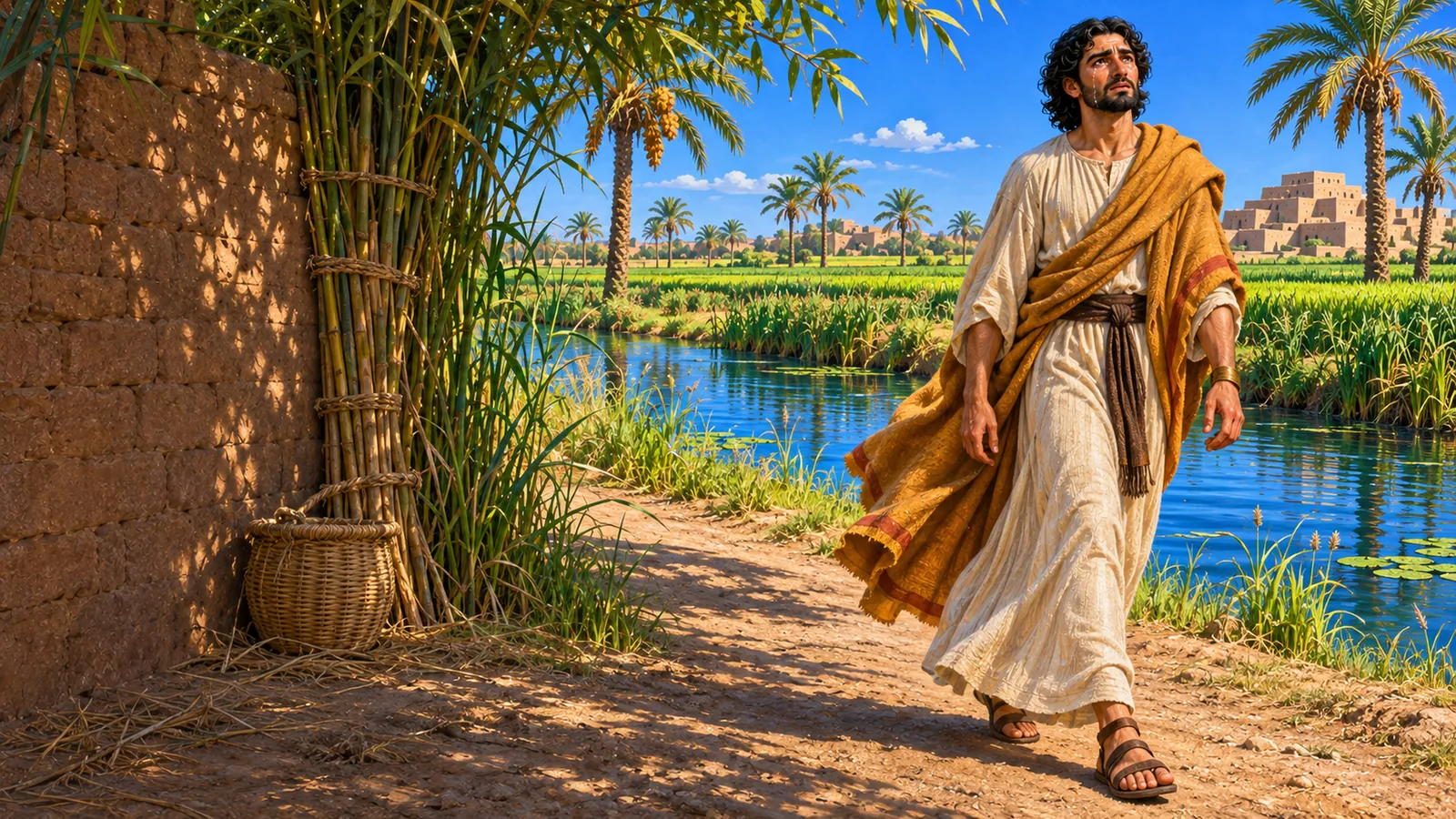
DUMUZI’S DREAM
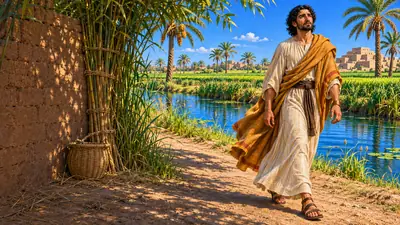
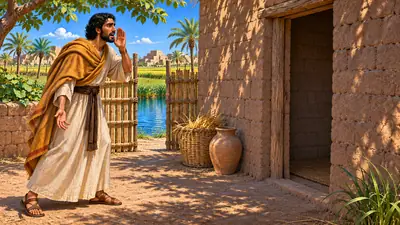
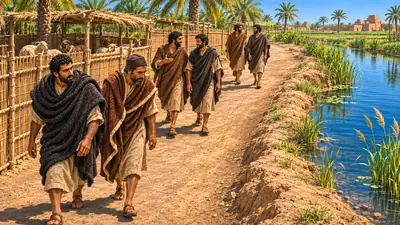
Dumuzi went out into the countryside, his heart full of tears. The poem calls him a young man.
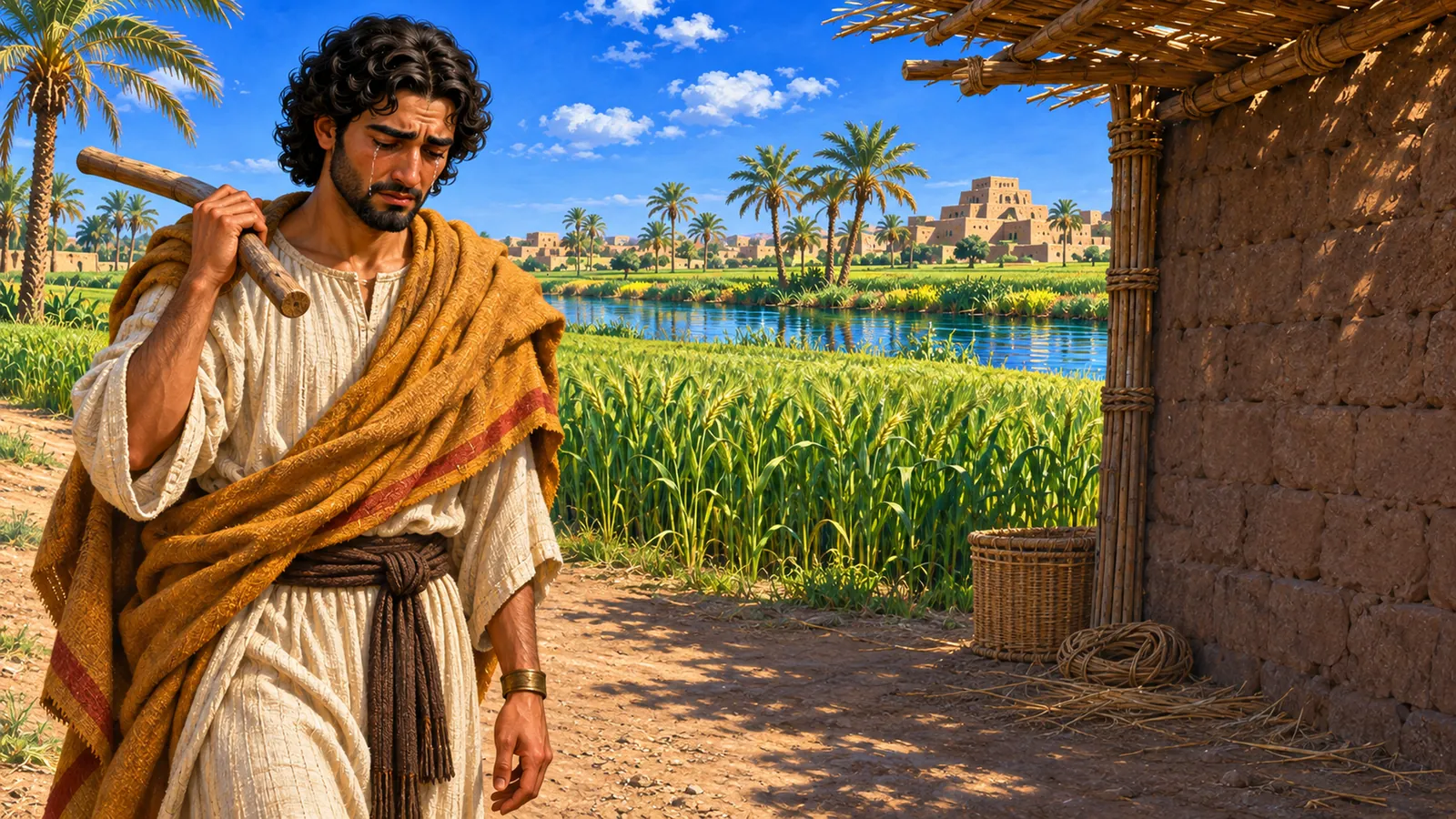
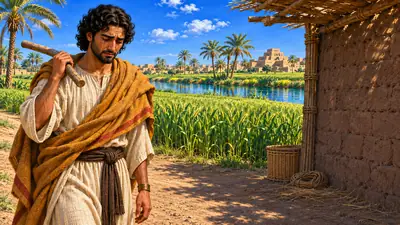
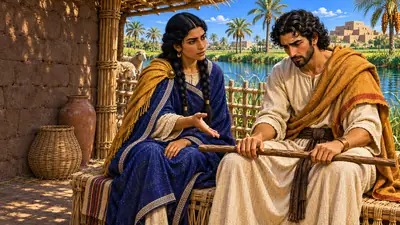
The shepherd carried his staff on his shoulder and kept sobbing all the way into the open countryside.

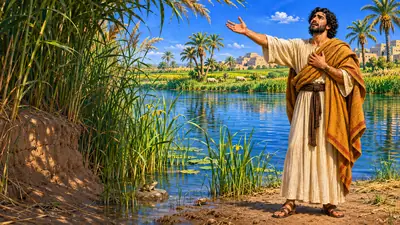
“Mourn, countryside, mourn!” Dumuzi cried. He called on the marshes to cry out, on the river crabs to mourn and on the frogs to raise their voices.

“My mother will call for me, my mother Durtur. She will call for me for five things, she will call for me for ten.”

“Countryside, if my mother does not learn the day I die, tell her. Weep for me as my little sister would.”
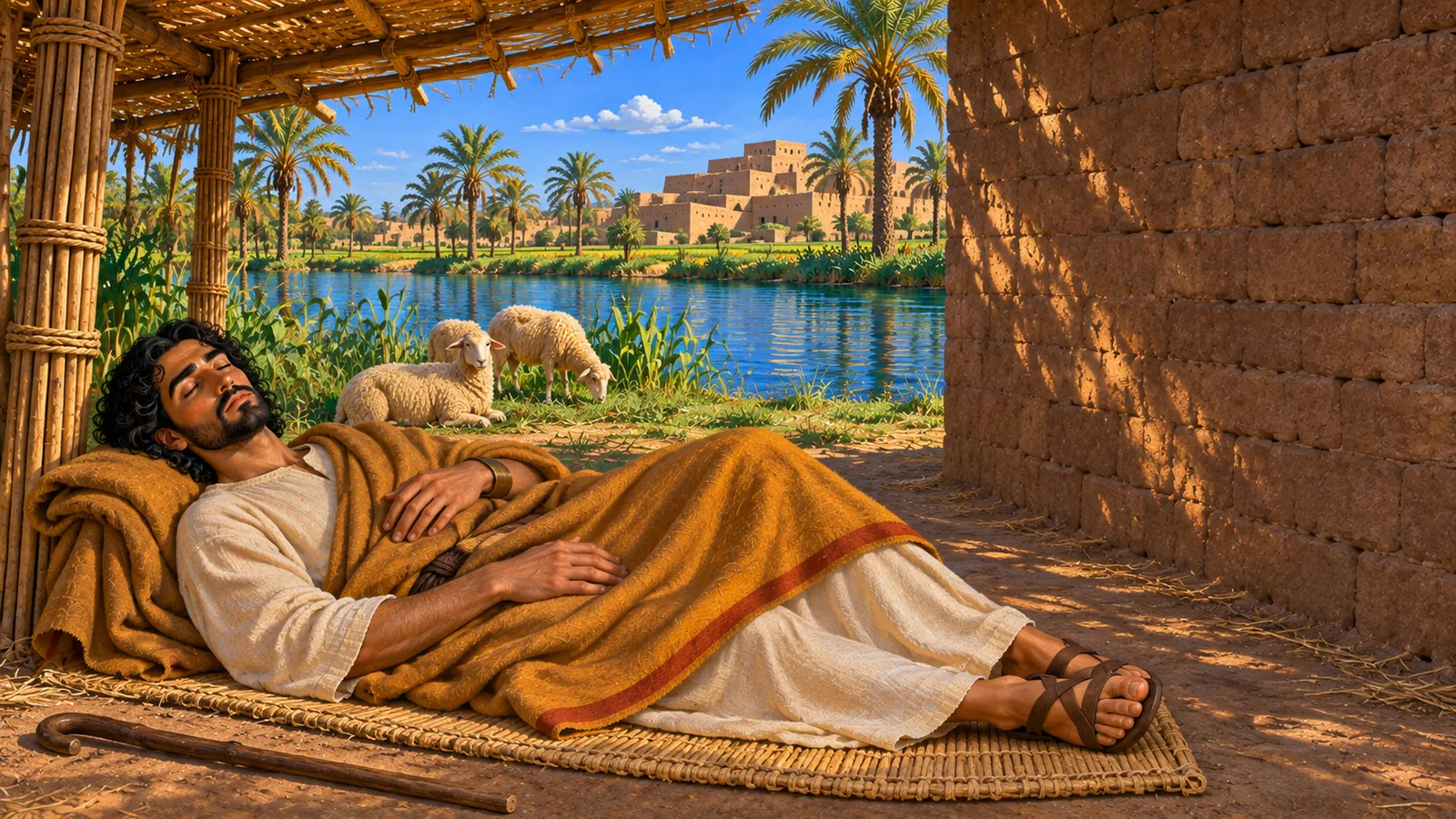
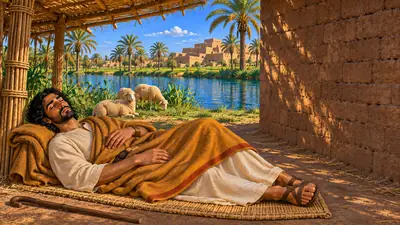
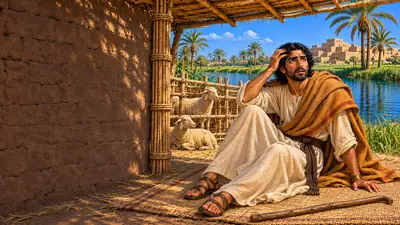
Long ago the shepherd lay down to sleep. As he lay there, he began to dream.
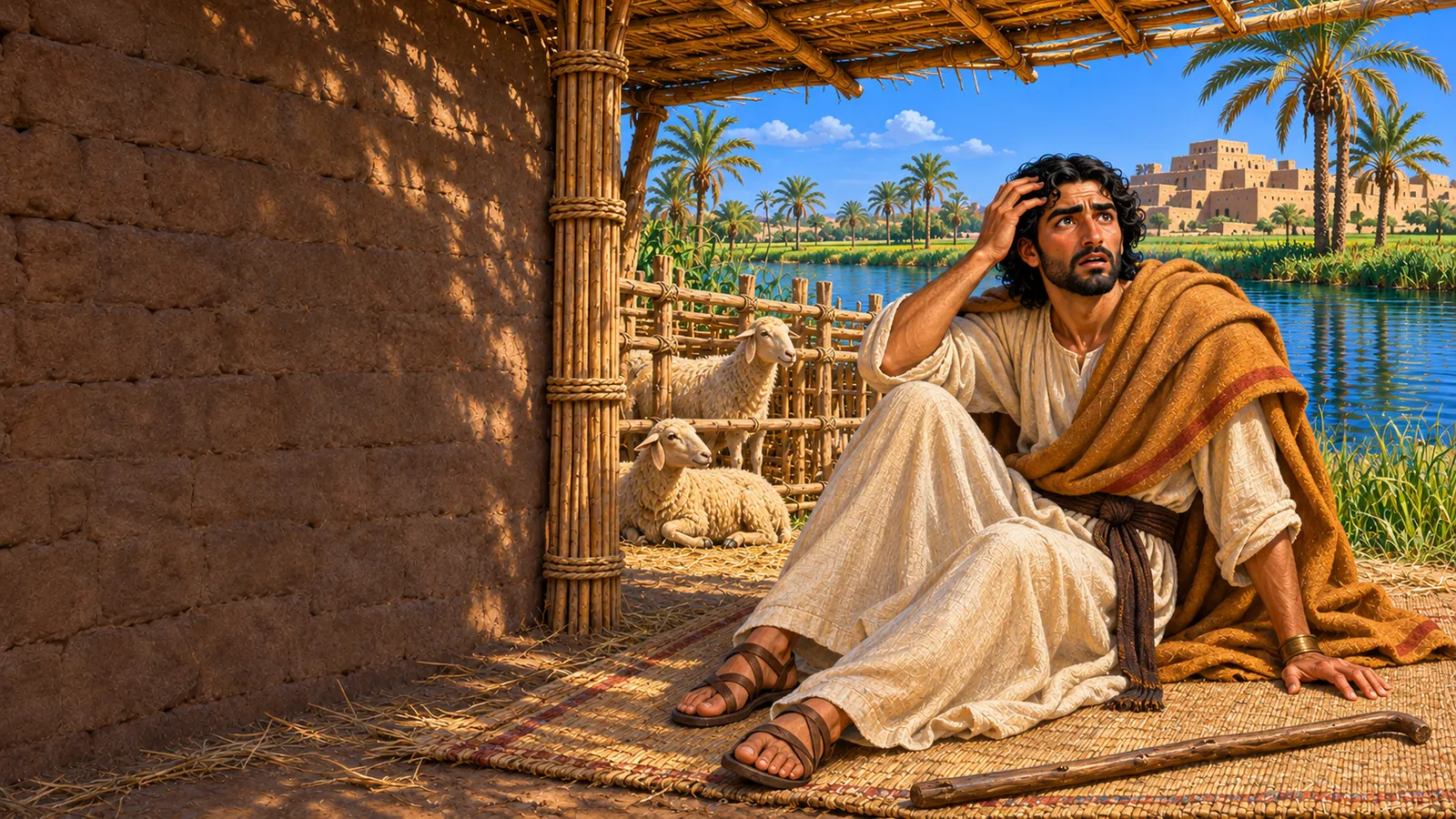
He woke with a start. It had been a dream. He shivered and rubbed his eyes, terrified.
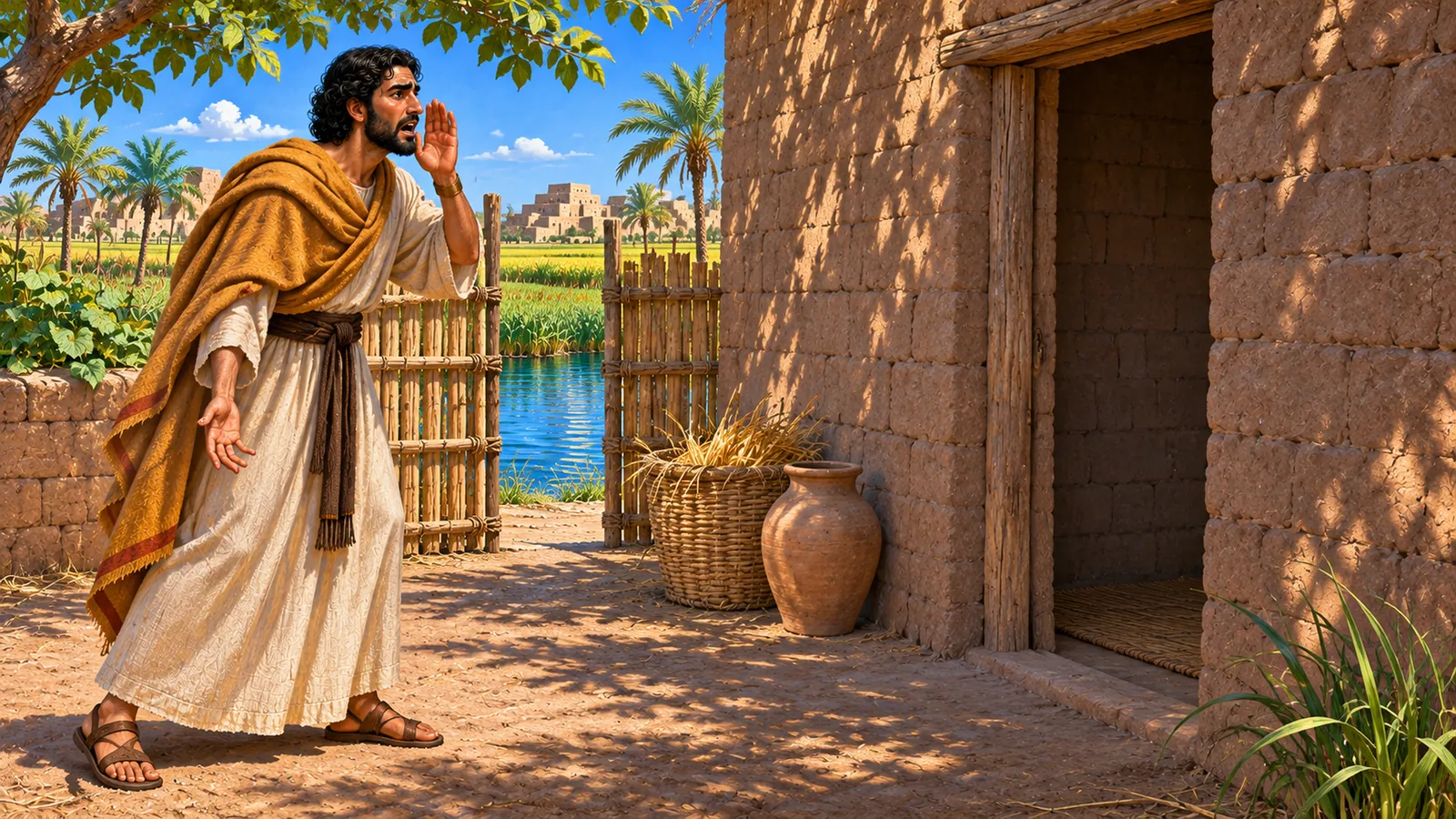
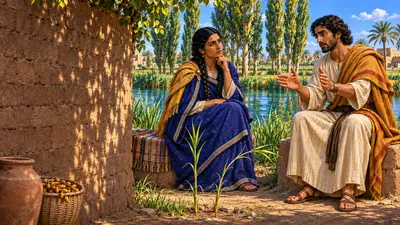
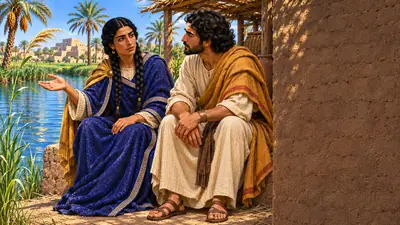
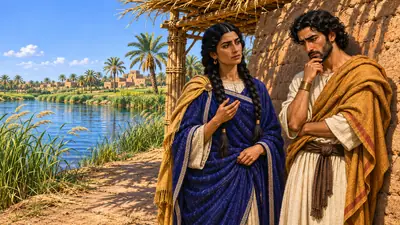
“Bring my sister! Bring Geštinanna!” he called. She was a scribe skilled with tablets and a singer who knew her songs.
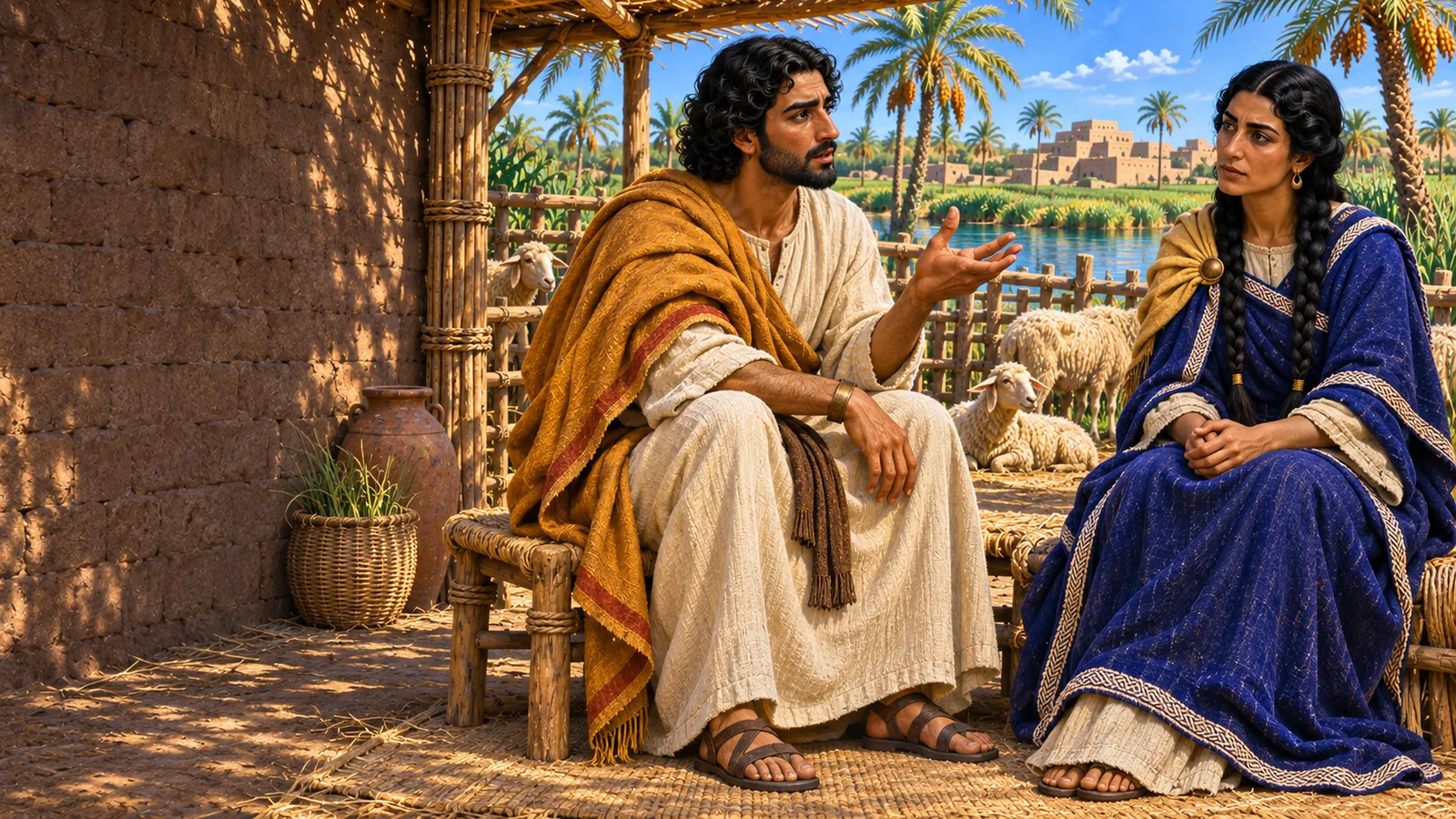
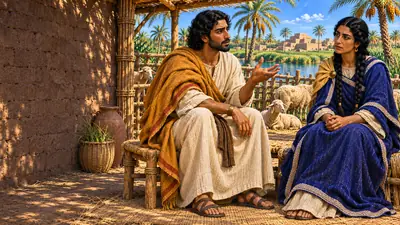
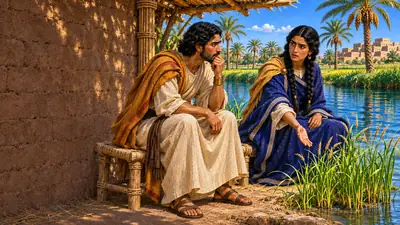
“Bring my wise sister, who knows what dreams mean. I will tell her what I dreamed.”
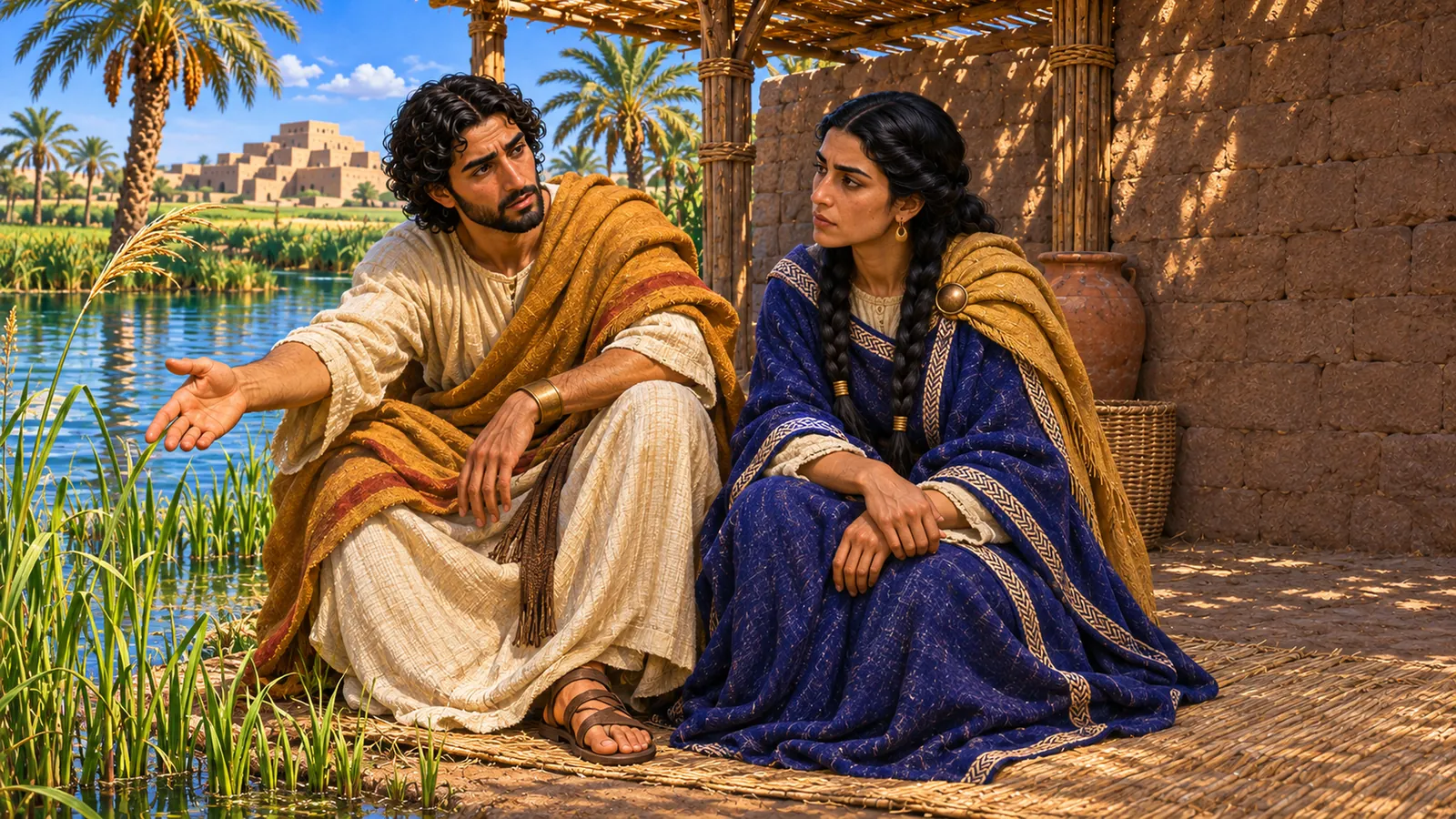
THE DREAM
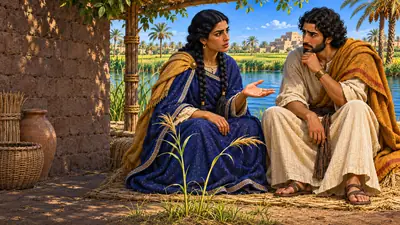
“A dream, my sister!” said Dumuzi. “Rushes sprang up and kept growing before me. A single reed shook its head at me.”
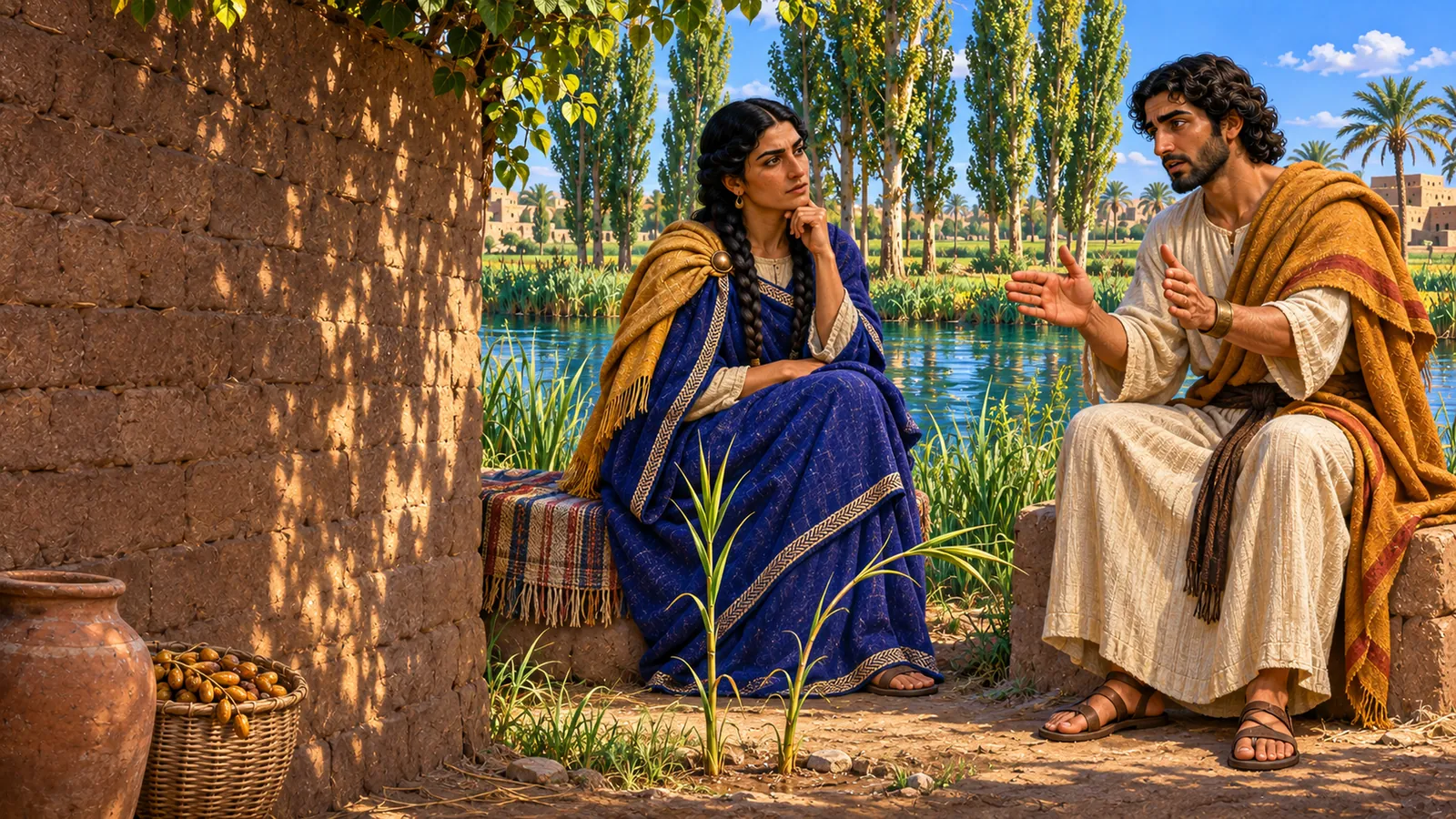
“Of two reeds growing together, one was separated from me. Tall forest trees rose together above me.”
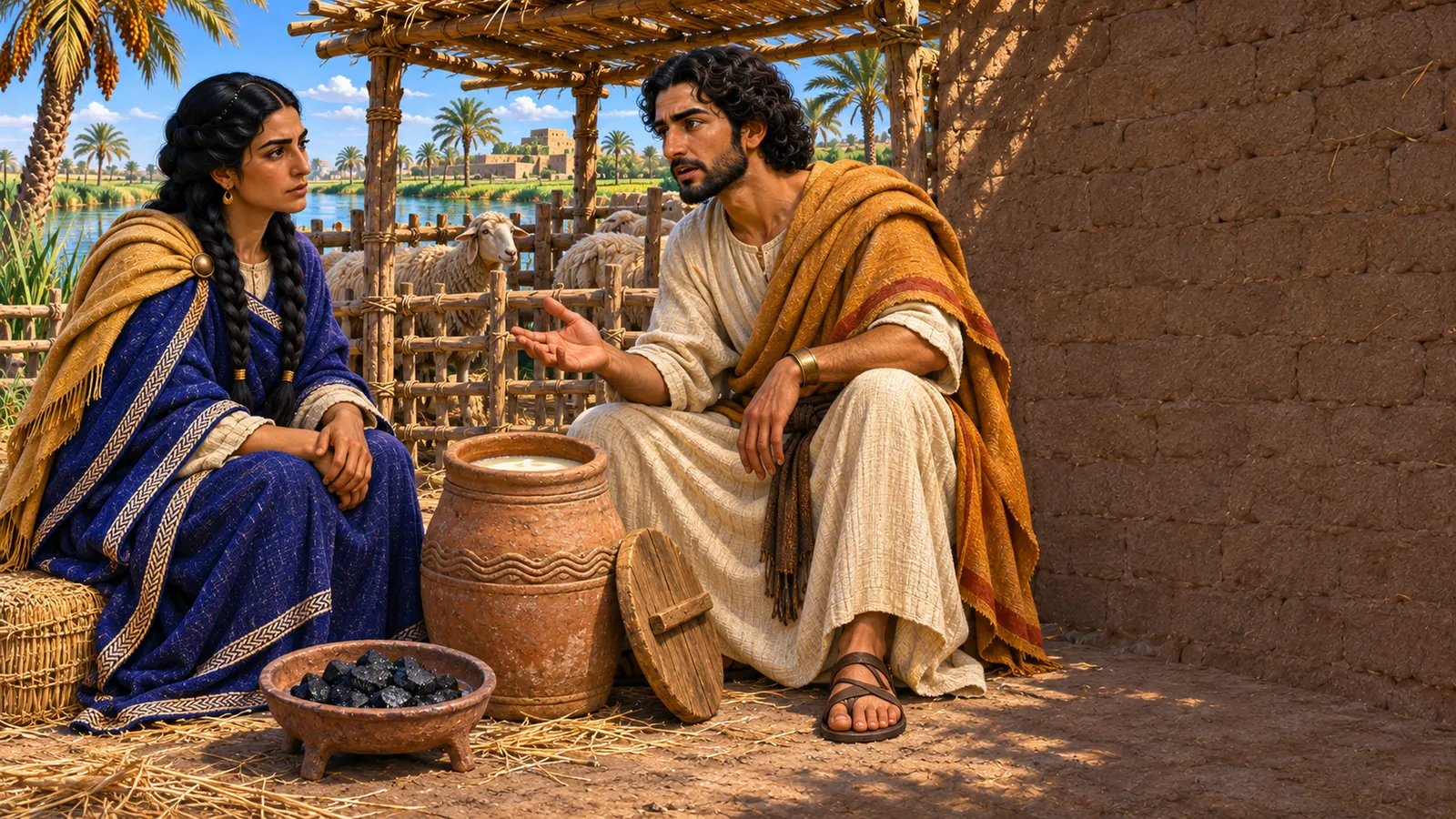
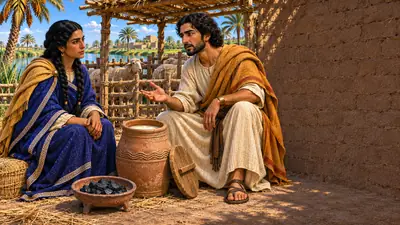
In my dream, water was poured over my sacred coals, and the lid was taken off my sacred churn.
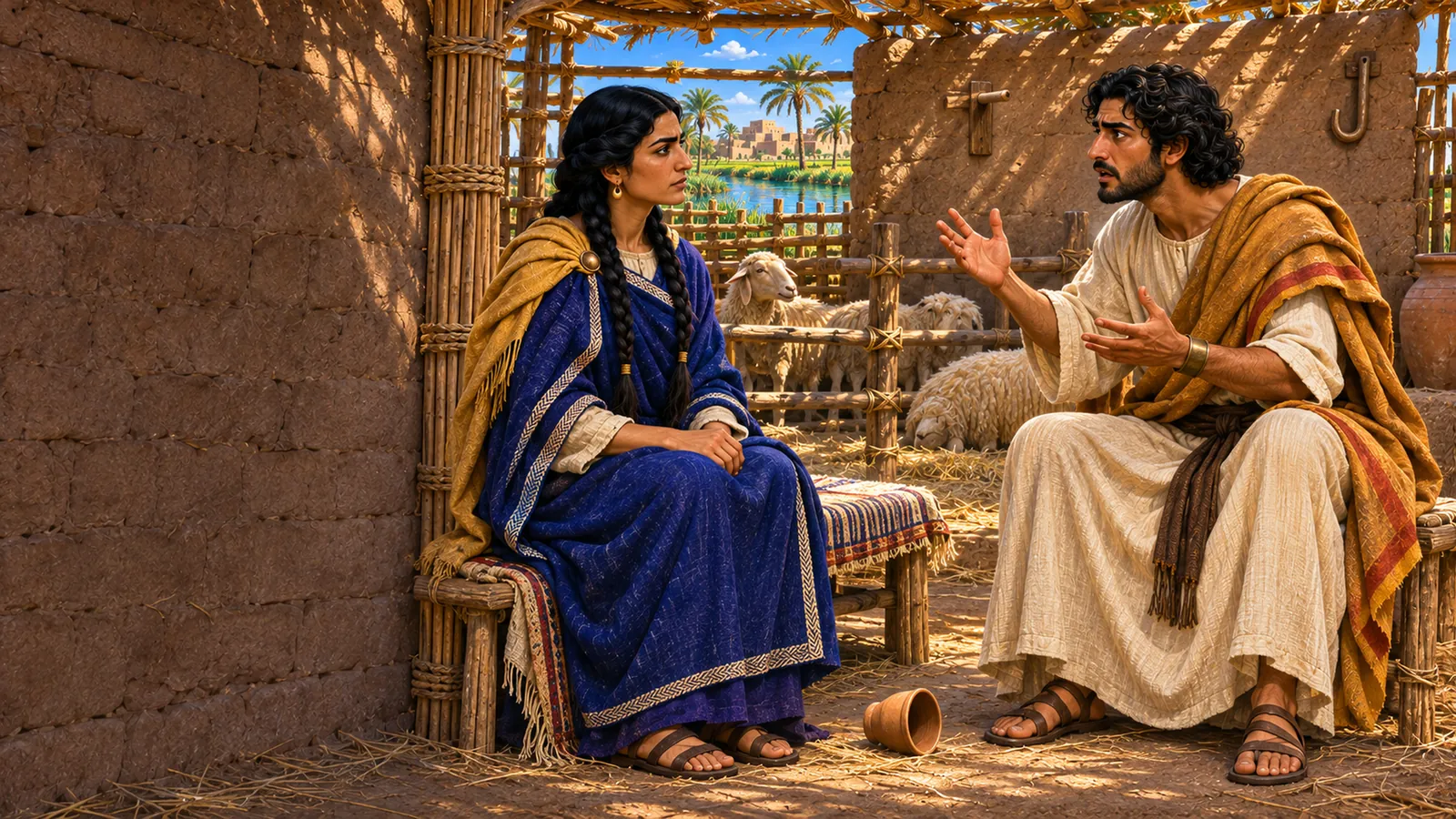
“My sacred drinking cup was torn down from its peg. Then my shepherd’s staff disappeared.”
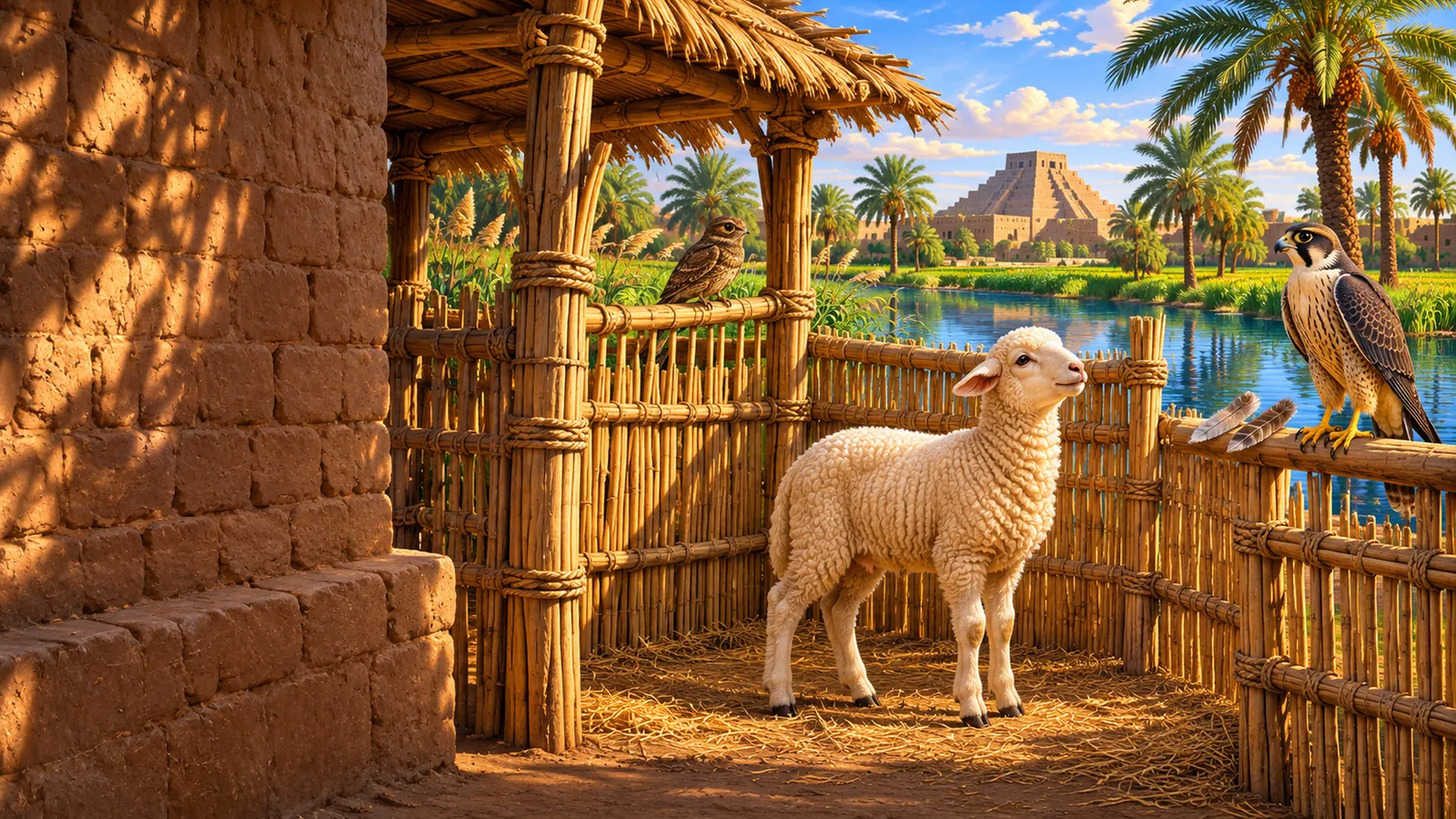
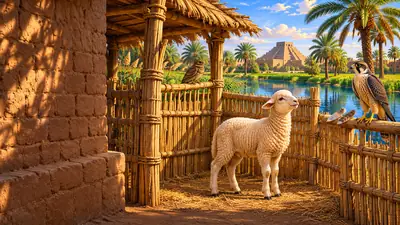
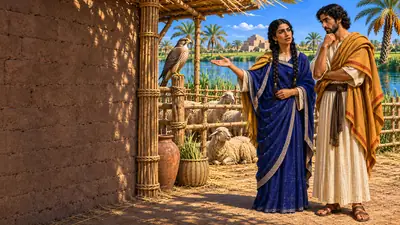
“A bird, perhaps an owl, took a lamb from the sheep house. A falcon caught a sparrow on the reed fence.”
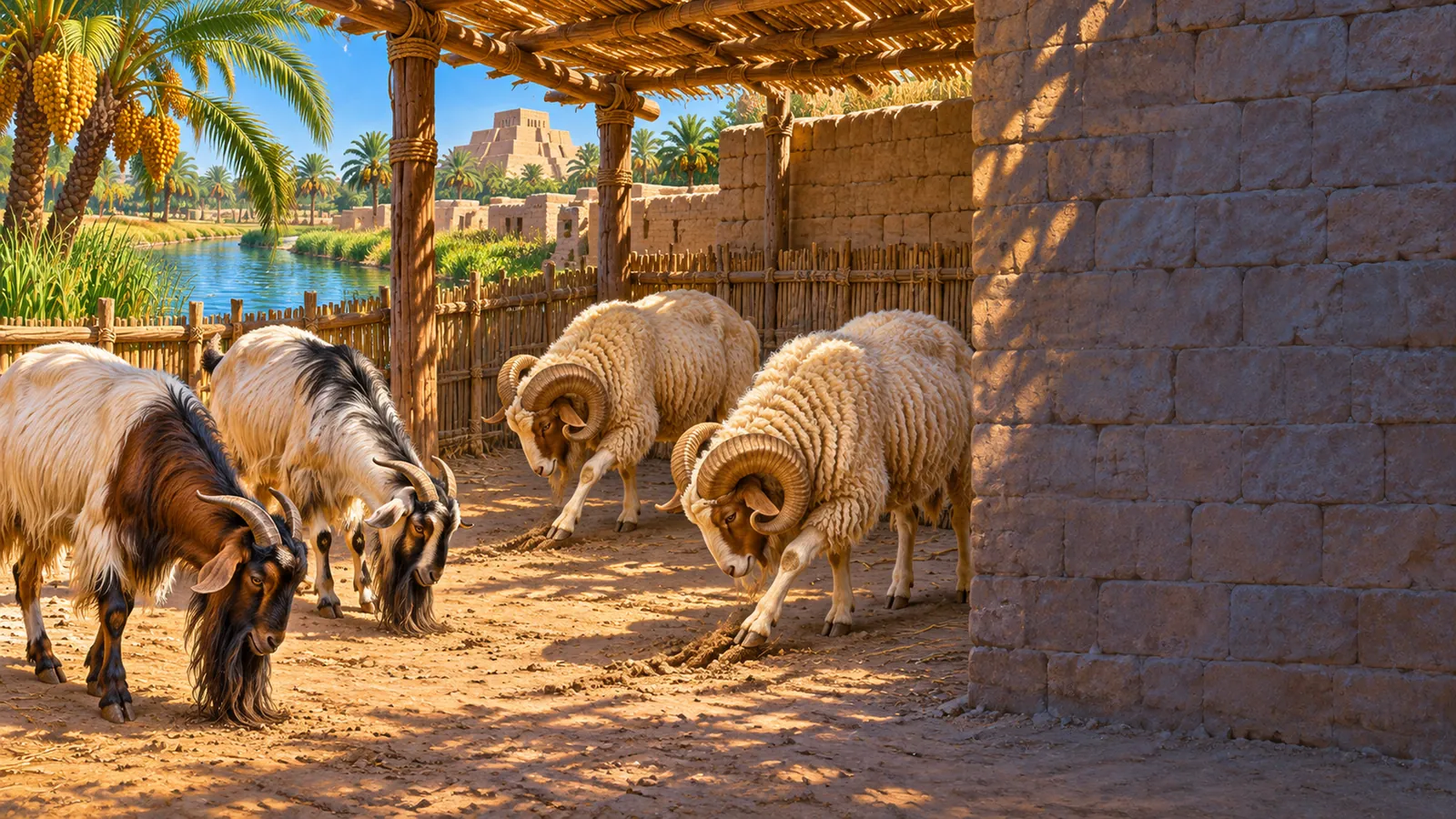
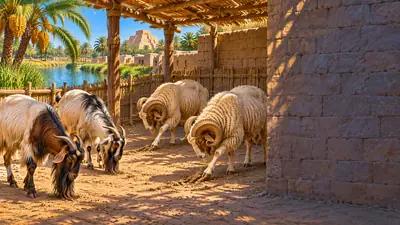
“My male goats dragged their dark beards through the dust. My rams scratched the earth with their strong legs.”
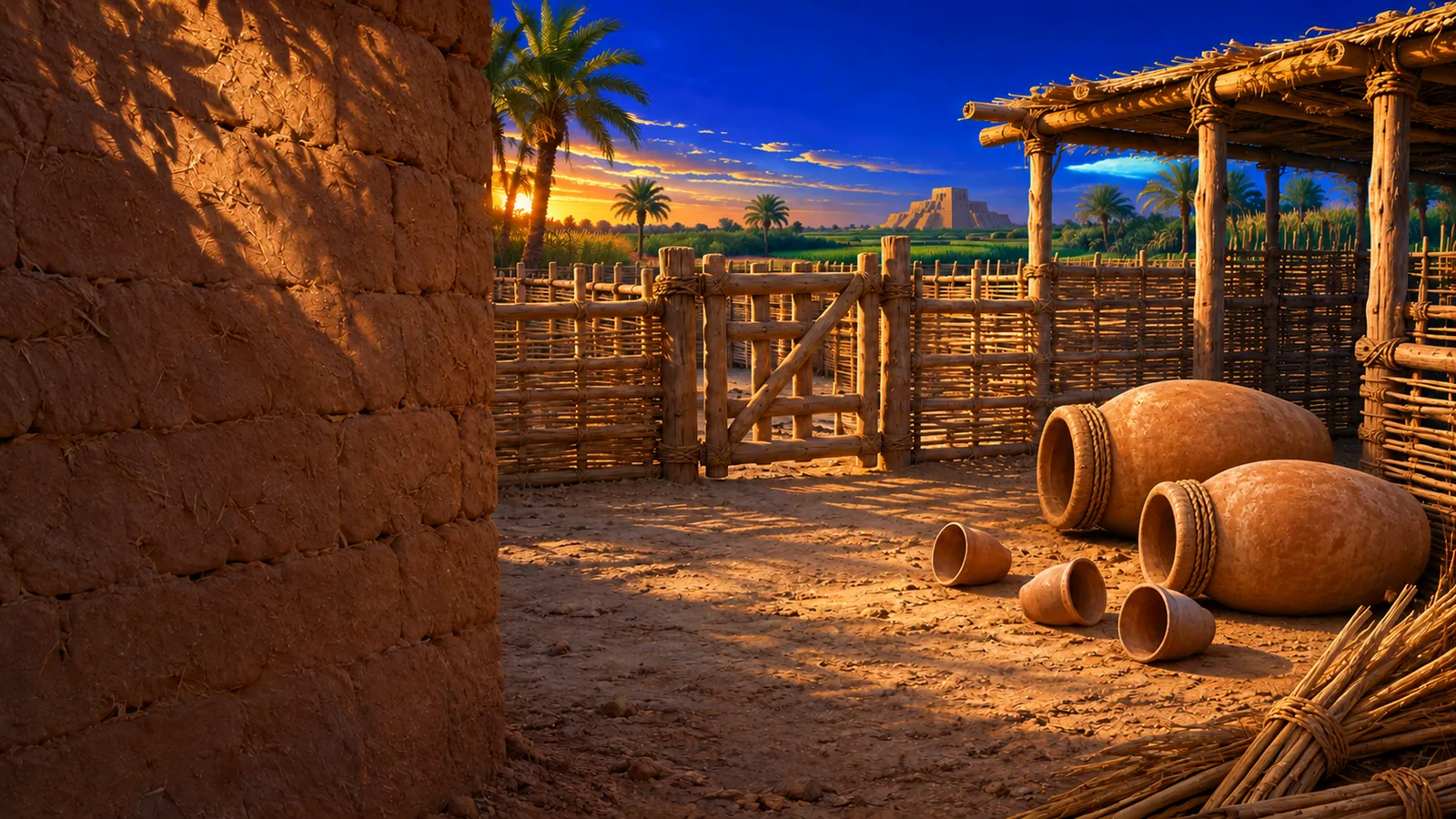
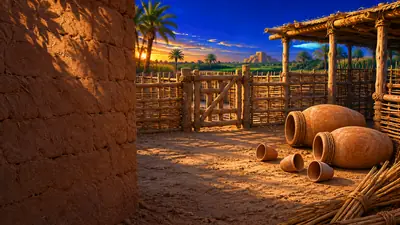
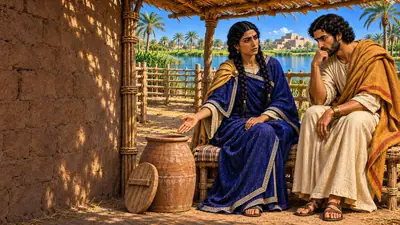
“The churns lay on their sides. No milk was poured. The drinking cups lay on their sides.” In the dream Dumuzi was dead, and the sheepfold was haunted.
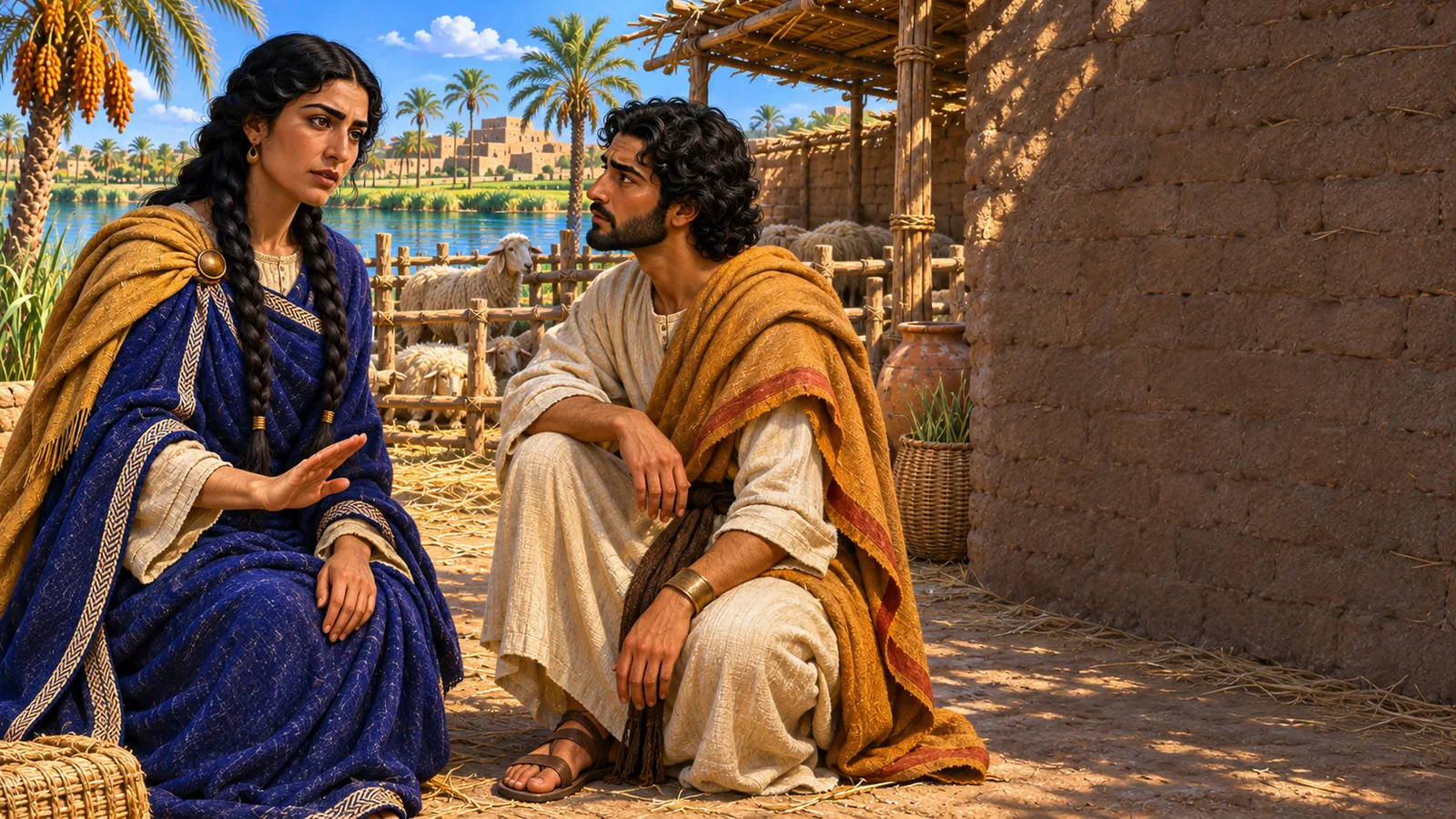
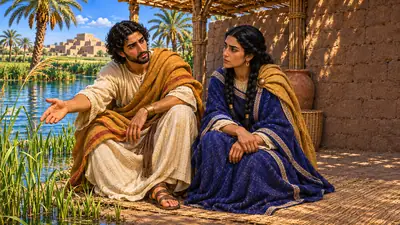
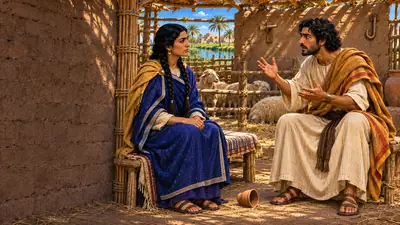
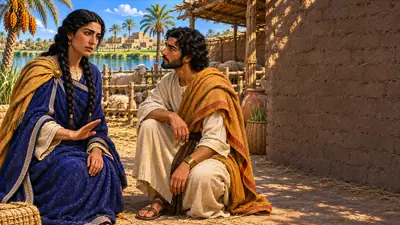
Geštinanna answered Dumuzi. “My brother, your dream does not bode well,” she said. She asked him twice to tell her no more.
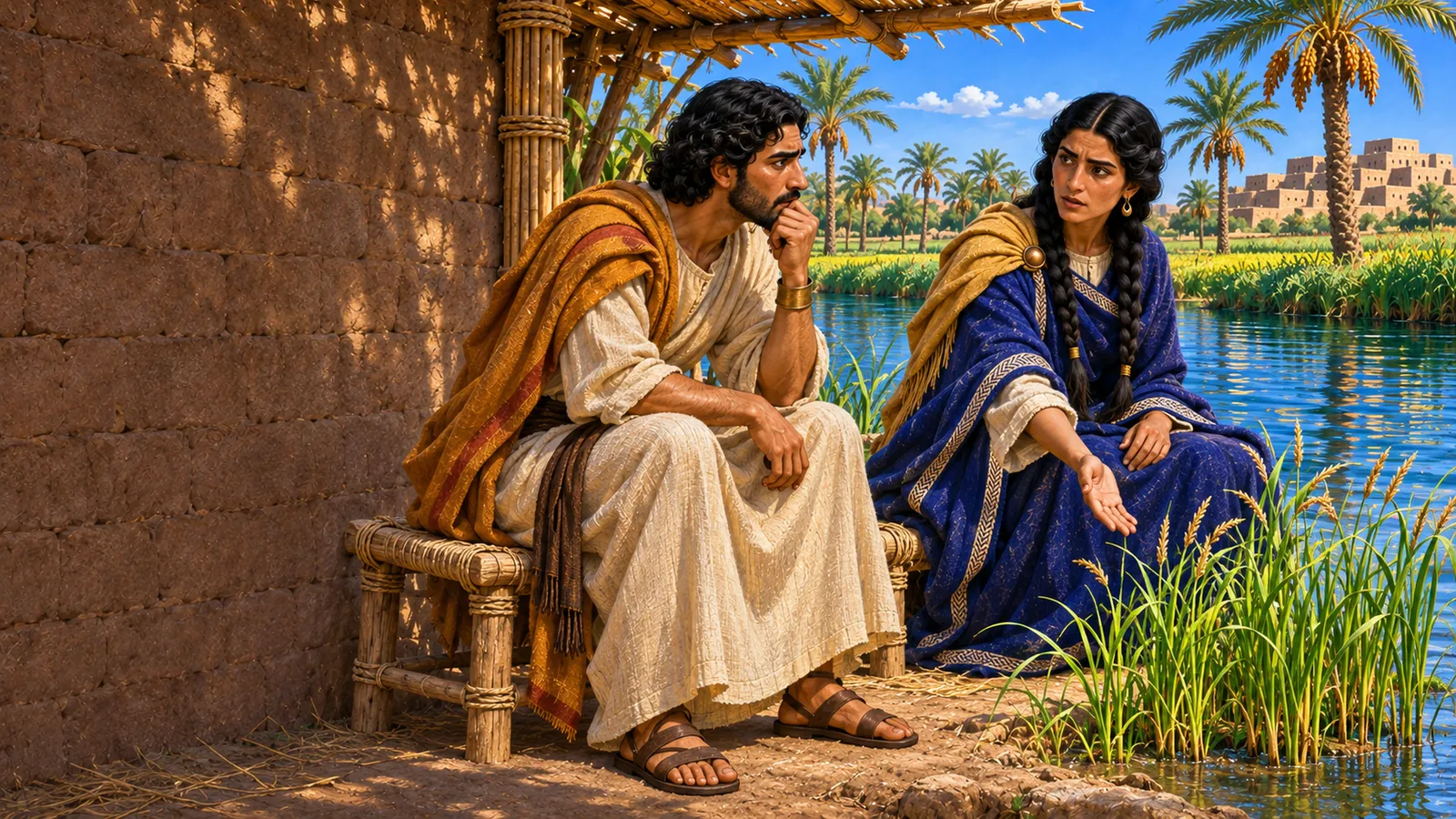
She said the rushes that kept growing in his dream stood for bandits. They would rise against him from ambush.
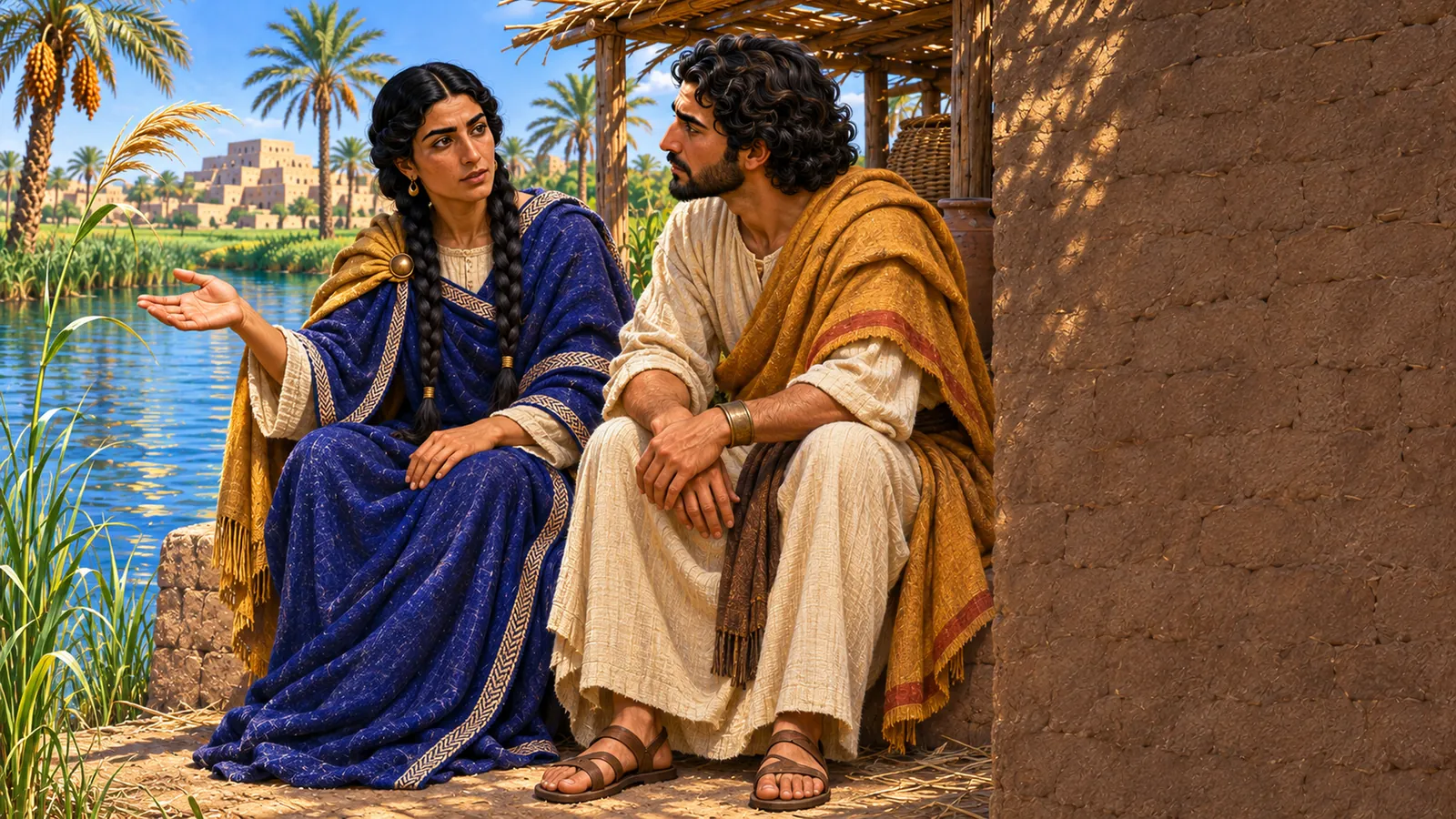
She explained the one reed that shook its head in the dream. It was the mother who had borne him, shaking her head for him.
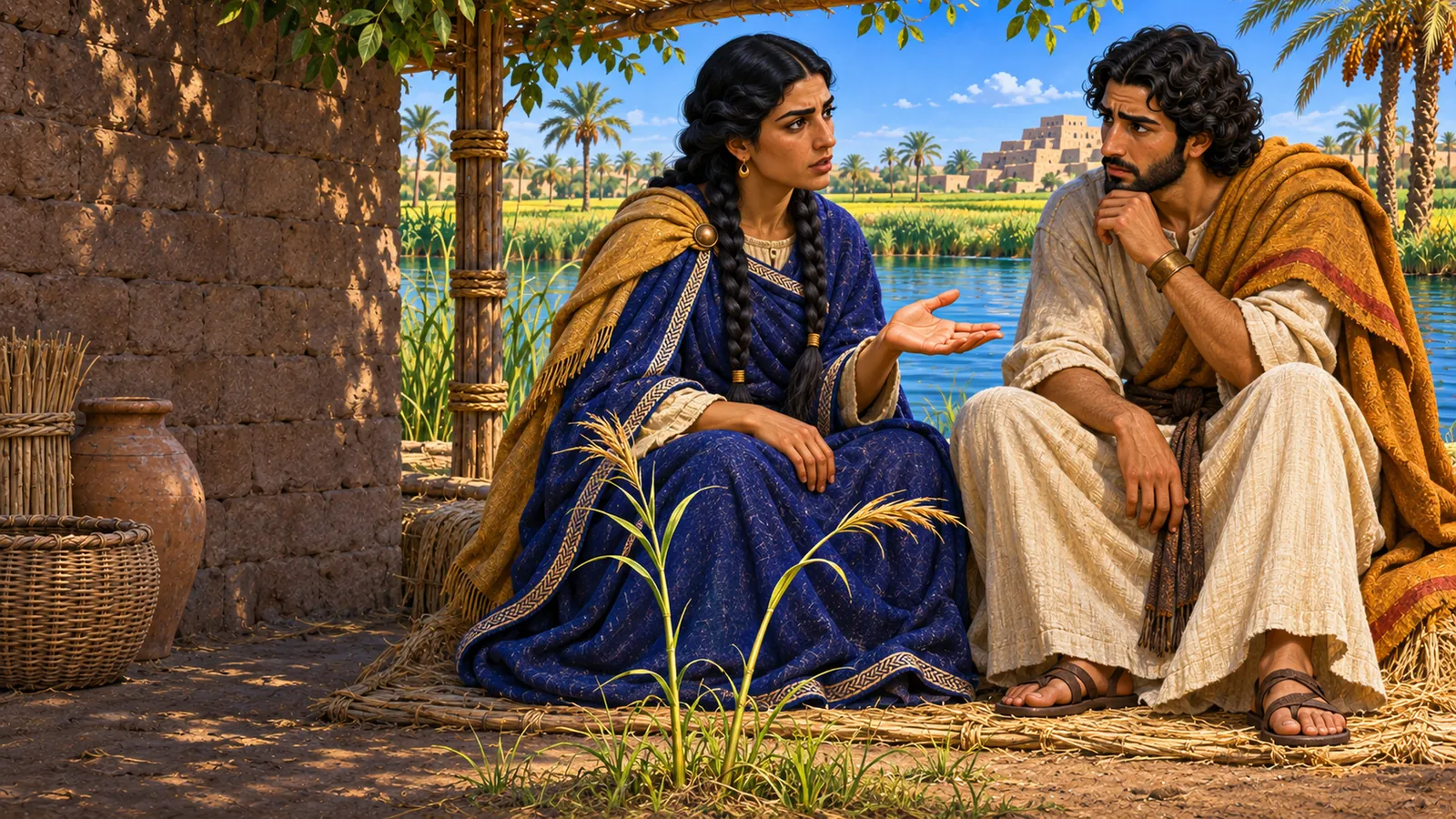
In the dream there were two reeds, and one was taken away from him. Geštinanna said they stood for her and her brother. They would be separated.
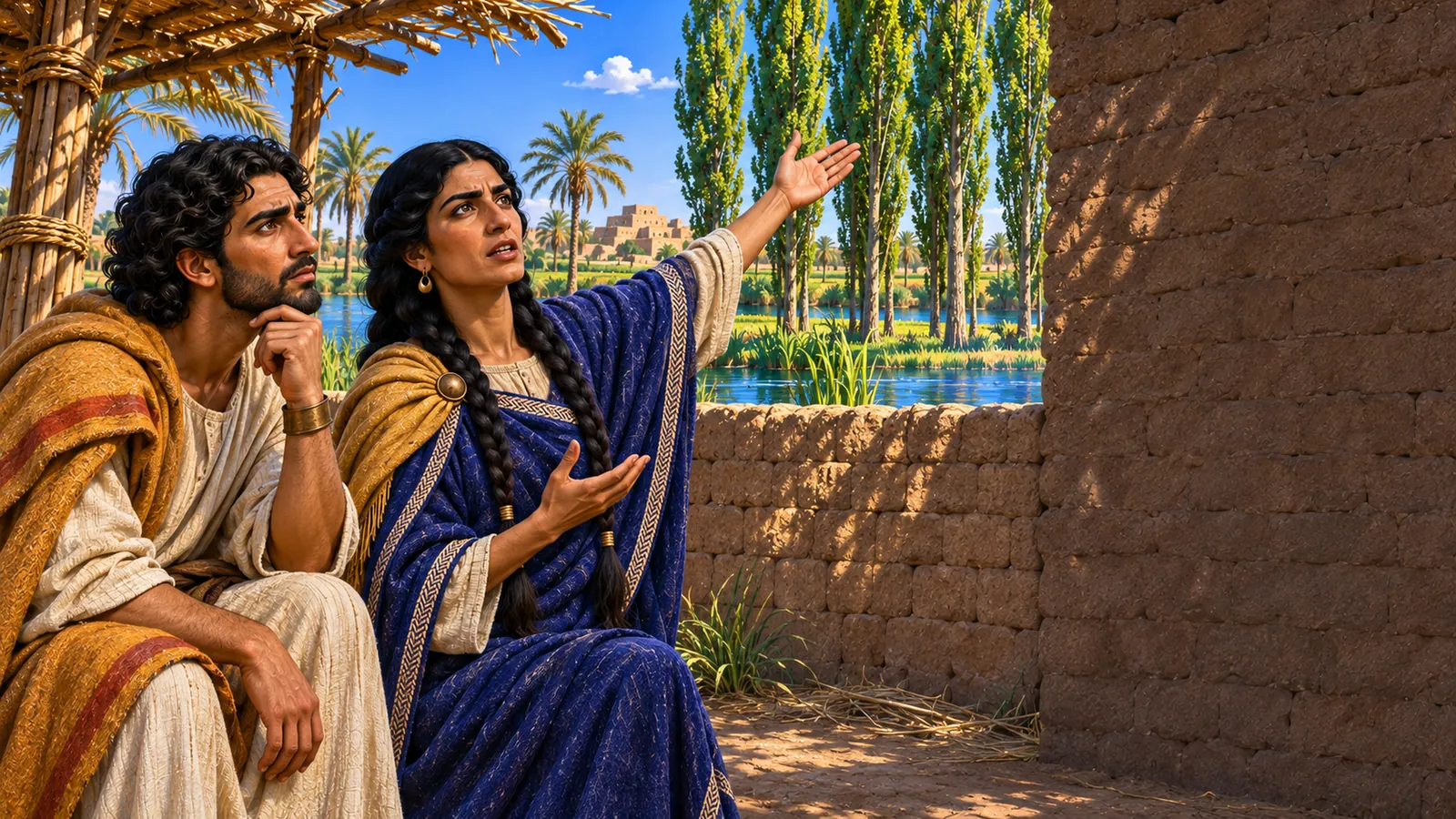
Geštinanna turned to the tall trees that had risen around him in the dream. She said they meant hostile men would catch him within the walls.
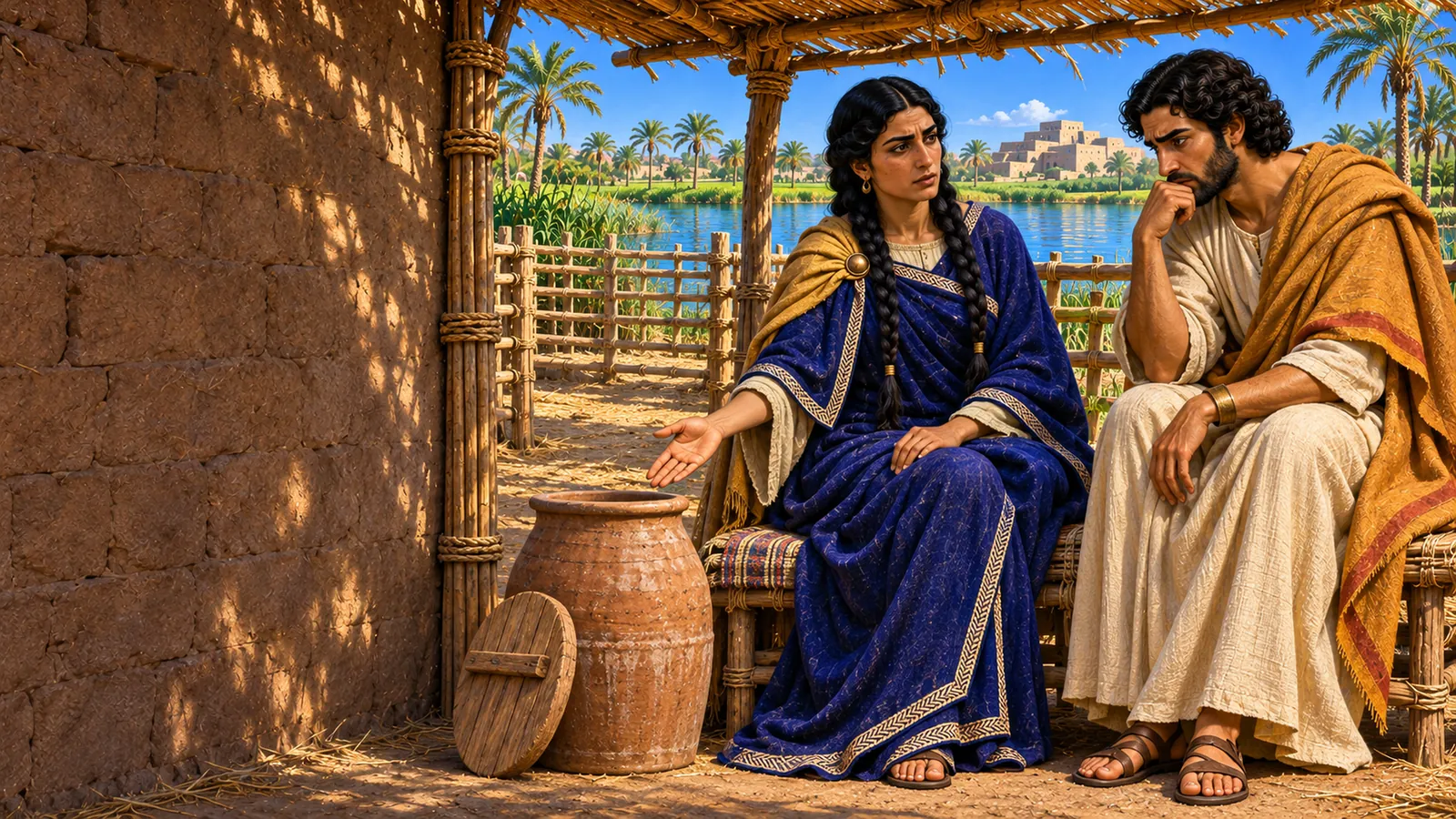
The water poured over his coals meant the sheepfold would fall silent. The cover lifted from his churn meant that one of the hostile men would carry it inside in his hands.
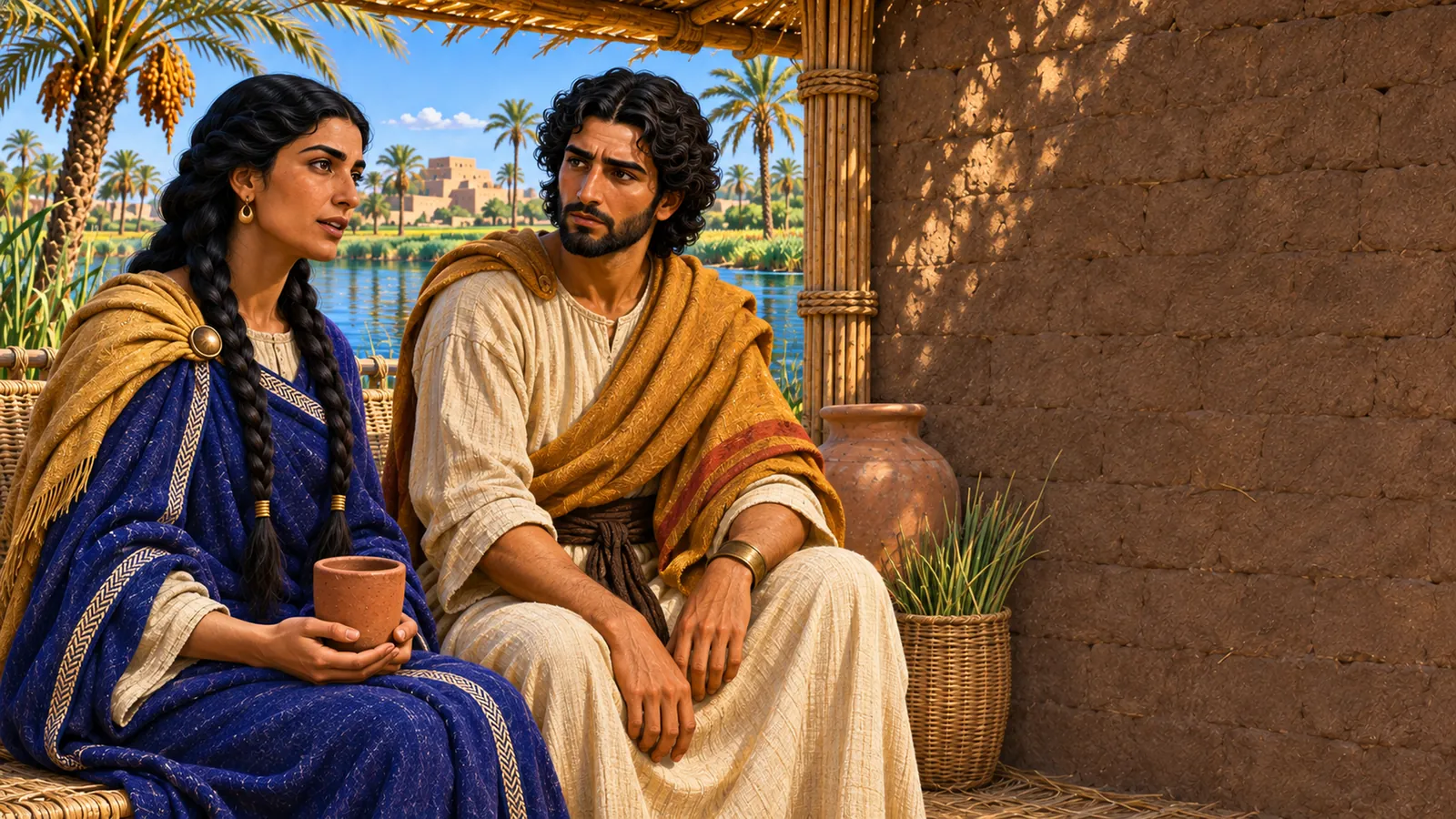
She spoke of the drinking cup torn down from the peg in the dream. Geštinanna said it was Dumuzi falling from the lap of the mother who had borne him.
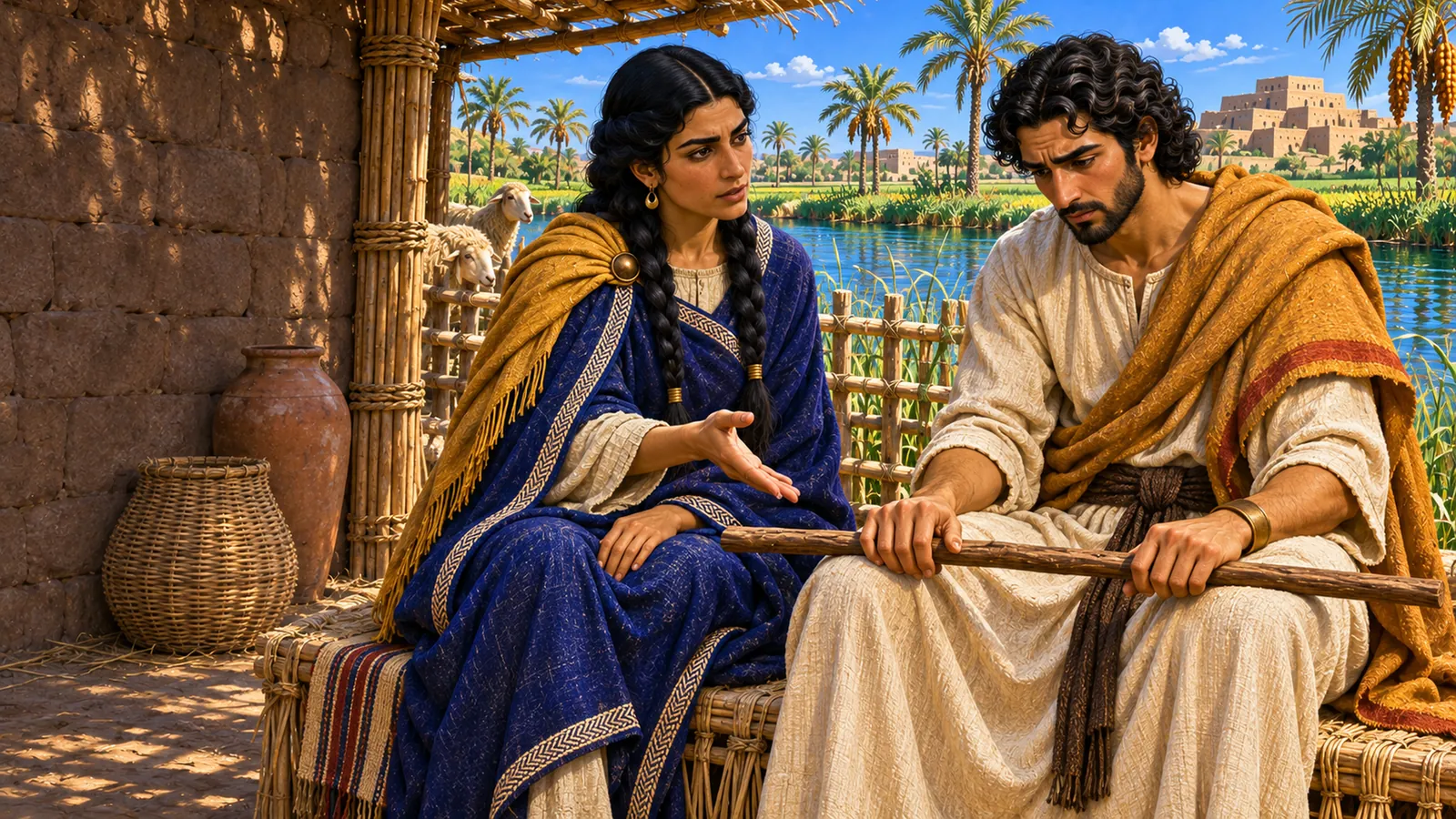
In the dream Dumuzi’s shepherd’s staff had disappeared. Geštinanna said this meant that the demons would set fire to the staff.
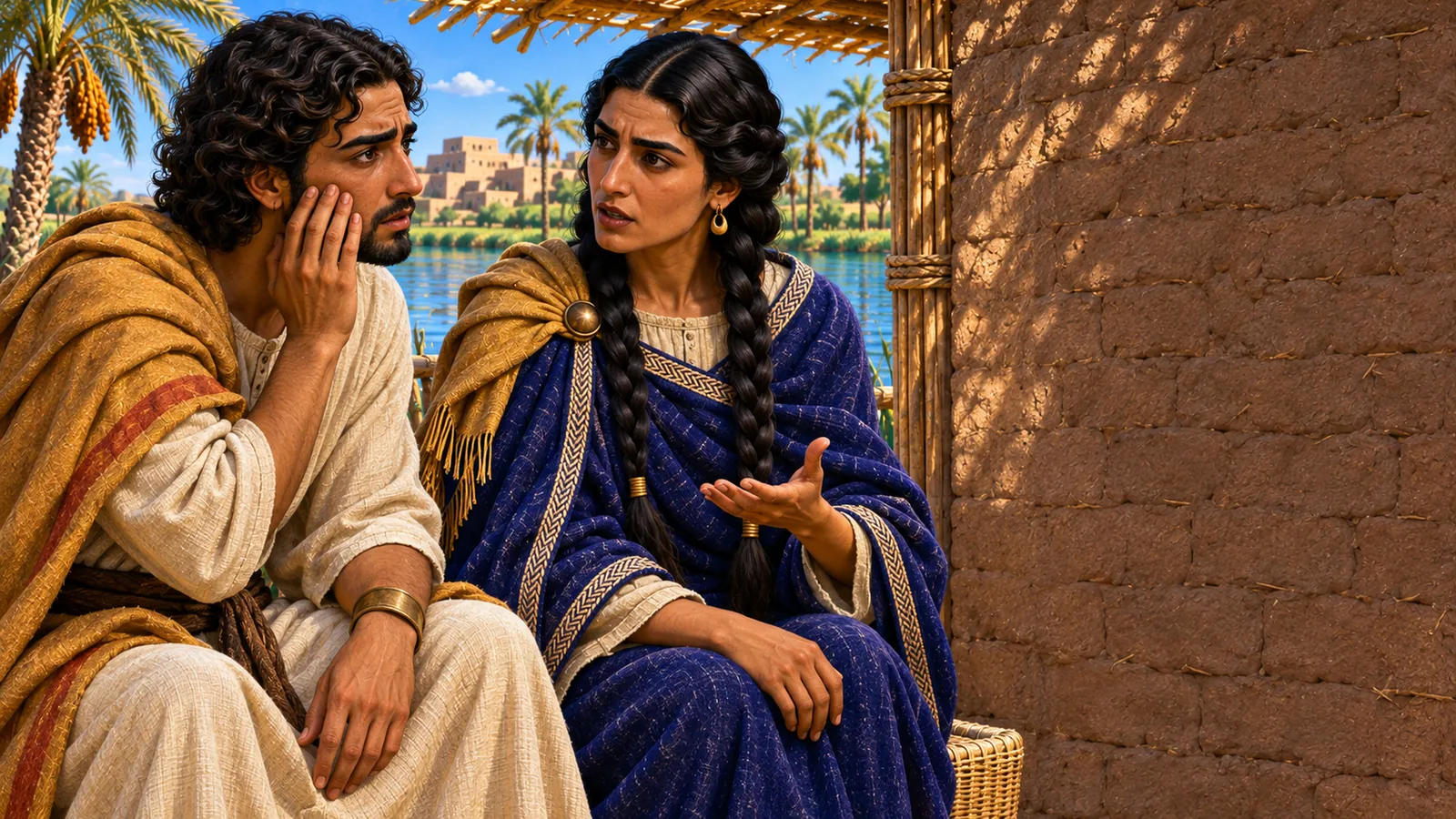
A bird, perhaps an owl, took a lamb in the dream. Geštinanna said it meant that a hostile man would strike Dumuzi on the cheek.
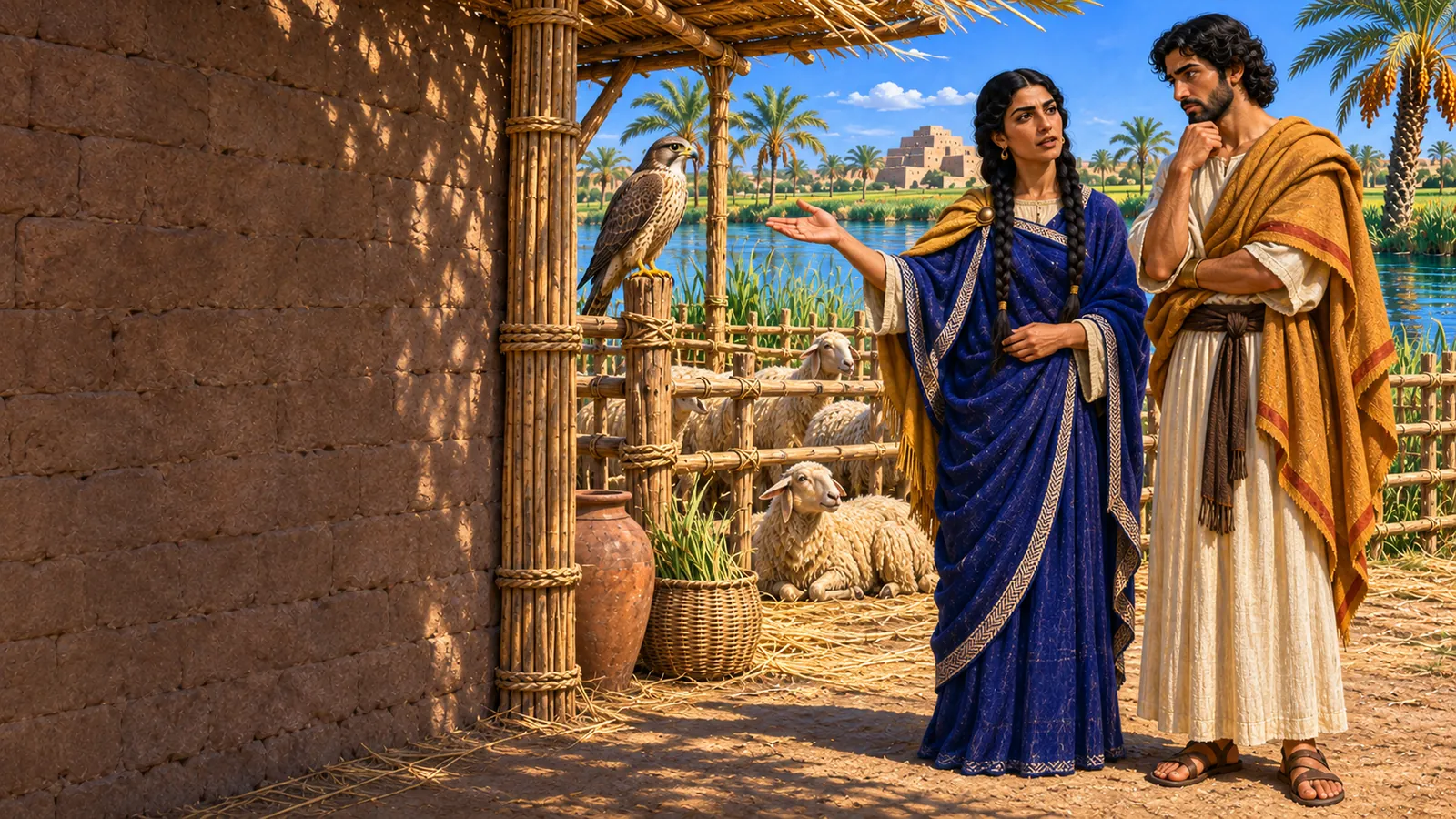
The falcon had caught a sparrow on the reed fence in Dumuzi’s dream. To Geštinanna, that image meant a great demon would come down from the sheepfold.
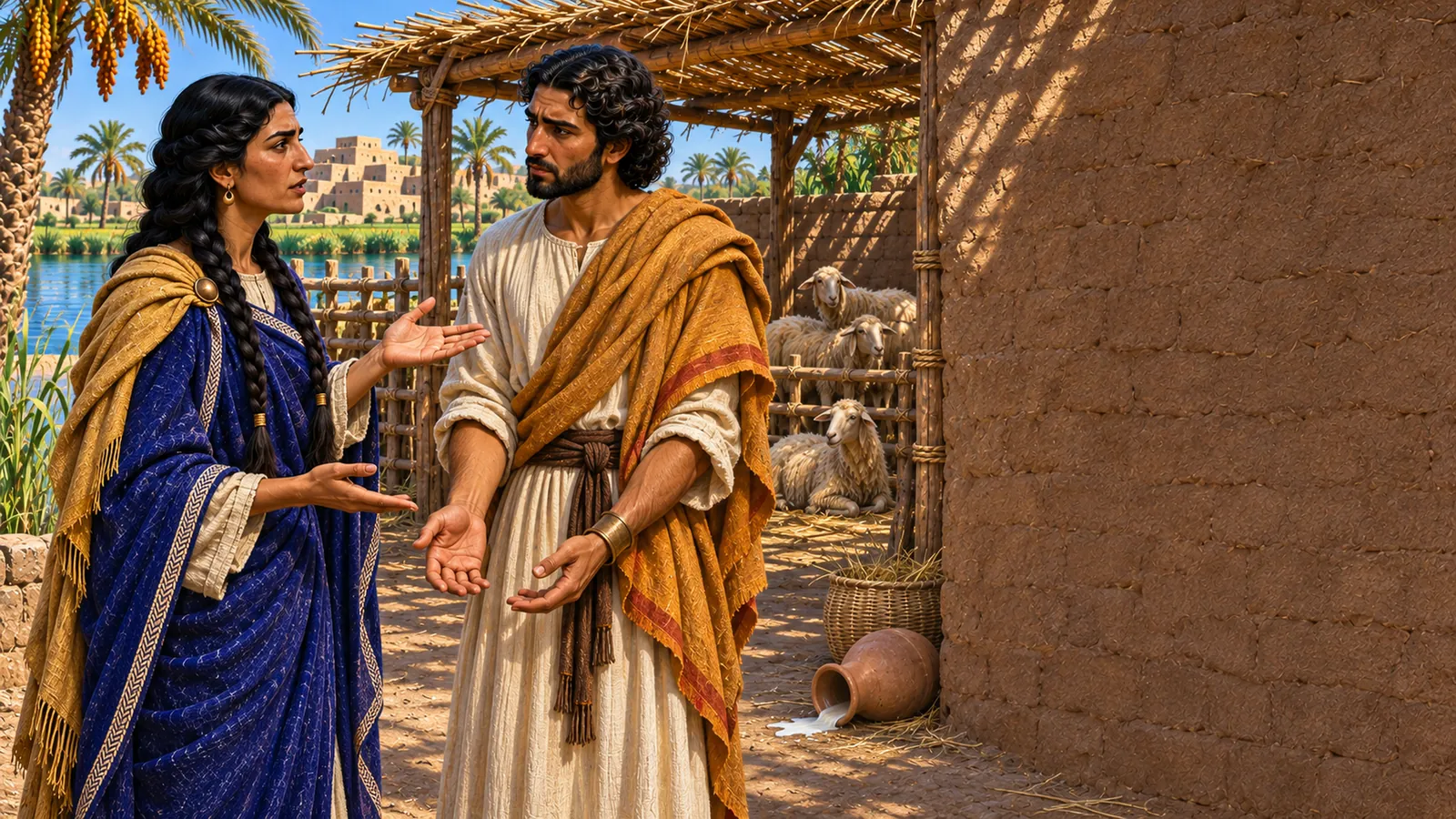
In the dream, churns and cups lay on their sides, no milk was poured, Dumuzi was dead, and the sheepfold was haunted. Geštinanna said these images meant his hands and arms would be bound.
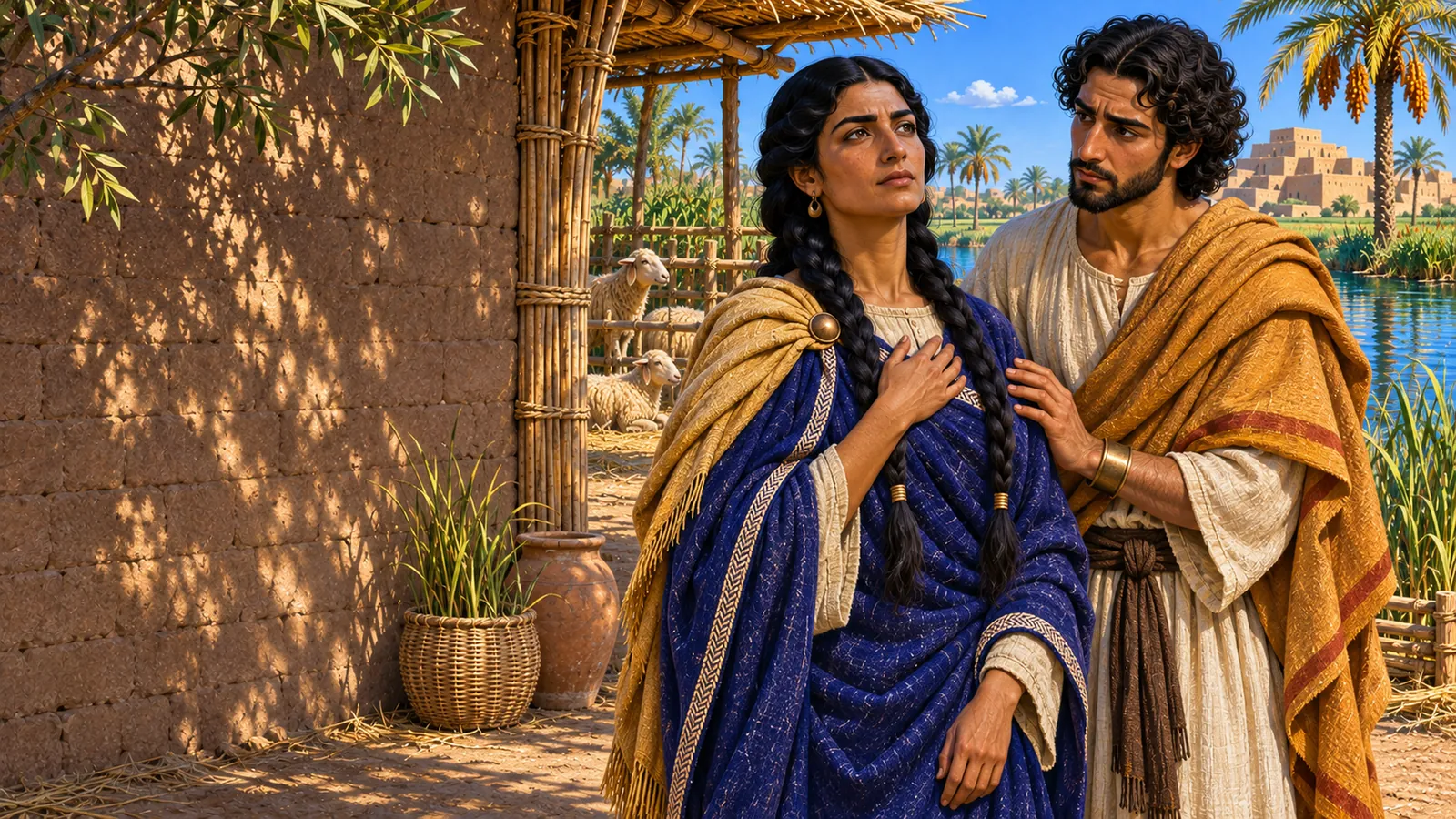
The goats dragging their beards in the dust meant her hair would whirl in grief like a storm. The rams scraping the ground meant she would wound her cheeks with her nails as she mourned him.
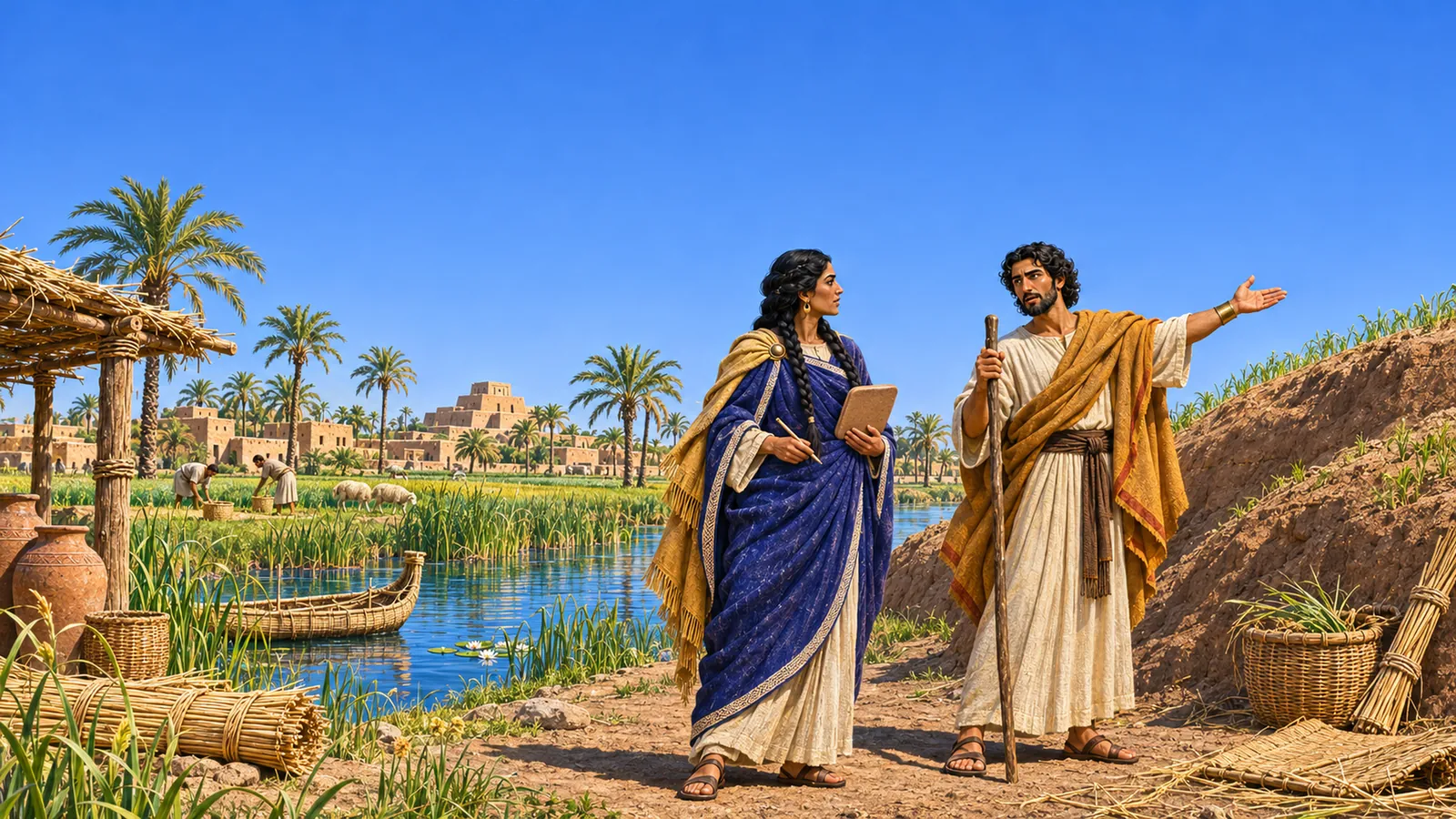
THE MOUND
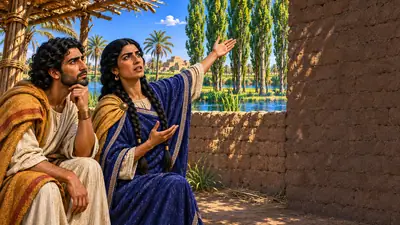
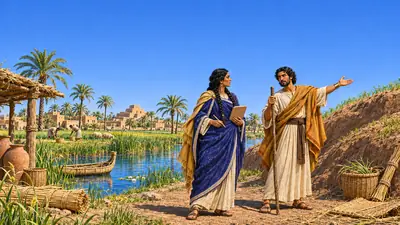
As soon as she finished, Dumuzi told his sister to climb the mound and look out. He repeated that she should go up, and said she should do so unlike an ordinary person.
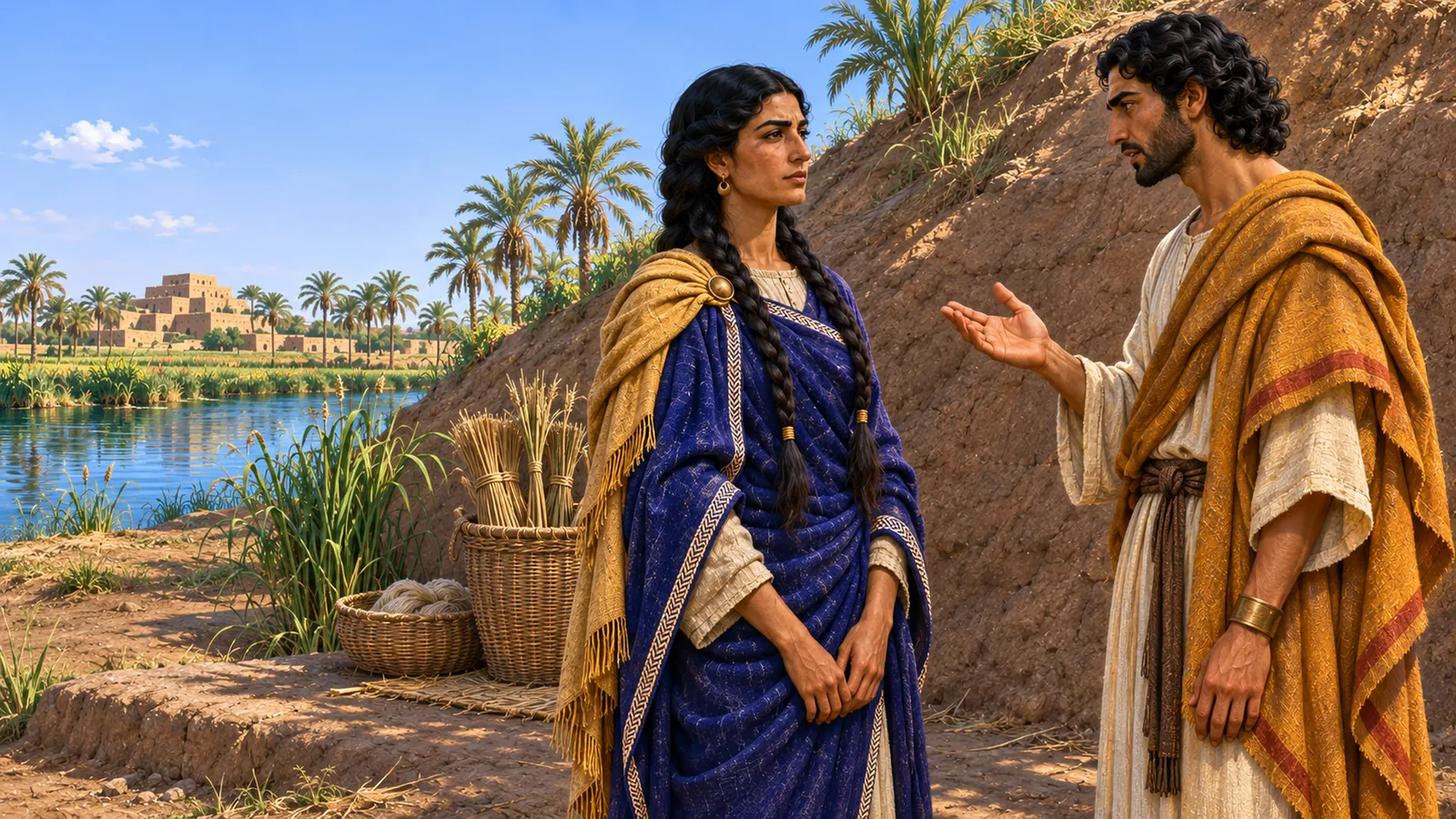
He urged her to go up as a mourner. His words called for wounds to her heart, liver and groin, and for her clothes to be torn.
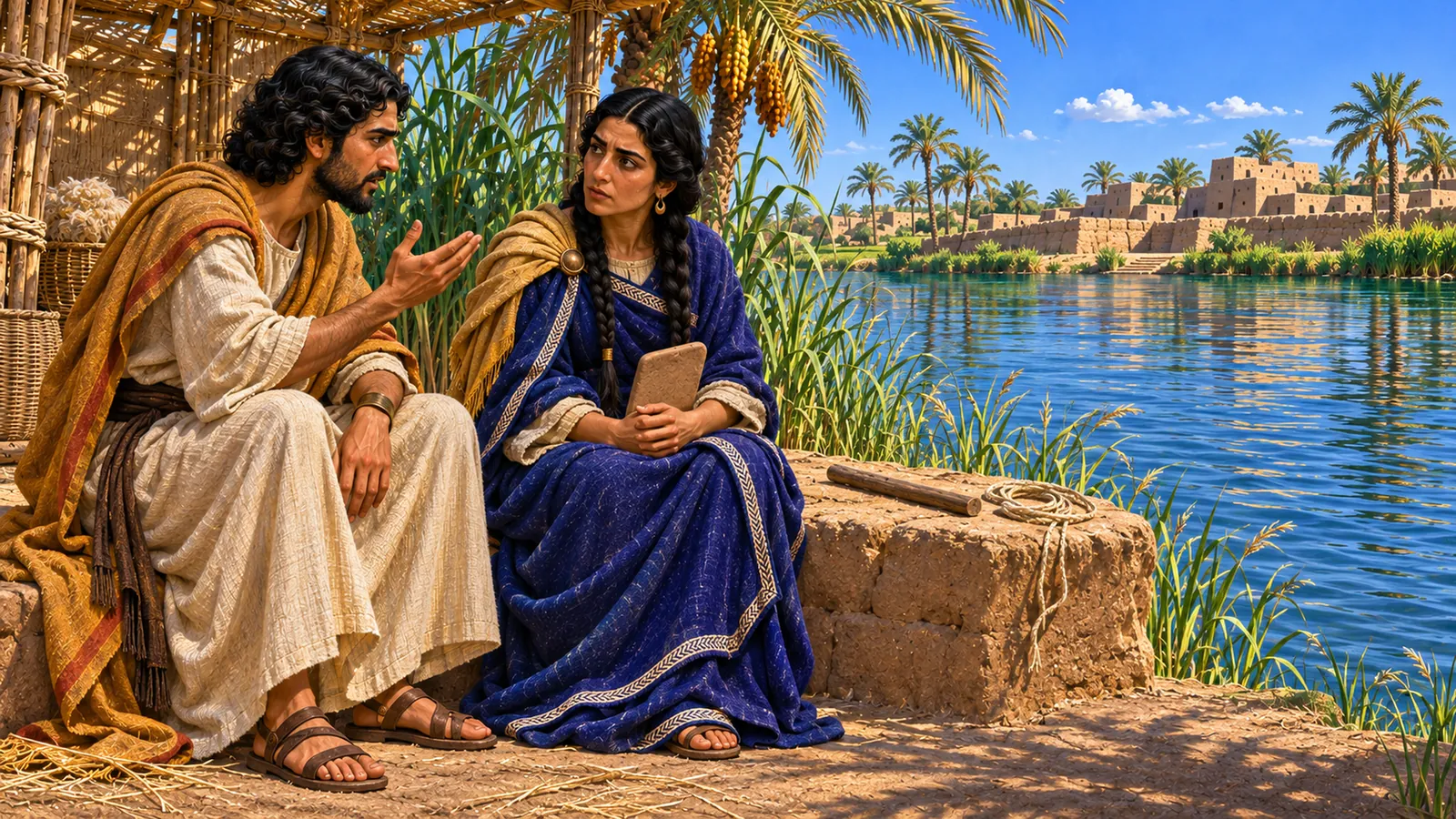
His warning mentions a river barge in a broken line. He spoke of men carrying wood to bind hands and necks, and said no one knew how to undo the neck restraint.
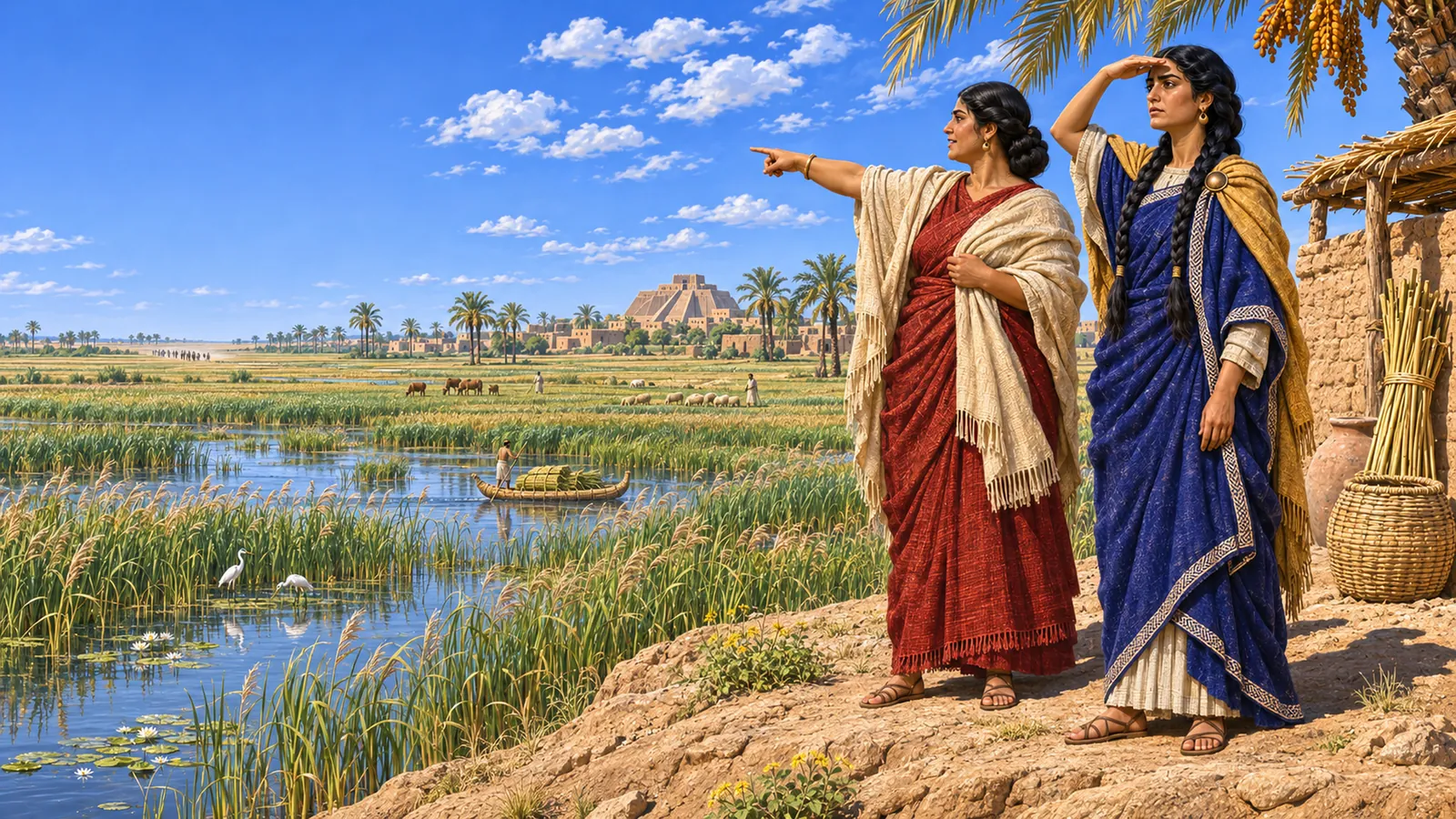
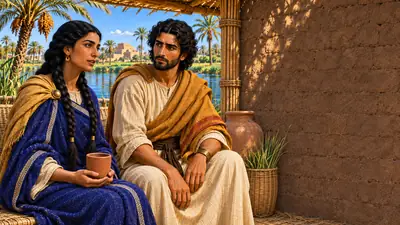
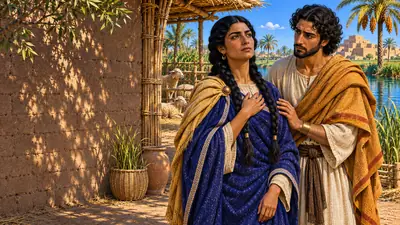
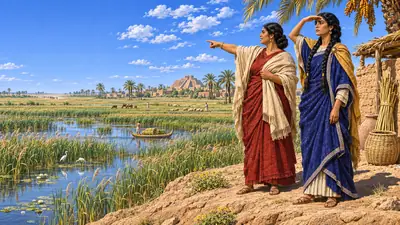
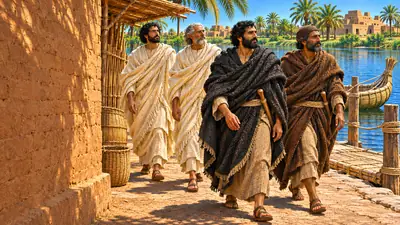
Geštinanna climbed the mound, stretched her neck and looked around. Her friend Geštindudu told her that the men who bound necks were already coming for Dumuzi.
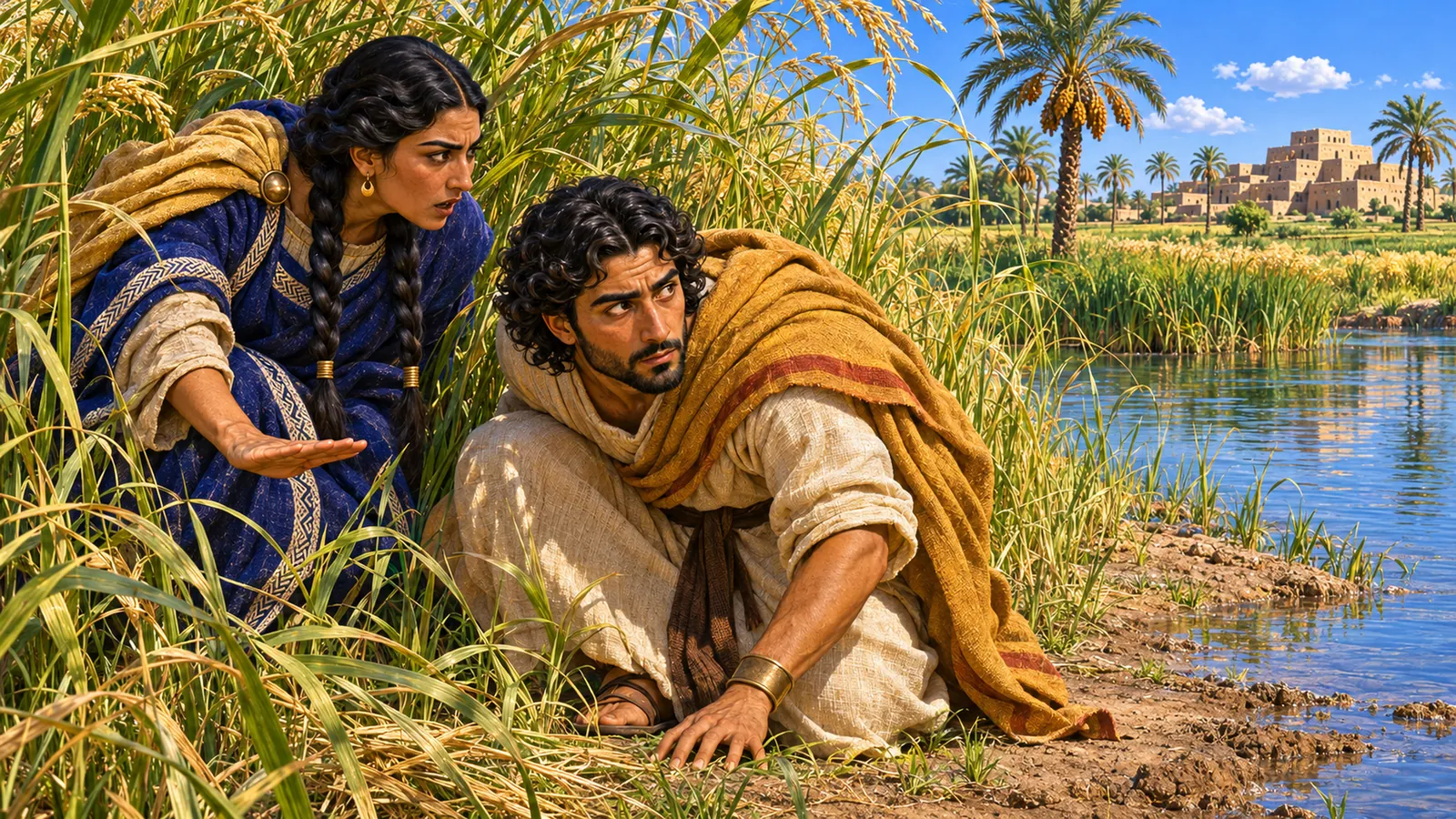
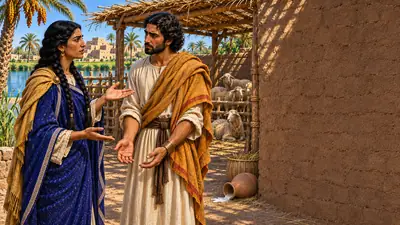
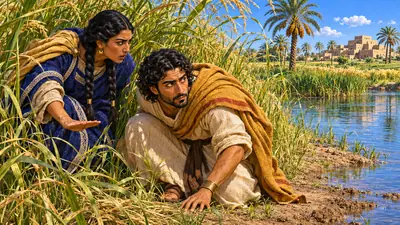
Geštinanna asked whether the men were coming, and her friend said she would point them out. Geštinanna warned Dumuzi that the demons were coming and twice urged him to duck down in the grass.
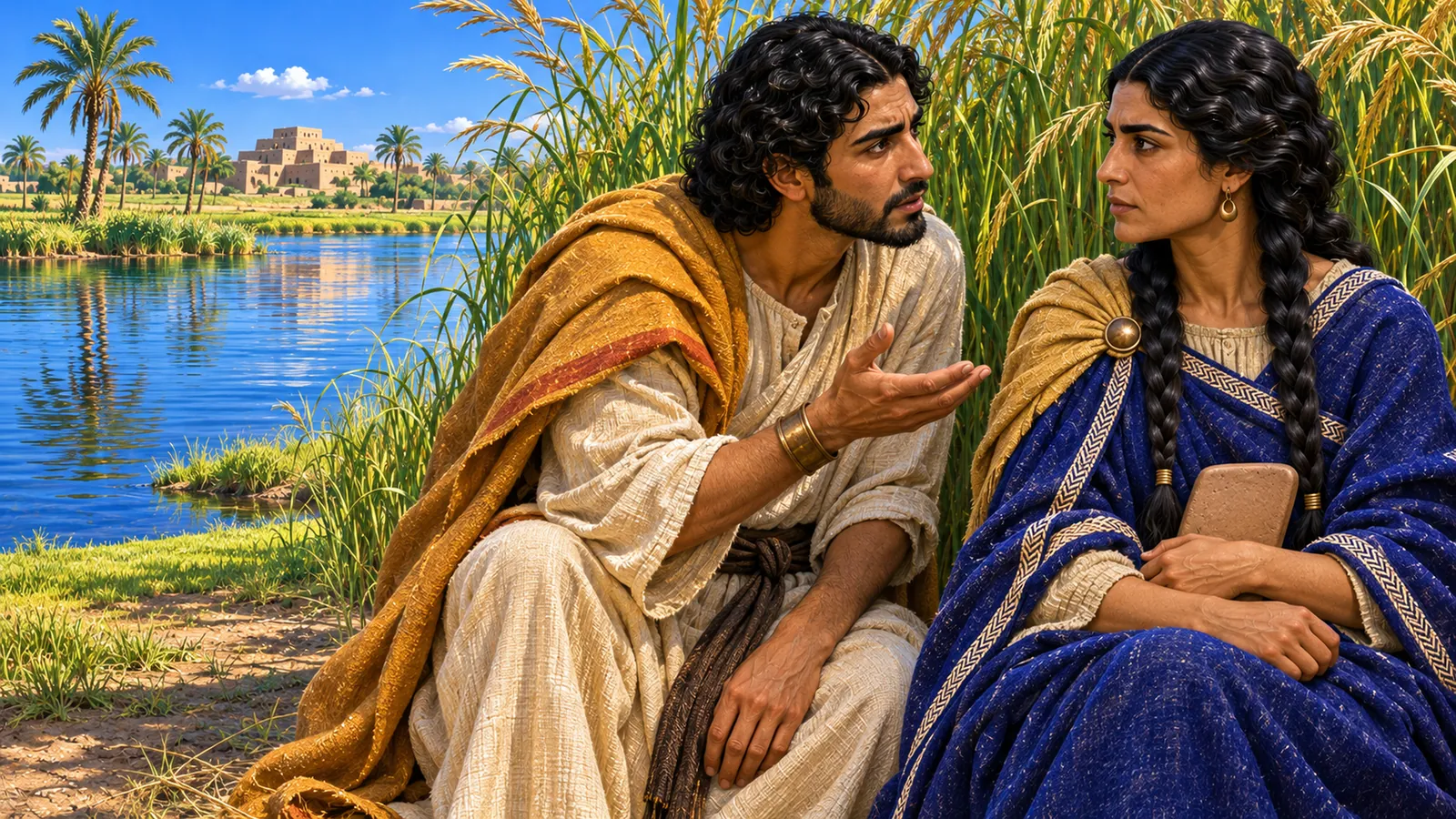
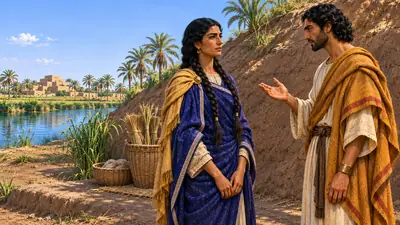
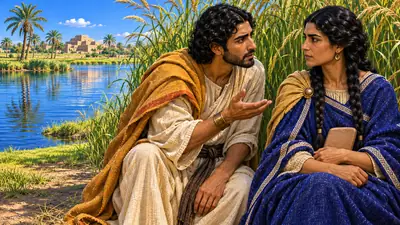
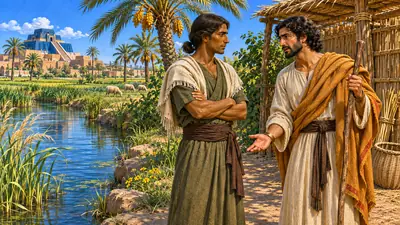
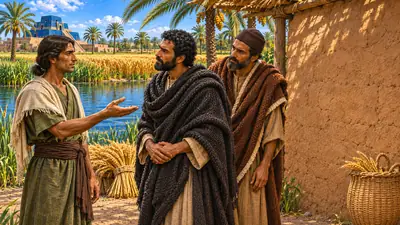
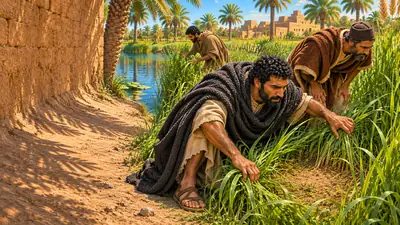
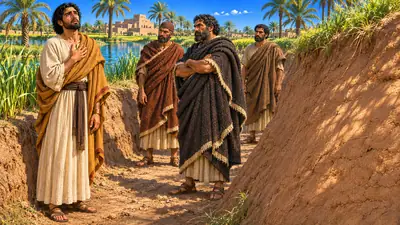
Dumuzi said he would hide in the short grass, in the tall grass and down in the ditches of Arali. He repeatedly asked his sister not to reveal where he was.
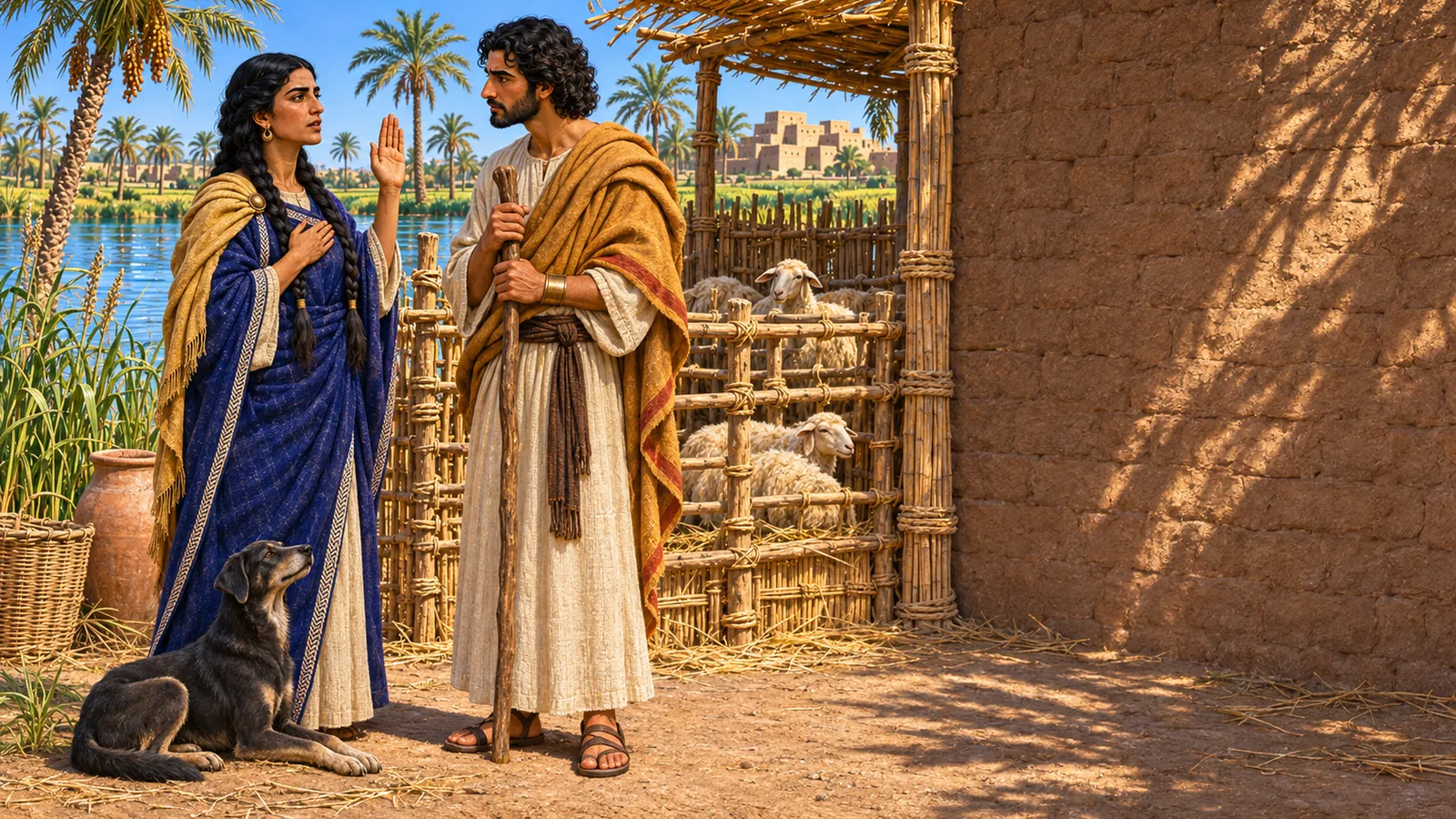
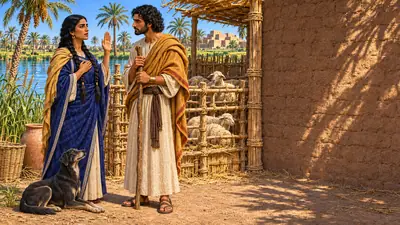
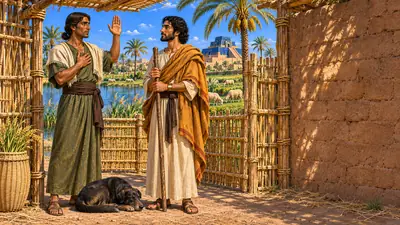
Geštinanna swore to keep her brother’s whereabouts secret. If she told them, she said, let his black shepherd dog devour her. She called it a noble dog as she repeated her oath.
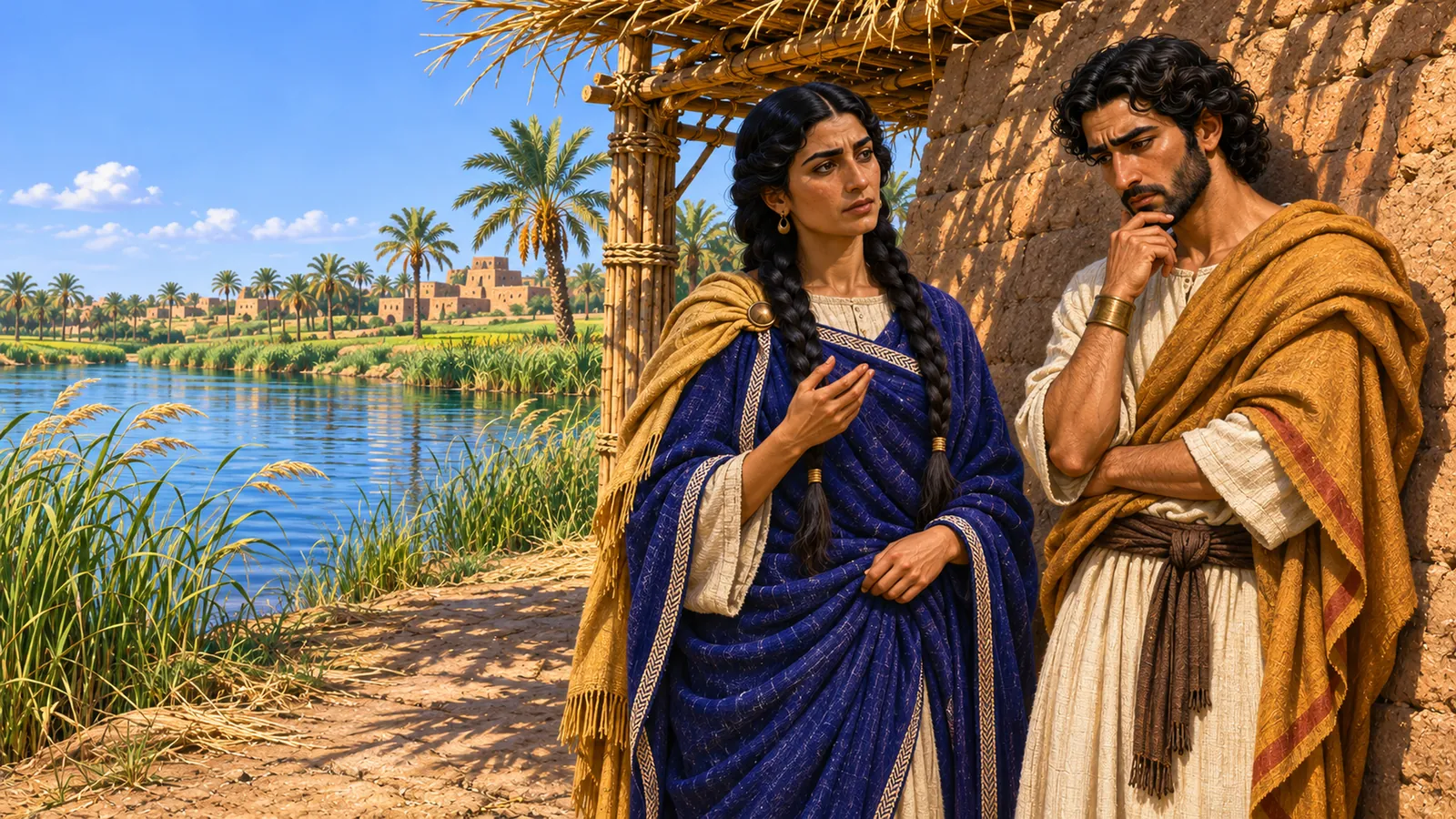
The passage is damaged. Geštinanna seems to tell Dumuzi to give instructions to his friend. She speaks of a companion and of a search for Dumuzi, but much of what she says is lost.
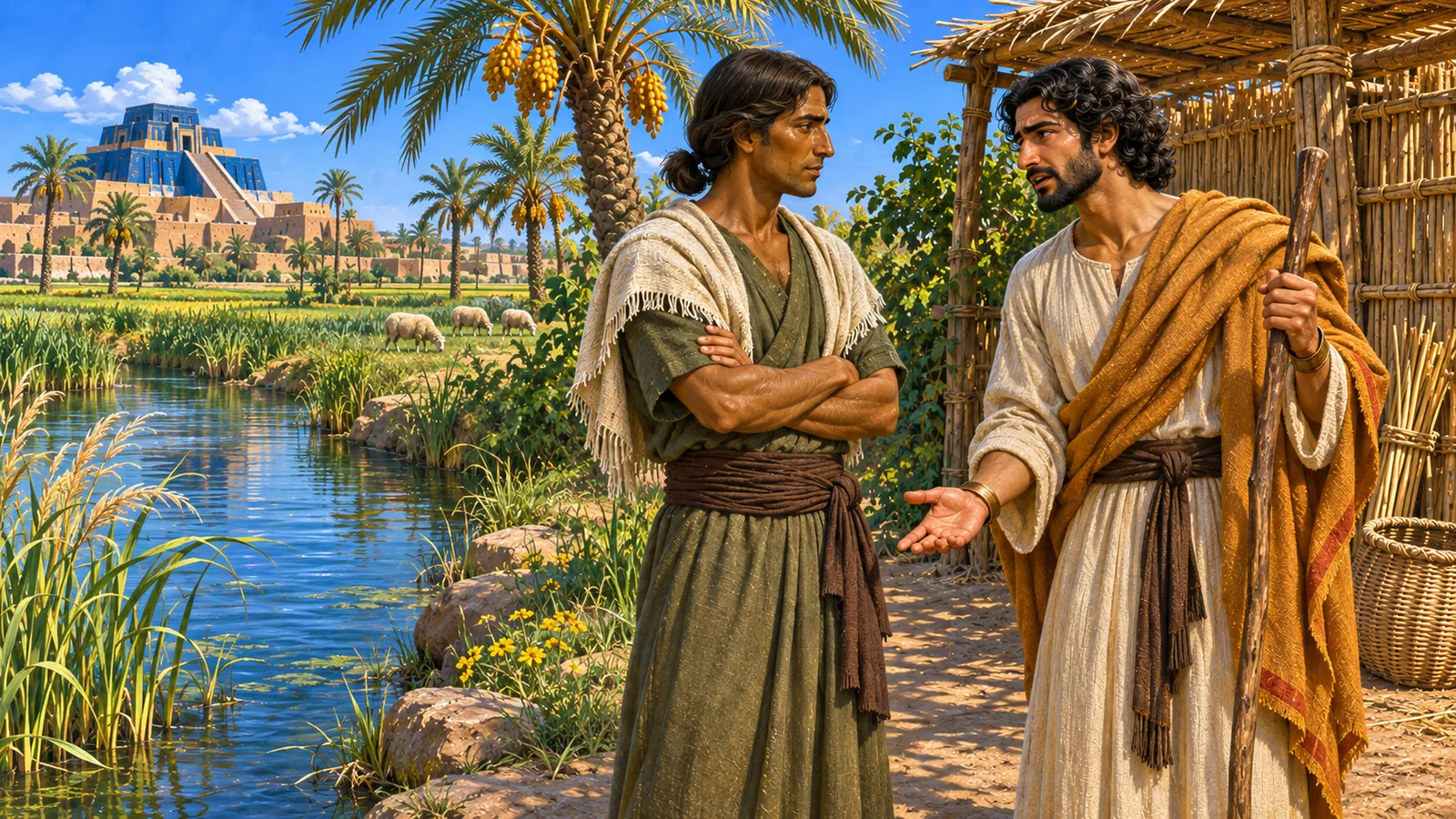
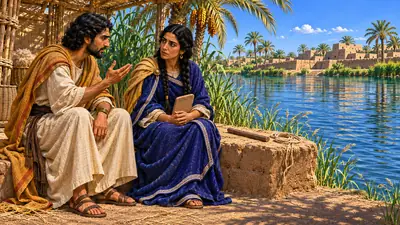
Dumuzi told his friend that he would hide in the grass, in the short grass, in the tall grass and in the ditches of Arali. At each place he asked his friend to keep the secret.
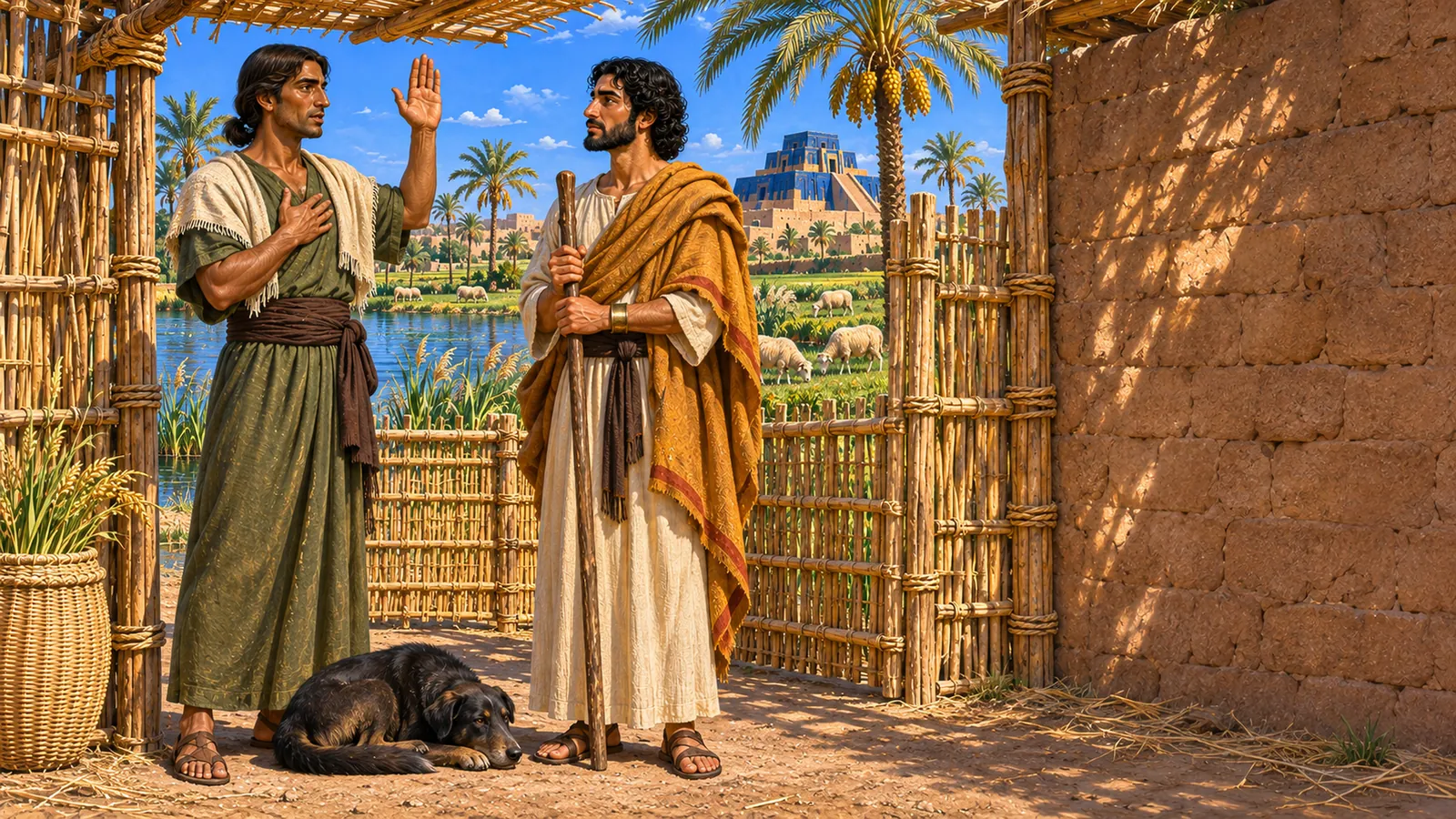
His friend swore that if he gave the hiding place away, Dumuzi’s own black shepherd dog should devour him.
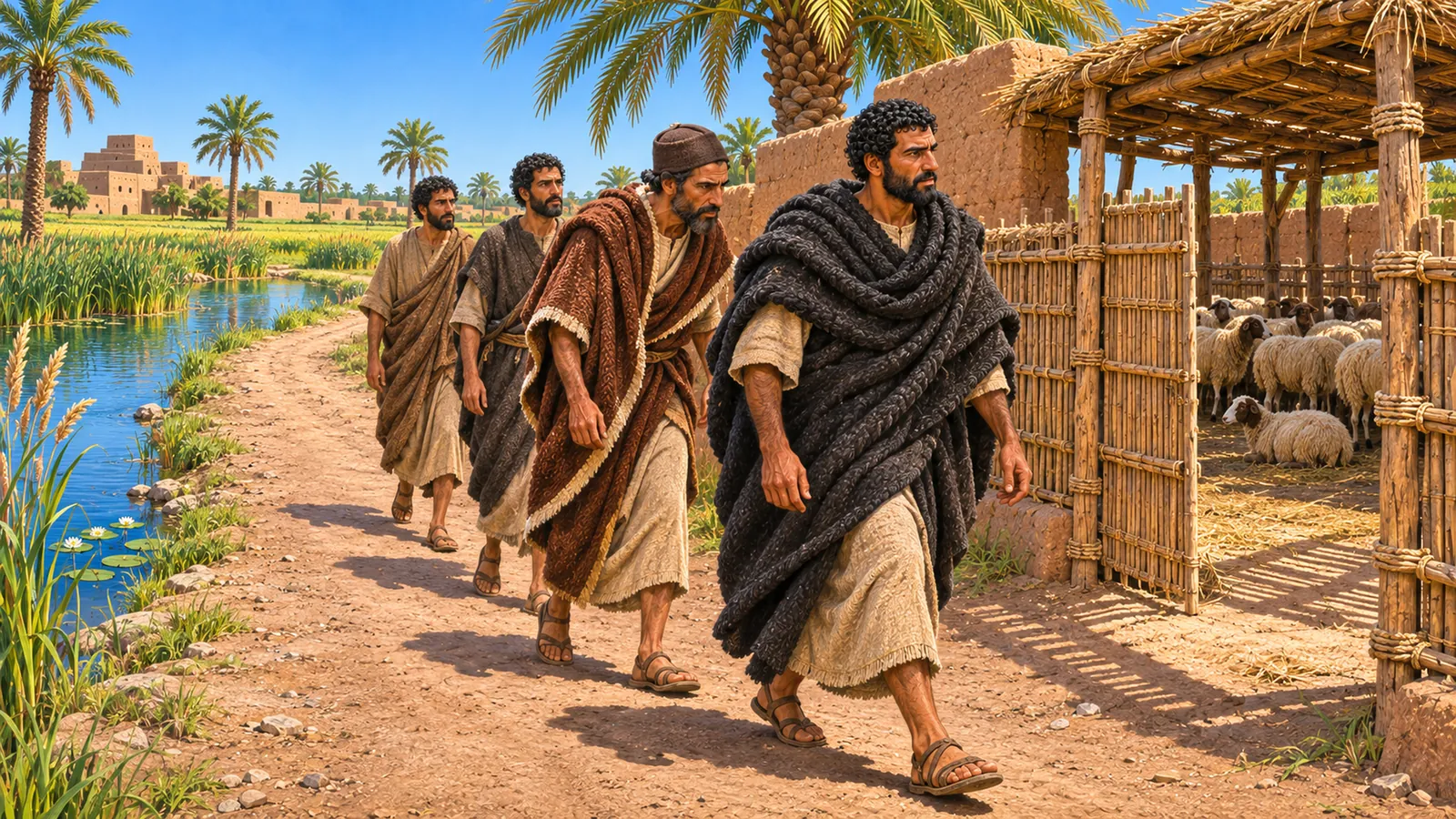
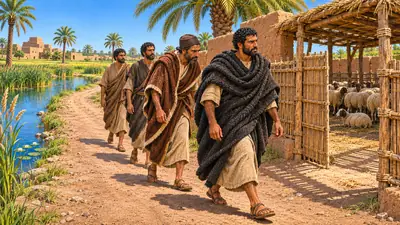
An unusual company came for the king. The poem says they knew neither food nor drink. They accepted no gifts and had no part in the embraces of wives or the kisses given to children.
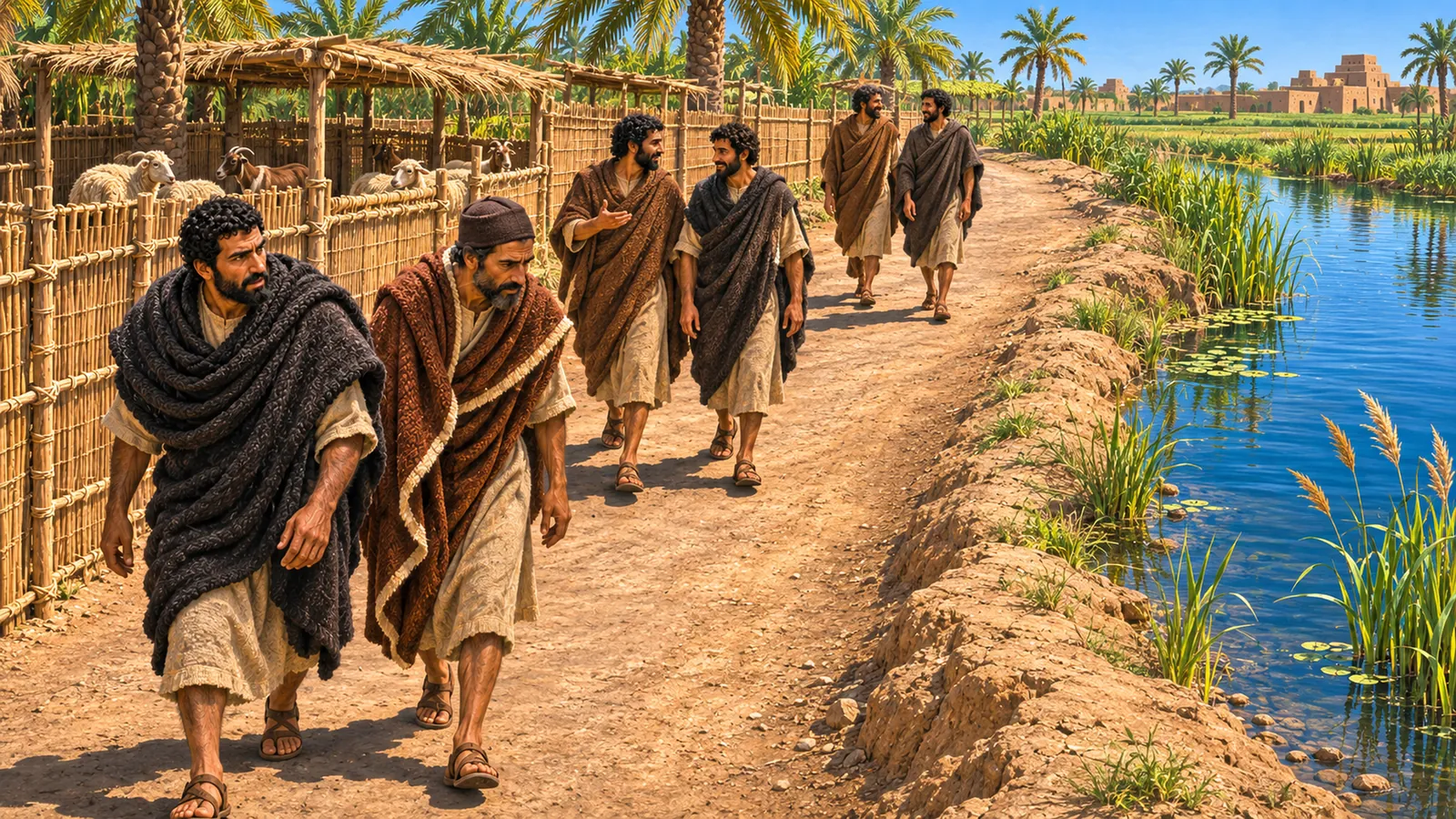
Two men from Adab came for the king. The poem likens them to thistles and thorns. Two came from Akšak, carrying something the text no longer identifies, and two more came from Uruk.
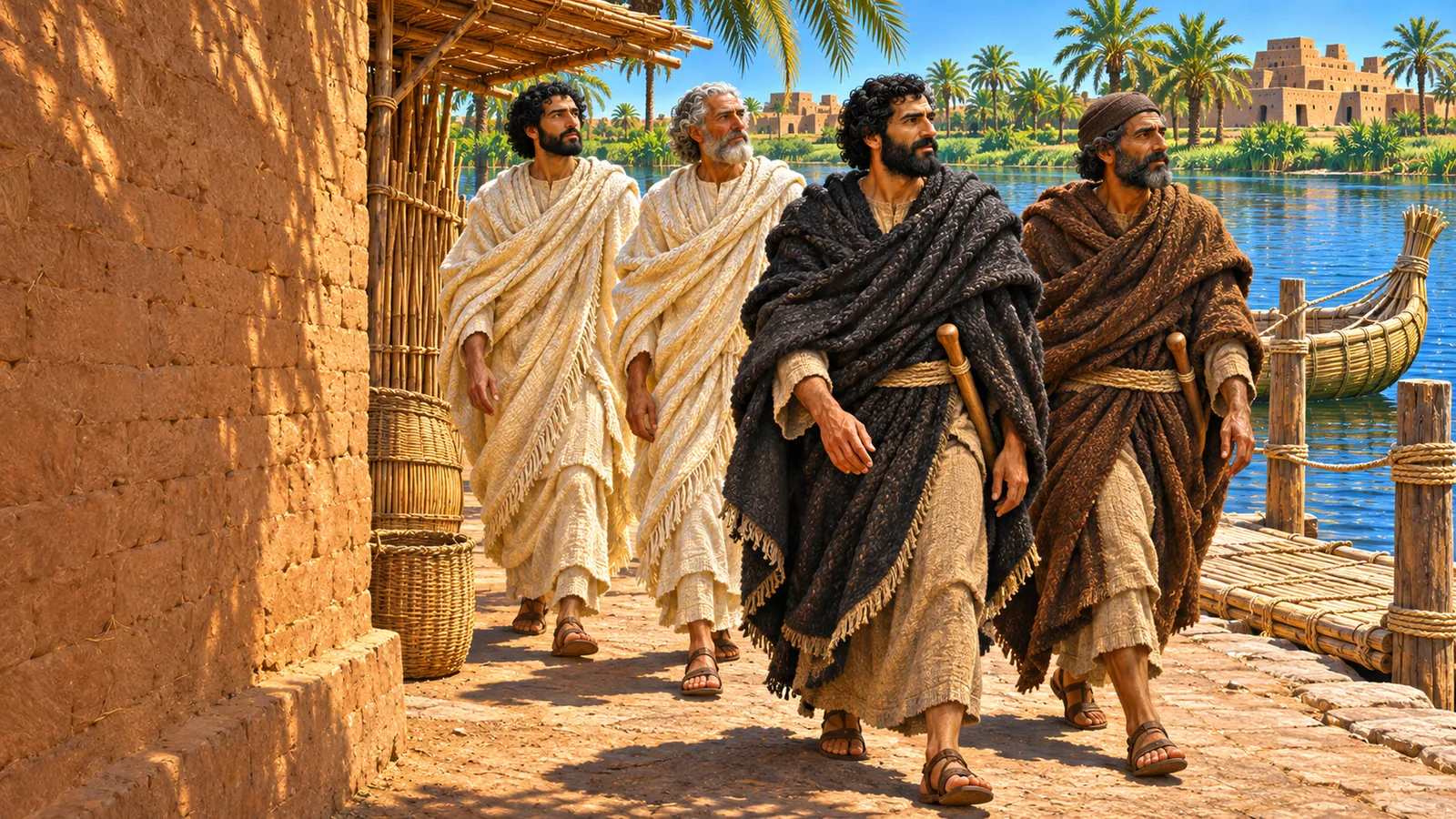
Two men from Ur came with clubs at their waists. Two men from Nippur came, their clothing shining on the quayside.
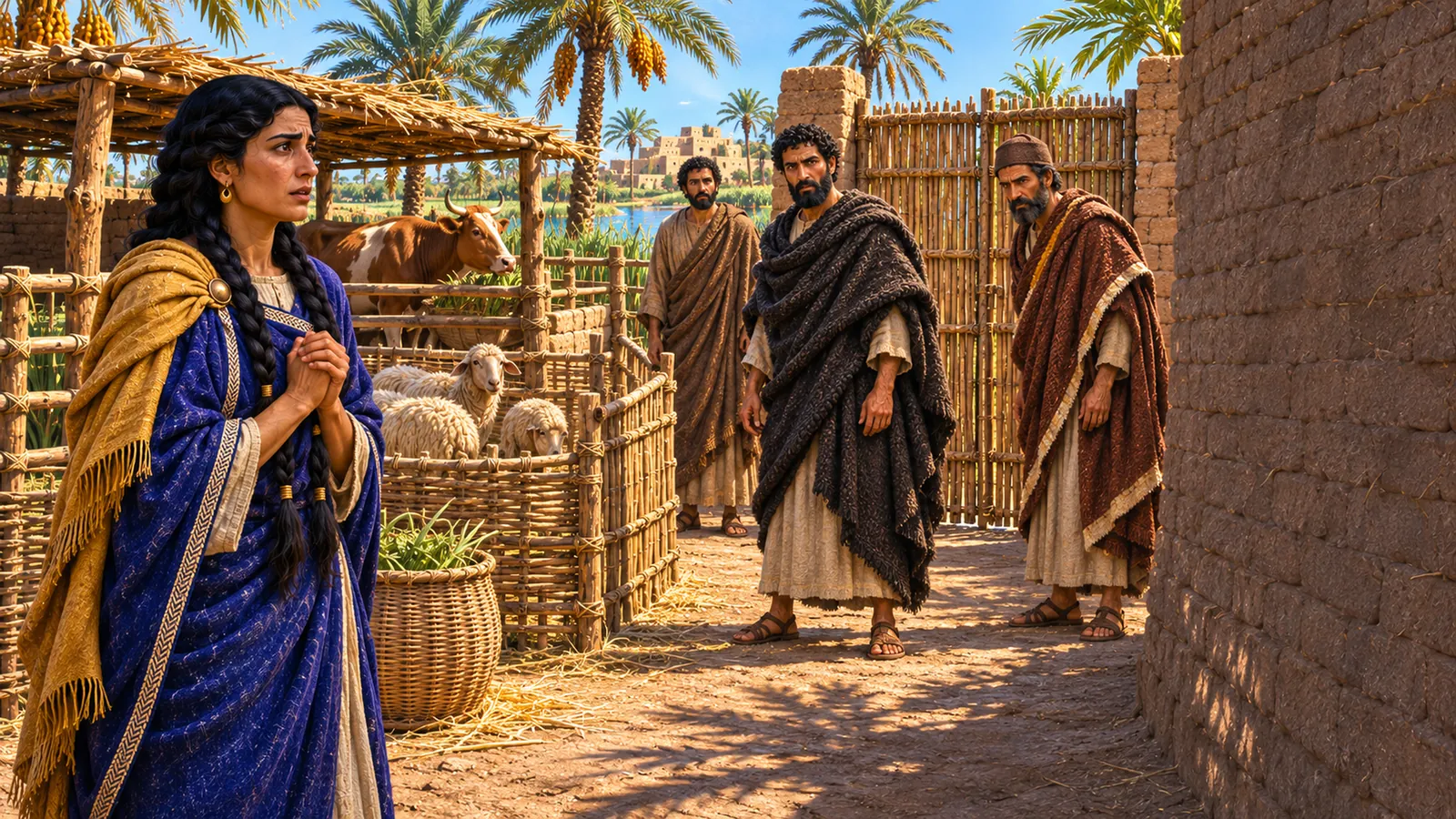
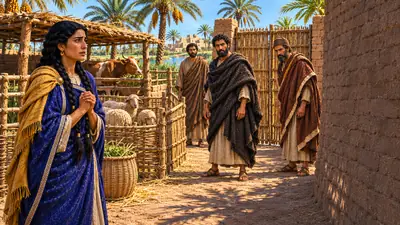
The company shouted for one man to run after another. They went to the sheepfold and cattle pen, where they caught Geštinanna.
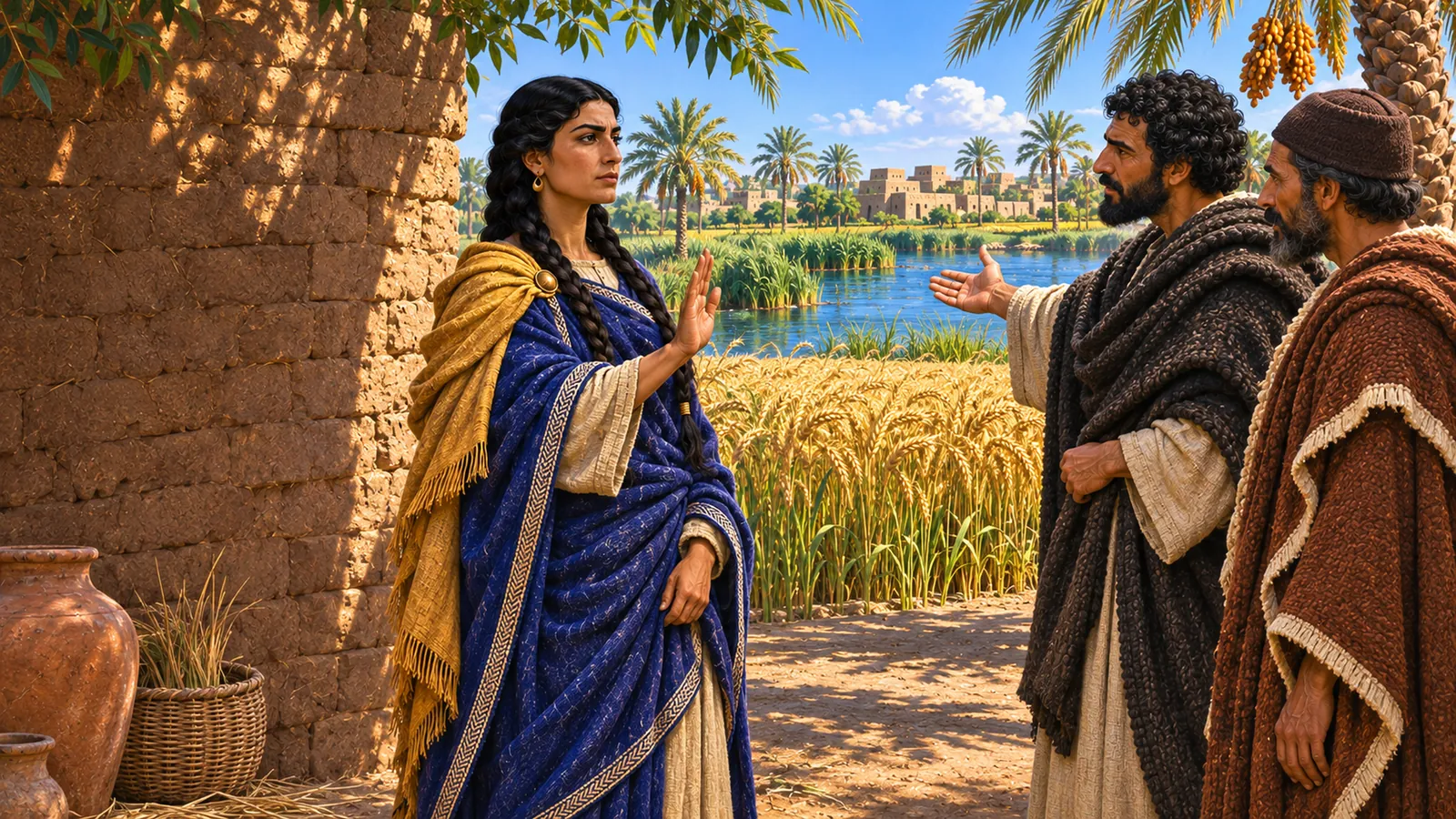
They offered Geštinanna a river of water and a field of grain. She refused both. The poem describes an exchange among the demons before their next words, but part of the passage is damaged.
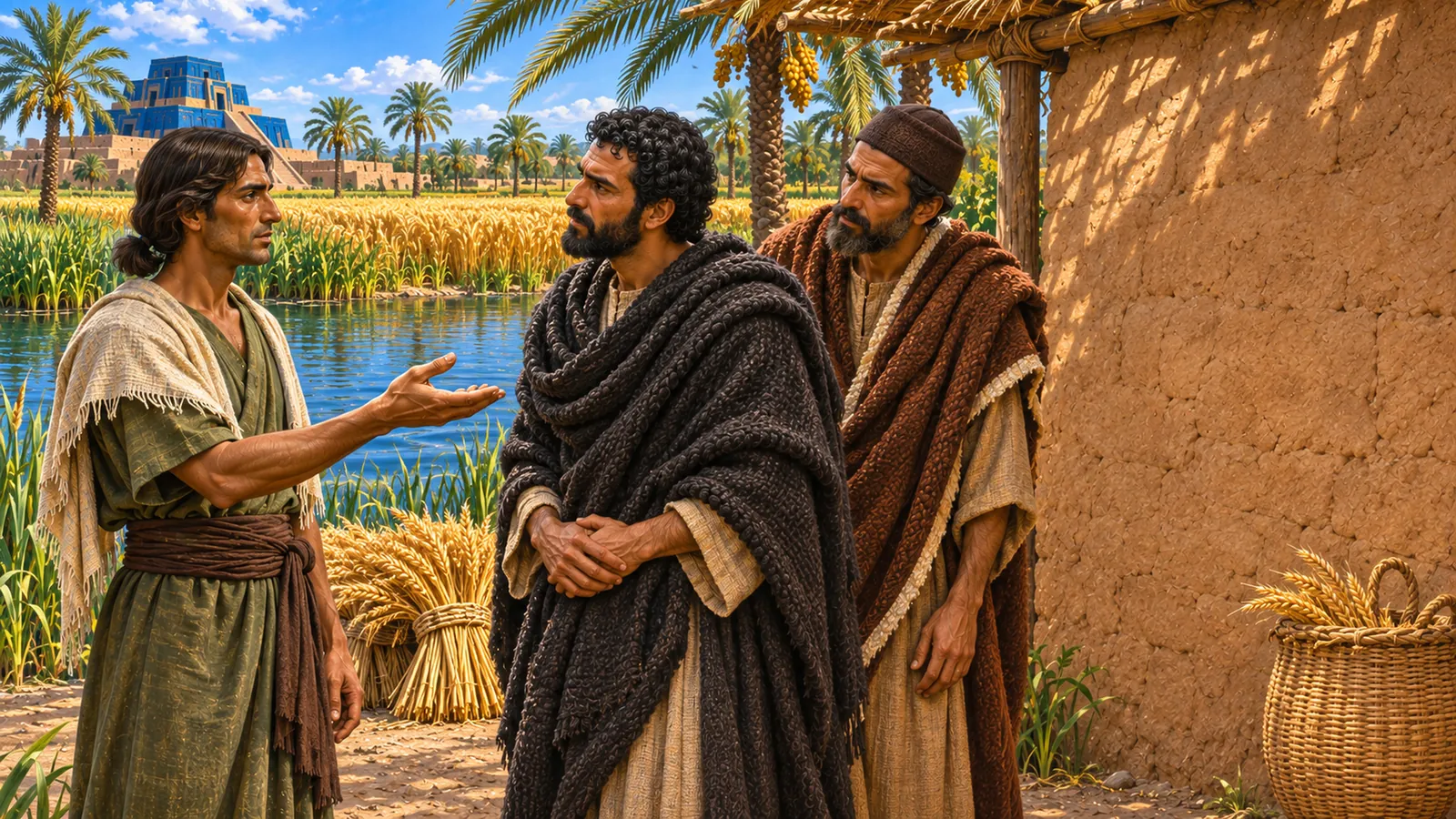
BETRAYAL
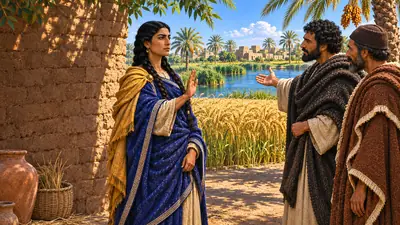
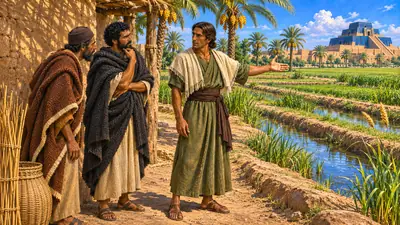
They asked who had ever known a sister to reveal her brother’s hiding place. Then they turned to Dumuzi’s friend. When they offered him the river and the field of grain, he accepted both.
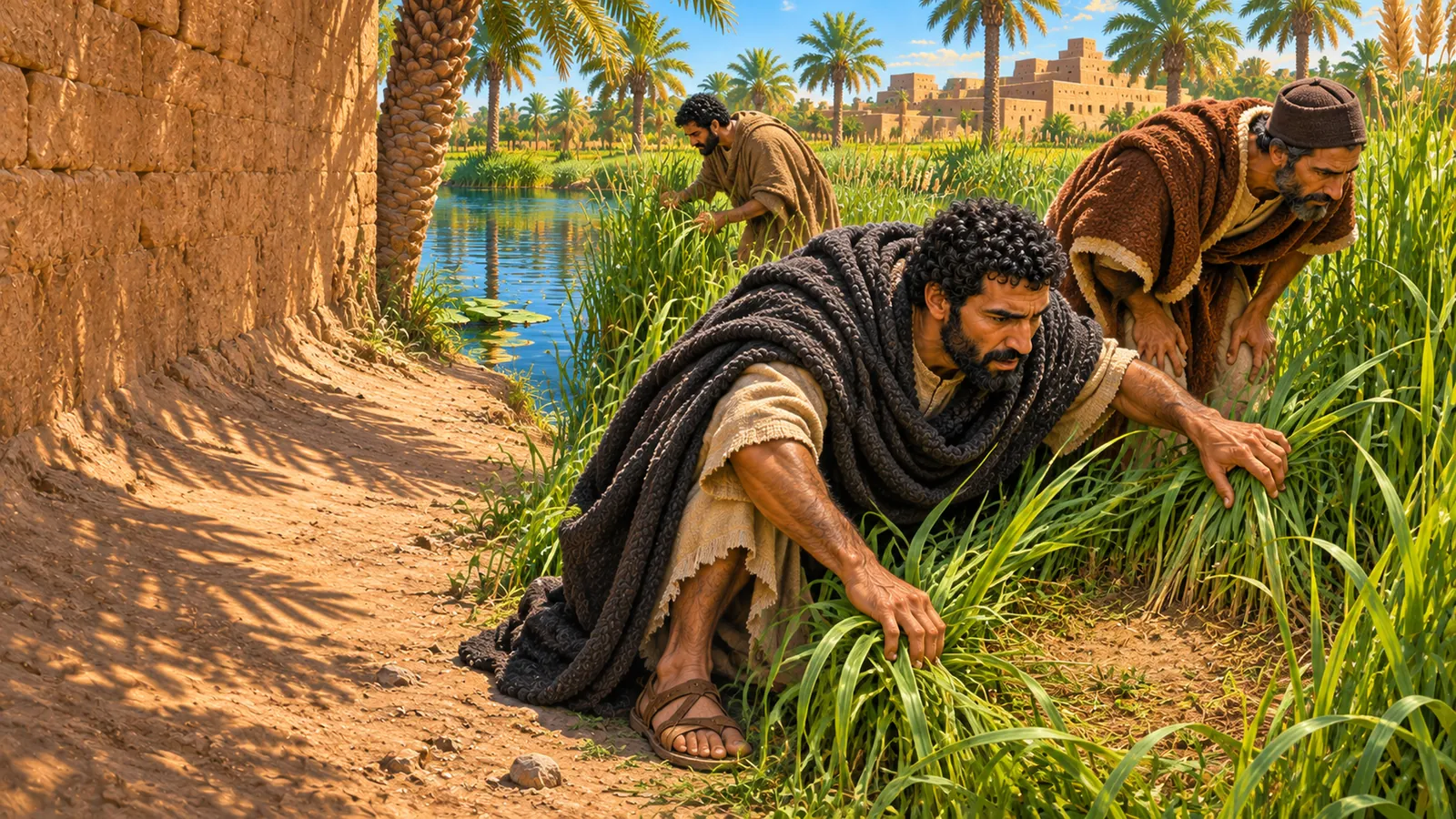
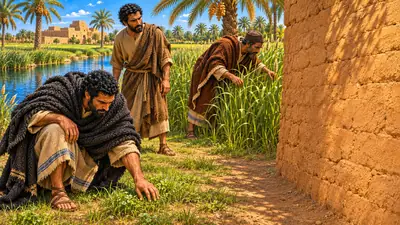
His friend said that Dumuzi had hidden in the grass, but claimed he did not know just where. They searched the grass and could not find him.
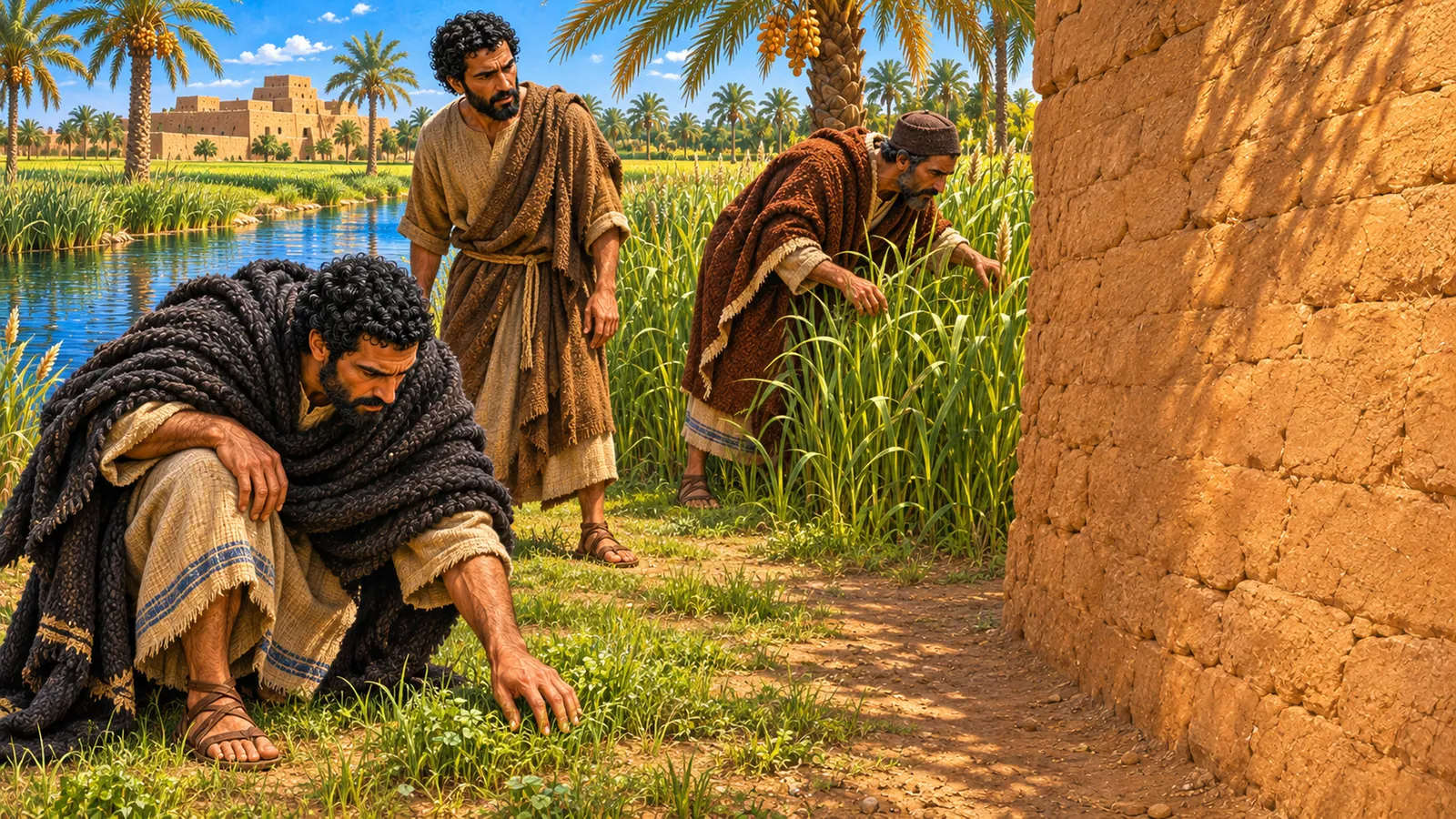
Next he named the short grass, then the tall grass. Each time he said he did not know just where Dumuzi was. They searched each place and found no one.
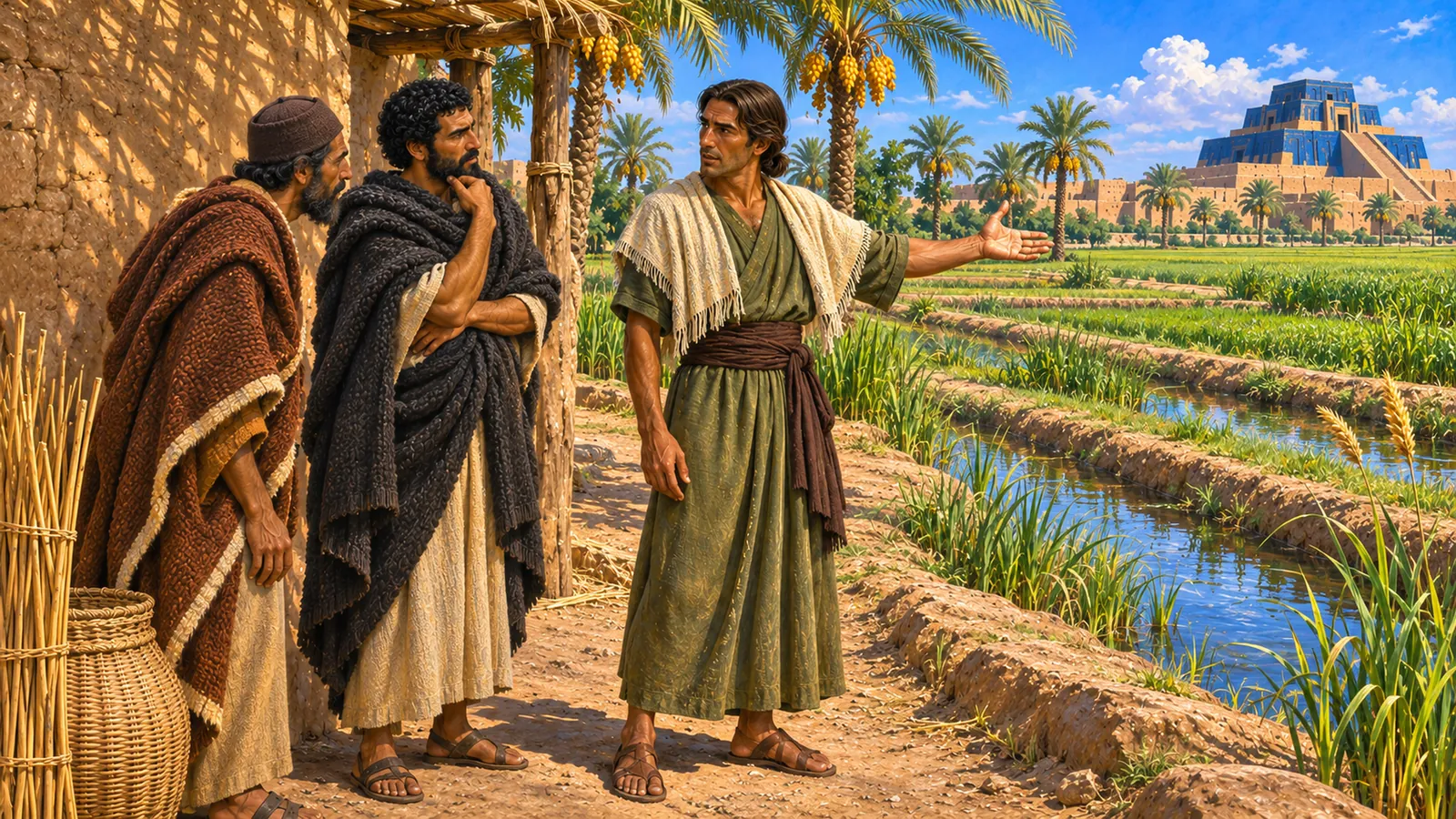
At last the friend said that Dumuzi had gone down into the ditches of Arali. Once again he claimed not to know his exact whereabouts.
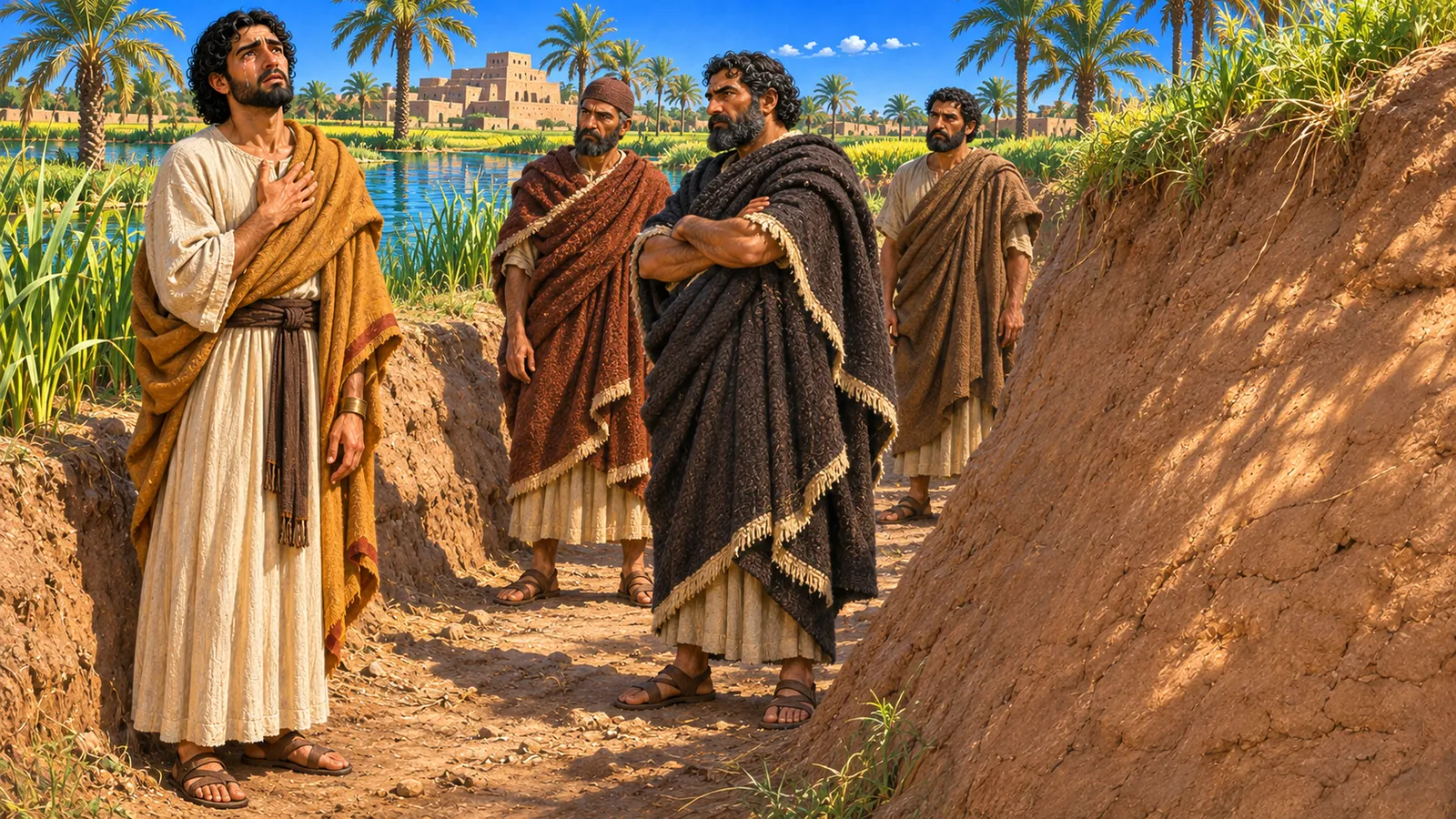
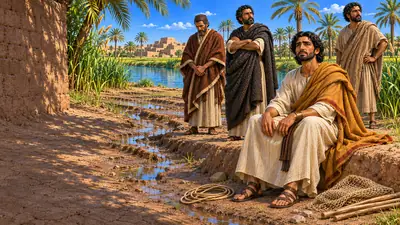
They caught Dumuzi in the ditches of Arali. He wept and turned pale. He said that his sister had saved his life in the city and that his friend had brought about his death.
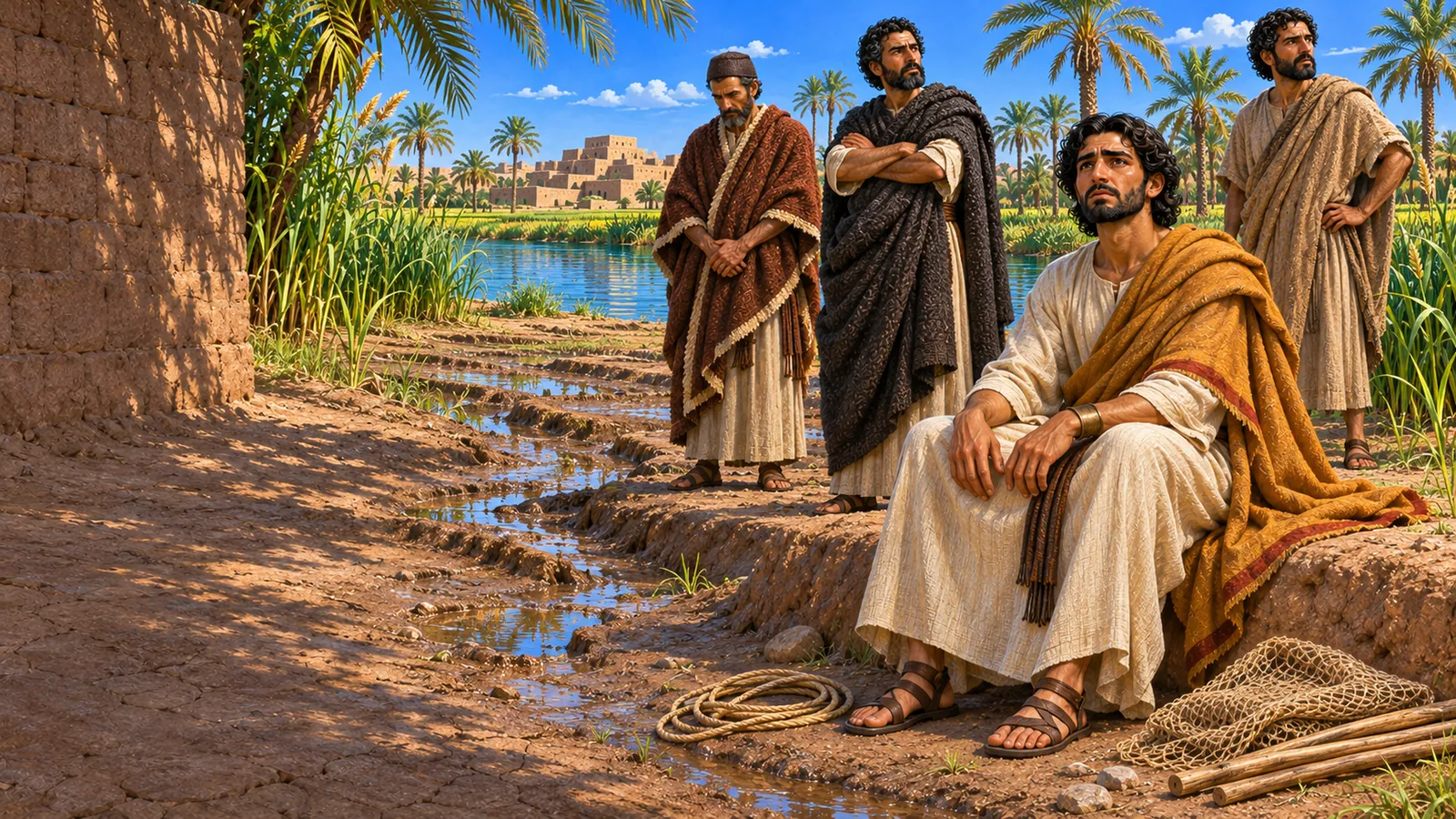
The men surrounded Dumuzi and drained the standing water. They readied cords, a net and sticks, and the man in front threw things at him. The words about the man behind him break off.
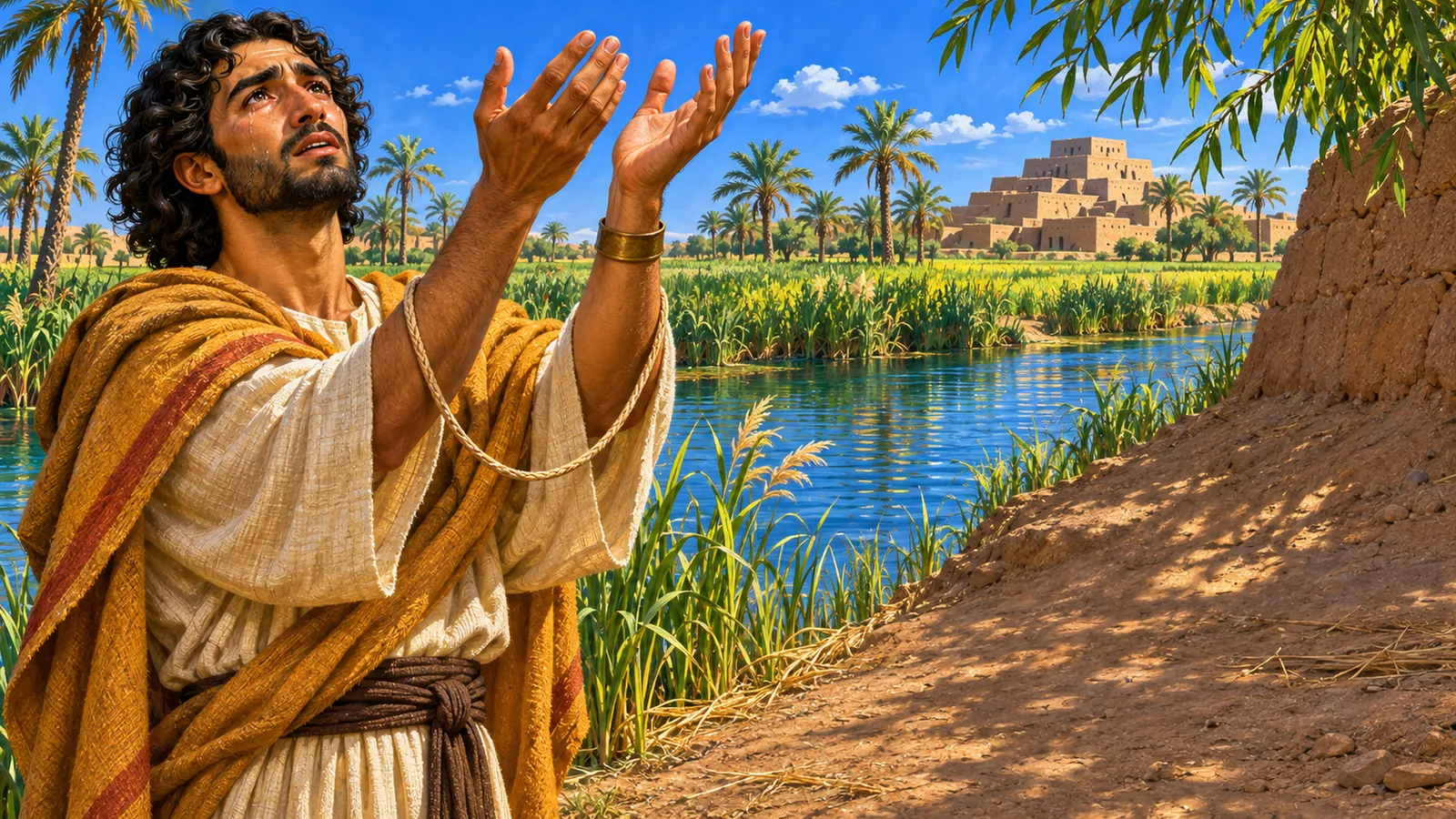
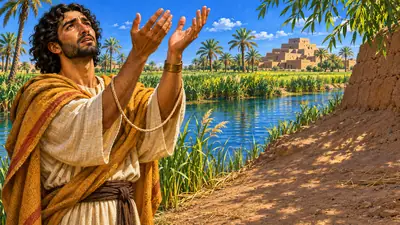
They bound Dumuzi’s hands and arms. He raised his hands toward heaven to appeal to Utu.
End of chapter 1
All pages



Sources
Each page follows a part of the source group printed next to it. The Oxford translation prints Dumuzid and Jectin-ana for the names rendered here as Dumuzi and Geštinanna. In lines 83–86 it also calls her Ama-jectin-ana. Geštindudu is her companion.
Editions consulted
Notes on this retelling
Pages 1–2 (lines 1–4). The poem repeats the young shepherd’s grief three times. One manuscript specifies a shepherd’s stick. Page 2 uses that reading.
Pages 3–5 (lines 5–14). The translation has a break before its mention of river crabs. The retelling keeps the animals named in the surviving words and condenses the calls to the countryside. Five and ten belong to Dumuzi’s repeated call about his mother Durtur. The poem supplies no list of what she will call about. Dumuzi imagines his death within his speech.
Pages 6–7 (lines 15–18). The repeated opening formula frames the shepherd lying down to dream. Waking, trembling and rubbing his eyes all precede his call for his sister.
Pages 8–9 (lines 19–25). Dumuzi repeatedly calls for Geštinanna and names her skills as a scribe, a singer and a knowledgeable interpreter of dreams. The retelling condenses his repeated calls and titles.
Pages 10–13 (lines 26–39). The dream gives the growth of rushes, the shake of a single reed, the separation of one of a pair, rising trees, water poured over the sacred coals, a removed churn lid, a cup torn from its peg and the disappearance of the shepherd’s staff in that order. One manuscript reads “brazier” where the composite reads “coals.” Page 12 follows the composite.
Page 14 (lines 26–39). The translation queries the bird identified as an owl. The retelling preserves that uncertainty and states both predation events as part of Dumuzi’s dream.
Pages 15–16 (lines 26–39). The goats drag their dark beards in the dust and the rams scrape the earth. The concluding lines of the dream give the overturned churns, the milk left unpoured, the cups on their sides, Dumuzi’s death and the haunted sheepfold. The dream report ends on page 16. The printed Oxford translation proceeds from 26–39 to 41–55, with no line 40 printed.
Pages 17–22 (lines 41–55). Page 17 has the unfavorable verdict and the repeated request to hear no more. Page 18 pairs growing rushes with an ambush, page 19 the single reed with the mother, page 20 two reeds with the siblings’ separation, and page 21 rising trees with the hostile men catching Dumuzi within the walls. Page 22 pairs water over the coals with the sheepfold’s silence and the lifted churn cover with a hostile man carrying it inside. The corresponding earlier dream report (26–39) gives “brazier” in one manuscript in place of “holy coals.” Oxford prints no line 40 between the report and the interpretation.
Pages 23–28 (lines 56–69). Page 24 gives the missing staff and the prediction the demons will burn it. One manuscript reads that they will smash it. Page 25 keeps Oxford’s uncertain owl identification and the prediction of a blow to the cheek. One manuscript gives destruction of the sheep house in place of that blow. Page 26 gives the falcon and sparrow, and the great demon that will come down from the sheep house. One manuscript reads “out” for the direction. Page 27 keeps the overturned vessels, unpoured milk, death and haunting inside the report of the dream, with bound hands and arms as her interpretation. Page 28 gives the goats and rams as signs of her predicted mourning. The source compares her nails to a boxwood needle.
Pages 29–31 (lines 70–82). Pages 29–30 split the repeated invitation to go up the mound from Dumuzi’s instructions in the language of lament. The composite speaks of lacerating heart, liver, clothing and crotch. One manuscript reads “hair” instead of “heart.” Page 31 gives his warning about the binders. Oxford prints gaps around the reference to a river barge and marks identification from the wooden neck restraint uncertain. The ensuing ascent and looking around occur on page 32.
Page 32 (lines 83–86). Geštinanna climbs the mound and looks, and her friend Geštindudu says the men who bind necks are already coming. Their approach is reported in the friend’s speech. The fragment before the repeated “coming for him” remains unfilled.
Page 33 (lines 87–90). Geštinanna asks about the approaching pursuers. Geštindudu says she will point out the binders, and Geštinanna twice warns Dumuzi of the approaching demons and tells him to duck down in the grass.
Page 34 (lines 91–94). Dumuzi names grass, short grass, tall grass and the ditches of Arali, asking repeatedly that his sister keep his whereabouts private. These are his stated intentions at this point.
Page 35 (lines 95–97). Geštinanna’s imprecation names Dumuzi’s black shepherd dog and wishes it would devour her if she revealed his whereabouts. The source calls the dog noble and lordly. The imprecation is the condition of a spoken oath.
Page 36 (lines 98–102). Oxford marks “remembered” and “demons” uncertain and prints gaps around the phrasing about giving the friend instructions, the comparison for the kind of companion she wishes he would never have, and the end of the search passage.
On pages 37–38, Dumuzi names grass, short grass, tall grass and the ditches of Arali, asking his friend to conceal his whereabouts each time. The friend calls down the black shepherd dog upon himself if he reveals the hiding place. This is an oath in the friend’s speech (ETCSL 1.4.3, 103–109).
On pages 39–41, the poem says that the people seeking the king neither drink poured water nor eat sprinkled flour, garlic, fish or leeks. It describes the men of Adab as thistles and thorns and alludes to a proverb about a hand on the table and a tongue in the palace. The object carried on the shoulders of the men of Akšak is lost. Uruk, Ur and Nippur are the usual English forms of Oxford’s Unug, Urim and Nibru, and Akšak is Akcak in the Oxford text. One manuscript calls the clothing of the men from Nippur “clean” where the edition otherwise reads “shining” (110–138).
Page 41 (ETCSL 1.4.3, lines 110–138).
On pages 42–43, the company takes Geštinanna at the sheepfold and cattle pen and offers her a river of water and a field of grain. She refuses both. Parts of the comparisons in the exchange among the demons are lost (110–138).
On pages 44–47, the company turns to the friend, who accepts both offers. He gives the four places in order and each time denies knowing Dumuzi’s whereabouts. The searches in the grass, the short grass and the tall grass all fail. One manuscript adds a repetition in the first disclosure that explicitly names Dumuzi. The capture in the ditches belongs to the following passage (139–150 and 151–155).
On page 48, the captured Dumuzi weeps and pales. His claim that his friend caused his death is his speech at the capture. He contrasts affection owed to a child left in the street by a sister with the treatment of one left there by a friend. Oxford marks “leaves” as uncertain in both clauses (151–155).
On page 49, the men surround Dumuzi, drain the standing water and prepare cord, a net, a reed hawser and sticks. The man in front throws projectiles. The words describing the man behind him are damaged and a measure of one cubit survives without a clear action (156–164).
On page 50, the translation names handcuffs and fetters on Dumuzi’s hands and arms. He raises his hands heavenward to Utu.
Ancient lines behind each page
- Page 1: ETCSL 1.4.3, lines 1–4
- Page 2: ETCSL 1.4.3, lines 1–4
- Page 3: ETCSL 1.4.3, lines 5–14
The broad left is even silvery gray-green water with no horizontal bank line within the box. - Page 4: ETCSL 1.4.3, lines 5–14
- Page 5: ETCSL 1.4.3, lines 5–14
- Page 6: ETCSL 1.4.3, lines 15–18
- Page 7: ETCSL 1.4.3, lines 15–18
- Page 8: ETCSL 1.4.3, lines 19–25
A palm-sized blank, smooth clay tablet and a short reed stylus lie flat on a low storage shelf at the far lower left, with no signs or marks on the clay. - Page 9: ETCSL 1.4.3, lines 19–25
- Page 10: ETCSL 1.4.3, lines 26–39
- Page 11: ETCSL 1.4.3, lines 26–39
- Page 12: ETCSL 1.4.3, lines 26–39
- Page 13: ETCSL 1.4.3, lines 26–39
- Page 14: ETCSL 1.4.3, lines 26–39
- Page 15: ETCSL 1.4.3, lines 26–39
The whole left is a continuous matte tan field without fence lines or tracks. - Page 16: ETCSL 1.4.3, lines 26–39
- Page 17: ETCSL 1.4.3, lines 41–55
- Page 18: ETCSL 1.4.3, lines 41–55
- Page 19: ETCSL 1.4.3, lines 41–55
- Page 20: ETCSL 1.4.3, lines 41–55
- Page 21: ETCSL 1.4.3, lines 41–55
- Page 22: ETCSL 1.4.3, lines 41–55
- Page 23: ETCSL 1.4.3, lines 56–69
- Page 24: ETCSL 1.4.3, lines 56–69
- Page 25: ETCSL 1.4.3, lines 56–69
- Page 26: ETCSL 1.4.3, lines 56–69
Quiet open sediment-colored air on the left with no fence lines. - Page 27: ETCSL 1.4.3, lines 56–69
- Page 28: ETCSL 1.4.3, lines 56–69
- Page 29: ETCSL 1.4.3, lines 70–82
- Page 30: ETCSL 1.4.3, lines 70–82
- Page 31: ETCSL 1.4.3, lines 70–82
- Page 32: ETCSL 1.4.3, lines 83–86
- Page 33: ETCSL 1.4.3, lines 87–90
- Page 34: ETCSL 1.4.3, lines 91–94
- Page 35: ETCSL 1.4.3, lines 95–97
- Page 36: ETCSL 1.4.3, lines 98–102
The break is natural terrain, with no manuscript, lettering, hidden person, actors or applied marks. - Page 37: ETCSL 1.4.3, lines 103–106
- Page 38: ETCSL 1.4.3, lines 107–109
- Page 39: ETCSL 1.4.3, lines 110–138
- Page 40: ETCSL 1.4.3, lines 110–138
Across the whole right box, the dried water bed recedes as even warm gray earth with no horizon line or vegetation. - Page 41: ETCSL 1.4.3, lines 110–138
- Page 42: ETCSL 1.4.3, lines 110–138
- Page 43: ETCSL 1.4.3, lines 110–138
- Page 44: ETCSL 1.4.3, lines 139–150
- Page 45: ETCSL 1.4.3, lines 139–150
- Page 46: ETCSL 1.4.3, lines 139–150
- Page 47: ETCSL 1.4.3, lines 139–150
- Page 48: ETCSL 1.4.3, lines 151–155
- Page 49: ETCSL 1.4.3, lines 156–164
- Page 50: ETCSL 1.4.3, lines 156–164
Illustrations made with AI tools by IL Archive; the text is based on the ancient sources (see the sources at the end of each chapter).