Dumuzi’s Dream Chapter 2
The Last Sheepfold
Dumuzi appeals to Utu, changes form and escapes, but his pursuers keep finding him, even at the house of the old woman Belili. He finally reaches Geštinanna’s sheepfold. The pursuers enter, and the poem closes with a song for the dead Dumuzi.
SourcesTurn the pages with the arrows, the arrow keys or a swipe.
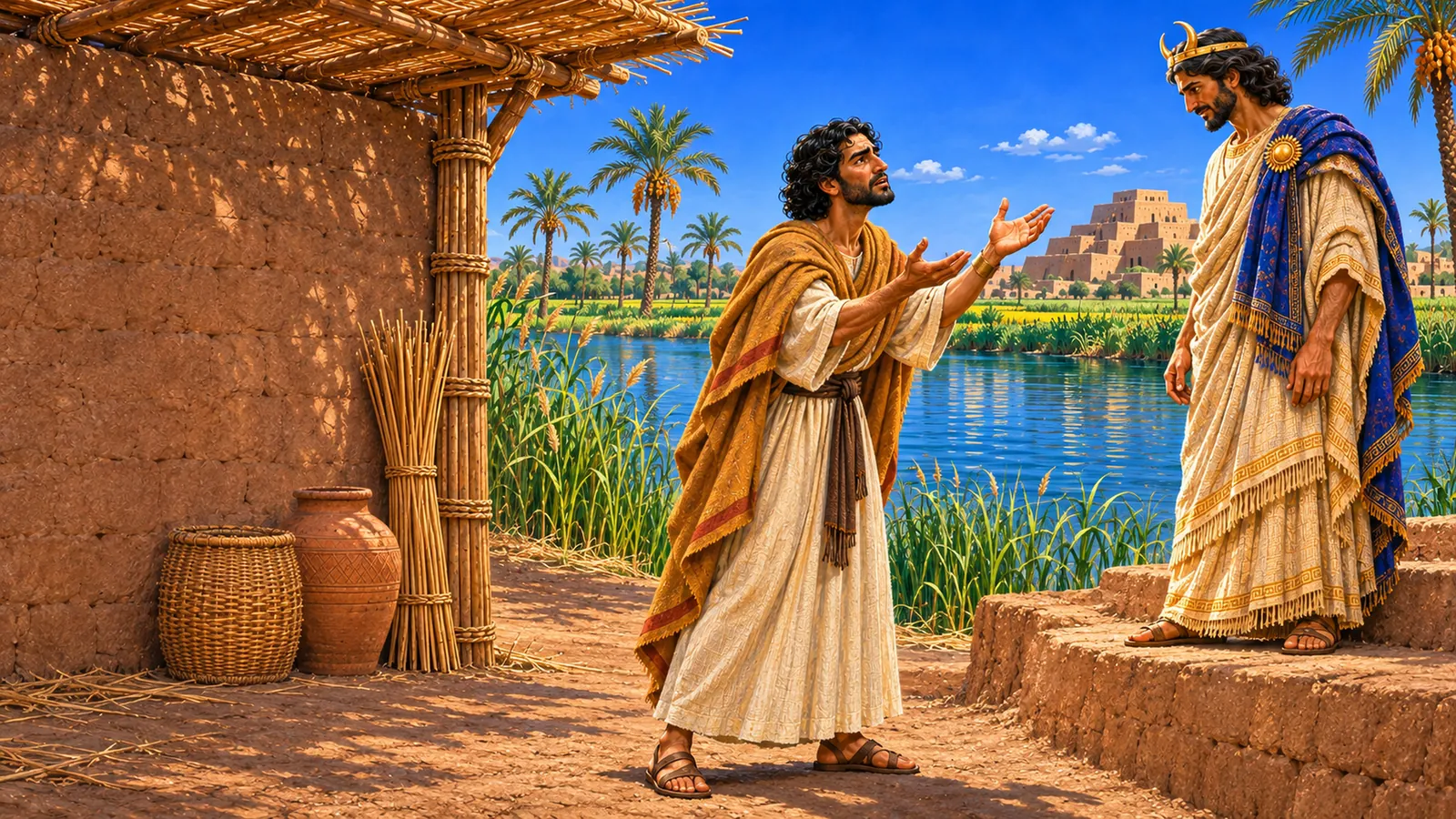
THE LAST SHEEPFOLD
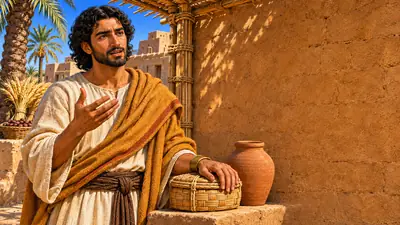
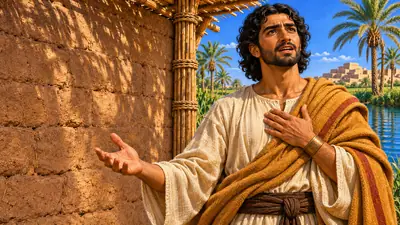
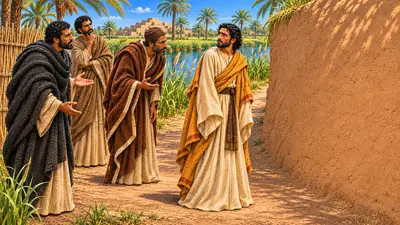
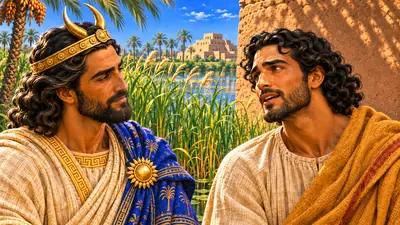
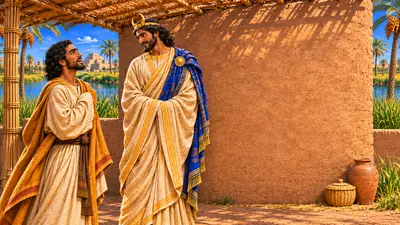
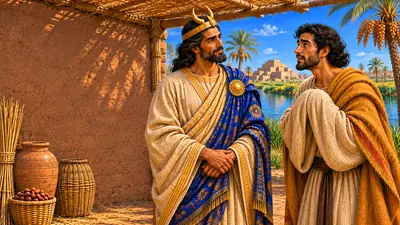
“Utu, you are my brother-in-law. I am your sister’s husband,” Dumuzi called out in his trouble.
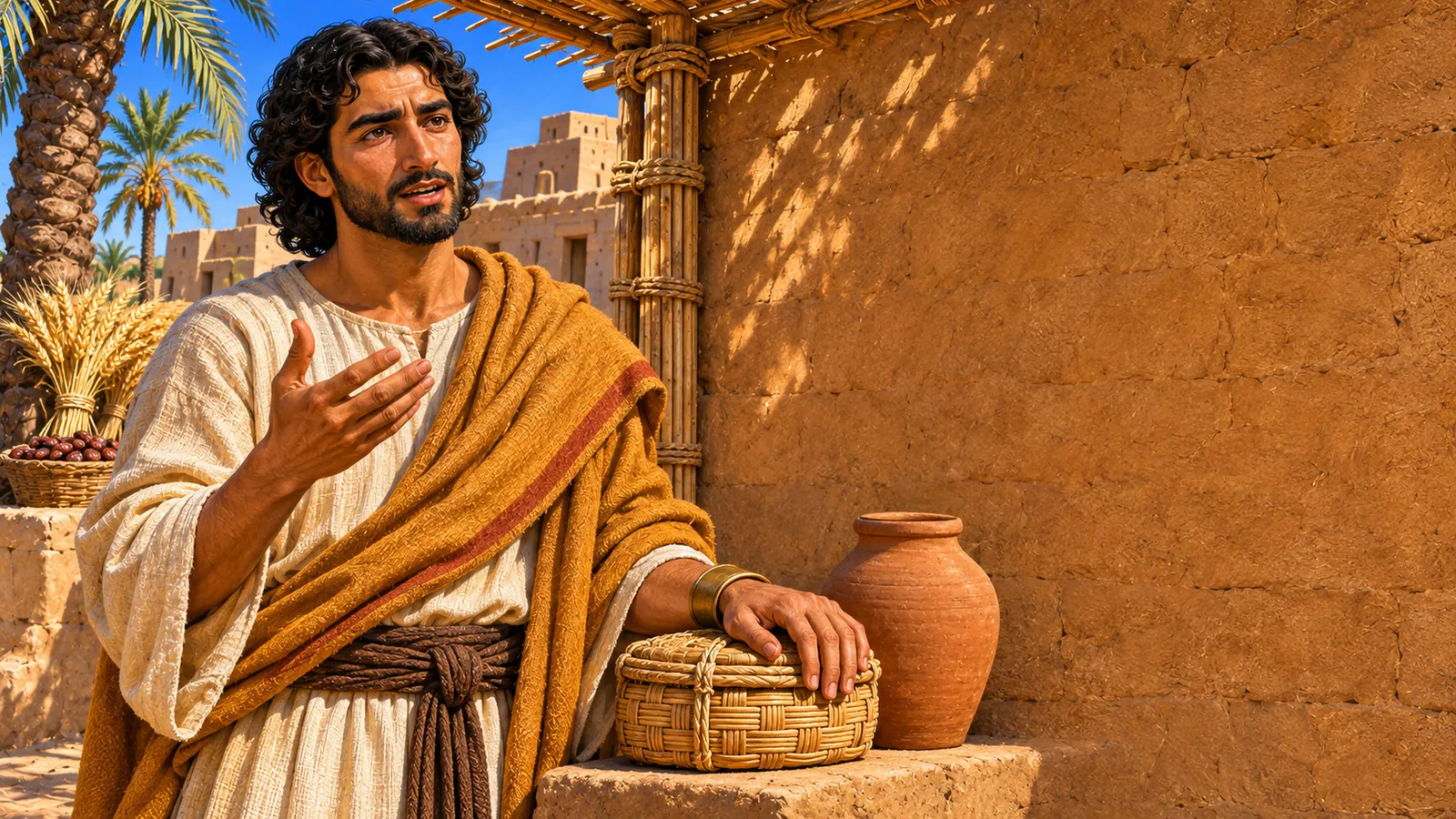
Dumuzi spoke of bringing food to Eanna and of the wedding gifts he had brought to Uruk.
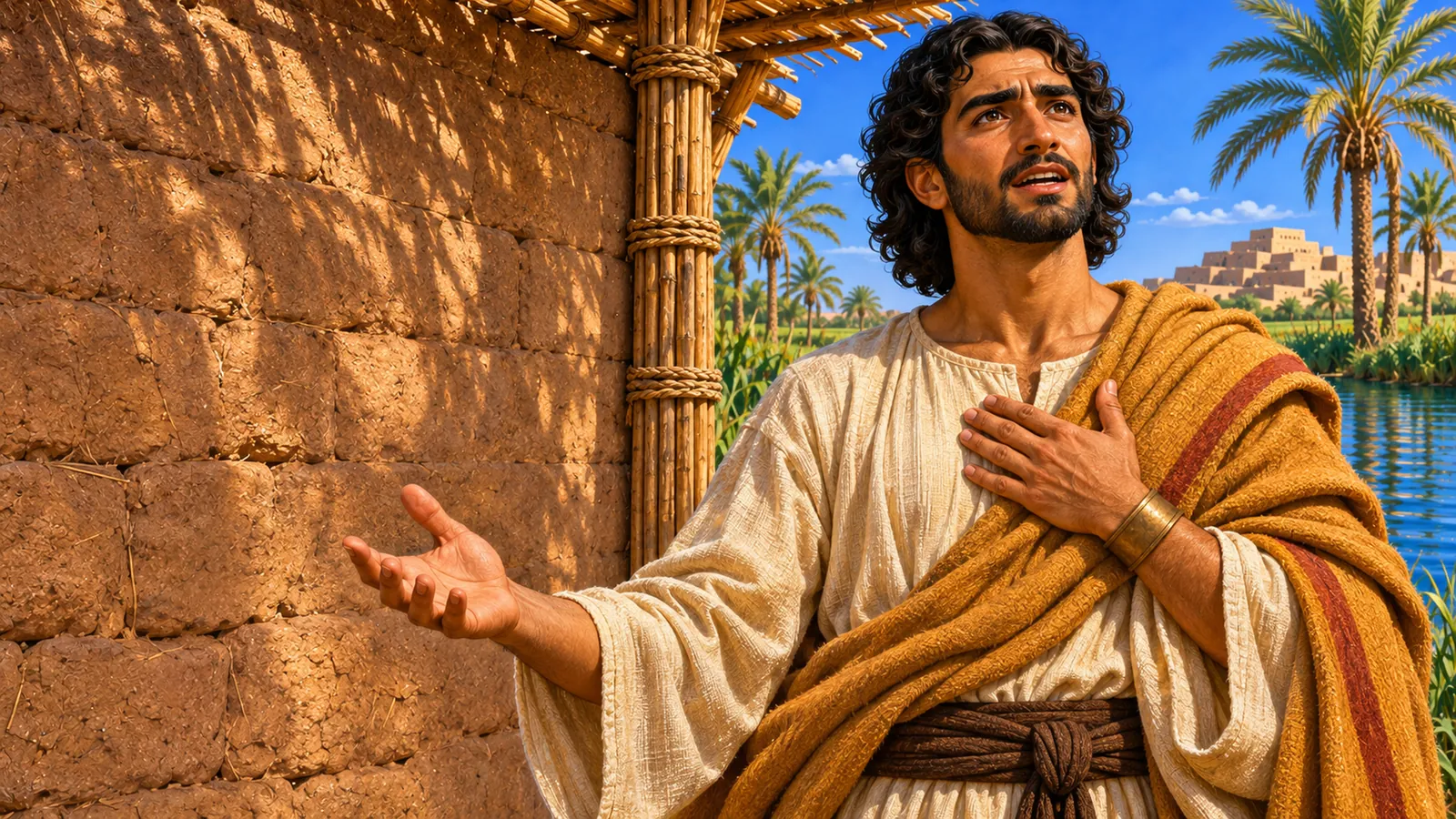
Dumuzi said he was the one who kissed Inanna’s sacred lips and danced on her sacred knees.
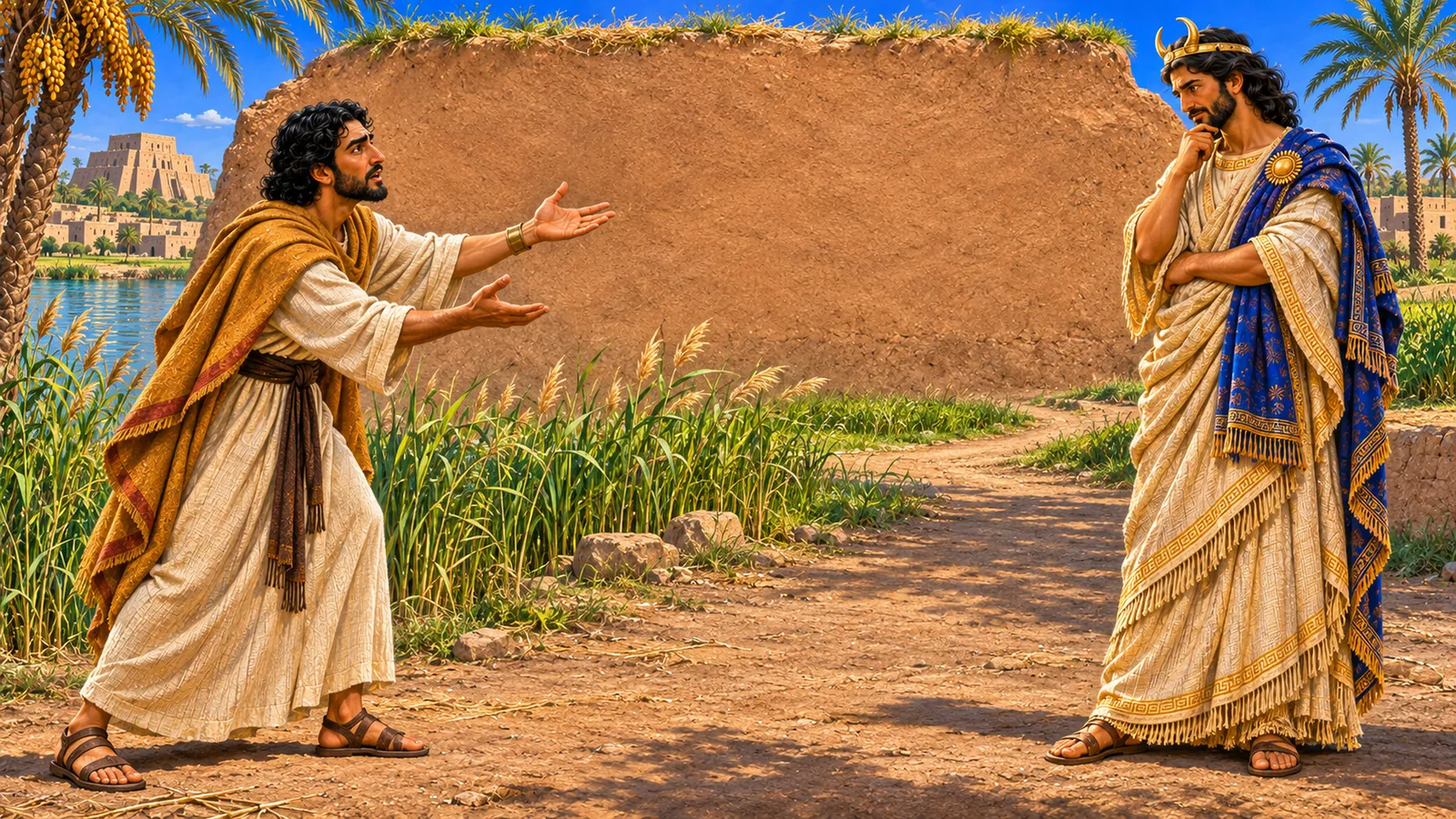
He asked Utu to change his hands and feet into those of a gazelle so he could escape the demons and reach Ku-bireš-dildareš alive.
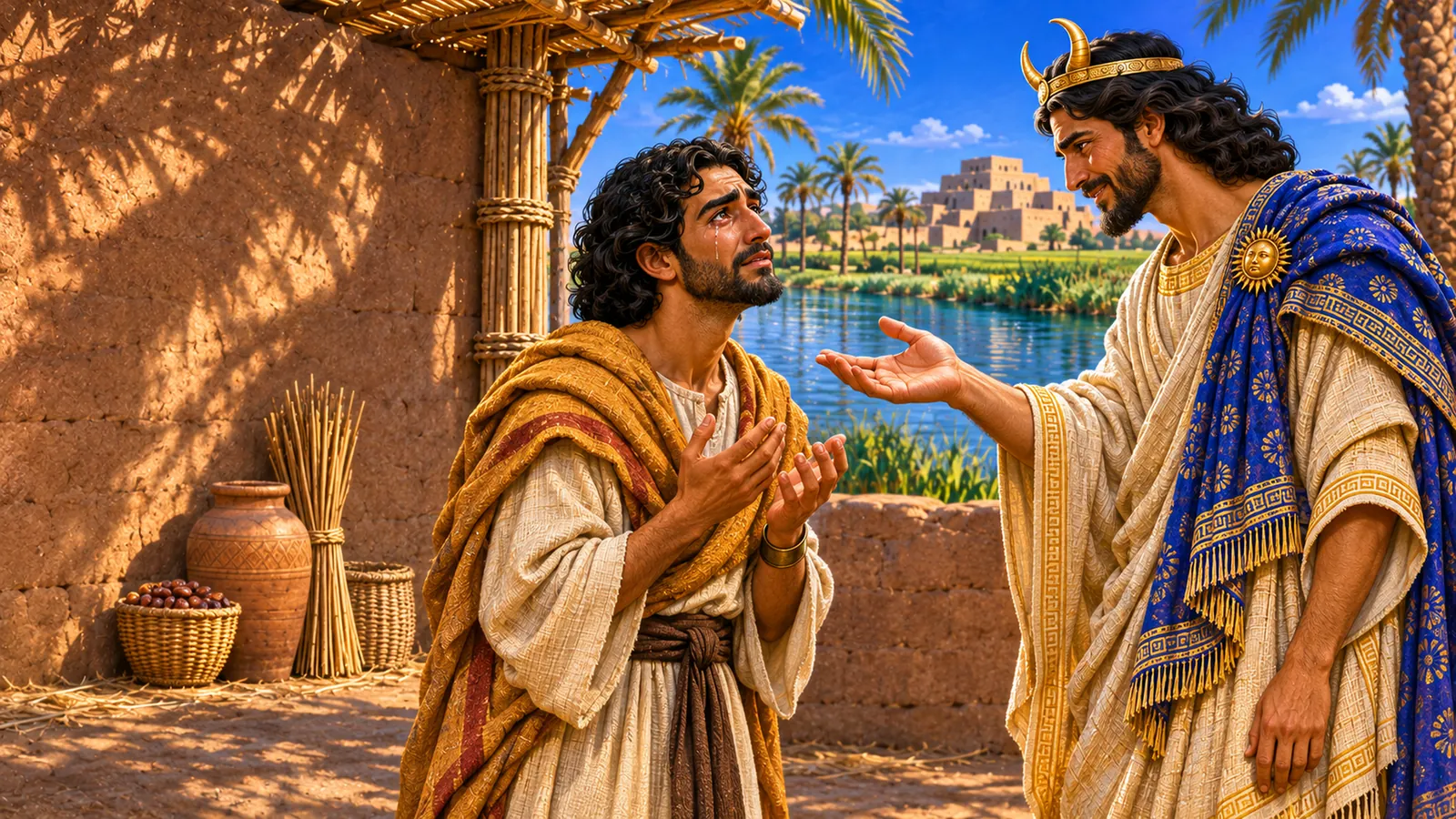
Utu accepted Dumuzi’s tears and showed him mercy, like a man who takes pity on another.
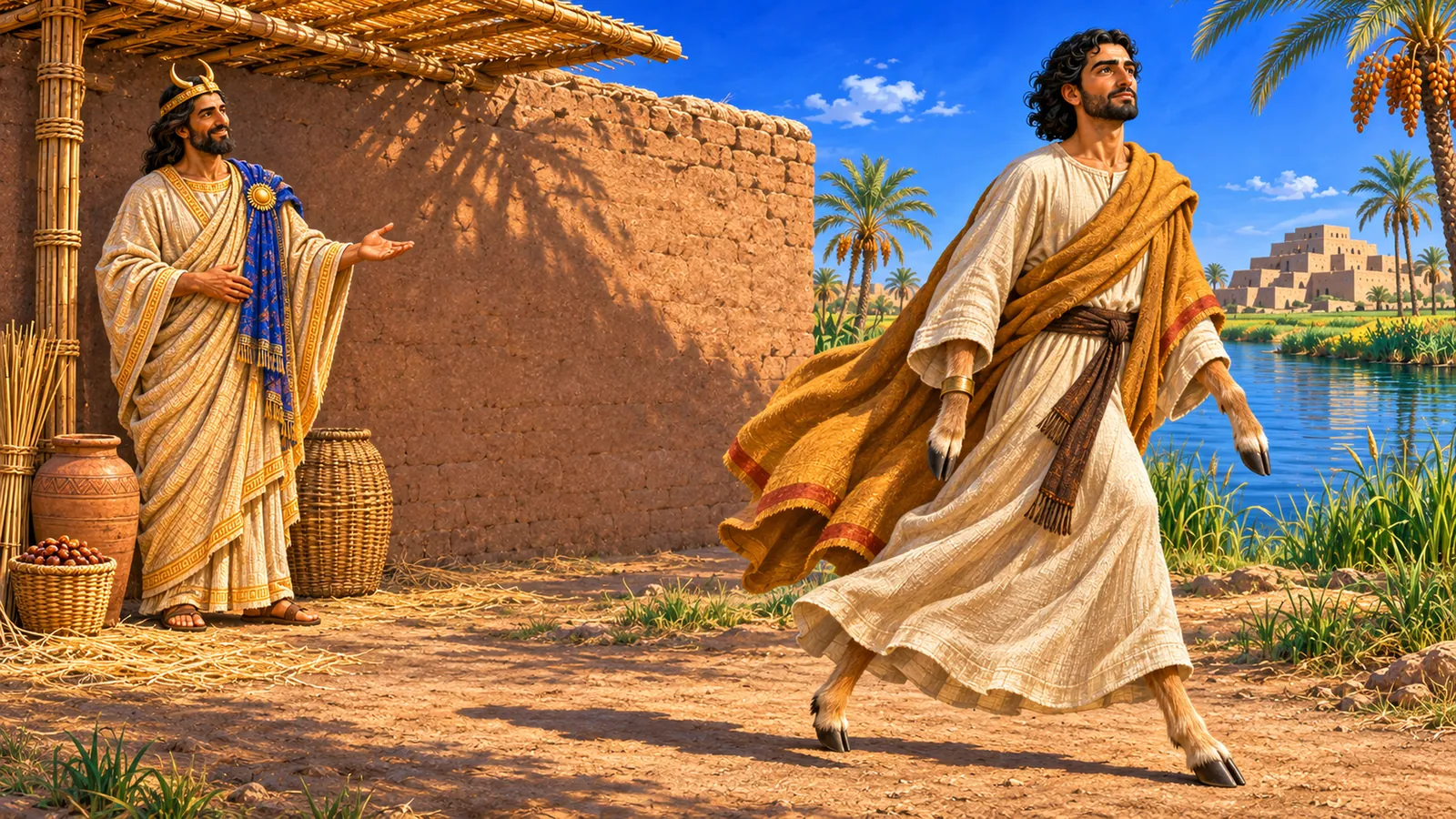
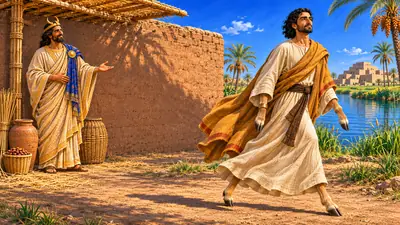
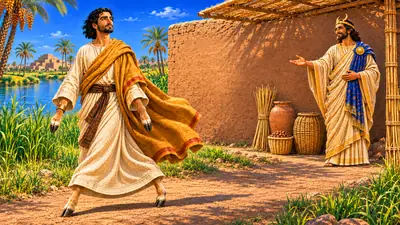
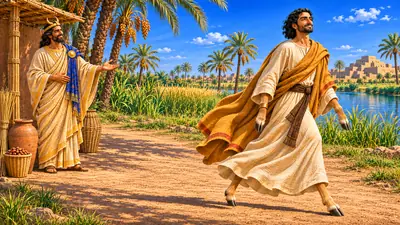
Utu changed Dumuzi’s hands and feet into those of a gazelle, and Dumuzi evaded the demons.

Dumuzi escaped with his life and reached Ku-bireš-dildareš, the place he had named in his plea to Utu.
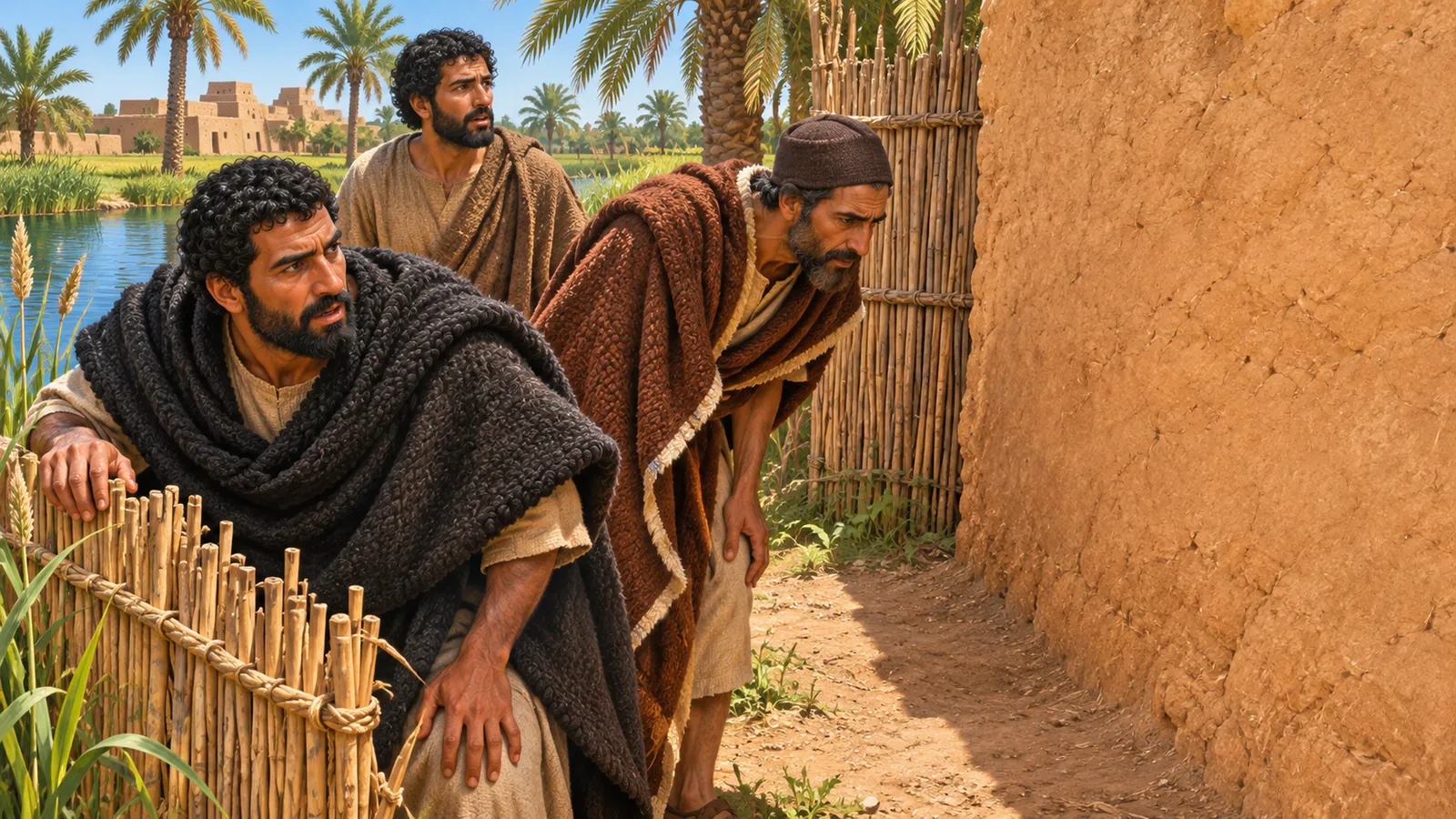
The demons looked for Dumuzi after his escape, but at first they could not find him.
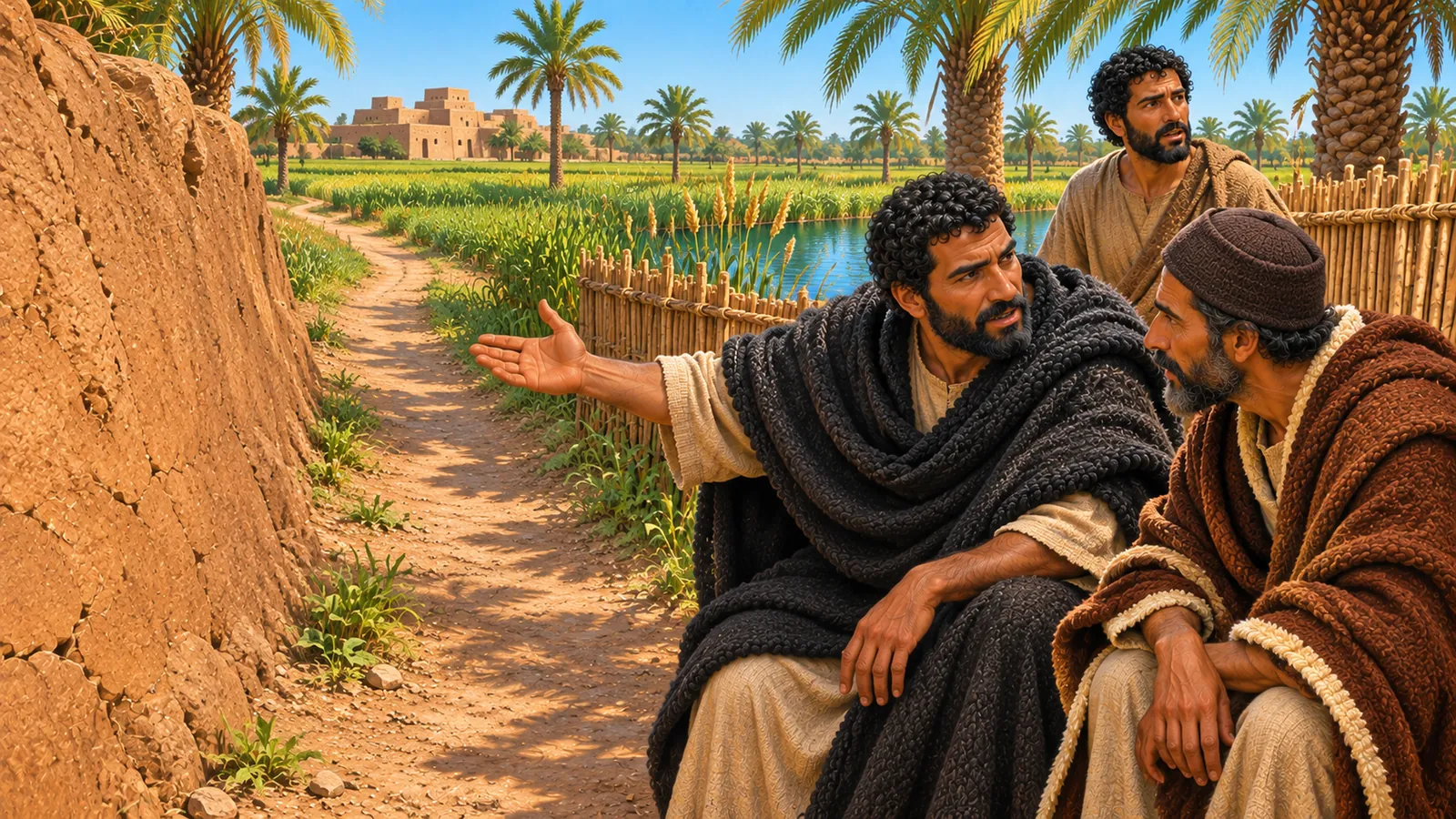
“Come, let us go to Ku-bireš,” the pursuers said when their search had turned up nothing.
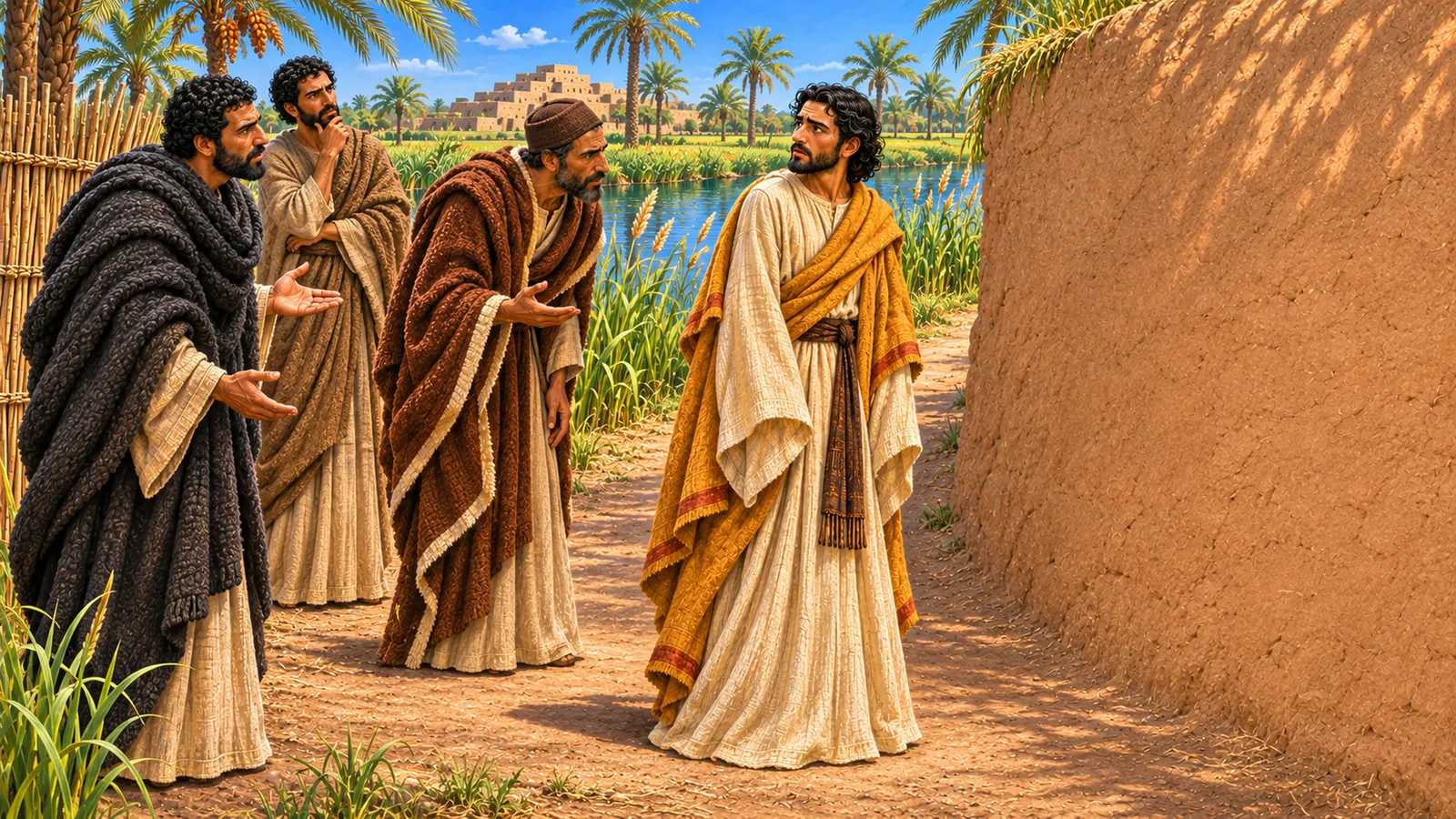
The demons went to Ku-bireš and caught Dumuzi there. His first escape had come to an end.
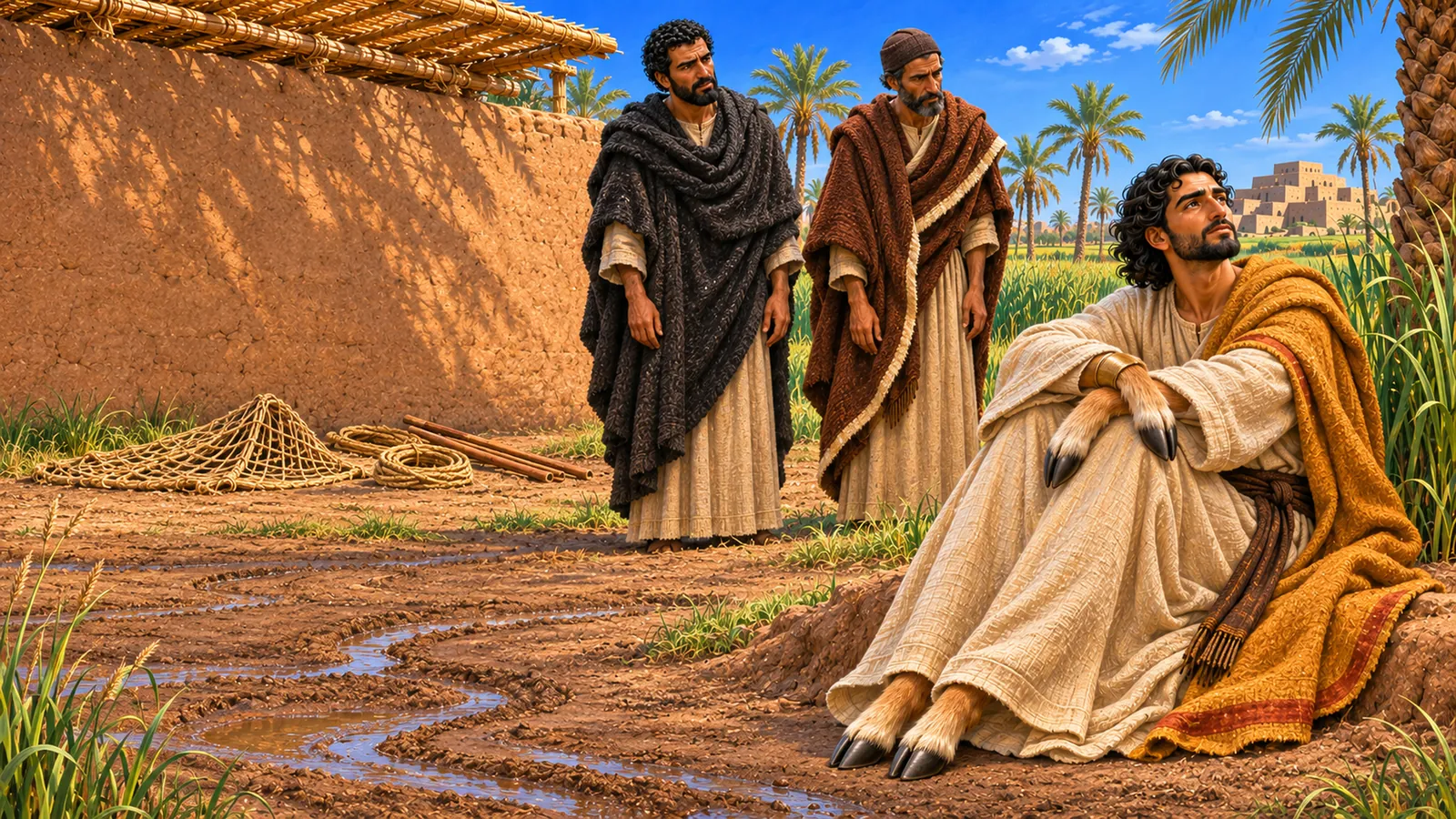
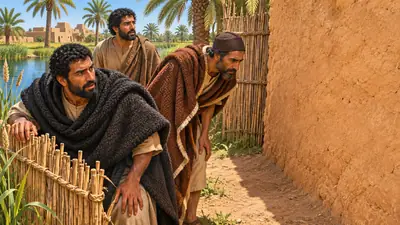
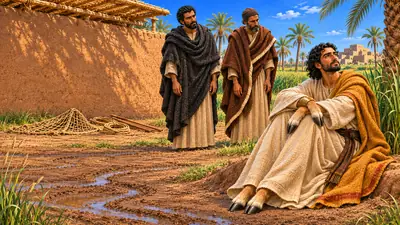
The men surrounded Dumuzi and drained the standing waters. They prepared a cord, a net, a thick reed rope and sticks. The man ahead threw things at him, and the words about the man behind him are lost.

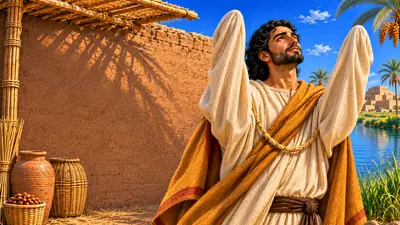
They bound Dumuzi’s hands and arms. The young man raised his hands toward the sky and called to Utu.
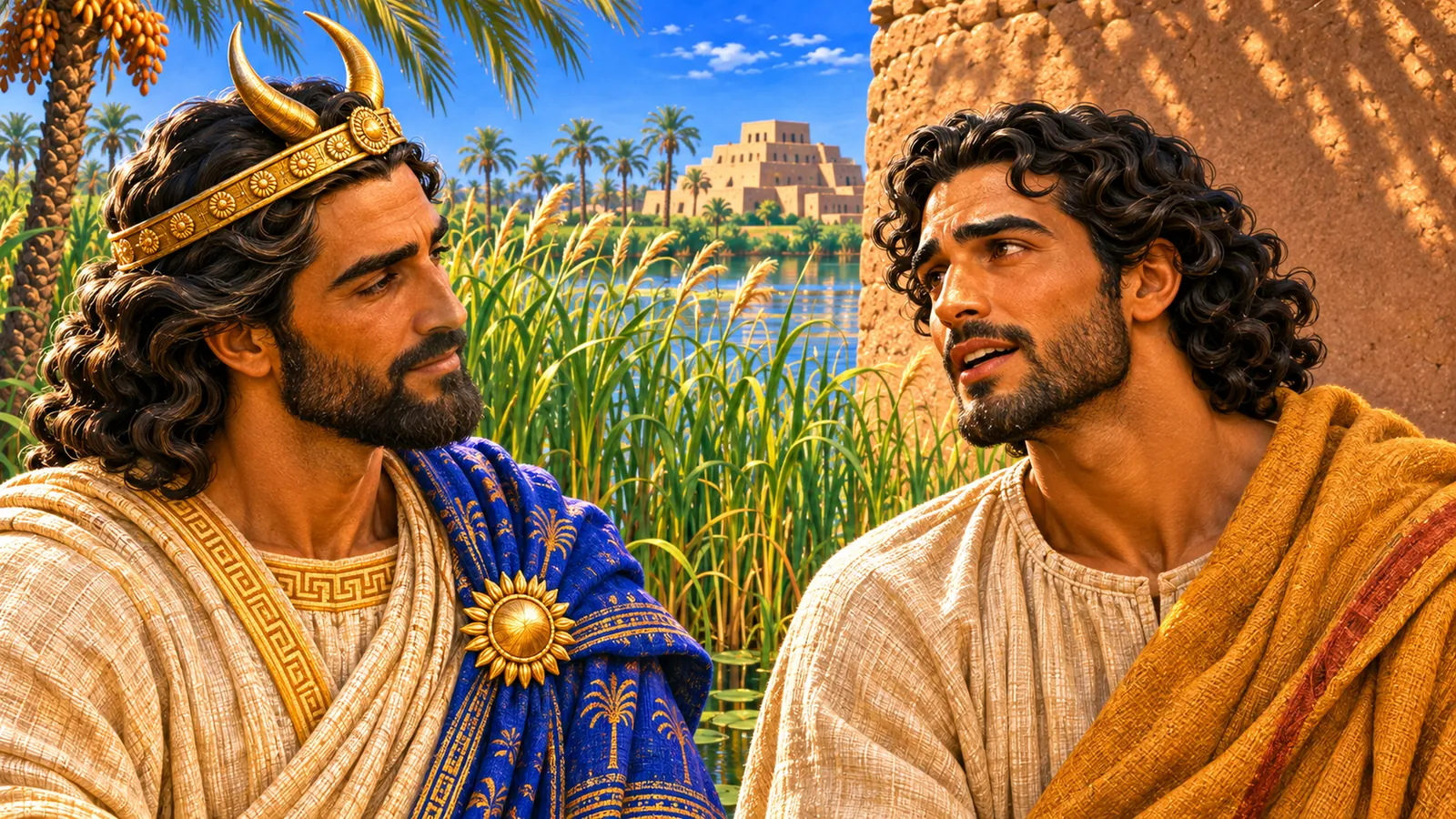
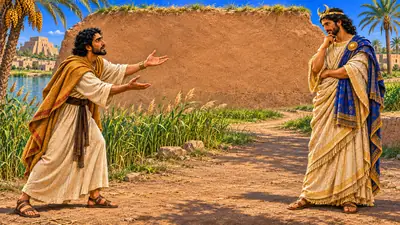
Dumuzi appealed to Utu as his brother-in-law. He reminded Utu that he was married to his sister, Inanna.
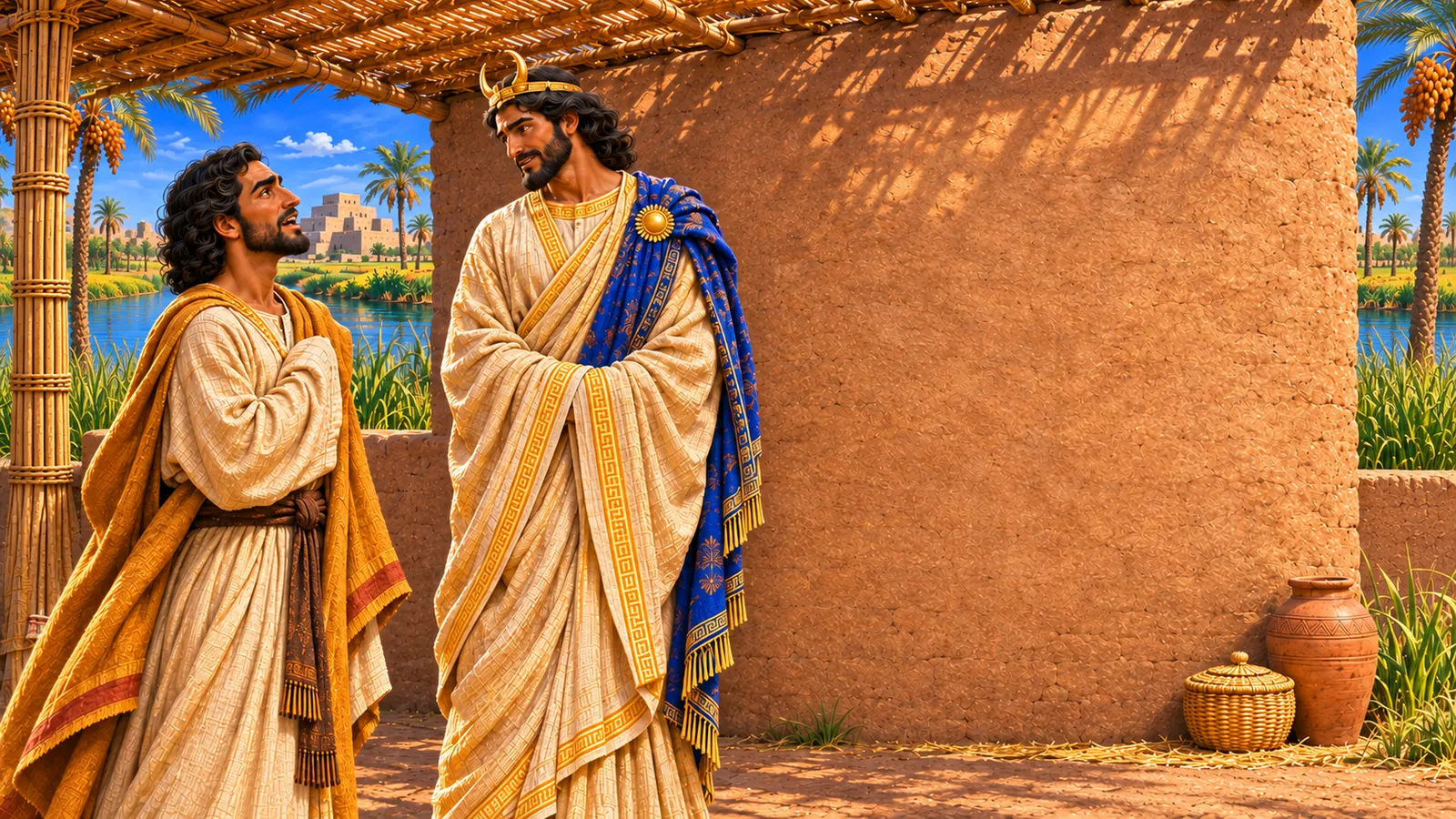
Dumuzi said he carried food to Eanna and had brought wedding gifts to Uruk. He spoke of kissing Inanna’s holy lips and dancing on her holy knees.
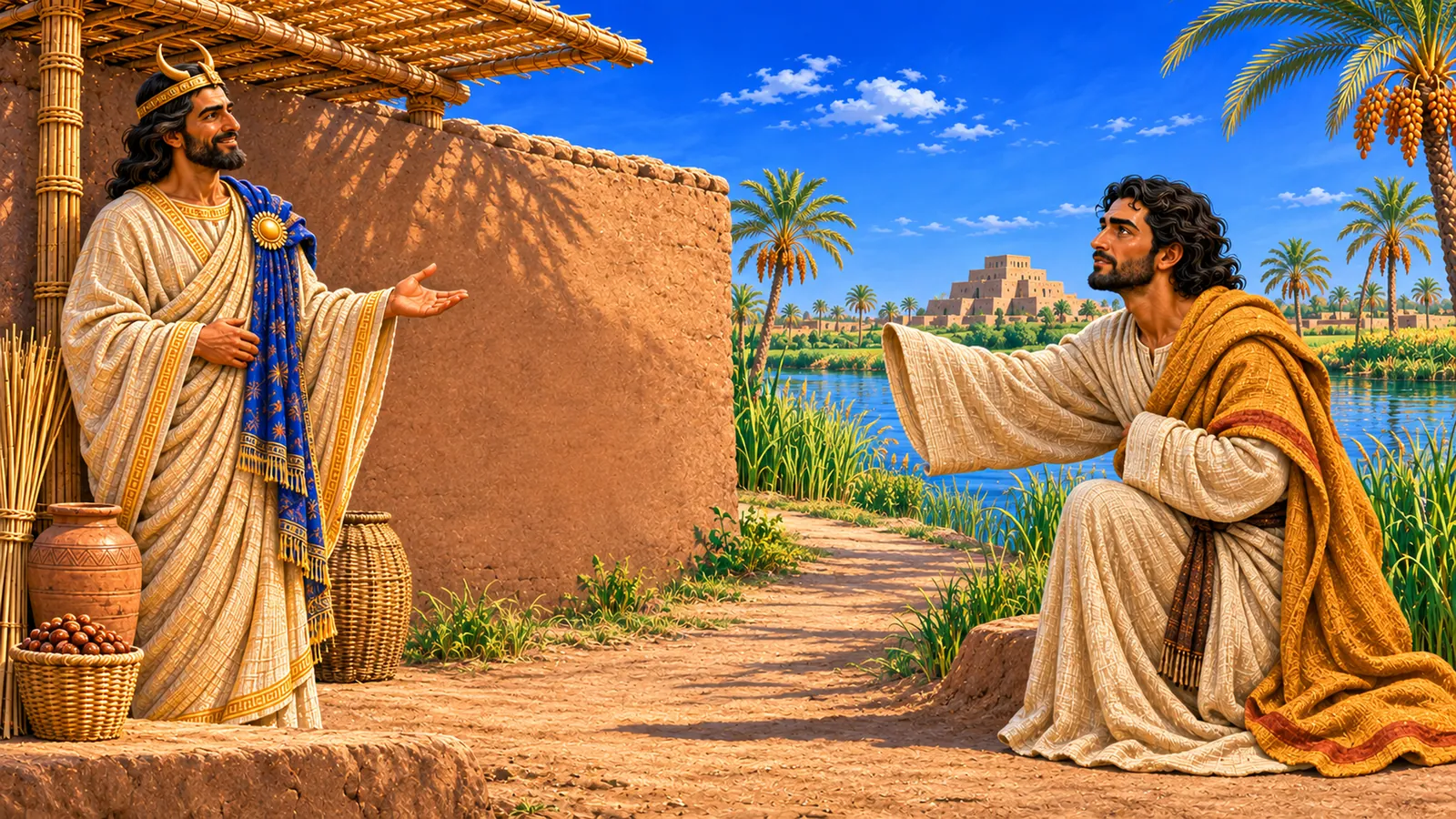
He asked Utu to change his hands and feet into those of a gazelle. He hoped this would let him escape to the house of the old woman Belili.
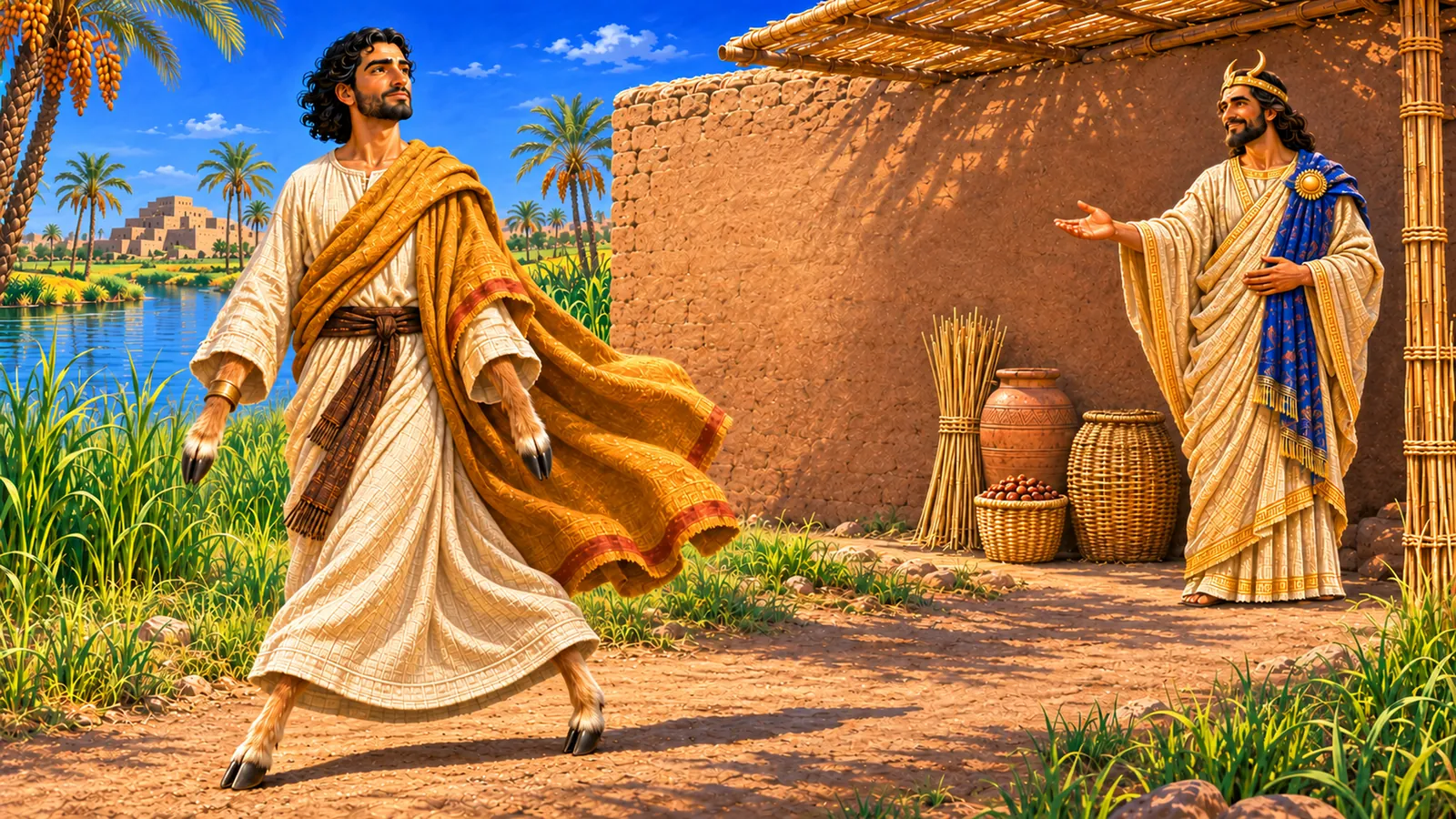
Utu accepted Dumuzi’s tears. The poem says he changed Dumuzi’s hands and feet into those of a gazelle.
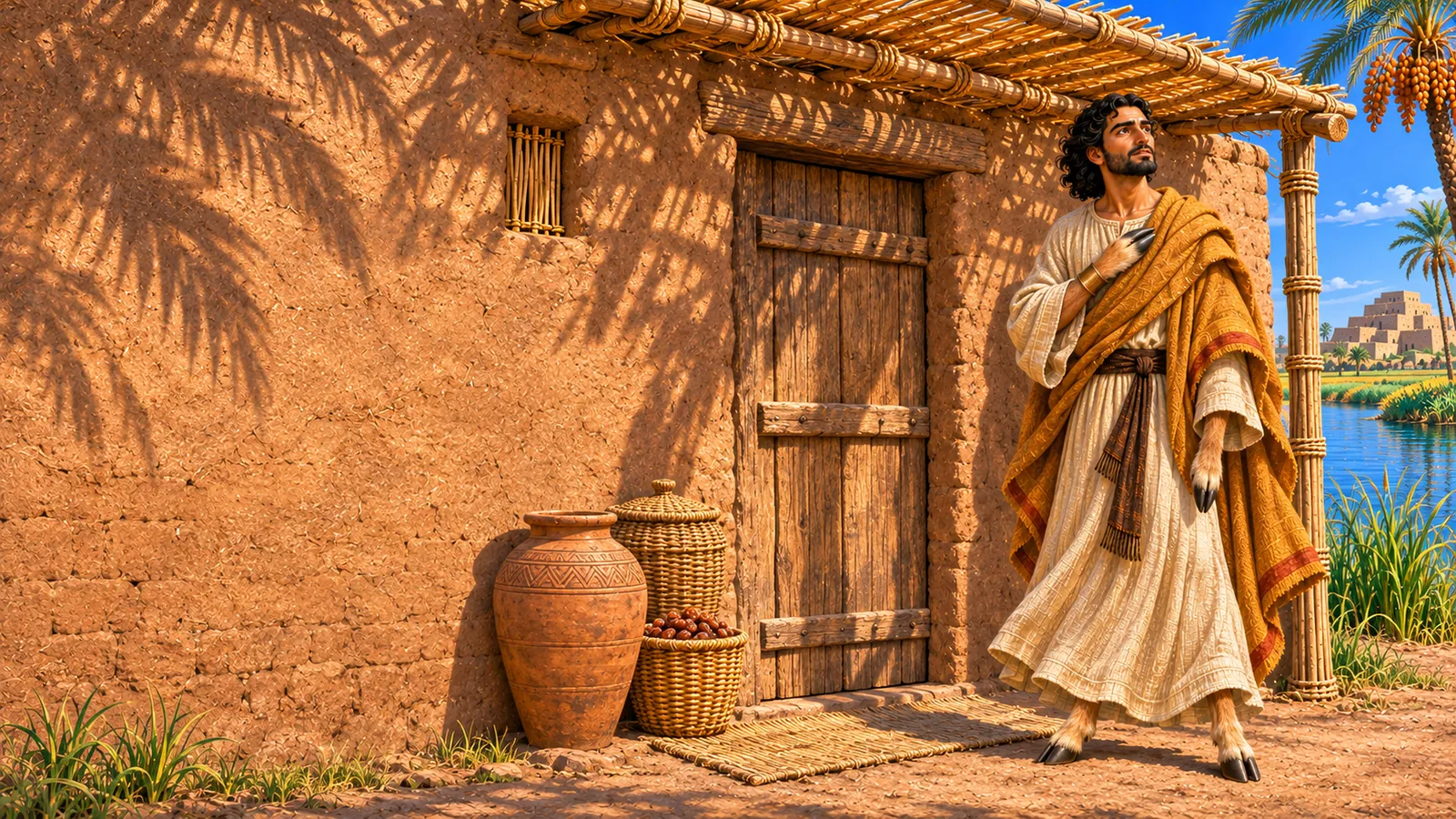
Dumuzi evaded the demons and escaped with his life. He reached the house of the old woman Belili.
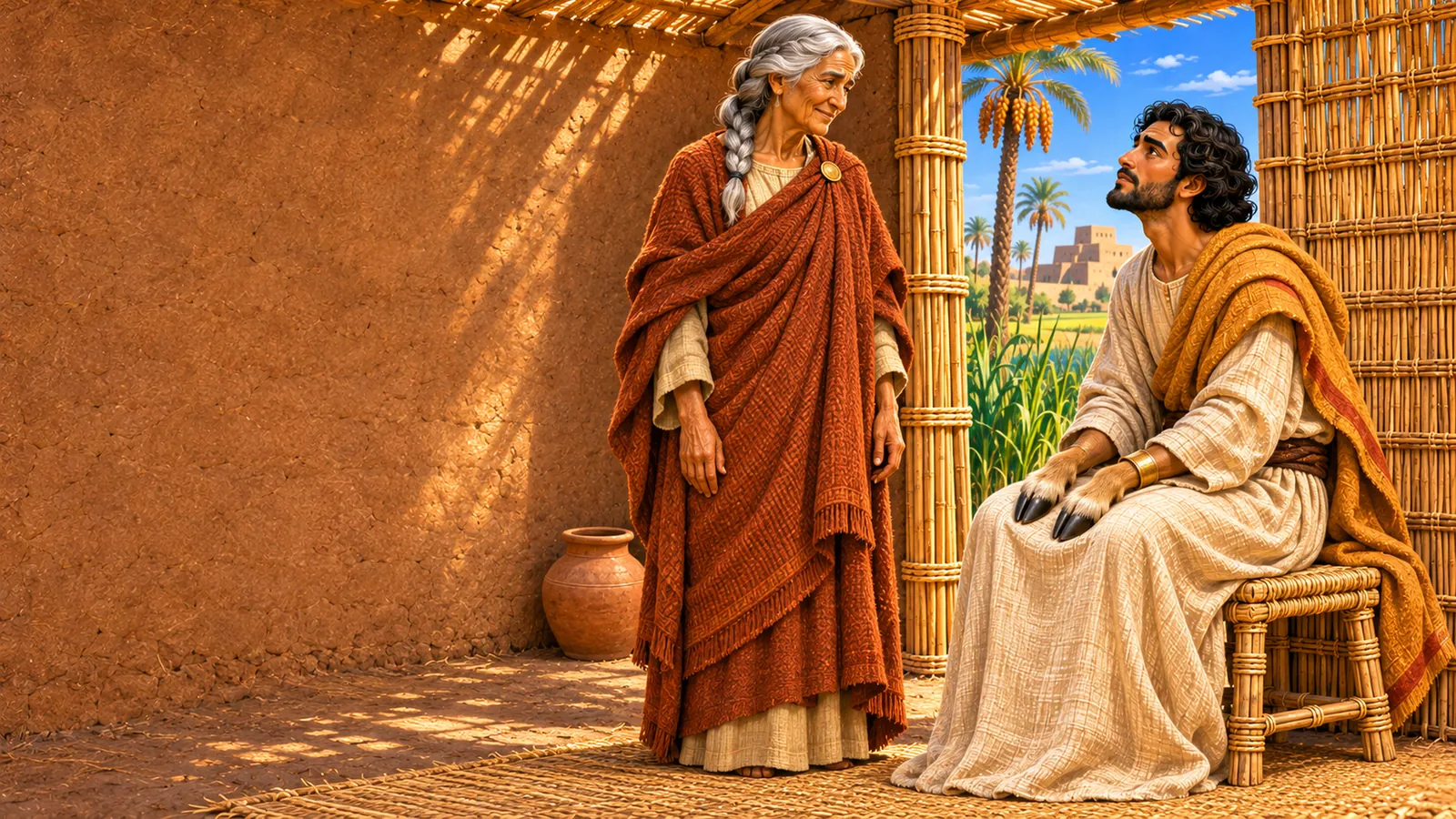
SHELTER
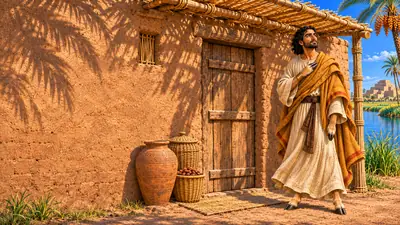
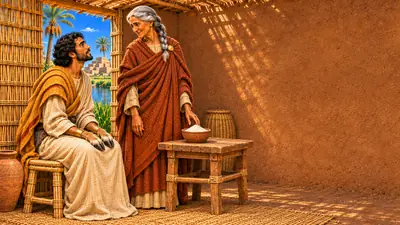
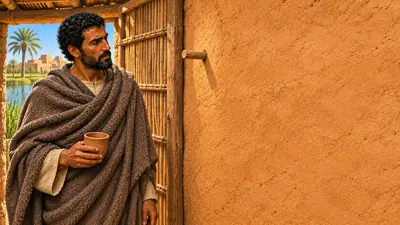
Dumuzi called to Belili and told her that he was the husband of a goddess. He asked her to pour him some water to drink.
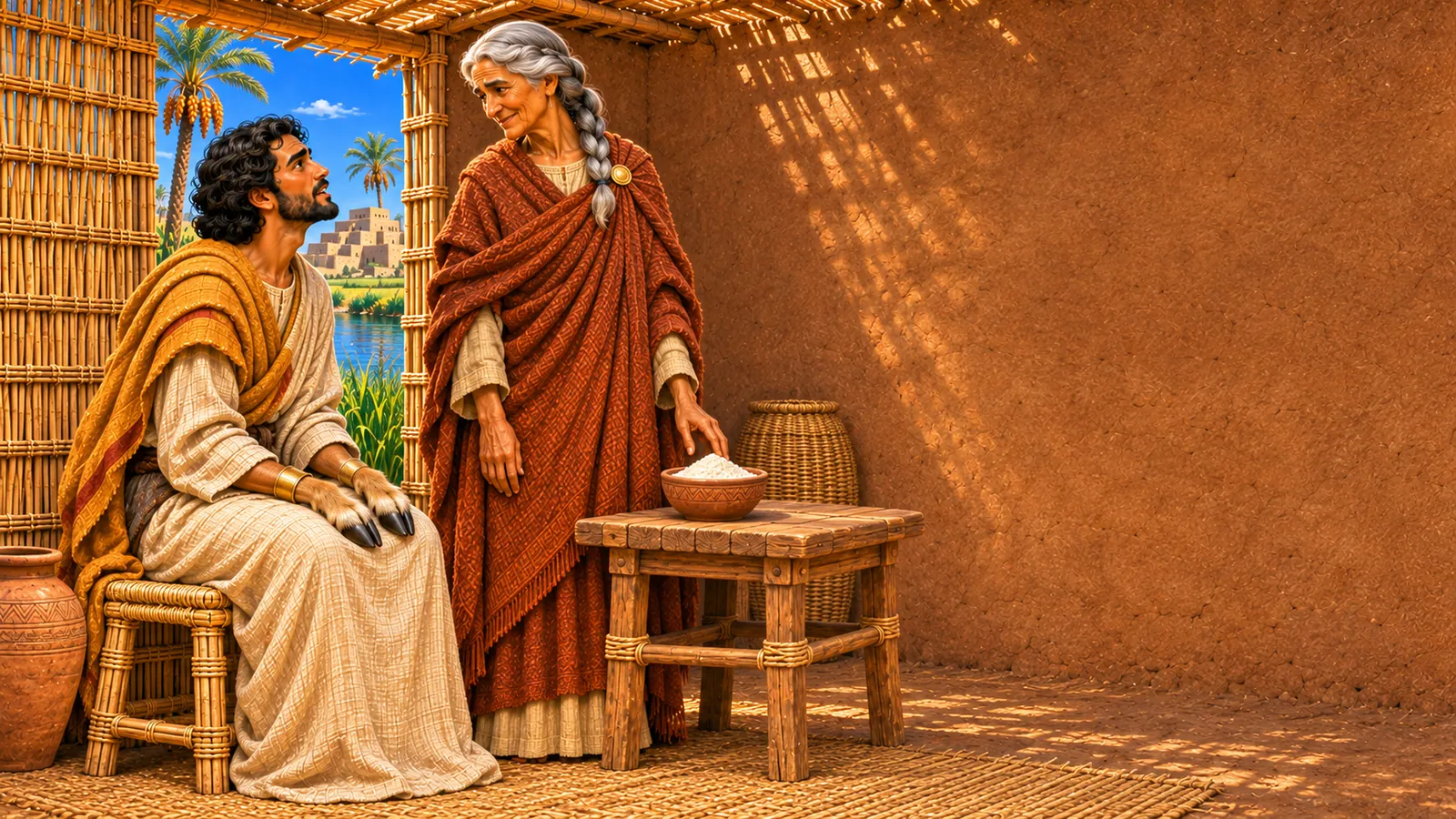
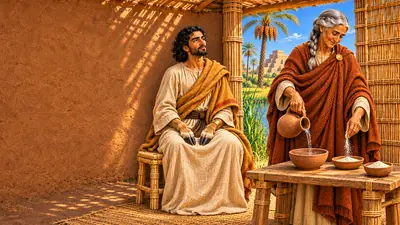
He asked for flour too. “Please sprinkle some flour for me,” he said, “so I can eat it.”
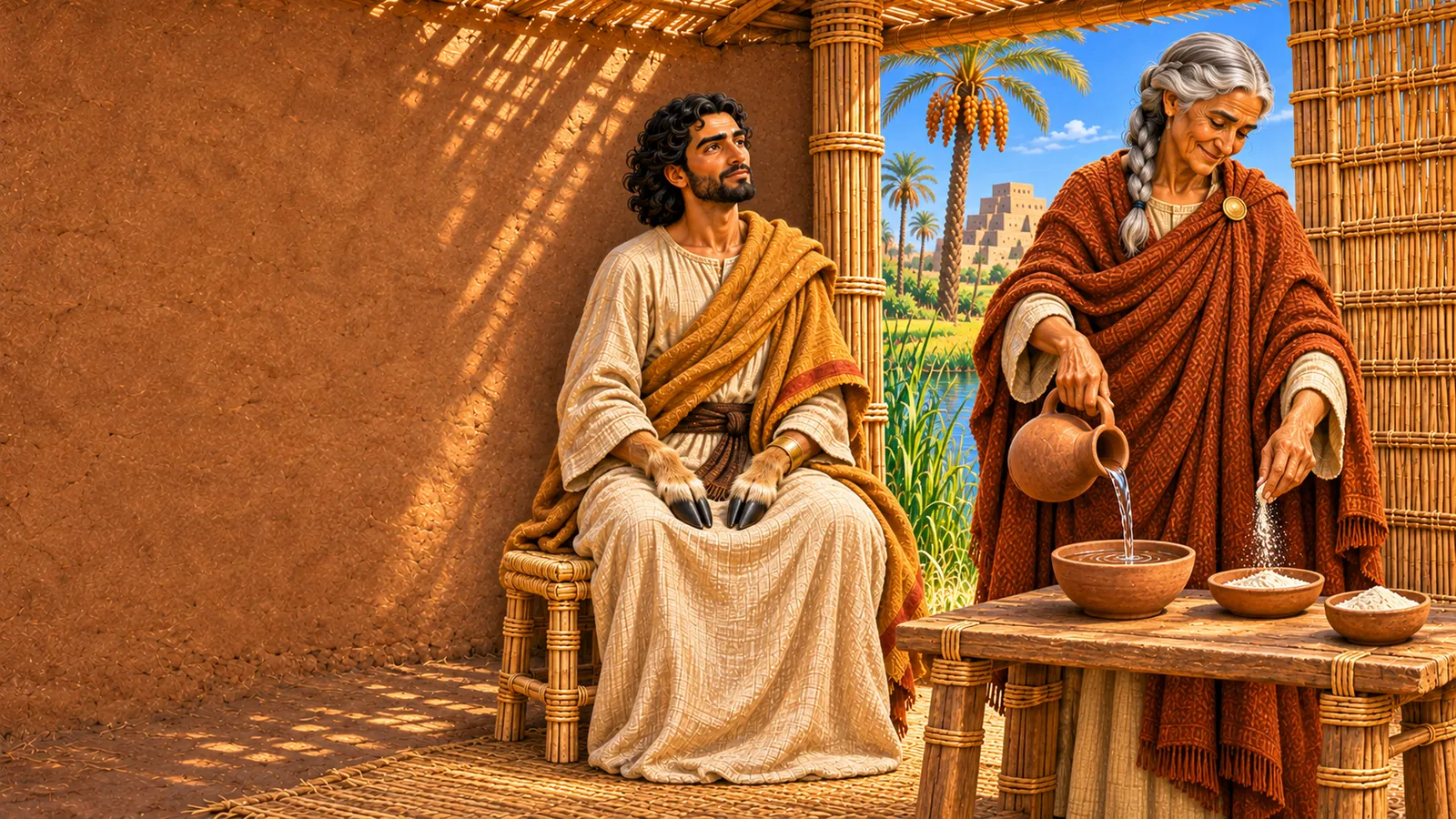
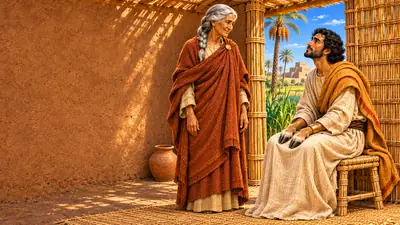
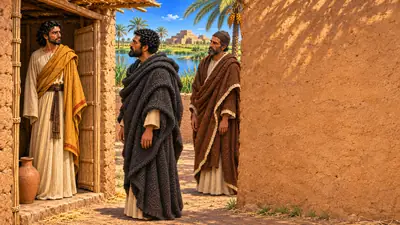
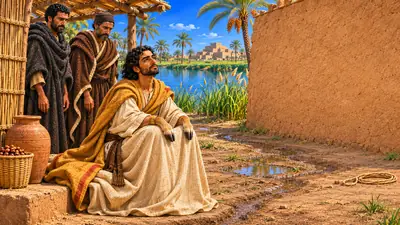
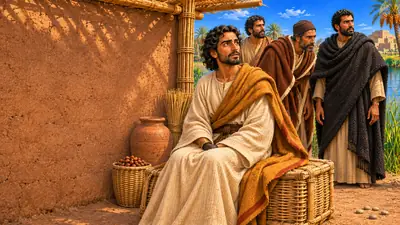
The old woman Belili poured the water and sprinkled the flour. Then Dumuzi sat down inside her house.
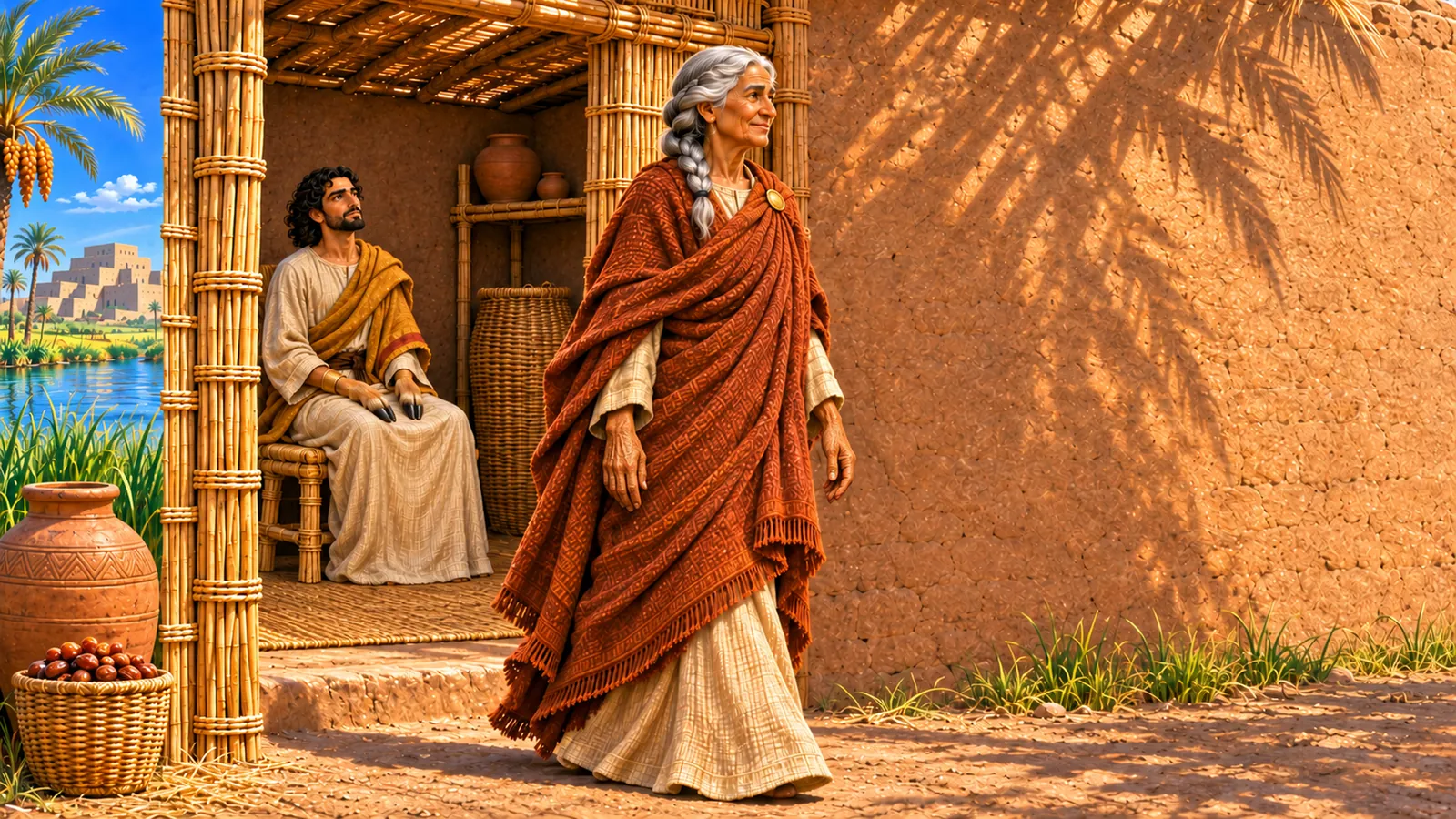
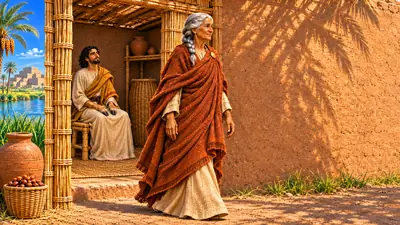
The old woman went out of her house. Dumuzi had taken a seat inside, where she had given him water and flour.
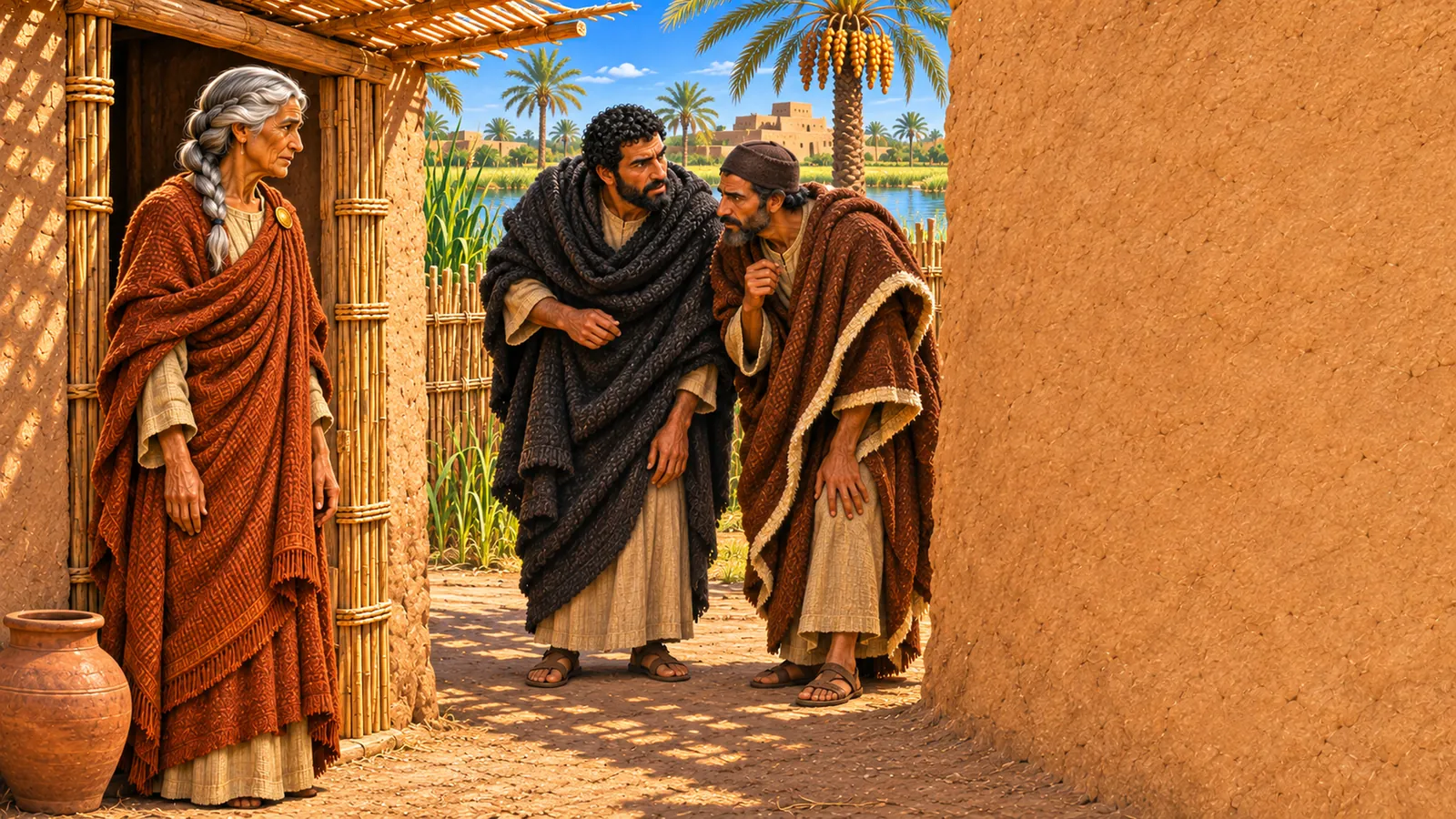
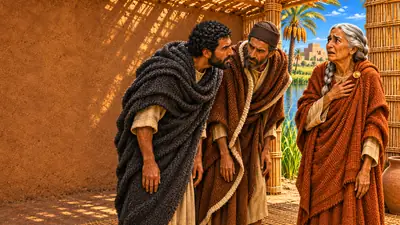
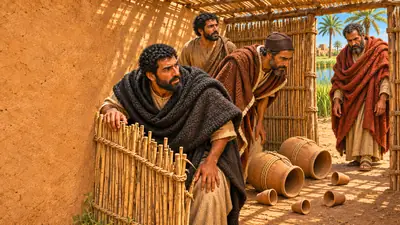
When the old woman left the house, the demons who were looking for Dumuzi saw her.
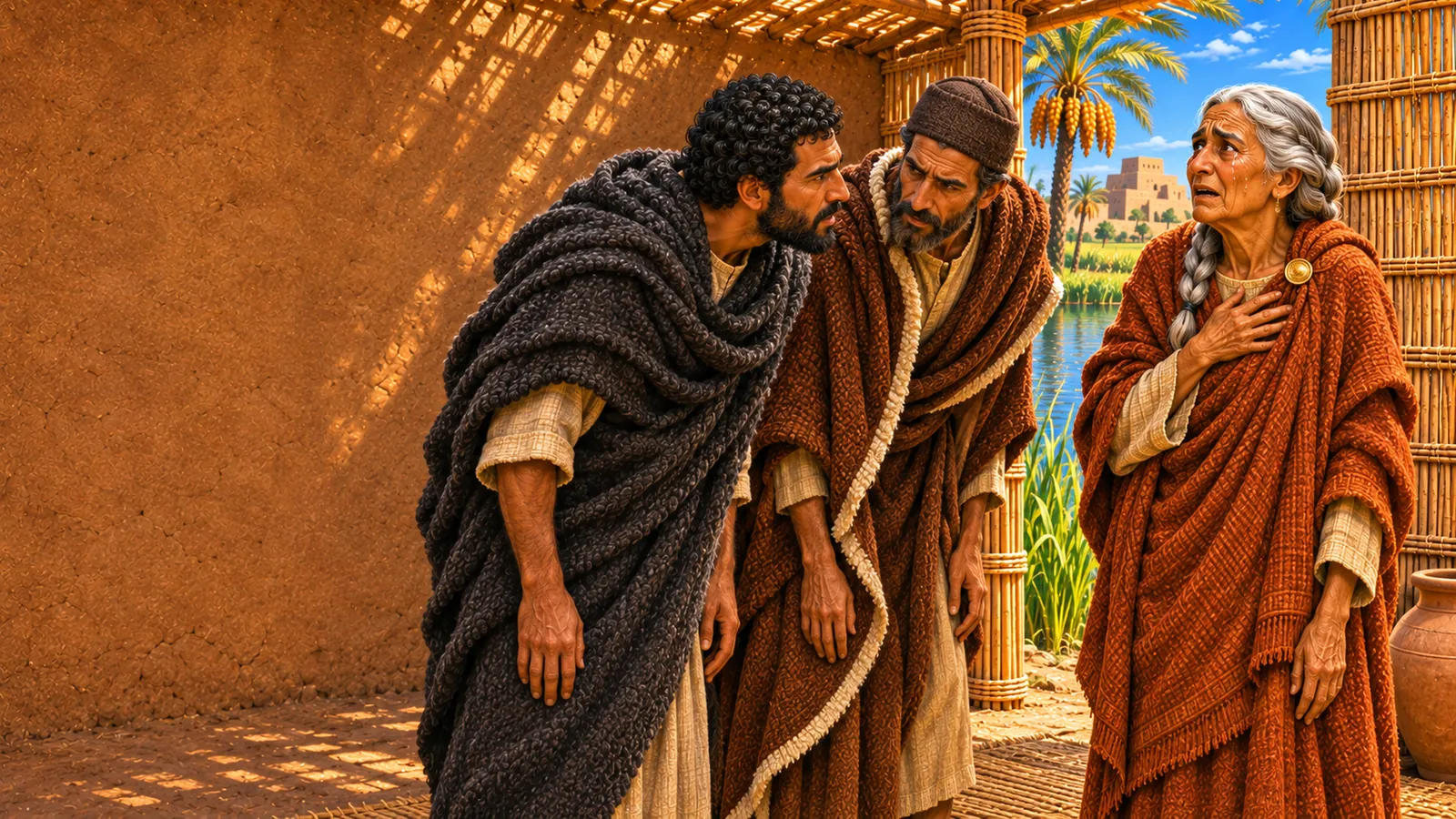
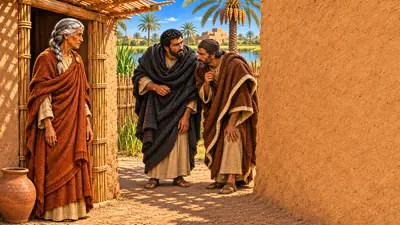
The pursuers said the old woman looked frightened and was crying out in fear. They took this to mean she knew where Dumuzi was.
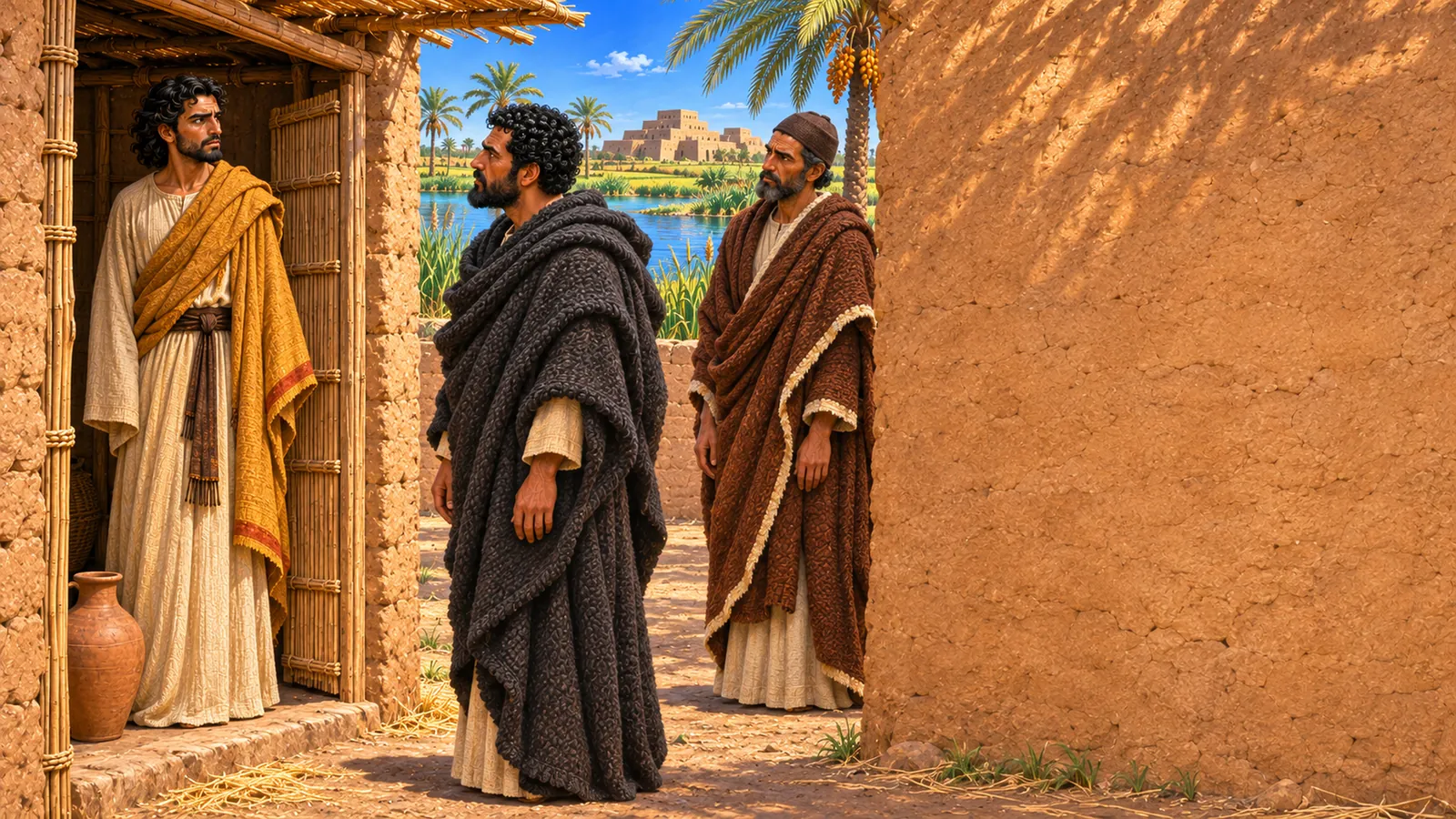
They decided to go to the house of the old woman Belili. There they caught Dumuzi.
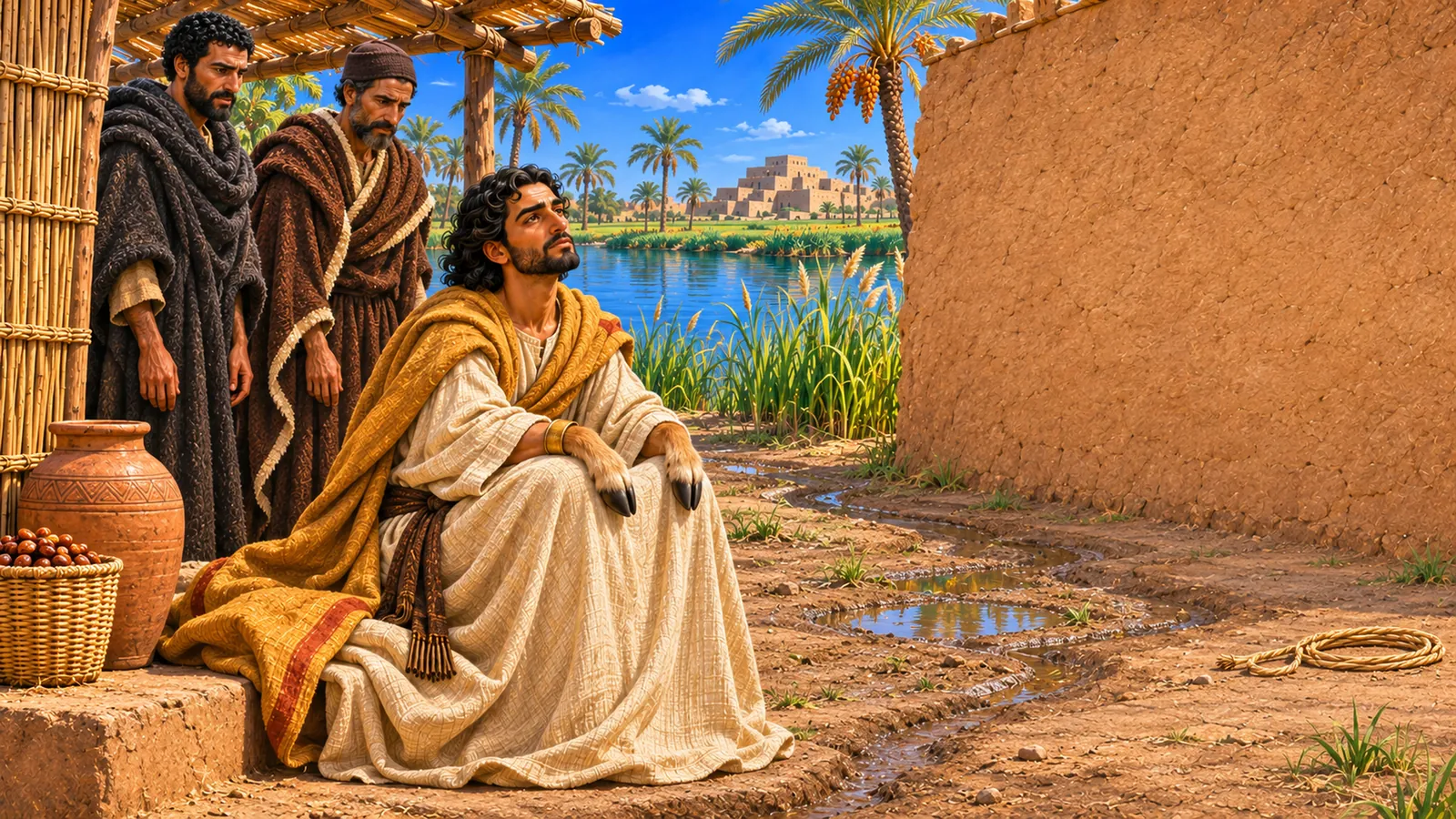
The men surrounded Dumuzi and drained the standing water, just as they had done the last time they caught him.
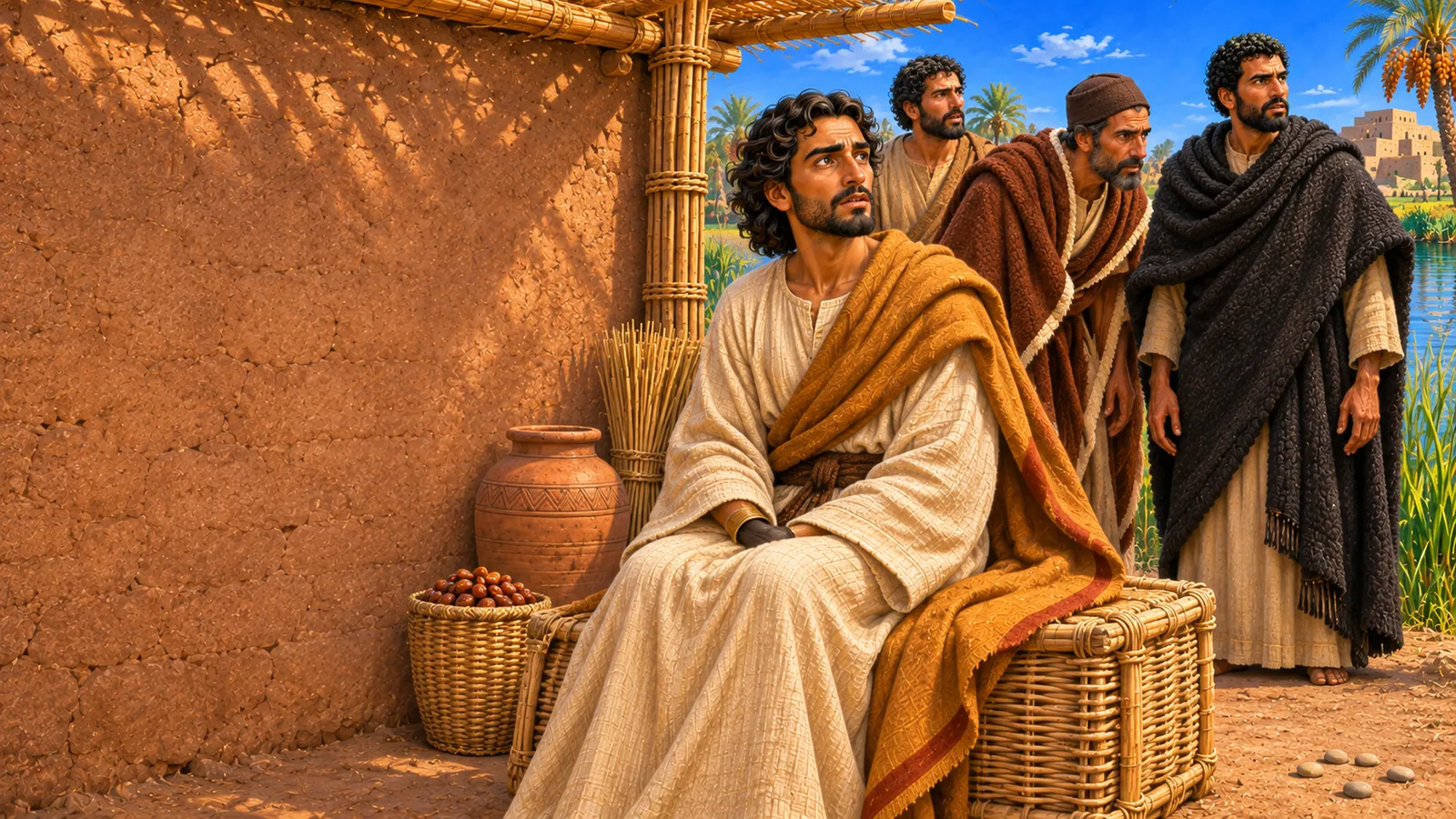
They readied cords, a net and sticks, and the man in front threw objects at Dumuzi. The words about the man behind him break off.

They bound Dumuzi’s hands and arms. He raised his hands toward heaven to appeal to Utu again.
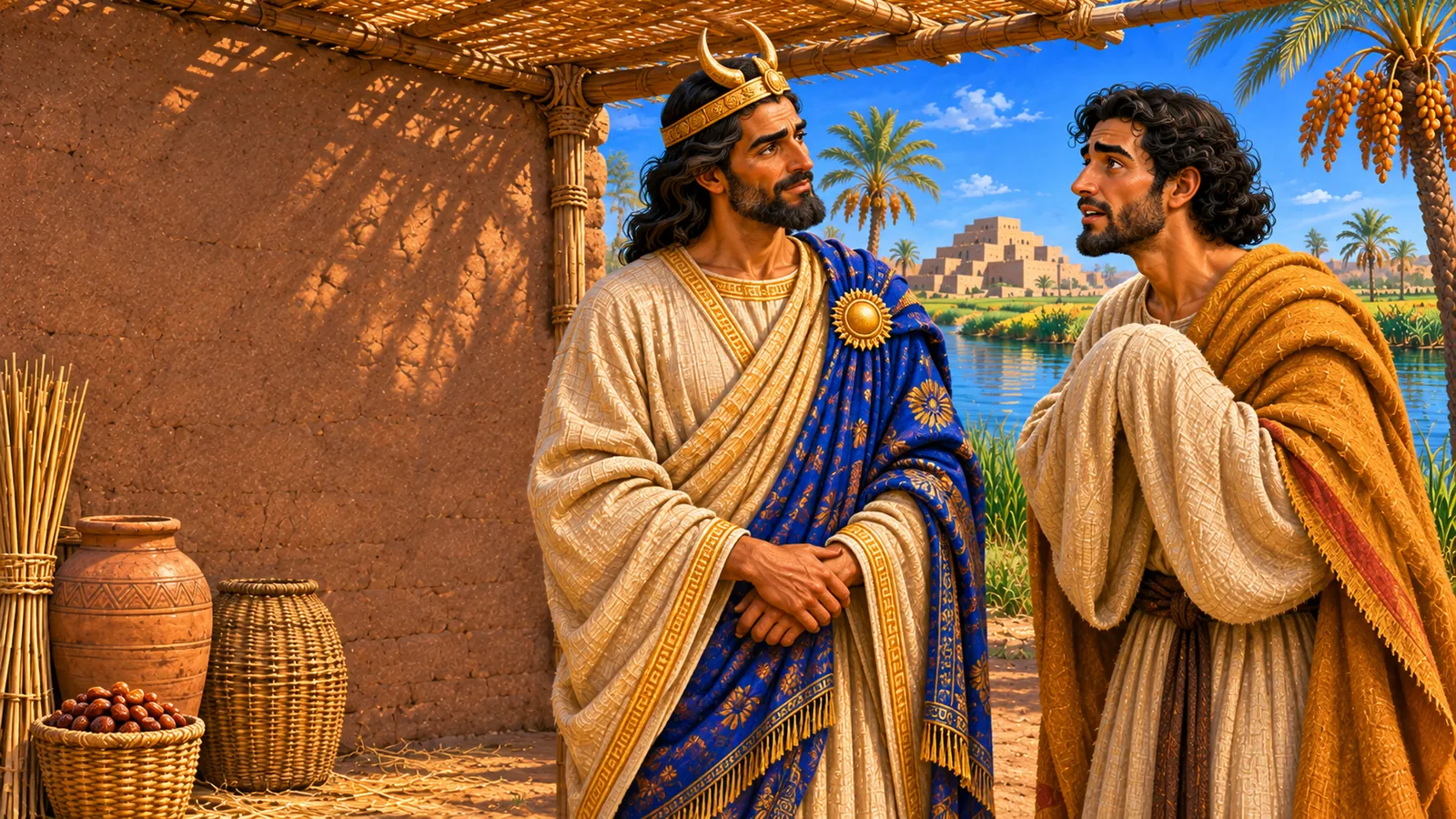
THE THIRD APPEAL
Dumuzi spoke to Utu again. He reminded Utu that he was his brother-in-law and that he was married to Utu’s sister.

Dumuzi recalled carrying food to Eanna and bringing wedding gifts to Uruk. He spoke of kissing holy lips and dancing on Inanna’s holy knees.
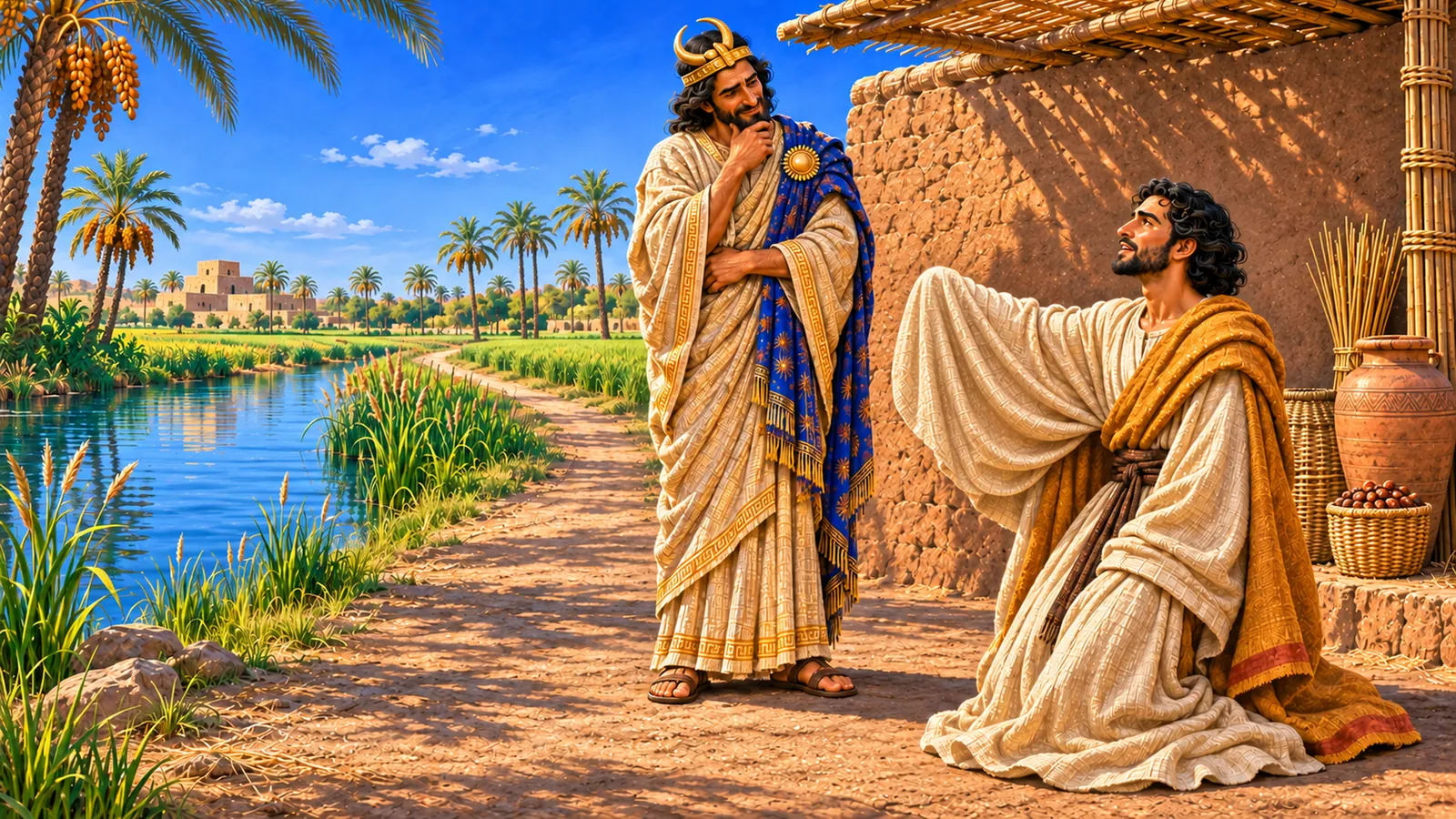
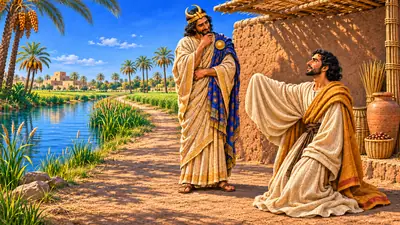
He asked Utu to give him the hands and feet of a gazelle so he could escape to his sister’s holy sheepfold.
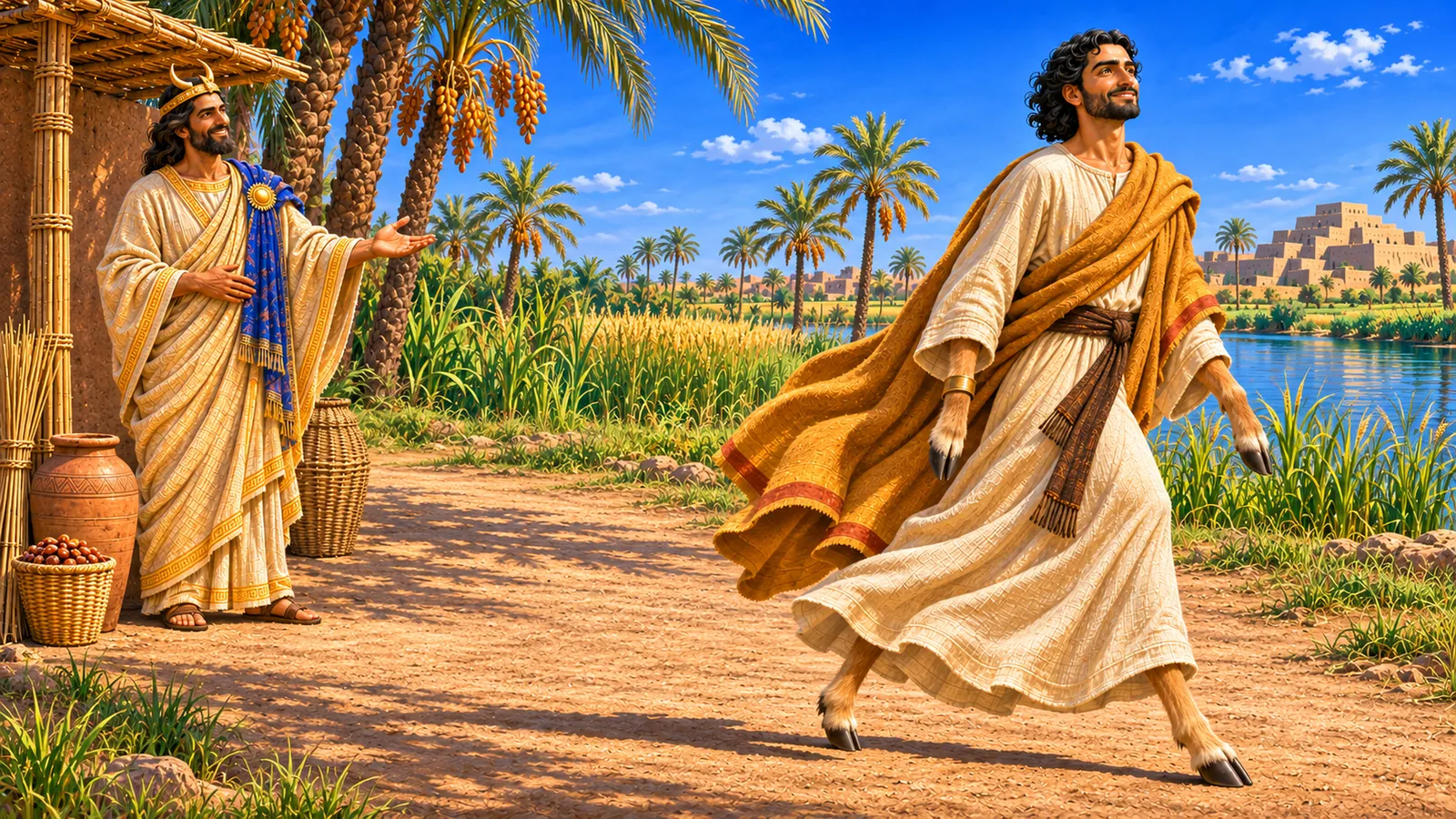
ESCAPE
Utu accepted his tears again. He gave Dumuzi the hands and feet of a gazelle, and Dumuzi slipped away from the demons.
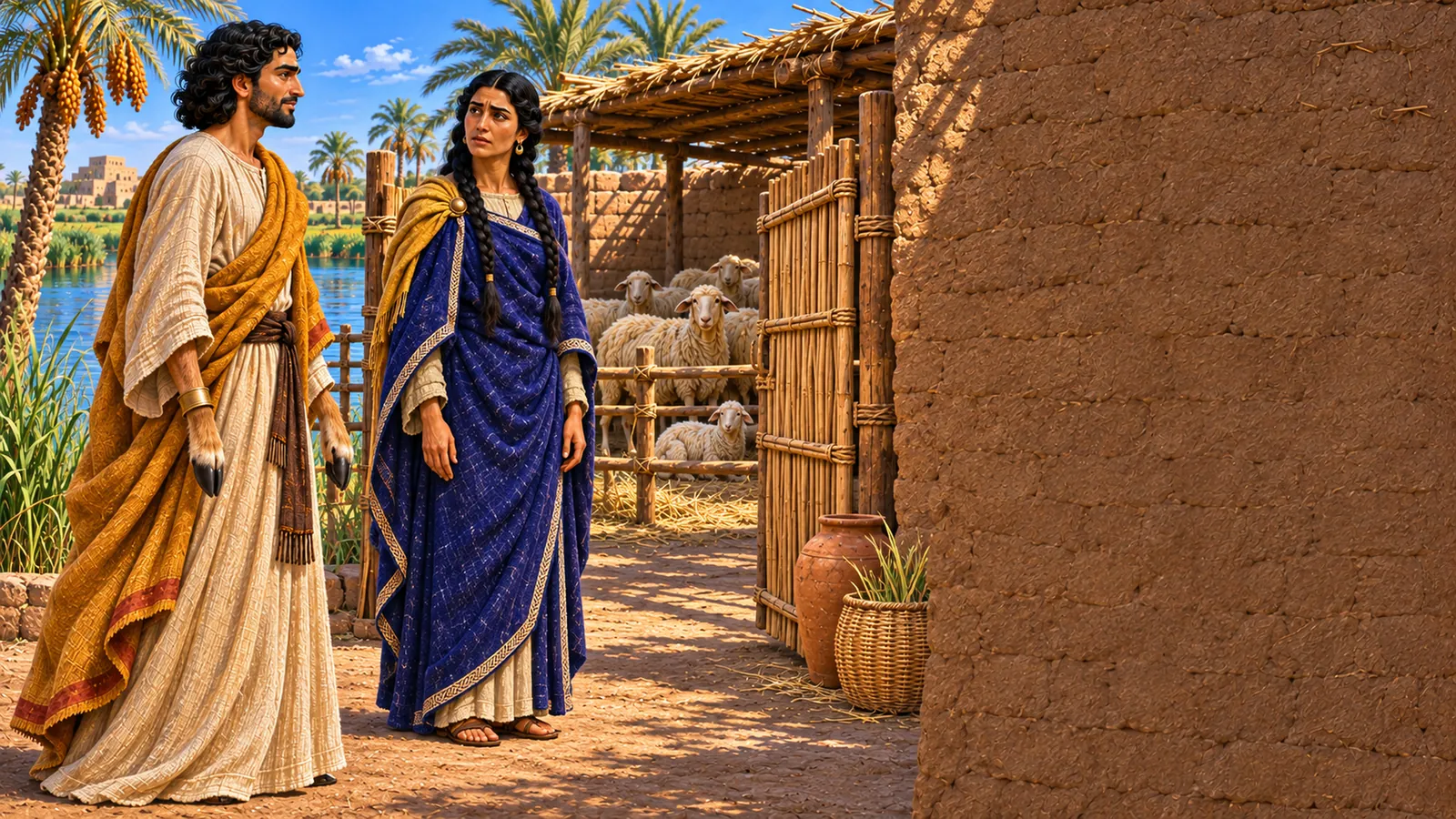
Dumuzi escaped with his life to the holy sheepfold. It was his sister’s sheepfold, and he drew near to its entrance.
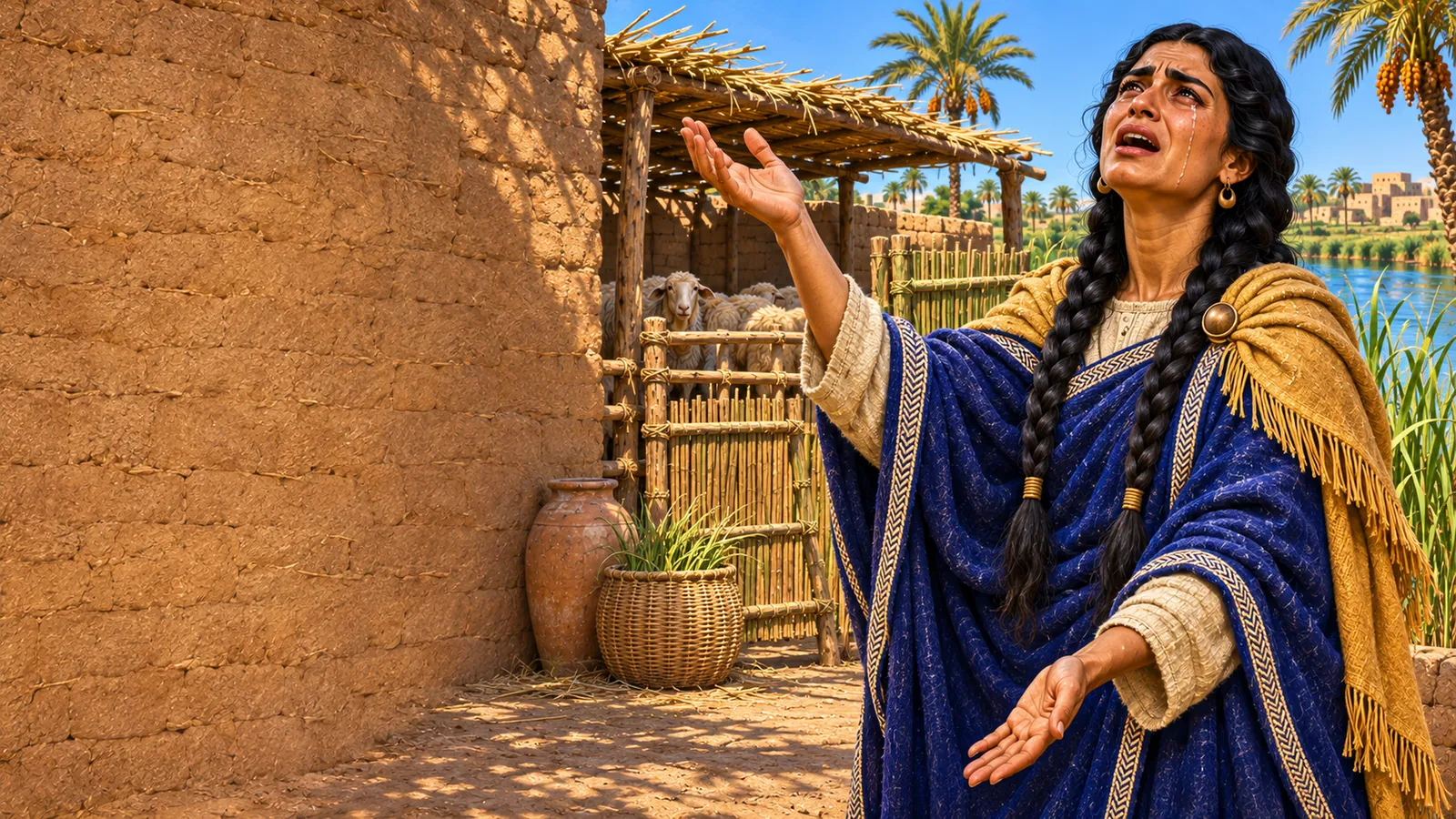
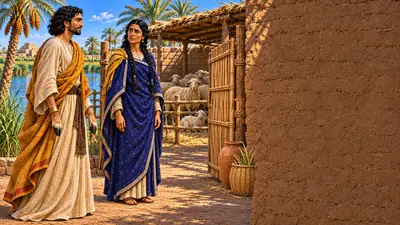
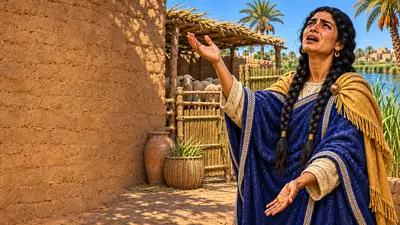
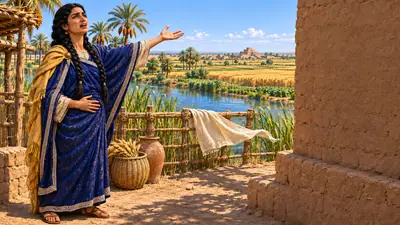
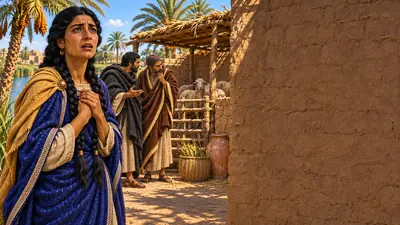
Geštinanna cried toward heaven and toward the earth. Her voice went out over the whole horizon, as though it could cover the countryside.
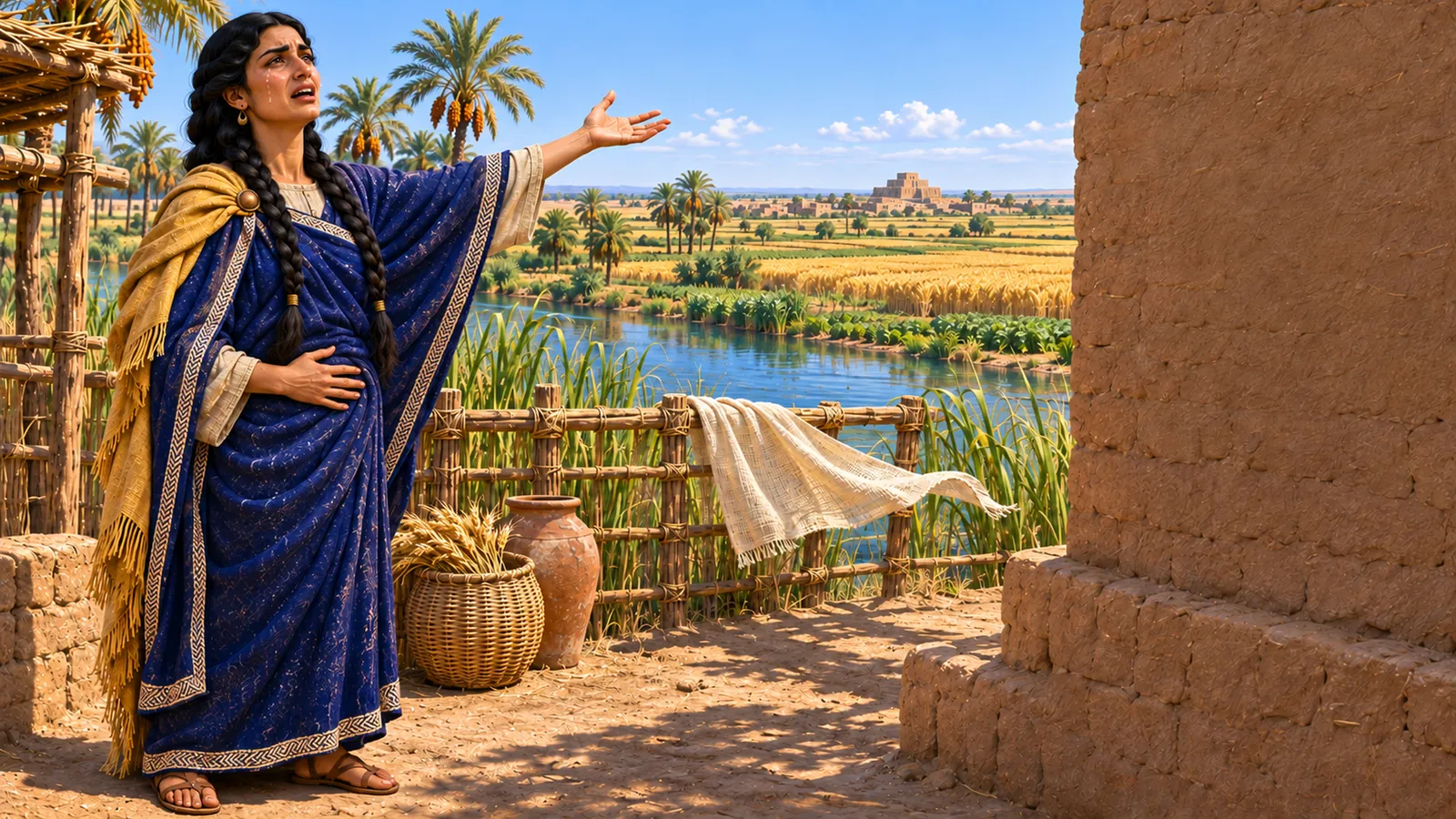
The poem likens her cries to a cloth spread across the horizon. They lay over the distant land like a length of linen.
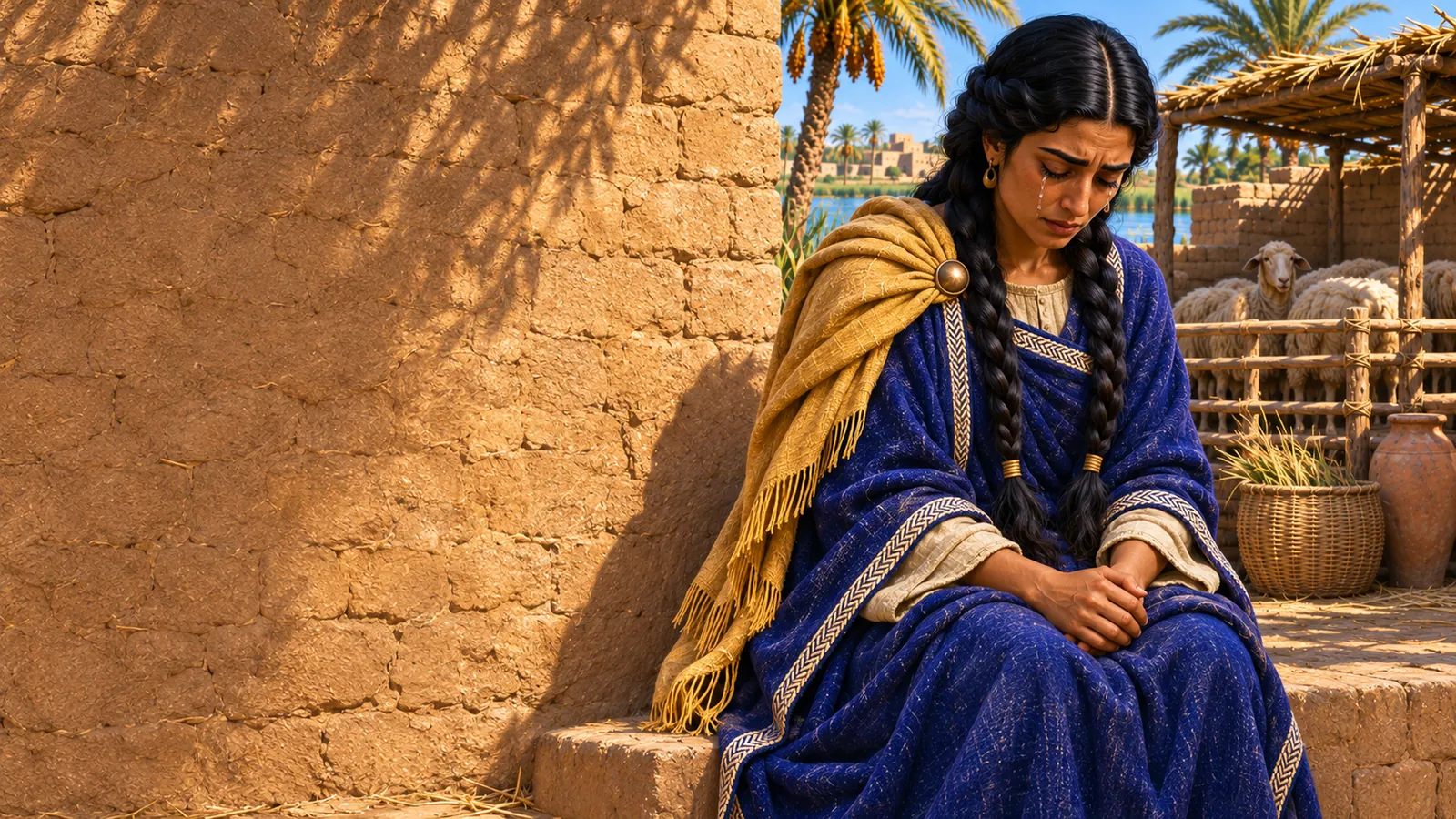
Geštinanna’s mourning turned to hurting herself. The poem says she did so openly before others, and that she injured herself again when she was alone.
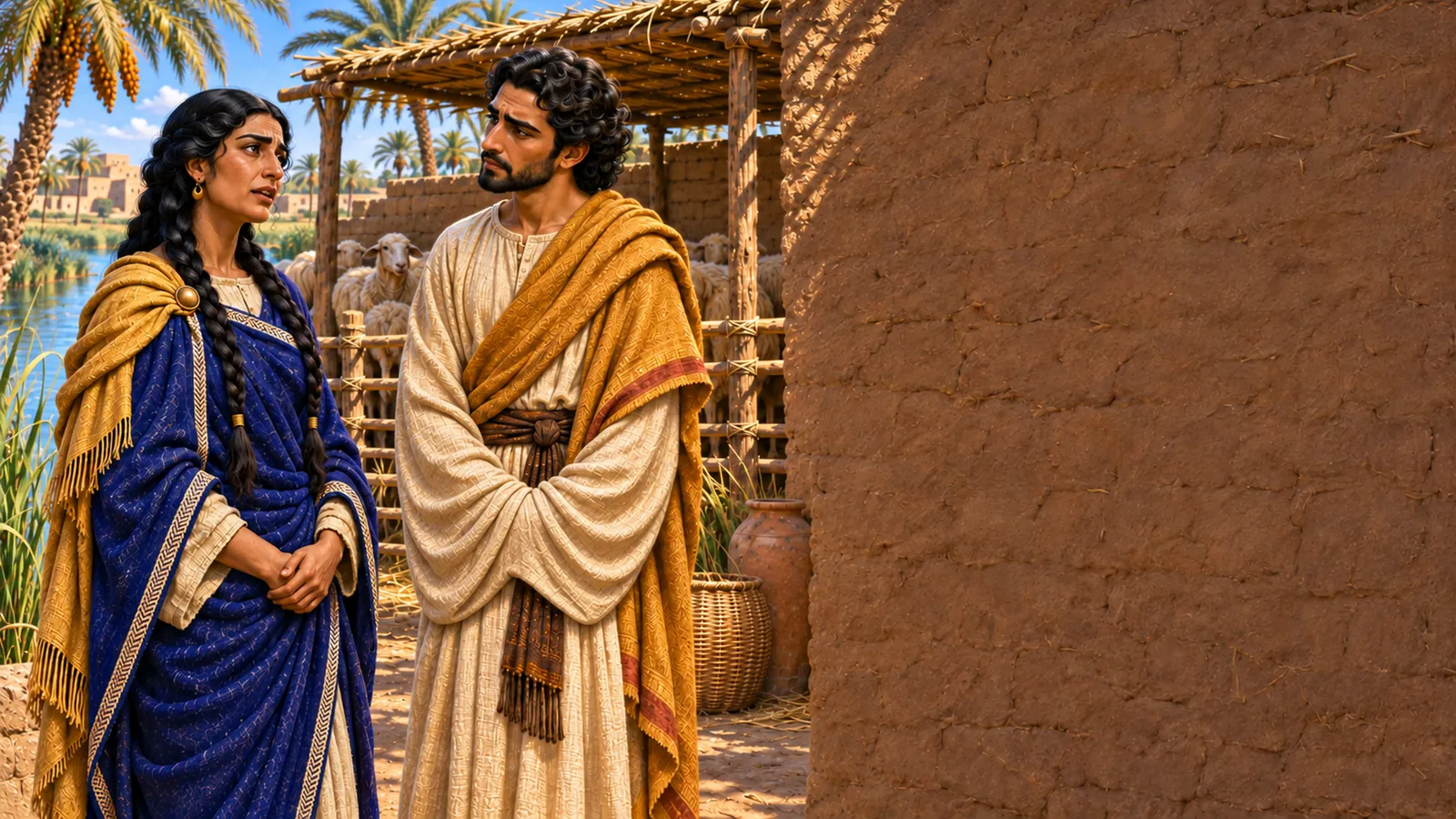
She spoke to her brother about going through the streets. Her sentence breaks off there. What she meant to do is no longer clear.
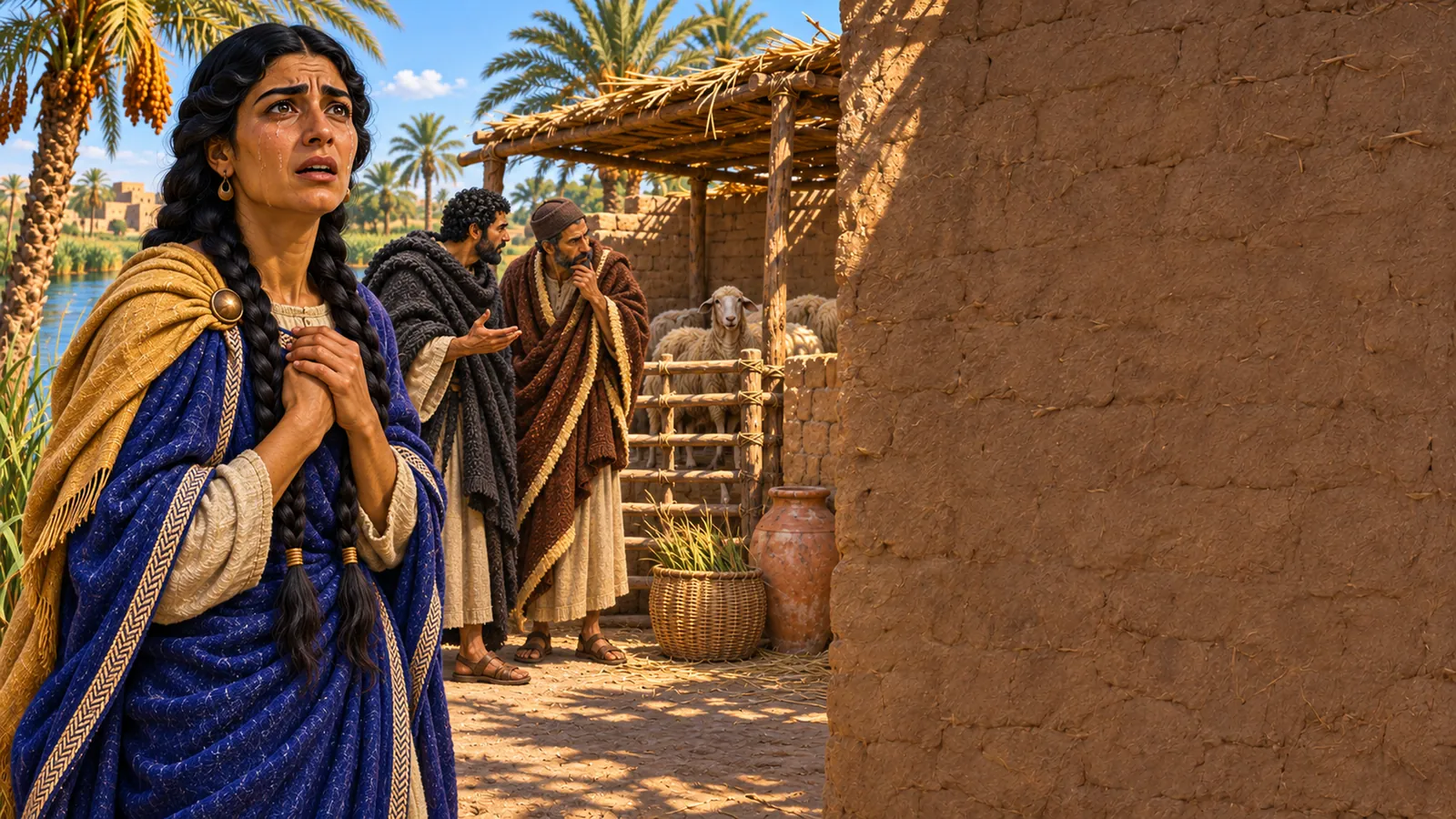
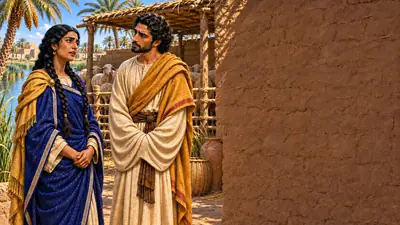
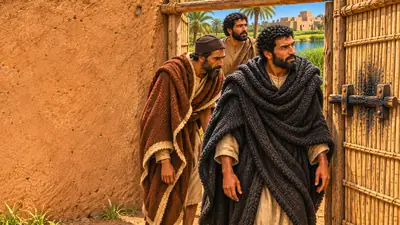
The demons heard how frightened she sounded and took it as a sign that she knew where Dumuzi was. They turned toward the sheepfold and the cattle pen.
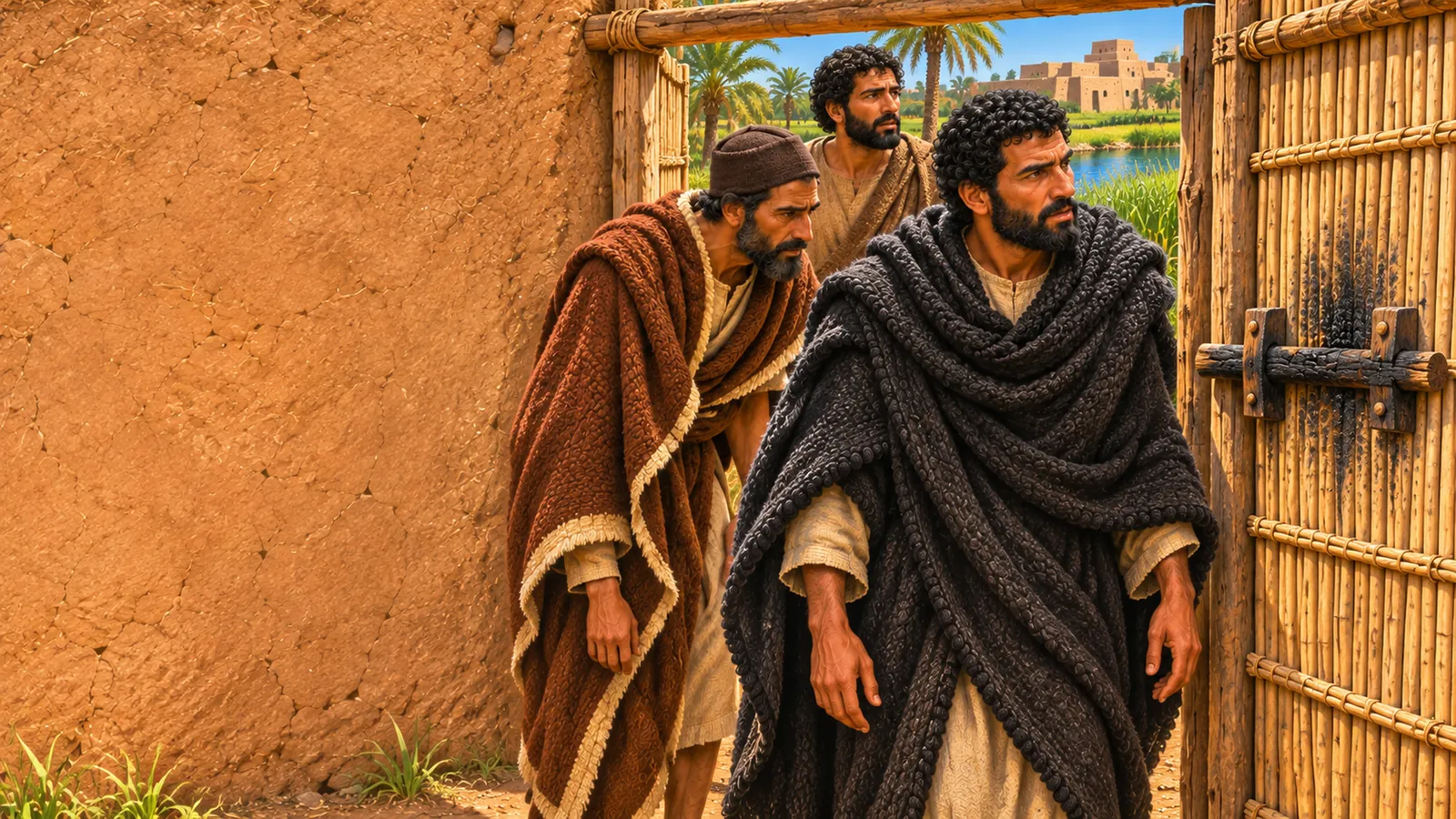
The first demon entered the sheepfold and the cattle pen. In the main reading, he set fire to the door’s bolt.
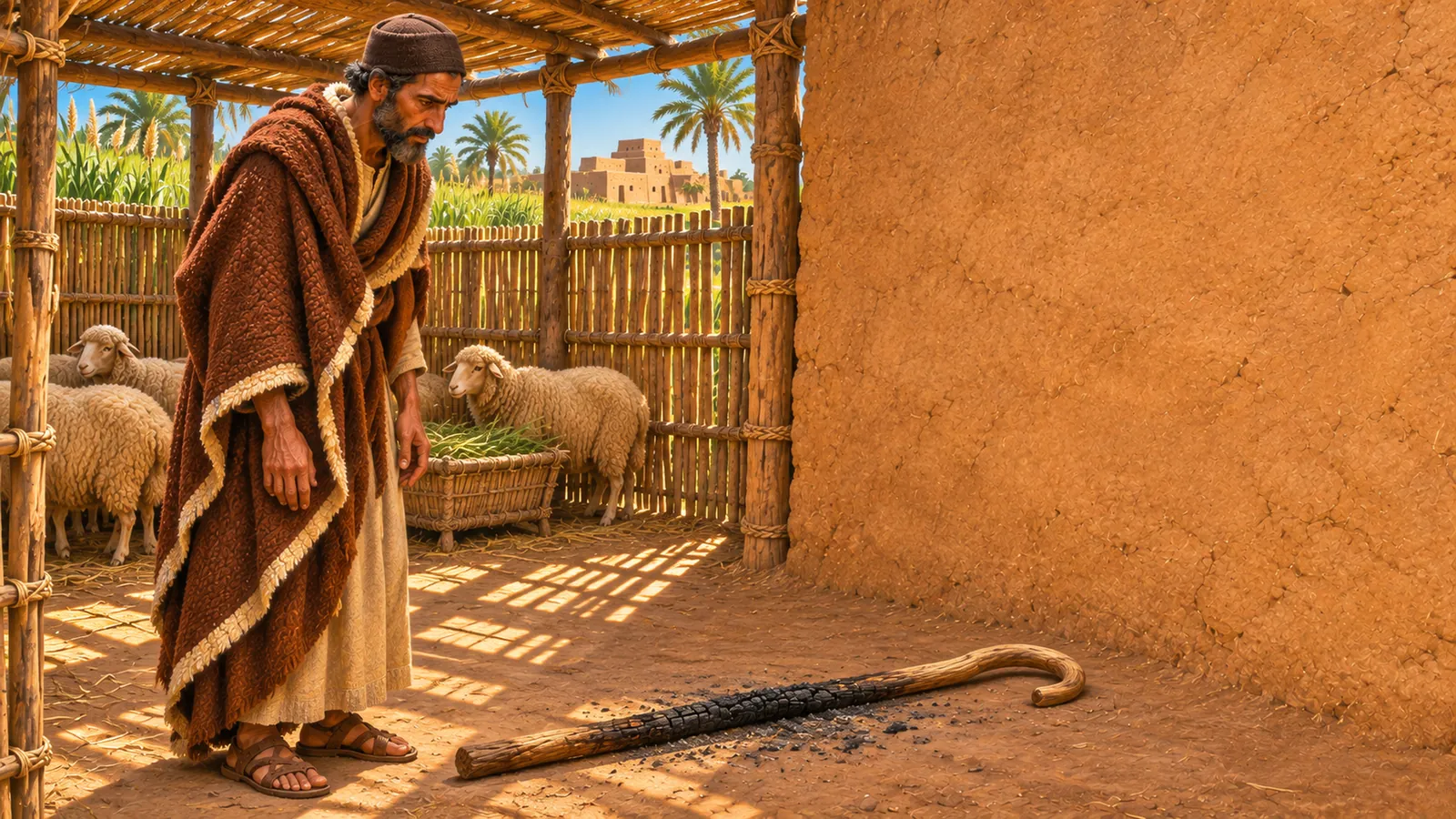
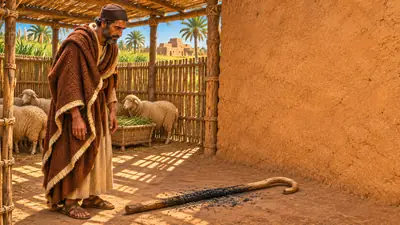
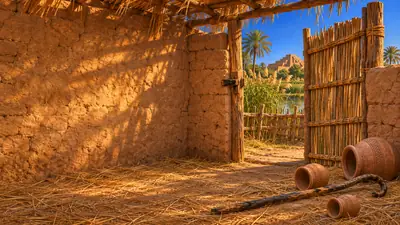
The second demon entered the sheepfold and the cattle pen and burned the shepherd’s staff. A staff had already vanished in Dumuzi’s dream.
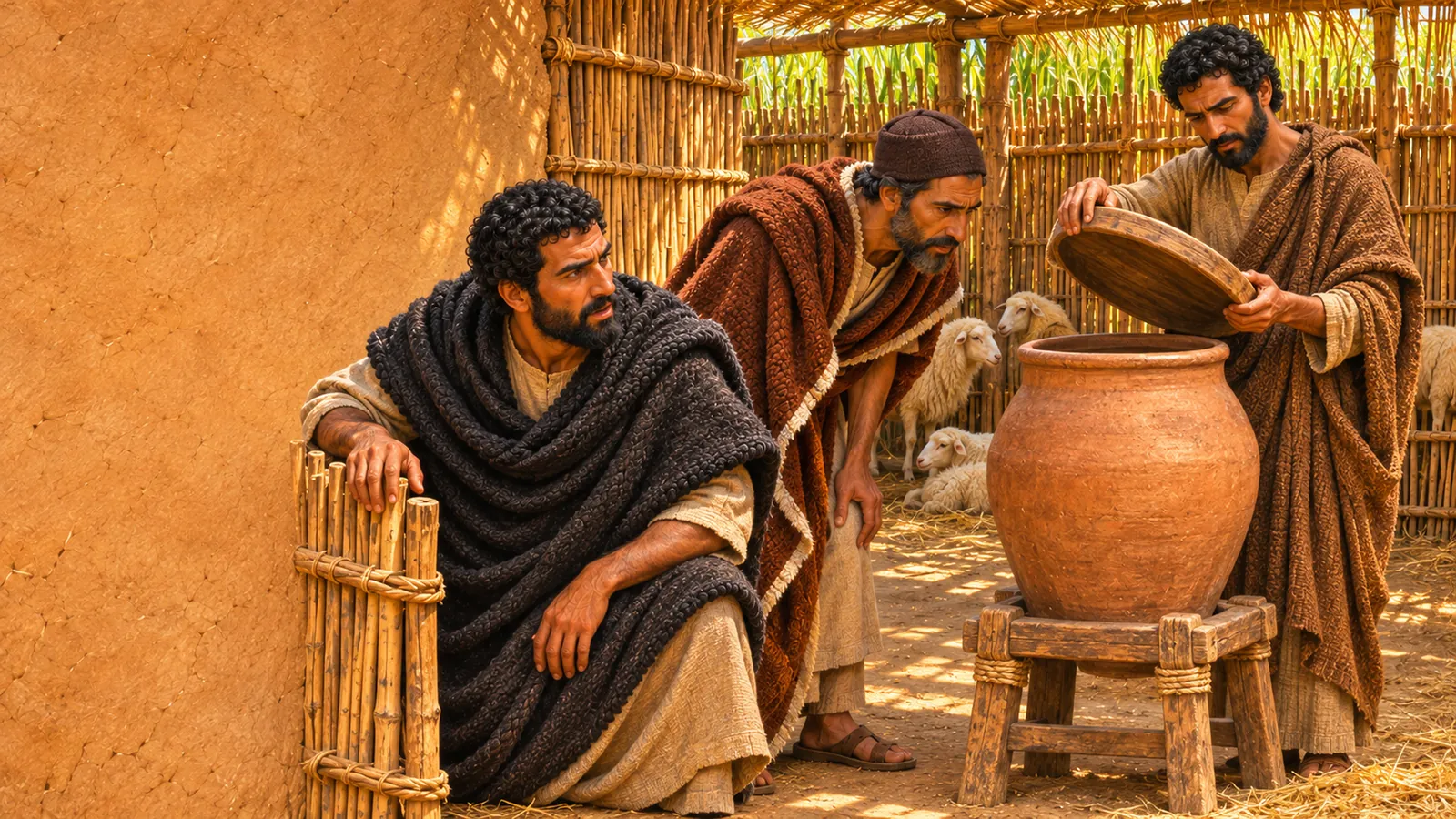
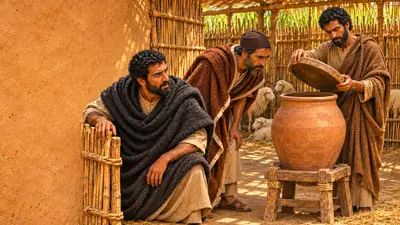
The third demon went into the sheepfold and the cattle pen. He took the lid off the sacred churn, as Dumuzi had seen in his dream.
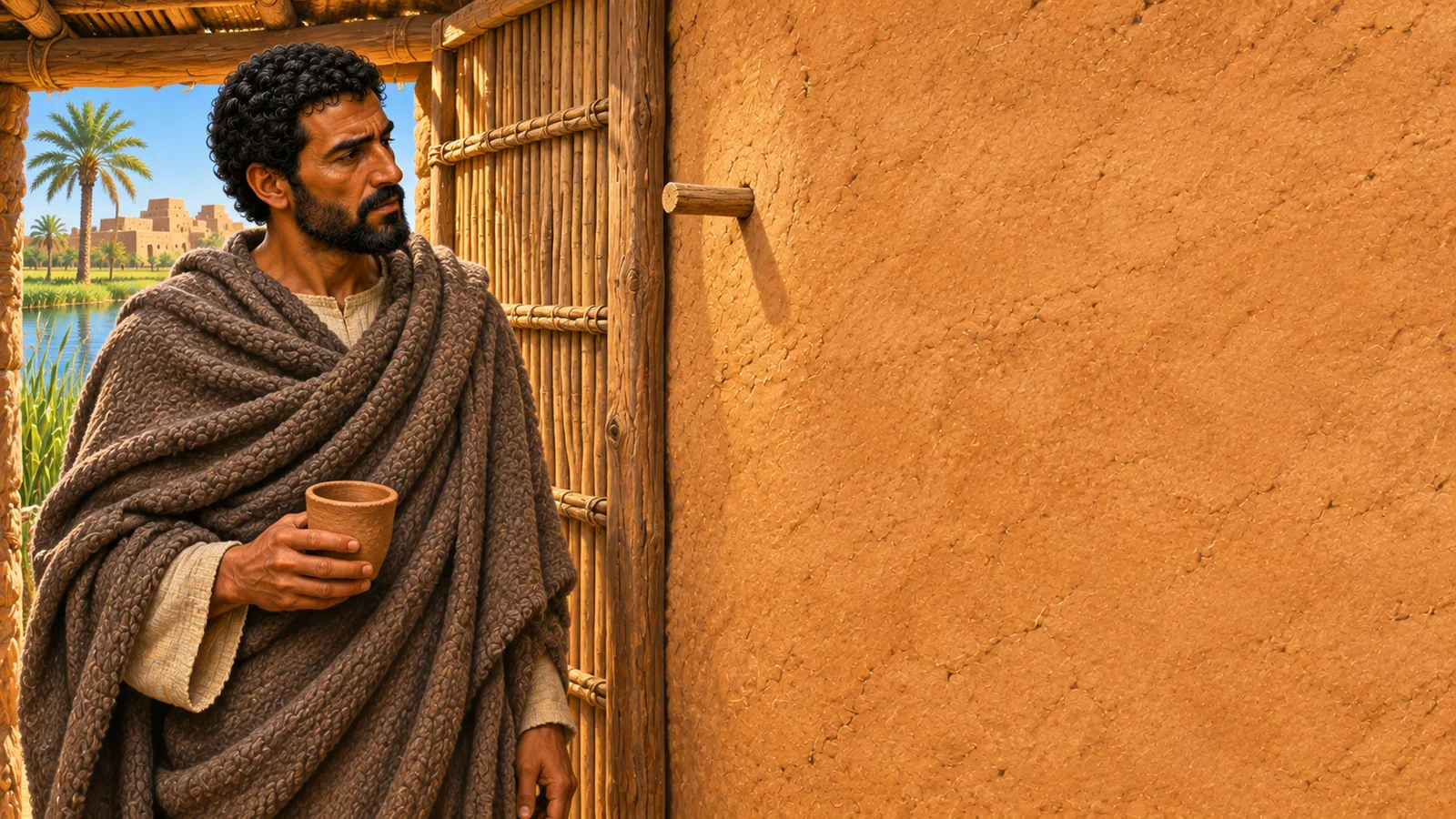
The fourth demon went in and tore the drinking cup down from its peg. The cup, too, had fallen in Dumuzi’s dream.
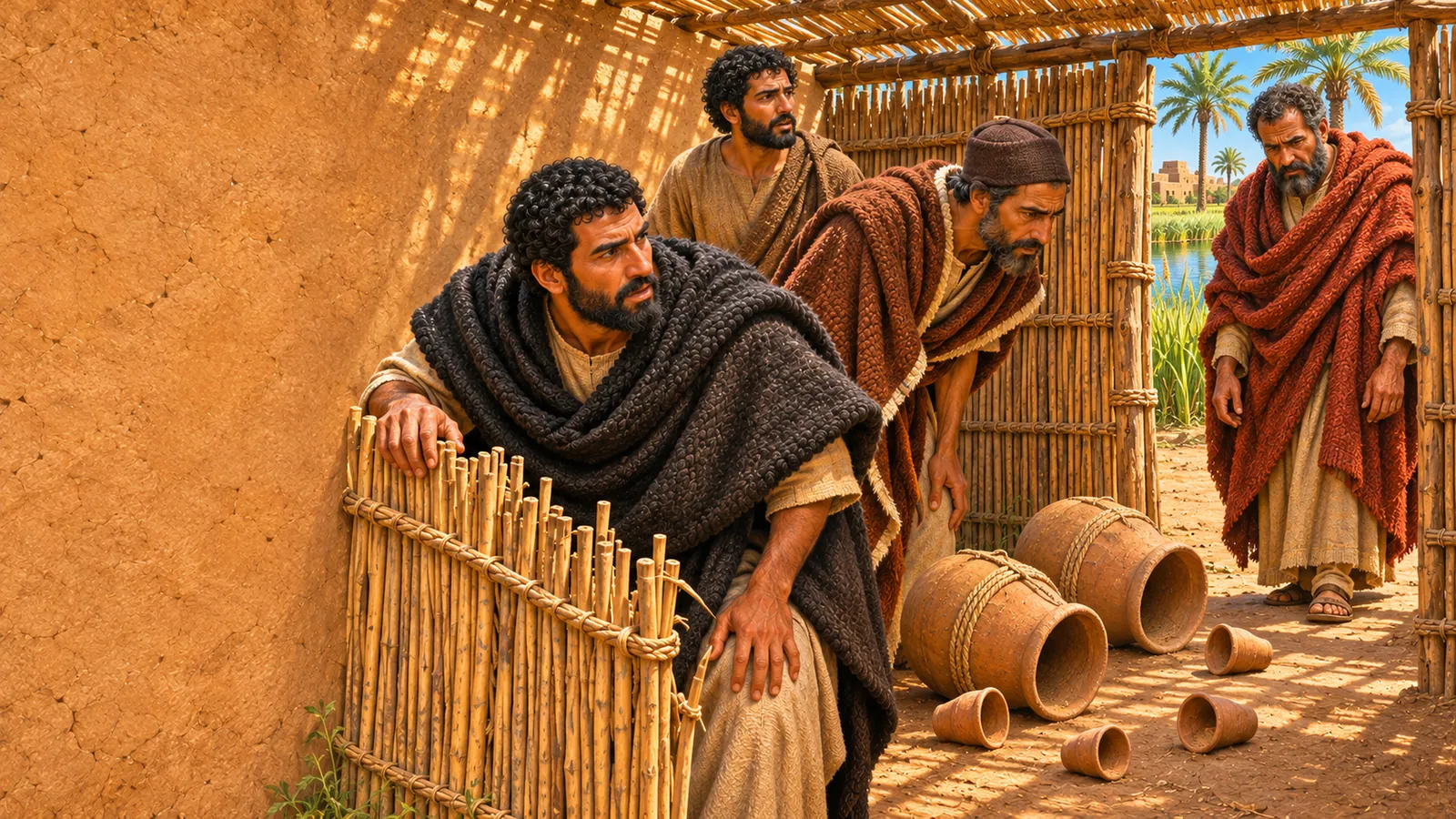
When the fifth demon entered in the main reading, the churns and the cups lay on their sides. No one poured milk in the sheepfold.
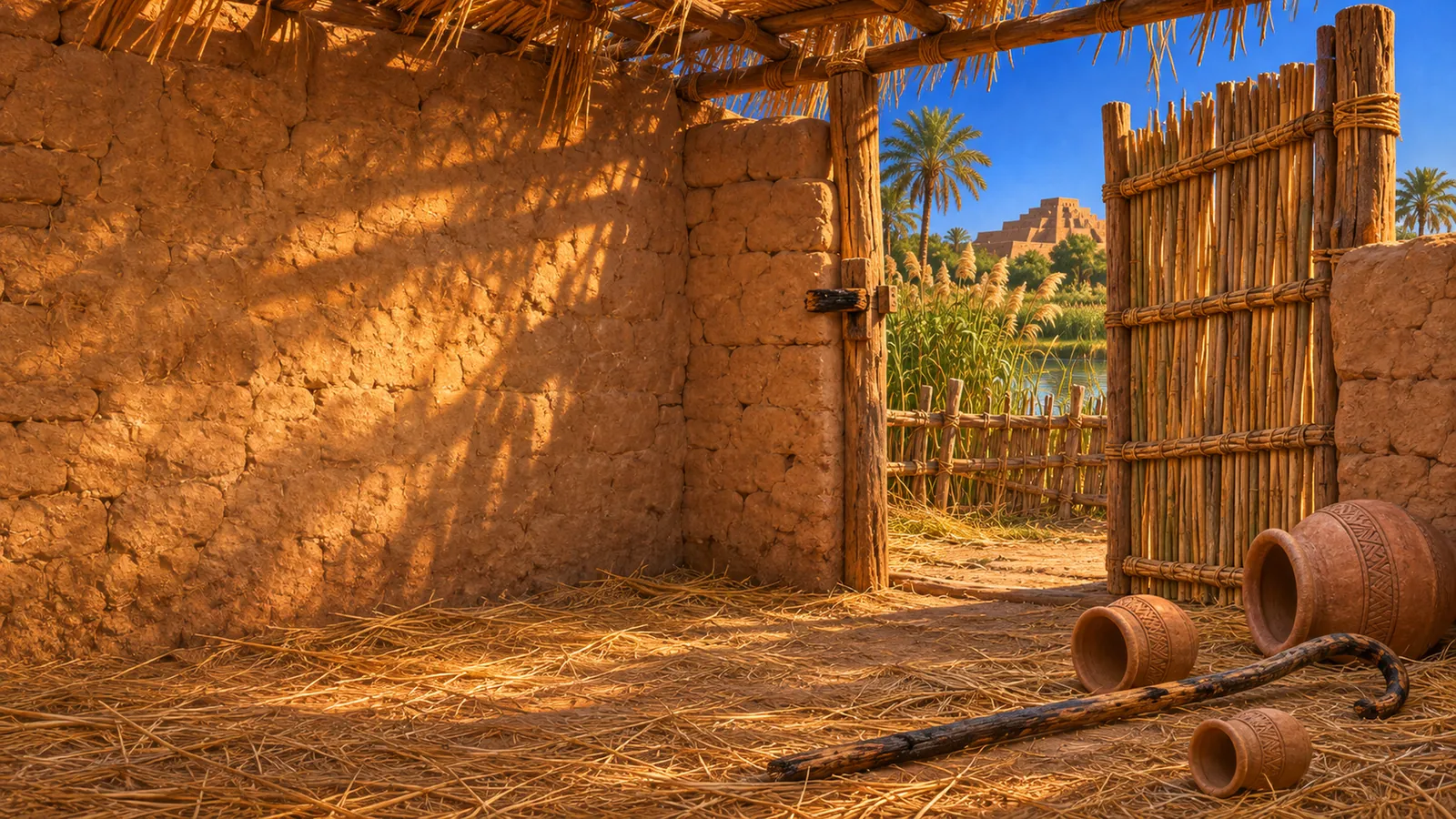
Dumuzi was dead, and the sheepfold was haunted. The dream’s last scene had come to pass. The poem leaves the place empty of its shepherd.

LAMENT
The last line calls this a kalkal song for the dead Dumuzi. It gives a name to the lament left after the sheepfold fell silent.
End of chapter 2
All pages








Sources
Oxford groups the translation into line ranges. Each page follows the beat within its cited group. Eanna, Uruk and Inanna are the names used here for Oxford’s E-ana, Unug and Inana. Ku-bireš and Ku-bireš-dildareš render Oxford’s Ku-birec and Ku-birec-dildarec.
Editions consulted
Notes on this retelling
Pages 1–4, lines 165–173. Dumuzi addresses Utu as his brother-in-law and calls himself the husband of Utu’s sister. He mentions carrying food to Eanna and bringing wedding gifts to Uruk. Page 3 gives his claim that he kisses Inanna’s sacred lips and dances on her sacred knees, the words of his appeal. On page 4 he asks for gazelle hands and feet so he can escape to Ku-bireš-dildareš. These spellings follow the story’s naming conventions. Oxford prints E-ana, Unug, Inana and Ku-birec-dildarec.
Page 5, lines 174–180. Utu accepts Dumuzi’s tears and shows mercy. One manuscript adds that he accepts the tears as a gift.
Pages 6–8, lines 174–180. The translation specifies Dumuzi’s hands and feet in describing the change. He evades the demons and reaches Ku-bireš-dildareš with his life. They look for him without finding him at first.
Pages 9–10, lines 181–191. The pursuers propose going to Ku-bireš. One witness adds a broken comparison involving a net after this suggestion. Oxford prints Ku-birec.
Pages 11–12 (181–191). Adjacent pages preserve the order to go to Ku-bireš and the capture there. The captured Dumuzi is surrounded, the standing water drained and a cord, net, reed hawser and sticks prepared. Oxford describes the man in front throwing projectiles and preserves no action for the man behind. The poem says they bound Dumuzi’s hands and arms and then describes him raising his hands toward Utu. Page 12 retains that sequence. The manuscript addition with the comparison to a net belongs with the earlier order.
Pages 13–15 (192–199). The appeal begins with Dumuzi identifying Utu as his brother-in-law. Dumuzi says he carries food to Eanna and brought wedding gifts to Uruk, and invokes Inanna’s lips and knees. Then he requests the hands and feet of a gazelle so that he can escape to the house of Old Woman Belili. One manuscript reads snake in place of gazelle in both phrases. The narrative request is distinct from its fulfillment.
Pages 16–17 (200–205). Utu accepts Dumuzi’s tears and changes his hands and feet into those of a gazelle in the composite text. One manuscript reads snake as the alternative for both. The composite gives his evasion and escape with his life to Belili’s house.
Pages 18–19 (206–208). Dumuzi identifies himself as a goddess’s husband and makes two requests, first for water to drink and then for flour to eat.
Page 20 (209–212). The first surviving sequence is Belili pouring water, sprinkling flour, and Dumuzi sitting inside. The next pages take up Belili leaving and the demons seeing her. The edition gives no eating or drinking action between the request and Dumuzi’s sitting down.
Pages 21–22 (209–212). After the old woman gives Dumuzi water and flour, he sits inside. She goes outside, and the demons see her.
Pages 23–24 (213–226). The searchers remark on the old woman’s frightened appearance and cries. They infer that she knows Dumuzi’s whereabouts and decide to go to the house of Old Woman Belili, where they catch him. The explanation of her fear comes from them. The translation gives no disclosure by Belili.
Pages 25–27 (213–226). The men drain the standing water around Dumuzi and prepare a cord, a net, a reed hawser and sticks. The man in front throws projectiles at him, and the words about the man behind him break off. The translation names handcuffs and fetters on his hands and arms. He raises his hands heavenward to Utu, and the next numbered passage begins his third appeal.
Pages 28–30 (227–234). Dumuzi calls Utu his brother-in-law and himself the husband of Utu’s sister. He speaks of kissing holy lips and dancing on Inanna’s holy knees. Here the request is for the hands and feet of a gazelle so he can escape to his sister’s holy sheepfold. The snake reading is a variant of the ensuing transformation at 235–244.
Pages 31–32, ETCSL 1.4.3, lines 235–244. Utu hears the appeal, changes Dumuzi’s hands and feet, and he escapes toward his sister’s holy sheepfold. Oxford gives gazelle limbs in the main text and snake limbs in a manuscript variant.
Pages 33–35, lines 235–244. Geštinanna cries toward heaven and earth. Her cries are likened to spread cloth and linen.
Page 35 (ETCSL 1.4.3, lines 235–244).
Pages 36–37, lines 245–255. The opening speech to her brother breaks off after a phrase about going through the streets. The pursuers infer from her fear and cries that she knows where Dumuzi is, then decide to go to the sheepfold and cow-pen. Their inference belongs to their speech.
Pages 38–40, lines 245–255. The first demon sets fire to the bolt in Oxford’s main reading. One manuscript has a shout followed by damaged wording. The second burns the shepherd’s staff and the third removes the churn lid. These are the separate actions in the main sequence.
Pages 41–43, lines 256–260. The fourth tears the cup from its peg in the main reading. At the fifth entry, churns and cups lie on their sides, no milk is poured, Dumuzi is dead and the sheepfold is haunted. One manuscript adds water poured over the brazier at the fourth entry, shifts the cup to the fifth and divides the concluding signs between the sixth and seventh.
Page 44, line 261. Oxford marks the last line as the description of a kalkal song for the dead Dumuzi. This poem ends at that description.
Ancient lines behind each page
- Page 1: ETCSL 1.4.3, lines 165–173
The ditches suggest the place of the plea rather than a named monument. - Page 2: ETCSL 1.4.3, lines 165–173
- Page 3: ETCSL 1.4.3, lines 165–173
- Page 4: ETCSL 1.4.3, lines 165–173
- Page 5: ETCSL 1.4.3, lines 174–180
- Page 6: ETCSL 1.4.3, lines 174–180
- Page 7: ETCSL 1.4.3, lines 174–180
- Page 8: ETCSL 1.4.3, lines 174–180
- Page 9: ETCSL 1.4.3, lines 181–191
- Page 10: ETCSL 1.4.3, lines 181–191
At extreme lower left an overhanging fragment of bare cracked clay receives a narrow muted warm highlight. - Page 11: ETCSL 1.4.3, lines 181–191
- Page 12: ETCSL 1.4.3, lines 181–191
- Page 13: ETCSL 1.4.3, lines 192–199
- Page 14: ETCSL 1.4.3, lines 192–199
The right falls into broad naturally even gray-olive plaster shade, with no roof edge or right line. - Page 15: ETCSL 1.4.3, lines 192–199
- Page 16: ETCSL 1.4.3, lines 200–205
- Page 17: ETCSL 1.4.3, lines 200–205
Left is continuous natural copper-gray distance with no horizon line or street. - Page 18: ETCSL 1.4.3, lines 206–208
- Page 19: ETCSL 1.4.3, lines 206–208
- Page 20: ETCSL 1.4.3, lines 209–212
- Page 21: ETCSL 1.4.3, lines 209–212
- Page 22: ETCSL 1.4.3, lines 209–212
- Page 23: ETCSL 1.4.3, lines 213–226
- Page 24: ETCSL 1.4.3, lines 213–226
- Page 25: ETCSL 1.4.3, lines 213–226
- Page 26: ETCSL 1.4.3, lines 213–226
- Page 27: ETCSL 1.4.3, lines 213–226
- Page 28: ETCSL 1.4.3, lines 227–234
A narrow ochre earth bank and a low line of reed roots occupy only the lowest third. - Page 29: ETCSL 1.4.3, lines 227–234
- Page 30: ETCSL 1.4.3, lines 227–234
A pastoral track runs across the lower right toward a distant low reed sheepfold, both remaining wholly to the right of the middle line. - Page 31: ETCSL 1.4.3, lines 235–244
- Page 32: ETCSL 1.4.3, lines 235–244
- Page 33: ETCSL 1.4.3, lines 235–244
A broad nearly empty Sumerian plain with a low distant line of river reeds. Overhead natural pale dust and diffuse dusk form a calm continuous lead-blue and faint rose field, with no sharp lower sky edge in the text reserve. - Page 34: ETCSL 1.4.3, lines 235–244
- Page 35: ETCSL 1.4.3, lines 235–244
- Page 36: ETCSL 1.4.3, lines 245–255
- Page 37: ETCSL 1.4.3, lines 245–255
- Page 38: ETCSL 1.4.3, lines 245–255
- Page 39: ETCSL 1.4.3, lines 245–255
- Page 40: ETCSL 1.4.3, lines 245–255
- Page 41: ETCSL 1.4.3, lines 256–260
- Page 42: ETCSL 1.4.3, lines 256–260
- Page 43: ETCSL 1.4.3, lines 256–260
- Page 44: ETCSL 1.4.3, line 261
Illustrations made with AI tools by IL Archive; the text is based on the ancient sources (see the sources at the end of each chapter).