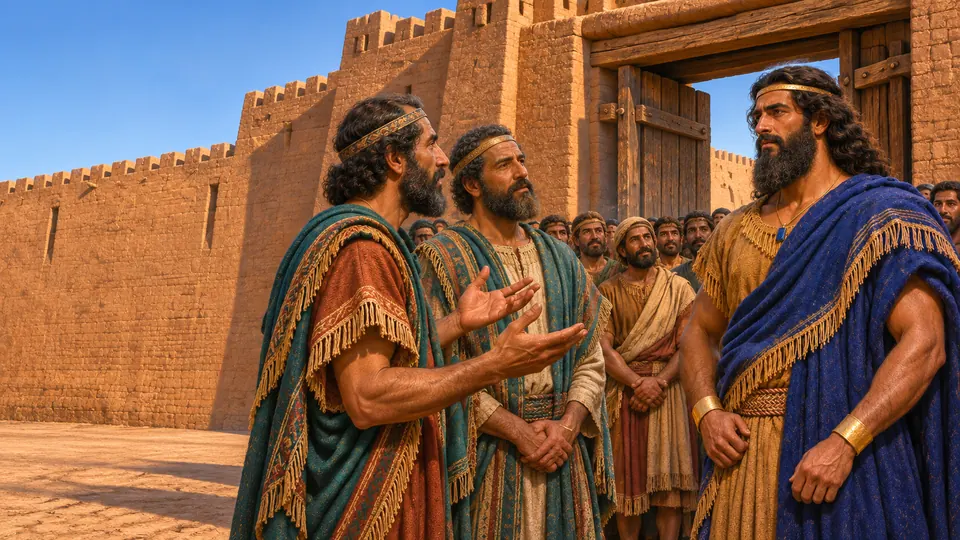
Person · Literary figure
Aga of Kish in the Story of Gilgamesh
- Names
- Aga of Kish · Agga · Akka of Kish
- Region
- Mesopotamia
The Sumerian King List places Aga at the end of a line of kings at Kish. A poem tells of his siege of Uruk, his capture by Gilgamesh and the act of kindness that earns his release.
Estimated reading time: 5 min Published Last reviewed:
Share article
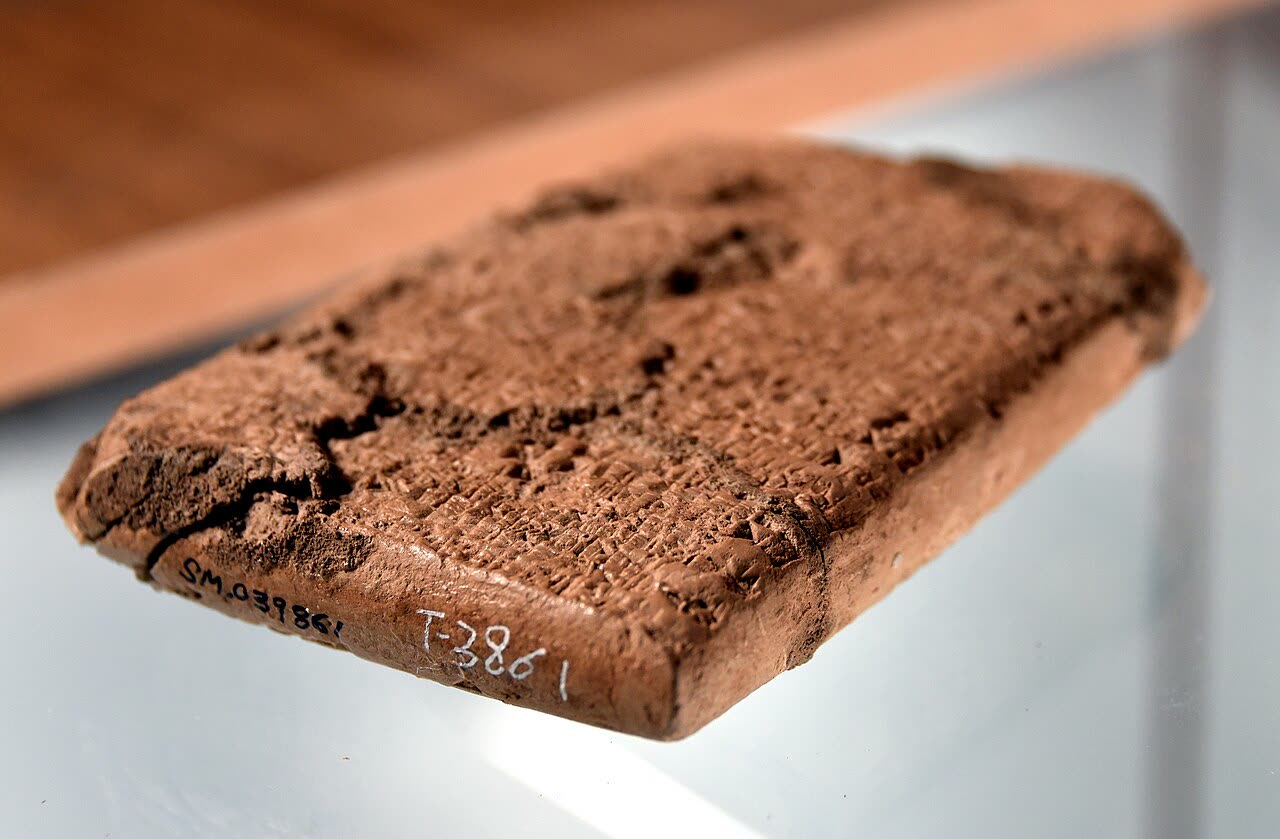
Text
Introduction
Aga, also written Akka or Agga, is remembered as a ruler of Kish and the son of Enmebaragesi. In the Sumerian poem Gilgamesh and Aga, his envoys go to UrukUrukAncient city at Warka in southern Iraq, a major urban centre around 3200 BCE that preserved early writing and accounting tablets.Glossary · Click to read the explanation, where Gilgamesh seeks advice on whether to submit to Kish. Aga soon lays siege to the city. He ends the story a captive released by the man he had come to fight, who recalls that Aga once gave him protection. [1][2]
The Sumerian King List places Aga at the end of its first sequence of rulers at Kish. The History of the Tummal remembers him for caring for a sanctuary and bringing the goddess NinlilNinlilMesopotamian goddess and consort of Enlil, associated with Nippur, Tummal, destinies and royal ritual. Identified with Sud in literary tradition and known as Mulliltu/Mullissu in Akkadian and Assyrian contexts; her genealogies and roles vary by text and period.Glossary · Click to read the explanation into it. These texts tell different things about his standing. Only the poem brings the siege and the earlier kindness into the same story. [1][2][3]
The last king in Kish’s first sequence
In the King List, Enmebaragesi is credited with defeating Elam and given a reign of 900 years. Aga follows with 625 years. The text then announces the defeat of Kish and the transfer of kingship to E-ana, the sanctuary at Uruk. These very long reigns are part of the way the list presents early kingship. The transfer formula closes the Kish sequence without describing a particular siege or giving the circumstances of Aga’s release. [1][2]
The History of the Tummal presents Enmebaragesi and Aga as the first father and son pair in a sequence associated with work at Nippur. The father builds the Iri-nanam in EnlilEnlilEnlil/Ellil: a major Mesopotamian god associated with destinies, kingship, and Ekur at Nippur, already prominent in third-millennium god lists. His name’s origin and cult beginnings remain debated.Glossary · Click to read the explanation’s temple. The son restores the standing of the Tummal and brings Ninlil into it. The text goes on to repeat this pattern of construction and restoration with later rulers and their sons. Its interest is in remembering how often the holy place fell into ruin and was tended again. [3][4]
The wells and the two consultations
The Sumerian poem opens with the arrival of Aga’s envoys. The words about the wells occur when Gilgamesh introduces the issue to his elders. In the Oxford translation they describe wells that need work, including deep wells with hoisting gear. Most translators, Andrew George among them, take the lines as a warning about forced labour: if Uruk submitted, its people would be set to dig and finish wells for Kish. Piotr Steinkeller argues instead that the wells of Uruk are becoming depleted, which would put water scarcity in the background of the negotiations. The lines preserve the language of shallow and deep wells while leaving the precise terms of Aga’s message open to interpretation. [1][5][6]
The elders advise submission. Gilgamesh consults the able-bodied men of the city, whose answer supports resistance. They praise his position as protector of the city and its walls. Dina Katz examines how the two consultations work in the composition and questions what they can establish about formal political institutions. [4]
The poem gives the two groups different advice to offer. It uses the younger men’s words to move from debate to preparations for the siege. In its composite text, the CuneiformCuneiformWriting with wedge-shaped signs, developed from Mesopotamian recording traditions and used for several languages from the third millennium BCE.Glossary · Click to read the explanation Digital Library Initiative marks a variant in which the elders’ answer sounds different. The differences show where the contrast between the two speeches depends on the witness being read. [1][7]
At the walls of Uruk
When Aga arrives, a member of Gilgamesh’s guard named Birhur-tura volunteers to go out. Aga’s men seize him at the gate and beat him. When an officer appears on the rampart, Aga asks whether he is the king. The prisoner says that his actual king could overcome armies and capture Aga. His reply gives the audience a description of what the poem says will happen when Gilgamesh appears. [1]
Gilgamesh climbs the wall and then looks out over it. Aga asks the prisoner the same question again. This time Birhur-tura confirms the king’s identity. The poem uses the words of his earlier prediction to describe its fulfilment, including Aga’s capture among his own troops. It has prepared the turn in the siege through a dialogue in which the prisoner insists on the difference between the two figures on the rampart. Other figures have parts in the defence. Gilgamesh arms the city’s men and stations them by the gate, and Enkidu goes out through it. The repeated speech makes the public appearance of their king the moment the story emphasizes. [1][5]
The act that wins Aga’s release
After the capture, Gilgamesh addresses Aga with titles of authority and says that Aga once took him in when he was a fugitive. He invokes the sun-god Utu in acknowledging the debt and allows Aga to go back to Kish. A manuscript variant gives the city itself a role in repaying the kindness. The poem lets the victorious ruler acknowledge an obligation to the man he has taken captive. [1][7]
The story leaves the earlier episode in the form of a recollection. Steinkeller proposes that it may reflect traditions about a previous conflict between the two cities. The available lines establish that Gilgamesh owed something to Aga in the story. They leave the date and circumstances of his earlier dependence uncertain. The lists remember Aga for succession and temple care, while the ending of the poem makes remembered protection part of the relationship between rival rulers. [1][2][3][6][7]
References and notes (7)
- Electronic Text Corpus of Sumerian Literature, Gilgamesh and Aga Read the translation through line 113, including the wells, consultations, siege, questions at the rampart and Gilgamesh’s acknowledgment of Aga’s kindness. Return to the text ↑
- Electronic Text Corpus of Sumerian Literature, The Sumerian King List Read the final entries in the Kish sequence, the reign figures and the wording of the transfer of kingship to E-ana. Return to the text ↑
- Electronic Text Corpus of Sumerian Literature, The History of the Tummal Read lines 1–26 on Enmebaragesi and Aga and the repeated sequence of building, restoration, worship and ruin. Return to the text ↑
- Dina Katz, Gilgamesh and Akka Read the study of the Tummal traditions, the elders and younger men, and the political and literary context of the poem. Return to the text ↑
- Andrew George, The Epic of Gilgamesh, Bilgames and Akka Read the introduction and translation section, including the reading of the wells and the two questions about the figures on the rampart. Return to the text ↑
- Piotr Steinkeller, The Tale of Gilgamesh and Akka and the Question of Epic Tradition in Early Babylonia Read the interpretation of the wells, its lexical evidence and the proposal about a prior episode in the relationship between Uruk and Kish. Return to the text ↑
- Cuneiform Digital Library Initiative, CDLI Literary 000361, Gilgamesh and Aga Read the cuneiform composite, English translation and marked manuscript variants in the consultation and reconciliation passages. Return to the text ↑
Suggest a correction · Suggest a source for this record
Cite this record
IL Archive, «Aga of Kish in the Story of Gilgamesh», https://ilarchive.com/en/people/aga-of-kish
Continue reading