Gilgamesh and Aga Chapter 1
The Walls of Uruk
Two councils give Gilgamesh opposing advice before Aga besieges Uruk. A captured guard, a king upon the wall and an old kindness shape the ending.
SourcesTurn the pages with the arrows, the arrow keys or a swipe.
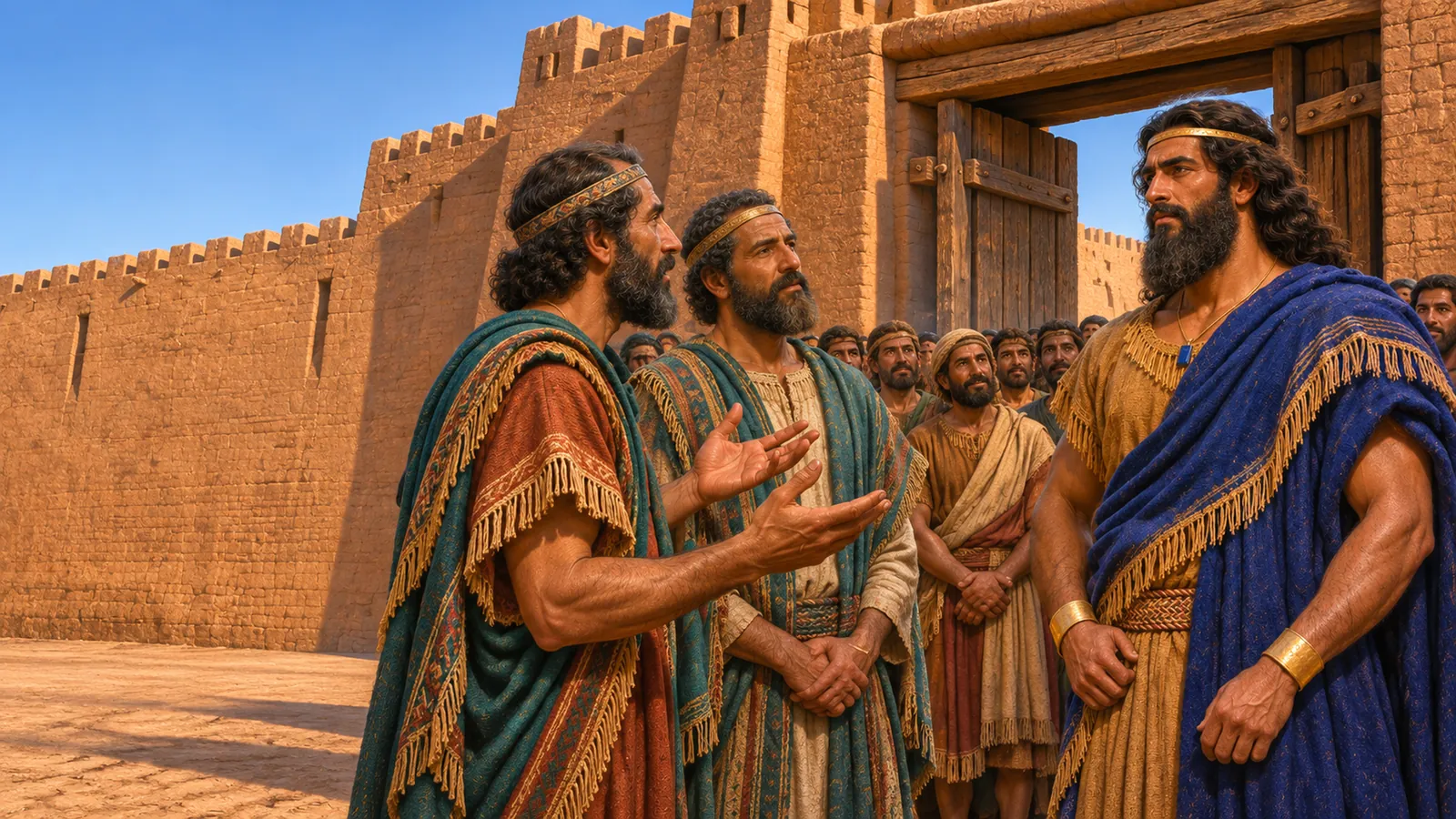
ENVOYS
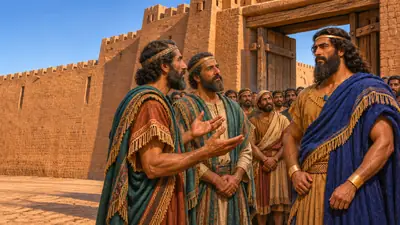
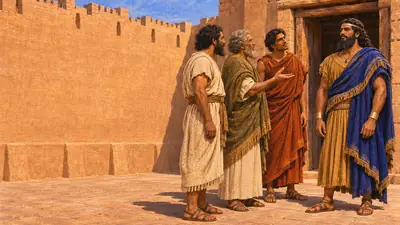
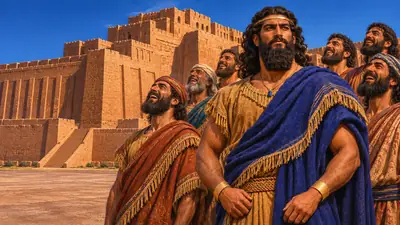
Aga, son of En-me-barage-si, sent envoys from Kish to Gilgamesh in Uruk. The poem does not quote their message.
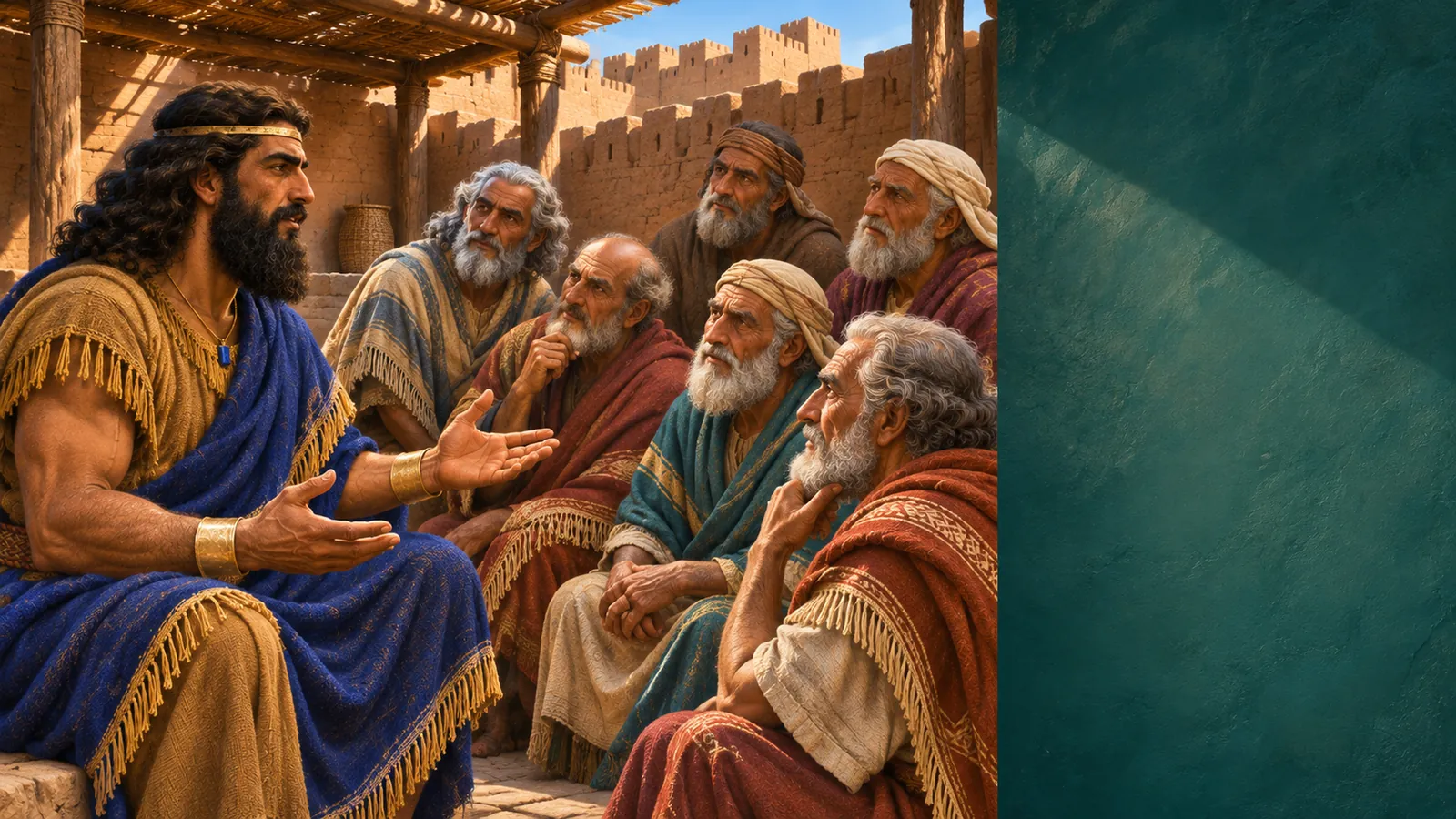
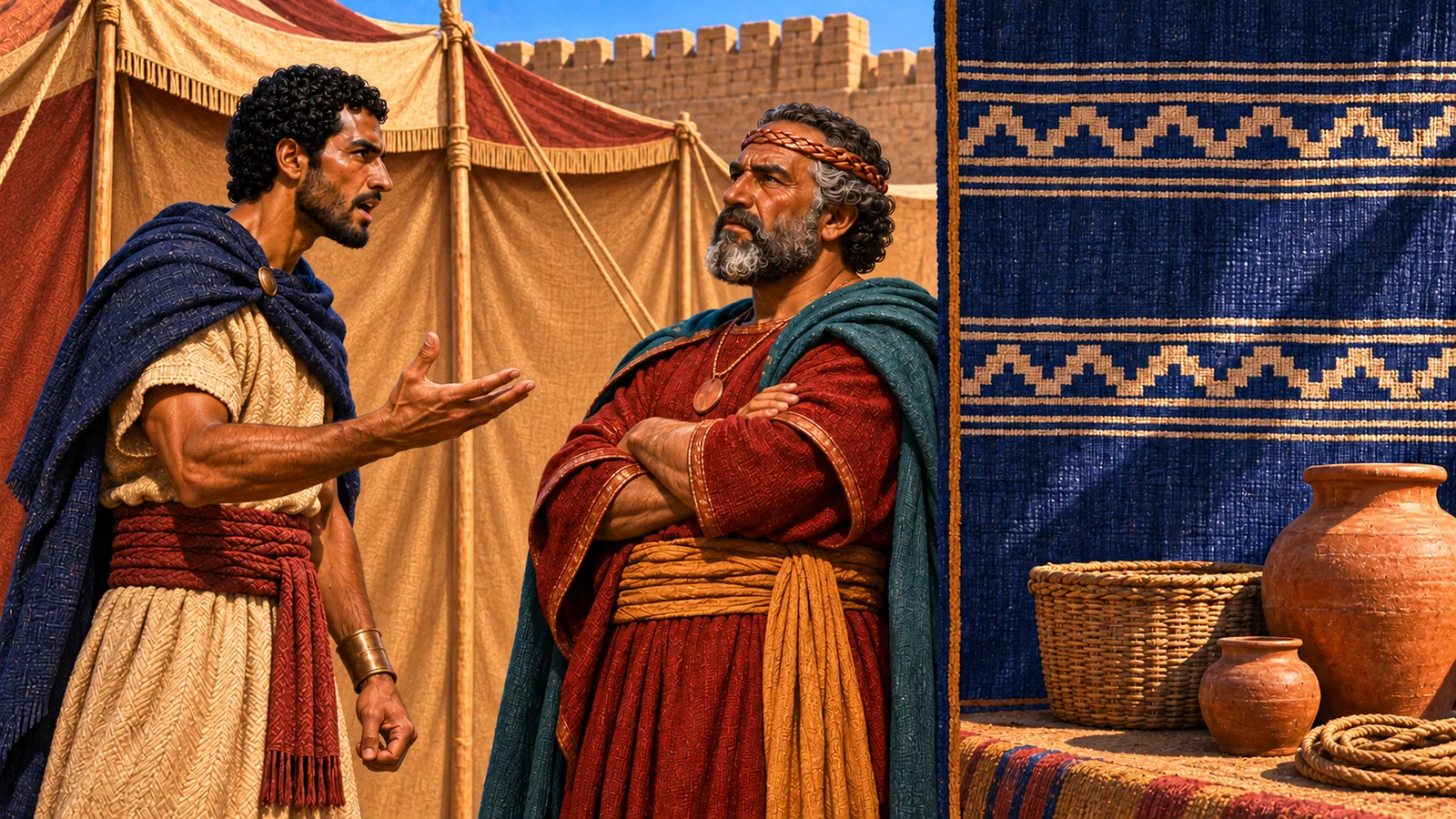
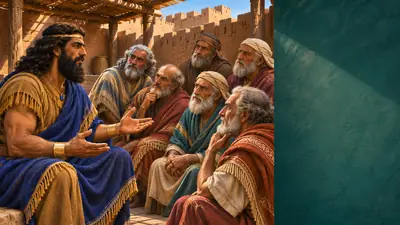
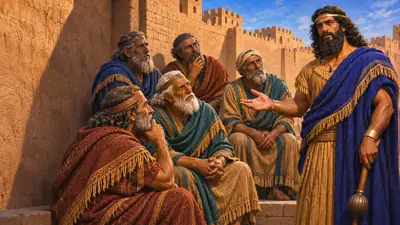
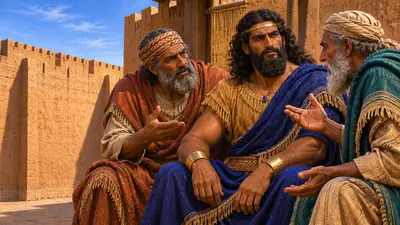
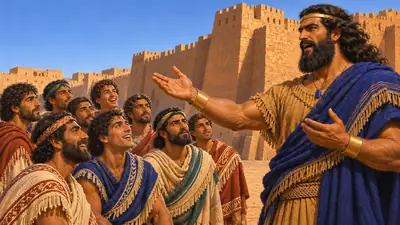
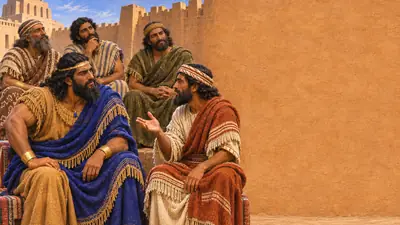
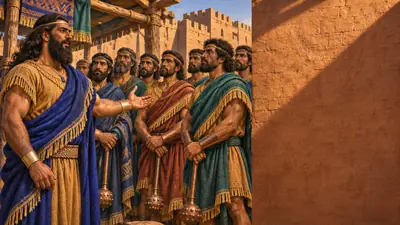
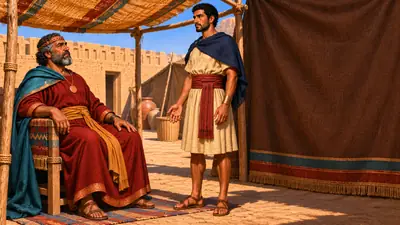
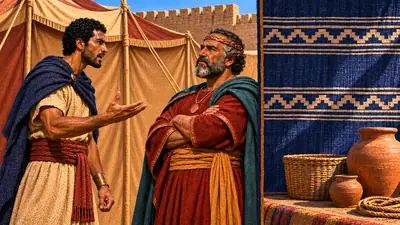
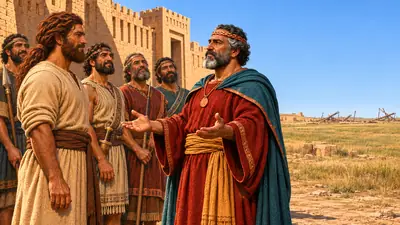
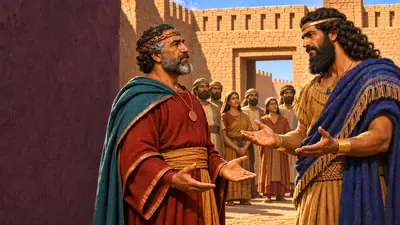
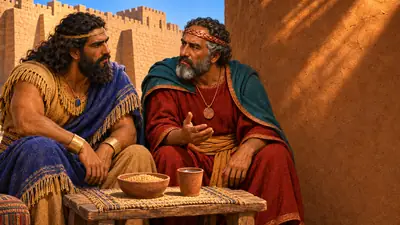
Gilgamesh brought the matter before the elders of his city. He set out a question about work, obligation and resistance.
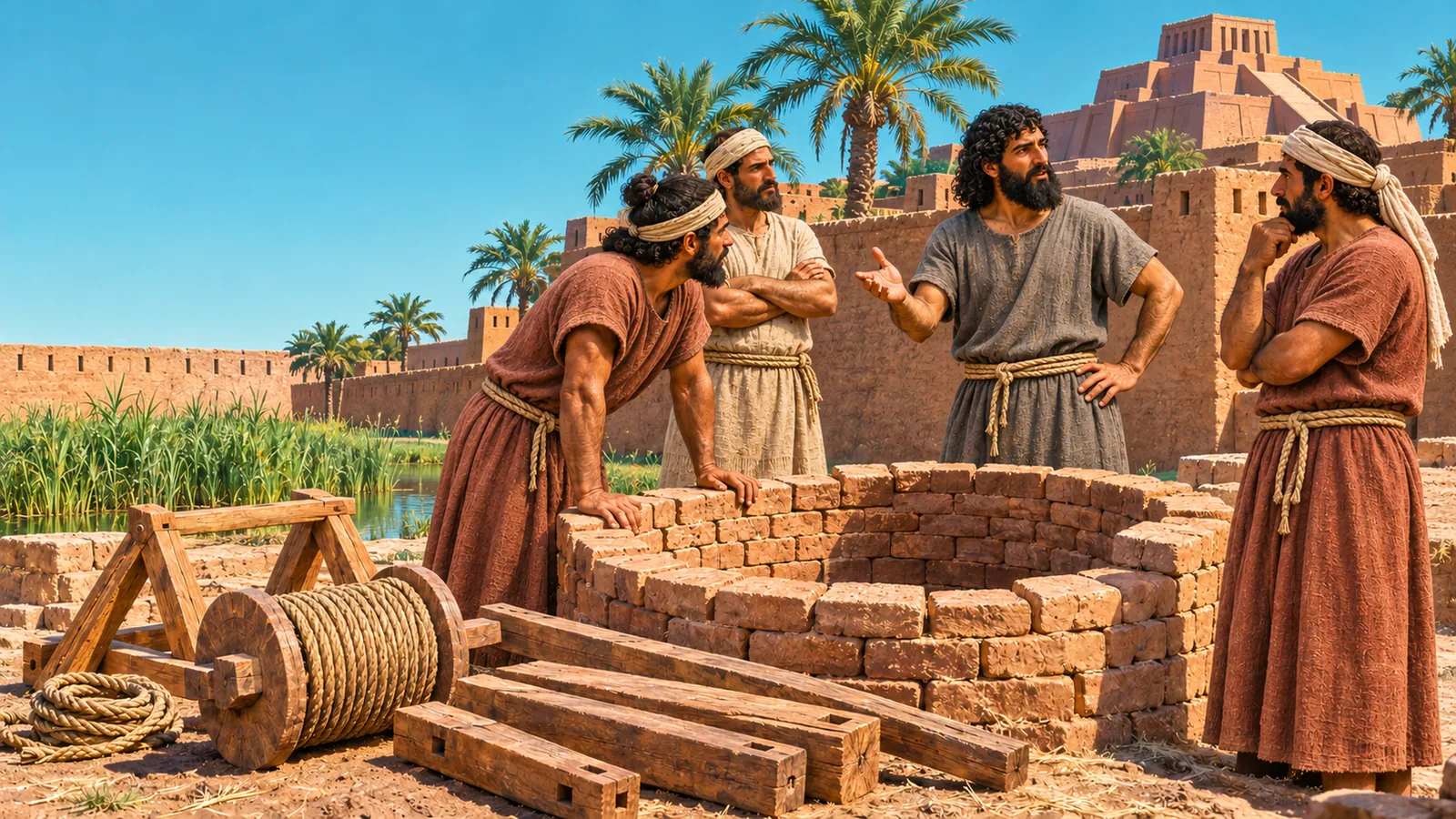
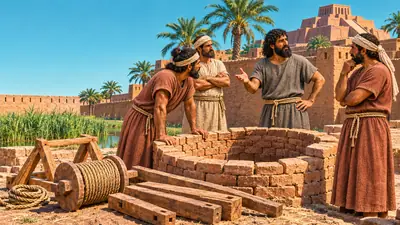
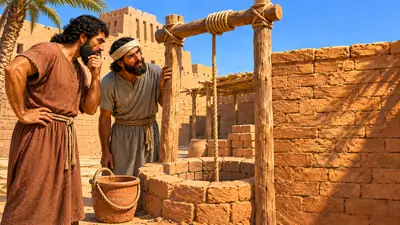
He spoke of wells that remained unfinished. The repeated words made the work before the city part of his question.
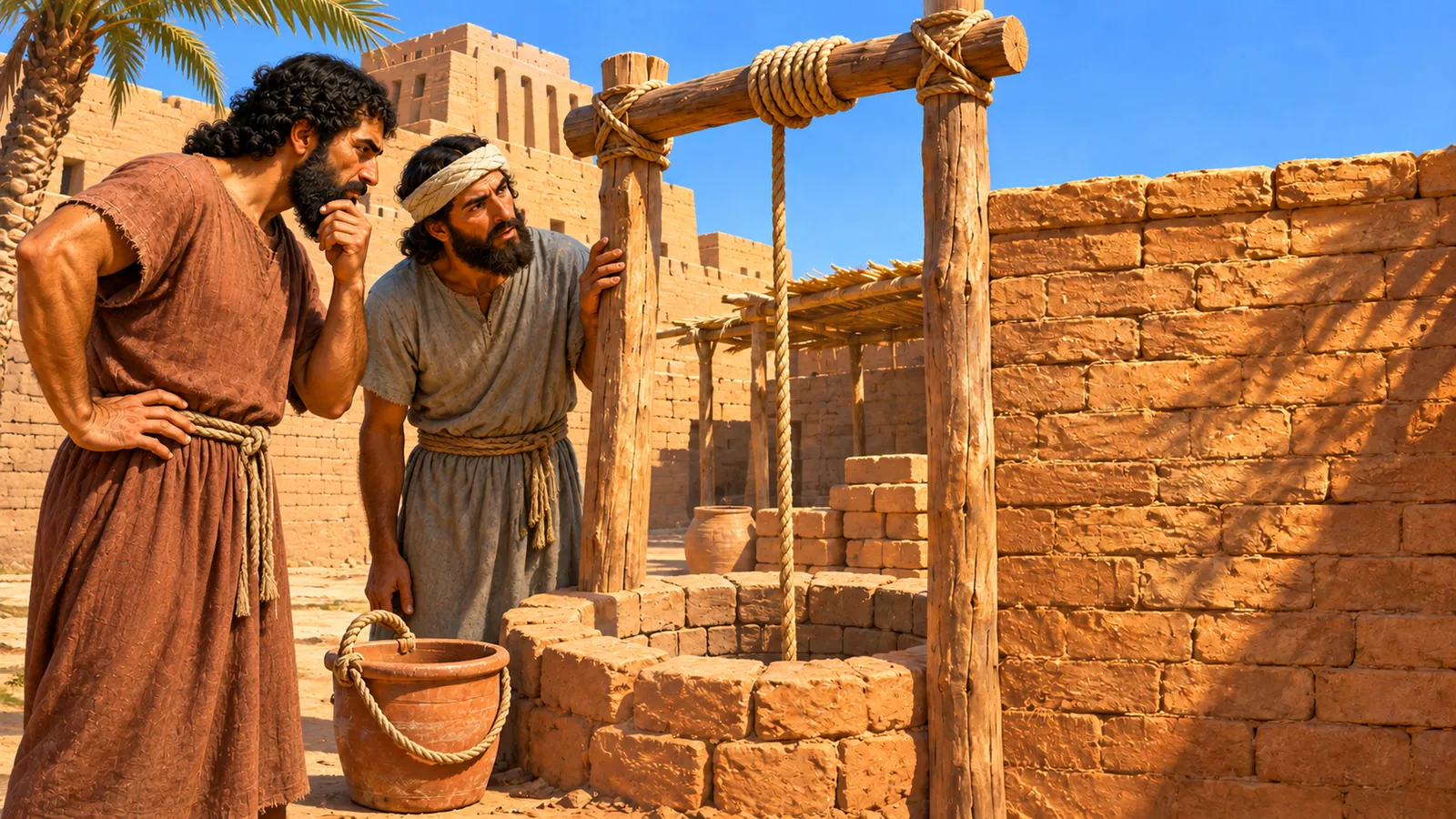
The wells needed deepening, and their hoisting gear needed completion. Gilgamesh named these tasks without quoting a demand from Aga.
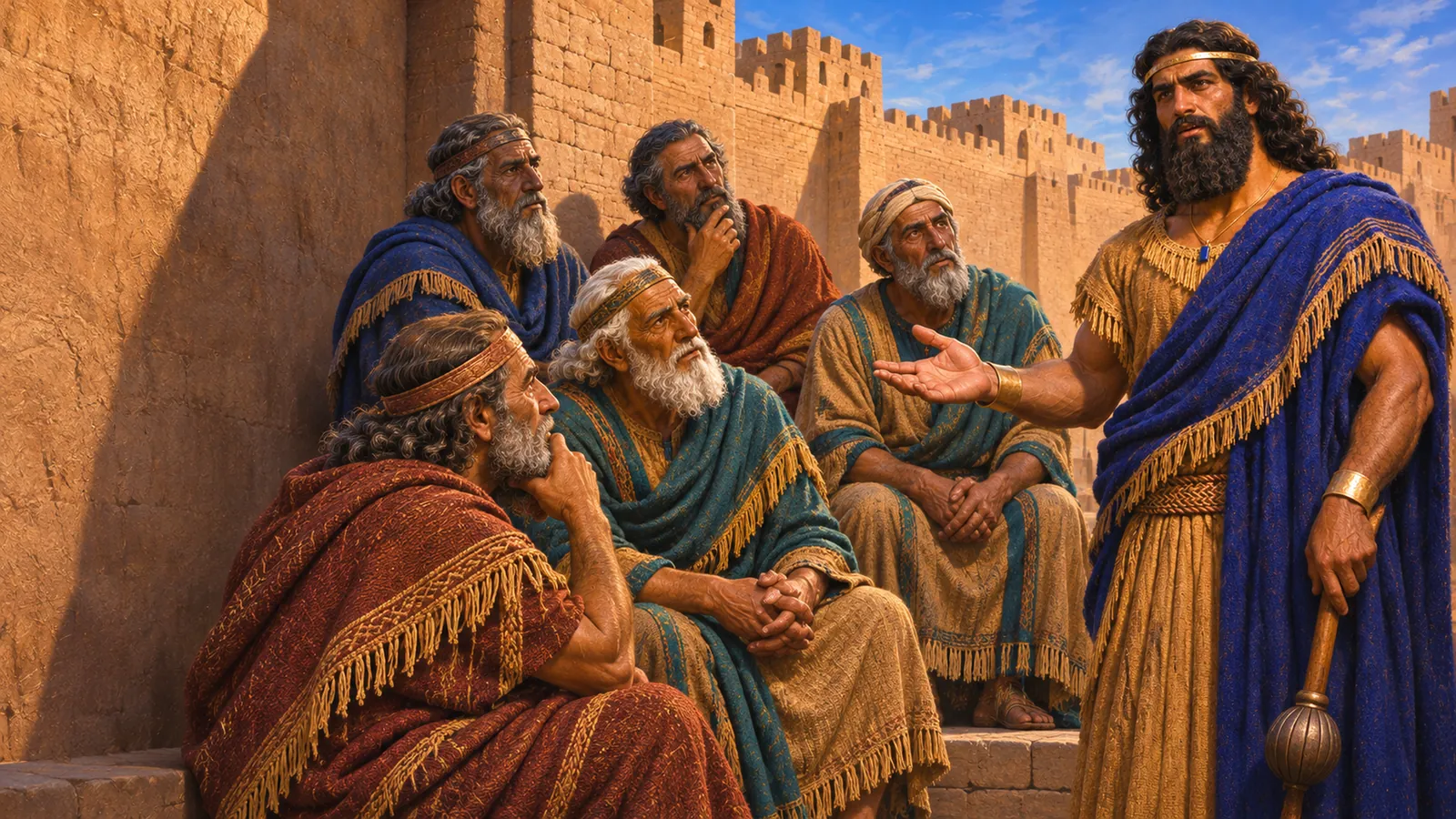
Gilgamesh urged them not to submit to Kish. Should they not strike it with weapons? He put his call for resistance before the elders.
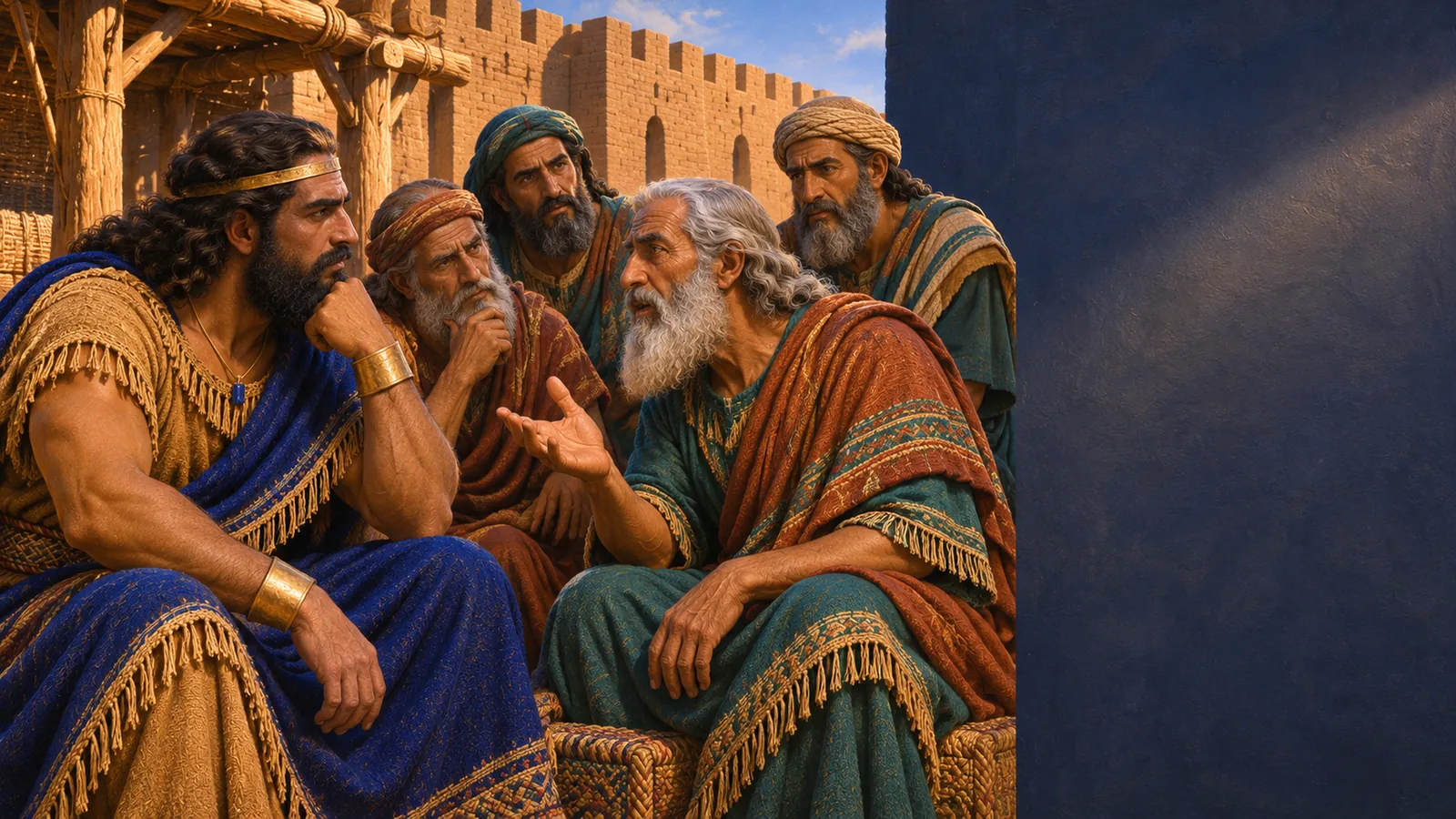
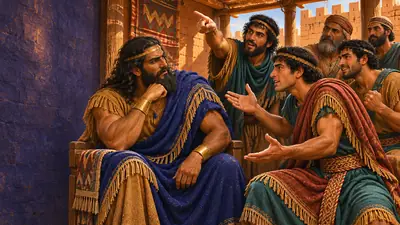
The elders answered their king. In the main reading of their counsel, they advised submission to Kish rather than armed resistance.
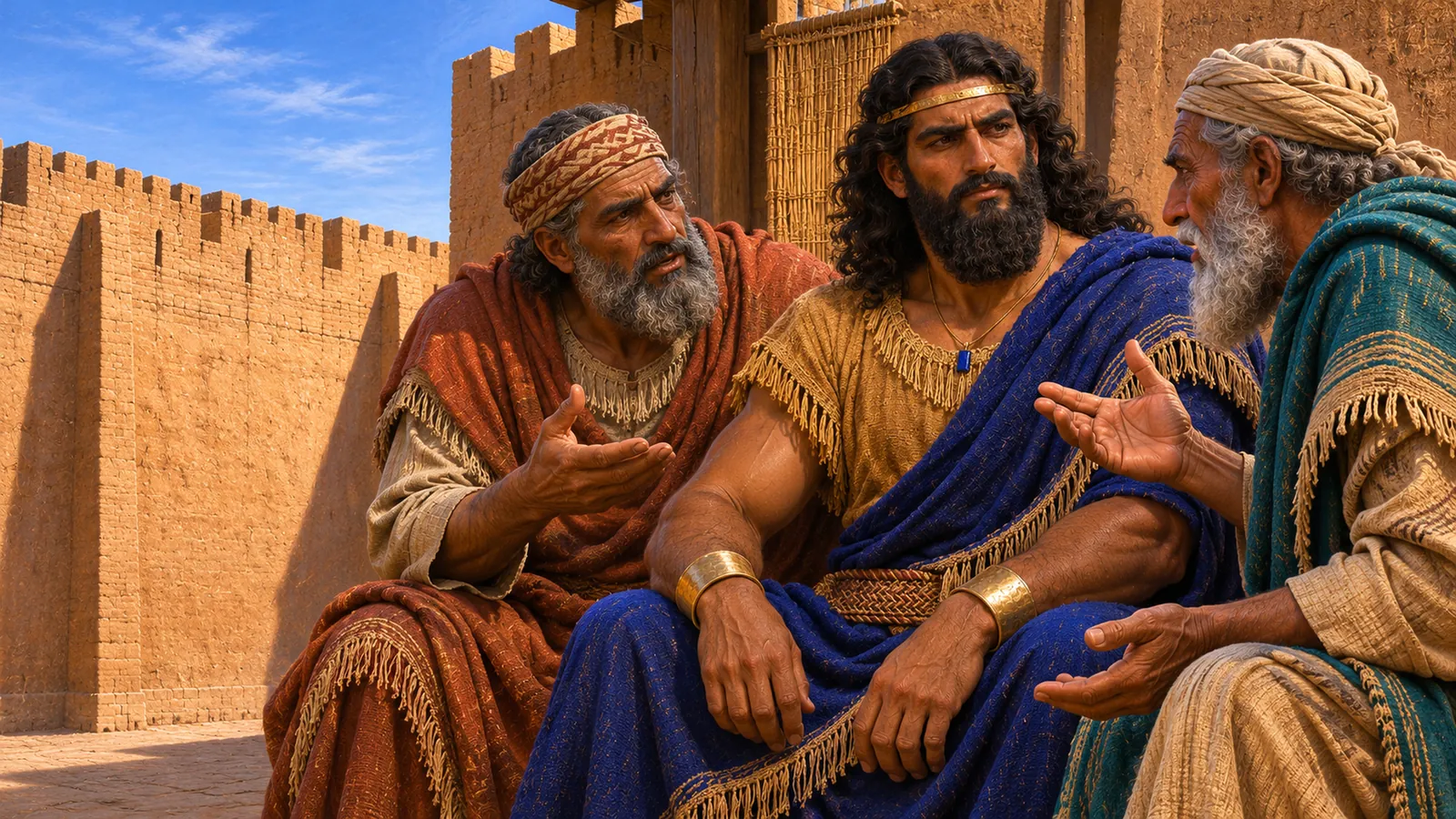
Their answer returned to the wells and their equipment. The advice to submit did not win Gilgamesh’s agreement.
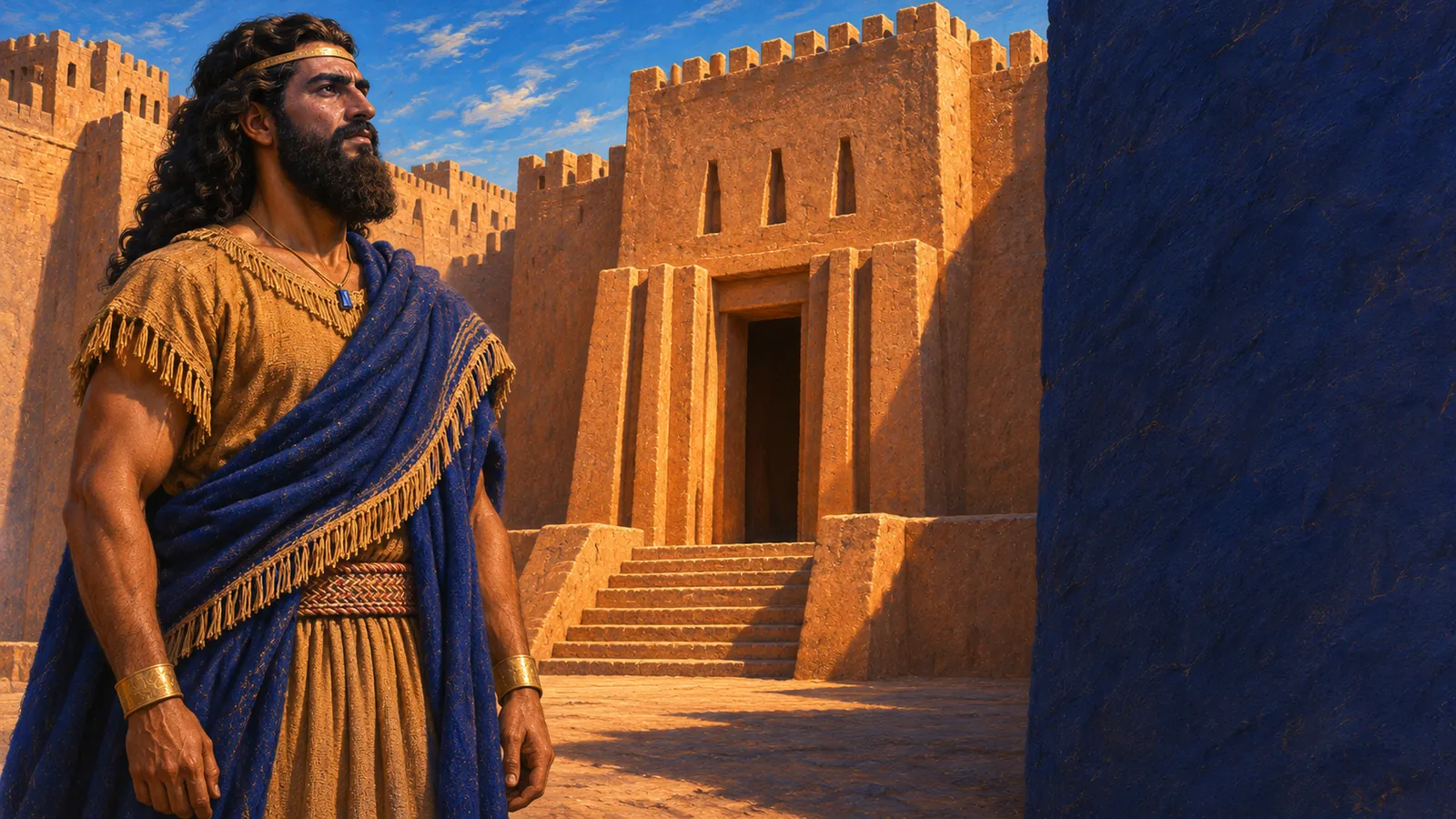
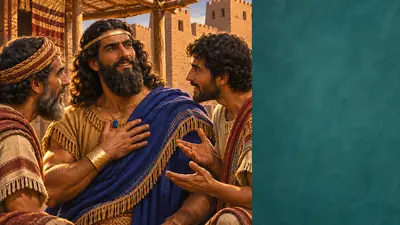
Gilgamesh trusted in Inana and disregarded the elders’ words. He carried the matter to another gathering within his city.
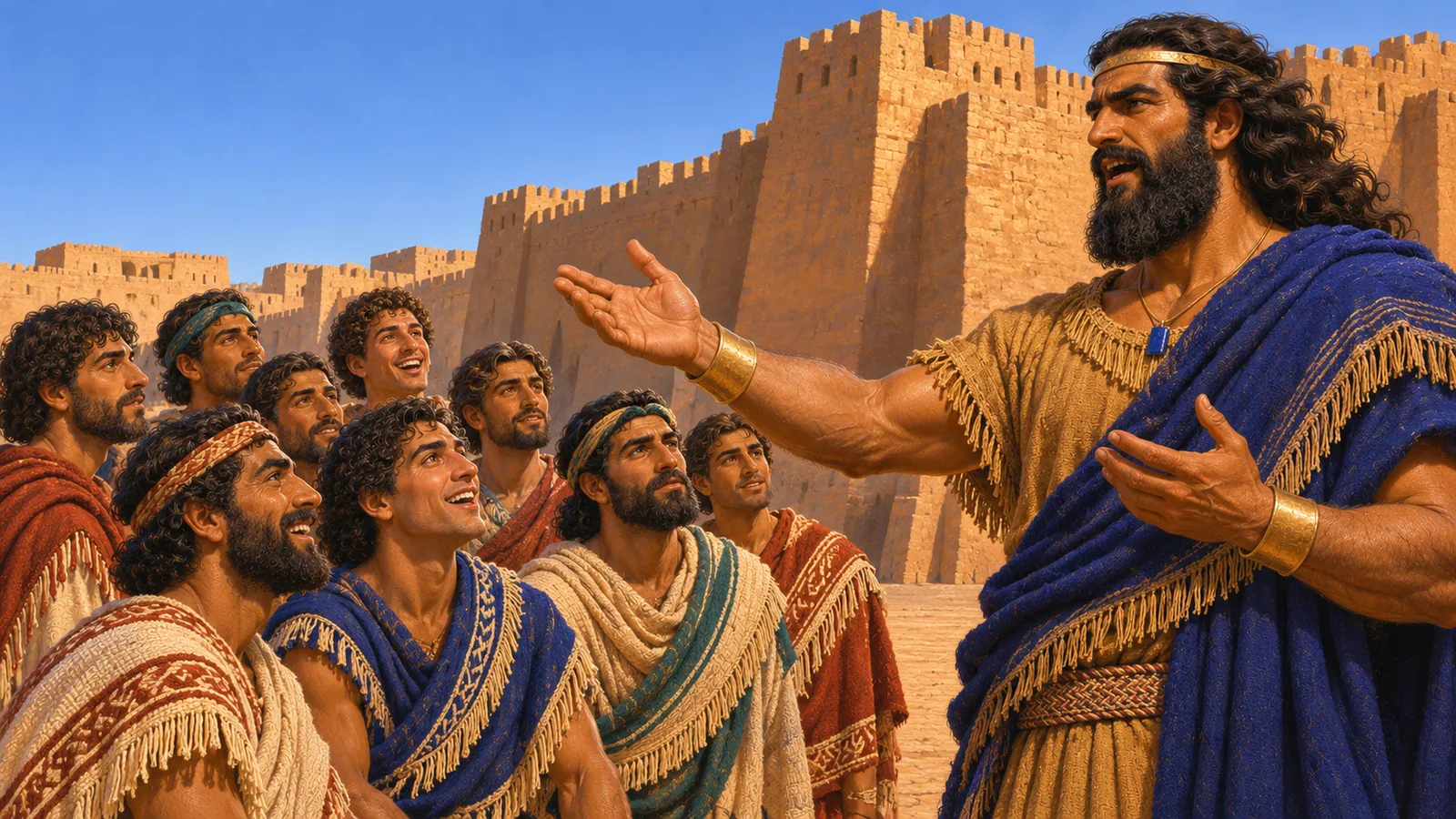
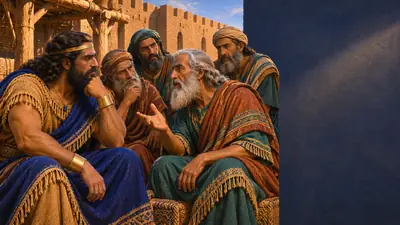
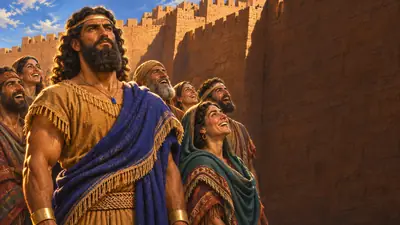
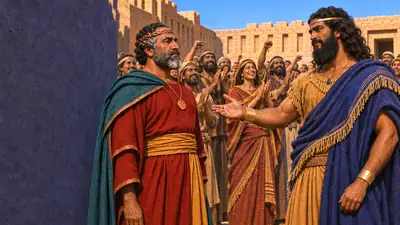
Now Gilgamesh spoke before the able-bodied men of Uruk. They heard the issue that he had already placed before the elders.
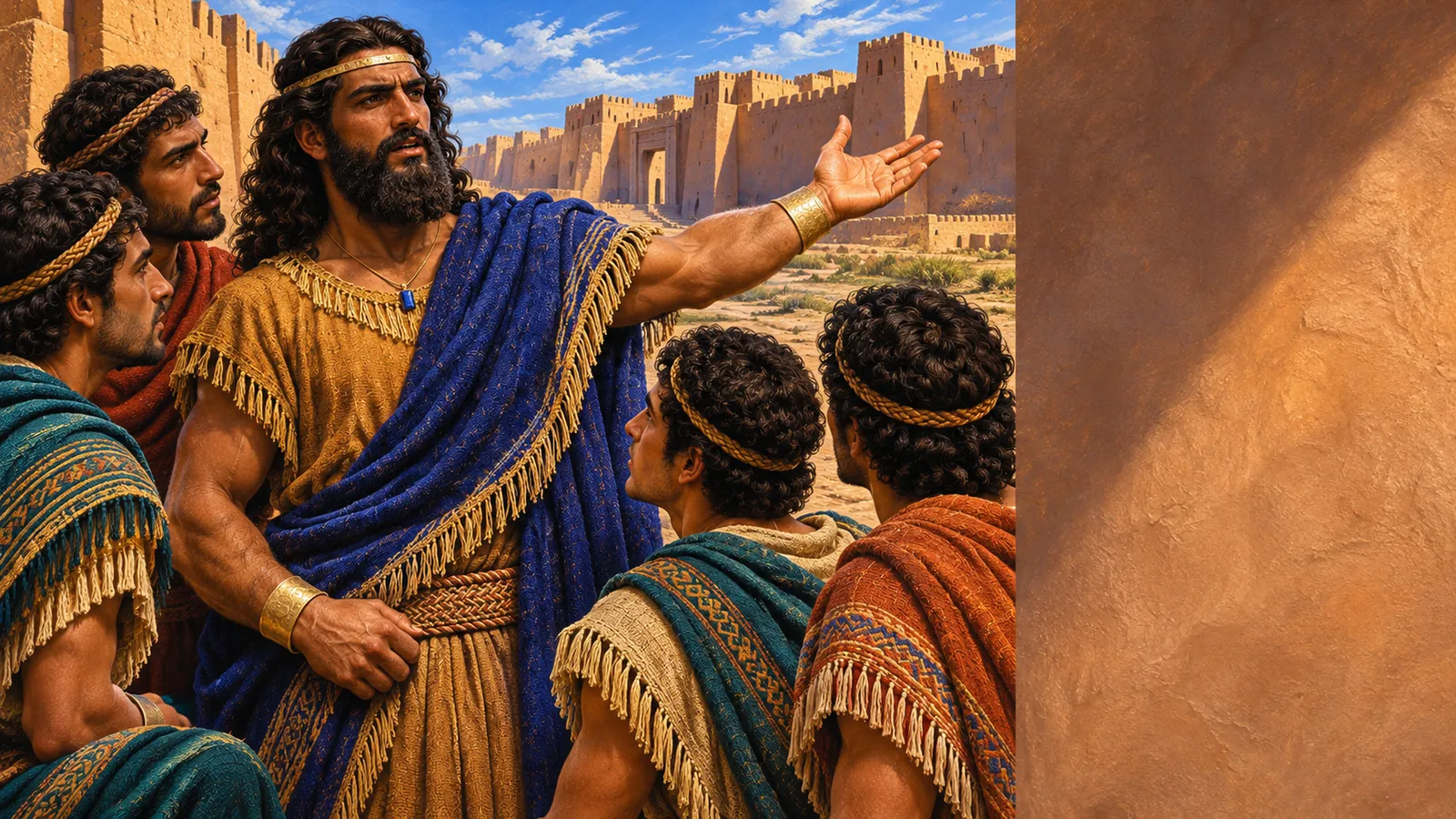
Again he named the wells, their depth and their gear. He reminded the men they had not submitted to Kish, and urged armed resistance.
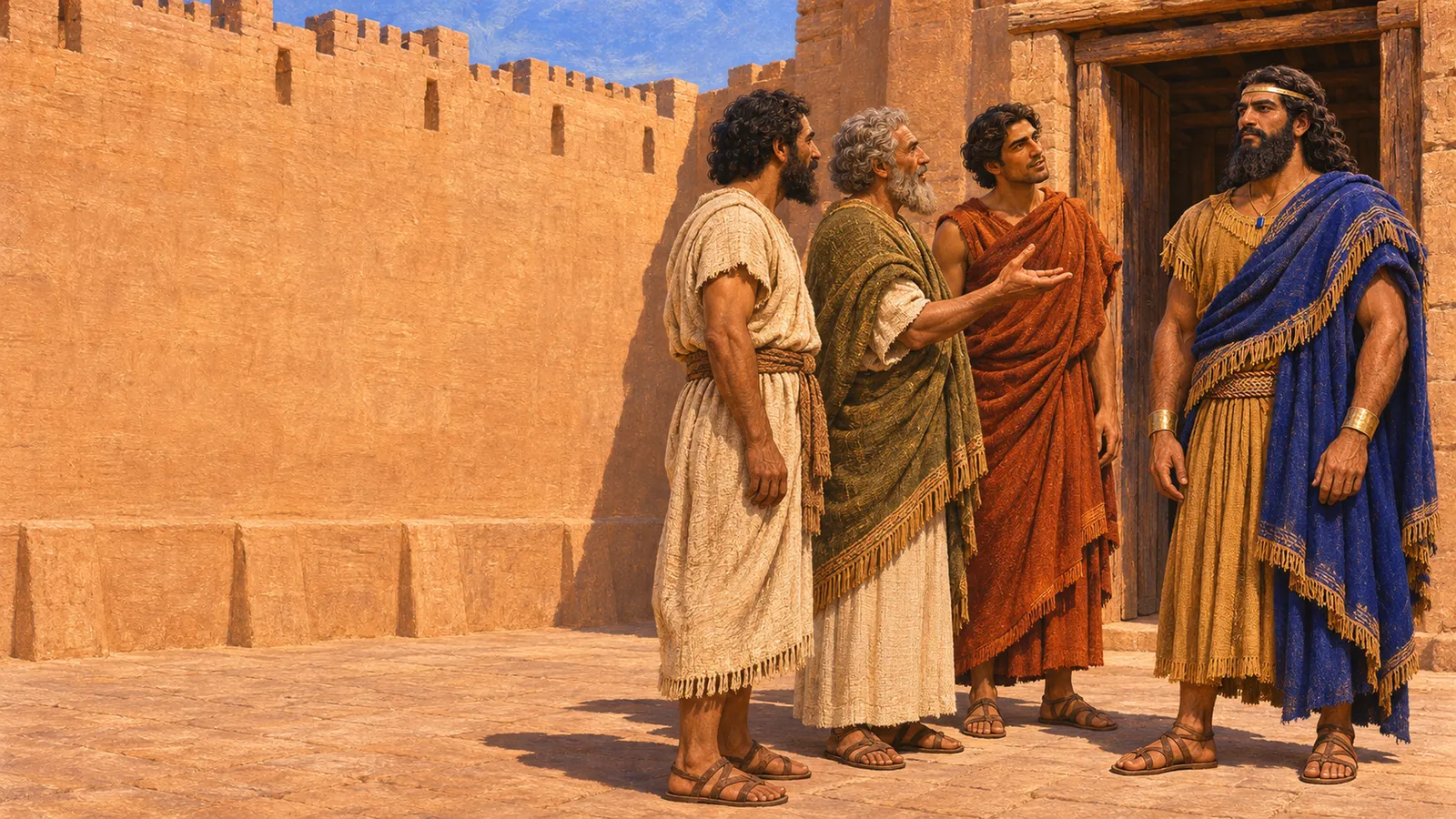
The men answered with a proverb about endless attendance, escorting the king’s son and holding donkey reins. Who could keep breathing under such service?
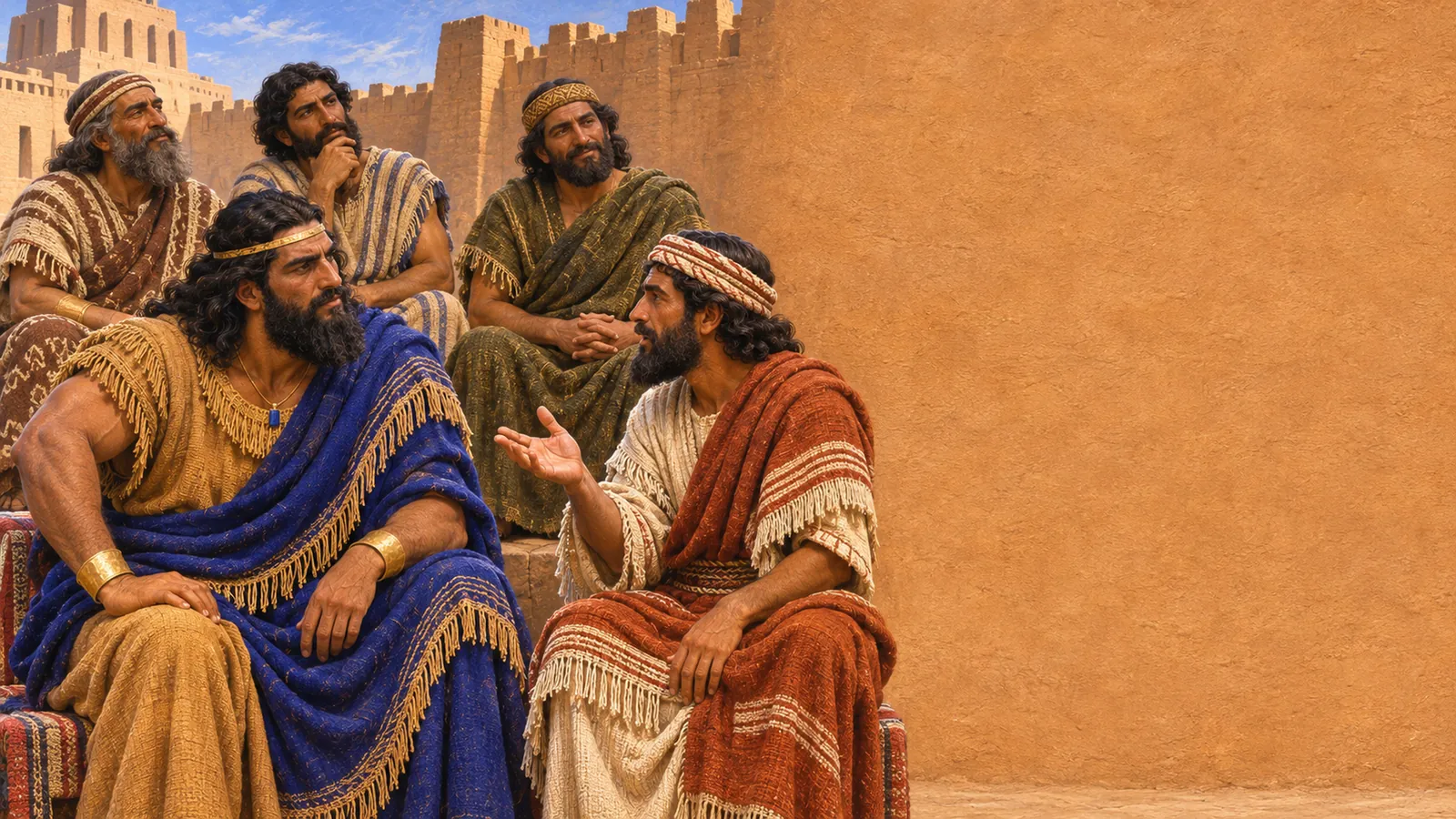
They urged Gilgamesh not to submit to Kish. Their answer favored weapons, giving the king the counsel he had sought elsewhere.
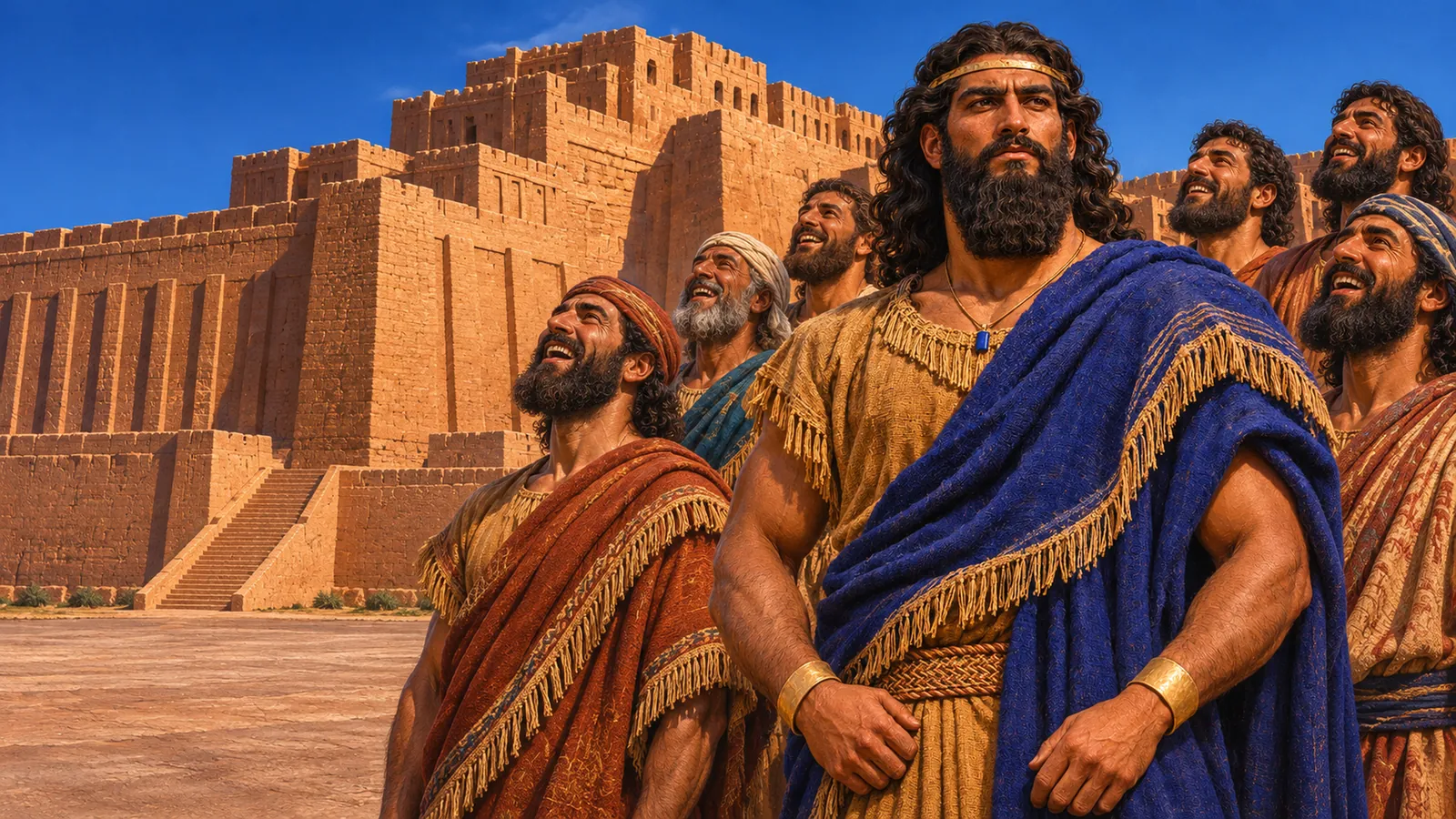
They praised Uruk as the gods’ handiwork and Eanna as a house lowered from heaven. Their speech clothed the city in sacred grandeur.
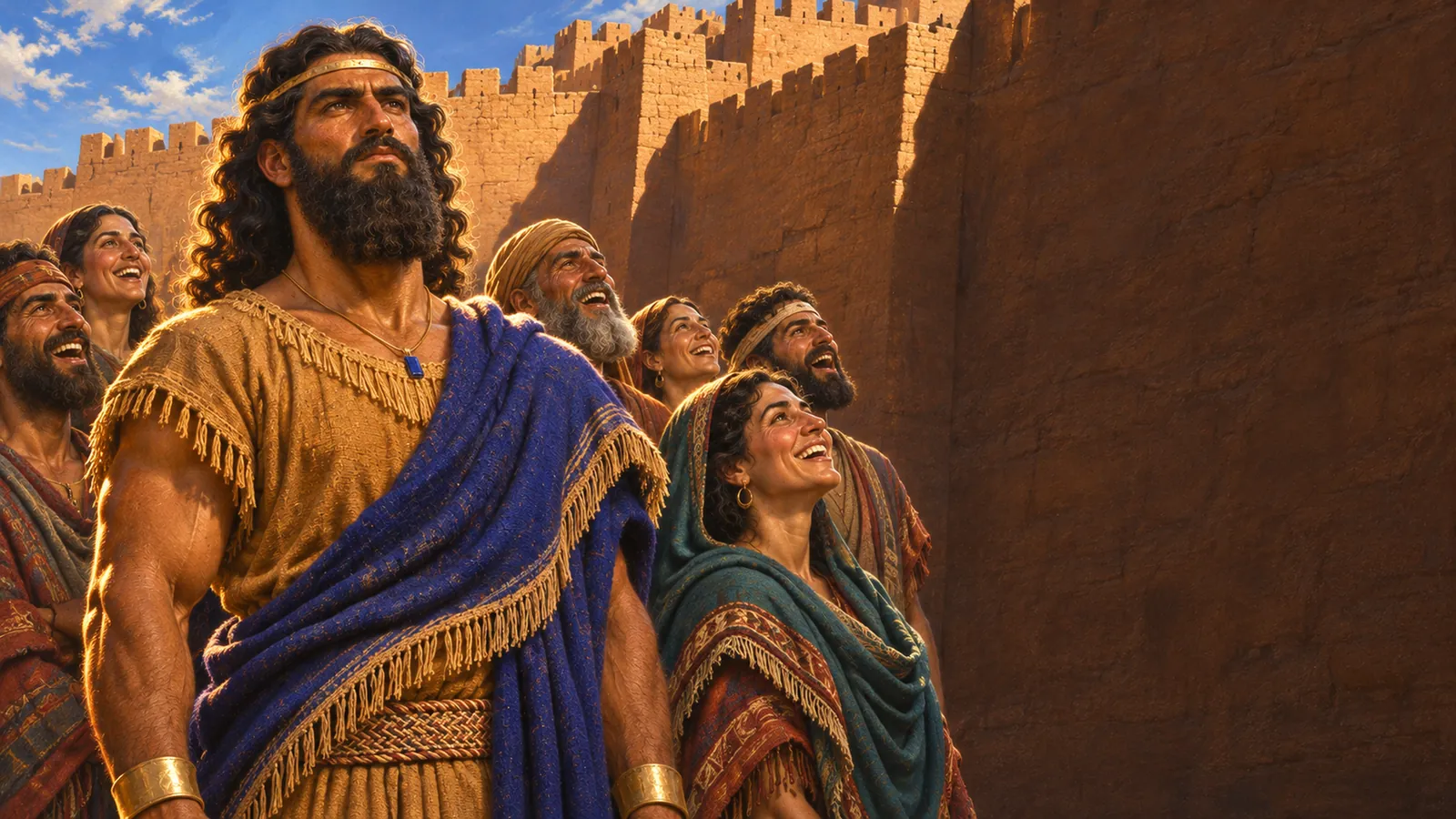
They called Gilgamesh the city’s guardian and spoke of An founding its rampart. Kingship and the great wall belonged together in their praise.
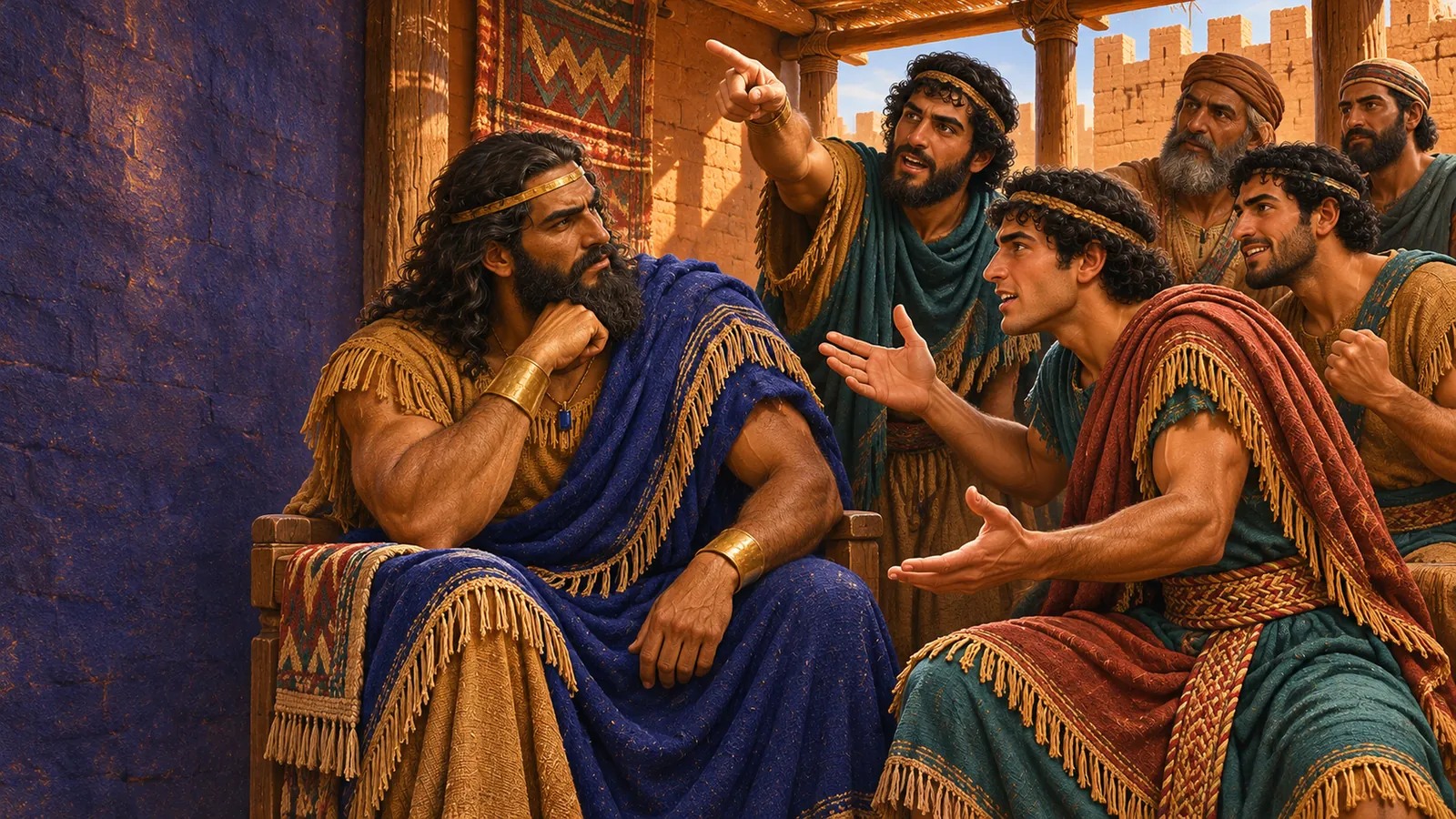
The men described Aga’s army as small and scattered. They predicted it could not withstand Gilgamesh; these were their confident claims before the siege.
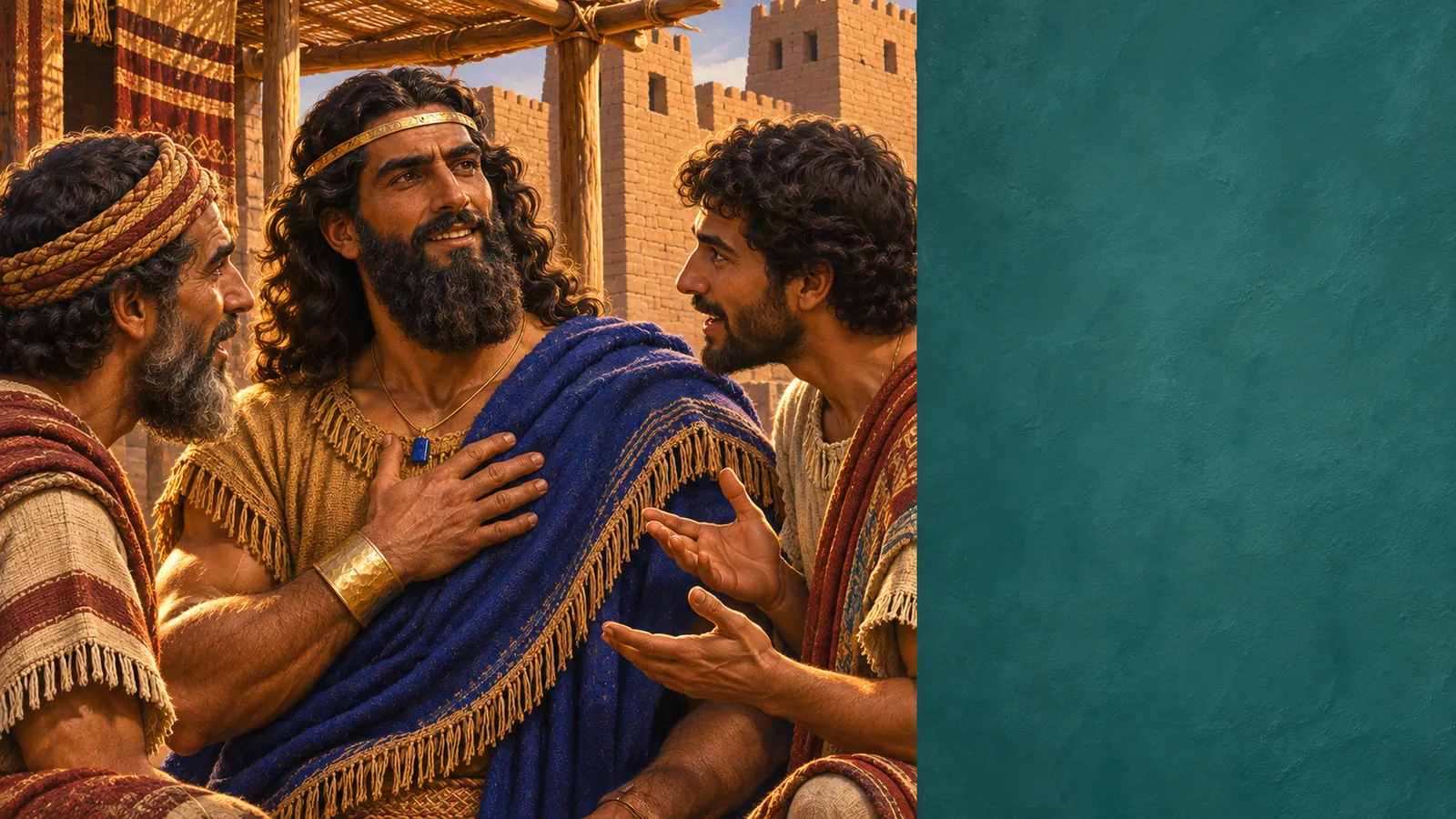
Gilgamesh’s heart rejoiced at the younger men’s words. His spirit brightened, and he turned from consultation toward preparation for the coming danger.
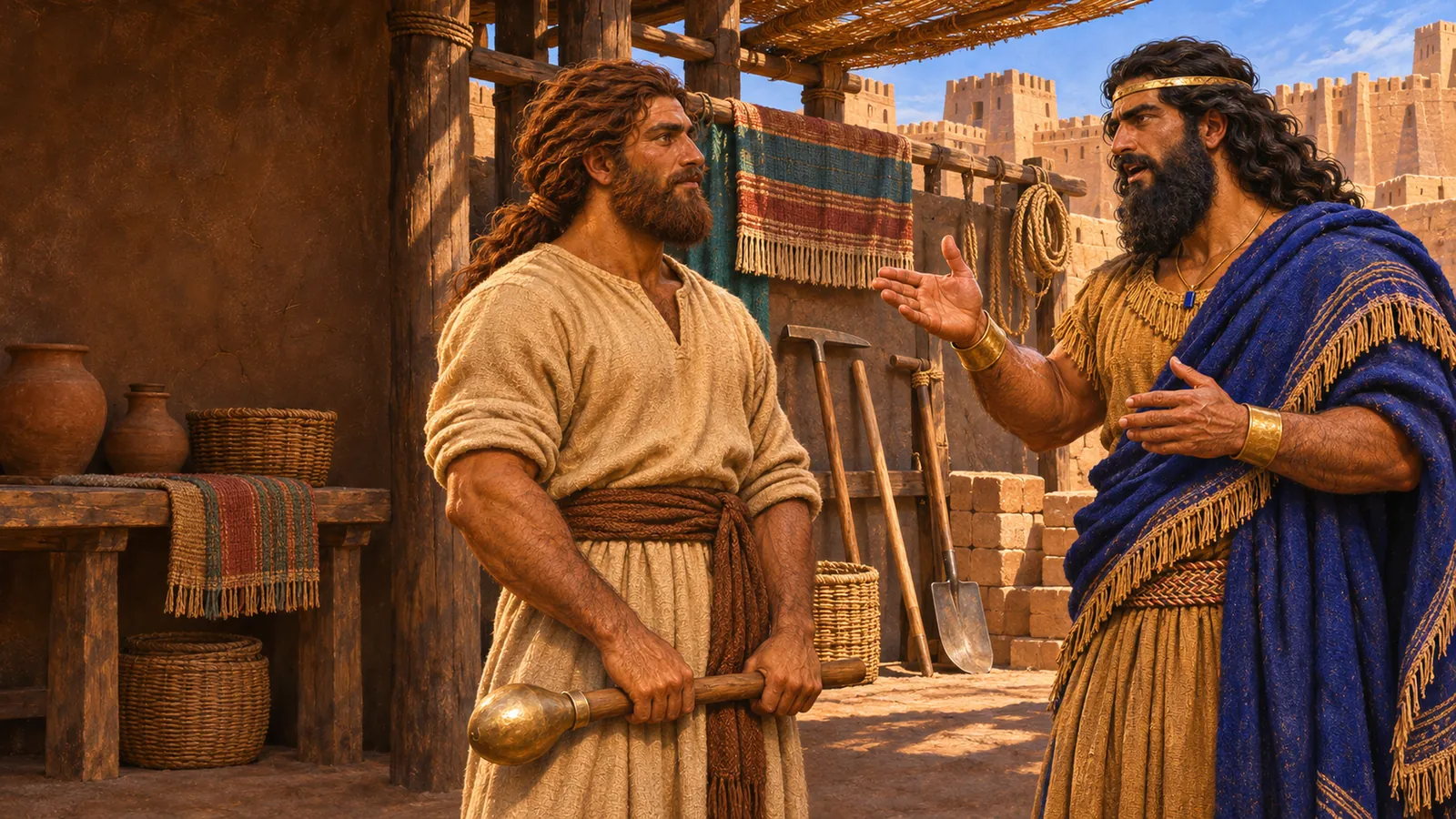
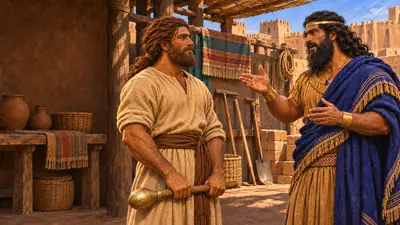
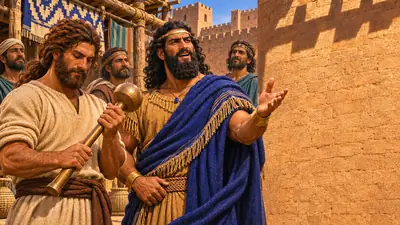
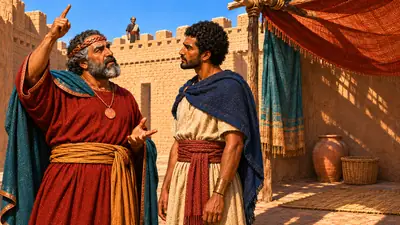
He called to Enkidu, whom this poem names his servant. Gilgamesh ordered him to ready the arms for the encounter with Aga.
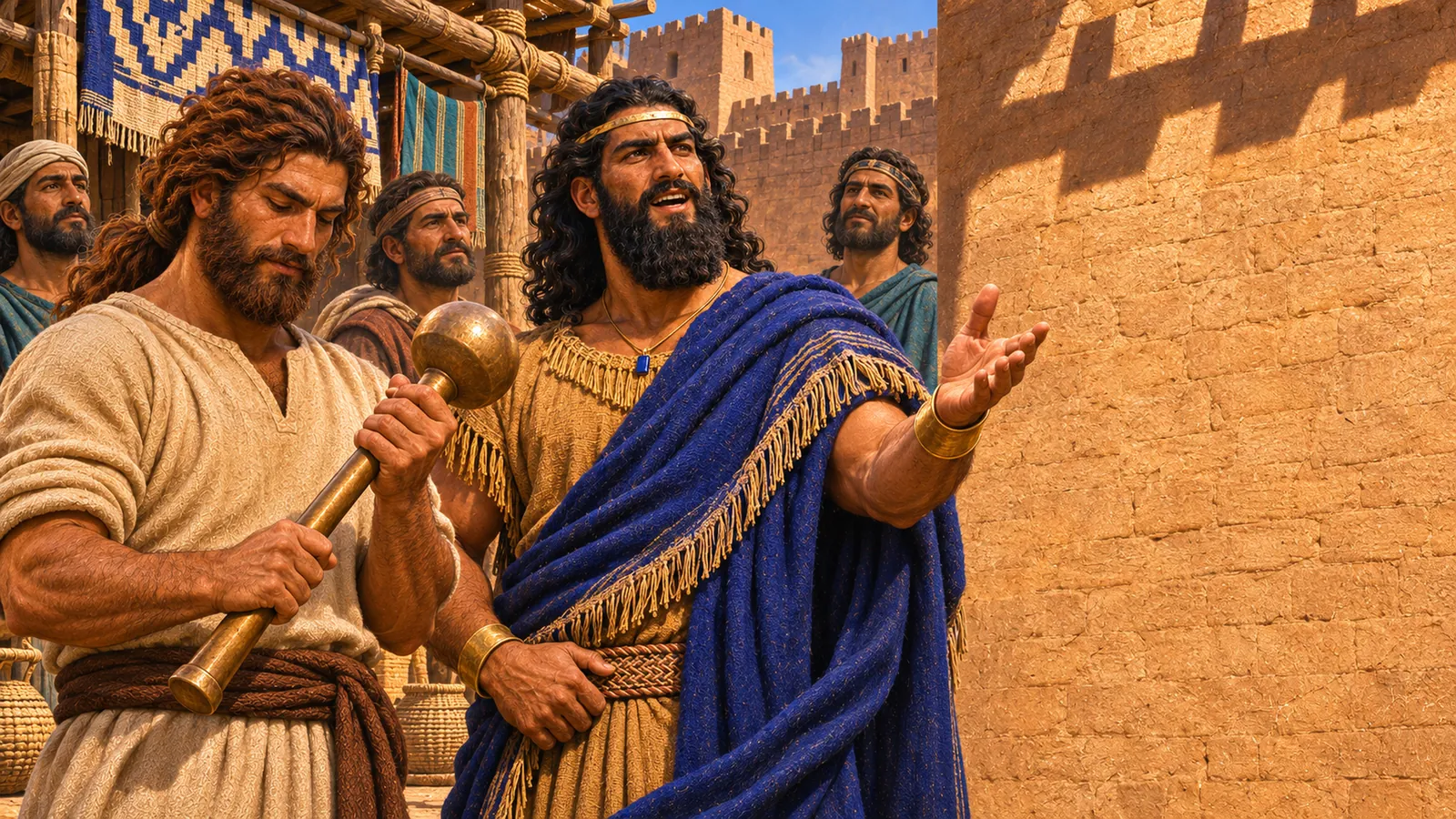
Gilgamesh spoke of the mace and his own fearsome presence. He expected that Aga’s men would be overwhelmed when they faced him.
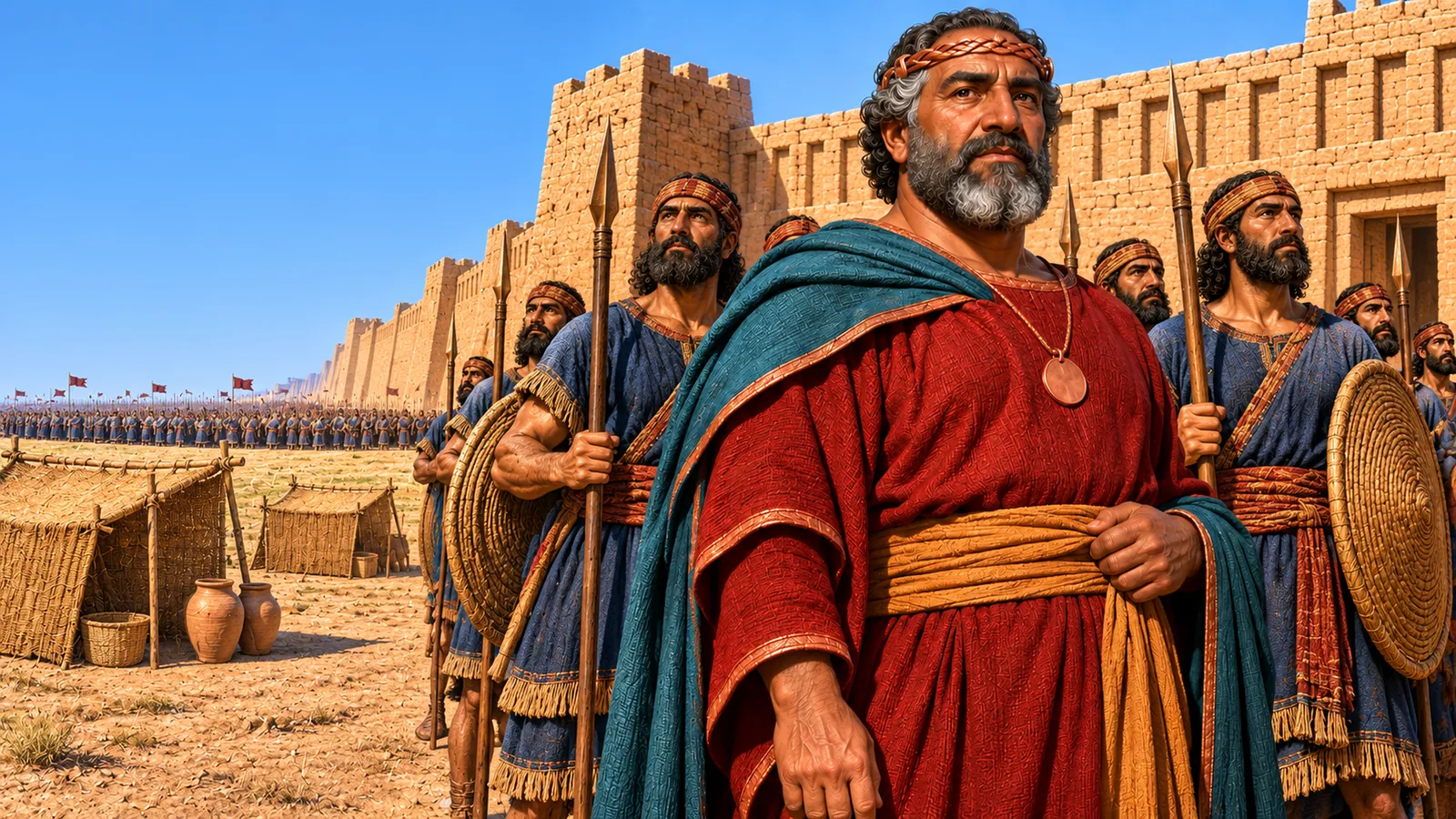
SIEGE
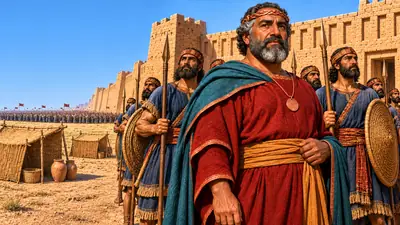
Before even five or ten days had passed, Aga arrived and besieged Uruk. The promised test had reached the city’s walls.
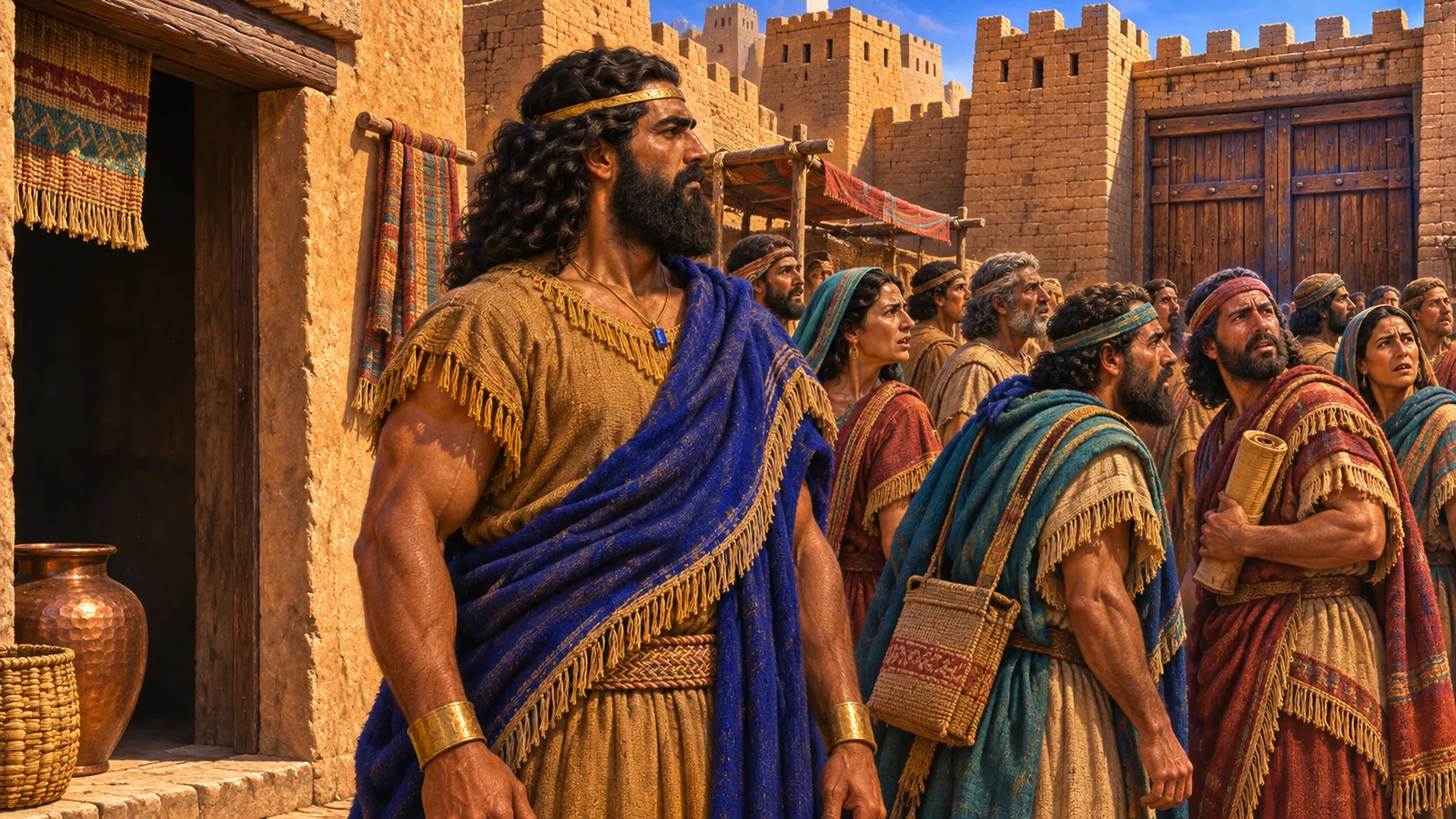
Now it was Uruk that became confused. The poem turns the earlier boast around: the city, not Aga’s army, first loses its composure.
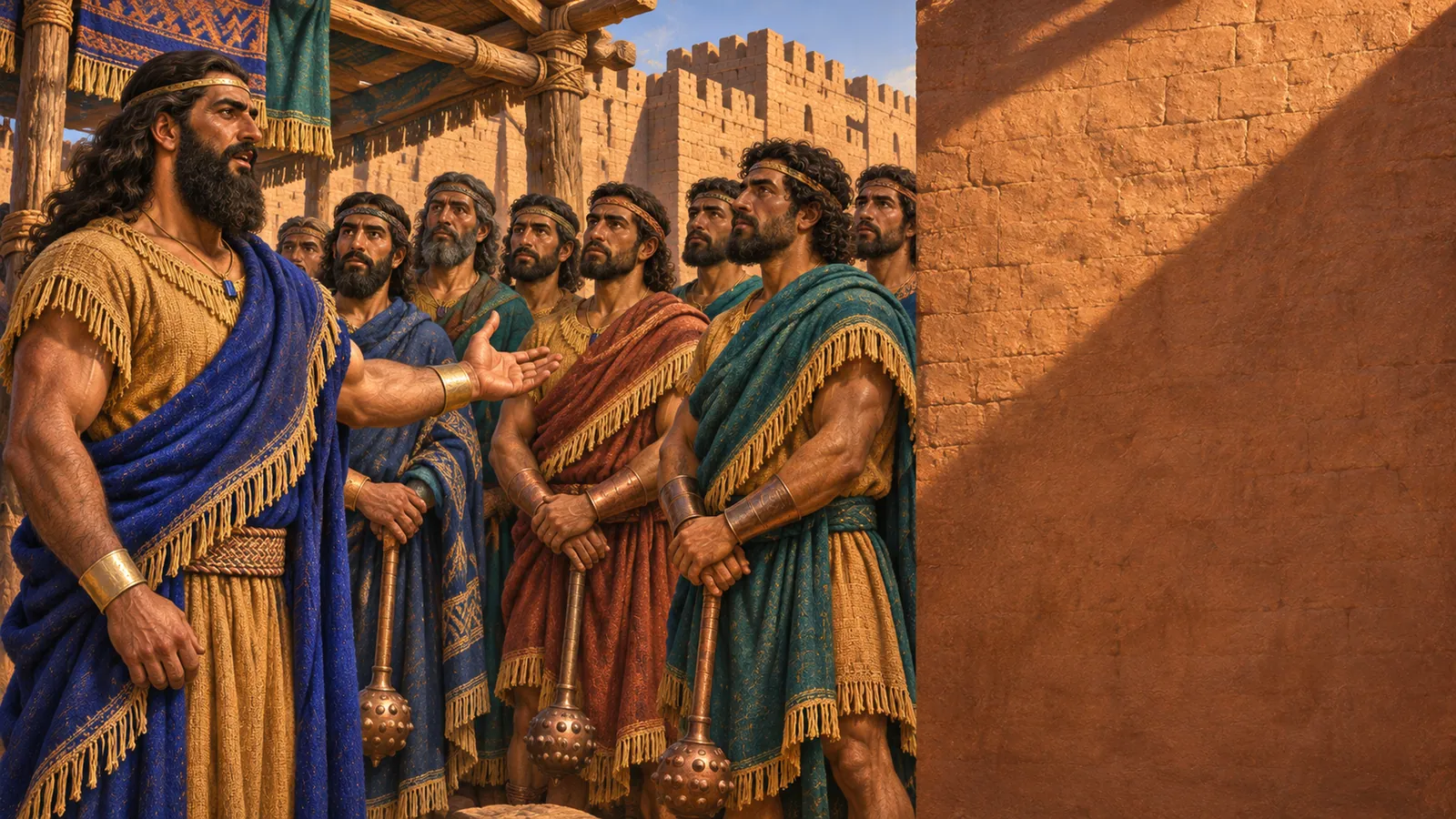
Gilgamesh asked his warriors who would go to Aga. He sought a man brave enough to face the besieging king.
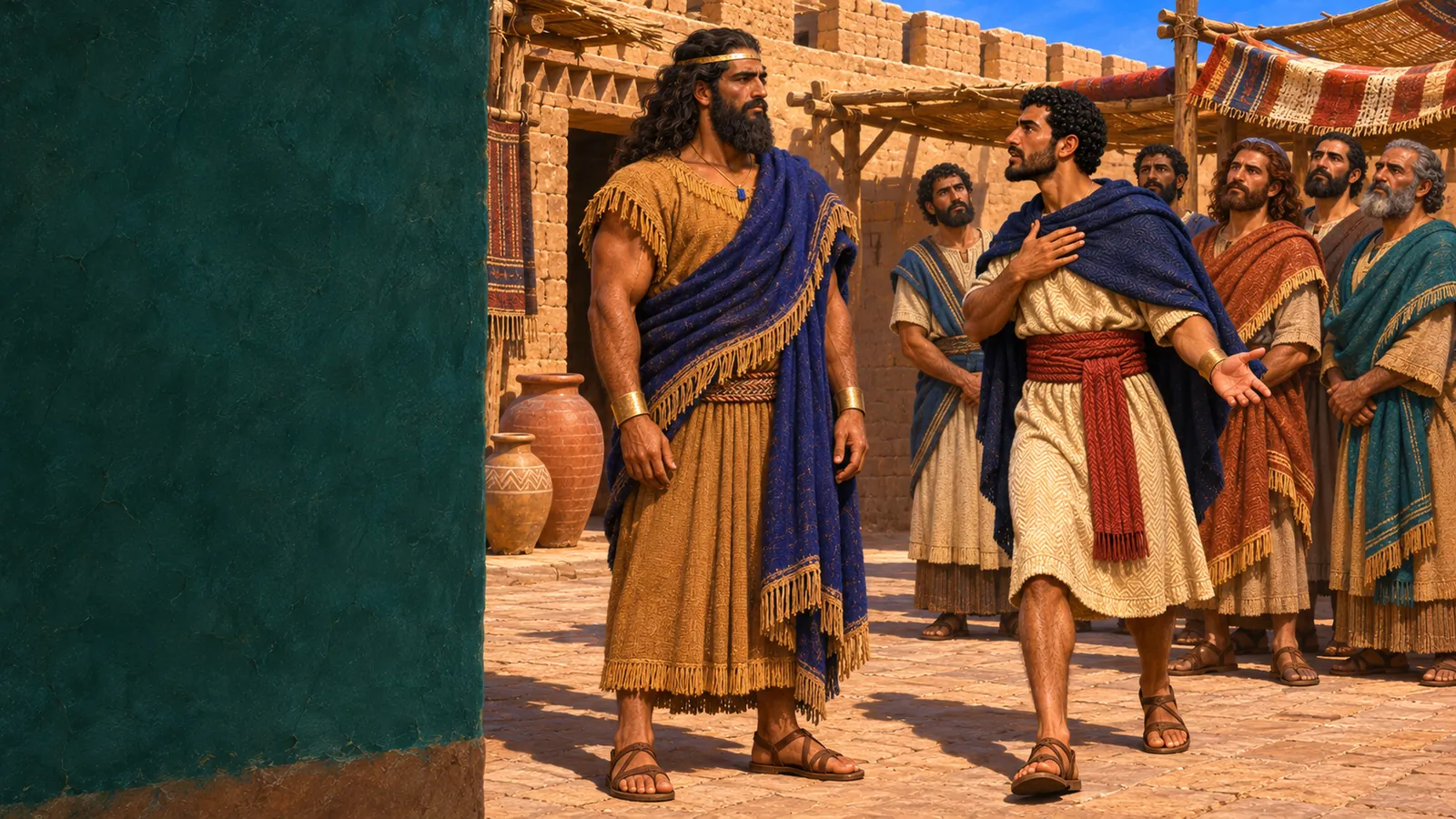
THE VOLUNTEER
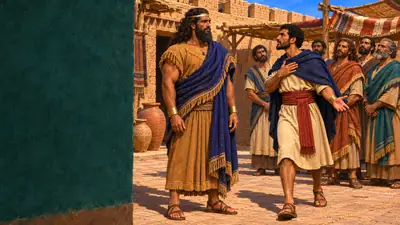
Birhur-tura, one of the royal guards, answered him. He volunteered to go to Aga and throw the enemy’s purpose into confusion.
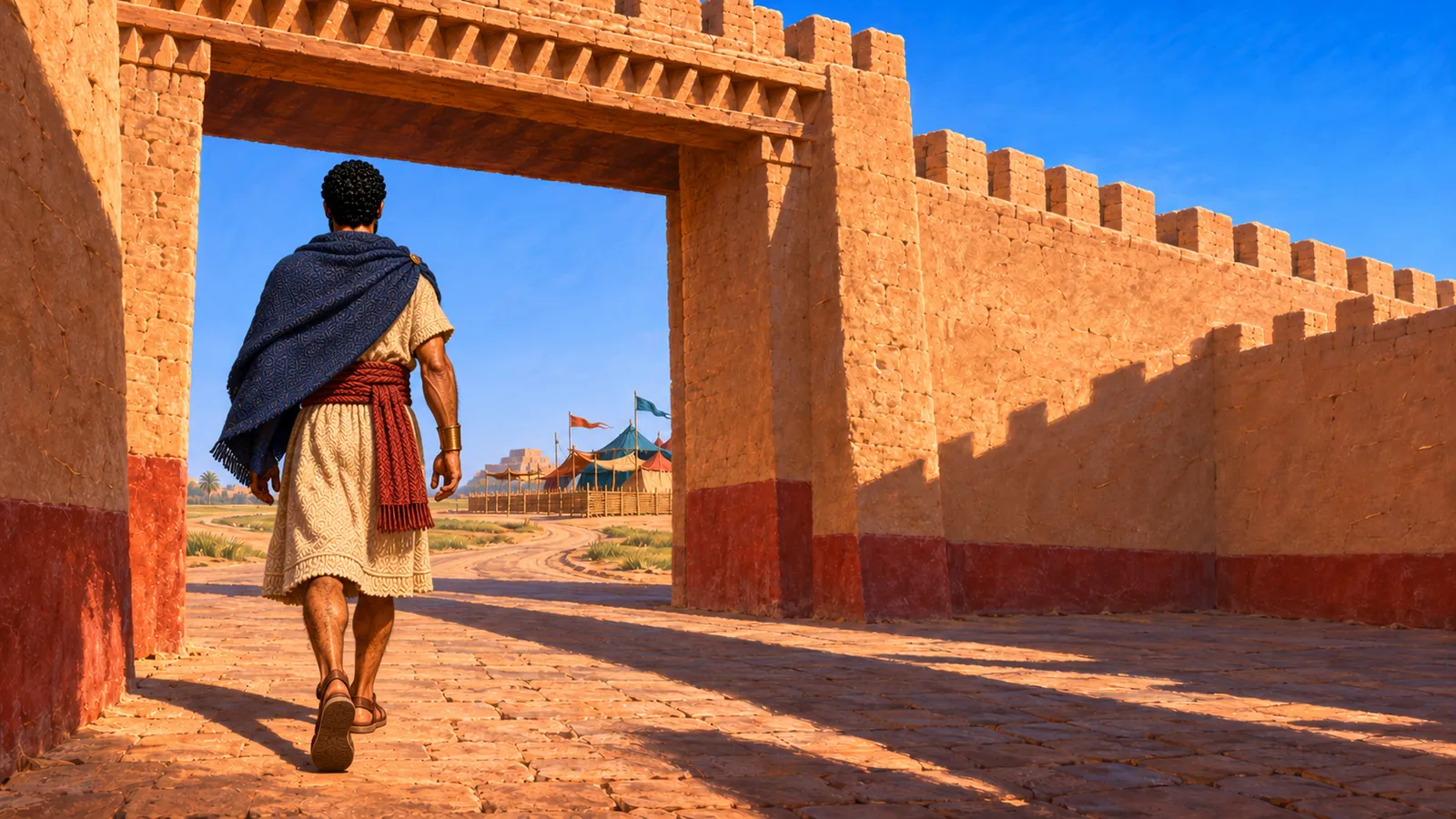
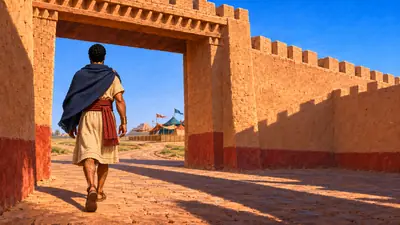
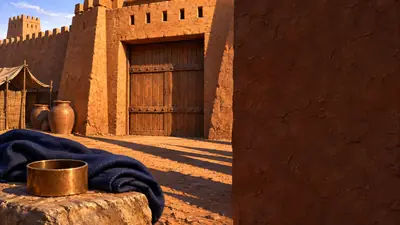
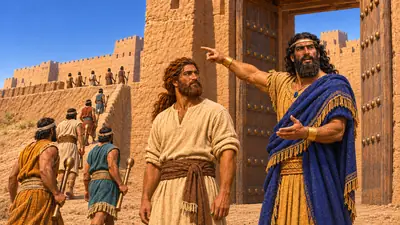
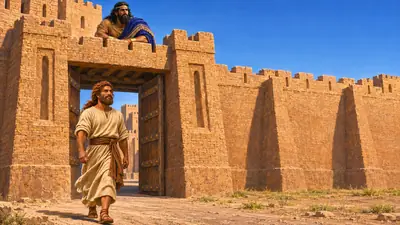
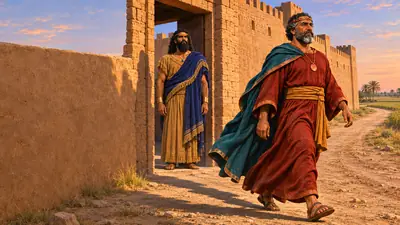
Birhur-tura went out through Uruk’s gate. Beyond its protection stood the men of Kish, and the royal guard passed into their power.
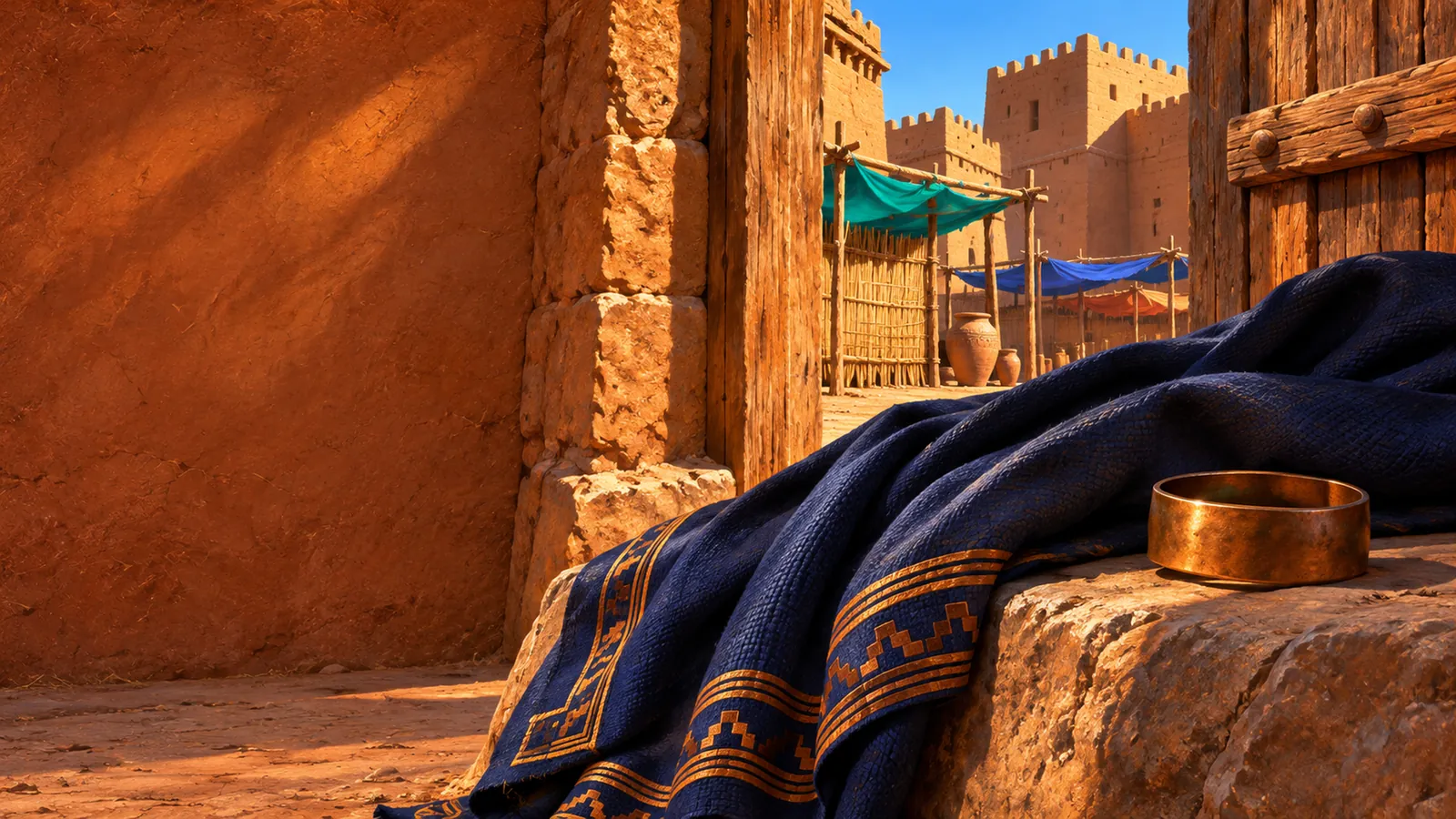
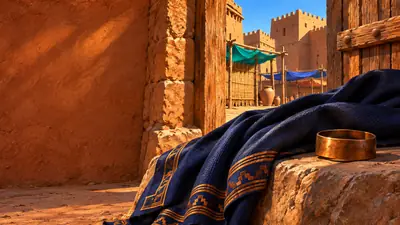
They seized Birhur-tura and struck him, beating him along his whole body. The illustration leaves that violence unseen.
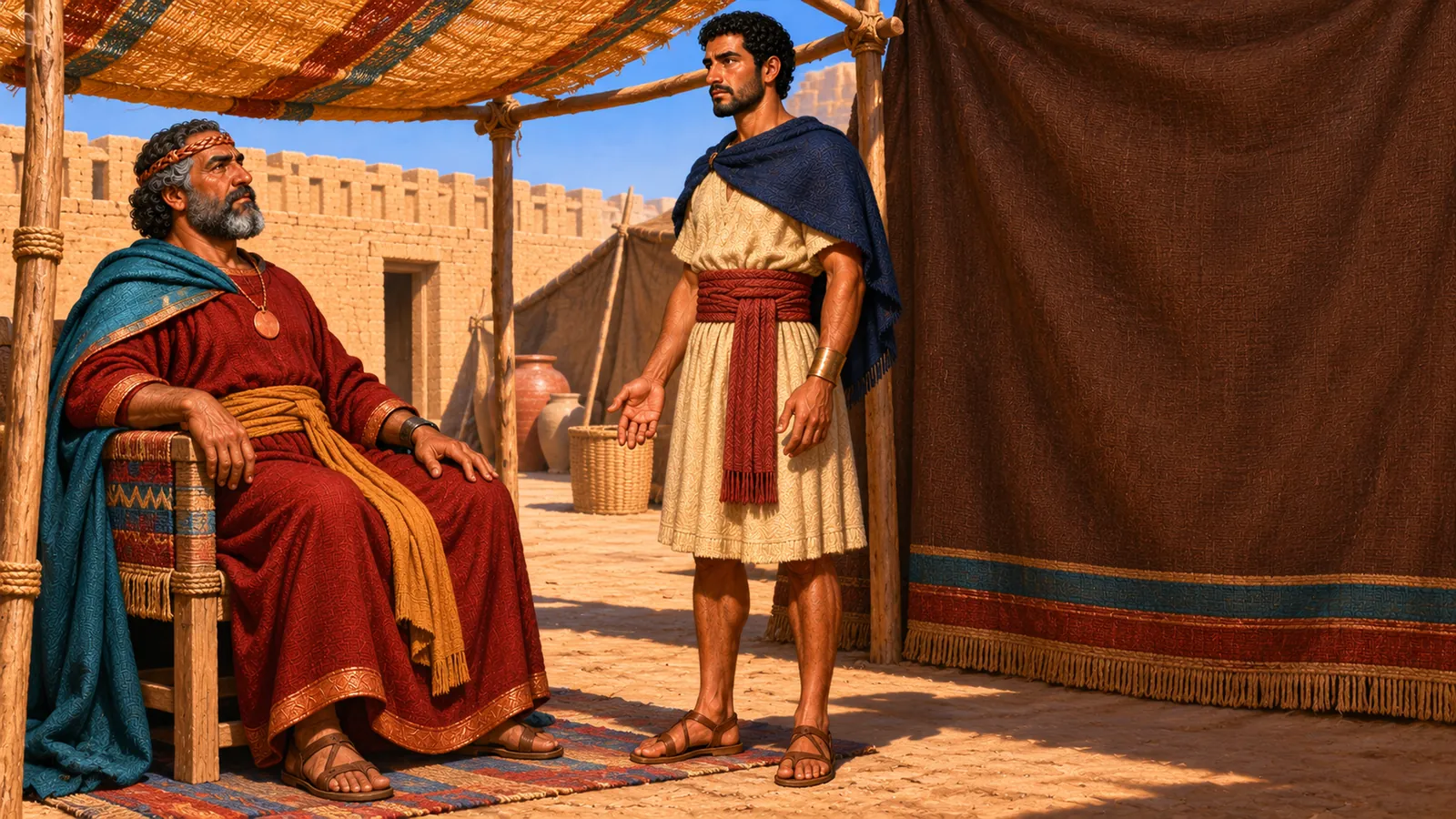
They brought Birhur-tura before Aga. The guard who had volunteered to disturb the enemy now faced the king of Kish as a captive.
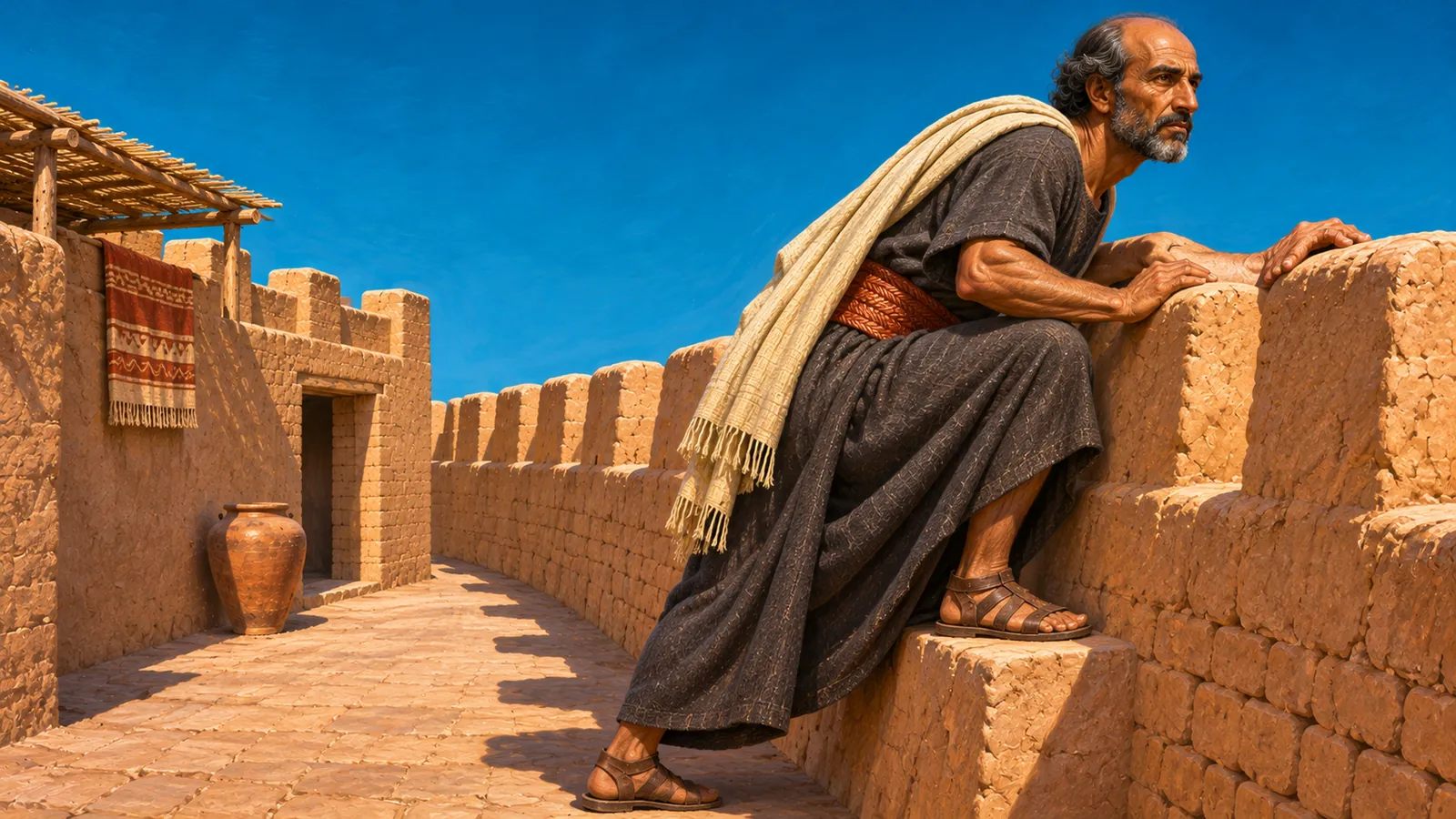
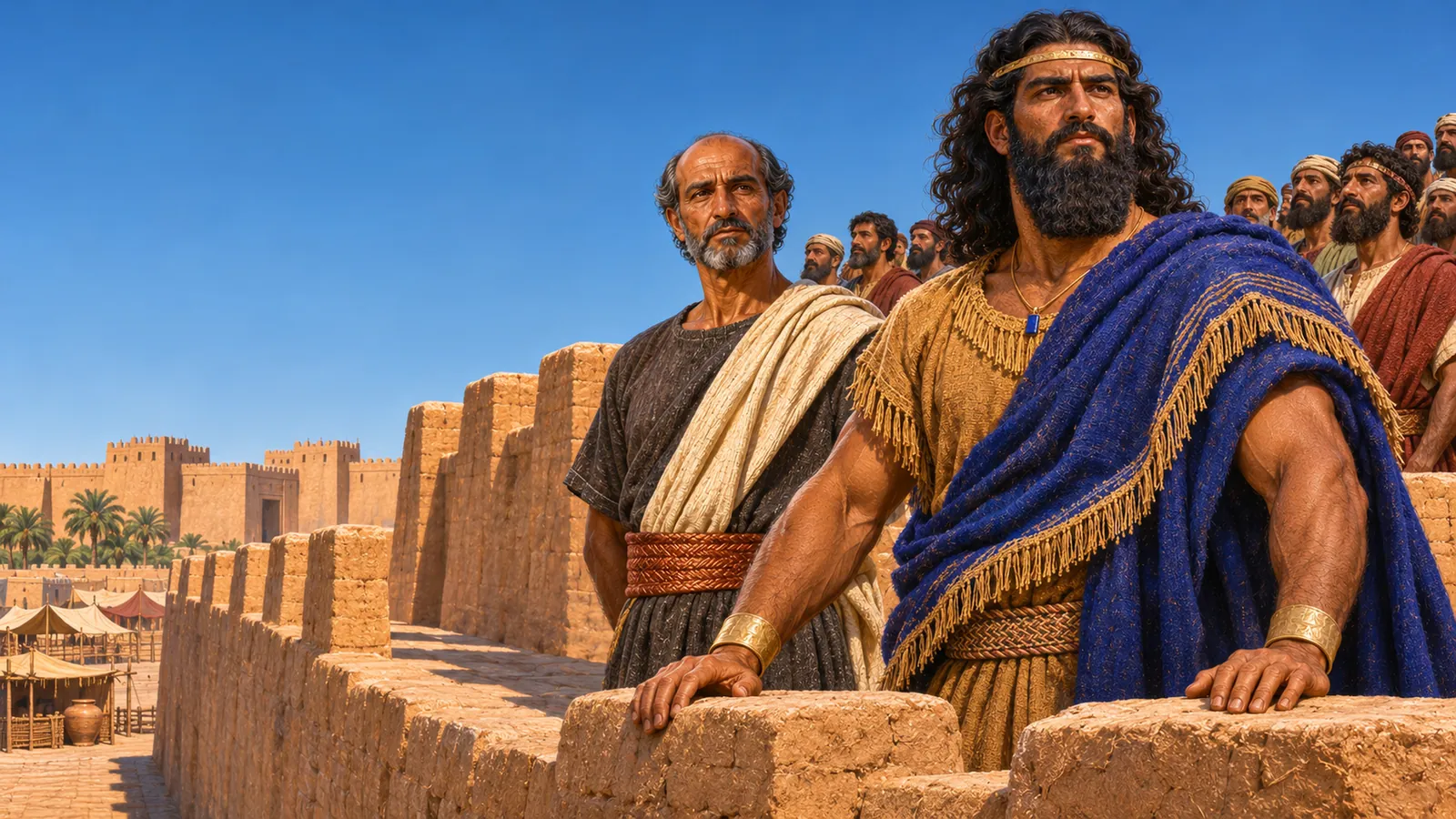
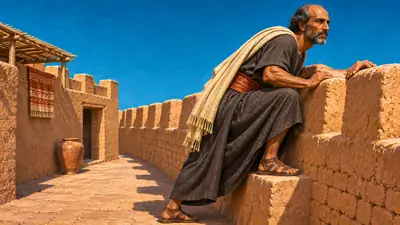
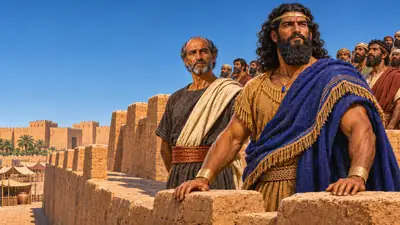
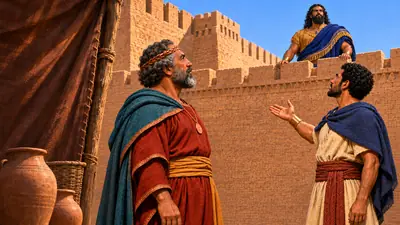
Meanwhile, an officer of Uruk climbed onto the rampart and leaned over it. The man visible above was not Gilgamesh.
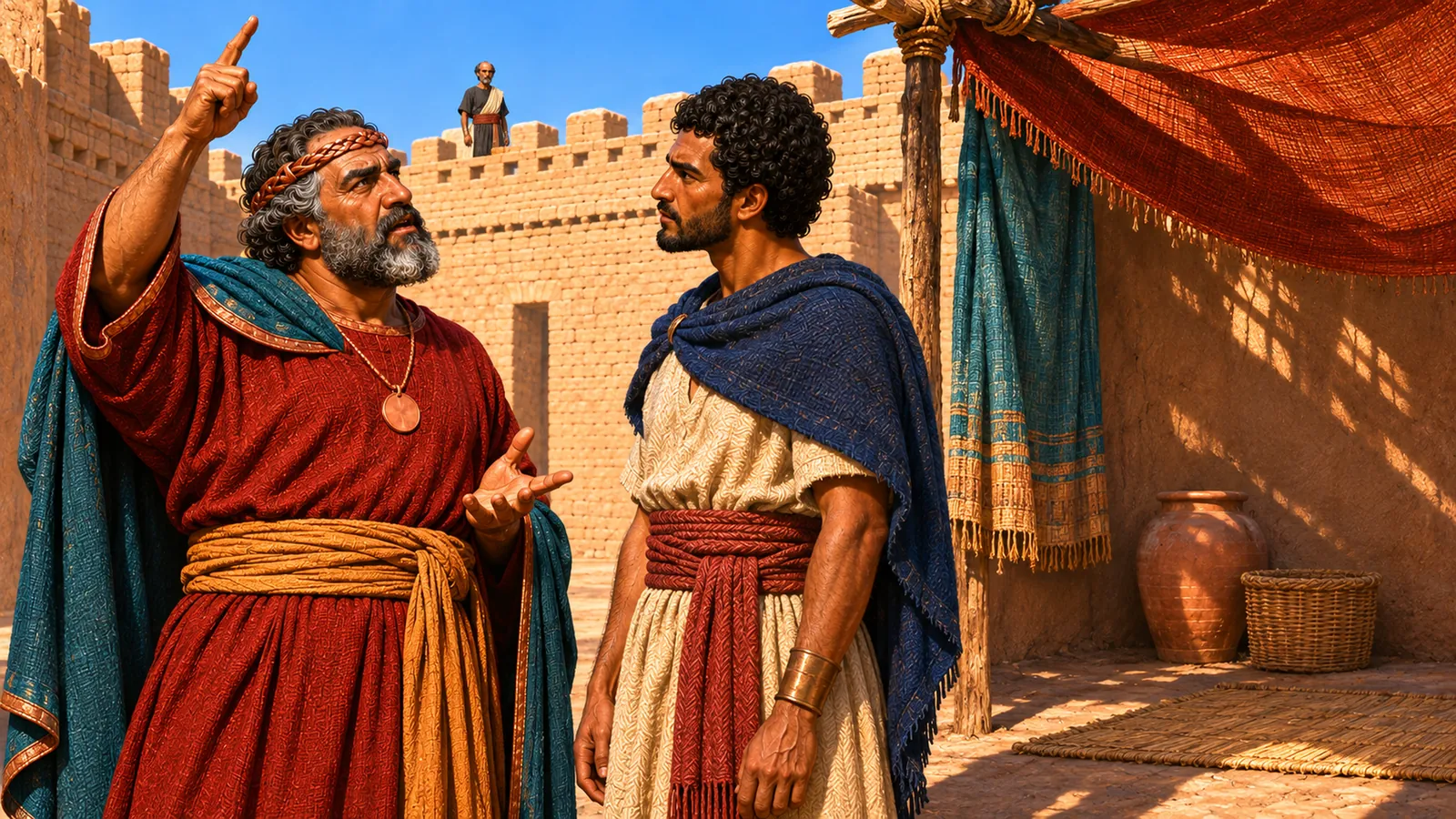
Aga saw the officer and questioned Birhur-tura. Calling the captive a slave, he asked whether that man was his king.
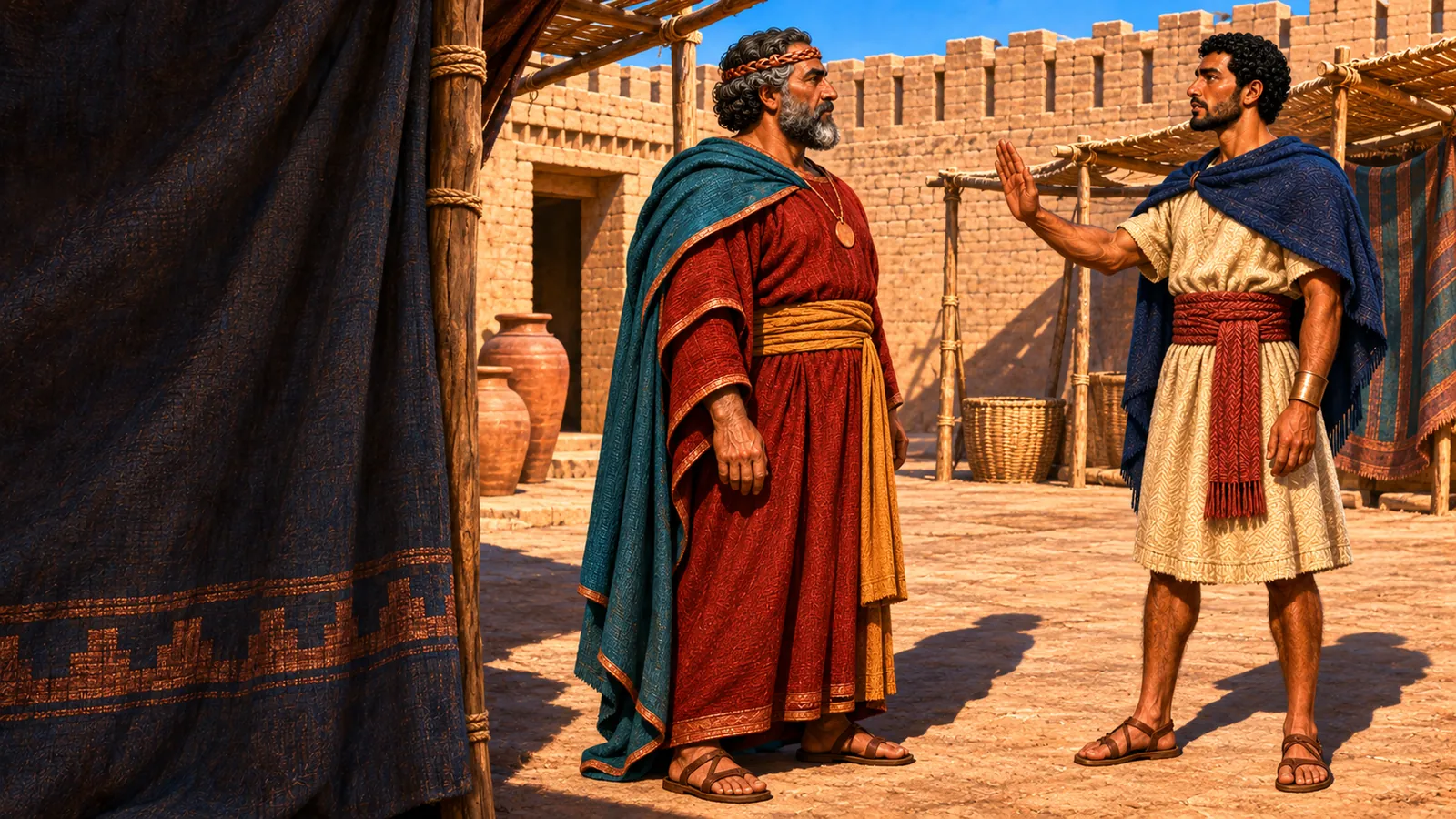
Birhur-tura said no. He described his true king through fierce poetic features: an angry brow, bison-like eyes, a lapis beard and elegant fingers.
Before that king, he predicted, multitudes would fall and rise, dust would gather, canal mouths would silt and barges break. Aga himself would be captured.
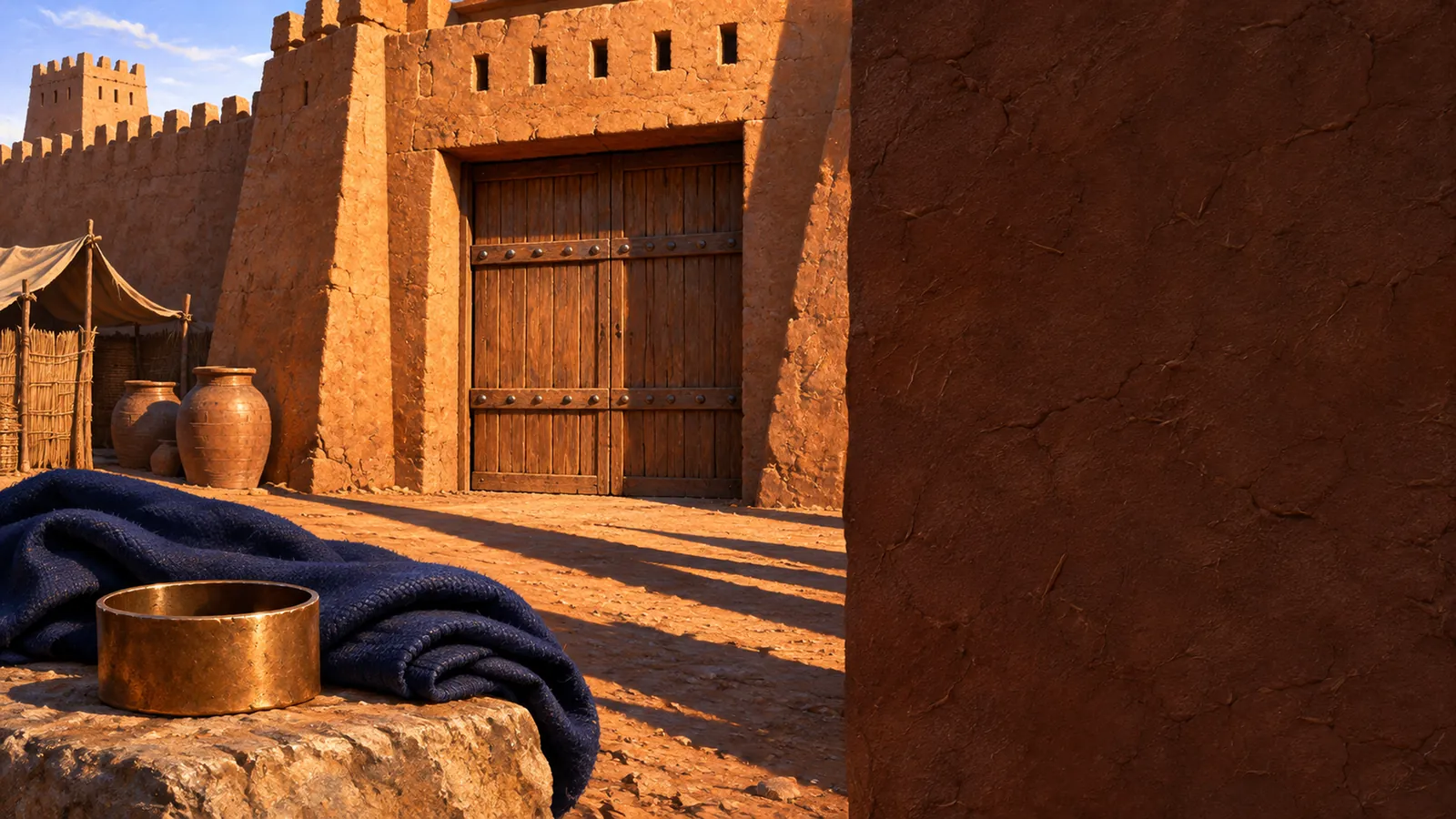
Again they struck Birhur-tura and beat him along his whole body. The poem repeats the violence before its next turn at the wall.
THE KING
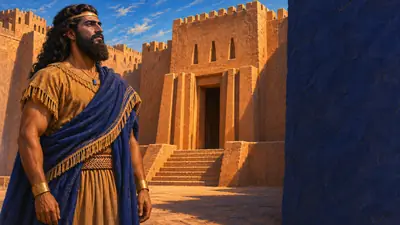
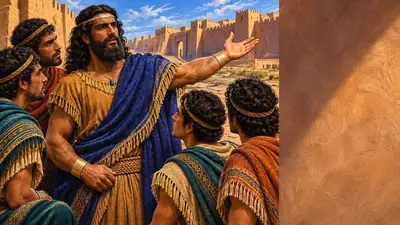
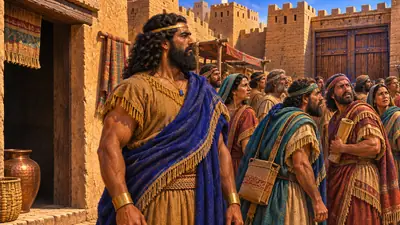
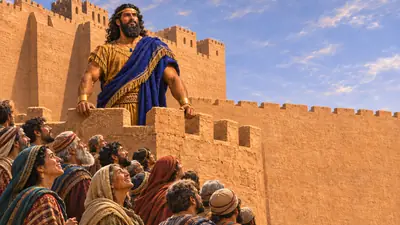
Now Gilgamesh climbed onto the rampart after the officer. The king himself stood above the city that had fallen into confusion.
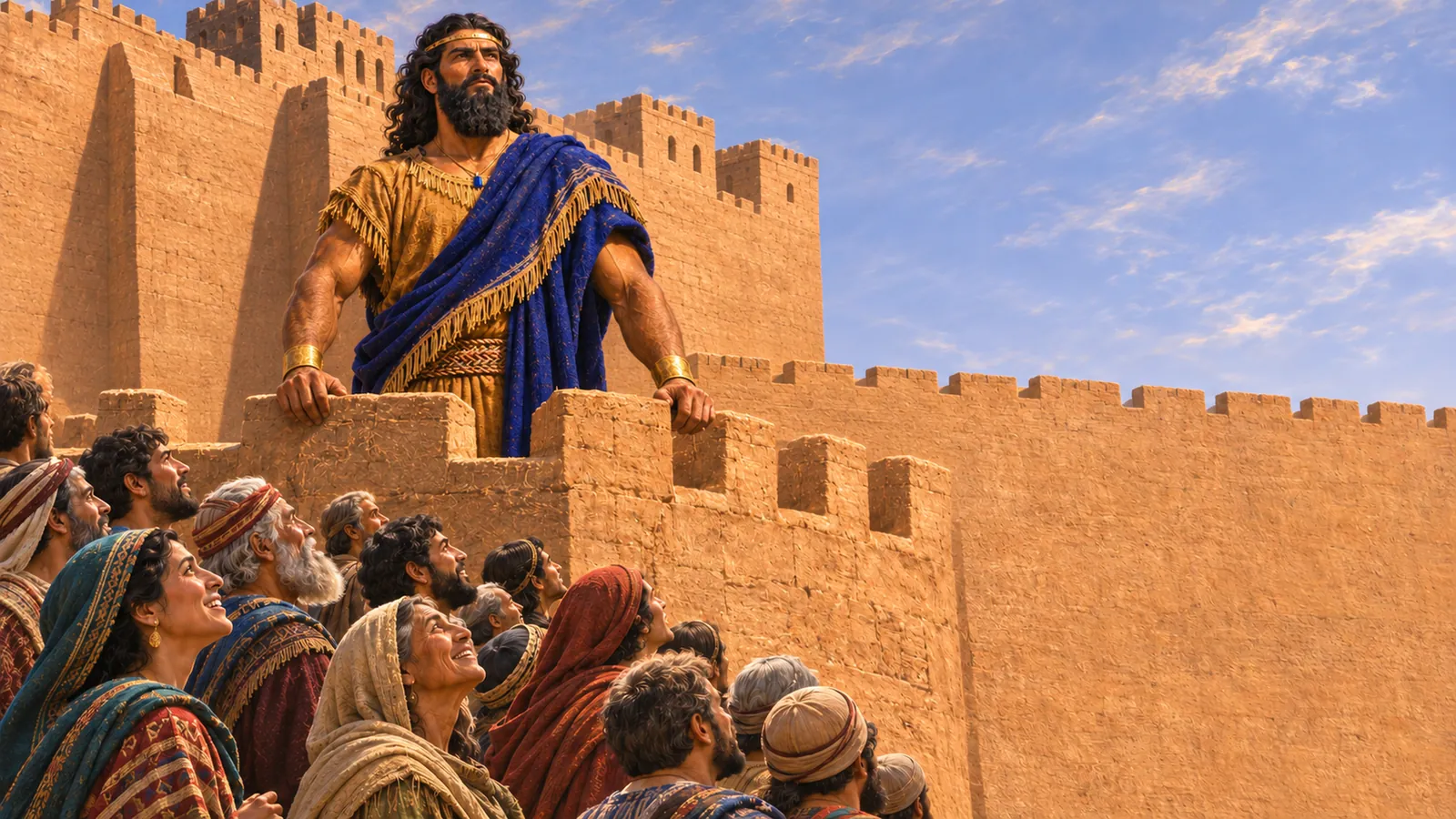
The poem says his radiance overwhelmed both young and old in Kulaba. The frightened city now beheld the king upon its rampart.
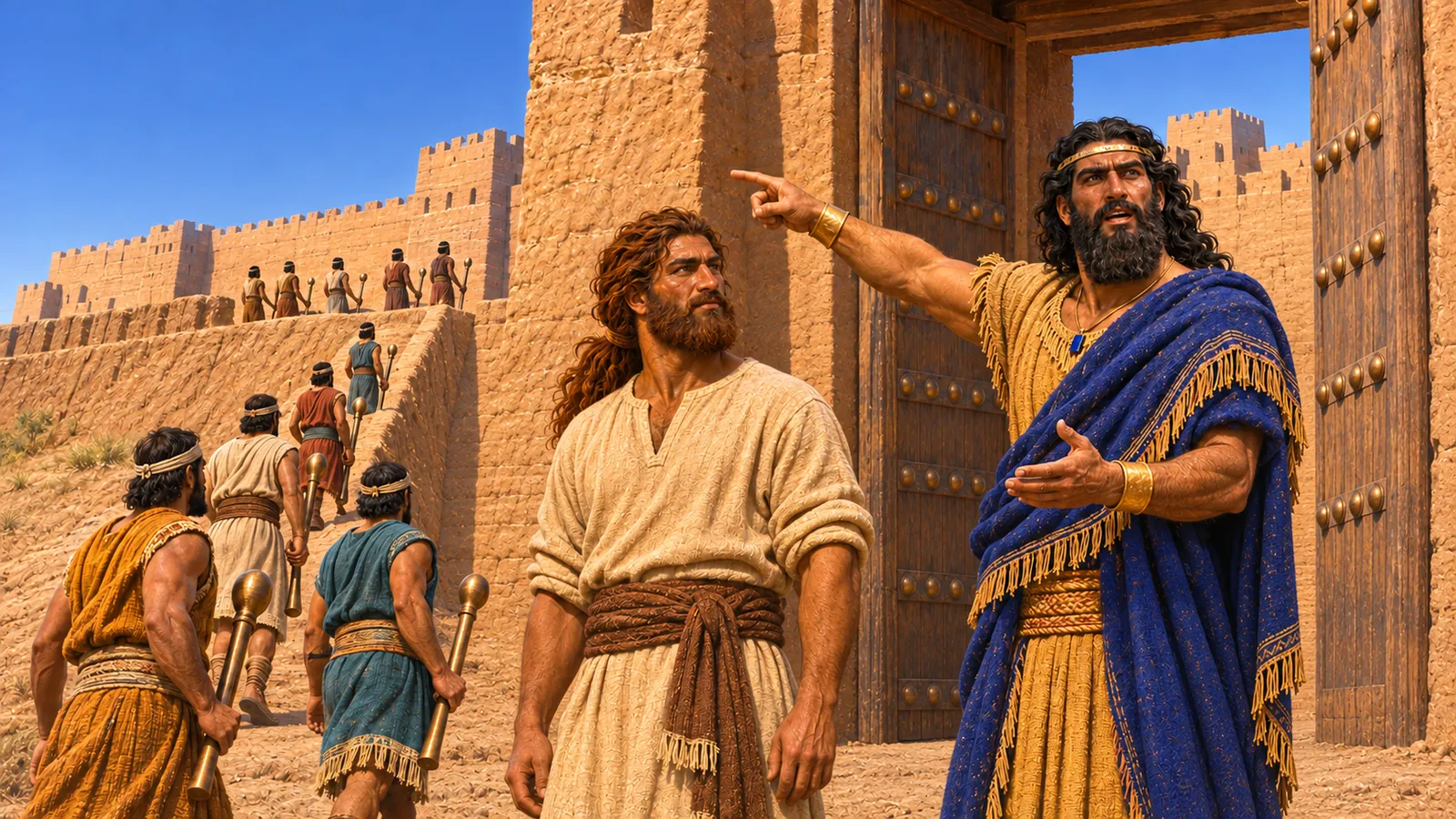
Gilgamesh armed the able-bodied men with maces. He stationed them on the causeway at the great gate, ready for the confrontation.
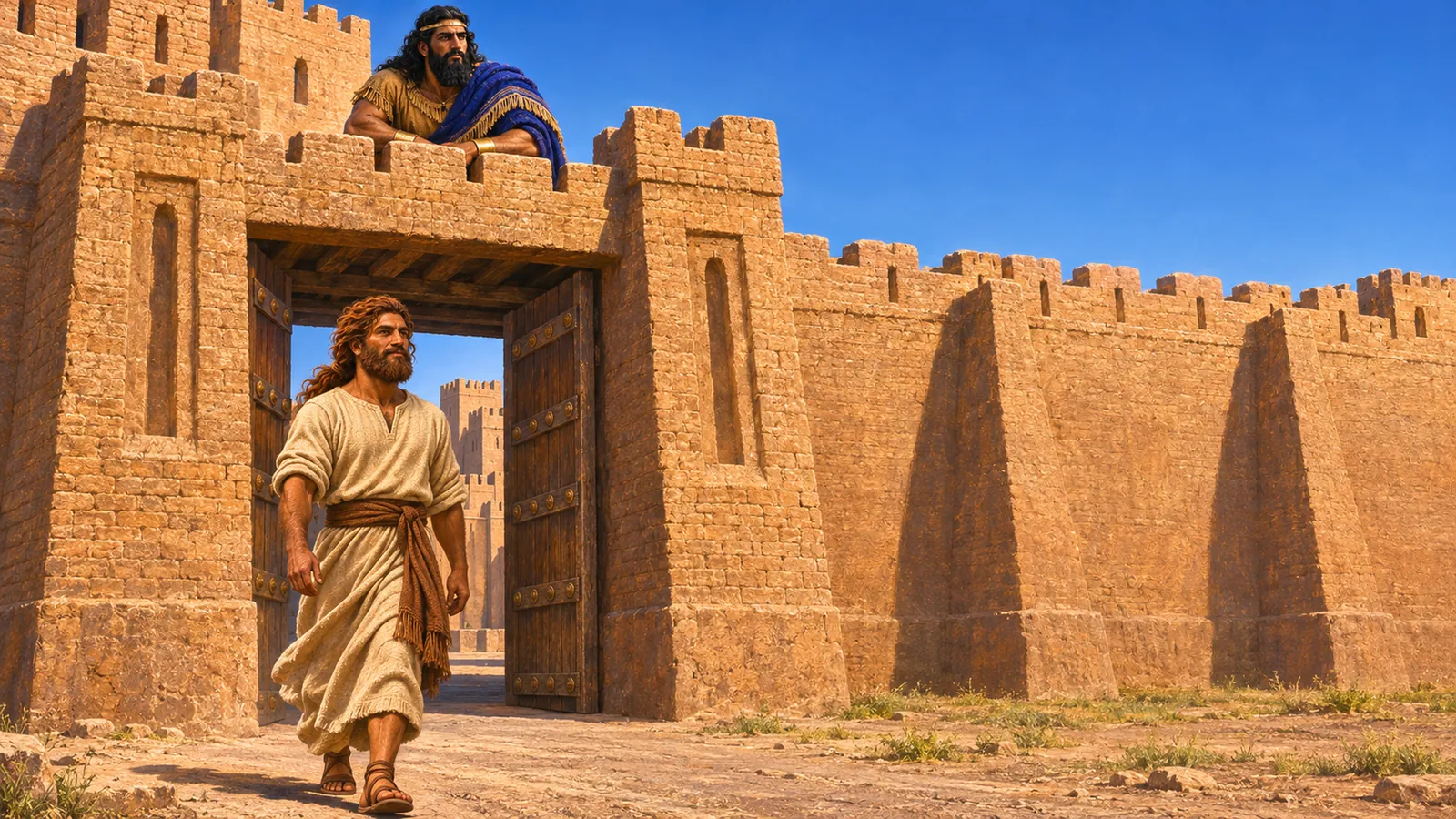
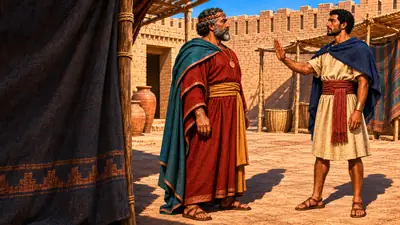
Enkidu alone went out through the gate. Gilgamesh remained above, leaning from the rampart; the poem does not send both men charging out together.
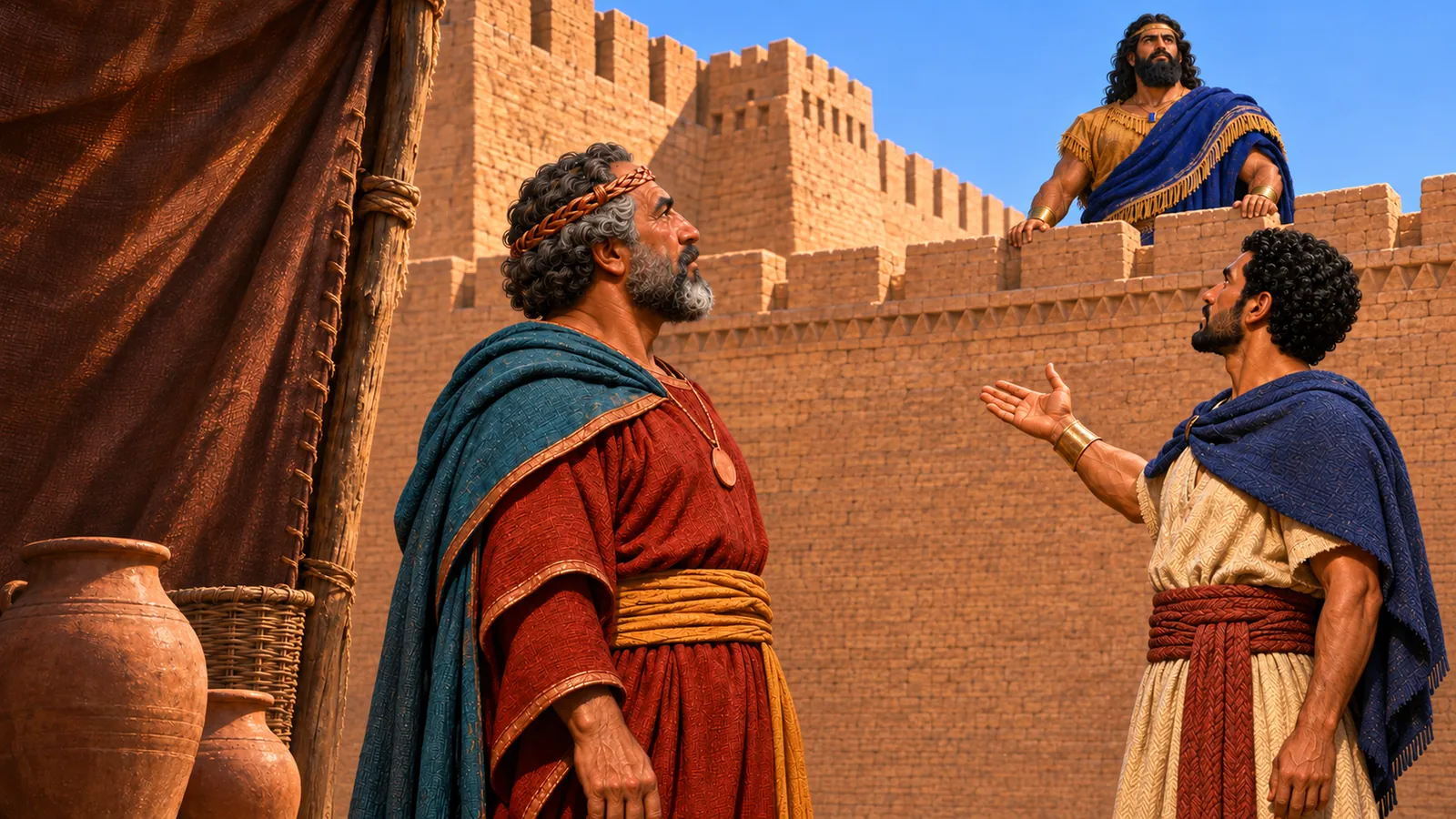
Aga asked again whether the man above was the king. This time Birhur-tura answered yes: the figure on the rampart was Gilgamesh.
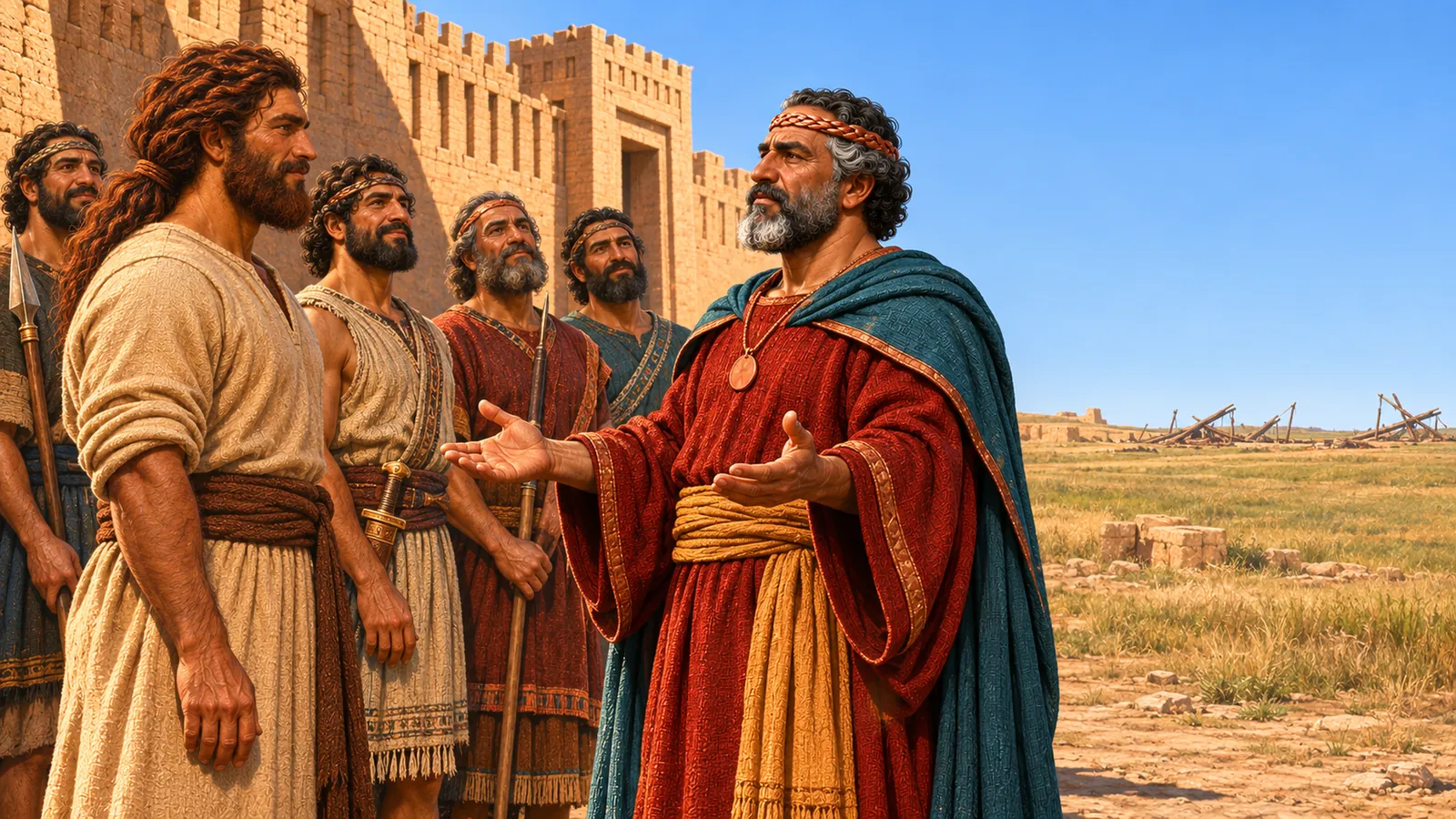
The poem makes the earlier victory imagery come true: multitudes, dust, silted canals and broken barges. Aga was captured in the midst of his army.
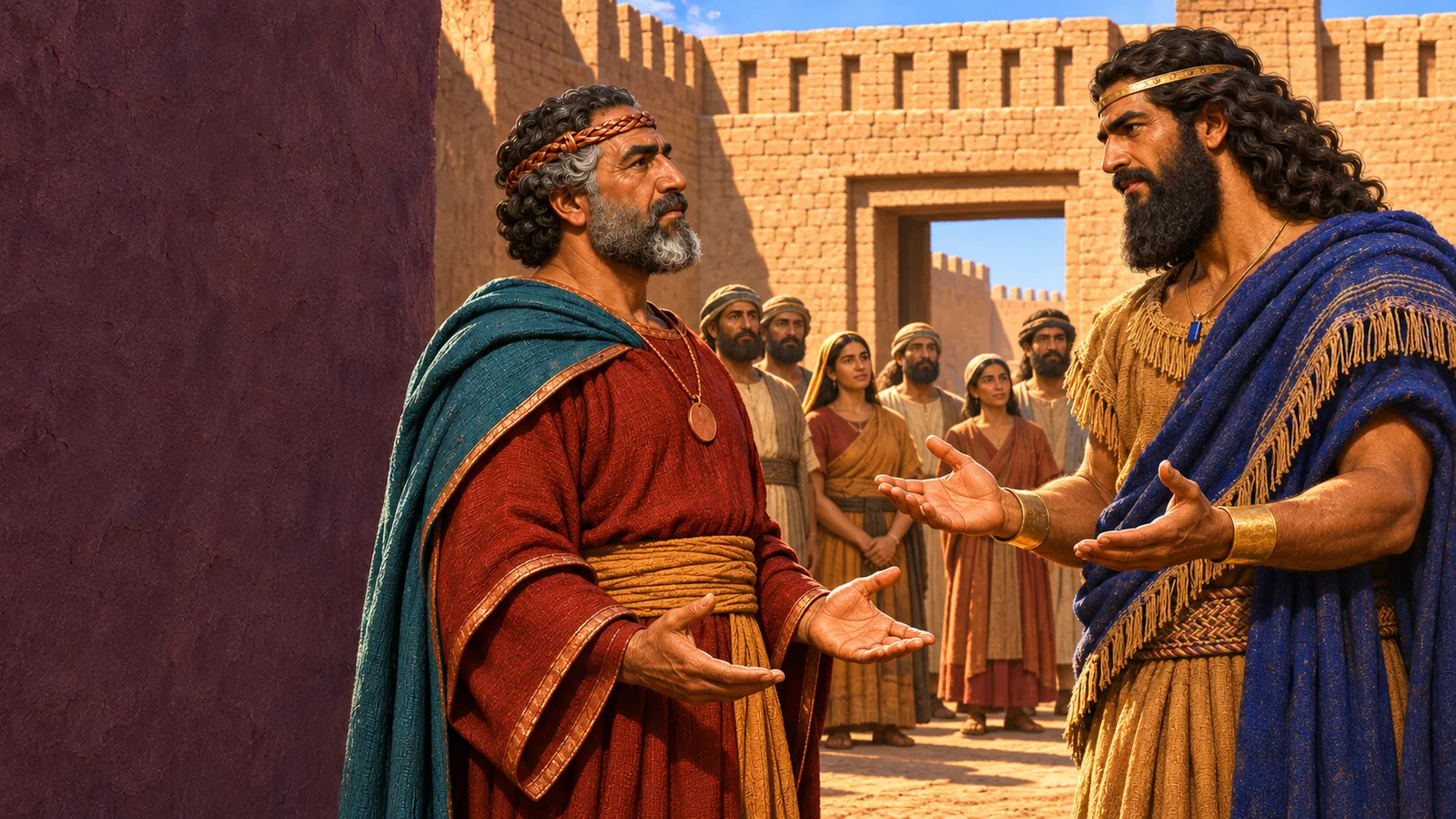
Gilgamesh addressed Aga with titles of command and oversight. The captive was also someone to whom the victor acknowledged an older debt.
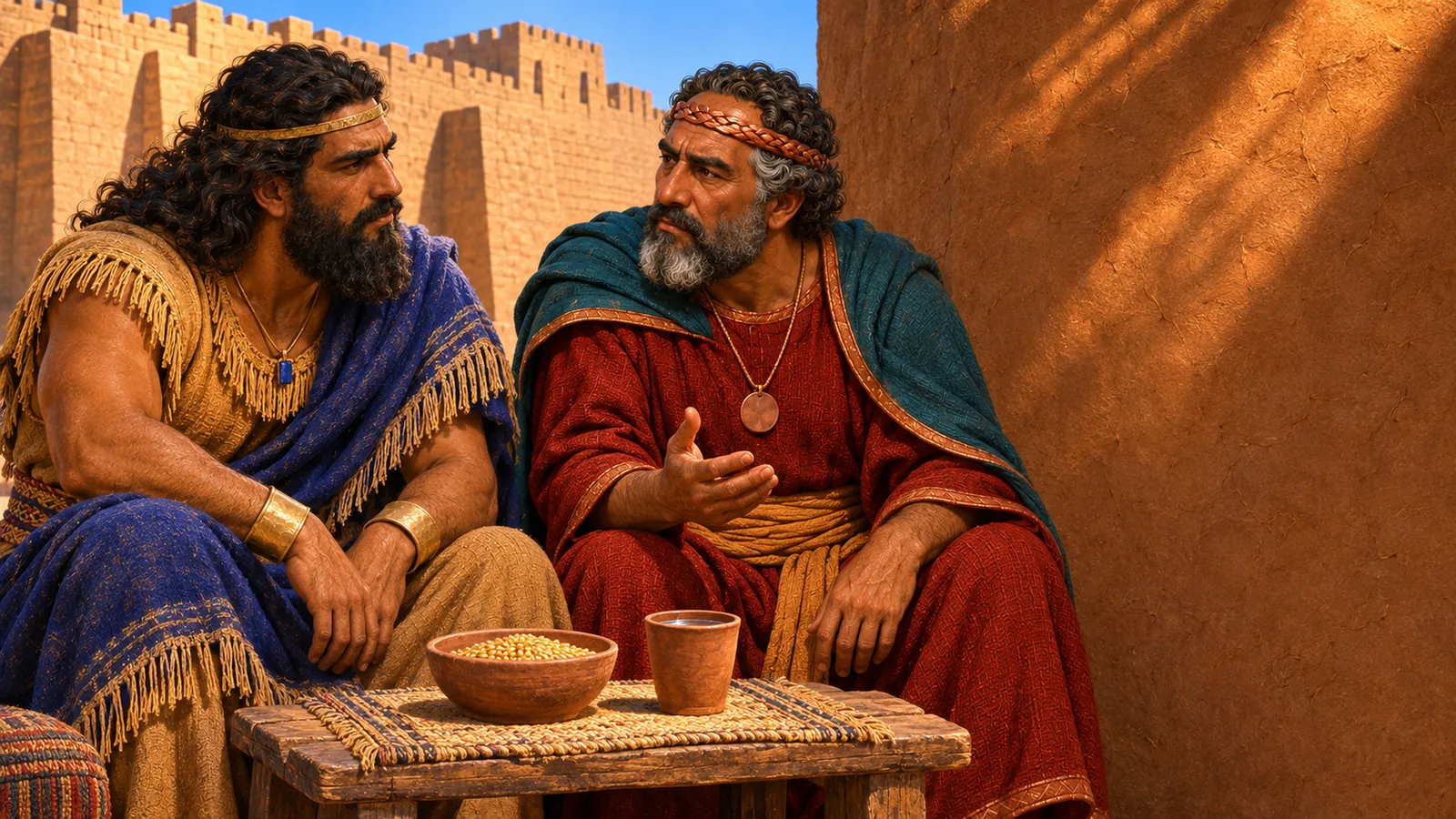
Aga had given him life, Gilgamesh said, embracing a fugitive and feeding a fleeing bird. These images recalled kindness without narrating the earlier circumstances.
KINDNESS
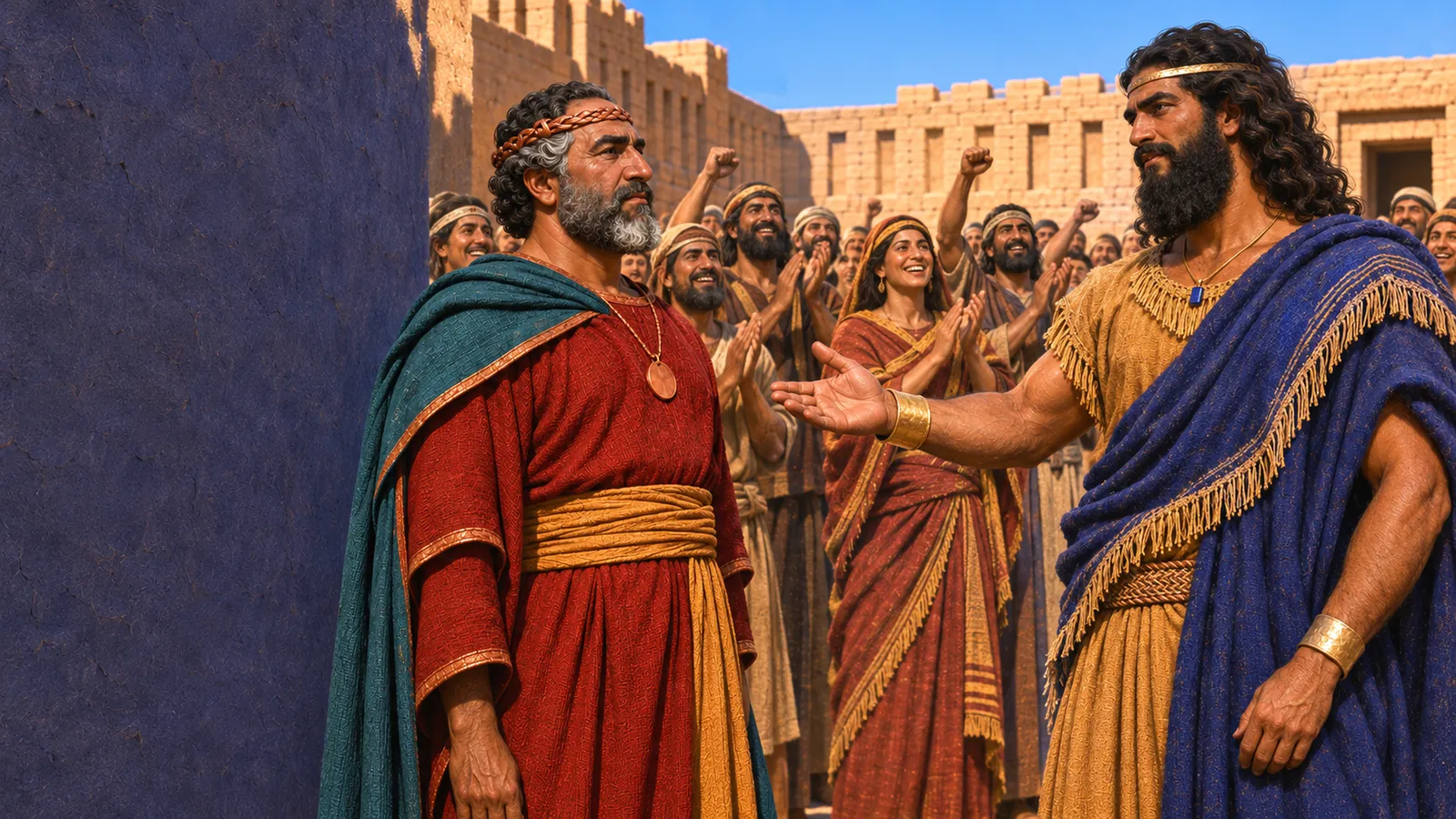
The men acclaimed Uruk and Gilgamesh in words of civic praise. Gilgamesh declared before Utu that Aga’s former kindness had now been repaid.
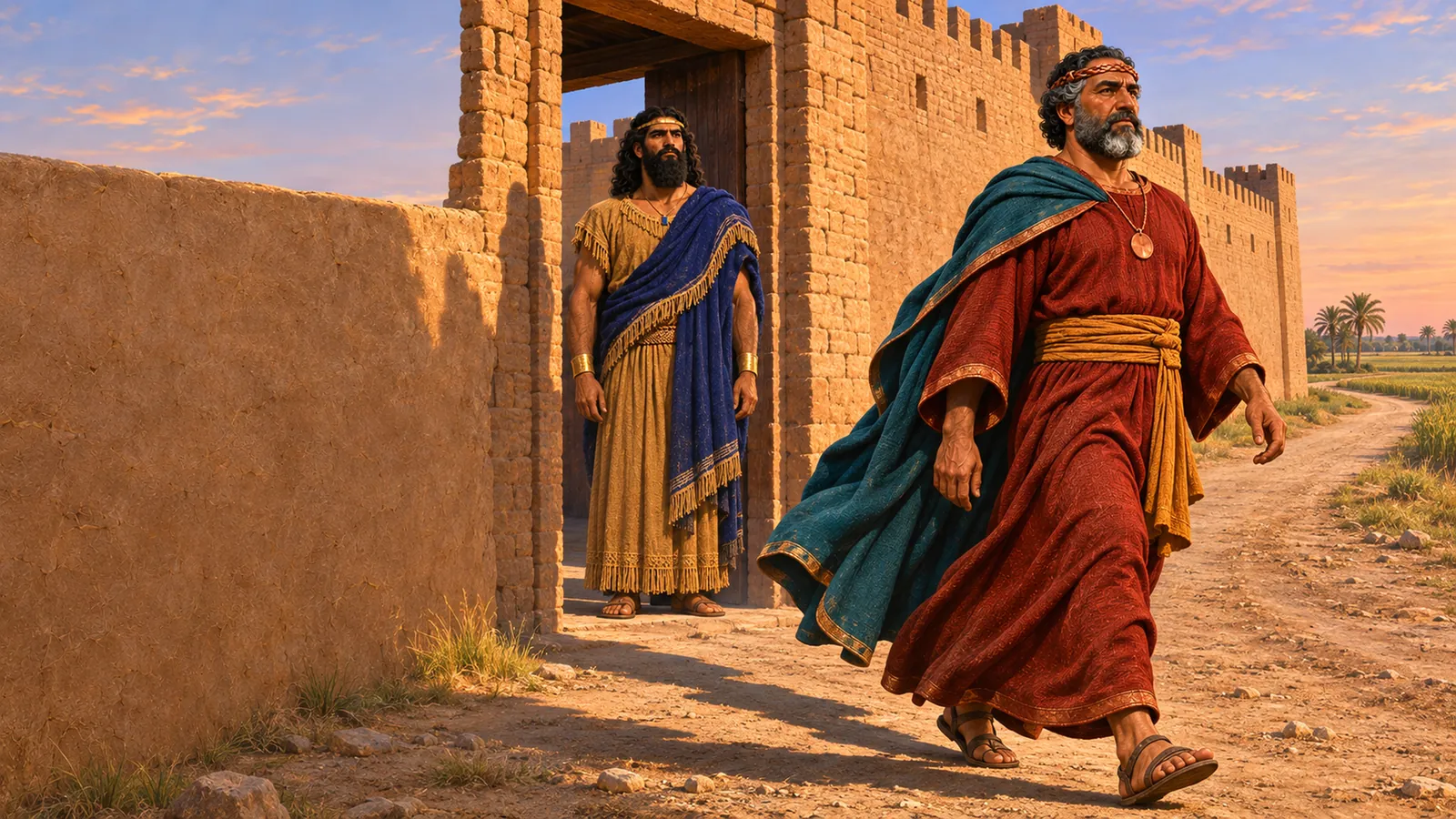
Gilgamesh freed Aga to go to Kish. The poem ends in praise of Gilgamesh, lord of Kulaba, without following Aga’s journey home.
End of chapter 1
All pages
Sources
Oxford ETCSL1.8.1.1, Gilgamesh and Aga, was consulted in full, all115 lines and manuscript alternatives, on18 November2026 UTC. This is concise original prose based on the ancient literary sequence, not a claim to reproduce historical events or a modern constitution. The main reading of the elders’ advice is followed, with its divergent witness identified below. Civic praise, forecasts and similes remain attributed speech. The two explicit beatings, the unnamed officer’s earlier appearance, Enkidu alone leaving the gate, Aga’s capture and his release for Kish all remain distinct.
Editions consulted
- Oxford ETCSL1.8.1.1, Gilgamesh and Aga, complete translation and variants
- Oxford ETCSL1.8.1.1 bibliography and print editions
- Piotr Michalowski, Sumerian Gilgamesh context, University of Michigan
- IL Archive, Gilgamesh
- IL Archive, An
Ancient lines behind each page
- Page 1: Oxford ETCSL1.8.1.1, lines 1–8
- Page 2: Oxford ETCSL1.8.1.1, lines 1–8
- Page 3: Oxford ETCSL1.8.1.1, lines 1–8; illustrative work named in speech
- Page 4: Oxford ETCSL1.8.1.1, lines 1–8; illustrative work named in speech
- Page 5: Oxford ETCSL1.8.1.1, lines 1–8
Two witnesses make the call to strike with weapons an explicit imperative. - Page 6: Oxford ETCSL1.8.1.1, lines 9–14
Lines9–14: the main reading tells Gilgamesh to submit to Kish and not take up weapons. One manuscript instead phrases the response as questions, including why not fight. The main reading is followed; the difference is not silently erased. - Page 7: Oxford ETCSL1.8.1.1, lines 9–14; one witness questions differently
- Page 8: Oxford ETCSL1.8.1.1, lines 15–23
- Page 9: Oxford ETCSL1.8.1.1, lines 15–23
The elders and able-bodied men are the poem’s two deliberative groups. - Page 10: Oxford ETCSL1.8.1.1, lines 15–23
In the main reading Gilgamesh says the men have not previously submitted to Kish and urges them to strike it. A witness gives an explicit refusal of submission and call to arms. - Page 11: Oxford ETCSL1.8.1.1, lines 24–29; quoted proverb
The concise retelling preserves their burden without inventing a specific administrative system. - Page 12: Oxford ETCSL1.8.1.1, lines 24–29
- Page 13: Oxford ETCSL1.8.1.1, lines 30–39; civic praise in speech
- Page 14: Oxford ETCSL1.8.1.1, lines 30–39; civic praise in speech
- Page 15: Oxford ETCSL1.8.1.1, lines 30–39; young men’s prediction
- Page 16: Oxford ETCSL1.8.1.1, lines 40–47
- Page 17: Oxford ETCSL1.8.1.1, lines 40–47
Lines40–47 address Enkidu as Gilgamesh’s servant, without importing a different biography or relationship from the later Akkadian epic. - Page 18: Oxford ETCSL1.8.1.1, lines 40–47
- Page 19: Oxford ETCSL1.8.1.1, lines 48–54
- Page 20: Oxford ETCSL1.8.1.1, lines 48–54
The retelling preserves this turn. - Page 21: Oxford ETCSL1.8.1.1, lines 48–54
- Page 22: Oxford ETCSL1.8.1.1, lines 55–58
- Page 23: Oxford ETCSL1.8.1.1, lines 59–69
- Page 24: Oxford ETCSL1.8.1.1, lines 59–69
- Page 25: Oxford ETCSL1.8.1.1, lines 59–69
- Page 26: Oxford ETCSL1.8.1.1, lines 59–69
- Page 27: Oxford ETCSL1.8.1.1, lines 59–69
- Page 28: Oxford ETCSL1.8.1.1, lines 70–81
- Page 29: Oxford ETCSL1.8.1.1, lines 70–81; speech predicting victory
The casting down and raising of multitudes, dust, overwhelming countries, canal mouths filled with silt, broken barge prows and Aga’s capture are a prediction here. - Page 30: Oxford ETCSL1.8.1.1, lines 82–89
- Page 31: Oxford ETCSL1.8.1.1, lines 82–89
- Page 32: Oxford ETCSL1.8.1.1, lines 82–89
- Page 33: Oxford ETCSL1.8.1.1, lines 82–89
- Page 34: Oxford ETCSL1.8.1.1, lines 82–89
- Page 35: Oxford ETCSL1.8.1.1, lines 82–99
- Page 36: Oxford ETCSL1.8.1.1, lines 92–99; heightened victory imagery
- Page 37: Oxford ETCSL1.8.1.1, lines 100–106
Lines100–106 address Aga with titles of oversight and command; witnesses vary between governor and commander wording. - Page 38: Oxford ETCSL1.8.1.1, lines 100–106; fugitive and bird metaphors
The poem does not narrate the circumstances of the prior kindness. - Page 39: Oxford ETCSL1.8.1.1, lines 107–113; variant acclamation
Lines107–113 contain civic praise with a witness assigning it to Gilgamesh instead of the able-bodied men. - Page 40: Oxford ETCSL1.8.1.1, lines 107–115
The poem does not narrate his arrival there, release of his entire army or an ensuing treaty.
Illustrations made with AI tools by IL Archive; the text is based on the ancient sources (see the sources at the end of each chapter).