Person
Esarhaddon, king of Assyria
Sennacherib’s son and successor, Assyrian king in 680–669 BCE, named in Ahiqar and Tobit.
Last reviewed:
Text
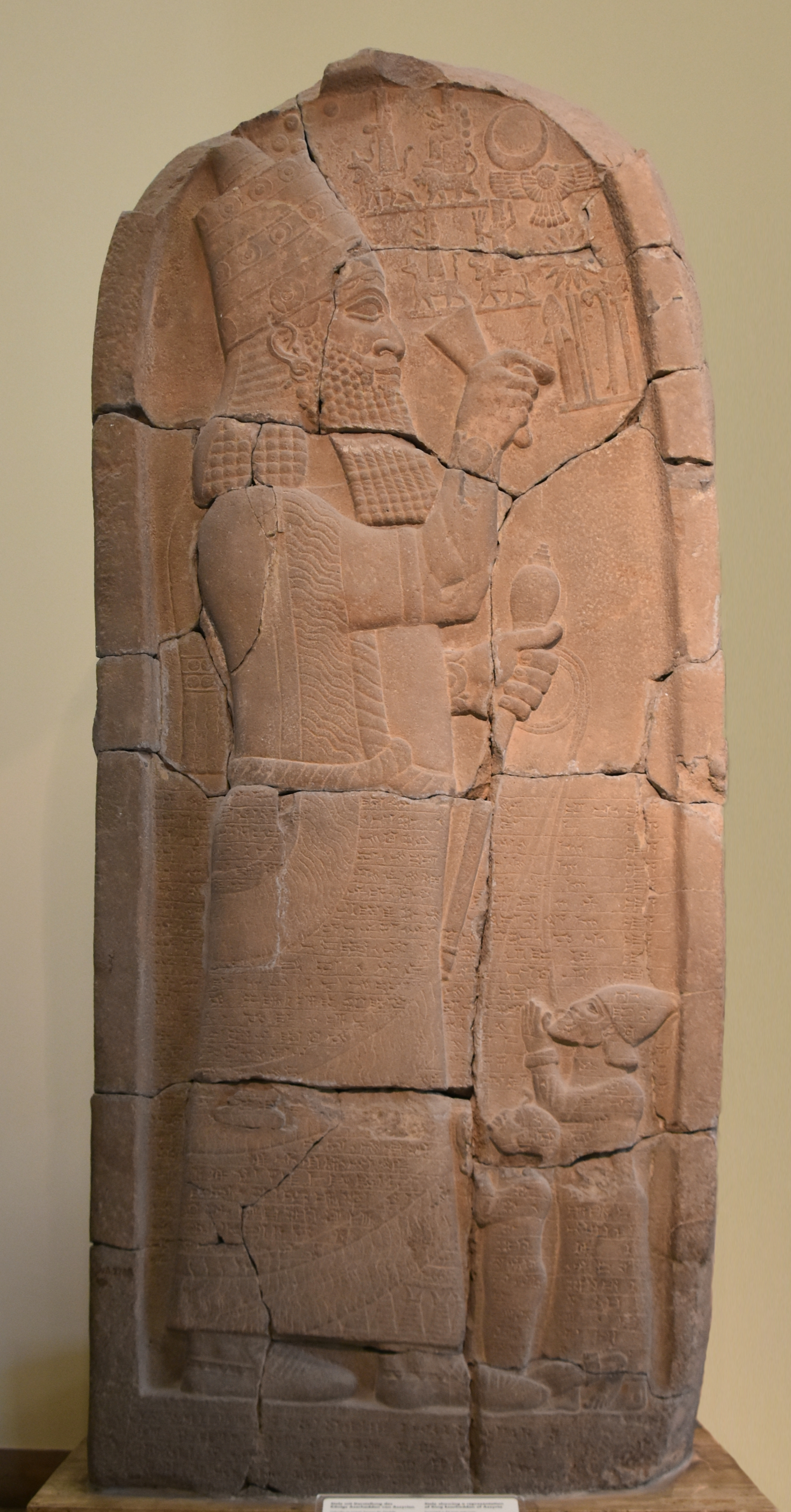
Esarhaddon, son and successor of SennacheribSennacherib, king of AssyriaAssyrian king, 704–681 BCE; part of Ahiqar’s story is set at his court.Glossary · Click to read the explanation, ruled Assyria from 680 to 669 BCE. [1]
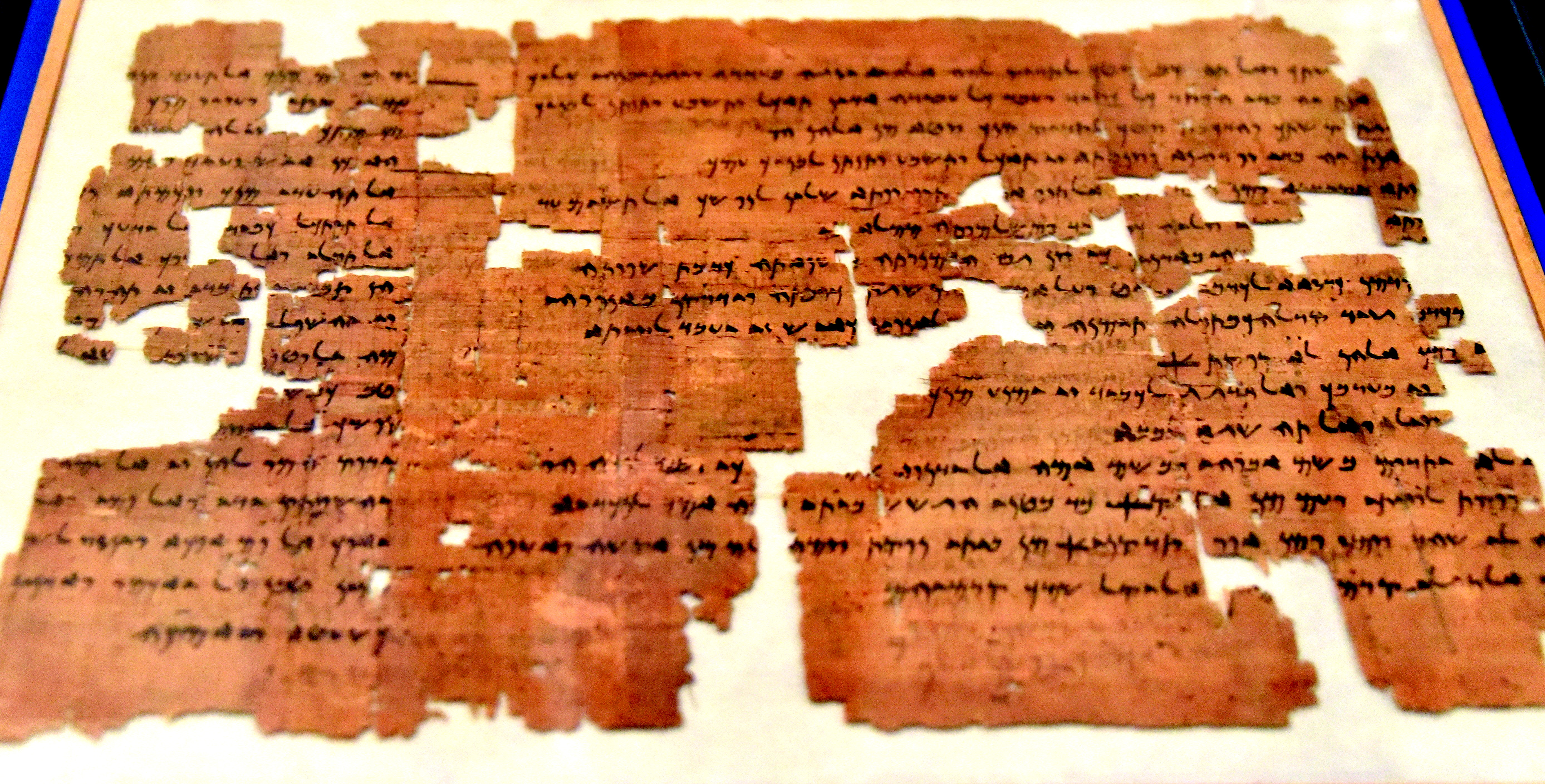
The Ahiqar papyrusElephantine Ahiqar PapyrusA fragmentary Aramaic witness, probably from the later fifth century BCE, preserving Ahiqar’s tale and sayings with gaps and editorial restorations.Glossary · Click to read the explanation makes him the king whom the sage next serves. Tobit 1:21–22 names Ahiqar as a senior official under him who intercedes for Tobit. These literary roles are distinguished from royal evidence documenting Esarhaddon’s own reign. [2][3]
References and notes
- British Museum, Esarhaddon: identity and reign. British Museum, Esarhaddon: identity and reign. Return to the text ↑
- Ahiqar’s opening narrative: transition between the two kings. Ahiqar’s opening narrative: transition between the two kings. Return to the text ↑
- Tobit 1:21–22: Ahiqar under Esarhaddon. Tobit 1:21–22: Ahiqar under Esarhaddon. Return to the text ↑
Suggest a correction · Suggest a source for this record
Cite this record
IL Archive, «Esarhaddon, king of Assyria», https://ilarchive.com/en/people/esarhaddon-assyrian-king
Continue reading
Related readings