The Words of Ahiqar Chapter 1
Ahiqar and the False Letter
Ahiqar teaches his nephew Nadin to succeed him at the Assyrian court. A false letter puts the older scribe in danger. A man he once sheltered gives him refuge. The papyrus then preserves sayings and fables that can be read alongside the broken tale.
SourcesTurn the pages with the arrows, the arrow keys or a swipe.

AHIQAR AND THE FALSE LETTER
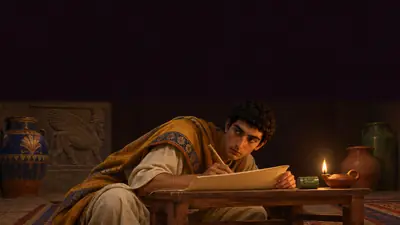
Long after the days of the Assyrian kings, a copy of Ahiqar’s story lay at Elephantine. It introduces him as a wise and skilled scribe.
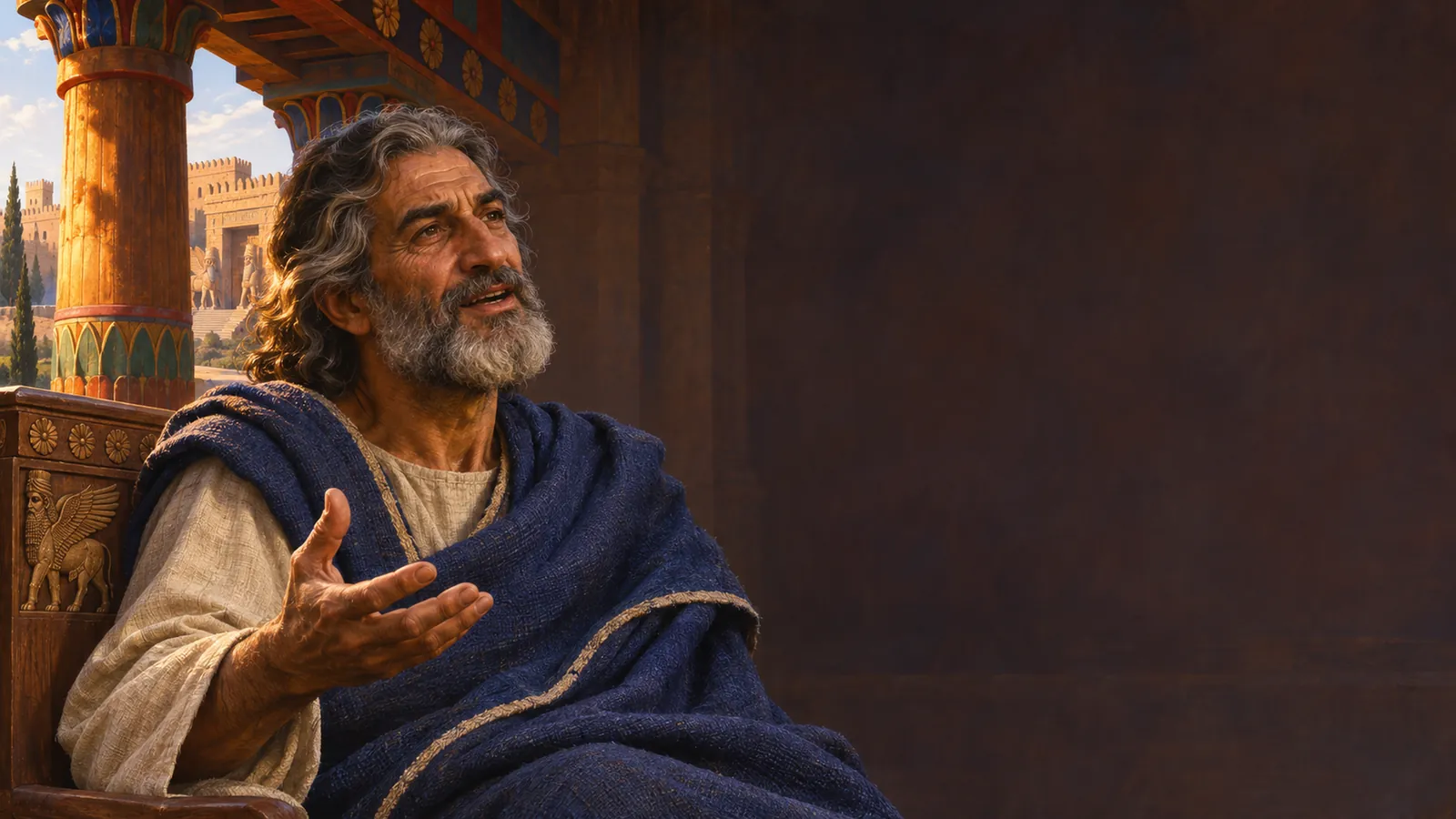
The opening speaks about Ahiqar. Then the scribe begins to speak for himself, recalling the time when he served at the palace gate.
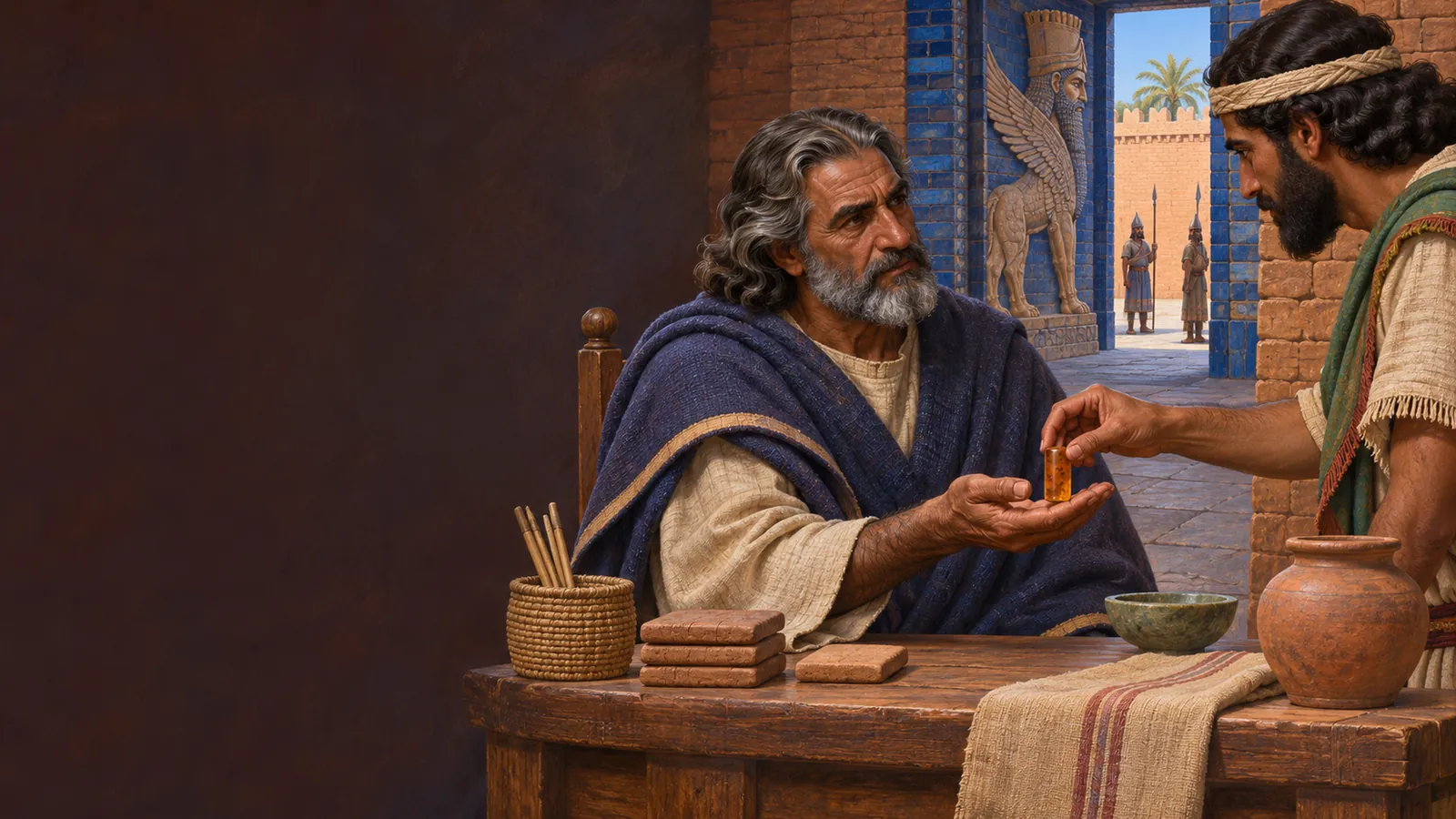
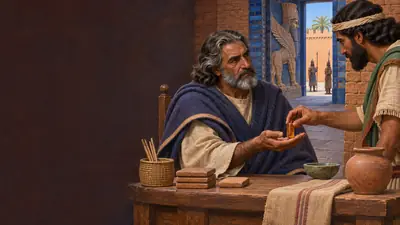
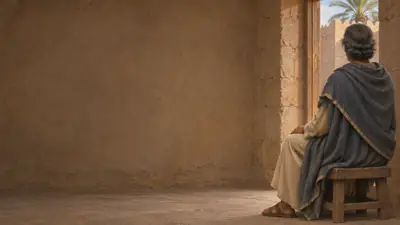
Ahiqar remembers his station at the palace gate, in the house of the seal-bearer of Sennacherib, king of Assyria.
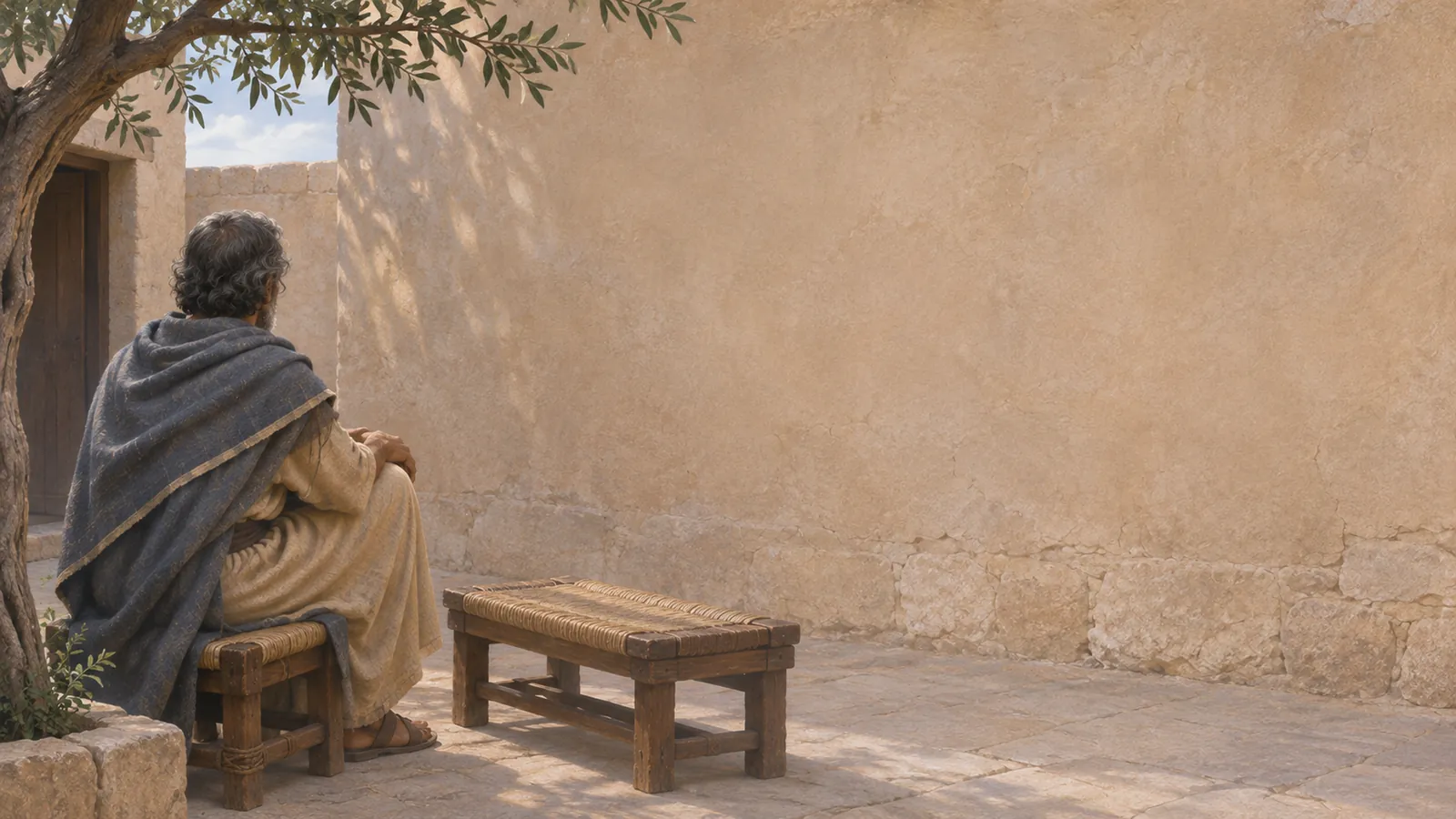
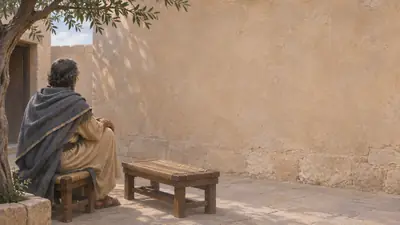
Ahiqar says he has no child to whom he can leave his house or pass on what he has learned.
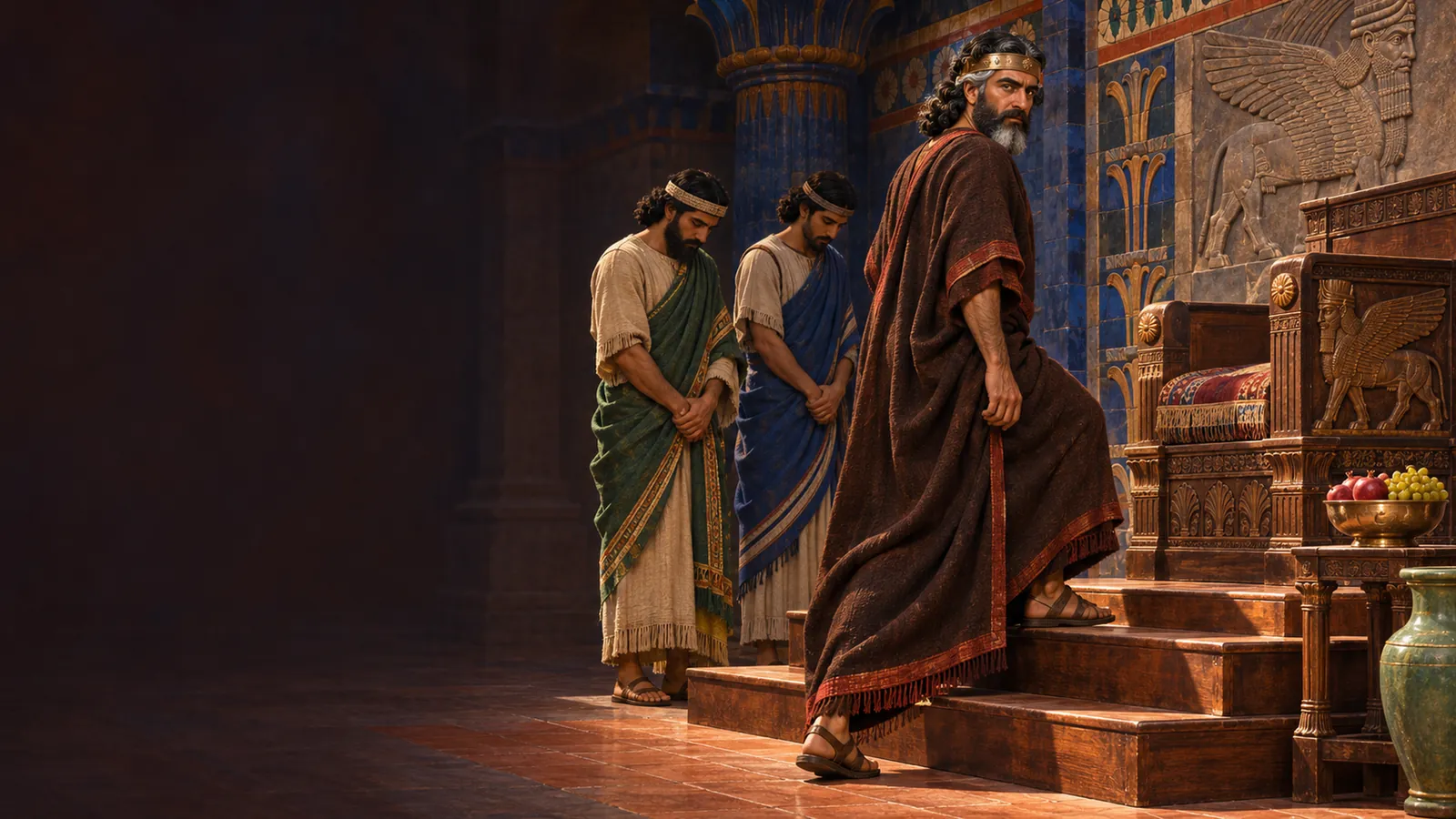
Sennacherib dies. His son Esarhaddon becomes king of Assyria, and Ahiqar remains in service under the new ruler.
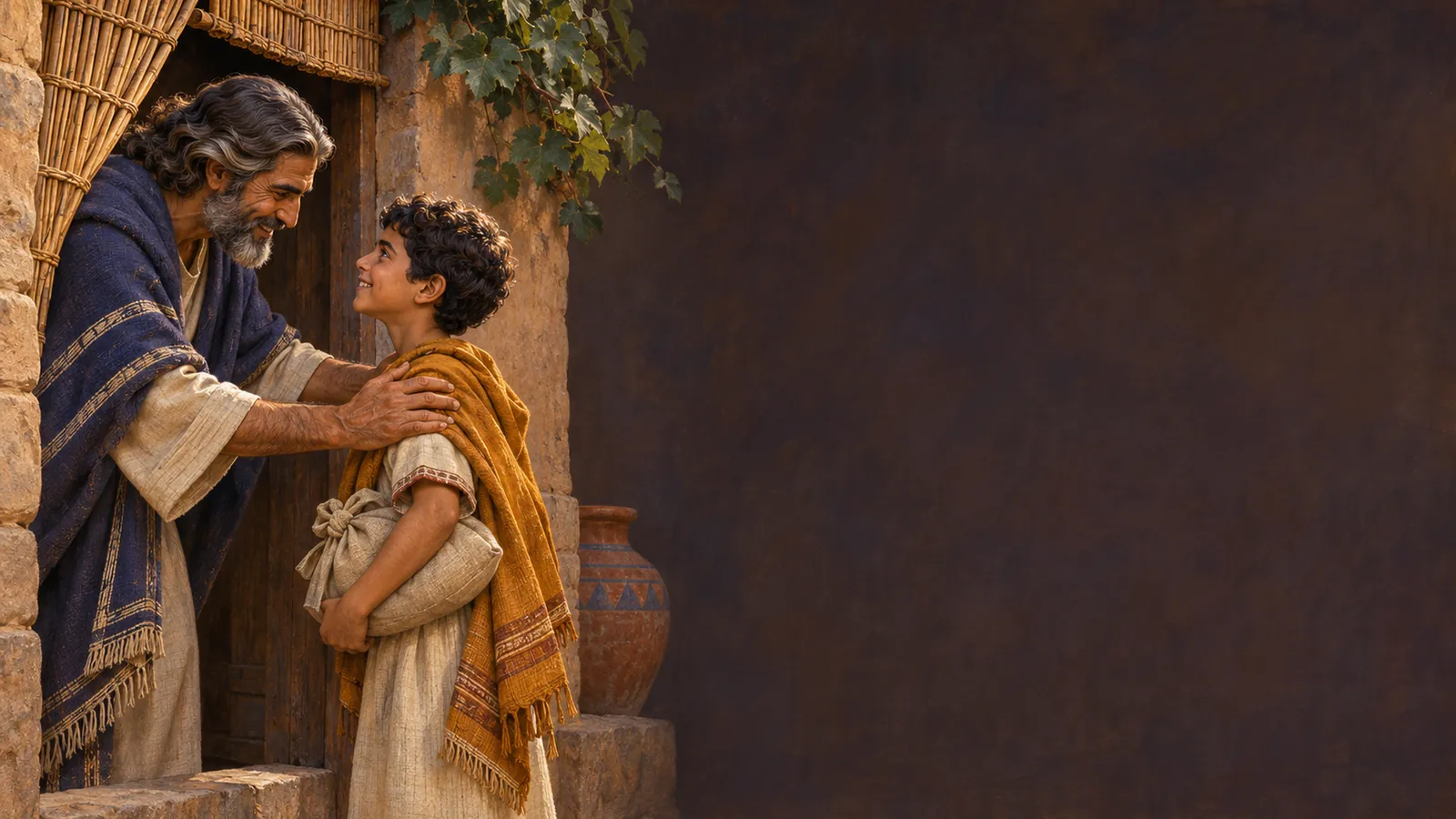
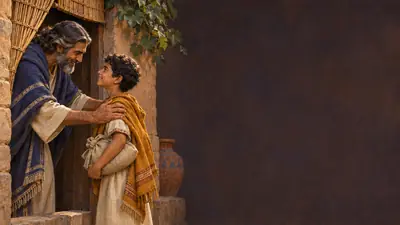
In a passage that survives only in part, Ahiqar speaks of taking his sister’s son into his household and treating him as his own.
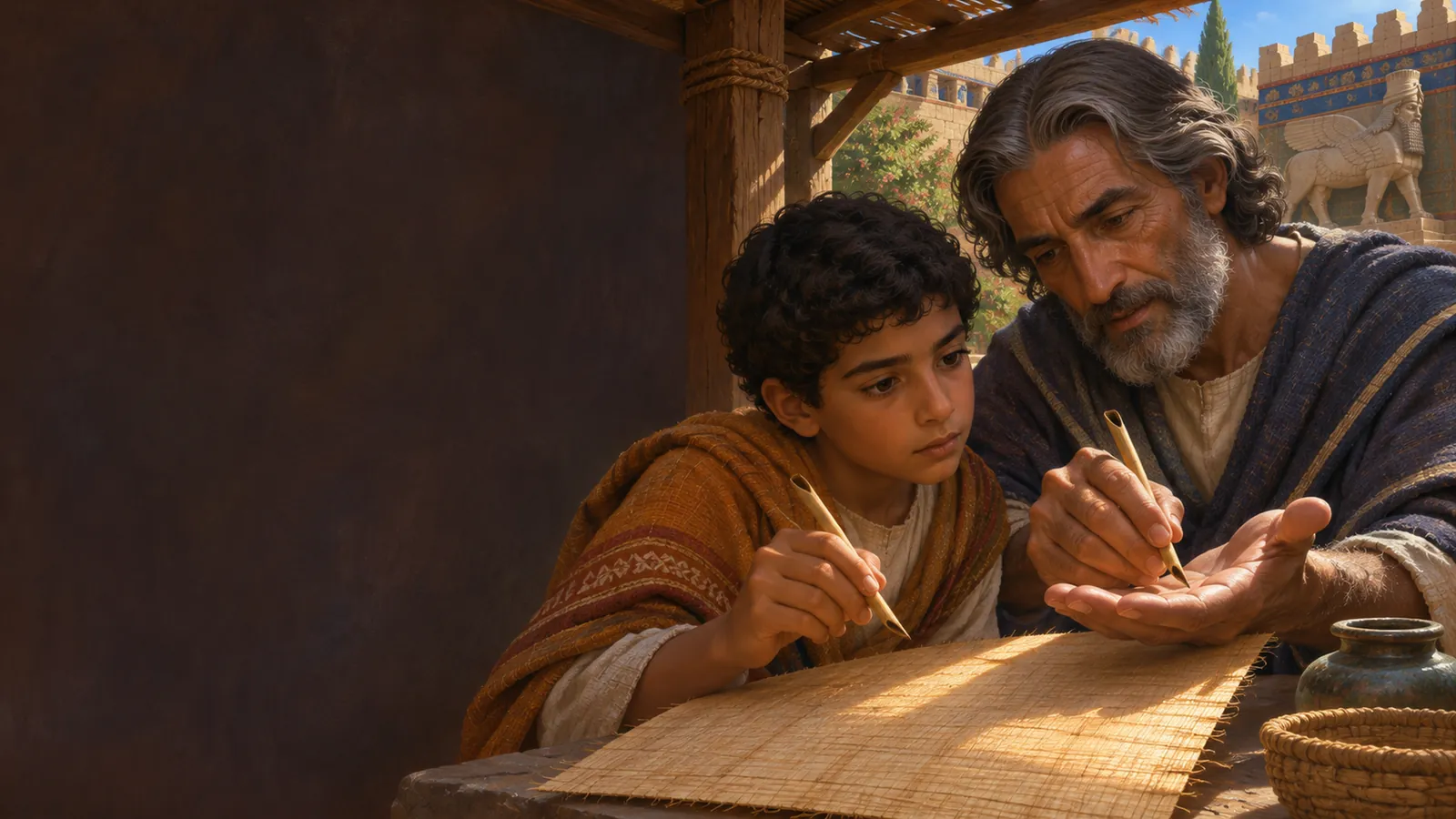
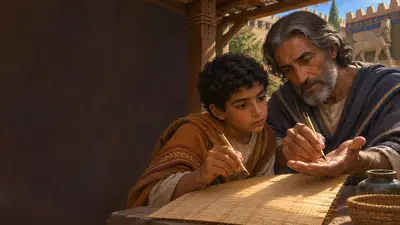
Ahiqar takes on the boy’s education. The papyrus is damaged here, but the thread of his account returns when he names Nadin.
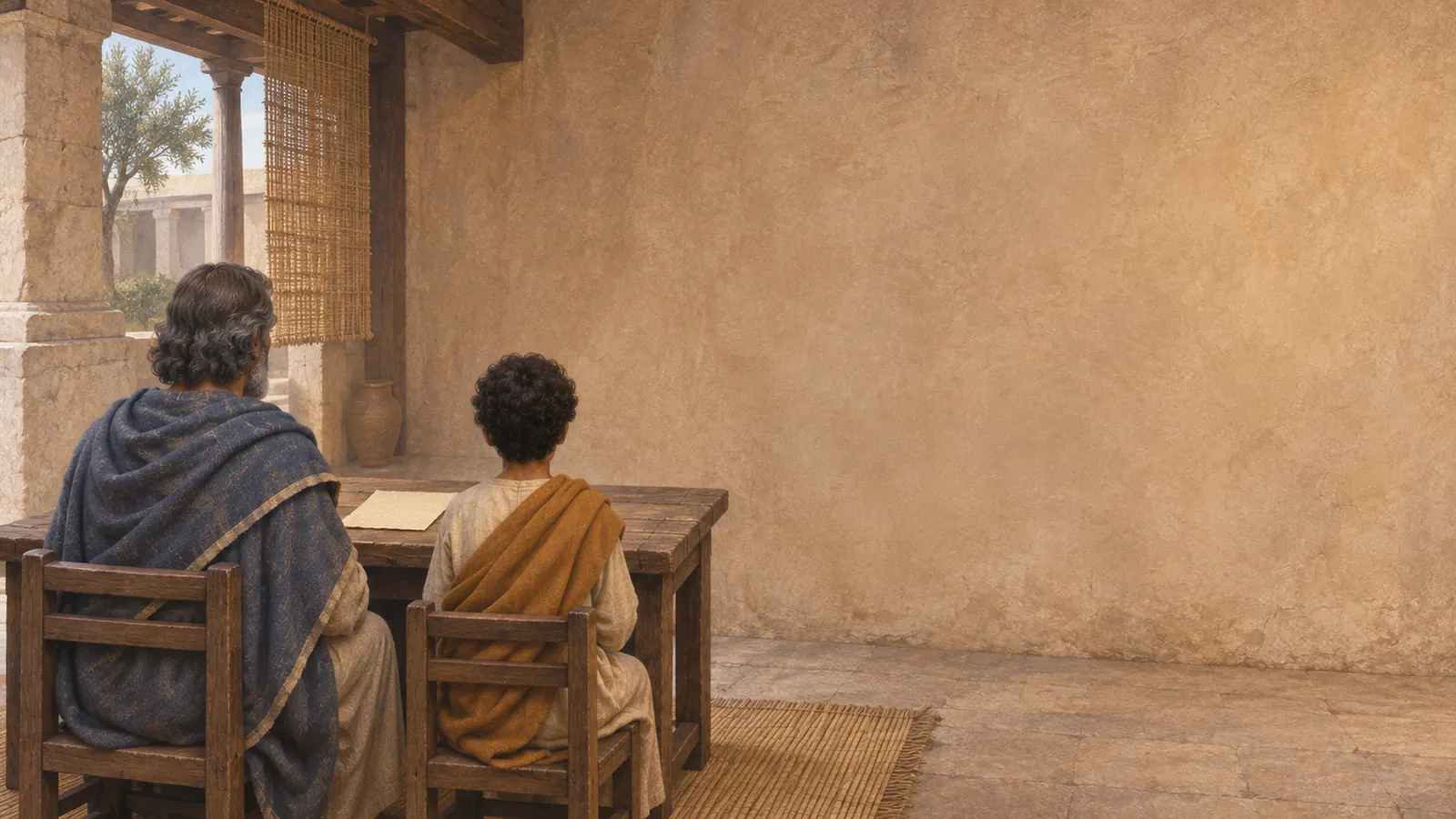
When the account becomes clearer again, Ahiqar calls Nadin his son. Nadin is the nephew the scribe has taken into his care.
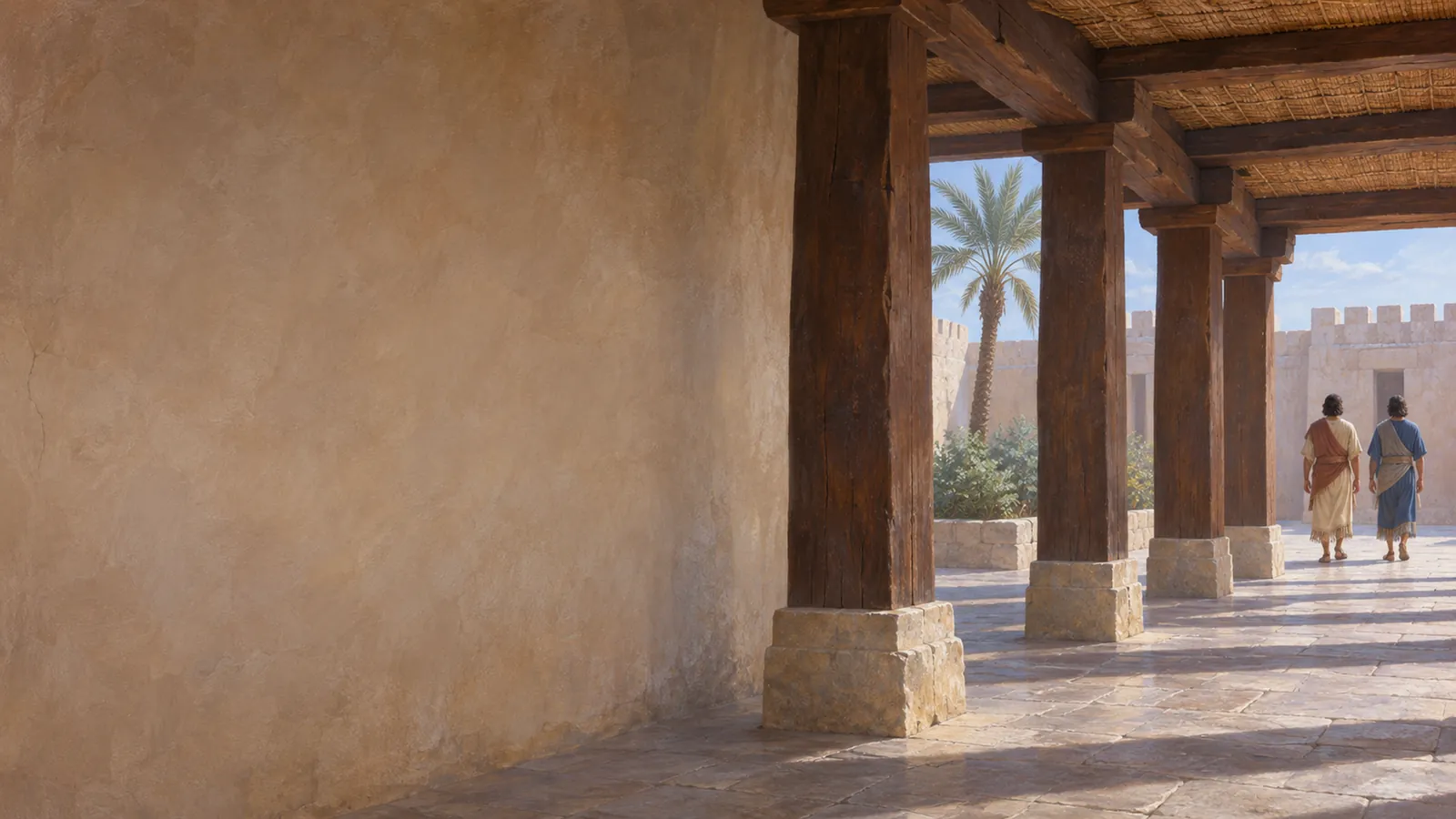
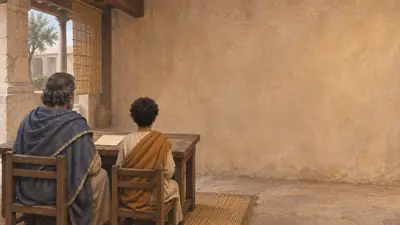
Ahiqar says he gave Nadin a good education. The damaged lines connect that preparation with a place beside the palace courtiers.
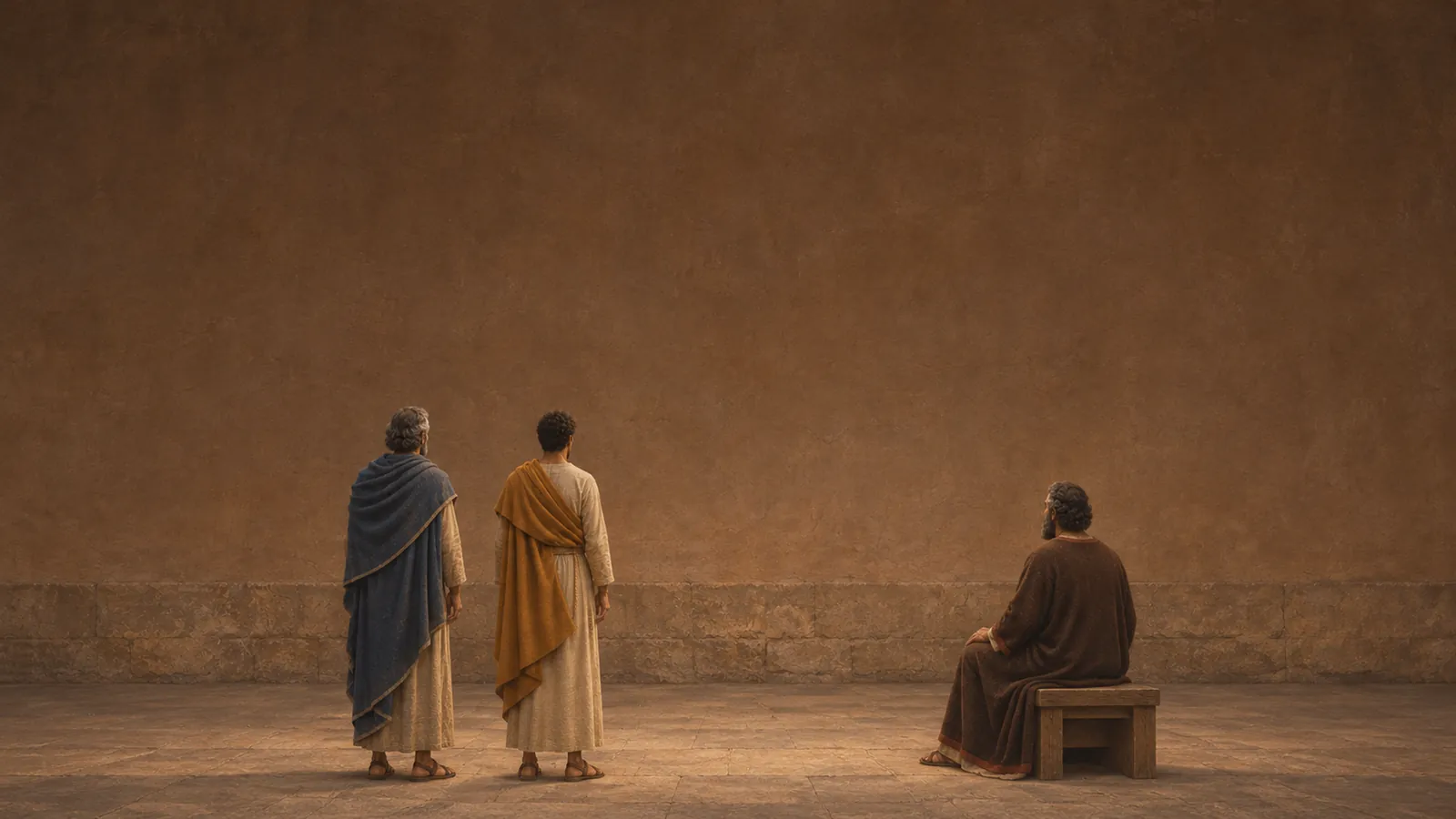
BEFORE THE KING
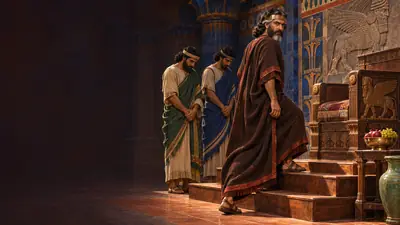
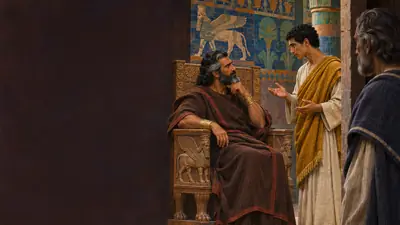
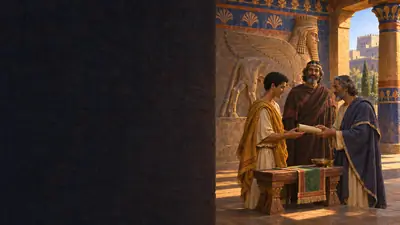
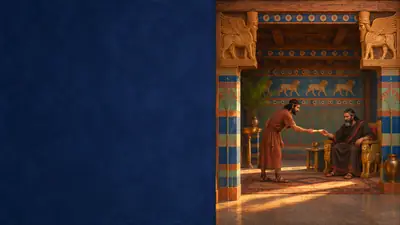
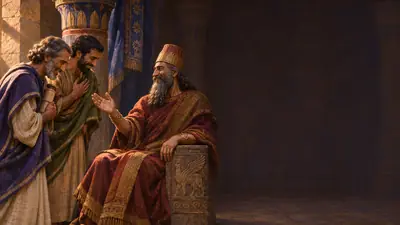
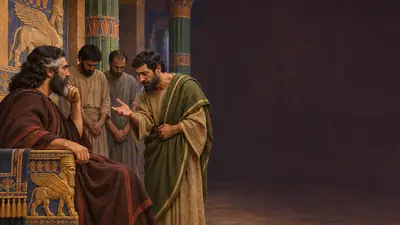
Ahiqar brings Nadin before Esarhaddon. The surviving words mention wise instruction and a question, although the details of the exchange are broken.
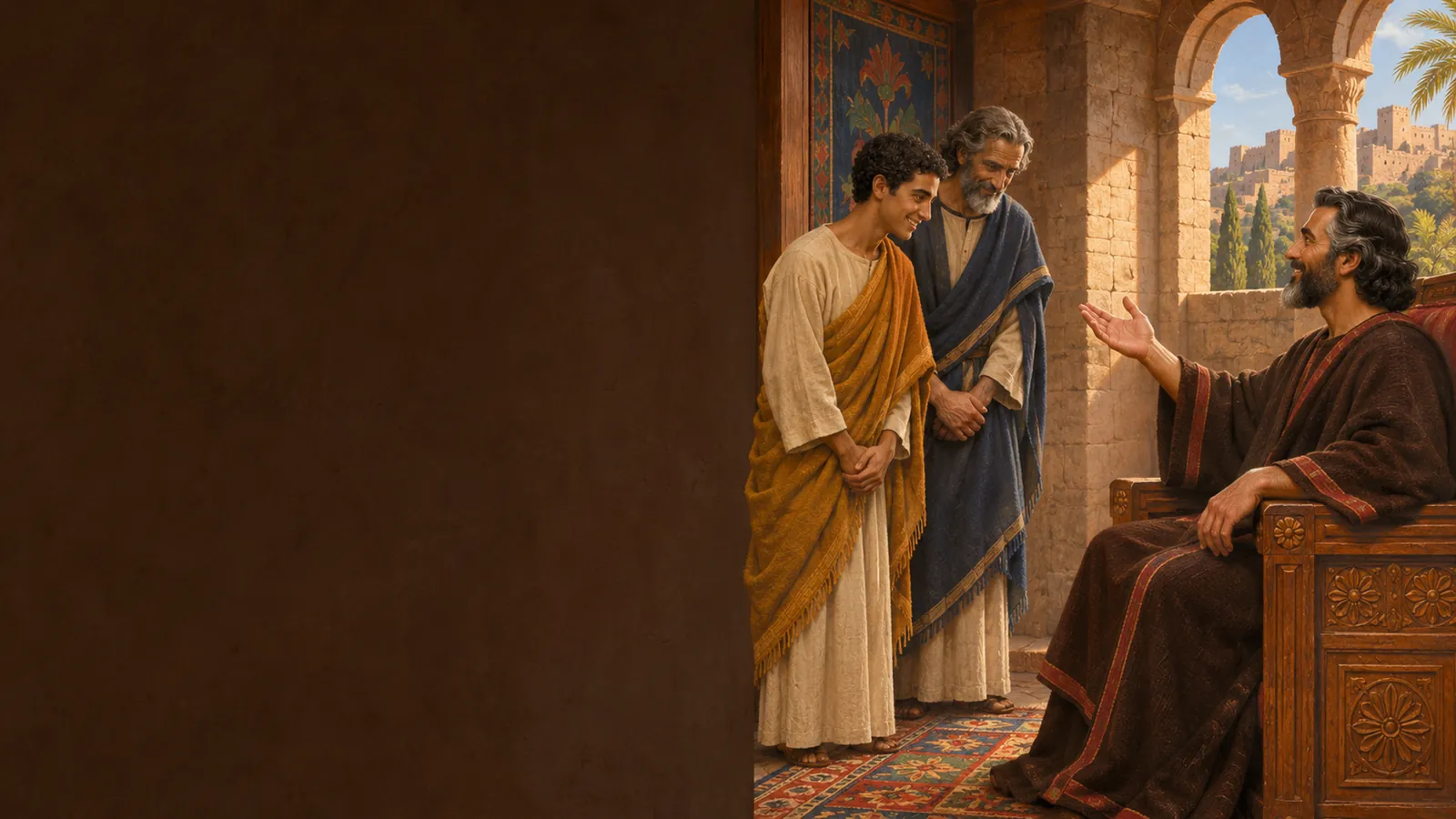
The king receives them with favor. In the partially preserved exchange, the text praises a wise scribe whose counsel reached all Assyria.
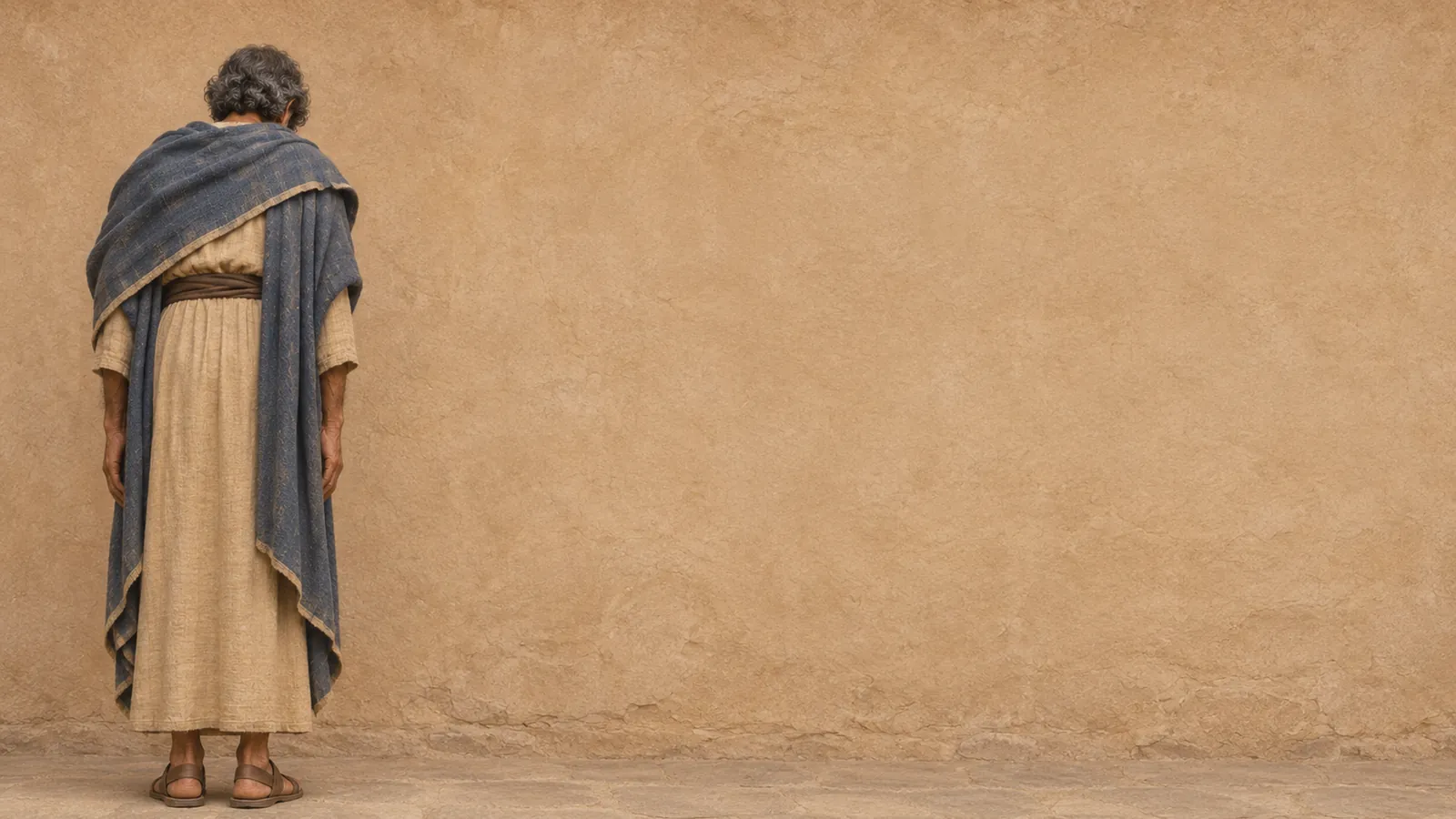
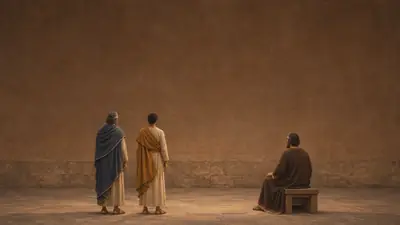
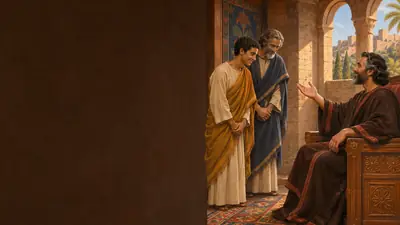
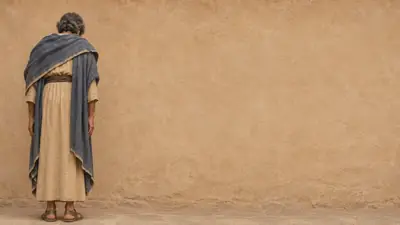
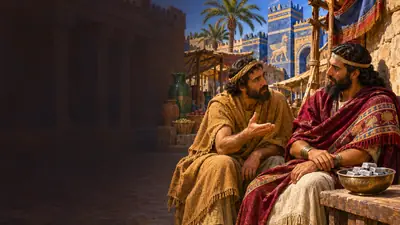
Ahiqar says that he bowed before Esarhaddon. He then spoke of the place he hoped his son would one day have beside the king.
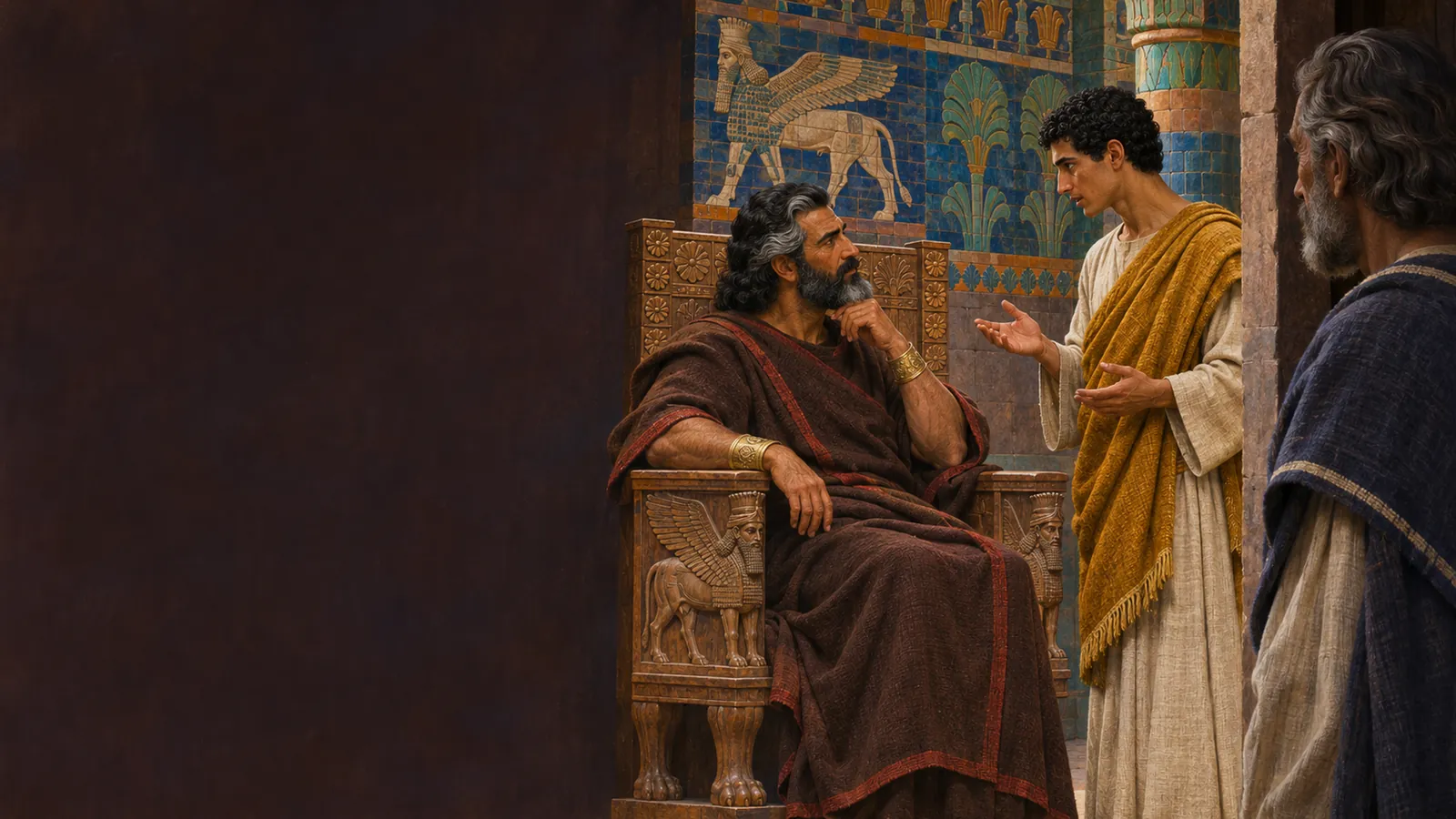
The words are broken where Ahiqar looks ahead. In the edition’s reading, he hopes his son will stand before the king as he has done.
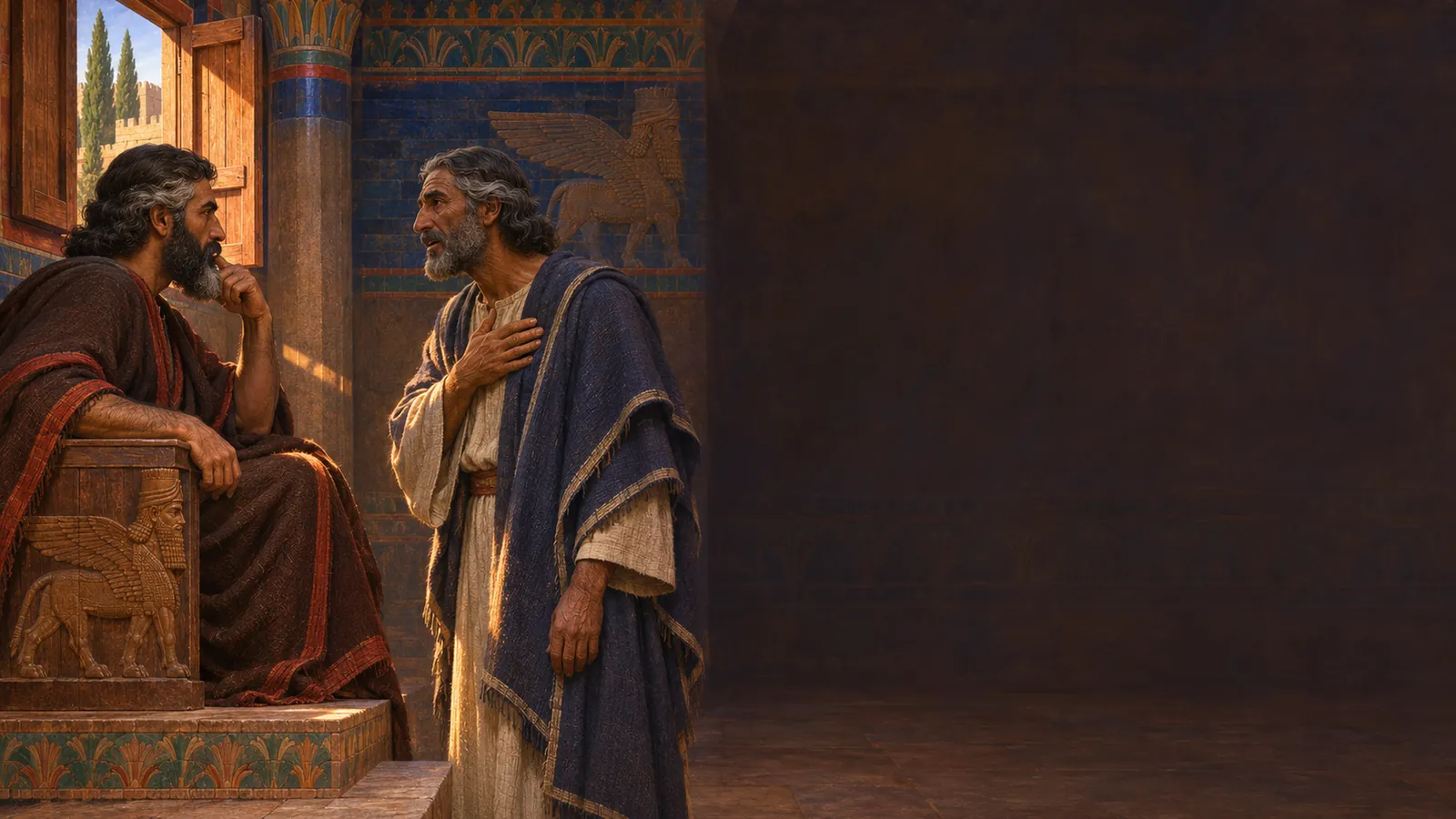
Seeing that Esarhaddon is pleased, Ahiqar speaks about his service. He has served this king as he served the king’s father, Sennacherib.
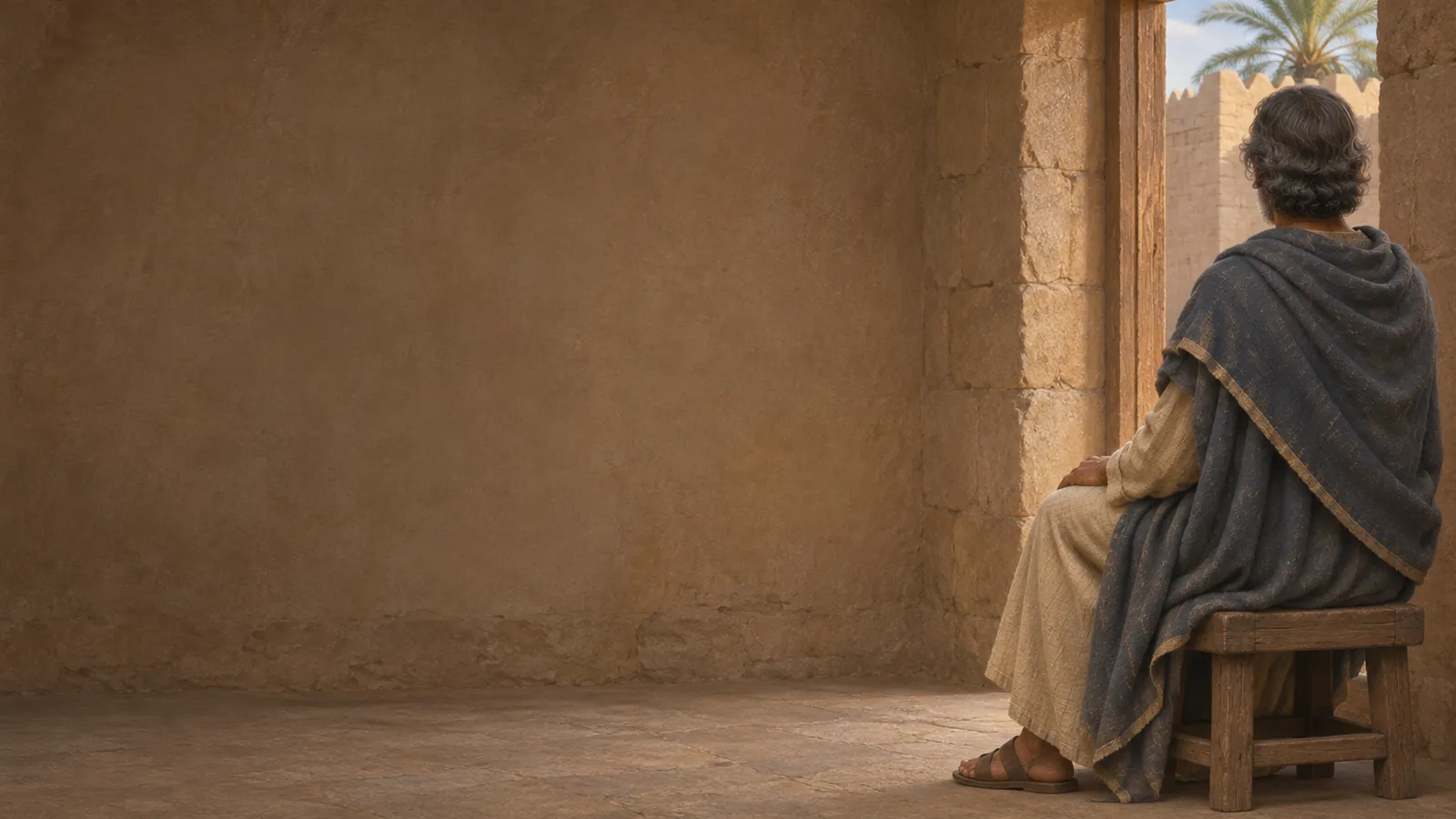
Ahiqar tells Esarhaddon that he has grown old. He says he is no longer able to carry on his work at the palace gate.
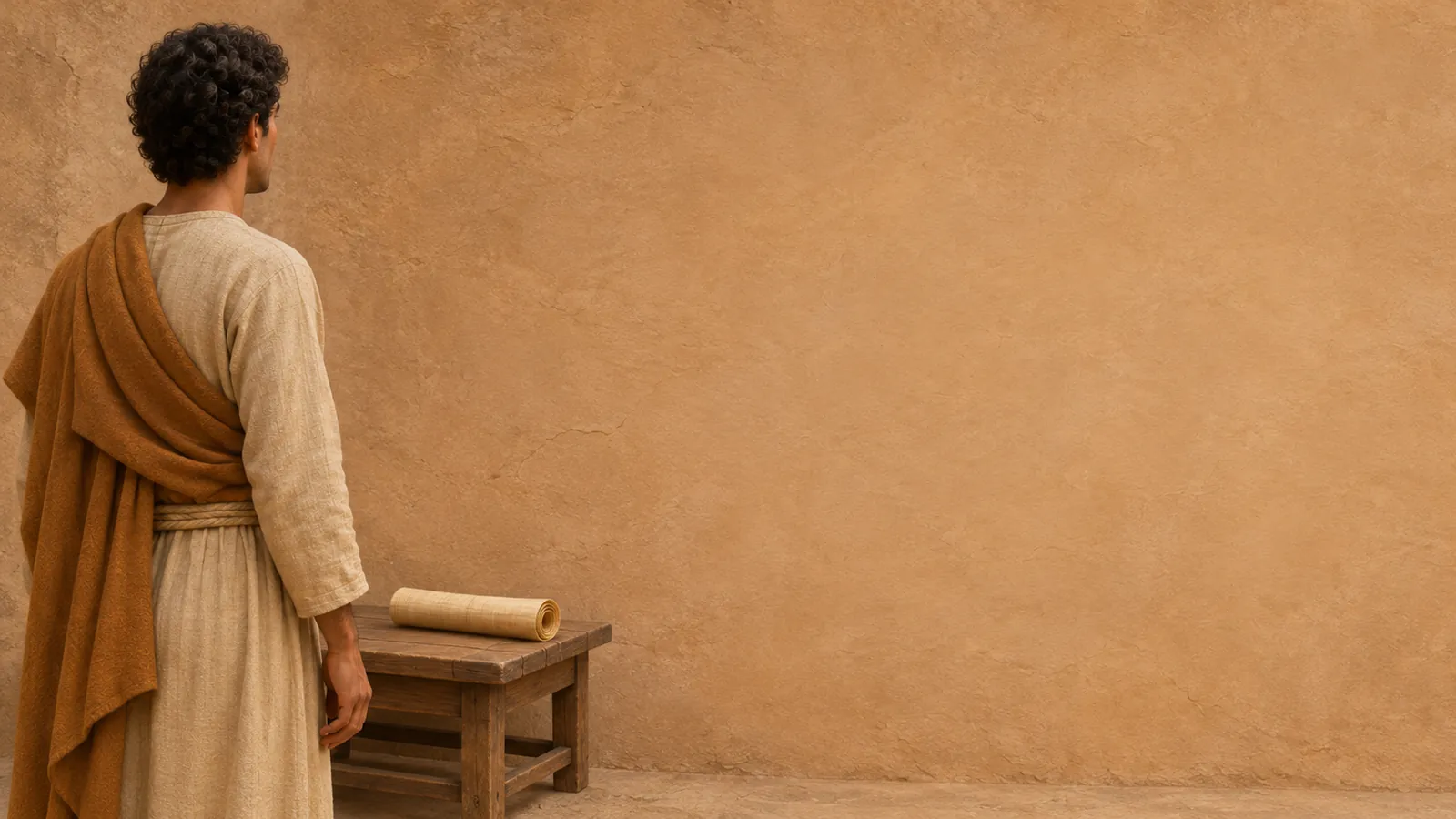
Ahiqar tells the king that Nadin is now grown and can replace him as scribe. He says he has taught him what the work requires.
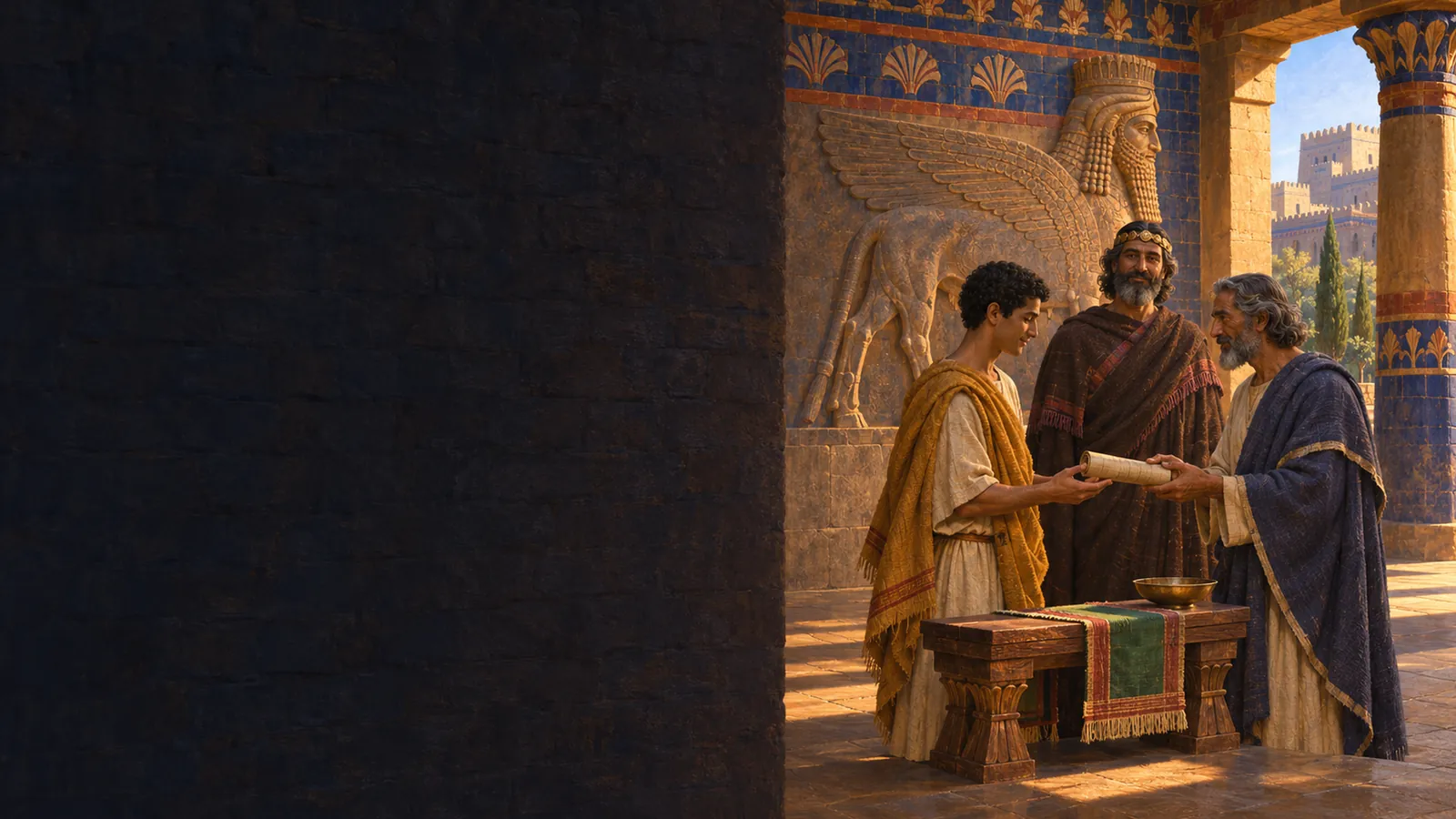
Ahiqar offers Nadin for service in the seal-bearer’s house. He tells the king that he has entrusted the young man with his wisdom and counsel.
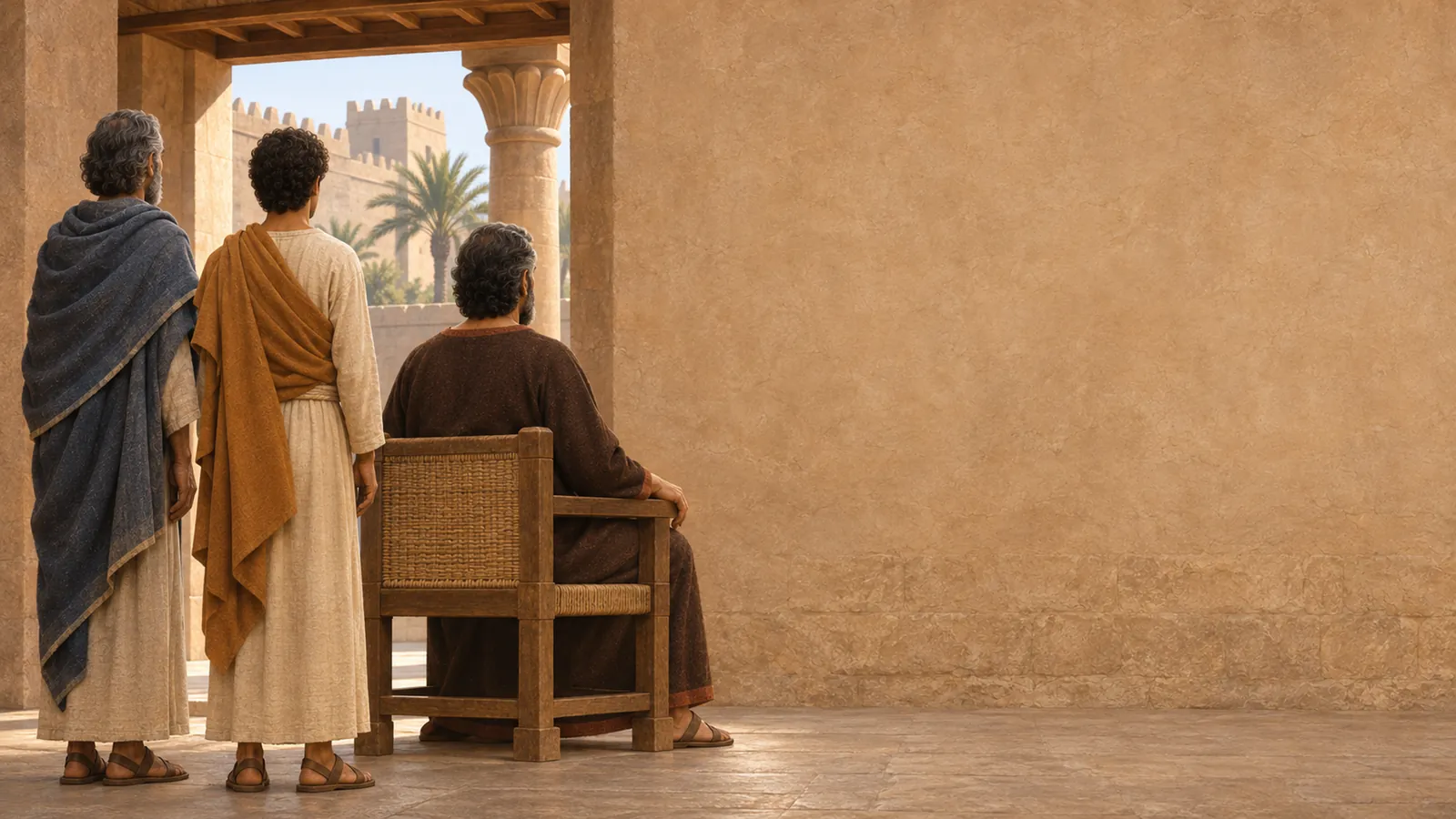
Esarhaddon agrees that Nadin may replace Ahiqar. The king says that the younger scribe can take up the work Ahiqar has been doing.
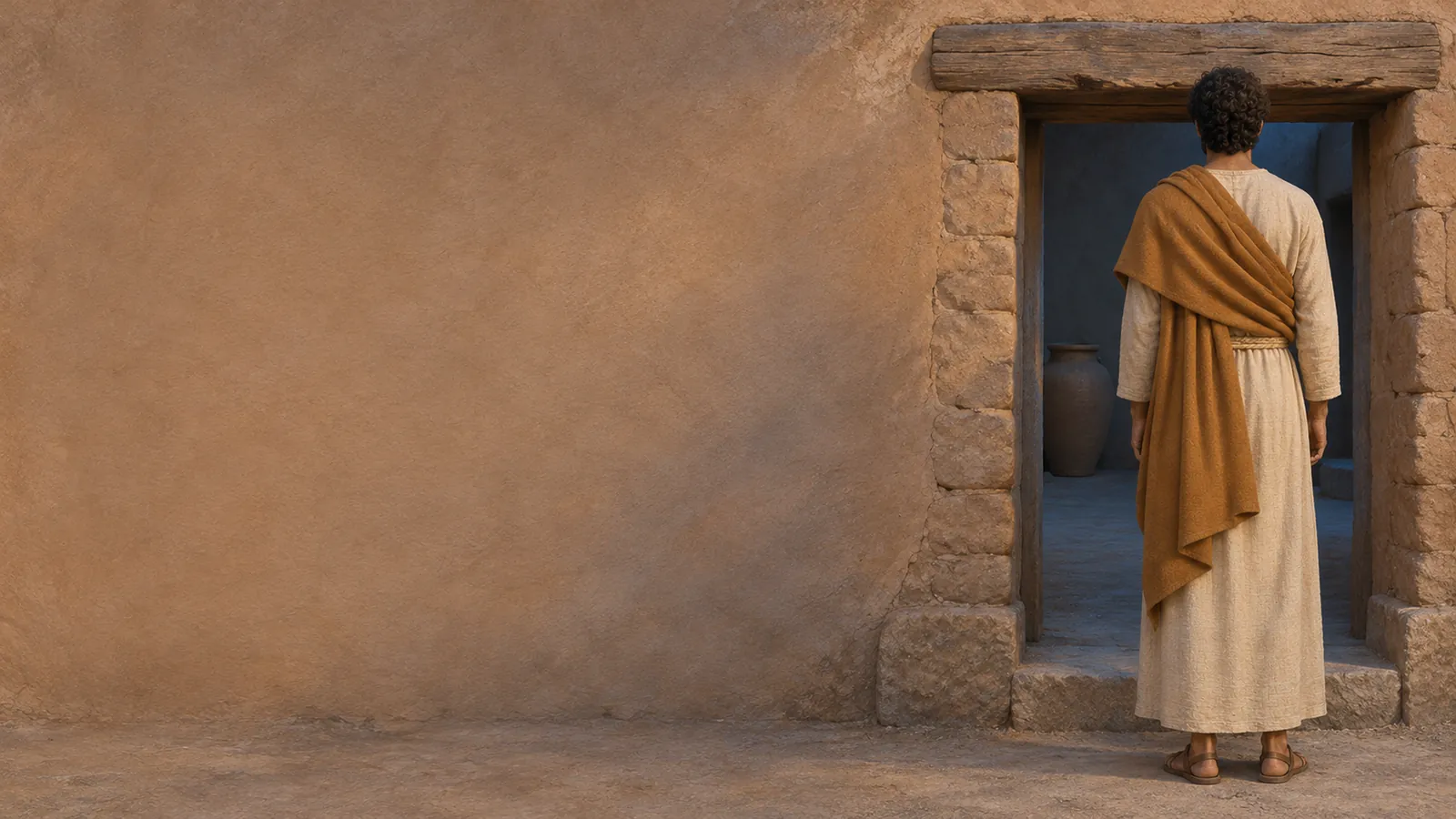
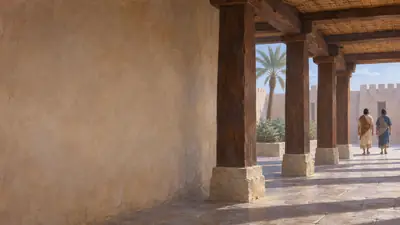
Ahiqar returns home after the position is granted. Nadin, the nephew Ahiqar raised, now stands in his place at the palace gate.
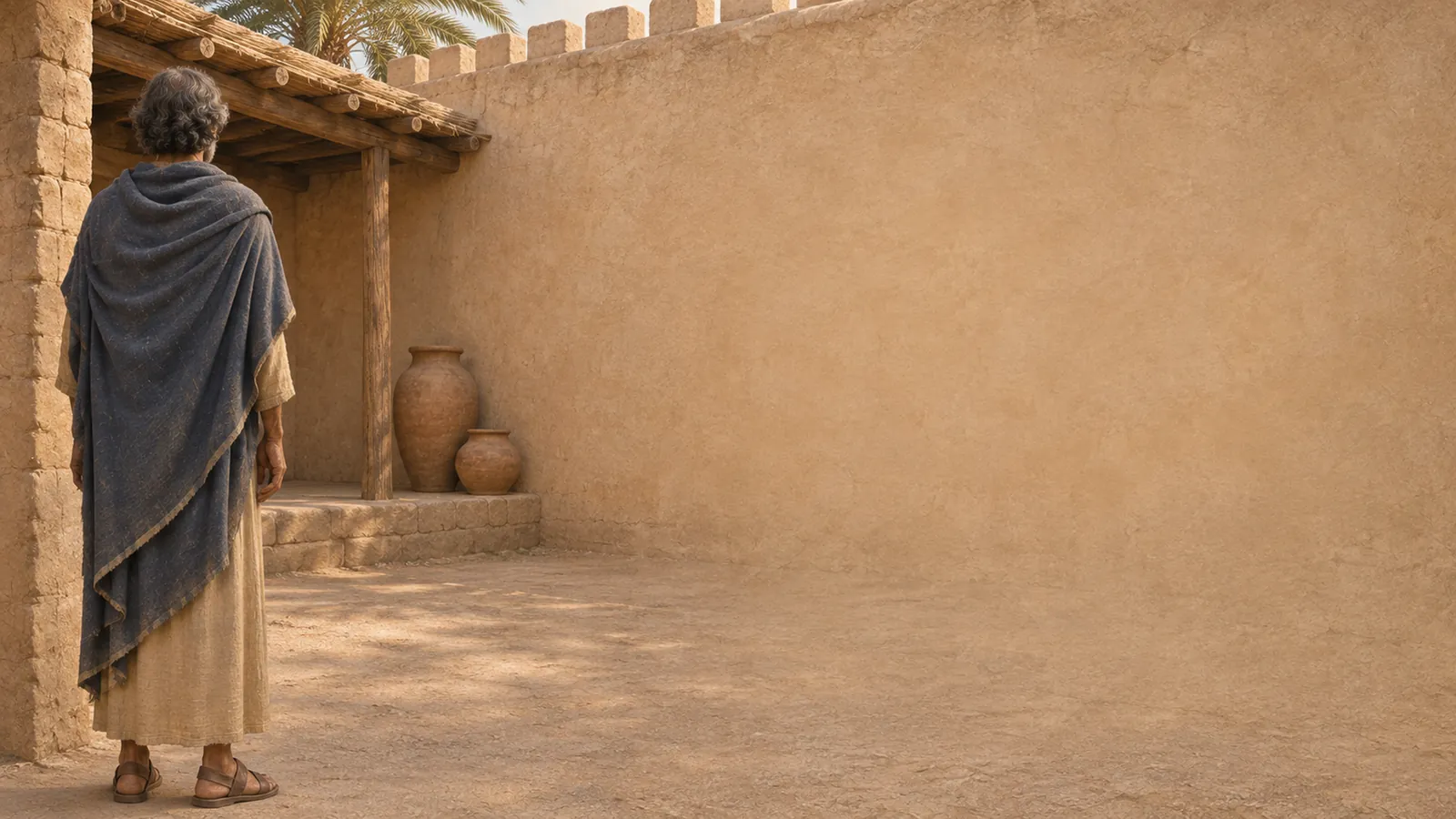
Ahiqar tells how he trusted the younger man to wish him well. Then his account turns. Nadin stops heeding the words he was taught.
THE FALSE LETTER
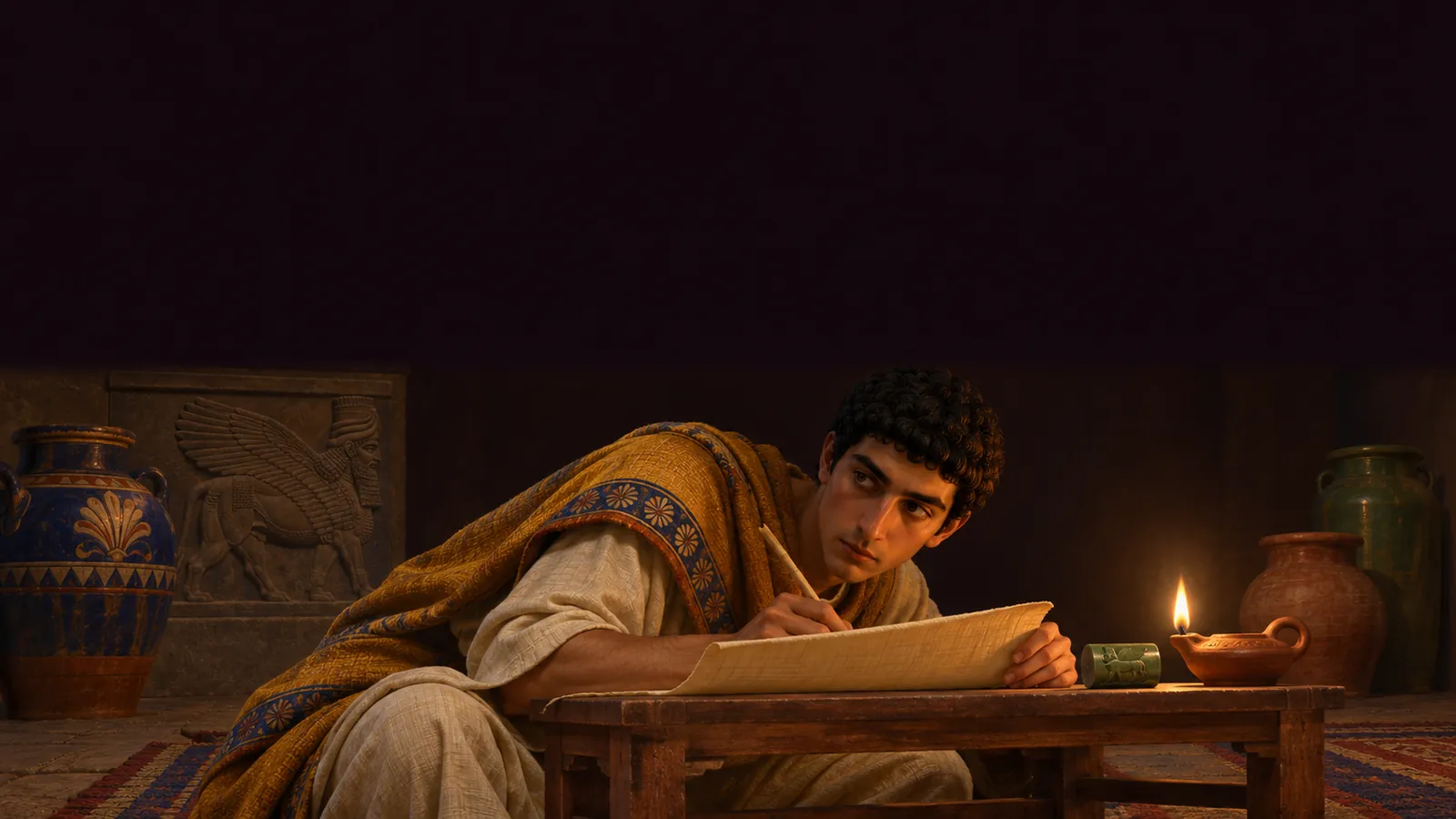
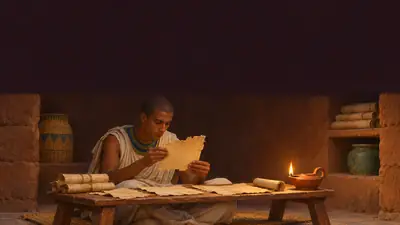
Nadin writes a letter and makes it appear to come from Ahiqar. In the court accusation, the letter is said to be addressed to the king’s enemy.
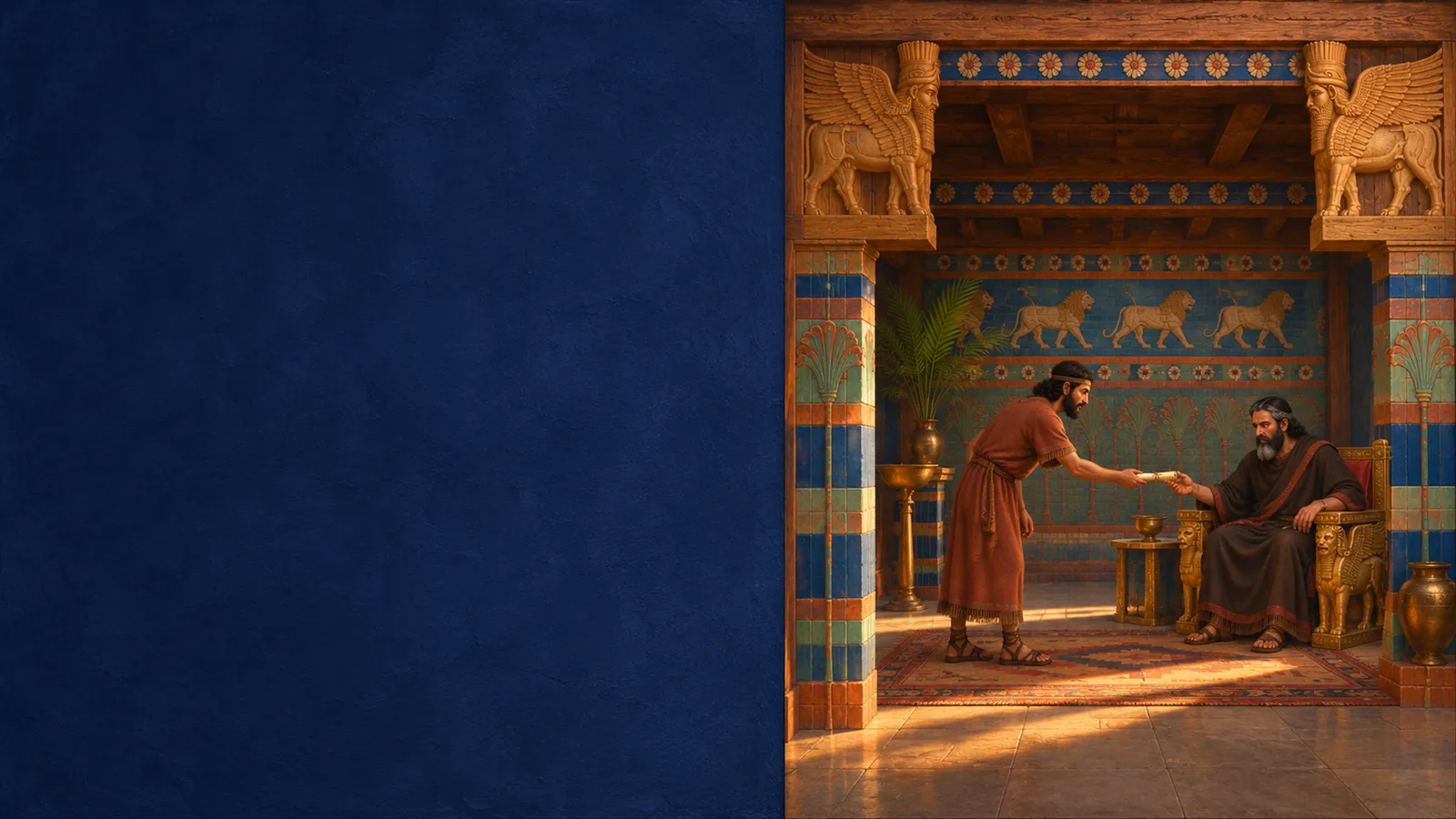
The accusation says Ahiqar has acted against the king. The account is damaged at this point, but Ahiqar names the betrayal in his own words.
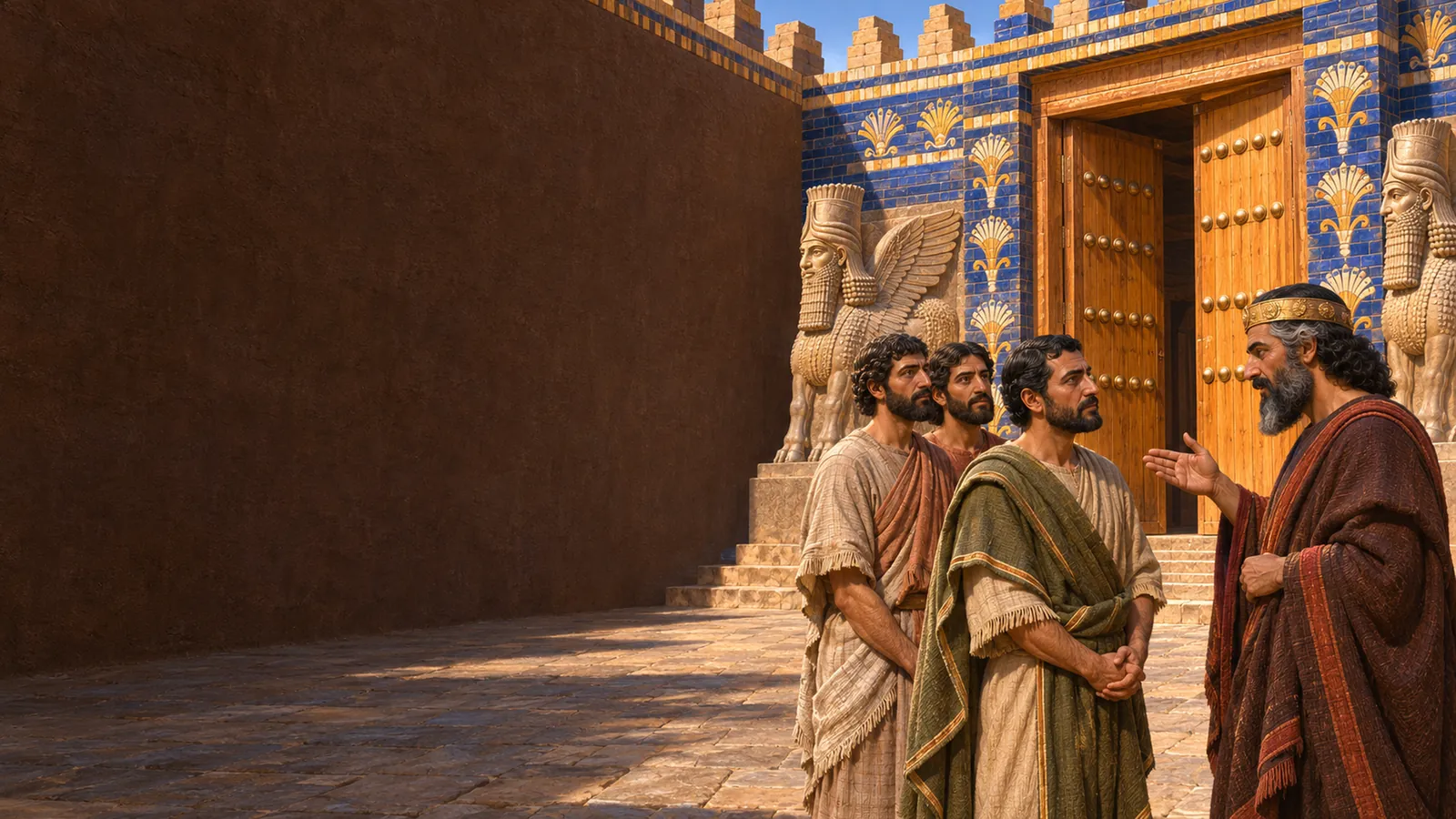
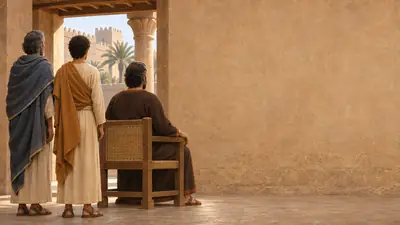
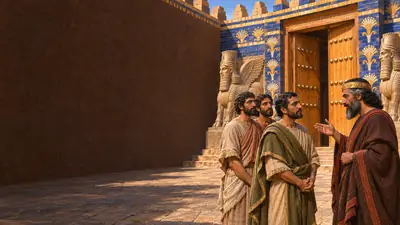
Esarhaddon orders Nabu-šuma-iškun to find Ahiqar and put him to death. Two other men are to go with him. Parts of the order are damaged.

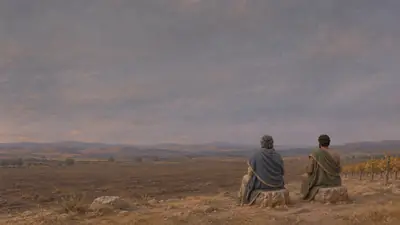
The account says Nabu-šuma-iškun rode quickly on his horse. The other men travel with him, and the damaged passage mentions three days.

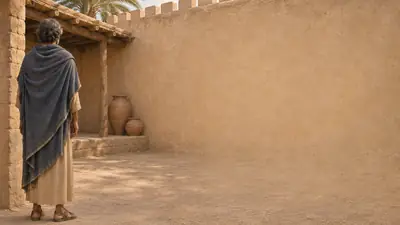
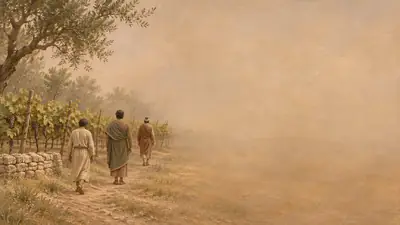
The story returns to Ahiqar’s own account of what happened. He remembers that he was walking among the vines when the official and his companions came.
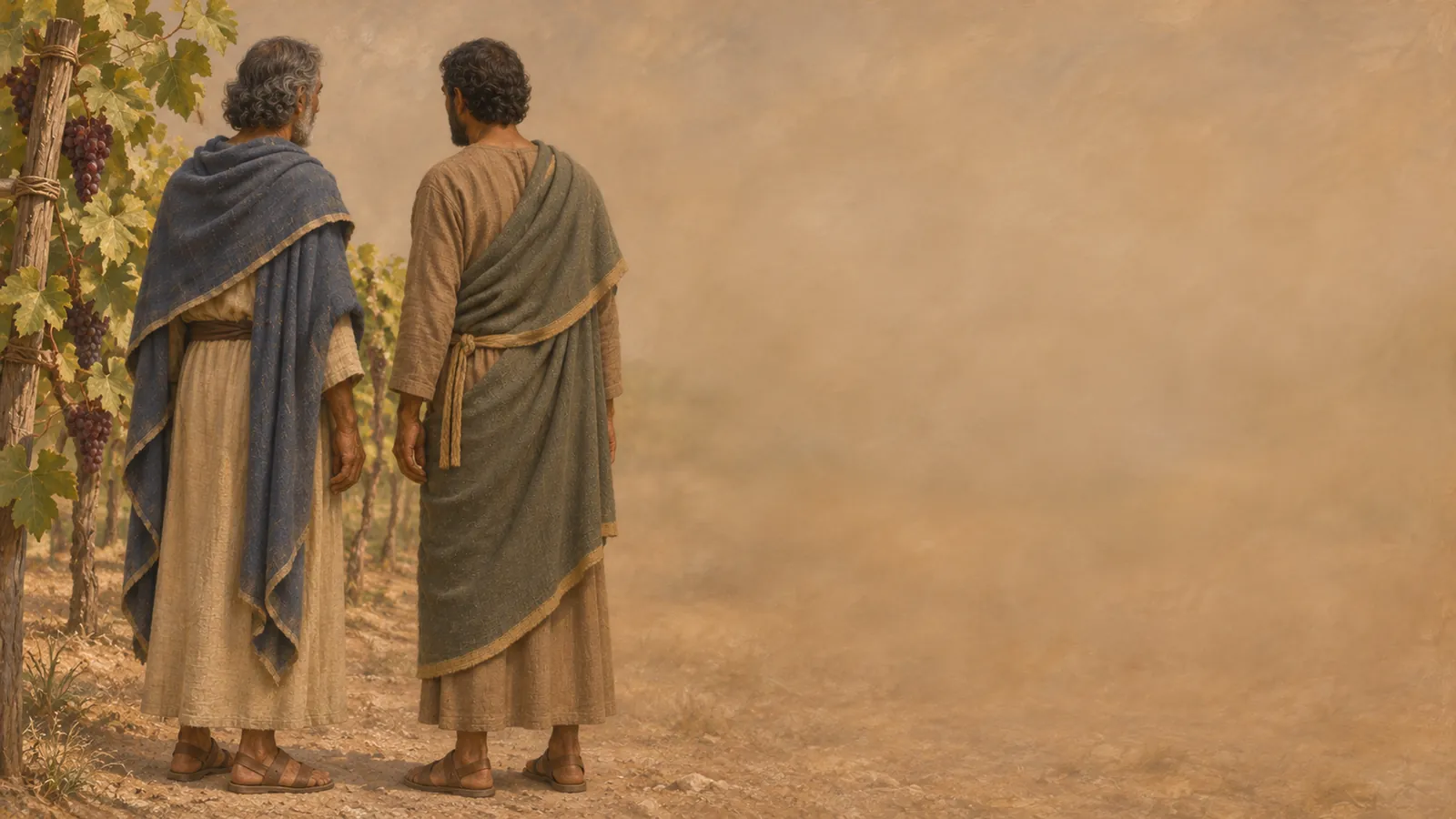
The official sees Ahiqar and laments what has happened. He addresses him as a wise scribe and remembers how widely his counsel was relied upon.

The official tells Ahiqar that the young man he raised and placed at the palace gate has brought this trouble upon him.
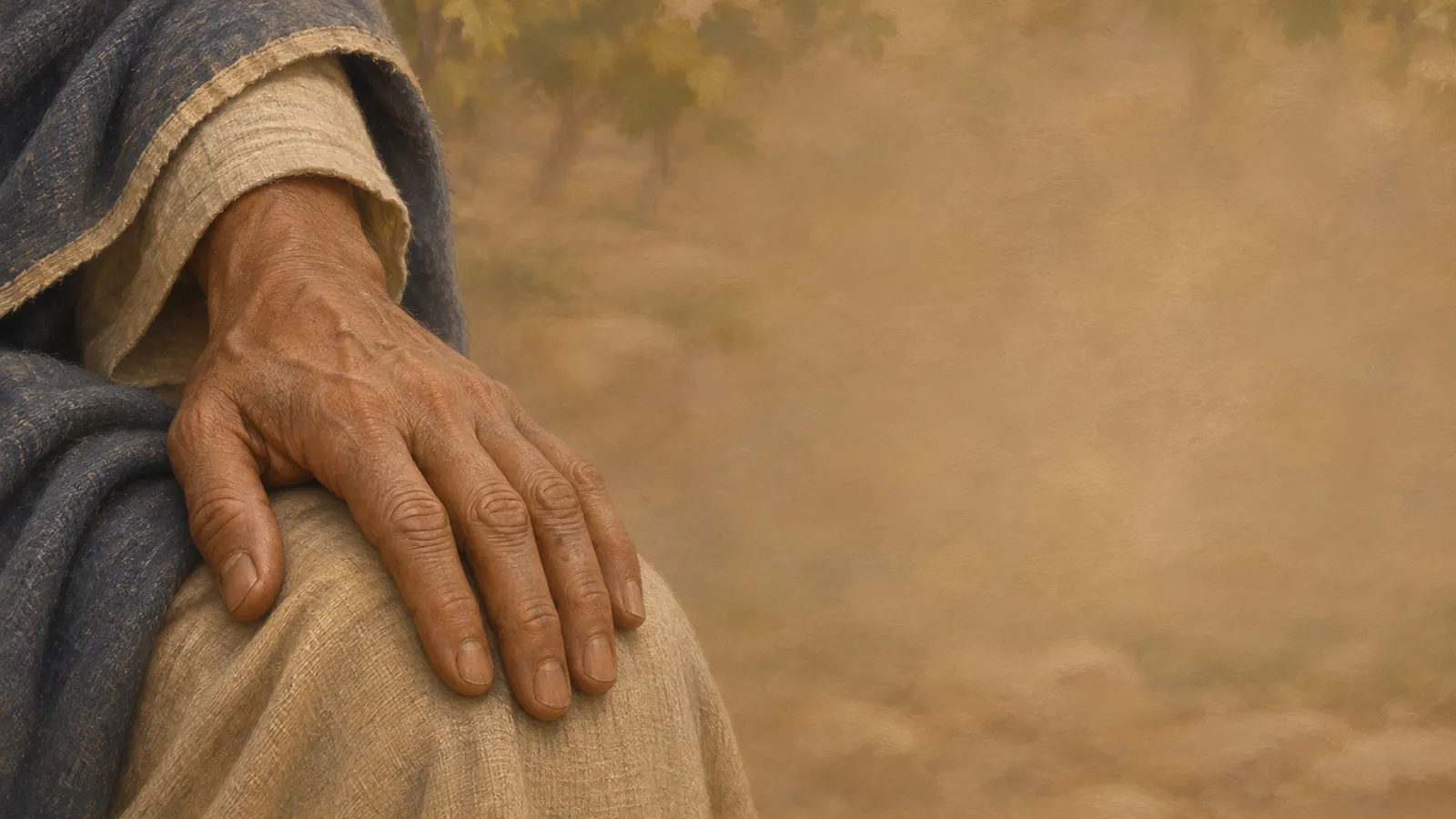
Ahiqar says he was afraid when he heard the news. He answers the official by recalling an encounter from the time of the previous king.
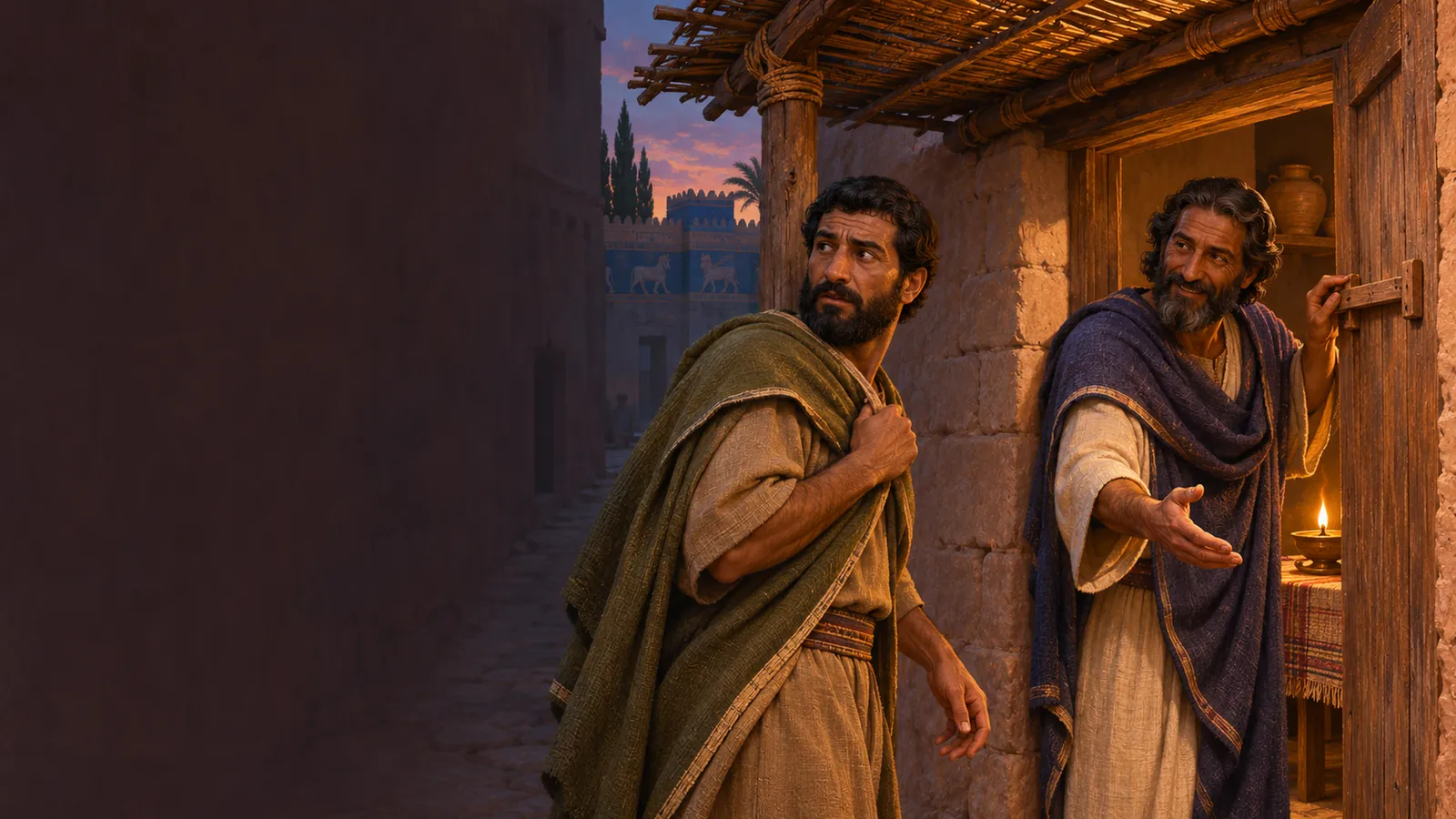
Ahiqar reminds Nabu-šuma-iškun that Sennacherib was once angry with him. Back then Ahiqar helped him and took him into his own house.
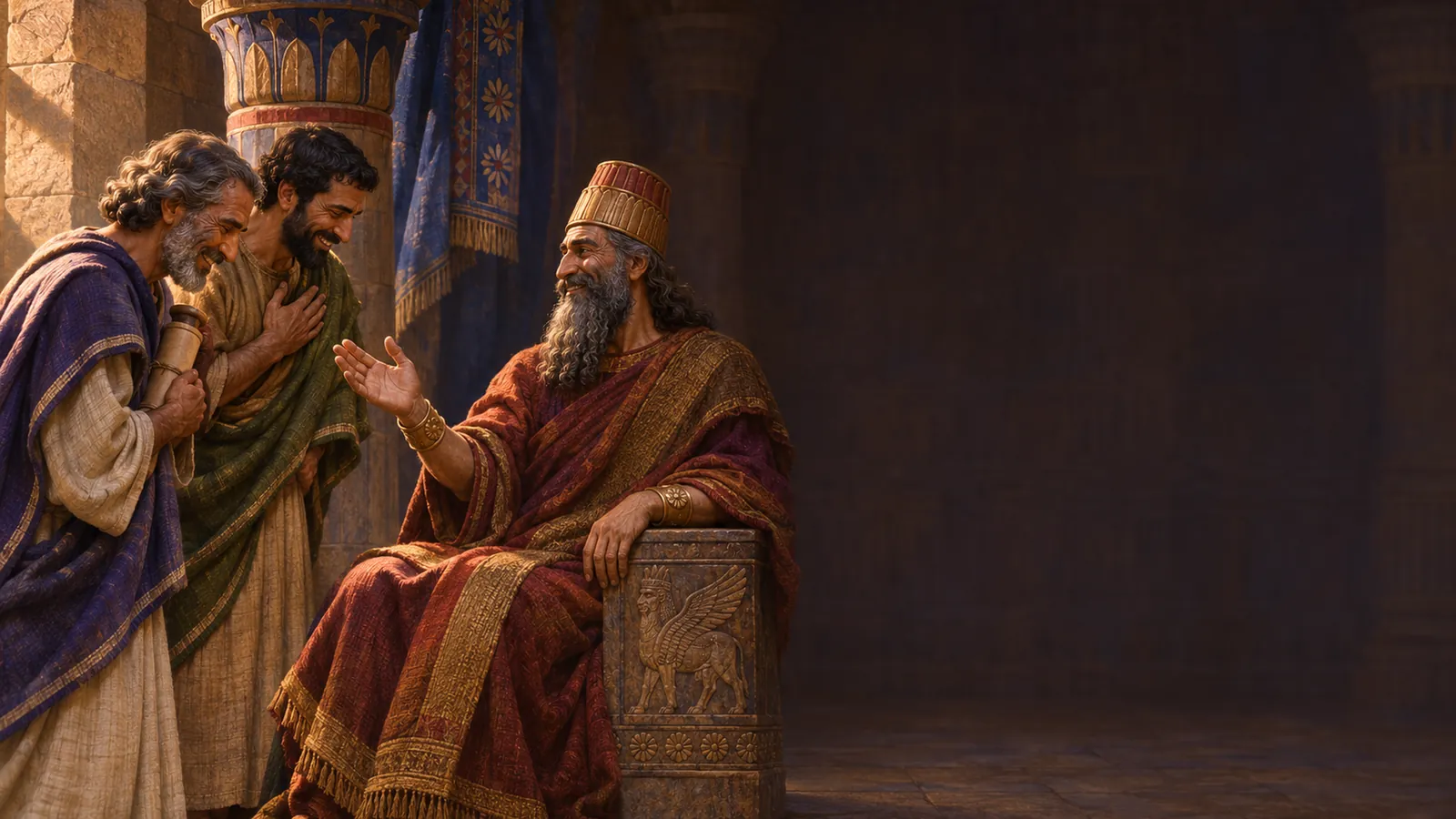
Ahiqar says he hid the man until the time was right. Then he brought him back before Sennacherib, and the king let him go unharmed.
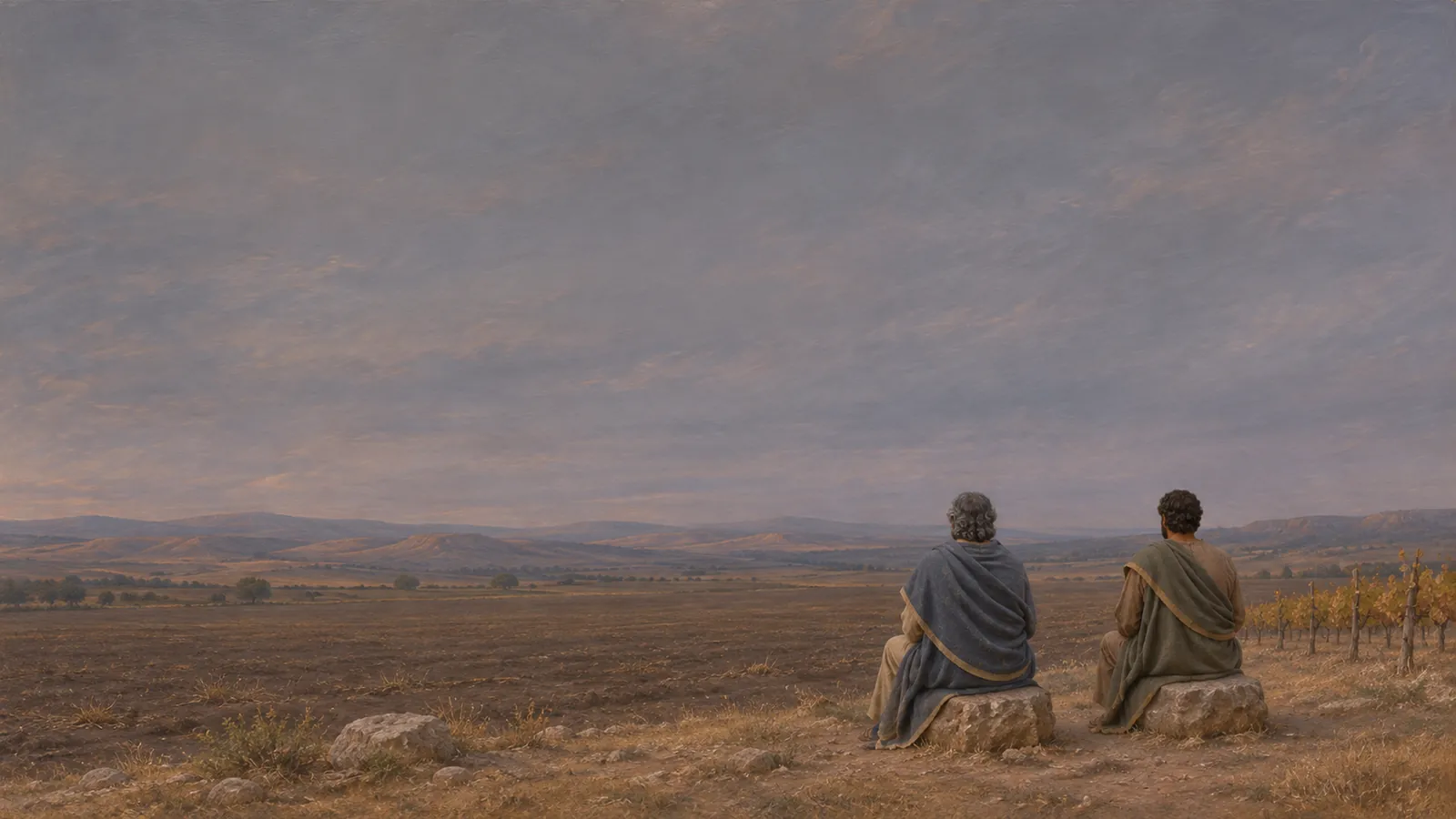
THE SAME KINDNESS
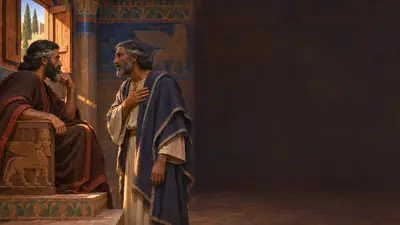
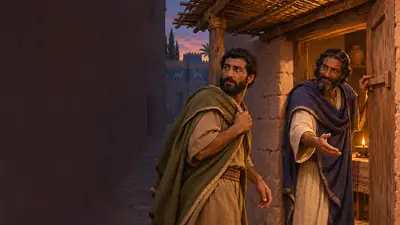
Ahiqar asks the official to give him refuge in turn. He hopes that Esarhaddon will one day remember him and ask for his counsel again.
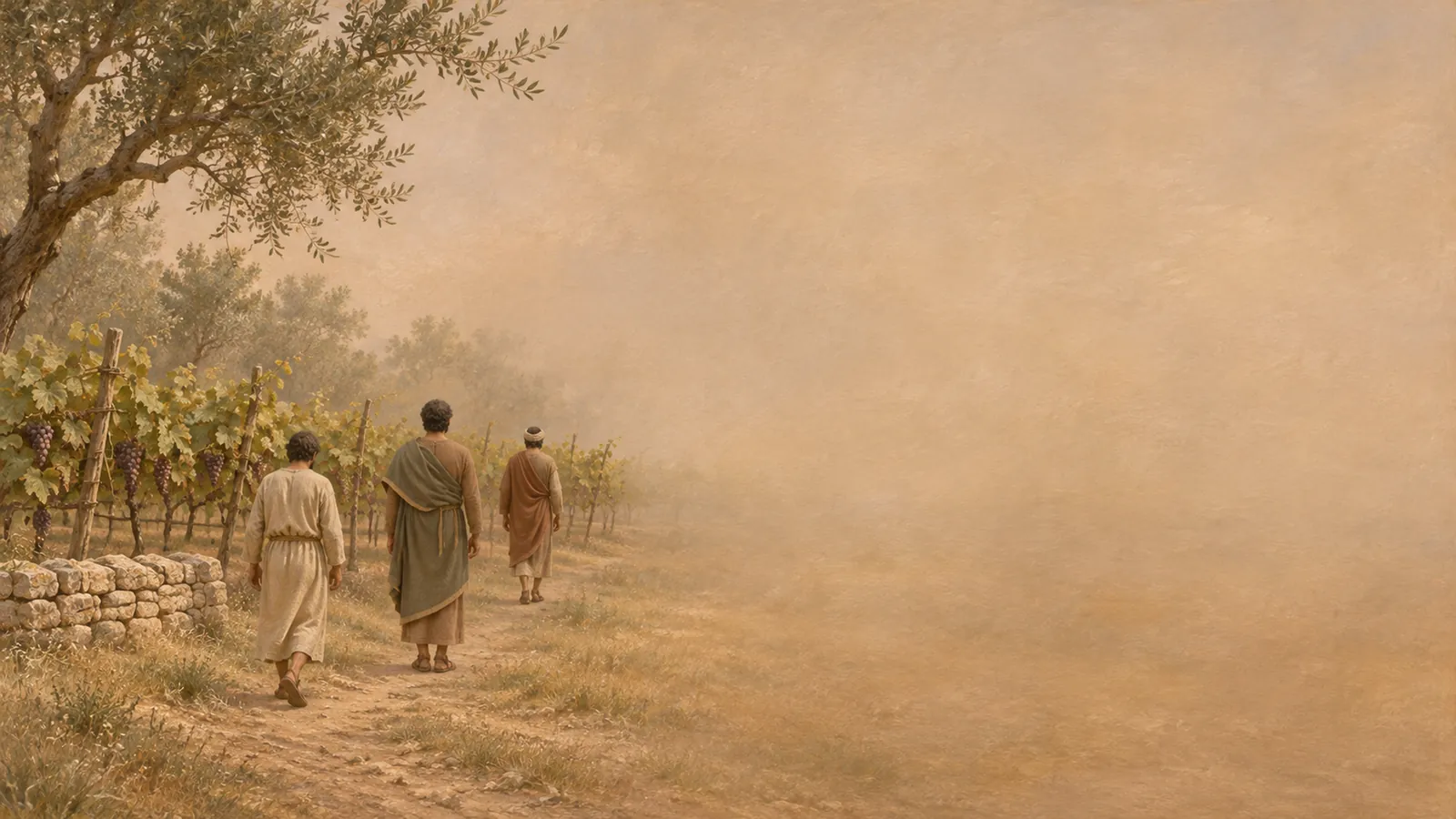
Nabu-šuma-iškun tells Ahiqar that he will live. He then speaks privately with the two men who have come with him.
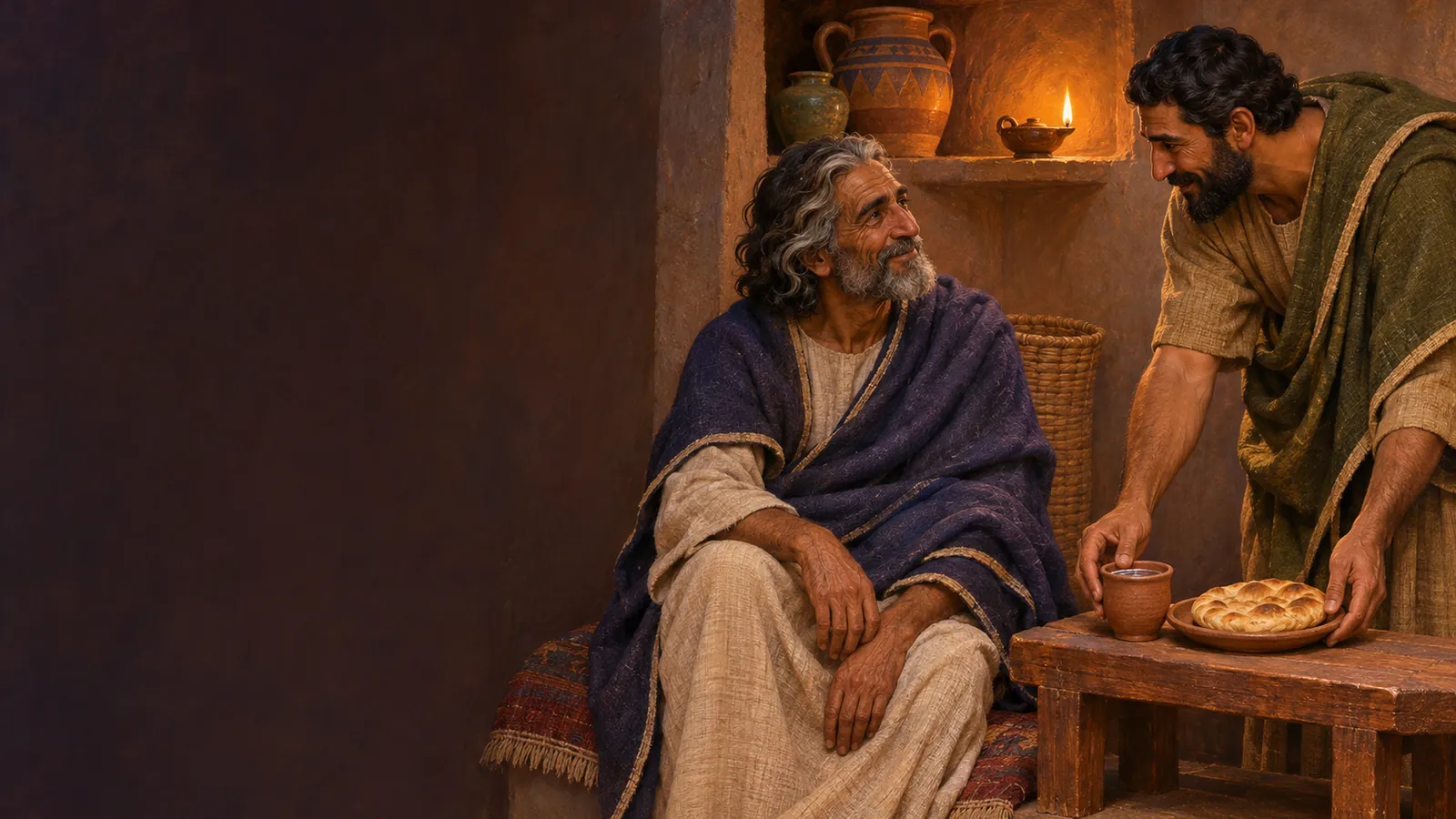
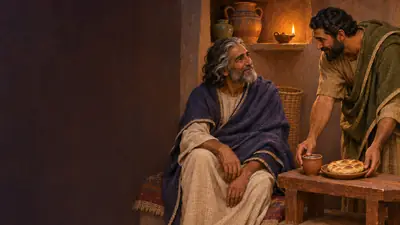
Nabu-šuma-iškun hides Ahiqar in his house. The account mentions bread and water for the scribe while he is being kept there.
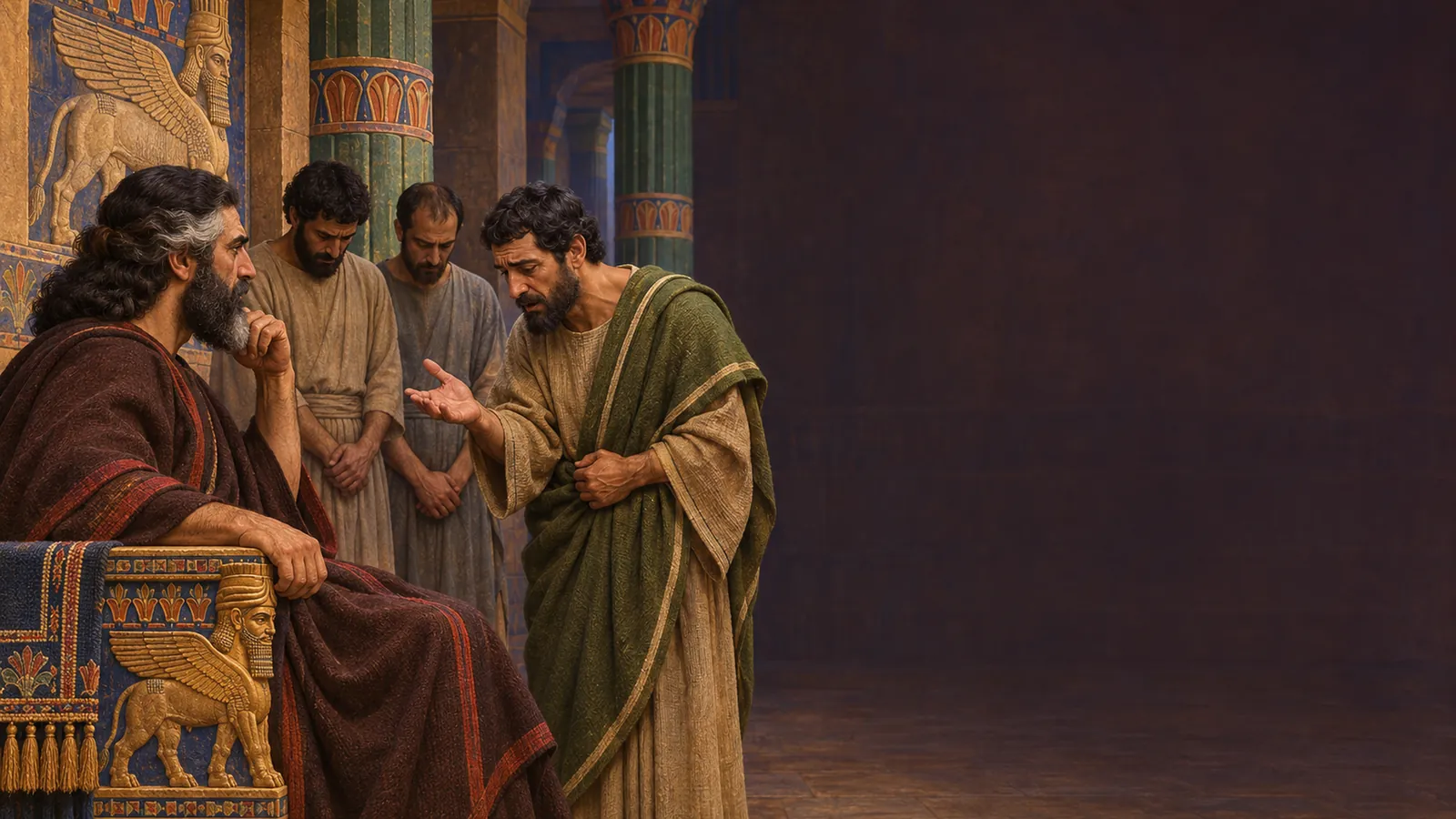
The official has an enslaved eunuch put to death in Ahiqar’s place, and the companions confirm the false report. The account breaks off after their words.
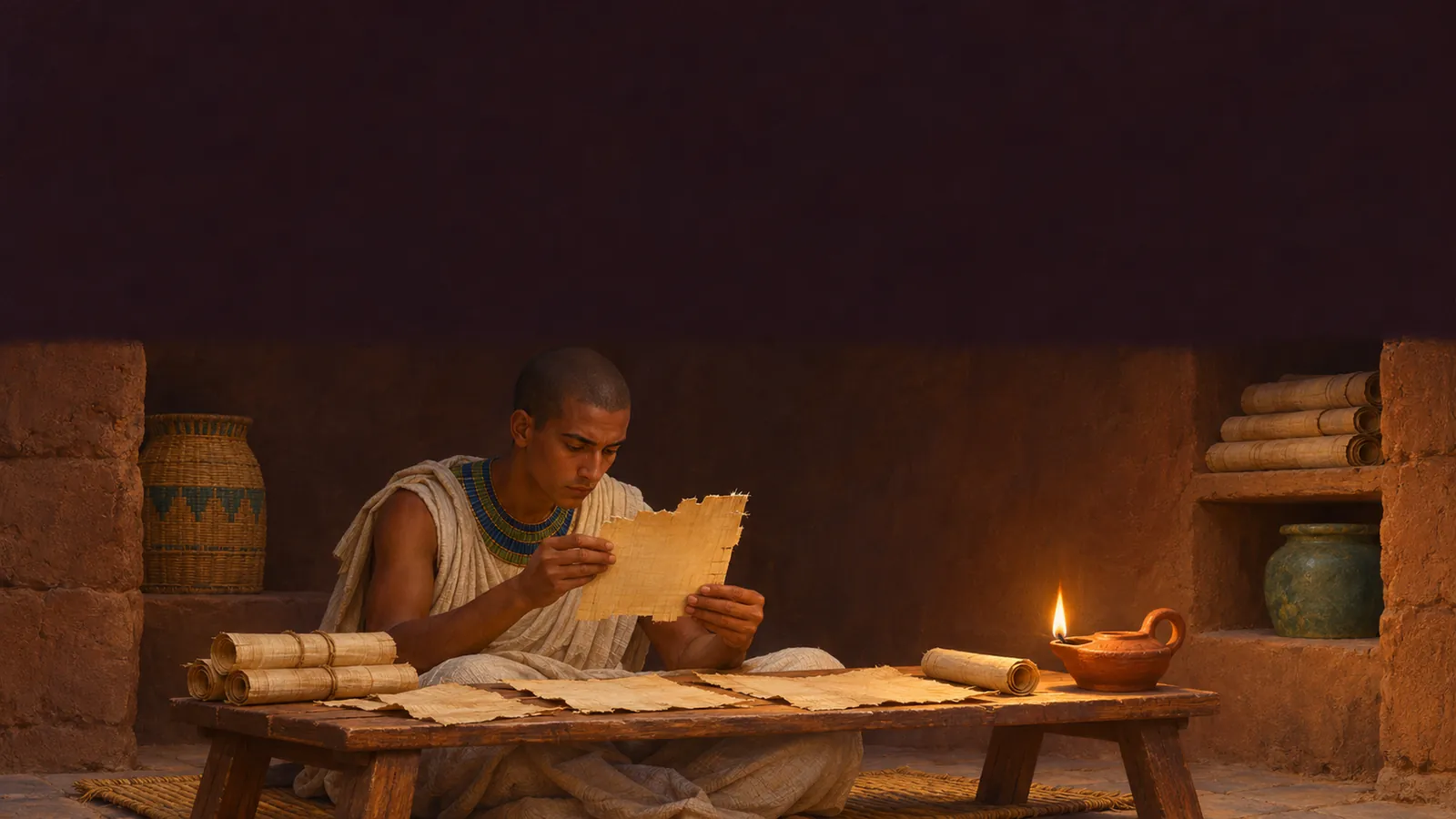
THE SAYINGS
The rest of Ahiqar’s court story is lost in this copy. The papyrus also preserves a collection of sayings. Here are a few of them.

One saying asks the listener to wait until night comes before speaking against the day. Let the whole day pass before deciding what to say.

The collection counsels care with what we say. A word is like a bird sent out into the open, where it leaves the speaker behind.
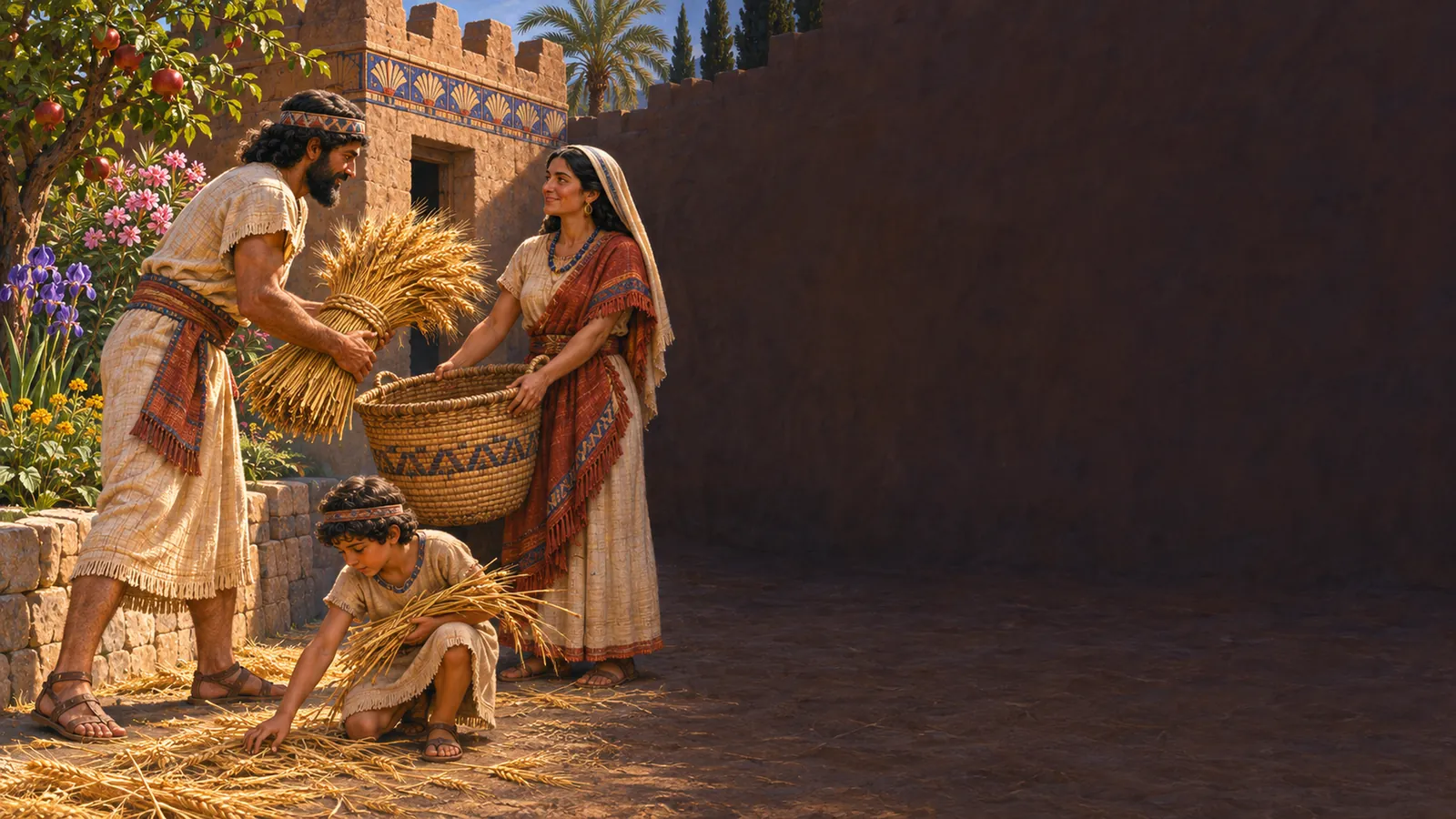
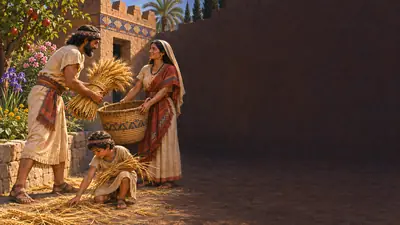
Another passage speaks of bringing in a harvest and doing the work at hand so that a person can feed their household and children.
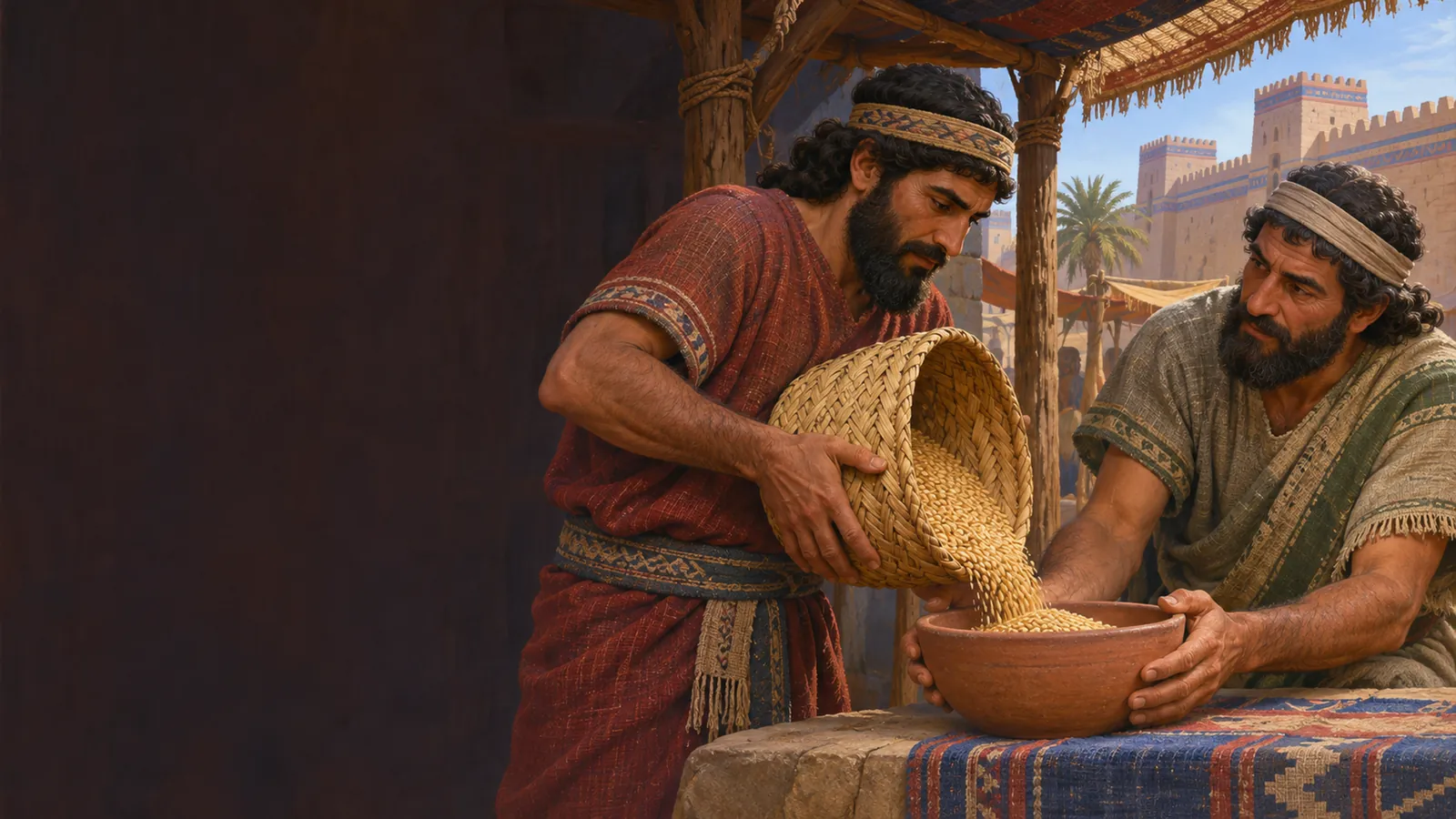
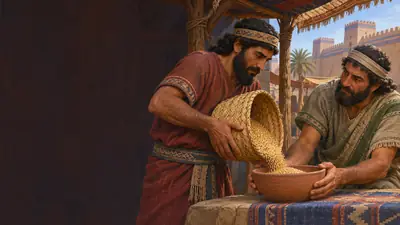
The words about grain give way to advice about borrowing. Once someone takes a loan, the saying urges them to keep repayment in mind.
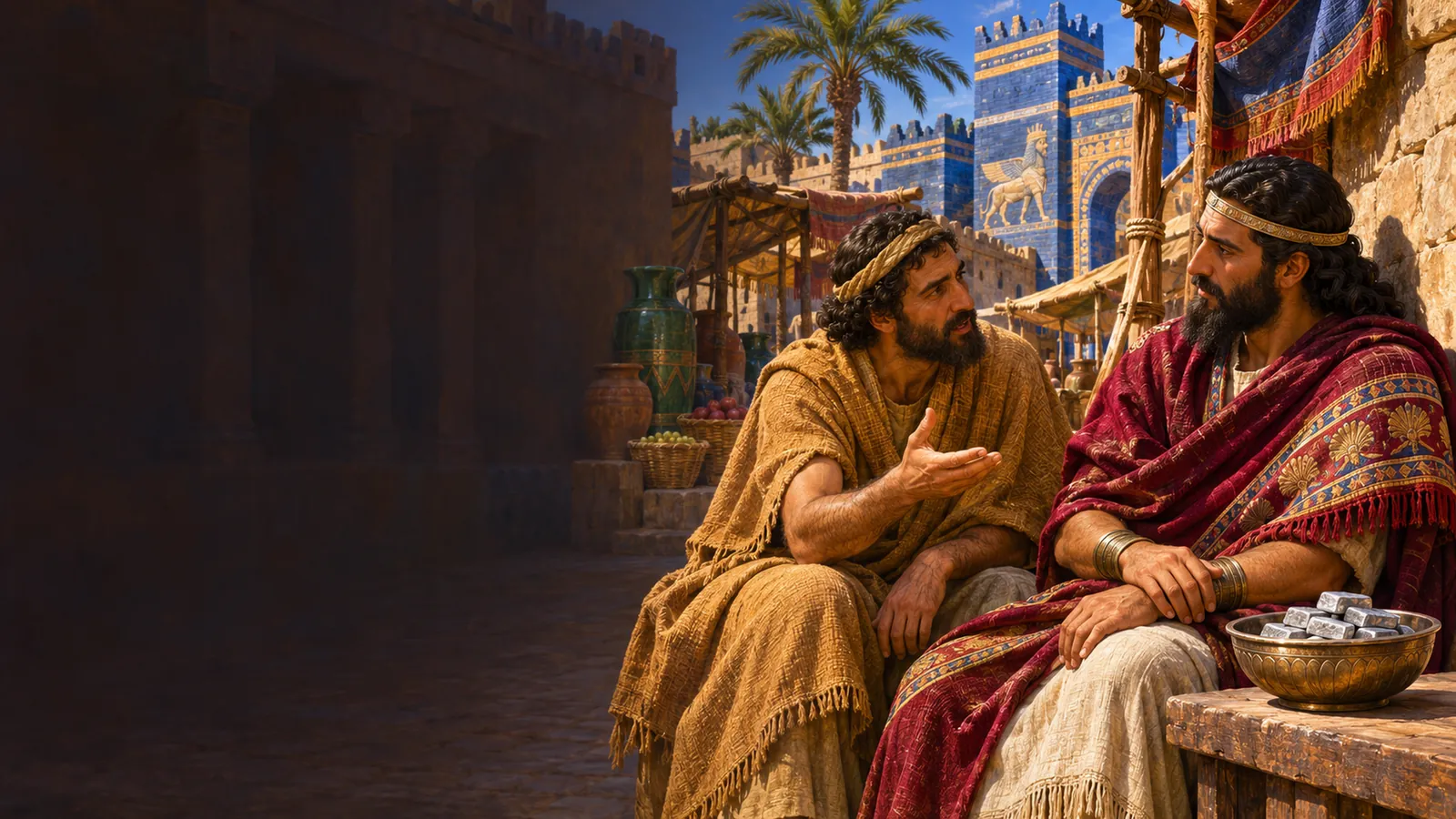
One surviving line warns a rich person against boasting that their wealth is what earns them distinction.
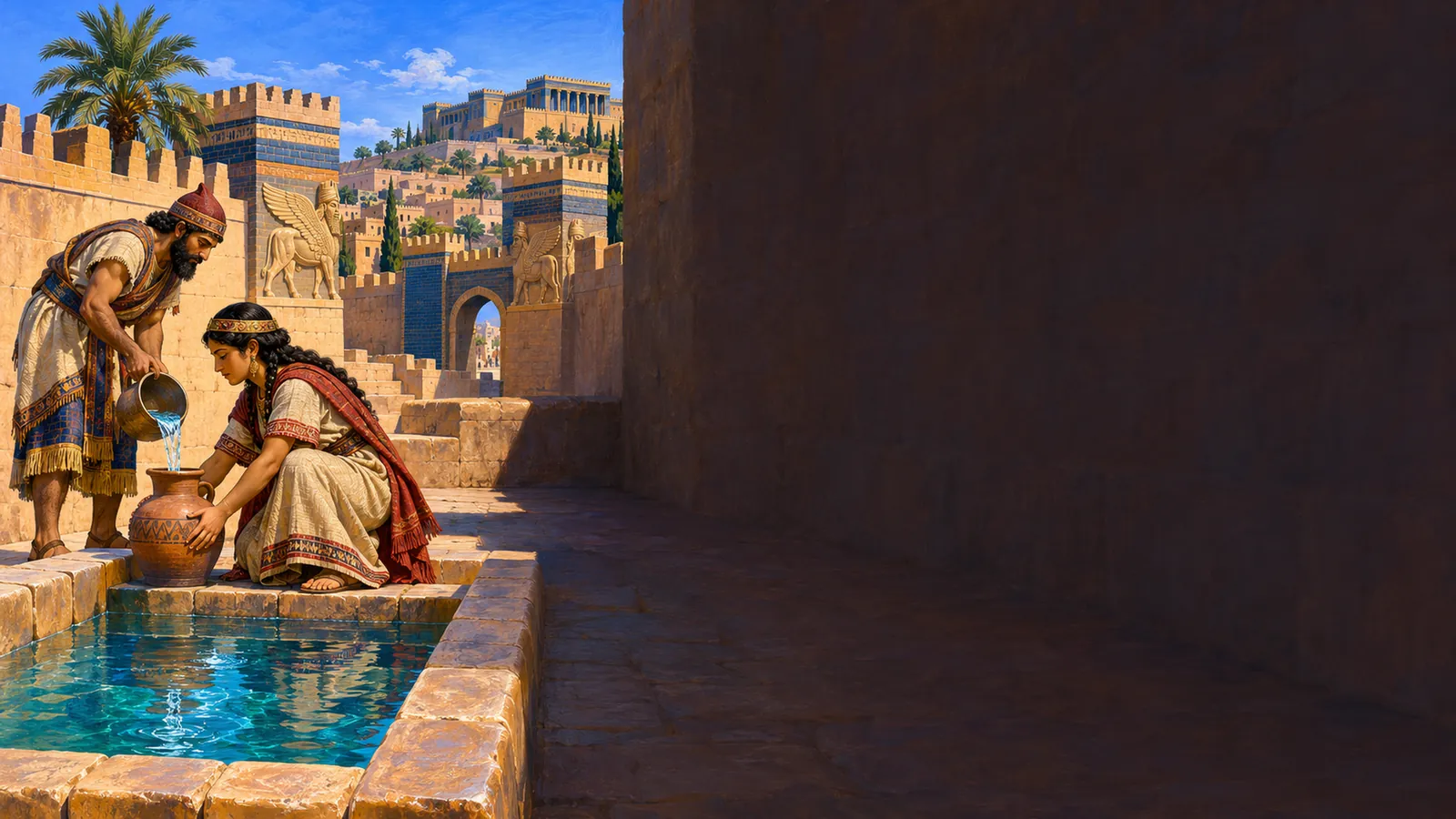
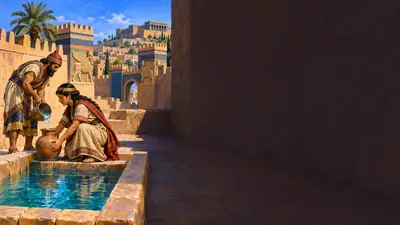
Another saying compares a person of handsome appearance and good heart to a strong city with water within its walls.

A thorn bush sends a message about the pomegranate’s thorns. The pomegranate turns the words back on the sender. Parts of the exchange are damaged.
End of chapter 1

All pages











Sources
Editions consulted
- Texts & Scripts from Elephantine, The Account of the Words of Ahiqar, Pap. Berlin P. 13446 A–H, K–L, TAD C.1.1
- Texts & Scripts from Elephantine, plate A with the opening and the scribe’s first-person account
- Texts & Scripts from Elephantine, plate B with the succession and the charge against Ahiqar
- A. E. Cowley, Aramaic Papyri of the Fifth Century B.C., 1923, pp. 220–223, especially cols. iv–vi at the break
- F. C. Conybeare, J. Rendel Harris and Agnes Smith Lewis, The Story of Ahiqar, 1913, Aramaic translation and selected sayings, pp. 168–173
- Verena M. Lepper, The Ancient Story of Ahiqar from Mesopotamia and Egypt, pp. 38–39, with translations from plate G
- University of Göttingen, catalog of the separately transmitted Syriac and Arabic witnesses
Ancient lines behind each page
- Page 1: TAD C.1.1, Berlin Ai01; Berlin composite manuscript record
- Page 2: TAD C.1.1, Berlin Ai01–03
- Page 3: TAD C.1.1, Berlin Ai02–04
- Page 4: TAD C.1.1, Berlin Ai03–04
- Page 5: TAD C.1.1, Berlin Ai04–05
- Page 6: TAD C.1.1, Berlin Ai05–06; Plate A i 6
- Page 7: TAD C.1.1, Berlin Ai06–09
- Page 8: TAD C.1.1, Berlin Ai06, Ai08–09
- Page 9: TAD C.1.1, Berlin Ai08–10
- Page 10: TAD C.1.1, Berlin Ai10–11
- Page 11: TAD C.1.1, Berlin Ai11–12
- Page 12: TAD C.1.1, Berlin Ai13–14
- Page 13: TAD C.1.1, Berlin Ai13–14
- Page 14: TAD C.1.1, Berlin Ai14–15
- Page 15: TAD C.1.1, Berlin Bi01
- Page 16: TAD C.1.1, Berlin Bi02–03
- Page 17: TAD C.1.1, Berlin Bi02–03
- Page 18: TAD C.1.1, Berlin Bi03–05
- Page 19: TAD C.1.1, Berlin Bi06–07
- Page 20: TAD C.1.1, Berlin Bi08
- Page 21: TAD C.1.1, Berlin Bi09–11
- Page 22: TAD C.1.1, Berlin Bi10–14
- Page 23: TAD C.1.1, Berlin Ci01–06
- Page 24: TAD C.1.1, Berlin Ci06–09
- Page 25: TAD C.1.1, Berlin Ci08–10; Cowley 1923, col. iii 39–41
- Page 26: TAD C.1.1, Berlin Ci10–12
- Page 27: TAD C.1.1, Berlin Ci12–13
- Page 28: TAD C.1.1, Berlin Ci13–16
- Page 29: TAD C.1.1, Berlin Ci15–17; Cowley 1923, col. iii 46–48
- Page 30: TAD C.1.1, Berlin Di01–02; Cowley 1923, col. iv 49–51
- Page 31: Cowley 1923, col. iv 52–54; CHL 1913, p. 169
- Page 32: Cowley 1923, col. iv 55–59; Berlin Di09–12
- Page 33: Cowley 1923, col. v 71–74, p. 222
- Page 34: Cowley 1923, col. v 70–78 and start of vi; CHL 1913, p. 170
- Page 35: Berlin manuscript record; Cowley 1923, col. v–vi transition
- Page 36: TAD C.1.1, Berlin Ei02
- Page 37: TAD C.1.1, Berlin Ei03–04; Cowley 1923, col. vii 96–98
- Page 38: TAD C.1.1, Berlin Gi01–06, selected family-provision phrase; Lepper, pp. 38–39
- Page 39: TAD C.1.1, Berlin Gi05–06; Lepper, pp. 38–39
- Page 40: TAD C.1.1, Berlin Hi17
- Page 41: TAD C.1.1, Berlin Ki01
- Page 42: TAD C.1.1, Berlin Ki07–08; CHL 1913, p. 173
Illustrations made with AI tools by IL Archive; the text is based on the ancient sources (see the sources at the end of each chapter).