The Words of Ahiqar Chapter 2
Ahiqar at Pharaoh’s Court
In a later Syriac telling, Pharaoh sends a challenge to Sennacherib, and a court official reveals that Ahiqar is alive. Ahiqar answers Pharaoh’s riddles in Egypt and returns to ask that the man who sheltered him receive the reward.
SourcesTurn the pages with the arrows, the arrow keys or a swipe.
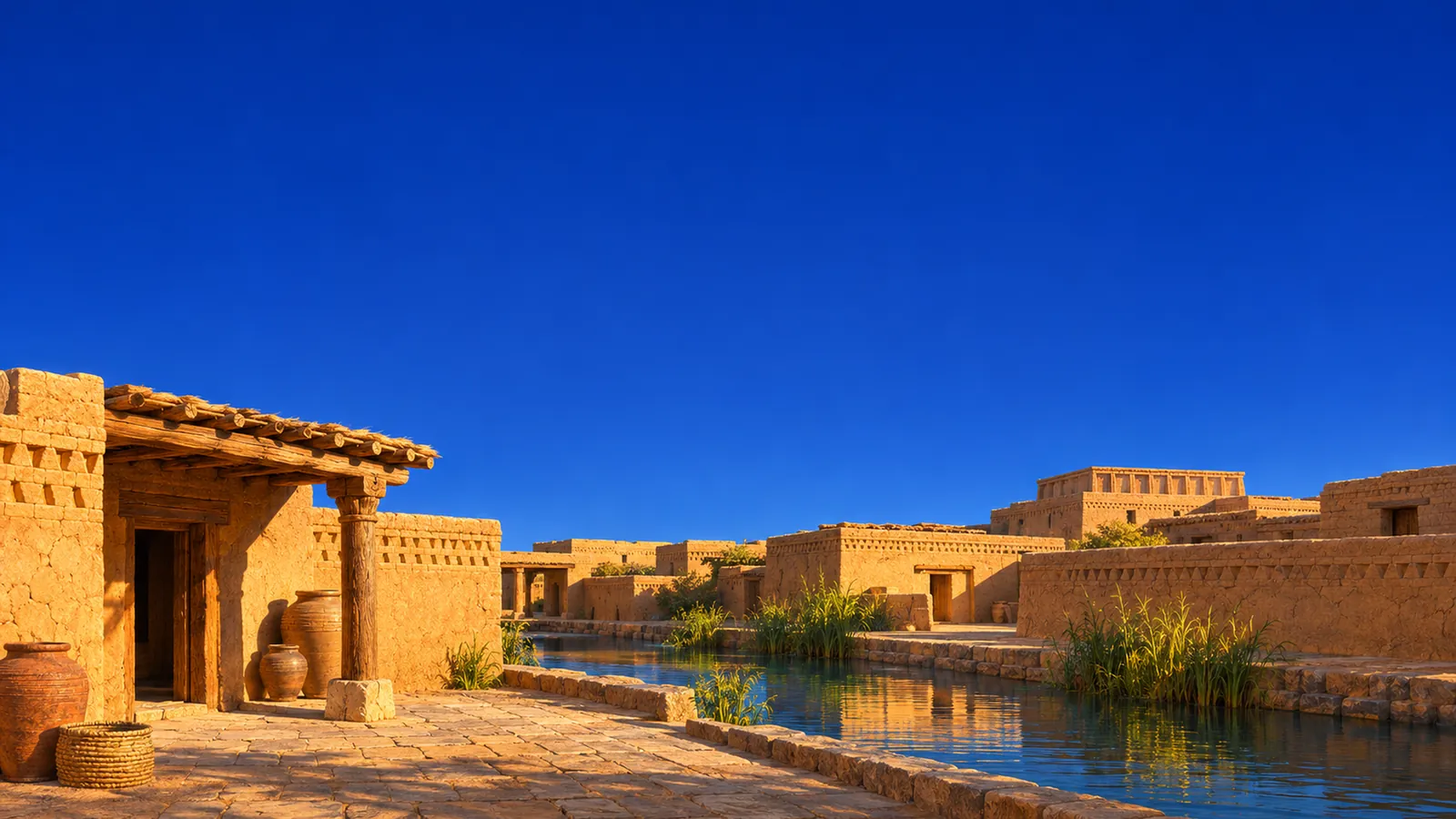
AHIQAR AT PHARAOH’S COURT
A later Syriac manuscript tells this part of Ahiqar’s story. In its telling, Sennacherib rules Assyria, and the court believes that Ahiqar is dead.
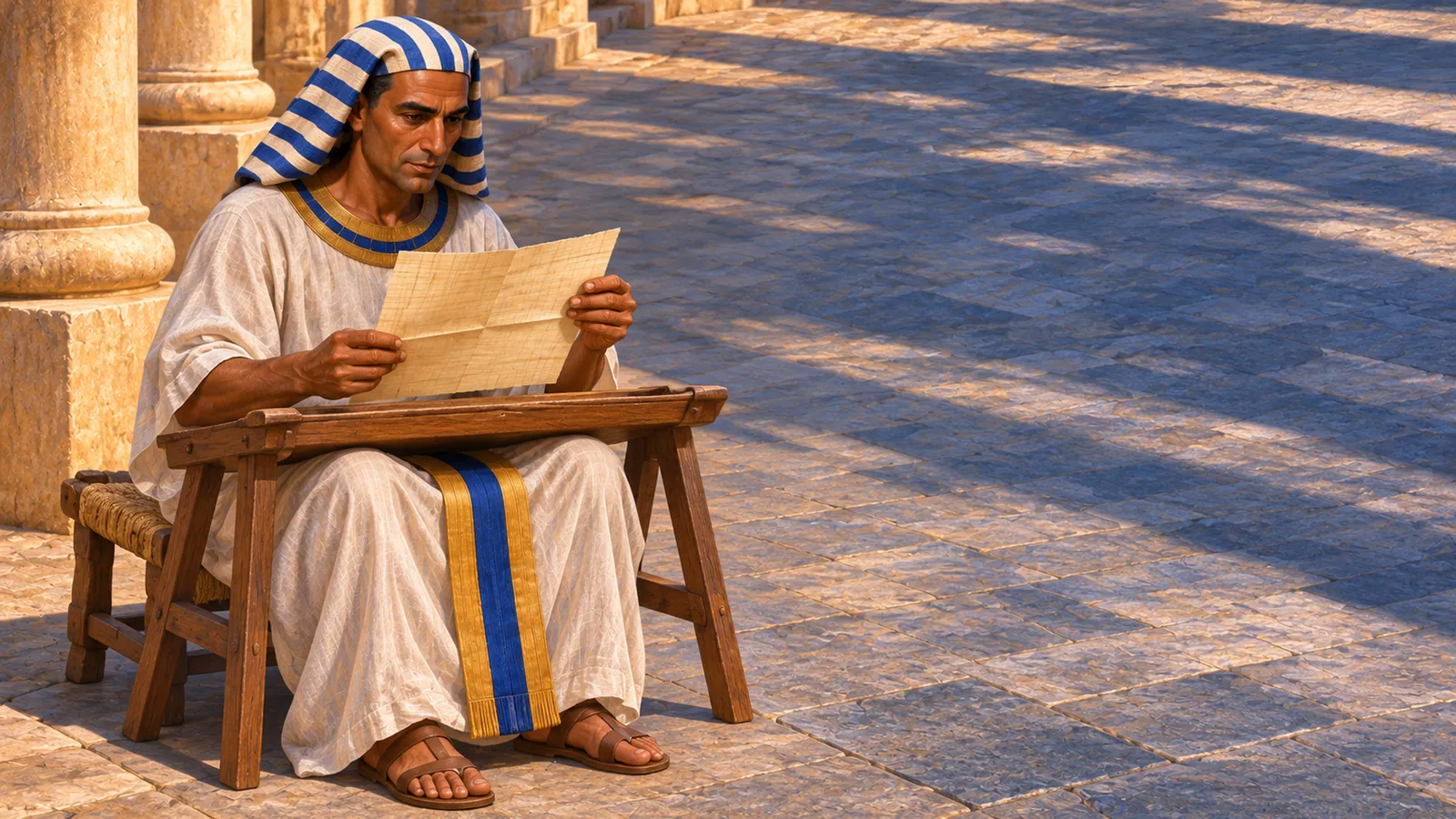
Pharaoh hears the report that Ahiqar is dead. He sends a letter to Sennacherib, the king of Assyria and Nineveh in this telling.
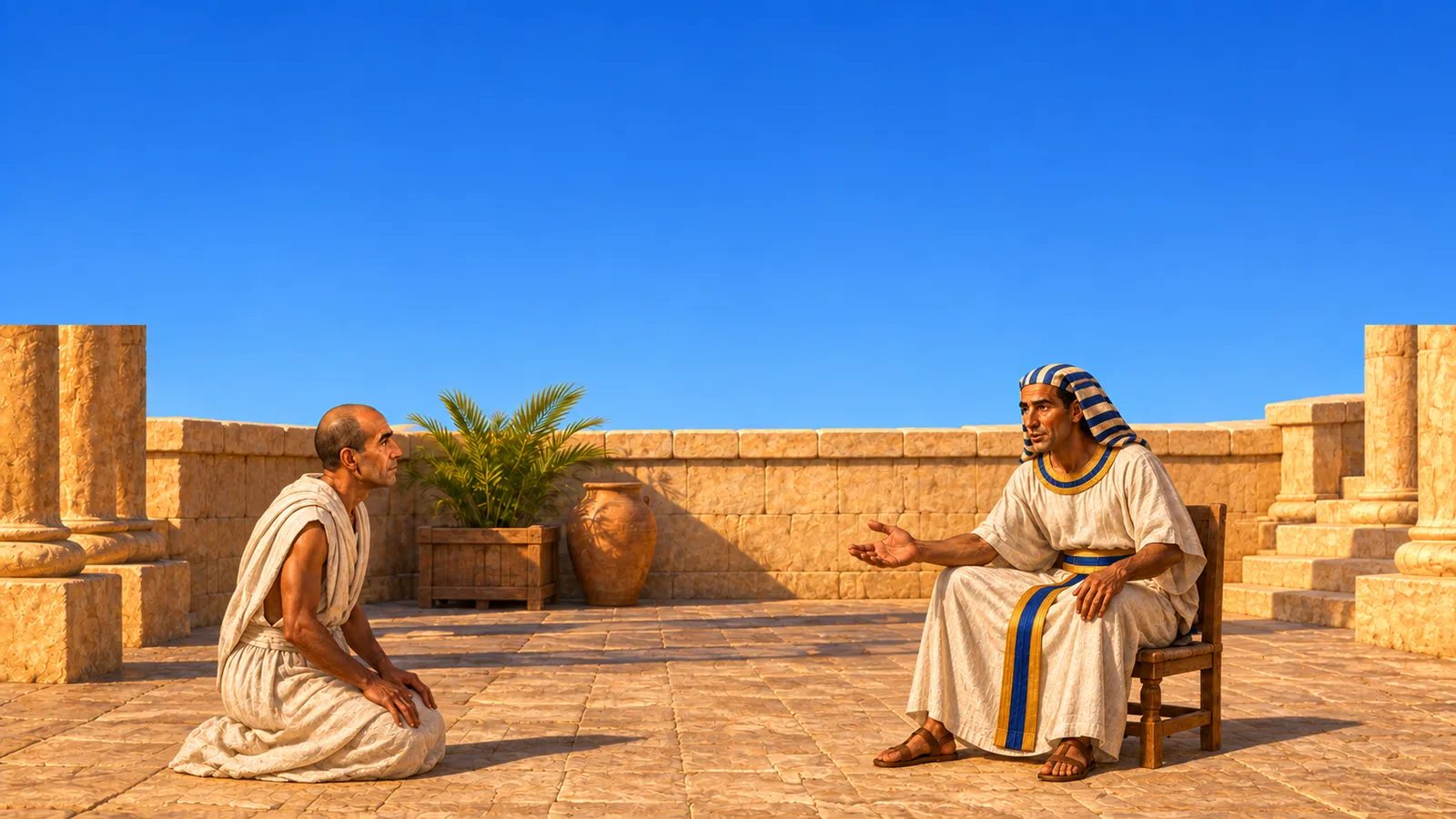
A CASTLE IN THE AIR
Pharaoh says he plans to build a castle between earth and sky. He asks Sennacherib to send someone who can build it and answer his questions.
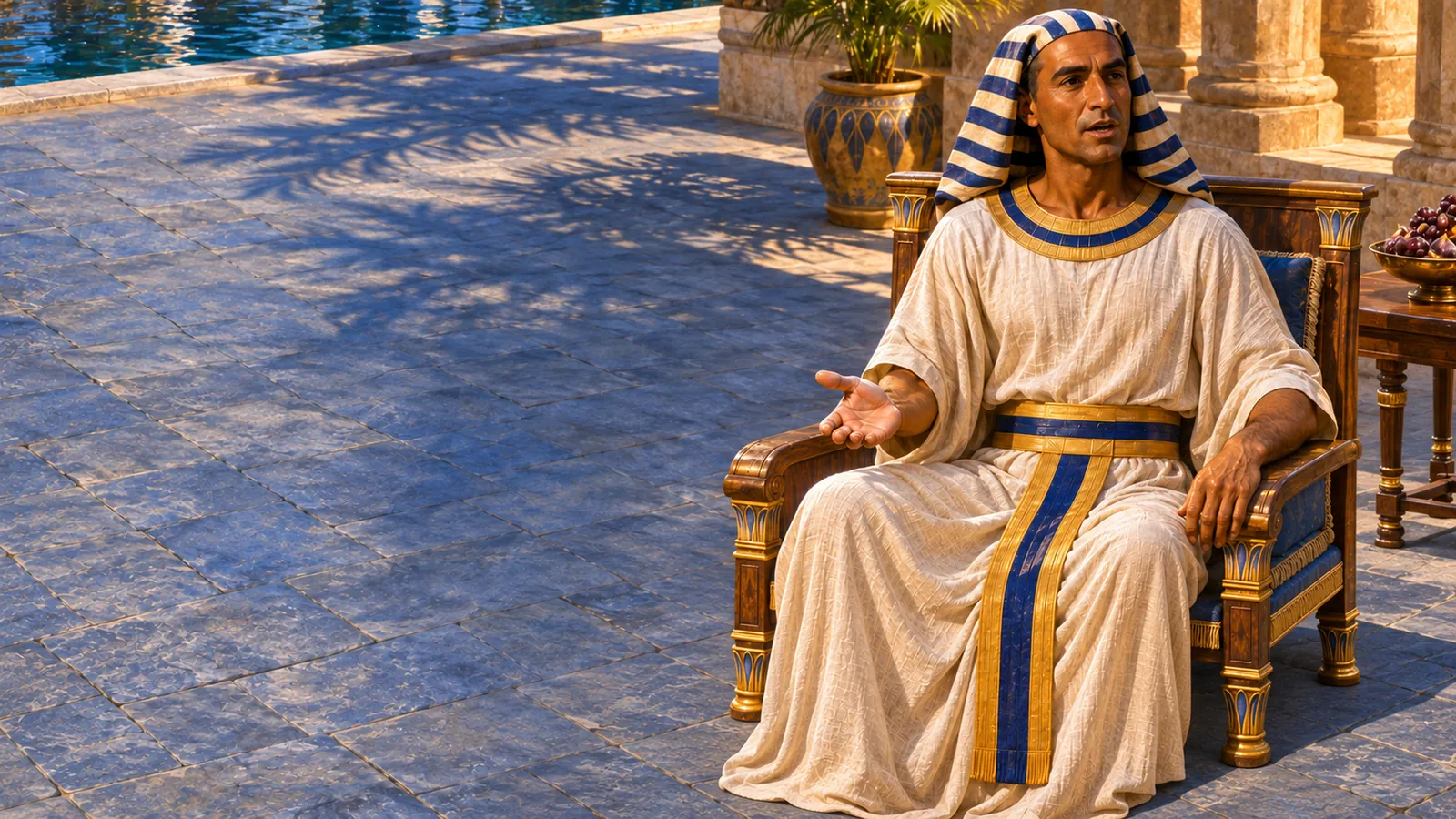
Pharaoh offers three years of Egypt’s revenue if Sennacherib sends someone who can answer him. If nobody can answer, he demands three years of Assyria’s tribute instead.
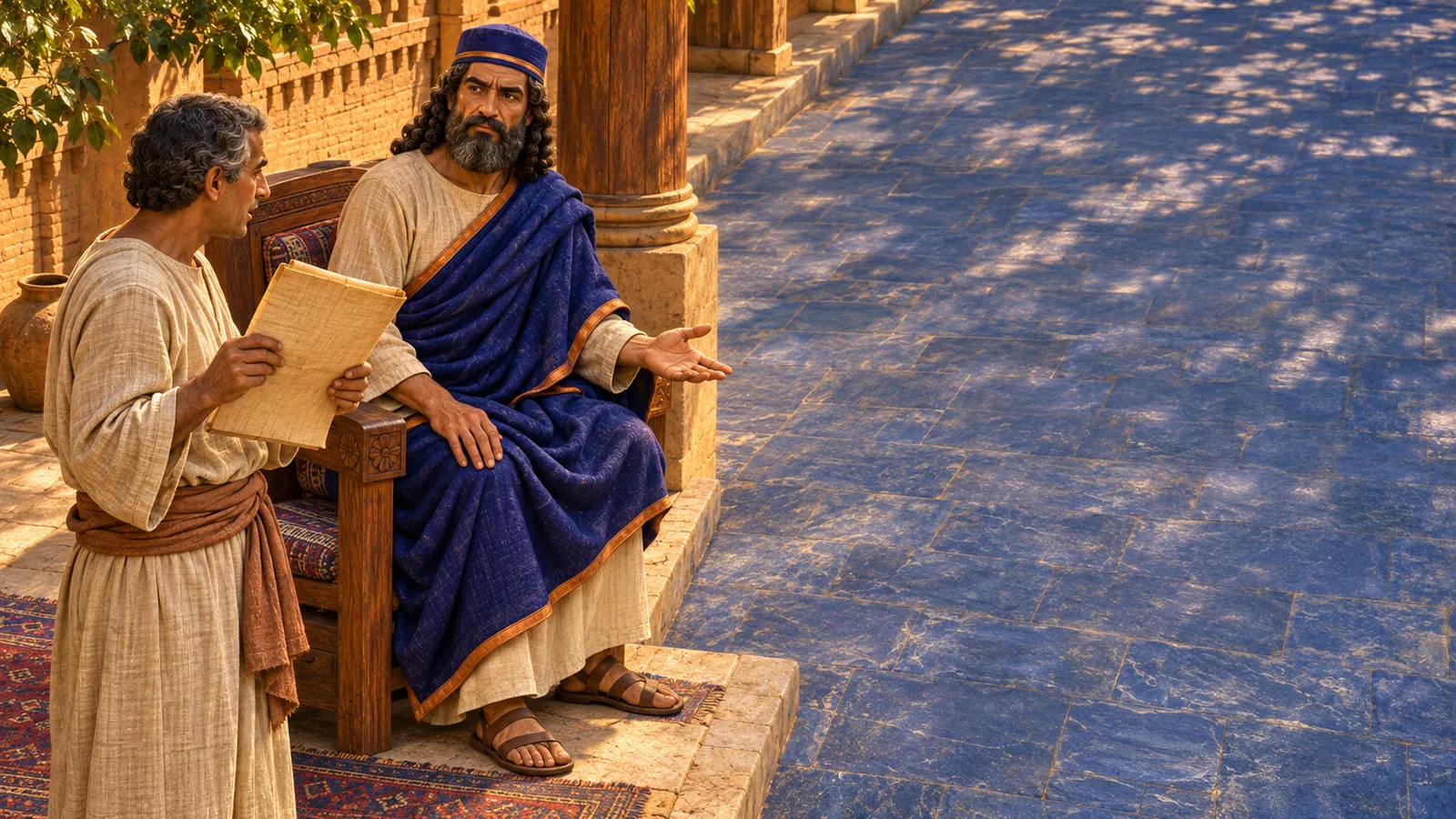
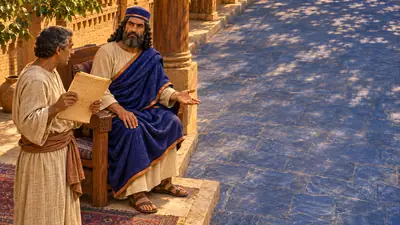
Sennacherib has the letter read before his court. He asks who will go to Egypt, answer Pharaoh’s questions and bring the tribute back.
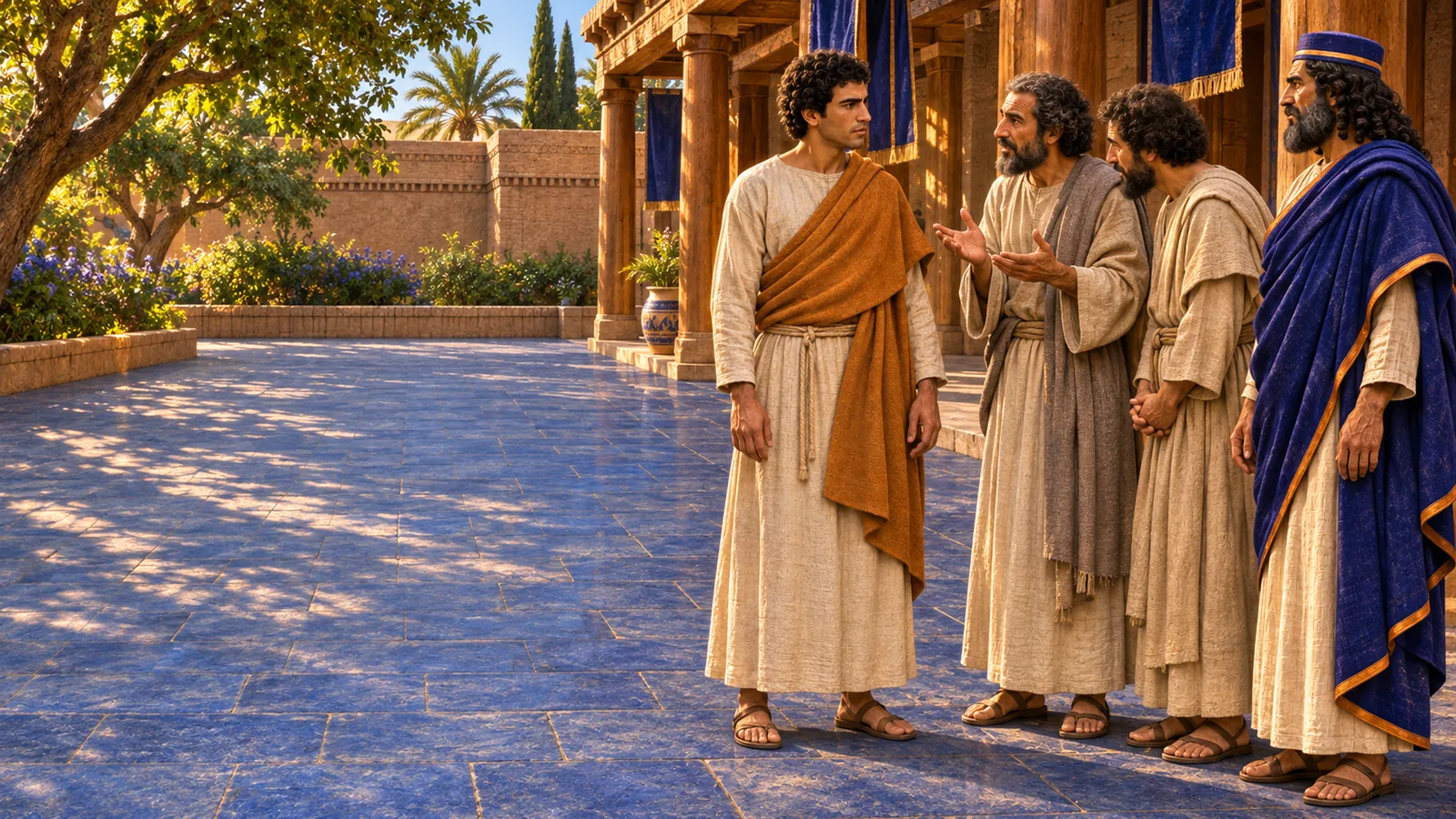
The advisers recall that Ahiqar answered difficult questions under Sennacherib and, in this account, under his father Sarhadum. They say that Nadan learned from him.
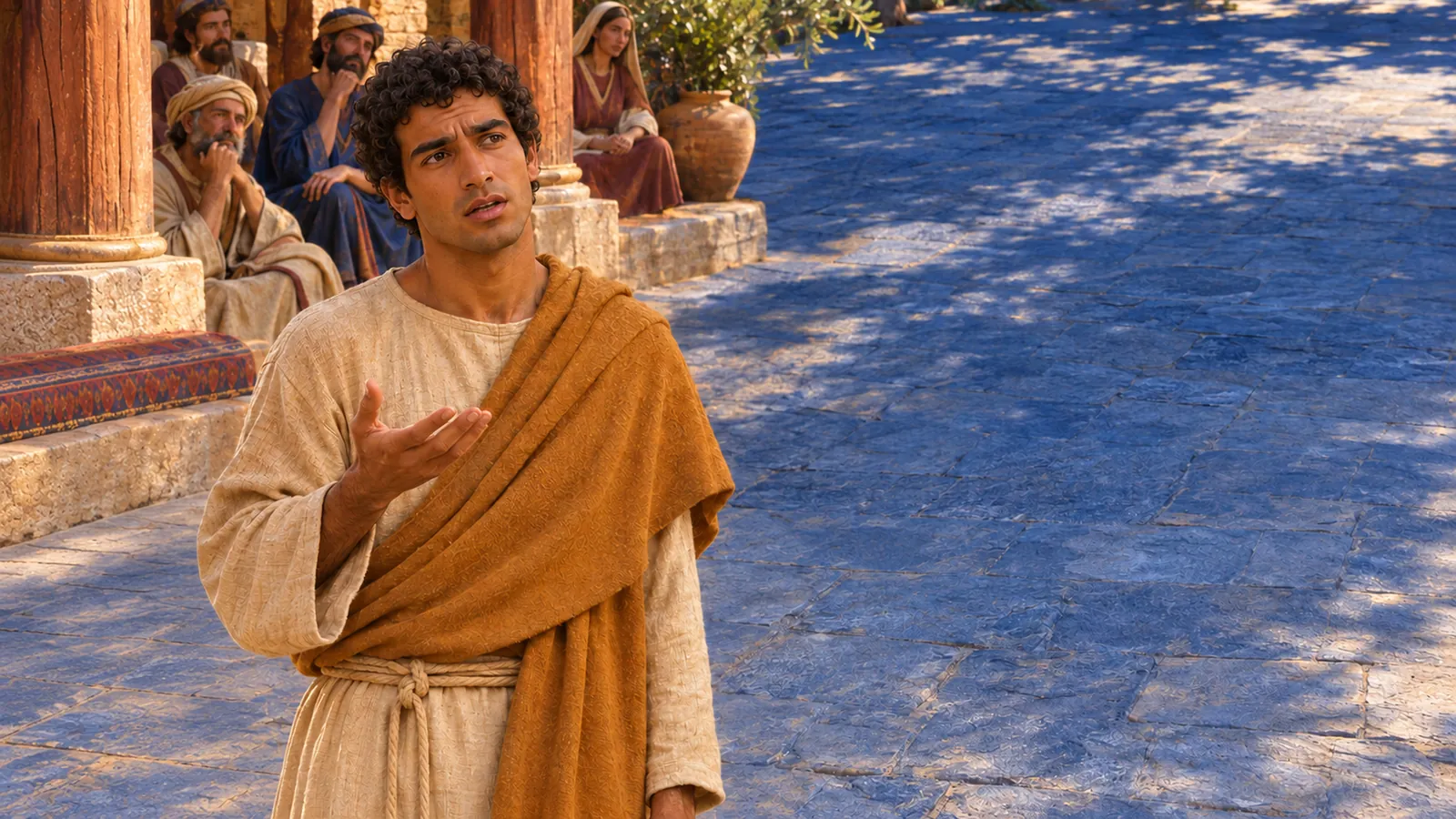
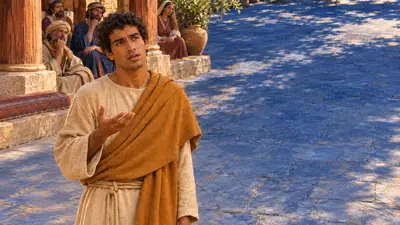
Nadan hears the court put his name forward. He answers that the things Pharaoh asks would be beyond the power of the gods, let alone people.
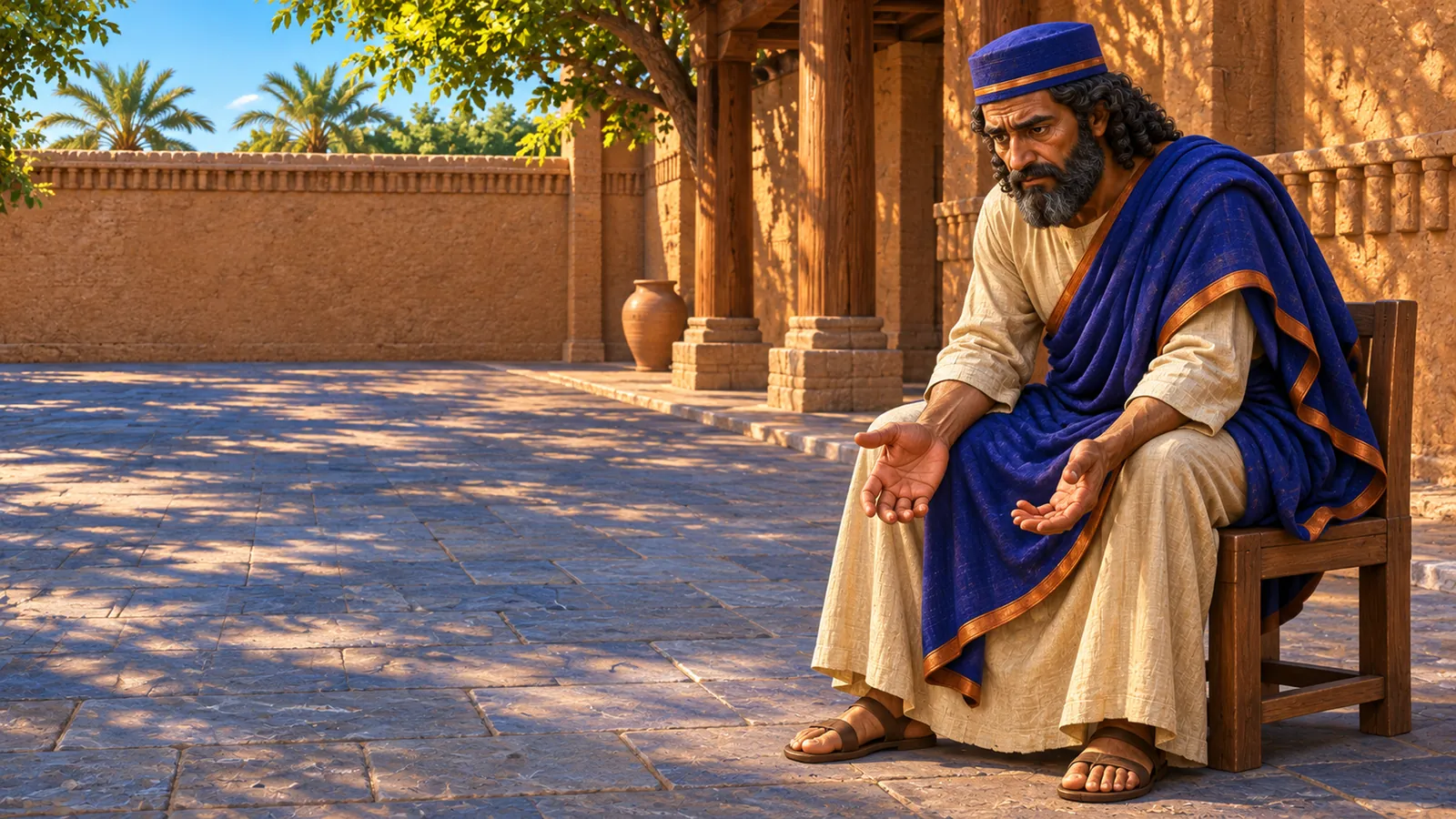
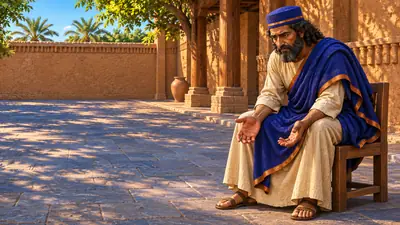
Sennacherib regrets believing what he was told about Ahiqar. He wishes the adviser were with him again and says he would give Ahiqar’s weight in gold to have him back.
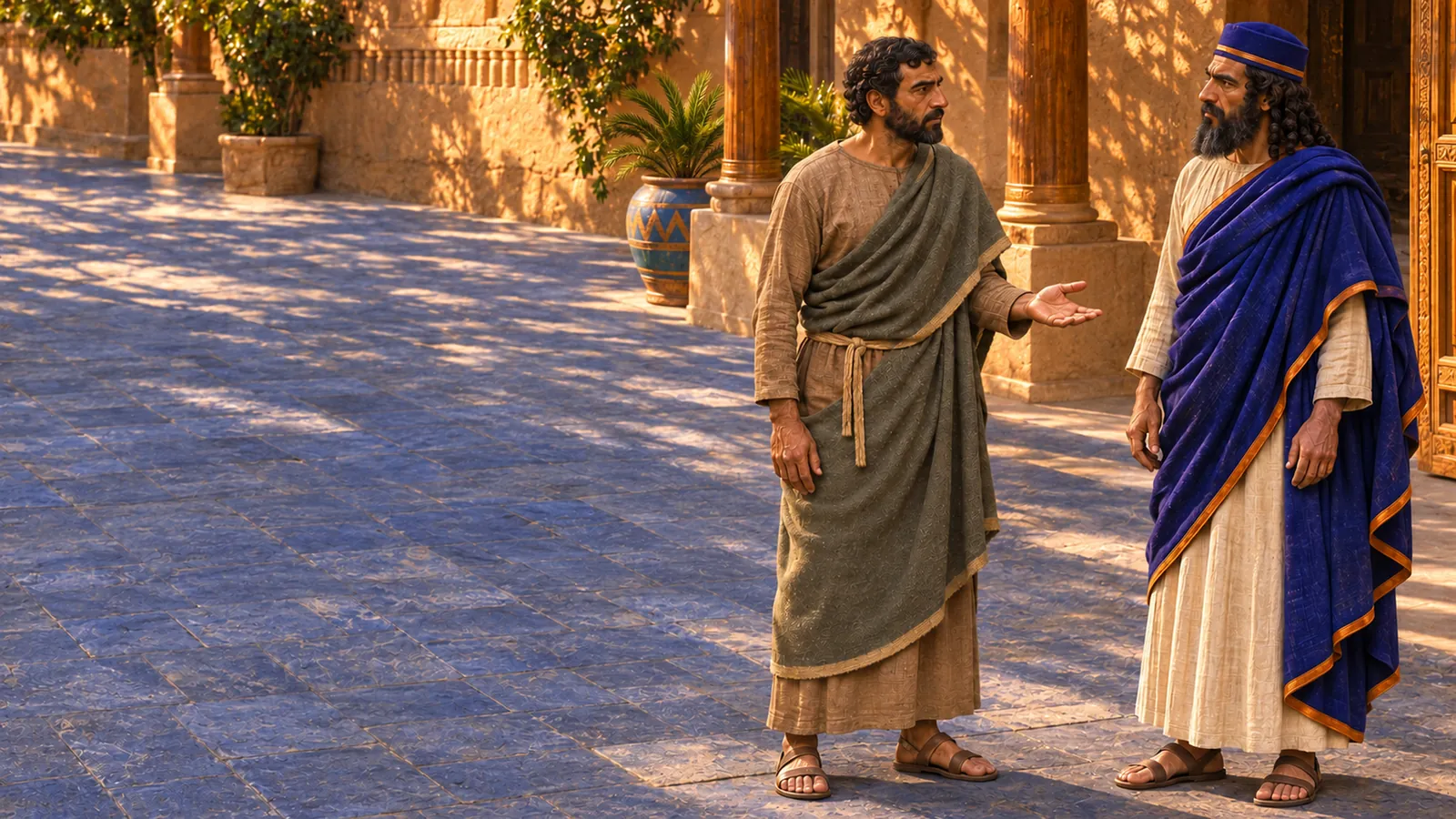
AHIQAR IS ALIVE
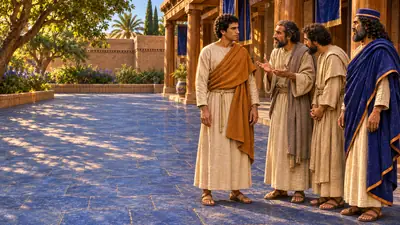
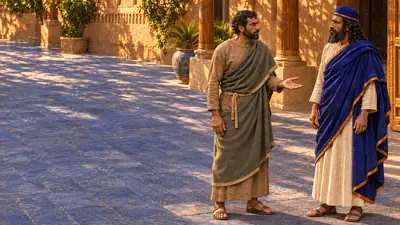
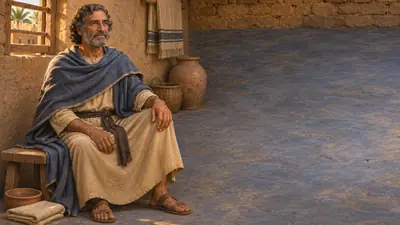
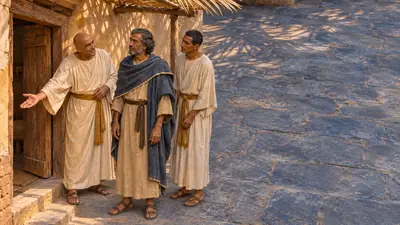
Nabusemakh tells Sennacherib he was ordered to kill Ahiqar. He says he killed a condemned slave instead and hid Ahiqar, who is still alive.
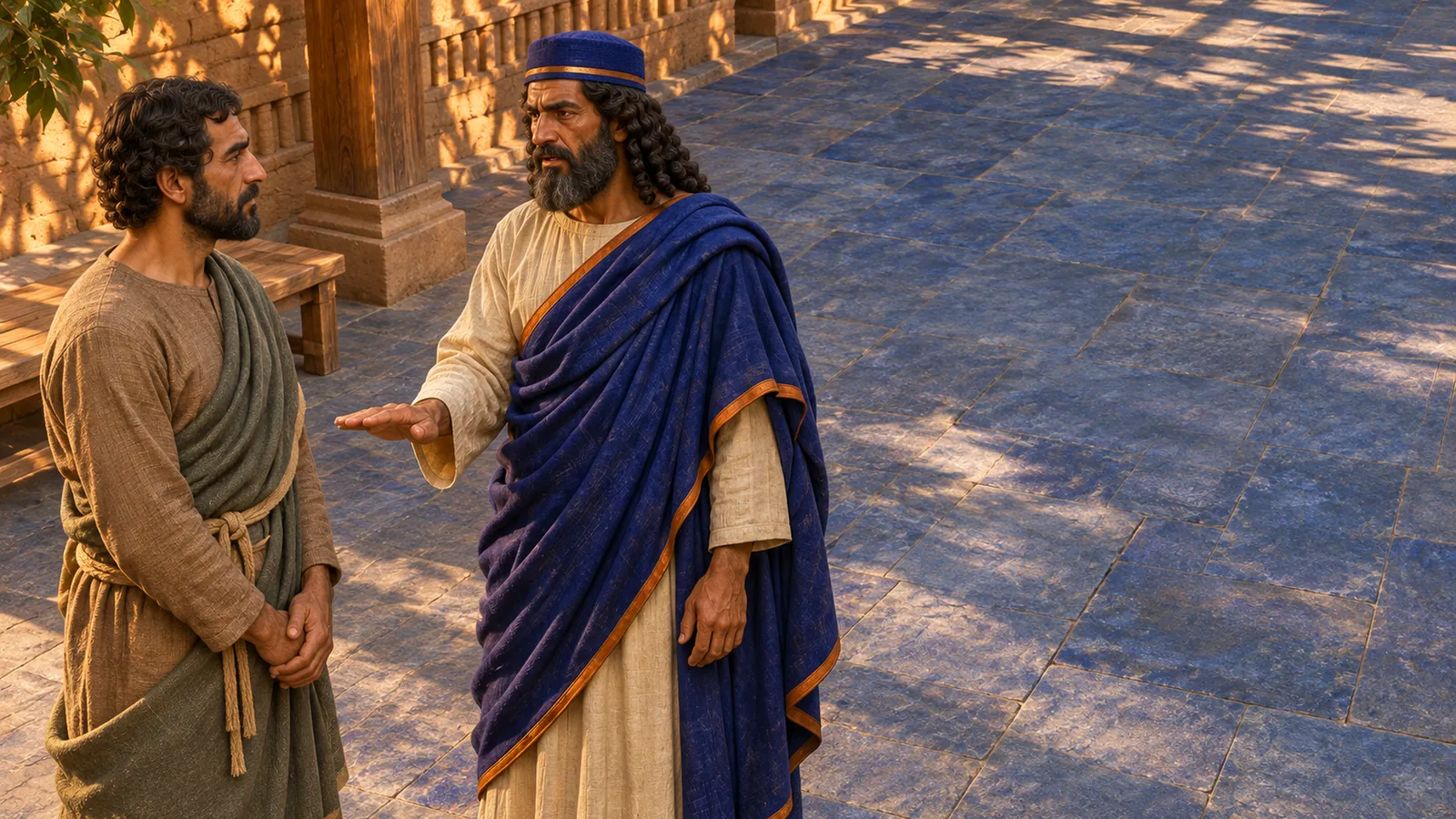
The king promises gifts if Nabusemakh can show him Ahiqar alive. Nabusemakh asks for the king’s word that his decision to shelter Ahiqar will be forgiven, and Sennacherib gives it.
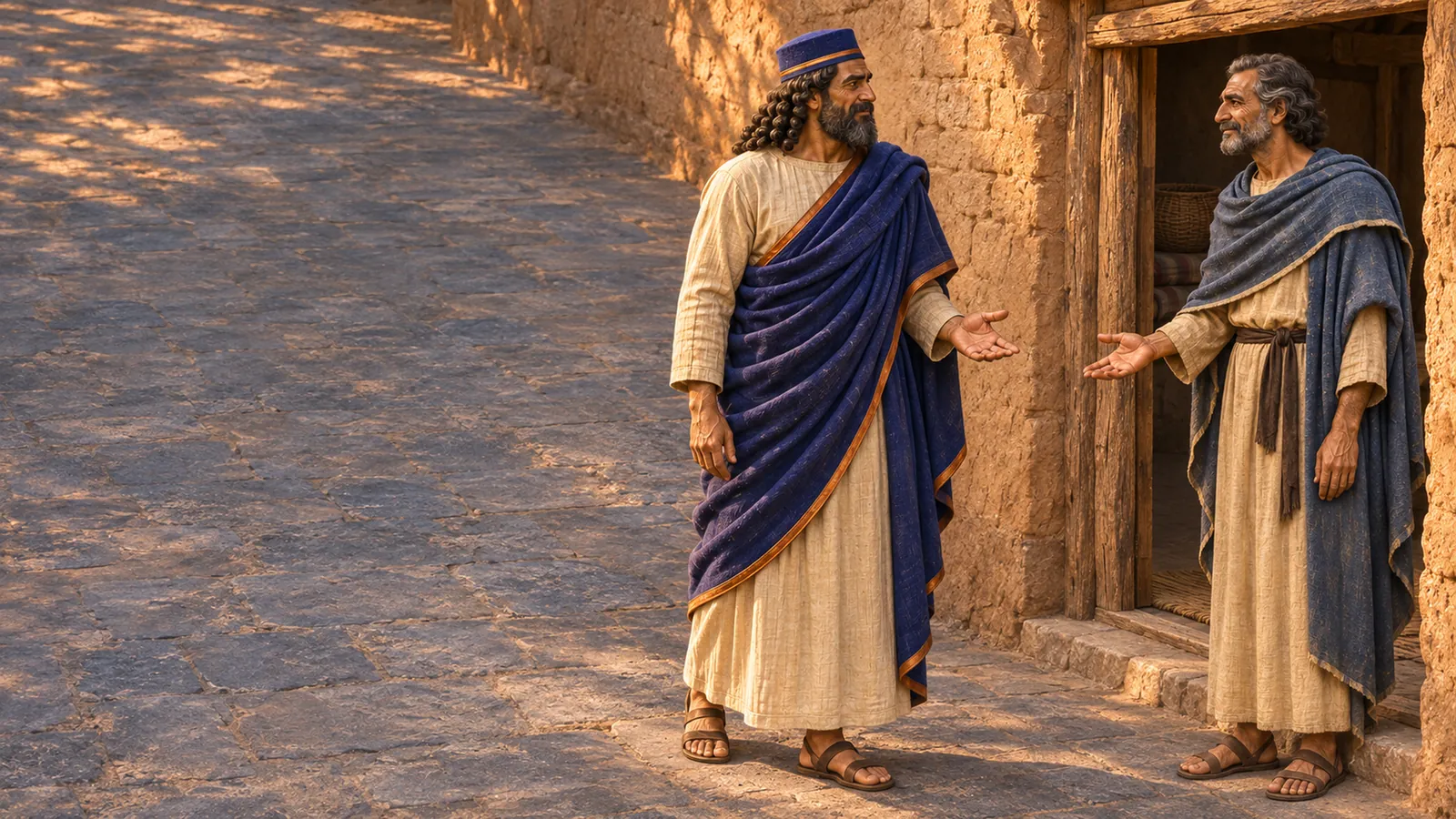
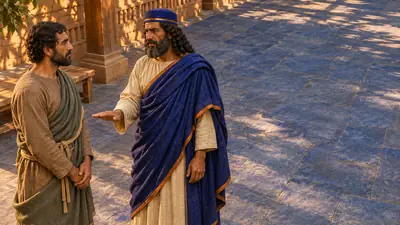
Sennacherib goes quickly to the place where Ahiqar has been staying. When they meet, the king is moved, and Ahiqar tells him he bears him no ill will.
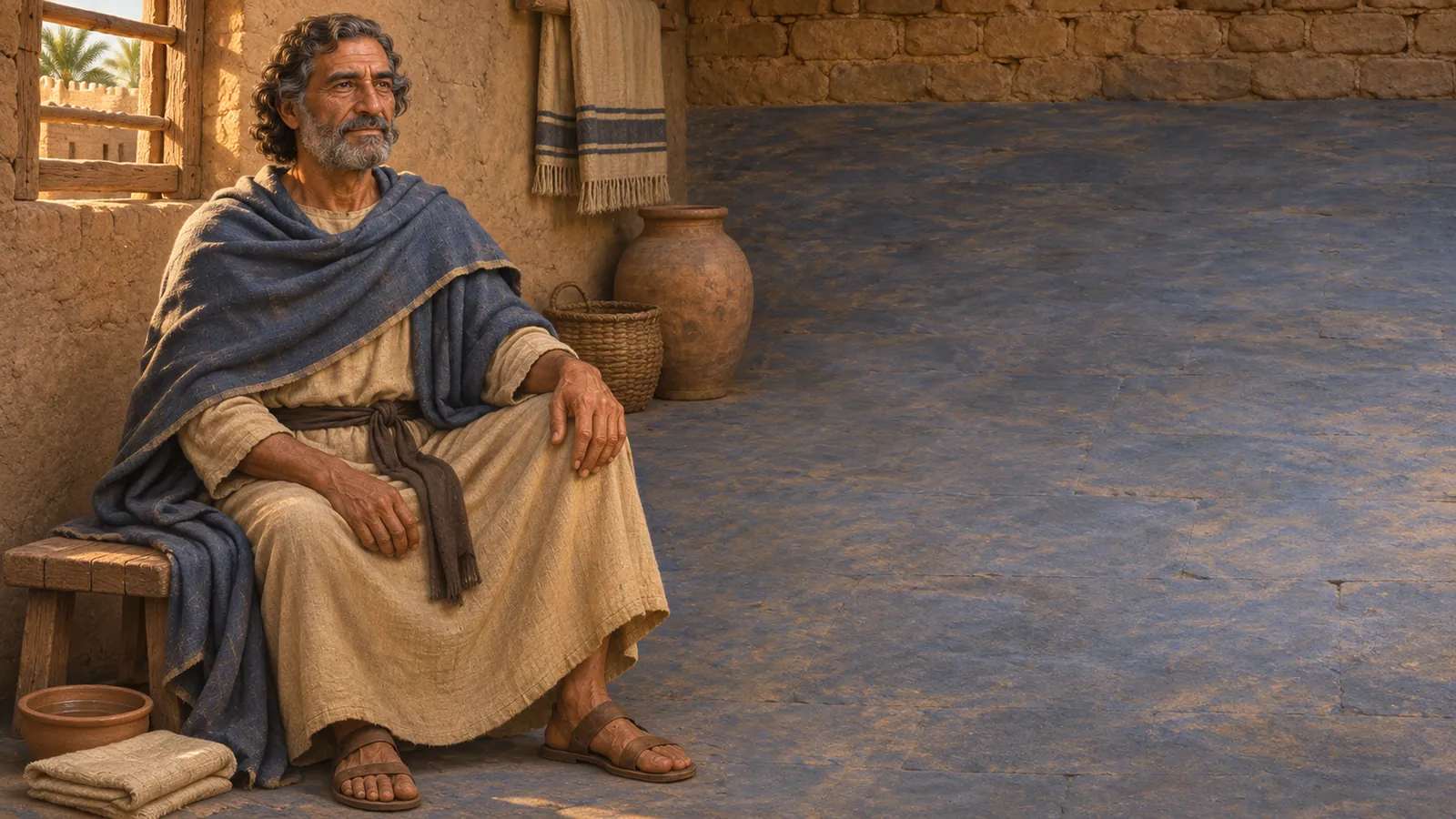
The king tells Ahiqar to go home and take time to regain his strength. Ahiqar spends several weeks there and returns when he feels well again.
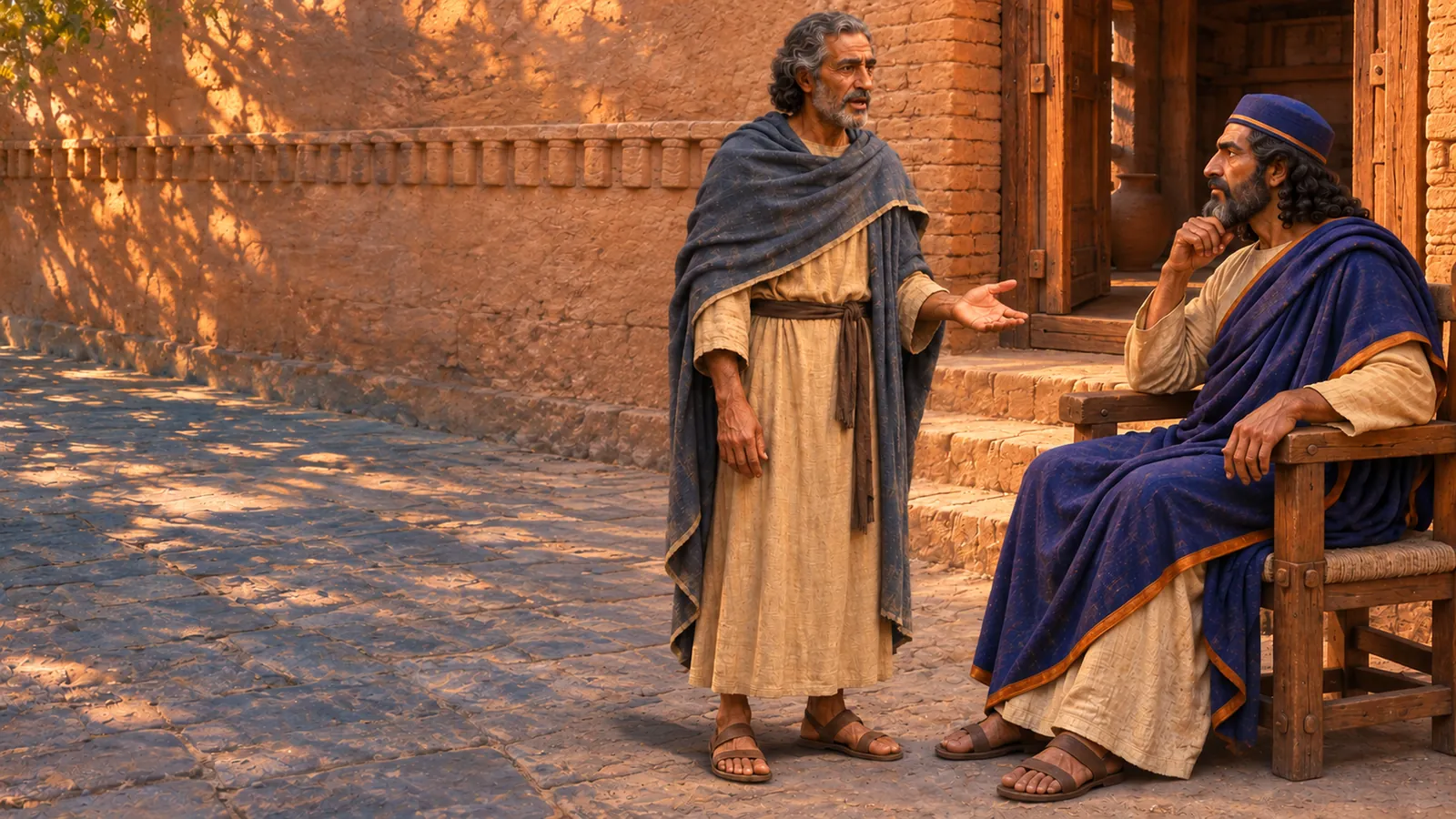
Sennacherib asks if Ahiqar has seen Pharaoh’s letter. Ahiqar offers to go to Egypt, answer the questions and bring back the revenue that was promised.
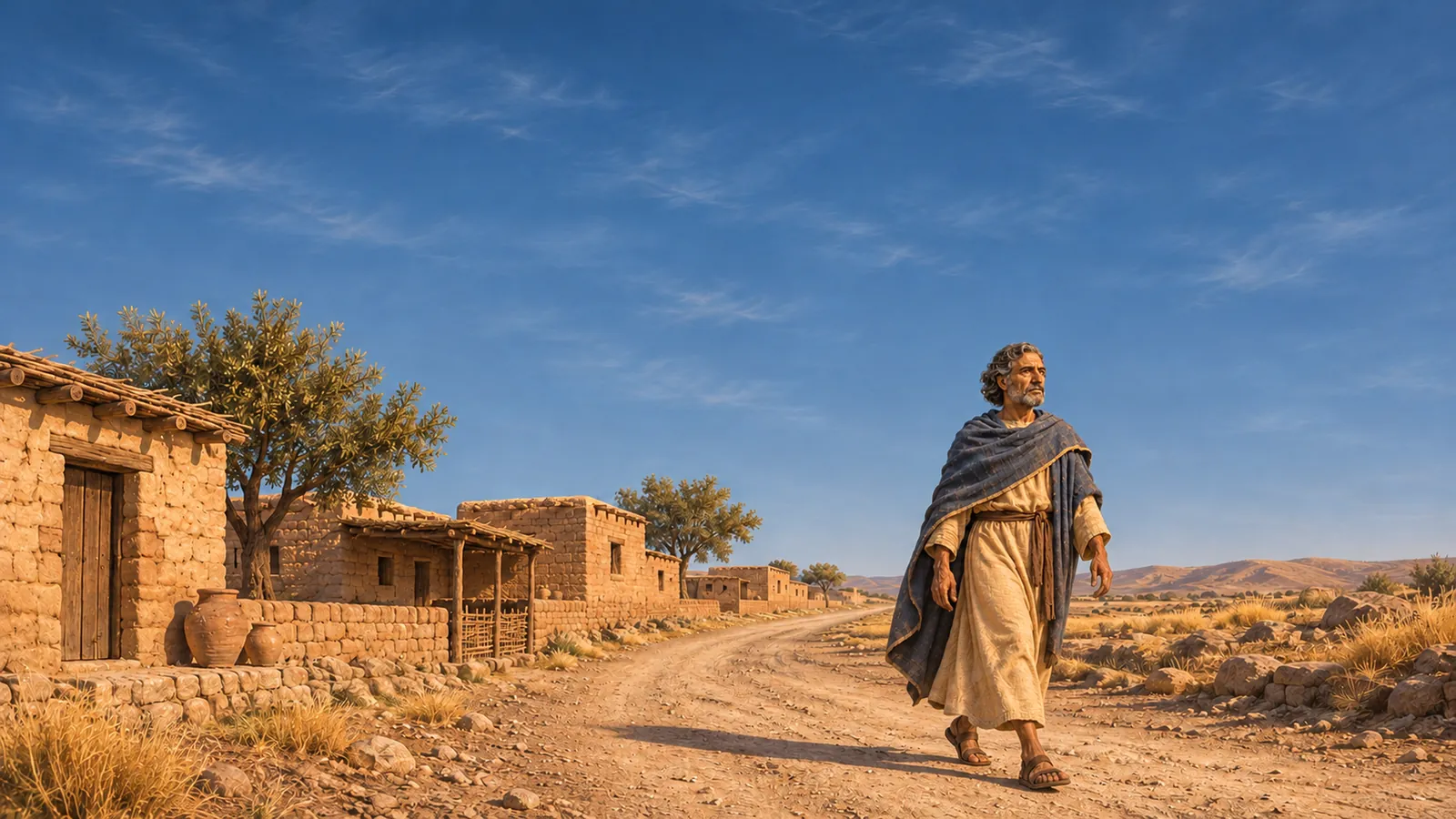
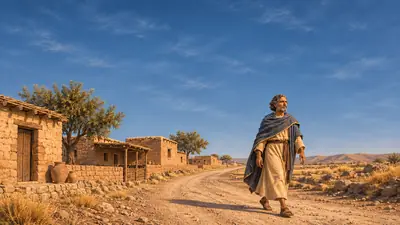
The king is glad to hear Ahiqar’s promise and gives him gifts. Ahiqar receives permission to leave and sets out for Egypt.
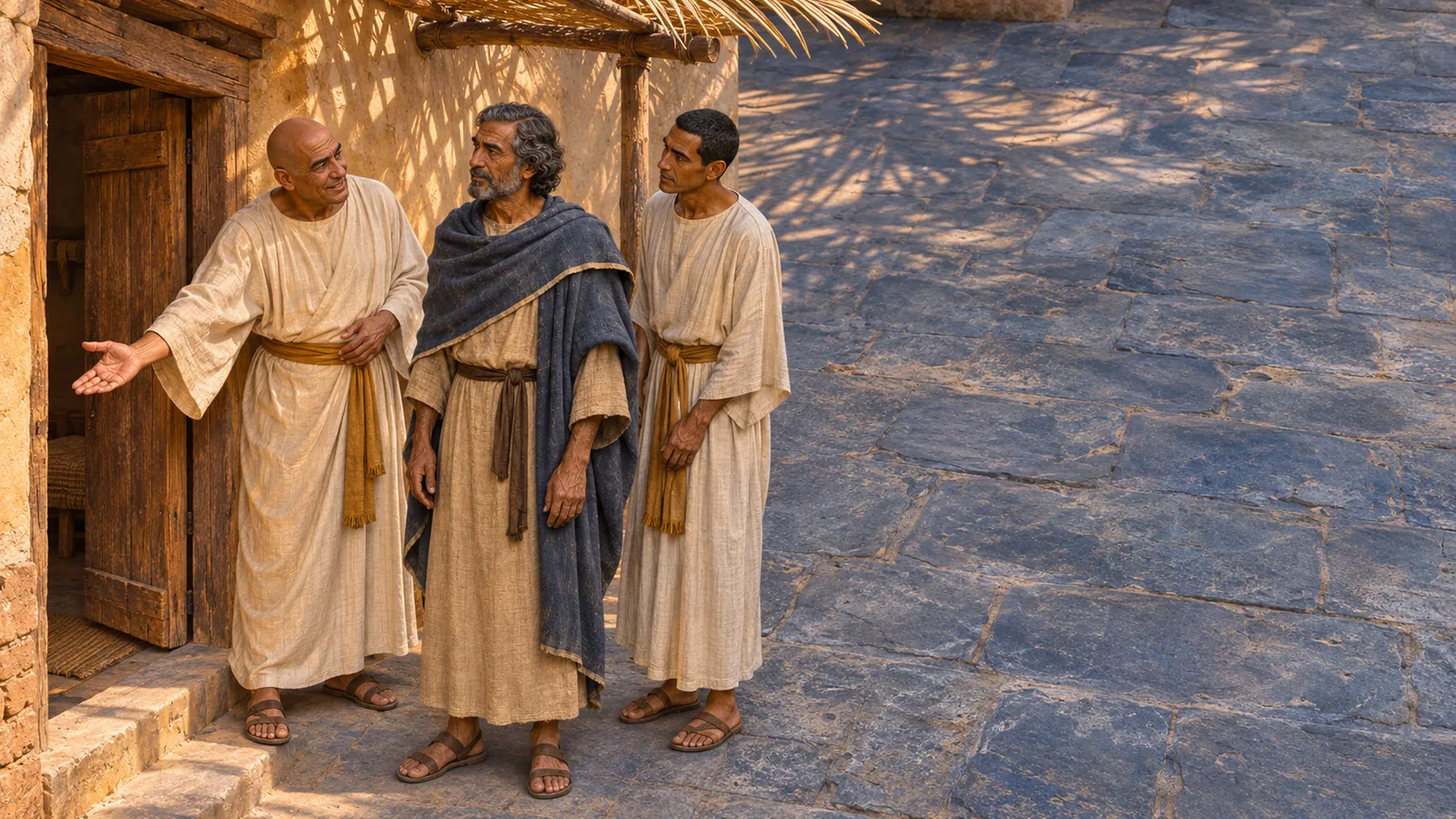
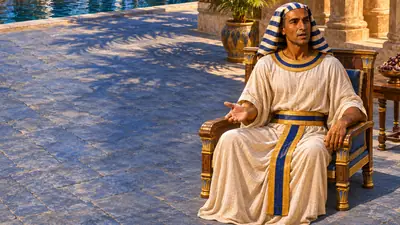
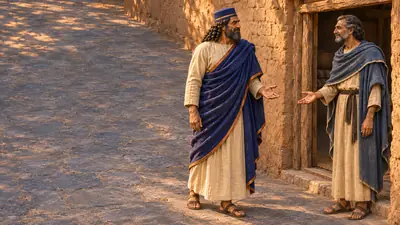
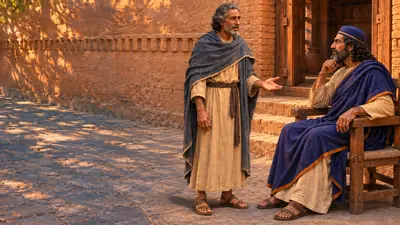
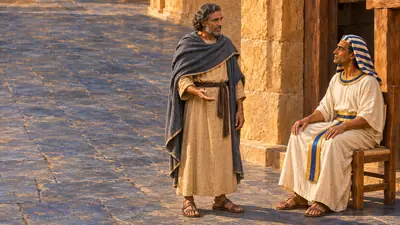
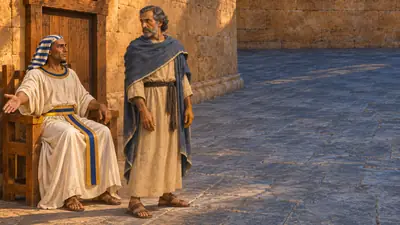
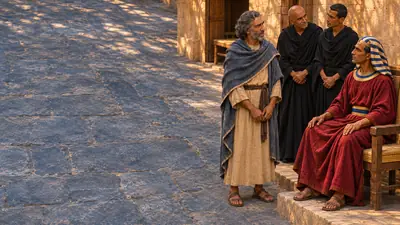
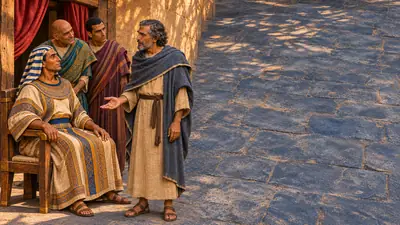
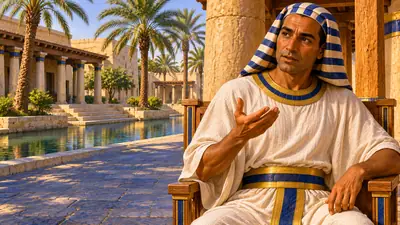
When Ahiqar reaches Pharaoh’s gate, the nobles announce that the Assyrian king’s envoy has arrived. Pharaoh gives him a place to stay and sees him the following day.
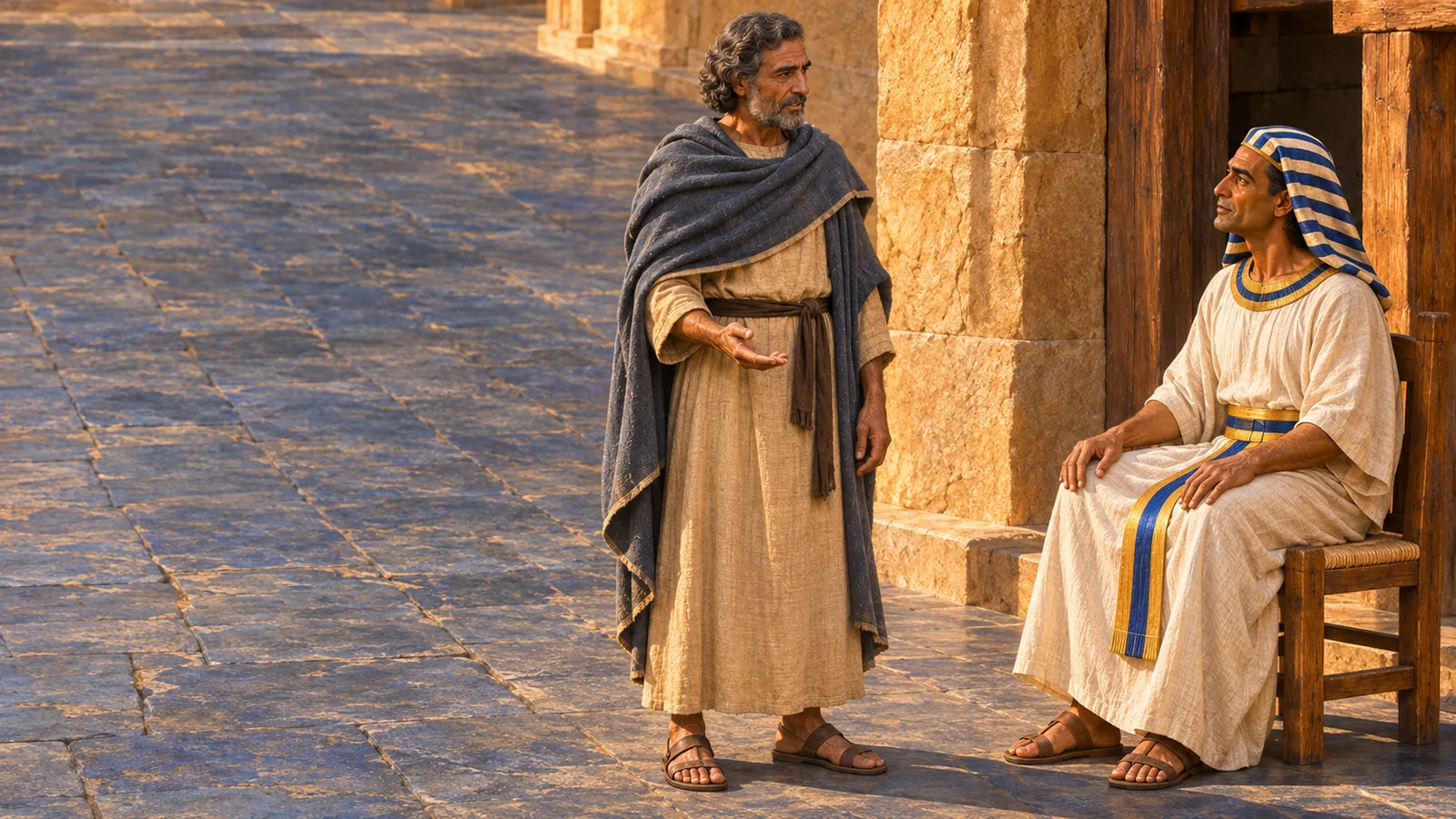
ABIKAM
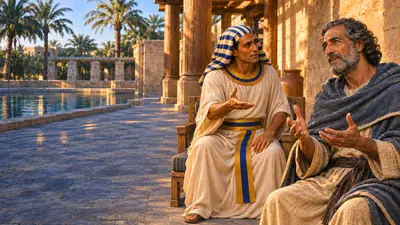
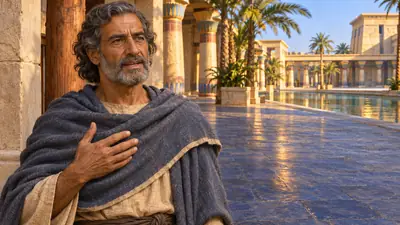
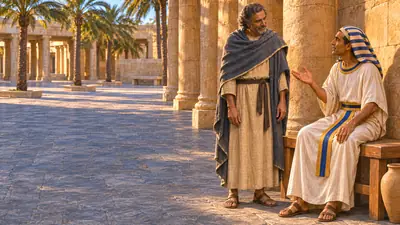
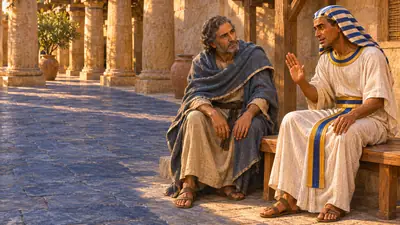
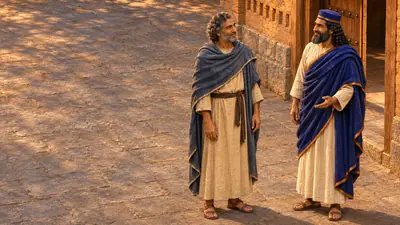
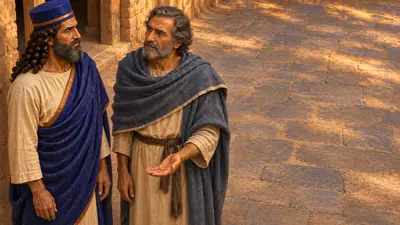
When Pharaoh asks who he is, Ahiqar gives the name Abikam. He calls himself one of the least in his kingdom and compares himself to an ant.
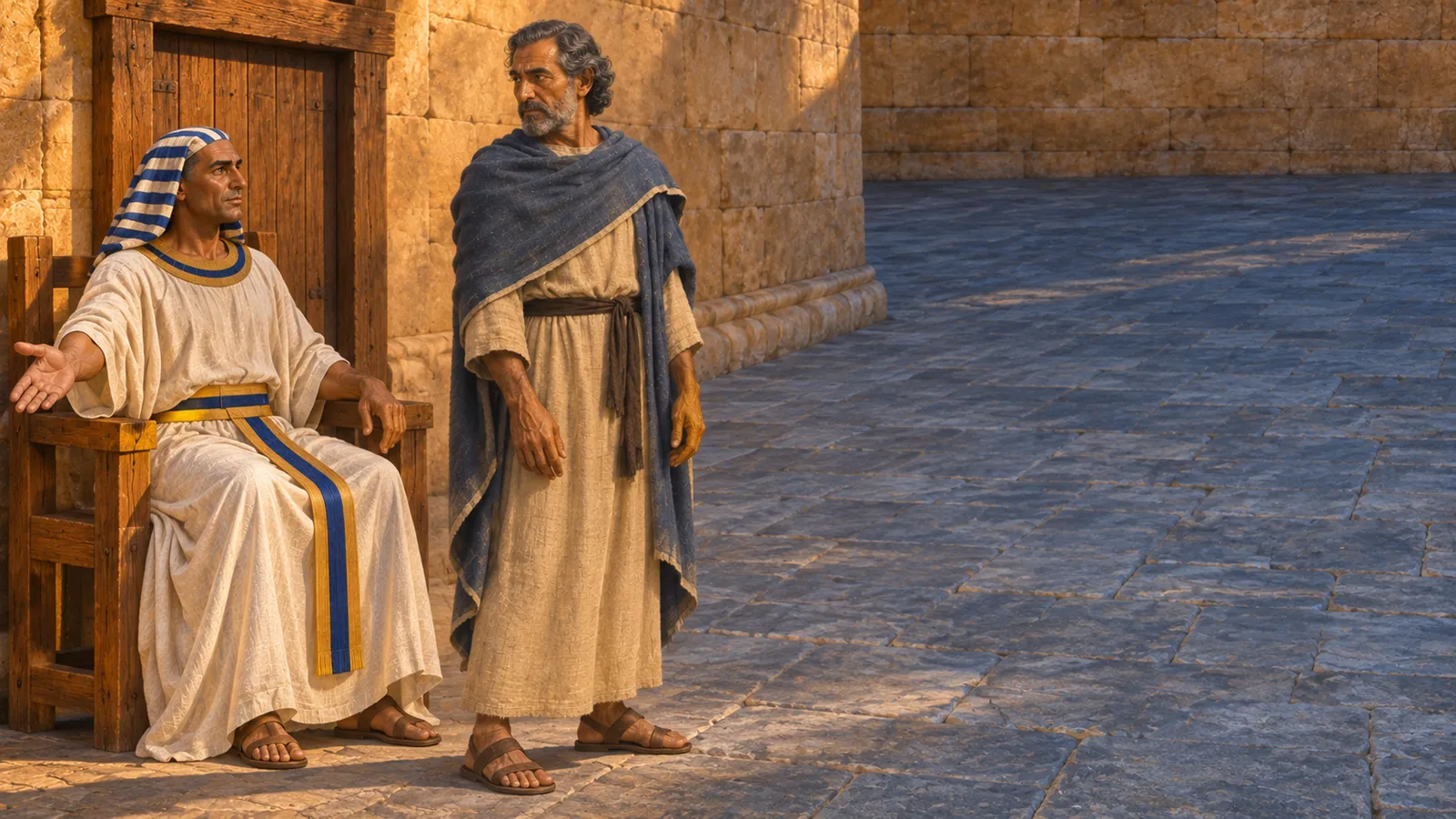
Pharaoh takes the comparison as a slight. He sends Abikam back to his lodging and tells him to come again early the next morning.
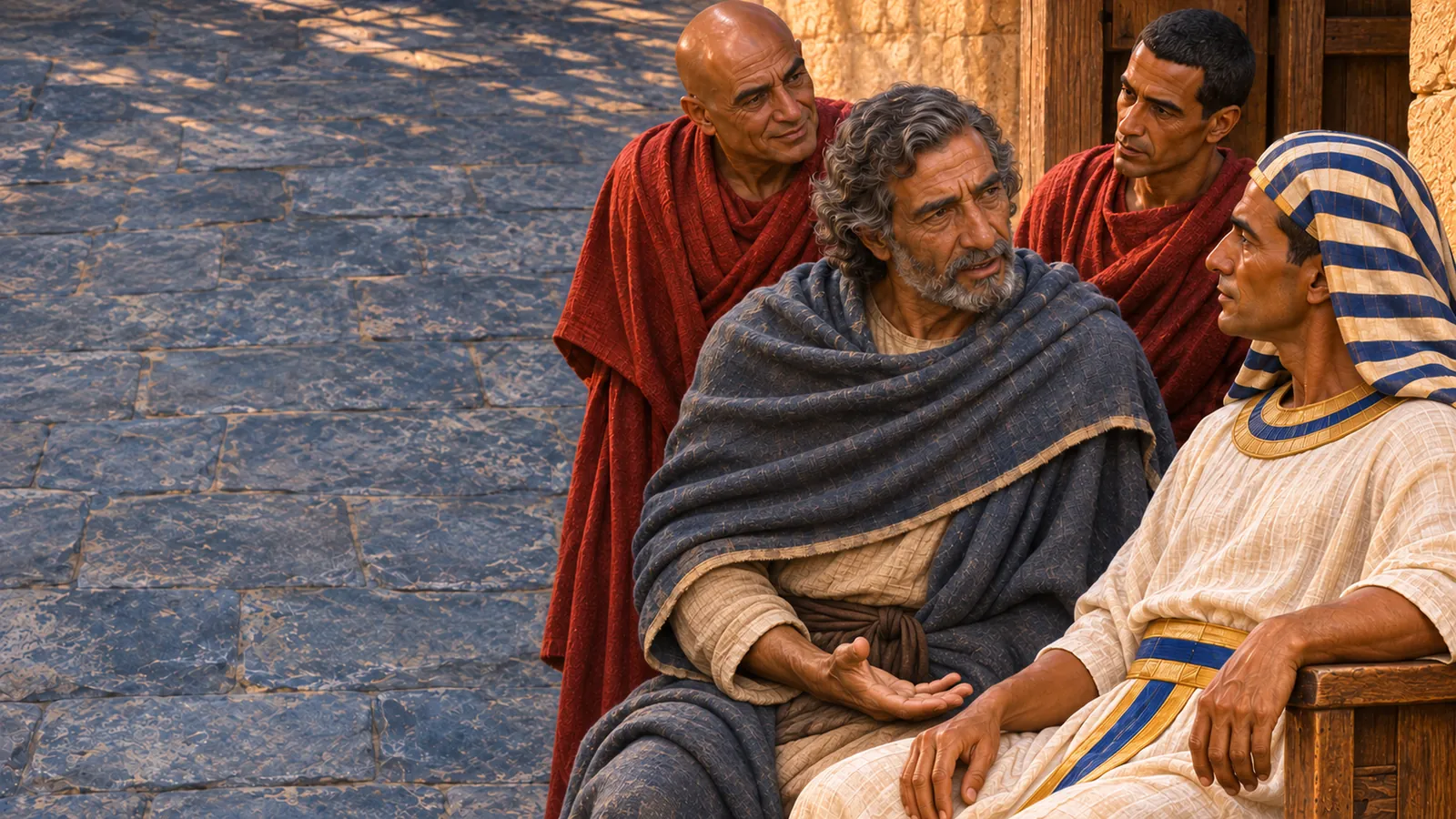
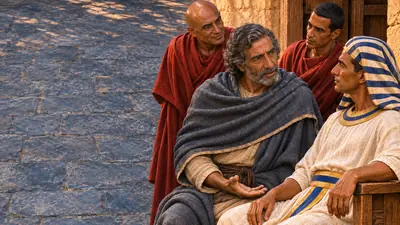
The nobles wear red, and Pharaoh wears fine linen. Asked how they look, Ahiqar says Pharaoh resembles Bel and his nobles resemble Bel’s priests.
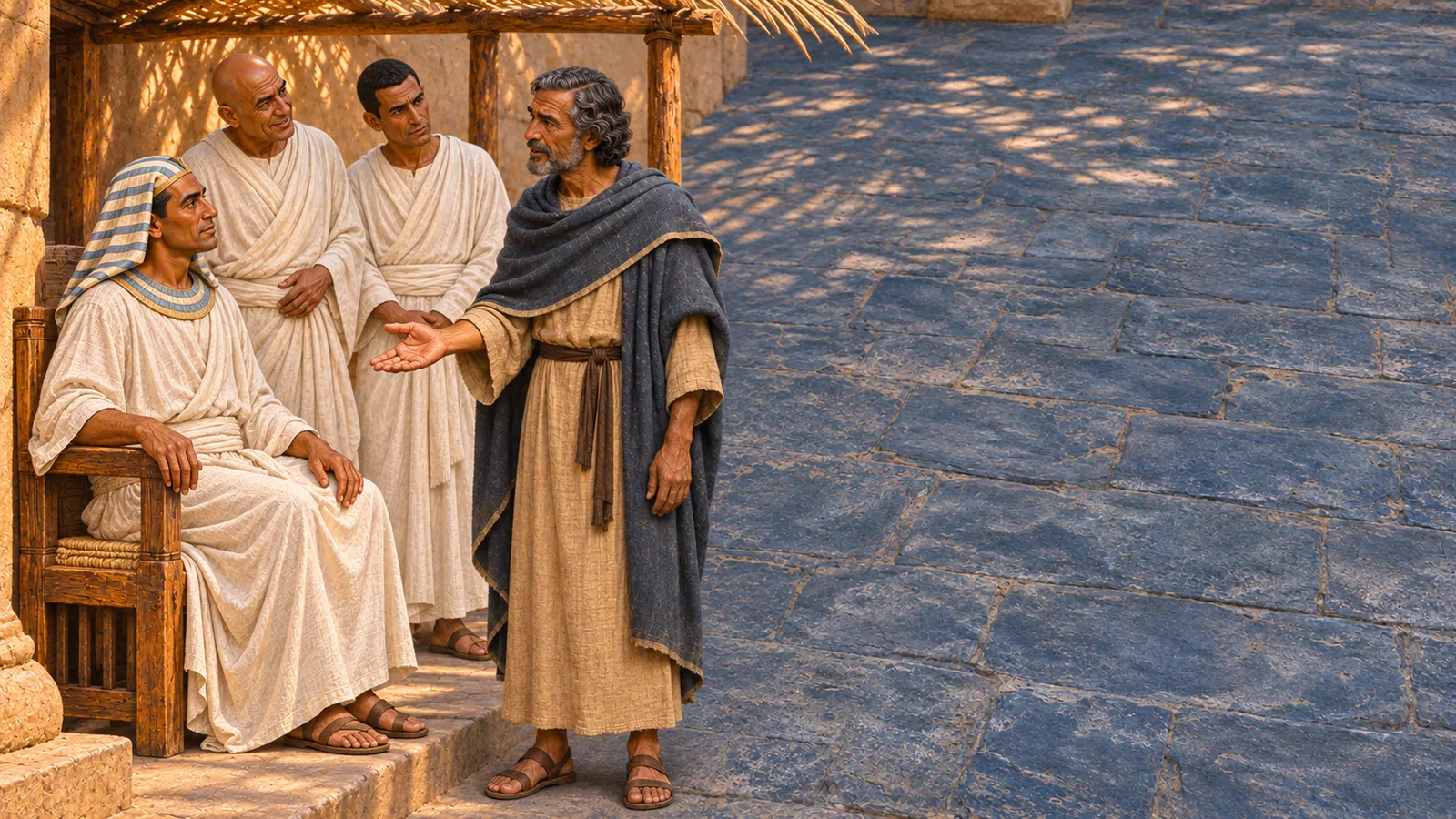
On another day Pharaoh and his nobles dress in white. Ahiqar likens the king to the sun and the nobles around him to its rays.
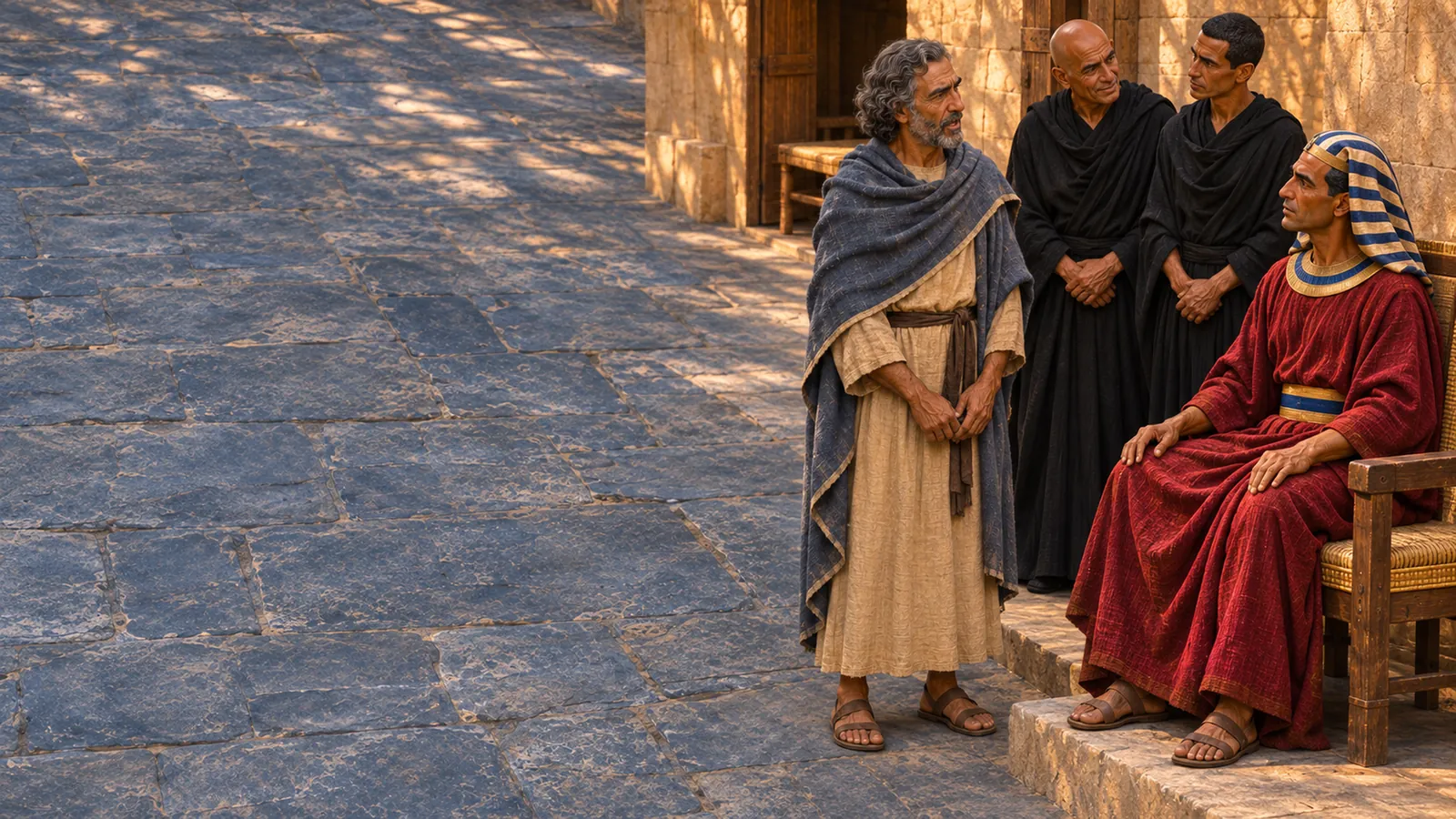
Next the nobles come in black, while Pharaoh wears crimson. Ahiqar answers that Pharaoh is like the moon, and his nobles like the stars.
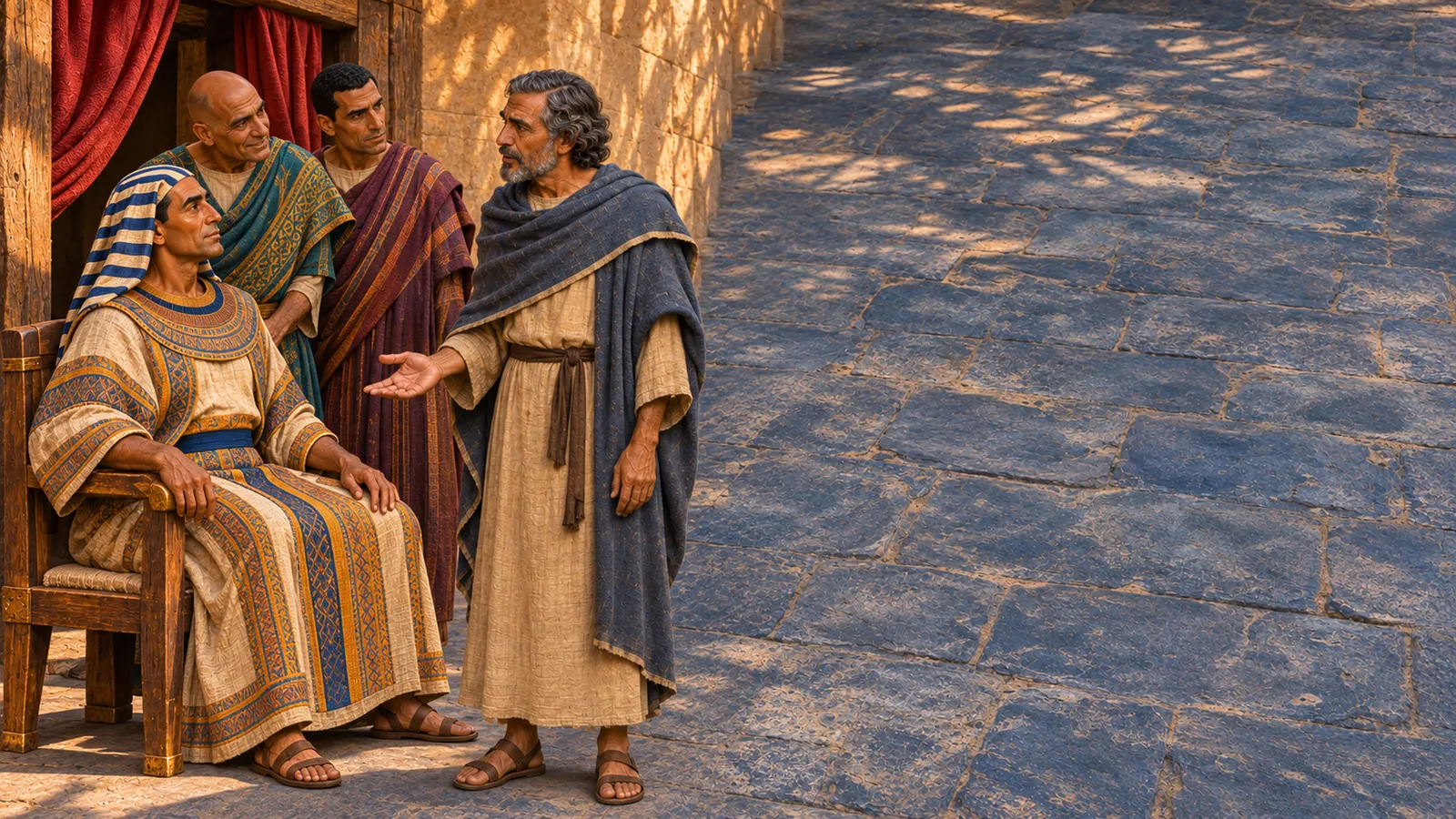
The nobles arrive in many colors, the palace doors are draped in red, and Pharaoh wears richly worked cloth. Ahiqar compares him to the month of Nisan and his nobles to its flowers.
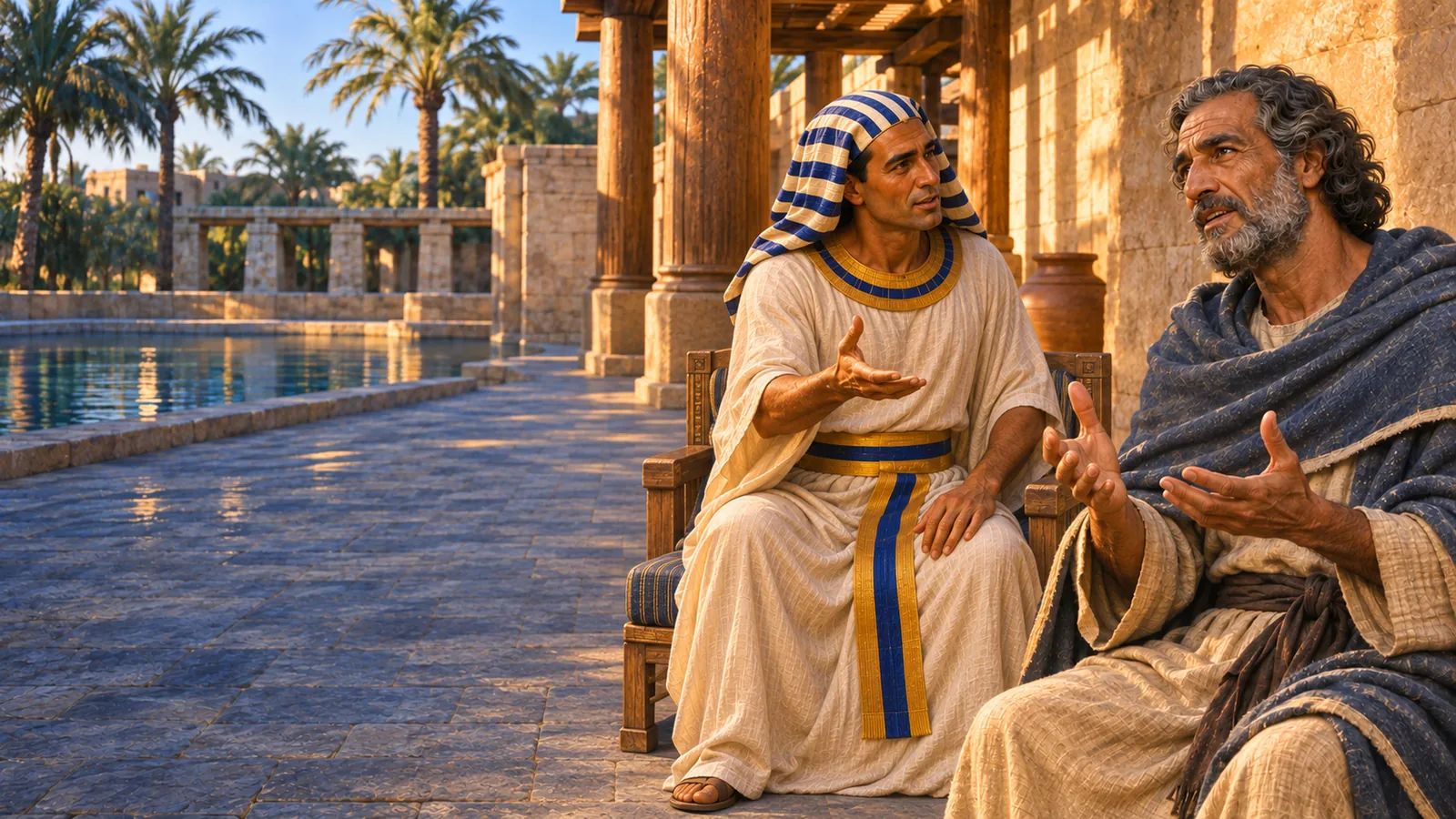
Pharaoh asks what Sennacherib is like. The surviving reply speaks of lightning and weather that can hide the sun and moon. Part of the wording is erased.
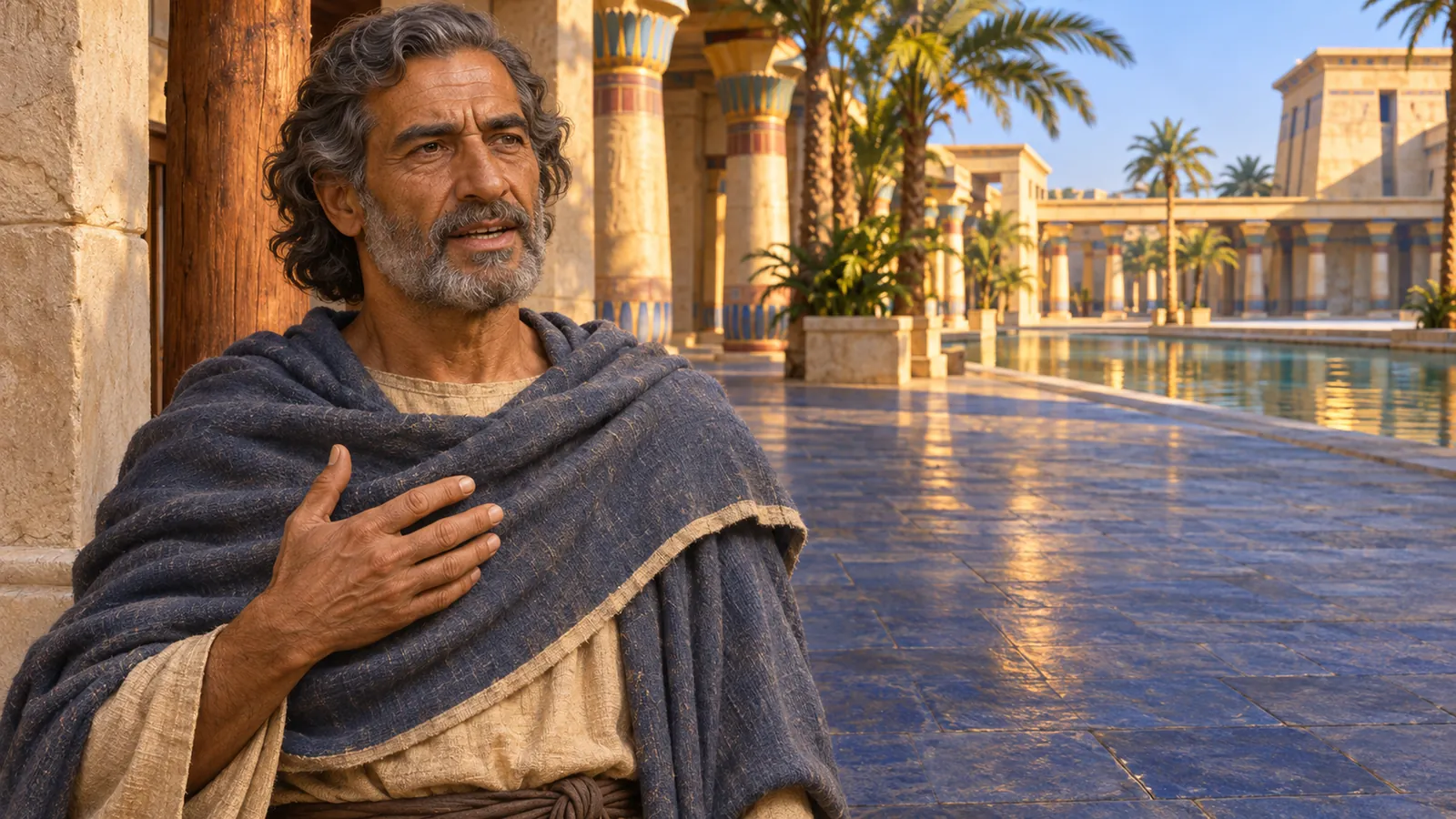
THE NAME OF AHIQAR
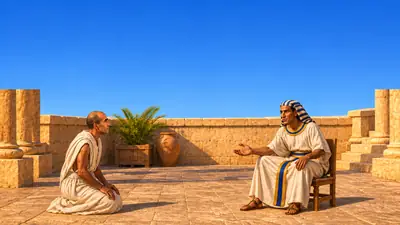
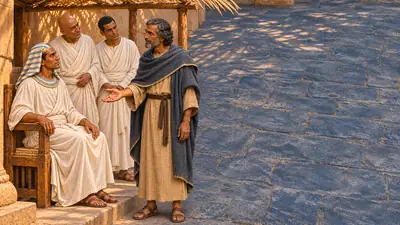
Pharaoh presses the visitor for his real name. He says he is Ahiqar, the secretary and keeper of the great seal of Sennacherib.
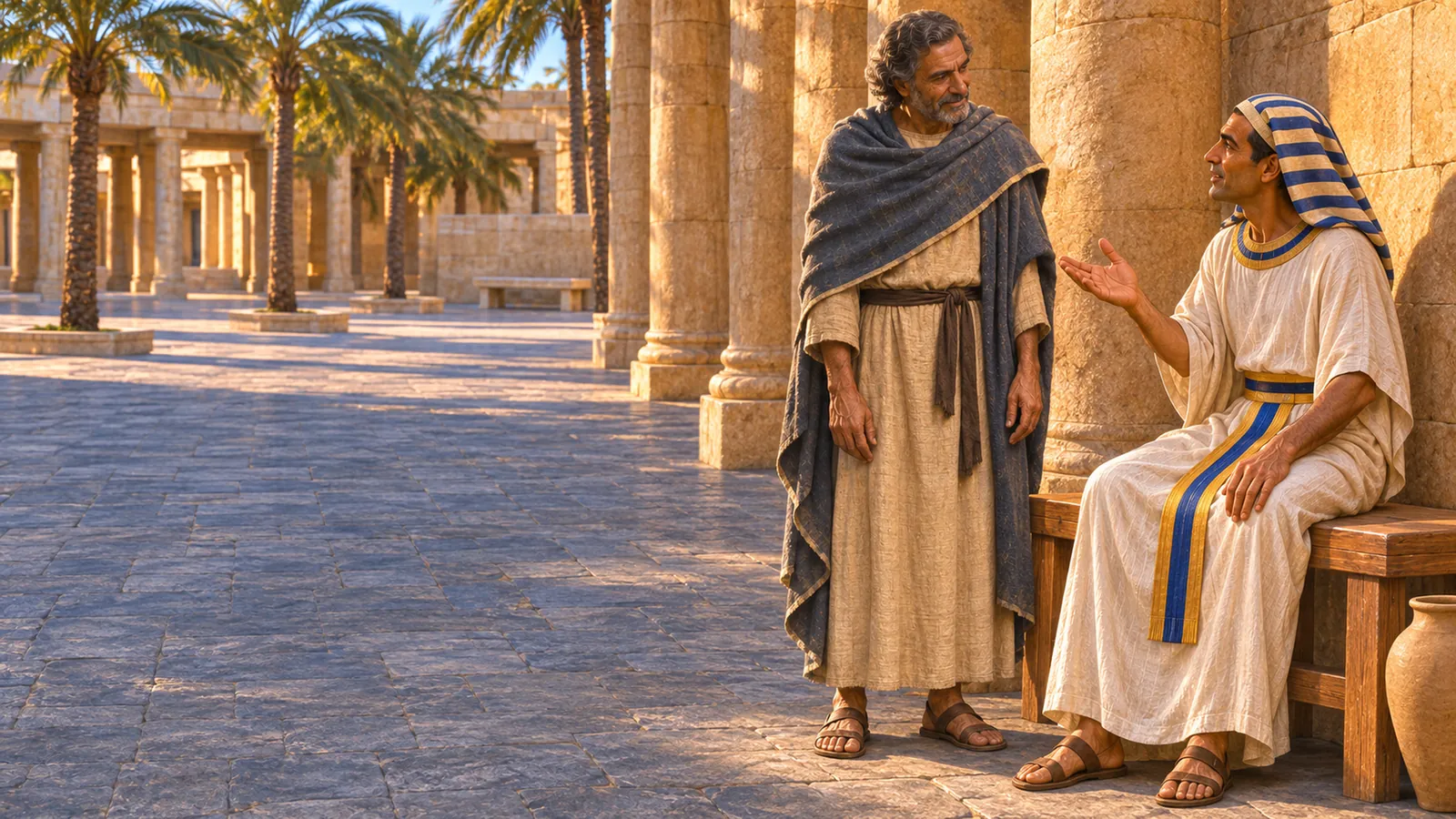
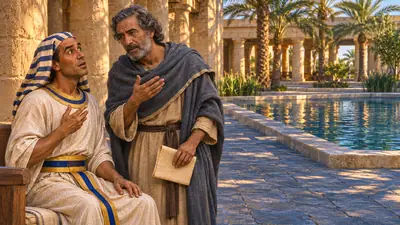
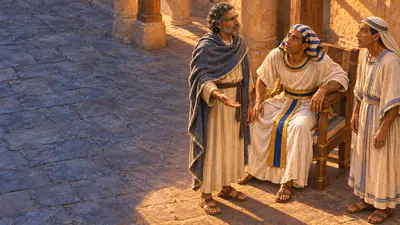
Pharaoh says he had heard that Ahiqar was dead. After Ahiqar tells him he is alive, Pharaoh asks for something that neither he nor his court has heard before.
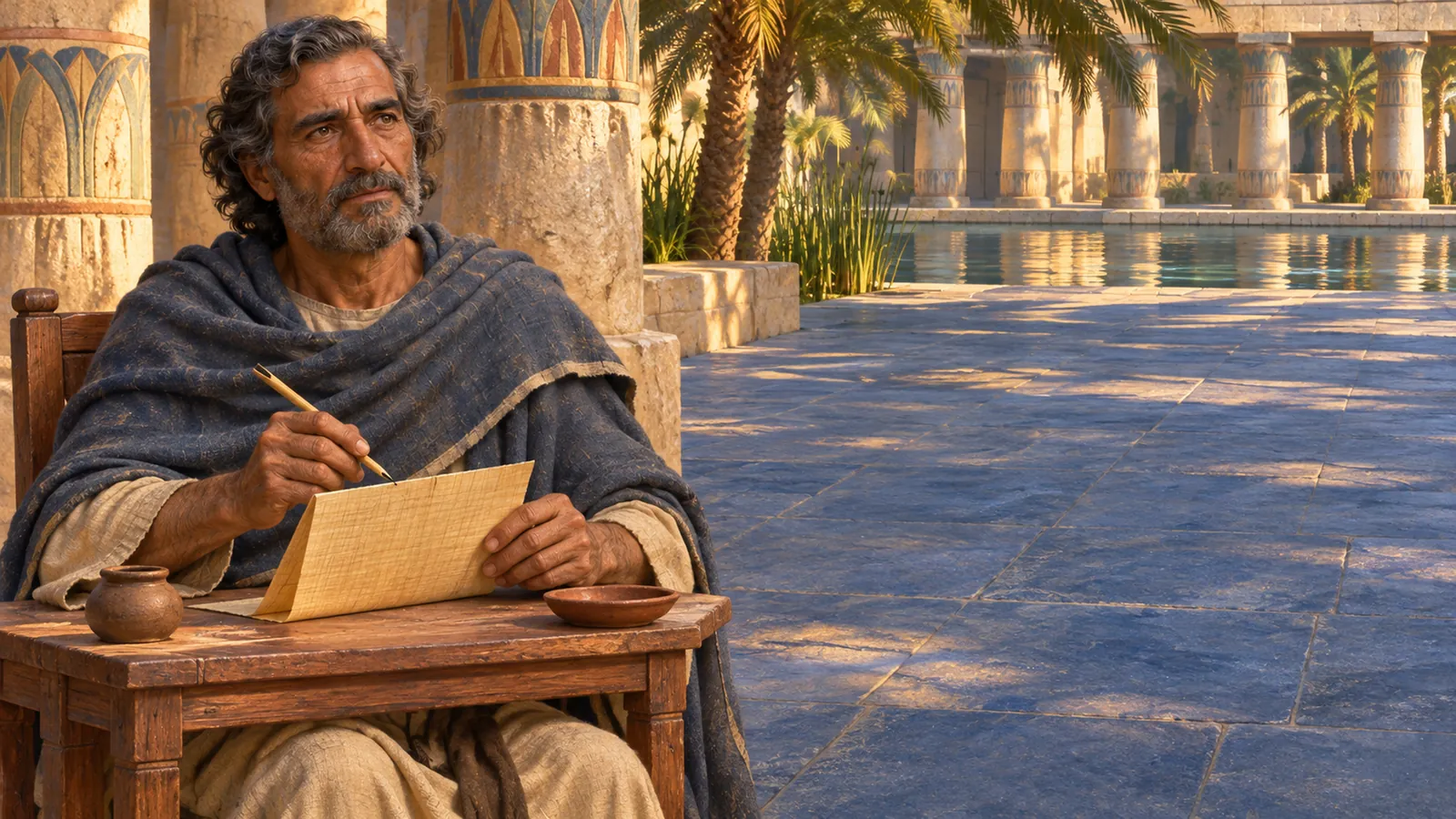
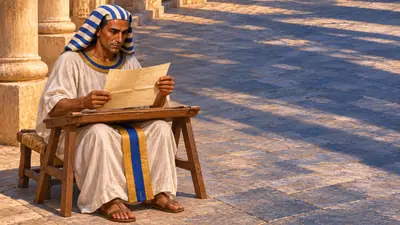
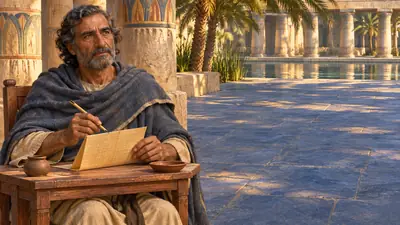
Ahiqar writes a letter as though it came from Pharaoh. In it, the Egyptian king asks Sennacherib to lend him nine hundred talents of silver.
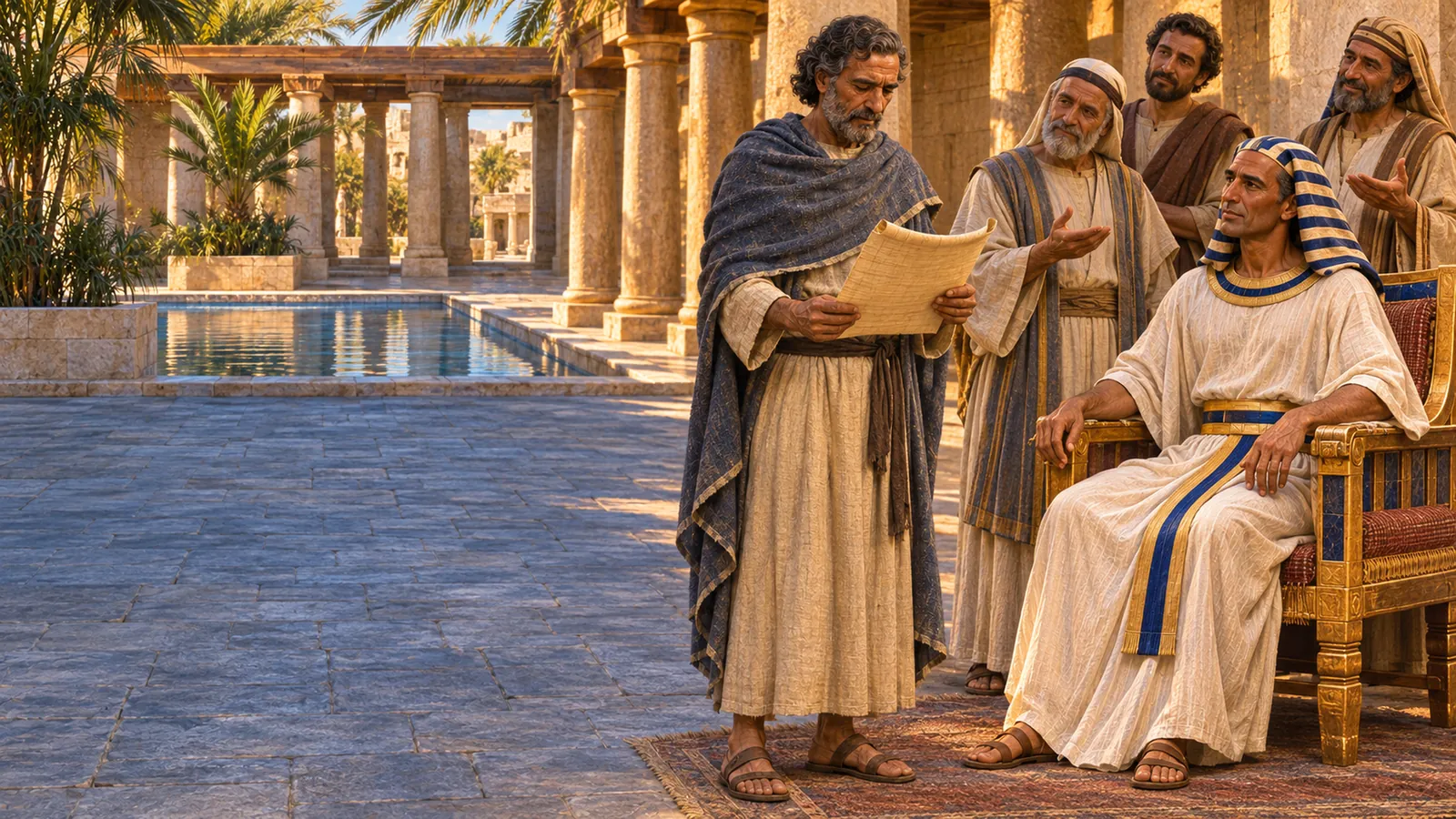
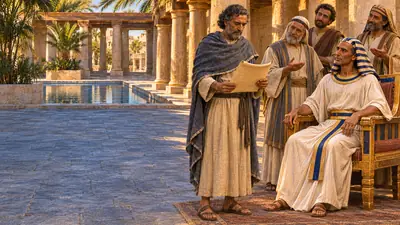
Ahiqar brings the letter and reads it to Pharaoh and the nobles. As Pharaoh has instructed, they all say that they have heard the words before.
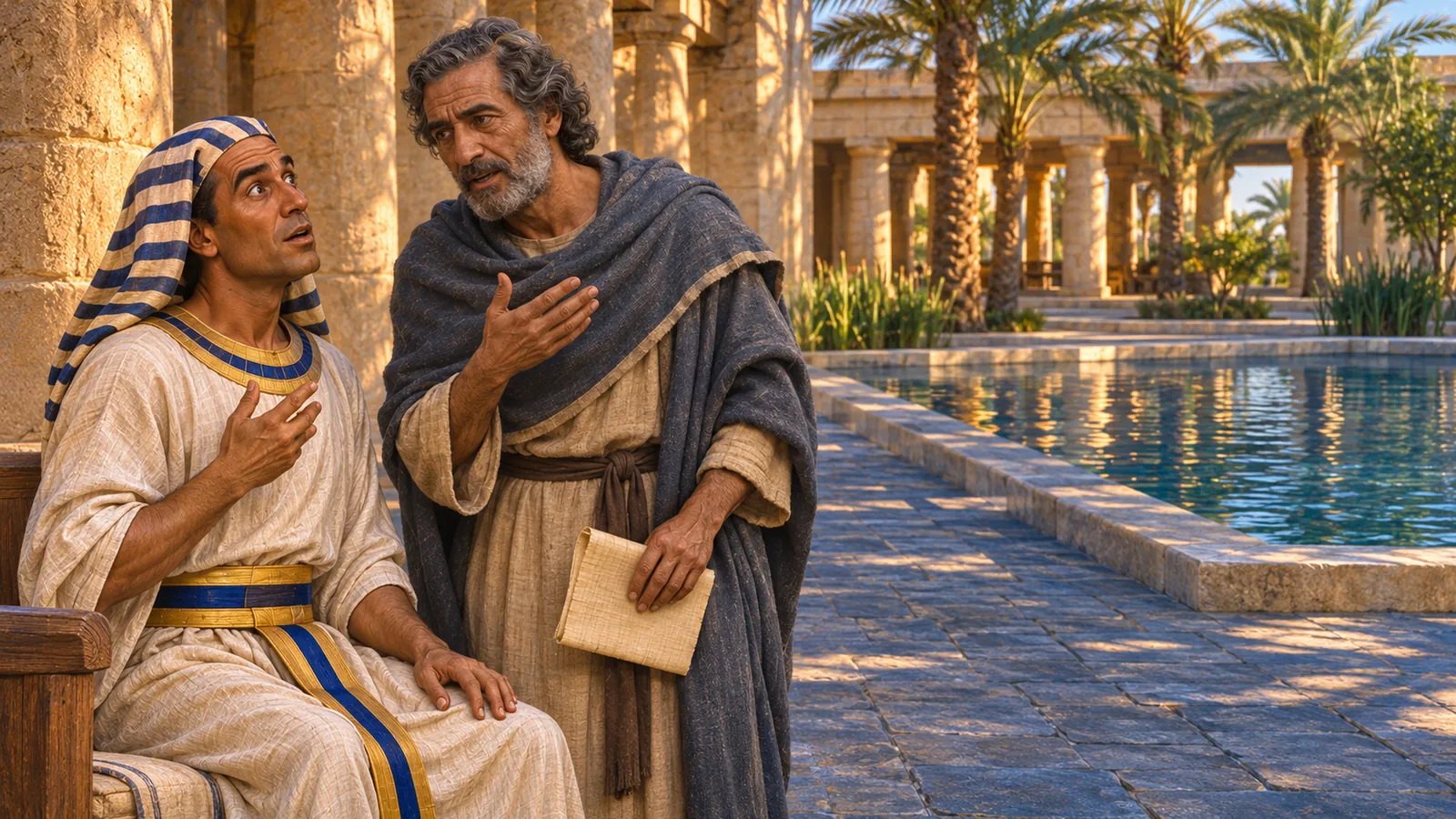
Ahiqar takes the court at its word. If they recognize the letter, he says, they have recognized a debt from Egypt to Assyria, and Pharaoh marvels.
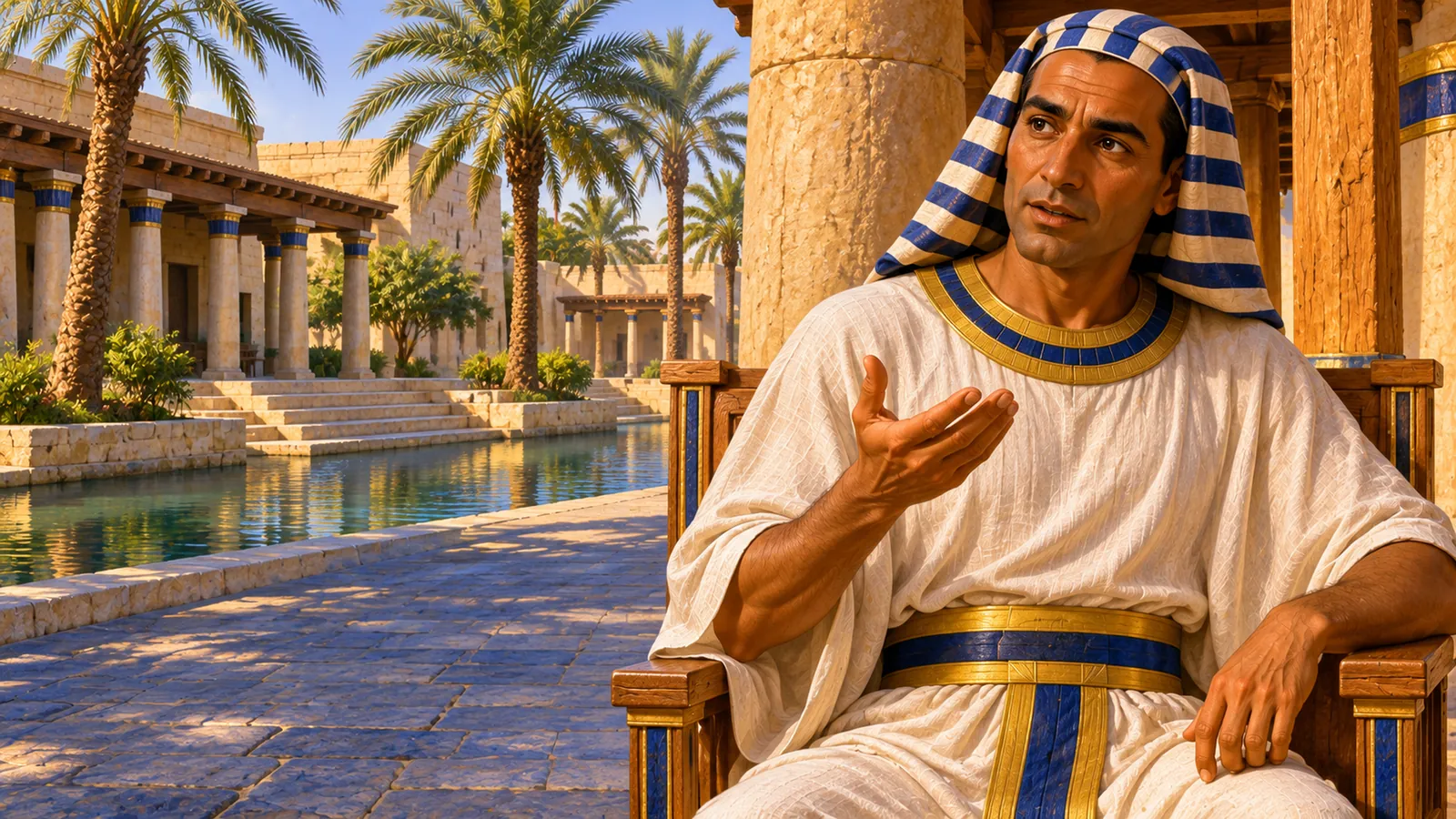
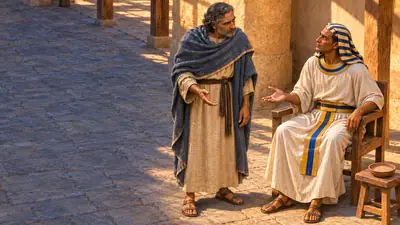
Pharaoh returns to his first proposal. He speaks of a castle far above the earth and asks Ahiqar to answer the challenge.
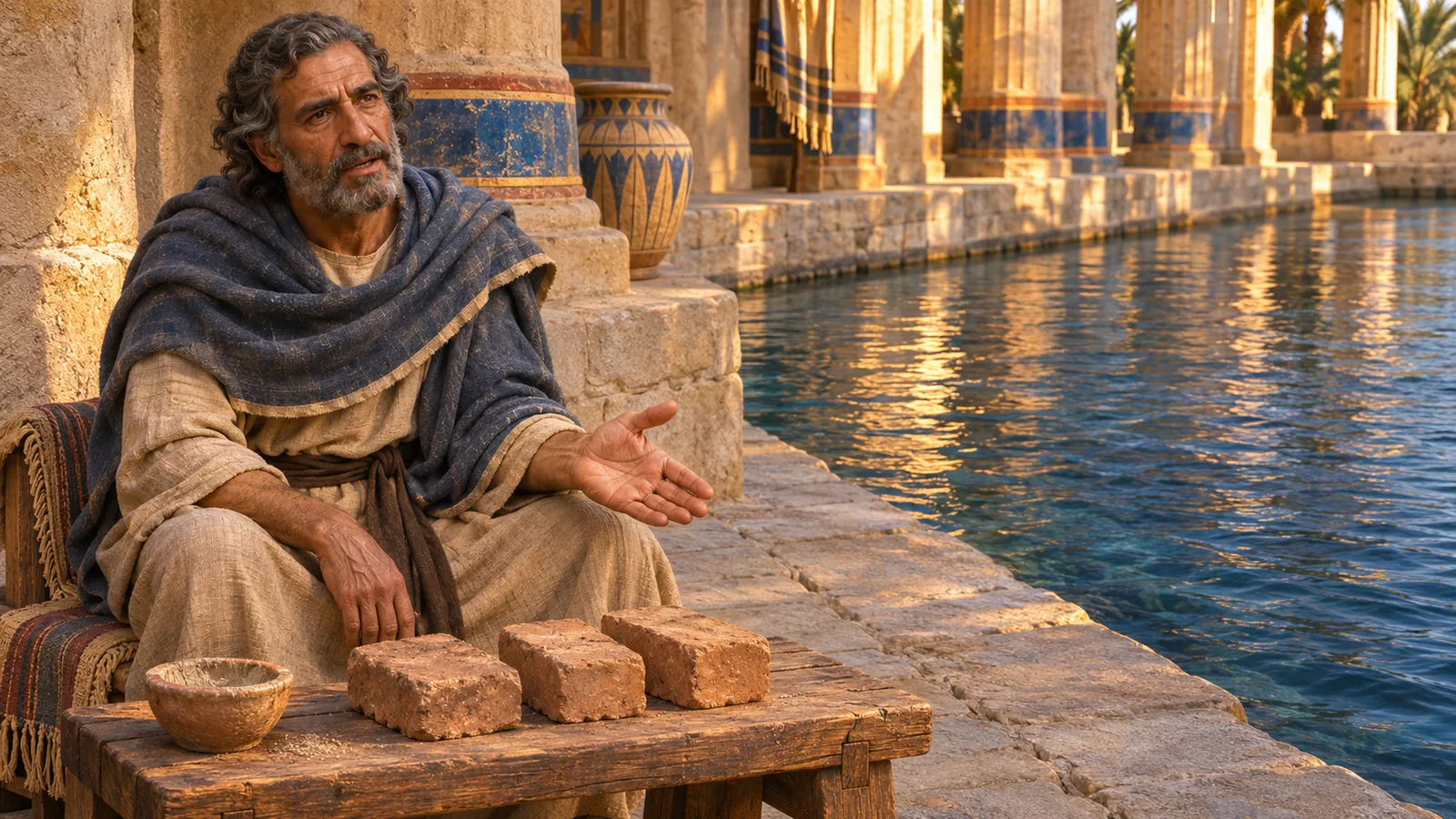
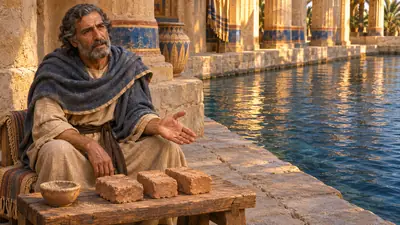
Ahiqar’s answer turns the king’s attention to ordinary building supplies. The builders would need things like mortar and bricks, and Pharaoh asks how anyone could bring the supplies up.
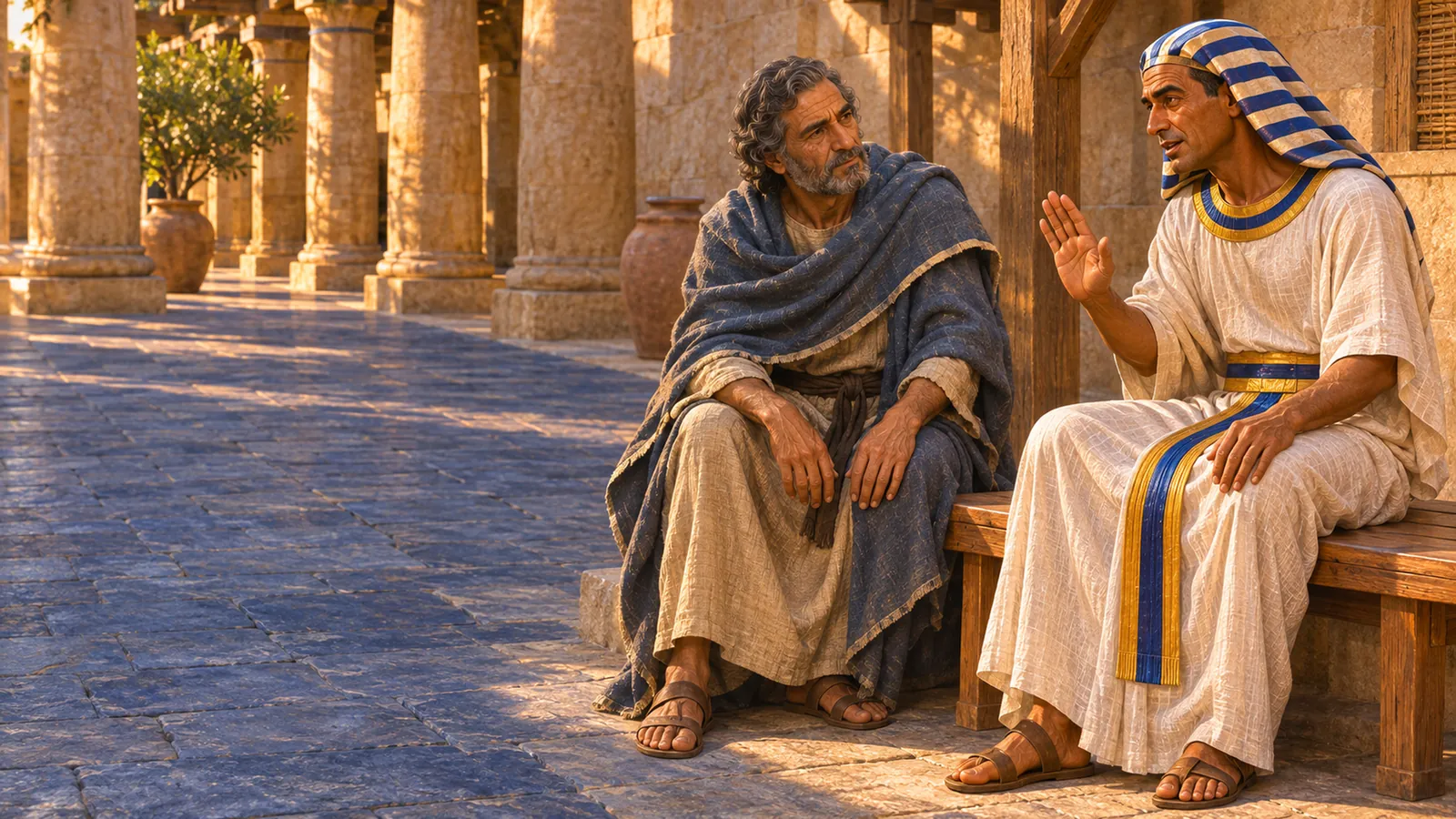
Pharaoh tells Ahiqar to set the castle aside and return to his lodging. He asks him to come before the court again the next morning.

A RIDDLE OF TIME
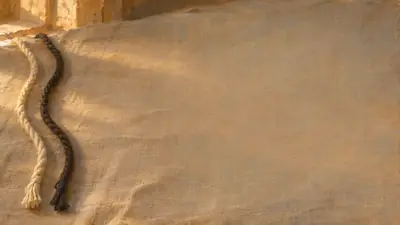
In another test, Pharaoh describes a pillar with twelve cedars. Each cedar has thirty wheels, and each wheel carries a white cord and a black one.
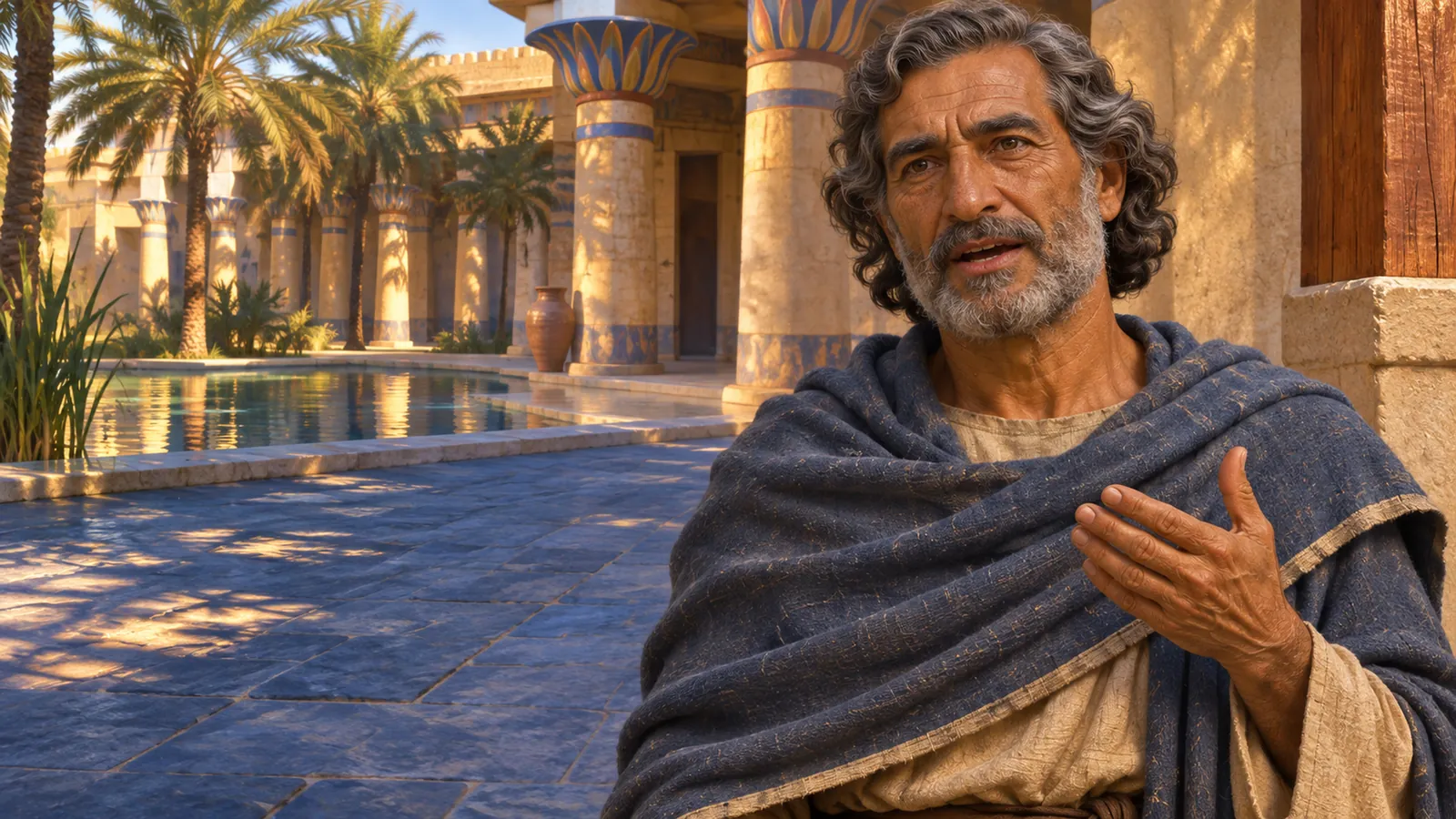
Ahiqar says even the cattle herders of his country know this riddle. The pillar stands for the year, and the twelve cedars stand for its months.
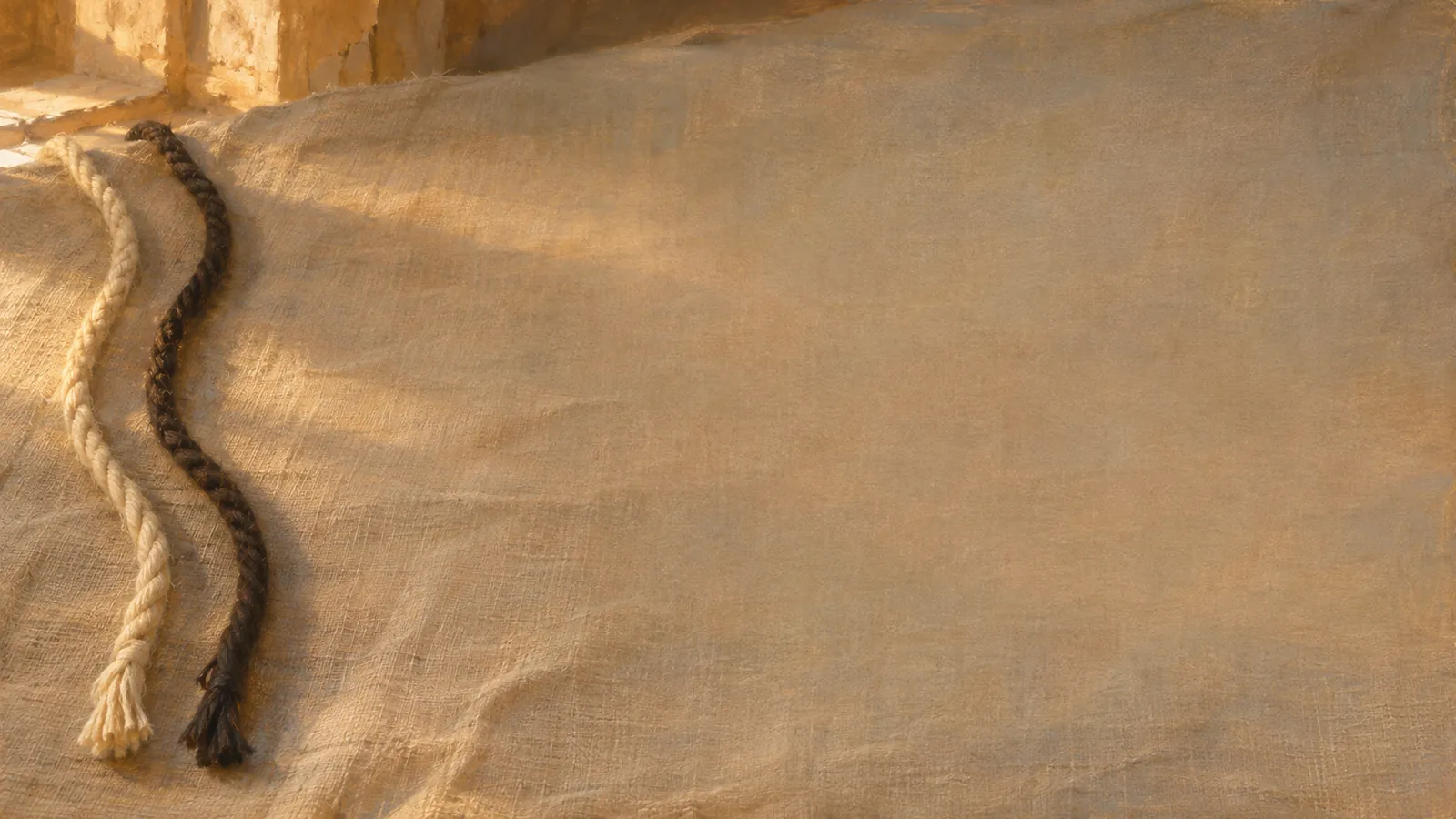
Ahiqar says the wheels stand for the days of each month in the riddle. The contrasting cords stand for daylight and darkness.
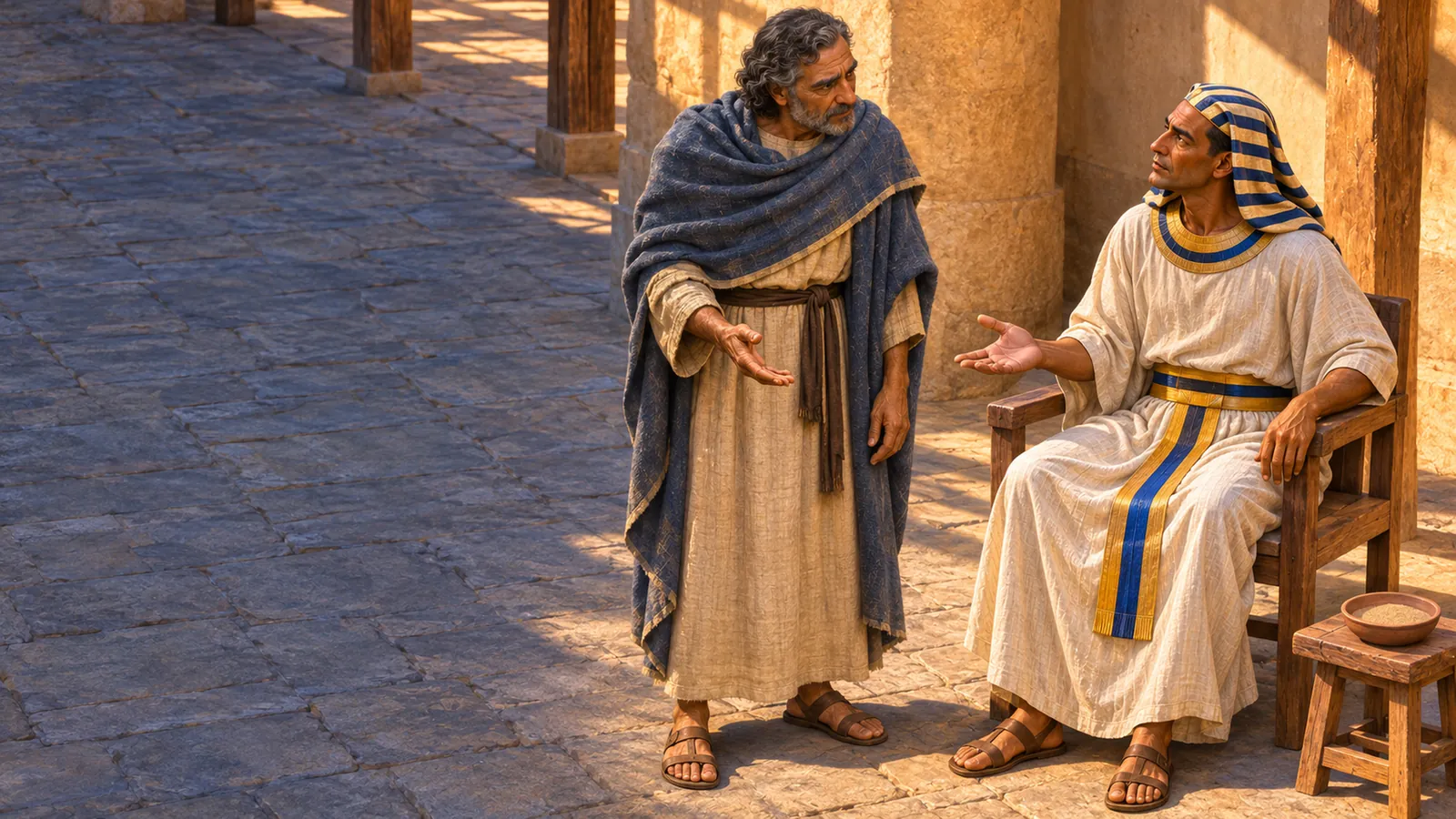
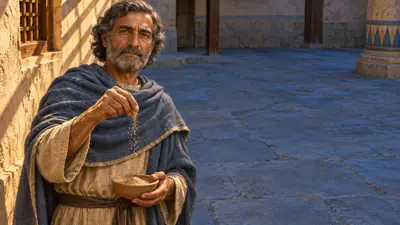
Pharaoh asks Ahiqar to make five ropes from river sand. Ahiqar asks to see one example from the treasury, but Pharaoh says the tribute depends on the task.
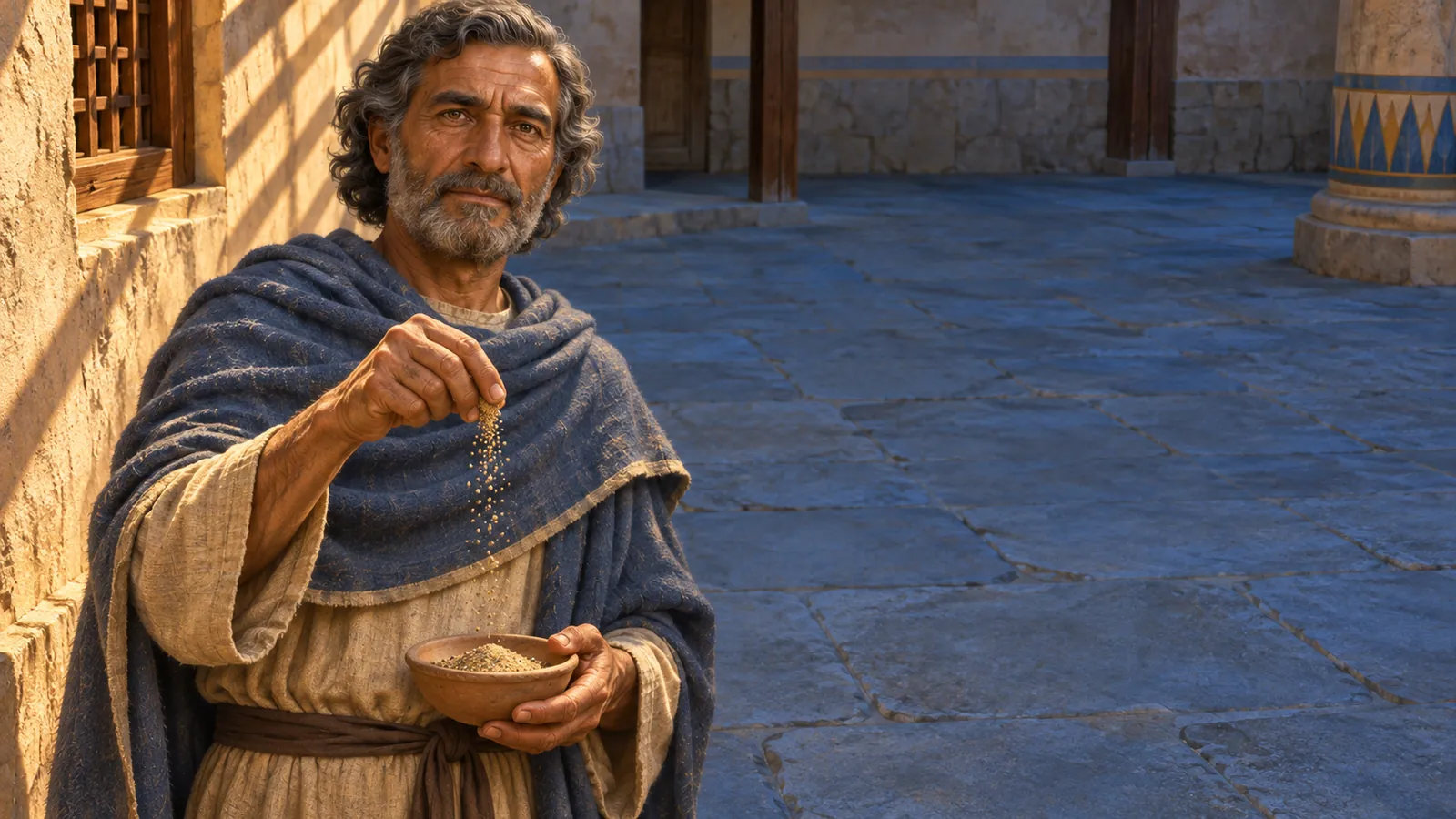
Ahiqar uses sunlight at the palace wall. When he lets sand pass through the light, it looks for a moment like rope.
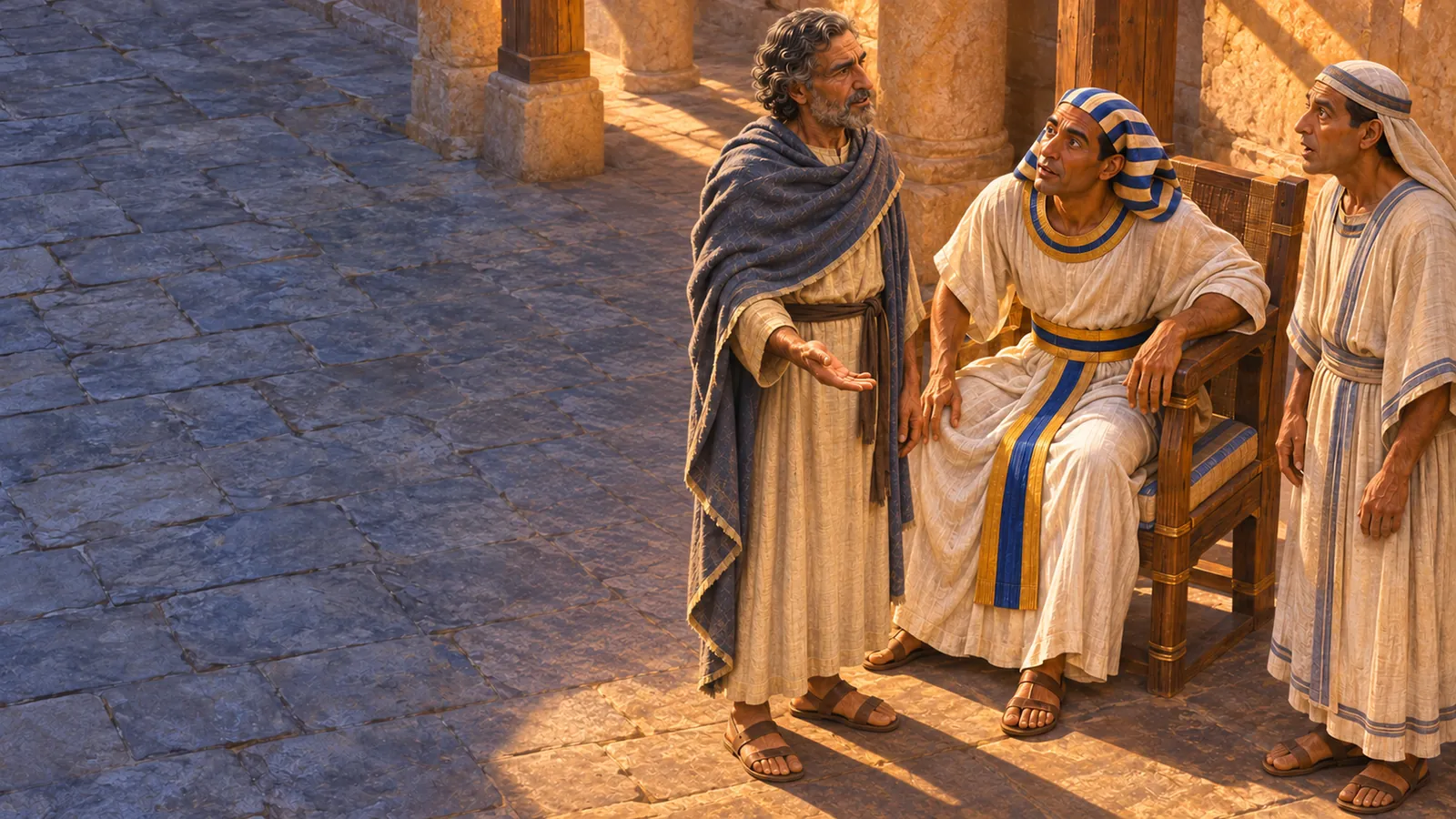
Ahiqar tells the court to take the shapes they see and says he will replace them. Pharaoh and his nobles marvel at the answer.
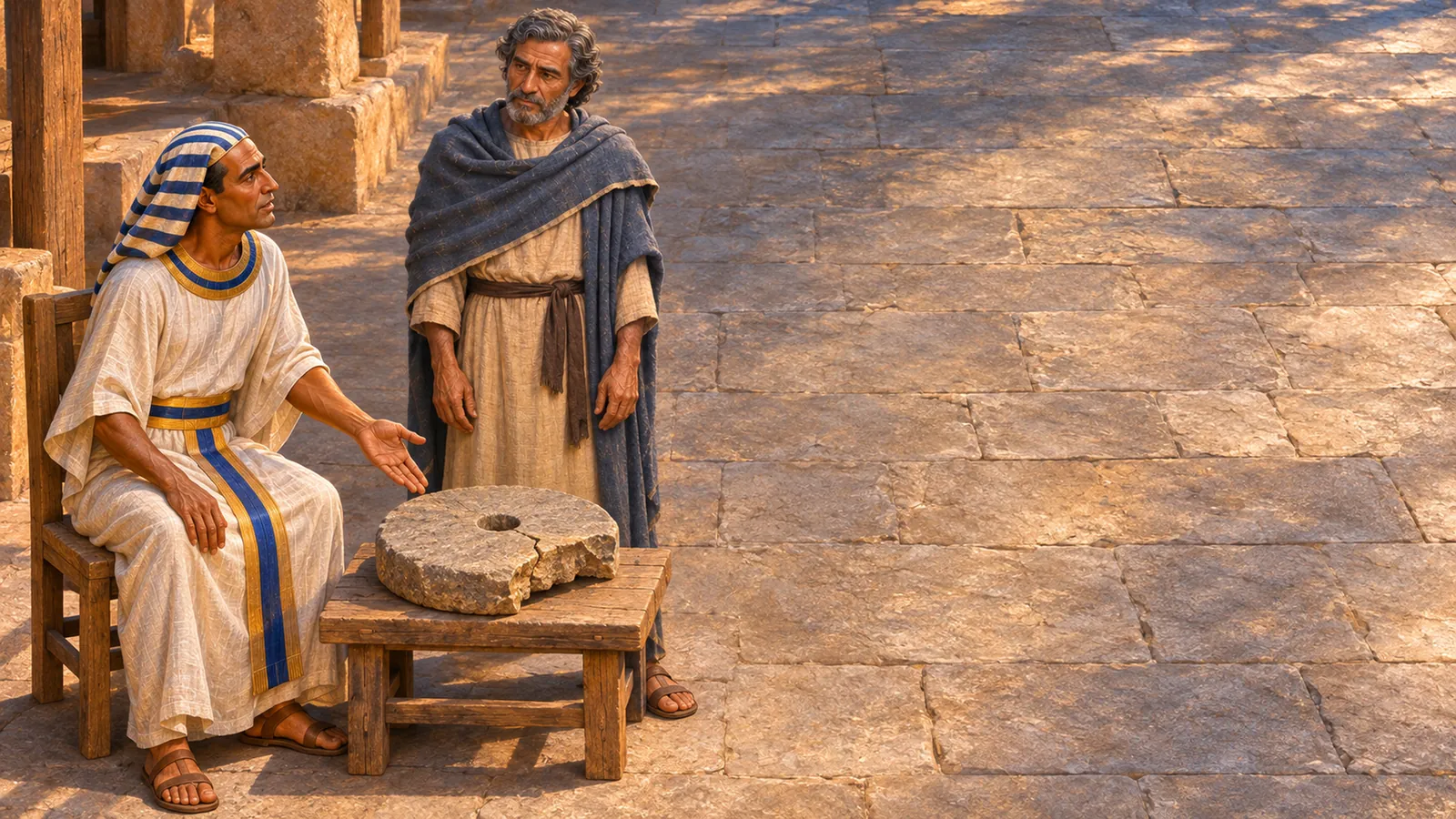
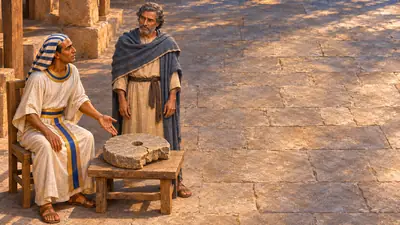
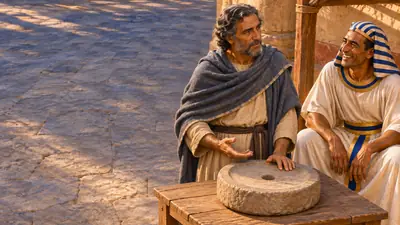
Pharaoh has the broken upper stone of a mill brought to Ahiqar. He asks Ahiqar to sew the stone back together.
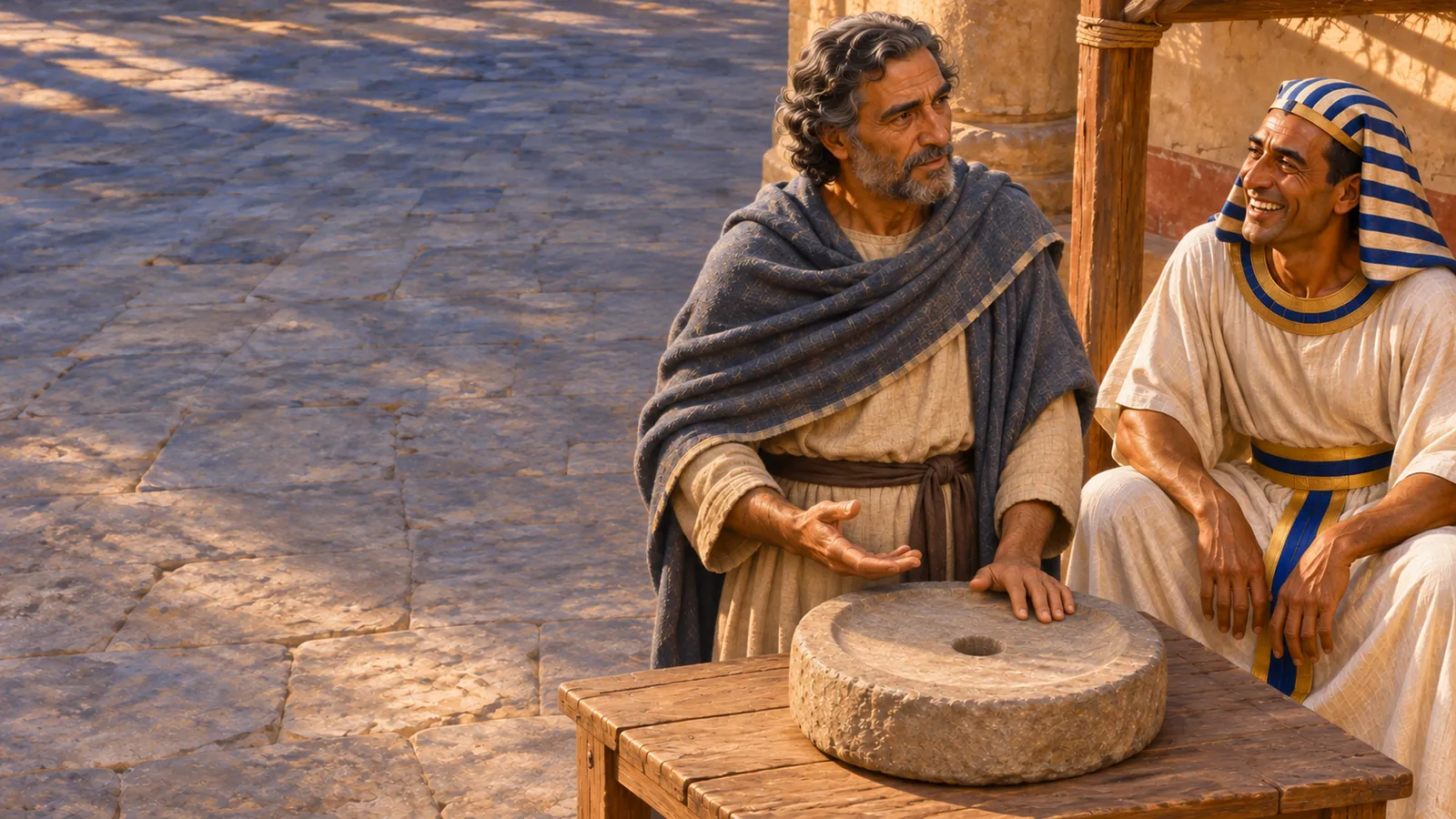
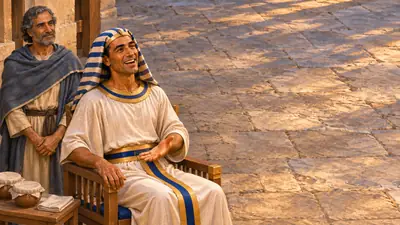
Ahiqar brings the lower millstone and asks for strips cut from it to sew the upper one together. When Pharaoh hears the answer, he laughs.
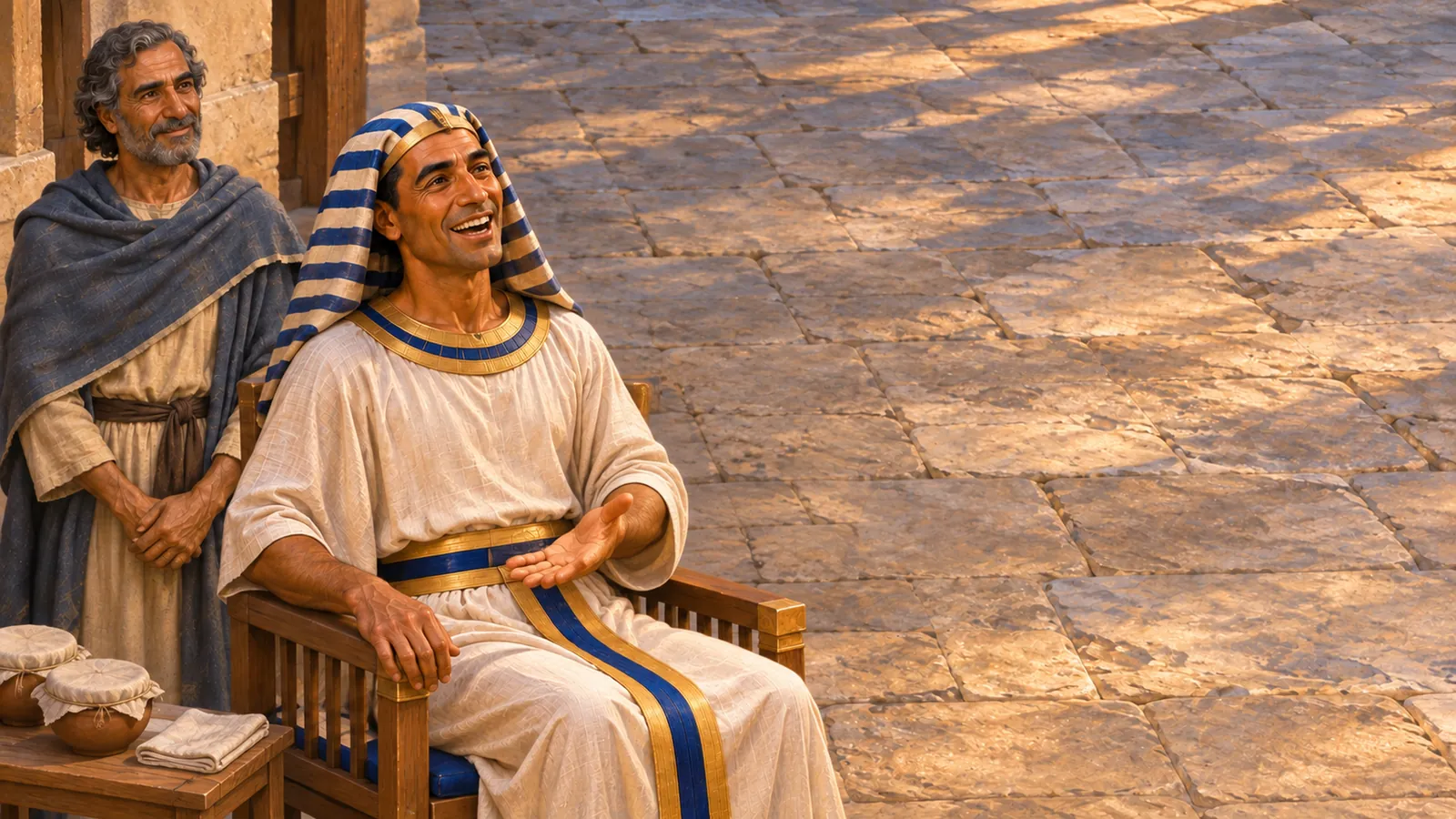
Pharaoh blesses the day Ahiqar was born. He says that seeing him alive is cause for a feast and makes it a day of celebration.
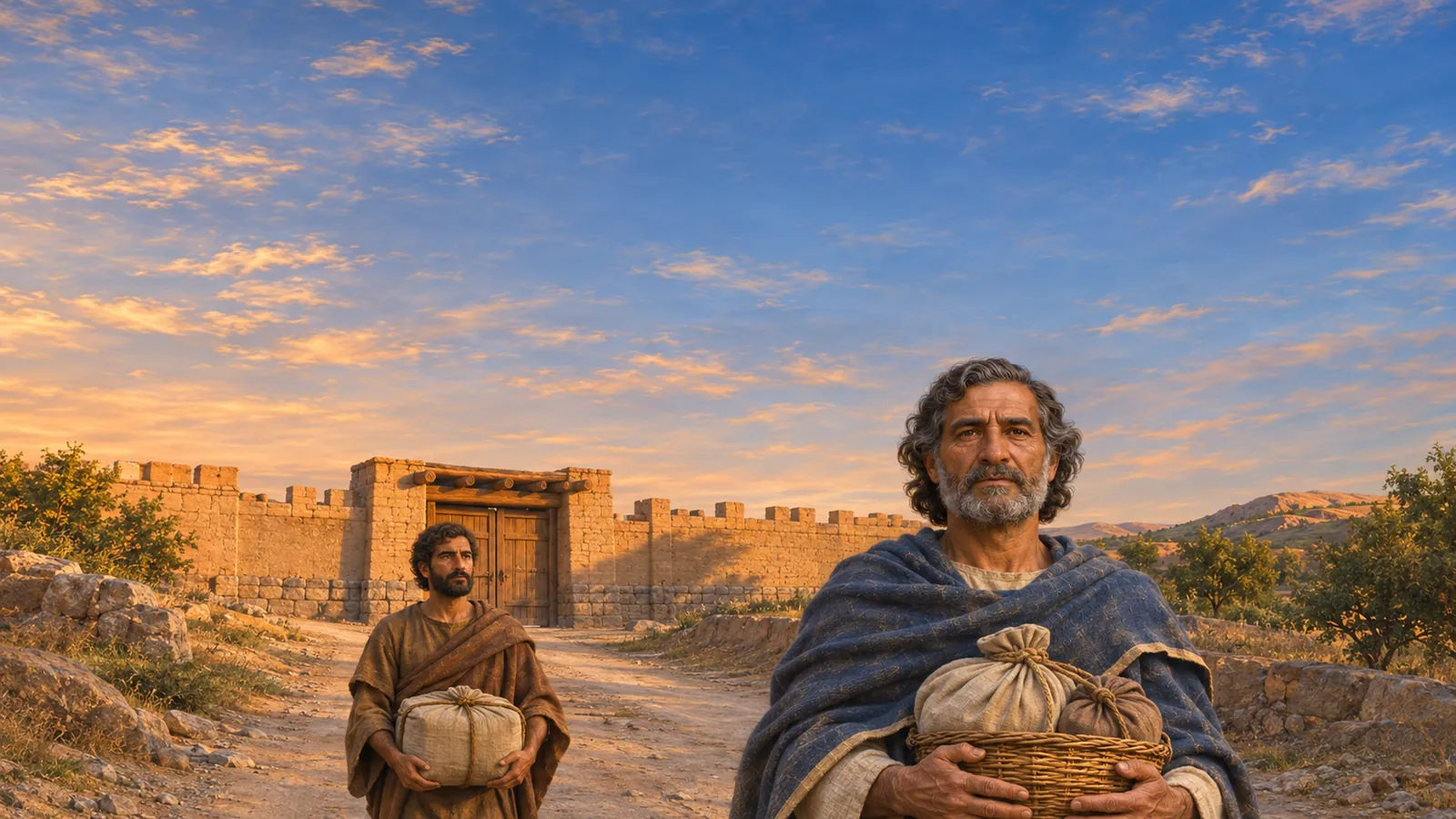
Pharaoh gives Ahiqar three years of Egypt’s revenue, as the story tells it. Ahiqar sets out again and returns to Sennacherib.
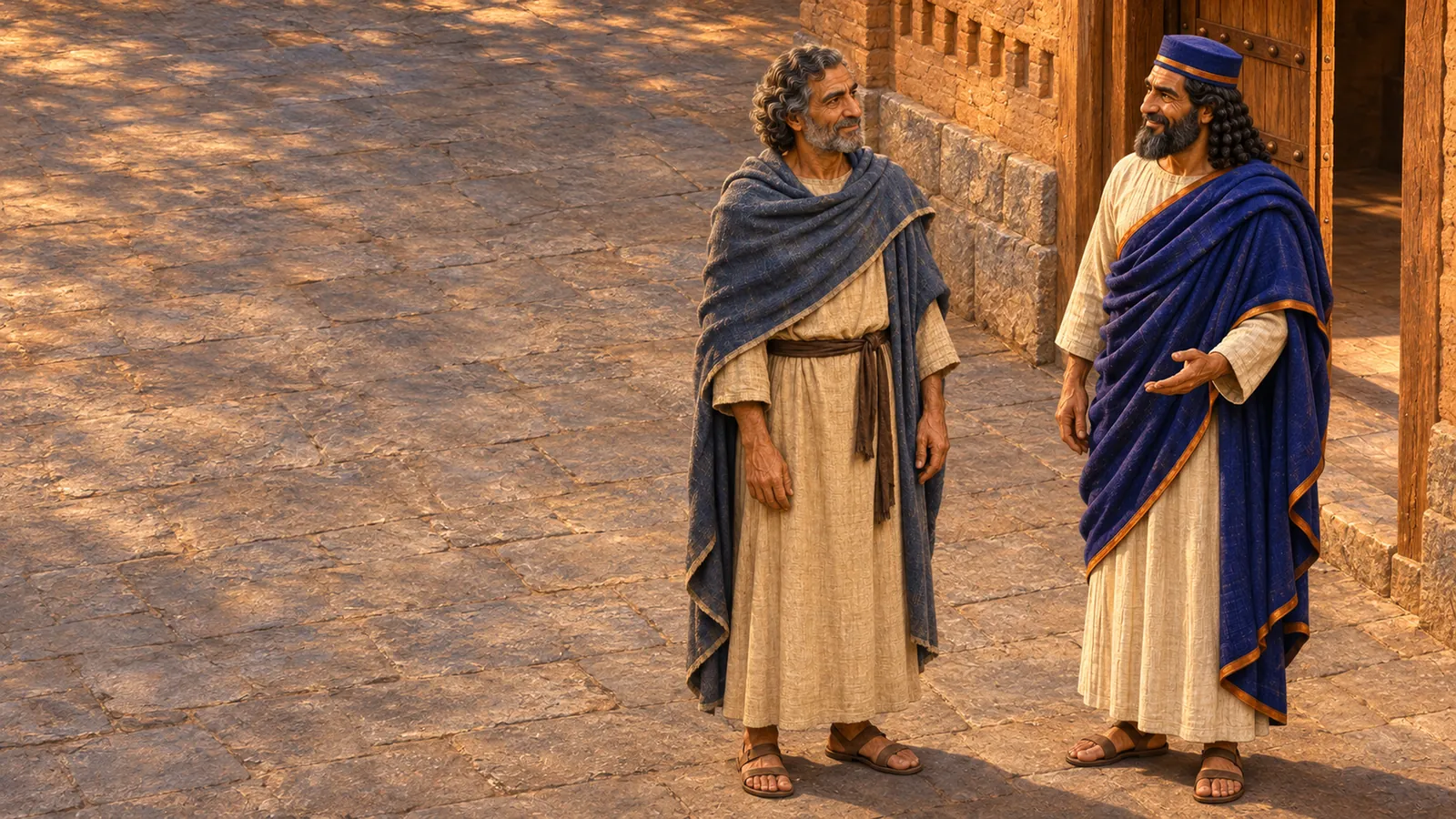
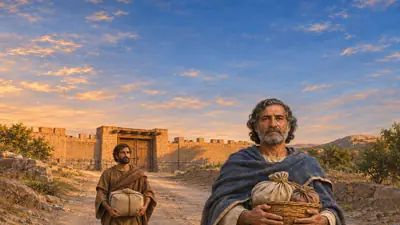
Sennacherib comes out to receive Ahiqar and places him at the head of his household. Then he invites Ahiqar to ask whatever he wishes.
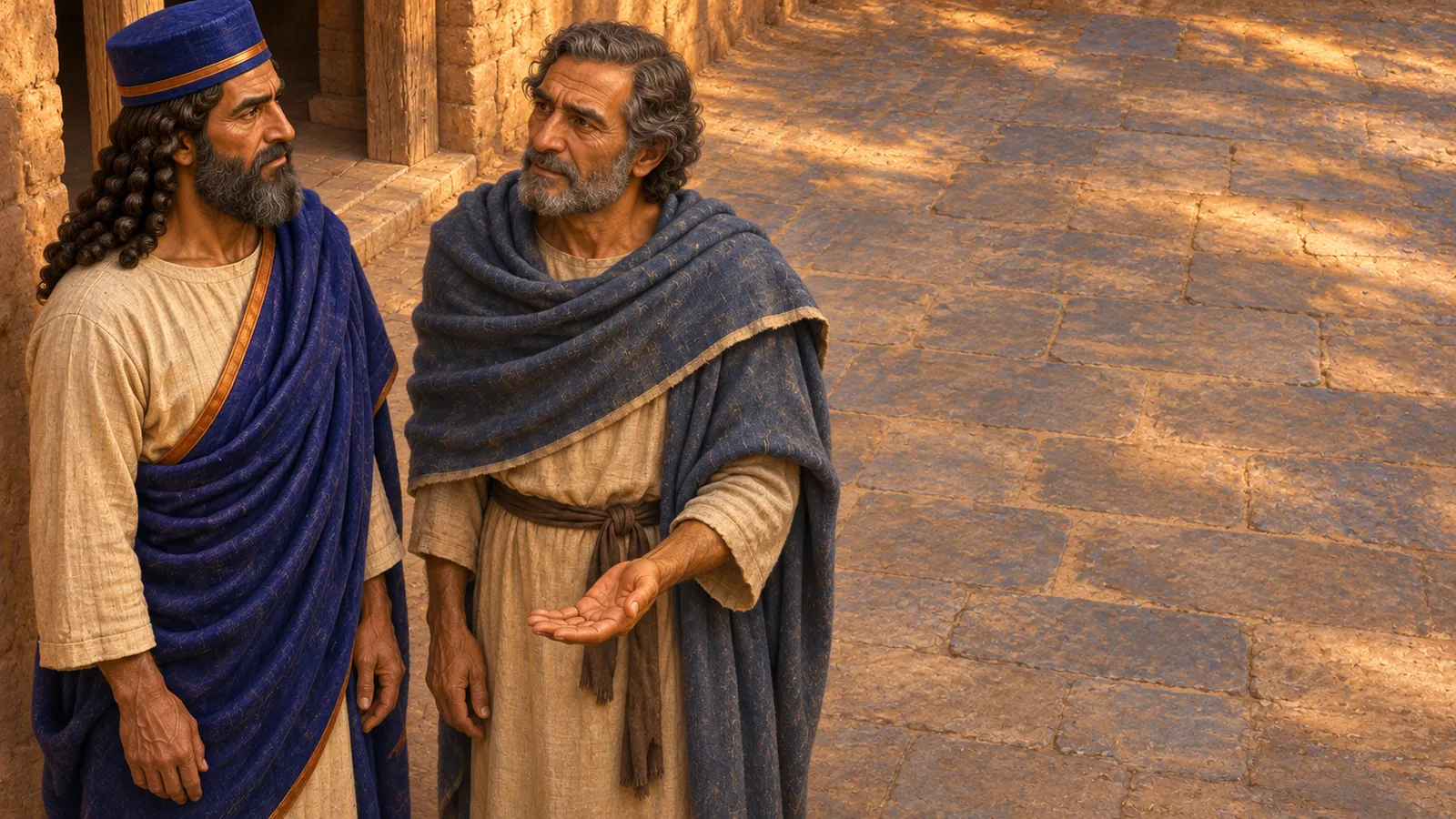
FOR HIS PROTECTOR
Ahiqar asks Sennacherib to give any reward meant for him to Nabusemakh. He remembers that Nabusemakh kept him safe when the court believed he was dead.
End of chapter 2
All pages

Sources
The Cambridge witness continues after the return with Ahiqar’s dealings with Nadan and a further set of sayings and parables, printed on pp. 122–127. The selection closes at Ahiqar’s request for Nabusemakh.
Editions consulted
- University of Göttingen, Syriac and Arabic manuscript catalogue, Cambridge Add. 2020
- Conybeare, Harris and Lewis, The Story of Ahiqar, 1913, Cambridge Syriac translation heading, p. 101
- Cambridge Syriac translation, Pharaoh’s letter and the disclosure, pp. 114–116
- Cambridge Syriac translation, the Egyptian audiences and the editorial note on erasure, pp. 117–119
- Cambridge Syriac translation, the selected riddles, return and request, pp. 120–122
- Cambridge Syriac translation, the end of the witness, p. 127
- Berlin Elephantine edition, earlier Imperial Aramaic witness
Notes on this retelling
After page 42. The Cambridge Syriac witness continues beyond Ahiqar’s request for Nabusemakh. Ahiqar has Nadan bound and beaten and rebukes him in a series of parables. Nadan swells up and dies. Cambridge Add. 2020, translated in Conybeare, Harris and Lewis, 1913, pp. 122–127. [Cambridge Syriac edition, printed page 122 onward](https://archive.org/stream/cu31924026927776/cu31924026927776_djvu.txt#L10665)
Page 12. The Cambridge Syriac account describes Ahiqar’s hair reaching his shoulders and his nails resembling an eagle’s claws after his time in hiding. Cambridge Add. 2020, translated in Conybeare, Harris and Lewis, 1913, p. 116. [Cambridge Syriac edition, printed pages 114–116](https://archive.org/stream/cu31924026927776/cu31924026927776_djvu.txt#L10356)
Ancient lines behind each page
- Page 1: Cambridge Add. 2020, Conybeare, Harris and Lewis (1913), catalogue, fols. 66v–78r and p. 114
- Page 2: Cambridge Add. 2020, Conybeare, Harris and Lewis (1913), p. 114
- Page 3: Cambridge Add. 2020, Conybeare, Harris and Lewis (1913), pp. 114–115
- Page 4: Cambridge Add. 2020, Conybeare, Harris and Lewis (1913), p. 115
- Page 5: Cambridge Add. 2020, Conybeare, Harris and Lewis (1913), p. 115
- Page 6: Cambridge Add. 2020, Conybeare, Harris and Lewis (1913), p. 115
- Page 7: Cambridge Add. 2020, Conybeare, Harris and Lewis (1913), p. 115
- Page 8: Cambridge Add. 2020, Conybeare, Harris and Lewis (1913), p. 115
- Page 9: Cambridge Add. 2020, Conybeare, Harris and Lewis (1913), pp. 115–116
- Page 10: Cambridge Add. 2020, Conybeare, Harris and Lewis (1913), p. 116
- Page 11: Cambridge Add. 2020, Conybeare, Harris and Lewis (1913), p. 116
- Page 12: Cambridge Add. 2020, Conybeare, Harris and Lewis (1913), p. 116
- Page 13: Cambridge Add. 2020, Conybeare, Harris and Lewis (1913), pp. 116–117
- Page 14: Cambridge Add. 2020, Conybeare, Harris and Lewis (1913), pp. 116–117
- Page 15: Cambridge Add. 2020, Conybeare, Harris and Lewis (1913), p. 117
- Page 16: Cambridge Add. 2020, Conybeare, Harris and Lewis (1913), p. 117
- Page 17: Cambridge Add. 2020, Conybeare, Harris and Lewis (1913), p. 117
- Page 18: Cambridge Add. 2020, Conybeare, Harris and Lewis (1913), pp. 117–118
- Page 19: Cambridge Add. 2020, Conybeare, Harris and Lewis (1913), p. 118
- Page 20: Cambridge Add. 2020, Conybeare, Harris and Lewis (1913), p. 118
- Page 21: Cambridge Add. 2020, Conybeare, Harris and Lewis (1913), p. 118
- Page 22: Cambridge Add. 2020, Conybeare, Harris and Lewis (1913), pp. 118–119, p. 119 n. 1
- Page 23: Cambridge Add. 2020, Conybeare, Harris and Lewis (1913), p. 119
- Page 24: Cambridge Add. 2020, Conybeare, Harris and Lewis (1913), p. 119
- Page 25: Cambridge Add. 2020, Conybeare, Harris and Lewis (1913), p. 119
- Page 26: Cambridge Add. 2020, Conybeare, Harris and Lewis (1913), pp. 119–120
- Page 27: Cambridge Add. 2020, Conybeare, Harris and Lewis (1913), p. 120
- Page 28: Cambridge Add. 2020, Conybeare, Harris and Lewis (1913), p. 120
- Page 29: Cambridge Add. 2020, Conybeare, Harris and Lewis (1913), p. 120
- Page 30: Cambridge Add. 2020, Conybeare, Harris and Lewis (1913), p. 120
- Page 31: Cambridge Add. 2020, Conybeare, Harris and Lewis (1913), p. 121
- Page 32: Cambridge Add. 2020, Conybeare, Harris and Lewis (1913), p. 121
- Page 33: Cambridge Add. 2020, Conybeare, Harris and Lewis (1913), p. 121
- Page 34: Cambridge Add. 2020, Conybeare, Harris and Lewis (1913), p. 121
- Page 35: Cambridge Add. 2020, Conybeare, Harris and Lewis (1913), p. 121
- Page 36: Cambridge Add. 2020, Conybeare, Harris and Lewis (1913), p. 121
- Page 37: Cambridge Add. 2020, Conybeare, Harris and Lewis (1913), pp. 121–122
- Page 38: Cambridge Add. 2020, Conybeare, Harris and Lewis (1913), p. 122
- Page 39: Cambridge Add. 2020, Conybeare, Harris and Lewis (1913), p. 122
- Page 40: Cambridge Add. 2020, Conybeare, Harris and Lewis (1913), p. 122
- Page 41: Cambridge Add. 2020, Conybeare, Harris and Lewis (1913), p. 122
- Page 42: Cambridge Add. 2020, Conybeare, Harris and Lewis (1913), p. 122
Illustrations made with AI tools by IL Archive; the text is based on the ancient sources (see the sources at the end of each chapter).