Person
Esther, the biblical queen
The Jewish heroine of Esther, portrayed as becoming queen and intervening to save her community at the Persian court.
Last reviewed:
Text
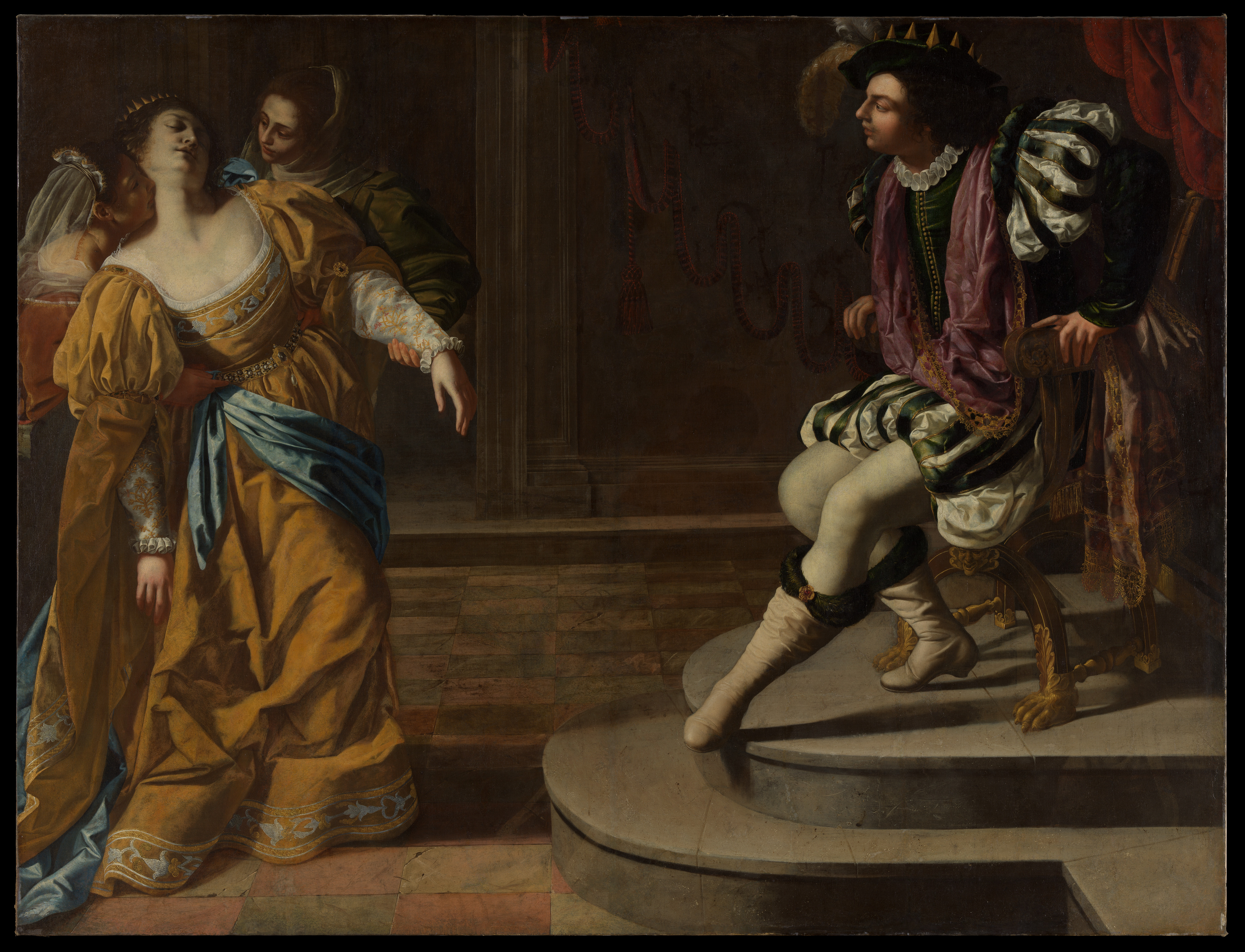
Esther, also called Hadassah, is the protagonist of the biblical book bearing her name. The text presents her as a Jewish orphan and Mordecai’s cousin, whom he adopted and raised. She becomes the king’s wife and reveals her identity when Haman’s scheme threatens her people. This describes her narrative identity; independent identification in Persian sources remains uncertain. [1][2]
Details vary between HebrewHebrewA Northwest Semitic language of the Canaanite group, encompassing Iron Age epigraphy, Biblical, Rabbinic, medieval and Modern Hebrew; its scripts and pronunciations changed over time.Glossary · Click to read the explanation and Greek traditions. Hebrew describes her call to fast and management of the royal meeting; Greek adds an extended prayer and a scene emphasizing God’s intervention. [3]
References and notes
- Esther 2:5–20: kinship, names, adoption and queenship. Esther 2:5–20: kinship, names, adoption and queenship. Return to the text ↑
- Shaked, Esther: setting and historicity. Shaked, Esther: setting and historicity. Return to the text ↑
- Jobes, NETS, Additions C and D, two Greek traditions. Jobes, NETS, Additions C and D, two Greek traditions. Return to the text ↑
Suggest a correction · Suggest a source for this record
Cite this record
IL Archive, «Esther, the biblical queen», https://ilarchive.com/en/people/esther-biblical-queen
Continue reading