Person
Mordecai in Esther
Esther’s relative and guardian in the story, who uncovers a plot, confronts Haman and rises at court.
Last reviewed:
Text
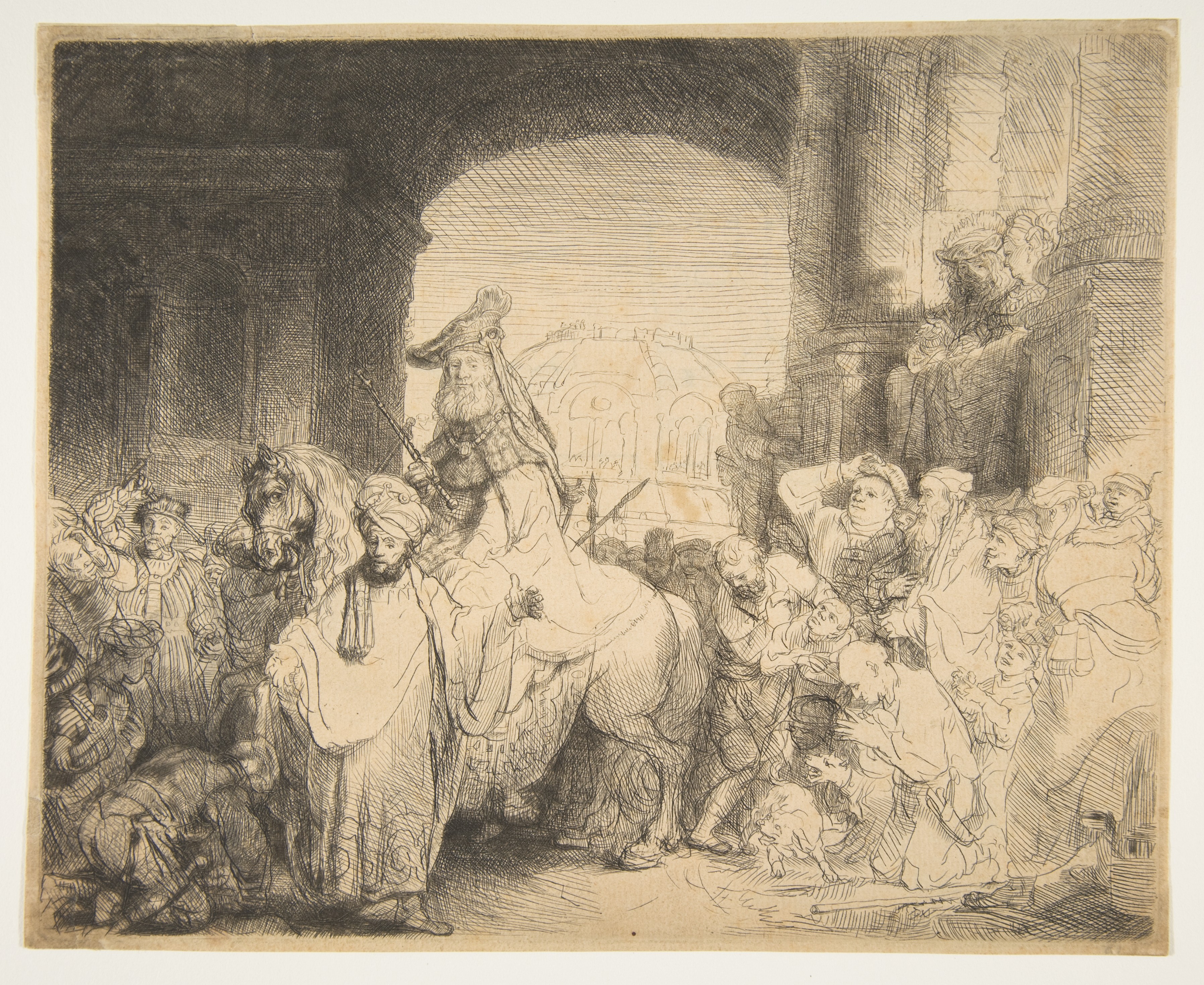
Mordecai is a Jewish figure in Esther. In 2:7 Esther is his cousin, adopted after her parents’ death; he subsequently discovers a plot against the king. His refusal to bow to Haman begins a conflict extended to the Jews, before a reversal brings him honor and higher rank. [1][2]
A connection between his name and Babylonian MardukMardukBabylon’s leading god, worshipped at Esagil and elevated in the Akkadian Enūma eliš. His symbols include a spade and mušḫuššu dragon. His earliest origins remain obscure; Nibiru is no evidence of a planetary homeland.Glossary · Click to read the explanation has been discussed. The history of a name is distinct from establishing that a character is a transformed god or that the narrative events are independently documented. [3]
References and notes
- Esther 2:7 and 2:21–23: kinship and discovery of the plot. Esther 2:7 and 2:21–23: kinship and discovery of the plot. Return to the text ↑
- Esther 6: Mordecai’s honor and reversal of positions. Esther 6: Mordecai’s honor and reversal of positions. Return to the text ↑
- Shaked: names and proposed interpretations. Shaked: names and proposed interpretations. Return to the text ↑
Suggest a correction · Suggest a source for this record
Cite this record
IL Archive, «Mordecai in Esther», https://ilarchive.com/en/people/mordecai-esther
Continue reading