Site
Ancient Moab
An ancient land and kingdom in present-day Jordan, with Mesha's ninth-century BCE inscription a major local witness.
Last reviewed:
Text
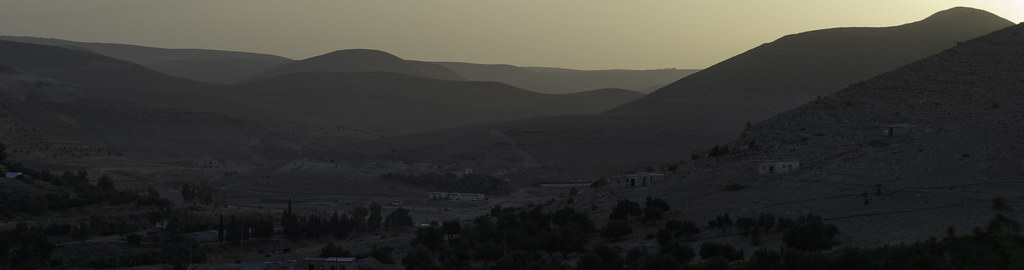
Moab was an ancient land and kingdom associated with the plateaus east of the Dead SeaDead SeaThe Dead Sea is a salt lake in the Jordan Rift Valley, near sites where ancient manuscripts were foundGlossary · Click to read the explanation, in present-day JordanJordan, the modern countryModern Levantine country independent as a kingdom in 1946, whose present territory includes Dhiban and ancient Moabite sites.Glossary · Click to read the explanation. Its extent varies across periods and texts; it should not be treated as a modern state with fixed borders.[1]
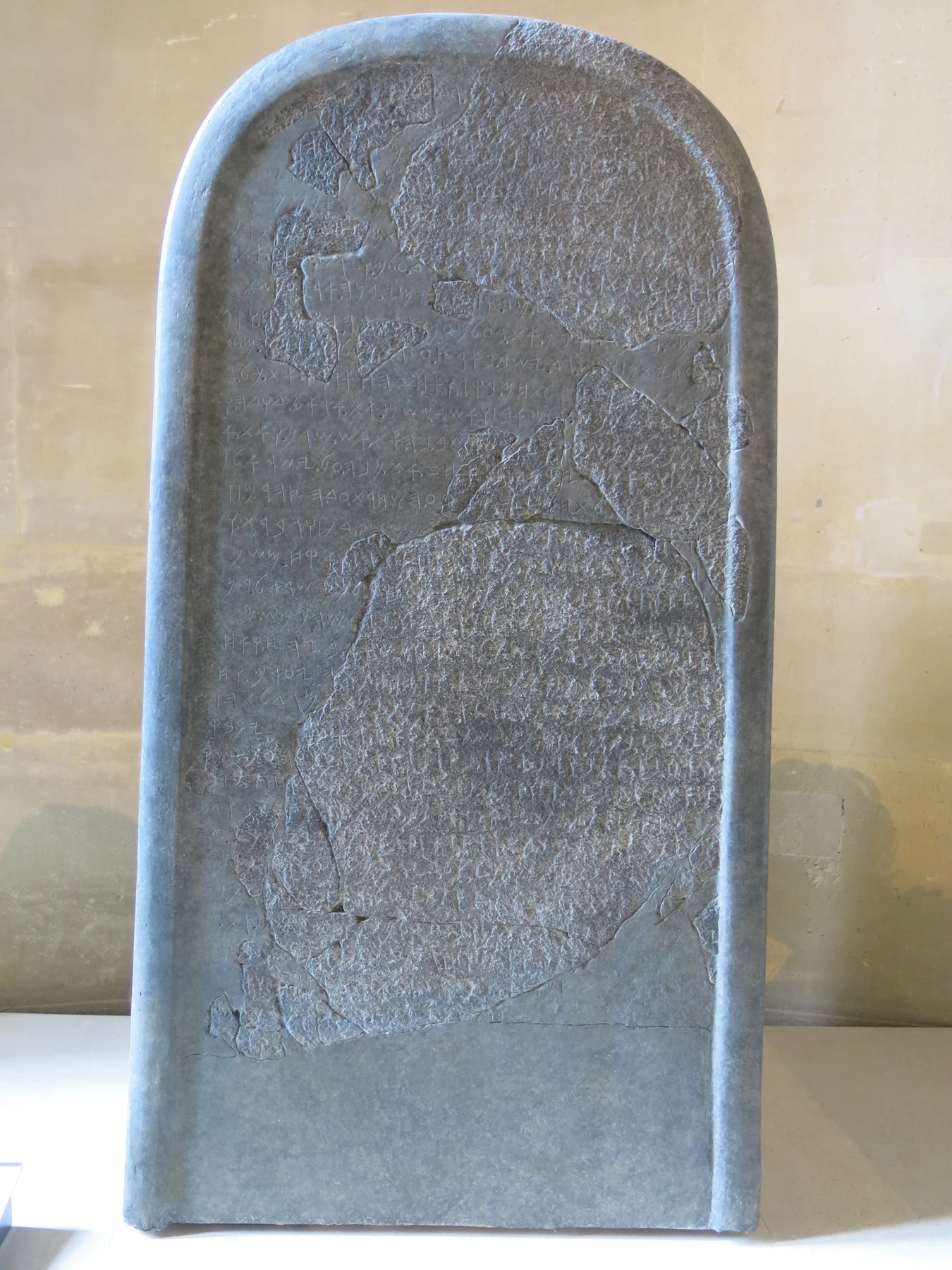
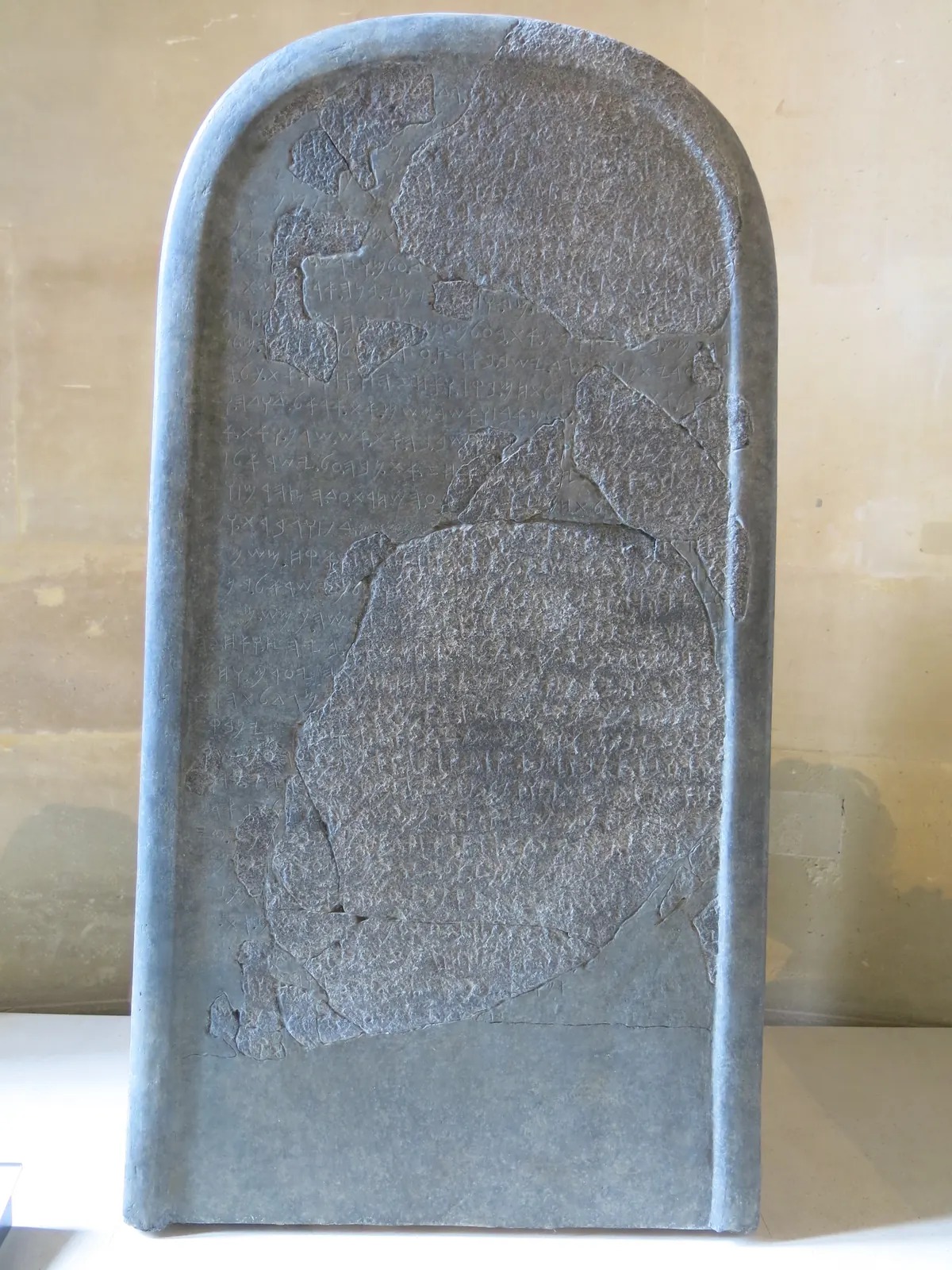
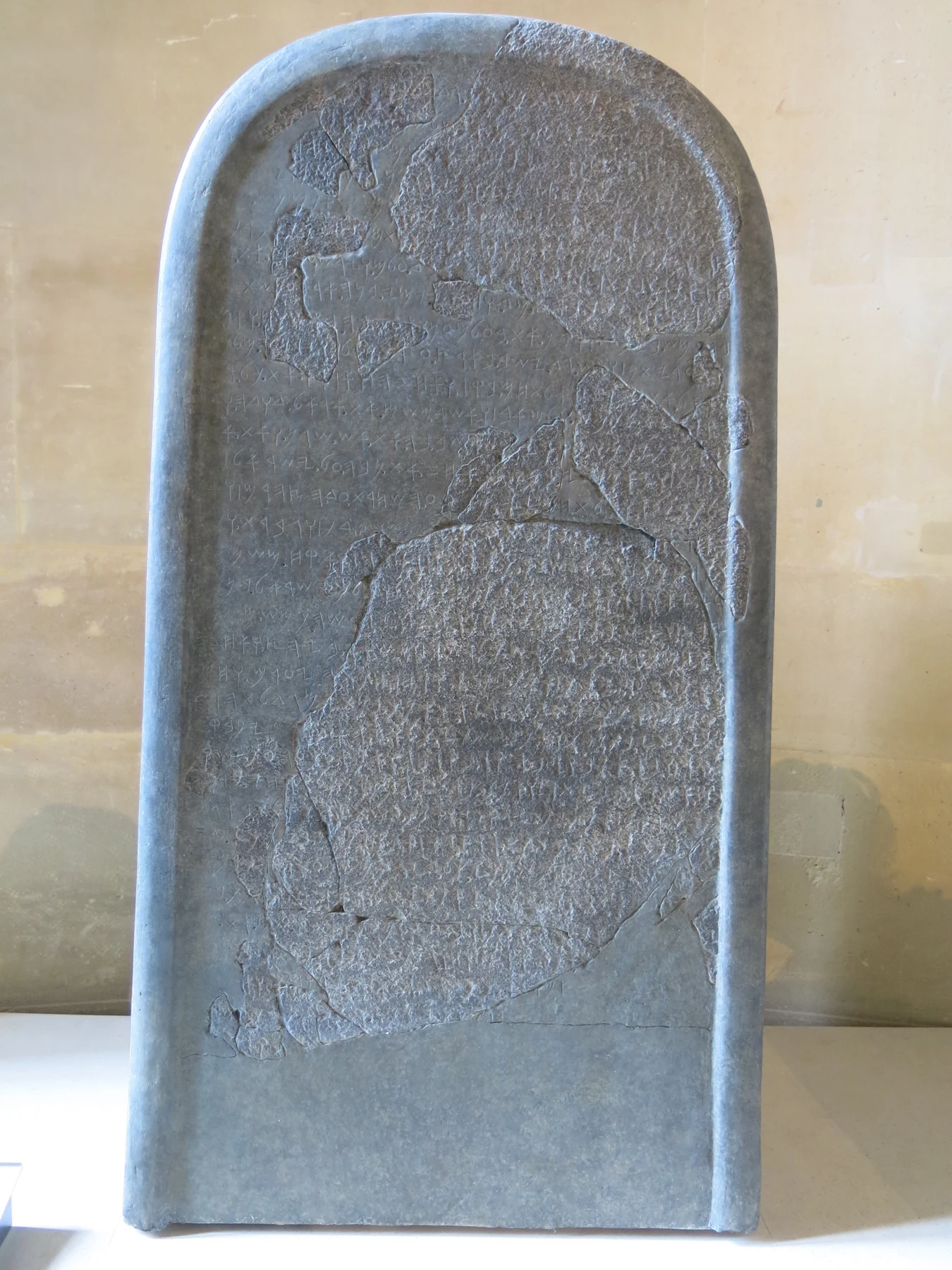
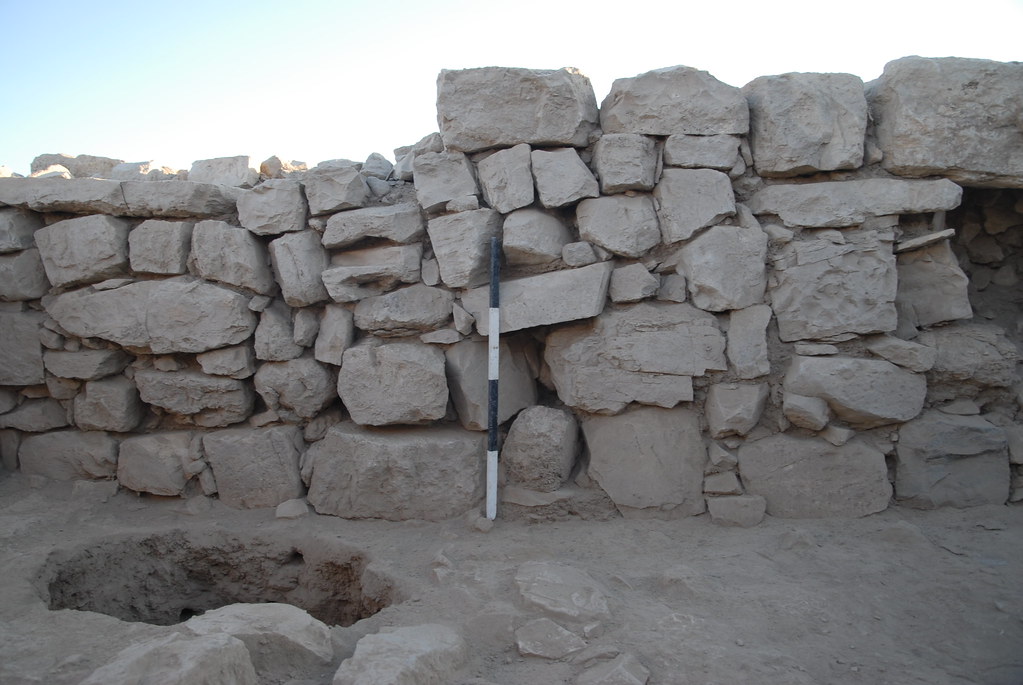
The ninth-century BCE Mesha inscriptionMesha SteleA ninth-century BCE Moabite royal basalt stele at the Louvre (AO 5066; KAI 181). Its inscription names Chemosh, Omri, Israel and YHWH (line 18). A proposed “House of David” reading in damaged line 31 is disputed.Glossary · Click to read the explanation relates kingship to land and ChemoshChemoshMajor Moabite deity in the ninth-century BCE Mesha Stele, credited with restoring territory and receiving war booty; also named in Hebrew texts from another perspective.Glossary · Click to read the explanation and recounts conflicts with Israel. Excavations at DhibanDhiban: town and archaeological siteTown and archaeological site in west-central Jordan, findspot of the Mesha Stele in 1868, with several periods of settlement.Glossary · Click to read the explanation add evidence for settlement and urban transformation, while the kingdom's organization remains a subject of research.[1][2]
References and notes
- Bruce Routledge, Conditions of State Formation at the Edges of Empires: The Case of Iron Age Moab, 2016. pp.80–85: Moab and the inscription; p.90: Dhiban's urban transformation. Return to the text ↑
- Benjamin Porter and Bruce Routledge, Dhiban Excavation and Development Project, Open Context, 2011. Project introduction, settlement episodes, modern town and adjacent mound. Return to the text ↑
Suggest a correction · Suggest a source for this record
Cite this record
IL Archive, «Ancient Moab», https://ilarchive.com/en/sites/moab-ancient-kingdom
Continue reading