Site · Contextual definition
Sinai: peninsula and biblical mountain
Ancient mines, a frontier road and the monastery of Saint Catherine record different periods in Sinai. The biblical name also belongs to the mountain of revelation, whose location is uncertain.
Estimated reading time: 3 min Published Last reviewed:
Share article
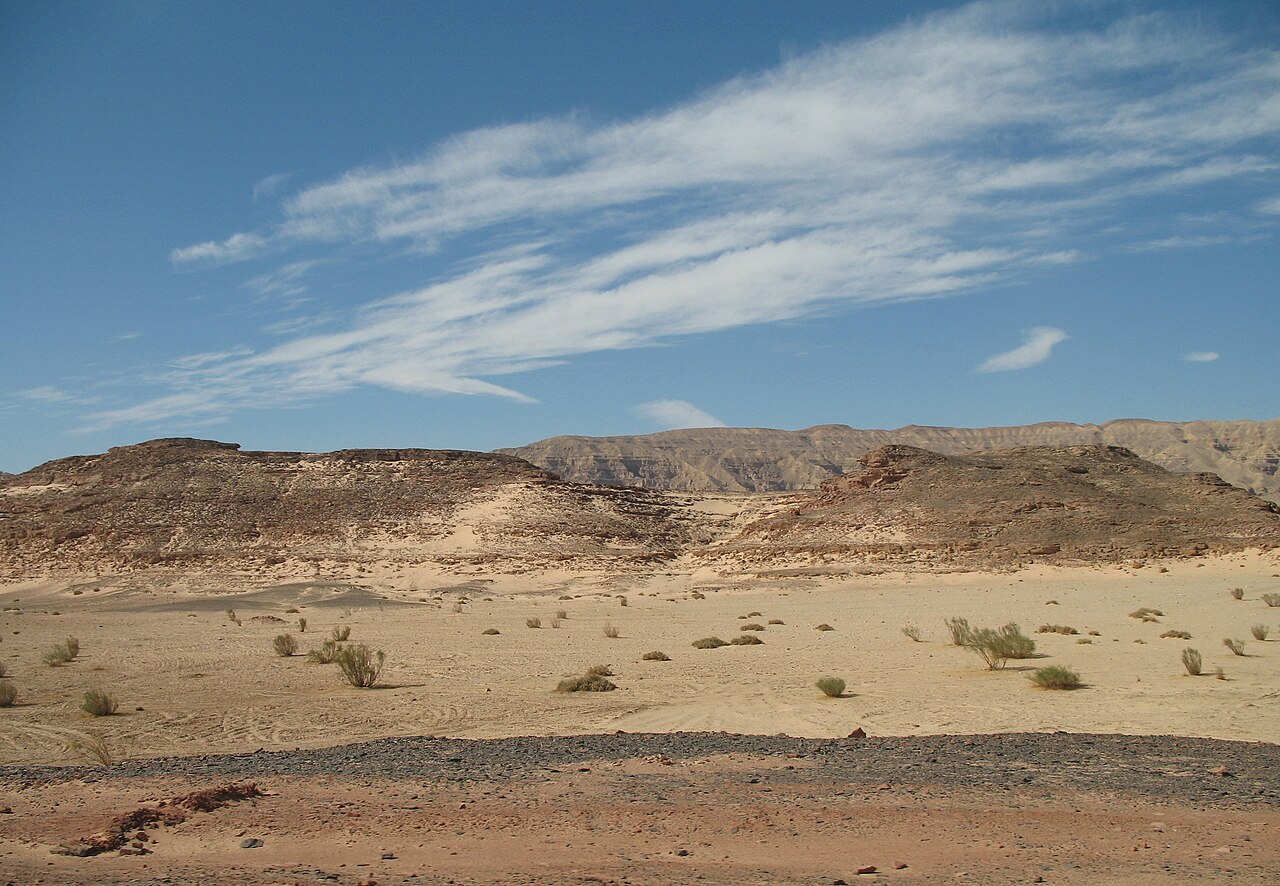
Text
Introduction
In the southern mountains of Sinai, Egyptian expeditions left mines, inscriptions and votive objects. Sites along the northern route preserve evidence of travel between Egypt and the LevantThe LevantThe Levant is a regional name for lands along the eastern MediterraneanGlossary · Click to read the explanation. The name Sinai also belongs to the mountain of revelation in Exodus. In southern Sinai, the monastery of Saint Catherine stands by Jebel Musa, the mountain associated with that revelation in a long tradition. [1][2][3][5][7]
Mines and inscriptions at Serabit el-Khadim
Serabit el-Khadim in southern Sinai was a centre of turquoise mining and the site of a sanctuary of Hathor. The earliest rock-cut chamber of the temple dates to the Twelfth Dynasty. Hatshepsut and Thutmose III later enlarged the temple, and votive offerings survive from the site. In the New Kingdom, a shrine was added for Sopd, a god associated with the eastern desert. [5]
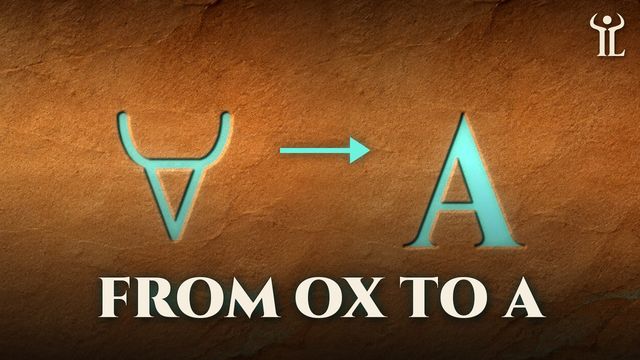
Inscriptions from Serabit el-Khadim and its surroundings include some of the earliest known examples of alphabetic writing. The Egyptologist Ben Haring examines them alongside inscriptions from Wadi el-Hol, a separate site in Egypt. He notes that the Sinai signs appear to have represented individual consonants and that some resemble Egyptian hieroglyphs. Several signs and readings remain uncertain. The inscriptions document experiments in writing in a region where languages and scripts came into contact. [6]
The northern route and Tell el-Borg
The New Kingdom site of Tell el-Borg lay near the eastern edge of the Nile Delta, in northern Sinai. It was on a route often called the Ways of Horus. Excavations found the remains of two forts near an ancient branch of the Nile. The excavators also recovered pottery from the Levant and Cyprus, as well as Mycenaean pottery. These finds document connections along the northern route and across the eastern Mediterranean. [7]
Sinai and Horeb in the biblical texts
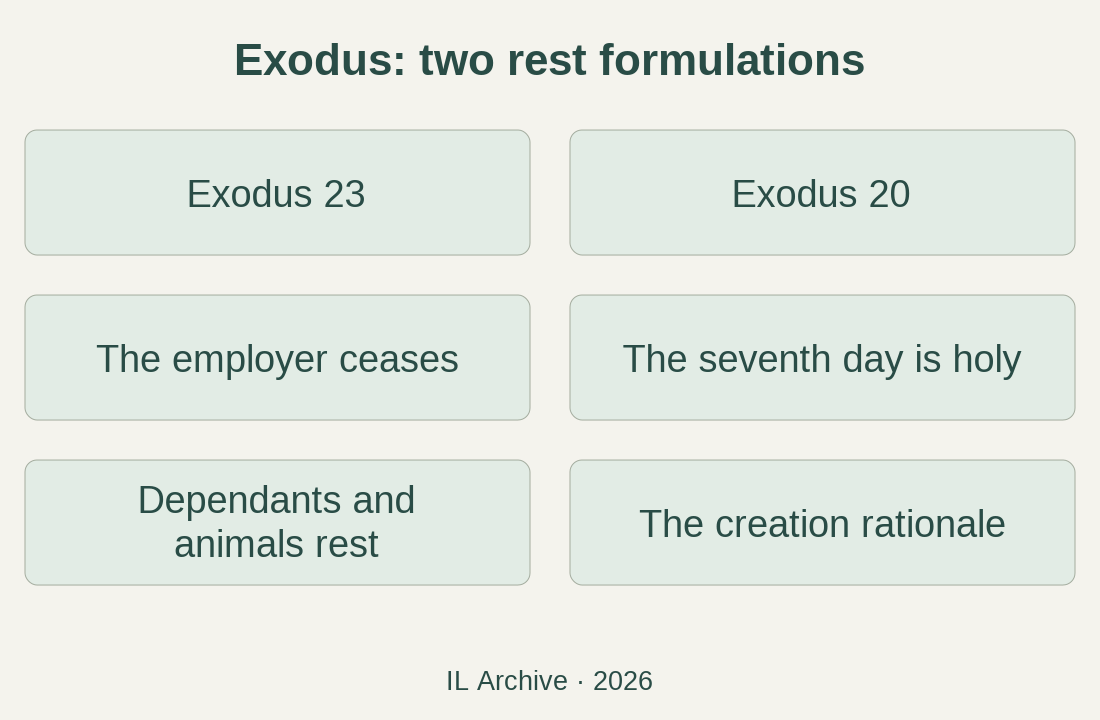
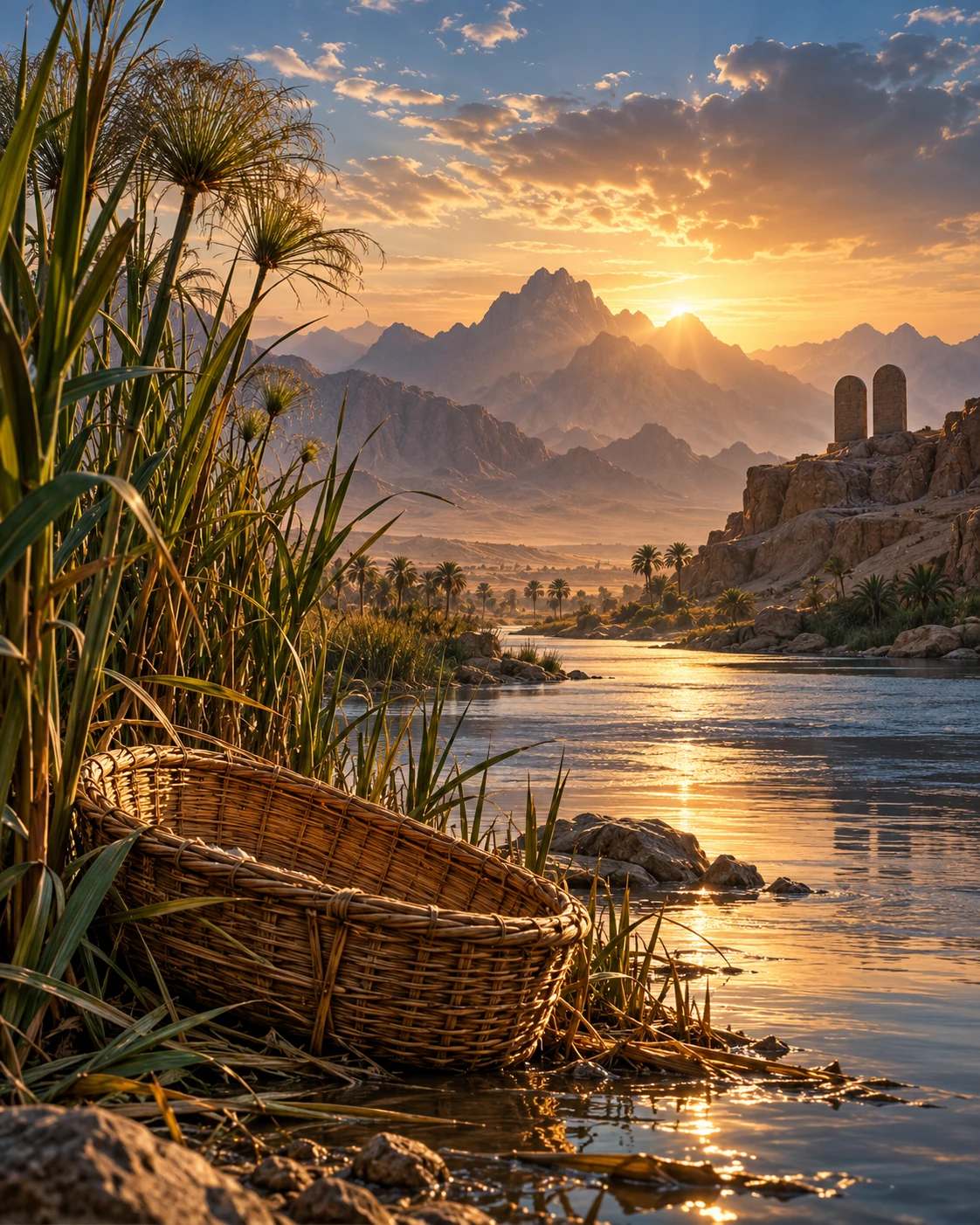
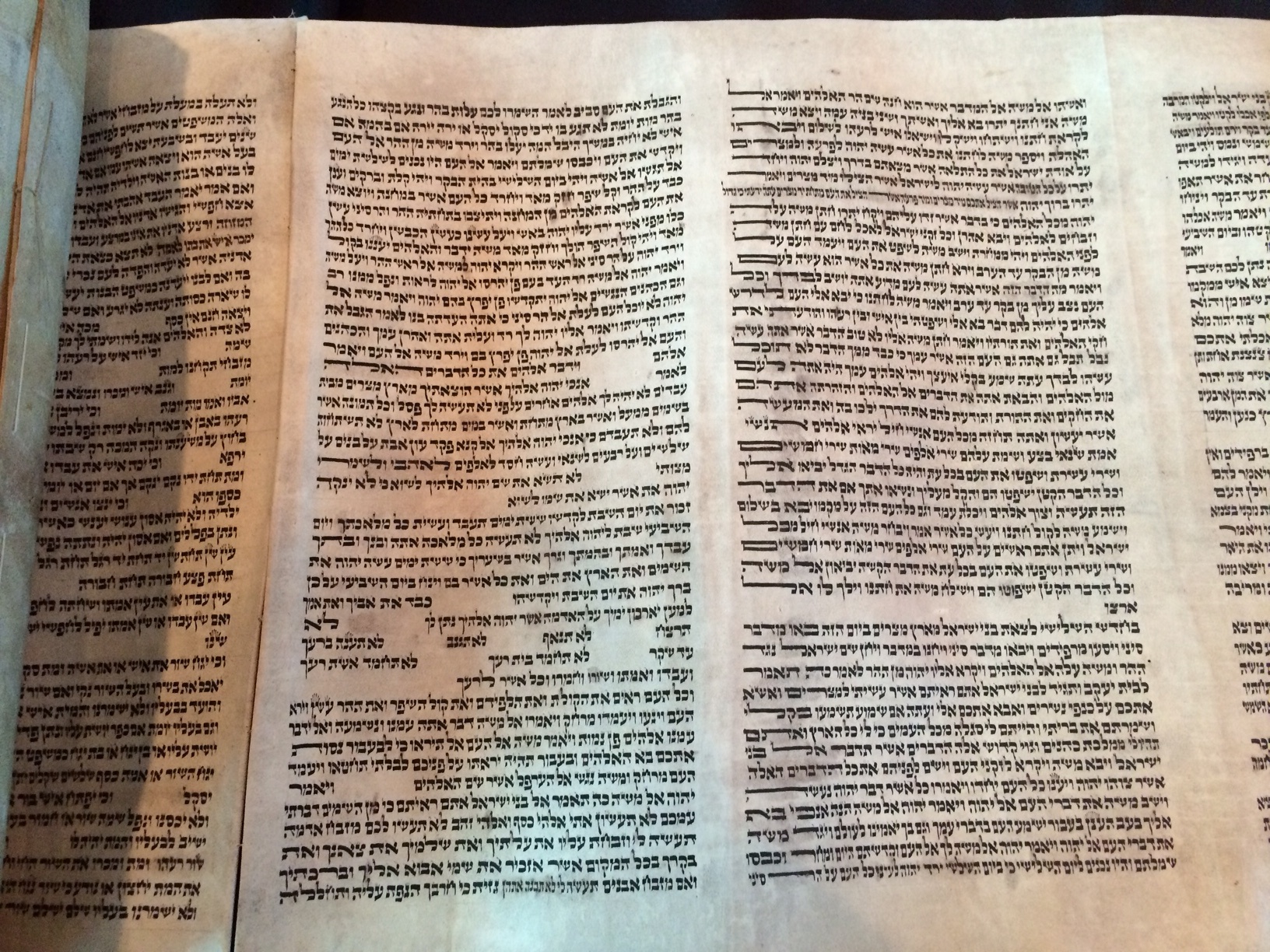
In the account in the Book of ExodusBook of ExodusTorah book recounting Israel’s departure from Egypt and containing different formulations of seventh-day rest.Glossary · Click to read the explanation, the Israelites camp in the wilderness of Sinai and MosesMosesCentral figure in Exodus, Torah traditions and the Qur’an; childhood accounts differ in detail.Glossary · Click to read the explanation is called to ascend the mountain. The opening of Deuteronomy 5 recalls the covenant at Horeb. Both passages give the mountain a central place in the narrative of the covenant. The texts have supported several geographical proposals, and the location of the mountain described in these passages remains uncertain. [2][3][4]
Jebel Musa and Saint Catherine’s Monastery
At the foot of Jebel Musa stands the monastery of Saint Catherine, founded in the sixth century CE. The Egyptian Ministry of Tourism and Antiquities dates the construction ordered by Justinian I to 548–565 CE. The enclosure contains the Church of the Transfiguration and a Fatimid mosque that the ministry dates to the twelfth century CE. UNESCO inscribed the Saint Catherine Area in 2002 and describes its religious significance for Christians, Jews and Muslims. [1][8] The listed area includes the mountain setting and the monastery complex. [1][8]
Quick answers
Where were the turquoise mines?
Serabit el-Khadim in southern Sinai was a mining site and the location of a temple of Hathor. [5]
What does Horeb refer to?
It is the name used for the mountain in Deuteronomy 5’s account of the covenant. [4]
Which mountain is associated with Saint Catherine’s?
The monastery stands by Jebel Musa, long associated with the mountain of revelation. [1][2]
References and notes (8)
- UNESCO World Heritage Centre, “Saint Catherine Area,” World Heritage List 954 Brief synthesis, criteria (iii)–(vi) and inscription data. Setting, foundation, religious importance and the area inscribed in 2002. Return to the text ↑
- Yale Bible Study, “Sinai – Study Guide,” Exodus course Opening of the section on Exodus 19–20 and 24. The traditional southern Sinai identification and the uncertainty of the mountain’s location. Return to the text ↑
- Exodus 19, New American Bible, Revised Edition Verses 1–2 and 16–20. The wilderness of Sinai, the encampment and Moses being summoned up the mountain. Return to the text ↑
- Deuteronomy 5, New American Bible, Revised Edition Verses 1–5. Moses recalls the covenant at Horeb. Return to the text ↑
- University of Oxford, Griffith Institute, Artefacts of Excavation, “Serabit el-Khadim, Sinai” Site description. Turquoise mining, the sanctuary of Hathor, the rock-cut chamber, later enlargements, Sopd and votive objects. Return to the text ↑
- Ben Haring, “Anchoring the alphabet in the early second millennium BCE” Opening discussion of Serabit el-Khadim and Wadi el-Hol. The character of the signs, possible Egyptian models and uncertainty in their interpretation. Return to the text ↑
- North Sinai Archaeological Project, “Tell el-Borg excavations,” Shelby White and Leon Levy Program Project description. The route, the two New Kingdom forts, the former Nile distributary and the imported ceramics. Return to the text ↑
- Egyptian Ministry of Tourism and Antiquities, “Saint Catherine’s Monastery and its surrounding area” Opening paragraphs on the construction dates under Justinian I, the Church of the Transfiguration and the Fatimid mosque. Return to the text ↑
Suggest a correction · Suggest a source for this record
Cite this record
IL Archive, «Sinai: peninsula and biblical mountain», https://ilarchive.com/en/sites/sinai
Continue reading