Short · 24 November 2026
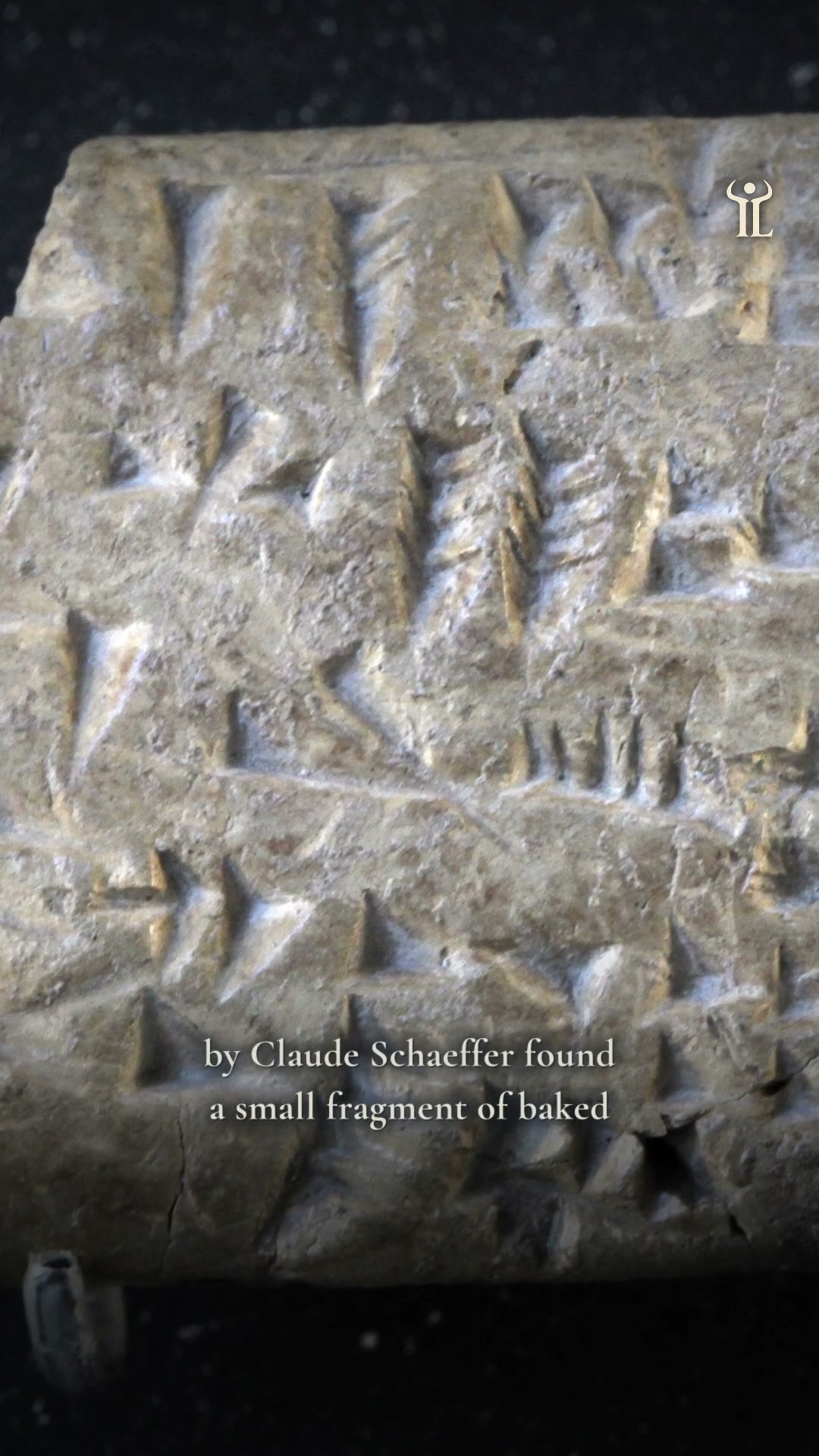
a, b, g, d: a 6.7 cm clay tablet from Ugarit that lists the alphabet in order
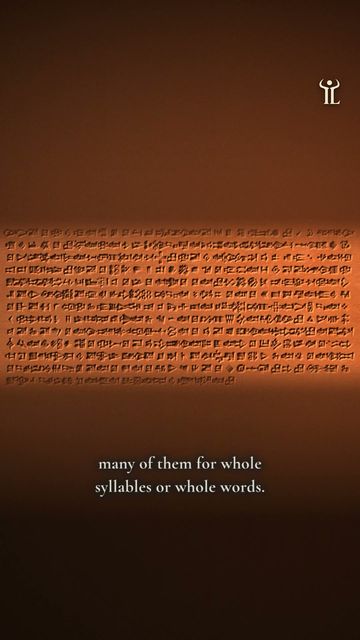
In 1938 a small fragment of baked clay turned up at Ras Shamra, ancient Ugarit. It is only 6.7 centimetres high. The Louvre (AO 19992) describes it as an incomplete cuneiform alphabet, missing seven letters. Its first line reads a, b, g, d, h, w: close to the order later alphabets kept. The Louvre dates it to about 1400 to 1200 BCE.
From the documentary: The First Letter: How a Picture of an Ox Became Your Alphabet
In the archive
- From Pictures to Letters: How the Alphabet Was Born
- The Ras Shamra Abecedary: A Cuneiform Alphabet in Order (Louvre AO 19992)
- Ugaritic alphabet
More topics from this documentary
- Serabit el-Khadim and Wadi el-Hol: The Earliest Alphabetic Inscriptions
- The Phoenician Alphabet
- Six Days, Then the Seventh: The Seven-Day Pattern in Ugaritic Epic
- The Early Alphabetic Potsherd from Lachish
- The Yehimilk Inscription from Byblos (KAI 4)
- The Sarcophagus of Ahiram from Byblos (KAI 1)
- Sinai: peninsula and biblical mountain
The YouTube player loads only when you press play. Watch on YouTube
More shorts from this documentary
 0:51
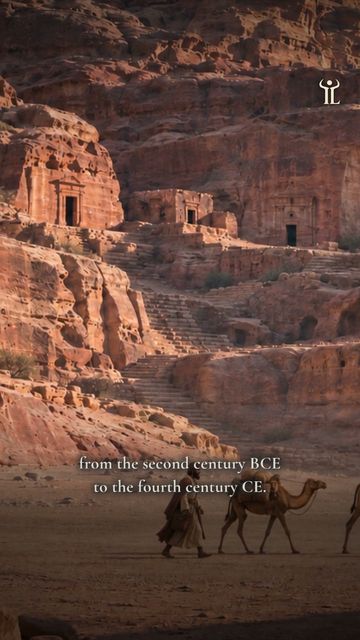
From aleph to alif: how the Arabic alphabet joins the same family tree
 0:50
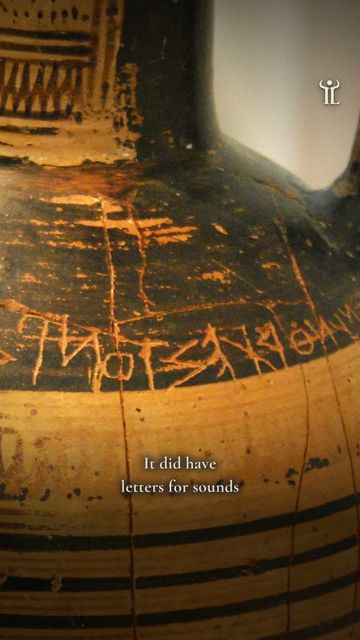
How the Greeks made vowels from letters they could not use
 0:53
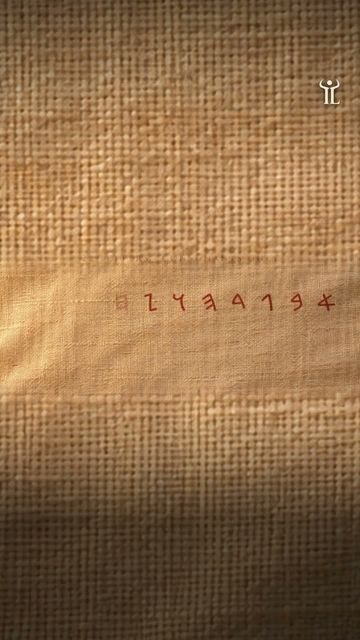
Who carried the ox forward? The sailors of Phoenicia and their 22 letters
 0:53
A keyboard with a key for every letter: Ugarit's 30 signs and the tales of El
 1:01
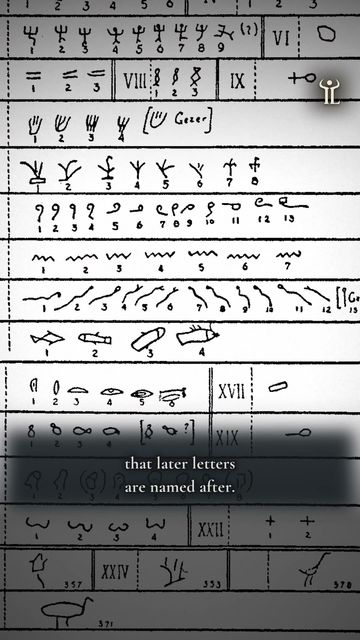
Draw an apple, use it for "a": how pictures became letters
 1:01
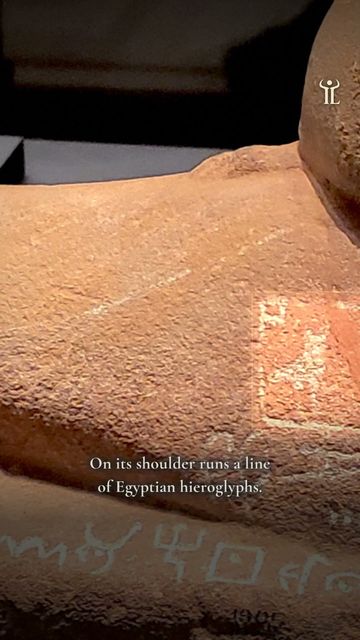
"Beloved of the Lady": the first words read in the first alphabet
 0:31
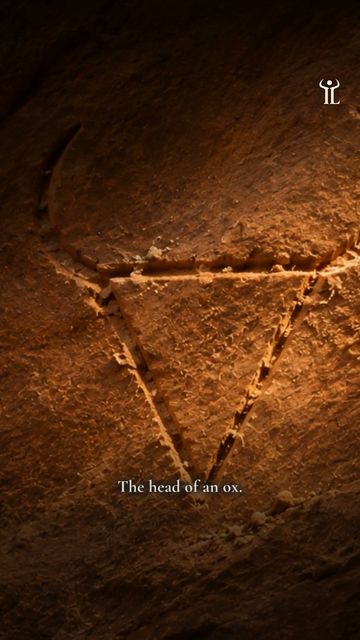
Your letter A began as the head of an ox
 0:32