The Kings Who Called Each Other Brother Chapter 2
Gifts Across Land and Sea
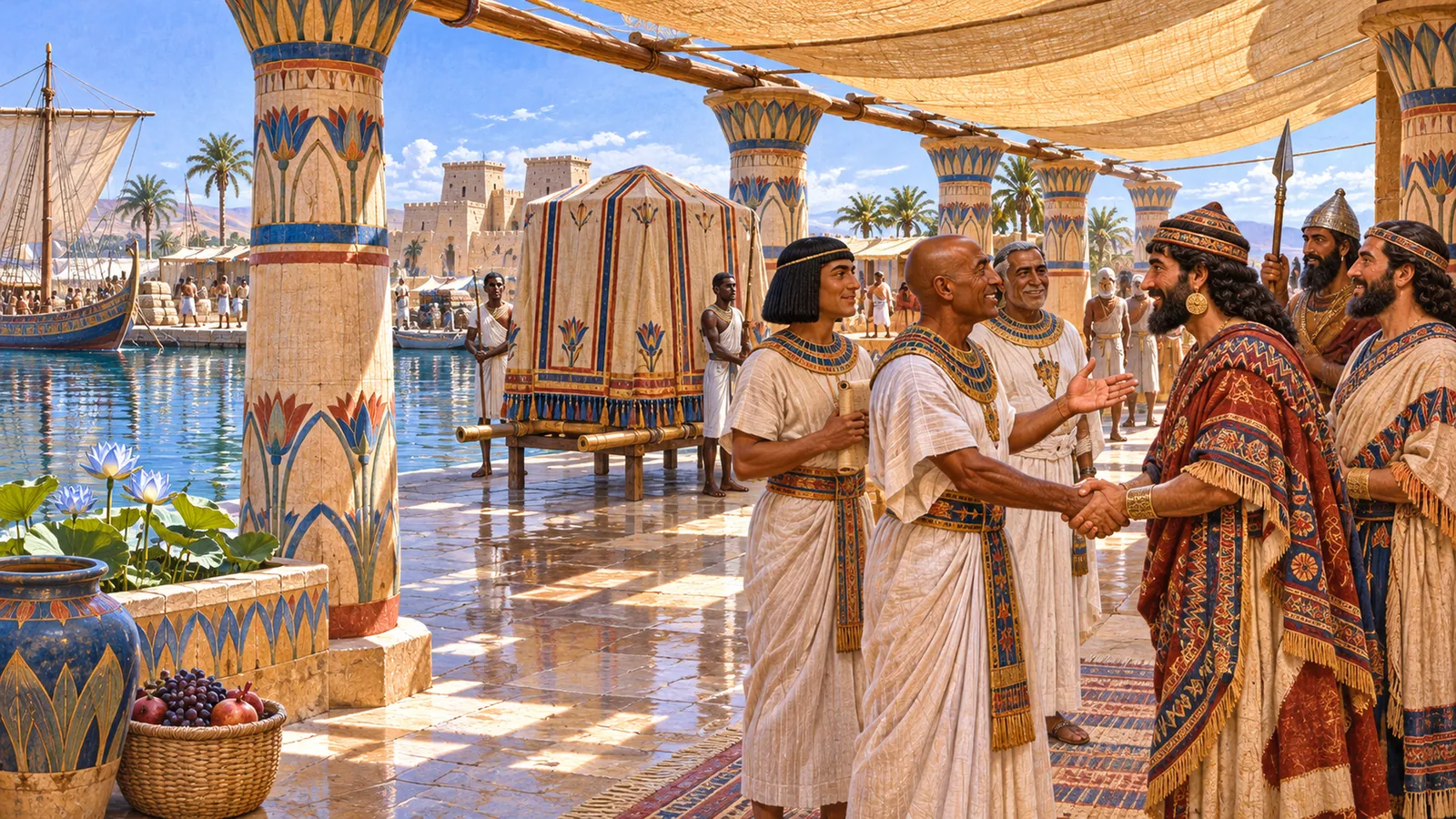
Letters from Mitanni, Alašiya and Hatti carried memories of earlier promises, inventories of gifts and news of travellers.
SourcesTurn the pages with the arrows, the arrow keys or a swipe.
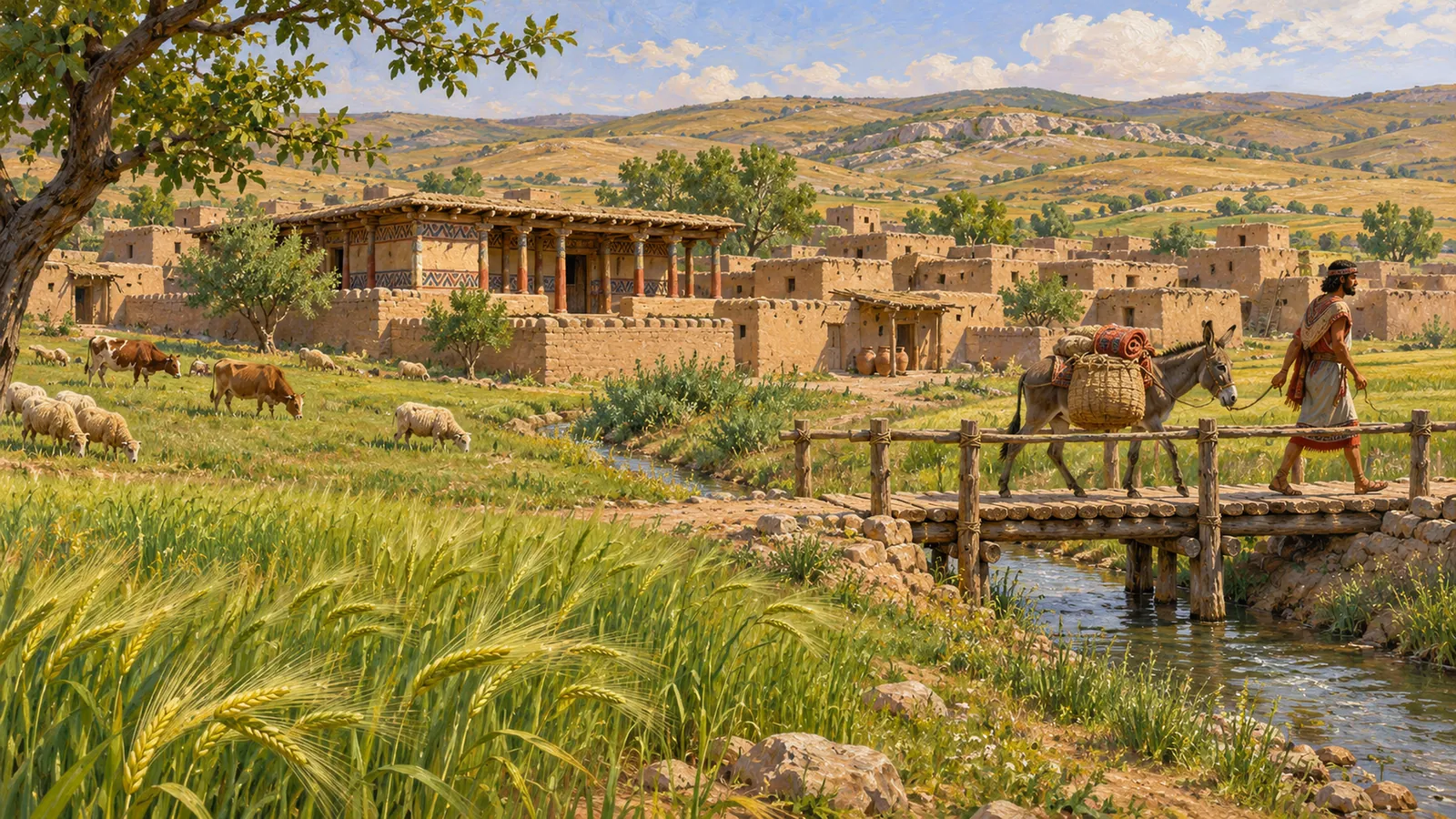
GIFTS ACROSS LAND AND SEA
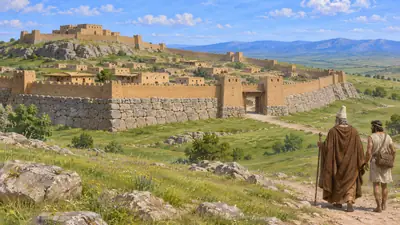
Mitanni lay across northern Mesopotamia and northern Syria, far from the Nile. Tušratta’s letters brought the news of his court and memories of its earlier kings.
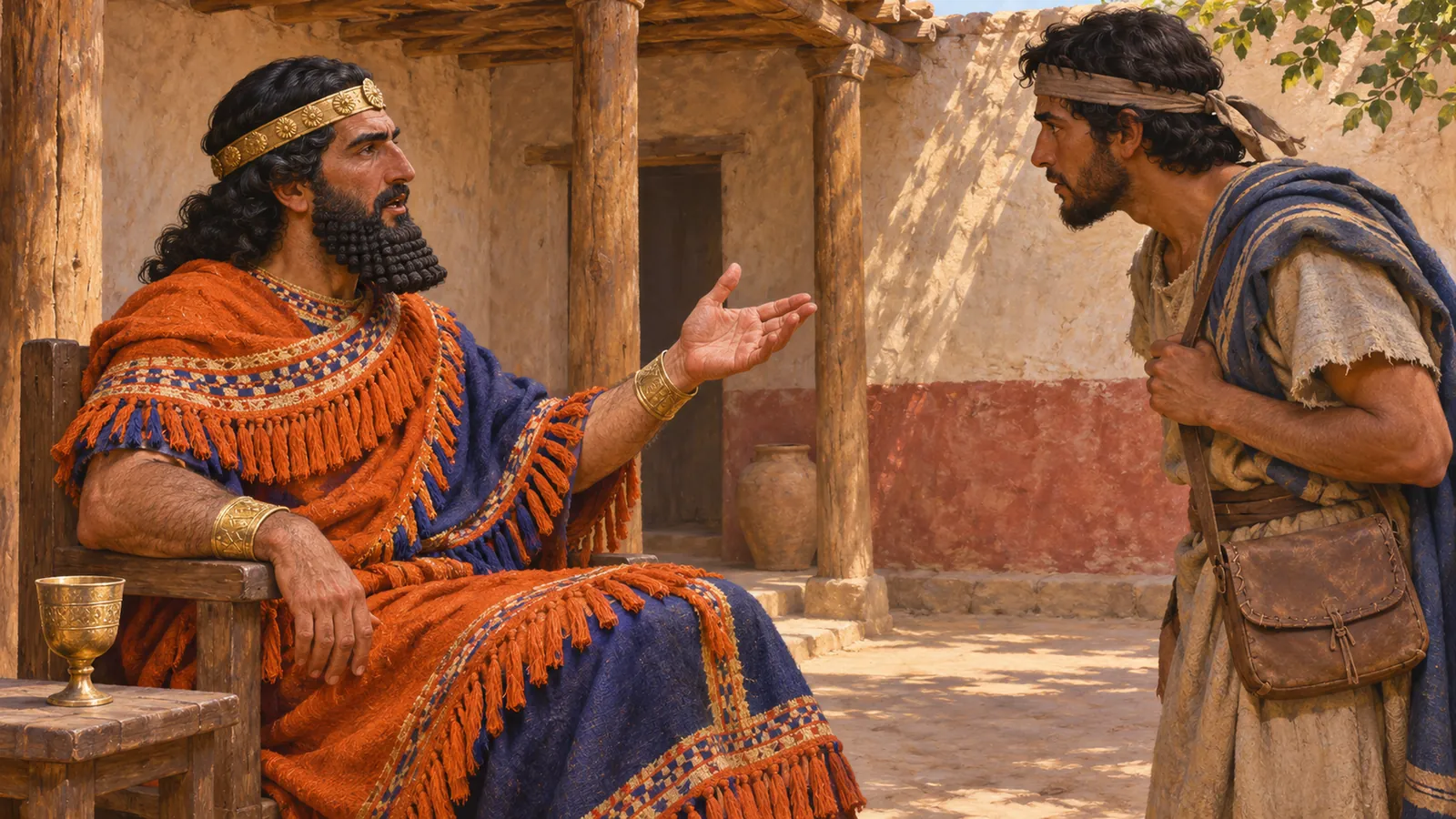
In one letter Tušratta recalls becoming king while still young. He sends news and gifts as he renews contact with Egypt. A greeting from a court could tell its own account of recent troubles.
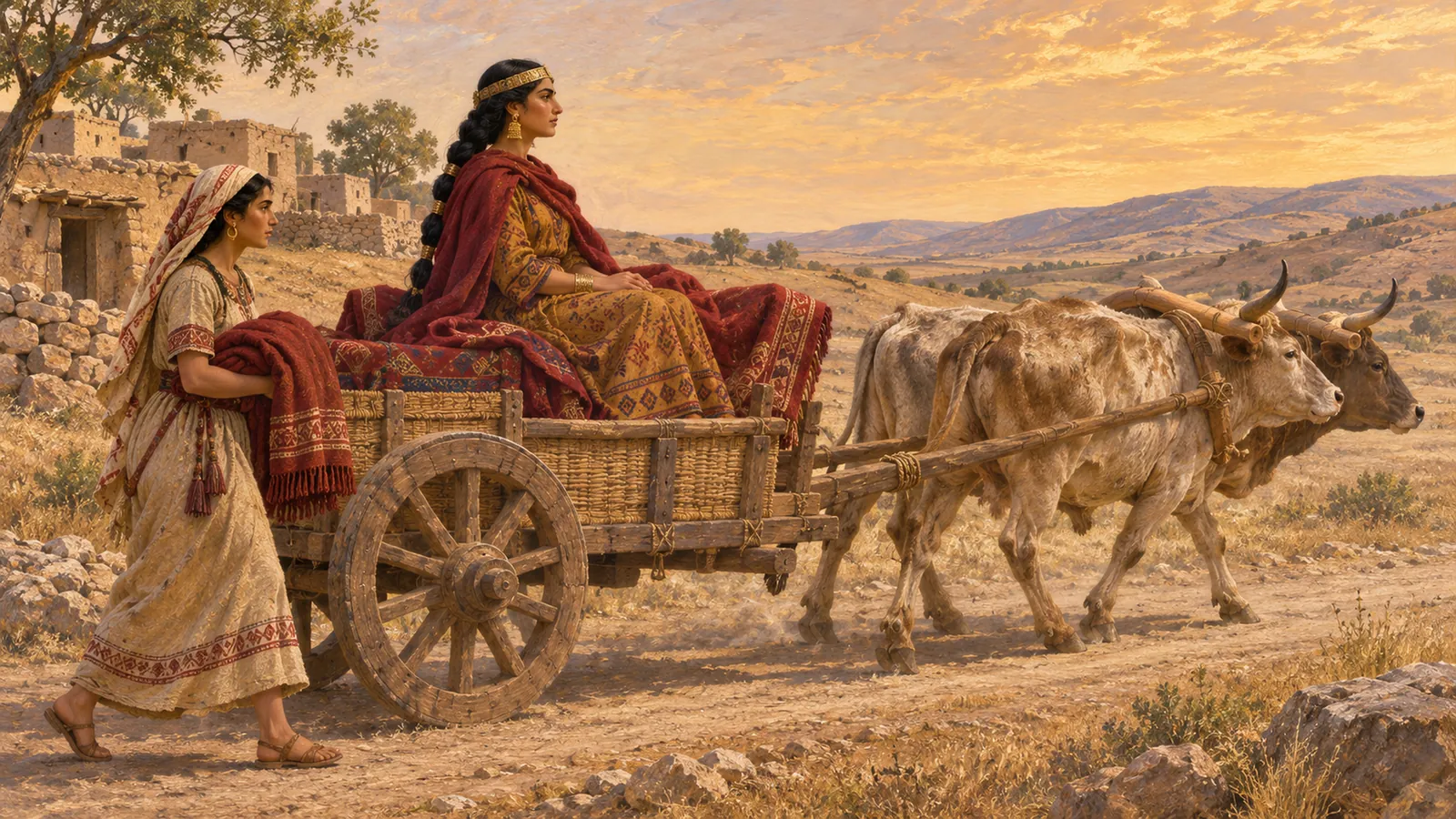
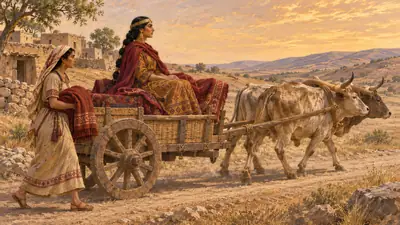
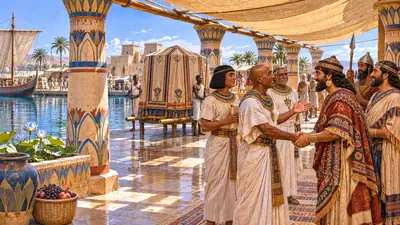
Tušratta’s daughter Taduhepa traveled to Egypt to marry Amenhotep III. Her father announces the agreement. The letters tell us how the courts understood the marriage.
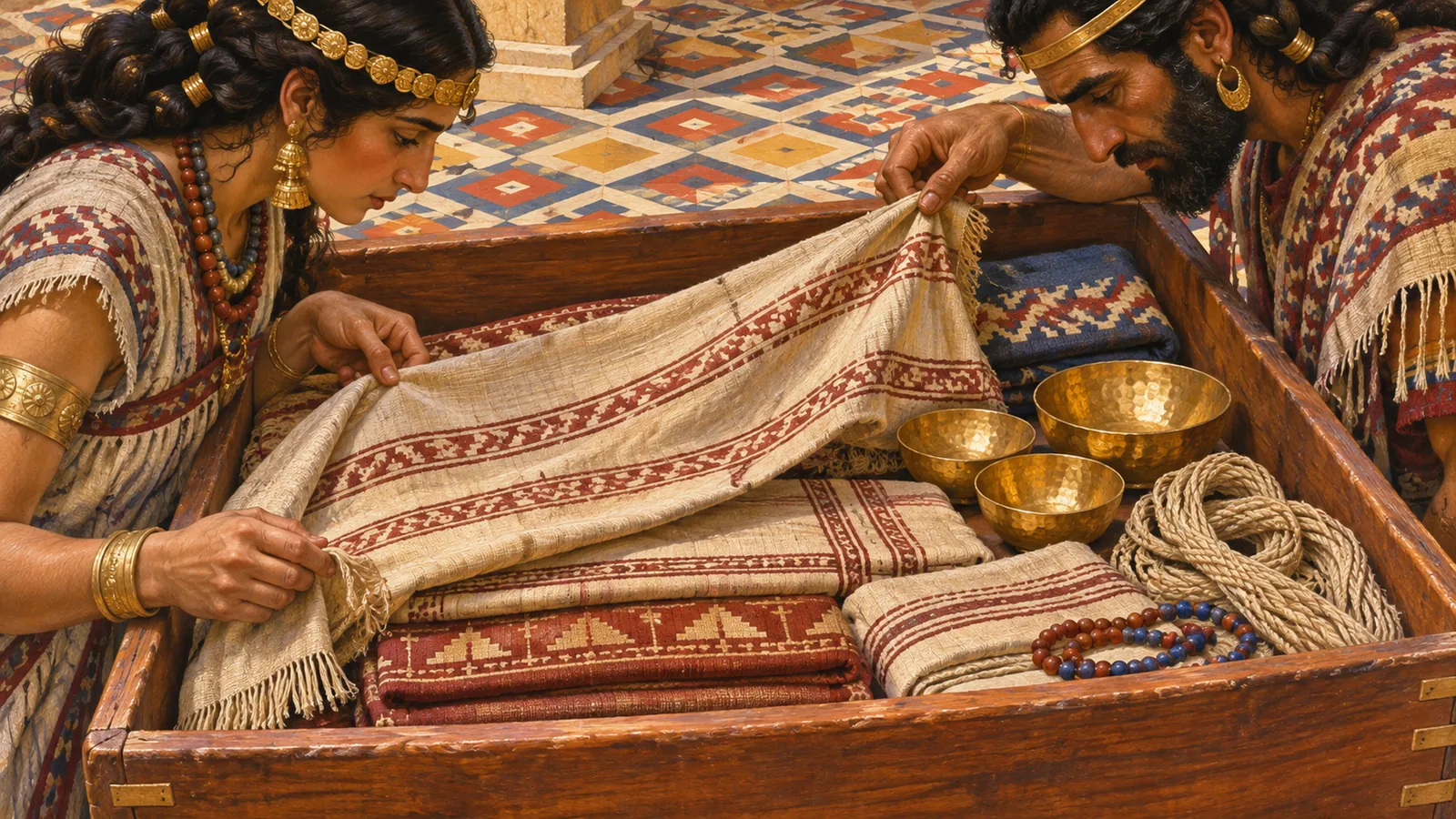
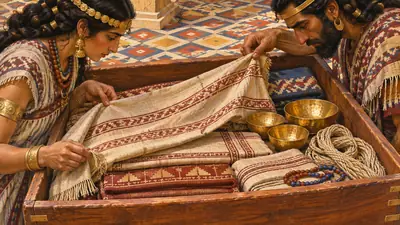
Inventories count garments, vessels and ornaments, sometimes giving their weights. These details bring us close to the work of preparing a royal household for a journey.
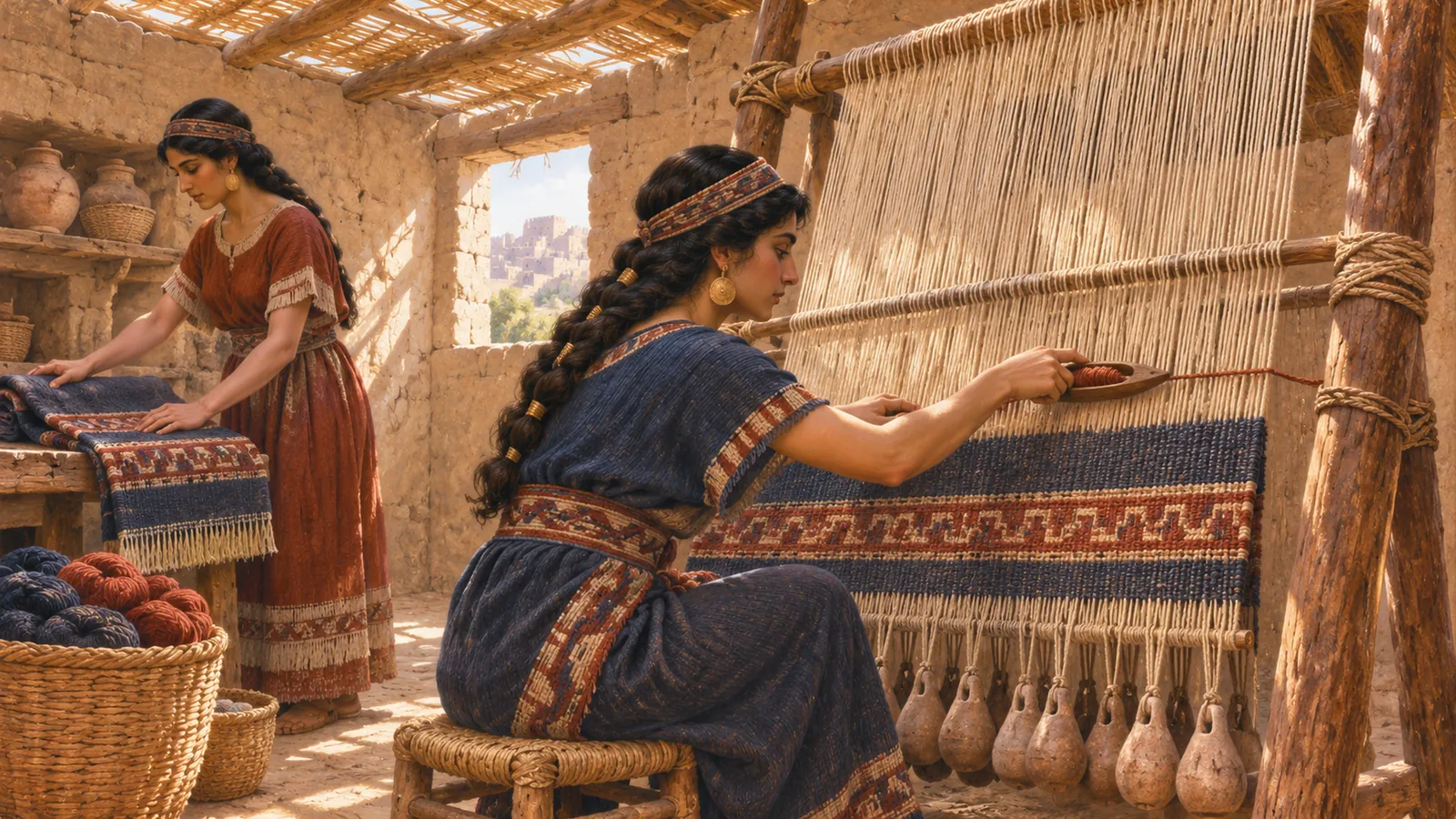
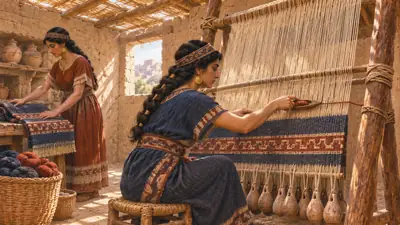
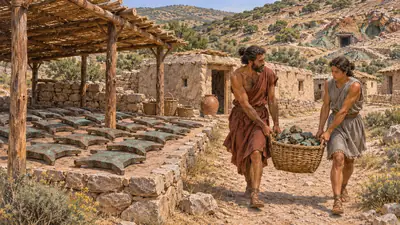
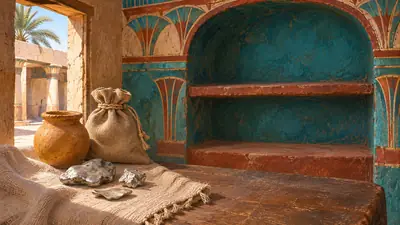
A list counts out pieces of cloth. Making them took hands that spun, wove, packed and carried. The court kept a fuller account of goods than of workers.
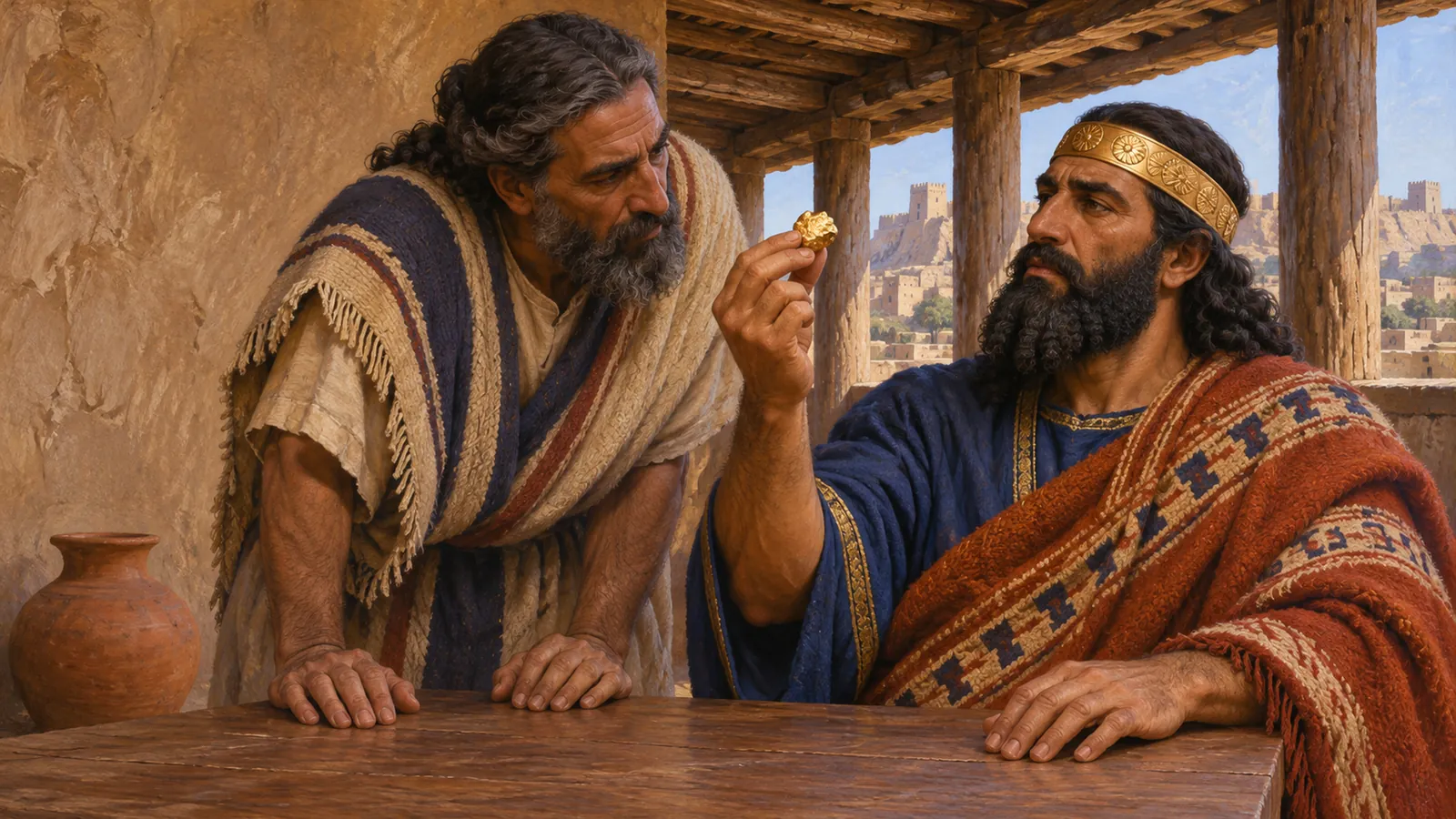
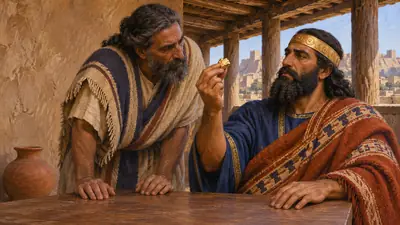
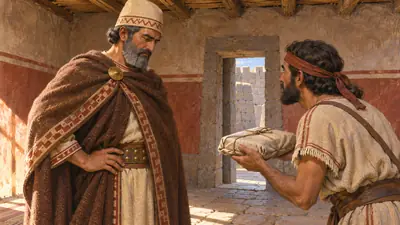
Tušratta asked Amenhotep for unworked gold. He wanted some for his grandfather’s tomb and some for the marriage agreement. He remembered the gifts Egypt had sent to his father.
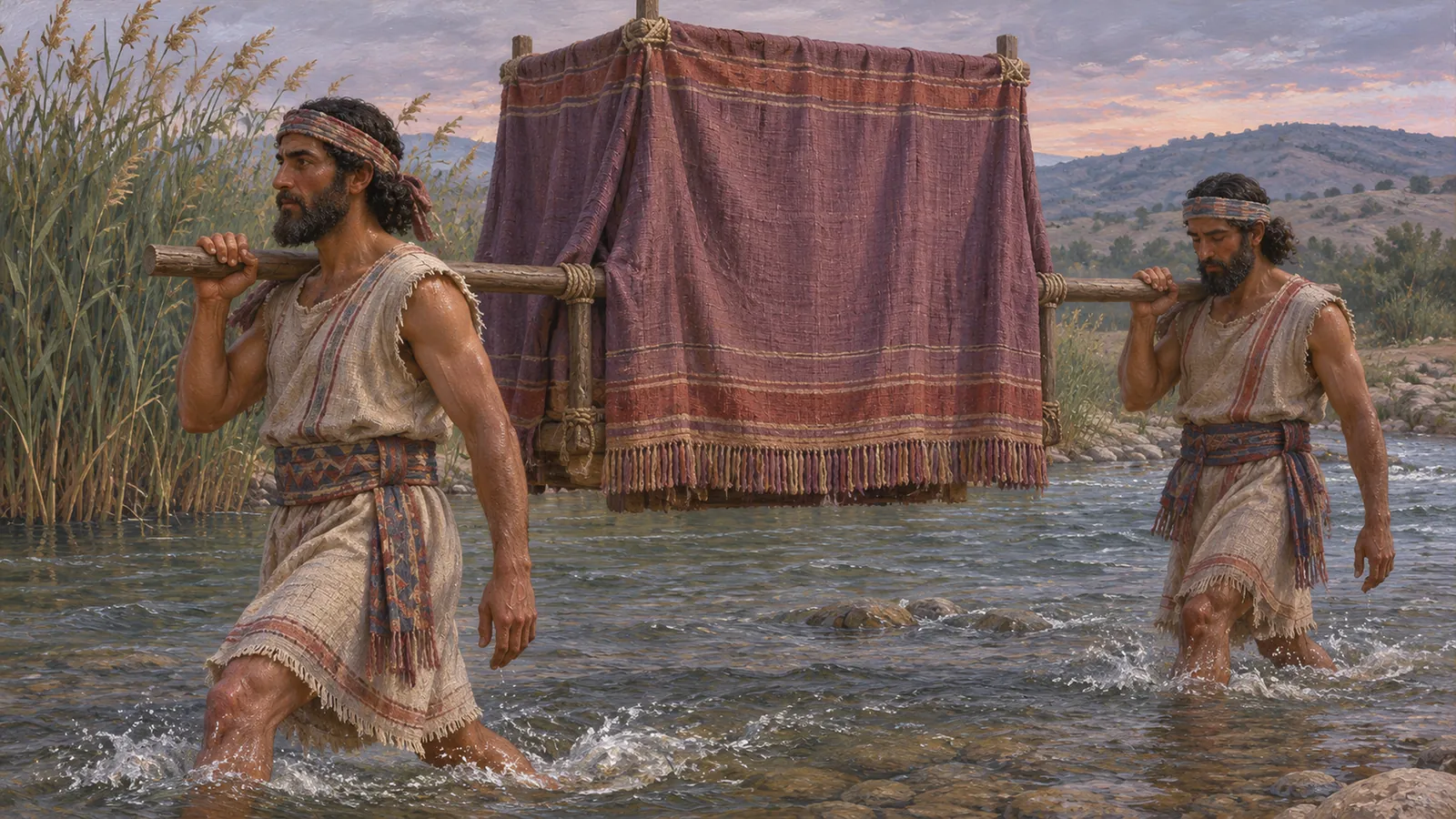
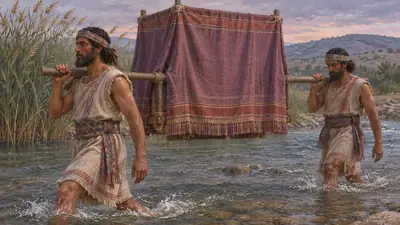
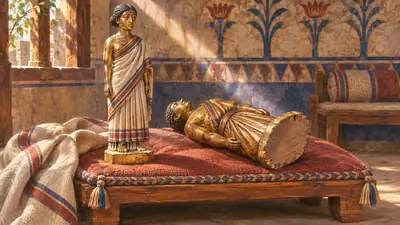
One letter announces a visitor beyond the royal family. Tušratta says that the image of Šauška of Nineveh was going to Egypt. He recalls an earlier visit in his father’s time.
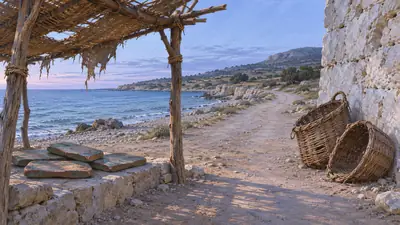
Tušratta asks Amenhotep to honor Šauška and send her home. The tablet leaves the route open. The illustration imagines the portable shelter of a traveling image.
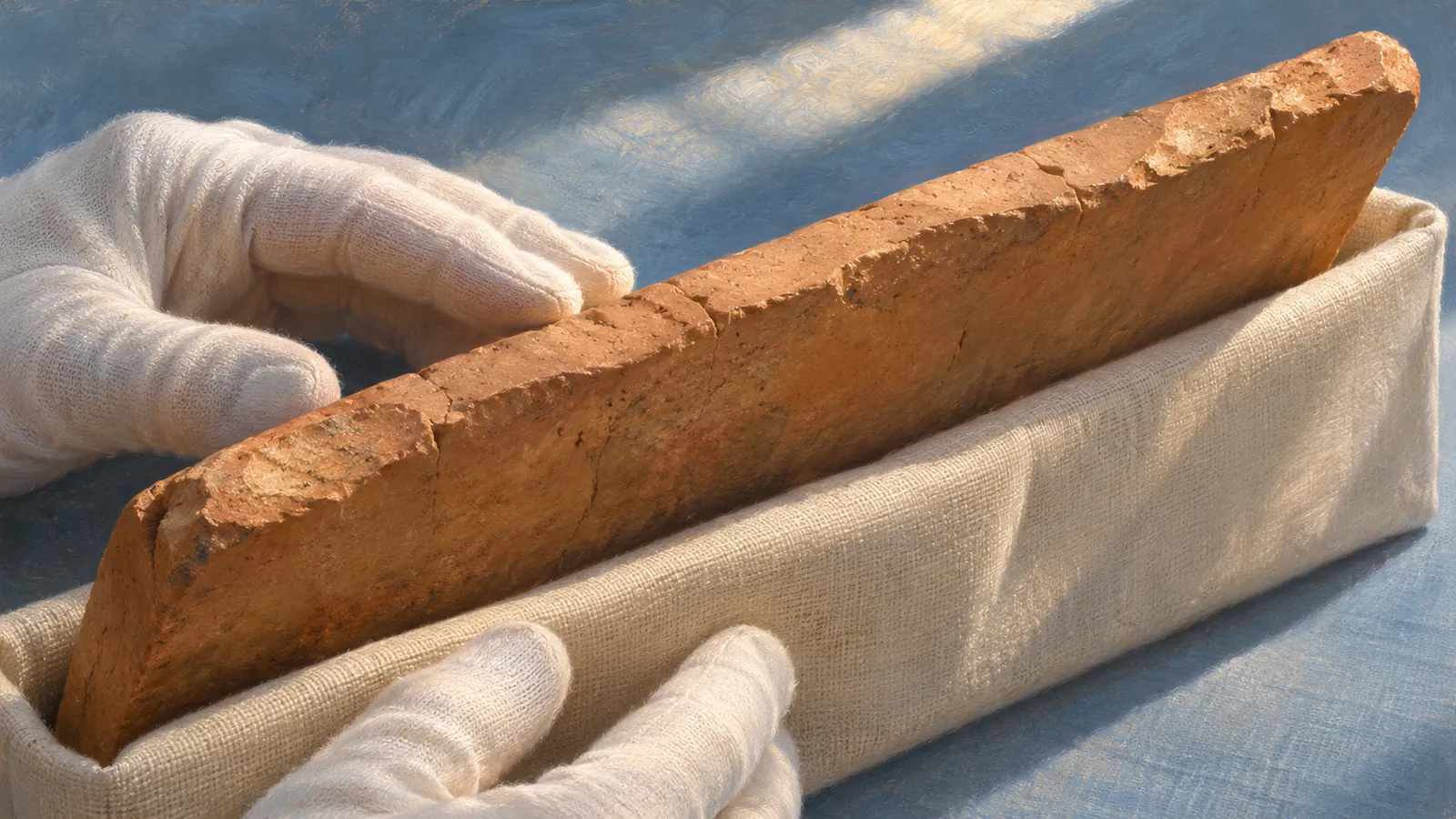
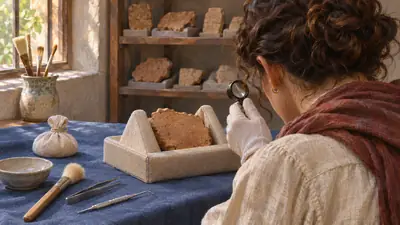
A long letter sent by Tušratta survives in Hurrian, the language of his court. The signs still belong to cuneiform. A system for writing with wedges could be used for more than one language.
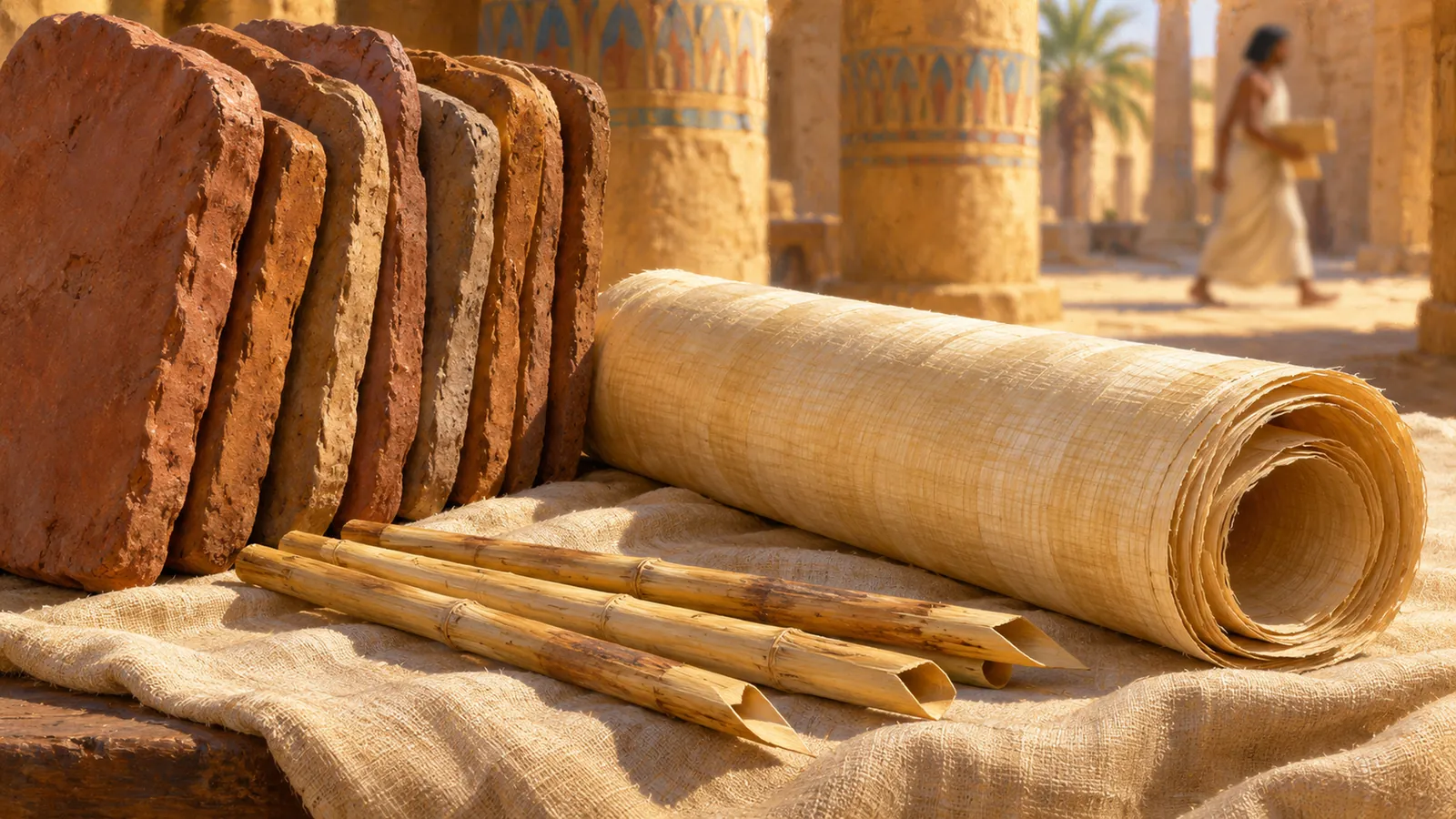
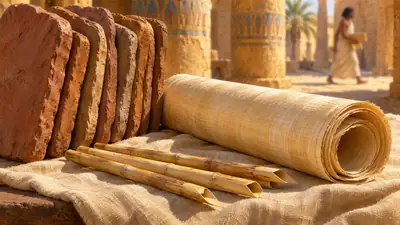
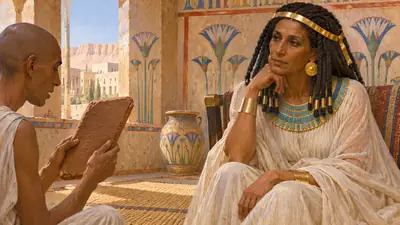
Scribes wrote Egyptian on papyrus and worked with letters from abroad on clay. Over time, those materials had different chances of surviving in the same city.
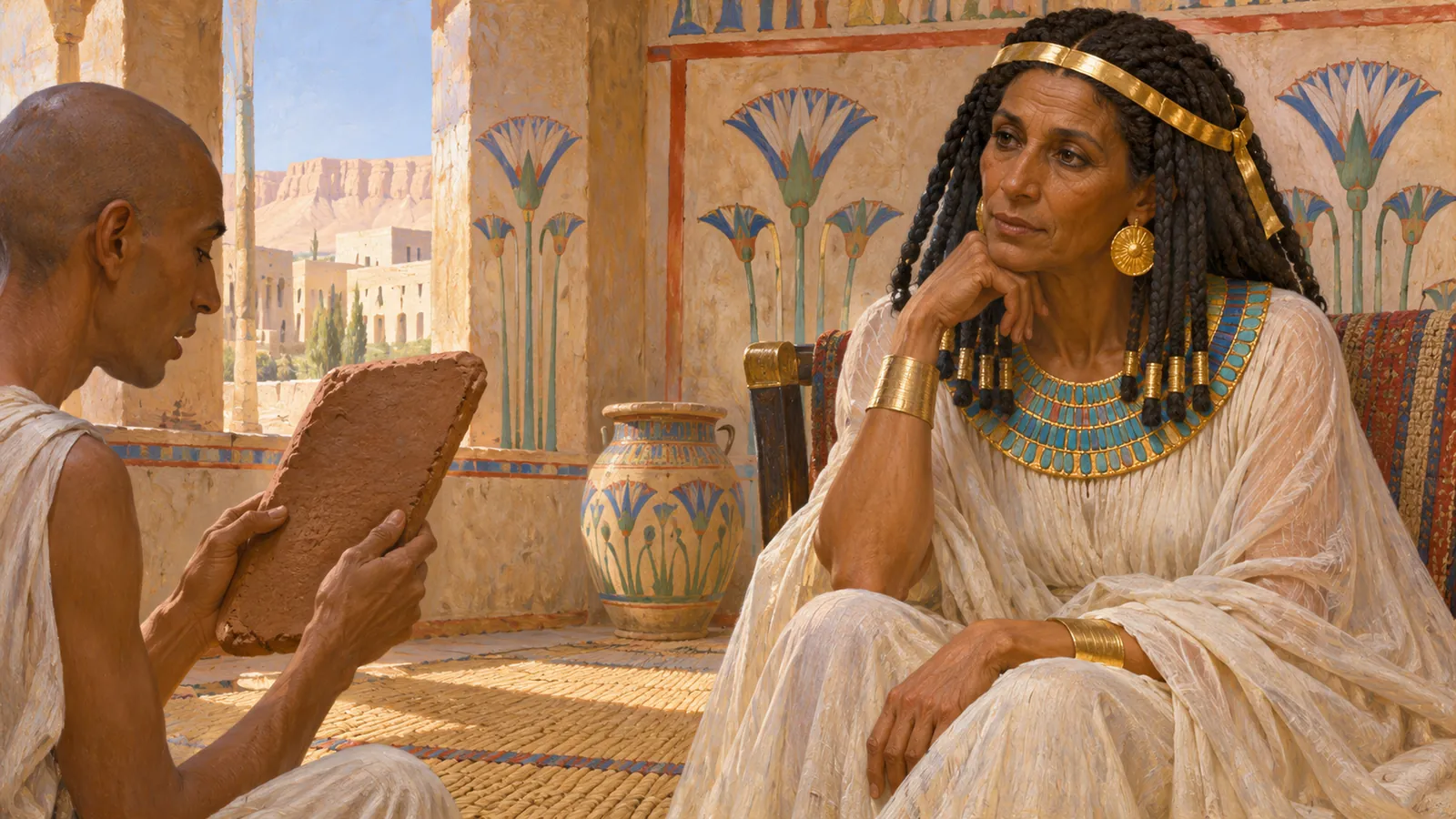
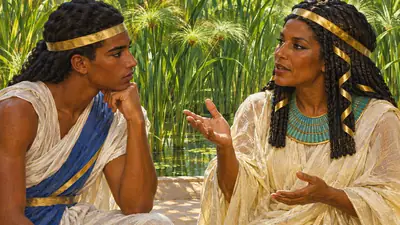
After Amenhotep III’s death, Tušratta wrote to Queen Tiye. He asked her to advise her son, saying she remembered the old promises better than anyone else.
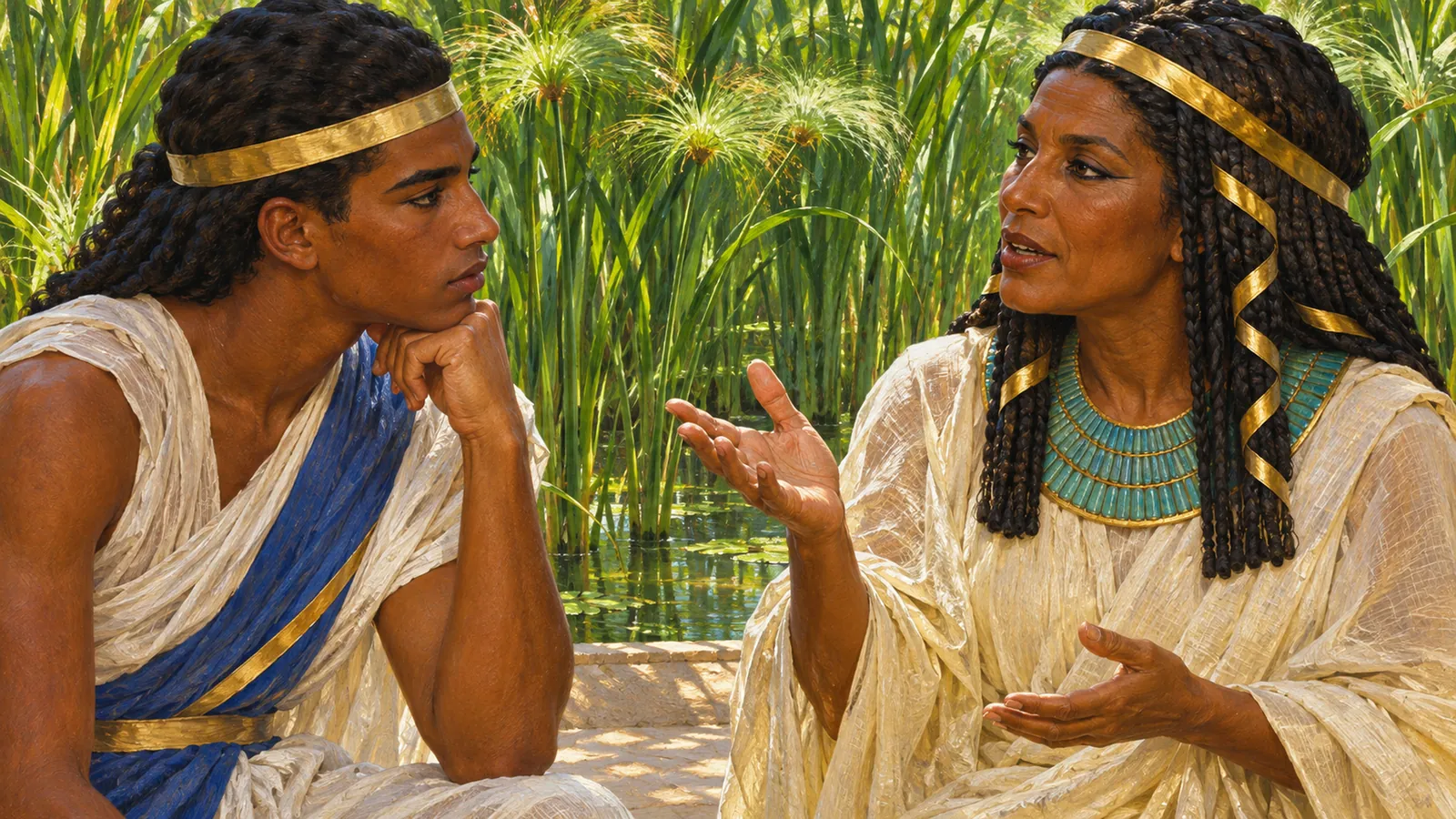
Akhenaten inherited an older conversation. Tušratta called him brother and recalled his dealings with the father. A new king had to decide which pledges to honor.
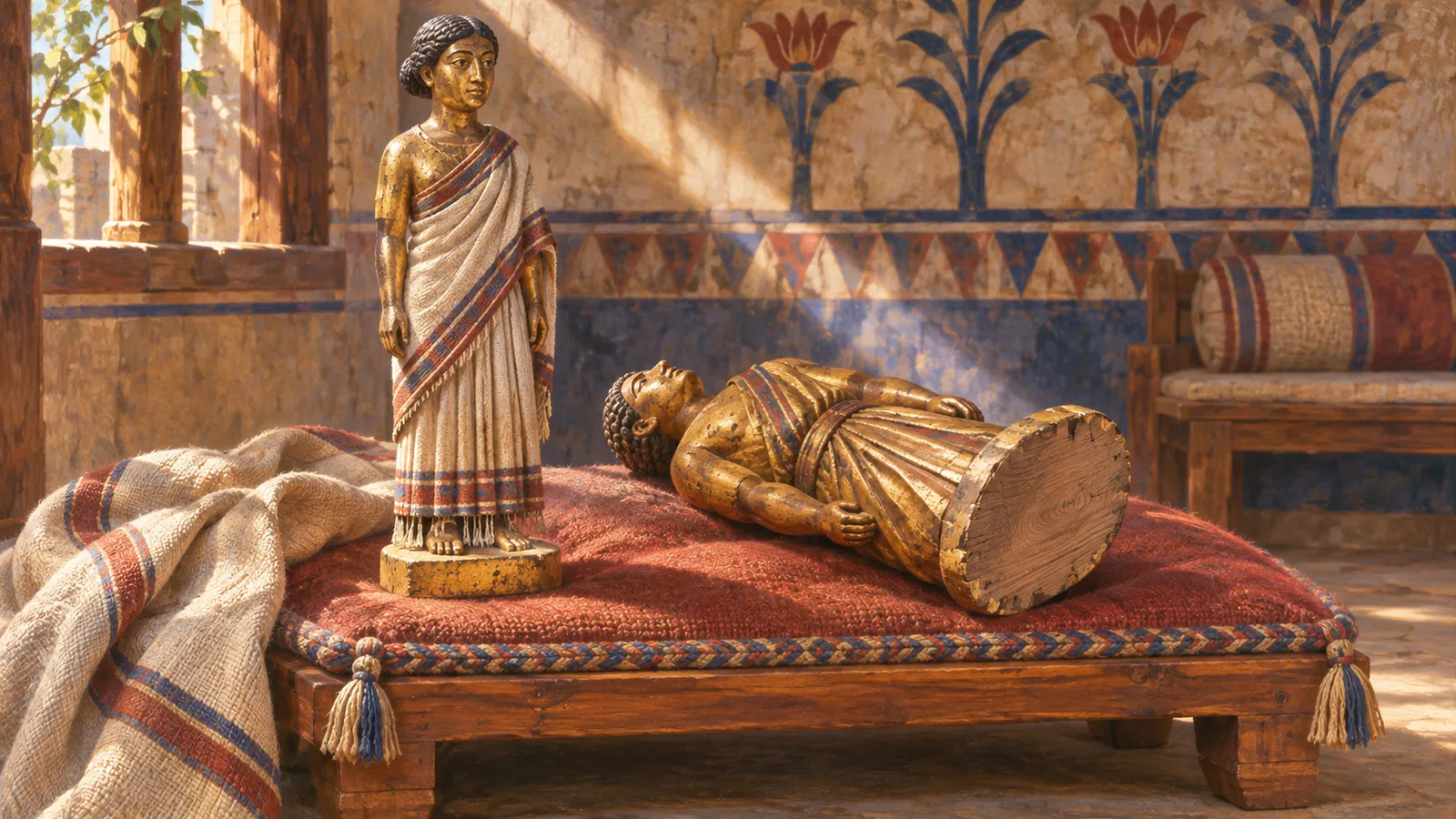
Tušratta wanted solid gold figures of himself and his daughter. He said the new king sent gilded wood. The surface shone, but the gift fell short.
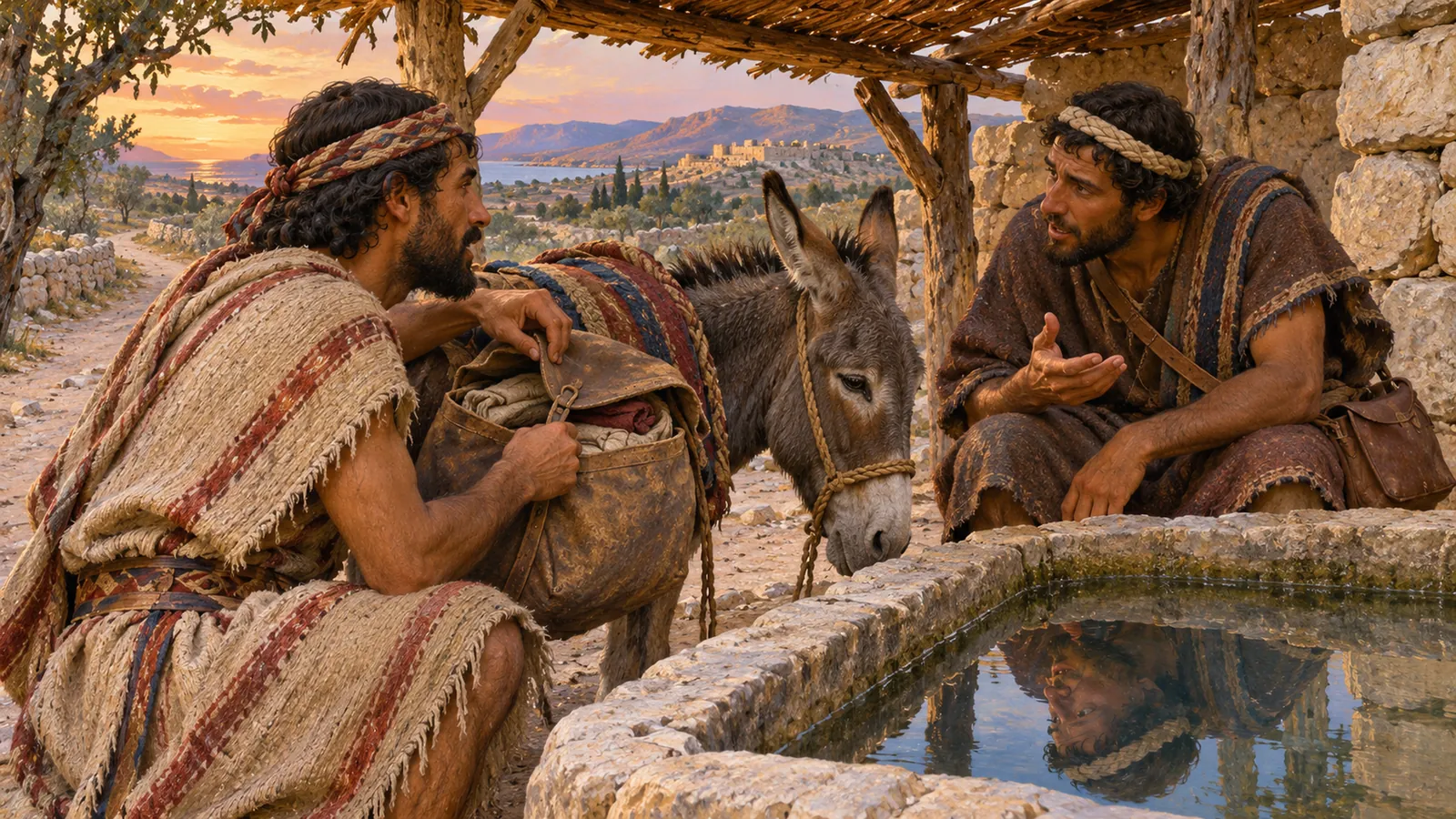
Tušratta said his envoys had seen the gold prepared for the figures. Now he called on their memories. A messenger’s eye could matter as much as a tablet.
ALAŠIYA
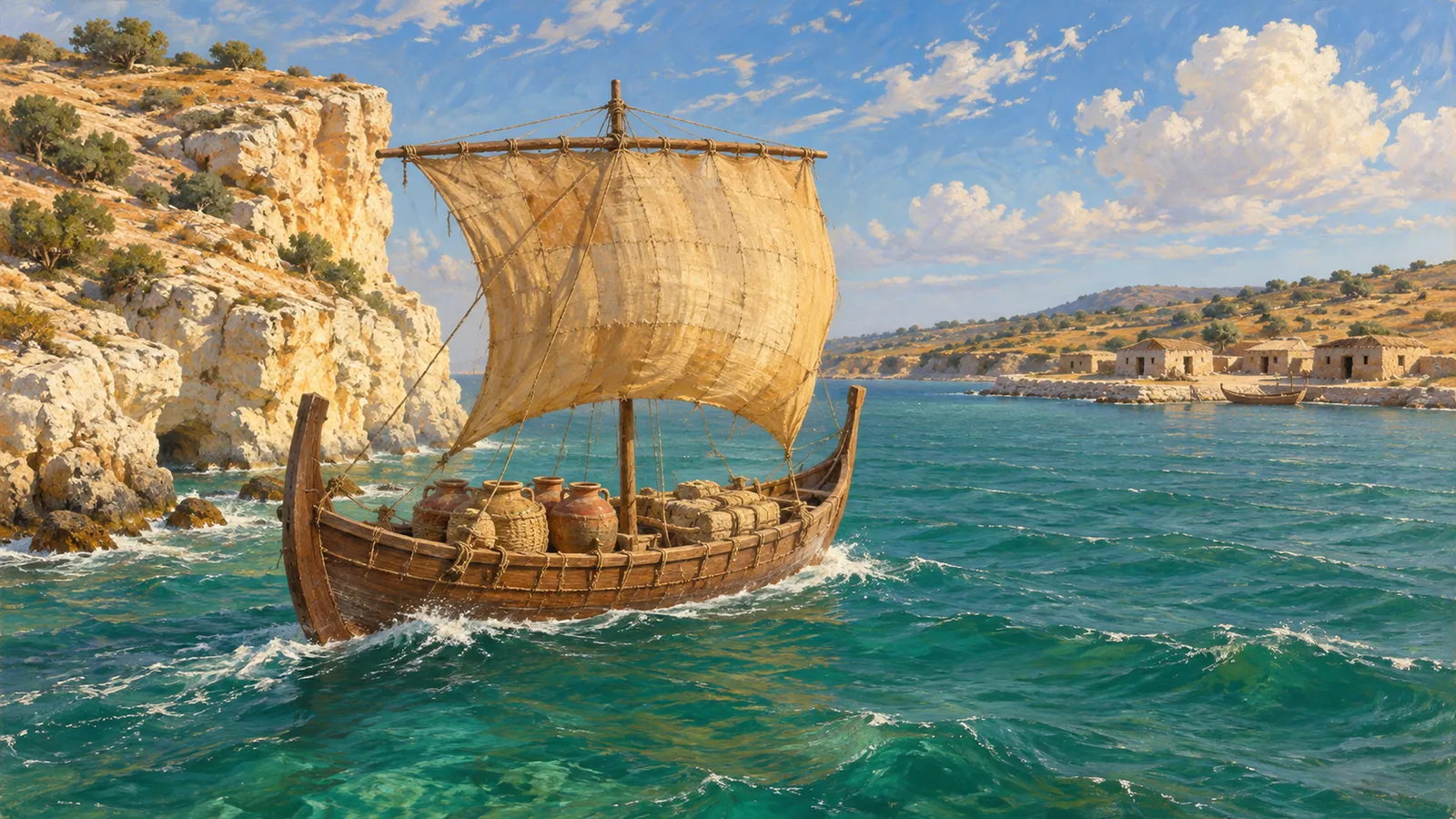
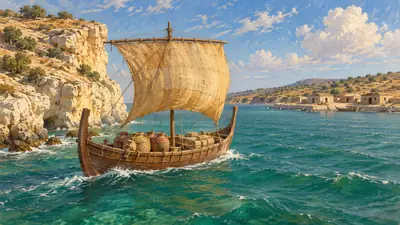
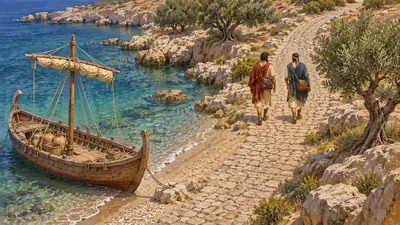
Alašiya’s ruler greeted the Egyptian king as brother. His message arrived by sea. Studies of the tablets’ clay support a link with Cyprus, a source of copper.
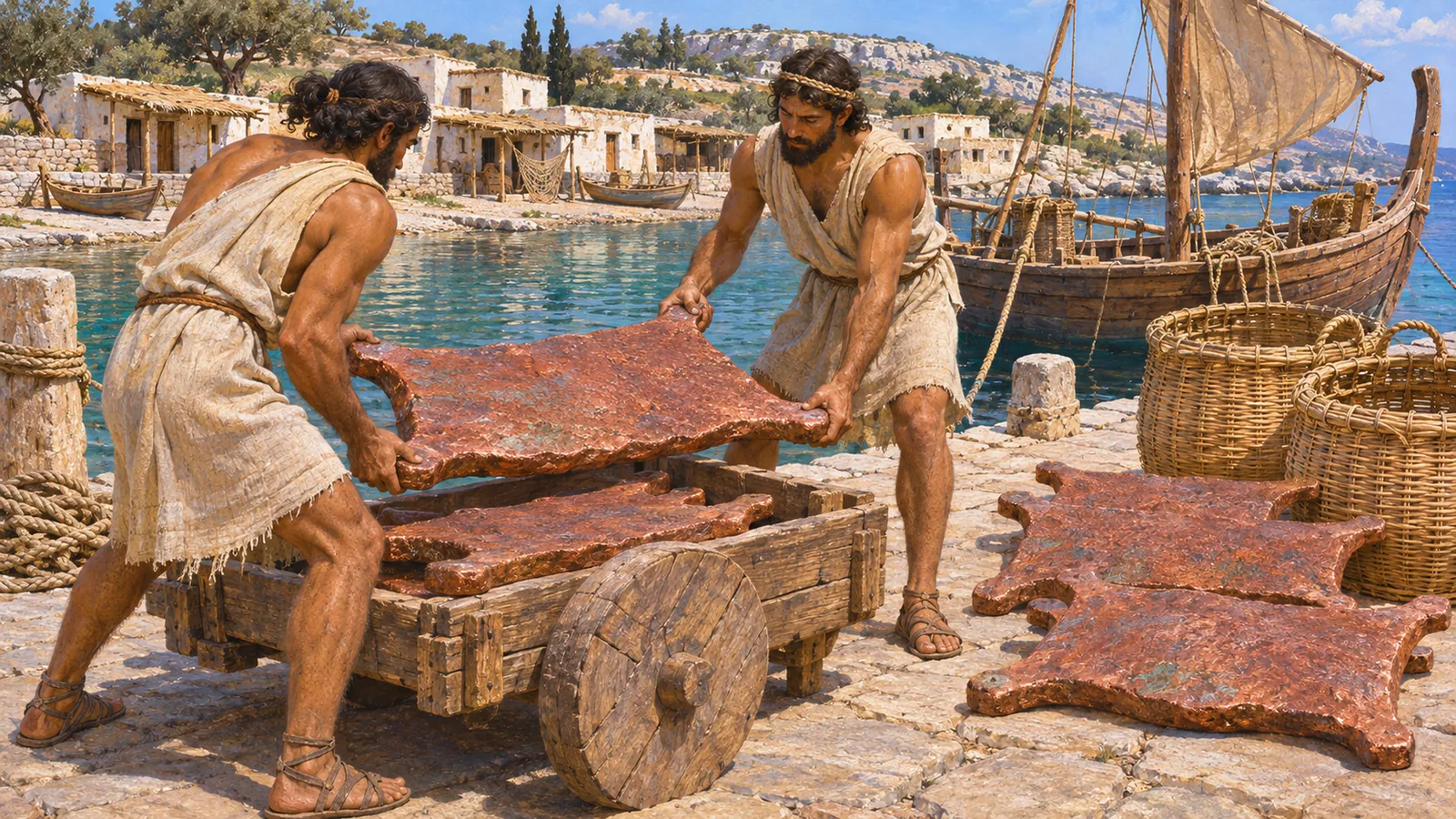
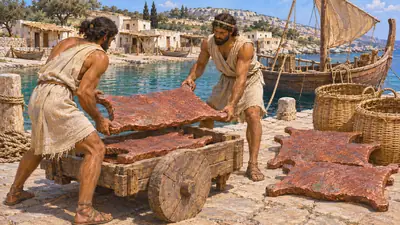
The king named the copper he had sent to Egypt. A letter light enough for one hand came with a cargo many people had to lift.
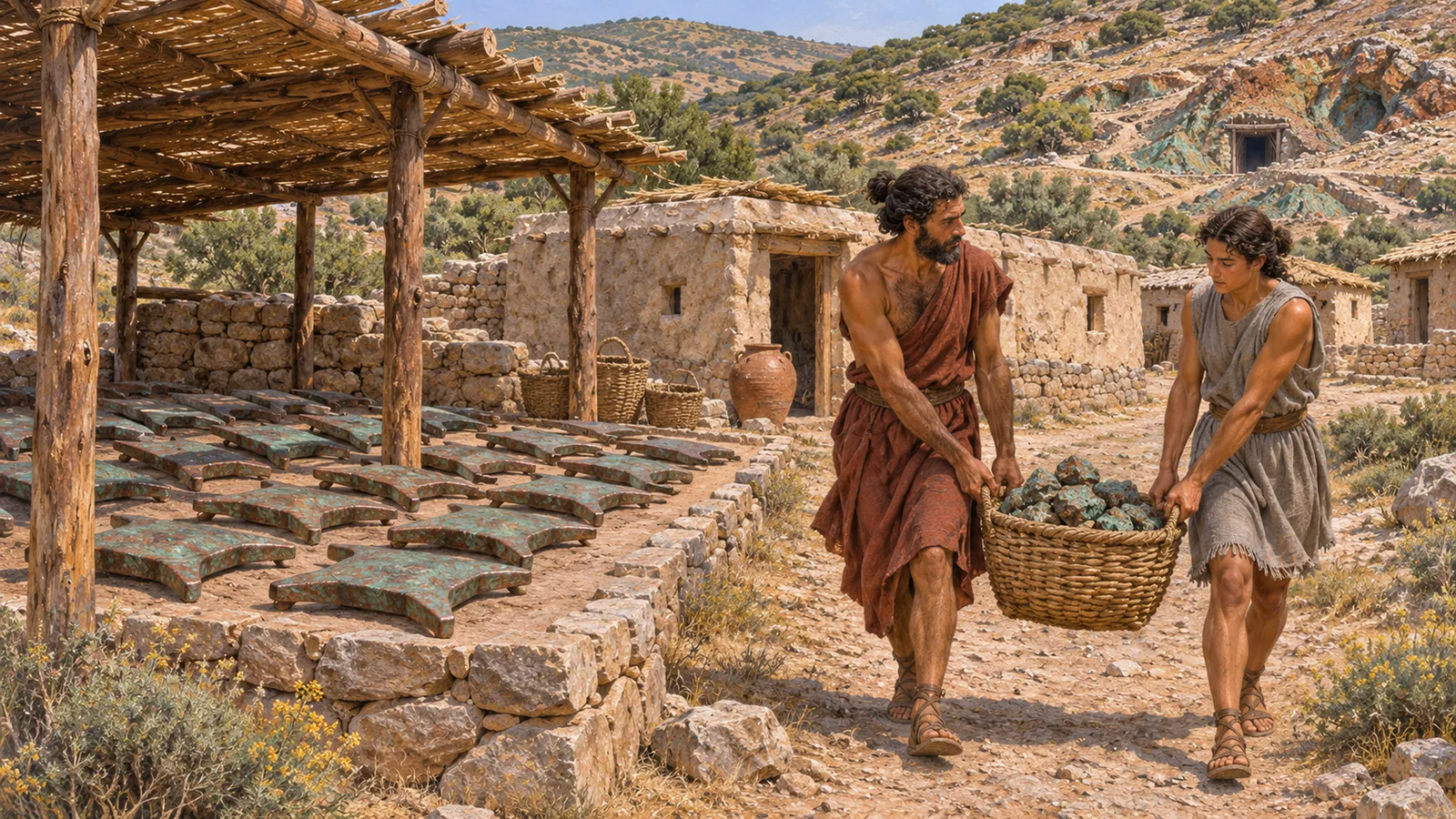
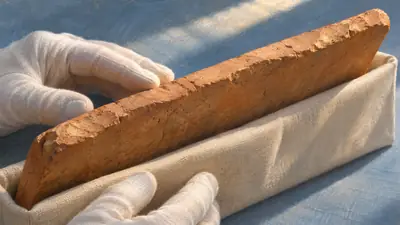
Copper from this era survives in flat ingots that flare at four corners. These finds give us a way to picture the metal traded across the sea. The letter itself leaves the cargo’s shape unspecified.
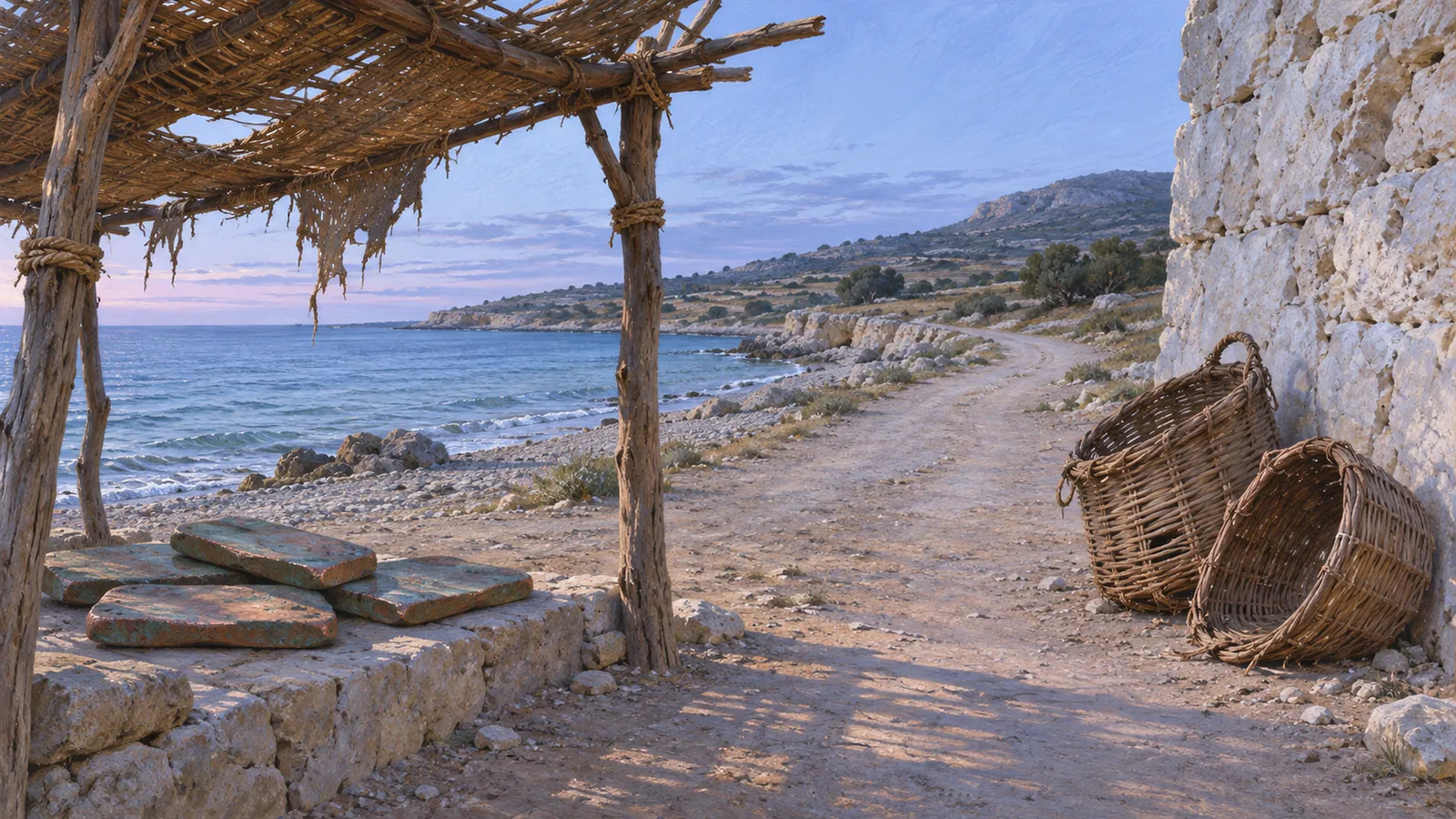
The king explained the size of the shipment by reporting many deaths. He used the language of his religion. From his account, the cause remains uncertain.
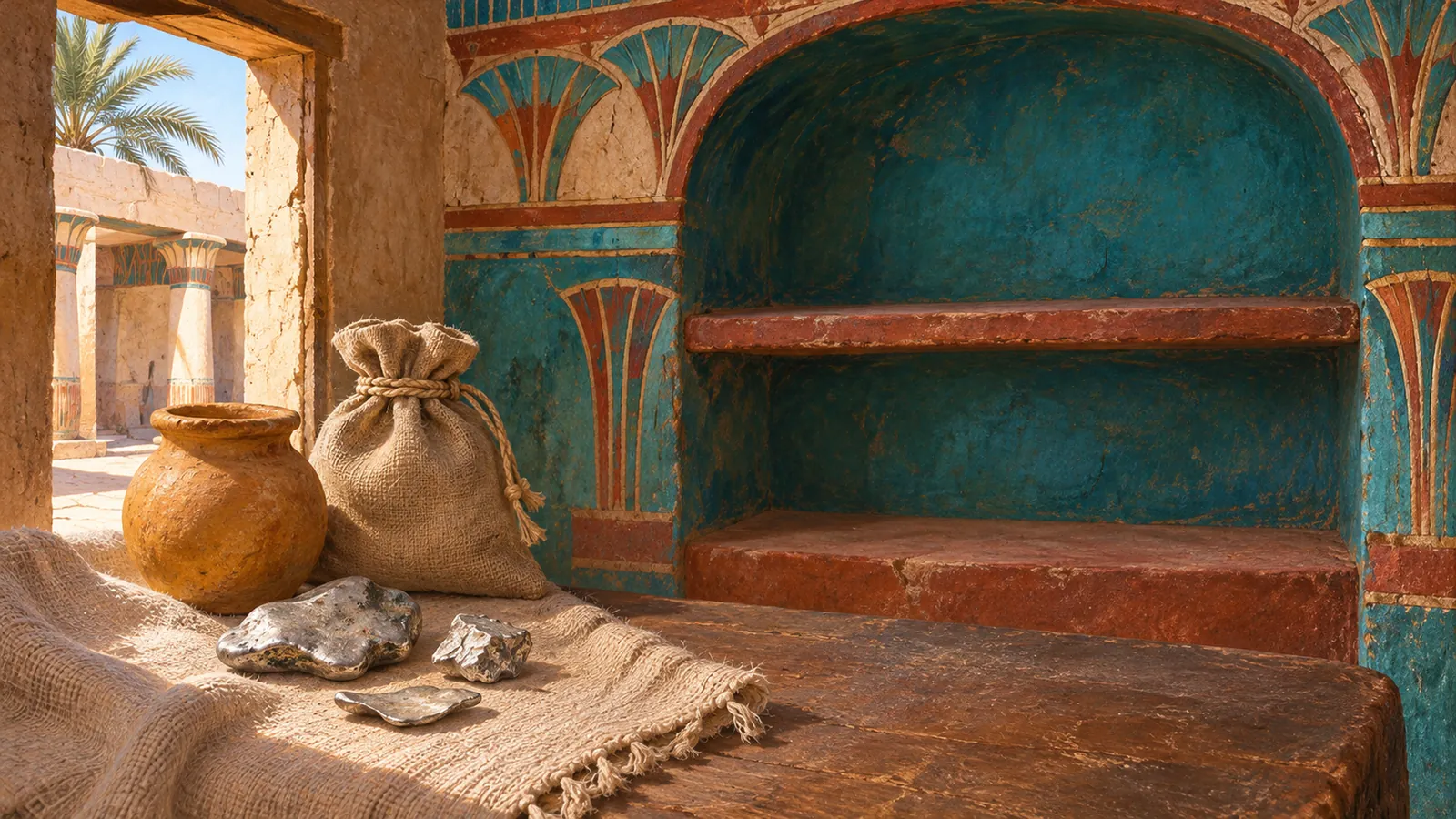
He asked for good silver in return, as well as other supplies. A greeting and a request belonged together. The tablets tell us what a distant ruler expected an Egyptian king to provide.
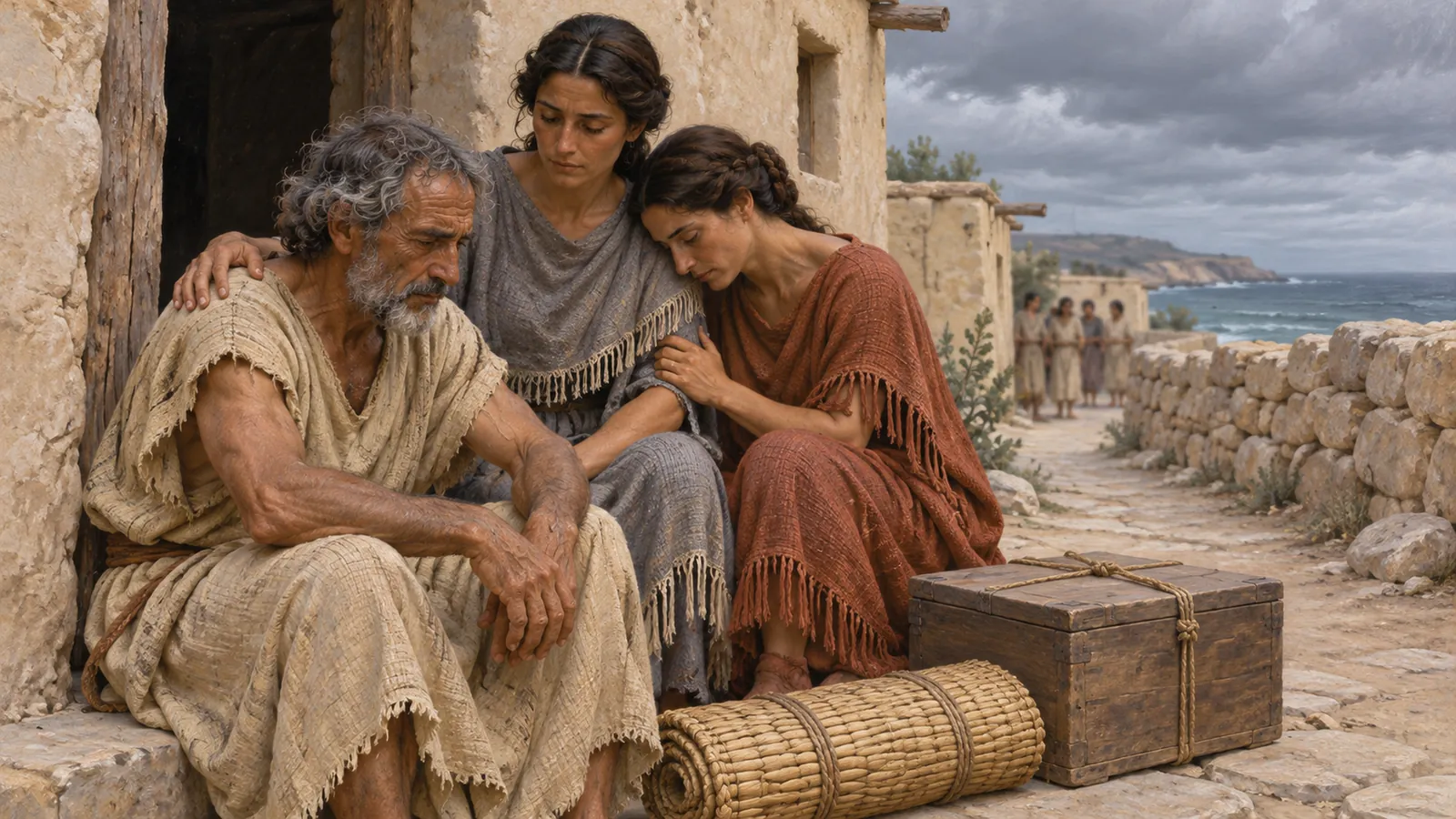
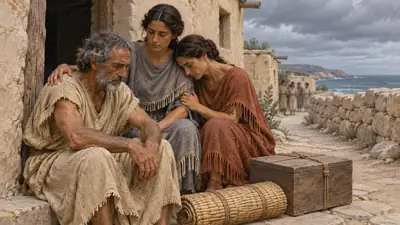
The ruler also wrote about a man from his land who died in Egypt. He asked that the man’s belongings be sent home. His family, the letter explains, was still in Alašiya.
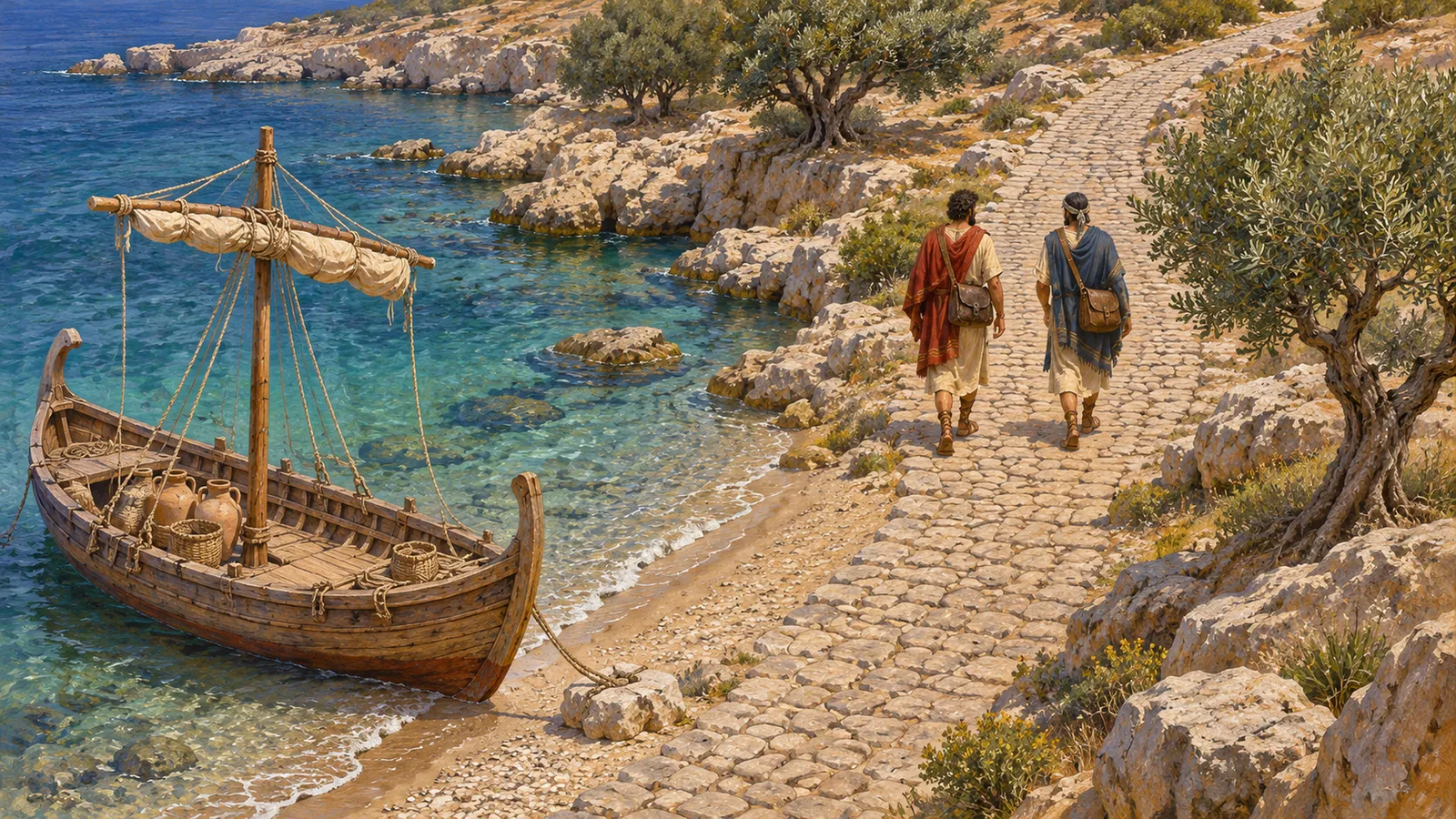
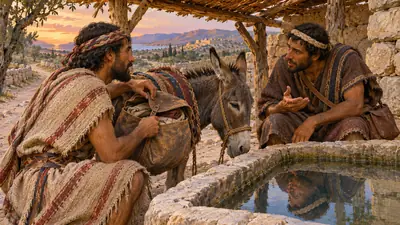
The king wanted his messenger released promptly. Another tablet asks an Egyptian official to let passengers depart. Both favorable winds and permission were needed to sail.
HATTI
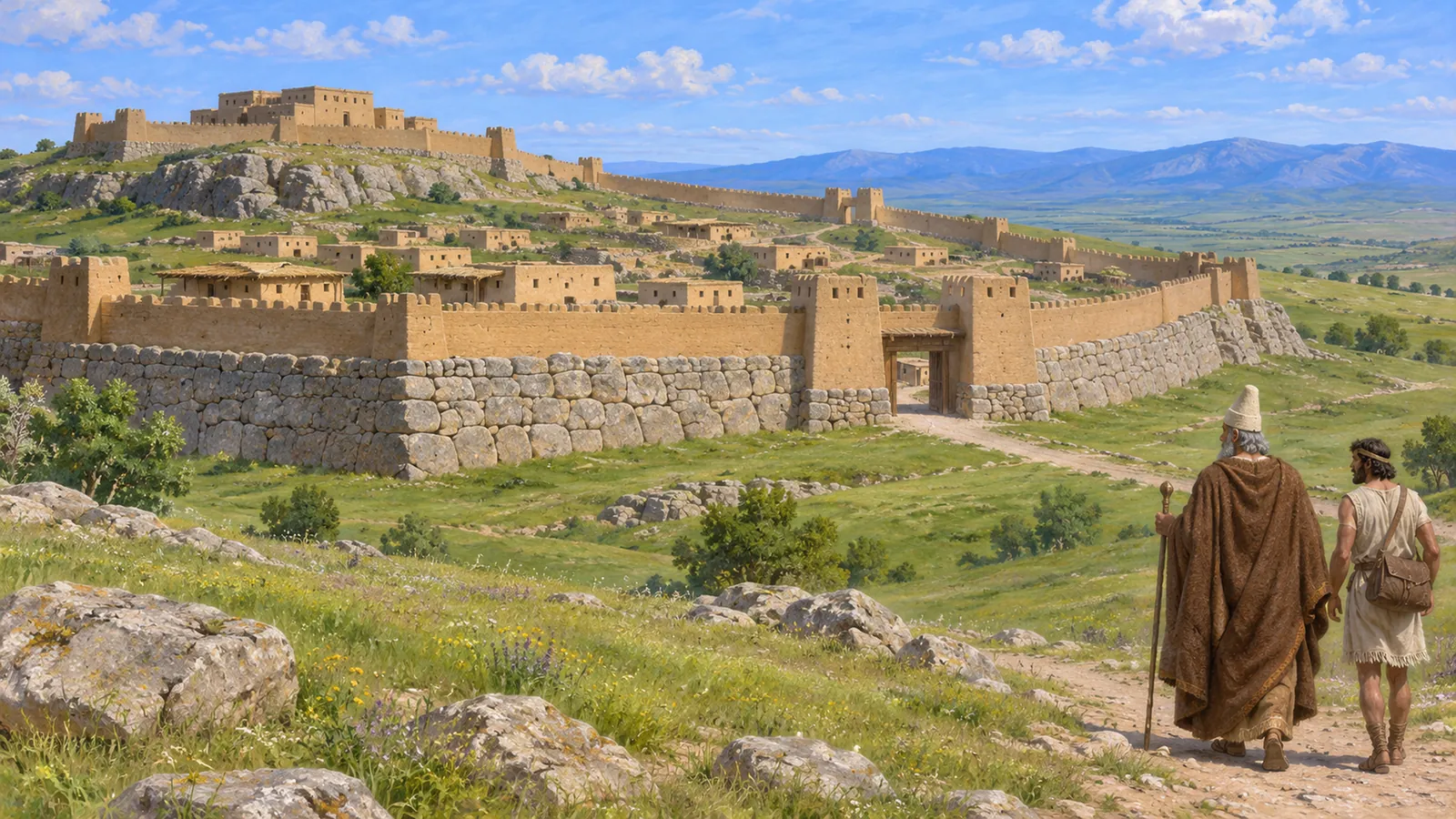
Šuppiluliuma of Hatti greeted the king of Egypt as brother. He recalled his friendship with the king’s father. An old understanding became part of the written record.
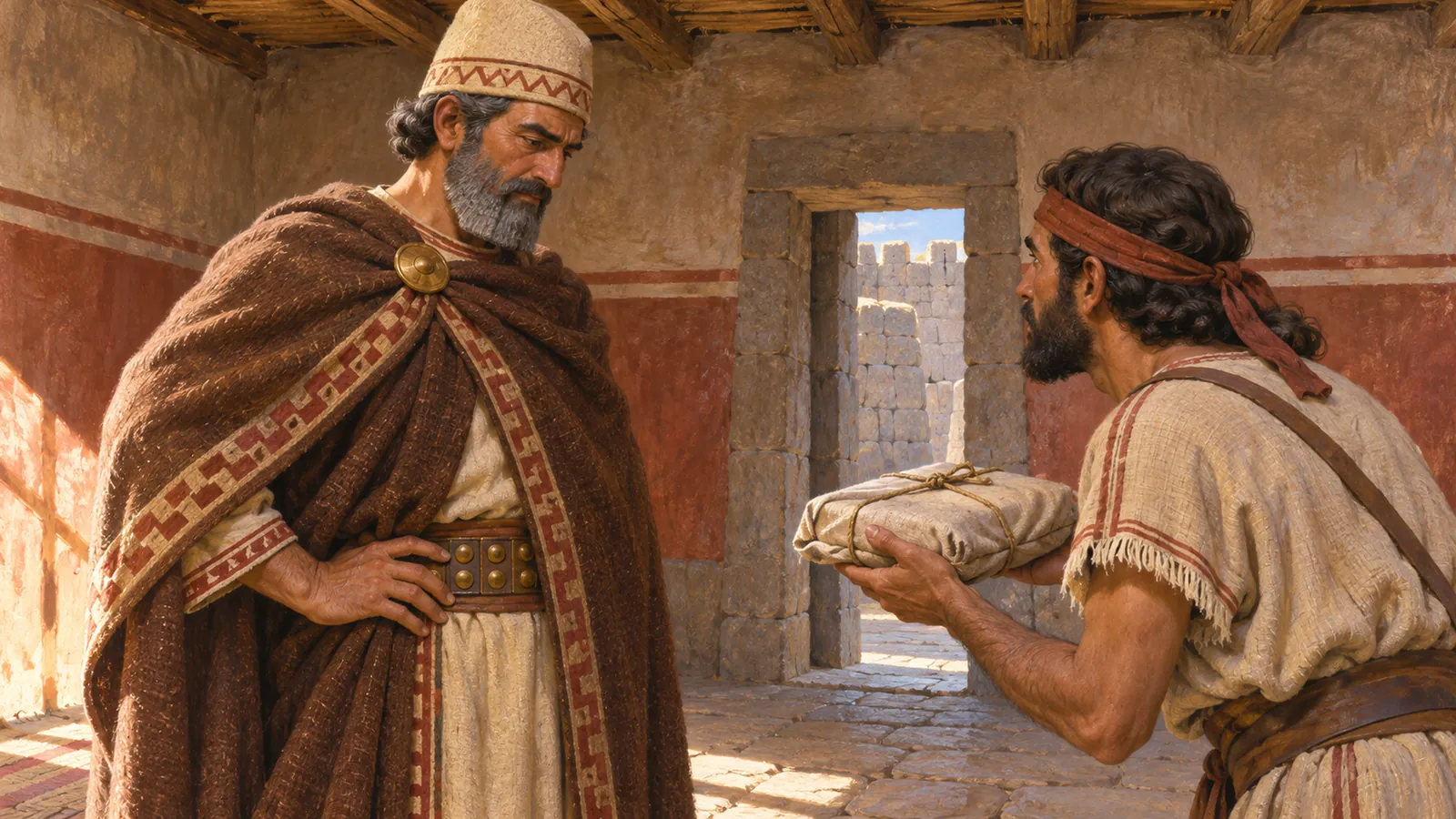
The Hittite king brought up gold statues requested from Egypt. A familiar question runs through the letters. Would a new ruler keep the promises of his predecessor?
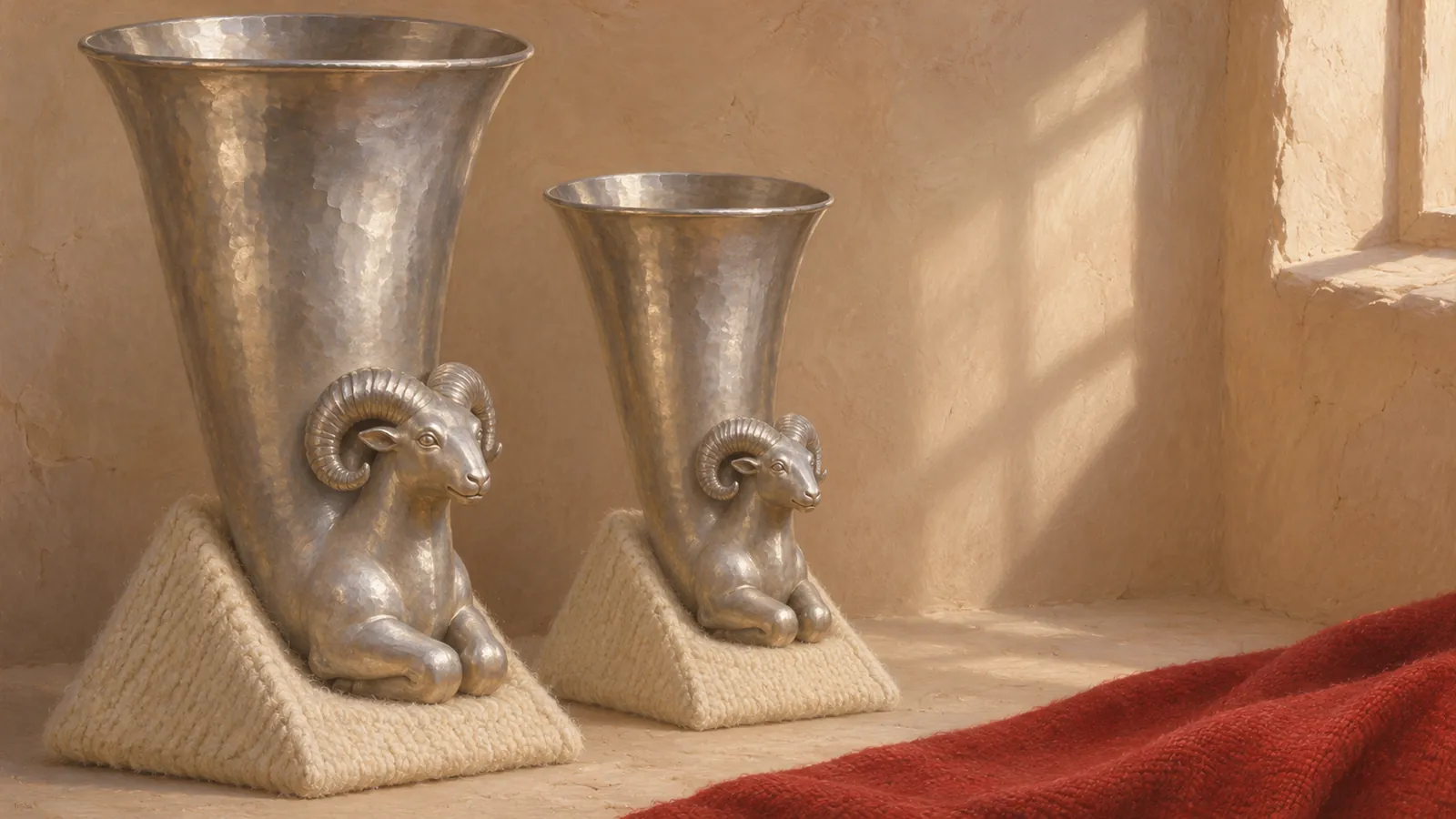
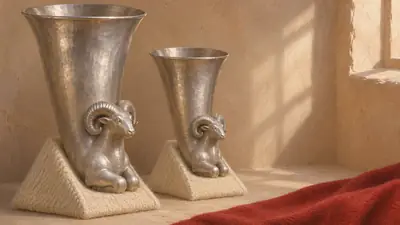
Among Šuppiluliuma’s greeting gifts were two silver pouring vessels shaped like rams. The letter gives different weights for the two. A scribe could count and weigh what a metalworker had shaped to be admired.
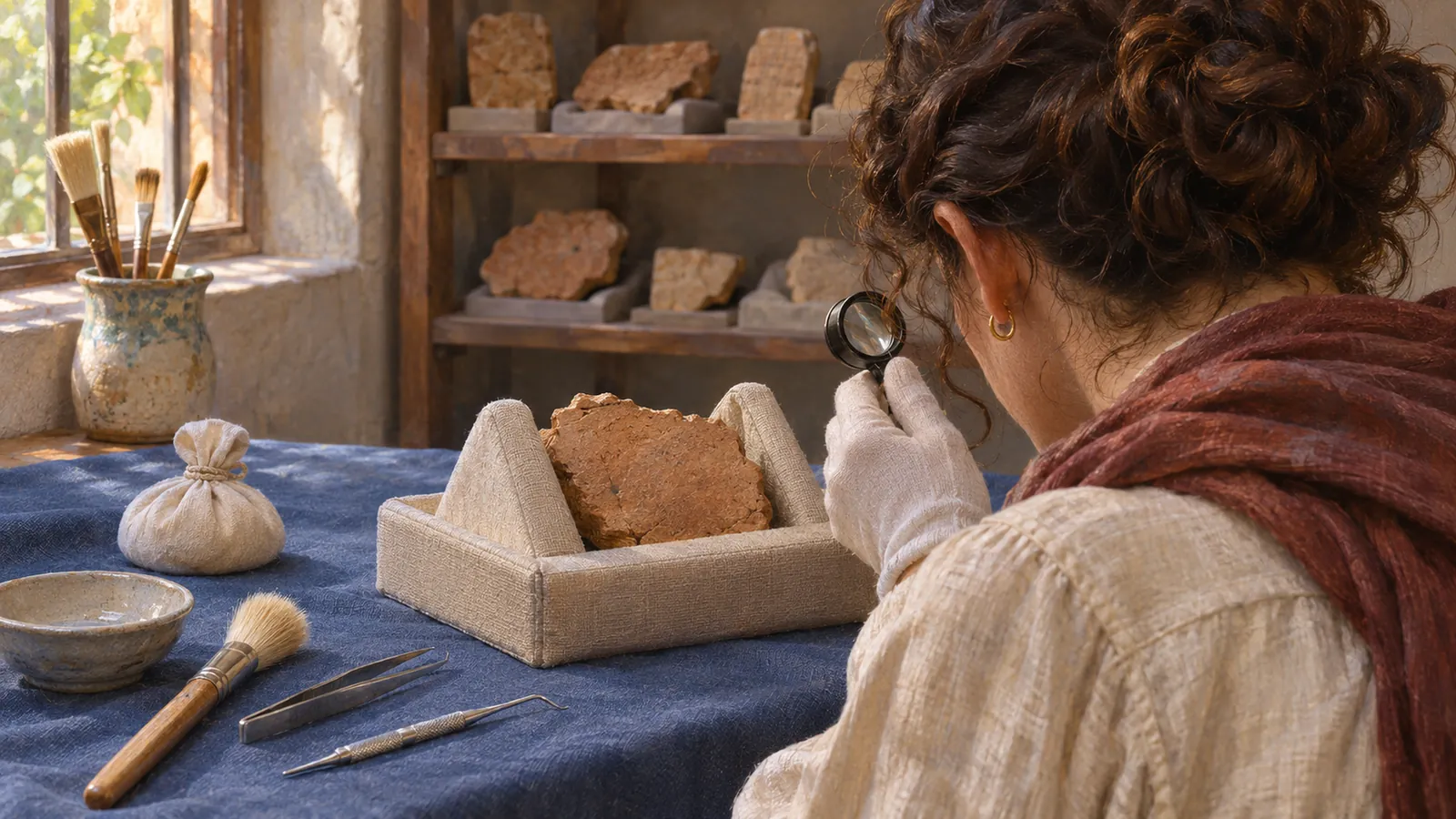
The letter calls the Egyptian king Huriya. Scholars differ on which pharaoh that means. An ancient scribe’s spelling of a foreign name can still leave a puzzle.

Mitanni and Hatti sent tablets over land. Alašiya sent them across water. Some of the records of this traffic waited together on the Nile, far from the workshops whose goods had once made the trip.
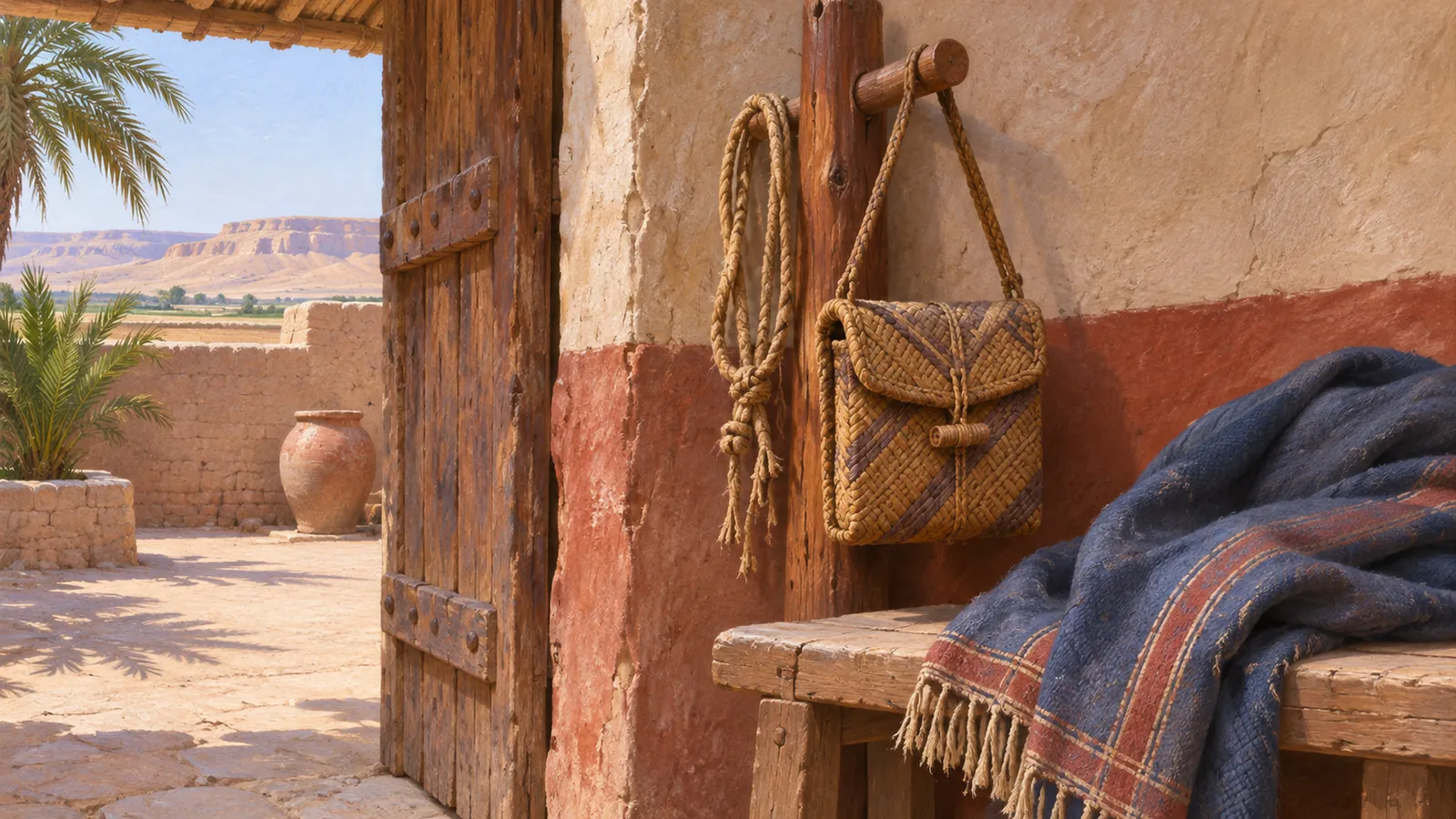
The first signs often give a sender and a recipient. That short opening can outlast the envoy, the road and the reply. Sometimes it keeps the whole exchange in view.

The clay holds stubborn voices, family worries and promises questioned in new reigns. The tablets reached one city from many places. Much of their conversation happened aloud.
End of chapter 2
All pages


Sources
Editions consulted
- Amarna letter corpus and groupings, UCL Digital Egypt
- The Amarna Letters, William L. Moran
- The El-Amarna Correspondence, Anson F. Rainey
- EA 16, original and translation, ORACC
- EA 23, Centre for the Study of Manuscript Cultures
- EA 34, tablet record, CDLI
- The Amarna letters and the Hittite chronology, J. L. Miller
- EA 24, Tušratta’s Hurrian letter, CDLI
- EA 35, letter from Alašiya, CDLI
- Goren and colleagues, petrographic evidence for Alašiya
- Uluburun wreck and copper ingots, Institute of Nautical Archaeology
- Late Bronze Age silver vessel ending in a stag, Metropolitan Museum of Art
Ancient lines behind each page
- Page 1: EA 17, 19
- Page 2: EA 17
- Page 3: EA 19–22
- Page 4: EA 22 and 25
- Page 5: EA 22 and 25; imagined textile workshop
- Page 6: EA 19–20
- Page 7: EA 23
- Page 8: EA 23
- Page 9: EA 24
- Page 10: Amarna archive; UCL Digital Egypt
- Page 11: EA 26
- Page 12: EA 26–27
- Page 13: EA 27
- Page 14: EA 27
- Page 15: EA 33–35; Goren et al., Inscribed in Clay
- Page 16: EA 35
- Page 17: EA 35; Late Bronze Age copper ingot archaeology
- Page 18: EA 35
- Page 19: EA 35
- Page 20: EA 35
- Page 21: EA 35 and 39
- Page 22: EA 41
- Page 23: EA 41
- Page 24: EA 41
- Page 25: EA 41; J. L. Miller, Synchronisms
- Page 26: EA 17–44; Amarna archive
- Page 27: EA 33–44; diplomatic formulas
- Page 28: Amarna archive, closing frame
Illustrations made with AI tools by IL Archive; the text is based on the ancient sources (see the sources at the end of each chapter).