The Kings Who Called Each Other Brother Chapter 1
Letters Between Brothers
Babylonian and Assyrian kings wrote to Egypt about gifts, marriages, merchants and the welcome owed to an envoy.
SourcesTurn the pages with the arrows, the arrow keys or a swipe.
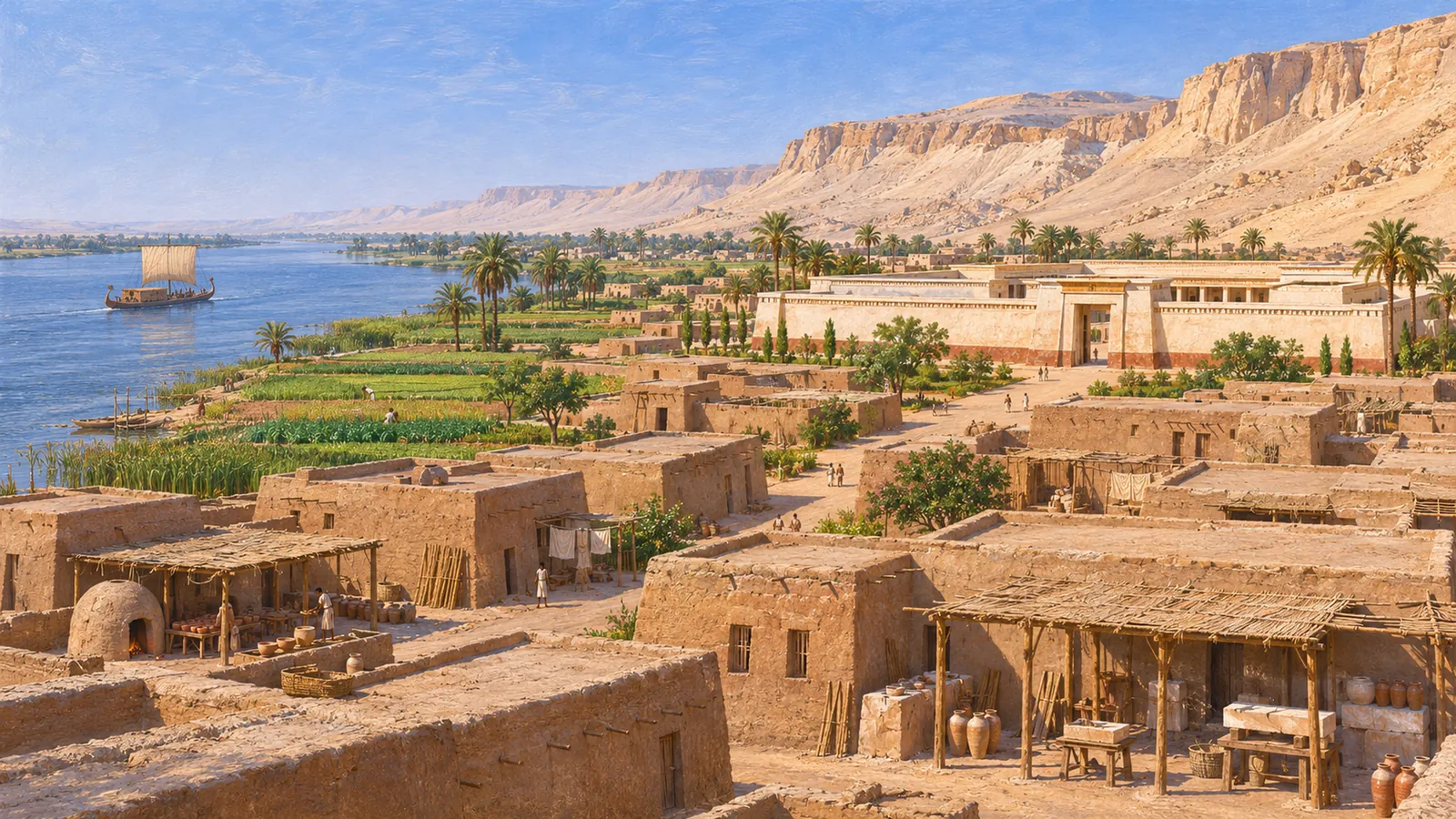
LETTERS BETWEEN BROTHERS
At Akhetaten, on the bank of the Nile, old messages lay in clay. Hold one of those tablets and you hold a conversation that once crossed kingdoms.
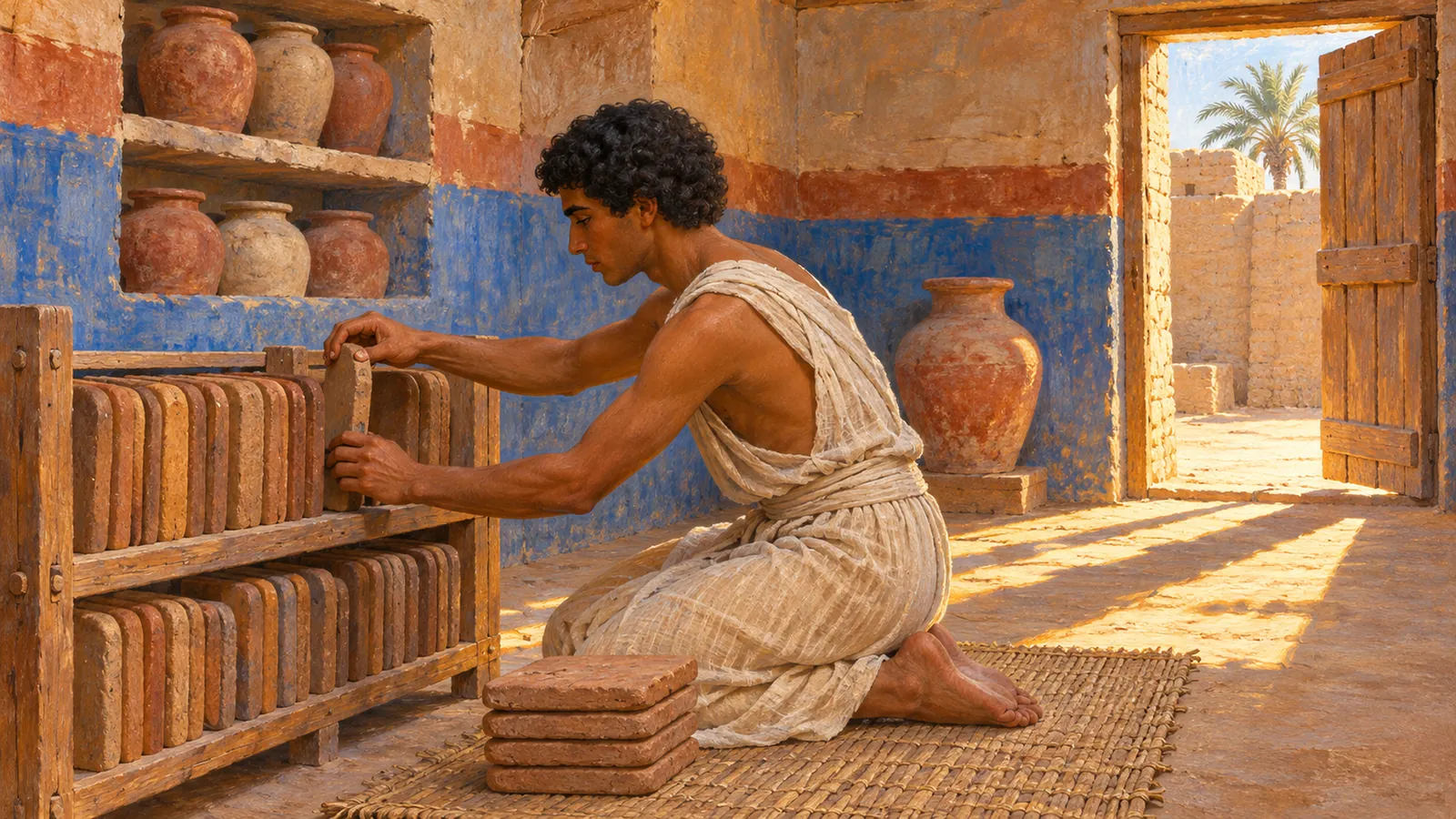
The collection held letters sent to Egypt and some from the Egyptian court. Older messages were kept too. A letter could matter after a ruler’s death.

Some tablets had crossed deserts and rivers. Across the Late Bronze Age, most of the courts used Akkadian for these letters, even where people spoke other languages at home.
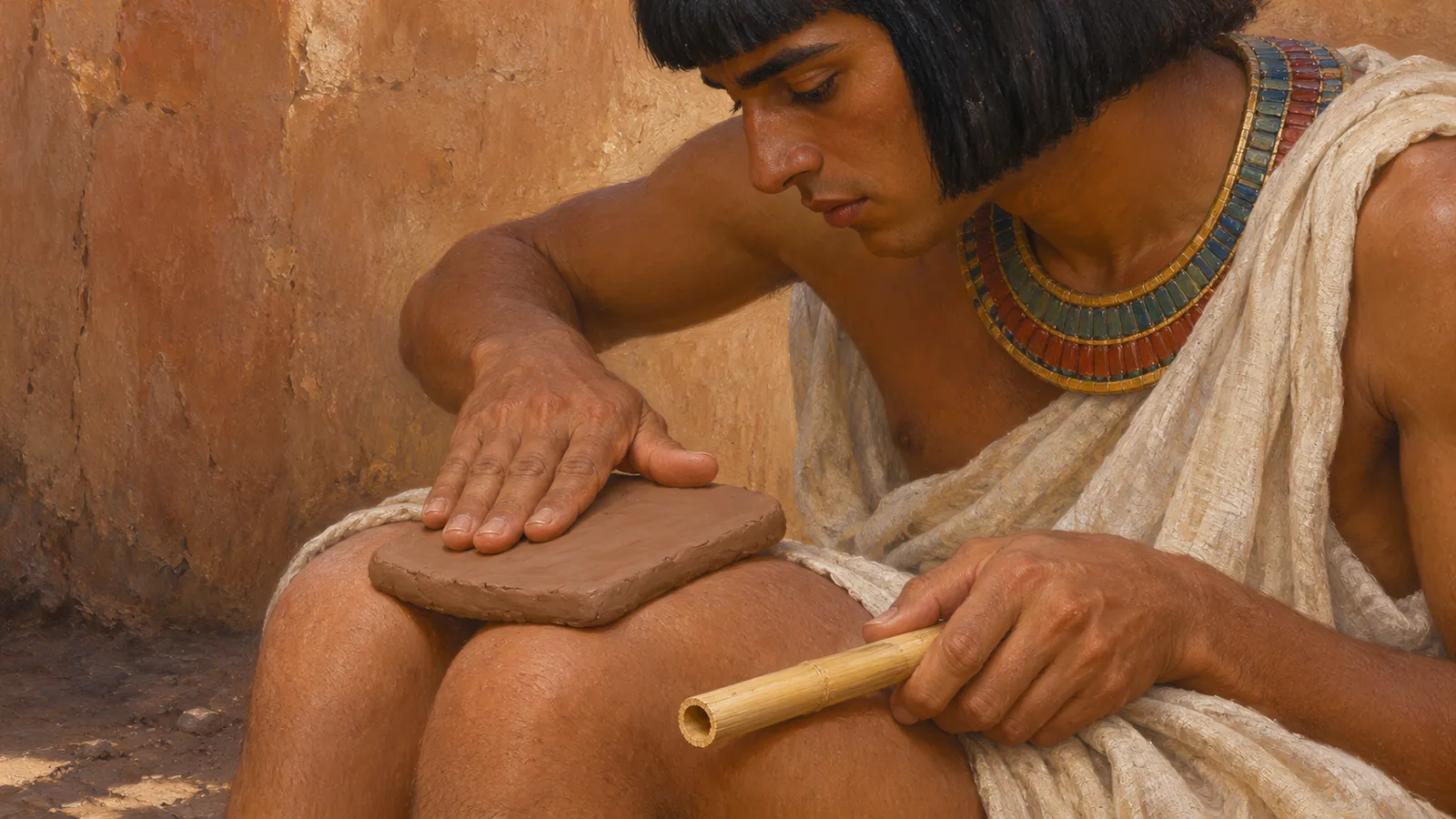
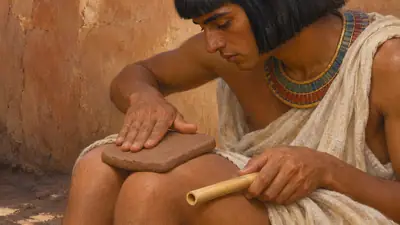
A scribe pressed a cut reed tip into wet clay. Changing its angle made different wedges. Such tiny marks carried greetings, arguments and lists of gifts.
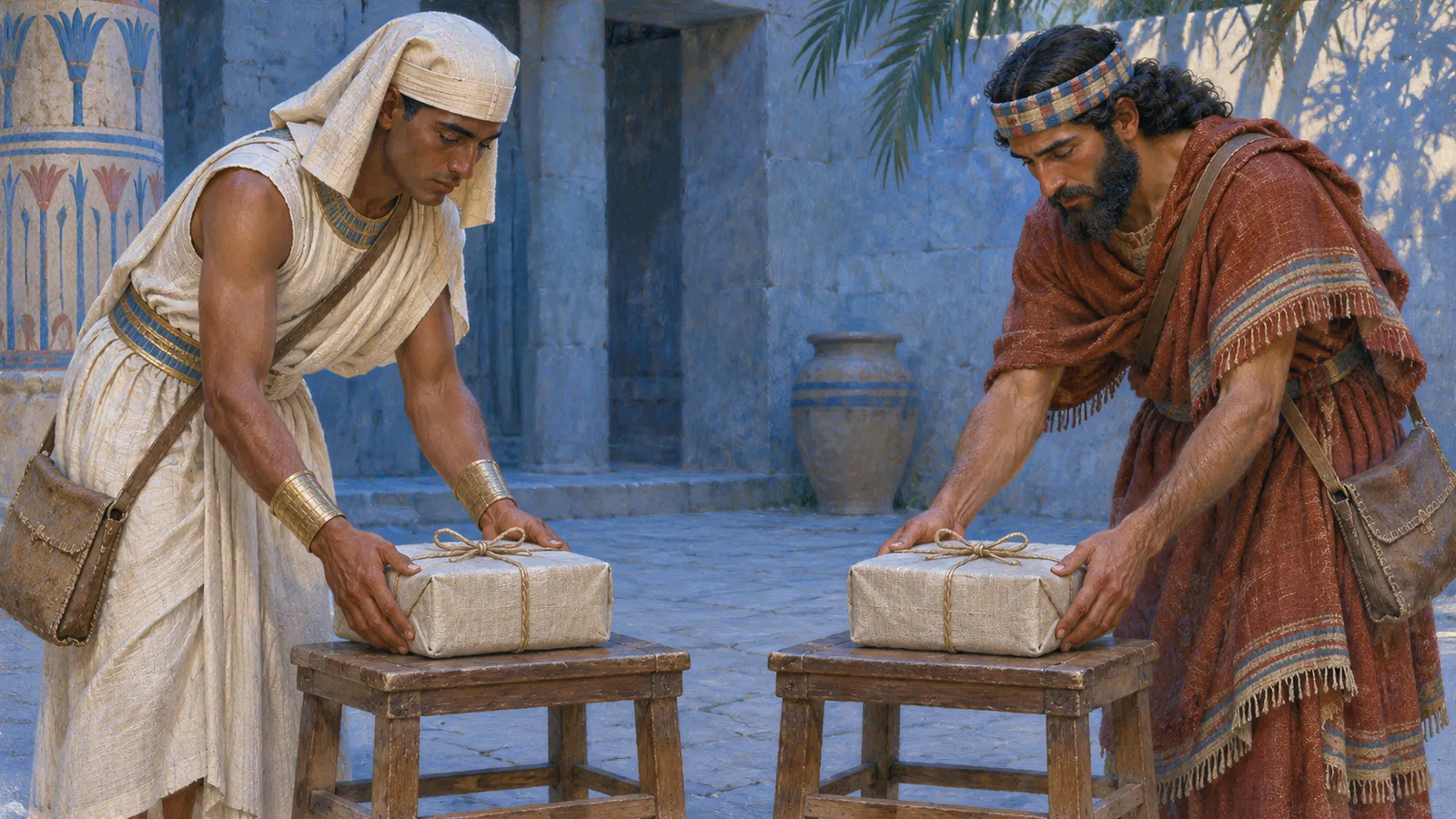
A king might greet a fellow ruler as his brother. It was a way to claim a place among equals. The greeting made room for hard questions as well as friendship.
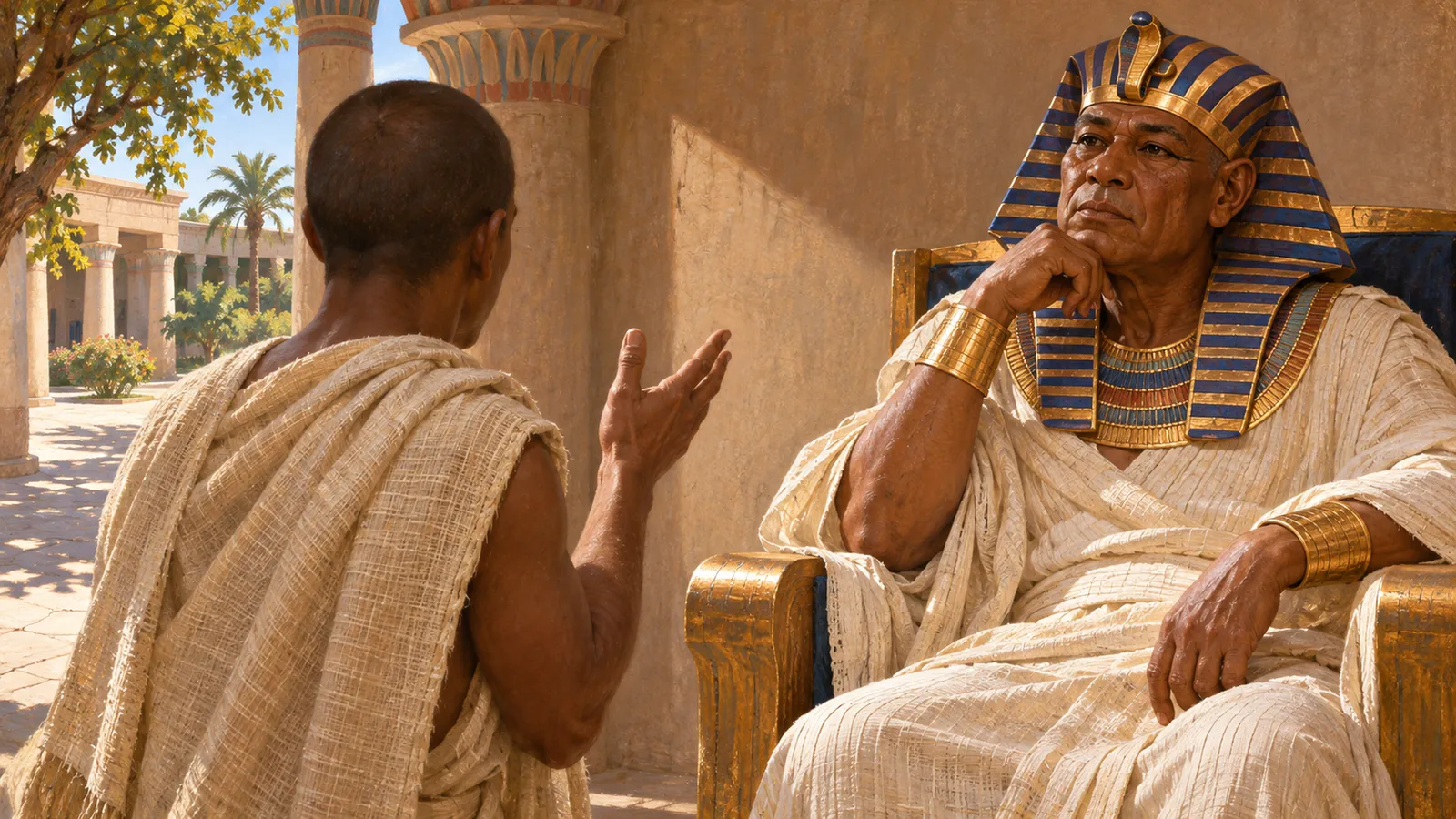
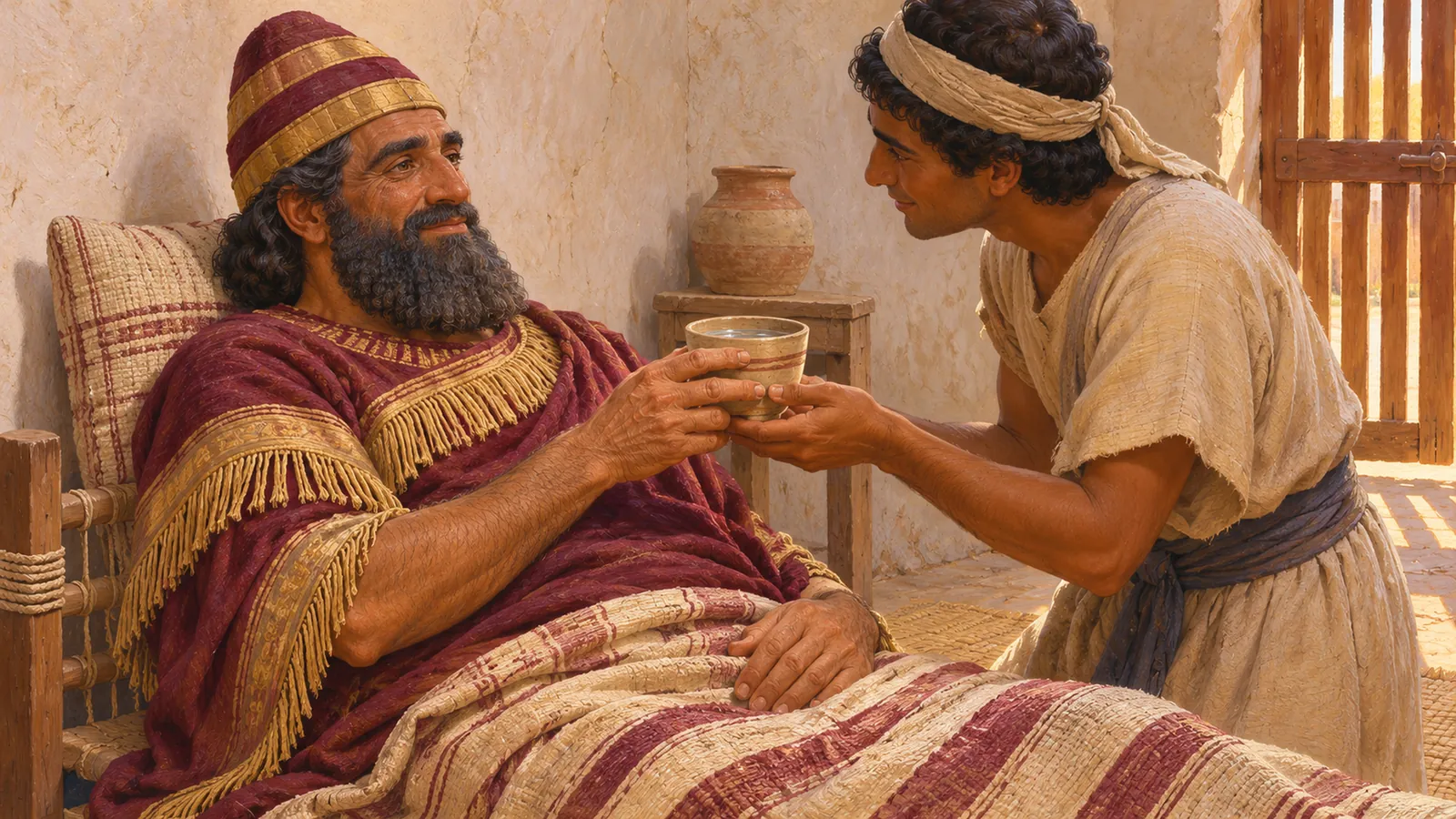
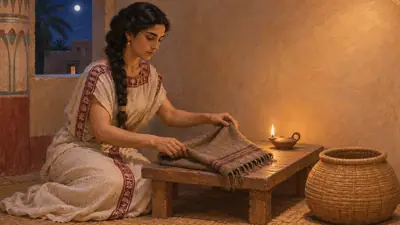
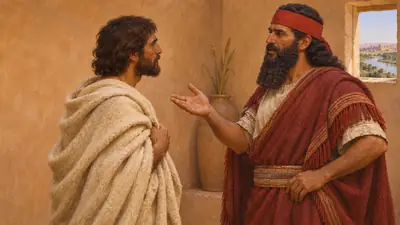
Kadašman-Enlil of Babylon asked about his sister, who had married the Egyptian king. Amenhotep III replied that her visitors could hardly recognize a woman they had never met.
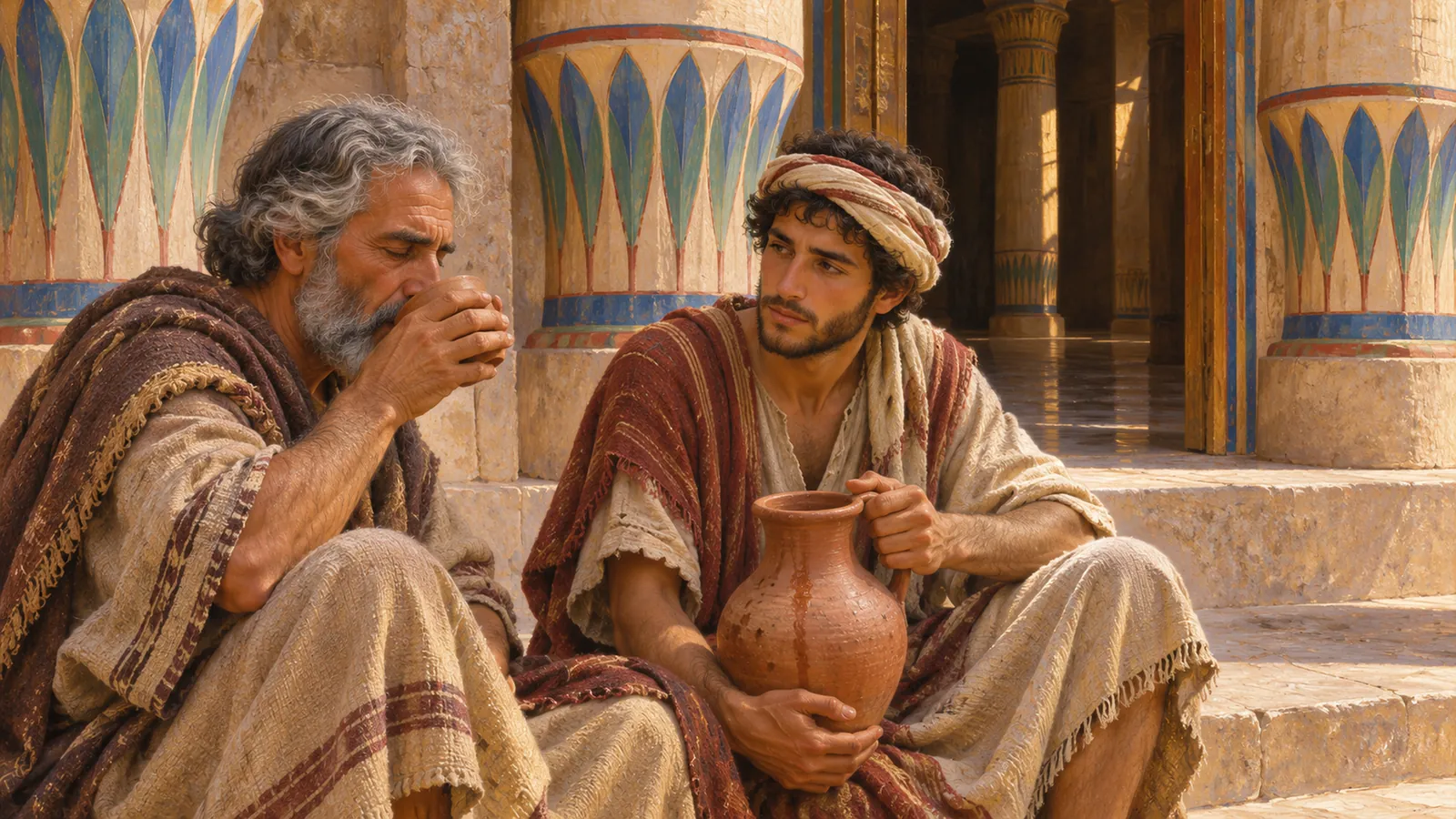
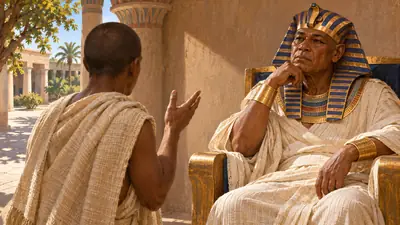
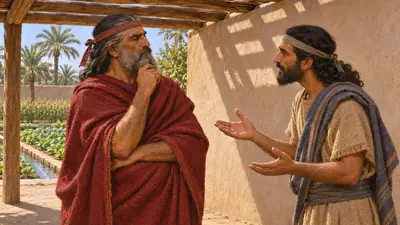
Amenhotep asked for a trusted visitor who knew the woman and could speak with her. He challenged earlier reports. The dispute gave unusual weight to who traveled.
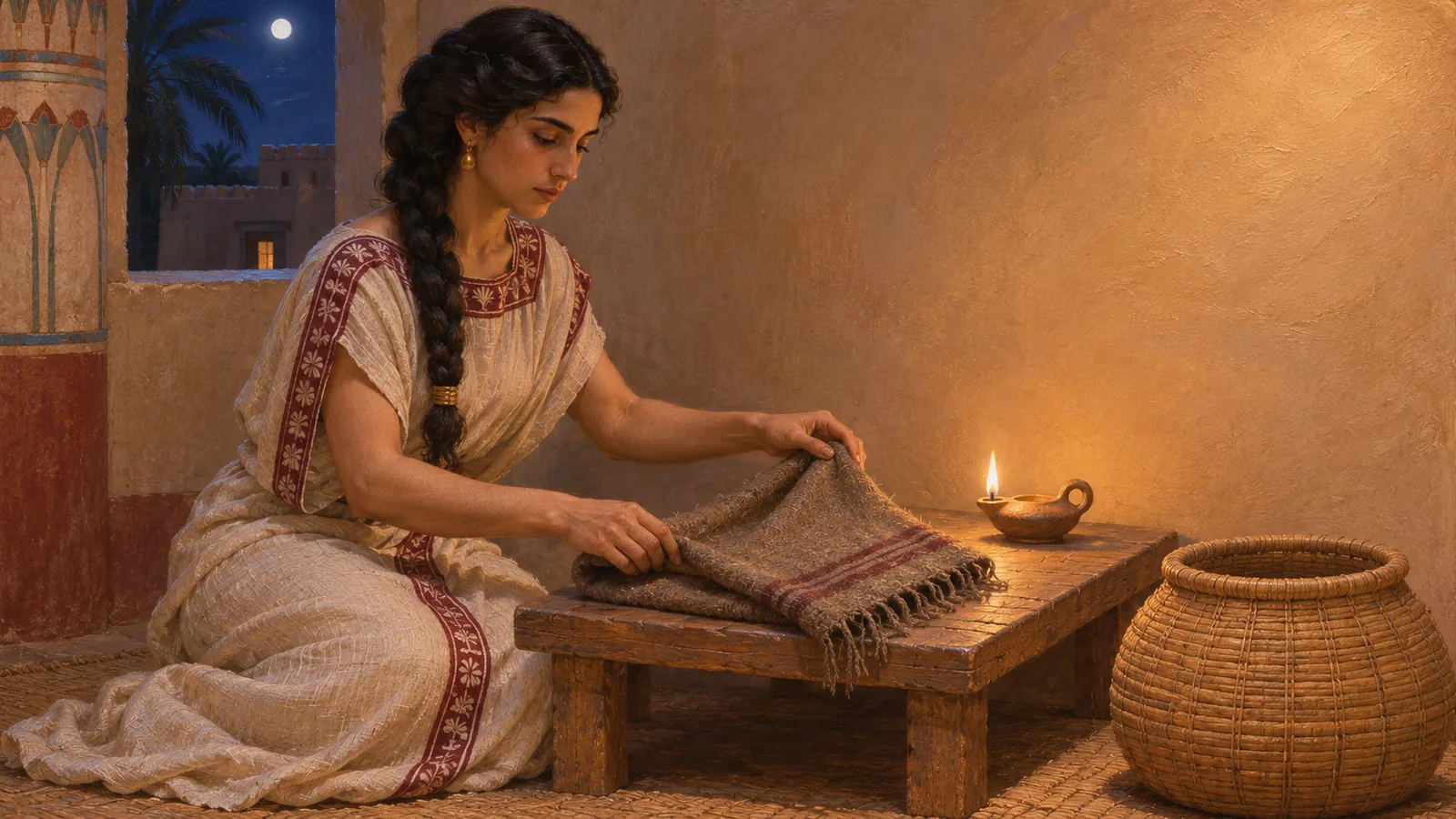
The court in Egypt could say what its visitors had seen. A king abroad could question their account. We have Amenhotep’s answer, while the woman herself left no words in this exchange.
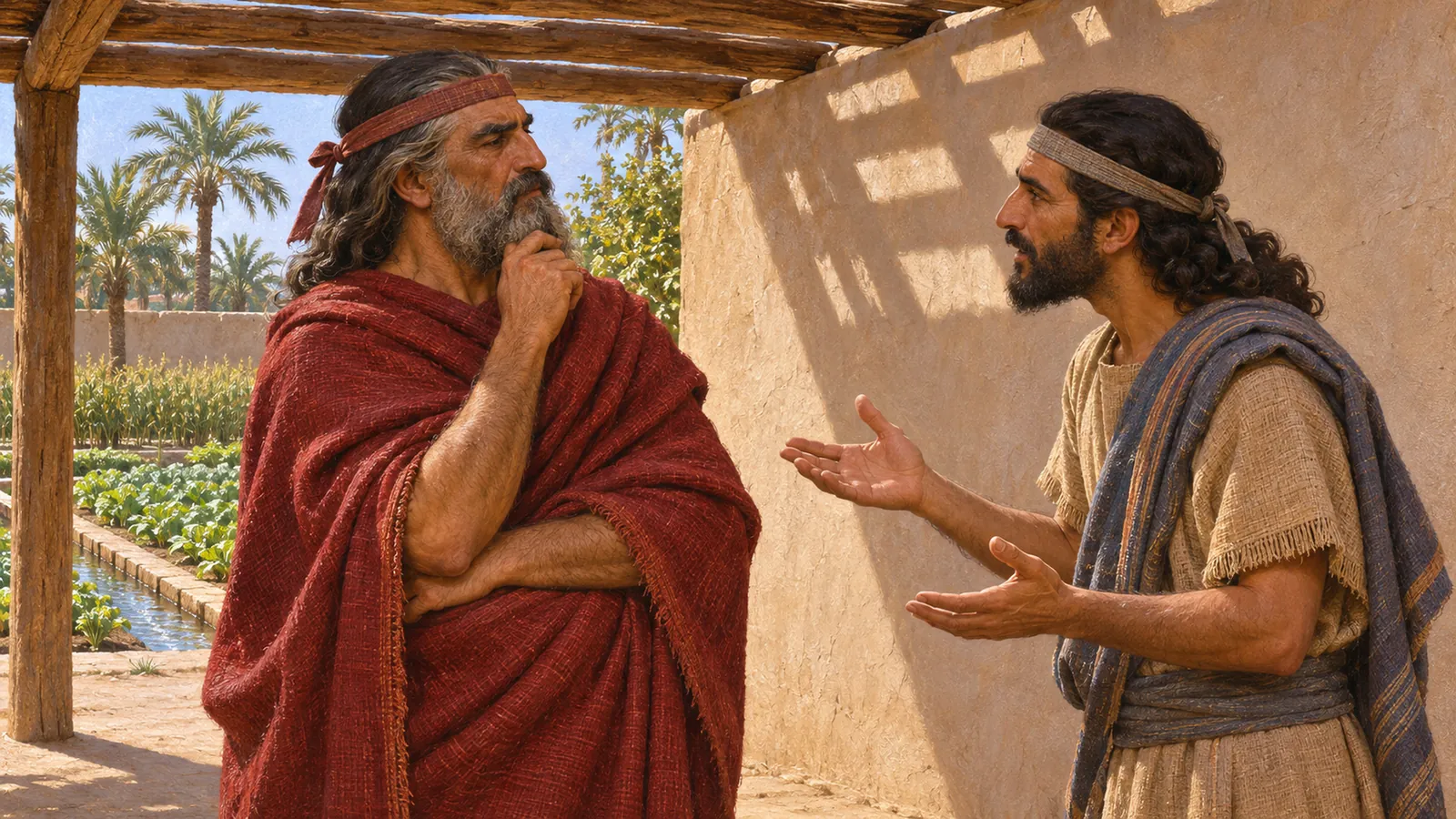
Kadašman-Enlil complained about his envoy’s reception and recalled old ties. He also wrote that his daughter was ready to marry. He wanted Egypt to send for her.
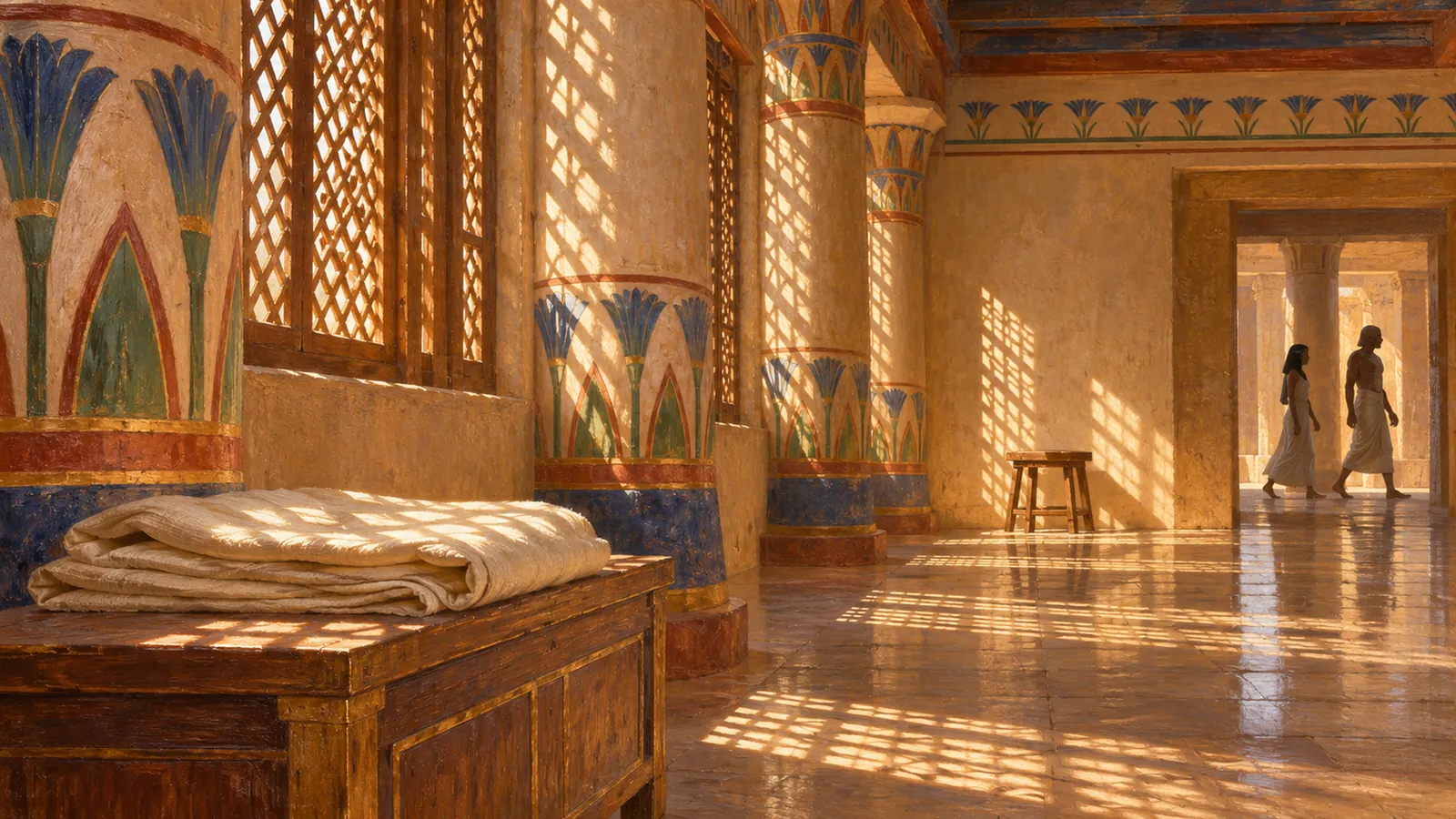
A broken Babylonian tablet reports Pharaoh’s answer to a different request for marriage. Egyptian kings had long kept their daughters at home, he said. The writer pressed him to make an exception.
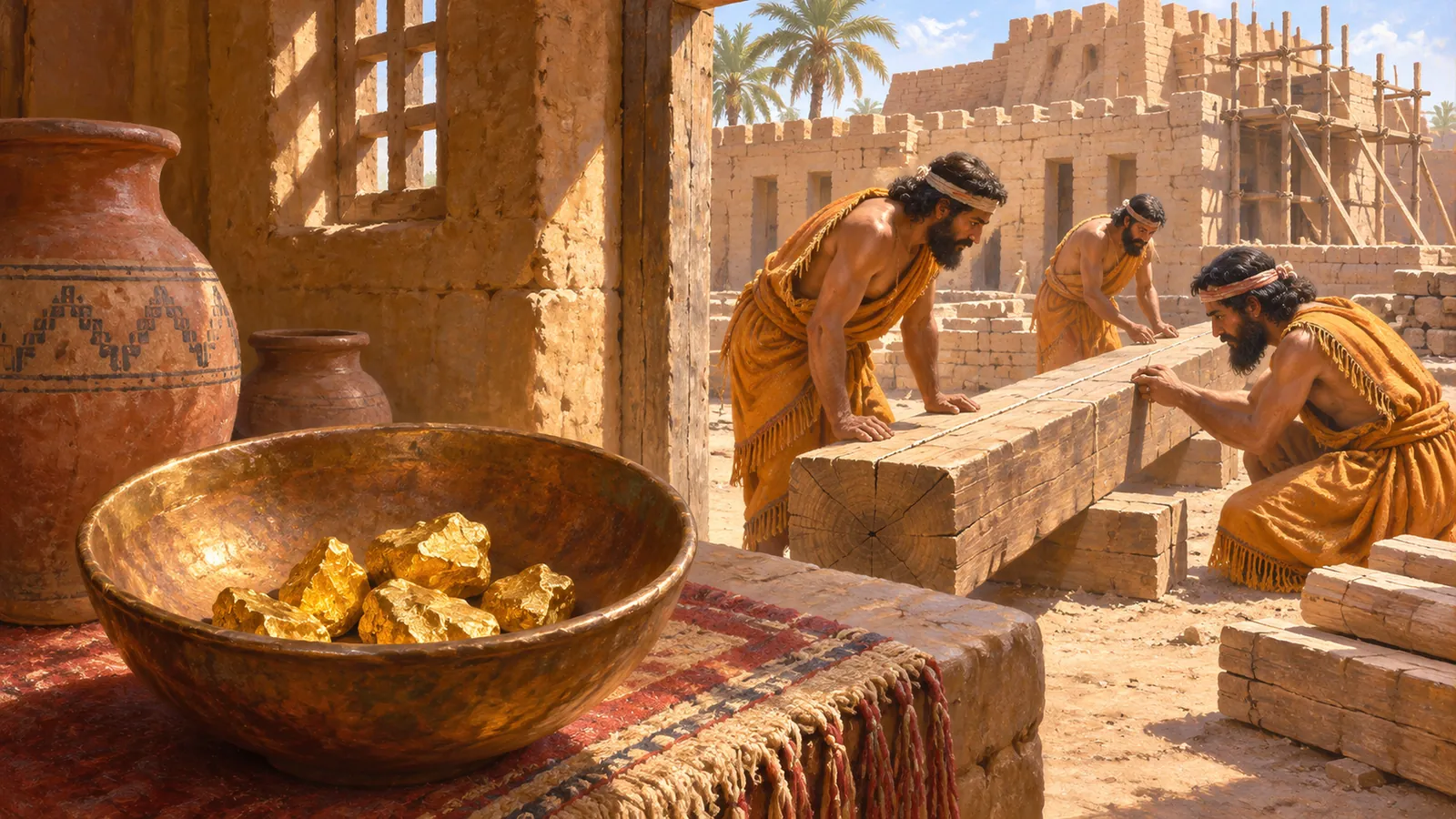
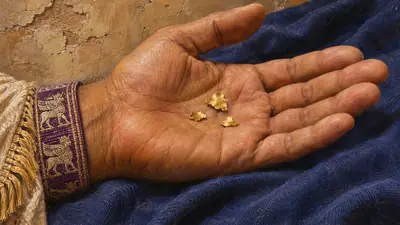
The Babylonian writer wanted gold before he finished his work. From his side, a late gift could miss its purpose. Its timing mattered as much as its wording.
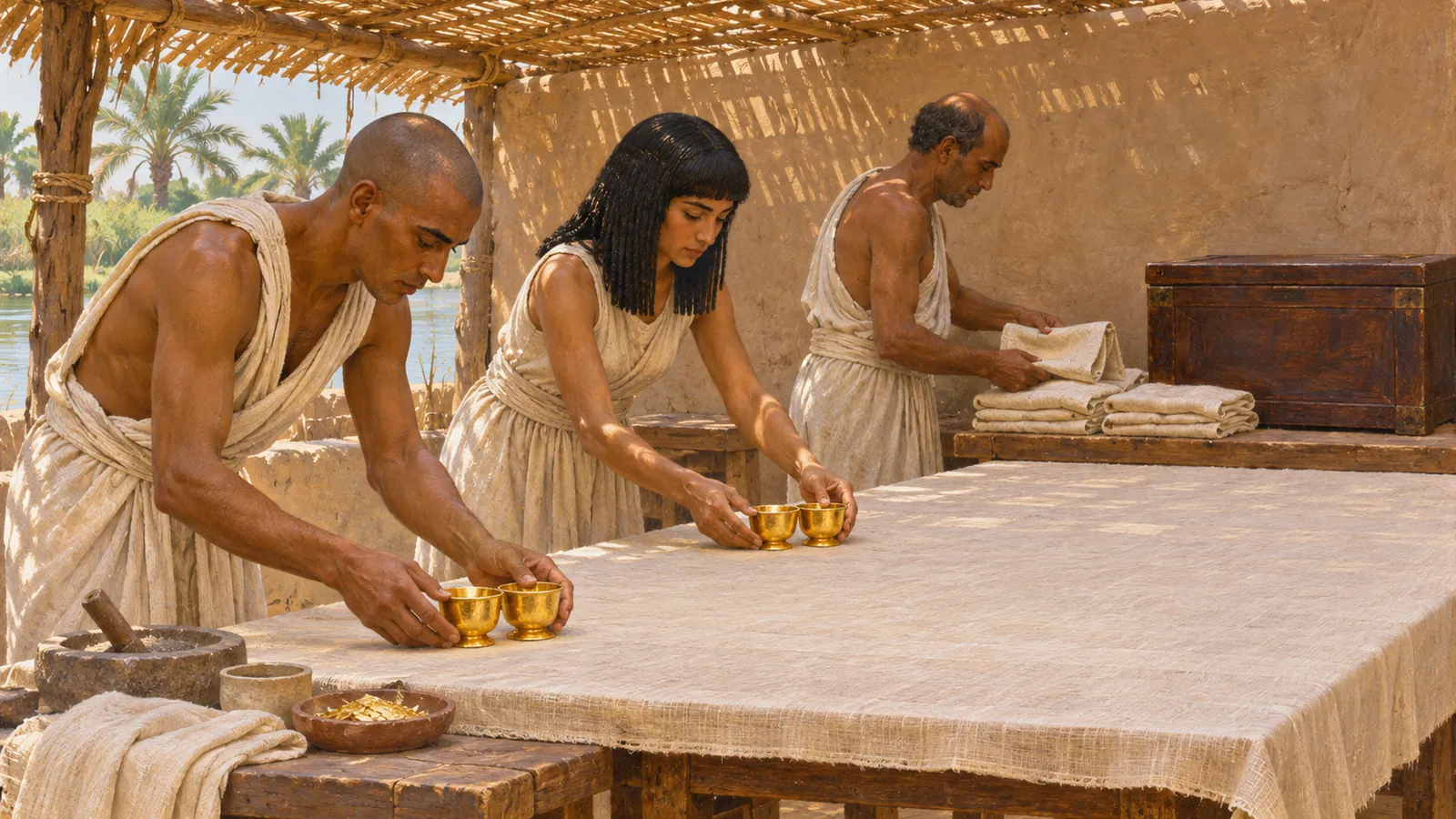
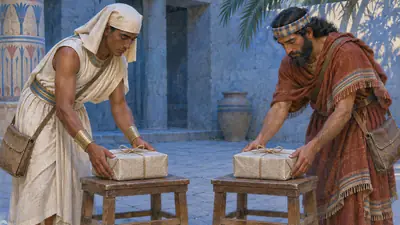
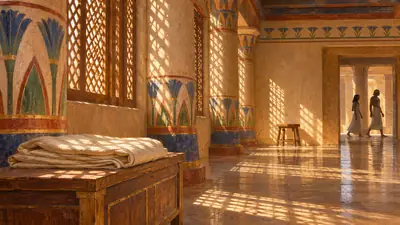
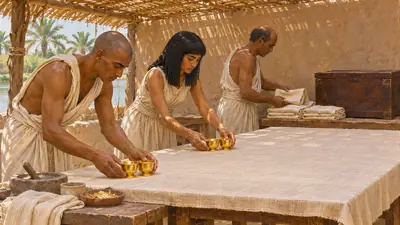
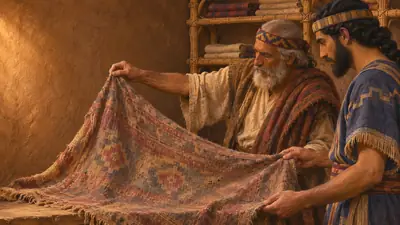
One tablet names Amenhotep as sender and Kadašman-Enlil as recipient. Then comes a list of gifts. Objects made in different workshops could travel together in a single delivery from the Egyptian king.
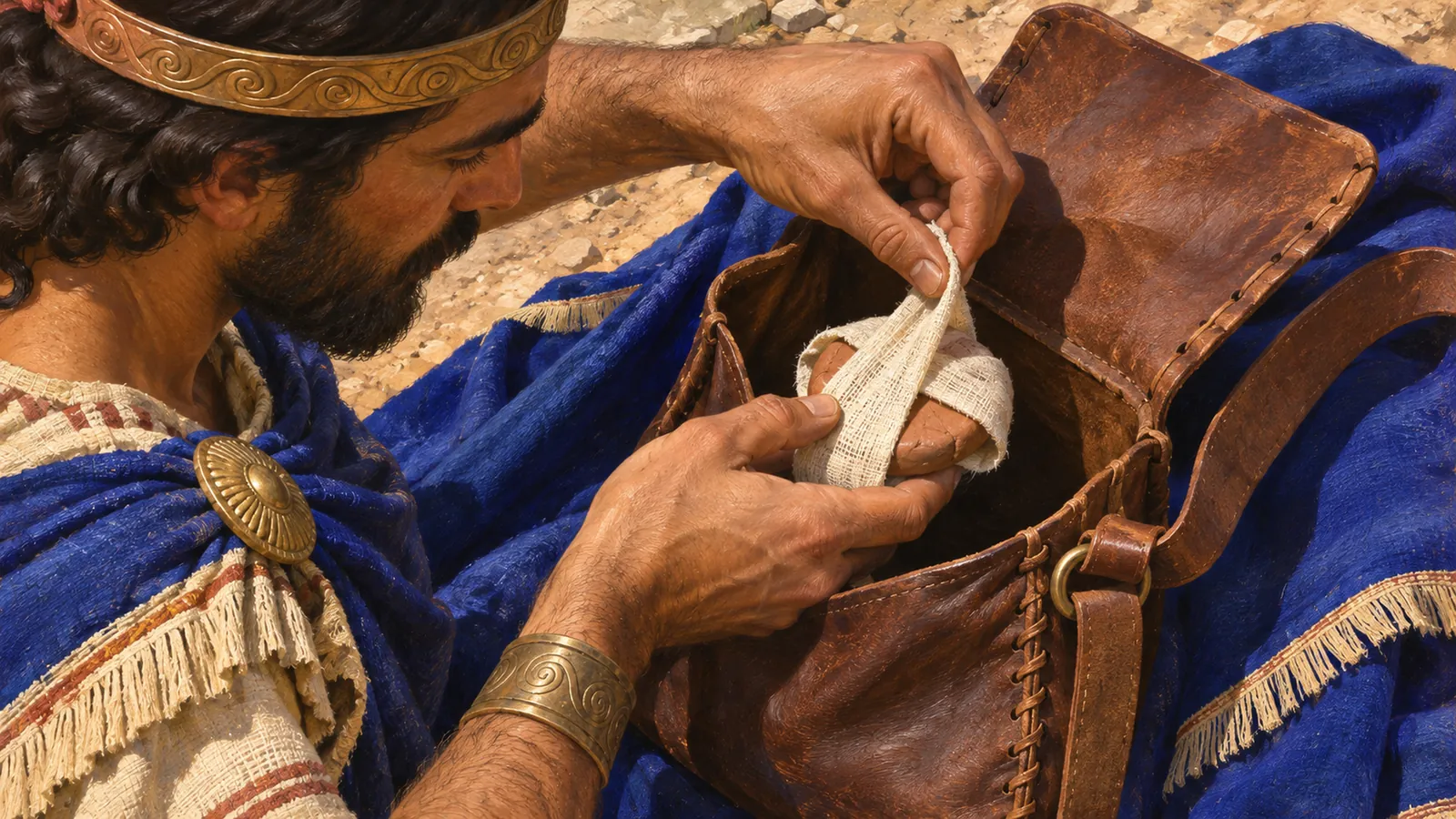
A tablet held a scribe’s words. The envoy who delivered it could answer a question, remember a visit or say why a message had arrived late.
BABYLON
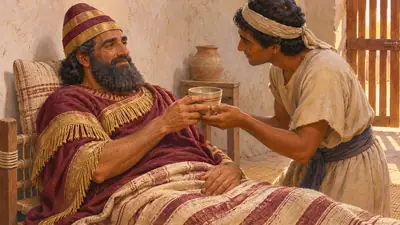
Burna-Buriaš, a later king of Babylon, complained that Egypt had sent no one to ask after him when he was ill. An Egyptian envoy answered that the news had long distances to travel.

Burna-Buriaš also complained that gold sent from Egypt yielded far less than he expected when it was put to the test. The amount received and the amount left became part of the same quarrel.
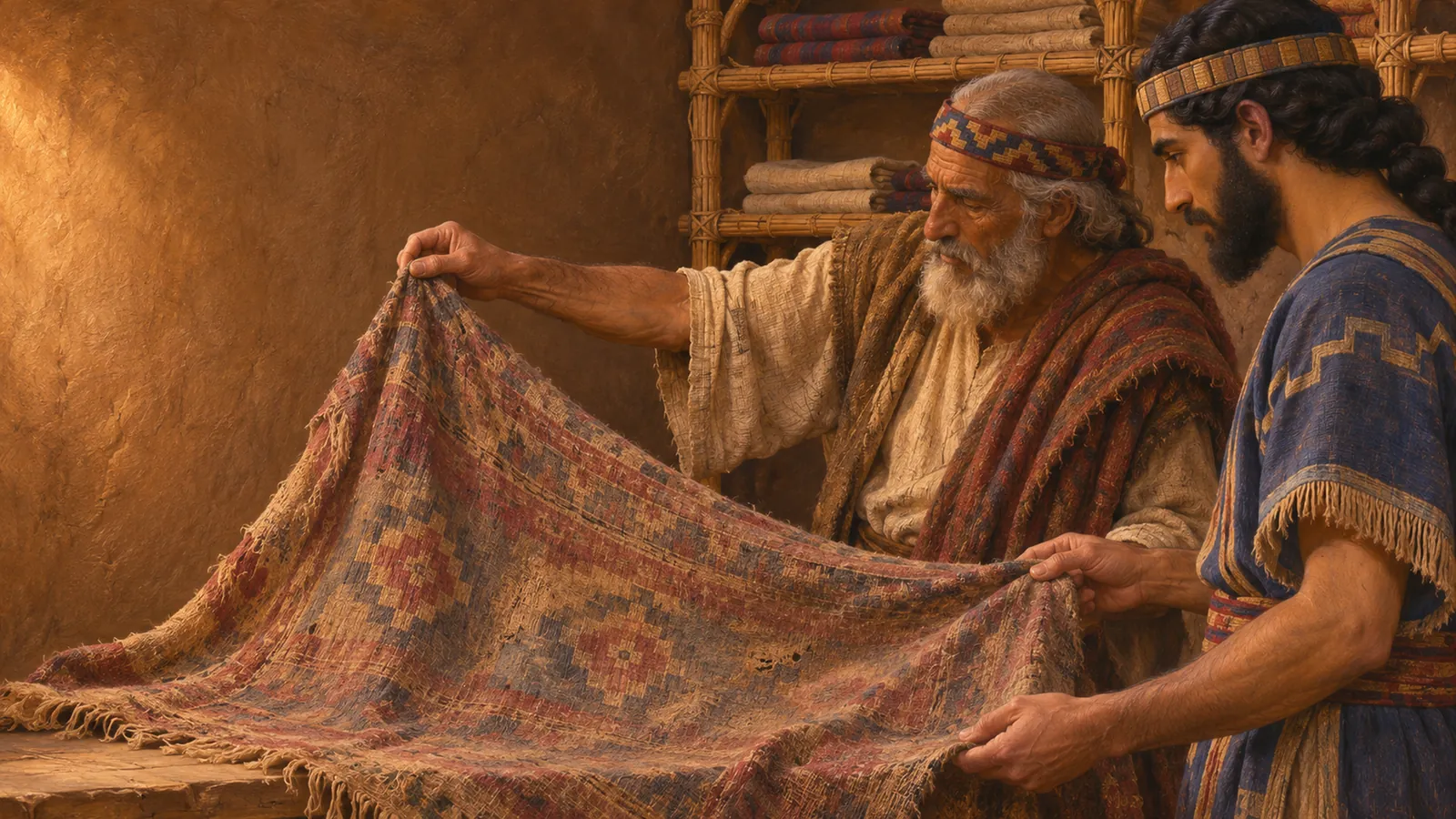
He recalled a time when his ancestor had refused requests from rulers in Canaan out of regard for Egypt. Older rulers’ choices put obligations on their successors.
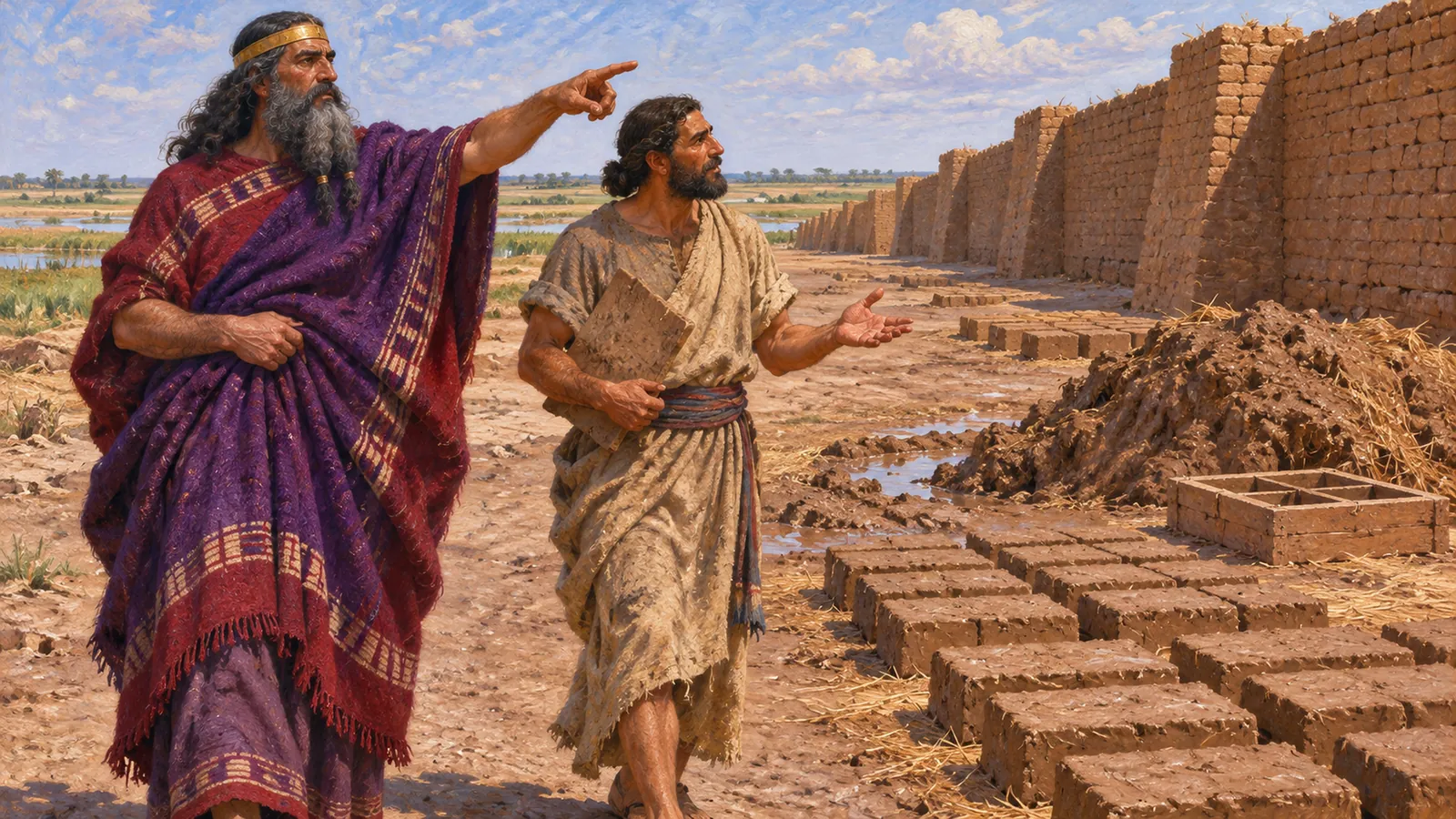
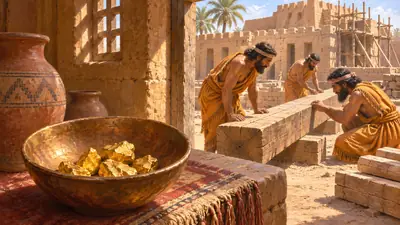
Just two minas of gold had arrived, he said, and he needed more to finish work on a temple. A mina was a unit of weight. The request put a number on his disappointment.
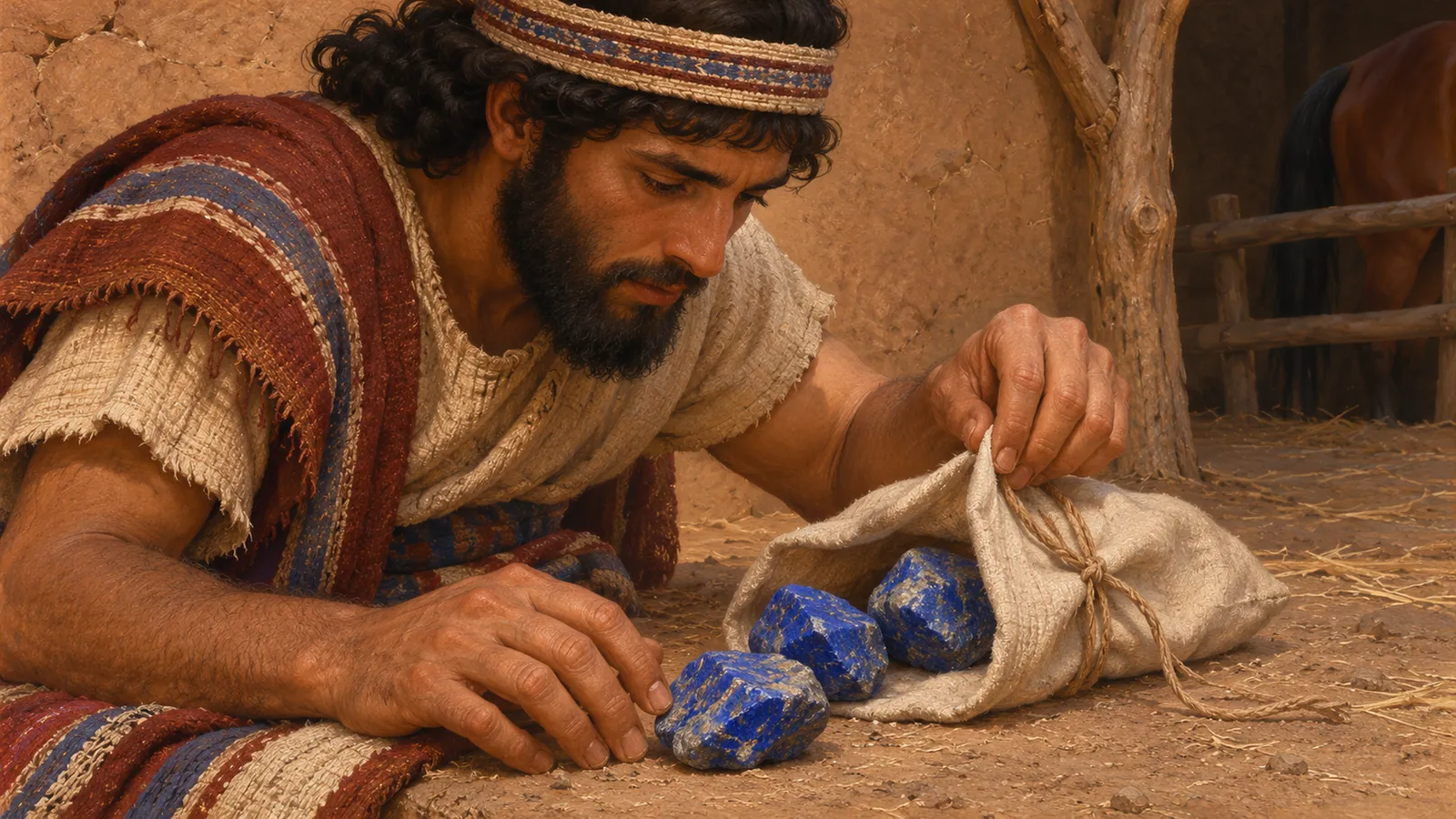
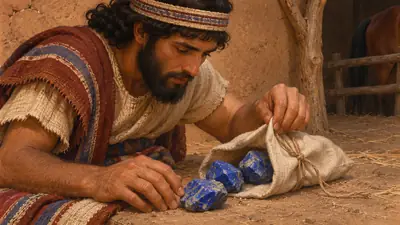
He still sent a greeting gift of three minas of lapis lazuli and five teams of horses. The same tablet asks Egypt to turn away Assyrian visitors.

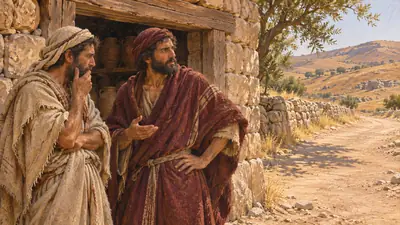
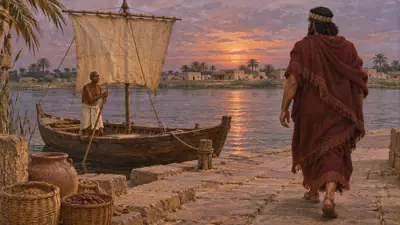
On another tablet Burna-Buriaš says merchants from Babylon were killed and robbed near Hinnatuna in Canaan. He names two men he holds responsible for sending the attackers.
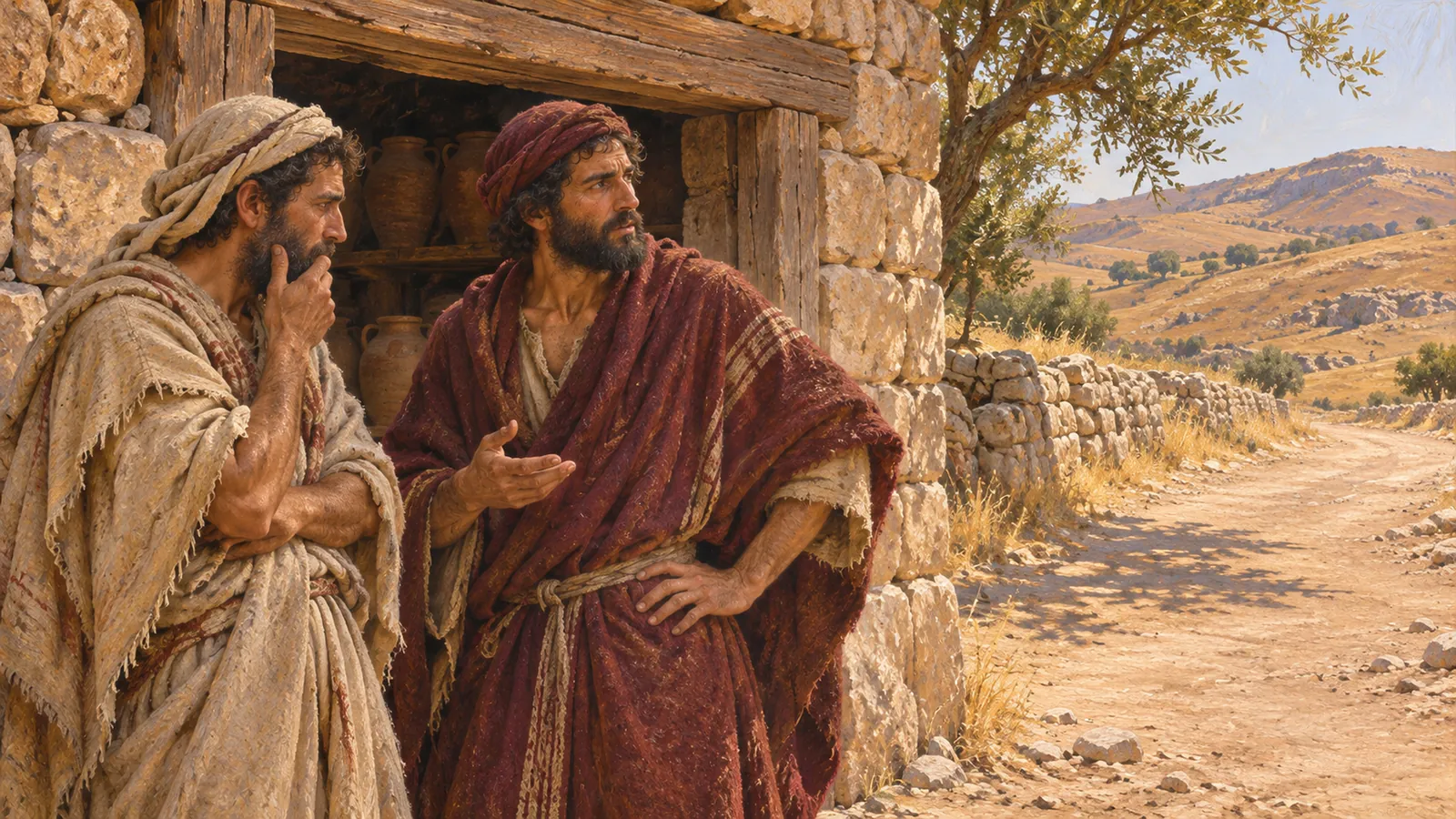
The king held Egypt accountable because the killings had taken place within its sphere of rule. He asked for the stolen money back and for the guilty to be punished. Future messengers needed safe passage.
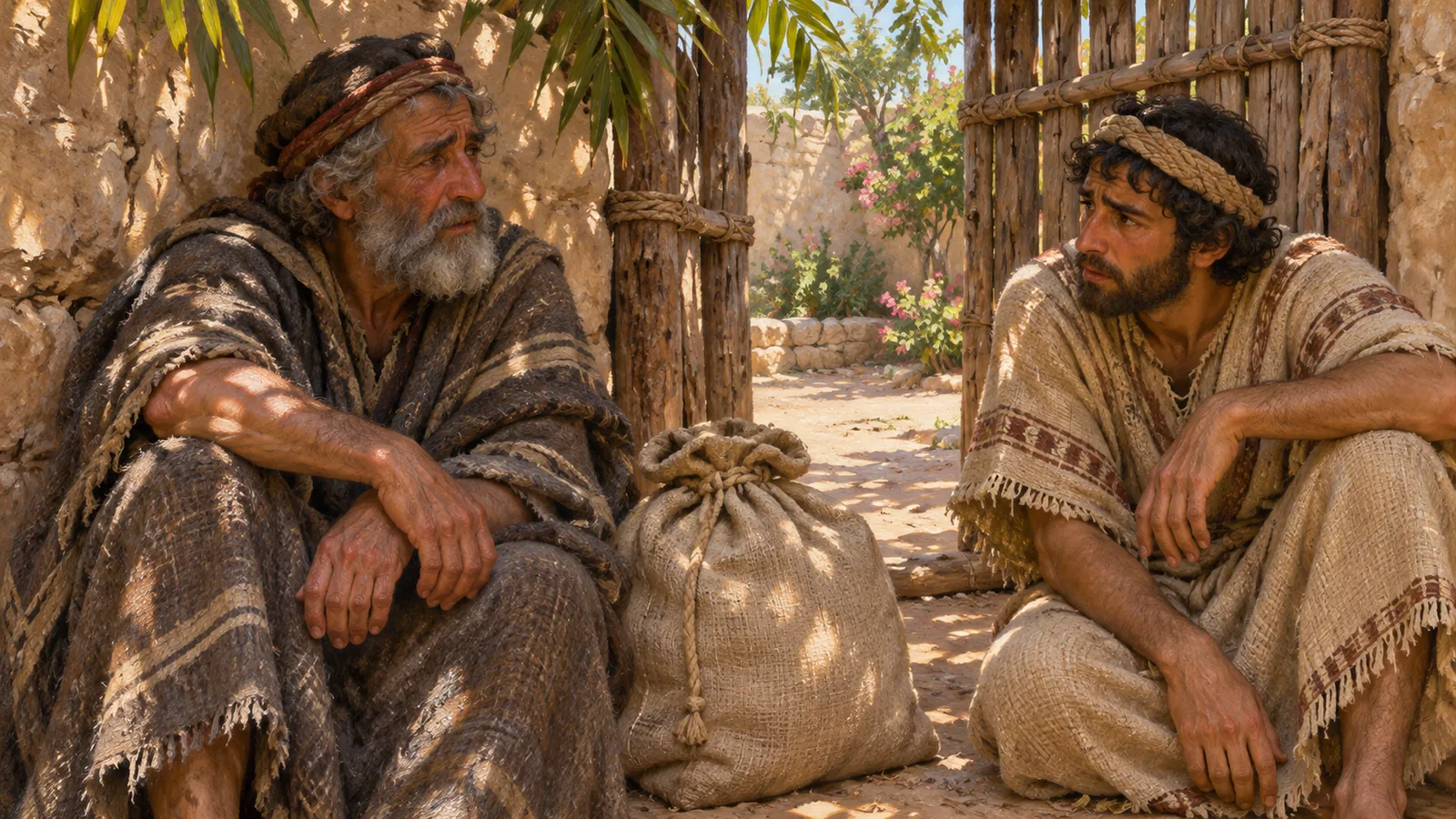
Burna-Buriaš said that two other men had been held in Canaan. He wanted Pharaoh to question them. The tablet calls for witnesses who had been there.
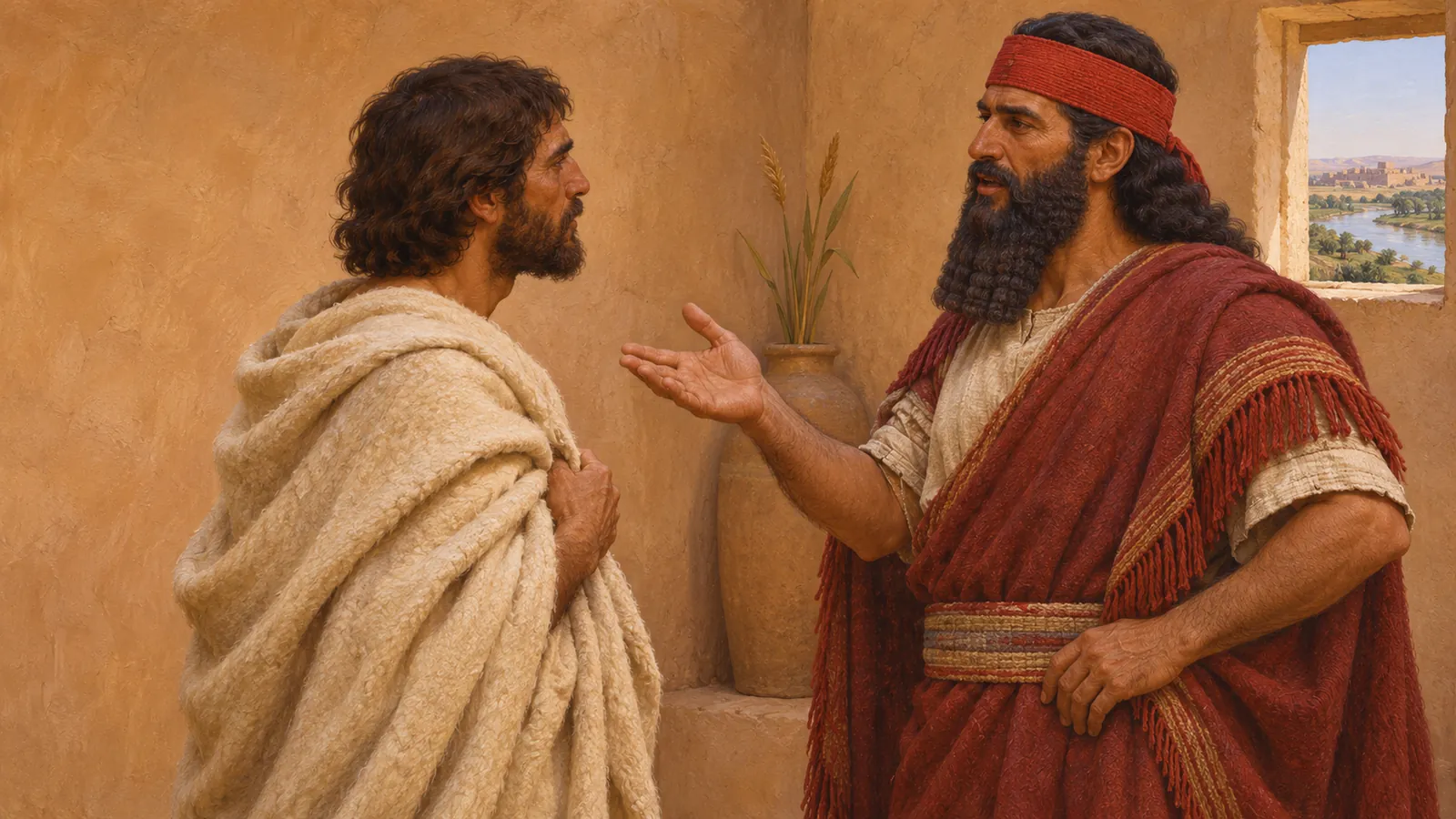
ASSUR
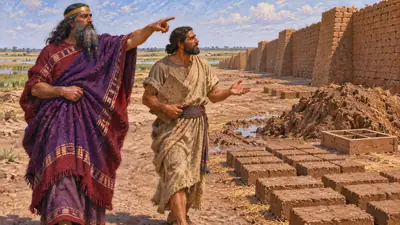
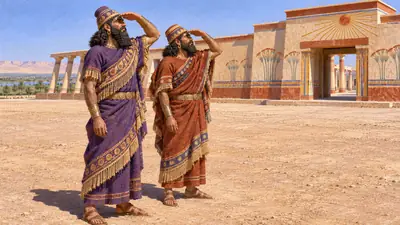
Aššur-uballiṭ sent his own letter from Assyria. He introduced himself as king of the land and said his predecessors had not written in this way. An envoy was already on his way to Egypt.
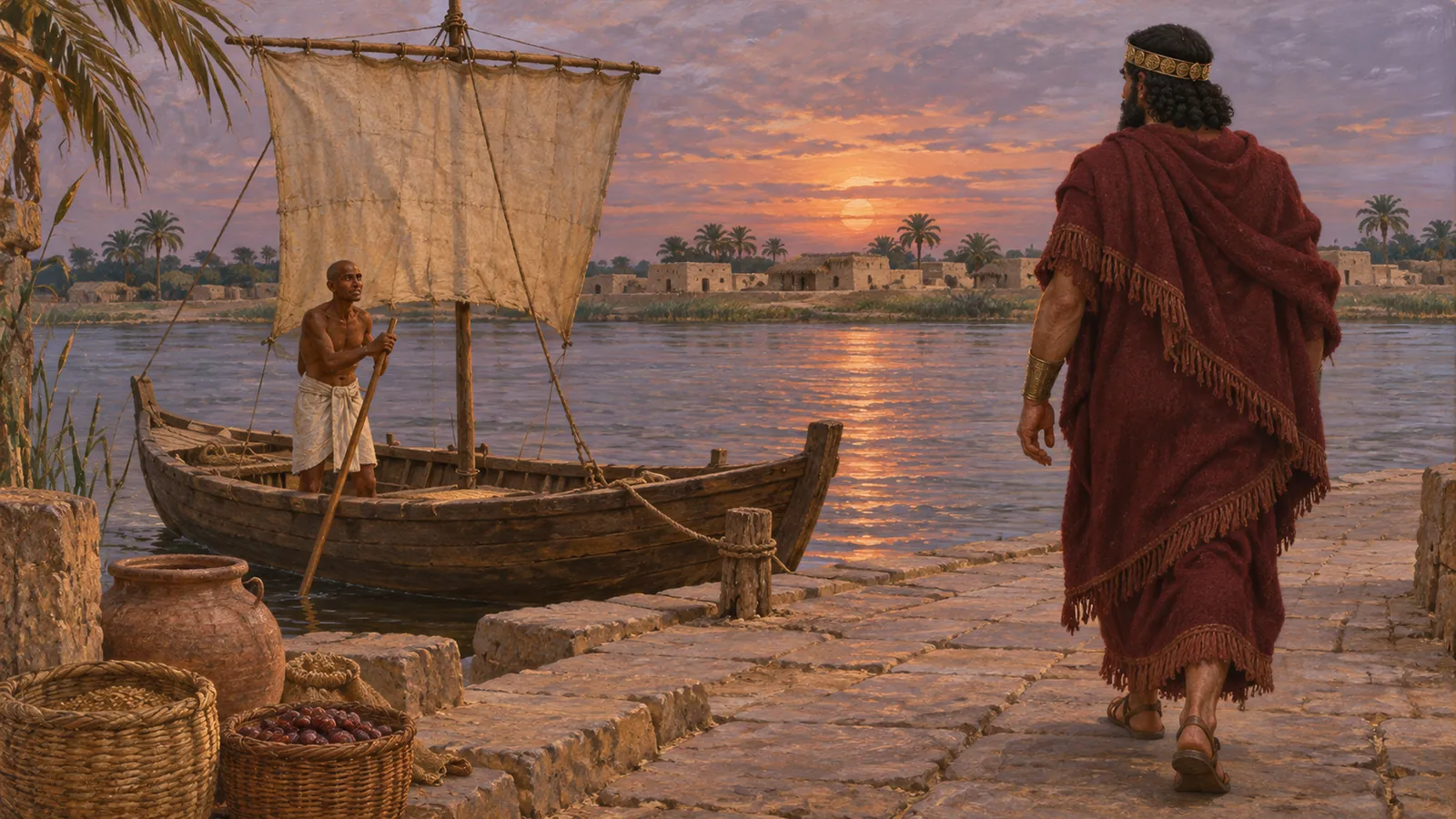
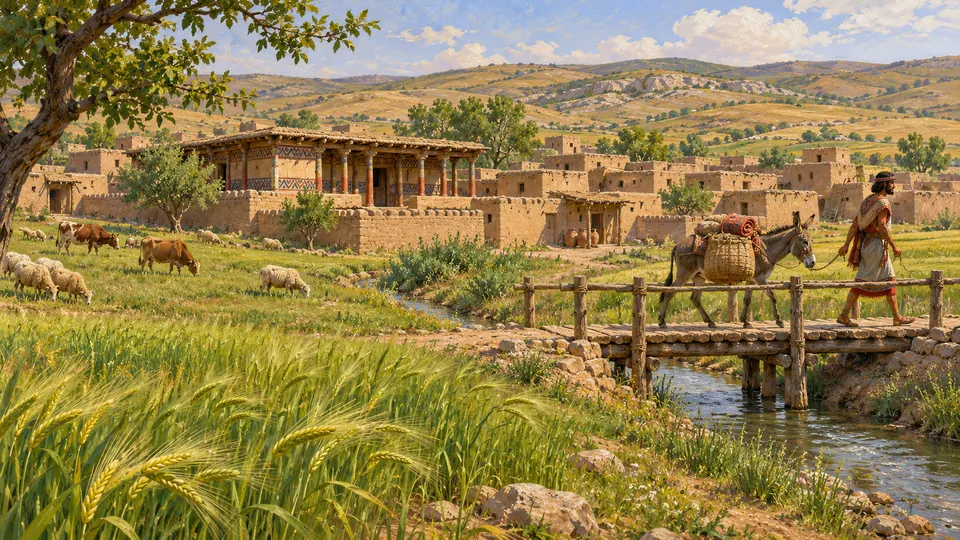
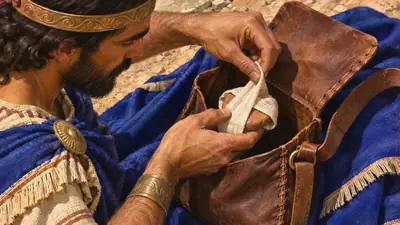
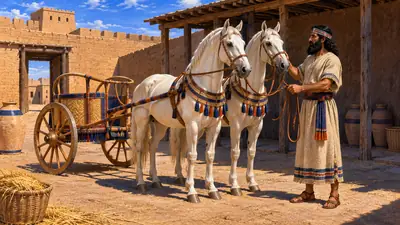
The envoy was to see the king and the country, and then return without delay. The Assyrian letter sent a chariot, two horses and a small object of lapis with him.
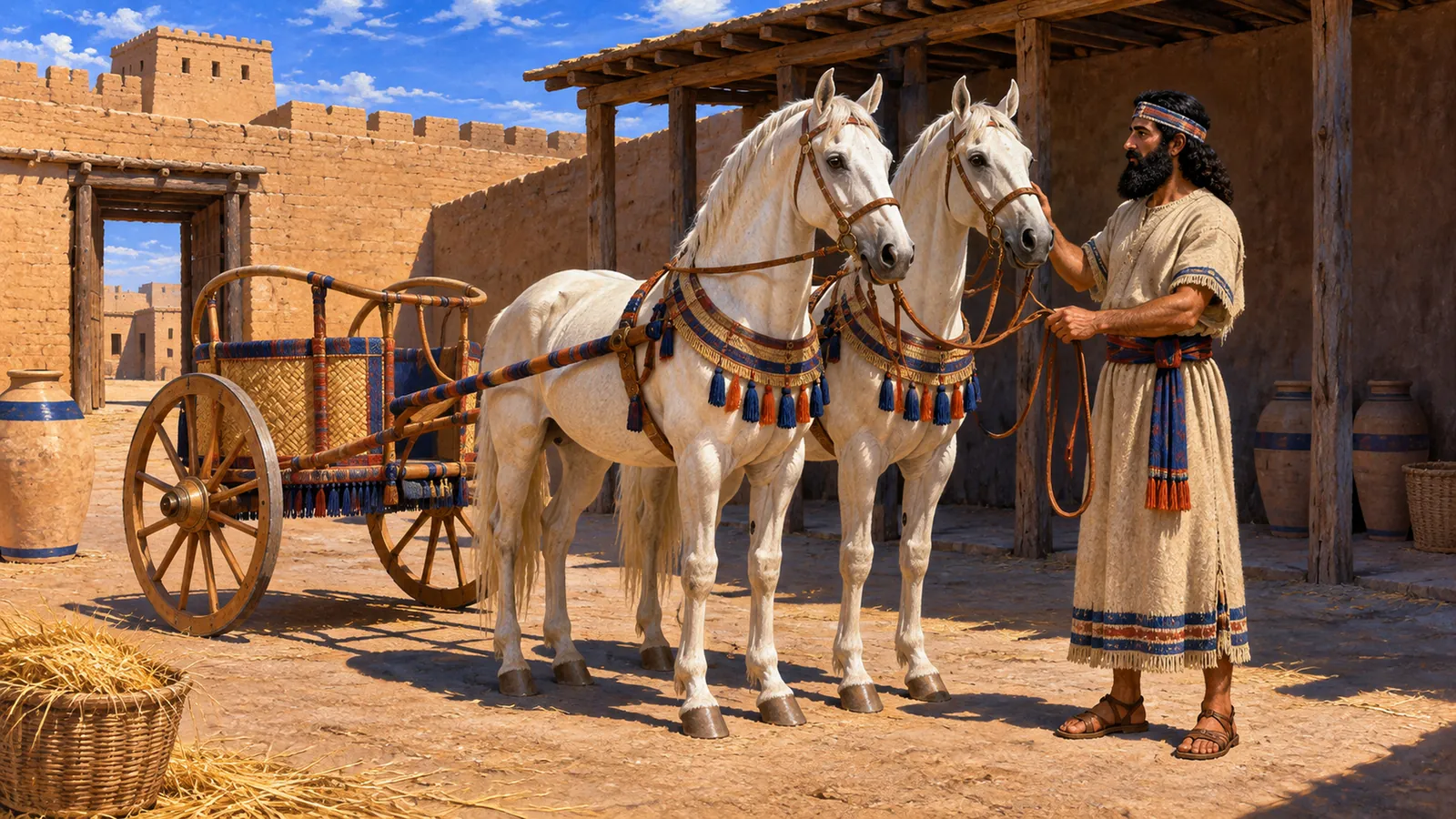
In another letter Aššur-uballiṭ called himself a Great King and brother. He listed a fitted royal chariot, two white horses, another chariot without its fittings and a seal of lapis lazuli.
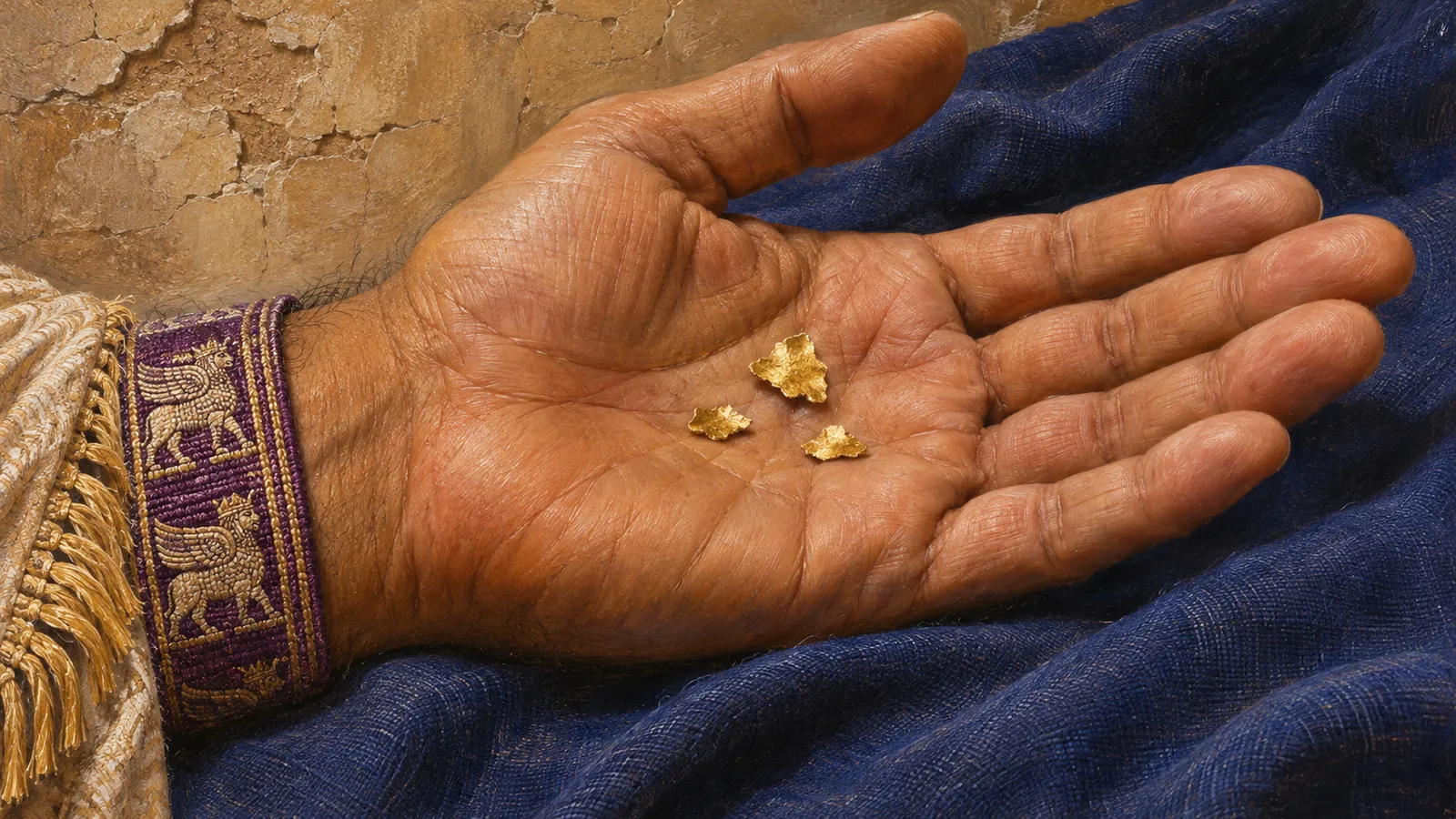
Gold, he wrote, was as common as dust in Egypt. Why had the generous king sent him so little? Aššur-uballiṭ wanted enough to adorn the palace he was now building.
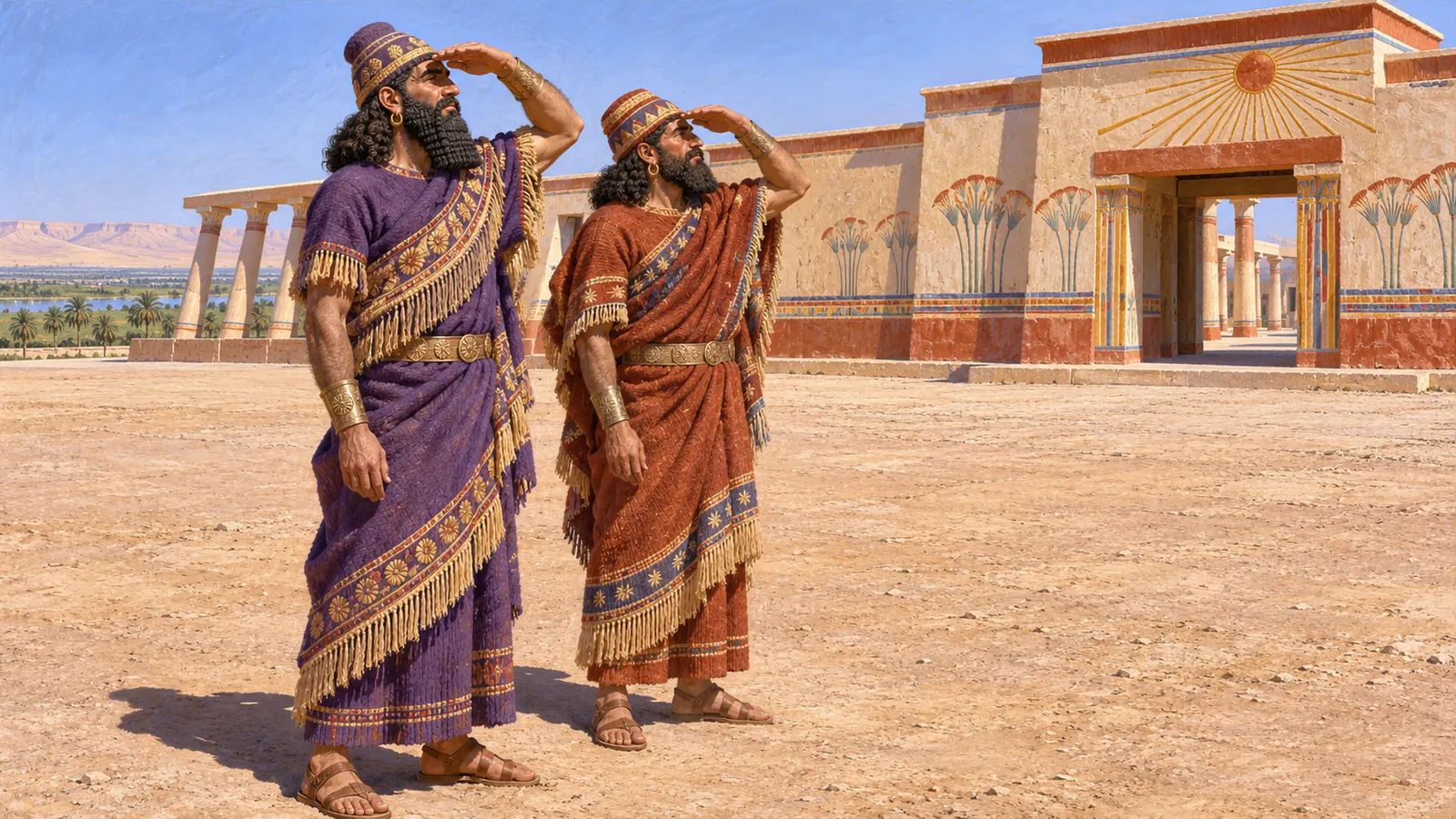
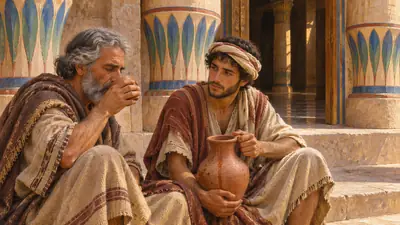
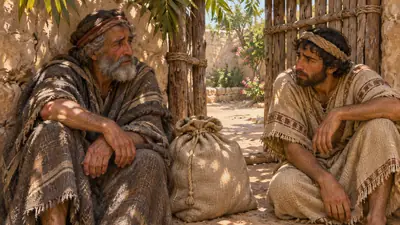
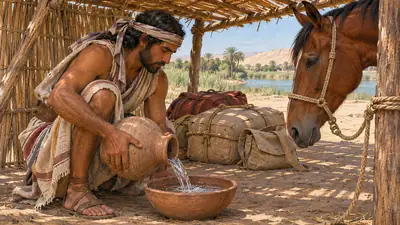
He asked why envoys waited in the sun, and why they traveled at such cost. In his eyes, receiving a visitor brought obligations of its own.
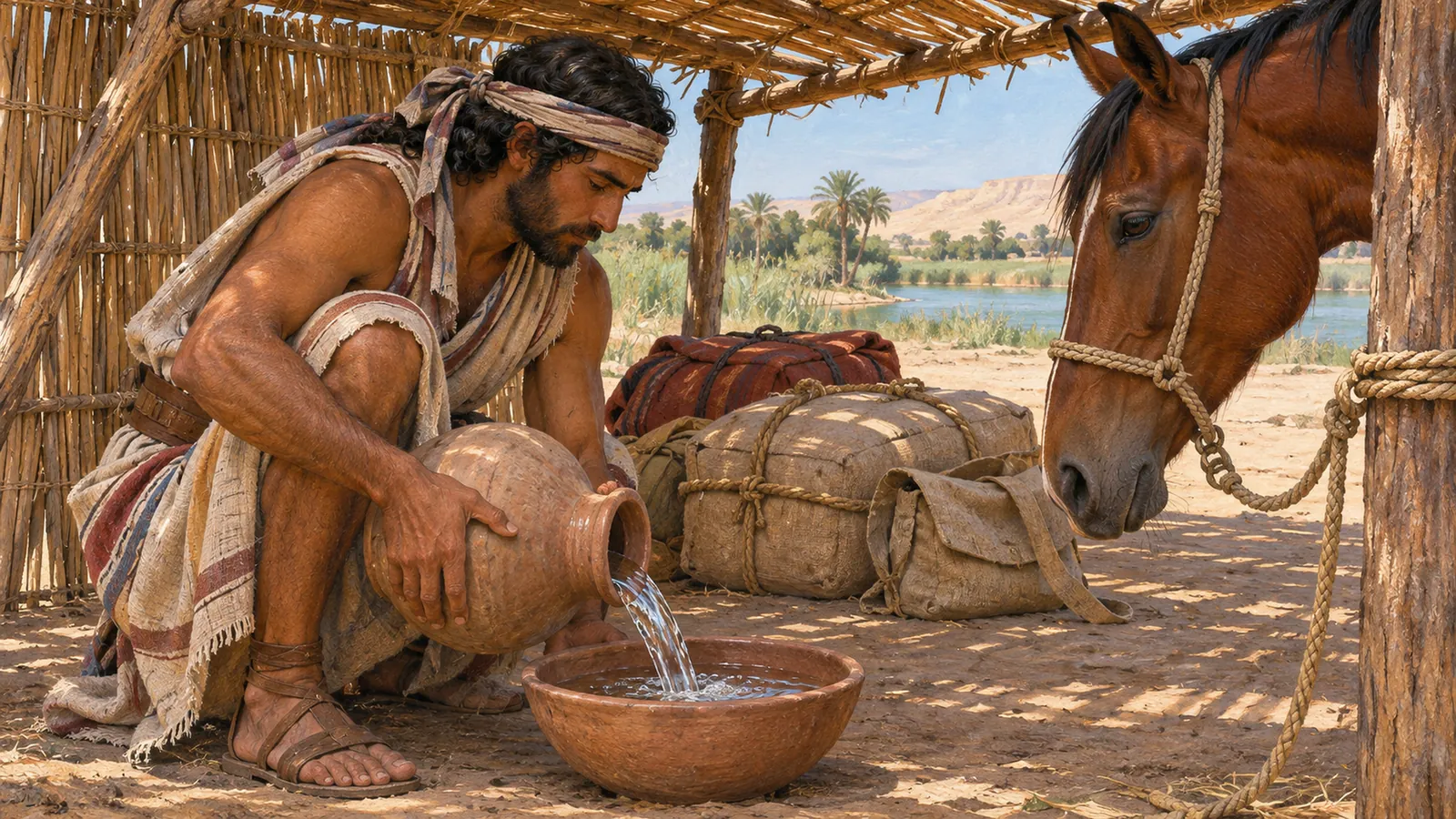
Aššur-uballiṭ measured the welcome against the journey and what it cost to support the travelers. The horses needed feeding, the party needed provisions, and somebody would have to carry Pharaoh’s answer back.
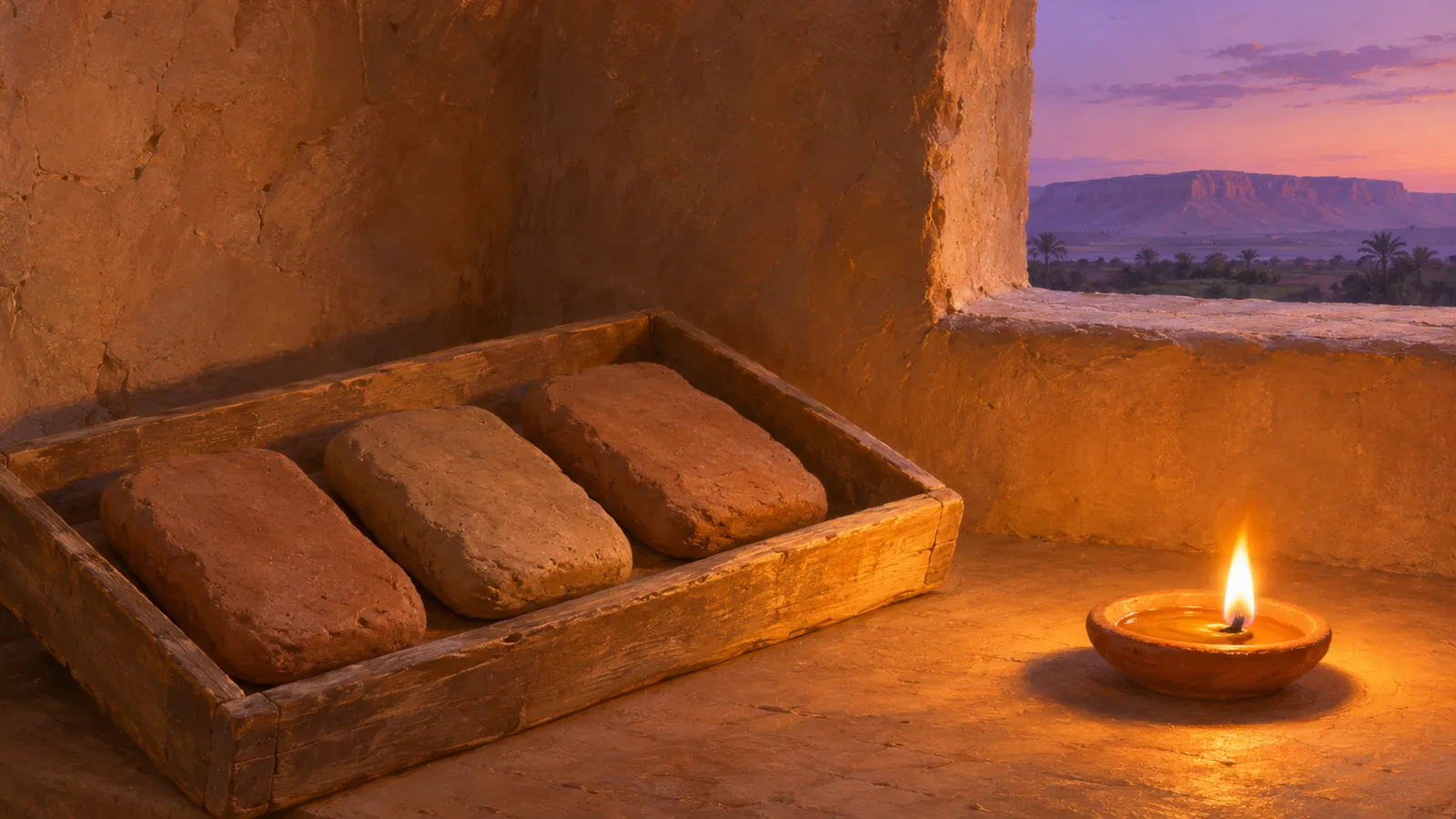
Some replies vanished. Others survive in words reported by the opposite side. Set the tablets together and the voices grow clearer, while part of the conversation stays unheard.
End of chapter 1
All pages




Sources
Editions consulted
- Amarna letter corpus and groupings, UCL Digital Egypt
- The Amarna Letters, William L. Moran
- The El-Amarna Correspondence, Anson F. Rainey
- EA 16, original and translation, ORACC
- EA 23, Centre for the Study of Manuscript Cultures
- EA 34, tablet record, CDLI
- The Amarna letters and the Hittite chronology, J. L. Miller
- EA 24, Tušratta’s Hurrian letter, CDLI
- EA 35, letter from Alašiya, CDLI
- Goren and colleagues, petrographic evidence for Alašiya
- Uluburun wreck and copper ingots, Institute of Nautical Archaeology
- Late Bronze Age silver vessel ending in a stag, Metropolitan Museum of Art
Ancient lines behind each page
- Page 1: Amarna archive; UCL Digital Egypt
- Page 2: Amarna archive; Moran, introduction
- Page 3: EA 1–44; UCL Digital Egypt
- Page 4: Cuneiform and Amarna archive; UCL Digital Egypt
- Page 5: EA 1–44; Babylonian and Egyptian greetings
- Page 6: EA 1
- Page 7: EA 1
- Page 8: EA 1
- Page 9: EA 3
- Page 10: EA 4, damaged address
- Page 11: EA 4
- Page 12: EA 5
- Page 13: EA 1 and 7; diplomatic context
- Page 14: EA 7
- Page 15: EA 7
- Page 16: EA 9
- Page 17: EA 9
- Page 18: EA 9
- Page 19: EA 8
- Page 20: EA 8
- Page 21: EA 8
- Page 22: EA 15
- Page 23: EA 15
- Page 24: EA 16
- Page 25: EA 16
- Page 26: EA 16
- Page 27: EA 16; imagined travel scene
- Page 28: Amarna archive; EA 1–16
Illustrations made with AI tools by IL Archive; the text is based on the ancient sources (see the sources at the end of each chapter).