Anzu and the Tablet of Destinies Chapter 1
The Stolen Destinies
Anzu steals Enlil’s Tablet of Destinies, and three gods refuse to face him. Ninurta fights with Ea’s counsel, wins the Tablet and refuses to return it before the text breaks.
SourcesTurn the pages with the arrows, the arrow keys or a swipe.
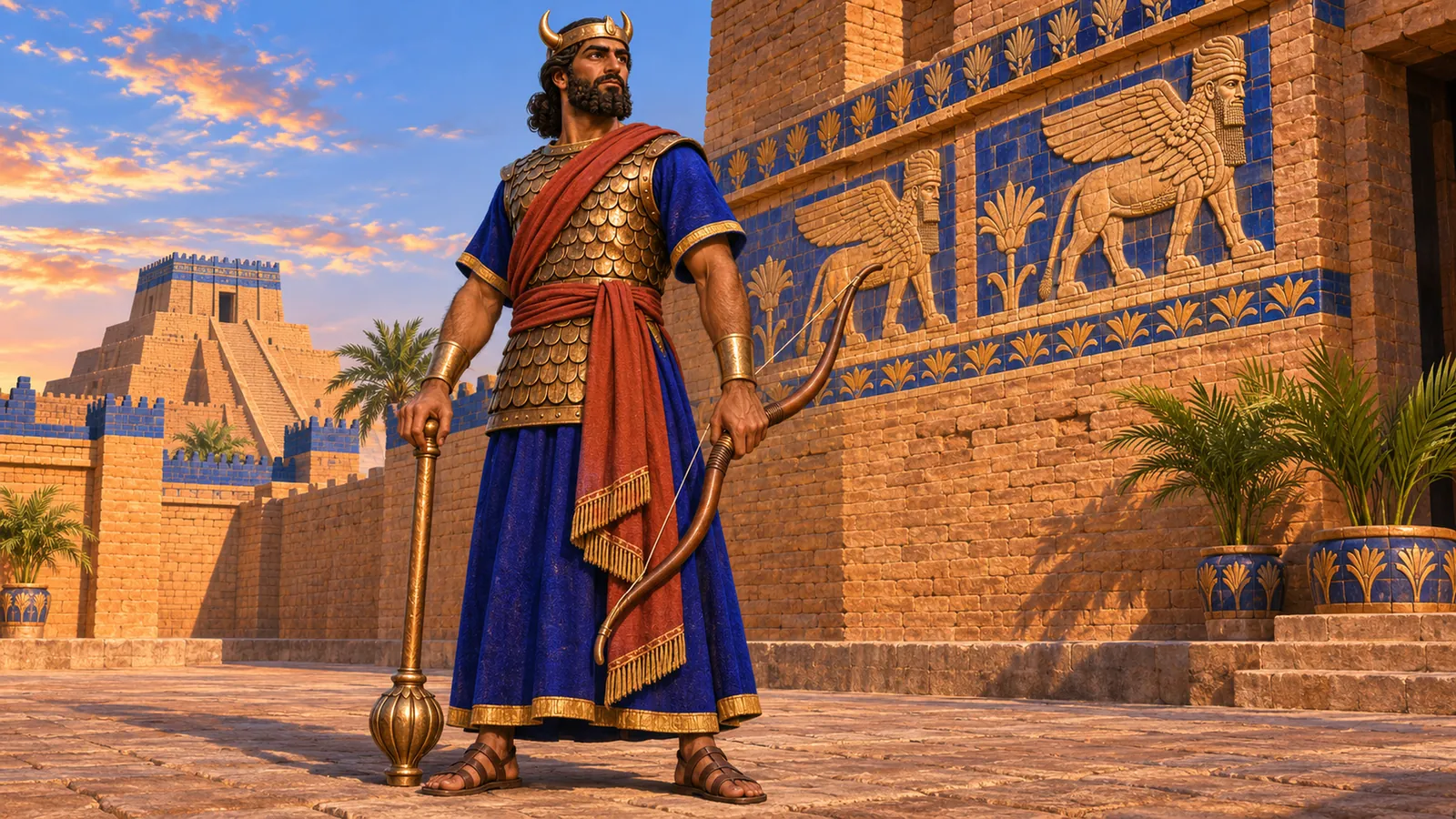
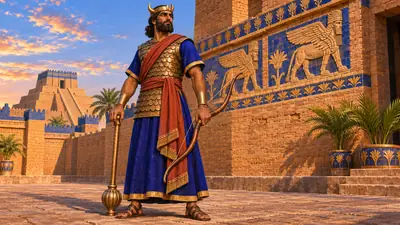
NINURTA
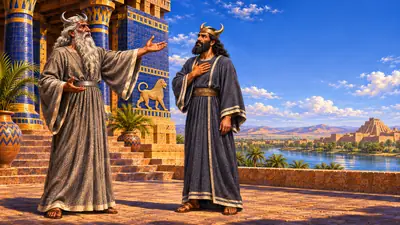
The poem first praises Ninurta, son of Enlil and beloved of Mami. It names his strength before turning to the danger he will face.

The telling moves to an earlier time. The Tigris and Euphrates had been formed, but the springs were not yet bringing water to the land.

The gods brought Enlil news of Anzu on Mount Sharshar. The account of his birth is damaged; the surviving words speak of mountains and powerful winds.
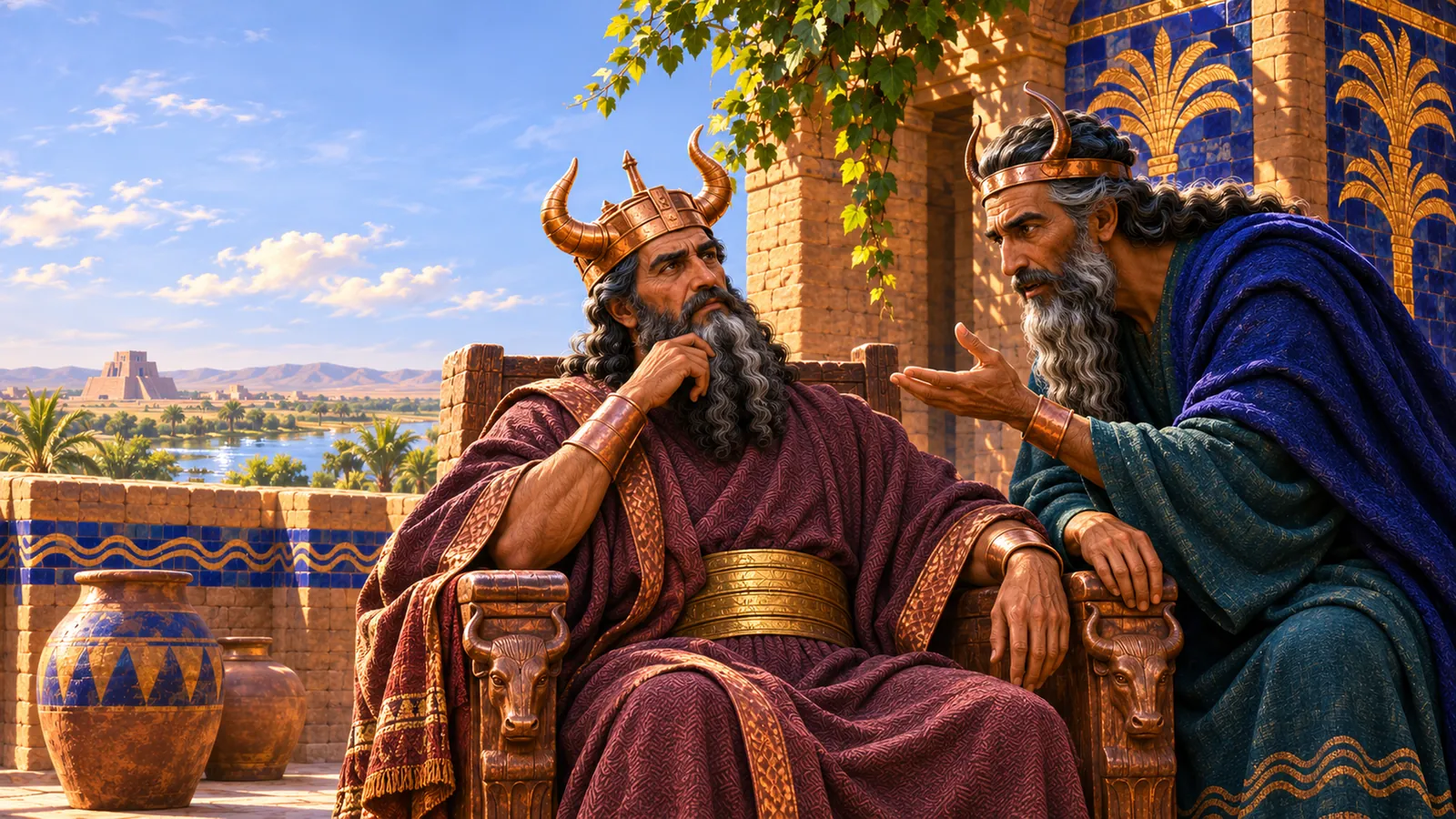
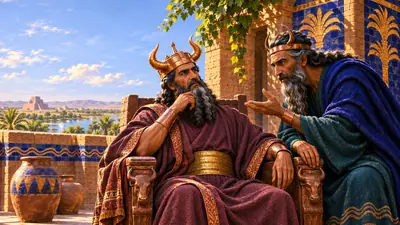
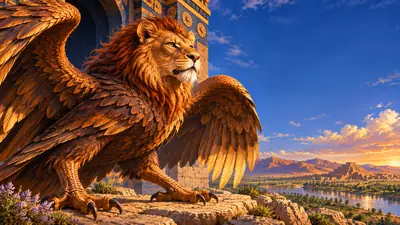
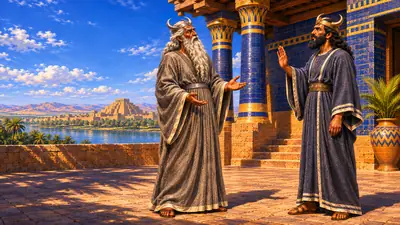
Ea identified the strange being as Anzu, born in the mountain rocks. He advised Enlil to make this creature serve at the entrance to the sanctuary.
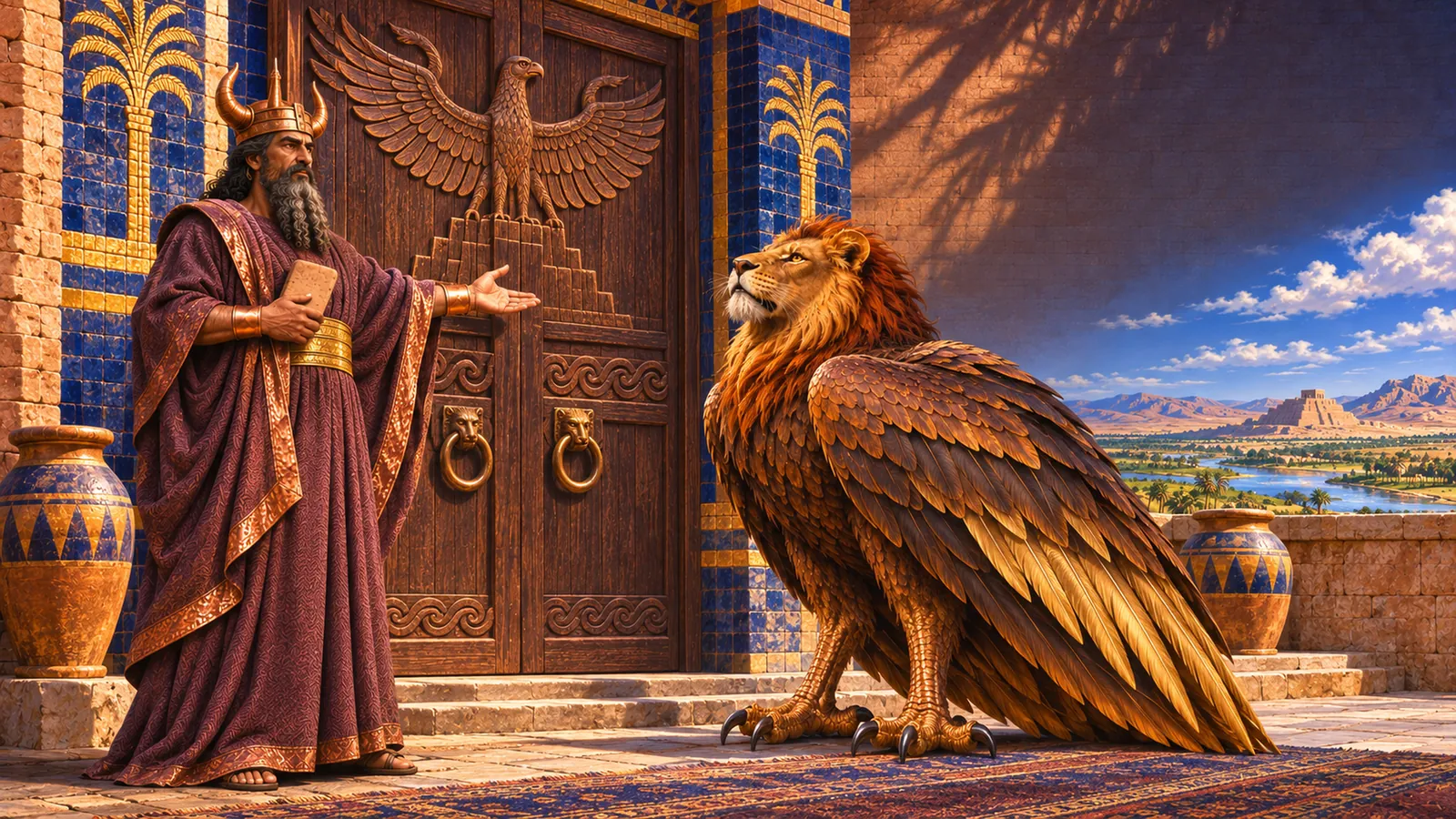
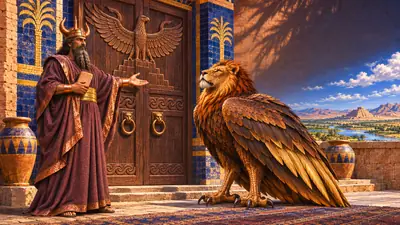
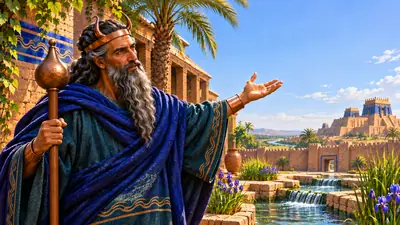
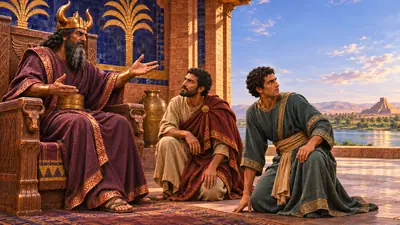
Enlil accepted the counsel. As he assigned the gods their duties, he entrusted Anzu with the entrance to the sanctuary he had completed.
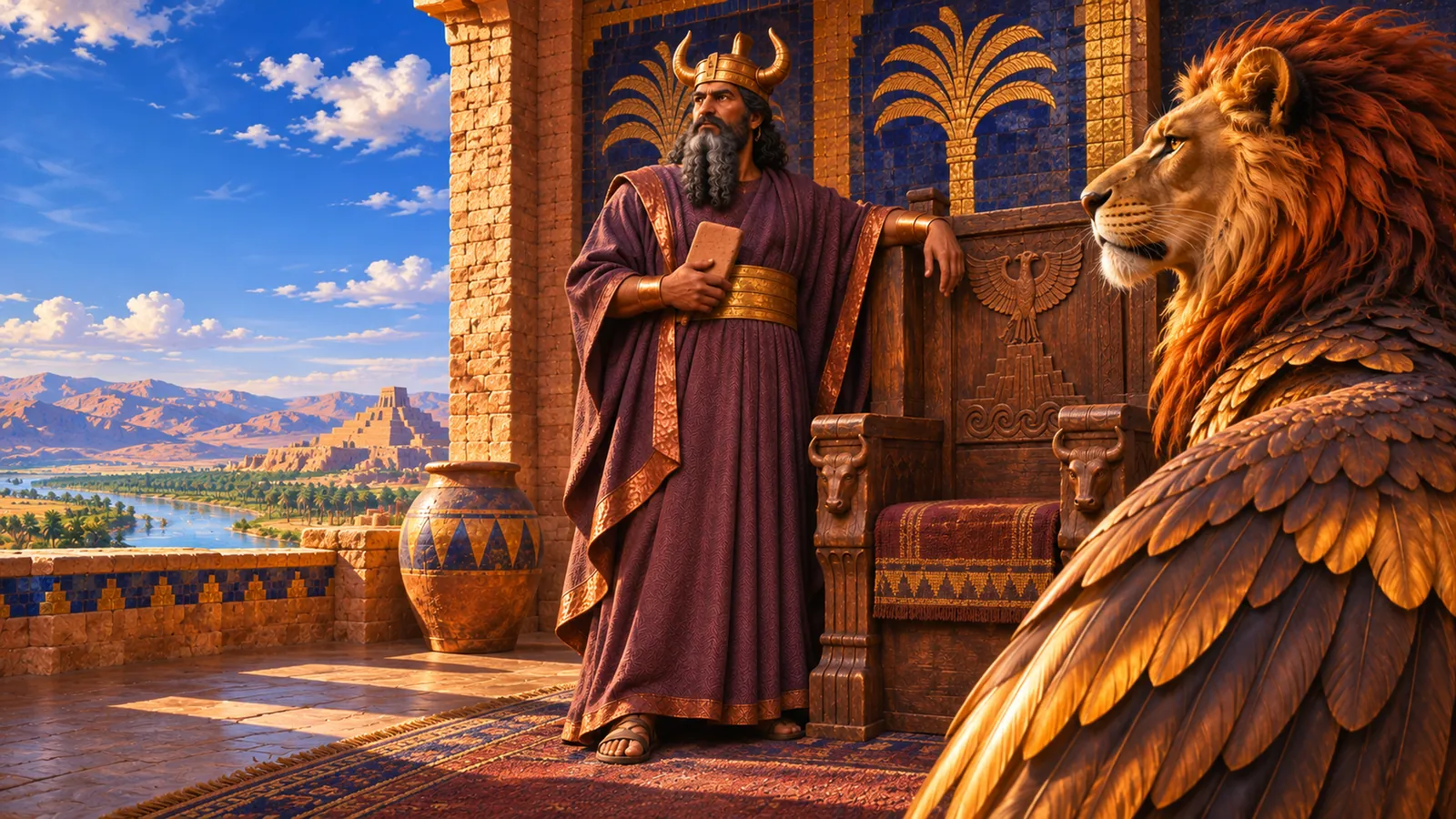
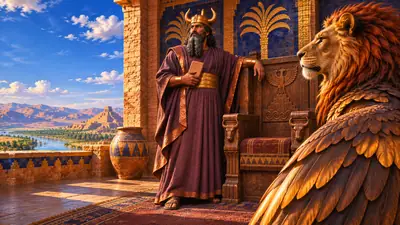
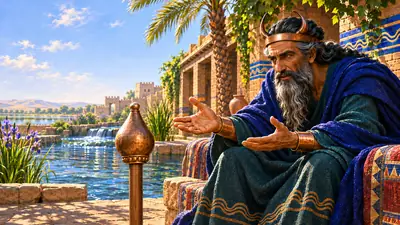
From his post, Anzu saw Enlil’s crown and divine robes. Again and again, his gaze settled on the Tablet of Destinies in Enlil’s hands.
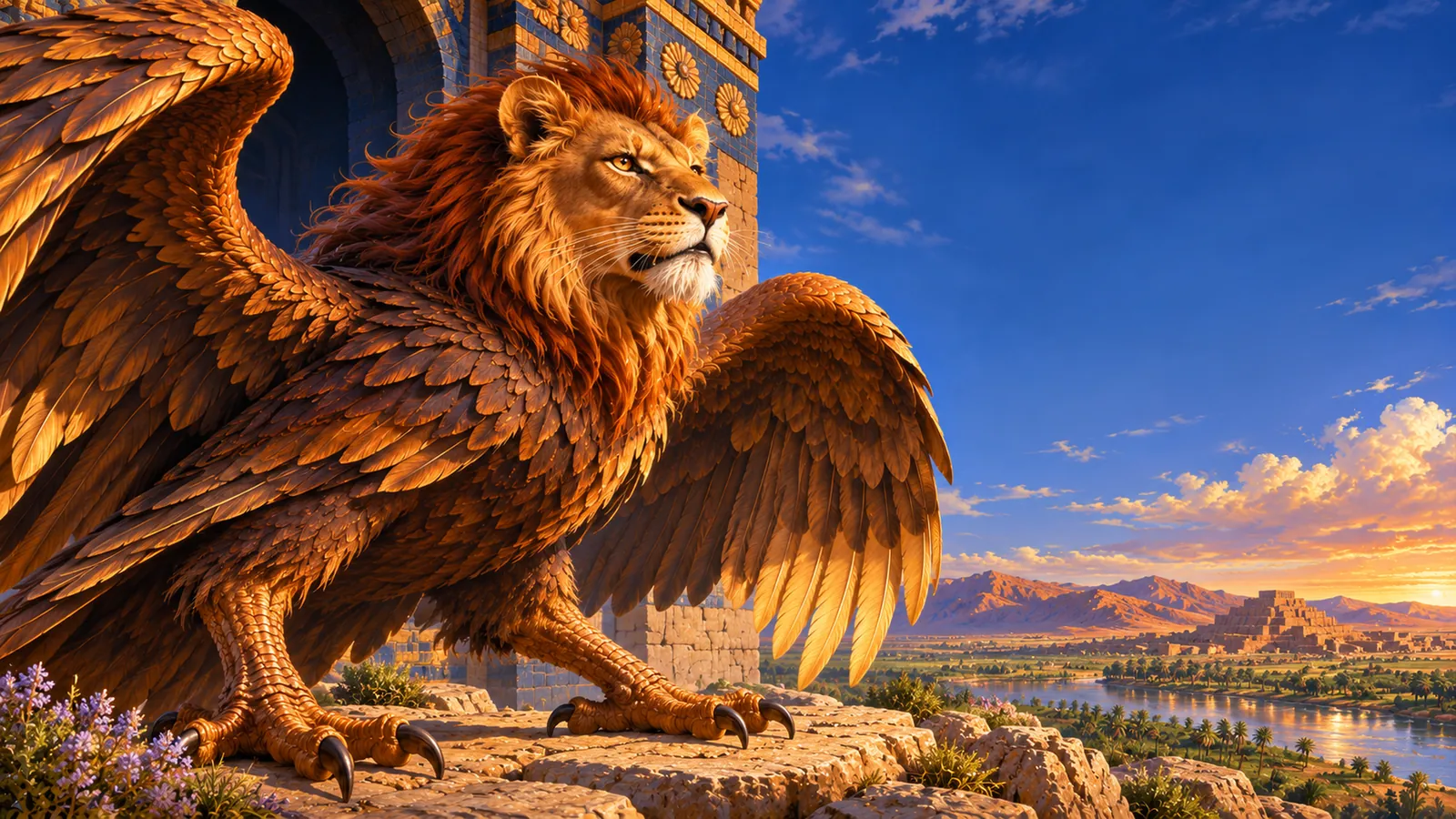
Anzu decided to seize the Tablet and command the gods himself. He watched from the sanctuary entrance, waiting for morning and the chance to act.
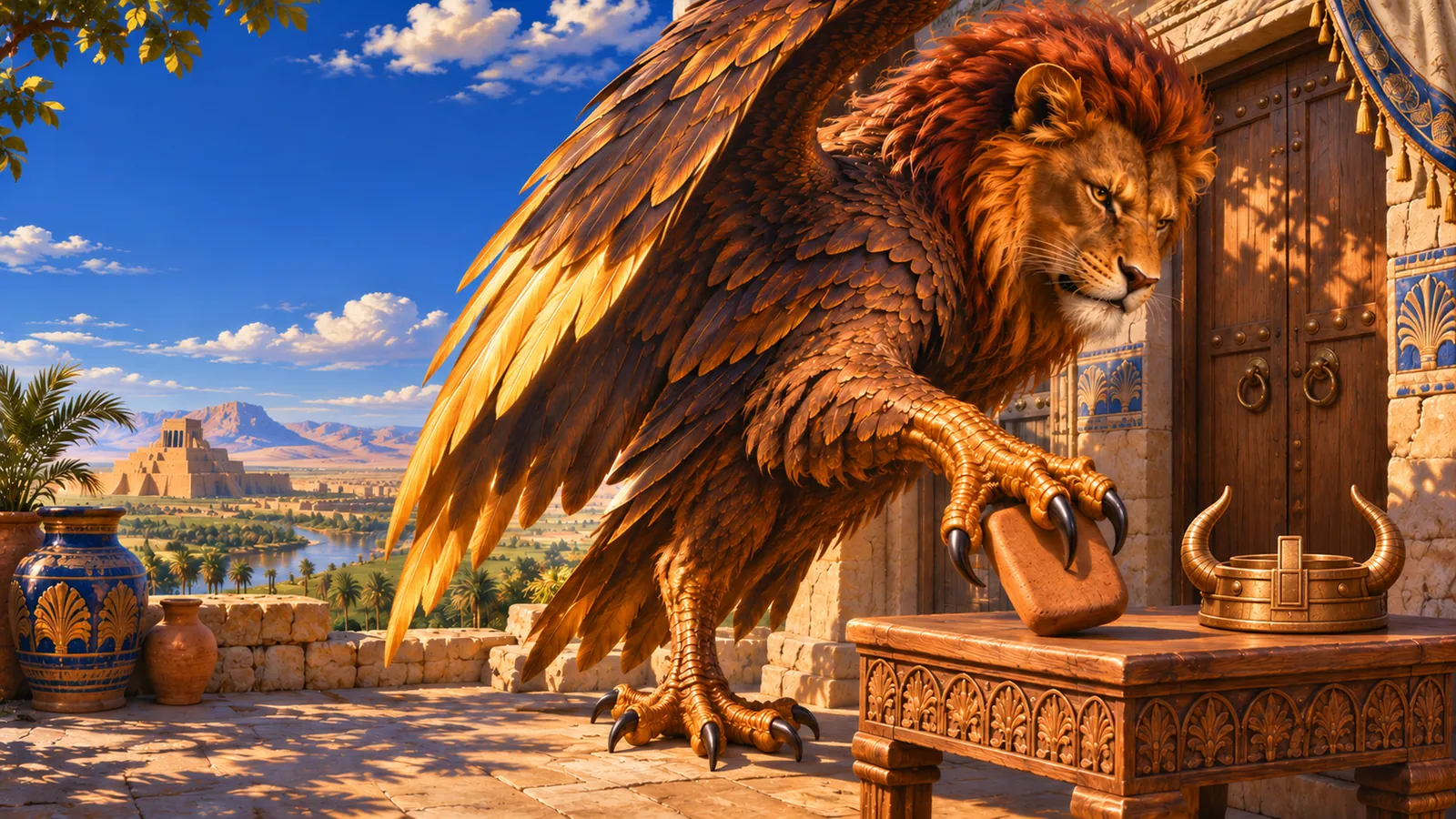
THE THEFT
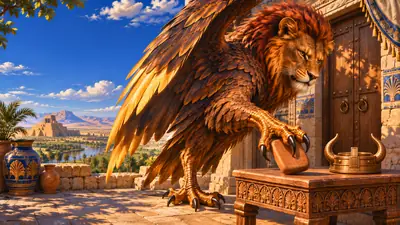
When Enlil bathed, he set aside his crown and clothing. Anzu seized the Tablet of Destinies, taking divine authority into his own possession.

Anzu flew away to his mountain with the Tablet. Enlil was left speechless, and the sanctuary lost its splendor beneath a terrible silence.
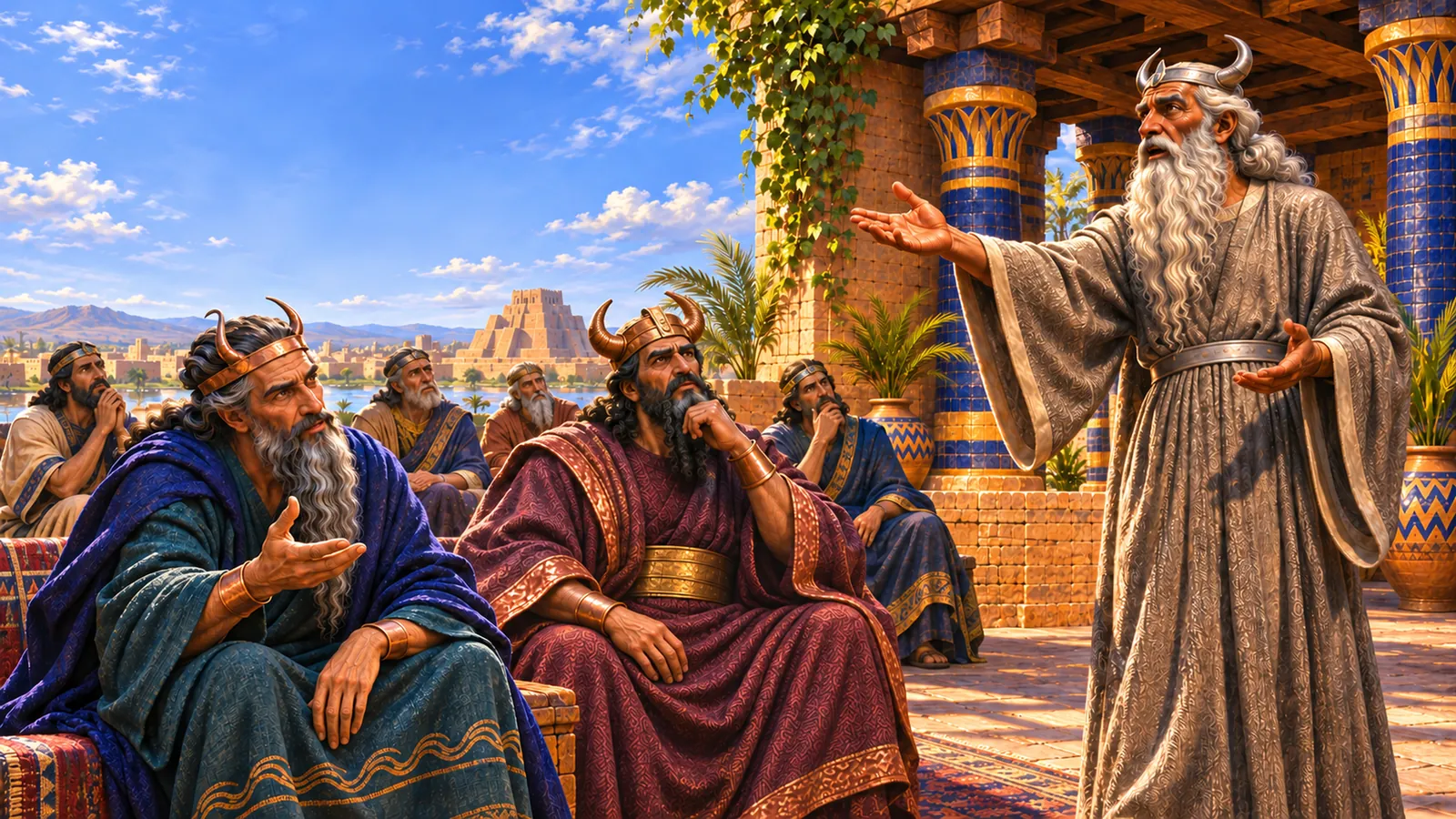
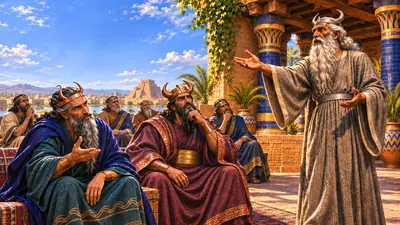
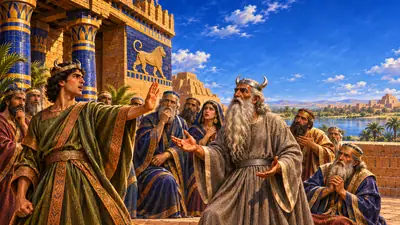
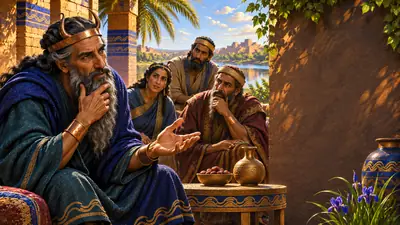
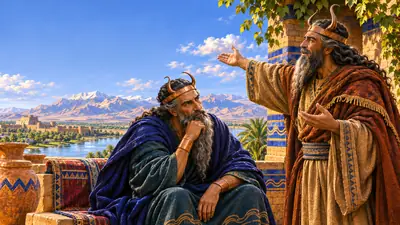
The gods gathered to find a way forward. Anu asked which of them would kill Anzu, promising the victor a name greater than all others.
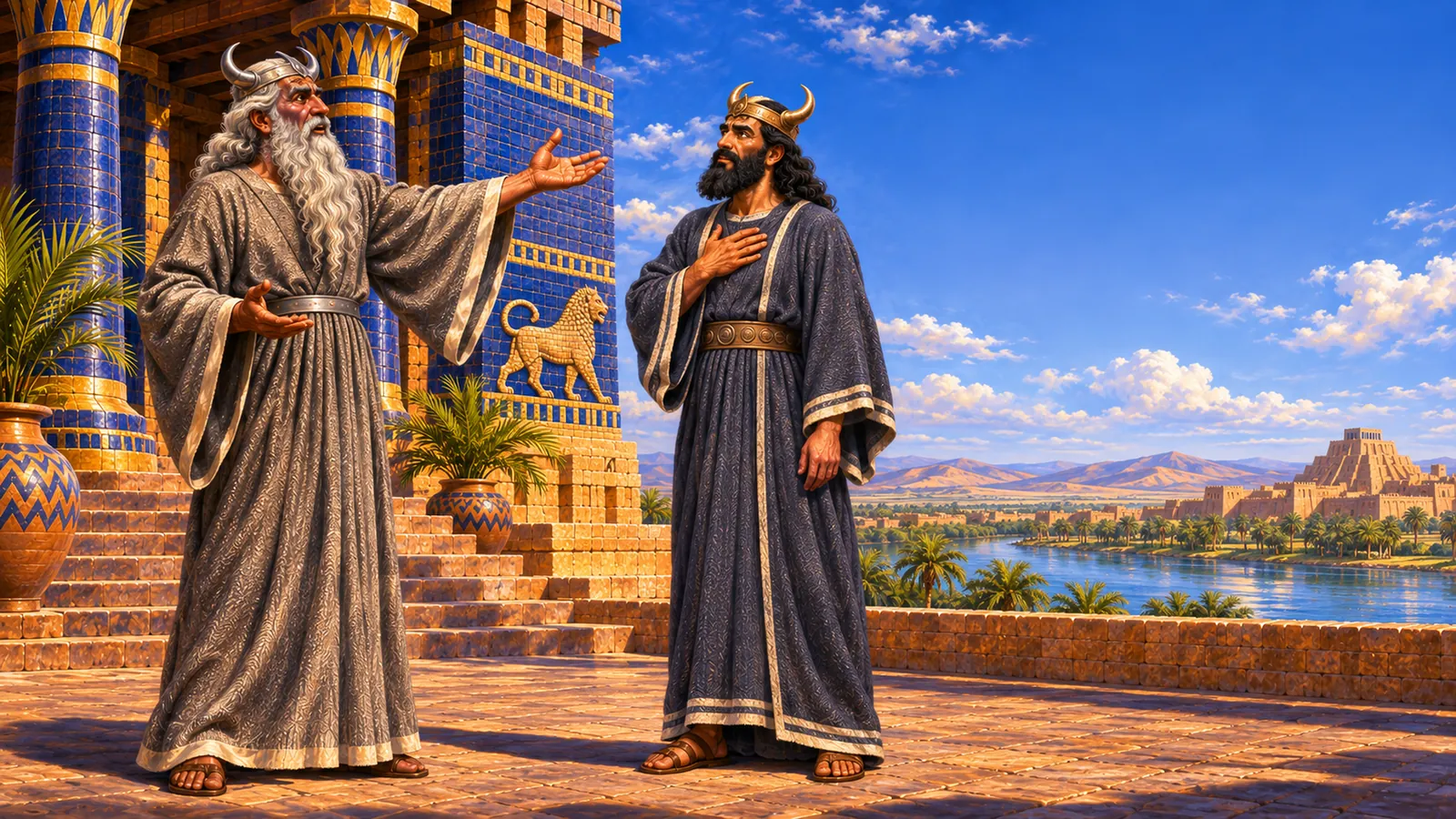
They called Adad, the god who waters the land. Anu offered him unmatched honor, sacred places and a shrine in Ekur if he defeated Anzu.
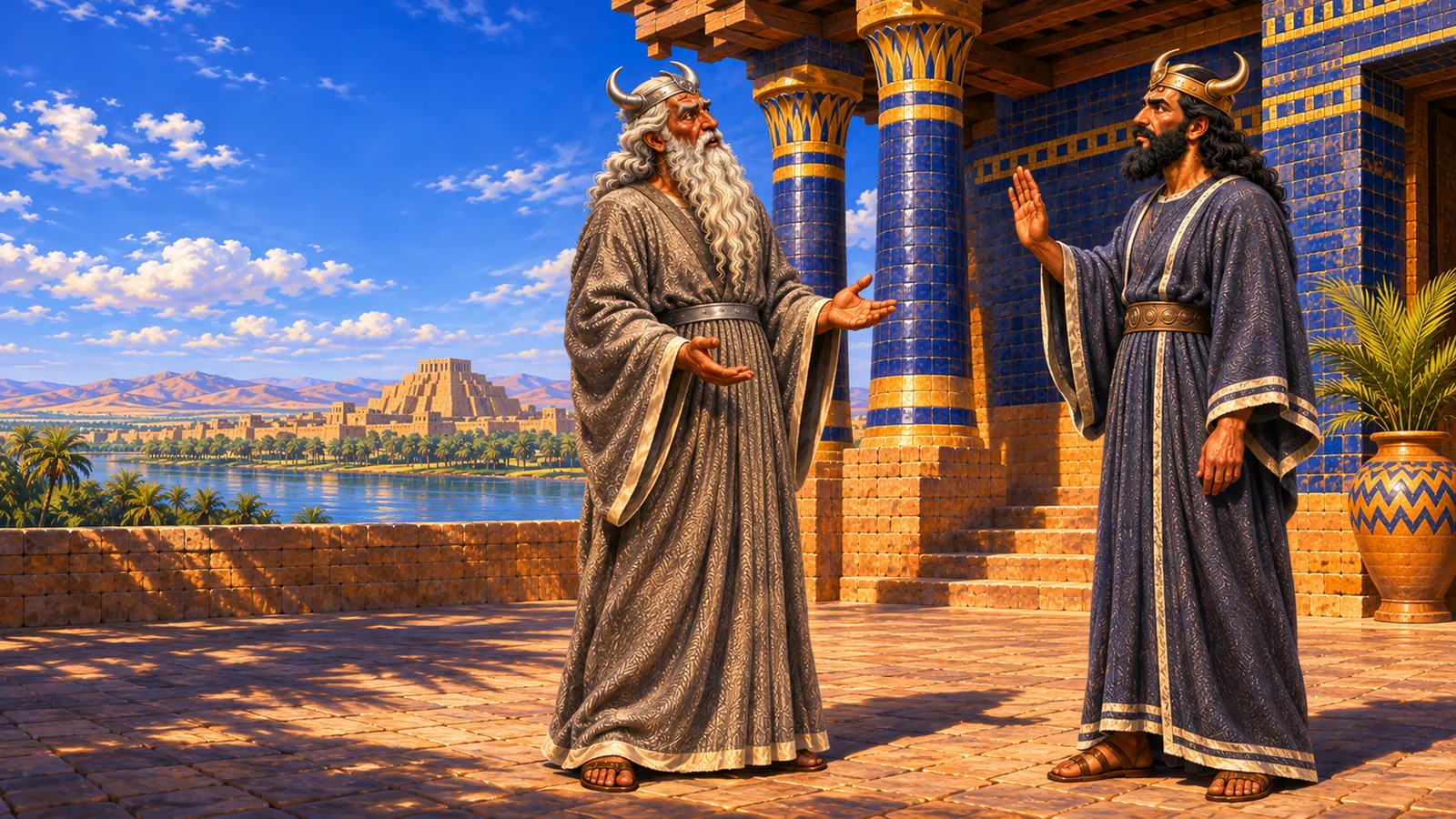
Adad refused to go. With the Tablet in his possession, Anzu could command with Enlil’s authority; a spoken curse could turn his opponent into clay.
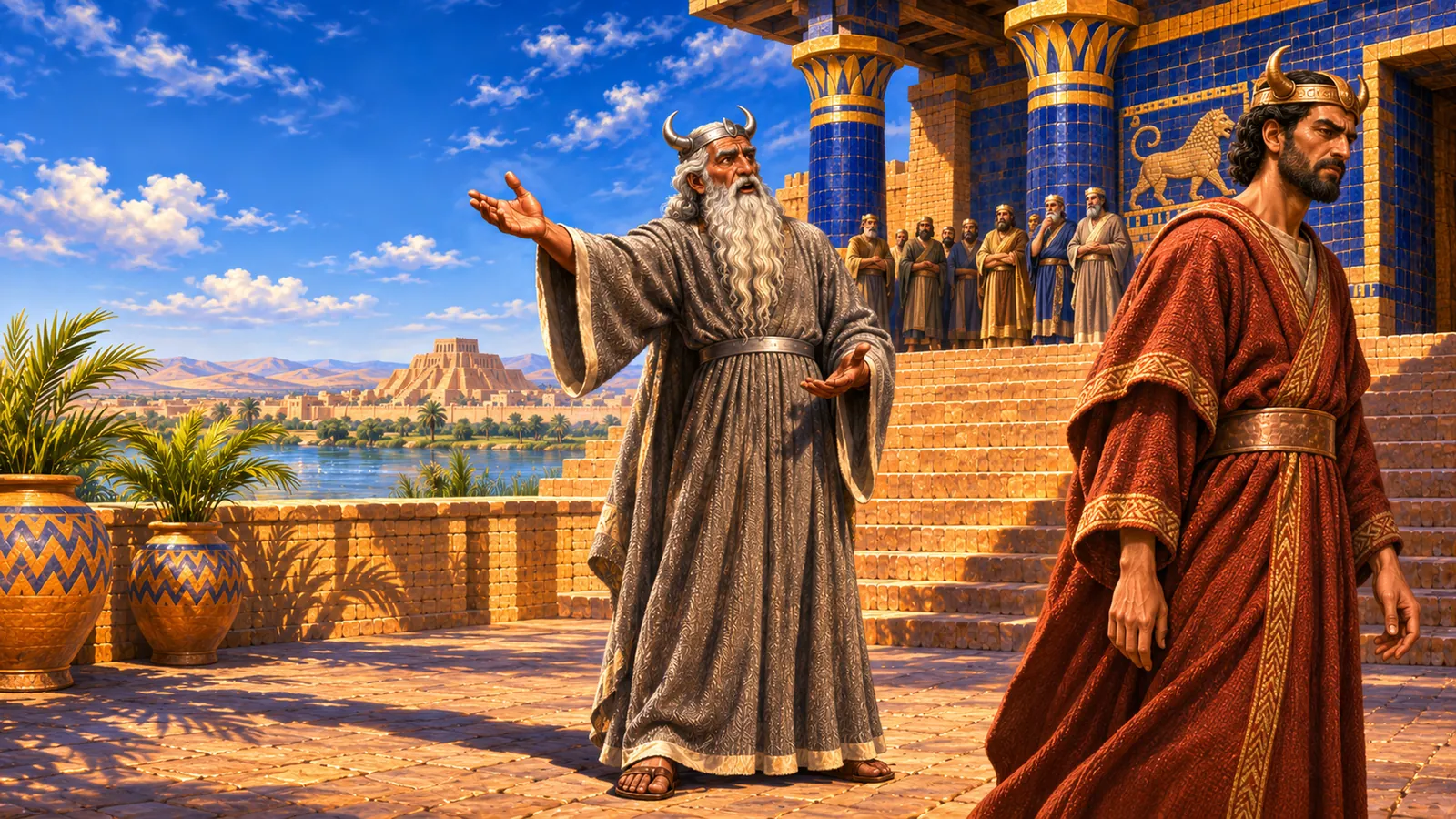
Girra was offered the same task and honors, but he too refused. Much of this repeated exchange is restored in the edition from parallel lines.
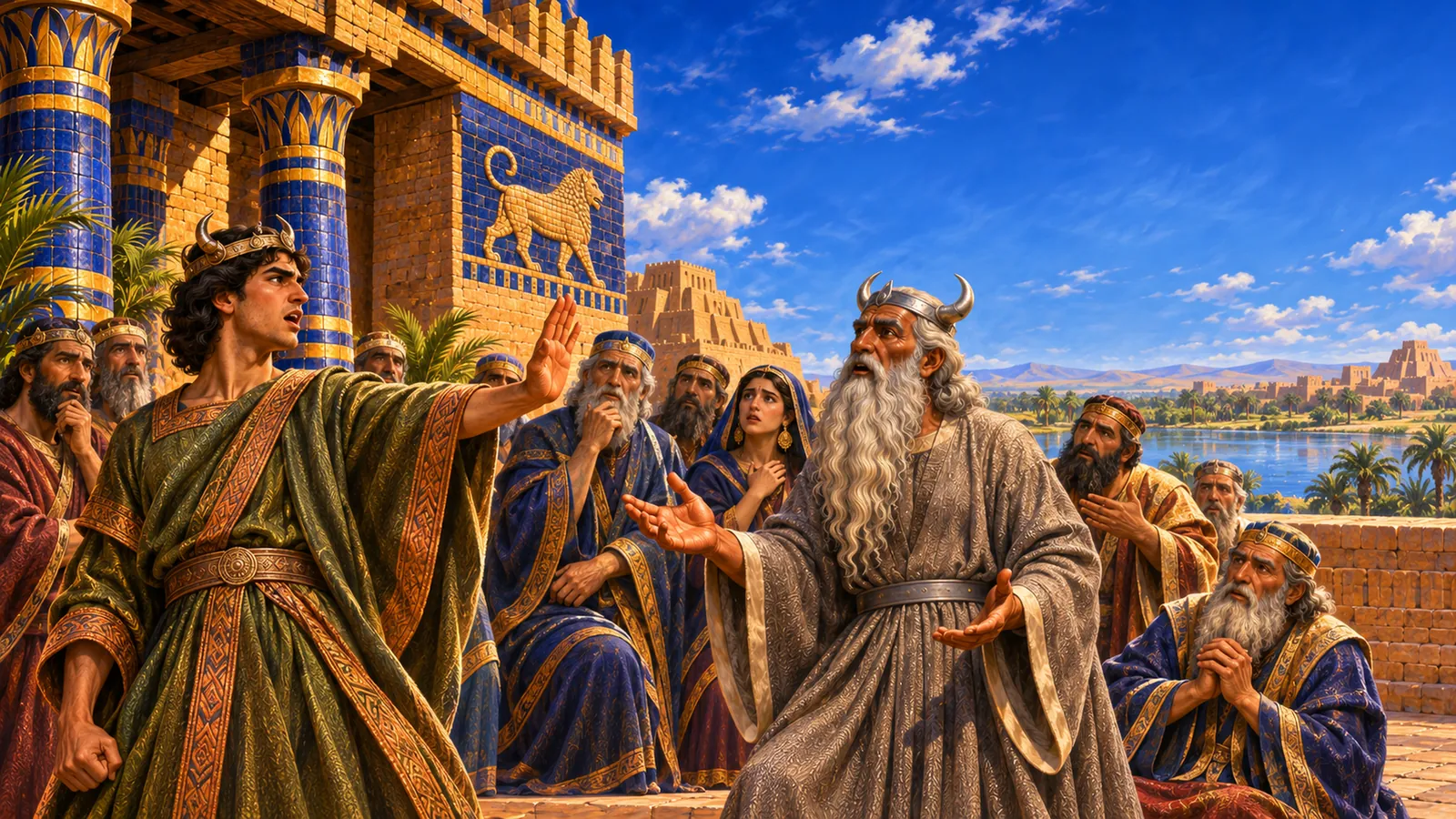
Shara, son of Ishtar, heard the offer and refused for the same reason. The gods fell into turmoil; their proposals had brought them no champion.
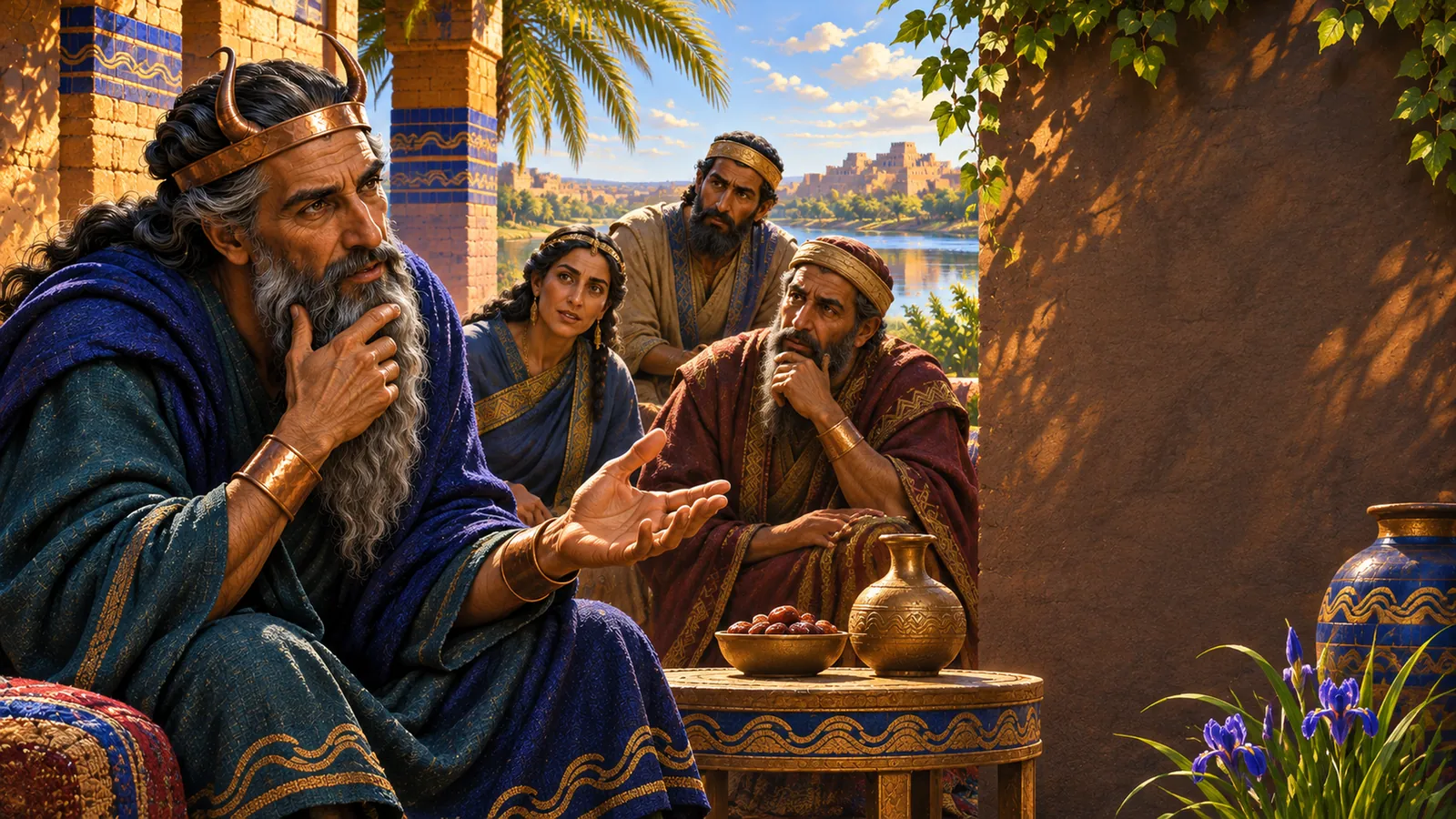
Ea considered the failure and formed another plan. He asked the assembly to summon the mother goddess, whose counsel and standing the gods would honor.
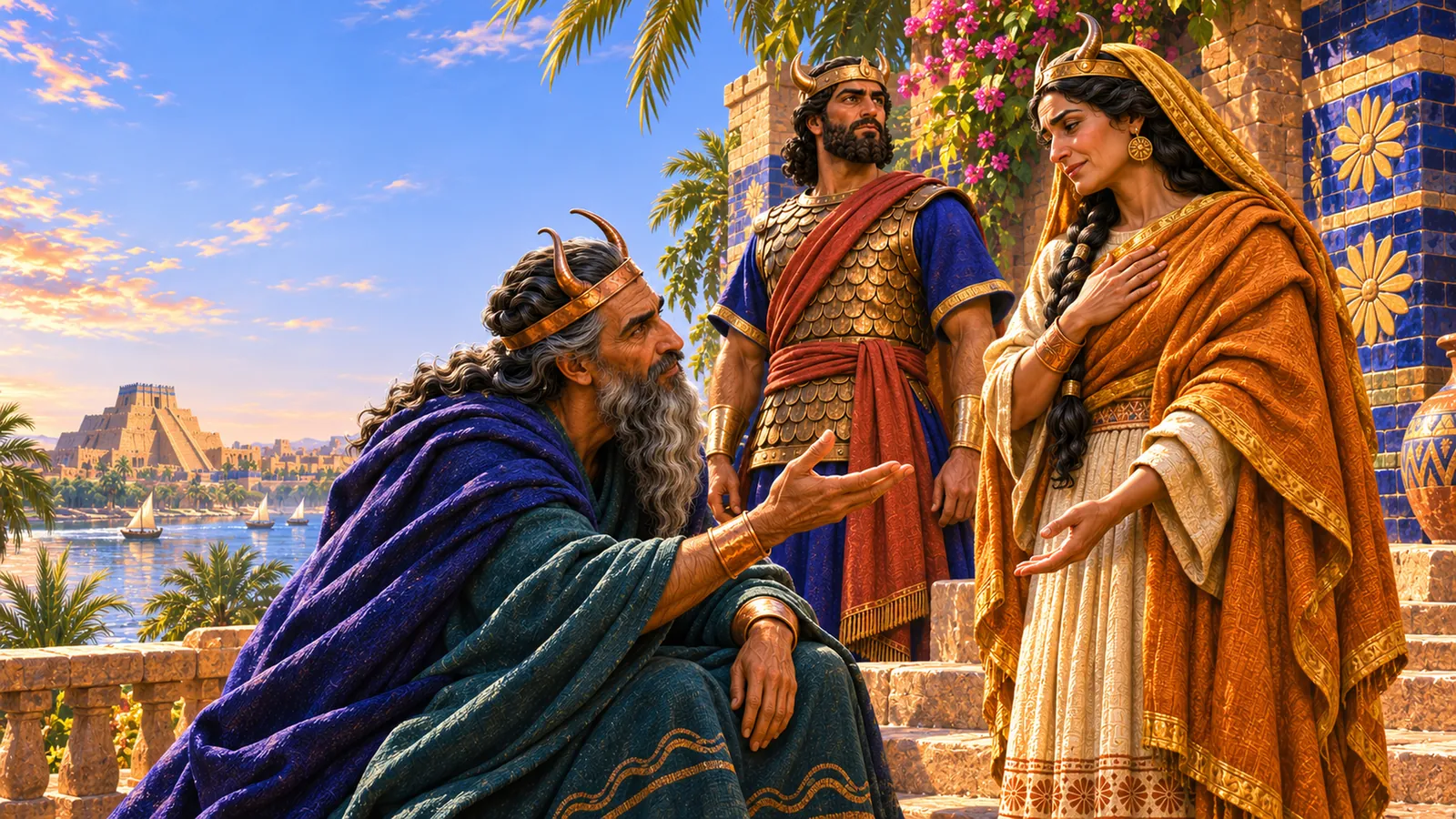
MAMI
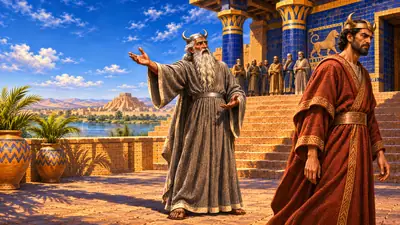
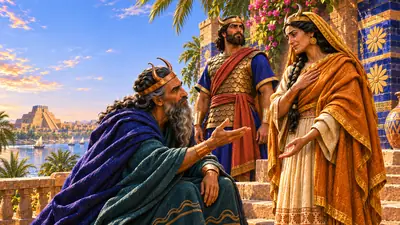
The assembly honored Mami. Ea asked her to give them Ninurta, her mighty beloved, to fight Anzu and win distinction among the gods.
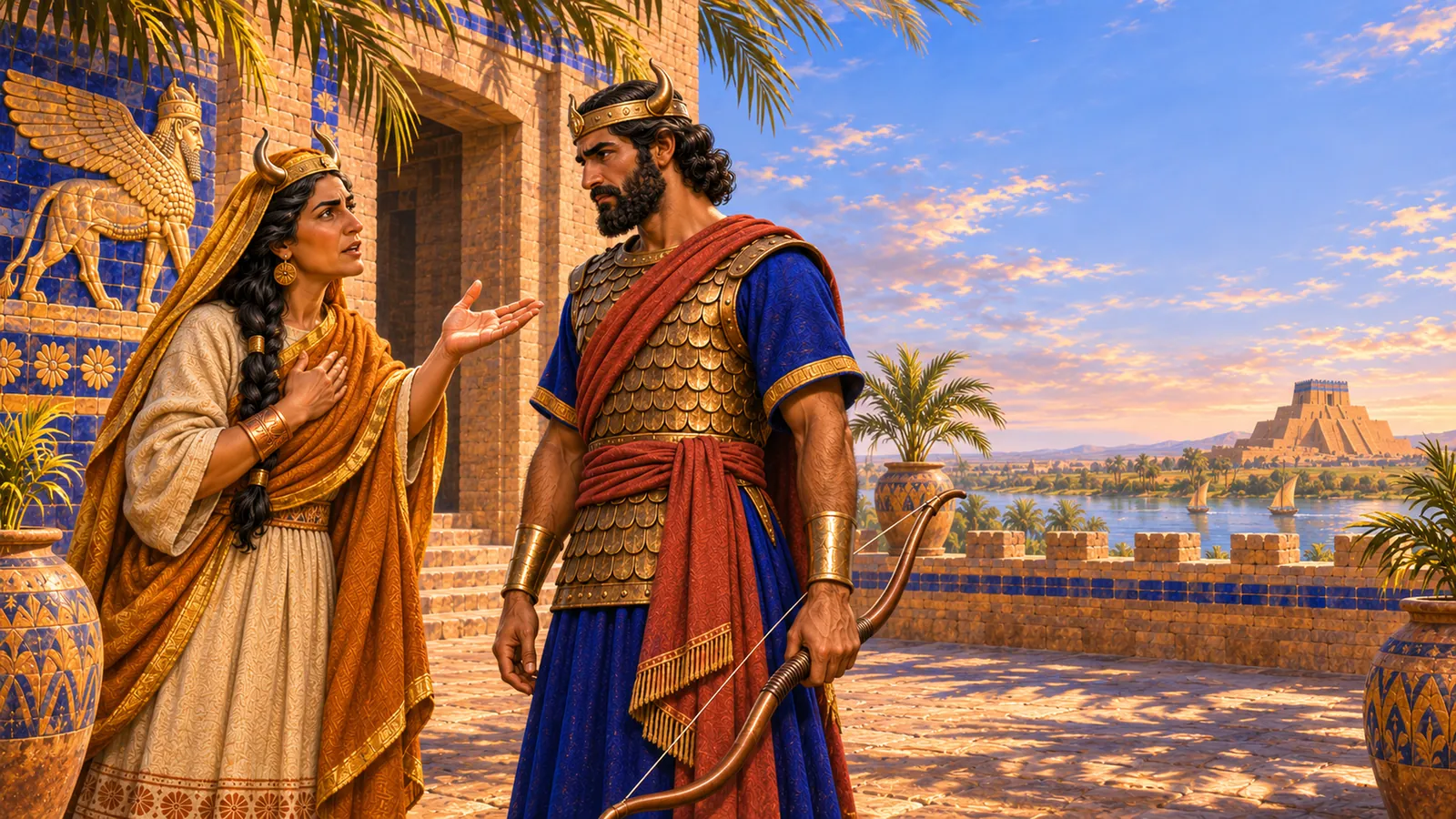
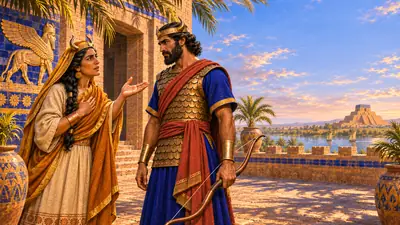
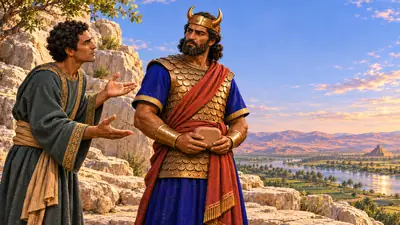
Mami told Ninurta that Anzu had stolen his father’s Tablet and seized authority. She charged her son to attack him and restore light to the gods.
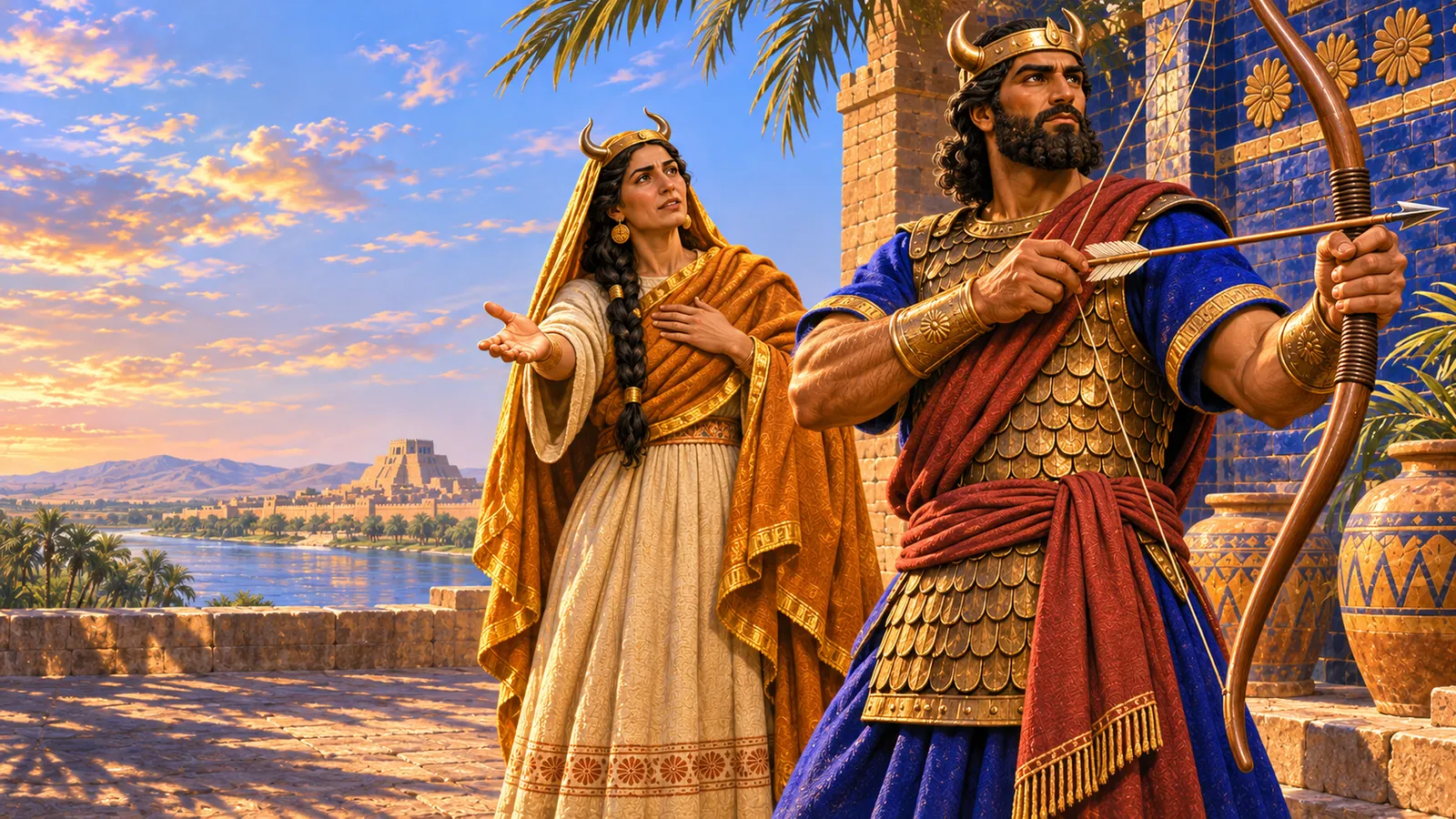
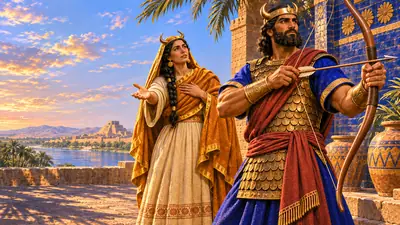
Mami called for storm winds, poisoned arrows and an overwhelming attack. She ordered Ninurta to kill Anzu and send his feathers to Enlil as news of victory.

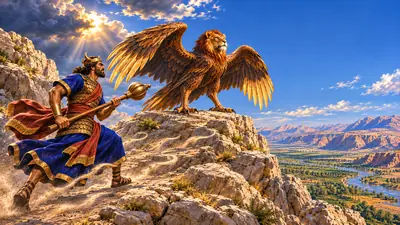
Ninurta heeded his mother and went toward Anzu’s mountain. He gathered seven fierce winds and whirlwinds, while the promise of honor stood before him.
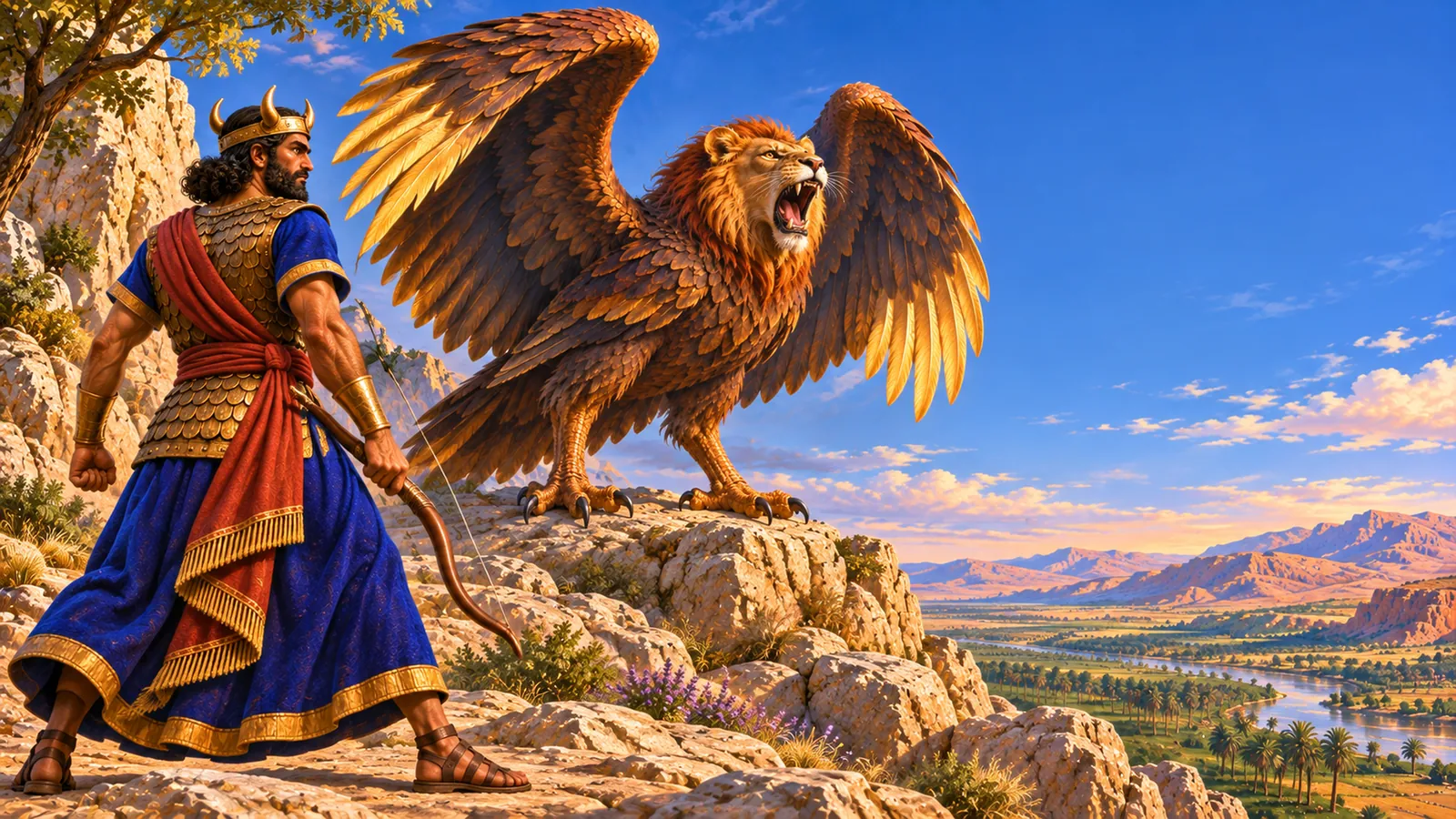
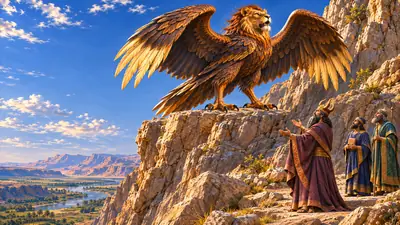
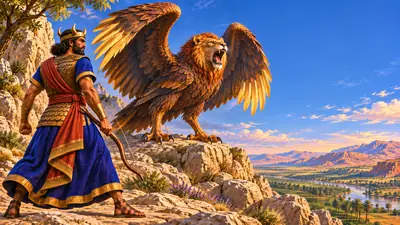
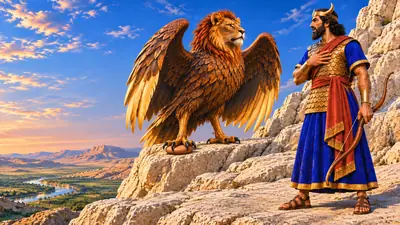
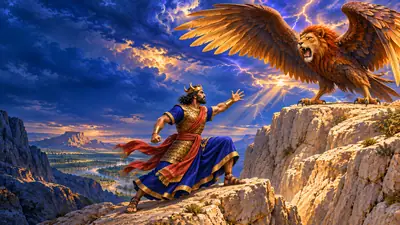
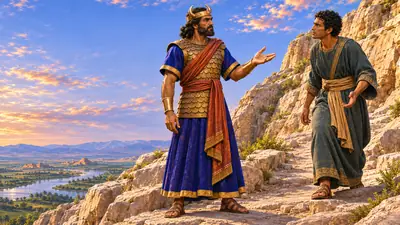
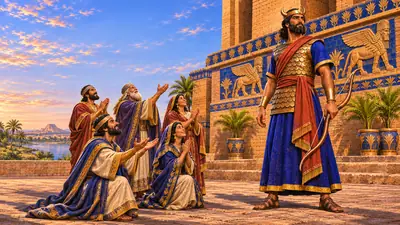
They met on the mountainside. Anzu roared in anger, declared that he held the gods’ authority, and demanded to know who had come to fight him.
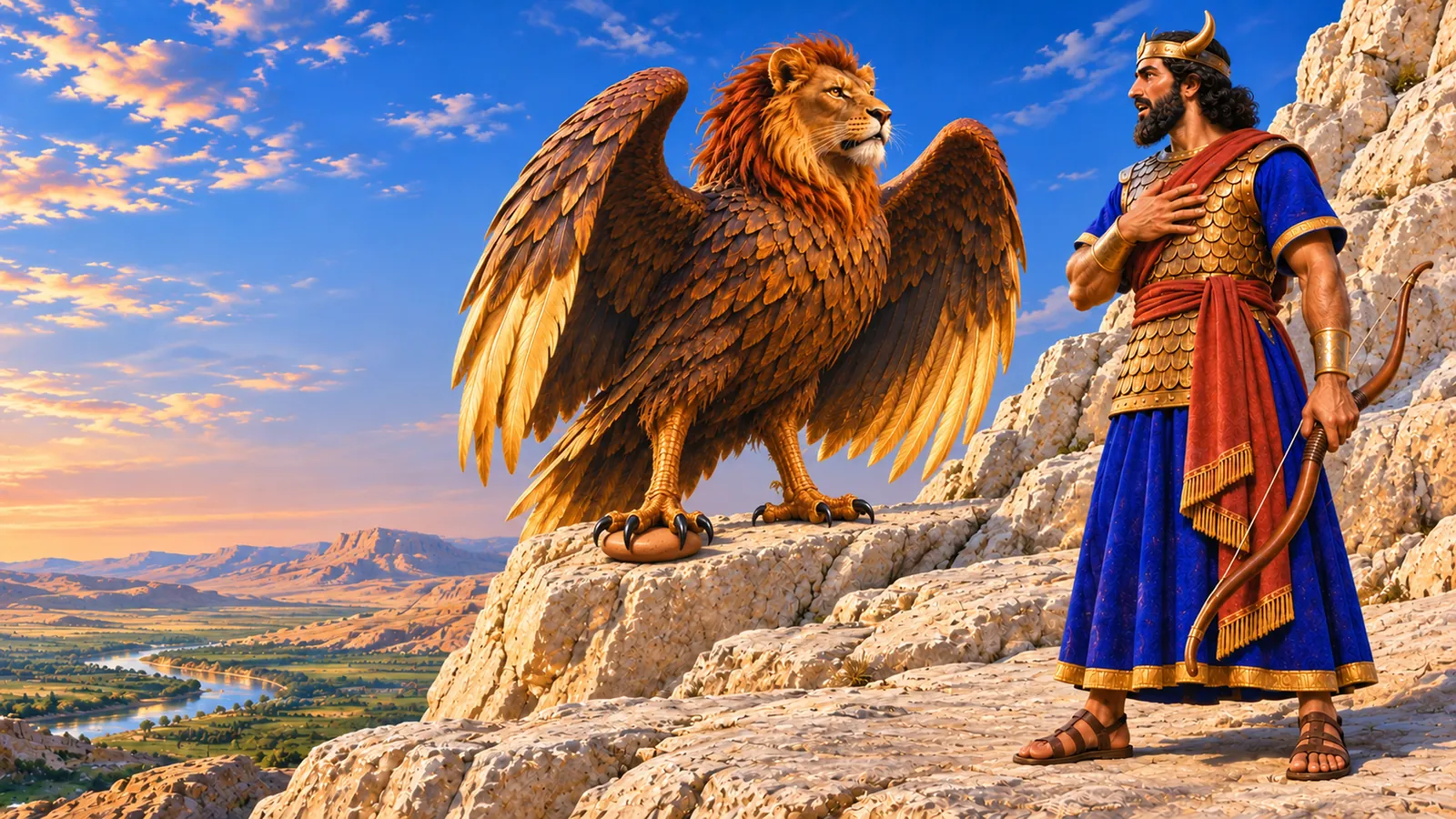
Ninurta answered the challenge with his name and his purpose: he had come to fight Anzu. The warrior and the bird now faced one another.
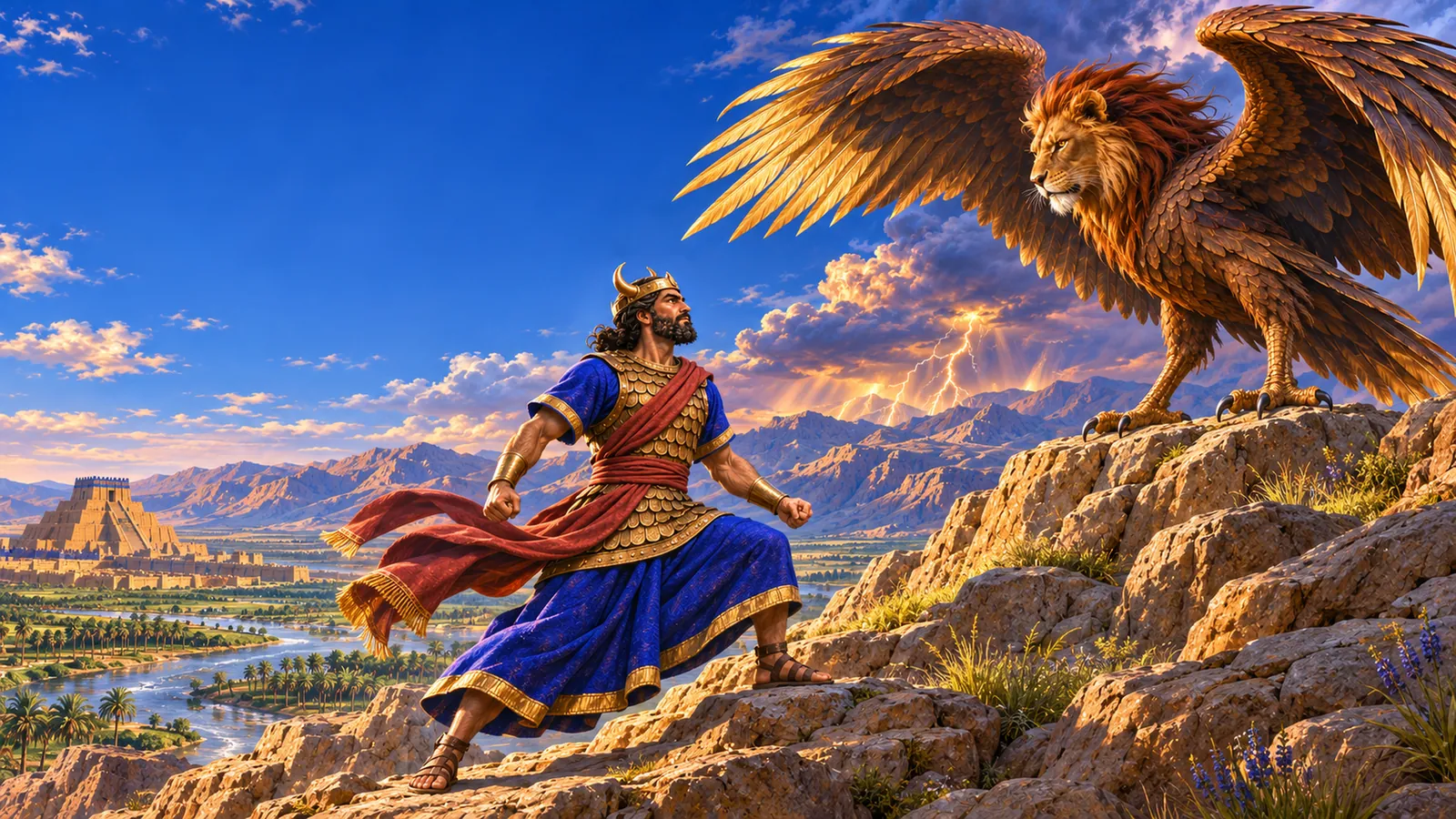
Anzu’s cry rang through the mountain, and daylight darkened. Their weapons clashed in a fierce battle; the poem describes bloodshed amid thunder and flashing missiles.

Ninurta set an arrow to his bow and released it toward Anzu. The shot should have carried the battle forward, but Anzu still held the Tablet.

RETURN
Anzu commanded the shaft to return to the thicket and the feather to the bird. He ordered the bow and its string back to their origins too.

The Tablet made Anzu’s command effective. The arrow did not reach him, and the attack faltered; Ninurta’s weapons had not overcome the bird.

Ninurta called Sharur and sent a report to Ea. The message explained the failed shot and repeated Anzu’s commands over the parts of the weapons.

Sharur carried the message to Ea and repeated what had happened. Ea heard that the Tablet protected Anzu and that the battle had stalled.

Ea sent a different plan. Ninurta must keep fighting until Anzu tired and lowered his wings under the storm, then aim at his back.
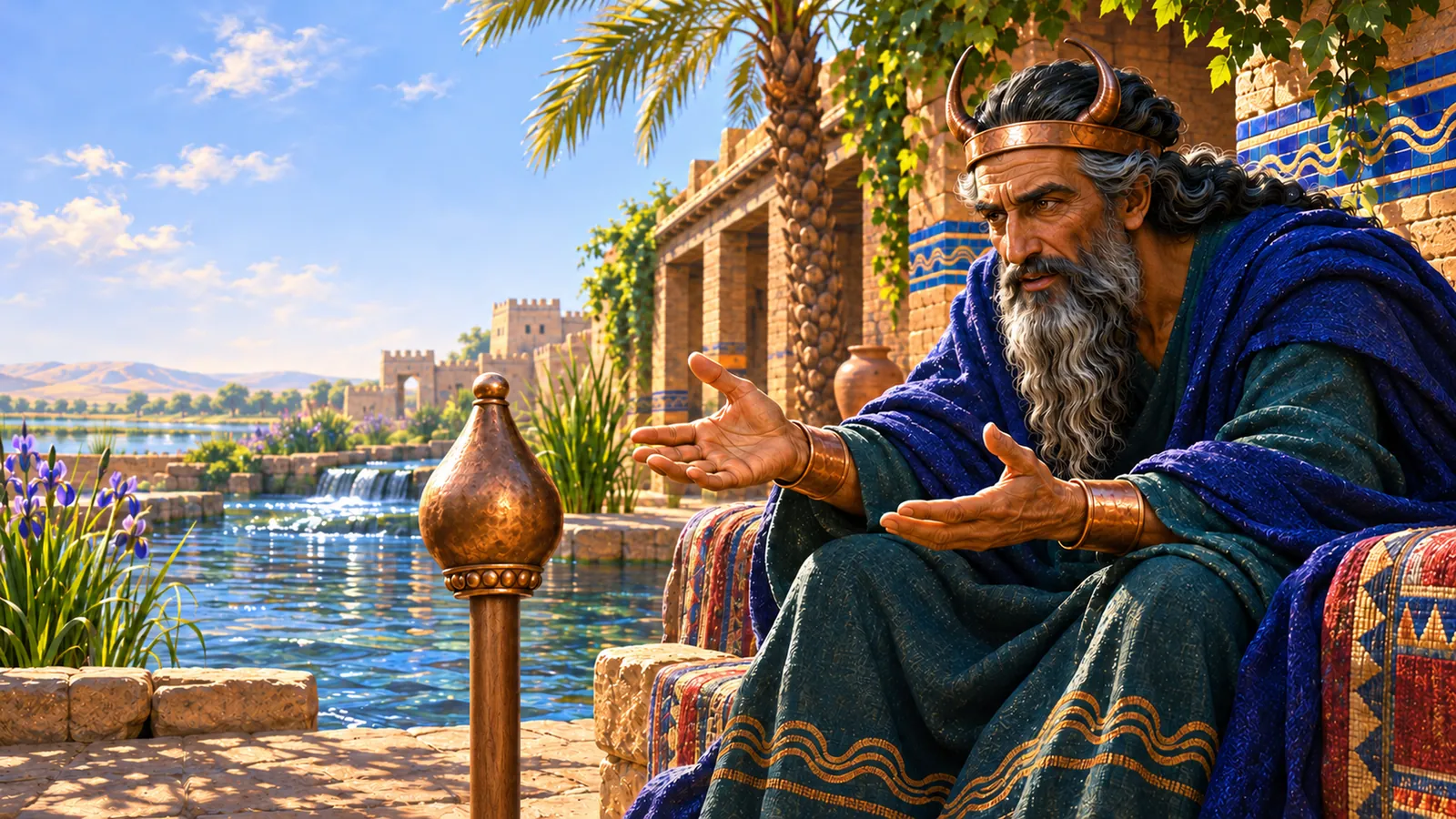
Ea instructed Ninurta to cut off Anzu’s pinions and scatter them. When Anzu called the feathers back, the warrior must shoot again without fear.
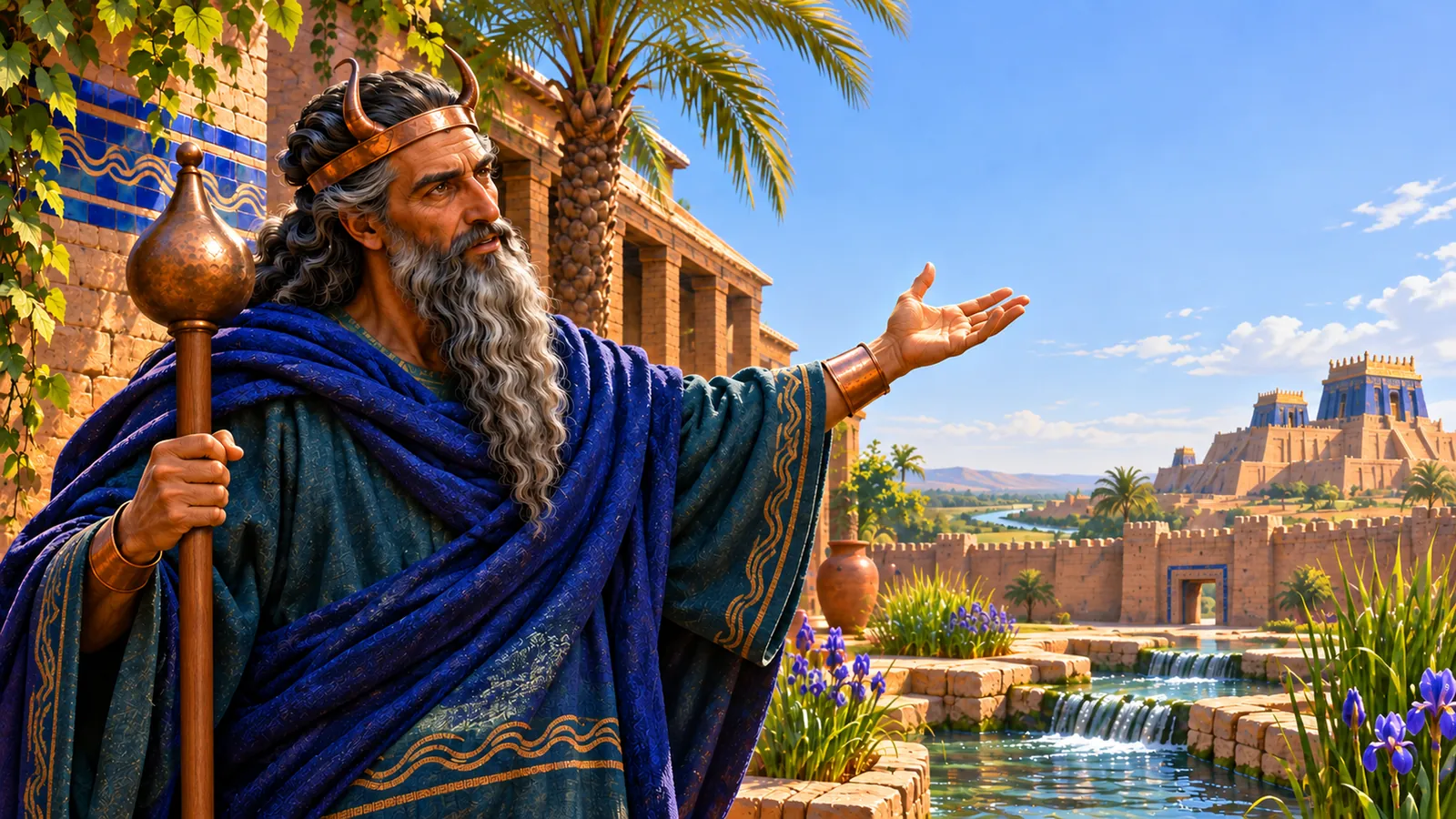
Ea repeated the task: kill Anzu, send the feathers as news, and bring authority back to Enlil. Ninurta was promised shrines and distinction among the gods.

Sharur returned and repeated Ea’s instructions to his lord. Ninurta now had a plan for the moment when Anzu’s wings began to fall.

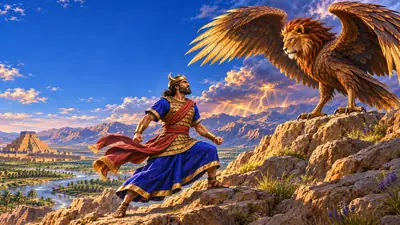
Ninurta followed Ea’s counsel and advanced again. The seven winds and whirlwinds gathered at his side as he launched another assault on the mountain.
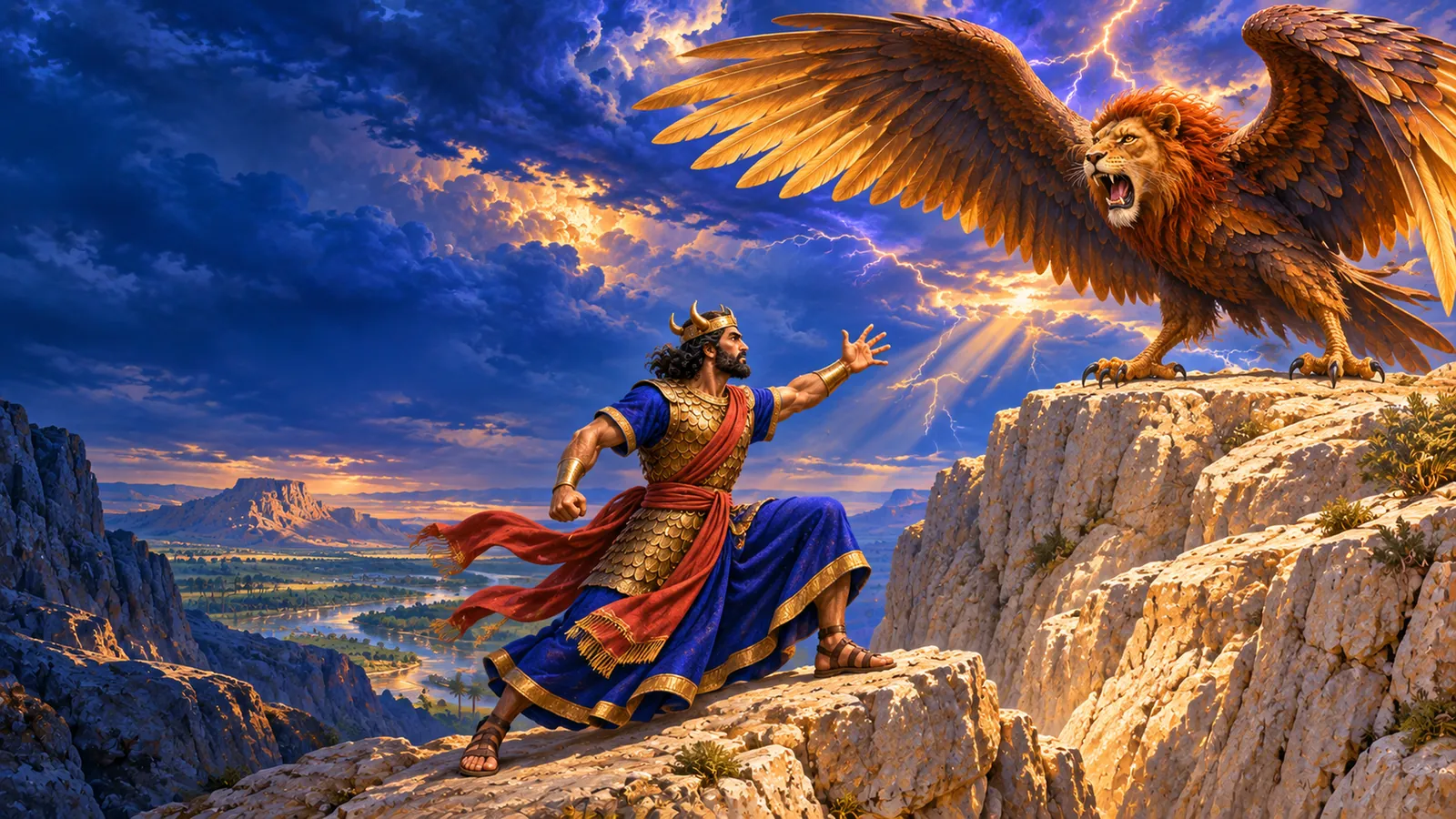
The next tablet opens amid renewed combat. Dust rose, fiery light flashed, and the two opponents fought on, sweating under the strain of battle.

At last Anzu grew tired. Under the force of the storm, he lowered his wings—the opening Ea had told Ninurta to wait for.

Ninurta aimed at Anzu’s back and cut off Anzu’s pinions, scattering them to either side. The poem says the sight of his feathers broke Anzu’s command.

THE ARROW
Anzu called his feathers back, but Ninurta’s arrow reached him. The shot killed Anzu, and the warrior’s attack swept through the mountain’s inner reaches.
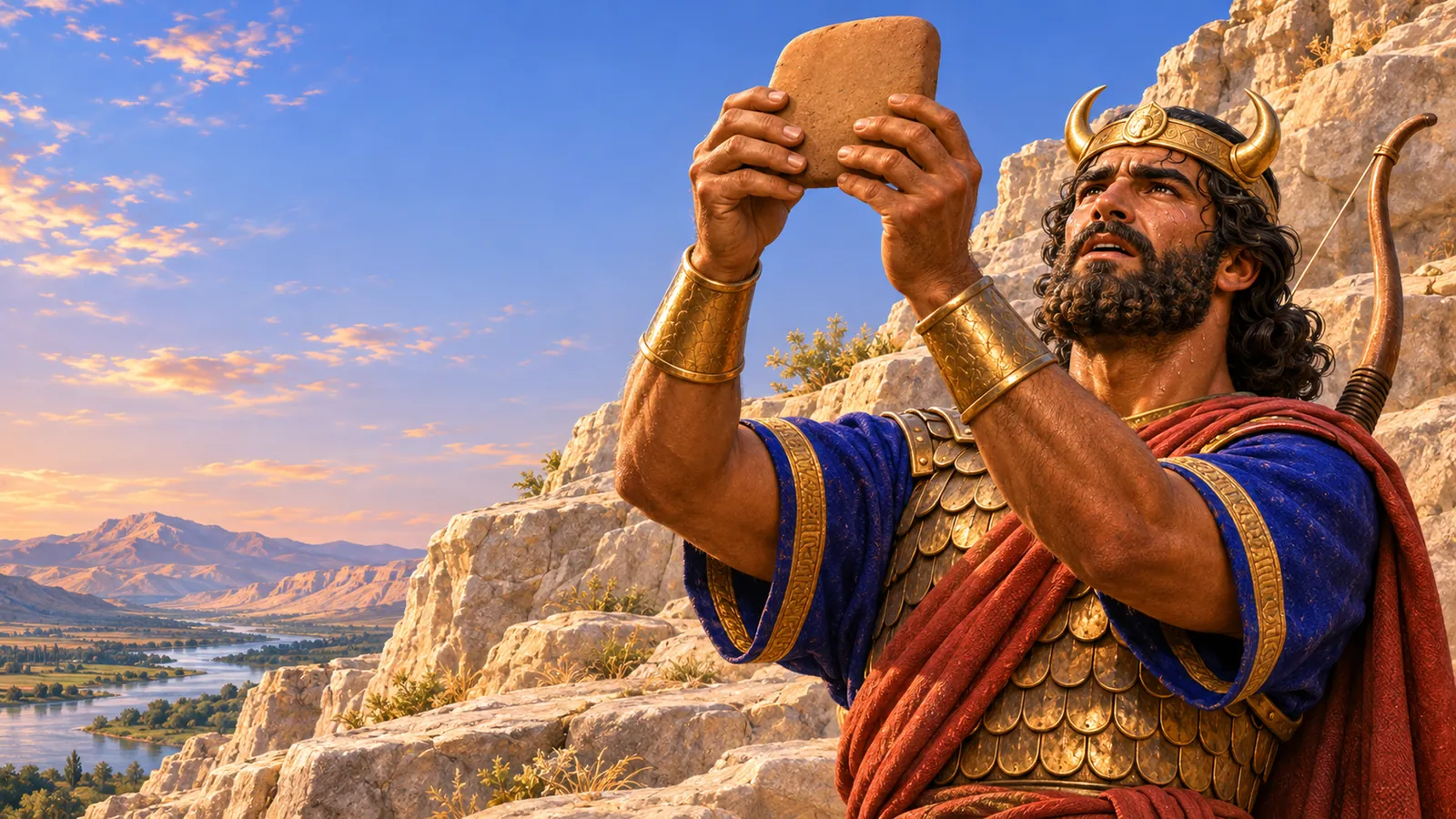
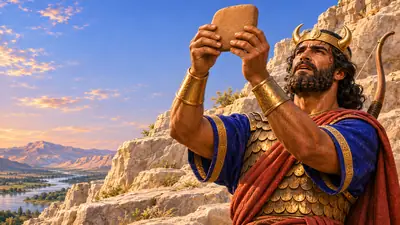
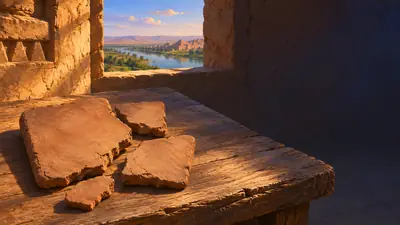
Ninurta took the Tablet of Destinies back into his hand. Anzu’s seizure of authority had ended; the stolen Tablet was now held by the victor.
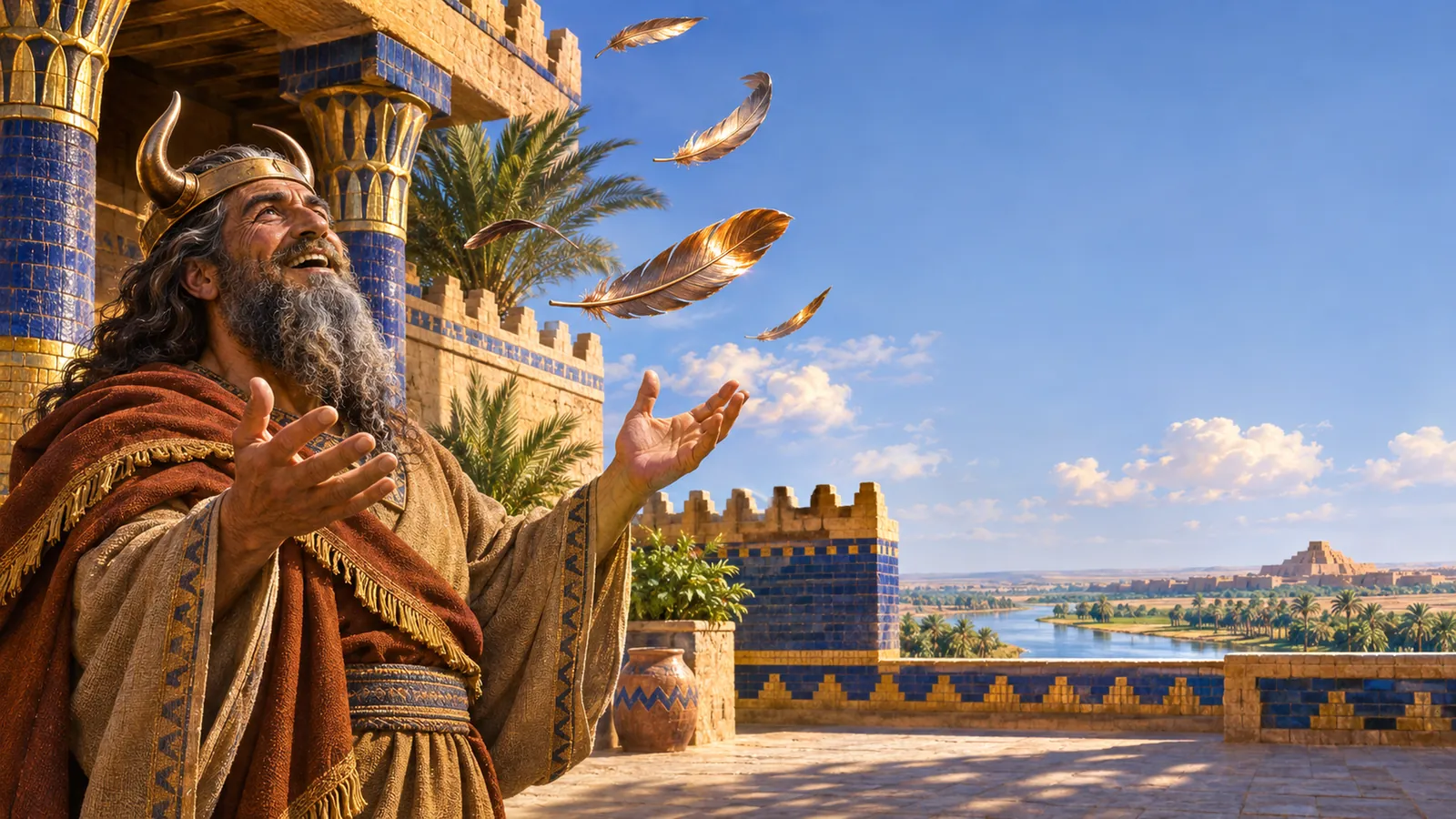
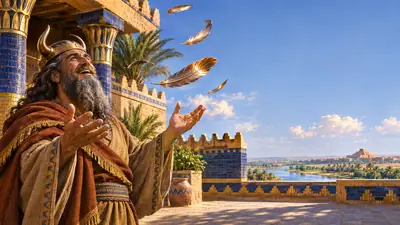
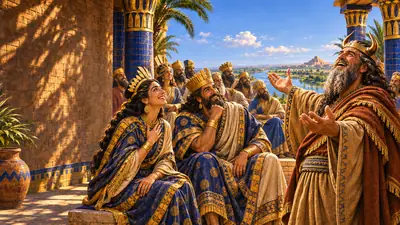
The wind carried Anzu’s feathers away as a sign of victory. Dagan saw the sign, rejoiced, and called the gods together to hear the news.
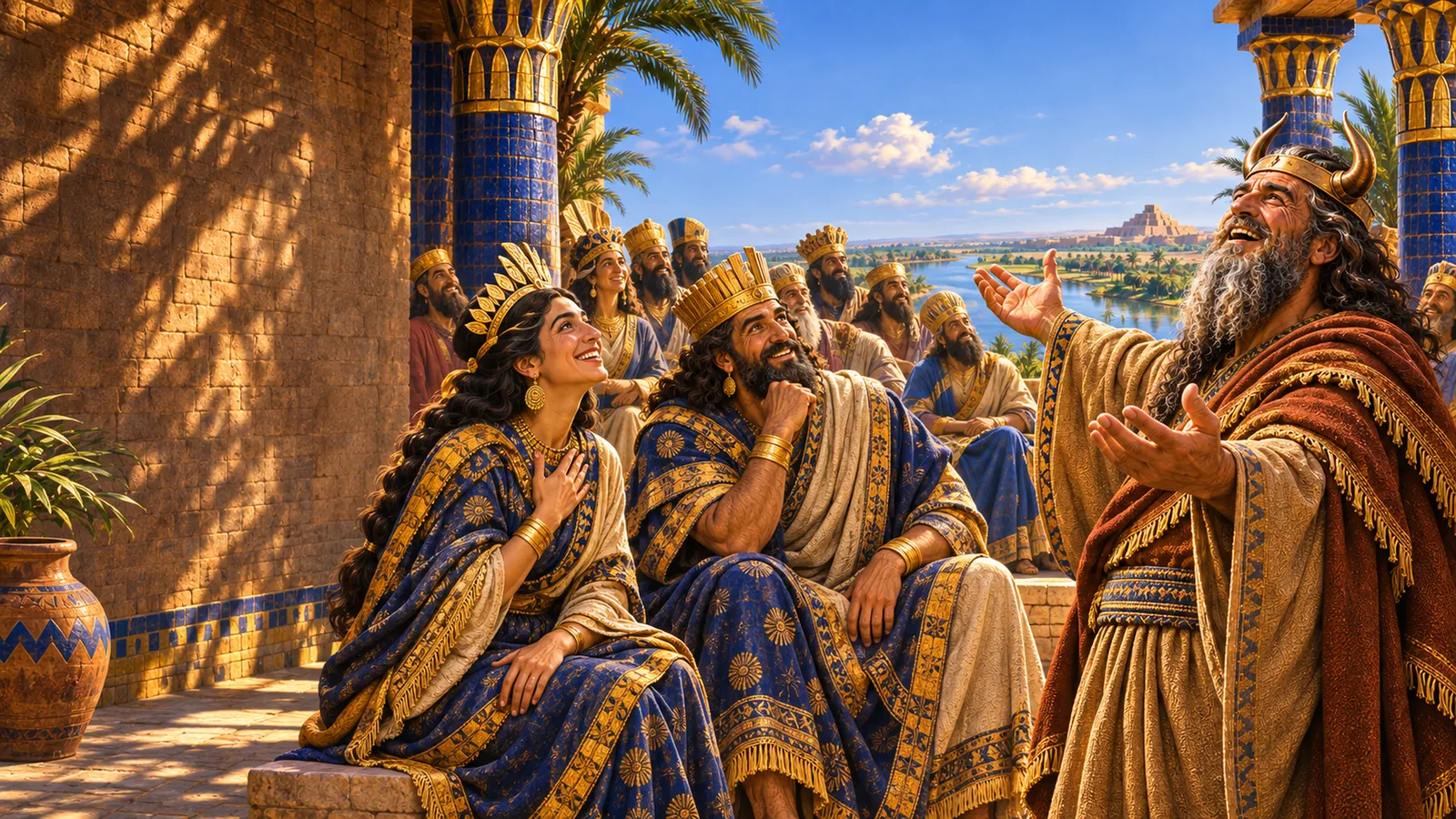
Dagan called for Ninurta to join the gods in celebration. The victor would stand among his divine brothers and hear knowledge kept within their assembly.
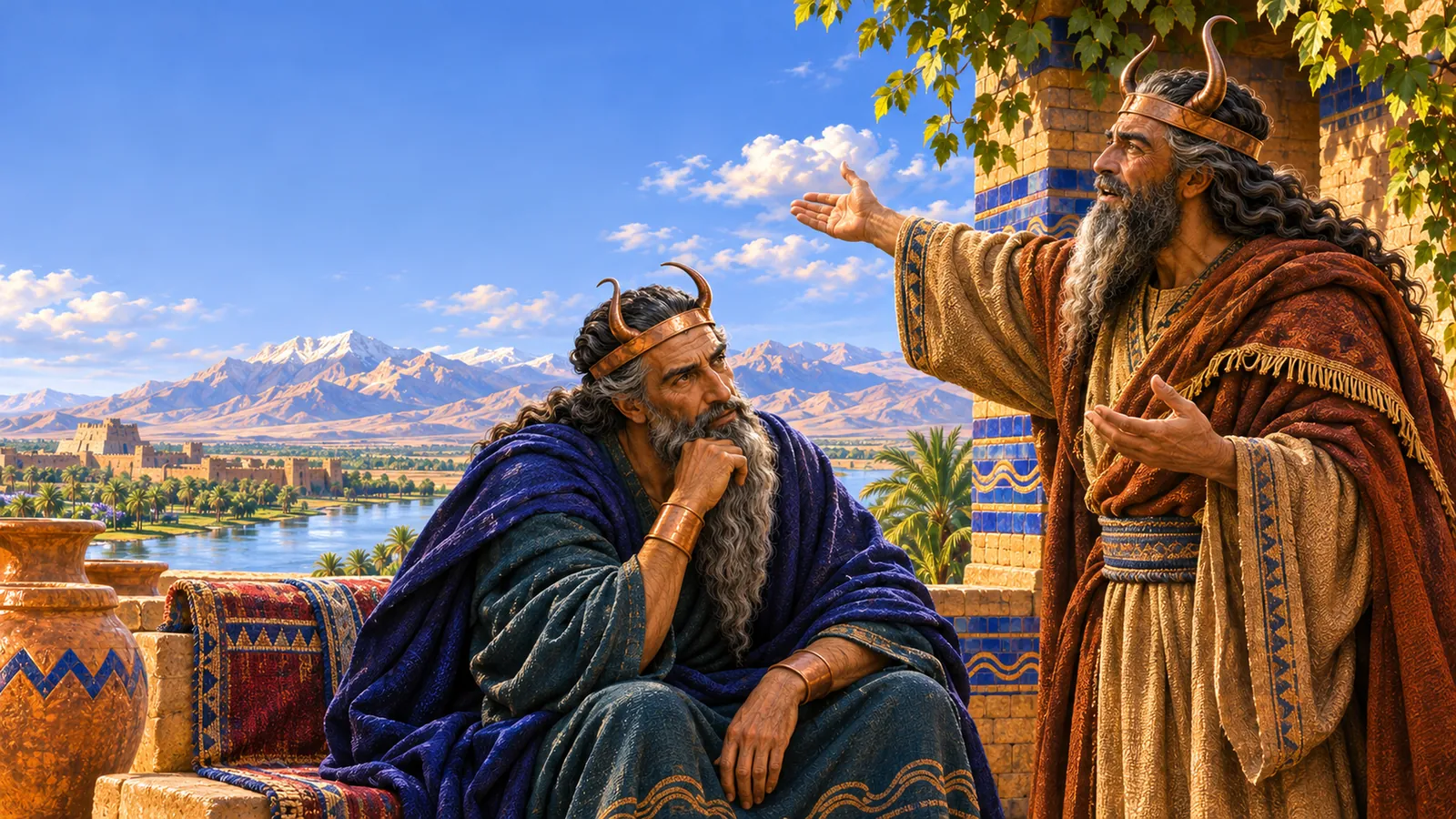
Ea’s report says that Ninurta flayed Anzu after killing him. He urged that the victor be summoned and told to place the recovered Tablet in Dagan’s lap.
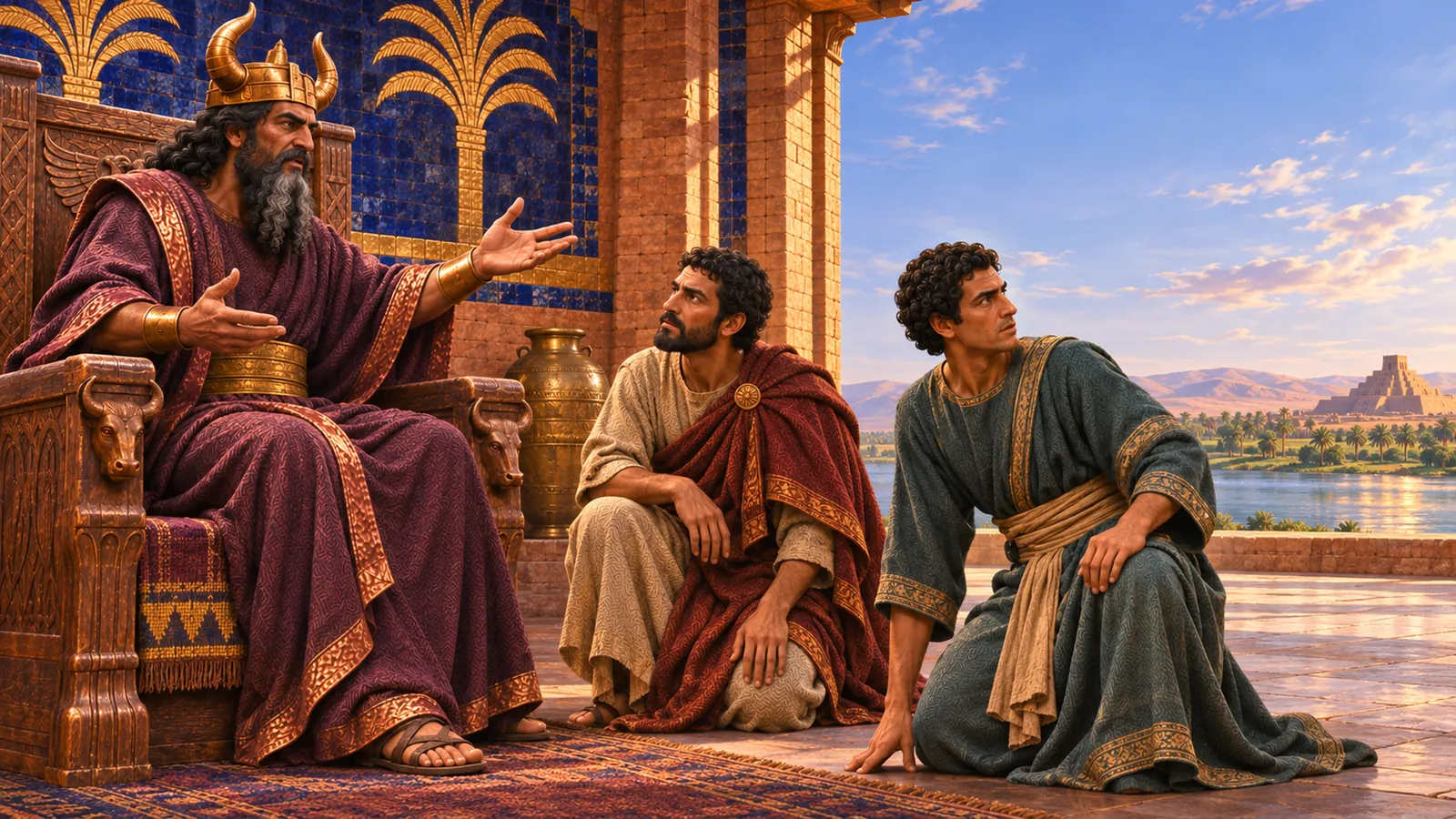
Enlil ordered his messenger Nusku to bring Birdu before him. He then sent Birdu to Ninurta; part of the message that followed is lost.
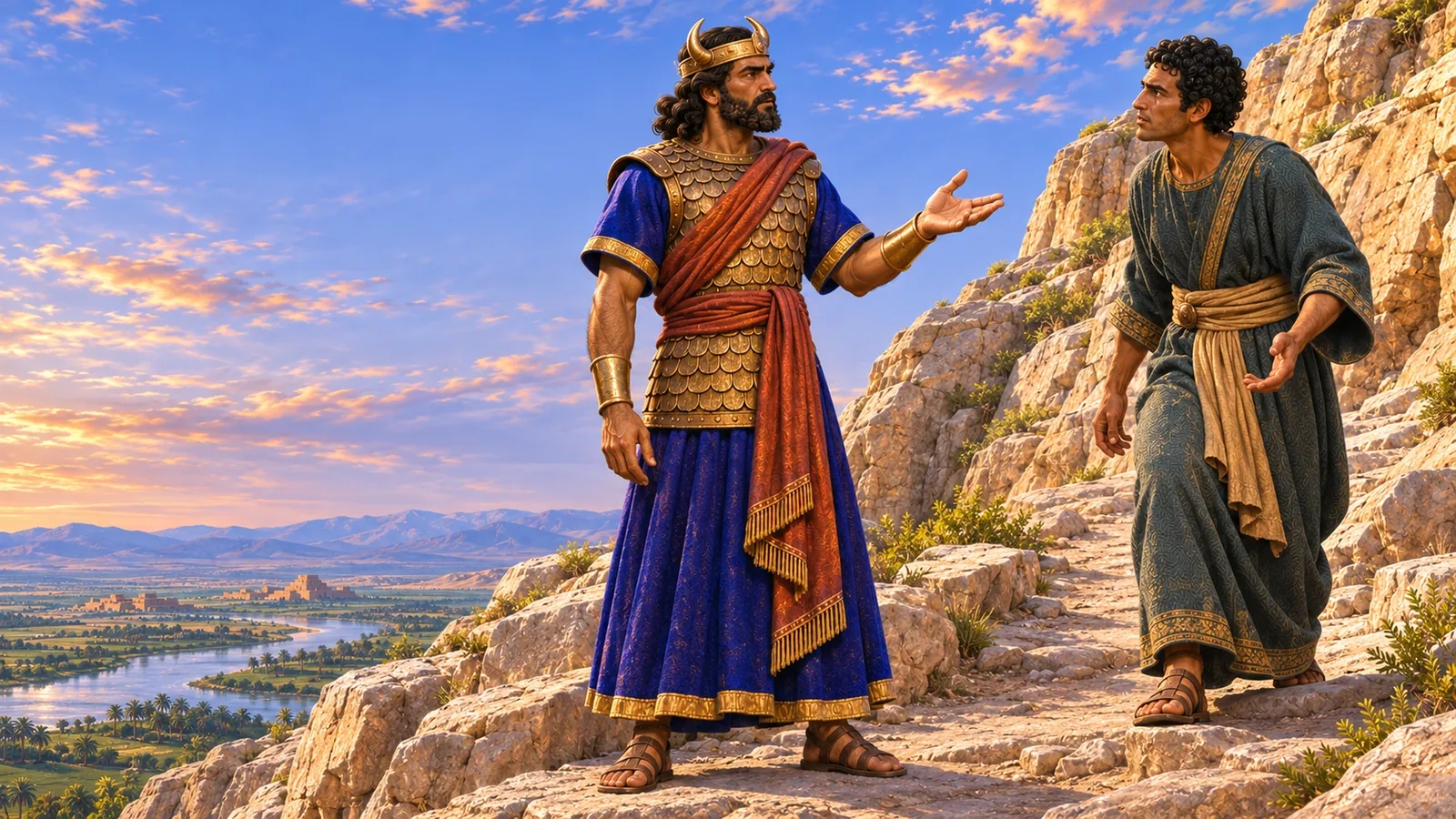
The tablet is damaged around the envoy’s journey. When the exchange becomes readable again, Ninurta asks Birdu why he has come in such haste.
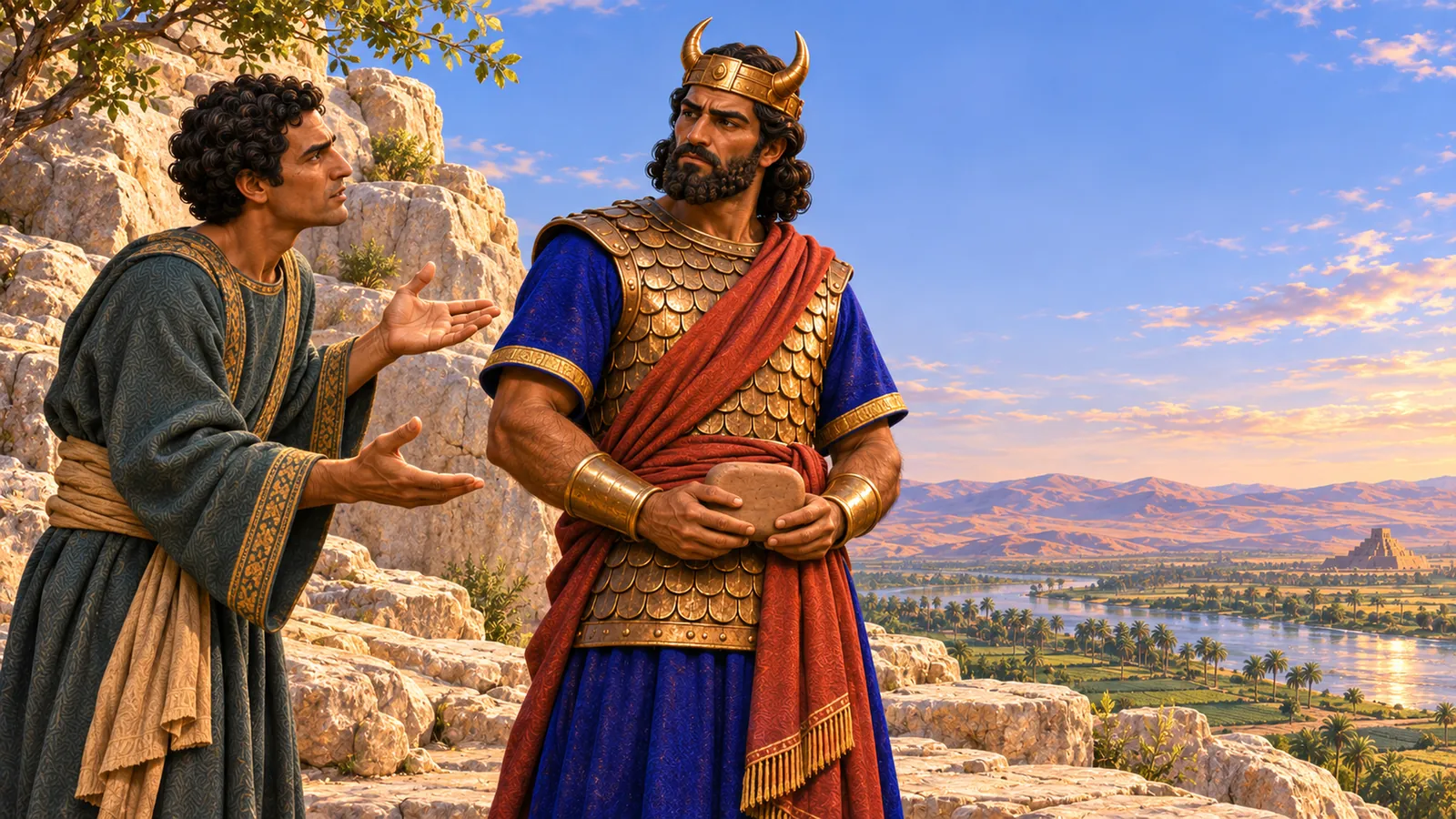
Birdu said Enlil had sent him. The gods had heard of Anzu’s death and rejoiced; their invitation called Ninurta to celebrate and stand among them.
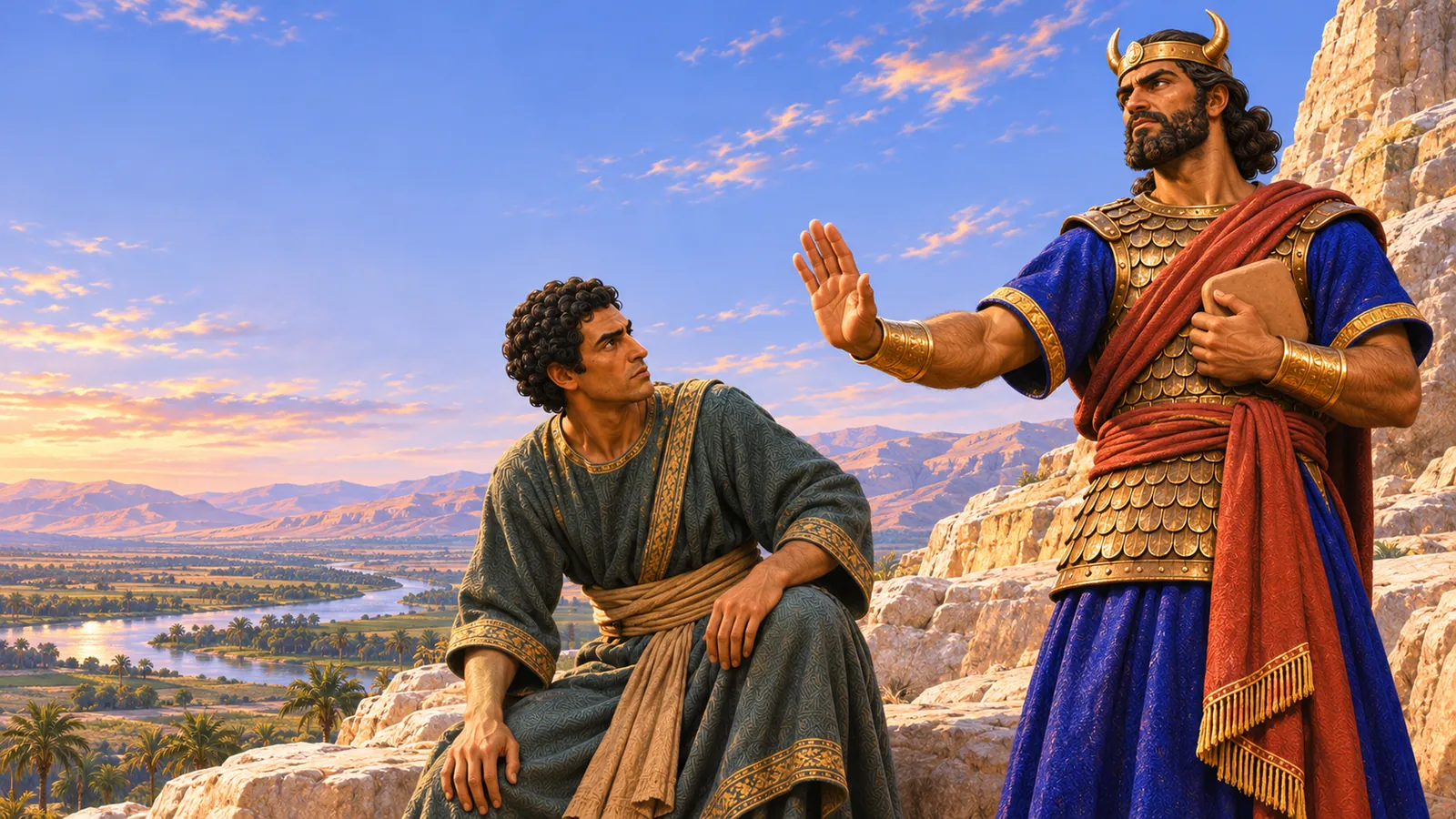
REFUSAL
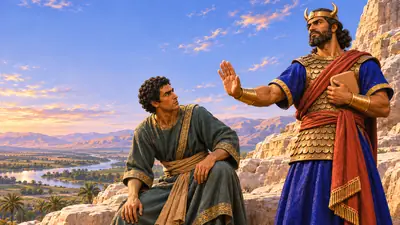
Ninurta questioned why he should surrender the signs of kingship. In a damaged but explicit reply, he refused to return the Tablet of Destinies.
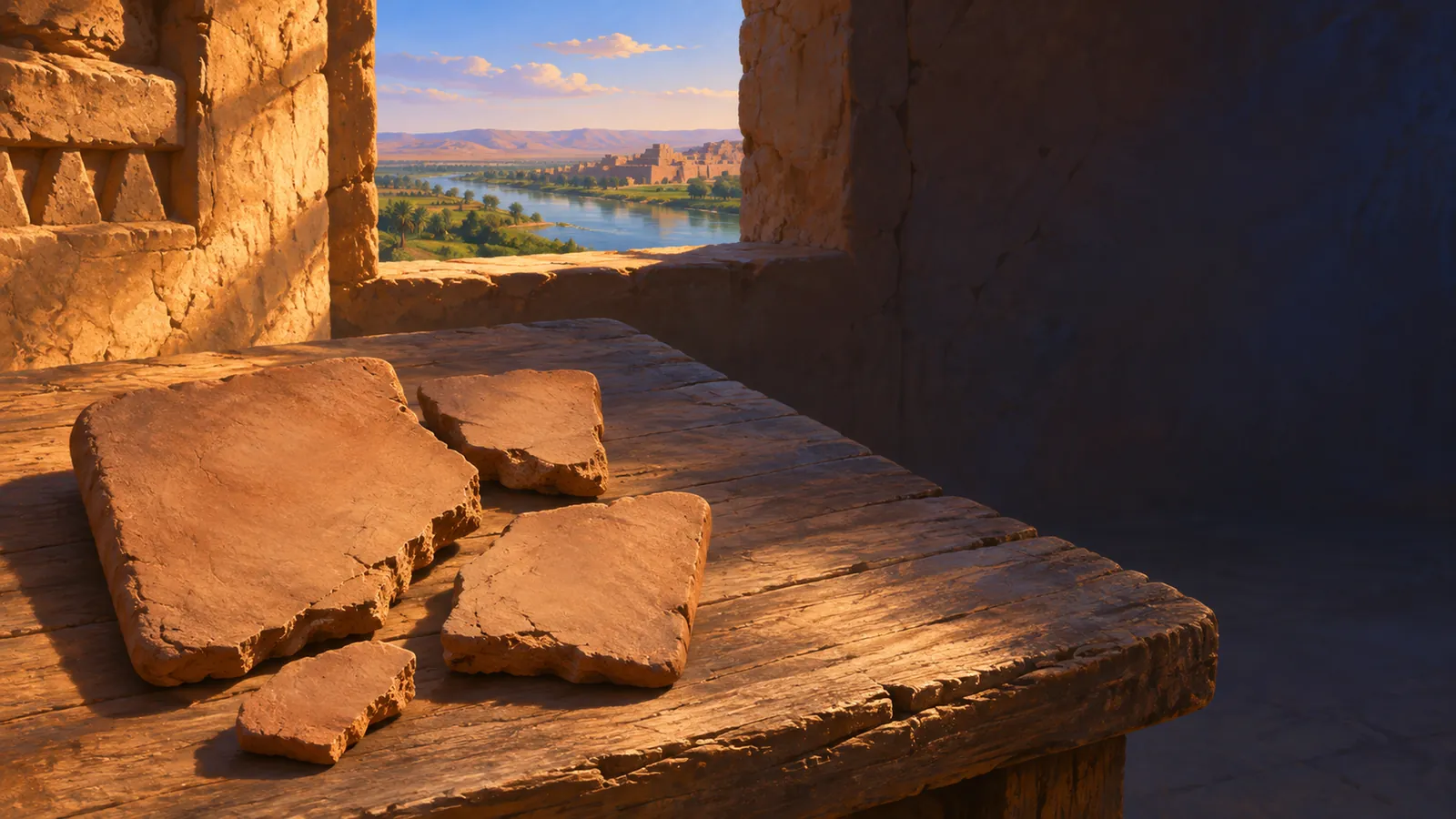
The lines after Ninurta’s refusal are badly damaged. Scattered words survive, but they do not give us a secure account of how this exchange was resolved.
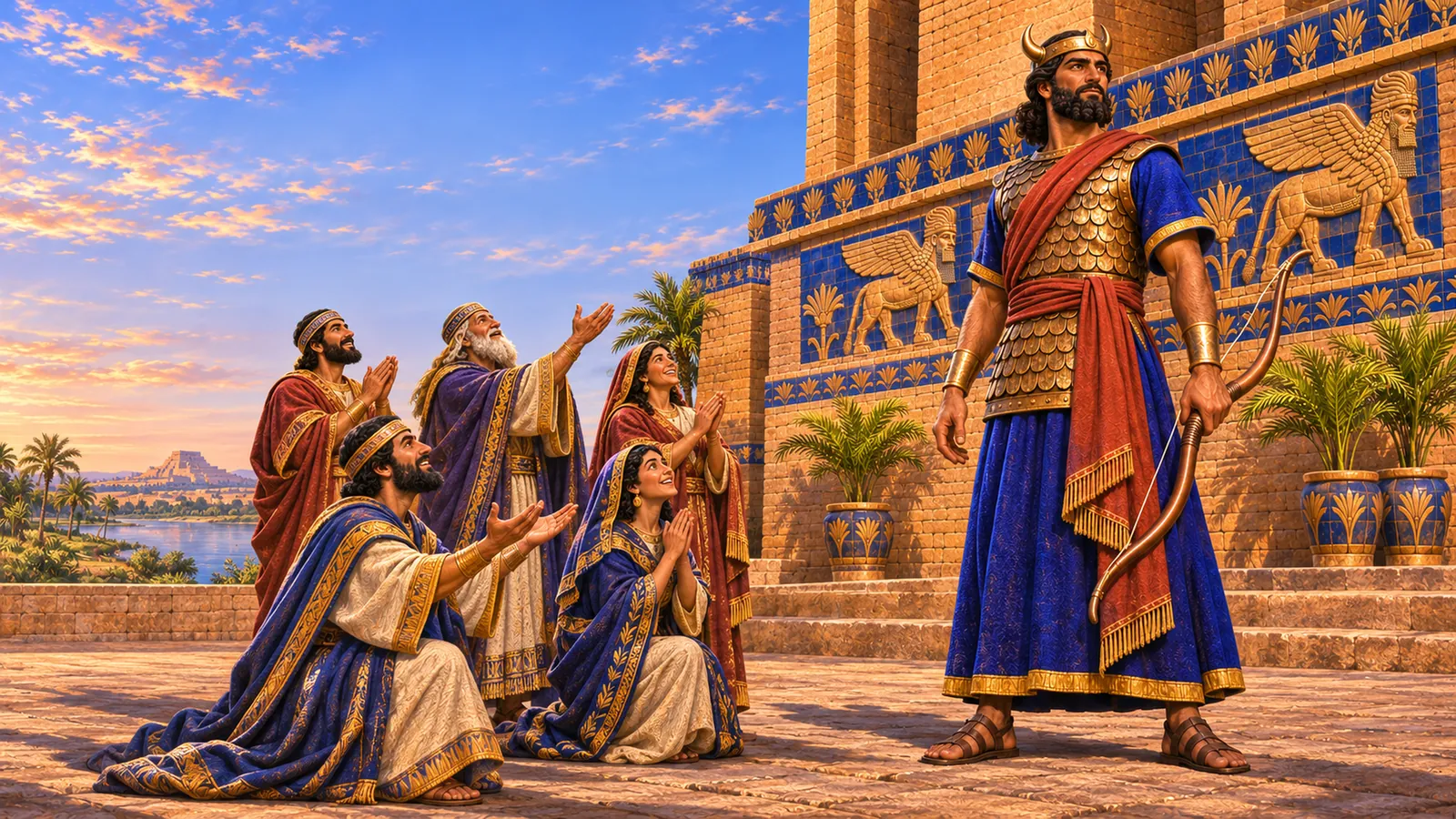
A later surviving speech praises Ninurta for defeating Anzu and subduing Enlil’s enemies. It grants him greatness, lordship and care of the people.

The praise connects Ninurta with many divine names and places. It names Ningirsu in the furrow, Hurabtil in Elam, and Inshushinak in Susa, among others.
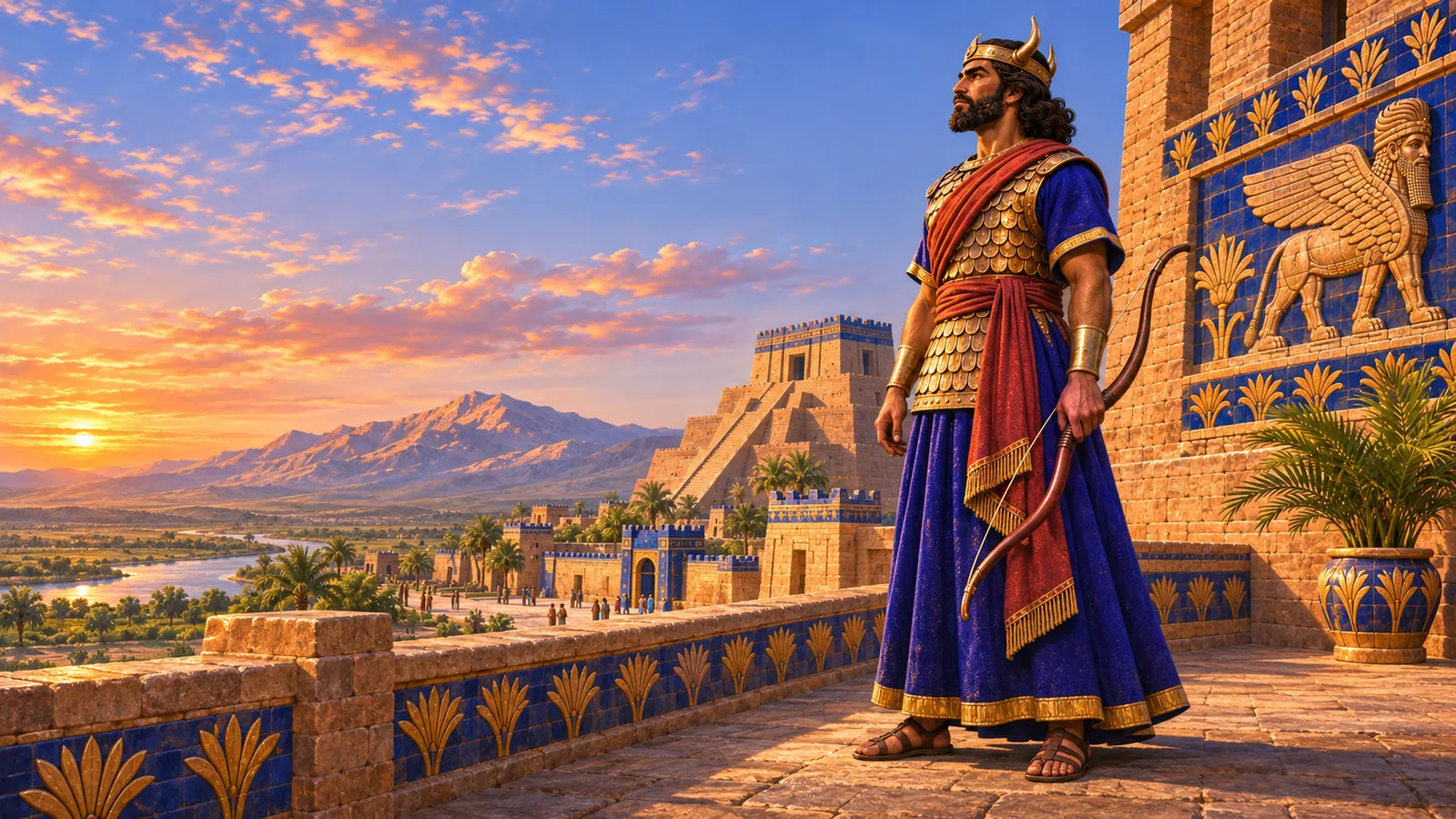
Anzu is defeated, and Ninurta’s greatness fills the surviving praise. The last lines remain broken; we leave the missing part of the ending open.
End of chapter 1
All pages















Sources
All line numbers below follow the consulted eBL composite and its offset labels, with Benjamin R. Foster’s English translation. The retelling is original prose. Broken or restored words remain uncertain; repeated speeches may be condensed without changing the decisions or events.
Editions consulted
- eBL, Anzu: introduction and edition history
- eBL, Standard Babylonian Anzu, Tablet I
- eBL, Standard Babylonian Anzu, Tablet II
- eBL, Standard Babylonian Anzu, Tablet III
- IL Archive, Enlil
- IL Archive, Enki
Ancient lines behind each page
- Page 1: Anzu, Standard Babylonian I 1–14; eBL L I.10, Foster translation
- Page 2: Anzu, Standard Babylonian I 15–20; eBL L I.10, Foster translation
- Page 3: Anzu, Standard Babylonian I 21–a+40; eBL L I.10, Foster translation
The birth passage is damaged. The surviving edition mentions Sharshar, mountain rocks and winds. - Page 4: Anzu, Standard Babylonian I a+41–55; eBL L I.10, Foster translation
- Page 5: Anzu, Standard Babylonian I b+56–60; eBL L I.10, Foster translation
- Page 6: Anzu, Standard Babylonian I b+61–68; eBL L I.10, Foster translation
- Page 7: Anzu, Standard Babylonian I b+69–74; eBL L I.10, Foster translation
- Page 8: Anzu, Standard Babylonian I b+75–78; eBL L I.10, Foster translation
The text states that Enlil had removed his clothing and set his crown on the throne. - Page 9: Anzu, Standard Babylonian I b+79–82; eBL L I.10, Foster translation
- Page 10: Anzu, Standard Babylonian I b+83–87; eBL L I.10, Foster translation
- Page 11: Anzu, Standard Babylonian I b+88–99; eBL L I.10, Foster translation
- Page 12: Anzu, Standard Babylonian I b+100–110; eBL L I.10, Foster translation
- Page 13: Anzu, Standard Babylonian I b+111–131; eBL L I.10, Foster translation
Much of the Girra exchange is restored from parallel repeated lines in the eBL edition. - Page 14: Anzu, Standard Babylonian I b+132–154; eBL L I.10, Foster translation
- Page 15: Anzu, Standard Babylonian I b+155–171; eBL L I.10, Foster translation
- Page 16: Anzu, Standard Babylonian I b+172–189; eBL L I.10, Foster translation
- Page 17: Anzu, Standard Babylonian I c+190–201; II 1–6; eBL L I.10, Foster translation
- Page 18: Anzu, Standard Babylonian II 7–23; eBL L I.10, Foster translation
- Page 19: Anzu, Standard Babylonian II 24–34; eBL L I.10, Foster translation
- Page 20: Anzu, Standard Babylonian II 35–42; eBL L I.10, Foster translation
- Page 21: Anzu, Standard Babylonian II 43–47; eBL L I.10, Foster translation
- Page 22: Anzu, Standard Babylonian II 48–56; eBL L I.10, Foster translation
See Sources and notes. - Page 23: Anzu, Standard Babylonian II 57–60; eBL L I.10, Foster translation
- Page 24: Anzu, Standard Babylonian II 61–65; eBL L I.10, Foster translation
See Sources and notes. - Page 25: Anzu, Standard Babylonian II 66–69; eBL L I.10, Foster translation
- Page 26: Anzu, Standard Babylonian II 70–85; eBL L I.10, Foster translation
- Page 27: Anzu, Standard Babylonian II 86–102; eBL L I.10, Foster translation
- Page 28: Anzu, Standard Babylonian II 103–109; eBL L I.10, Foster translation
- Page 29: Anzu, Standard Babylonian II 110–119; eBL L I.10, Foster translation
- Page 30: Anzu, Standard Babylonian II 120–125; eBL L I.10, Foster translation
- Page 31: Anzu, Standard Babylonian II 126–147; eBL L I.10, Foster translation
- Page 32: Anzu, Standard Babylonian II 148–154; eBL L I.10, Foster translation
- Page 33: Anzu, Standard Babylonian III 1–8; eBL L I.10, Foster translation
- Page 34: Anzu, Standard Babylonian III 9; eBL L I.10, Foster translation
- Page 35: Anzu, Standard Babylonian III 10–12; eBL L I.10, Foster translation
See Sources and notes. - Page 36: Anzu, Standard Babylonian III 13–20; eBL L I.10, Foster translation
See Sources and notes. - Page 37: Anzu, Standard Babylonian III 21; eBL L I.10, Foster translation
- Page 38: Anzu, Standard Babylonian III 22–26; eBL L I.10, Foster translation
- Page 39: Anzu, Standard Babylonian III 27–31; eBL L I.10, Foster translation
- Page 40: Anzu, Standard Babylonian III 32–39; eBL L I.10, Foster translation
The speaker’s name, Ea, is restored in this passage. See Sources and notes. - Page 41: Anzu, Standard Babylonian III 40–50; eBL L I.10, Foster translation
- Page 42: Anzu, Standard Babylonian III 51–a+56; eBL L I.10, Foster translation
- Page 43: Anzu, Standard Babylonian III a+57–69; eBL L I.10, Foster translation
Parts of the invitation are restored from parallel wording in the eBL edition. - Page 44: Anzu, Standard Babylonian III a+70–73; eBL L I.10, Foster translation
The refusal is explicit in the surviving/reconstructed reply. - Page 45: Anzu, Standard Babylonian III a+74–102; eBL L I.10, Foster translation
The text after the refusal is badly damaged. - Page 46: Anzu, Standard Babylonian III b+103–120; eBL L I.10, Foster translation
The surviving praise does not securely identify every speaker or restore the missing transition. - Page 47: Anzu, Standard Babylonian III b+117–147; eBL L I.10, Foster translation
The divine-name catalogue is condensed; the additional surviving names are listed in Sources and notes. - Page 48: Anzu, Standard Babylonian III b+143–168; I 1–14; eBL L I.10, Foster translation
The final verses are fragmentary. The retelling ends with the surviving praise and acknowledges the loss.
Illustrations made with AI tools by IL Archive; the text is based on the ancient sources (see the sources at the end of each chapter).