Elissa Founds Carthage Chapter 1
The New City
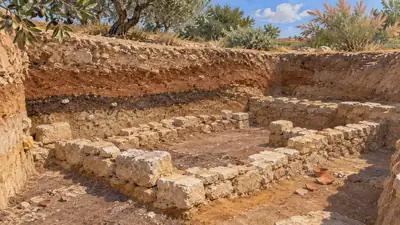
After her husband is killed, Elissa leaves Tyre and negotiates a place for her companions on the North African coast. As Carthage grows, a neighboring king threatens war to press his demand for marriage. The retelling follows the departure at dusk and the landfall in Cyprus, the oxhide bargain at Byrsa, the growth of Carthage and the pressure of Hiarbas’s demand. A few passages preserve details from the version attributed to Timaeus. The closing scene returns to the remains of early Punic Carthage.
SourcesTurn the pages with the arrows, the arrow keys or a swipe.
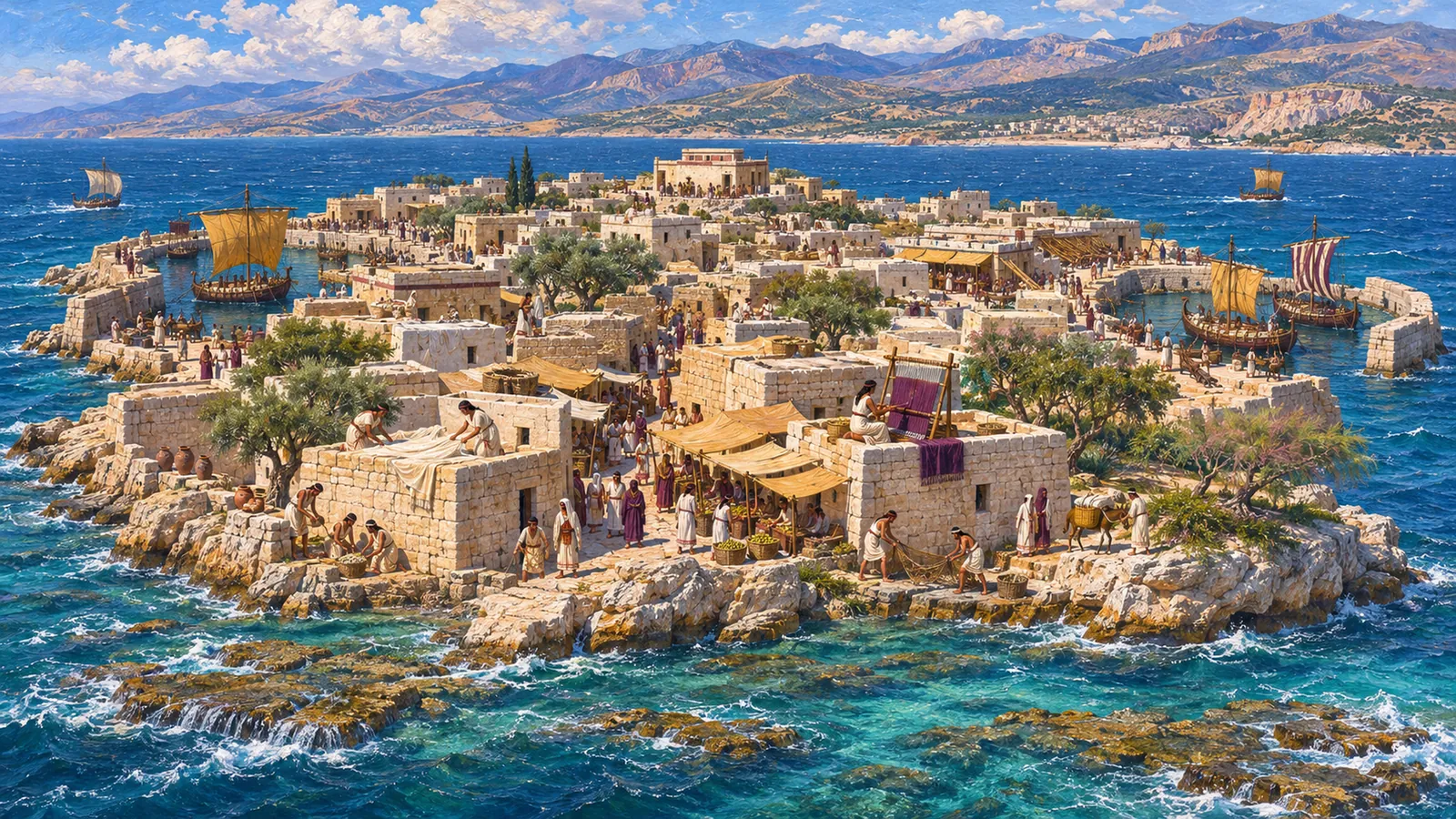
TYRE
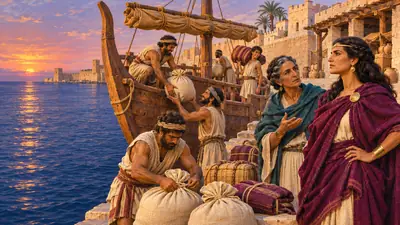
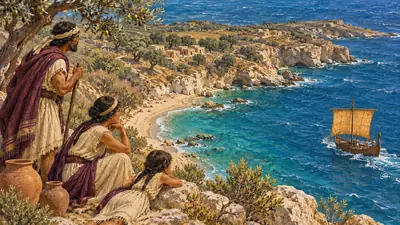
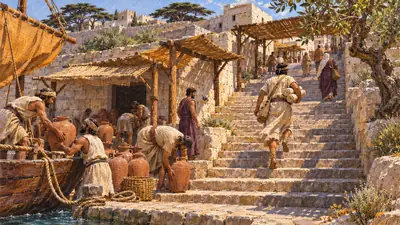
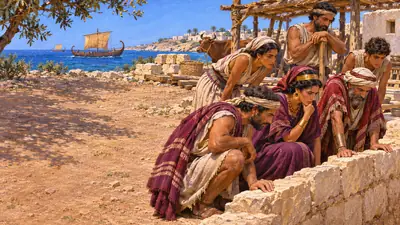
The story begins on the Phoenician island of Tyre. Ships tie up beside a crowded city with little room to spread inland. People and cargo already cross the sea from here.
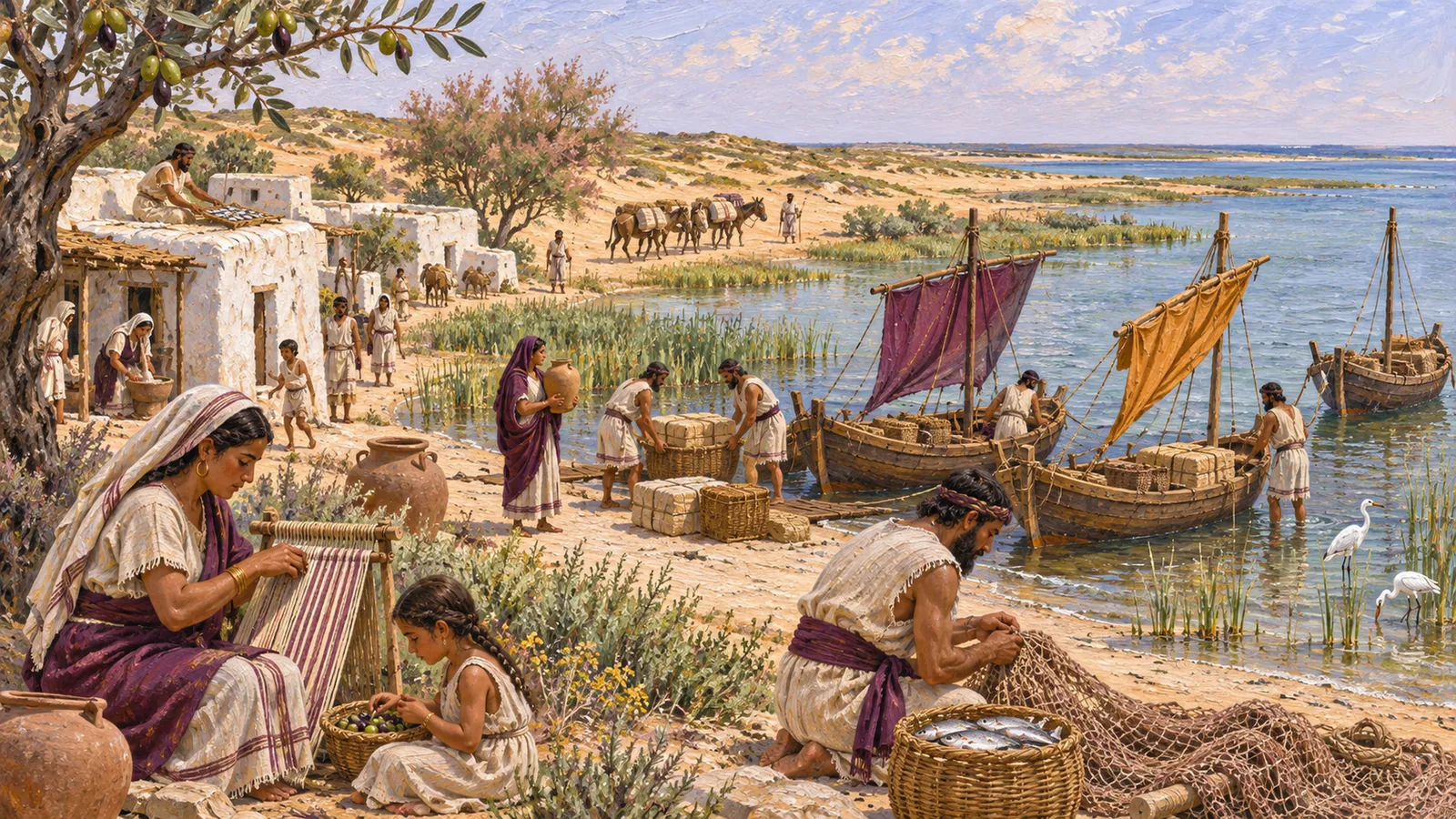
Justin says Tyre had sent some of its young people to settle across the Mediterranean. They founded Utica on the North African coast. Their city will welcome later arrivals from Tyre.
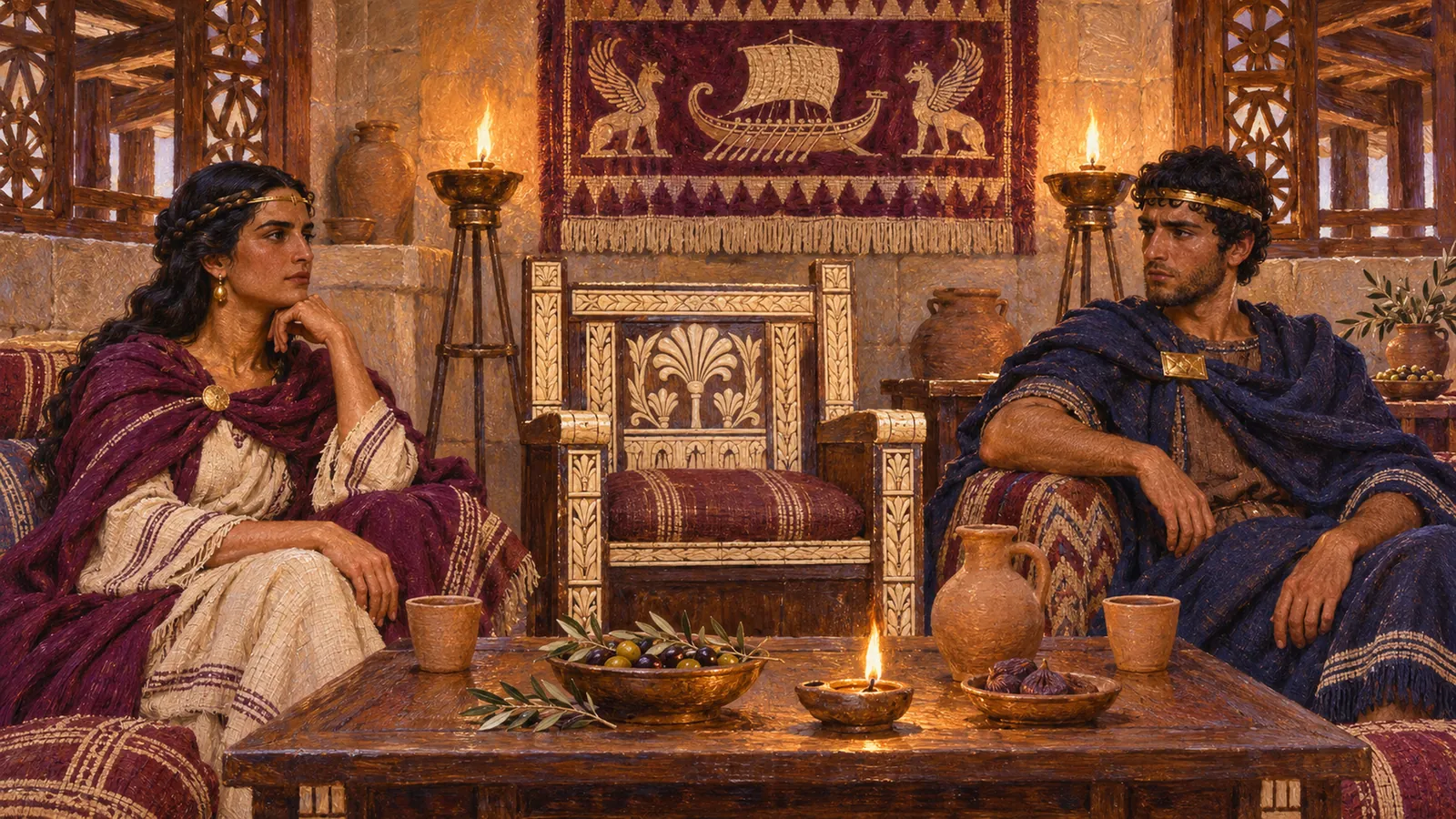
When the king of Tyre dies, he names both of his children as heirs, Pygmalion and Elissa. Justin begins the story with that decision, then describes how the people set it aside.
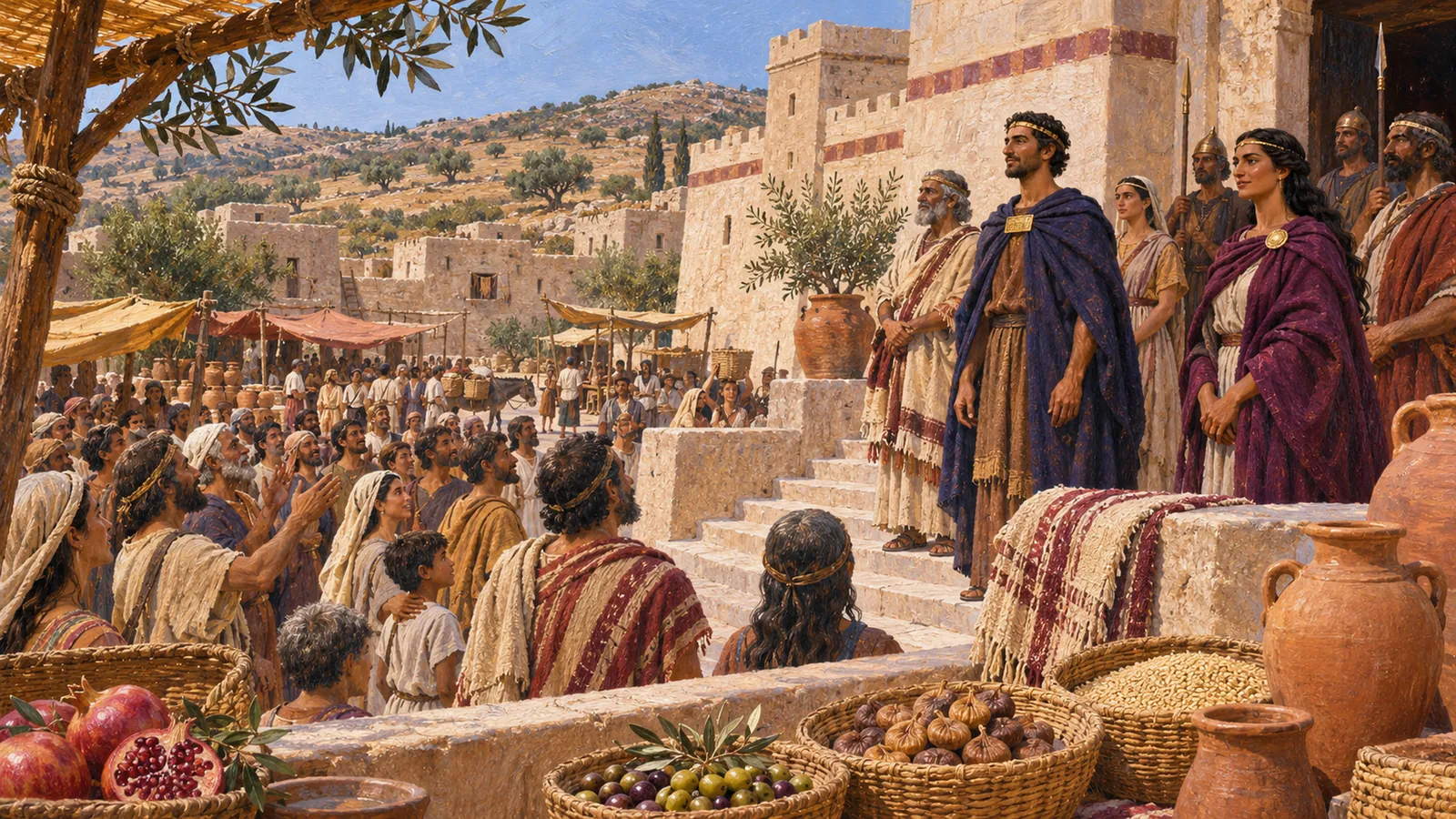
The people of Tyre give the throne to Pygmalion alone, although he is still young. Elissa remains a member of the royal family, while her brother comes to rule the city.
ACERBAS
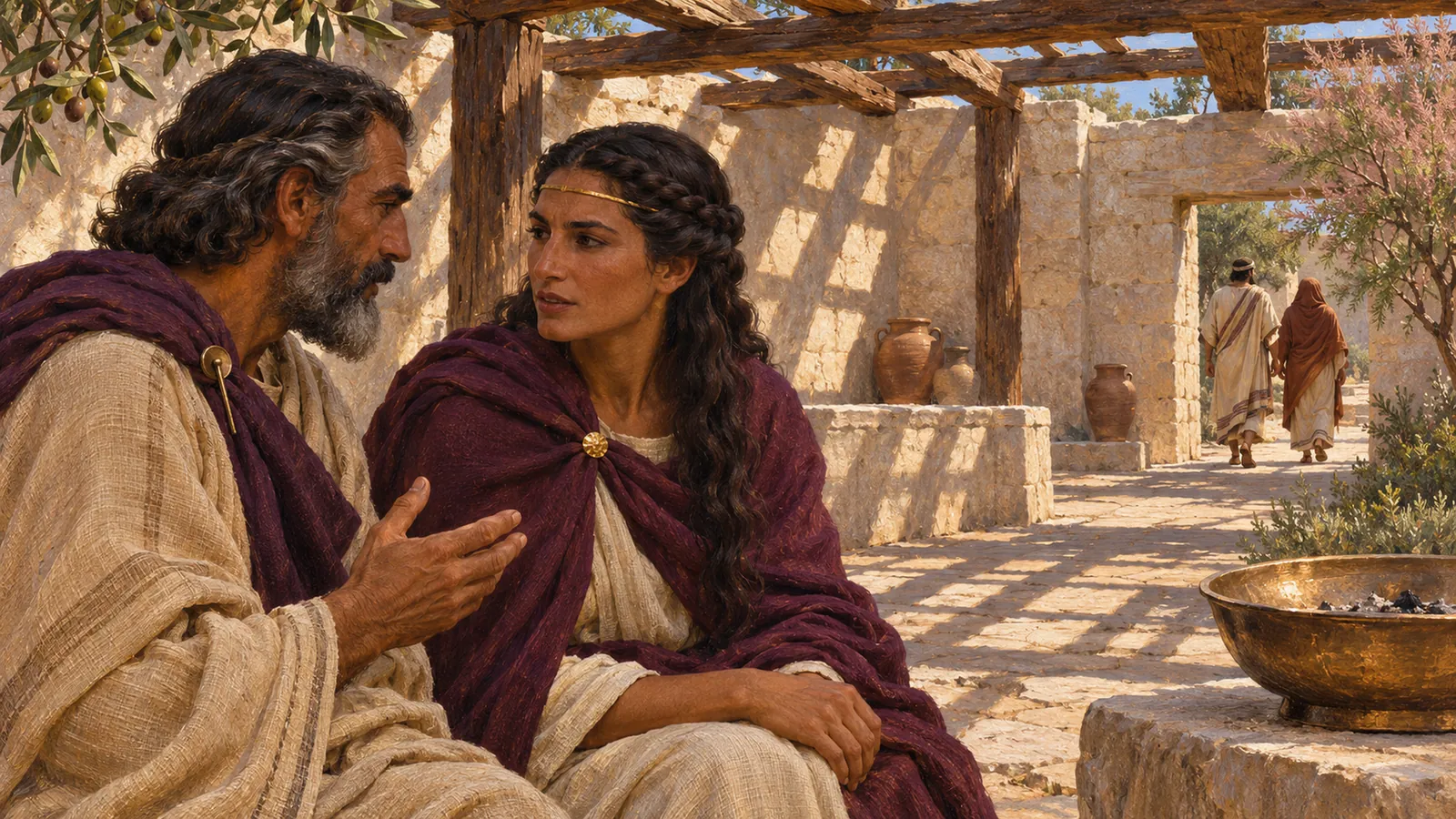
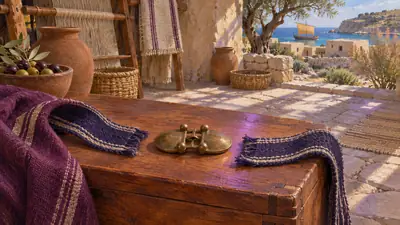
Elissa marries Acerbas, her mother's brother. He is a priest of Melqart, and Justin reckons his priestly office second in standing only to the kingship.
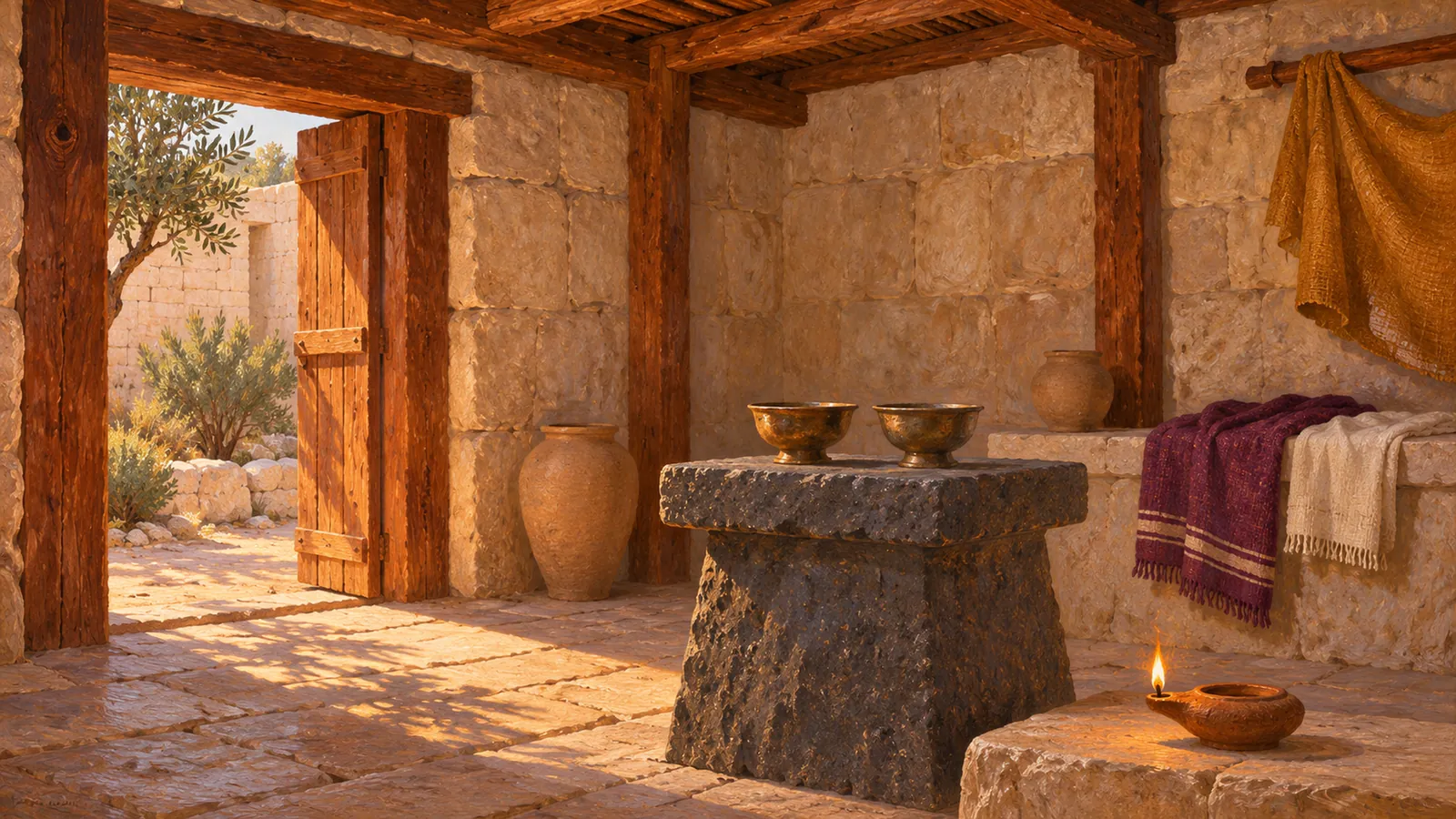
Justin calls the god Hercules. Melqart was the Tyrian god whom Greek and Roman writers identified with Heracles or Hercules. His worship will remain part of Elissa's story at sea.
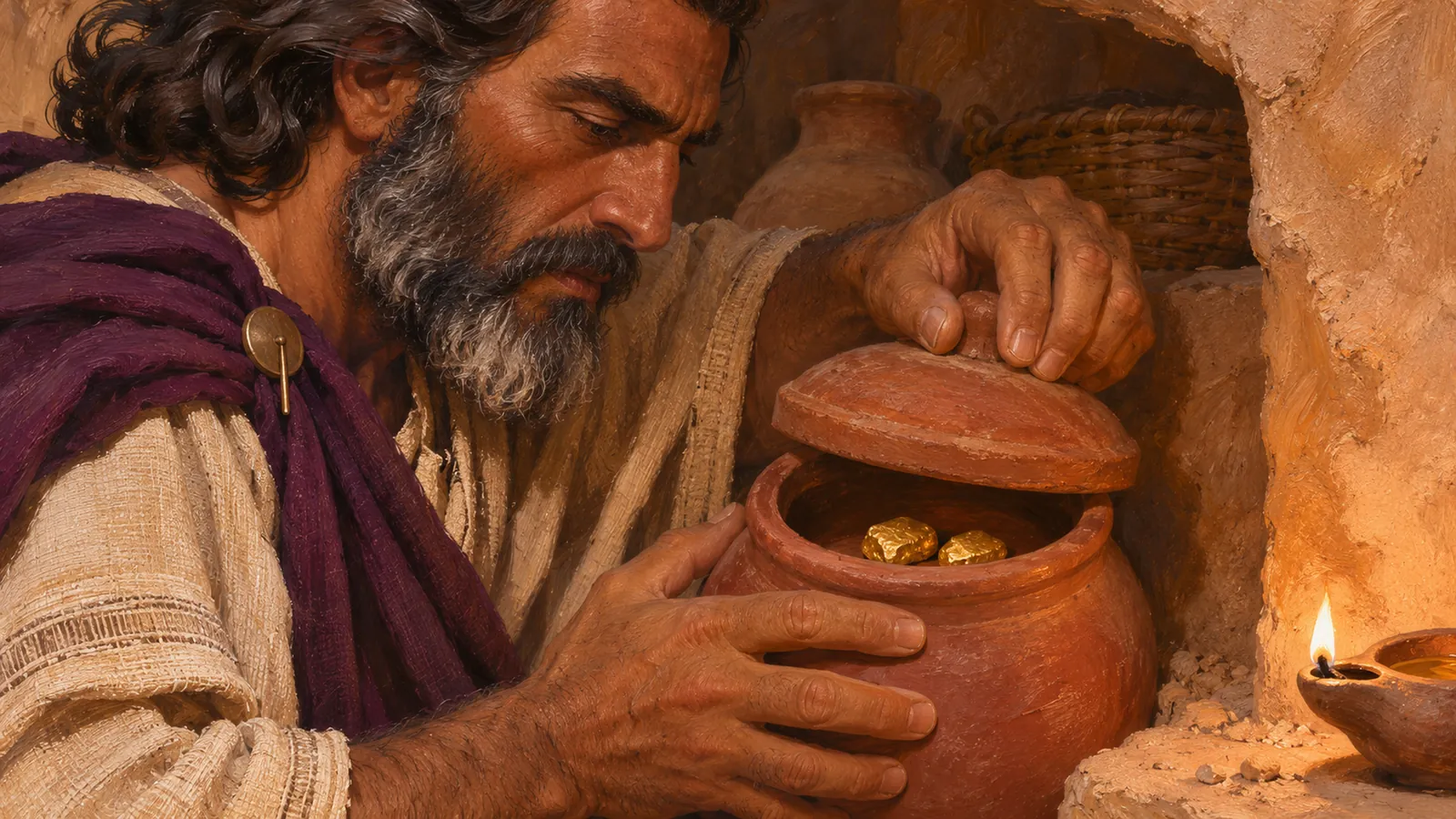
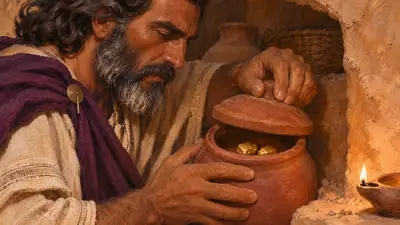
Acerbas has considerable wealth, and he fears what might happen if the king knows where it is. He keeps his gold buried in the ground, Justin says.
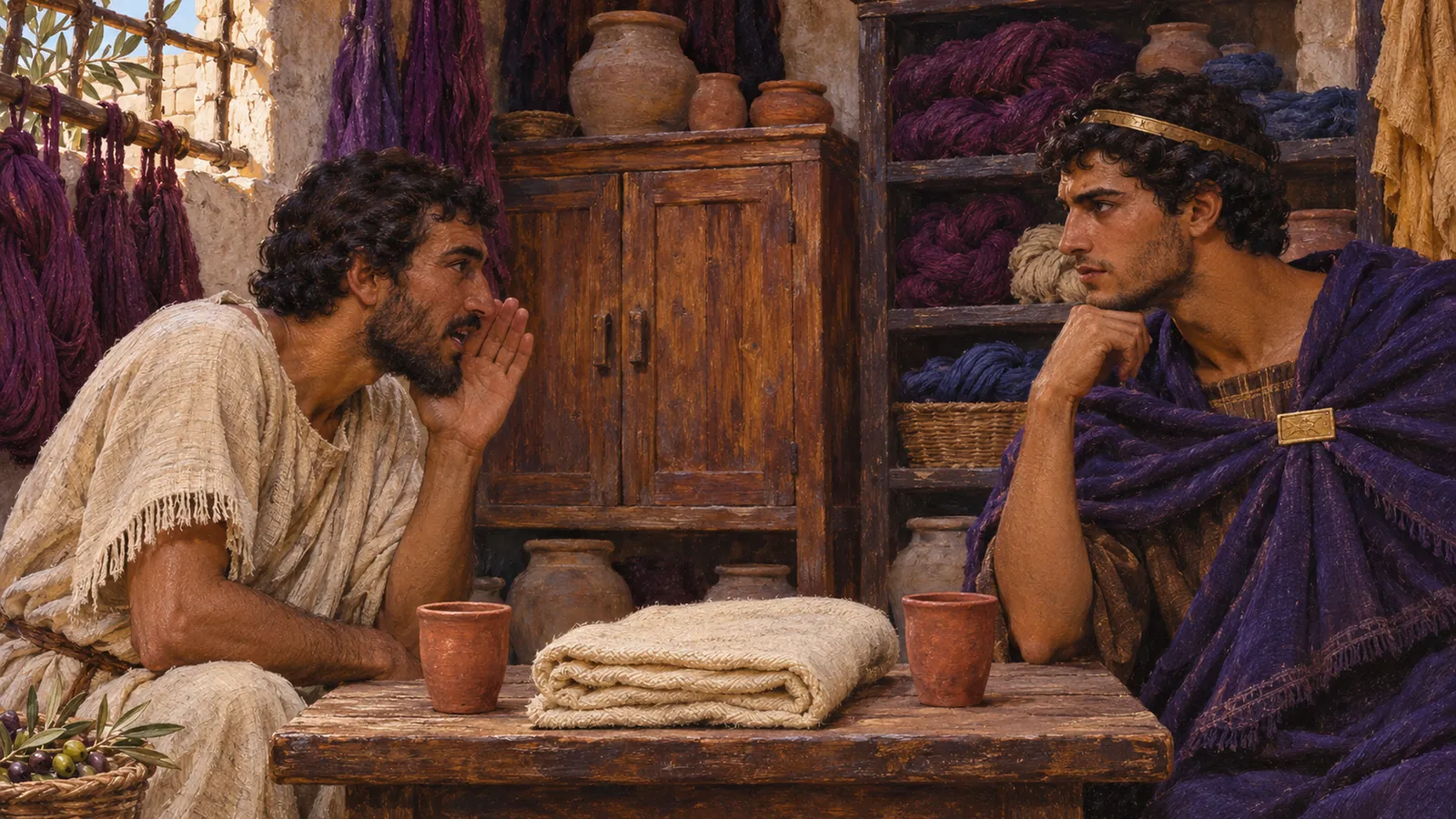
People talk about the priest's fortune even though its hiding place is unknown. Pygmalion hears the reports and sets his mind on obtaining the gold that Acerbas has concealed.
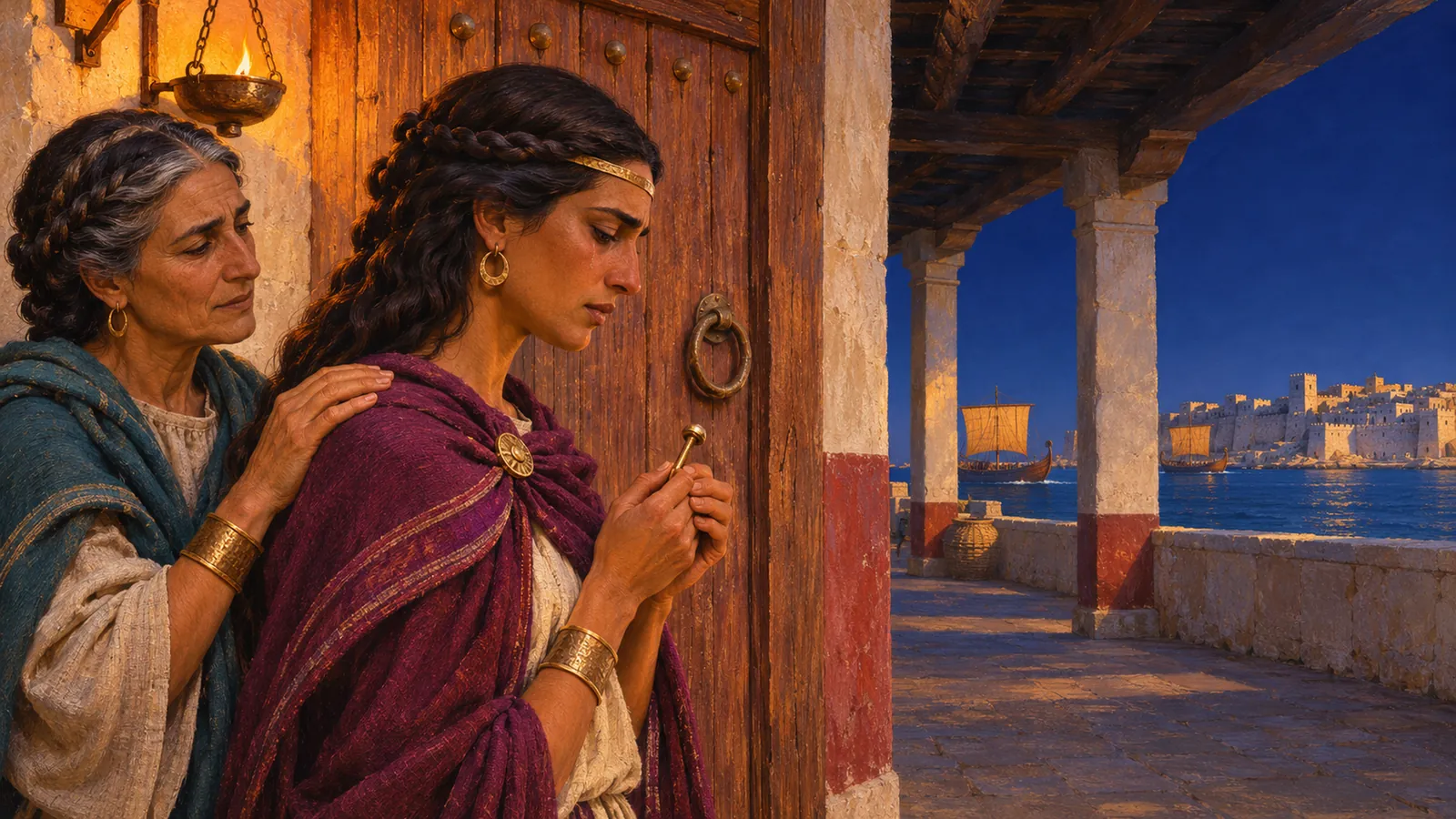
Pygmalion has Acerbas killed. The man he kills is both his uncle and his sister's husband. Justin makes the rumor about the gold the reason for the crime.
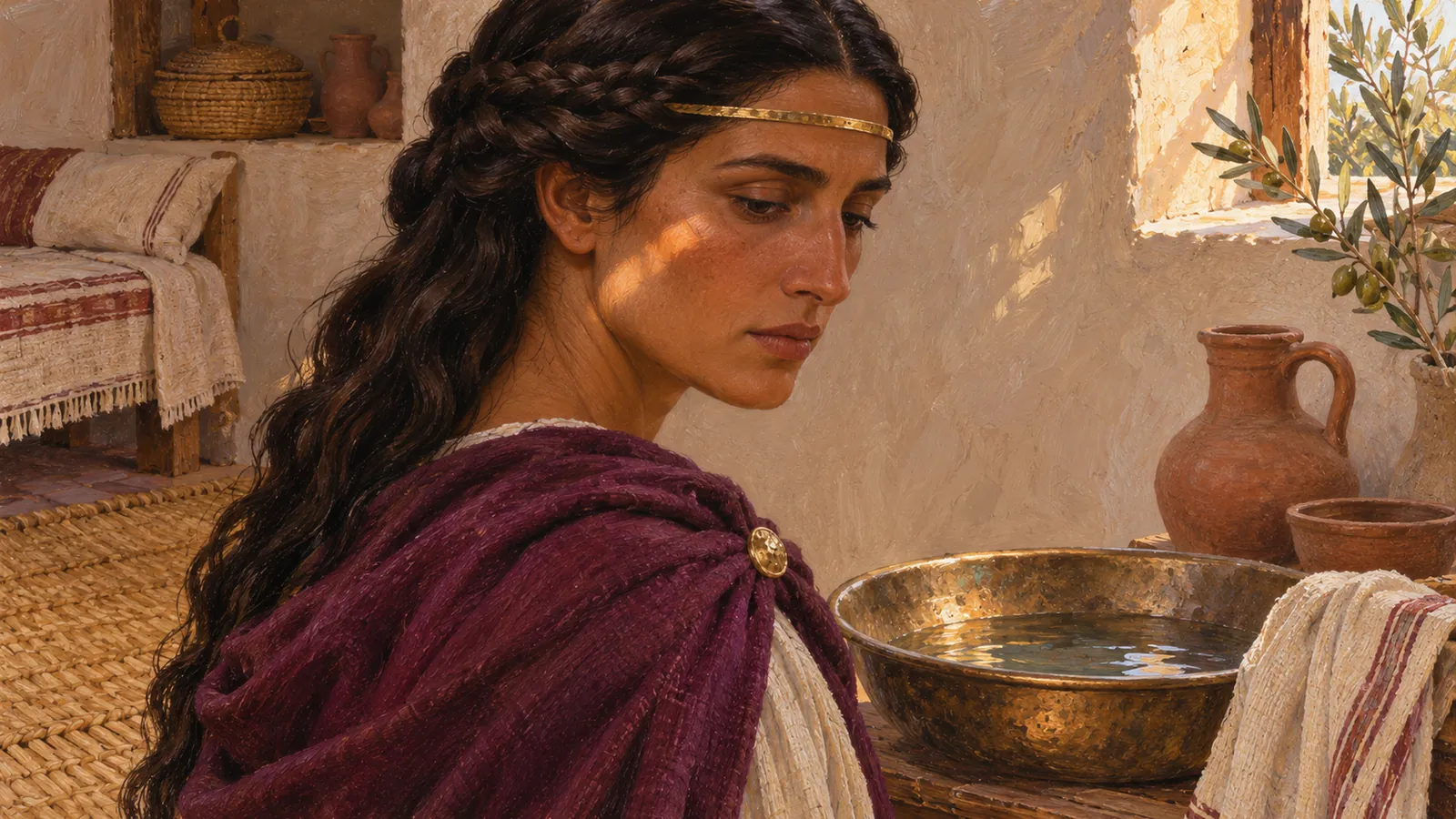
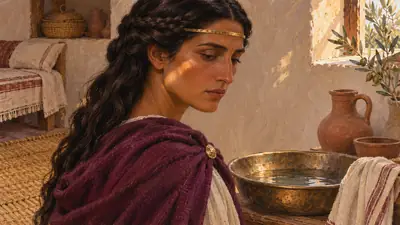
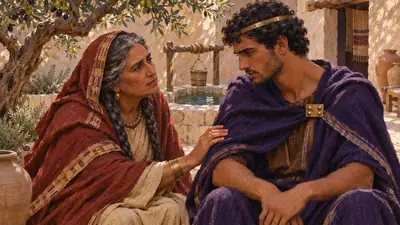
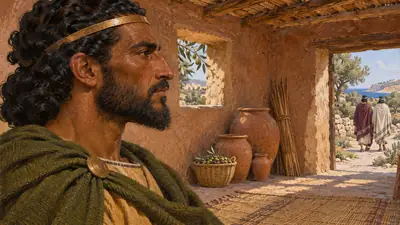
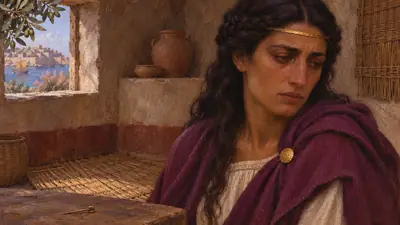
Elissa grieves for Acerbas and comes to hate her brother for what he has done. As time passes she learns to hide her anger so she can make plans.
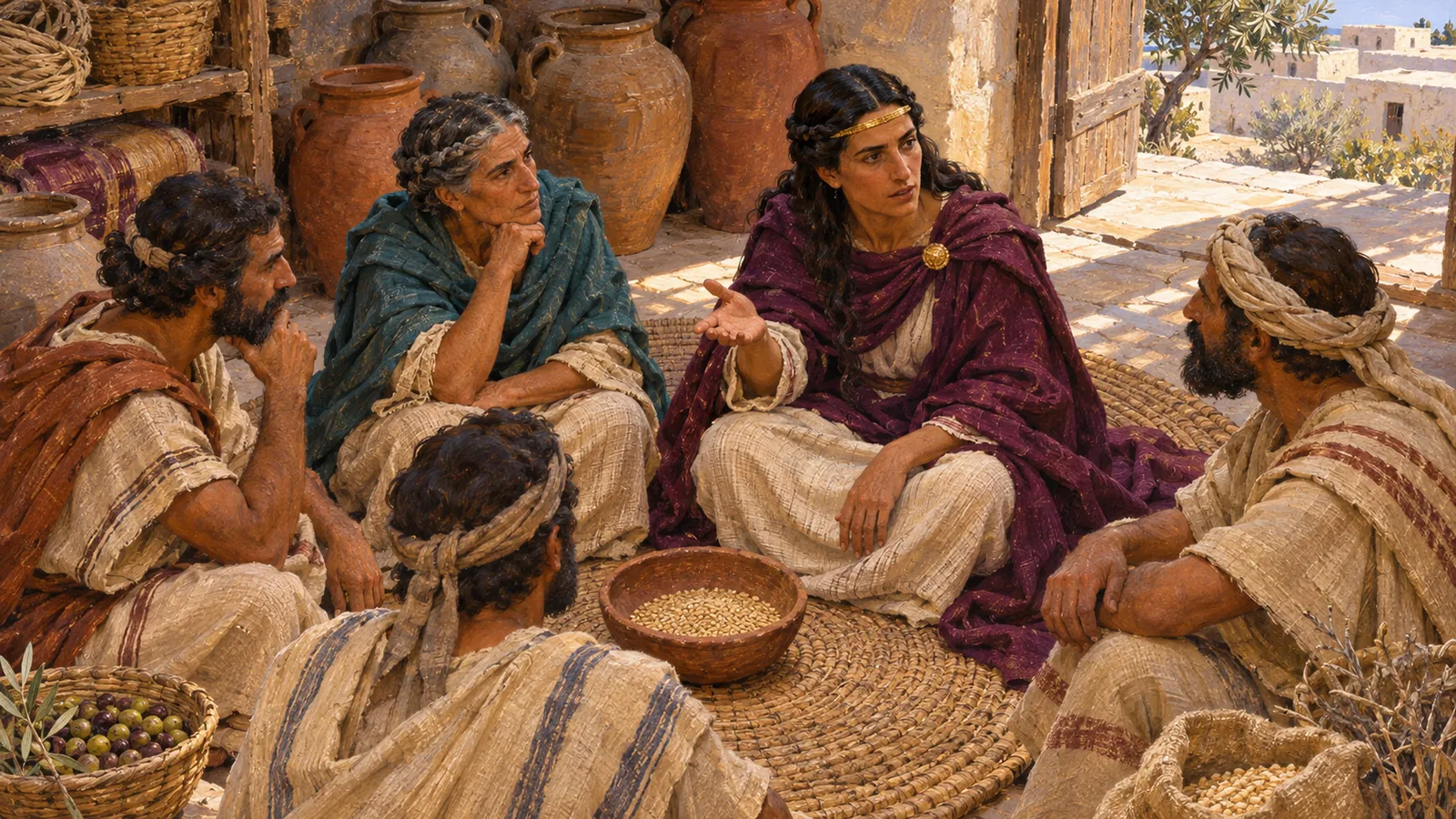
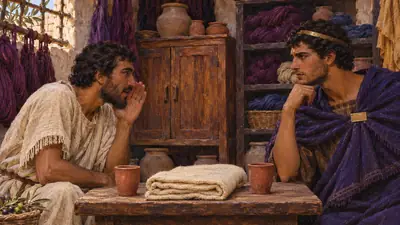
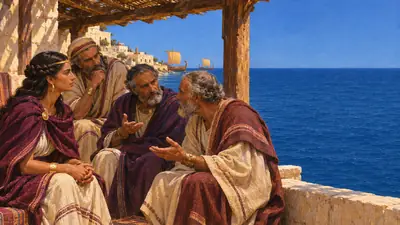
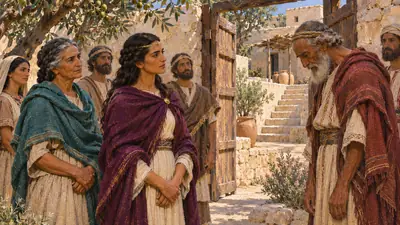
Elissa speaks in confidence to leading people of Tyre. She chooses allies who share her anger at the king and whose own reasons for wanting to leave are strong.
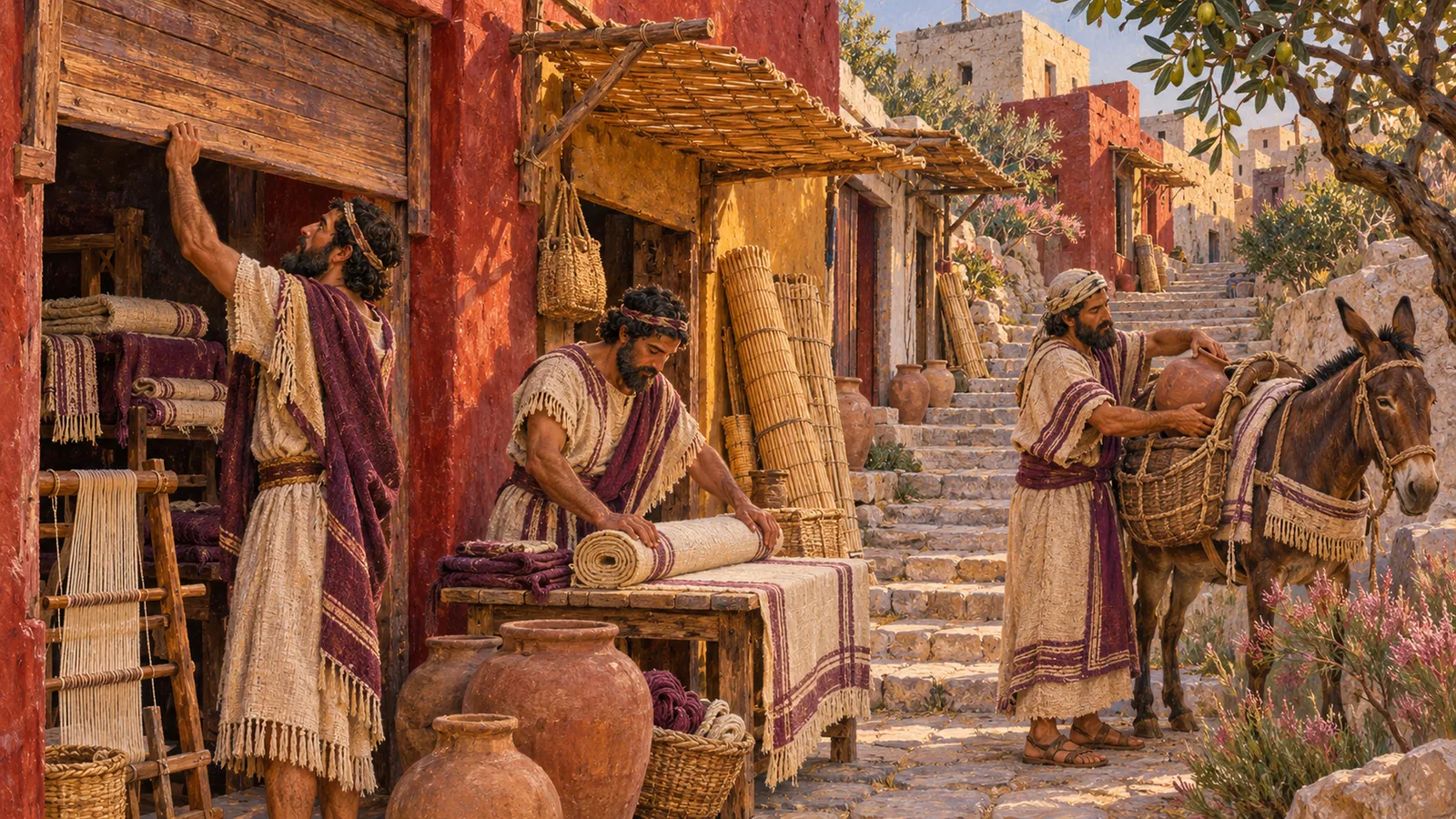
Her allies are already anxious to escape Pygmalion's rule. They agree to go with her when she leaves. To get the king's cooperation, Elissa speaks to him about a move within Tyre.
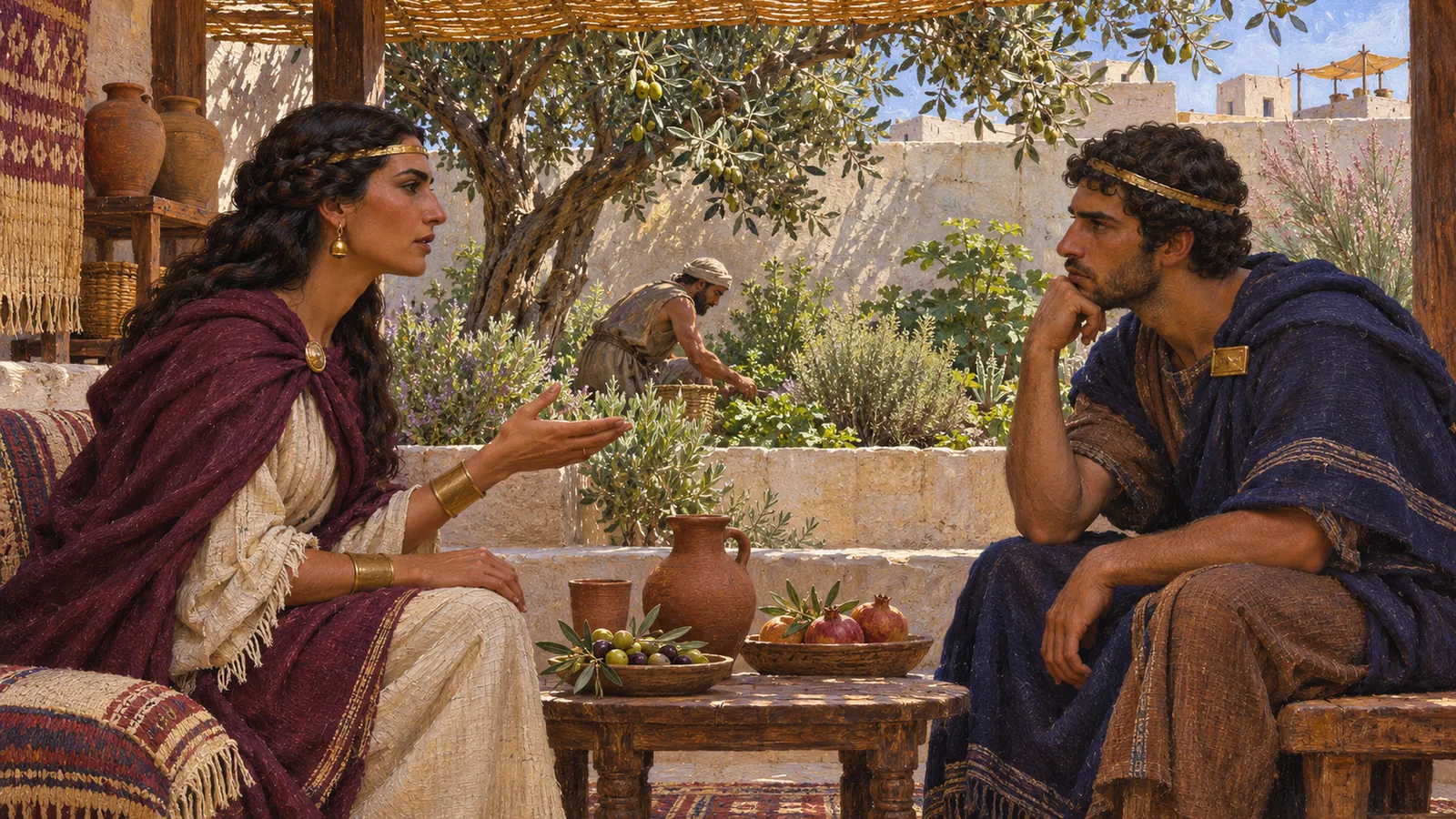
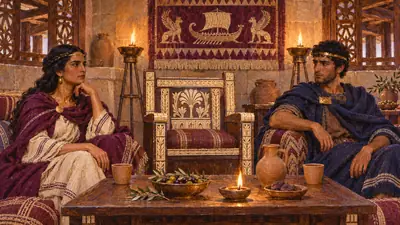
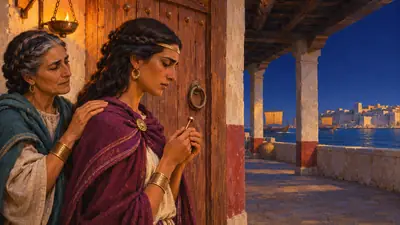
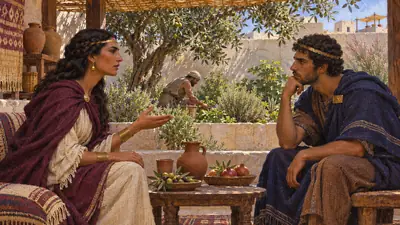
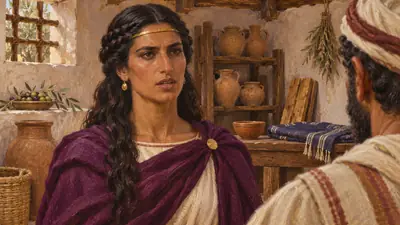
She tells Pygmalion that the sight of Acerbas's house renews her grief. She asks to live in her brother's household, where she says she can leave those painful memories behind.
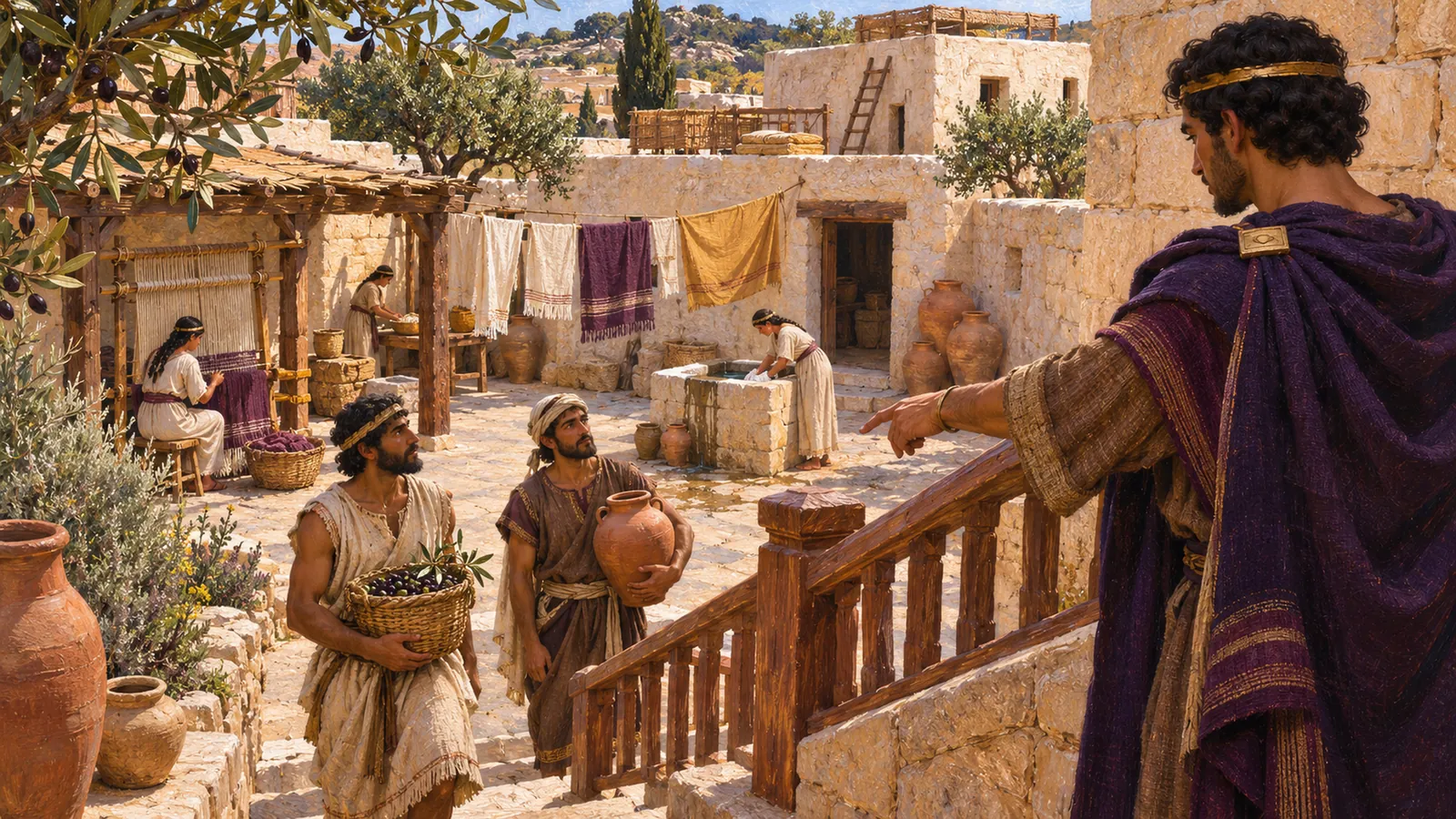
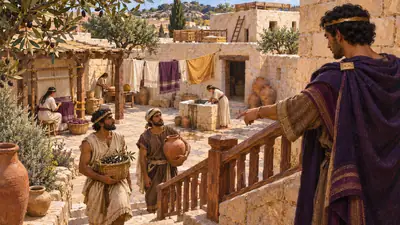
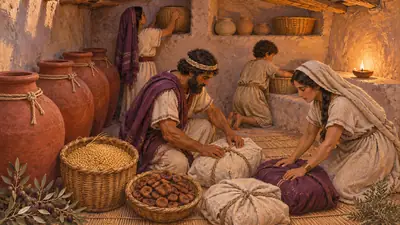
Pygmalion agrees readily. He thinks the move will bring the treasure into his own household. He sends attendants to help his sister take her belongings out of the house.
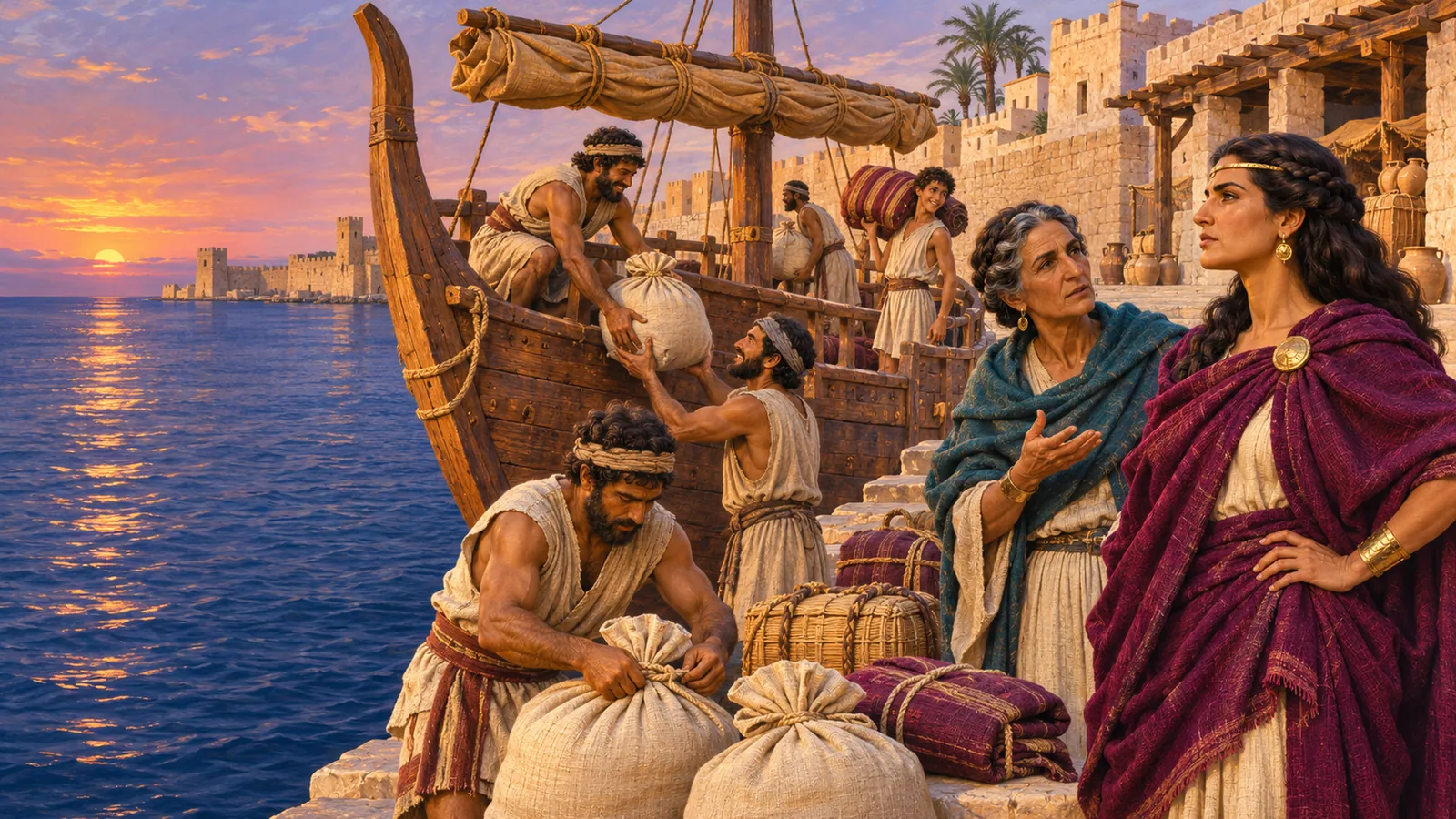
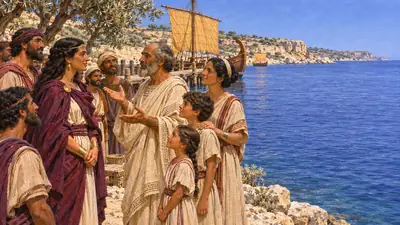
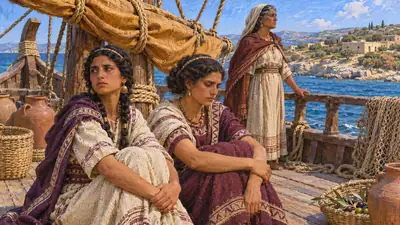
As evening begins, Elissa brings the king's attendants aboard the ships. A move that sounded like a request for another home in Tyre has brought her helpers down to the harbor.

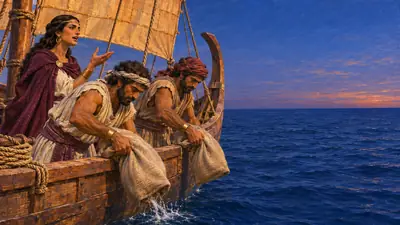
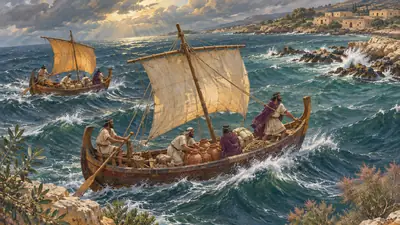
The ships move away from the island and head into deeper water. With the men and the heavy sacks already on board, Elissa tells the attendants what she wants them to do.
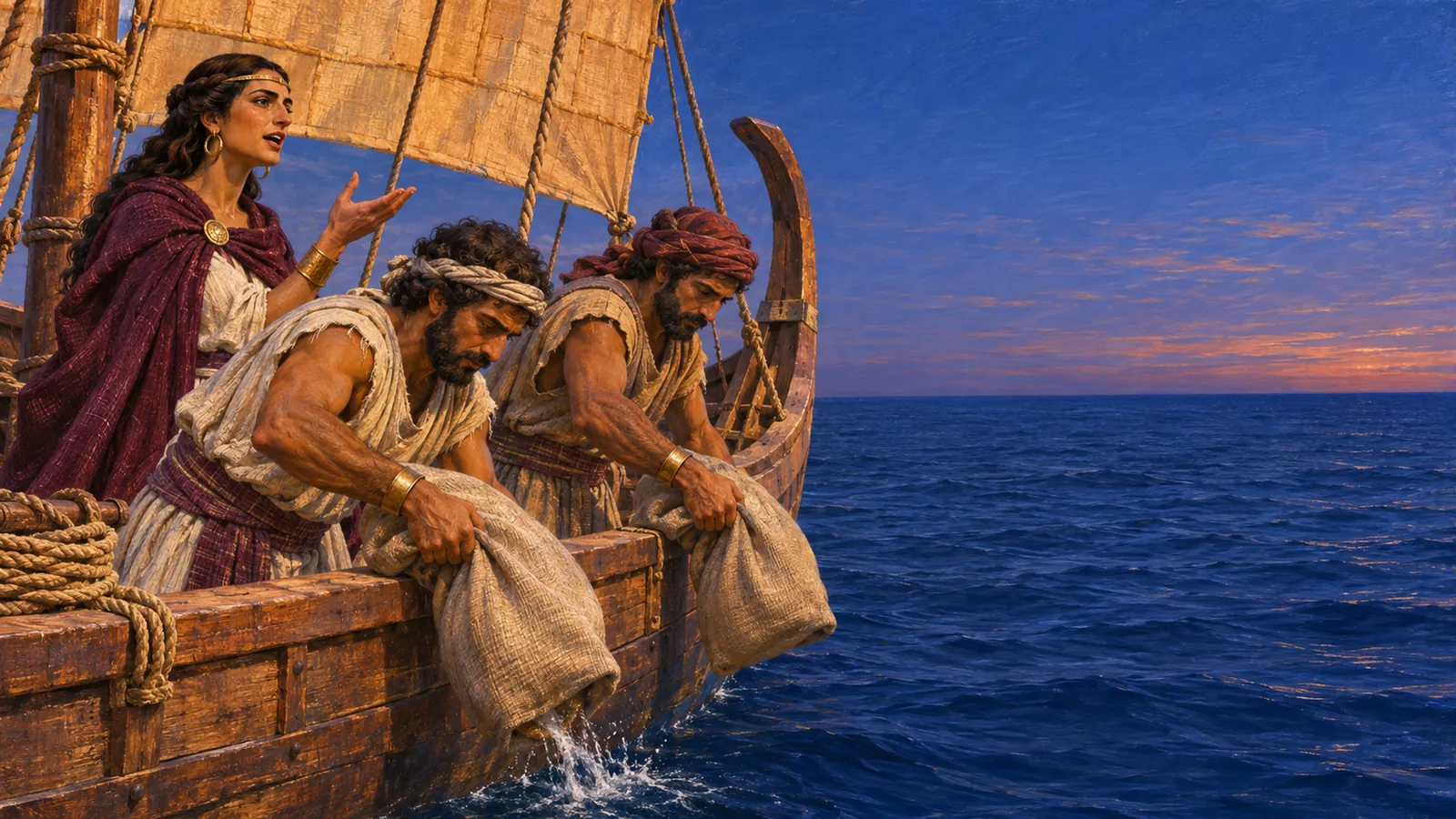
At Elissa's direction, the attendants heave weighted sacks overboard. The men take them for bags of money. Justin says the sacks actually contain sand, which disappears into the sea.
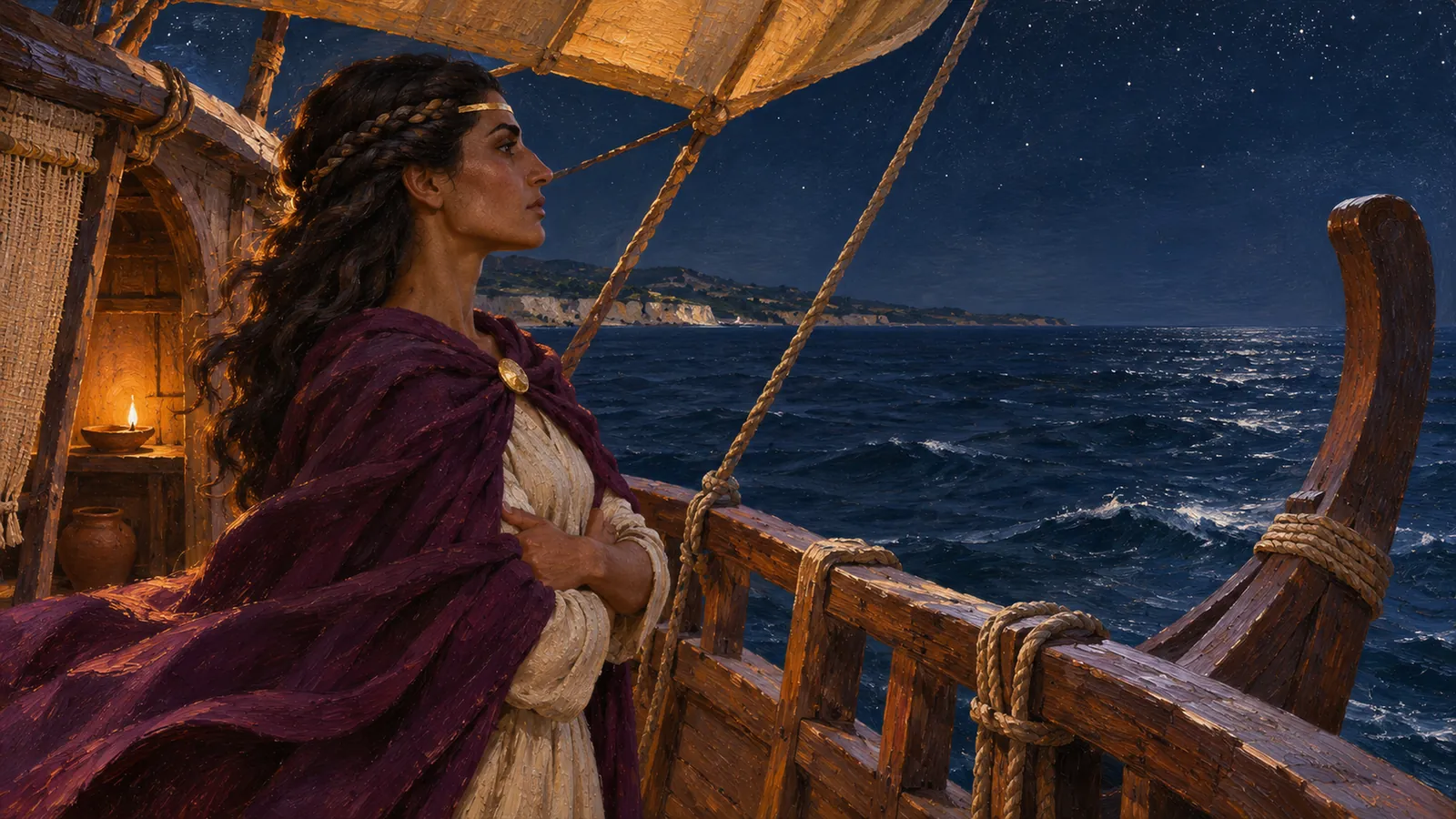
Elissa speaks aloud to the memory of Acerbas. She asks him to accept what she calls the wealth that cost him his life. The attendants hear her words and believe her.
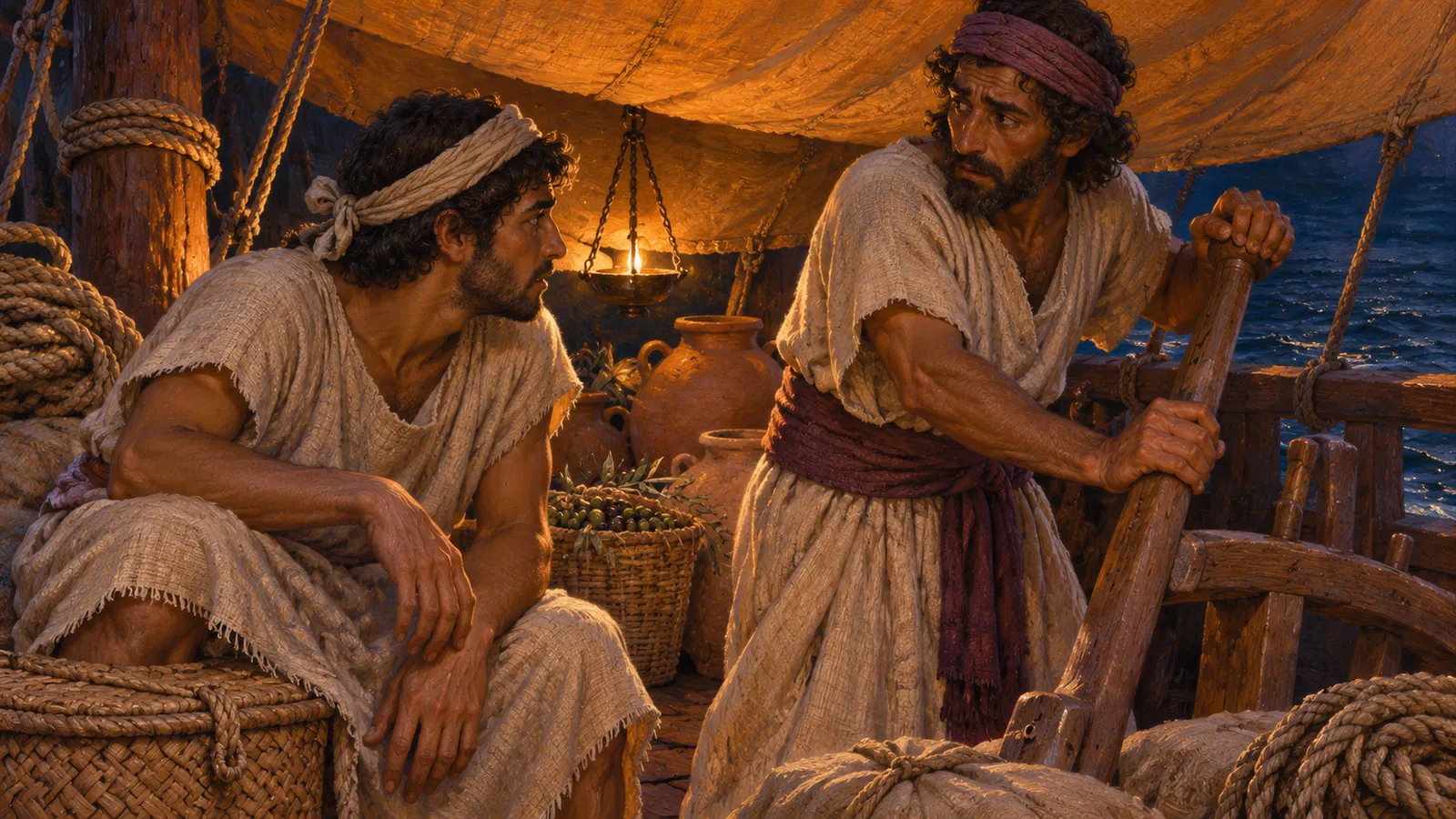
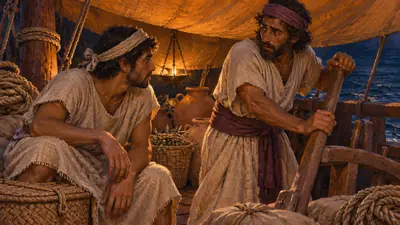
Elissa asks the attendants to think what will happen if they go back without the treasure. The king has already killed for it. They are afraid to return and join her flight.
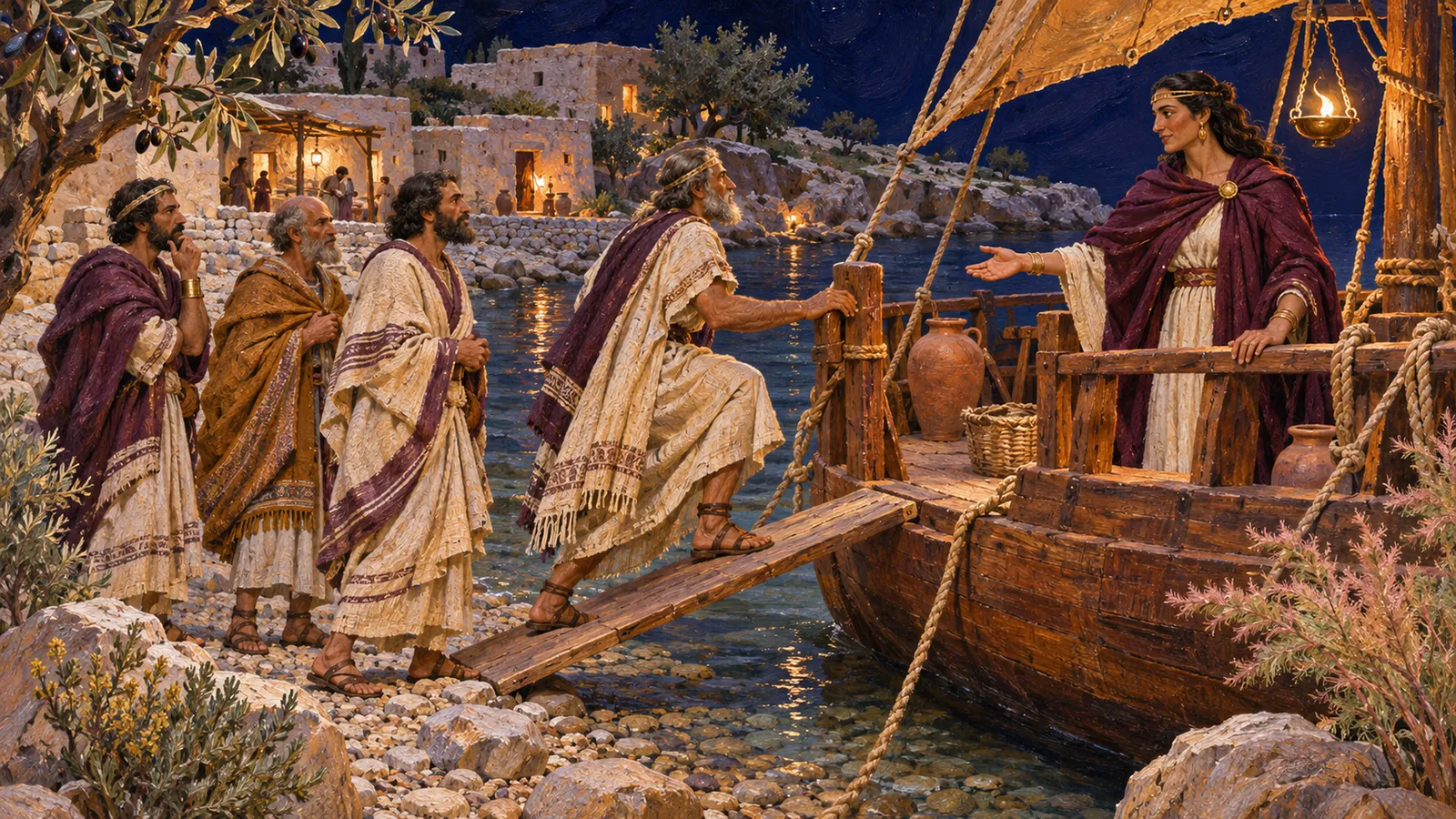
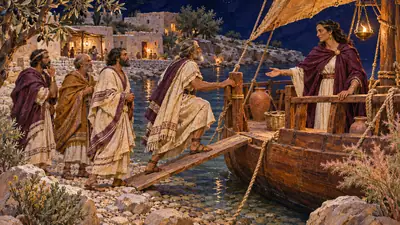
The Tyrian leaders who agreed to flee are ready that evening, and now they join the party. The king's own attendants are sailing with people who planned to leave him behind.
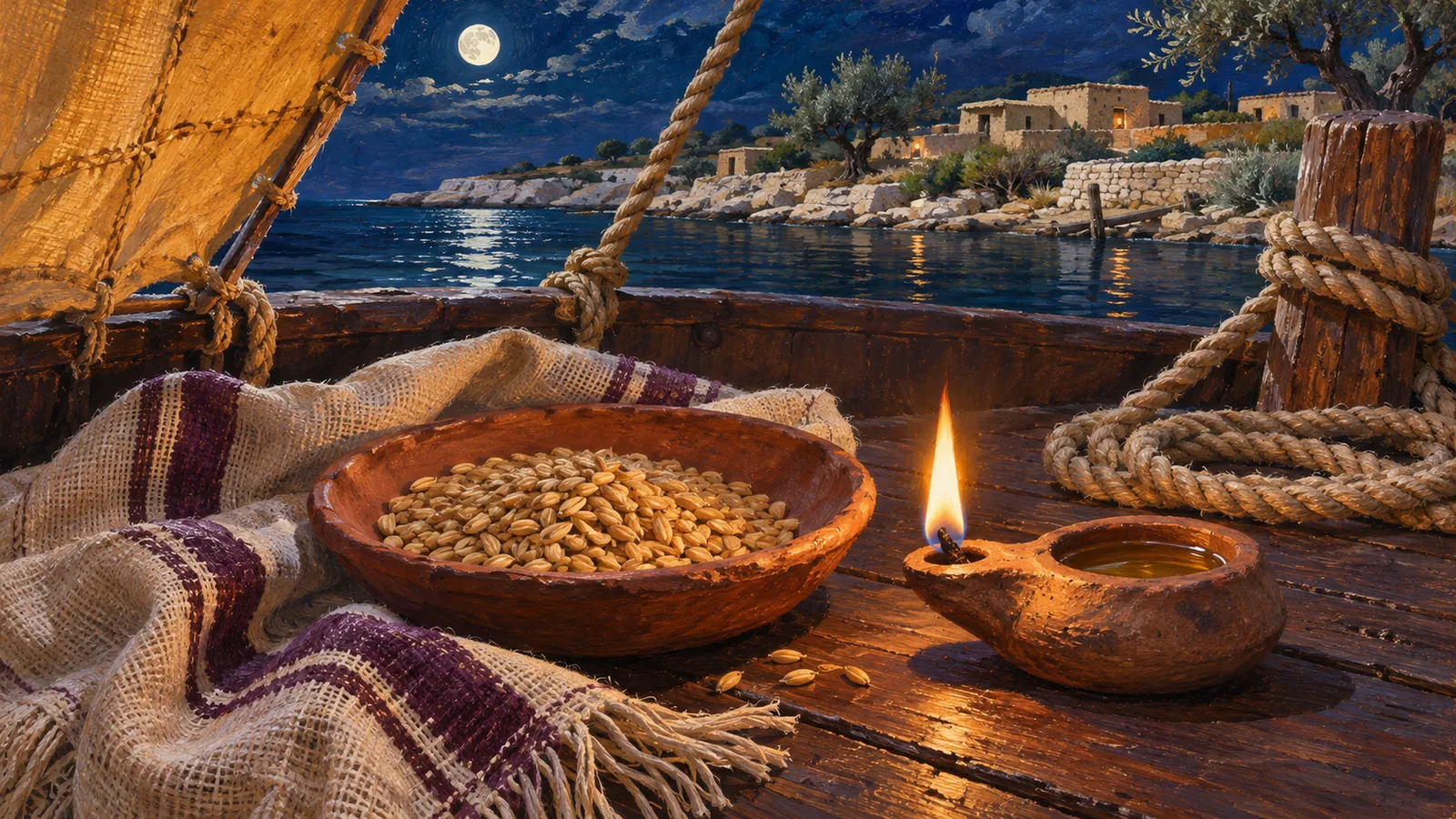
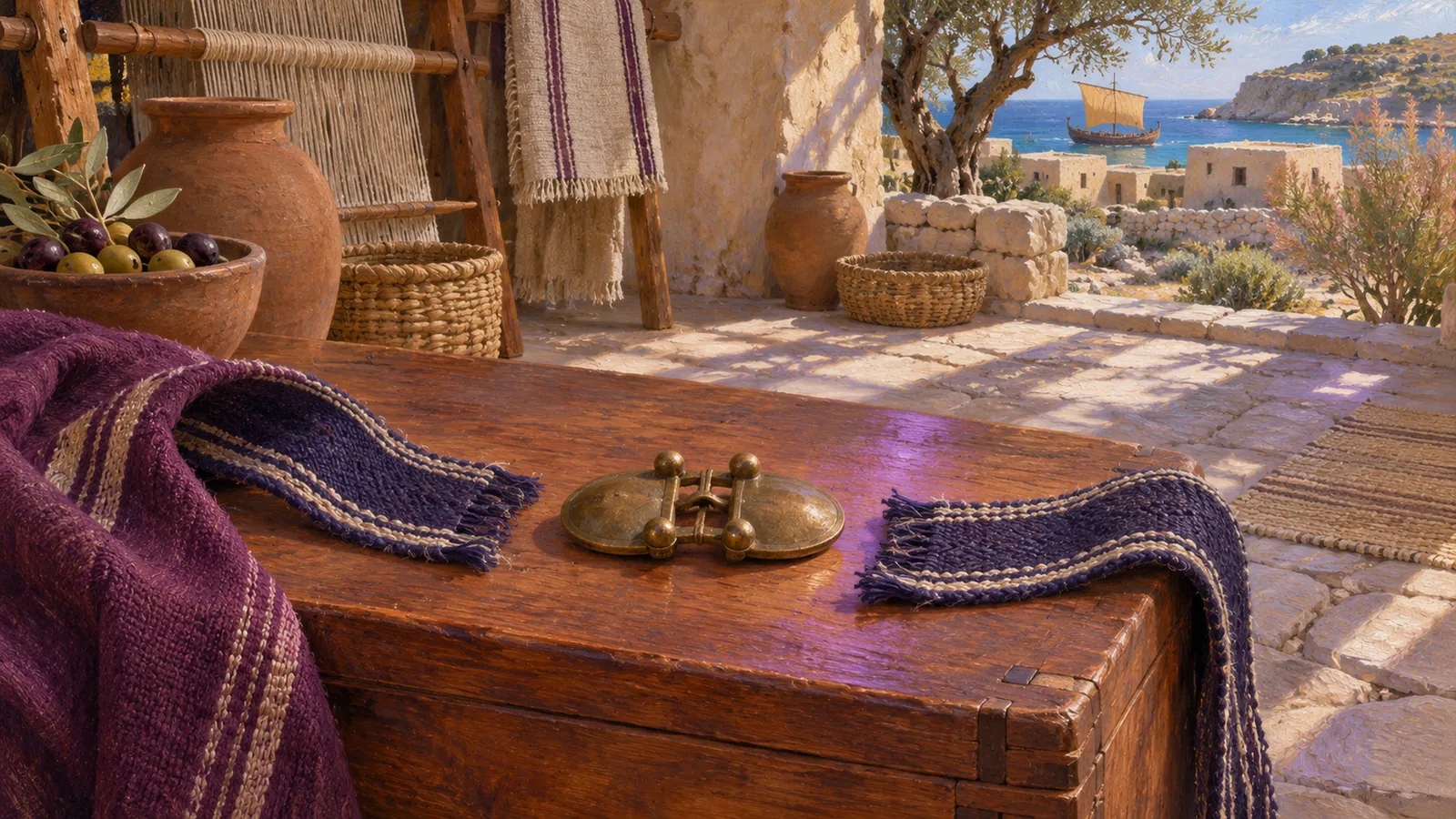
Before they set out for a new home, the fugitives make an offering to the god Acerbas served. The worship associated with his priesthood travels with them beyond Tyre.

The surviving account attributed to Timaeus tells this part differently. It says that Elissa loaded wealth aboard when she fled with her fellow citizens. Its brief account says nothing about sacks of sand.
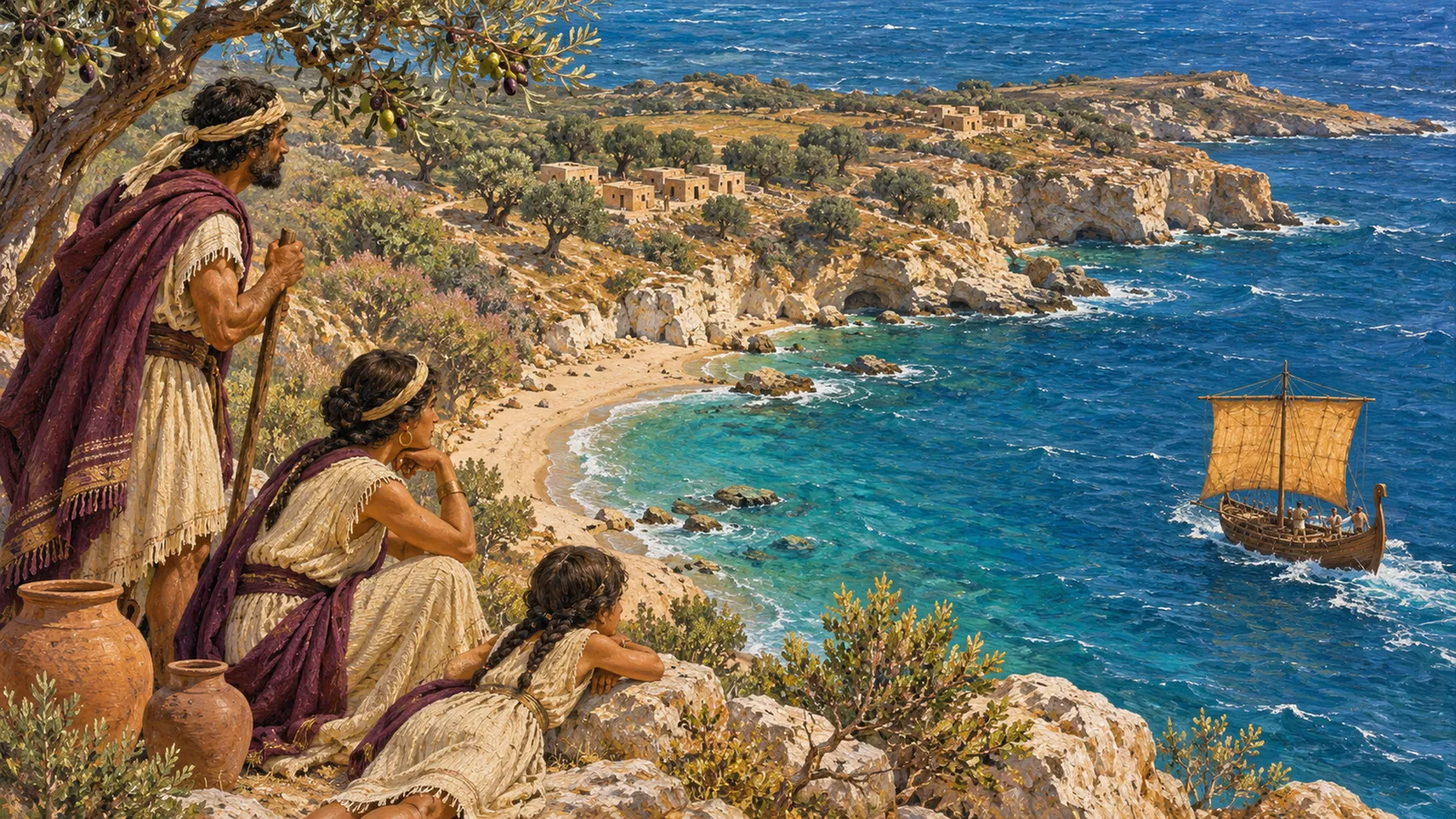
CYPRUS
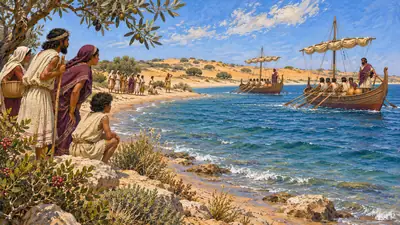
Cyprus is the first place Justin names after the departure from Tyre. For the people aboard, it is somewhere to land while they are still looking for a home.
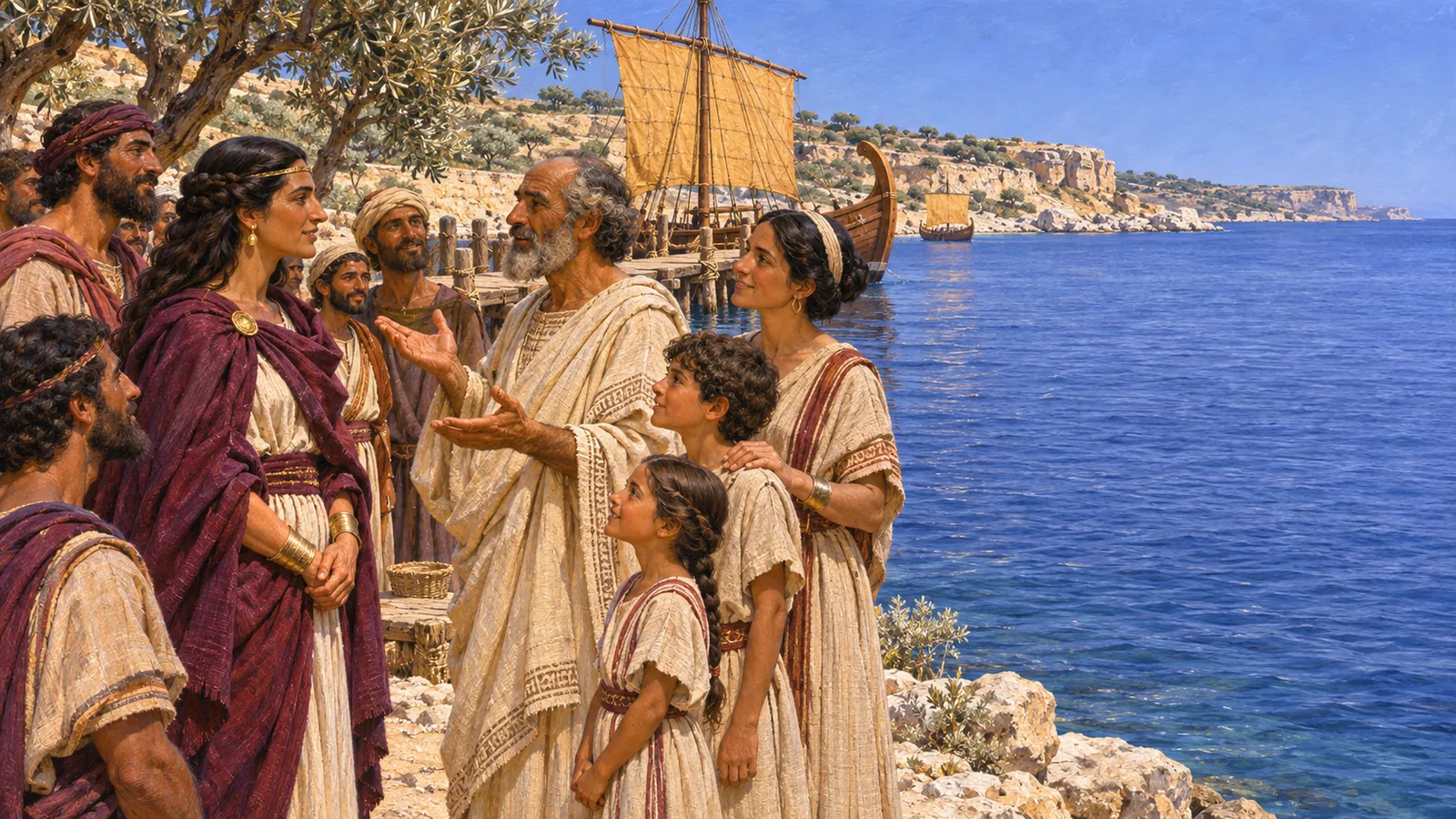
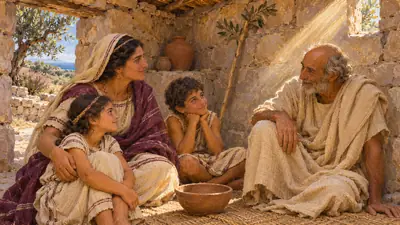
A priest comes to Elissa with his wife and children. He offers to join the voyage and share whatever fortune awaits her group. He asks for something in return.
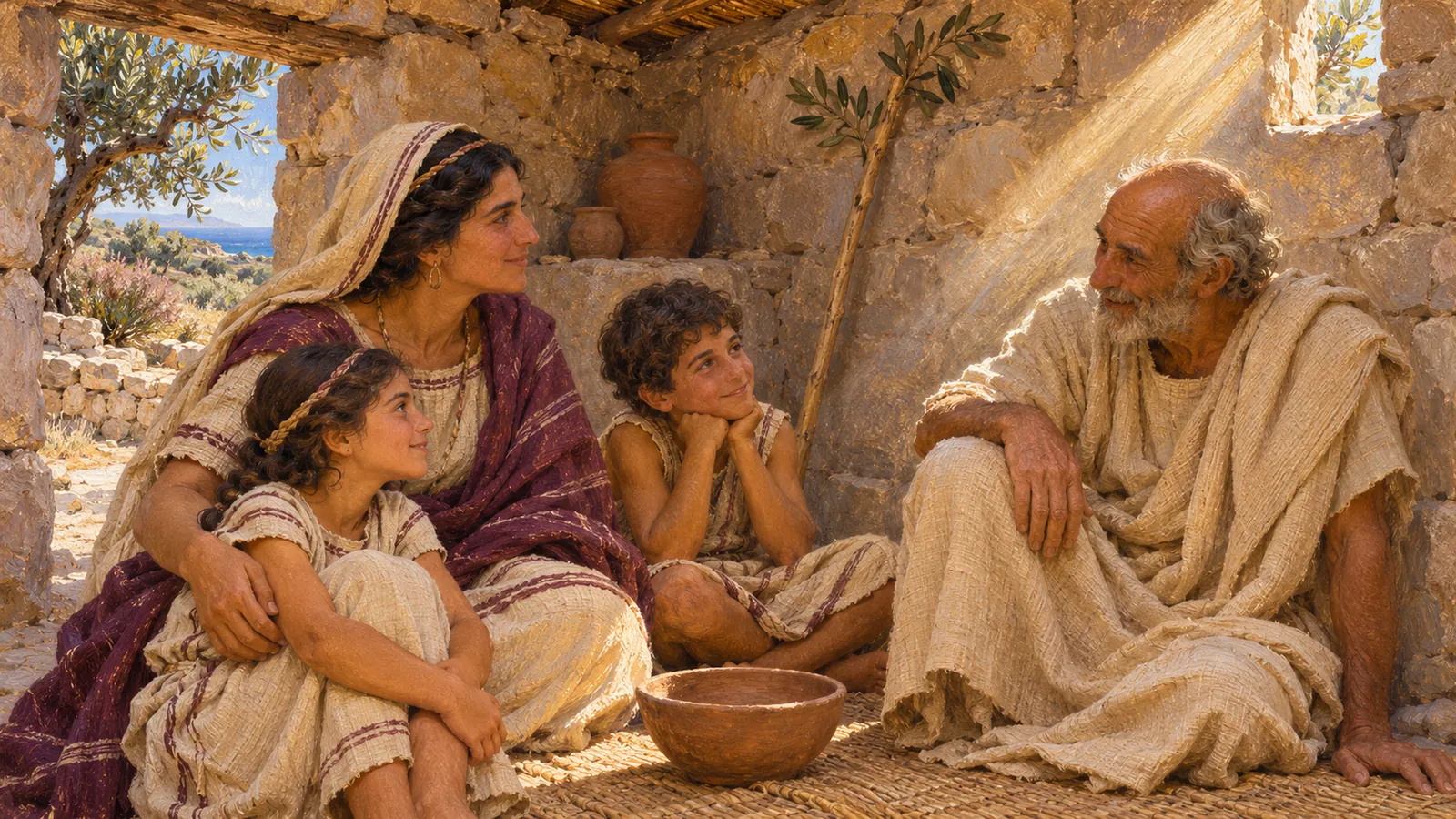
The priest asks that the office remain with him and his descendants. Elissa accepts his condition. Those who are preparing to sail take his offer as a sign of good fortune.
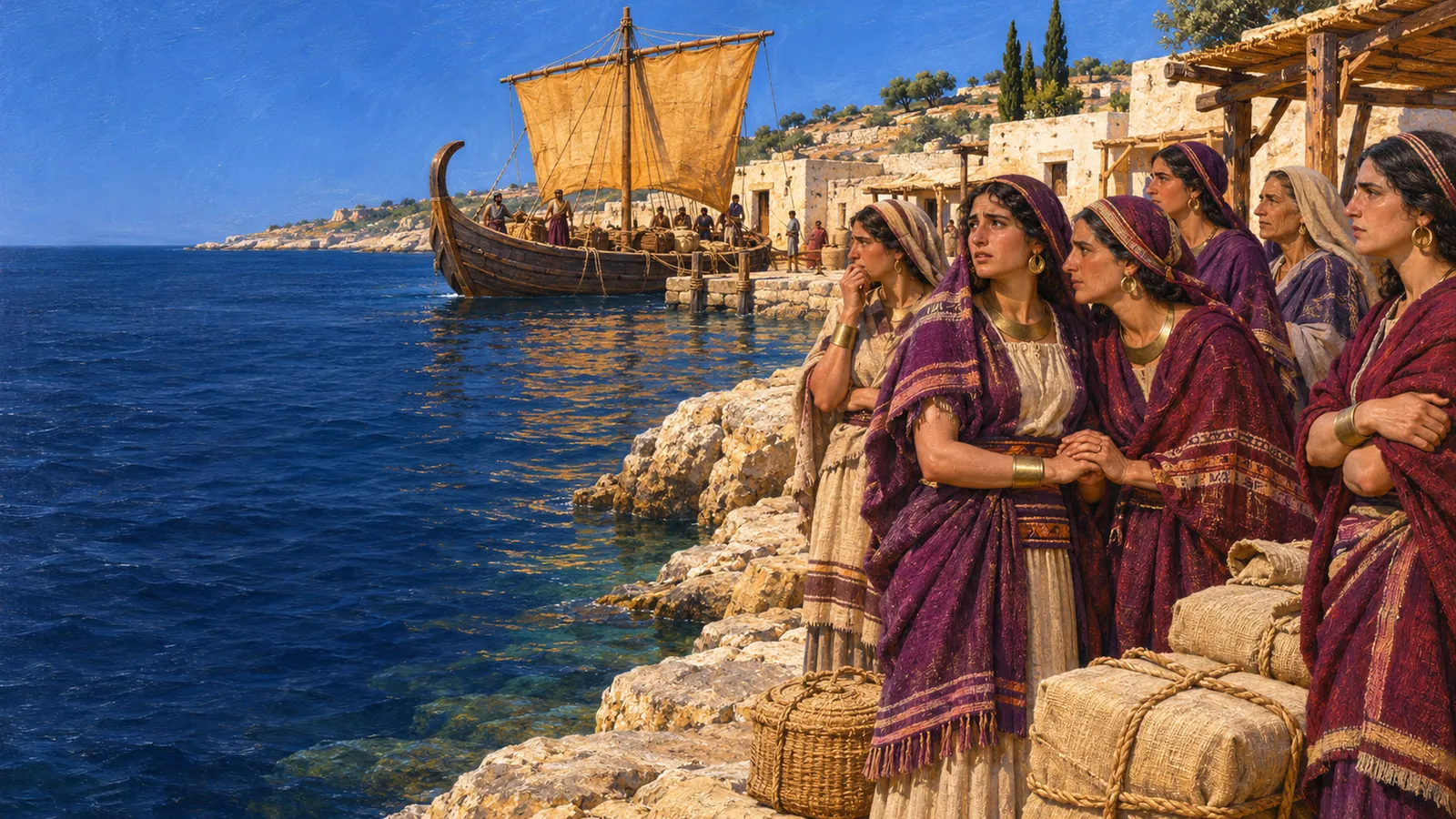
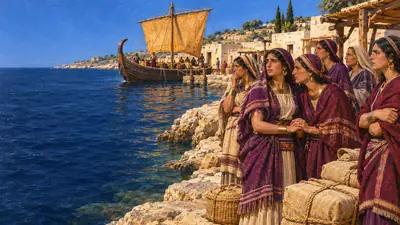
Justin tells of another group who leave Cyprus. On Elissa's orders, about eighty women are seized on the shore and taken aboard the ships. This is a forced departure.
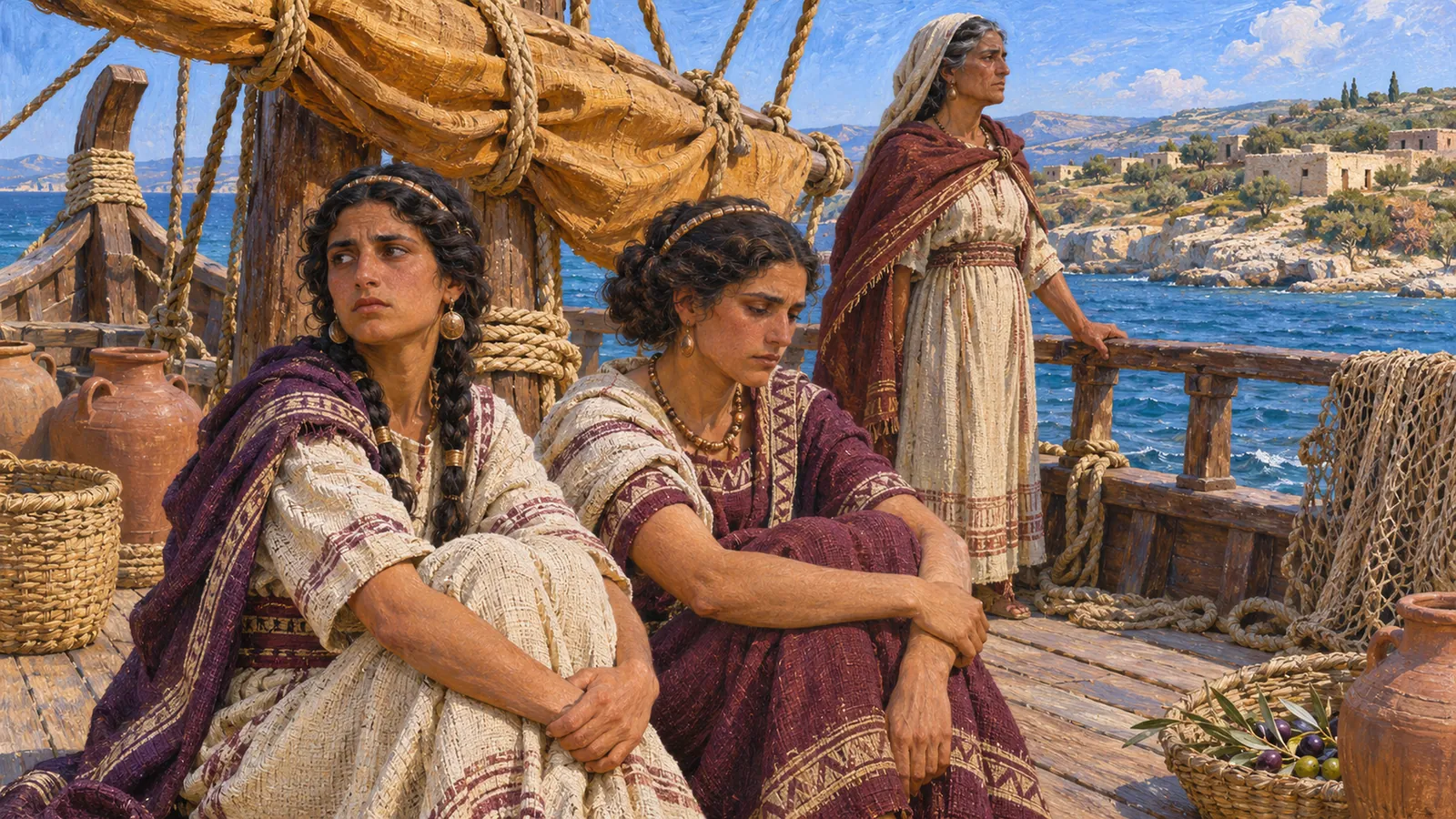
Justin says Elissa intends the women to become wives to her men and increase the population of the future city. The account records her purpose and leaves the women's own voices unheard.
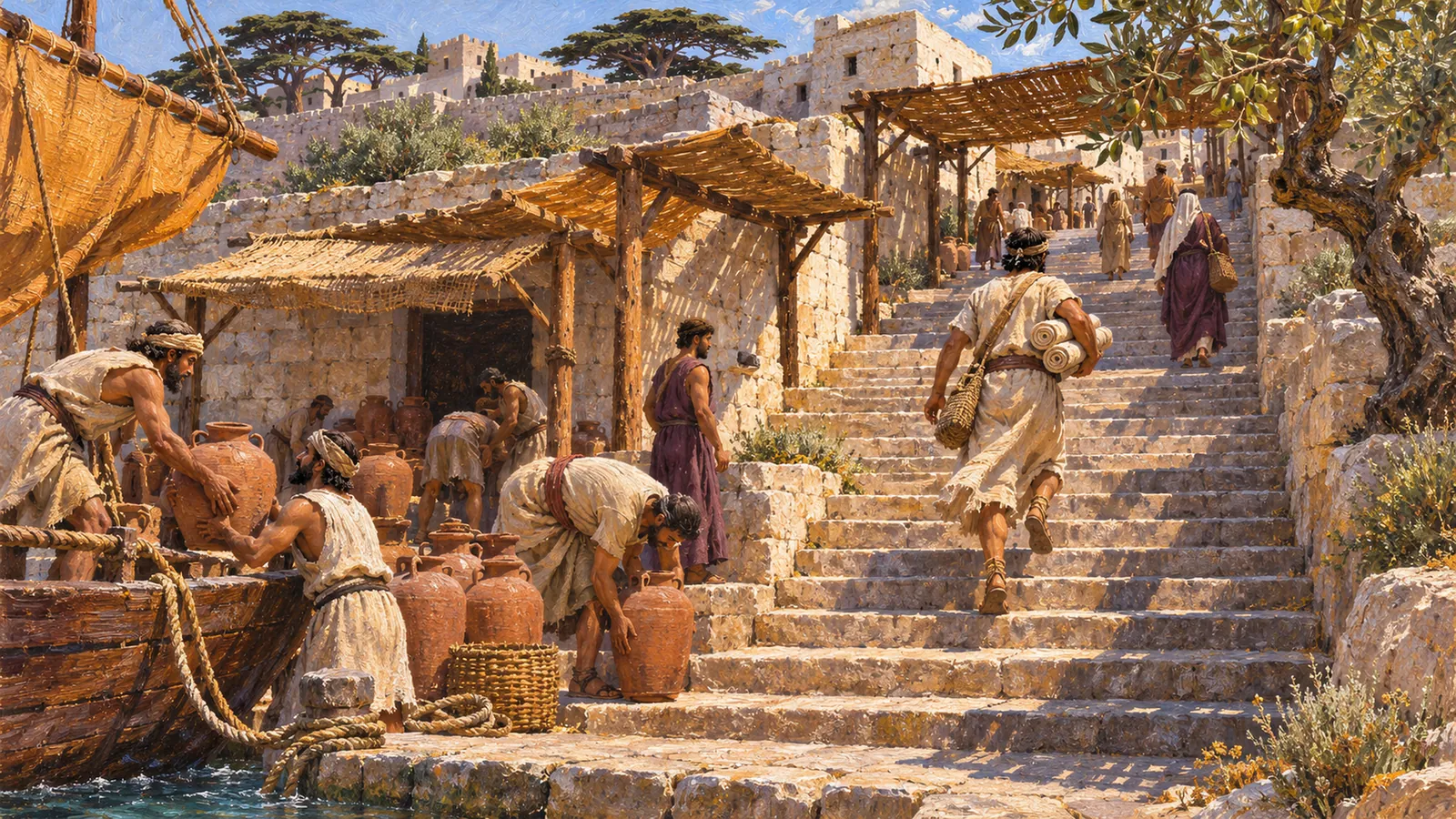
While Elissa's party is at Cyprus, Pygmalion learns that his sister has fled. He prepares to follow her. The choice he makes at Tyre will determine whether the fugitives are pursued.
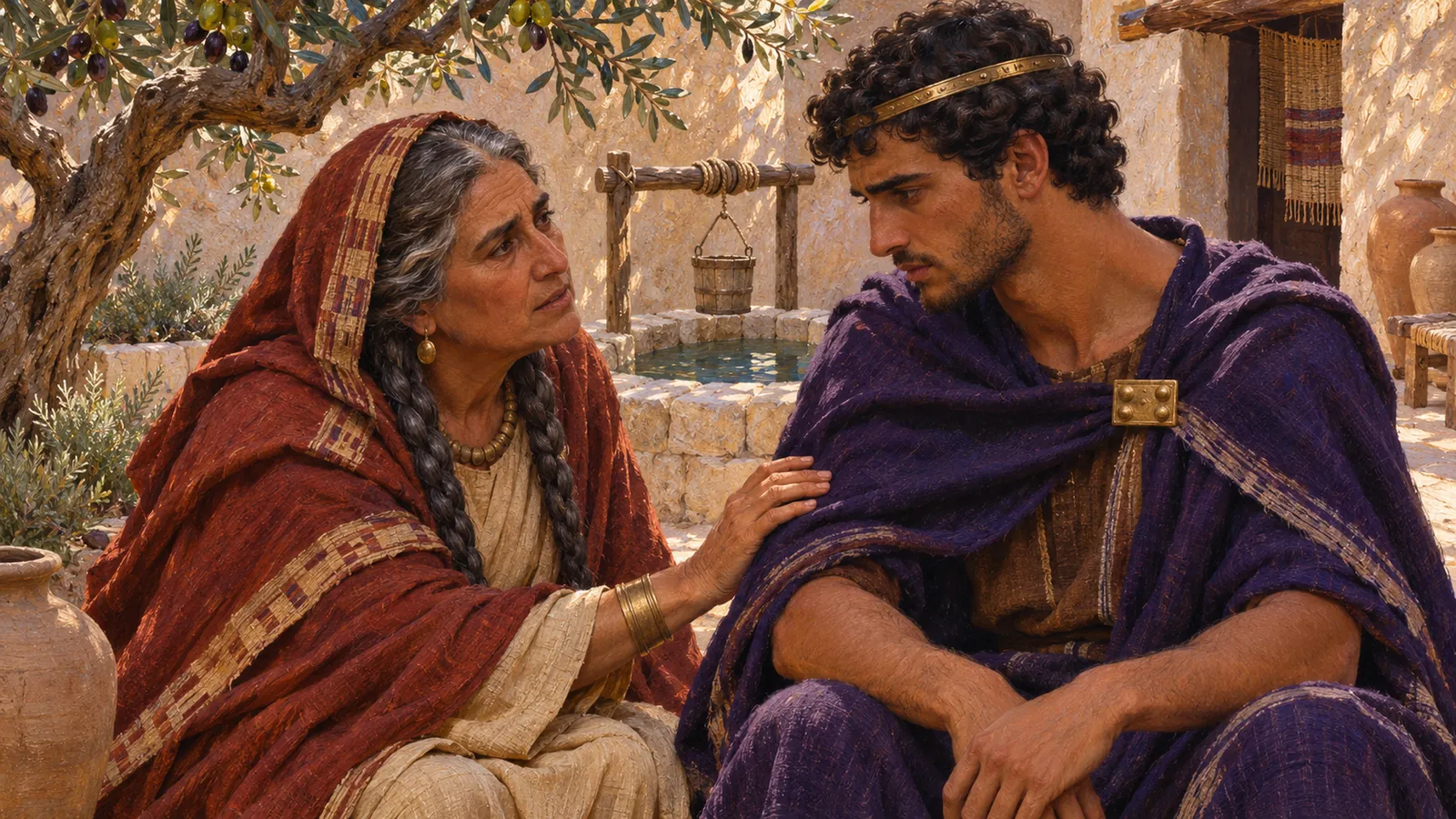
Pygmalion's mother begs him to stay in Tyre. She is one of the people who intervene before he sets out after his sister. The people who interpret omens also warn him.
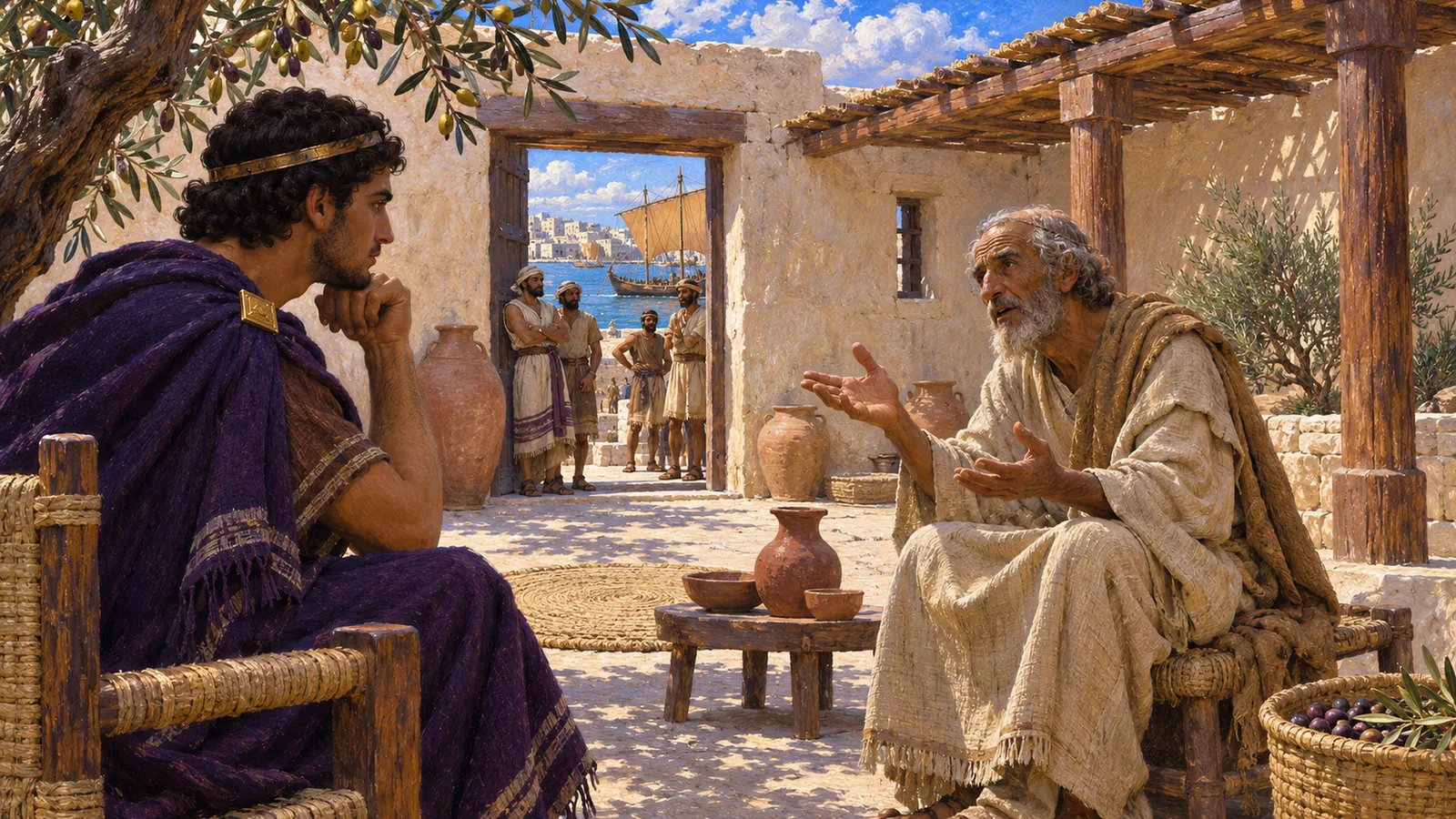
The diviners say the gods will hold Pygmalion to account if he prevents the founding of a city destined for great prosperity. Their warning and his mother's pleas finally persuade him to stay.
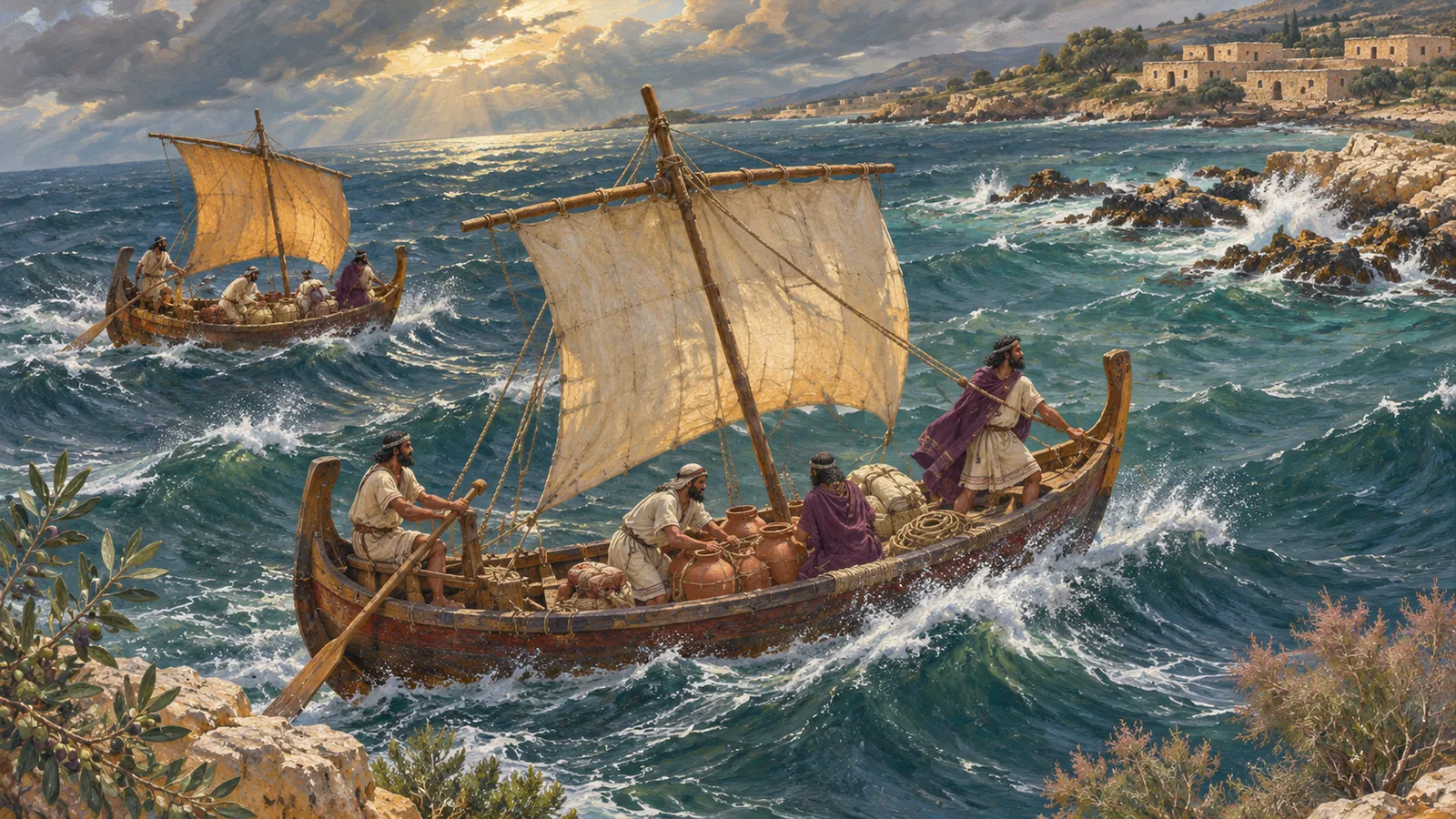
The account attributed to Timaeus speaks of hardships during the voyage. It leaves the individual ordeals unnamed. After those wanderings, Elissa and the people with her come to North Africa.
NORTH AFRICA
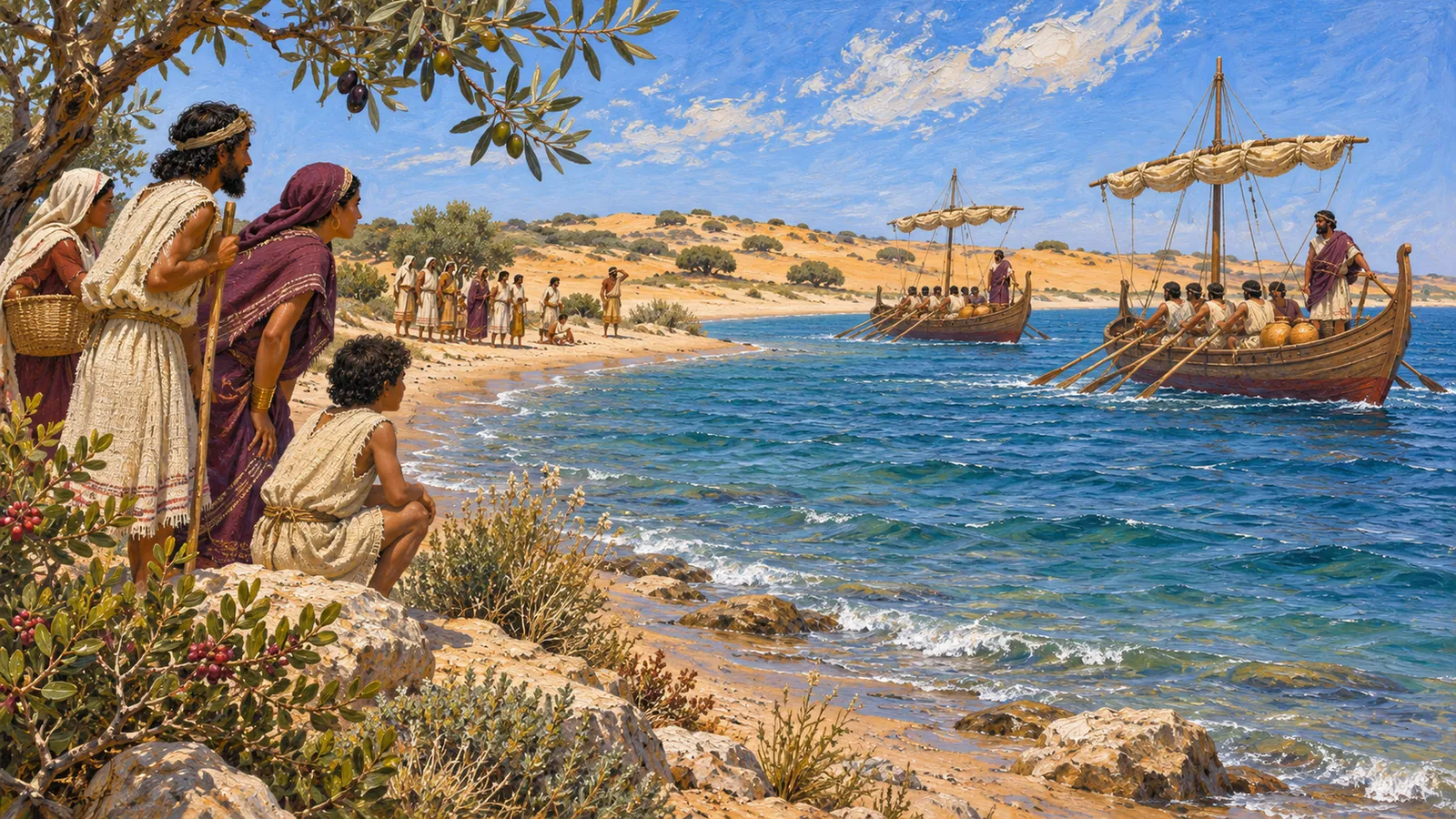
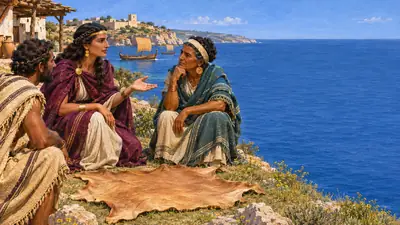
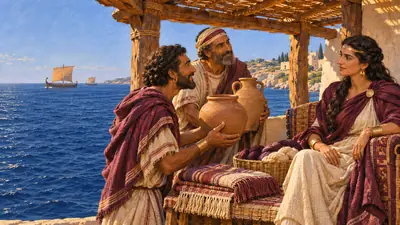
Elissa and her companions arrive in a gulf on the North African coast, where Carthage will rise. Justin says the people living there welcome a chance to trade with the arrivals.
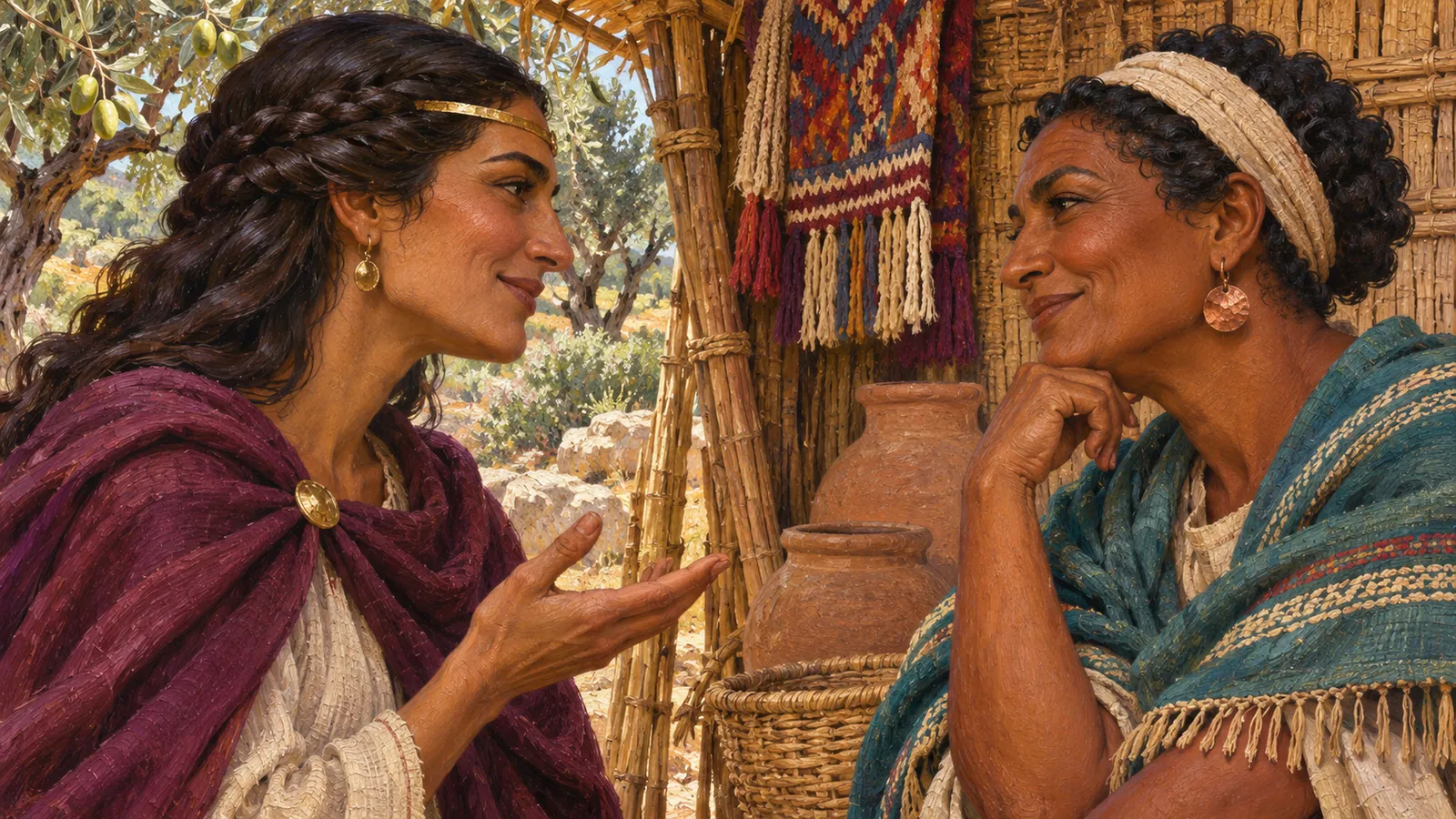
The fragment attributed to Timaeus calls her Elissa in the Phoenician language. It says the people of North Africa gave her the name Dido because of her long wanderings.
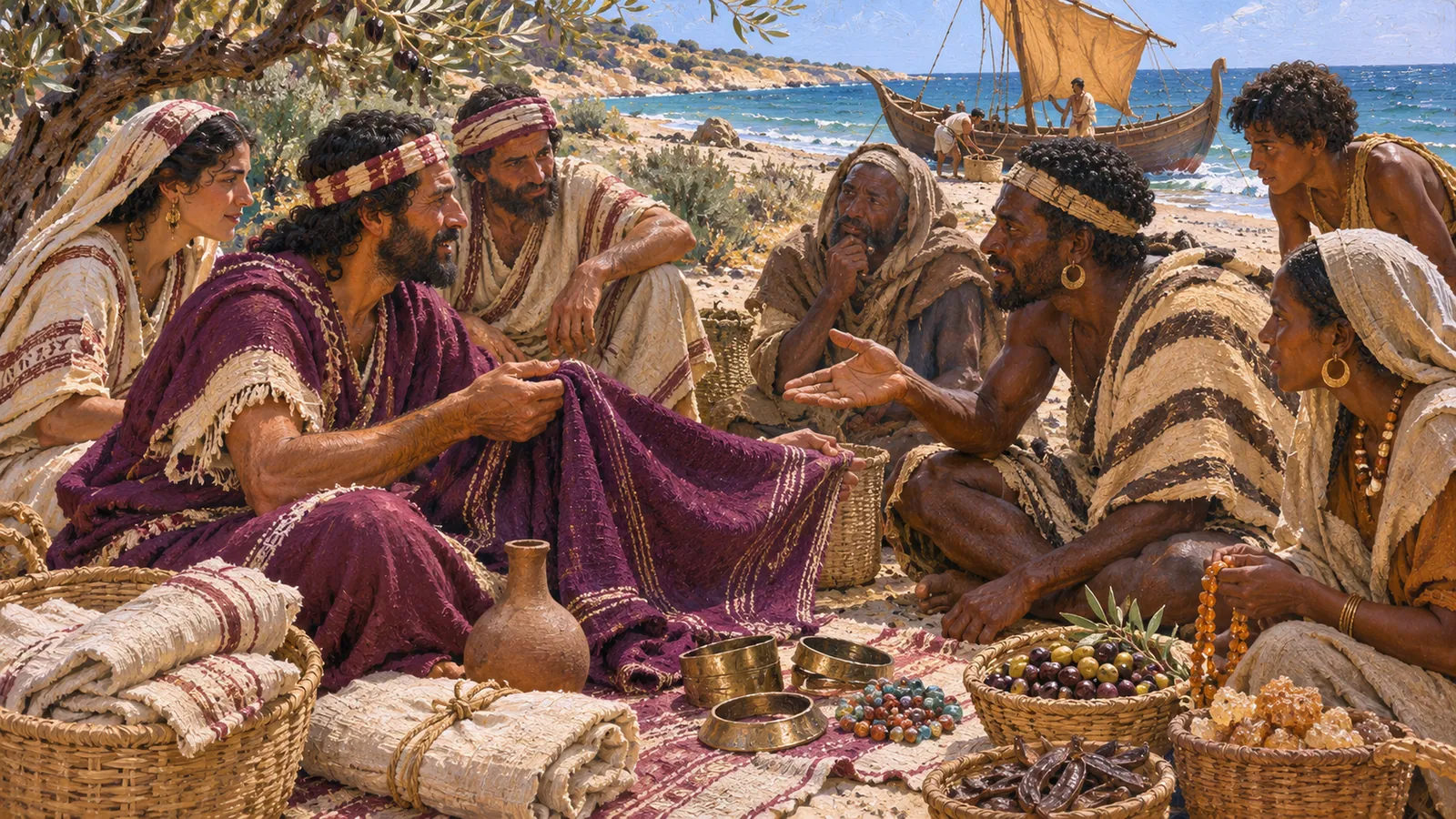
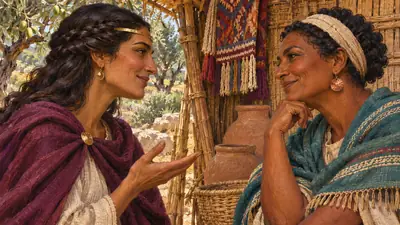
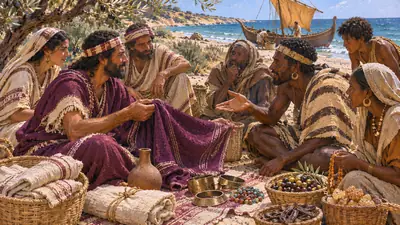
The people along the coast bring goods to exchange. The travelers have finally come to a place where they can stop. Elissa looks for enough room for her companions to rest.
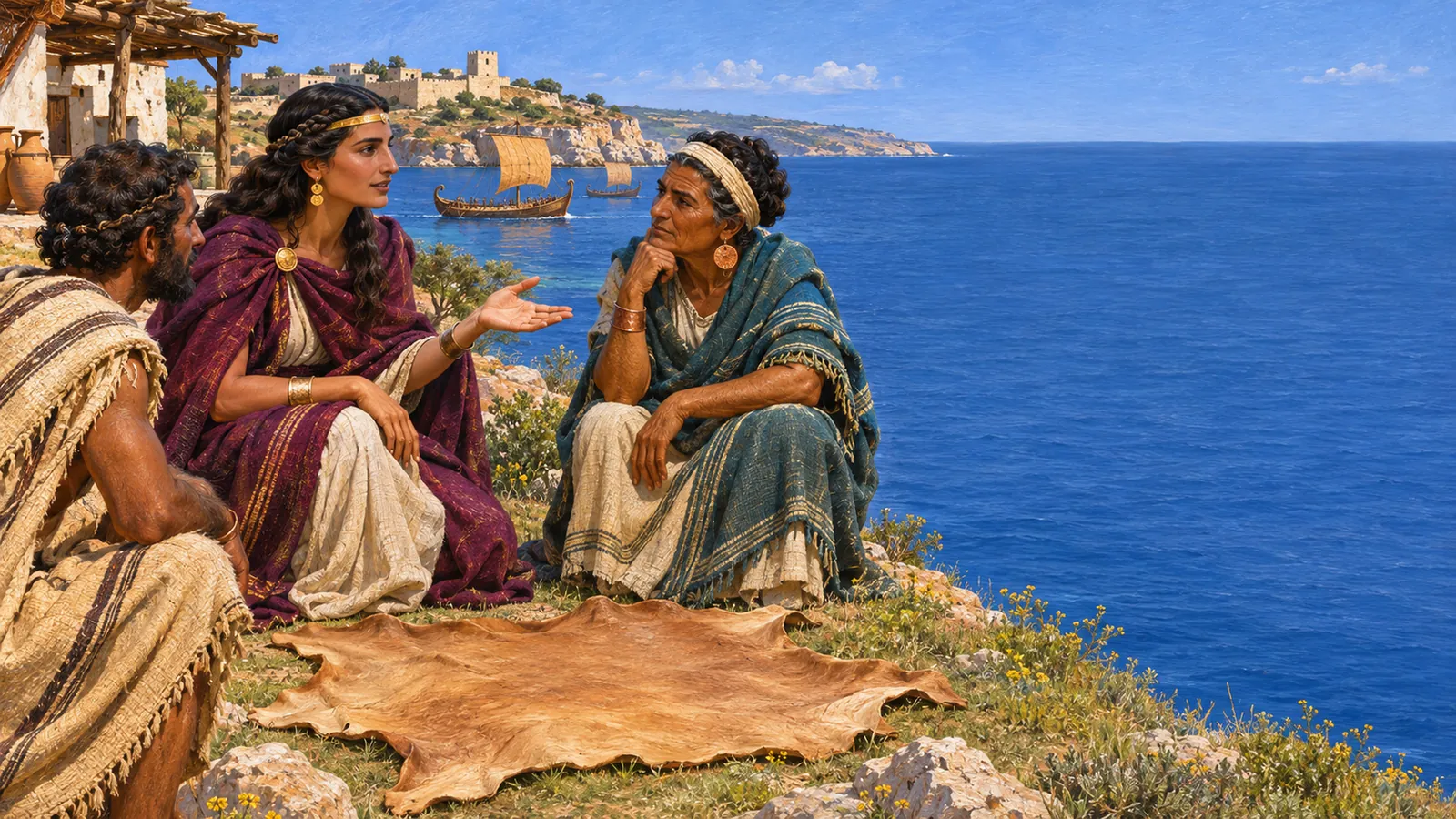
Elissa asks for the land that can be covered by an oxhide. The request sounds modest enough for tired people pausing on a journey, and Justin says she obtains the agreement.
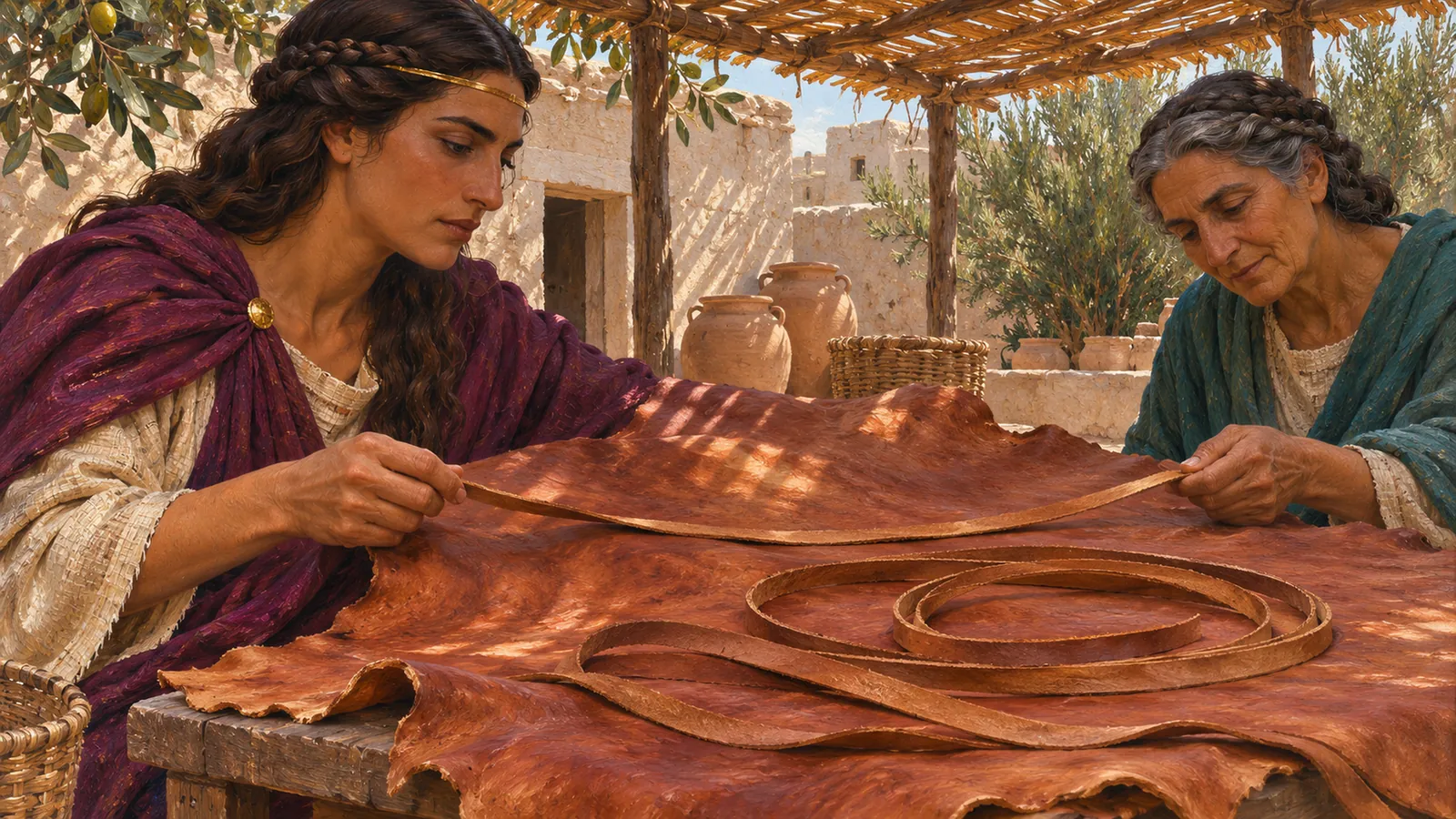
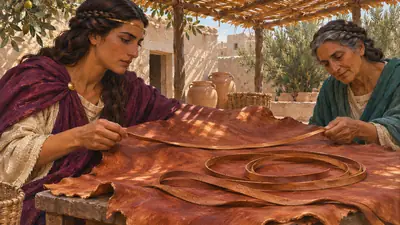
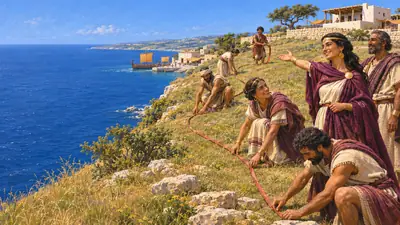
Elissa has the hide cut into the narrowest possible strips. A hide spread flat covers very little ground. The same leather, arranged in long strips, can mark a much wider boundary.
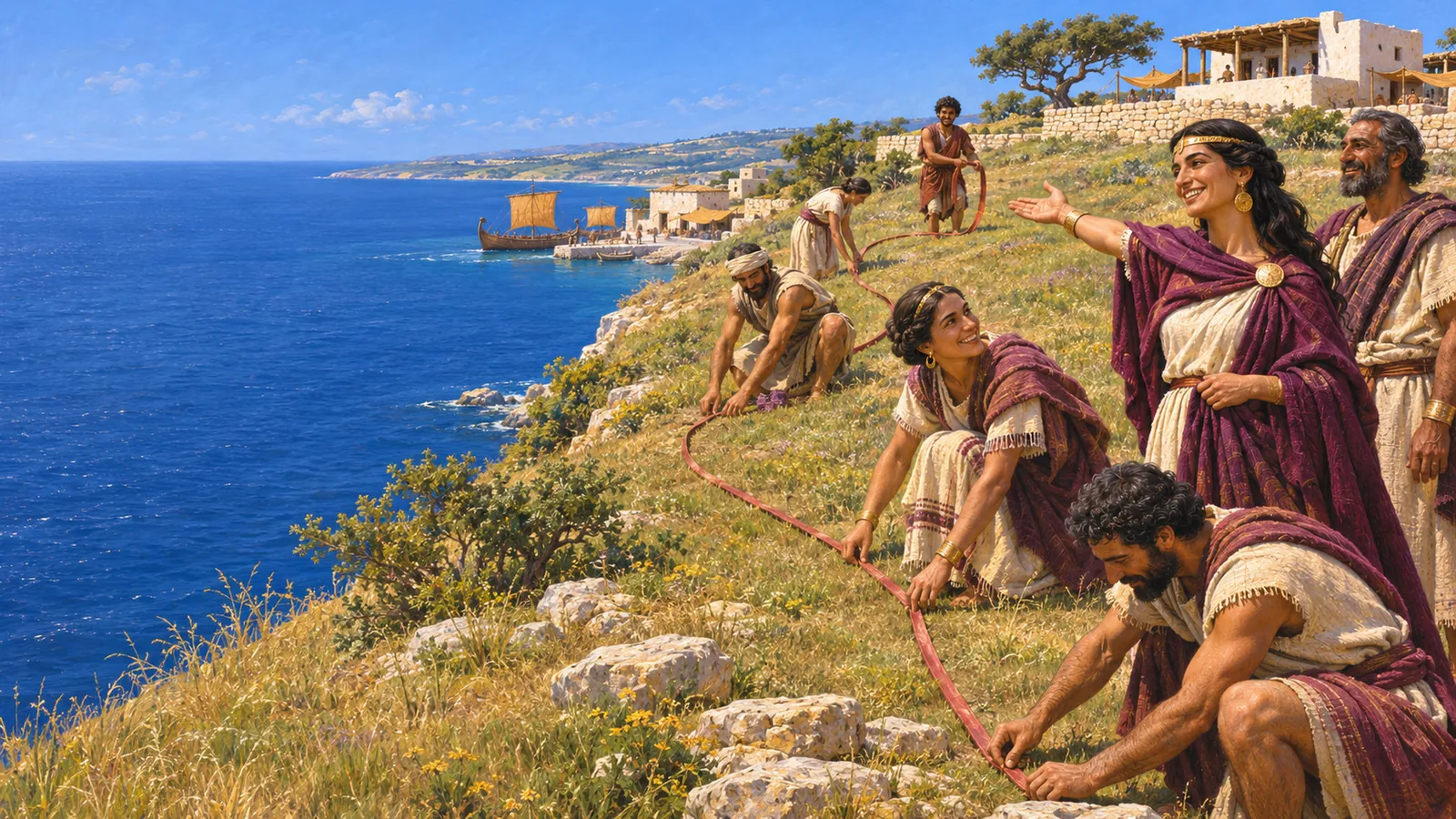
The line traced by the leather strips encloses land well beyond the area the people expected to grant. Justin makes the change from a surface to a boundary the heart of the bargain.
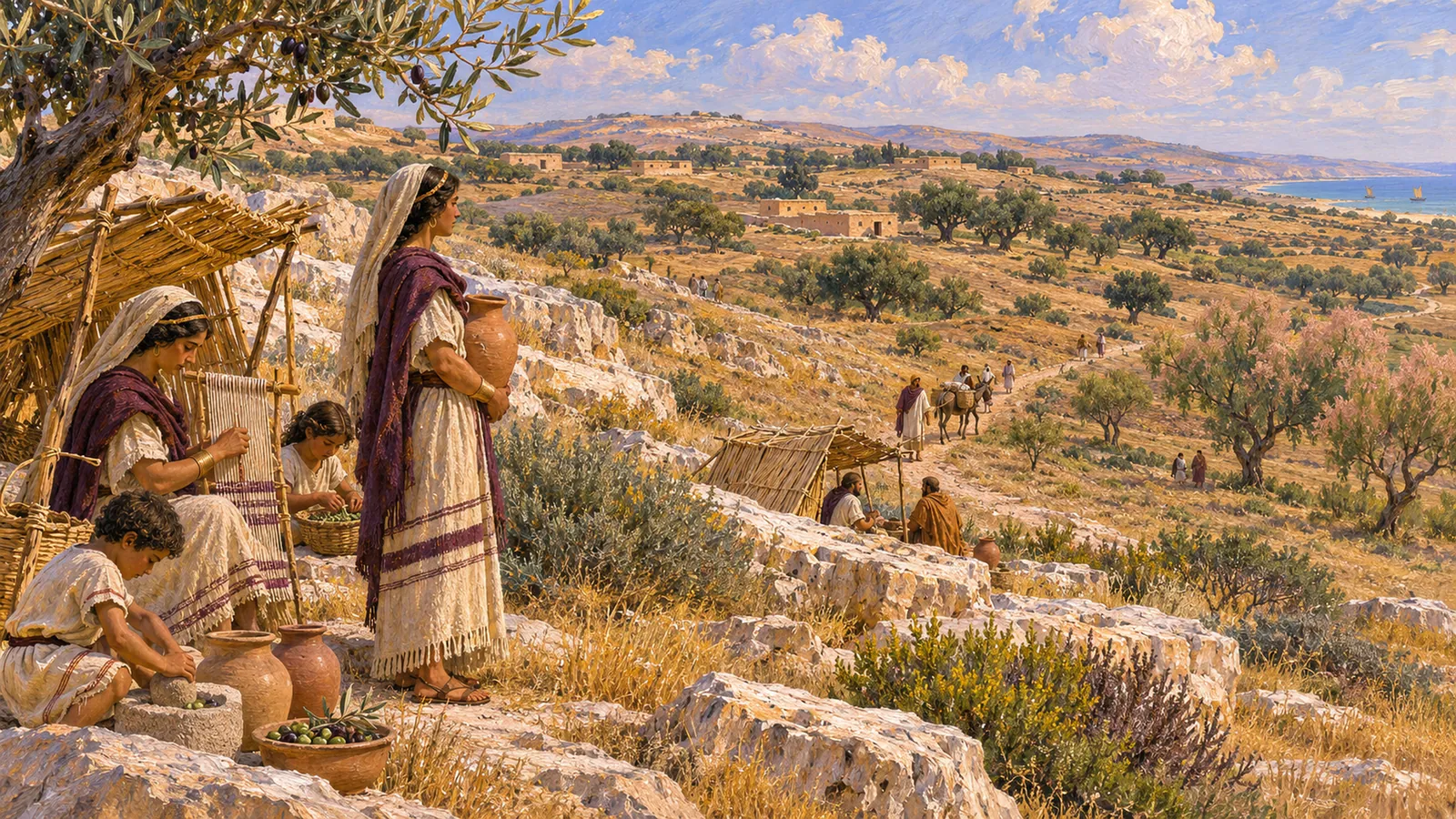
BYRSA
The legend connects the place called Byrsa with the hide. In Greek the word byrsa means a hide. The story gives an old name a memorable explanation.
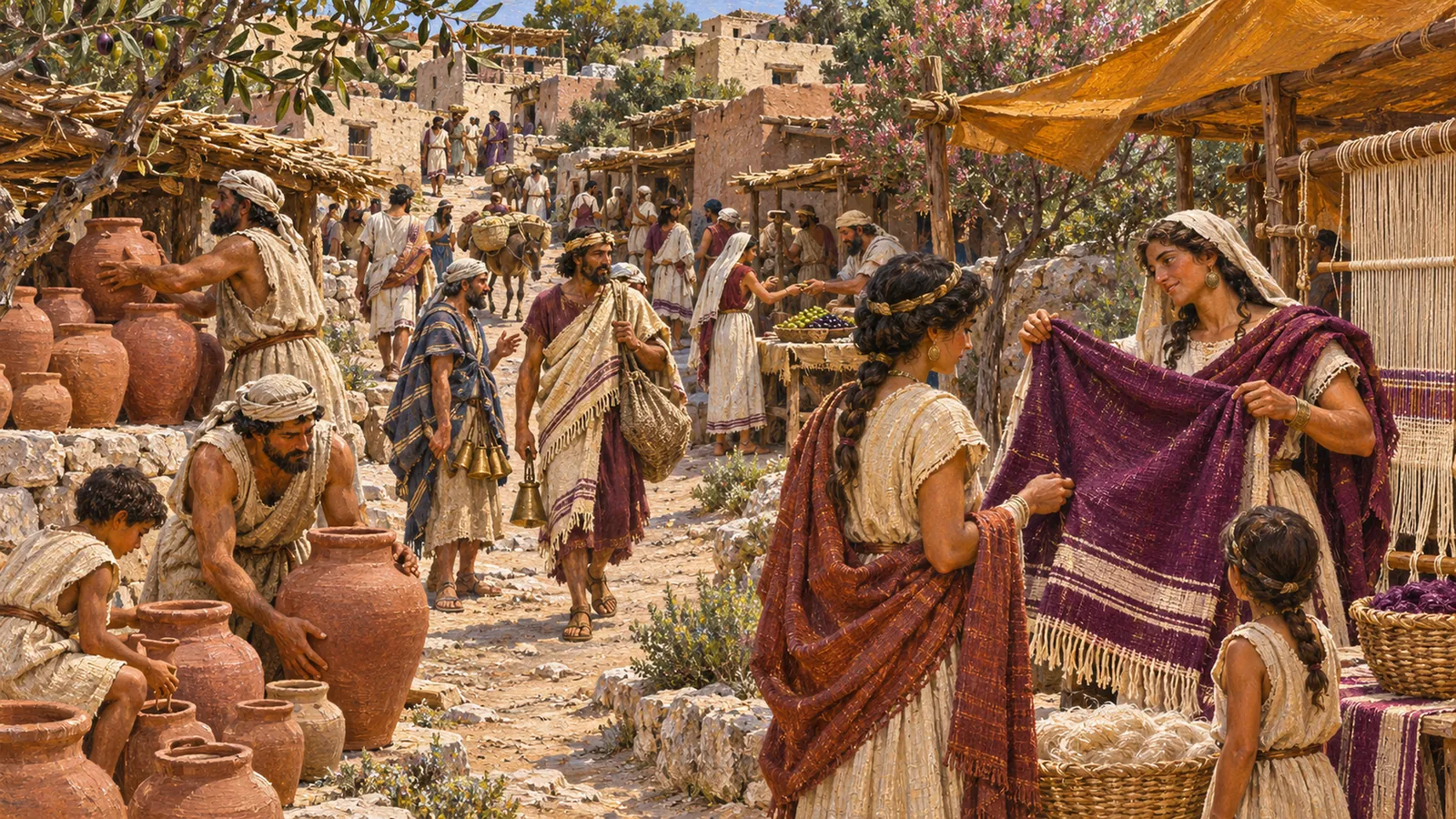
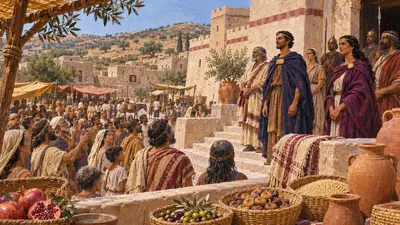
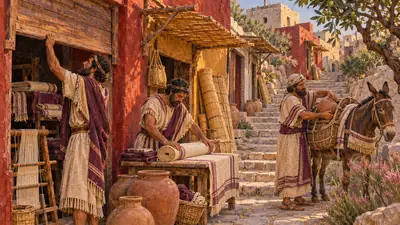
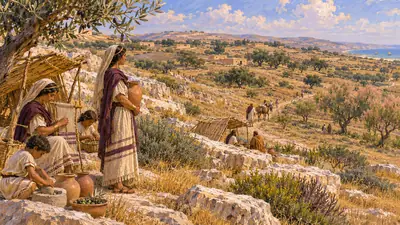
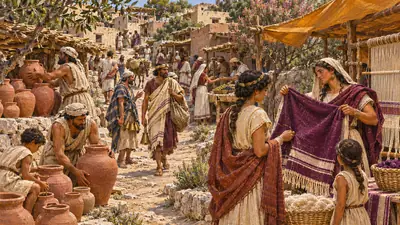
More people from the surrounding country gather with goods to sell. Justin describes a gathering of people looking for trade where the travelers had paused.
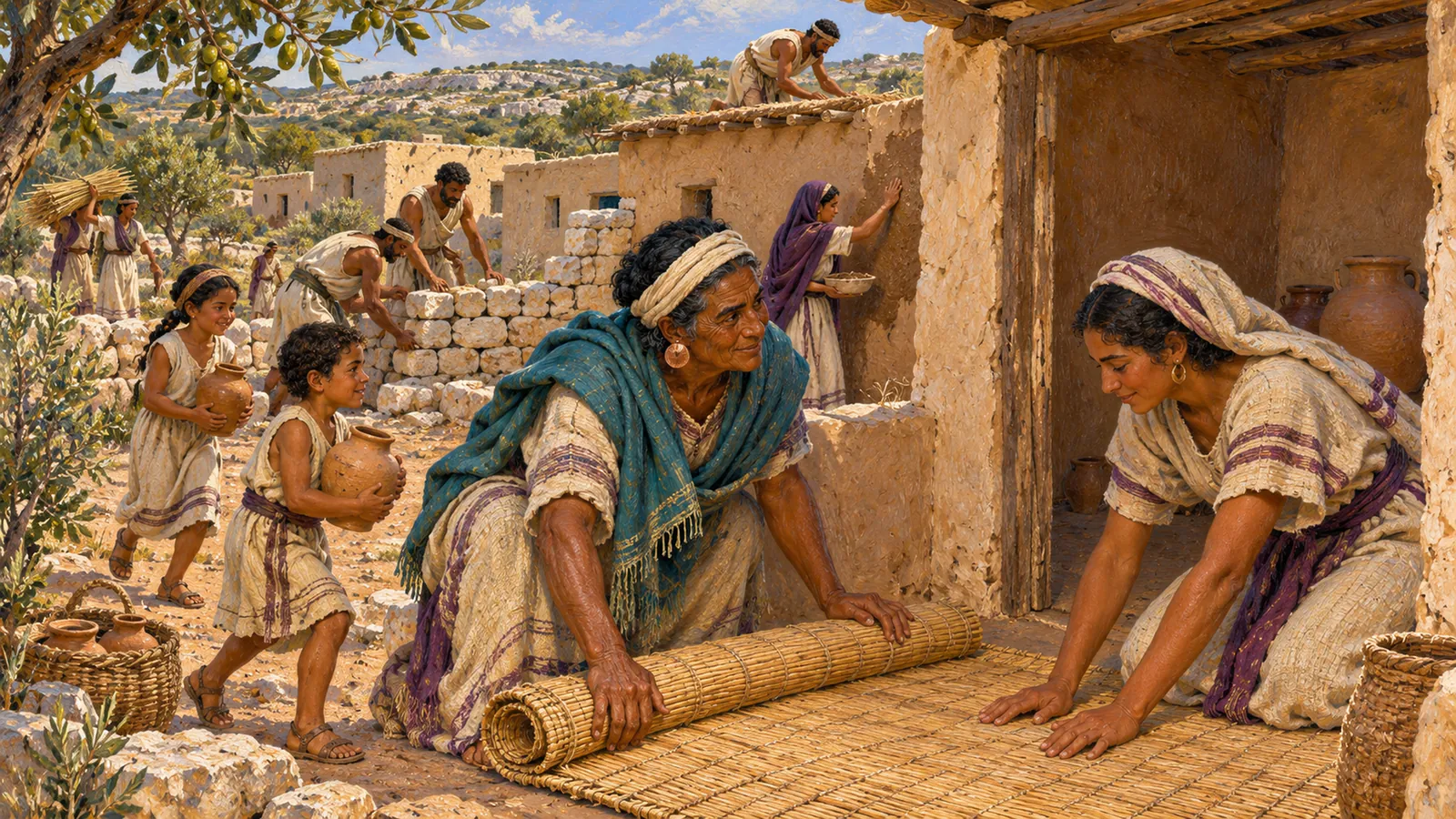
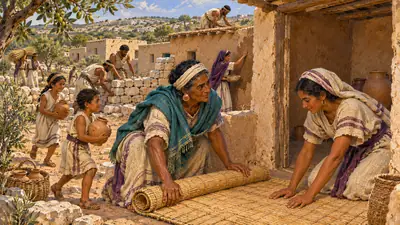
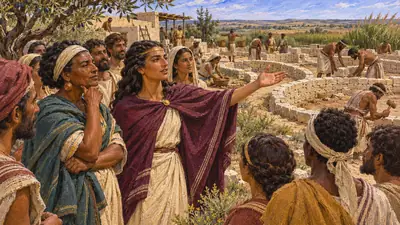
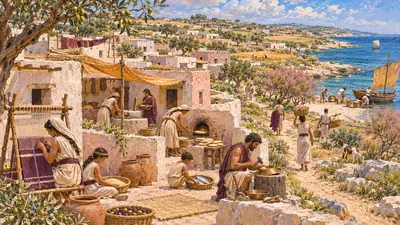
As neighbors move in among the newcomers, the gathering starts to resemble a town. The people who came to sell what they carried now have homes beside the landing.
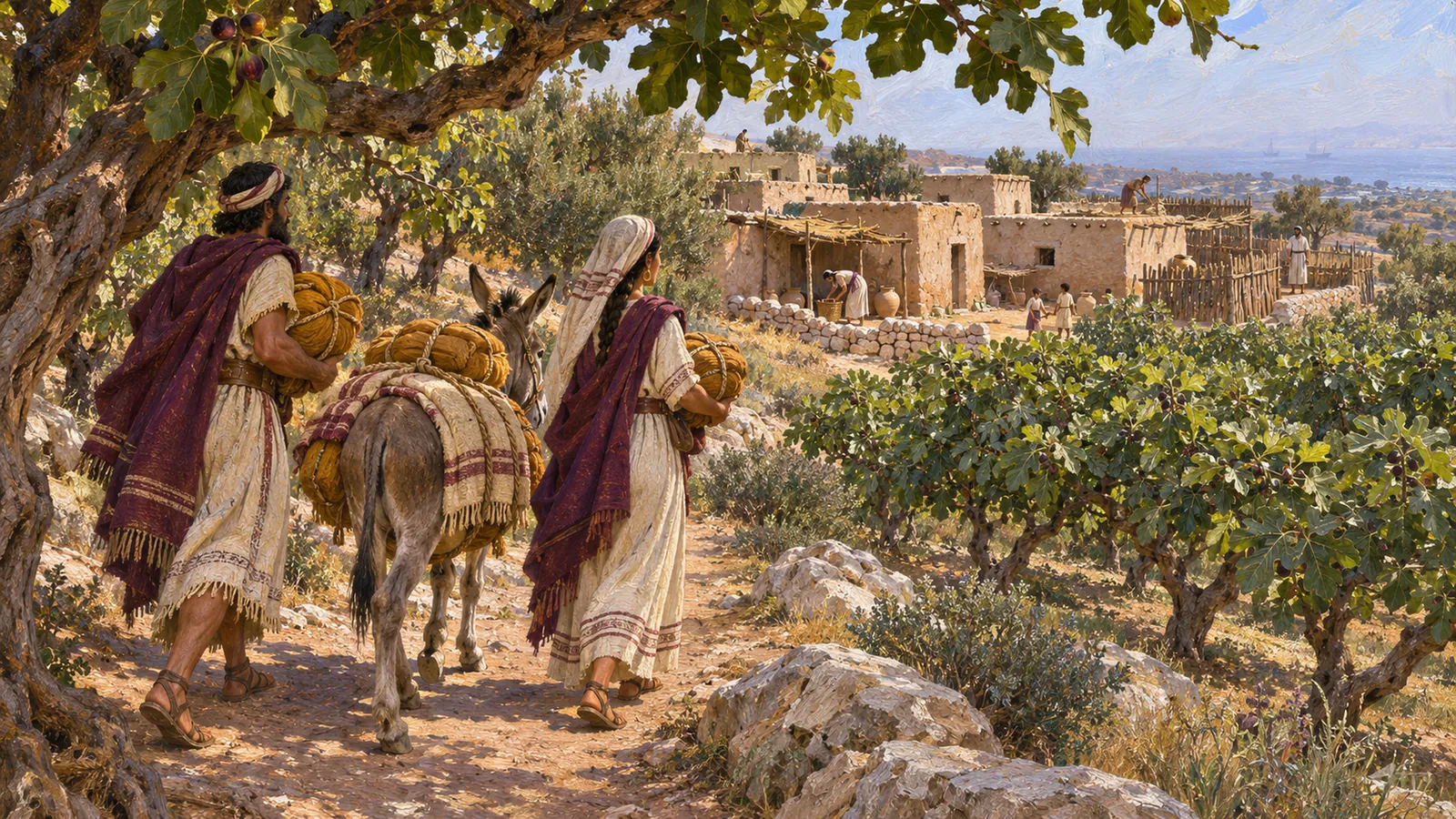
News reaches Utica, the earlier foundation from Tyre. Its people send an embassy to Elissa. In Justin's story, they come as relatives of the travelers who left the same city.
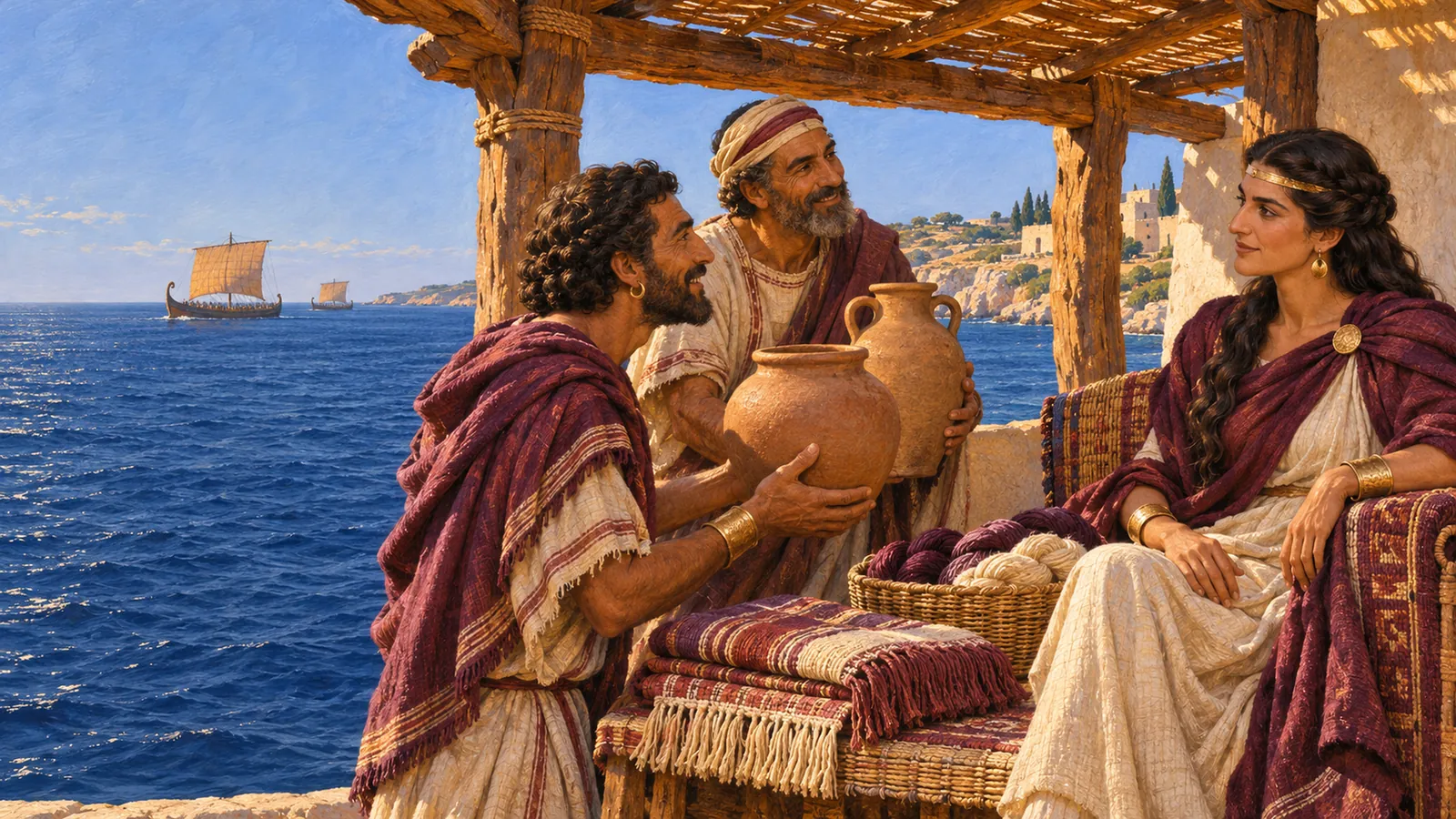
The delegates bring gifts and urge Elissa to found a city where she has landed. The place meant for resting after the voyage has attracted neighbors and now has the support of Utica.
CARTHAGE
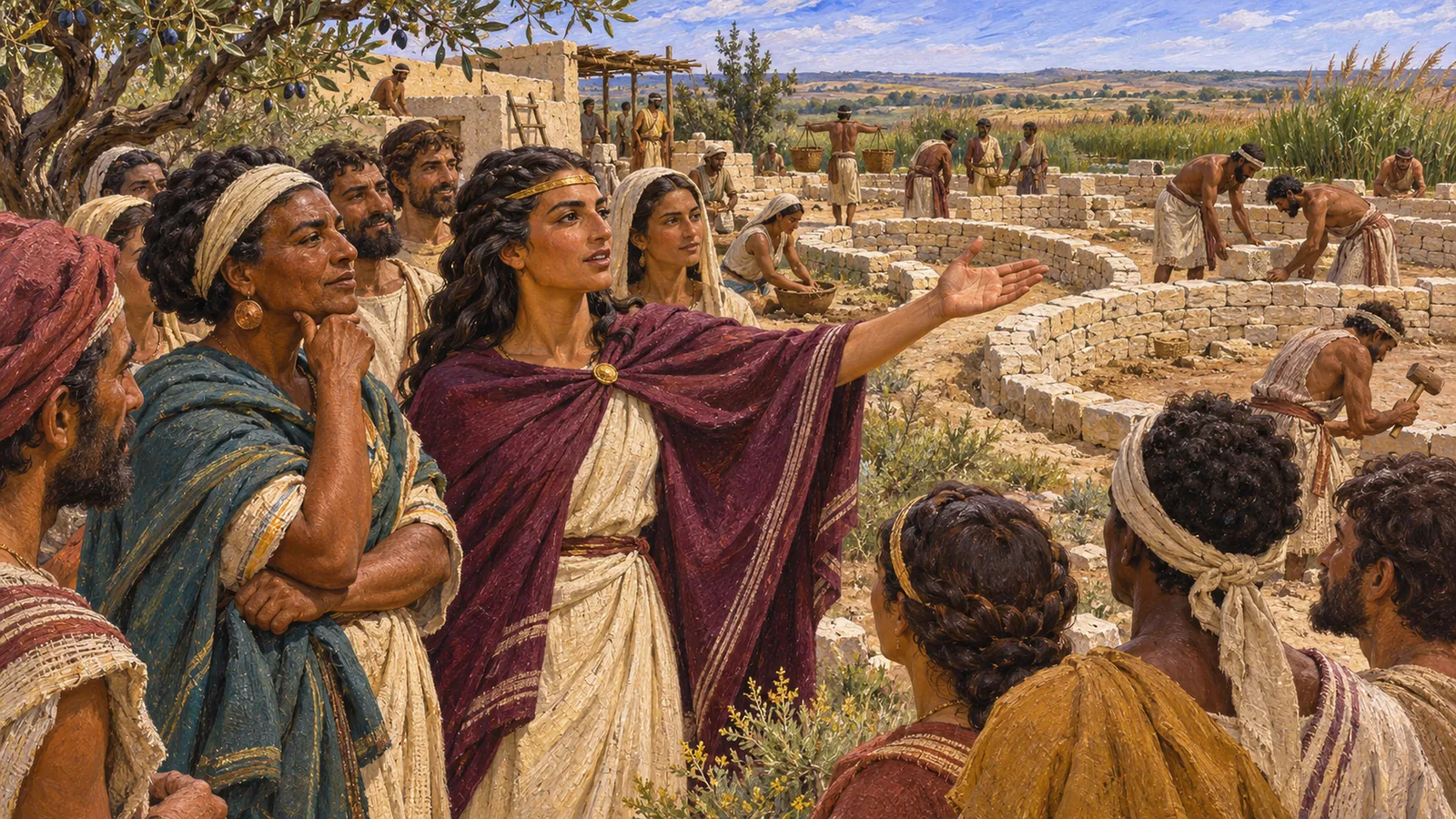
The people of the coast also want the newcomers to remain. In Justin's account, their agreement allows a city to be founded. Its Phoenician name, which we know as Carthage, means New City.
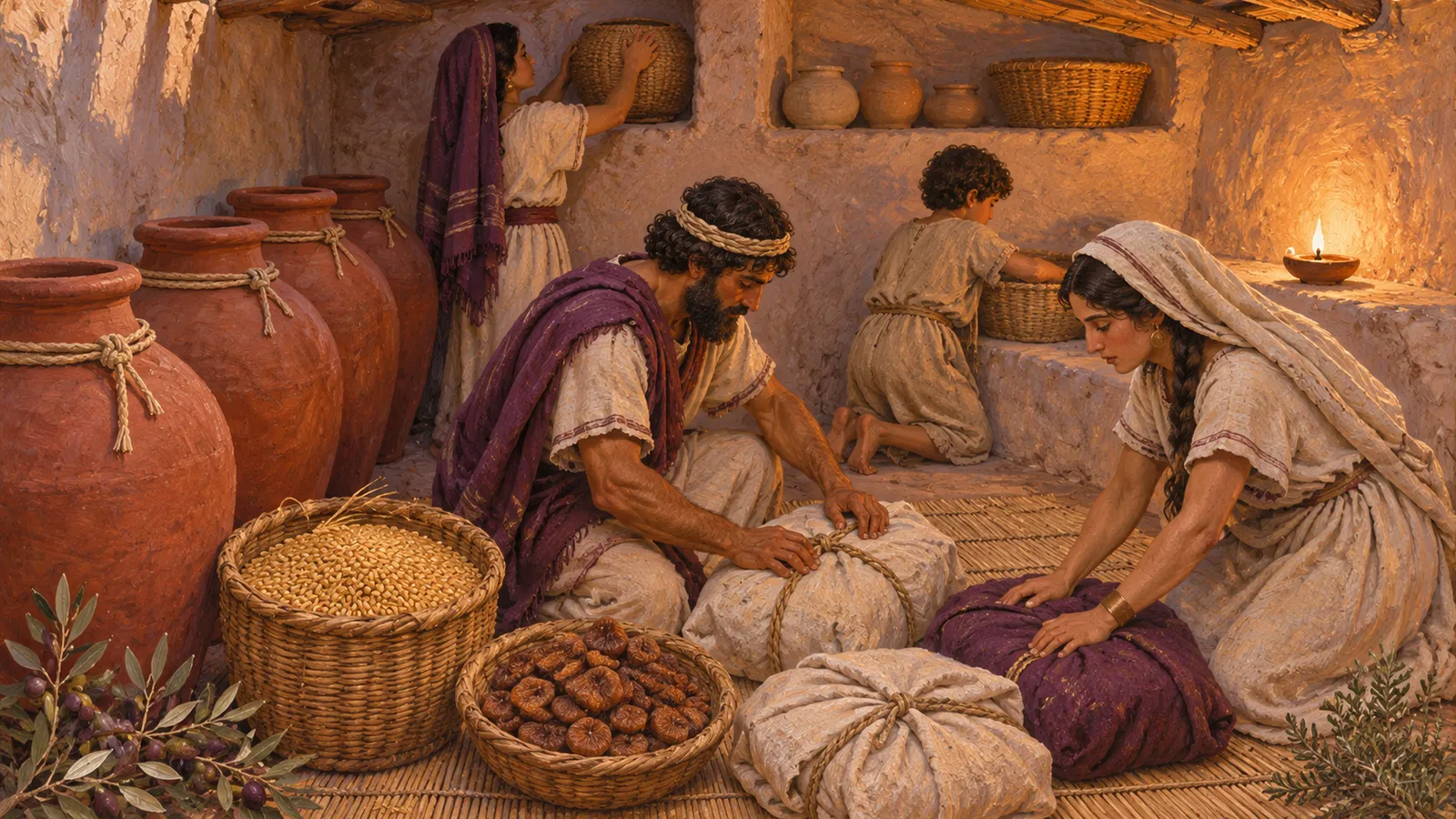
The agreement sets a payment every year for the ground the city occupies. The oxhide explains how the travelers obtained their first space in the legend. The tribute is the price of remaining.
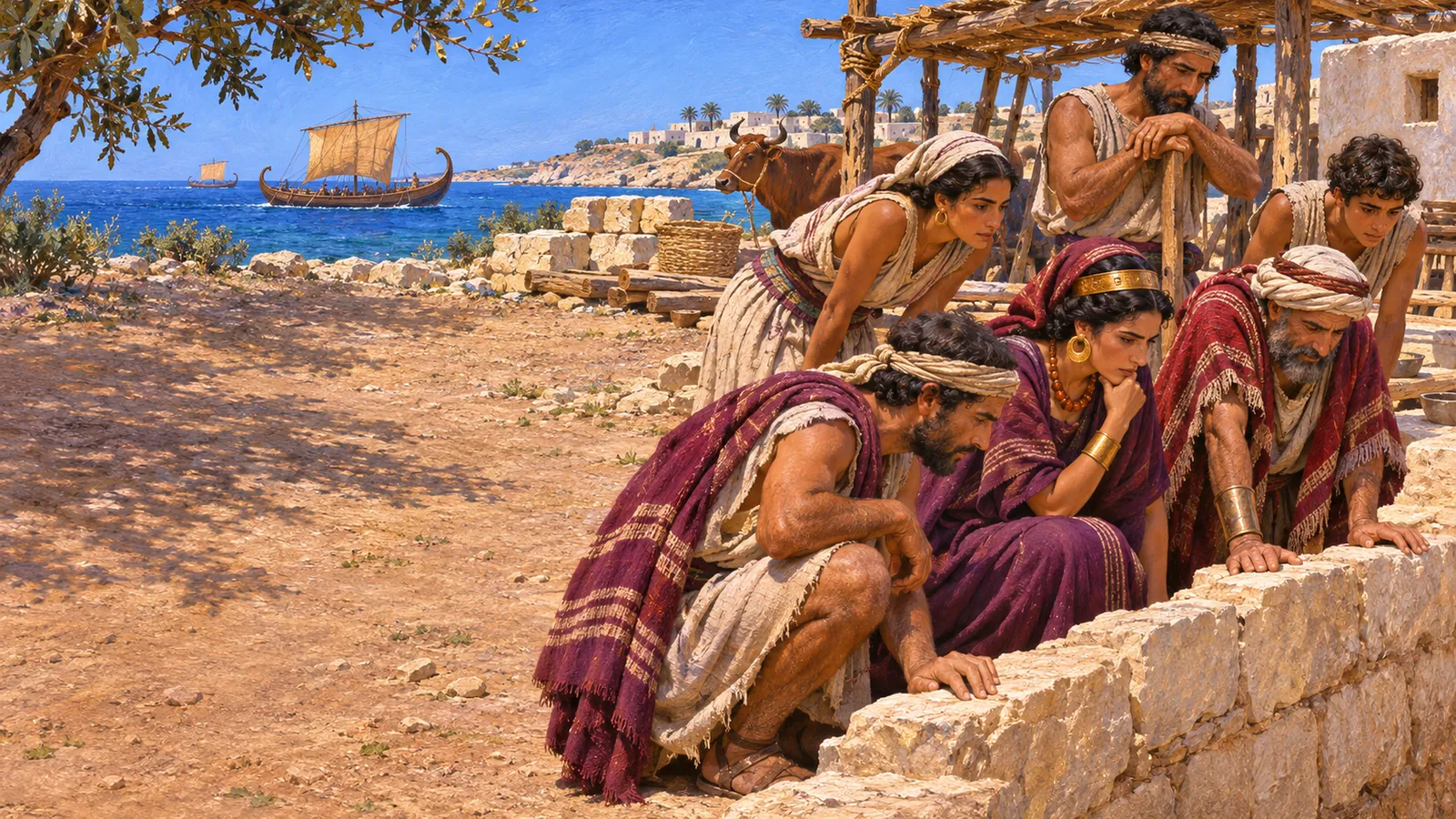
At the first site, the builders uncover an ox's head as they dig. In Justin's story, people read it as a sign of a wealthy city subject to hard labor and domination.
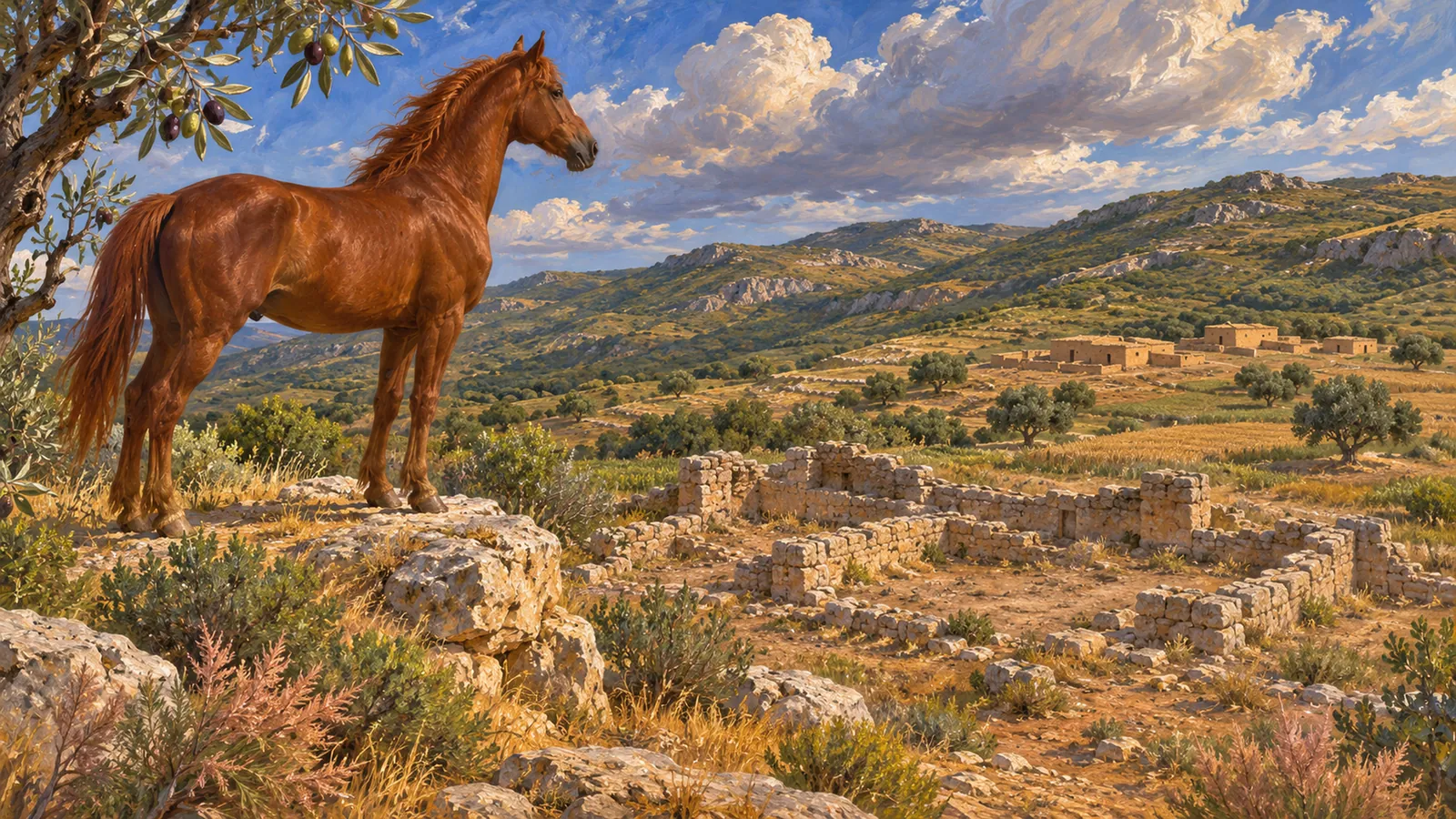
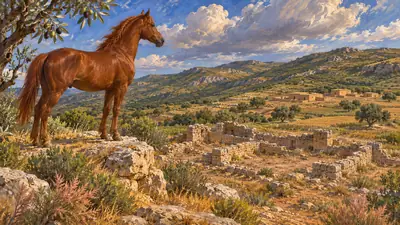
The builders move to another site, where they are said to find a horse's head. They see in it the prospect of a powerful city. According to the legend, they build there.
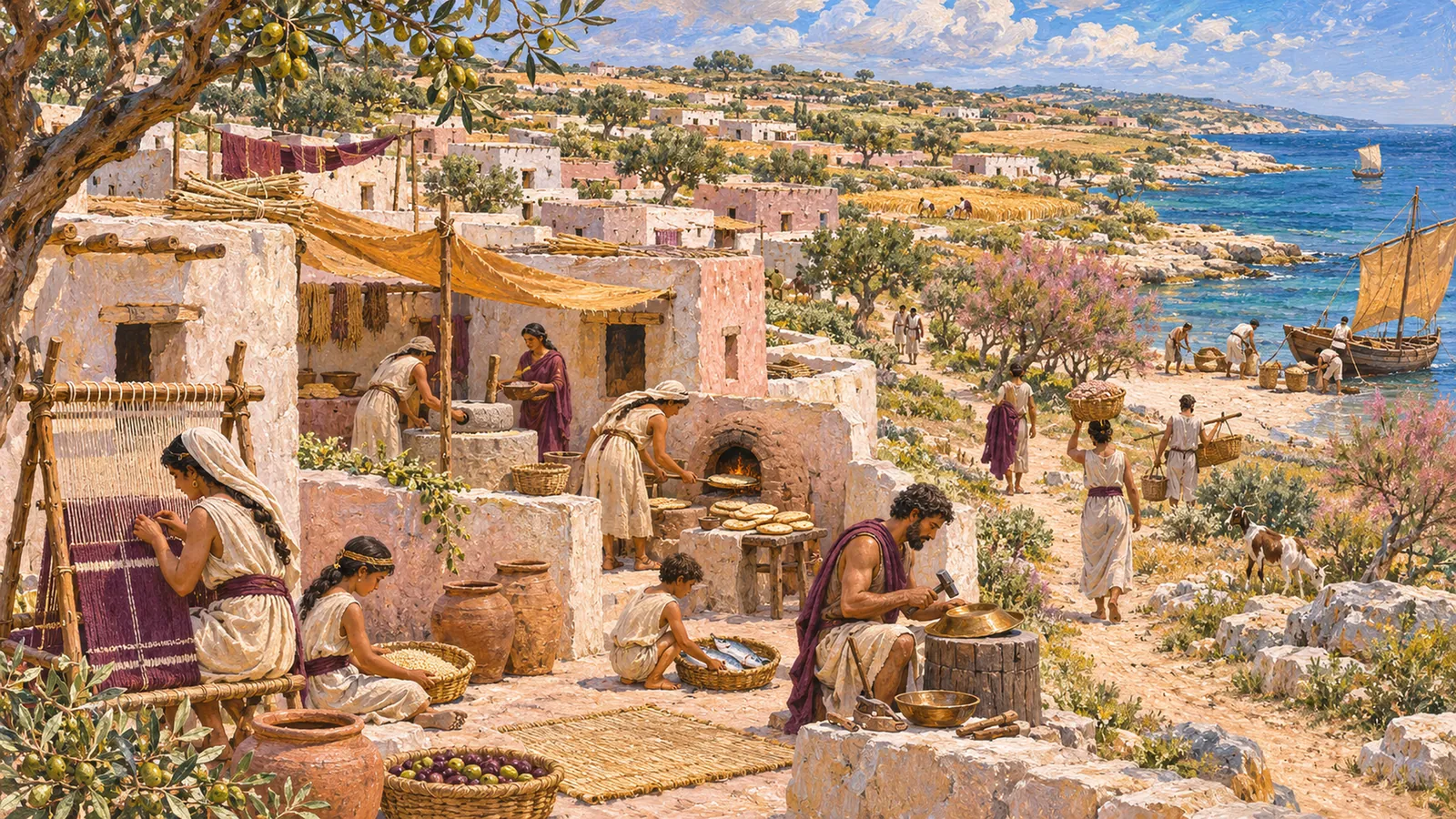
People come in from the surrounding country as word of the settlement spreads. Justin describes a growing population and a city spreading over more ground. Its growth brings it to a ruler's attention.
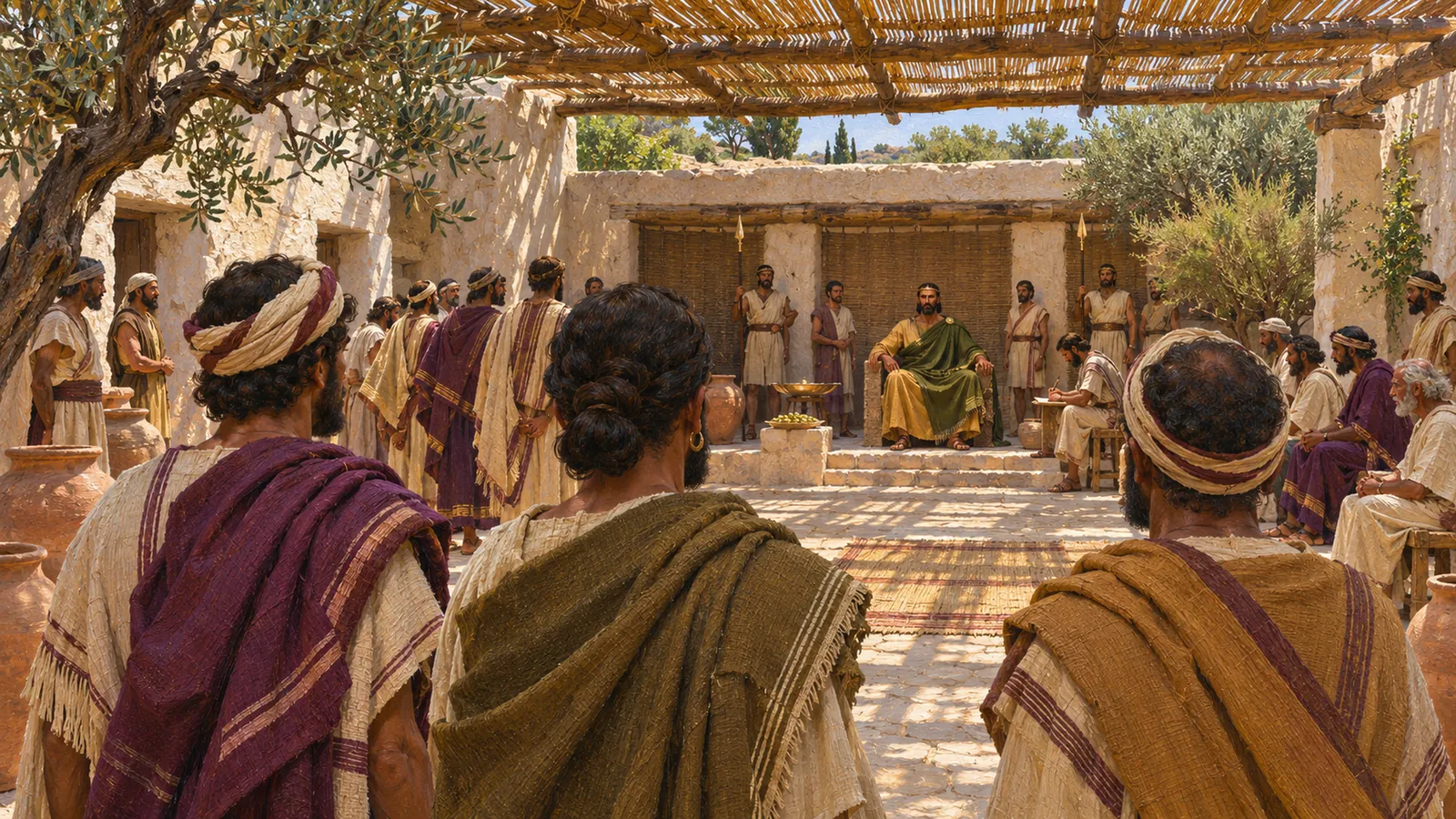
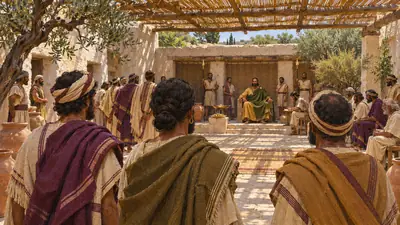
The king is Hiarbas, whom Justin calls the ruler of the Maxitani. He summons ten leading men from Carthage. They come to hear what he wants from the city and its founder.
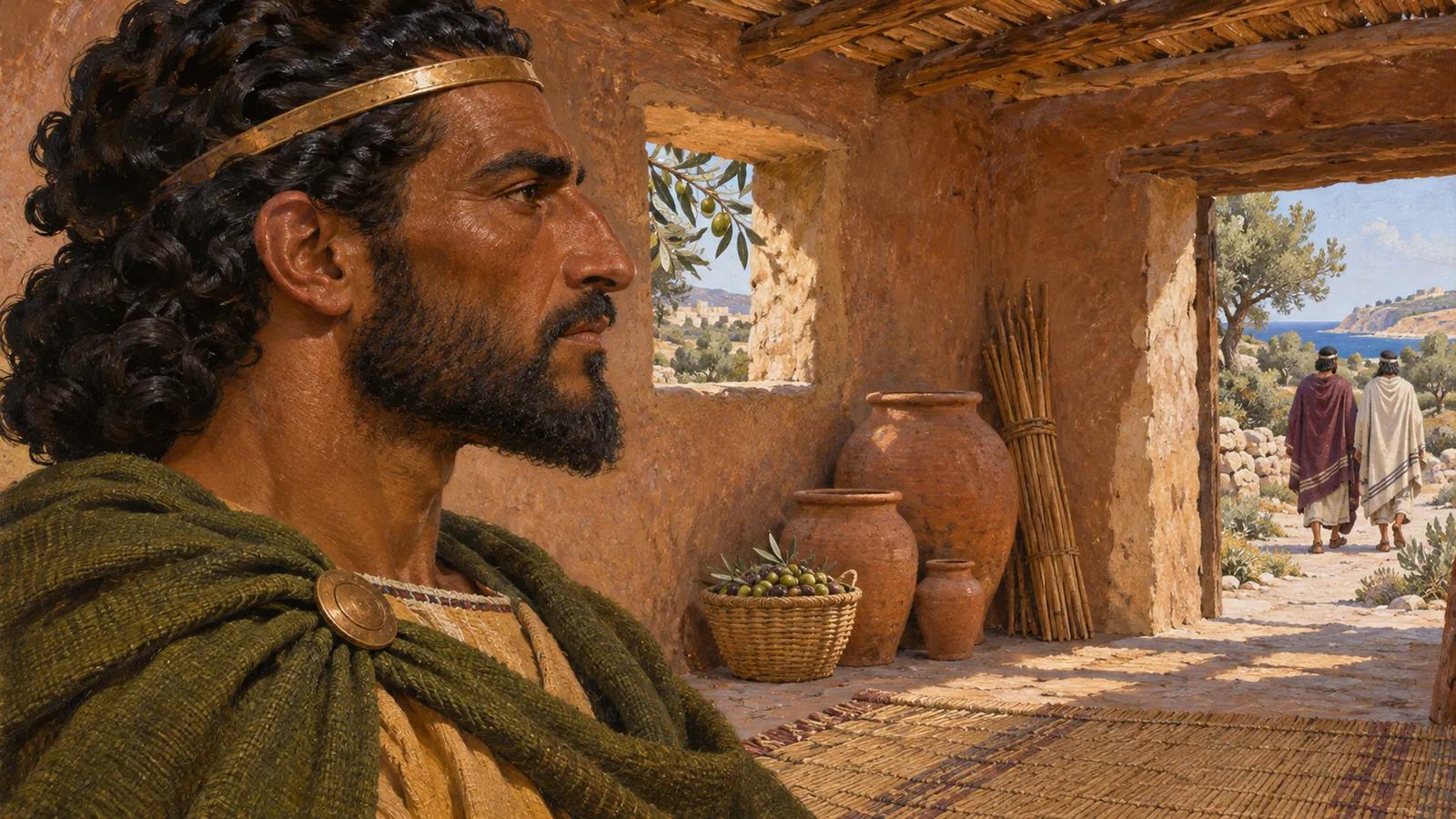
HIARBAS
Hiarbas says he wants to marry Elissa. If she refuses him, he threatens war against Carthage. The marriage he demands would be decided under threat to the whole settlement.
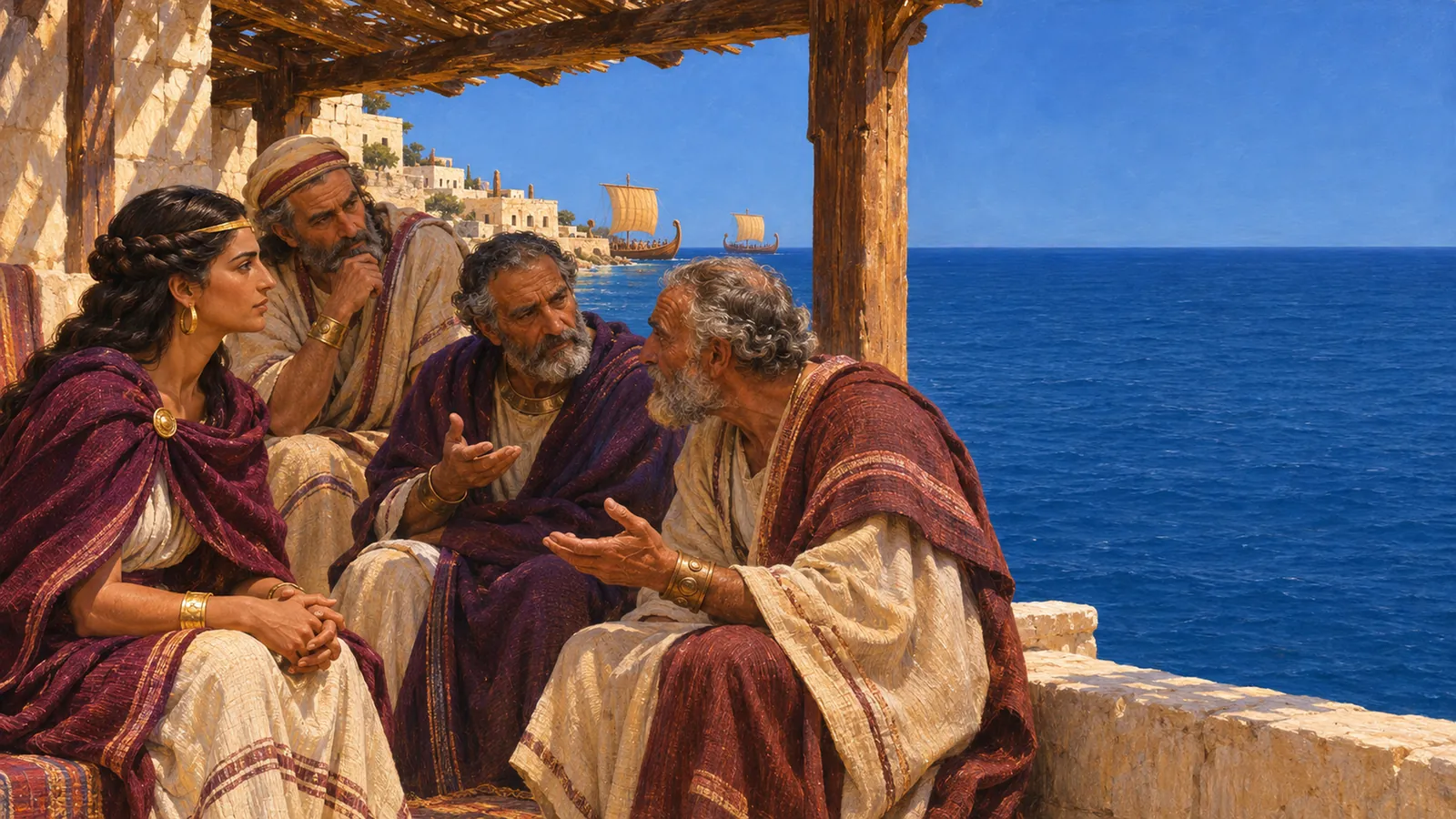
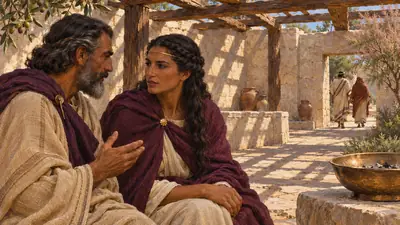
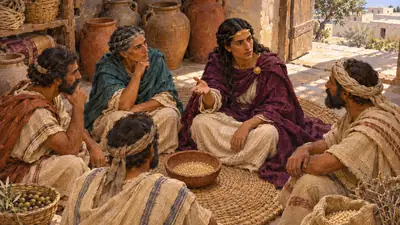
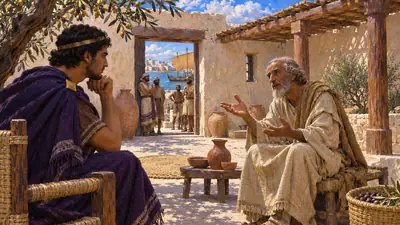
The men are afraid to deliver that message. They ask Elissa who could be found to live among Hiarbas's people and teach them new ways, far from family and home.
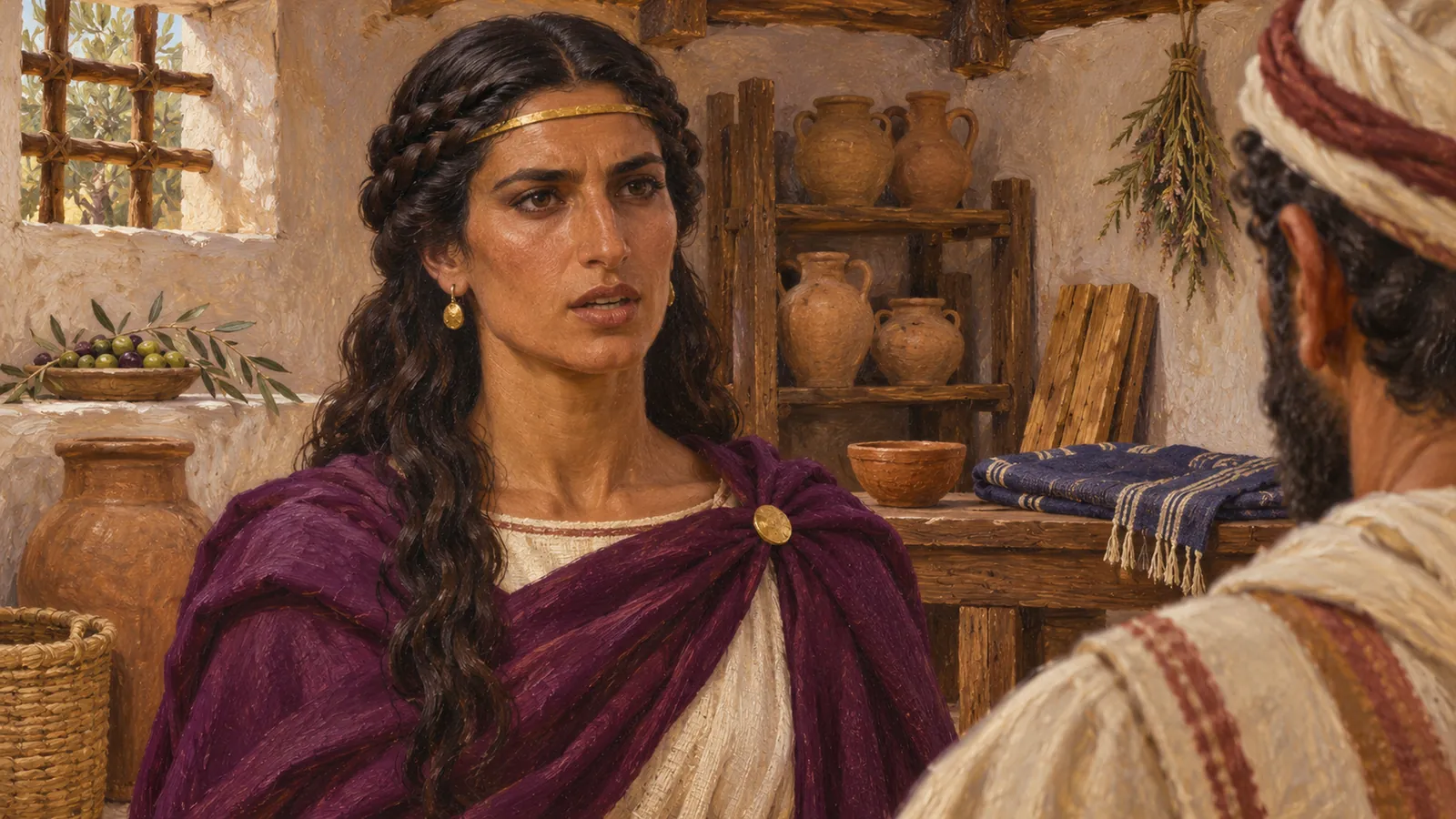
Elissa asks why anyone should refuse a hardship for the sake of the city. If the danger were great enough, she says, a citizen might be called on to risk even their life.
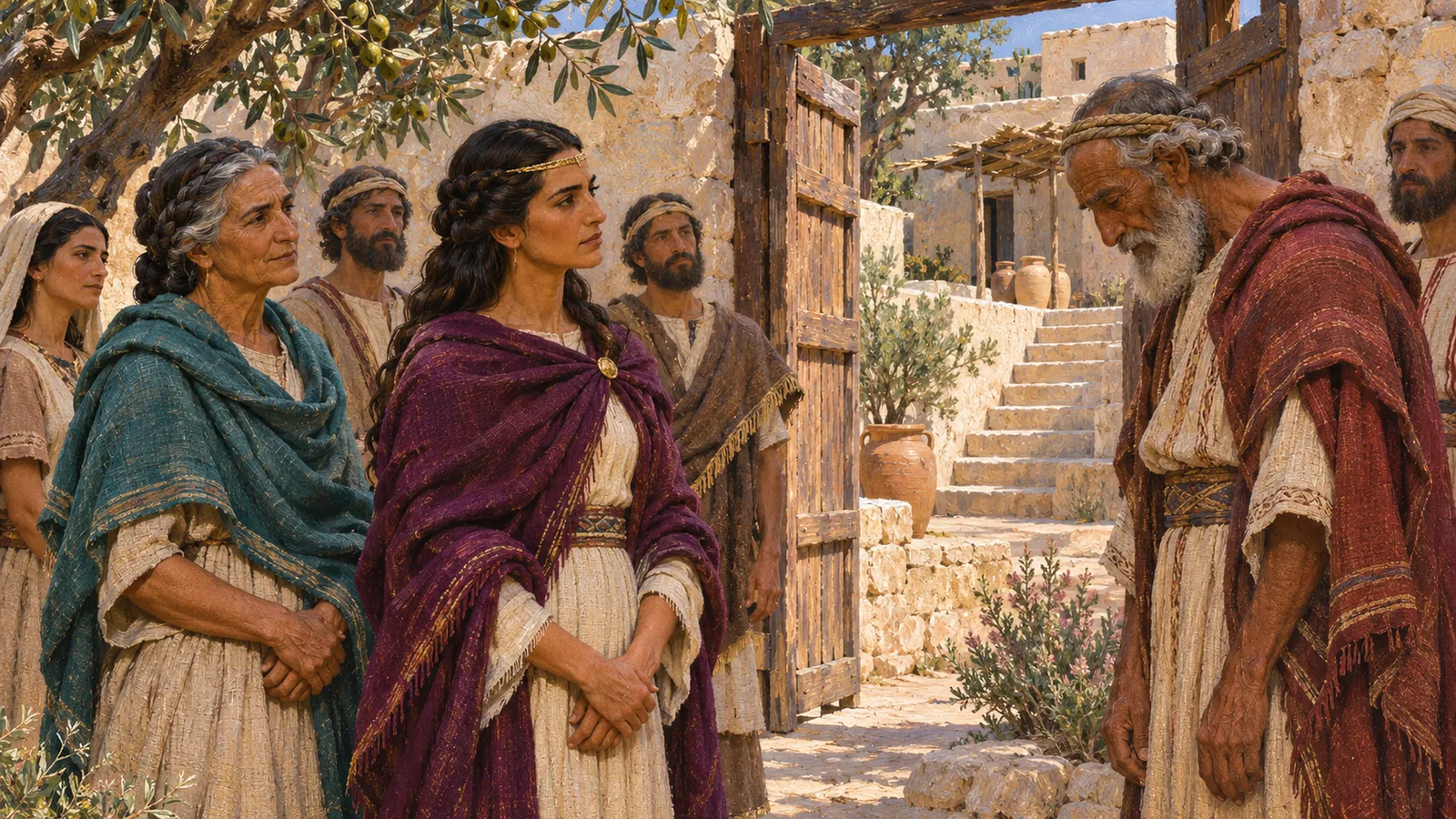
The delegates finally tell her that Hiarbas means to marry her. They ask whether she will do what she expects of another citizen, now that the safety of the city is at stake.
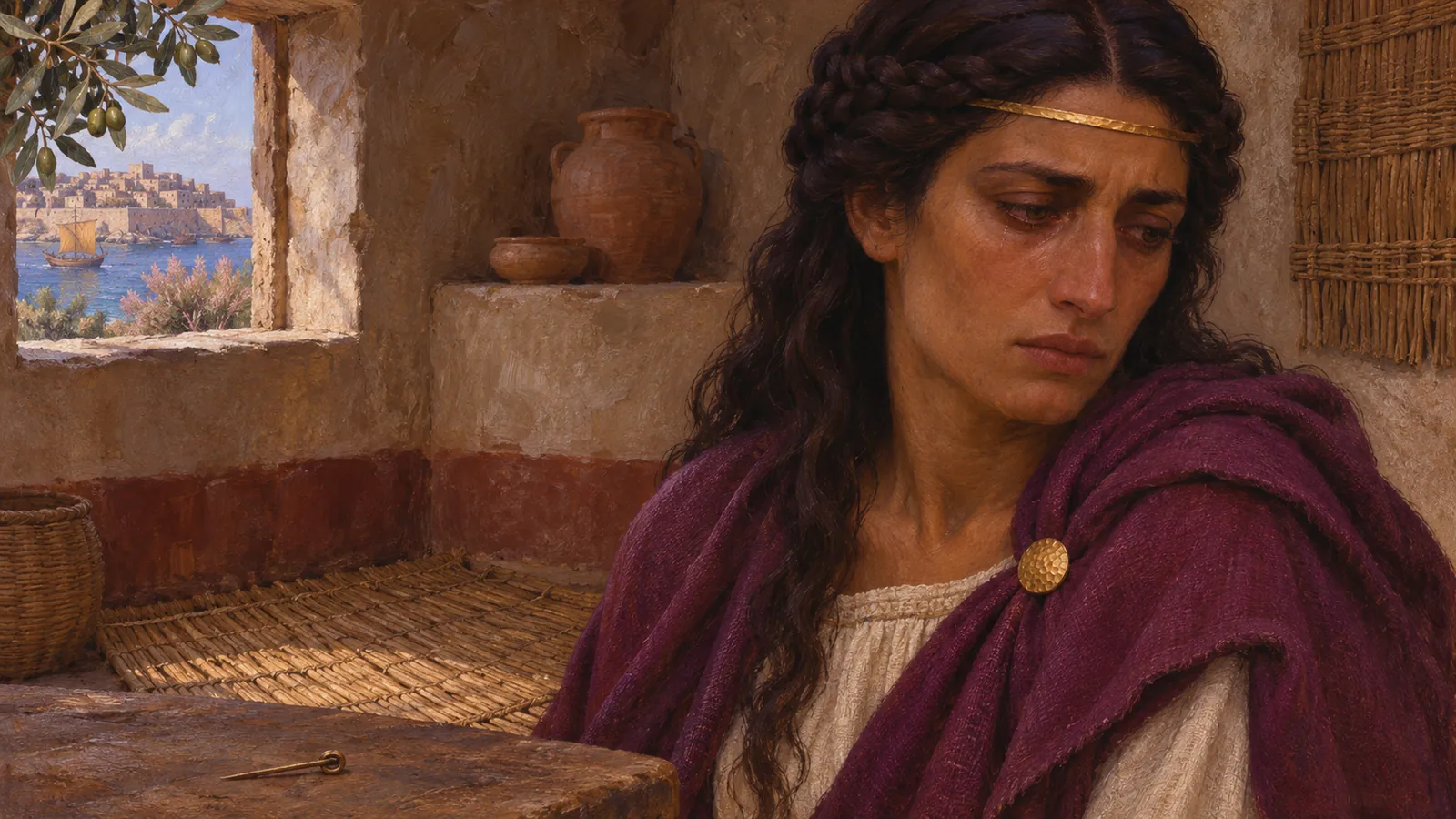
Elissa weeps for a long time and calls on Acerbas by name. At last she tells the delegates that she will go wherever the fate of her city requires her to go.
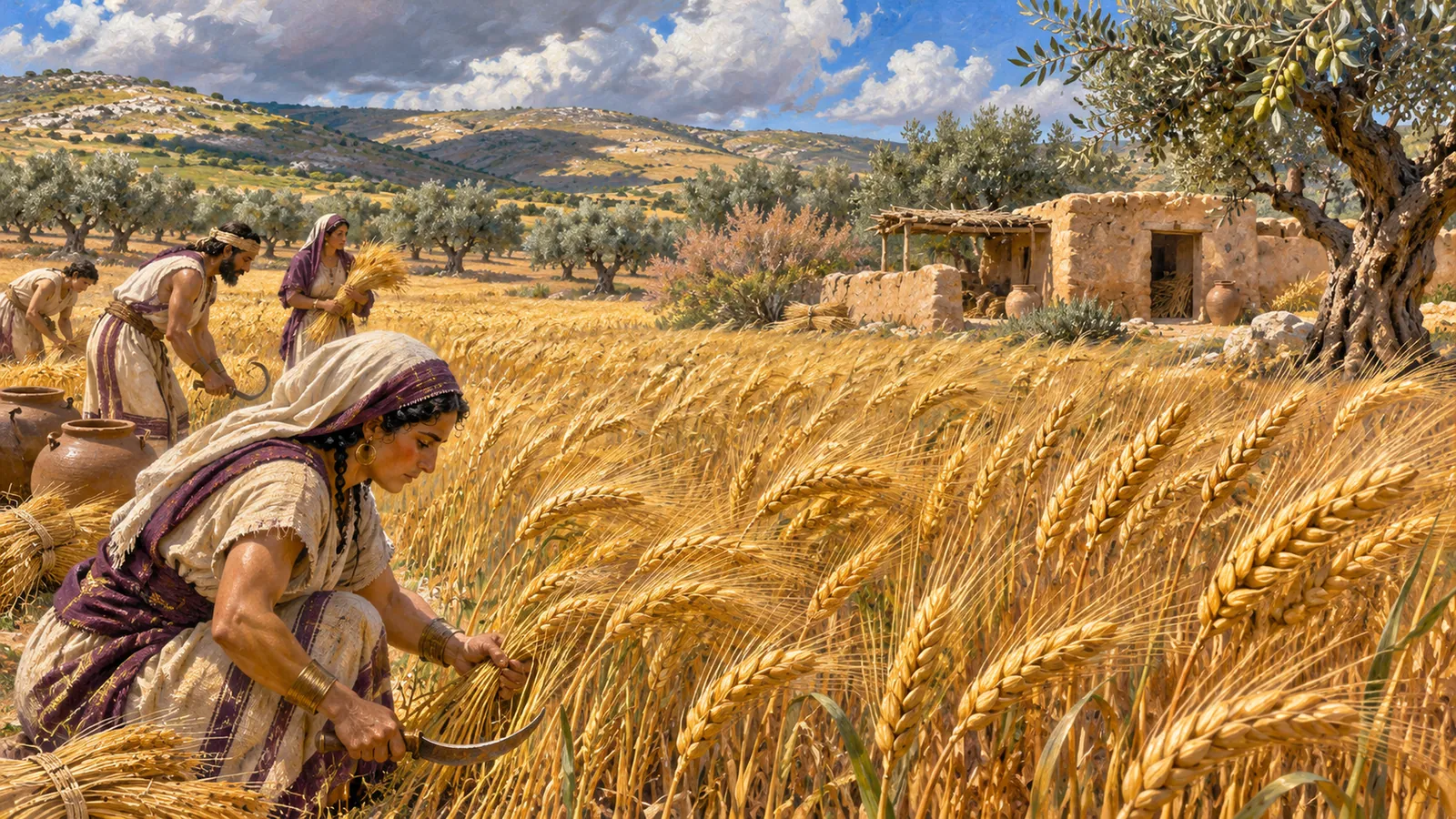
Justin gives Elissa three months before she acts on what she has said. The delegates have heard her promise. They still have to wait to learn what she meant by it.
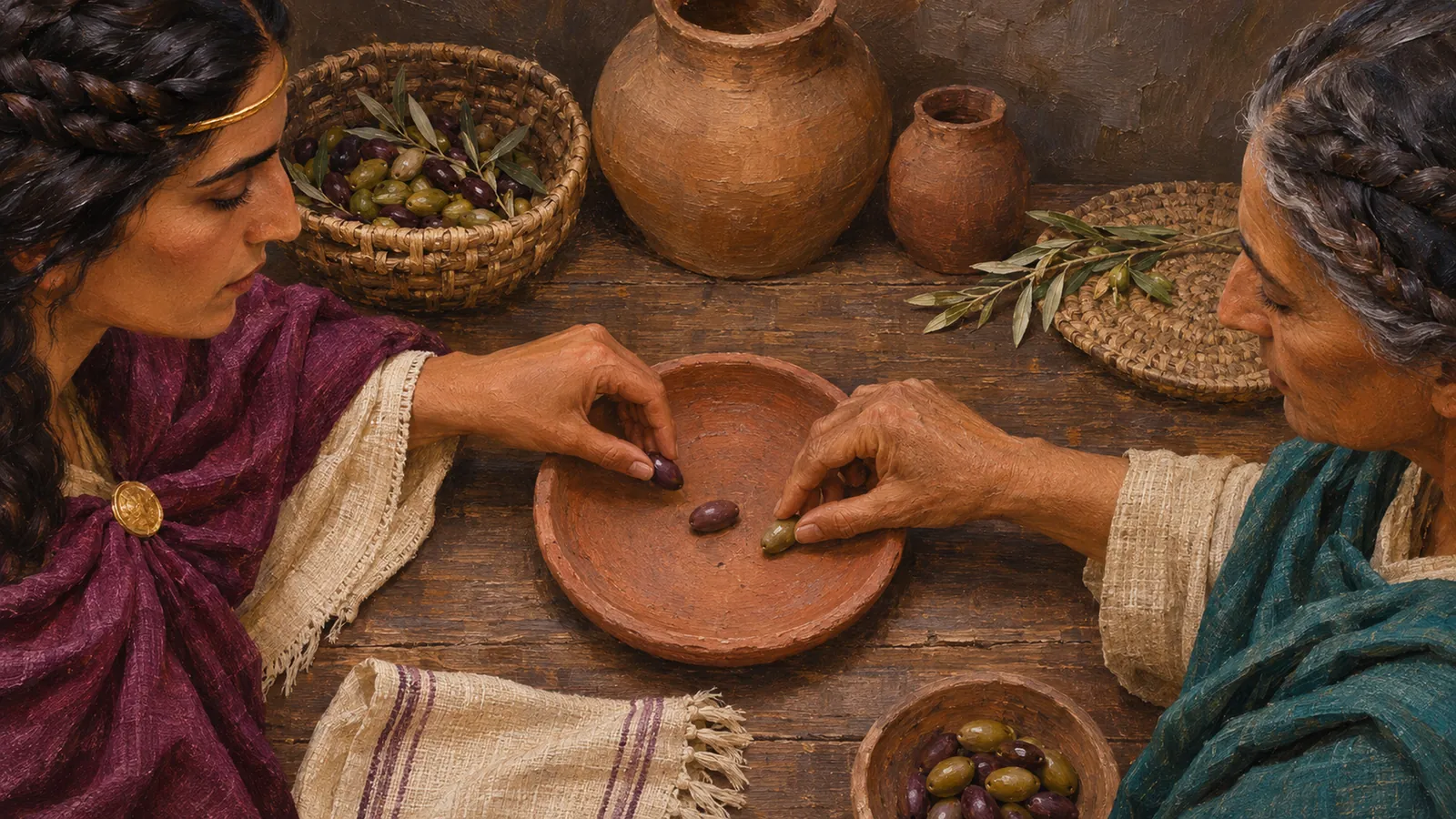
In Justin's version she arranges a ceremony for Acerbas at the edge of the city. The people expect her to honor her husband before she goes to marry Hiarbas.
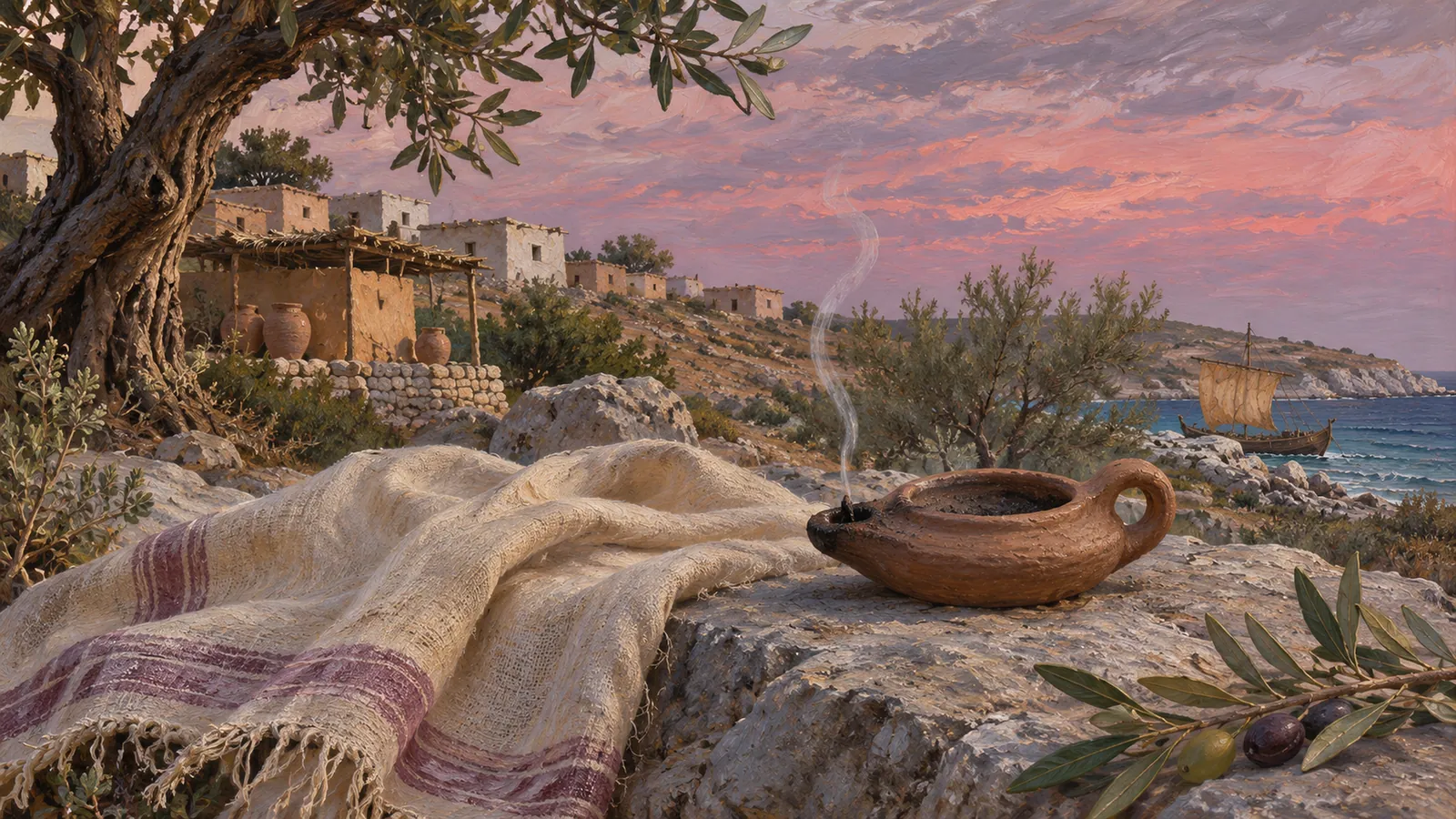
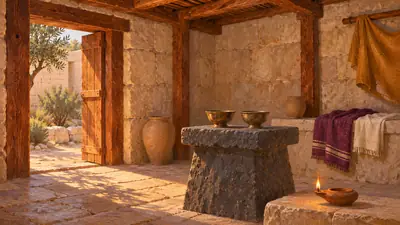
A funeral pyre stands at the place of the offerings. Elissa tells the gathered people she will go to her husband. Her final words take on a meaning they had not expected.
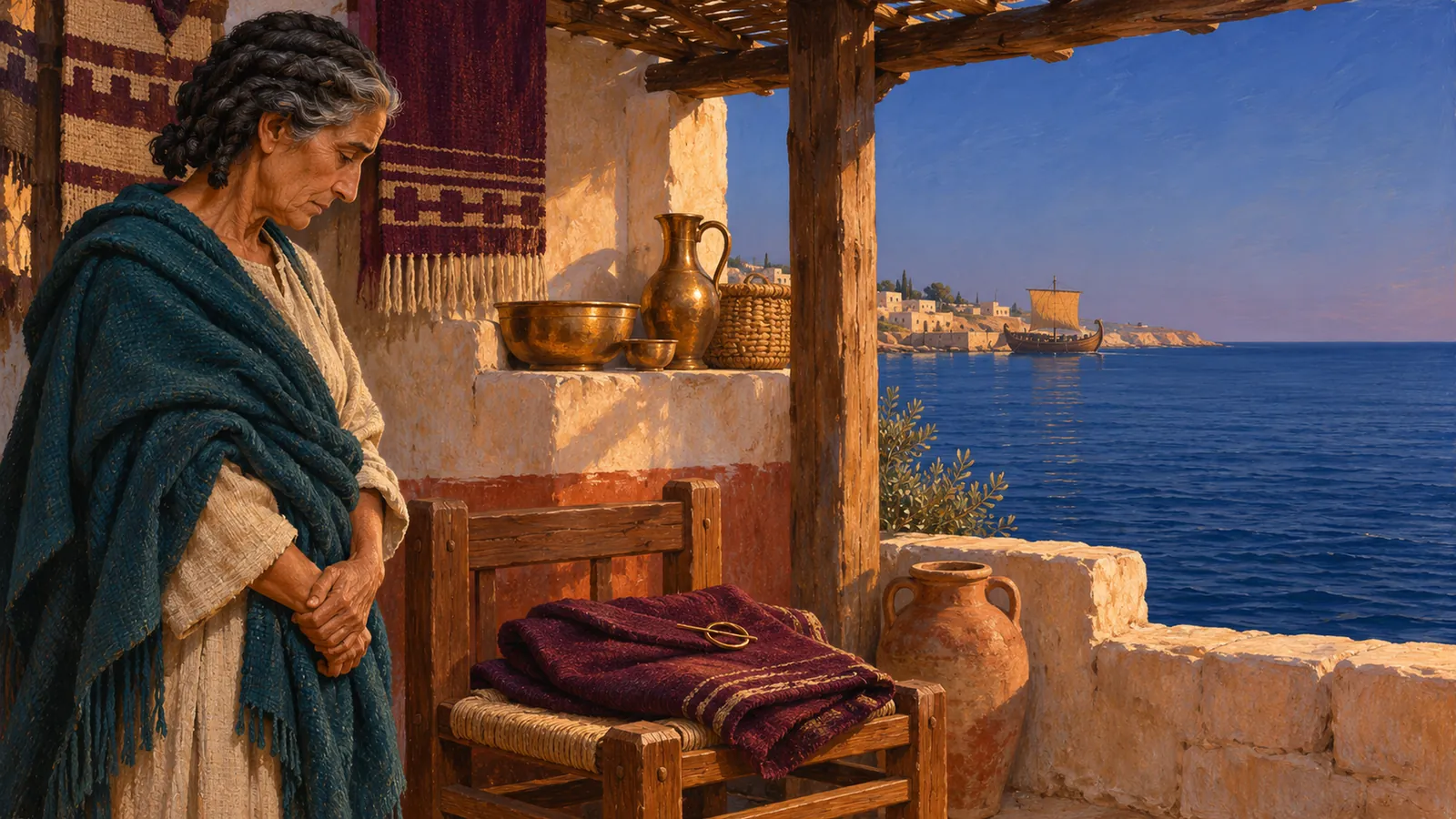
In the legend, Elissa dies by suicide. Her death follows a demand enforced by the threat of war and the pleas of her own council. She leaves the city she founded behind.
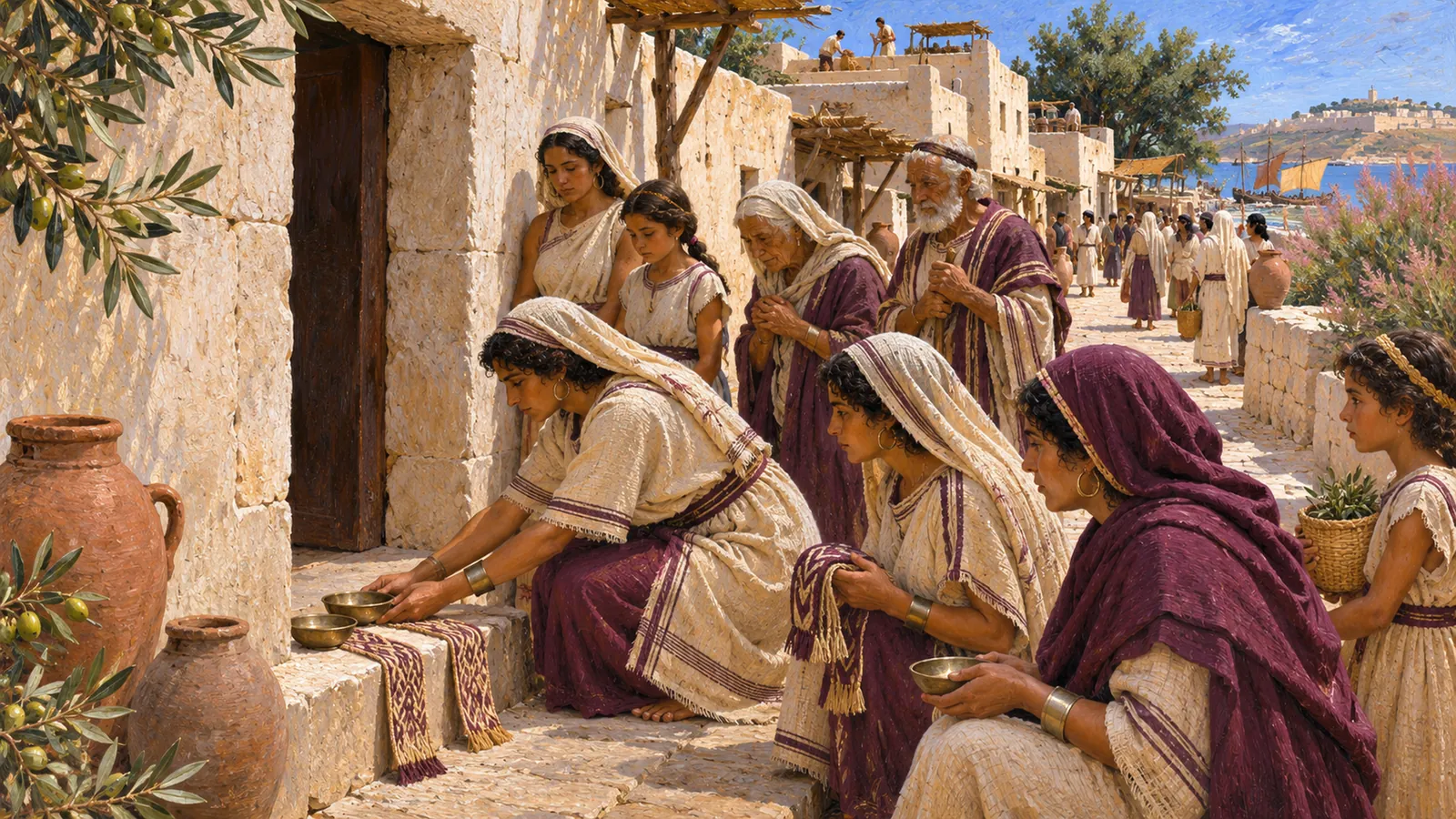
Justin says that the people of Carthage honored Elissa as a goddess for as long as their city remained unconquered. Her legend continued to be told after the ancient city fell.
The account attributed to Timaeus says she openly refuses the marriage at first. Under pressure from the people, she announces a rite for release from oaths. That account also ends with her death.
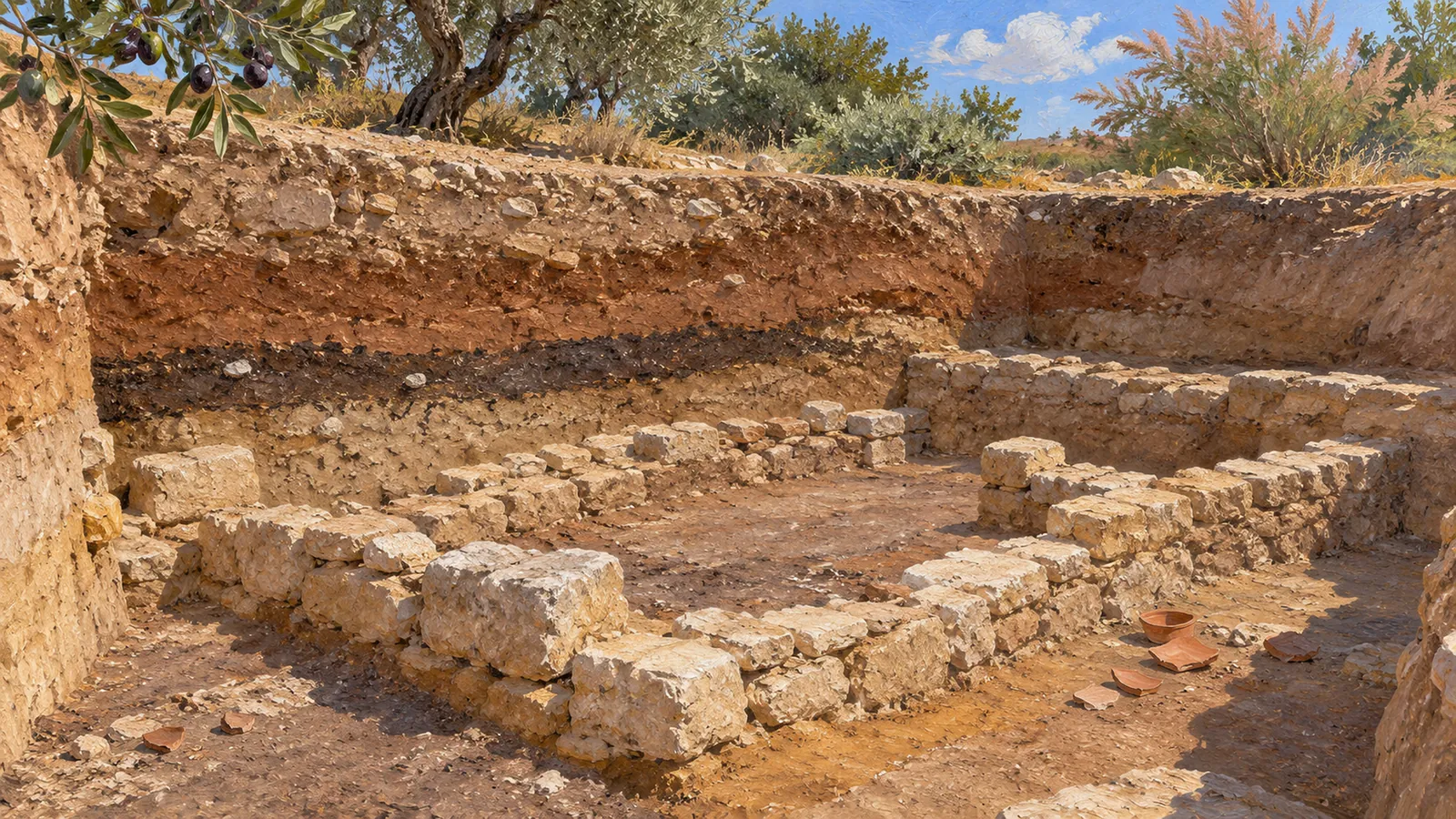
BIR MASSOUDA
The traditional date is around 814 BCE. At Bir Massouda, excavators found early Punic burial shafts and sections of fortification. These remains preserve a different part of Carthage's beginnings.
End of chapter 1
All pages




Sources
Editions consulted
- Justin, Epitome of Pompeius Trogus, 18.4–6, translation by John Selby Watson
- Timaeus, FGrHist 566 F82, preserved under Theiosso in the anonymous Tractatus de Mulieribus
- UNESCO World Heritage Centre, Archaeological Site of Carthage
- Boutheina Maraoui Telmini, Fethi Chelbi and Roald Docter, excavations at Bir Massouda
- Oxford Classical Dictionary, Carthage and its Phoenician name
- Élodie Guillon, the Tyrian god Melqart and his identification with Heracles
- Dionysius of Halicarnassus, Roman Antiquities 1.74.1, on the calculation attributed to Timaeus
- Josephus, Against Apion 1.116–126, quoting Menander on the Tyrian succession
Ancient lines behind each page
- Page 1: Justin 18.4
- Page 2: Justin 18.4–5
- Page 3: Justin 18.4
- Page 4: Justin 18.4
- Page 5: Justin 18.4; Guillon on Melqart
- Page 6: Justin 18.4; Guillon on Melqart
- Page 7: Justin 18.4
- Page 8: Justin 18.4
- Page 9: Justin 18.4; Timaeus F82
- Page 10: Justin 18.4
- Page 11: Justin 18.4
- Page 12: Justin 18.4
- Page 13: Justin 18.4
- Page 14: Justin 18.4
- Page 15: Justin 18.4
- Page 16: Justin 18.4
- Page 17: Justin 18.4
- Page 18: Justin 18.4
- Page 19: Justin 18.4
- Page 20: Justin 18.4
- Page 21: Justin 18.4
- Page 22: Timaeus F82
Wealth in the separate Timaeus witness. - Page 23: Justin 18.5
- Page 24: Justin 18.5
- Page 25: Justin 18.5
- Page 26: Justin 18.5
- Page 27: Justin 18.5
- Page 28: Justin 18.5
- Page 29: Justin 18.5
- Page 30: Justin 18.5
- Page 31: Timaeus F82
- Page 32: Justin 18.5; UNESCO, Archaeological Site of Carthage
- Page 33: Timaeus F82
- Page 34: Justin 18.5
- Page 35: Justin 18.5
Curving line and dried hide belong to the founding legend. - Page 36: Justin 18.5
- Page 37: Justin 18.5
- Page 38: Justin 18.5; Greek βύρσα
Traditional Greek play on the resemblance of Byrsa to a word for hide. - Page 39: Justin 18.5
- Page 40: Justin 18.5
- Page 41: Justin 18.4–5
- Page 42: Justin 18.5
- Page 43: Justin 18.5; Oxford Classical Dictionary, Carthage
- Page 44: Justin 18.5
- Page 45: Justin 18.5
- Page 46: Justin 18.5
- Page 47: Justin 18.5–6
- Page 48: Justin 18.6
- Page 49: Justin 18.6
- Page 50: Justin 18.6
- Page 51: Justin 18.6
- Page 52: Justin 18.6
- Page 53: Justin 18.6
- Page 54: Justin 18.6
- Page 55: Justin 18.6
- Page 56: Justin 18.6
- Page 57: Justin 18.6; Timaeus F82
- Page 58: Justin 18.6
- Page 59: Timaeus F82
- Page 60: Dionysius of Halicarnassus 1.74.1; Maraoui Telmini, Chelbi and Docter 2010
Illustrations made with AI tools by IL Archive; the text is based on the ancient sources (see the sources at the end of each chapter).