Enki and Ninhursag Chapter 1
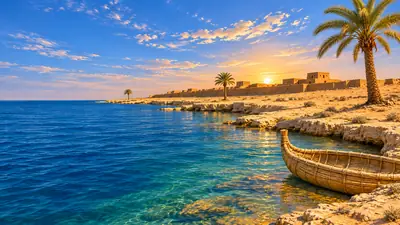
The Waters of Dilmun
Ninsikila asks for water for Dilmun, and fresh water rises into the city’s basins. After a series of births, eight plants grow. Enki eats them, and Ninhursag returns to heal him.
SourcesTurn the pages with the arrows, the arrow keys or a swipe.
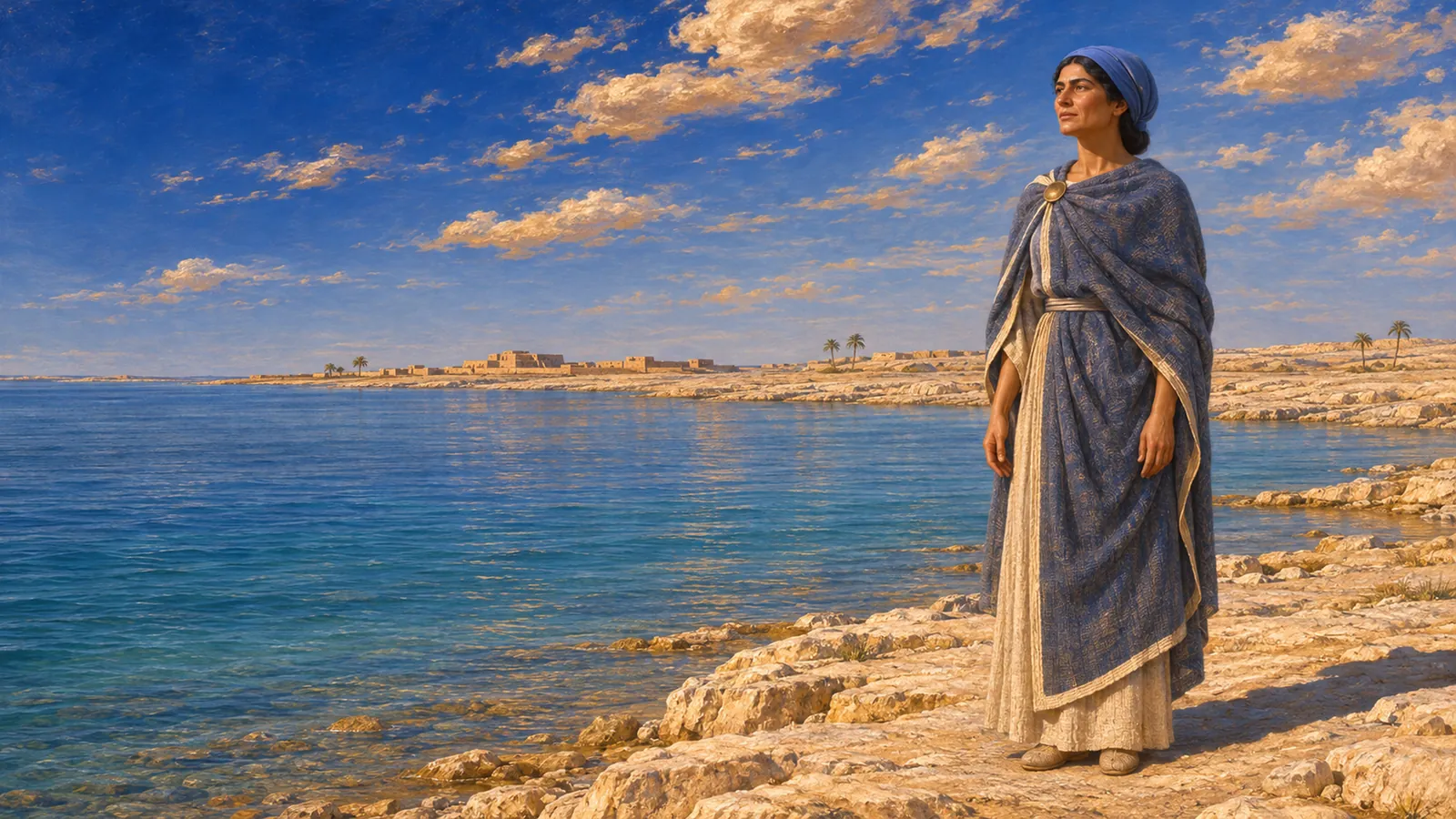
THE WATERS OF DILMUN
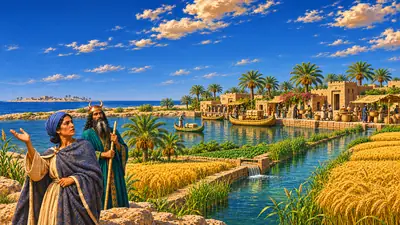
The old song names Sumer and praises Dilmun. It calls Dilmun pure, bright and clean, and returns to those words as it begins its story.
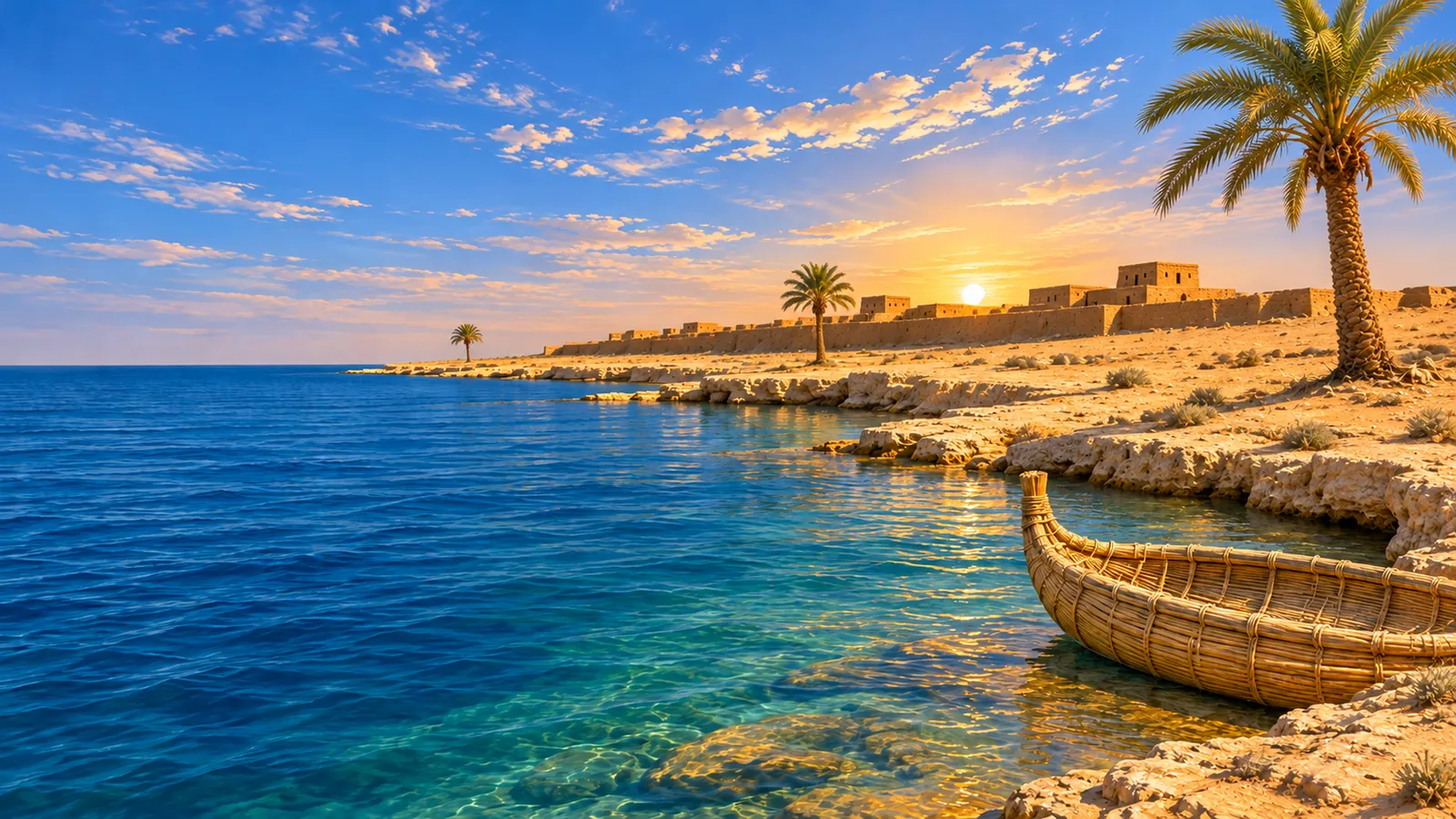
The poem remembers the place where Enki lay with Ninsikila. It calls her his spouse in these lines and praises the land again for its purity and brightness.
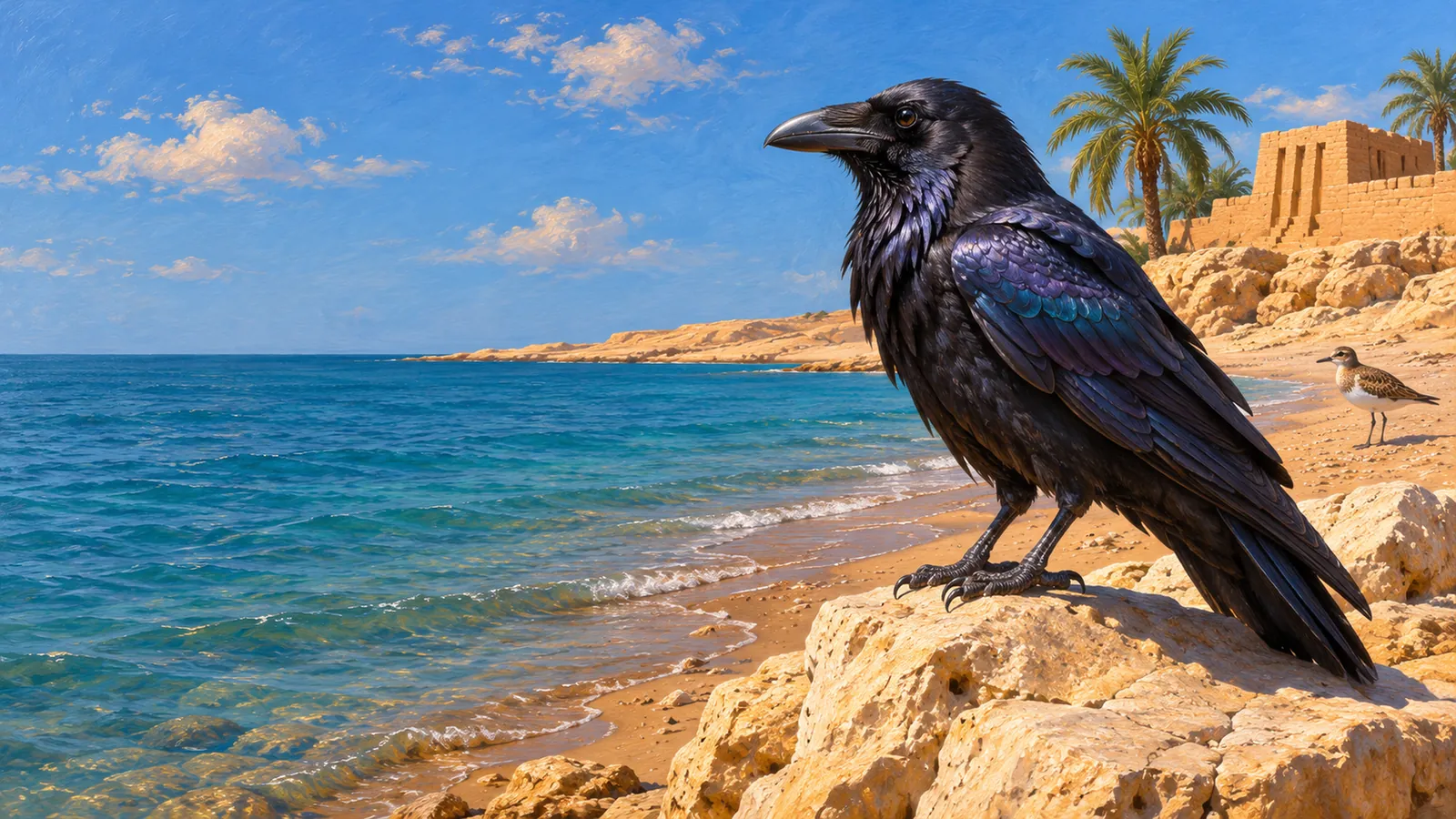
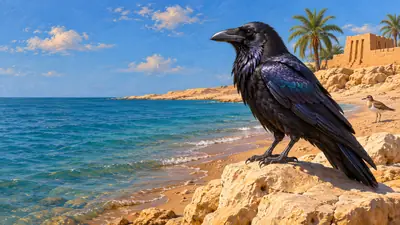
In Dilmun the raven gave no cry. Another bird kept silent too, and the early song describes a land that had yet to hear their calls.
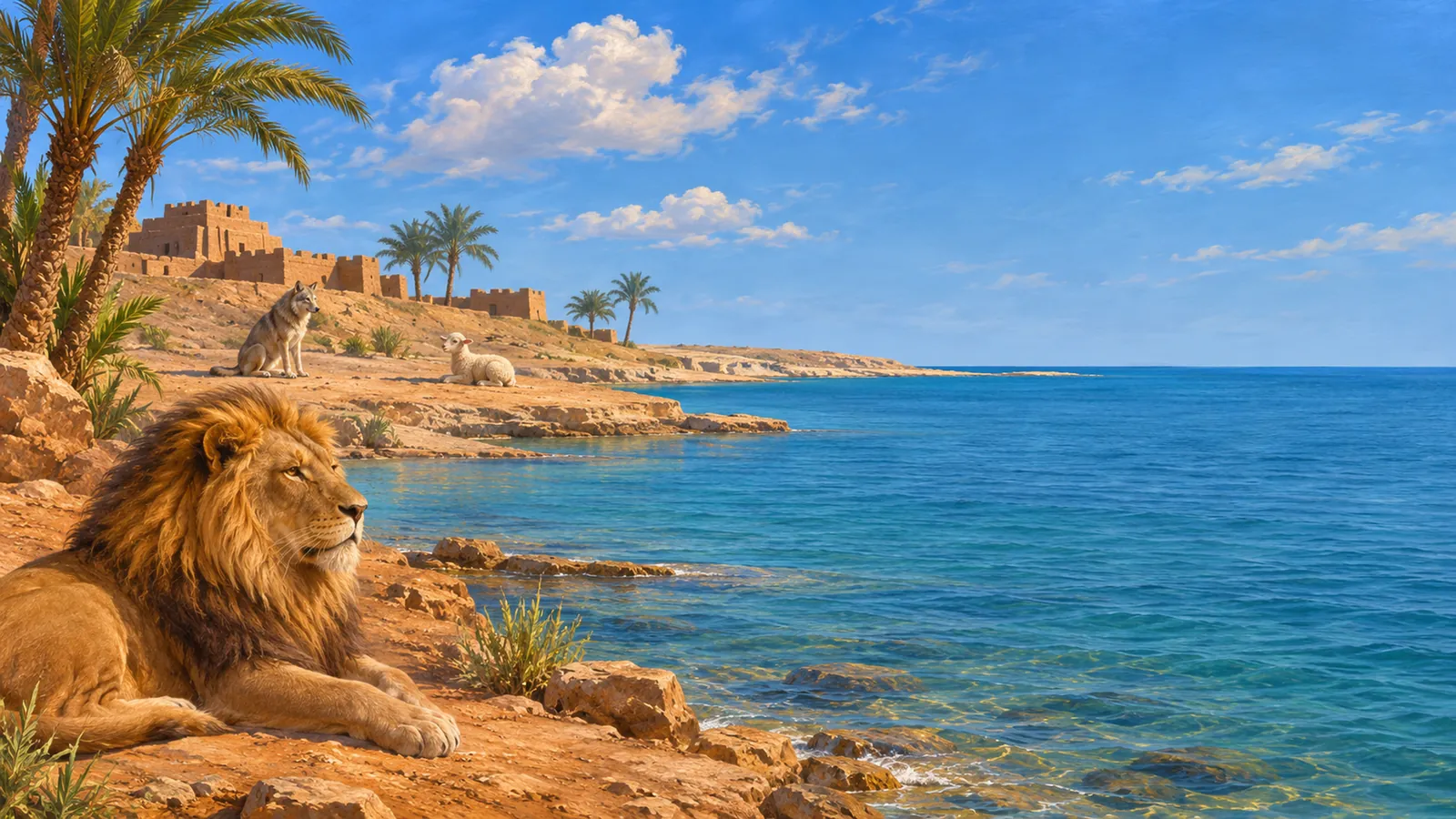
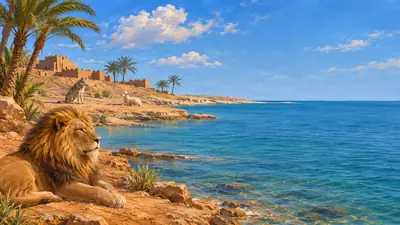
The lion did not kill and the wolf did not seize a lamb. The poem goes on naming the things that did not yet happen in Dilmun.
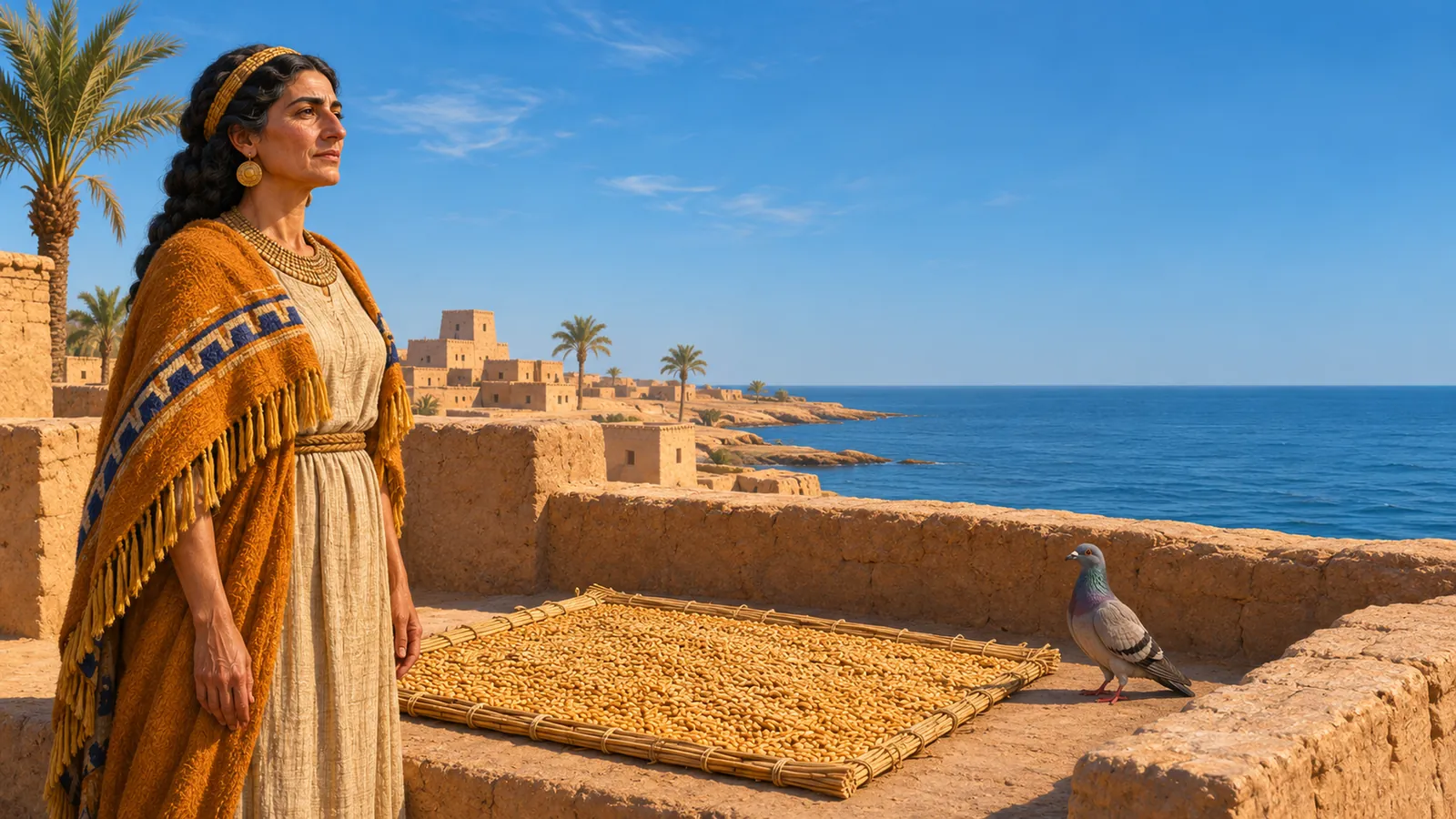
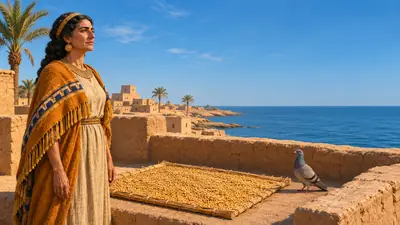
The poem says that birds left malt on a roof undisturbed. It adds that the pigeon did not tuck its head under its wing.
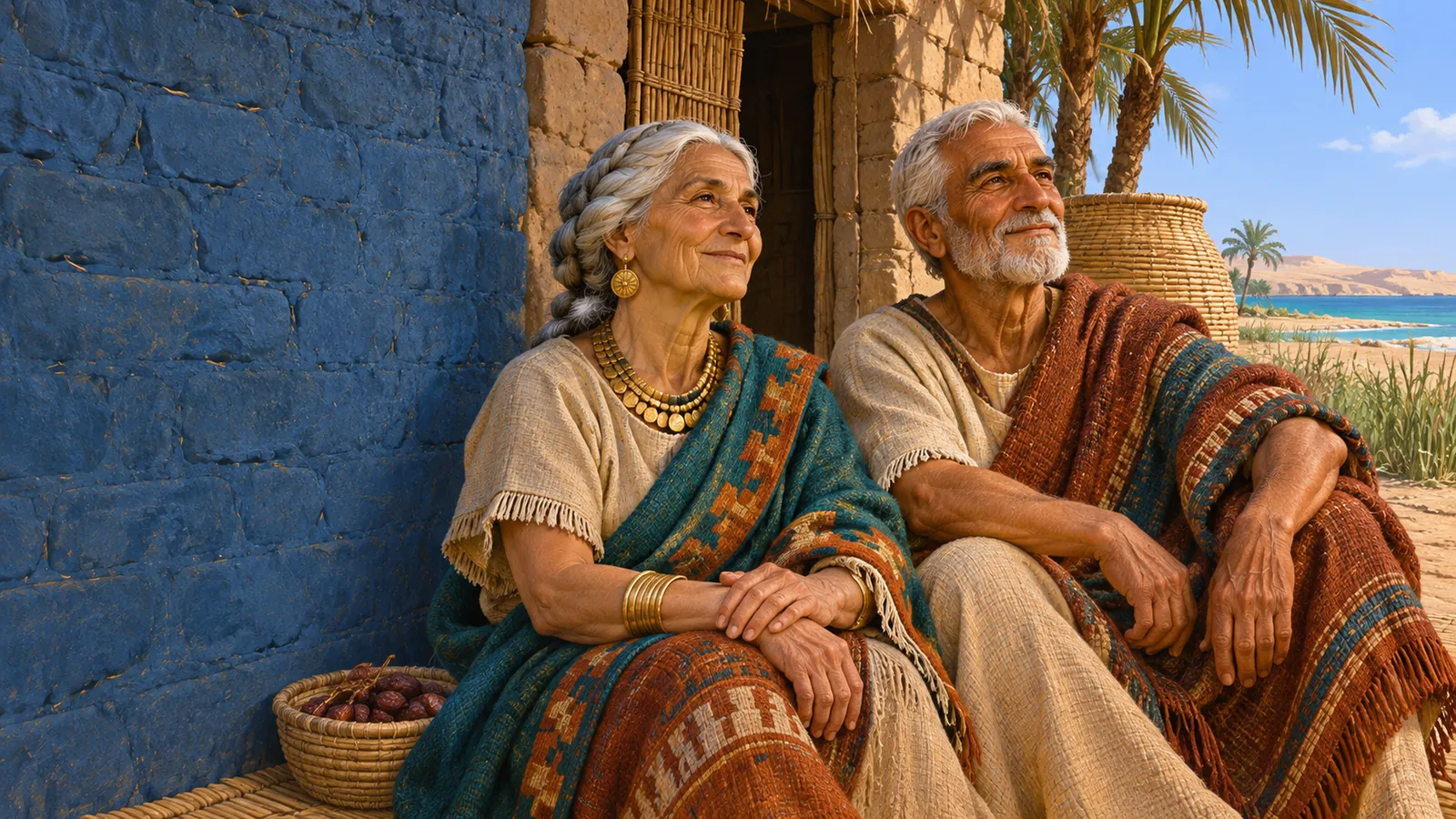
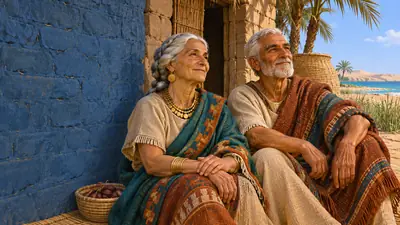
No one spoke of sore eyes or a headache. Neither an old woman nor an old man was heard to lament growing old in Dilmun.
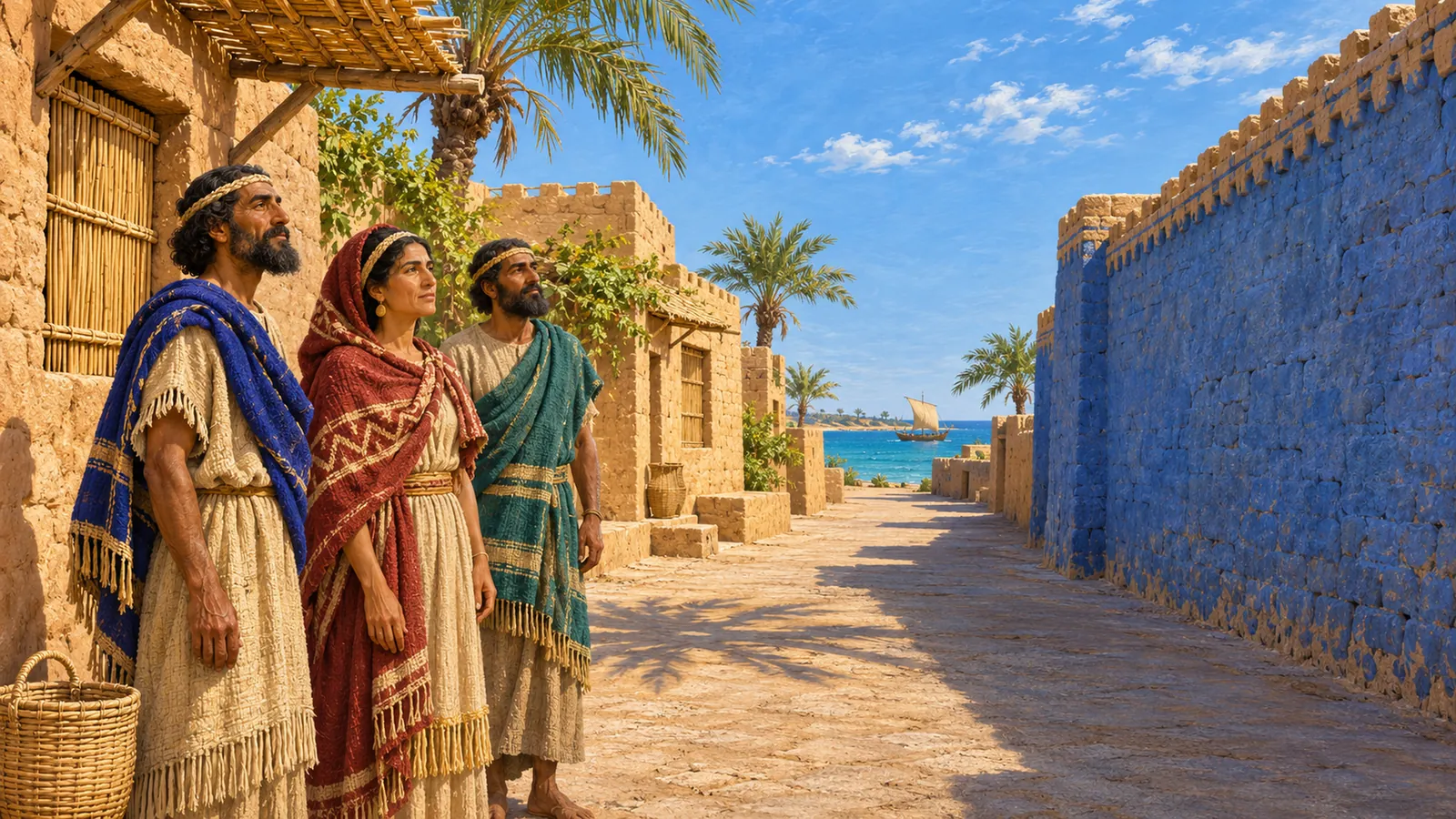
The dredger did not say that dusk had fallen, and no herald called out. The singer sang no song, and no lament was heard beyond the edge of the town.
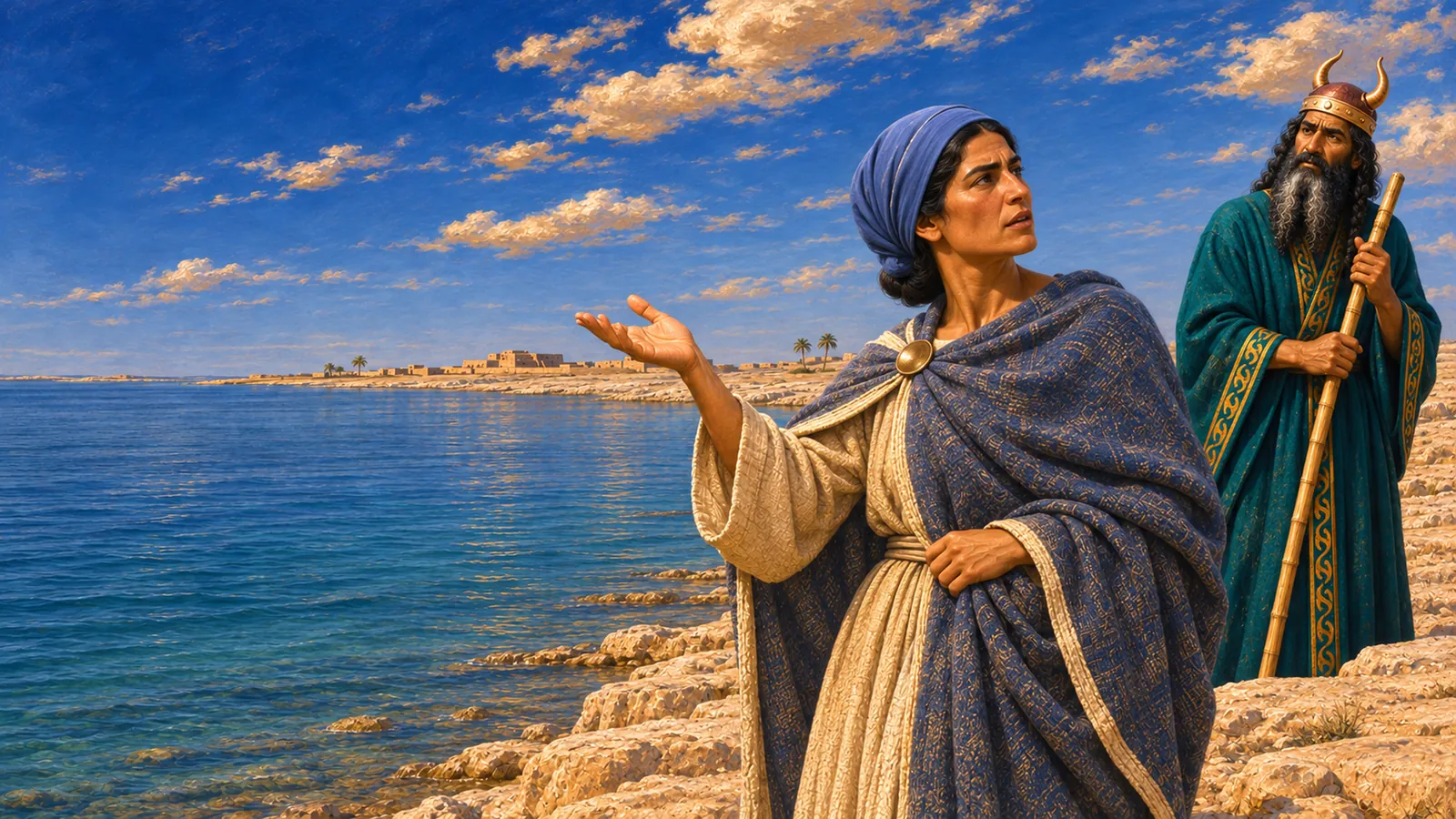
THE GIFT
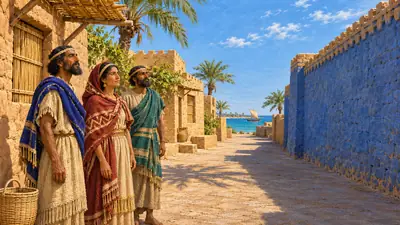
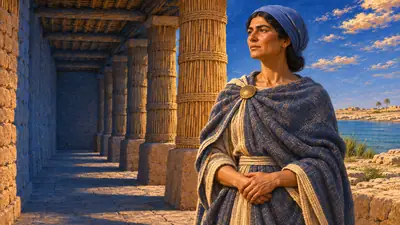
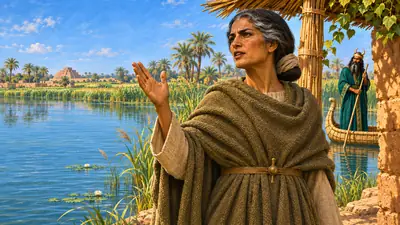
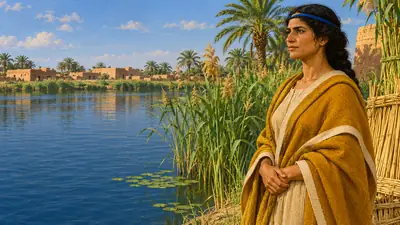
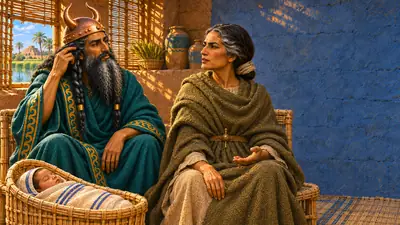
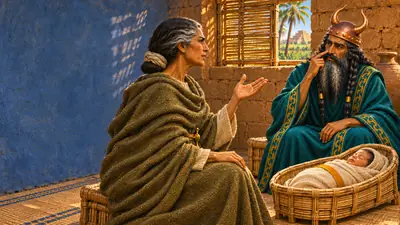
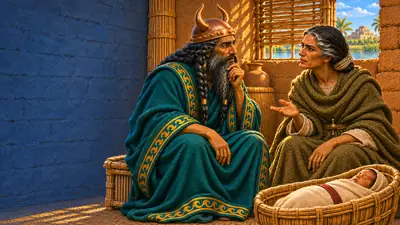
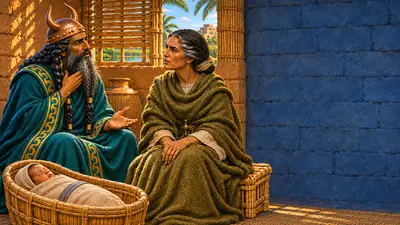
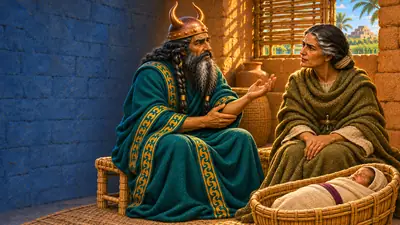
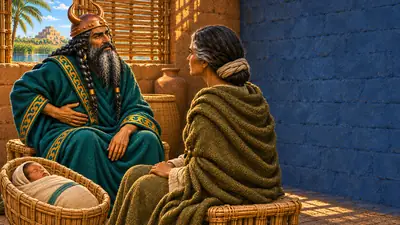
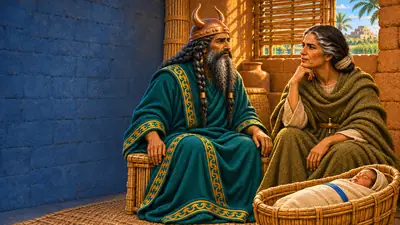
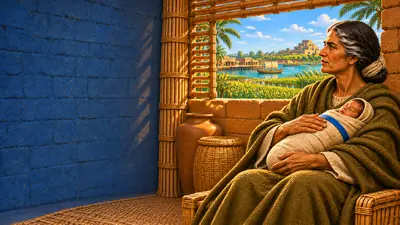
Ninsikila asked Enki what good his gift of a city could do for her. She addressed him as father and repeated her question as she looked to the land he had given her.
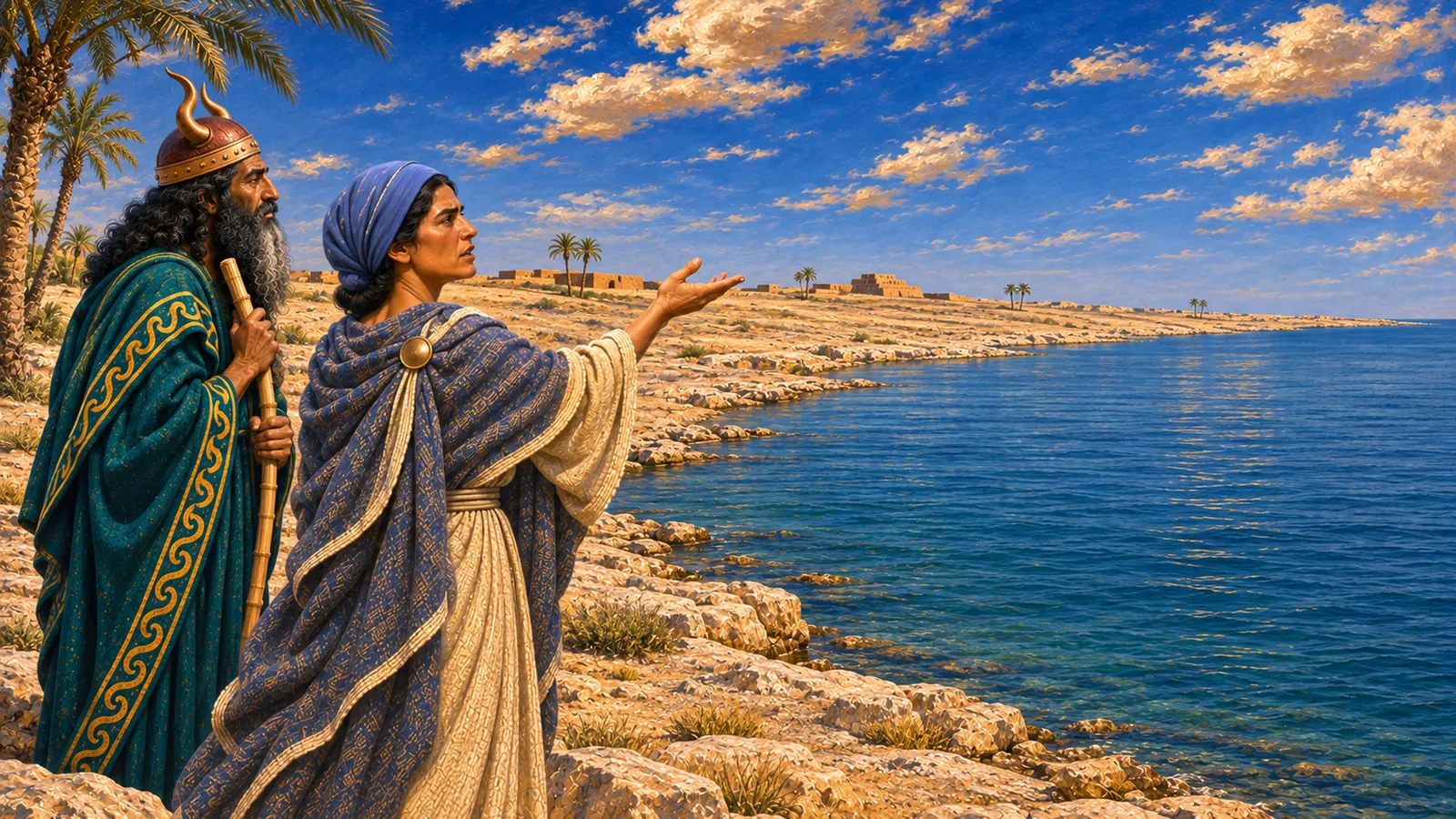
Ninsikila spoke of a city without a quay or a river landing. The words about its land are broken in one place, but her complaint about the lack of furrows survives.
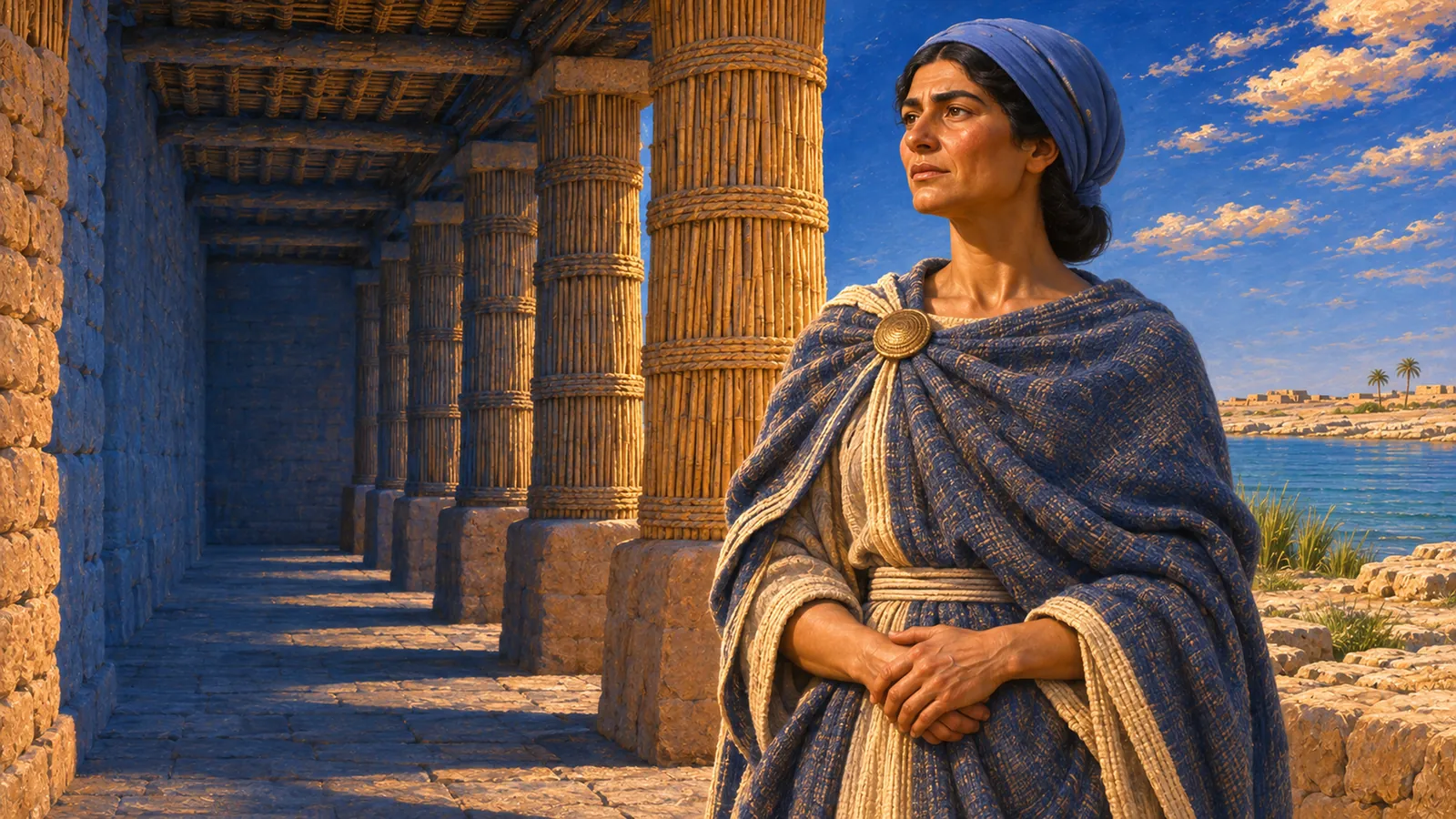
Three lines of the poem are missing here. The surviving words leave a pause between Ninsikila’s account of the land and the reply that follows.
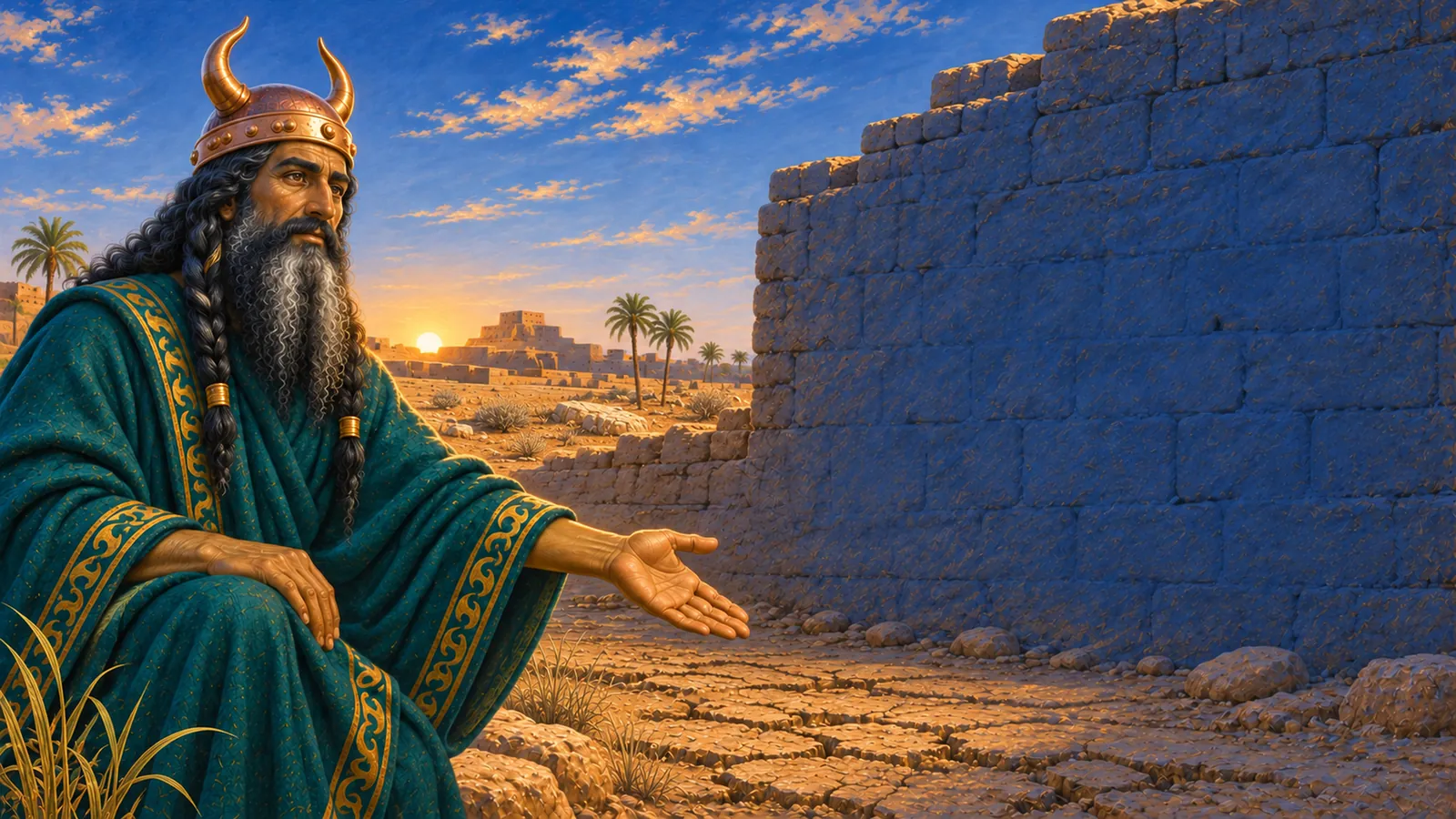
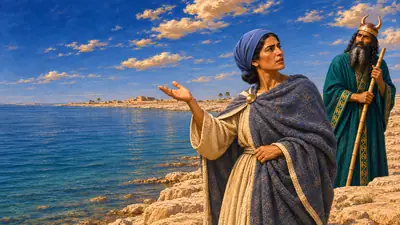
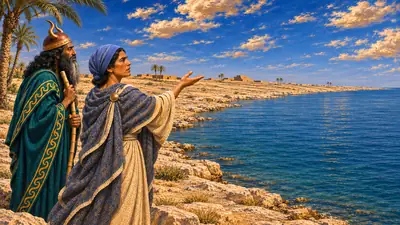
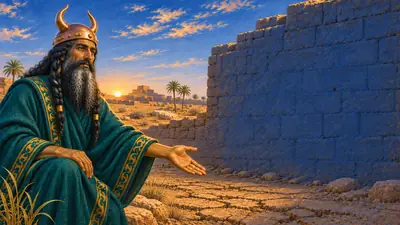
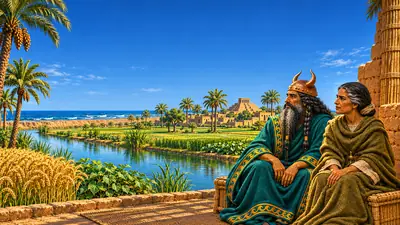
Enki promised that fresh water would rise for Dilmun when Utu brought daylight. Some words about where the water would come from survive only in traces.
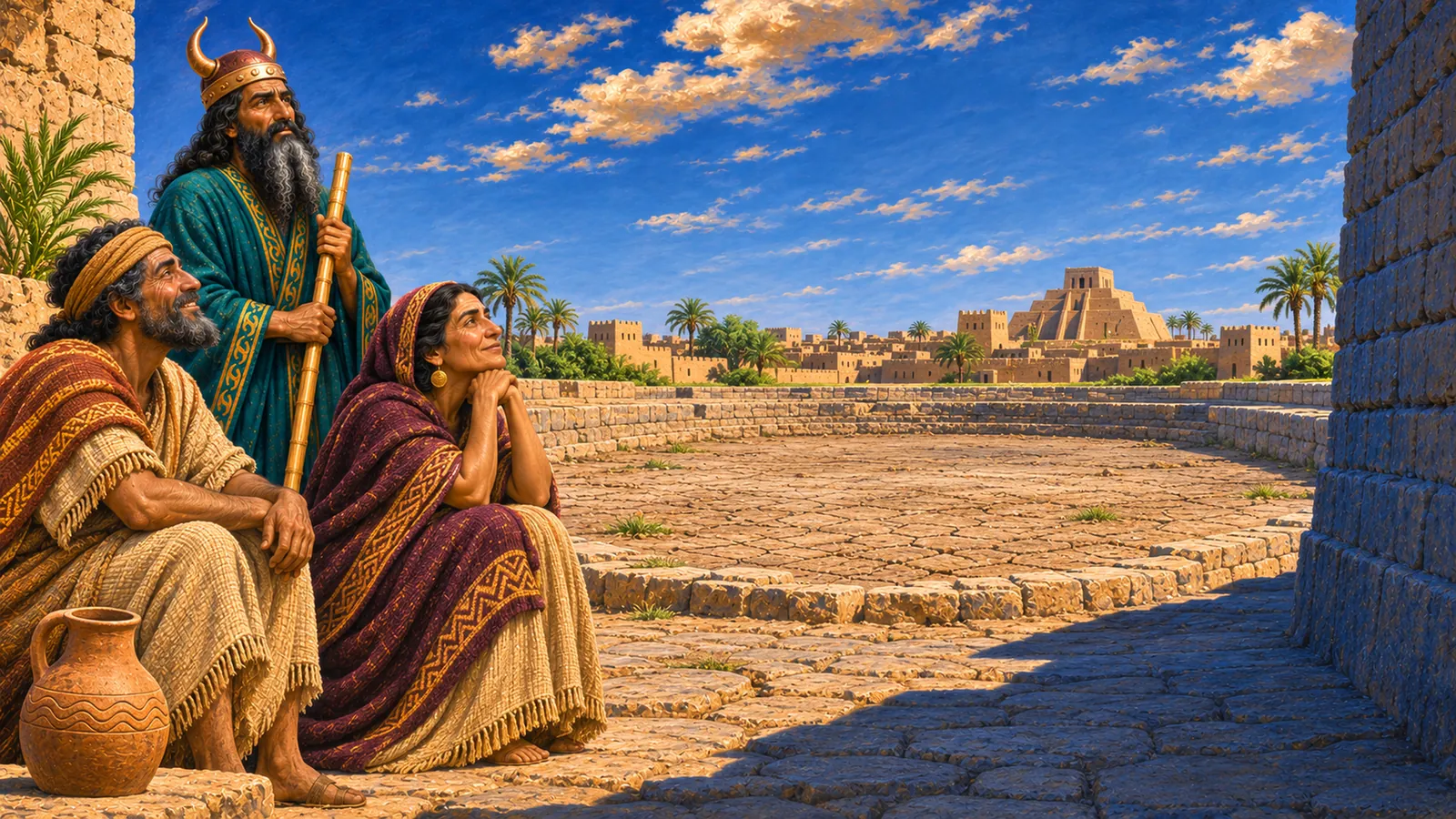
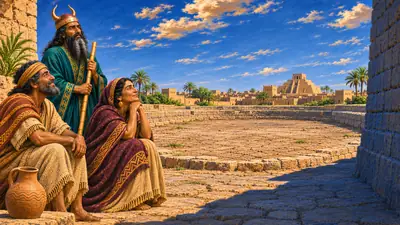
Enki said the water would travel up from below and fill the city’s broad basins. For now the people of Dilmun still had to wait.
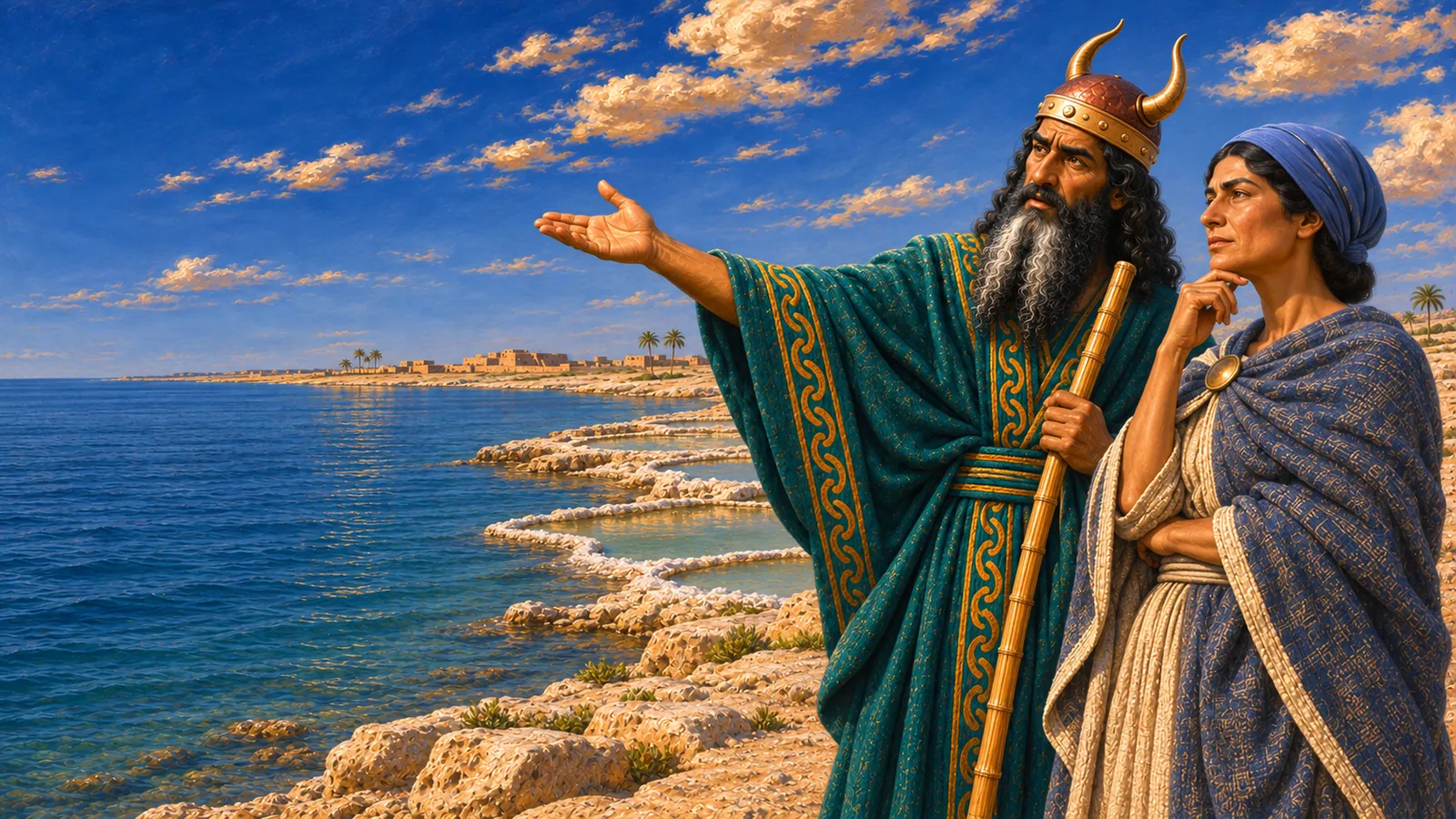
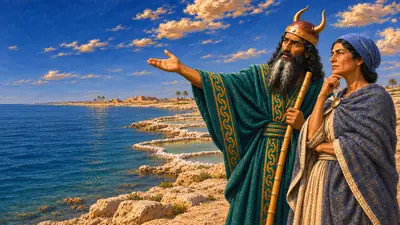
Enki said the salt pools would turn fresh. He told Ninsikila her city would become a quay where merchants could do business.
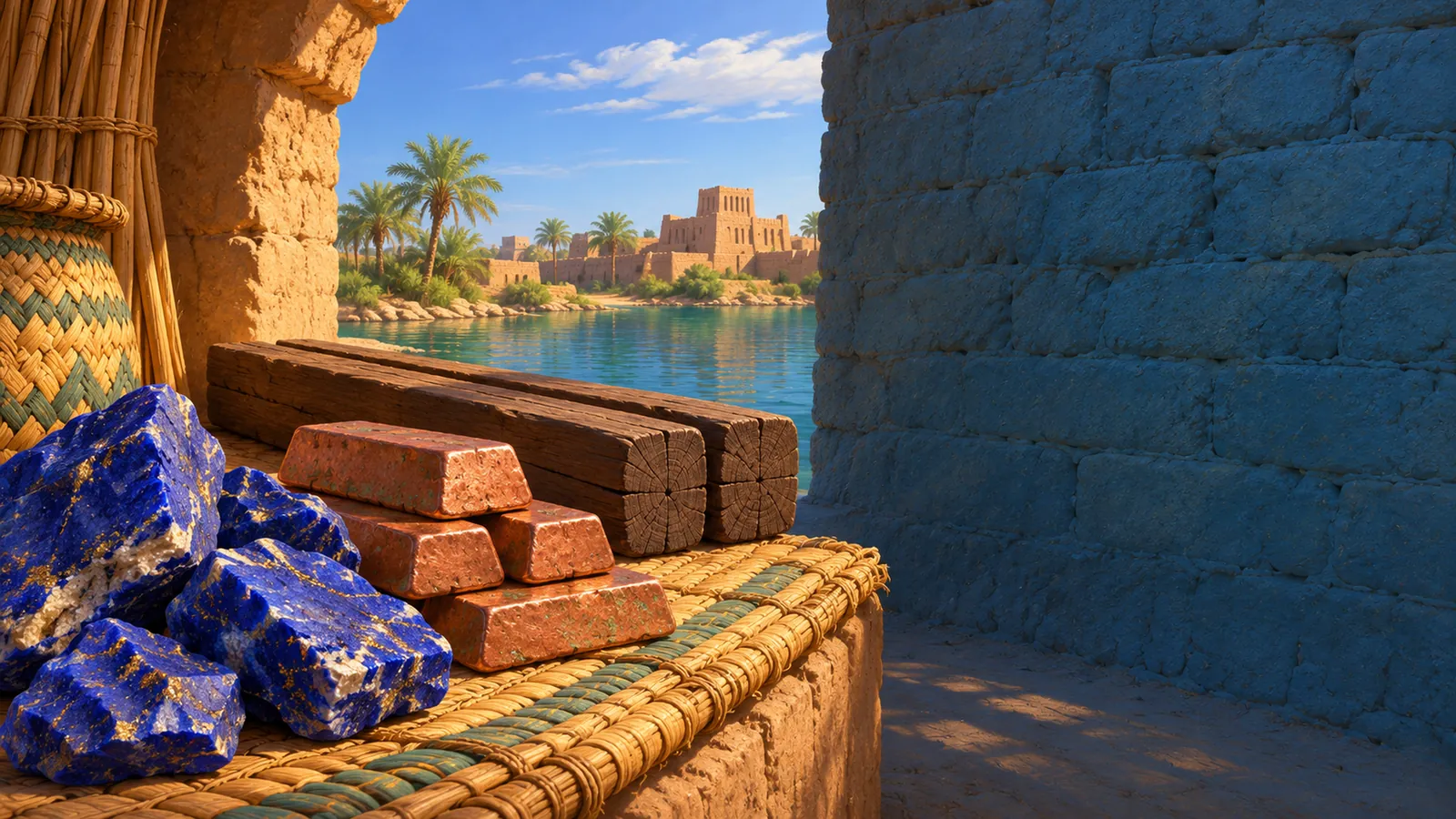
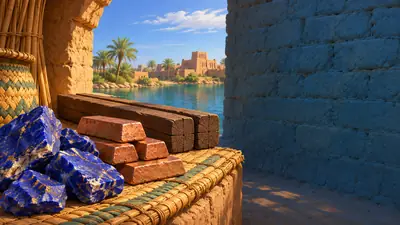
A copy from Ur preserves a wish for cargoes to reach Dilmun. Lapis lazuli, copper and timber are among the things named in its surviving lines.
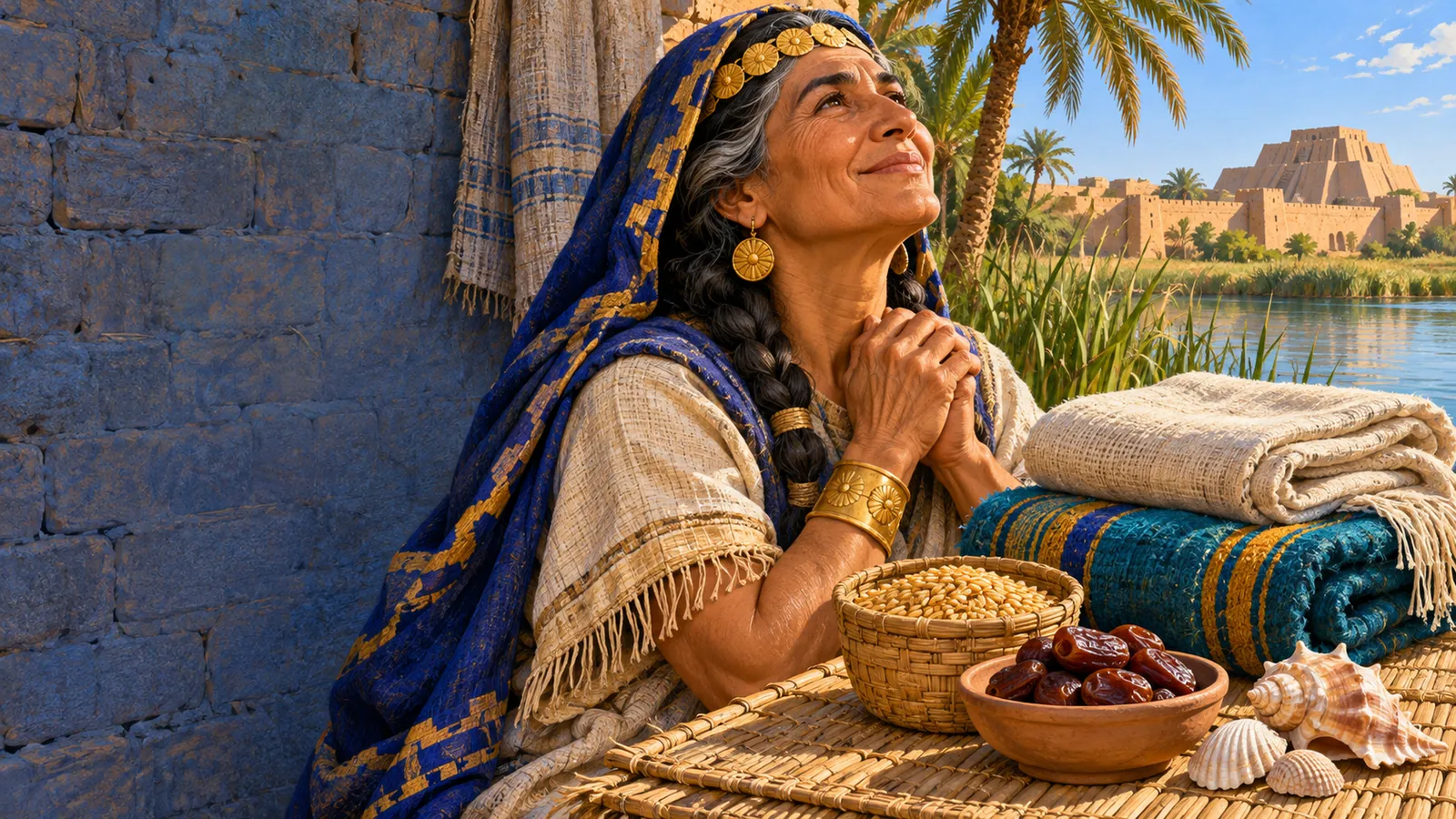
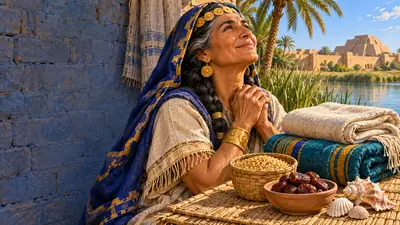
The same copy from Ur wishes for cloth, the wealth of the sea, and a harvest rich in grain and dates. Some of the words it uses are damaged.
FRESH WATER
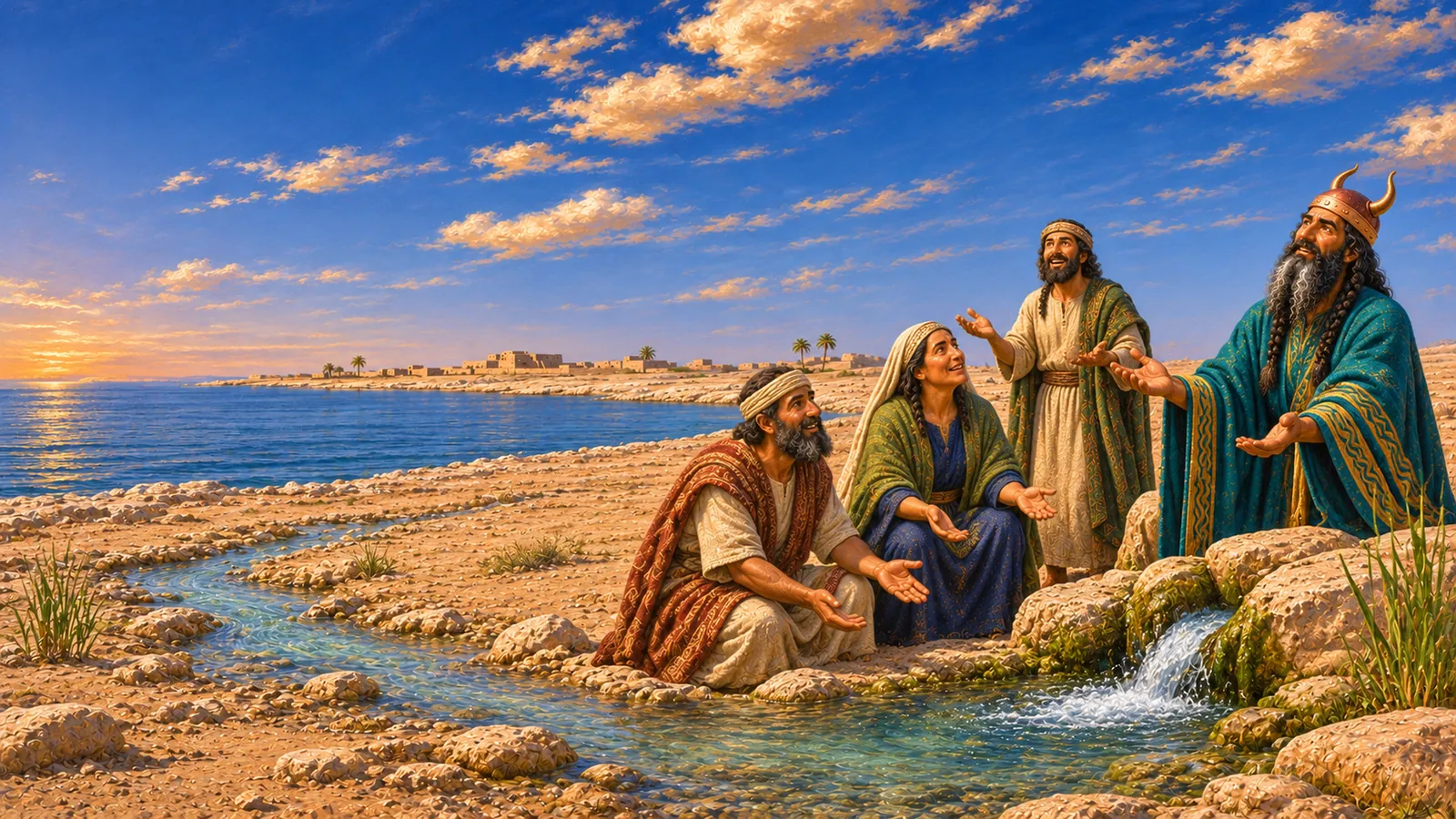
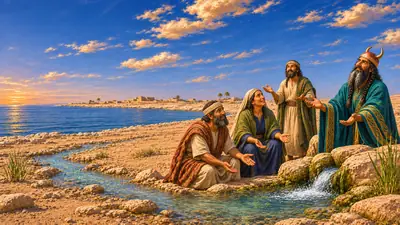
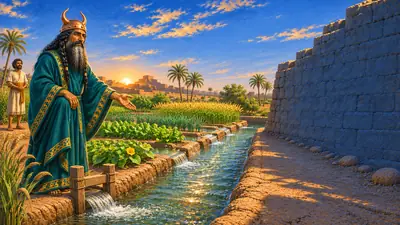
When Utu rose, fresh water came up from the ground for Dilmun. The surviving lines repeat some of the uncertain words used when Enki first promised it.
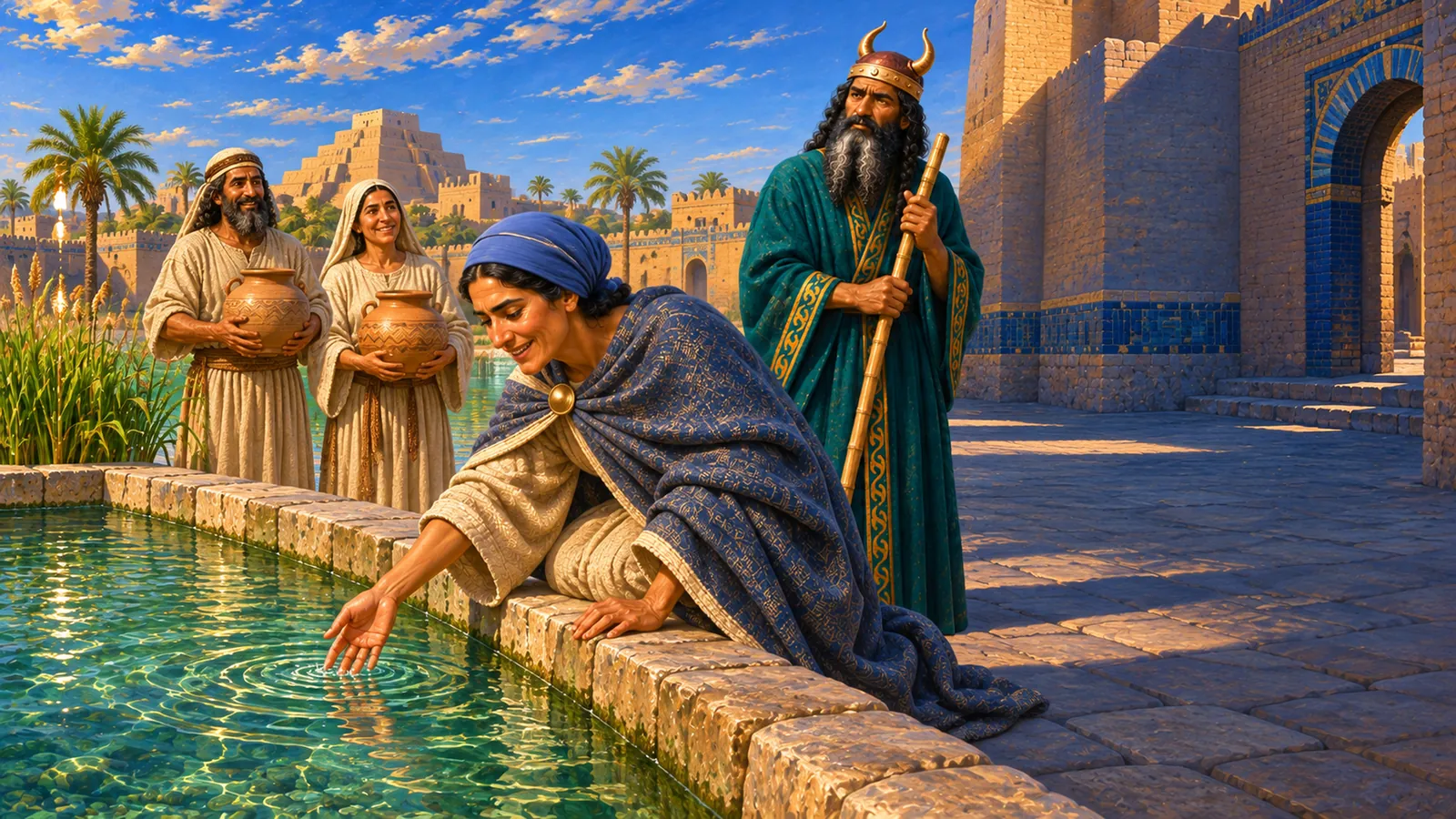
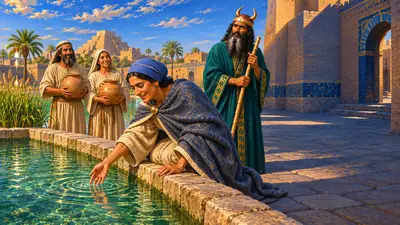
Fresh water filled the city’s basins, just as Enki had promised. The salt pools changed too, and the people of Dilmun now had fresh water.
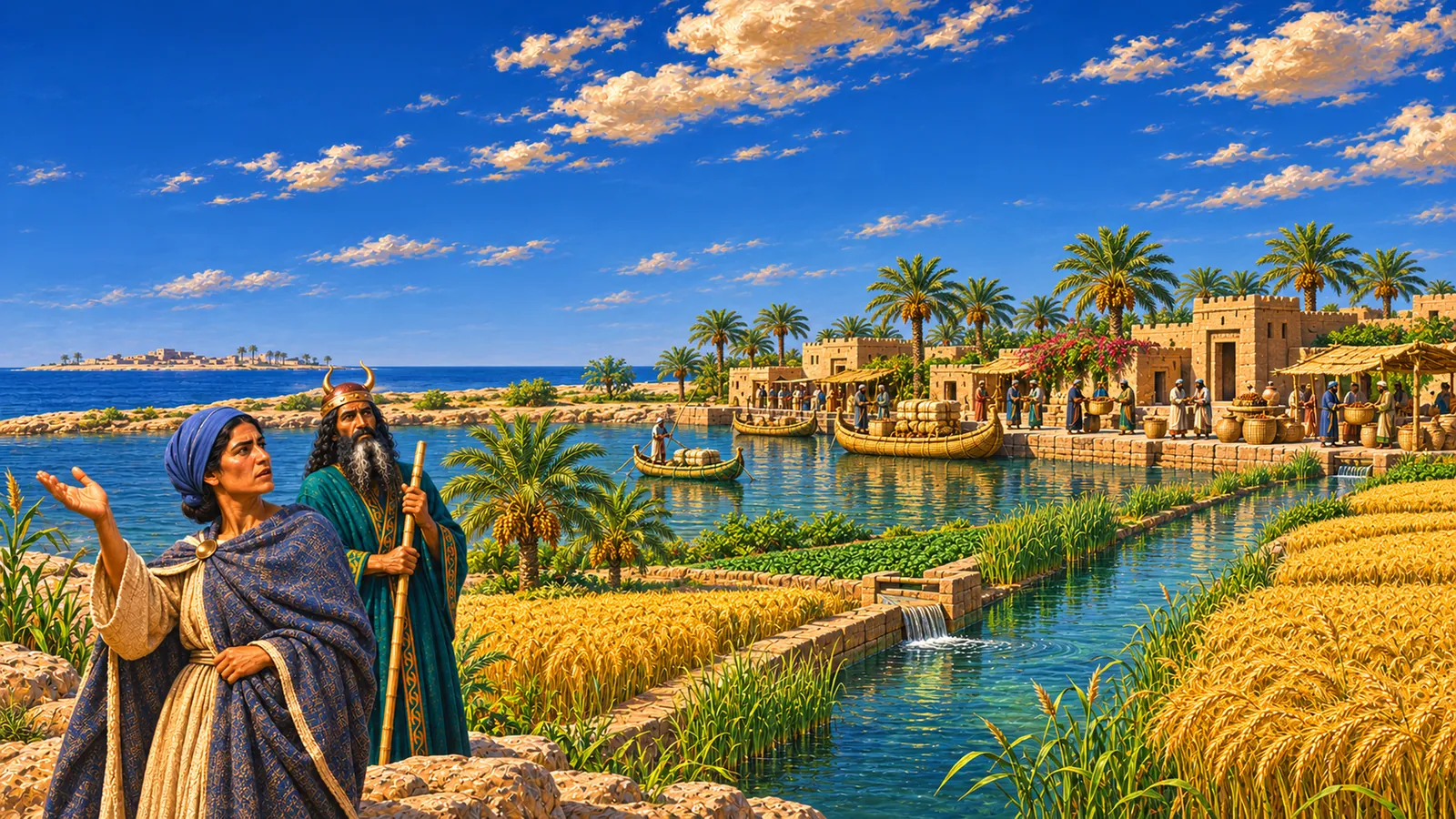
The fields bore grain in Dilmun. The city’s quay prospered, and the poem says the city became a place where merchants traded.
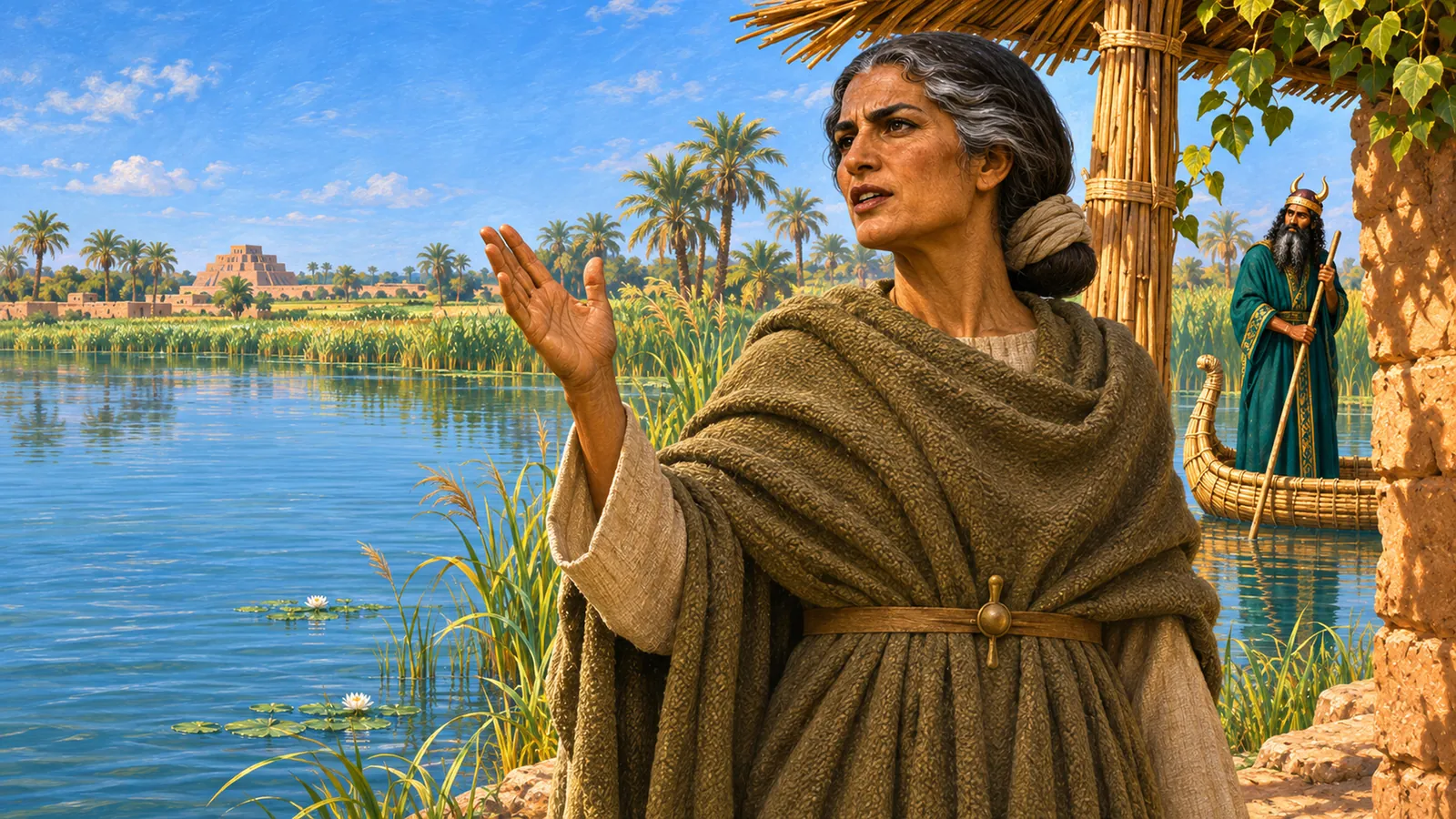
Enki went into the marsh. Nintud, called the mother of the country in this passage, spoke up and told him she would not lie with him there.
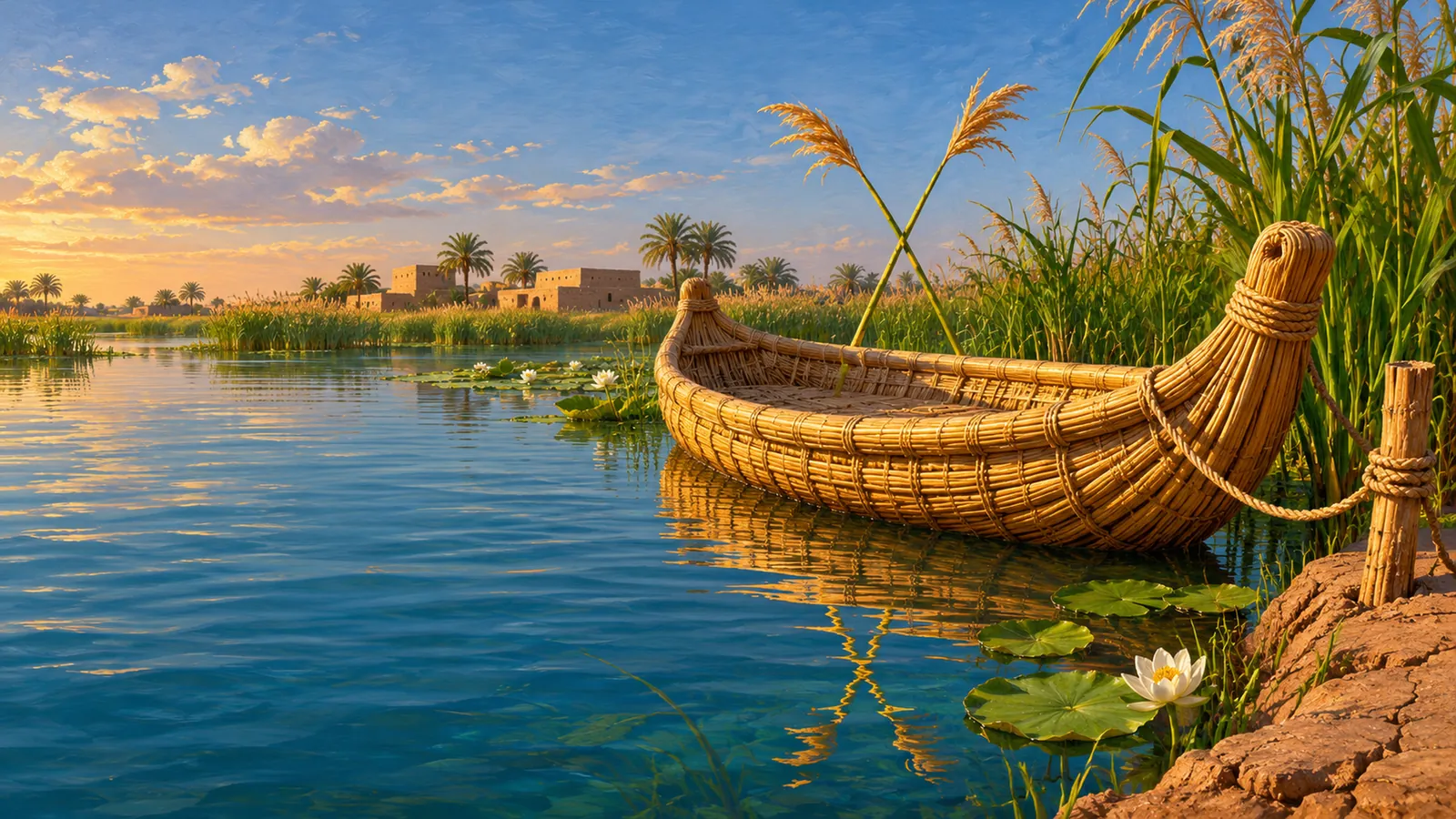
Enki swore an oath, persisted and lay with her. The poem mentions Damgalnuna in what follows and then says that Ninhursag conceived.
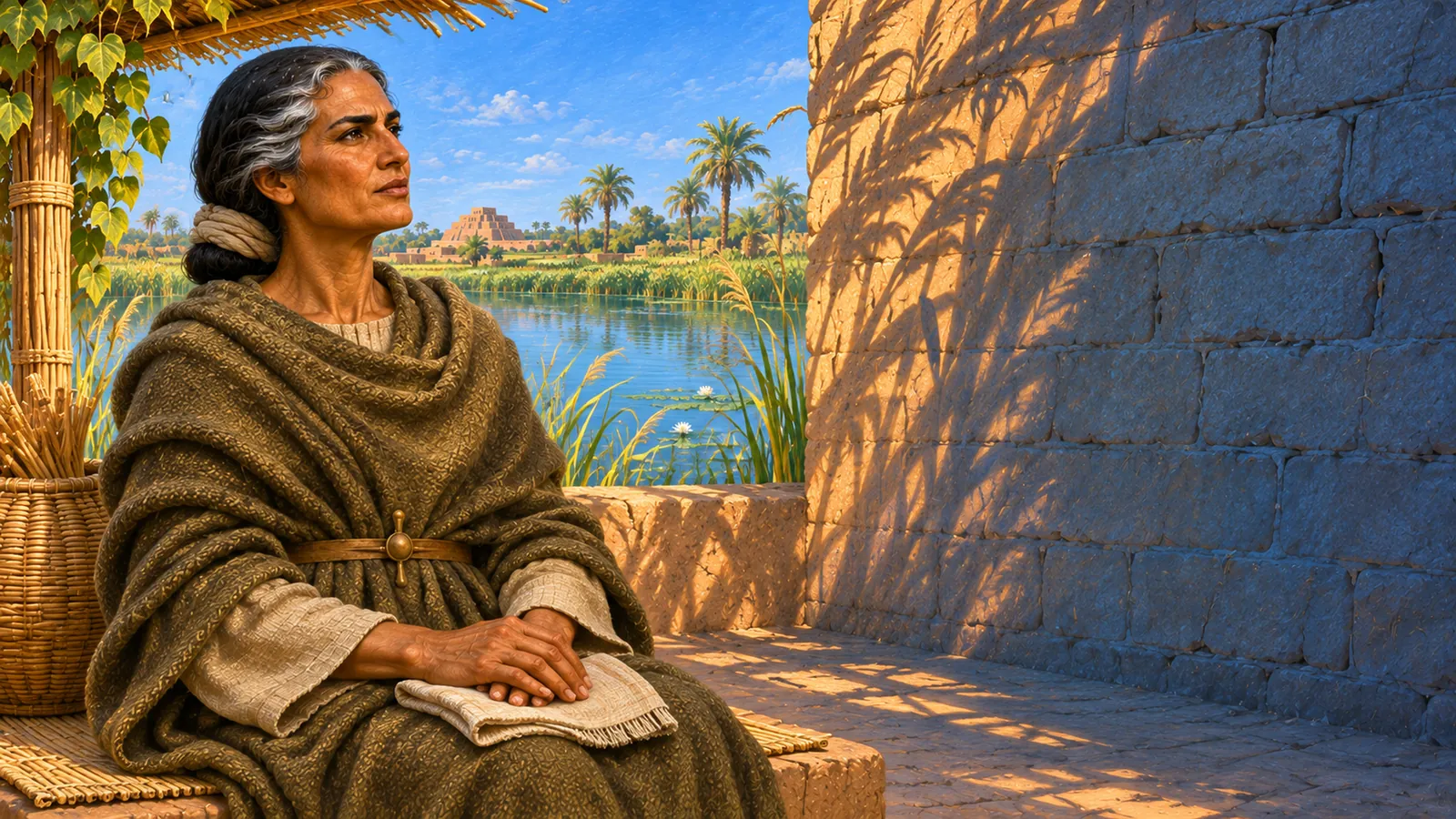
The poem counts the months one by one, letting a day stand for each month. In this telling, nine months pass in nine days.
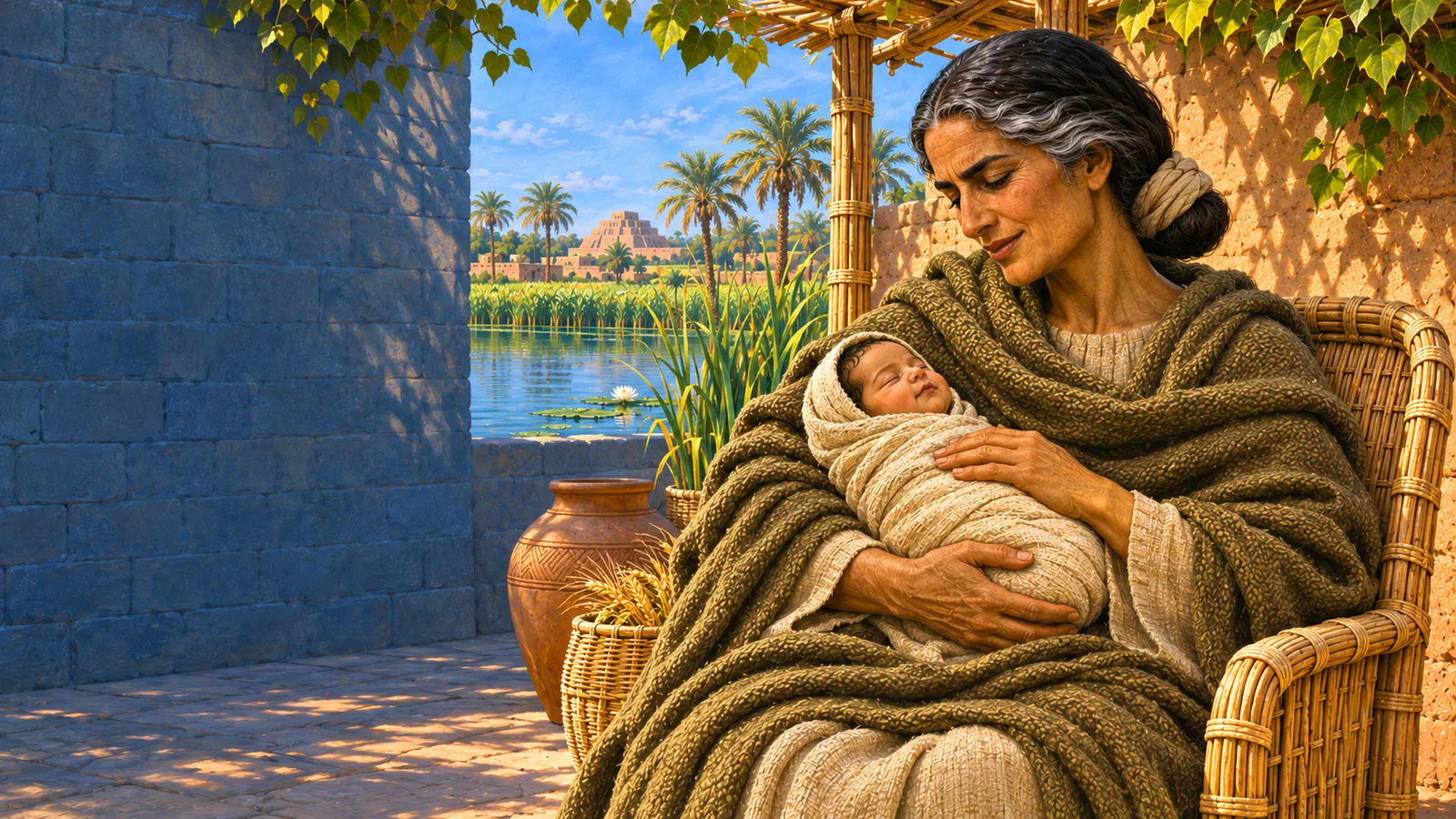
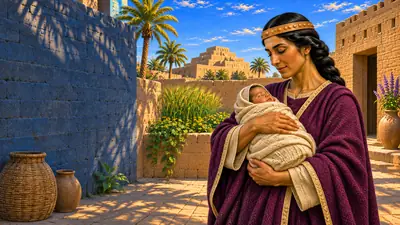
Ninhursag gave birth to Ninsar. The poem likens the ease of the birth to the flow of fine oil.
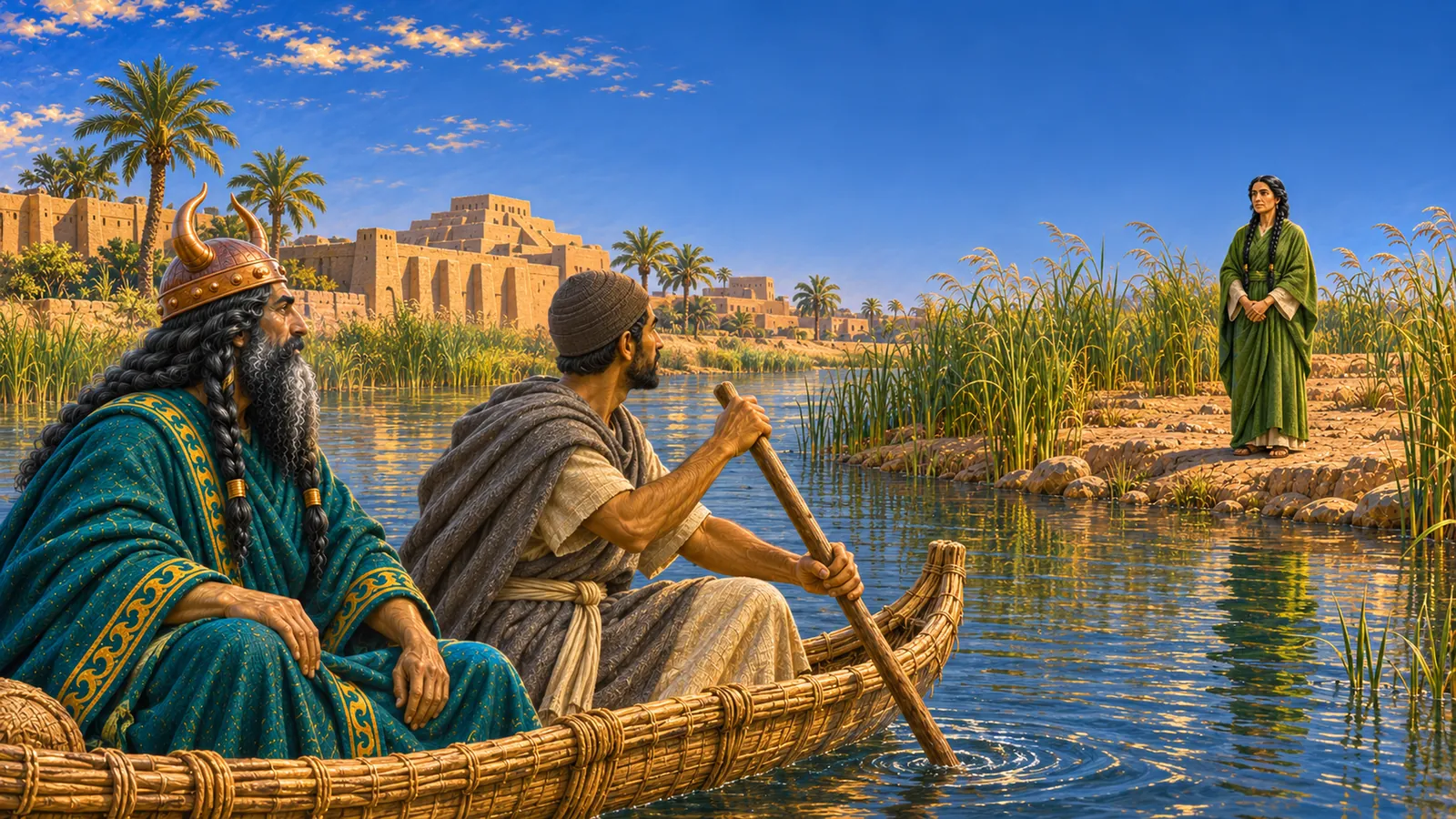
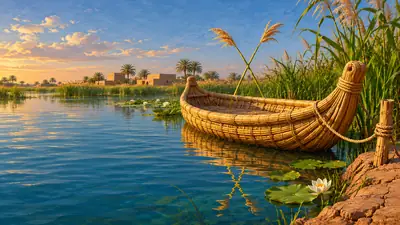
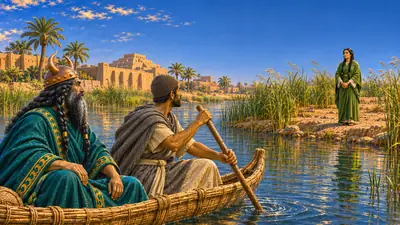
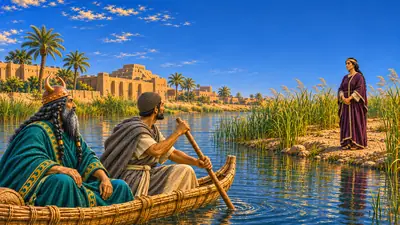
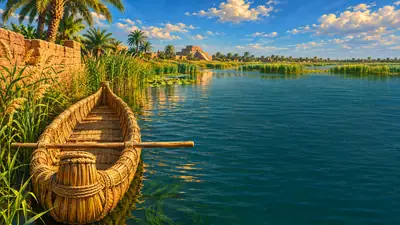
Ninsar went out to the riverbank, where Enki saw her from the marsh. He spoke to his attendant Isimud, who offered to steer the boat to her.
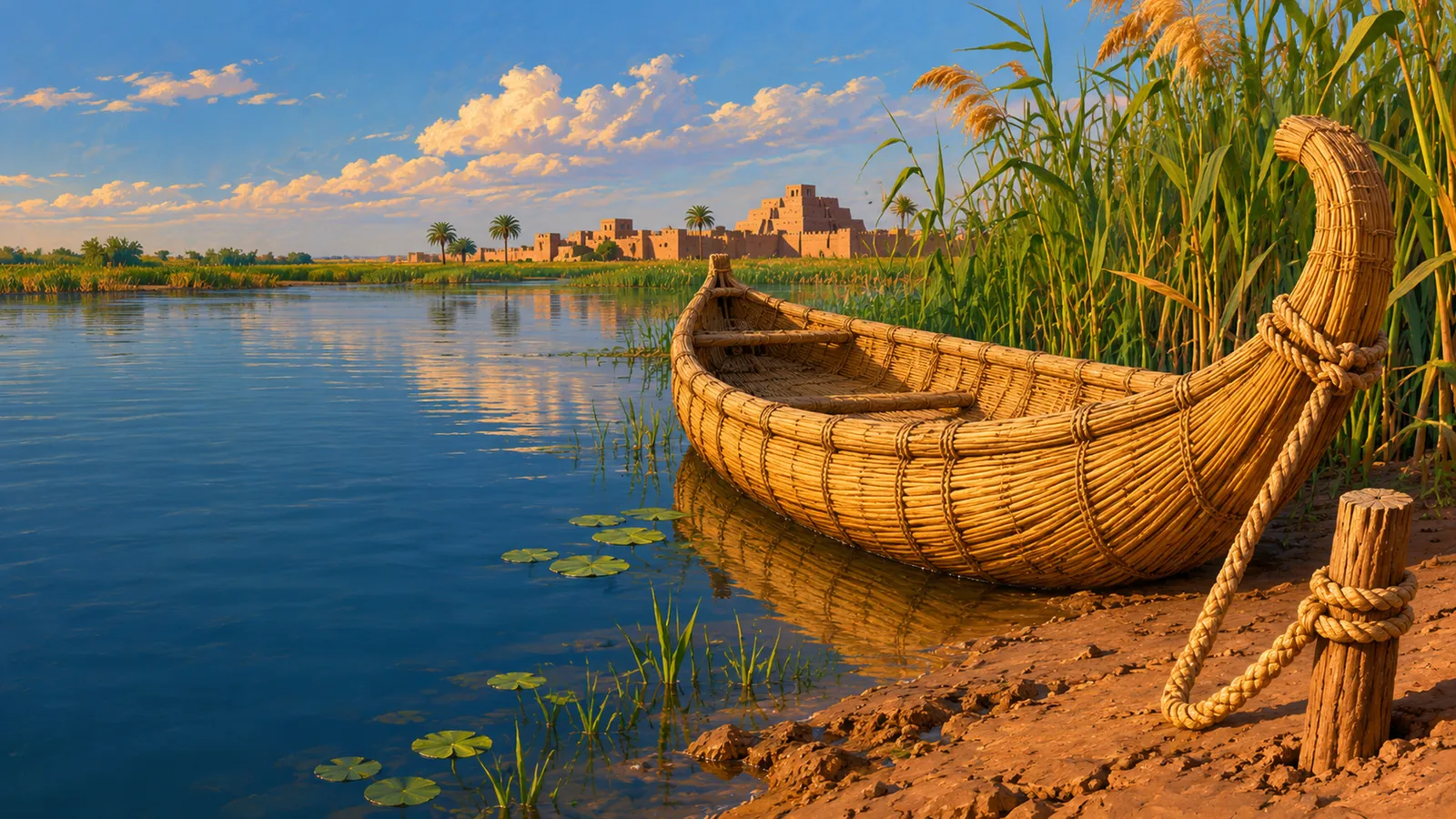
Enki crossed in the boat and stepped onto the bank. He lay with Ninsar, his daughter, and she conceived his child.
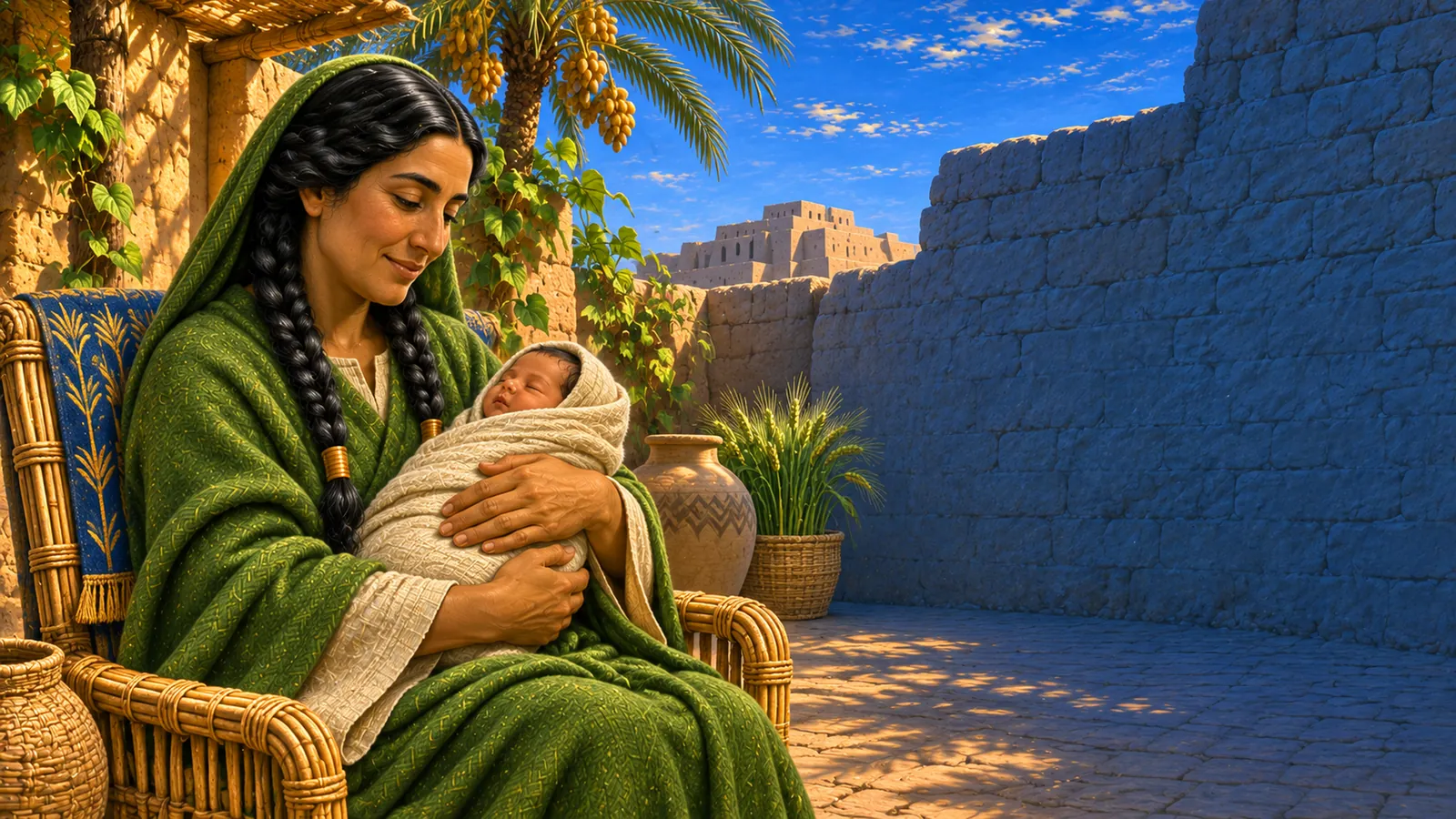
The months again passed as days, and Ninsar gave birth to Ninkura. The poem returns to its image of fine oil flowing.
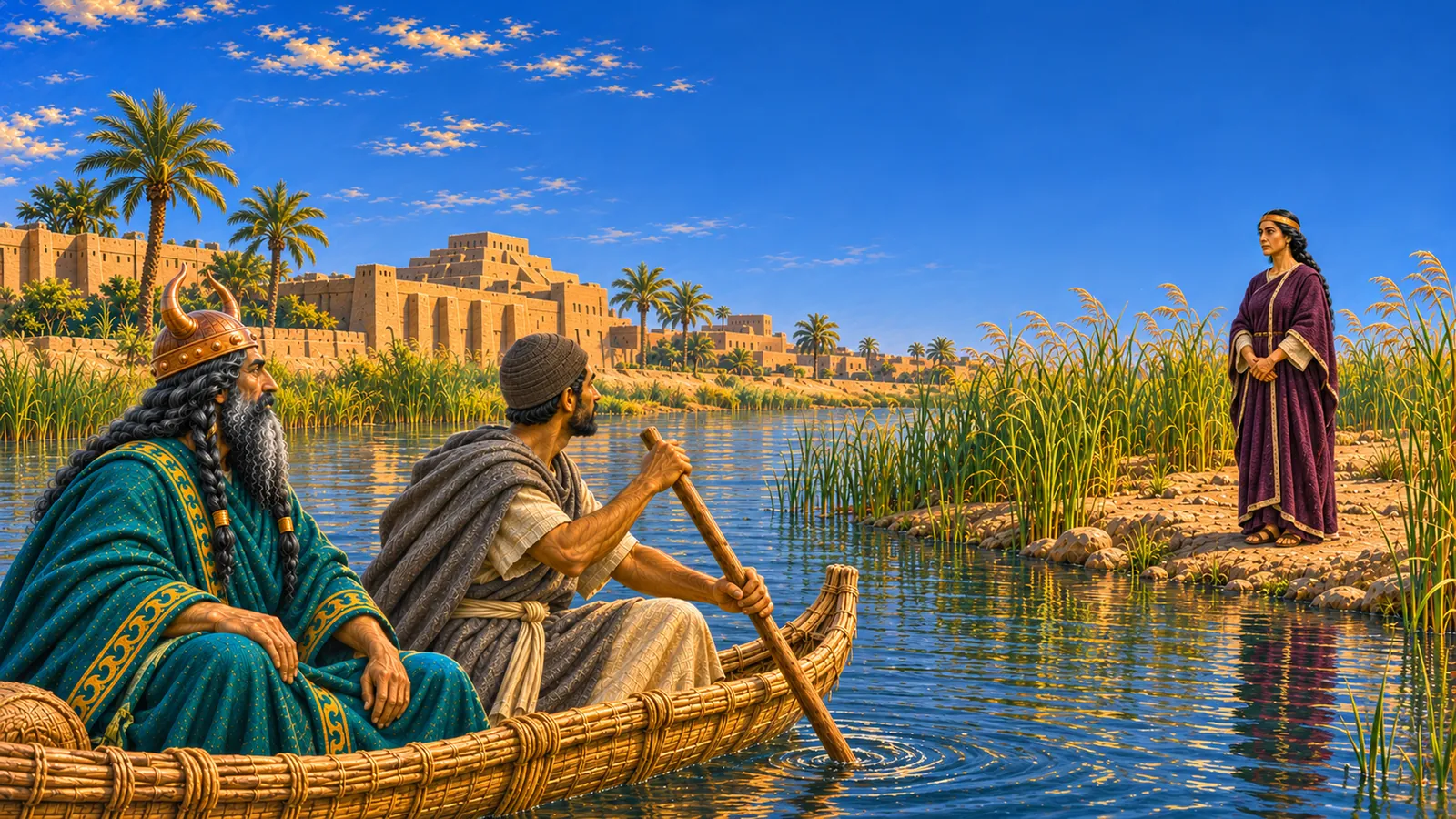
Ninkura came to the bank, and Enki saw her from the marsh. He again spoke to Isimud, who offered to steer for him.
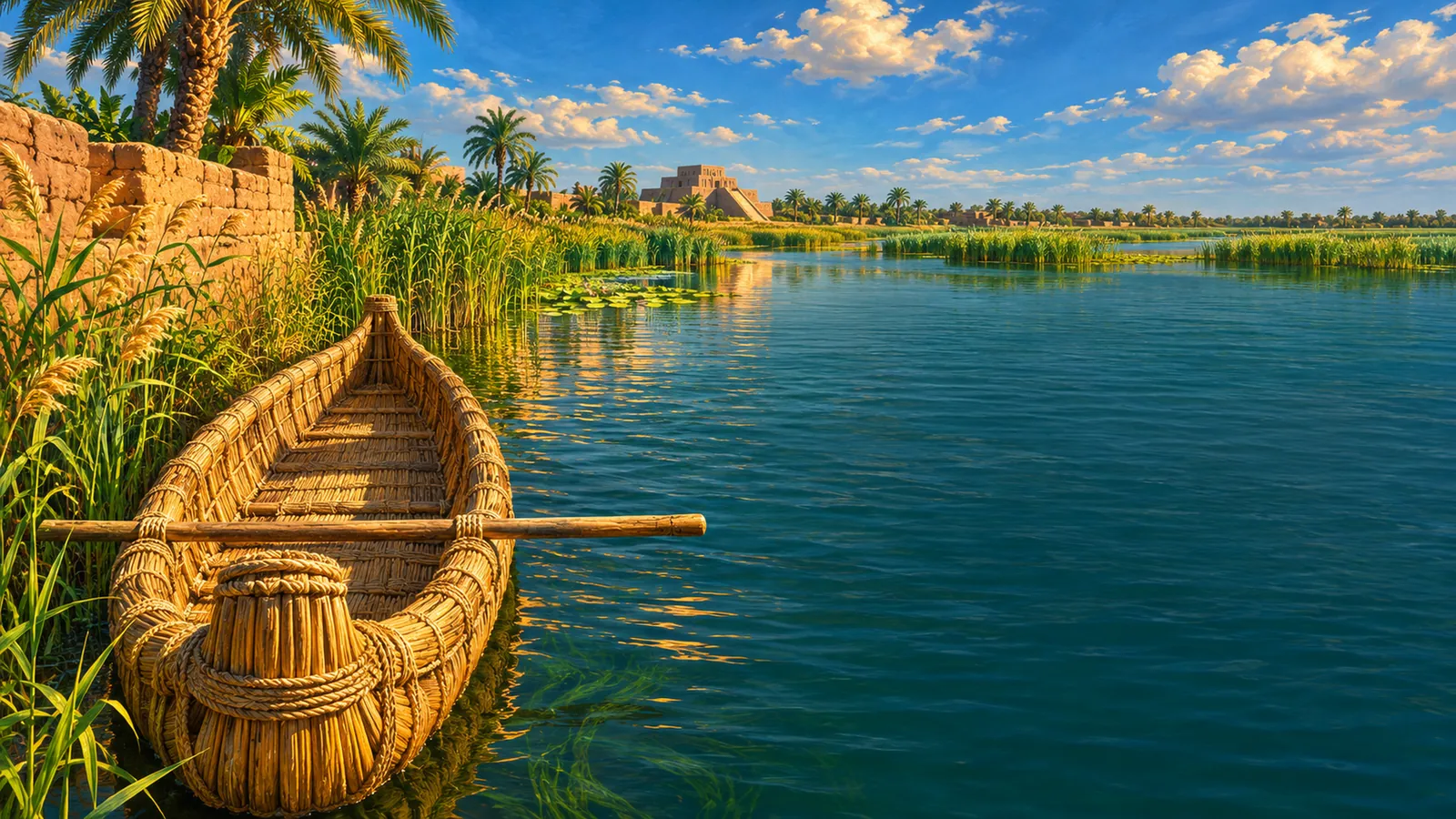
Enki took the boat across to the bank again. He lay with Ninkura, his granddaughter, and she conceived his child.
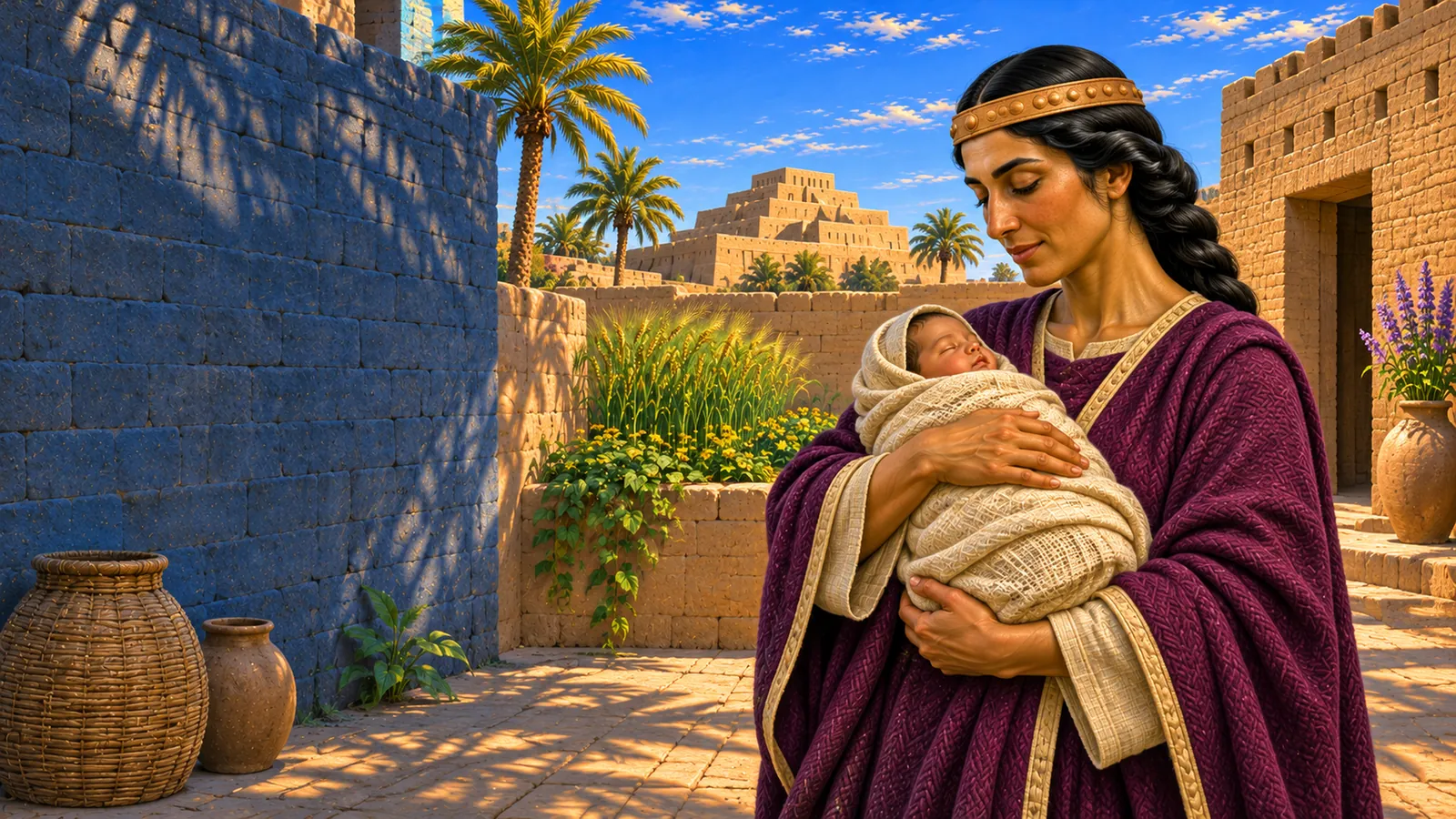
In the main account, the months again pass quickly. Ninkura gives birth to Uttu, whose description in the next words is uncertain.
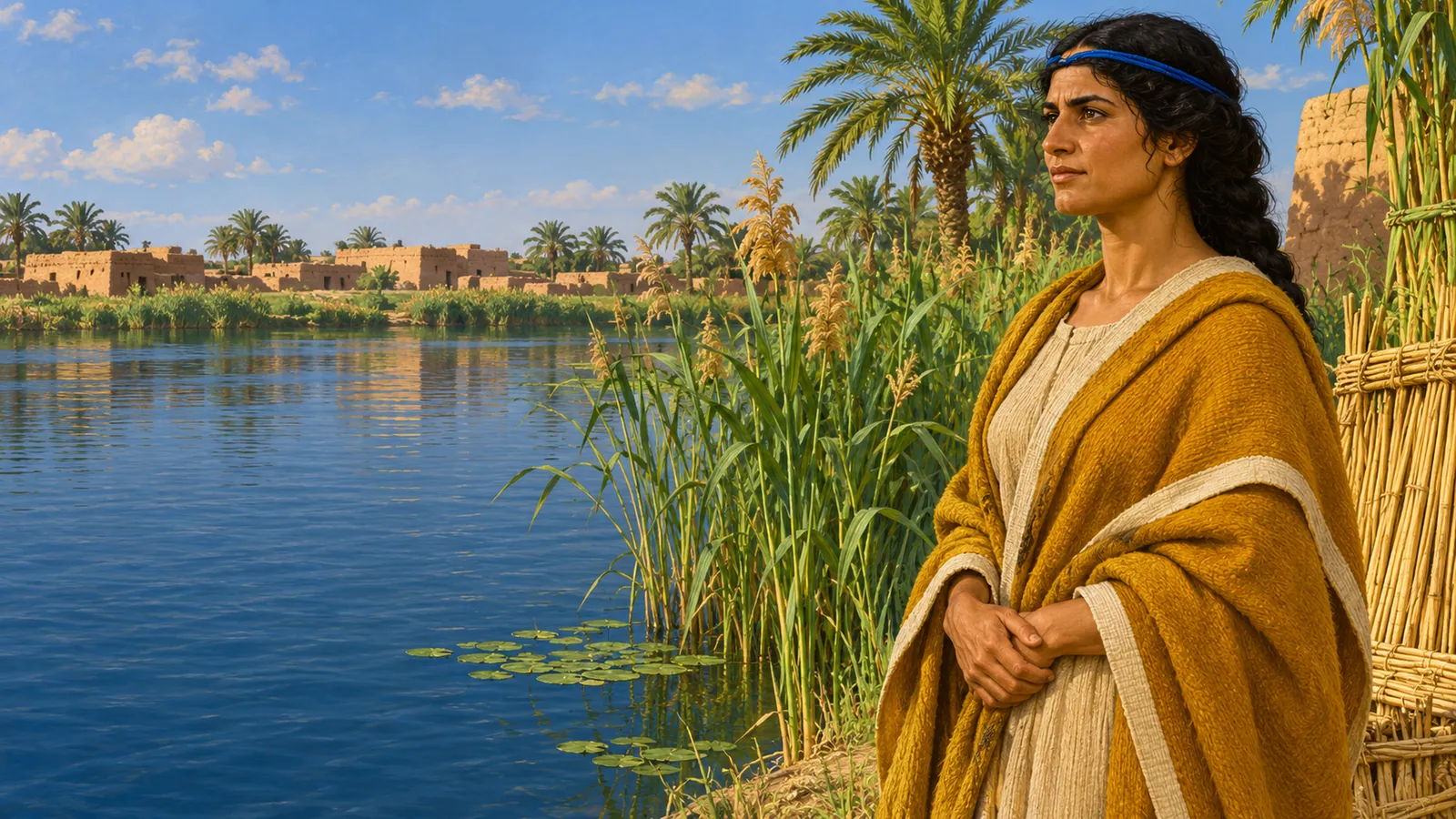
A different copy, now in the Louvre, says that Ninkura gave birth to Ninimma. In this version Ninimma came to the riverbank and Enki saw her there.
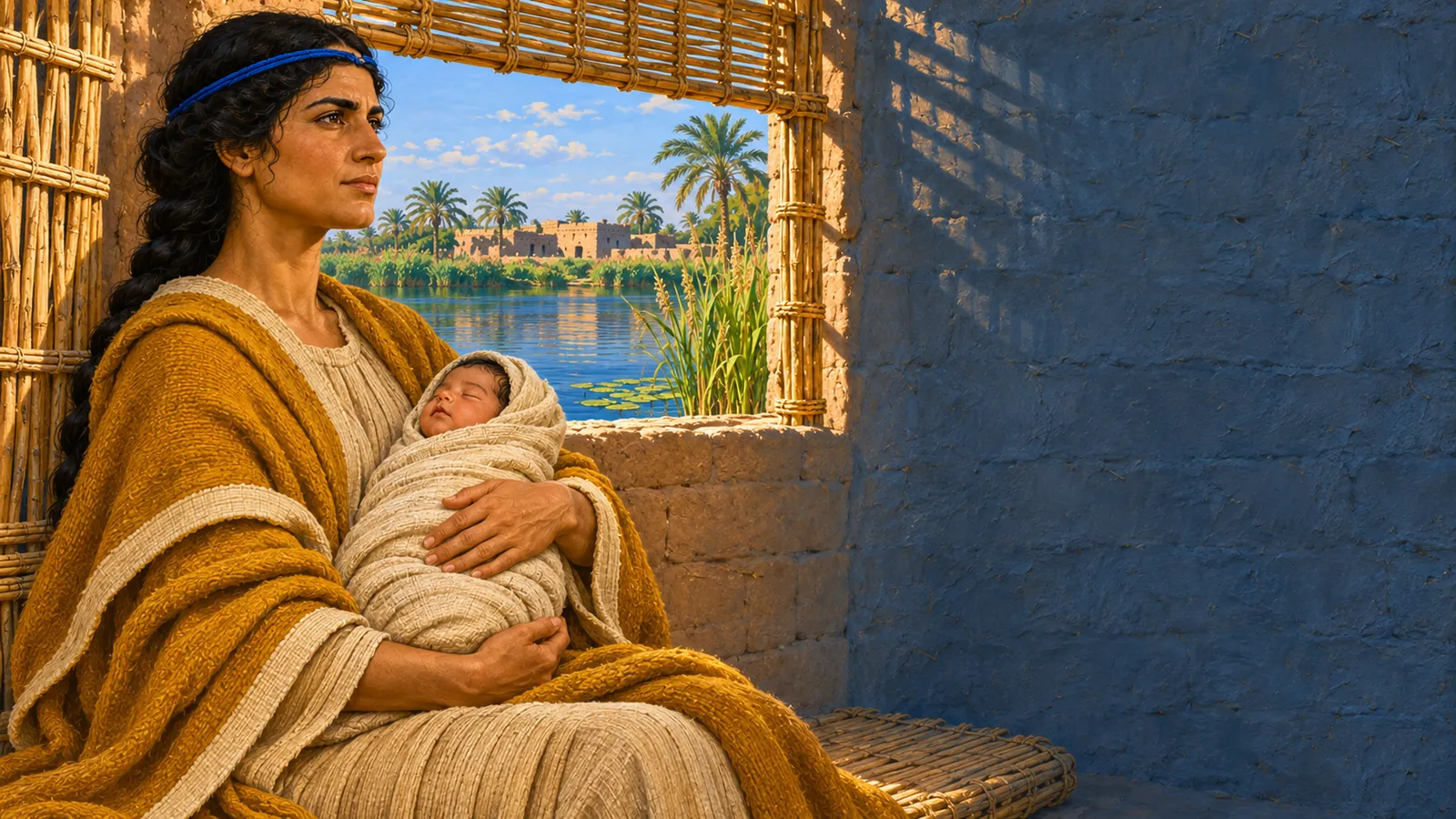
In that copy Enki lay with Ninimma too. Its ending is partly restored, and there Ninimma gives birth to Uttu.
THE WARNING
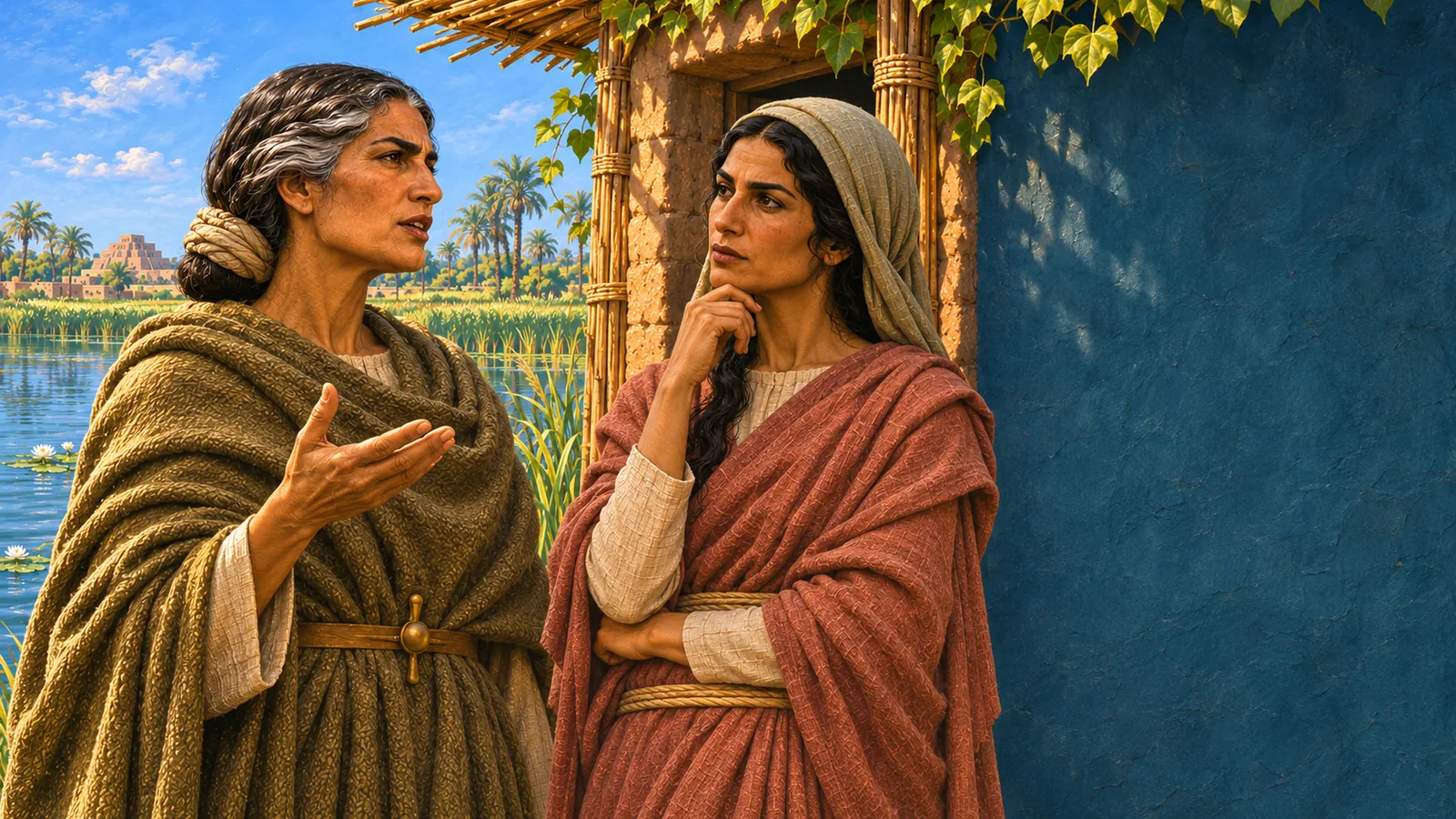
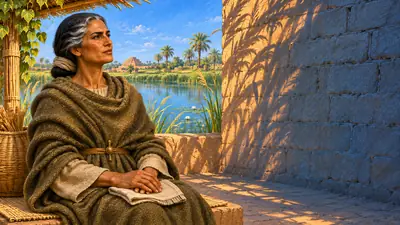
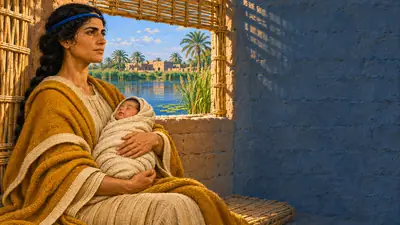
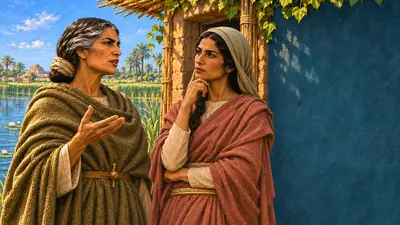
Nintud warned Uttu that Enki had been watching from the marsh. She told Uttu that he would see her.
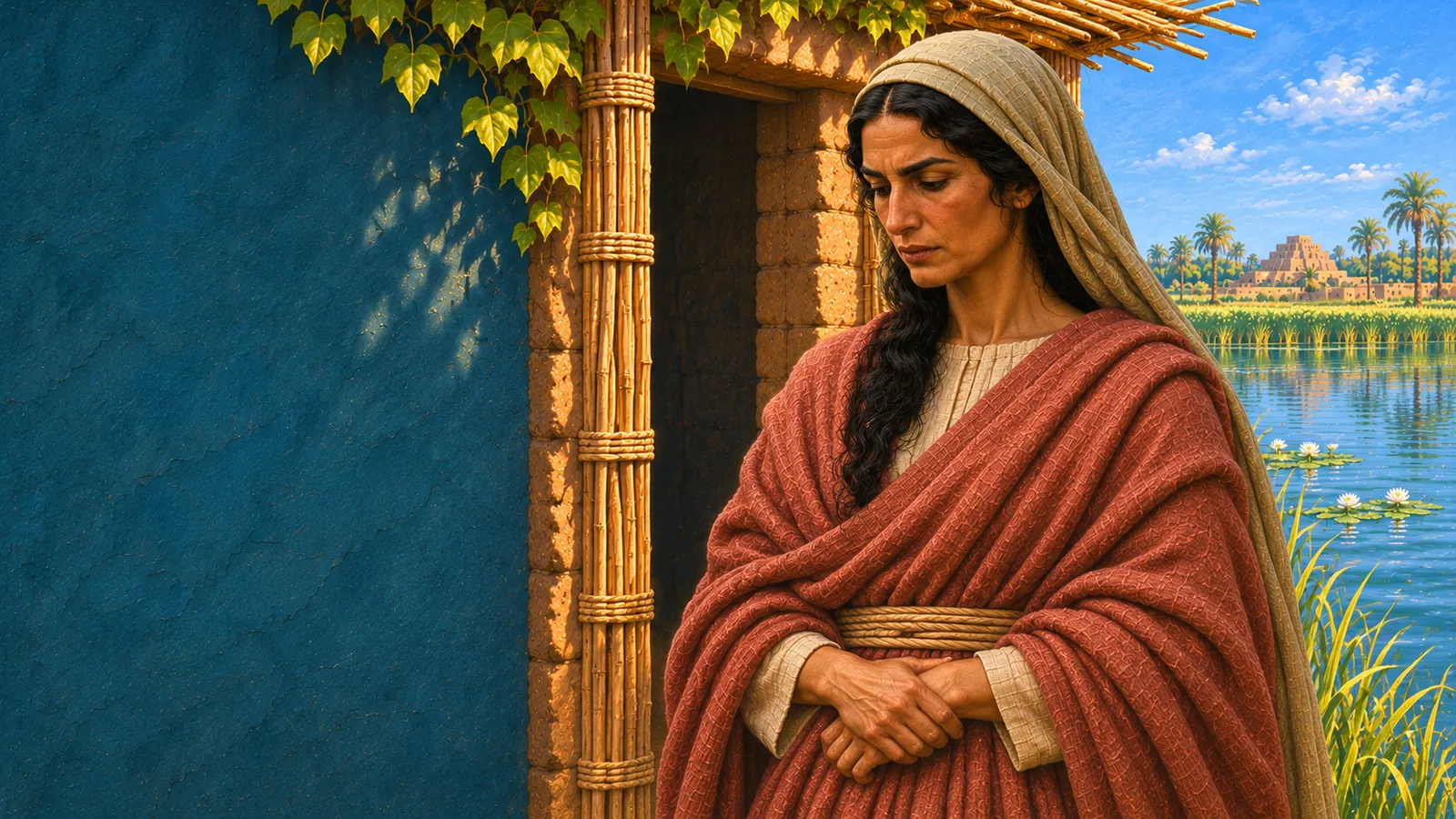
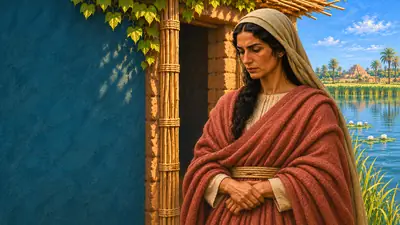
The warning breaks into fragments. Uttu’s name and some words remain, but the full advice cannot be recovered from the damaged lines.
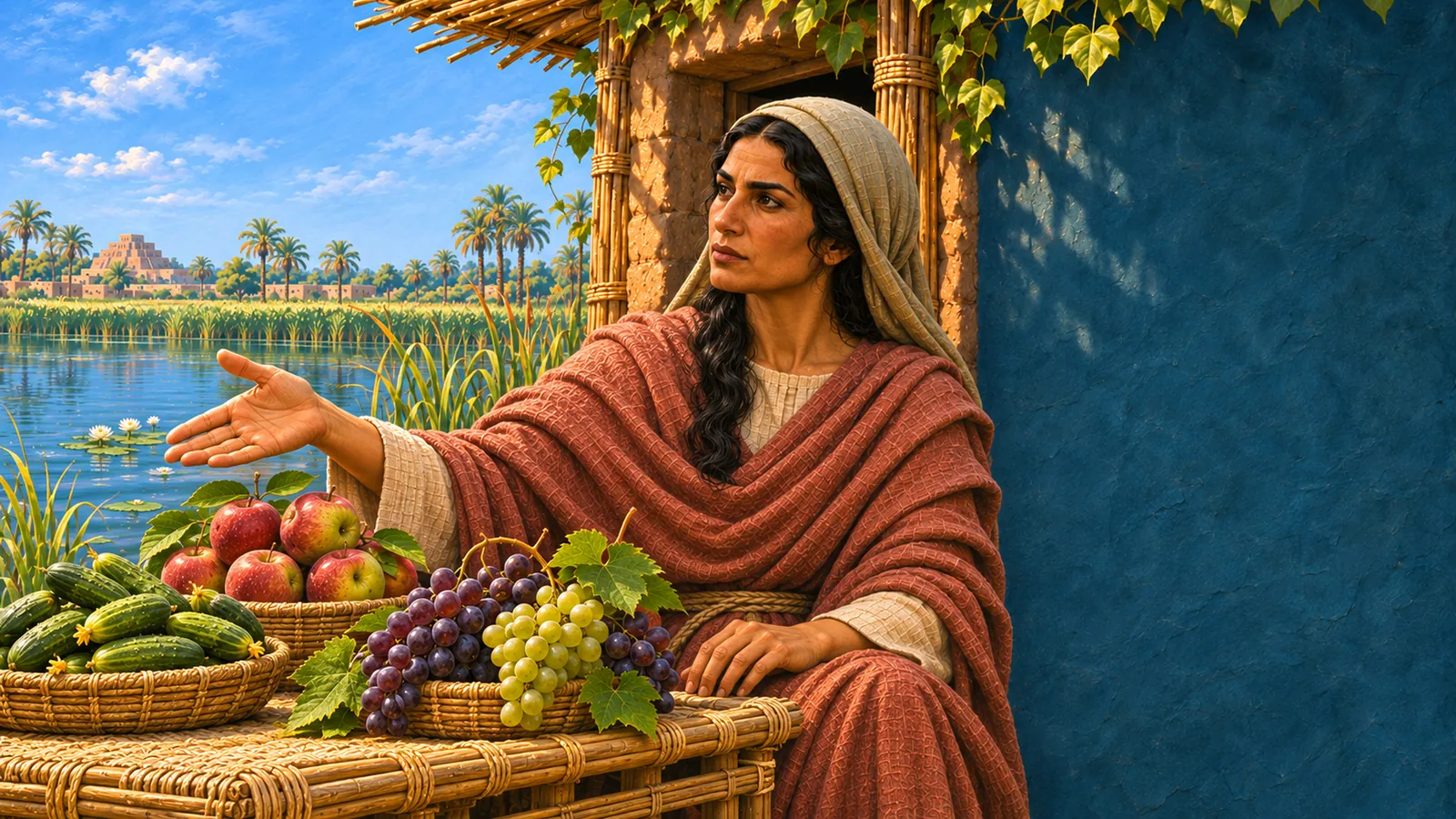
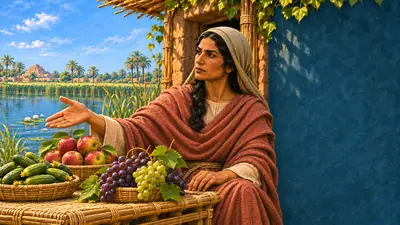
Uttu speaks of cucumbers, apples and grapes. Some of the words are uncertain, and it is unclear whom she is addressing.
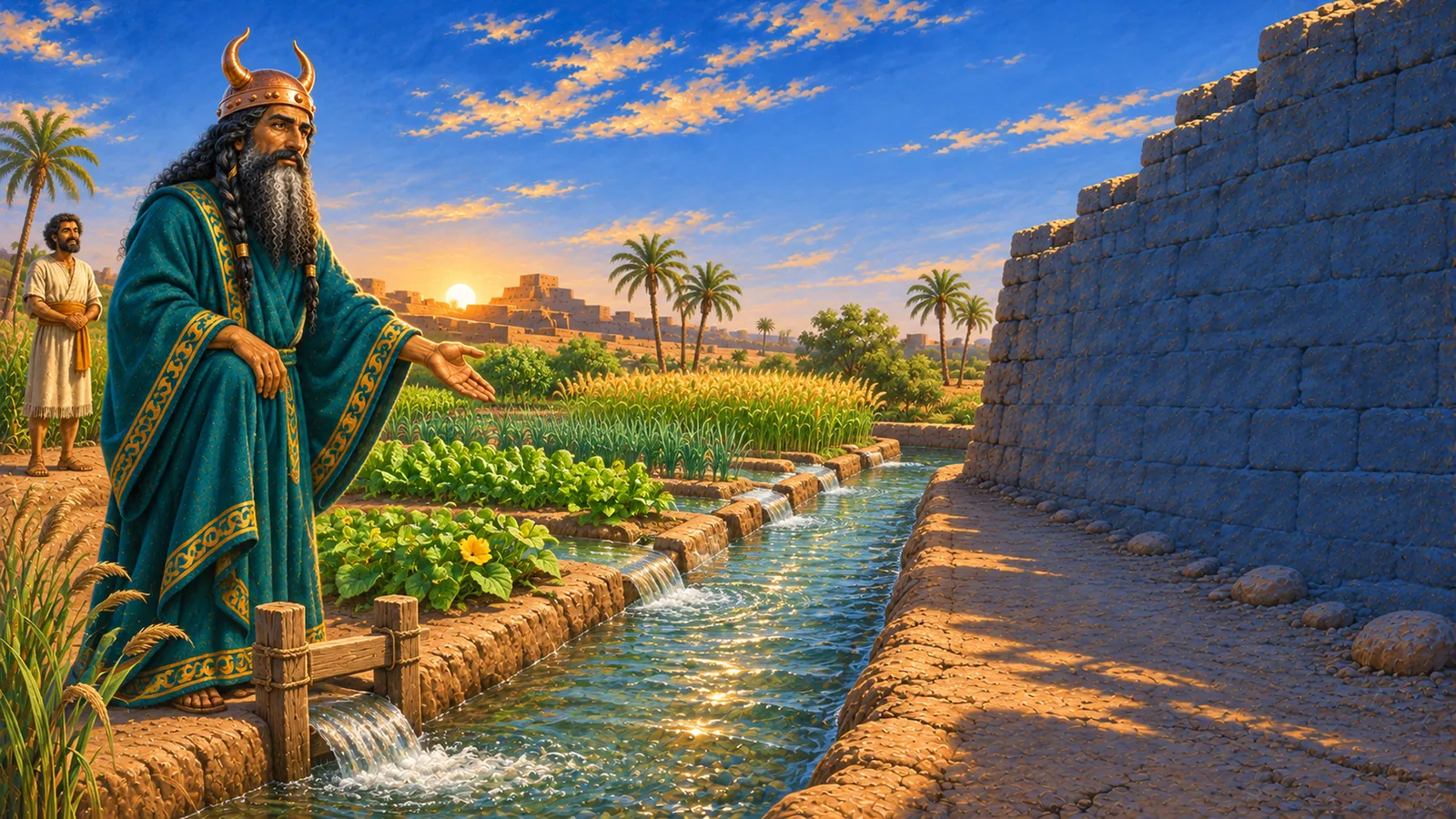
Enki brought water to the garden again. The poem says he filled the dykes and the channels with water a second time.
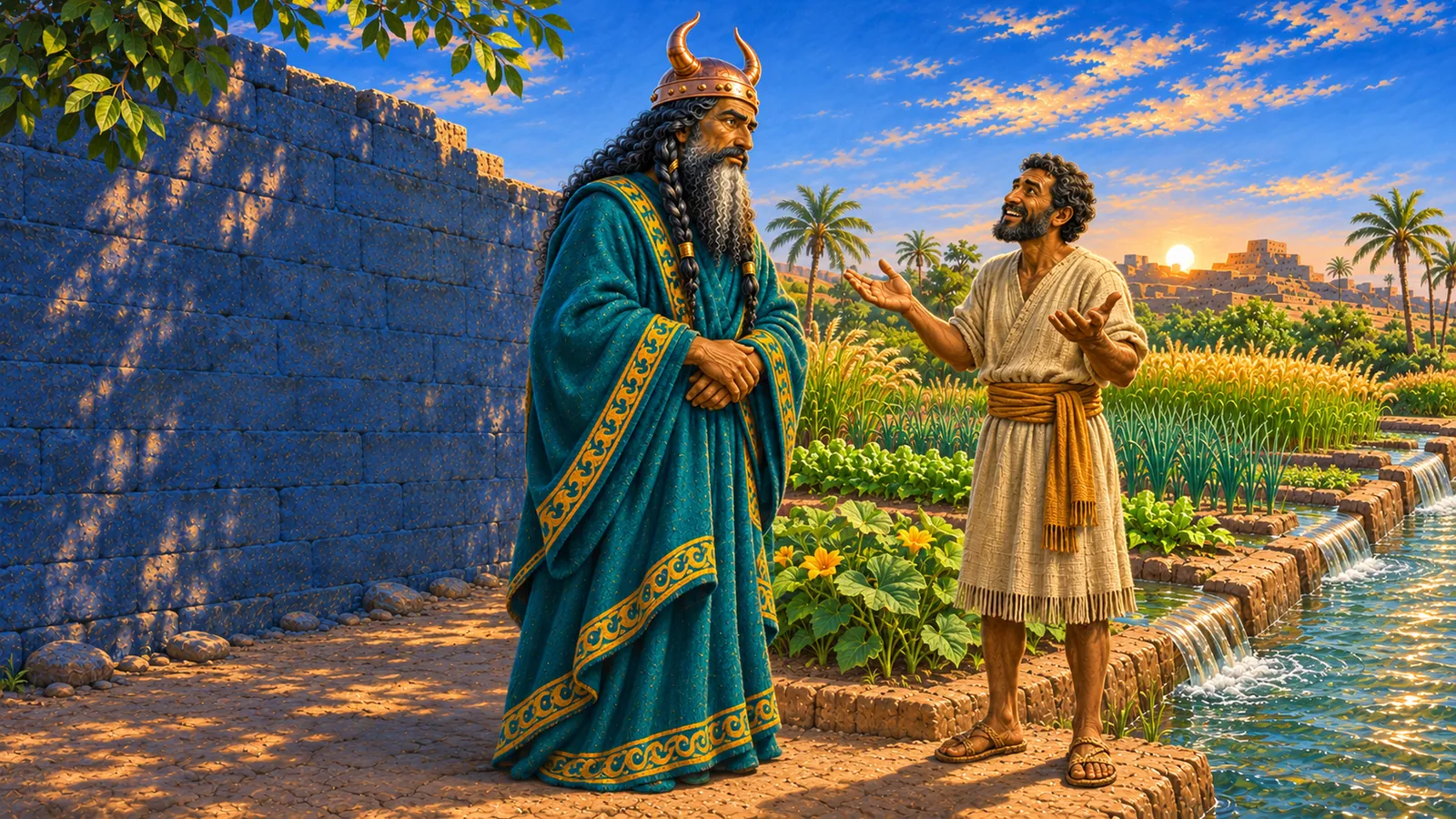
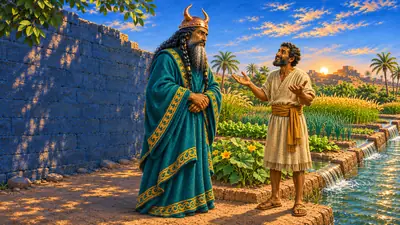
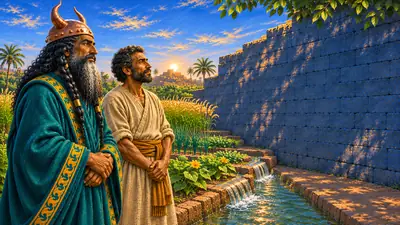
The gardener was overjoyed when water reached the garden. He asked Enki who he was, but the rest of his question is damaged.
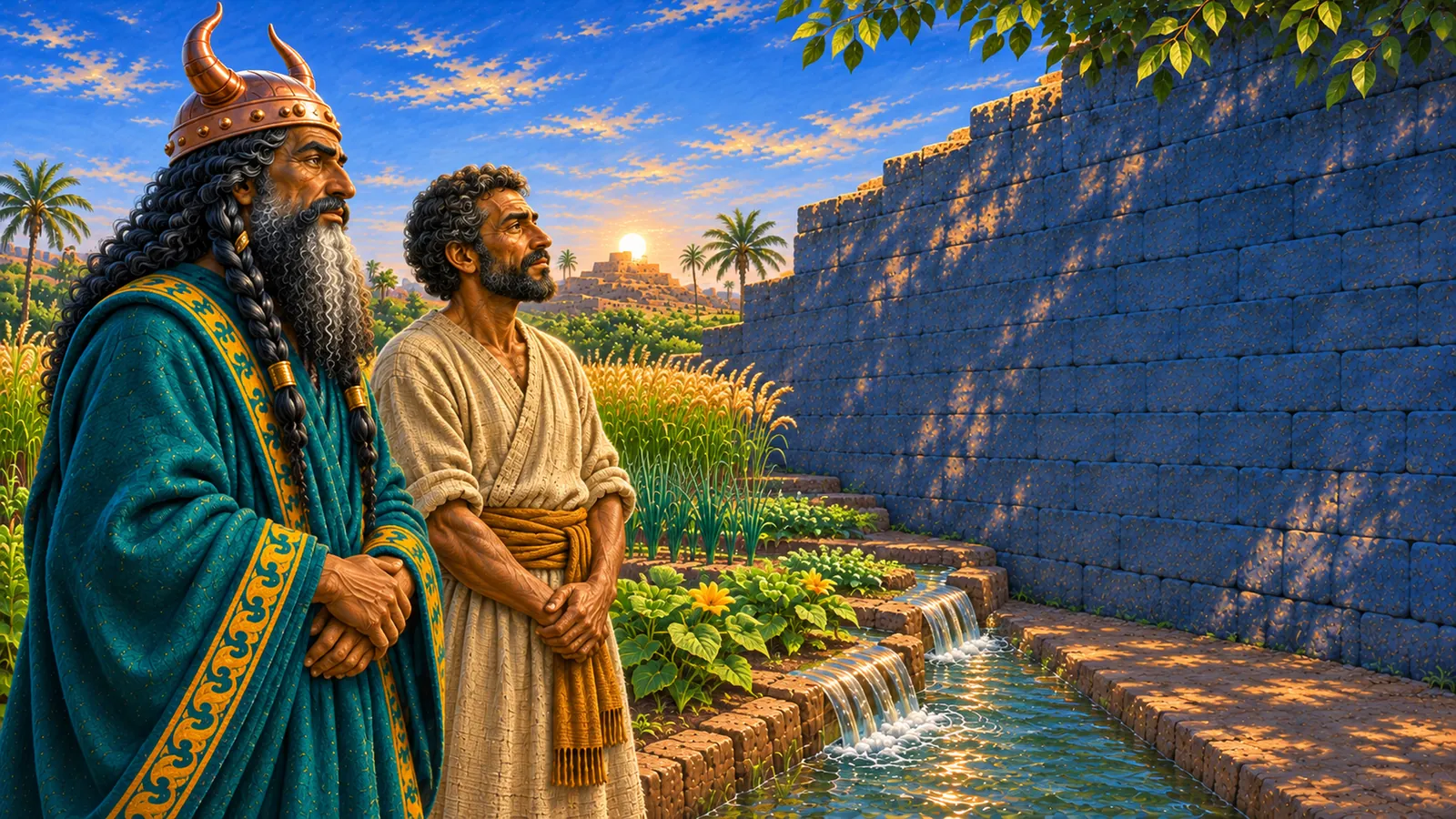
Enki began to answer the gardener. Four lines are missing here, so the words that passed between them have been lost.
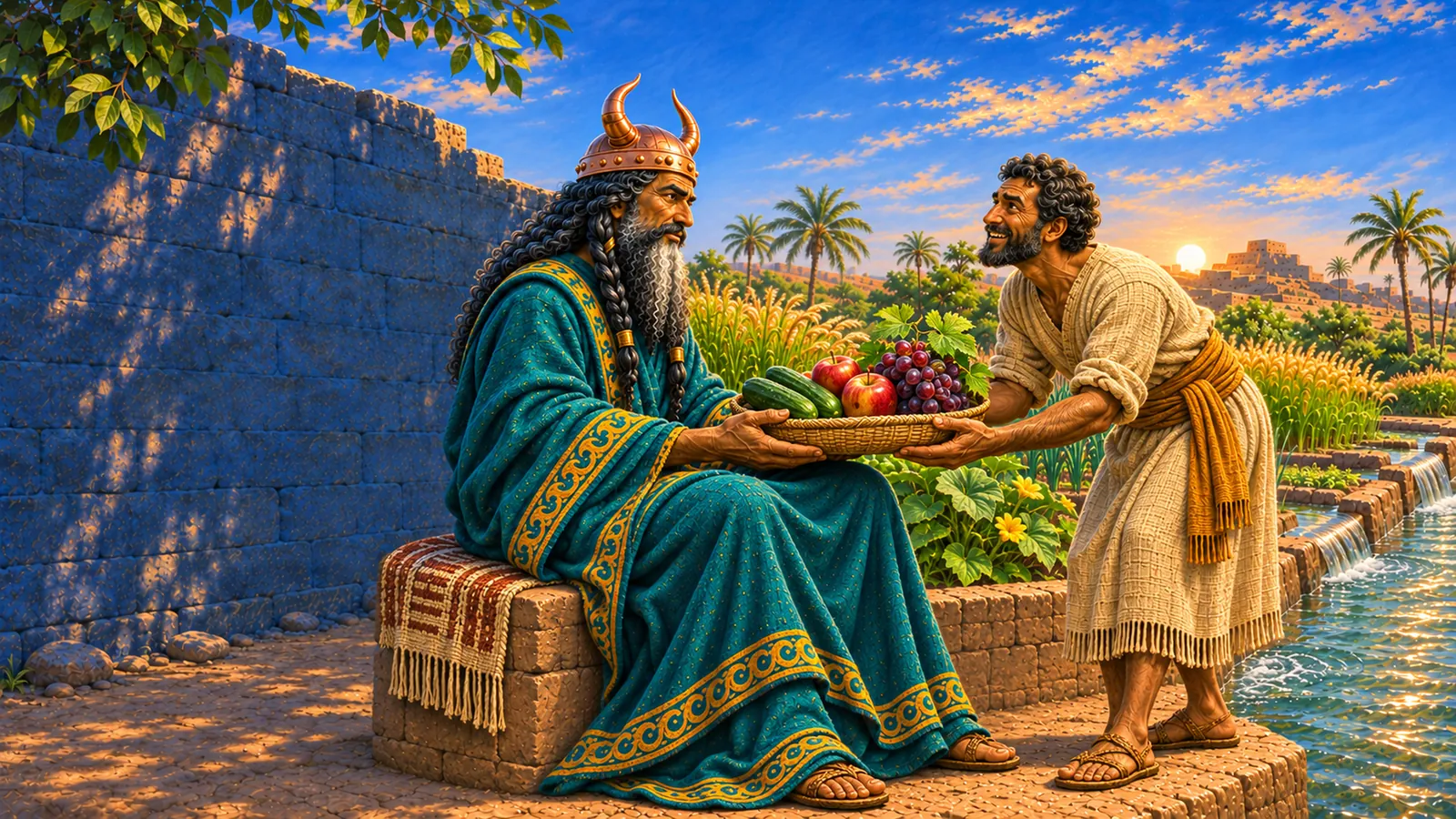
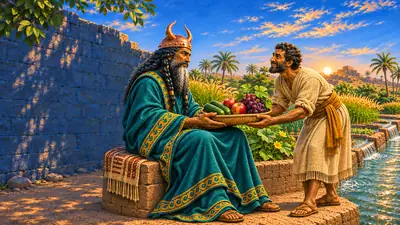
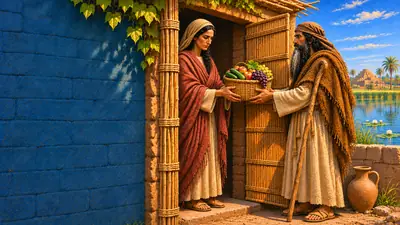
When the words return, the gardener brings Enki the cucumbers, the apples and the clusters of grapes. The produce fills Enki’s lap.
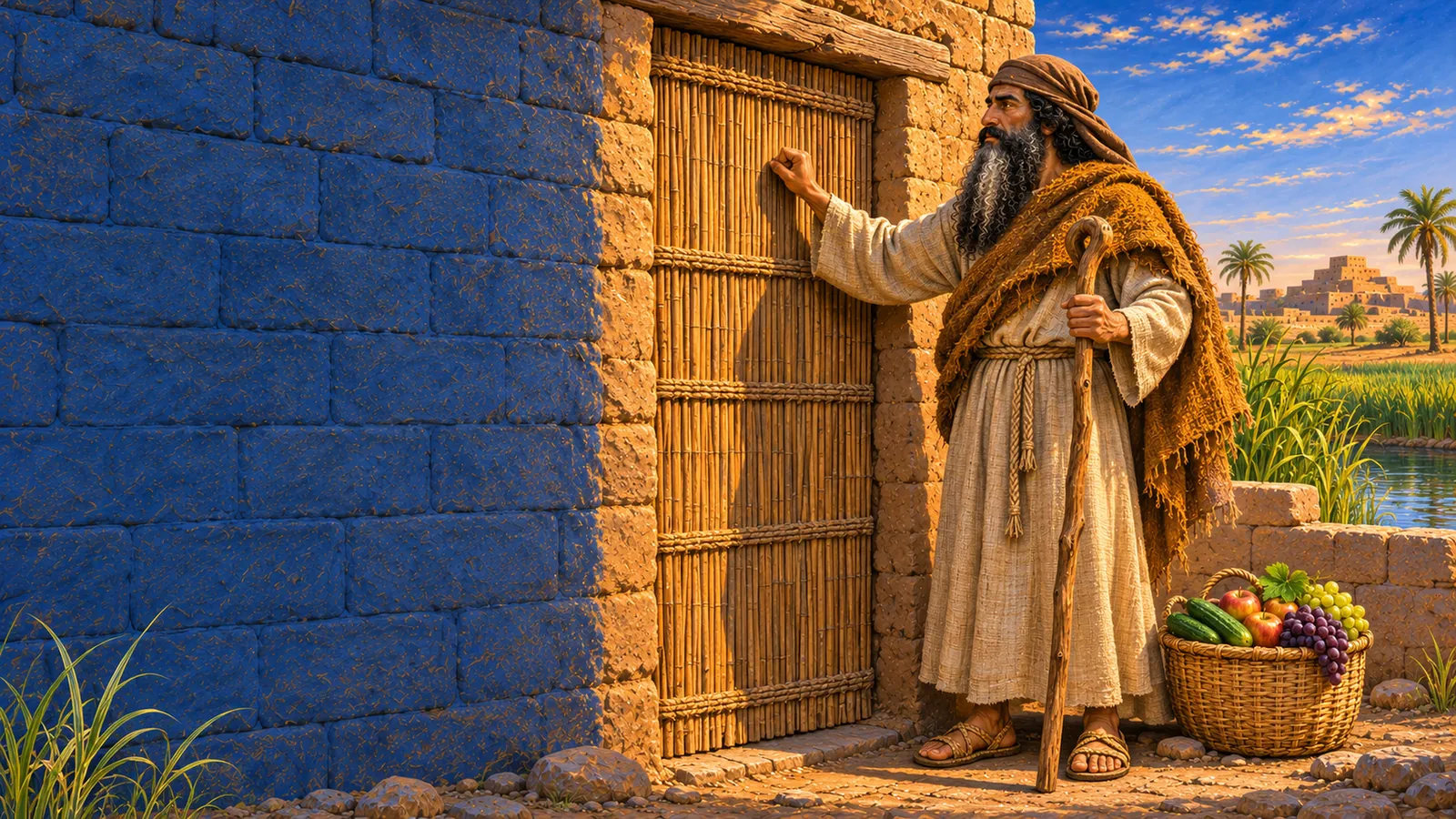
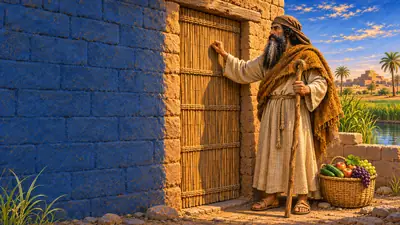
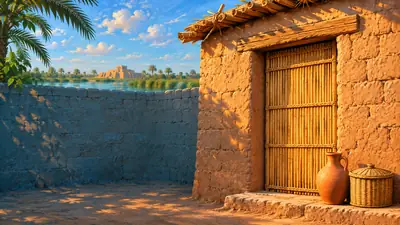
Enki changed his appearance, took a staff and knocked at Uttu’s door. When Uttu asked who was there, he said he was a gardener and offered her the fruit.
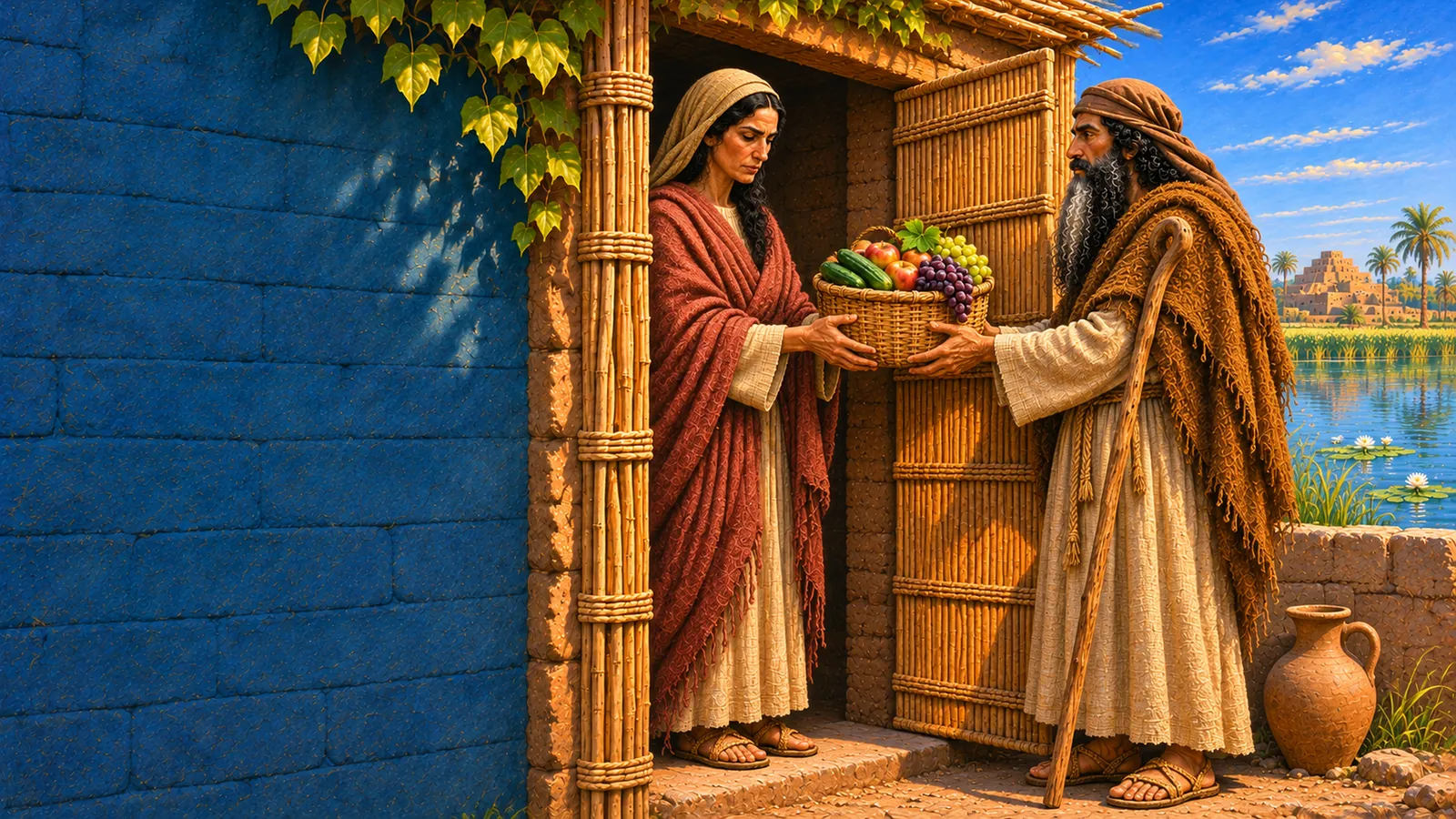
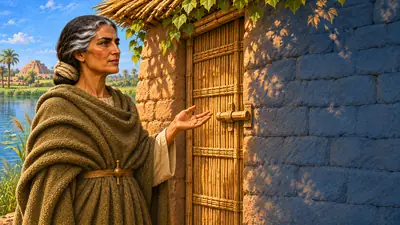
Uttu opened the door and received the cucumbers, apples and grapes. One copy of the poem says that Enki poured beer for her as well.
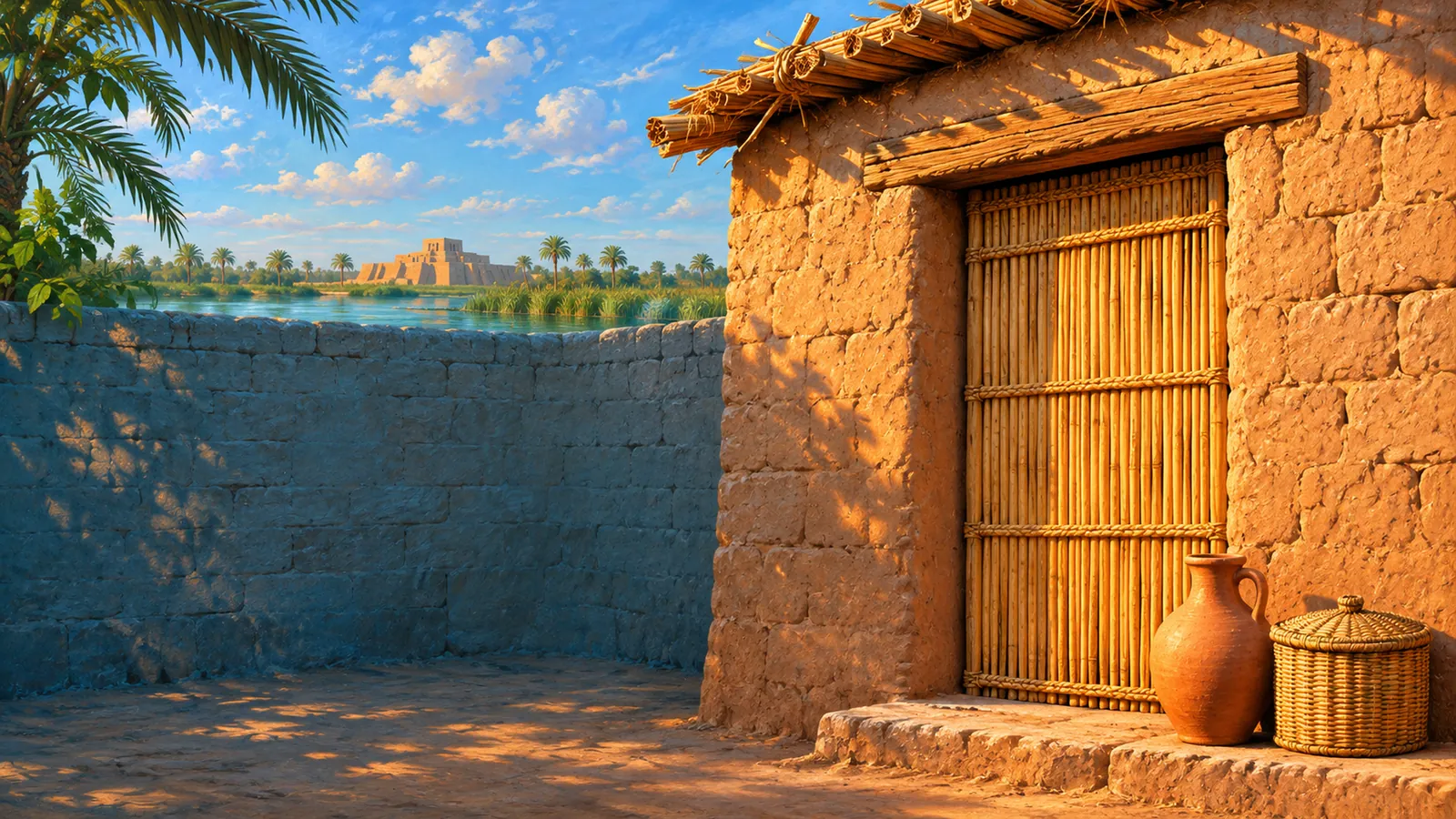
Enki had come claiming to be a gardener. Inside the house, he lay with Uttu, and she conceived his child.
UTTU’S CRY
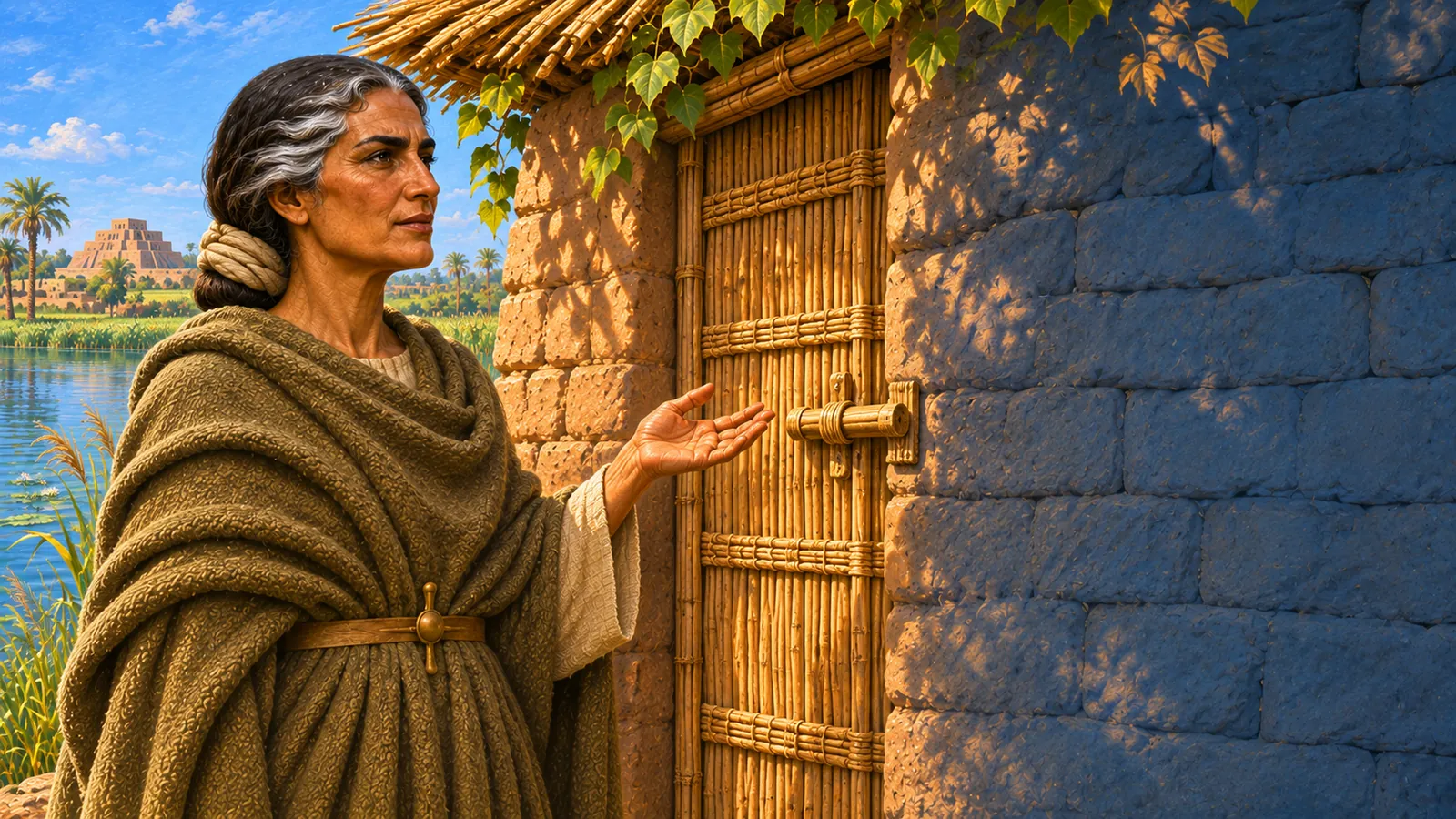
Uttu cried out in pain. Ninhursag removed Enki’s seed from her body. The next two lines survive only in fragments.
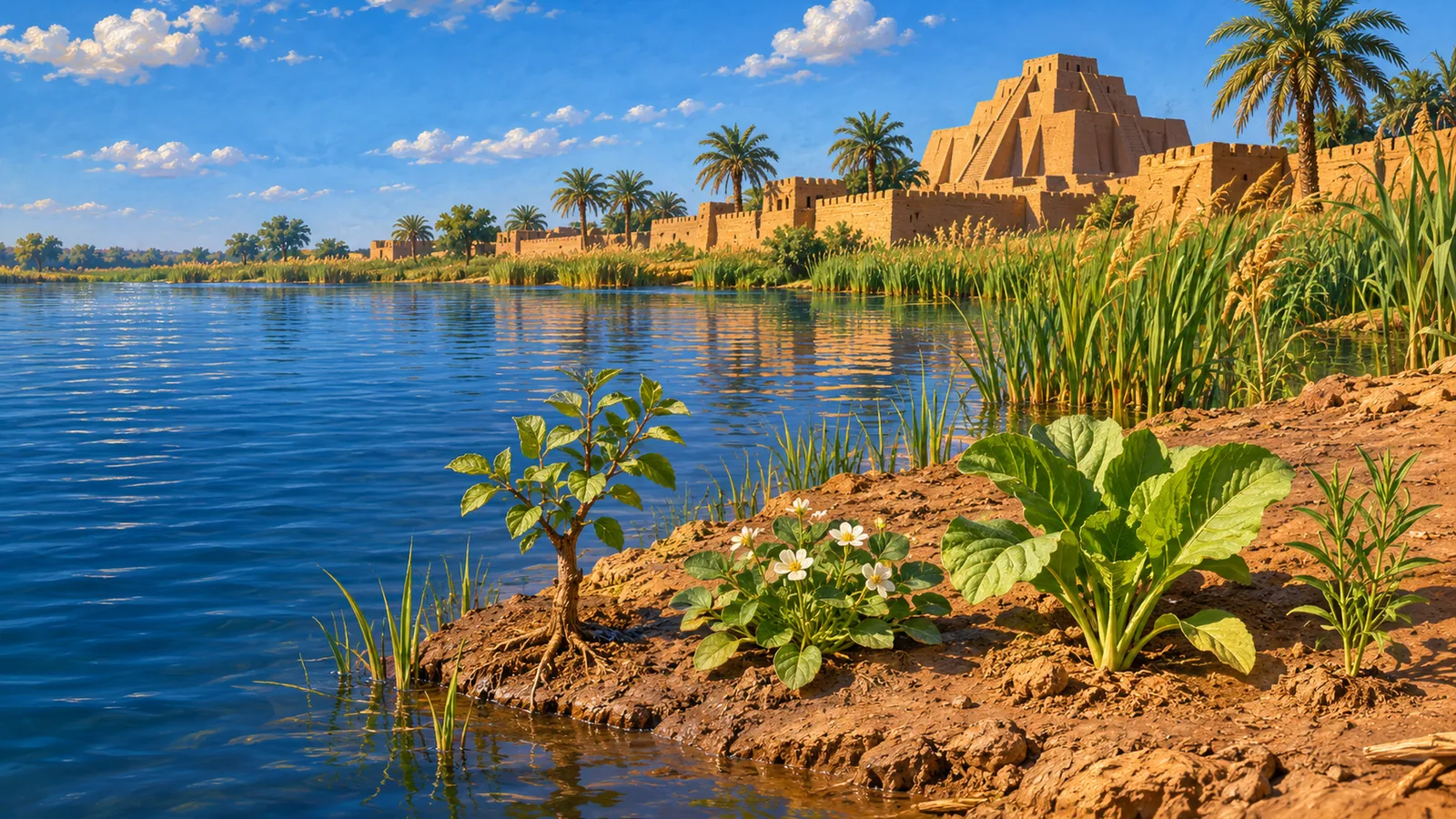
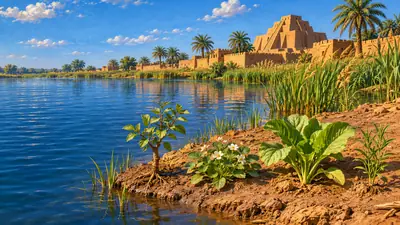
Four kinds of plants grew. The poem calls some of them the tree-plant, the honey-plant and the vegetable-plant. The fourth is hard to identify.
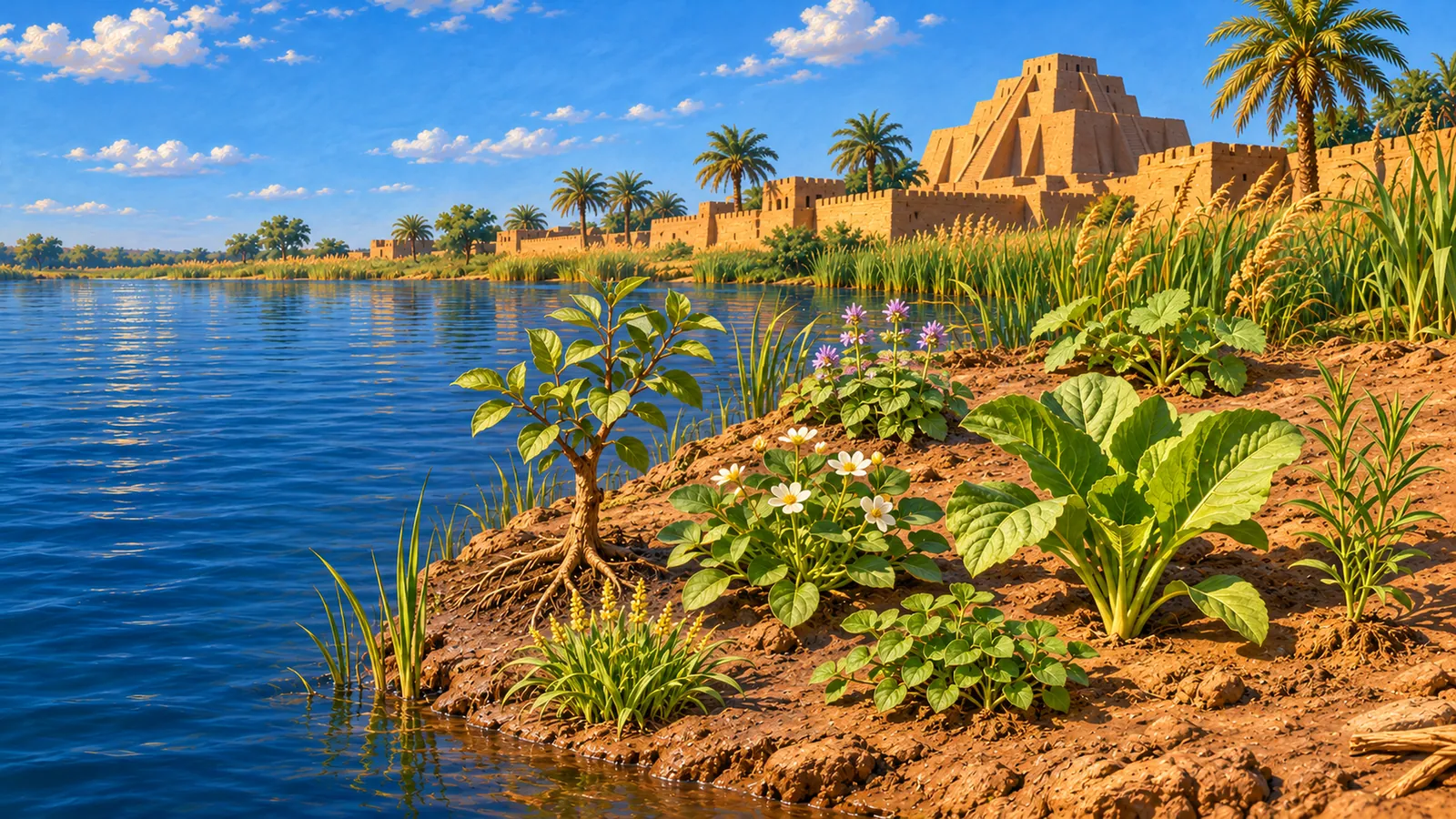
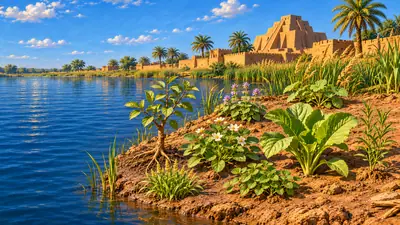
Four more kinds of plants grew. Their names are Atutu, Ashtaltal, a name the tablet has lost, and Amharu.
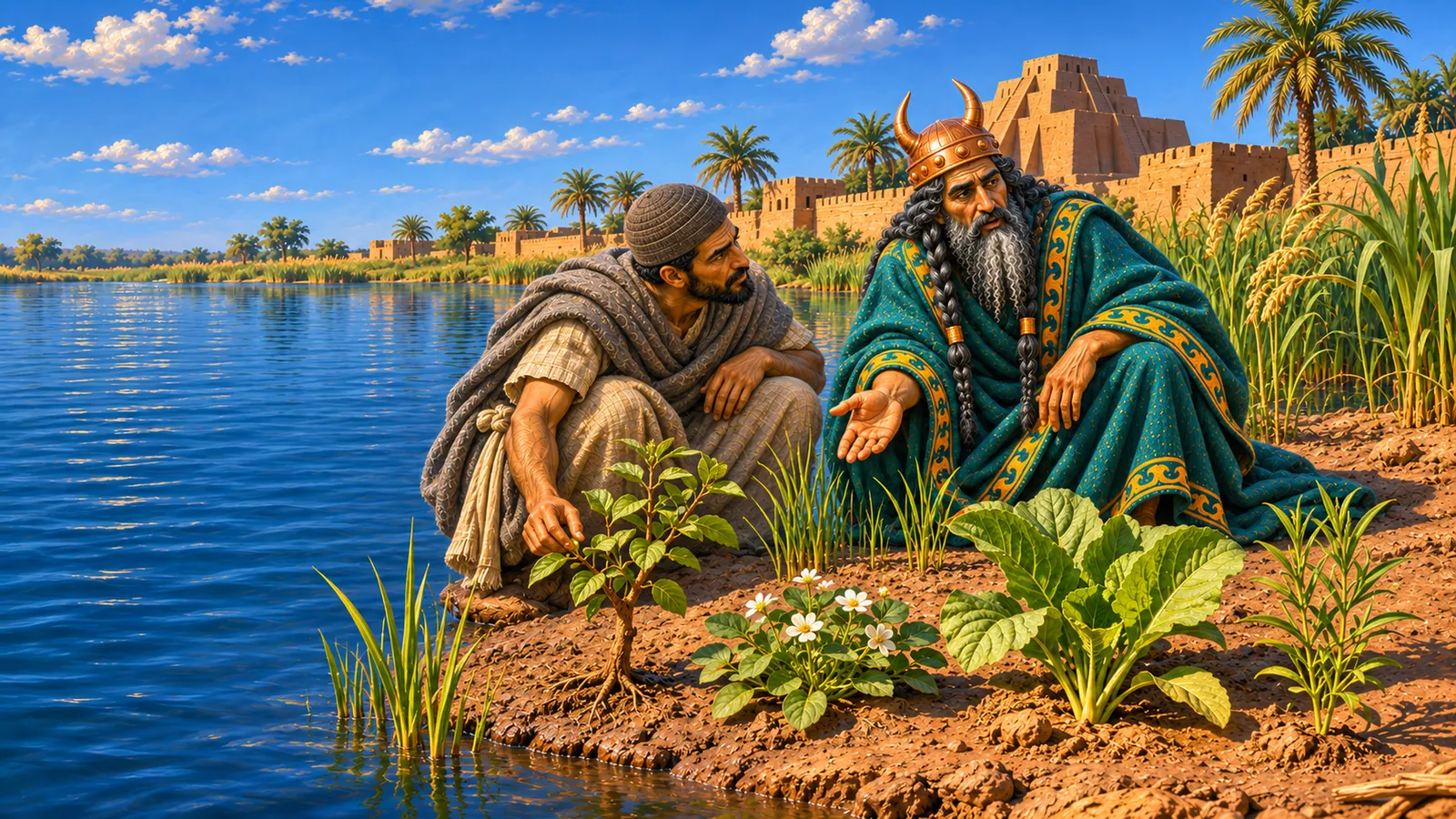
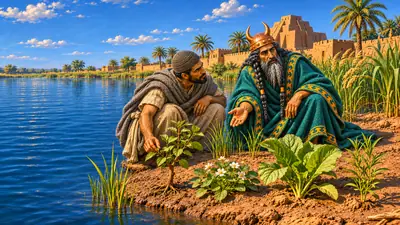
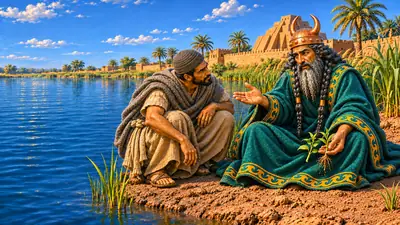
Enki saw the plants from the marsh. He had yet to fix their destinies, so he began to ask Isimud what each one was.
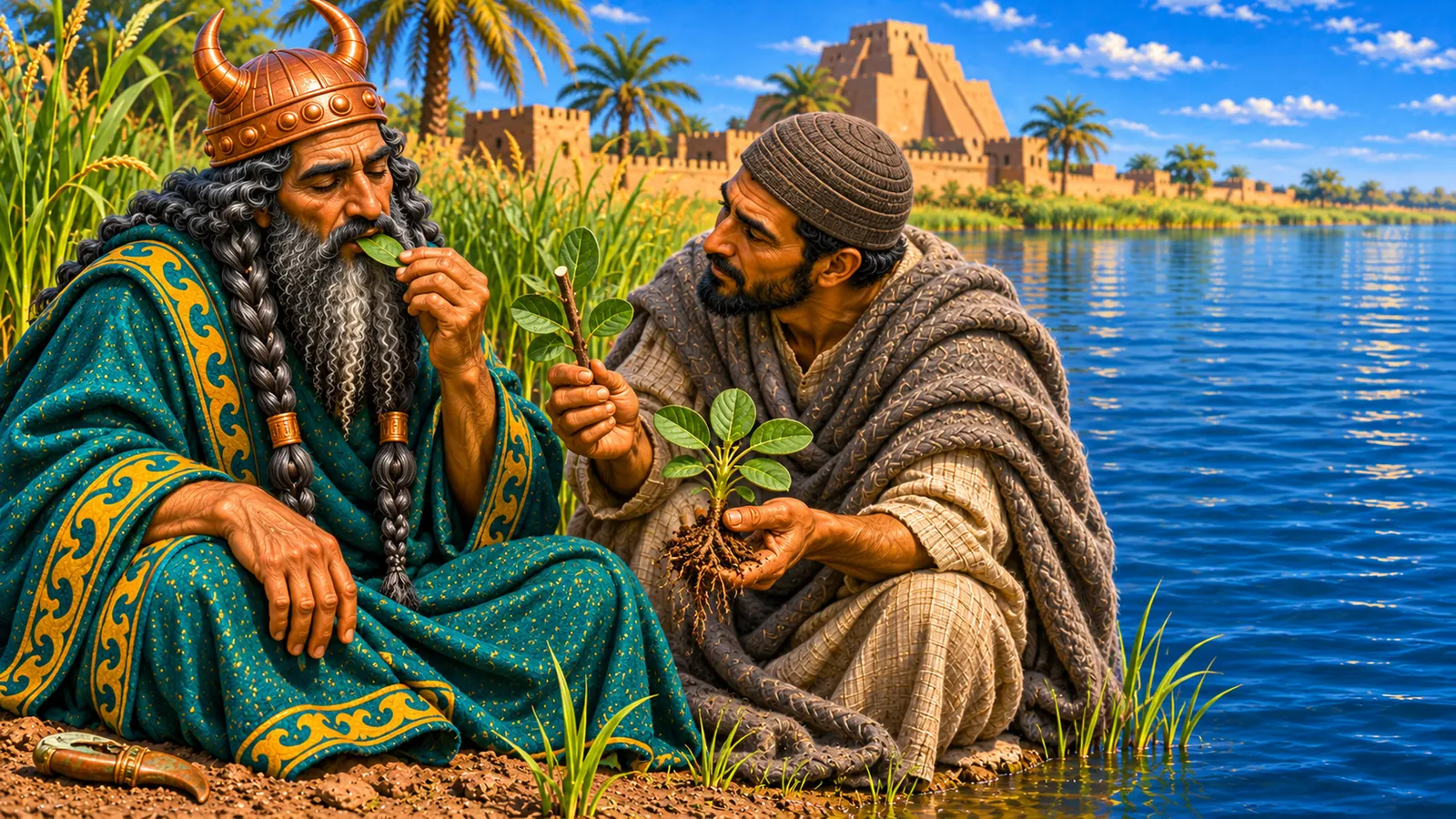
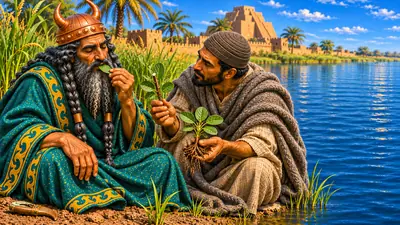
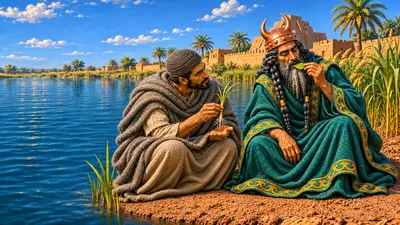
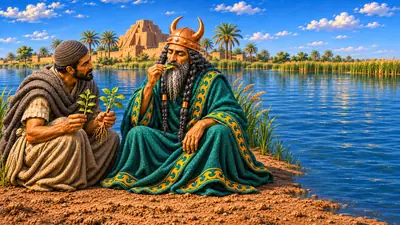
Isimud named the tree-plant, cut it and gave it to Enki to eat. Next he named the honey-plant, pulled it from the ground and gave him that to eat too.
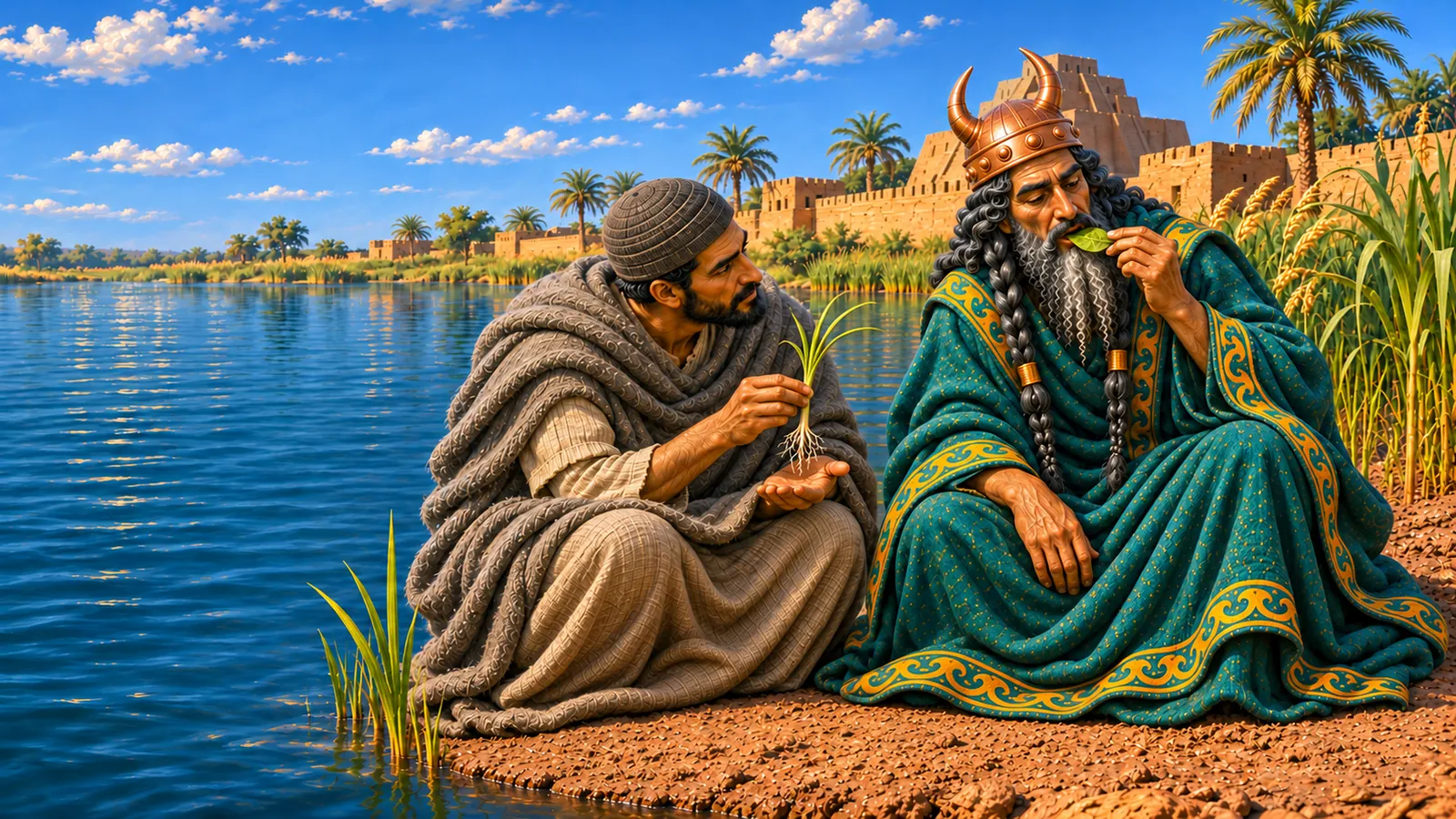
Isimud cut the vegetable-plant and pulled up a plant that may have been a kind of grass. Enki ate each one as Isimud brought it to him.
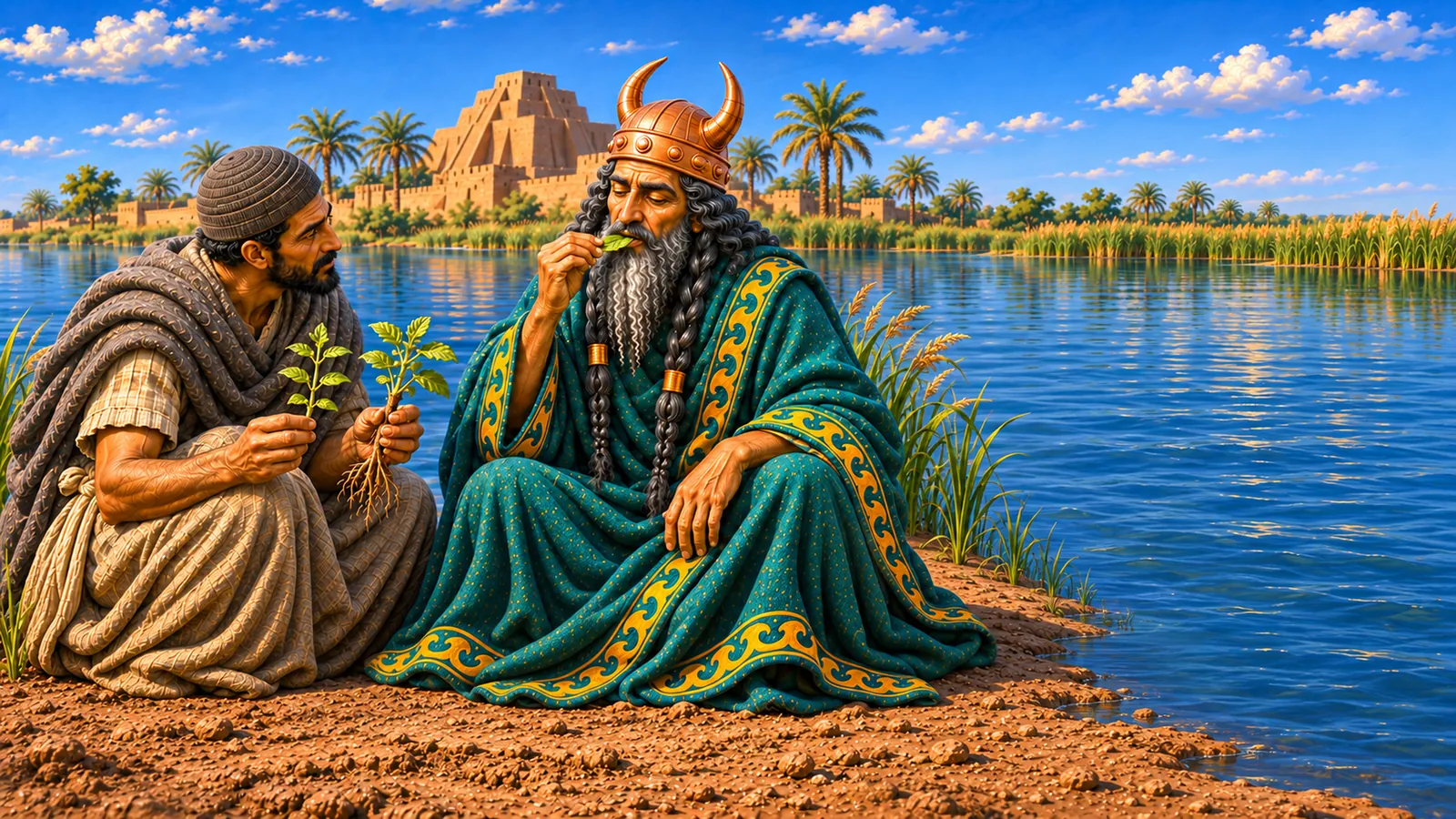
Isimud named the Atutu plant and cut it. Then he named the Ashtaltal plant and pulled it up. Enki ate the two plants in turn.
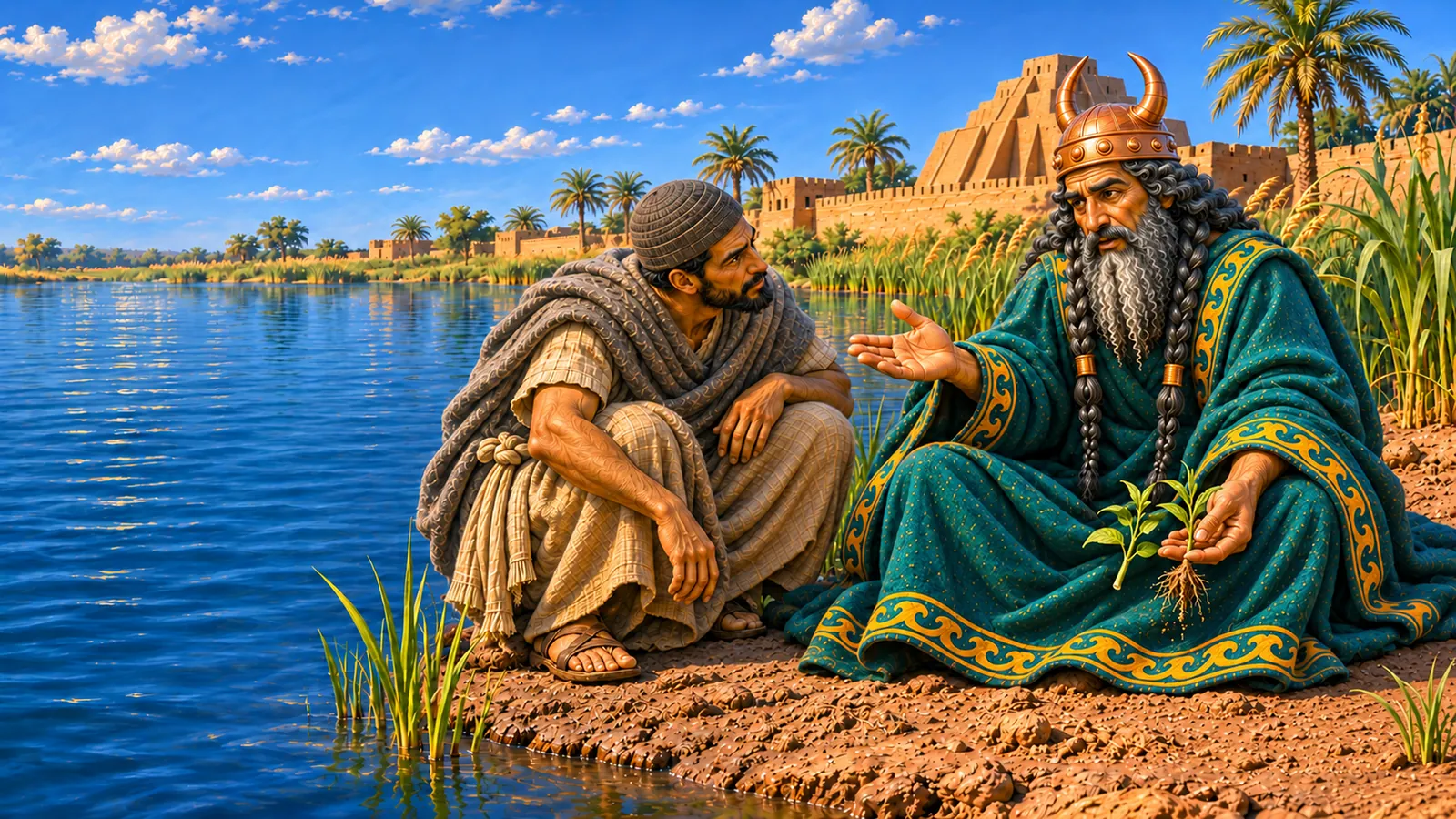
The name of the seventh plant is lost. Isimud cut it, then pulled up the Amharu, and Enki ate both. After that, Enki fixed the destinies of all the plants.
THE CURSE
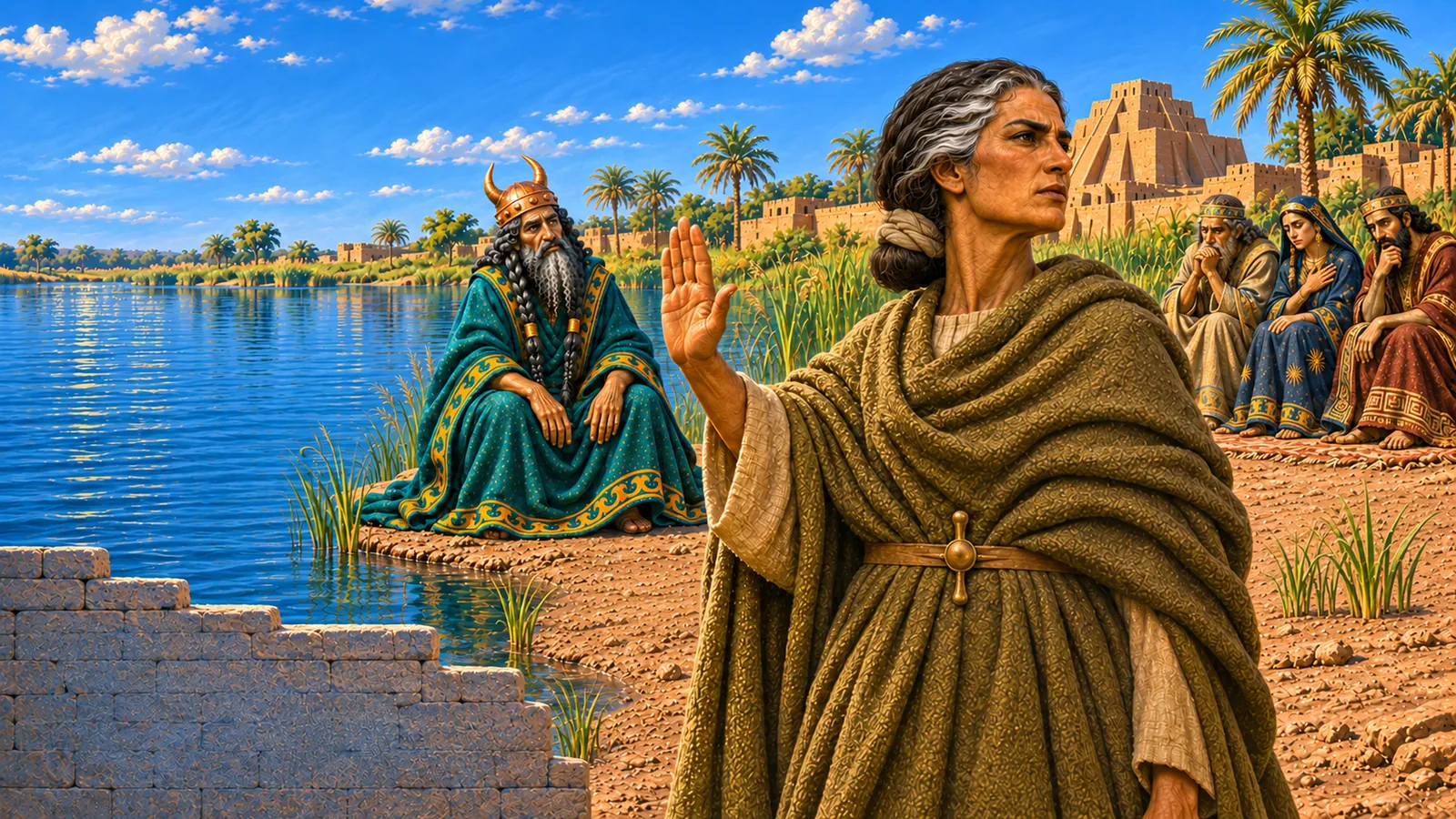
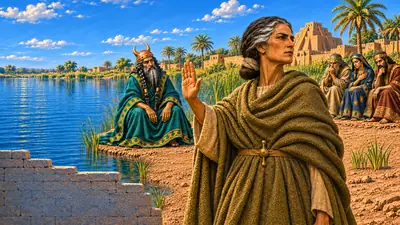
Ninhursag cursed Enki. She swore to withhold her life-giving gaze until the day he died. The Anuna sat down in the dust.
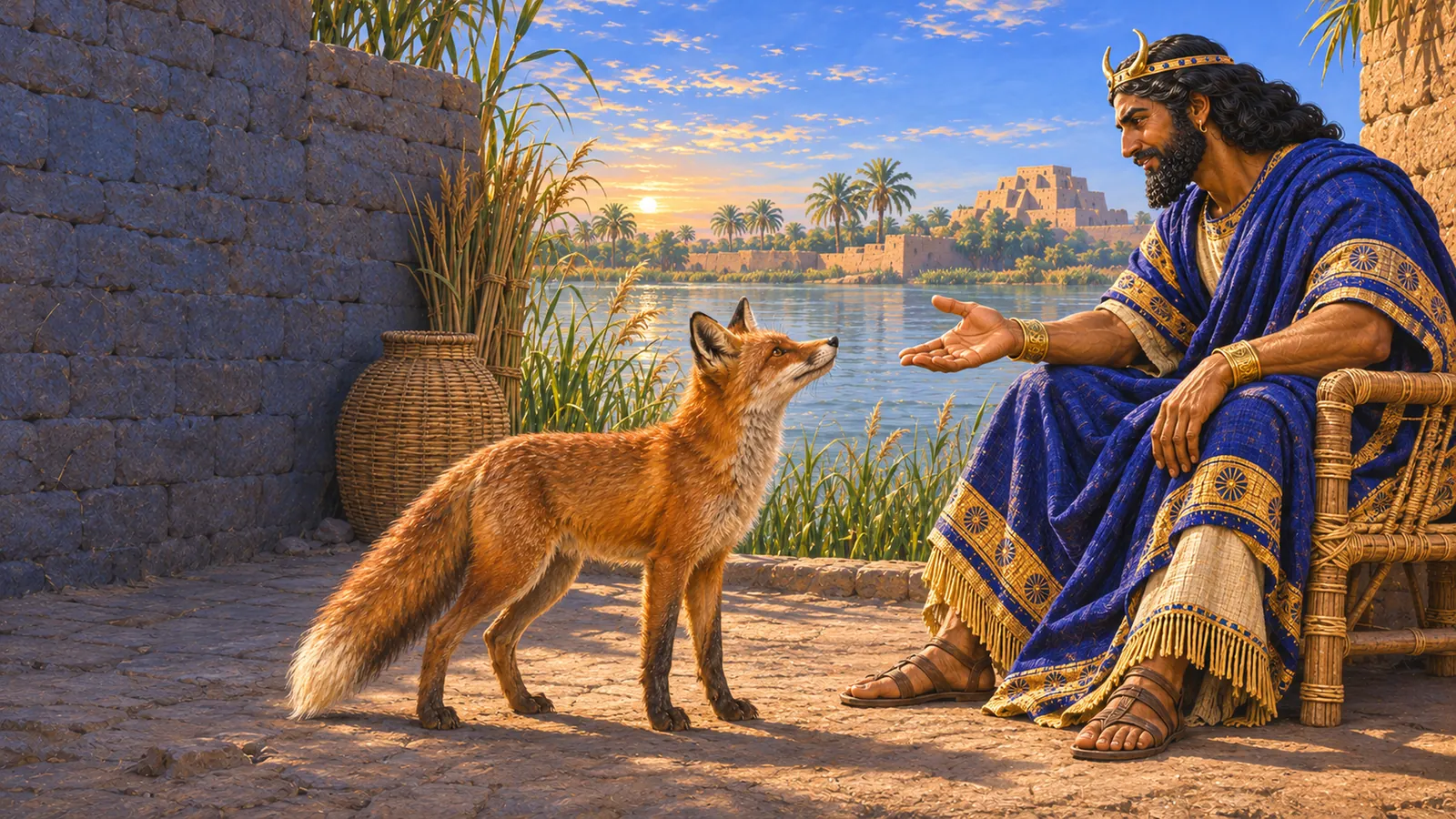
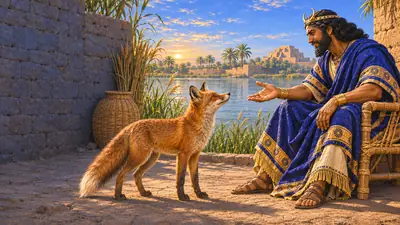
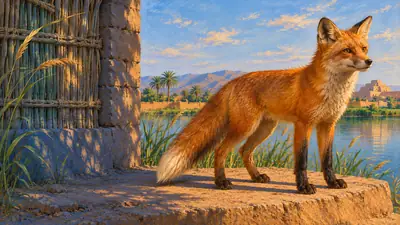
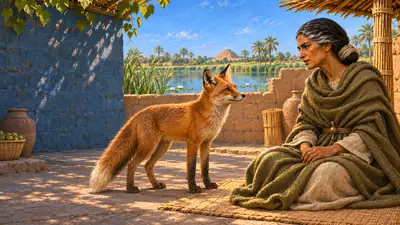
A fox asked Enlil what reward he would give if it brought Ninhursag back. Enlil promised that, if the fox succeeded, two standards would be set up in his city and the fox would be renowned.
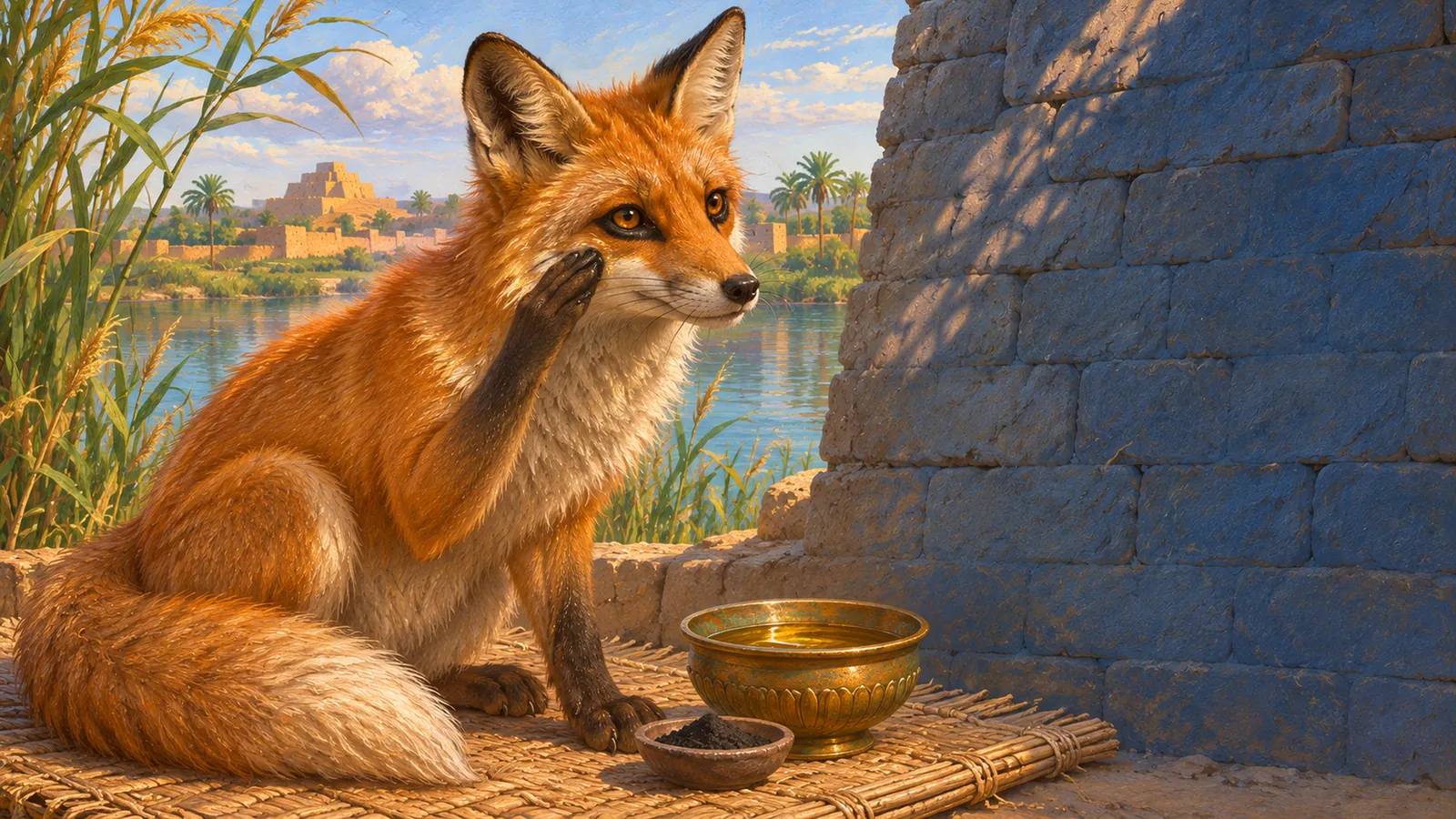
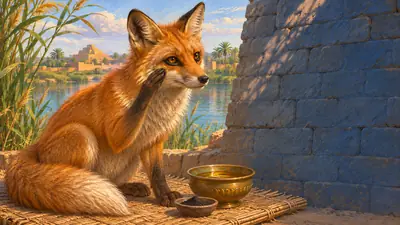
The fox anointed itself and put kohl around its eyes. The words between those acts seem to tell of something it did to its fur.
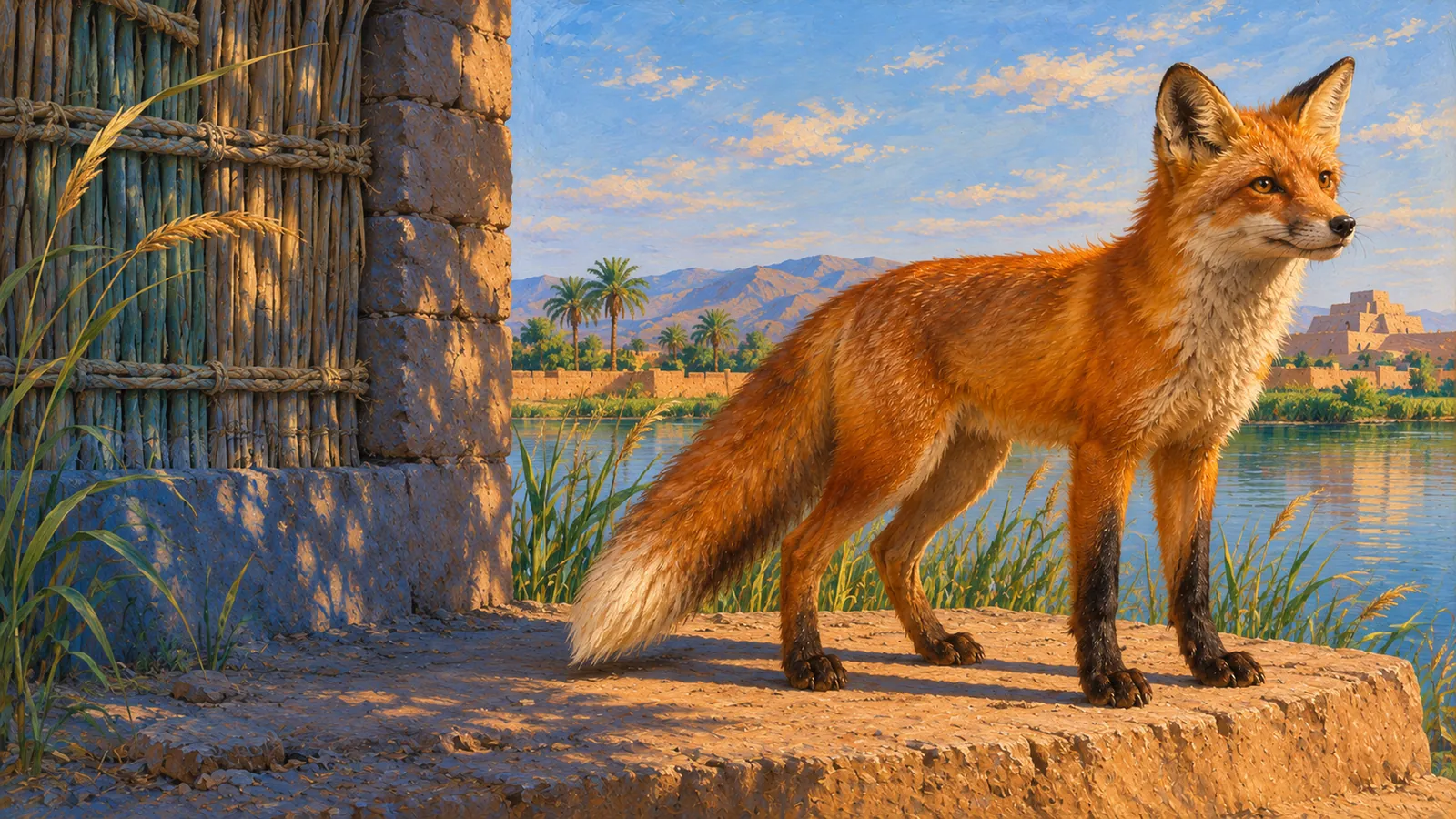
At this point four lines survive only in fragments. The tablet leaves us without a clear account of what the fox did next.
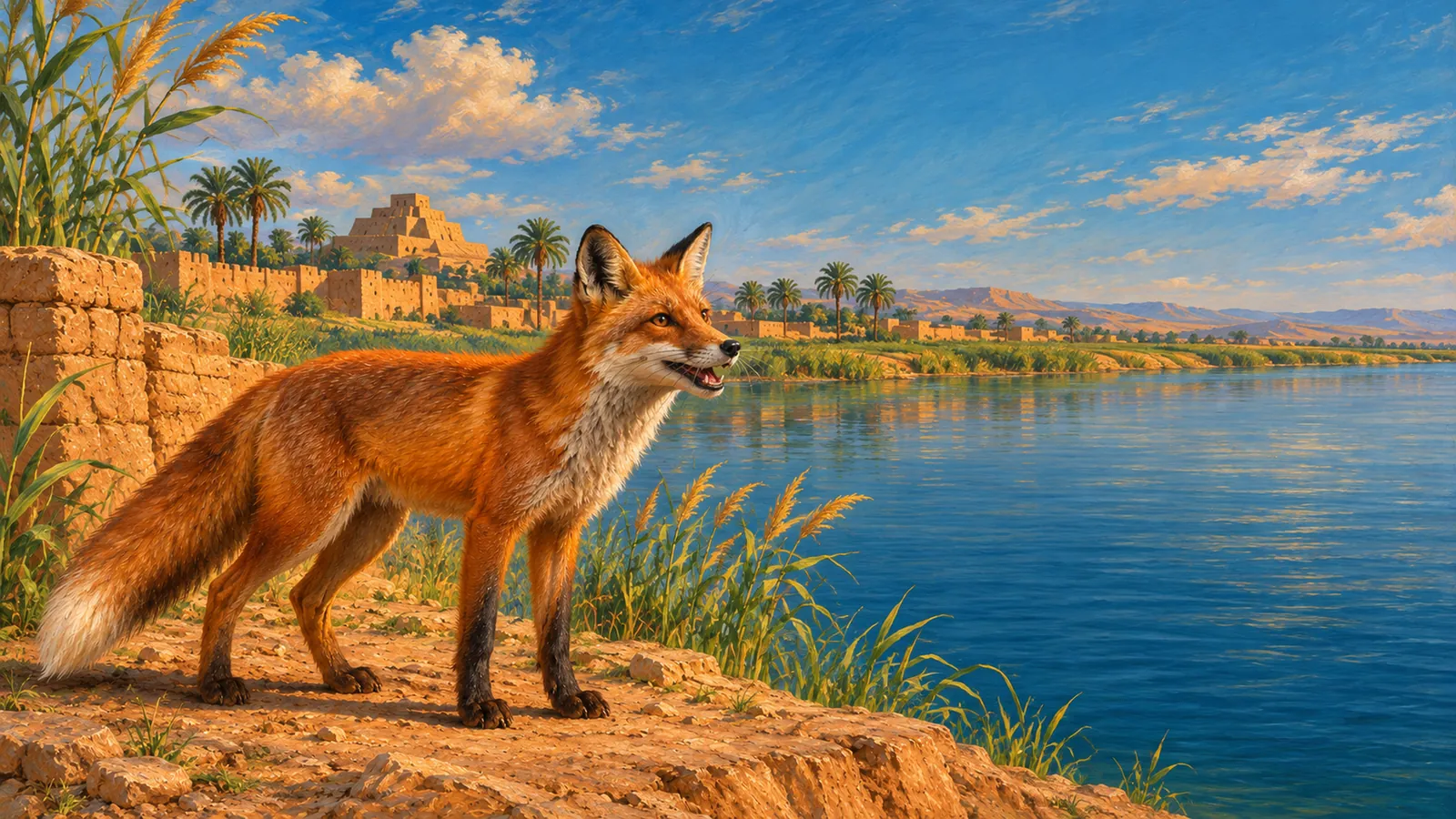
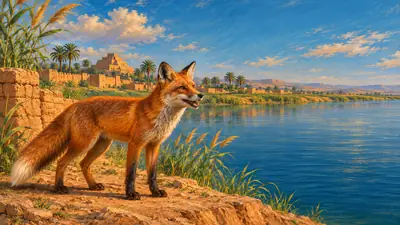
The fox speaks of Nippur and Enlil, Ur and Nanna, Larsa and Utu, and Uruk and Inanna. What happened in each place is harder to make out.
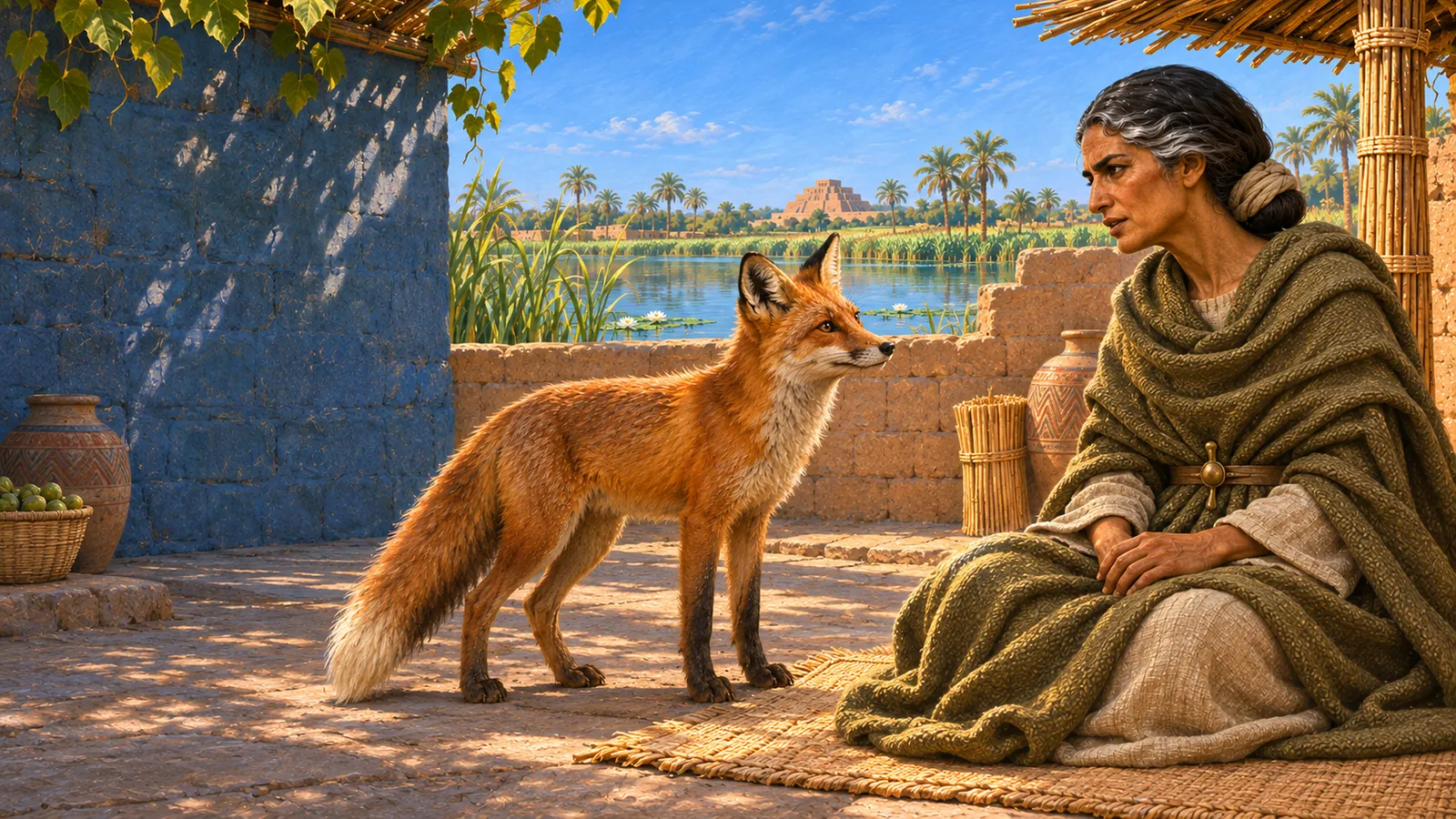
Only pieces of the speech remain, and Ninhursag’s name can still be read. What the fox said to her, and how she answered, is no longer clear.
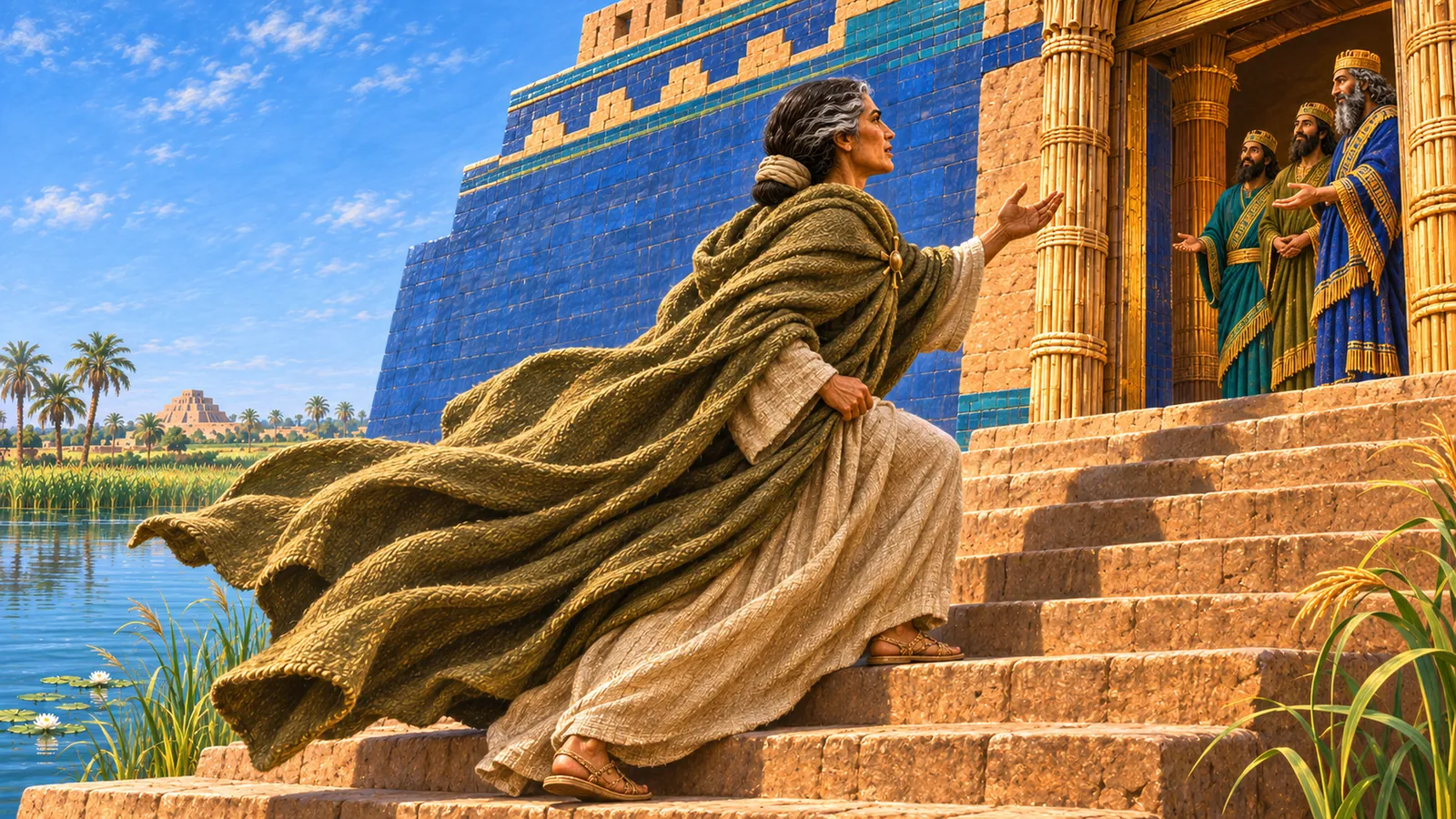
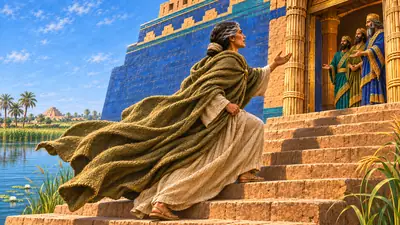
When the story becomes clear again, Ninhursag hastens to the temple. The divine assembly called the Anuna takes her garment, but part of what they do with it is lost.
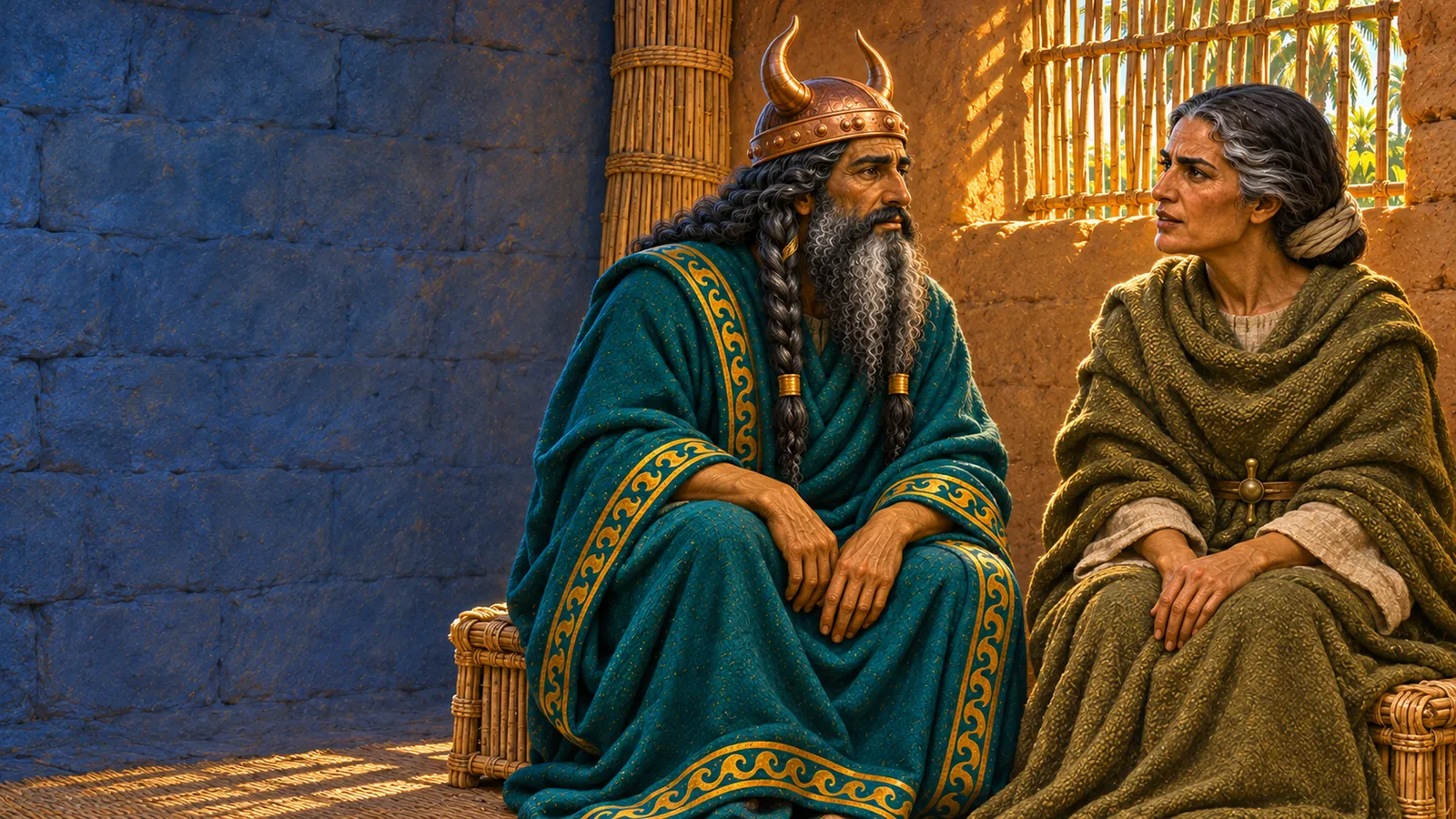
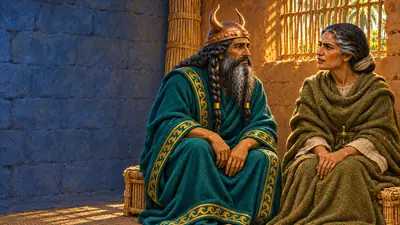
Ninhursag seated Enki close to her. A line from another copy mentions a gesture of her hands, but the words that describe it are broken.
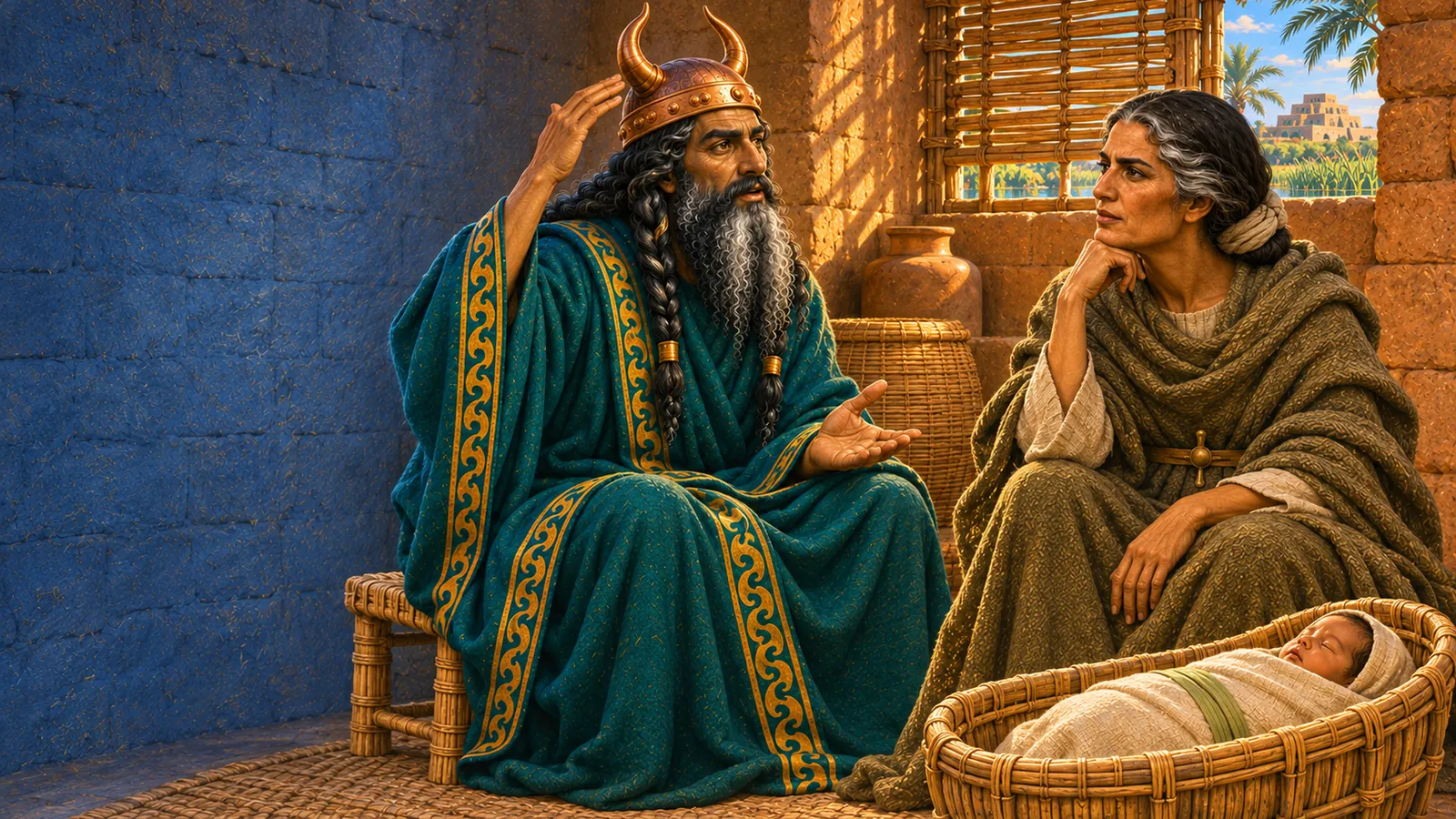
THE HEALING
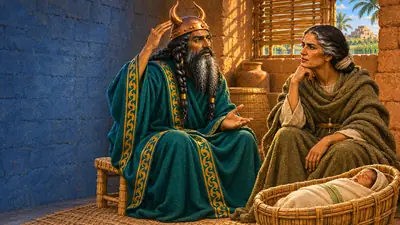
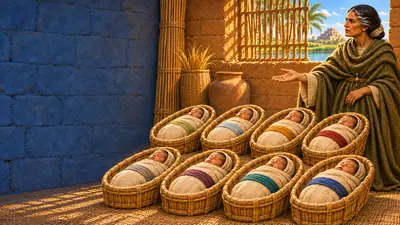
Ninhursag asked her brother where he hurt. Enki said that the top of his head ached. Ninhursag brought Ab-u into the world.
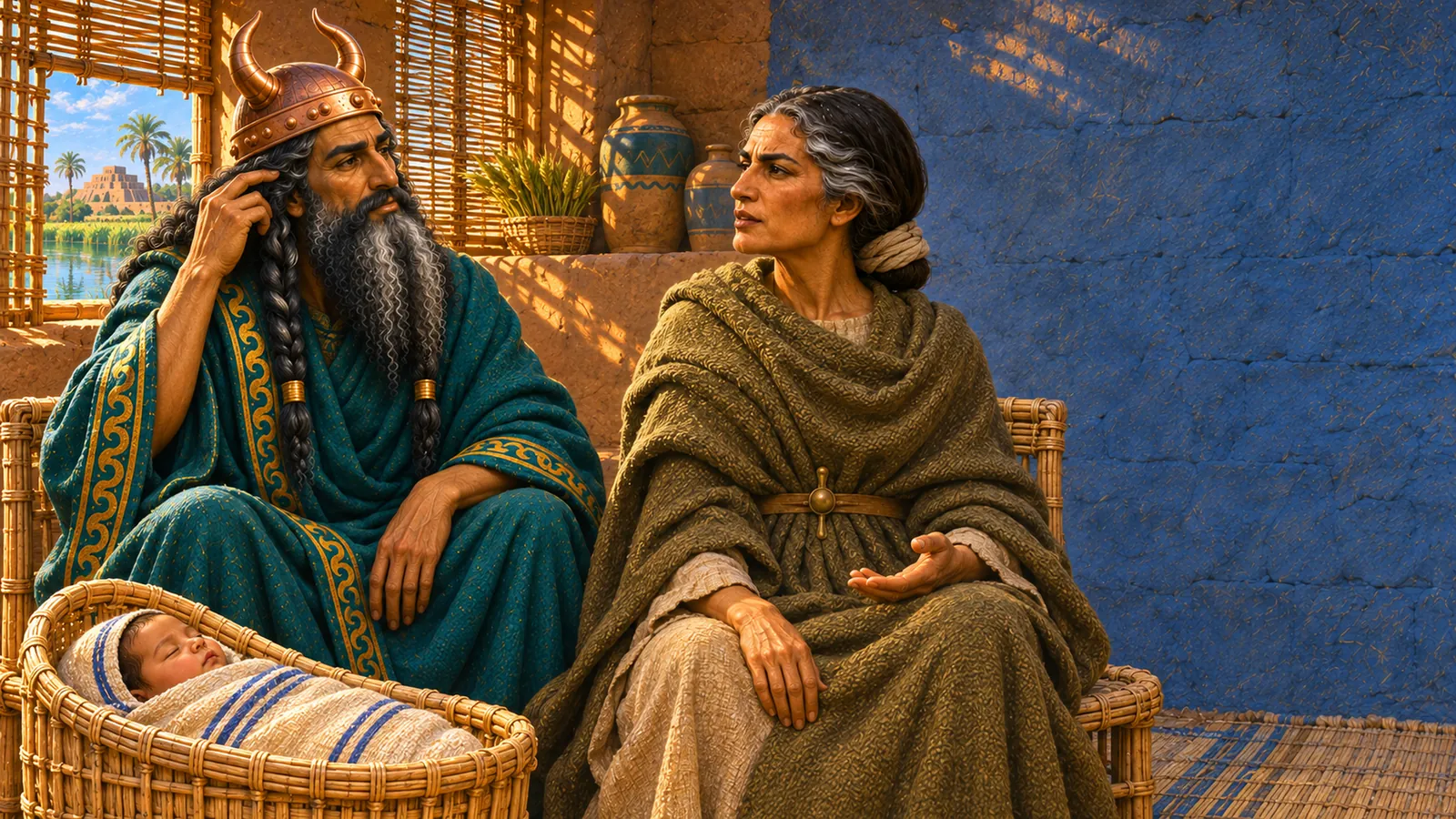
Ninhursag asked him again where he hurt. Enki said that his hair hurt this time, and Ninhursag brought Ninsikila into the world.
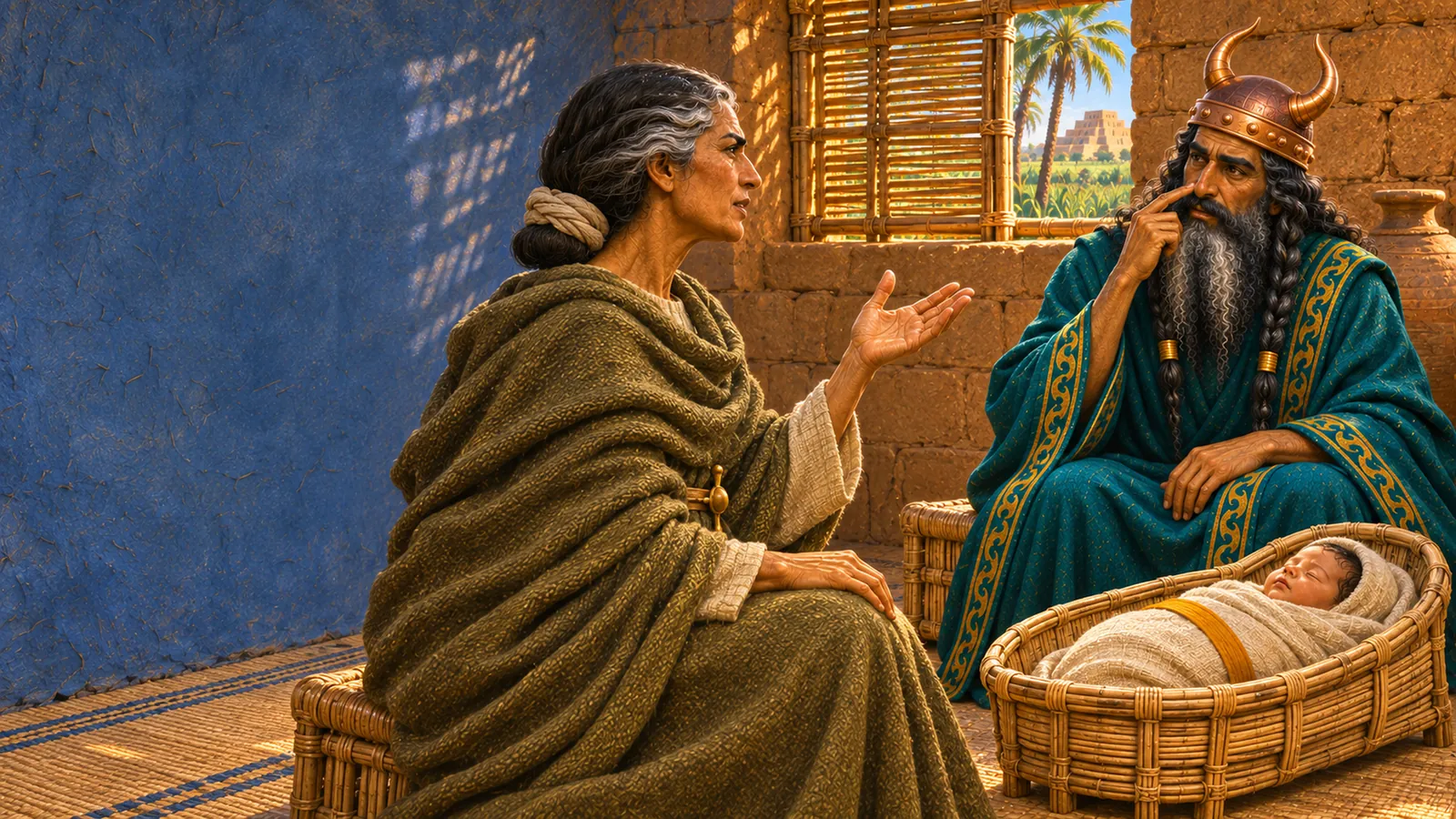
Ninhursag asked her brother where he hurt. This time Enki named his nose. Ninhursag brought Ningiriudu into the world.
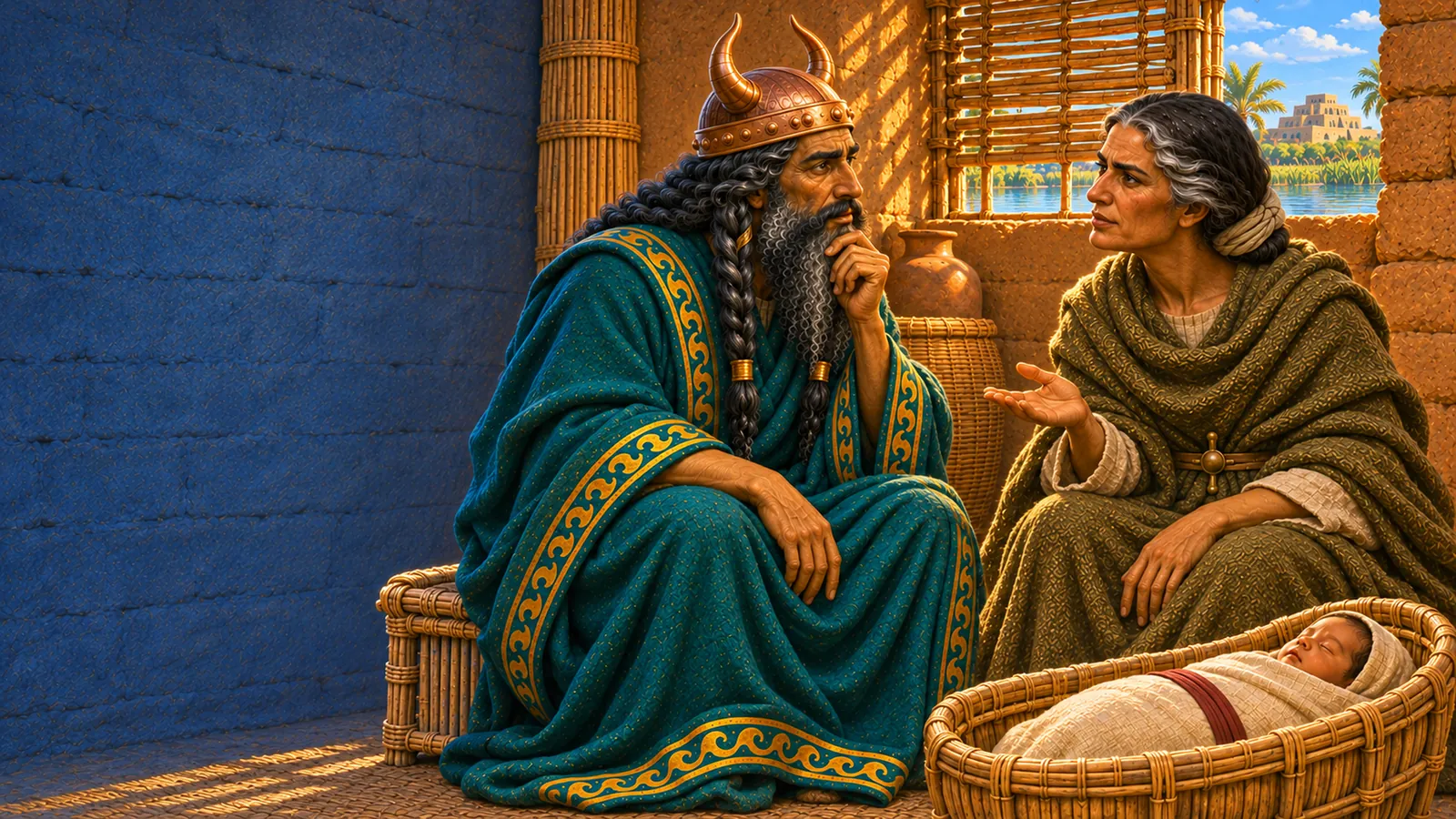
Ninhursag asked him once more where he hurt. Enki told her that the pain was in his mouth, and she gave birth to Ninkasi.
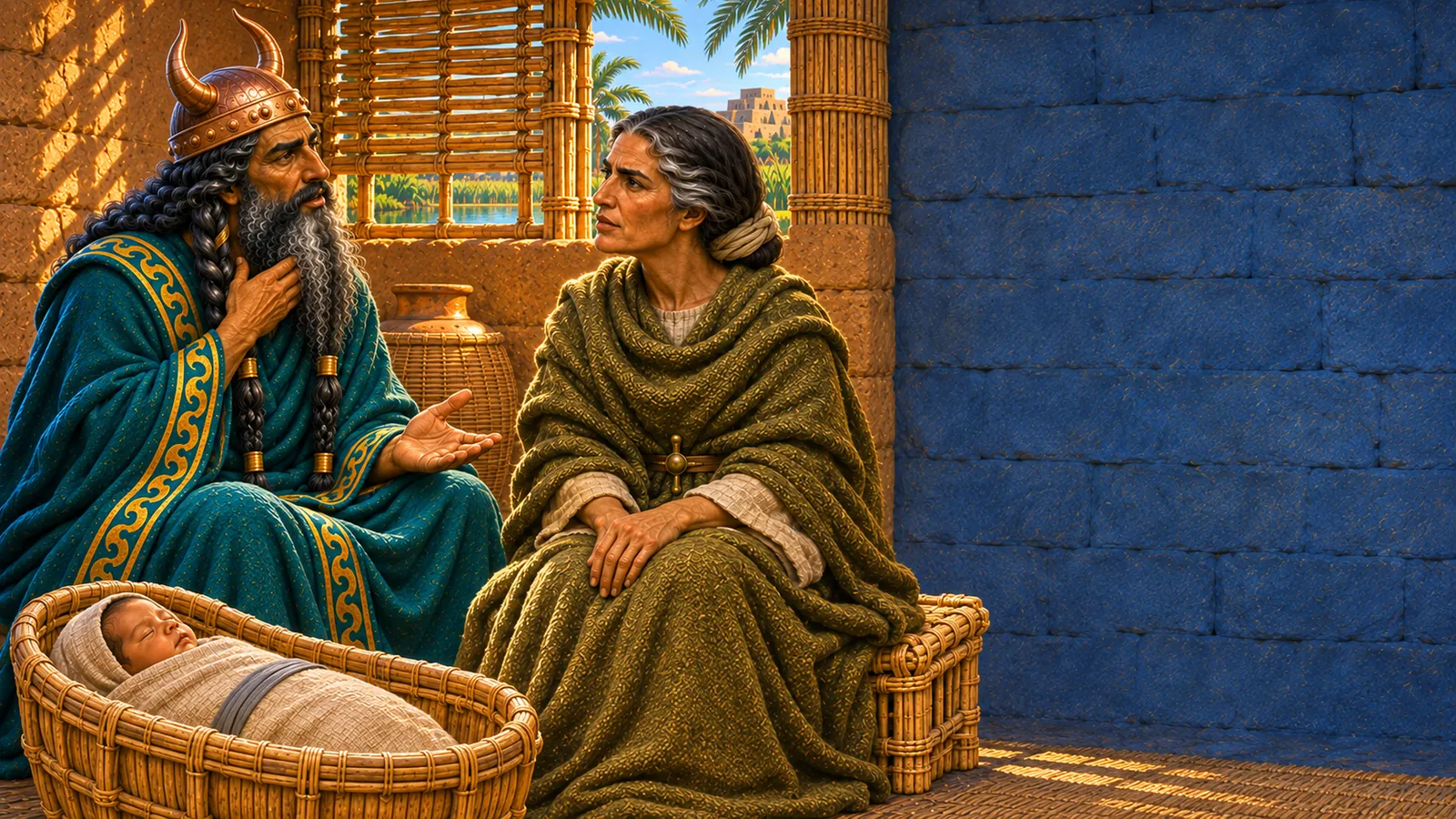
When Ninhursag asked again where he hurt, Enki told her it was his throat. Ninhursag brought Na-zi into the world.
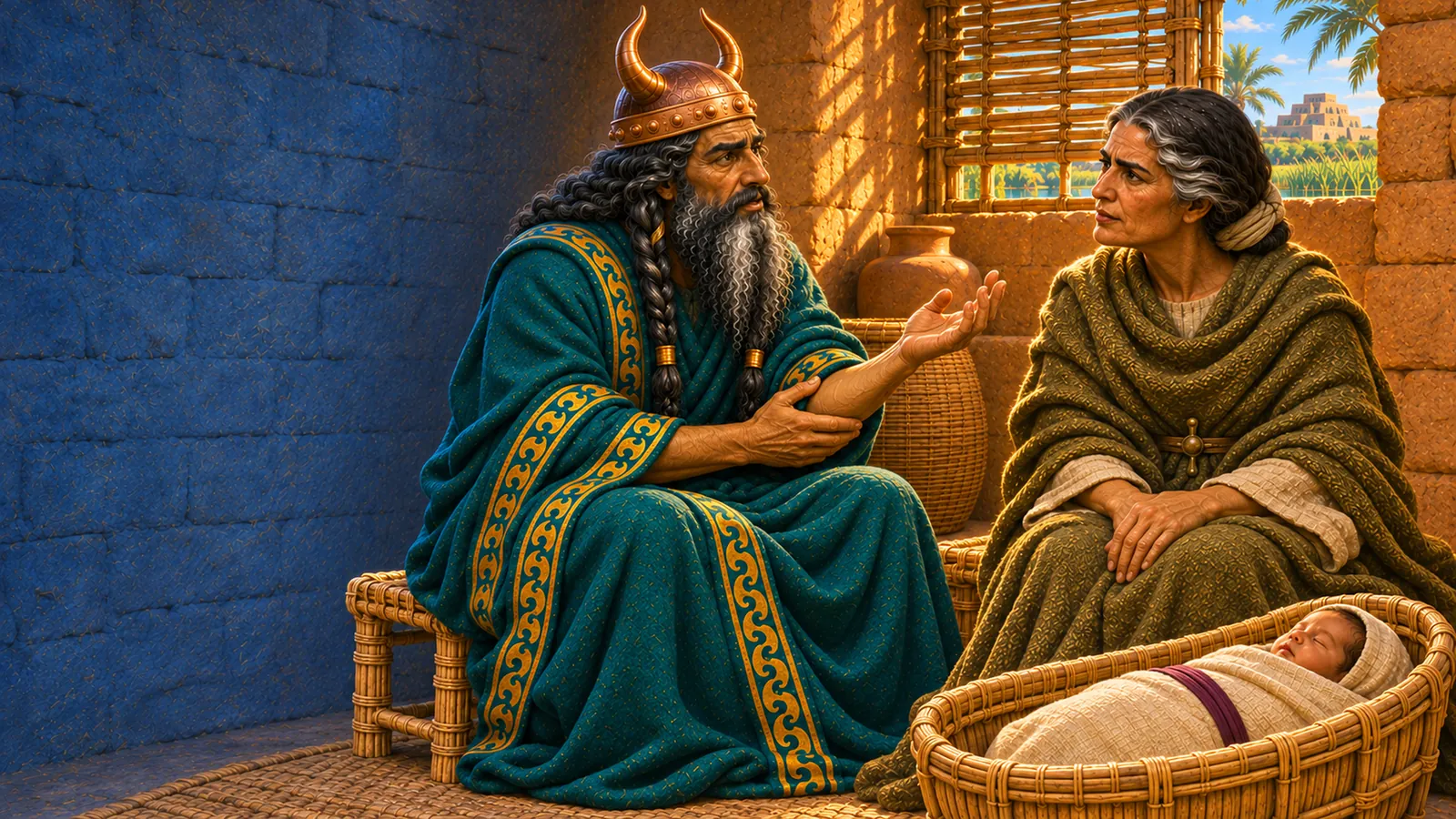
Ninhursag asked her brother where he hurt. This time Enki named his arm, and Ninhursag brought Azimua into the world.
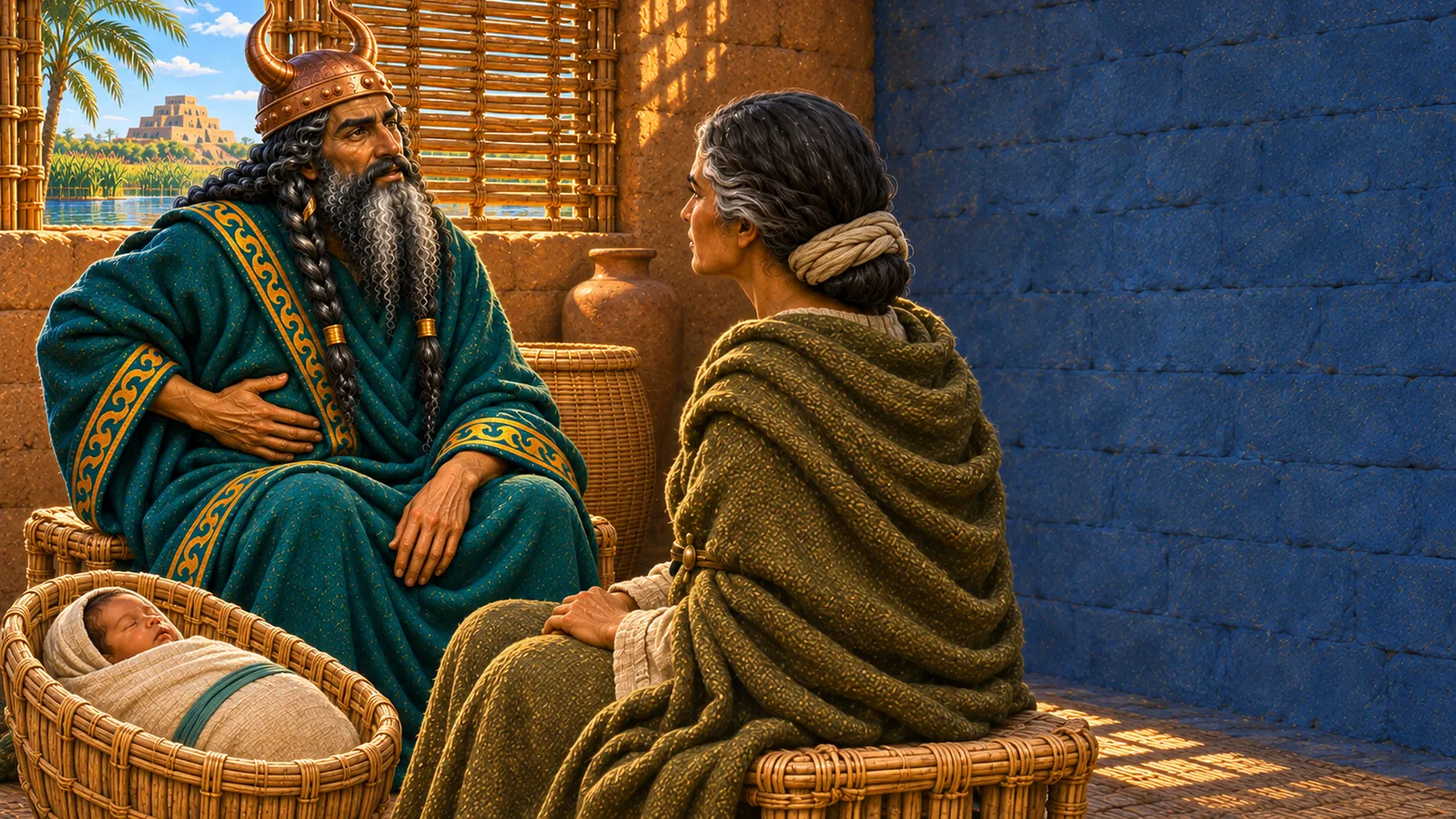
Ninhursag asked where he hurt, and Enki told her it was his ribs. Ninti was born, and her name echoes the Sumerian word for rib.
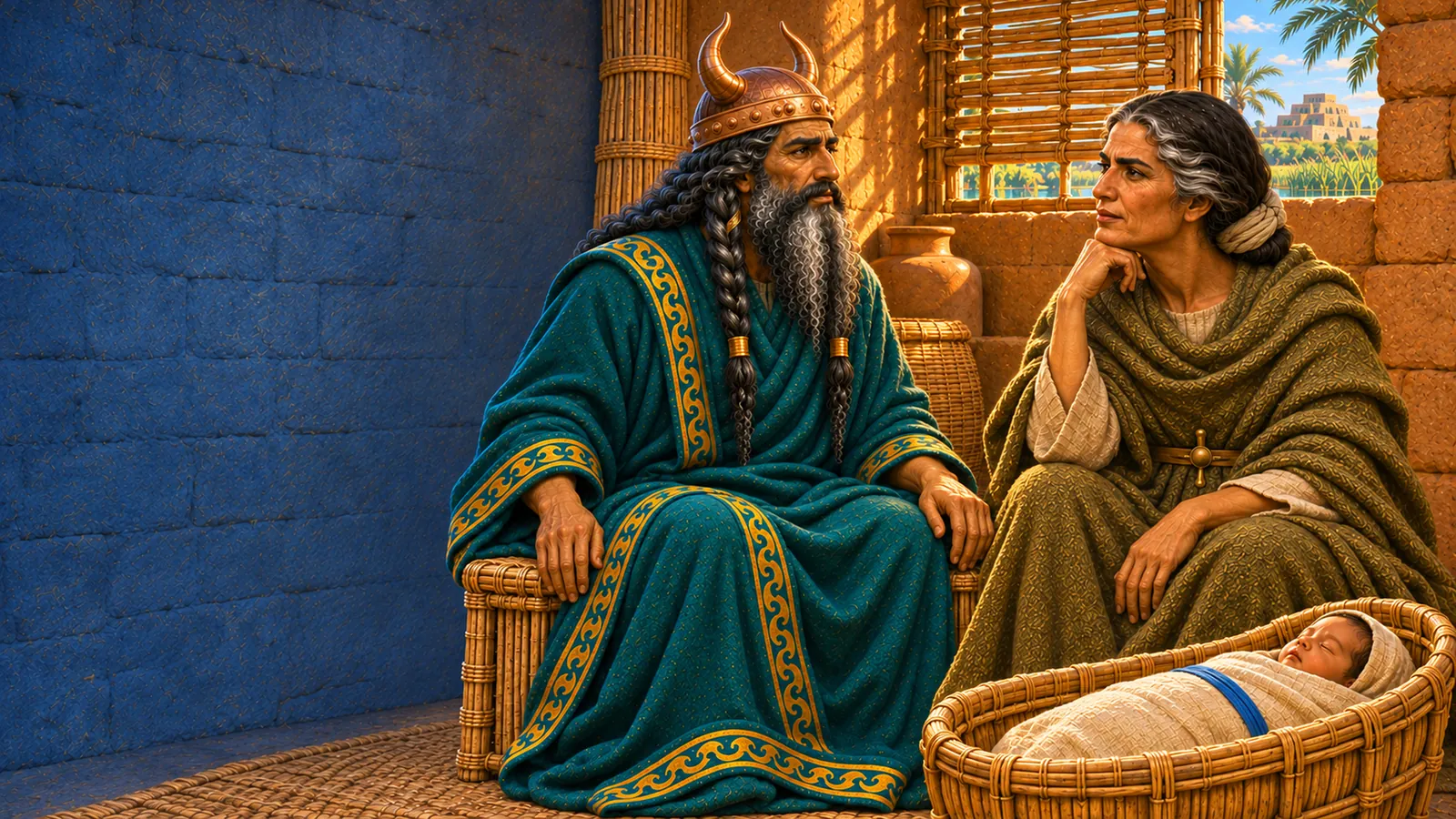
For the last time Ninhursag asked her brother where he hurt. Enki said his sides hurt, and Ninhursag brought Ensag into the world.
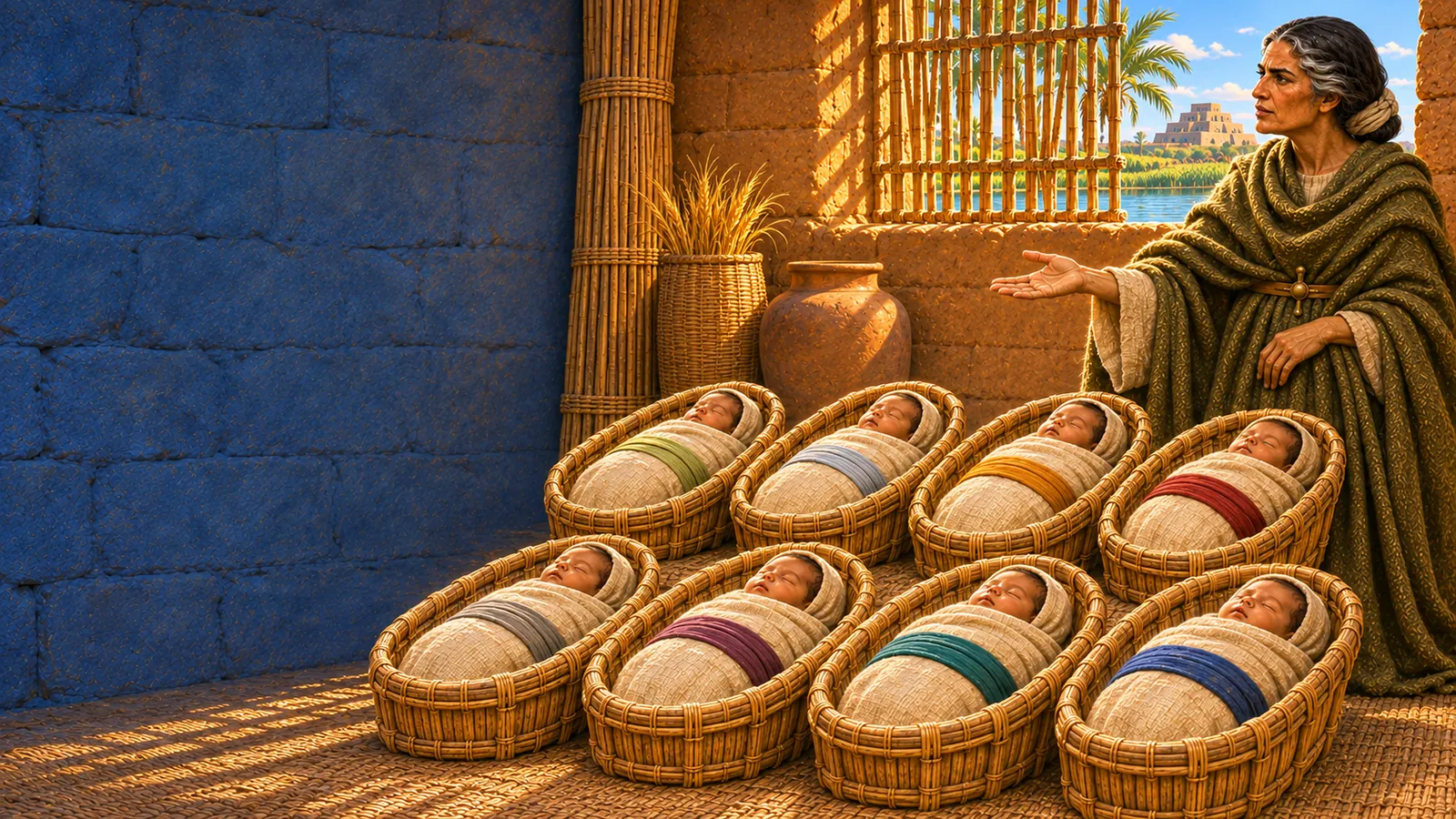
Ninhursag called for gifts for the newborns. Ab-u would rule the grasses, Ninsikila would be lord of Magan, Ningiriudu would marry Ninazu, and Ninkasi would be what satisfies the heart.
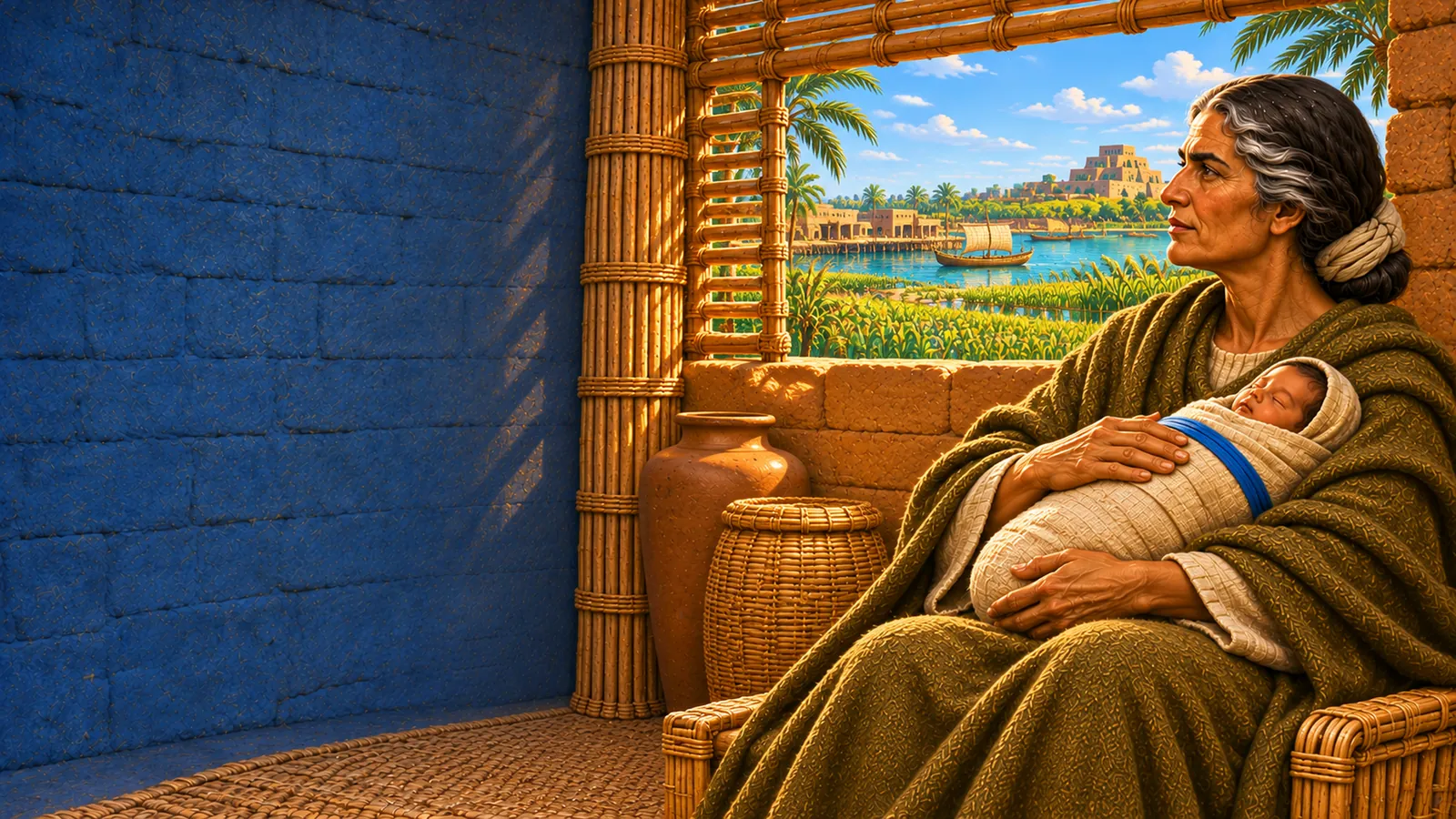
Na-zi would marry Nindara, and Azimua would marry Ningishzida. Ninti would be the lady of the month, and Ensag would become lord of Dilmun.
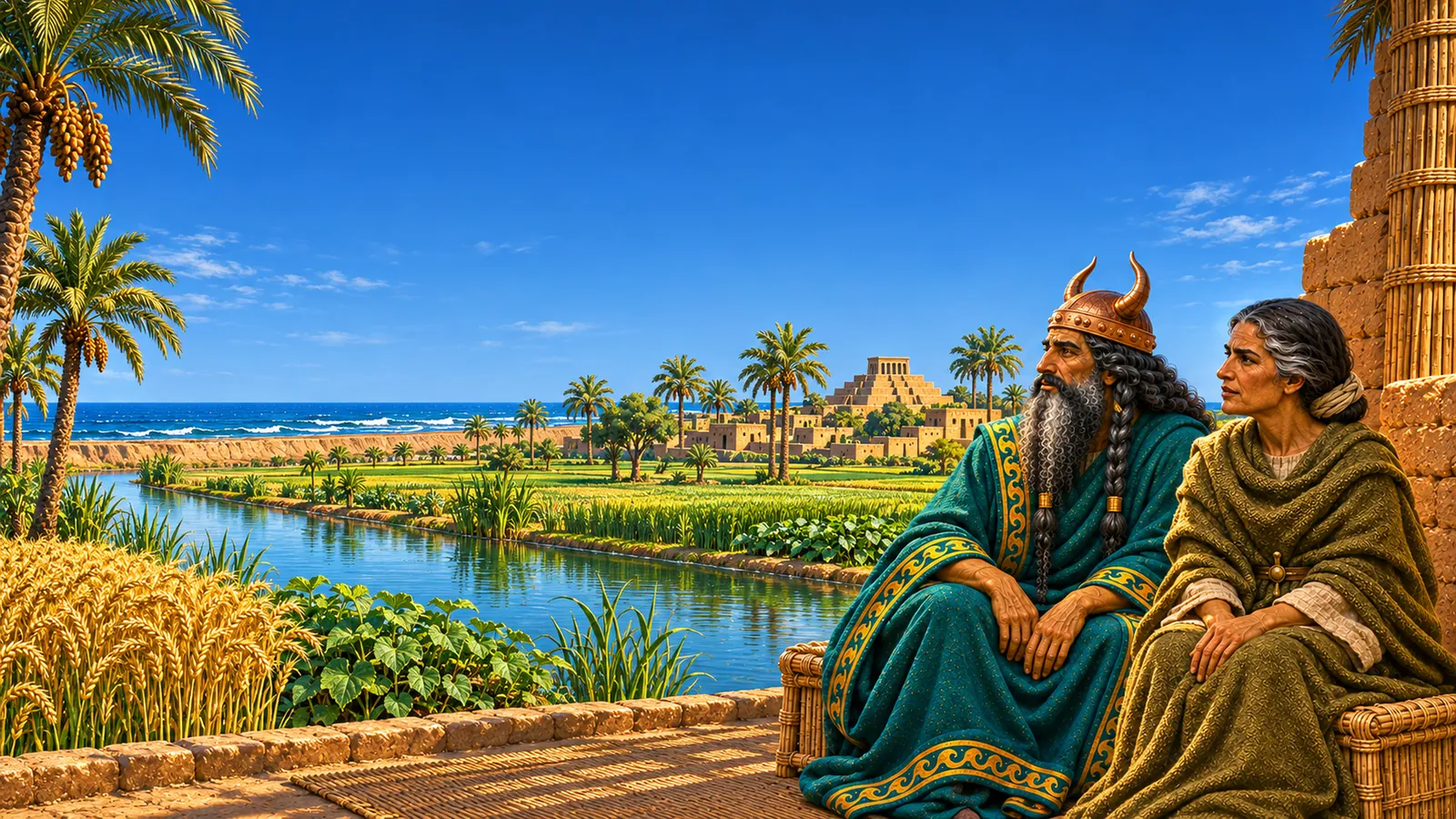
The poem ends with praise to Father Enki, after Ninhursag’s healing and the gifts she named for the eight newborns.
End of chapter 1
All pages
Sources
Page 20. In Oxford ETCSL 1.1.1, lines 69–74, Enki insists after the objection and the next lines describe conception in bodily terms. Line 72 names Damgalnuna. The later birth of Ninsar is at lines 84–87. [Oxford translation](https://etcsl.orinst.ox.ac.uk/section1/tr111.htm)
Editions consulted
- Oxford ETCSL 1.1.1, Enki and Ninhursanga, translation
- Oxford ETCSL 1.1.1, Sumerian composite
- Oxford ETCSL 1.1.1, manuscript bibliography
- Penn Museum, Nippur witness CBS 4561
- CDLI, Ur witness UET 6/1
- Louvre, AO 6724
- Pascal Attinger, Enki et Ninḫursaĝa, revised translation and commentary
- IL Archive, Enki and Ninhursaga, Sumerian poem
- IL Archive, Dilmun, ancient Gulf land and literary setting
Notes on this retelling
Pages 24 and 27. In Oxford ETCSL 1.1.1, lines 97–101 and 117–121, the poem describes Enki’s embrace and the bodily details of intercourse before the two conceptions. Ninsar is Enki’s daughter through the birth at lines 69–87, and Ninkura is his granddaughter through Ninsar at lines 97–107. [Oxford translation](https://etcsl.orinst.ox.ac.uk/section1/tr111.htm)
Page 30. Oxford ETCSL 1.1.1, lines 126L–126Q, describes Enki’s sexual encounter with Ninimma in bodily terms. The end of the alternative account, in which Ninimma gives birth to Uttu, is partly restored. The Louvre catalogue reads the encounter as rape. [Oxford translation](https://etcsl.orinst.ox.ac.uk/section1/tr111.htm) · [Louvre witness AO 6724](https://collections.louvre.fr/ark:/53355/cl010167407)
Pages 40–41. In lines 186–189 Uttu cries out about pain in her thighs, liver and heart. Oxford’s translation leaves the cause of the cries open, and the last two lines are fragmentary. [Oxford translation](https://etcsl.orinst.ox.ac.uk/section1/tr111.htm) · [Attinger’s translation and commentary](https://zenodo.org/records/2667747)
Ancient lines behind each page
- Page 1: ETCSL 1.1.1 1–4
- Page 2: ETCSL 1.1.1 5–10
The opening names Ninsikila as Enki's spouse in this passage. - Page 3: ETCSL 1.1.1 11–12
- Page 4: ETCSL 1.1.1 13–16
- Page 5: ETCSL 1.1.1 17–19
- Page 6: ETCSL 1.1.1 20–24
- Page 7: ETCSL 1.1.1 25–28
- Page 8: ETCSL 1.1.1 29–32
A phrase has lost words. - Page 9: ETCSL 1.1.1 33–36
One surviving line is fragmentary around the complaint about arable ground. - Page 10: ETCSL 1.1.1 37–39 (lacuna)
- Page 11: ETCSL 1.1.1 40–43
The exact vessel and shore wording is uncertain. - Page 12: ETCSL 1.1.1 44–46
- Page 13: ETCSL 1.1.1 47–49
- Page 14: ETCSL 1.1.1 49A–49K (Ur variant)
Placement of Ur copy’s lines in the sequence is uncertain. - Page 15: ETCSL 1.1.1 49L–49V (Ur variant)
Some terms for harvest and woods are damaged. - Page 16: ETCSL 1.1.1 50–54
The text again has uncertain vessel and shore terms. - Page 17: ETCSL 1.1.1 55–58
- Page 18: ETCSL 1.1.1 59–62
- Page 19: ETCSL 1.1.1 63–68
- Page 20: ETCSL 1.1.1 69–74
Damgalnuna is mentioned in the source without a separate arrival. - Page 21: ETCSL 1.1.1 75–83
- Page 22: ETCSL 1.1.1 84–87
Oil is a simile in the poem. - Page 23: ETCSL 1.1.1 88–96
- Page 24: ETCSL 1.1.1 97–101
The source relates an encounter and conception. - Page 25: ETCSL 1.1.1 102–107
- Page 26: ETCSL 1.1.1 108–116
- Page 27: ETCSL 1.1.1 117–121
- Page 28: ETCSL 1.1.1 122–126
The epithet after Uttu is uncertain. - Page 29: ETCSL 1.1.1 126A–126K (Louvre variant)
- Page 30: ETCSL 1.1.1 126L–126CC (Louvre variant)
The Louvre witness makes this an alternate genealogy and its final birth is restored. - Page 31: ETCSL 1.1.1 127–132
- Page 32: ETCSL 1.1.1 133–146 (damaged passage)
Some words and Uttu’s name survive. - Page 33: ETCSL 1.1.1 147–151
Oxford assigns the speech to Uttu and readings differ on the addressee. - Page 34: ETCSL 1.1.1 152–155
- Page 35: ETCSL 1.1.1 156–158
The gardener’s movement and the end of his question are uncertain. - Page 36: ETCSL 1.1.1 159–163
Four lines are missing after Enki begins to address the gardener. - Page 37: ETCSL 1.1.1 164–166
Several details in the descriptions of the produce are uncertain. - Page 38: ETCSL 1.1.1 167–171
- Page 39: ETCSL 1.1.1 172–177
The beer line at 177 is absent from the Nippur copy. The descriptions of the produce have uncertain details. - Page 40: ETCSL 1.1.1 178–185
- Page 41: ETCSL 1.1.1 186–189
The two lines after Ninhursag’s action are fragmentary. - Page 42: ETCSL 1.1.1 190–193
The wording is partly restored. The fourth written plant name has uncertain identifications. - Page 43: ETCSL 1.1.1 194–197
Parts of this passage are restored. - Page 44: ETCSL 1.1.1 198–202
- Page 45: ETCSL 1.1.1 203–206
The text of the repeated plant gathering is partly restored. - Page 46: ETCSL 1.1.1 207–210
- Page 47: ETCSL 1.1.1 211–214
The names and gathering survive with several editorial restorations. - Page 48: ETCSL 1.1.1 215–219
The seventh name is lost even though the repeated gathering is restored. - Page 49: ETCSL 1.1.1 220–222
- Page 50: ETCSL 1.1.1 223–227
Attinger prefers a kind of tree while allowing the standards reading. - Page 51: ETCSL 1.1.1 228–230
The reading of the fox’s action with its fur is uncertain. - Page 52: ETCSL 1.1.1 231–234
Four lines survive only in fragments. - Page 53: ETCSL 1.1.1 235–239
The cities and gods are named in damaged speech. Oxford restores several city names and leaves gaps in the responses. - Page 54: ETCSL 1.1.1 240–246
The lines around Ninhursag’s decision are fragmentary. The nature of the exchange is uncertain. - Page 55: ETCSL 1.1.1 247–251
The actions with the garment contain damaged words. - Page 56: ETCSL 1.1.1 252–253
The exact wording at 252 is intimate and has been rendered variously. The fragmentary line at 253 is absent from the Nippur copy. - Page 57: ETCSL 1.1.1 254–256
- Page 58: ETCSL 1.1.1 257–259
- Page 59: ETCSL 1.1.1 260–261
- Page 60: ETCSL 1.1.1 262–263
- Page 61: ETCSL 1.1.1 264–265
- Page 62: ETCSL 1.1.1 266–267
Oxford restores the end of each line. - Page 63: ETCSL 1.1.1 268–269
Oxford supplies parts of the broken lines. The name Ninti echoes the Sumerian word for rib. - Page 64: ETCSL 1.1.1 270–271
The healing refrain supplies the damaged endings of these lines. - Page 65: ETCSL 1.1.1 272–276
- Page 66: ETCSL 1.1.1 277–280
Part of the final allotment passage is editorially restored. - Page 67: ETCSL 1.1.1 281
Oxford restores Enki’s name in the surviving closing formula.
Illustrations made with AI tools by IL Archive; the text is based on the ancient sources (see the sources at the end of each chapter).