Across the Fields of Hetep Chapter 2
The Fields and Lakes
The speaker renews the request to live with Hetep and receive food and power. He addresses named places, counts the harvest and ends by mooring the boat in the celestial lakes and praising the gods of Sekhet-hetep.
SourcesTurn the pages with the arrows, the arrow keys or a swipe.
THE FIELDS AND LAKES
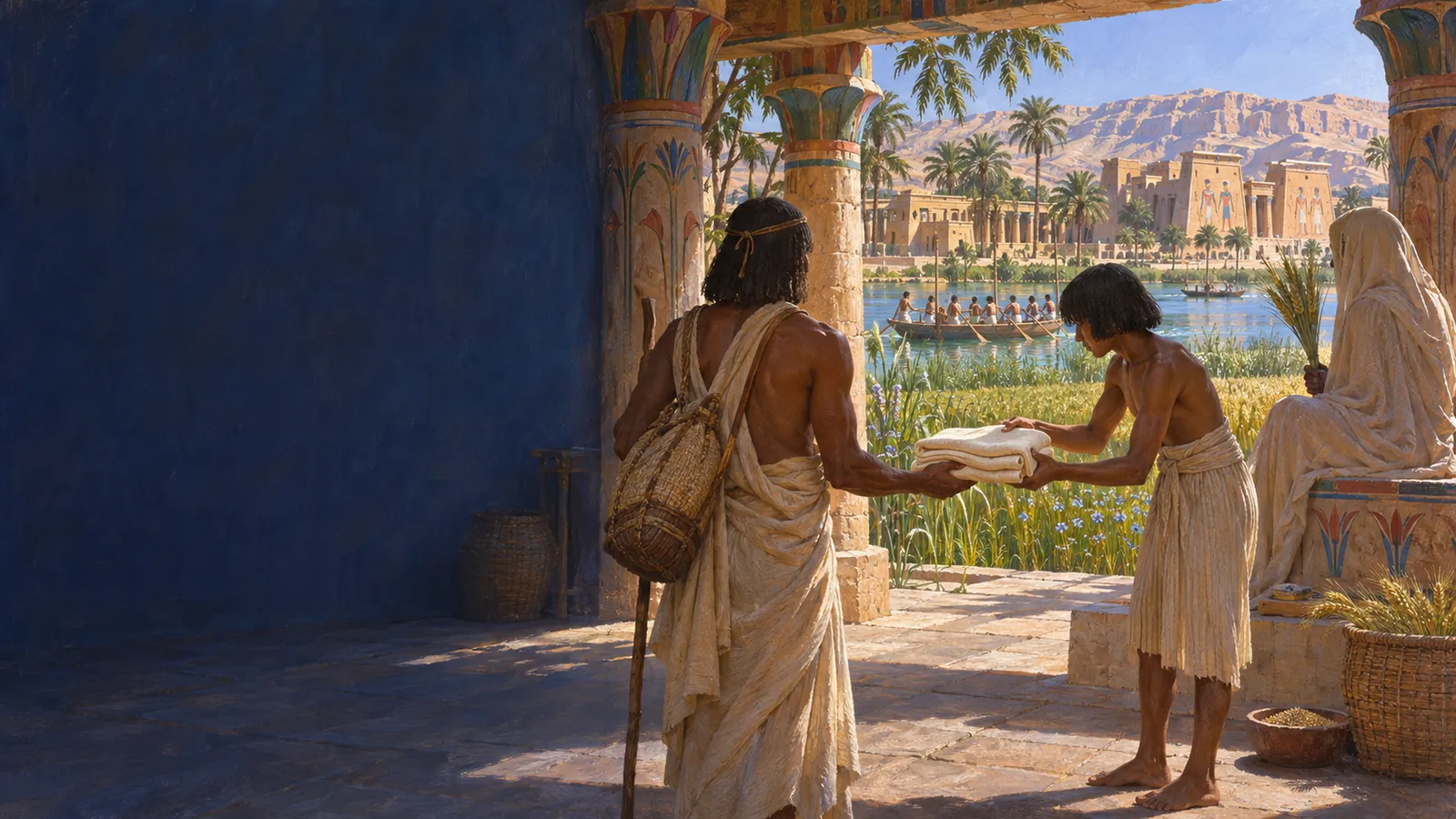
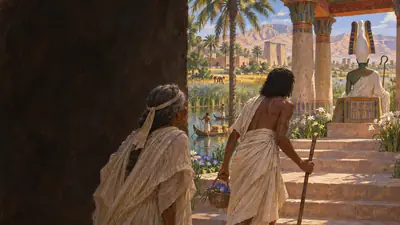
The speaker asks to live with the god Hetep, to be clothed and to be safe from plunder by the lords of the north.
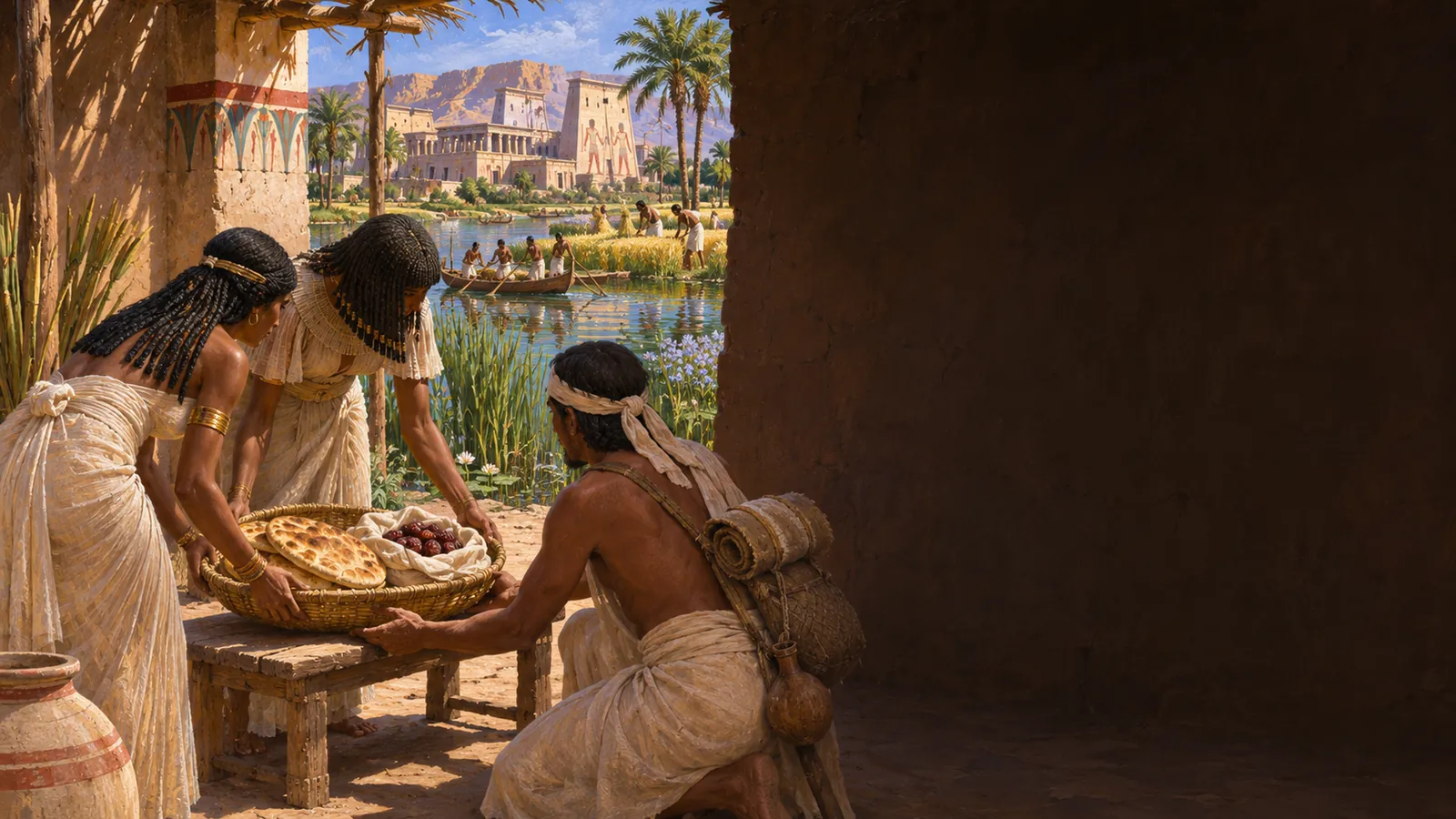
As the petition continues, the speaker asks the one he calls the lord of divine things to bring him food.
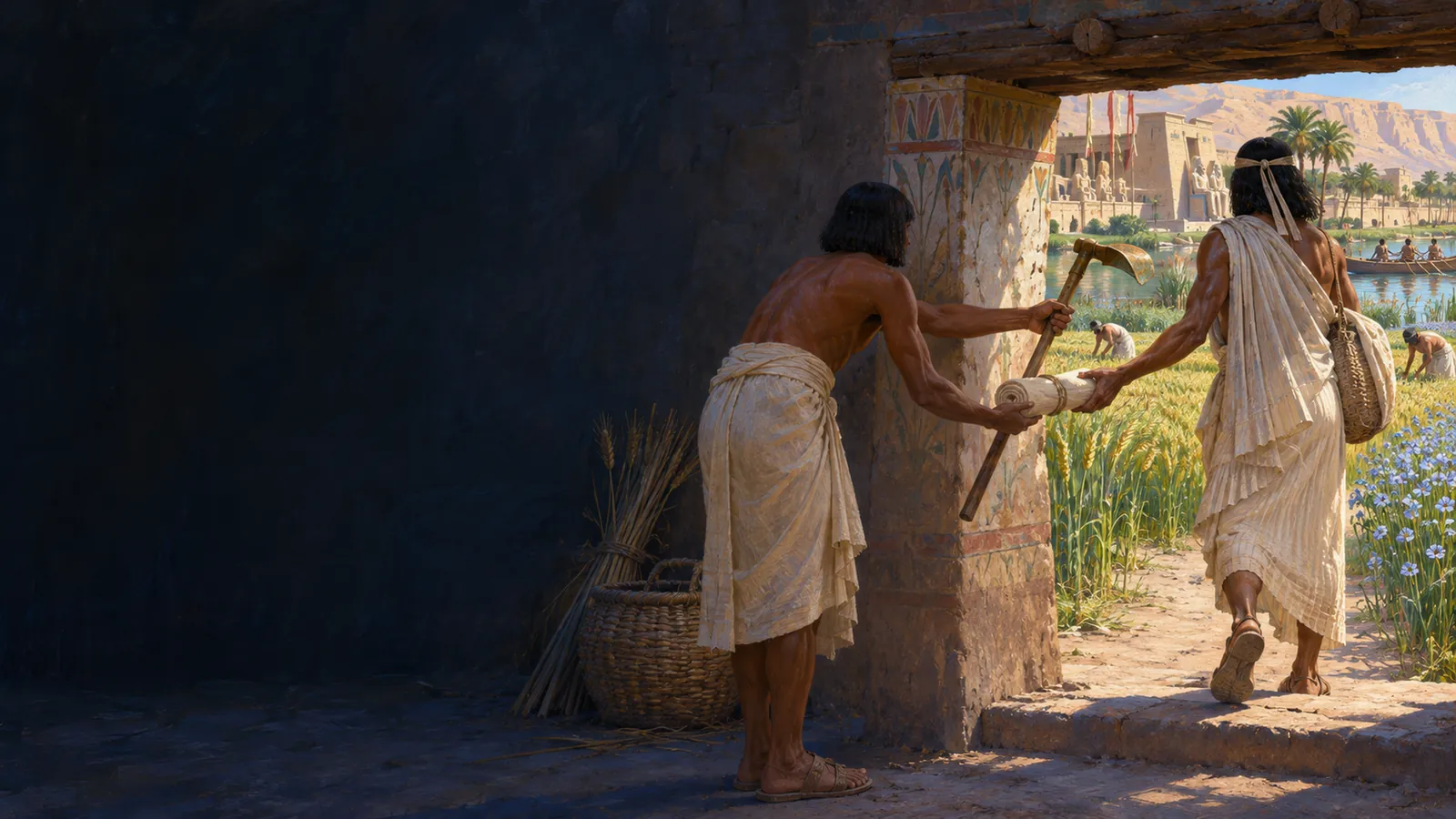
He asks to go forward and come out. He asks that his power be brought to him there, that he may receive it and that his equipment come from Hetep.
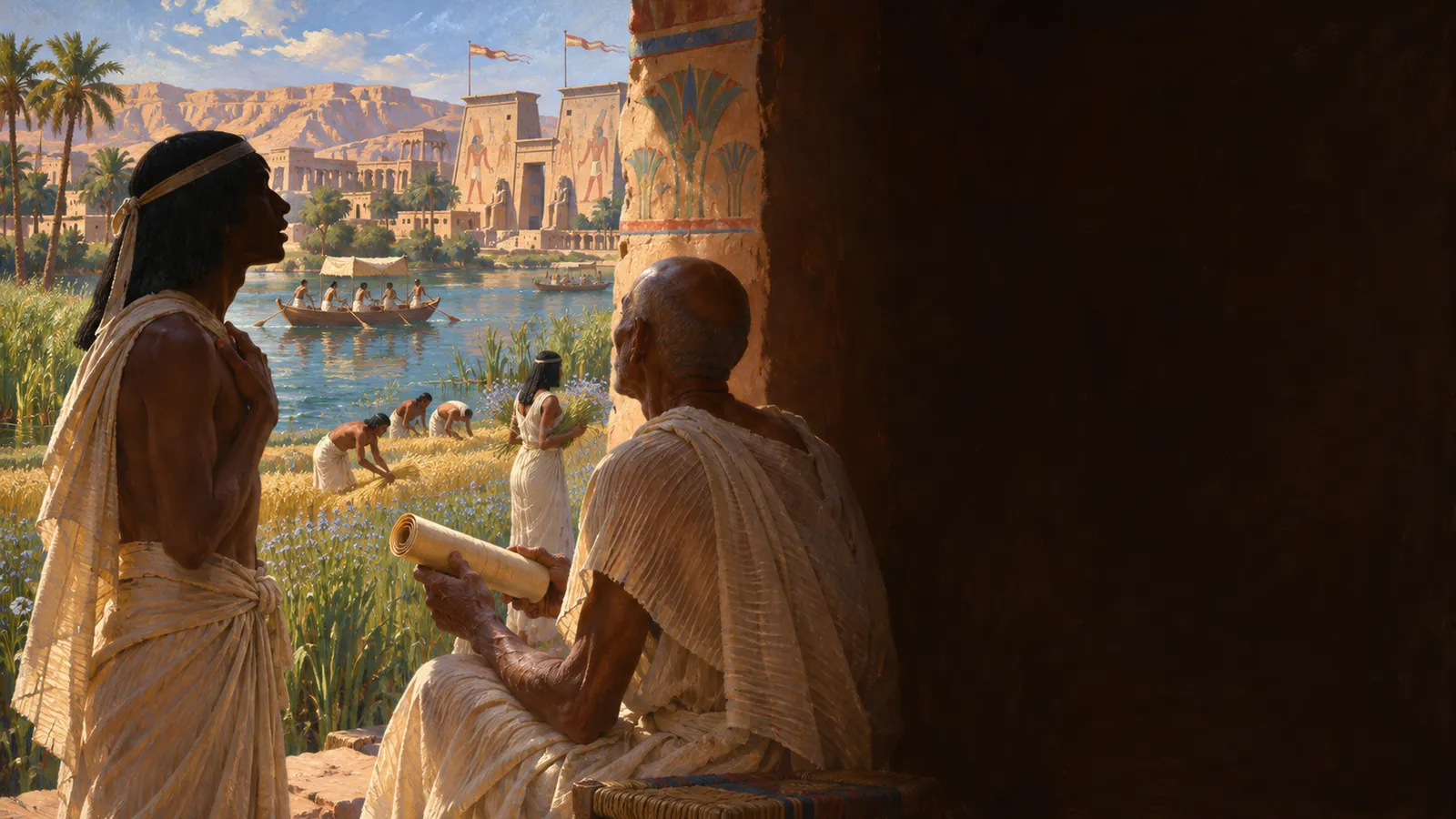
The speaker asks to master the great and mighty word within his body. He says that through the word he will remember and forget.
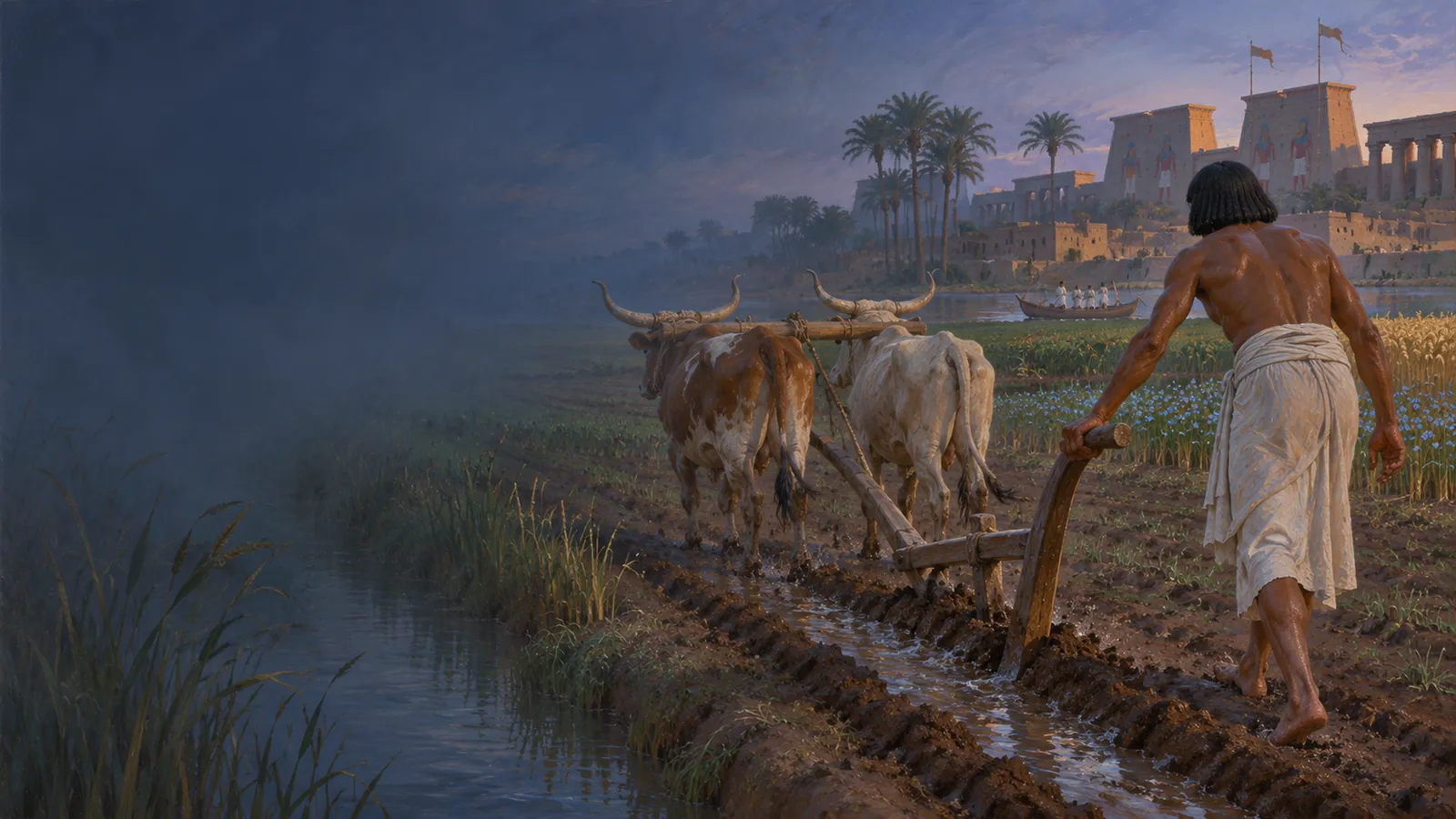
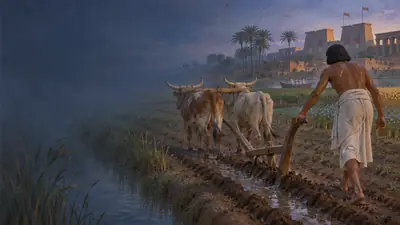
The speaker asks that he be allowed to go forward on his way and to plough.
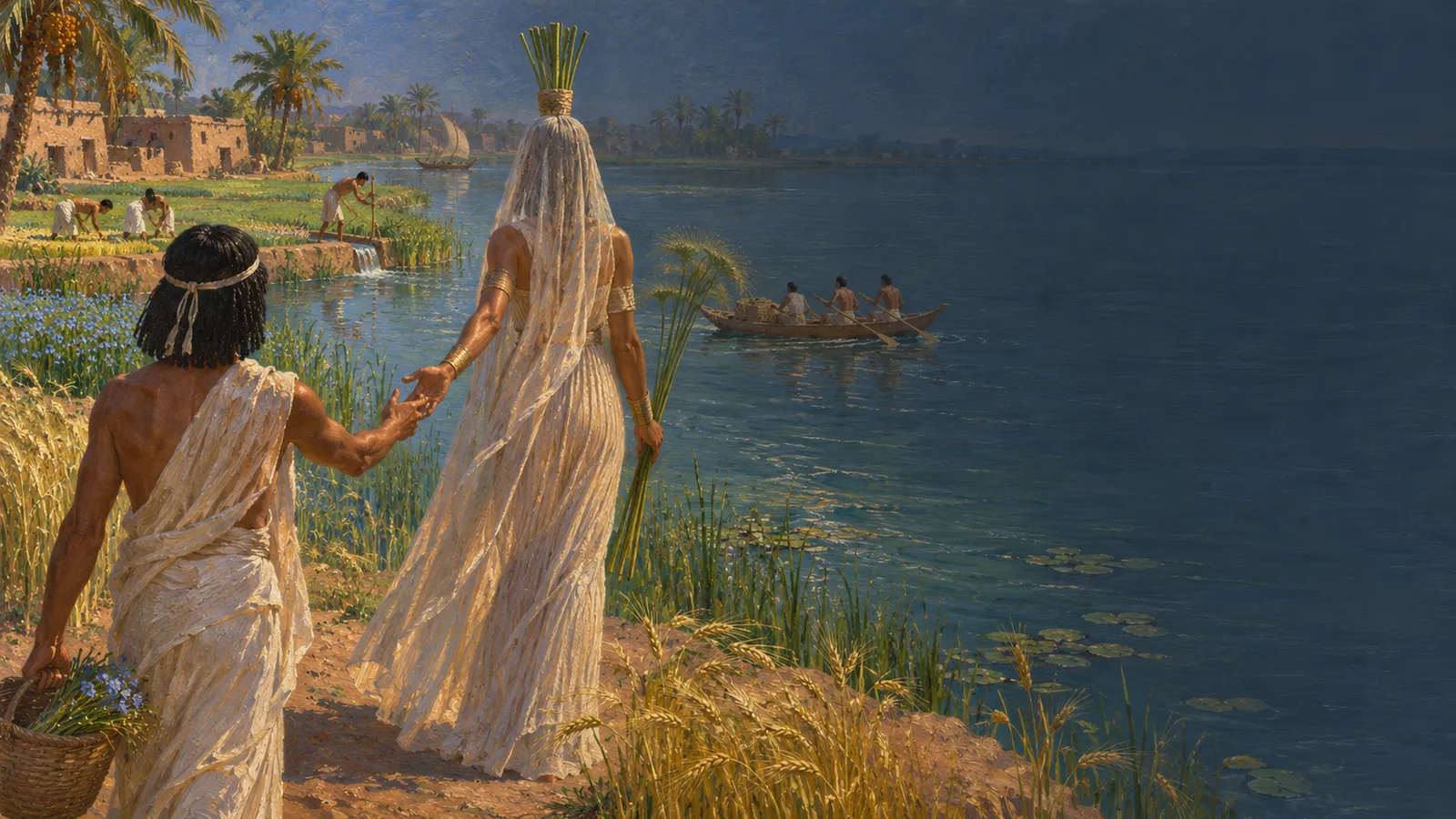
The speaker says he is at peace with the god of the city. He says he knows the waters, cities, nomes and lakes of Sekhet-Hetep.
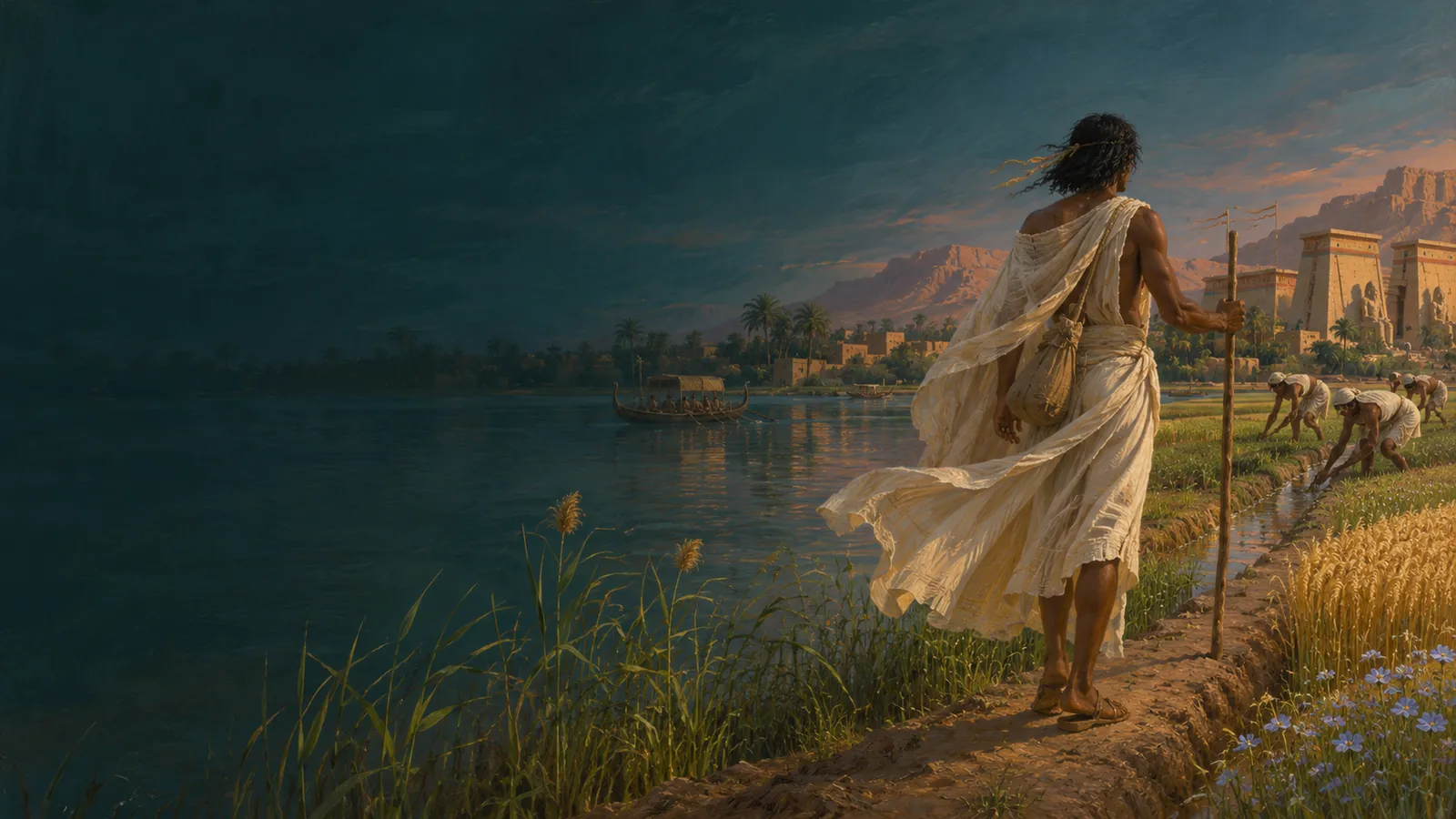
The speaker declares that he exists there and that he is strong there. He says that he has become a spirit there.
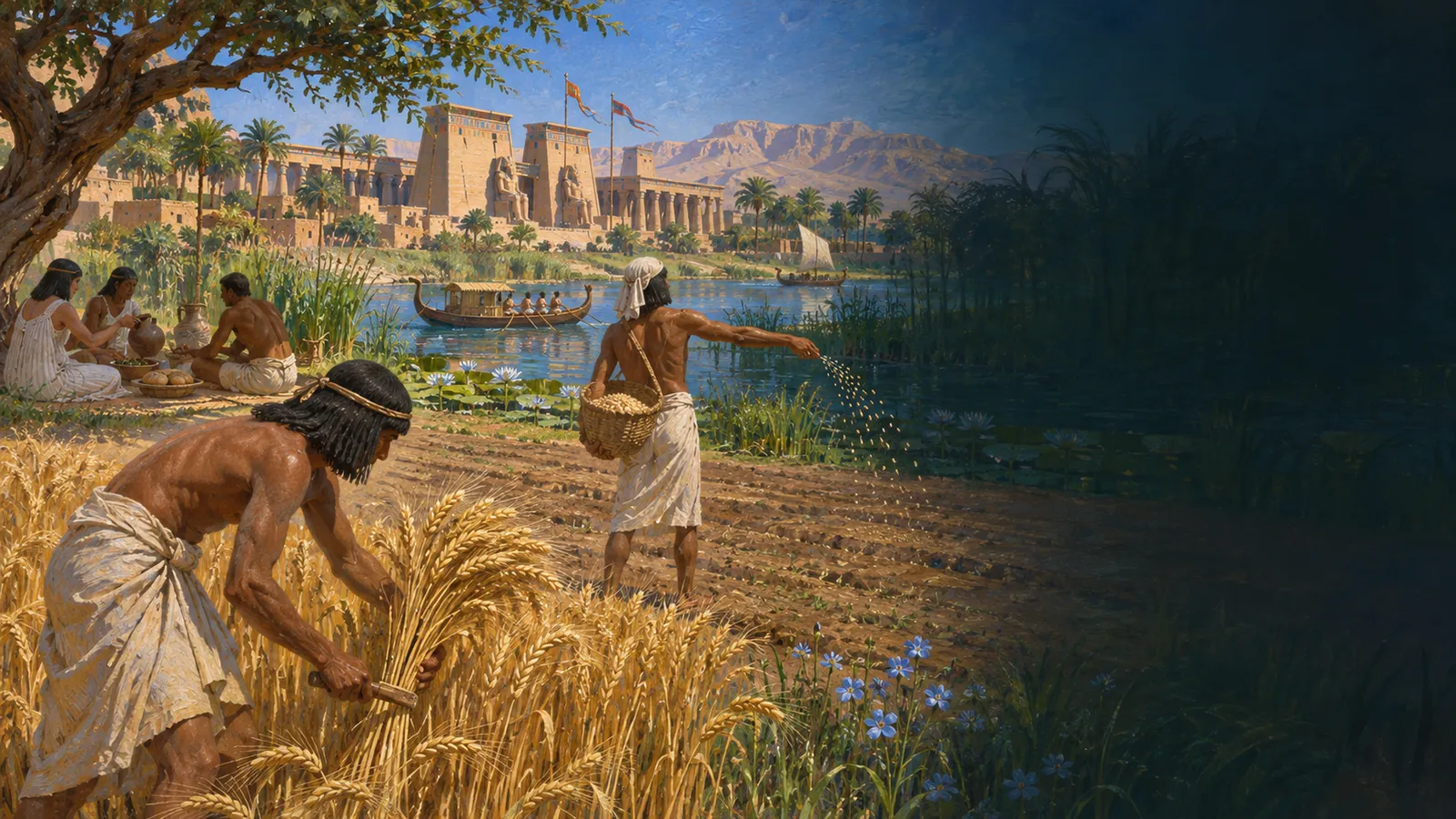
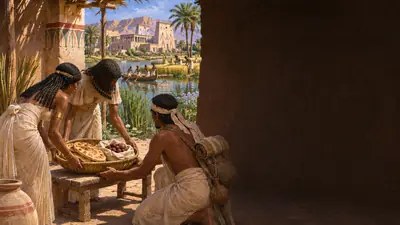
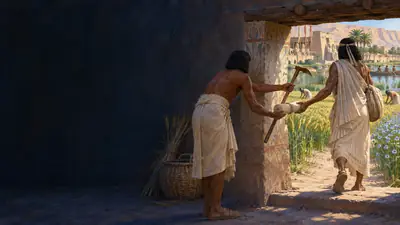
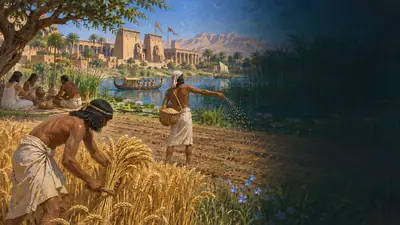
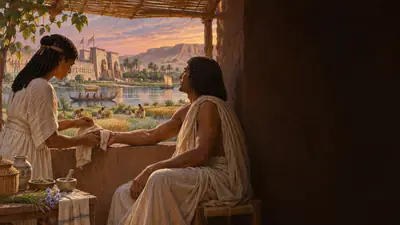
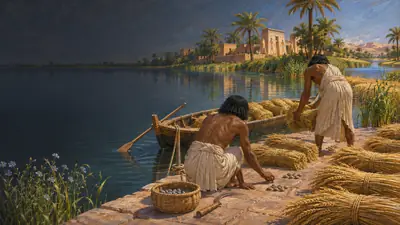
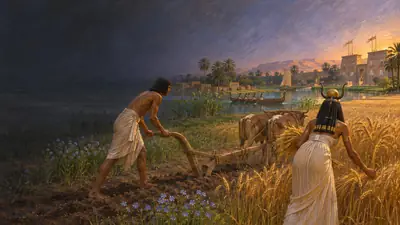
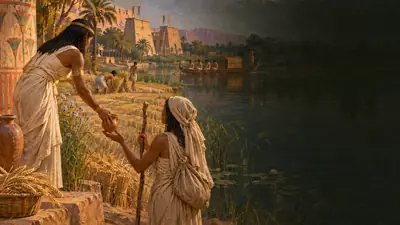
The speaker says that in Sekhet-Hetep he eats, sows seed, reaps the harvest and ploughs the land.
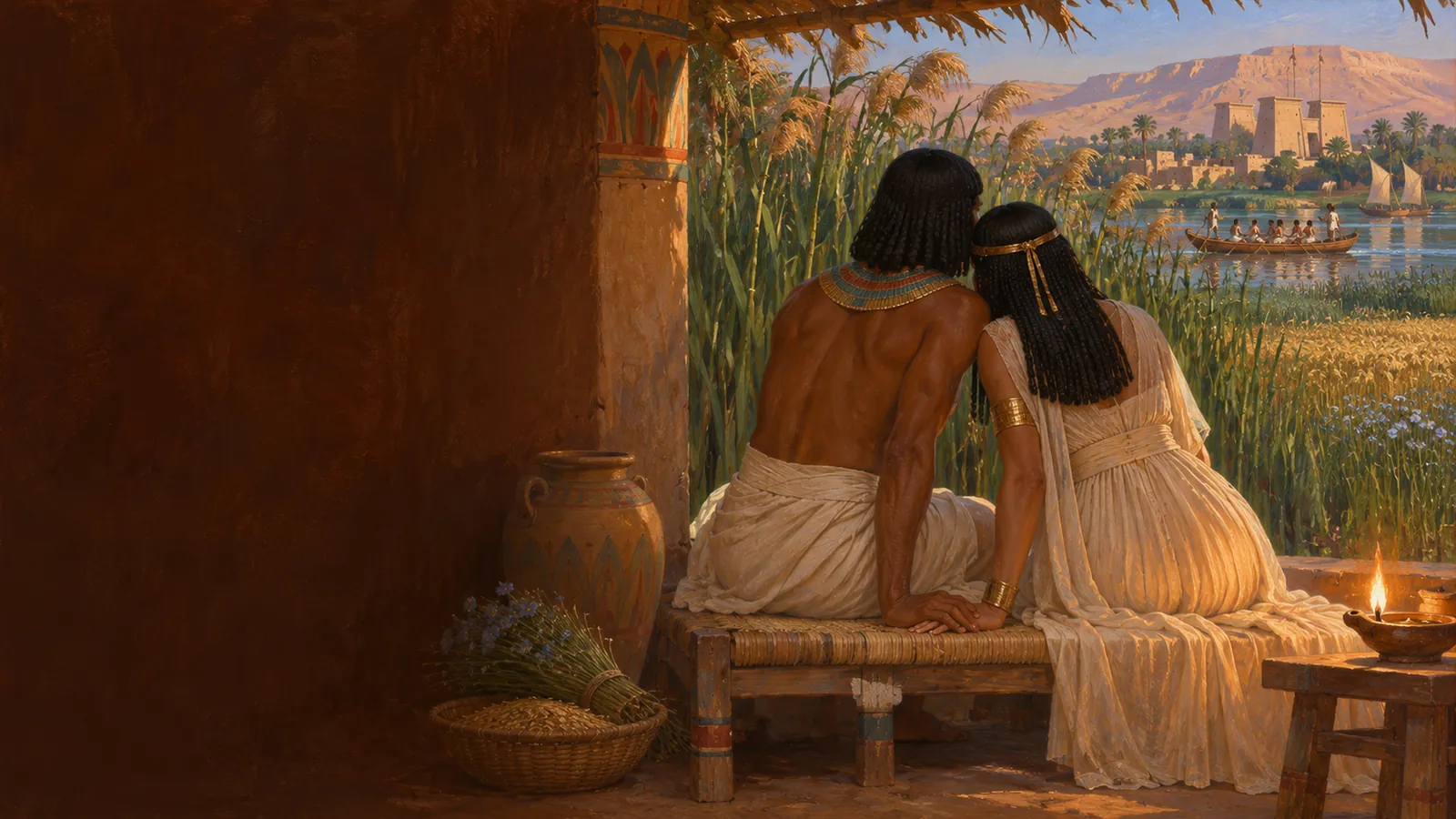
The speaker says that he makes love in Sekhet-Hetep and that he is at peace with the god Hetep.
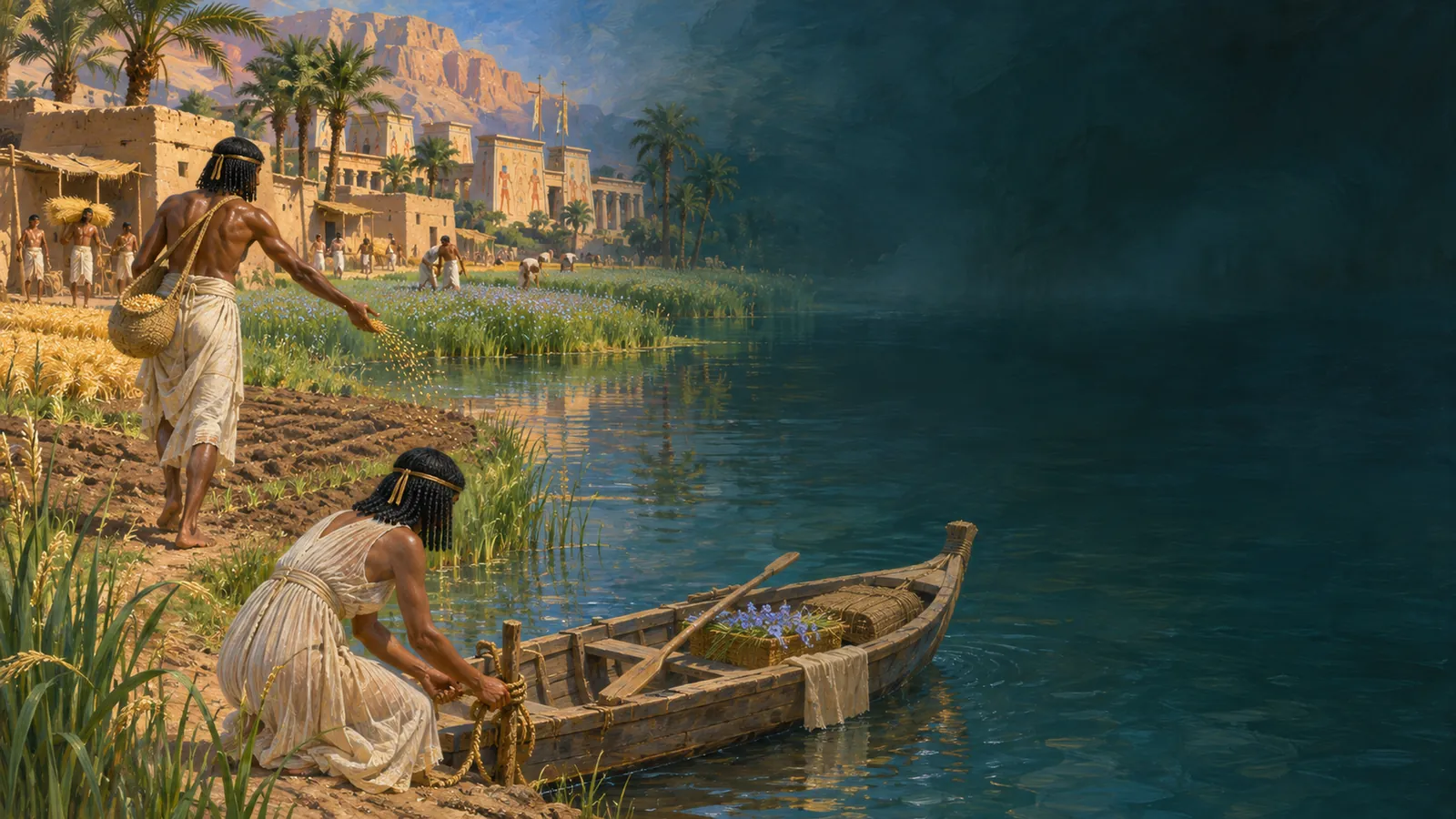
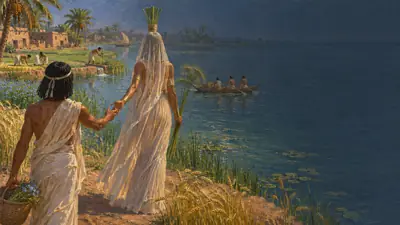
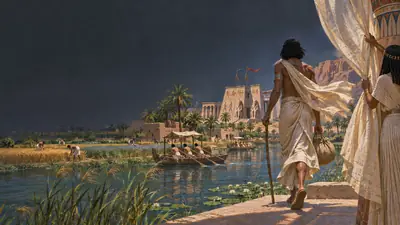
The speaker tells divine Hetep that he scatters seed, sails about among the lakes and advances toward their cities.
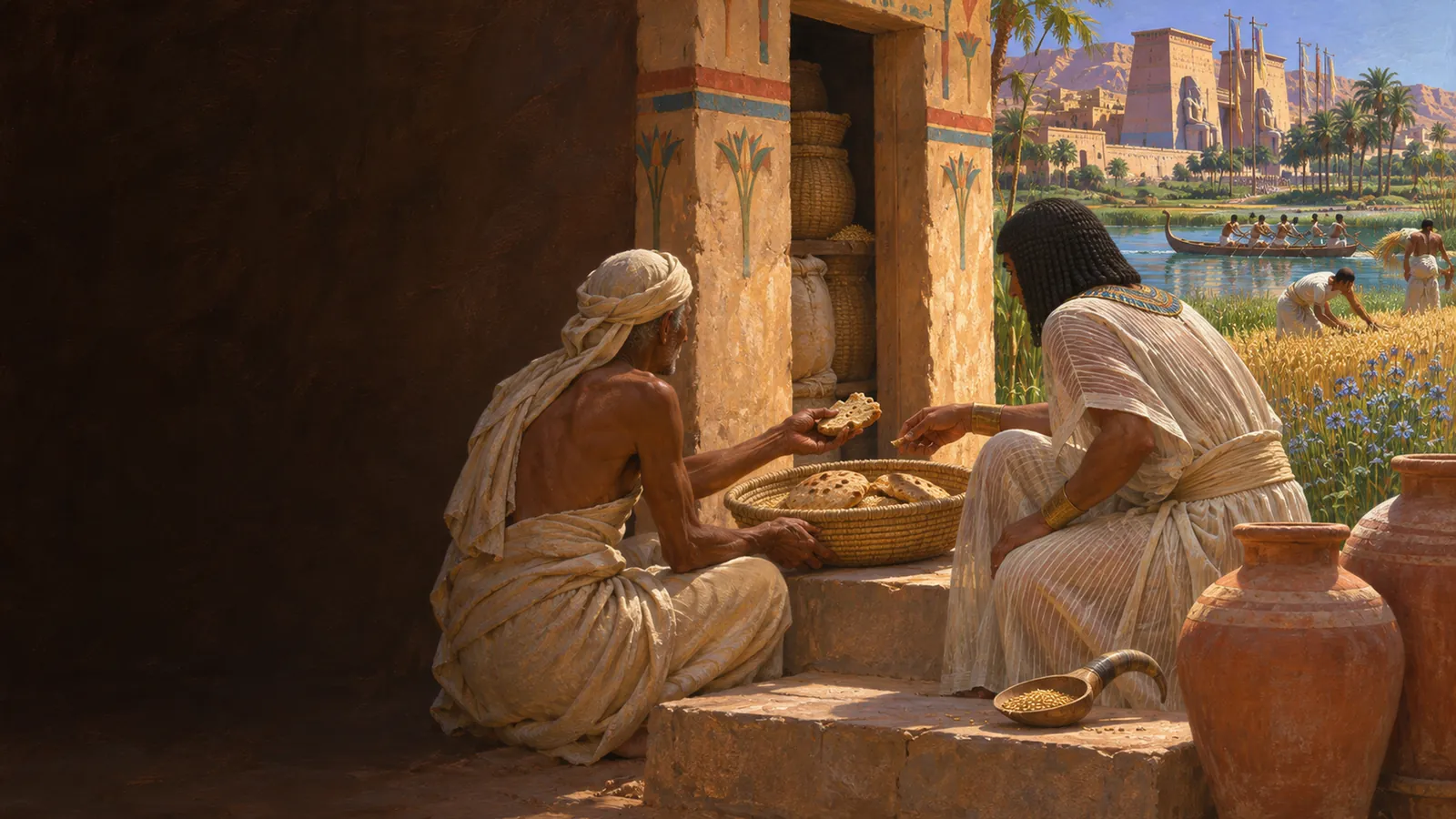
The speaker says his mouth is furnished with teeth like horns, using words Budge supplies in brackets. He asks for abundant food of the kind that sustains the Doubles and Spirits.
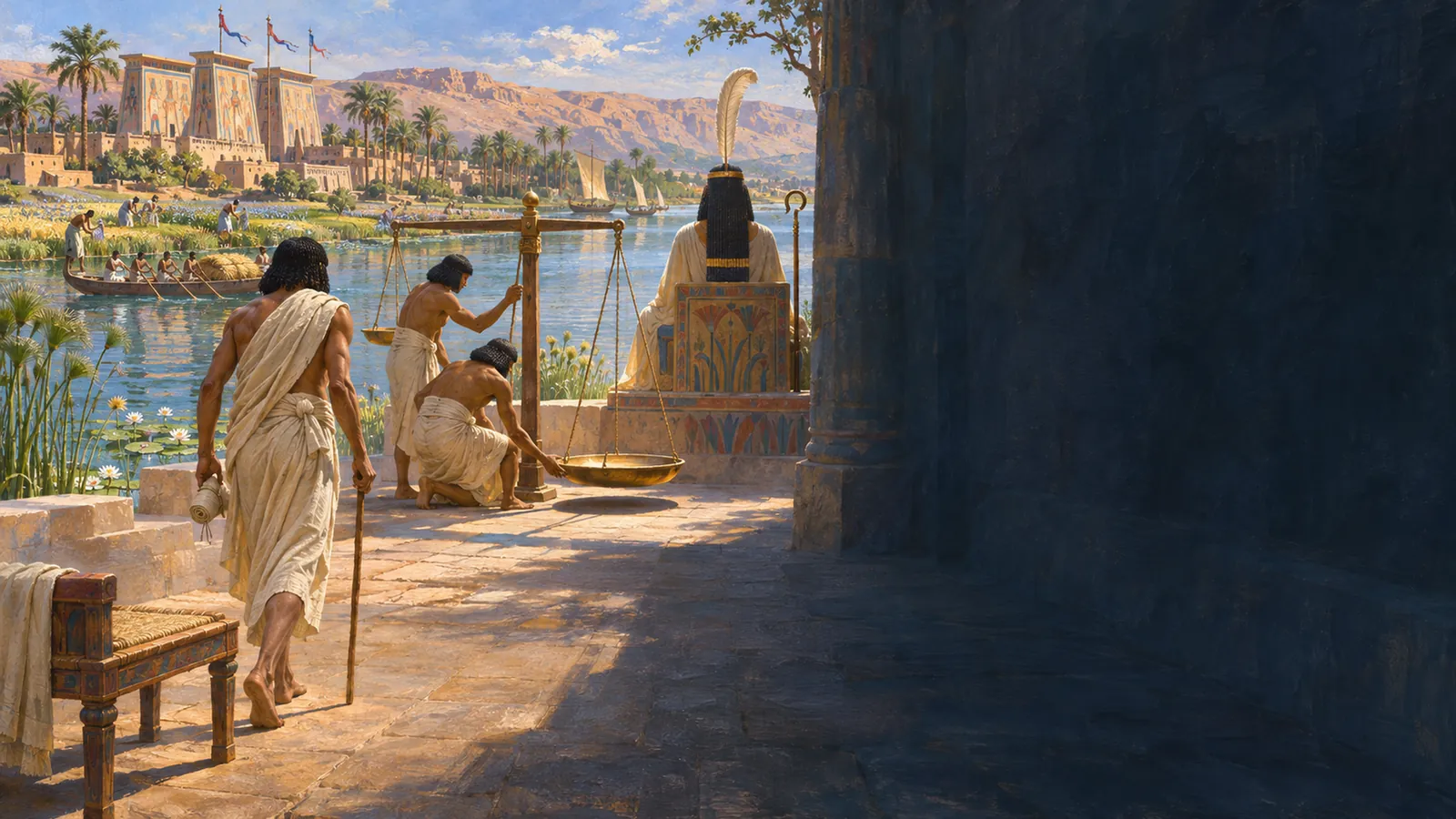
The speaker says he has passed the judgment that Shu passes upon one who knows him.

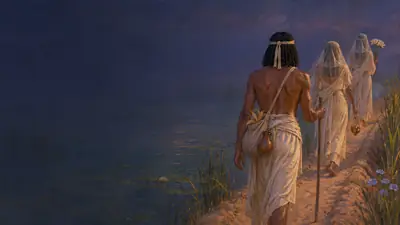
The speaker therefore asks to go forth to the cities of Hetep. He asks to sail among its lakes and walk in Sekhet-Hetep.
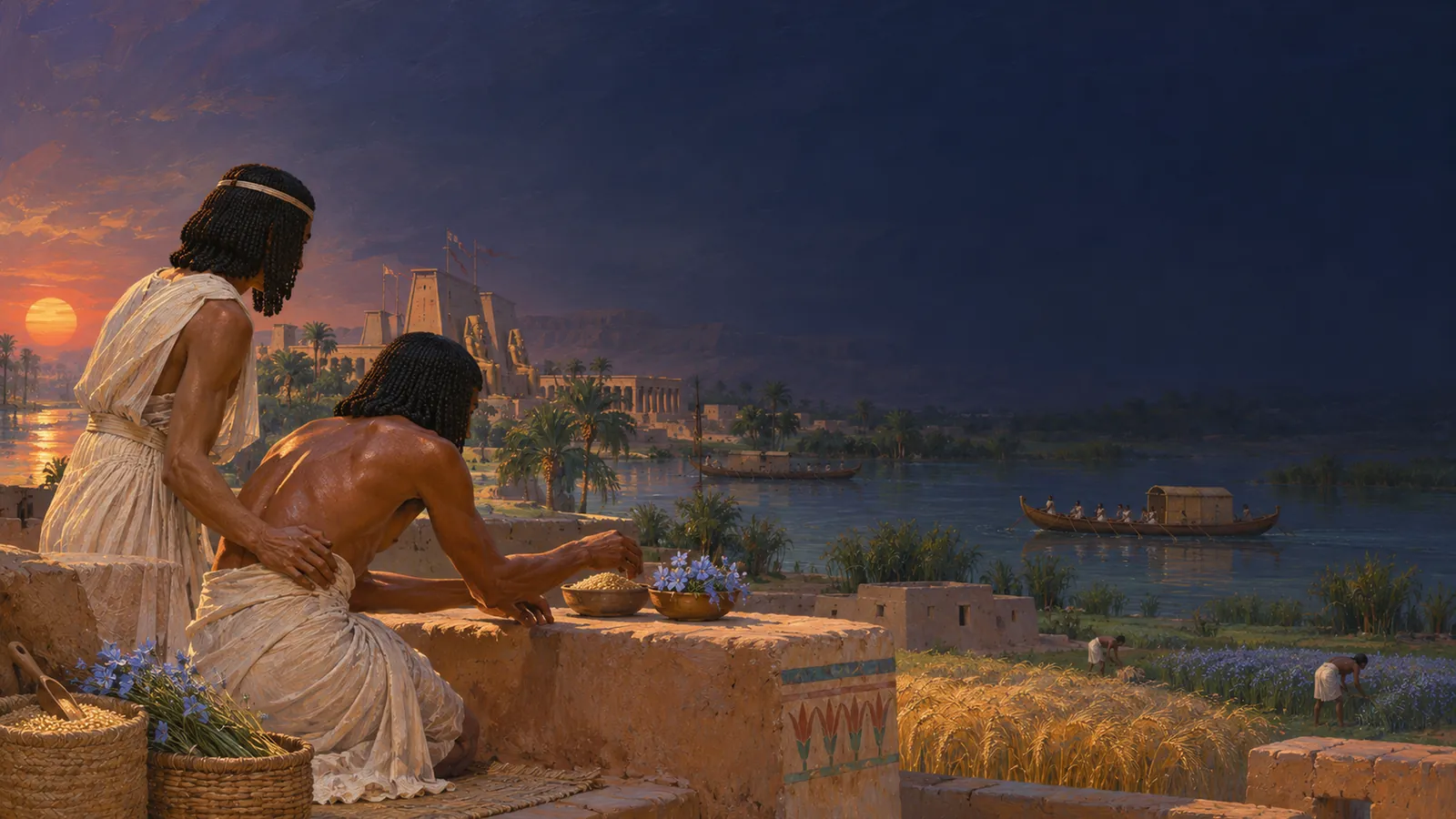
The speaker says that Rā is in heaven and calls the god Hetep “the twofold offering thereof”.
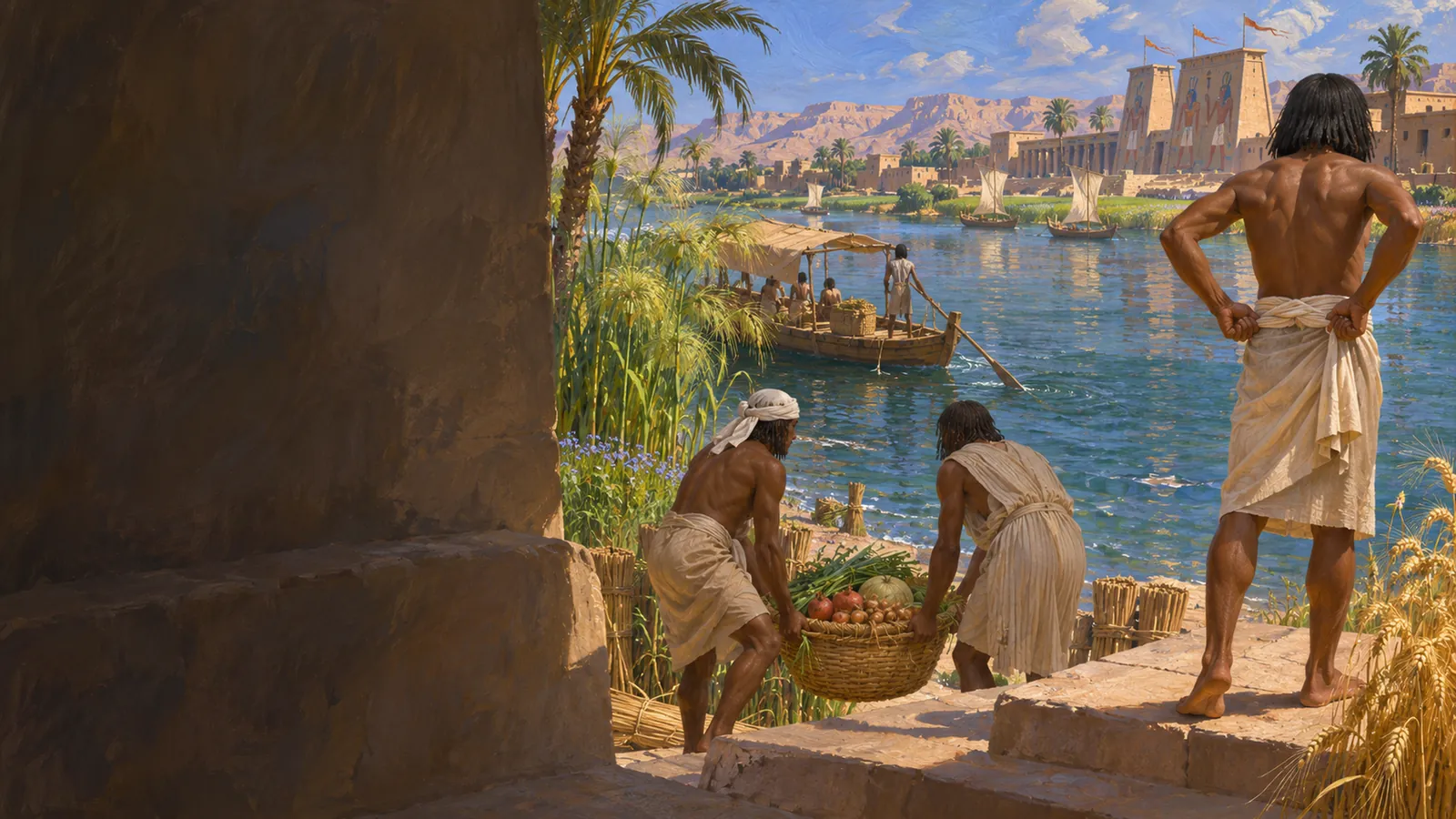
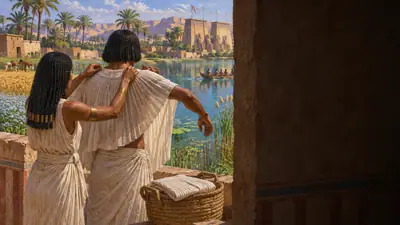
The speaker says he has reached the land of Hetep and girded his loins. He says he has come forth to receive the gifts about to be given to him.
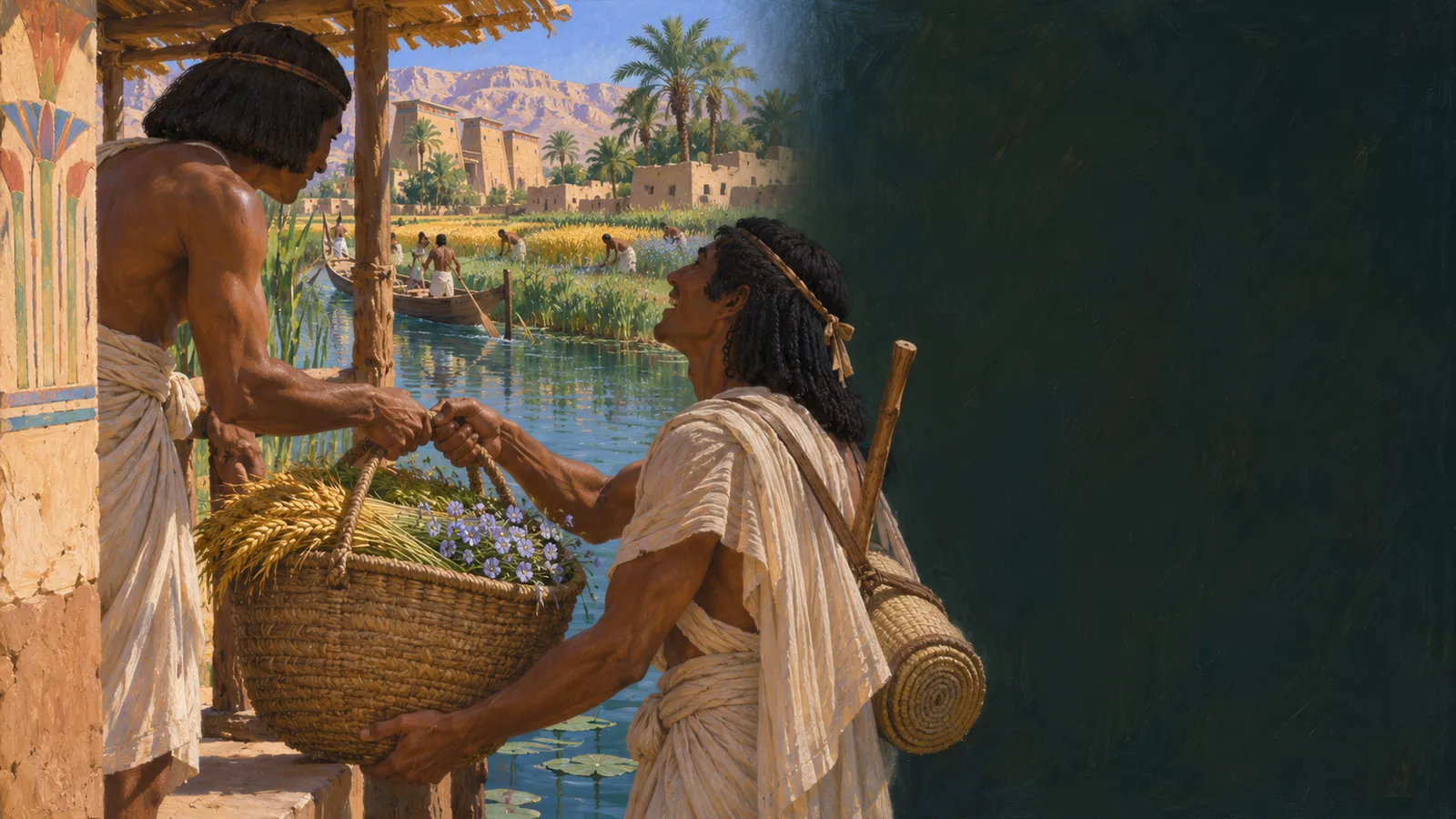
The speaker says he is glad and takes hold of his strength, which the god Hetep has greatly increased for him.
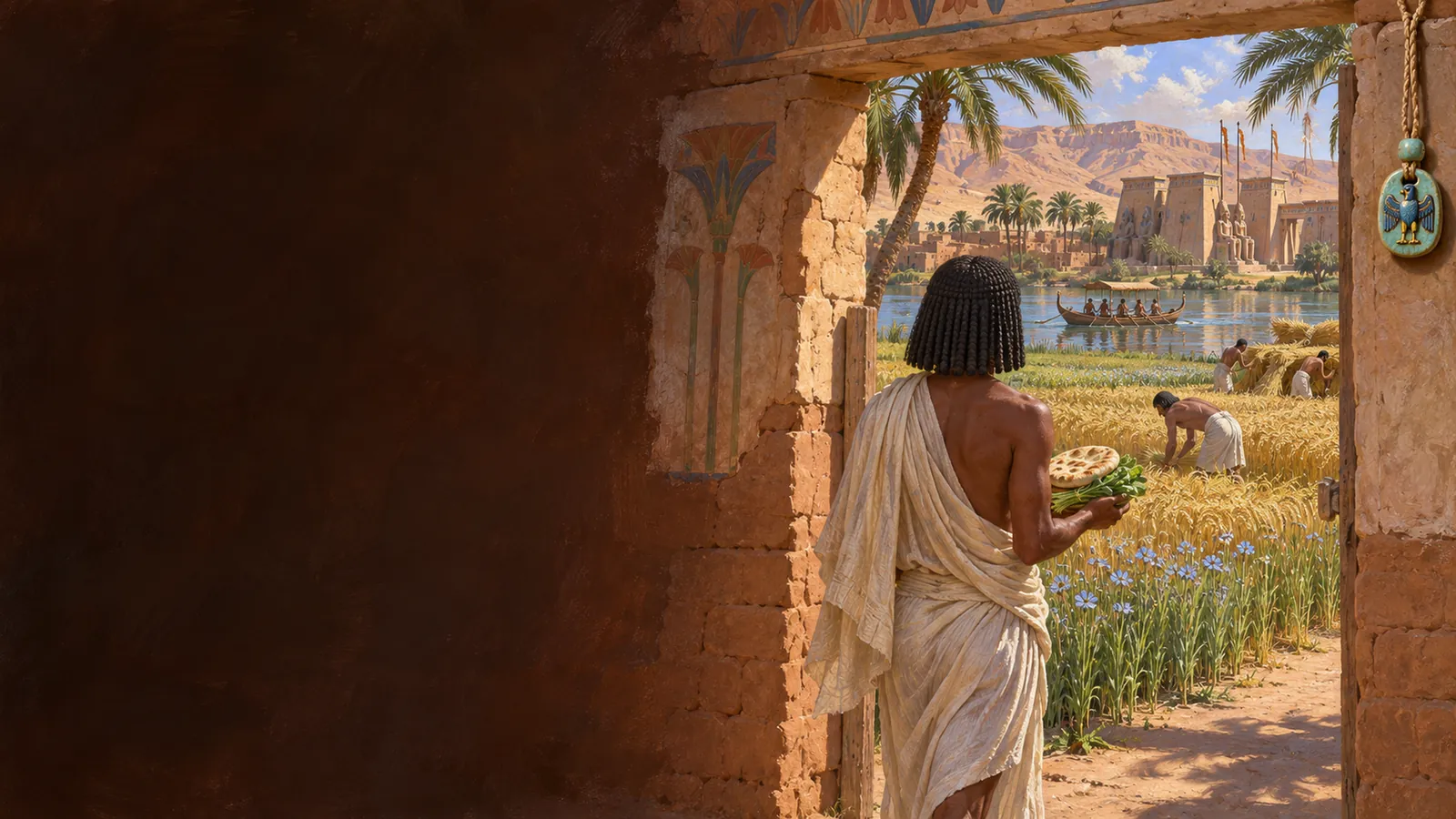
ARRIVAL
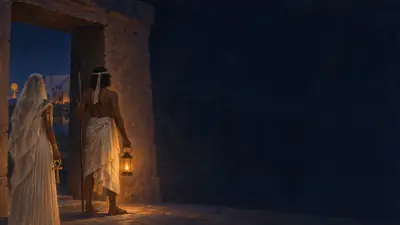
The speaker addresses Unen-em-hetep, saying he has entered it with his soul following after him. He says his divine food is upon his hands.
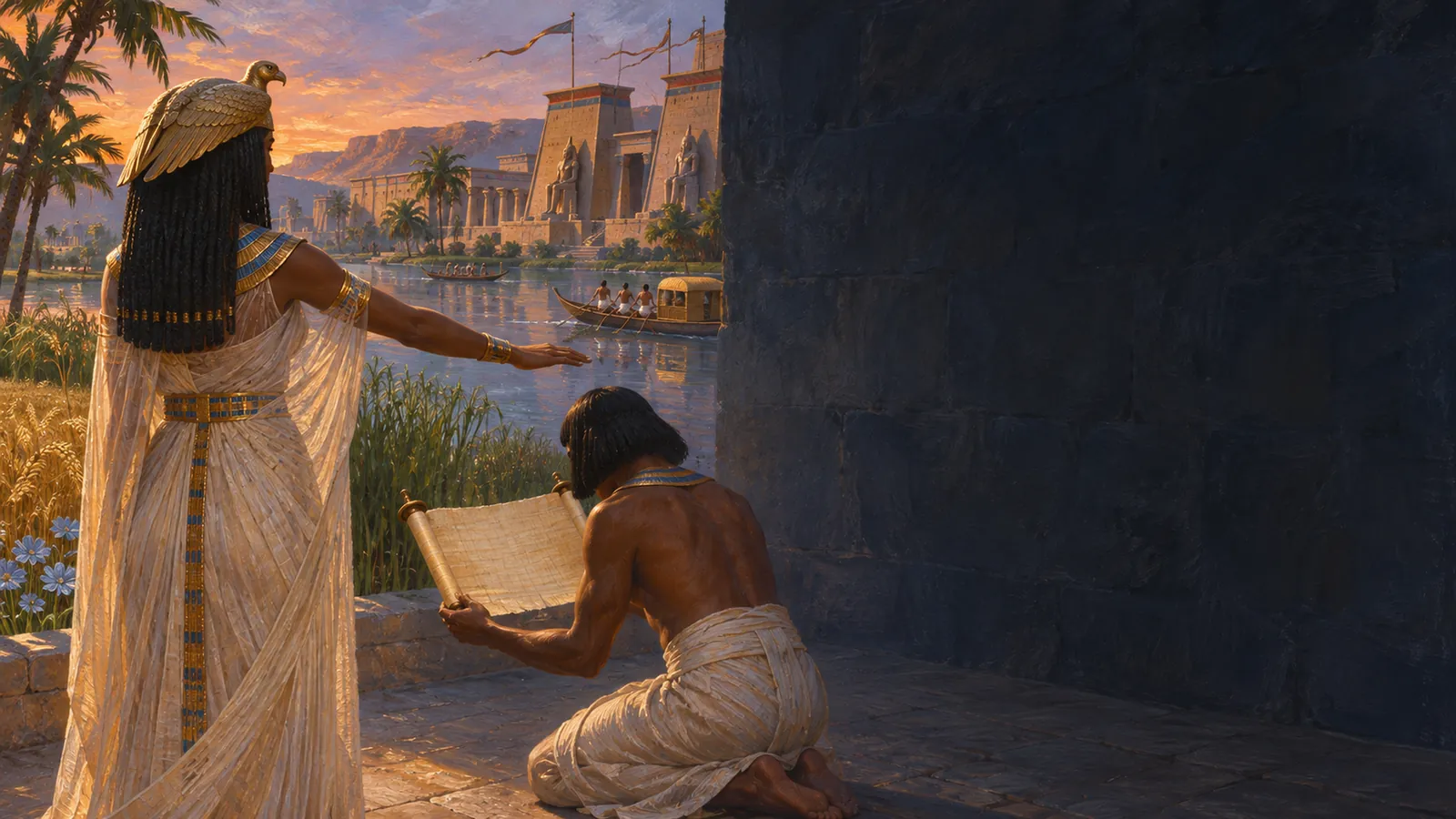
The speaker calls on the Lady of the Two Lands. He says she establishes his word, by which he remembers and forgets.
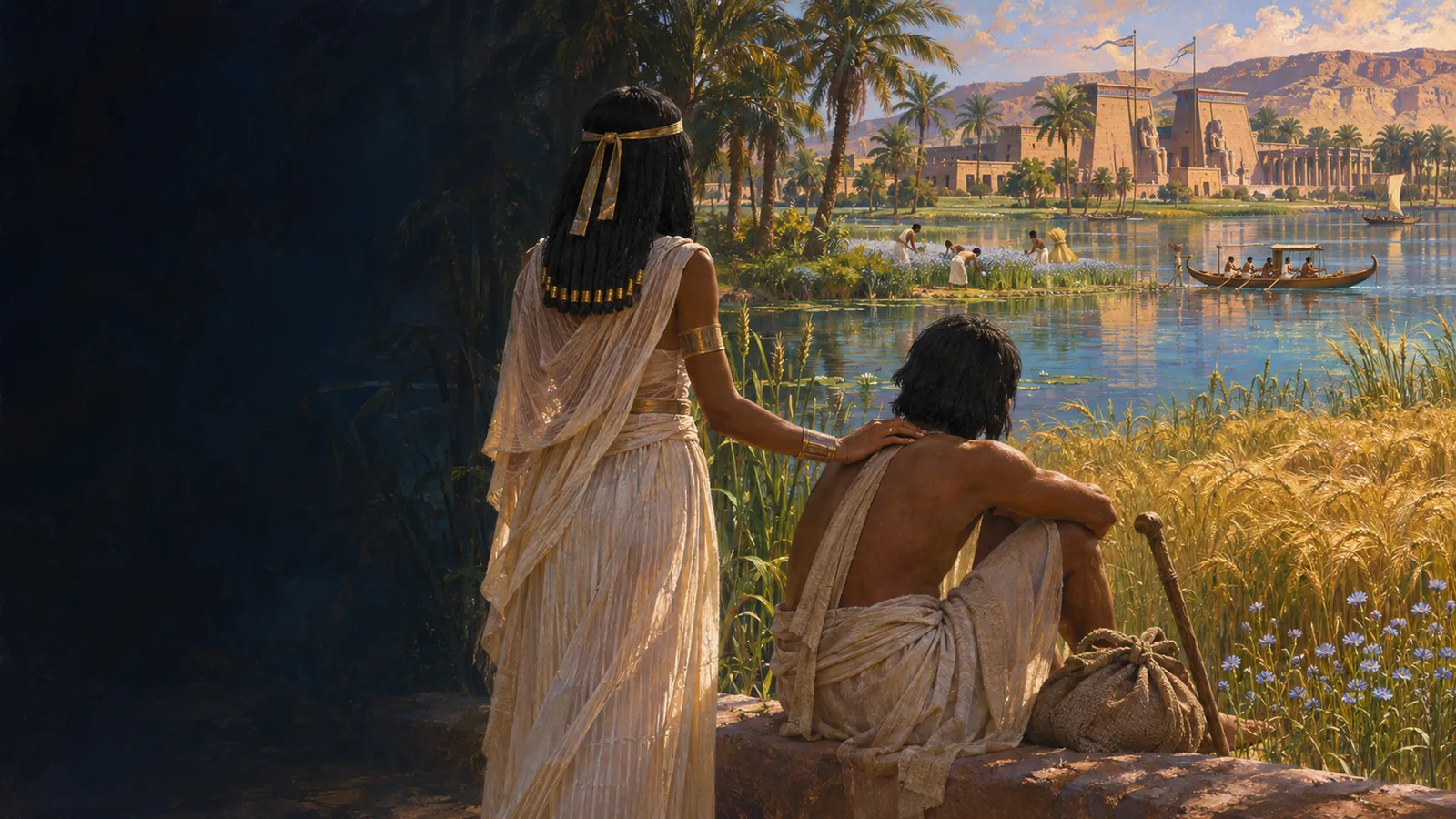
The speaker asks to live unharmed. He asks for joy of heart and asks the Lady to make him be at peace.
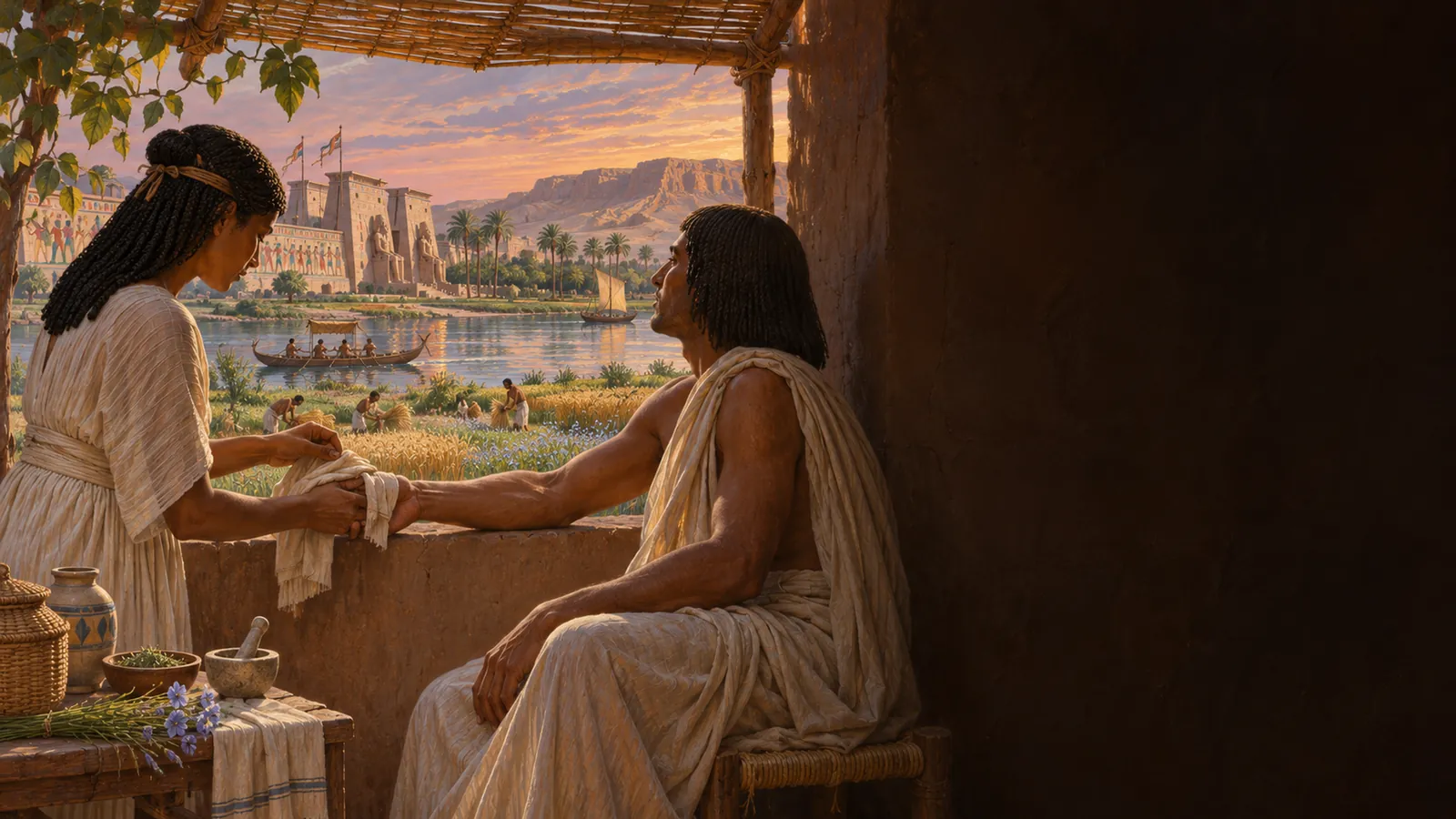
He asks the Lady of the Two Lands to bind up his sinews and muscles and to make him receive air.
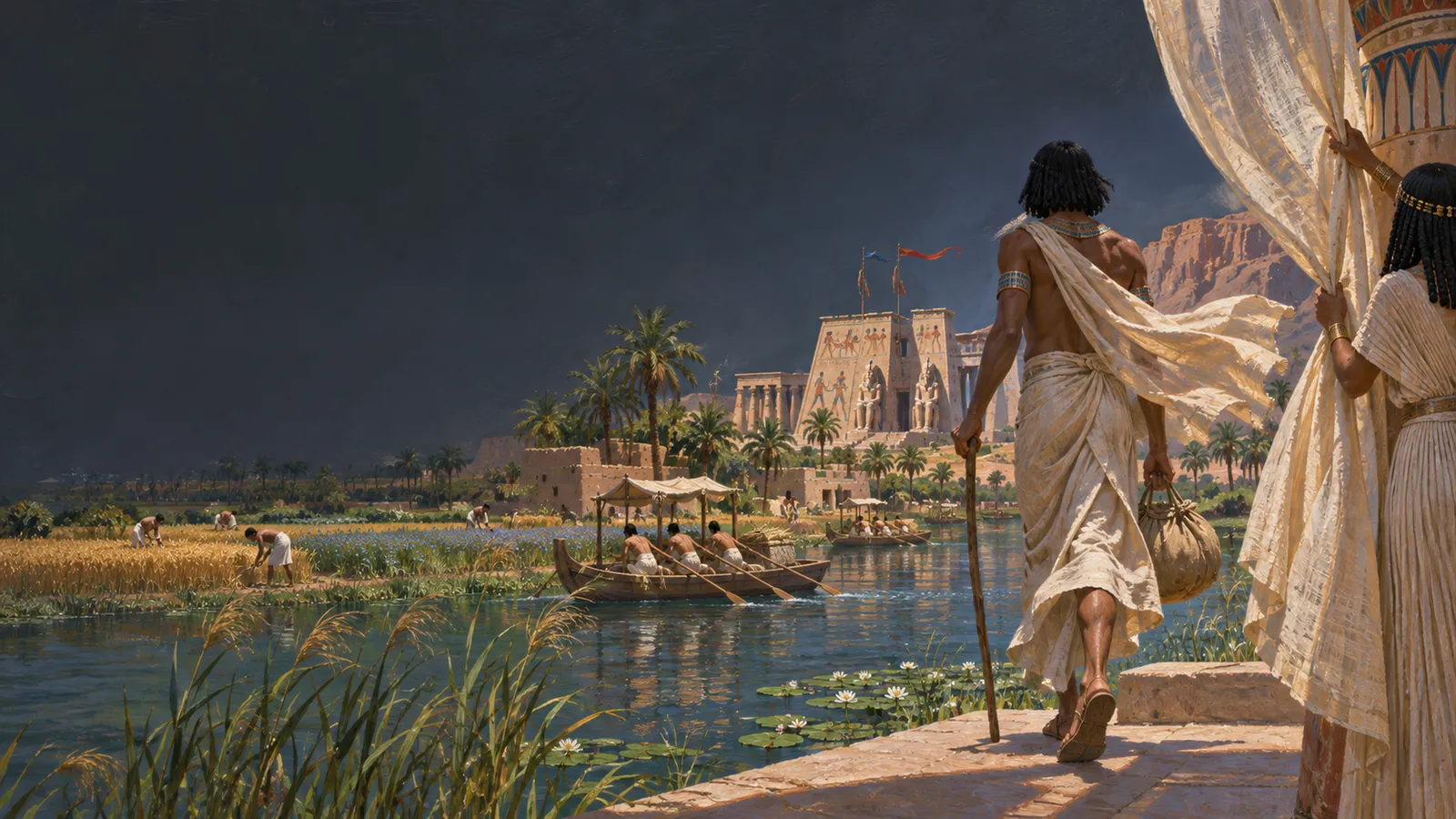
The speaker addresses Unen-em-hetep as Lady of the Winds. He says he has entered and shown his head there.
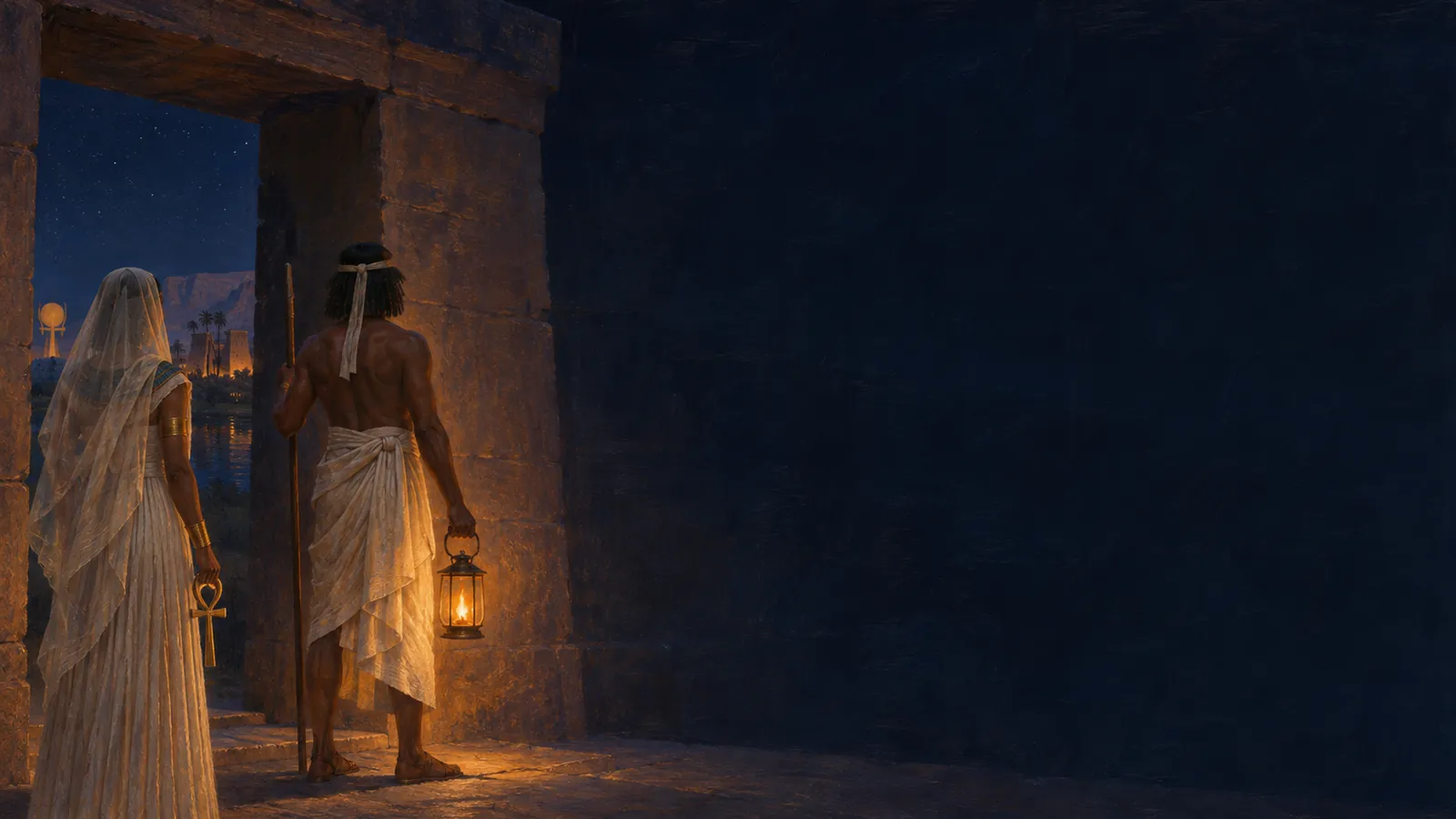
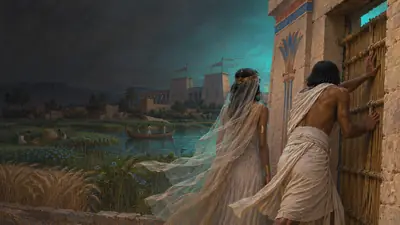
Rā sleeps, and the speaker says he is awake. He says the goddess Hast is at the gate of heaven by night.
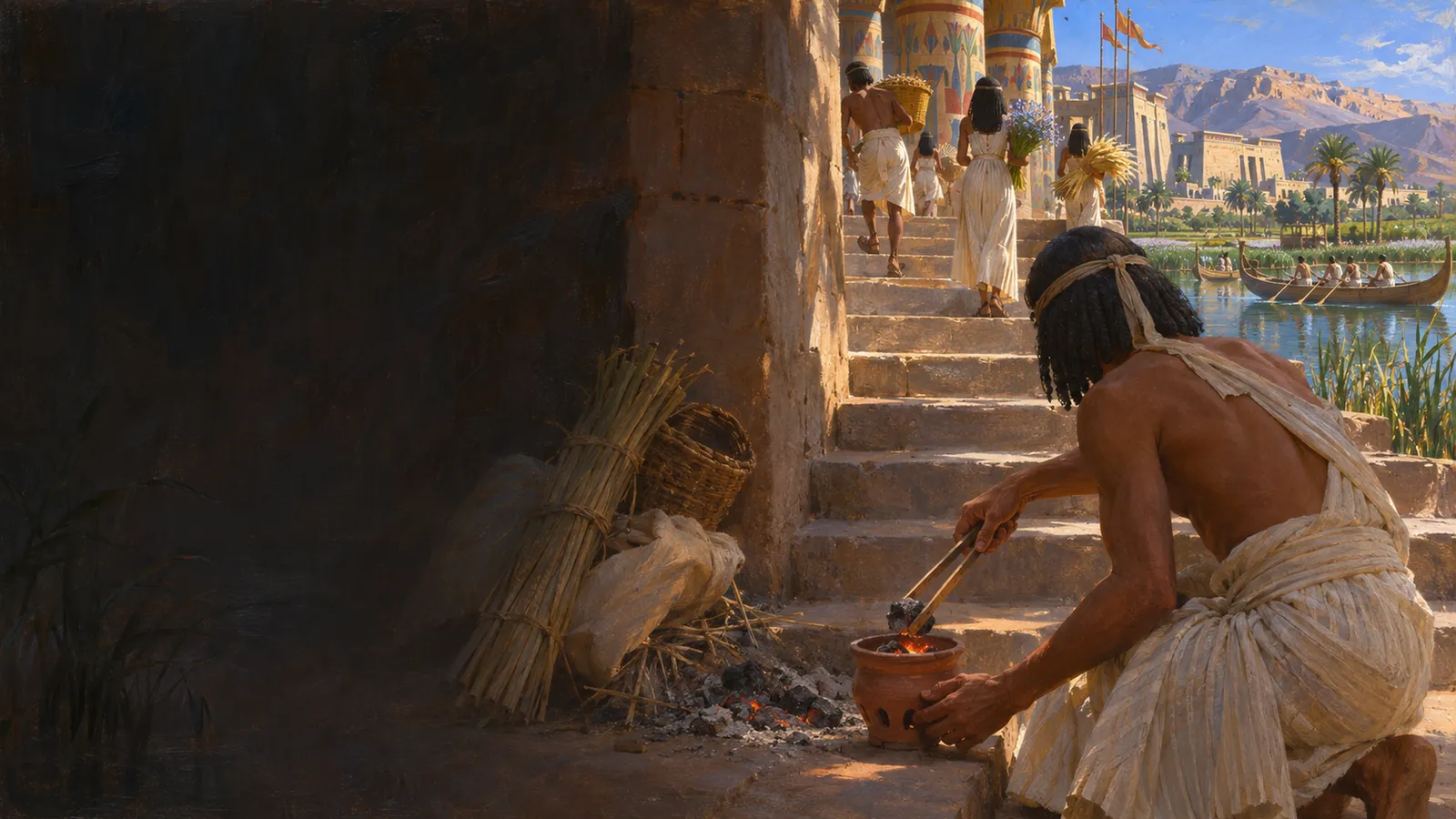
The speaker says obstacles were set before him, but he gathered what Rā had emitted. He says that he is in his city.
NUT-URT AND UAKH
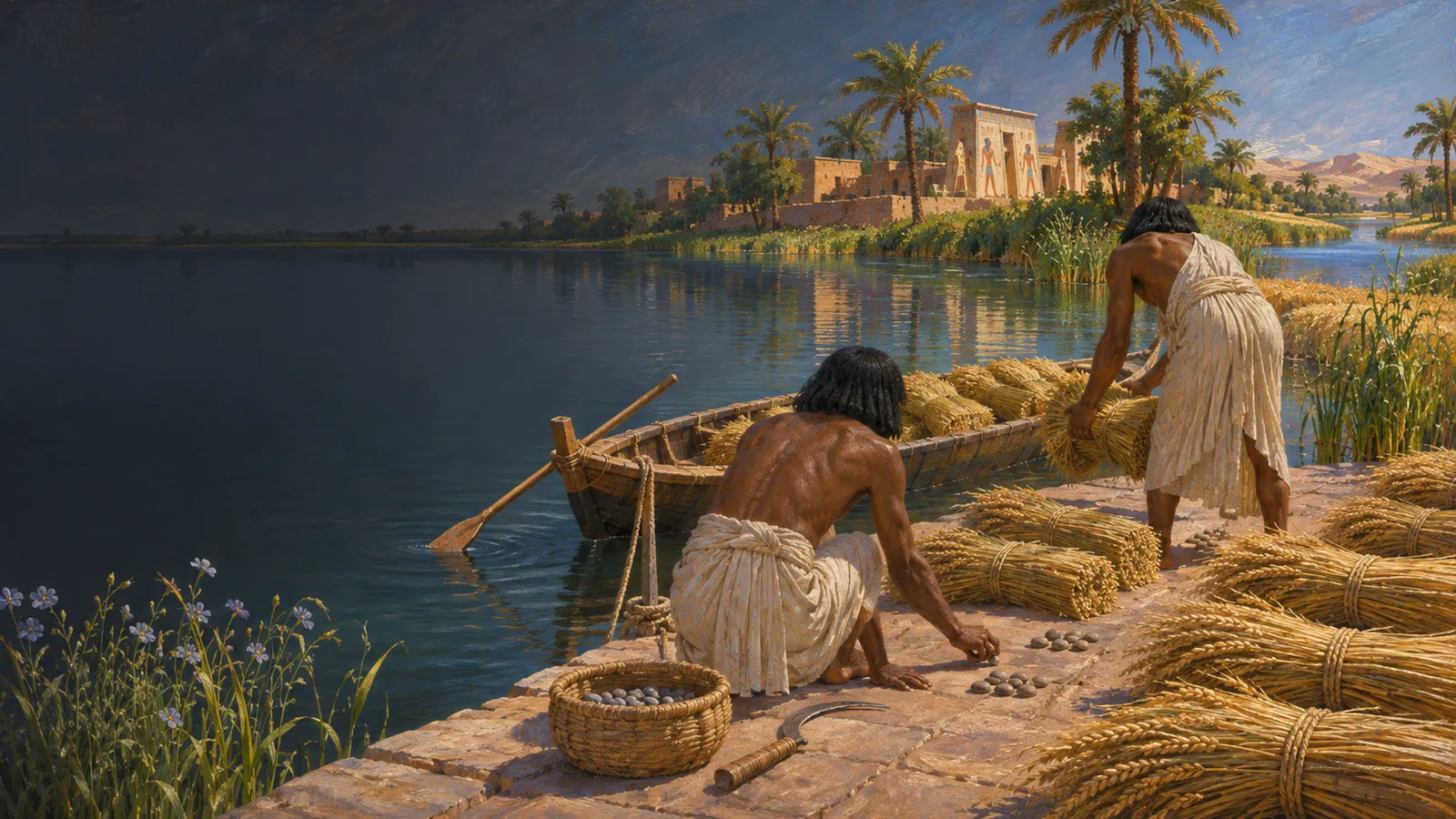
The speaker says he entered Nut-urt, counted his harvest and went forward to Uakh. Budge identifies both places as lakes.
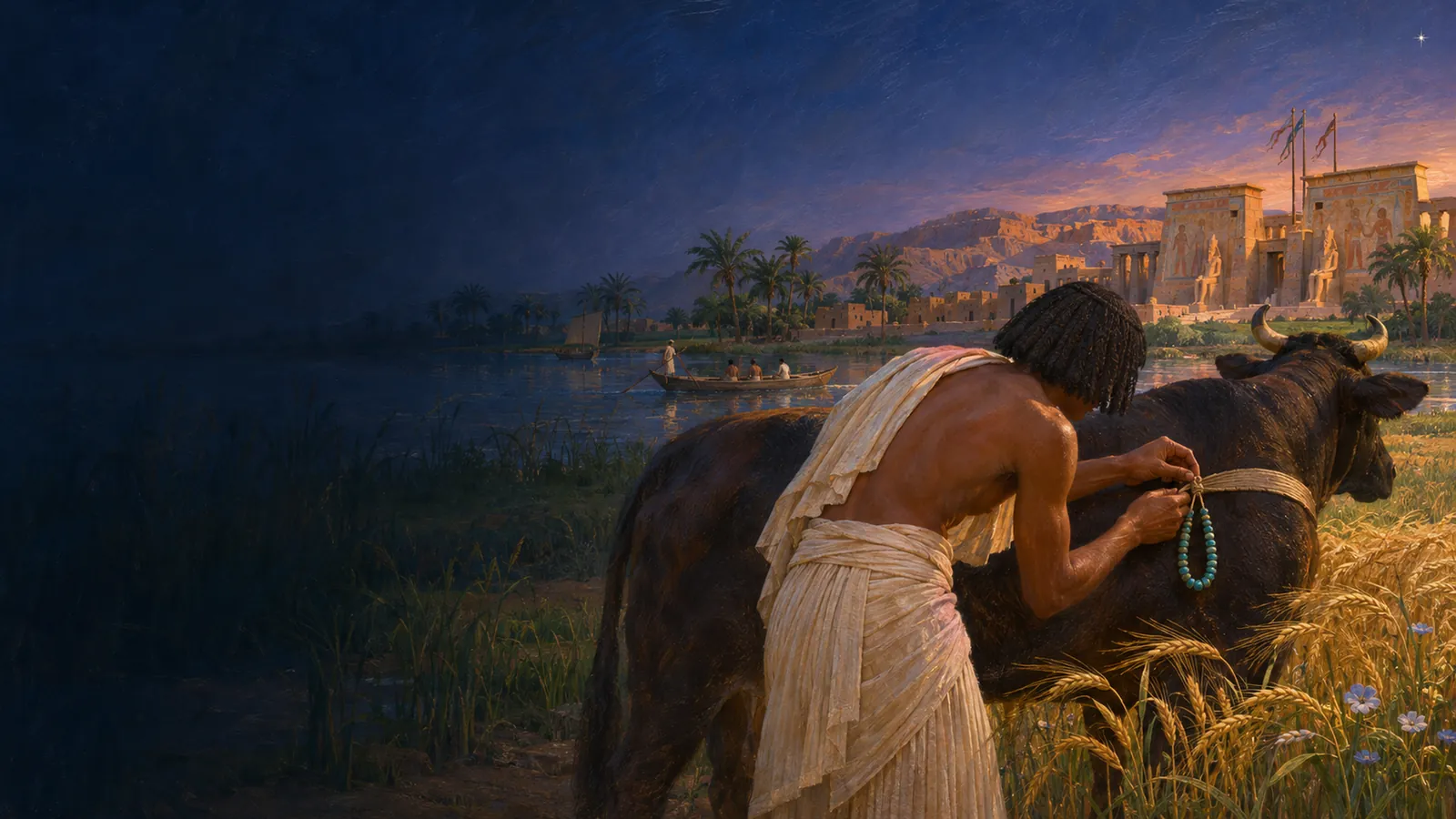
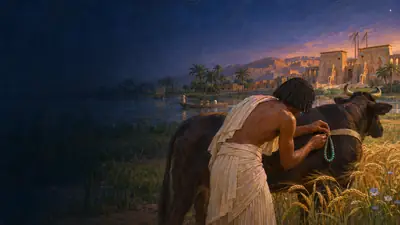
The speaker calls himself the Bull wrapped in turquoise and lord of the Field of the Bull. He claims lordship over Septet’s divine speech at her hours. Budge identifies Septet as Sothis.
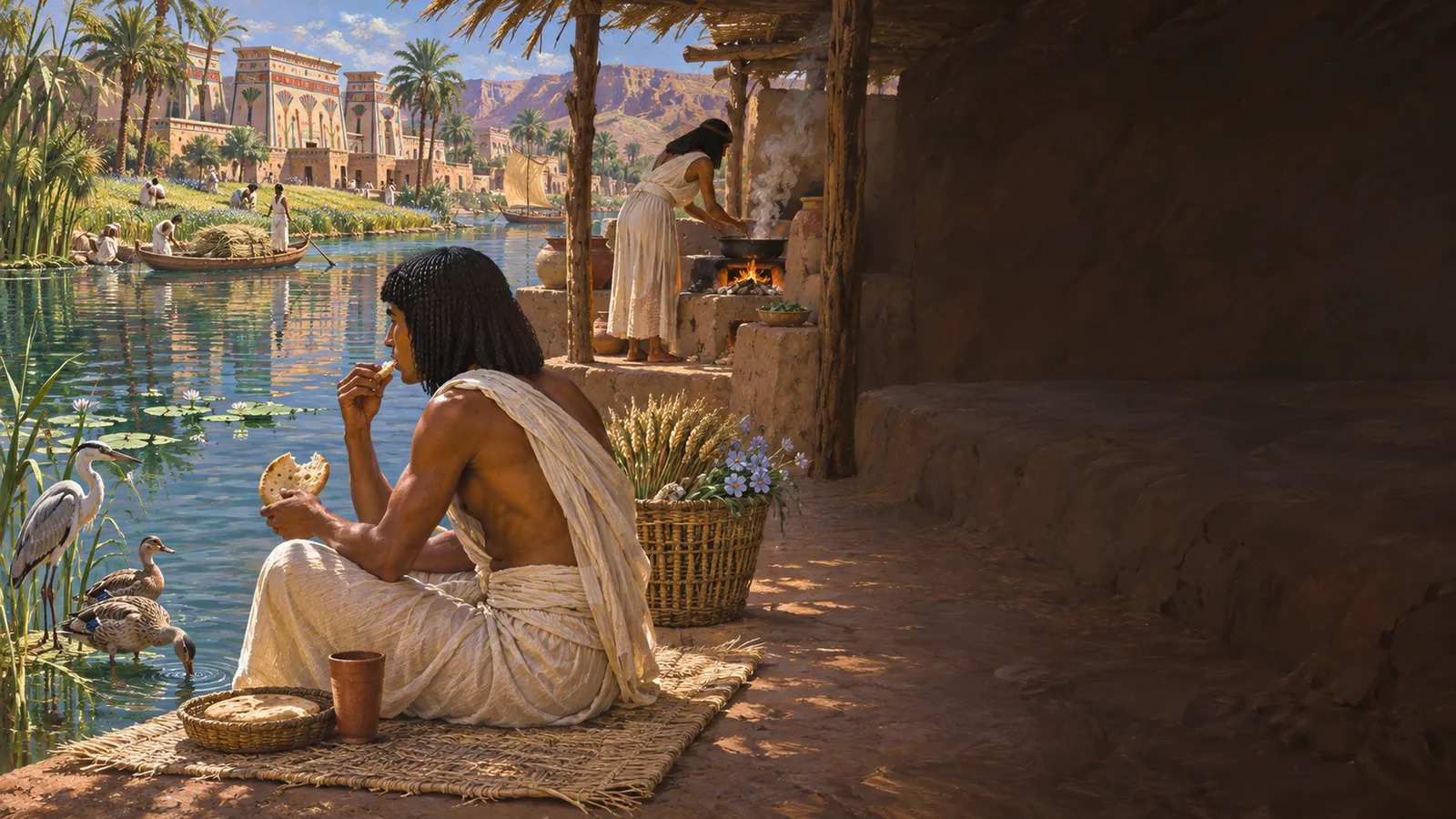
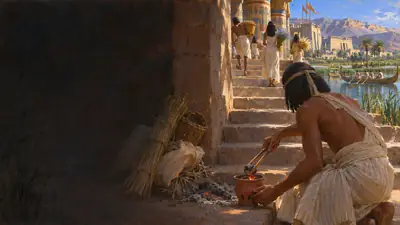
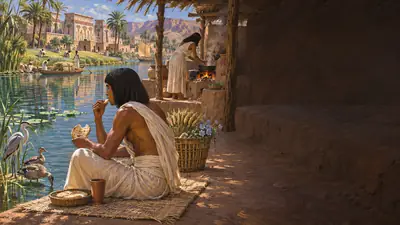
He says he entered Uakh, ate his bread and gained control of choice meat from cattle and fowl. He says the birds of Shu were given to him.
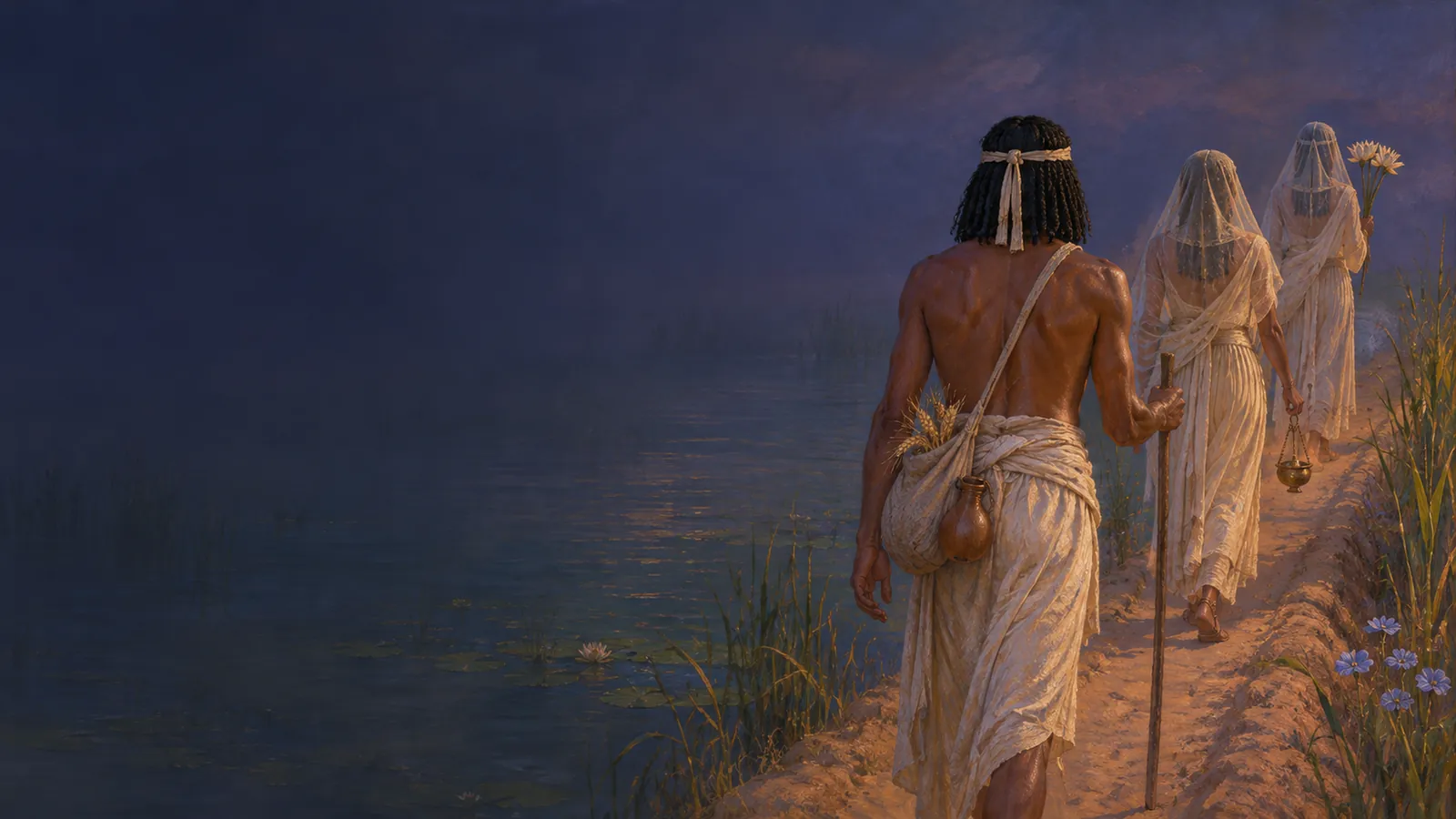
The speaker closes his address to Uakh by saying that he follows the gods and the divine Doubles.
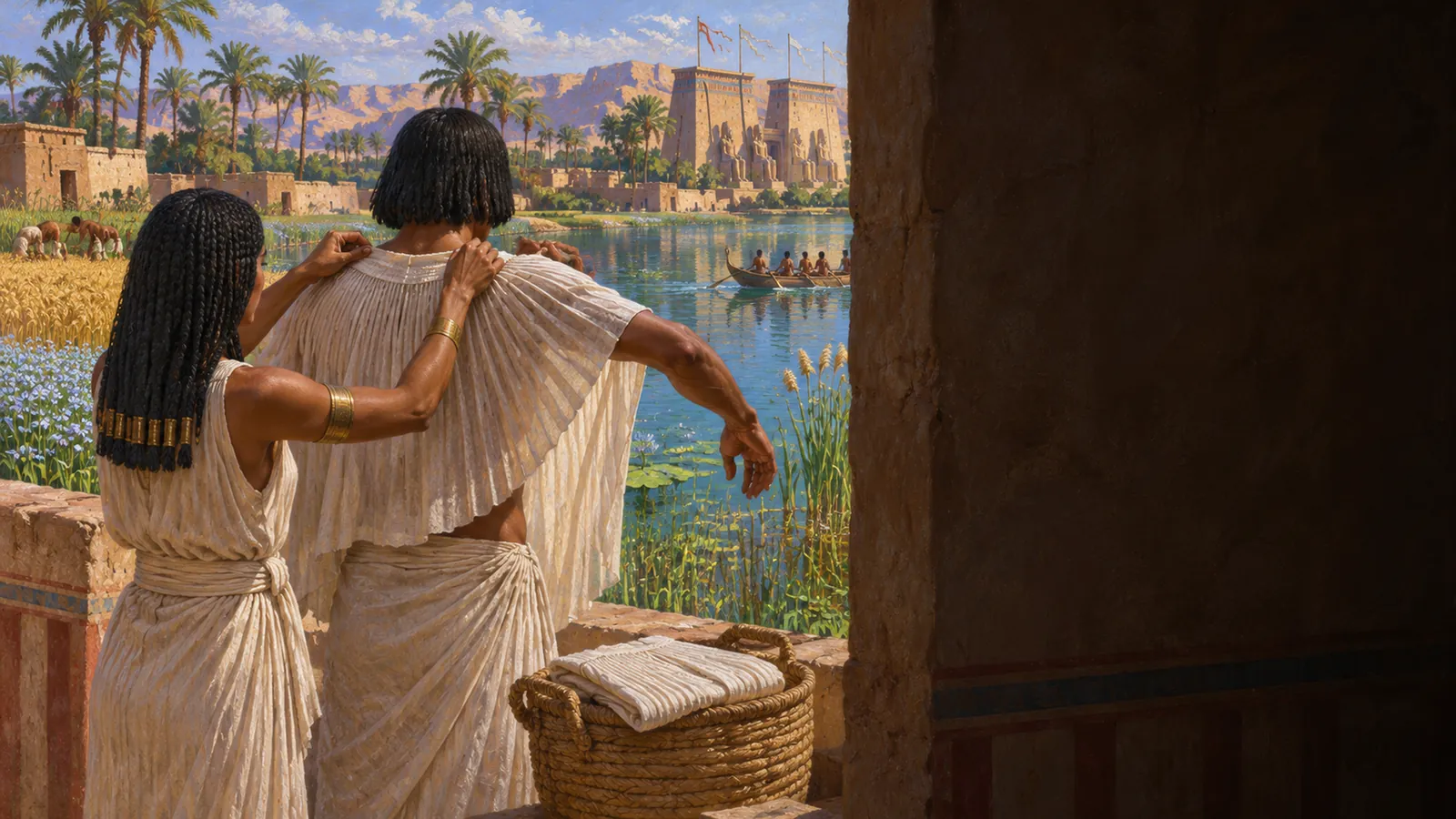
The speaker says he entered Tohefet and clothed himself. He says that he protected himself with the Sa garment of Rā.
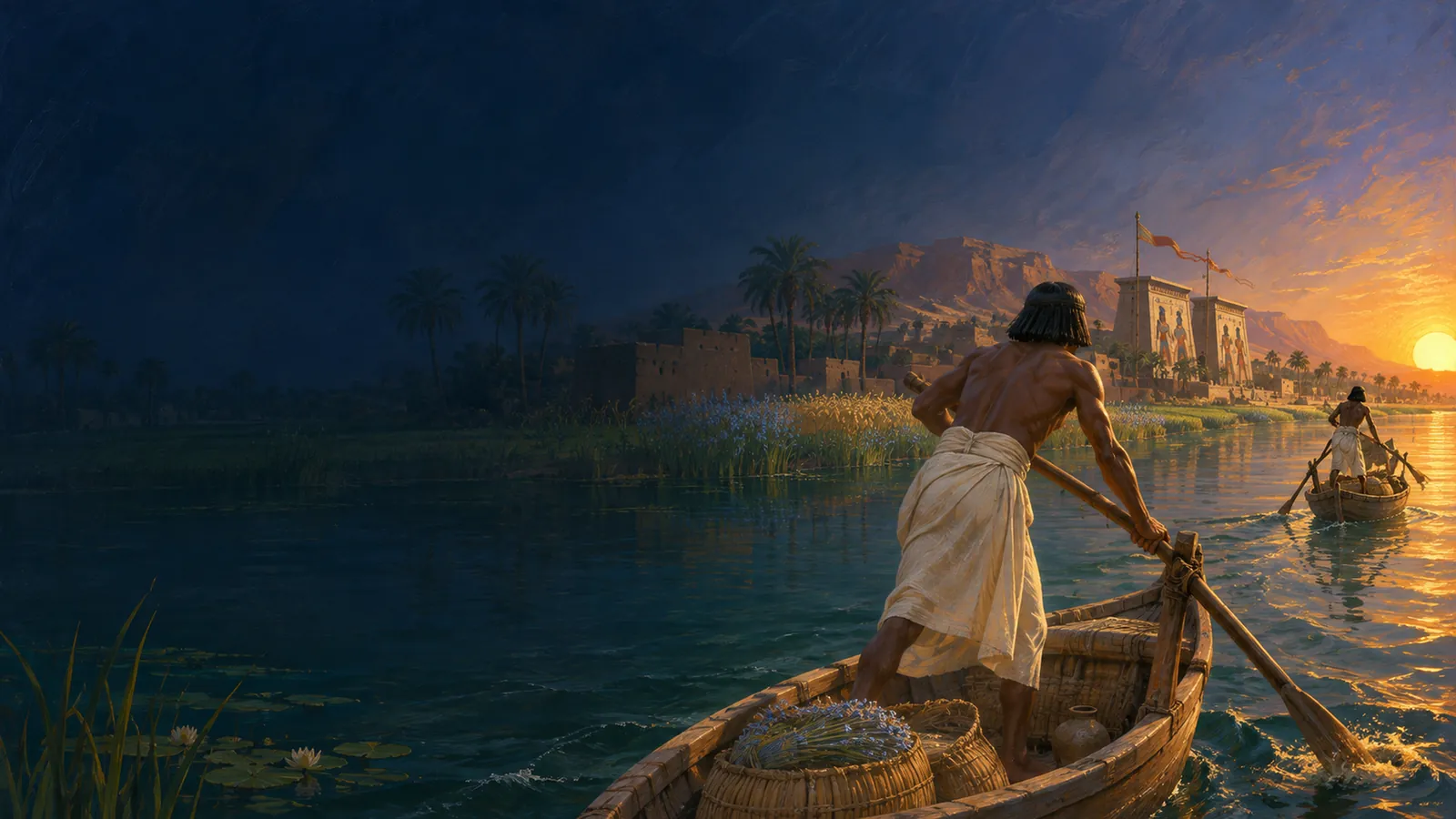
The speaker says that Rā is in heaven, and those who dwell there follow him. He says that he follows Rā there too.
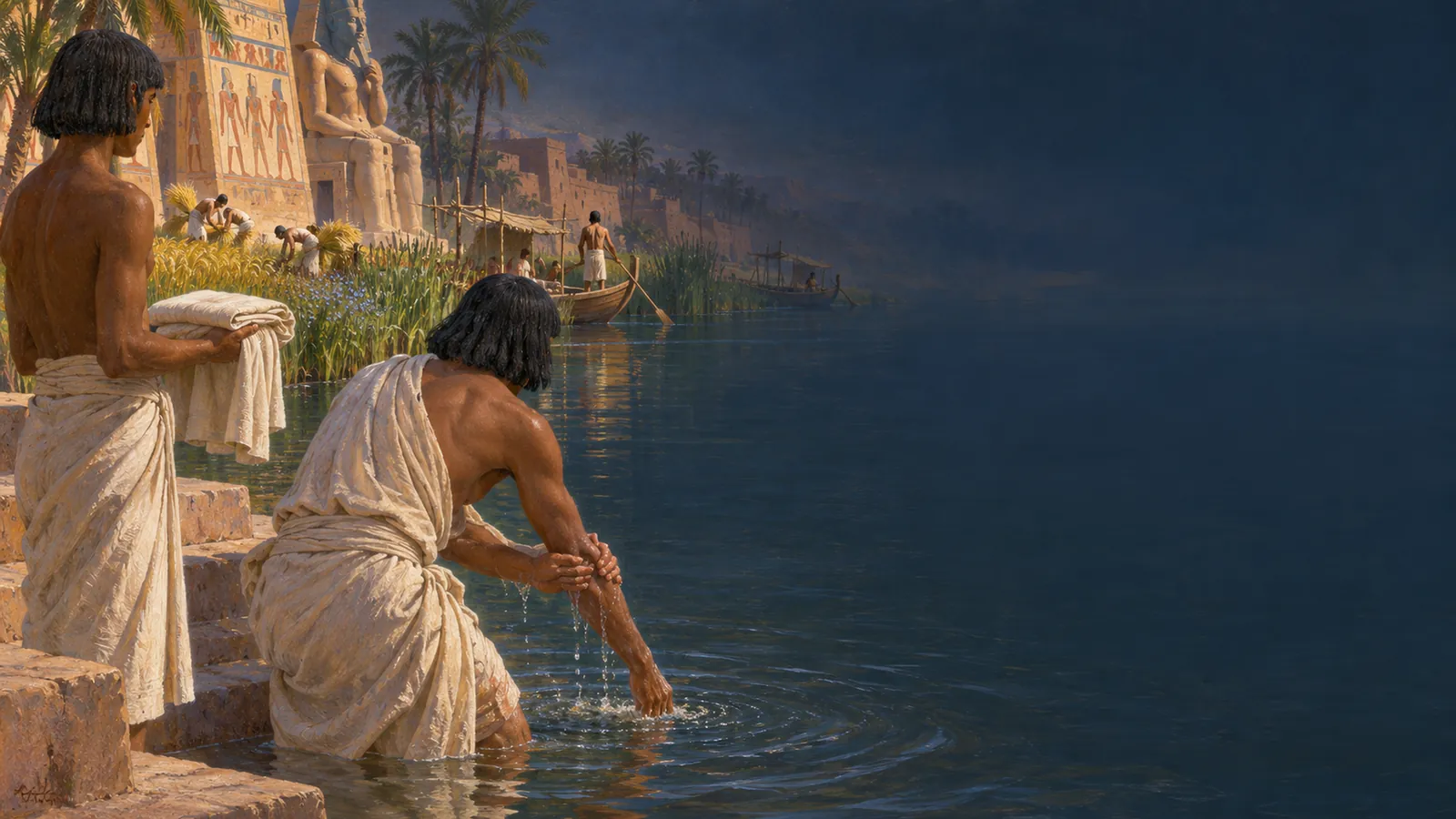
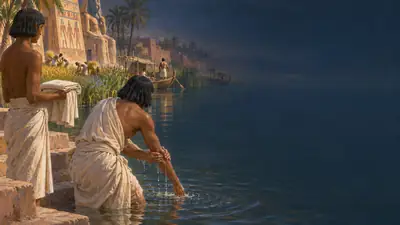
He addresses Unen-em-hetep as lord of the two lands and says he has entered. He says that he plunged into the lakes of Tohesert and that all uncleanness left him.
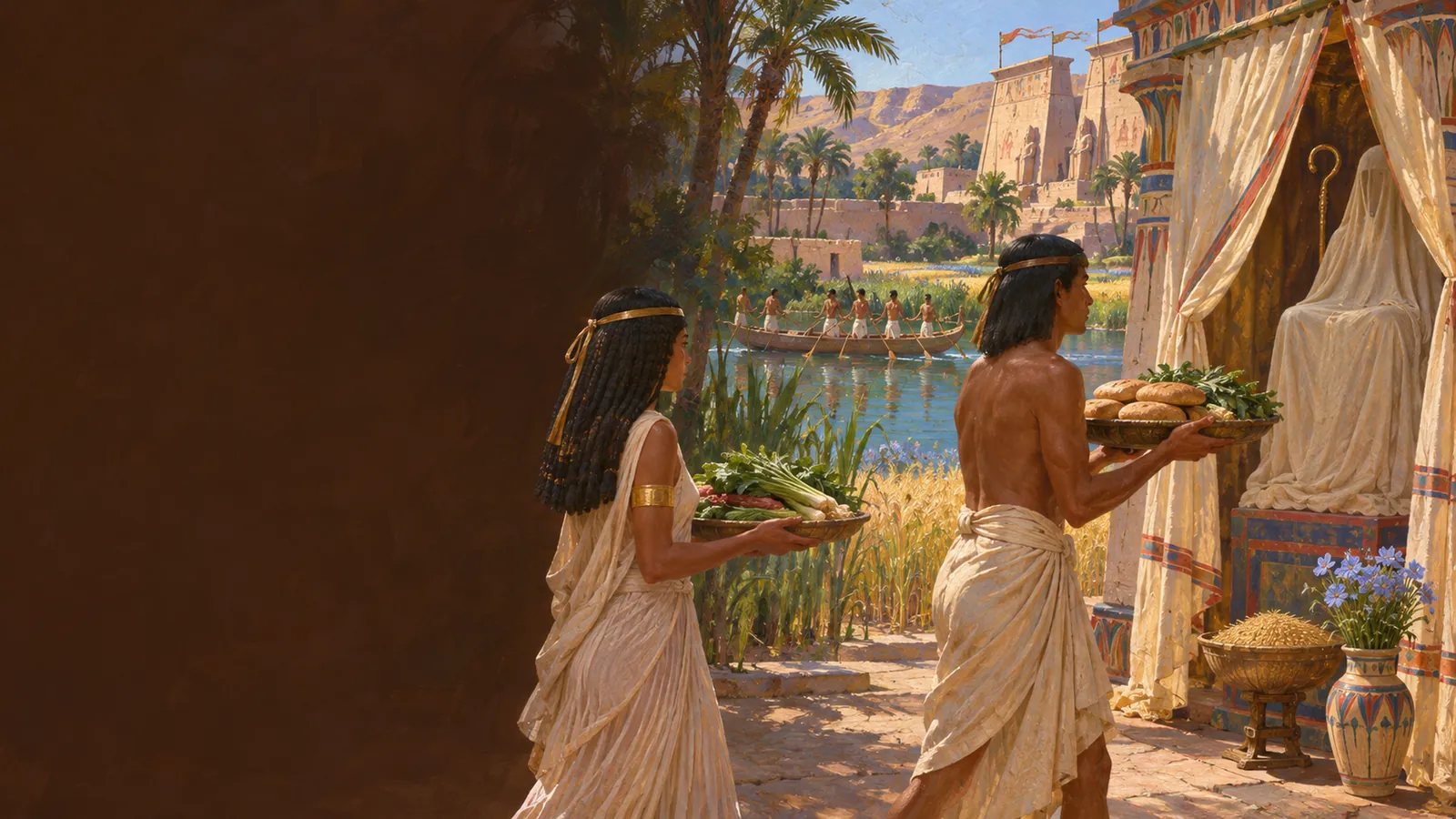
The speaker says that the Great God grows there. He also says that he has found something, and Budge supplies the words “food therein”.
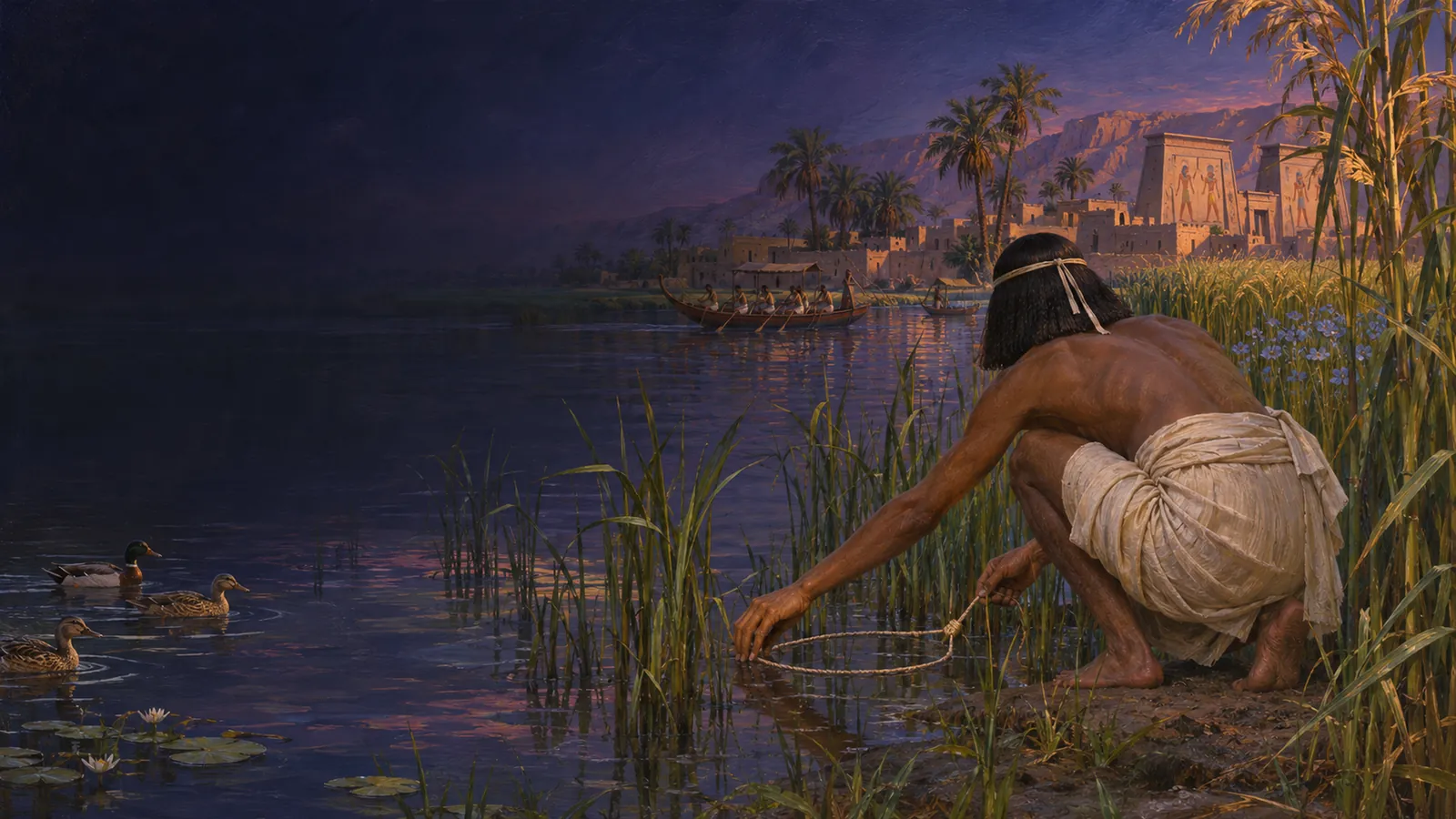
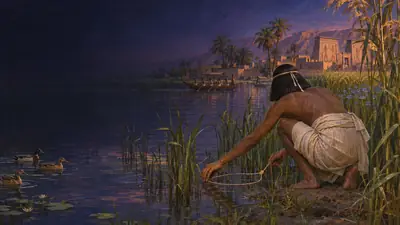
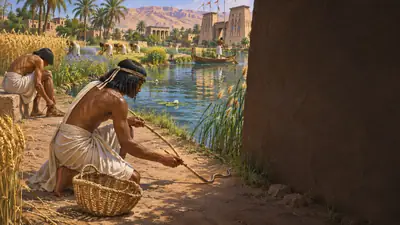
The speaker says that he caught birds in a snare and fed on the finest of them.
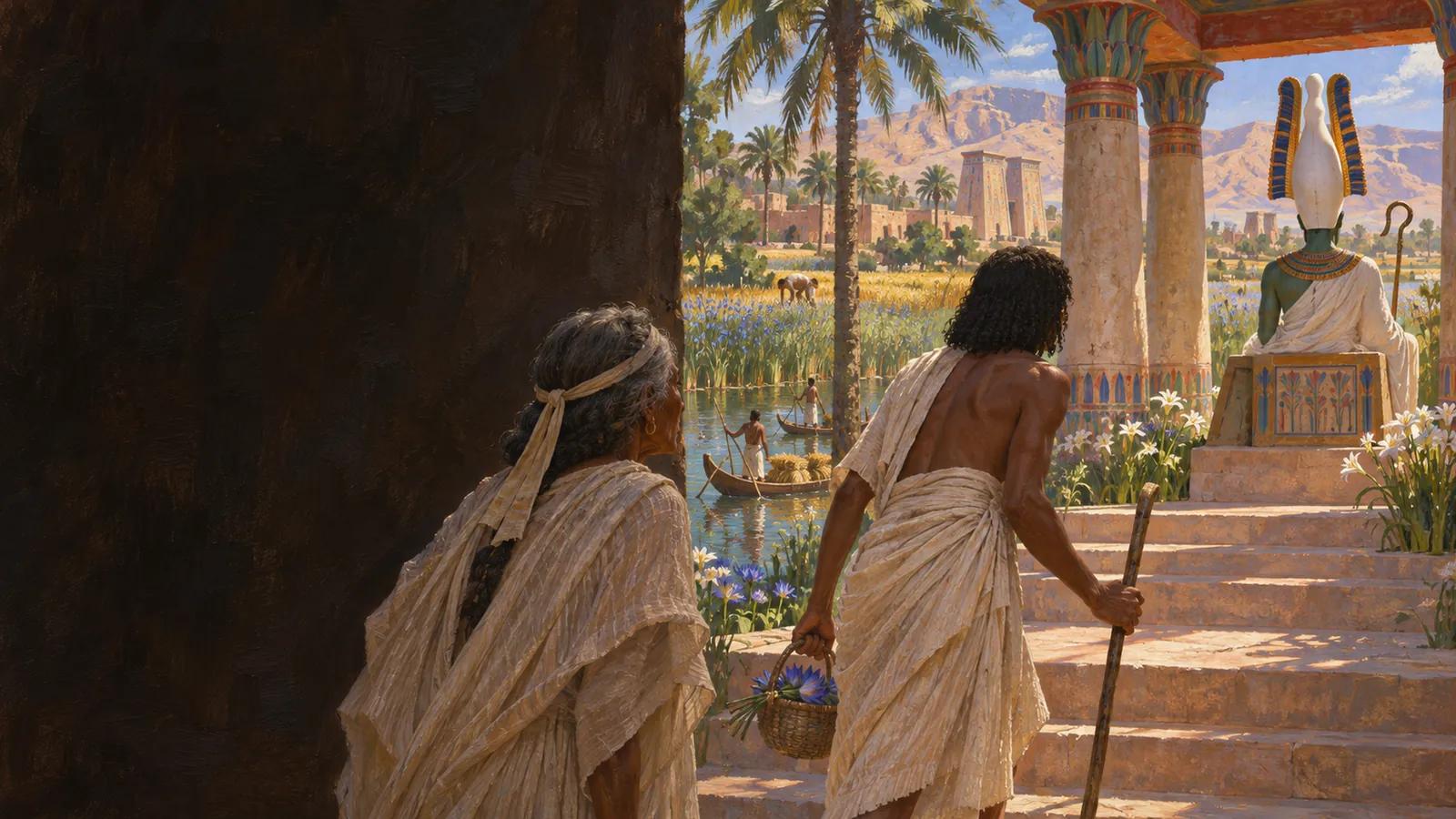
After entering Qenqentet, the speaker says he saw Osiris, whom Budge calls his father in brackets. He says he looked upon his mother. He also says he made love.
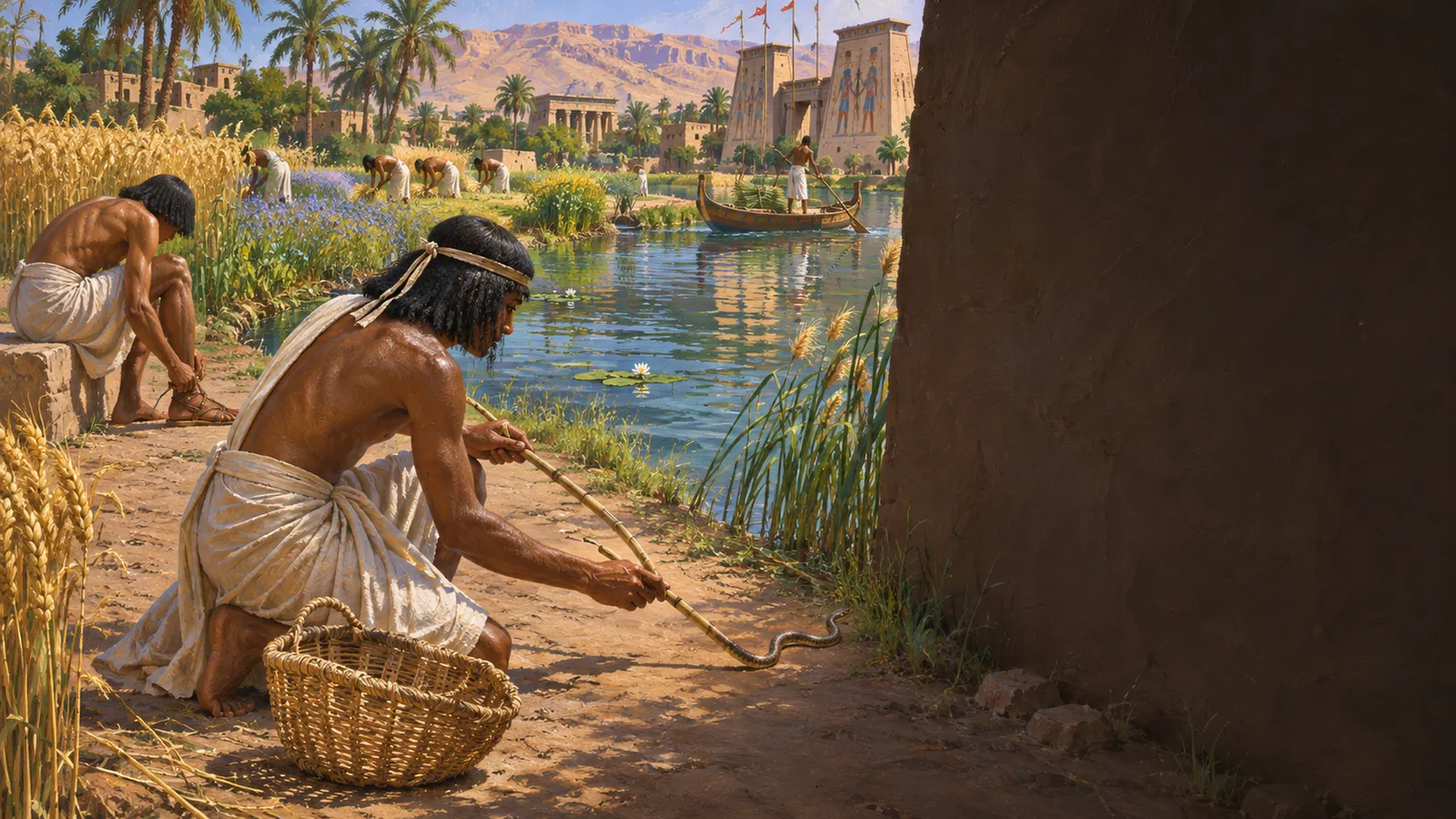
The speaker says that he captures worms and serpents in the place he has entered. He says that he delivers himself.
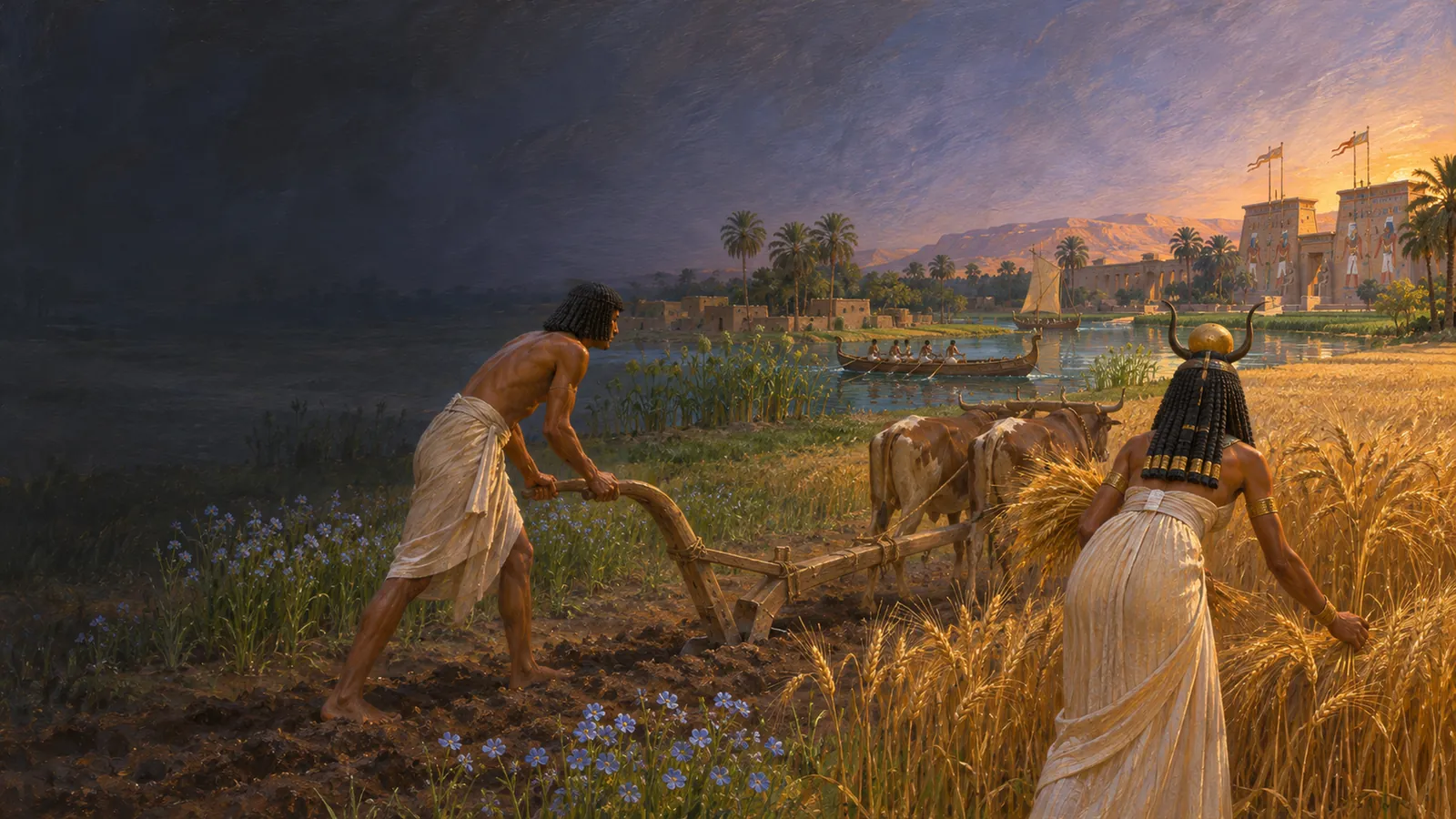
He says he knows the name of the god opposite Tohesert, who has straight hair and horns. That god reaps, while the speaker both ploughs and reaps.
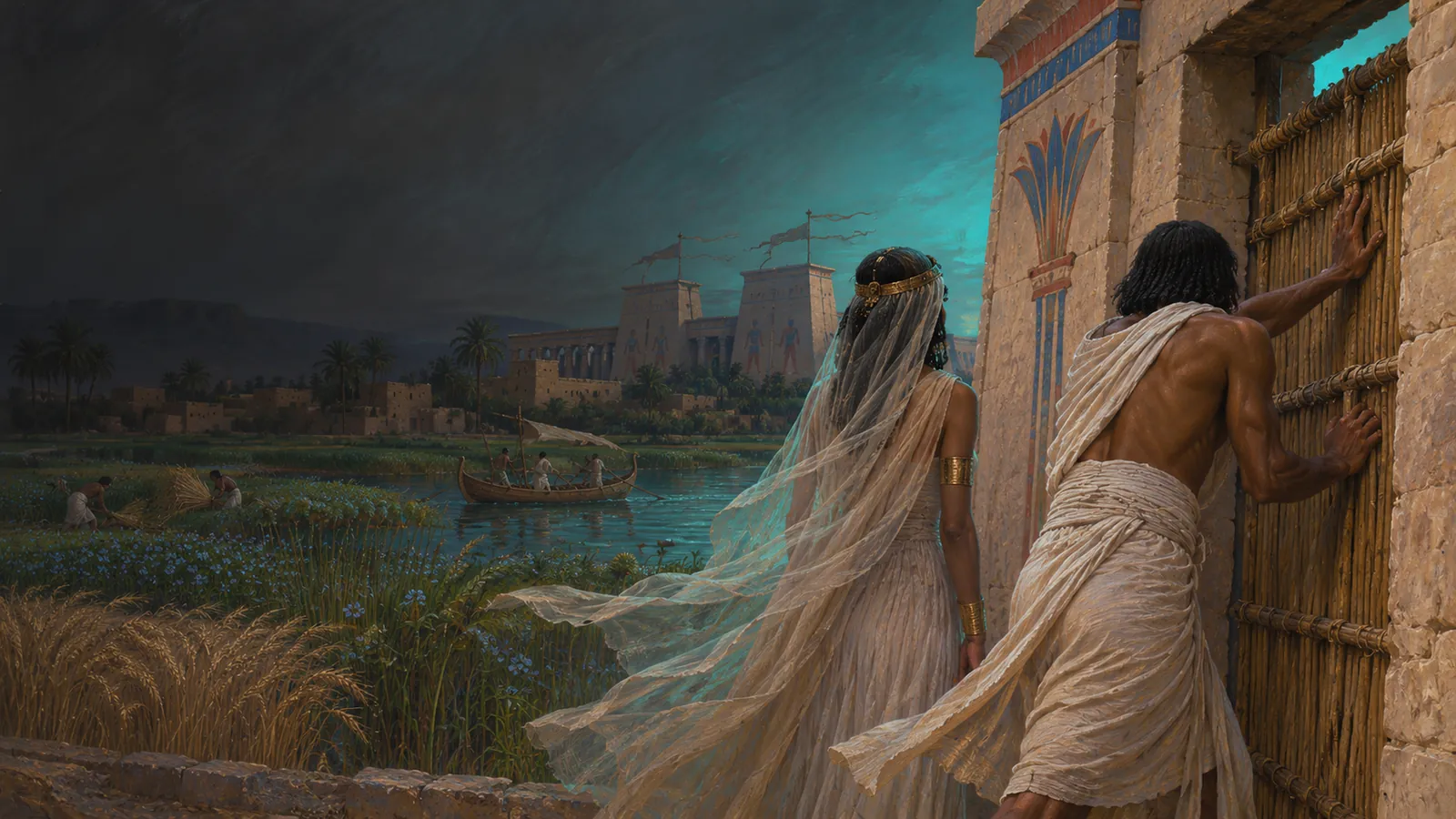
THE TURQUOISE SKY
He tells Hast that he enters and drives back those who would come to the turquoise sky. He then says he has followed the winds of the company of the gods.
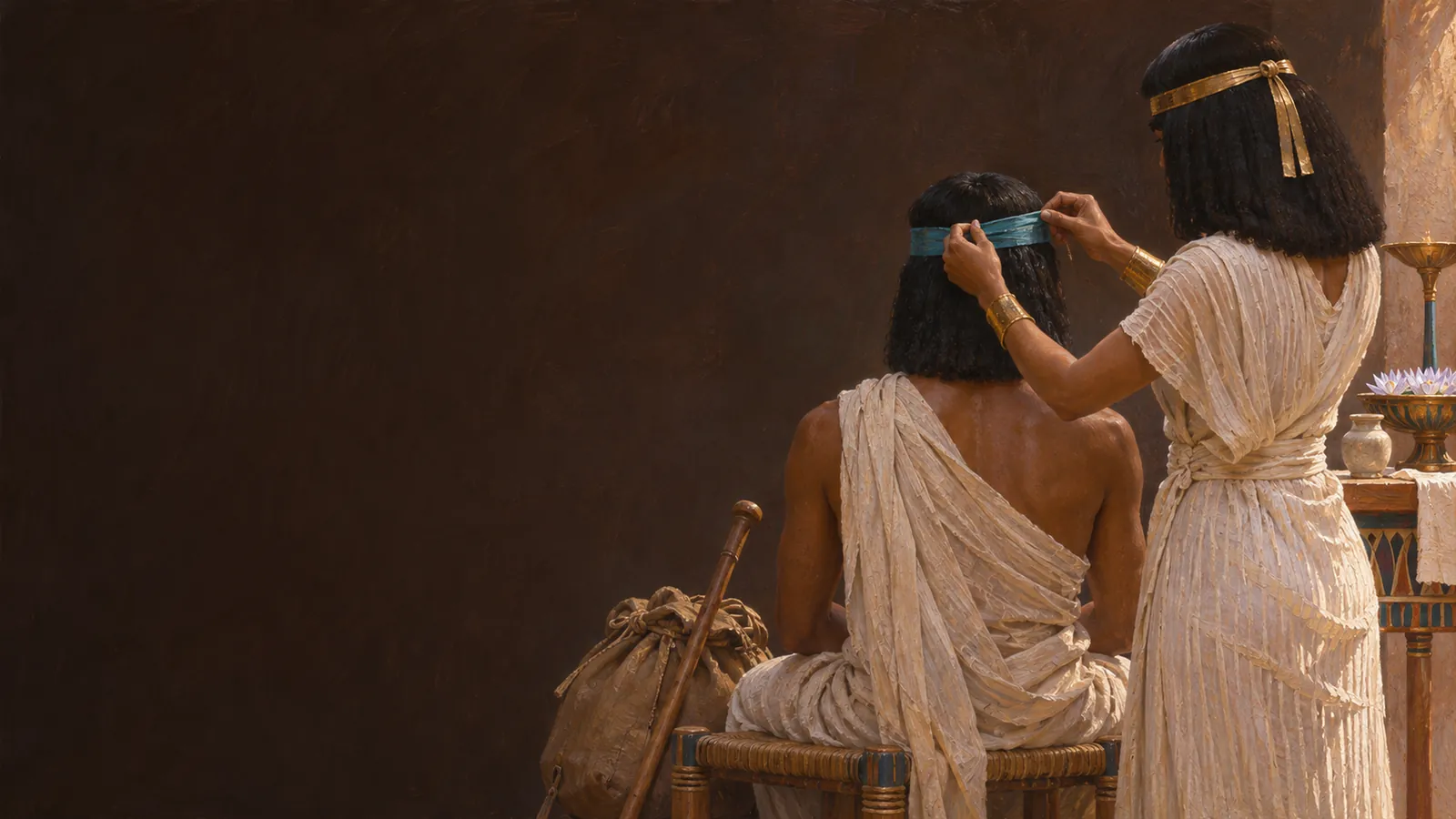
He says the Great God gives him his head. The Mighty One with turquoise eyes binds it on him. This is Ari-en-ab-f.
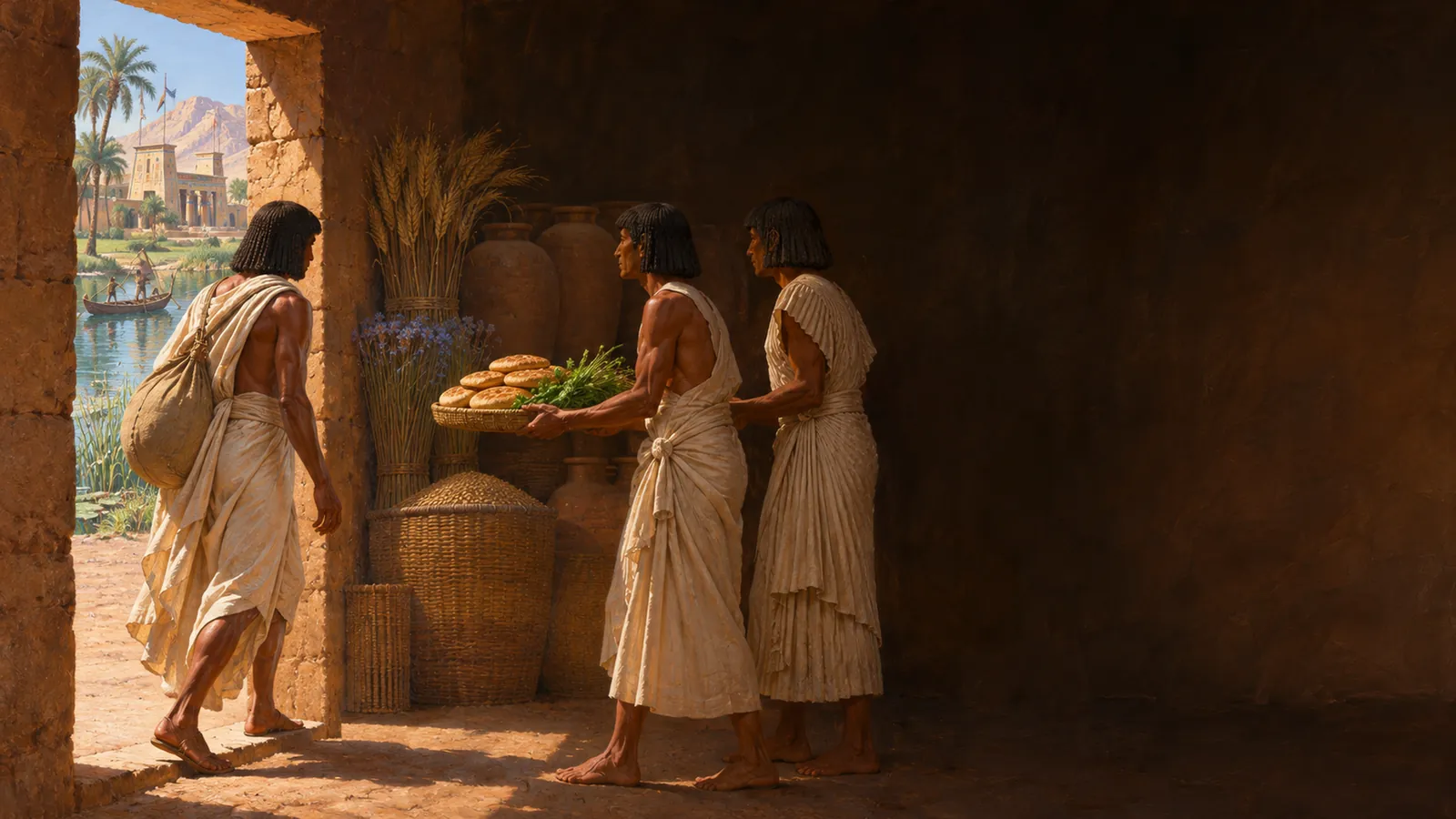
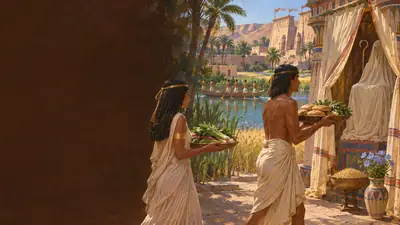
The speaker addresses Usert and says he has come to the house where the divine food is brought to him.
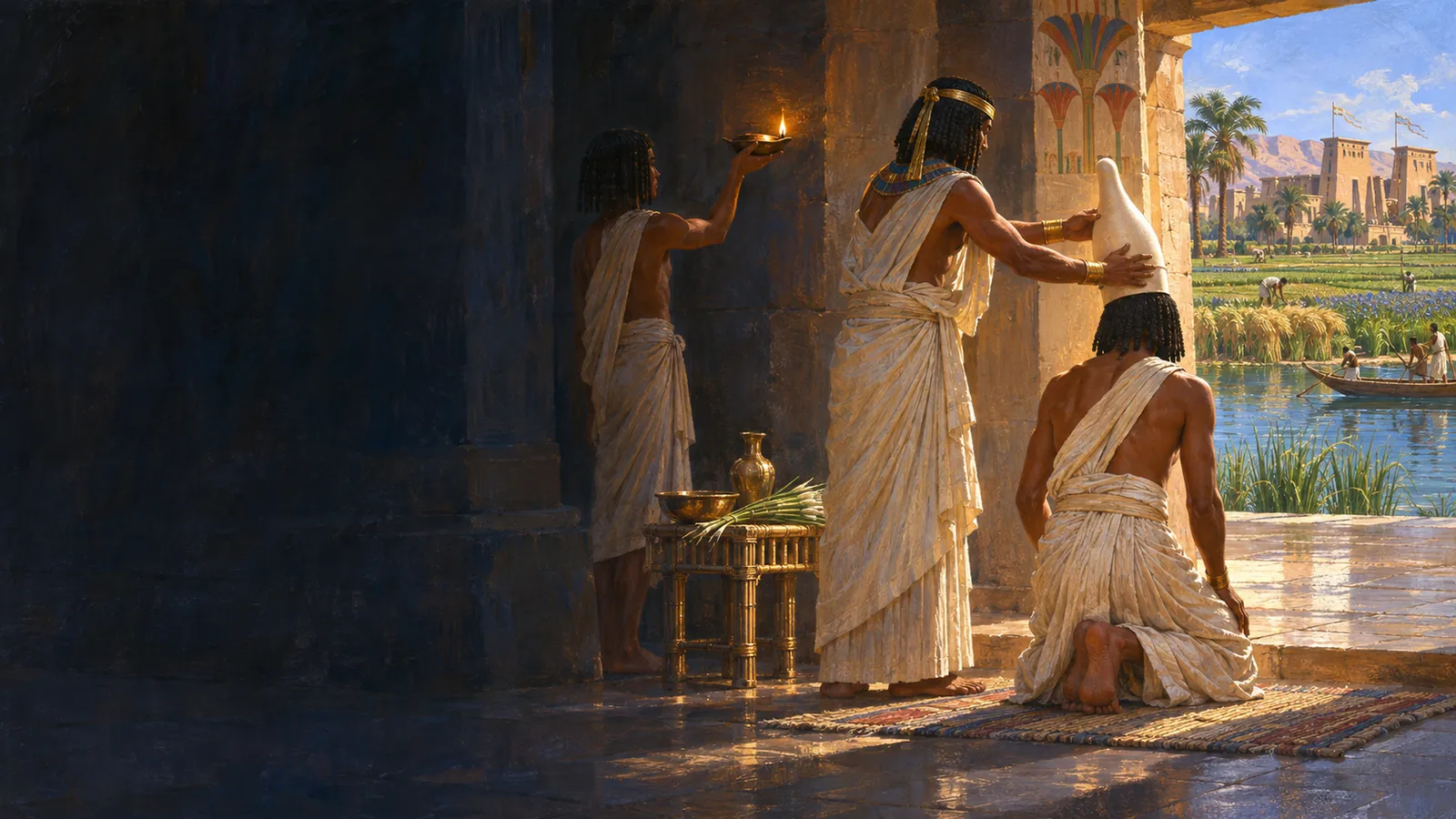
He announces that he has come to Smam. He says that his heart keeps watch and that he is given the white crown.
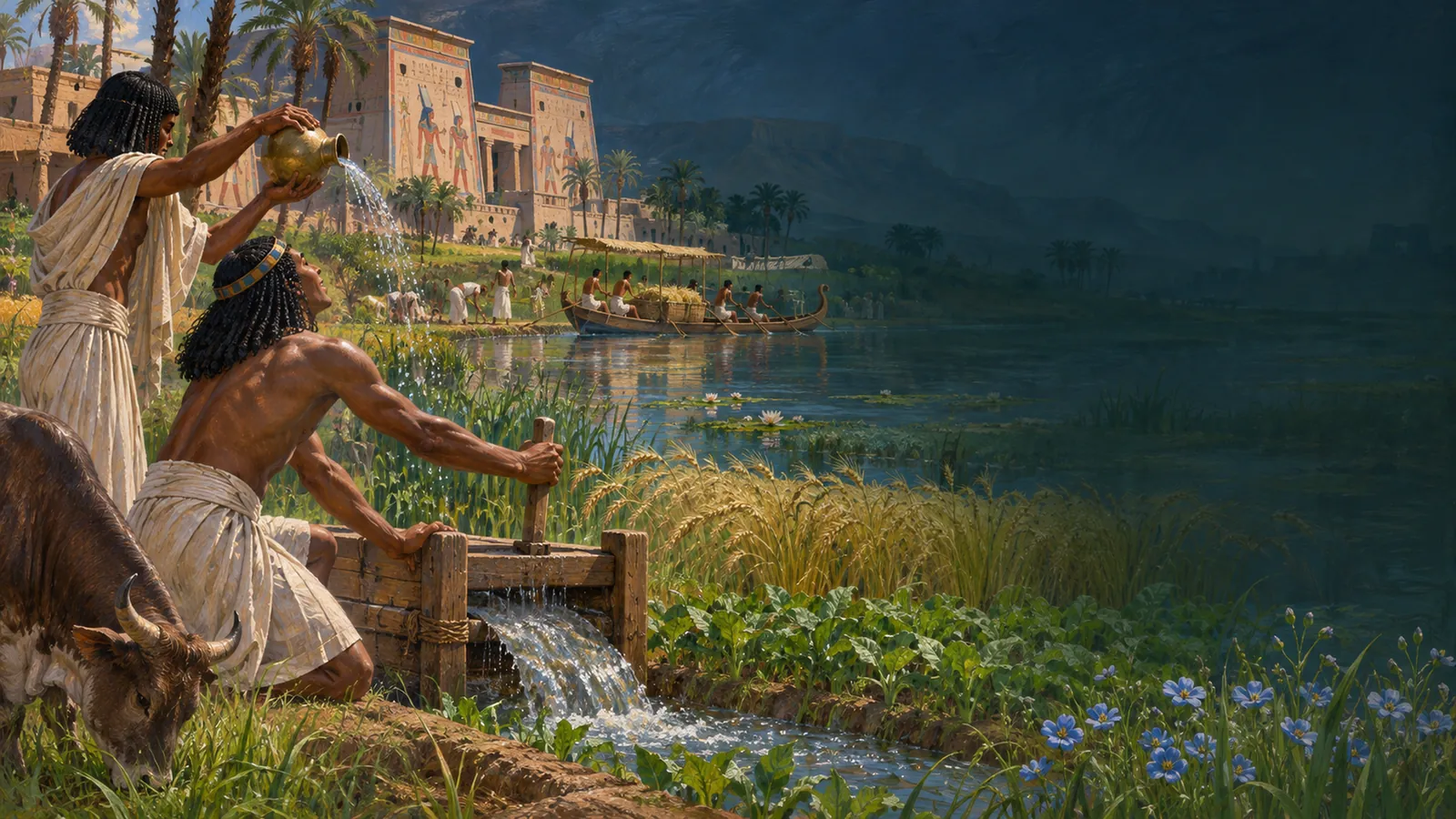
He says he is led into the celestial regions and makes the things of earth flourish. He speaks of joy for the Bull, the celestial beings and the company of the gods.
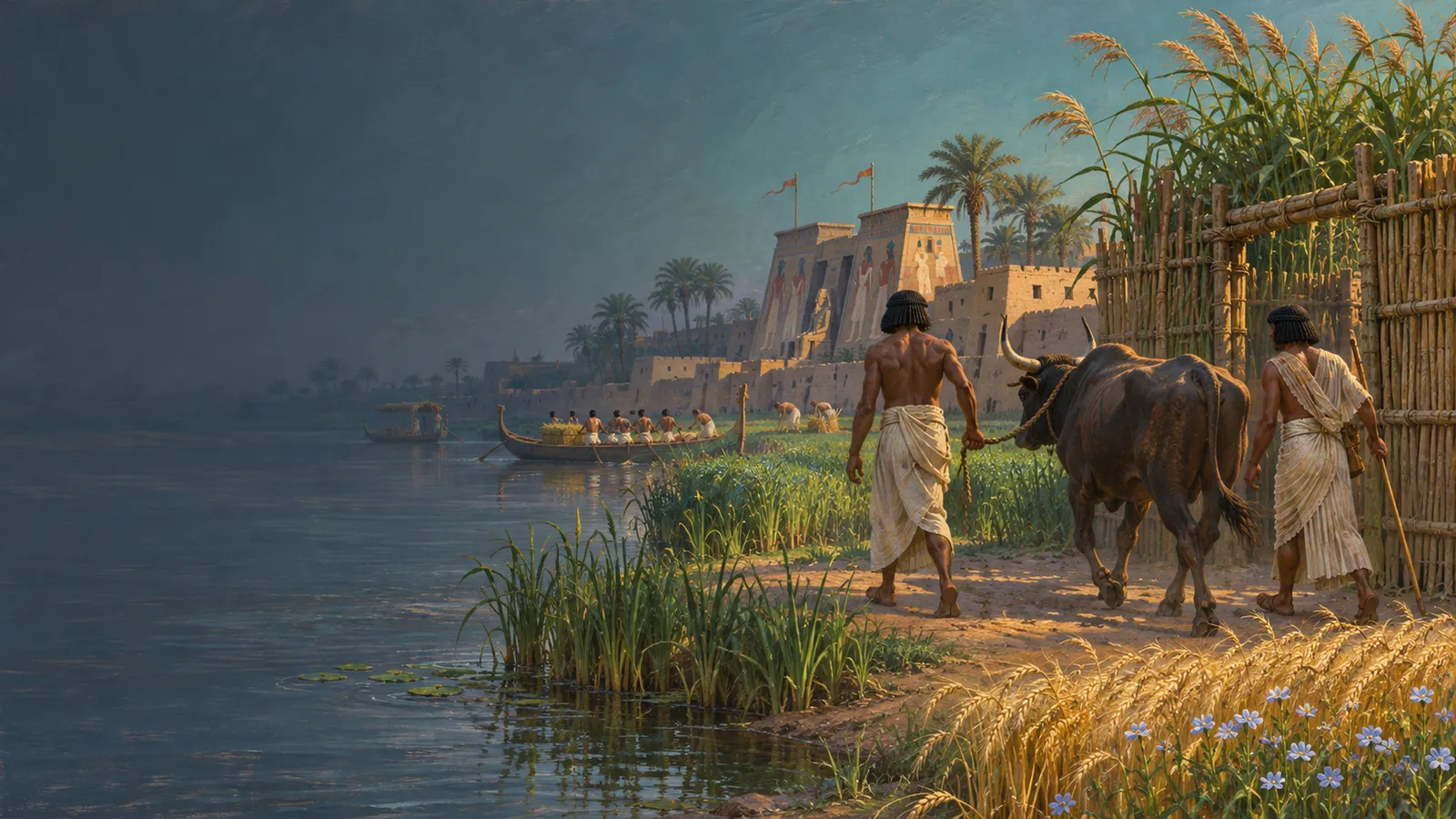
He names himself as the god who is the Bull. He calls himself lord of the gods as he comes forth from the turquoise sky.
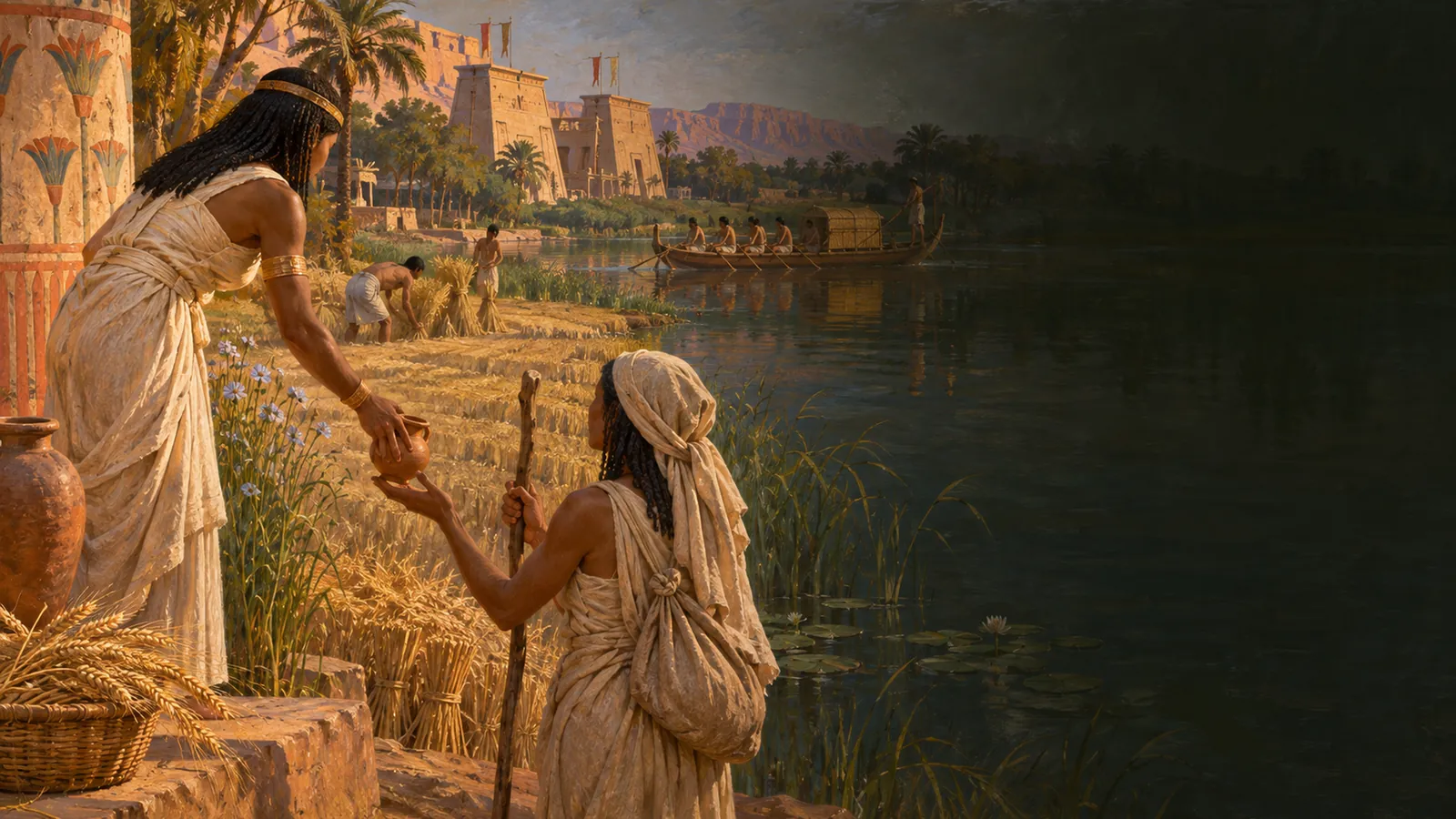
He addresses the divine district of wheat and barley and says he has come forward to it. He takes up what follows him, the best libations of the company of the gods.
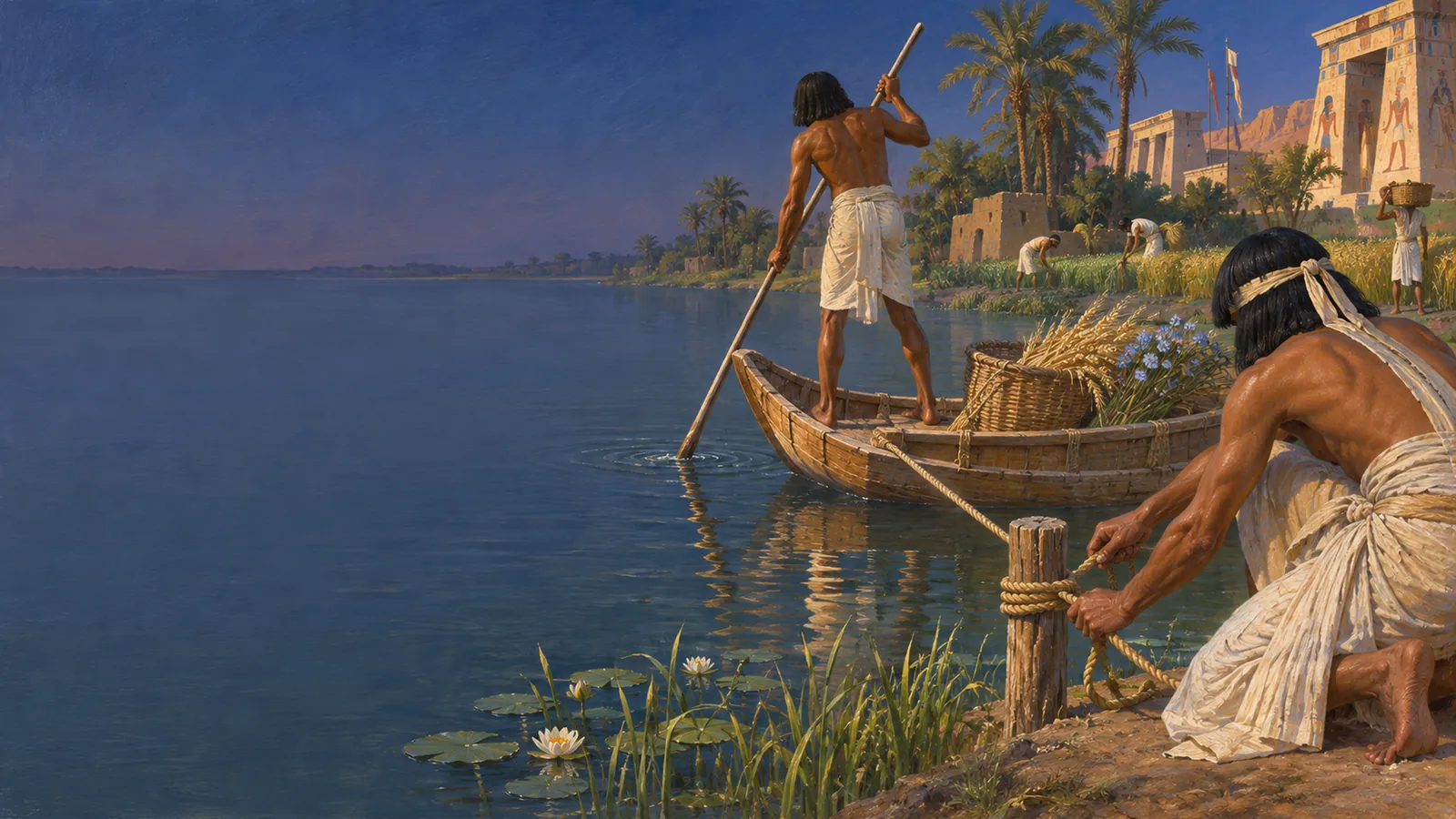
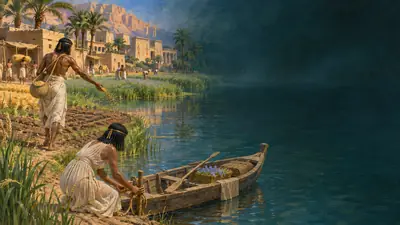
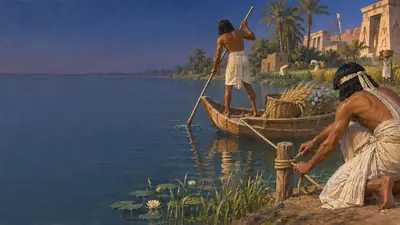
The speaker says he has tied his boat in the celestial lakes. He then says he has lifted up the post at which to anchor.
PRAISE IN SEKHET-HETEP
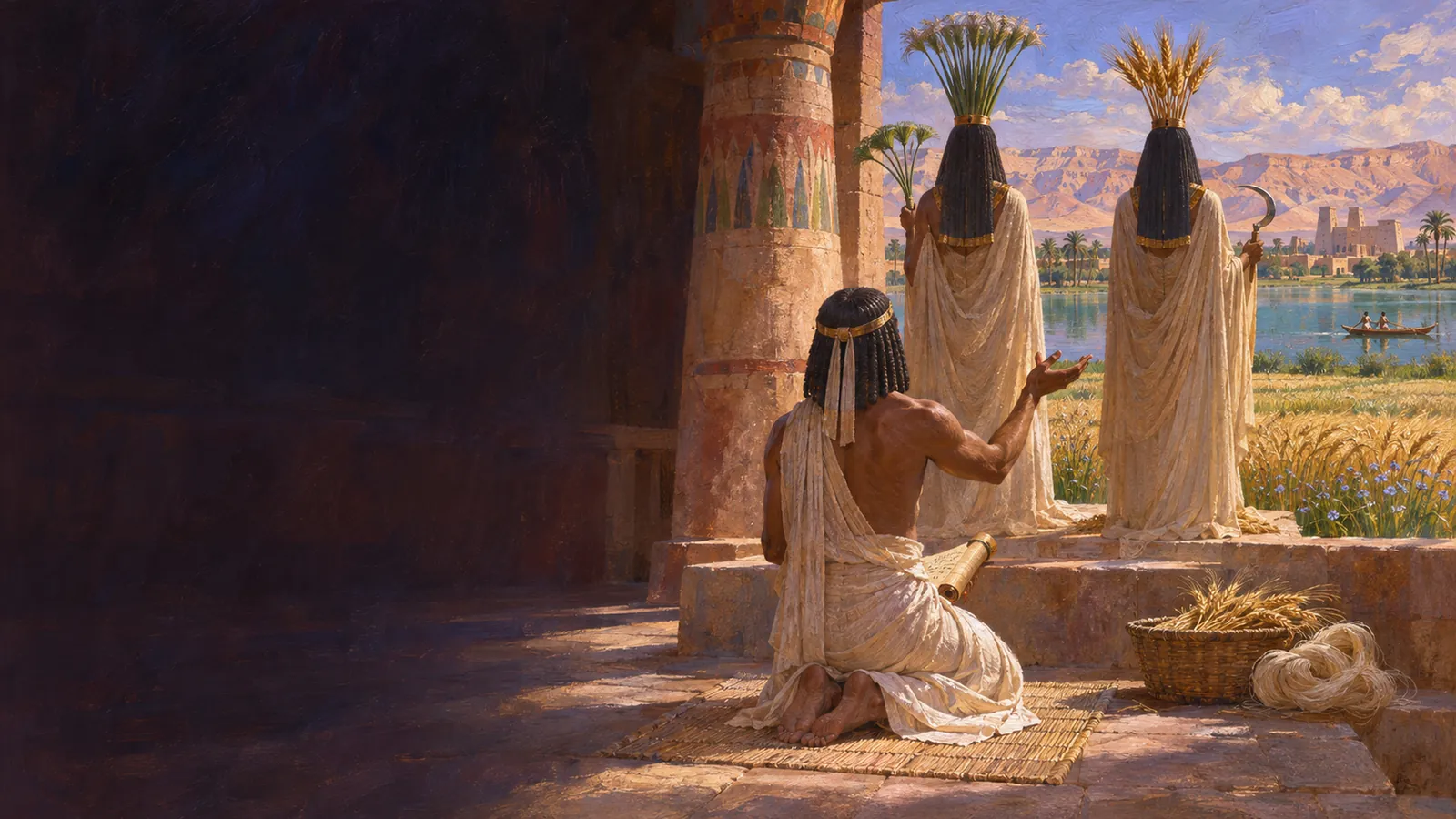
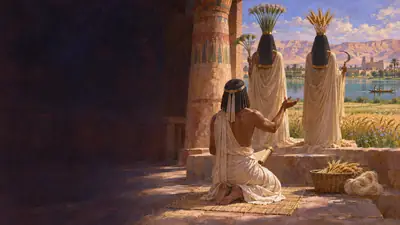
He says he has recited the prescribed words with his own voice. He closes by praising the gods who dwell in Sekhet-hetep.
End of chapter 2
All pages




Sources
A. Wallis Budge’s Egyptian Ideas of the Future Life, third edition, 1908. It ends with the praises at the end of the printed Chapter CX translation, before the author’s next paragraph. He gives no manuscript name for this translation.
Editions consulted
- Egyptian Ideas of the Future Life, publication record
- Budge 1908, Chapter V, The Resurrection and Immortality
- Budge’s note 138
- Budge’s note 139
- Budge’s note 140
- Budge’s note 141
- Budge’s note 142
- Budge’s note 143
- Budge’s note 144
- Budge’s note 145
- Budge’s note 146
- Budge’s note 147
Notes on this retelling
The speaker asks to live with Hetep, be clothed and remain safe from plunder by the lords of the north. He then asks the lord of divine things for food. The two addresses keep their distinct wording.
He asks to go forward and come out, have his power brought to him and receive it, and get his equipment from Hetep. The next request is mastery of the great word within his body. Through it, he says, he will remember and forget.
He asks to go forward on his way and plough. He then declares peace with the city god and knowledge of the waters, cities, nomes and lakes of Sekhet-Hetep. The text’s word “nomes” refers to districts. The transition to these declarations follows the request to plough.
The speaker declares that he exists in the fields, is strong there and has become a spirit. Budge prints KHU beside his translation “spirit.” The next four declarations are eating, sowing, reaping and ploughing, in that order.
The speaker says he makes love in the fields and is at peace with Hetep. The speech gives no partner.
The speaker addresses divine Hetep and declares that he scatters seed, sails among the lakes and advances to their cities.
Budge brackets “teeth which are like.” “Horns” follows outside the brackets. The speaker asks for plentiful food of the kind that sustains the “Doubles” and “Spirits,” Budge’s KAU and KHU respectively.
After the provisions for Doubles and Spirits, the speaker declares that he has passed the judgment Shu passes upon the person who knows him. The claim belongs to the speaker’s recitation.
The speaker links that claim to his wish to go out to the cities, sail among their lakes and walk in Sekhet-Hetep. Budge adds “[Hetep]” to the designation of the cities. The next statement places Rā in heaven and calls the god Hetep the “twofold offering thereof.” The relation remains open as printed.
Budge supplies “[of Hetep]” after “the land.” The speaker says he has reached the land, girded his loins and come forth so that the expected gifts can be given to him. He says that he is glad and has taken hold of the strength that the god Hetep has greatly increased for him.
A new quoted address begins on the same printed line as the end of the preceding speech. The speaker says he has entered Unen-em-hetep, his soul follows him and his divine food is upon his hands. Budge’s note 138 describes Unen-em-hetep as the first large section of Sekhet-Aaru. The address then calls on the Lady of the Two Lands, who establishes the word by which he remembers and forgets. Note 139 identifies this Lady here as a lake in the second section of Sekhet-Aaru.,
Budge supplies “[being done]” in the second phrase. The twice-spoken appeal to grant him joy of heart is grouped with the wish for peace. The next request names the binding of his sinews and muscles and asks the Lady to make him receive air.
A new paragraph calls Unen-em-hetep Lady of the Winds. Budge’s note 140 gives “opened” as the literal reading behind “shewn.” Rā sleeps, the speaker says he is awake, and Hast is named as the goddess at the gate of heaven by night. The next sentence begins on line 4593 with the obstacles that belong to page 23.
The speaker says obstacles were set before him, that he gathered what Rā had emitted and that he is in his city. The text leaves the obstacles and the city unnamed in these lines.
The speaker enters Nut-urt, reckons his harvest and goes forward to Uakh. Budge identifies Nut-urt as a lake in the first section of Sekhet-Aaru, and Uakh as a lake in the second. ·
The speaker calls himself the Bull enfolded in turquoise, lord of the Field of the Bull and lord of Septet’s divine speech at her hours. Budge prints the identification of Septet as Sothis in parentheses. On entering Uakh the speaker eats his bread, gains control of choice meat from cattle and fowl, and is given the birds of Shu. The last statement is that he follows the gods and divine Doubles, Budge’s KAU.
The speaker enters Tohefet and clothes and protects himself with Rā’s Sa garment. Budge identifies Tohefet as a district in the third section of Sekhet-Aaru. The text then places Rā in heaven, followed by its inhabitants and by the speaker.
The address calls Unen-em-hetep lord of the two lands. The speaker says he enters, plunges into the lakes of Tohesert and is free of all uncleanness. Tohefet and Tohesert are the two spellings used in the printed text. The Great God grows there. The words “I have found” precede Budge’s bracketed “food therein” at line 4614.
The speaker says he snares fowl and eats the finest of them.
Budge identifies Qenqentet as a lake in the first section of Sekhet-Aaru. The speaker enters it and says he sees Osiris. Budge supplies “my father” in brackets at line 4620. The speaker next says he has looked upon his mother, then says separately that he has made love. The passage gives no partner.
Page 34, Budge 1908, Book of the Dead CX, transcription lines 4622–4624. The text has the speaker capture both worms and serpents and deliver himself. Budge supplies the words which are there in brackets to place them where the speaker is.
Page 35, Budge 1908, Book of the Dead CX, transcription lines 4624–4626. The speaker says he knows the name of the god opposite the goddess Tohesert. He describes the god’s straight hair and horns. The god reaps. The speaker ploughs and reaps.
Page 36, Budge 1908, Book of the Dead CX, transcription lines 4628–4632 and n. 145. Note 145 identifies Hast as a lake in the third section. Budge supplies sky in brackets after turquoise.
Page 37, Budge 1908, Book of the Dead CX, transcription lines 4632–4635. The text gives the head from the Great God and its binding from the Mighty One with turquoise eyes. Budge translates the name Ari-en-ab-f parenthetically as he who does as he pleases.
Page 38, Budge 1908, Book of the Dead CX, transcription lines 4637–4639 and n. 146. Note 146 identifies Usert as a lake in the third section. The speaker addresses the lake and says he is at the house where the divine food is brought to him.
Page 39, Budge 1908, Book of the Dead CX, transcription lines 4641–4643 and n. 147. Note 147 identifies Smam as a lake in the third section. The speaker mentions his watchful heart and receiving the white crown.
Page 40, Budge 1908, Book of the Dead CX, transcription lines 4643–4645. The clauses concern the speaker’s being led to the celestial regions and making earthly things flourish. Joy is separately named for the Bull, celestial beings and the company of gods.
Page 41, Budge 1908, Book of the Dead CX, transcription lines 4645–4648. The speaker identifies himself as the god who is the Bull and as lord of the gods. Budge prints sky in brackets again after turquoise.
Page 42, Budge 1908, Book of the Dead CX, transcription lines 4650–4652. The divine nome, or district, is identified with wheat and barley. The speaker says he has come forward and taken up what follows him, the finest libations of the company of the gods.
Page 43, Budge 1908, Book of the Dead CX, transcription lines 4652–4654. The boat is tied in the celestial lakes. The speaker then says that he lifts up the post at which to anchor. The text makes these two separate references without explaining the latter action.
Page 44, Budge 1908, Book of the Dead CX, transcription lines 4654–4655. The speaker says he has recited the prescribed words aloud and praised the gods in Sekhet-hetep. The translation ends here. The following paragraph in Budge’s book is separate.
Ancient lines behind each page
- Page 1: Budge 1908, Egyptian Ideas of the Future Life, ch. V, Book of the Dead Chapter CX, deceased’s recitation (local)
- Page 2: Budge 1908, Egyptian Ideas of the Future Life, ch. V, Book of the Dead Chapter CX, deceased’s recitation (local)
- Page 3: Budge 1908, Egyptian Ideas of the Future Life, ch. V, Book of the Dead Chapter CX, deceased’s recitation (local)
- Page 4: Budge 1908, Egyptian Ideas of the Future Life, ch. V, Book of the Dead Chapter CX, deceased’s recitation (local)
- Page 5: Budge 1908, Egyptian Ideas of the Future Life, ch. V, Book of the Dead Chapter CX, deceased’s recitation (local)
- Page 6: Budge 1908, Egyptian Ideas of the Future Life, ch. V, Book of the Dead Chapter CX, deceased’s recitation (local)
- Page 7: Budge 1908, Egyptian Ideas of the Future Life, ch. V, Book of the Dead Chapter CX, deceased’s recitation (local)
- Page 8: Budge 1908, Egyptian Ideas of the Future Life, ch. V, Book of the Dead Chapter CX, deceased’s recitation (local)
- Page 9: Budge 1908, Egyptian Ideas of the Future Life, ch. V, Book of the Dead Chapter CX, deceased’s recitation (local)
- Page 10: Budge 1908, Egyptian Ideas of the Future Life, ch. V, Book of the Dead Chapter CX, deceased’s recitation (local)
- Page 11: Budge 1908, Egyptian Ideas of the Future Life, ch. V, Book of the Dead Chapter CX, deceased’s recitation (local)
- Page 12: Budge 1908, Egyptian Ideas of the Future Life, ch. V, Book of the Dead Chapter CX, deceased’s recitation (local)
- Page 13: Budge 1908, Egyptian Ideas of the Future Life, ch. V, Book of the Dead Chapter CX, deceased’s recitation (local)
- Page 14: Budge 1908, Egyptian Ideas of the Future Life, ch. V, Book of the Dead Chapter CX, deceased’s recitation (local)
- Page 15: Budge 1908, Egyptian Ideas of the Future Life, ch. V, Book of the Dead Chapter CX, deceased’s recitation (local)
- Page 16: Budge 1908, Egyptian Ideas of the Future Life, ch. V, Book of the Dead Chapter CX, deceased’s recitation (local)
- Page 17: Budge 1908, Egyptian Ideas of the Future Life, ch. V, Book of the Dead Chapter CX, deceased’s recitation (local)
- Page 18: Budge 1908, Egyptian Ideas of the Future Life, ch. V, Book of the Dead Chapter CX, deceased’s recitation (local)
- Page 19: Budge 1908, Egyptian Ideas of the Future Life, ch. V, Book of the Dead Chapter CX, deceased’s recitation (local)
- Page 20: Budge 1908, Egyptian Ideas of the Future Life, ch. V, Book of the Dead Chapter CX, deceased’s recitation (local)
- Page 21: Budge 1908, Egyptian Ideas of the Future Life, ch. V, Book of the Dead Chapter CX, deceased’s recitation (local)
- Page 22: Budge 1908, Egyptian Ideas of the Future Life, ch. V, Book of the Dead Chapter CX, deceased’s recitation (local)
- Page 23: Budge 1908, Egyptian Ideas of the Future Life, ch. V, Book of the Dead Chapter CX, deceased’s recitation (local)
- Page 24: Budge 1908, Egyptian Ideas of the Future Life, ch. V, Book of the Dead Chapter CX, deceased’s recitation (local)
- Page 25: Budge 1908, Egyptian Ideas of the Future Life, ch. V, Book of the Dead Chapter CX, deceased’s recitation (local)
- Page 26: Budge 1908, Egyptian Ideas of the Future Life, ch. V, Book of the Dead Chapter CX, deceased’s recitation (local)
- Page 27: Budge 1908, Egyptian Ideas of the Future Life, ch. V, Book of the Dead Chapter CX, deceased’s recitation (local)
- Page 28: Budge 1908, Egyptian Ideas of the Future Life, ch. V, Book of the Dead Chapter CX, deceased’s recitation (local)
- Page 29: Budge 1908, Egyptian Ideas of the Future Life, ch. V, Book of the Dead Chapter CX, deceased’s recitation (local)
- Page 30: Budge 1908, Egyptian Ideas of the Future Life, ch. V, Book of the Dead Chapter CX, deceased’s recitation (local)
- Page 31: Budge 1908, Egyptian Ideas of the Future Life, ch. V, Book of the Dead Chapter CX, deceased’s recitation (local)
- Page 32: Budge 1908, Egyptian Ideas of the Future Life, ch. V, Book of the Dead Chapter CX, deceased’s recitation (local)
- Page 33: Budge 1908, Egyptian Ideas of the Future Life, ch. V, Book of the Dead Chapter CX, deceased’s recitation (local)
- Page 34: Budge 1908, Egyptian Ideas of the Future Life, ch. V, Book of the Dead CX (local)
- Page 35: Budge 1908, Egyptian Ideas of the Future Life, ch. V, Book of the Dead CX (local)
- Page 36: Budge 1908, Egyptian Ideas of the Future Life, ch. V, Book of the Dead CX (local)
- Page 37: Budge 1908, Egyptian Ideas of the Future Life, ch. V, Book of the Dead CX (local)
- Page 38: Budge 1908, Egyptian Ideas of the Future Life, ch. V, Book of the Dead CX (local)
- Page 39: Budge 1908, Egyptian Ideas of the Future Life, ch. V, Book of the Dead CX (local)
- Page 40: Budge 1908, Egyptian Ideas of the Future Life, ch. V, Book of the Dead CX (local)
- Page 41: Budge 1908, Egyptian Ideas of the Future Life, ch. V, Book of the Dead CX (local)
- Page 42: Budge 1908, Egyptian Ideas of the Future Life, ch. V, Book of the Dead CX (local)
- Page 43: Budge 1908, Egyptian Ideas of the Future Life, ch. V, Book of the Dead CX (local)
- Page 44: Budge 1908, Egyptian Ideas of the Future Life, ch. V, Book of the Dead CX (local)
Illustrations made with AI tools by IL Archive; the text is based on the ancient sources (see the sources at the end of each chapter).