The Great Revolt against Naram-Sin Chapter 1
Nine battles in one year
Kish raises Iphur-Kish, and Uruk raises a ruler of its own. The Nippur copy follows the cities, fields and gates where the two alliances come into view. Elsewhere, a copper base remembers the nine victories and the temple that the people of Akkade built for their king.
SourcesTurn the pages with the arrows, the arrow keys or a swipe.
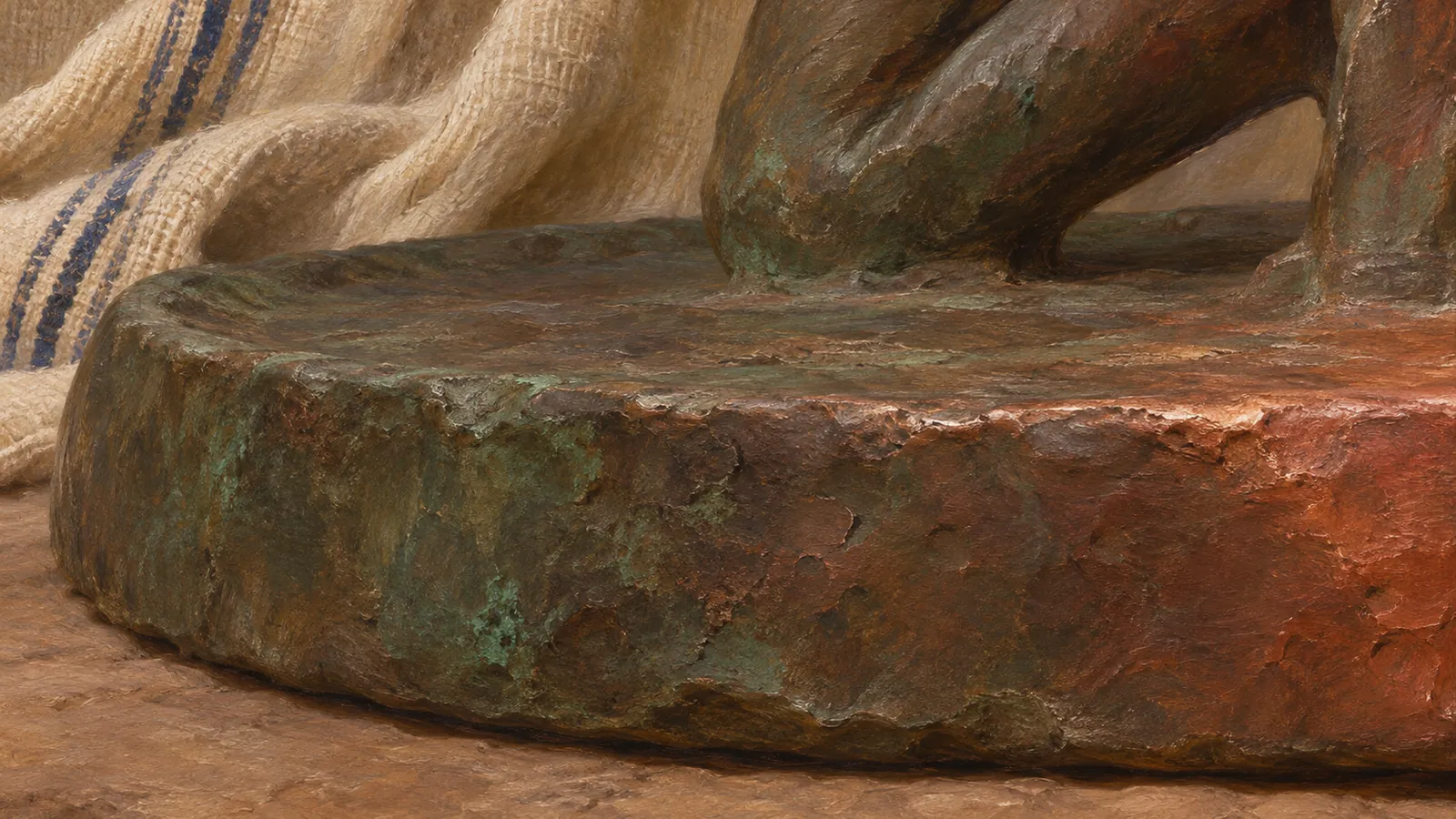
COPPER
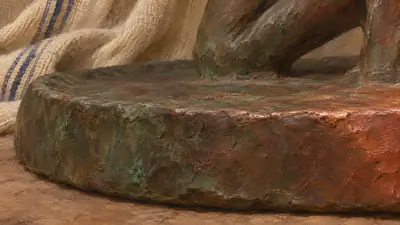
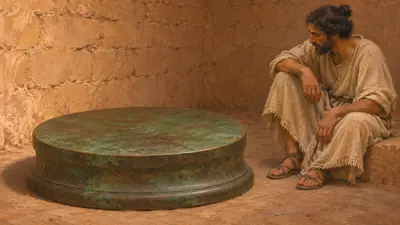
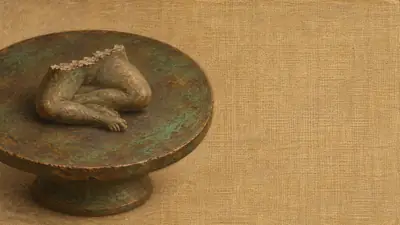
A sculpted fragment stands on a round copper base. Words along the rim name Naram-Sin, king of Akkade. Metal carries an account of a year when cities rose against him.
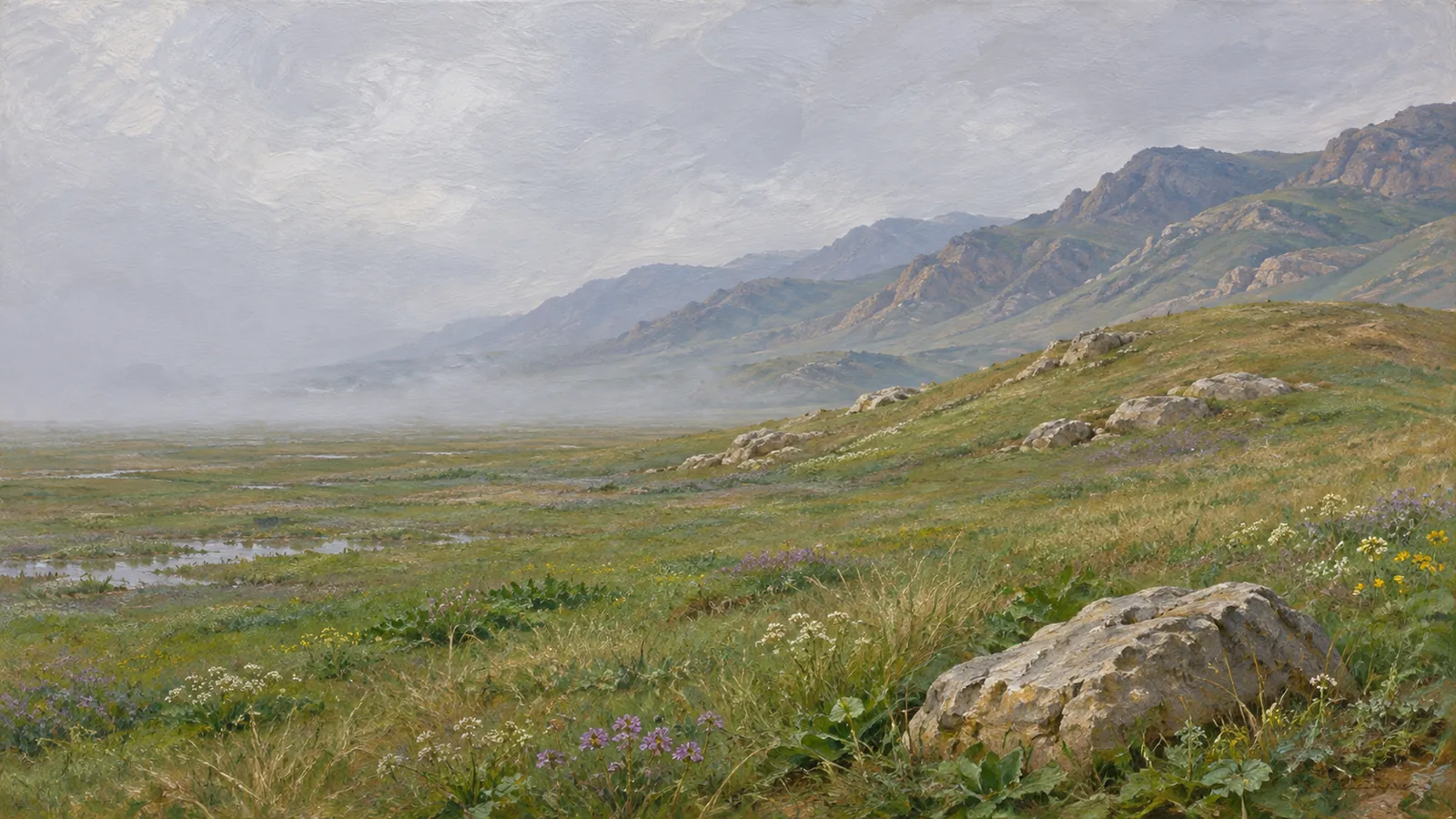
The piece was found at Bassetki in what is now northern Iraq. The city named in the inscription is Akkade. Object and inscription give us two places to keep in mind.
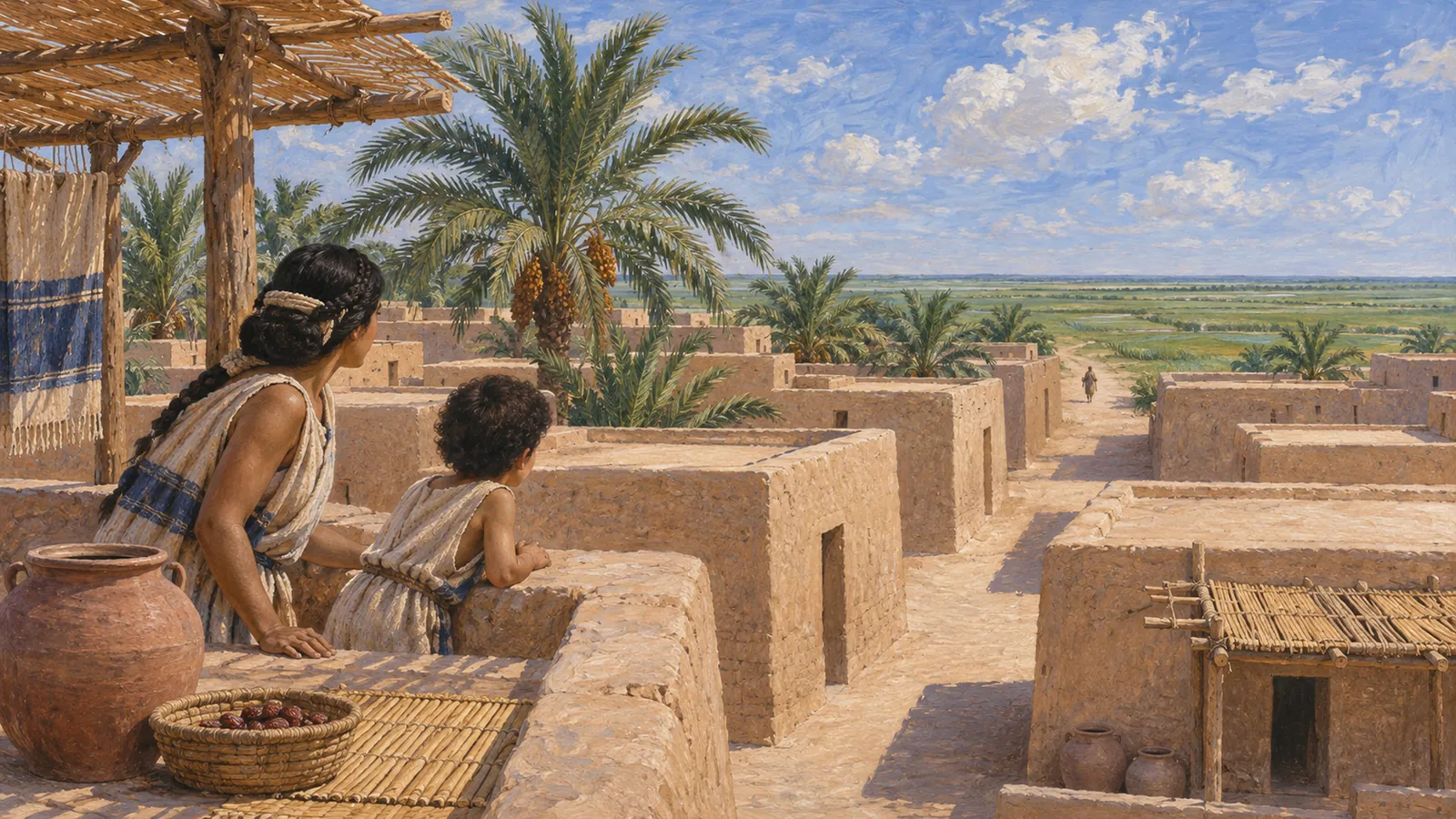
The inscription says the four quarters rose together. That phrase makes the revolt sound as wide as the world. A later telling puts names into that wide space, including Kish, Kutha, Uruk and Sippar.
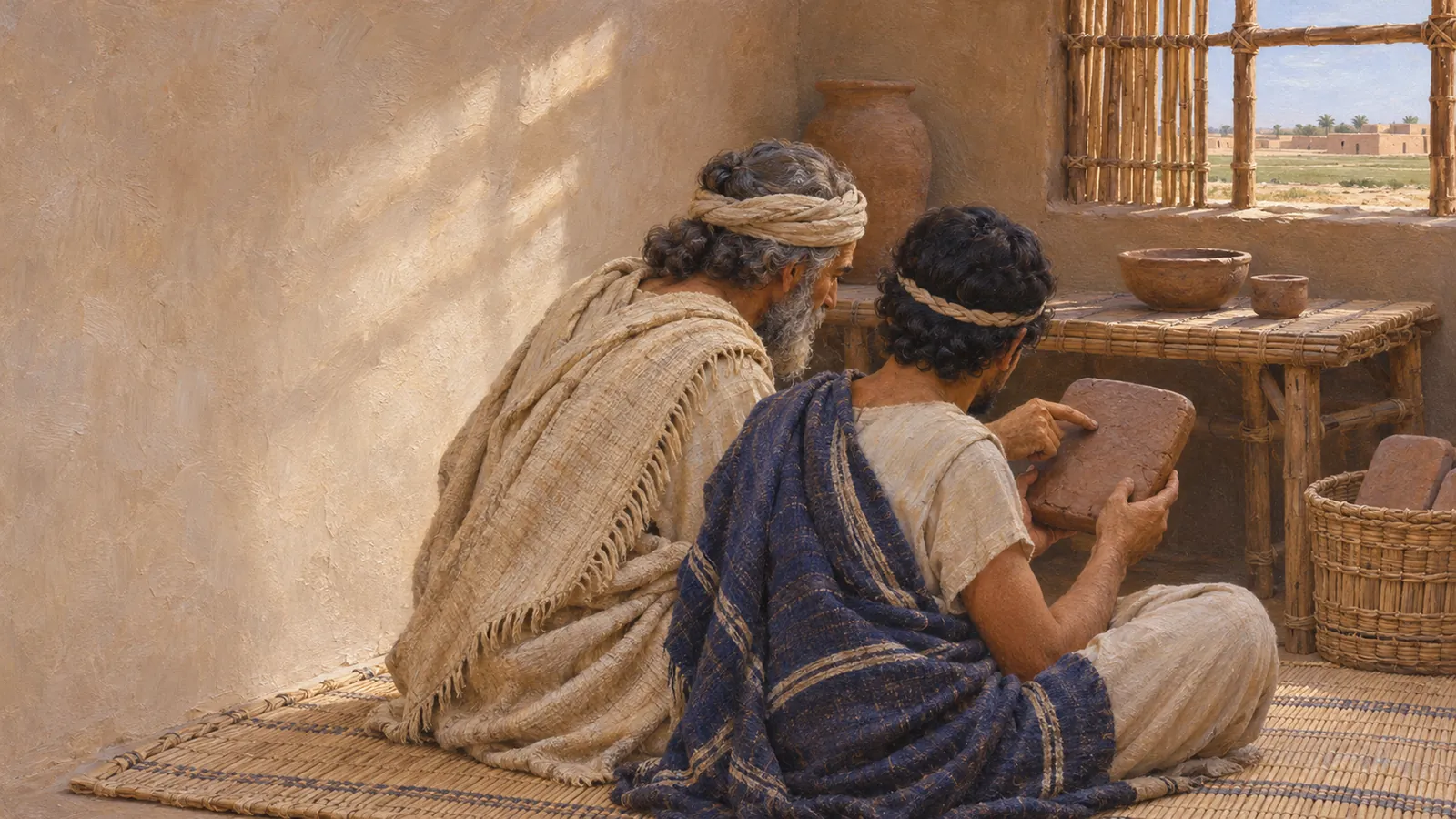
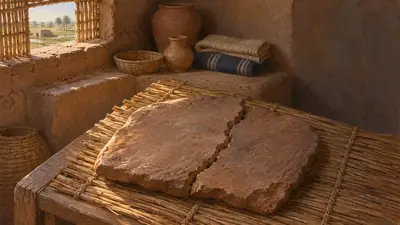
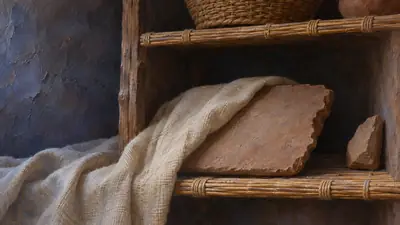
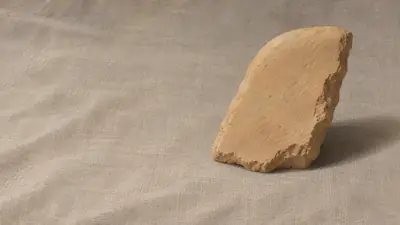
A clay tablet from Nippur preserves a longer royal account. An Old Babylonian scribe copied several inscriptions onto it. The section on the revolt names people and places the copper leaves unnamed.
A later story remembers Naram-Sin’s forebear Sargon. It says he conquered Uruk and freed the people of Kish. The memory helps explain why the new revolt feels like betrayal.
The literary Naram-Sin invokes the gods as he remembers Kish as a brother. The memory comes from a speech the tale gives the king. In the next lines Kish chooses a ruler of its own.
The longer royal inscription names two men raised to kingship. Iphur-Kish is named for Kish and Amar-Girid for Uruk. Part of the beginning is missing, but the two appointments survive side by side.
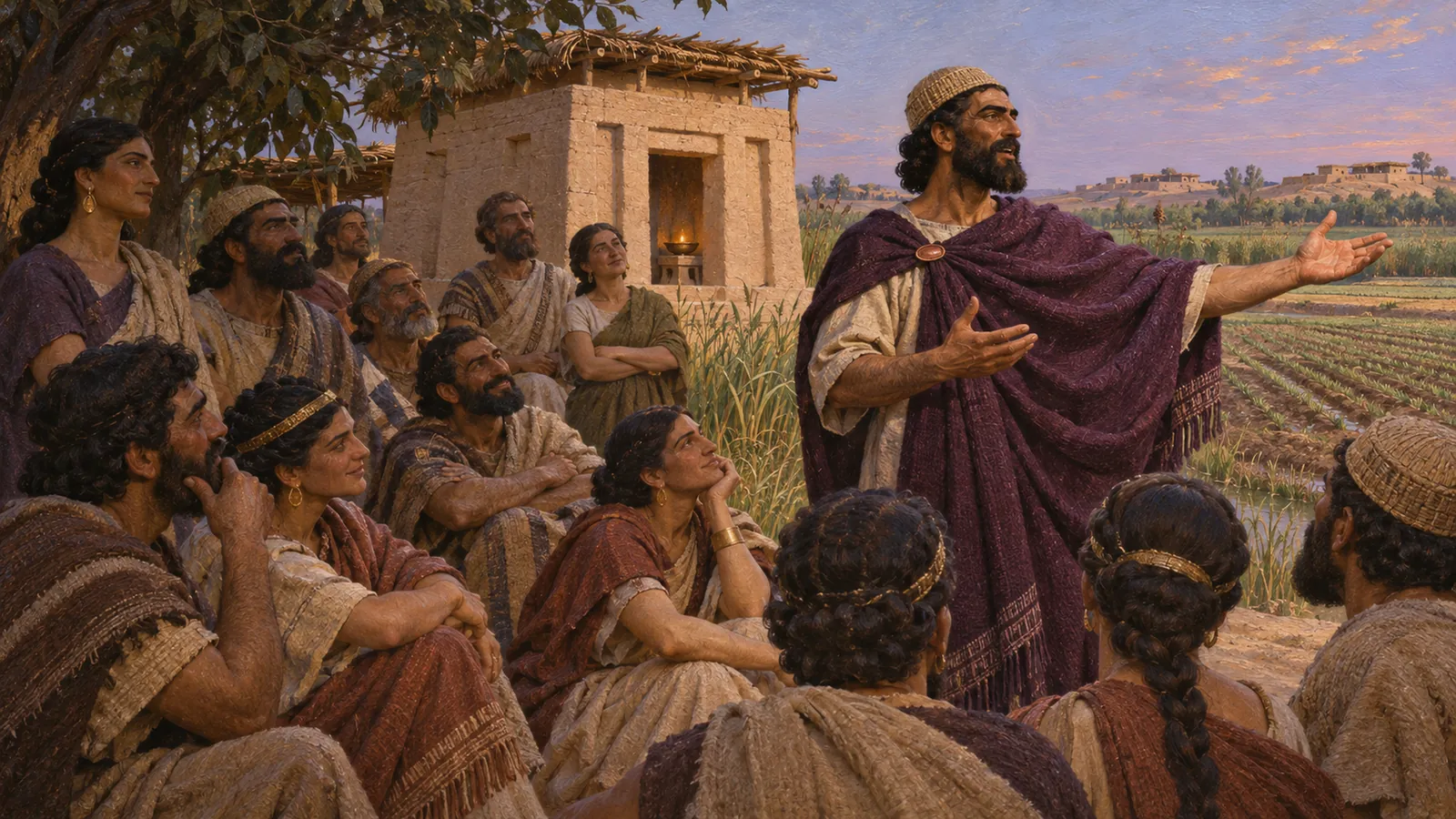
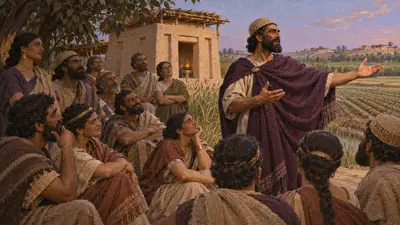
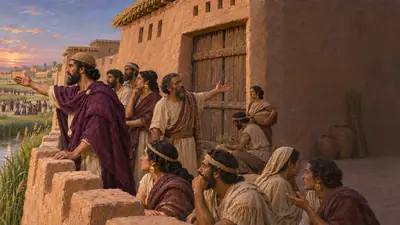
In a later telling, people of Kish gather at the field of Sin, between Tiwa and Wurumu, and raise Iphur-Kish. The story sets his appointment out in the open, near a sanctuary.
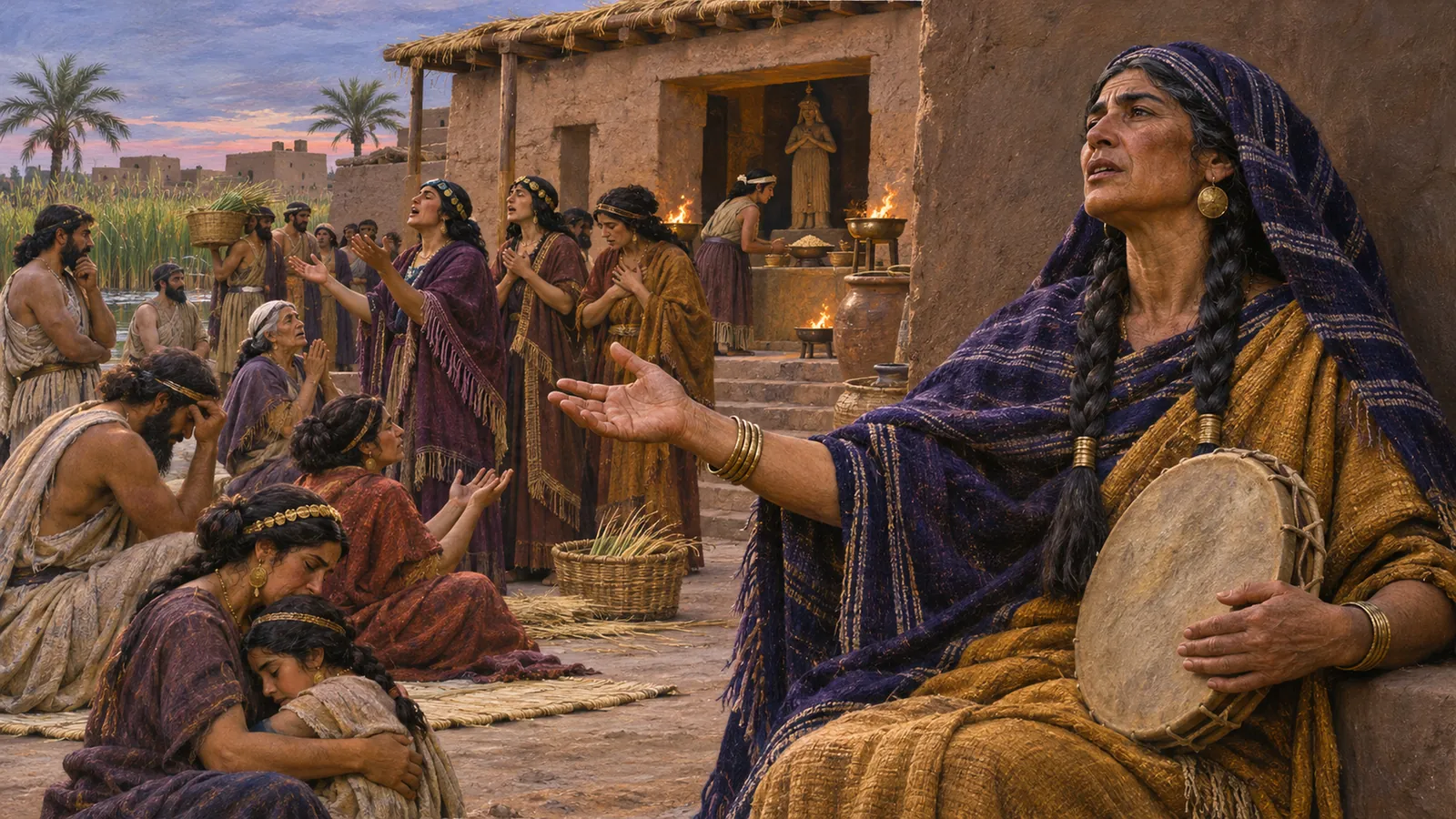
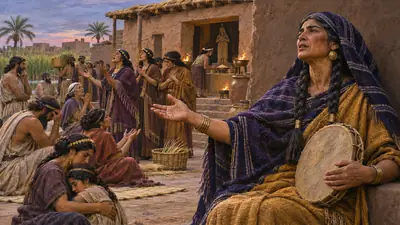
The tale calls Iphur-Kish the son of Summirat-Ishtar, a priestess whose work was lamentation. We can imagine the sound of her profession. Her name survives alongside those of rulers and cities.
KISH
The Nippur copy gathers cities around Iphur-Kish. It names Kish, Kutha, Tiwa, Sippar, Kazallu and Girtab. Each surviving name makes the revolt feel less like a single city’s quarrel.
The list breaks after other place names. When the words return they mention people from the western highlands. The intervening gap leaves us with only part of the royal list of allies.
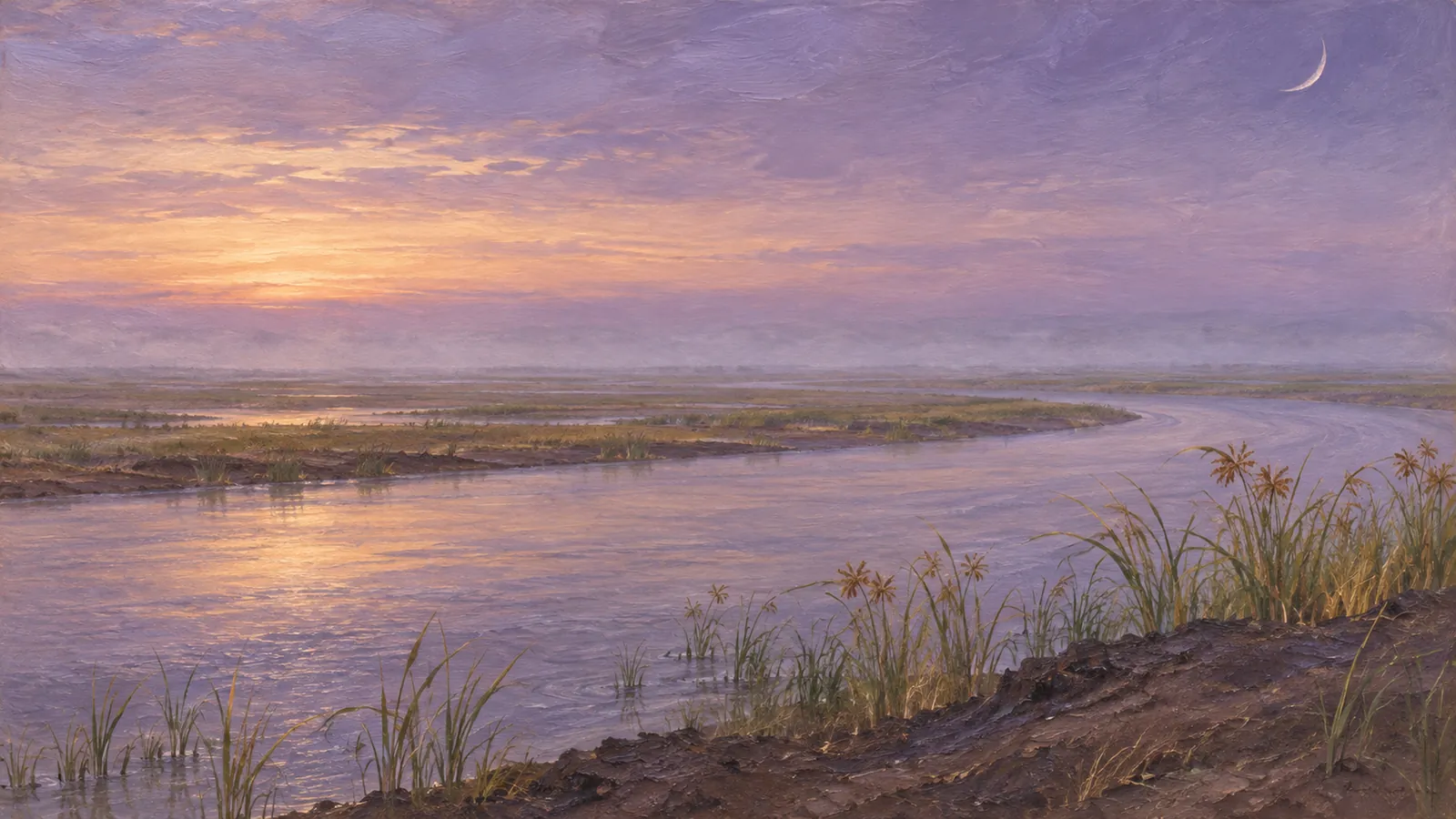
The royal copy places the waiting between Tiwa and Urum. The field bears the name of Sin, the moon god. For a moment the inscription leaves us between two cities.
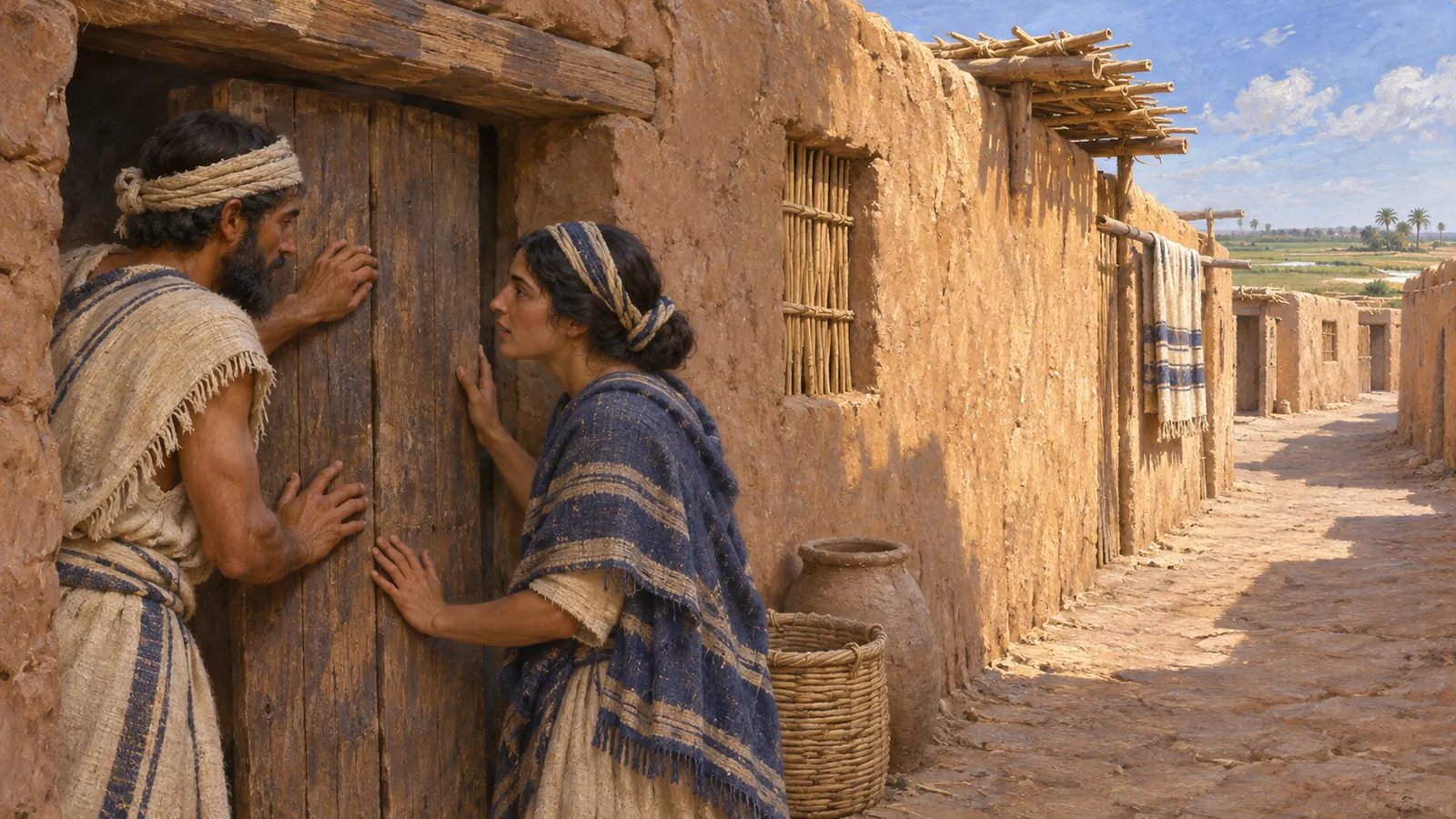
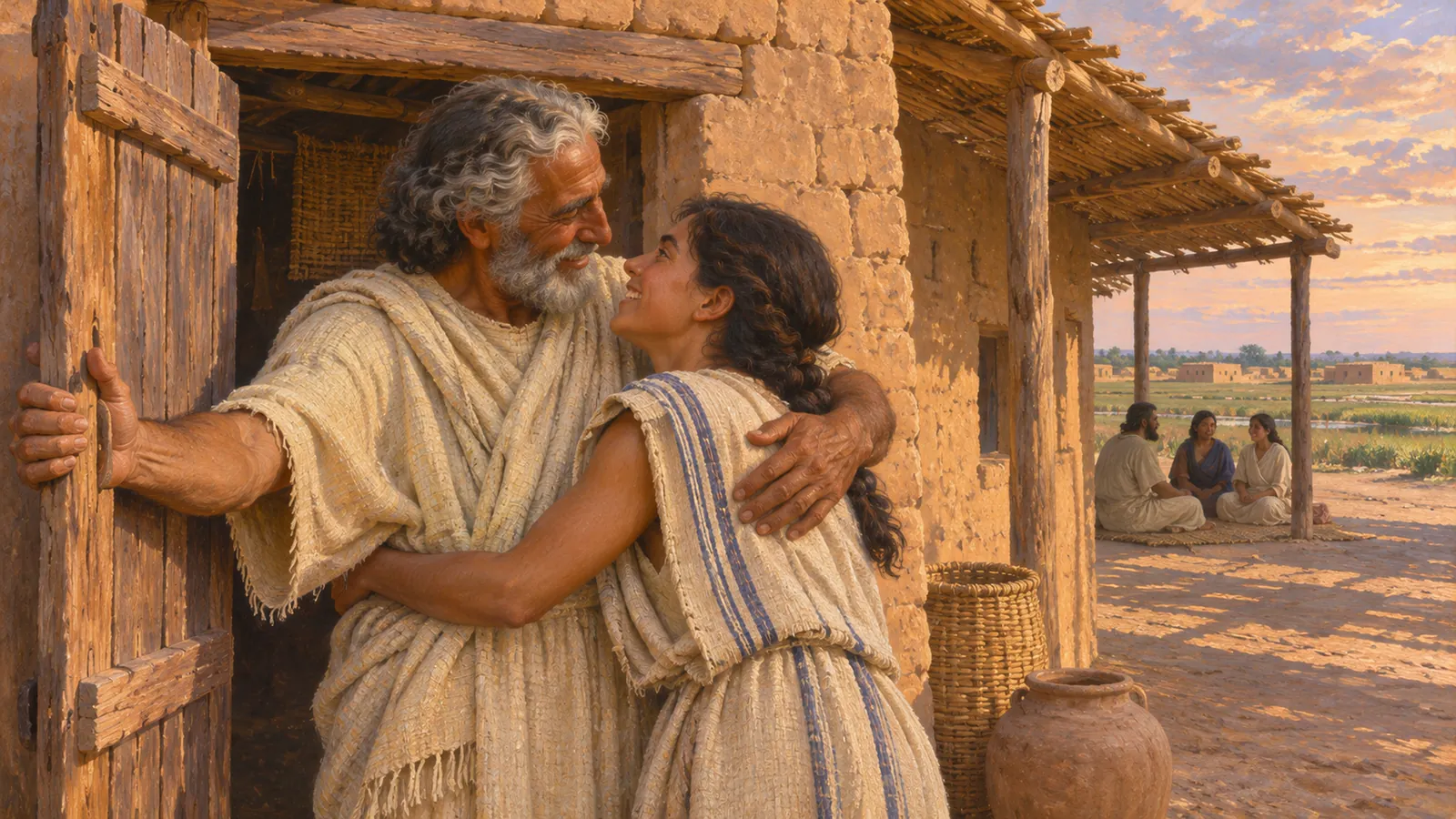
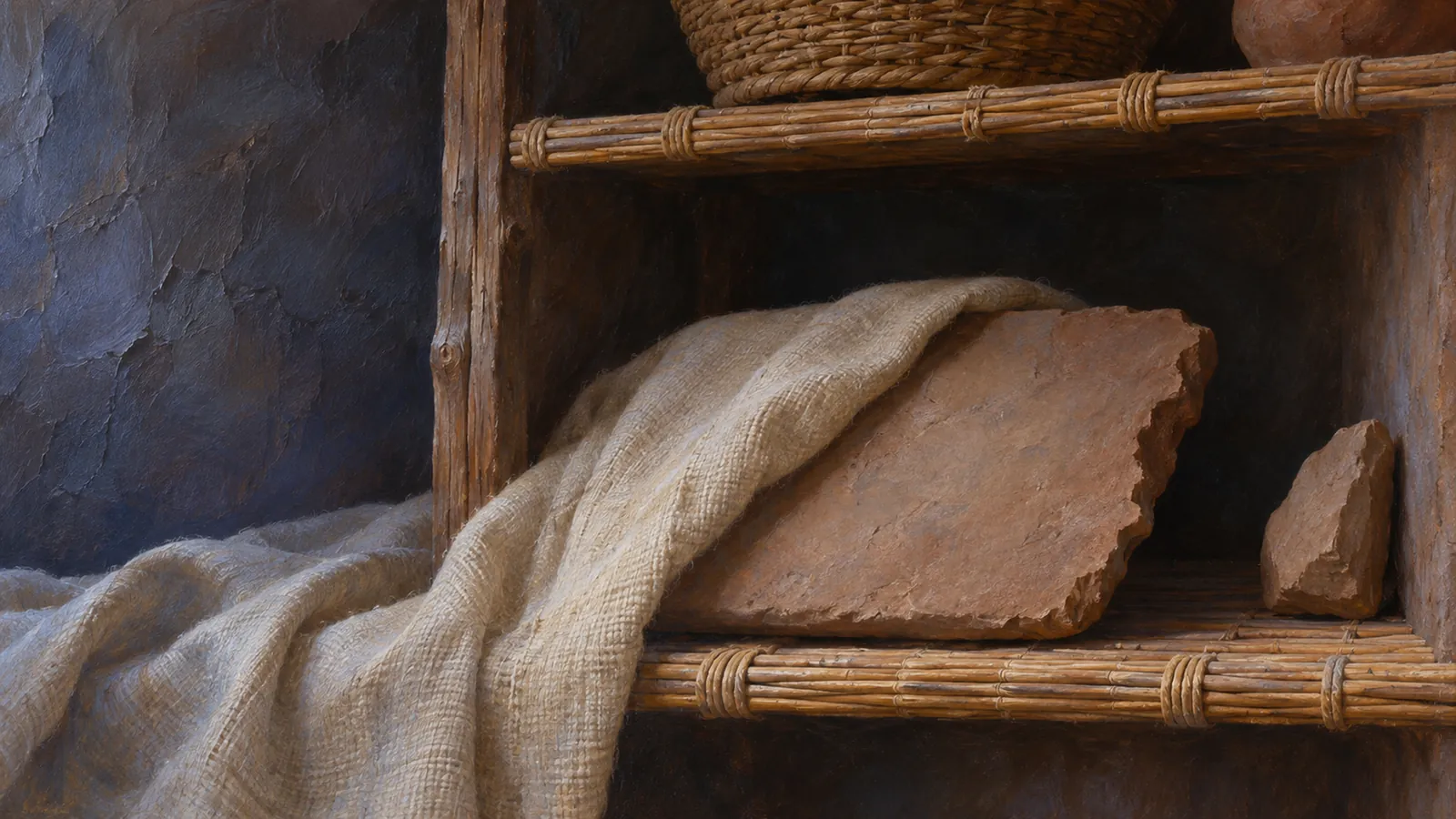
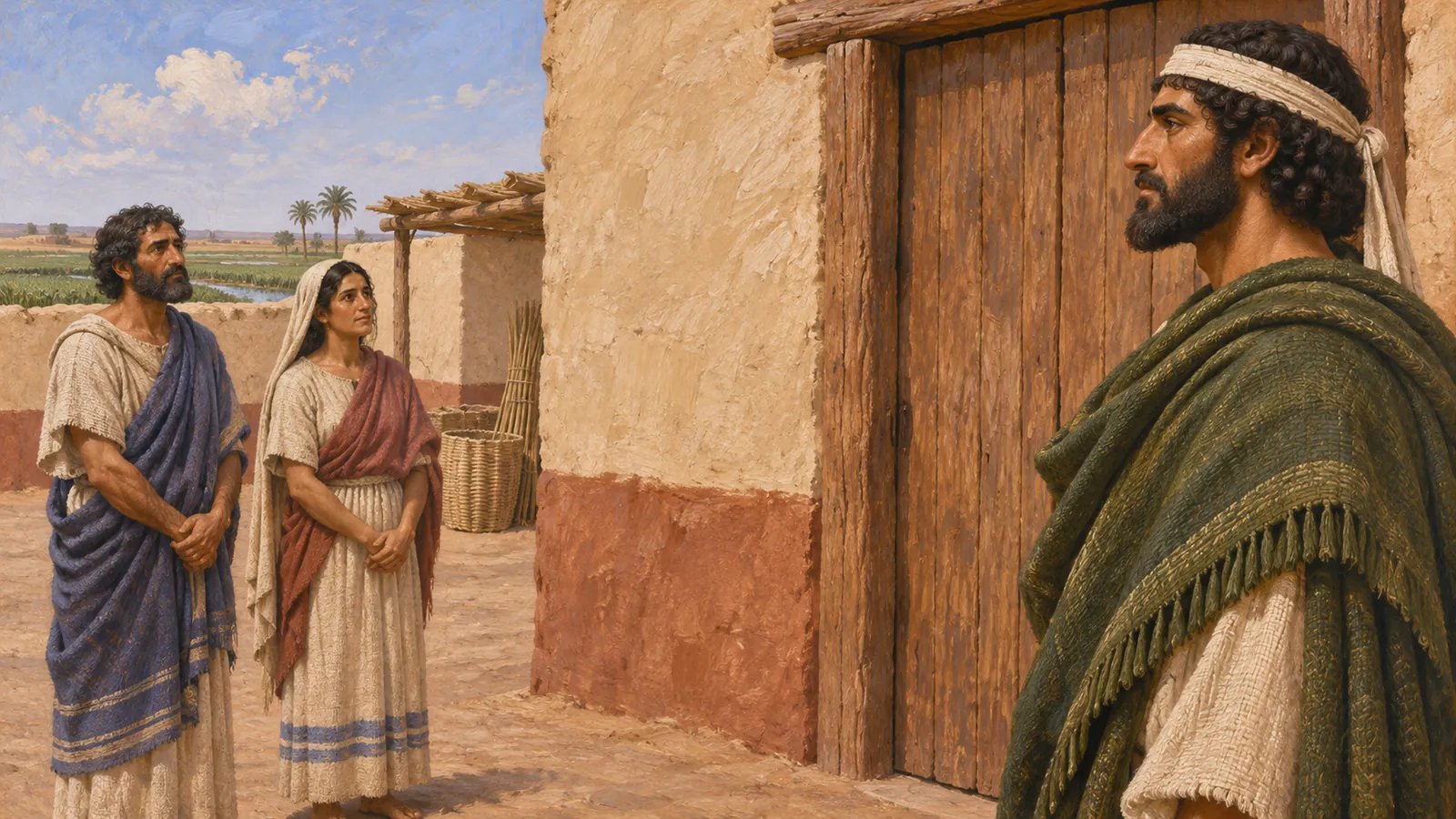
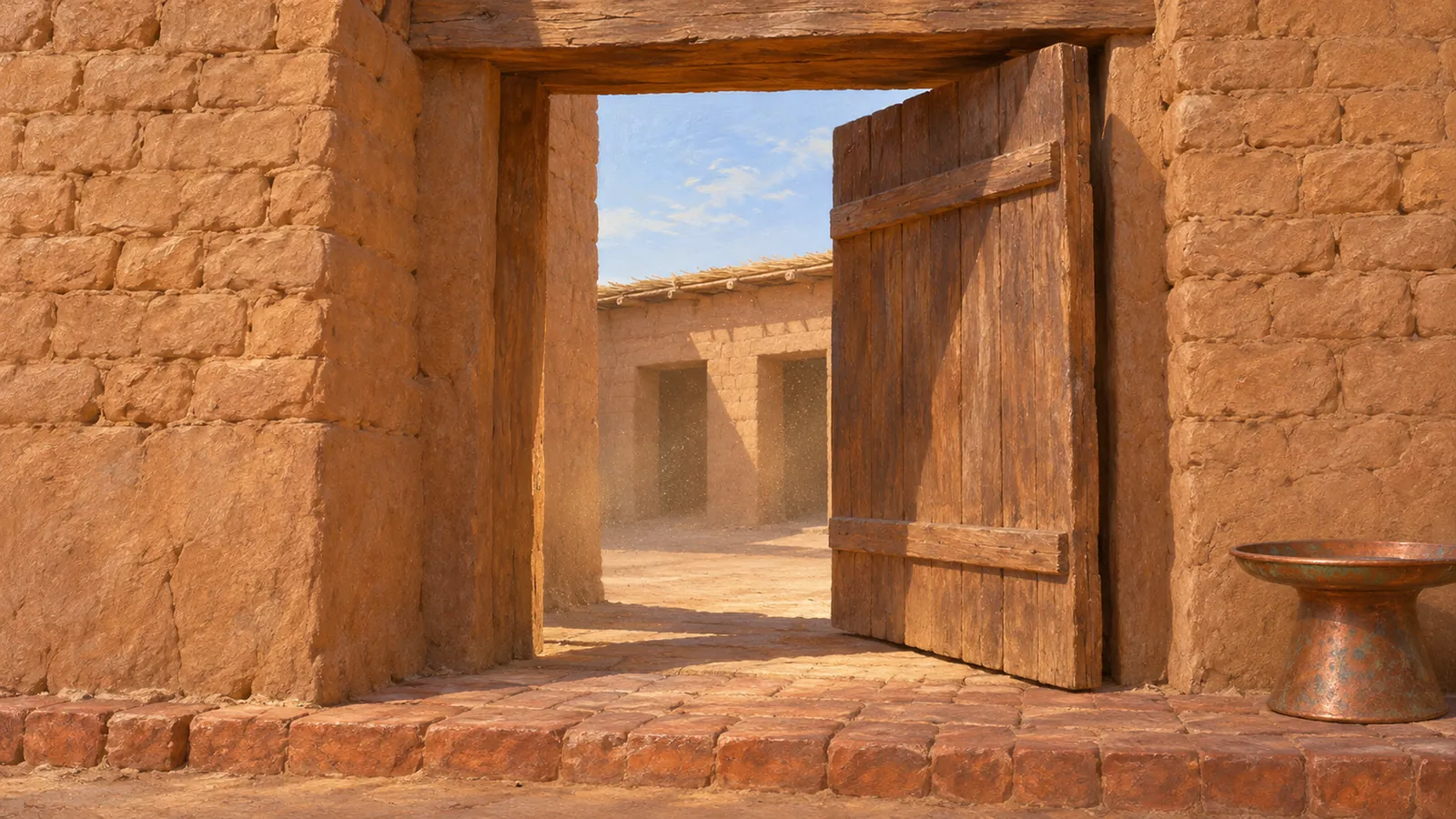
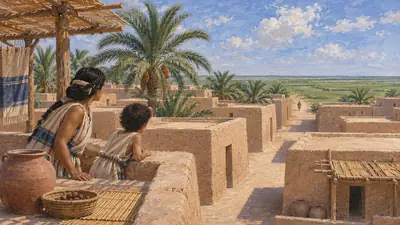
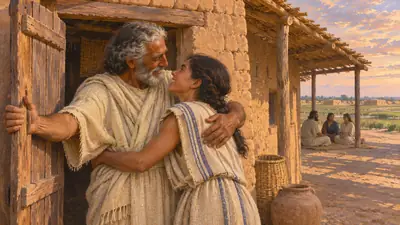
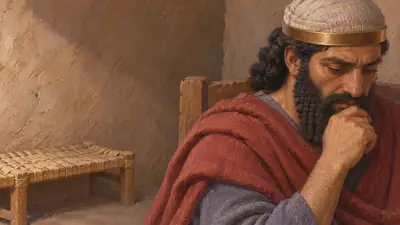
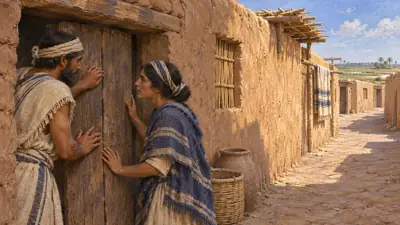
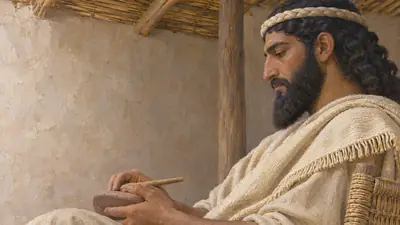
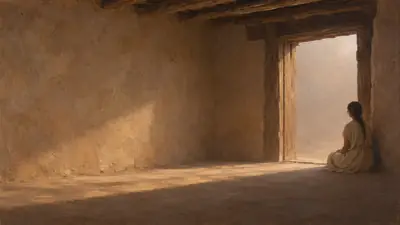
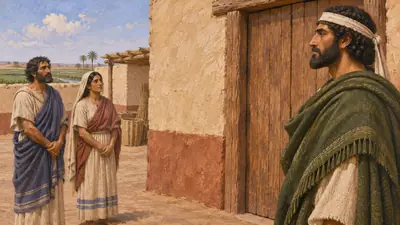
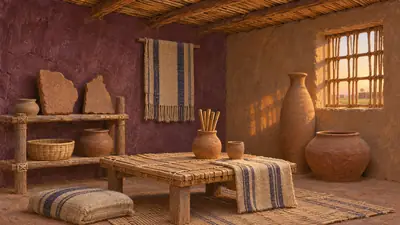
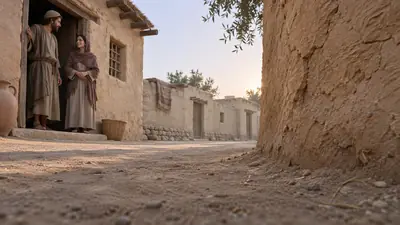
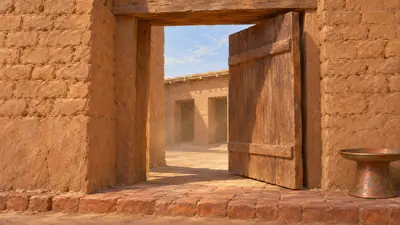
The inscription turns to Naram-Sin. Enough clay remains to say he held on to Akkade. For a family in the city, an uncertain day might begin at an ordinary door.
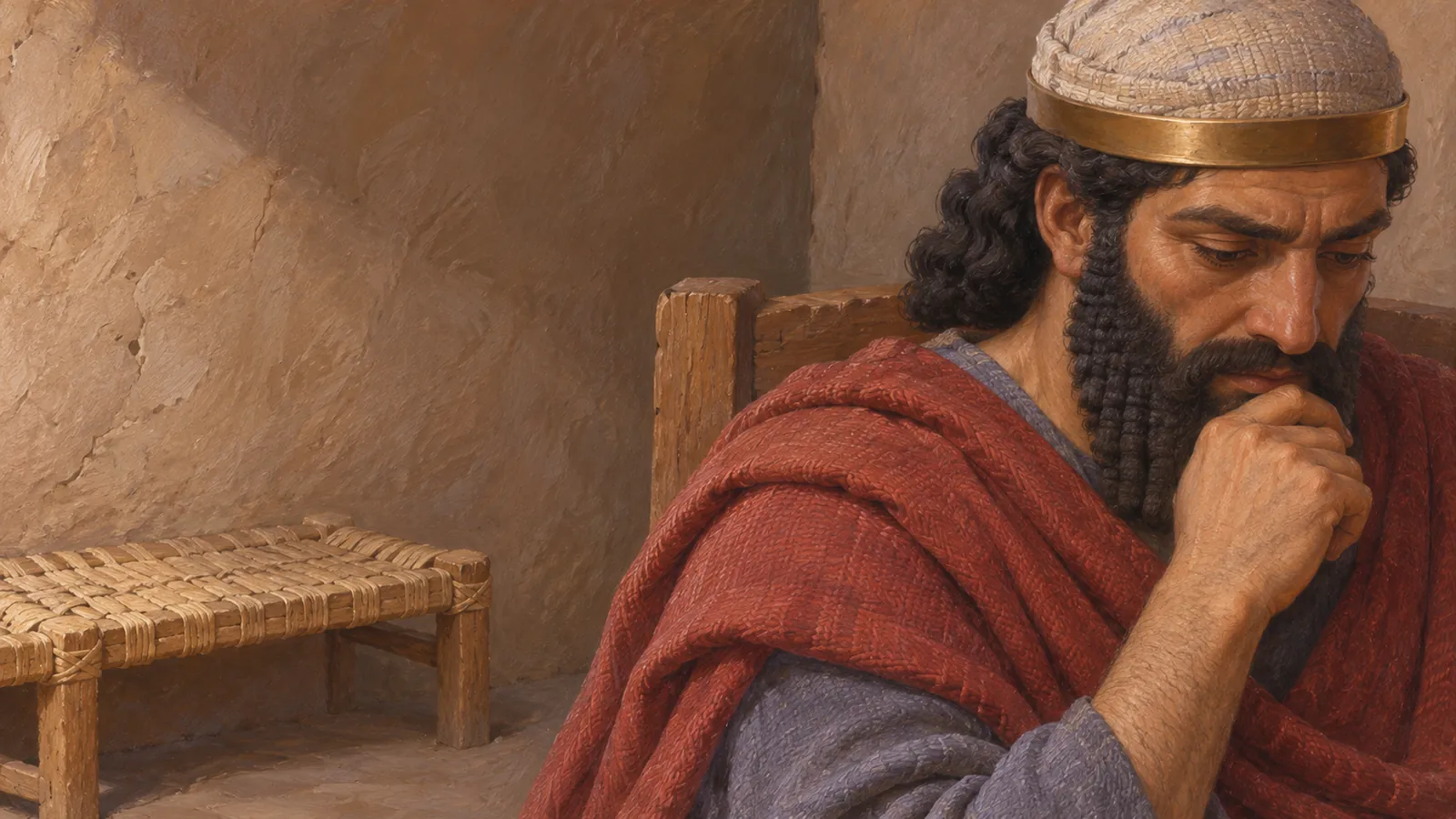
The name Shamash, the sun god, appears as the passage breaks. We hear the start of an address to him. Much of what the king said or did there has vanished with the clay.
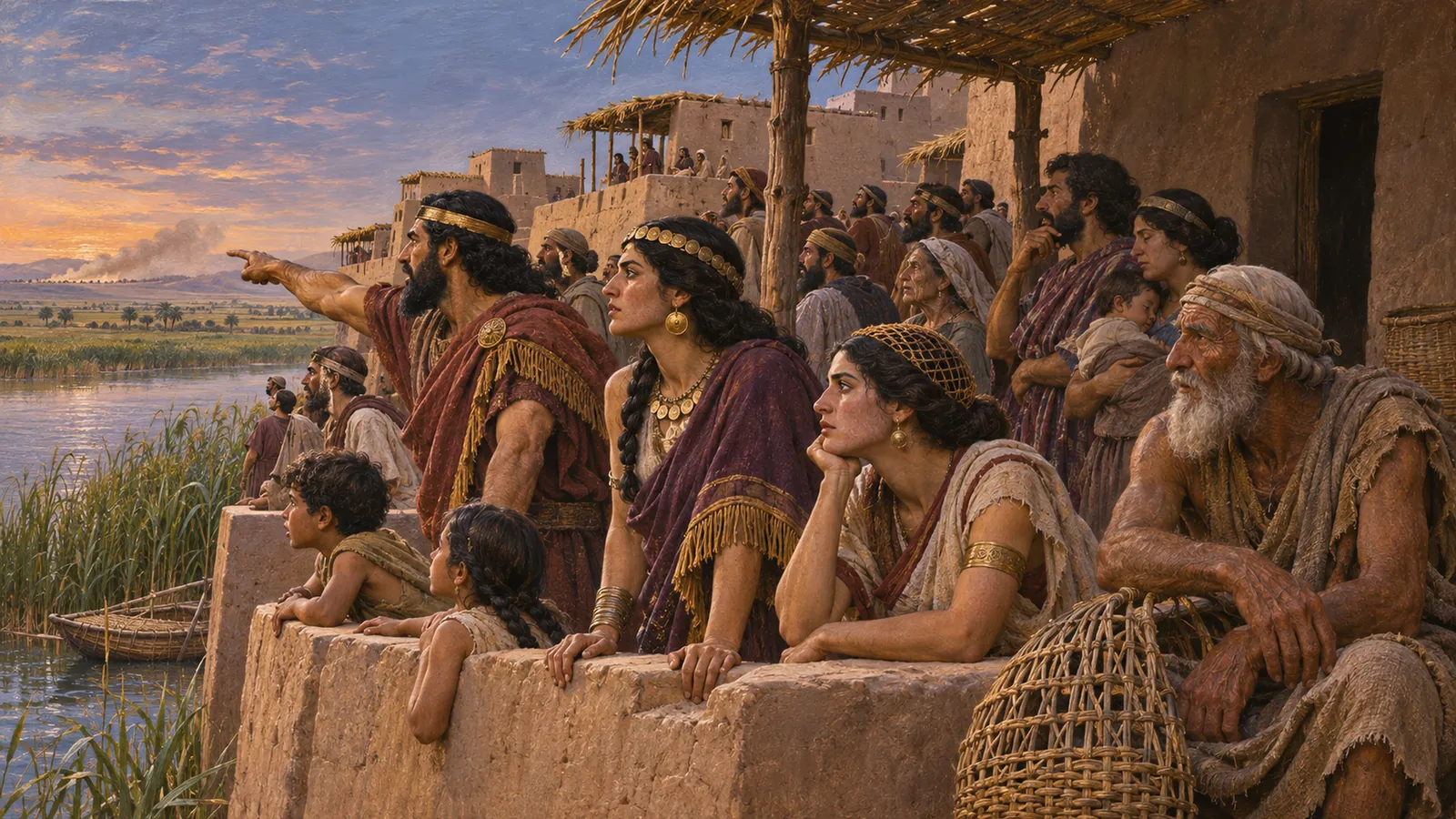
The field of Sin comes into view again. The royal copy says the sides meet there and claims Naram-Sin won at Tiwa. The people watching from home remain outside the scene.
The inscription credits the outcome to Ishtar-Annunitum. It gives the victory the language of a verdict. These are the words of the king’s public account of how he prevailed.
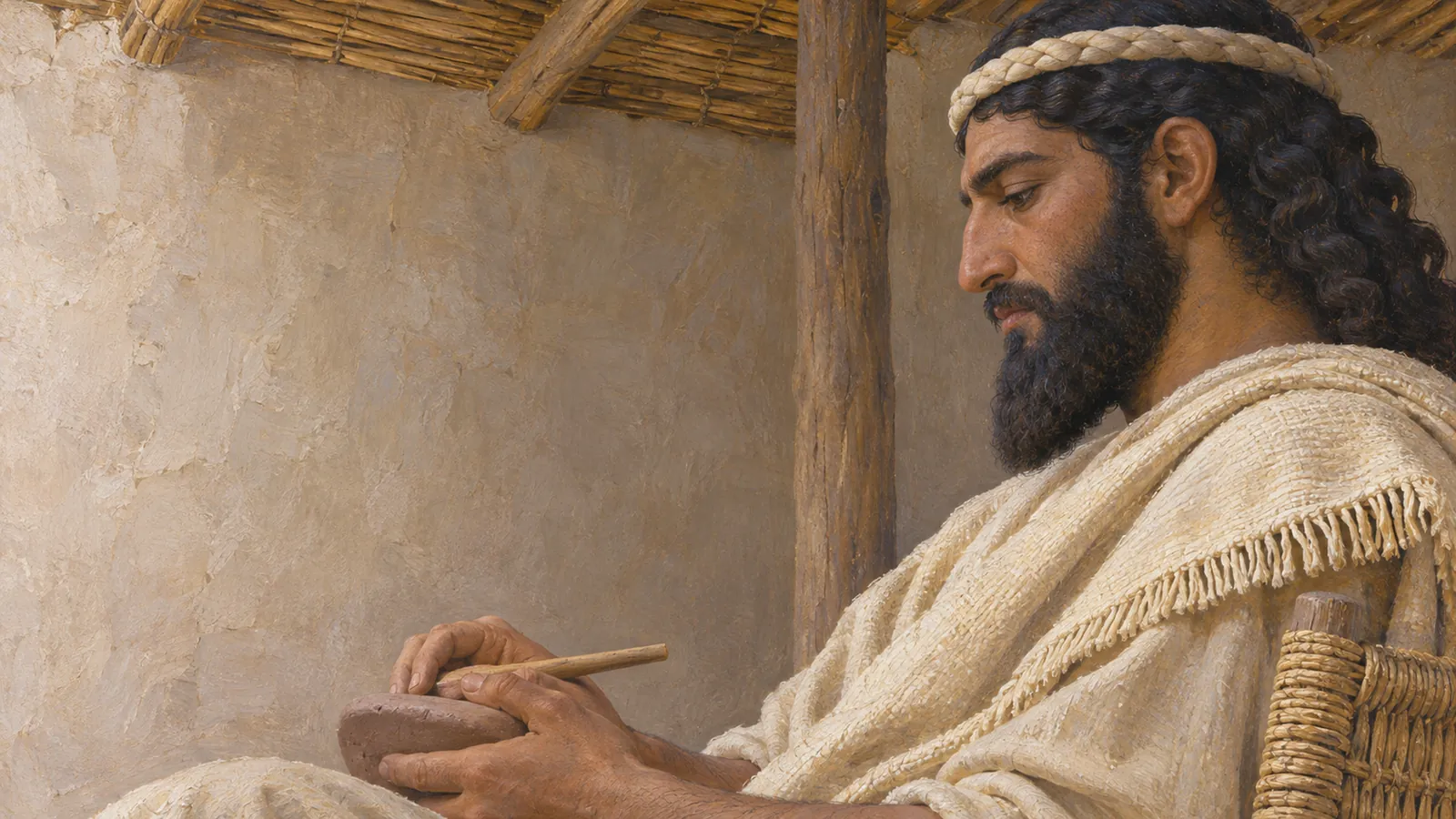
Names follow the royal claim. Ili-resi is called a general, Imtalik a captain of Kish and Puzur-Ningal the governor of Tiwa. Titles tell us how the writer placed people within their cities.
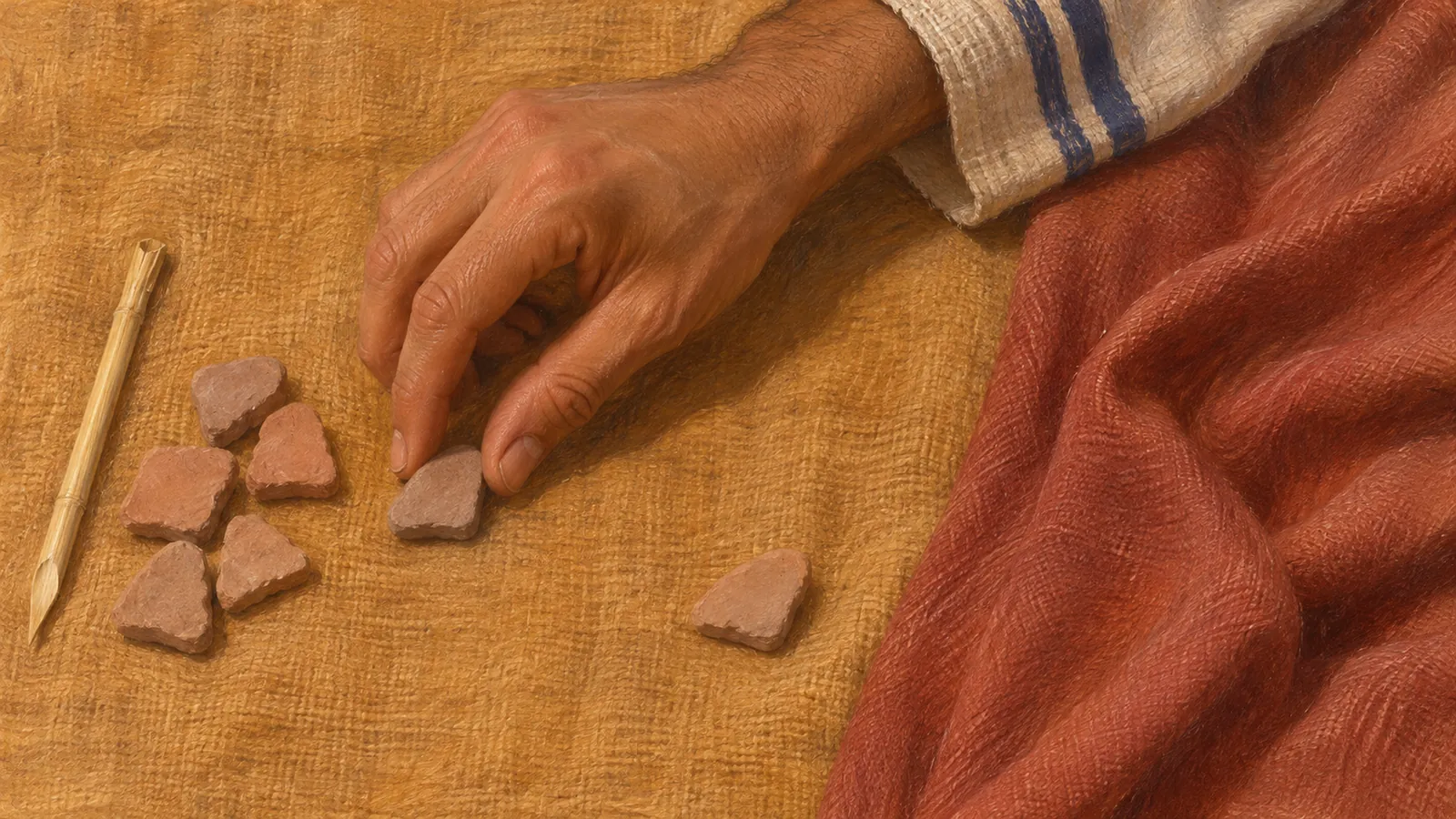
The account writes down headmen and gives a total of captives. It records another tally after the encounter at Kish. The numbers tell us what the royal inscription wanted to count and remember.
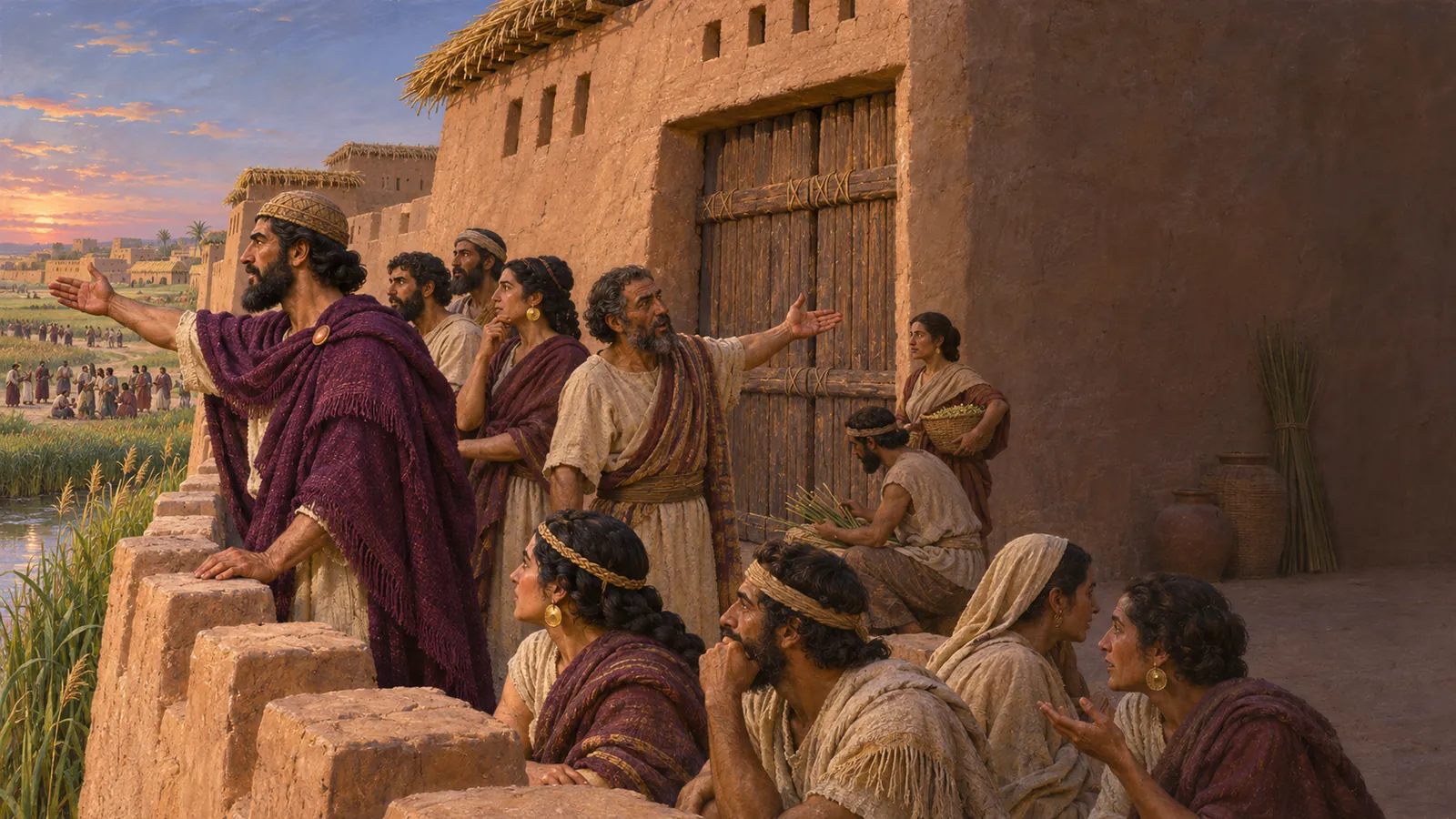
The Nippur copy says Naram-Sin reached Kish in pursuit of Iphur-Kish. The sides meet again near a gate named for Ninkarrak. A place known by its goddess becomes a landmark in the king’s account.
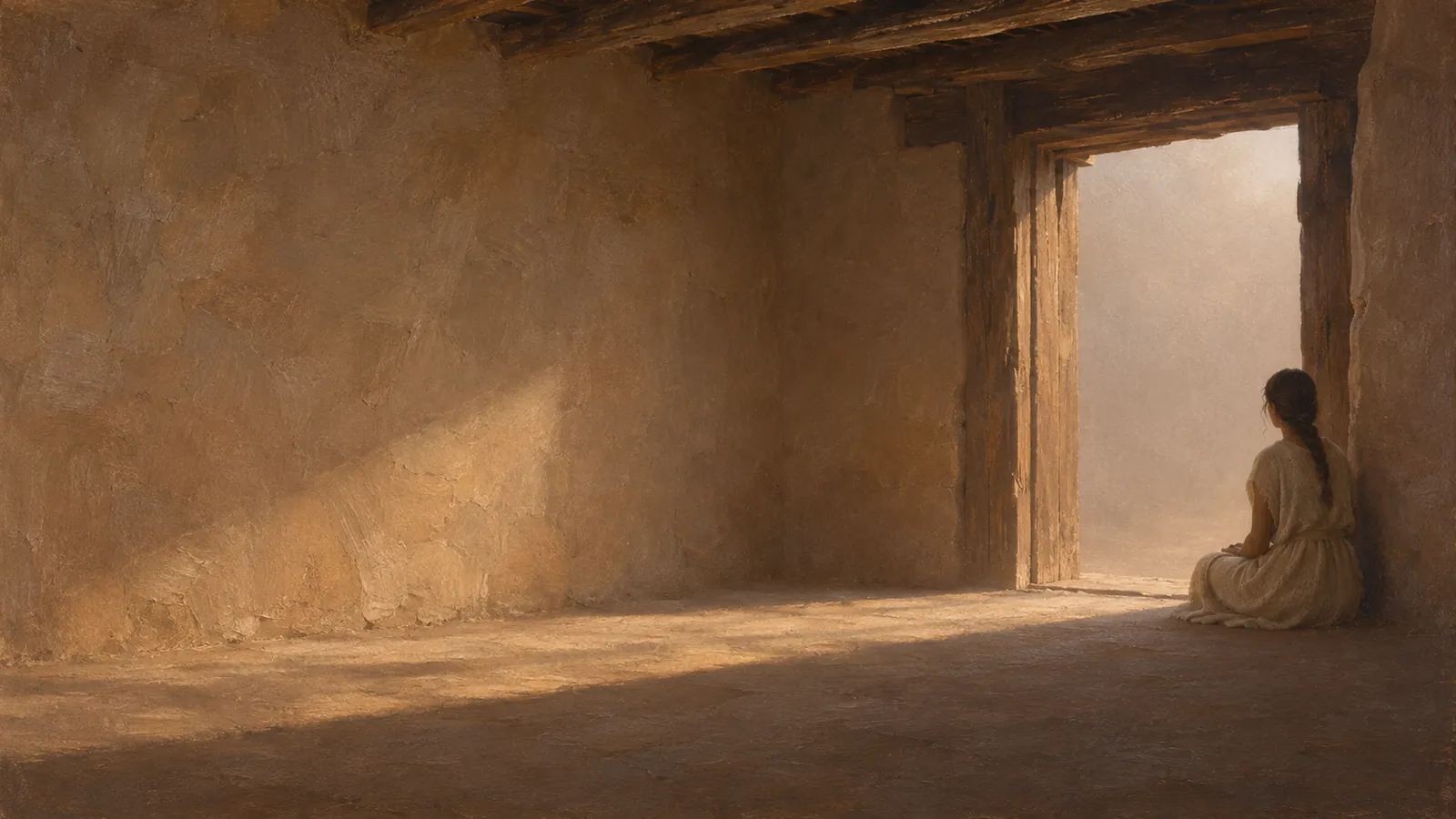
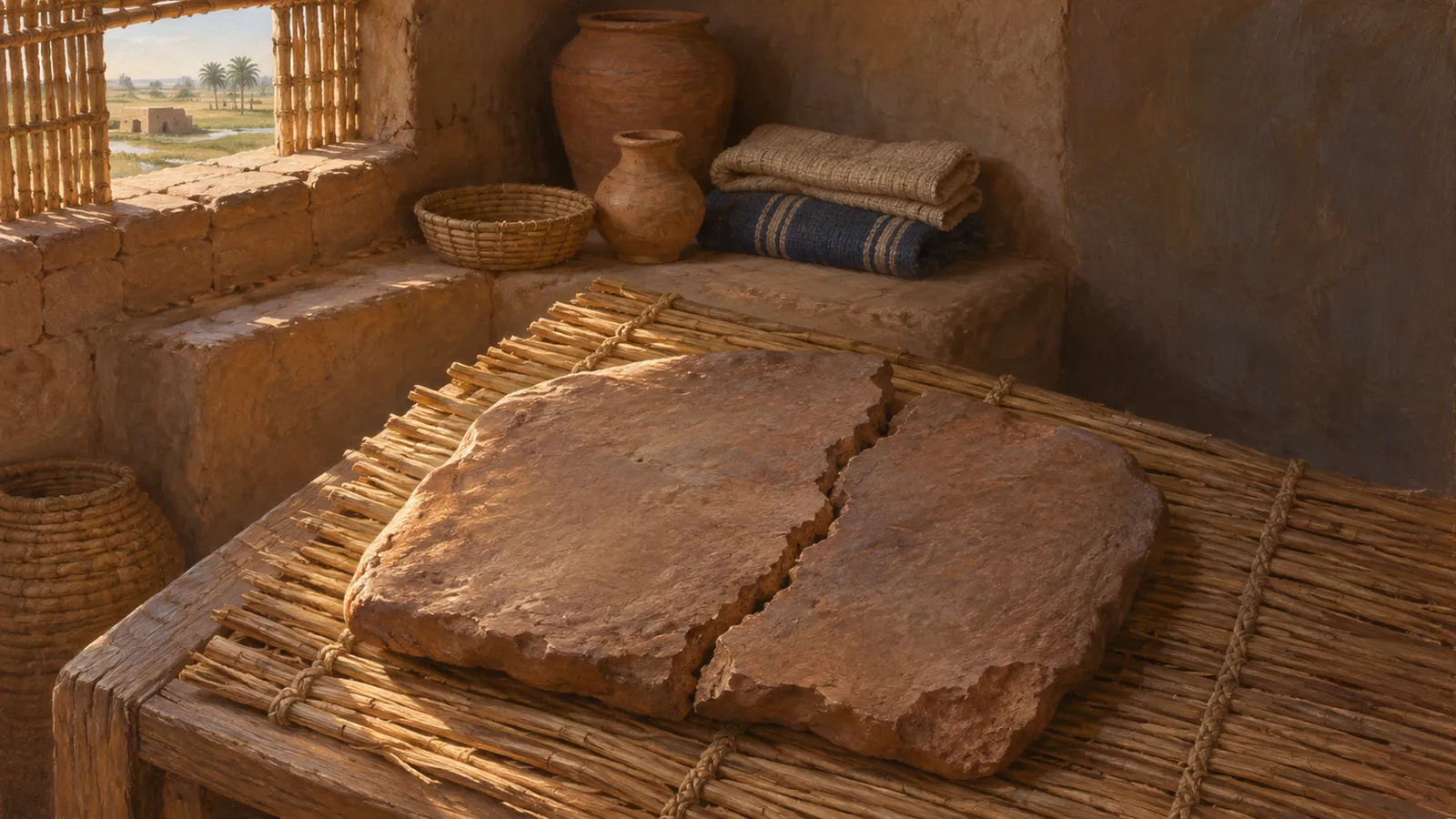
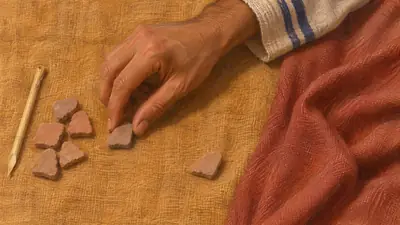
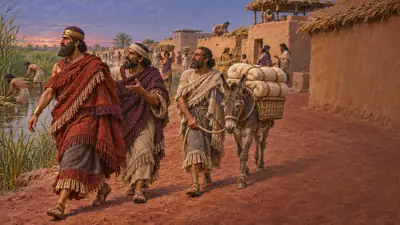
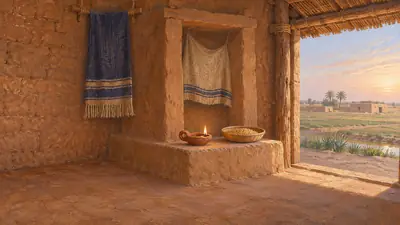
The inscription assigns the outcome to Annunitum and Anum and claims another victory. For those behind the gate it might have been a day of listening, with news coming slowly through a doorway.
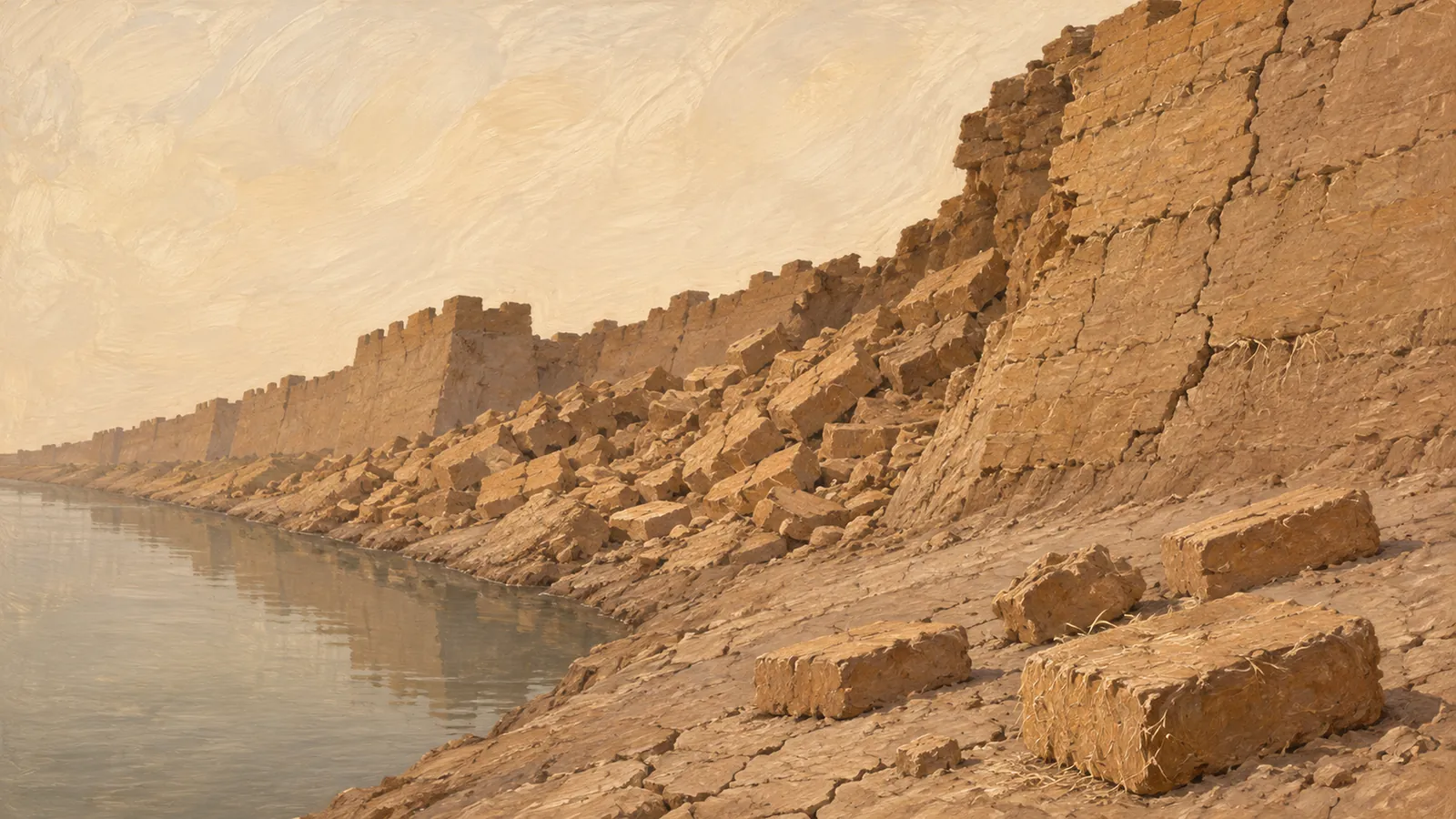
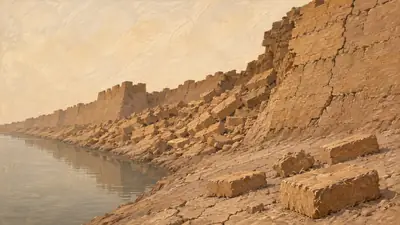
The royal text says Naram-Sin took Kish and destroyed its walls. It is a long way from the earlier story of Kish as a brother to this account of a broken wall.
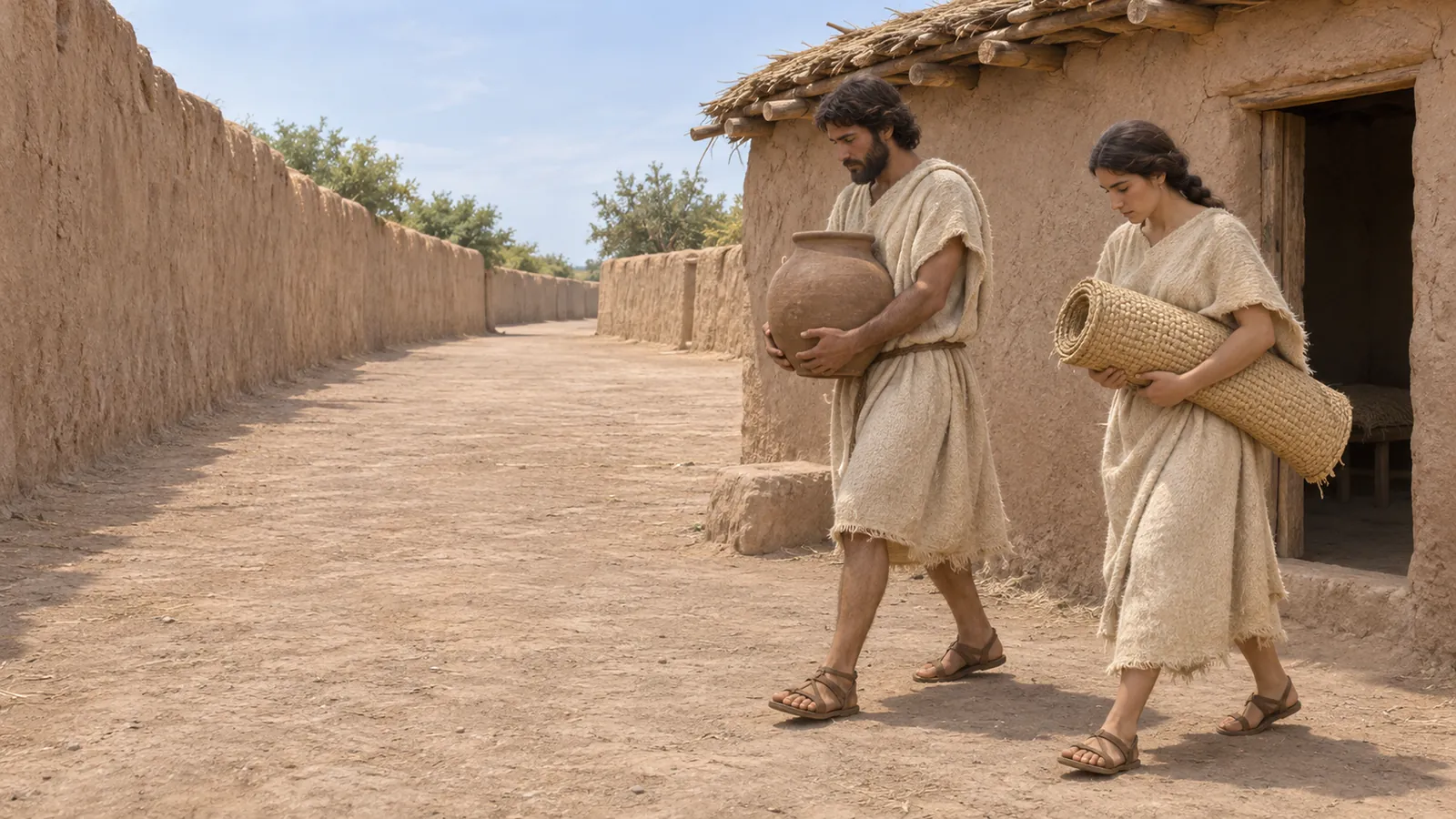
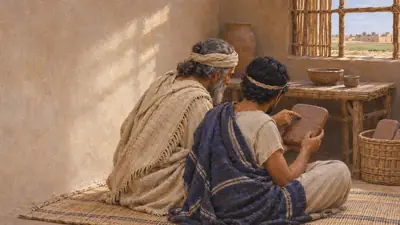
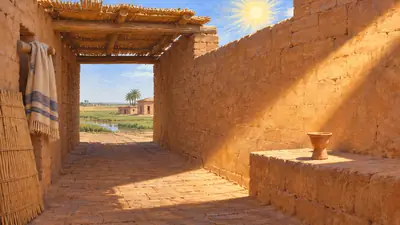
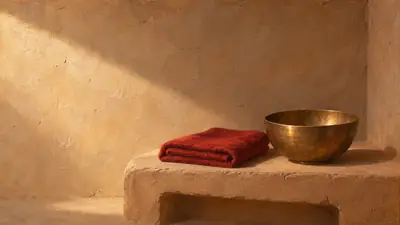
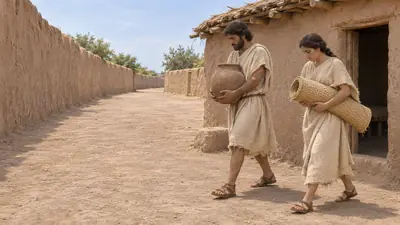
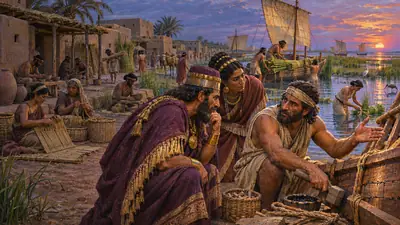
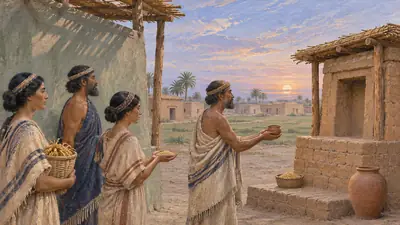
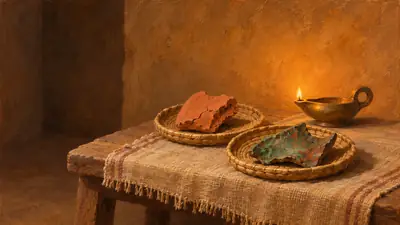
The same passage turns from the walls to a canal and the people in the city. The words belong to the victor. The picture imagines two residents gathering ordinary things after the city has changed around them.
URUK
The next column is damaged at its beginning. From what remains, Amar-Girid, king of Uruk, is now the figure who gathers people around him. The clay carries the narrative away from Kish.
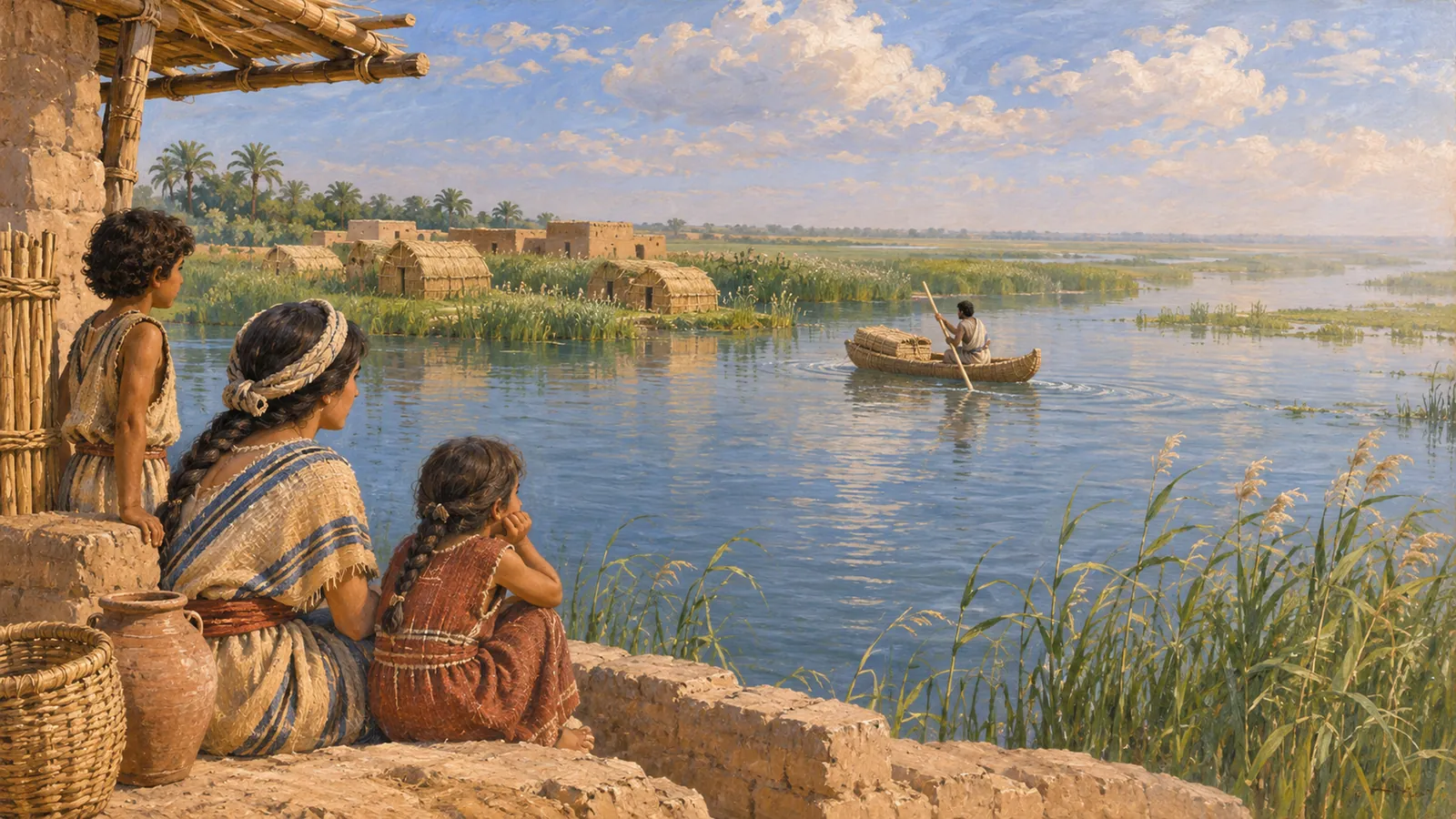
The royal list names Uruk, Ur, Lagash, Umma, Adab, Shuruppak, Isin and Nippur. It makes the southern alliance visible through names the ancient readers could recognize, even when their own towns stood far apart.
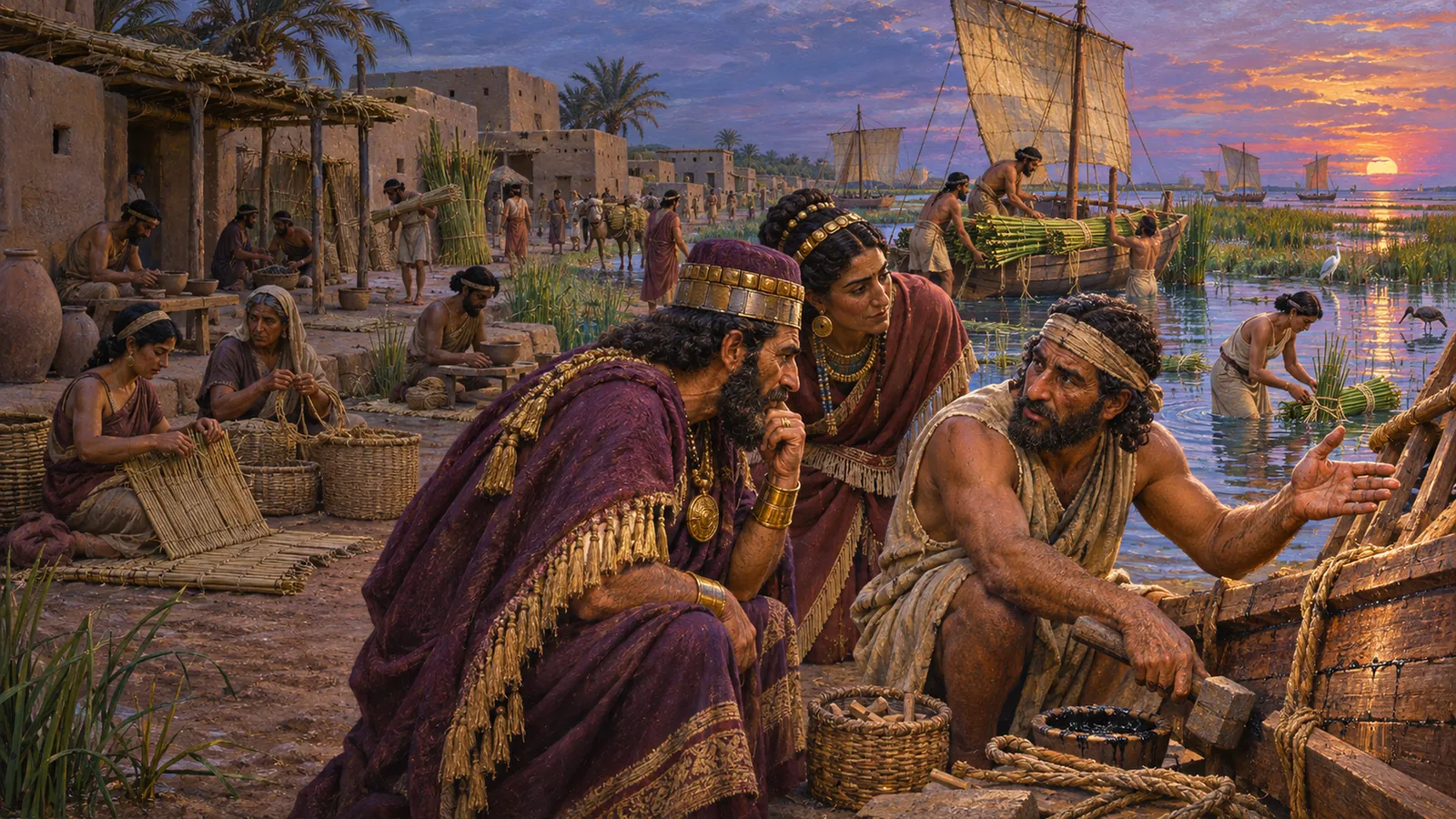
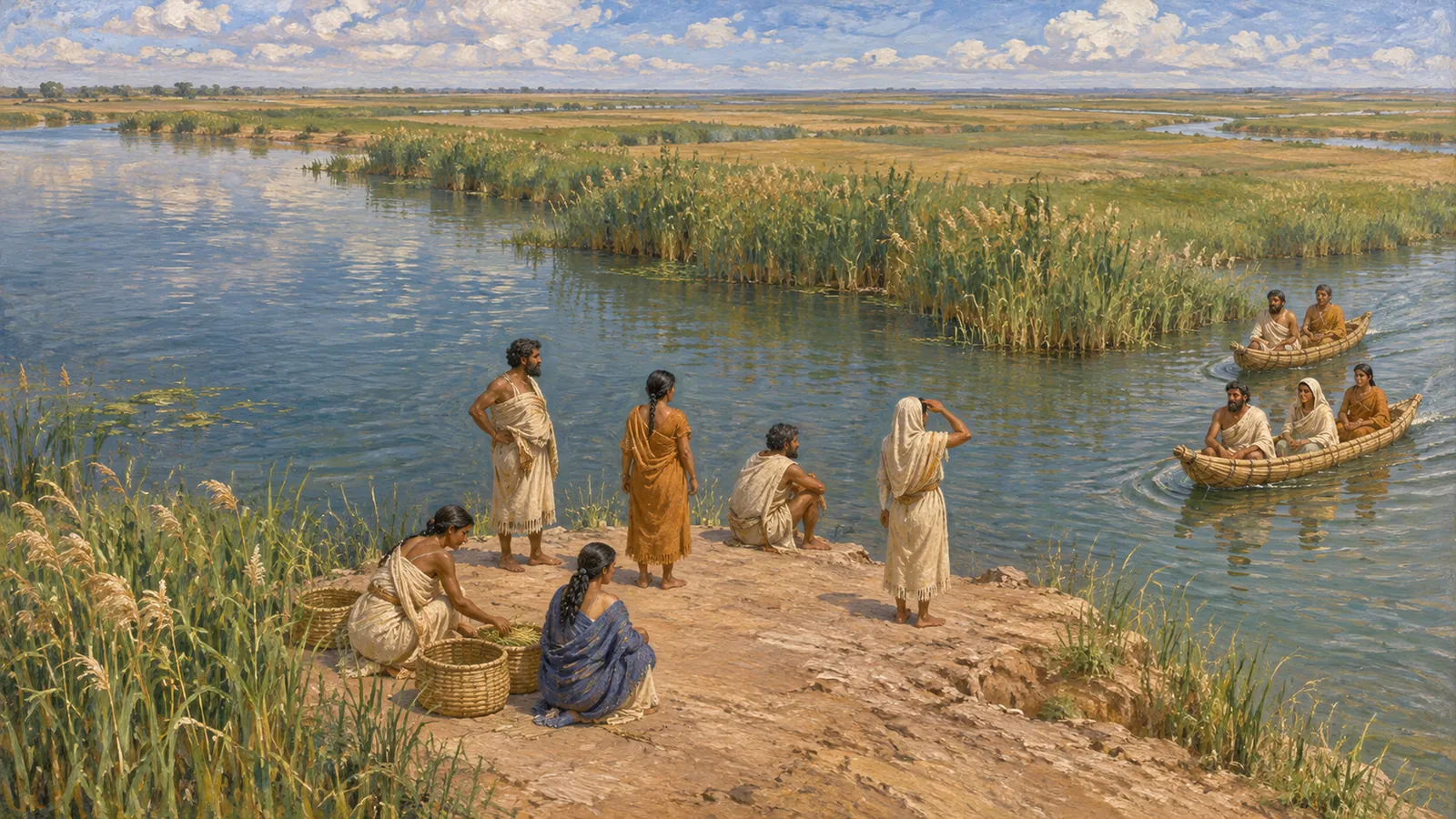
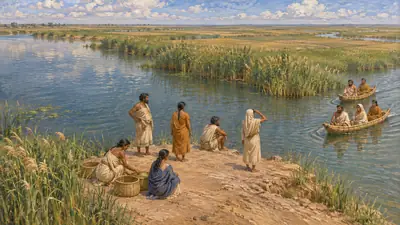
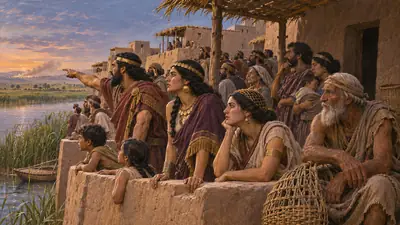
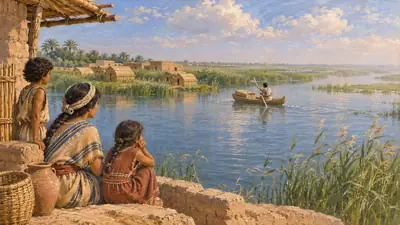
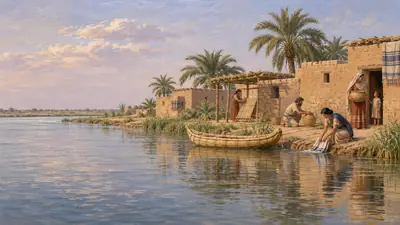
The list reaches settlements of the Lower Sea. The boats and reeds in the picture suggest the waterways of the south. The inscription leaves the individual settlements of the Lower Sea unnamed.
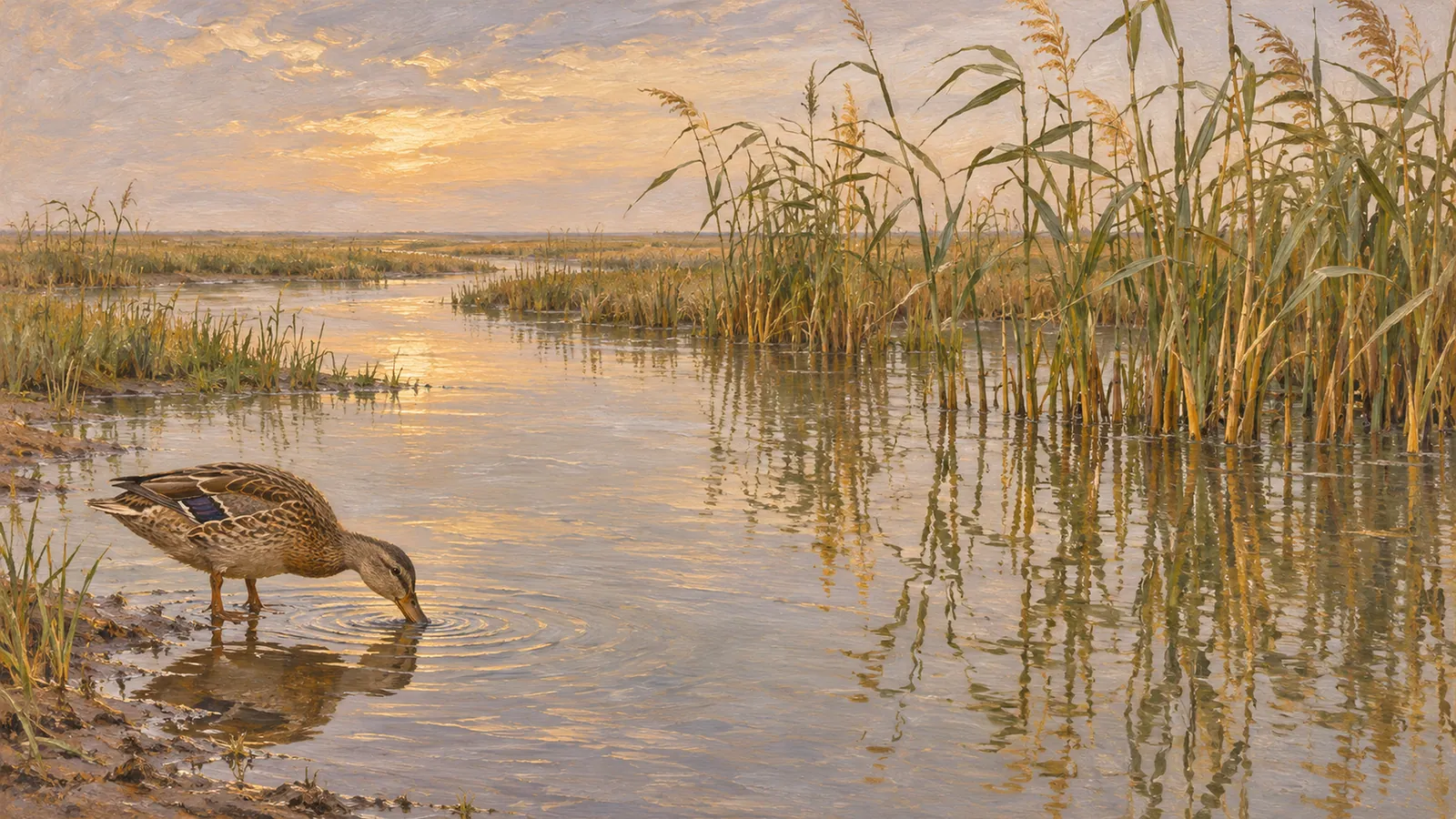
For the people who live there, a place in a list can be a whole landscape. Where reed beds and shore meet, the names suggest a world larger than Uruk.
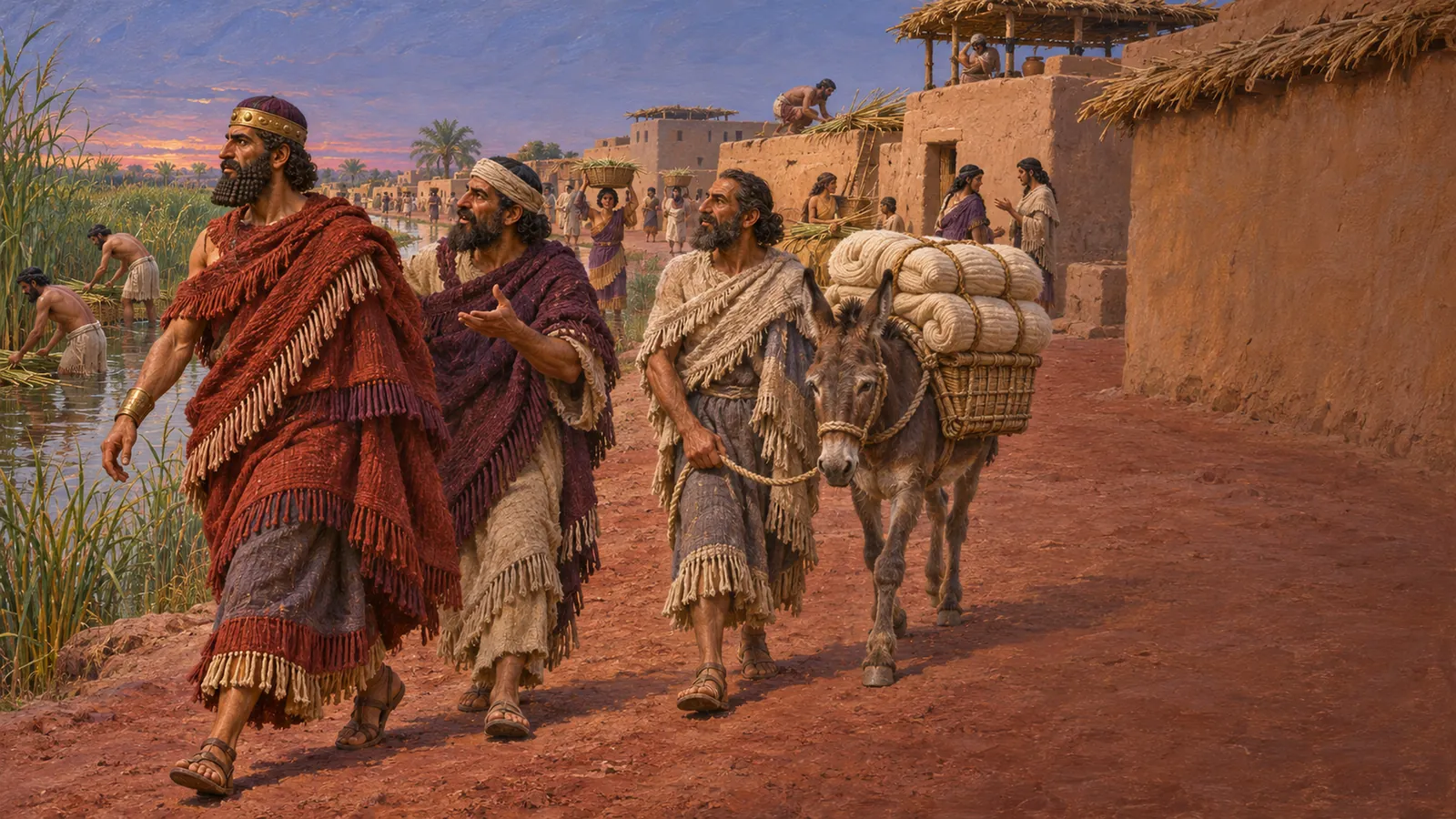
Naram-Sin hears of Amar-Girid and, according to the royal account, hurries from Kish to meet him. The clay gives the king’s point of departure. Much of the land between the named towns remains outside the telling.
Ashnak is named near the southern encounter. The other place name is uncertain. A piece of clay can save one name and leave its place on the earth unknown.
The royal text says the sides meet. It begins again to speak of a goddess’s verdict. Then lines are missing as the next column starts. The encounter in the south reaches us in pieces.
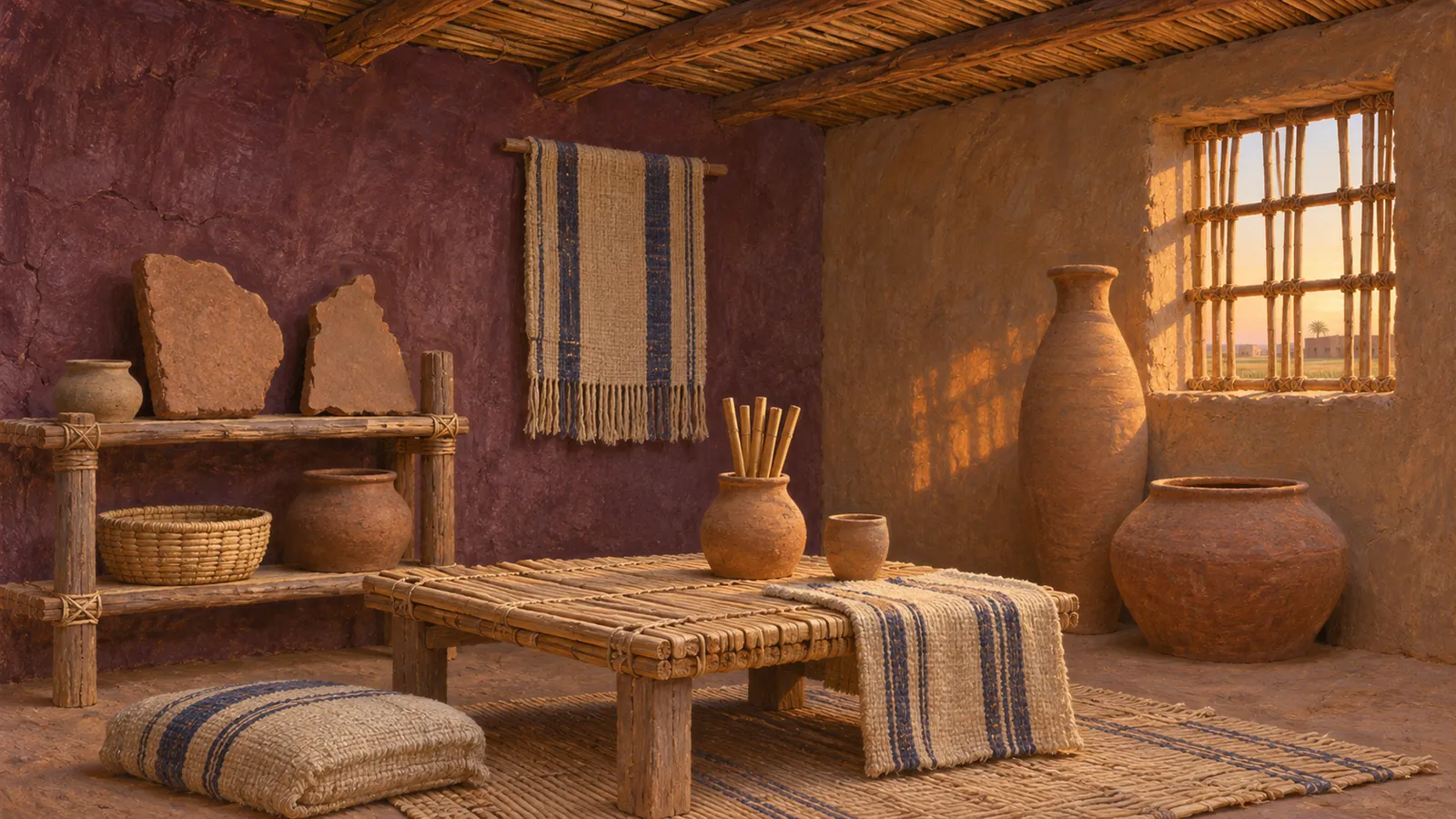
The sources use different names for the ruler of Uruk. The royal copy calls him Amar-Girid. One literary tablet has Amar-Gin and another preserves Lugal-Anna. How all three came to stand there remains open.
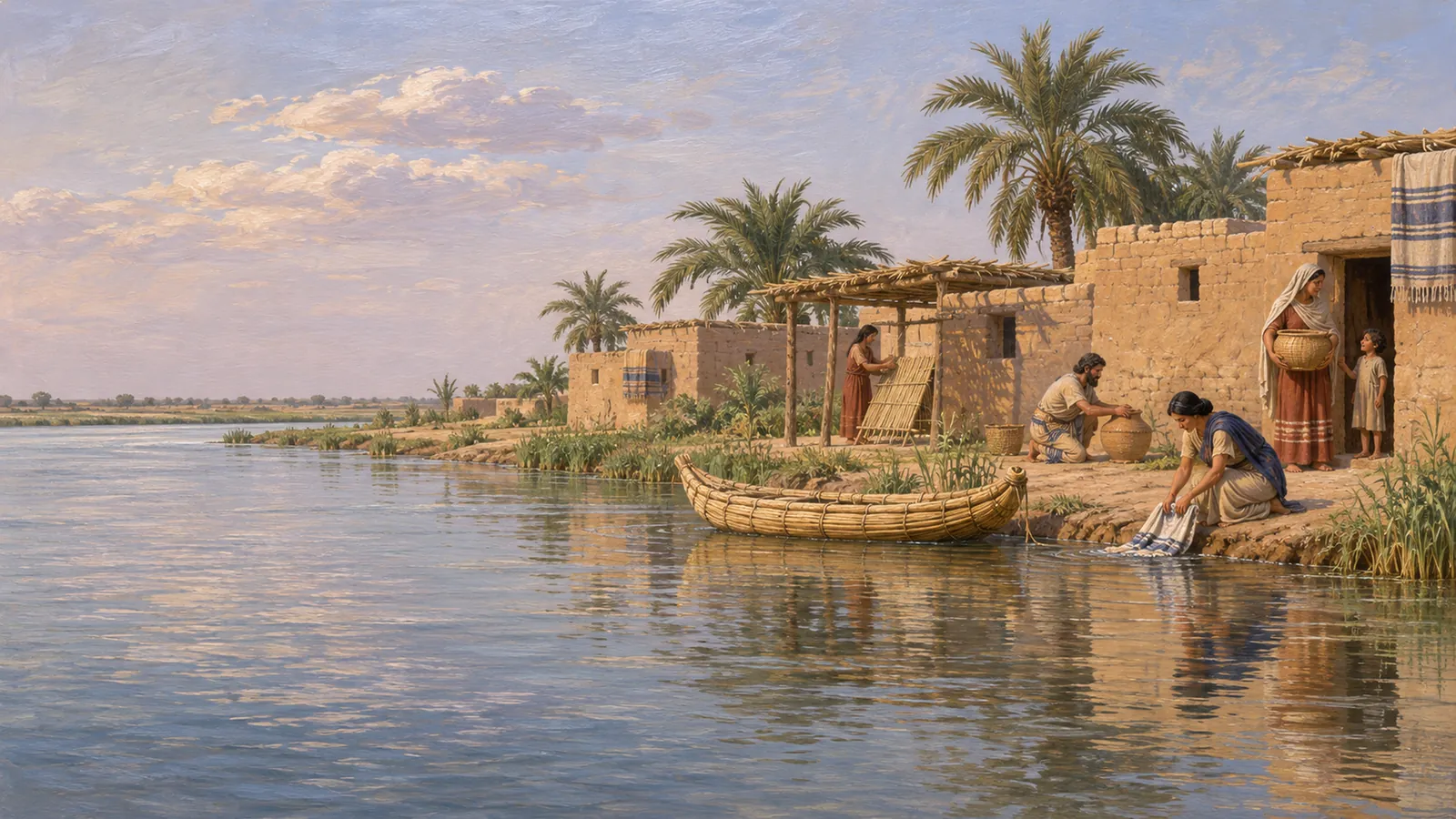
The literary fragments come from Mari, far upriver. They preserve speeches and names in another form. At another place and time, readers still wanted to tell of the cities that rose.
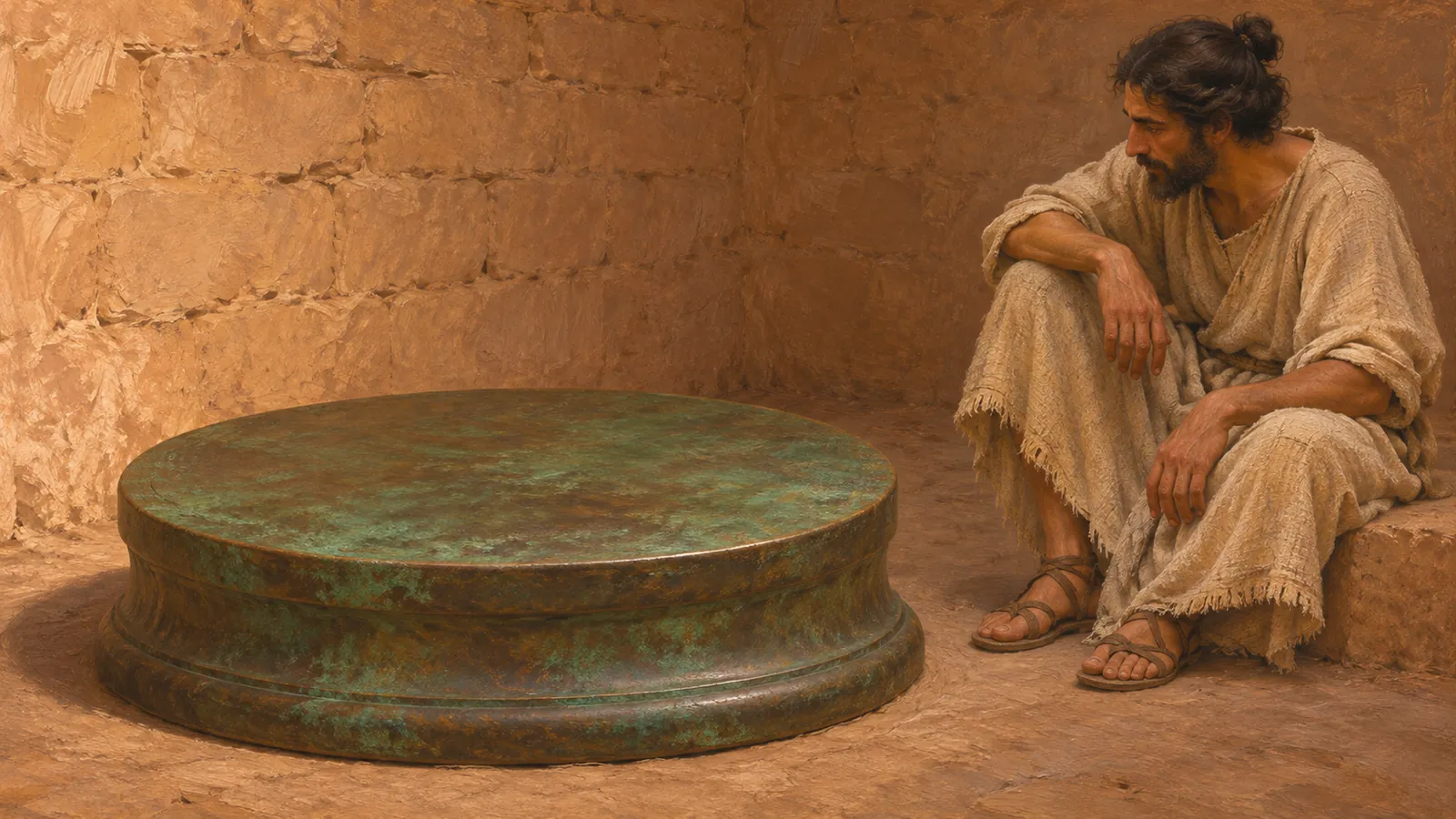
NINE
Back on the copper base, the claim fits into a few lines. It records nine victories in a year through Ishtar’s favor. Tiwa and Kish have names on the clay, while here the victories share a single count.
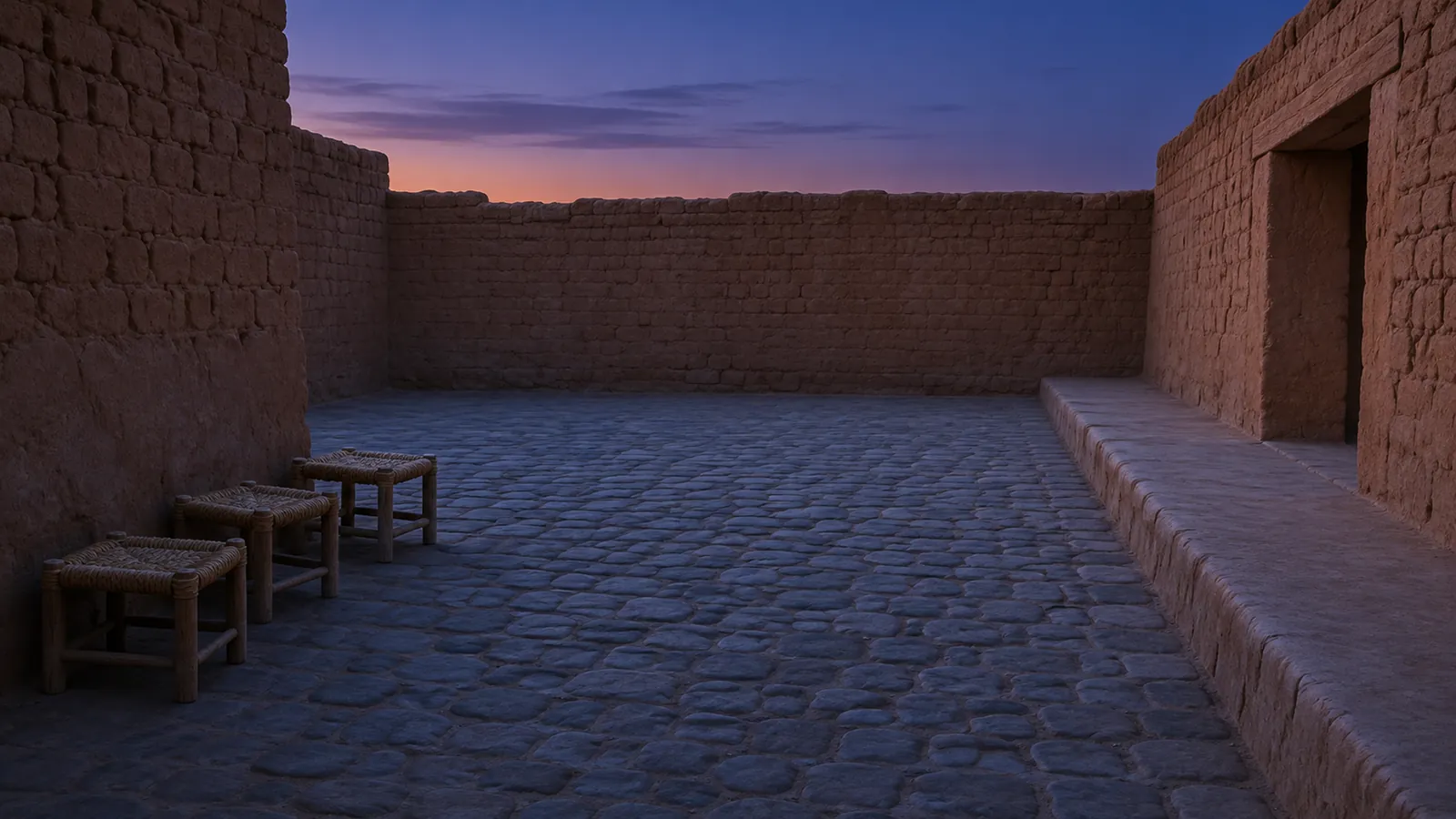
The base says the kings raised against Naram-Sin were captured. Their later lives lie outside its short account. The scene ends for them almost as soon as the phrase calls them kings.
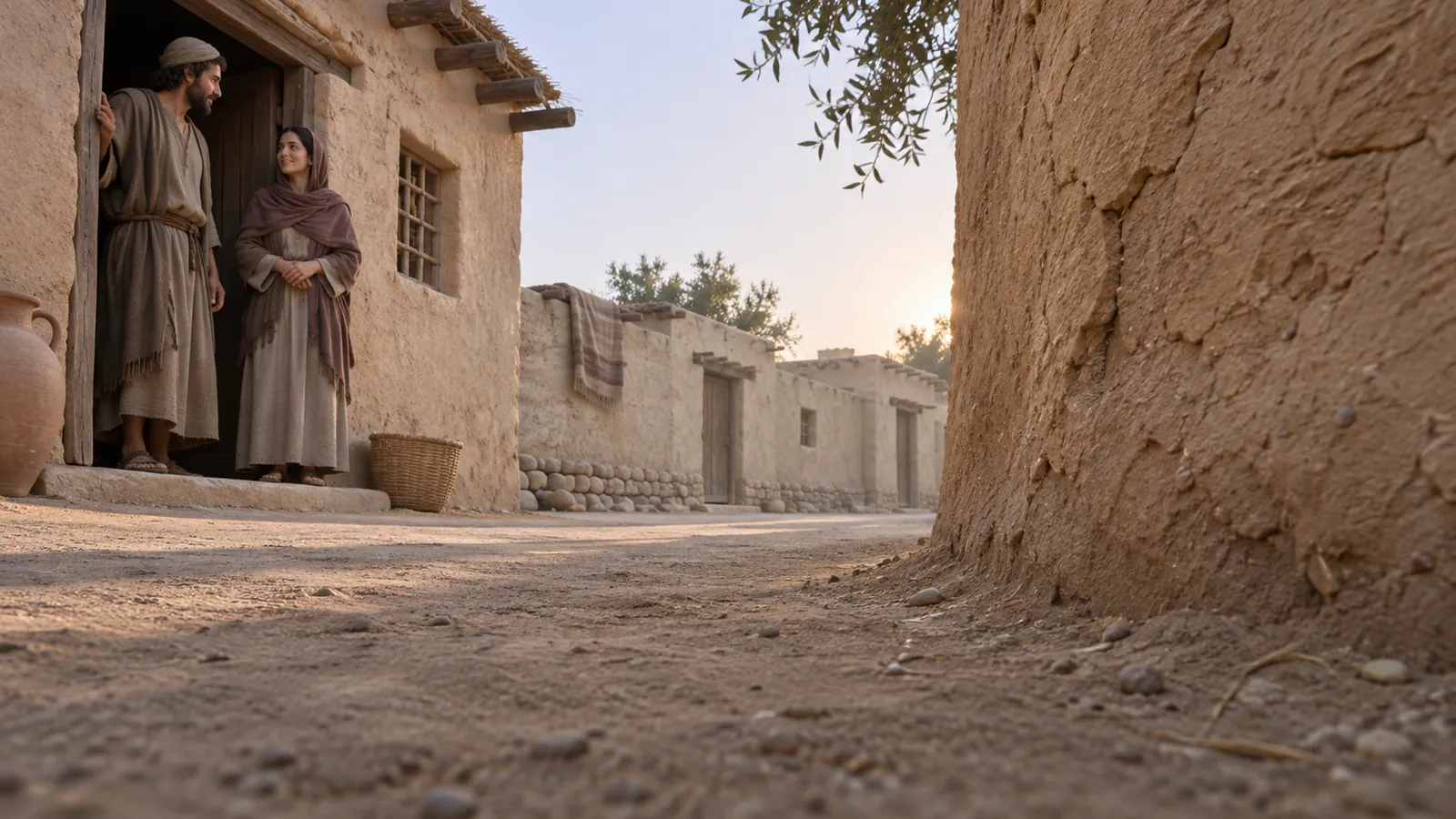
AKKADE
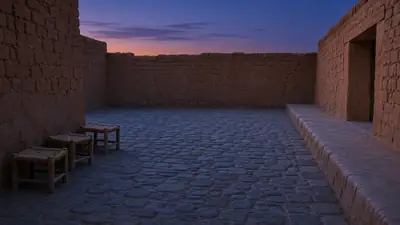
The copper says Naram-Sin saved the foundations of Akkade from danger. The inscription now turns to his own city. Foundations of brick and earth hold the houses of its people.
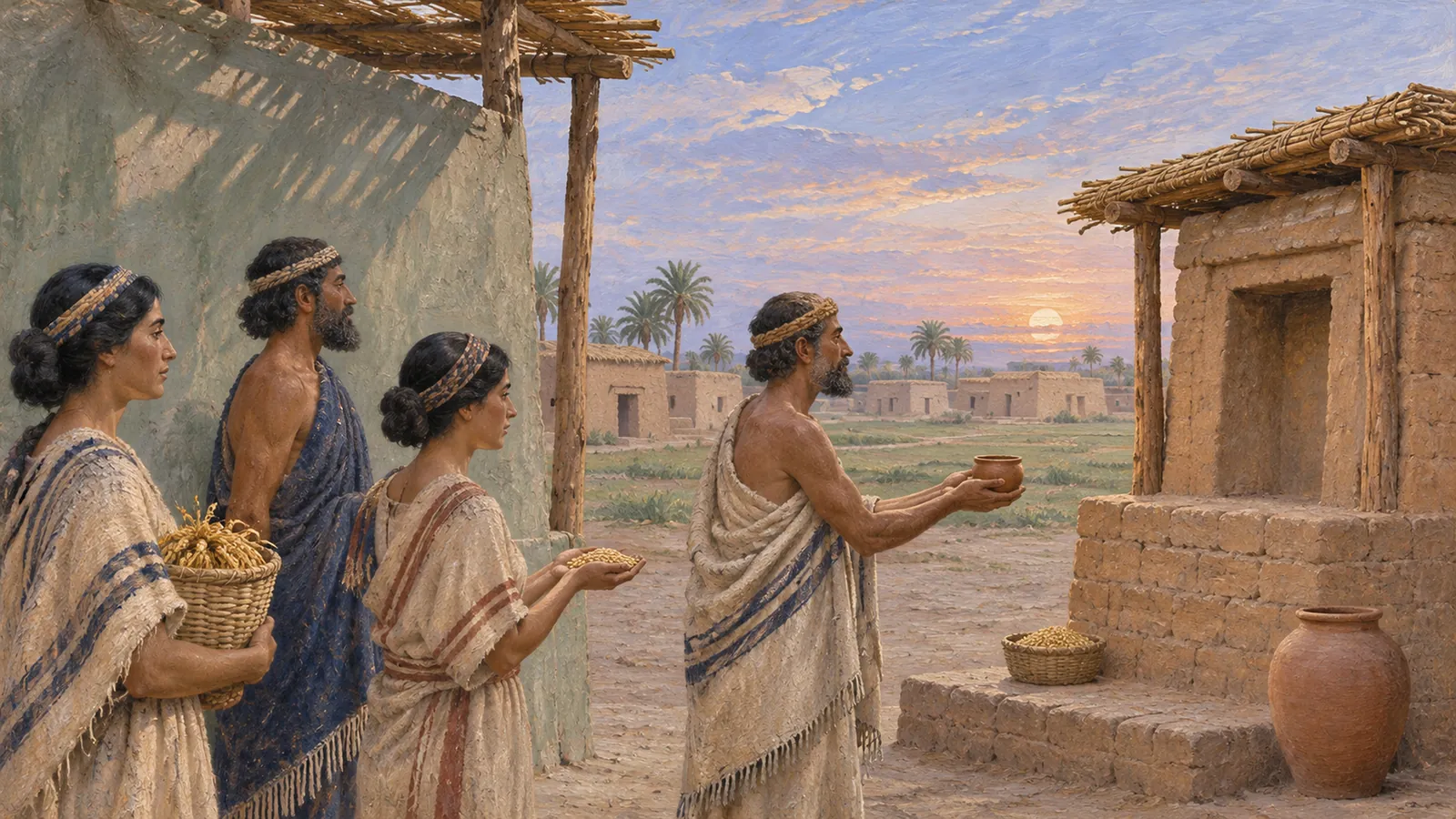
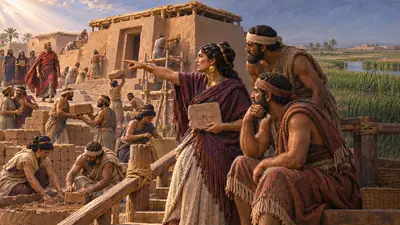
The people of Akkade petition the gods, asking that Naram-Sin become their city’s god. In the base’s account, a victory remembered by the palace becomes something the city’s residents speak of in their own name.
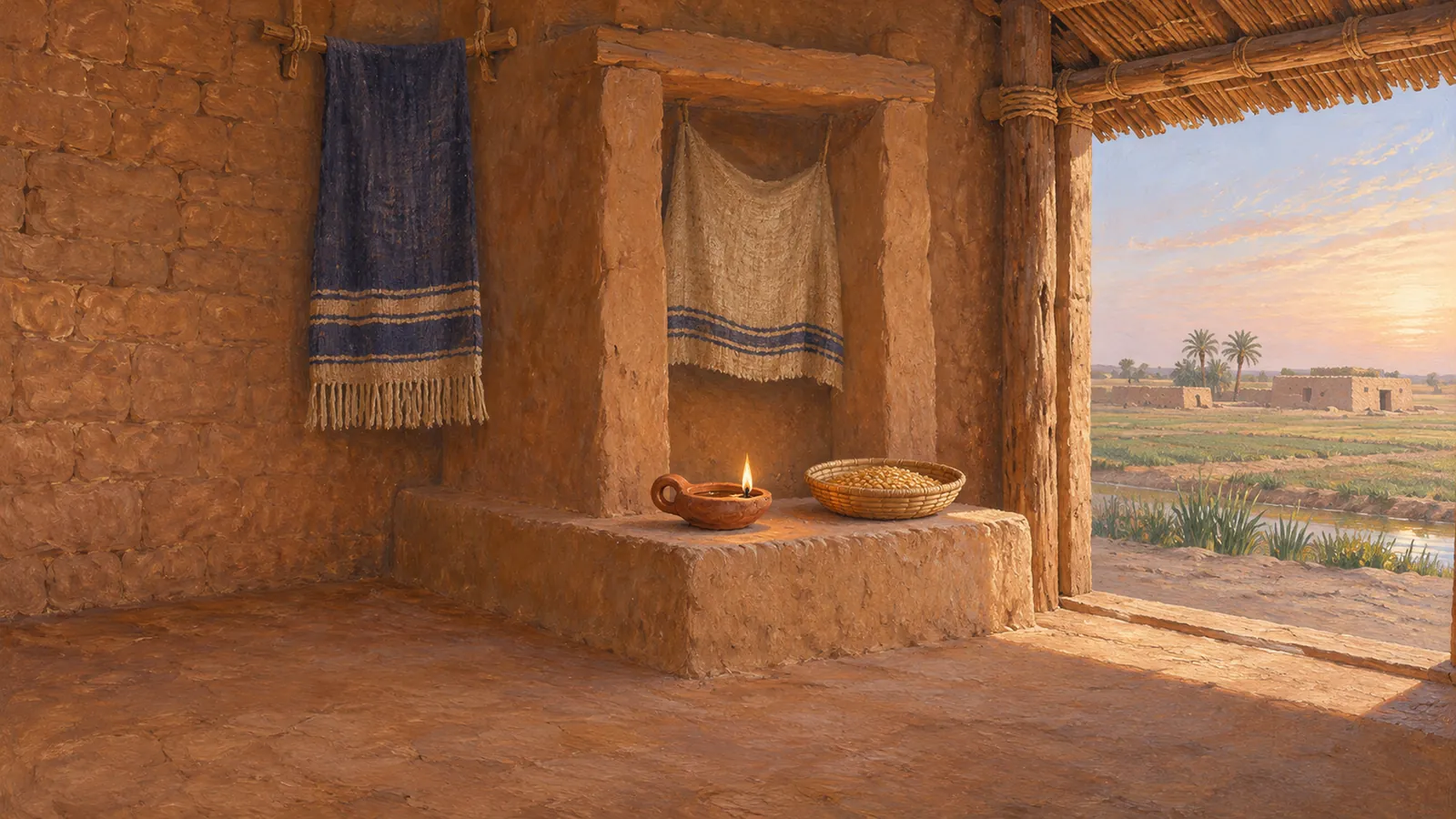
Eight deities and their places appear. The list names Ishtar in Eanna, Enlil at Nippur and Sin at Ur, among others. It goes back to Sippar and Kutha, whose names we heard during the revolt.
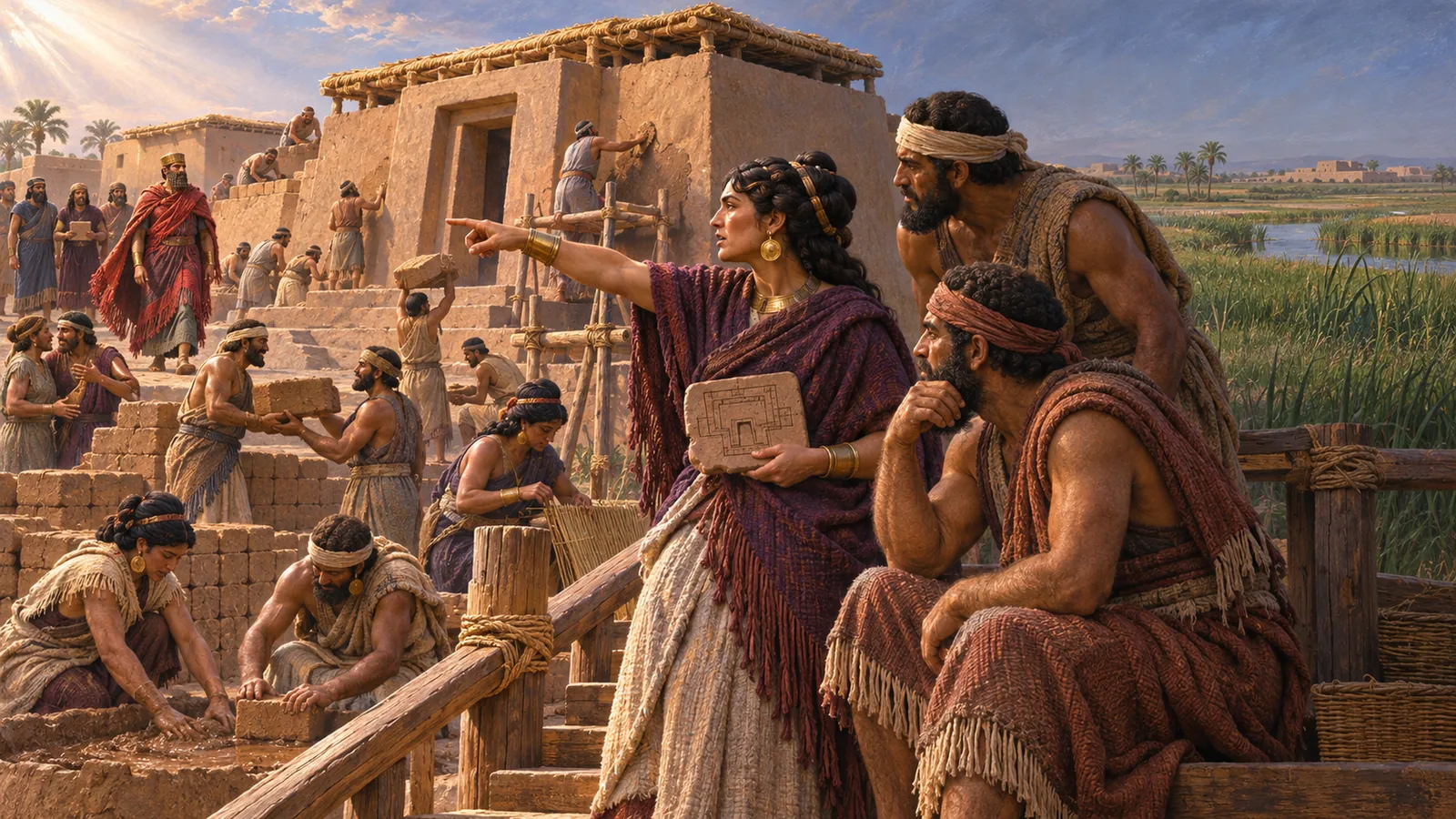
The inscription says people build him a temple in the middle of Akkade. It puts the honor amid the city that survived. Where Akkade lay remains an open question.
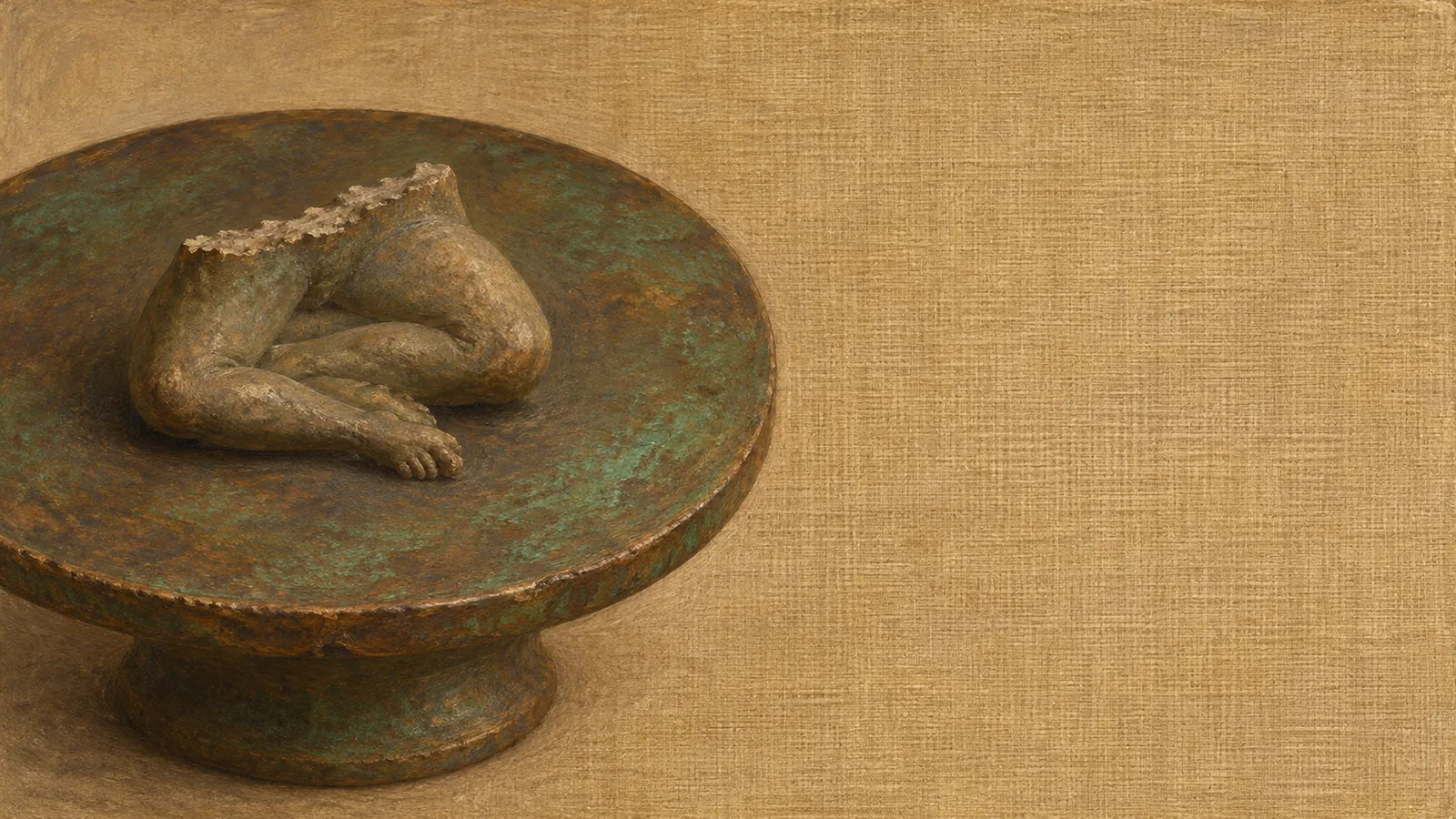
The base preserves part of a seated figure, with the upper part gone. Its inscription tells how Akkade honored Naram-Sin. What remains leaves the full appearance of the sculpture to the imagination.
The final lines speak to anyone who might take away the inscription. They call on Shamash, Ishtar, Nergal and the gods named before. The warning still runs along the metal below the broken figure.
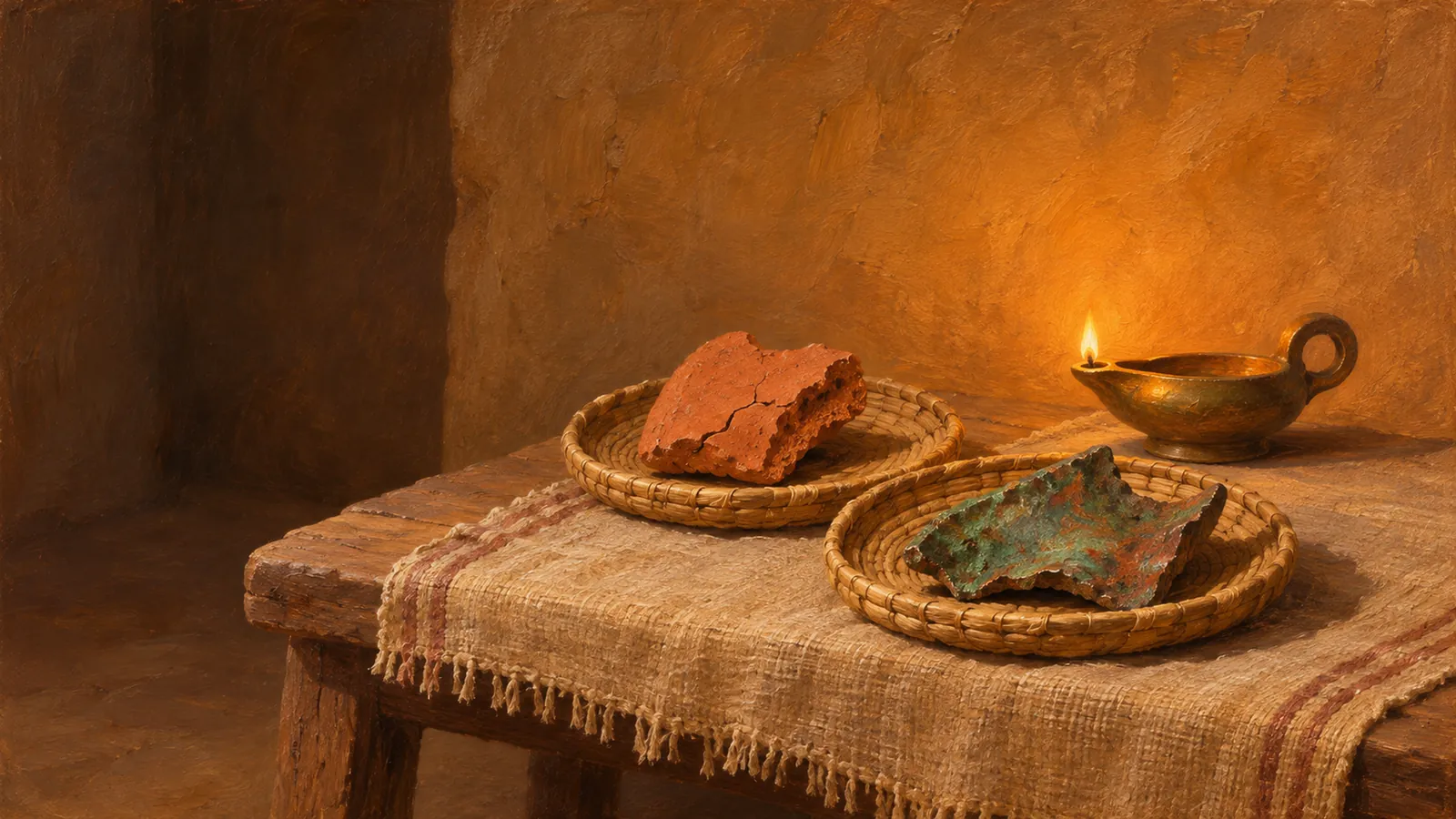
Clay keeps the cities and some of the people. Copper keeps the count and what Akkade did to remember it. Between the kinds of witness, an ancient year comes into view in parts.
End of chapter 1
All pages




Sources
Editions consulted
- CDLI, Bassetki statue object record, P216558
- CDLI, text of the Bassetki inscription, RIME 2.1.4.10
- CDLI, Nippur copy, RIME 2.1.4.6 and other inscriptions, P227520
- SEAL 1540, *The Great Revolt against Narām-Sîn A*, Mari witness and translation
- SEAL 1542, *The Great Revolt against Narām-Sîn B*, Mari witness and translation
- Hikmat al-Fouadi, first publication of the Bassetki statue, publication record and object
Ancient lines behind each page
- Page 1: Bassetki, RIME 2.1.4.10 I 1–19
- Page 2: CDLI P216558, object record
- Page 3: Bassetki I 5–15 and SEAL B 11–16
- Page 4: CDLI P227520, RIME 2.1.4.6
- Page 5: SEAL A obv. 5–9 and B 16–20
- Page 6: SEAL A obv. 9–12 and B 21–23
- Page 7: RIME 2.1.4.6 obv. i 1′–11′
- Page 8: SEAL A obv. 13–17 and B 24–28
- Page 9: SEAL A obv. 15–16 and B 26–28
- Page 10: RIME 2.1.4.6 obv. i 9′–25′
- Page 11: RIME 2.1.4.6 obv. i 18′–25′
- Page 12: RIME 2.1.4.6 obv. i 26′–34′
- Page 13: RIME 2.1.4.6 obv. i 35′–41′
- Page 14: RIME 2.1.4.6 obv. i 40′–45′
- Page 15: RIME 2.1.4.6 obv. ii 9′–22′
- Page 16: RIME 2.1.4.6 obv. ii 14′–22′
- Page 17: RIME 2.1.4.6 obv. ii 23′–43′
- Page 18: RIME 2.1.4.6 obv. iii 1′–12′ and iv 19′–24′
- Page 19: RIME 2.1.4.6 obv. iii 13′–26′
- Page 20: RIME 2.1.4.6 obv. iii 27′–36′
- Page 21: RIME 2.1.4.6 obv. iv 25′–35′
- Page 22: RIME 2.1.4.6 obv. iv 30′–45′
- Page 23: RIME 2.1.4.6 obv. v 4′–10′
- Page 24: RIME 2.1.4.6 obv. v 10′–17′
- Page 25: RIME 2.1.4.6 obv. v 18′–22′
- Page 26: RIME 2.1.4.6 obv. v 18′–22′ and visual interpretation
- Page 27: RIME 2.1.4.6 obv. v 27′–35′
- Page 28: RIME 2.1.4.6 obv. v 23′–28′
- Page 29: RIME 2.1.4.6 obv. v 36′–39′ and vi lacuna
- Page 30: RIME 2.1.4.6 obv. v 6′–8′ and SEAL A obv. 5′ and B edge 36
- Page 31: SEAL 1540 and 1542, manuscript records
- Page 32: Bassetki I 10–19
- Page 33: Bassetki I 15–19
- Page 34: Bassetki I 20–25
- Page 35: Bassetki I 24–25, II 1–24, III 1–3
- Page 36: Bassetki II 1–24
- Page 37: Bassetki III 4–7
- Page 38: CDLI P216558 and Bassetki III 4–7
- Page 39: Bassetki III 8–25
- Page 40: RIME 2.1.4.6, RIME 2.1.4.10 and SEAL 1540 and 1542
Illustrations made with AI tools by IL Archive; the text is based on the ancient sources (see the sources at the end of each chapter).