The Hall That Speaks Chapter 1
The Names of the Door
In the Papyrus of Nu, a deceased speaker appeals to the Hall of the Two Maats and imagines being invited inside. At the threshold the door, the floor and a doorkeeper ask their questions. Thoth has one last riddle before promising to speak his name.
SourcesTurn the pages with the arrows, the arrow keys or a swipe.
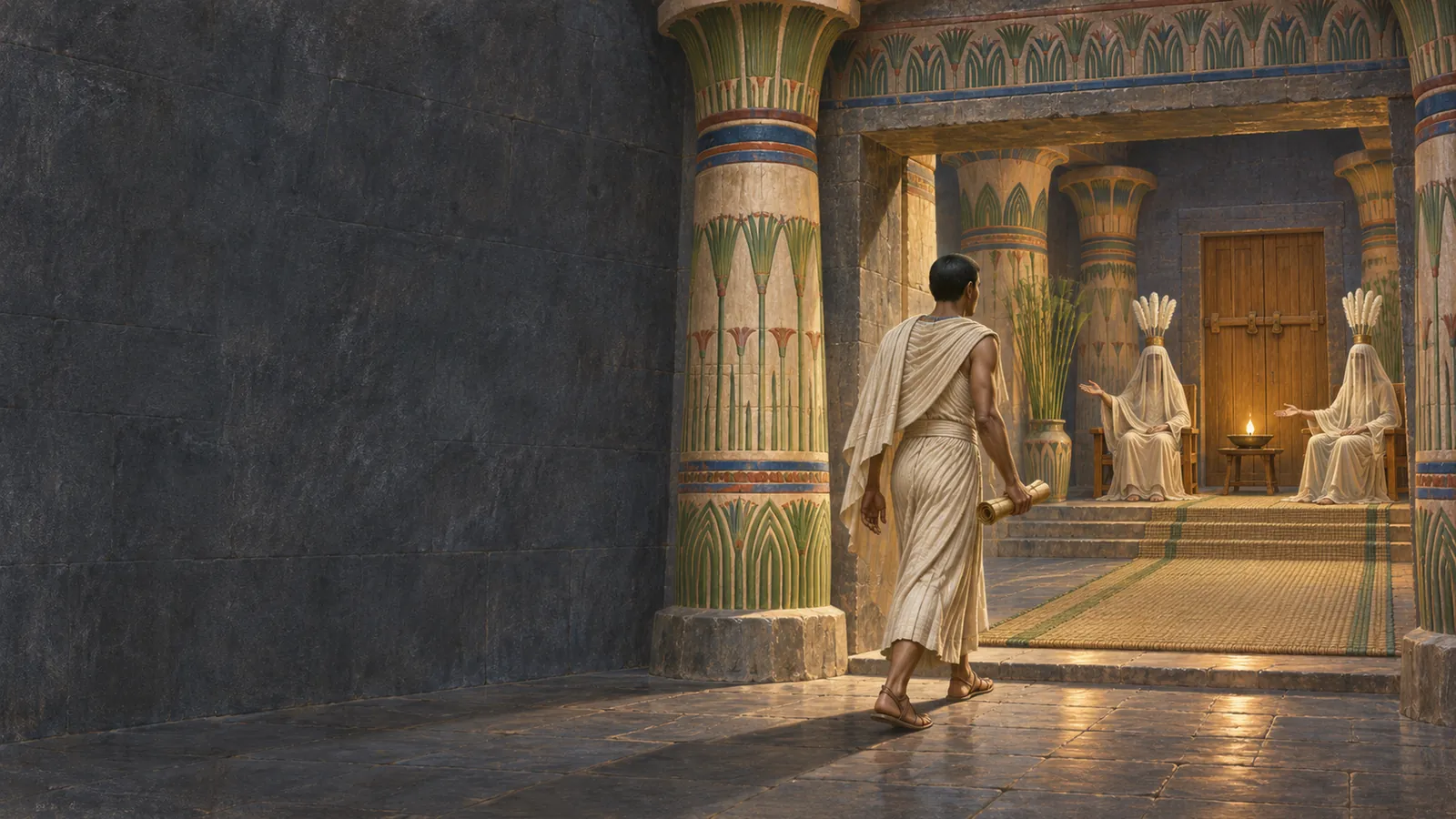
THE HALL
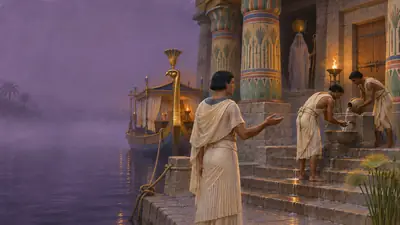
In the Papyrus of Nu, the deceased speaks of the Hall of the Maāti goddesses. This recitation follows Wallis Budge’s translation published in 1908.
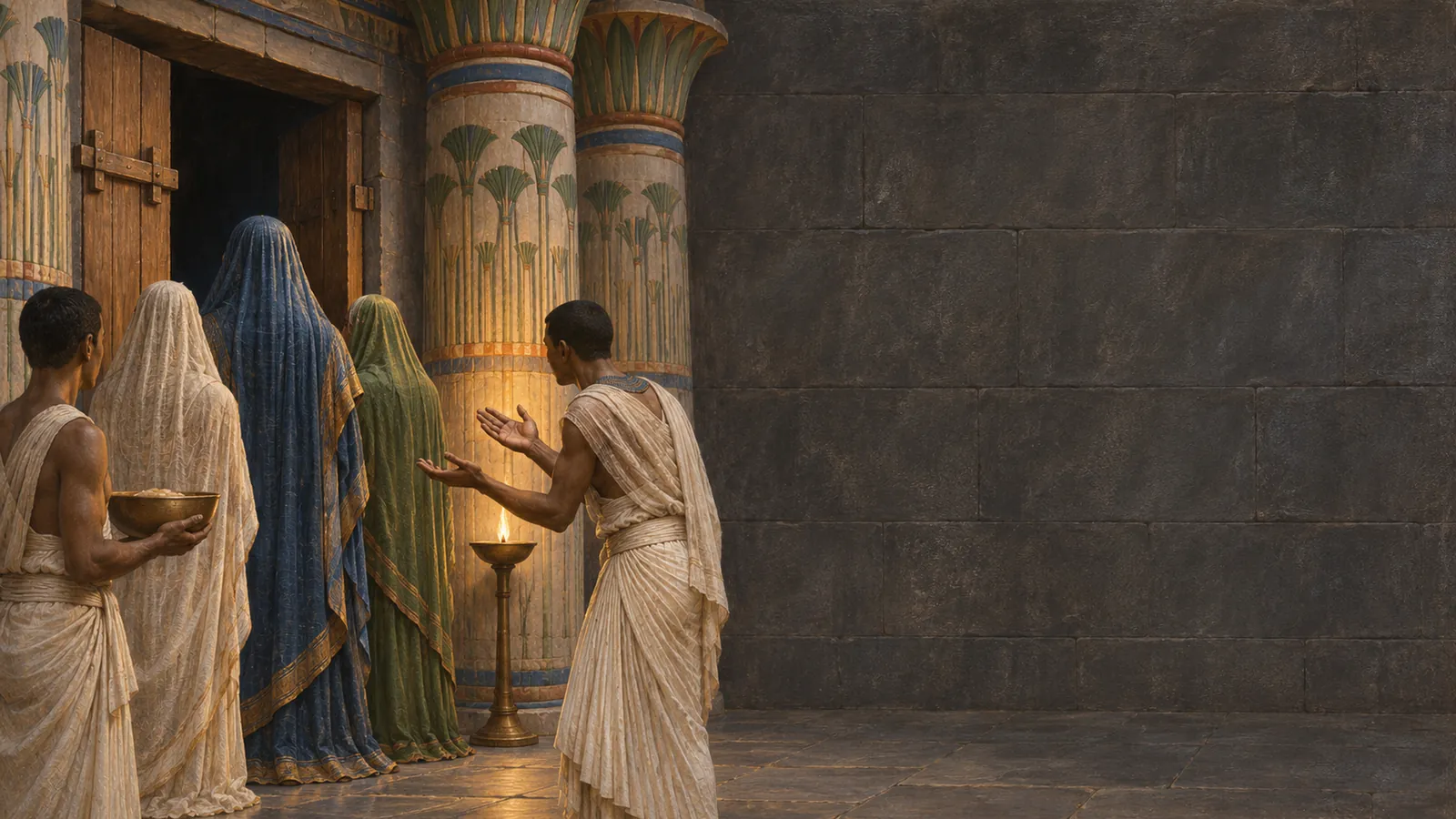
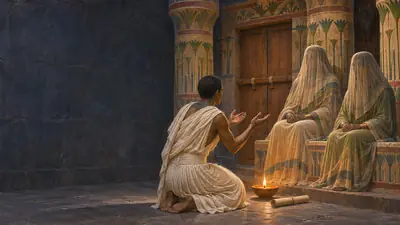
Gods who dwell in this Hall, I know you and your names. Do not let me fall under your knives, or bring my wrongdoing before the god you attend.
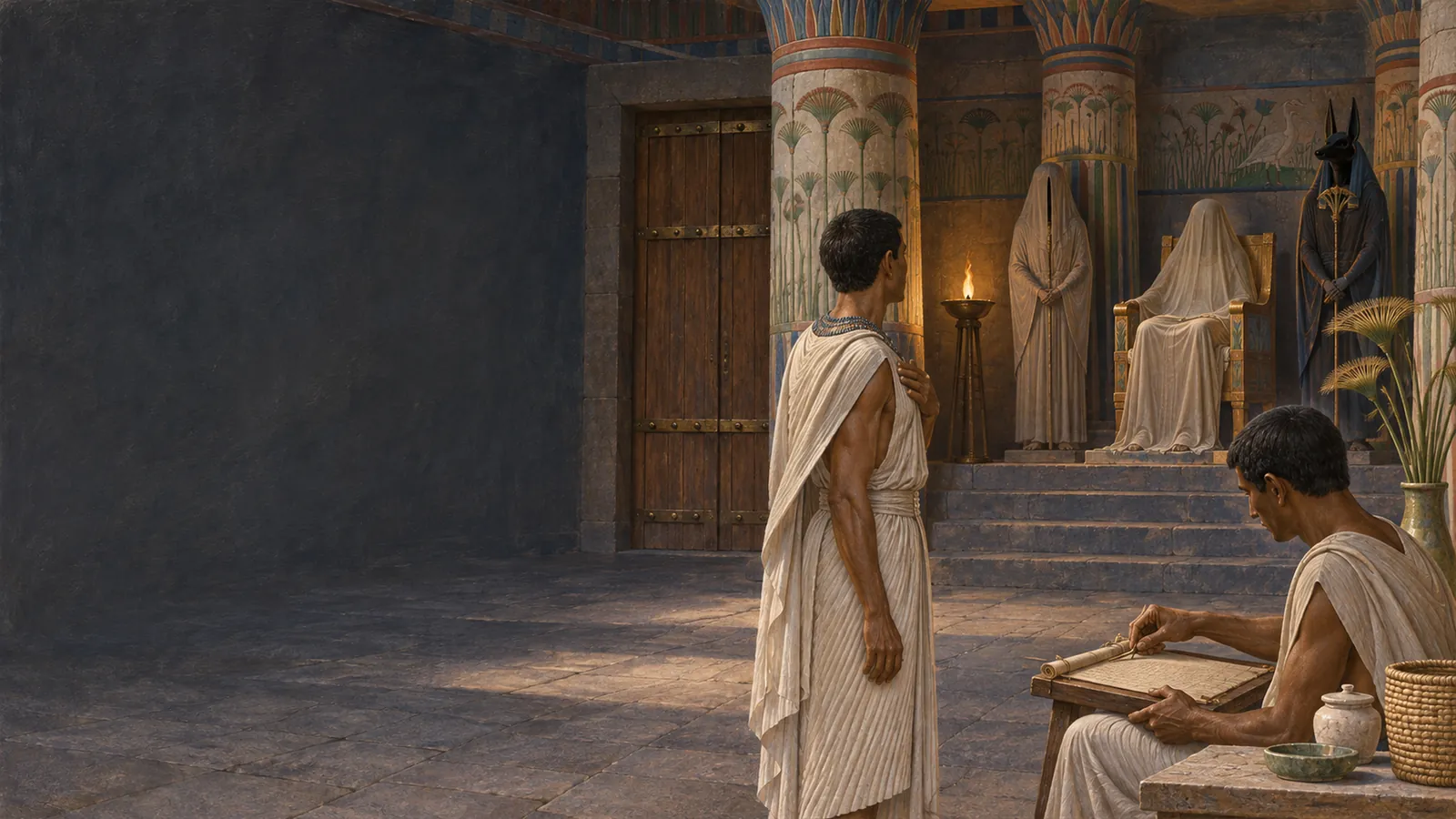
Declare me true of voice before Neb-er-teber, for I have done what is right and true in Egypt. I have not cursed the god, so let no harm reach me through the king.
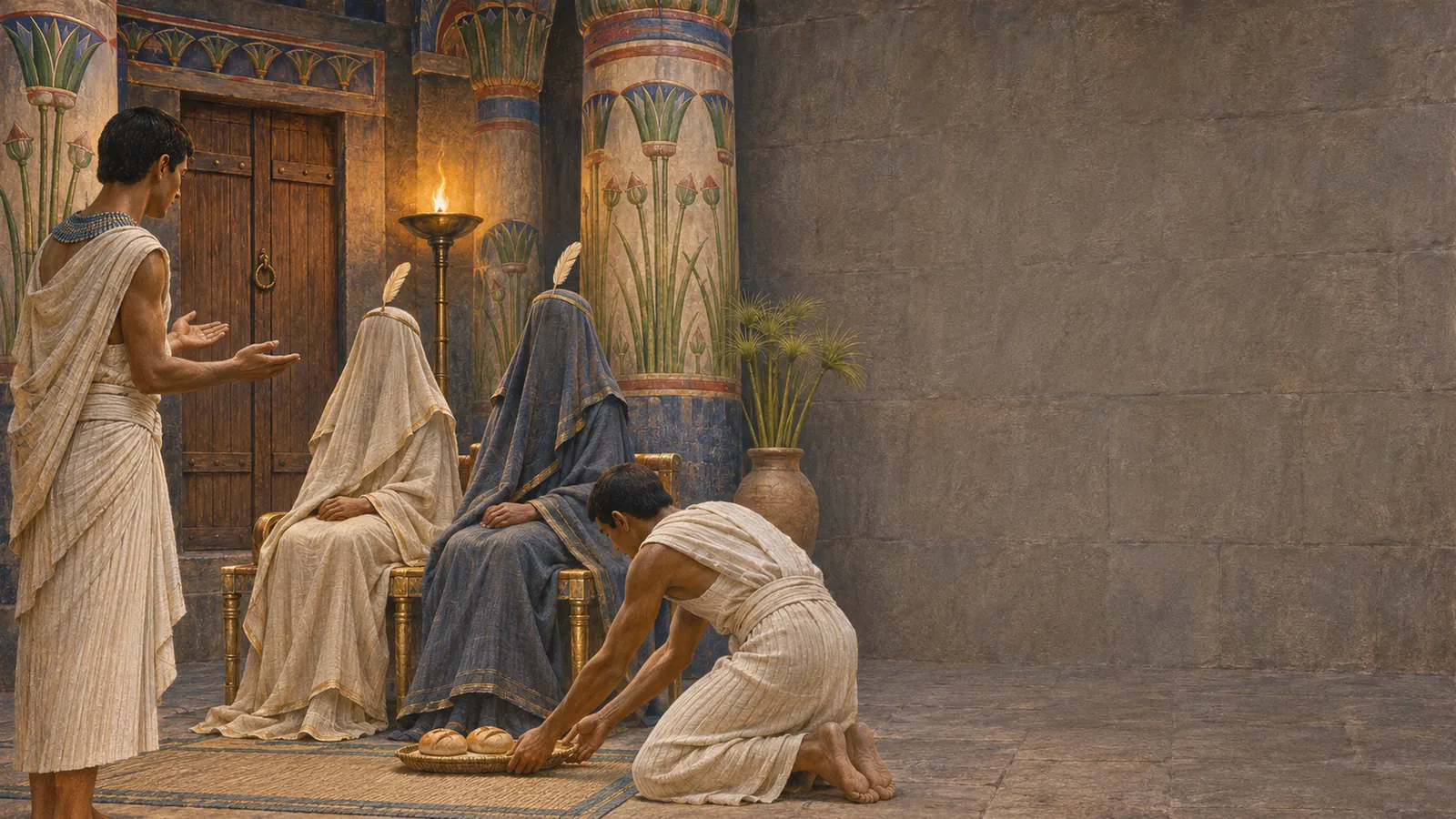
I greet you, gods who dwell in the Hall of the Maāti. You are free of evil and are nourished by right and truth in the presence of Horus.
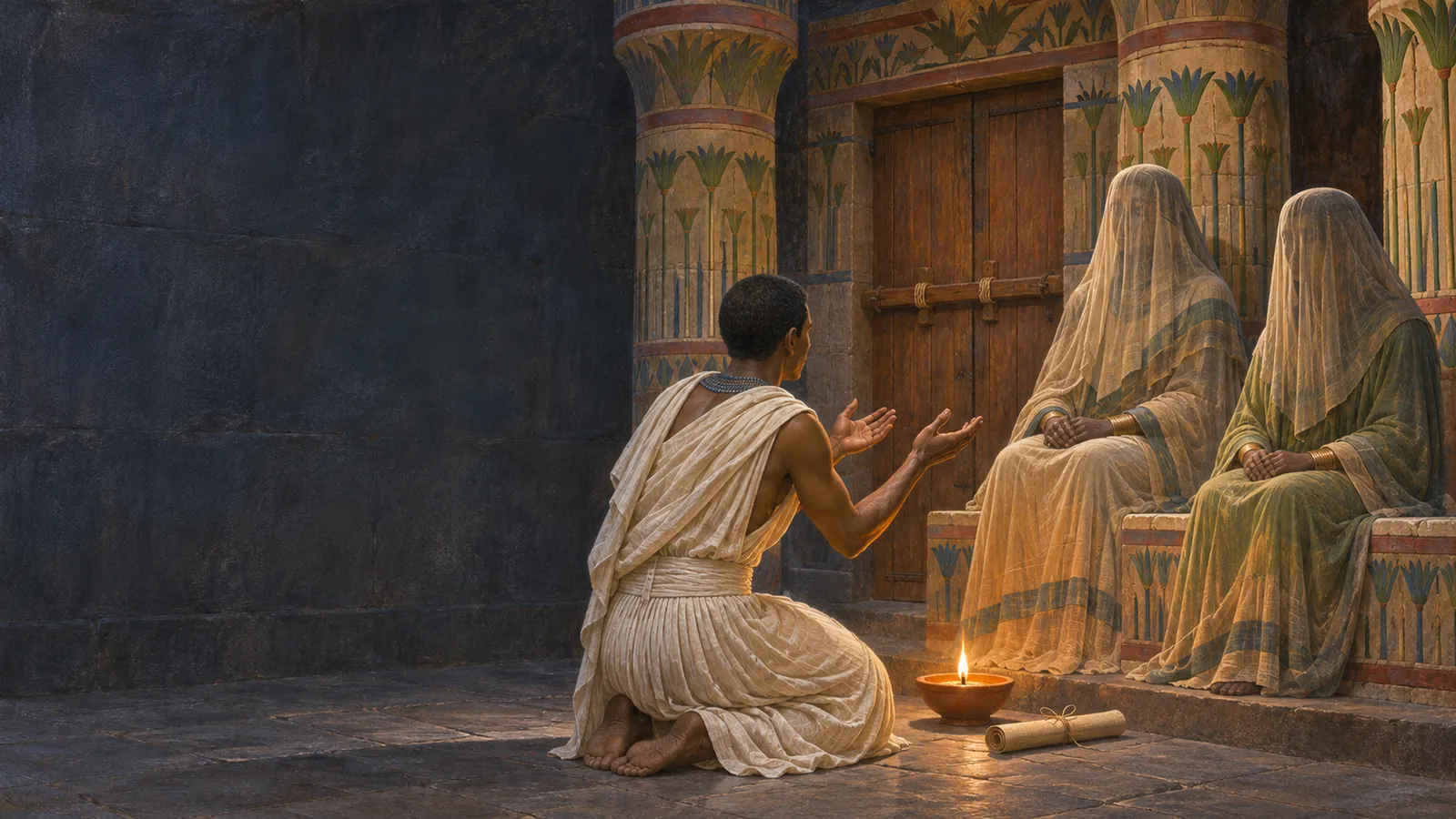
Save me from Baba, who feeds on the entrails of the mighty on the day of reckoning. Let me come to you, for I have committed no fault or evil, and I have given no false testimony.
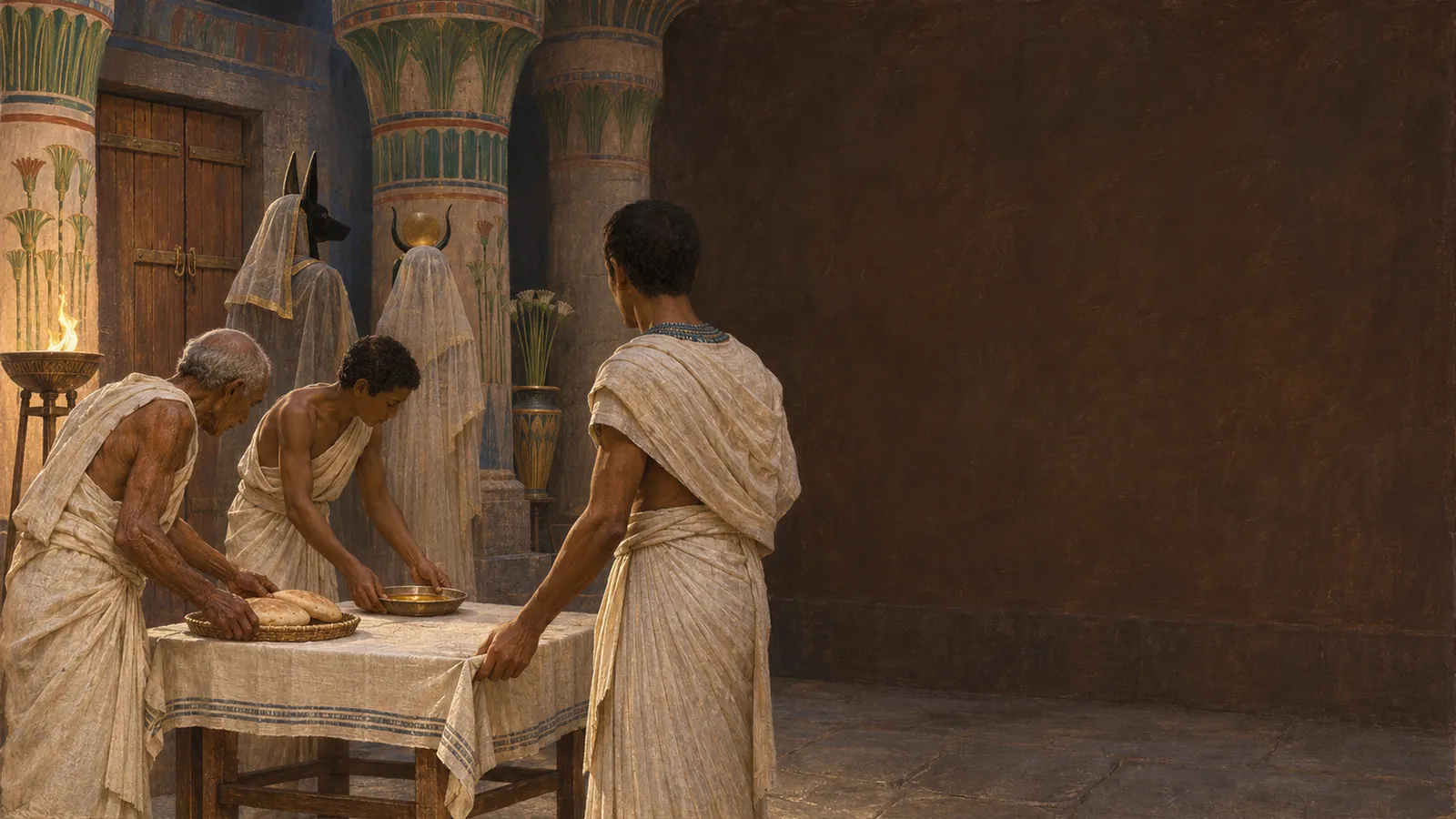
I live on right and truth, and they are my food. I have done what people require and what pleases the gods.
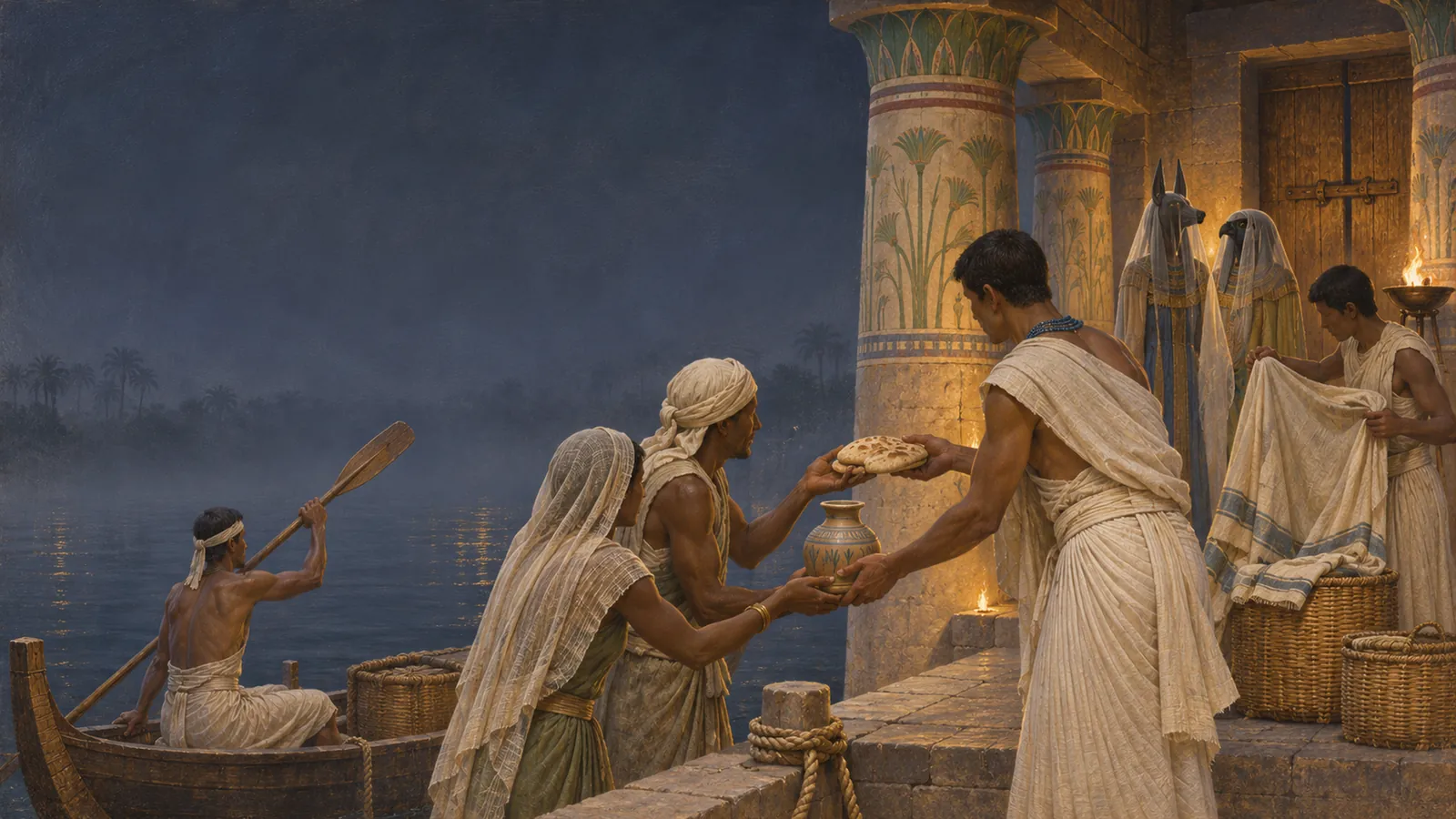
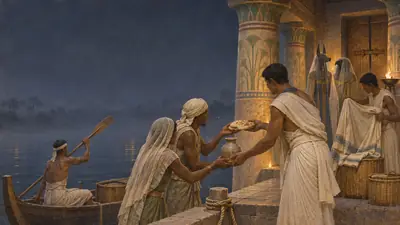
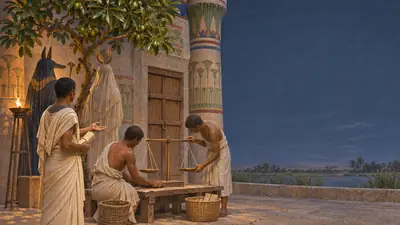
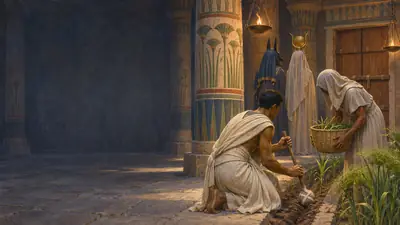
I gave bread to the hungry, water to the thirsty, clothing to those without clothes and a boat to the mariner.
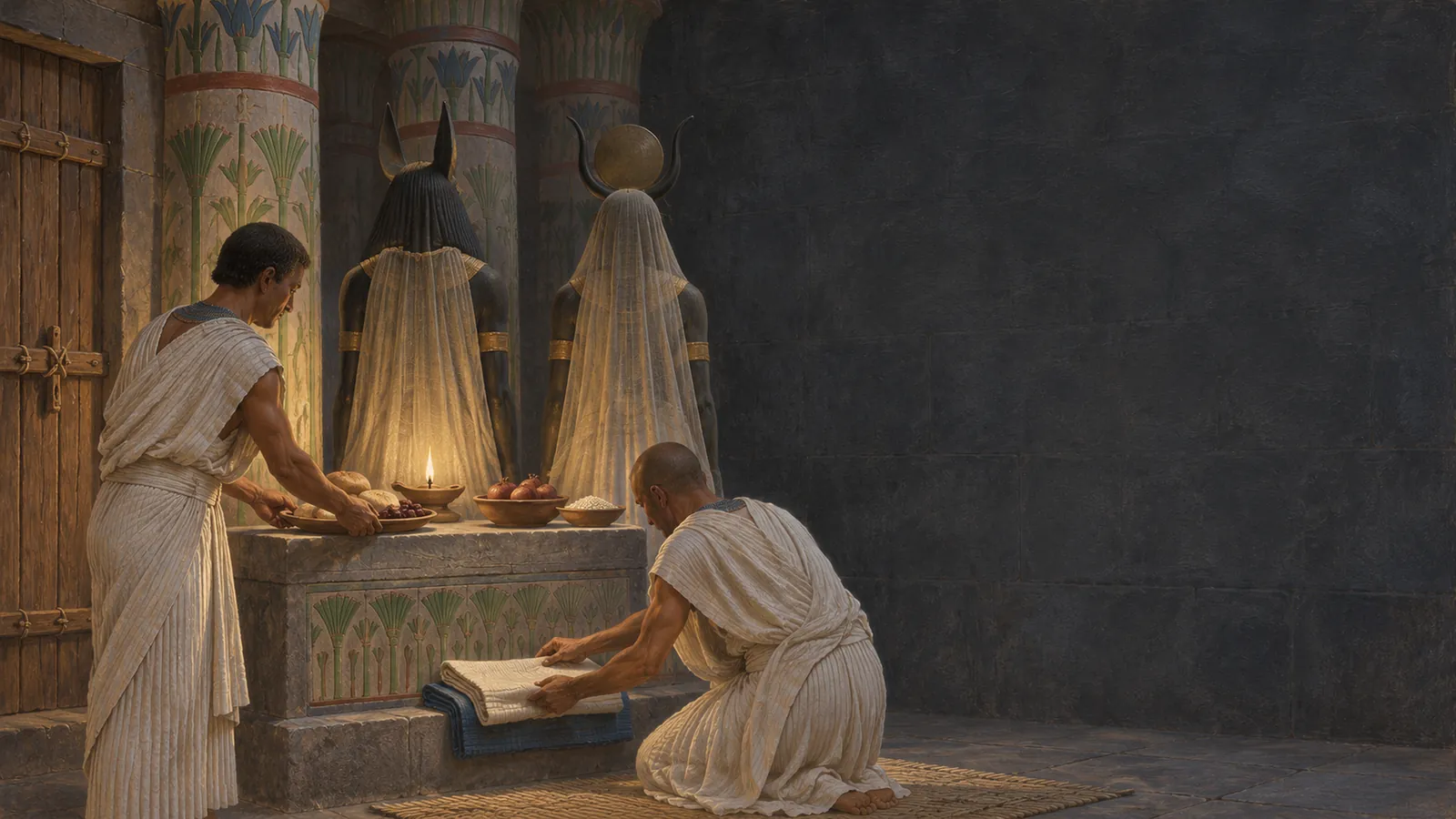
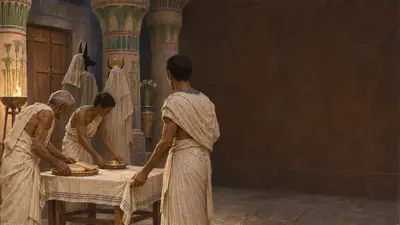
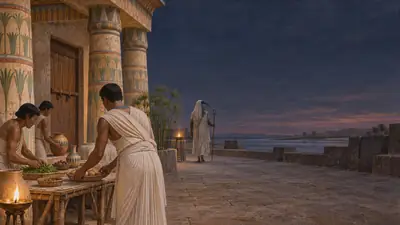
I have made offerings to the gods and laid out meals for the dead. Be my protectors and bring no accusation against me. My mouth and hands are clean, so let those who see me greet me in peace.
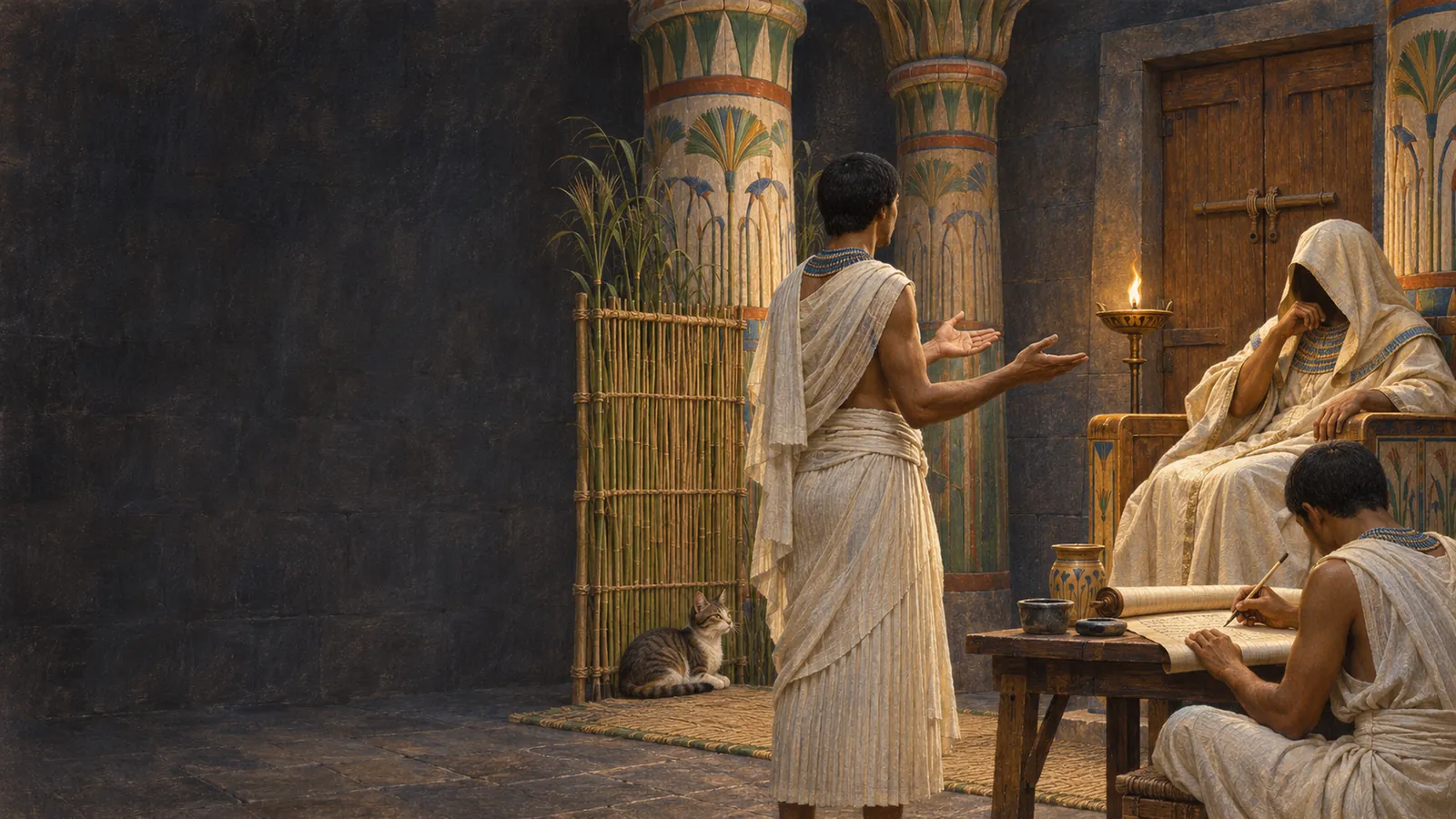
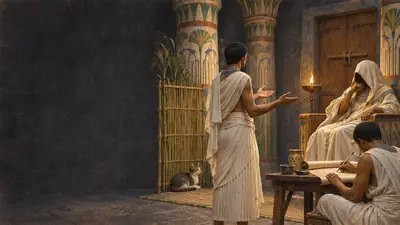
I heard the mighty word spoken by the spirits to the Cat in the house of Hapt-re. I testified before Hra-f-ha-f, and he gave a decision.
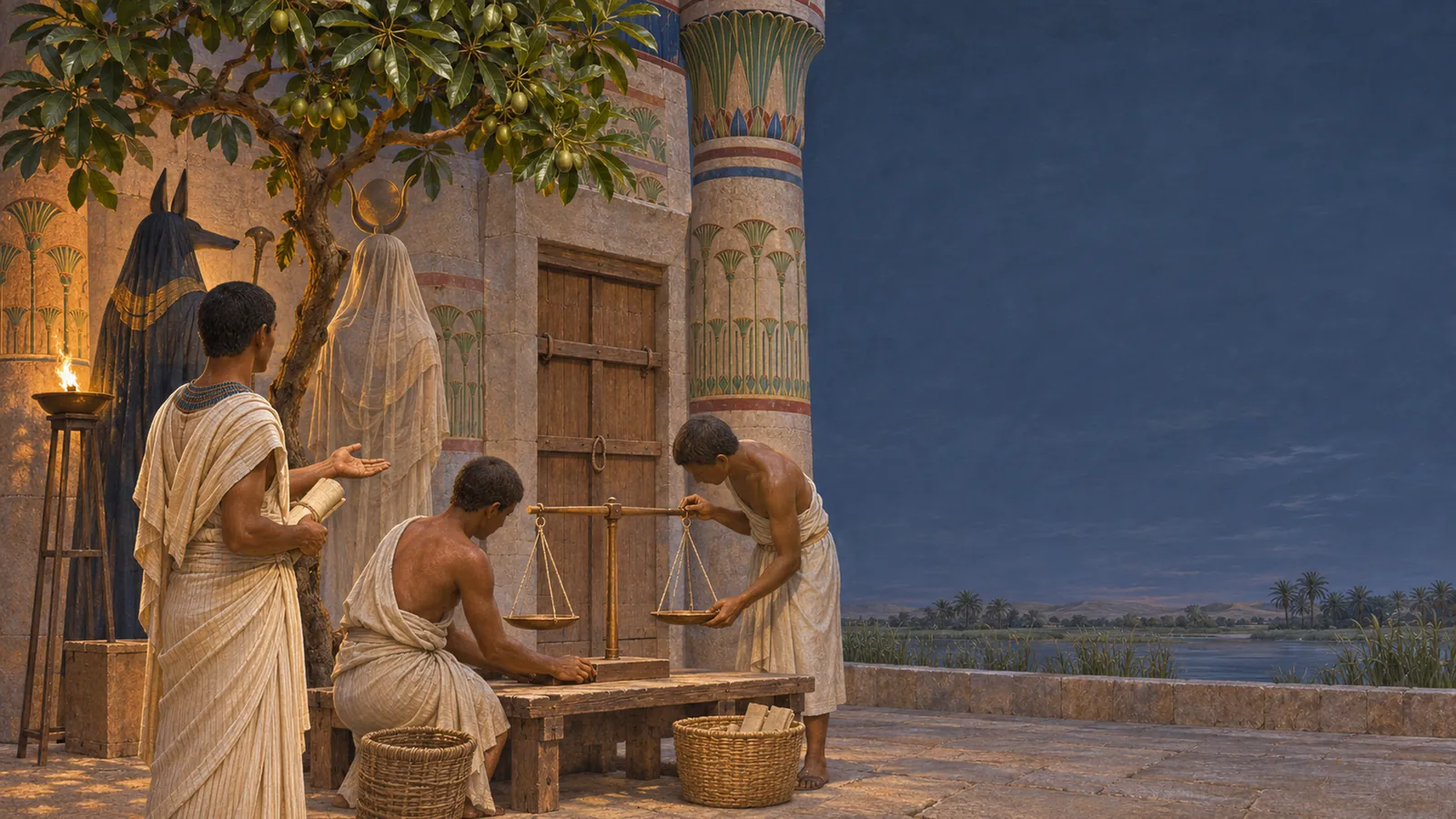
I saw what the Persea tree shelters at Re-stau. I have come to declare right and truth and set up the balance in Aukert.
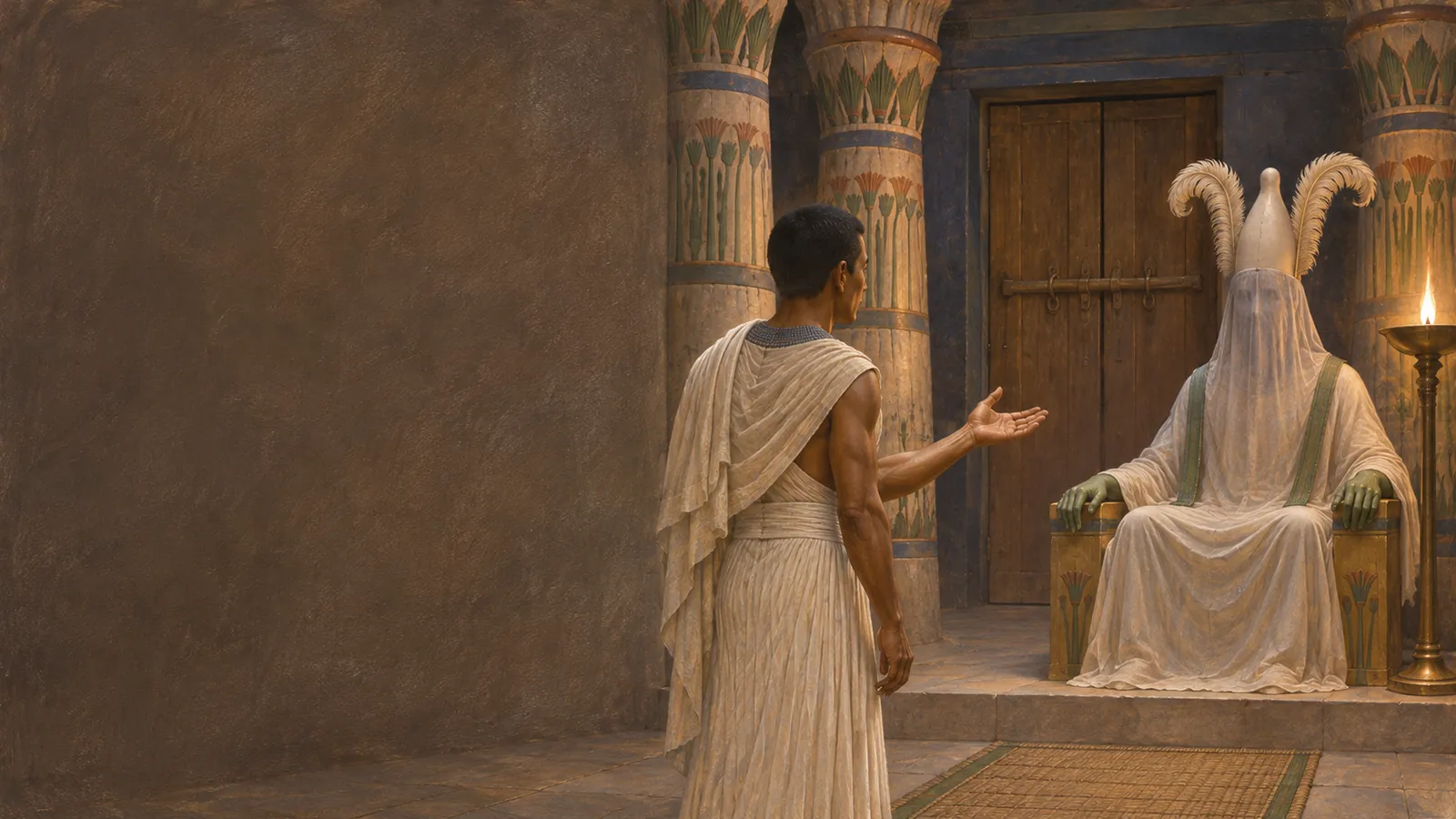
Osiris, Lord of the Winds and lord of the Atefu crown, deliver me from your messengers who bring calamity. I have acted rightly and truthfully for the Lord of Right and Truth.
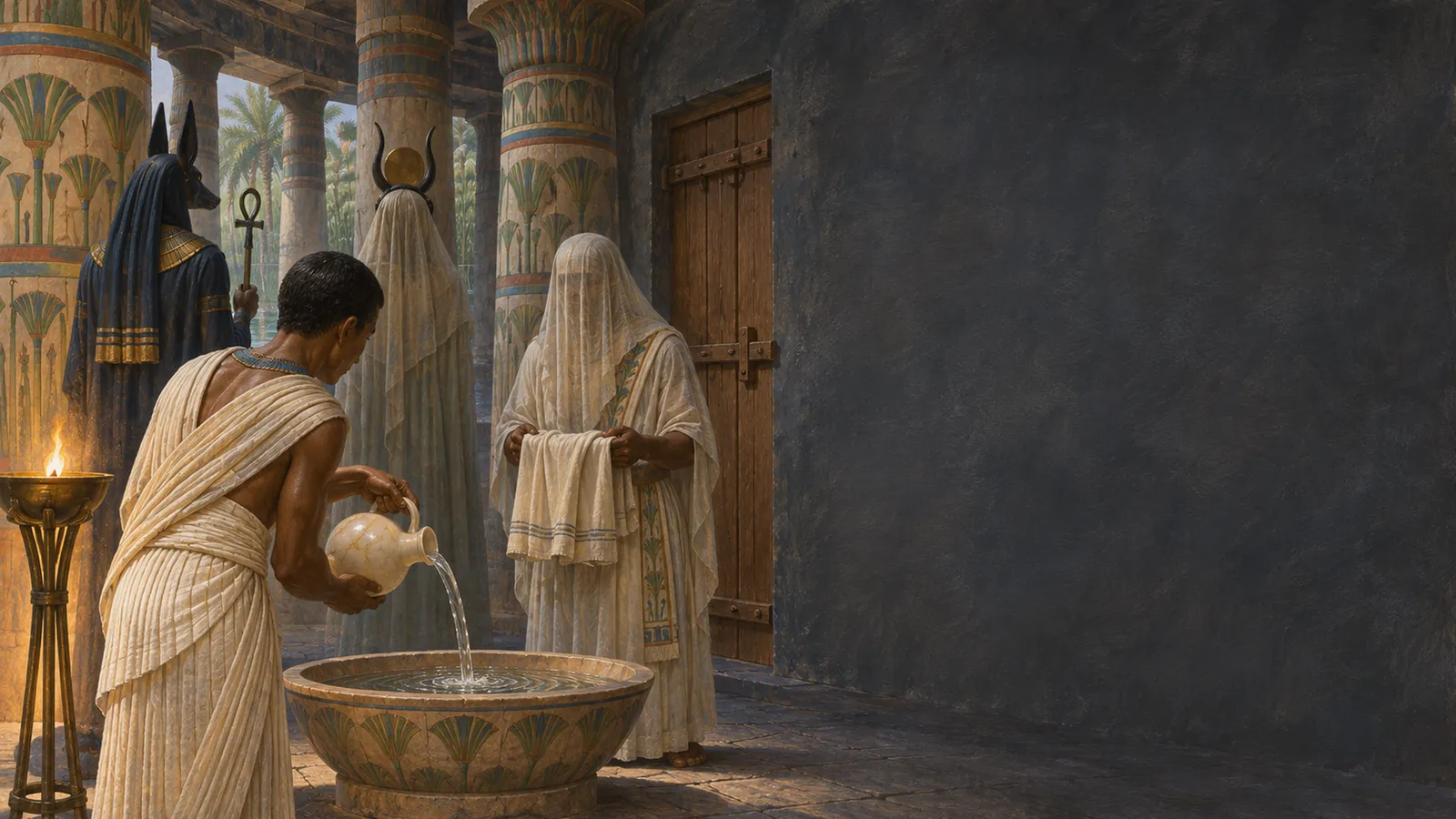
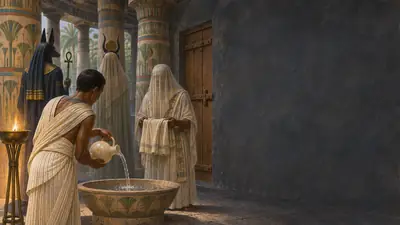
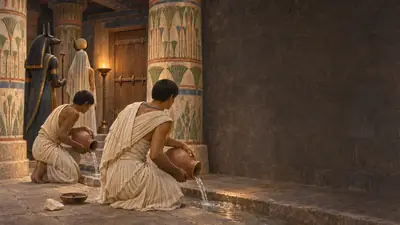
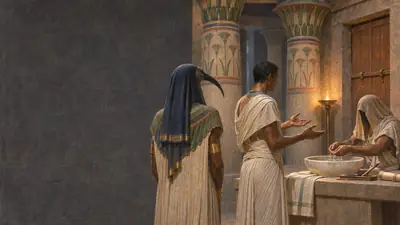
I purified myself with libations, and the Pool of Right and Truth cleansed me within. Right and truth fill every part of my body.
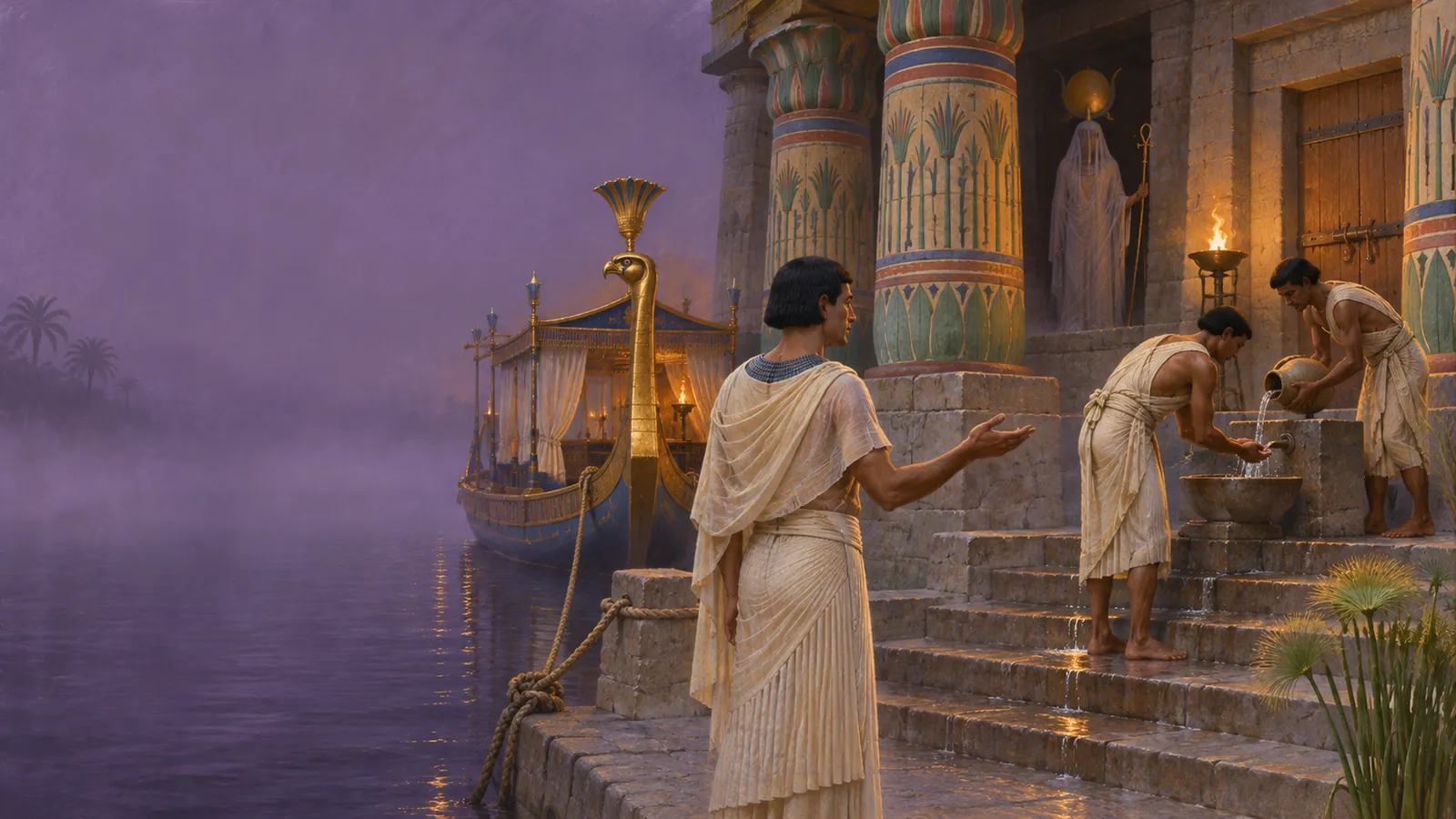
I was purified in the Pool of the South and rested in the City of the North. In the Field of Grasshoppers, Ra’s sailors bathe in the second hour of the night and the third hour of the day.
A NAME
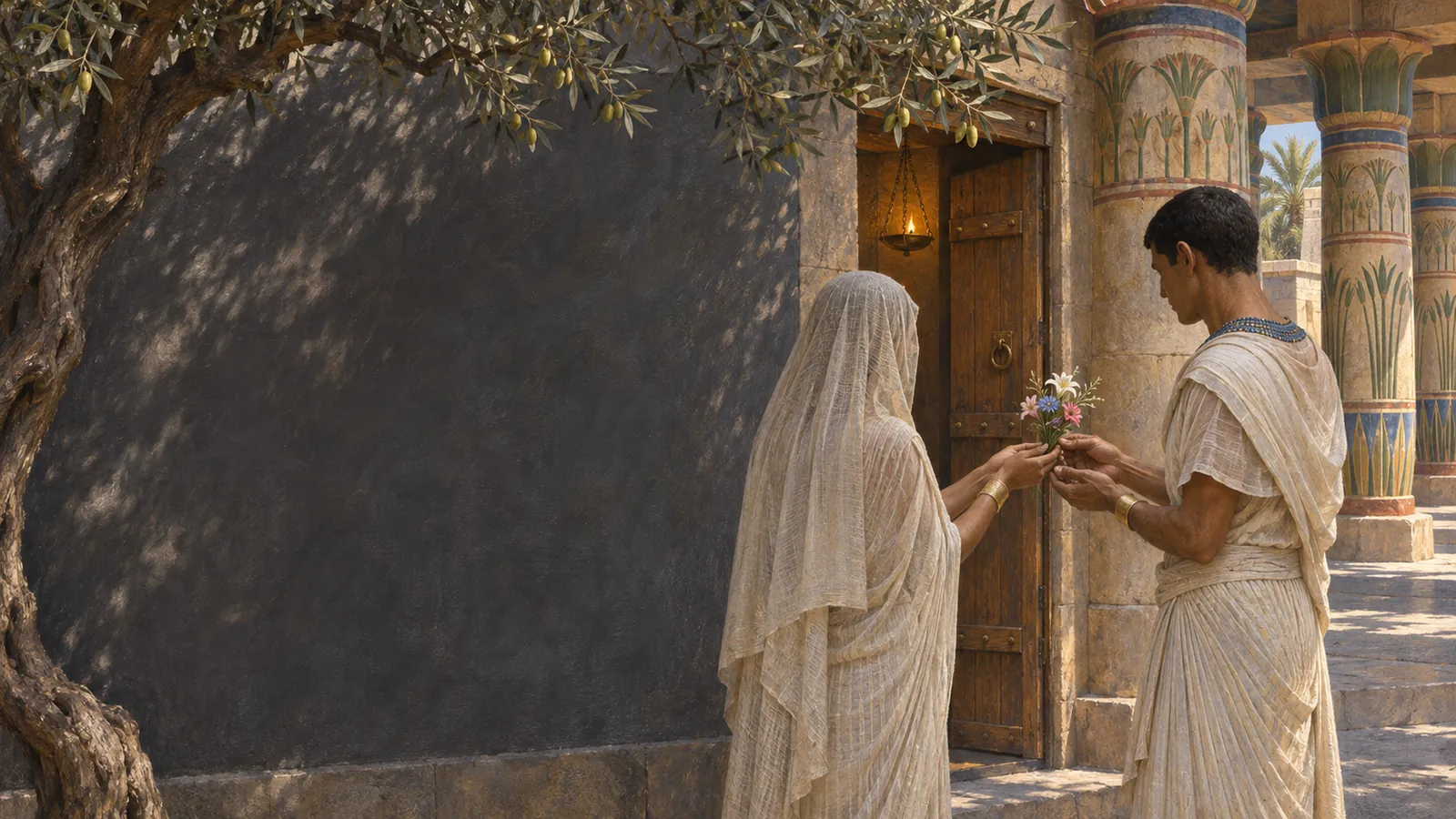
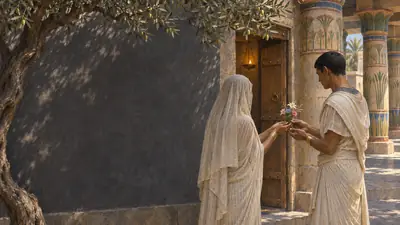
I would have the gods ask my name. I would answer that I am He Who Is Provided with Flowers and Dweller in His Olive Tree. Then let them tell me to pass.
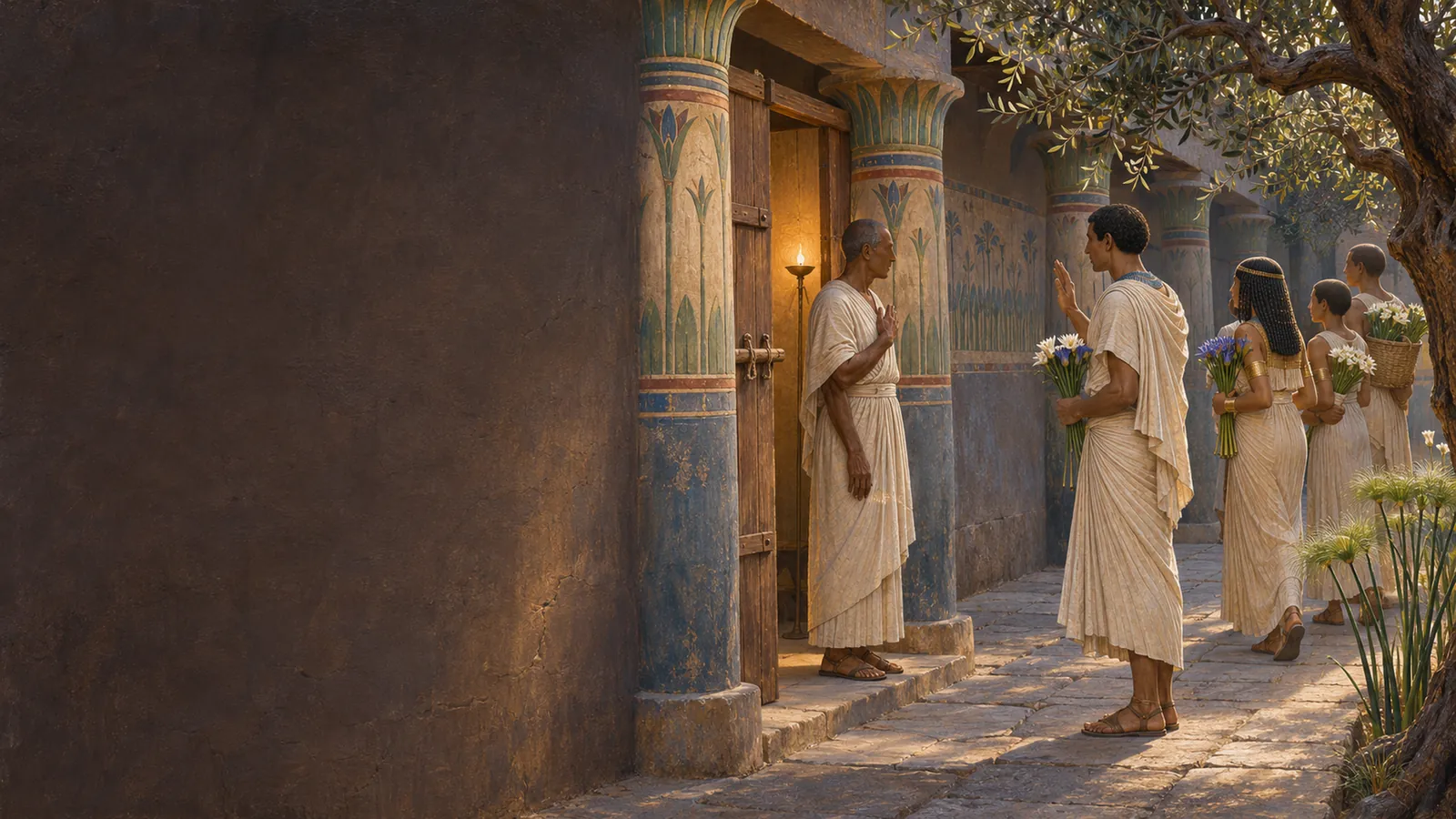
I would pass on to the city north of the olive tree. Asked what I would see there, I would name the Leg and the Thigh and ask to see rejoicing in the land of the Fenkhu.
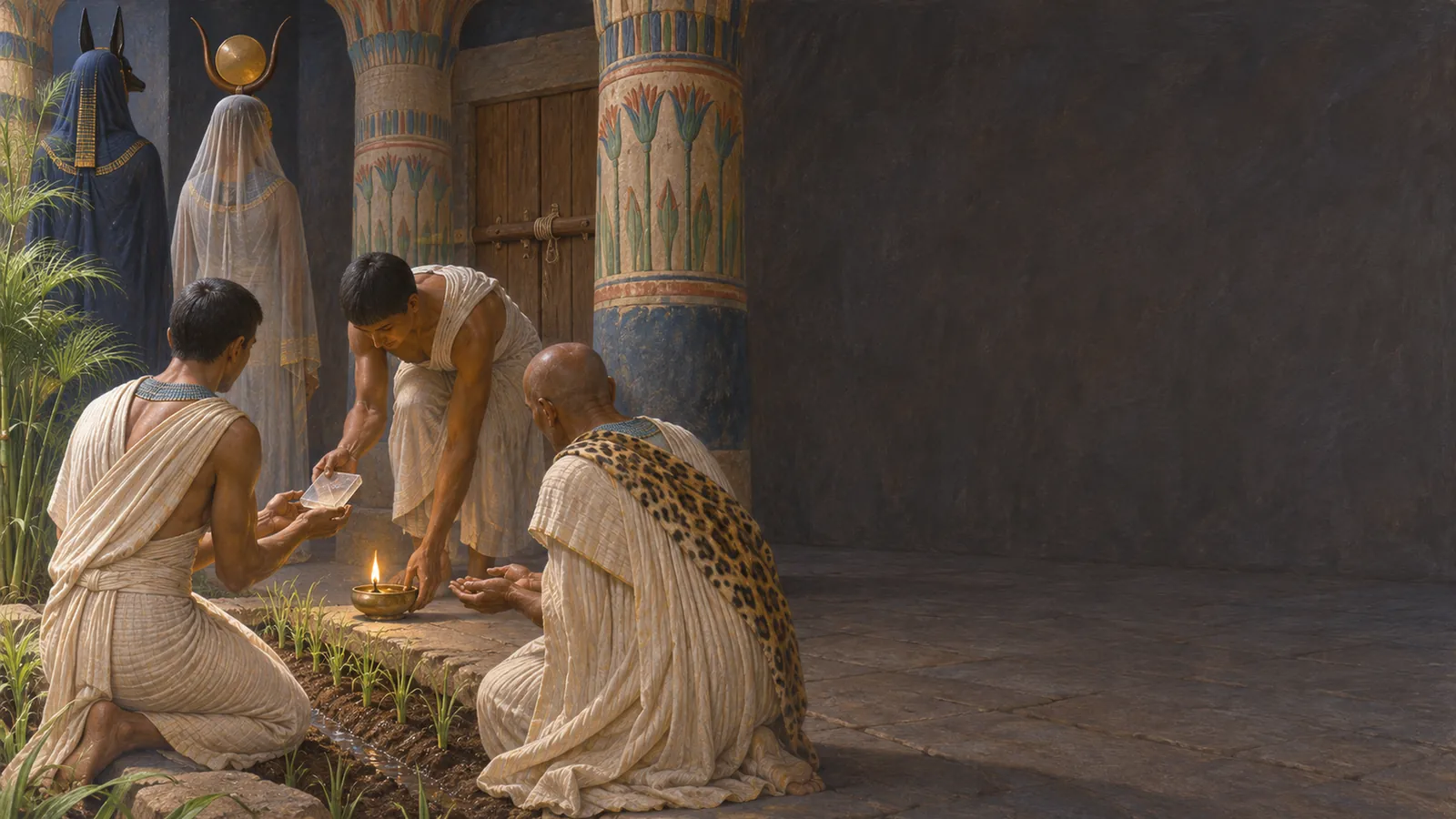
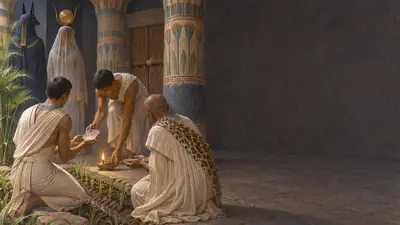
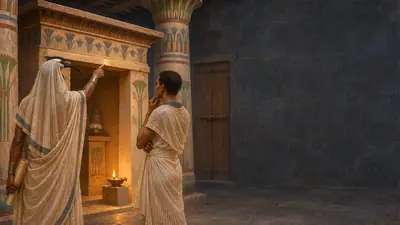
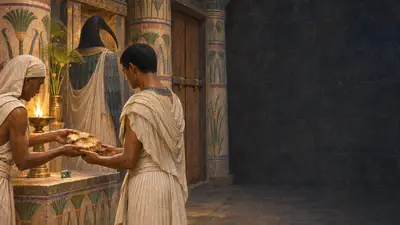
They would give me a fiery flame and a crystal tablet. I would bury them by the furrow of Māāat as Things for the Night.
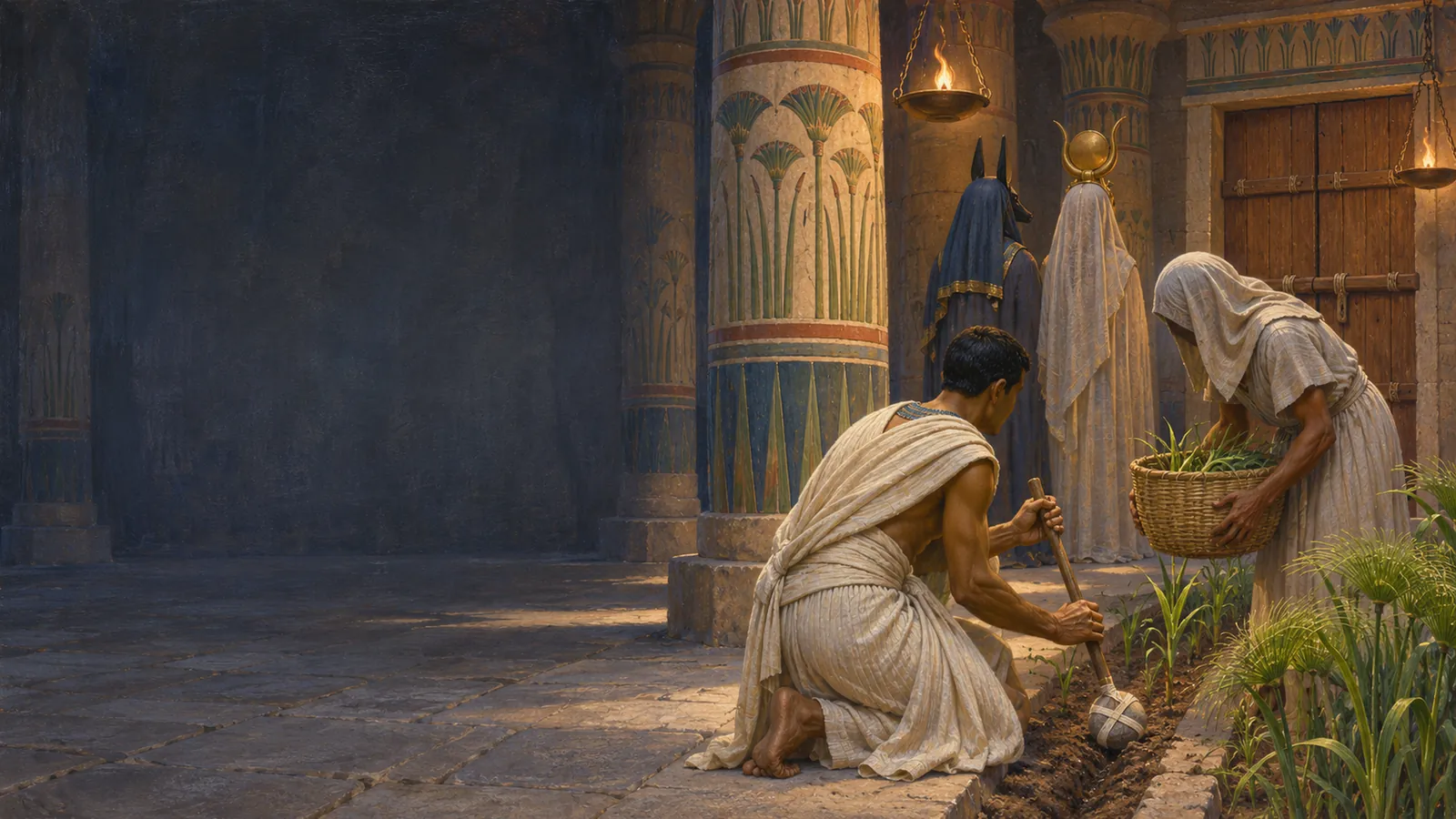
If they asked what I would find beside the furrow of Māāat, I would name a flint sceptre called the Giver of Air.
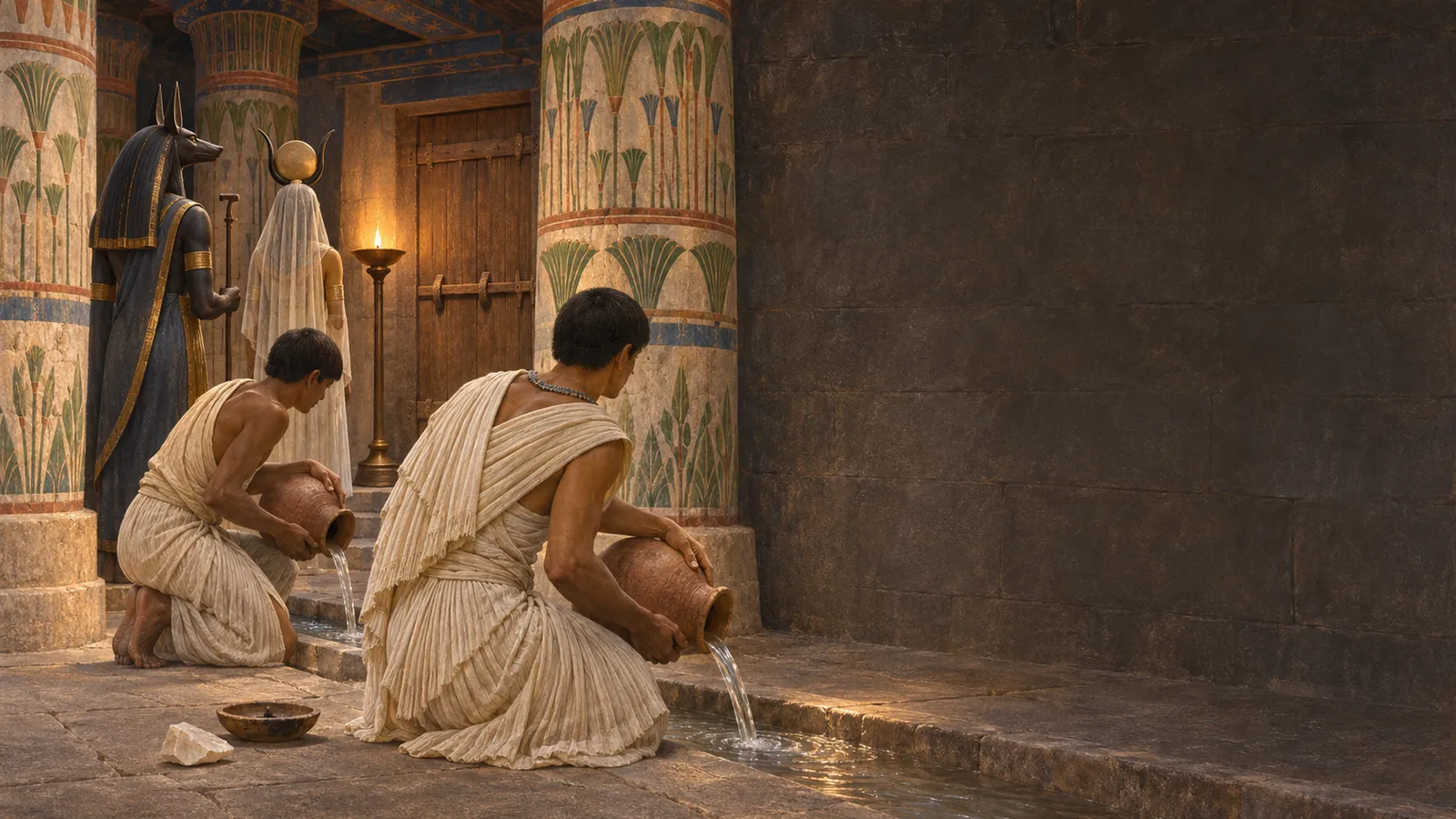
After burying them, I would recite words over them in the furrow. I would put out the fire, break the tablet and make a pool of water.
THE DOOR
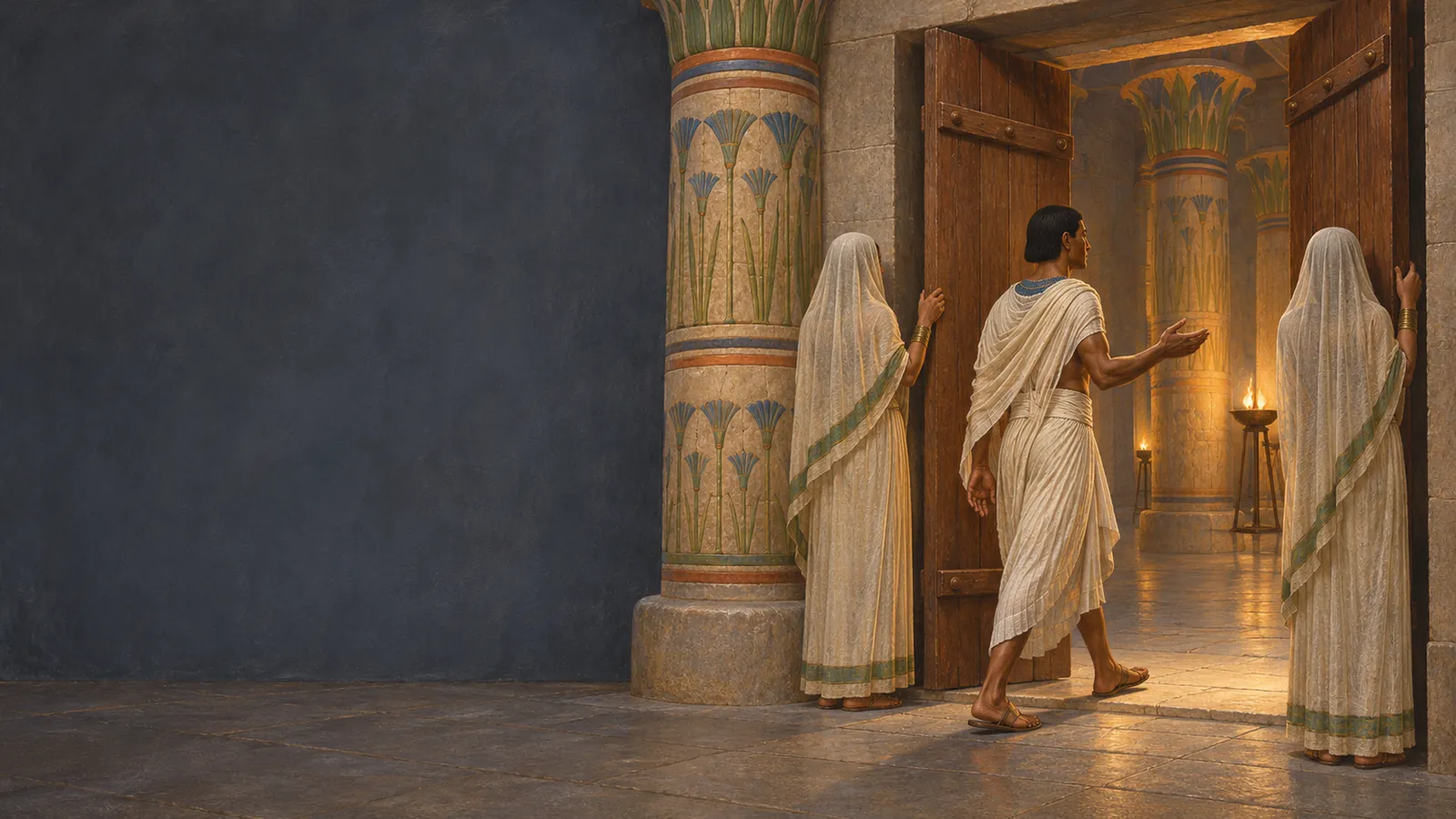
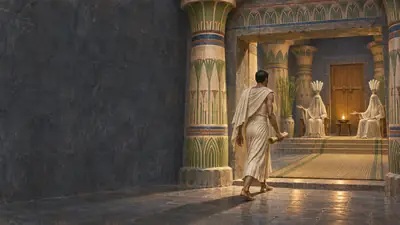
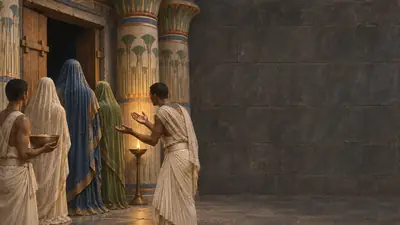
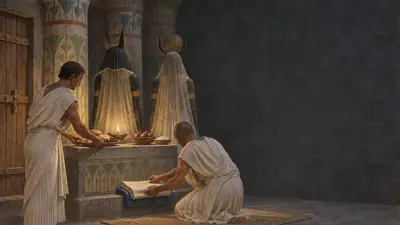
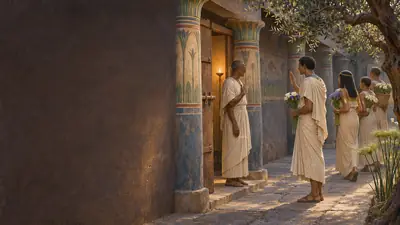
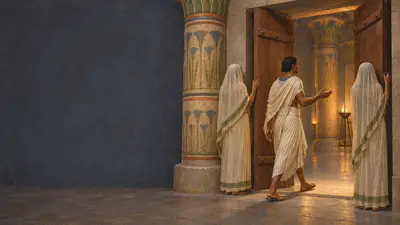
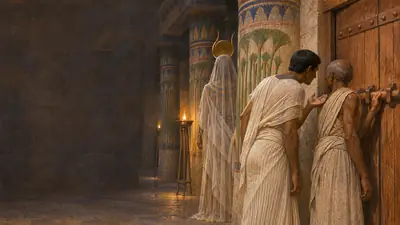
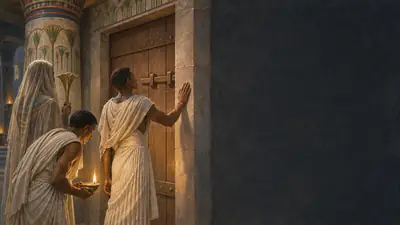
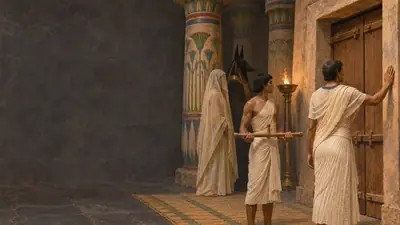
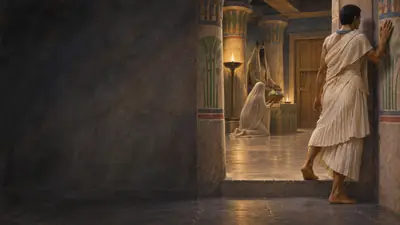
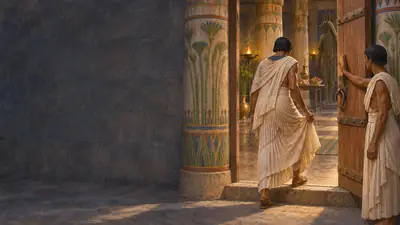
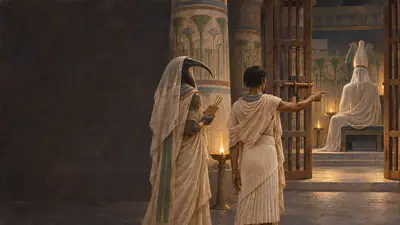
Let the gods invite me in through the door of the Hall of the Māāti goddesses, because I know them. In the dialogue that follows, parts of the Hall speak.
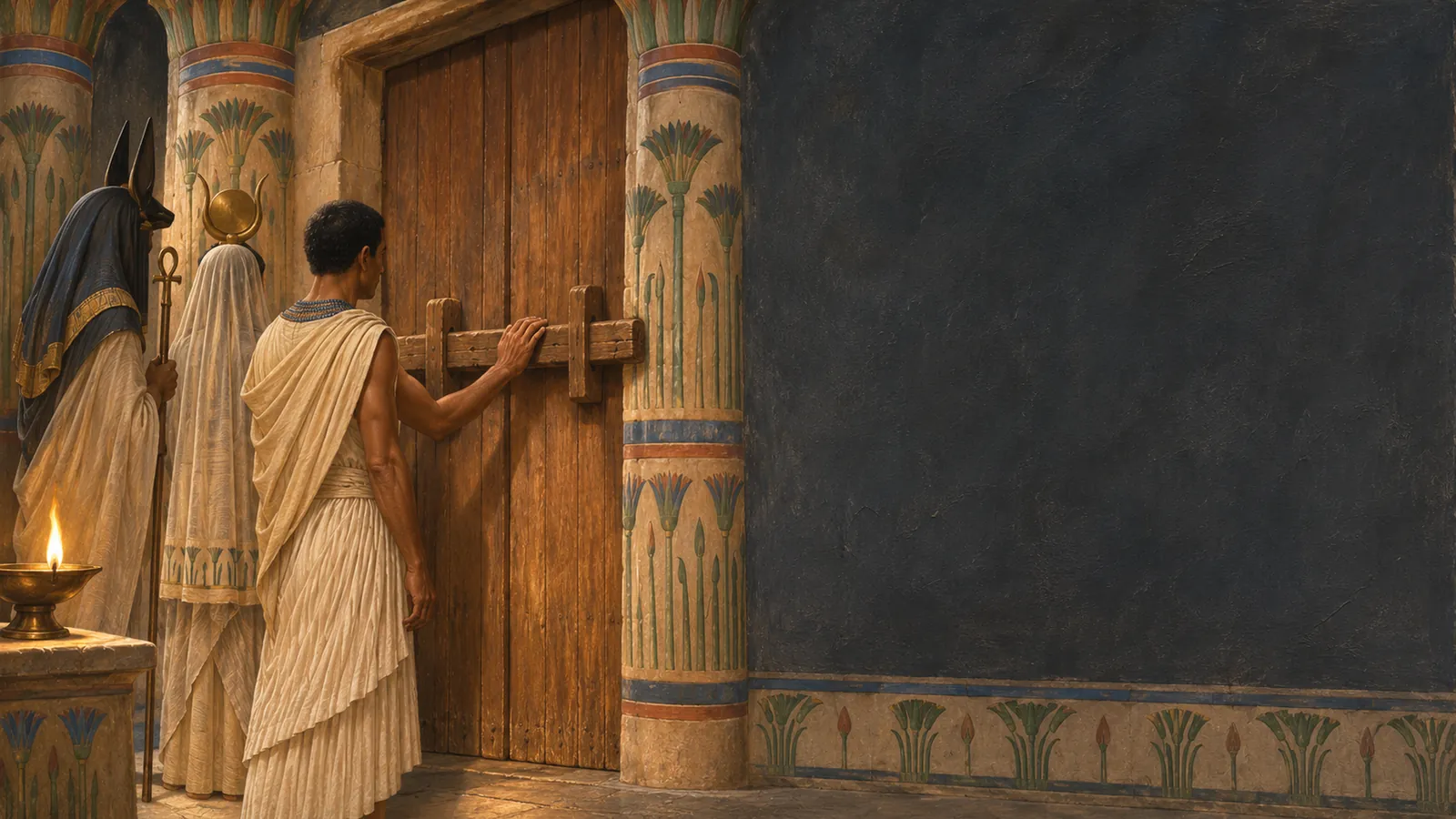
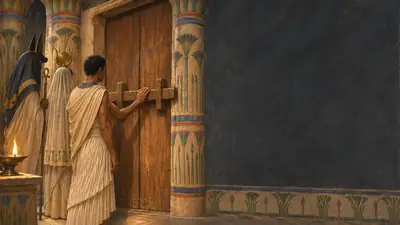
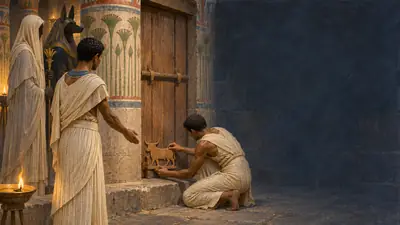
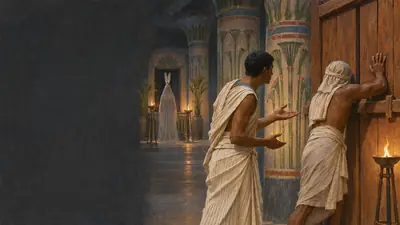
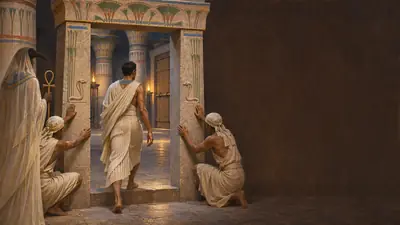
In the dialogue, the door bolts tell the deceased that he may pass through only if he gives their names.
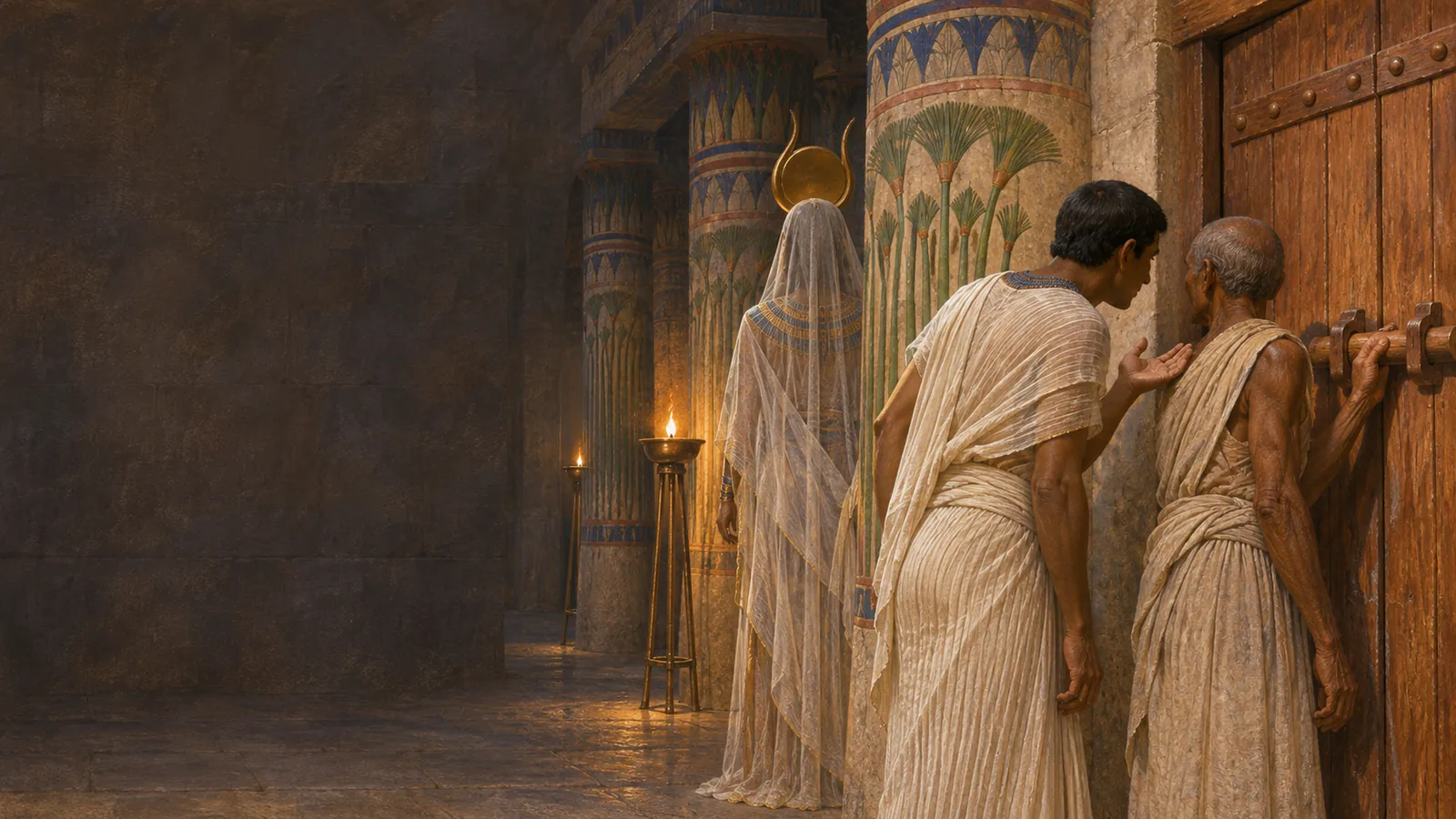
The deceased answers the door bolts. He gives their name as Tongue of the Place of Right and Truth.
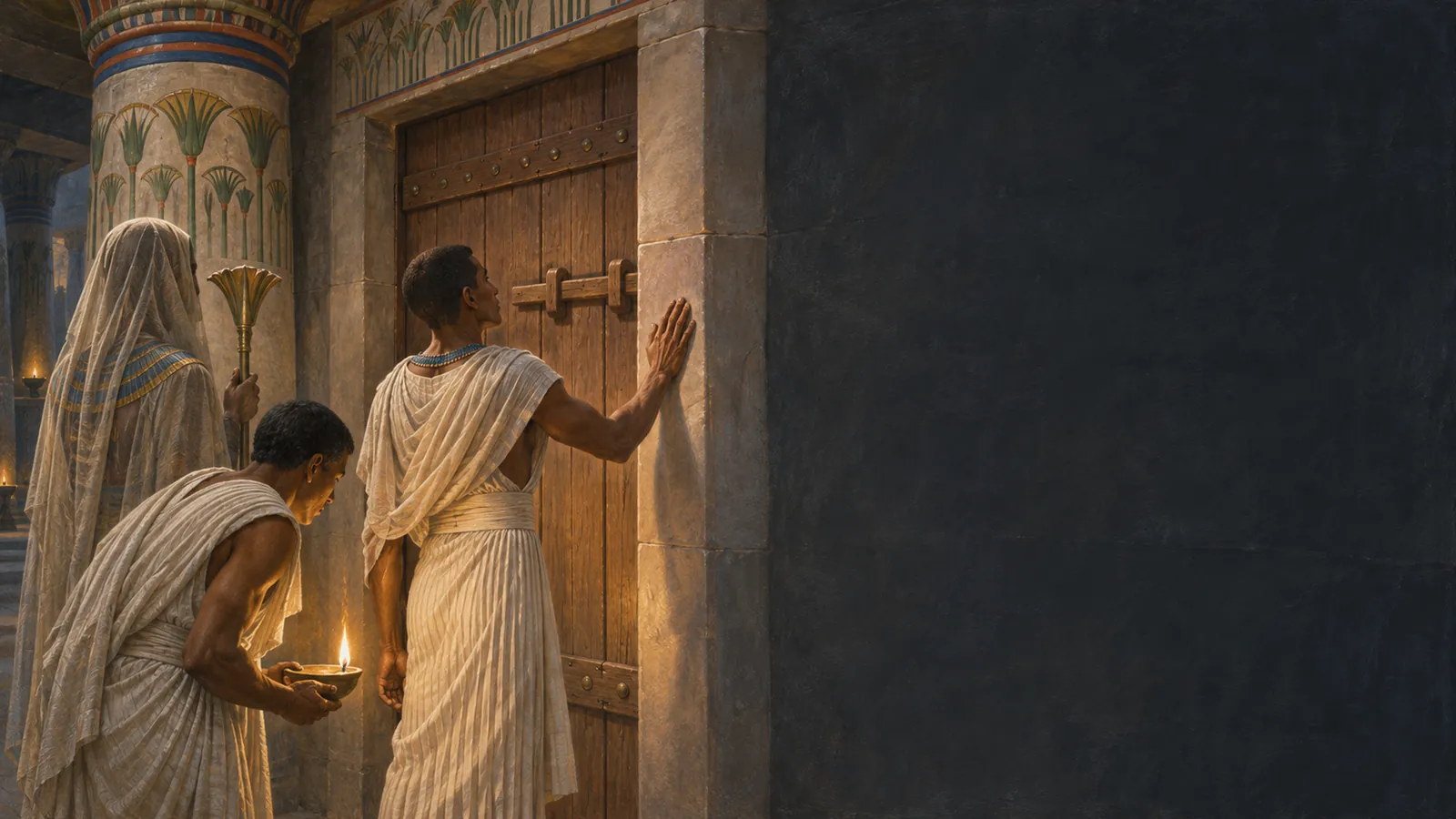
The right doorpost speaks next in the dialogue. It tells the deceased that he must say its name before he can pass.
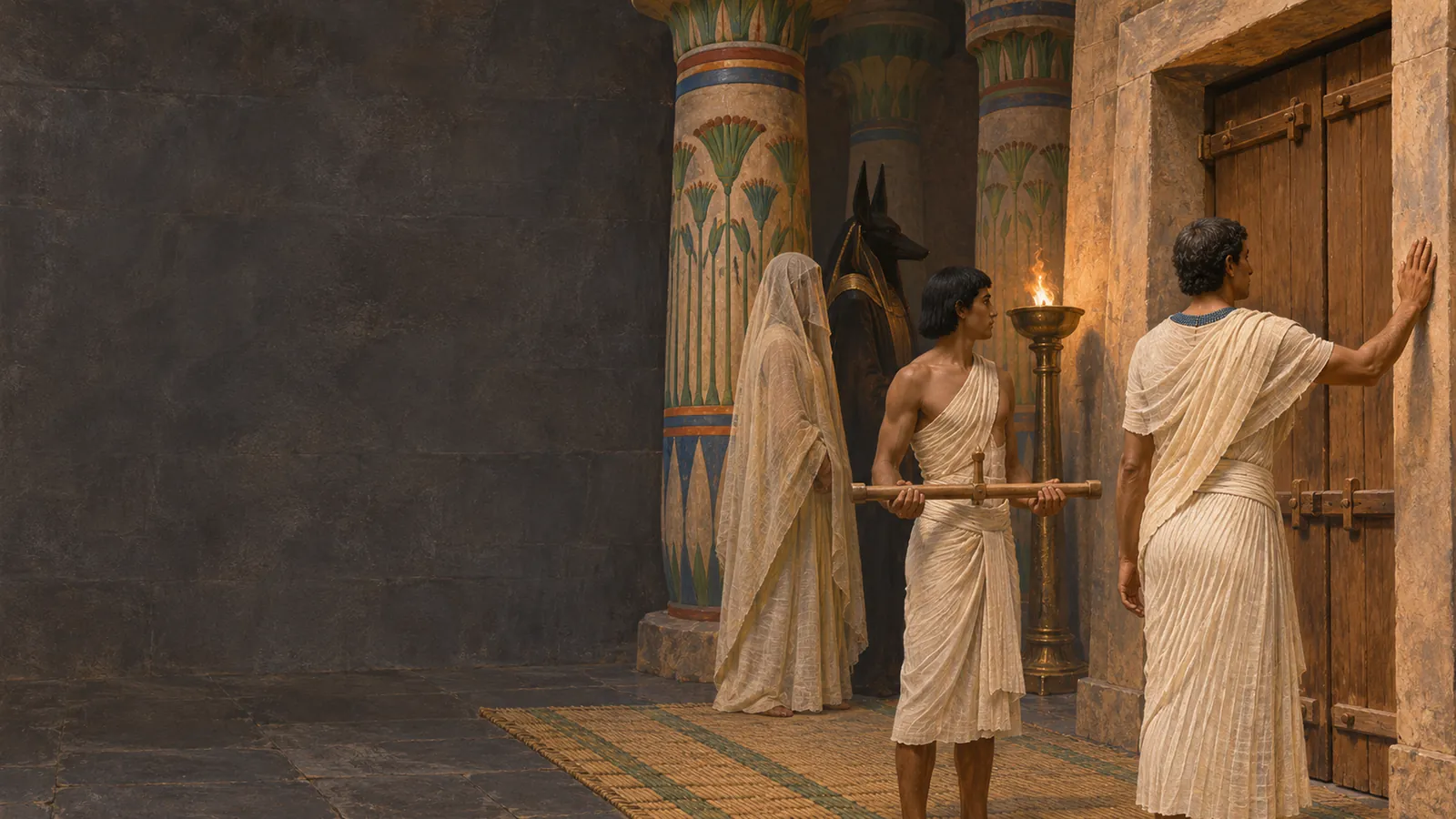
The deceased answers the right doorpost by naming it the Scale of the One Who Lifts Up Right and Truth.
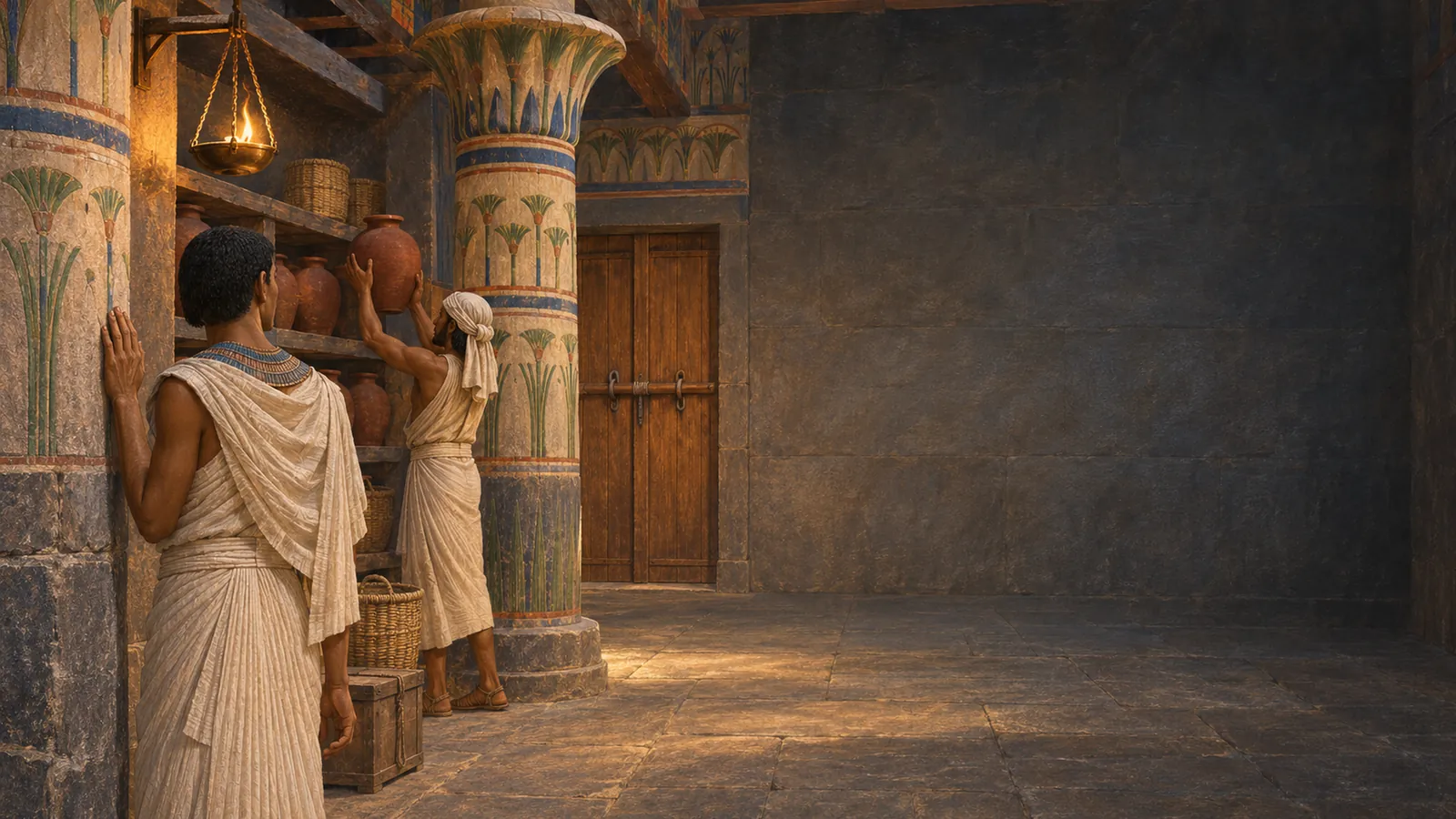
The left post asks the deceased to tell its name before it lets him enter. His answer is, “Scale of Wine.”
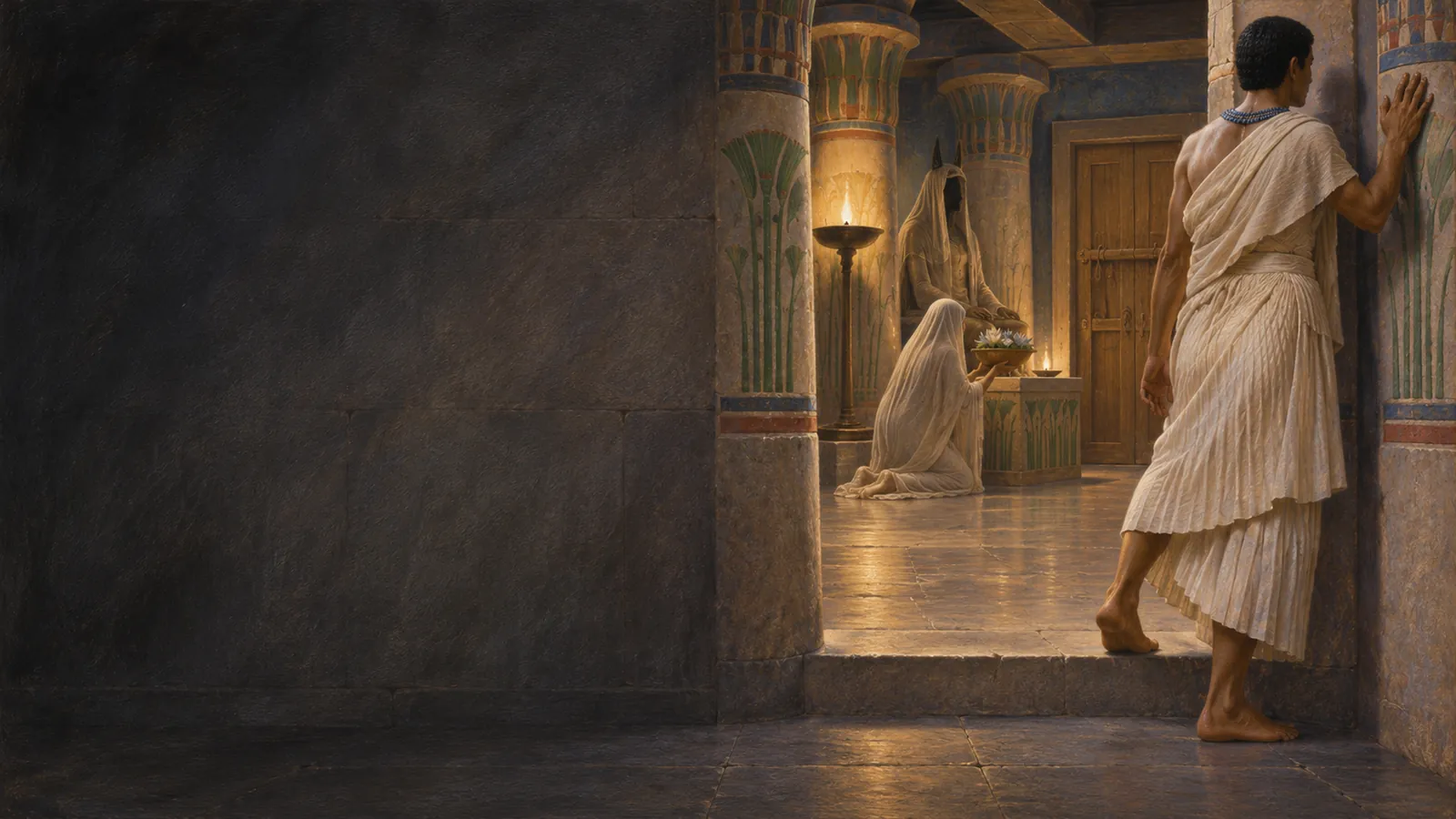
“I will not allow you to step over me unless you tell me my name,” says the threshold to the deceased.
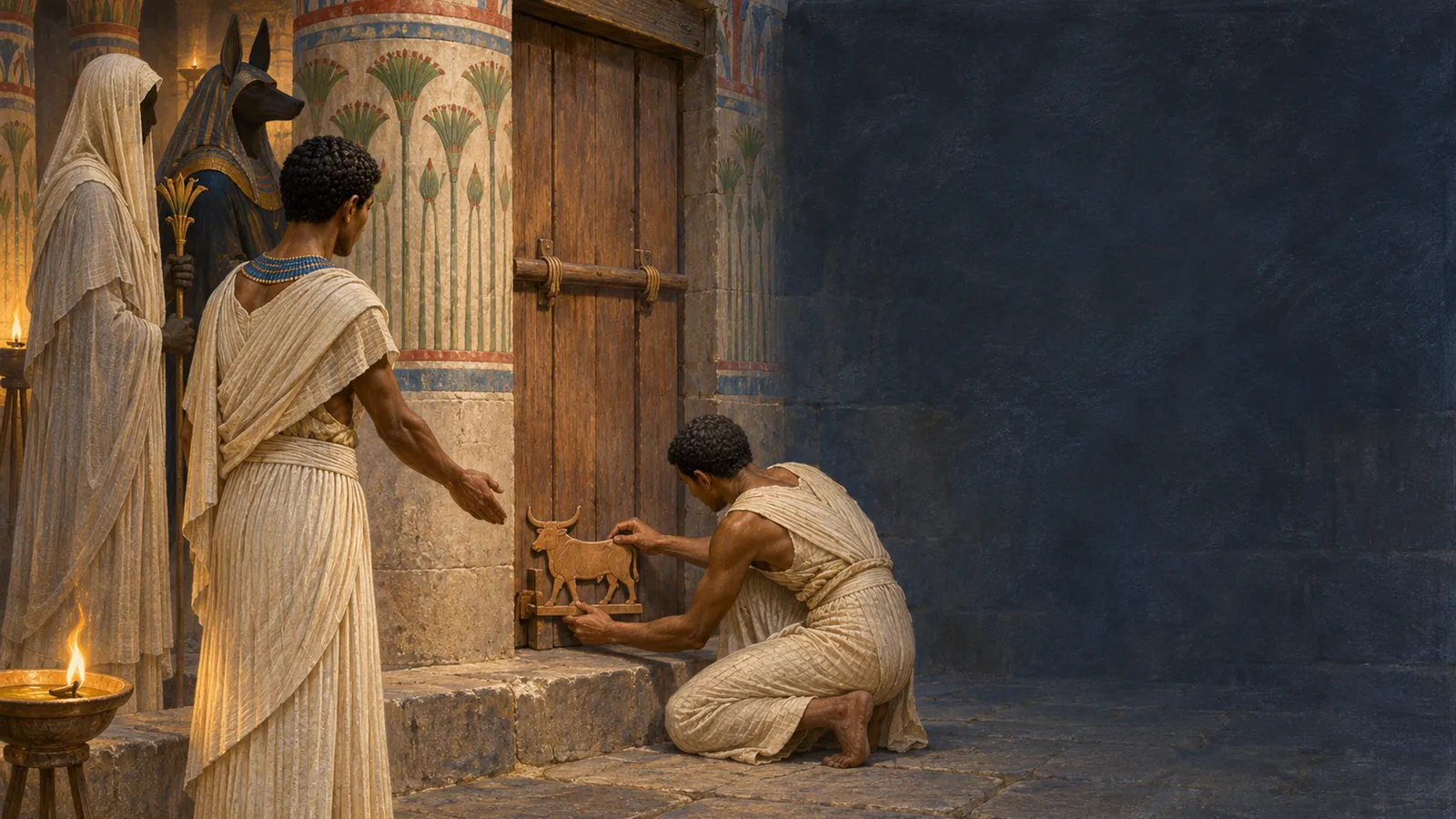
The threshold is waiting for its name. The deceased tells it, “Your name is Ox of the God Seb.”
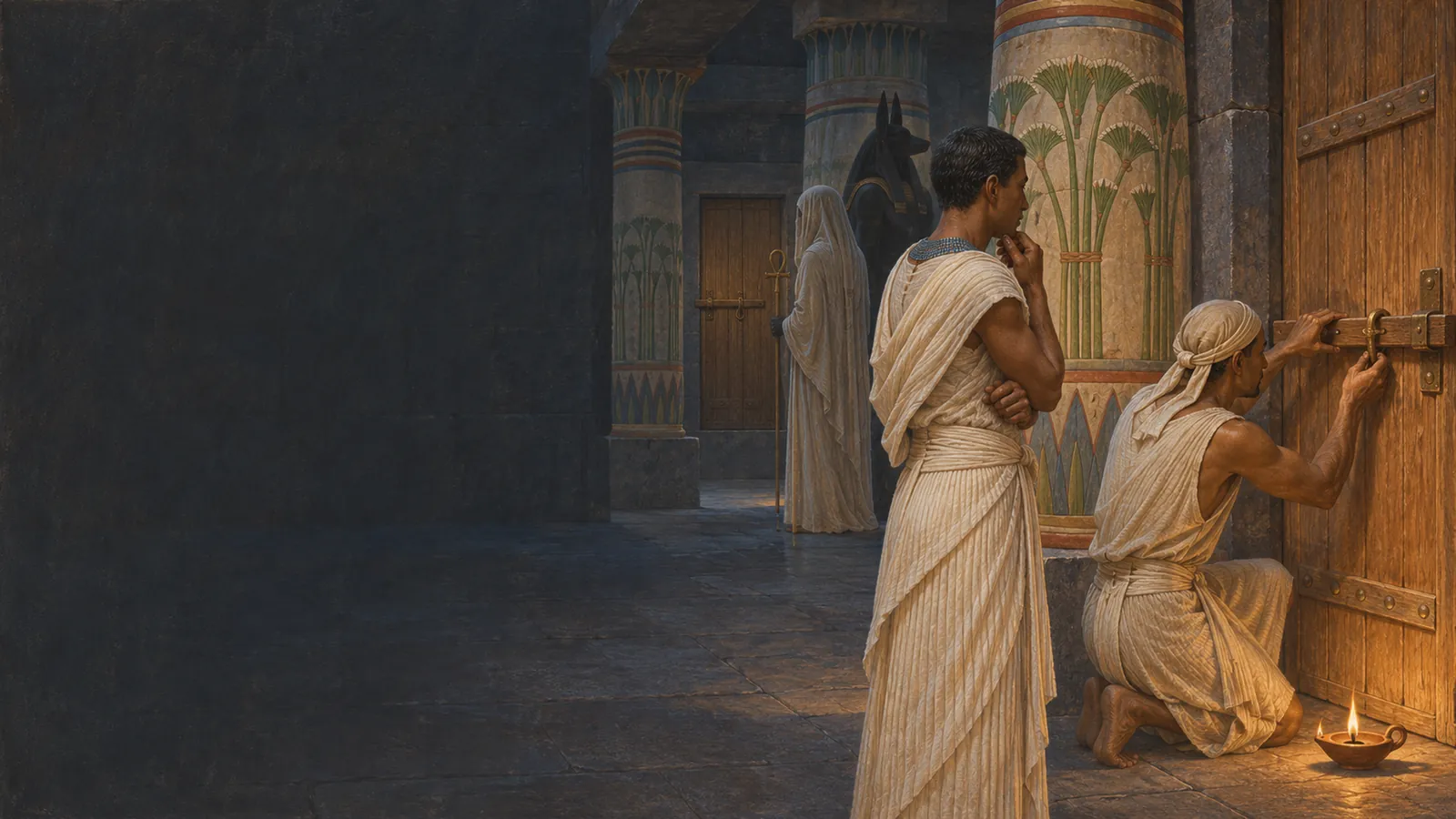
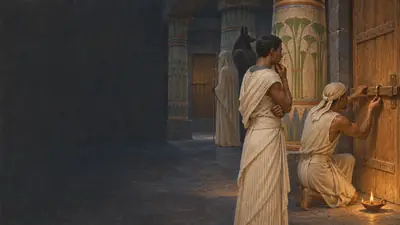
The hasp says it will not open until the deceased tells its name. He replies, “Leg Bone of His Mother.”
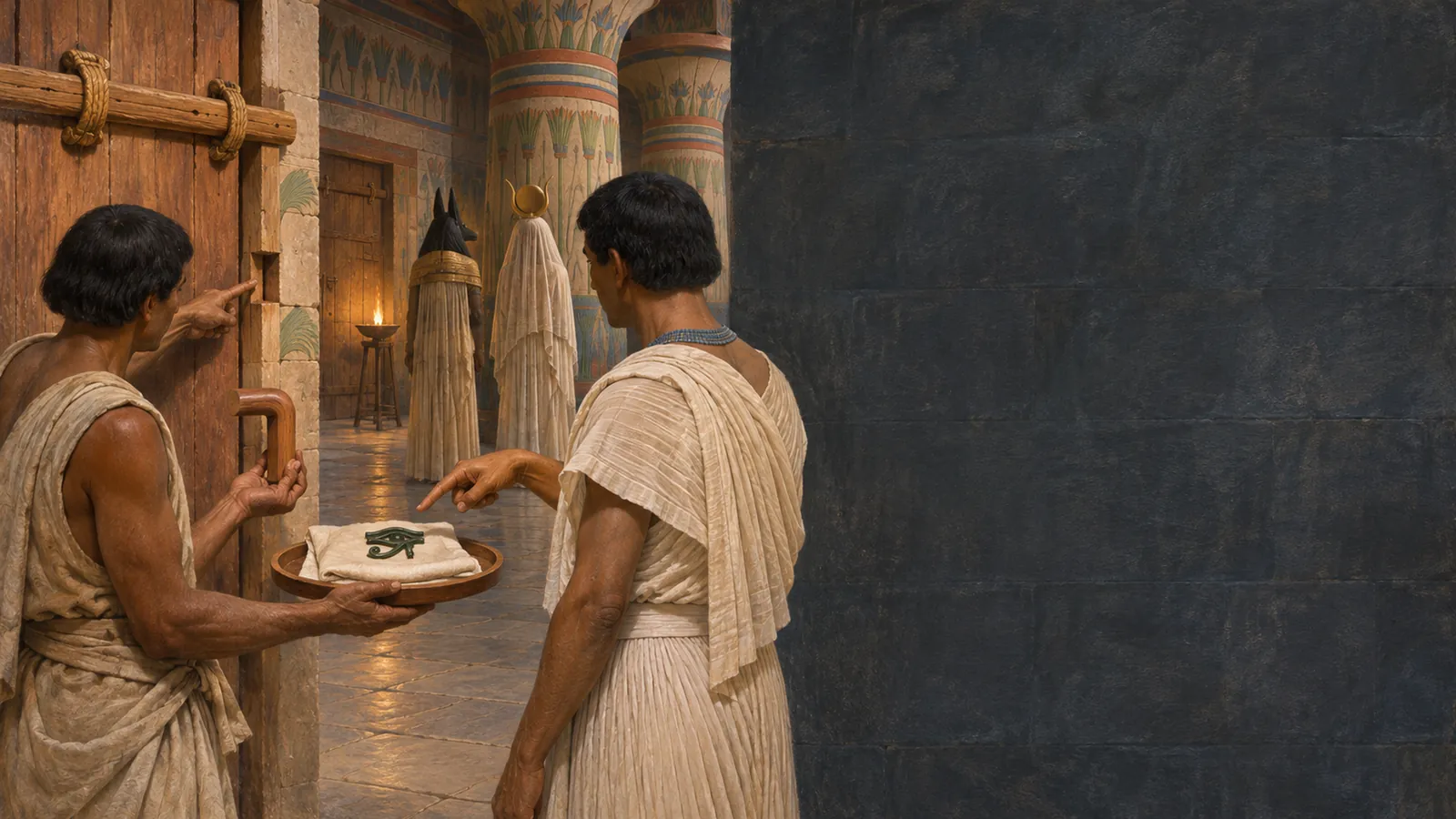
The socket says it will not open without hearing its name. The deceased calls it the Living Eye of Sebek, lord of Bakhau.
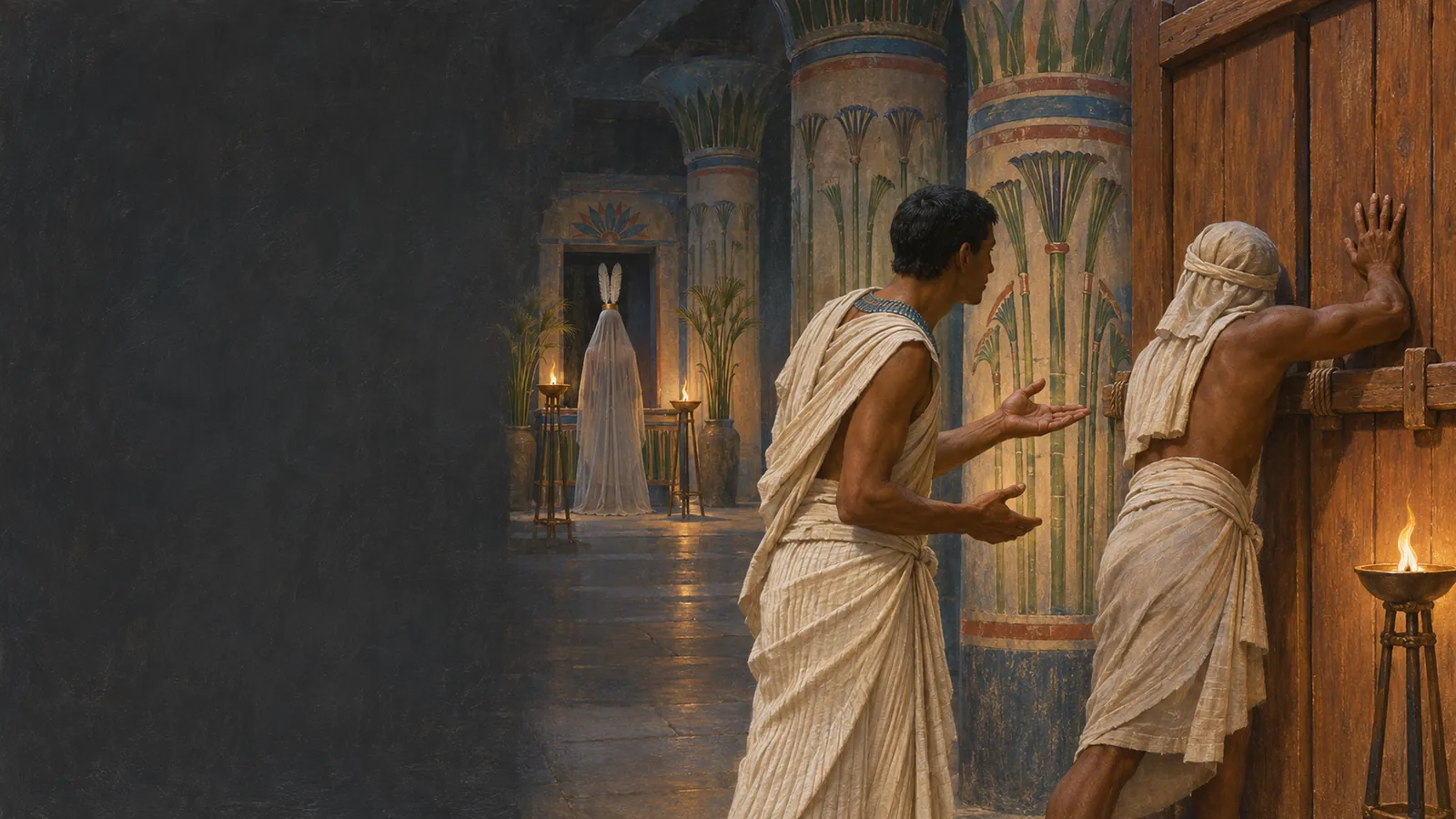
The Porter, too, asks for his name before he will open. The deceased calls him the Elbow of Shu when he takes his place to protect Osiris.
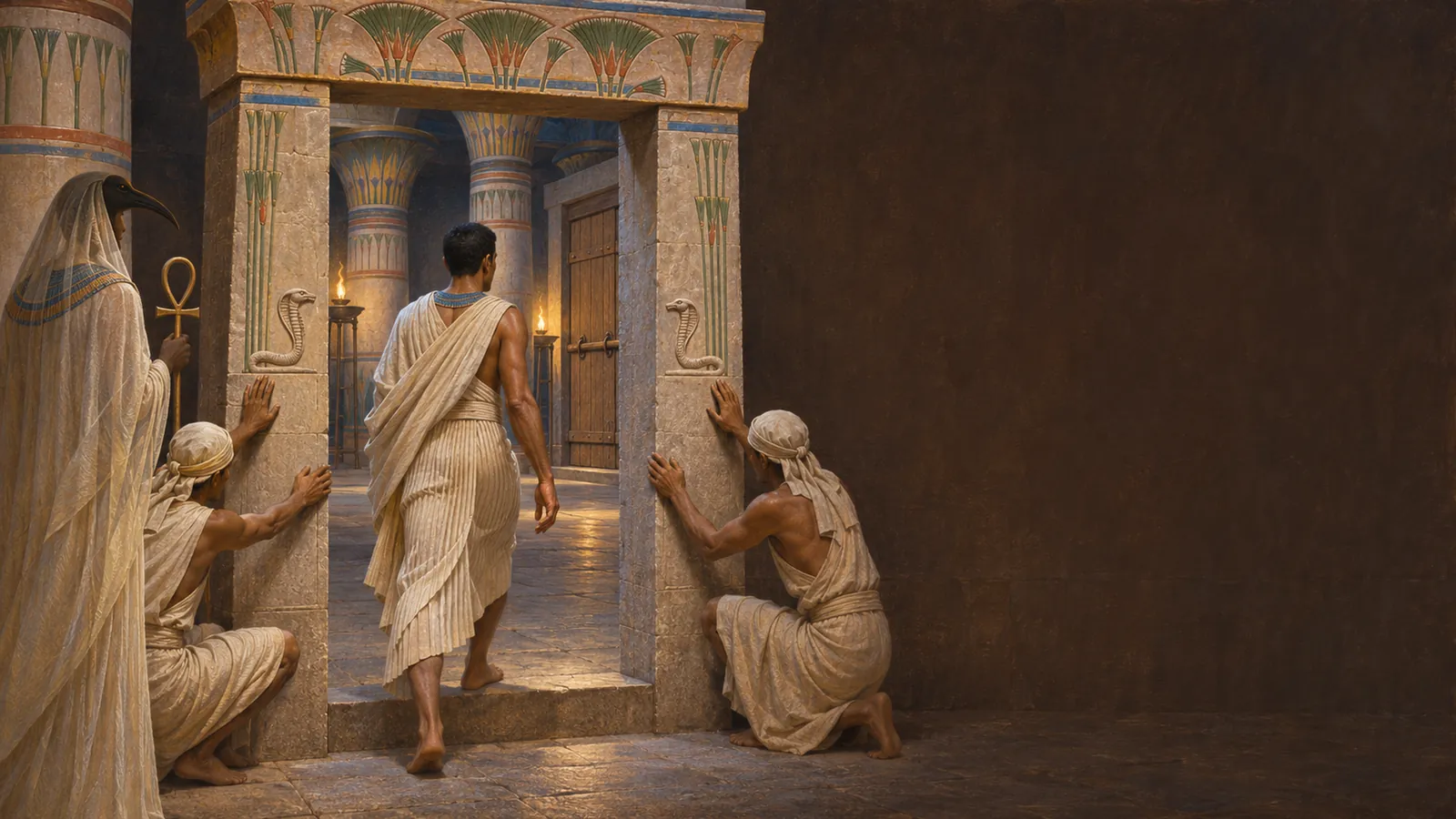
The side posts speak together and ask what they are called. The deceased names them Children of the Cobra Goddesses. Recognised by name, they tell him to pass.
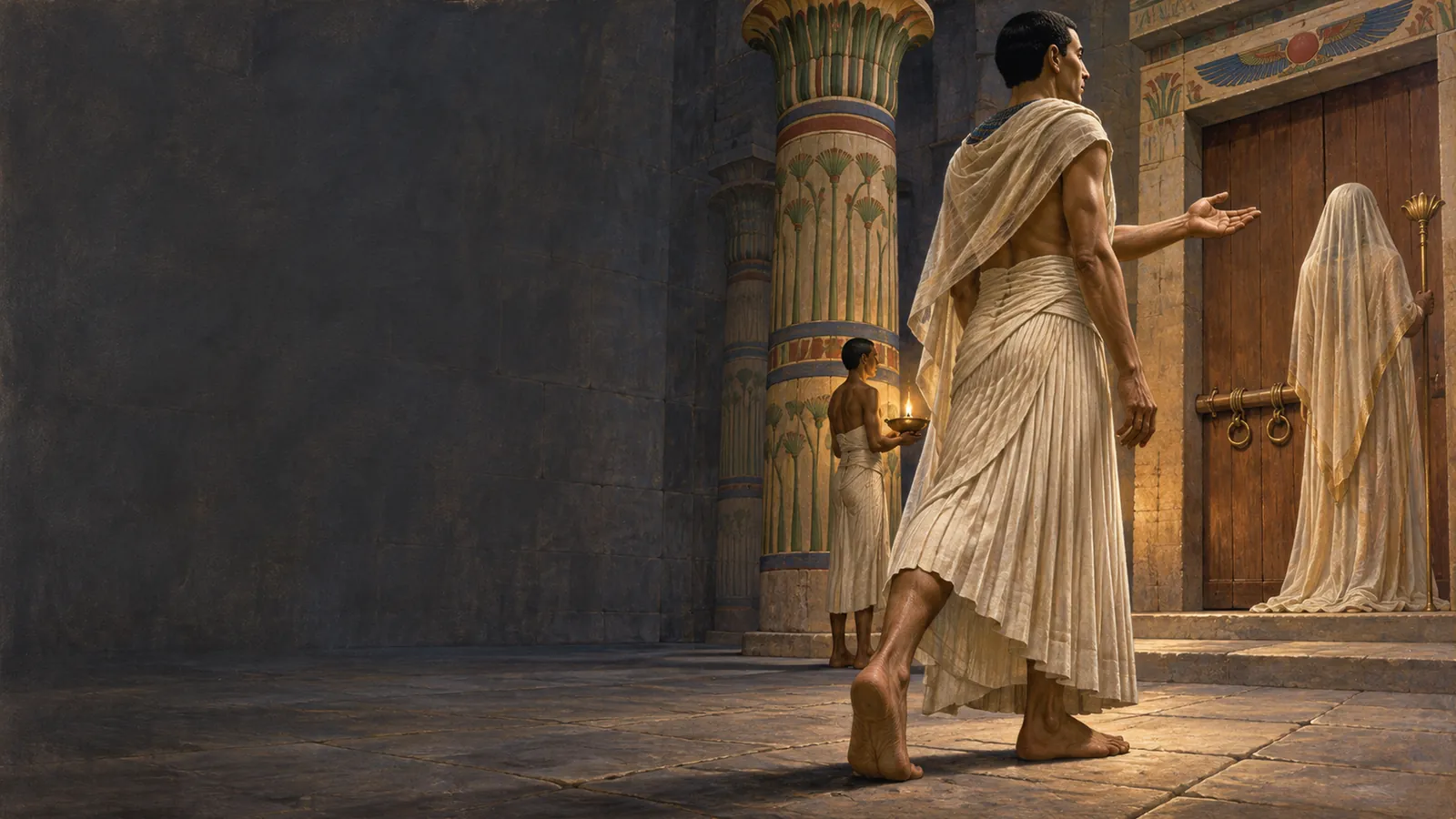
THE FLOOR
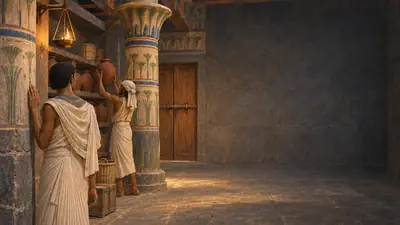
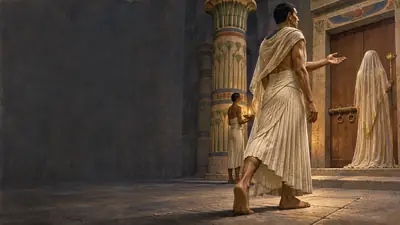
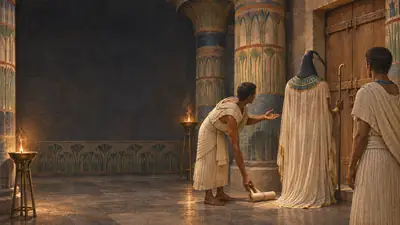
The floor says it is silent and holy. It will not let the deceased step upon it until he tells it the name of each foot.
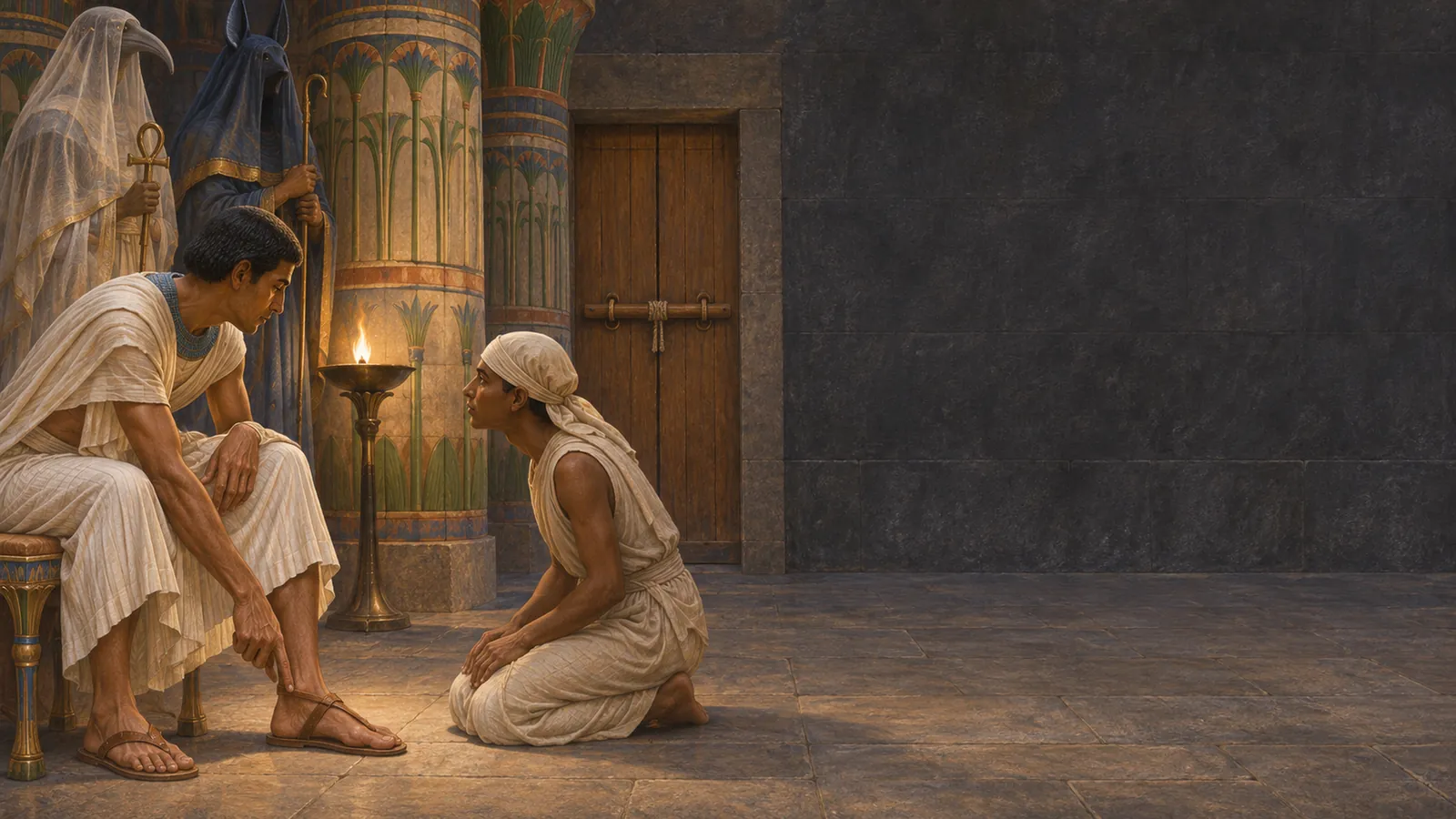
The deceased gives the floor two names. He calls his right foot Traveller of the God Khas and his left foot Staff of the Goddess Hathor.
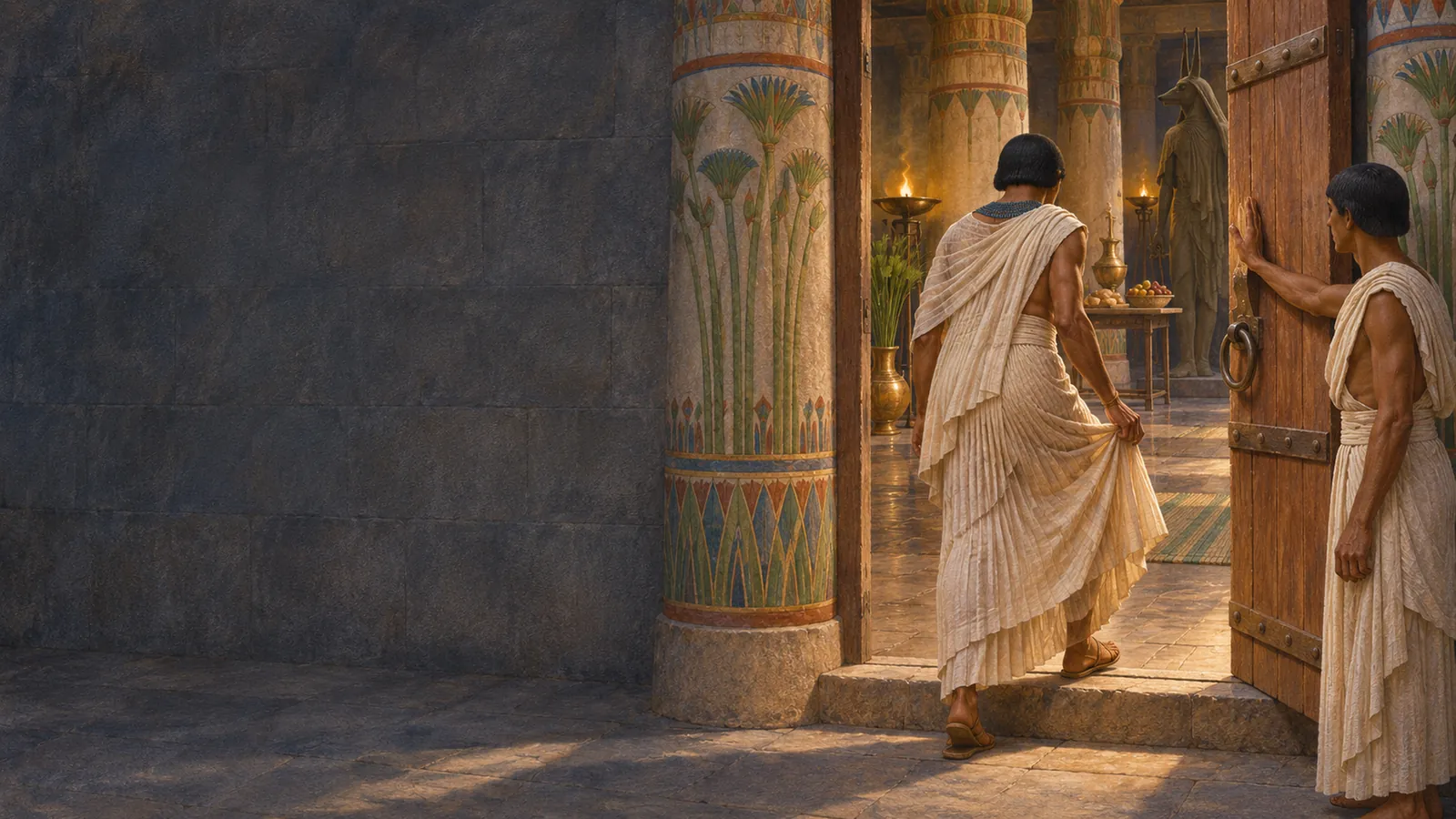
The floor has heard the two names. It answers the deceased, “You know me. Pass over me, then.”
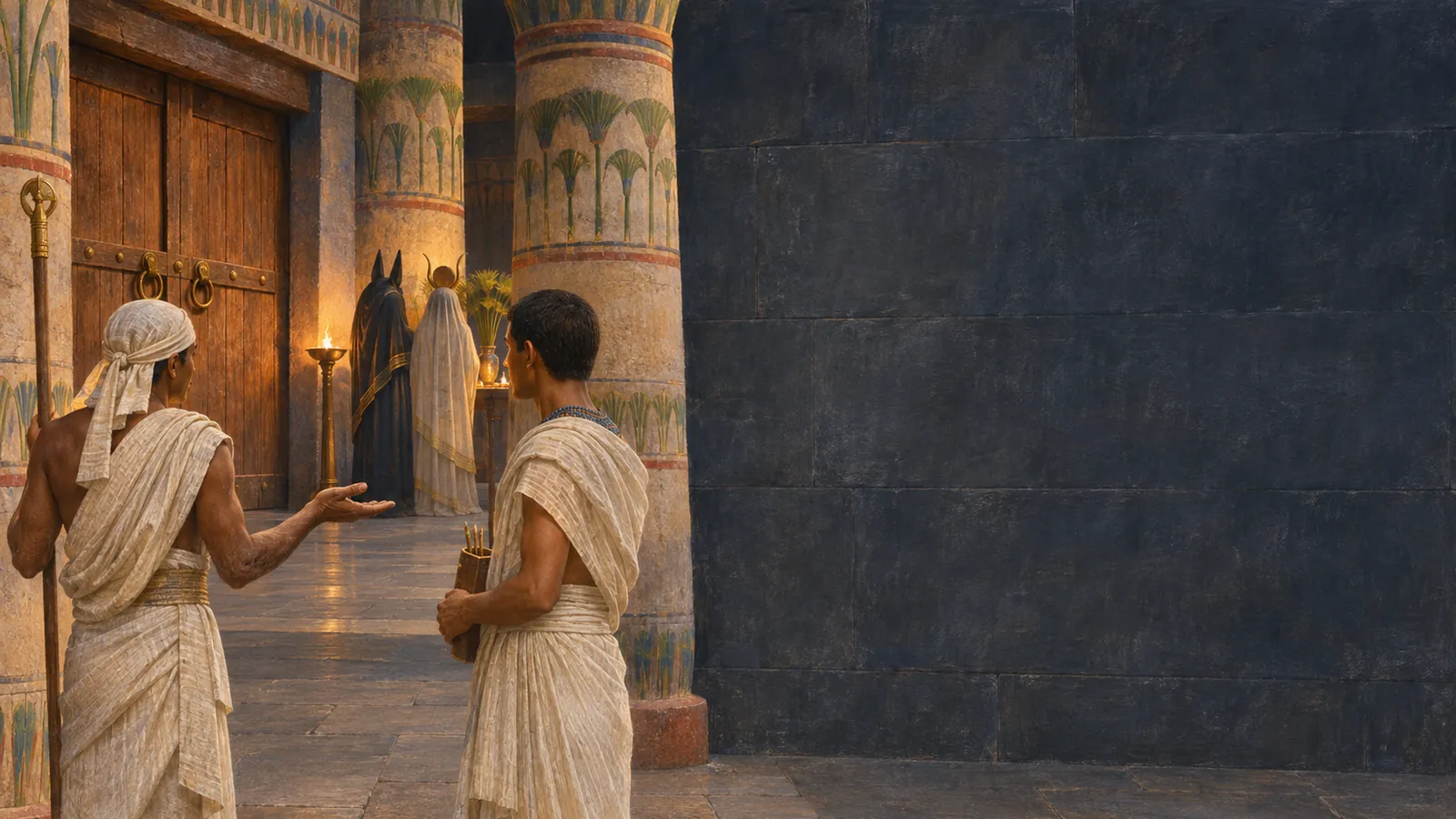
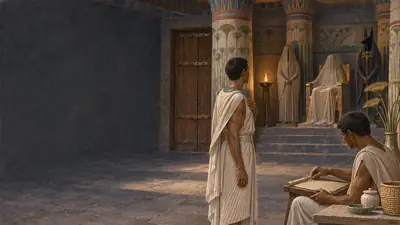
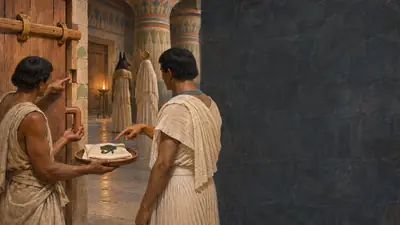
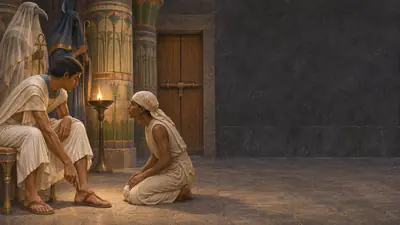
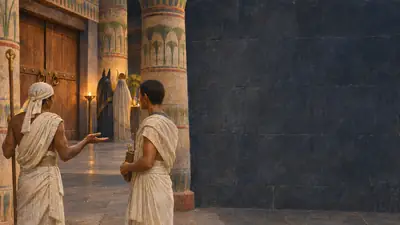
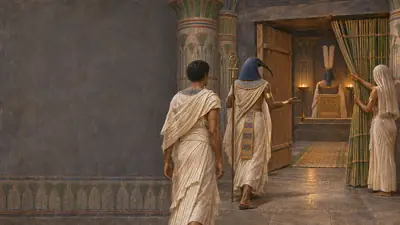
“I will not take your name until you tell me mine,” the Doorkeeper says. “You are the discerner of hearts and the searcher of the inward parts,” the speaker replies.
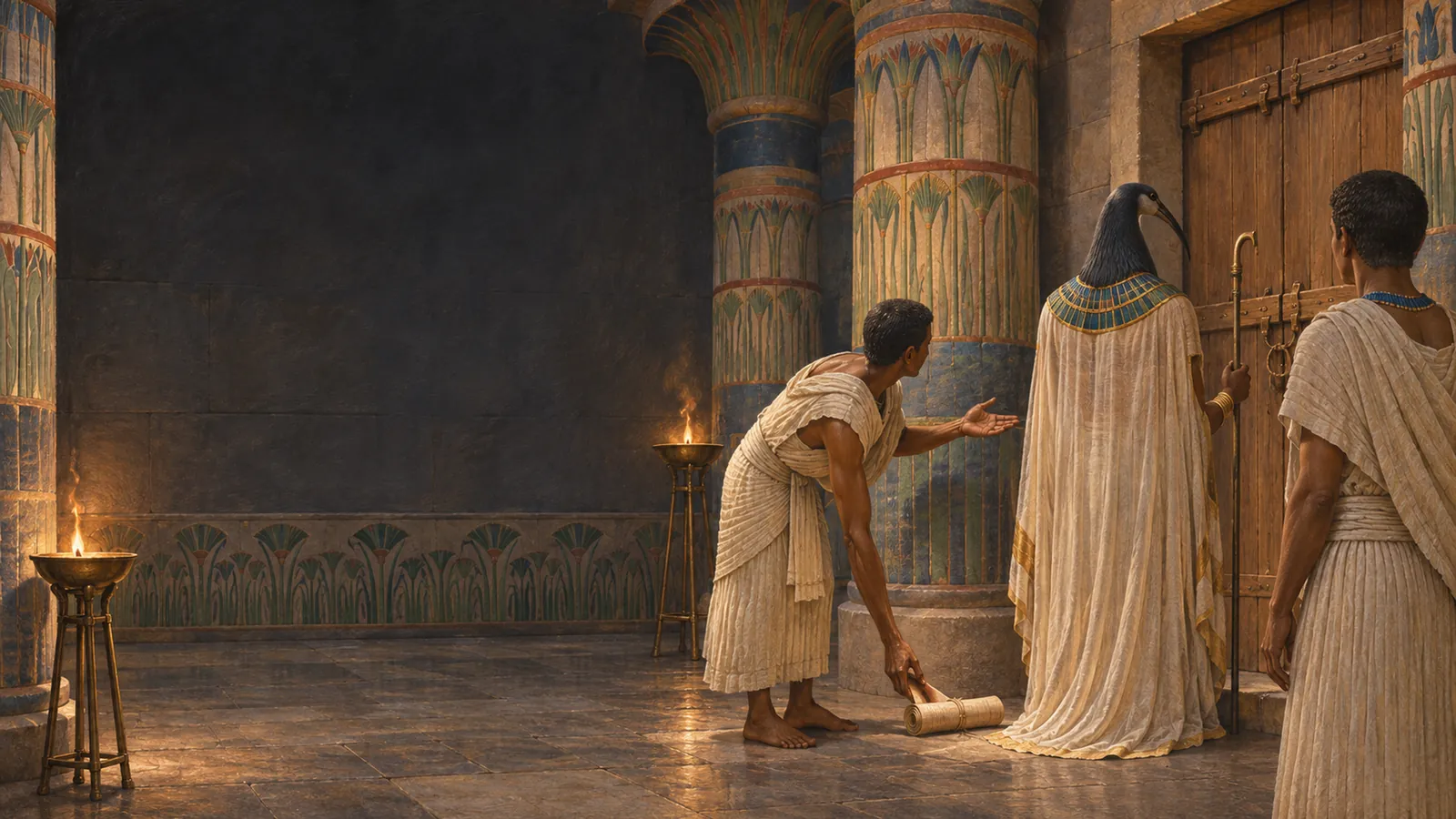
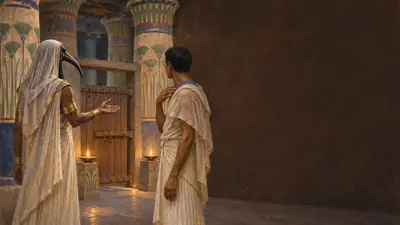
The Doorkeeper asks which god dwells in his hour. The speaker answers, “Māau-Taui.” When the Doorkeeper asks who Māau-Taui is, the speaker says, “He is Thoth.”
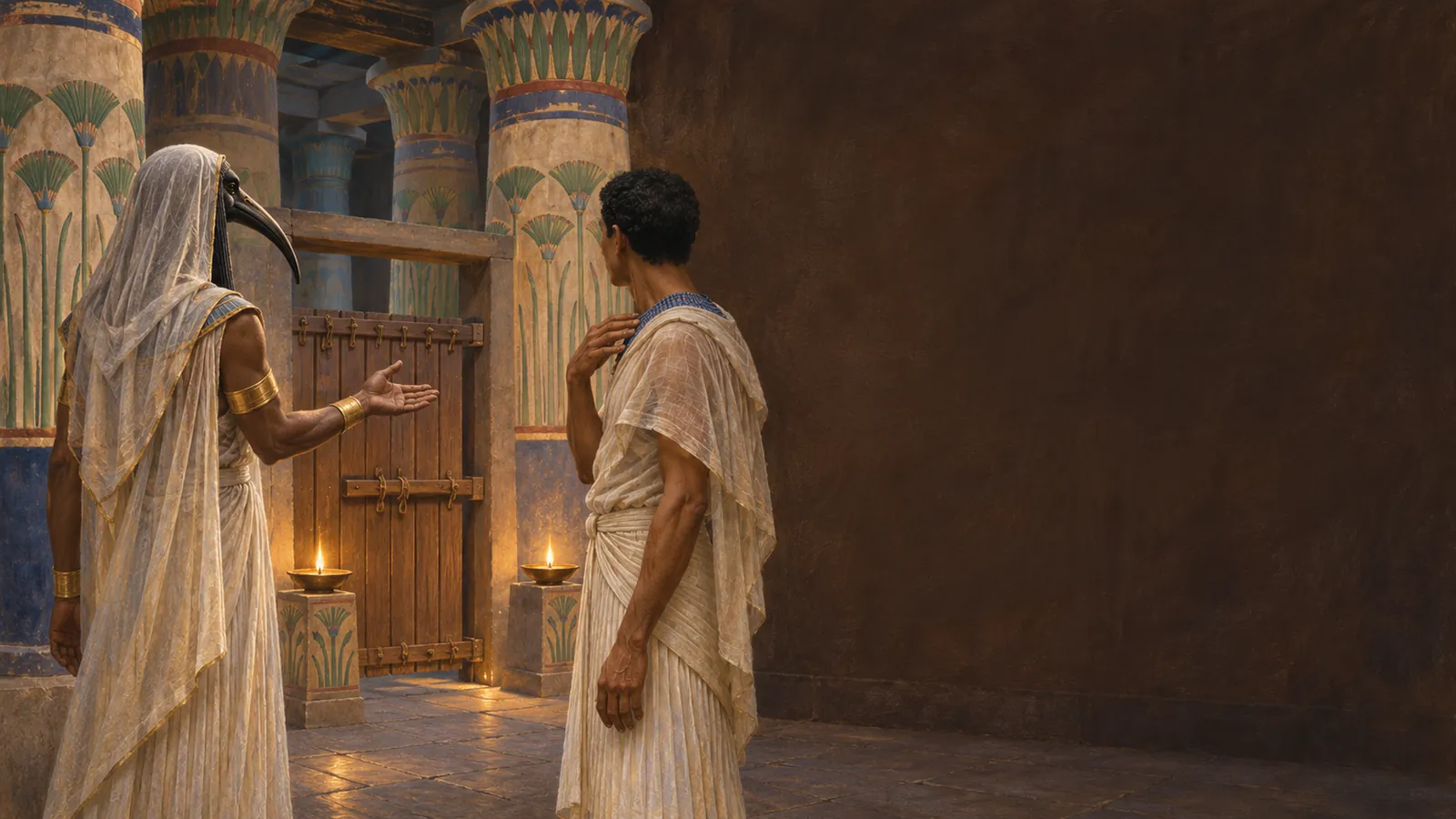
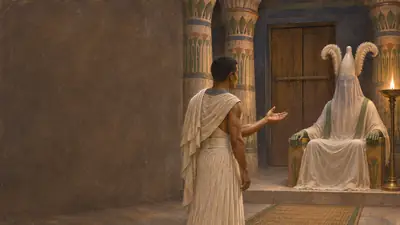
“Come,” says Thoth. “Why have you come?” The speaker answers, “I have come, and I press on so that my name may be spoken.”
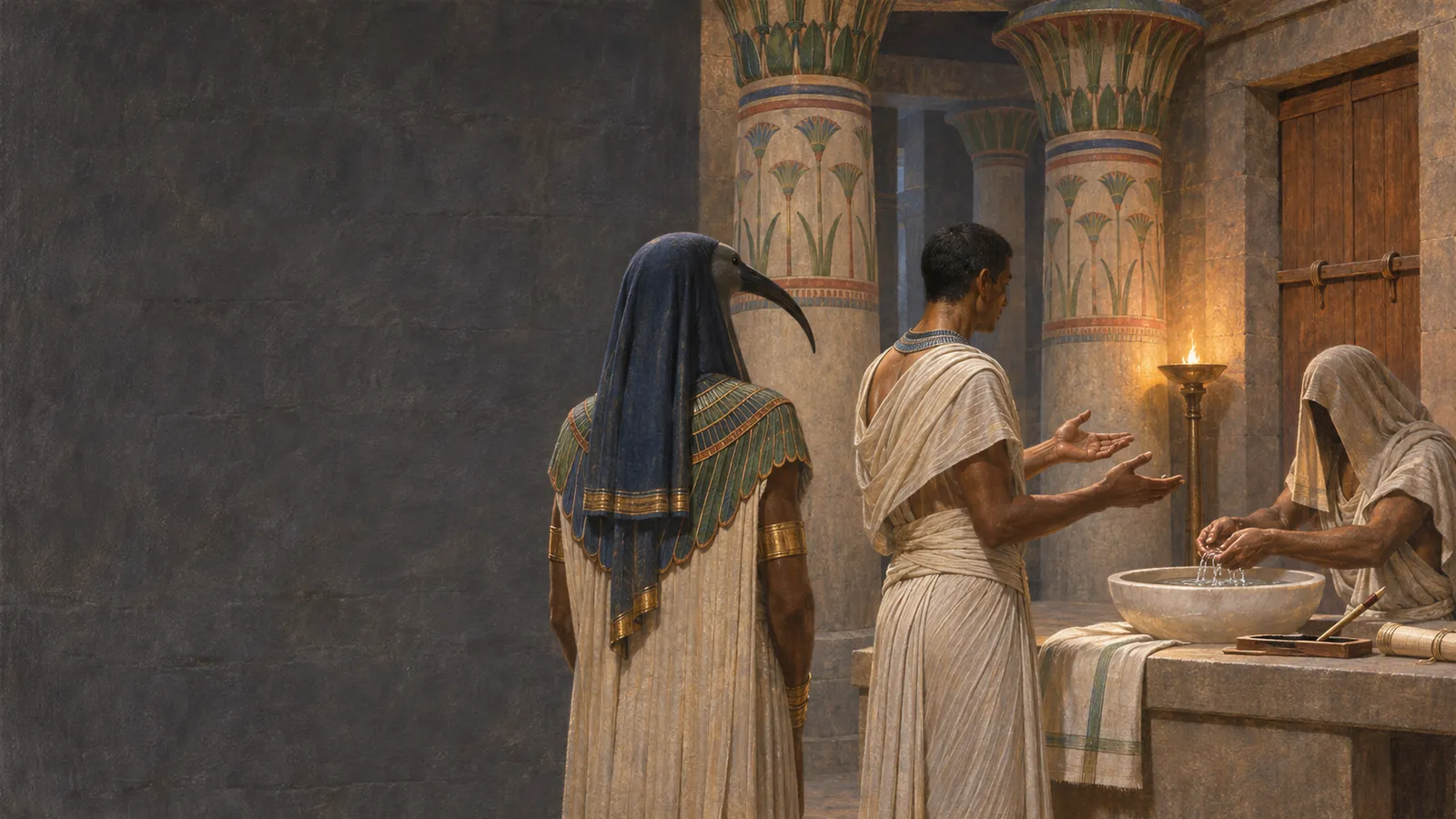
Thoth asks in what state he has come. The speaker says he has been purified and protected from harmful deeds and does not belong among those who do them.
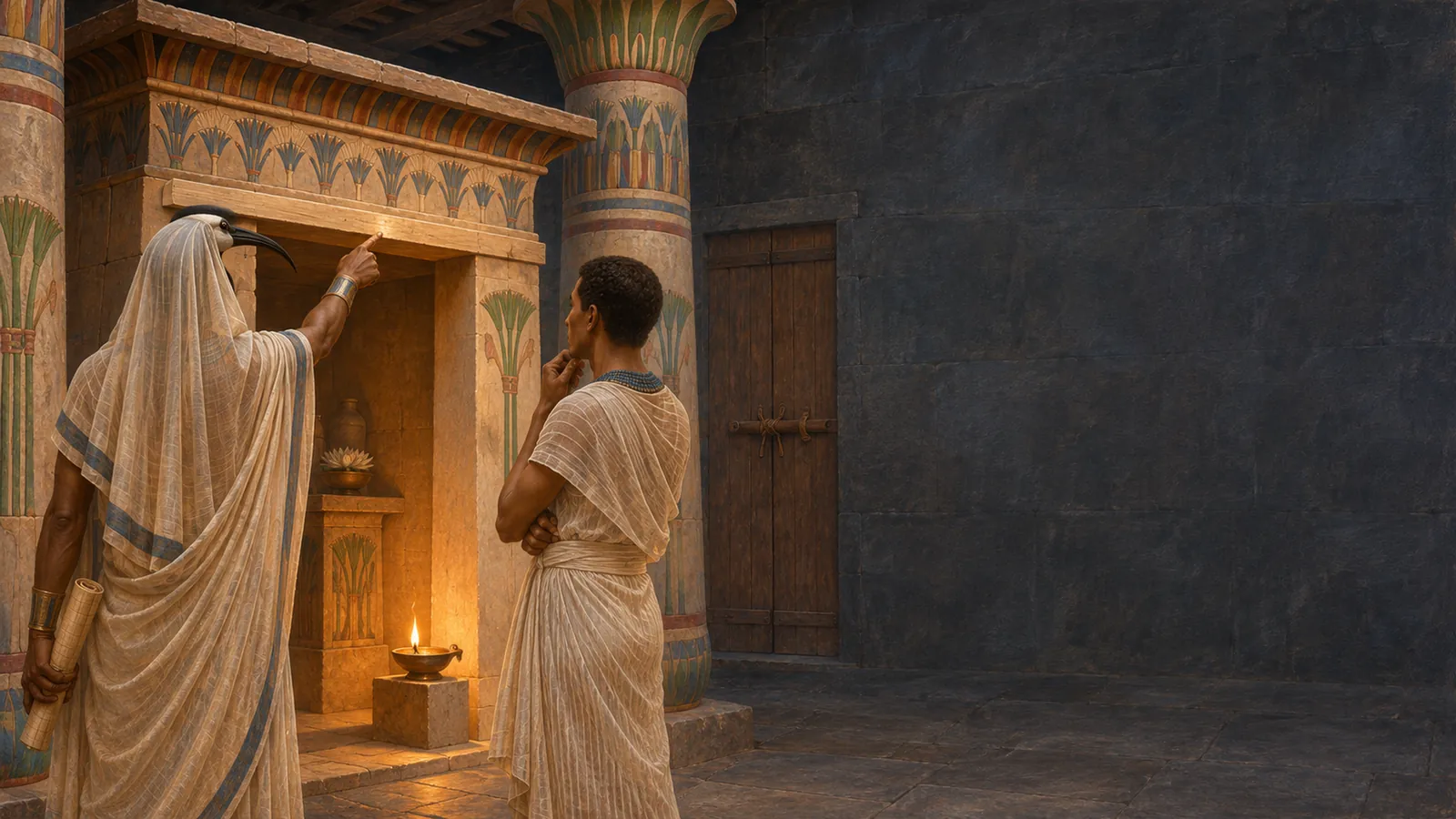
Thoth says he will make mention of the name. Then he asks about a house whose roof is made of fire.
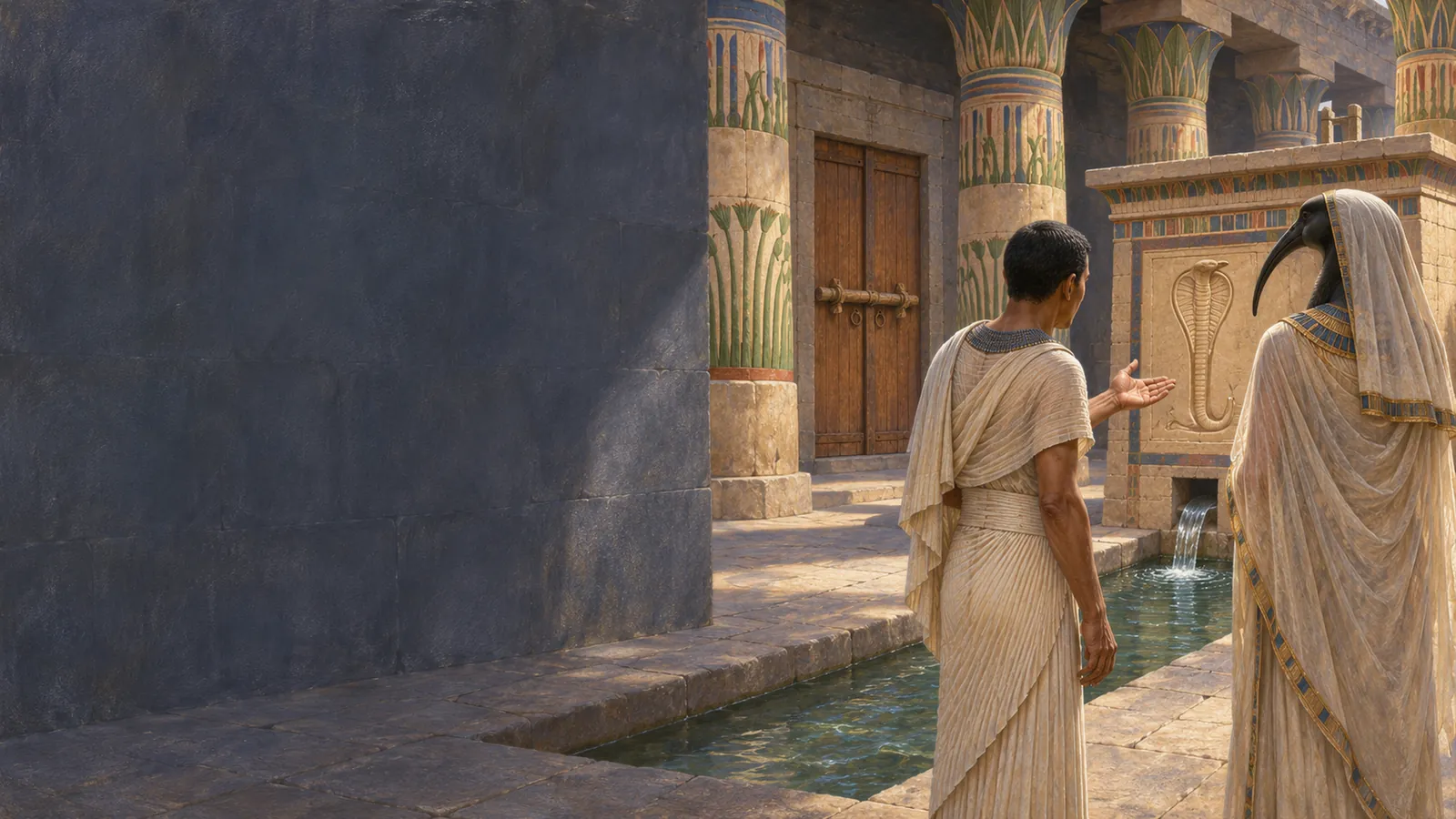
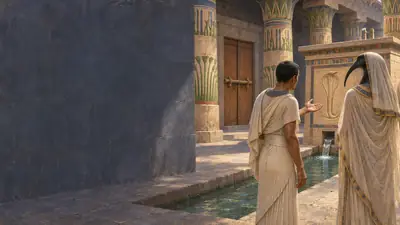
Its walls are living cobras, Thoth says, and its floor is a stream of water. Then he asks the speaker again, “Who is he?”
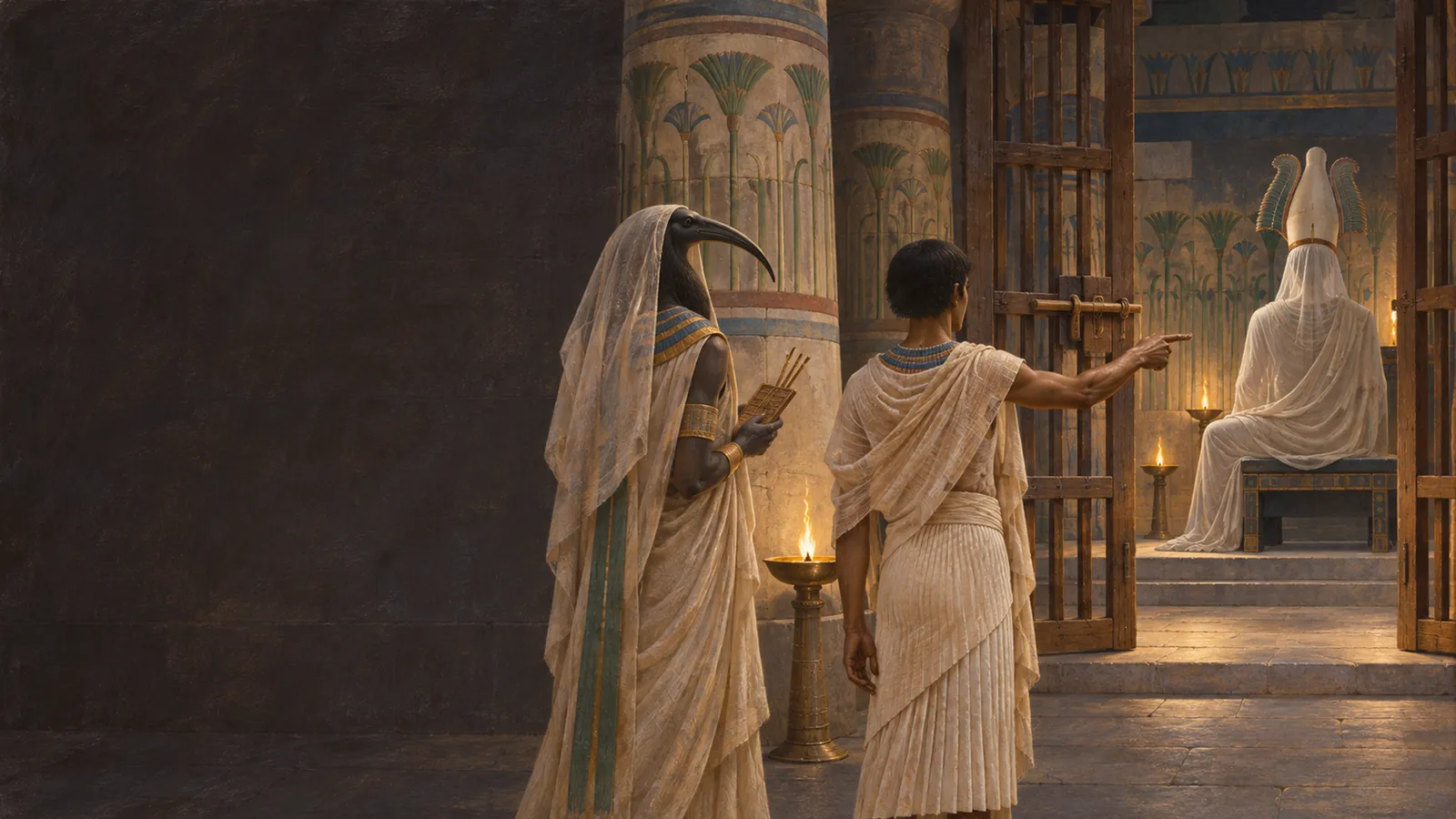
OSIRIS
The speaker has heard the riddle of the strange house. He gives Thoth a single name in answer: “It is Osiris.”
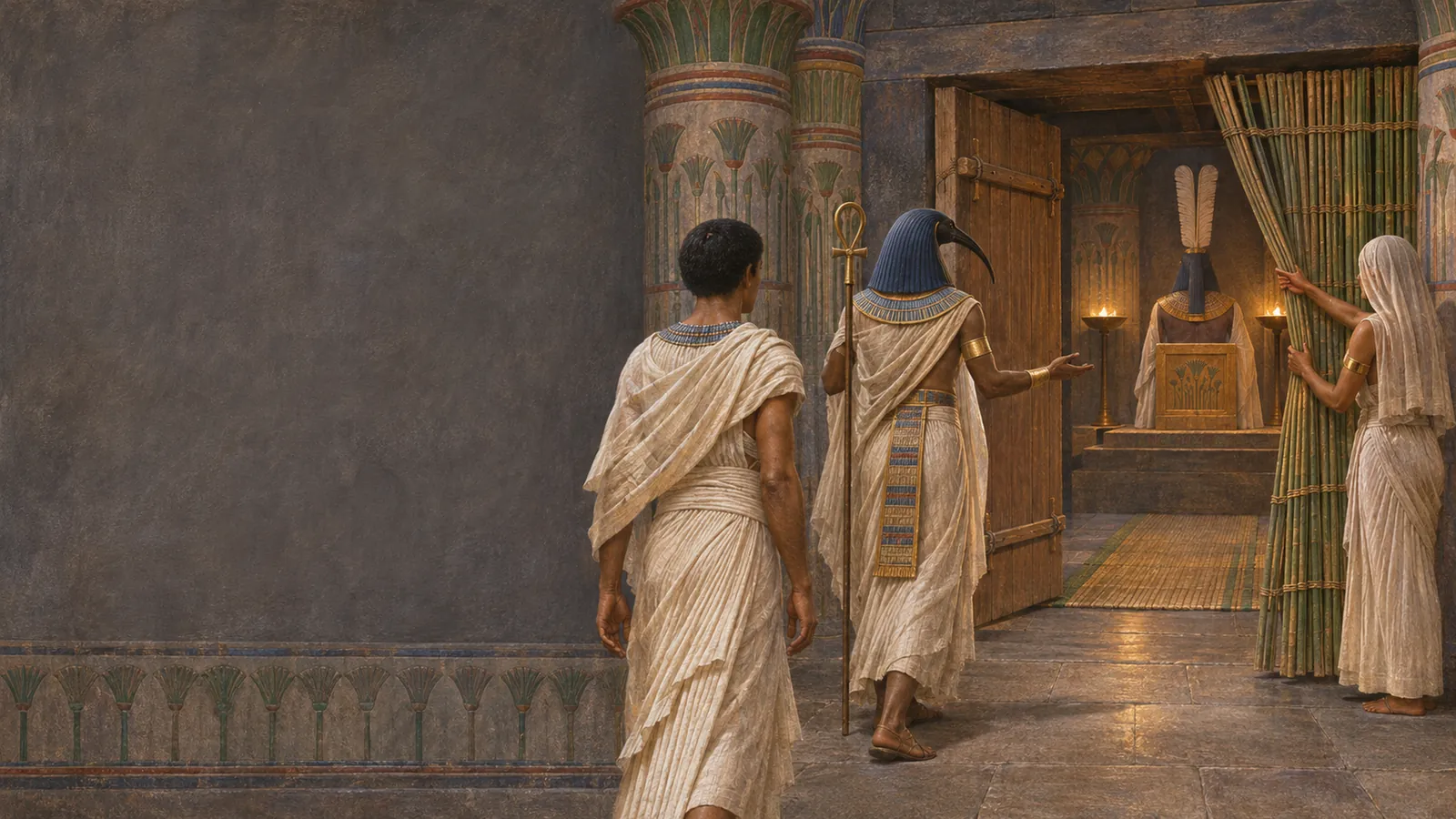
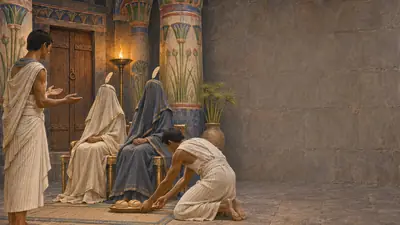
Thoth tells the speaker to come forward. He promises that the speaker’s name will be mentioned to Osiris.
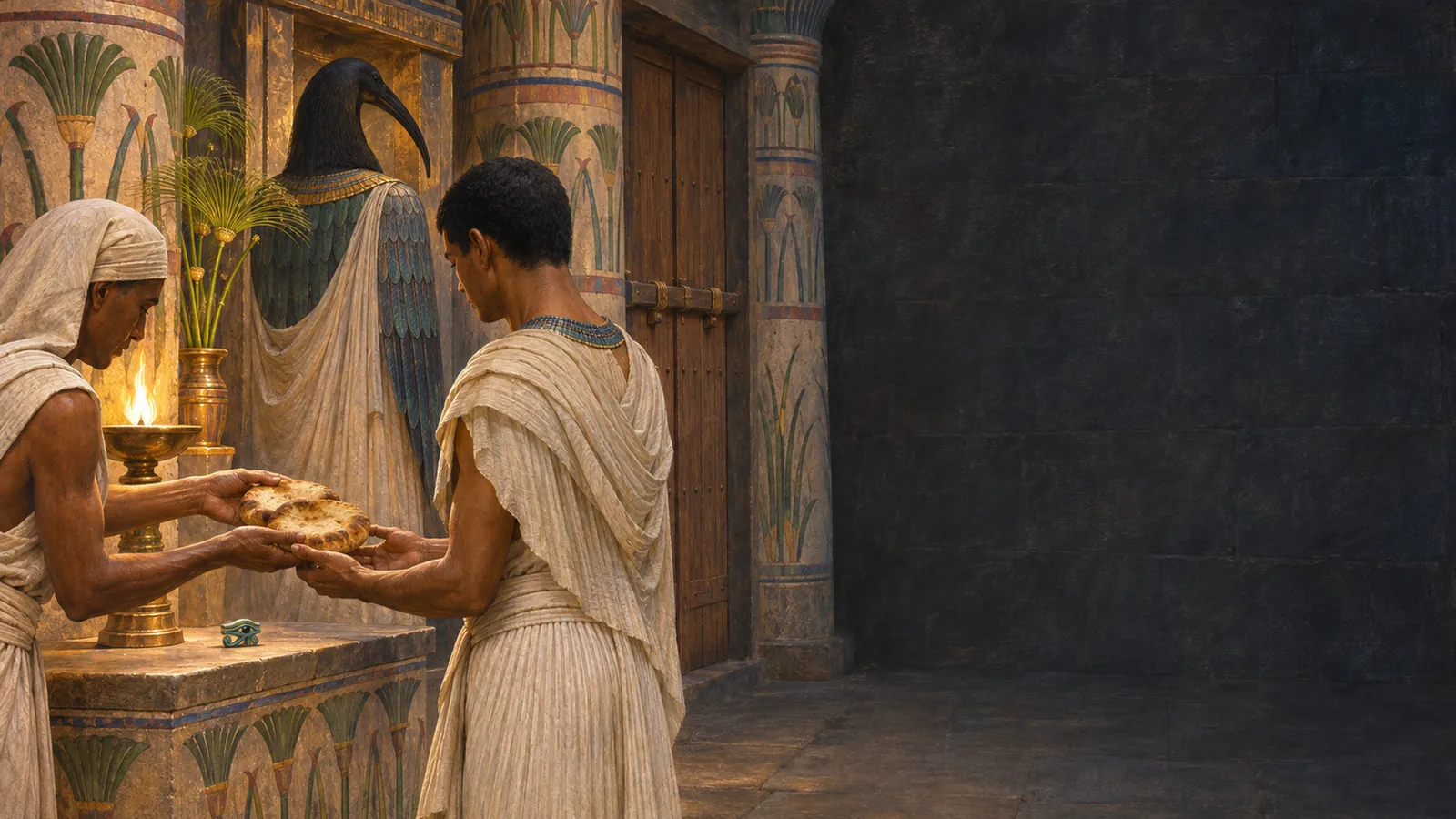
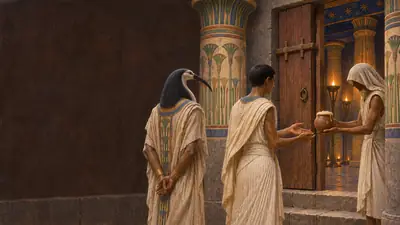
Thoth now tells the speaker where his cakes will come from. In his promise, their source is the Eye of Ra.
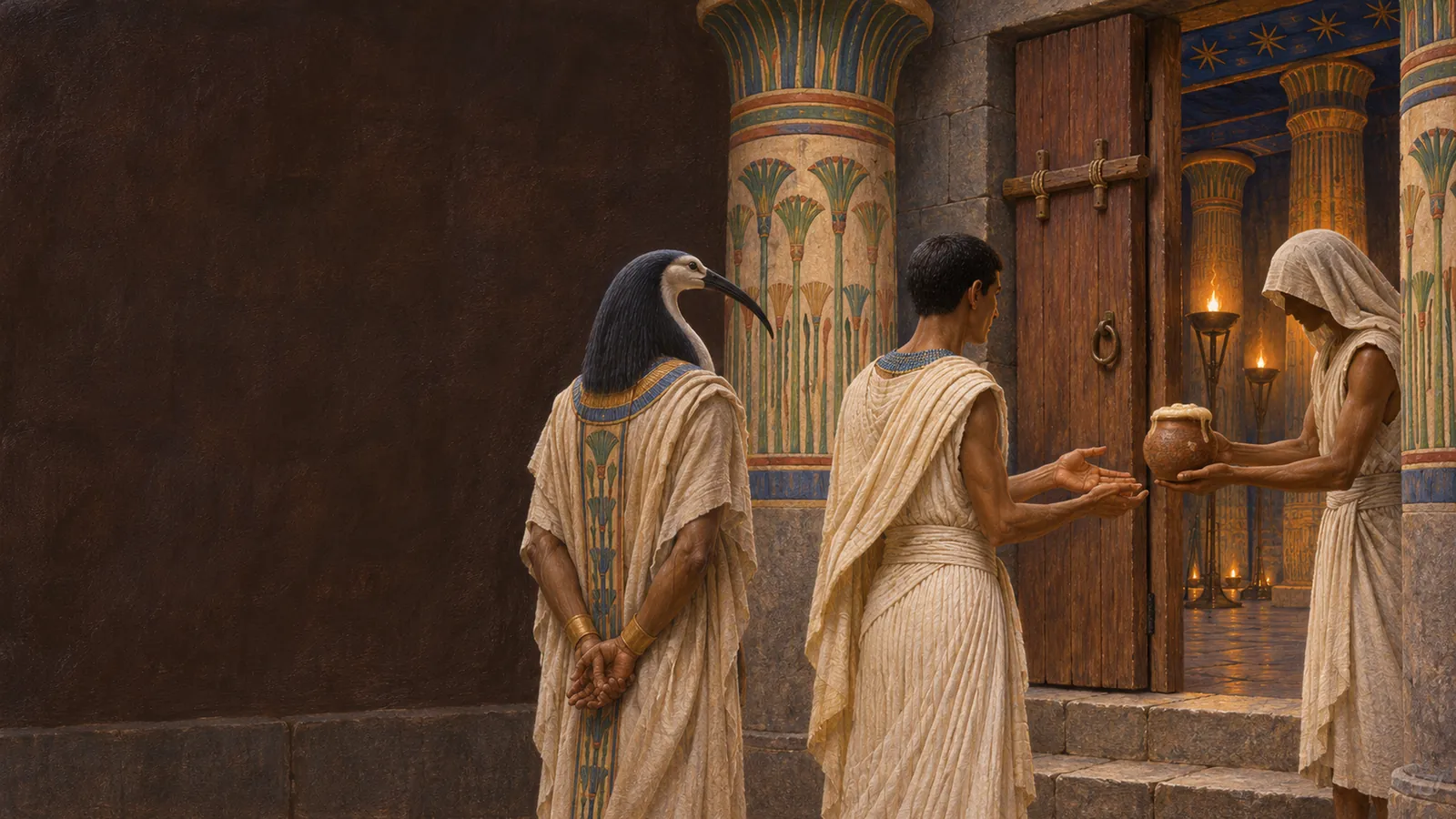
After the cakes comes the promise of beer. Thoth says that this drink, too, will come from the Eye of Ra.
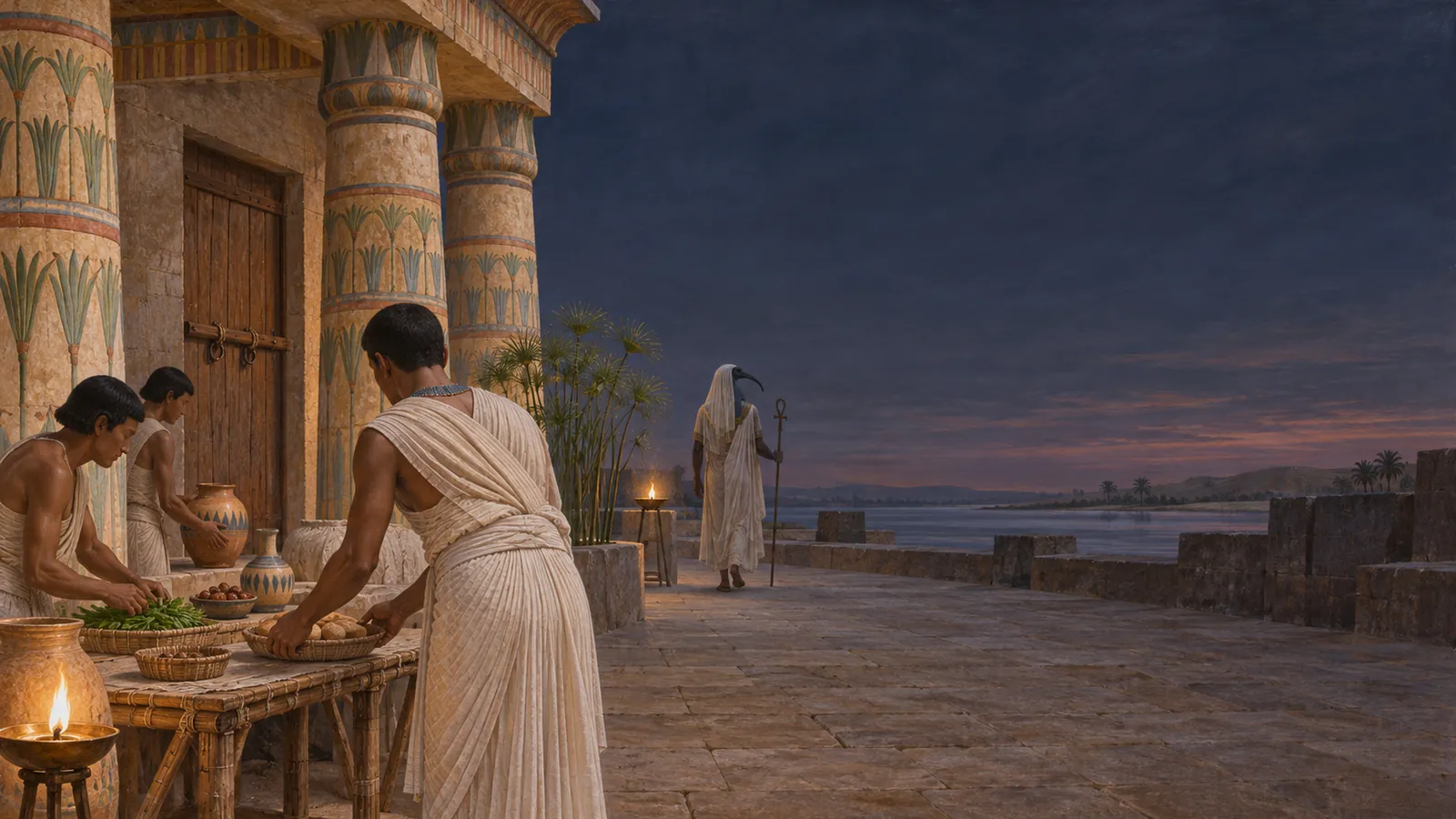
Thoth’s final promise is that the speaker’s funerary meals on earth will also come from the Eye of Ra. The chapter ends with those words.
End of chapter 1
All pages
Sources
**Edition.** E. A. Wallis Budge, *Egyptian Ideas of the Future Life*, third edition (1908), chapter IV, “The Judgment of the Dead.” Budge identifies the recited speech as a reading from the Papyrus of Nu. [Project Gutenberg ebook 11277](https://www.gutenberg.org/ebooks/11277)
Editions consulted
- E. A. Wallis Budge, Egyptian Ideas of the Future Life, third edition, 1908, Chapter IV
- The Papyrus of Nu’s concluding speech, in the Project Gutenberg reading
- Budge’s reference for the Papyrus of Nu, British Museum No. 10477
Notes on this retelling
The claims, requests and possible replies in the following pages remain the deceased speaker’s words.
**P02, 3635–3639.** The deceased says that he knows both the dwellers and their names.
He names Ta-mera, glossed by Budge as Egypt. He denies cursing God and asks to escape harm through the king.
**P04, 3644–3647.** The gods of the Hall are free of evil and feed on right and truth before Horus. The spoken account condenses Budge’s parallel descriptions of living and feeding on right and truth. Budge places Horus in his divine disk.
**P05, 3647–3654 and footnote 120.** The deceased asks to be rescued from Baba, whom Budge identifies in a footnote as Osiris’s firstborn son. His translation says Baba feeds on the entrails of mighty ones on the day of reckoning. The spoken account keeps that fact and combines the following denials of faults, sin and evil. The final appeal against harm includes a bracketed word in Budge.
**P06, 3654–3660.** The deceased says right and truth sustain him. He describes fulfilling human commands and doing what pleases the gods. Budge brackets wording linking the two and supplies connecting words in the following clause about being at peace with the god by doing his will.
**P07, 3660–3663.** The four gifts are bread, water, clothing and a boat. Budge brackets “shipwrecked” before mariner.
**P08, 3663–3669.** The deceased gives holy offerings to the gods and funerary meals to the beatified dead. It condenses the repeated greeting of peace.
**P09, 3669–3674 and footnote 121.** The deceased says he heard the spiritual bodies speak a powerful word to the Cat at Hapt-re. Budge identifies the Cat as Ra and describes a variant with an ass, identified as Osiris, speaking instead. The deceased says that he testified before Hra-f-ha-f, who gave a decision, with the possessive bracketed by Budge. The decision’s content is unstated here.
“Persea” retains Budge’s tree name without identifying a modern species.
The deceased addresses him as lord of the Atefu crown and Lord of the Winds.
**P12, 3685–3690.** The deceased describes several washings, including the cleansing of his breast and hinder parts. Budge brackets “[immersed]” in the passage about the inward parts and the Pool of Right and Truth. The final claim that right and truth are present throughout his body remains.
Ra’s divine sailors bathe at the second hour of the night and third hour of the day. The spoken account condenses the concluding reference to the gods’ satisfaction.
**P14, 3695–3701.** The deceased imagines being called forward and asked who he is and what his name is. The next page continues the prospective exchange.
Page 15. In the recited exchange, the speaker says he would pass to the city north of the olive tree. His answer names “The Leg and the Thigh,” and he asks to see rejoicing in the land of the Fenkhu.
Page 16. The question is what they would give him and what he would do with it. He names a fiery flame and a crystal tablet. He says he would bury them by the furrow of Māāat as “Things for the night.”
Page 17. When asked what he would find there, he names a flint sceptre called “Giver of Air.” The named object belongs to his reply.
Page 18. The speaker says he would recite words over the flame and crystal tablet in the furrow. He would extinguish the fire, break the tablet and make a pool of water. The verbs are what he says he would do in the prospective exchange.
Page 19. The deceased asks the gods to tell him to enter the Hall of the Māāti goddesses because he knows them. In the invitation he asks to hear, the gods speak of his knowing them. Budge then introduces the dialogue between the Hall’s parts and the deceased.
Page 20. The bolts say they would withhold passage unless the deceased gives their names. The edition identifies the door bolts as the speakers.
Page 21. The deceased gives the plural bolts one name. Budge prints it as “Tongue of the place of Right and Truth.”
Page 22. The right post next asks for its own name as the condition for passage. This is the speaker labelled “Right post” in the edition.
Page 23. The deceased names it “Scale of the lifter up of right and truth.” The scale is a name in his reply.
### The door fittings and the floor
### The Doorkeeper, Thoth, and the last promises
Ancient lines behind each page
- Page 1: Budge 1908, chapter IV, Papyrus of Nu, Nu attribution, 3629–3631
- Page 2: Budge 1908, chapter IV, Papyrus of Nu, First petition, 3635–3639
- Page 3: Budge 1908, chapter IV, Papyrus of Nu, First petition, 3639–3642
- Page 4: Budge 1908, chapter IV, Papyrus of Nu, Second petition, 3644–3647
- Page 5: Budge 1908, chapter IV, Papyrus of Nu, Second petition, 3647–3654
- Page 6: Budge 1908, chapter IV, Papyrus of Nu, Second petition, 3654–3660
- Page 7: Budge 1908, chapter IV, Papyrus of Nu, Second petition, 3660–3663
- Page 8: Budge 1908, chapter IV, Papyrus of Nu, Second petition, 3663–3669
- Page 9: Budge 1908, chapter IV, Papyrus of Nu, Second petition, 3669–3674
- Page 10: Budge 1908, chapter IV, Papyrus of Nu, Second petition, 3674–3678
- Page 11: Budge 1908, chapter IV, Papyrus of Nu, Third petition, 3680–3685
- Page 12: Budge 1908, chapter IV, Papyrus of Nu, Third petition, 3685–3690
- Page 13: Budge 1908, chapter IV, Papyrus of Nu, Third petition, 3690–3695
- Page 14: Budge 1908, chapter IV, Papyrus of Nu, Third petition, 3695–3701
- Page 15: Budge 1908, chapter IV, Papyrus of Nu, Third petition, 3701–3706
- Page 16: Budge 1908, chapter IV, Papyrus of Nu, Third petition, 3707–3713
- Page 17: Budge 1908, chapter IV, Papyrus of Nu, Third petition, 3714–3717
- Page 18: Budge 1908, chapter IV, Papyrus of Nu, Third petition, 3718–3723
- Page 19: Budge 1908, chapter IV, Papyrus of Nu, Third petition and dialogue heading, 3724–3730
- Page 20: Budge 1908, chapter IV, Papyrus of Nu, concluding dialogue, lines 3734–3735
- Page 21: Budge 1908, chapter IV, Papyrus of Nu, concluding dialogue, lines 3737–3738
- Page 22: Budge 1908, chapter IV, Papyrus of Nu, concluding dialogue, lines 3740–3741
- Page 23: Budge 1908, chapter IV, Papyrus of Nu, concluding dialogue, lines 3743–3744
- Page 24: Budge 1908, Chapter IV, Papyrus of Nu, concluding dialogue, lines 3746–3749
- Page 25: Budge 1908, Chapter IV, Papyrus of Nu, concluding dialogue, lines 3751–3752
- Page 26: Budge 1908, Chapter IV, Papyrus of Nu, concluding dialogue, lines 3754
- Page 27: Budge 1908, Chapter IV, Papyrus of Nu, concluding dialogue, lines 3756–3758
- Page 28: Budge 1908, Chapter IV, Papyrus of Nu, concluding dialogue, lines 3760–3763
- Page 29: Budge 1908, Chapter IV, Papyrus of Nu, concluding dialogue, lines 3765–3768
- Page 30: Budge 1908, Chapter IV, Papyrus of Nu, concluding dialogue, lines 3770–3776
- Page 31: Budge 1908, Chapter IV, Papyrus of Nu, concluding dialogue, lines 3778–3781
- Page 32: Budge 1908, Chapter IV, Papyrus of Nu, concluding dialogue, lines 3783–3785
- Page 33: Budge 1908, Chapter IV, Papyrus of Nu, concluding dialogue, lines 3787–3788
- Page 34: Budge 1908, Chapter IV, Papyrus of Nu, concluding dialogue, lines 3790–3794
- Page 35: Budge 1908, Chapter IV, Papyrus of Nu, concluding dialogue, lines 3796–3803
- Page 36: Budge 1908, Chapter IV, Papyrus of Nu, concluding dialogue, lines 3805–3808
- Page 37: Budge 1908, Chapter IV, Papyrus of Nu, concluding dialogue, lines 3810–3814
- Page 38: Budge 1908, Chapter IV, Papyrus of Nu, concluding dialogue, lines 3816–3818
- Page 39: Budge 1908, Chapter IV, Papyrus of Nu, concluding dialogue, lines 3818–3820
- Page 40: Budge 1908, Chapter IV, Papyrus of Nu, concluding dialogue, lines 3822
- Page 41: Budge 1908, Chapter IV, Papyrus of Nu, concluding dialogue, lines 3824–3825
- Page 42: Budge 1908, Chapter IV, Papyrus of Nu, concluding dialogue, lines 3825–3826
- Page 43: Budge 1908, Chapter IV, Papyrus of Nu, concluding dialogue, lines 3827–3828
- Page 44: Budge 1908, Chapter IV, Papyrus of Nu, concluding dialogue, lines 3829–3835
Illustrations made with AI tools by IL Archive; the text is based on the ancient sources (see the sources at the end of each chapter).