Hatshepsut and Punt Chapter 1
The Ships of Punt
A royal command sends Egyptian ships across the Red Sea to Punt. The reliefs show the welcome at the shore, the goods brought aboard, and the living trees that Hatshepsut says she planted for Amun.
SourcesTurn the pages with the arrows, the arrow keys or a swipe.
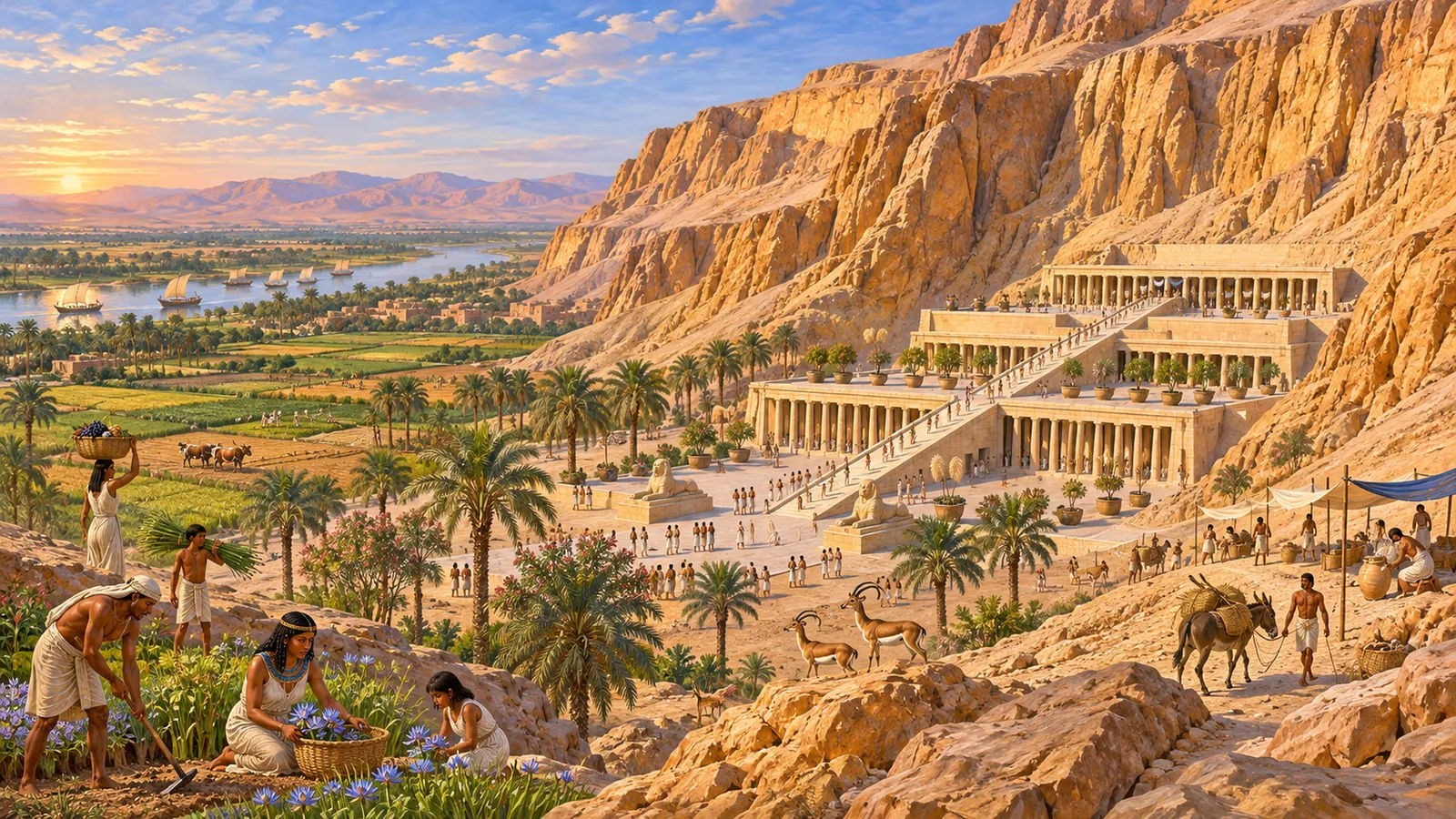
DEIR EL-BAHARI
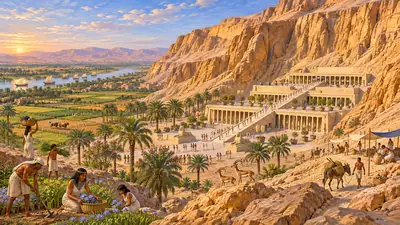
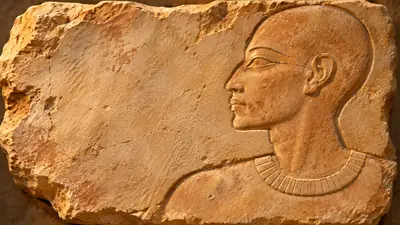
At Deir el-Bahari, in the cliffs above the Nile’s west bank, Hatshepsut’s temple tells a story of ships, people and trees. The earliest scenes on the wall take us to sea.
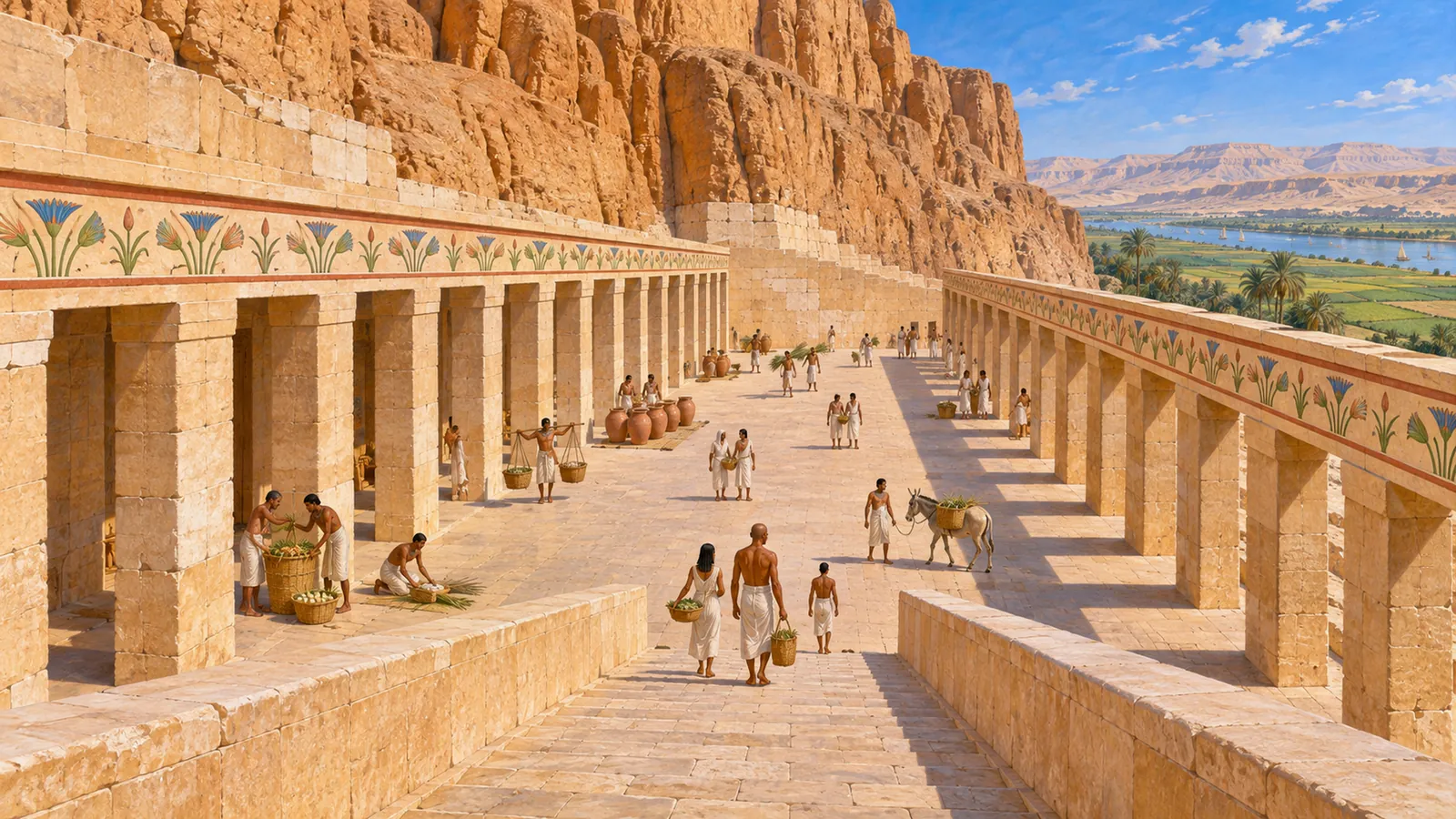
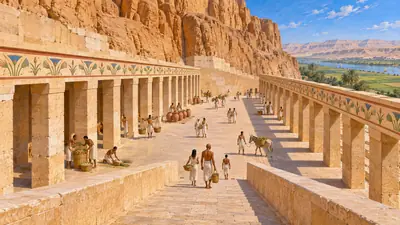
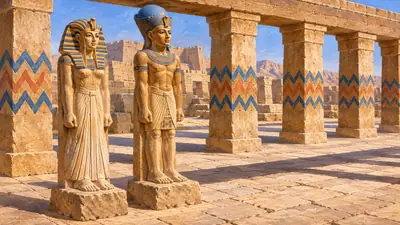
The scenes are inside the southern half of the middle terrace. Ancient visitors would have walked between rows of pillars to see the fleet and the shore of Punt.
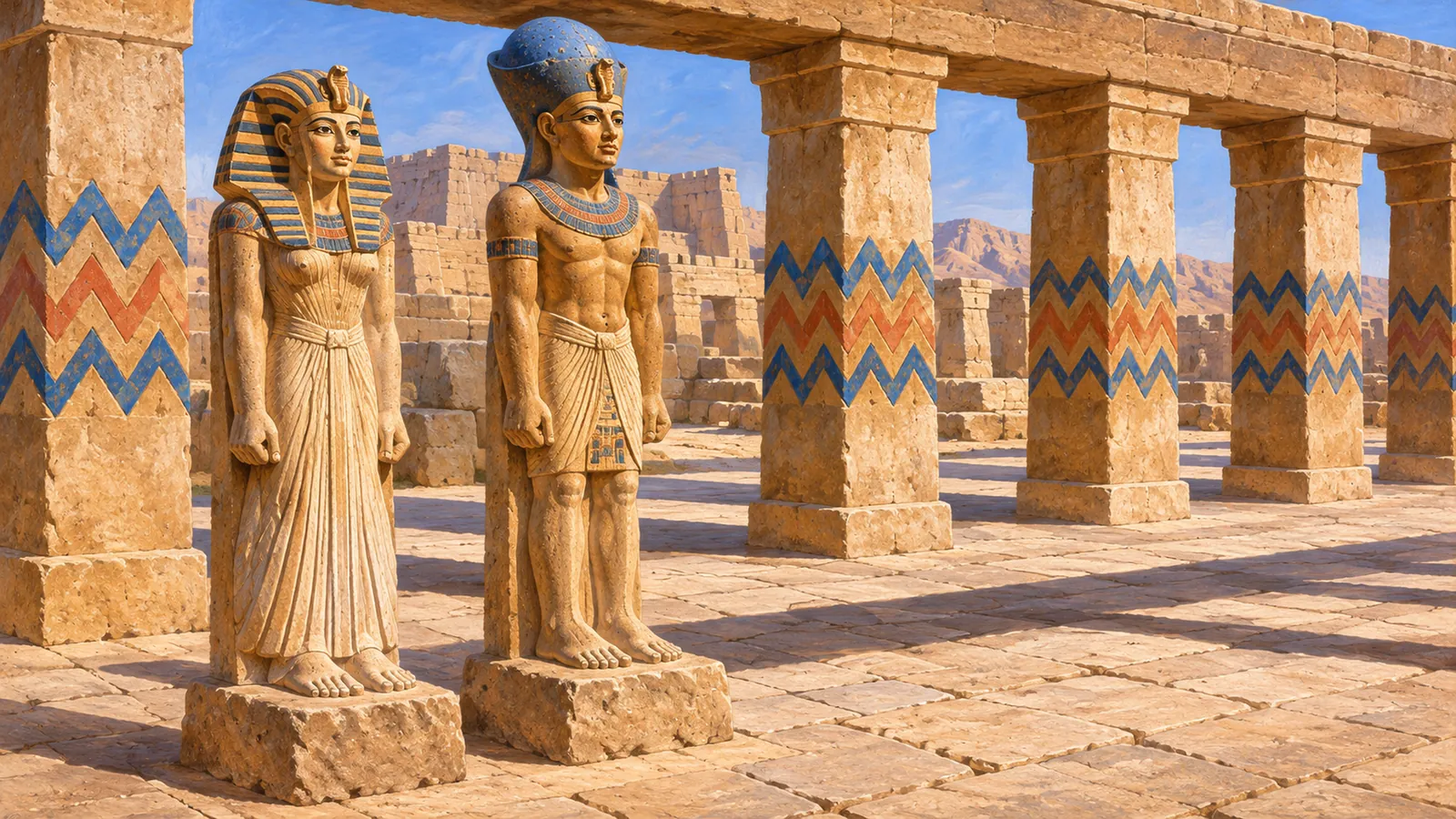
The expedition belongs to the fifteenth century BCE, when Hatshepsut ruled alongside Thutmose the Third. The court inscription puts her public account in the ninth year of his reign.
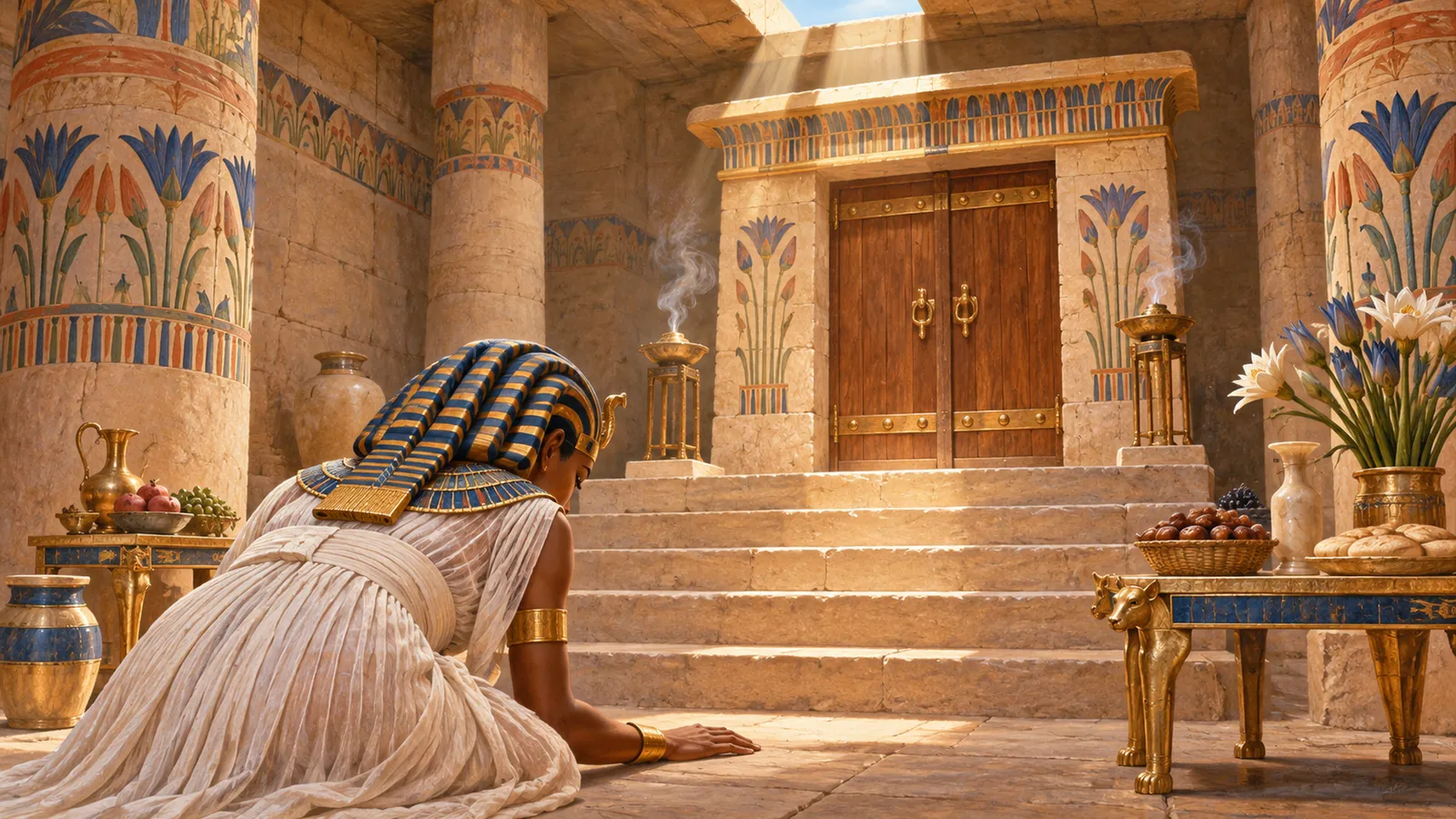
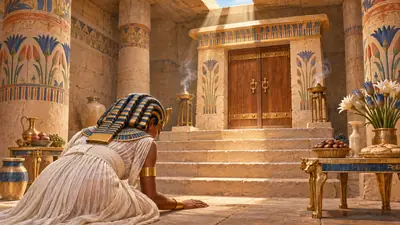
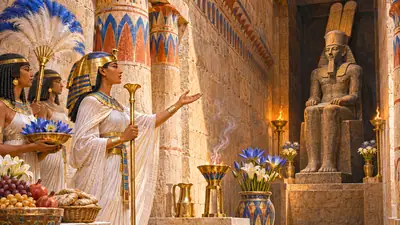
The temple gives the first command to Amun. Hatshepsut’s inscription has her court seeking an answer at the god’s throne. The answer tells her to find the ways to Punt.
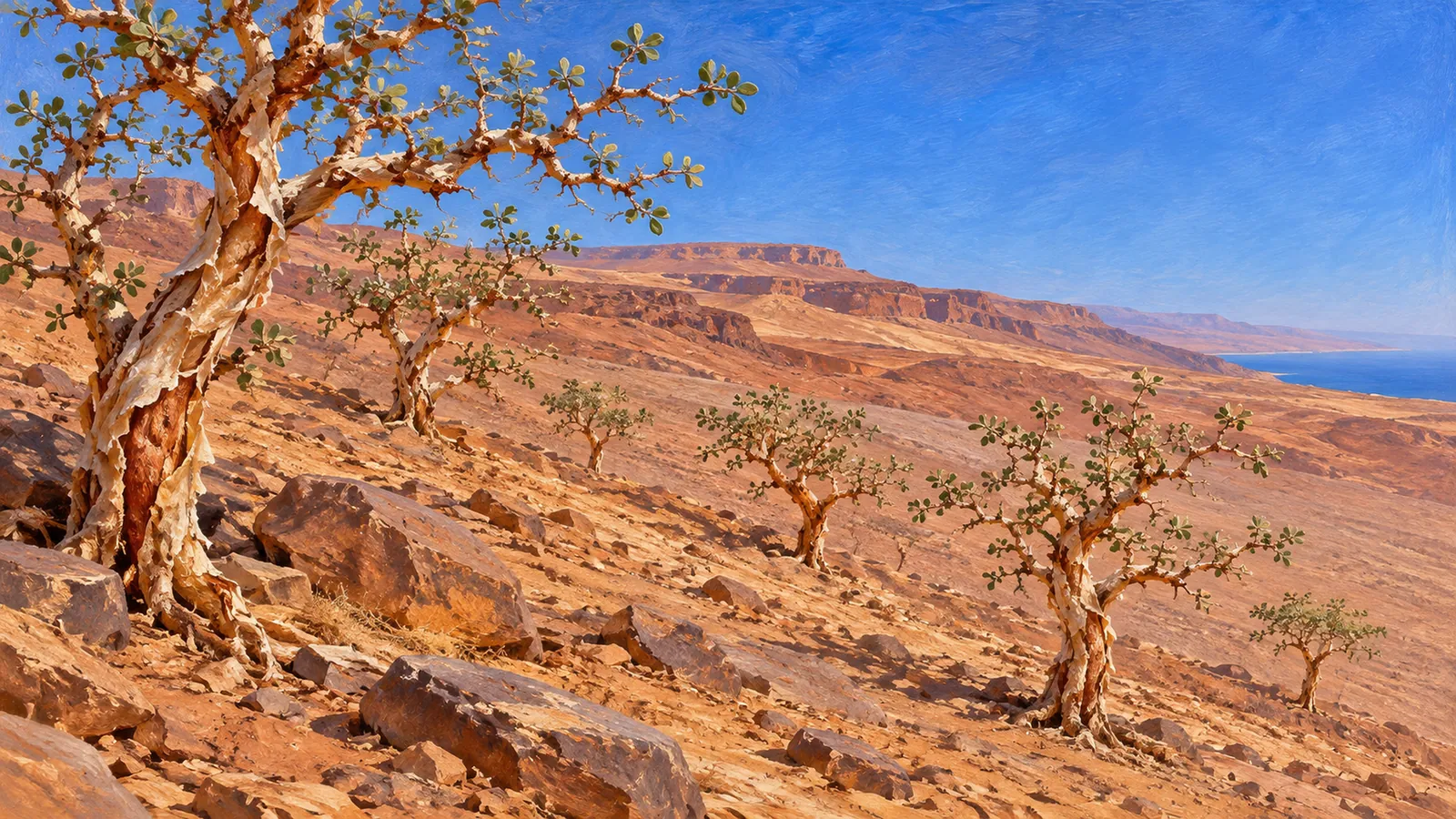
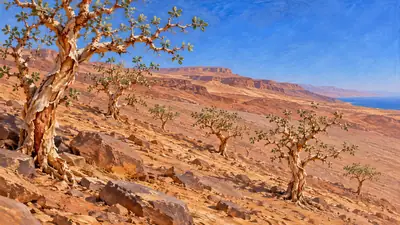
The oracle names the terraces where aromatic trees grew. Hatshepsut declares she will send a force over water and land to bring the products of that country to Amun.
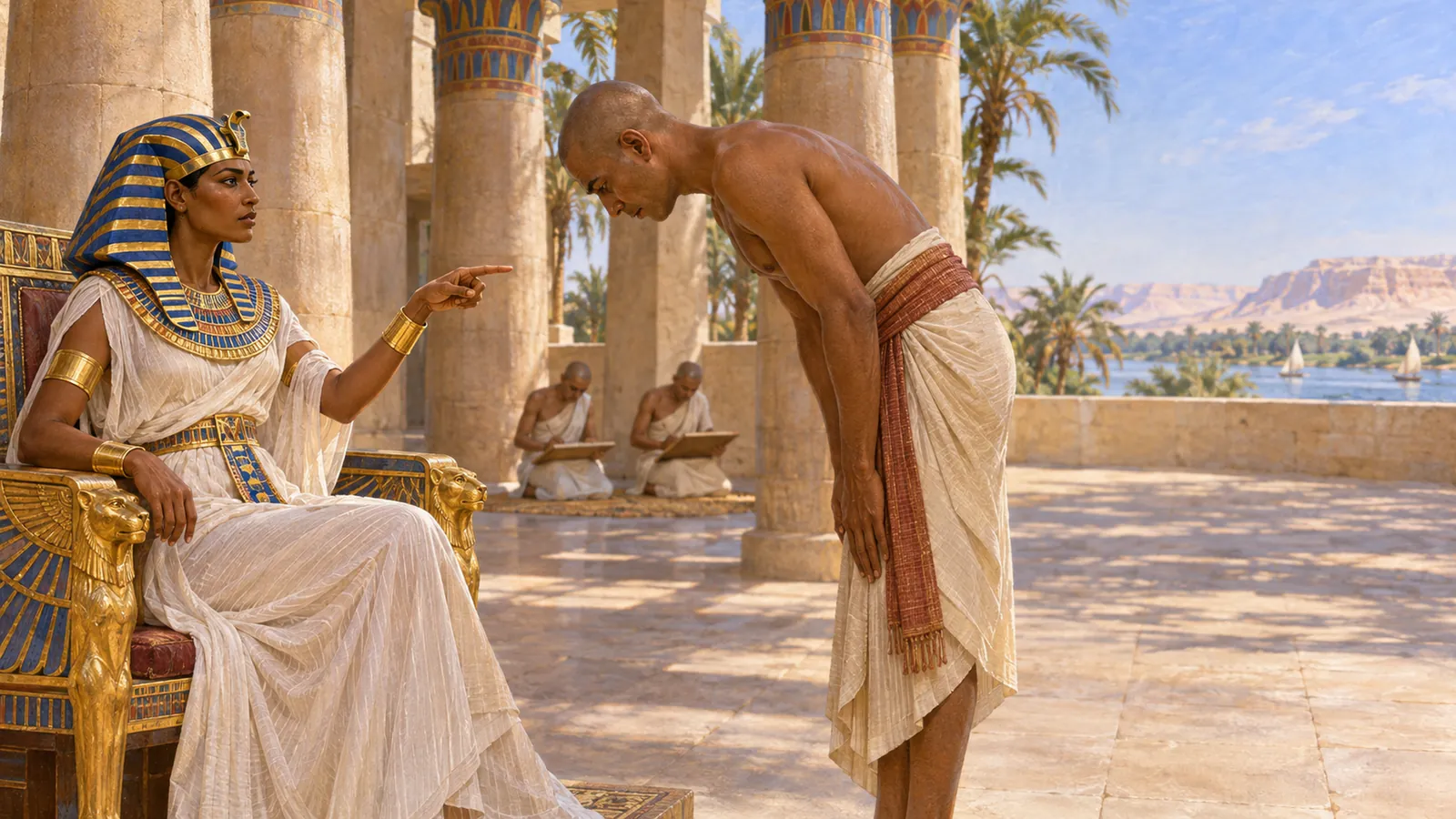
The court text gives the task of dispatching the expedition to Nehesi. It names him chief treasurer and keeper of the royal seal. His title put him close to the ruler.
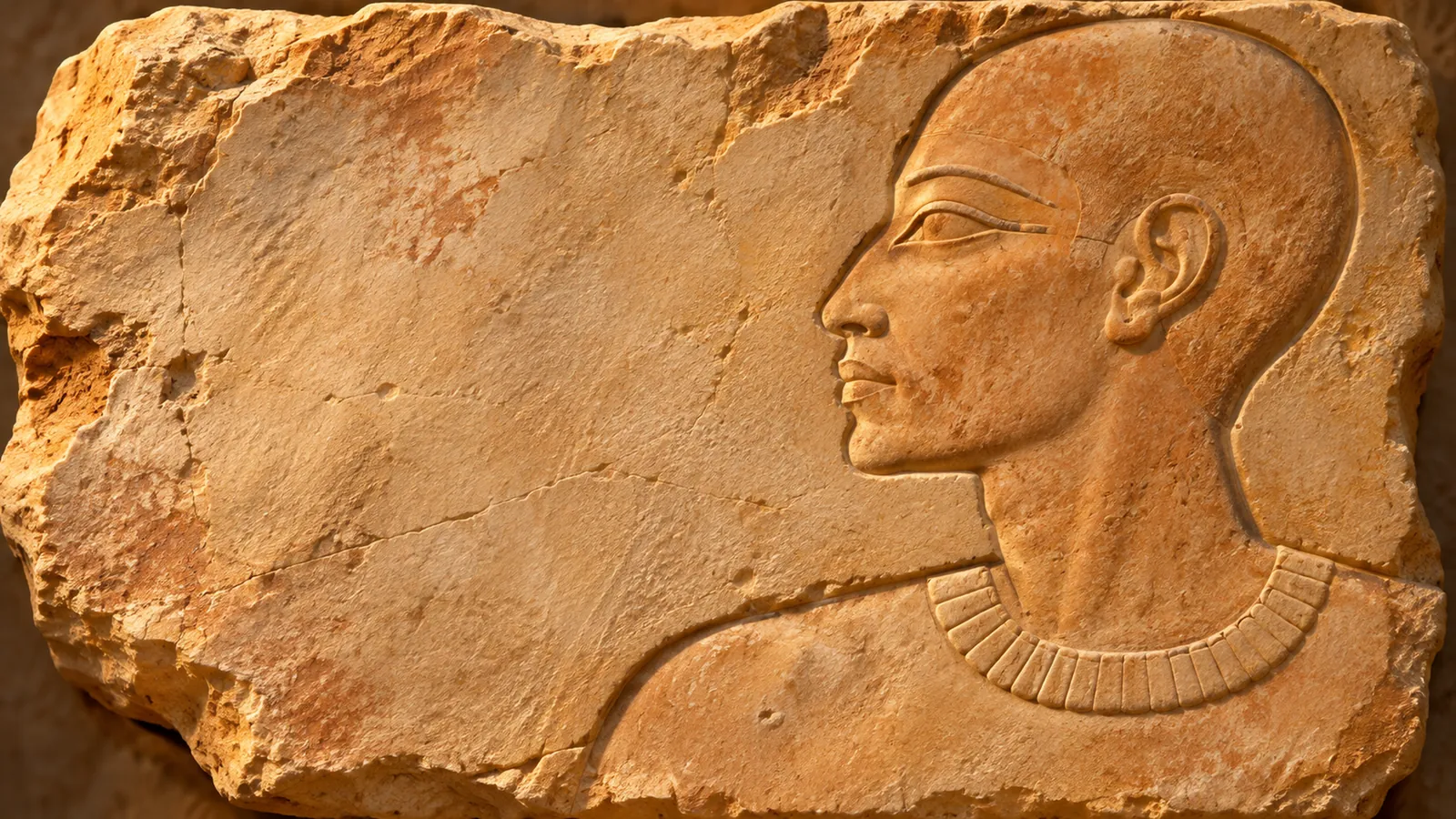
The excavation project identifies Nehesi with the envoy at the Punt shore. An early translation reads his commission more narrowly. The shore caption itself calls its leader the king’s messenger.
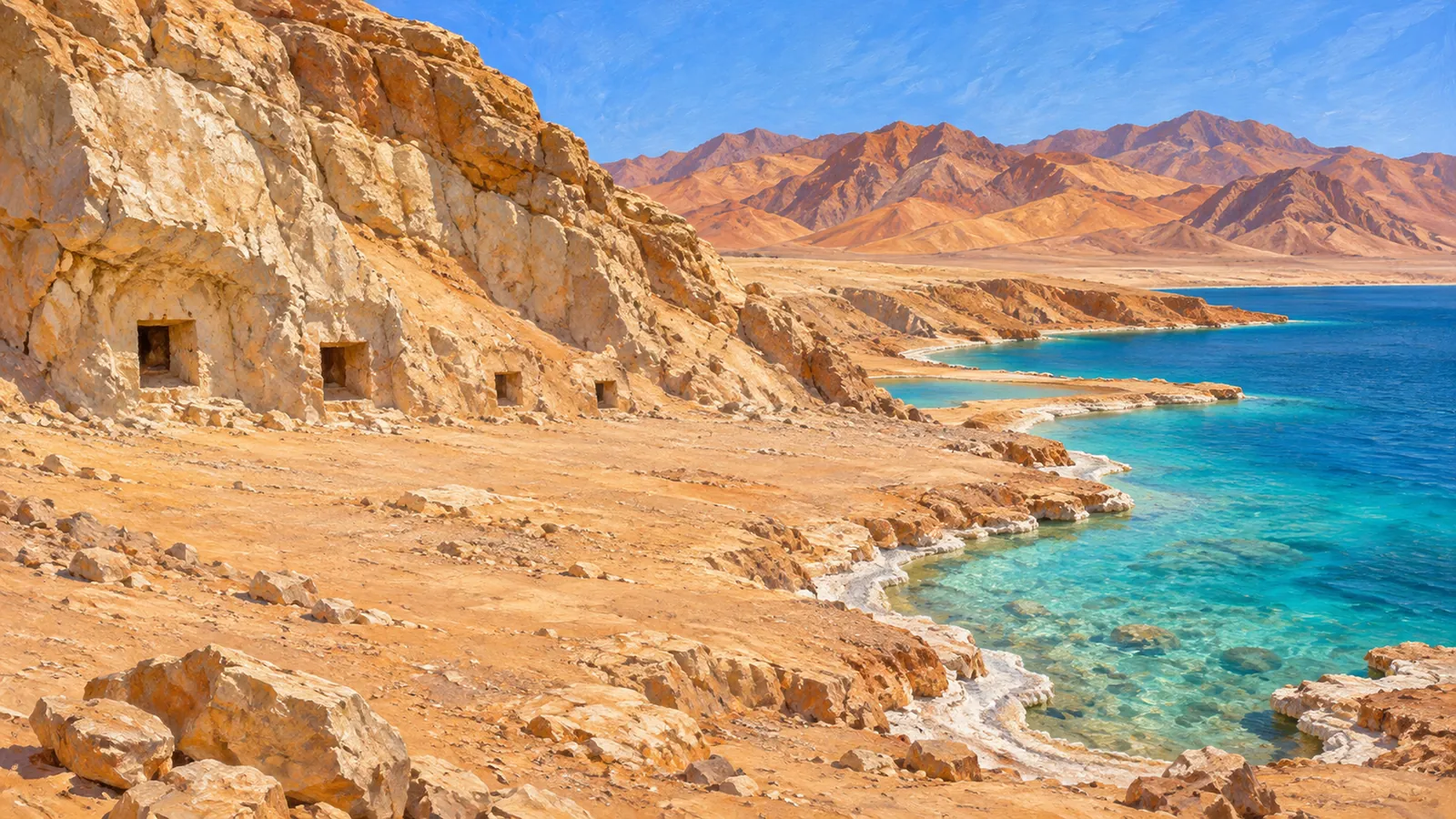
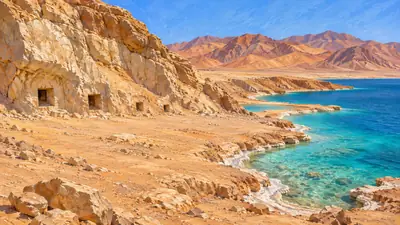
Egyptian expeditions reached Punt before Hatshepsut. At the older harbor of Saww on Egypt’s Red Sea coast, excavators found traces of voyages from the Middle Kingdom.
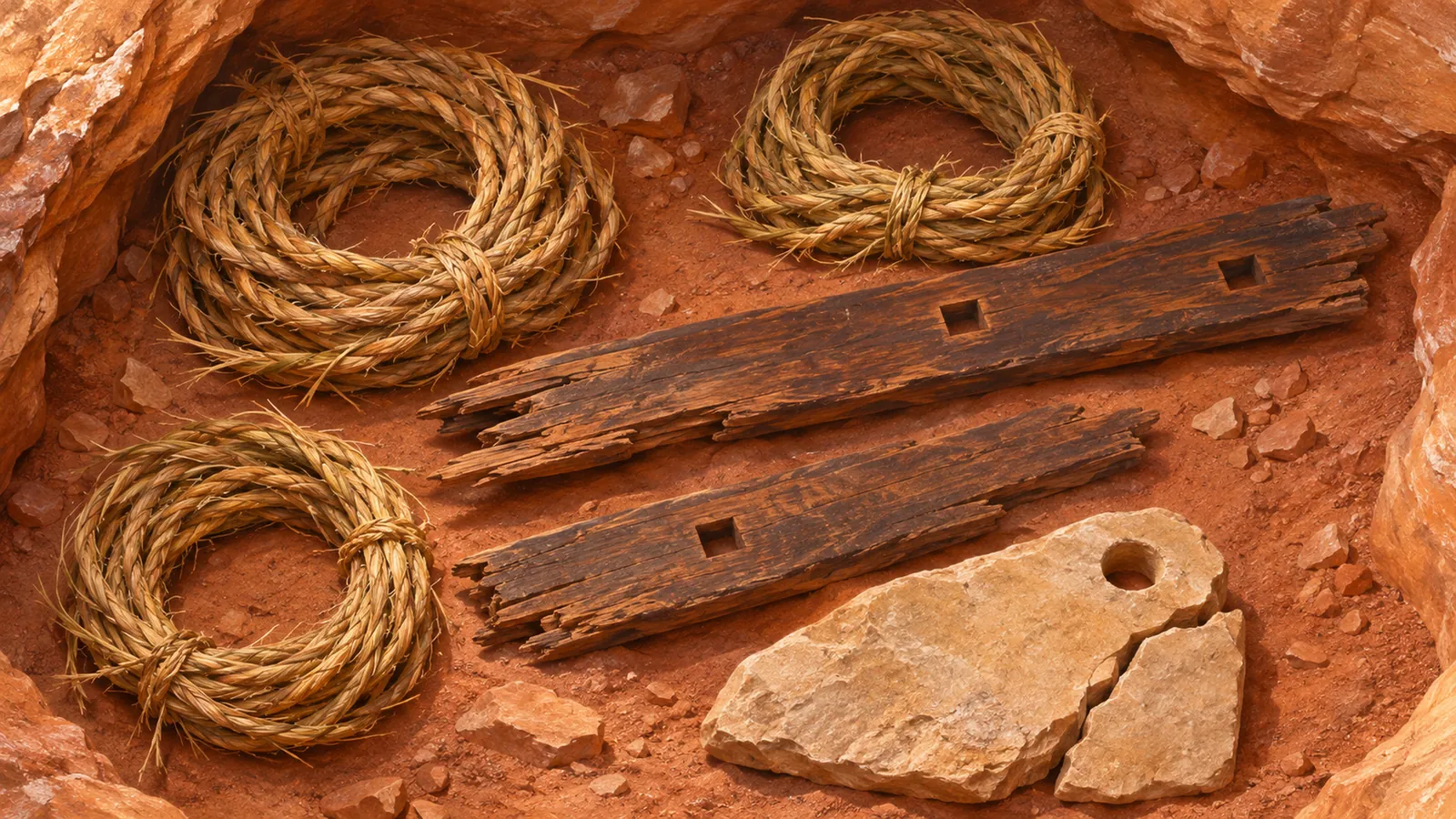
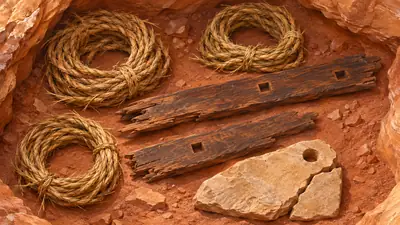
Caves above Saww held old ship timbers and coils of rope. They show the work a Red Sea expedition required. Hatshepsut’s port of departure remains uncertain.
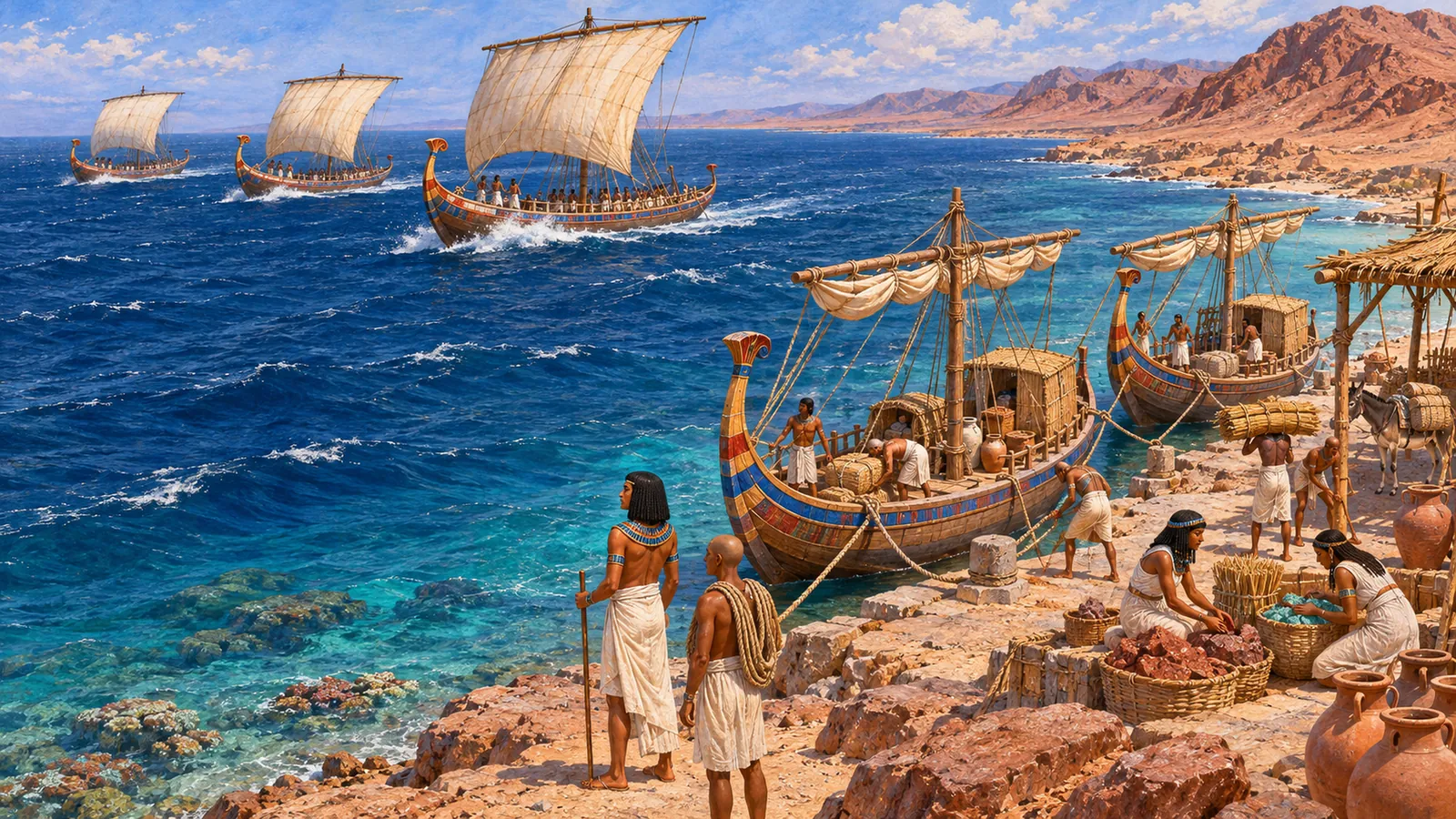
THE FIVE SHIPS
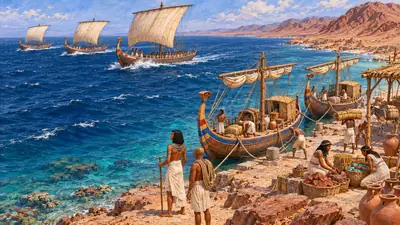
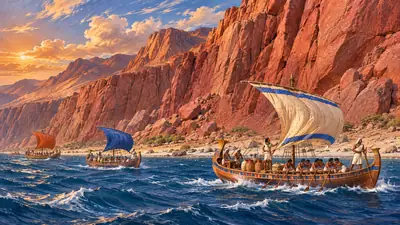
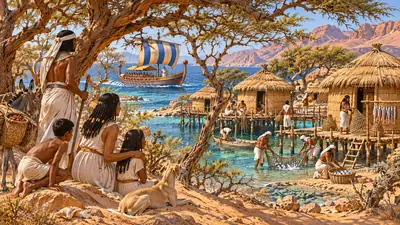
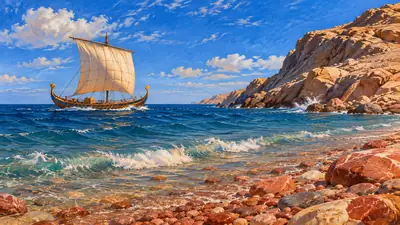
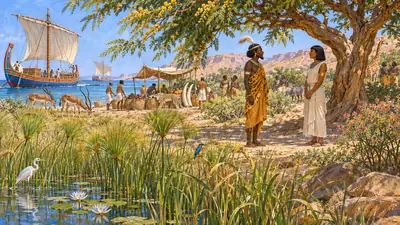
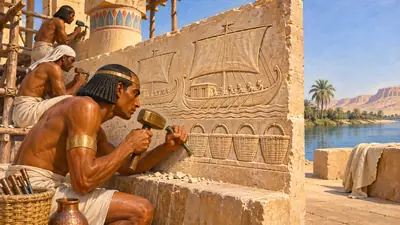
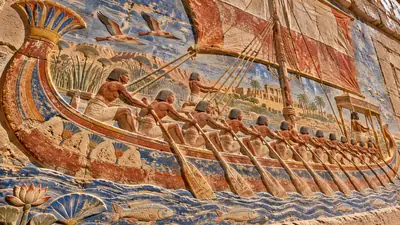
Five vessels sail or lie moored in the carved scene. Long oars line the sides, and large sails carry the fleet along. The inscription says the company travels in peace.
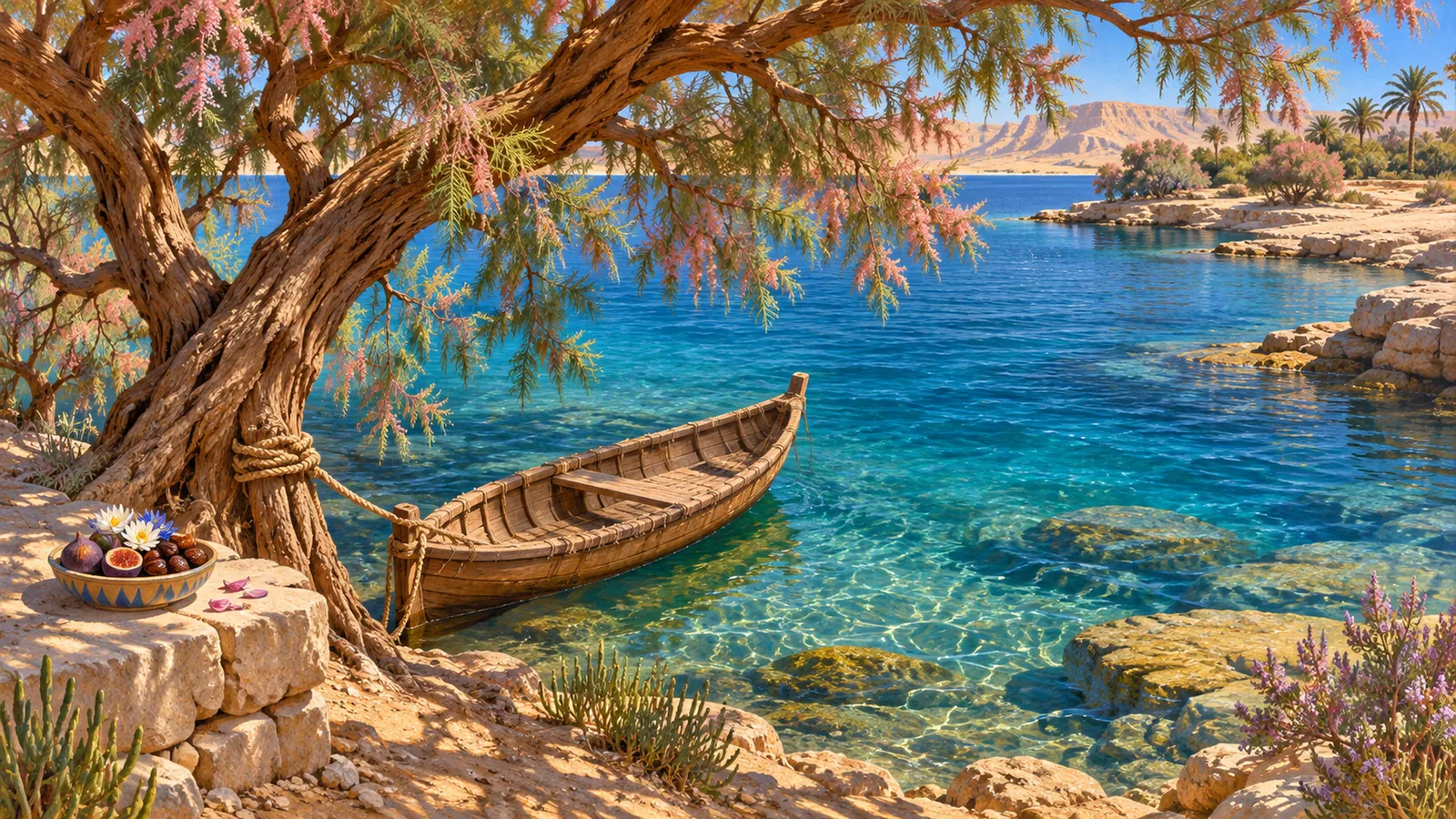
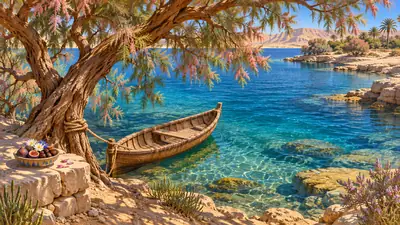
In the departure scene, a small boat lies tied to a tree. Its caption asks Hathor, mistress of Punt, to bring wind and grant the ruler life, prosperity and health.
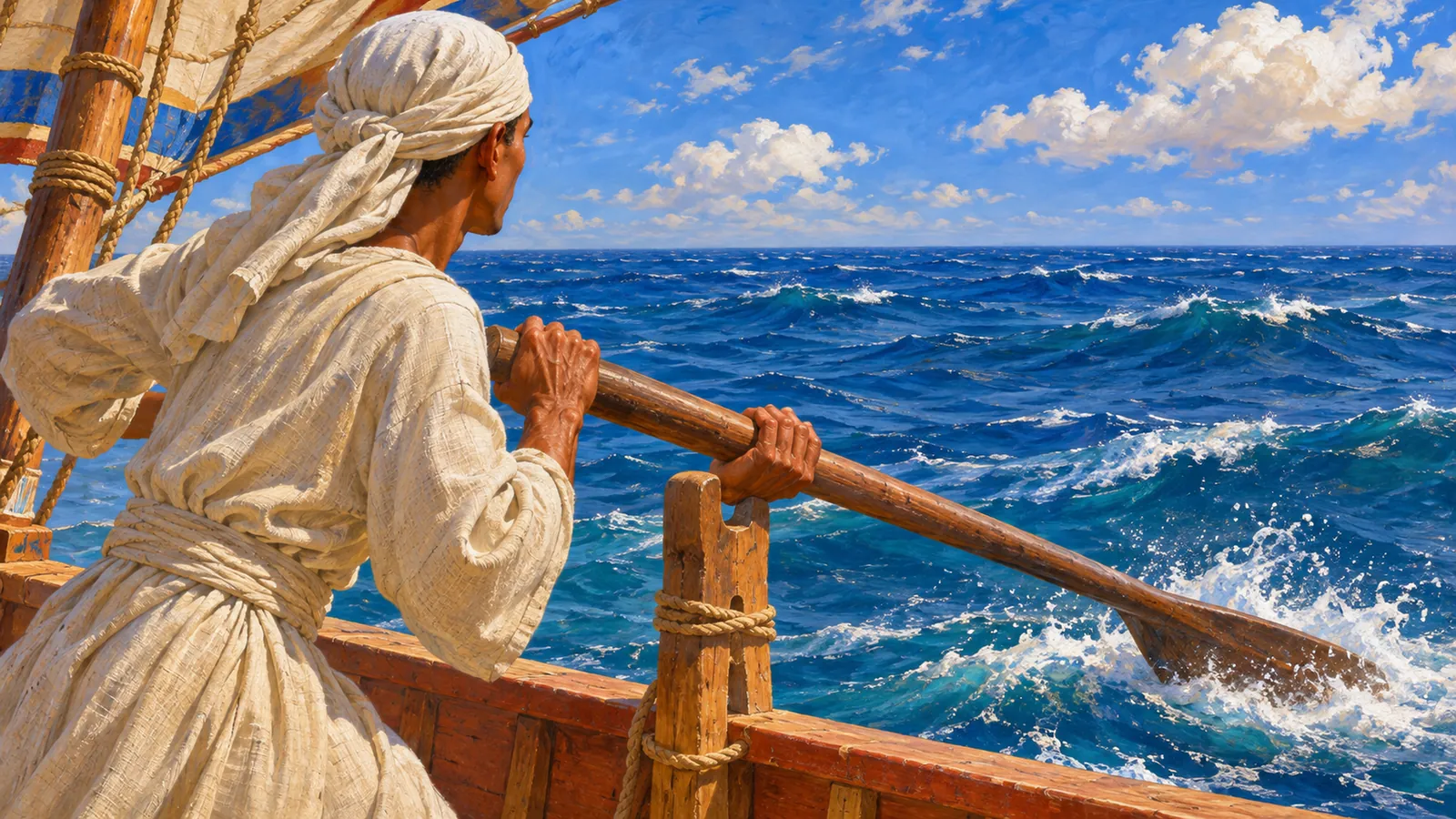
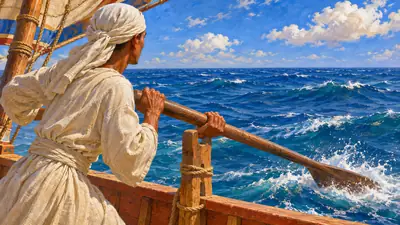
An order survives beside one vessel’s stern. In Breasted’s translation, the pilot calls for the ship to turn to port. It is a small detail amid the court’s formal account.
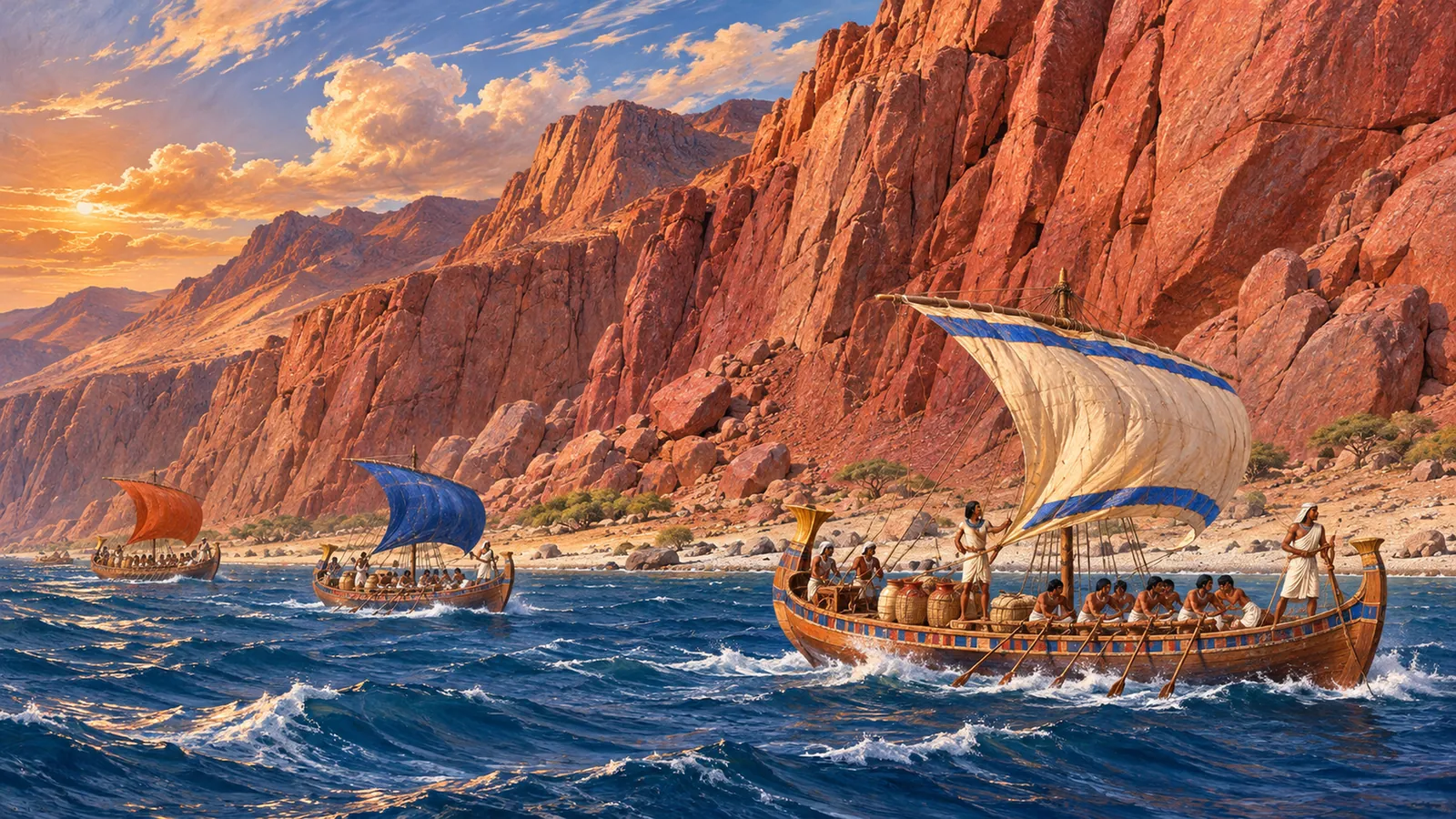
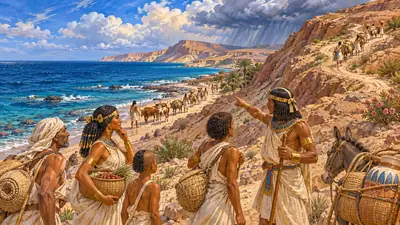
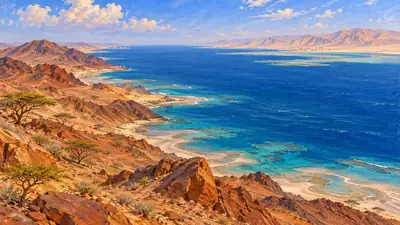
The voyage most likely followed the Red Sea southward. Between Egypt’s coast and the shore called Punt, the relief gives neither a daily record nor a list of ports.
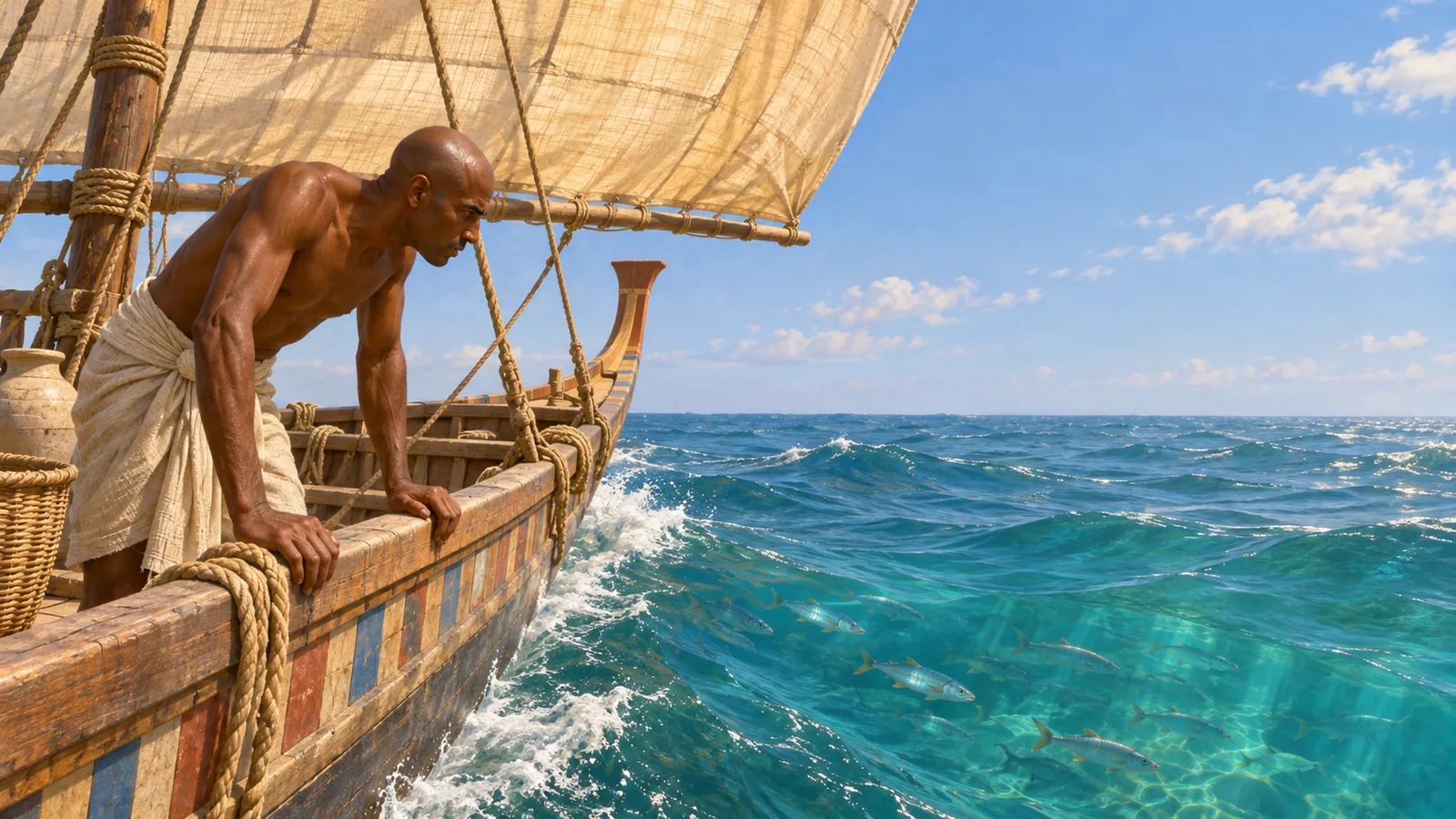
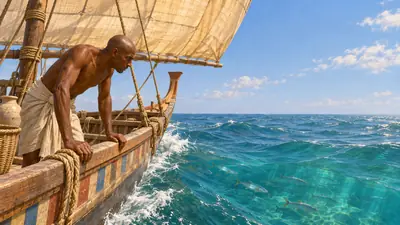
Under the ships the ancient artists carved shoals and individual water creatures. The bodies of the fish, seen beneath the timbers, turn a strip of water into a crowded world.
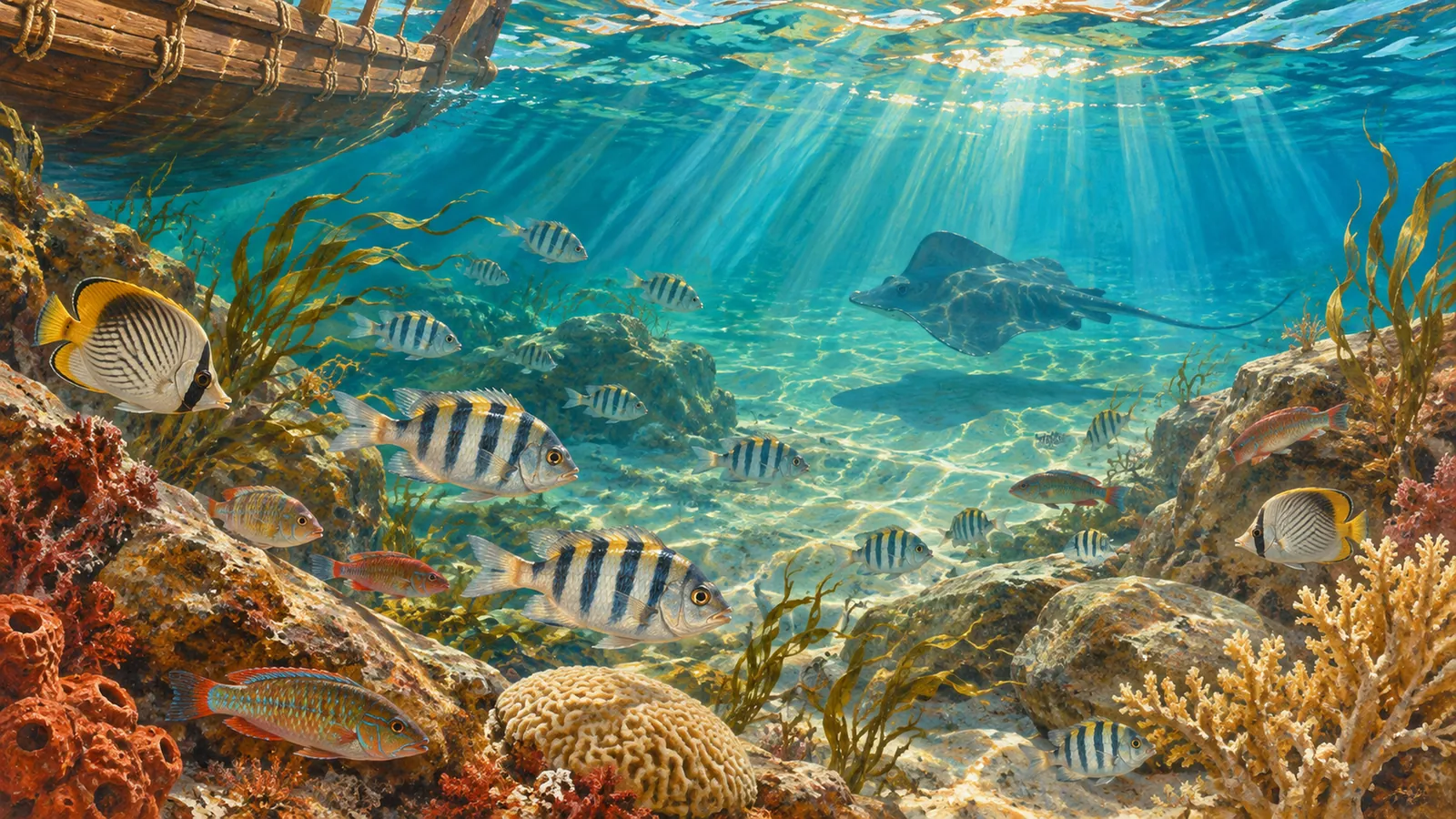
The expedition studying the wall notes creatures associated with both rivers and the sea. The artists’ attention to the water is remarkable. Their picture alone cannot fix the place of landing.
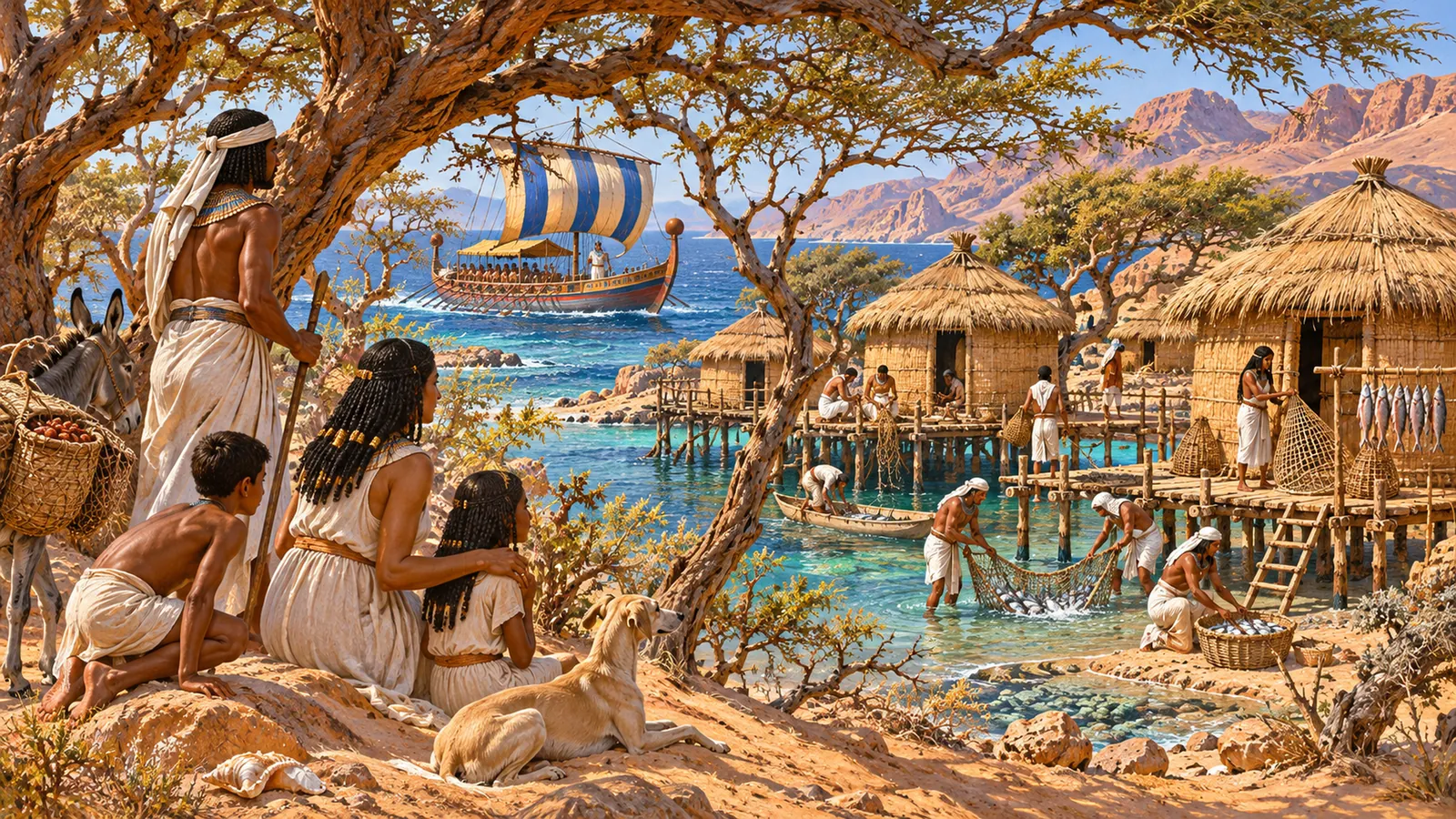
The fleet reaches a settlement. A line of carved water beneath the welcome scene places the meeting on a shore. The surviving inscription gives no harbor name.

PUNT
The houses are round, their floors raised on poles. Small ladders reach the doors. The buildings stand among trees, setting the scene for the welcome that follows.
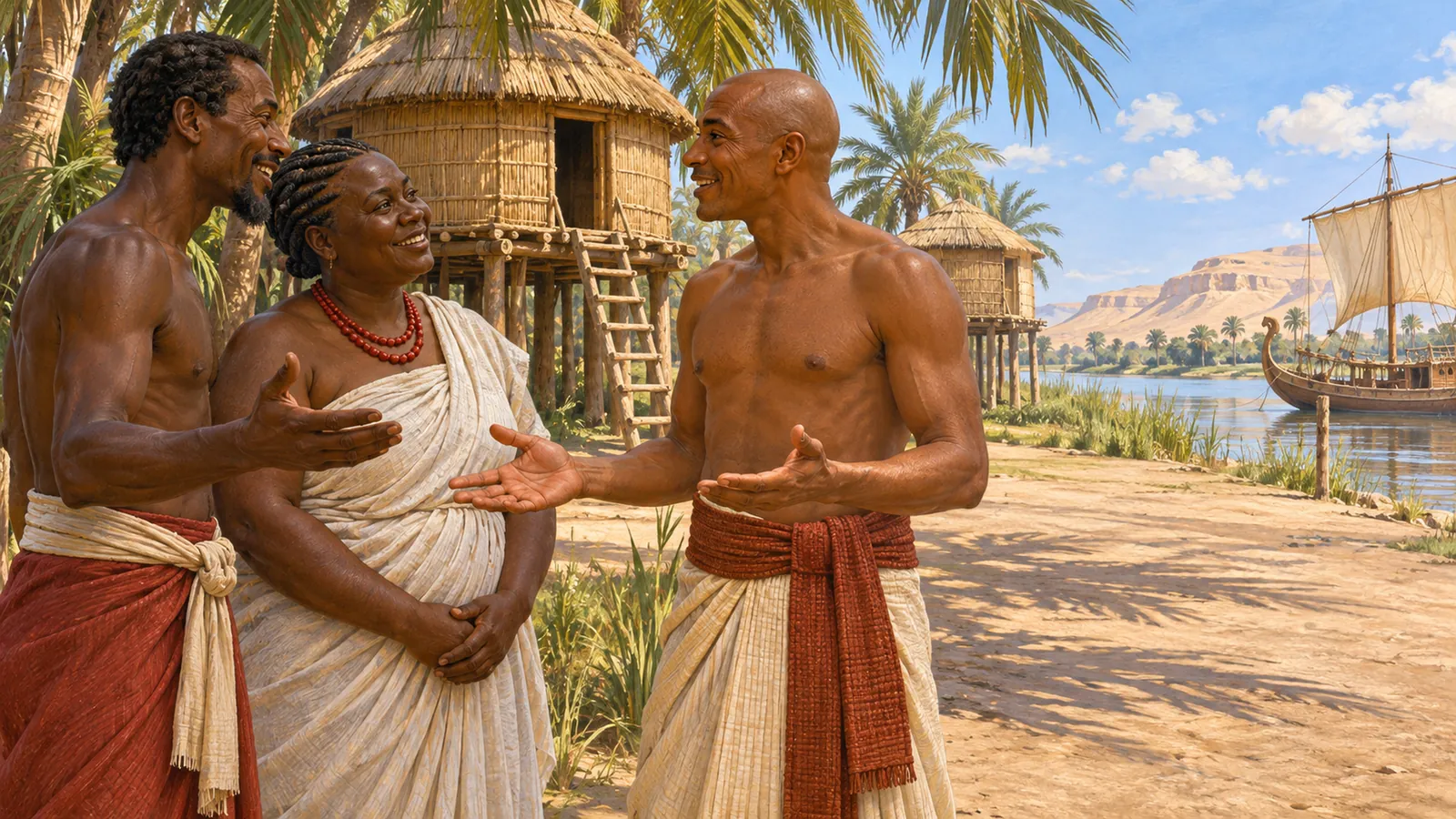
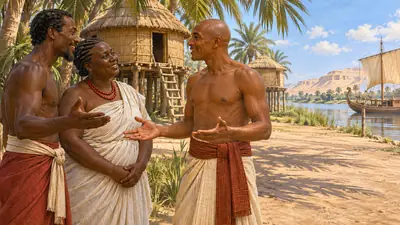
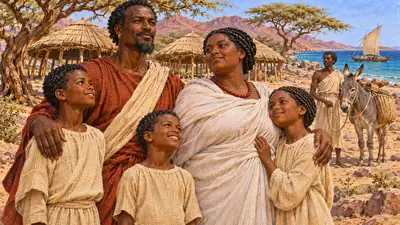
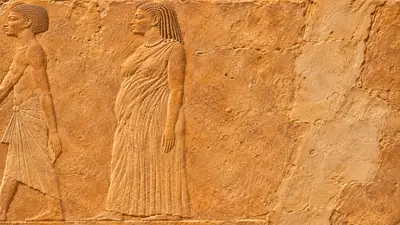
The Egyptian envoy approaches the chiefs of Punt. The relief names Parehu at the head of the group and identifies Iti as his wife. Both appear again near the envoy’s tent.
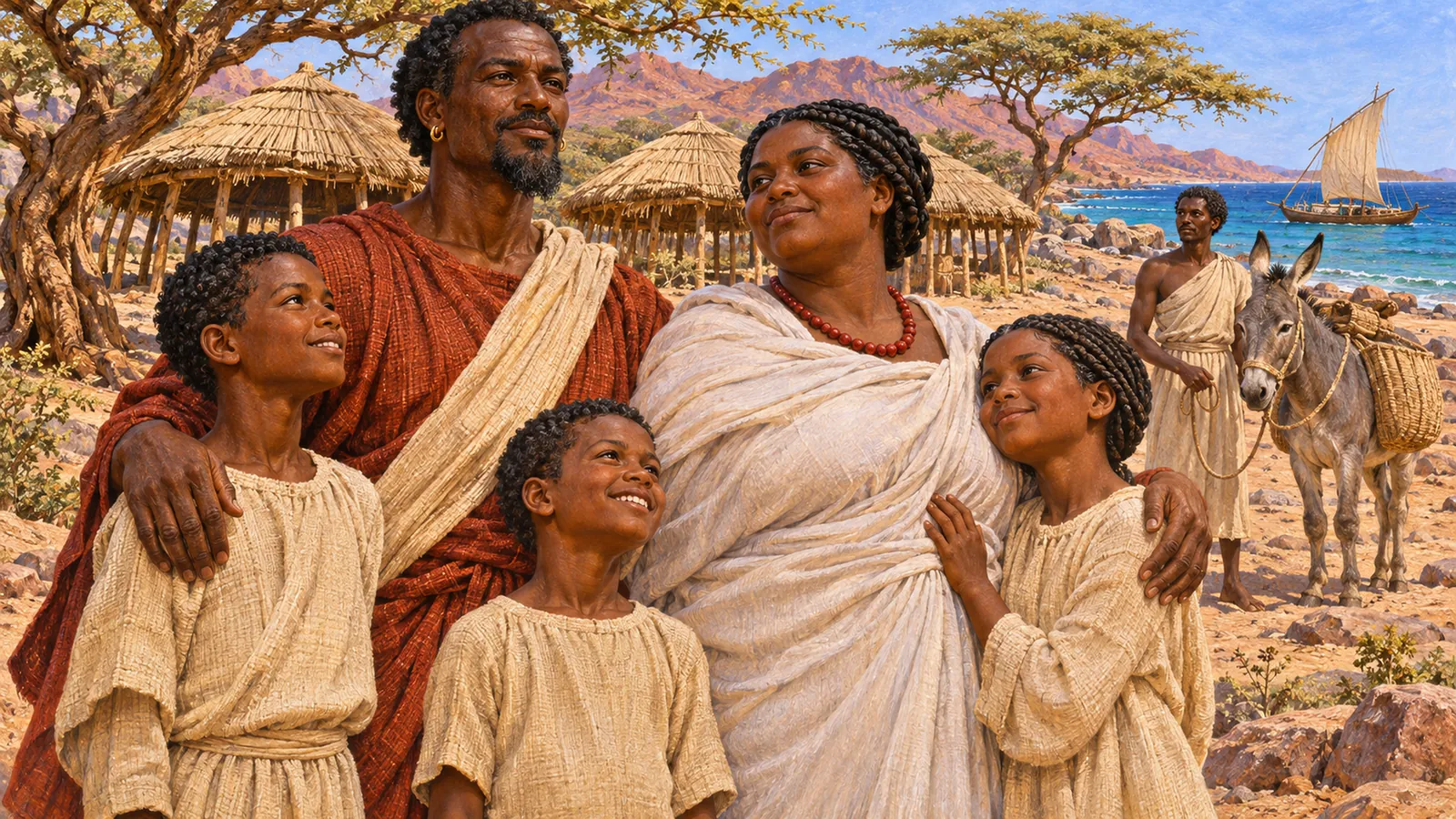
The labels also identify two sons and a daughter in the procession. Behind the family, attendants bring the donkey that carries Iti. The animal has its own caption on the wall.
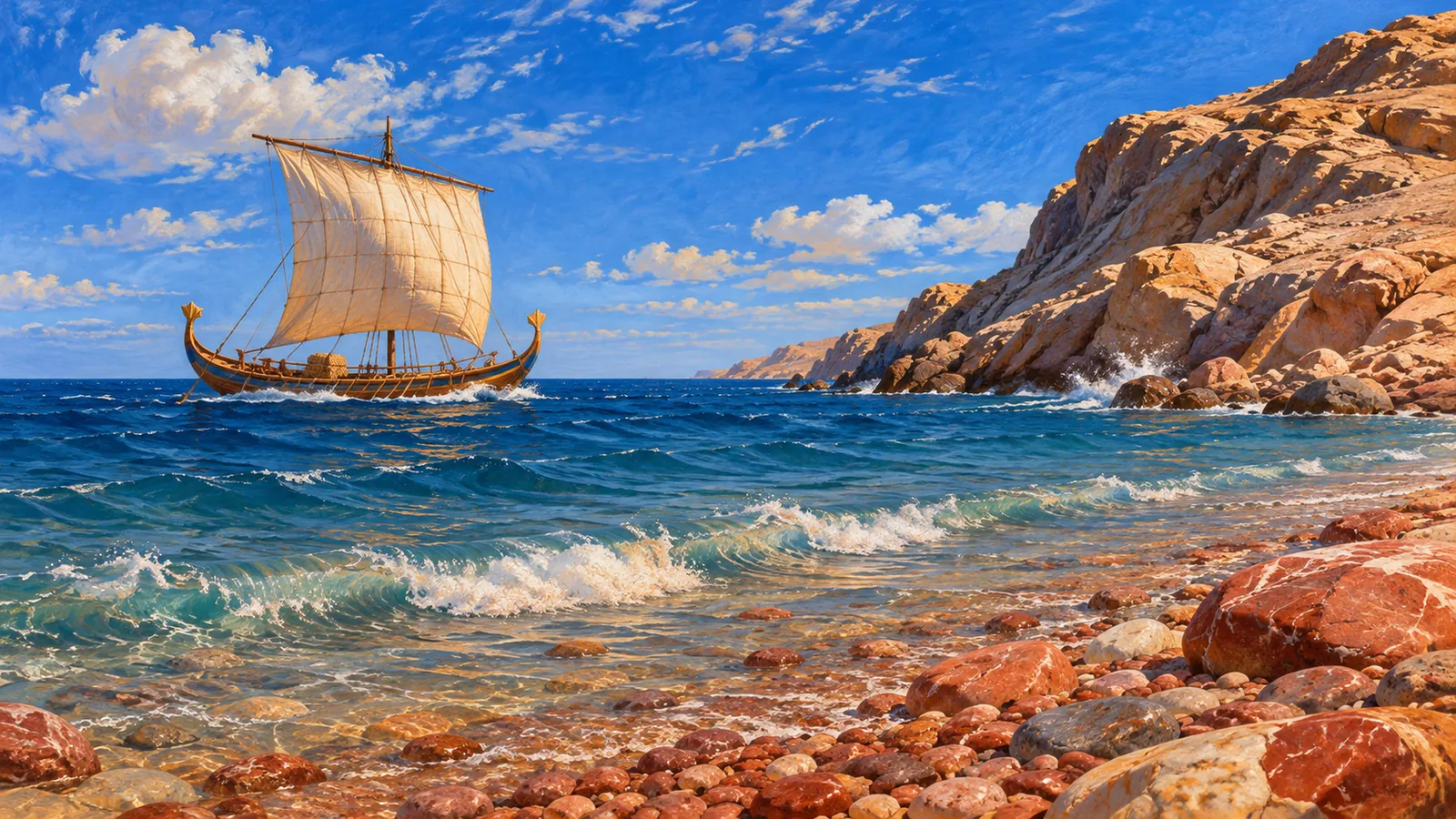
In the words carved above the chiefs, they ask how the Egyptians came. Had they followed a path through the sky, crossed the sea, or trodden the road of the sun god?
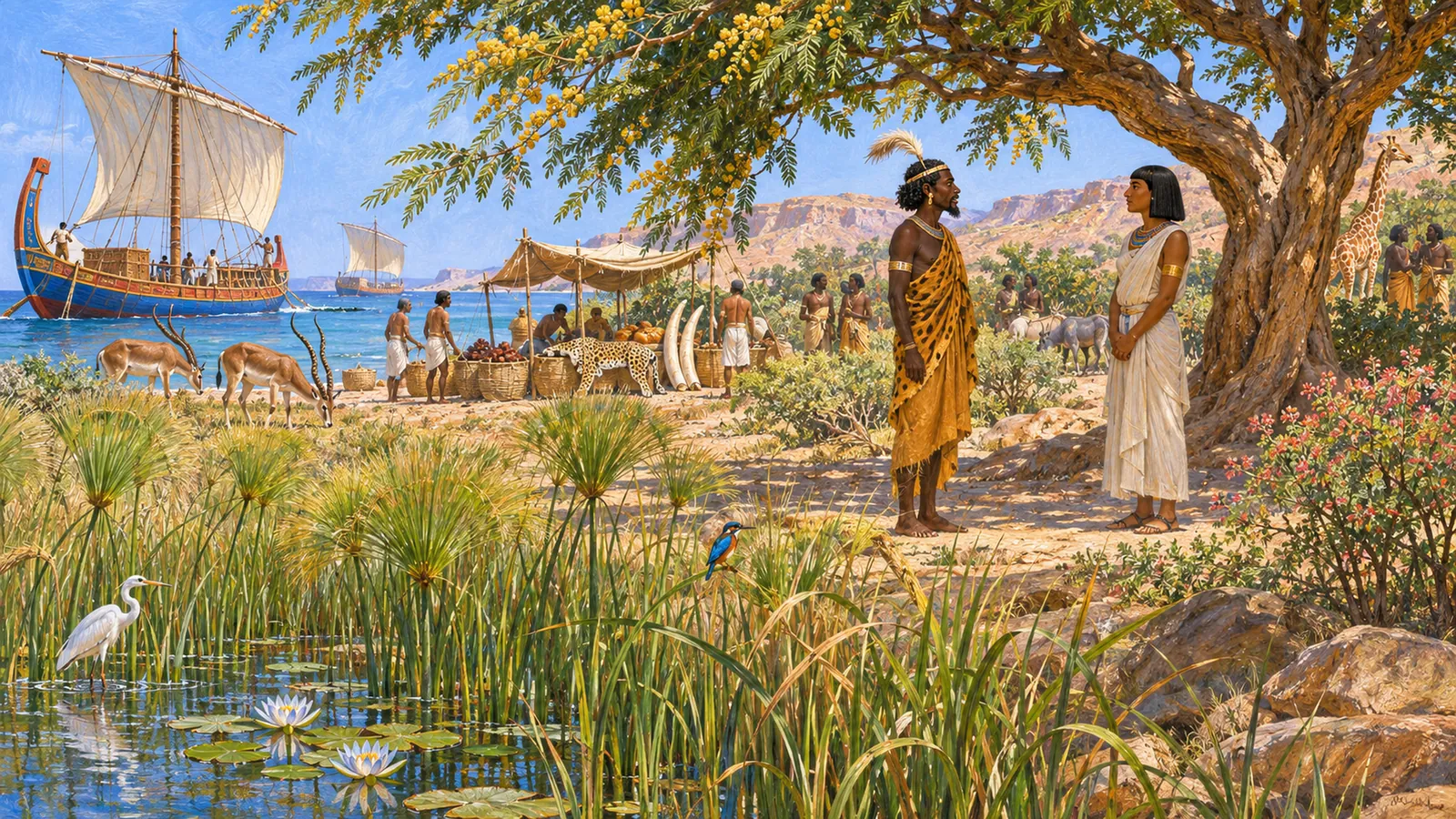
The chiefs’ questions are written in Egyptian on the temple wall. Their own account has not survived. We hear the meeting as the expedition’s royal monument chose to remember it.
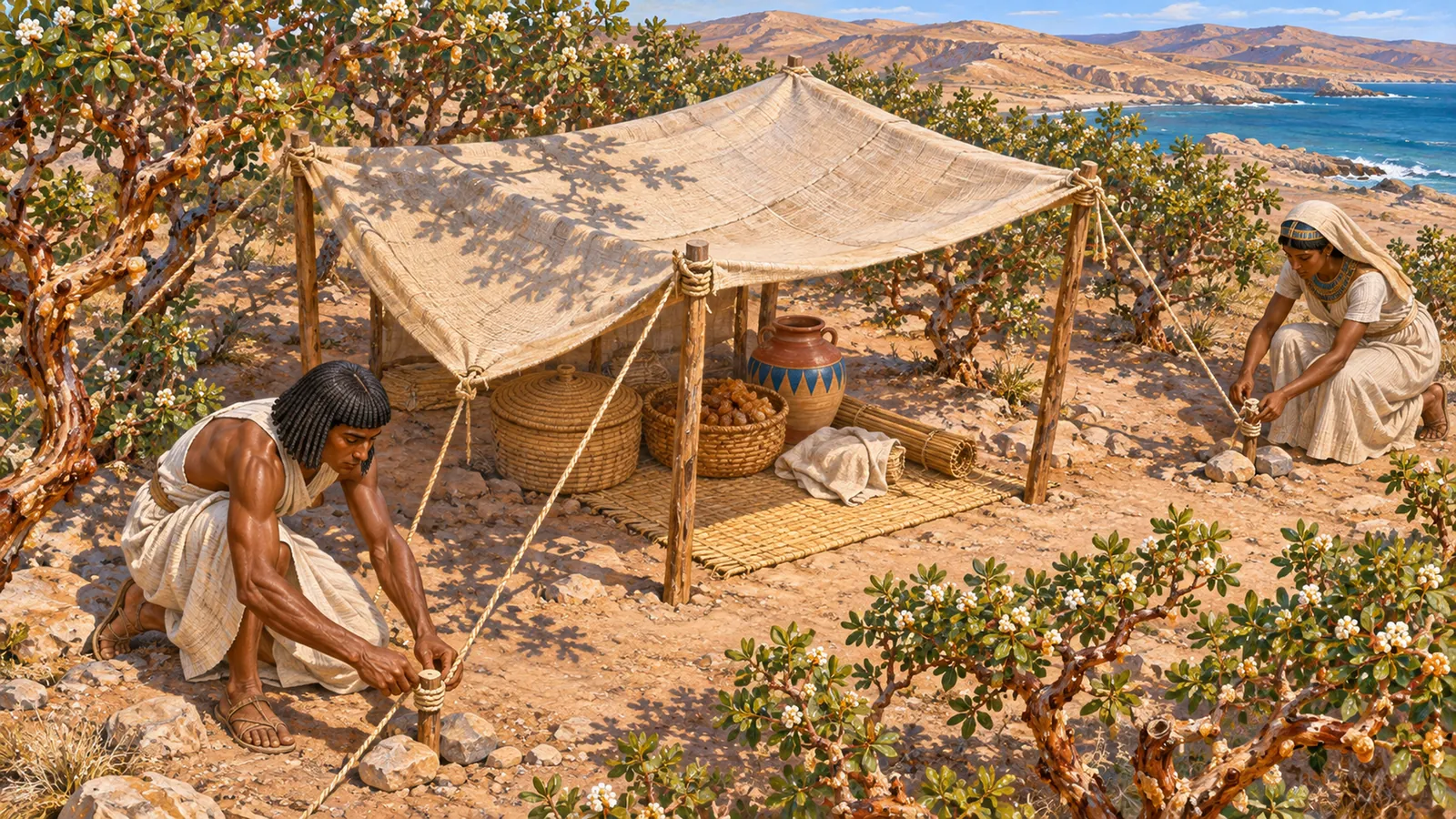
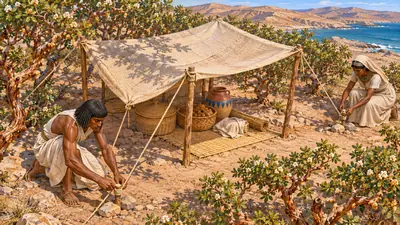
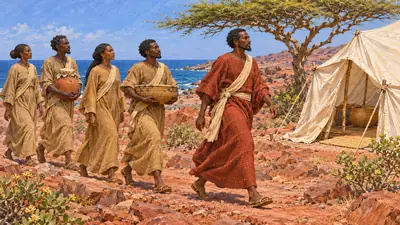
The king’s messenger has a tent pitched on the coast. There the Egyptians receive the chiefs. The text puts the tent on the shore among the terraces of the aromatic trees.
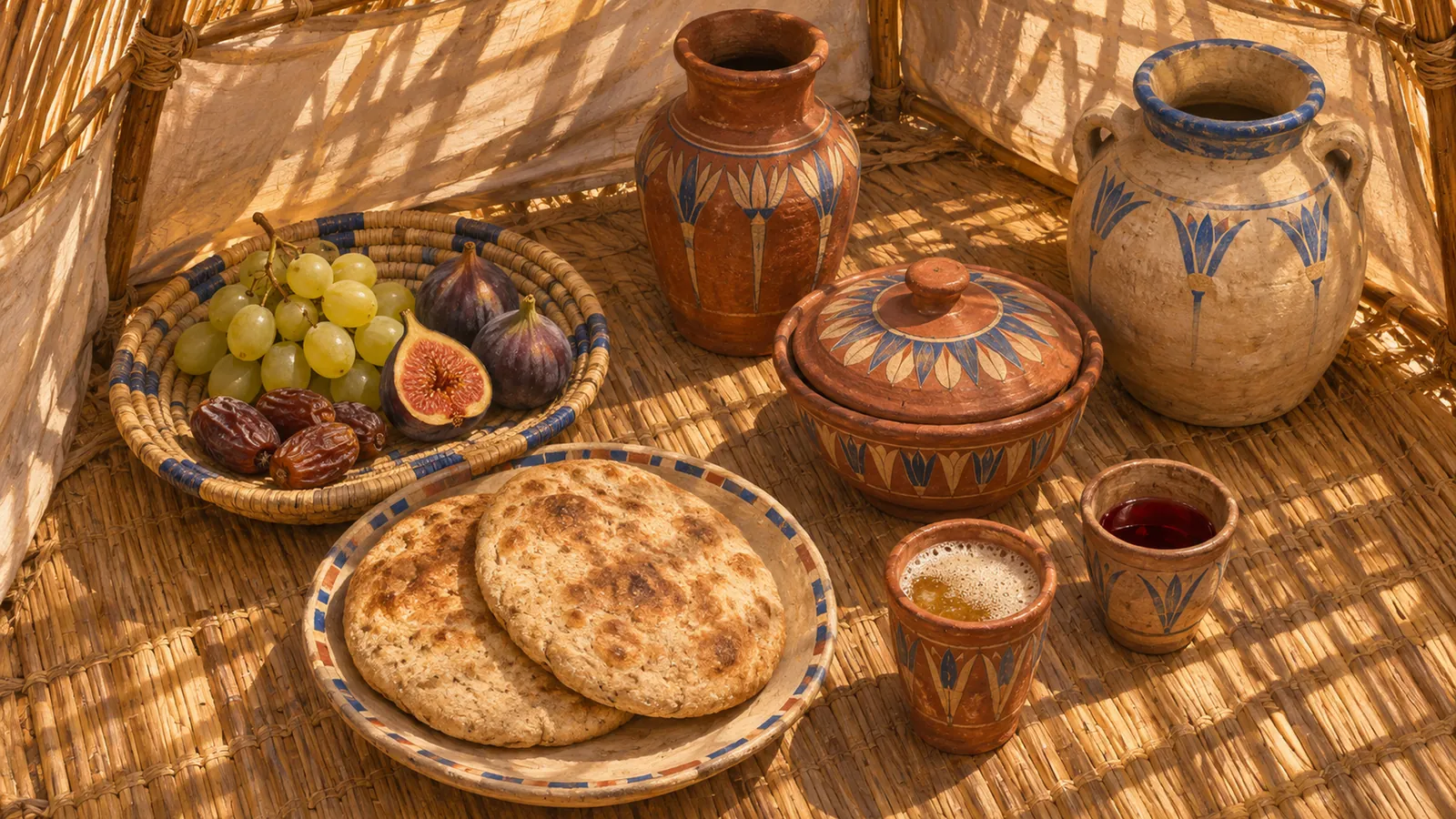
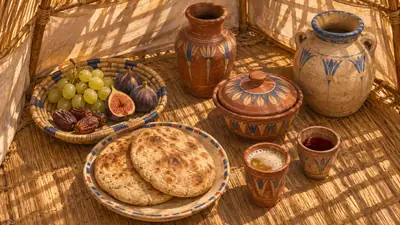
Bread, beer, wine, meat and fruit are set out from the provisions brought by the visitors. The inscription says the Egyptian court gave instructions for this reception of the chiefs.
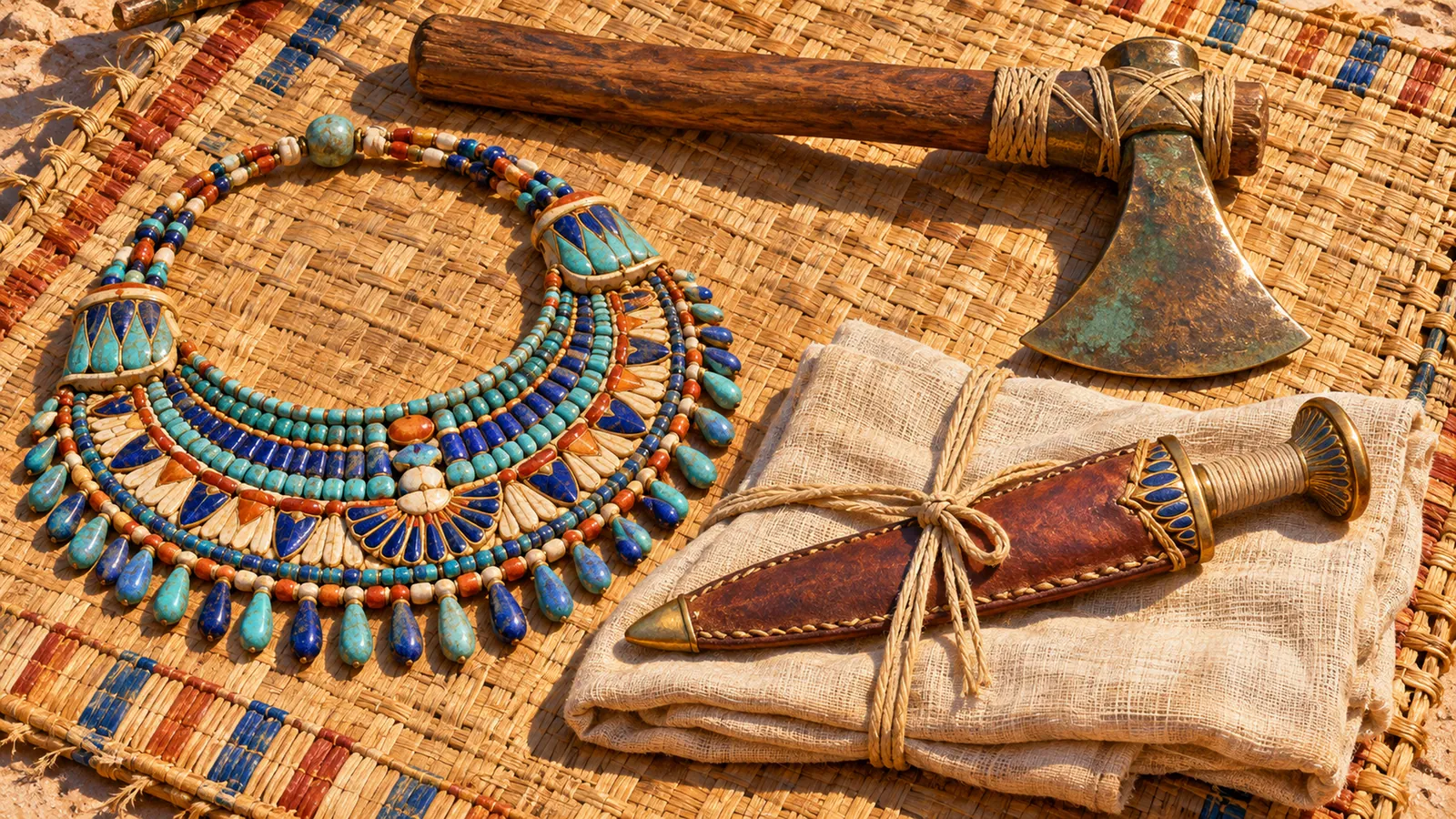
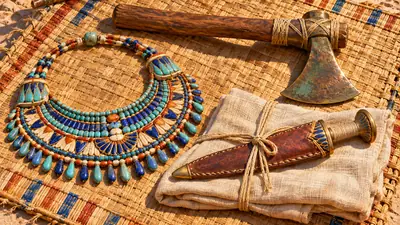
Before the Egyptian party lie necklaces, hatchets and daggers. The scene displays the things brought from court. The dedication to Hathor appears in the same passage as the arrival of the trading party.
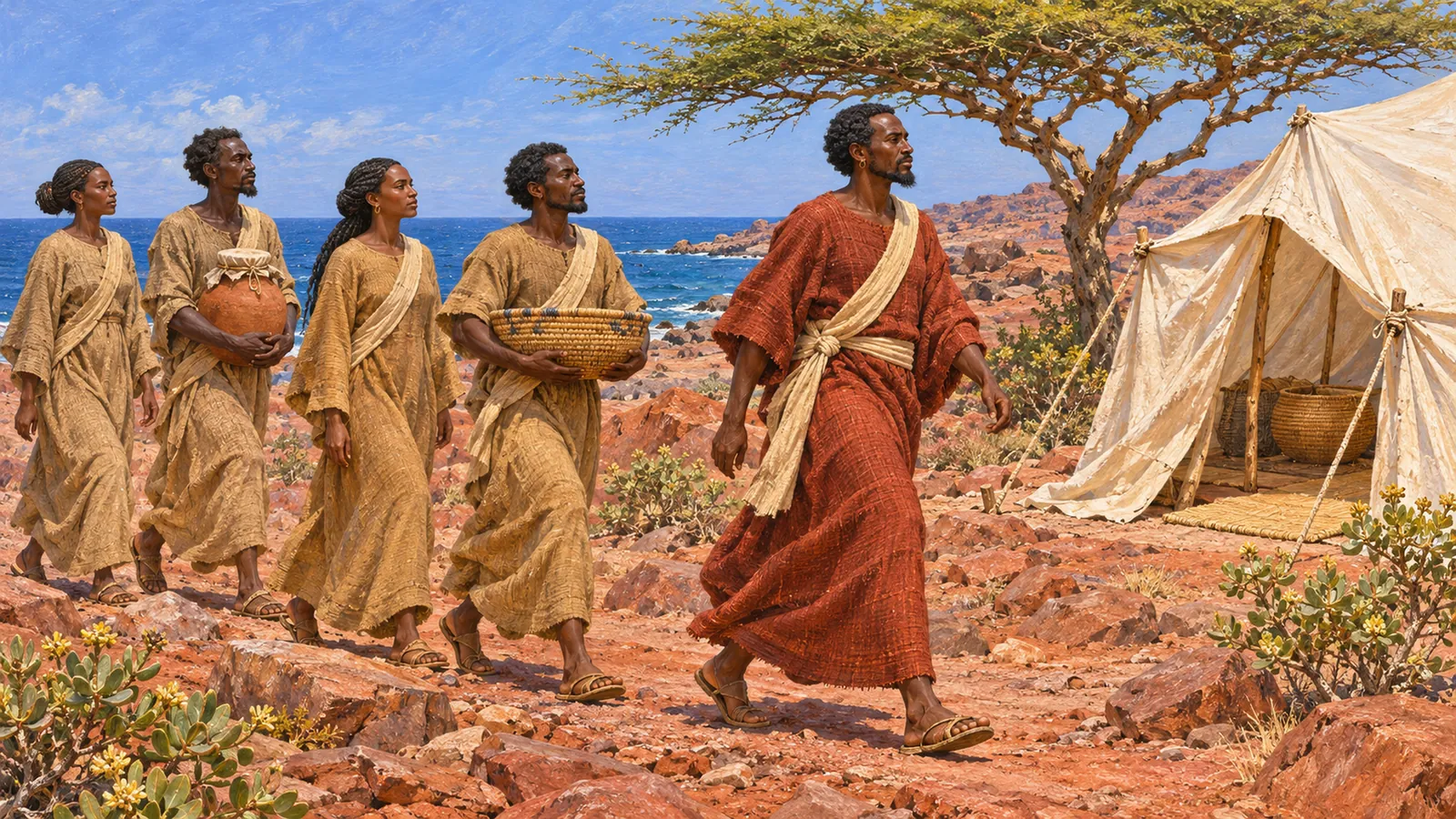
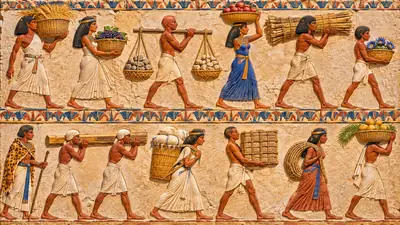
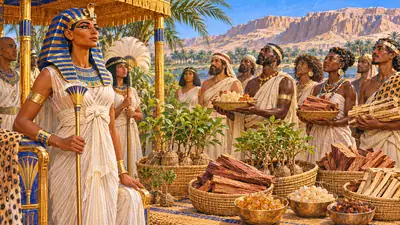
On the next stretch of wall, Parehu leads people carrying local products to the tent. The captions call them tribute. The pictures preserve the presentation from the Egyptian court’s point of view.
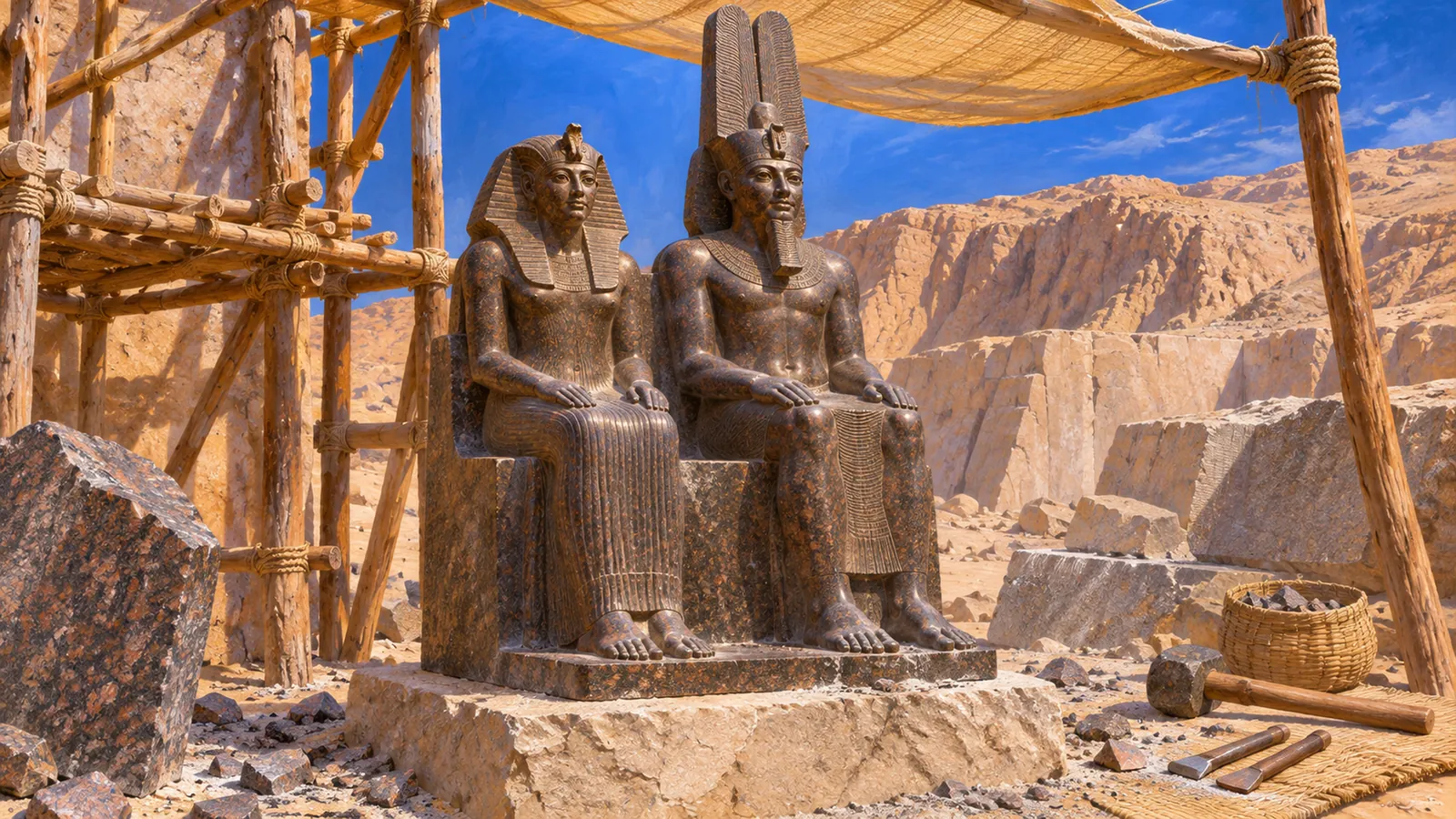
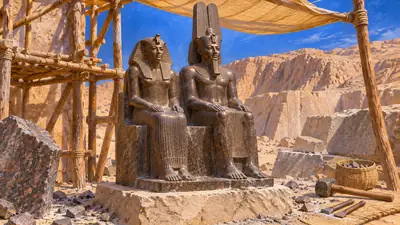
A fragment records the sending of a granite statue of Hatshepsut with Amun-Re. The stone notice is damaged. We cannot follow how the statue was delivered or where it was set up.
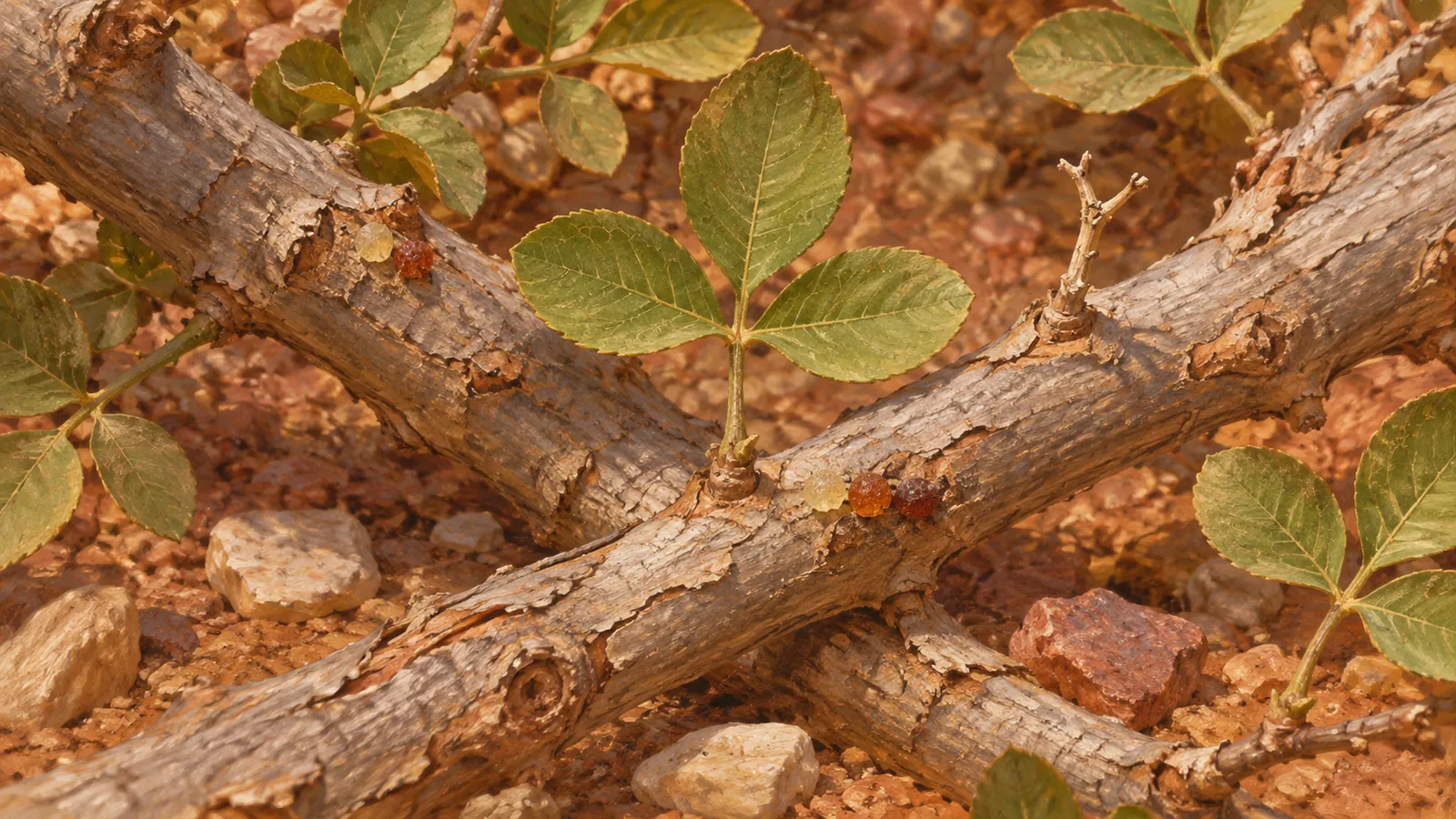
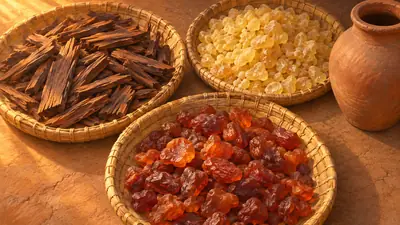
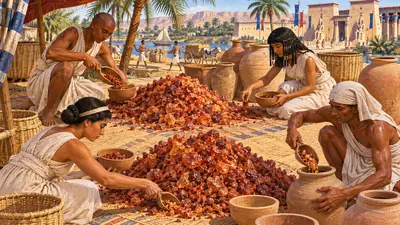
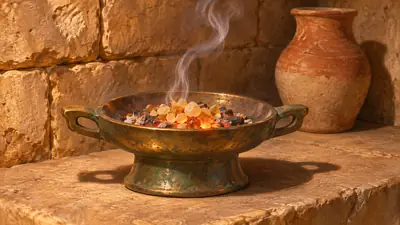
The cargo caption names heaps of aromatic resin. Translators often call it myrrh. It is a substance the Egyptians could burn as incense or use in preparations for the god’s image.
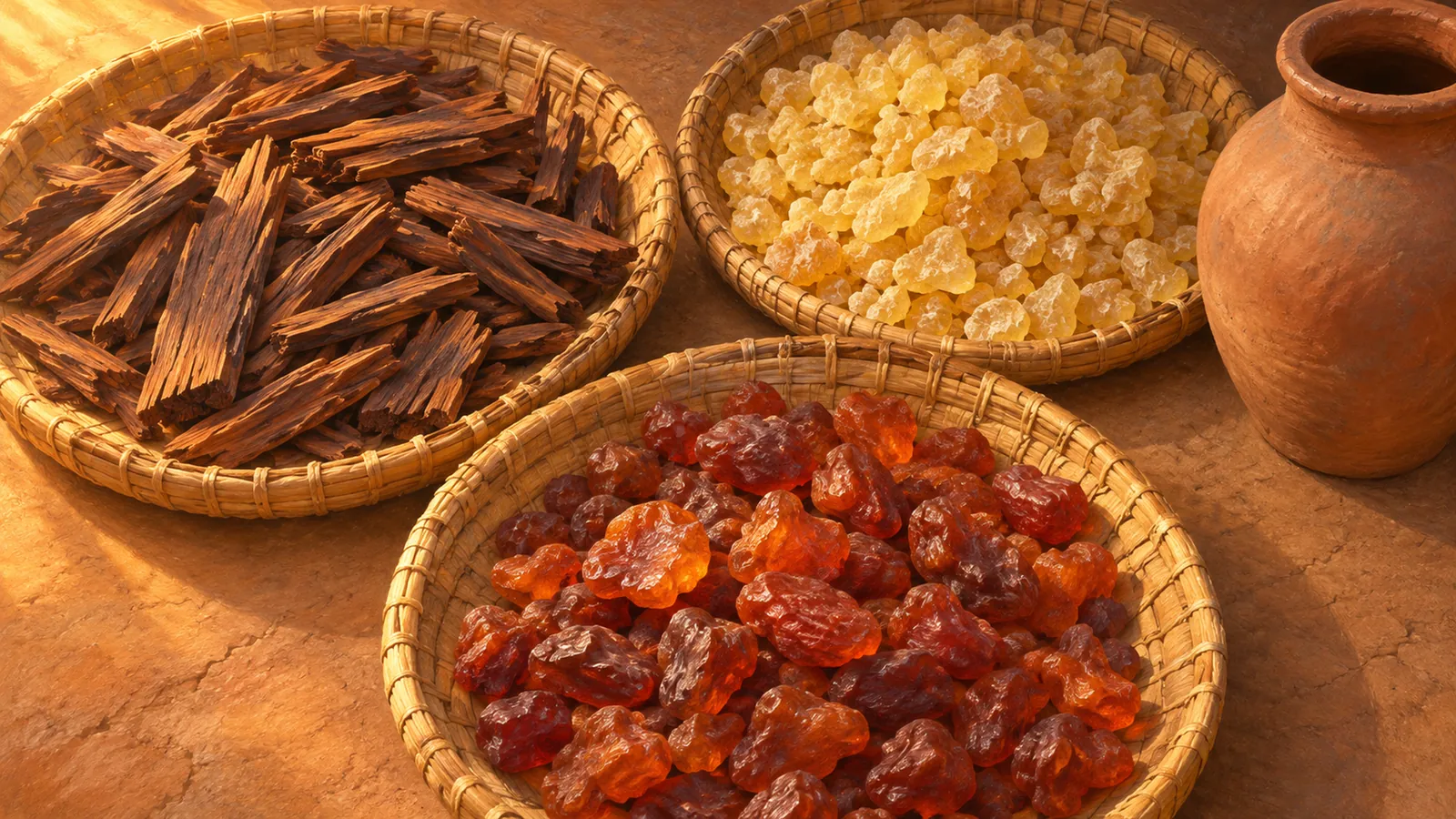
The list names several kinds of incense and fragrant wood. Some plant names are difficult to identify. The inscription still conveys the variety of the scented cargo.
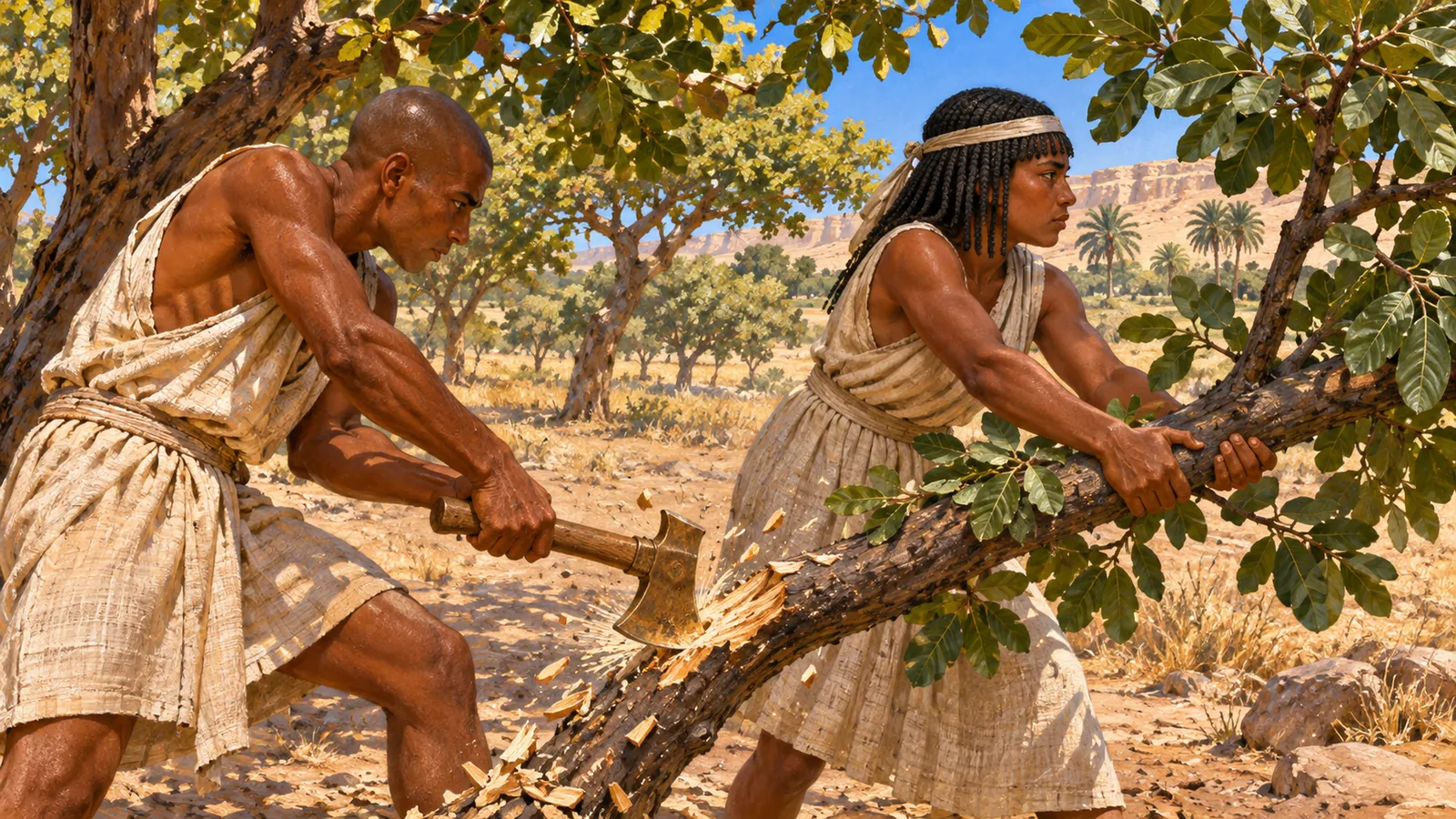
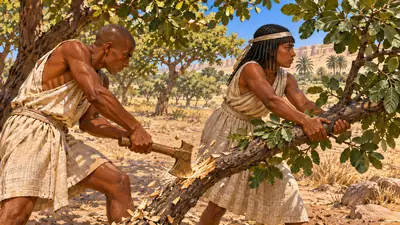
One fragment from the portico shows woodcutters at work. The inscription names ebony. The cargo lists name the same dark wood beside ivory and several other materials valued in Egypt.
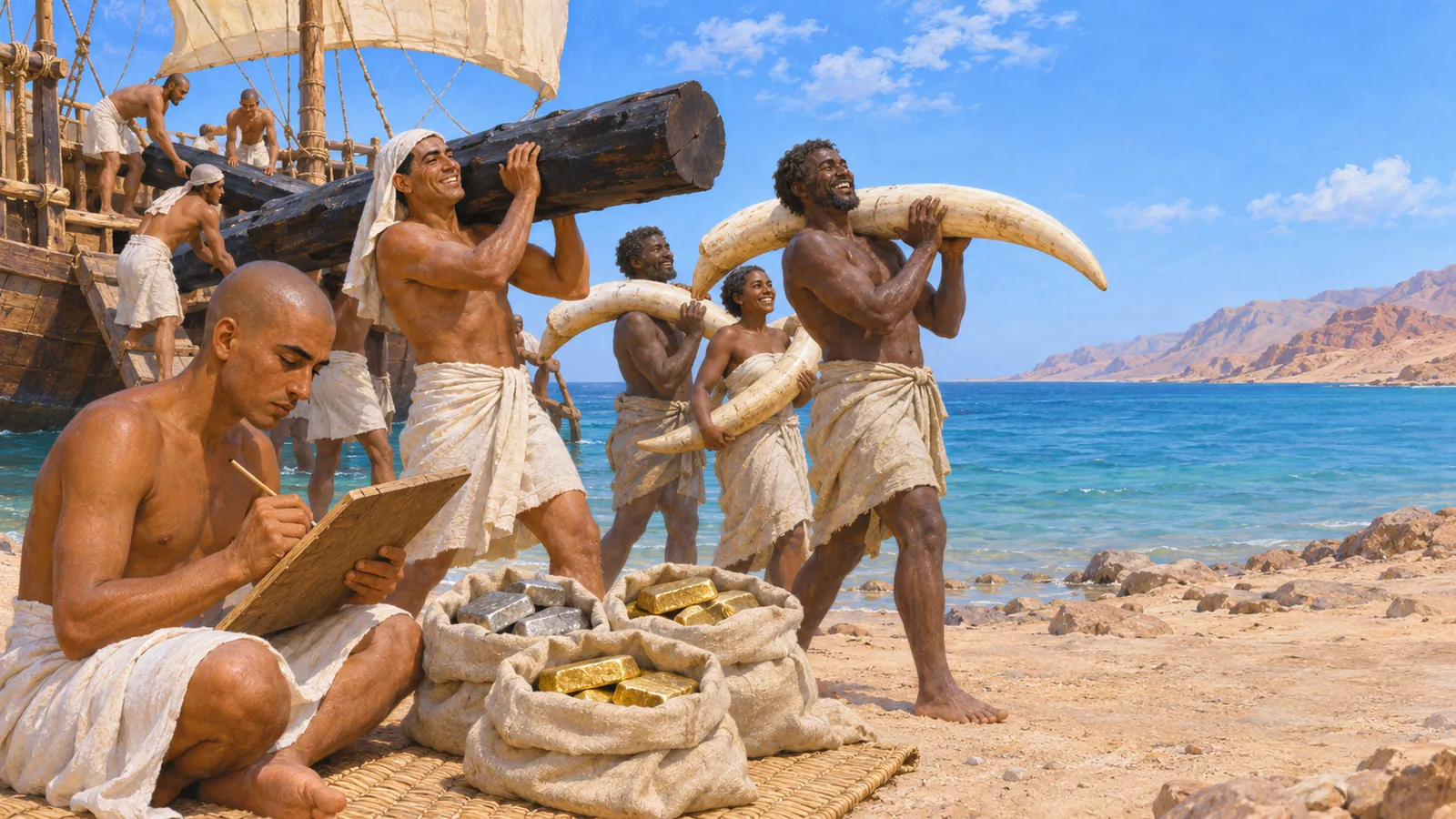
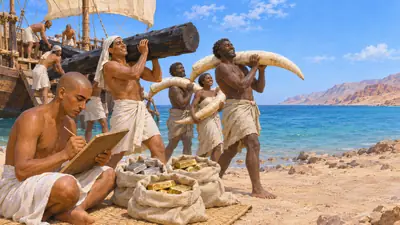
Men carry dark timber and long pale tusks through the loading area. Ebony and ivory are listed alongside electrum, a naturally occurring or prepared mix of gold and silver.
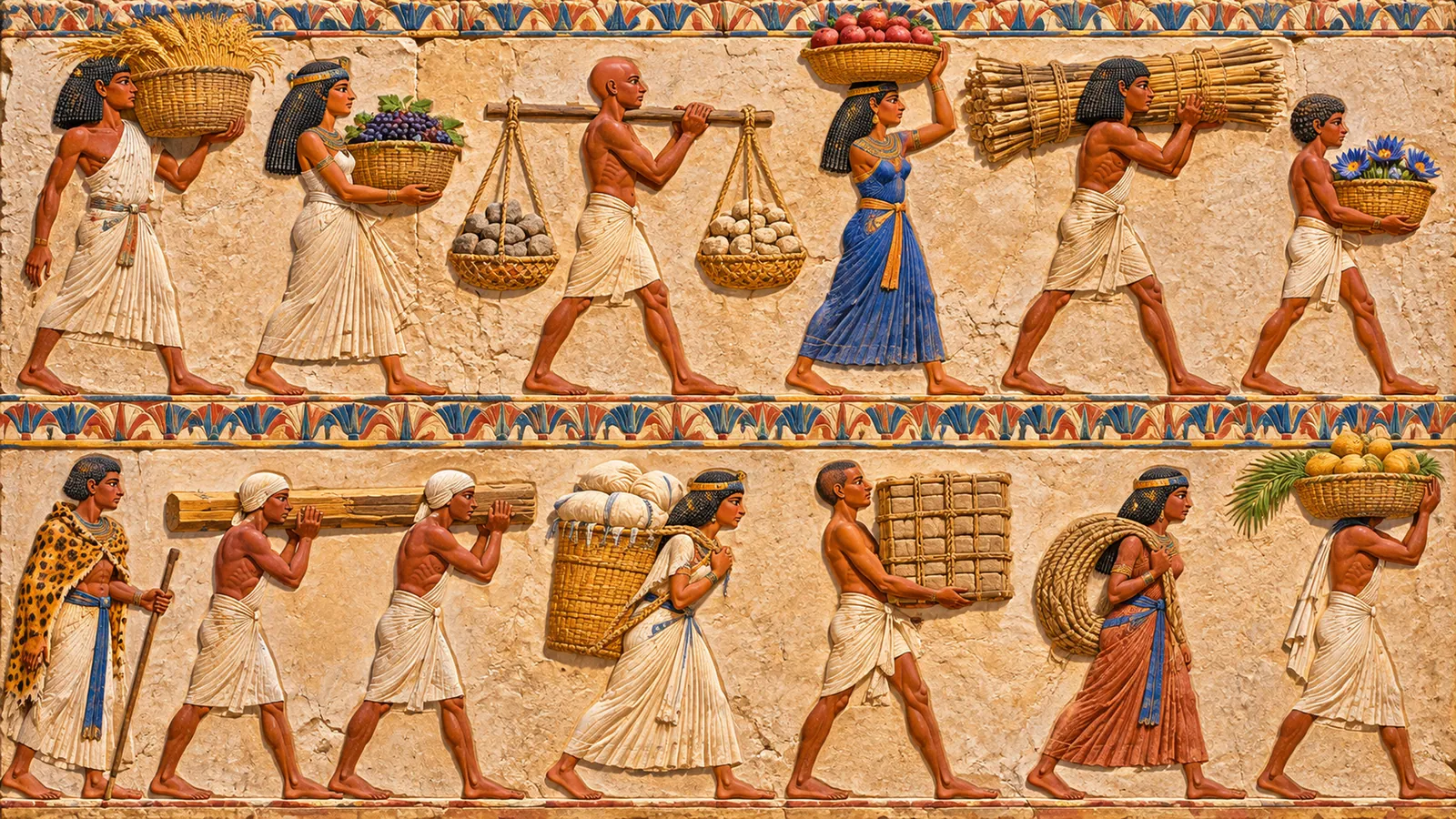
Above part of the Punt scene runs a separate row for Nubian goods. The temple places the products side by side and still indicates that the people bringing them came from different places.
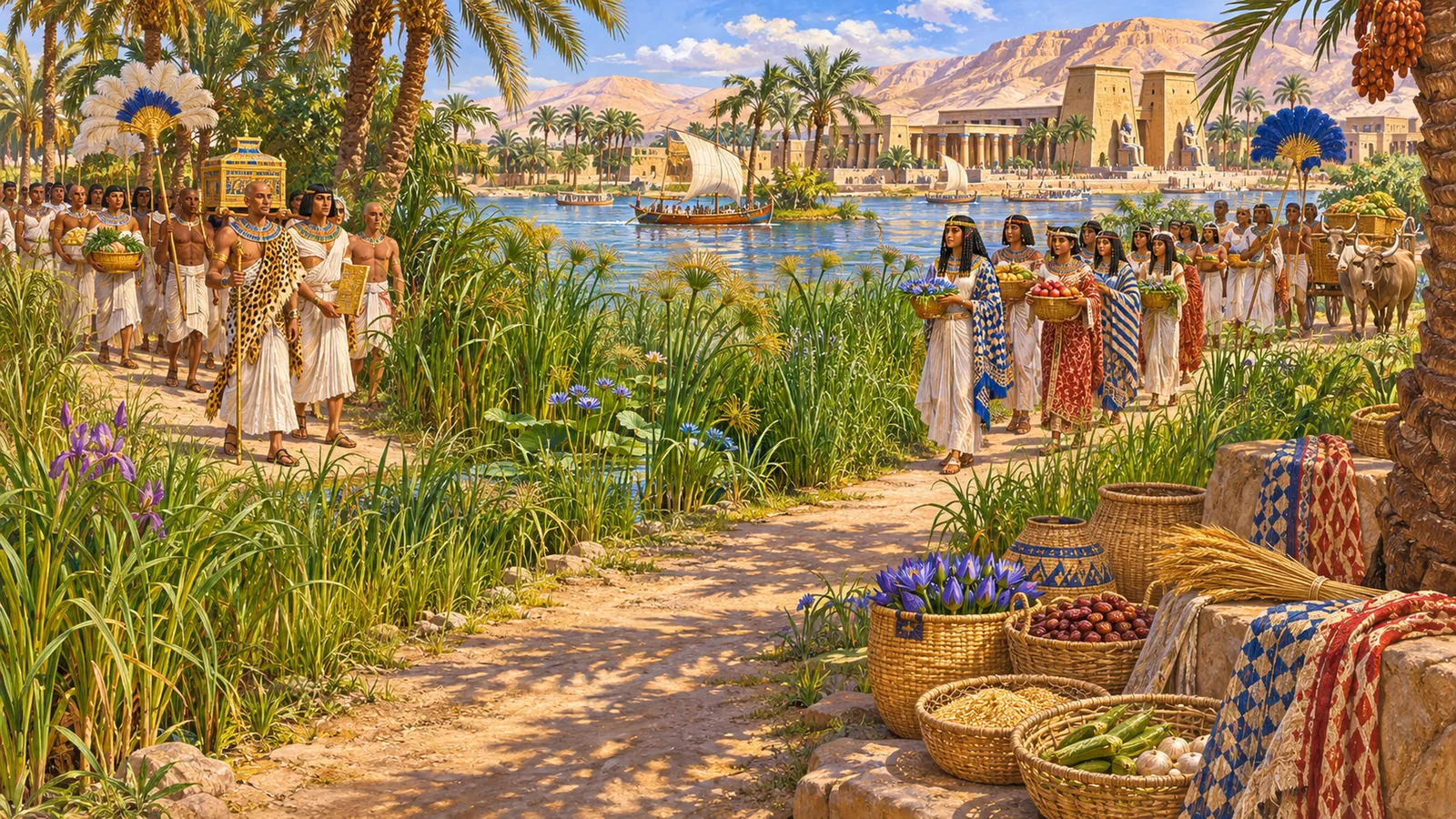
Other groups have captions of their own. Two names survive as Irem and Nemyew in one reading. The relief does not give us enough evidence to put both places on a map.
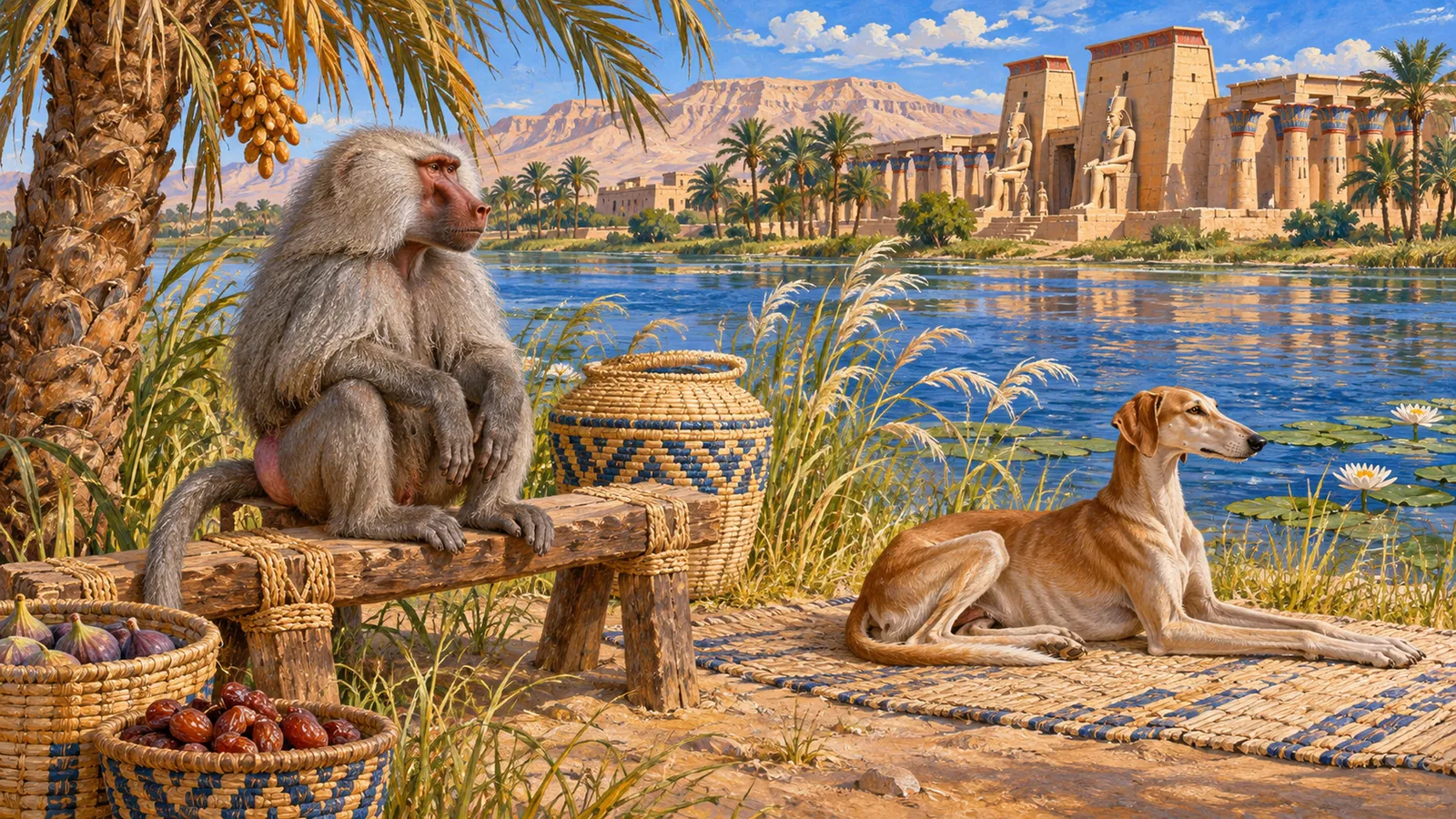
The list names apes, monkeys and dogs. In the portico animals have a place in the record alongside wood, resin and precious goods. Some can be identified more readily than others.
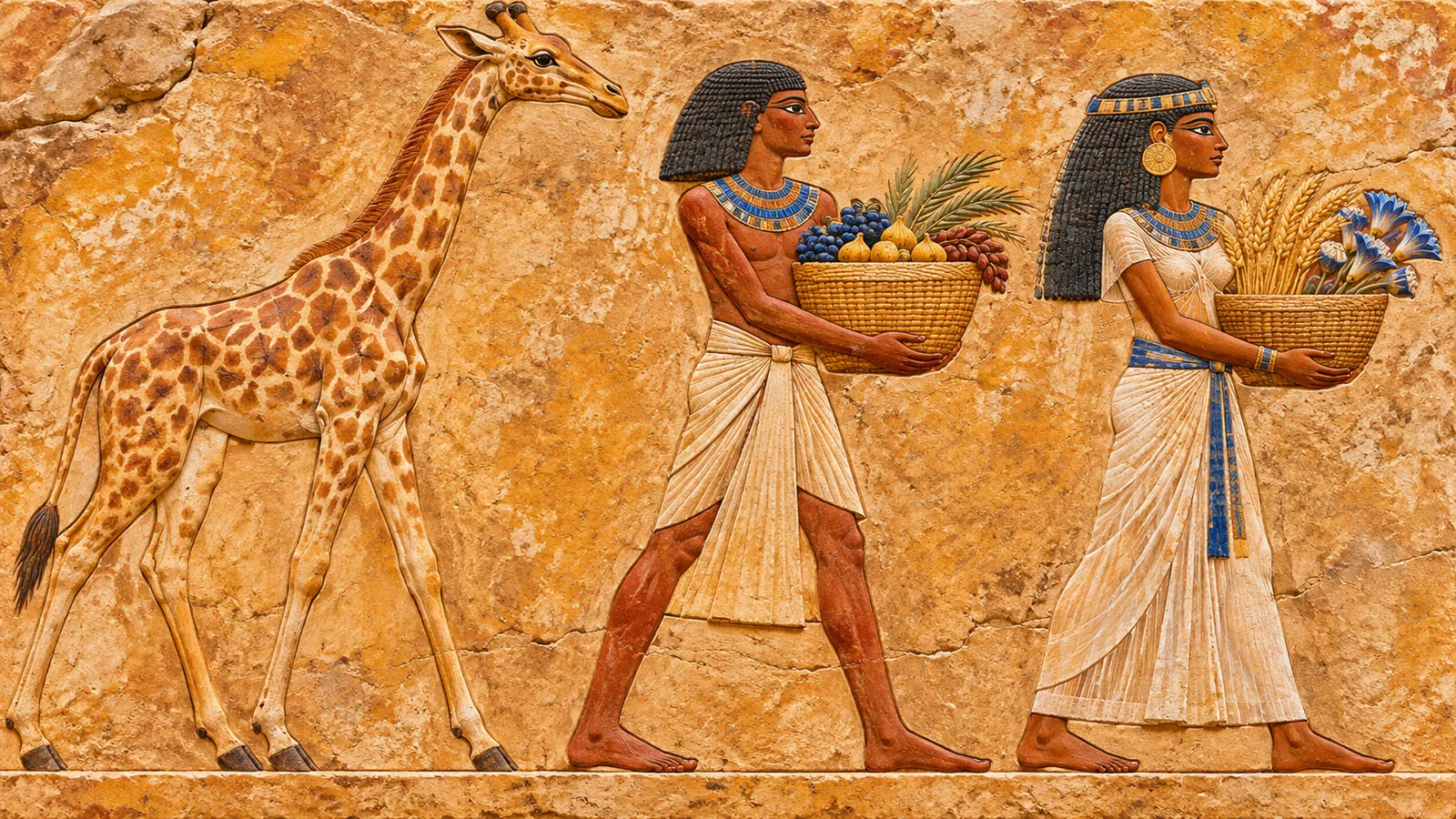
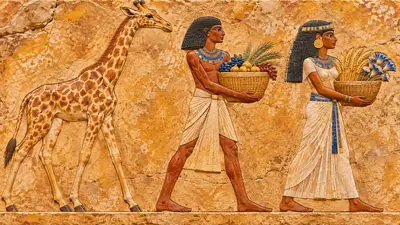
A giraffe towers over the people and gifts in the procession. Elsewhere in the portico the artists carved a rhinoceros and spotted cats.
LIVING TREES
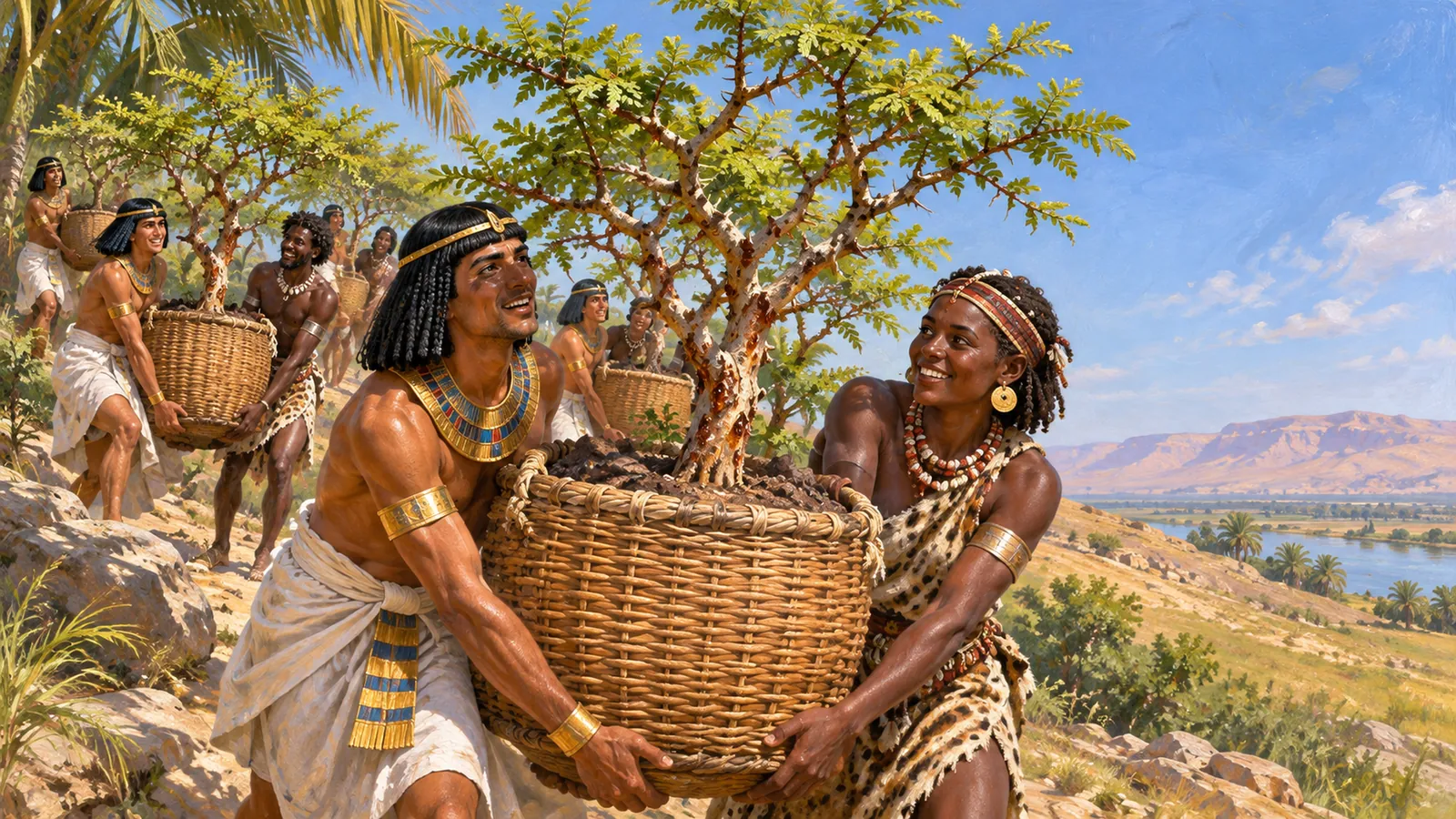
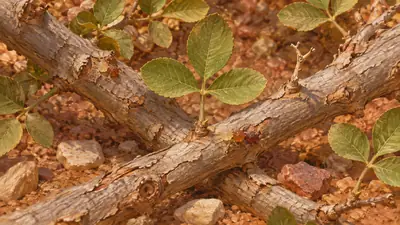
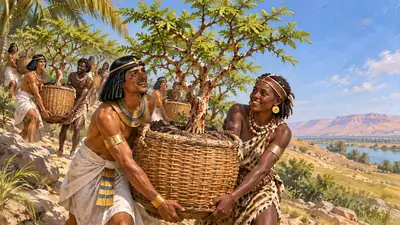
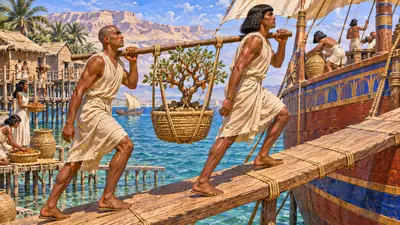
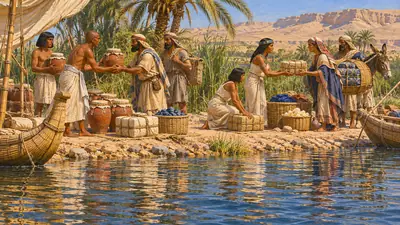
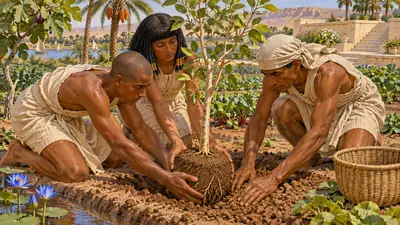
Men carry trees down to the water. The cargo includes living plants together with resin already gathered. The crews had to move the soil around the roots along with each tree.
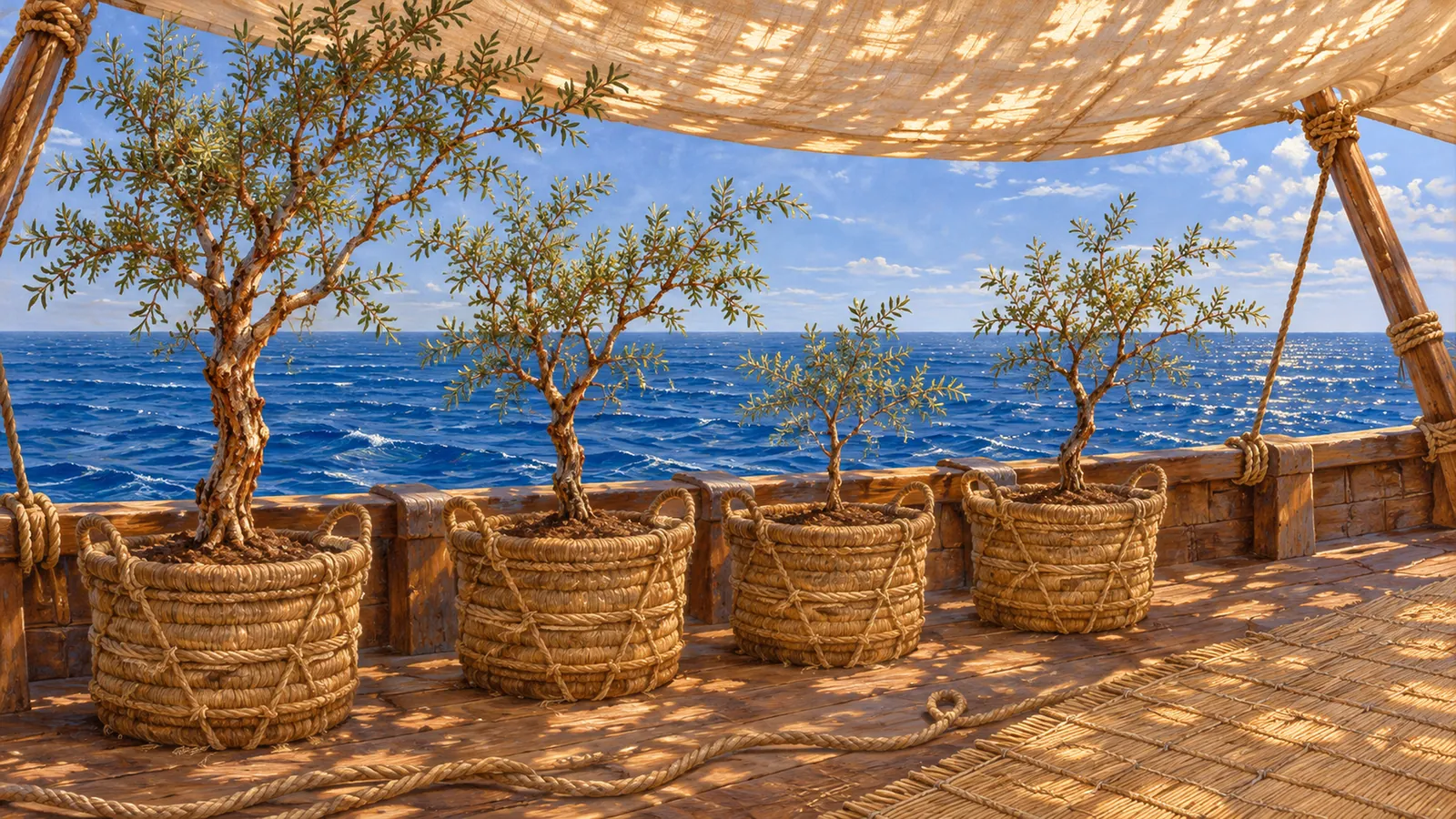
A separate caption lists thirty-one fresh trees. The text treats their arrival as an achievement for Amun. Living trees could go on producing the aromatic material for which the fleet had come.
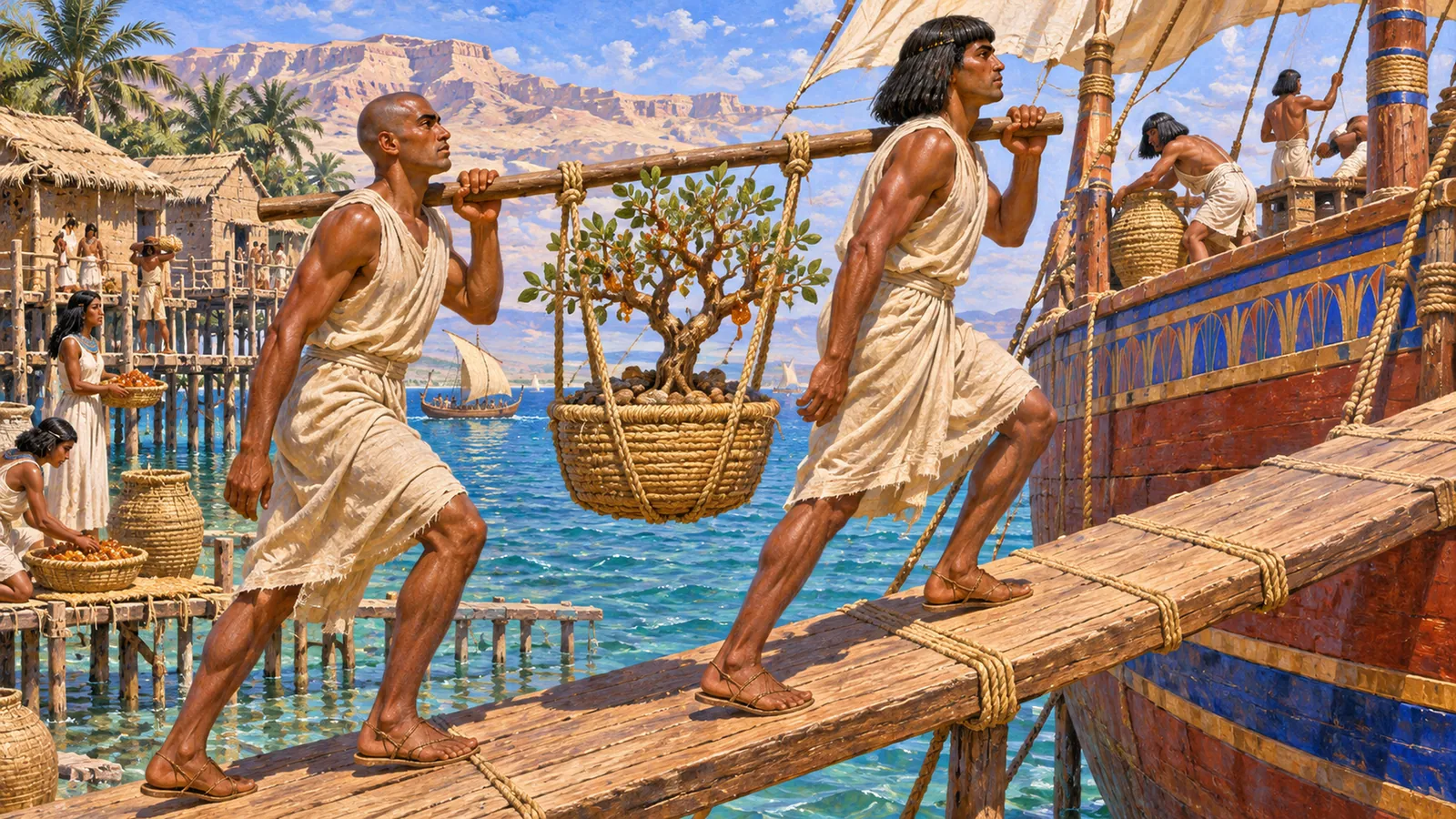
The relief shows men taking sacks and trees up the gangplanks. A few words appear over the tree carriers. The passage is damaged, but the trees and the work of lifting them are clear.
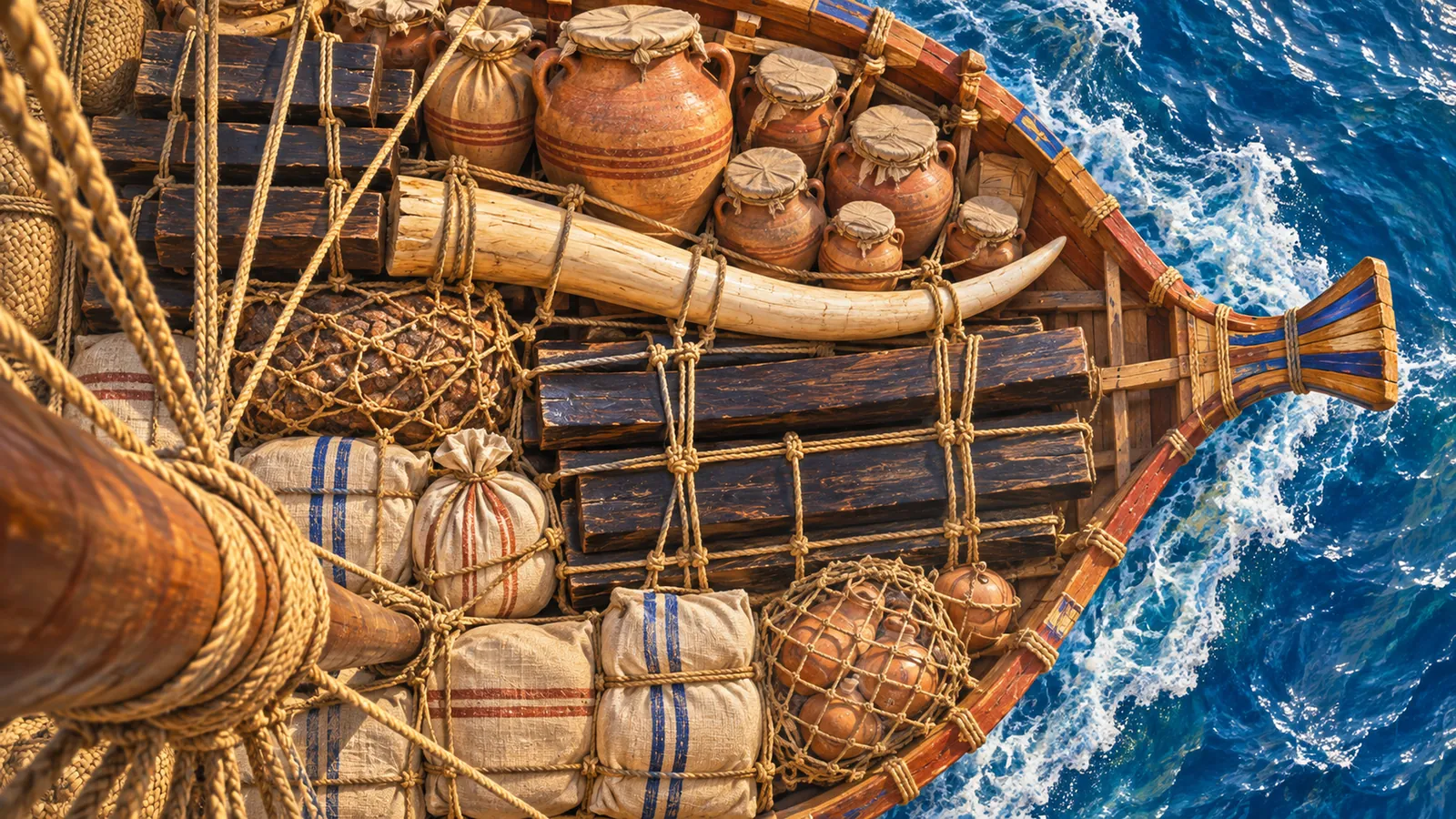
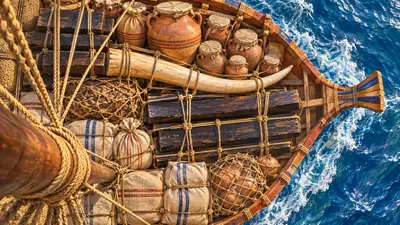
Two ships appear heavily loaded in one scene. Wood and tusks are visible among the other goods. Baskets and sacks fill the deck spaces below the tall masts and their rigging.
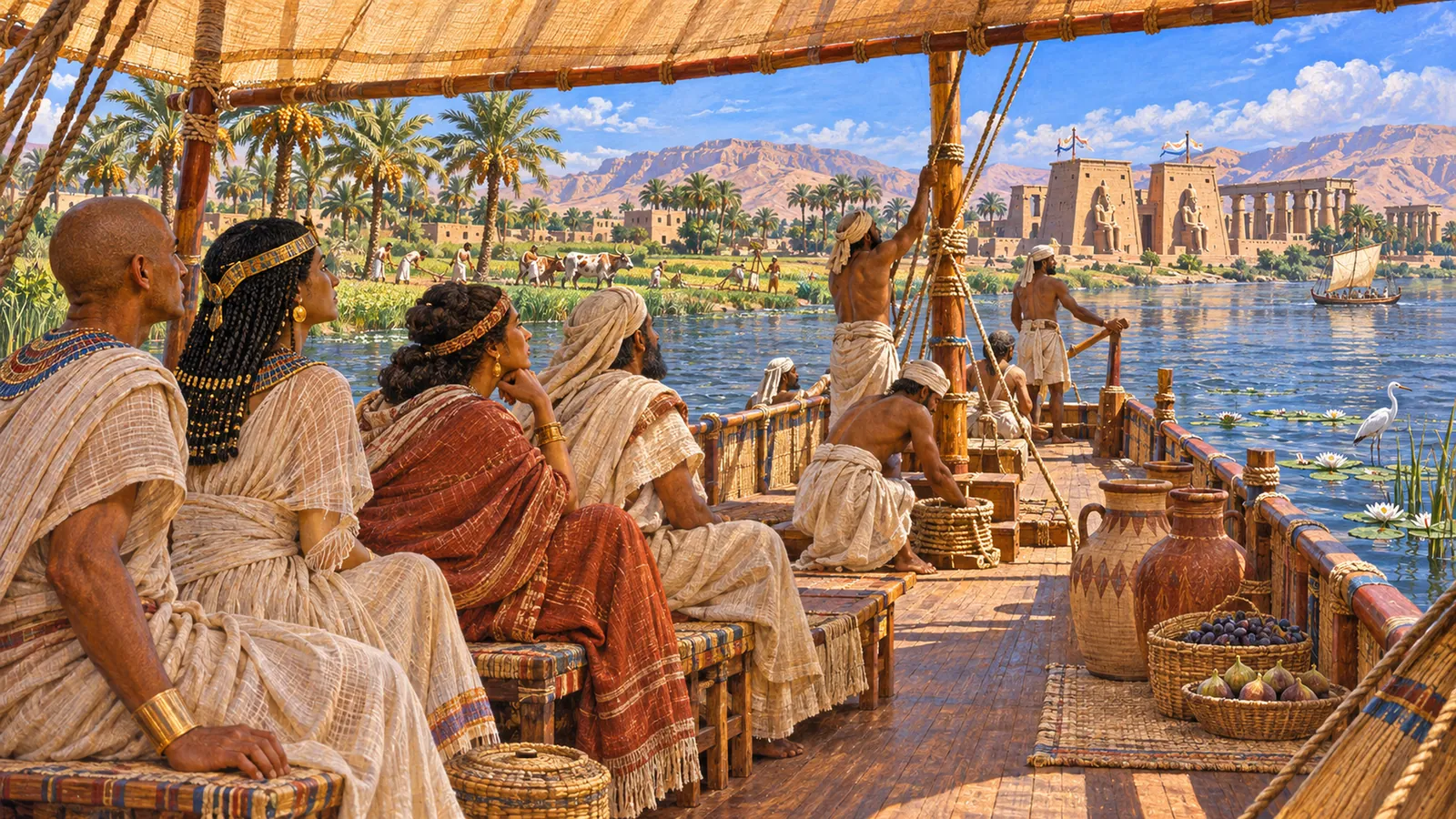
The return inscription mentions the chiefs of Punt traveling with the expedition. The record leaves the terms of their travel unclear. In the court scenes people accompanying the goods take part in the reception.
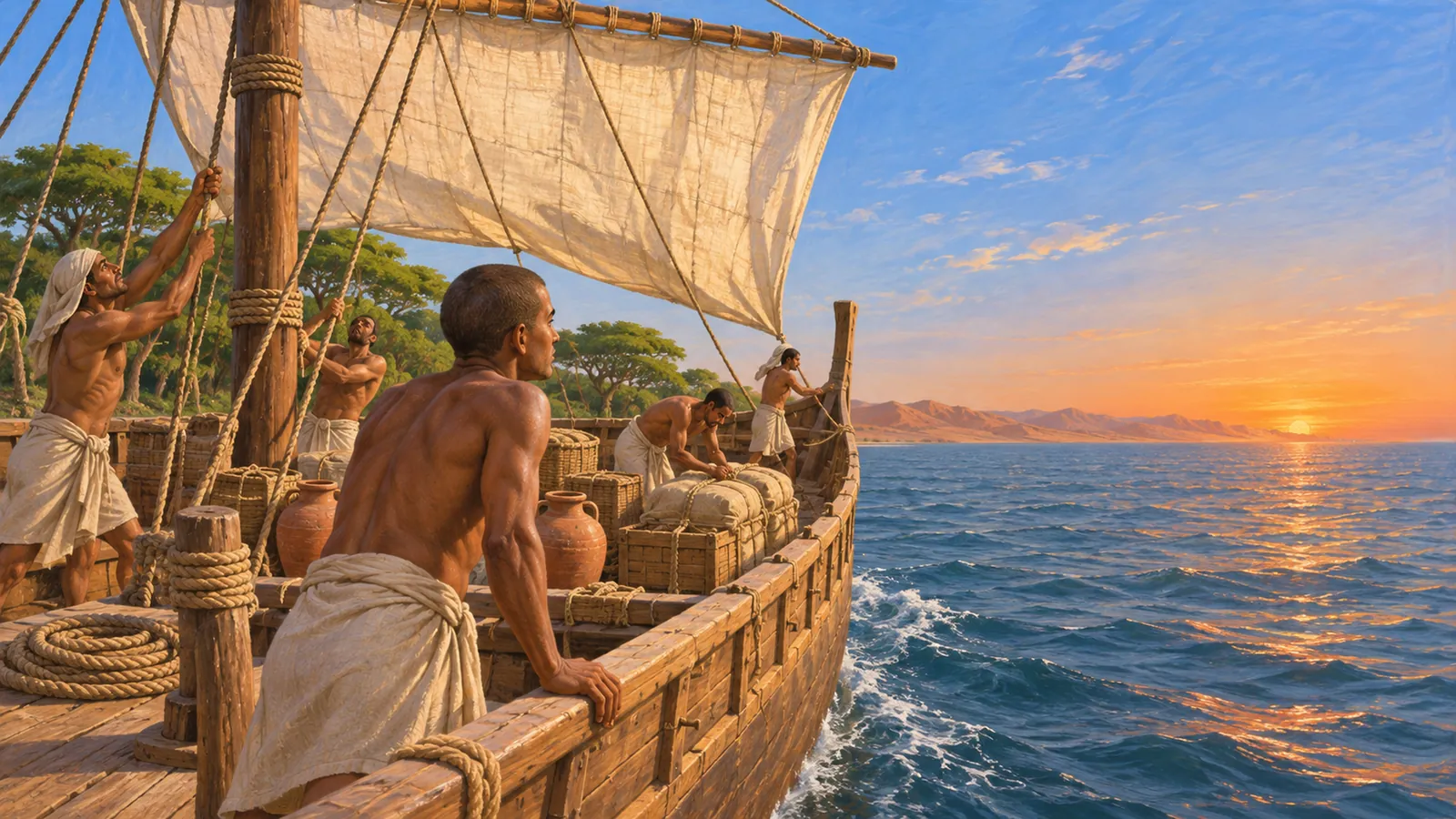
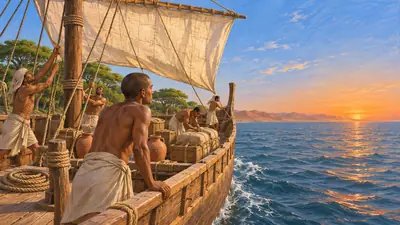
The next ships are shown under full sail with the goods on board. The inscription speaks of arriving safely and going to Thebes. The exact stages of the journey home are omitted.
THEBES
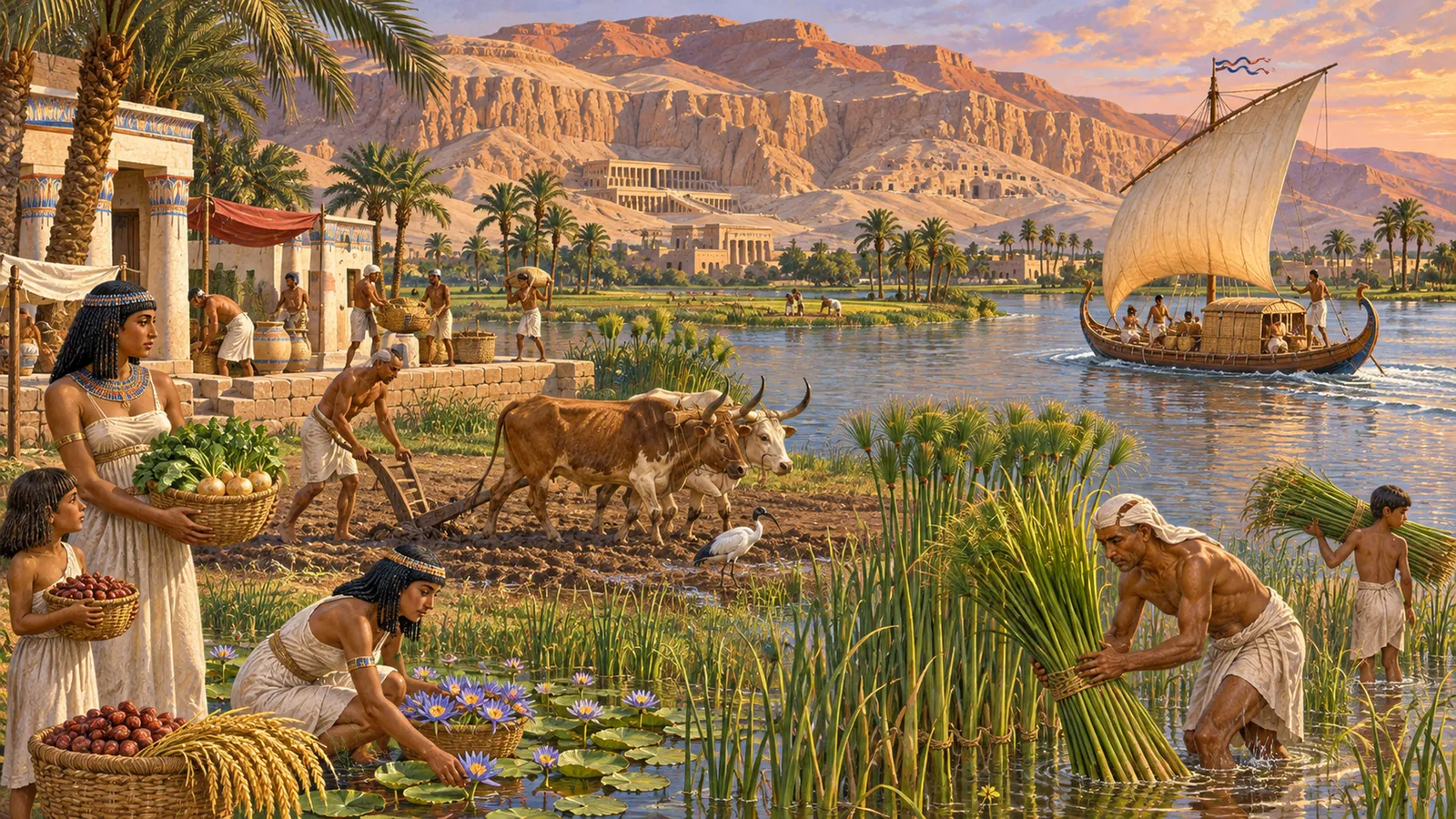
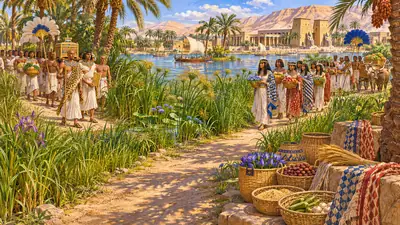
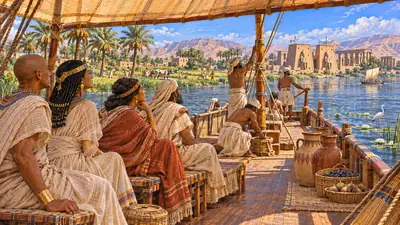
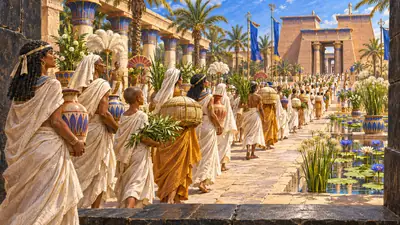
Thebes, the city named in the account of the return, lay on the Nile. At Deir el-Bahari the ships’ arrival and the procession of the visitors follow one another on the temple wall.
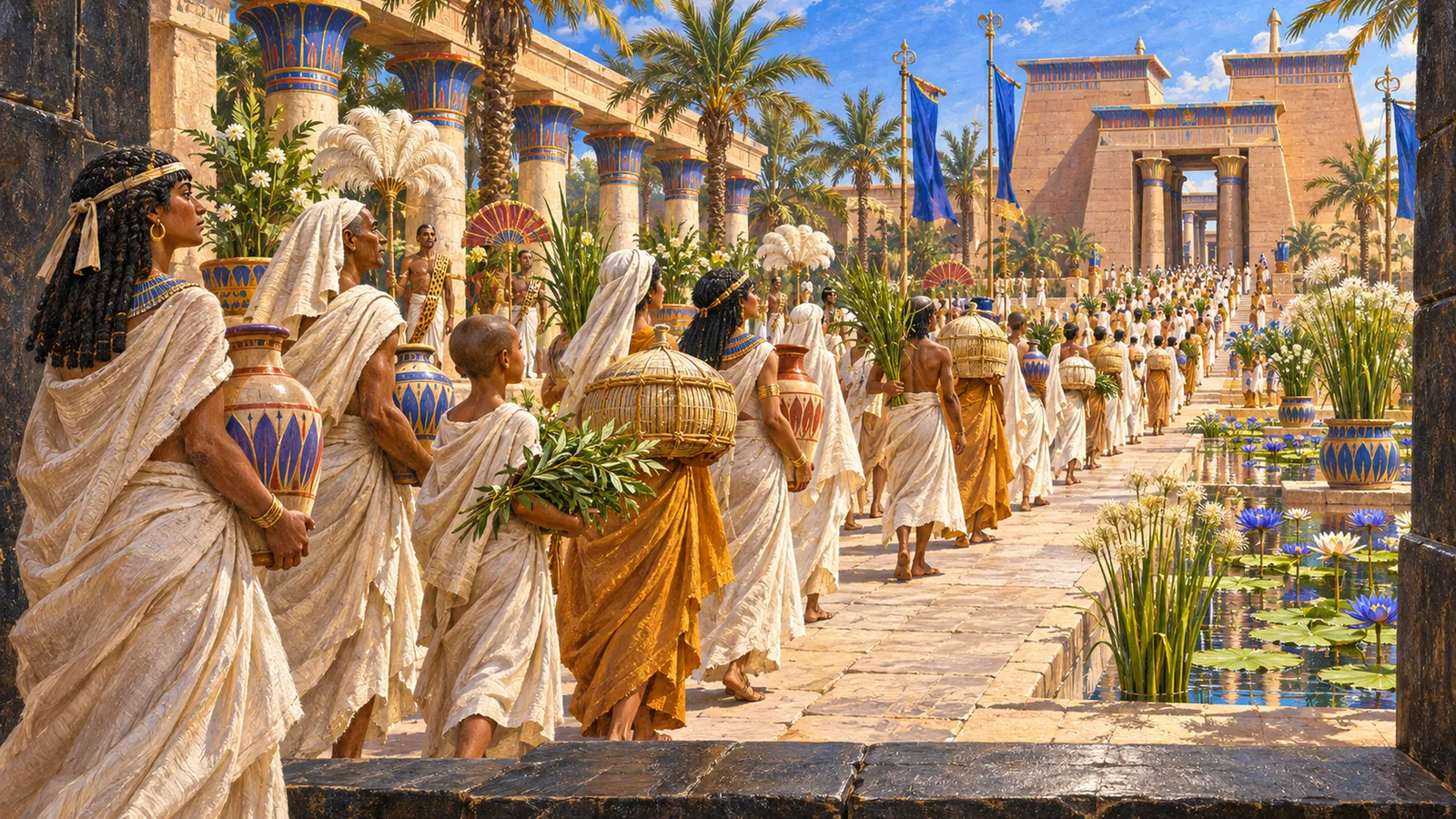
Several rows show the visitors bearing gifts. The chiefs offer praise as they approach the Egyptian ruler. Their words are part of the ceremony as the Egyptian court presents it.
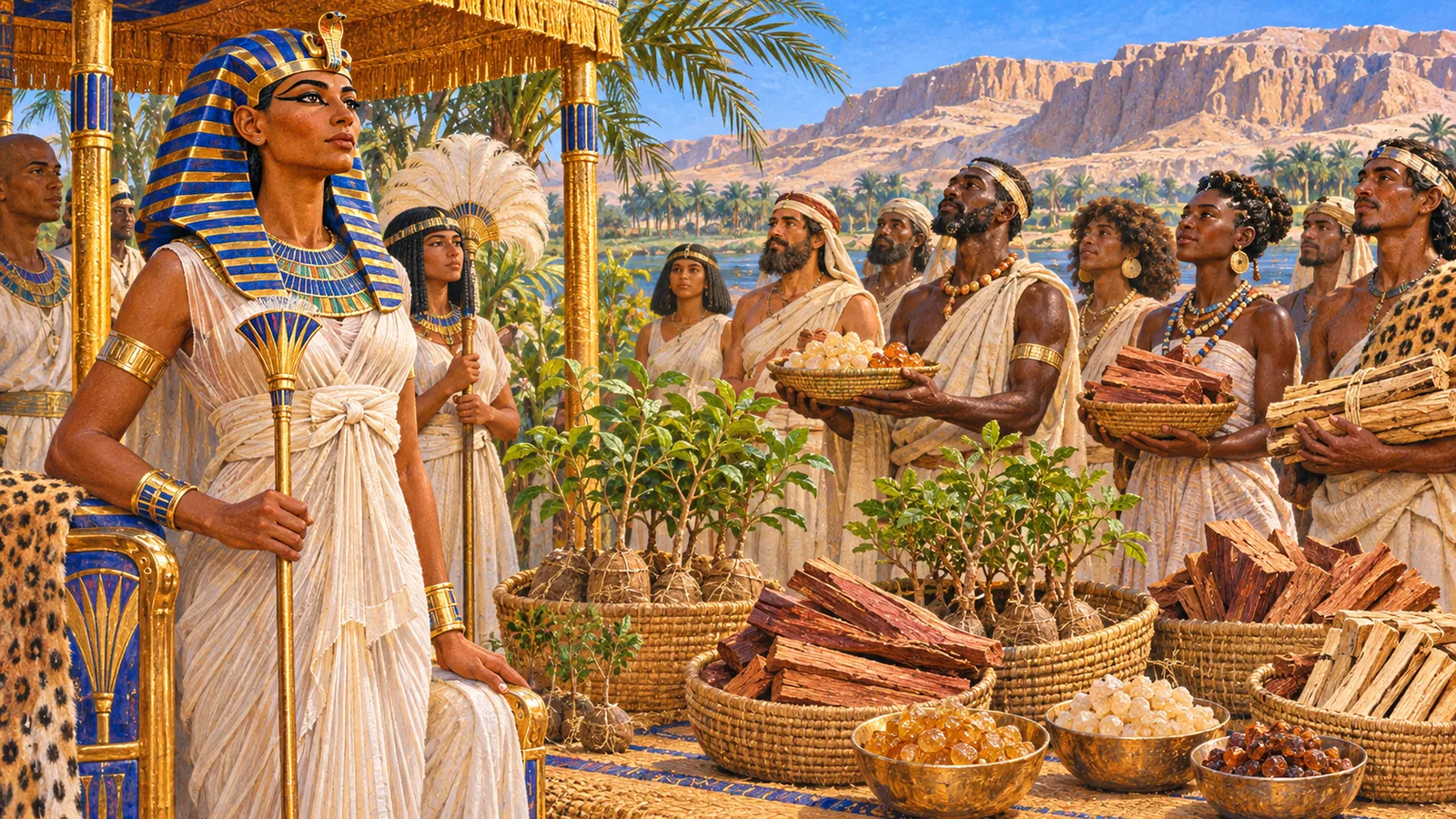
The court shows the returns of the voyage before Hatshepsut. She bears the royal name Maatkare in the inscription. The display joins the products of Punt with other goods of the southern countries.
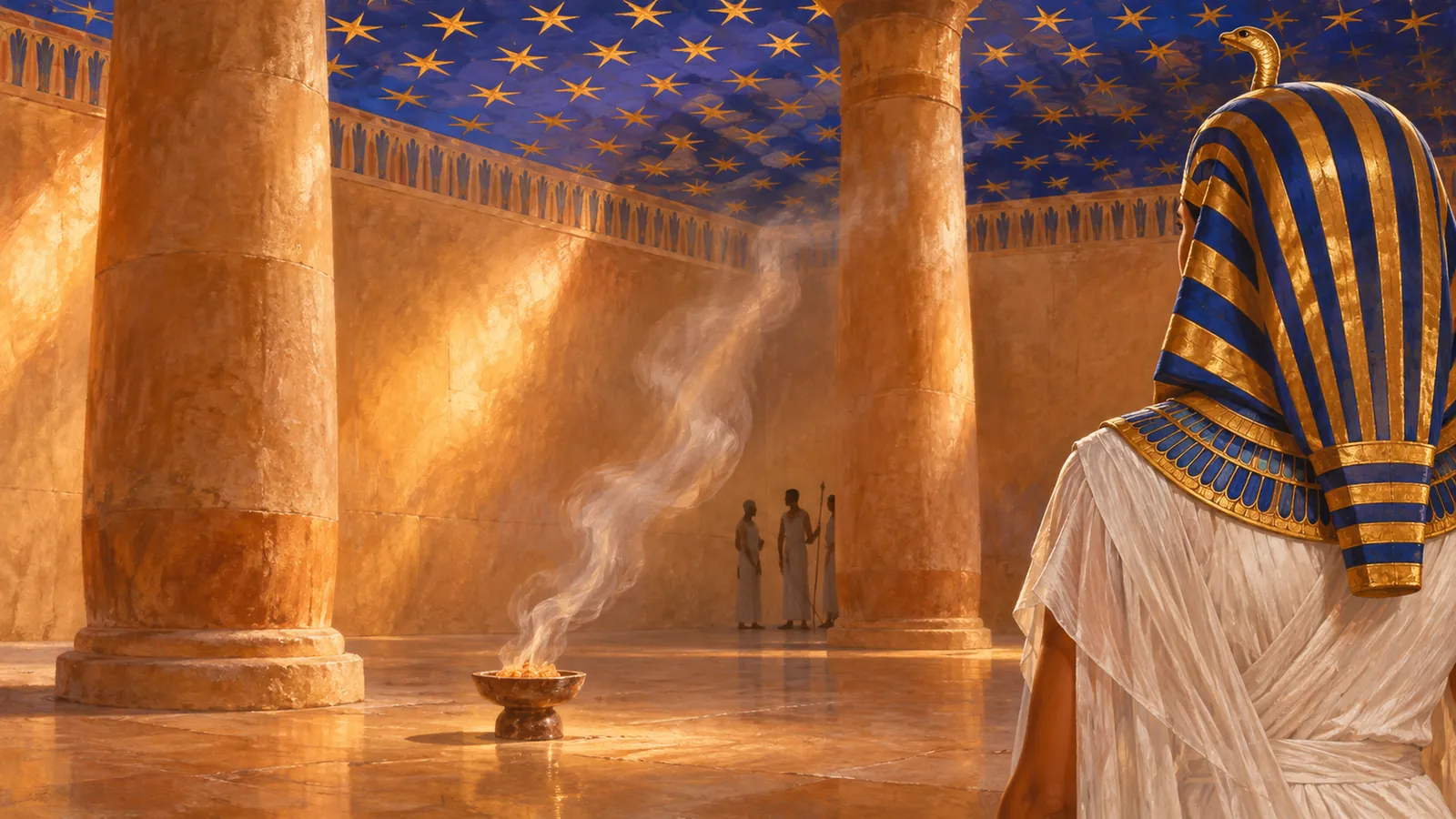
The inscription puts Hatshepsut in the festival hall and speaks of her fragrance mingling with the scent of Punt. Her shining appearance becomes part of the royal celebration of the expedition.
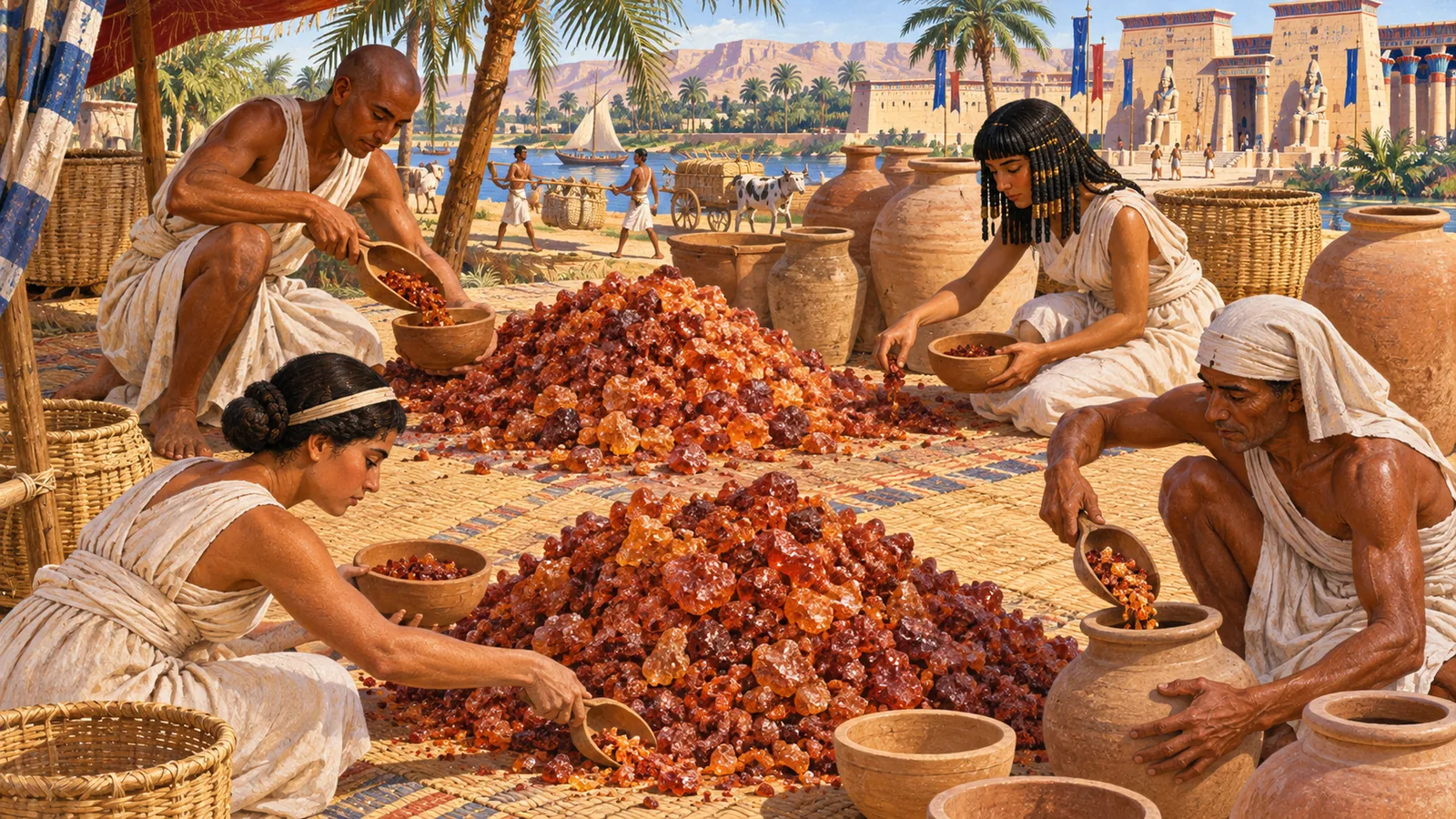
Four workers measure resin from two large heaps. The official Djehuty is named in the scene, though his figure was later erased. The relief also shows Thoth recording the totals for Amun.
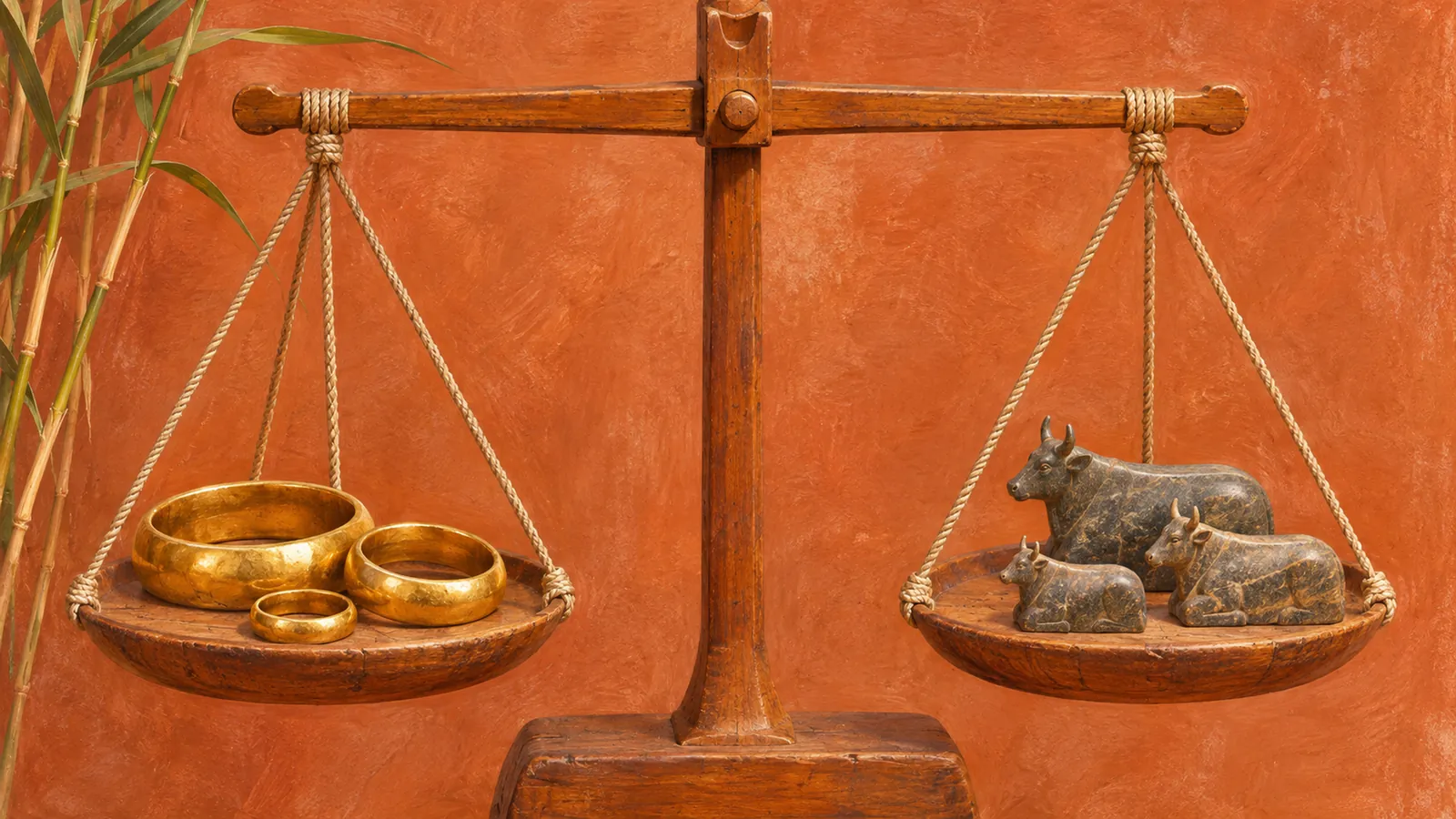
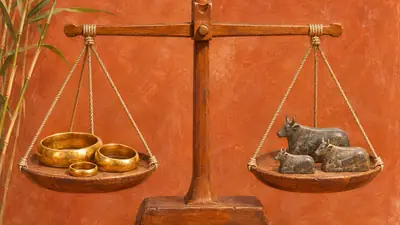
In the weighing scene, large metal rings sit on one side of a balance. Weights shaped like cattle sit opposite. The labels speak of weighing gold and electrum from southern countries.
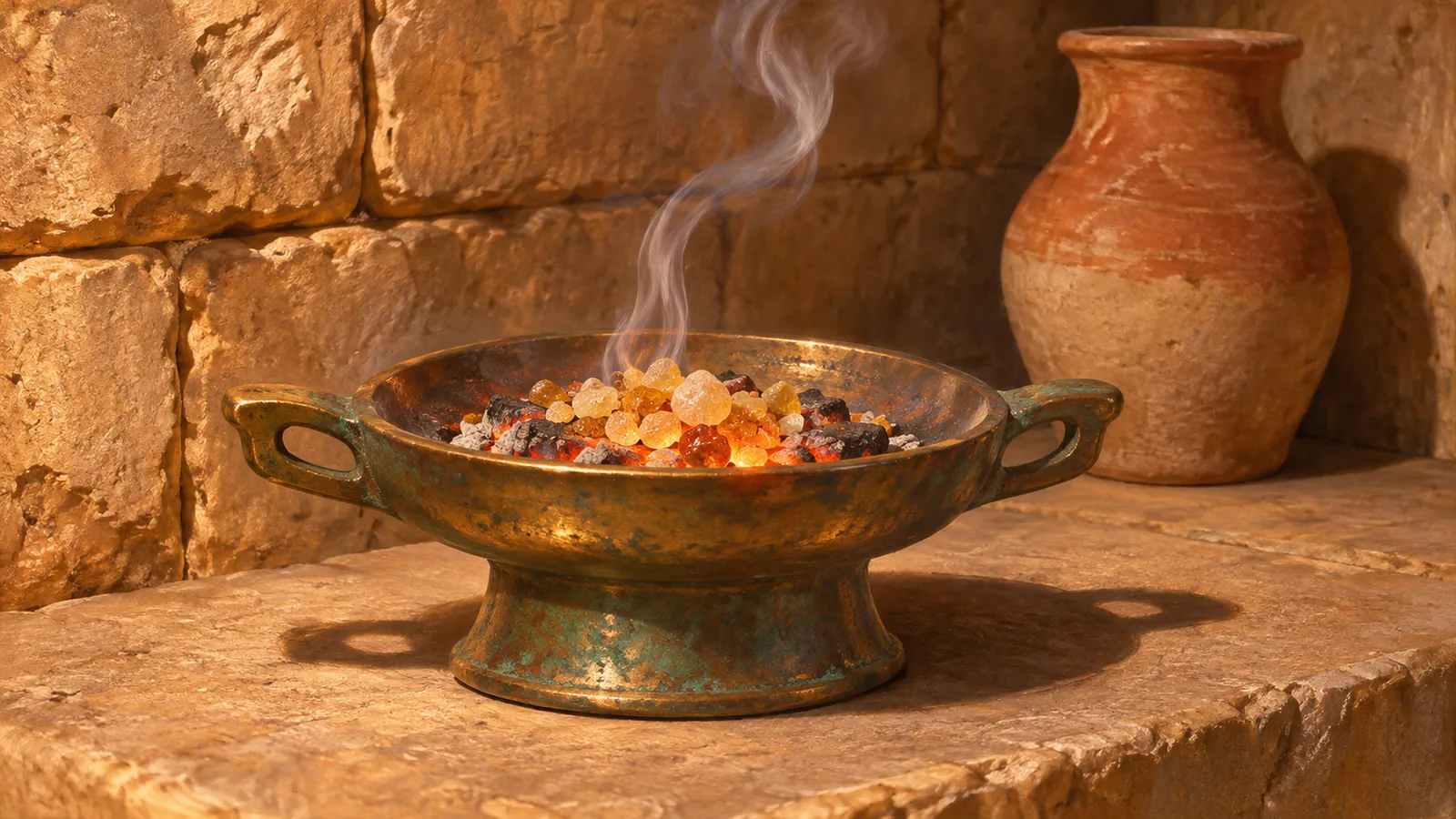
When the goods are shown to Amun, the captions give him resin, fragrant materials and treasures from the south. They explain the voyage through the offerings it made possible at Thebes.
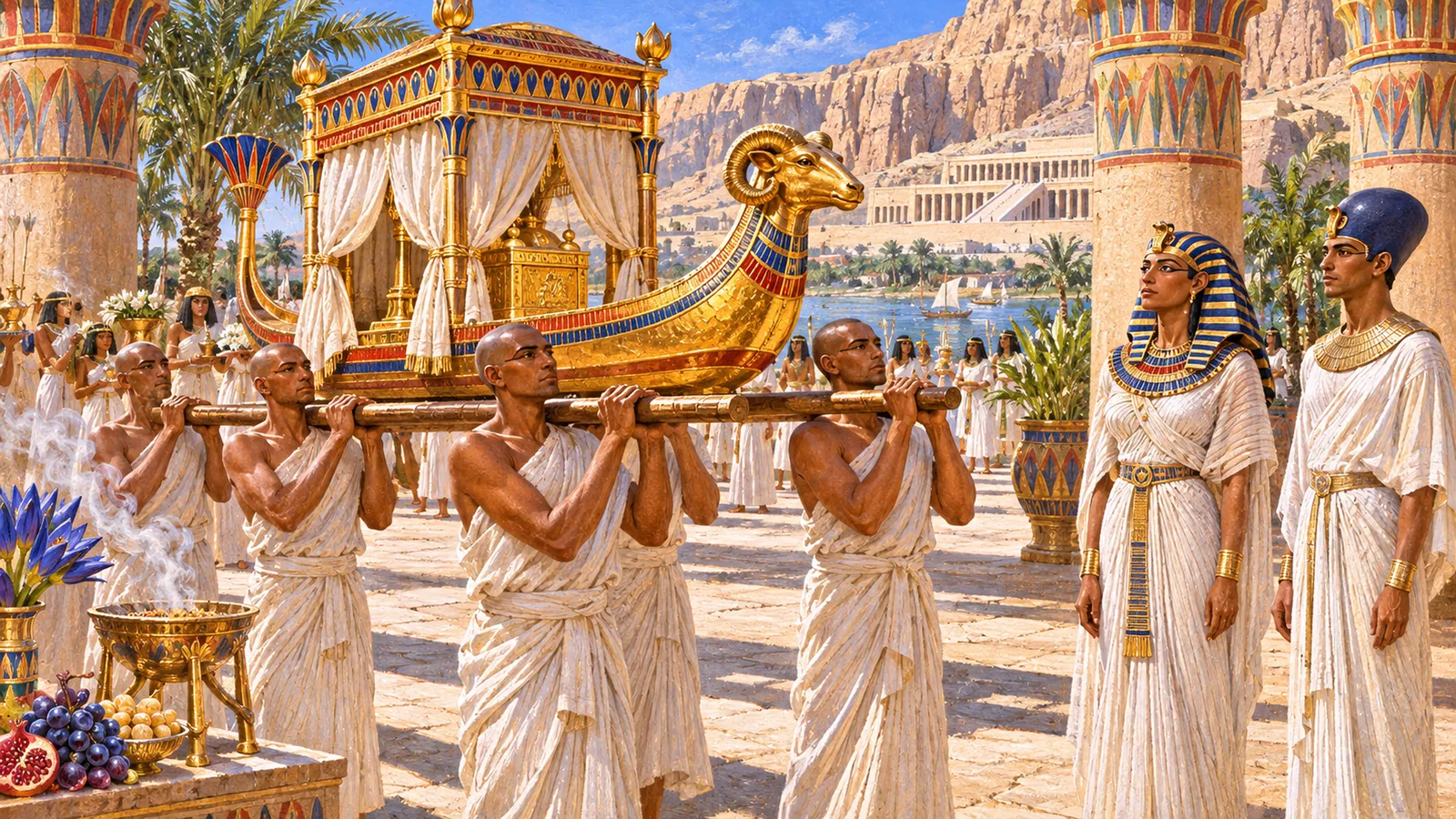
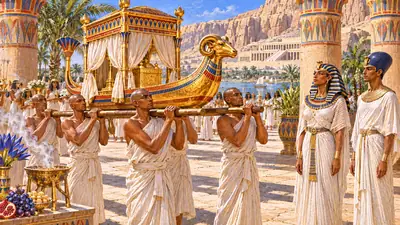
Hatshepsut and Thutmose the Third appear before Amun’s sacred bark. Priests carry the ceremonial boat, and the relief shows Thutmose offering some of the freshest resin.
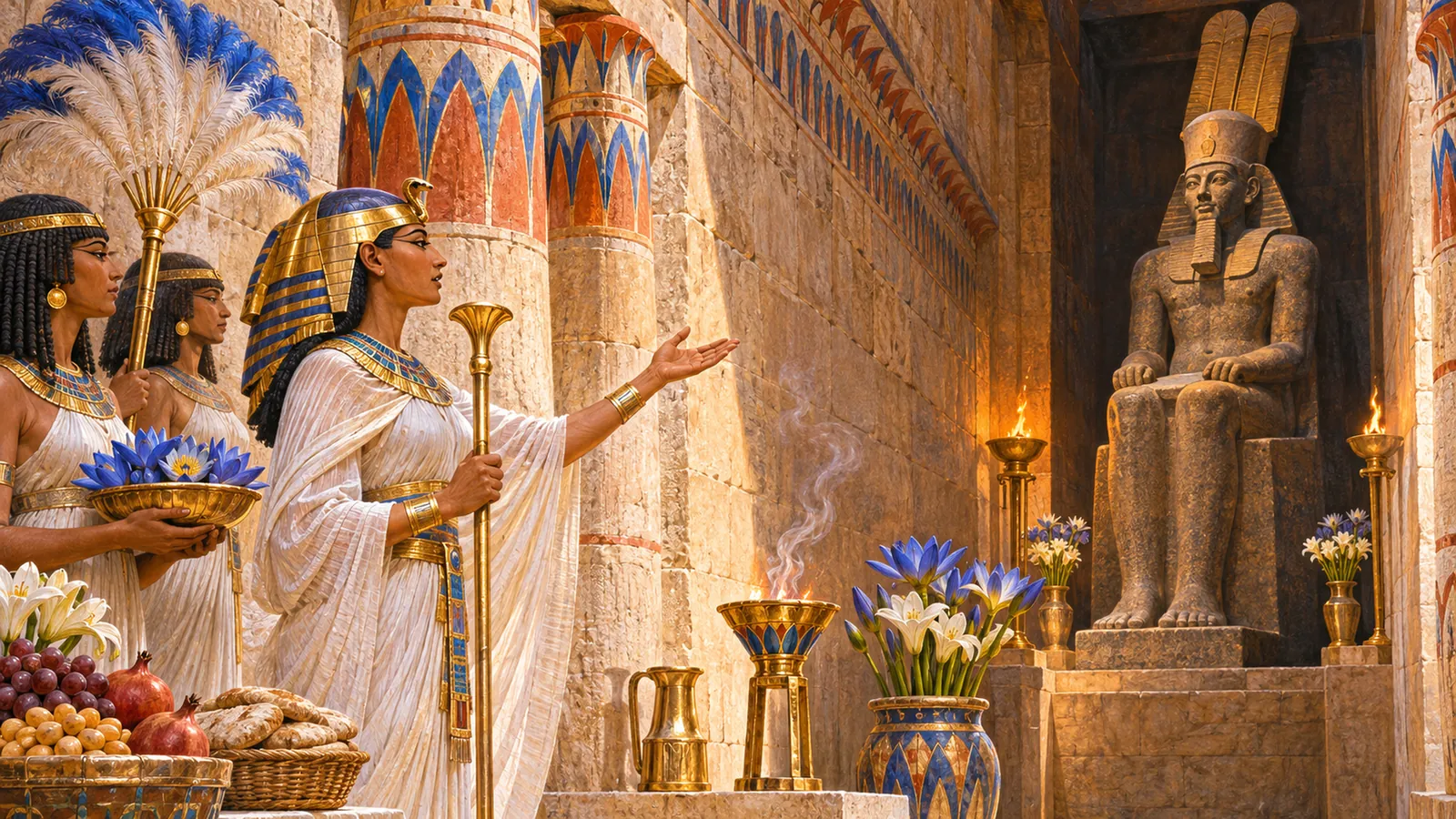
The wall closes this sequence with Hatshepsut before the seated god. The long inscription recalls the original oracle and says that the work she was charged with has now been done.
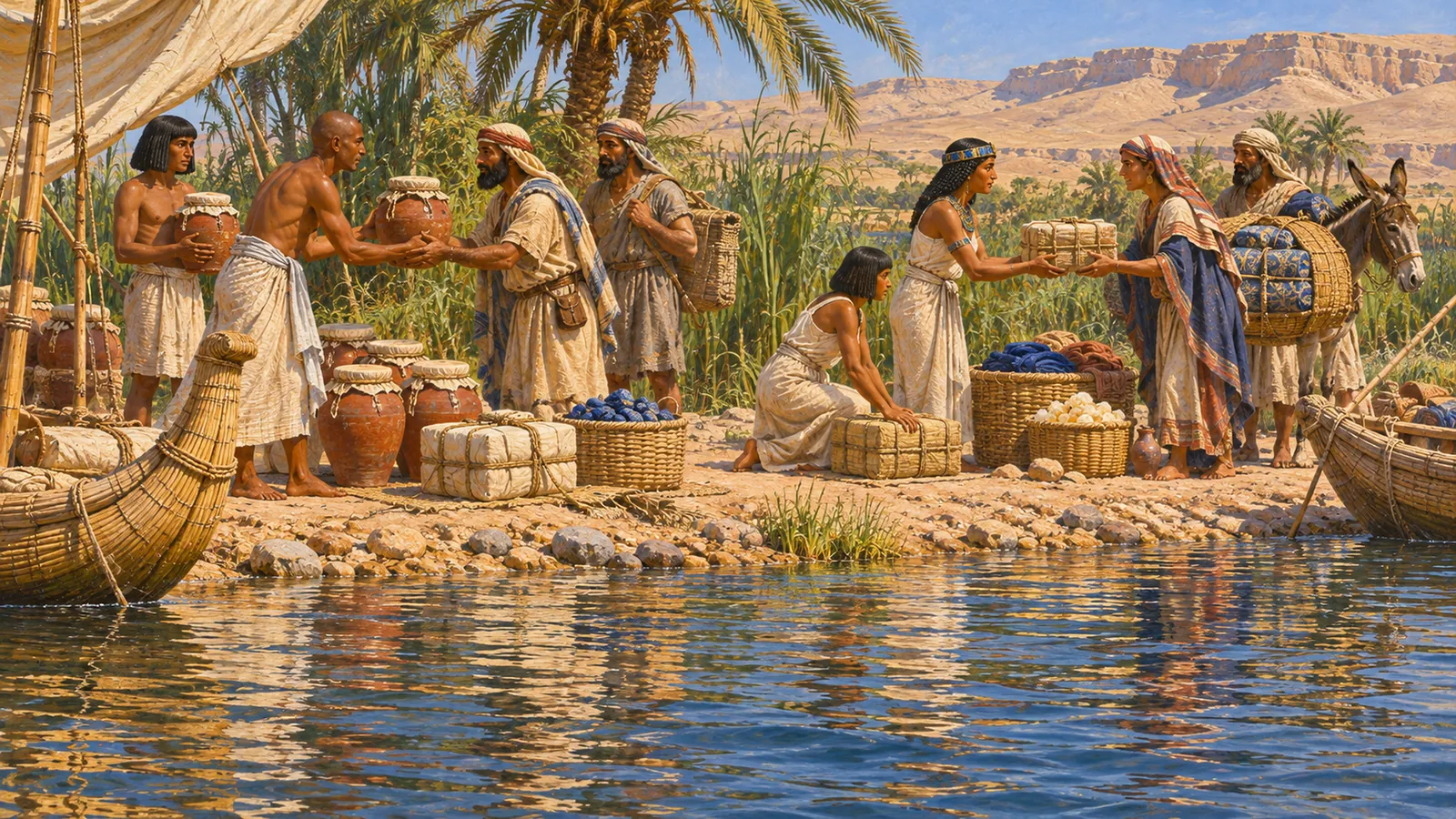
The oracle speaks of earlier kings getting Punt’s goods through intermediaries. That is the boast of this monument. The older harbor finds give independent evidence of Egyptian voyages to the region.
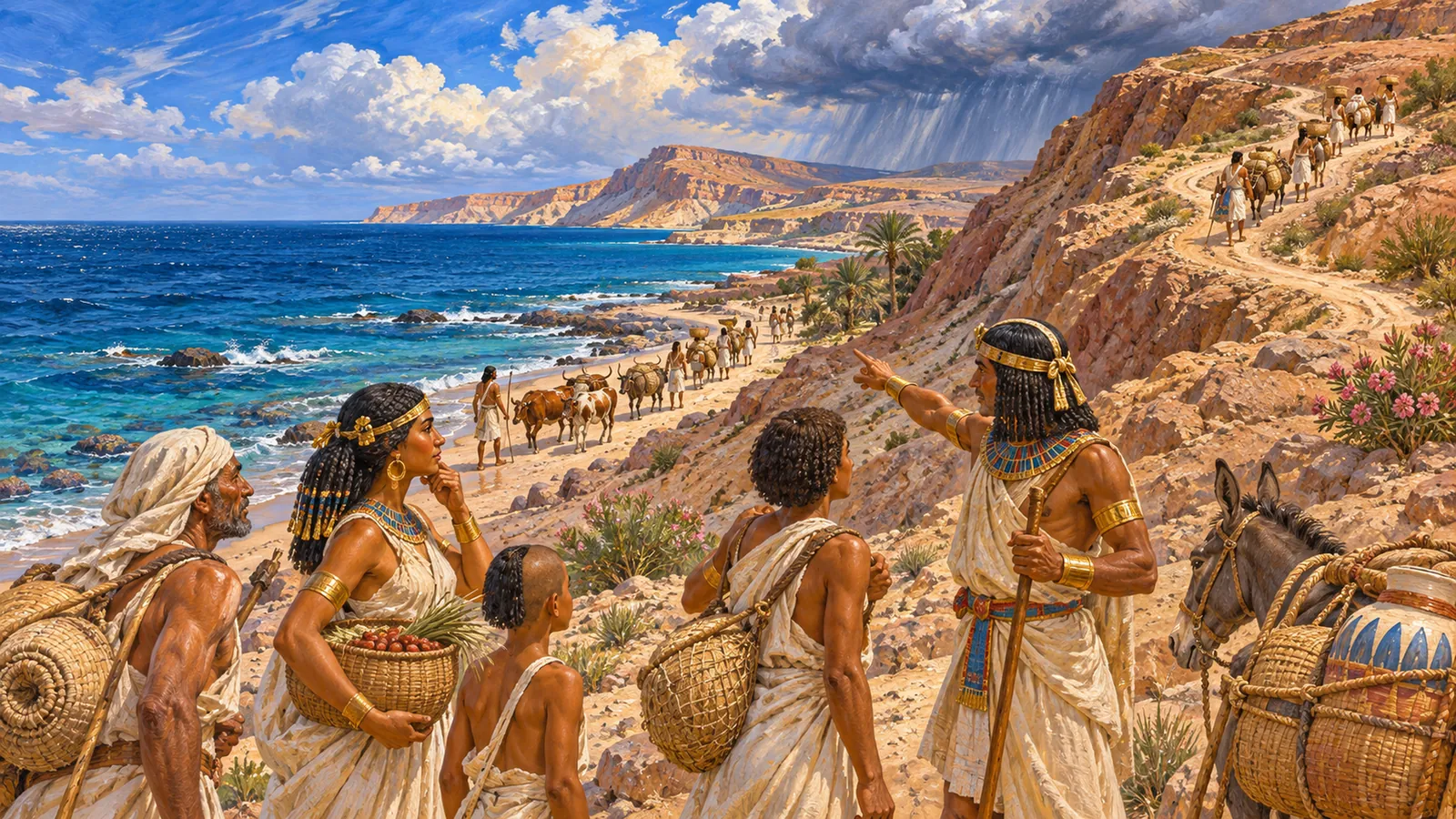
Amun’s words also look ahead. He says the way by land and the way by water have been opened. The last lines are too damaged for a full reading.
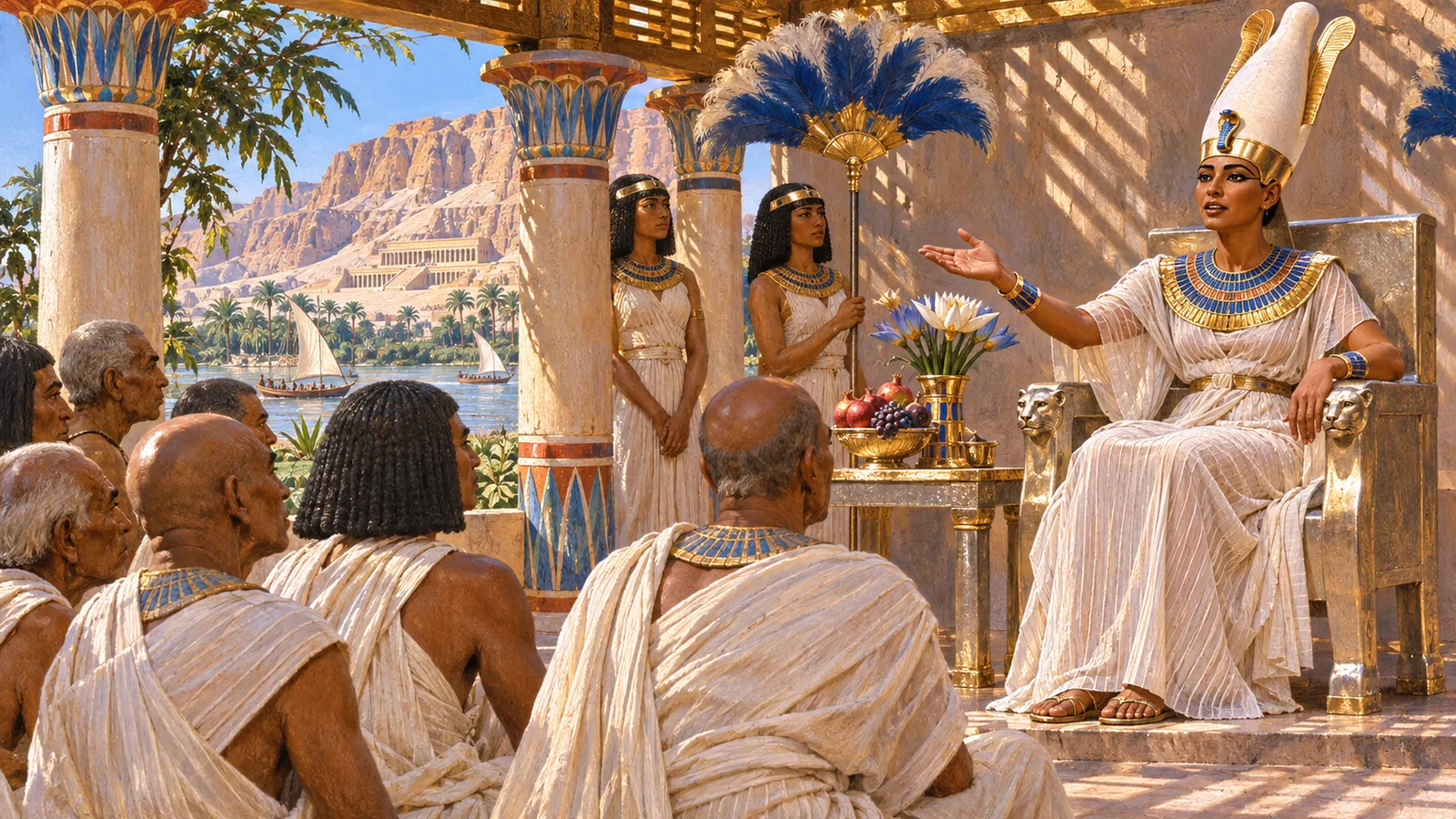
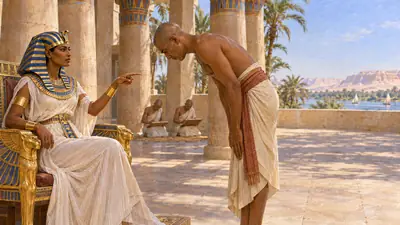
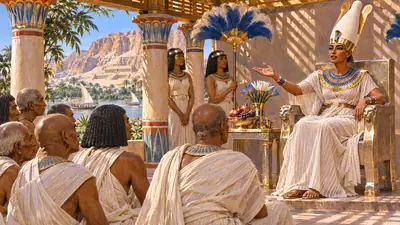
The last large text presents Hatshepsut speaking to her court in her ninth year. She says she has increased the god’s offerings. She calls on her officials to maintain what she has established.
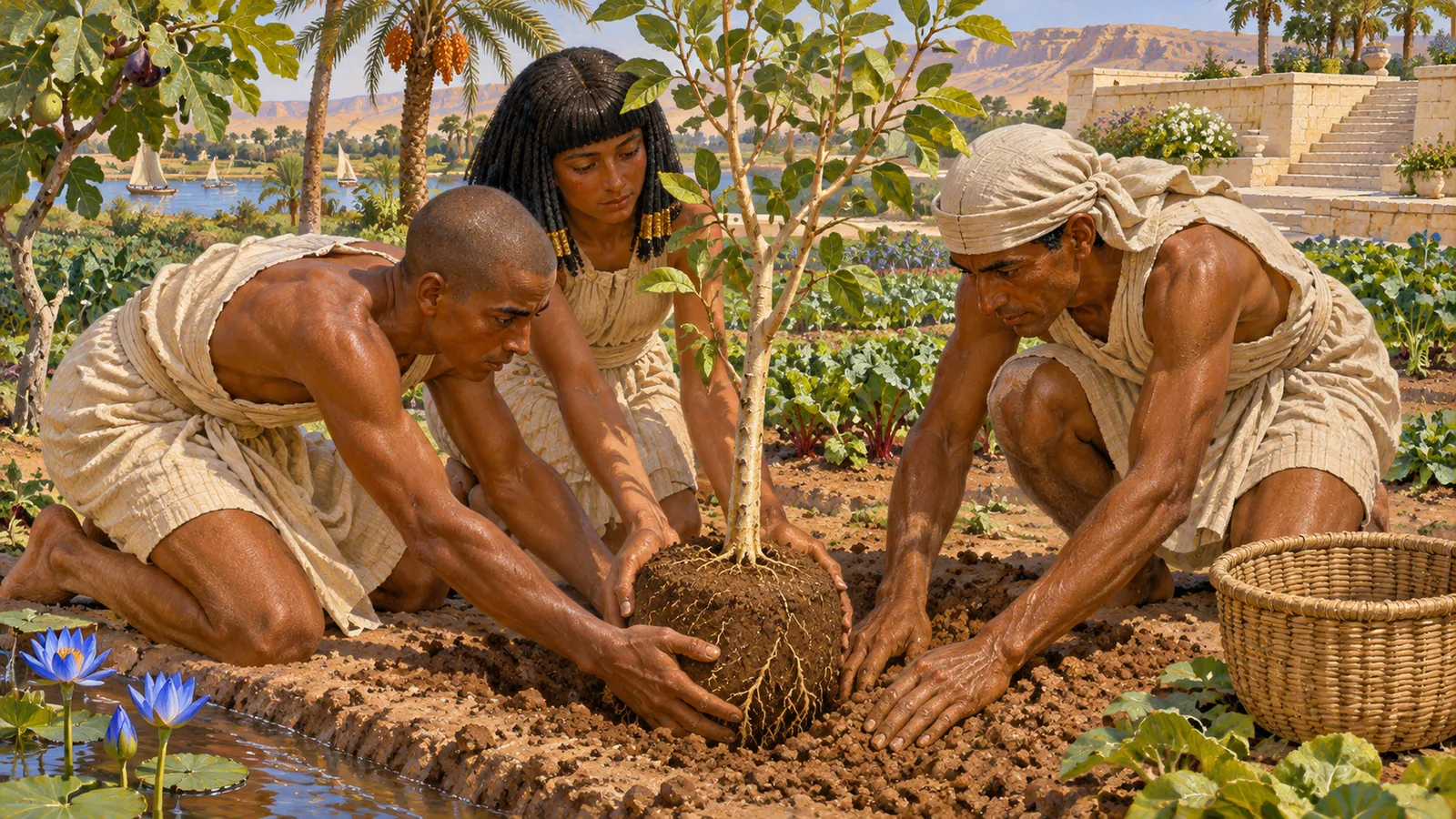
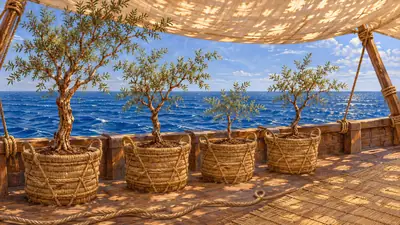
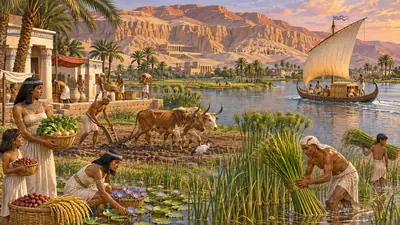
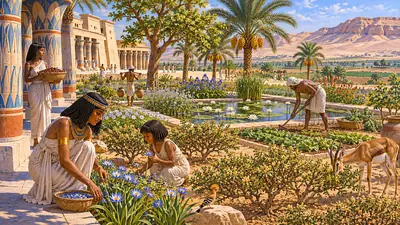
The queen’s speech says trees were lifted from the foreign soil and replanted. She describes a garden beside the god’s temple, where trees from Punt could grow in Egypt.
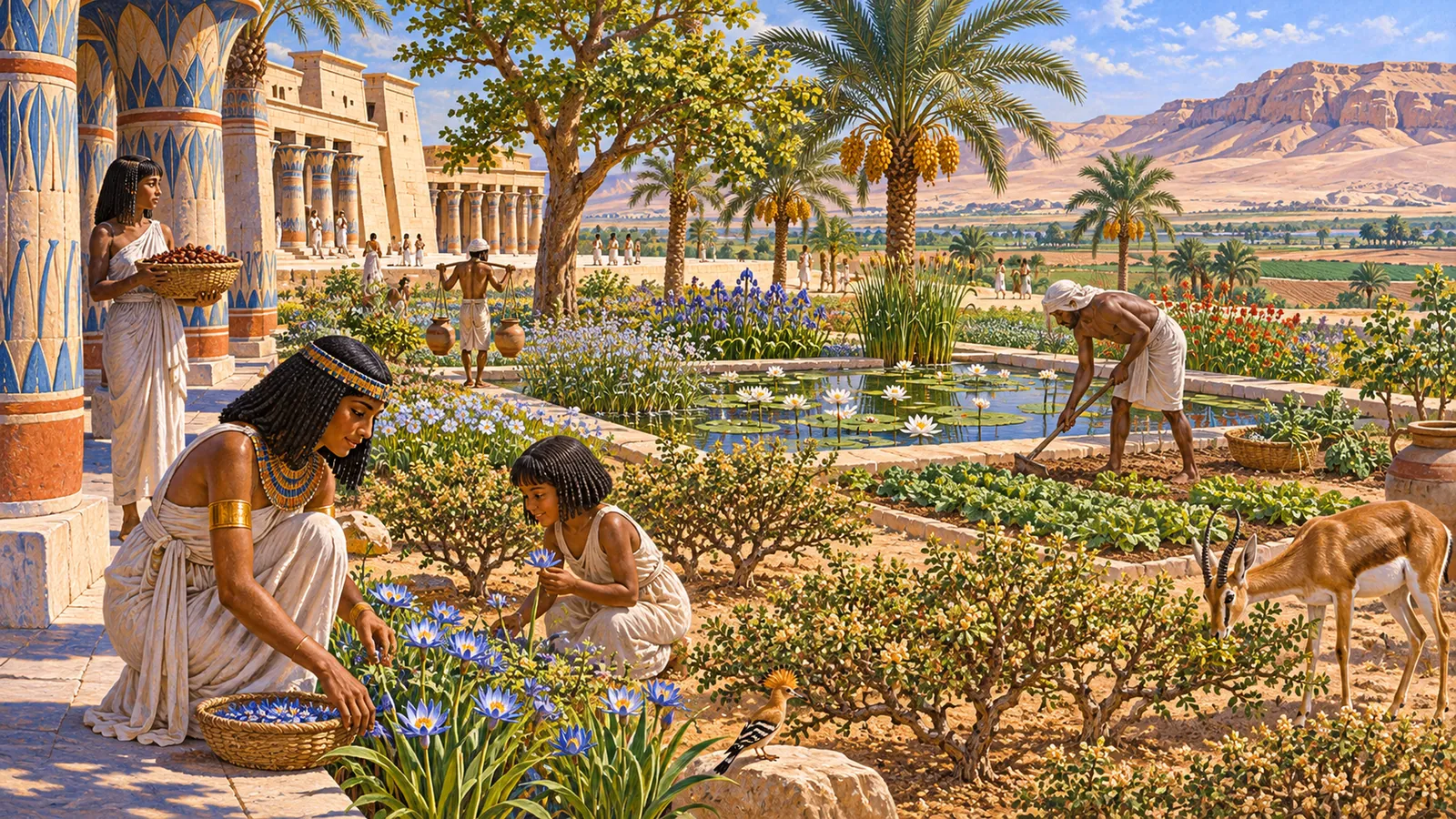
Hatshepsut calls the planting a Punt for Amun in his garden. Resin from living trees belonged to her promise of continued offerings. The inscription imagines the god walking among those trees.
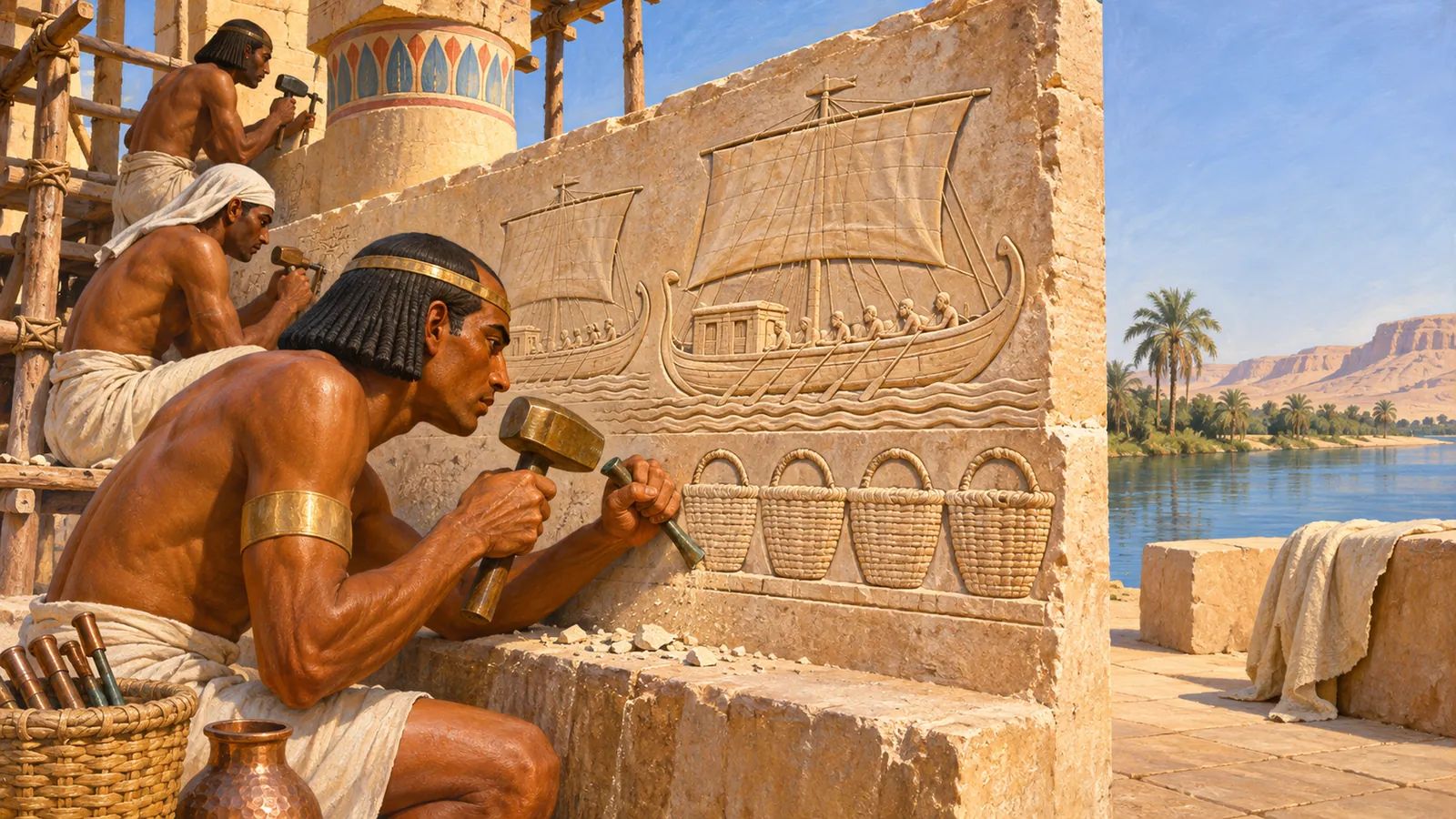
THE RELIEFS
The voyage became part of the temple’s carved history. Separate bands show ships, landings, traffic and ceremonies. The carvings let a visitor follow the passage from the shore to the court.
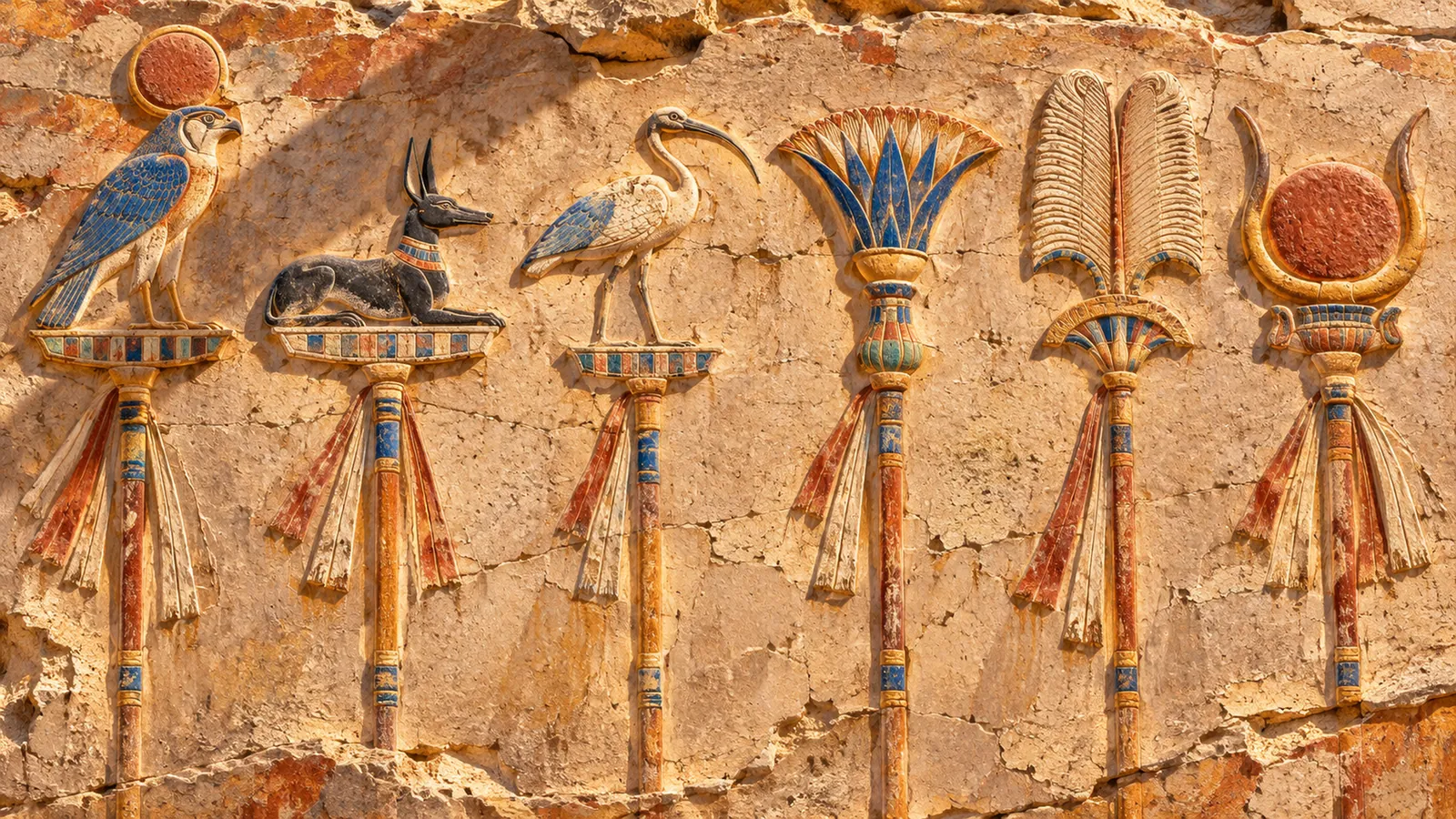
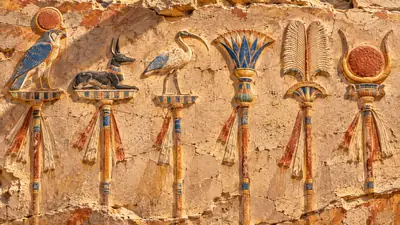
The portico changed after Hatshepsut’s reign. Her figure beside the ceremonial boat was replaced by six standards. The boat image was damaged in the Amarna period and later repaired.
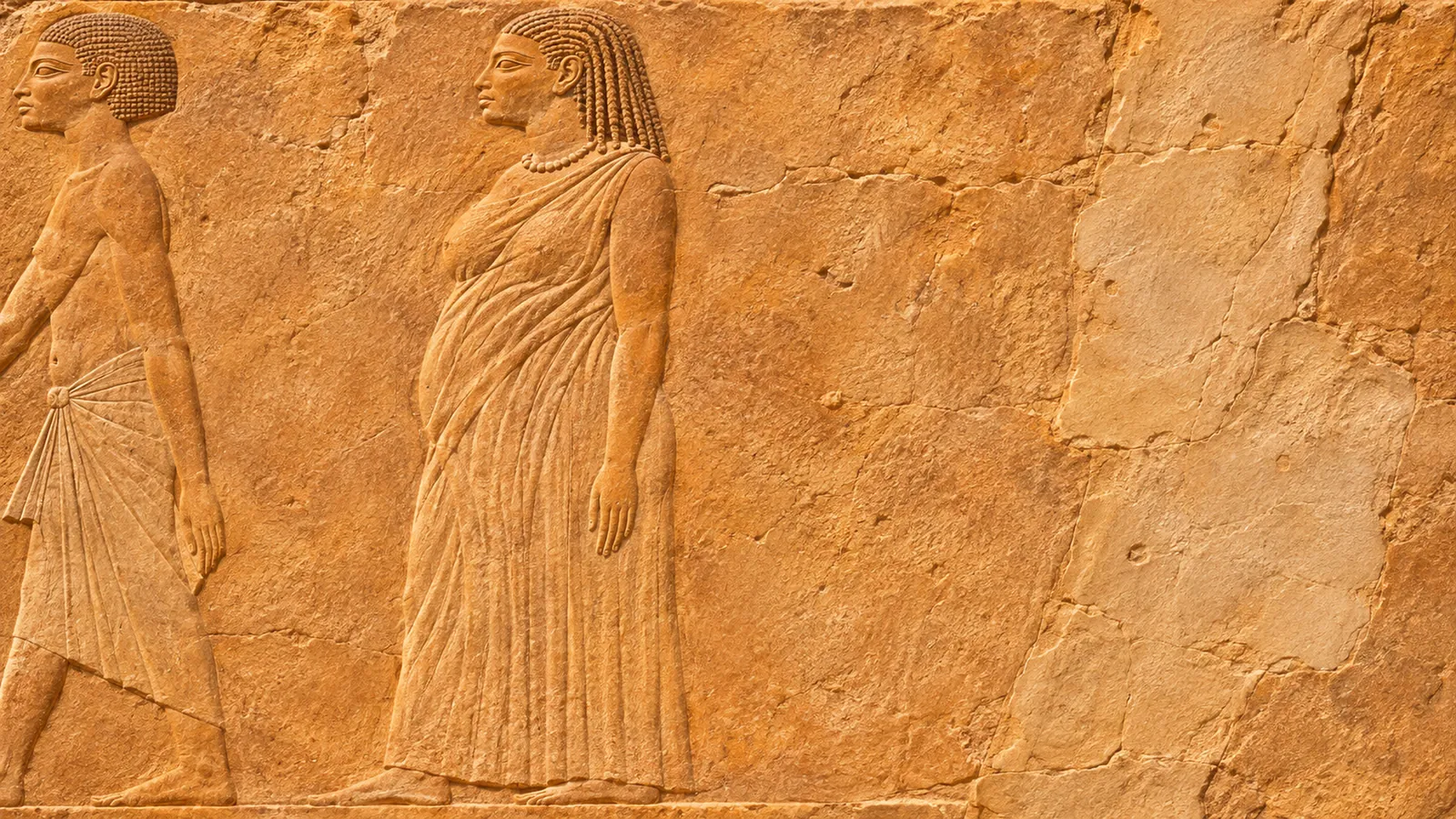
The original block showing Iti is now in the Egyptian Museum in Cairo. A copy stands in its place in the wall. Early drawings also preserve details from other scattered blocks.

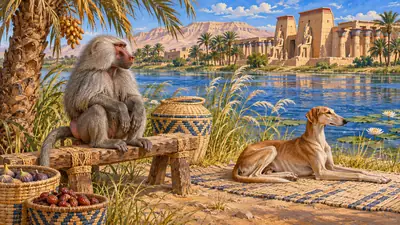
A study of two New Kingdom baboons found that they came from around the southern Red Sea and Horn of Africa. This shows the reach of Egyptian animal supply across that region.
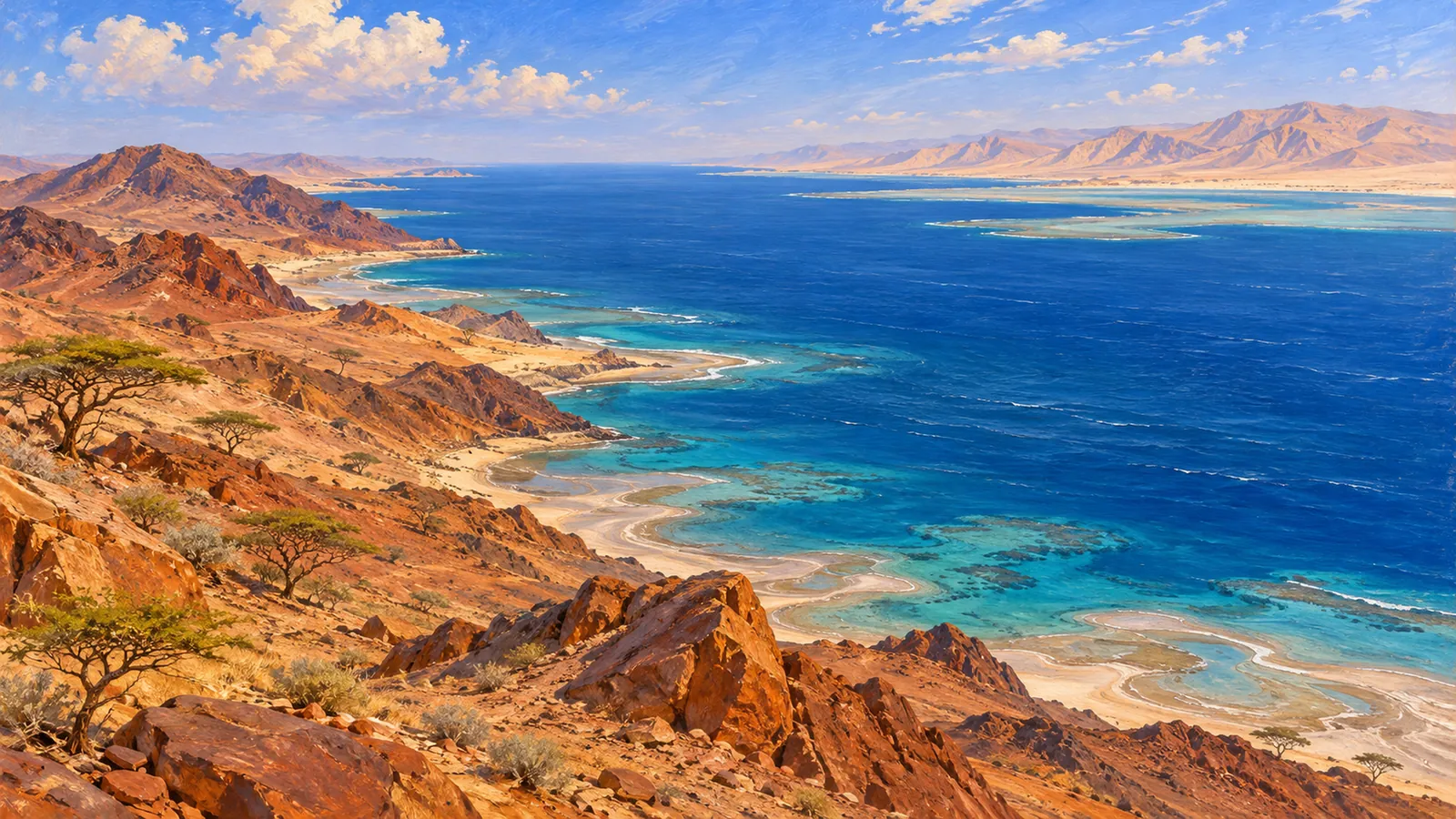
The baboons came from a broad region that includes parts of the Horn of Africa and both sides of the southern Red Sea. The fleet’s landing place remains unknown.
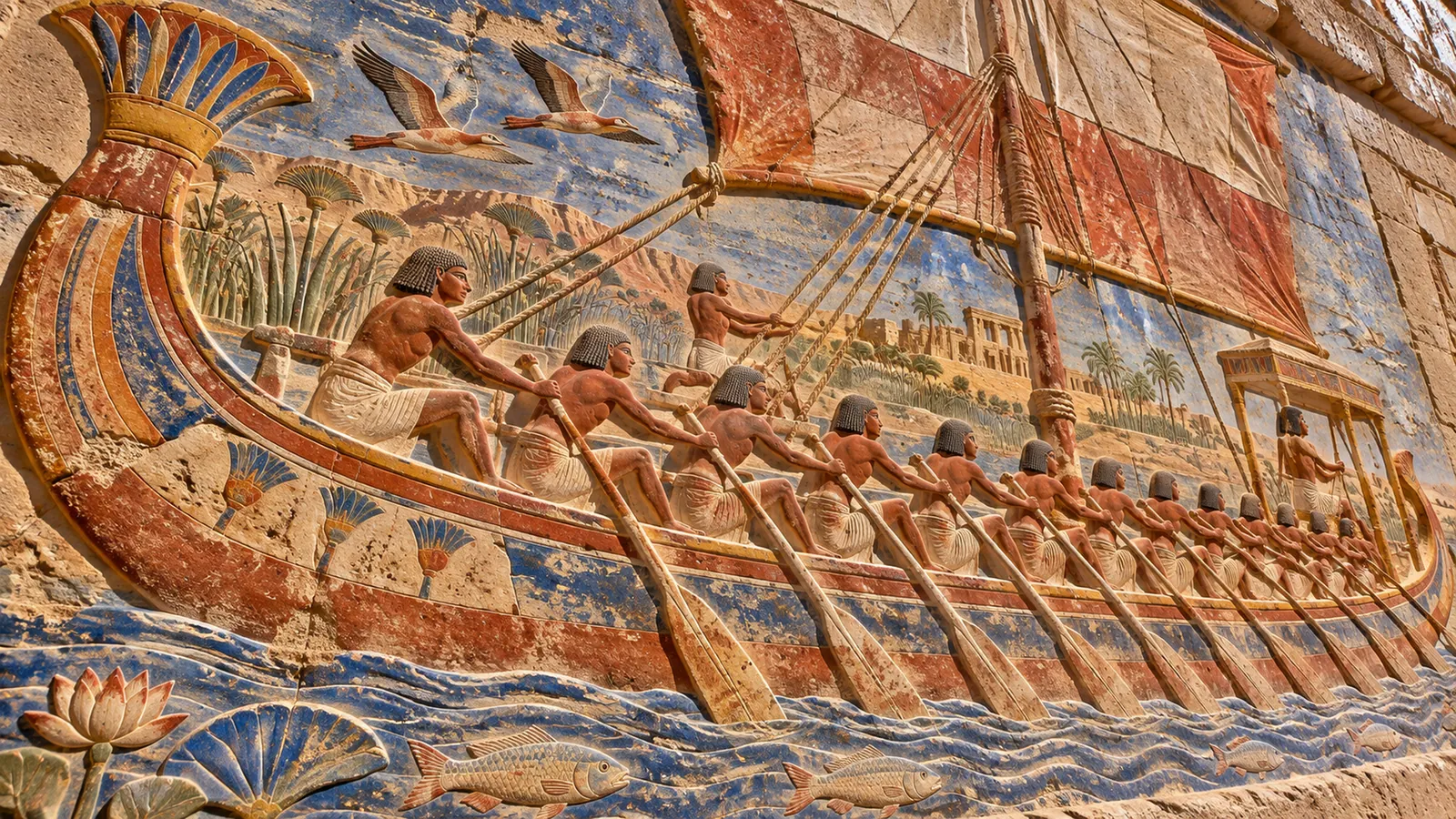
The timbers of the five ships in the relief are gone. Their carved oars, square sails and cargo remain at Deir el-Bahari, along with the names of people who met by the water.
End of chapter 1
All pages



Sources
Editions consulted
- The Polish–Egyptian Archaeological and Conservation Expedition, Punt Portico and scene layout
- Édouard Naville, The Temple of Deir el Bahari III, plates LXIX–LXXXVI
- New York University, Naville’s plates online
- James Henry Breasted, Ancient Records of Egypt II, §§252–295
- Nathaniel J. Dominy et al., Mummified baboons reveal the far reach of early Egyptian mariners
- Kathryn Bard and Rodolfo Fattovich, Spatial Use of the Twelfth Dynasty Harbor at Mersa/Wadi Gawasis
- Cheryl Ward and Chiara Zazzaro, Evidence for Pharaonic Seagoing Ships at Mersa/Wadi Gawasis
- Egyptian Museum Cairo, Punt reliefs, including JE 14276
Ancient lines behind each page
- Page 1: Warsaw, Punt Portico
- Page 2: Warsaw, Punt Portico layout
- Page 3: Breasted §§289–292; Warsaw north wall
- Page 4: Breasted §§284–285
- Page 5: Breasted §285
- Page 6: Breasted §290; Warsaw north wall
- Page 7: Warsaw north/south walls; Breasted §§255, 290 n.b
Two readings of Nehesi’s role are distinguished. - Page 8: Bard and Fattovich, JAEI (2010)
- Page 9: Bard and Fattovich (2010); Ward and Zazzaro (2010)
- Page 10: Breasted §§252–253; Naville LXXII–LXXIII
- Page 11: Breasted §252
- Page 12: Breasted §252
- Page 13: Bard and Fattovich (2018); Warsaw; Dominy et al. (2020)
- Page 14: Warsaw south wall; Naville LXIX–LXXIII
- Page 15: Warsaw south wall
- Page 16: Warsaw west/south wall; Breasted §254
- Page 17: Naville LXIX; Breasted §254
- Page 18: Naville LXIX; Breasted §§254–259; Warsaw
- Page 19: Naville LXIX; Breasted §§254, 258
- Page 20: Breasted §257
- Page 21: Breasted §§256–257, 264 n.c; Warsaw portico
The words are preserved in an Egyptian inscription. - Page 22: Breasted §§259–260
- Page 23: Breasted §260
- Page 24: Breasted §§254–255
- Page 25: Breasted §§259–262
- Page 26: Warsaw south wall; Naville LXIX–LXXI
The damaged text does not describe its appearance in detail. - Page 27: Breasted §§265, 288, 294
Myrrh is a conventional translation of the aromatic material. - Page 28: Breasted §265
- Page 29: Naville LXX; Breasted §265 n.e
- Page 30: Breasted §§265, 272, 279; Warsaw west wall
- Page 31: Warsaw south/west walls; Breasted §§267–272
- Page 32: Breasted §267 and note i
- Page 33: Breasted §265; Warsaw west wall
- Page 34: Warsaw south/west walls
- Page 35: Breasted §§263–265; Naville LXIX, LXXIV
- Page 36: Breasted §§272, 288, 294
- Page 37: Breasted §§263–264; Naville LXXIV
- Page 38: Breasted §§263–265; Naville LXXIV
- Page 39: Breasted §§266–269
- Page 40: Breasted §266; Naville LXXV
- Page 41: Breasted §§266–267; Warsaw west wall
- Page 42: Breasted §§267–269; Naville LXXIV, LXXVI
- Page 43: Breasted §§267–272; Warsaw west wall
- Page 44: Breasted §274
- Page 45: Breasted §§275–278; Naville LXXIX; Warsaw west wall
- Page 46: Breasted §§279–282; Naville LXXXI
- Page 47: Breasted §§271–282
- Page 48: Breasted §283; Naville LXXXII–LXXXIV; Warsaw west wall
- Page 49: Breasted §§283–285; Warsaw west wall
- Page 50: Breasted §287; Bard and Fattovich (2018)
- Page 51: Breasted §288 and notes
- Page 52: Breasted §§289–295; Naville LXXXV–LXXXVI
- Page 53: Breasted §§294–295
- Page 54: Breasted §§288, 294–295
- Page 55: Warsaw; Naville LXIX–LXXXVI
- Page 56: Warsaw west wall
- Page 57: Warsaw, Punt Portico; Naville LXIX
- Page 58: Dominy et al. (2020), eLife 60860
- Page 59: Dominy et al. (2020); Warsaw
- Page 60: Warsaw; Naville LXIX–LXXXVI
Illustrations made with AI tools by IL Archive; the text is based on the ancient sources (see the sources at the end of each chapter).