Idrimi of Alalakh Chapter 1
From Exile to Alalakh
Idrimi leaves his family’s refuge, finds people displaced from his homeland and crosses the sea to return. His stone portrait tells how an old oath helped him become king. The account follows the two periods of seven years, the oath, and the later works at Alalakh. It ends with the words on the statue’s cheek and its recovery at Tell Atchana in 1939.
SourcesTurn the pages with the arrows, the arrow keys or a swipe.
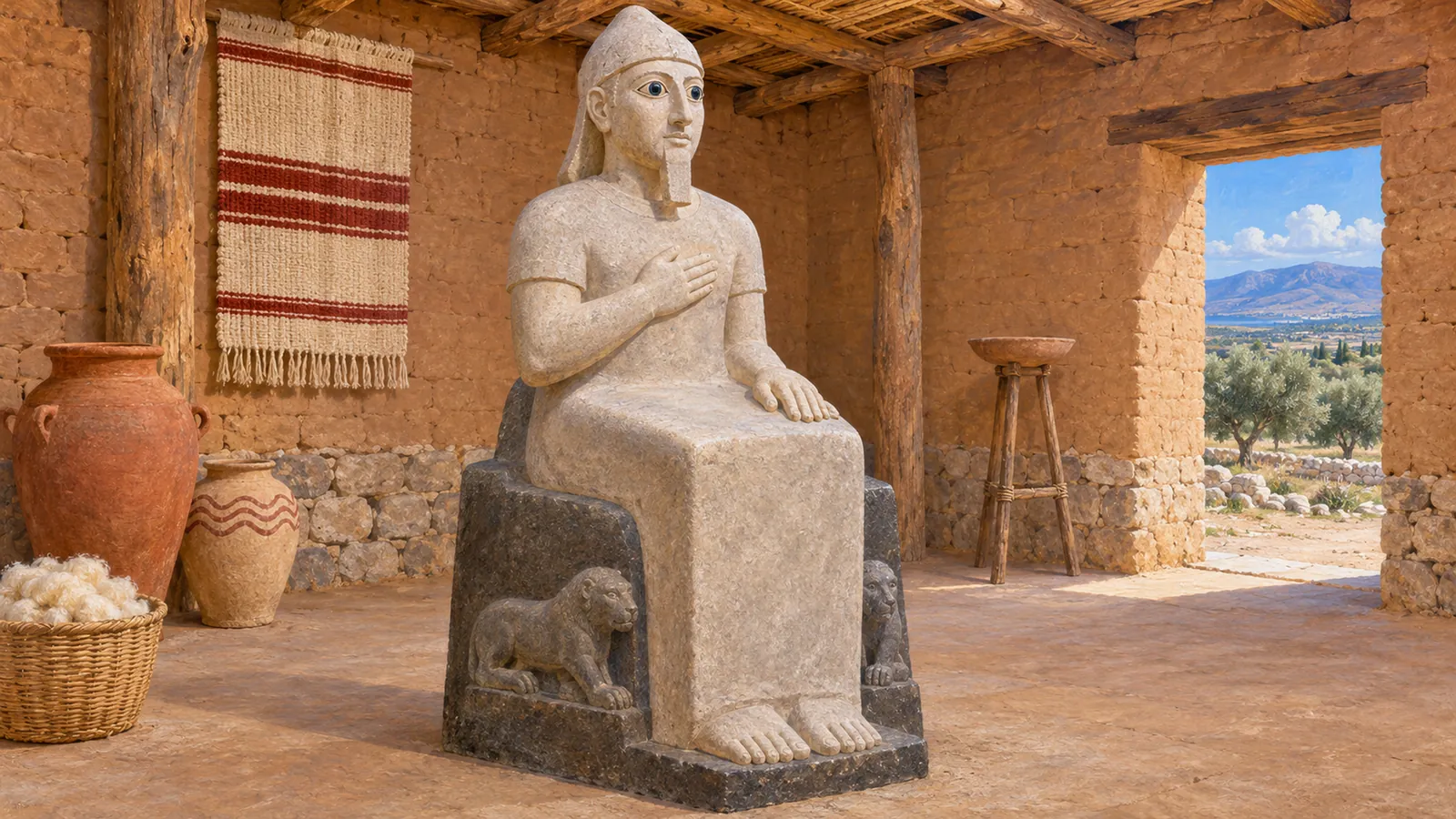
IDRIMI
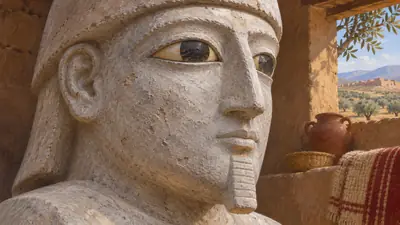
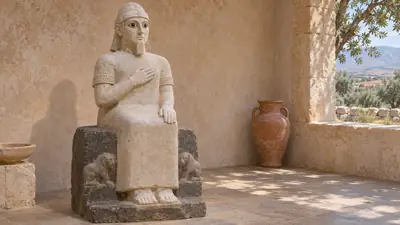
At Alalakh, a seated figure carved in pale stone carries the first-person story of a Bronze Age king. The words identify him as Idrimi, the son of Ili-ilimma.
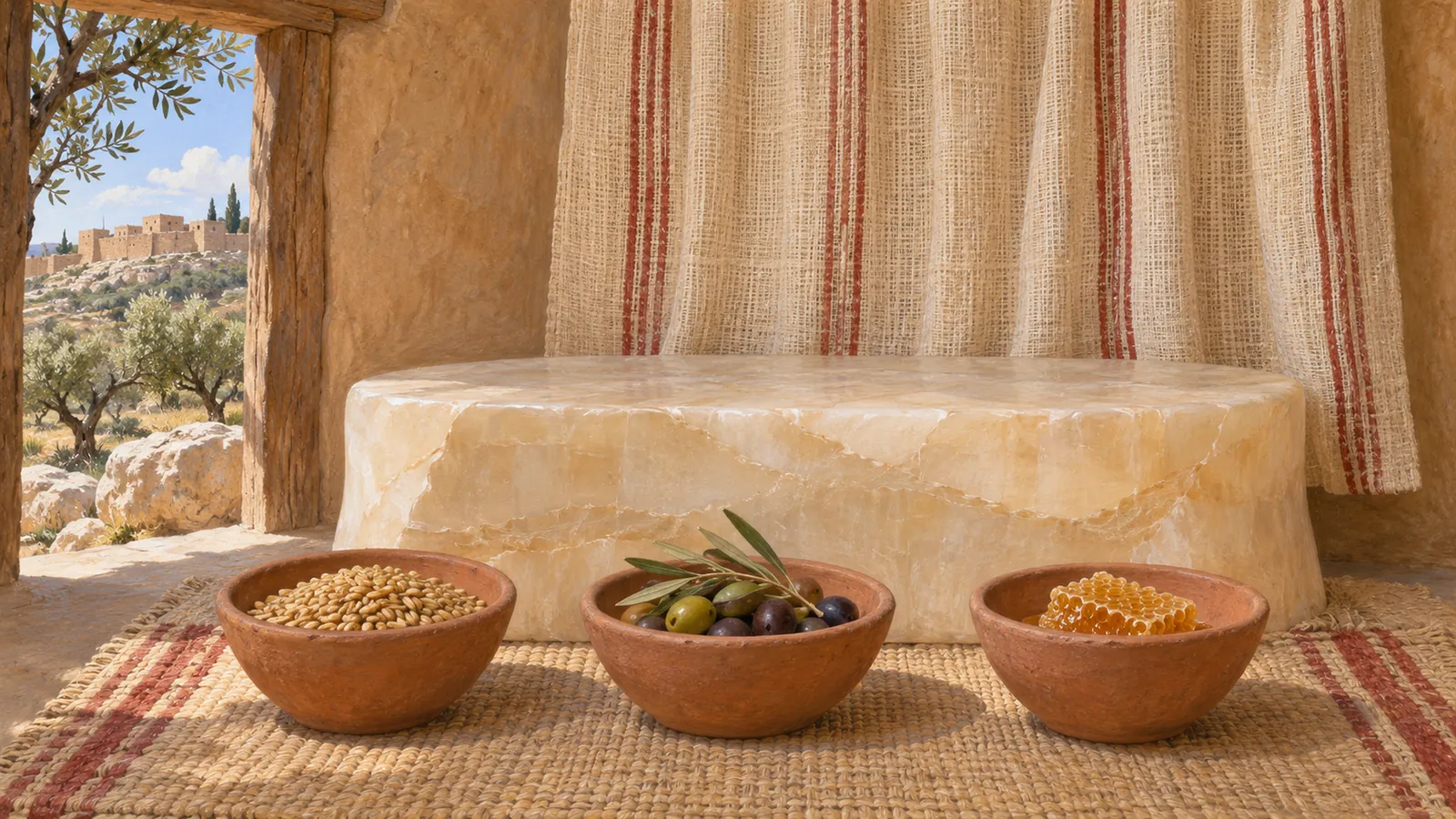
Idrimi calls himself a servant of the Storm God, of Hebat, and of Ishtar, whom he names as the Lady of Alalakh. He declares his allegiance before he tells what he did.
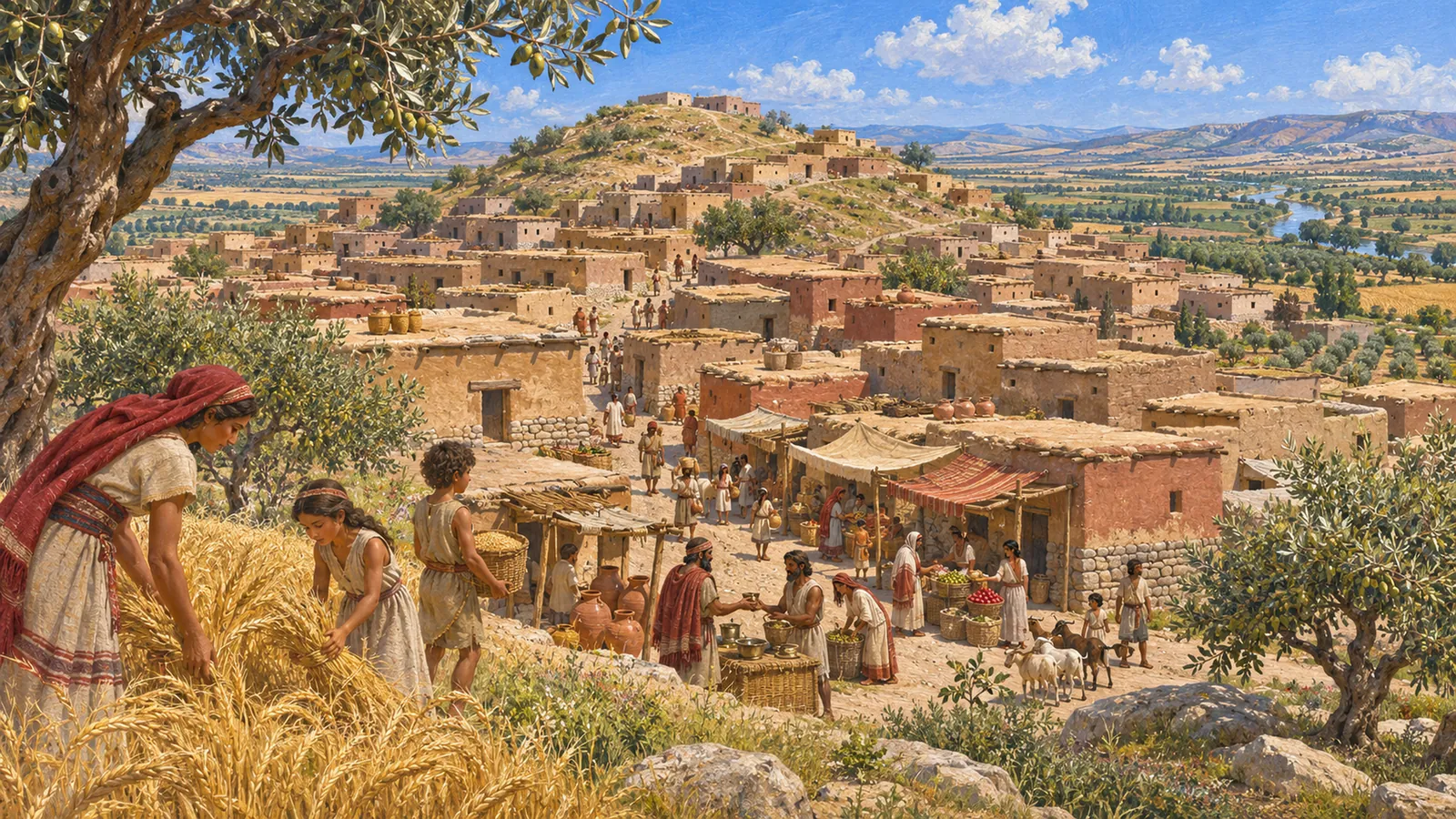
His story opens at Halab, the city now called Aleppo. Idrimi names it as his father’s household. Later, that connection will matter to people living far from the city.
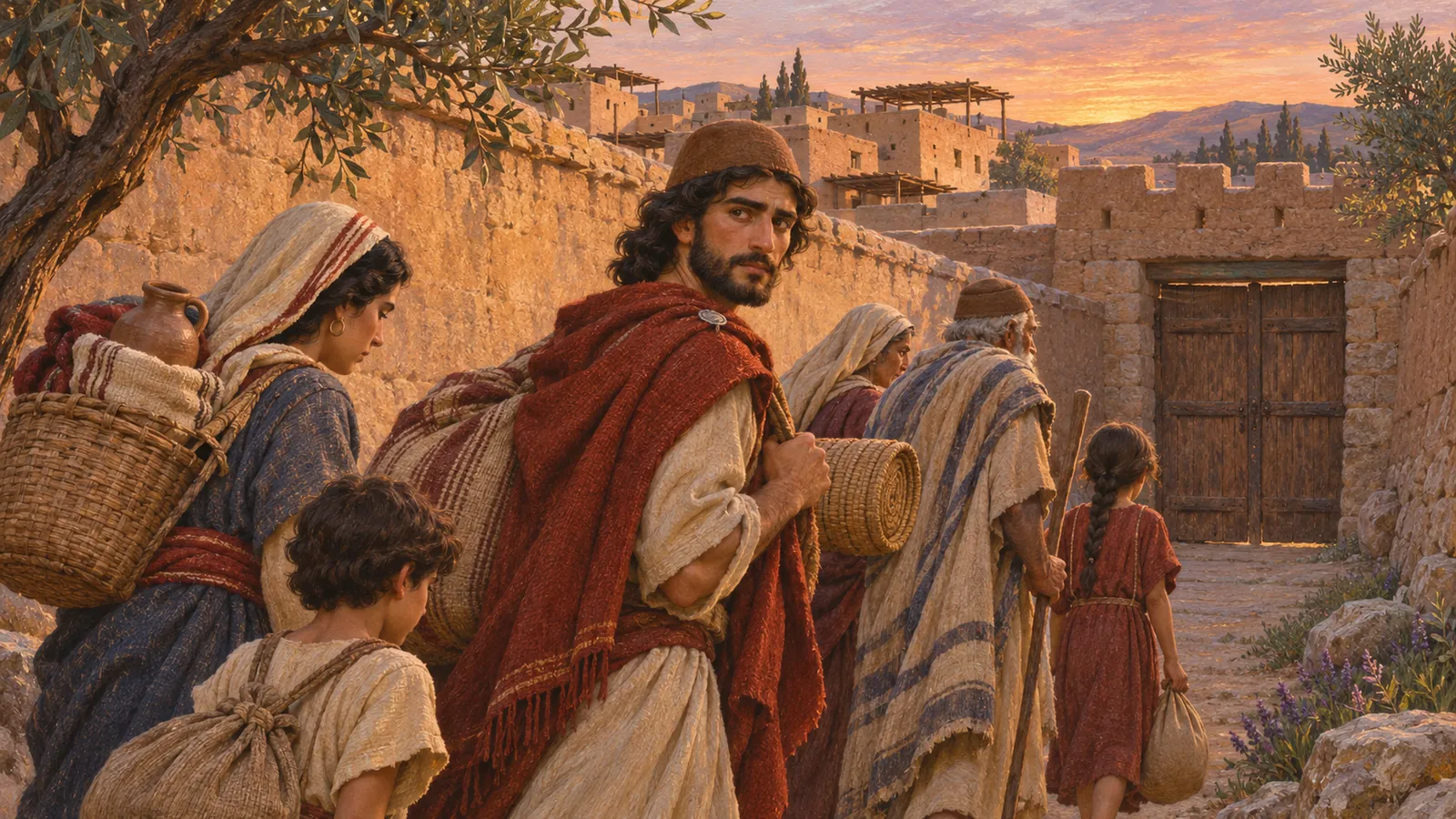
A crime occurred in his father’s household, says the inscription. Idrimi gives no account of what was done or who did it. His family had to leave.
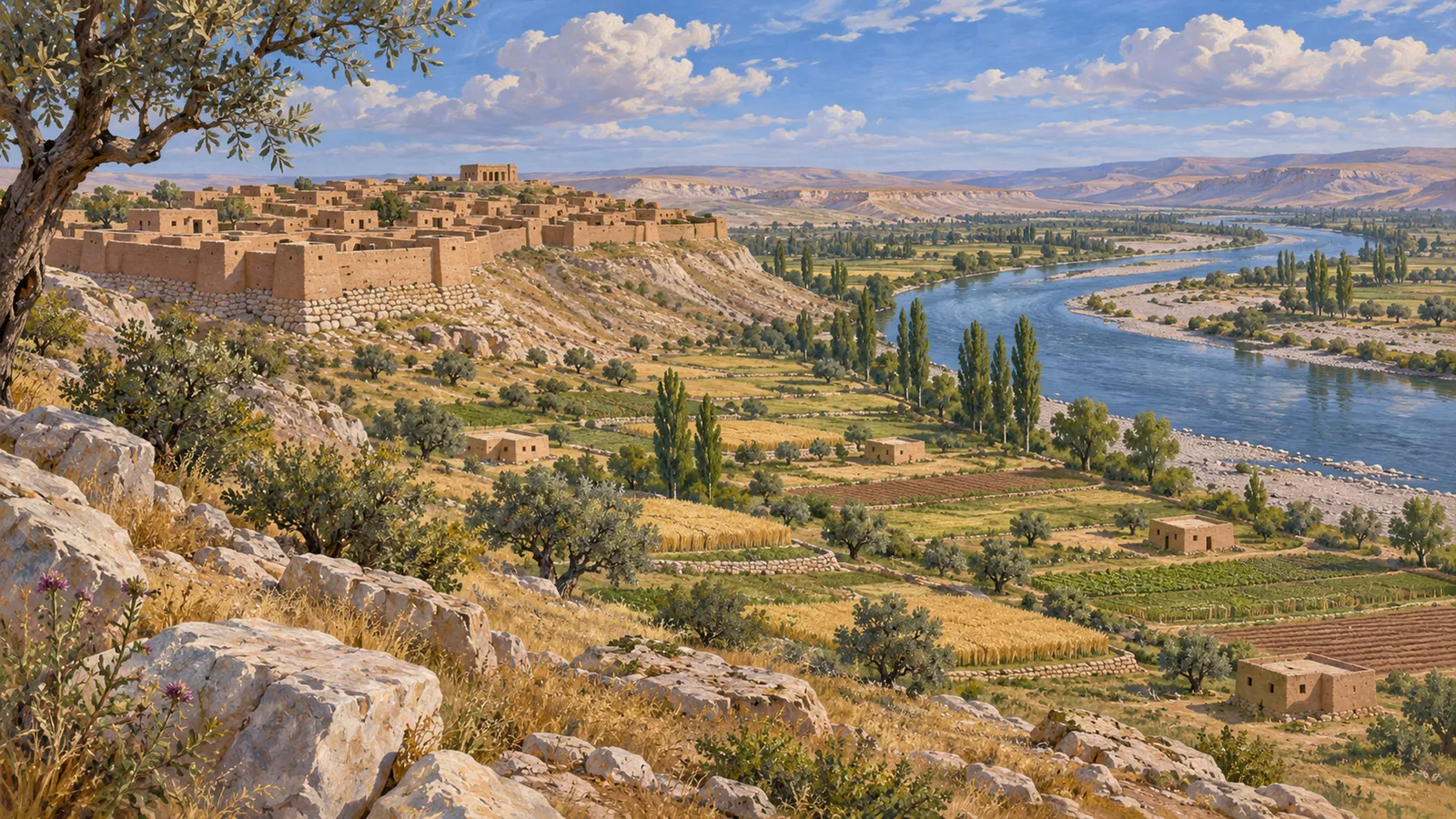
EMAR
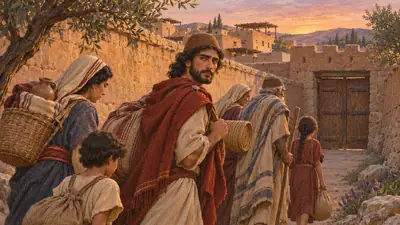
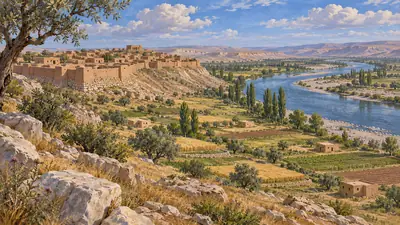
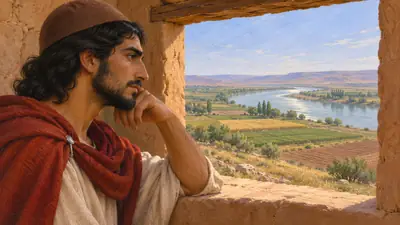
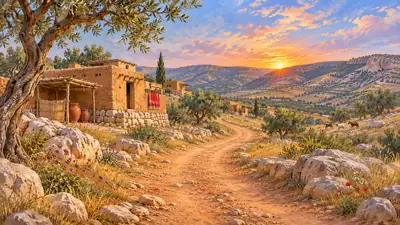
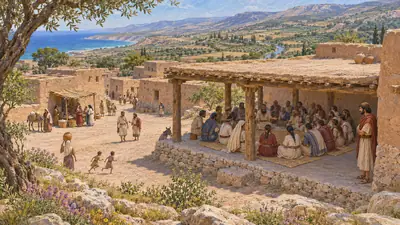
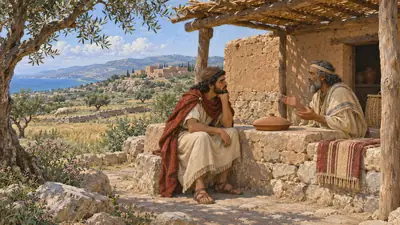
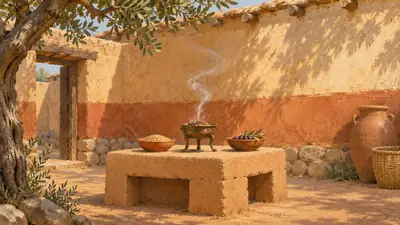
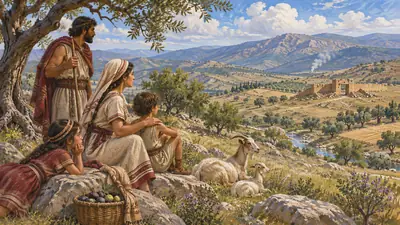
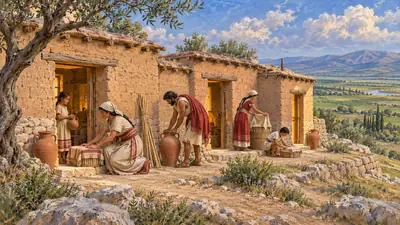
The family went east to Emar, on the middle Euphrates. The river gave Emar a different setting from the inland hills and fields around their own city.
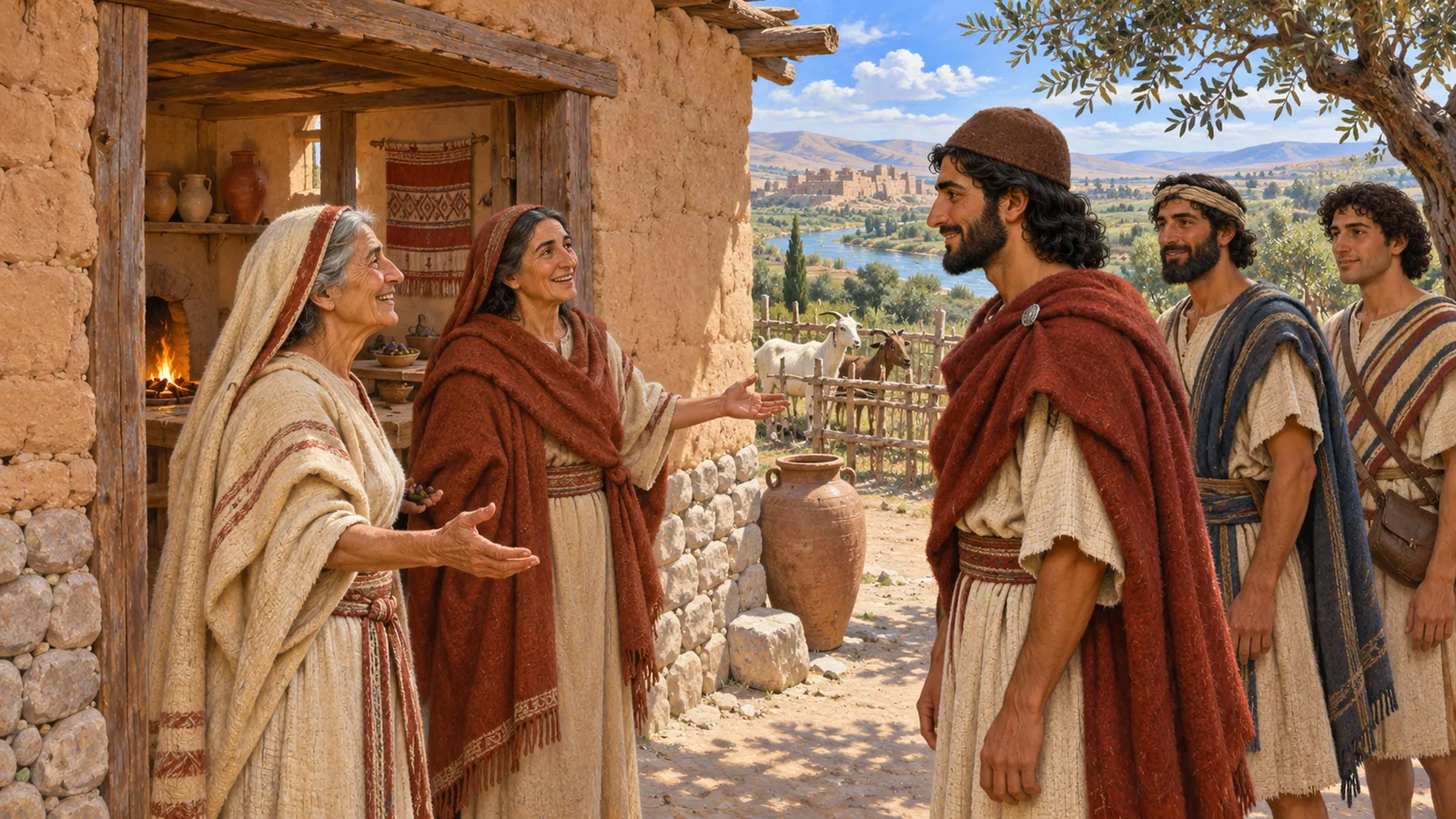
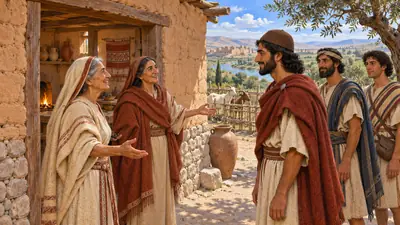
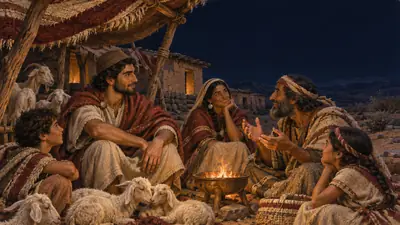
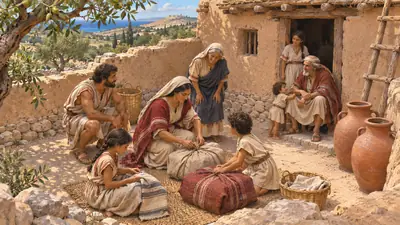
Their mother’s sisters were already living there. Idrimi describes them as residents from elsewhere. Their household gave the newcomers a place to stay after the flight from Aleppo.
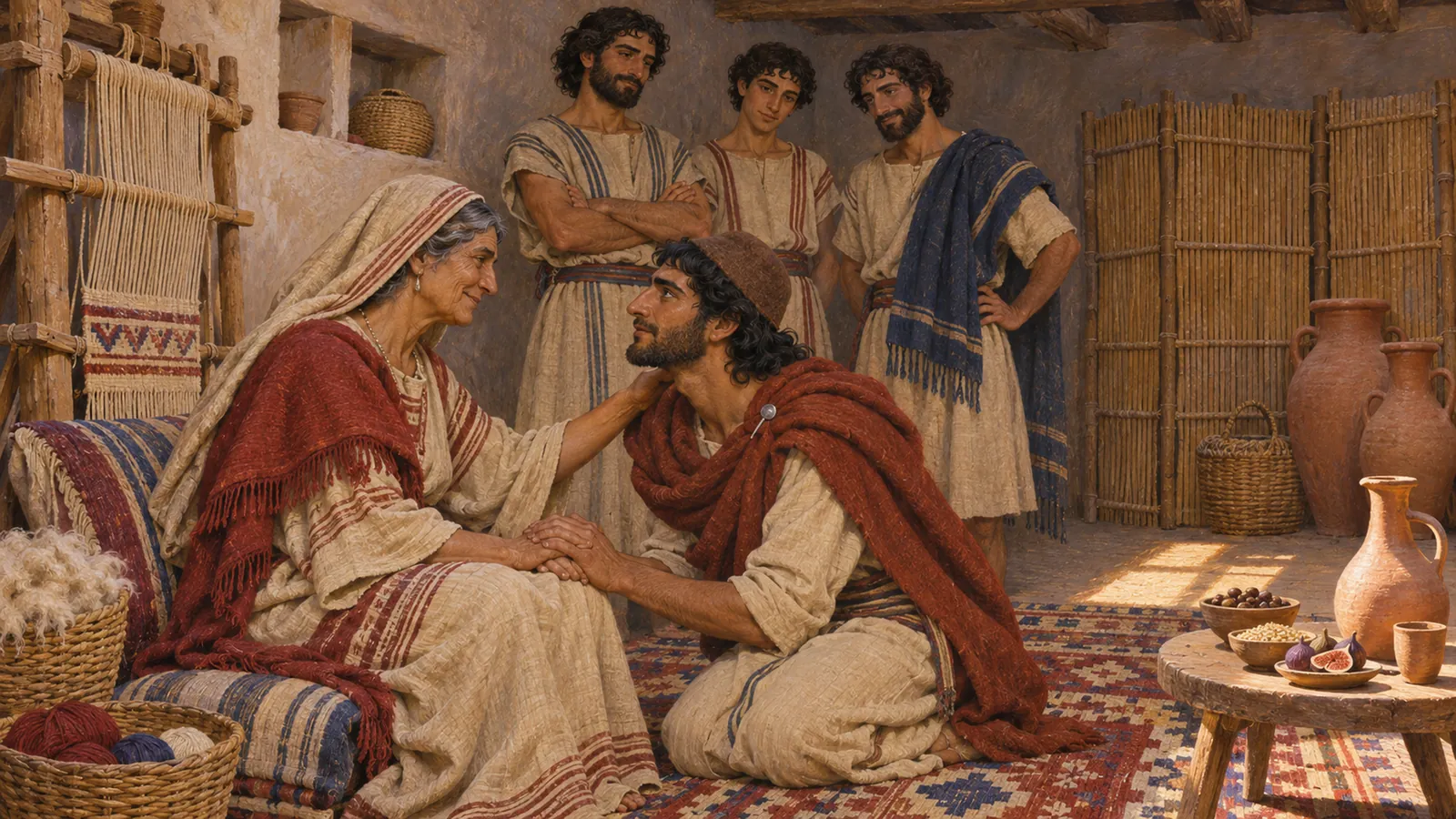
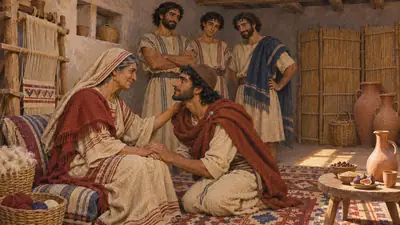
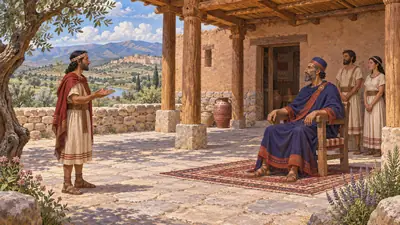
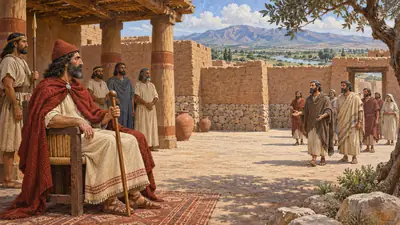
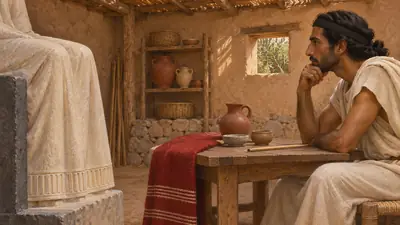
Idrimi’s older brothers stayed with him in Emar. He insists that none of them voiced the thought that occupied him. The inscription lets the youngest brother make his case.
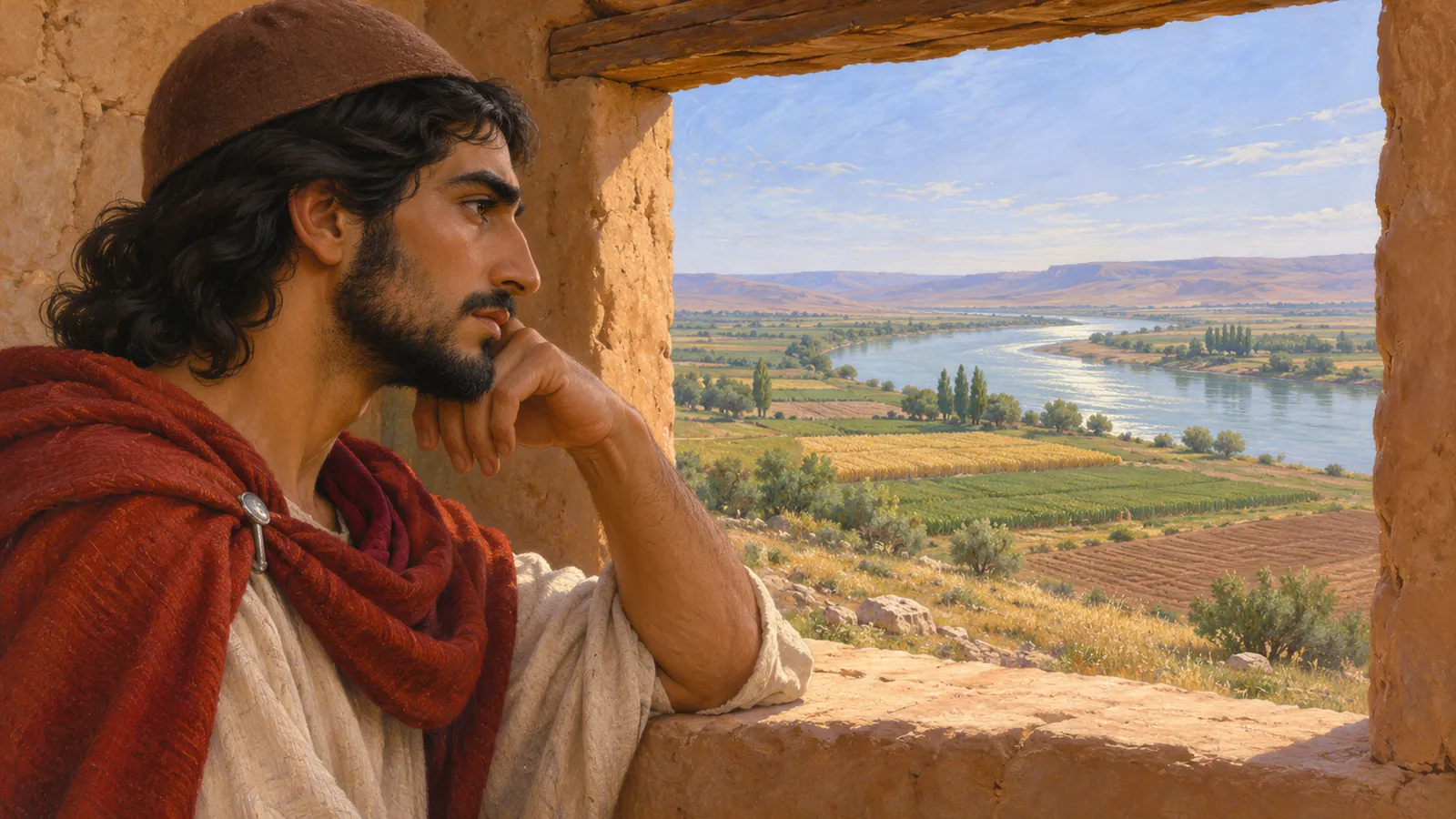
How could he keep his father’s household in view while serving the citizens of Emar? In the speech the statue gives him, the safety of refuge had come at a cost.
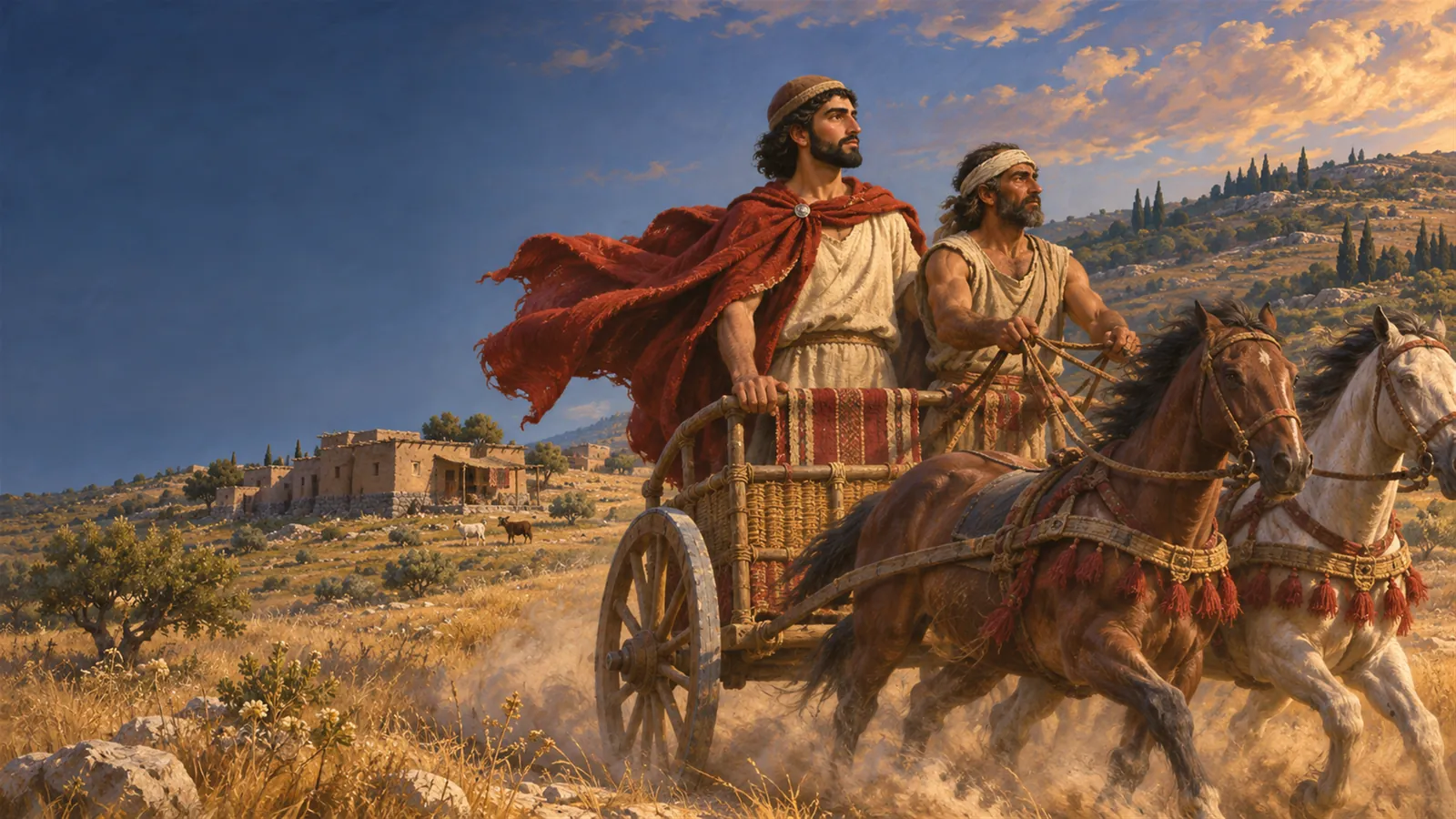
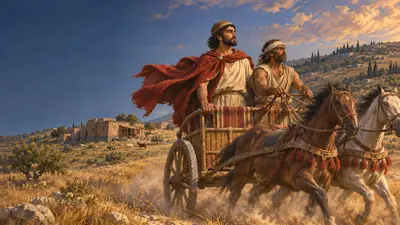
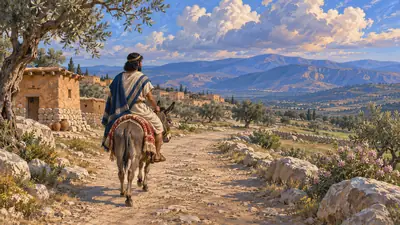
Idrimi says that he took his horse, his chariot and its driver. It was a departure he could describe in terms of the resources still at his command.
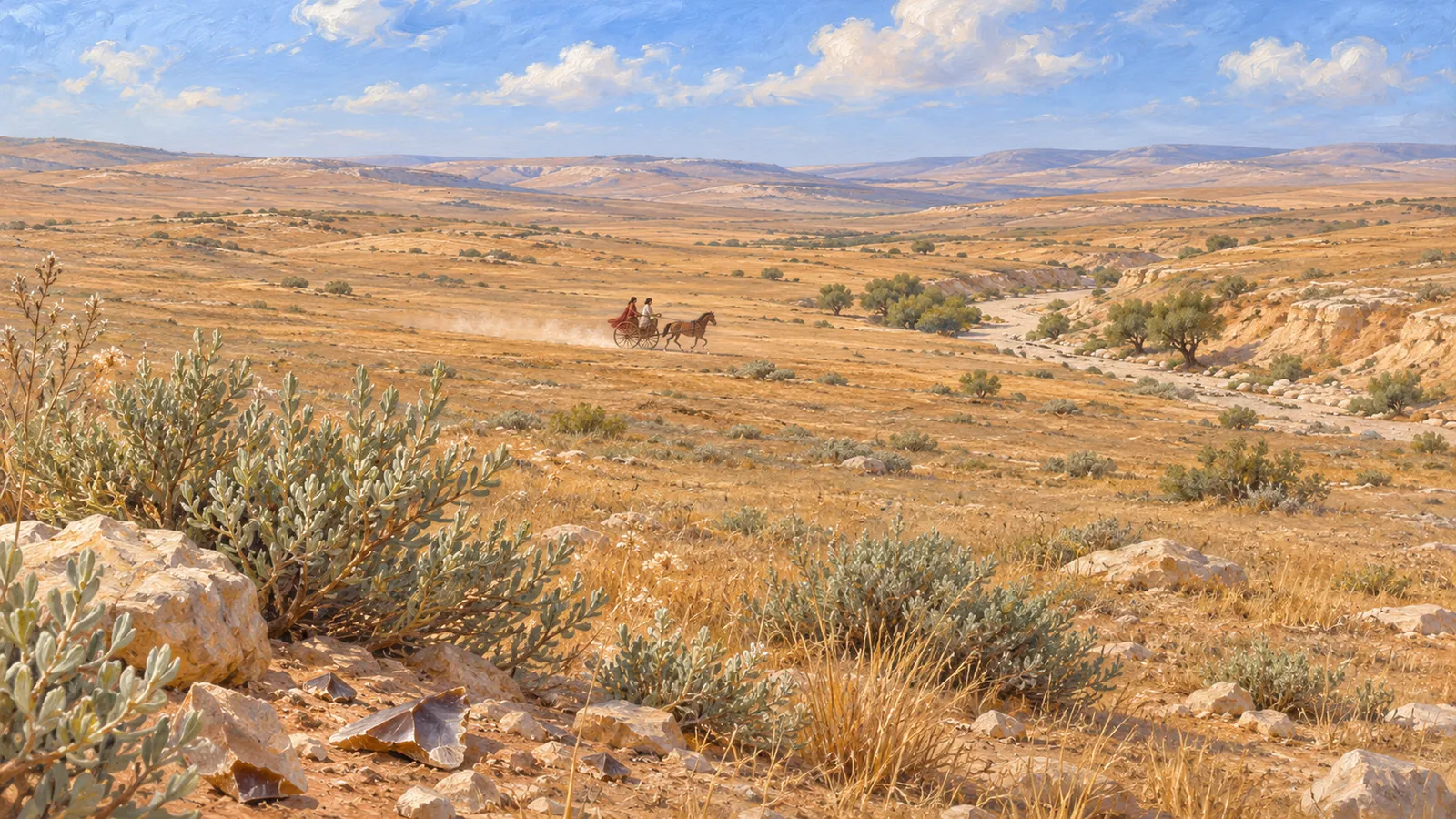
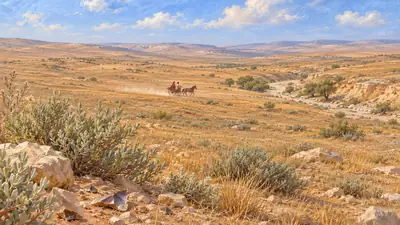
He crossed the desert country and came among the people the inscription calls Suteans. The name occurs elsewhere in ancient texts for people who moved with their herds.
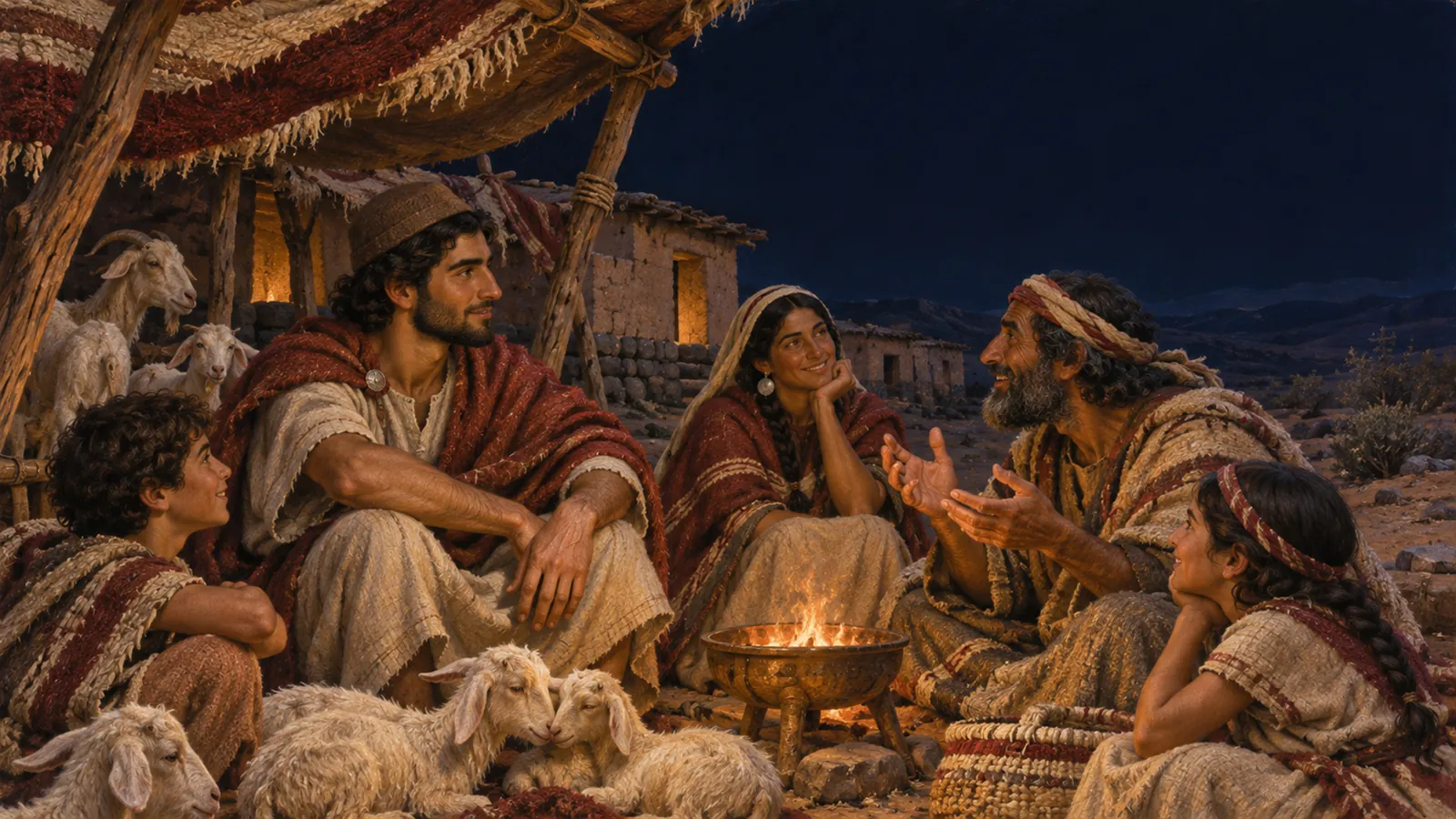
Idrimi says that he spent a night among them. The stone has lost part of the line about the meeting, so what he did in their company remains unclear.
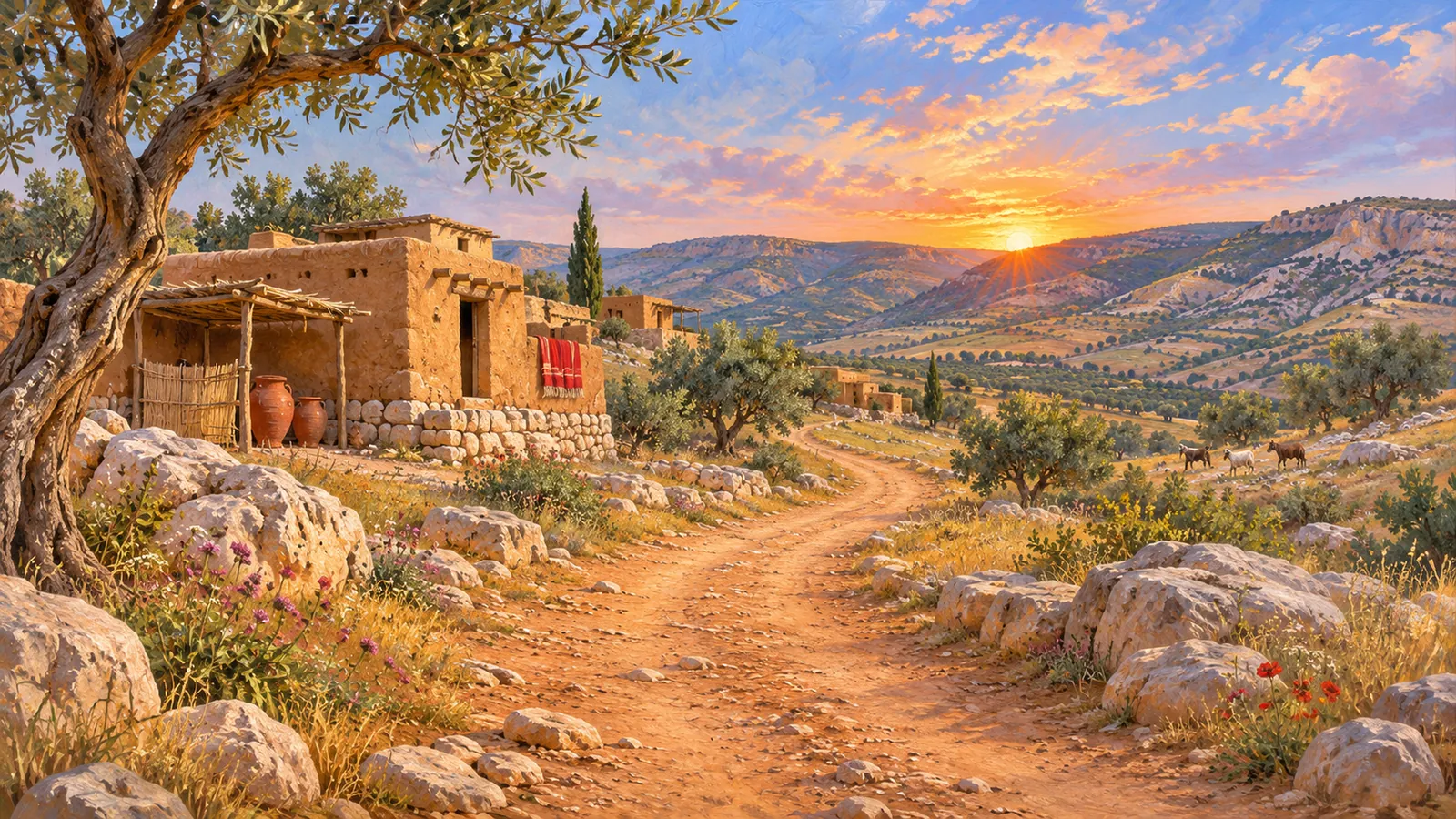
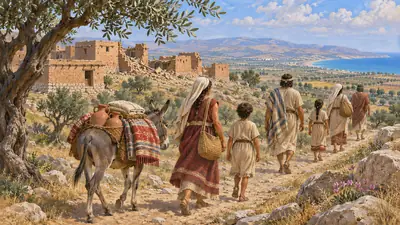
The next day he set out for Canaan. The inscription moves from the night with the Suteans to his new refuge without giving the route or the number of days.
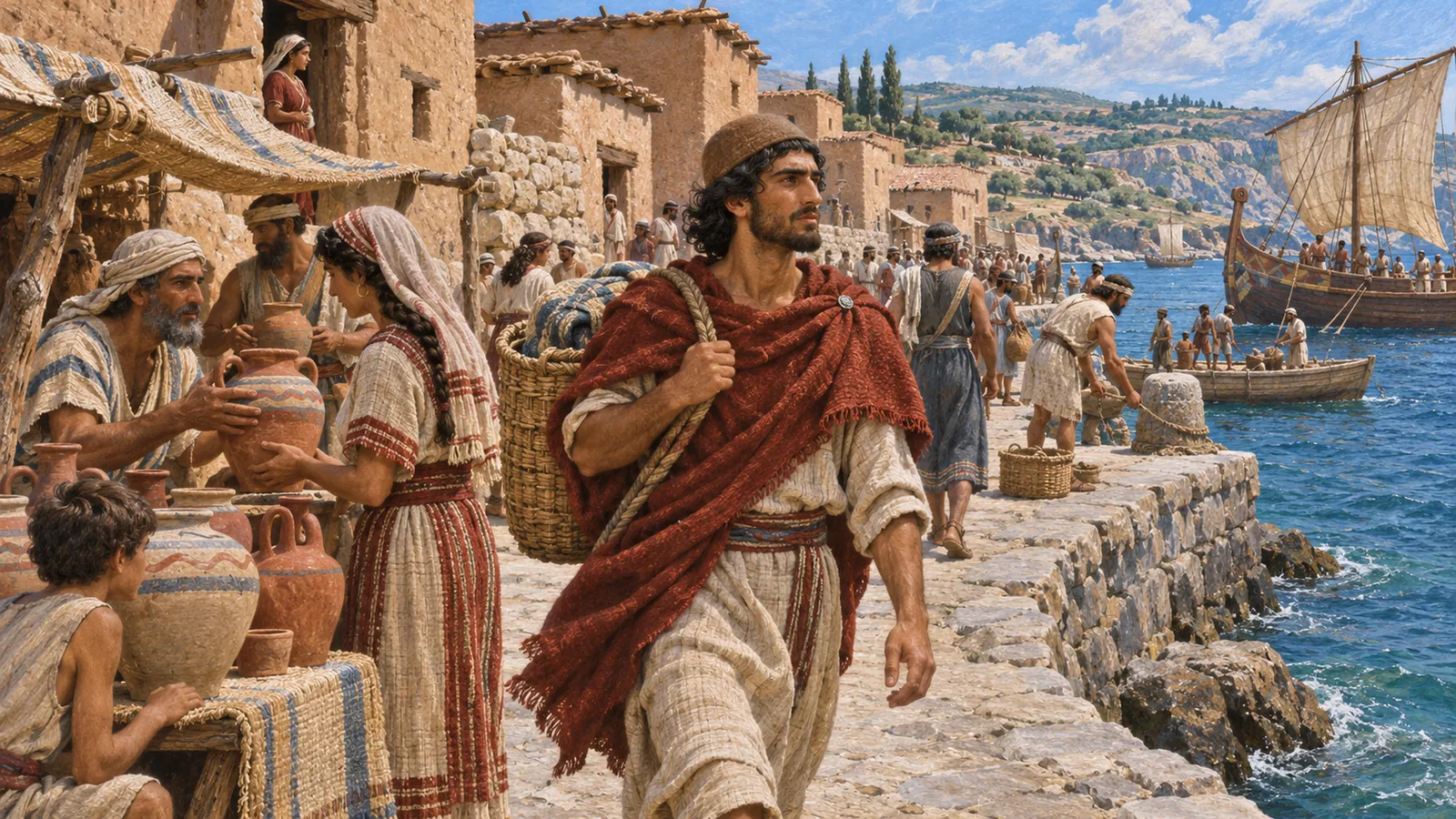
AMMIYA
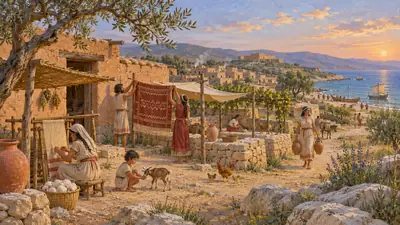
Idrimi settled in a city called Ammiya, in Canaan. The exact site is uncertain. One proposal places it near the coast of what is now Lebanon.
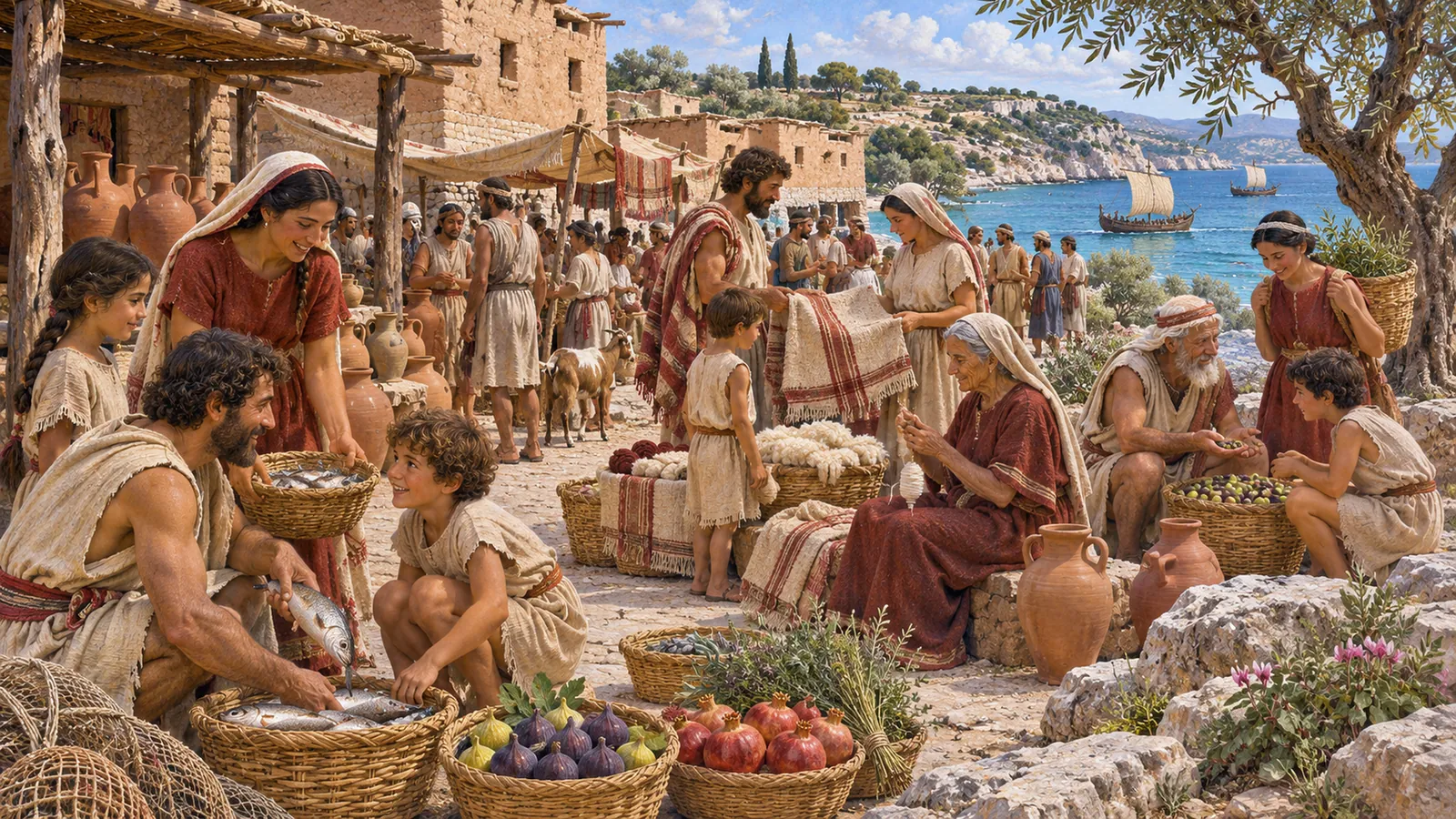
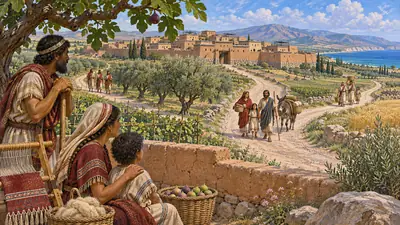
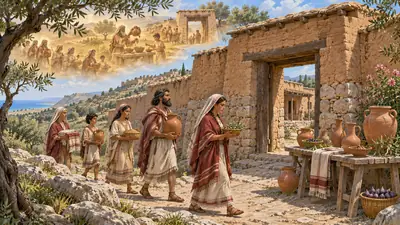
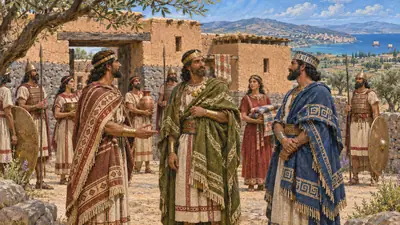
In Ammiya he found people from Aleppo and the territories of Mukish, Niya and Amau. The statue lists each home separately. His old country was present in this new place.
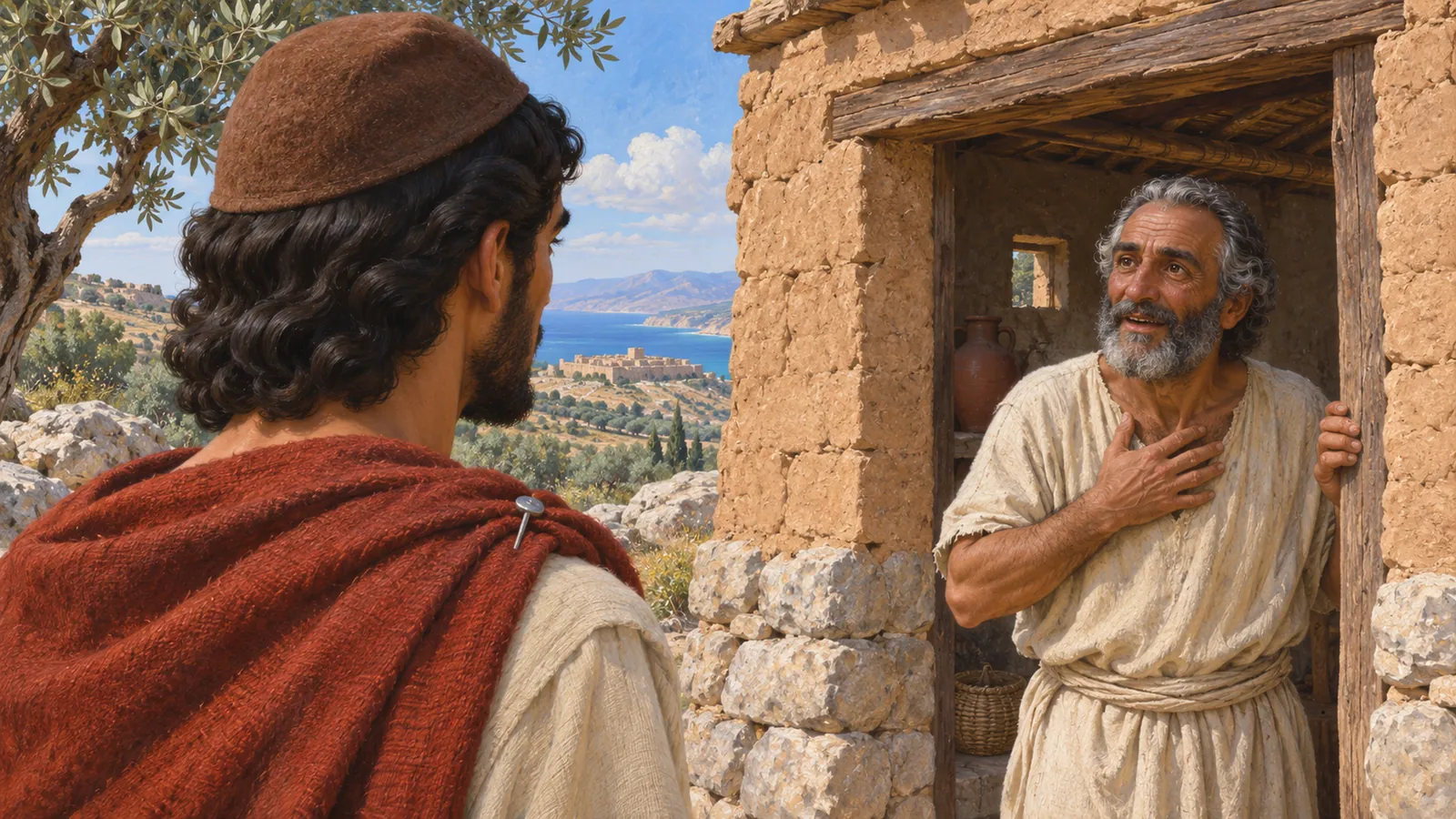
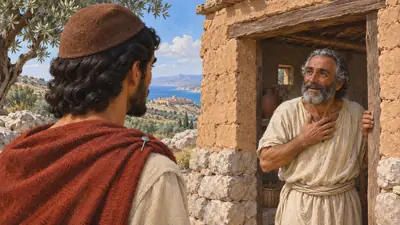
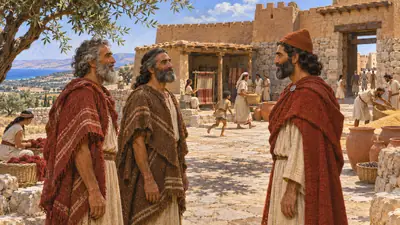
These people saw Idrimi and recognized him as a son of their former lord. The young man who had left his brothers in Emar now had a claim they understood.
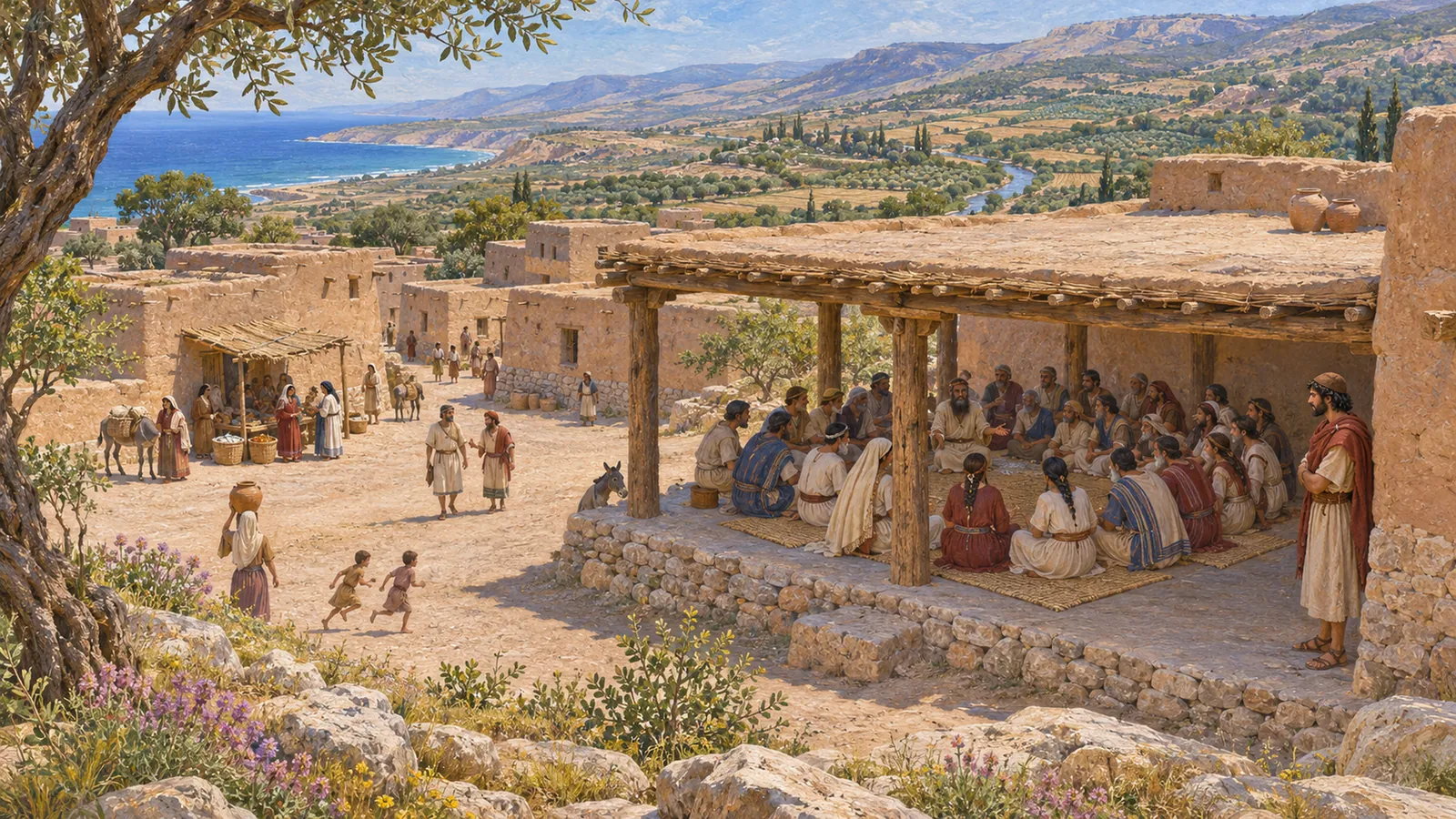
The people gathered to deliberate and, in his telling, made him their leader there. The statue puts their recognition before the years of waiting and long before any royal title.
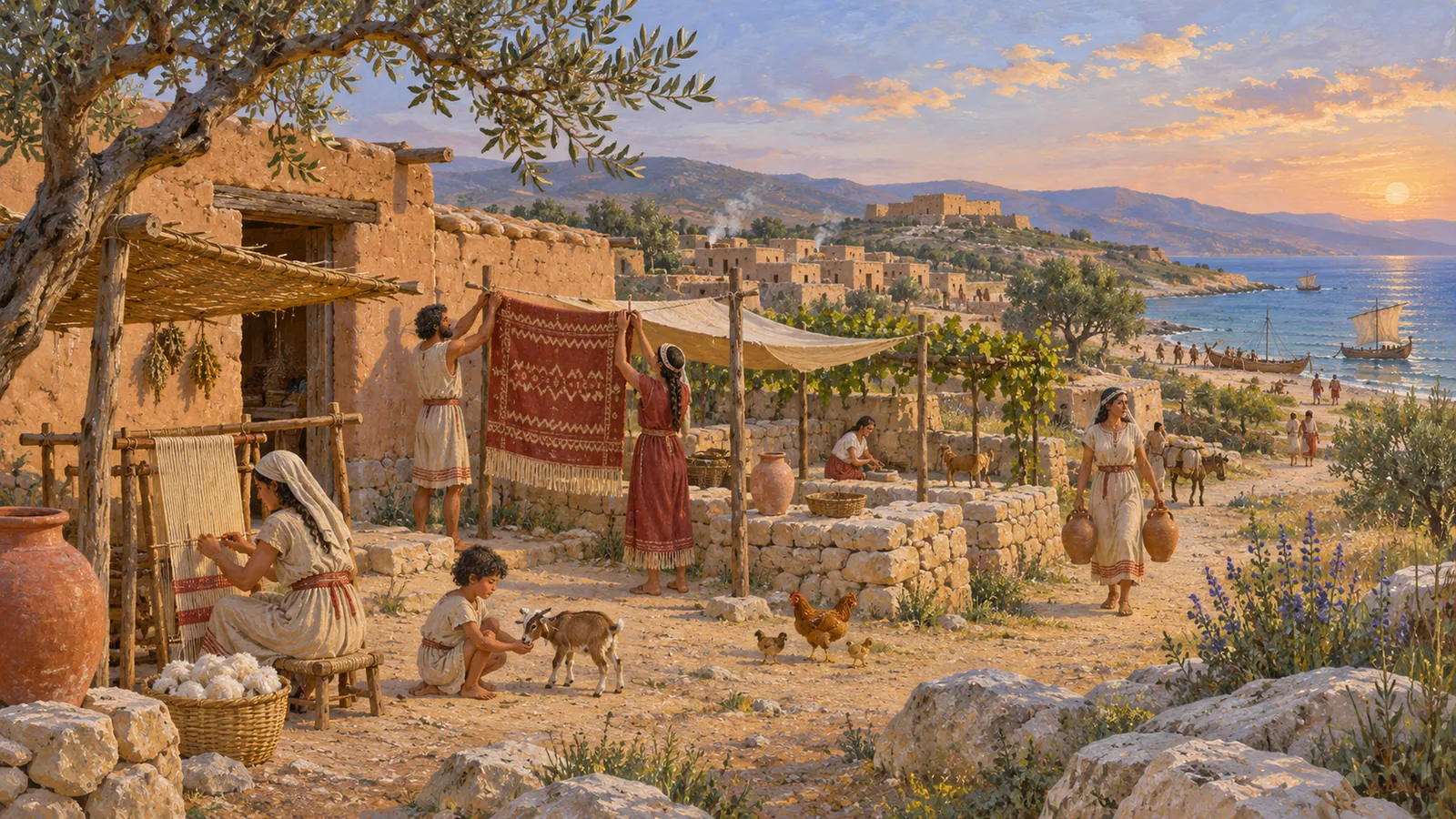
A long time passed. Idrimi counts seven years among the people who sheltered him. In that time the story passes from his family’s flight to the hope of a return.
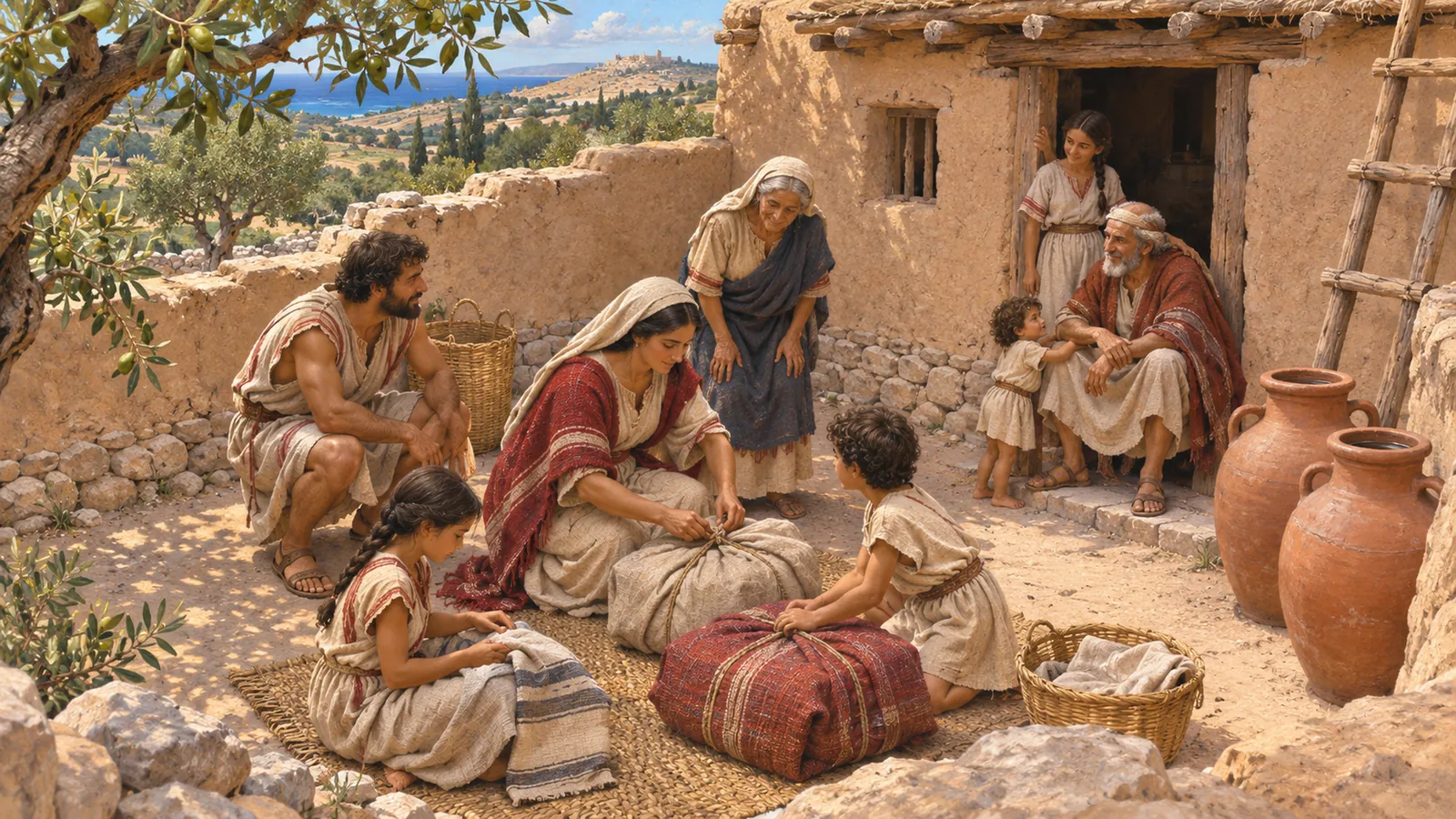
The inscription calls the people he lived among Habiru. Here the group included people living away from their home territories. The term occurs with different meanings across the ancient Near East.
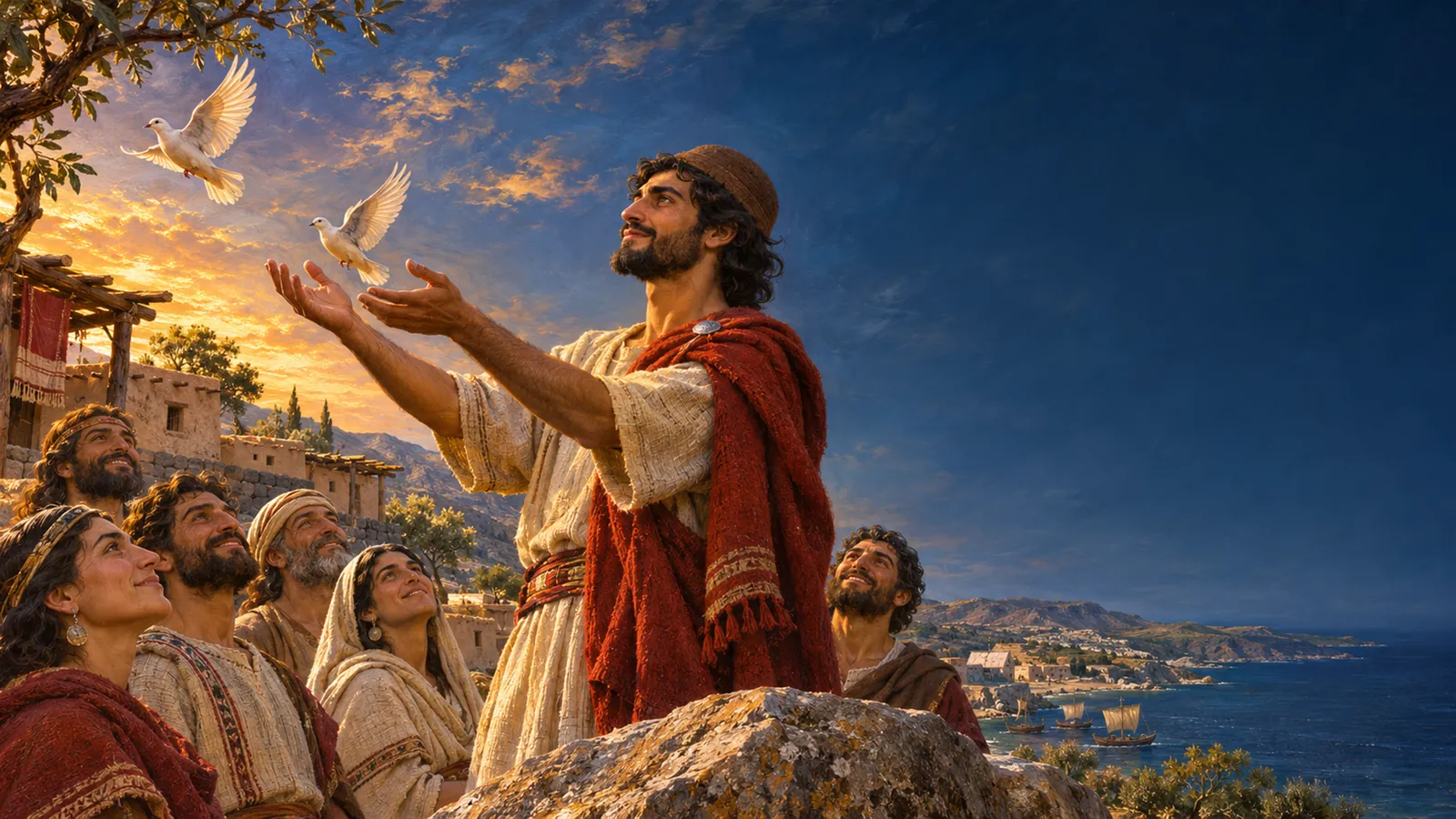
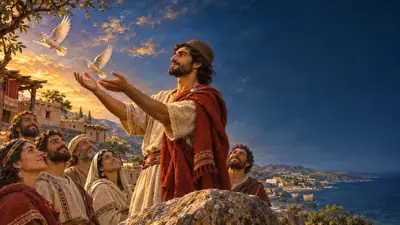
Idrimi says that he released birds. The inscription names what he did, while leaving the species and the movements he would have watched beyond our knowledge.
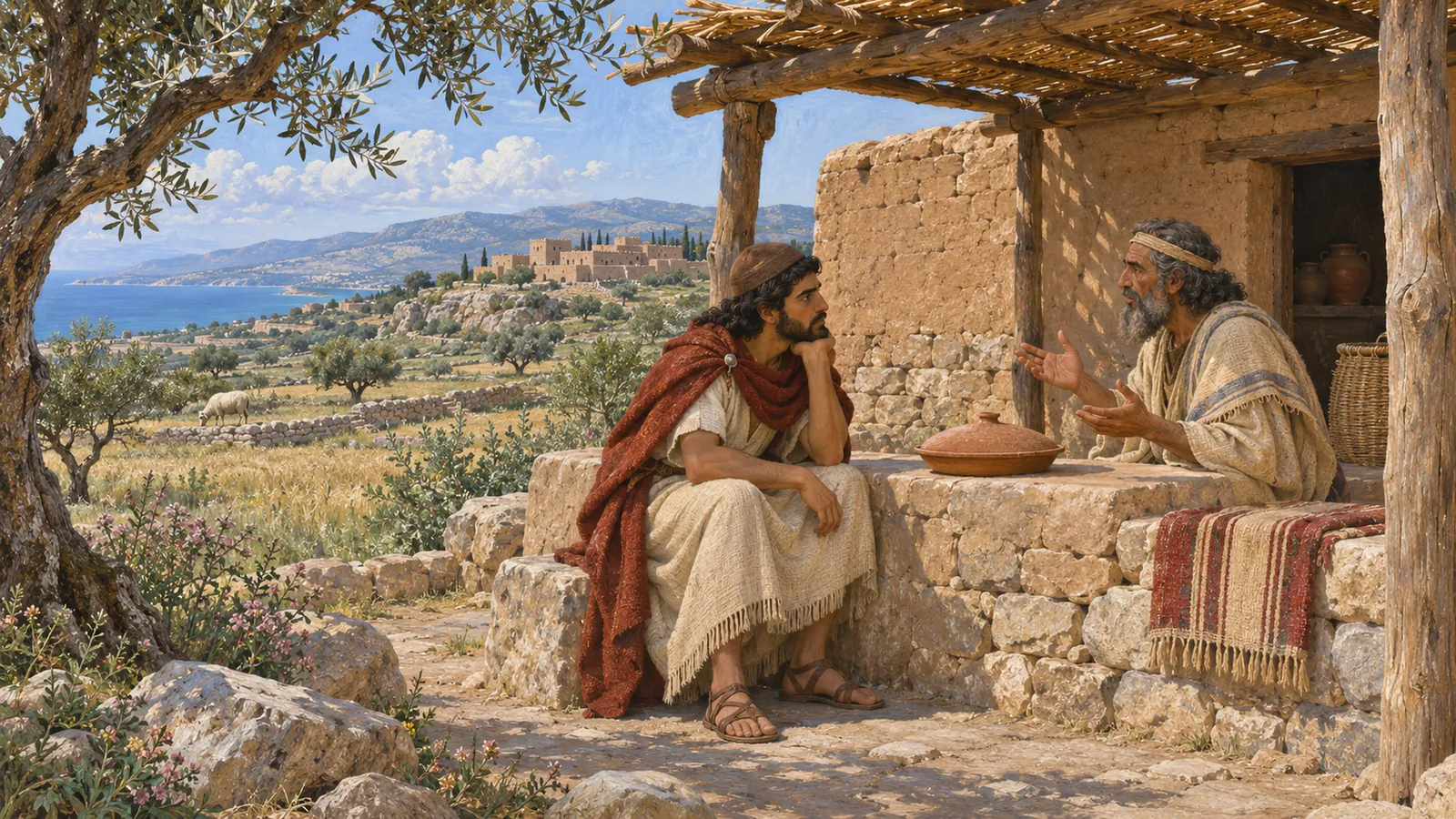
He also says that he had lambs examined for omens after sacrifice. The two practices appear together in his account of seeking the Storm God’s favor.
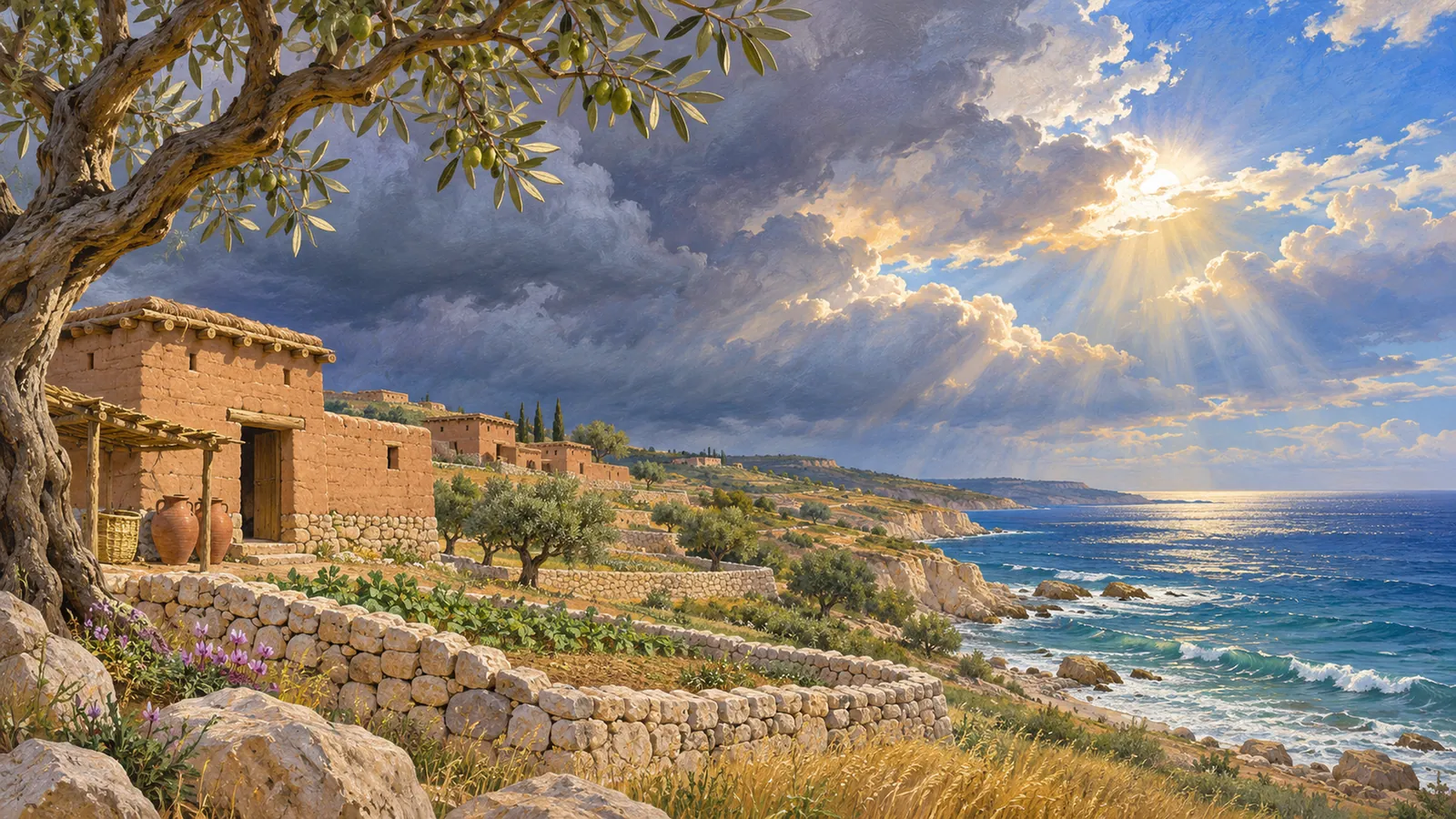
In the seventh year, Idrimi believed the Storm God looked on him favorably. The story moves from waiting and reading signs to the work of preparing ships.
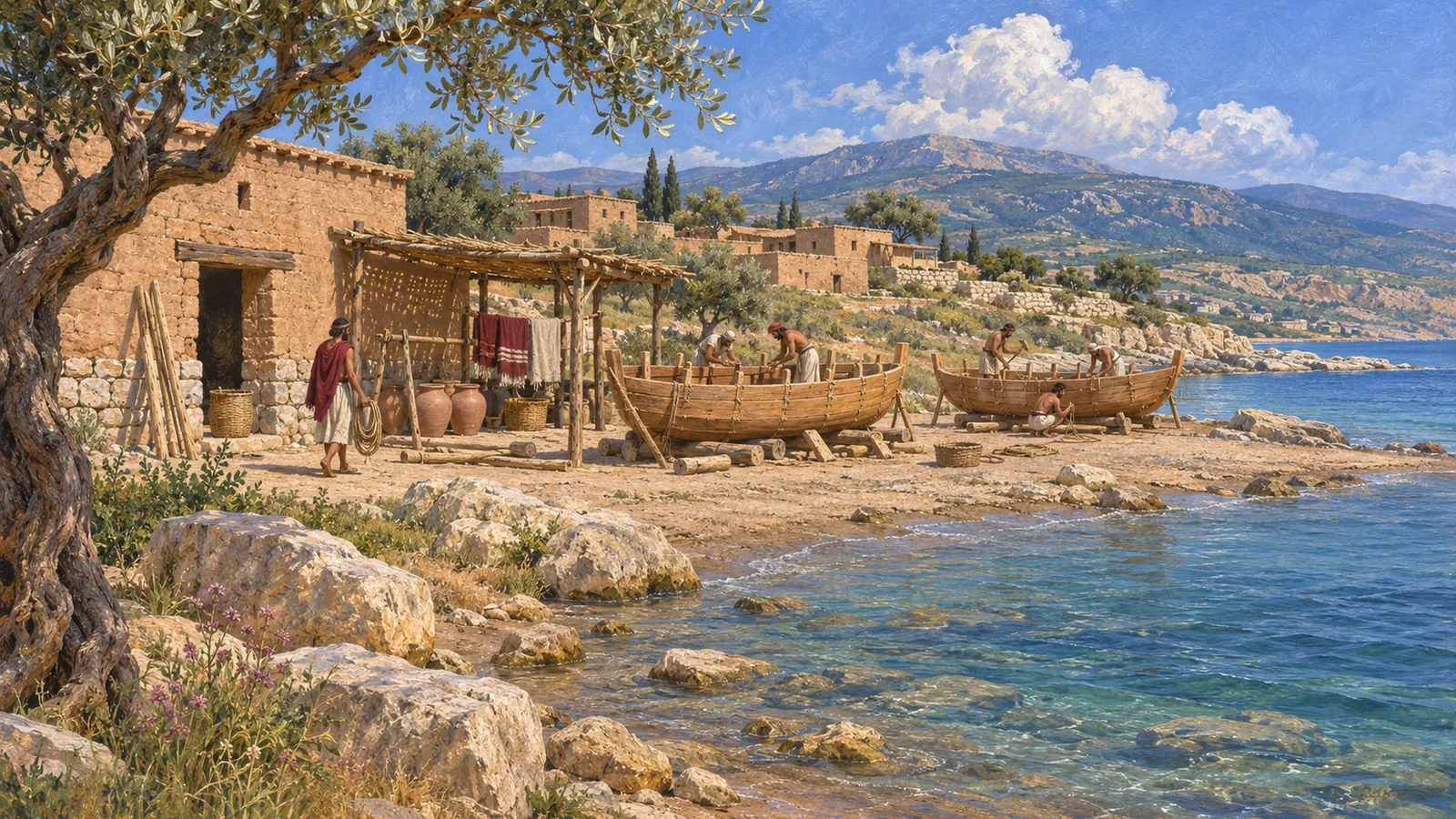
THE SHIPS
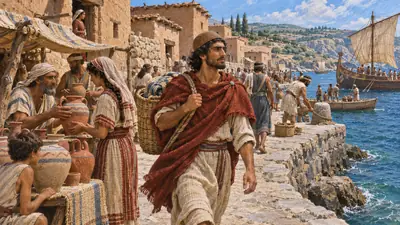
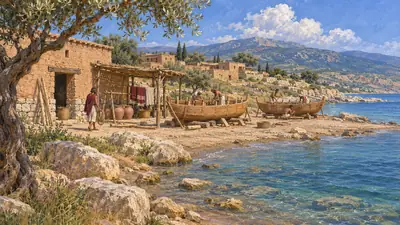
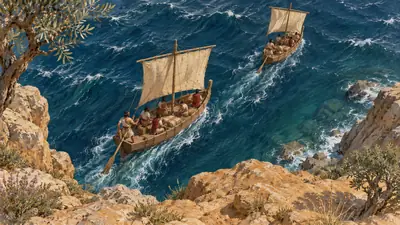
The inscription credits Idrimi with having ships built. It leaves the shipwrights and their methods unrecorded. The new vessels would carry the people he called his troops.
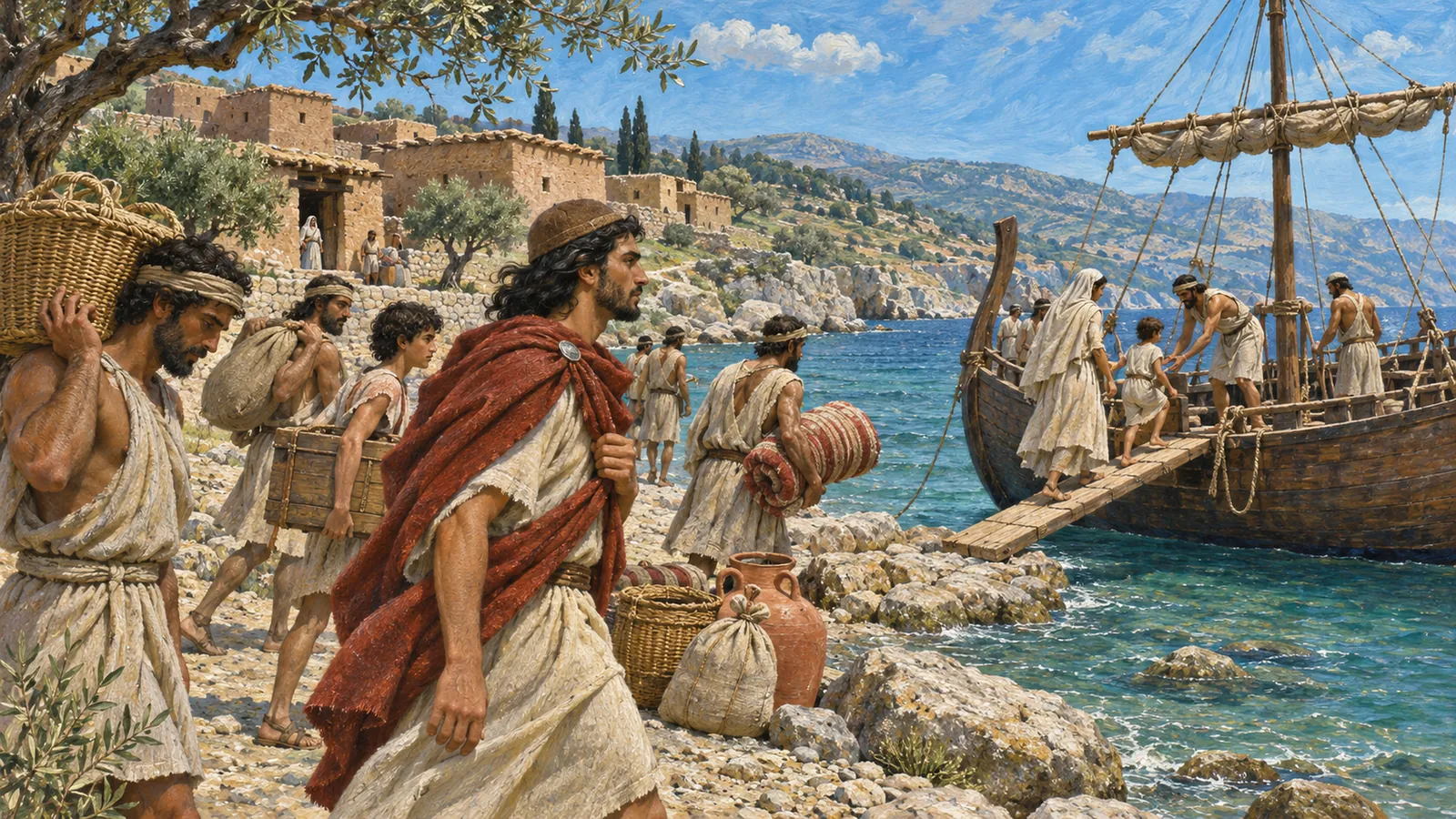
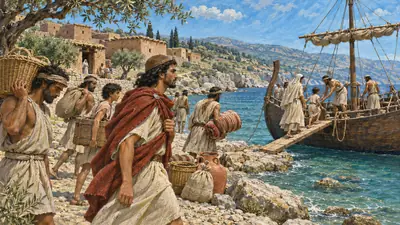
The men board. The inscription gives them a term whose precise military meaning is uncertain. This is an expedition by sea, very different from the flight from Aleppo.
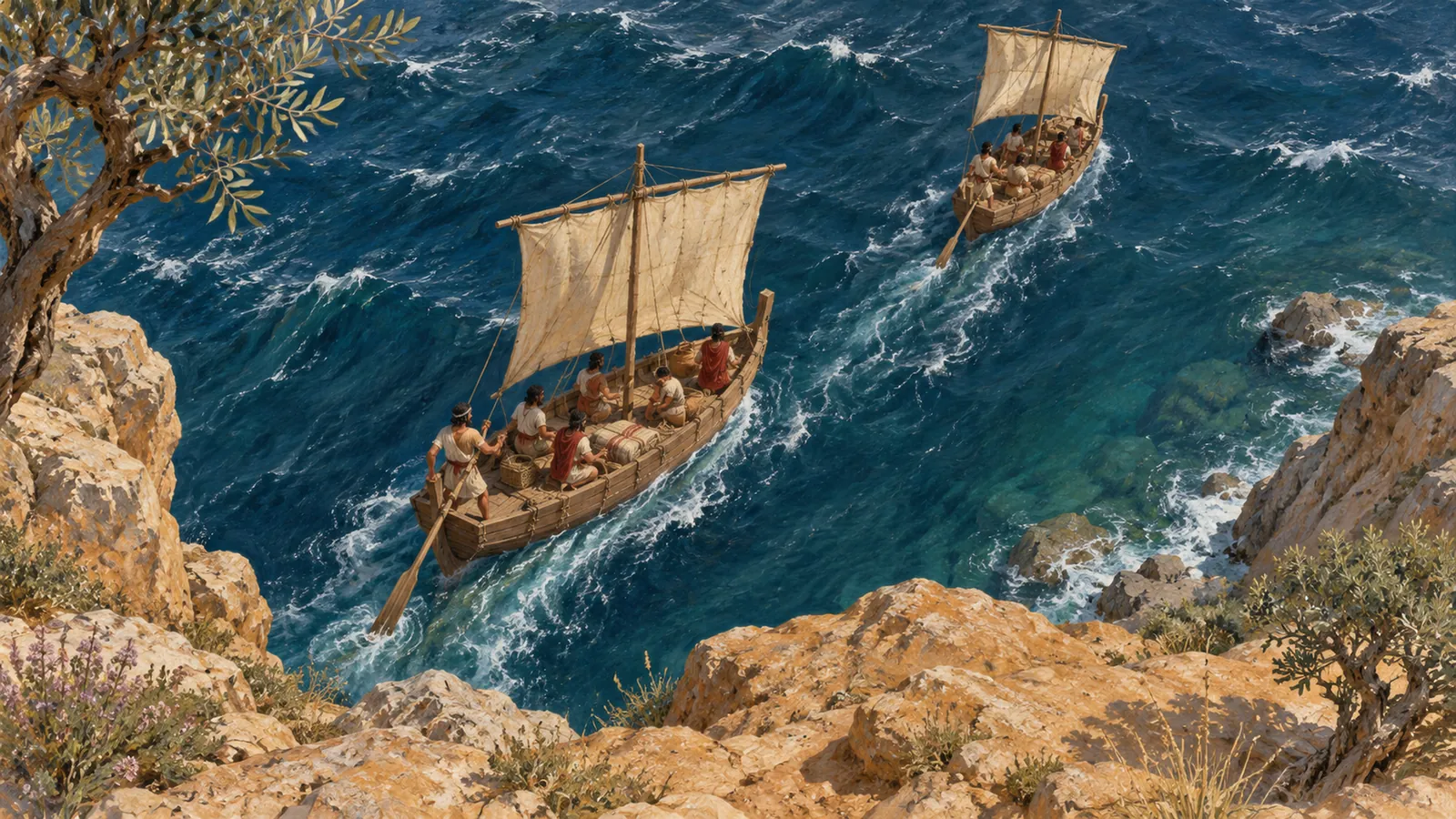
Idrimi says he approached the land of Mukish over the sea. Alalakh, the city he would later call his own, lay inland in the Amuq plain.
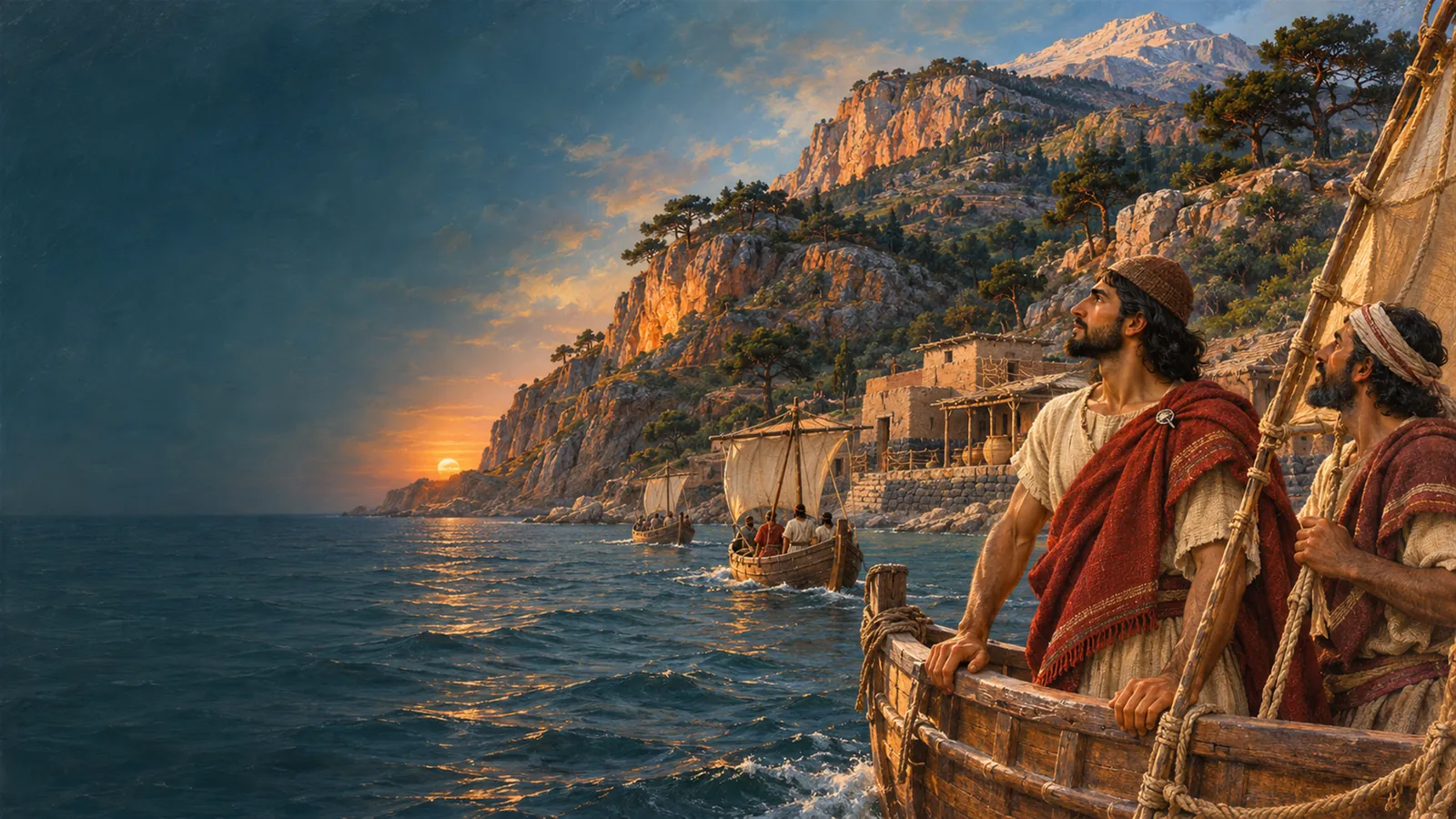
HAZZI
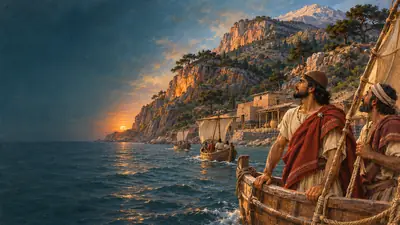
The ships reached the coast below Mount Hazzi. The mountain was associated with the Storm God. It is generally identified with the high peak near the mouth of the Orontes.
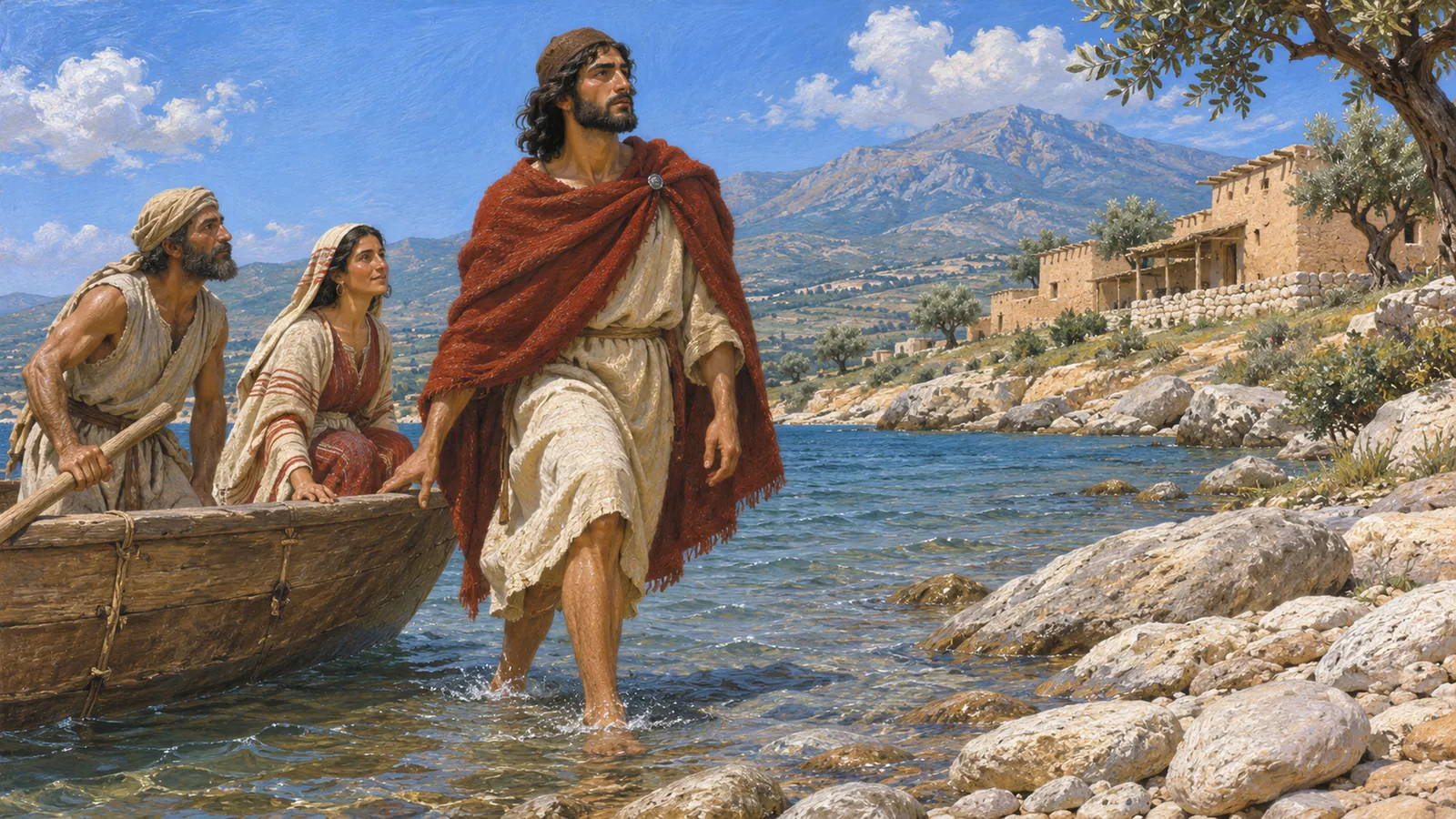
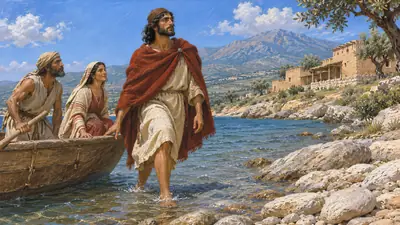
Idrimi marks the moment he reached dry land in front of the mountain. The inscription follows him ashore and up Hazzi. It describes no fight at the landing.
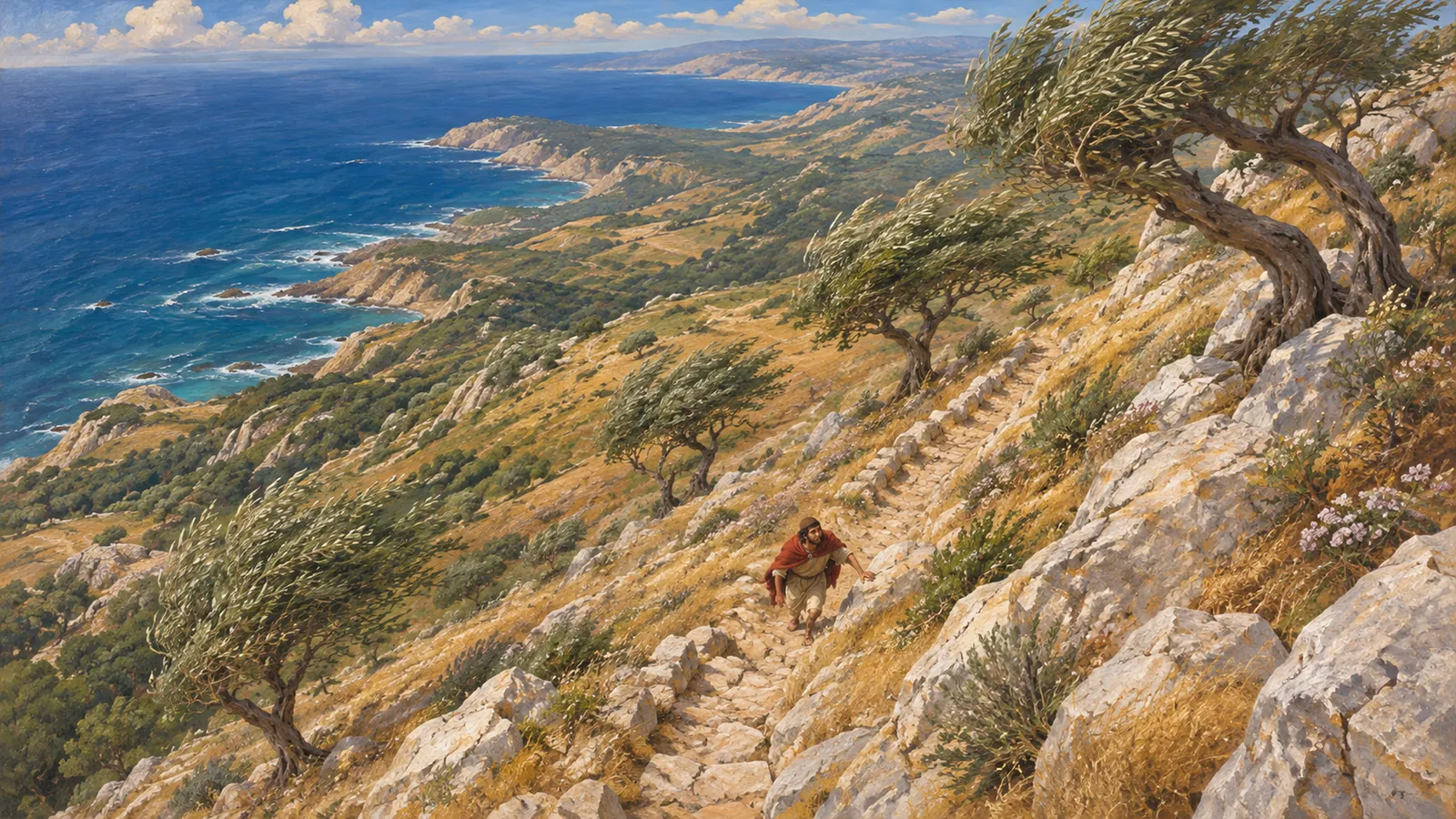
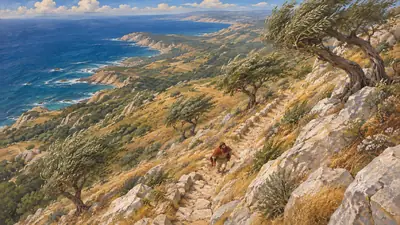
He goes up Hazzi, and his country hears of his arrival. The statue tells us about the climb and the news. Any ceremony on the summit remains a matter of inference.
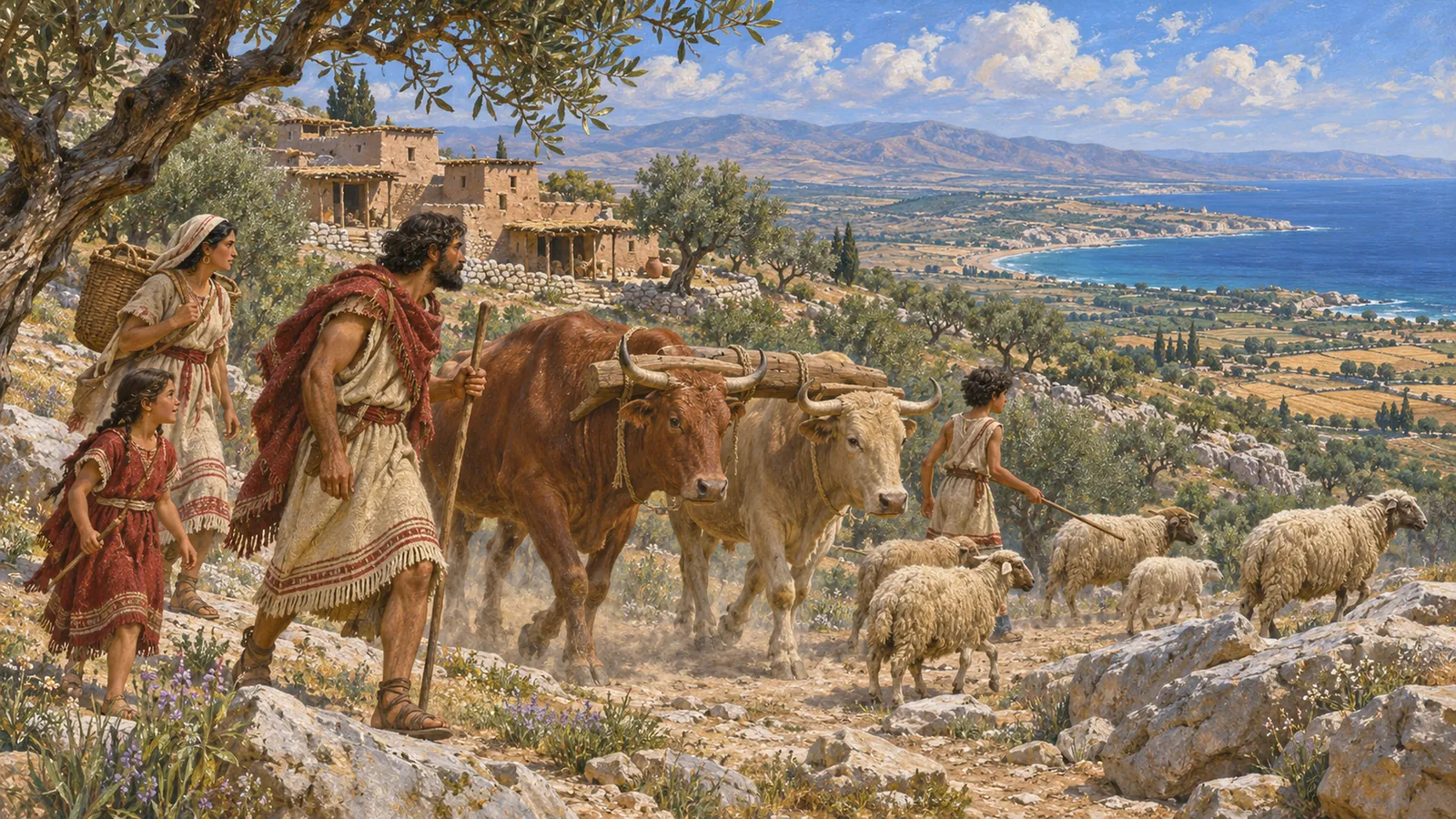
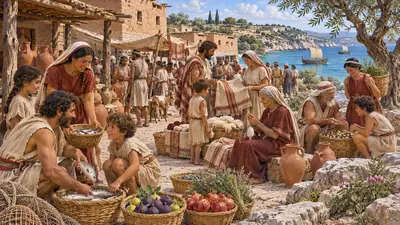
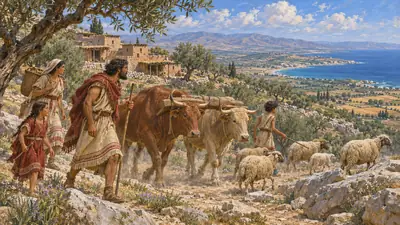
People bring oxen and sheep before him. After the seven years spent among displaced people, the gifts make the turn in his fortunes visible.
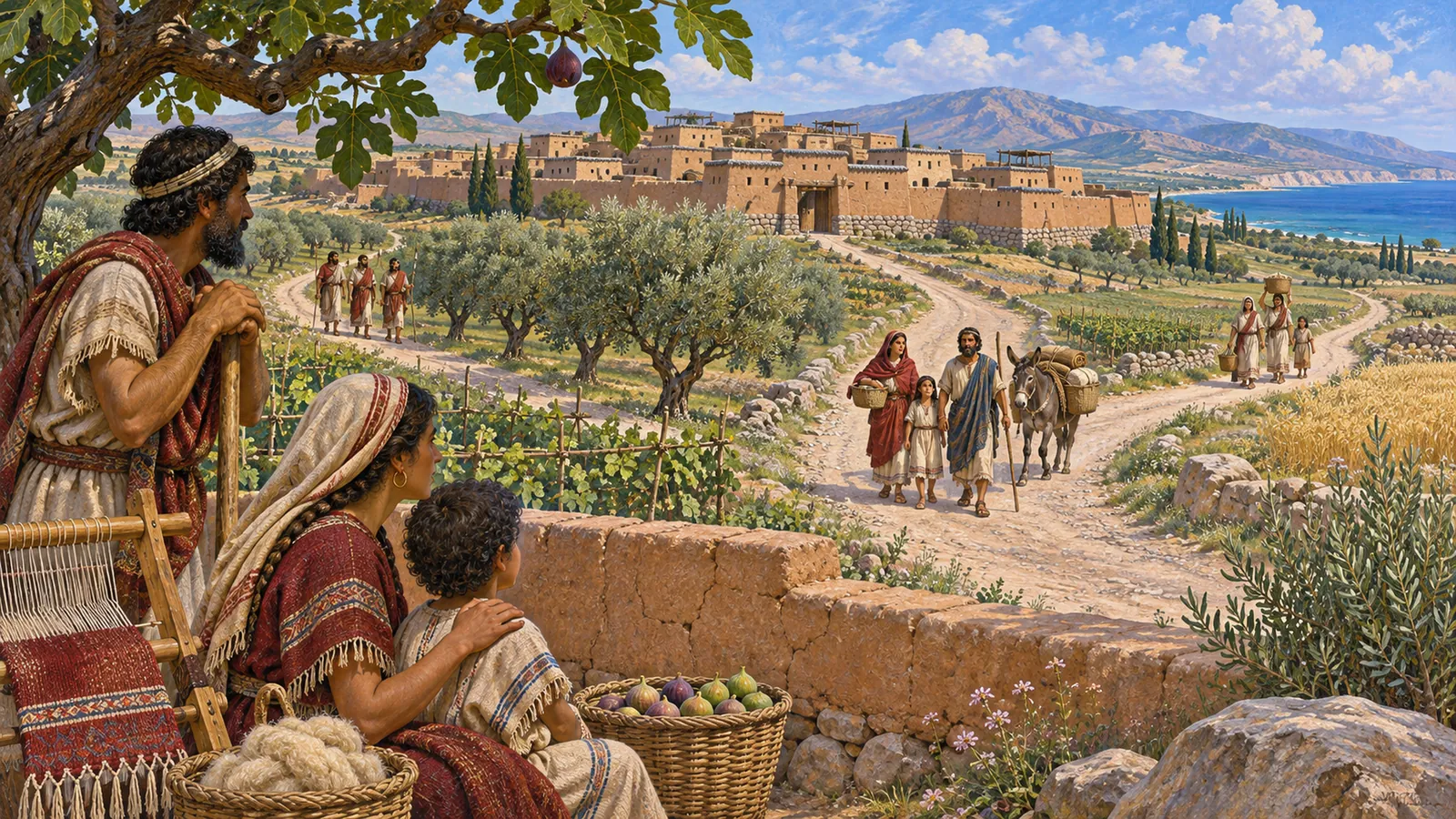
Idrimi claims that Niya, Amau, Mukish and Alalakh came over to him in a single day. It is the last time he makes allegiance sound that simple.
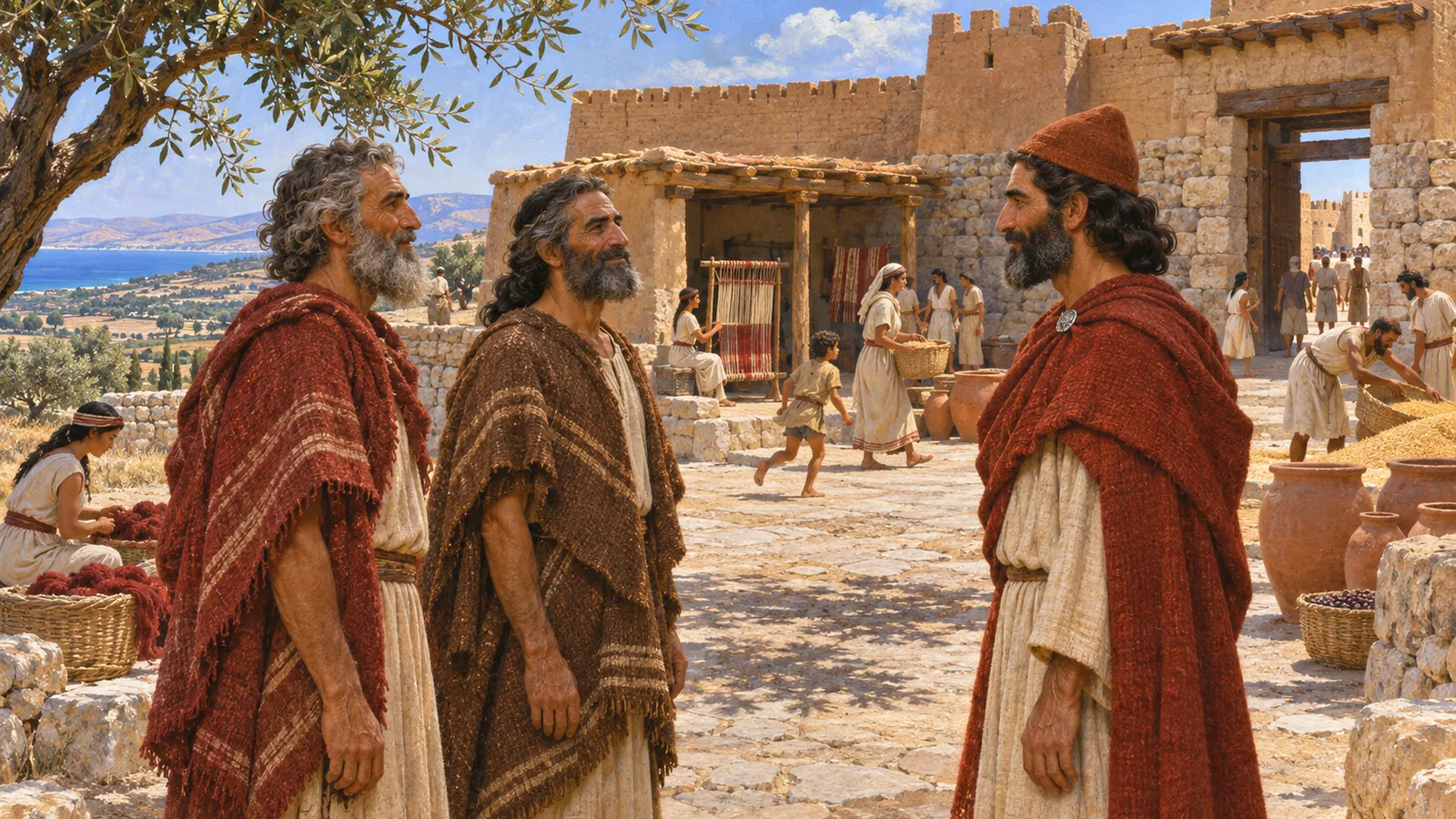
His older brothers hear the news and come to him. He says they now work for him and that he protects them. The exile has become the protector in his account.
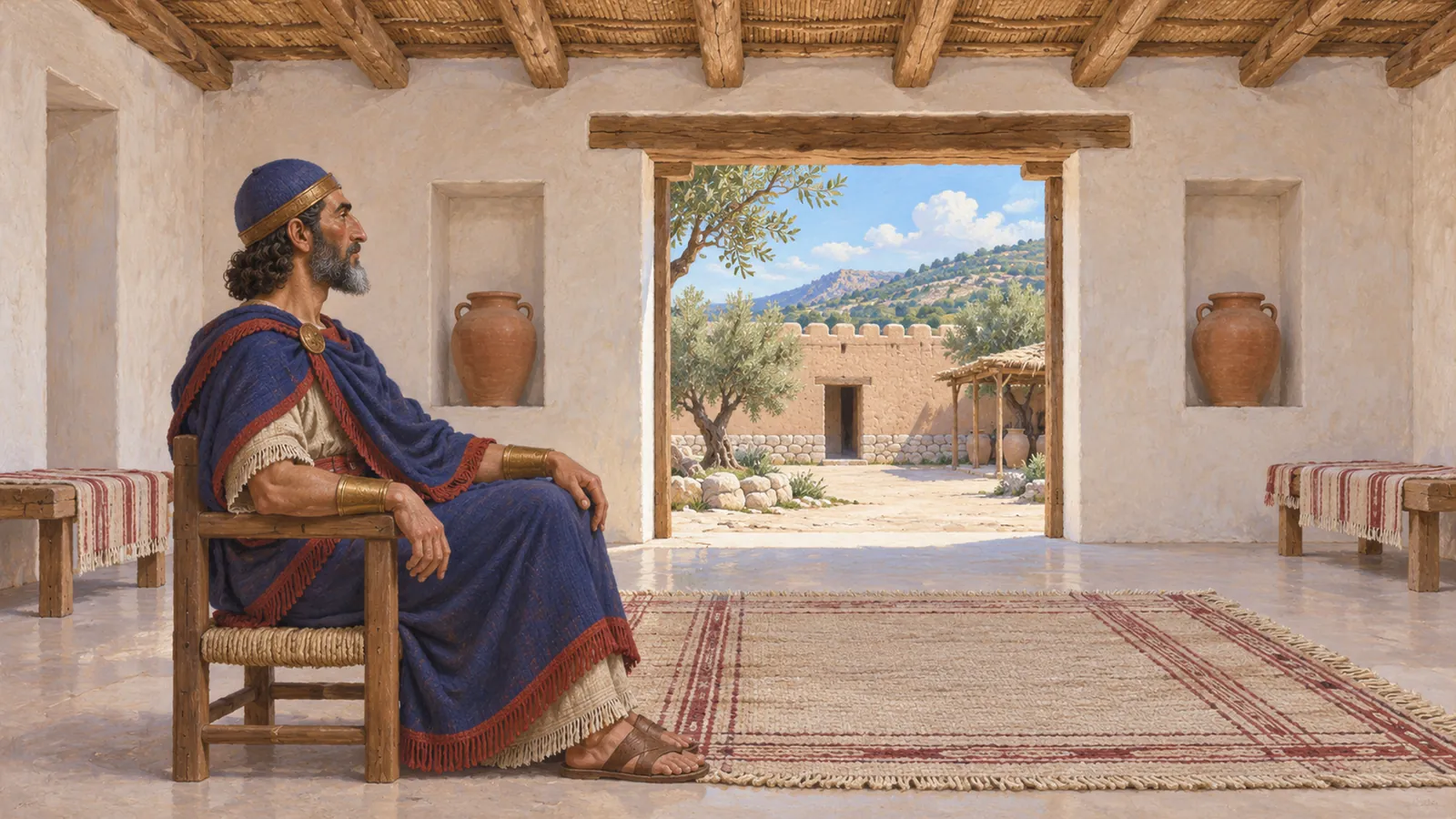
PARATTARNA
The statue names Parattarna as the mighty king of the Hurrian armies. In Idrimi’s account, the king remains hostile to him for another seven years, despite his welcome at home.
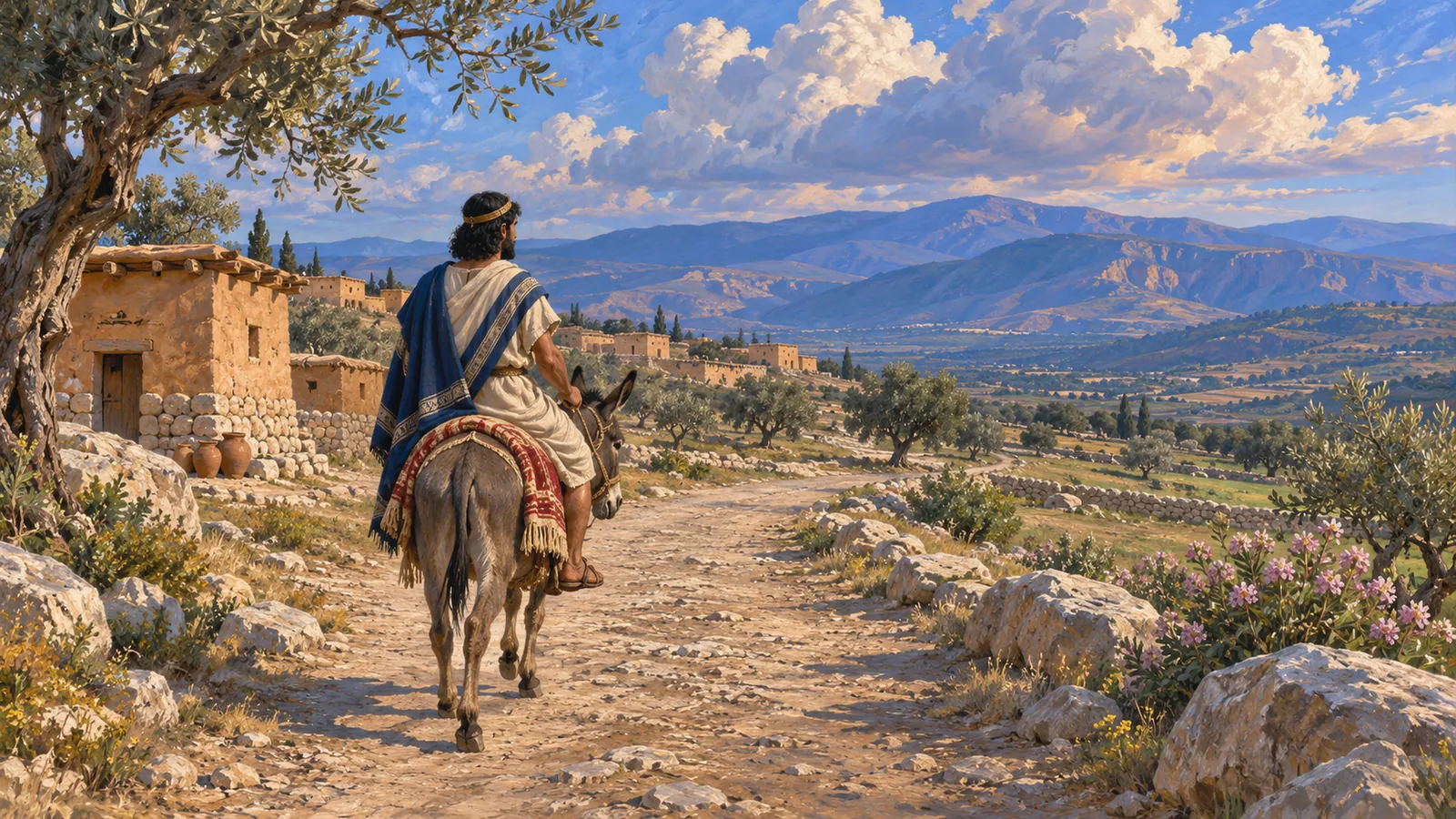
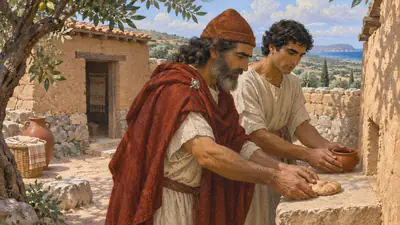
In that seventh year Idrimi sends a message. He draws on a claim older than his homecoming, one about work and tribute already owed to Parattarna’s forebears.
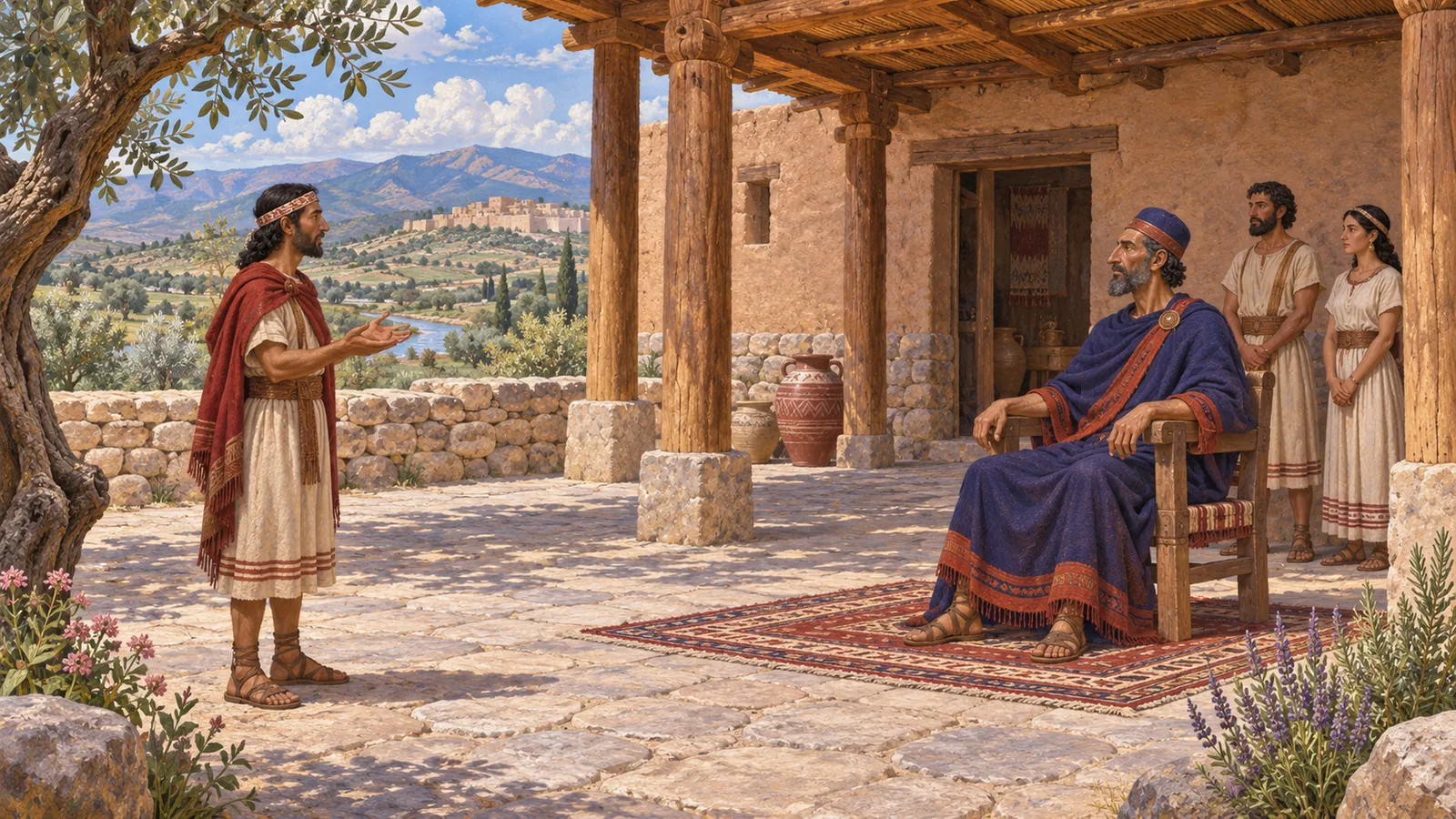
The message recalls the service Idrimi’s forefathers rendered to the old Hurrian kings. Their relationship had been formalized by a powerful oath, Idrimi says.
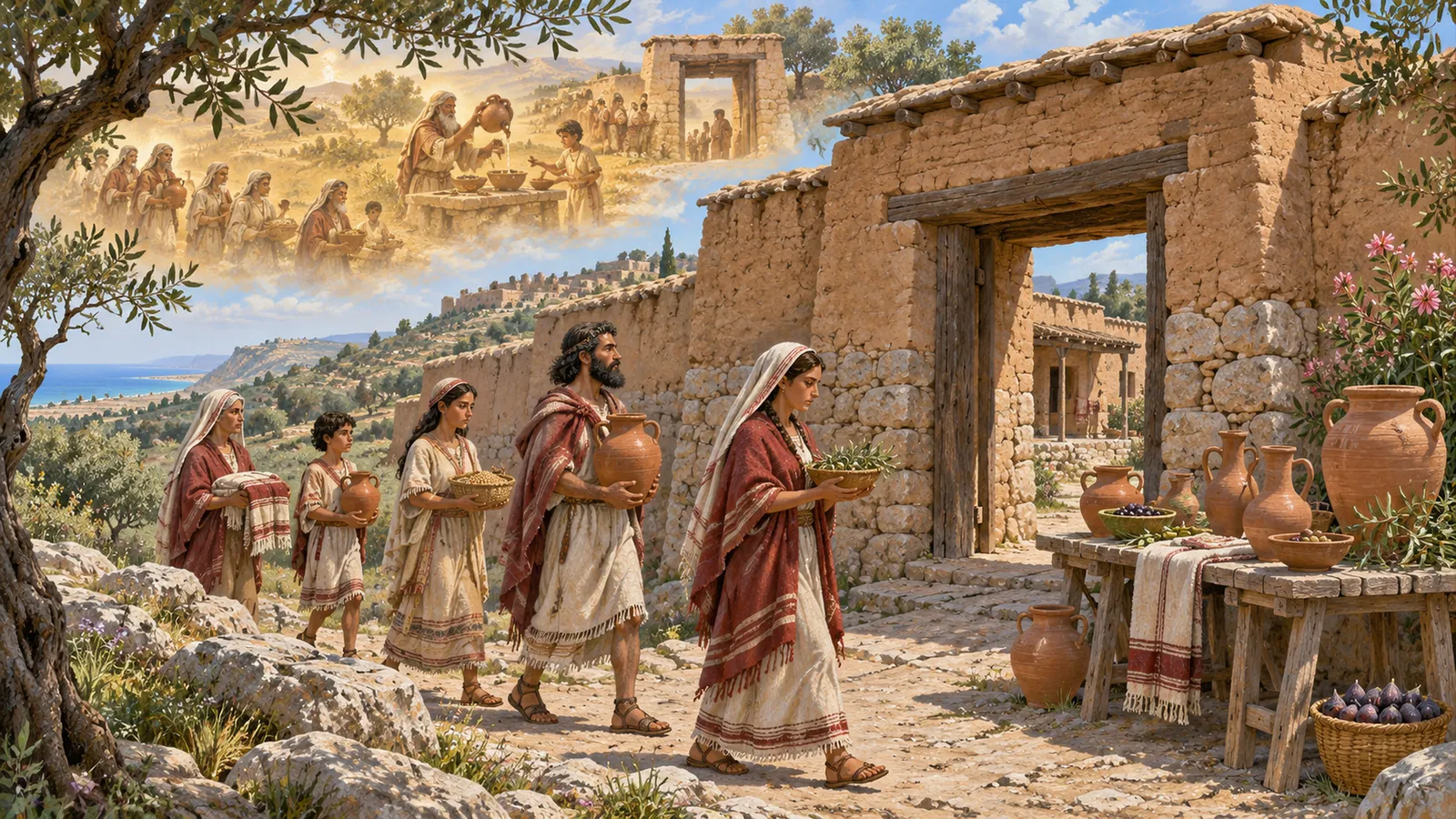
Idrimi builds his appeal on obligations both families had inherited. The inscription makes the old oath Parattarna’s reason for hearing his claim.
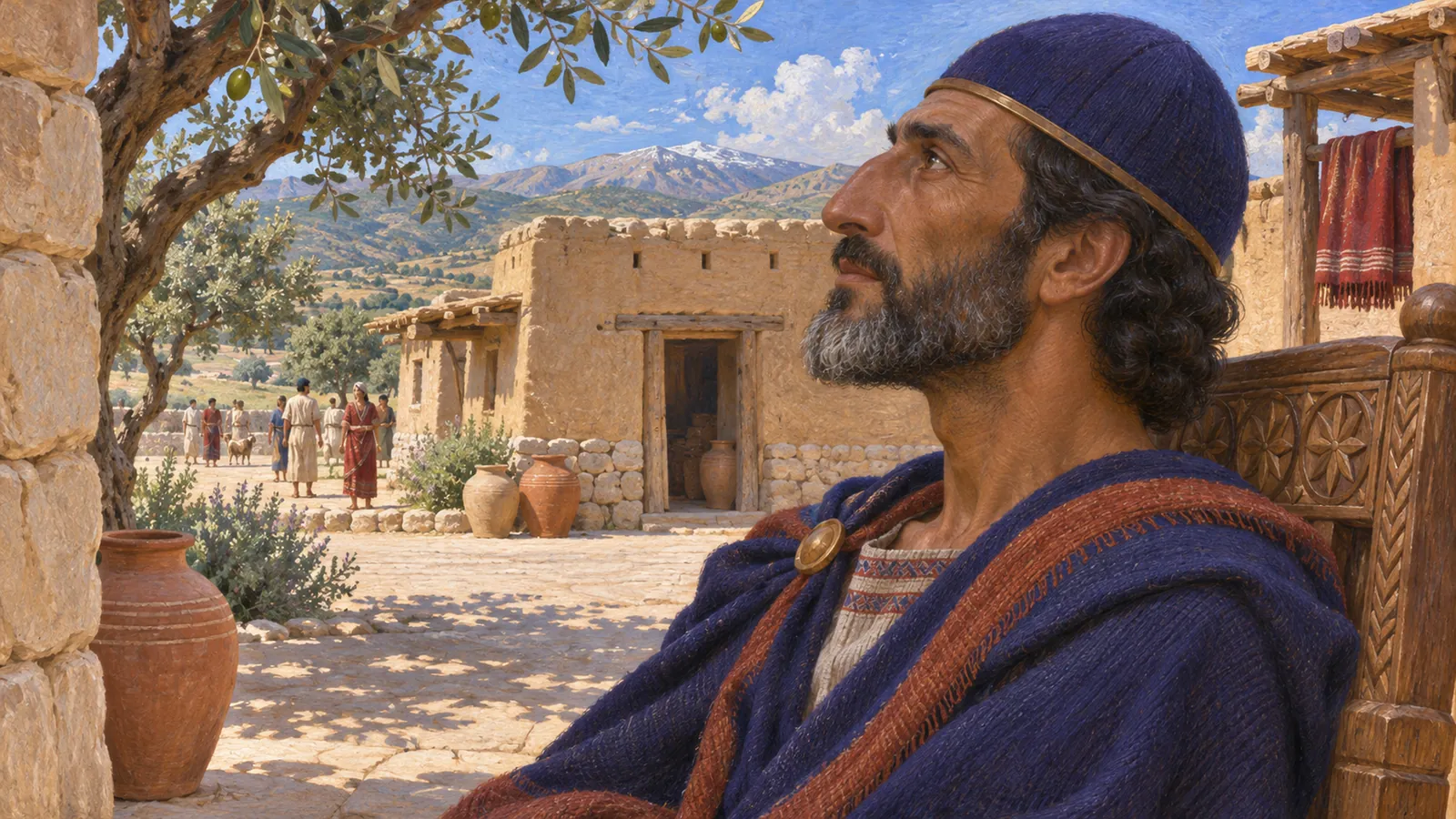
Parattarna hears what the messenger says about the earlier tribute and the oath. Idrimi presents the Hurrian king as taking that oath seriously and accepting his peace offering.
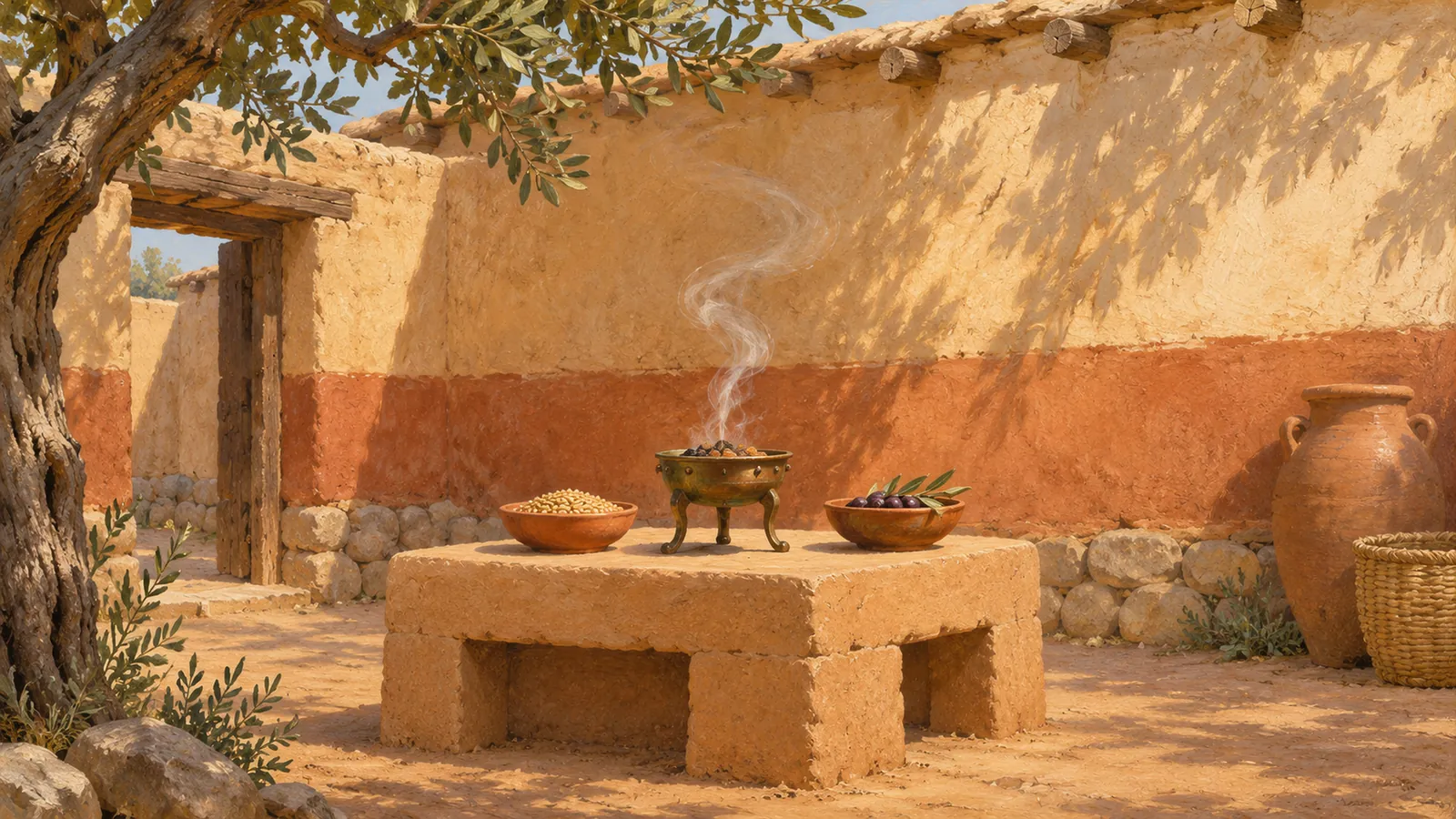
A larger sacrifice and the return of a lost household follow in the inscription. The lines are difficult. The political terms are clearer than the acts with which the account marks them.
ALALAKH
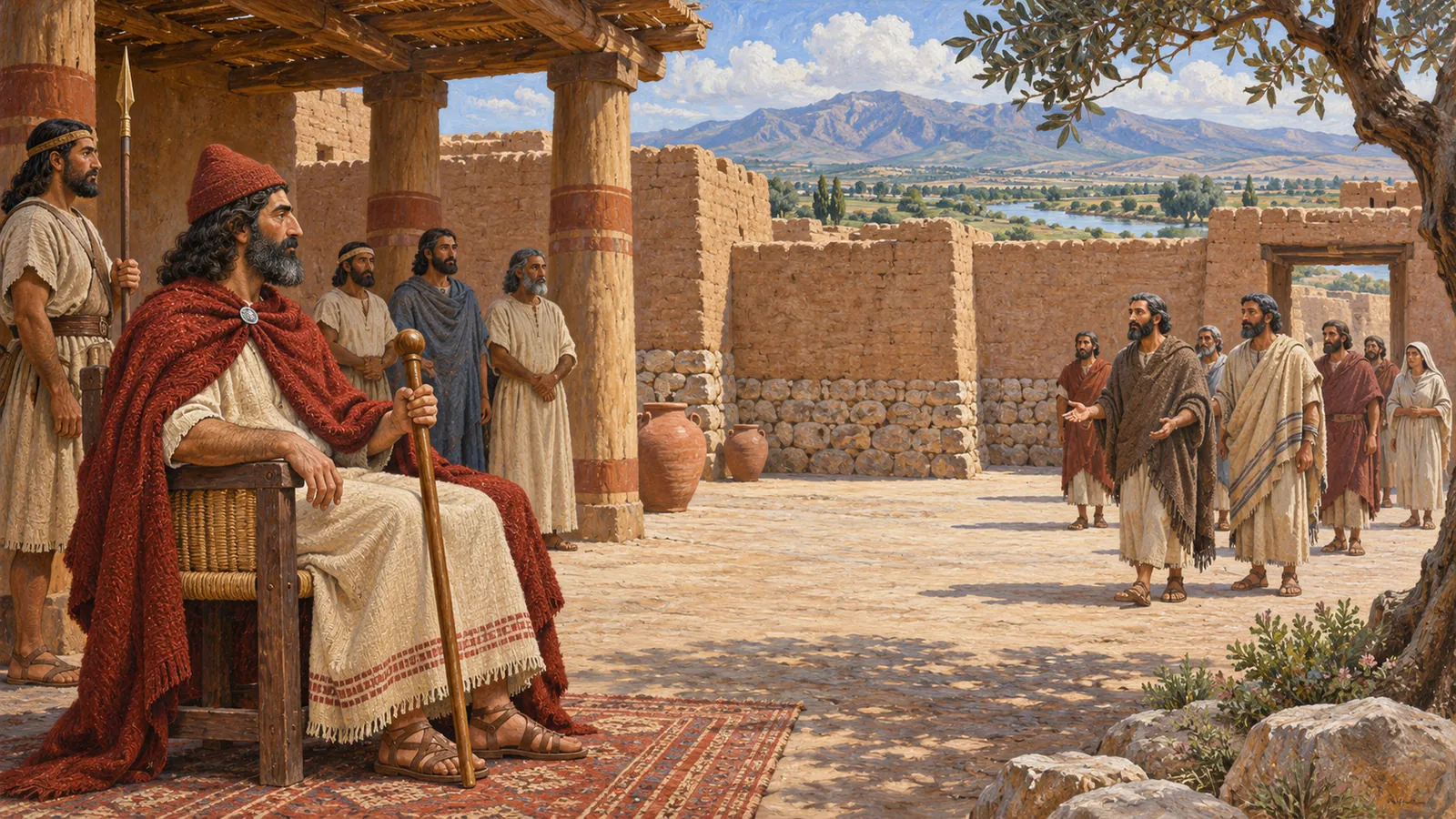
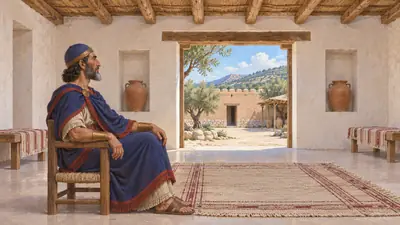
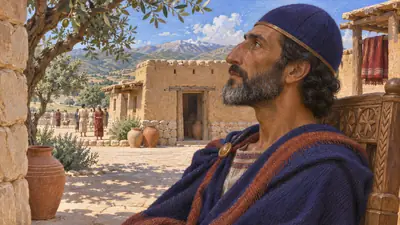
Idrimi acknowledges that he serves Parattarna. In the account on the stone, that pledge is what makes his kingship at Alalakh secure. The great king’s authority stands behind his own.
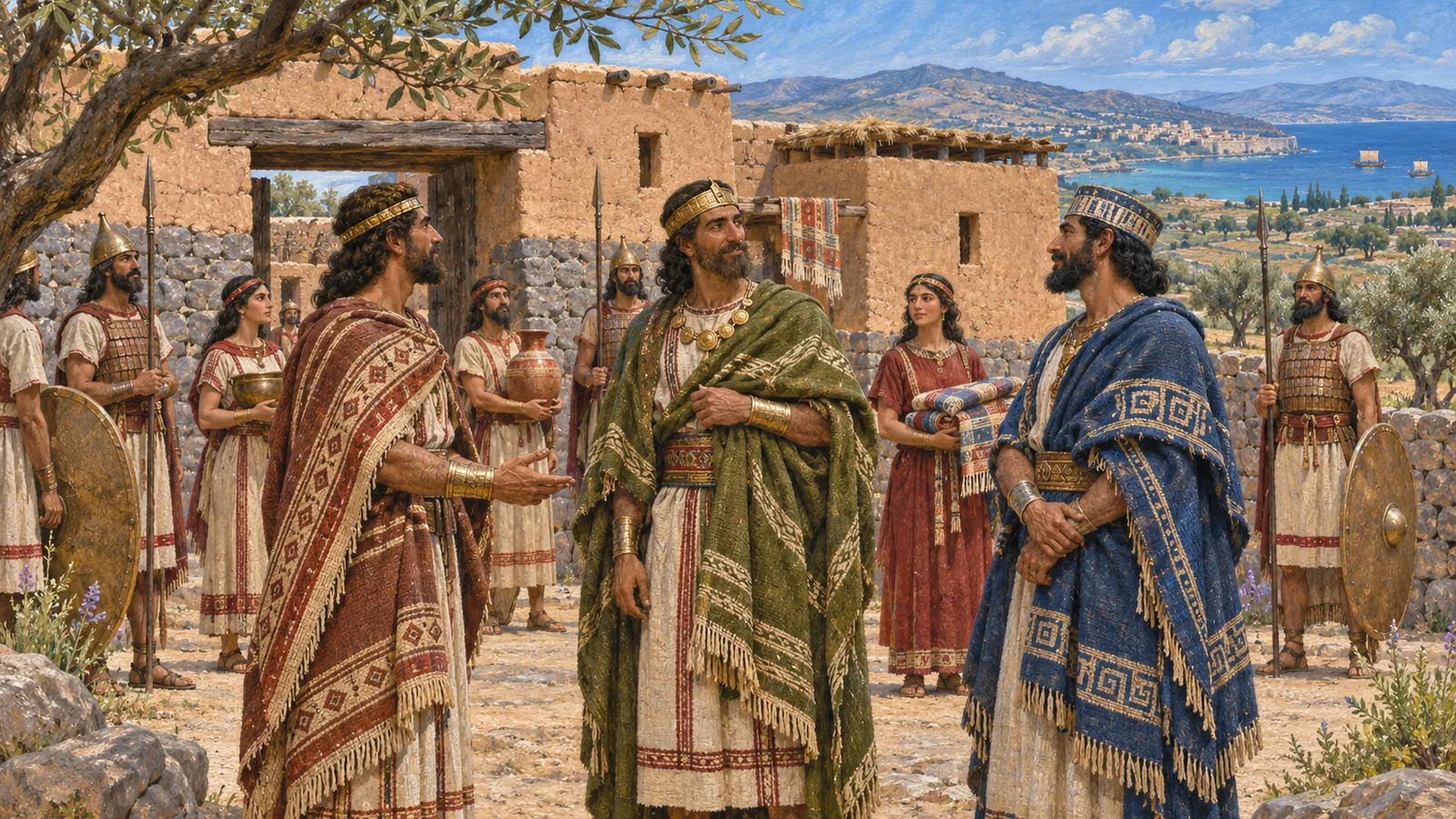
Rulers from the lands around him come to see him, Idrimi says. He claims standing equal to theirs, a claim he later makes again when describing his throne and family.
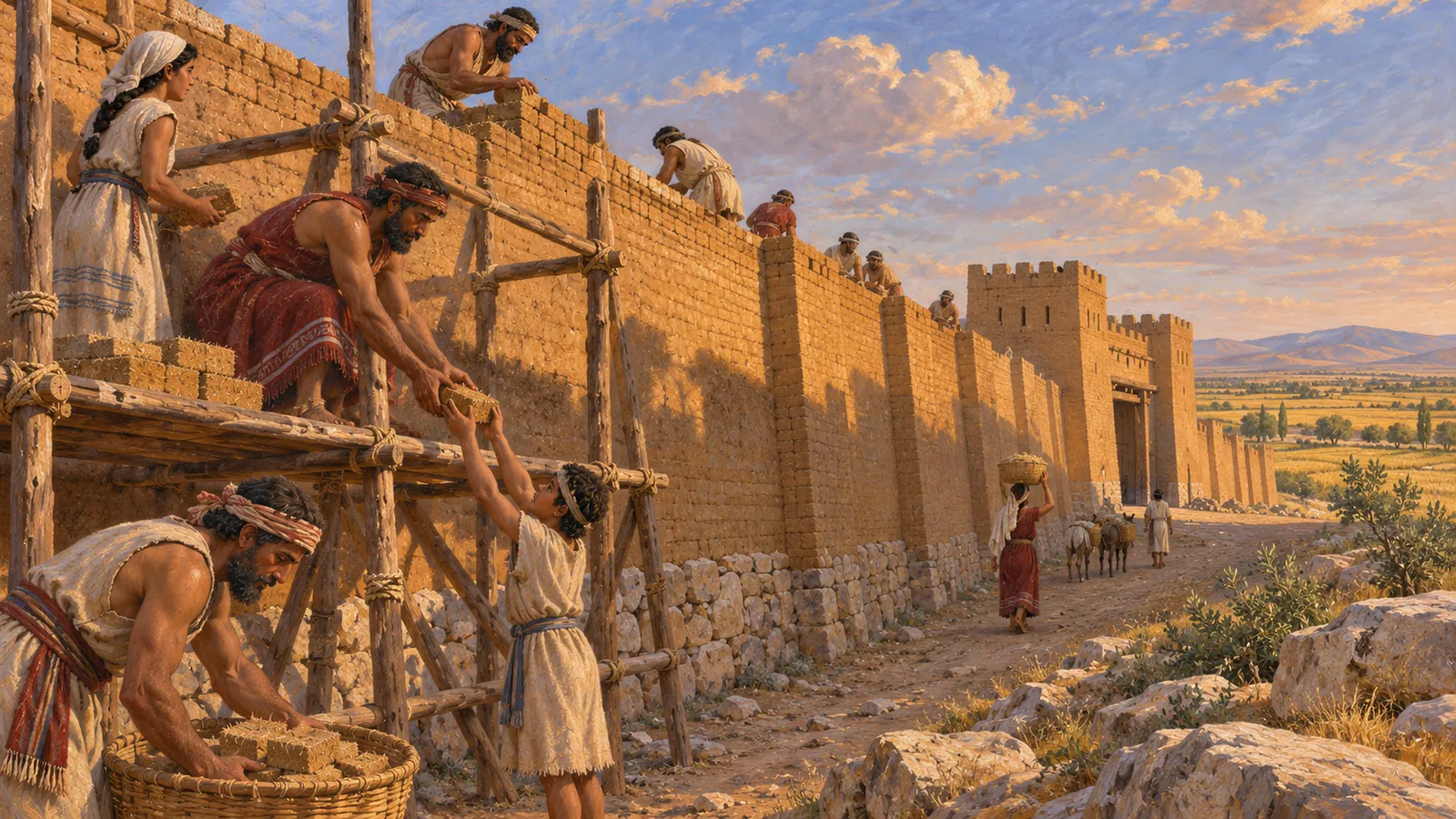
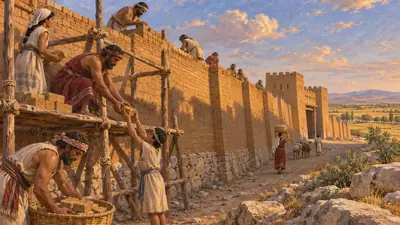
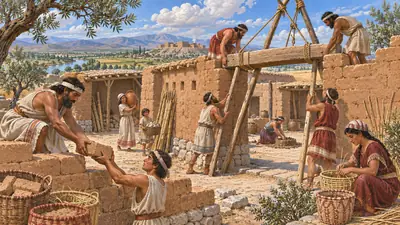
The wall built by his ancestors had fallen. Idrimi says he had it raised high again. This is the first act his account names after the recognition of his kingship.
HATTI
He names seven towns he says he captured in Hatti, including Passahe, Tamarutla and Zaruna. He also claims that he destroyed other towns and that no army came to oppose him.
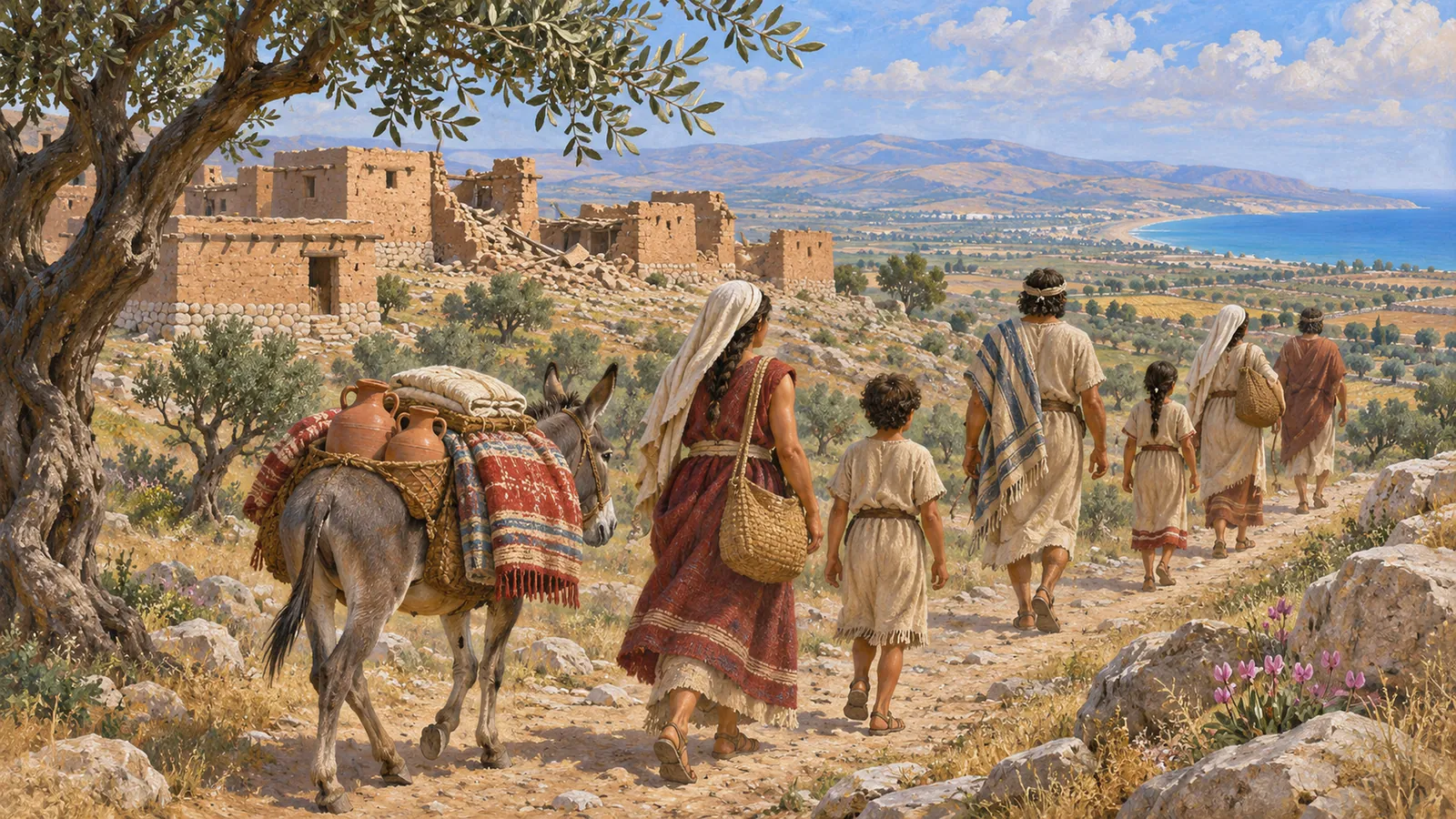
The account lists captives alongside valuable goods carried away. Idrimi records who received the goods, but supplies no names or voices for the people taken from those towns.
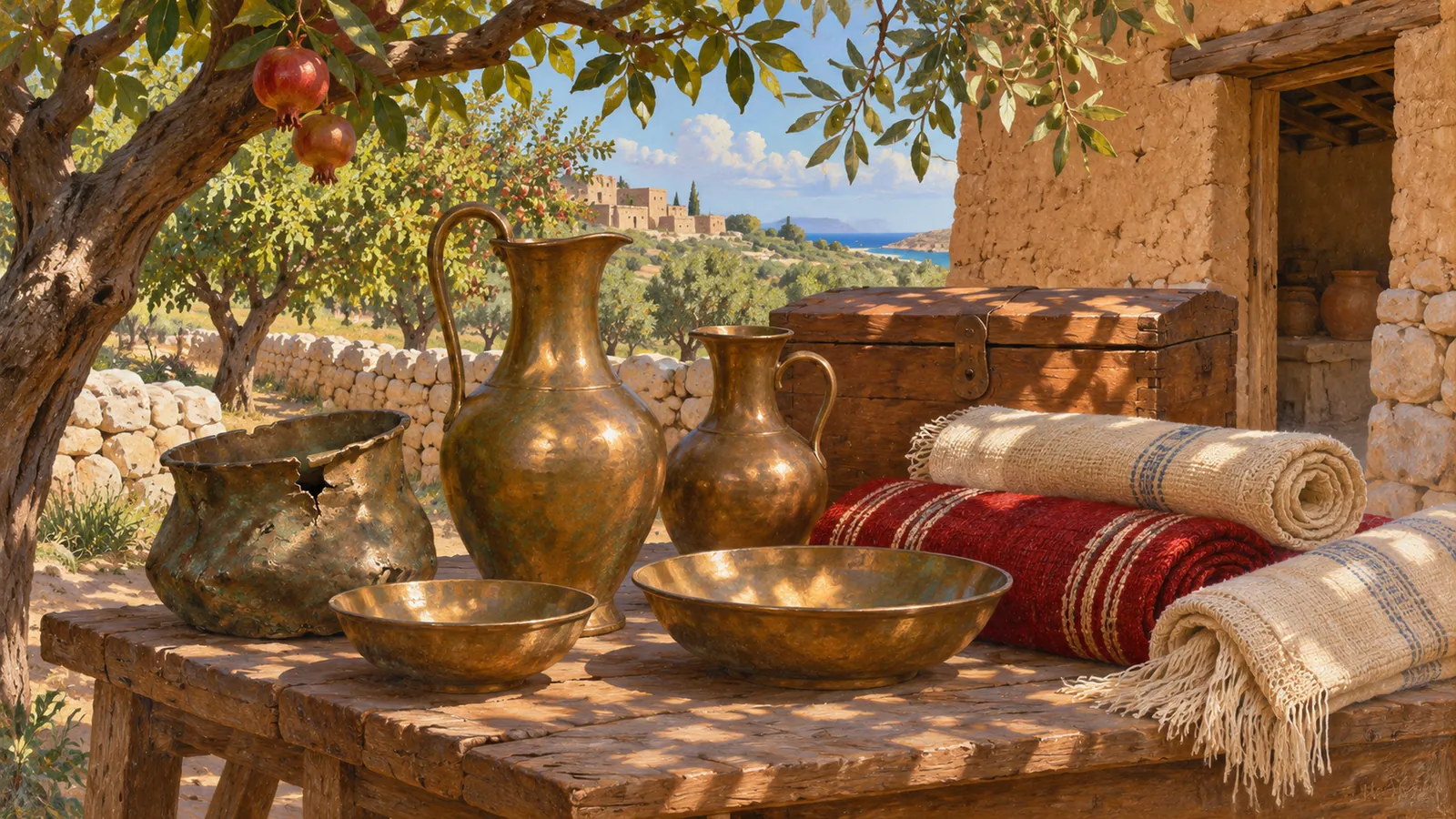
He divides what he took among his allies’ troops, his brothers and his companions. He claims the enemy’s weapon for himself, then returns to Mukish and enters Alalakh.
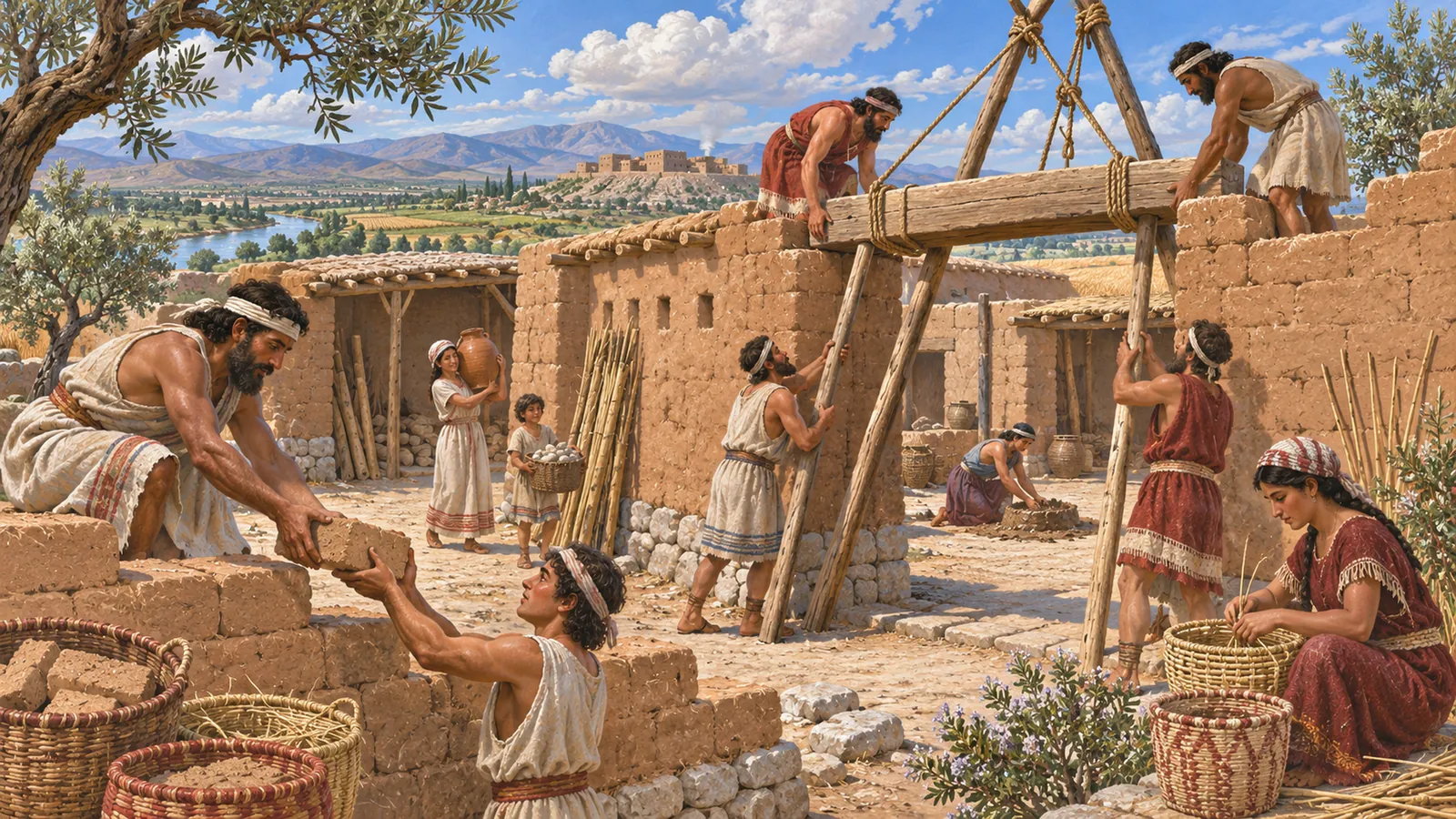
The statue connects the new royal house to captives, livestock and riches brought from Hatti. Idrimi measures his own throne and his household against those of other kings.
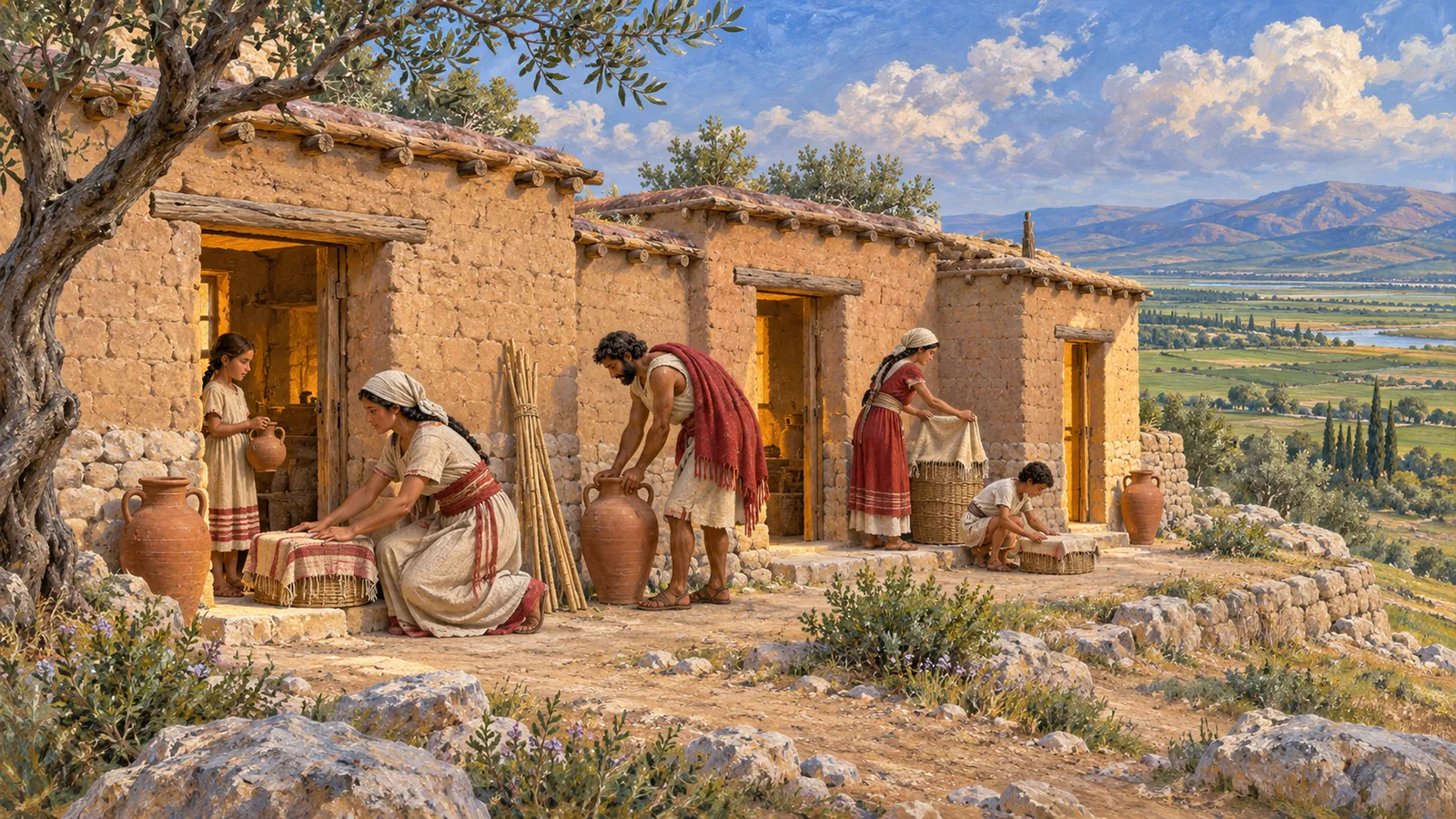
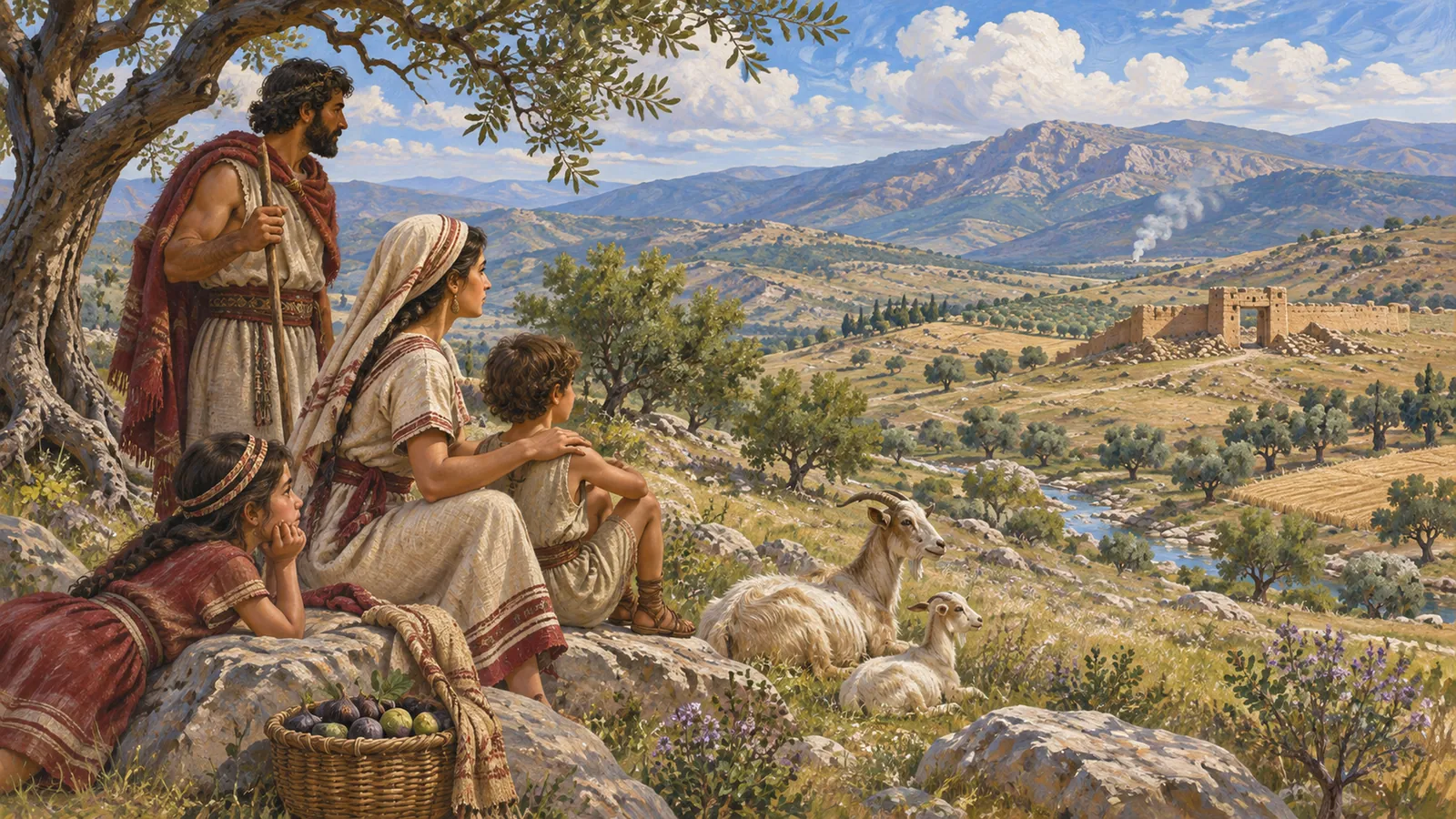
Idrimi says he gave homes to people who had none, offered security to others and made the cities of his land match the standing of their predecessors.
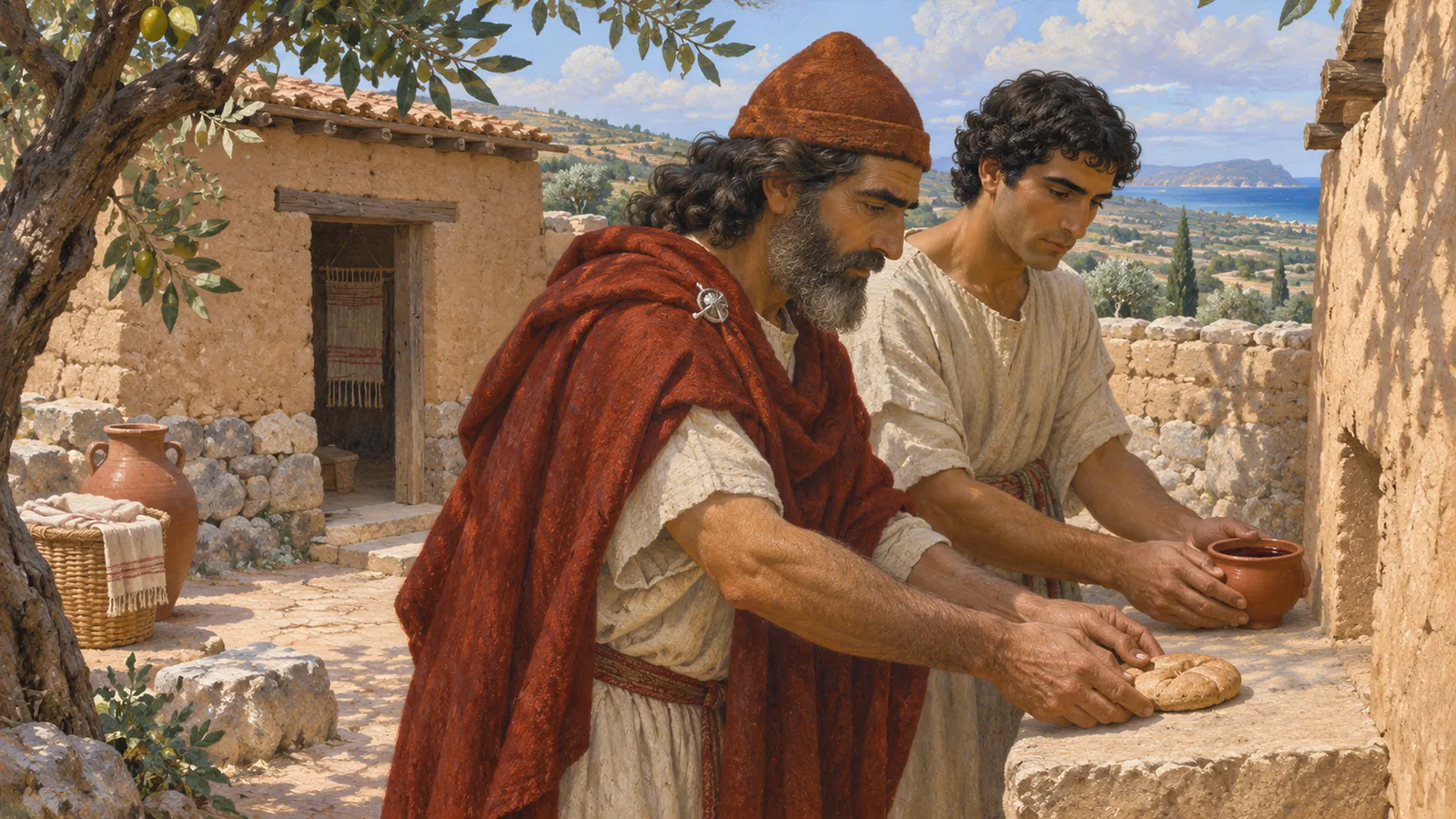
He describes maintaining the offerings of his forefathers at Alalakh. At the close of his account of kingship, he entrusts those religious duties to one of his sons.
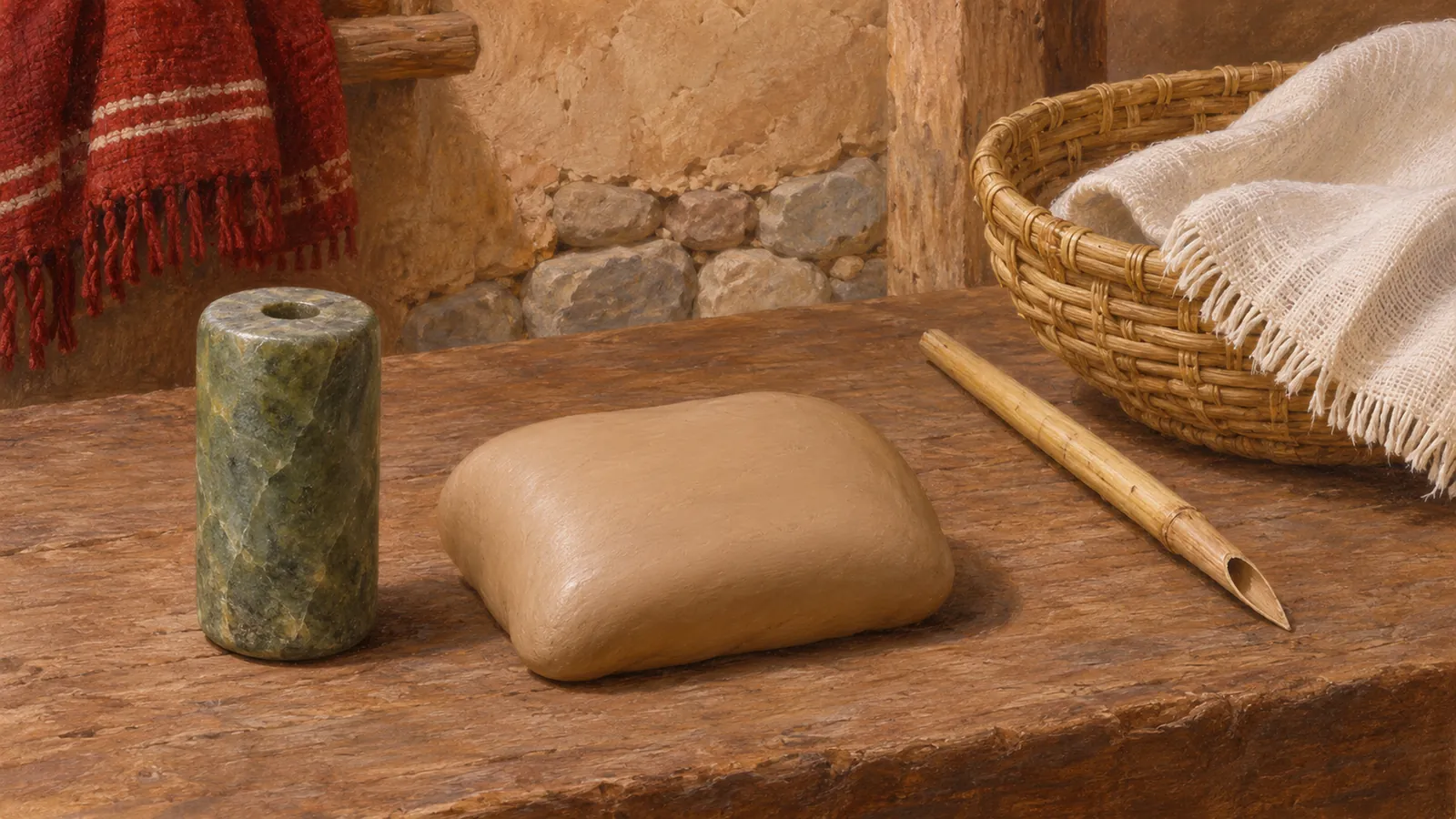
A tablet from the city records Idrimi’s treaty with Pilliya, ruler of Kizzuwatna. It invokes the oath with Parattarna and requires the return of people who fled enslavement.
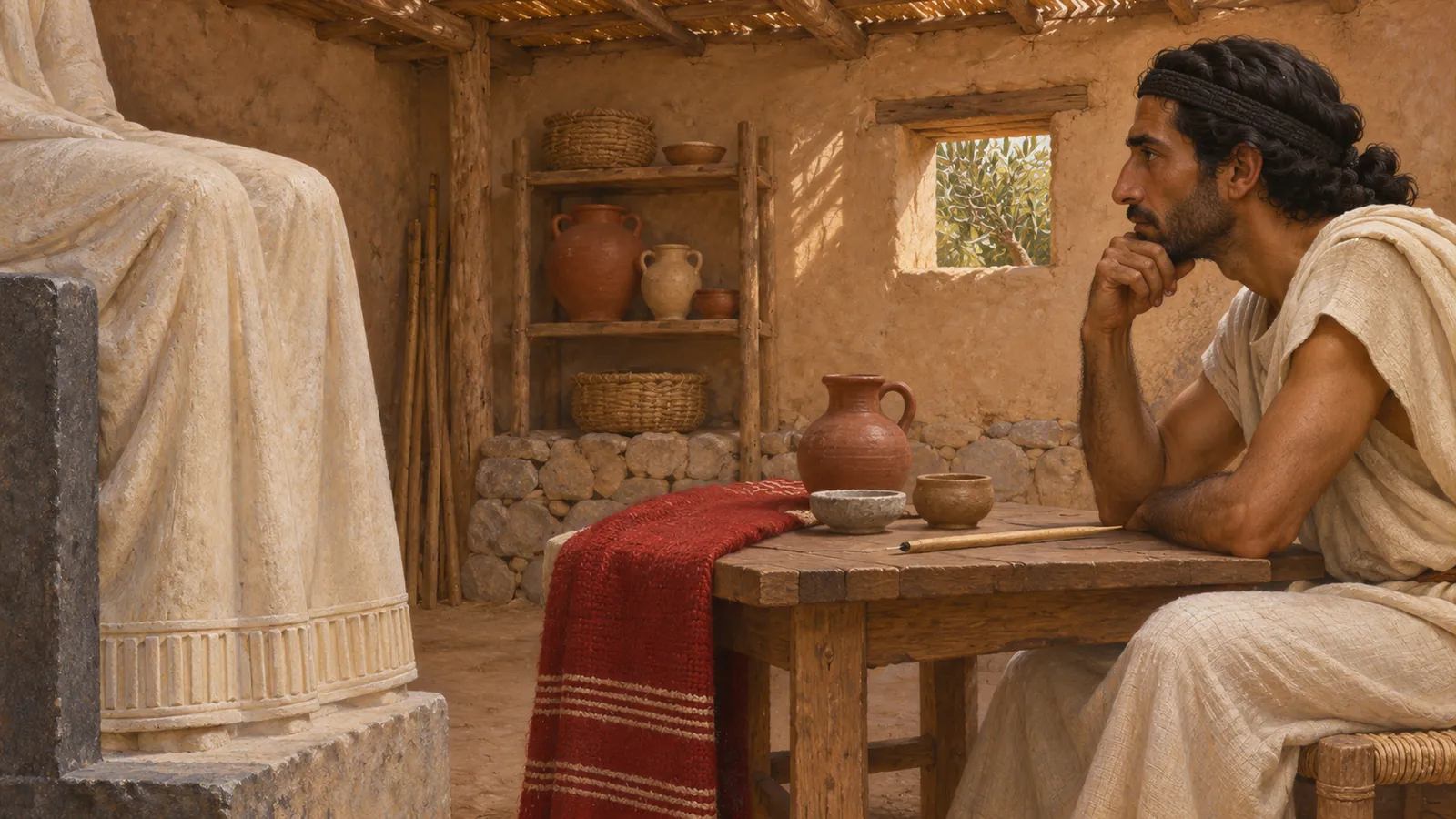
The statue calls on the gods to punish anyone who moves or alters it. Then Sharruwa names himself as its scribe and asks the gods to preserve his life.
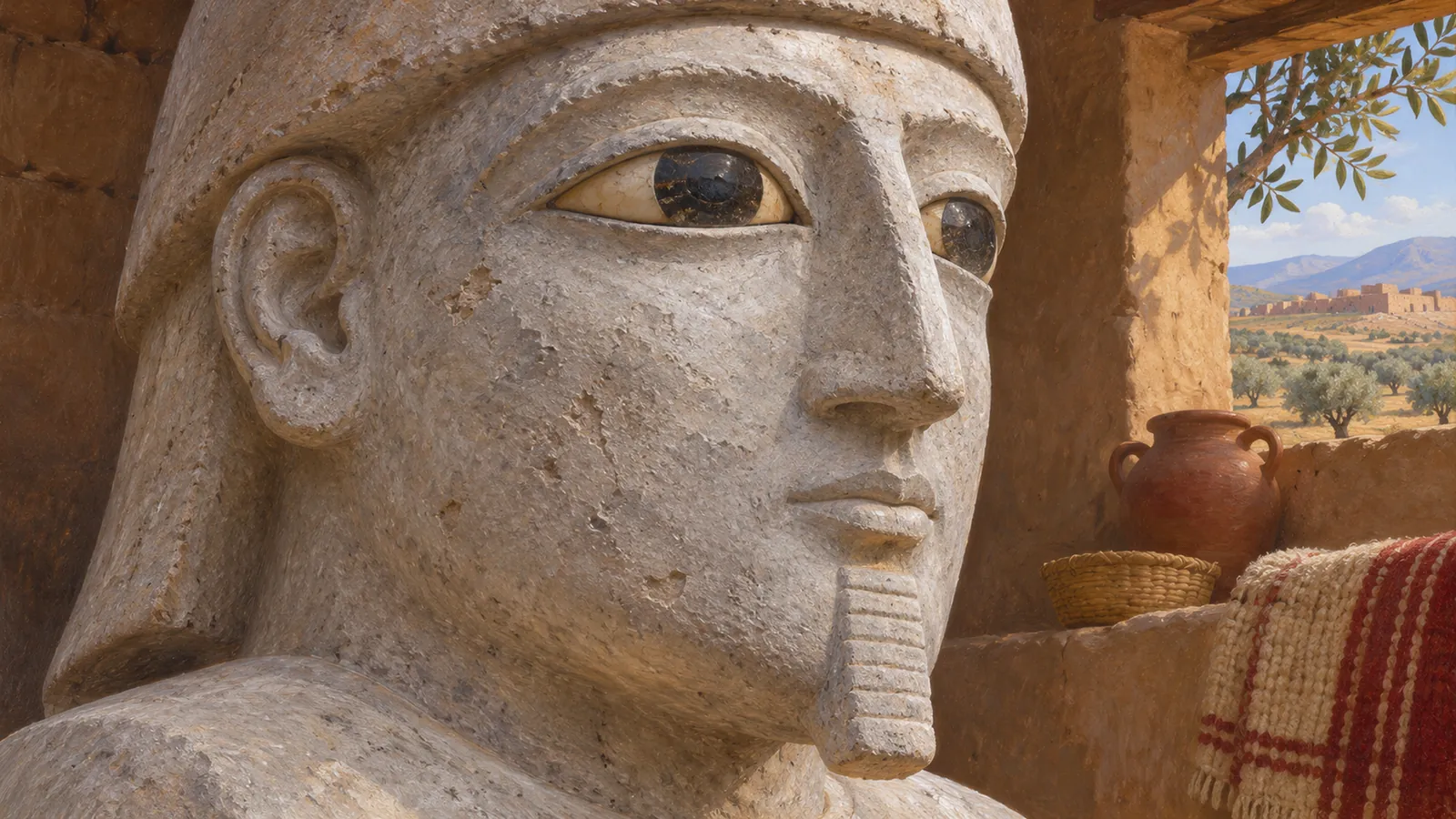
Three short lines on the statue’s right cheek carry a second inscription. Its royal voice claims thirty years of kingship and asks that future readers remember him with prayers.
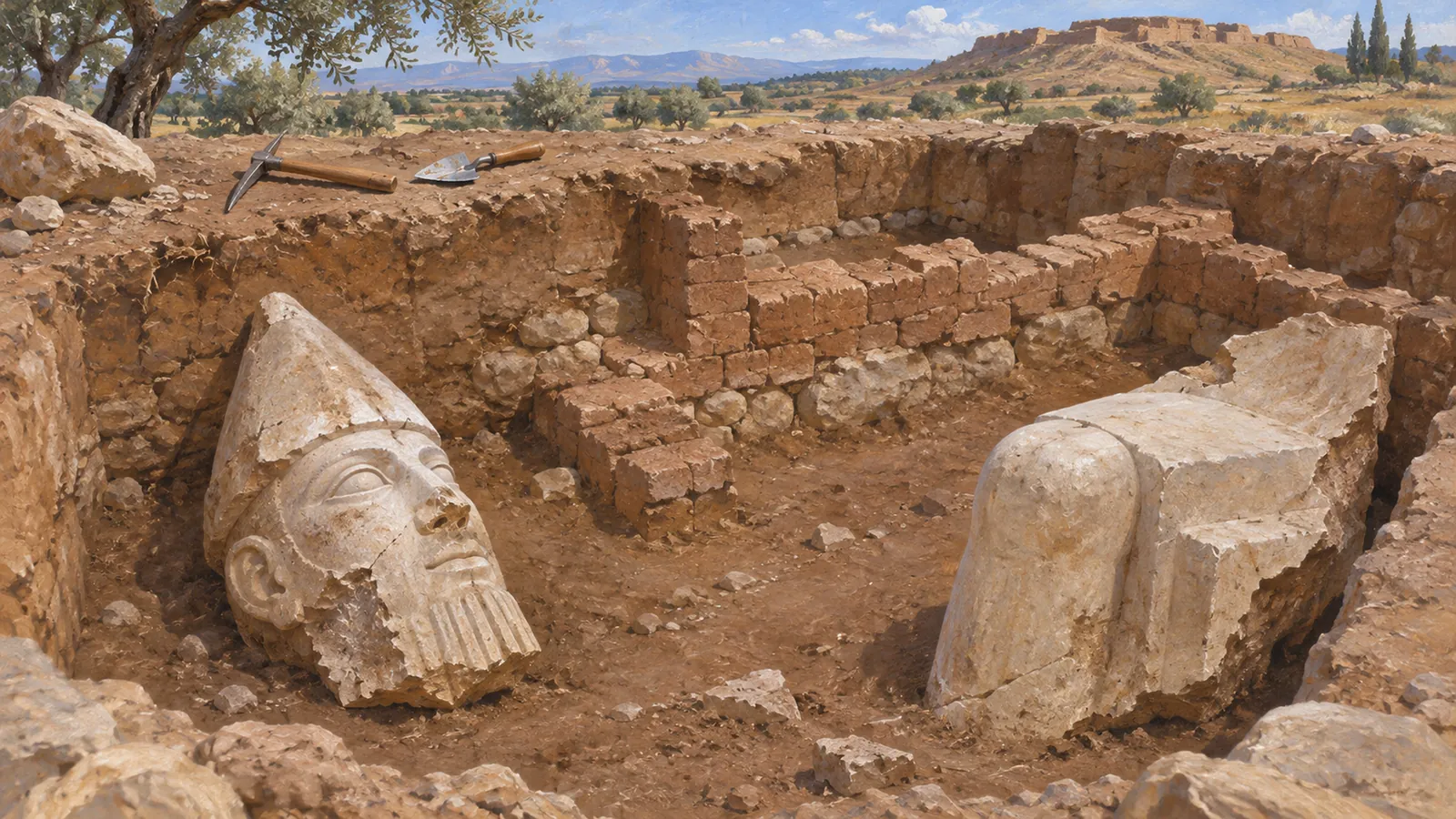
TELL ATCHANA
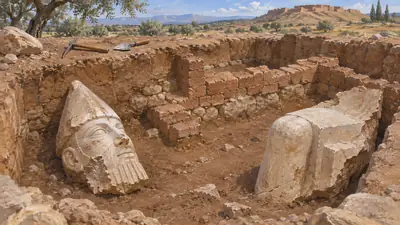
The excavation of Tell Atchana in 1939 brought the monument to light. The excavator described the broken head lying next to the body in a pit near the later temple.
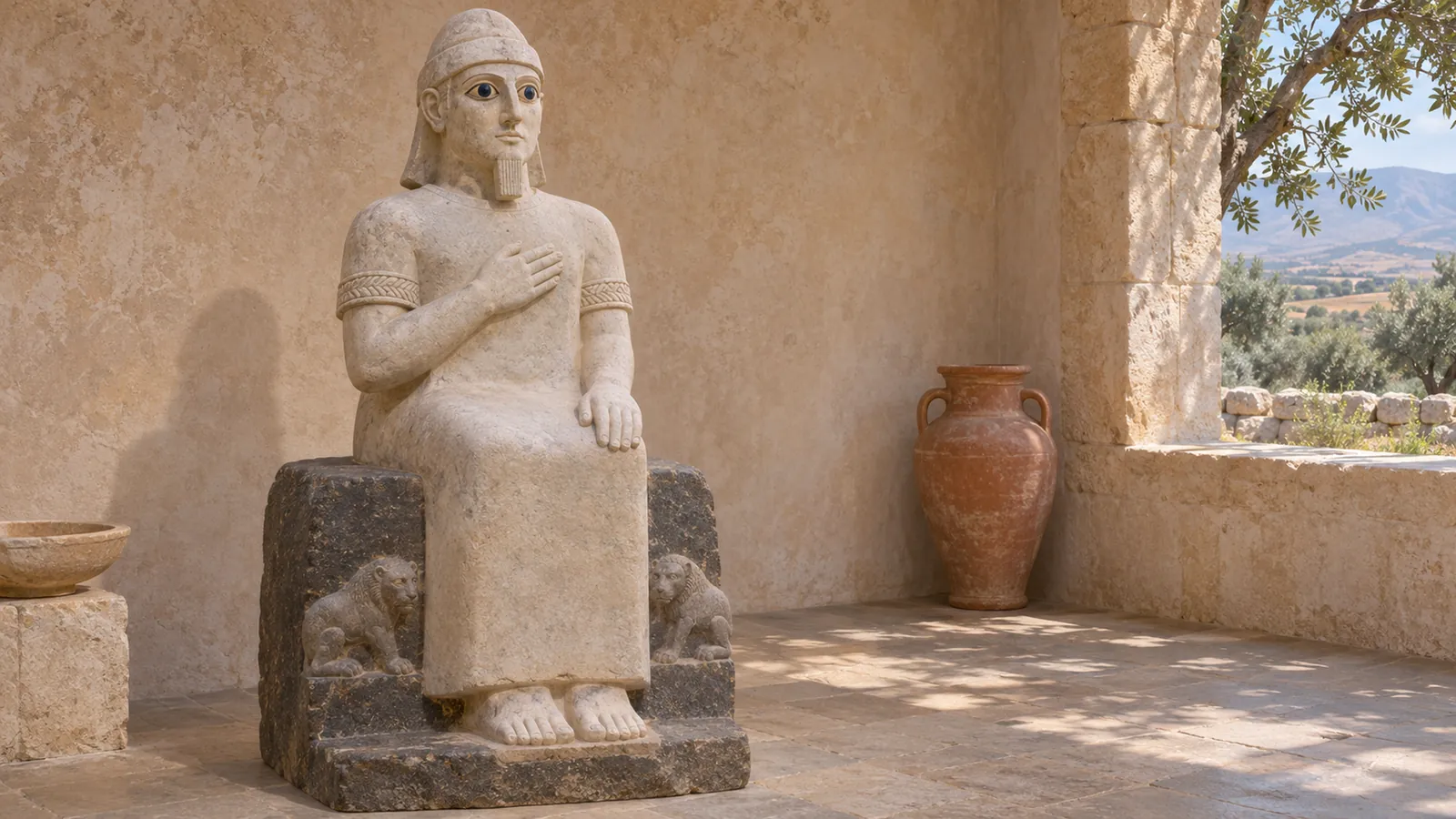
The statue and its basalt seat are now together again. The clay records attest to Idrimi’s rule. It is the stone figure that still tells the story as he wanted it heard.
End of chapter 1
All pages

Sources
Editions consulted
- British Museum, Statue of Idrimi, registration 1939,0613.101
- The Electronic Idrimi, ORACC edition of the body inscription, P500443
- Jacob Lauinger, The Labors of Idrimi, translation and historical discussion
- Donald J. Wiseman, The Alalakh Tablets, introduction to the archive and Tablet 3
- Factum Foundation, The Re-Materialisation of Idrimi, with the British Museum
- Cuneiform Digital Library Initiative, text and object record P500443
- British Museum, Statue of Idrimi, collection description: — object, excavation and physical dimensions.
- Jacob Lauinger, The Labors of Idrimi, SBL Press edition: — full text, translation, catalogue and commentary.
- Leonard Woolley, Alalakh: An Account of the Excavations at Tell Atchana in the Hatay: — excavation report and plates.
Ancient lines behind each page
- Page 1: Idrimi body inscription 1–2; CDLI P500443 and British Museum object 1939,0613.101
- Page 2: Idrimi body inscription 1–2
- Page 3: Idrimi body inscription 3–6
- Page 4: Idrimi body inscription 3–6
The text does not identify the crime or culprit. - Page 5: Idrimi body inscription 3–6; Lauinger, introduction pp. 3–4
- Page 6: Idrimi body inscription 3–6; Lauinger, introduction pp. 3–4
- Page 7: Idrimi body inscription 7–12
- Page 8: Idrimi body inscription 7–12
- Page 9: Idrimi body inscription 13–14
- Page 10: Idrimi body inscription 14–17a, damaged clause
- Page 11: Idrimi body inscription 14–17a, damaged clause
- Page 12: Idrimi body inscription 17b–20
- Page 13: Idrimi body inscription 17b–20; Lauinger, introduction p. 4
- Page 14: Idrimi body inscription 21–23
- Page 15: Idrimi body inscription 24–26
- Page 16: Idrimi body inscription 24–26
- Page 17: Idrimi body inscription 27–28; Lauinger, introduction pp. 4–5
- Page 18: Idrimi body inscription 27–28; Lauinger, introduction pp. 4–5
- Page 19: Idrimi body inscription 28
- Page 20: Idrimi body inscription 28–29
- Page 21: Idrimi body inscription 29–30
- Page 22: Idrimi body inscription 30
- Page 23: Idrimi body inscription 31
The specialized word nullu has uncertain exact meaning. - Page 24: Idrimi body inscription 31–33
- Page 25: Idrimi body inscription 33–34a; Lauinger, introduction p. 5
- Page 26: Idrimi body inscription 33–34a
- Page 27: Idrimi body inscription 34b–35
- Page 28: Idrimi body inscription 35–36
- Page 29: Idrimi body inscription 36–39a
- Page 30: Idrimi body inscription 39b–42a
- Page 31: Idrimi body inscription 42b–45; Lauinger §2.7
Name follows the statue and Tablet 3, see source notes. - Page 32: Idrimi body inscription 45–47
- Page 33: Idrimi body inscription 47–51a
- Page 34: Idrimi body inscription 47–51a; Lauinger §§1.1 and 6.1
- Page 35: Idrimi body inscription 51b–55
- Page 36: Idrimi body inscription 55–56
- Page 37: Idrimi body inscription 56–58
- Page 38: Idrimi body inscription 59–60a, 81–84
- Page 39: Idrimi body inscription 60b–64
- Page 40: Idrimi body inscription 64–72; CDLI P500443 and Lauinger, introduction p. 7
Names stable examples from the seven. - Page 41: Idrimi body inscription 72–74
- Page 42: Idrimi body inscription 73–78a
- Page 43: Idrimi body inscription 78b–84
- Page 44: Idrimi body inscription 84–87a
- Page 45: Idrimi body inscription 87b–91
- Page 46: Alalakh Tablet 3, Wiseman pp. 31–32 and Lauinger §2.7
- Page 47: Idrimi body inscription 92–101
- Page 48: Idrimi cheek inscription CI 1–3; Lauinger, introduction pp. 2–3
- Page 49: Woolley, Alalakh, excavation report; Lauinger §2.3
- Page 50: British Museum object 1939,0613.101; CDLI P500443 and Lauinger §§2.7–2.8
Illustrations made with AI tools by IL Archive; the text is based on the ancient sources (see the sources at the end of each chapter).