Person
Parattarna
- Names
- Barattarna · Barattarna I · Parattarna · Parattarna I · Parrattarna
- Timeline
- From 1475 BCE to 1425 BCE
- Region
- Mesopotamia and the Levant
The first king of Mittani known from documents of his own time. He appears almost only through his vassal Idrimi of Alalakh, whose throne he confirmed with an oath in the fifteenth century BCE.
Estimated reading time: 5 min Published Last reviewed:
Share article
Text
Introduction
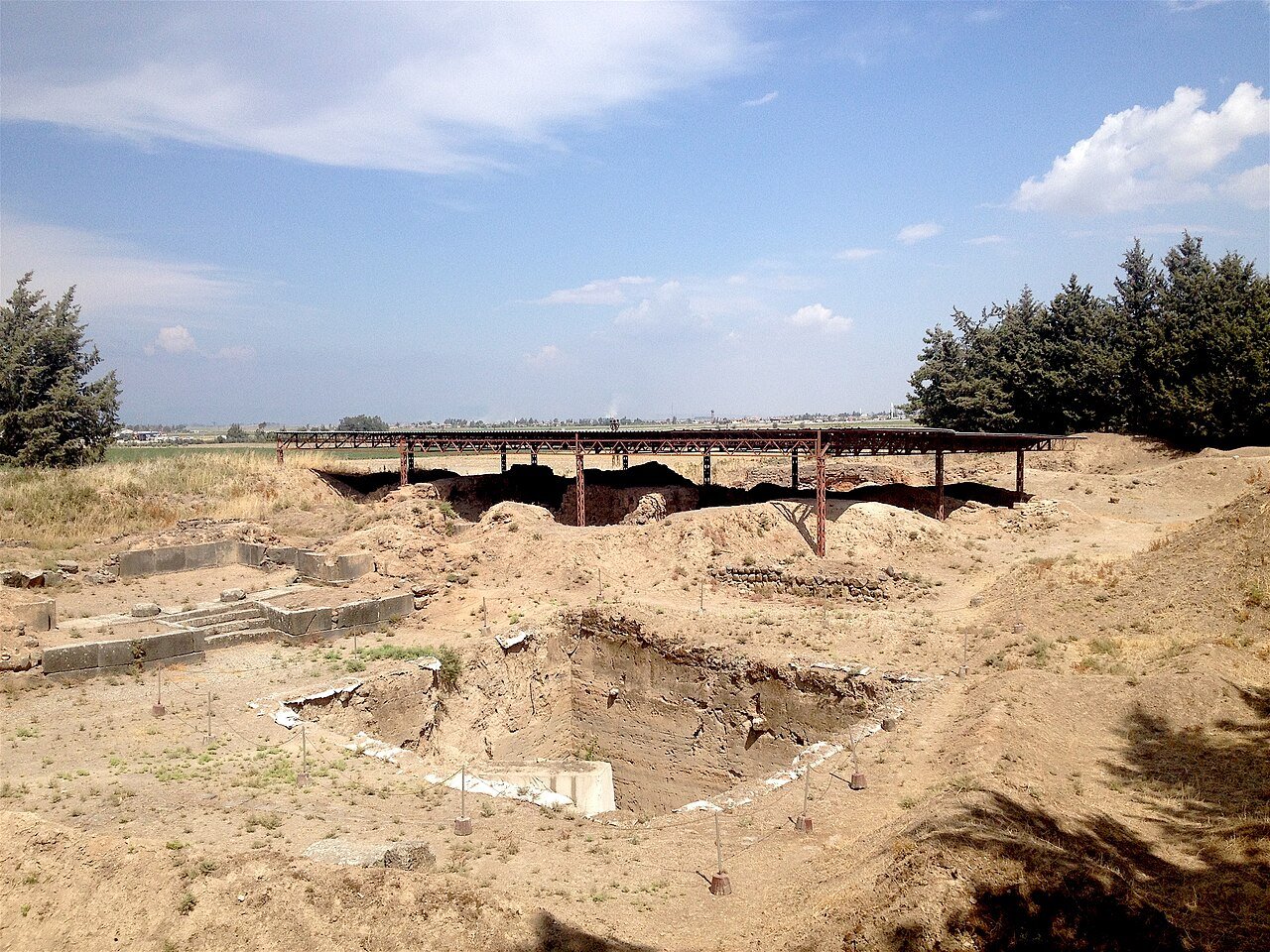
Parattarna, also written Barattarna, was a king of Mittani, the kingdom ruled by HurrianHurriansAncient Near Eastern groups and language, prominent in northern Mesopotamia, the Levant and Anatolia in the second millennium BCE.Glossary · Click to read the explanation kings that was the great power of northern Syria and upper MesopotamiaMesopotamiaHistorical region associated with the Tigris and Euphrates: Uruk, Ur, Eridu, cuneiform, Sumer, Akkad, Babylon and Assyria, their languages and cults, and the limits of archaeological evidence.Glossary · Click to read the explanation in the Late Bronze AgeLate Bronze AgeAn archaeological period around 1600–1200 BCE in much of the Near East, with international diplomacy, exchange and religious diversity; its endpoints vary by region.Glossary · Click to read the explanation. He is the first king of Mittani known by name from documents written in his own time, and he probably ruled around the middle of the fifteenth century BCE. [1]
Yet he is a shadowy figure. As the historian Eva von Dassow put it, he is "virtually unknown except in relation to his vassal Idrimi", the king of Alalakh. Almost everything we know about him comes from two sources found at Alalakh: the Statue of Idrimi and a treaty tablet. This entry sets out what those sources say, and where they leave questions open. [1]
The king in Idrimi's story
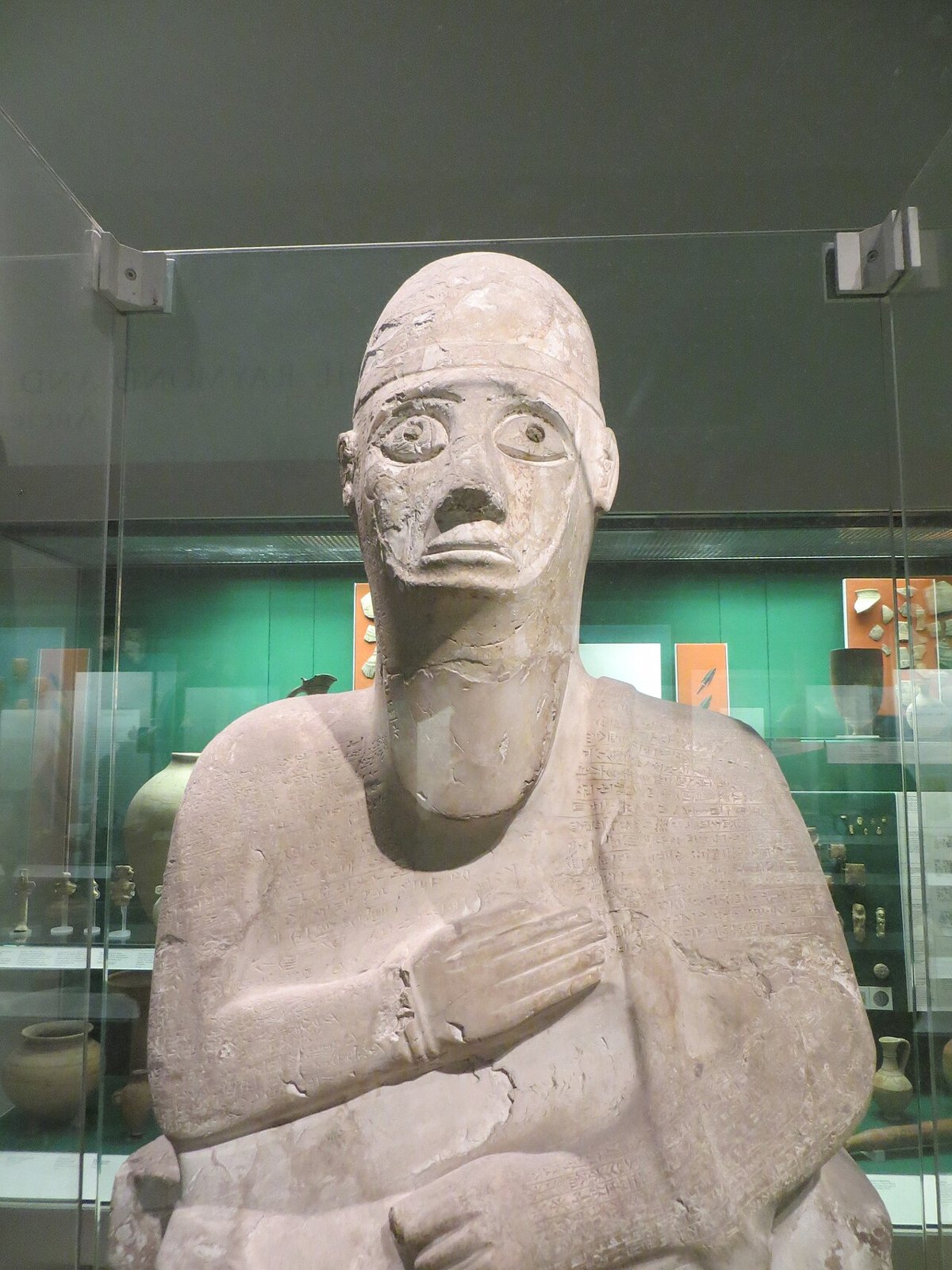
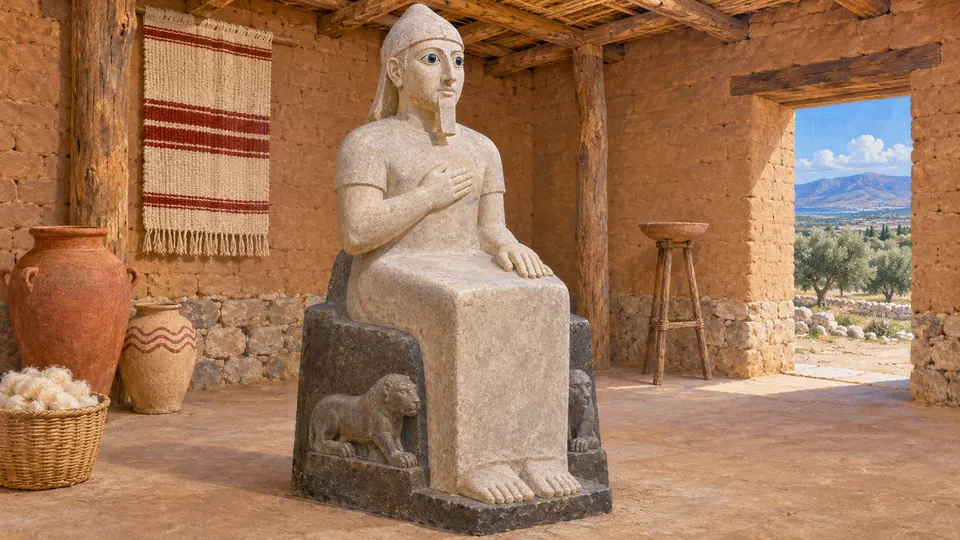
Idrimi's statue tells his life story in the first person, in AkkadianAkkadianAn ancient East Semitic language written in cuneiform from the third millennium BCE; its varieties include Babylonian and Assyrian, and it served in international diplomacy.Glossary · Click to read the explanation written in cuneiformCuneiformWriting with wedge-shaped signs, developed from Mesopotamian recording traditions and used for several languages from the third millennium BCE.Glossary · Click to read the explanation, the wedge-shaped script. After years in exile, Idrimi took Alalakh. Then, he says, the great king of the region turned against him:
Translation: Jacob Lauinger, The Labors of Idrimi (2024), p. 6, lines 43–47. [1][2]
Idrimi reminded Parattarna that his ancestors had served the Hurrian kings. The "mighty king" accepted his peace offering, an oath was sworn, and only then does the text say "and so I was king". In plain terms, Idrimi became a vassal, or client king: he kept his throne by accepting a greater king above him, much as a branch manager answers to a head office. The statue suggests that Alalakh was not truly his until Parattarna recognised him. [1][2]
Edward Greenstein and David Marcus noticed that this passage reads like the opening of a treaty, where the past relations of the two sides are recalled before the terms. They suggested that it summarises a lost treaty between Idrimi and Parattarna. Jacob Lauinger accepts that such a treaty may lie behind the passage, but shows that it was carefully reworked into poetic lines. [3][1]
Puzzling titles
The statue gives Parattarna three titles. "Mighty king" may be simple praise, or, as Guy Bunnens argued, a title for a king who stood above other kings; others have rejected that reading. [1]
"King of the Umman-manda" is harder. The Umman-manda were the wild "enemy horde" of old Mesopotamian legends, such as the story of the Akkadian king Naram-Sin and the invaders. The signs are written in an unusual form, Umman-wanda. Greenstein and Marcus did not read a title here at all: they took the signs as the name of a messenger, "Anwanda", whom Idrimi sent to Parattarna. Lauinger checked the stone and found no sign marking a personal name, so he reads Umman-wanda, a deliberate echo of the old legends. Scholars remain divided. [3][1]
The treaty tablet
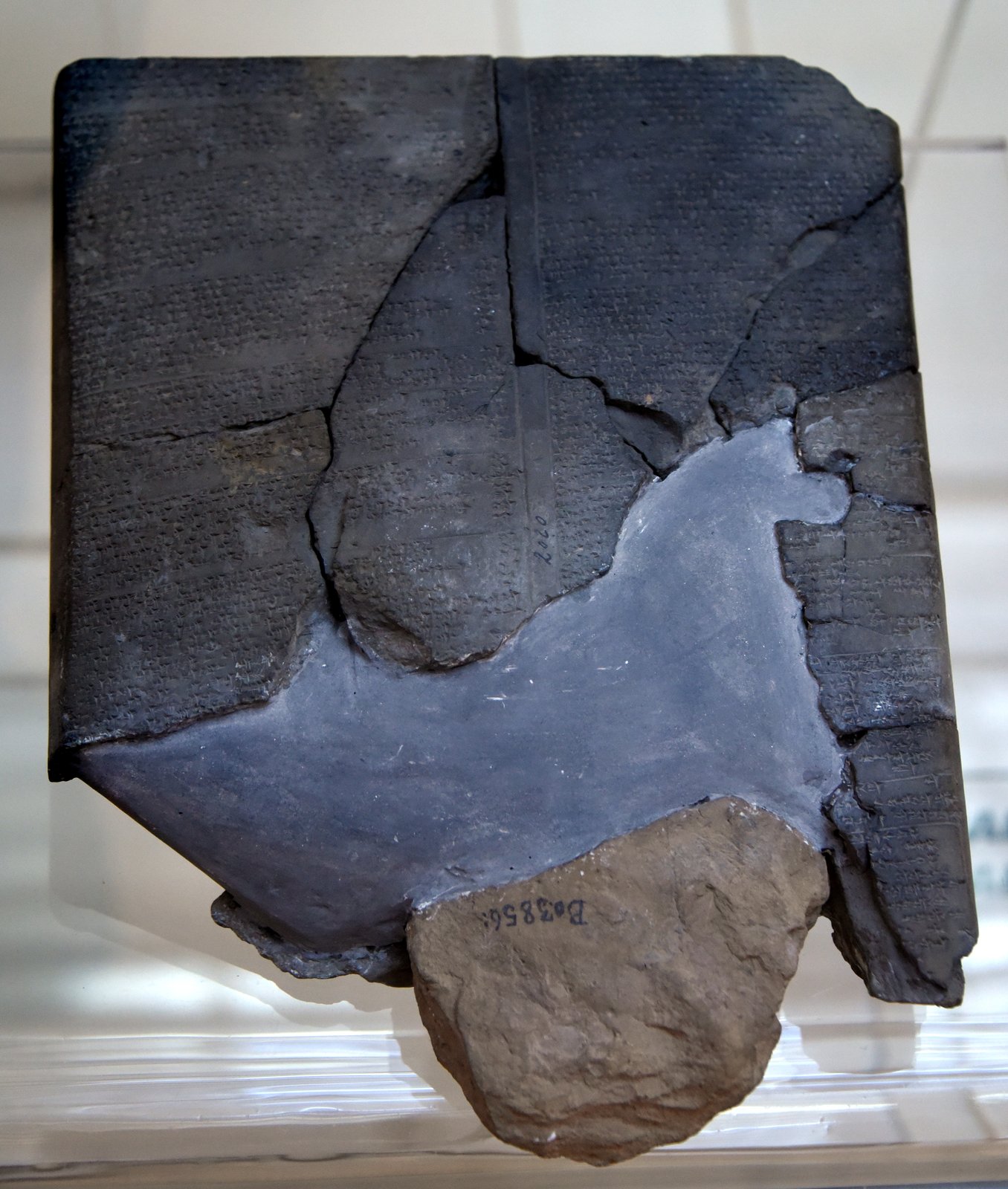
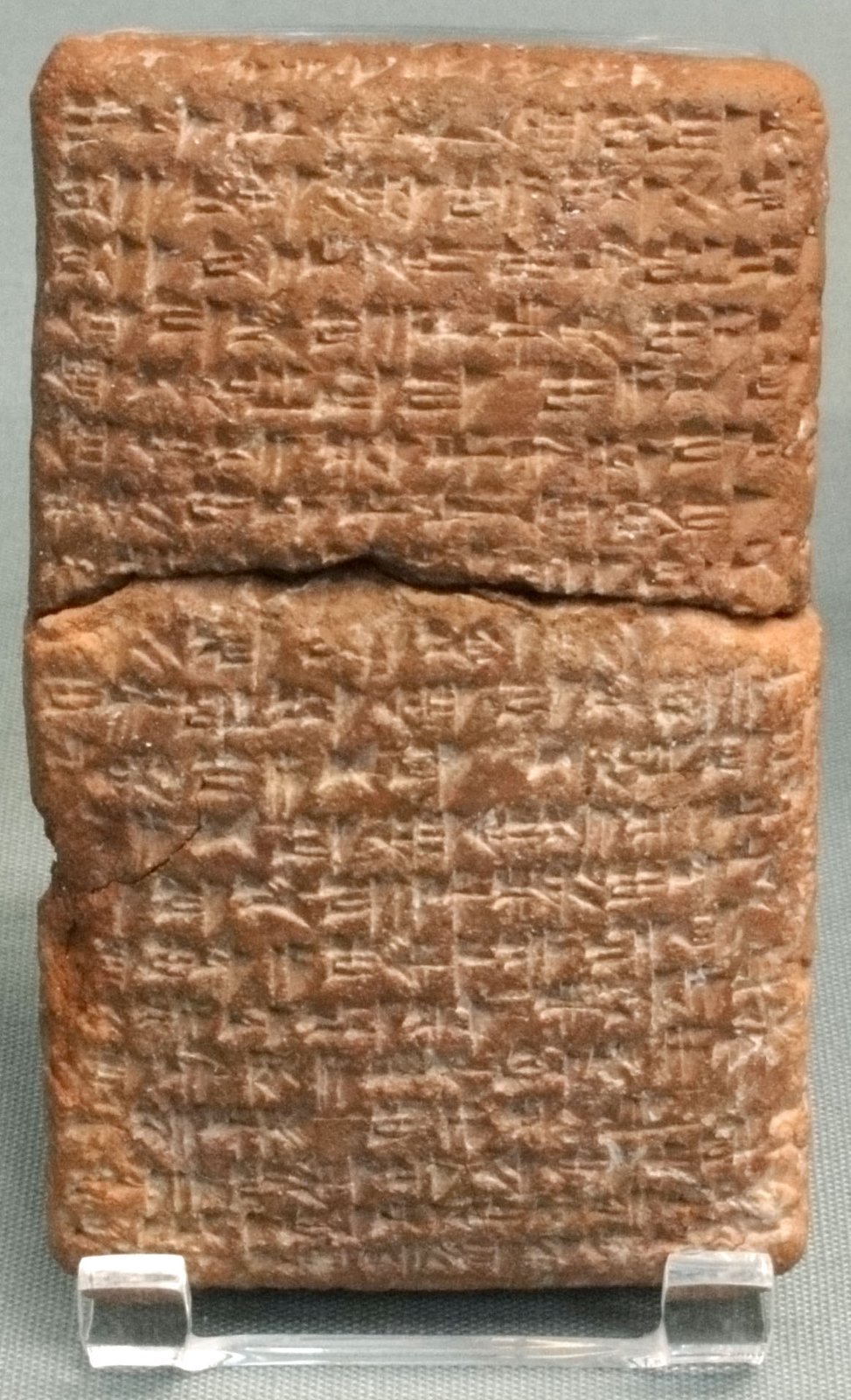
The second witness is a clay tablet from Alalakh, now in the British Museum, recording a treaty between Idrimi and Pilliya, ruler of Kizzuwatna, a kingdom in what is now CiliciaCiliciaHistorical region on Anatolia’s southern coast in modern Türkiye, with plains and uplands connected to the Levant and Anatolian interior.Glossary · Click to read the explanation in southern TürkiyeTurkeyTurkey is a modern country including Anatolia and territory in southeastern EuropeGlossary · Click to read the explanation. It deals with runaways, such as escaped slaves, and how each side must return them. Its last clause says it takes effect "on whatever day Parattarna swore the oath of the gods with Idrimi". Outside the statue, this clause is the main link between the historical Idrimi and Parattarna. [1]
Many scholars read the clause as a sign that both Idrimi and Pilliya were vassals of Parattarna, who ratified the treaty. Daniel Schwemer suggested instead that Pilliya was an independent ruler allied with the HittitesHittitesAncient people and kingdom of Anatolia, dominating much of Anatolia and northern Syria around 1650–1200 BCE.Glossary · Click to read the explanation. Jared Miller defends the first view: a vassal could make agreements with another vassal of his lord, but not with a ruler hostile to that lord. [4][1]
Outside Alalakh, Parattarna's name has also been found at Terqa, a city on the middle Euphrates. None of these sources calls him "king of Mittani" in so many words, but the name Mittani seems to have been in use shortly before his time. [1]
Did he take Aleppo?
Idrimi's family fled from AleppoAleppo, historical cityNorthern Syrian city whose region appears in Mari reports, with architecture from multiple periods.Glossary · Click to read the explanation after a disaster in his father's house that the text never explains. Some scholars, von Dassow among them, think that this was an early step in Mittani's expansion, perhaps a seizure of Aleppo. Lauinger is more cautious: Idrimi's claim that his ancestors had always served the Hurrian kings does not prove that Parattarna or his predecessors drove the family out. [1]
One Parattarna, or two?
A tablet from Nuzi, a town east of the Tigris near modern Kirkuk, mentions the death of a king Parattarna. It was once read as saying that the king "died and was cremated". It was often cited as the oldest written evidence for cremation in the region, and even linked to theories about the origins of Mittani's ruling family. In 1974–1976 the scholars E. Gaál, Igor Diakonoff and Gernot Wilhelm showed that the text says no such thing. Wilhelm took it to record a cloth cover burned after the king's death, probably the one he had lain on, not his body. [5]
Wilhelm also noticed a problem of time. The Nuzi tablet seems close in date to a letter of Shaushtatar, a later king of Mittani, whose own seal names his father as Parsatatar. Either Parattarna reigned for a very long time, or there were two kings of that name. Wilhelm weighed both answers. Lauinger, following von Dassow, now separates them: Parattarna I, the overlord of Idrimi, and a later Parattarna II, whose death is recorded at Nuzi. [5][1]
Egyptian sources do not help here. Inscriptions of the pharaoh Thutmose III boast of defeating "the army of Mitanni" but do not name its king, and Wilhelm judged attempts to date Mittani's kings by his campaigns in Syria "far too speculative". [5]
How we date him
Because Parattarna is known almost only through Idrimi, the two men's dates rise and fall together. Von Dassow first placed Idrimi's accession around 1475 BCE, and later around 1450 BCE. Parattarna's reign is set in the same decades. [1]
References and notes (5)
- Jacob Lauinger, The Labors of Idrimi: Reading a Statue and Its Inscriptions (Ancient Near East Monographs 33; Atlanta: SBL Press, 2024), open access Introduction, pp. 6–7 (the Parattarna episode, lines 42–60, with translation) and p. 15 (von Dassow's dates for Idrimi); § 2.3, p. 38 with n. 8 (the Idrimi–Parattarna synchronism in AlT 3, the treaty clause, von Dassow's "virtually unknown" remark); p. 68 (Vidal and Greenstein–Marcus on a lost treaty); p. 82 (lines 43–46 as reworked poetic lines); pp. 190–191 (the "misfortune" at Halab and Mittani); Appendix commentary on lines 43–46, pp. 221–226 (date, attestations at Alalah and Terqa, Parattarna II at Nuzi, the name Mittani, šarru dannu, Umman-wanda) and on line 56, p. 239. Return to the text ↑
- Jacob Lauinger, The Electronic Idrimi: Statue of Idrimi, body inscription (P500443; British Museum 130738, 1939,0613.101), Oracc digital edition Transliteration and translation of lines 42–60 (Parattarna's hostility, Idrimi's message, the oath, "and so I was king"). Return to the text ↑
- Edward L. Greenstein and David Marcus, “The Akkadian Inscription of Idrimi,” Journal of the Ancient Near Eastern Society 8 (1976): 59–96 Translation, pp. 67–68 (lines 42–58, reading “Anwanda” as a messenger), and commentary on lines 43–58, pp. 82–85 (the passage as a synopsis of a treaty between Idrimi and Barattarna). Return to the text ↑
- Jared L. Miller, “Two Notes on Kizzuwatna’s Status as a Hittite Vassal in the Middle Hittite Period,” in M. Cammarosano, E. Devecchi and M. Viano (eds.), talugaeš witteš: Ancient Near Eastern Studies Presented to Stefano de Martino (Kasion 2; Münster: Zaphon, 2020), 345–350 Section 1, pp. 345–346: the treaty of Idrimi and Pilliya (AlT 3) ratified before Barrattarna I of Mittani, Schwemer's view of Kizzuwatna as independent, and Miller's arguments against it. Return to the text ↑
- Gernot Wilhelm, “Parrattarna, Šauštatar und die absolute Datierung der Nuzi-Tafeln,” Acta Antiqua Academiae Scientiarum Hungaricae 24 (1976): 149–161 Whole article, esp. pp. 149–151 (Gaál's and Diakonoff's re-reading of HSS XIII 165: no cremation), pp. 155–158 (the Šauštatar letter and Parrattarna's death in the same span; the Alalakh sequence; one long reign or Parrattarna I–Paršatatar–Šauštatar–Parrattarna II; the burned cover; Thutmose III synchronisms too speculative) and n. 2 (K. A. Kitchen on Egyptian mentions of Mitanni). Return to the text ↑
Suggest a correction · Suggest a source for this record
Cite this record
IL Archive, «Parattarna», https://ilarchive.com/en/people/parattarna
Continue reading
Related readings