Nanna’s Journey to Nippur Chapter 1
A barge full of gifts
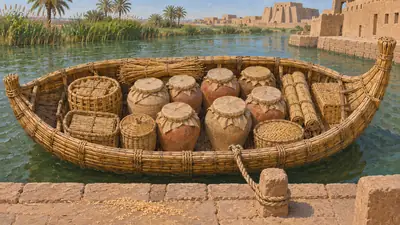
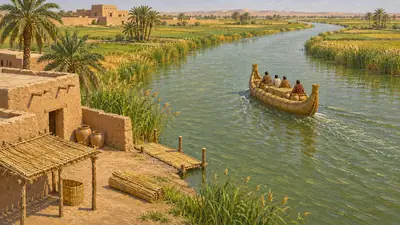
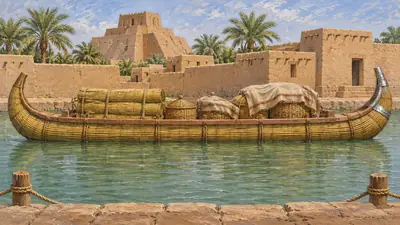
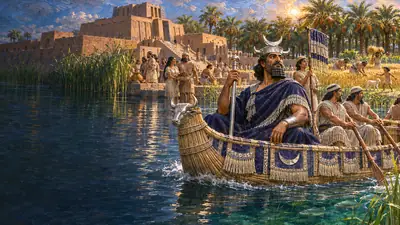
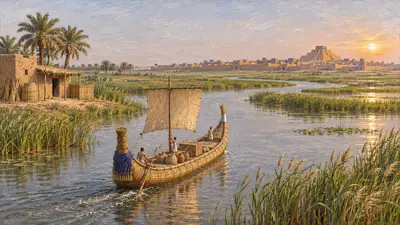
The boat begins with reeds, pitch and wood gathered from far places. Nanna-Suen fills it with gifts and follows the water to Nippur. In Enlil’s house, the cargo is received and the son asks his father for abundance for Ur.
SourcesTurn the pages with the arrows, the arrow keys or a swipe.
THE JOURNEY
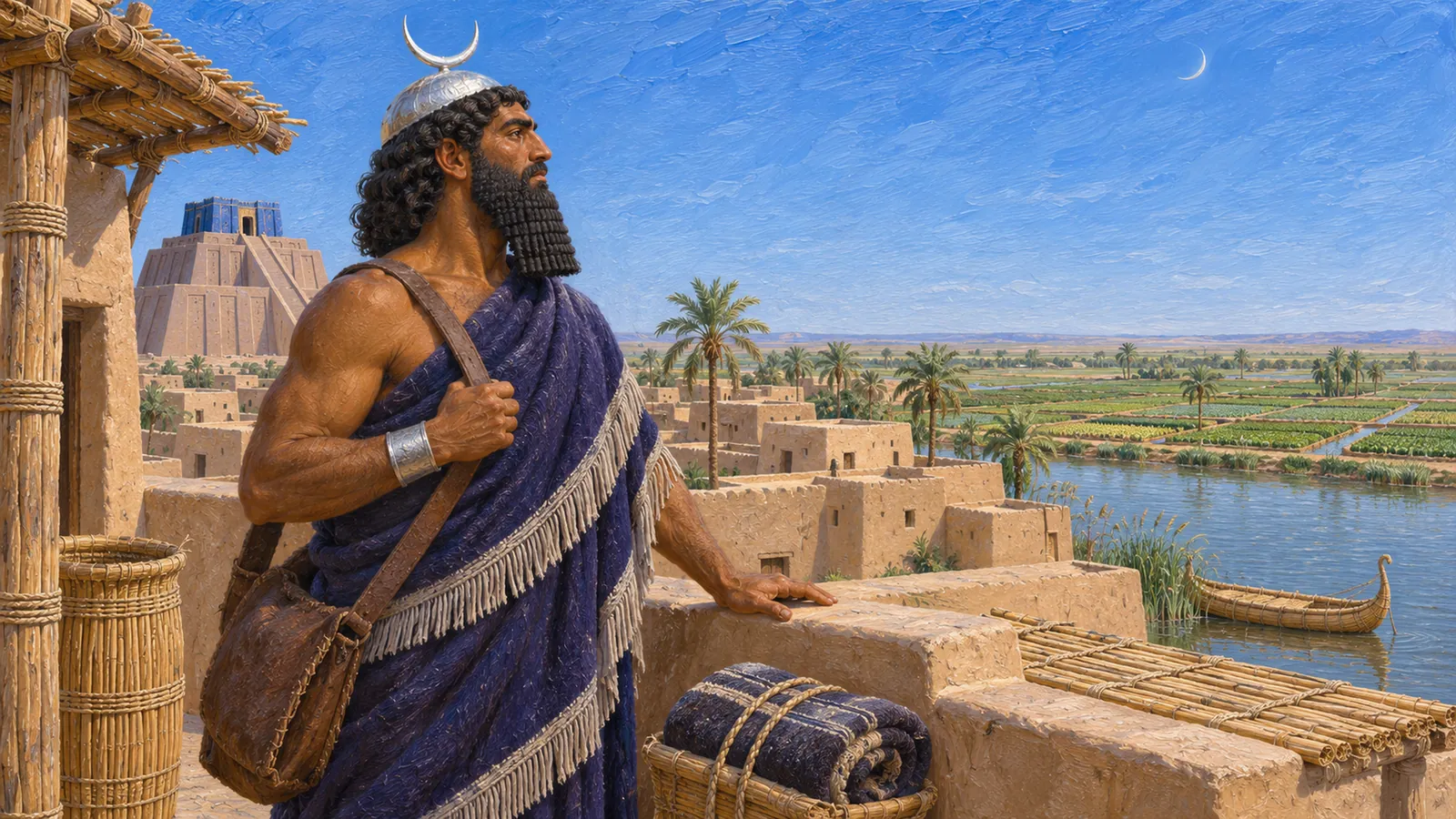
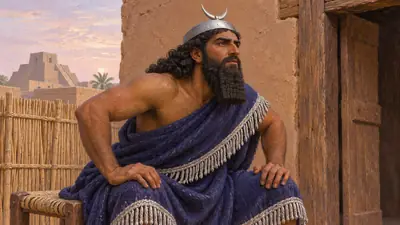
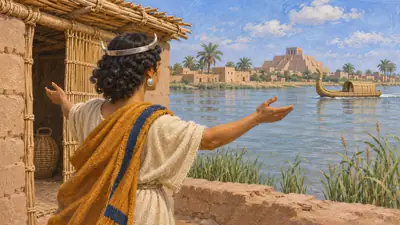
Nanna-Suen, the Sumerian moon god whom the poem also calls Ashimbabbar, set his heart on Nippur. It was the city of his mother Ninlil and his father Enlil.
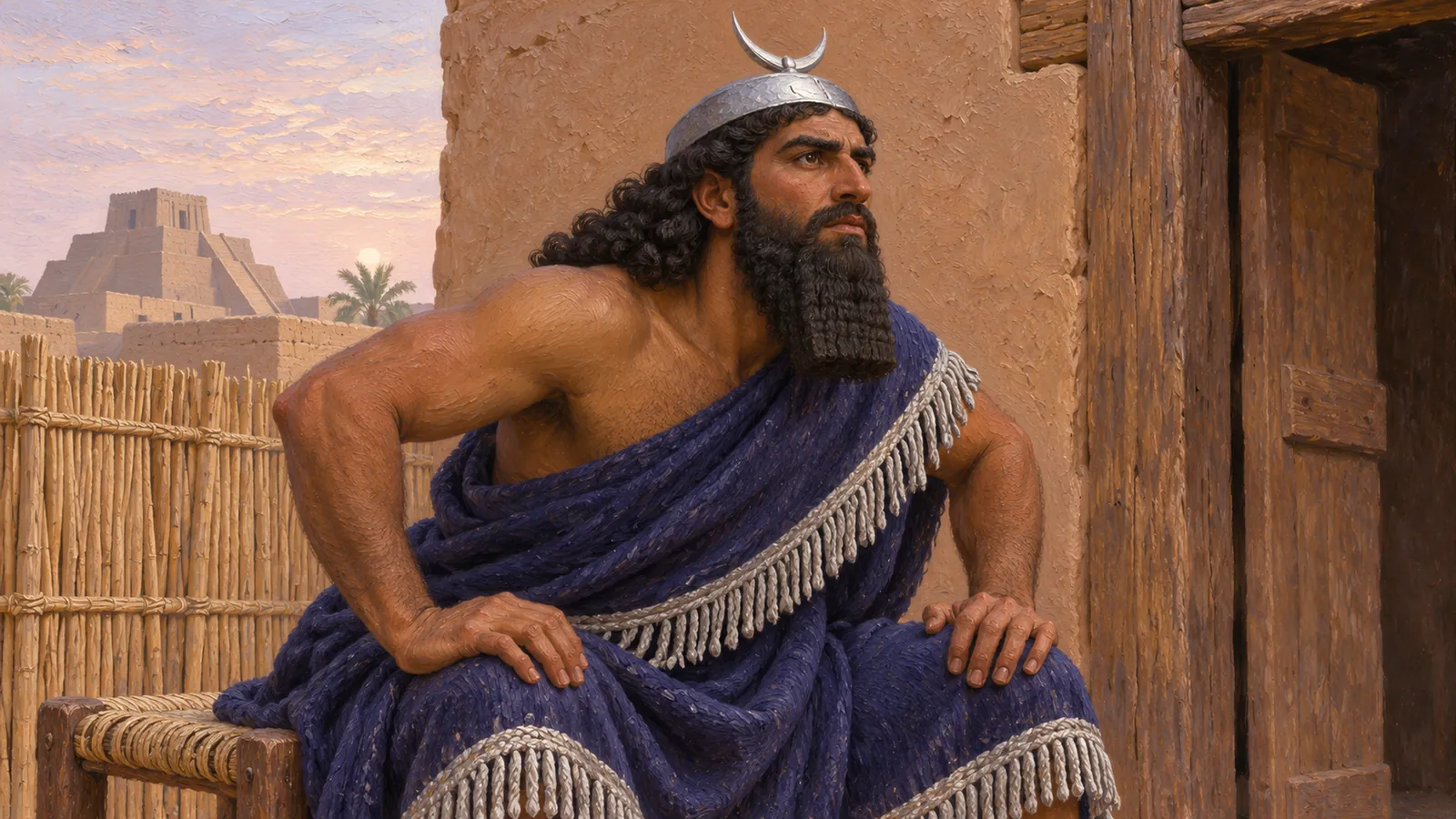
He repeated his promise to set out. Again he named his father, and again he named his mother. Each repetition brought him back to the city he meant to visit.
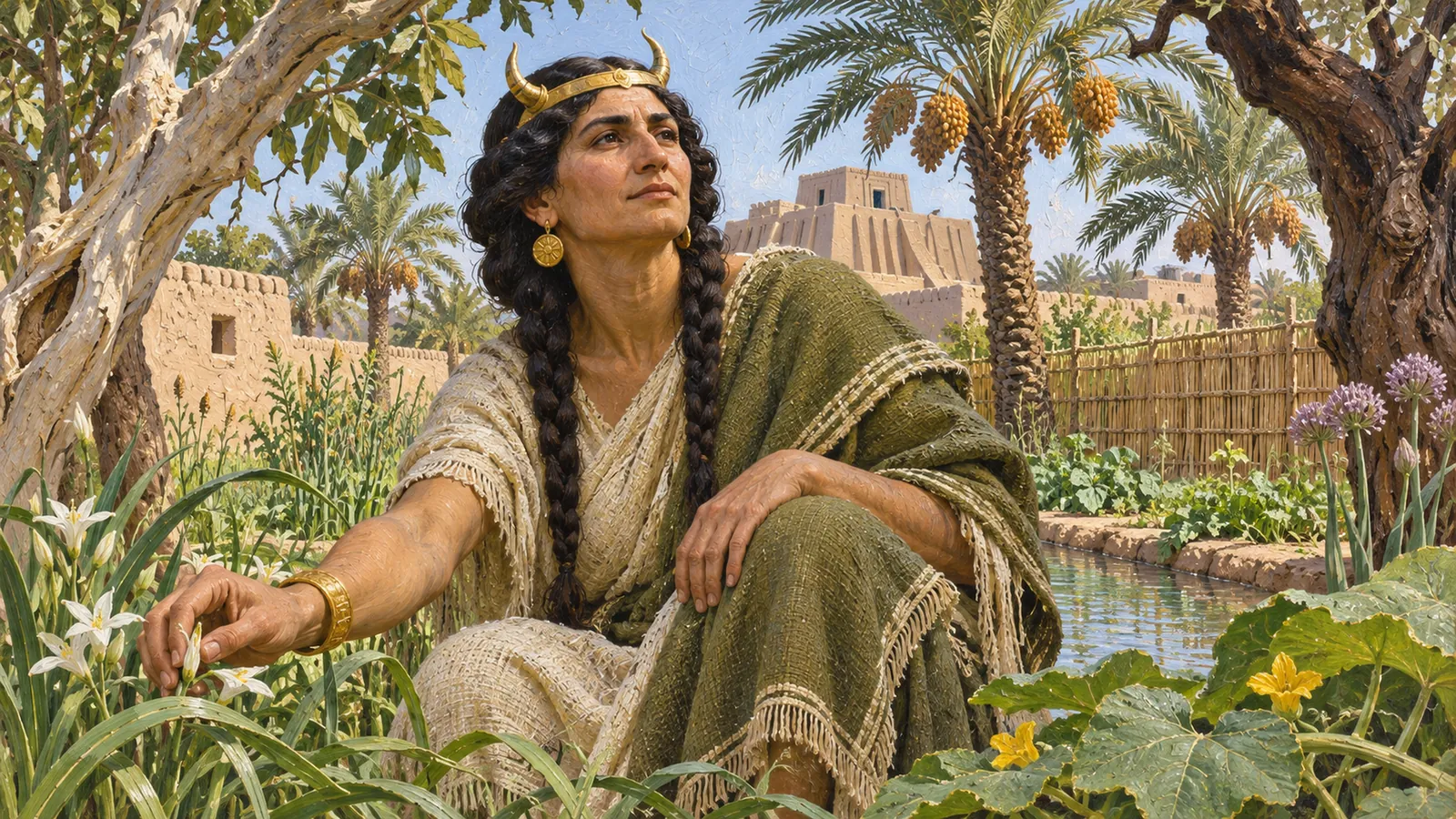
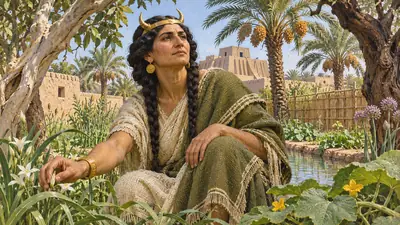
The praise of Nippur breaks off for several lines. When it returns we hear of dark and pale trees, palms older than Dilmun, and Ninlil dressed in fine linen.
THE BARGE
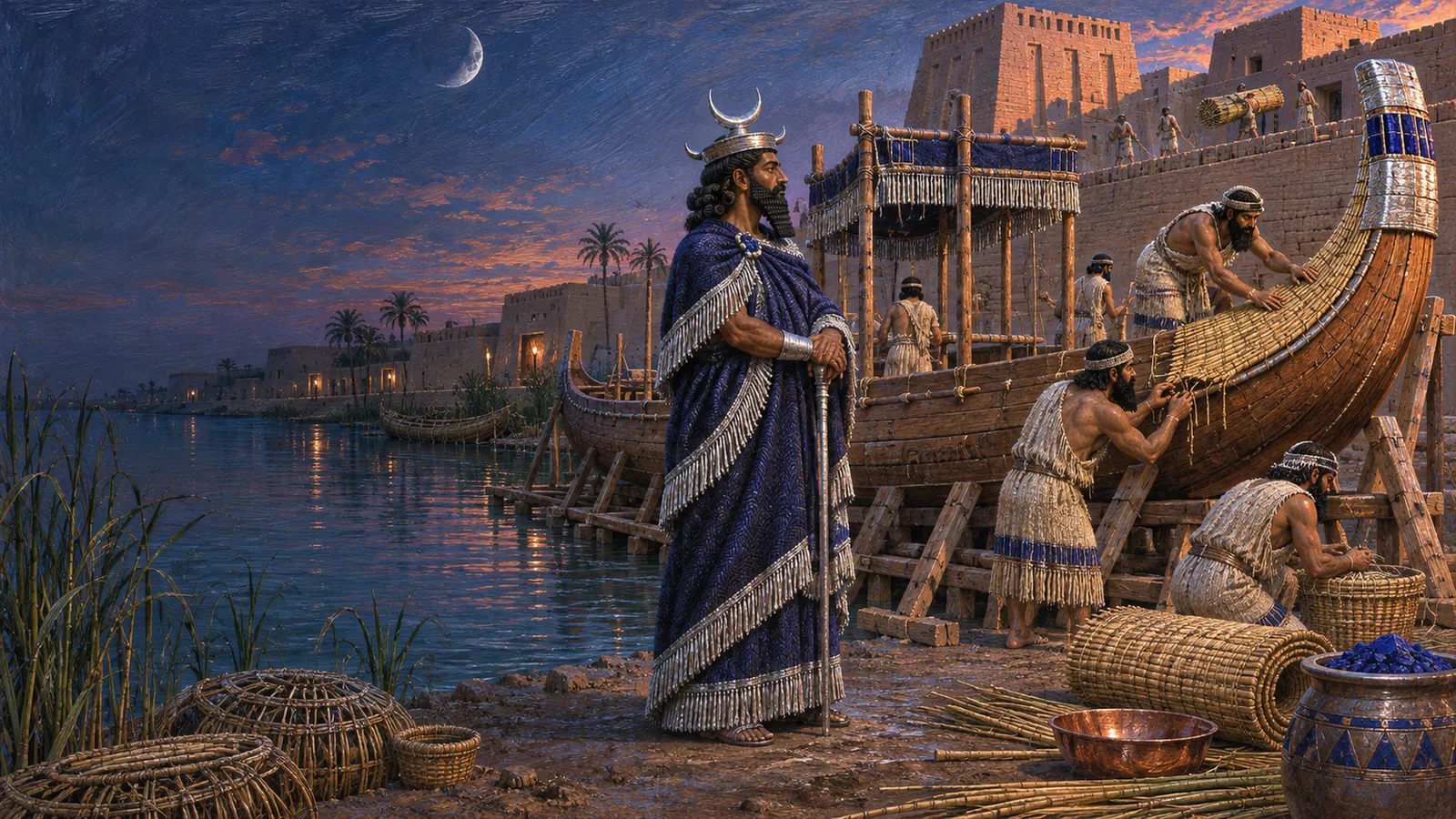
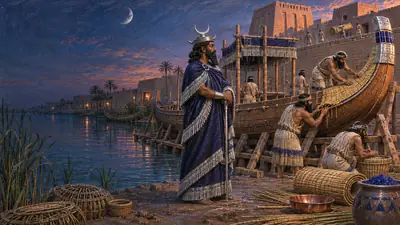
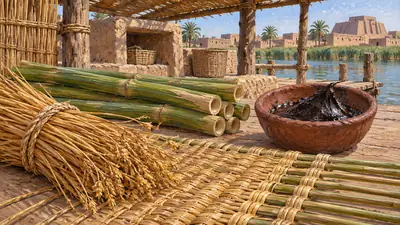
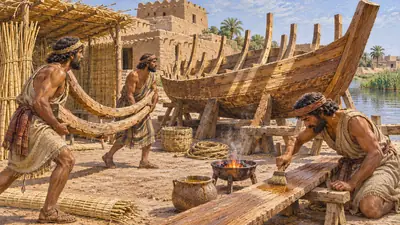
Suen began to make a barge. The first thing named is reed matting. We can picture it rolled and ready as the plans for a larger vessel took shape.
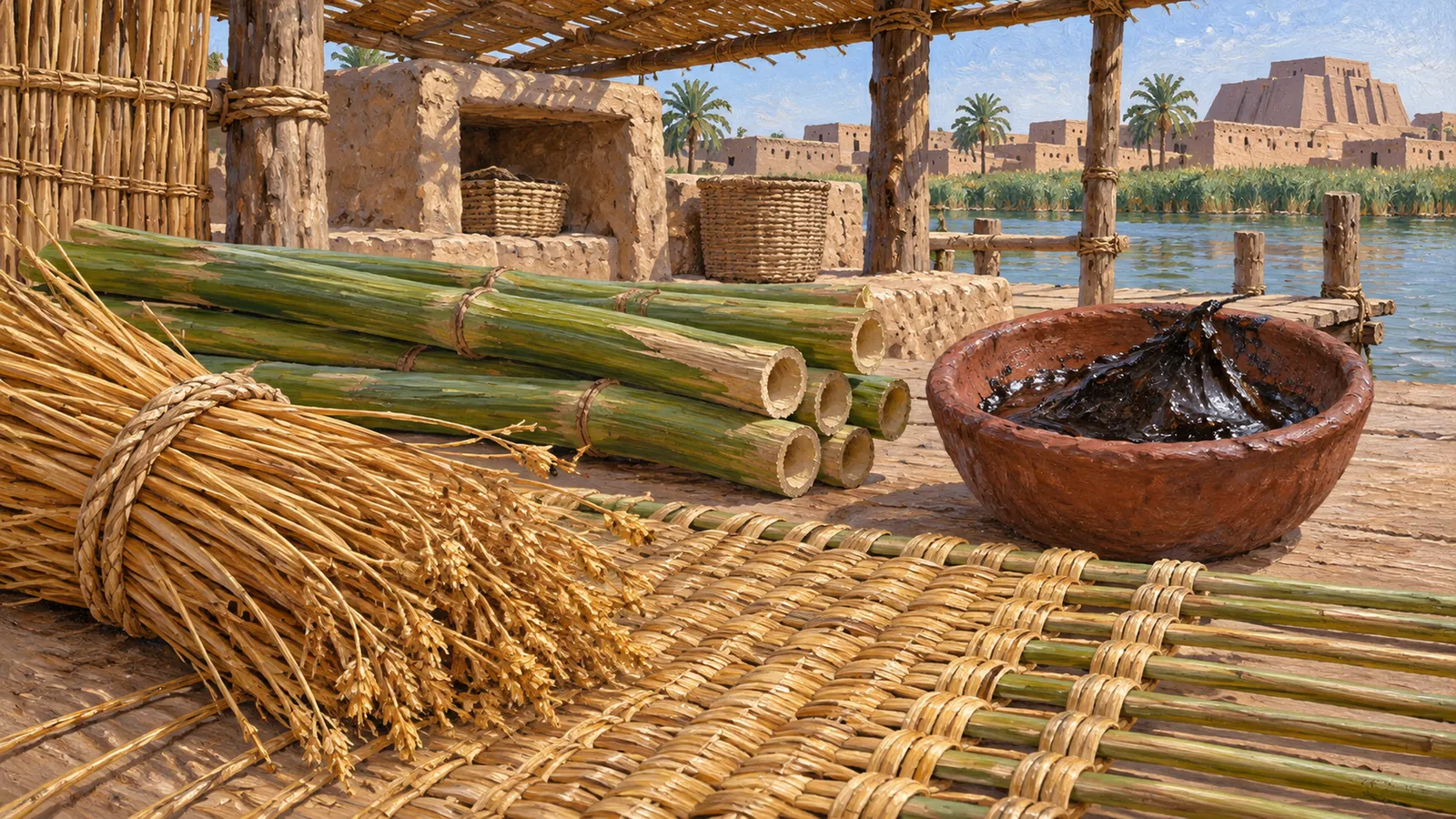
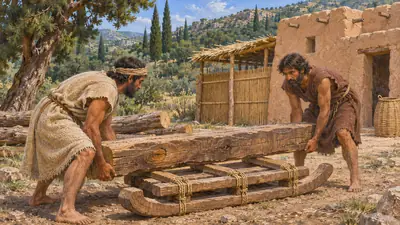
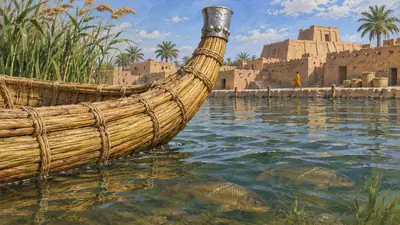
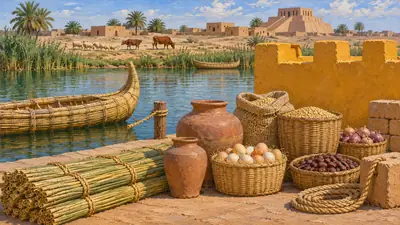
Nanna sent for reeds from Tummal and rushes from Du-ashaga. He sent to the Abzu, the realm of the deep waters, for the dark pitch that would seal the boat.
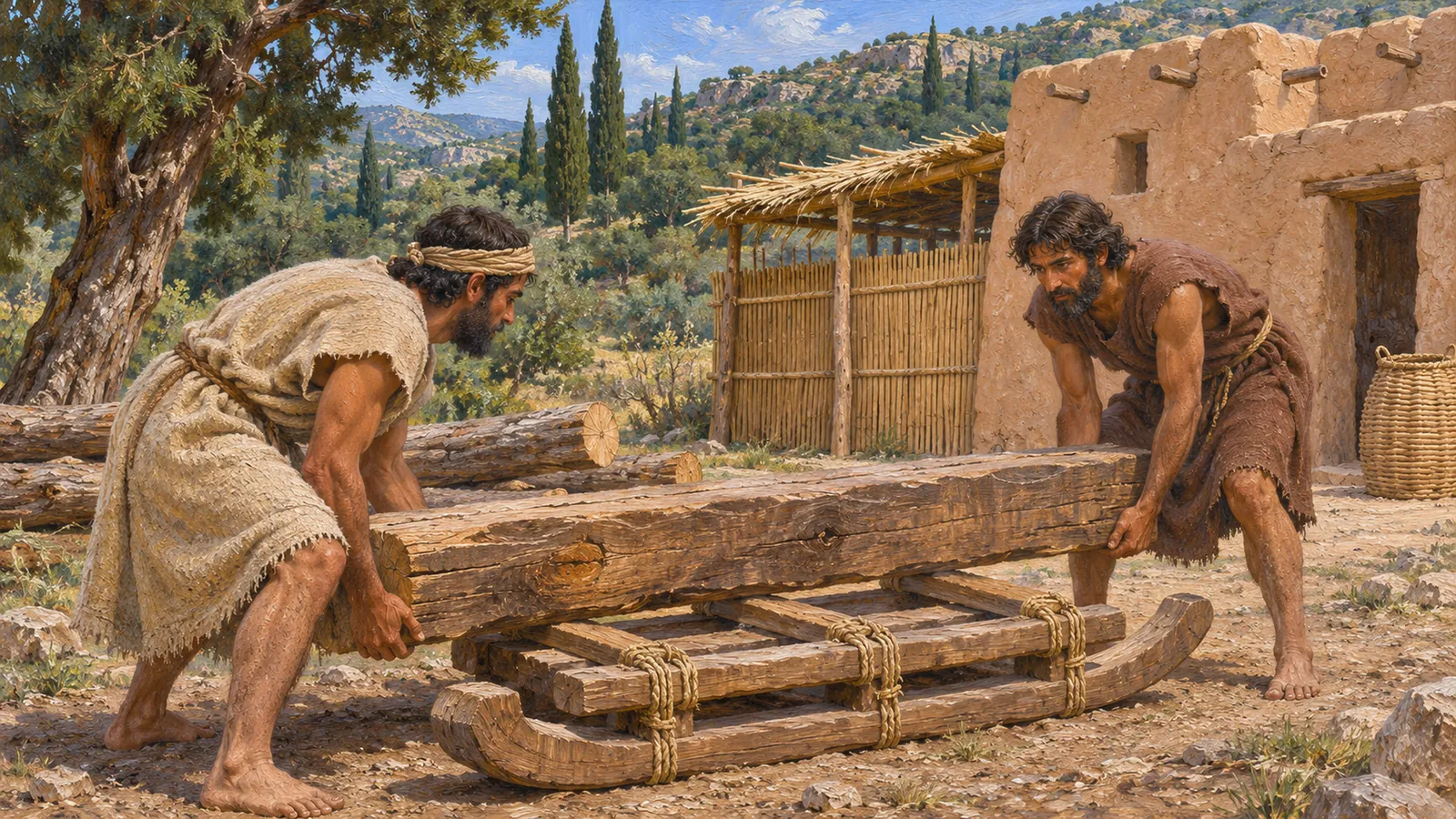
He also sent to a cypress forest and to the forest of Kug-nuna. The poem preserves the places more clearly than some of the names for the parts of the vessel.
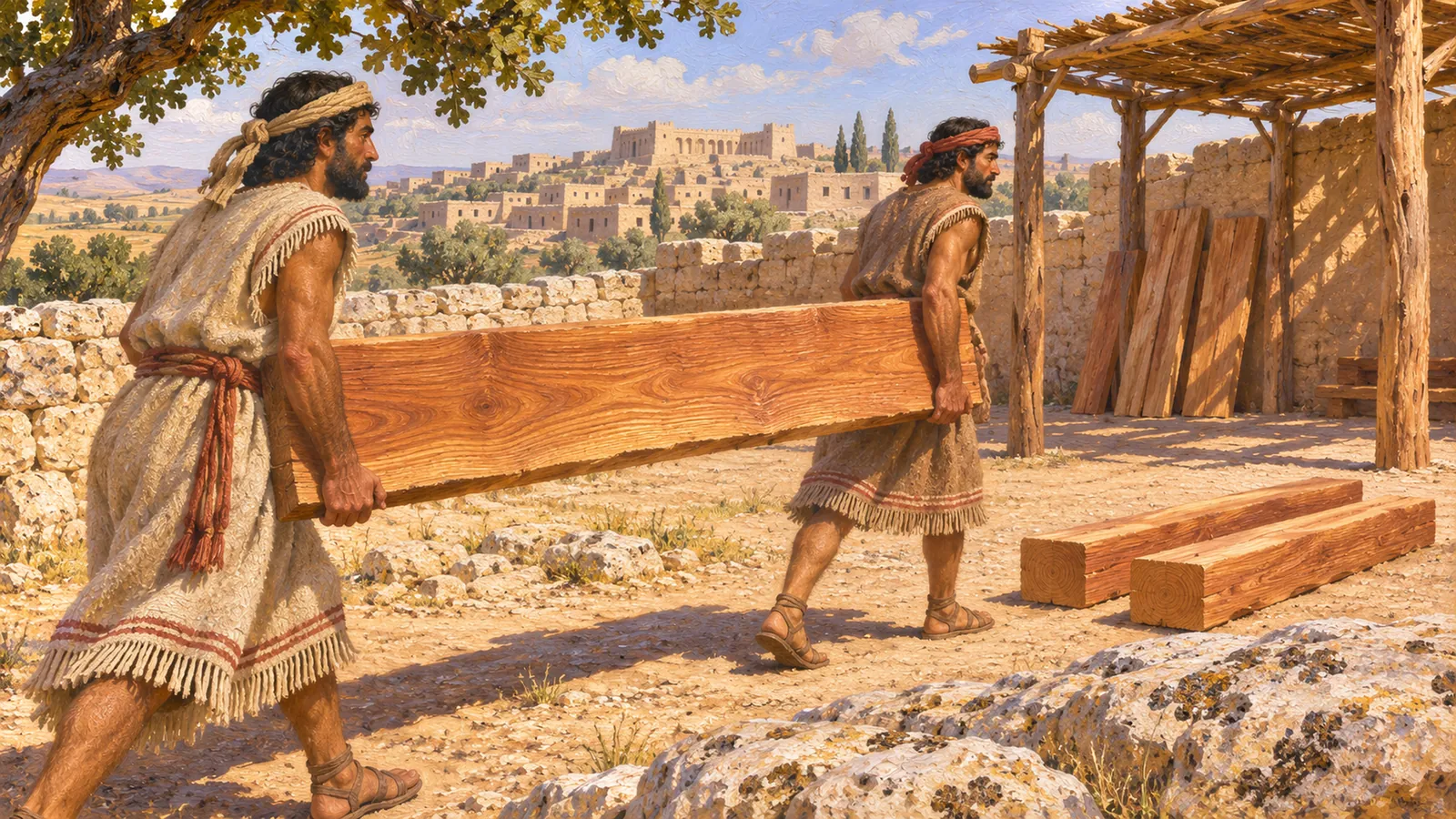
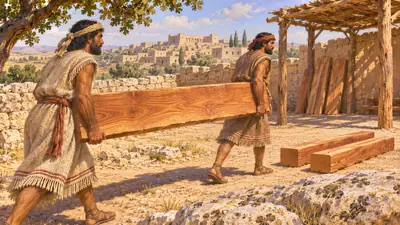
Nanna called for planking from Ebla and wood from a fragrant cedar forest. The junipers of Langi are also named, though the words for what they supplied are damaged.
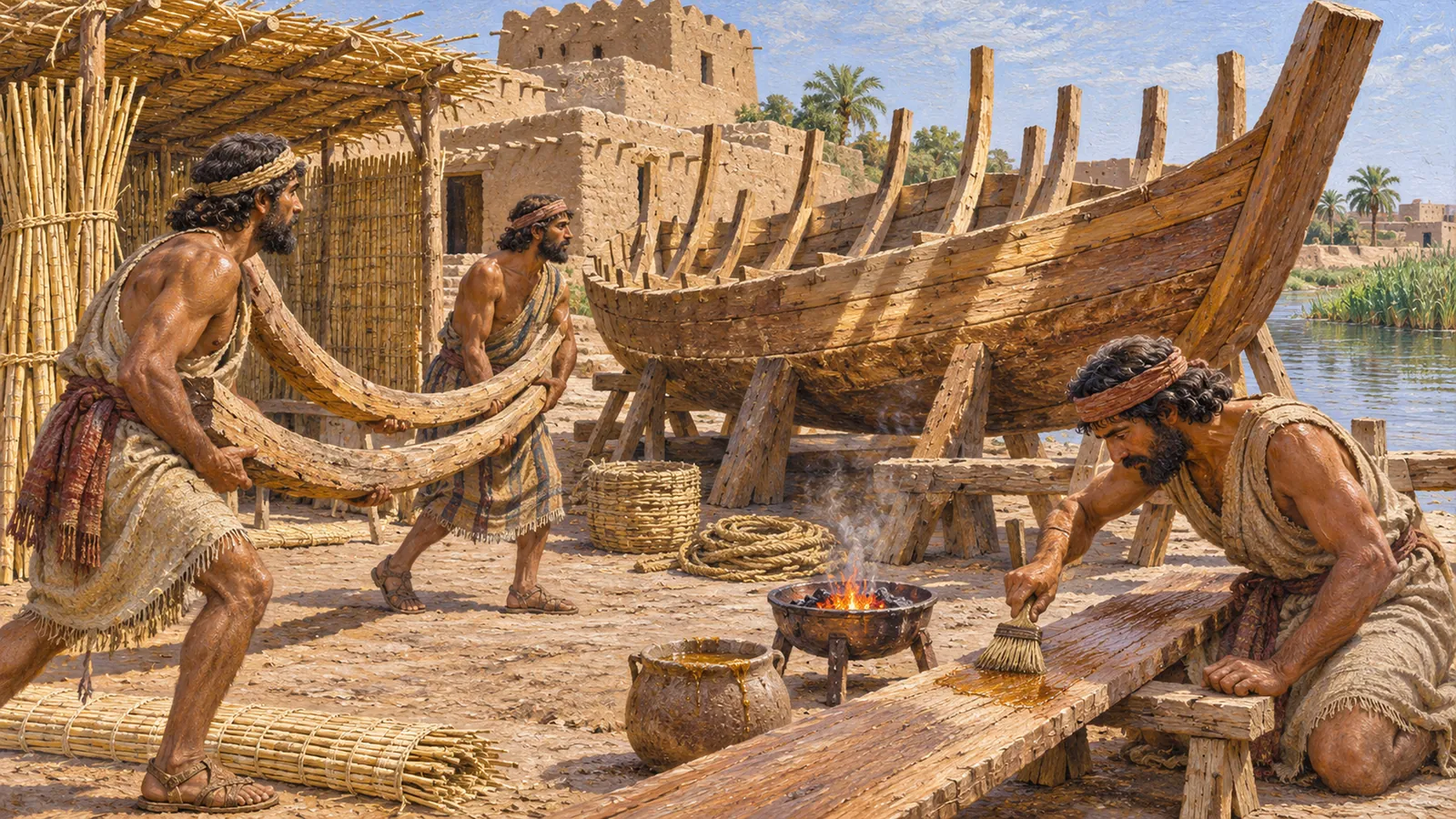
The poem follows the materials home in the same order it sent for them. When the list ends, Utu of the sun and Gibil of the fire rejoice.
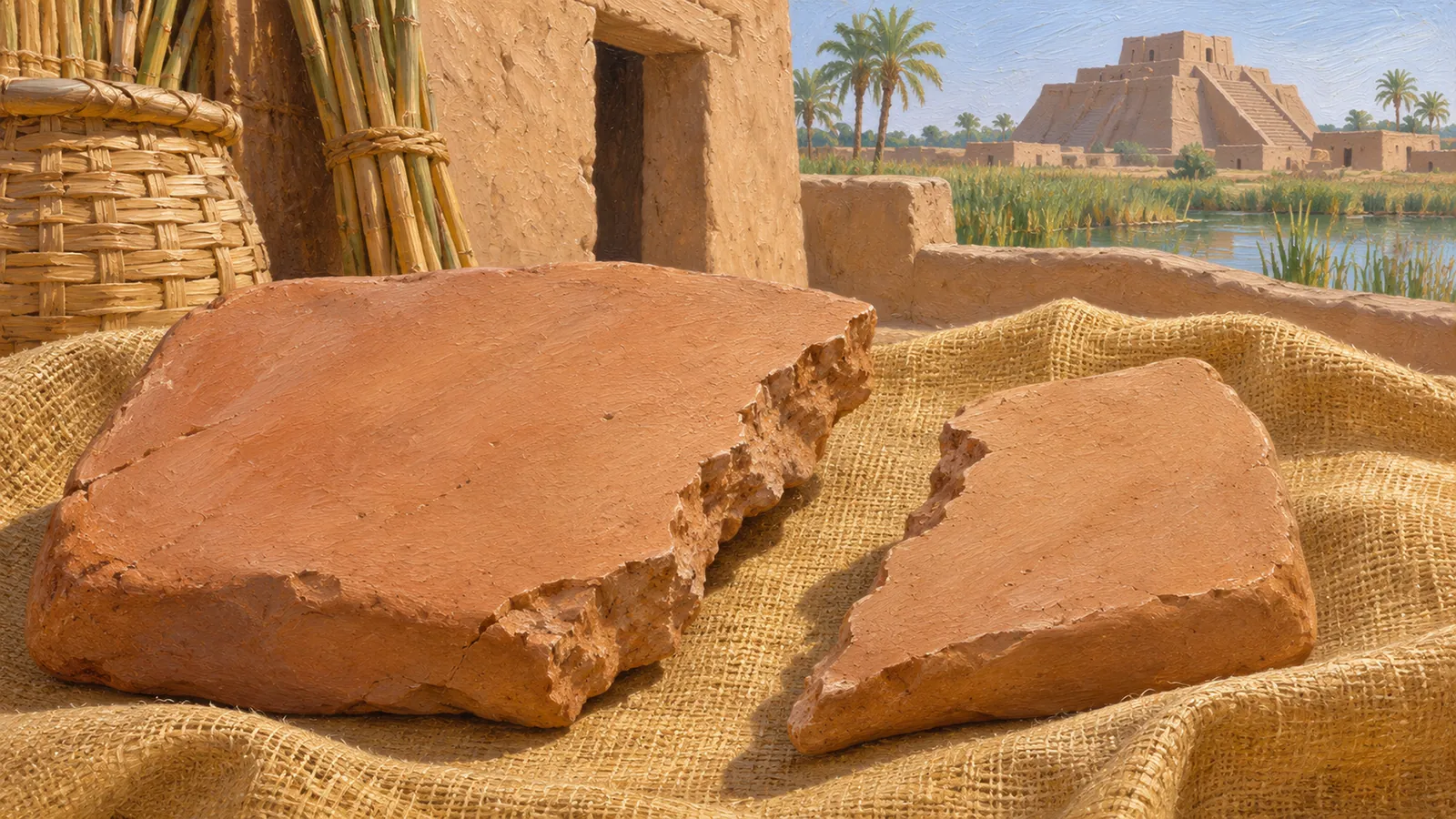
A long stretch of the poem is lost or fragmentary. When Nanna’s voice returns, he names himself again and speaks of Enlil’s house. Six more lines are missing after his declaration.
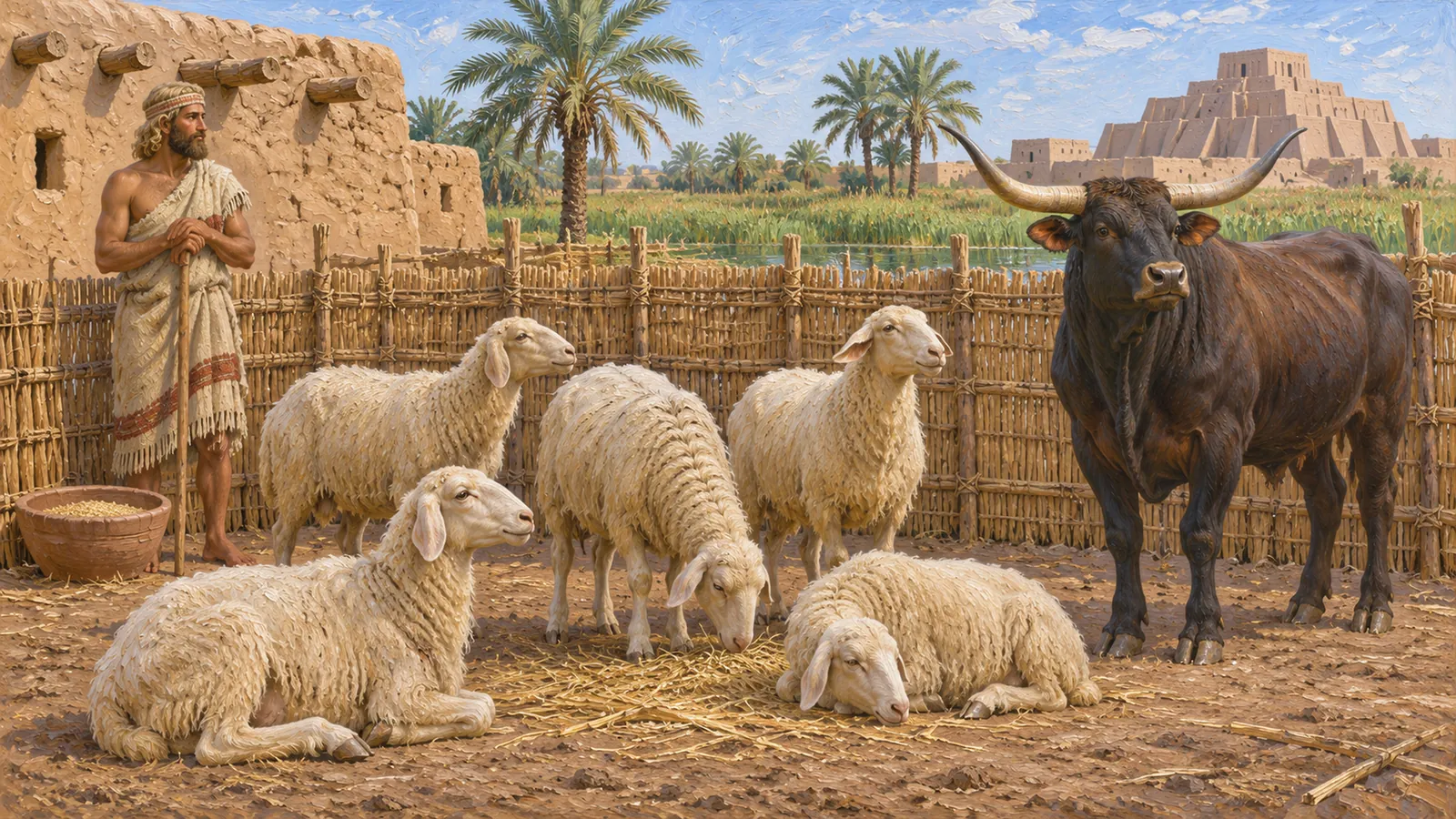
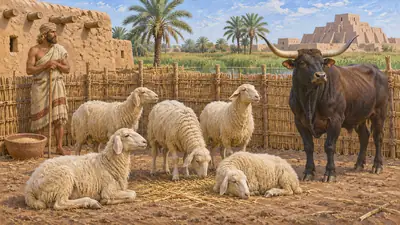
Nanna spoke of gathering bulls and well-fed sheep for Enlil’s house. He would cleanse the cattle pen and feed meal to the goats. The list even mentions porcupines.
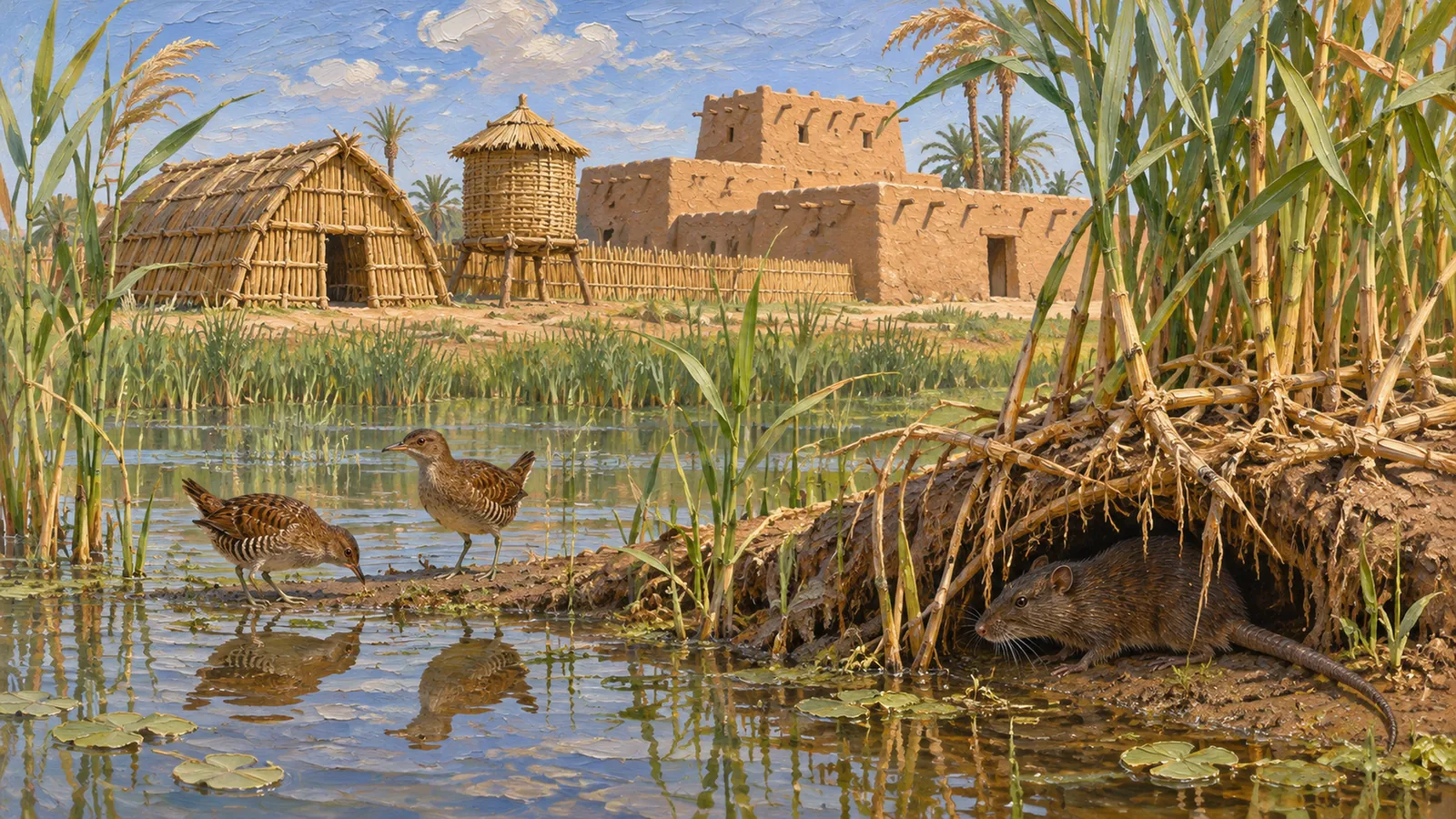
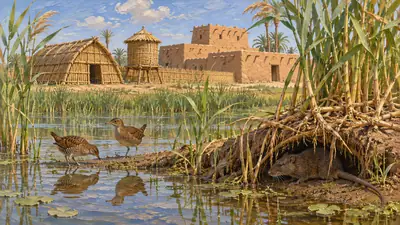
The list passes to smaller life. It names a long-tailed rodent and several sorts of little birds, some brought from the pond. One damaged expression may refer to turtles.
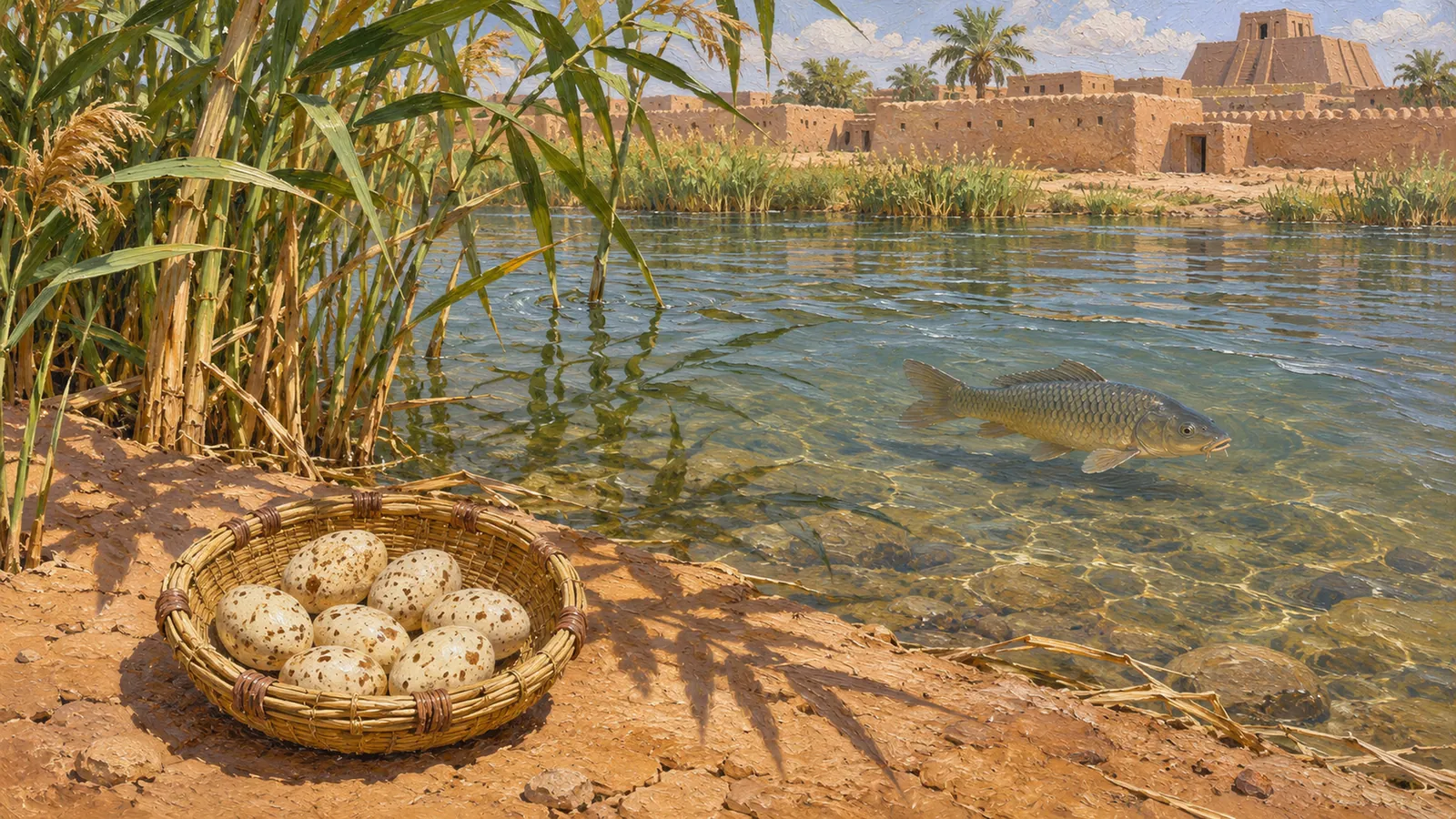
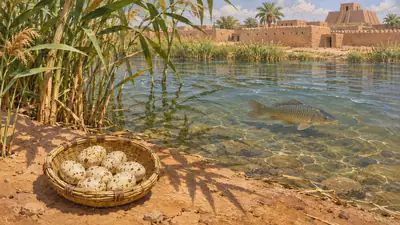
There are two kinds of carp, baskets to fill with eggs, and oil of rushes to pour onto the water. Nanna would make old and new reeds thrive for Enlil.
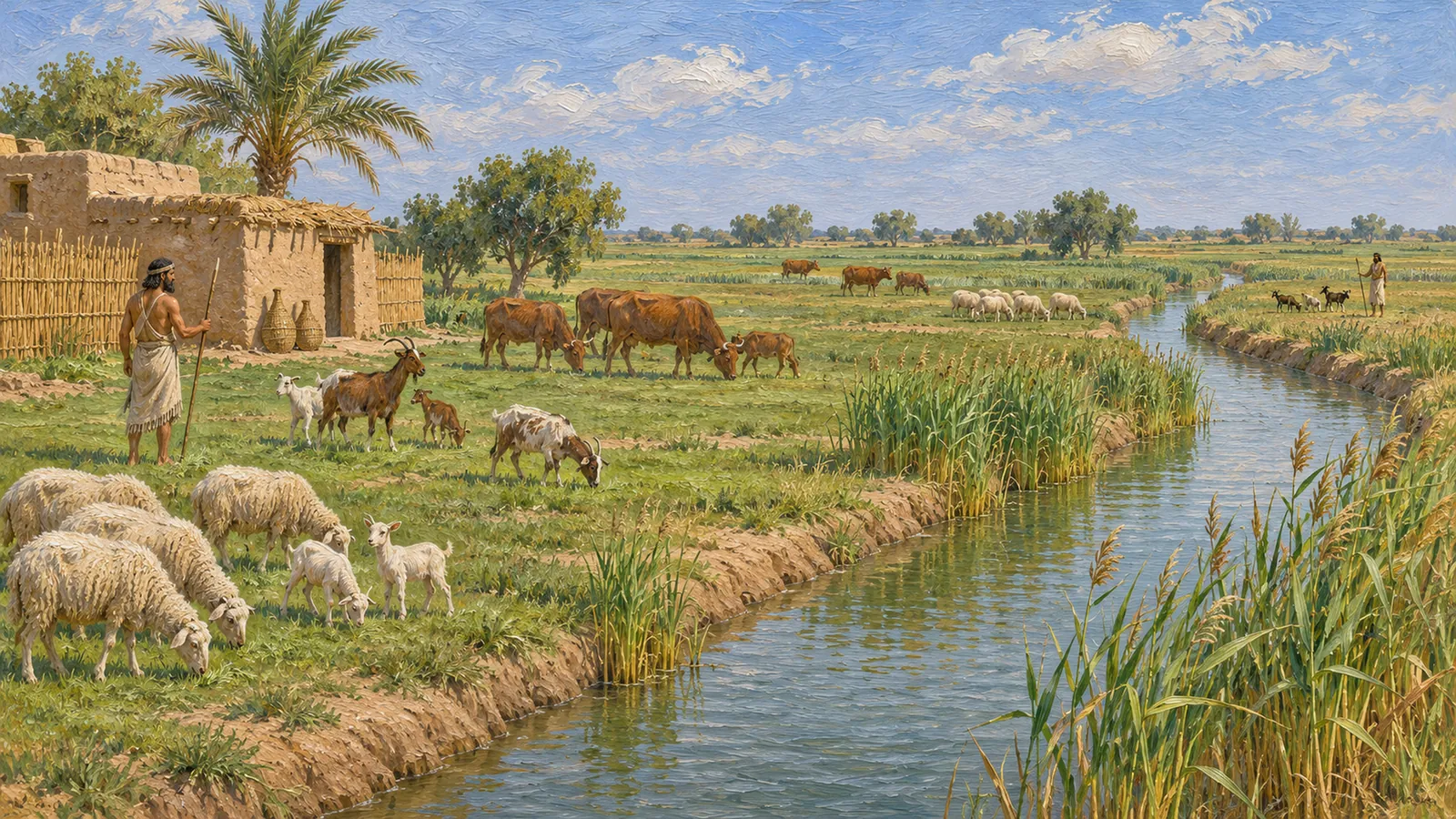
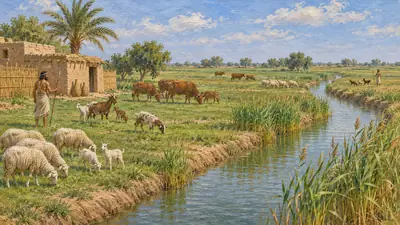
The poem counts six hundred ewes, six hundred she-goats and six hundred cows. Nanna promises offspring for these herds and distributes them along the banks of the Surungal canal.
FIVE WELCOMES
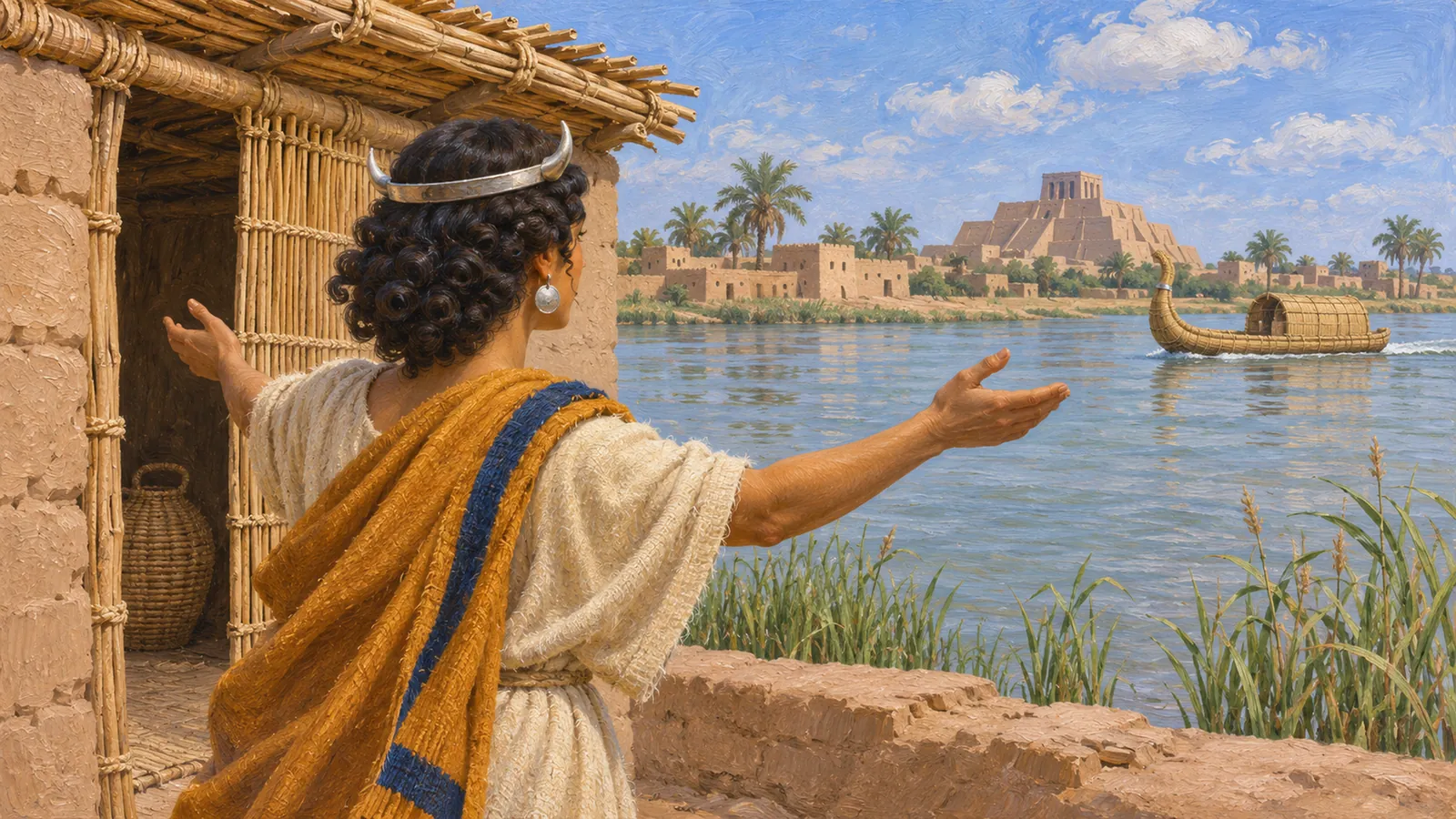
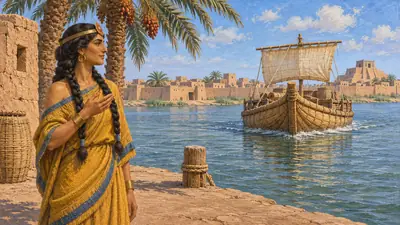
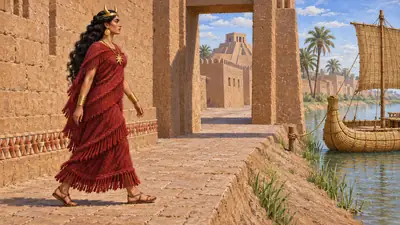
Ur fell behind and Enegir lay ahead. Ningirida brought something out from inside her house that usually stayed within. She gave the approaching boat the first of its five welcomes.
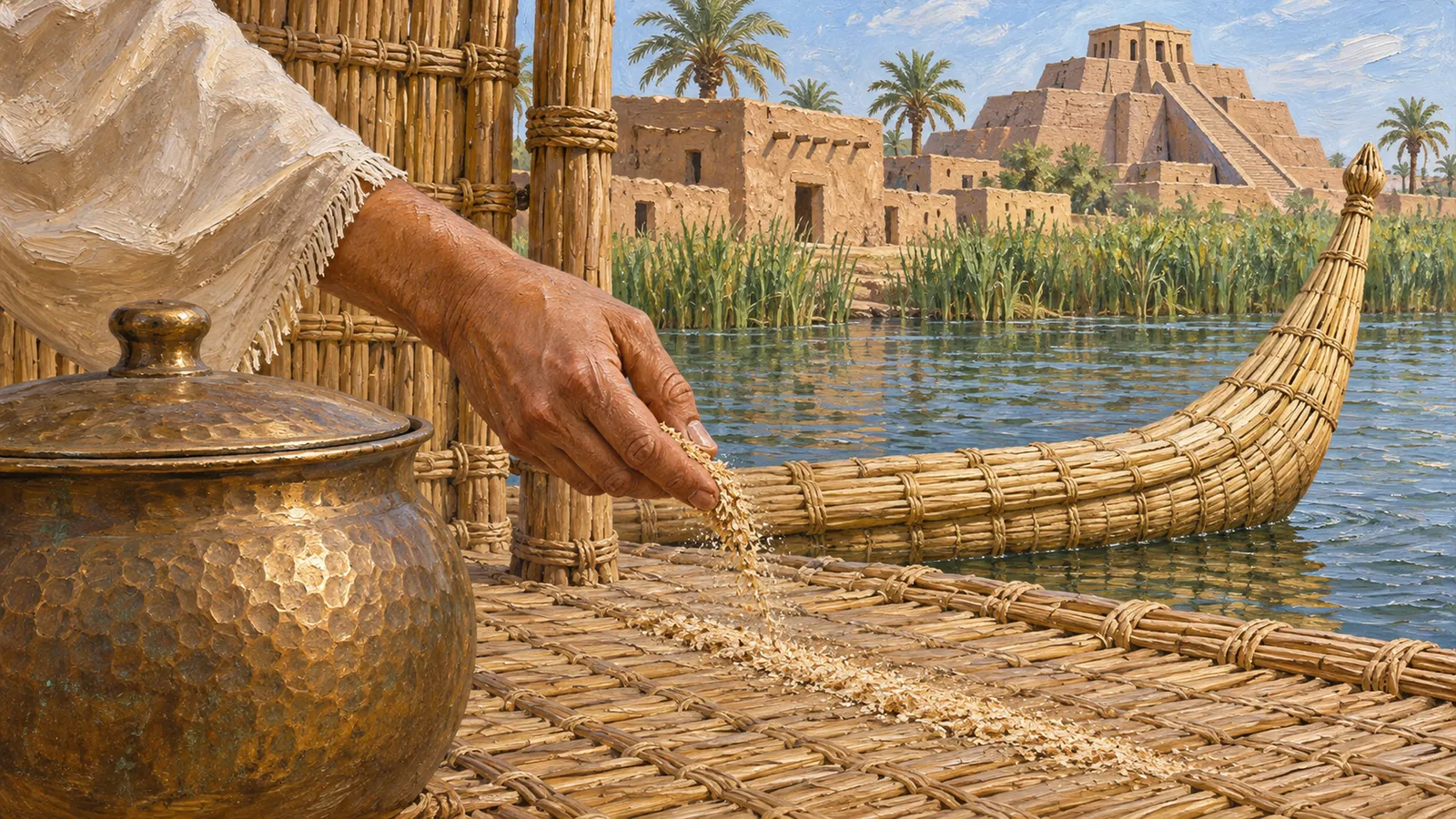
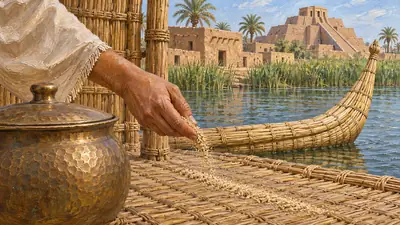
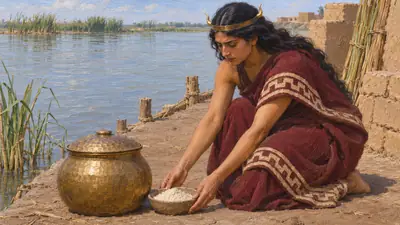
Ningirida spread flour and bran before the boat and blessed it beside a covered bronze vat. The boat kept its load and answered that it was bound for Nippur.
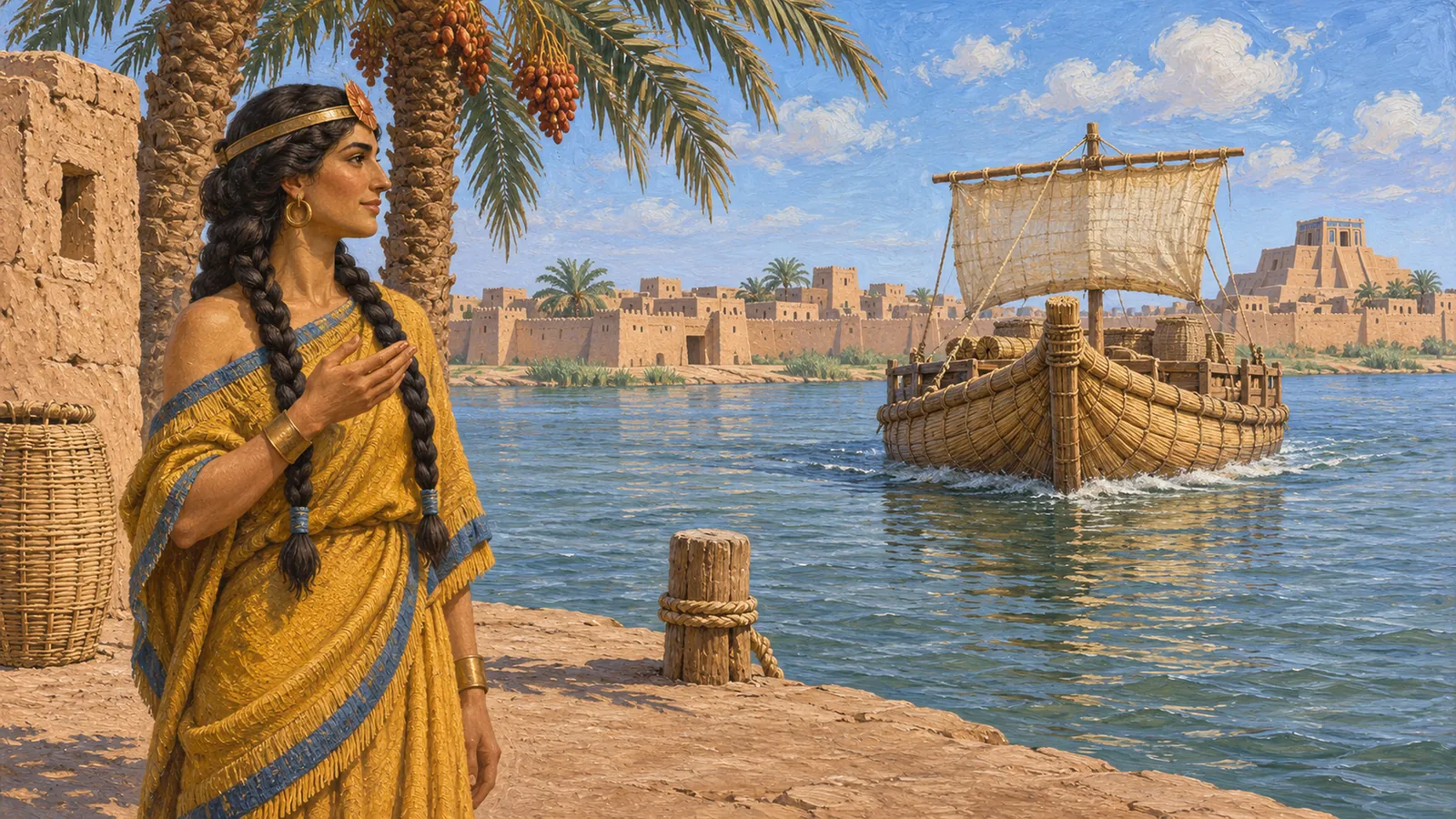
With Enegir behind it, the boat approached Larsa. Sherida came out of her house and welcomed her father’s boat. The words of that welcome returned like the beat of oars.
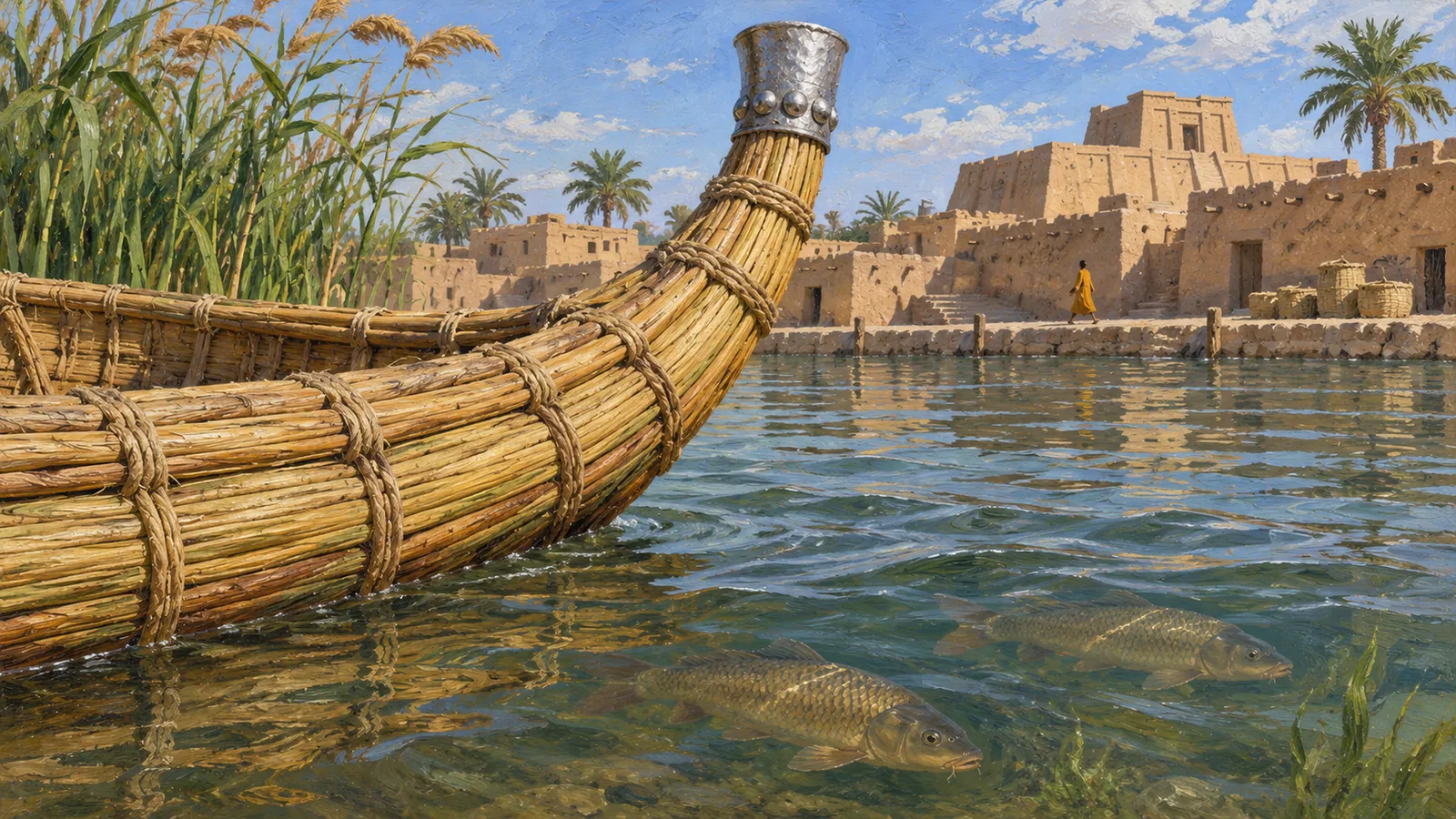
Sherida wished for oil on the peg, ghee, syrup and wine within the boat, and carp that would rejoice before the prow. The barge carried its cargo onward.
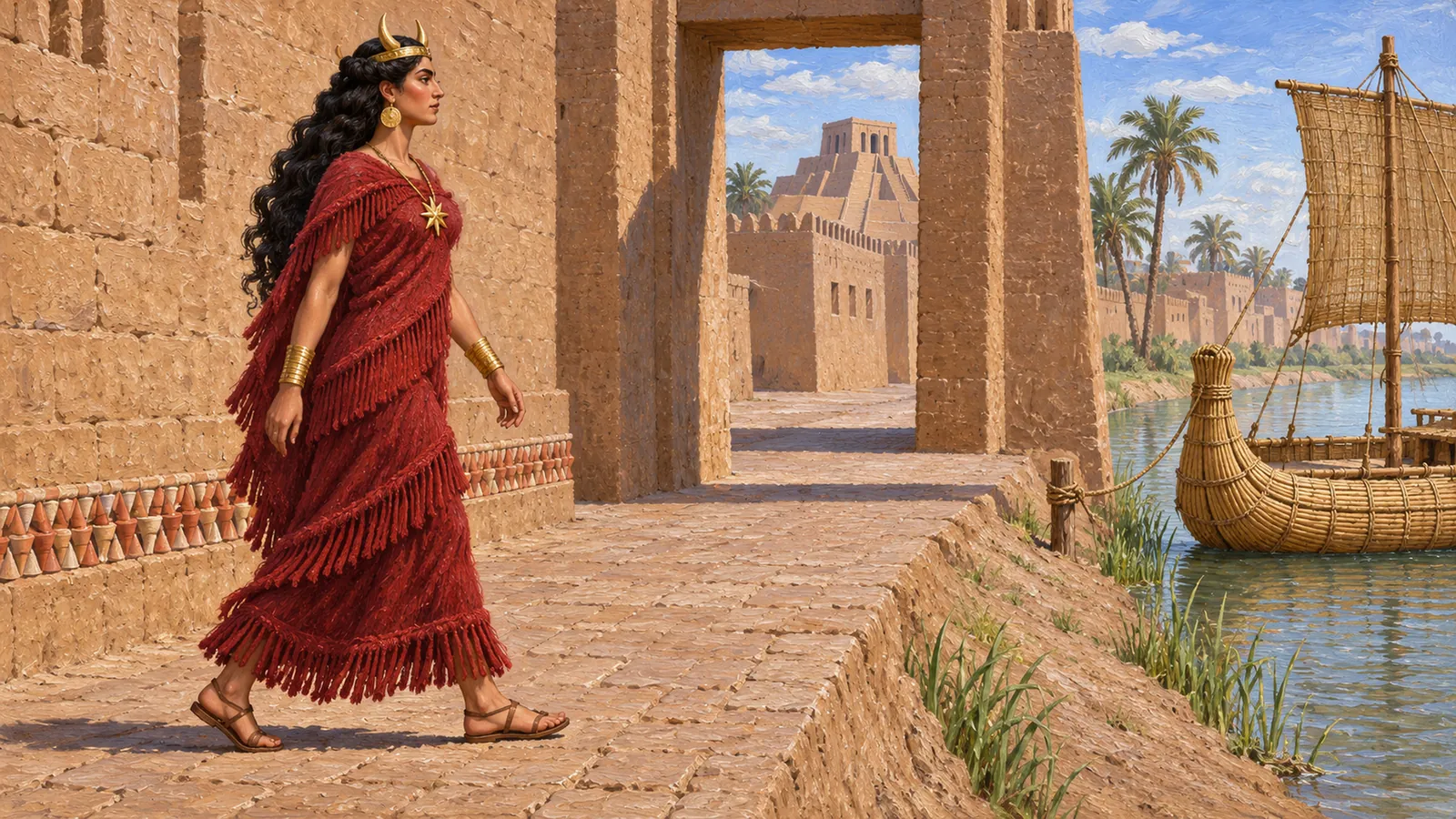
The offerings left Larsa behind and drew near Uruk. Inanna came out of her house to welcome her father’s boat. One surviving copy repeats a greeting using Suen’s name as well.
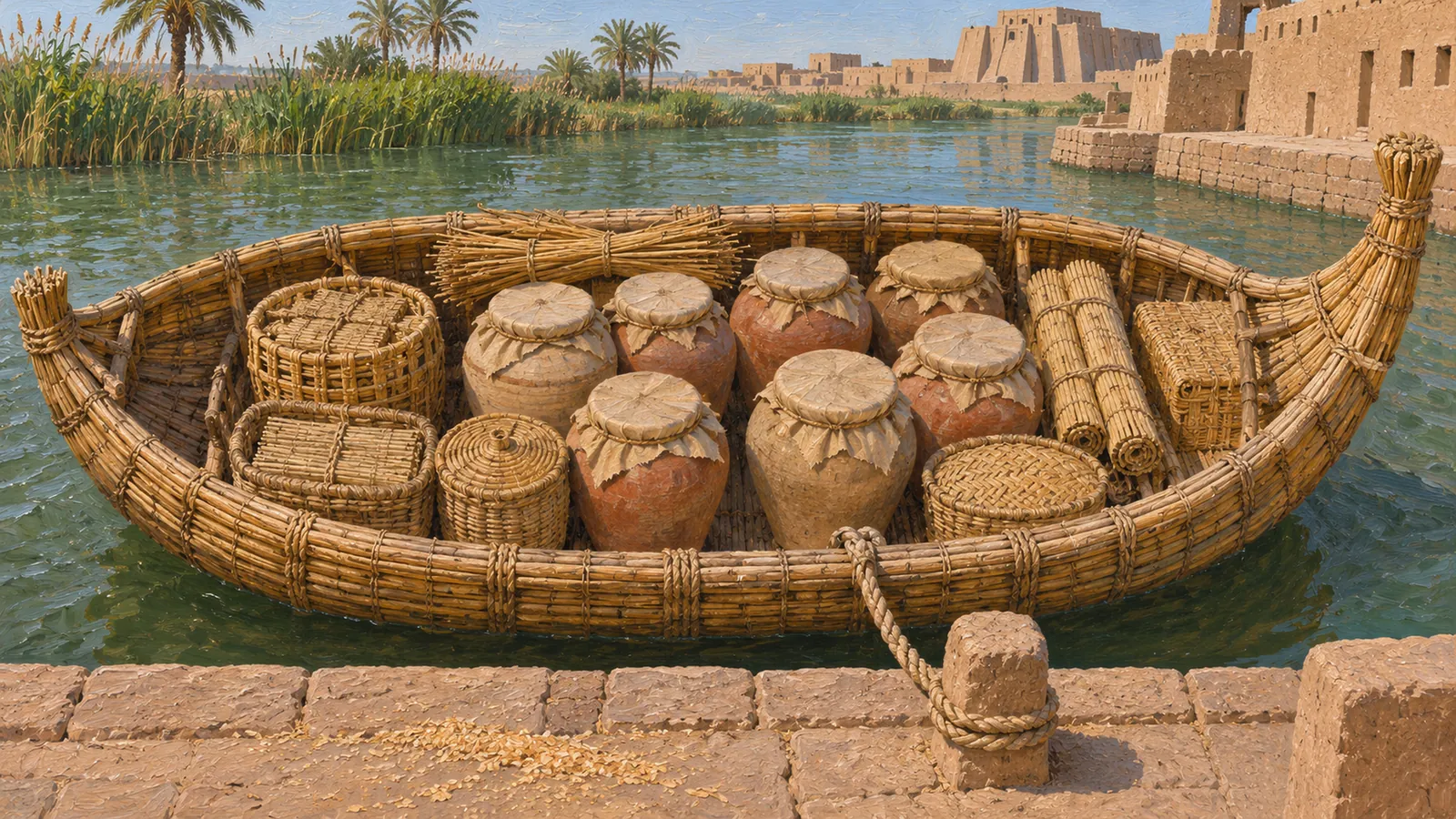
Flour lay before the prow, and bran was spread again. Inanna repeated the good wishes heard at the earlier stops. Once more the laden boat gave Nippur as its destination.
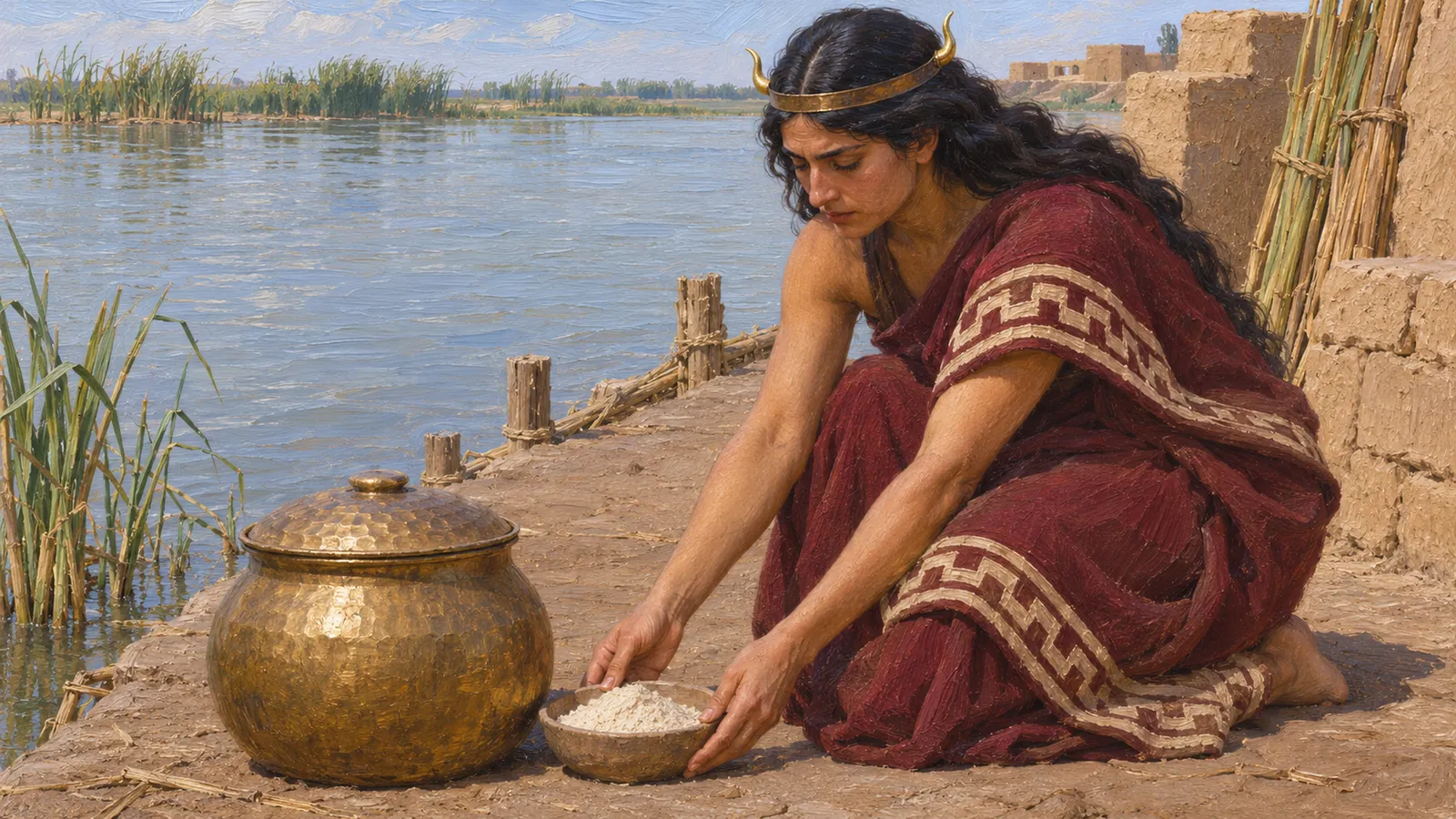
At Shuruppak, Ninunuga welcomed the boat of Suen. She set out flour and bran beside a covered bronze vat and spoke her blessing. Still the offerings went on toward Nippur.
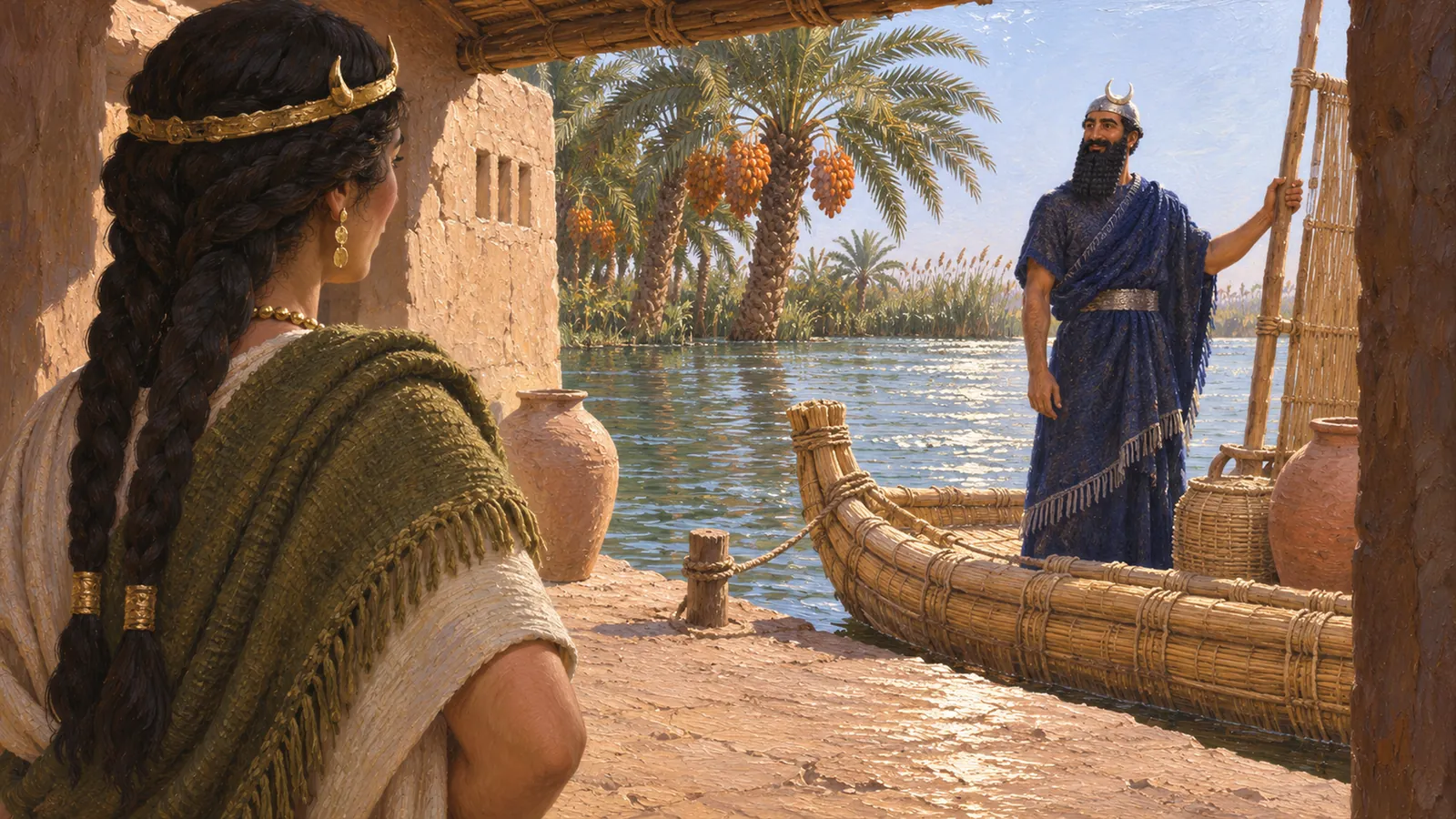
Shuruppak fell behind and Tummal lay ahead. Now Ninlil, Nanna’s mother, came out to welcome the boat of the princely son. The ritual greeting took on the warmth of family.
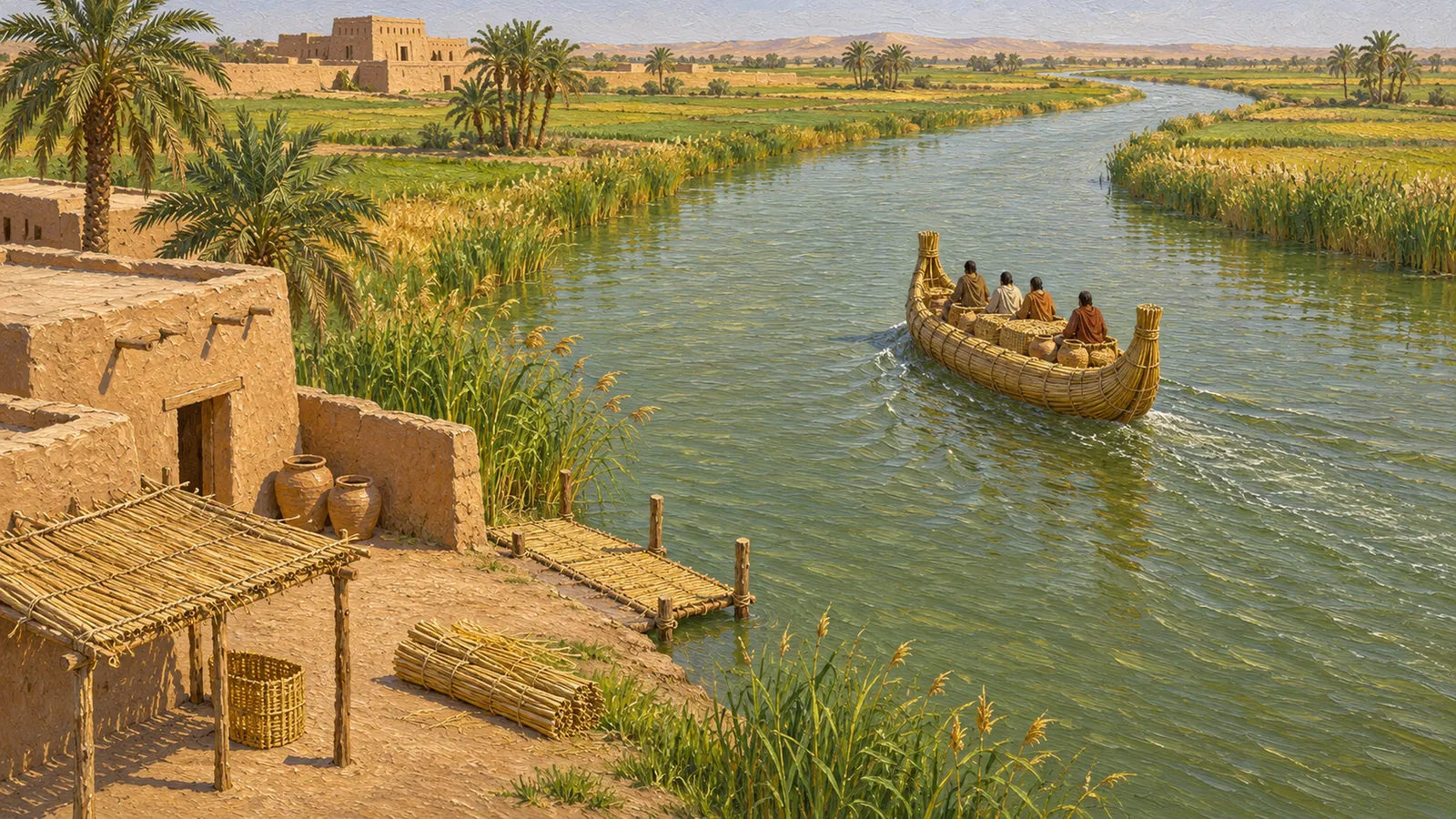
Ninlil repeated the wish for provisions in the vessel and carp before its prow. The boat gave its familiar answer. It kept the load for the last stretch to Nippur.
NIPPUR
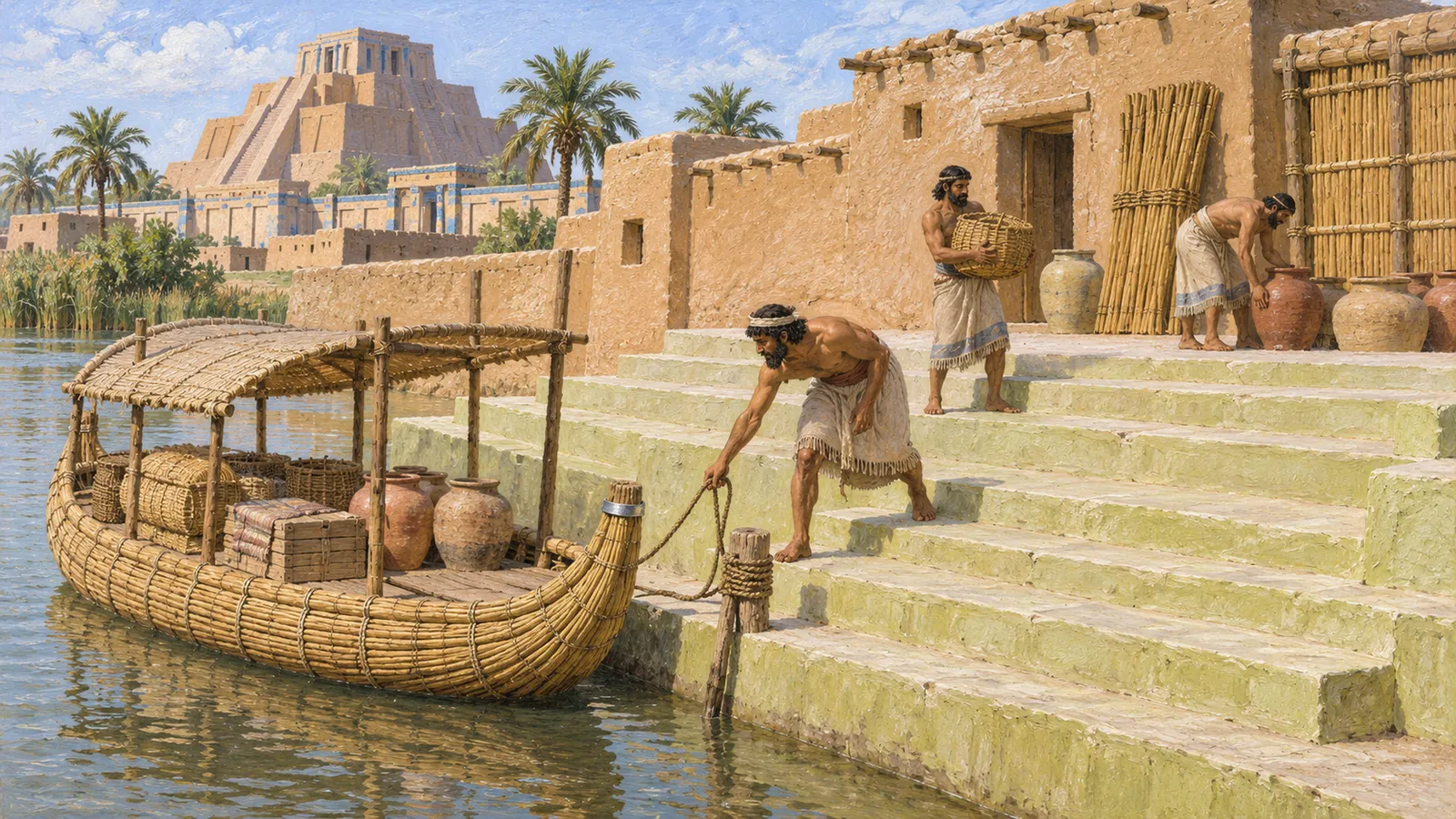
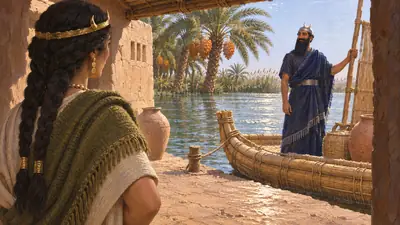
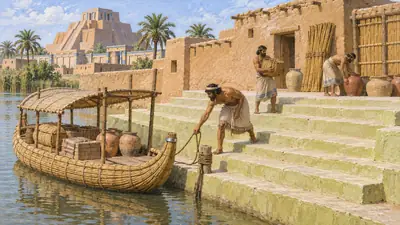
Nippur lay ahead, and Tummal was behind. The poet calls Enlil’s landing the Shining Quay and the White Quay. Here at last Nanna brought the loaded barge to its mooring.
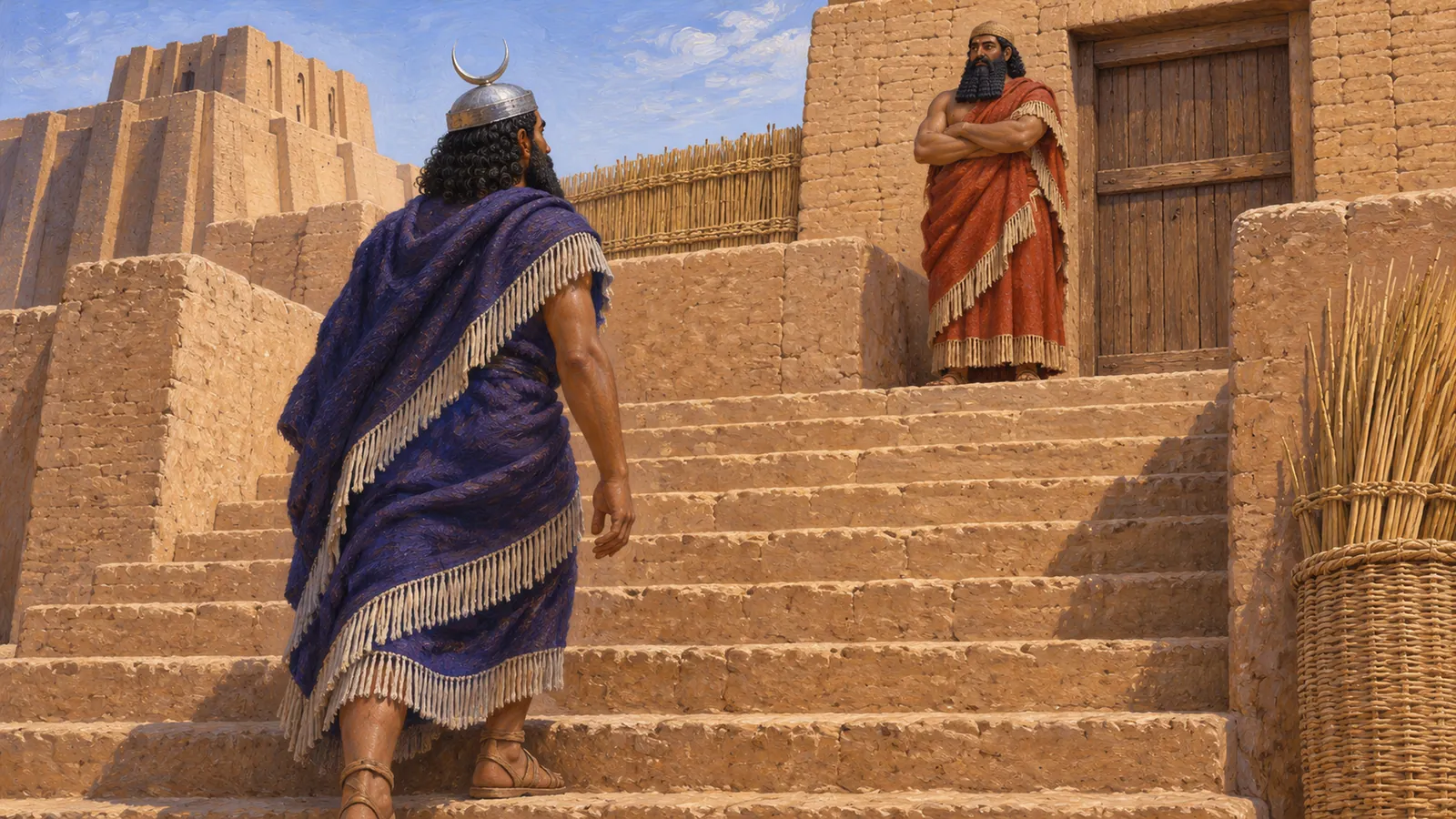
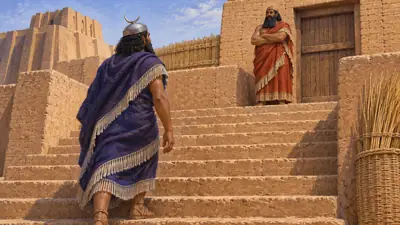
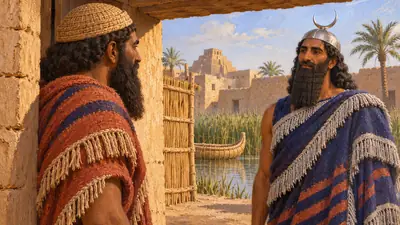
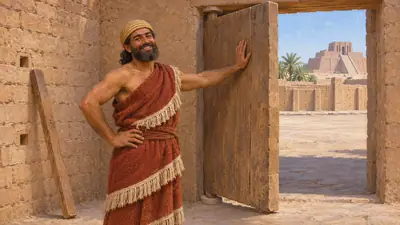
Standing before his father’s grand stairway, Nanna called to the porter. He repeated the request several times, naming him Kalkal and calling him the keeper of the door.
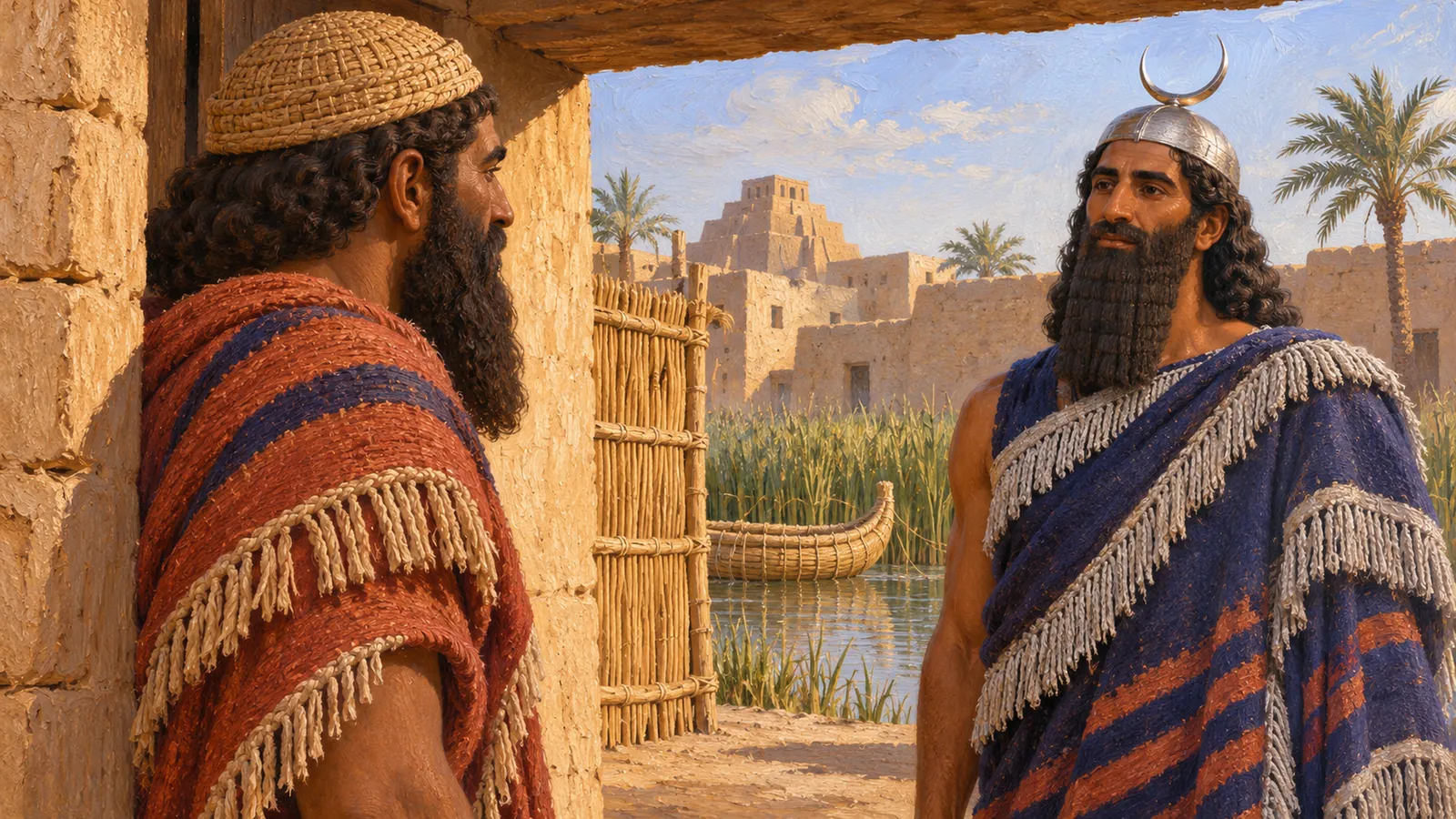
To Kalkal he named the bulls, sheep and small creatures that belonged to Enlil’s house. Between groups of gifts, he kept calling to the porter to open the house.
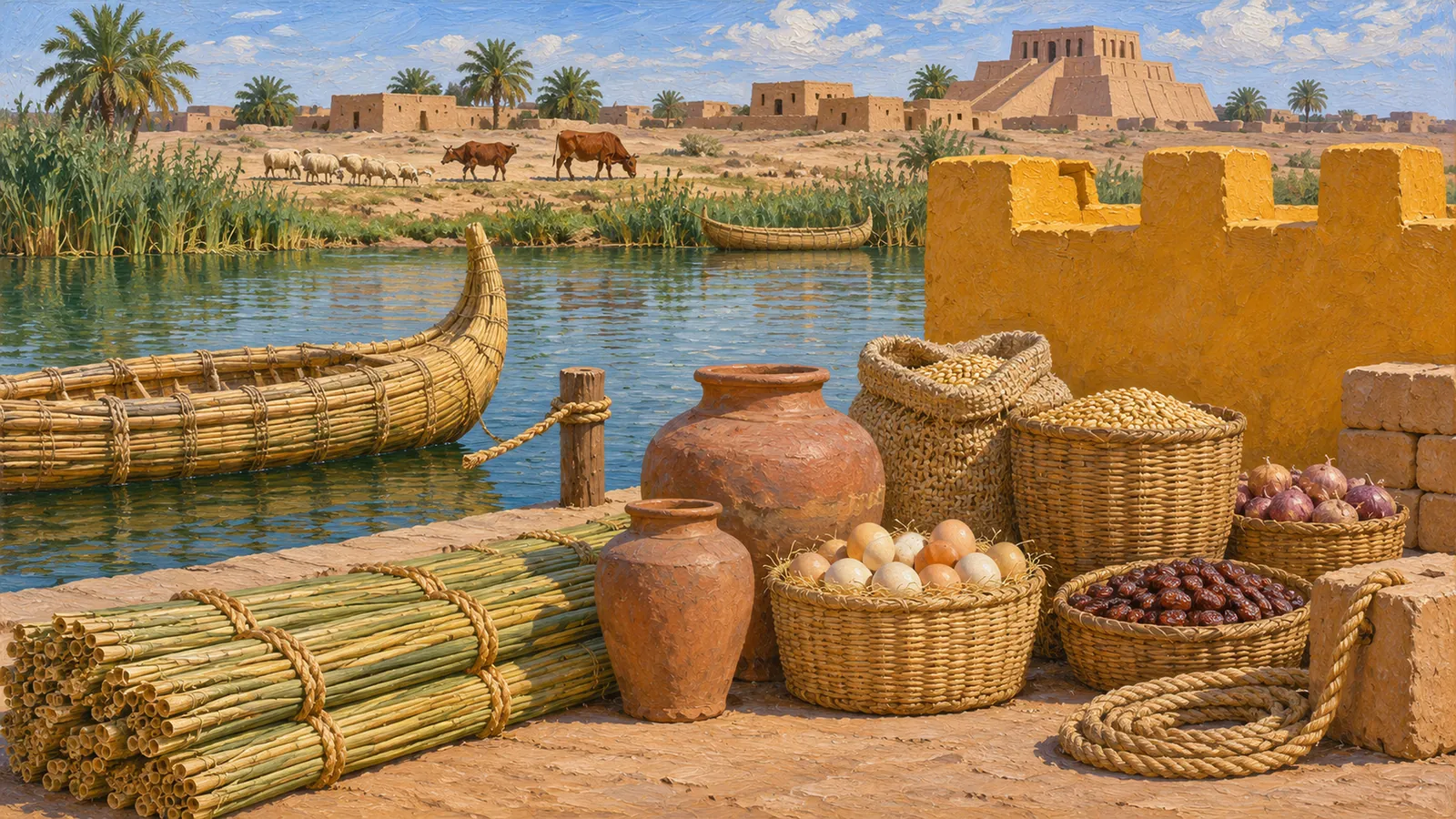
He counted fish and eggs, old reeds and fresh ones. Then he recalled the young of three herds beside the Surungal canal. His refrain returned after each of these gifts.
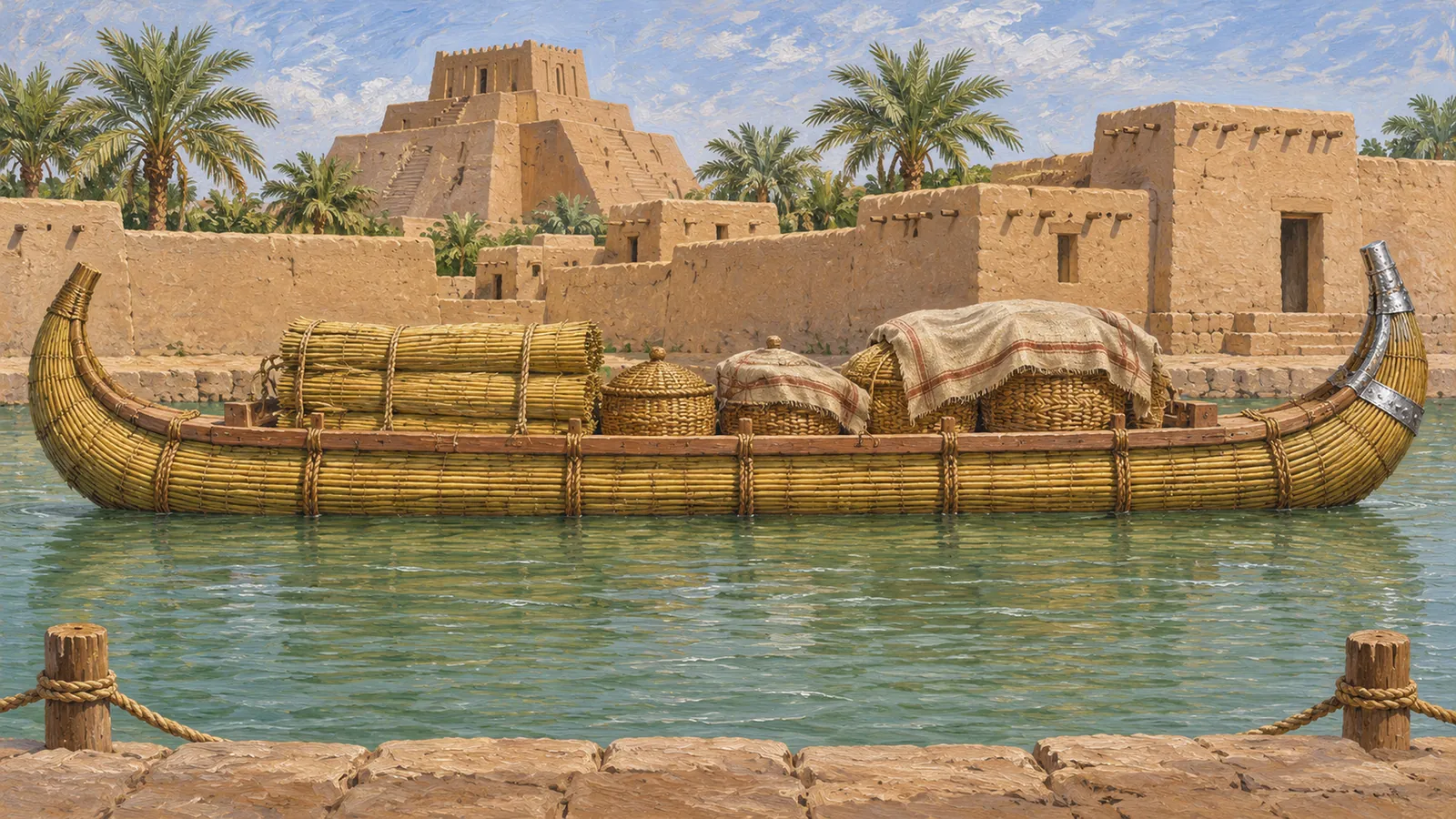
Nanna told Kalkal he would give him something from the prow as a first offering, and something from the stern as a last one. The poem leaves both gifts unnamed.
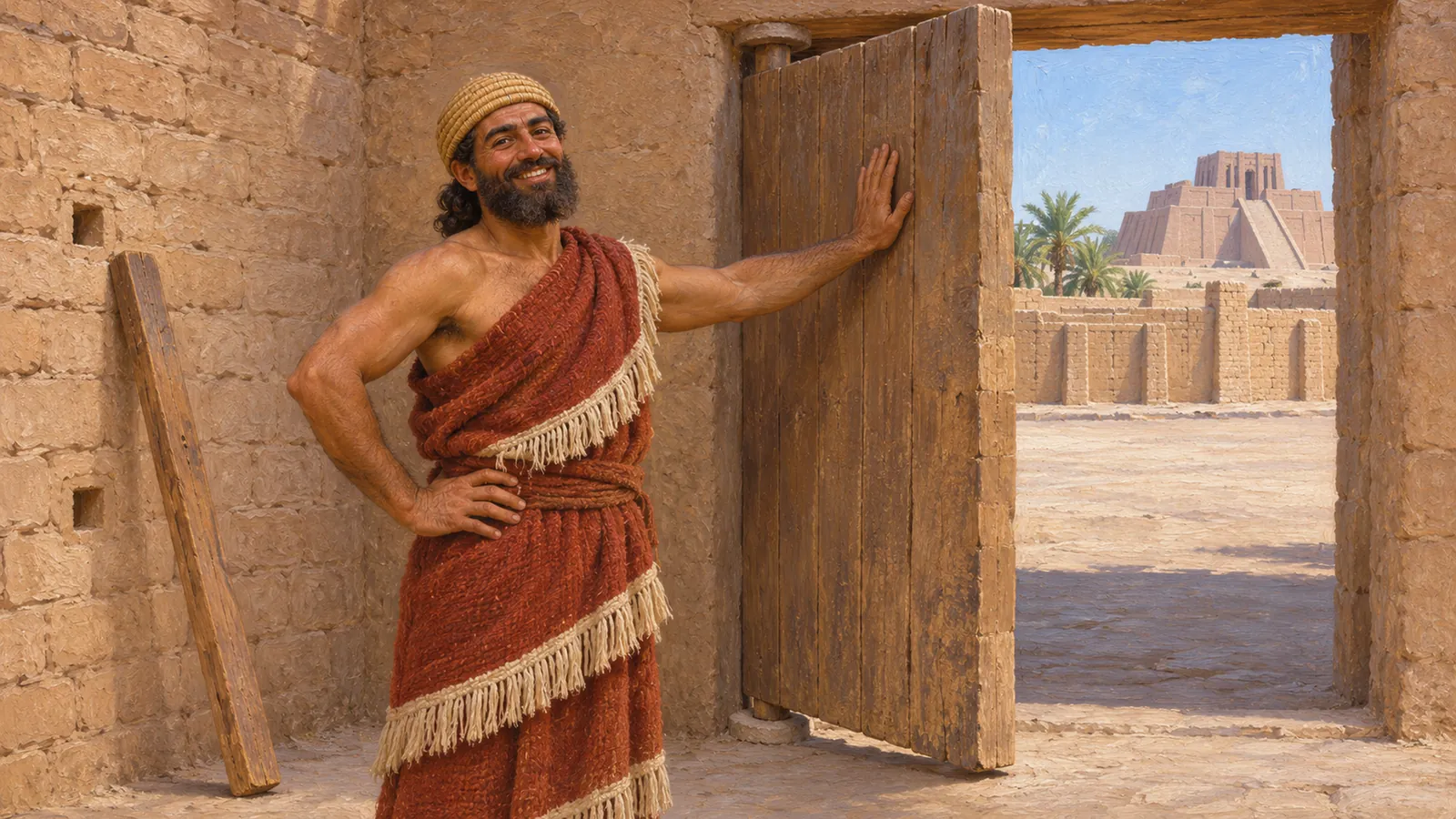
At last the porter rejoiced and opened the house. The song repeats his joy and names him as the one in charge of the door’s heavy bolt handle.
ENLIL’S HOUSE
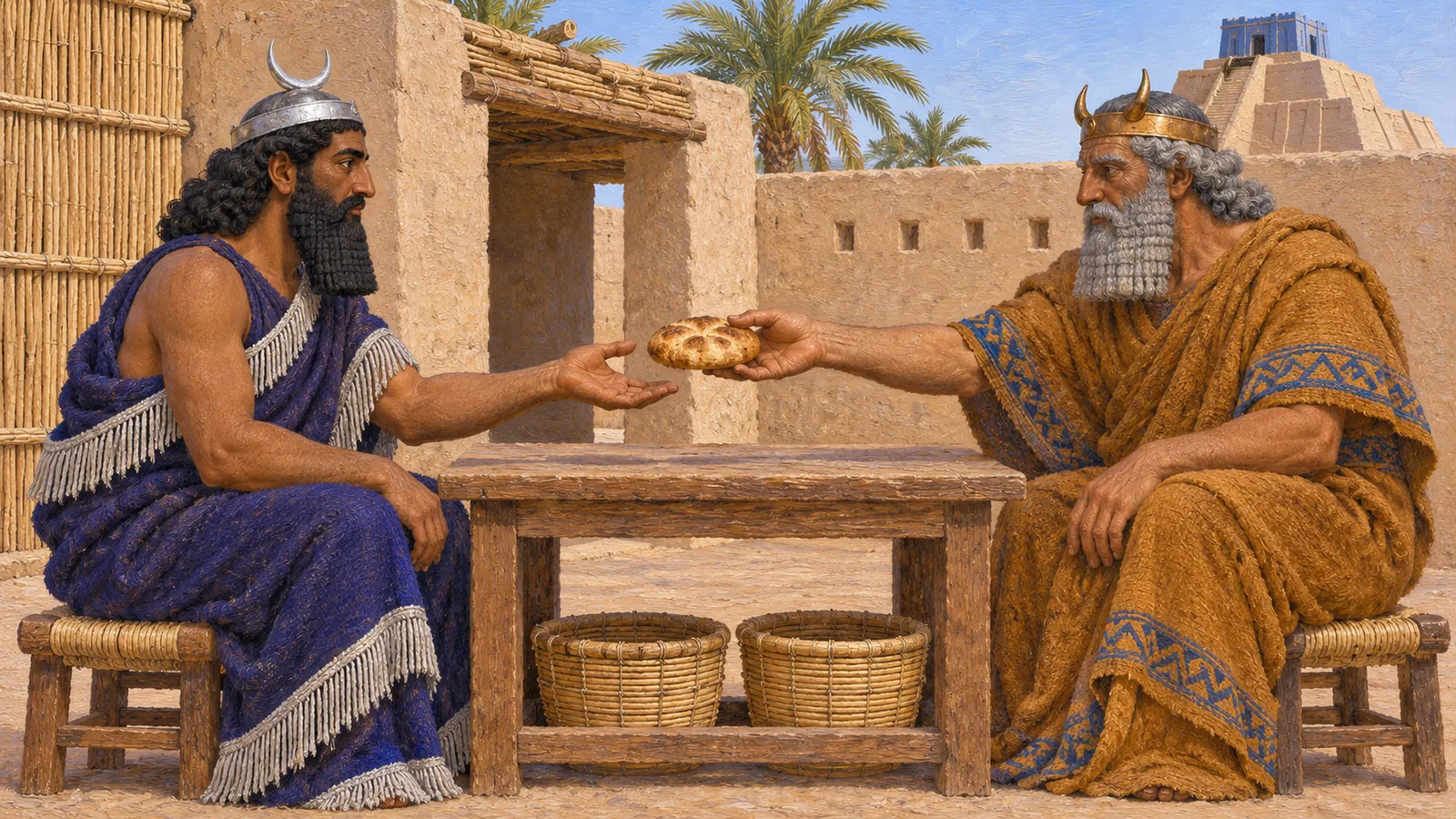
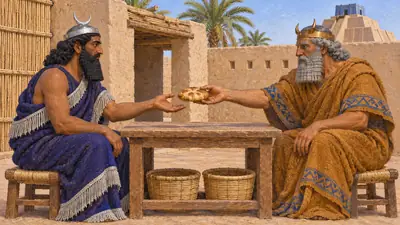
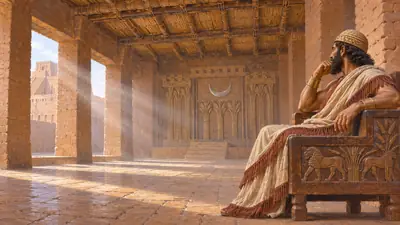
In Enlil’s house, Nanna gave the offerings that had travelled with him. Enlil rejoiced to receive them, and he offered bread to Suen, who was his son.
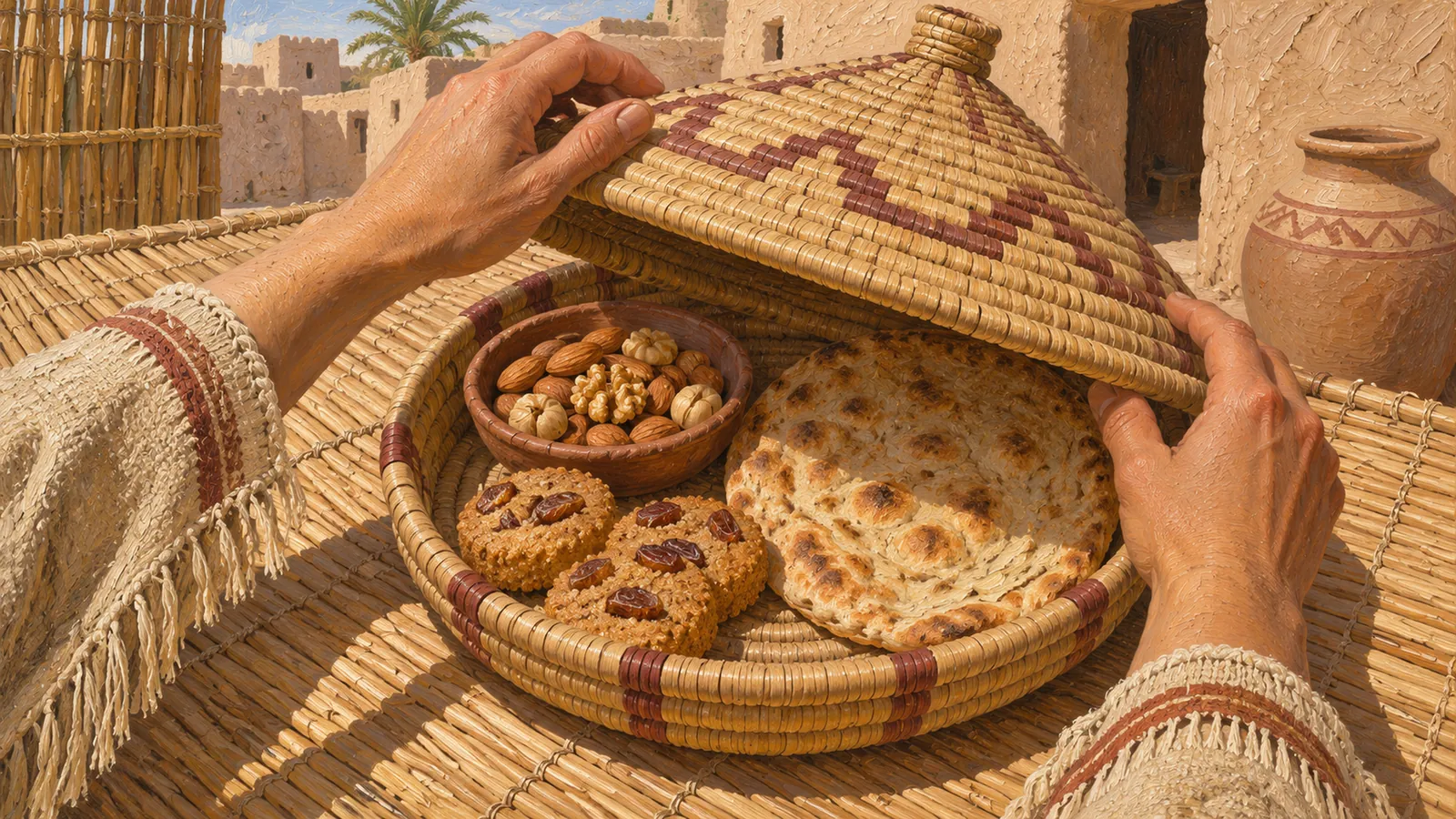
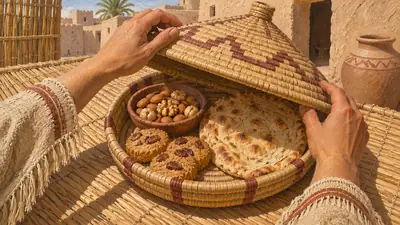
Enlil spoke kindly of the son who loved sweet cakes. He called for his favourite food, then told the household to bring the choicest bread from the temple called Ekur.
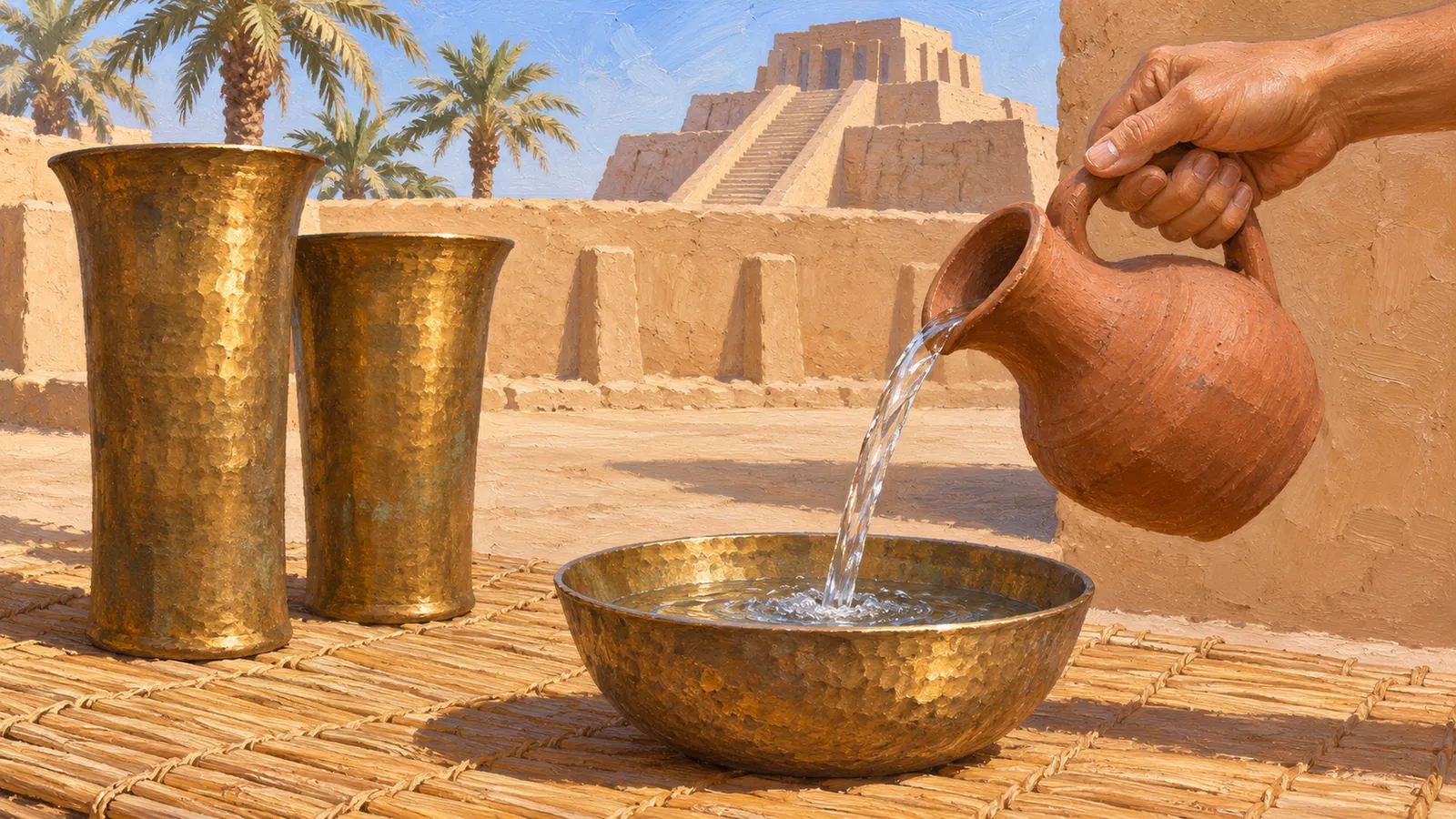
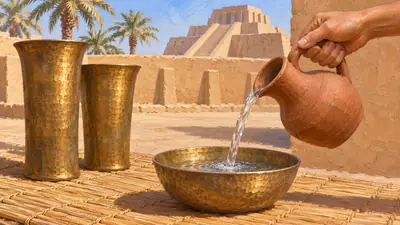
The father asked for the finest beer, syrup, sweet cake and clear water. The words about the tall tilimda vessels are partly lost, but the kindness of his wish is clear.
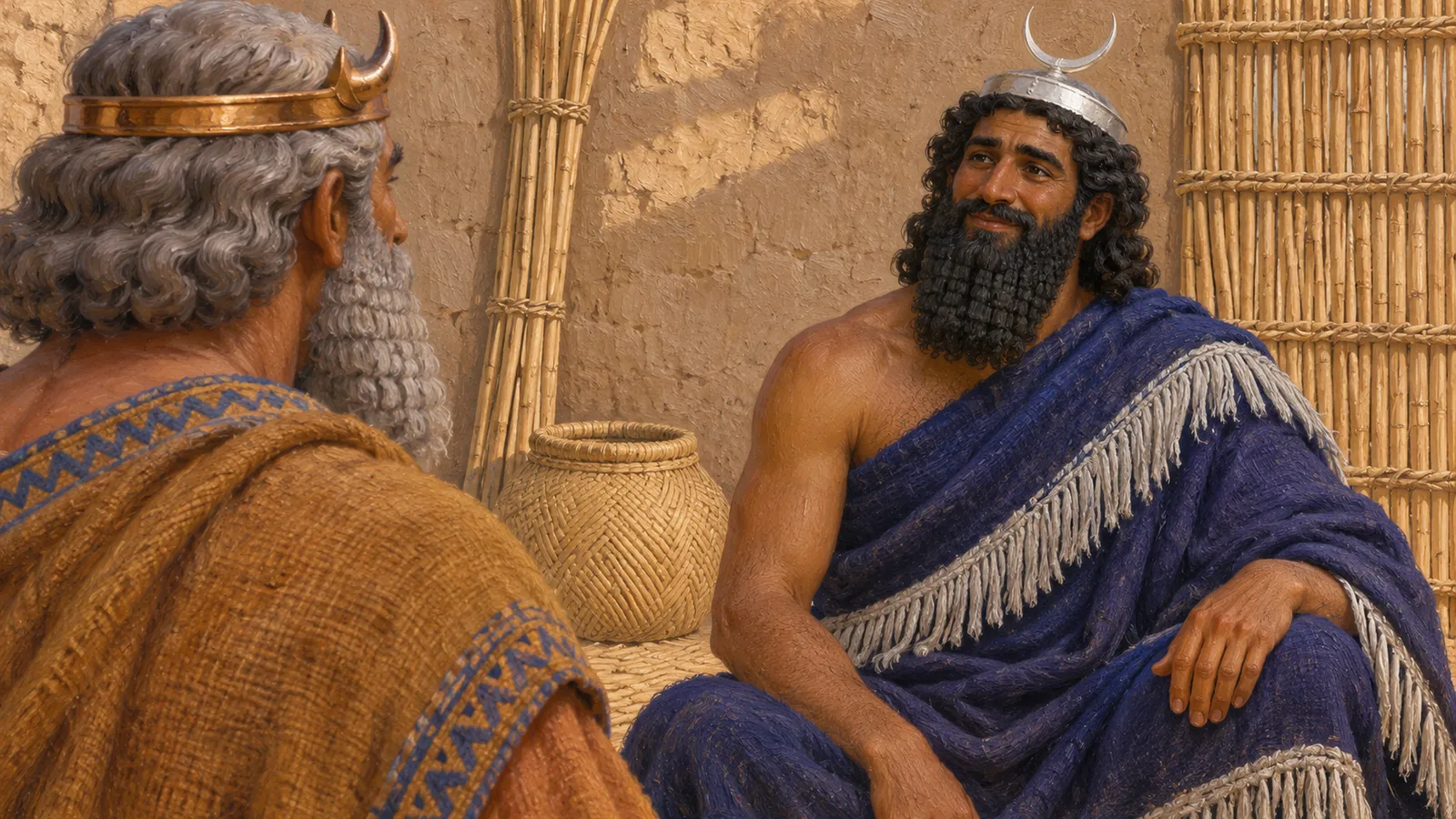
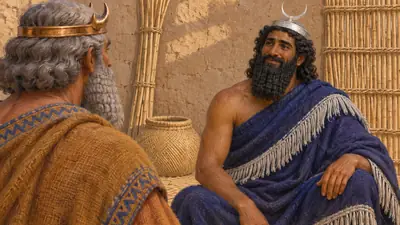
Suen thanked his father for what he had eaten and drunk. He called him the Great Mountain and said kingship lay wherever Enlil turned his eyes. The last words break away.
FOR UR
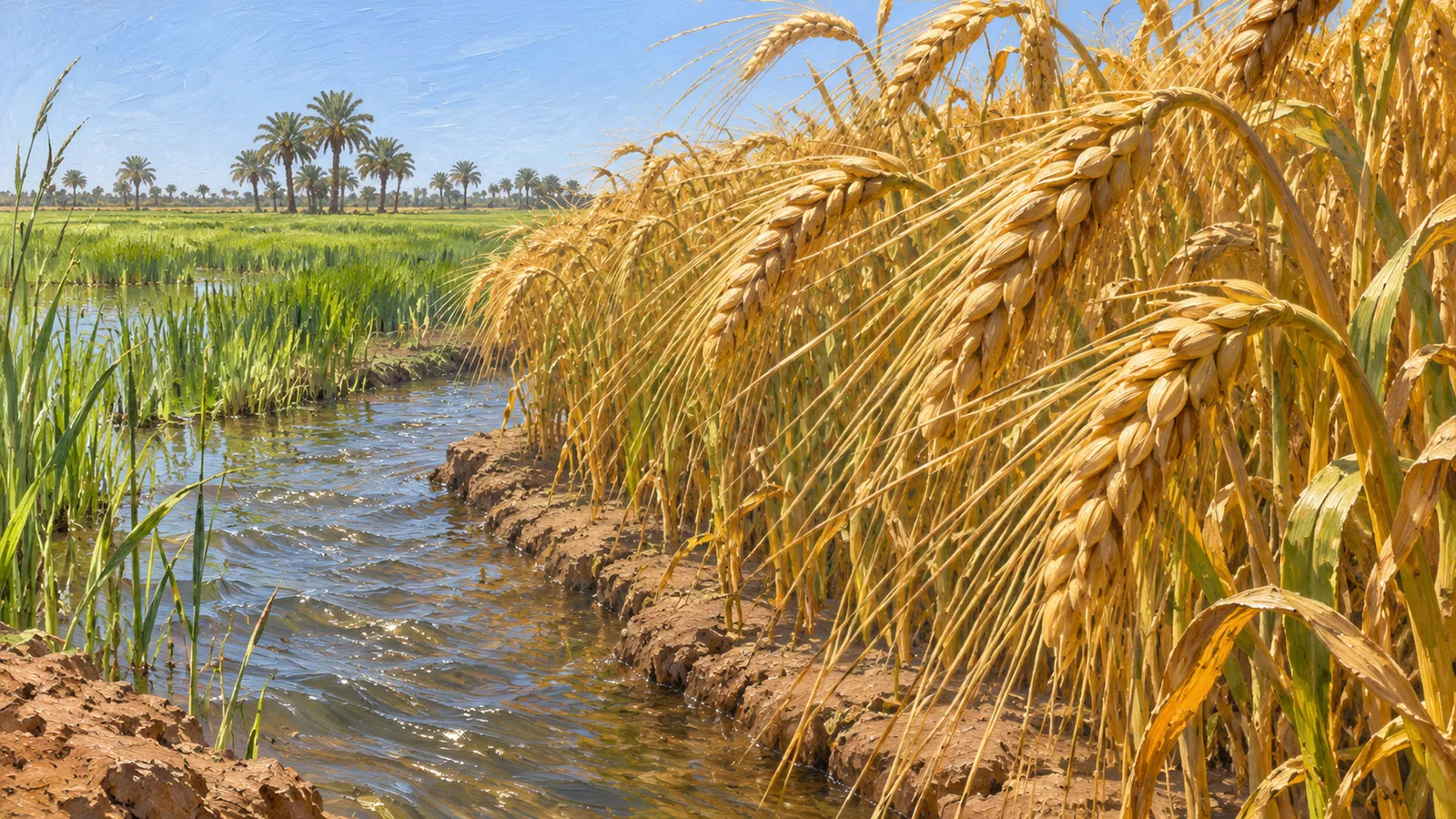
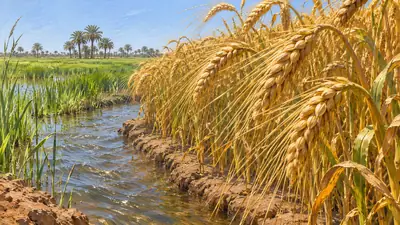
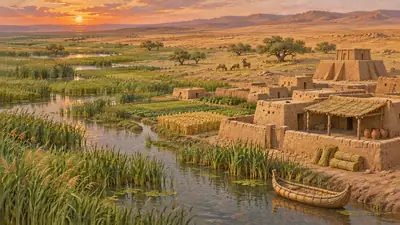
Nanna wanted to return to Ur. He first asked for carp in river and marsh, speckled barley in the fields, and thriving old and young reeds in the reedbeds.
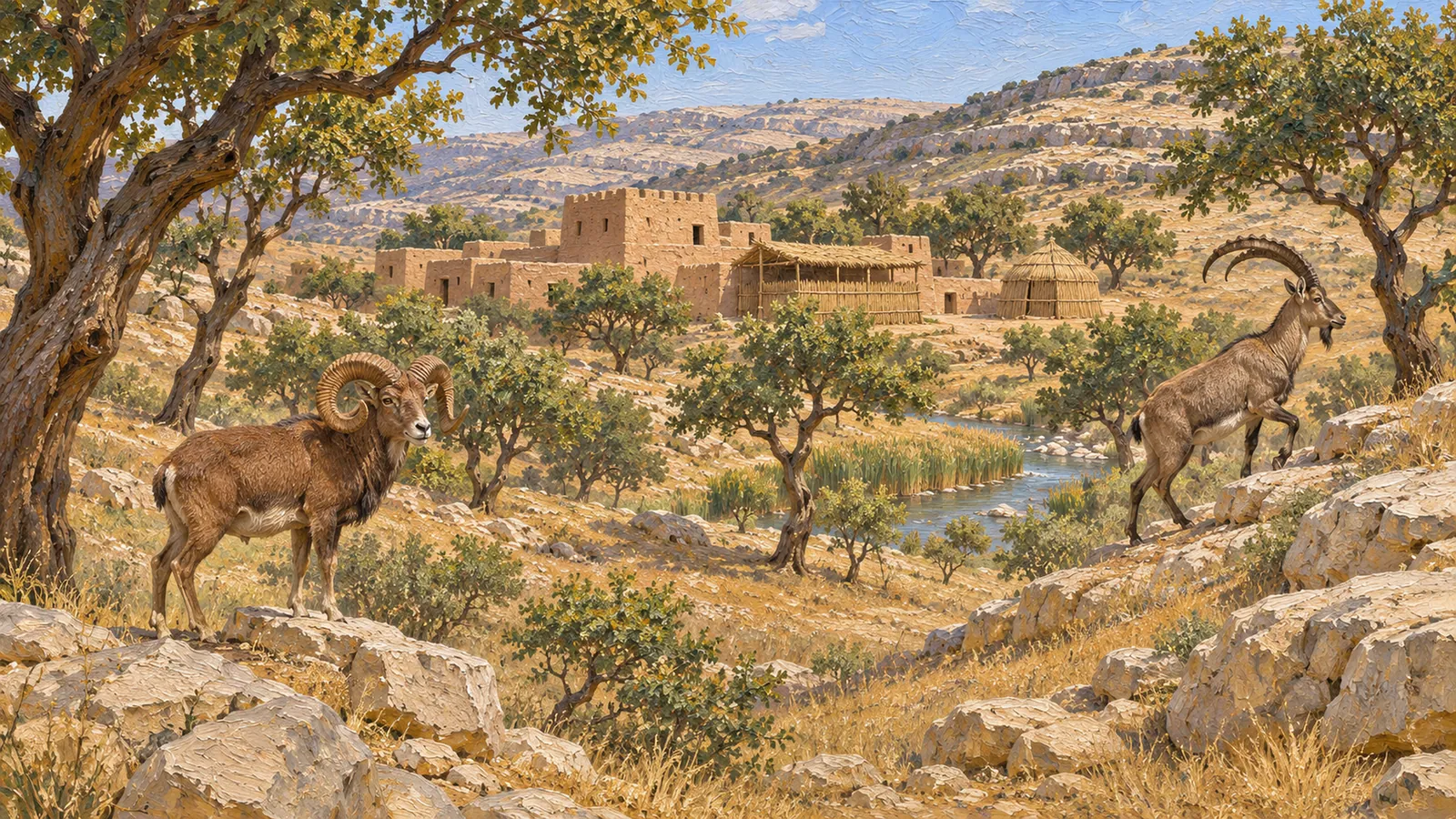
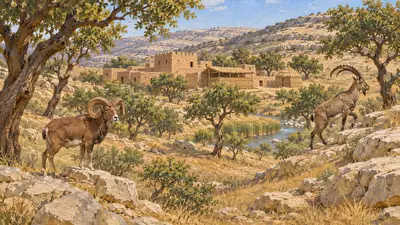
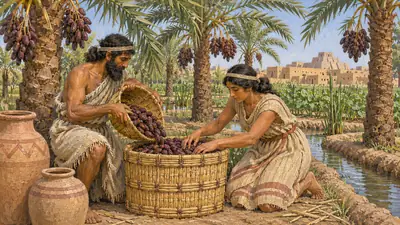
For the forests he asked for ibex and wild rams, and for the high plain the mashgurum tree. He asked for syrup and wine in the orchards, and long life in the palace.
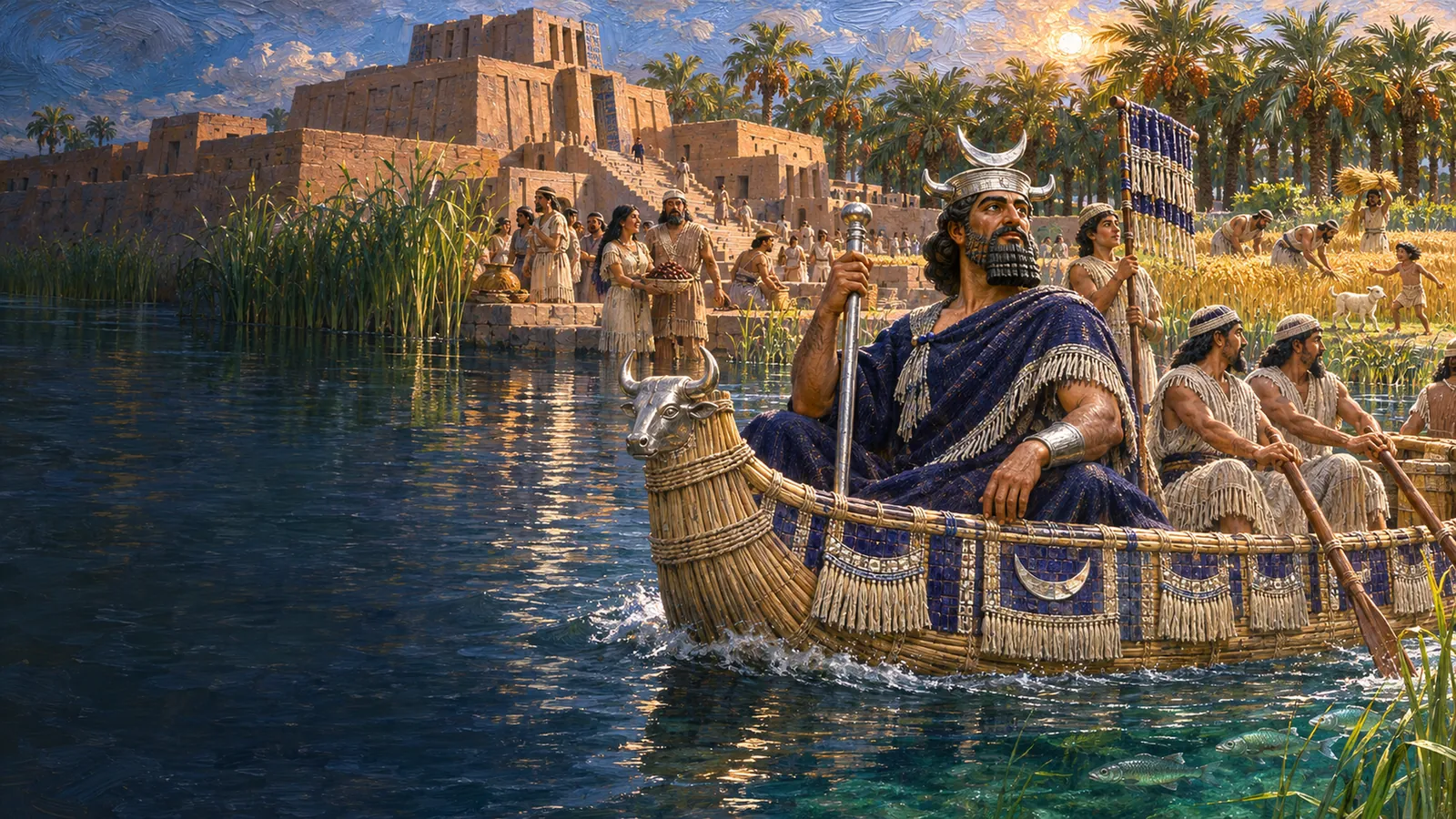
Enlil granted the requests. The poem names the waters and the fields again as the gifts are given, repeating after each blessing that Suen sets out for Ur.
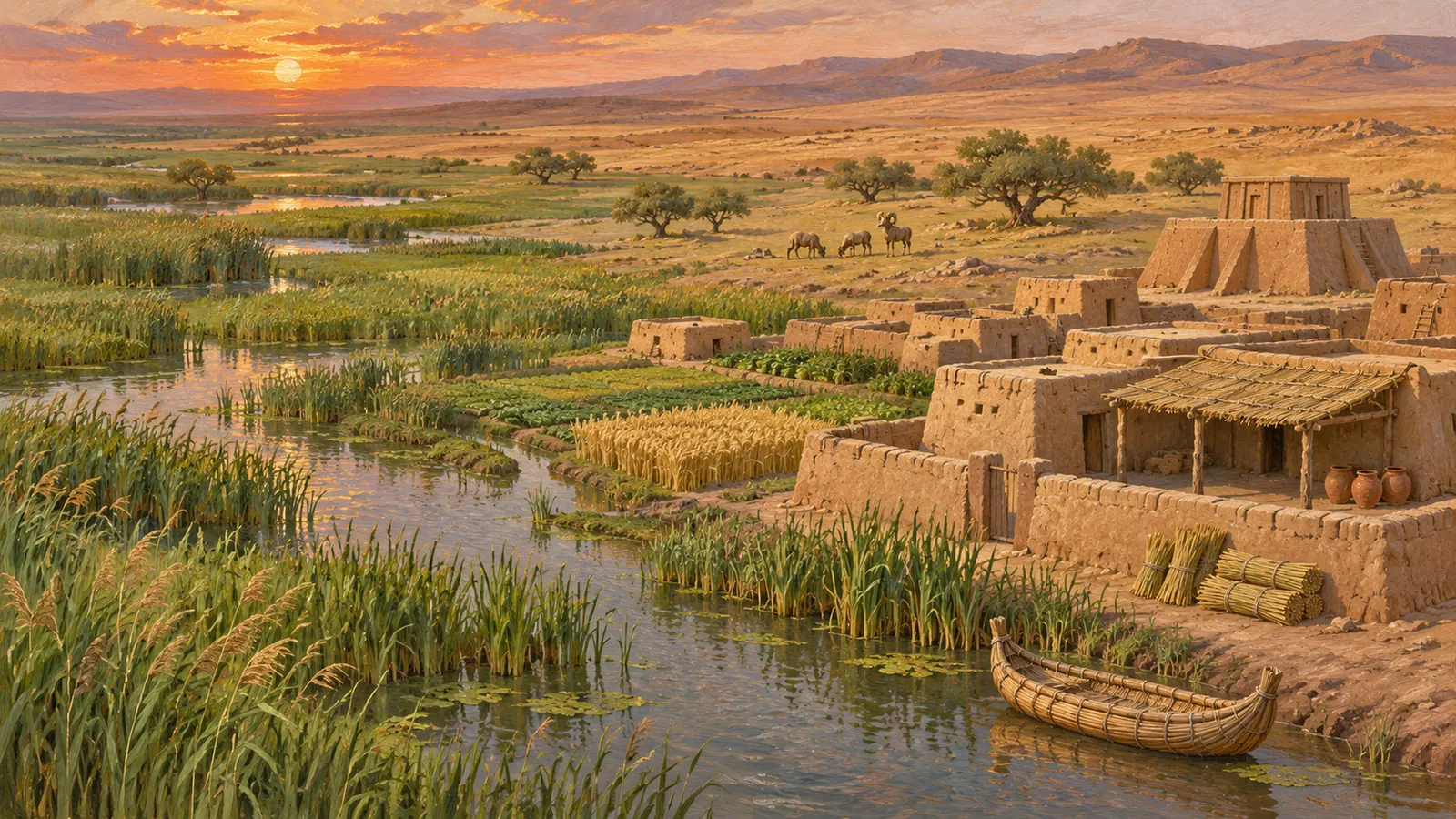
Reeds take their place beside forests and high ground in the poem’s answer. Enlil grants each what Nanna named. The blessing travels outward through many parts of the land.
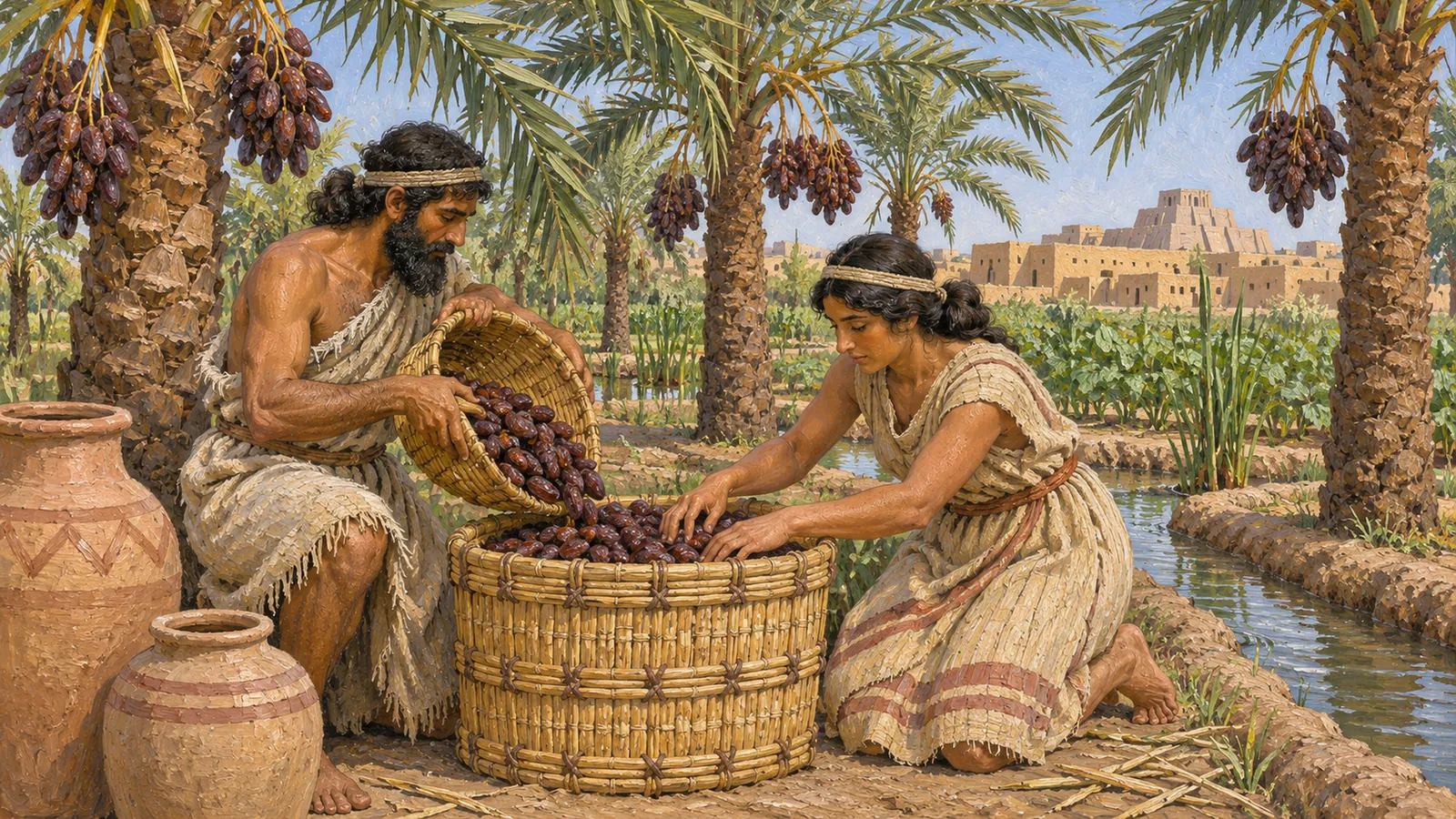
Enlil gave syrup and wine for the orchards and long life for the palace. With those last gifts named, the poem repeats the road home to Ur once more.
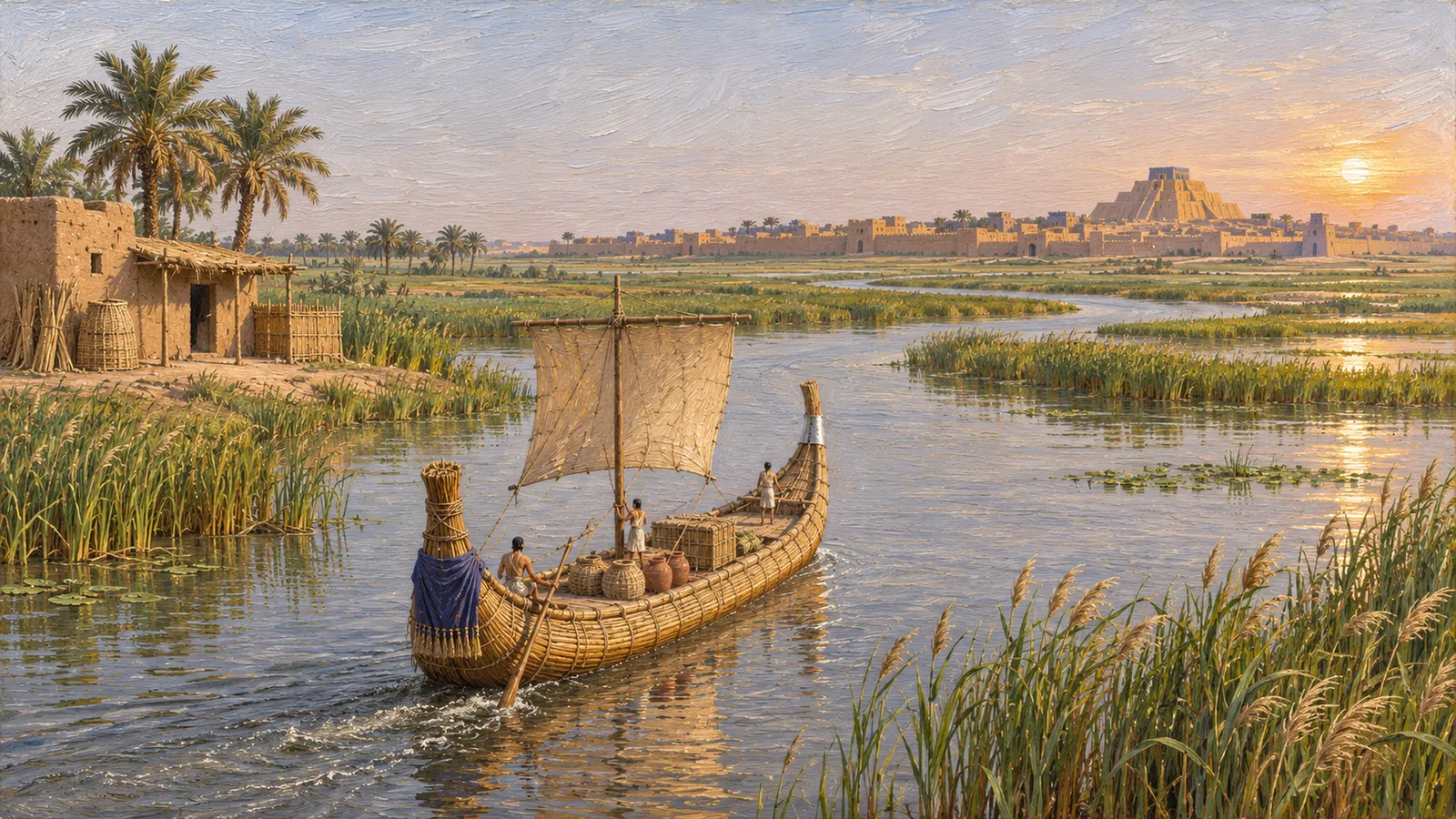
The refrain sends Nanna onward each time a gift is granted. He leaves for Ur with the promise of abundance for the land he left, from the river to the palace.
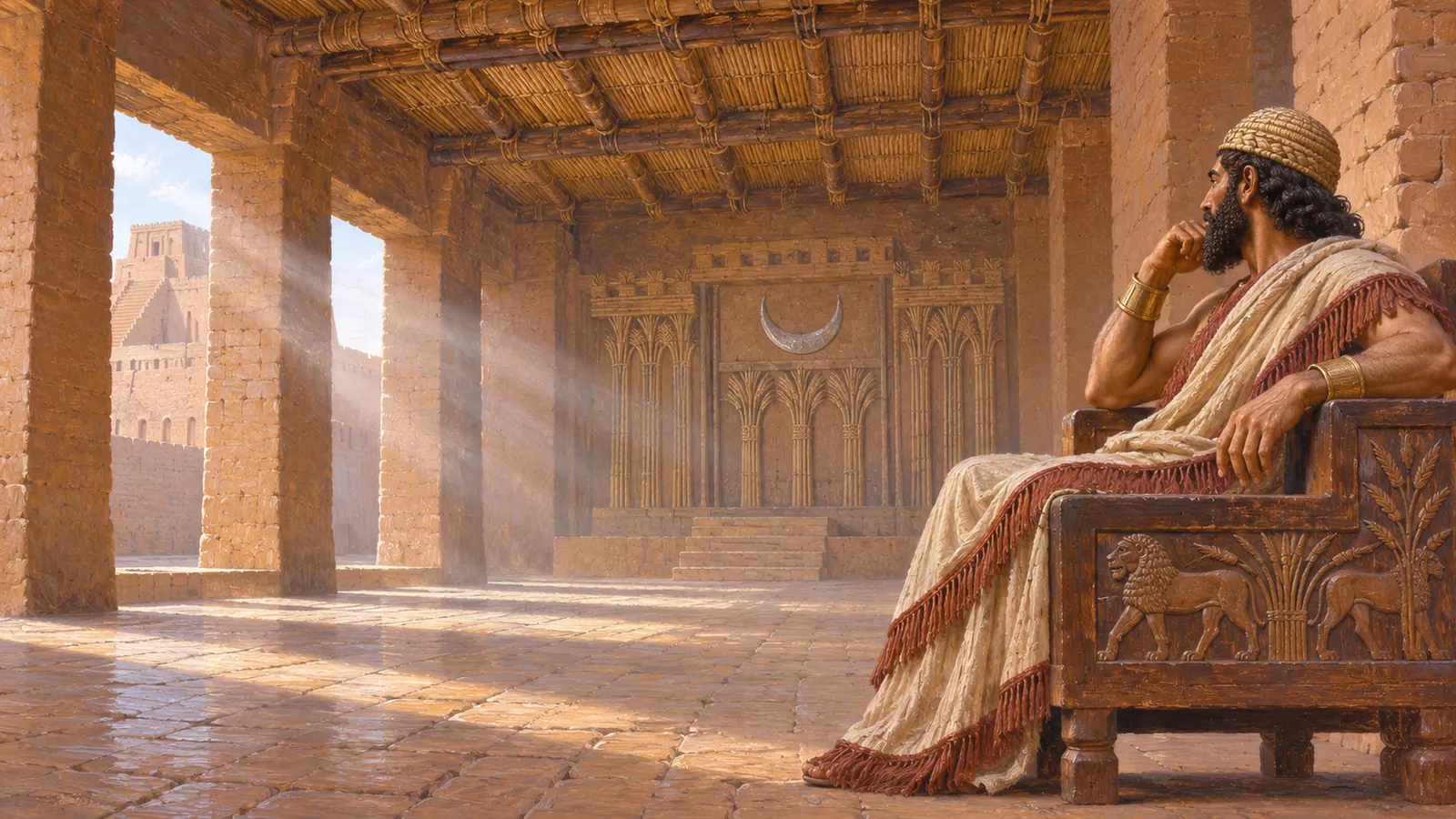
The closing words turn to a king on his throne. They ask Nanna-Suen, also called Ashimbabbar, to renew his life for seven days in honour of Enlil and the great mother Ninlil.
End of chapter 1
All pages
Sources
Editions consulted
- Electronic Text Corpus of Sumerian Literature, 1.5.1, Nanna-Suen’s Journey to Nibru: — Oxford’s translation of the Sumerian composite, with variant lines and missing passages.
- ETCSL, 1.5.1 composite text: — line-by-line Sumerian edition and manuscript variants.
- Thorkild Jacobsen, Sumerian notes to The Harps That Once: — philological notes, including the final docking formula and Ferrara’s edition.
- Cuneiform Digital Library Initiative, Nanna-Suen’s Journey to Nippur, composite P448729
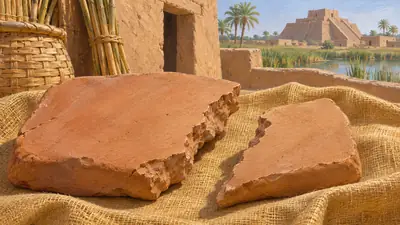
- Cuneiform Digital Library Initiative, Nippur tablet Ist Ni 04578, P343282
Ancient lines behind each page
- Page 1: ETCSL 1.5.1, 1–8
- Page 2: ETCSL 1.5.1, 9–16
- Page 3: ETCSL 1.5.1, 17–36
- Page 4: ETCSL 1.5.1, 37–38
- Page 5: ETCSL 1.5.1, 39–44
- Page 6: ETCSL 1.5.1, 45–48
- Page 7: ETCSL 1.5.1, 49–58
- Page 8: ETCSL 1.5.1, 59–82
- Page 9: ETCSL 1.5.1, 83–156
- Page 10: ETCSL 1.5.1, 157–166
- Page 11: ETCSL 1.5.1, 167–175
- Page 12: ETCSL 1.5.1, 176–185
- Page 13: ETCSL 1.5.1, 186–197
- Page 14: ETCSL 1.5.1, 198–202
- Page 15: ETCSL 1.5.1, 203–208
- Page 16: ETCSL 1.5.1, 209–213
- Page 17: ETCSL 1.5.1, 214–219
- Page 18: ETCSL 1.5.1, 220–224
- Page 19: ETCSL 1.5.1, 225–230
- Page 20: ETCSL 1.5.1, 231–241
- Page 21: ETCSL 1.5.1, 242–246
- Page 22: ETCSL 1.5.1, 247–252
- Page 23: ETCSL 1.5.1, 253–257
- Page 24: ETCSL 1.5.1, 258–264
- Page 25: ETCSL 1.5.1, 265–283
- Page 26: ETCSL 1.5.1, 284–305
- Page 27: ETCSL 1.5.1, 306–308
- Page 28: ETCSL 1.5.1, 309–315
- Page 29: ETCSL 1.5.1, 315–318
- Page 30: ETCSL 1.5.1, 319–321
- Page 31: ETCSL 1.5.1, 322–325
- Page 32: ETCSL 1.5.1, 326–330
- Page 33: ETCSL 1.5.1, 331–335
- Page 34: ETCSL 1.5.1, 336–339
- Page 35: ETCSL 1.5.1, 340–343
- Page 36: ETCSL 1.5.1, 344–346
- Page 37: ETCSL 1.5.1, 347–348
- Page 38: ETCSL 1.5.1, 340–348
- Page 39: ETCSL 1.5.1, 349–352
Illustrations made with AI tools by IL Archive; the text is based on the ancient sources (see the sources at the end of each chapter).