Sargon and Ur-Zababa Chapter 1
The cupbearer’s dream
A dream at the palace of Kish sets Sargon and Ur-Zababa against each other. The king sends his cupbearer to a smith, then to Uruk with a deadly message. The surviving lines break before the outcome is clear.
SourcesTurn the pages with the arrows, the arrow keys or a swipe.
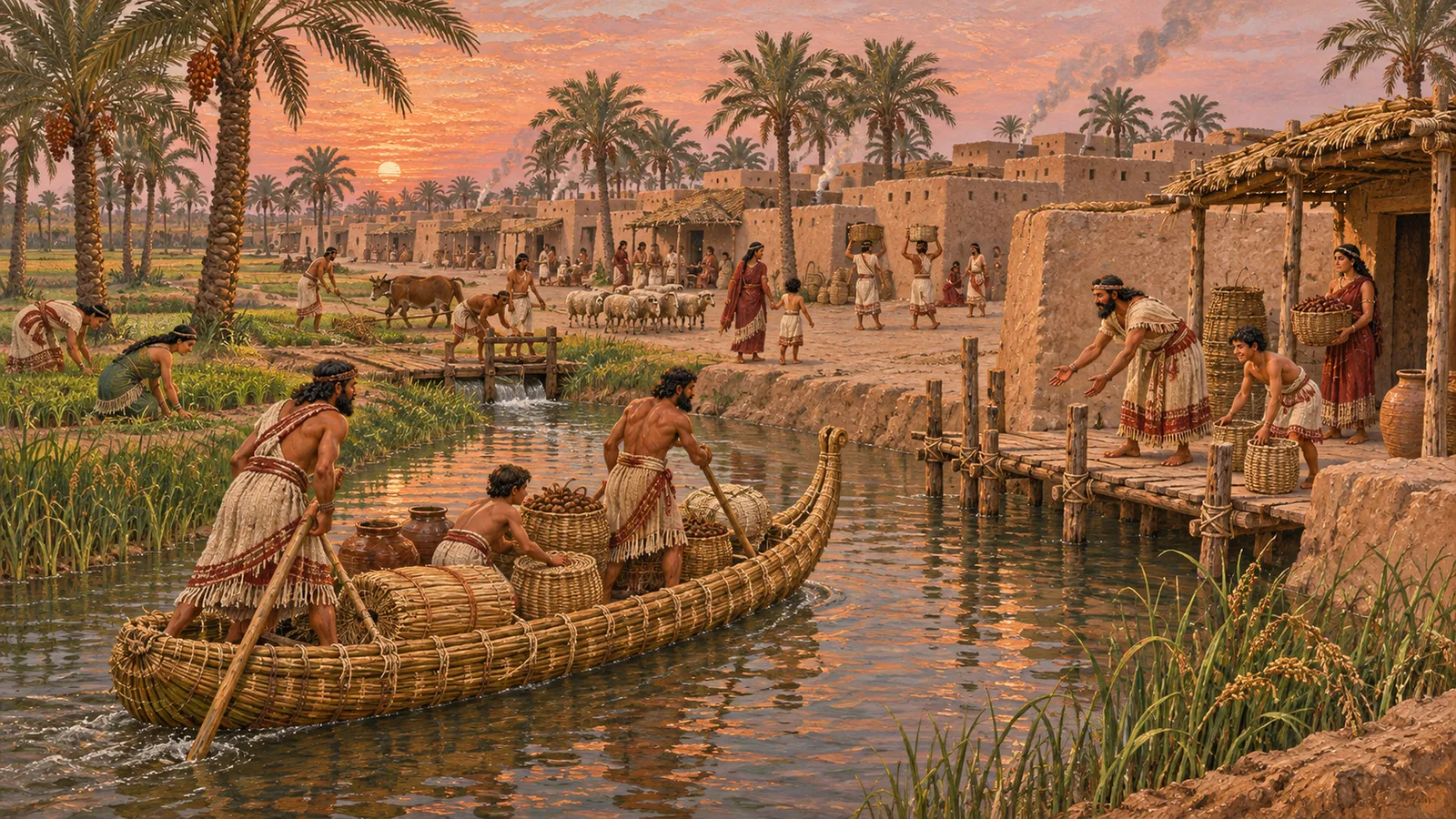
KISH
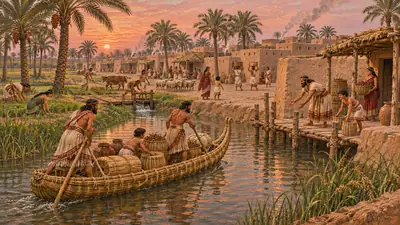
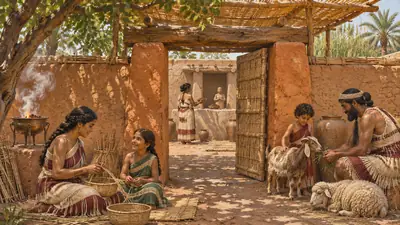
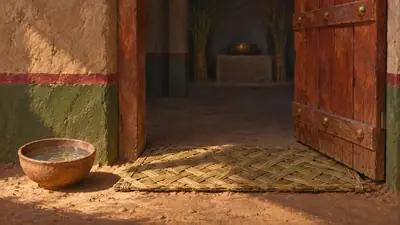
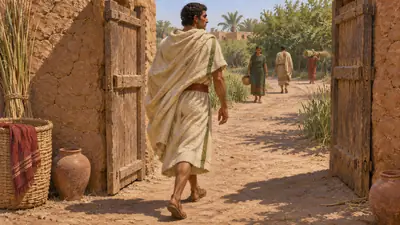
The old Sumerian tale begins among the canals and fields of Kish. A sanctuary and its great furnaces appear in the opening lines, some of them broken.
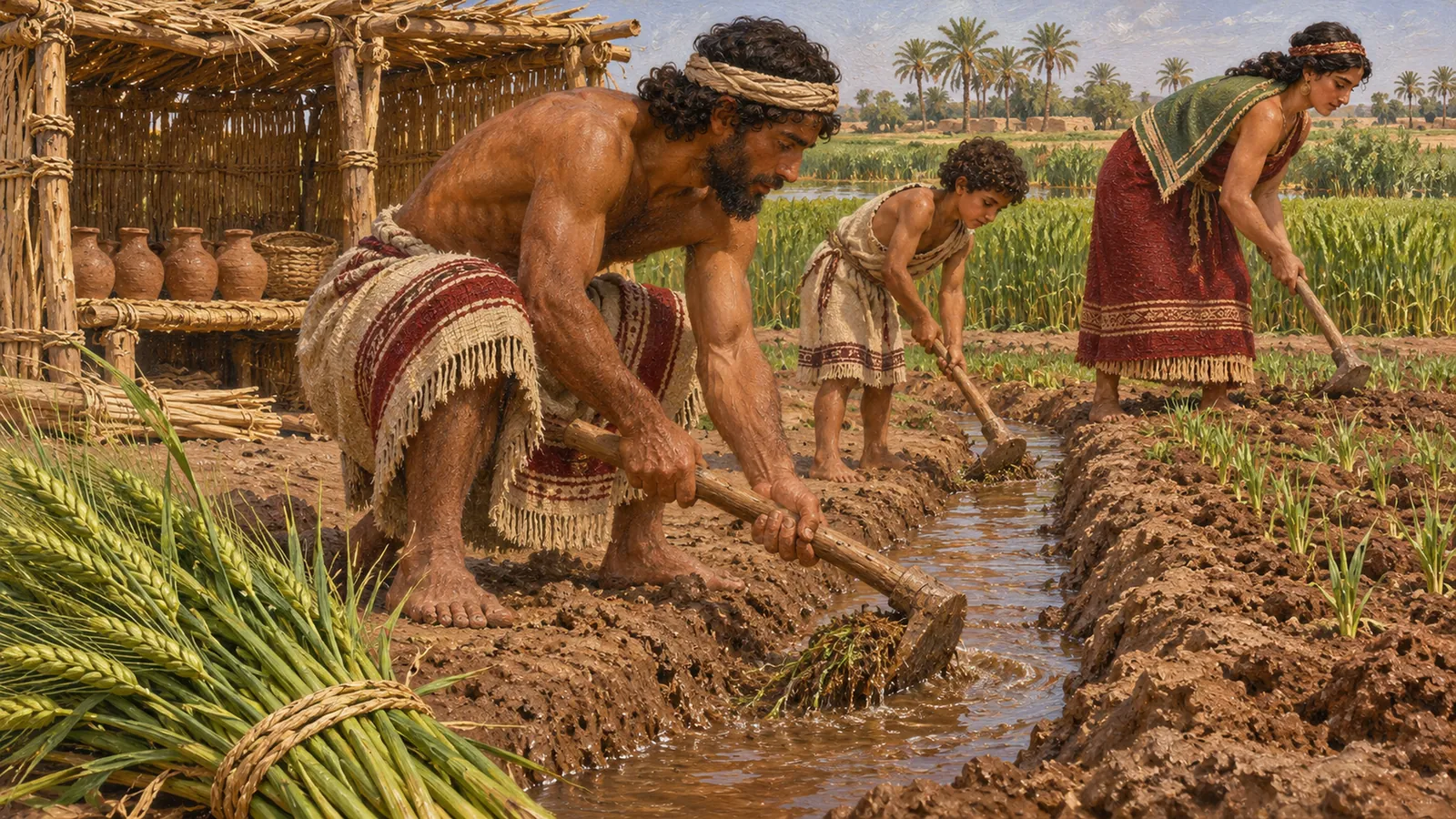
Water, fields and hoes survive among the opening lines. Where the clay is damaged, the relationship between them is disputed, but it is already clear that the city is Kish.
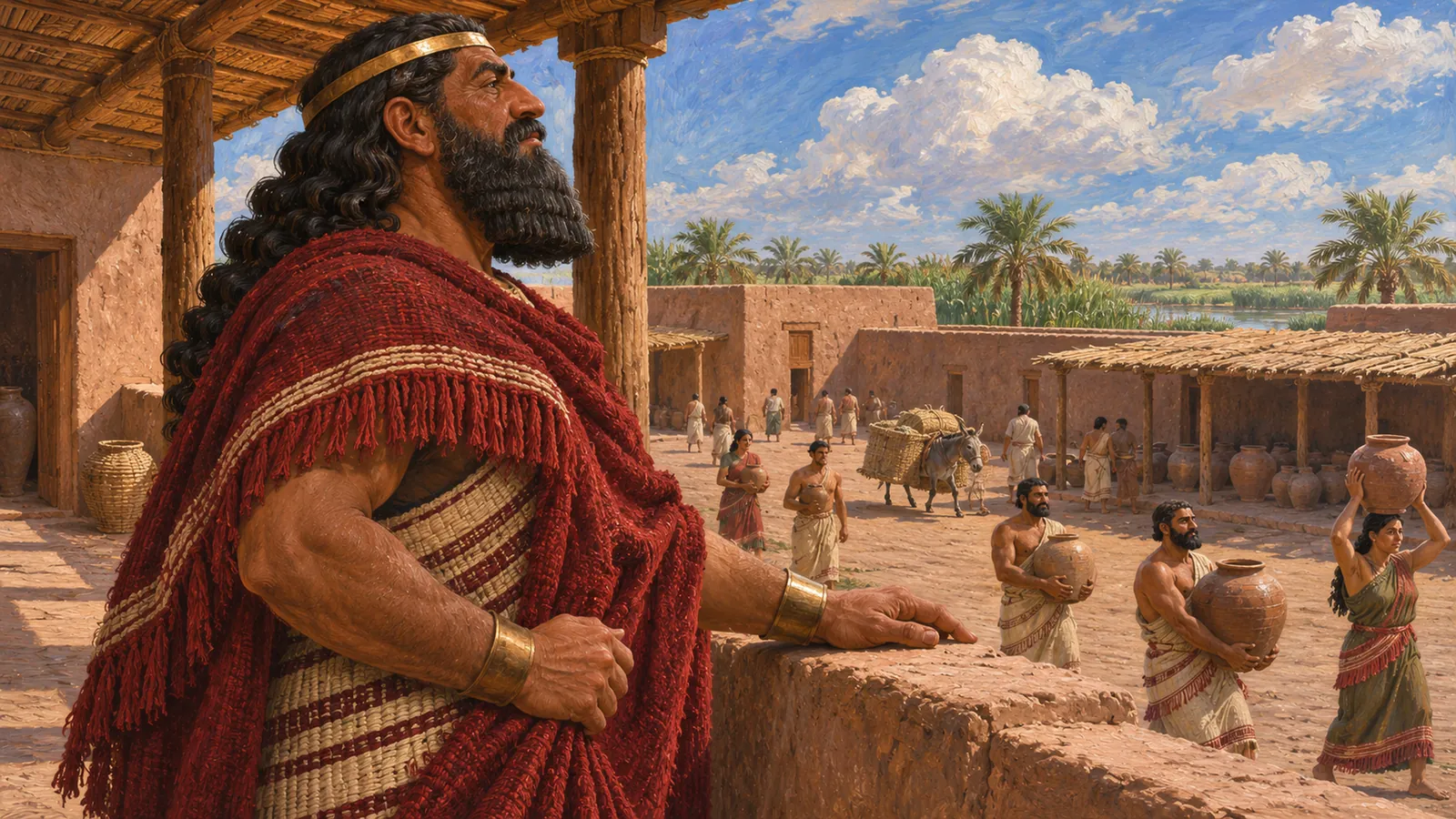
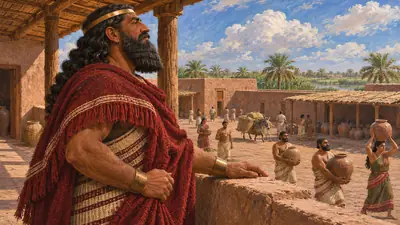
Ur-Zababa was king of Kish. The poet calls him the shepherd of his city and compares his ascent over its houses to the rising of the sun.
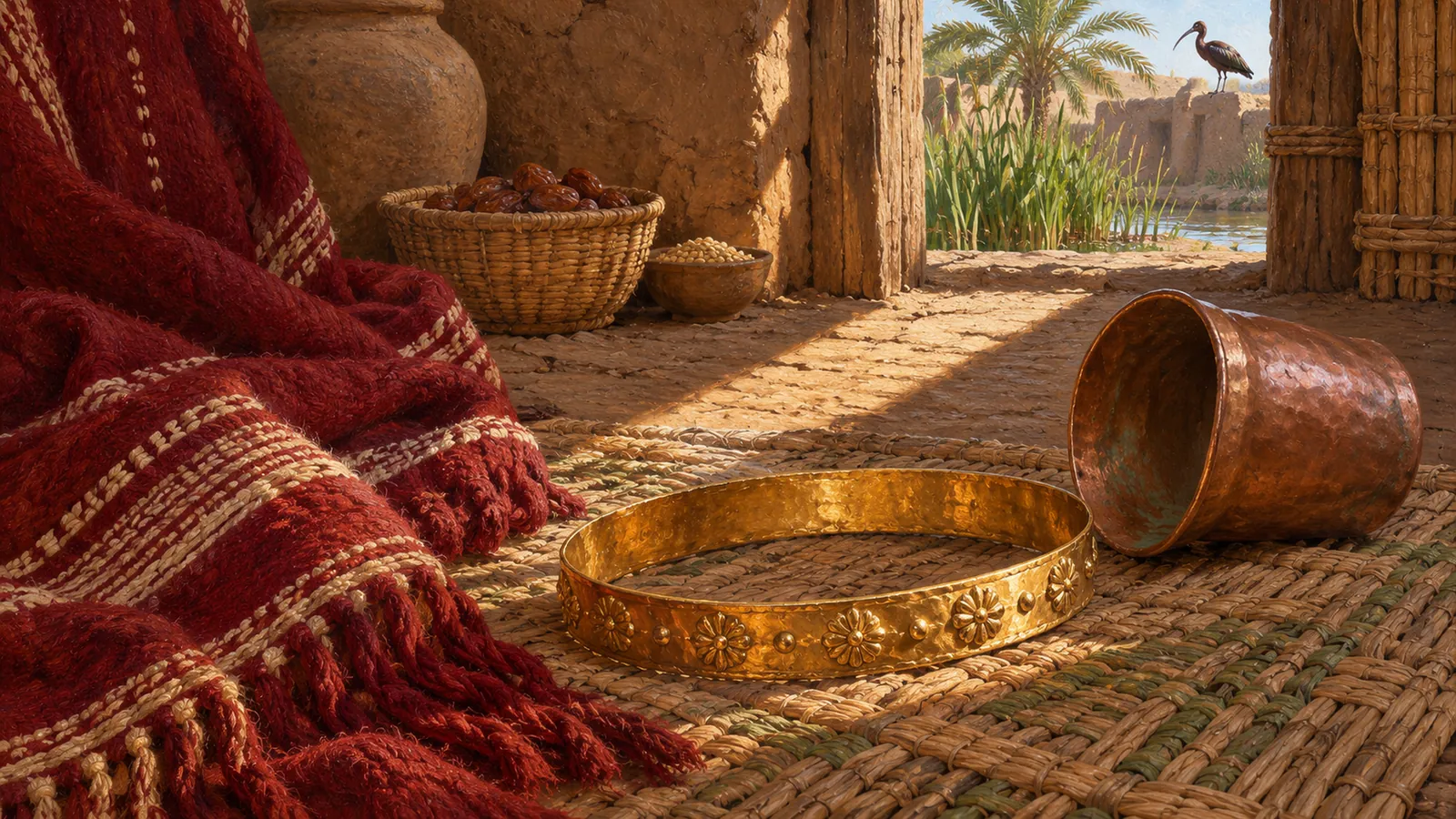
Even as the king’s fortunes rose, they were already changing. The gods An and Enlil decreed that his reign would alter and prosperity would leave his palace.
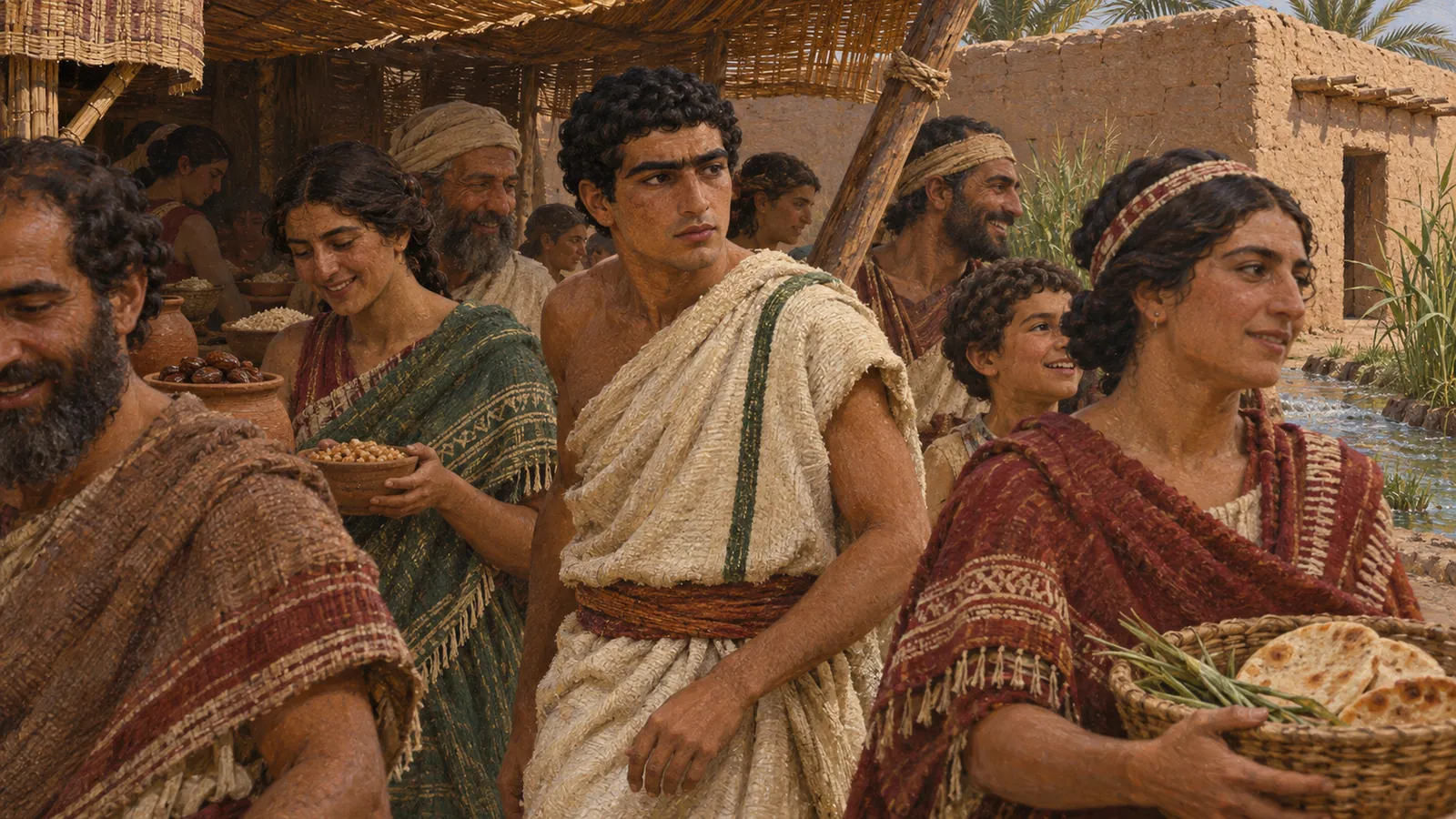
The tablet next names Sargon, son of La’ibum. The name of his mother and the city he came from are lost, together with the lines about his birth.
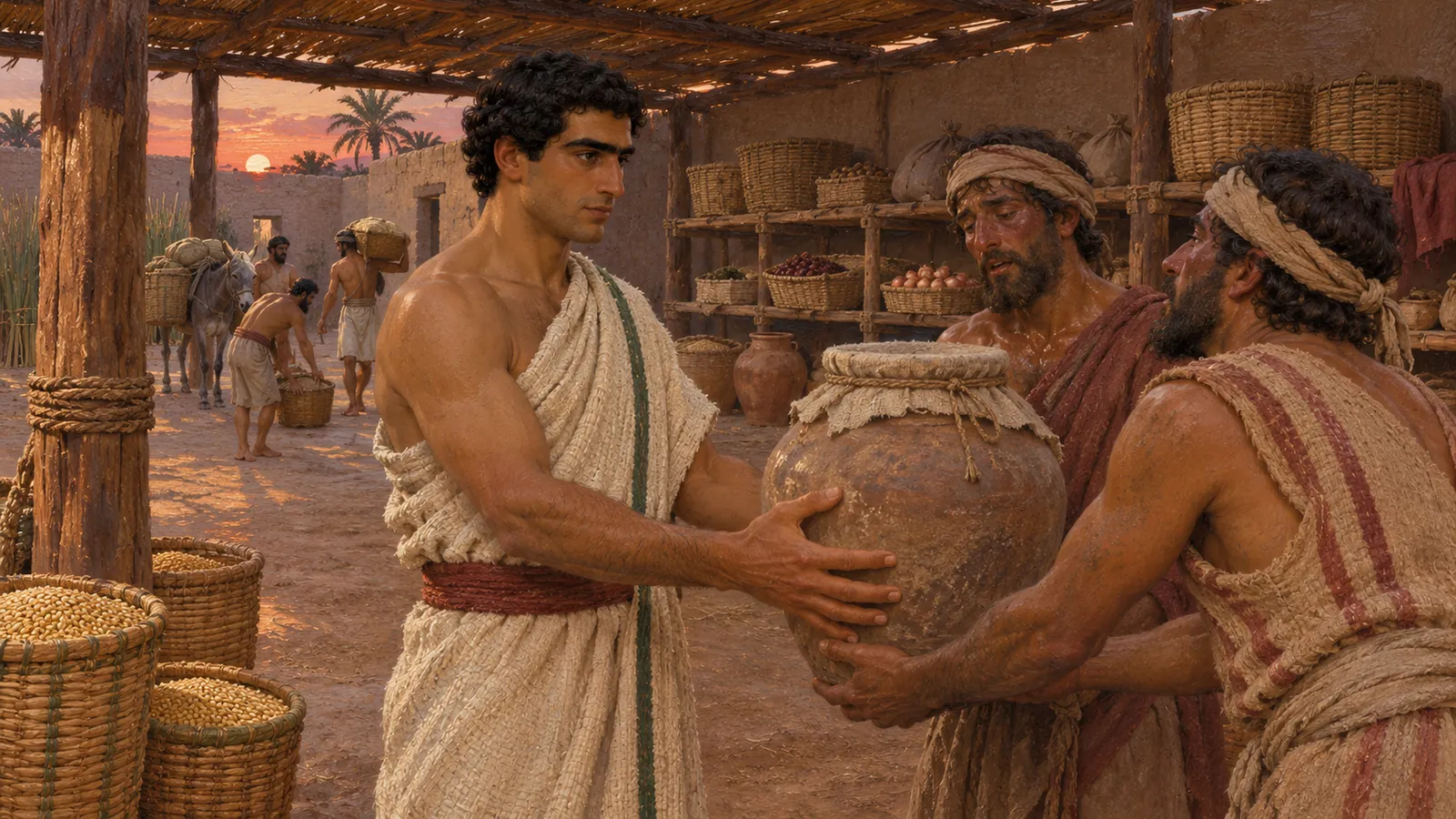
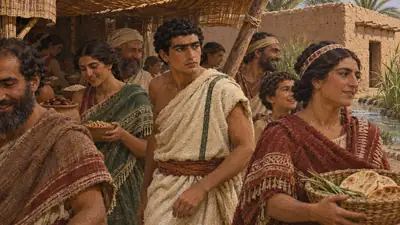
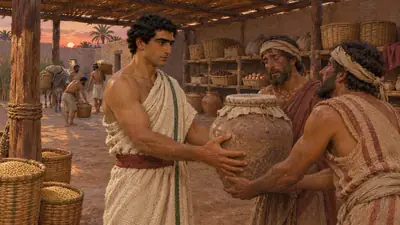
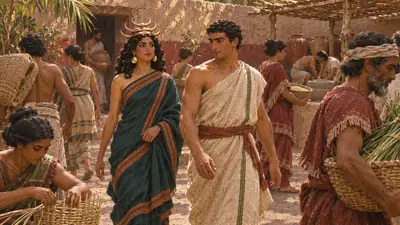
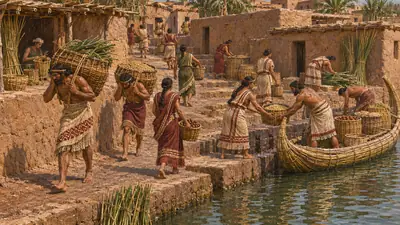
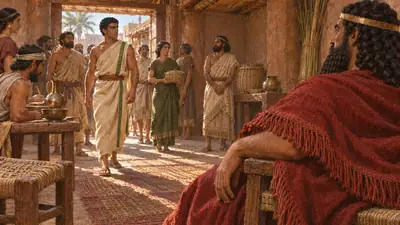
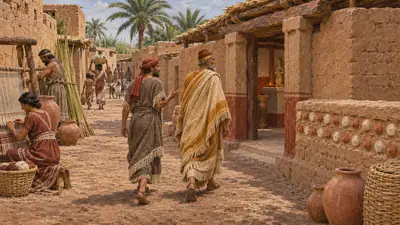
When another tablet picks up the tale, evening has fallen. The day’s regular supplies arrive at the palace, and Sargon is already there to take part in receiving them.
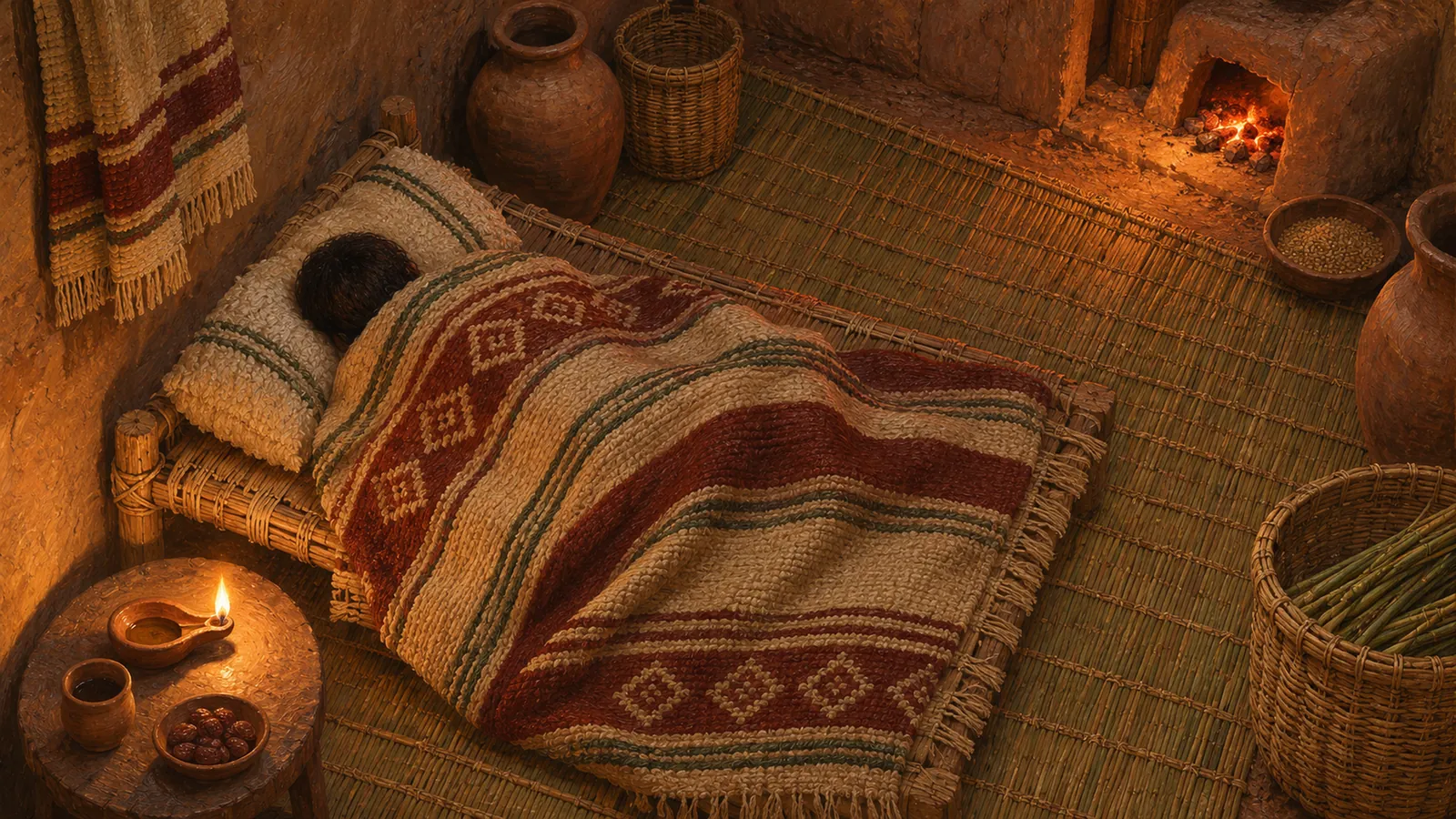
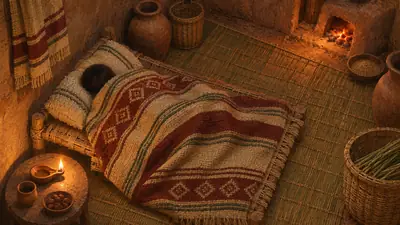
A dream comes in a splendid sleeping chamber. The lines can be read as naming either Ur-Zababa or Sargon as the dreamer. He understands it and says nothing.
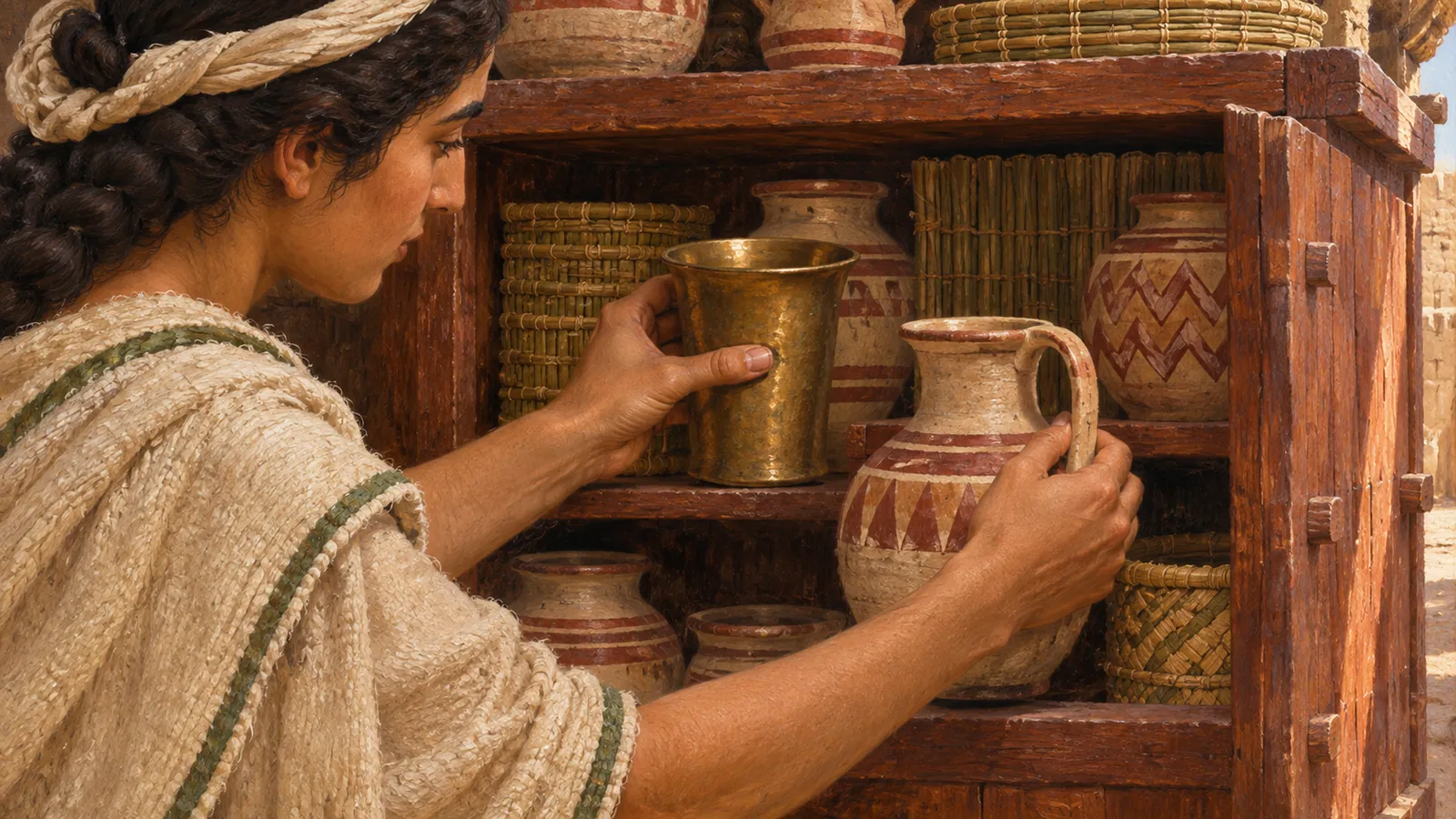
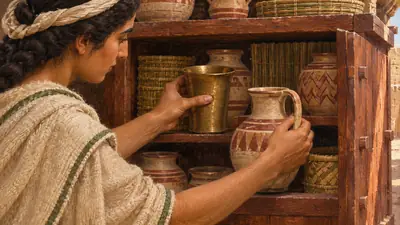
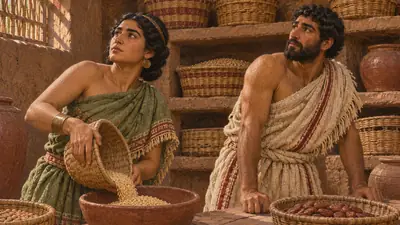
The provisions come through the palace again. This time the story follows Sargon to the place where the court keeps its drinks and the vessels that go with them.
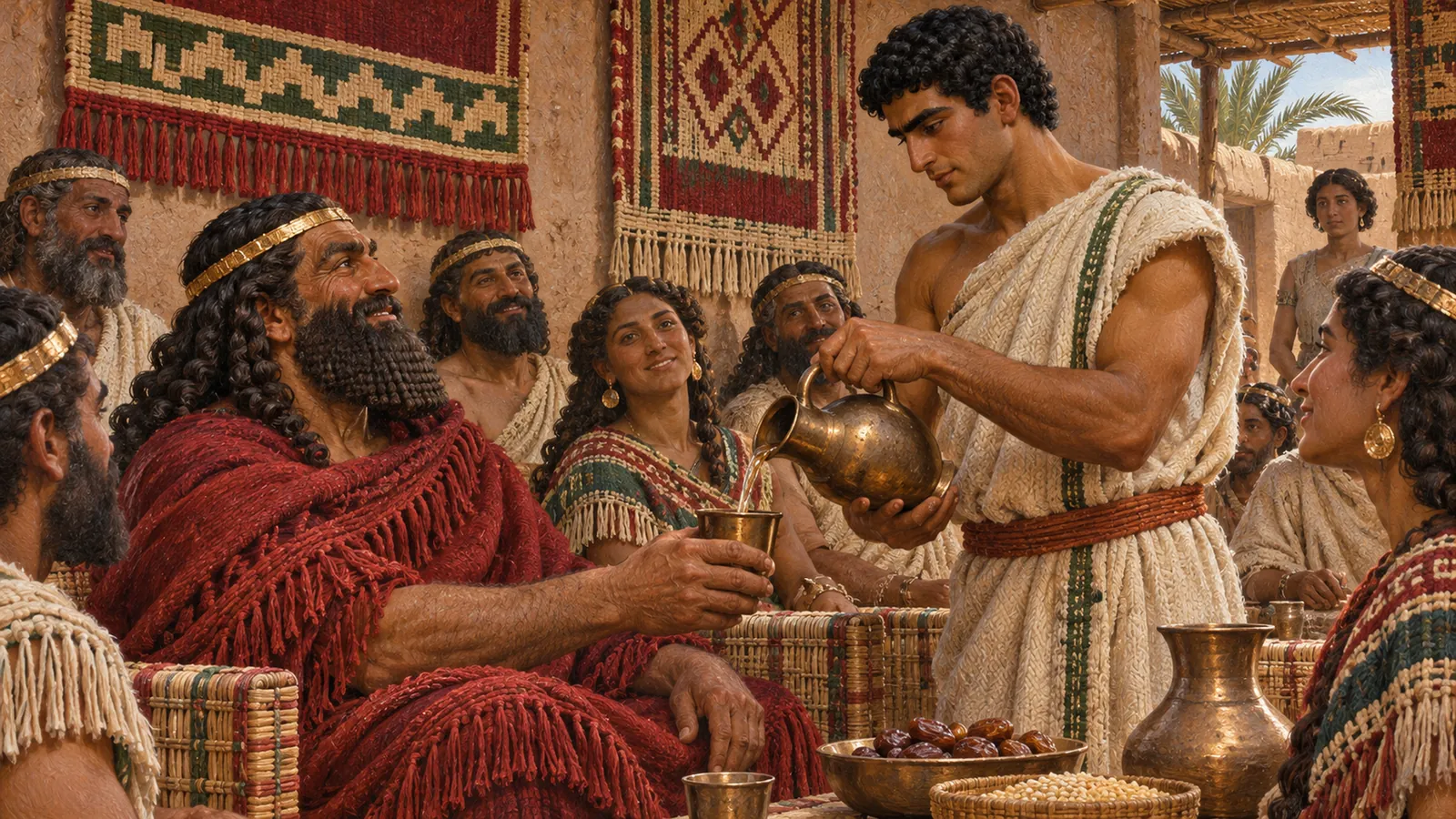
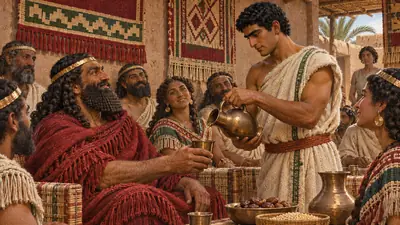
Ur-Zababa makes Sargon his cupbearer and gives him charge of the drinks. A servant who once dealt with deliveries now has a place close to the king.
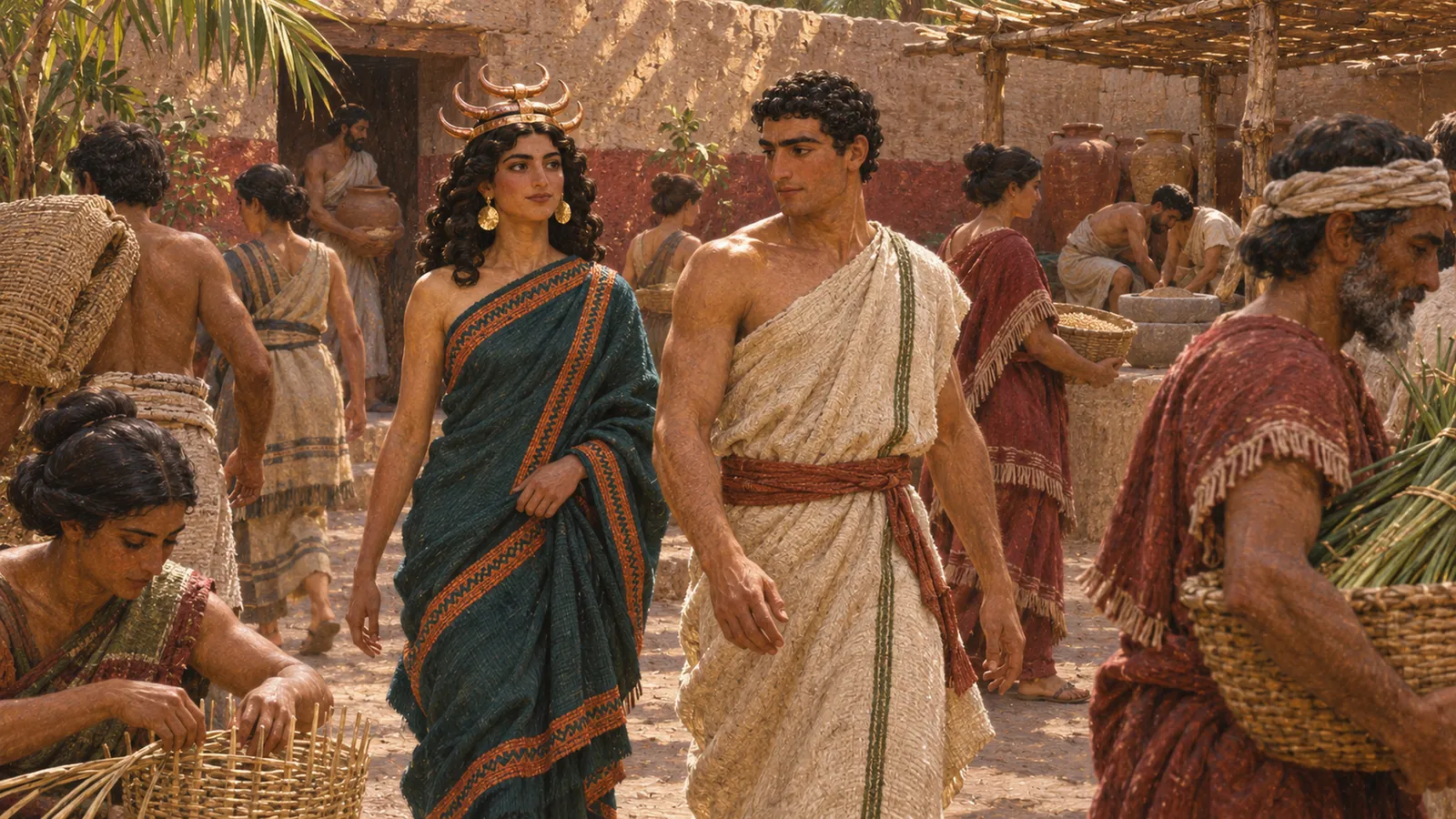
Inanna, the Sumerian goddess, stays beside Sargon. The poem gives her no speech as he takes up his new duties. It tells us that she stays.
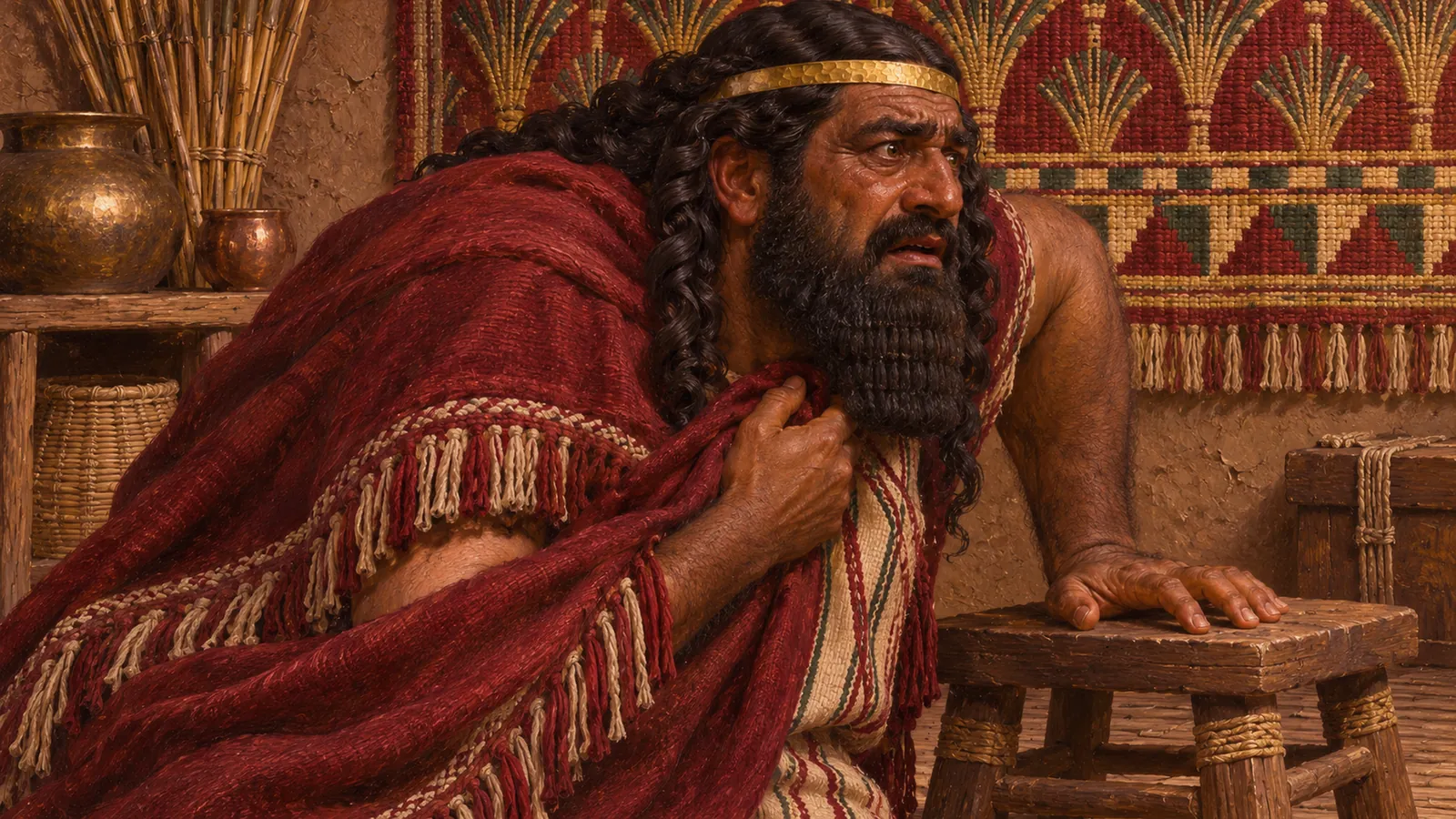
Five days pass, then ten. Inside his own palace Ur-Zababa grows watchful and falls ill. The poet describes a man in pain, frightened in his own rooms.

To convey the king’s distress, the poet looks away from the palace for a moment. Ur-Zababa is as exhausted as a fish struggling in water turned salty.
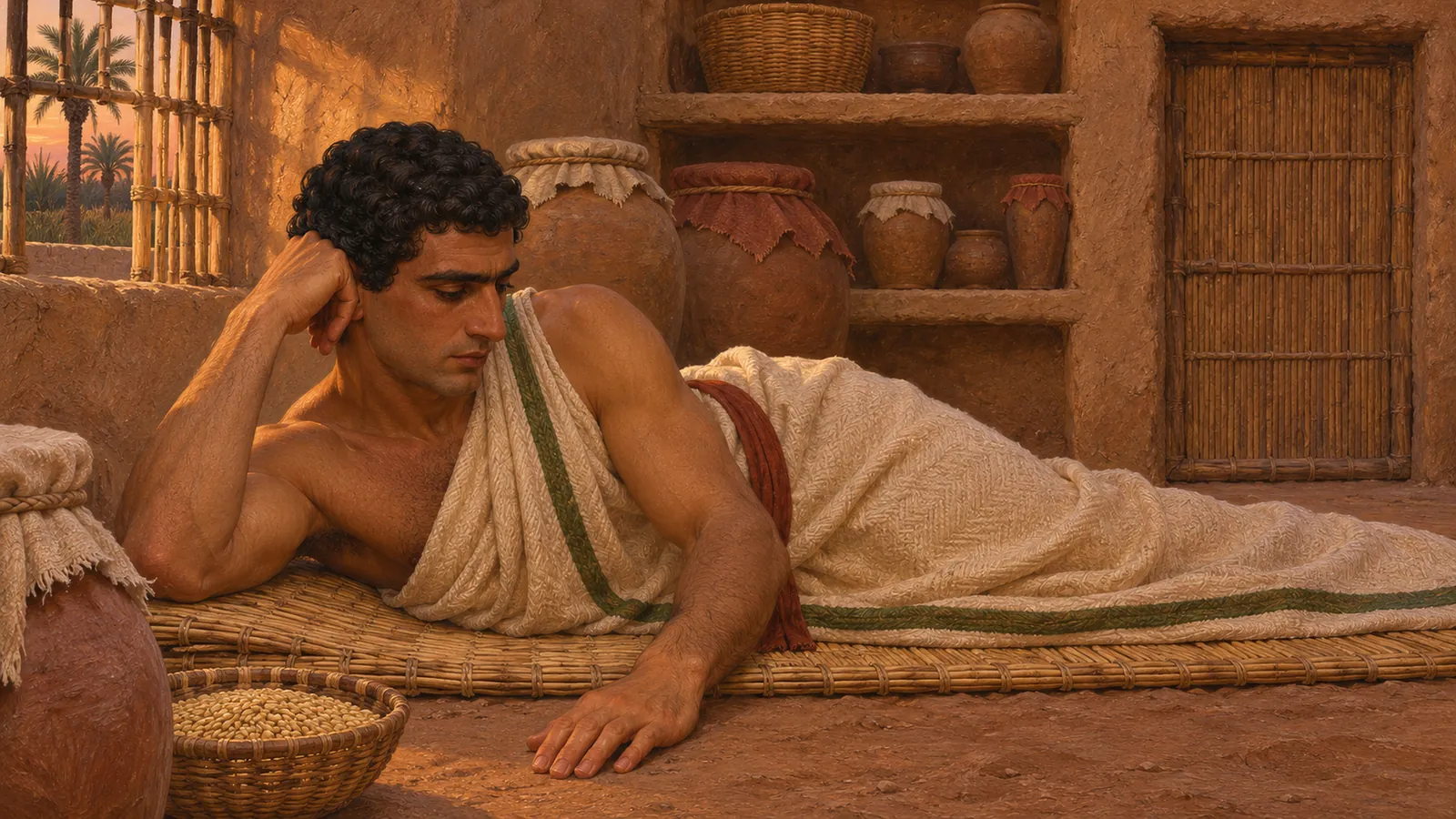
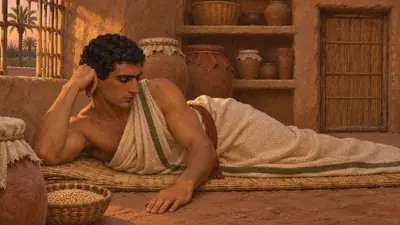
Sargon lies down in the house of Ezina. The poem pauses over his purpose. He has come to lie down in the hope that a dream will come.
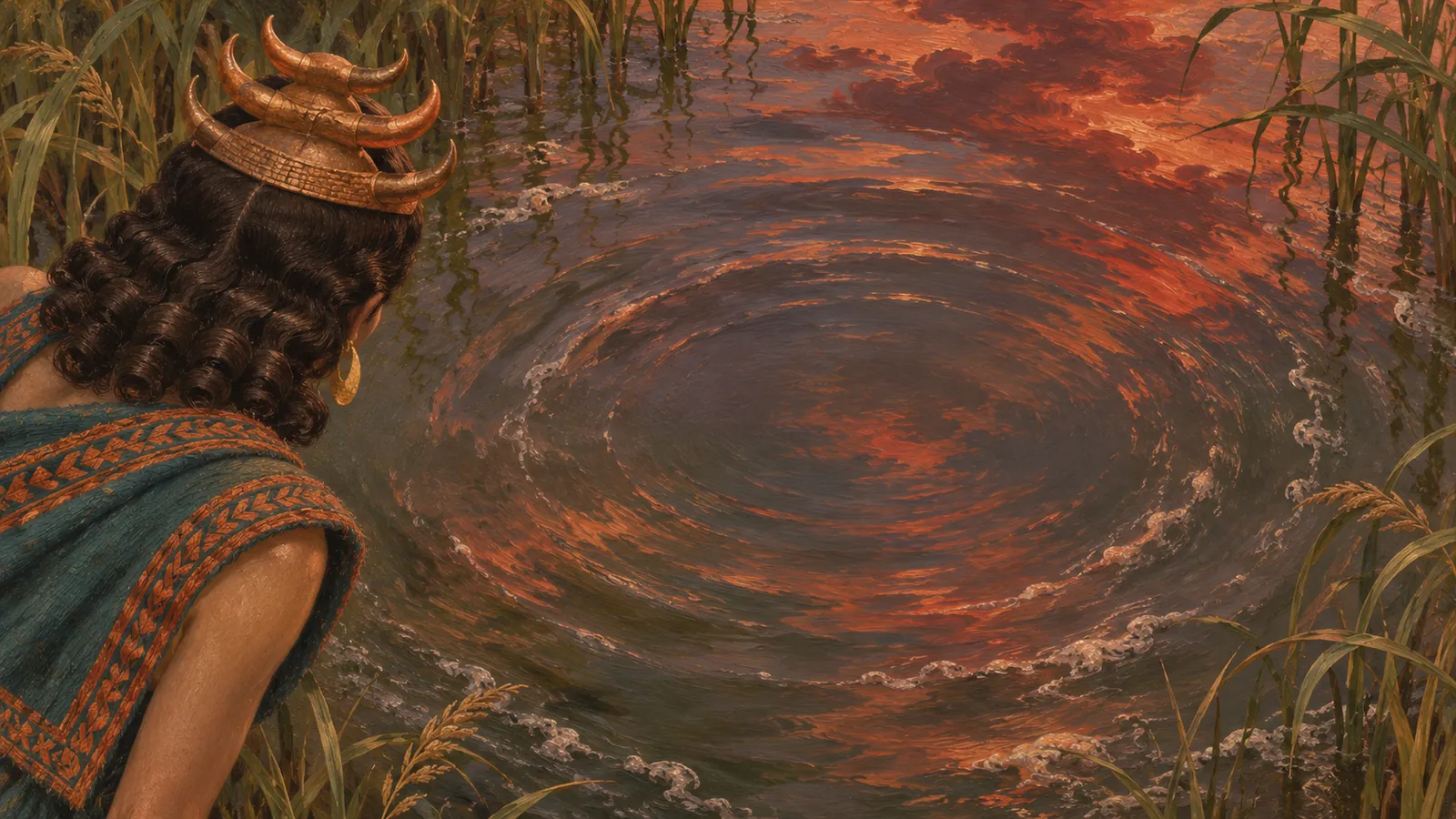
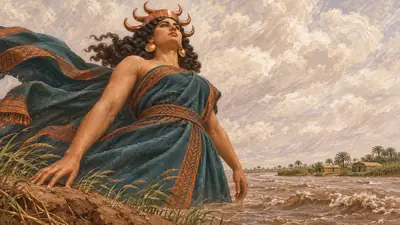
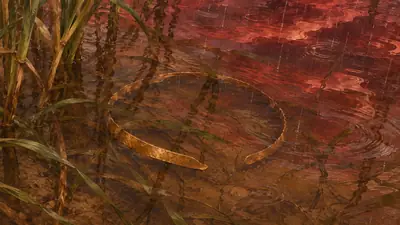
The dream comes. Inanna repeatedly plunges someone into a river the poem describes as running with blood. The figure’s identity becomes part of the dispute that follows.
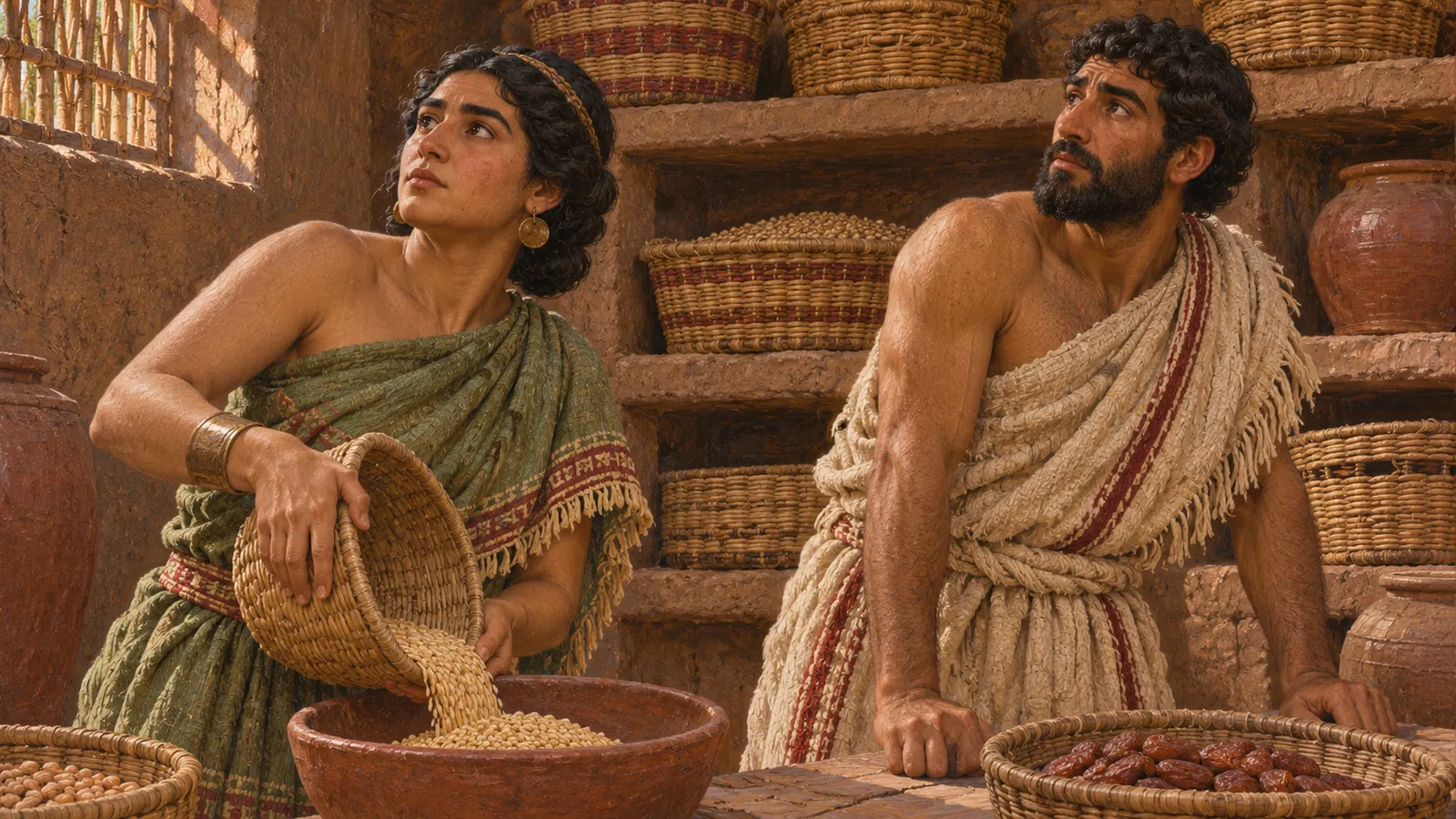
The dream sets Sargon crying out. His voice carries down and reaches the king’s ears. What had been a private vision has now disturbed the royal house.
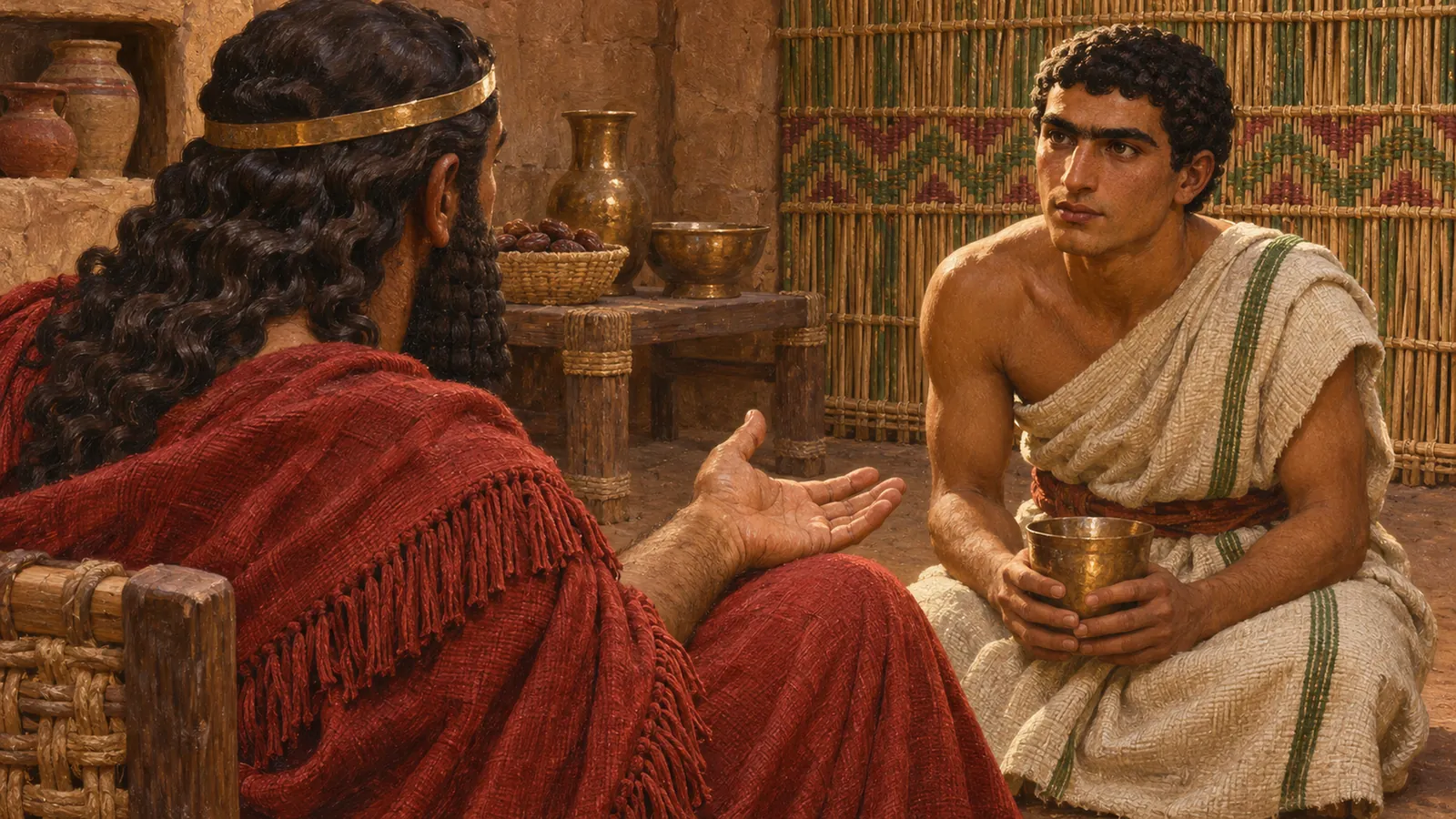
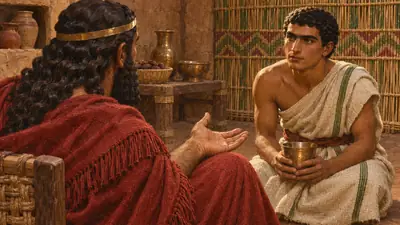
The king asks his cupbearer whether a dream came to him in the night. Sargon says that it did. He is about to tell the king what he saw.
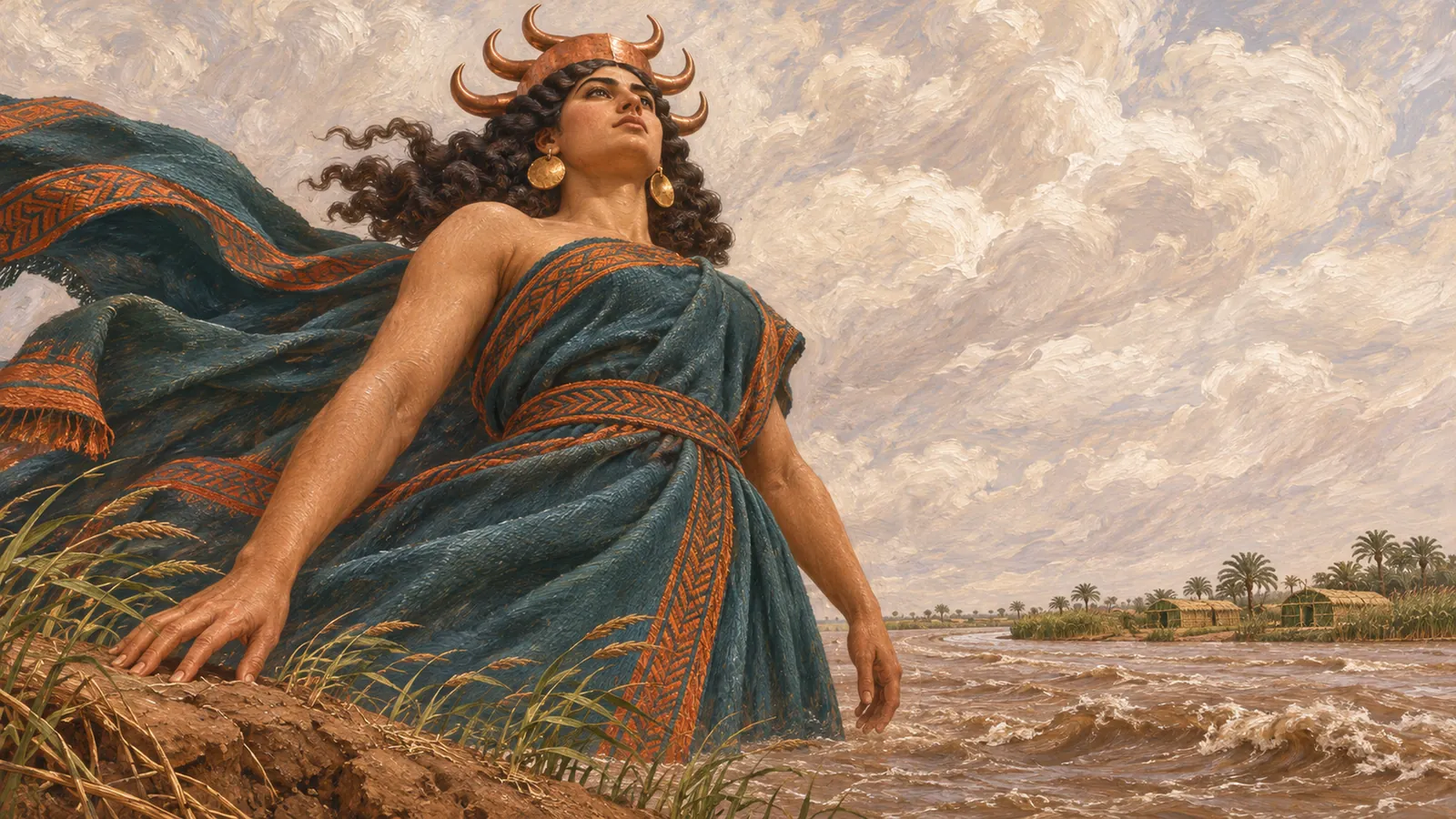
The figure Sargon describes to Ur-Zababa is a young woman. She is as high as the sky and as wide as the earth, and she stands over the river.
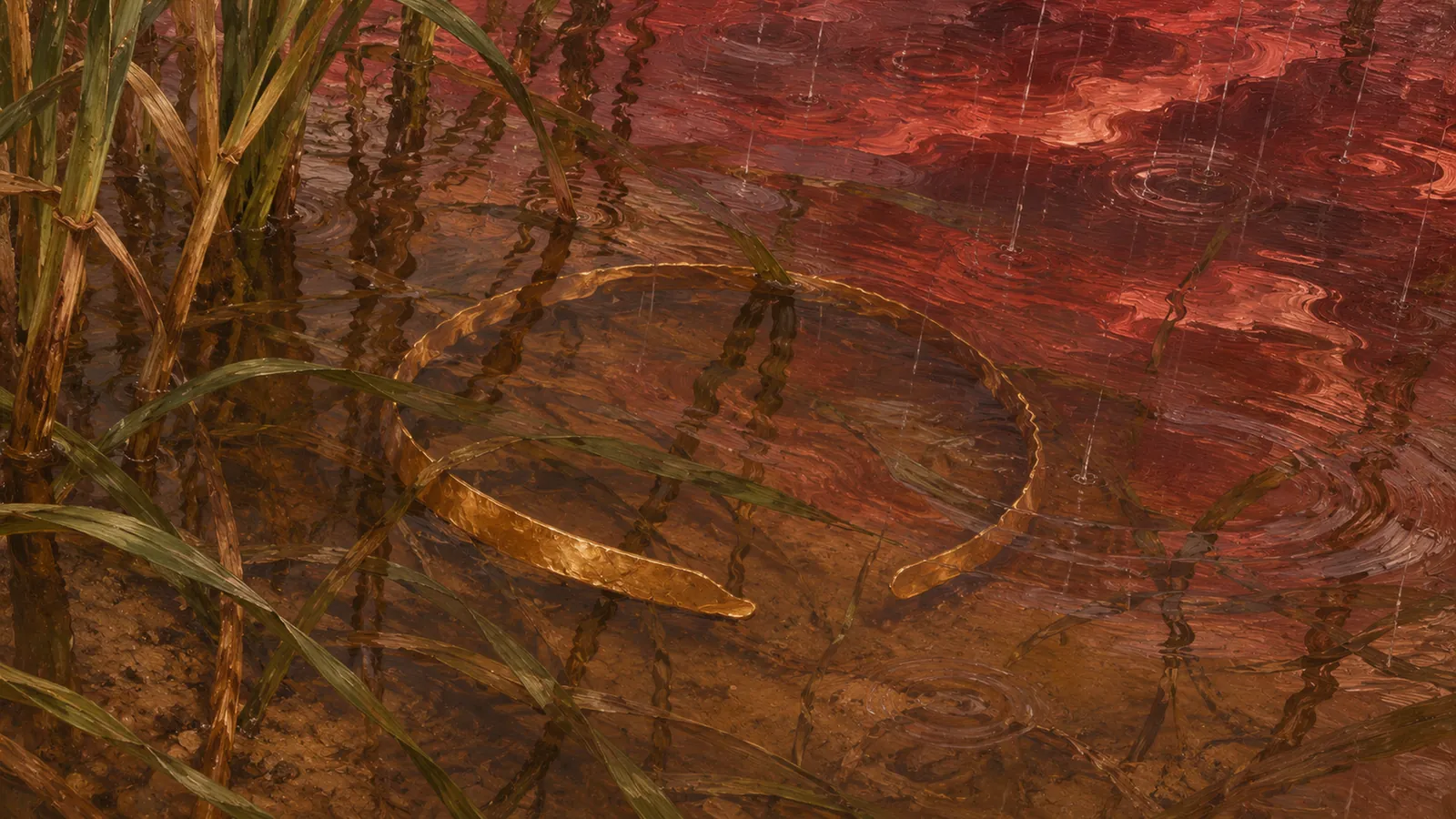
In the version Sargon tells in the palace, the woman takes Ur-Zababa himself into the river. Sargon presents the dream as a sign in his own favor.
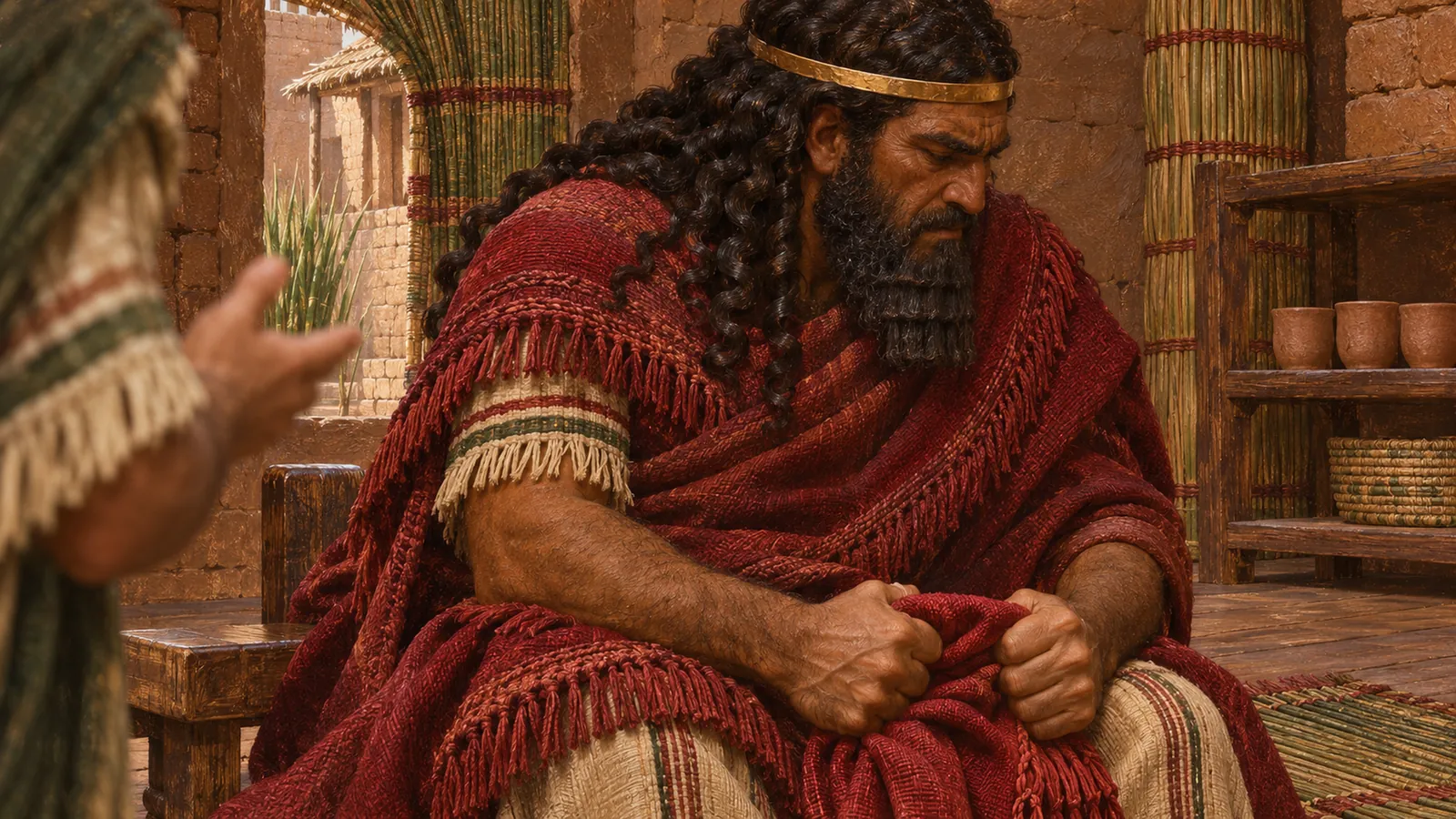
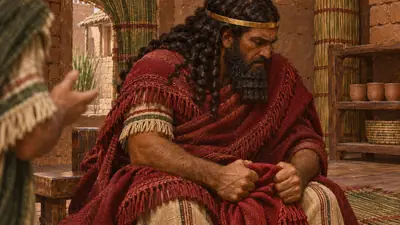
Ur-Zababa bites his lip as his cupbearer speaks. The fear that the king had kept within his own chamber now returns as he listens to the dream.
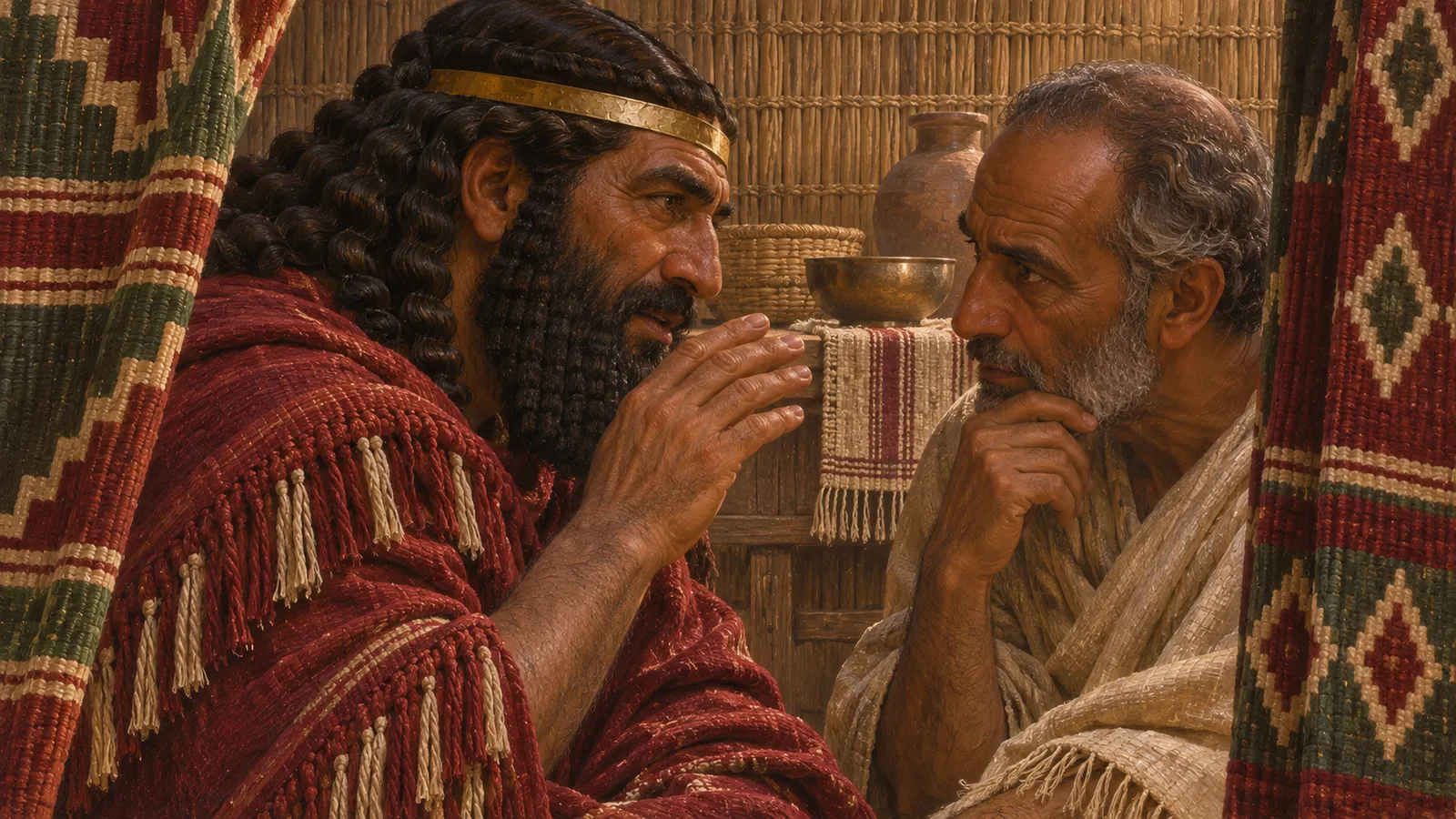
Ur-Zababa repeats the vision to his chancellor and names Inanna as the woman. Then he changes the most important detail. In his account the person she drowns is Sargon.
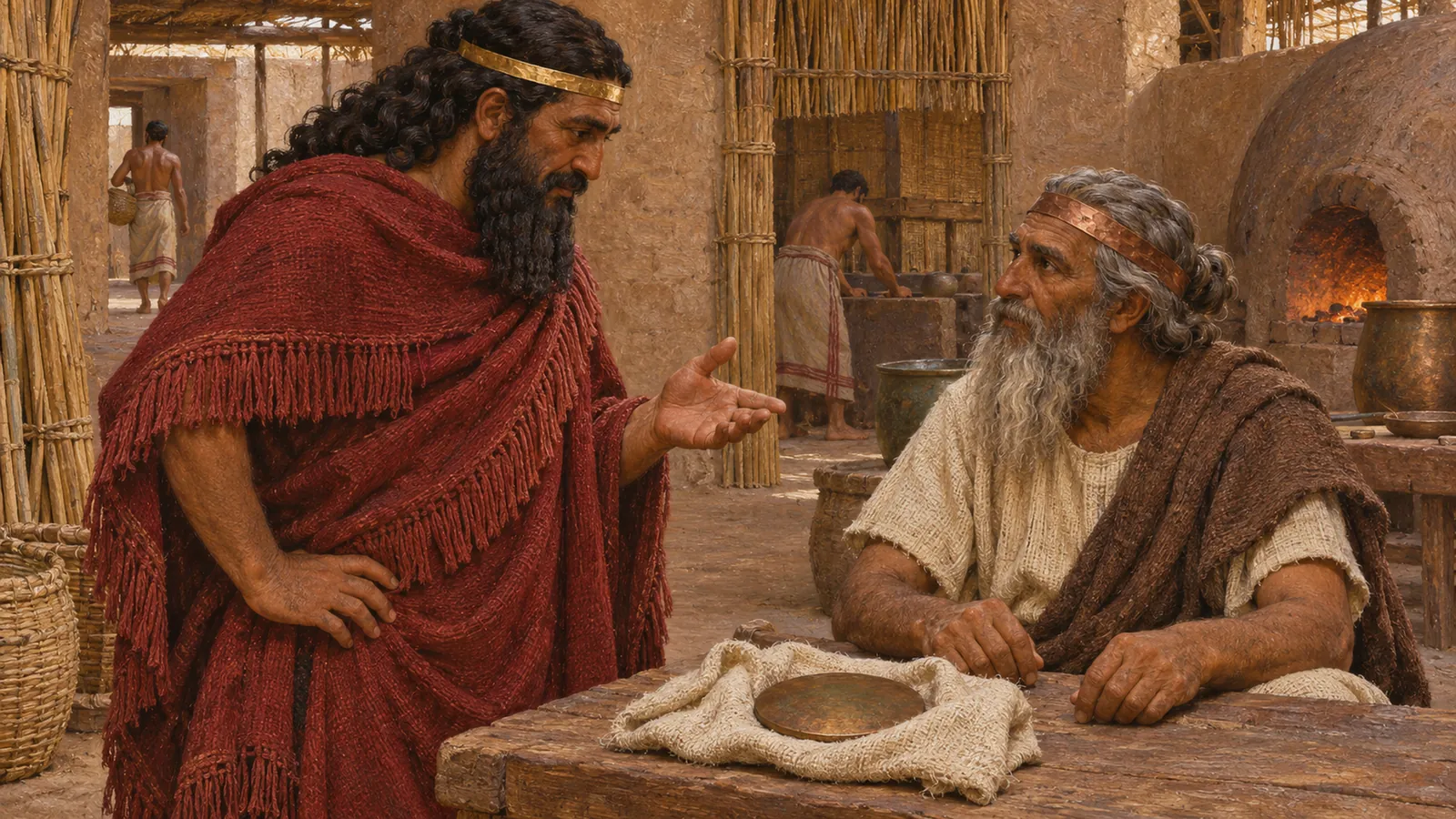
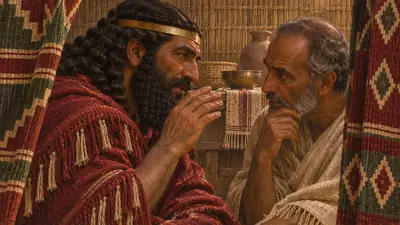
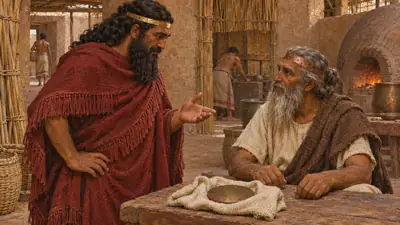
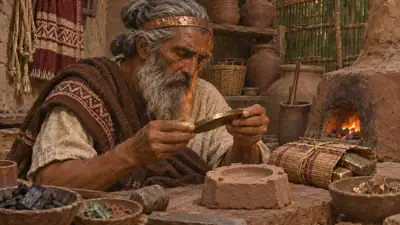
The king summons Belish-tikal, his chief smith. He tells him to listen carefully. When the cupbearer arrives, the smith is to throw him and his delivery into the moulds.
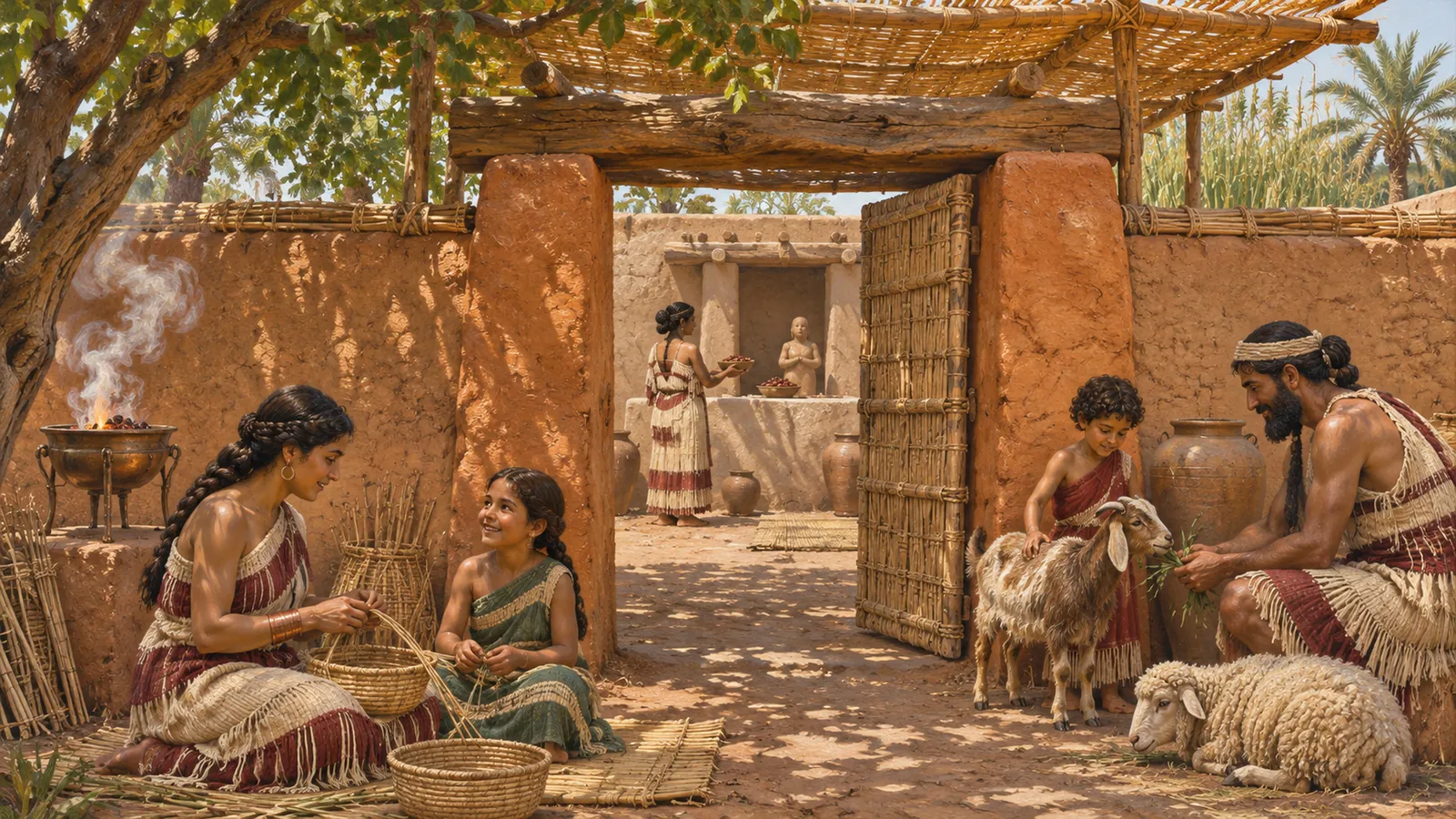
The king specifies a place called Esikil. The poem gives the building a name of its own, the house where destinies were fixed. This is where the smith is to wait.
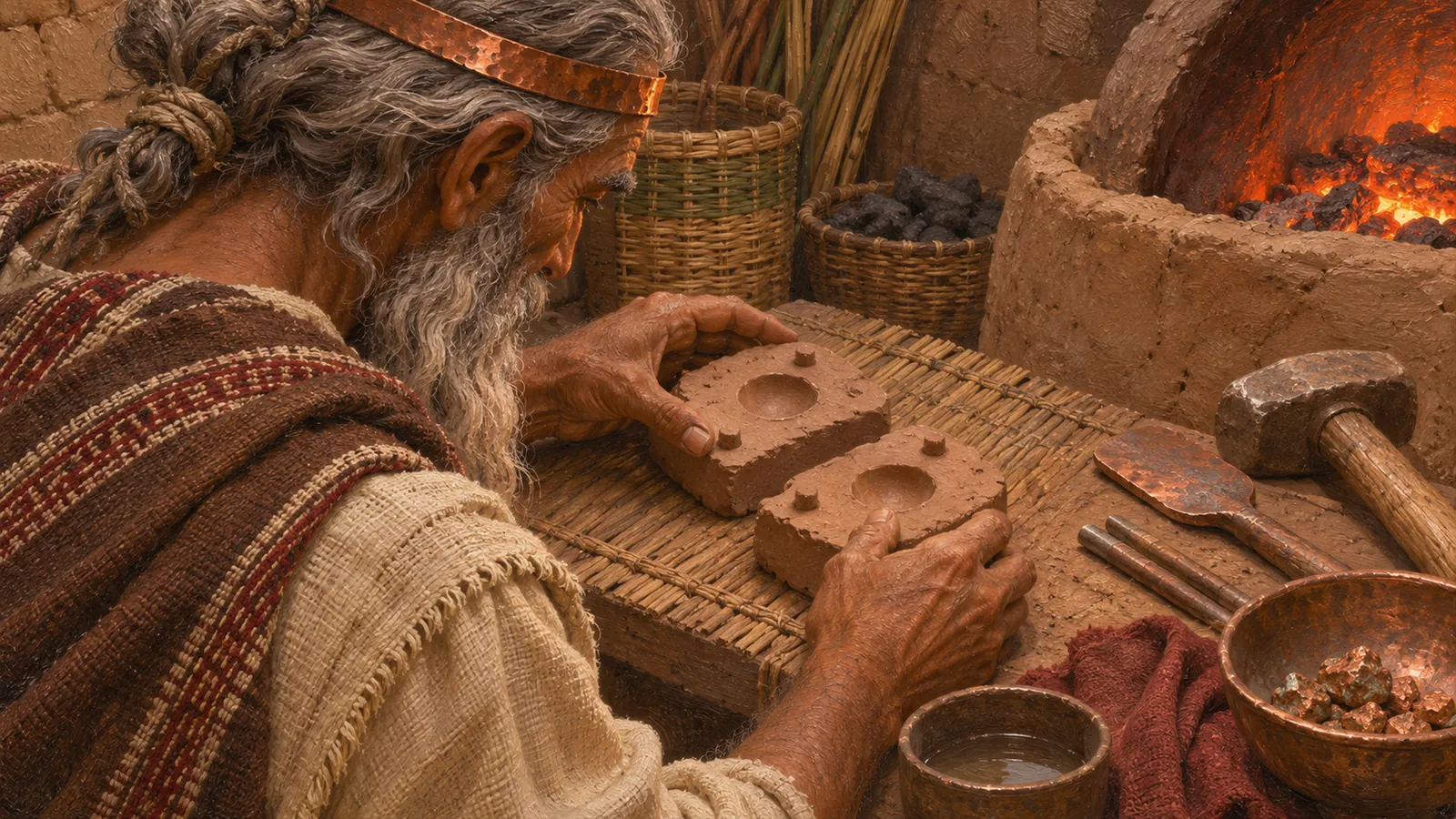
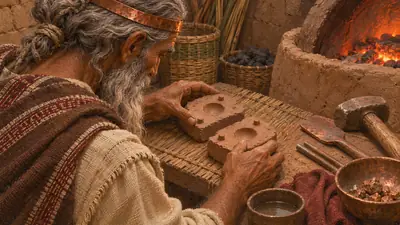
Belish-tikal takes the king at his word. He makes the moulds ready in Esikil. The orders are now in the hands of the man meant to carry them out.
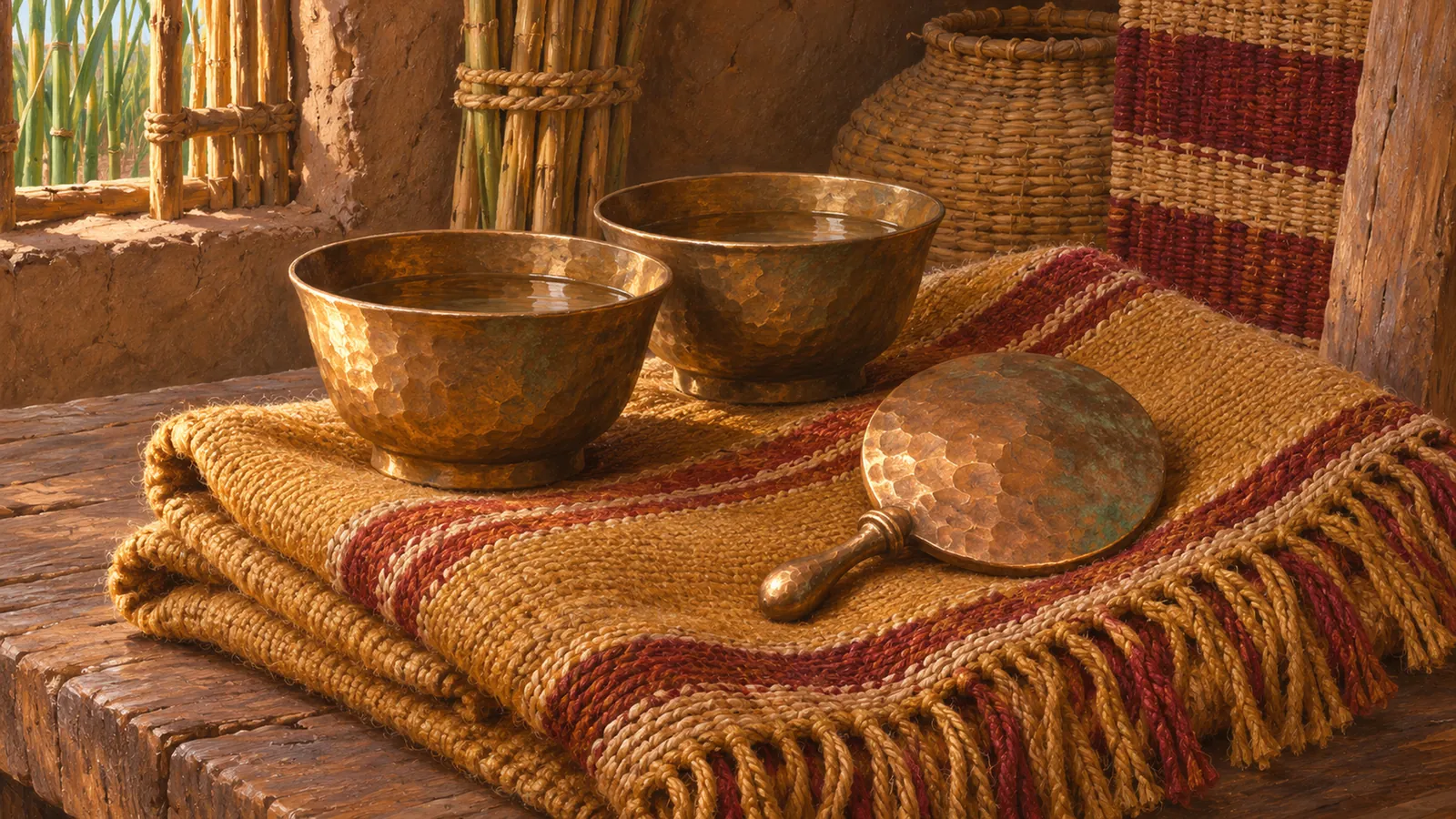
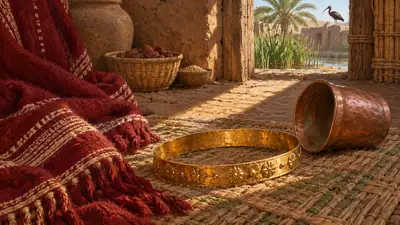
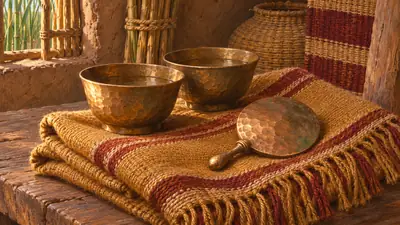
The object comes from the king’s own household. Translators propose a polished bronze mirror or vessels used for drinking. The damaged wording leaves its exact form open.
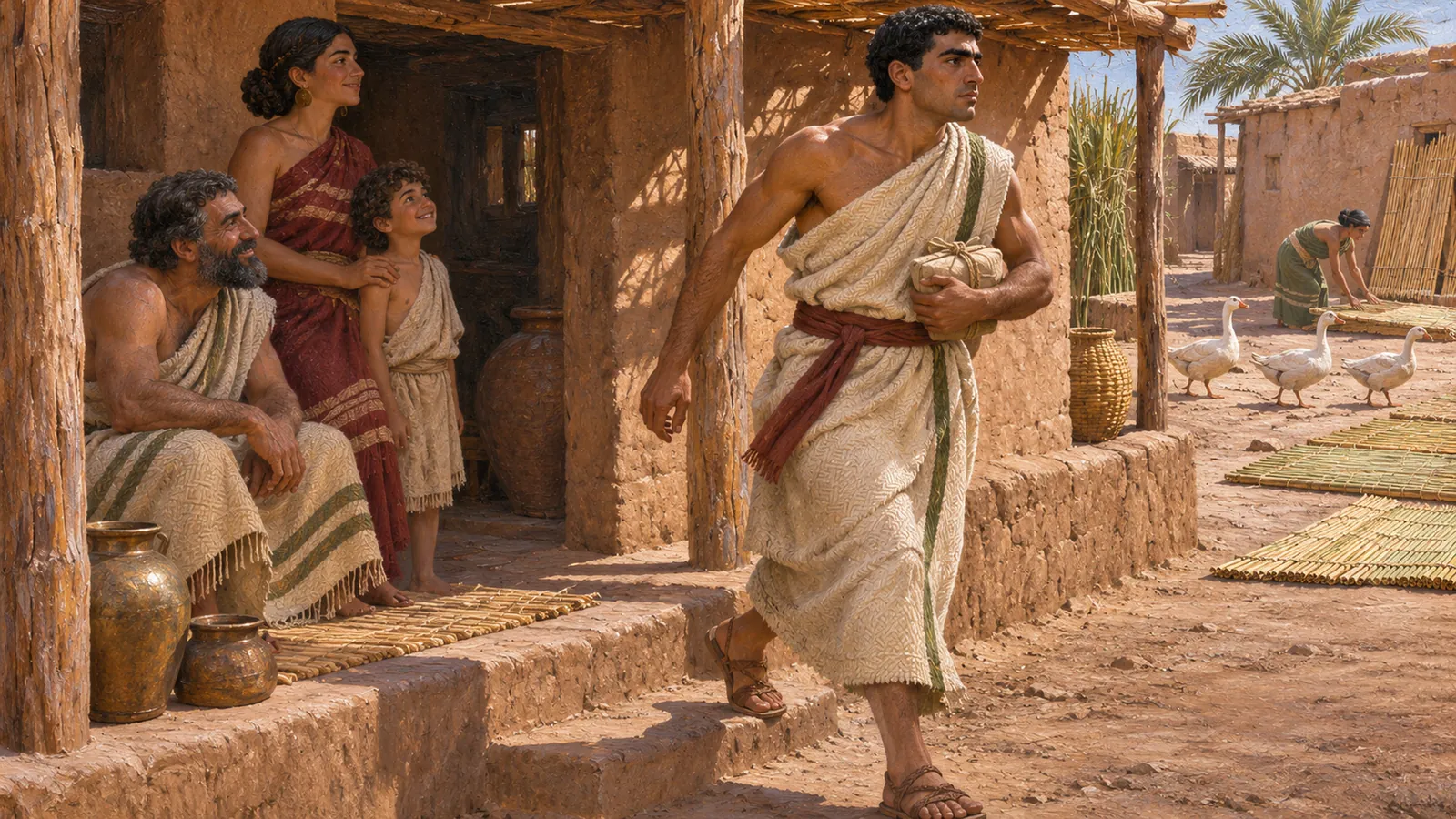
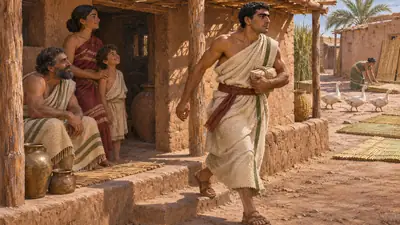
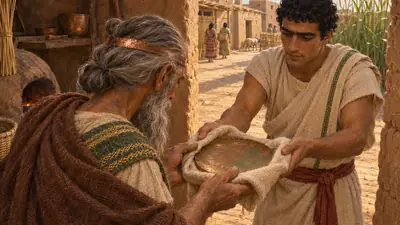
Ur-Zababa sends Sargon out to bring the royal bronze to the chief smith. Sargon takes the piece with him, and his service to the king carries him toward Esikil.
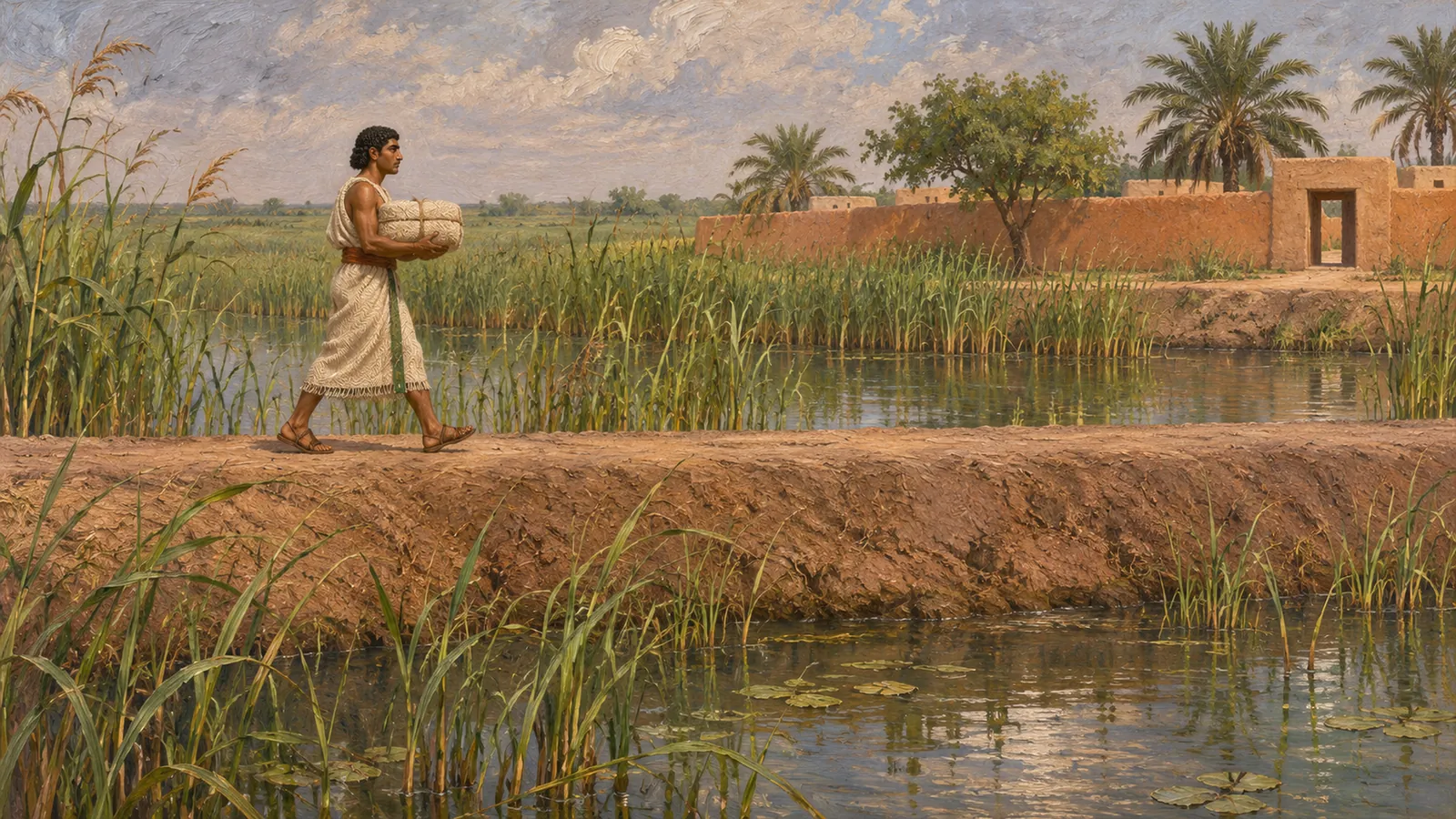
Sargon is still some way from the building when the story measures out the distance, five or ten lengths of an old Sumerian measure. Inanna walks at his right.
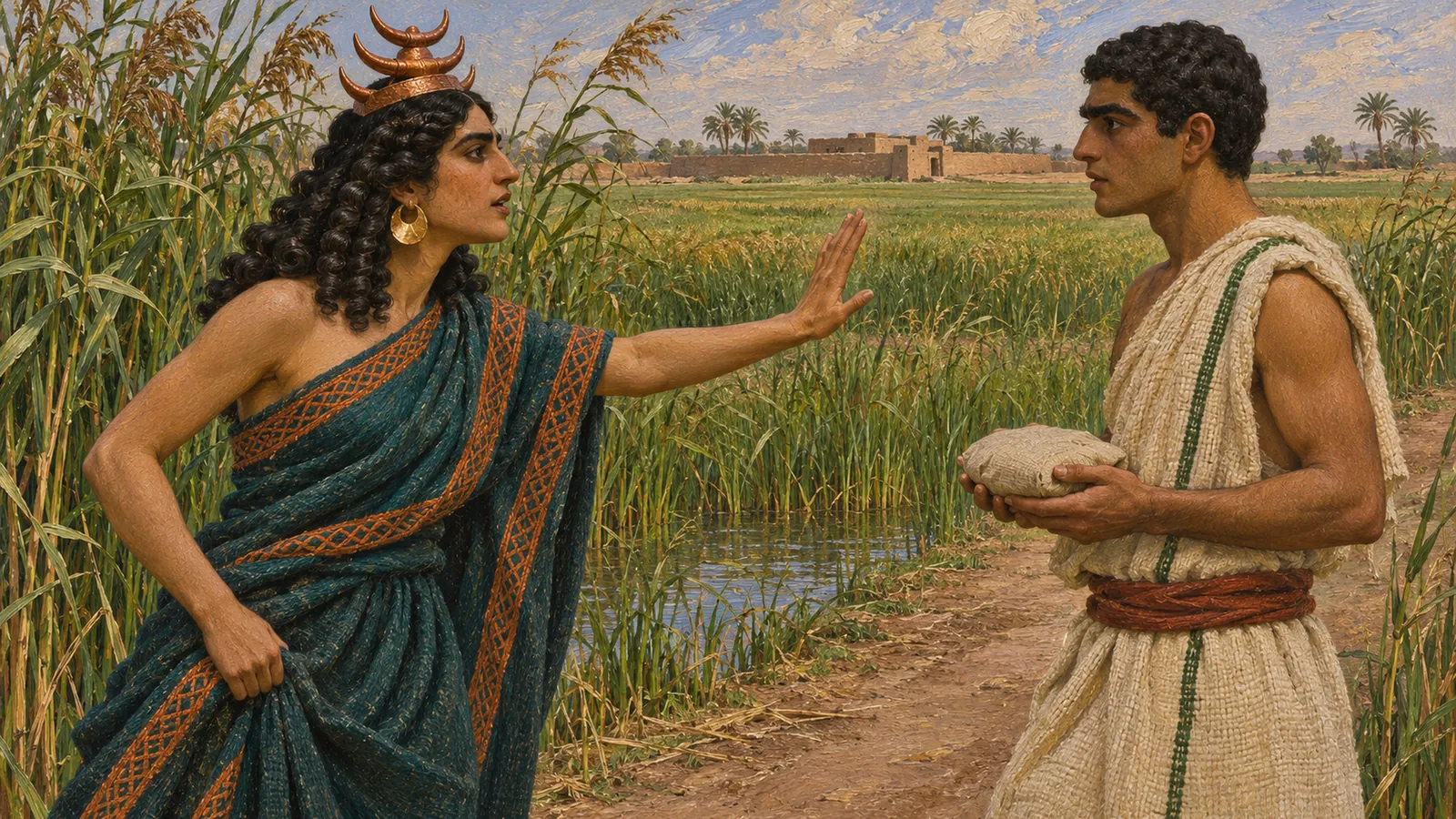
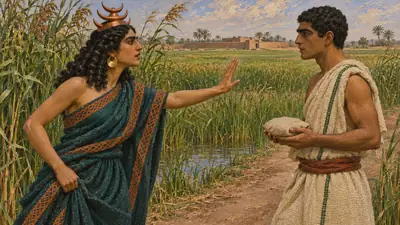
Inanna turns toward Sargon, steps across his path and stops him. Until now she has stayed by his side. Here she takes his choice of route out of his hands.
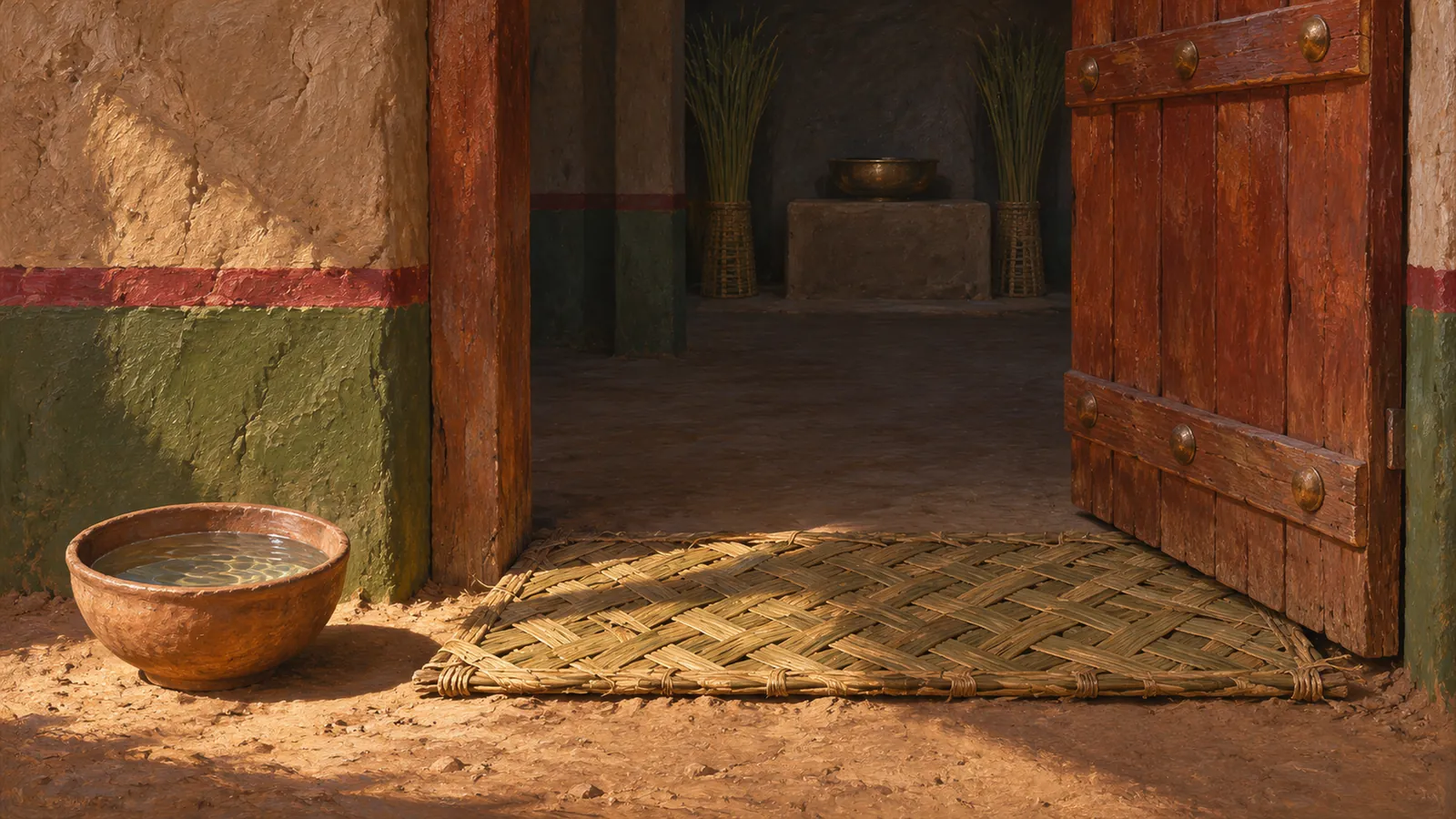
Inanna tells him that Esikil is a sacred house. No one with blood on them may go inside. Her words keep the cupbearer on the far side of the gate.
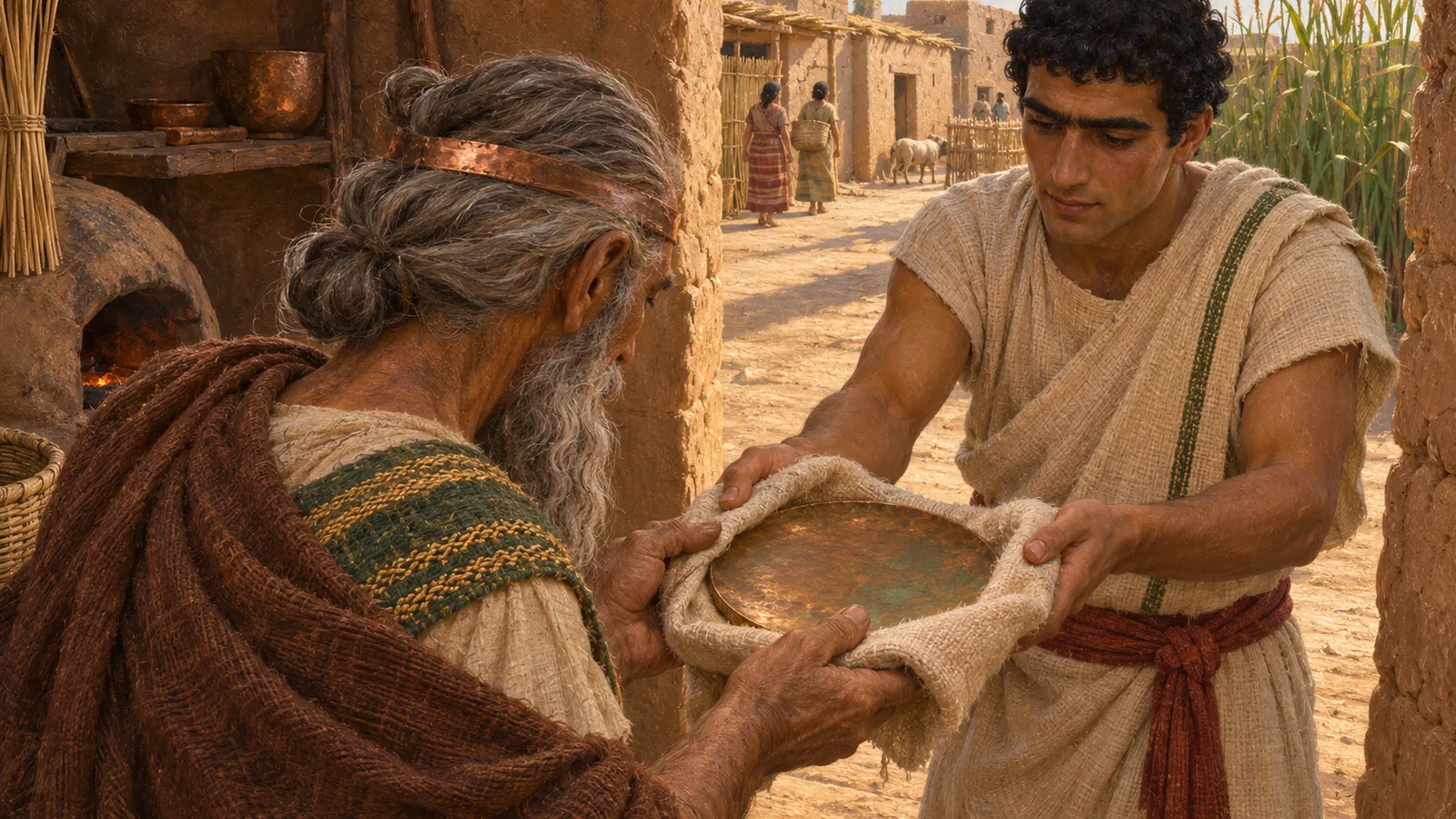
Belish-tikal has to come to the entrance to meet Sargon. The royal bronze passes from one man to the other at the gate of the house where destinies are fixed.
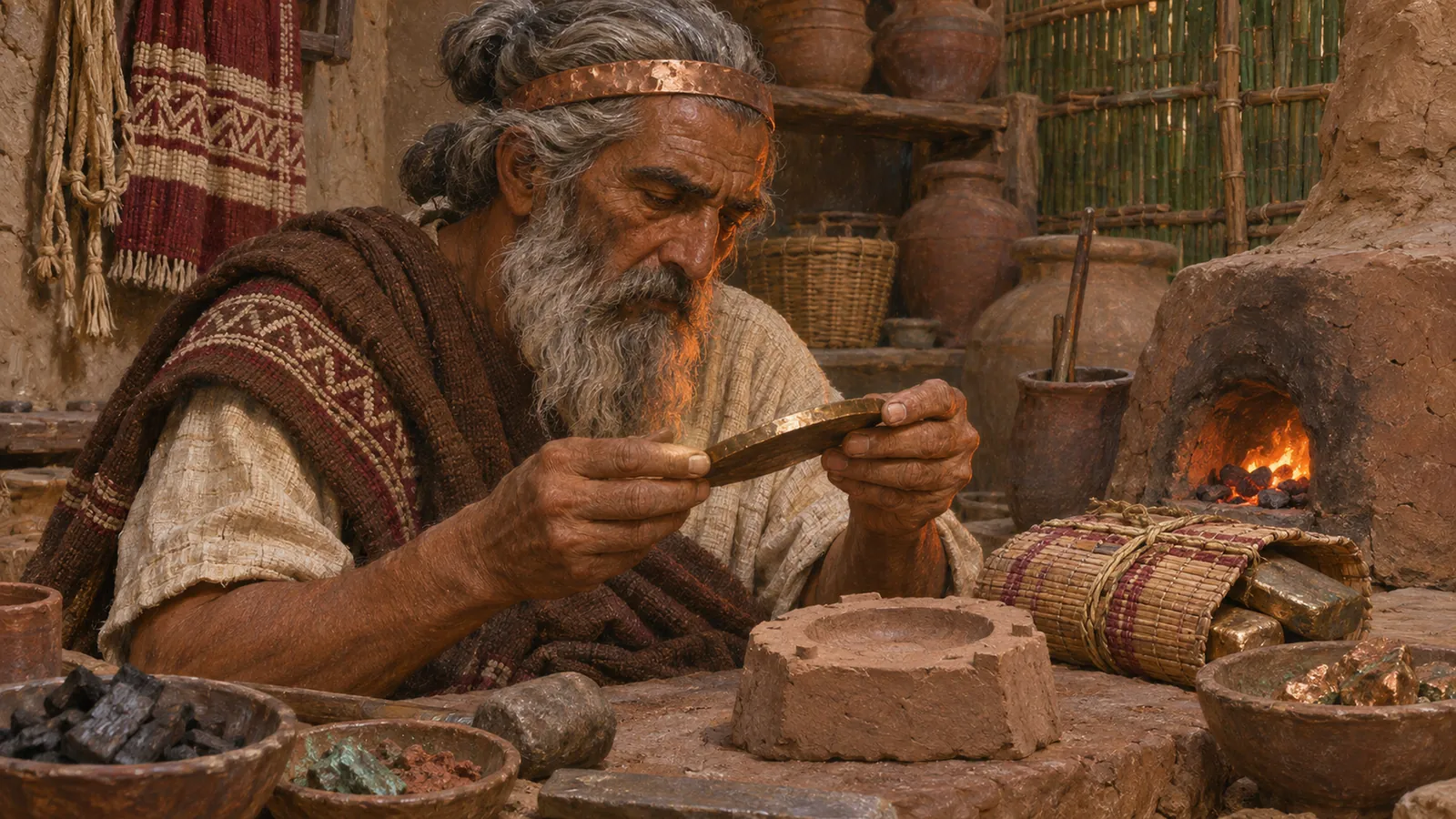
The damaged text leaves the smith’s next act uncertain. One reading says that only the bronze went into the mould. Across the threshold, Sargon has escaped the trap.
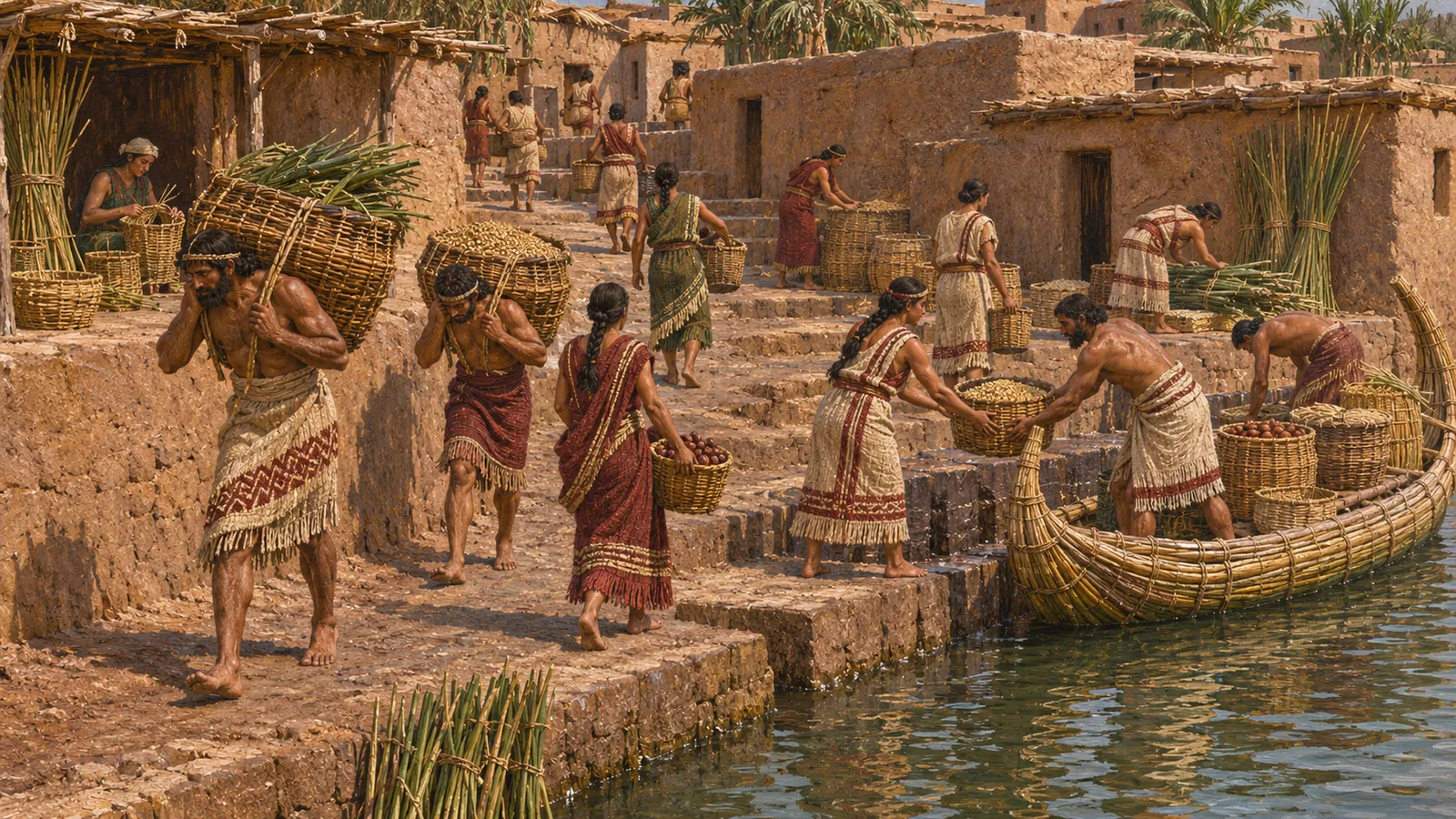
The old formula of five days and ten marks the passing of time again. Then the man Ur-Zababa sent to Esikil returns to the palace of Kish.
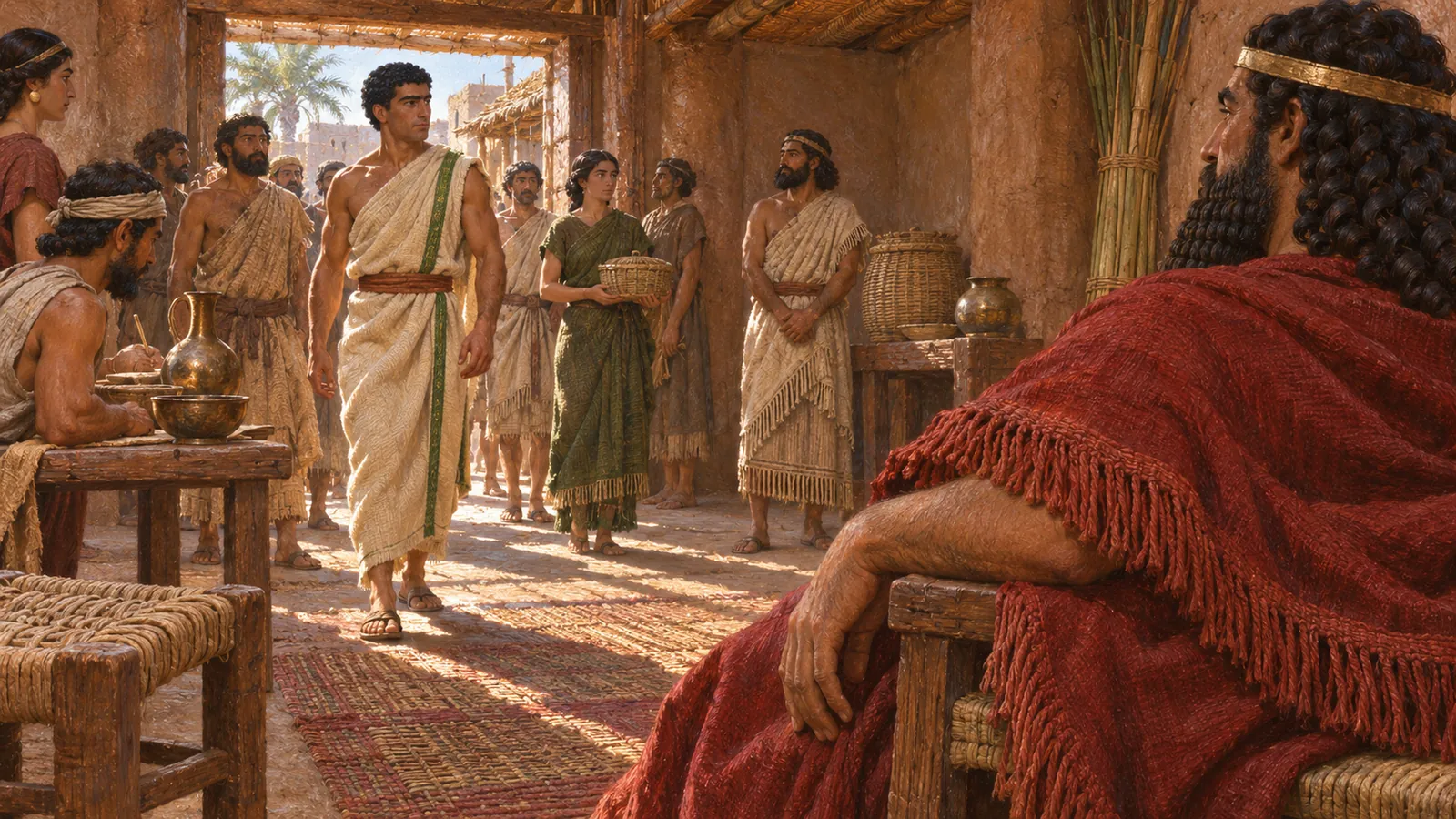
Sargon comes before his lord alive. The poem compares the foundations of the palace to a great mountain. Its solid walls do nothing to relieve Ur-Zababa’s fear.
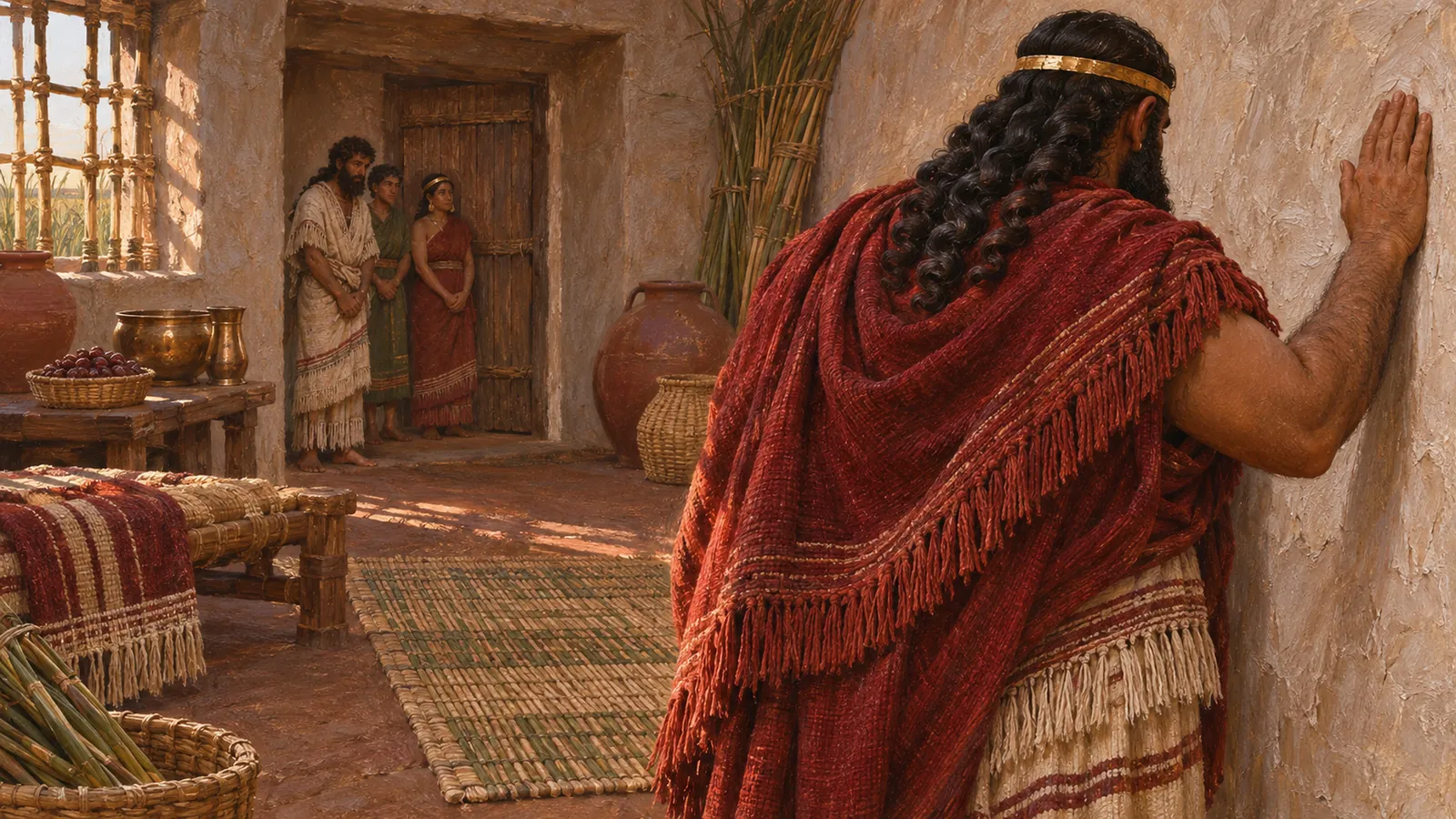
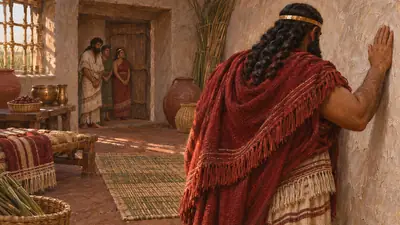
Fear follows the king into his sleeping chamber. The poem gives him the same silence as before. He understands what has happened and refuses to speak of it.
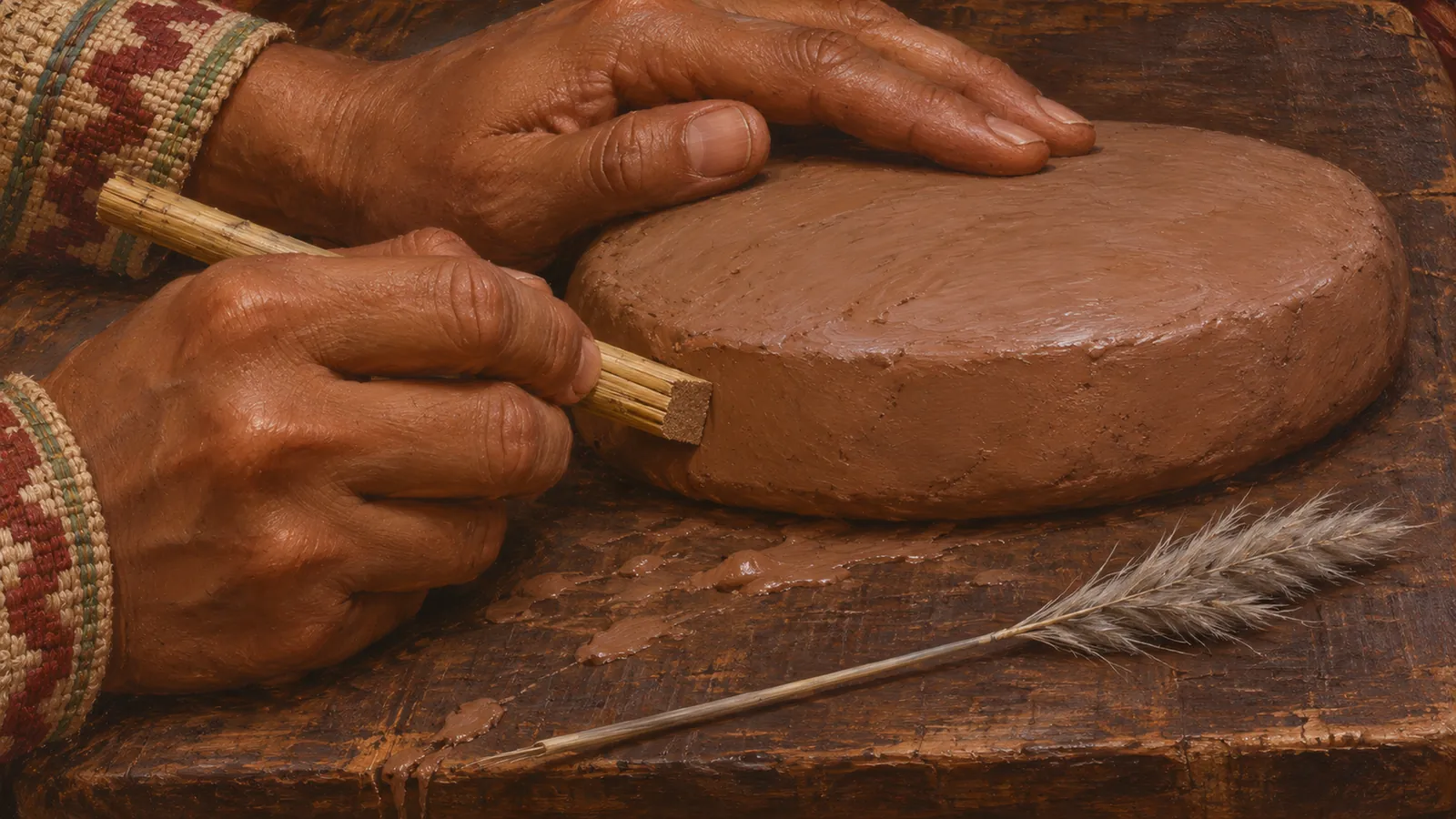
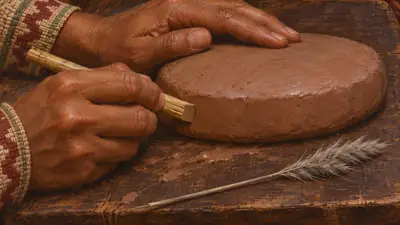
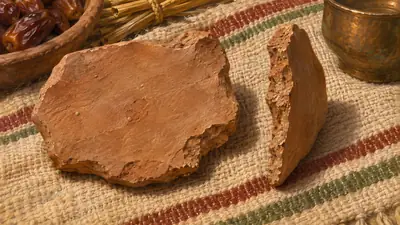
The story pauses to describe a custom. People already wrote on clay, it says, and had yet to put their tablets inside outer envelopes of clay.
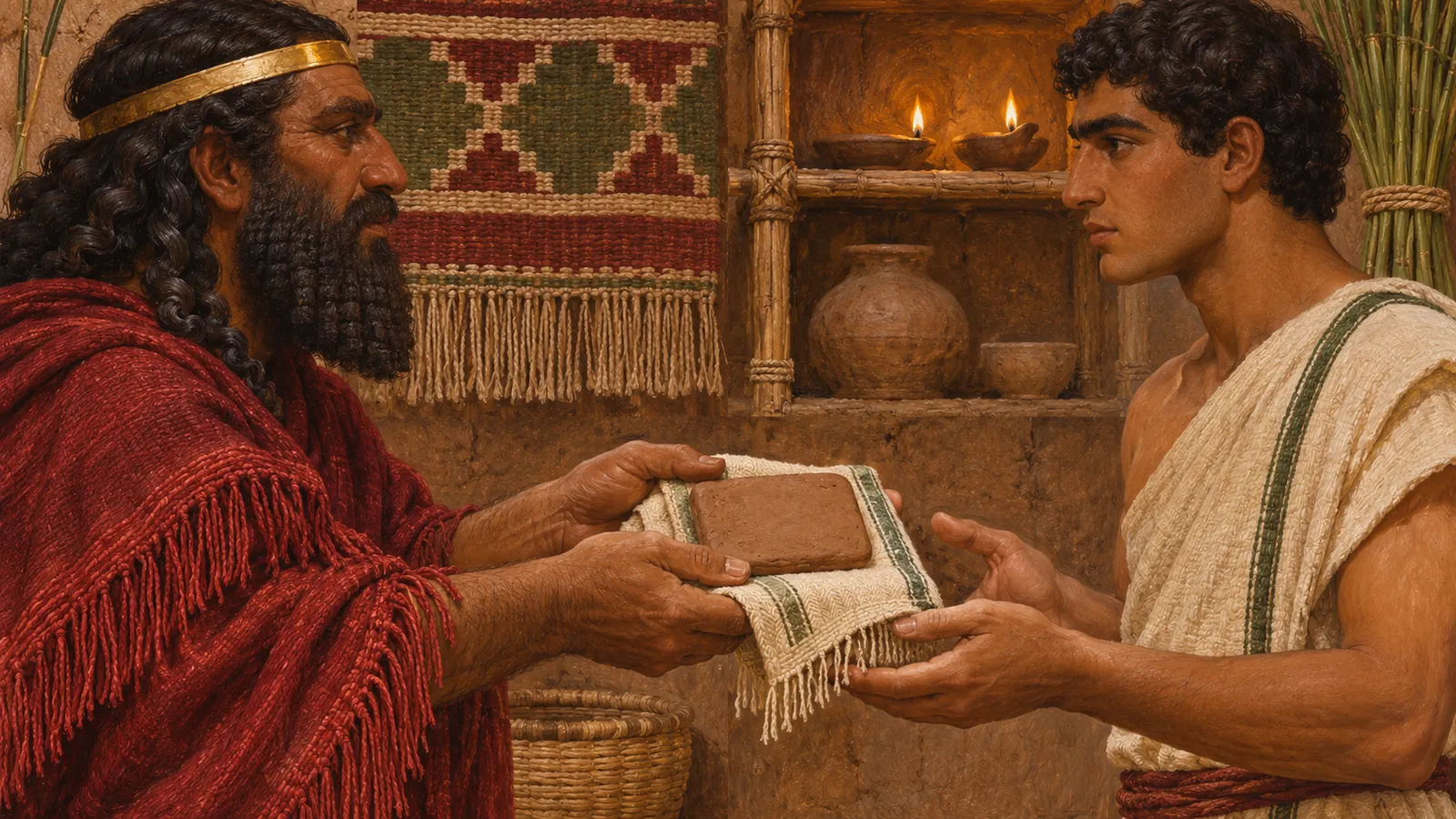
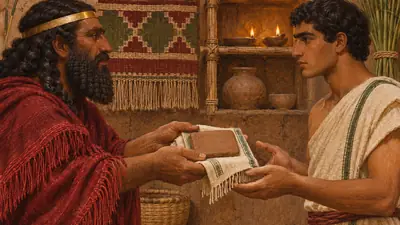
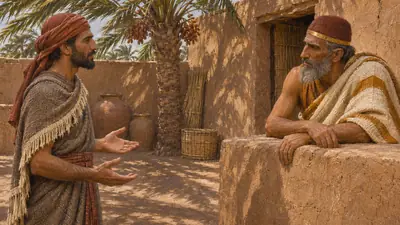
The king puts his new order on a clay tablet. Its recipient is Lugalzagesi, ruler of Uruk. What Ur-Zababa asks him to do is bring about Sargon’s death.
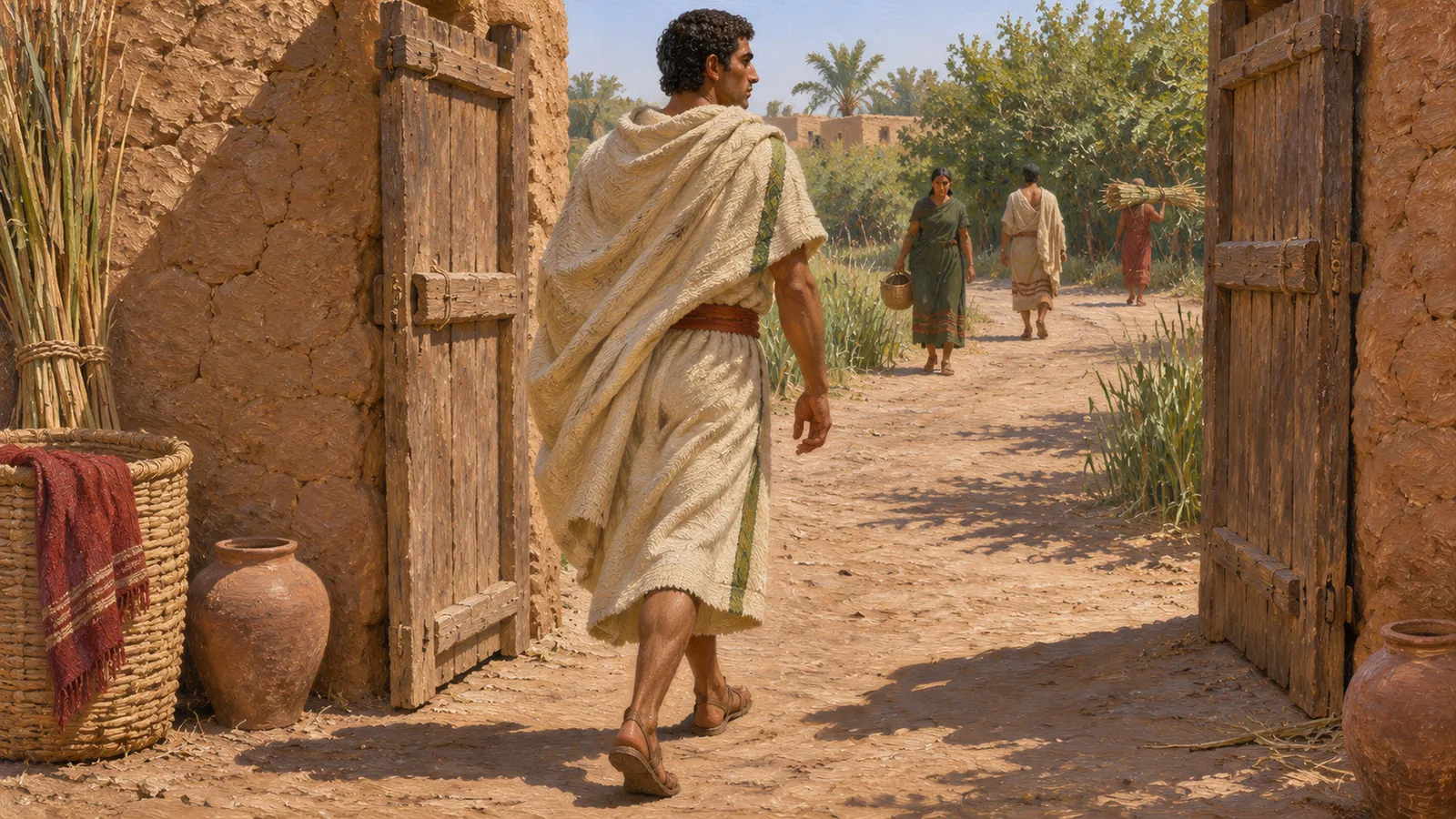
Ur-Zababa sends the cupbearer himself with the tablet. The traveller leaving Kish is the person marked for death in the words he has been ordered to carry.
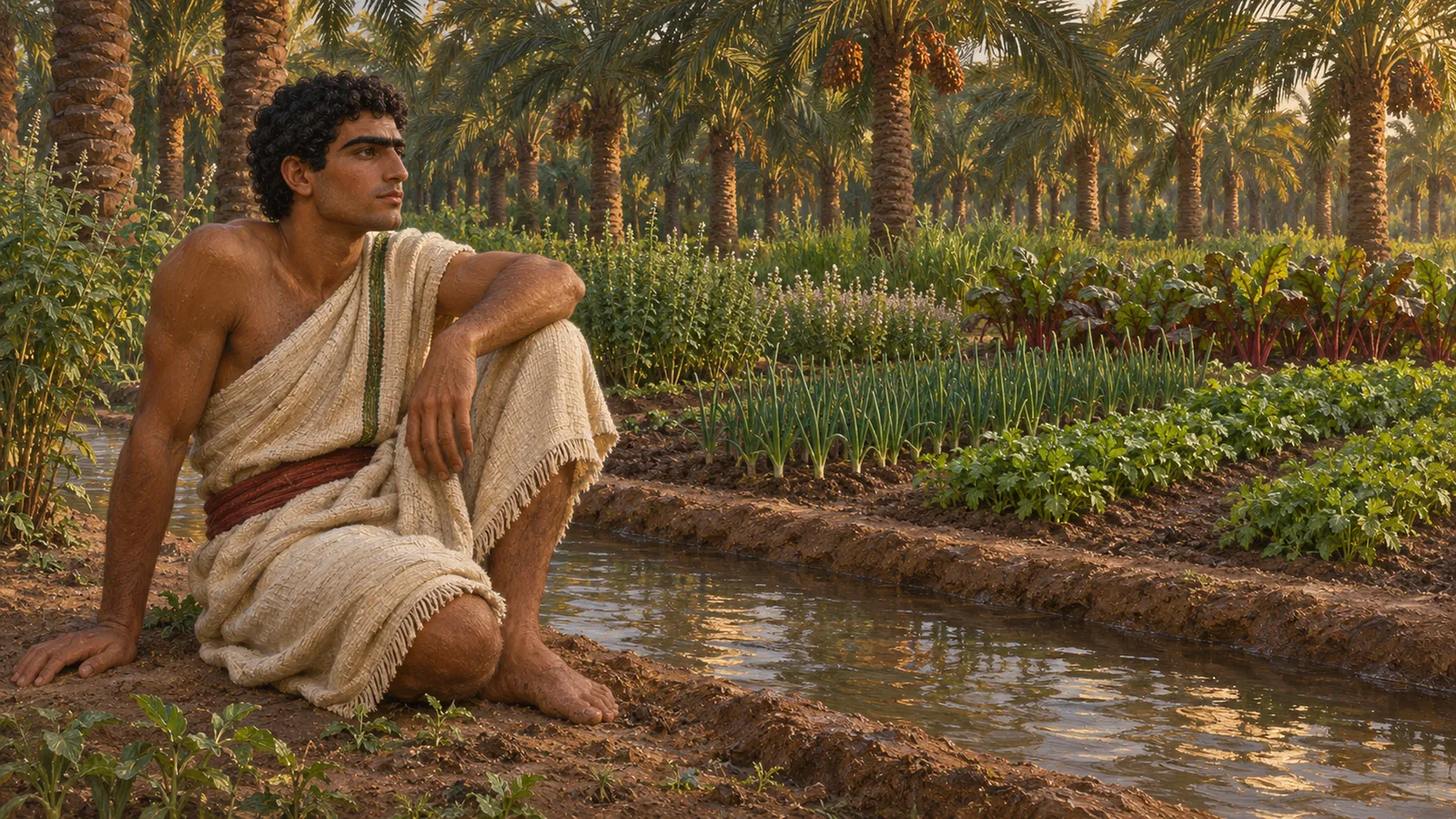
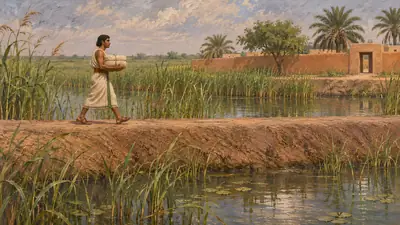
A short tablet in Sumerian and Akkadian tells of Sargon leaving Ur-Zababa’s palace. Its last lines set him beside a garden channel. The three lines give no further outcome.
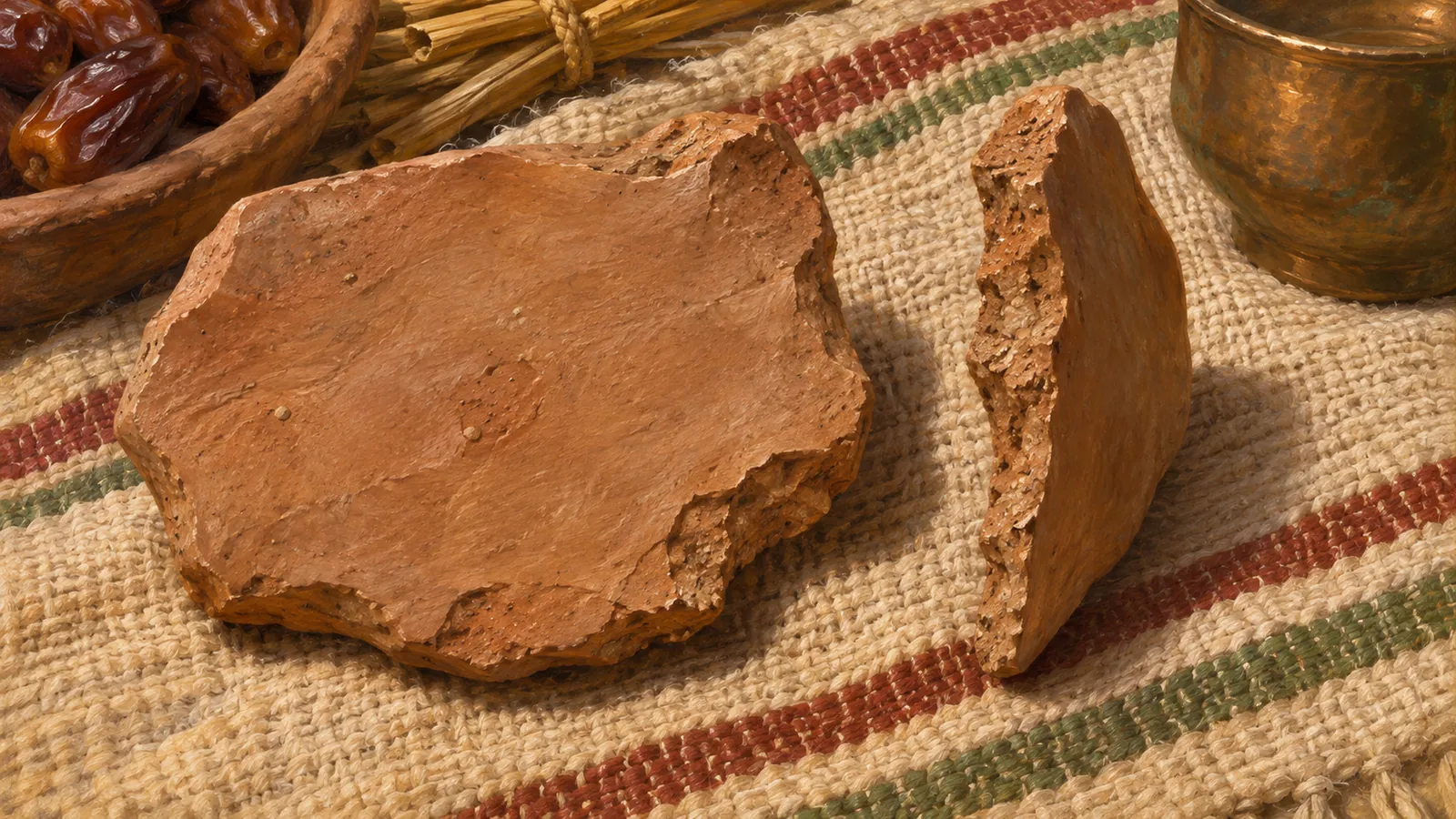
The tablet from Nippur stops at the dispatch. A different fragment, often read after it, puts us at the court of Uruk. The events between these passages are lost.
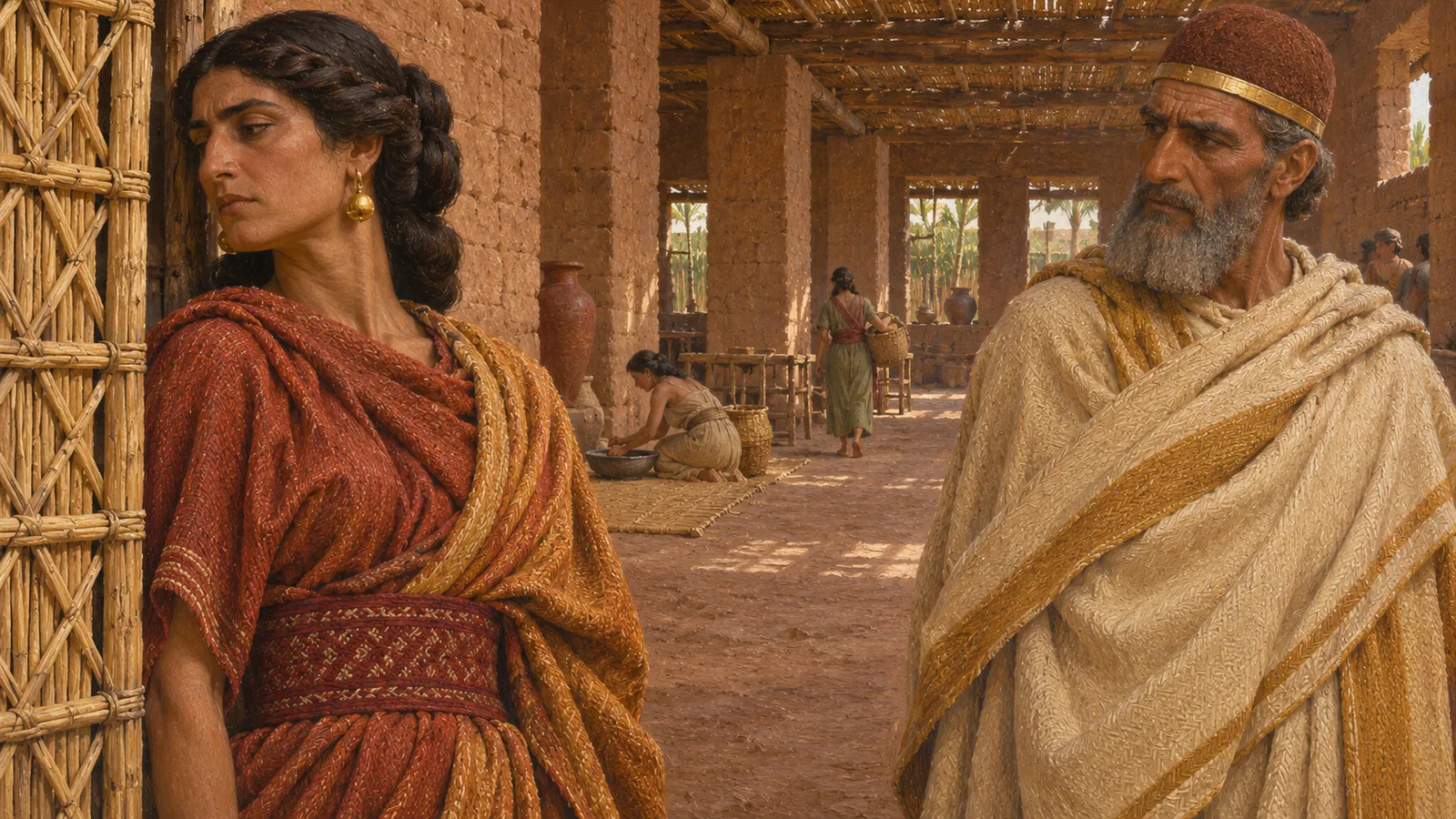
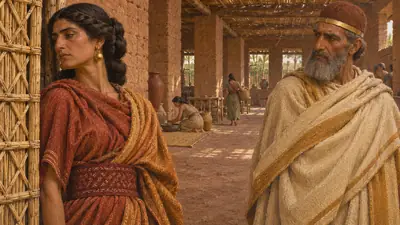
The first lines of the Uruk fragment bring in the wife of Lugalzagesi. A word about protection survives nearby. The clay has broken away where her actions would be explained.
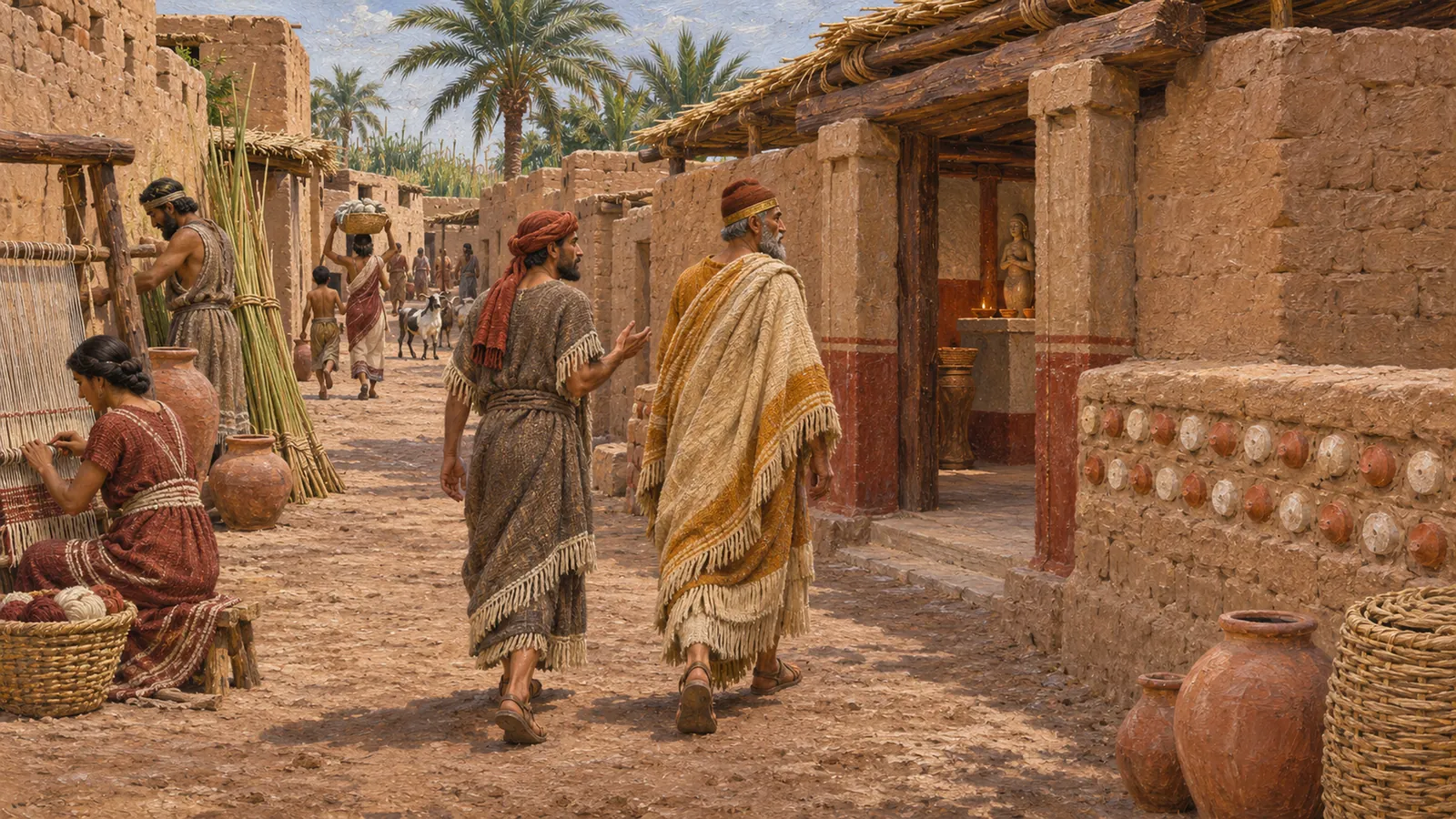
The fragment mentions a visitor carrying a message and gives the name of the shrine Eanna. A broken line has someone go toward the sanctuary of baked brick.
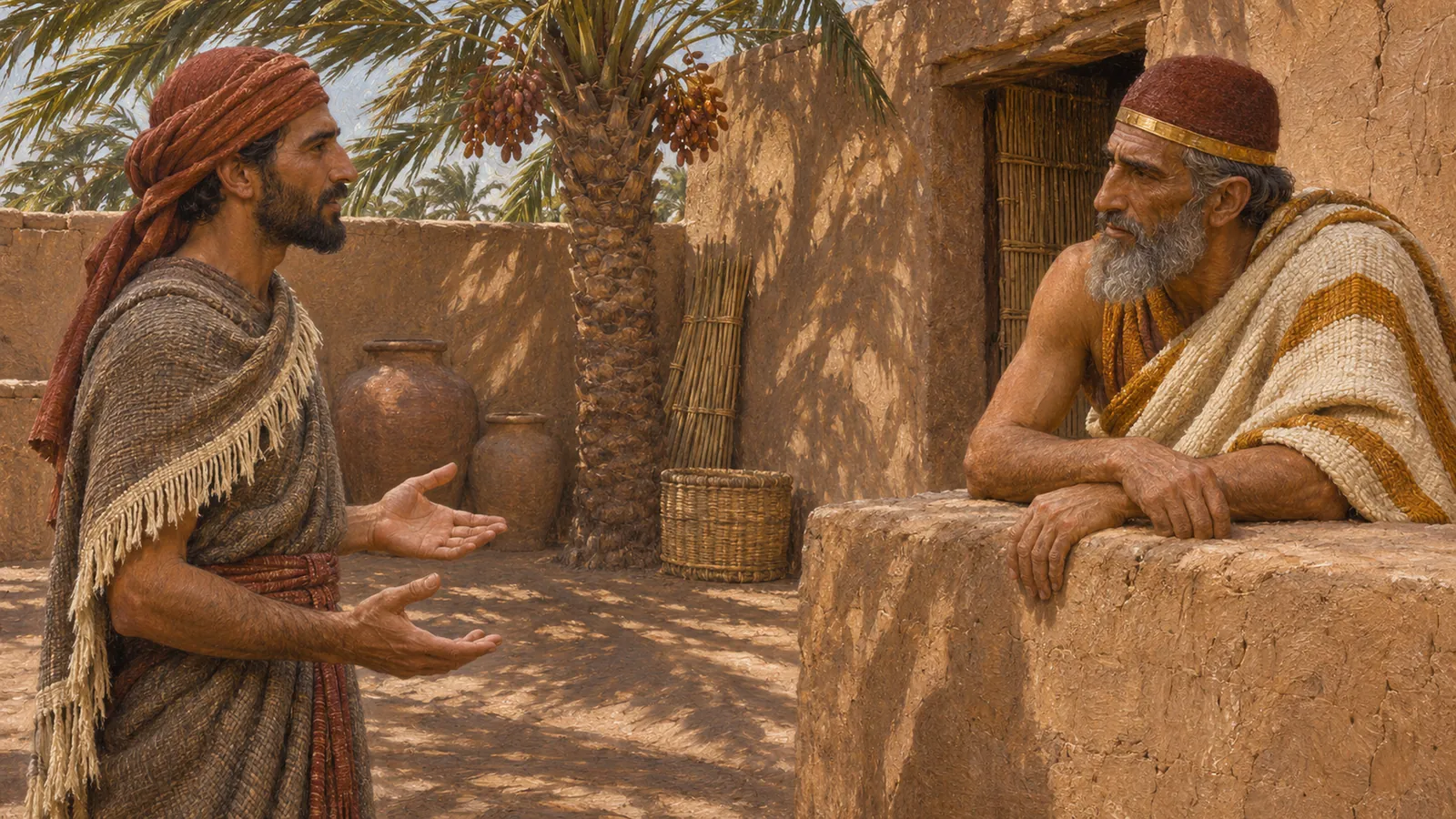
Something about the message baffles Lugalzagesi, and he holds back his words. After that the lines fragment again. They leave both the envoy’s identity and the details of his errand unclear.
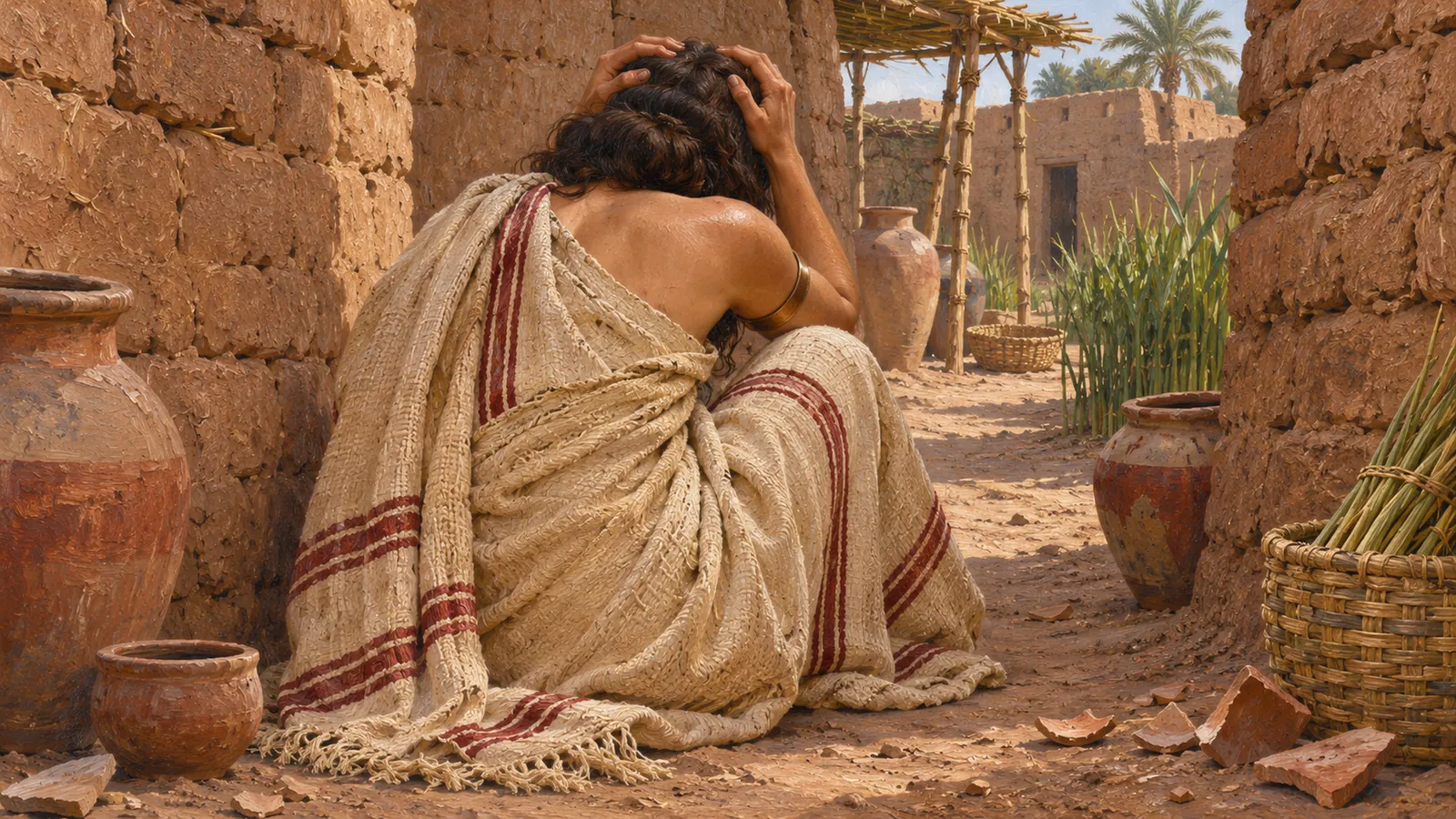
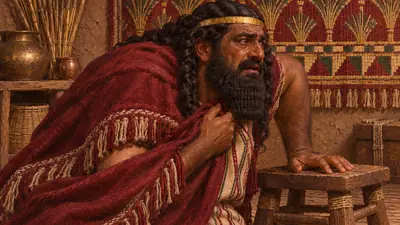
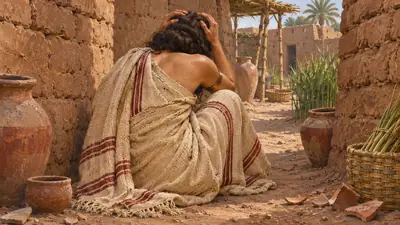
Then a few words come clear. A lord cries out in dismay and sits down in the dust. The surviving clay gives us his gesture without all of its cause.
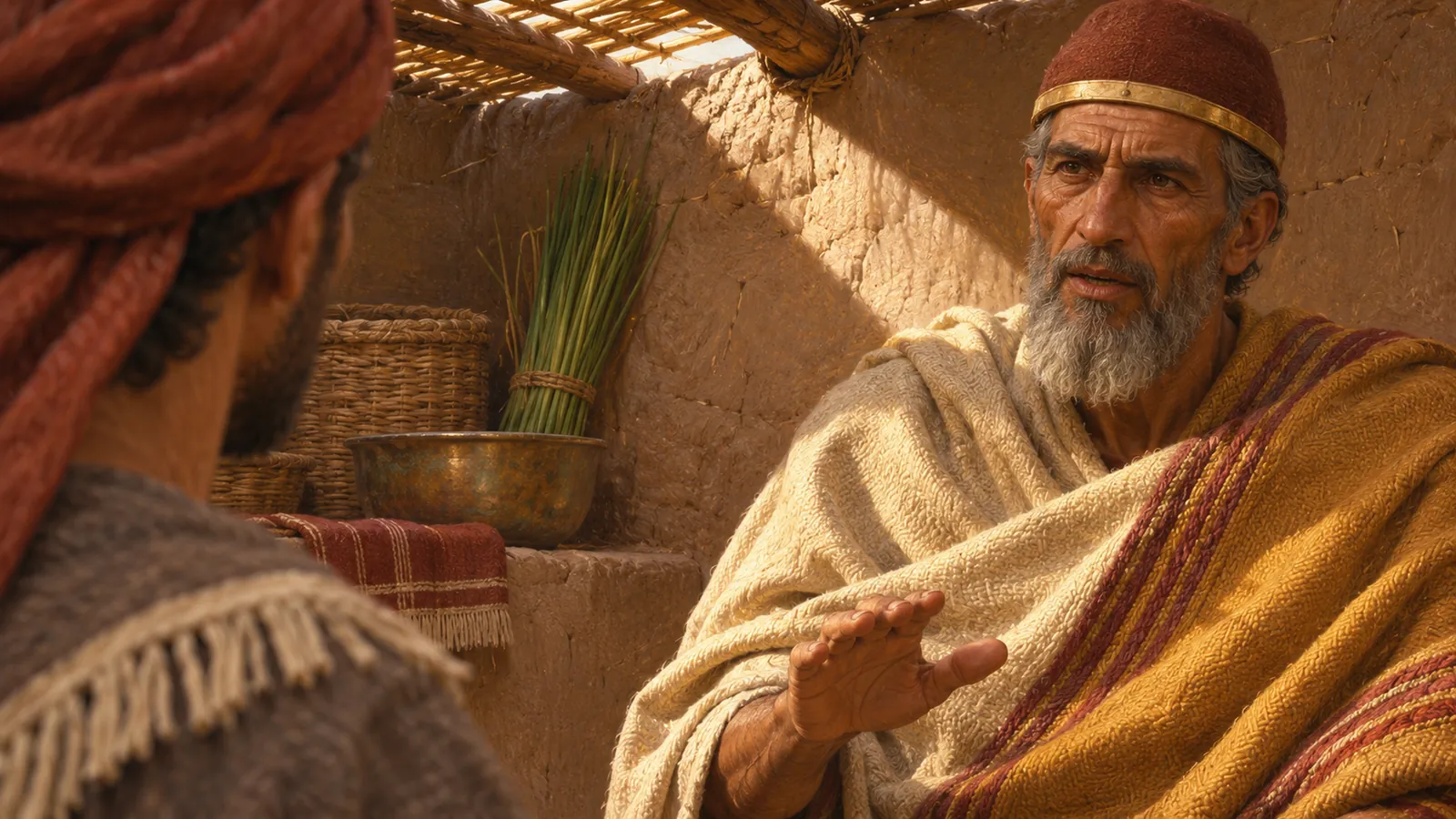
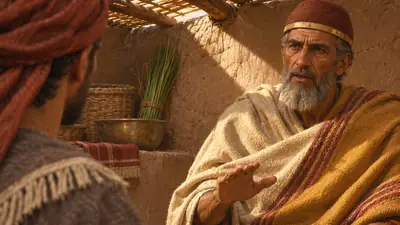
Lugalzagesi answers the envoy. The words can be read as saying that Sargon refuses to bend. Then the names of the men break apart into scattered words.
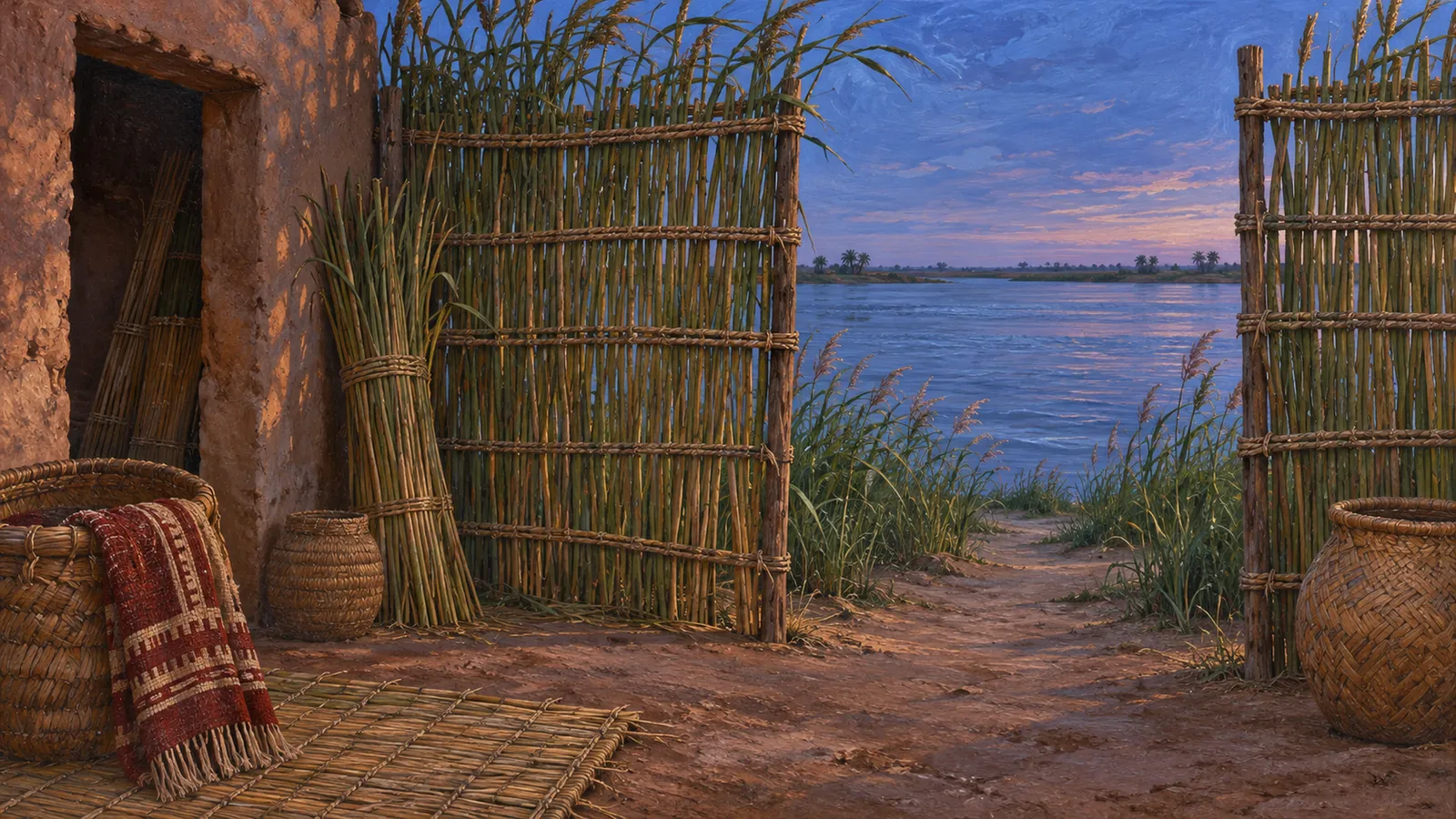
The broken lines still hold the names Sargon and Lugalzagesi. They leave the outcome of Ur-Zababa’s message and the end of this Sumerian tale out of reach.
The pieces are copies made long after Sargon’s time. A fragment kept in the Louvre and another found at Nippur allow a reader to follow this much of the story.
End of chapter 1
All pages




Sources
Editions consulted
- Electronic Text Corpus of Sumerian Literature, 2.1.4: — Oxford translation and manuscript composite.
- Cuneiform Digital Library Initiative, Q000374: — Sumerian witnesses and line-by-line comparison.
- Pascal Attinger, La légende de Sargon: — French translation of the manuscripts with philological commentary.
- Musée du Louvre, clay tablet AO 7673: — object record for the surviving fragment.
- Cuneiform Digital Library Initiative, Nippur tablet IM 58430: — witness containing the dreams, the episode at Esikil and the dispatch.
Ancient lines behind each page
- Page 1: ETCSL 2.1.4, A 1–5
- Page 2: ETCSL 2.1.4, A 3–5
- Page 3: ETCSL 2.1.4, A 5–7
- Page 4: ETCSL 2.1.4, A 8–9
- Page 5: ETCSL 2.1.4, A 10–13
- Page 6: ETCSL 2.1.4, B 1–2
- Page 7: ETCSL 2.1.4, B 3–4
- Page 8: ETCSL 2.1.4, B 5–6
- Page 9: ETCSL 2.1.4, B 5–7
- Page 10: ETCSL 2.1.4, B 7
- Page 11: ETCSL 2.1.4, B 8–11
- Page 12: ETCSL 2.1.4, B 10–11
- Page 13: ETCSL 2.1.4, B 12–13
- Page 14: ETCSL 2.1.4, B 14
- Page 15: ETCSL 2.1.4, B 15–16
- Page 16: ETCSL 2.1.4, B 19–20
- Page 17: ETCSL 2.1.4, B 20–23
- Page 18: ETCSL 2.1.4, B 23–24
- Page 19: ETCSL 2.1.4, B 25–26
- Page 20: ETCSL 2.1.4, B 26–29
- Page 21: ETCSL 2.1.4, B 30–34
- Page 22: ETCSL 2.1.4, B 33–36
- Page 23: ETCSL 2.1.4, B 35–36
- Page 24: ETCSL 2.1.4, B 34–38; Attinger, note 46
- Page 25: ETCSL 2.1.4, B 37–38
- Page 26: ETCSL 2.1.4, B 39–40
- Page 27: ETCSL 2.1.4, B 39–41
- Page 28: ETCSL 2.1.4, B 41–43
- Page 29: ETCSL 2.1.4, B 43–44
- Page 30: ETCSL 2.1.4, B 44–45
- Page 31: ETCSL 2.1.4, B 46–48
- Page 32: ETCSL 2.1.4, B 46–50
- Page 33: ETCSL 2.1.4, B 49–52
- Page 34: ETCSL 2.1.4, B 53
- Page 35: ETCSL 2.1.4, B 54–56
- Page 36: ETCSL 2.1.4, B 54–56; VS 24, 75:1
- Page 37: Tablet VS 24, 75:1–3; Attinger, note 63
- Page 38: ETCSL 2.1.4, Break after B 56; C 1–12
- Page 39: ETCSL 2.1.4, C 1–3
- Page 40: ETCSL 2.1.4, C 3–4
- Page 41: ETCSL 2.1.4, C 5–6
- Page 42: ETCSL 2.1.4, C 6–7
- Page 43: ETCSL 2.1.4, C 8–12
- Page 44: ETCSL 2.1.4, C 10–12 and break
- Page 45: Louvre AO 7673; CDLI P345417 and P356628
Illustrations made with AI tools by IL Archive; the text is based on the ancient sources (see the sources at the end of each chapter).