Sargon II Builds Dur-Sharrukin Chapter 1
The City and Its Eight Gates
In this excerpt from a royal inscription, Sargon II describes the site, foundations and palace of Dur-Sharrukin. He names the eight gates and recounts forcibly taking people from several lands and resettling them in the city.
SourcesTurn the pages with the arrows, the arrow keys or a swipe.
THE CITY AND ITS EIGHT GATES
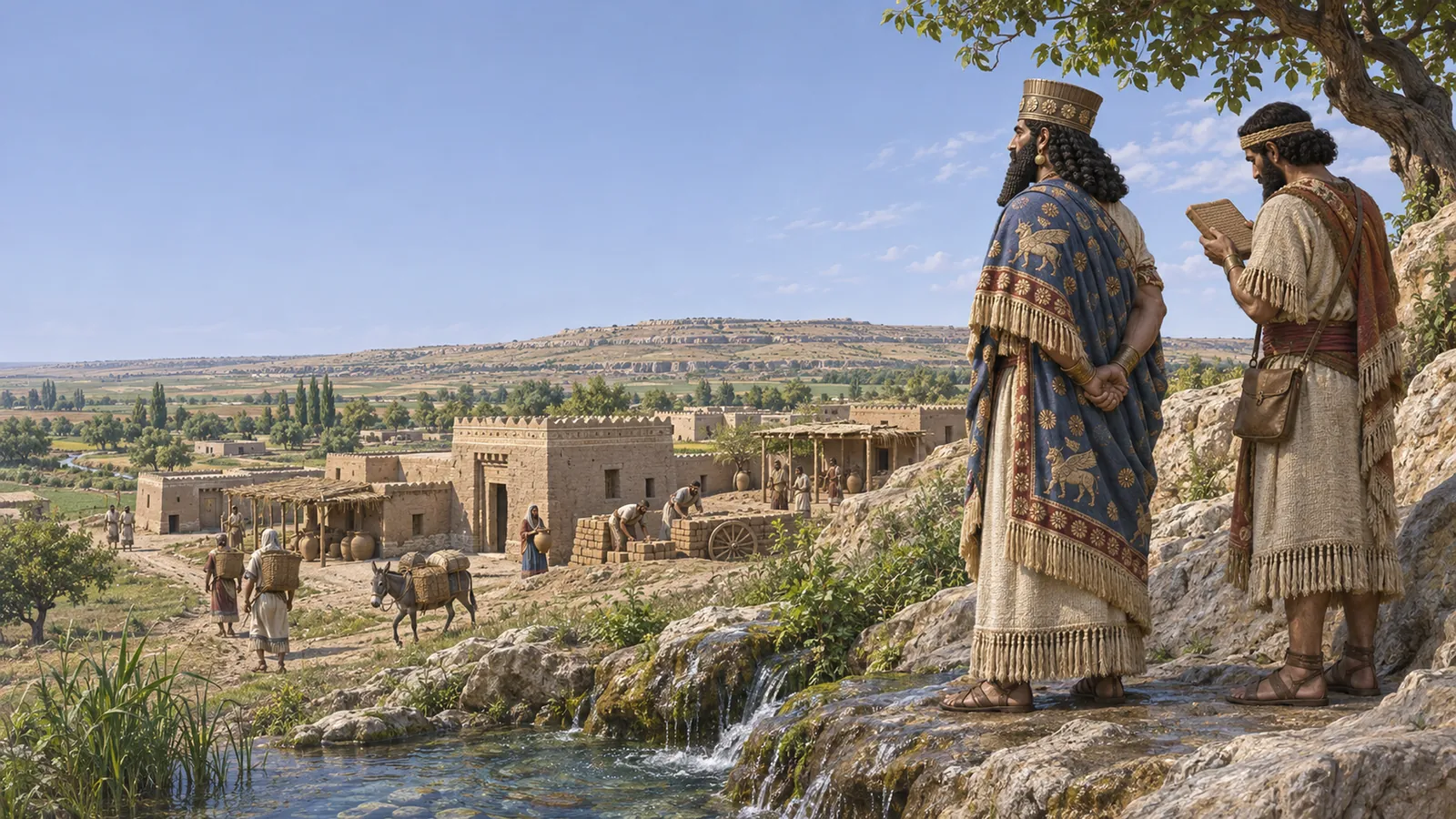
In his inscription, Sargon the Second places Maganubba on the outskirts of Nineveh. He compares the town to a tower at the foot of Mount Muṣri, which rises above a spring.
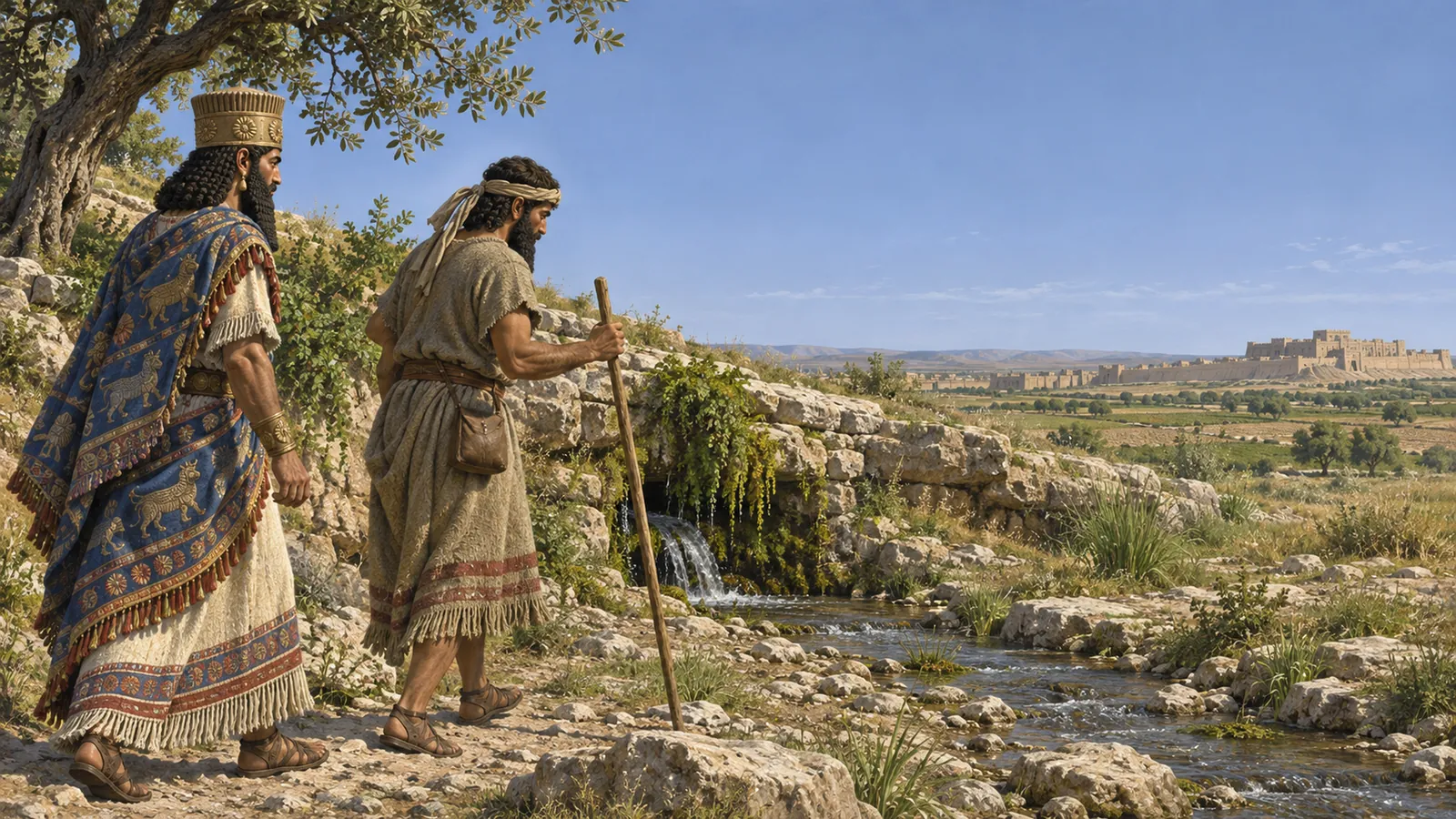
Sargon says none of the three hundred and fifty earlier rulers who governed Enlil’s subjects in Assyria had recognized the site or known how to make it habitable. He says none had ordered a canal for it.
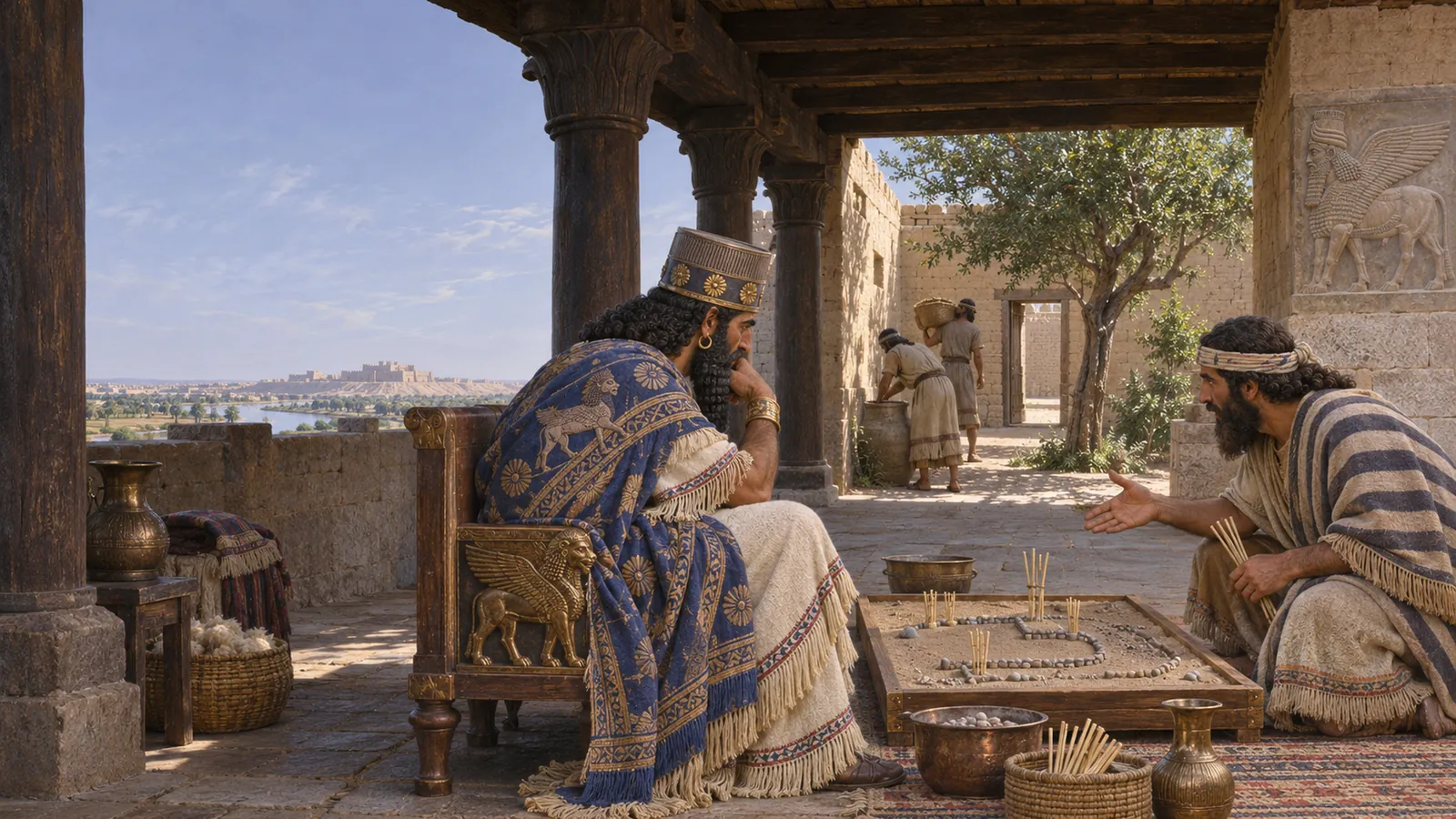
Sargon credits Ea, King of the Deep and lord of wisdom, with giving him great understanding and cleverness. He says Ninmenanna, creator of the gods, made his intelligence greater than that of his royal ancestors.
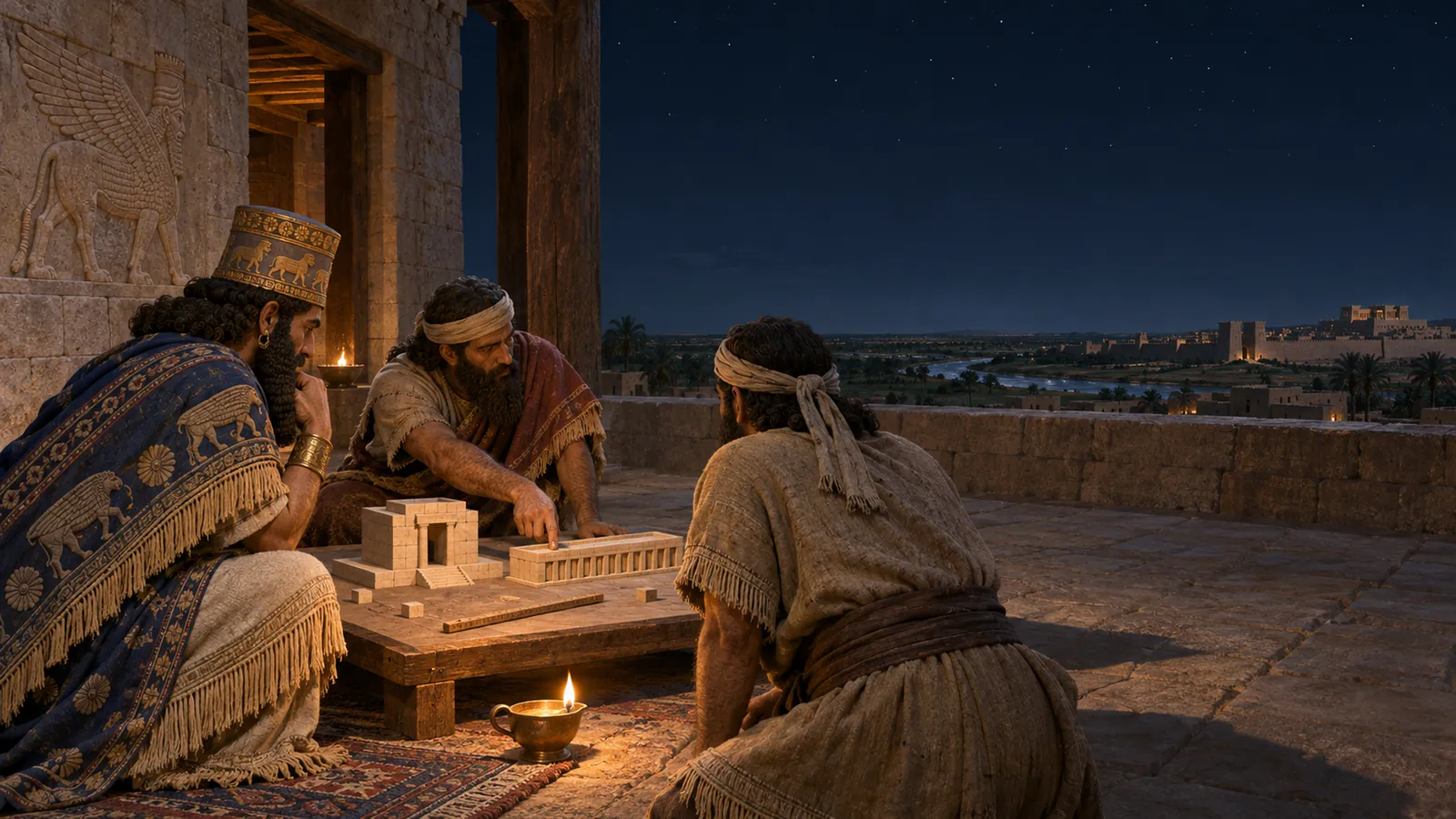
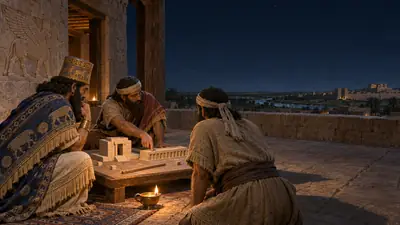
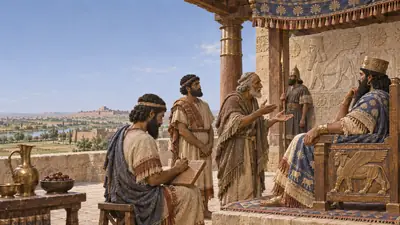
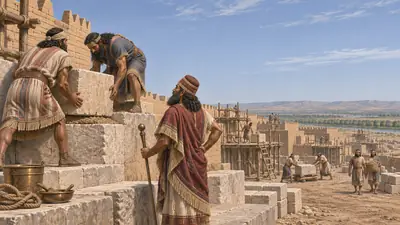
Sargon says he planned day and night to settle the city, raise a shrine for the great gods and build halls for his own residence. Then he ordered construction.
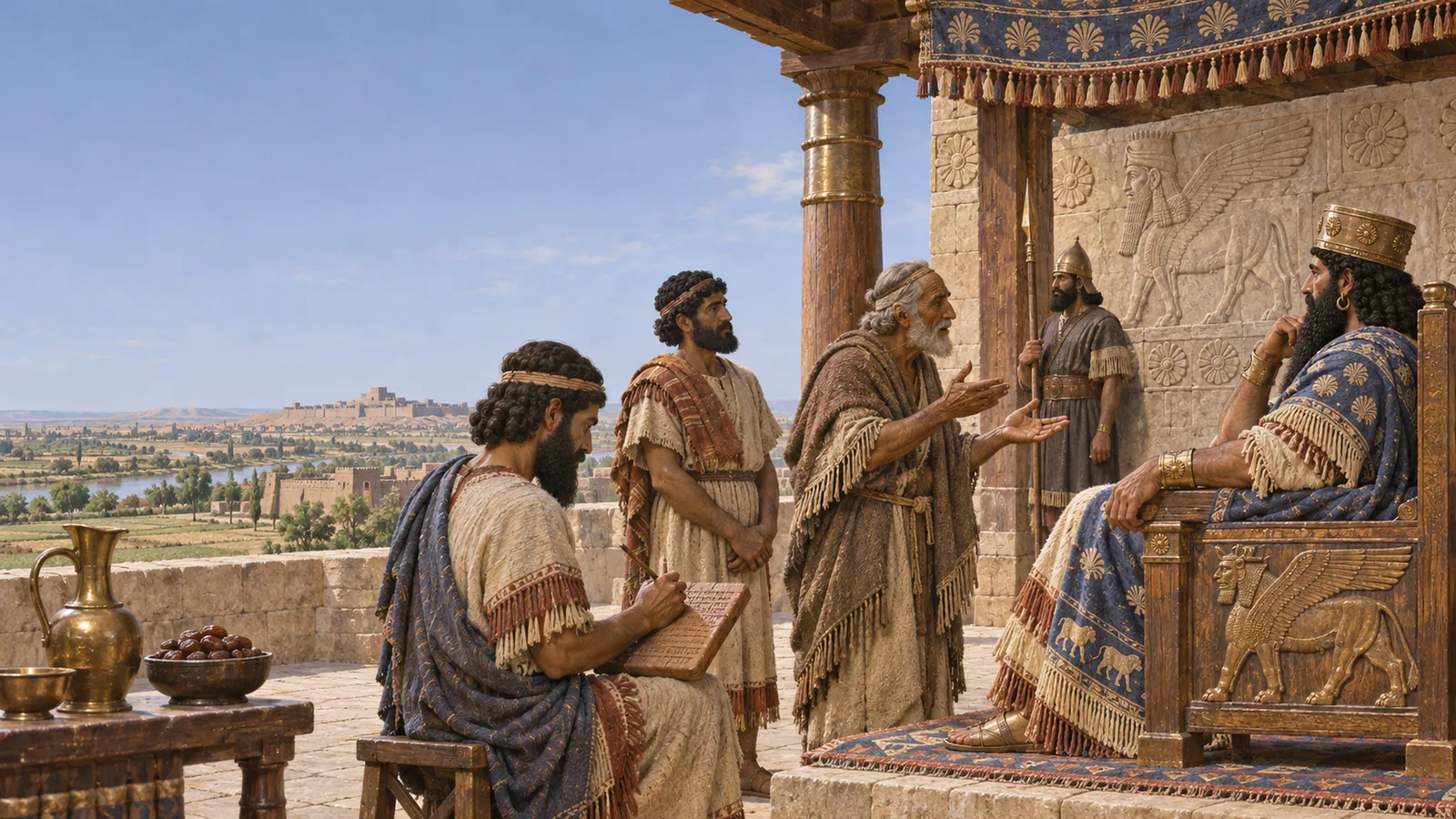
Sargon says that the great gods gave him a name bound up with protecting truth and justice, guiding the powerless and guarding the weak against harm.
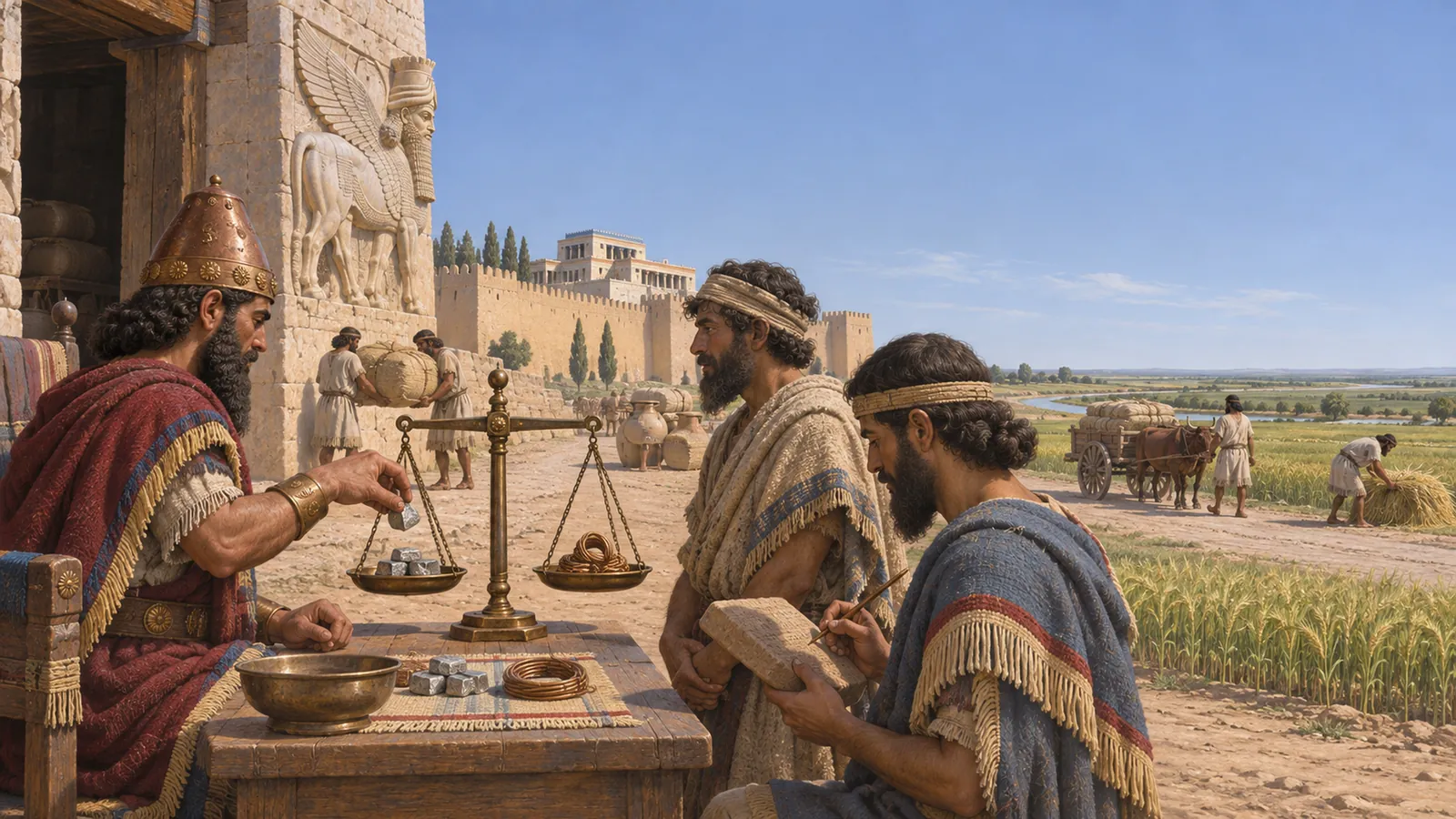
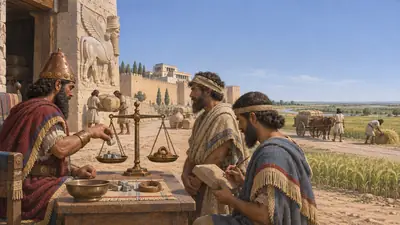
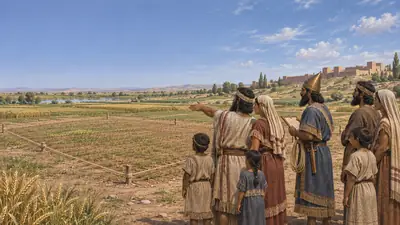
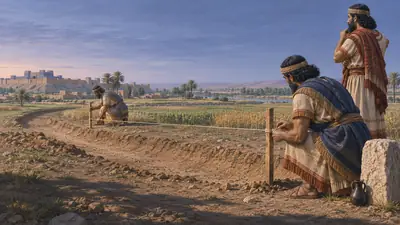
The king says he reimbursed the owners of the fields he had expropriated, paying in silver and bronze. He says the amount followed the price in the original purchase documents.
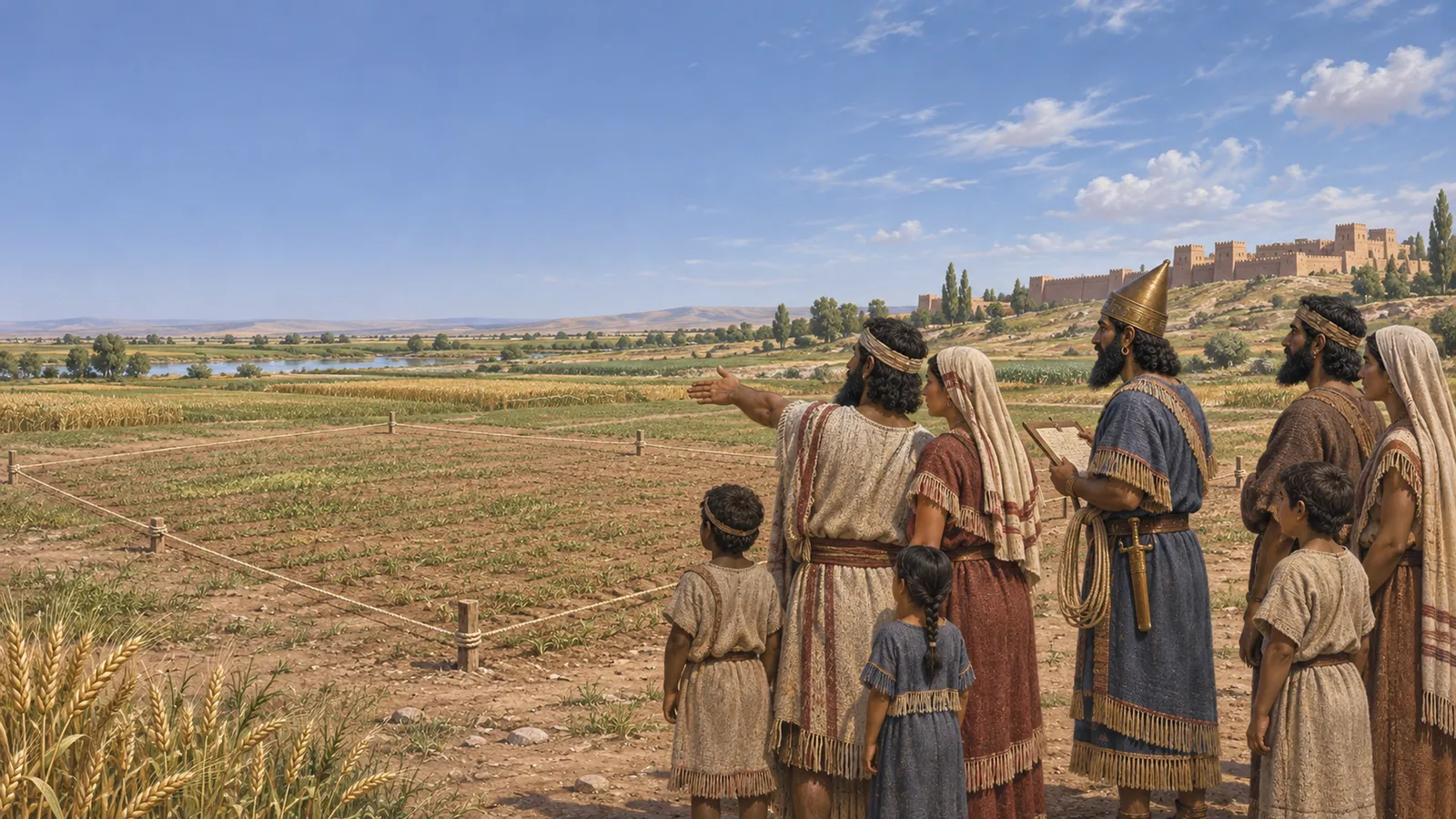
For those who did not want silver, Sargon says he provided fields of comparable value wherever the owners chose. He says this was to prevent wrongdoing.
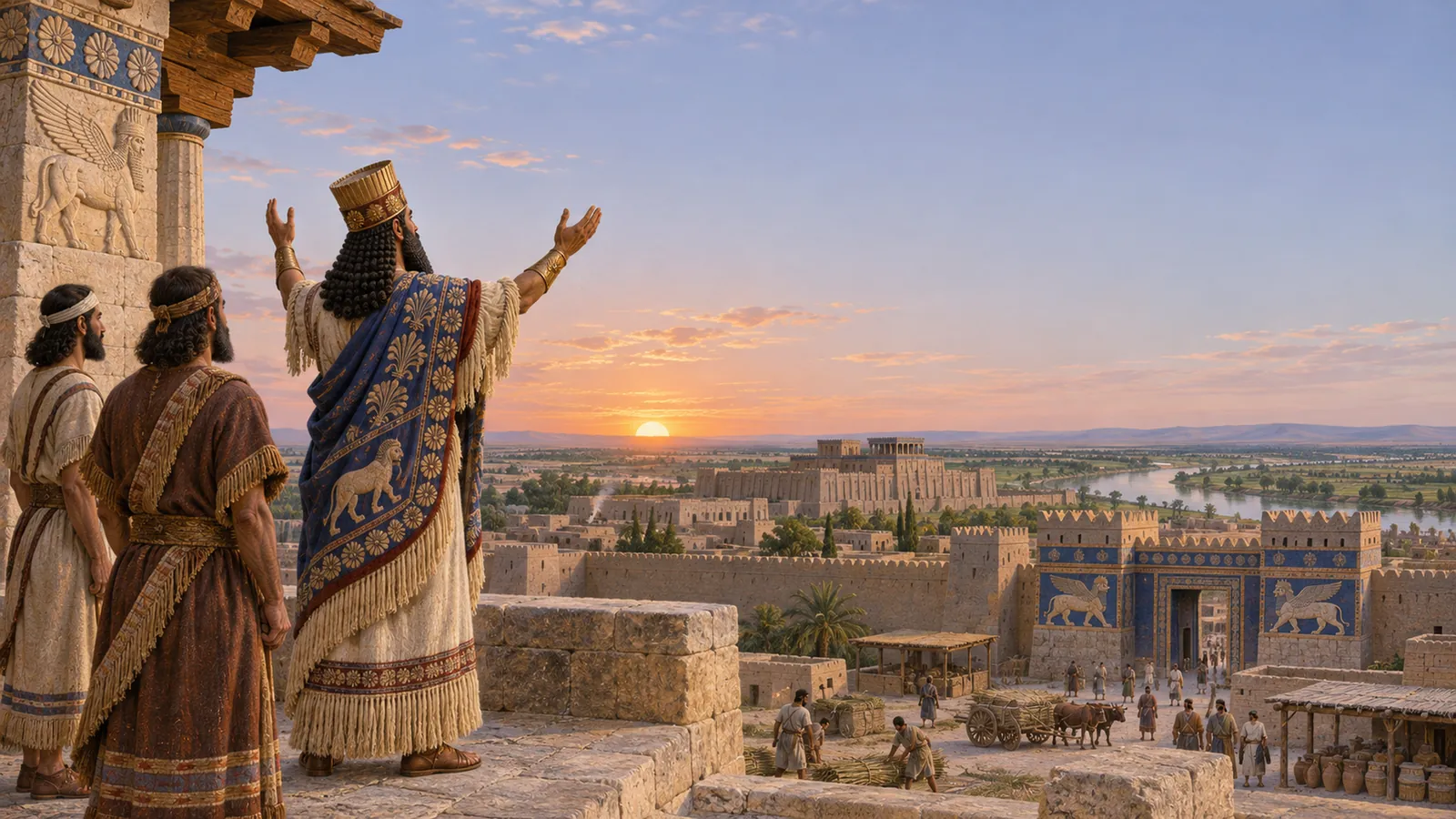
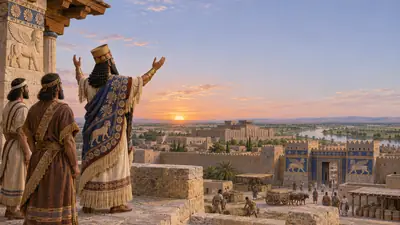
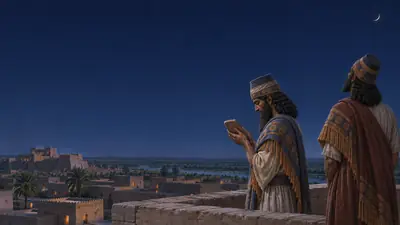
The king says he raised his hands toward the east and asked Sigga and Lugal-dingira, judges of humanity, about building the city. Facing west, he prayed to Šauška of Nineveh to enter it in happiness and good health.
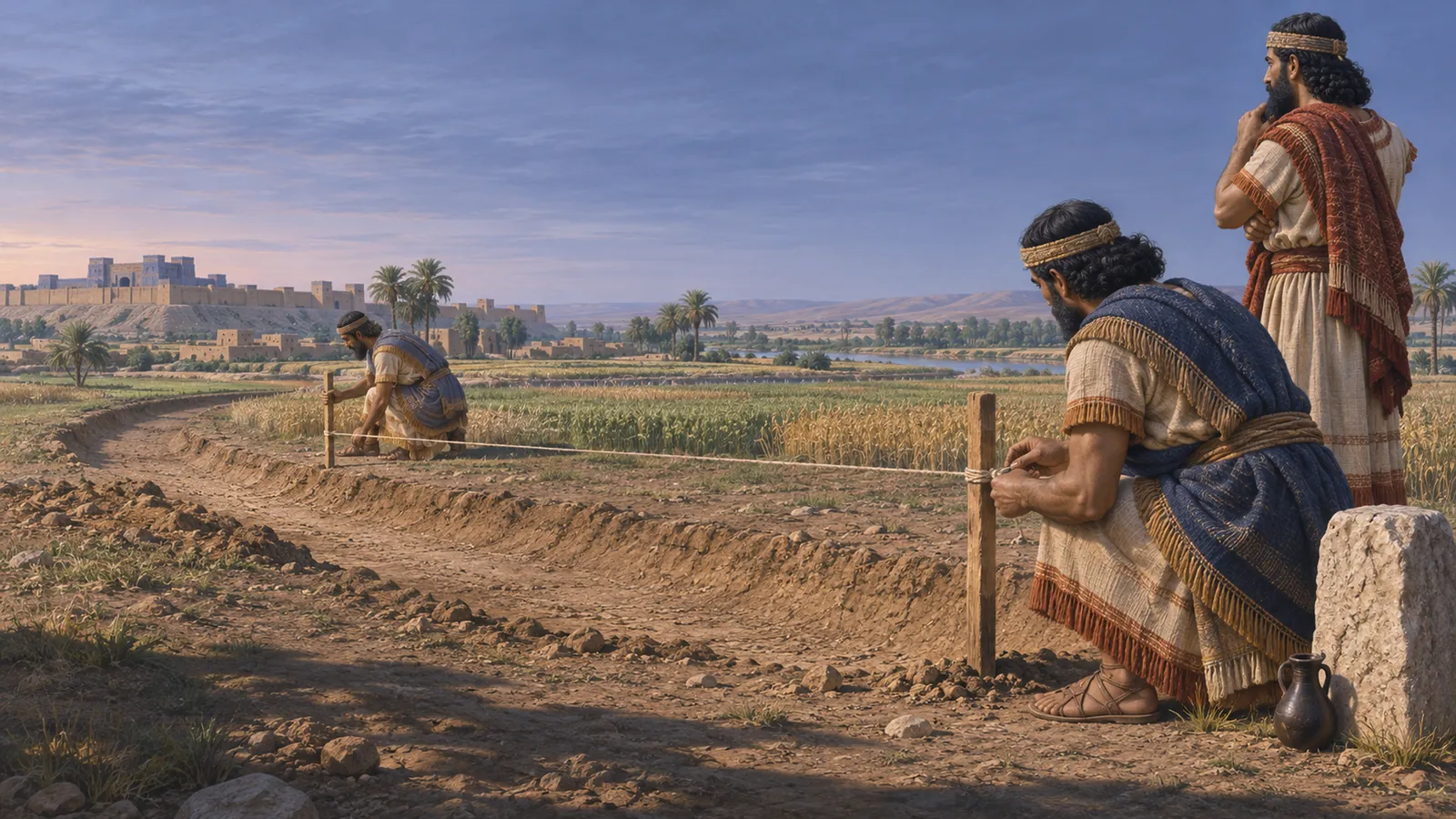
The king says his just words were as pleasing as the finest oil to his gods. He says they ordered him to build the city and dig a canal.
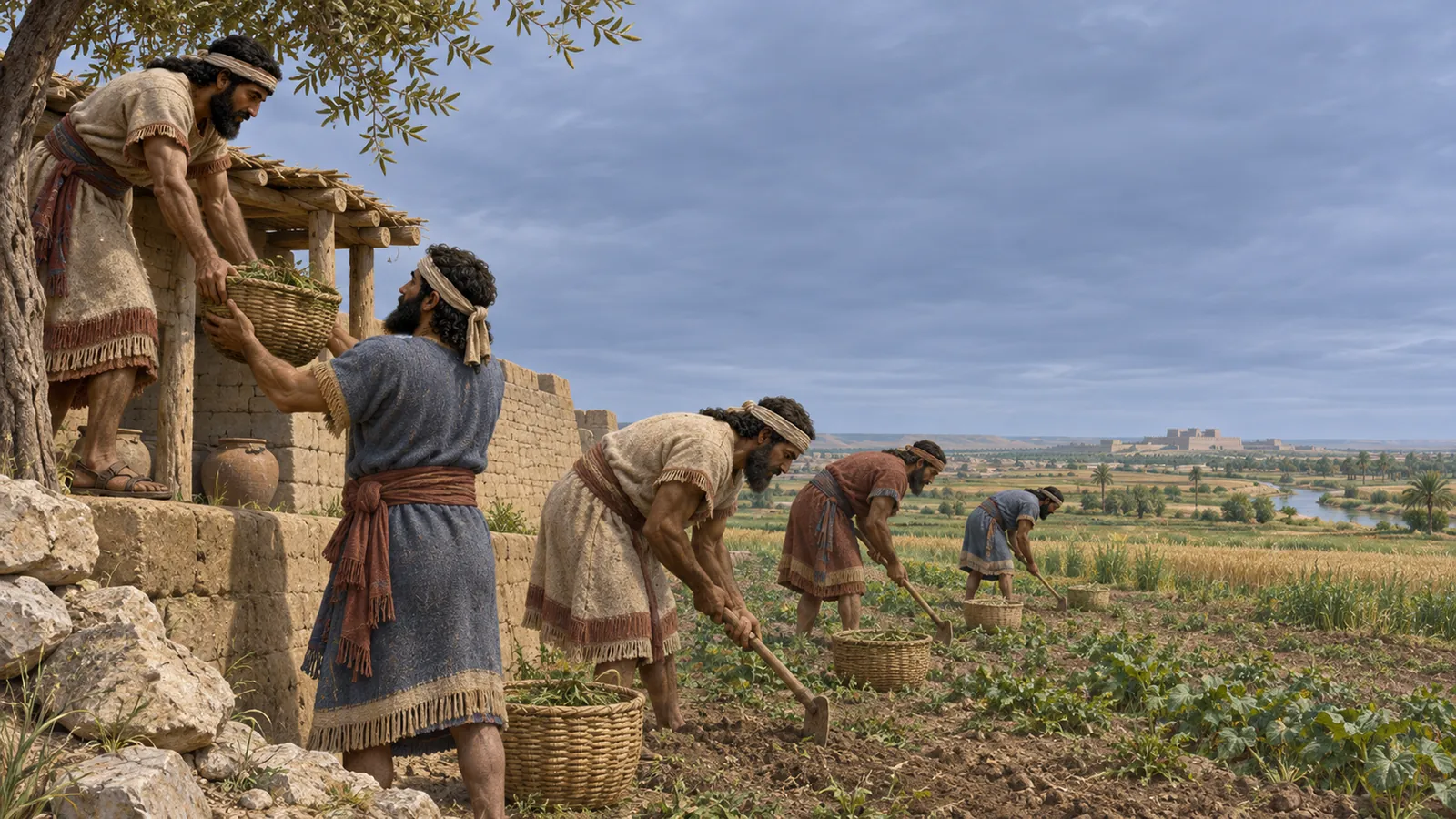
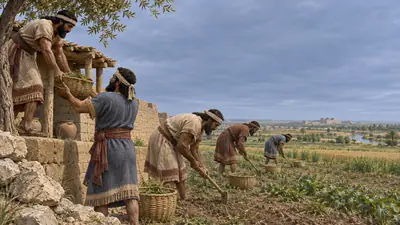
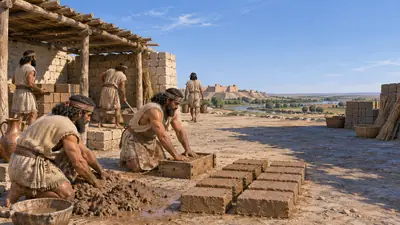
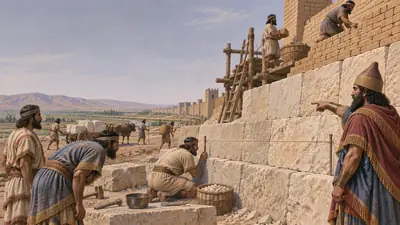
Sargon says he trusted that the gods’ command could not be changed. He gathered his many people and had them take up the hoe and work basket.
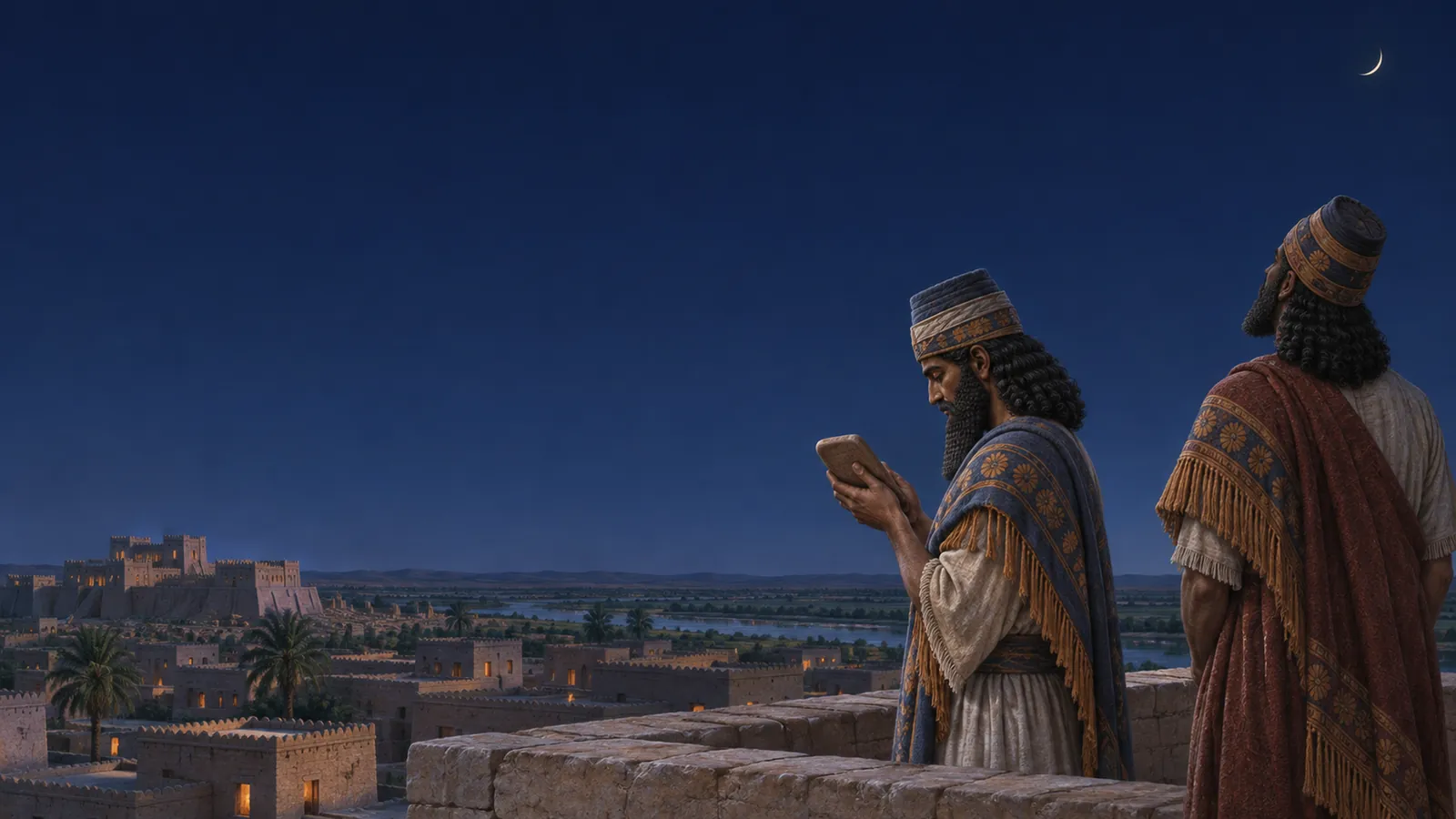
Sargon describes Ṣītaš, the third month, as the month of Sîn, son of Daragal. He calls Sîn the one who gives decisions and reveals signs, the light of heaven and the netherworld, and the hero of the gods.
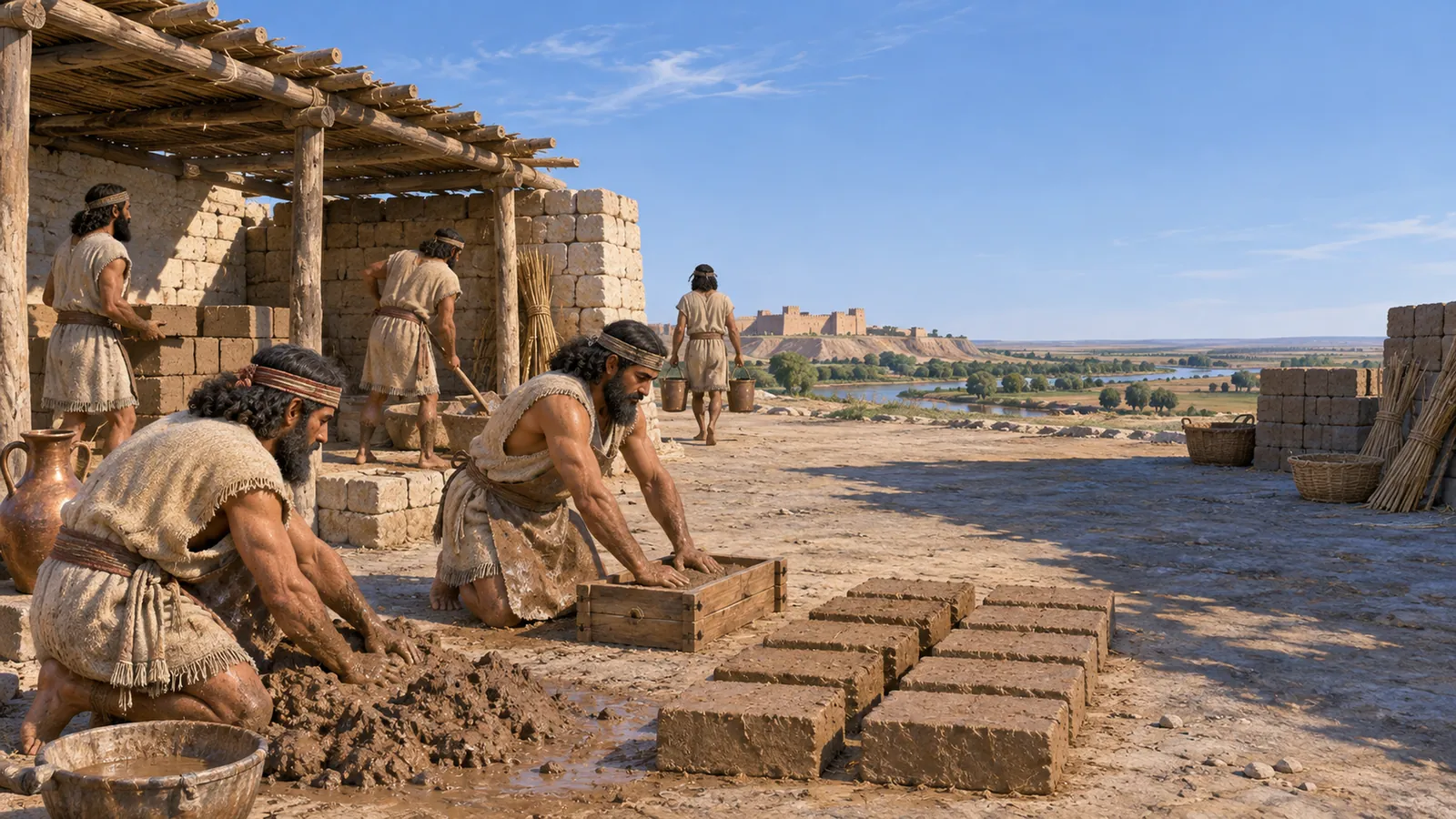
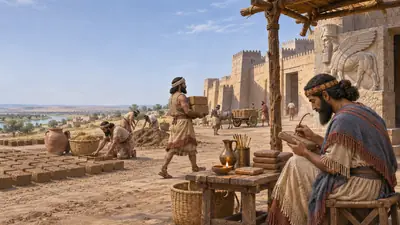
Sargon says Anu, Enlil and Prince Ea decreed that this was called the month of Kulla. He says it was appropriate for making bricks and building cities and houses.
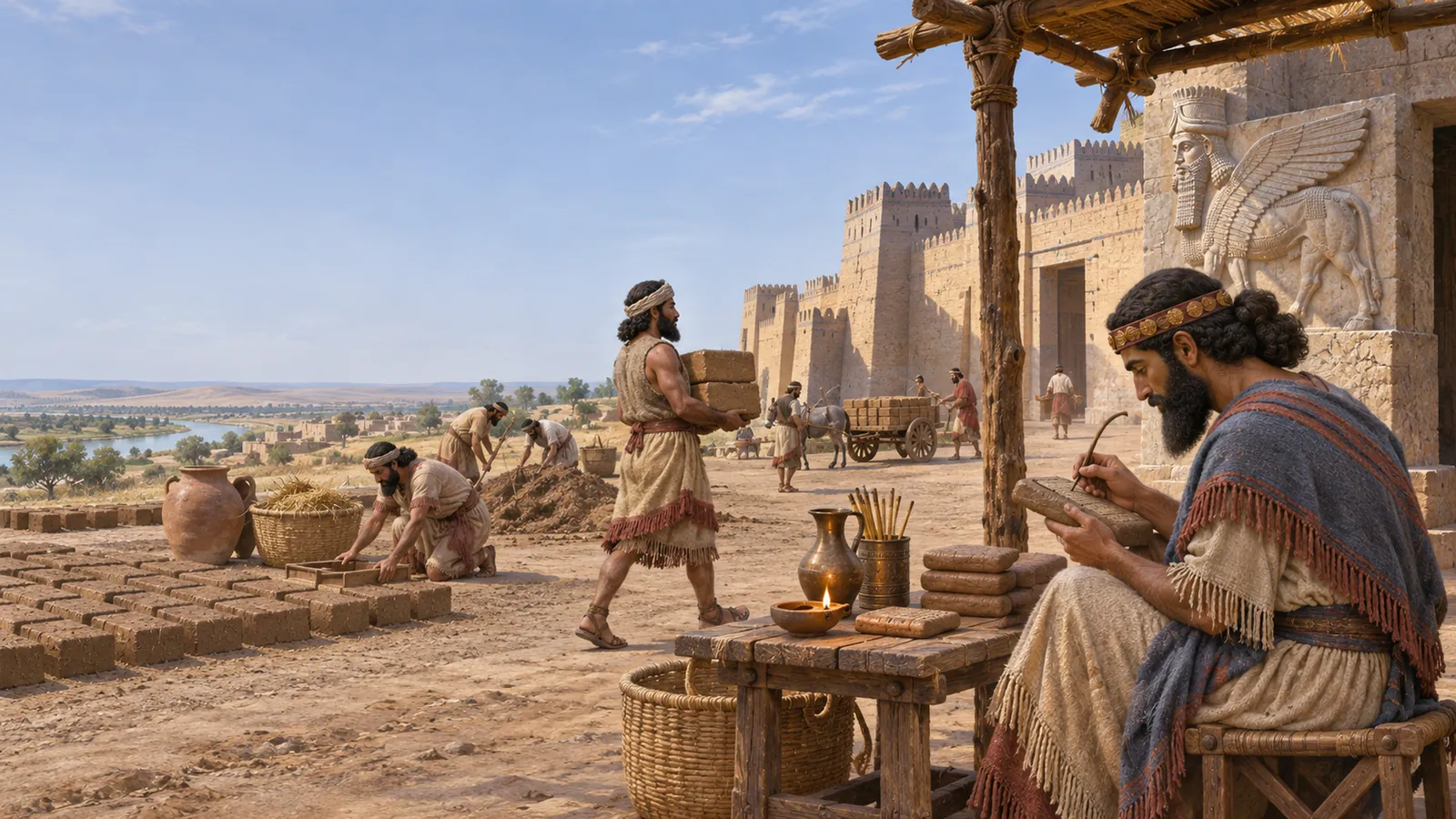
Sargon says he had the brickwork made on the day of Nabû’s eššešu festival. He calls Nabû the wise son of Bēl, scribe of the universe and the one who gives orders to all the gods.
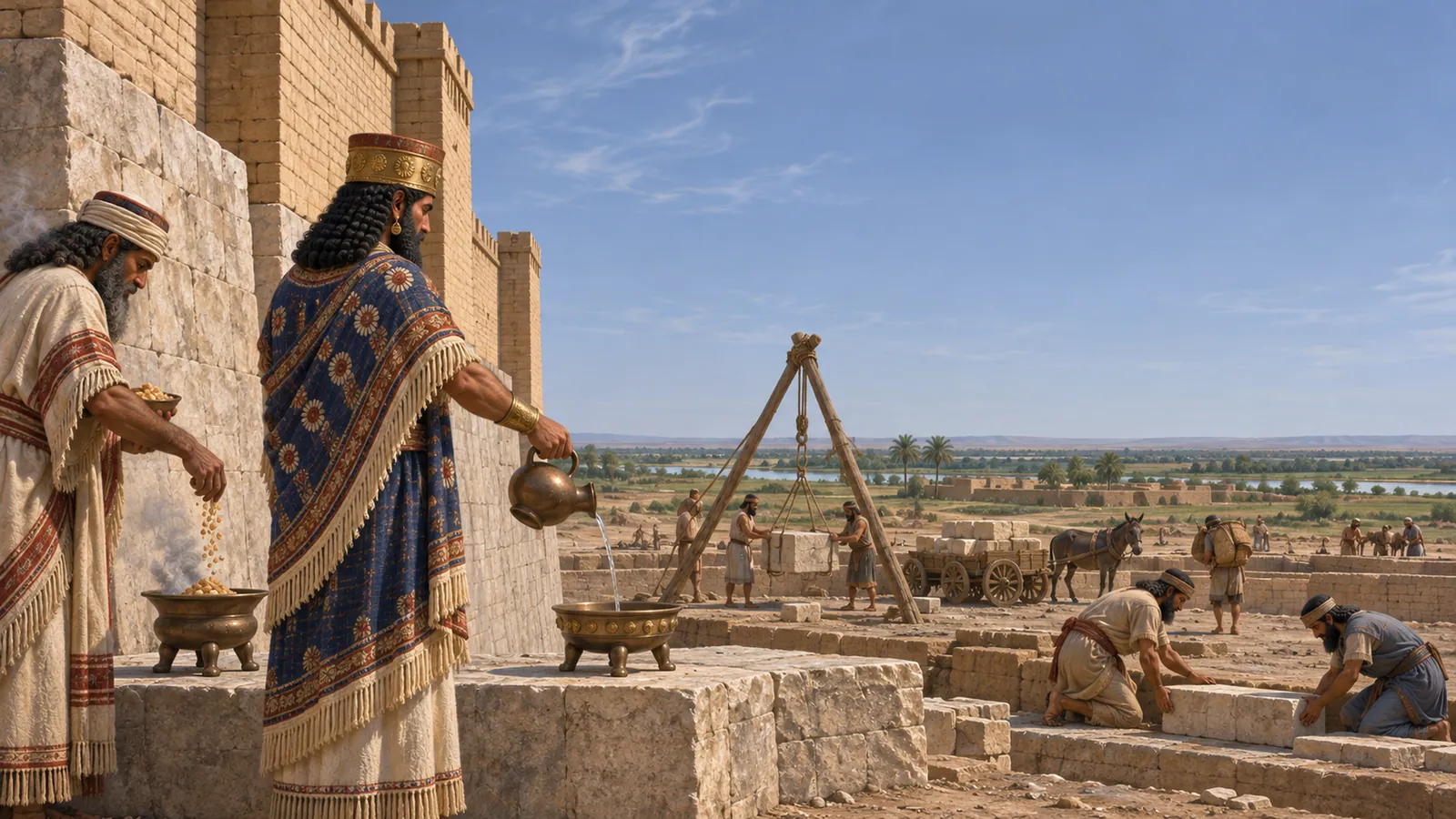
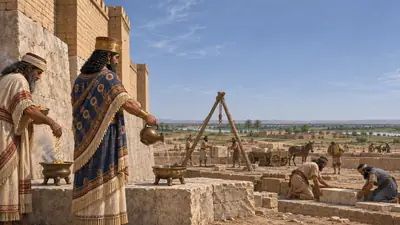
Sargon says he offered a sacrifice to Kulla, lord of foundations and brickwork, and Mušda, master builder of Enlil. He says he scattered aromatic offerings and recited a šuilakku prayer.
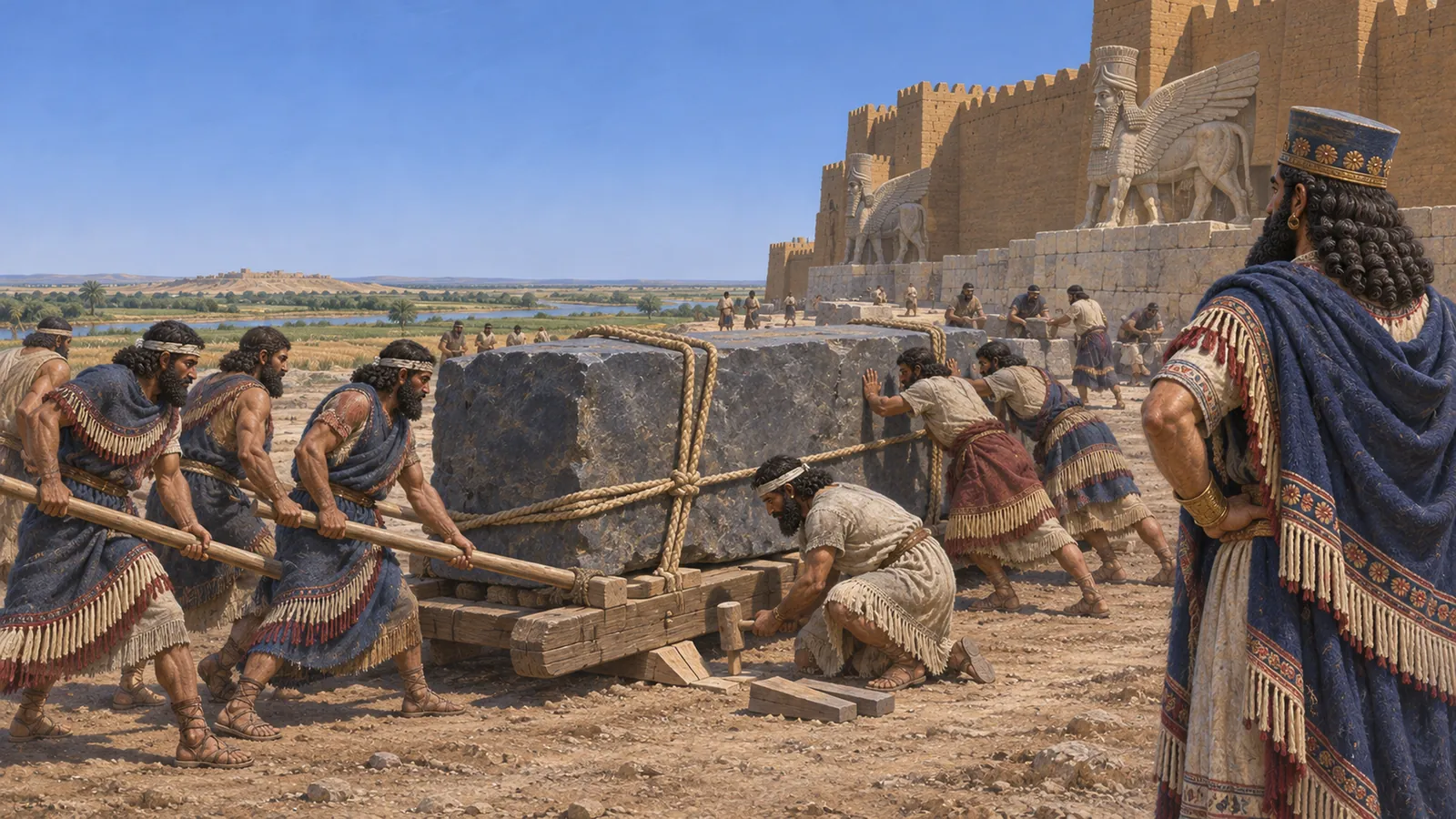
In Abu, the fifth month, Sargon says he laid the foundation and established the brickwork. The inscription says Gibil descends from heaven then, dries wet fields and lays foundations for cities and houses.
PLATFORMS
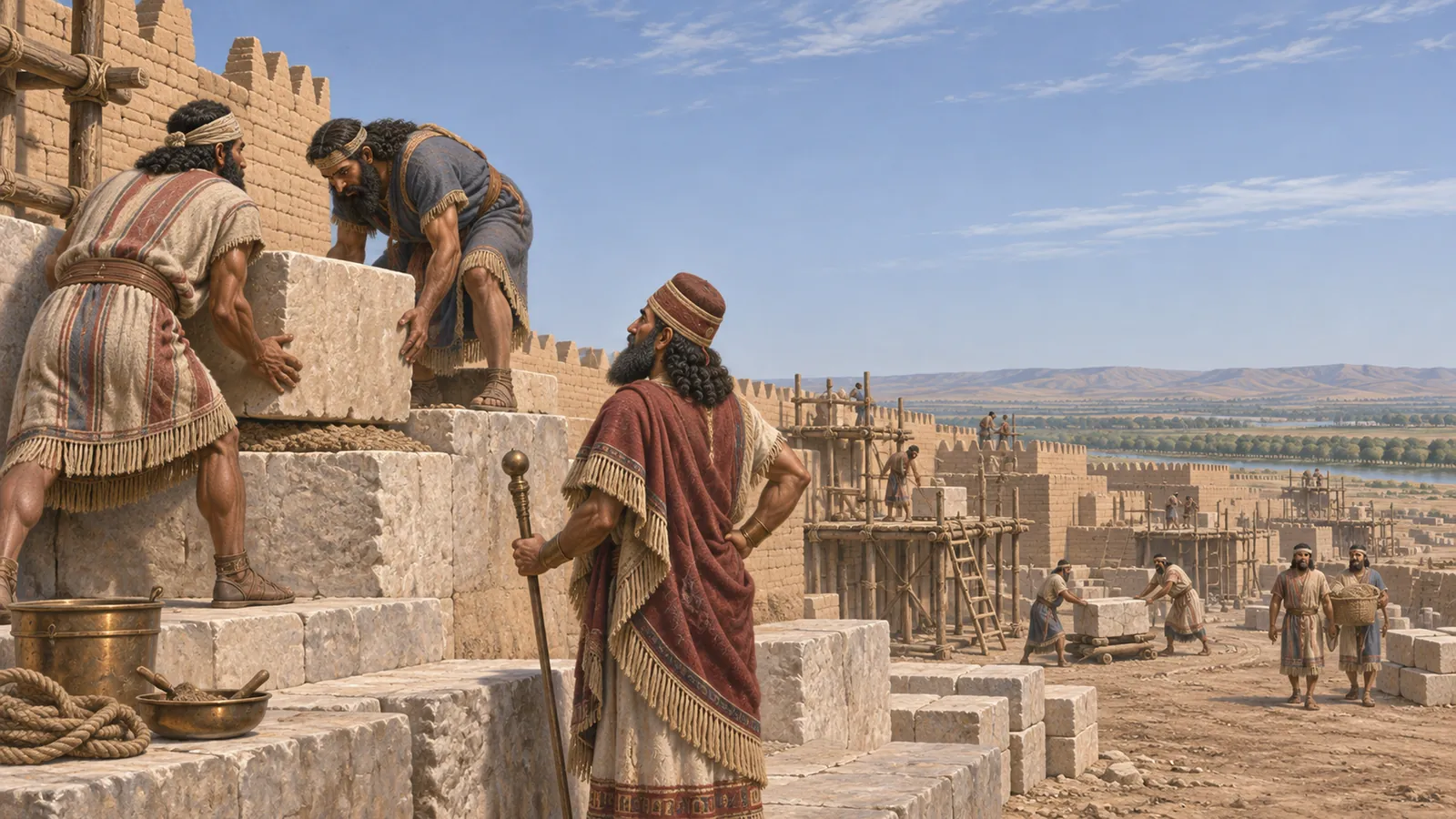
Sargon says he built platforms within the city for Ea, Sîn, Ningal, Adad, Šamaš and Ninurta. He compares the firmness of those platforms to mountains.
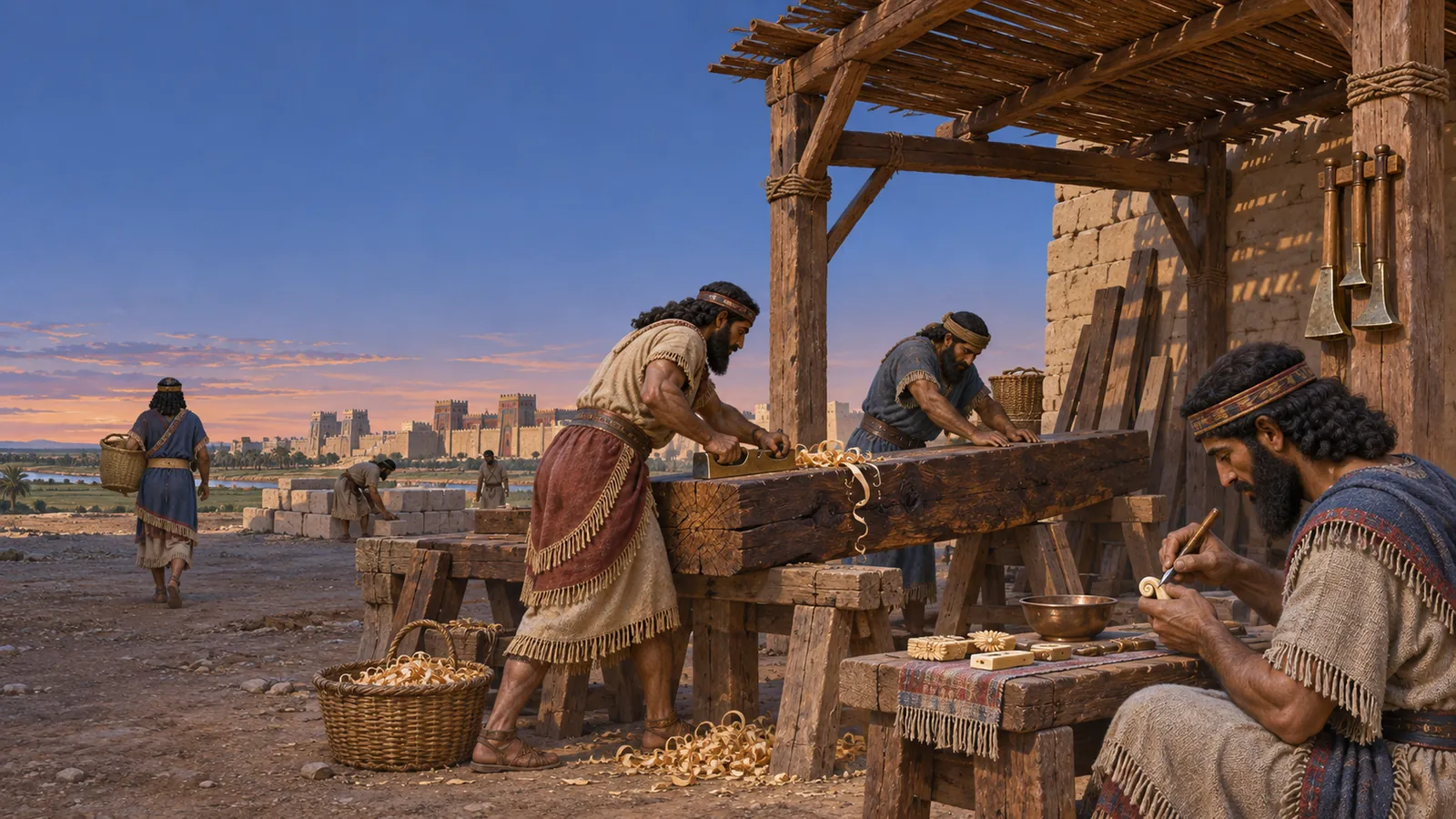
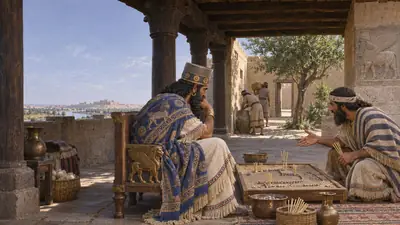
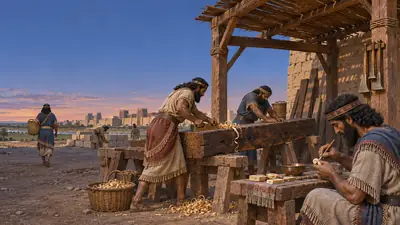
At the gods’ command, Sargon says he built his royal residence using elephant ivory, ebony, boxwood, musukkannu wood, cedar, cypress, daprānu juniper and terebinth.
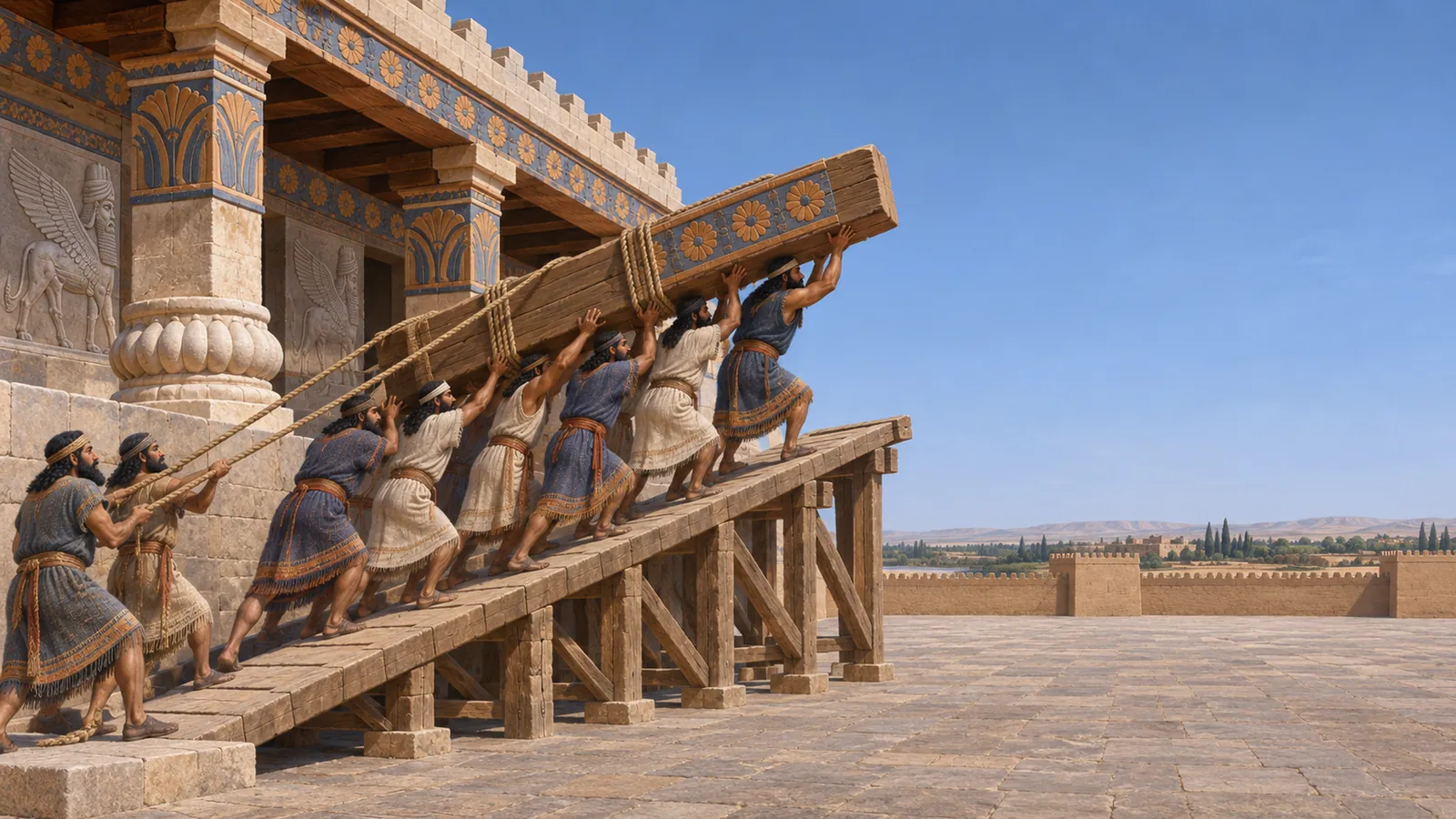
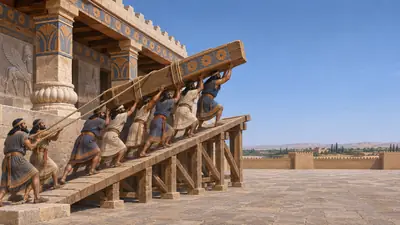
He says he made a bīt-ḫilāni in front of the gates, a structure modeled on a Hittite palace. He used beams of cedar and cypress for the roofs.
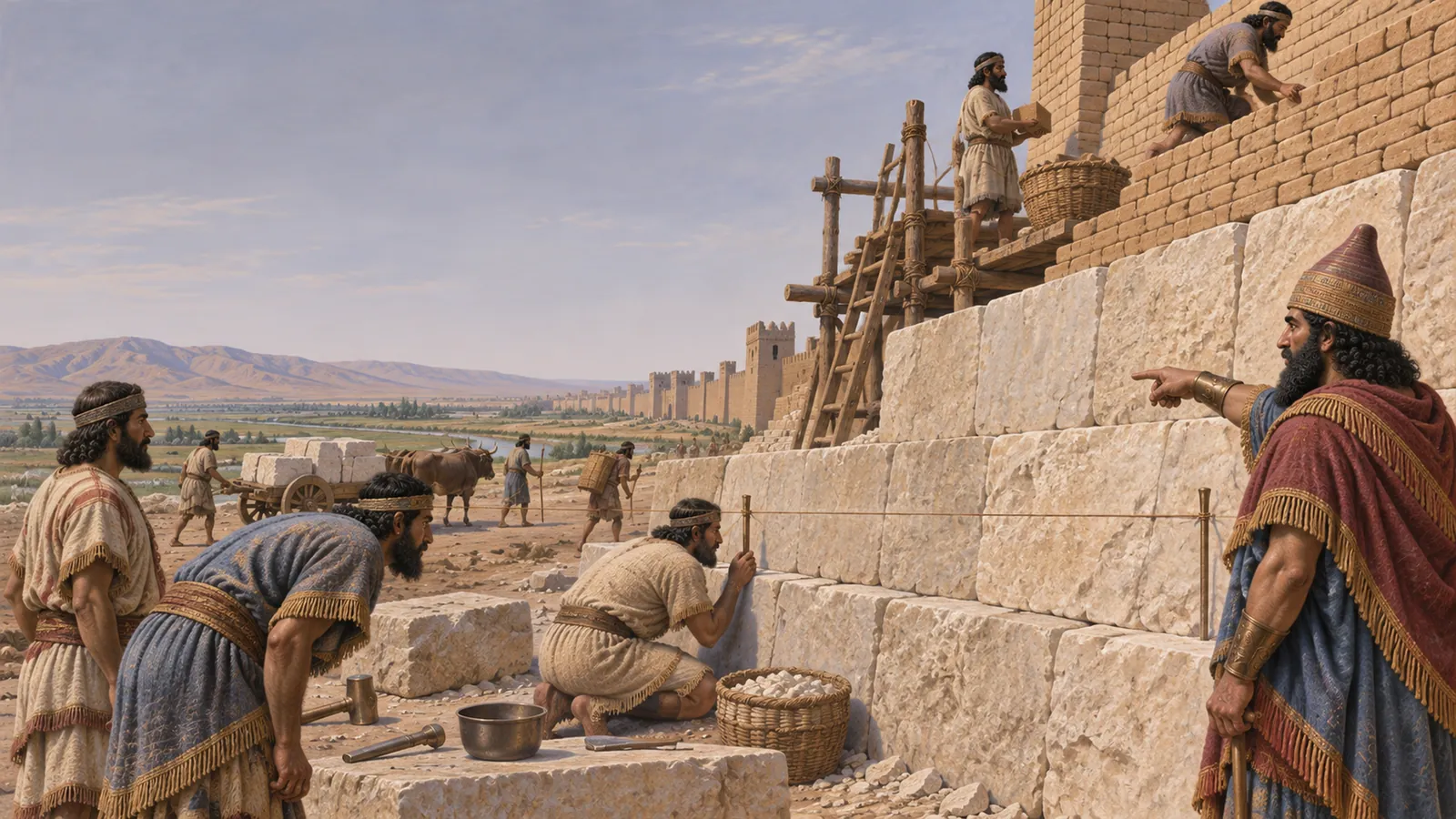
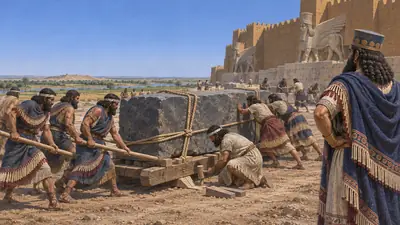
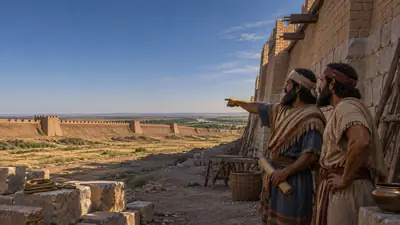
Sargon gives the length of the city wall as 16,280 cubits and links the number to the rendering of his name. He says he secured the foundation on massive blocks of stone from the mountains.
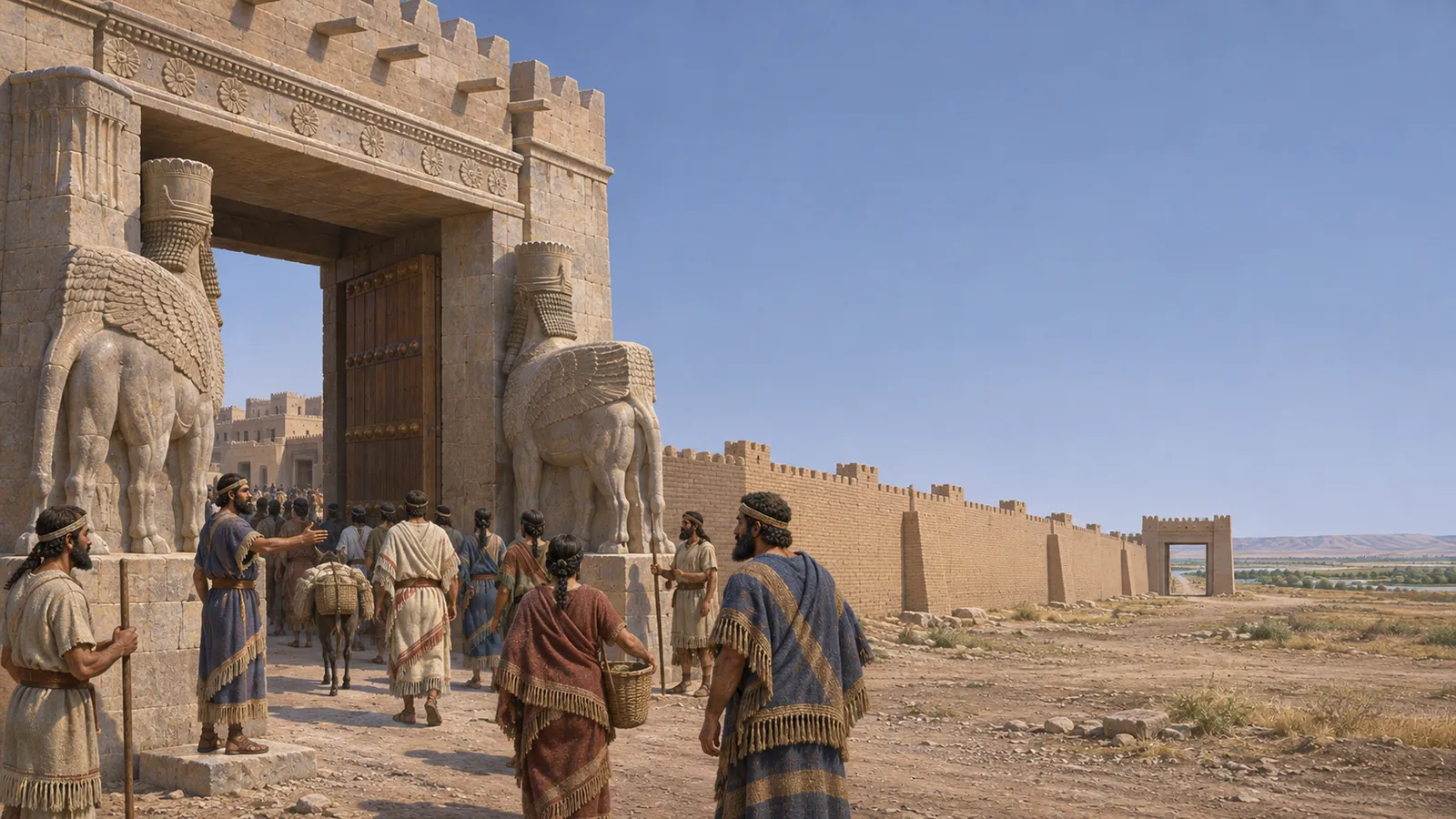
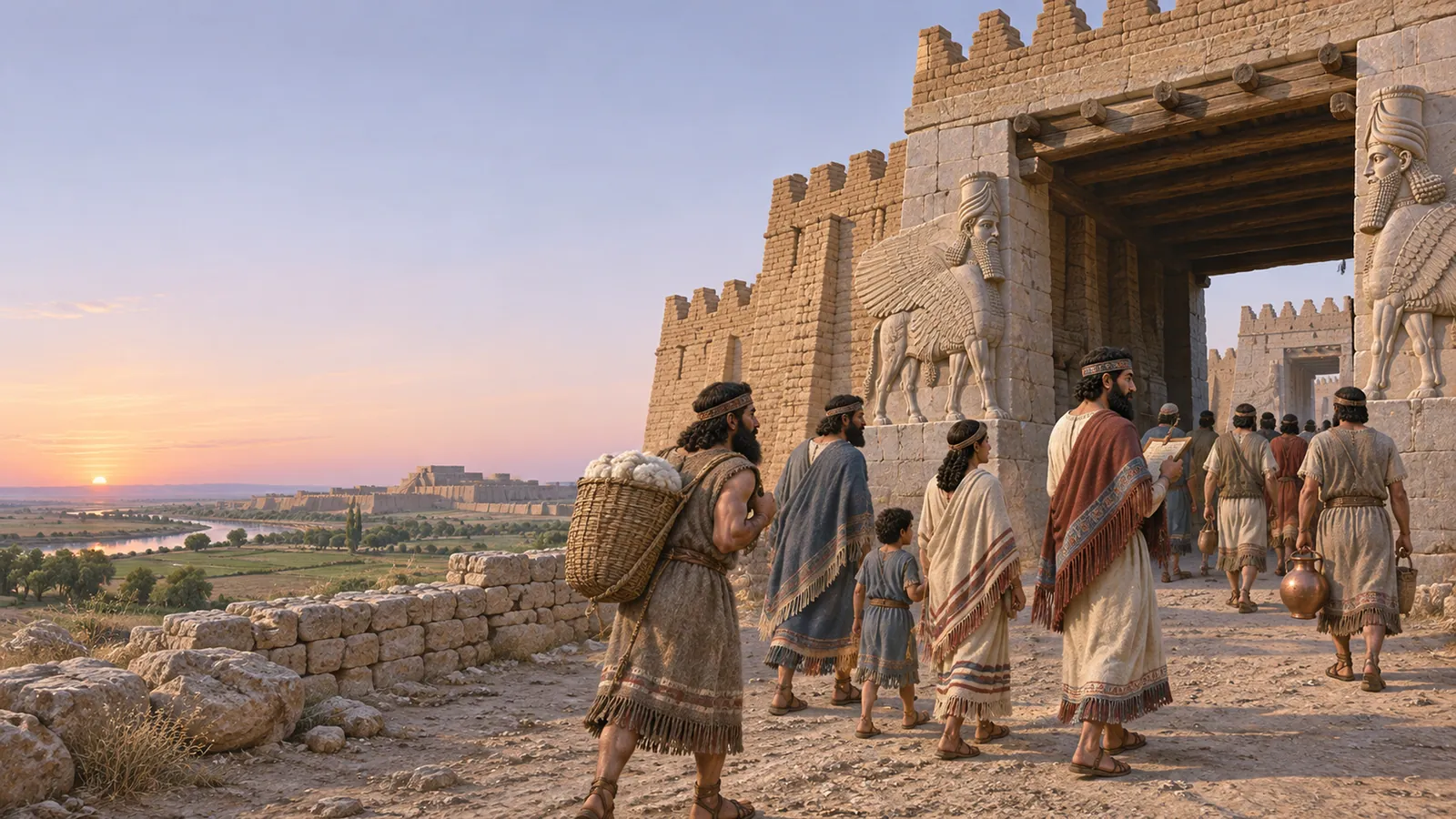
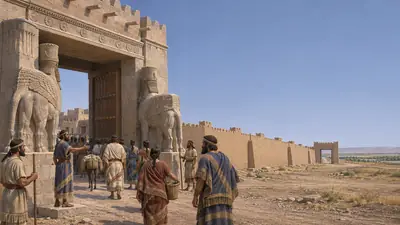
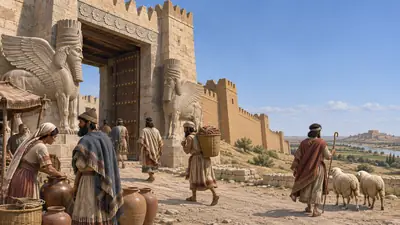
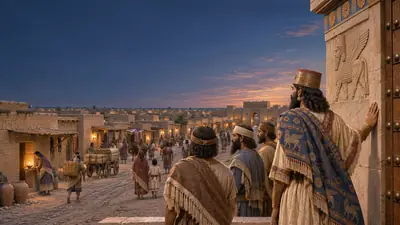
Sargon says he opened eight gates in the city wall. They were set at the front and back and on both sides, facing the eight winds.
EAST AND NORTH
Sargon names the eastern gates for Šamaš, who brings him triumph, and Adad, who maintains prosperity. He names the northern gates for Enlil, who establishes the city’s foundation, and Mullissu, who restores abundance.
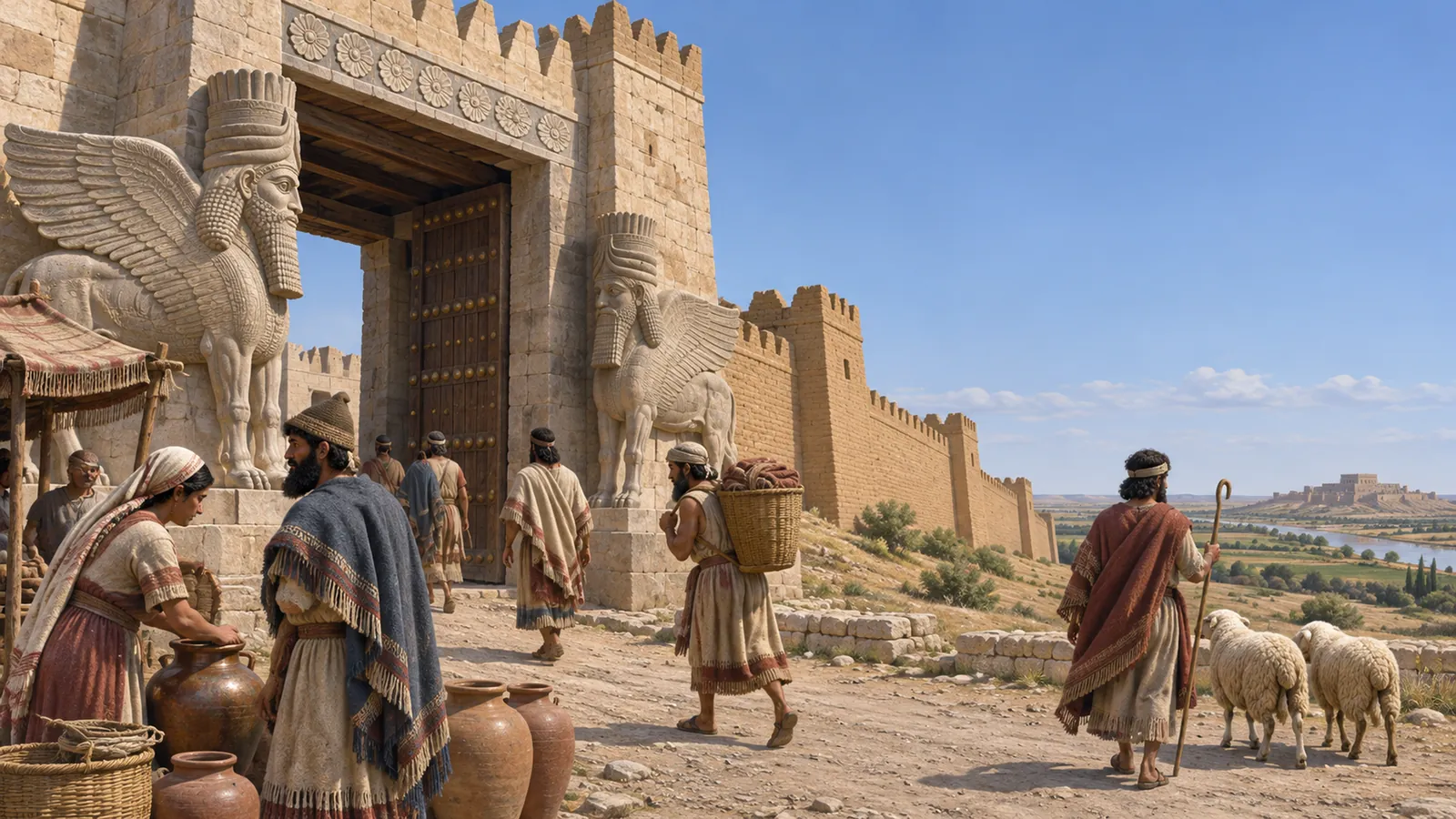
Sargon names the western gates for Anu, who makes his undertakings succeed, and Ištar, who makes the people flourish. He names the southern gates for Ea, who keeps the springs in order, and Bēlet-ilī, who increases the animals’ offspring.
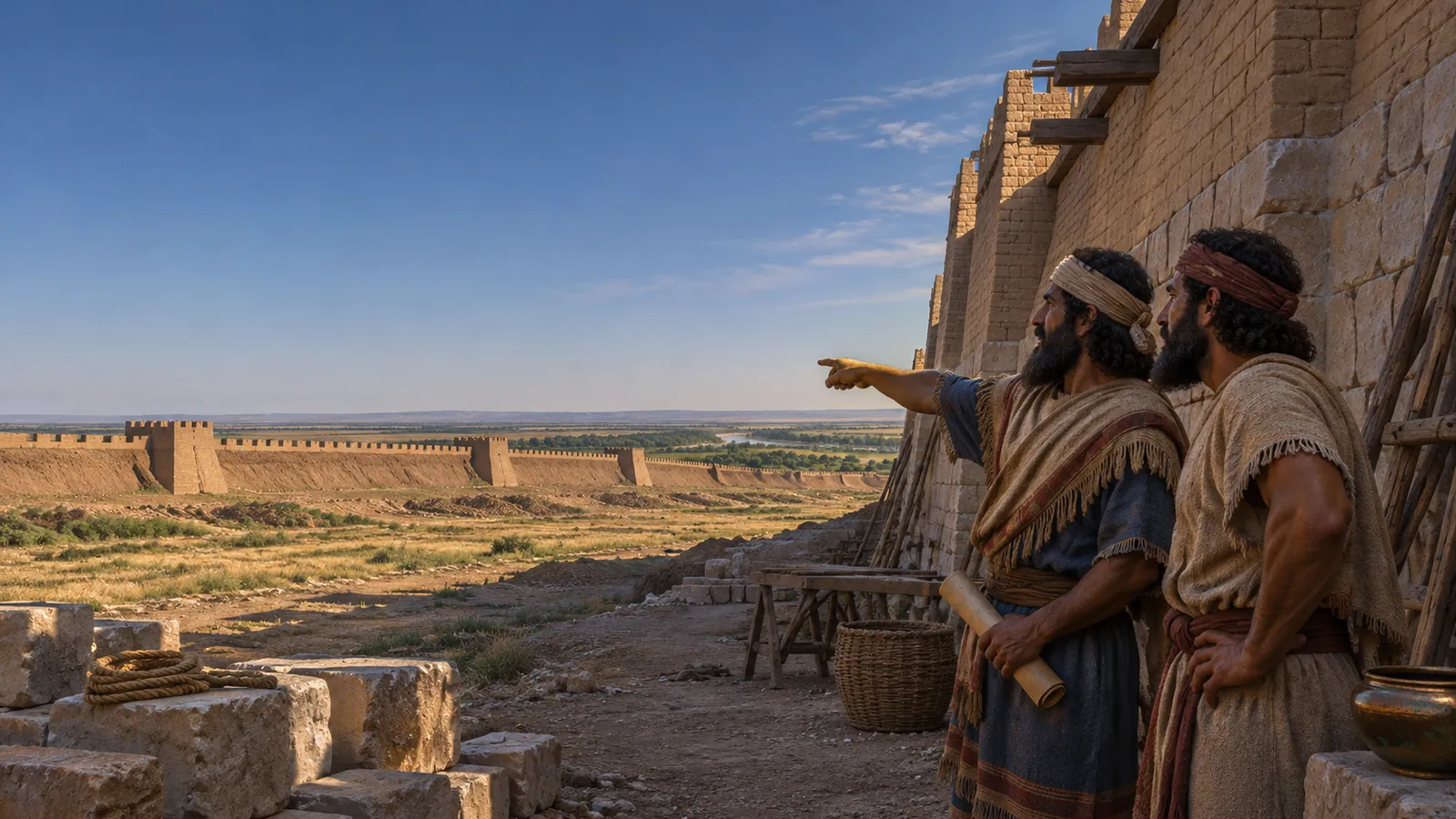
Sargon names the city wall for Aššur, who lengthens the reign of its royal builder and protects his descendants. He names the outer wall for Ninurta, who establishes its foundation for the days to come.
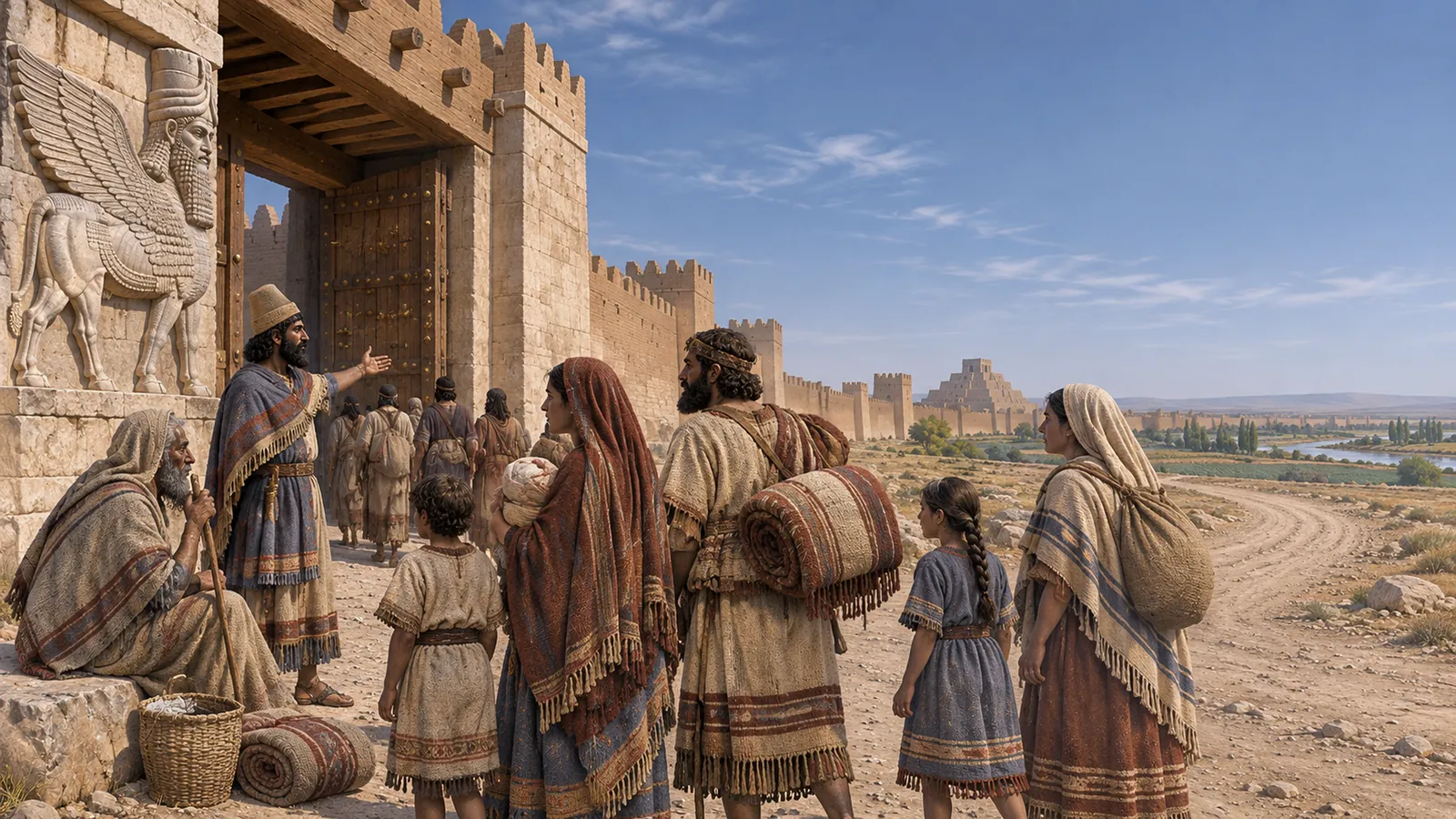
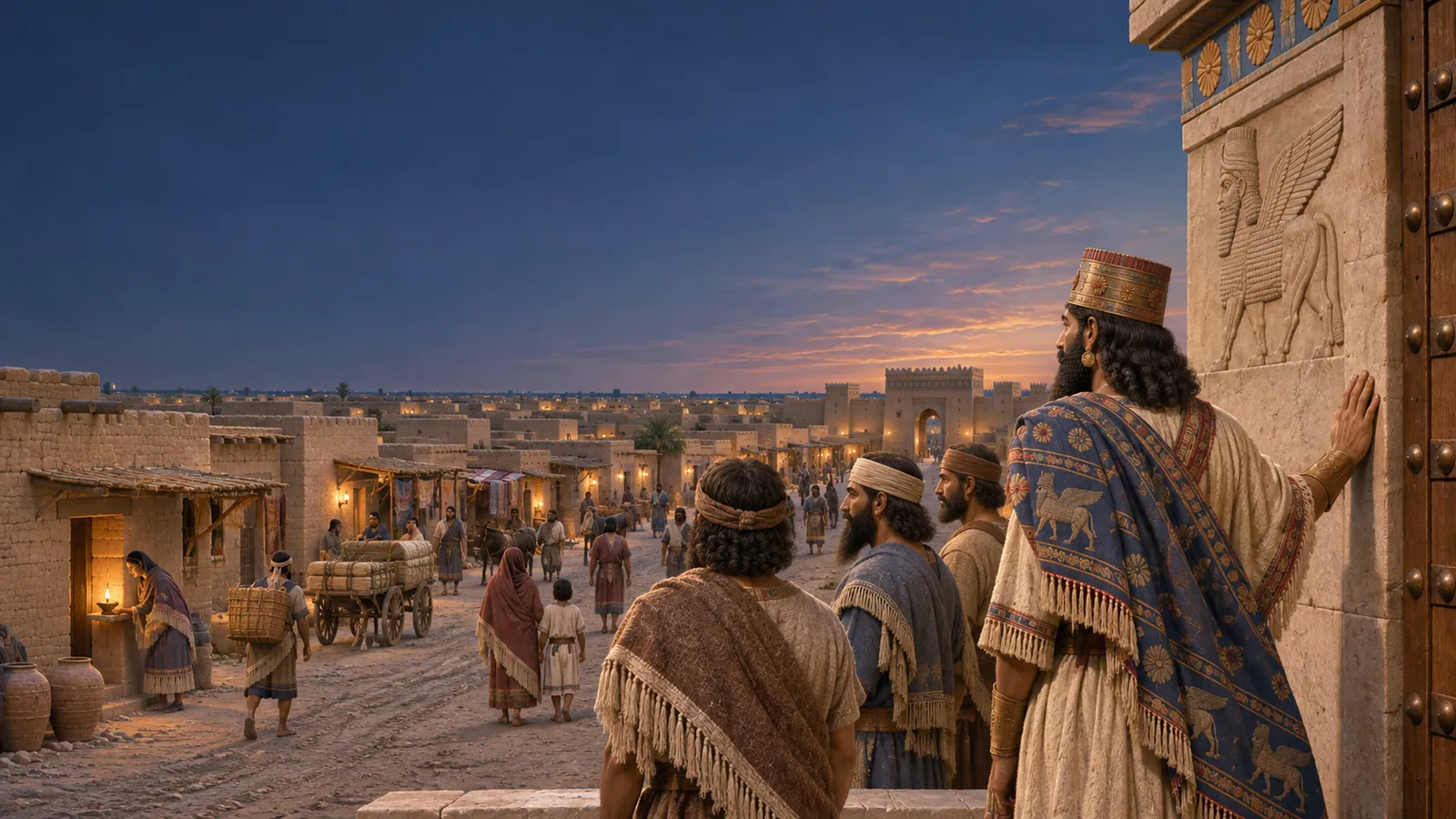
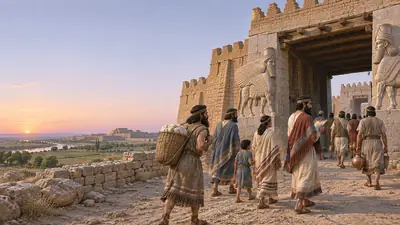
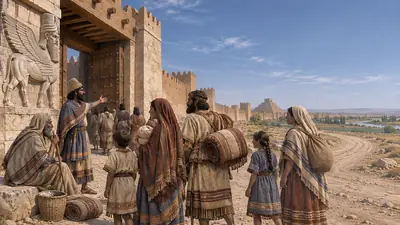
Sargon says he seized people as booty at Aššur’s command. They came from the four quarters, spoke different languages and lived in mountains and lowlands under Šamaš’s care. He says he made them act together and resettled them in the city.
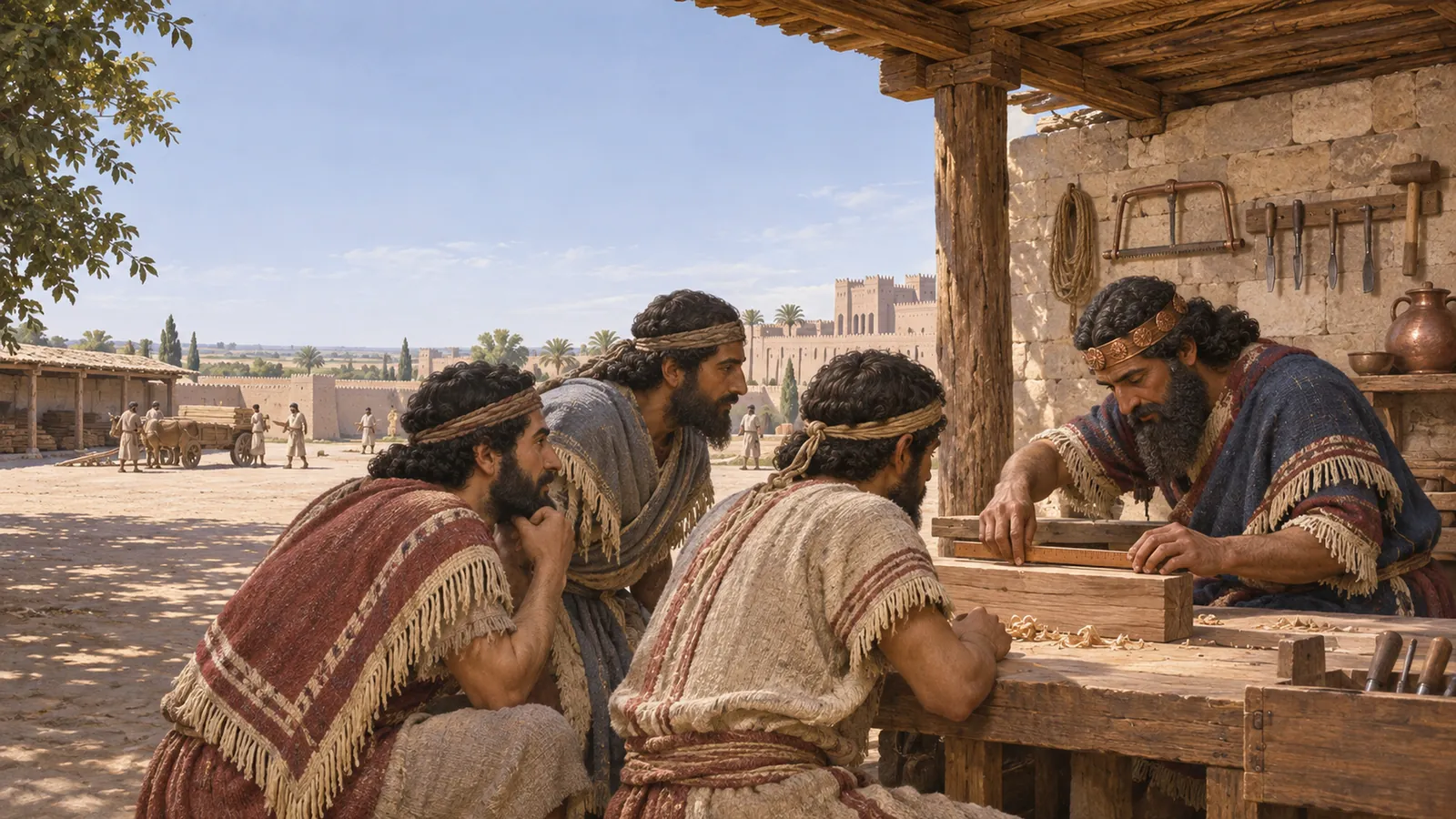
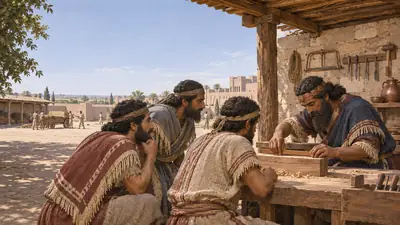
Sargon says he made native Assyrian craft masters overseers and commanders. They were to teach those he had resettled the conduct he expected and how to revere god and king.
THE CLOSING PRAYER
Sargon says the gods who dwell in heaven, the netherworld and the city accepted his prayer. He claims they granted him the lasting privilege of building the city and growing old in it.
End of chapter 1
All pages
Sources
Both forms contain this passage. The claims about prior kings, compensation, divine support and conquest are the royal speaker’s account. Sargon II of Assyria is distinct from the legendary Sargon of Akkad.
Editions consulted
- Grant Frame, RINAP 2, volume title and editorial information
- Grant Frame, text 43, Khorsabad Cylinder, pp. 220–221 and the exemplars
- Grant Frame, text 43, lines 44–75, printed pp. 228–231
Notes on this retelling
line 44 and note 44. The inscription places Maganubba on the outskirts of Nineveh near a spring and compares its position to that of a tower at the foot of Mount Muṣri.
lines 45–46. The king claims that none of the 350 previous rulers of Assyria had recognized the site, known how to make it habitable or ordered a canal there. The number comes from the inscription.
lines 47–49 and note 48. The king credits Ea and Ninmenanna for his understanding or intelligence and says he planned how to settle the city and build a shrine and halls before ordering construction.
line 50 and note 50. The king associates his name with truth, justice and protecting the vulnerable.
lines 51–52 and note 52. Sargon says he expropriated fields and compensated their owners in silver and bronze at the price recorded for the original purchase. He says owners who declined silver could choose replacement fields of corresponding value. 19.
lines 53–54 and notes 53–54. The king describes raising his hands in petition toward the east and the west.
lines 55–56. The finest oil is a comparison for the king’s words. The inscription says the gods commanded a city and a canal, and the king mustered his people and gave them the work of the hoe and the basket.
lines 57–59a and notes 57–58. The inscription associates Ṣītaš, month III, with Sîn, then gives the month’s name under the decree of Anu, Enlil and Ea as the month of Kulla.
lines 59b–60a. The king dates the making of the bricks to a day of Nabû’s eššešu festival.
Page 14, line 60b. Sargon says he offered a sacrifice to Kulla and Mušda, scattered aromatic offerings and said a šuilakku-prayer. The passage calls Kulla lord of foundations and brickwork and Mušda Enlil’s master builder.
Page 15, line 61. Abu is month V. The line associates Gibil’s descent, drying the moist fields and founding cities and houses with the king’s own laying of the foundation and establishing the brickwork.
Page 16, line 62. The six names are Ea, Sîn, Ningal, Adad, Šamaš and Ninurta. The text compares the firmness of the platforms to mountains.
Pages 17–18, lines 63–64. The king claims he made his royal residence at their command. The printed list has elephant ivory, ebony, boxwood, musukkannu-wood, cedar, cypress, daprānu-juniper and terebinth. The edition glosses the bīt-ḫilāni as a replica of a Hittite palace.
Pages 19–20, lines 65–66. The foundation is secured on massive blocks of mountain stone.
Pages 21–22, lines 67–70. The east pair is Šamaš and Adad, the north pair Enlil and Mullissu, the west pair Anu and Ištar, and the south pair Ea and Bēlet-ilī.
Page 23, line 71. The inscription gives the city wall a name invoking Aššur and the outer wall a name invoking Ninurta. The first says Aššur prolongs the royal builder’s reign and protects his offspring. The second credits Ninurta with establishing the wall’s foundation in perpetuity.
Pages 24–25, lines 72–74. Sargon says he seized people as booty at Aššur’s command and resettled them inside the city. The passage gives different languages, mountain and lowland origins, and the four quarters. Sargon says he appointed native Assyrian masters of crafts to instruct the resettled people and oversee them as commanders.
Page 26, line 75. The gods of heaven, the netherworld and the city are said by the king to grant him the lasting privilege of building the city and growing old in it. This is the end of the selected city-building passage in text 43. The next two lines are the separate closing curse.
The pages about displacement show families arriving under resettlement.
Ancient lines behind each page
- Page 1: Frame 2021, RINAP 2, Sargon II 43, p. 228, line 44
- Page 2: Frame 2021, RINAP 2, Sargon II 43, p. 228, lines 45–46
- Page 3: Frame 2021, RINAP 2, Sargon II 43, p. 228, lines 47–48
- Page 4: Frame 2021, RINAP 2, Sargon II 43, pp. 228–229, line 49
- Page 5: Frame 2021, RINAP 2, Sargon II 43, p. 229, line 50
- Page 6: Frame 2021, RINAP 2, Sargon II 43, p. 229, lines 51–52a
- Page 7: Frame 2021, RINAP 2, Sargon II 43, p. 229, line 52b
- Page 8: Frame 2021, RINAP 2, Sargon II 43, p. 229, lines 53–54
- Page 9: Frame 2021, RINAP 2, Sargon II 43, p. 229, line 55
- Page 10: Frame 2021, RINAP 2, Sargon II 43, p. 229, line 56
- Page 11: Frame 2021, RINAP 2, Sargon II 43, p. 229, lines 57–58a
- Page 12: Frame 2021, RINAP 2, Sargon II 43, p. 229, lines 58b–59a
- Page 13: Frame 2021, RINAP 2, Sargon II 43, p. 229, lines 59b–60a
- Page 14: Frame, RINAP 2 (2021), Sargon II 43, p. 229, line 60b
- Page 15: Frame, RINAP 2 (2021), Sargon II 43, p. 230, line 61
- Page 16: Frame, RINAP 2 (2021), Sargon II 43, p. 230, line 62
- Page 17: Frame, RINAP 2 (2021), Sargon II 43, p. 230, line 63 in translation unit 63–64
- Page 18: Frame, RINAP 2 (2021), Sargon II 43, p. 230, line 64 in translation unit 63–64
- Page 19: Frame, RINAP 2 (2021), Sargon II 43, p. 230, line 65 and note 65
- Page 20: Frame, RINAP 2 (2021), Sargon II 43, p. 230, line 66
- Page 21: Frame, RINAP 2 (2021), Sargon II 43, p. 230, lines 67–68
- Page 22: Frame, RINAP 2 (2021), Sargon II 43, p. 230, lines 69–70
- Page 23: Frame, RINAP 2 (2021), Sargon II 43, p. 230, line 71
- Page 24: Frame, RINAP 2 (2021), Sargon II 43, pp. 230–231, lines 72–74a
- Page 25: Frame, RINAP 2 (2021), Sargon II 43, p. 231, line 74b
- Page 26: Frame, RINAP 2 (2021), Sargon II 43, p. 231, line 75
Illustrations made with AI tools by IL Archive; the text is based on the ancient sources (see the sources at the end of each chapter).