Semiramis Chapter 1
The Woman and the Legends
Assyrian inscriptions name Sammu-ramat and record an extraordinary river crossing. Later storytellers in Greek and Armenian give the queen very different deeds and endings.
SourcesTurn the pages with the arrows, the arrow keys or a swipe.
ASSUR
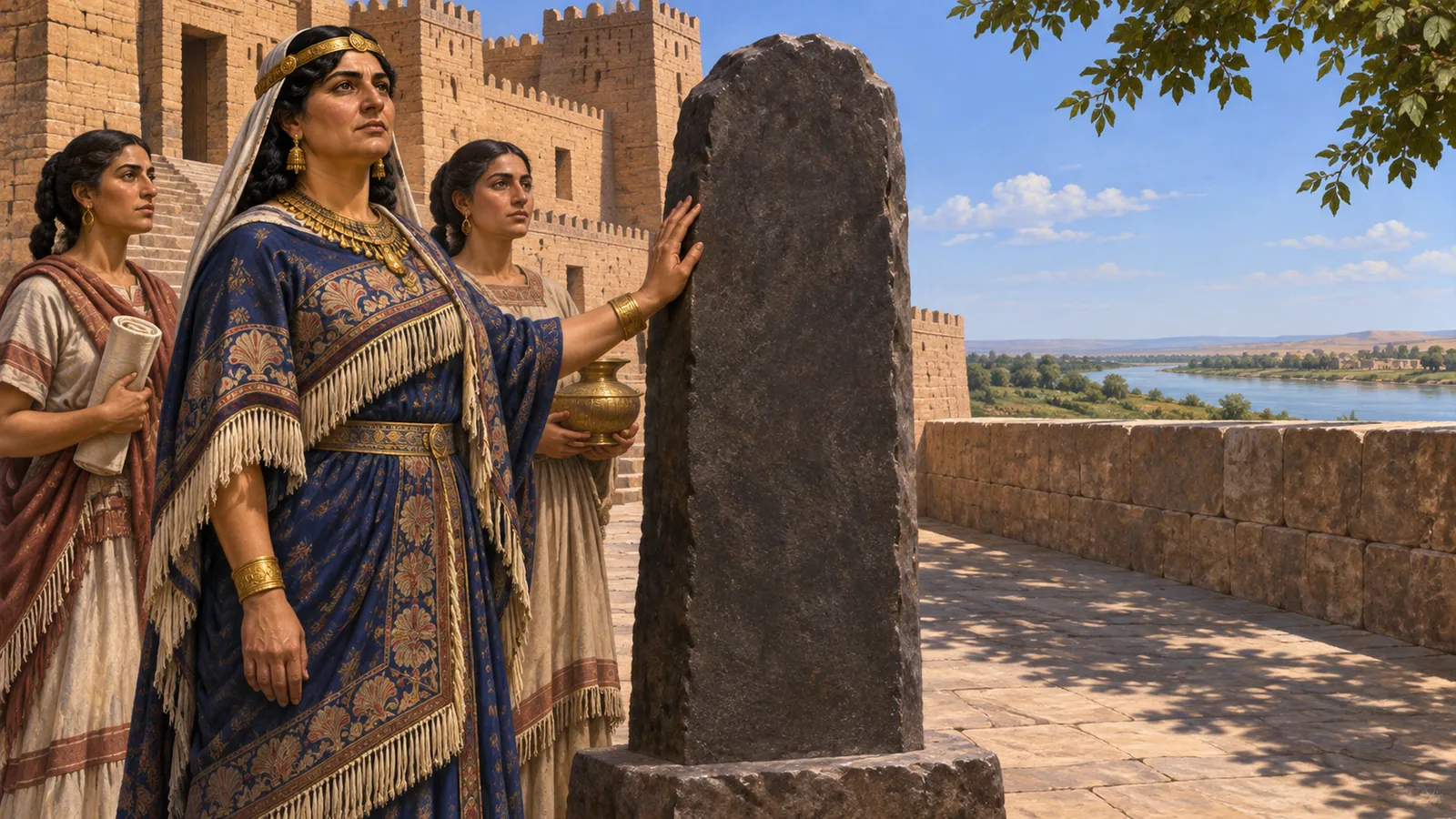
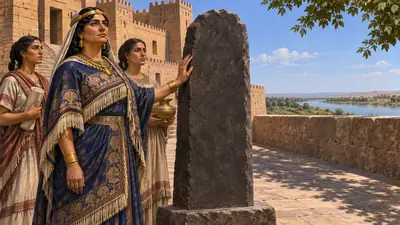
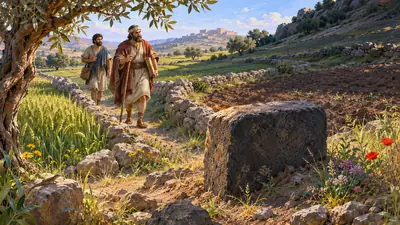
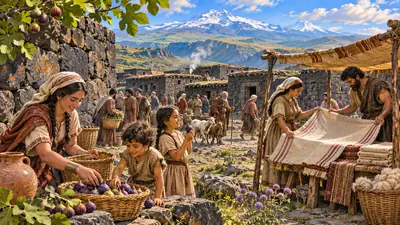
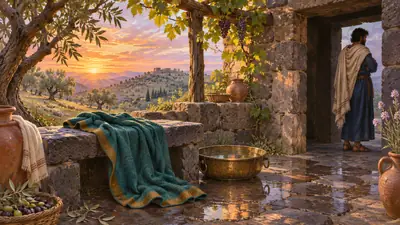
At the turn of the eighth century BCE, a woman named Sammu-ramat appears in Assyrian inscriptions. A monument at Assur identifies itself as hers.
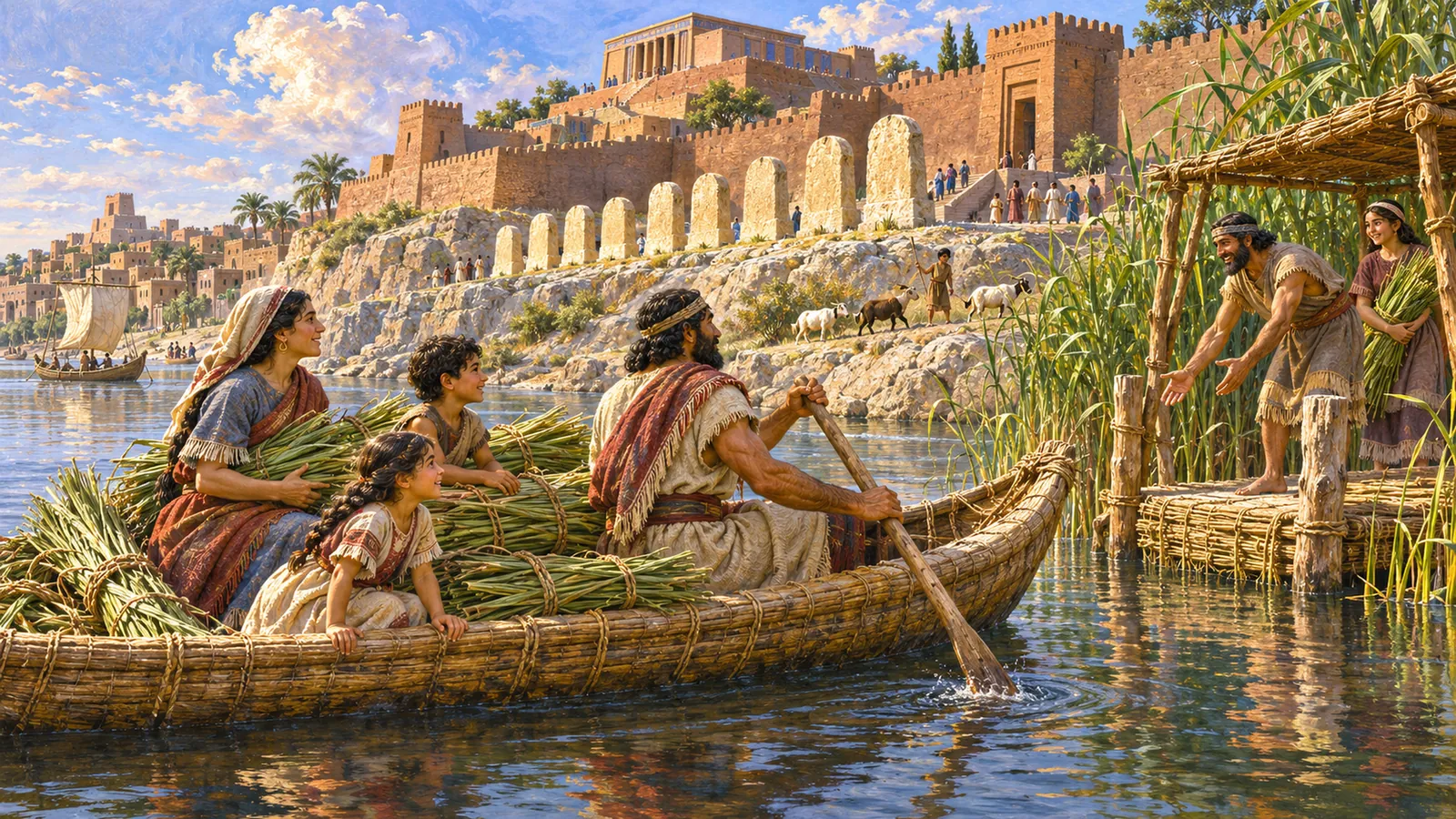
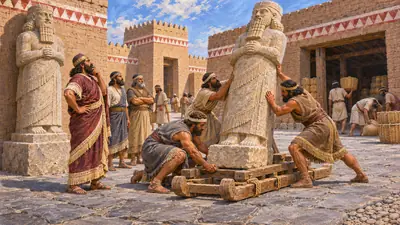
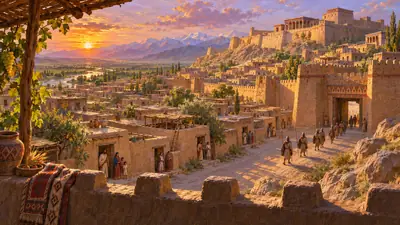
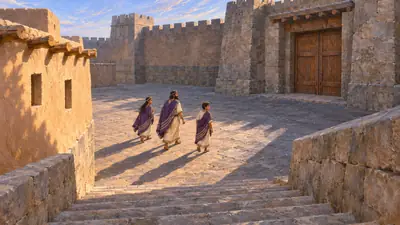
Assur stood above the Tigris, where the city set up rows of individual monuments. Sammu-ramat’s stone placed her name among those of kings and high officials.
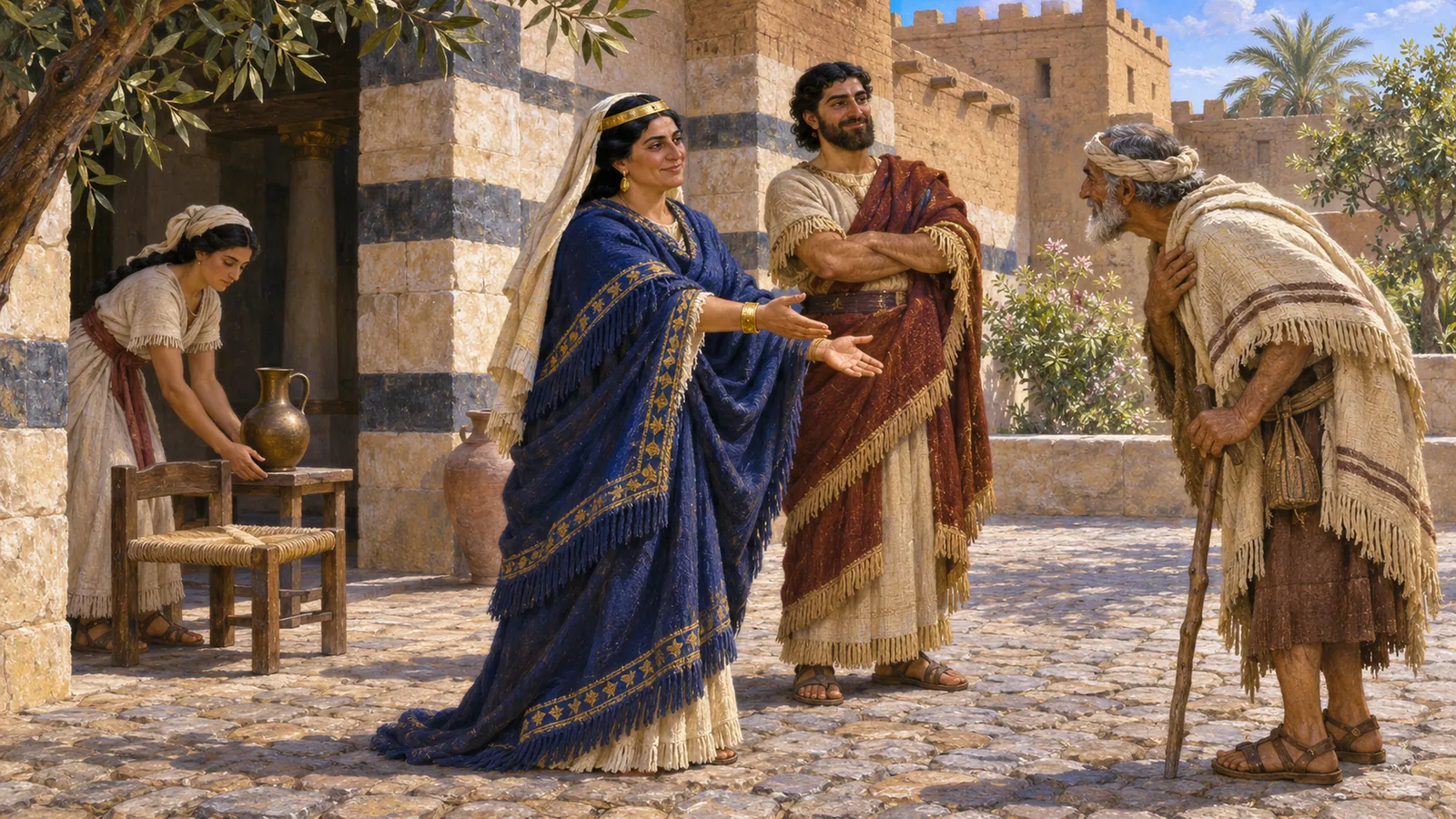
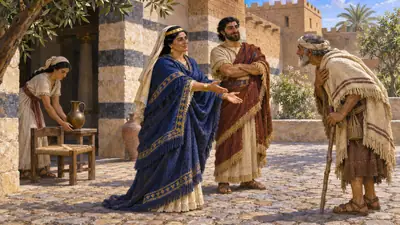
The stone calls her the palace woman of Shamshi-Adad V, the mother of Adad-nirari III and the daughter-in-law of Shalmaneser III. Her title and family ties placed her at the heart of three reigns.
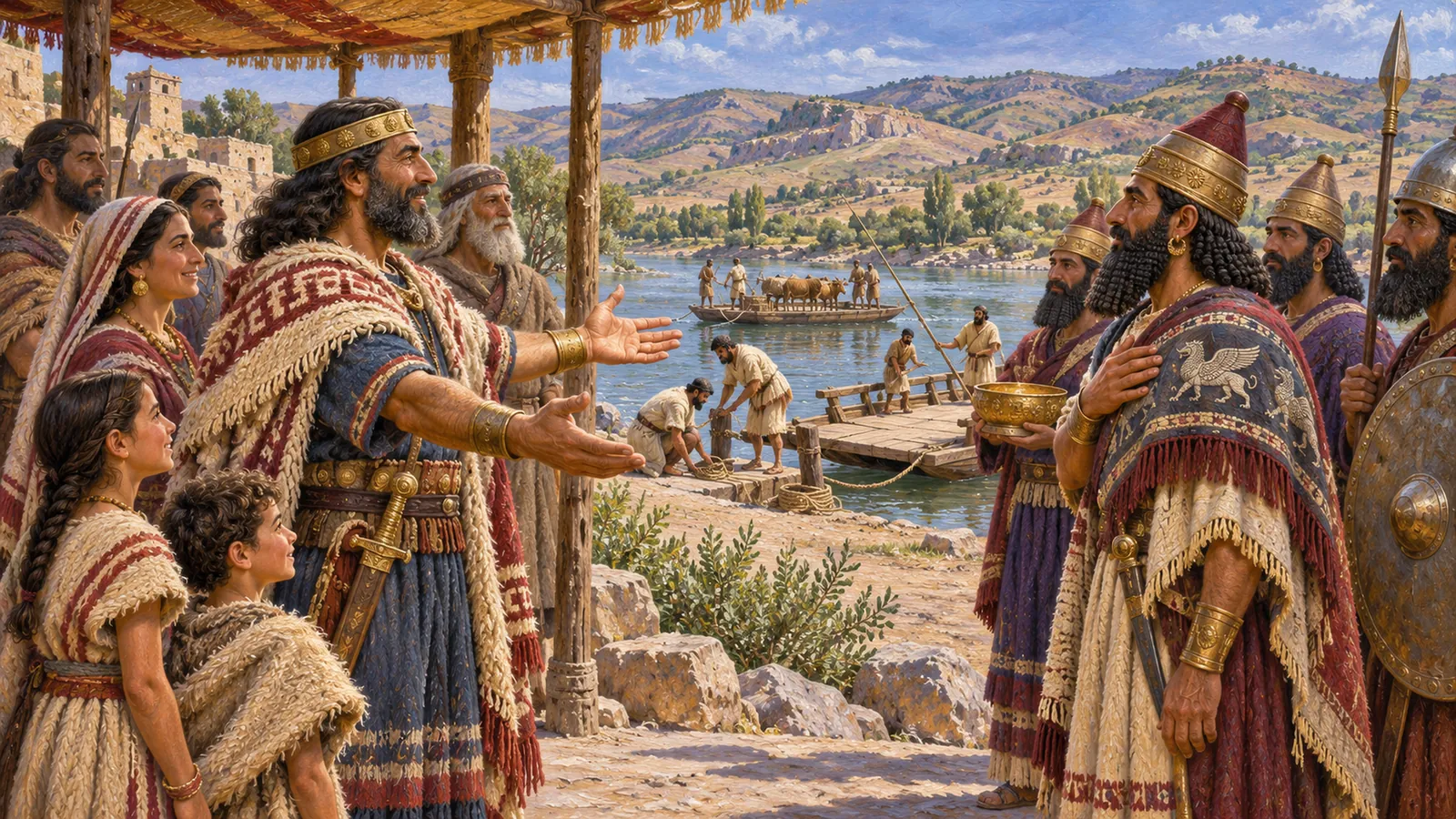
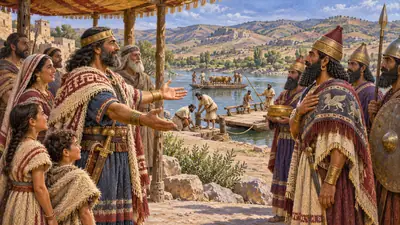
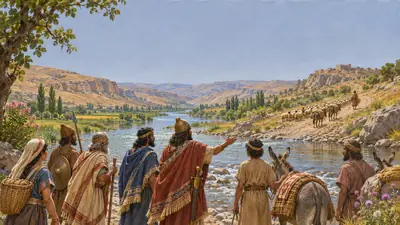
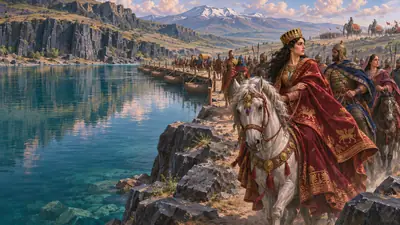
Far to the west, a boundary stele speaks of another ruler, Uspilulume of Kummuh. He helped the Assyrian party cross the Euphrates during a campaign usually dated to 805 BCE.
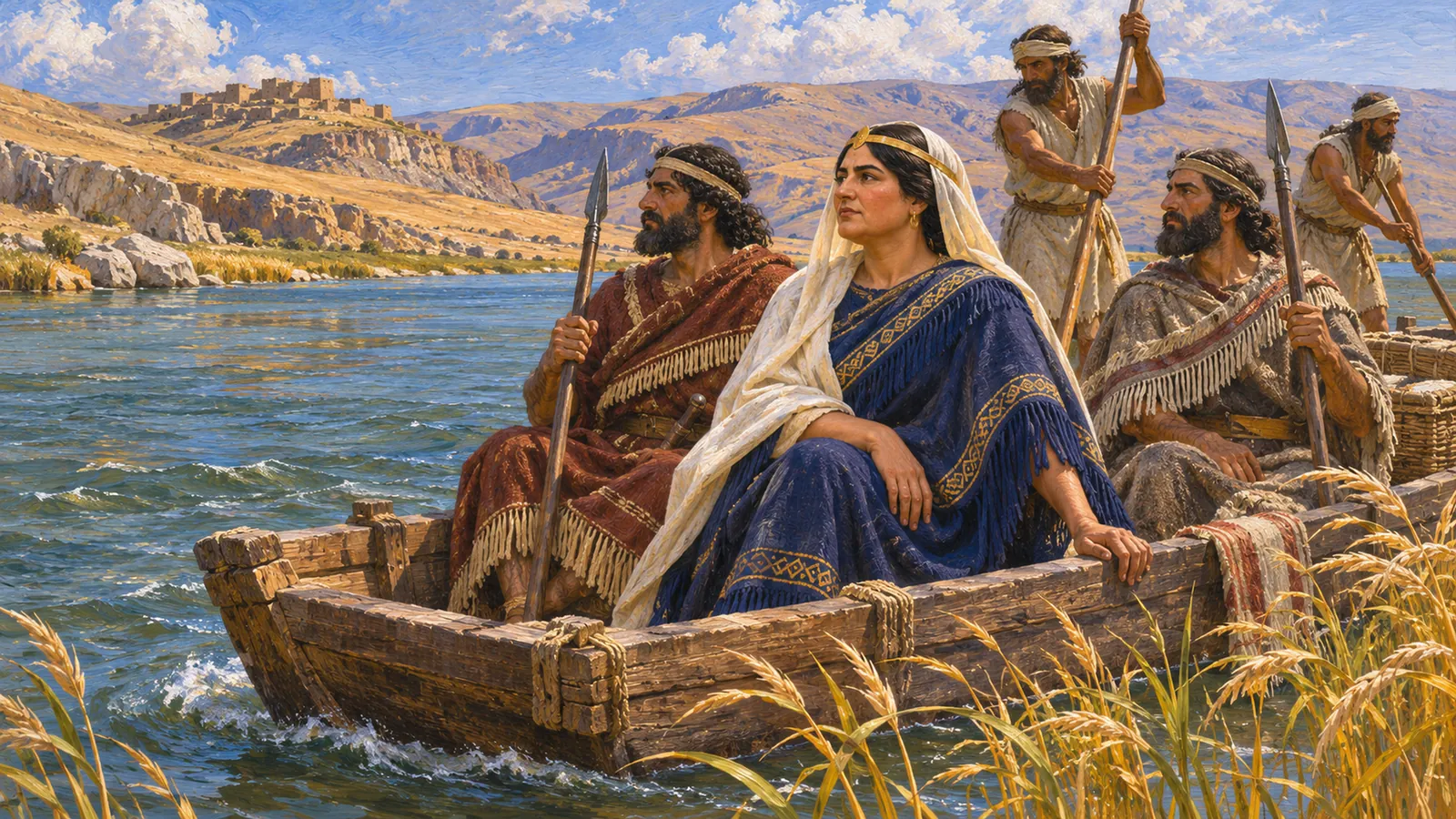
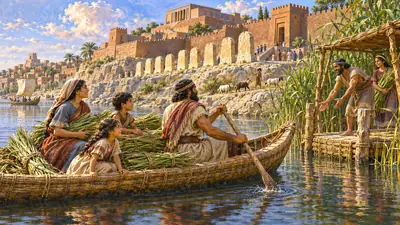
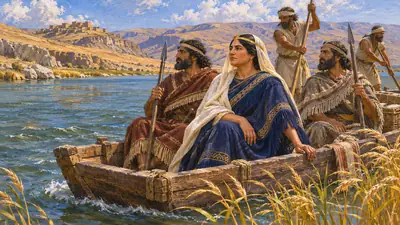
The inscription says that Adad-nirari and Sammu-ramat crossed the river. Her name is part of the public account of an expedition beyond the Assyrian heartland.
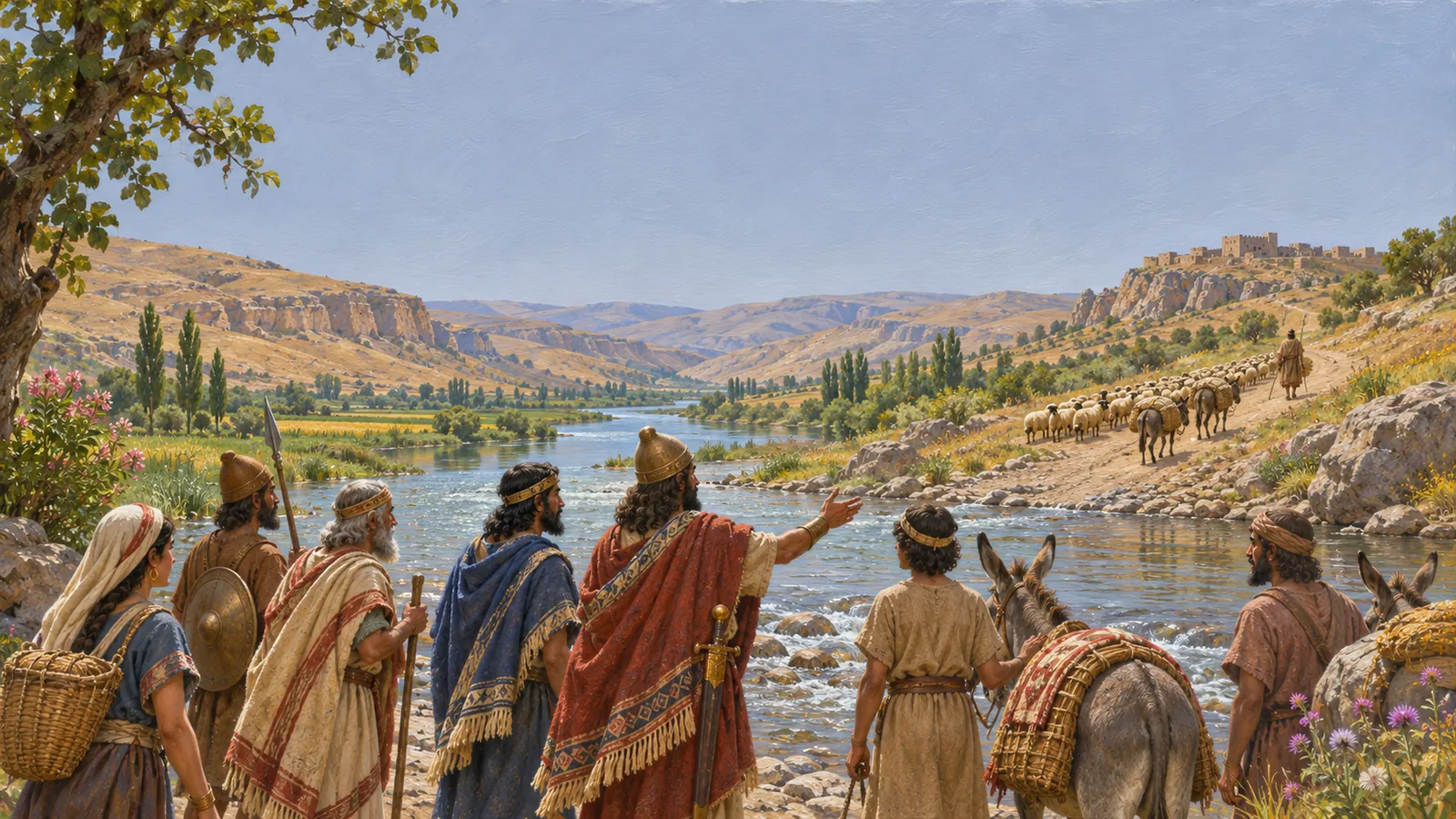
The king’s inscription names his opponents, Attar-shumki of Arpad and the rulers who came with him. It claims victory and gives the credit for that victory to Adad-nirari.
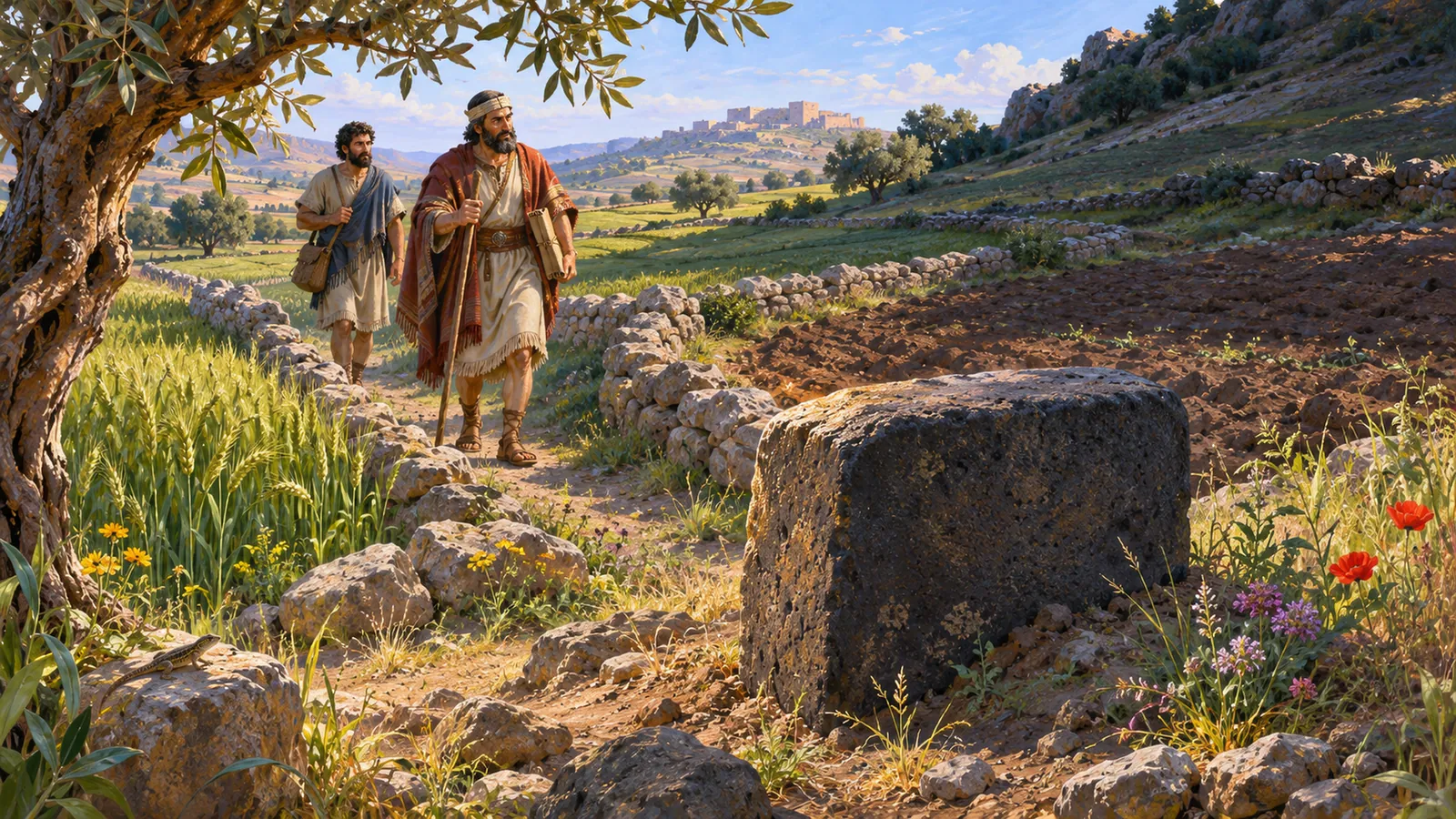
The army’s success became the prelude to a territorial settlement on the border of Kummuh. The monument preserves the settlement and leaves Sammu-ramat’s part in the campaign undefined.
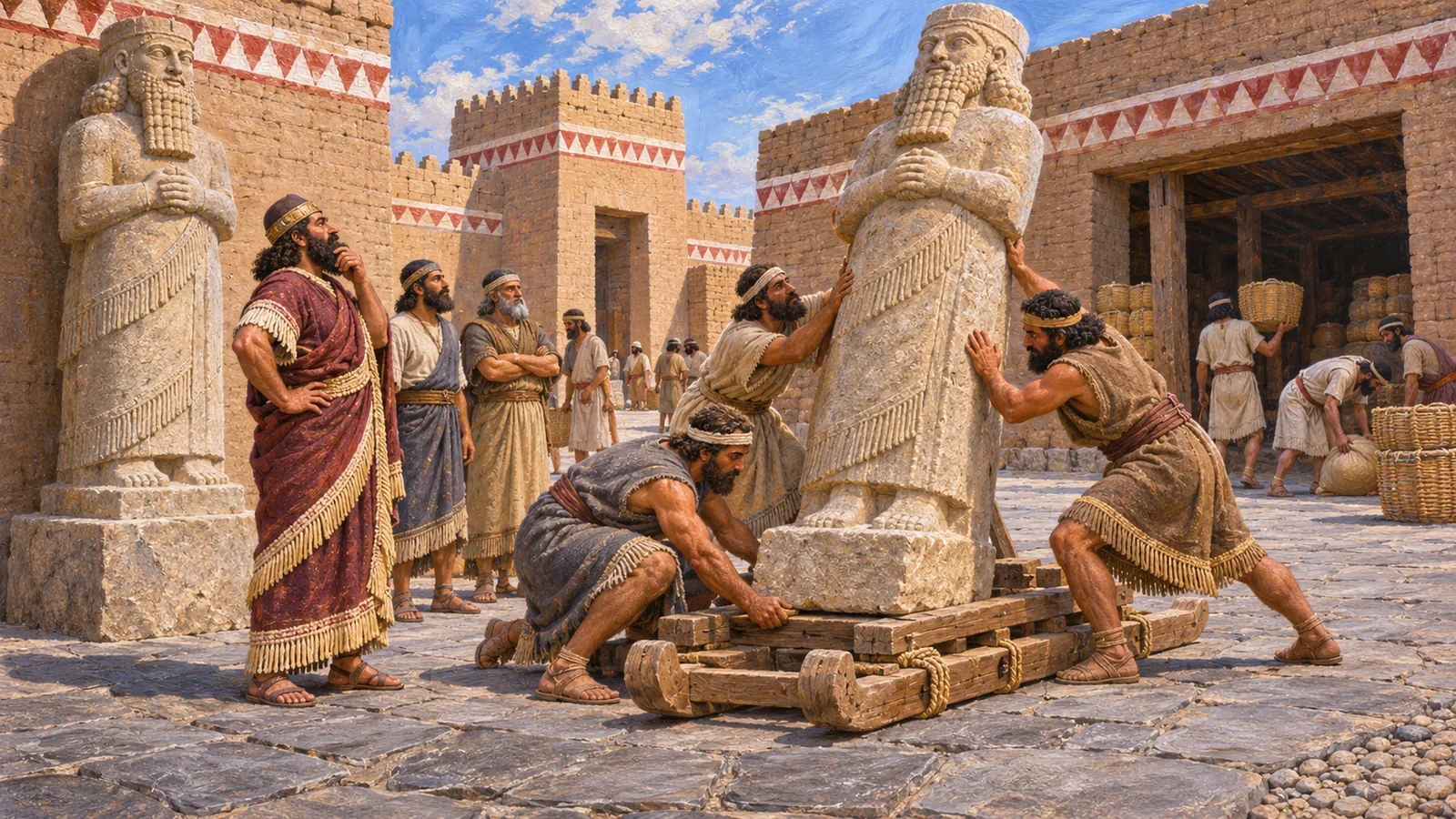
At Kalhu, a governor dedicated statues to the god Nabu and named both the king and Sammu-ramat. The texts show her prominence, while the question of a formal regency remains open.
DIODORUS
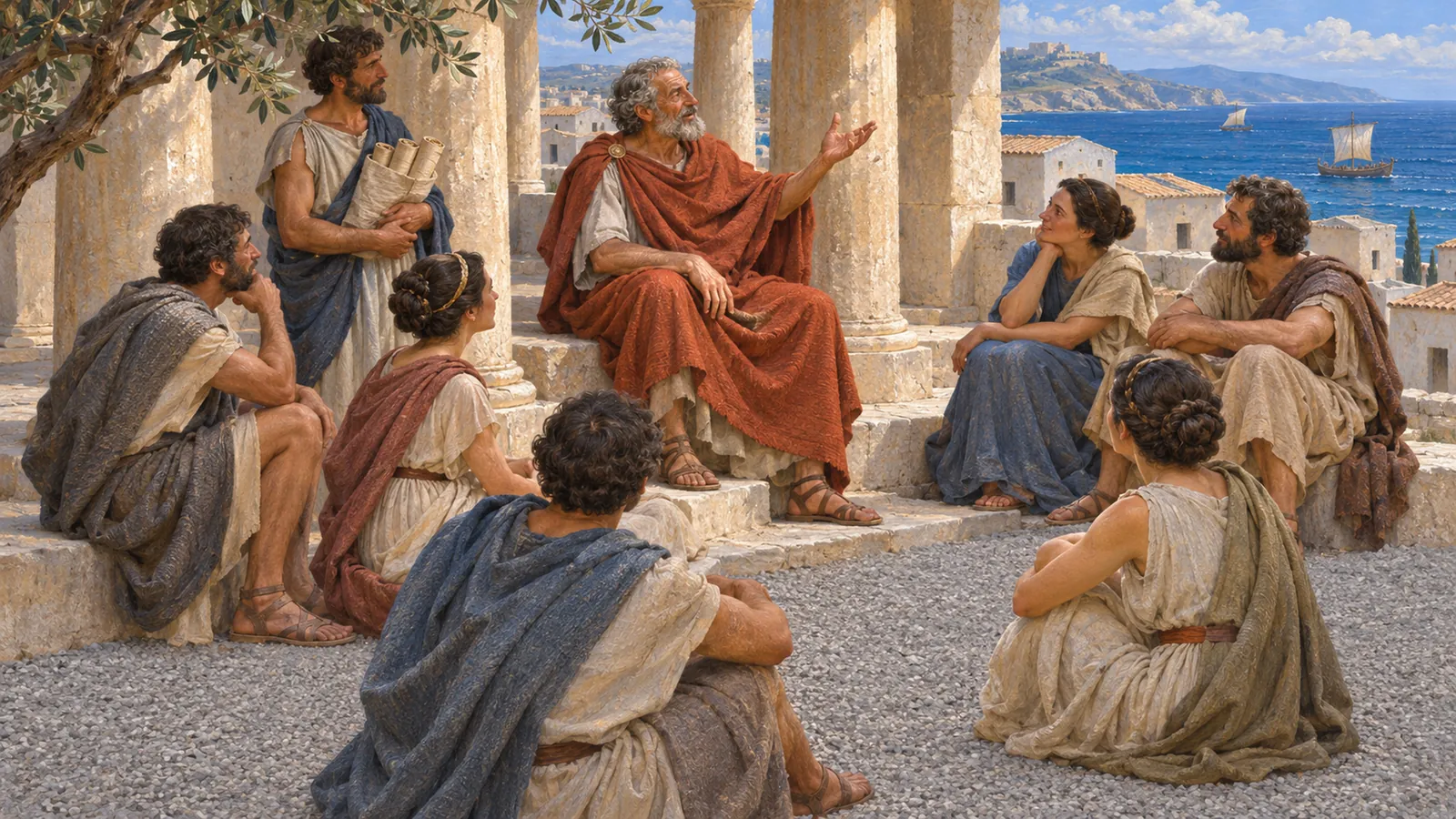
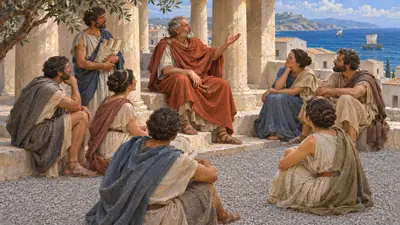
Centuries later, Diodorus of Sicily told another story. He drew on Ctesias of Cnidus and preserved a Greek tradition in which a queen called Semiramis rose from infancy among herdsmen.
ASCALON
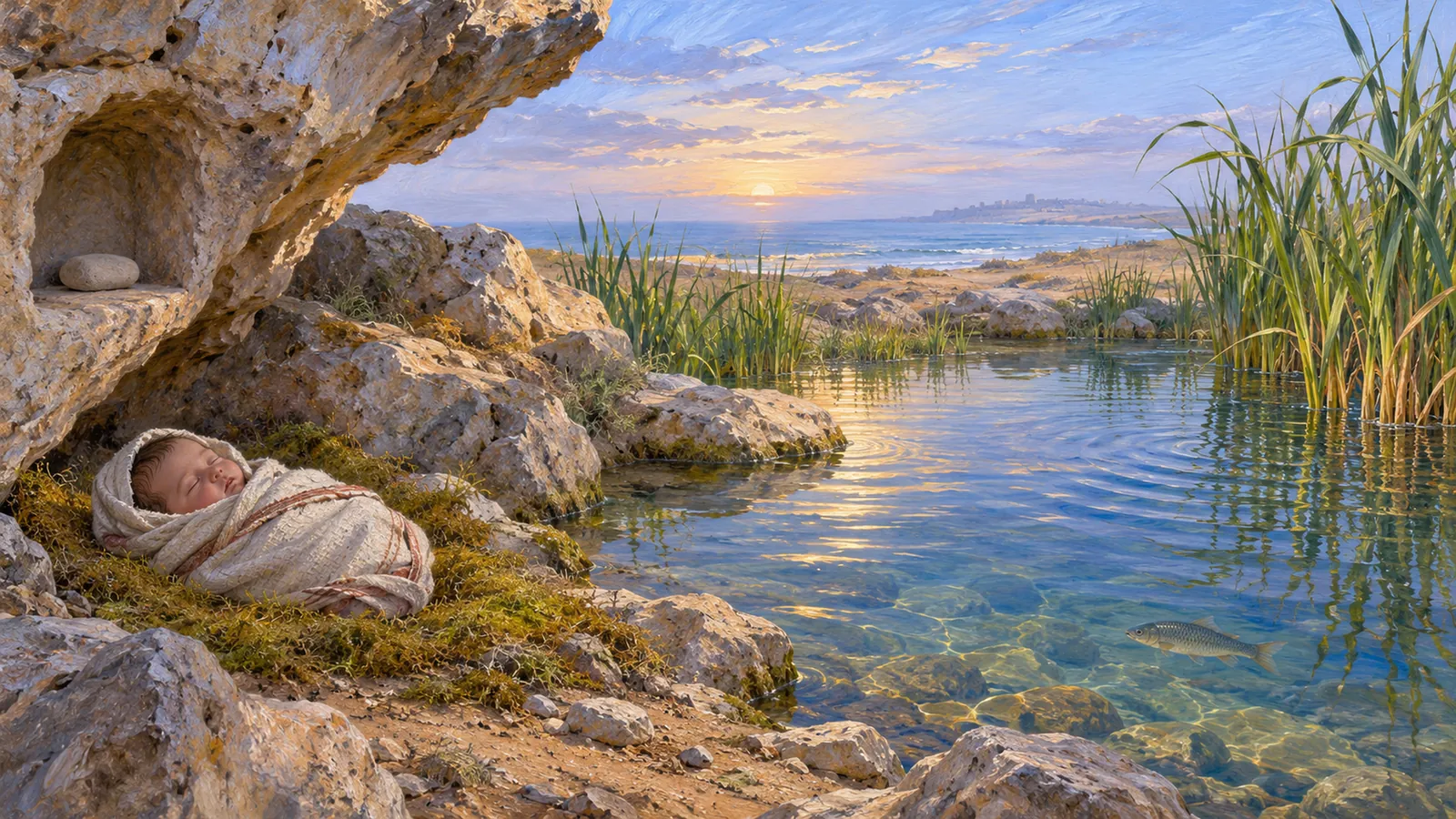
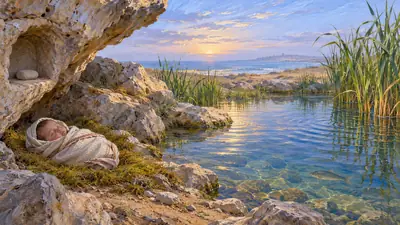
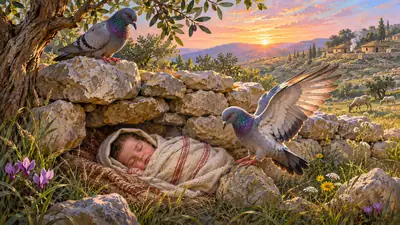
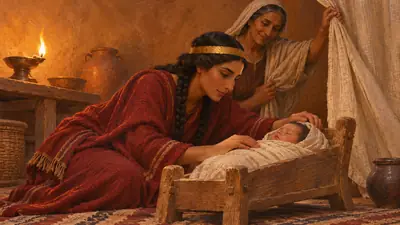
Diodorus begins beside a lake at Ascalon. He makes the goddess Derceto, also called Derketo, the mother of a child she leaves among the rocks before taking the shape of a fish.
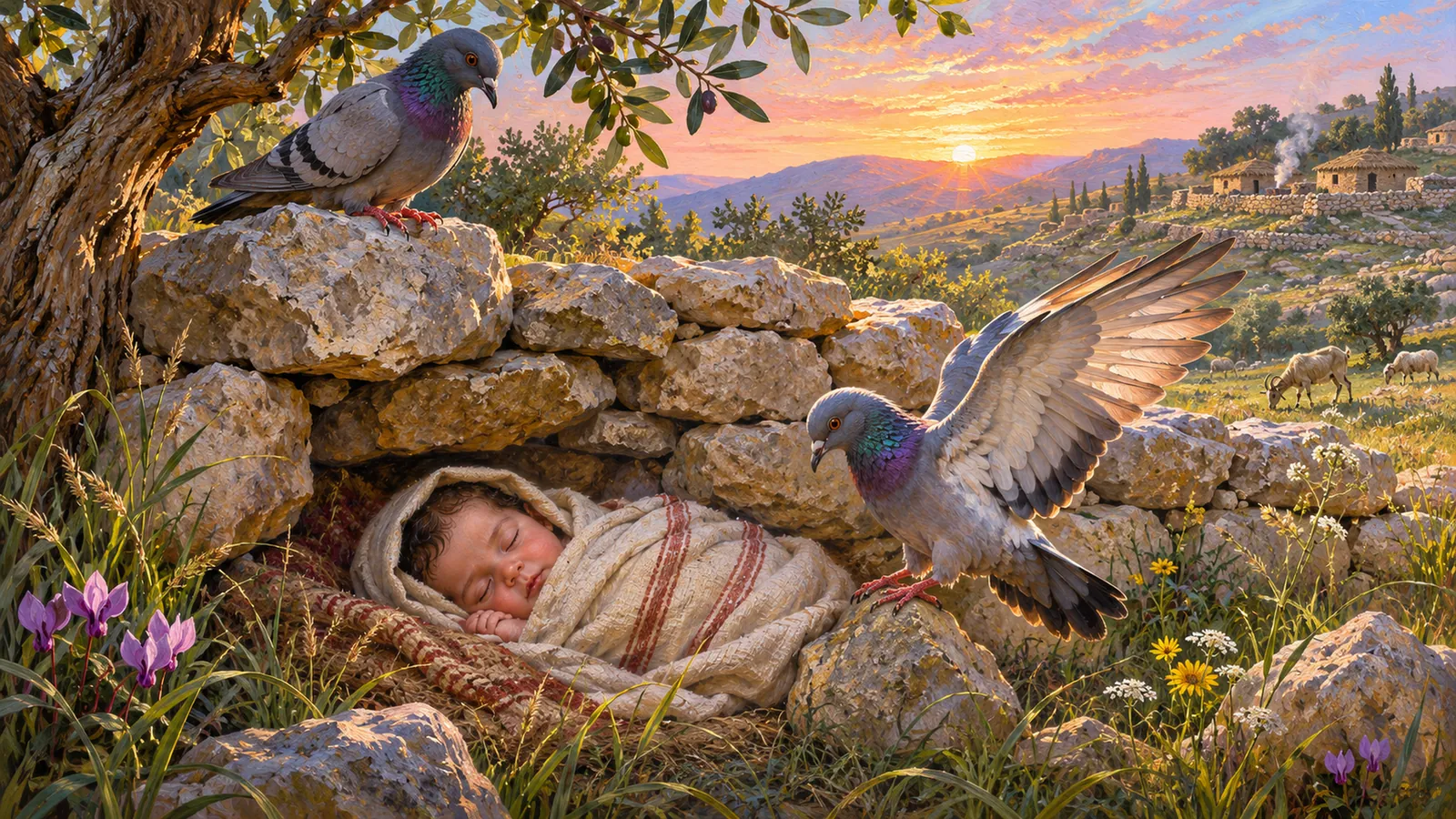
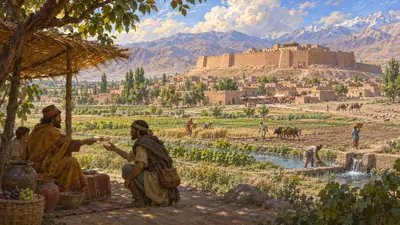
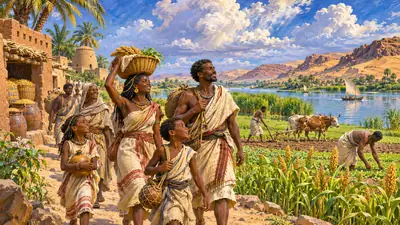
Doves nest near the abandoned baby. They gather close around her to keep her warm, and they bring milk from the herdsmen’s shelters.
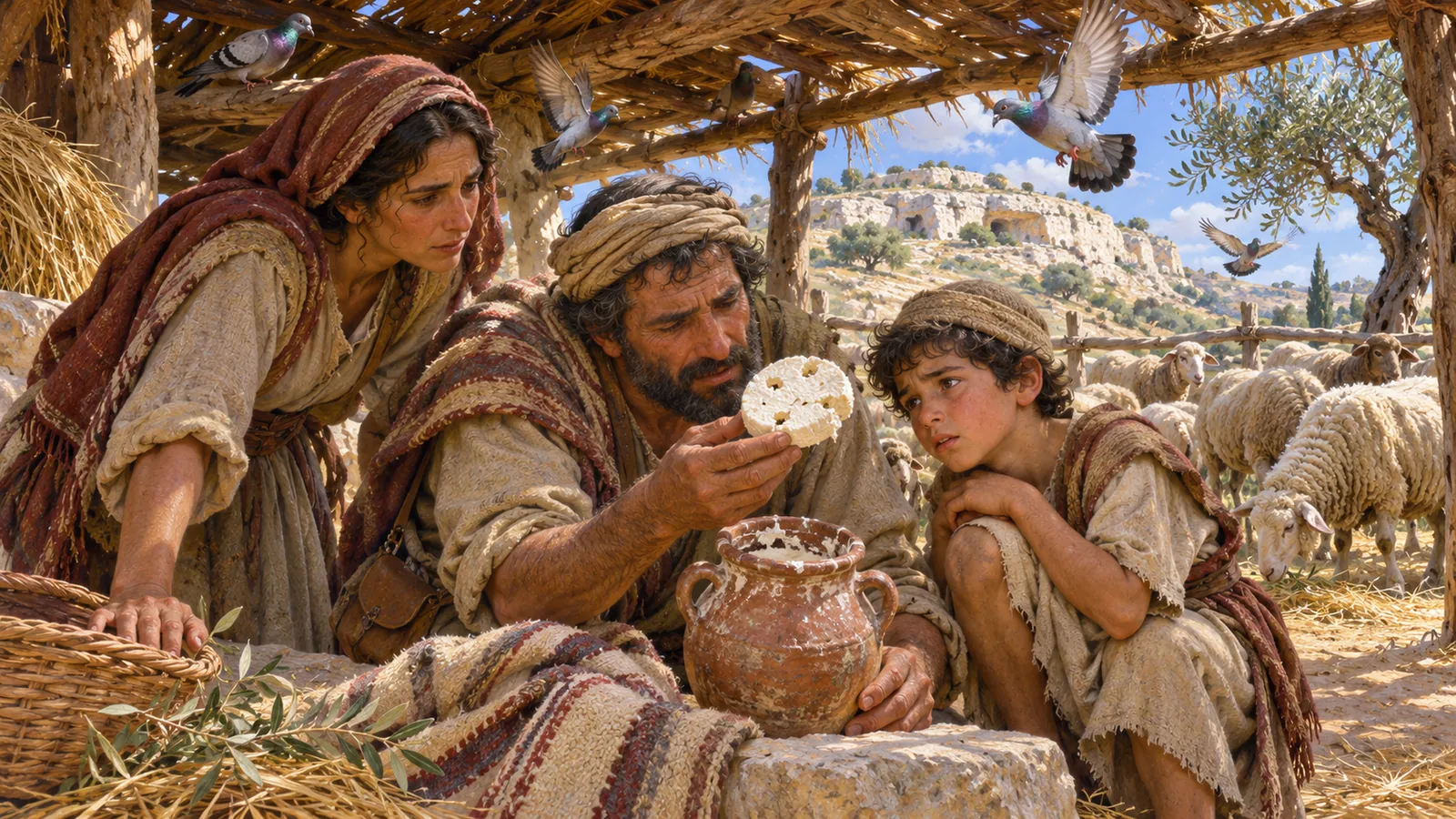
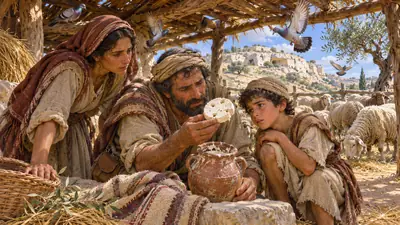
When the child is old enough, the doves bring her pieces of cheese. The herdsmen see marks in their stores and watch to learn where the birds are going.
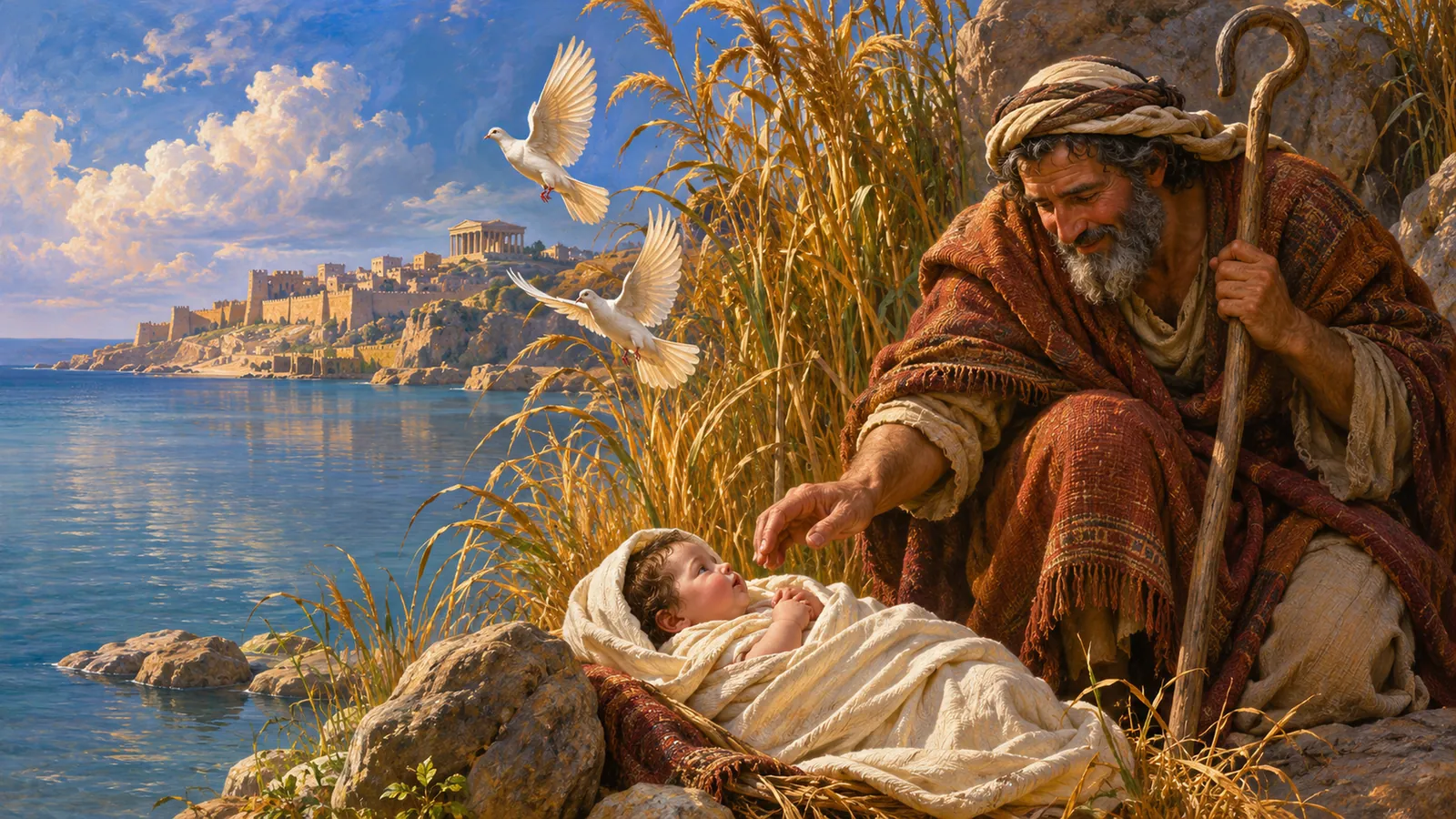
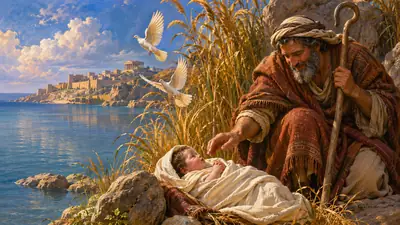
The trail leads to the baby. Simmas, the chief herdsman, takes her home and raises her as his own. The Greek story links the name he gives her to the doves.
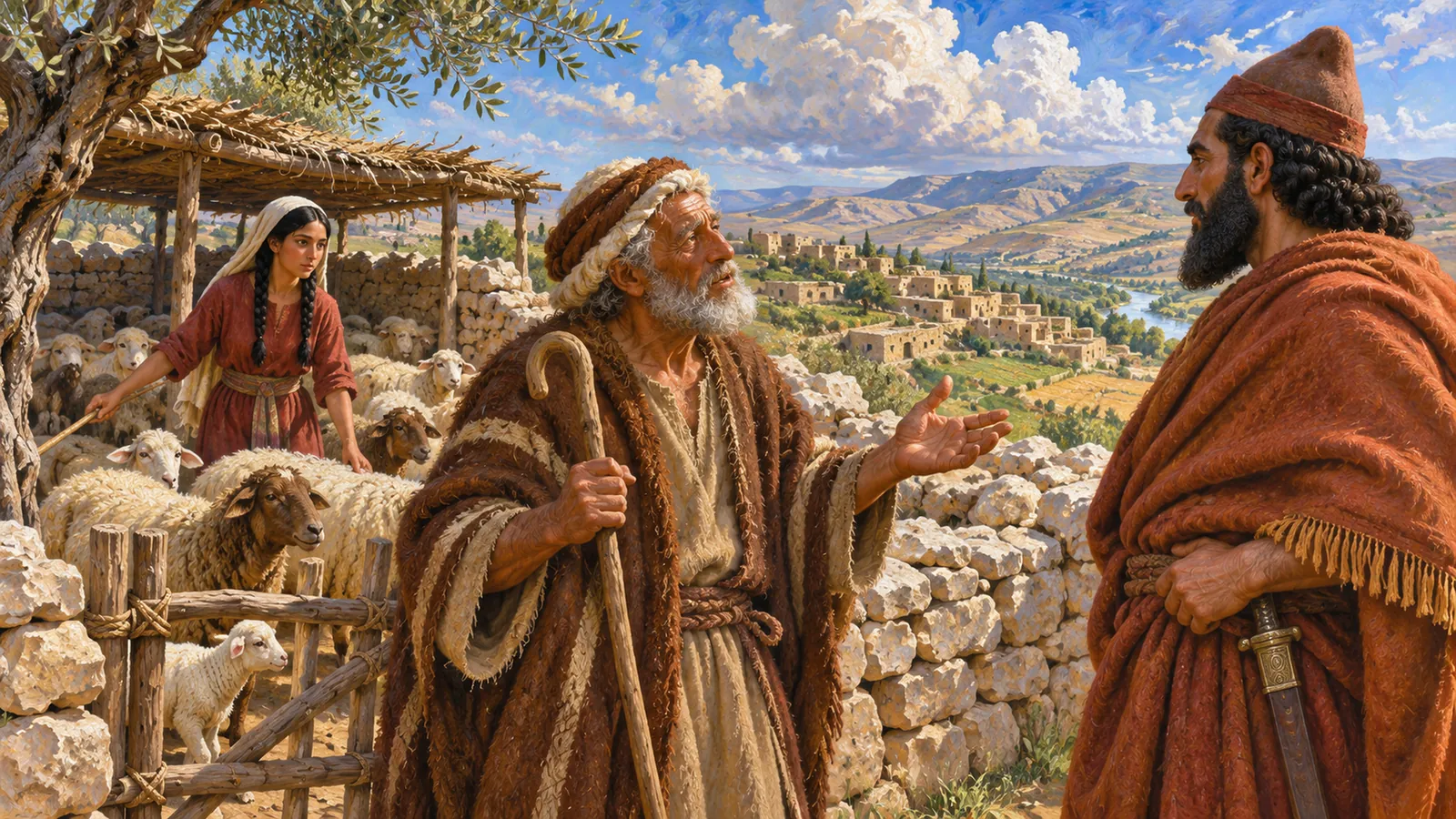
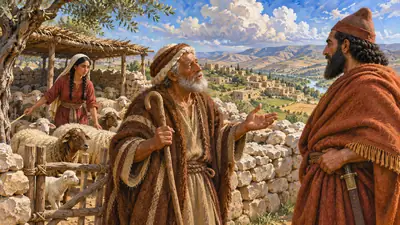
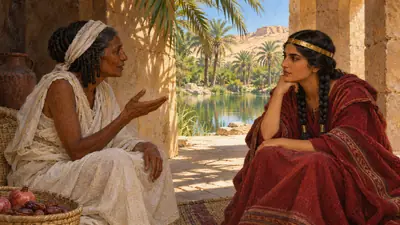
Semiramis grows up in the household of Simmas. A royal officer named Onnes comes to inspect the herds, meets her and makes her his wife.
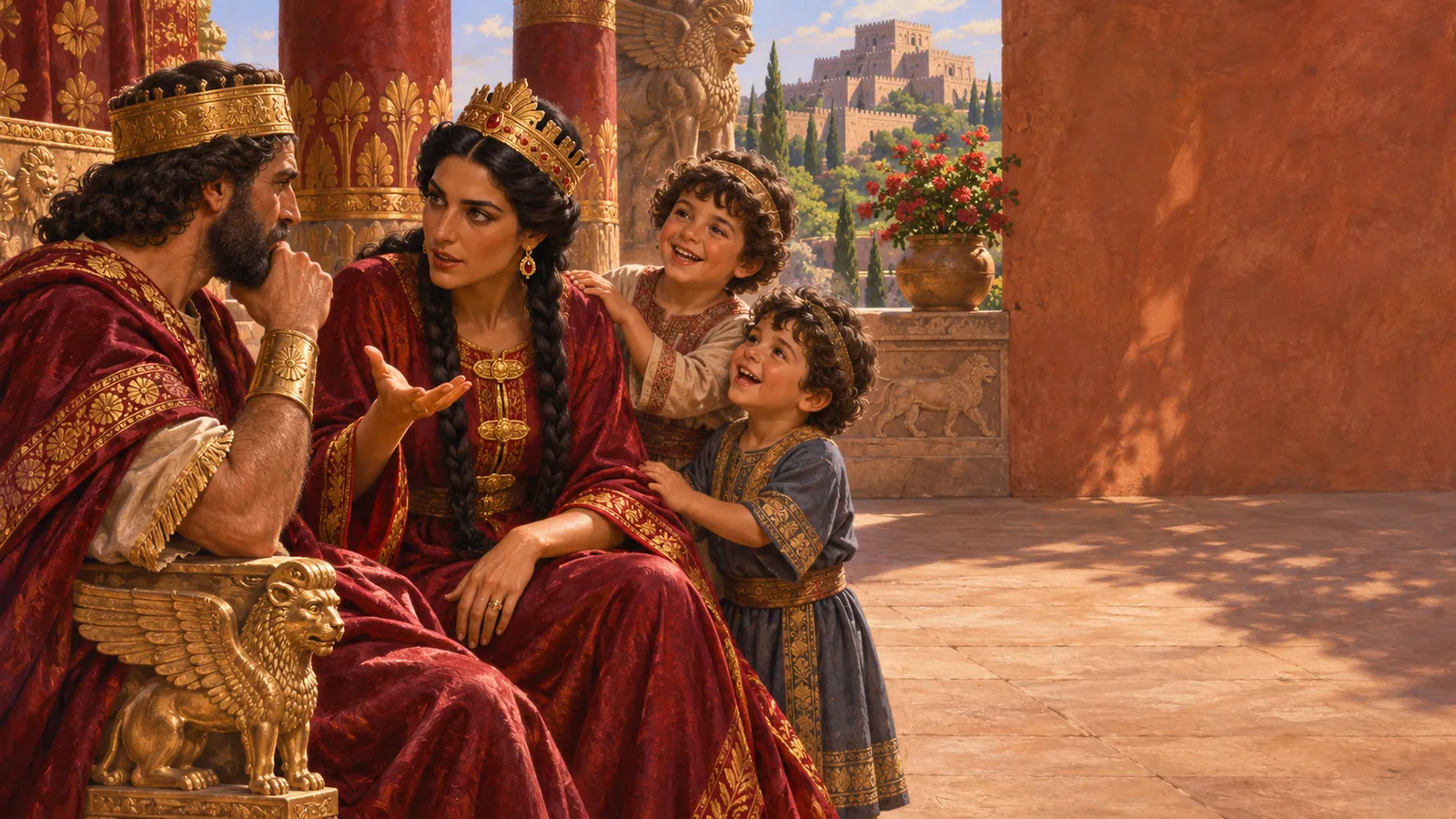
The couple have two sons, Hyapates and Hydaspes. According to Diodorus, Onnes listens to Semiramis in matters of government and prospers when he acts on her advice.
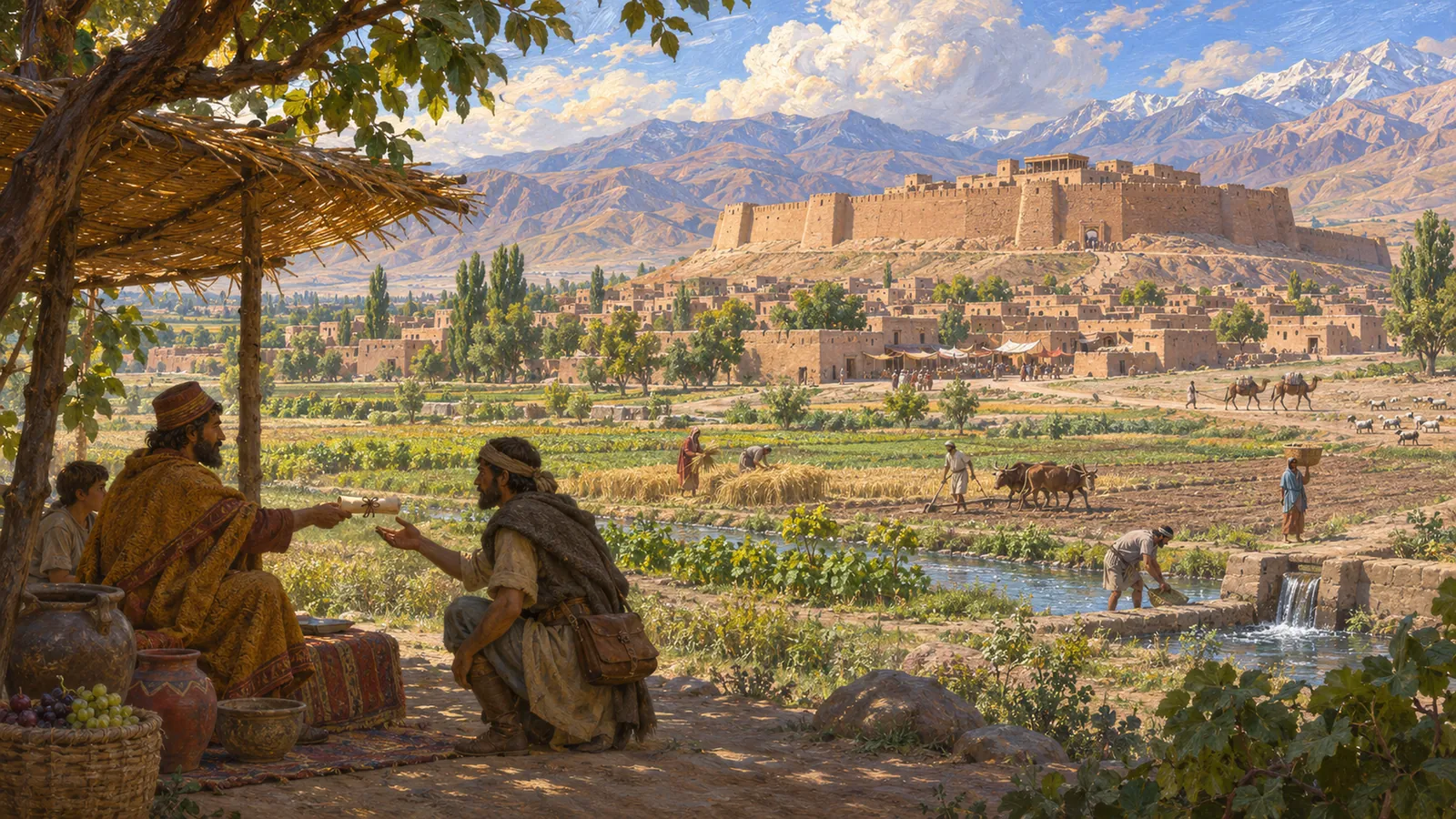
BACTRA
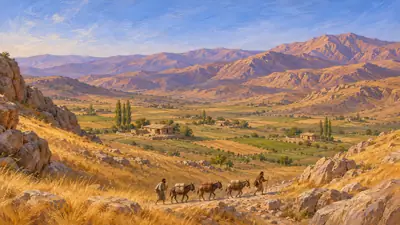
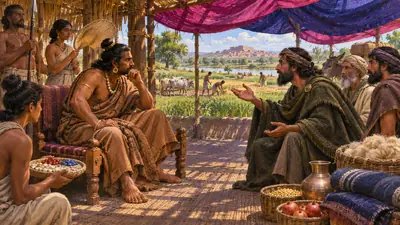
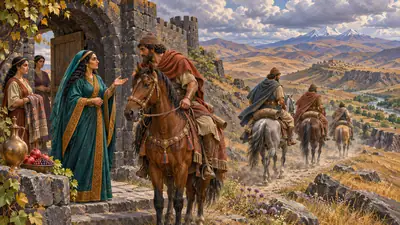
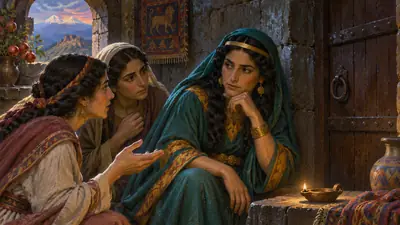
King Ninus marches against Bactria. Its ruler, Oxyartes, holds the capital, and the siege drags on beneath the high citadel. Onnes sends for his wife.
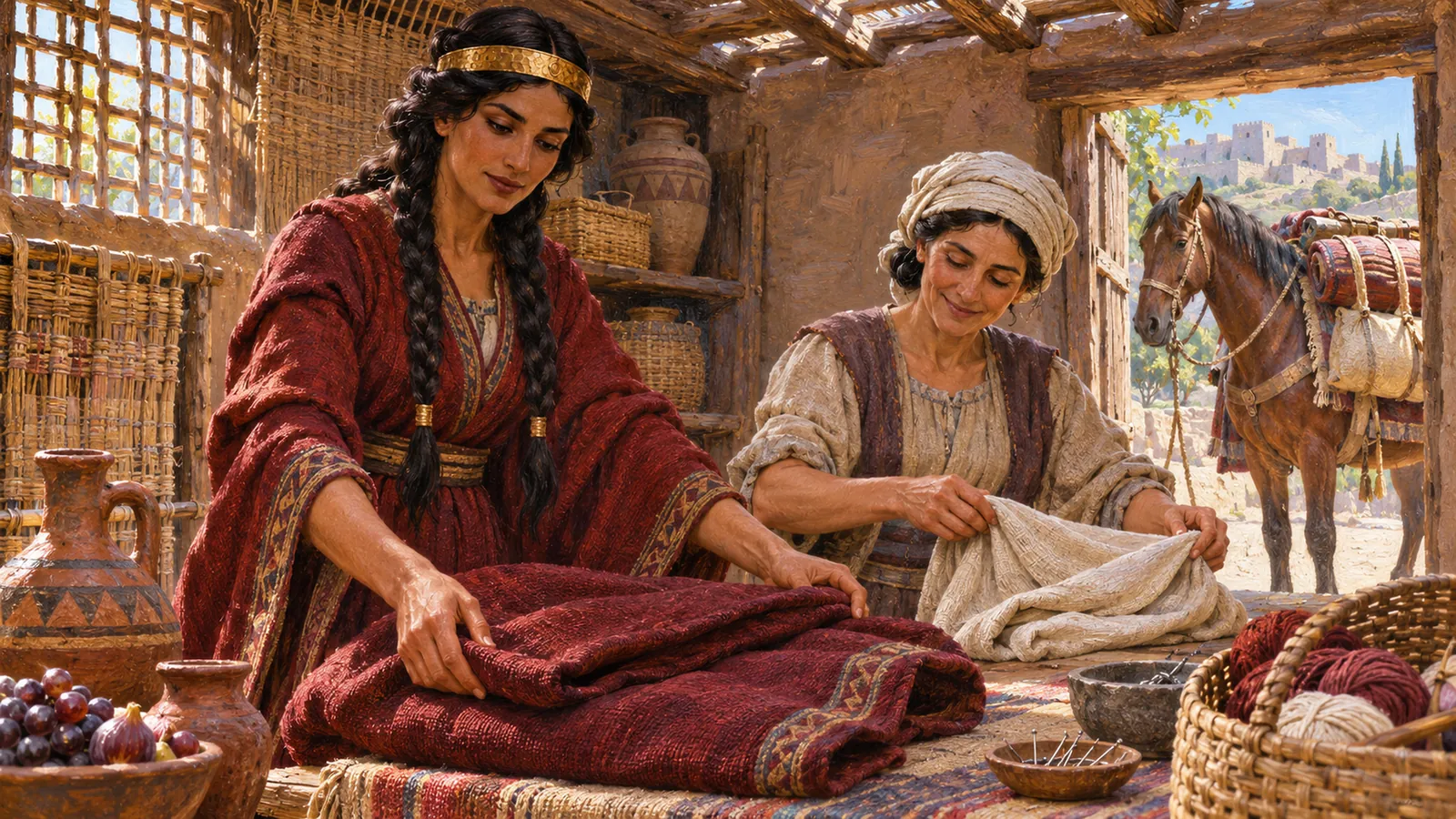
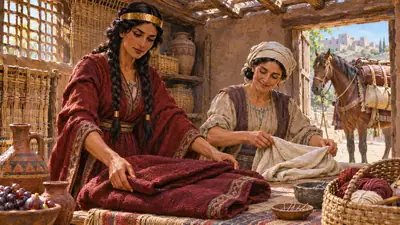
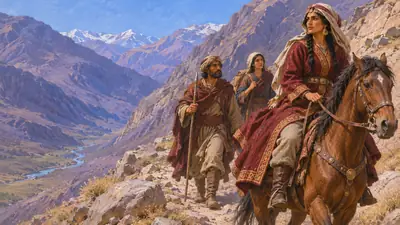
Semiramis has a loose traveling garment made to protect her from the weather and leave her free to move. Its shape conceals whether the traveler is a woman or a man.
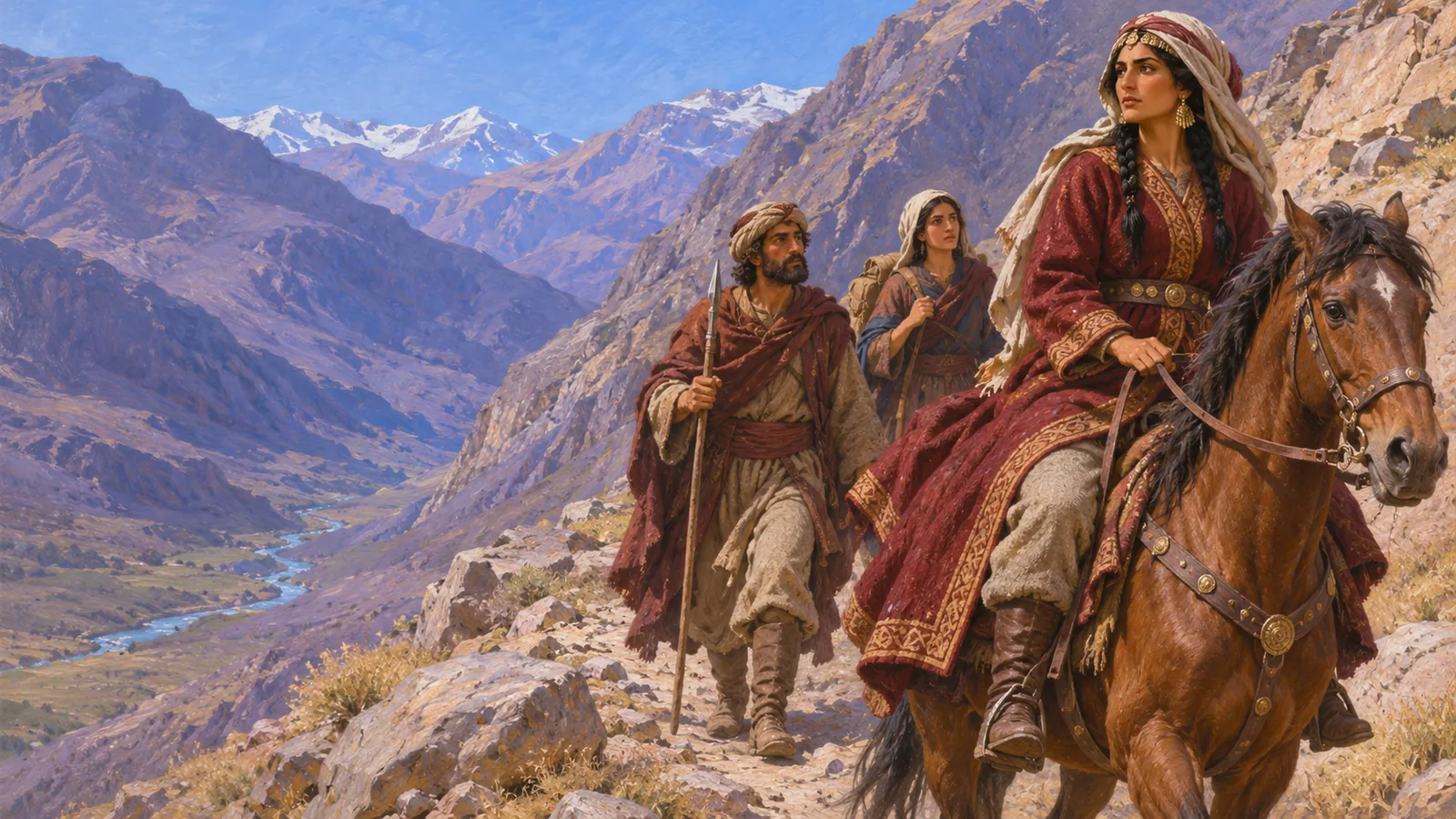
She joins the party heading east. Diodorus says the outfit suited the journey so well that Medes and Persians later adopted it. In the story it first belongs to a woman traveling to Bactra.
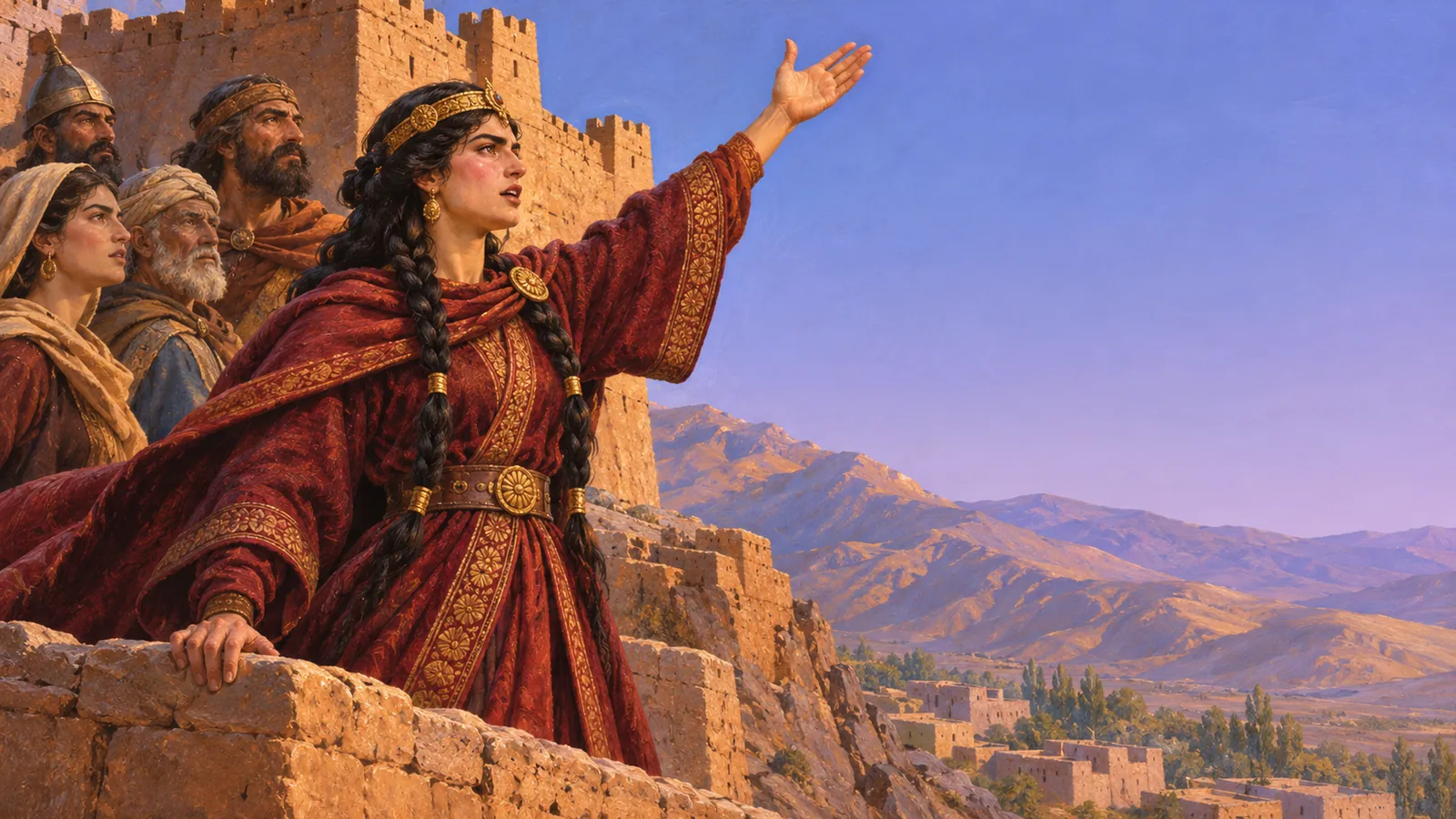
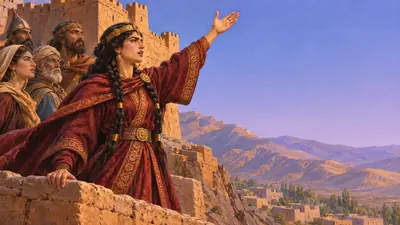
Semiramis studies the city and realizes that its defenders have their eyes on the lower walls. With a small party she reaches the upper citadel and signals from above.
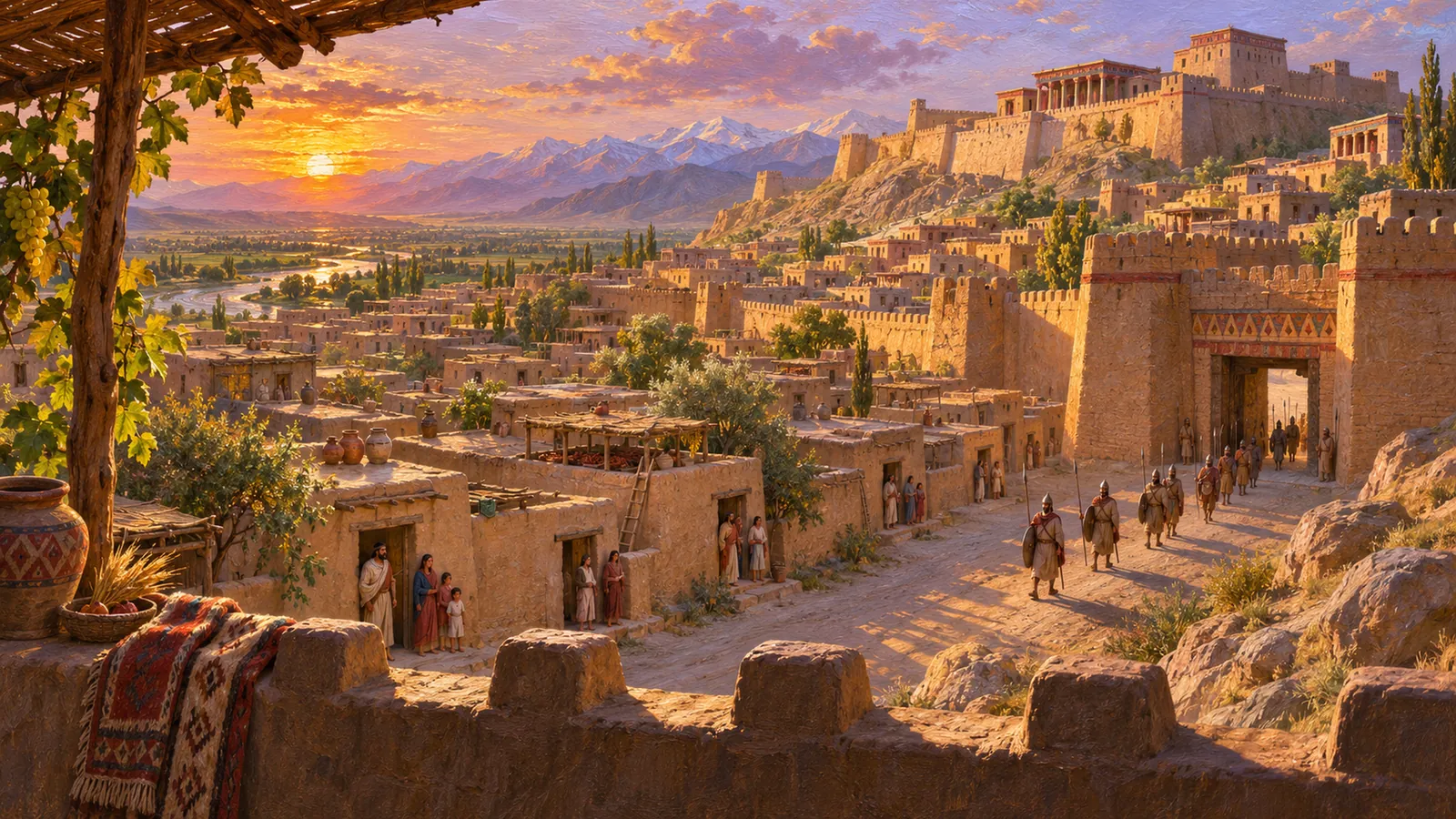
The defenders abandon their positions when they realize the height has been taken. Bactra falls, and Ninus rewards the woman who turned the siege.
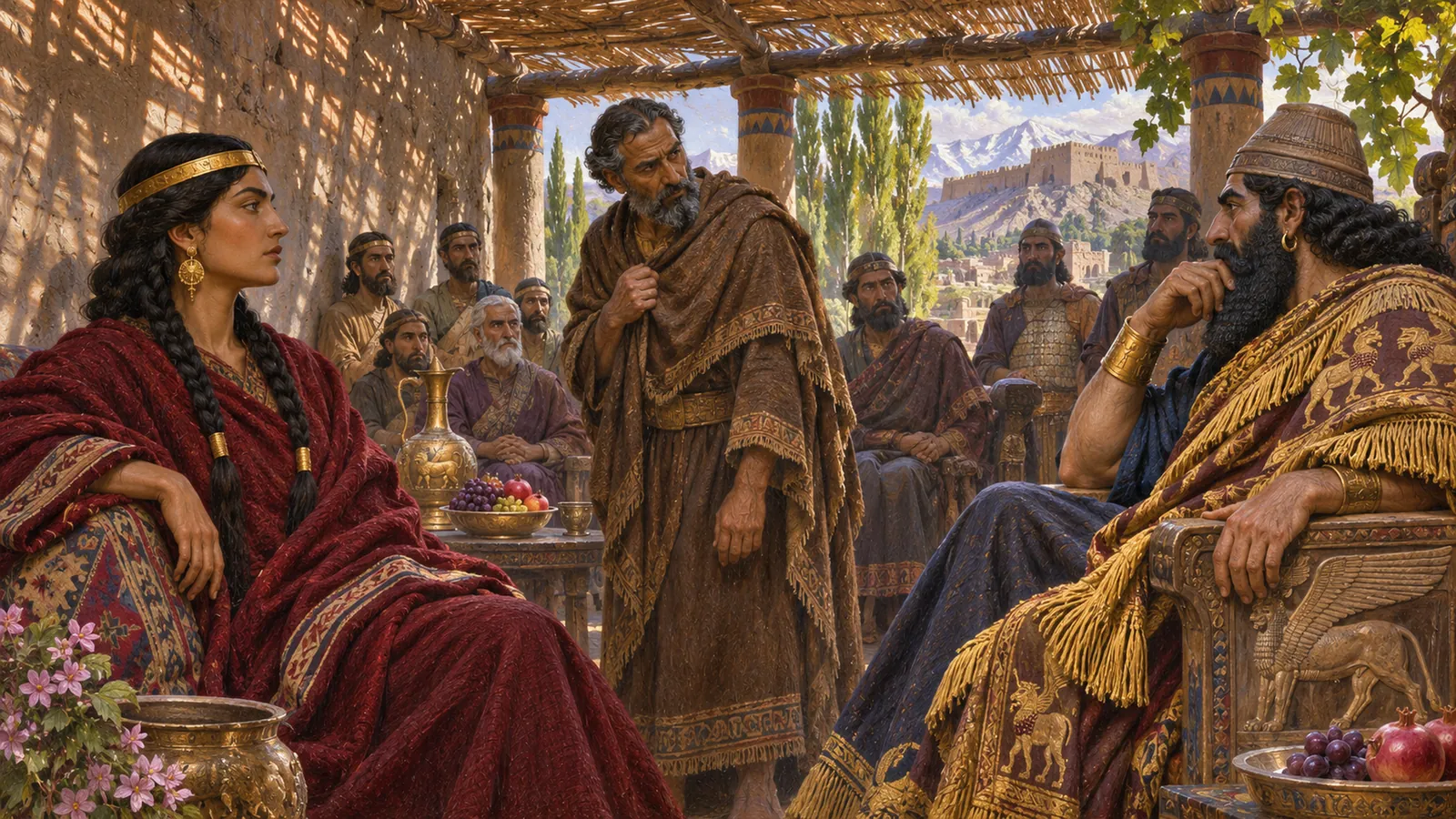
Ninus asks Onnes to give him Semiramis and offers his daughter Sosane in exchange. When Onnes refuses, the king threatens to have him blinded.
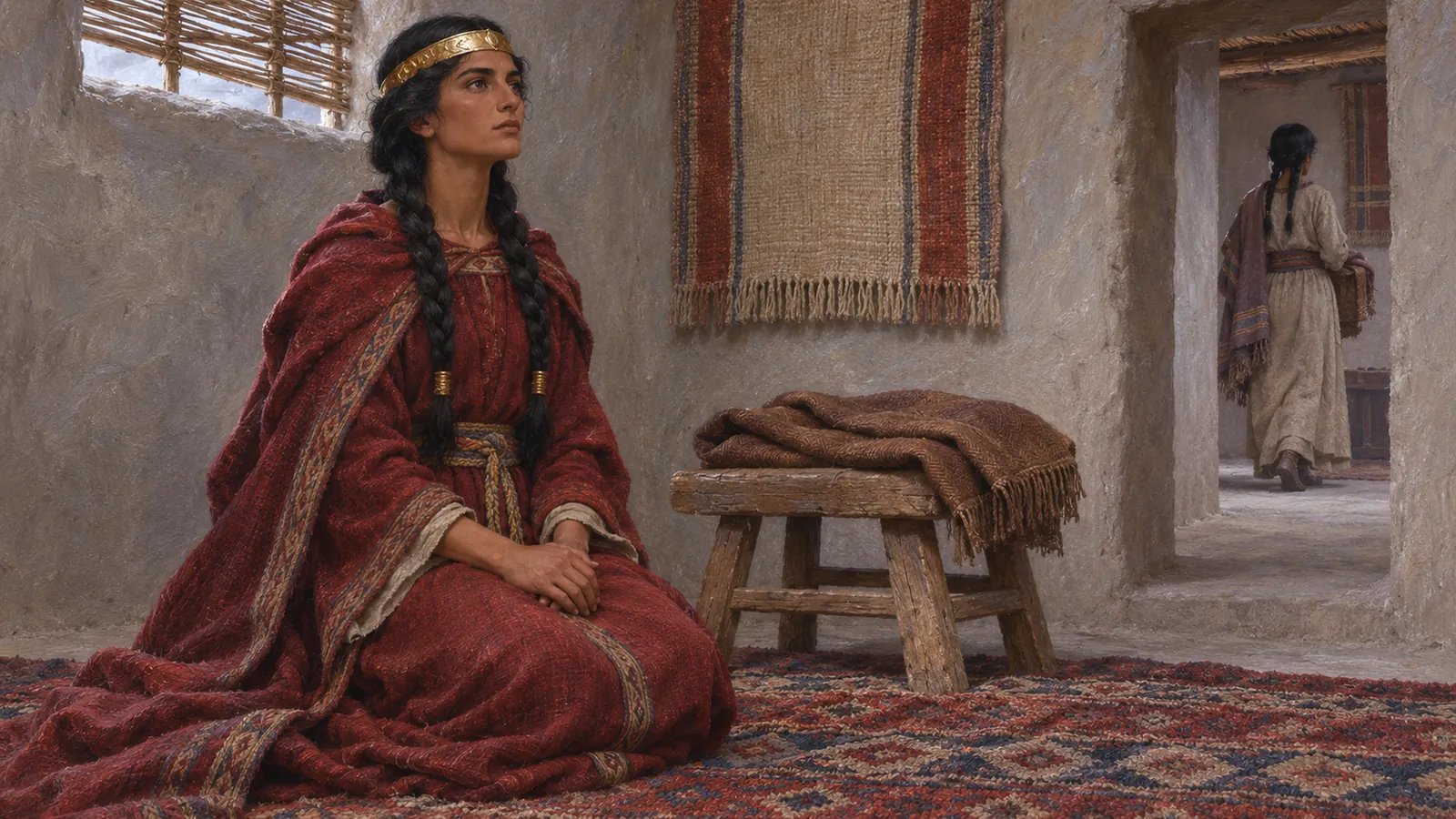
Under the pressure of the king’s demand, Onnes takes his own life. The man who once welcomed Semiramis into his house is gone.
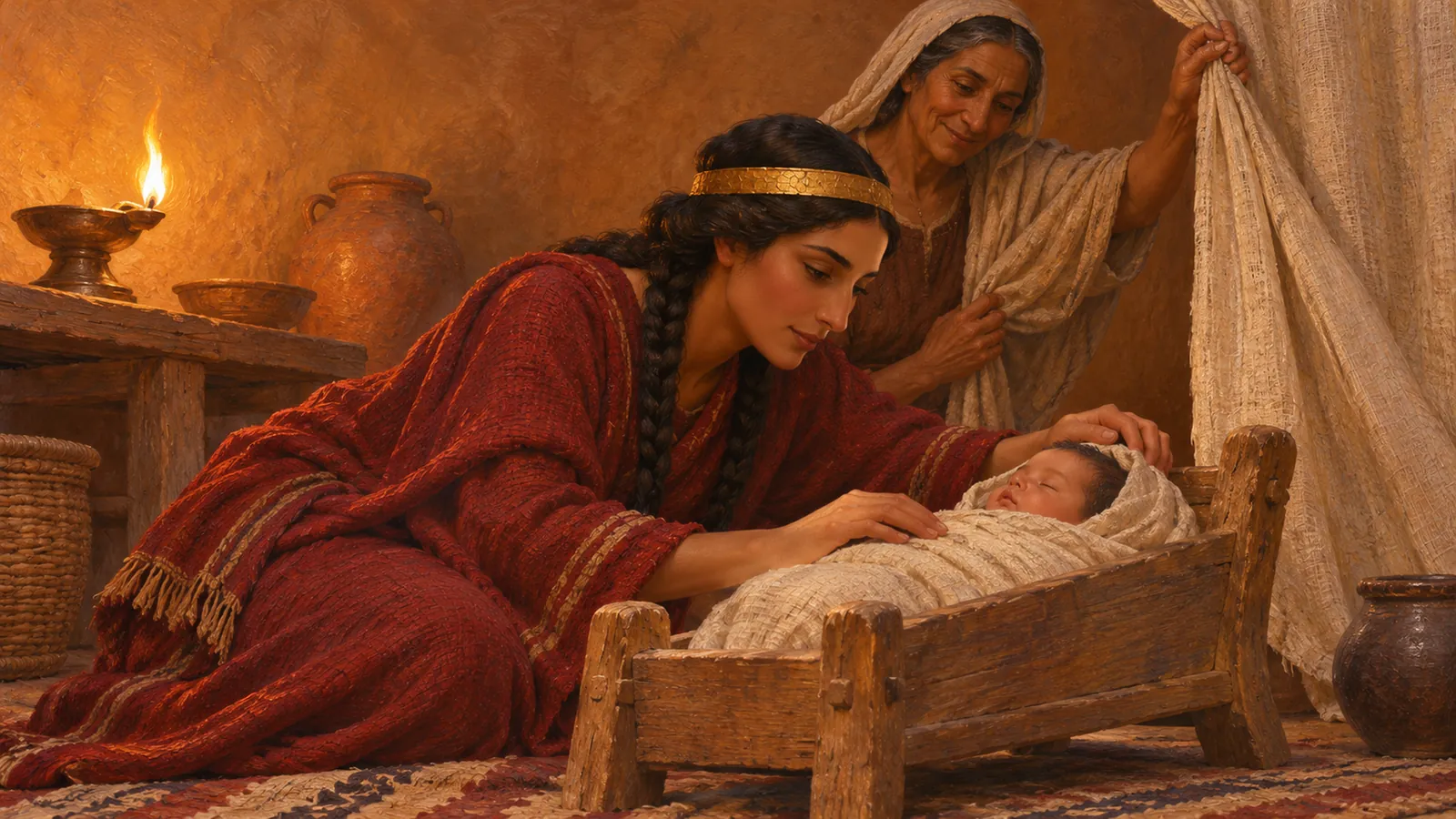
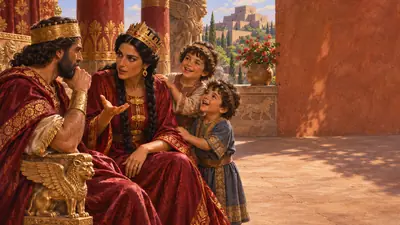
Diodorus gives Semiramis a new household. Ninus marries her and their son Ninyas is born. Through him the question of who will rule returns in another generation.
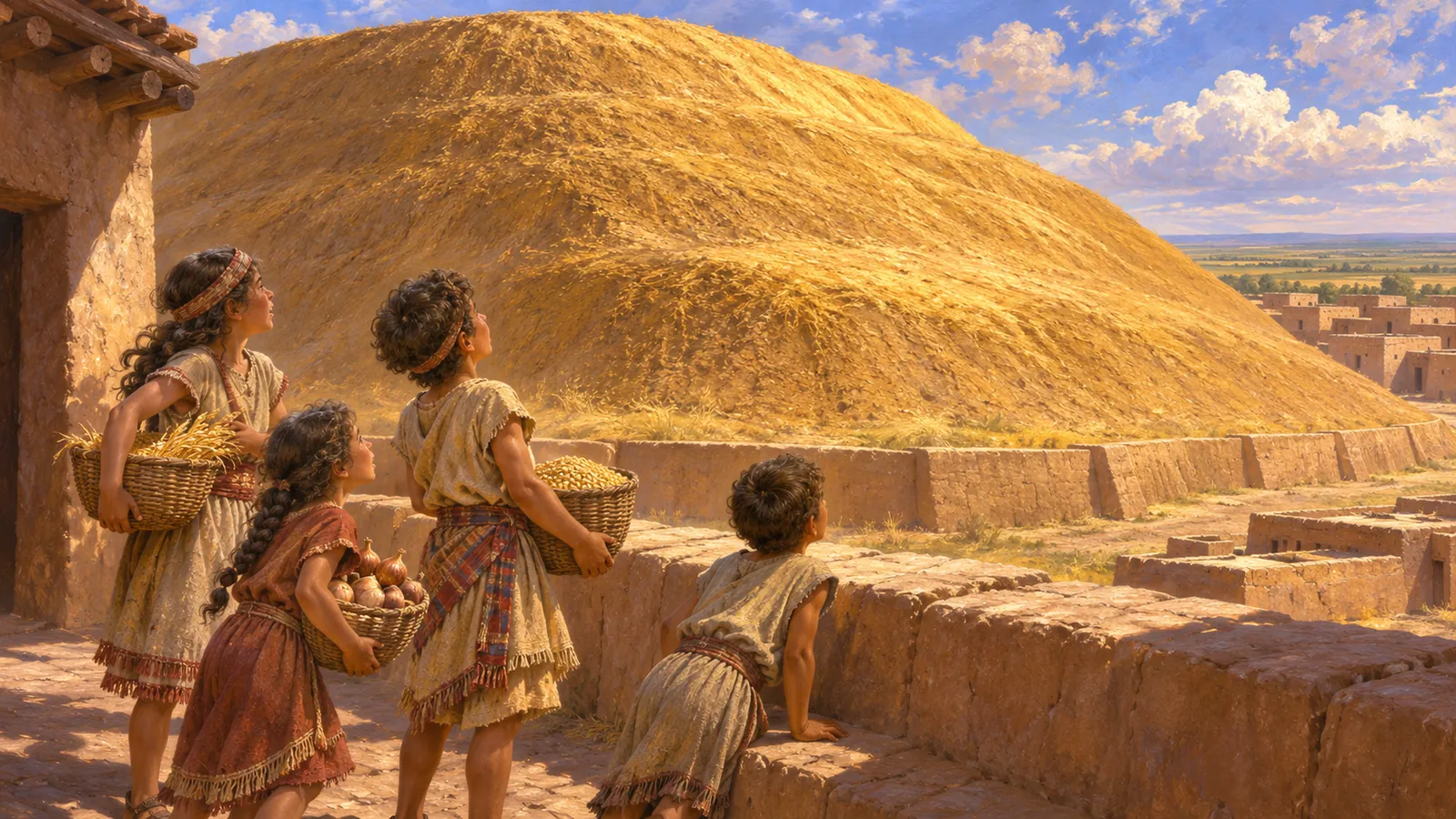
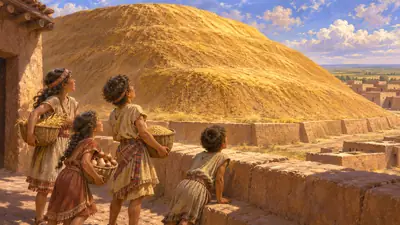
After Ninus dies, Semiramis has an immense mound raised for him. The story sets it where the city could look up and see it.
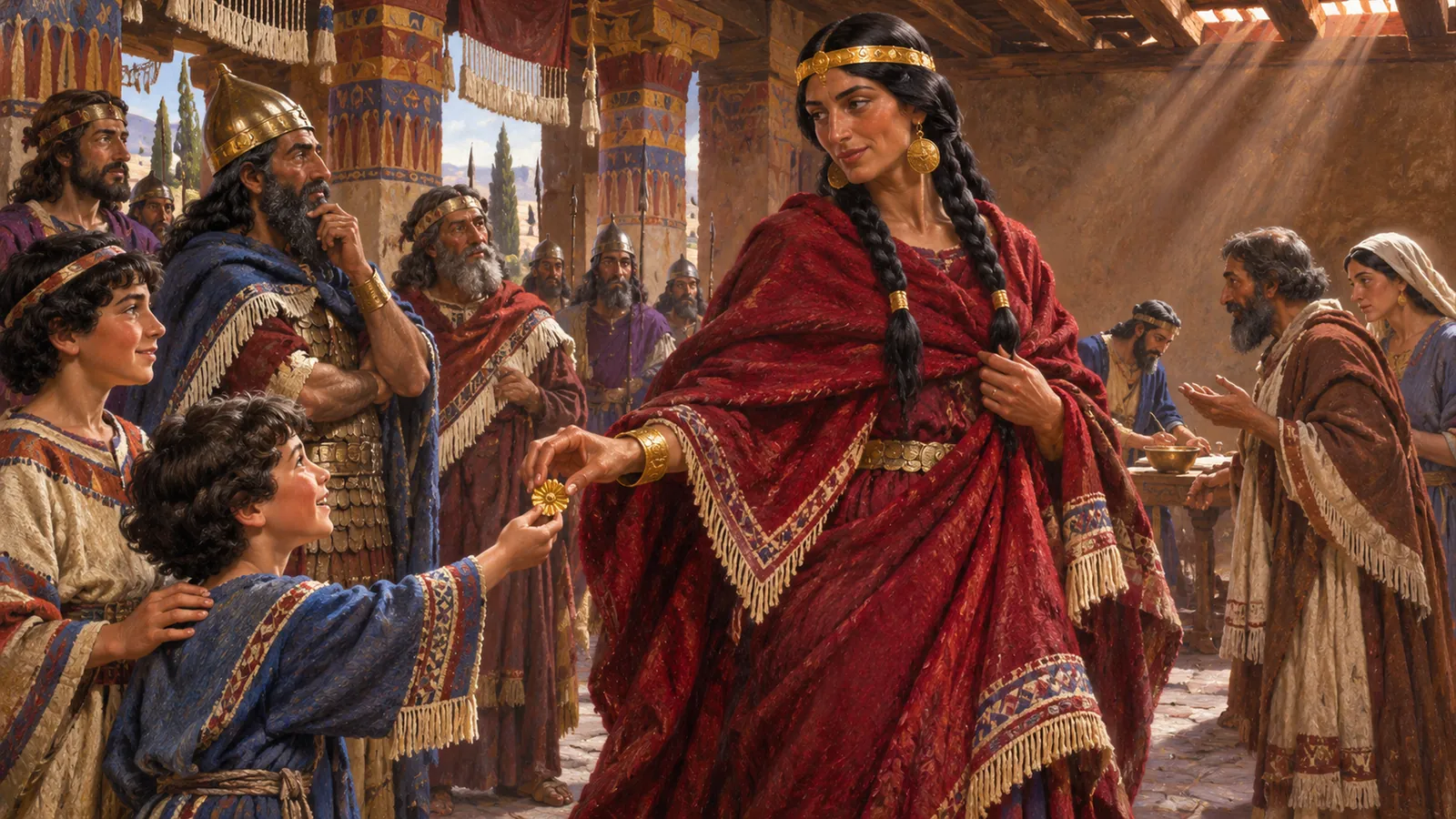
Semiramis takes power after the burial. The woman who advised Onnes and changed the course of the siege now commands the resources of the kingdom herself.
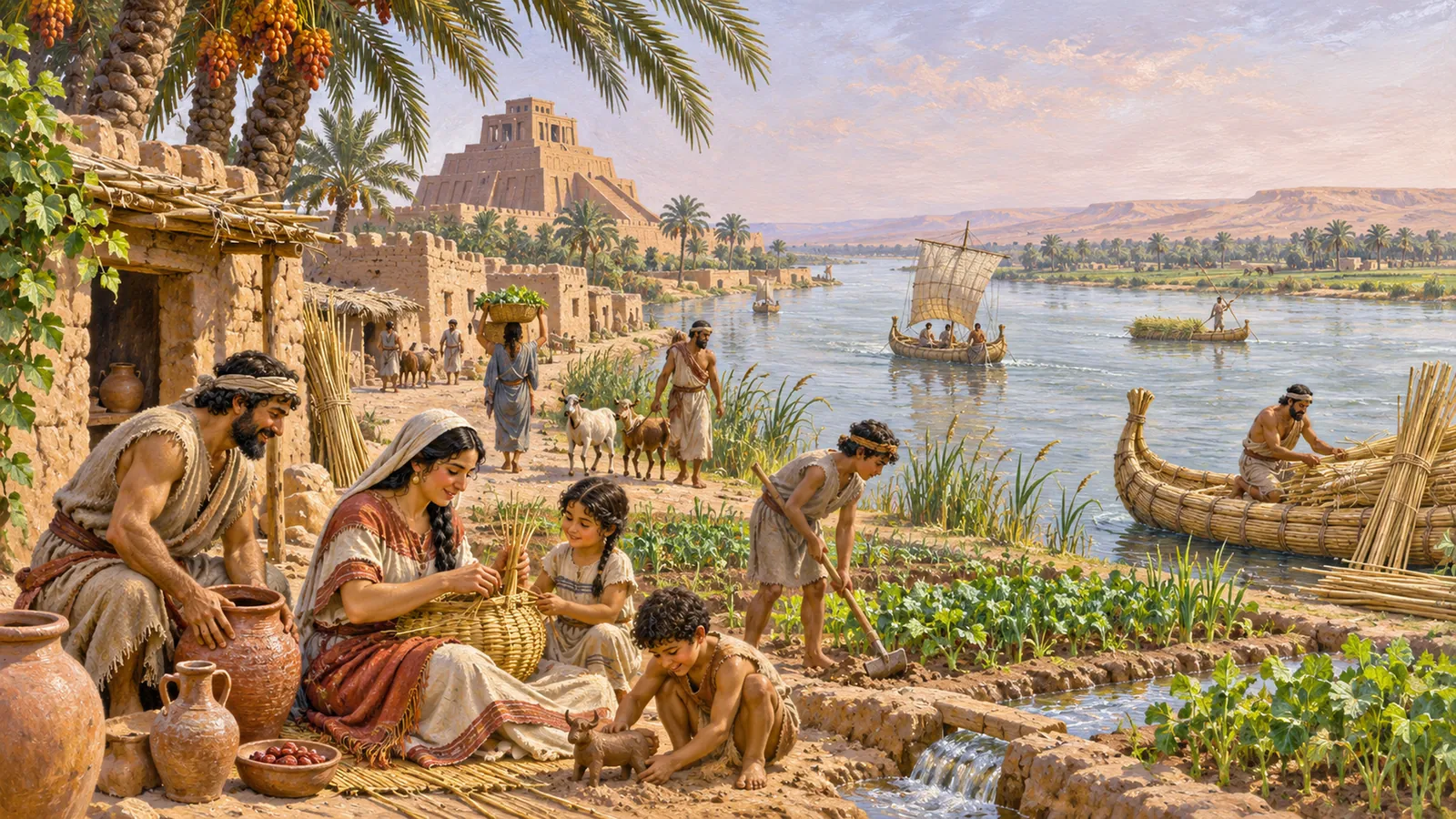
BABYLON
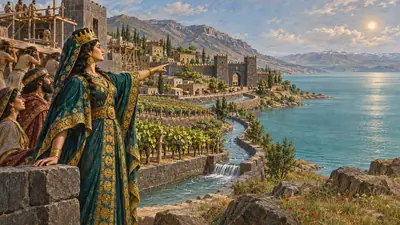
Ancient Babylon had a history of its own long before the Assyrian Sammu-ramat. In the Greek story, Diodorus makes the Babylon on the Euphrates Semiramis’s great foundation.
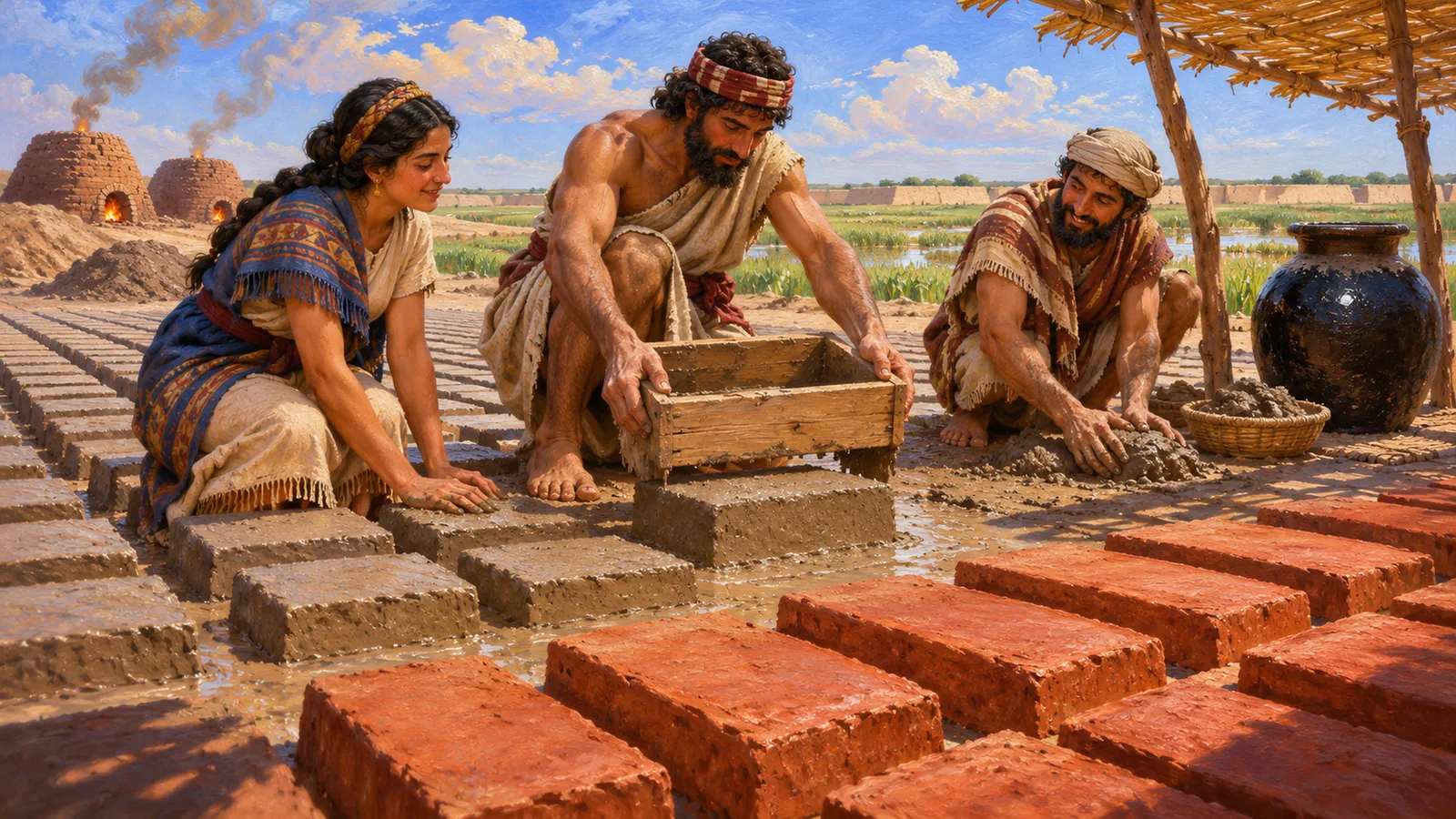
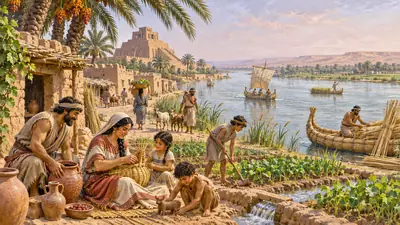
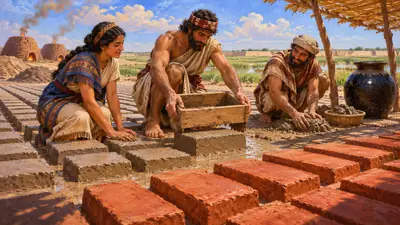
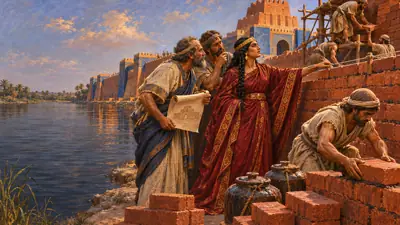
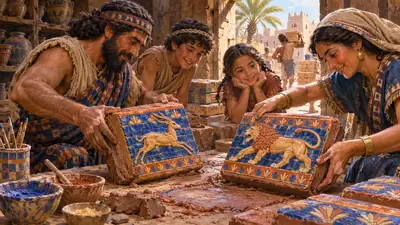
Workers from across her realm shape bricks and fire them for the new city. Bitumen binds the baked bricks where the river laps at the walls.
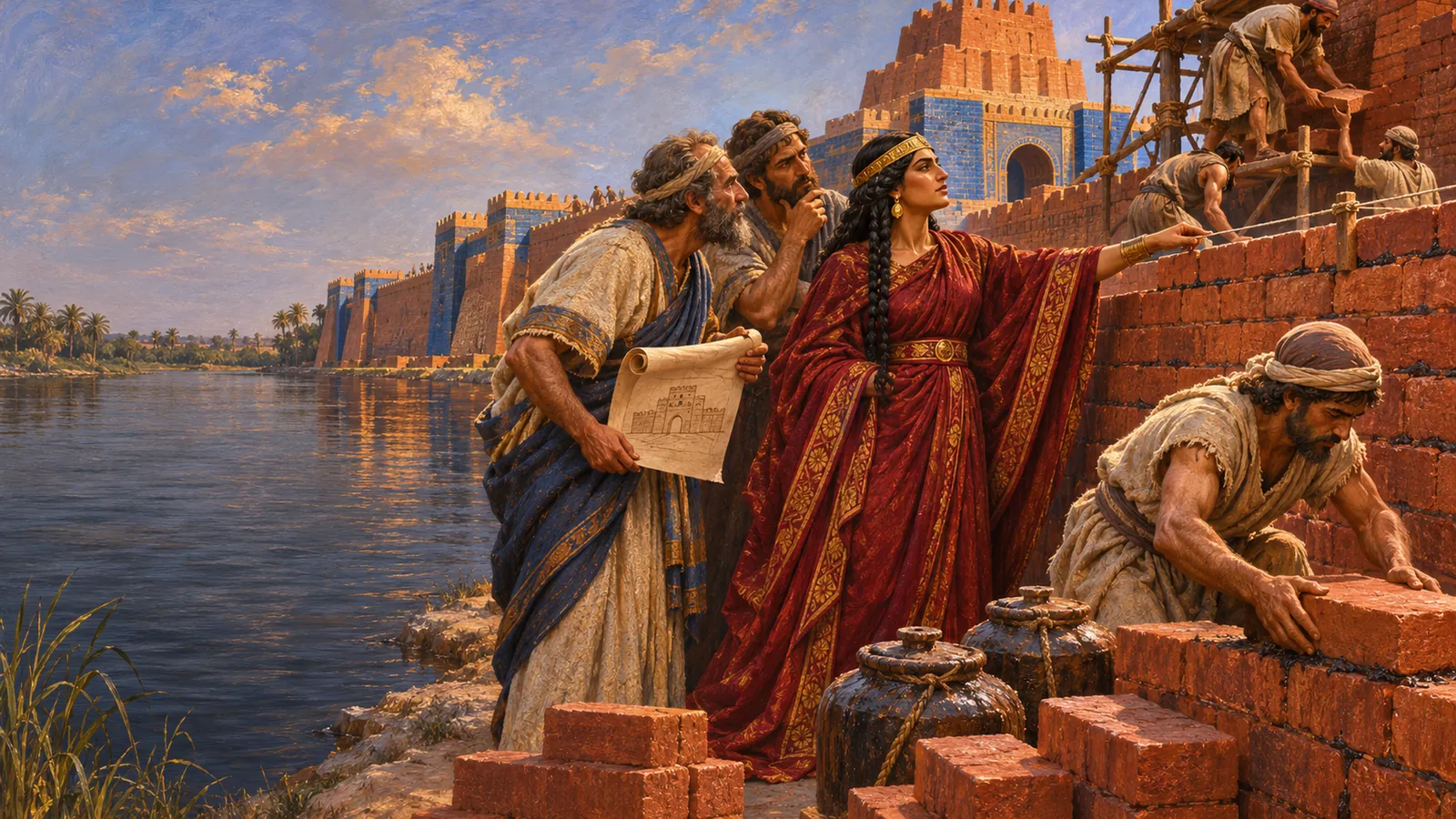
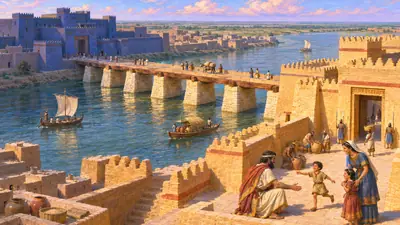
The wall follows the shore. Diodorus sees a city built to impress travelers coming by water, with fortifications, busy landing places and broad approaches.
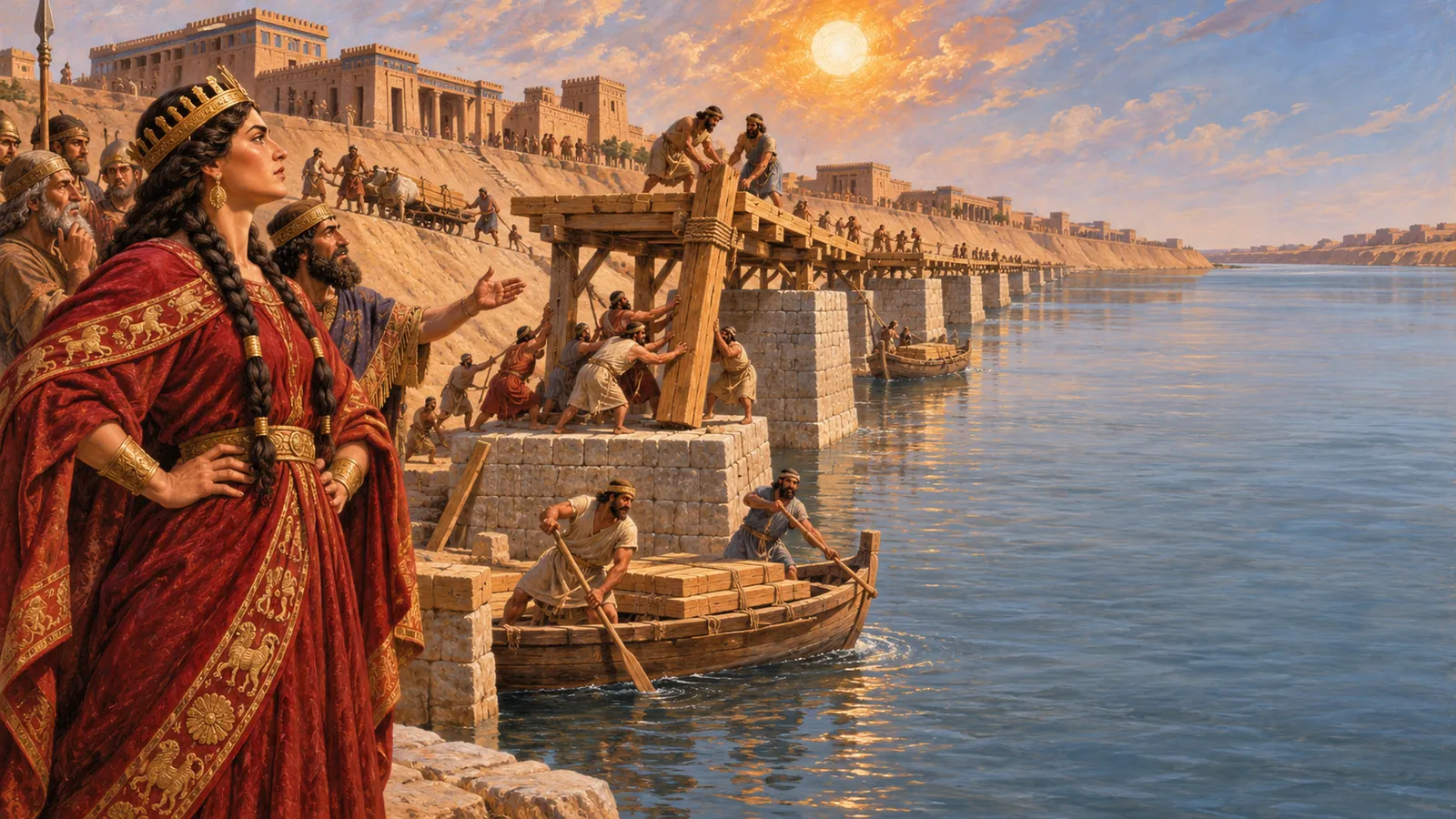
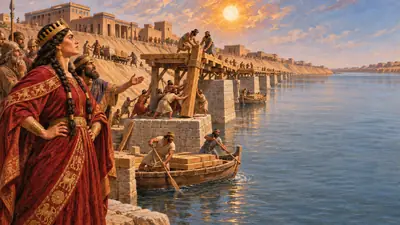
Stone piers carry a deck of cedar, cypress and palm beams across the Euphrates. On both banks, broad quays meet the bridge and offer places to come ashore.
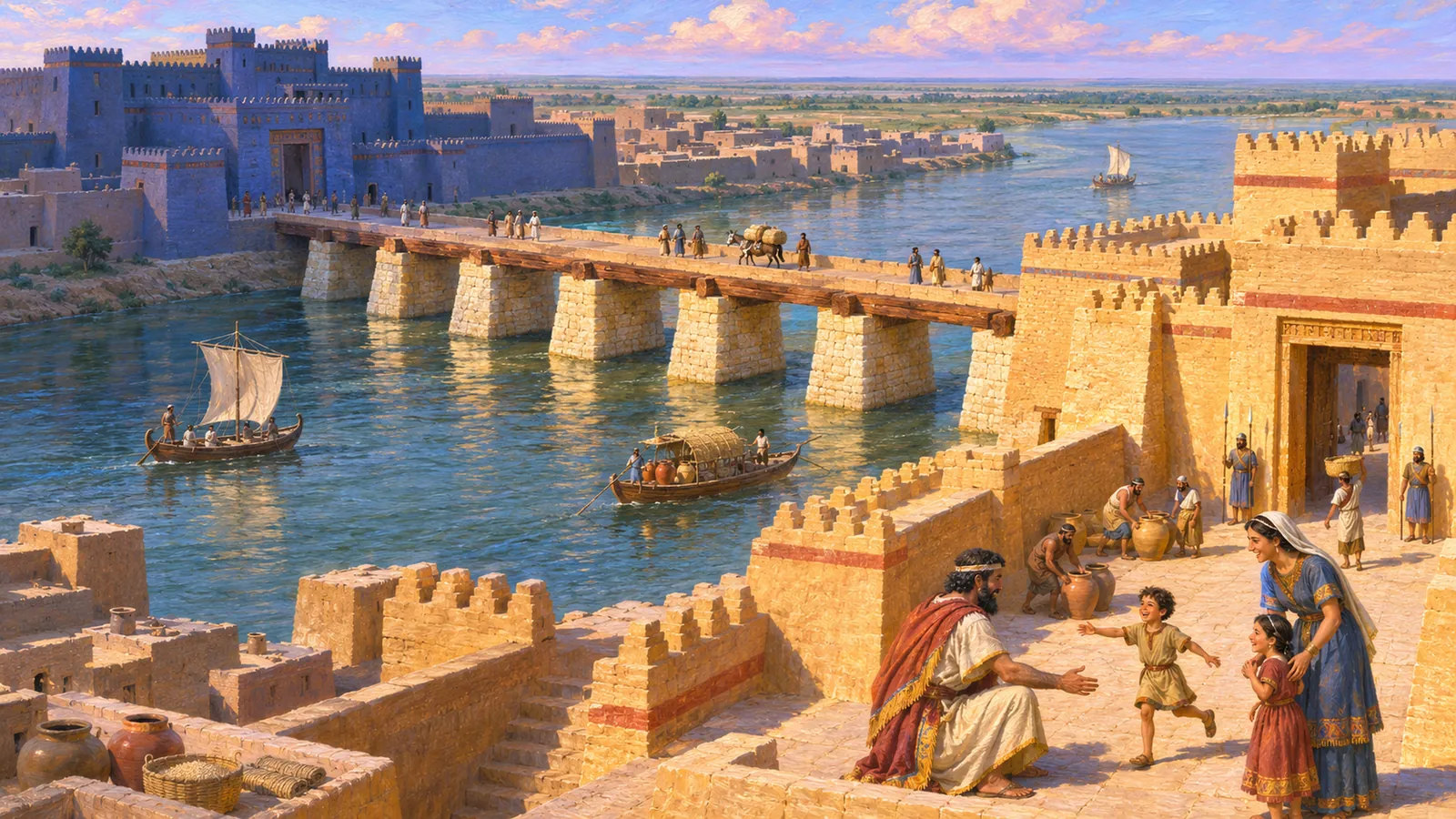
Semiramis has a palace on either side. Diodorus locates one toward sunrise and the other toward sunset, so that each riverbank has its royal enclosure.
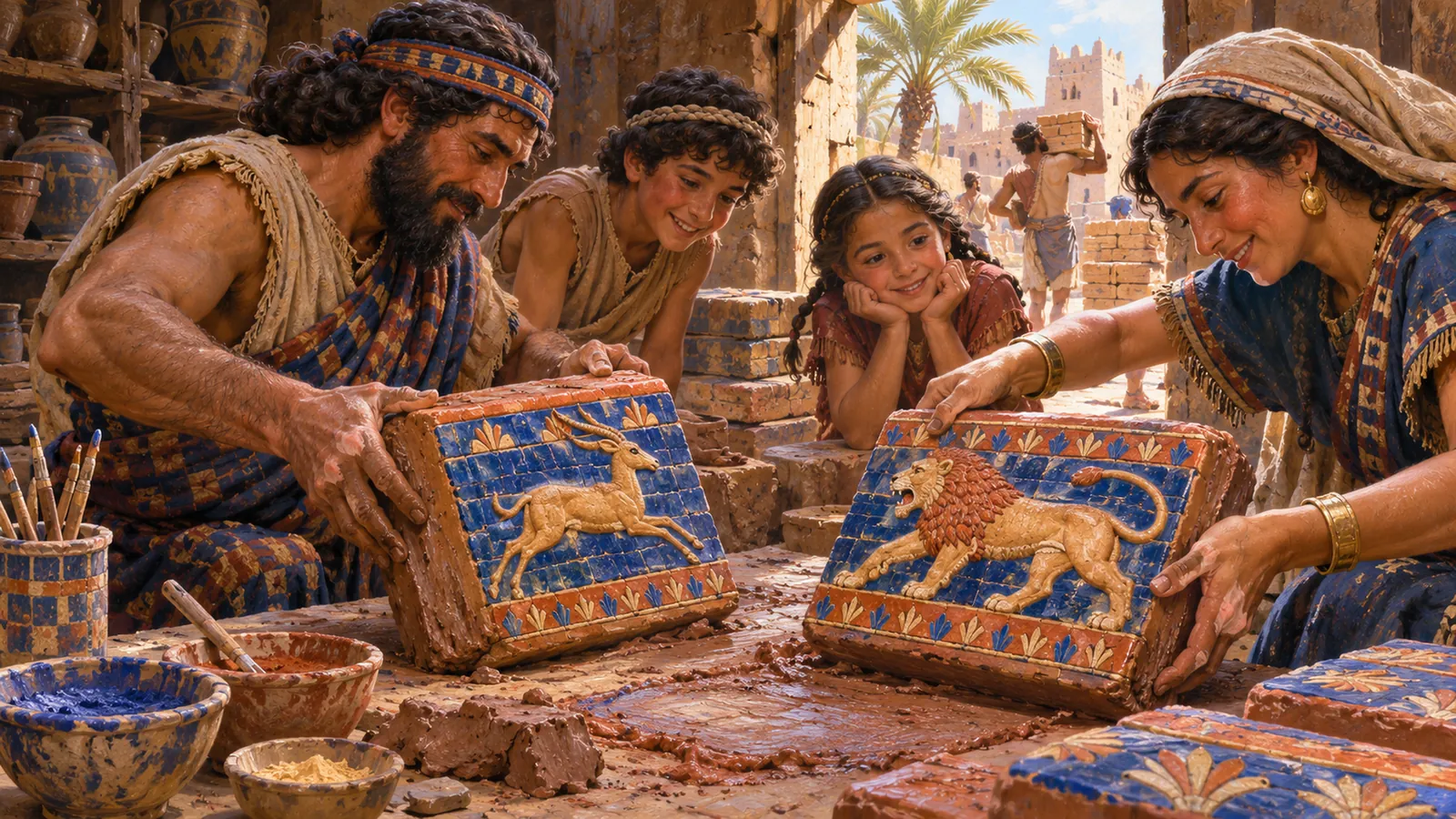
Animal figures color the walls of the larger palace. The Greek description imagines a royal hunt, with the queen and Ninus among the beasts pictured in baked clay.
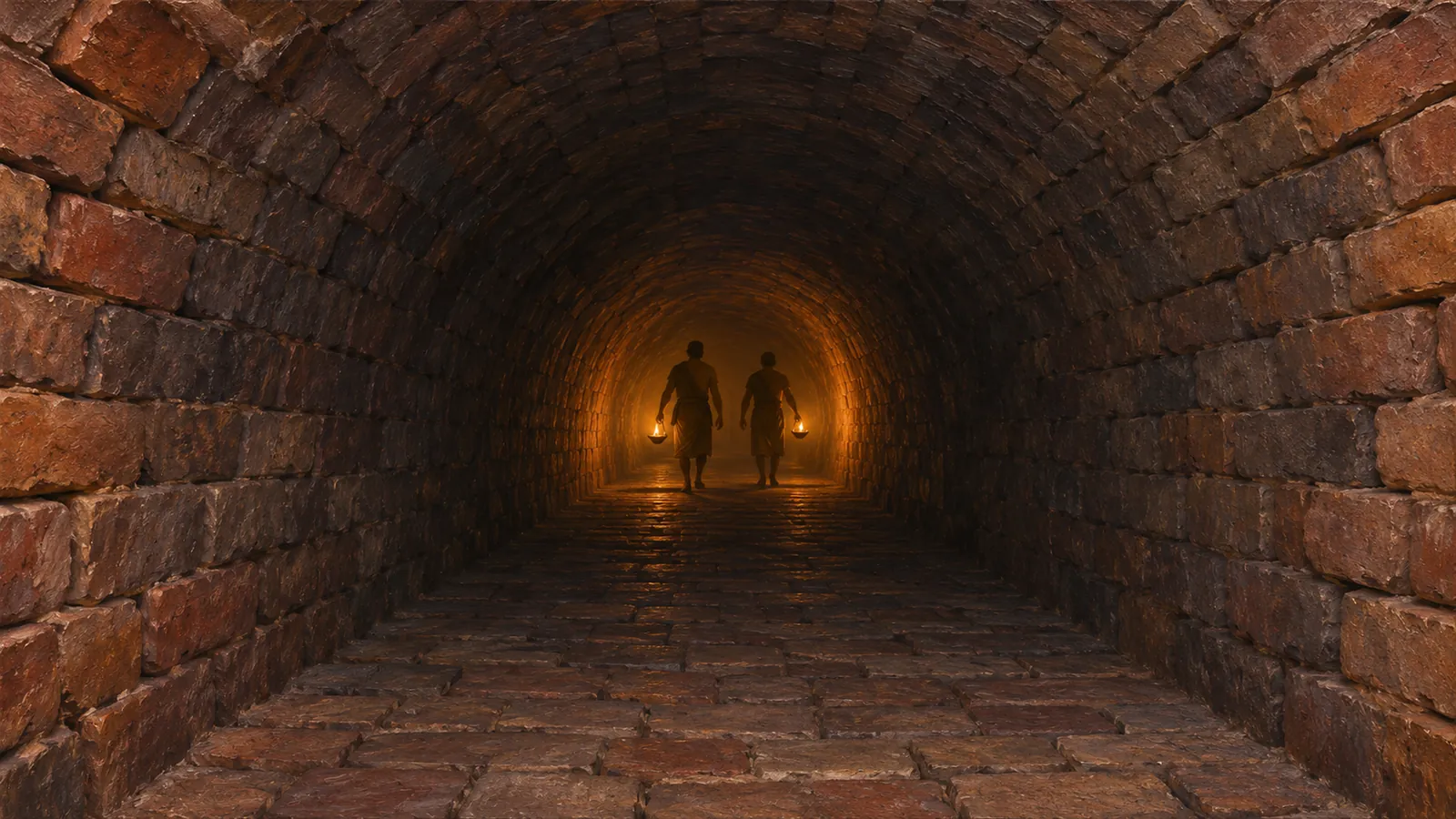
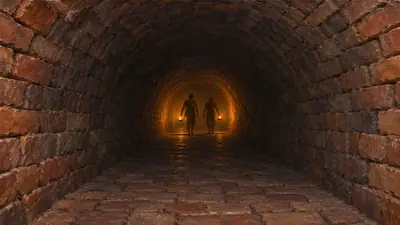
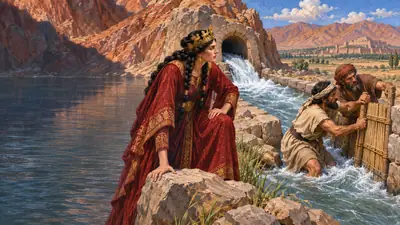
The historian also claims a passage joined the palaces below the riverbed. The builders finish it while the river is diverted, then let the current return over their work.
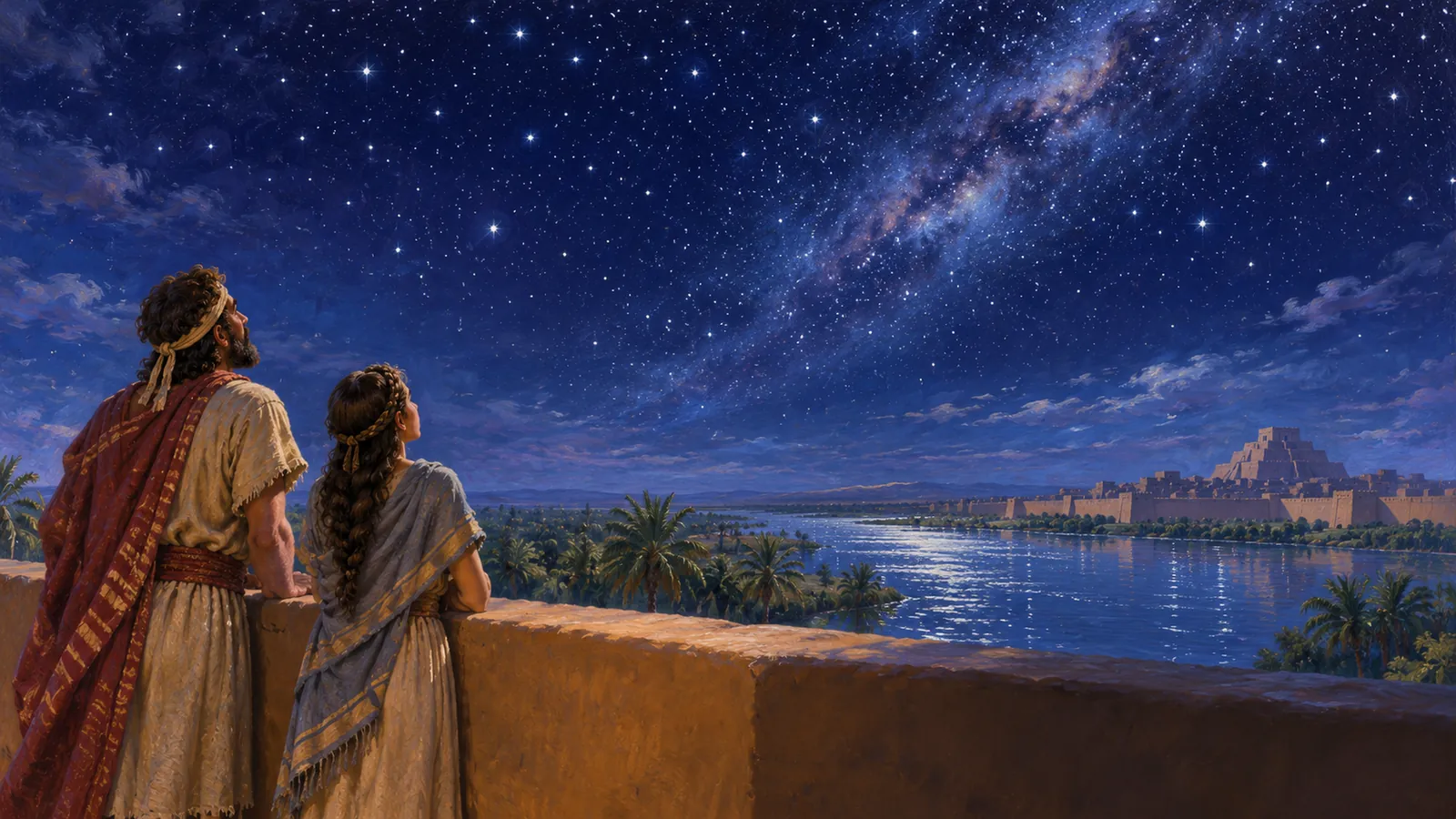
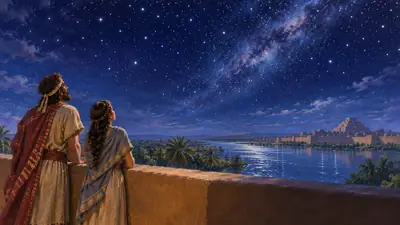
At the temple of Bel, Diodorus speaks of a height from which priests watched the stars. He assigns the Hanging Garden to a later ruler in a separate account.
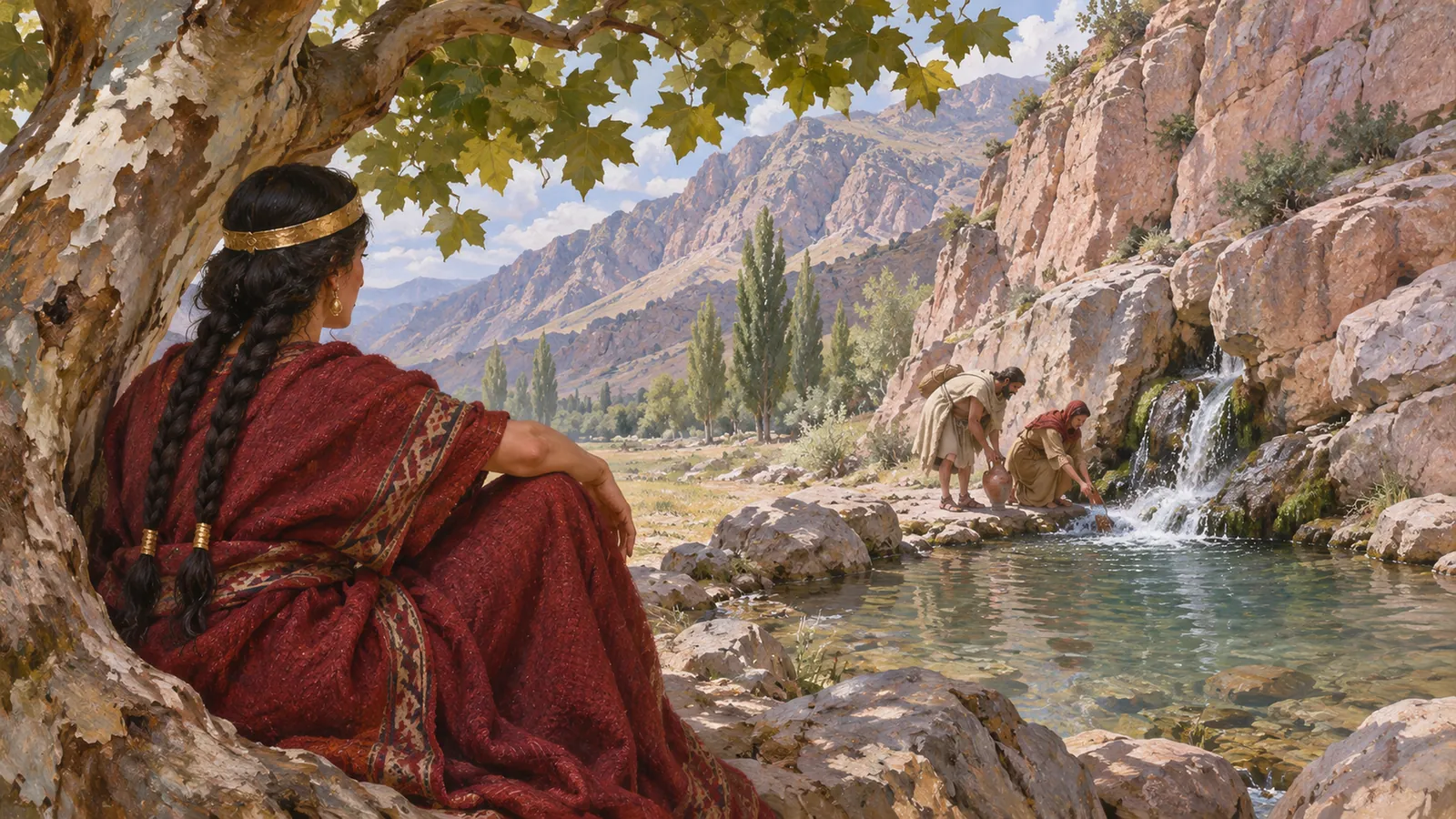
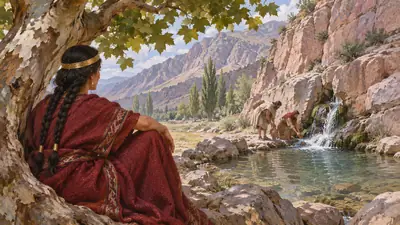
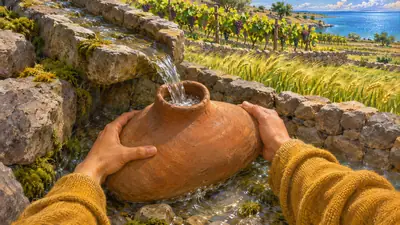
Semiramis goes east to Media. At Bagistanus the cliffs overlook a fertile plain, and the story places her park and monument where a spring comes out of the rock.
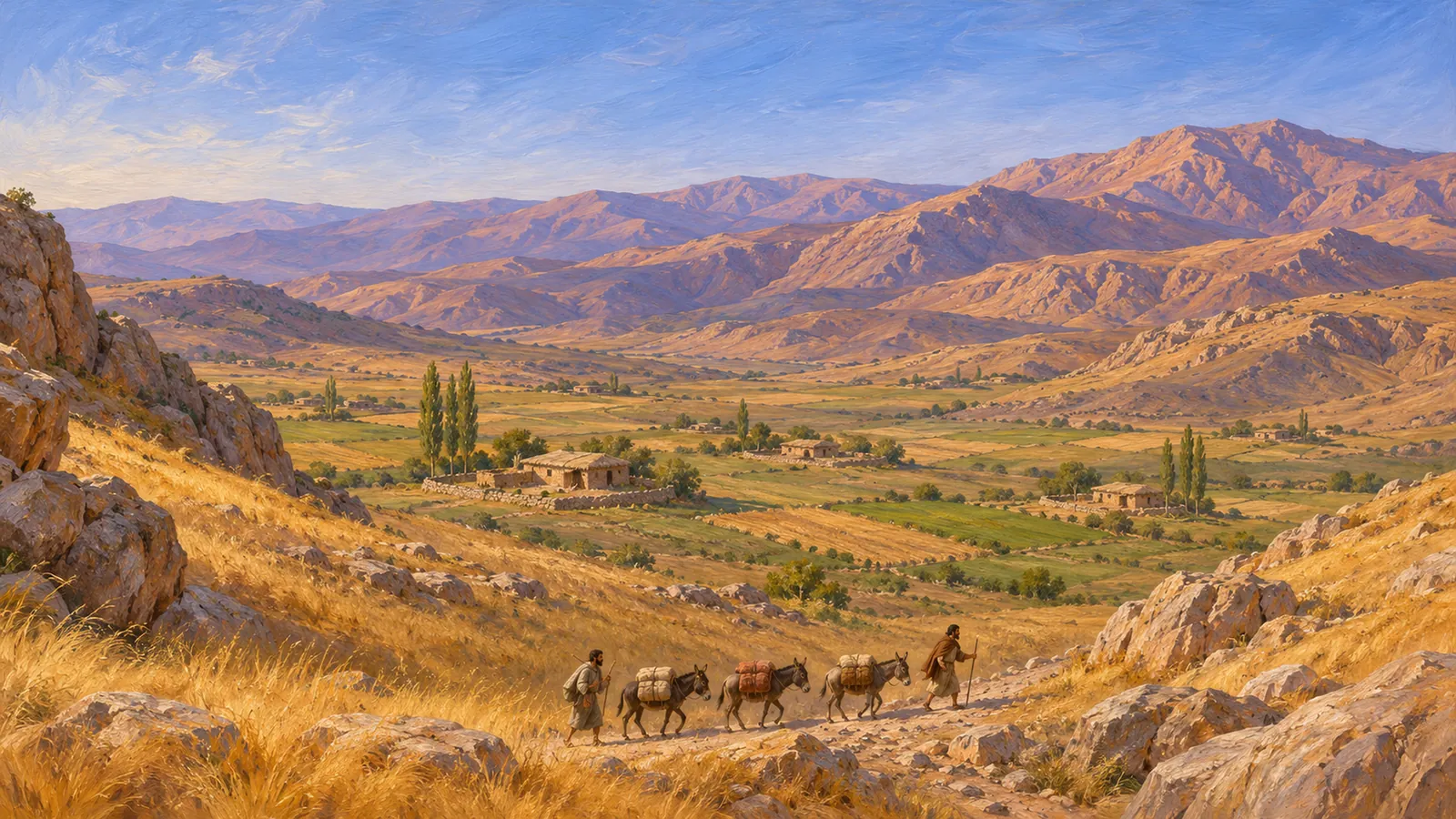
The route through the mountains is long. Diodorus credits the queen with making a more direct road through the high country toward Ecbatana.
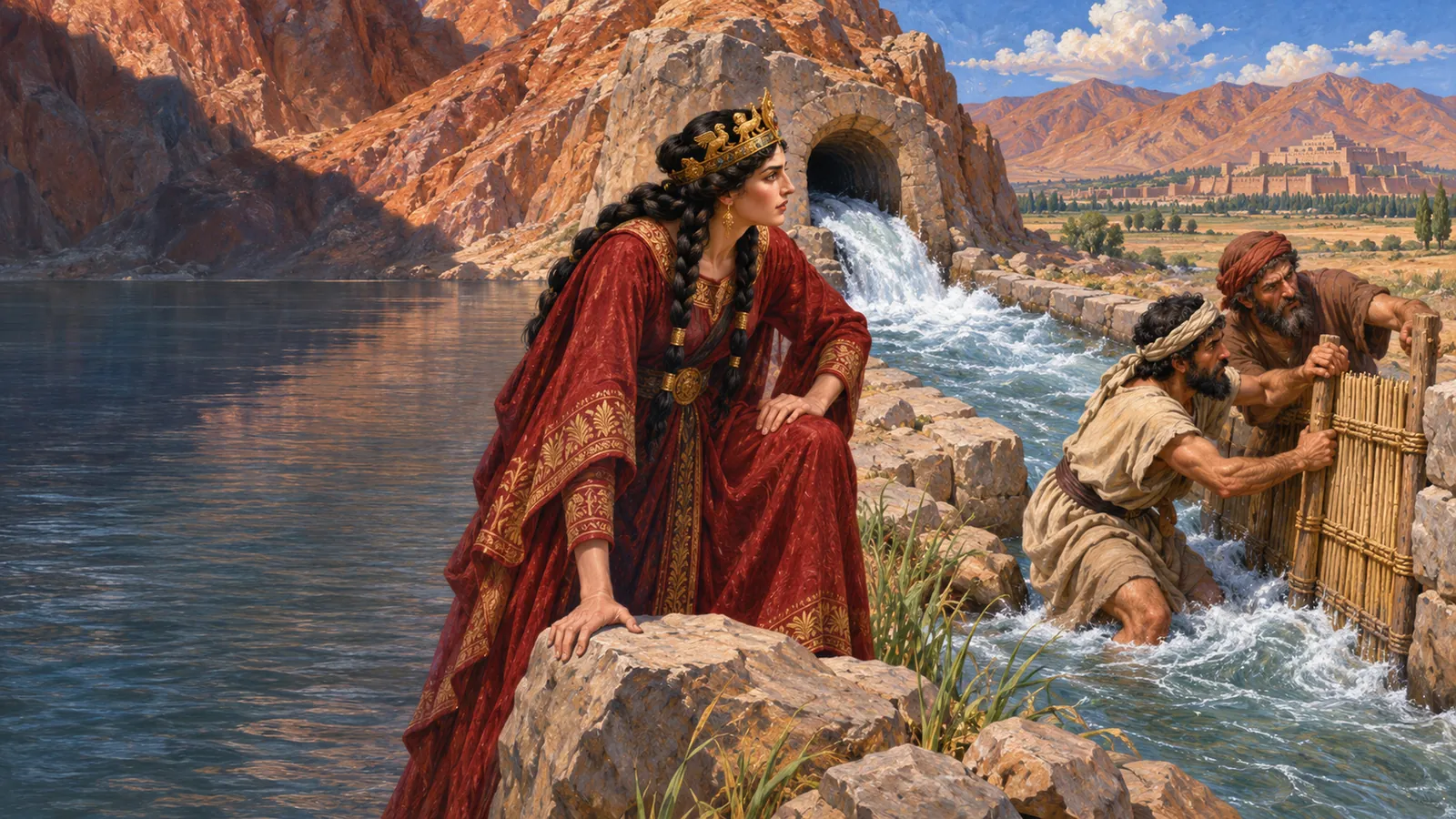
At Ecbatana, that same account gives her another work. Water from the far side of the mountain comes through a tunnel to a city that needed a better supply.
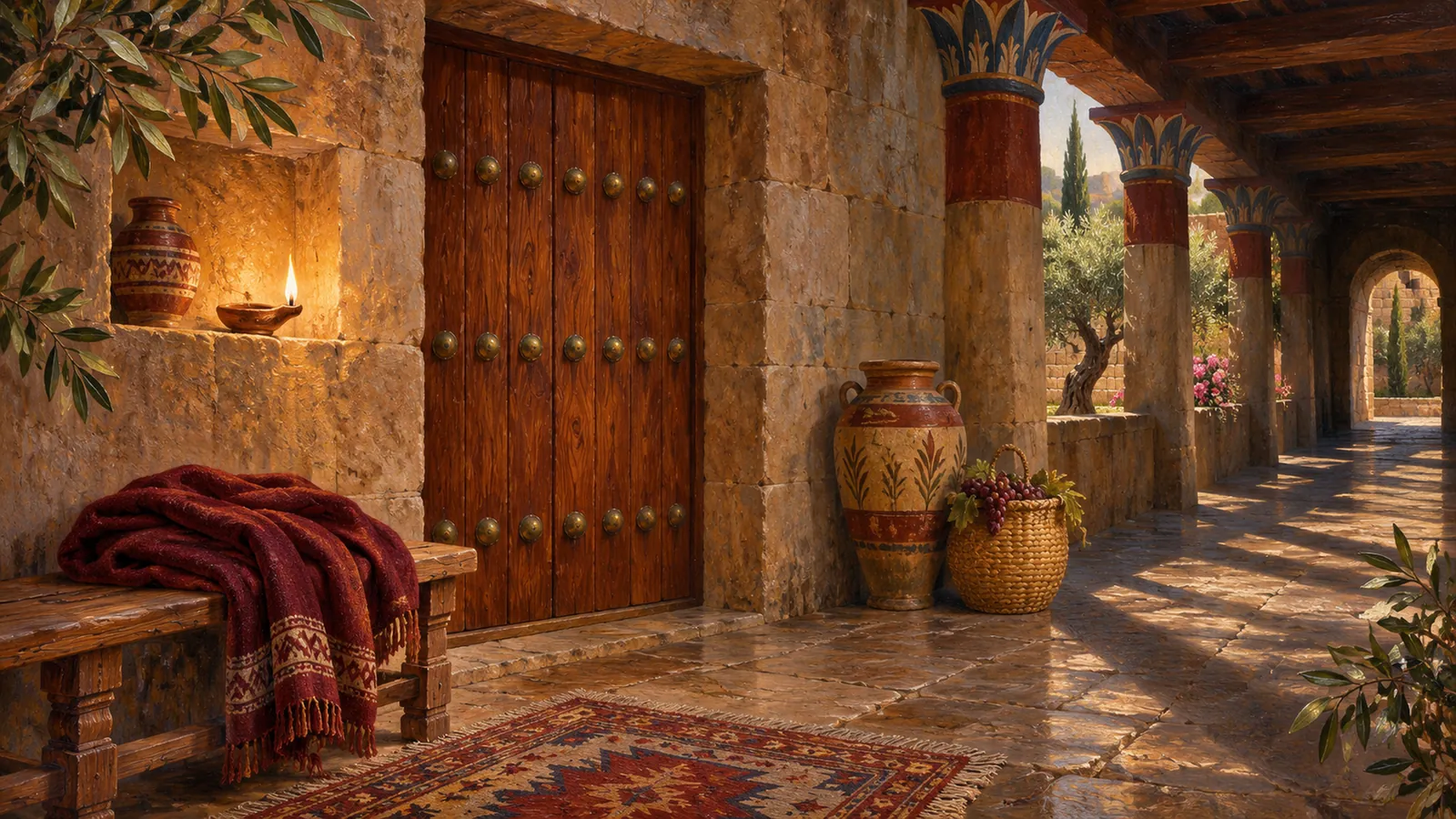
Diodorus follows the public works with a darker tradition about her private life. In it the men she chooses as lovers are killed afterward, and the palace keeps their fate quiet.
AMMON
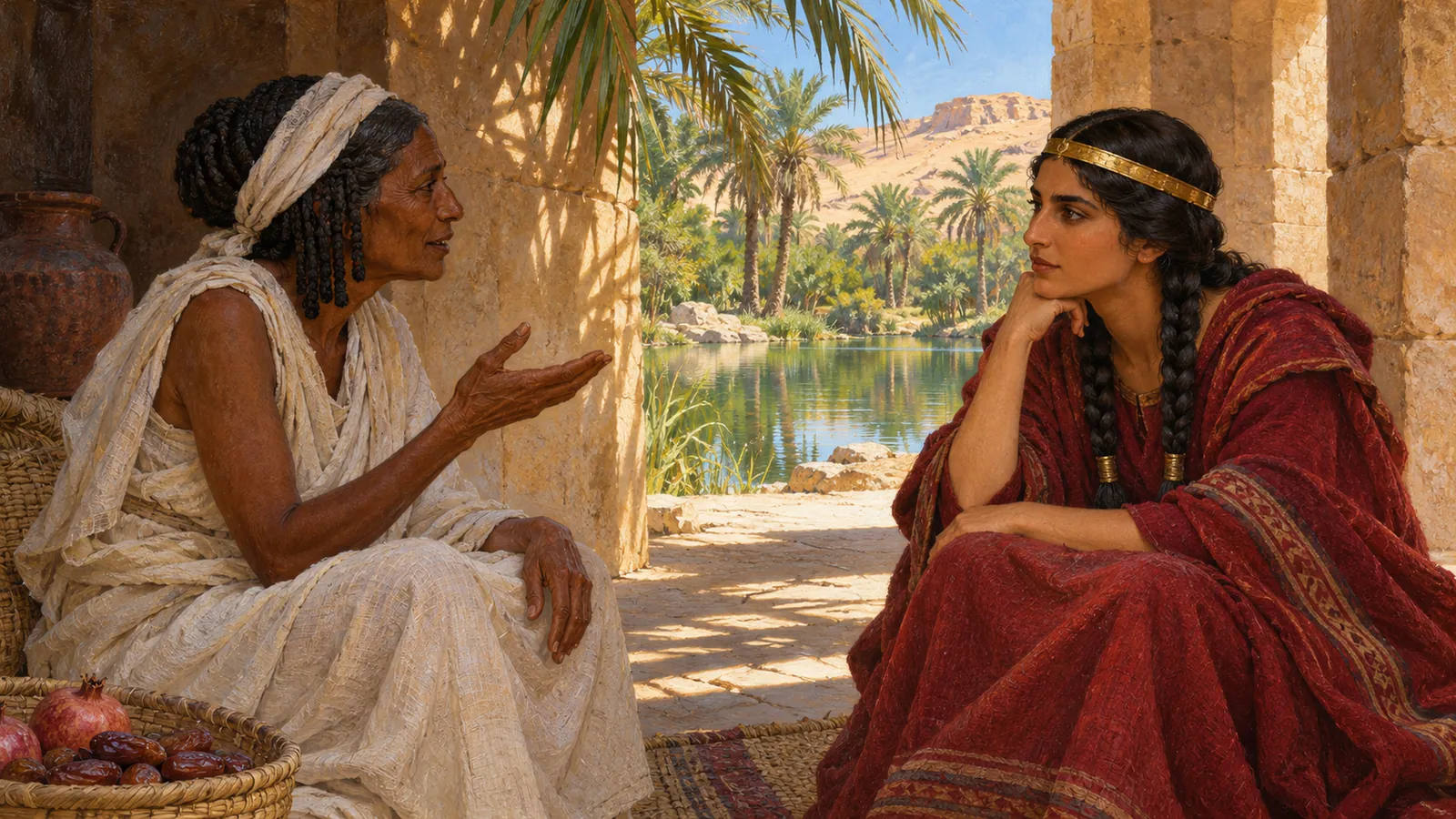
Semiramis consults the oracle of Ammon. She hears that after great deeds she will leave the world when her son Ninyas plots against her.
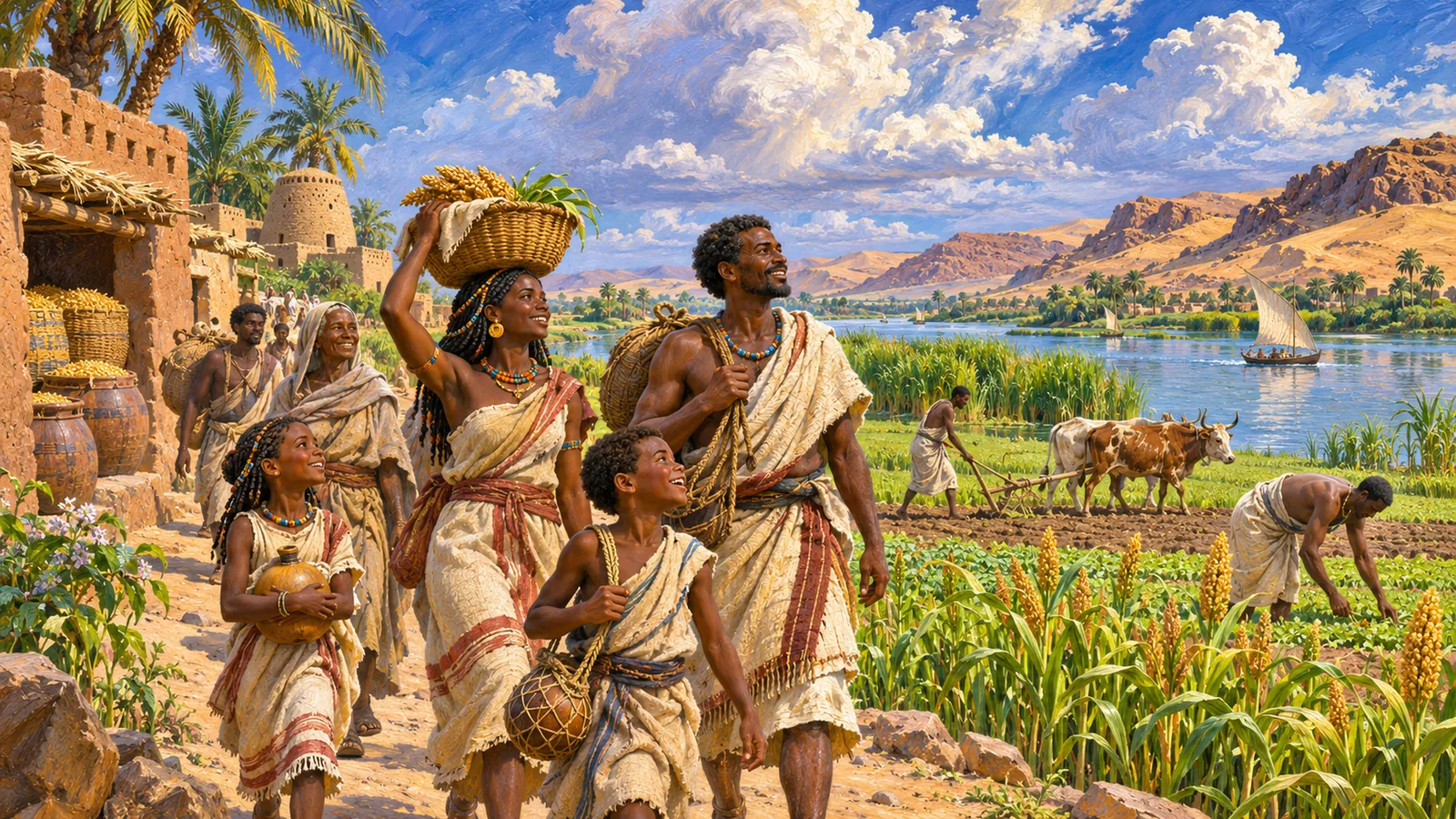
The Greek account carries her from Egypt south into Ethiopia. That part of her journey also closes with a return toward Asia, where she will undertake a much larger campaign.
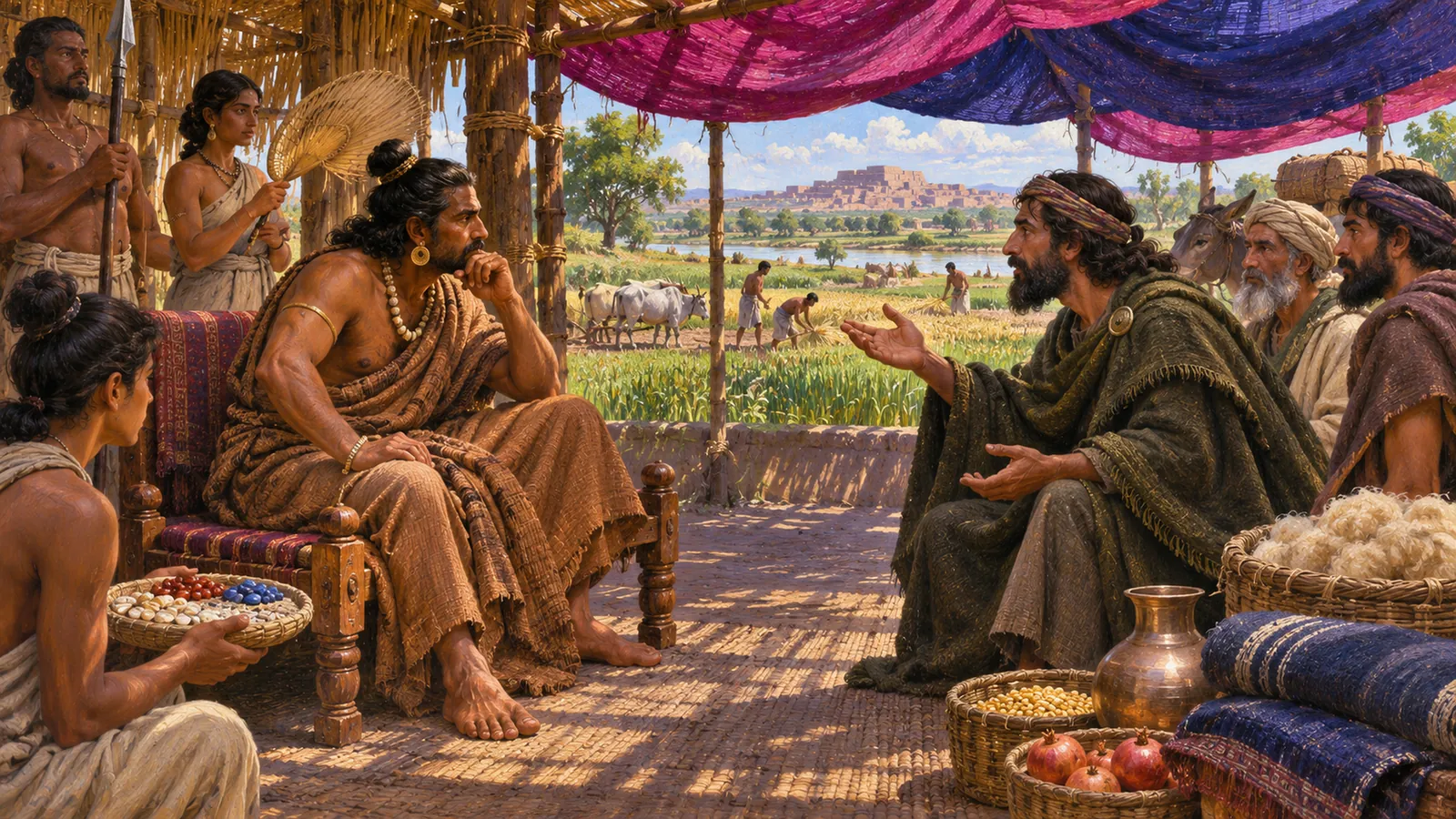
Diodorus says India gave Semiramis no cause for war. She gathers an expedition anyway. Stabrobates, the Indian king, sends word that he will meet her when she comes.
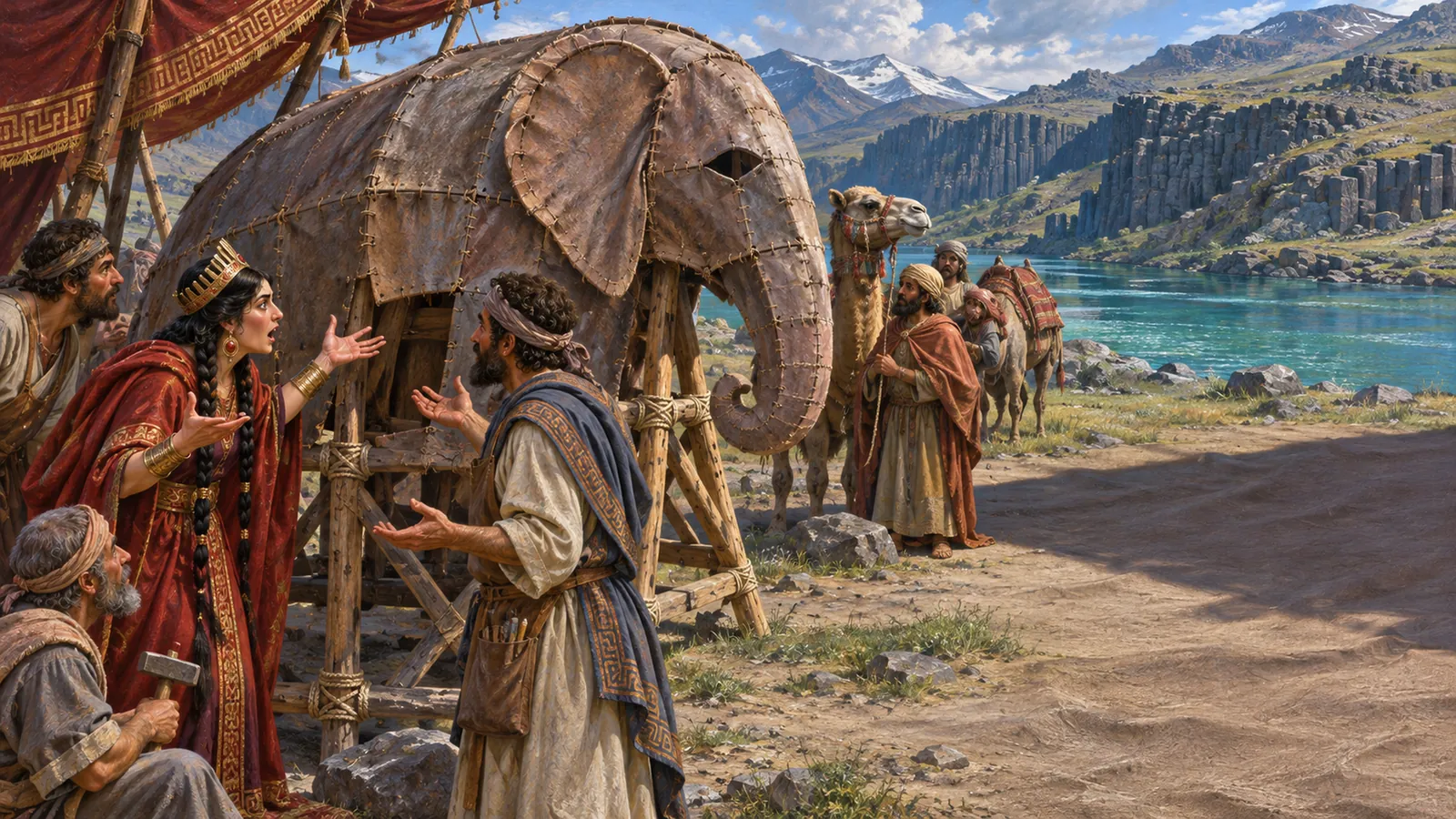
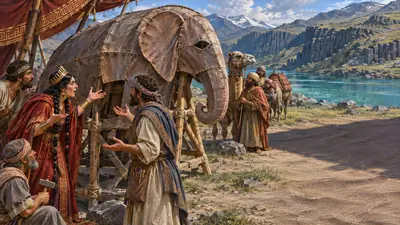
In the story, her craftsmen make imitations of elephants using hides. Camels inside carry the shapes, which are meant to deceive people looking on from a distance.
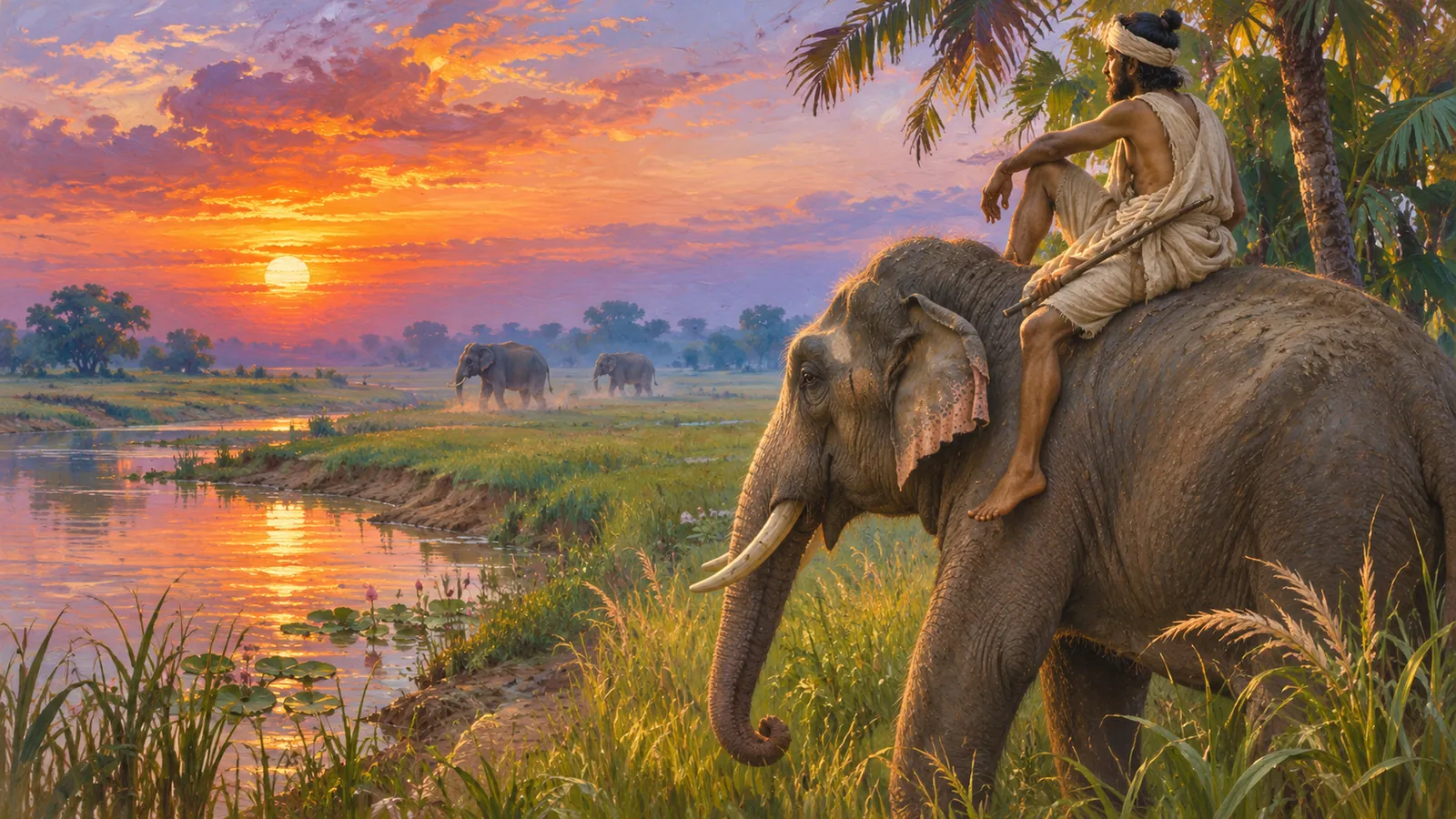
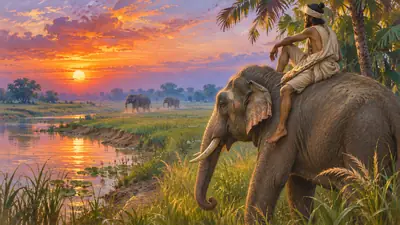
After fighting on the river, Semiramis crosses the Indus. Stabrobates brings out living elephants. The surprise that helped her first advance gives way before the Indian army.
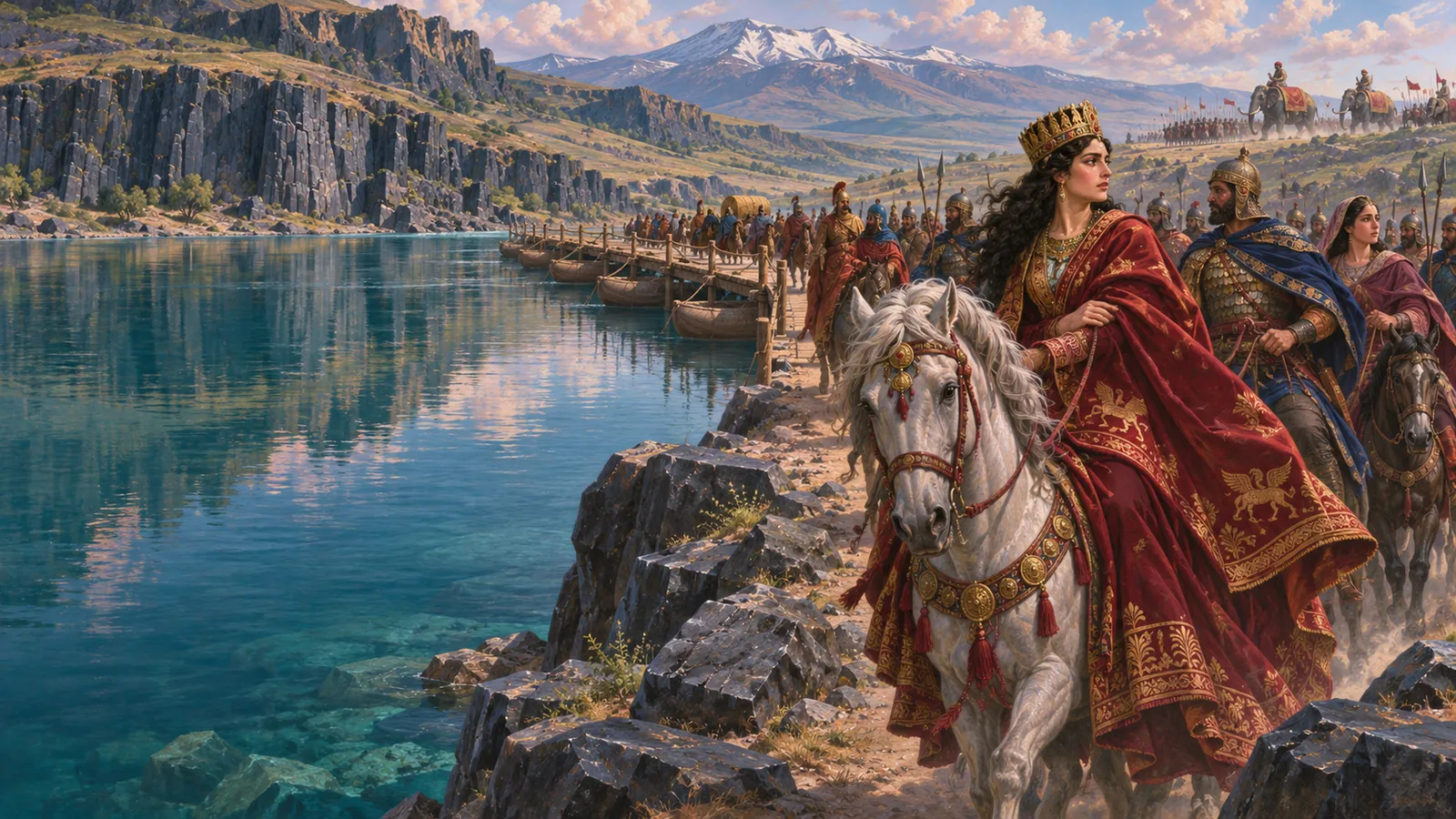
Semiramis and what remains of her army pull back over the Indus. The crossing breaks while men are still trying to escape, and the river separates the two sides.
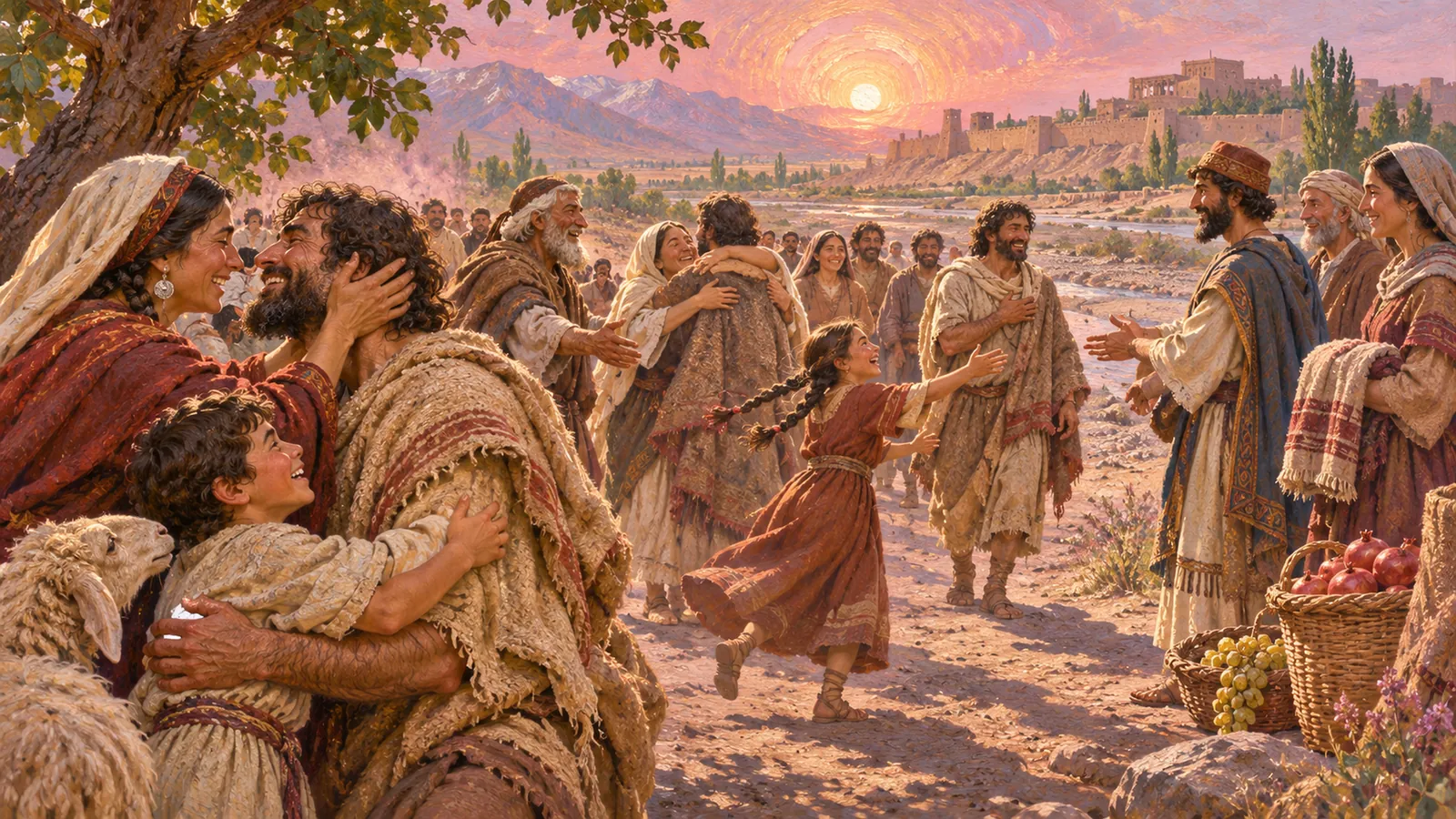
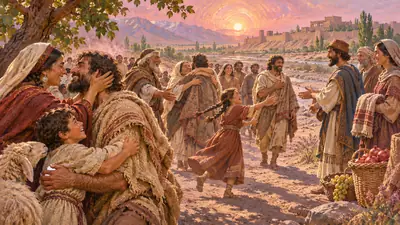
The armies exchange prisoners. The queen takes her surviving people back toward Bactra, leaving the land she had set out to conquer.
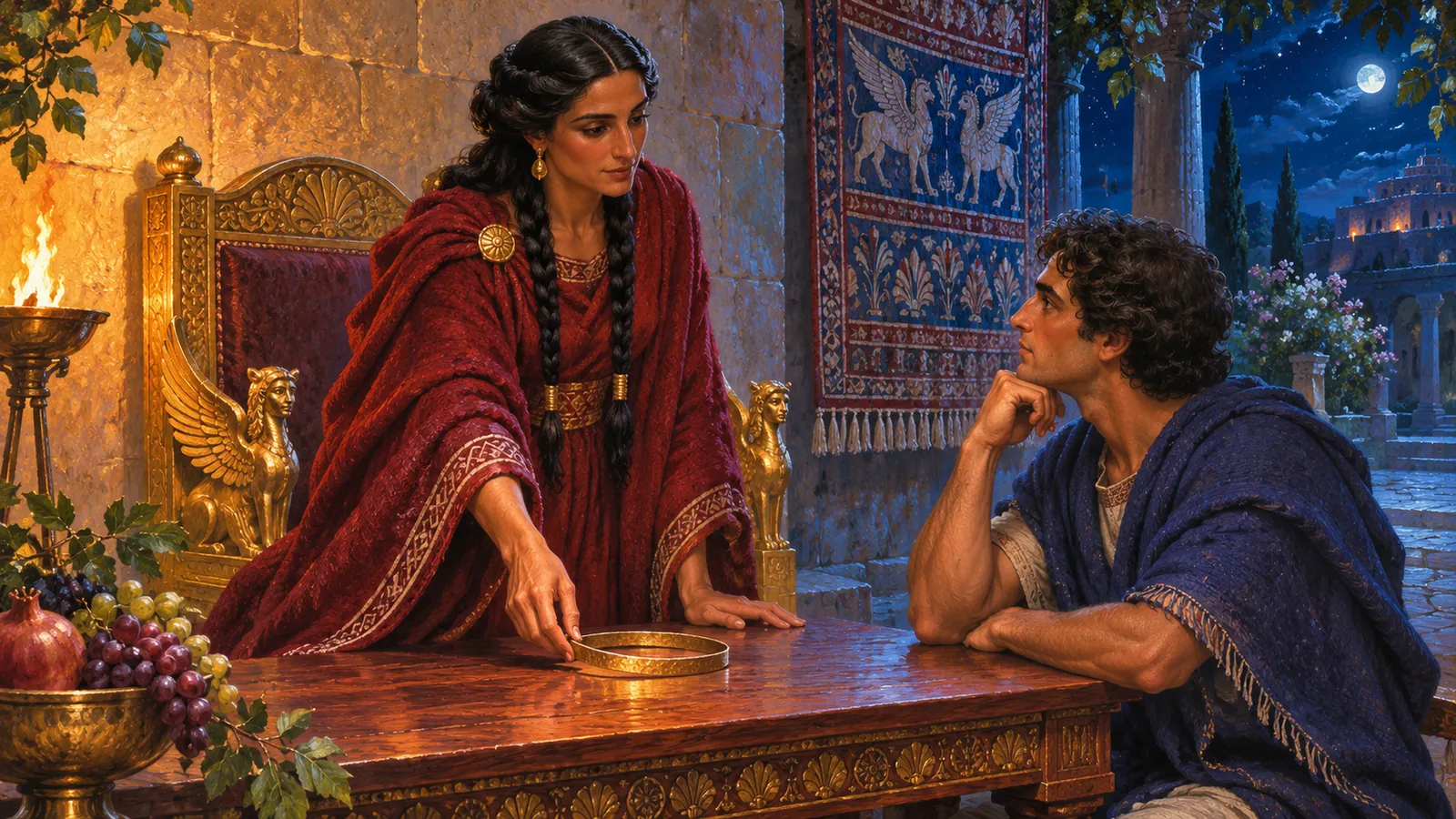
She later learns that Ninyas is plotting against her. Remembering the oracle, she gives him the kingdom and tells the people to obey him.
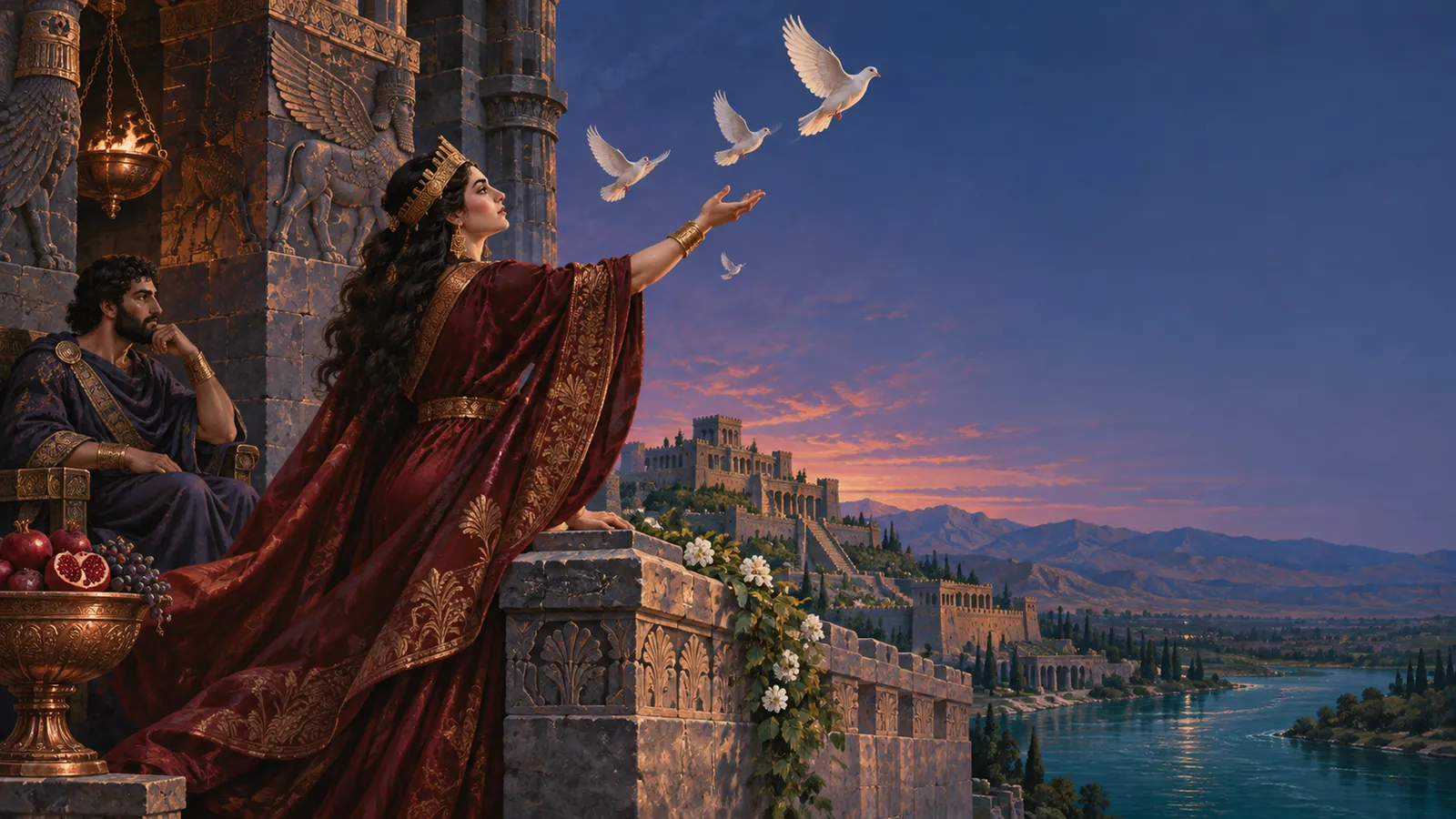
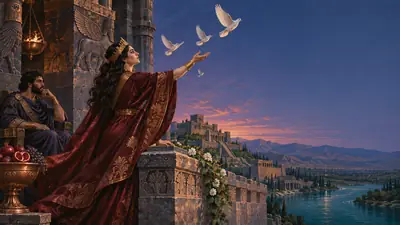
Diodorus records a story that she became a dove and flew away. The birds that sheltered her at the beginning thus come back at the close of a reign he puts at forty-two years.
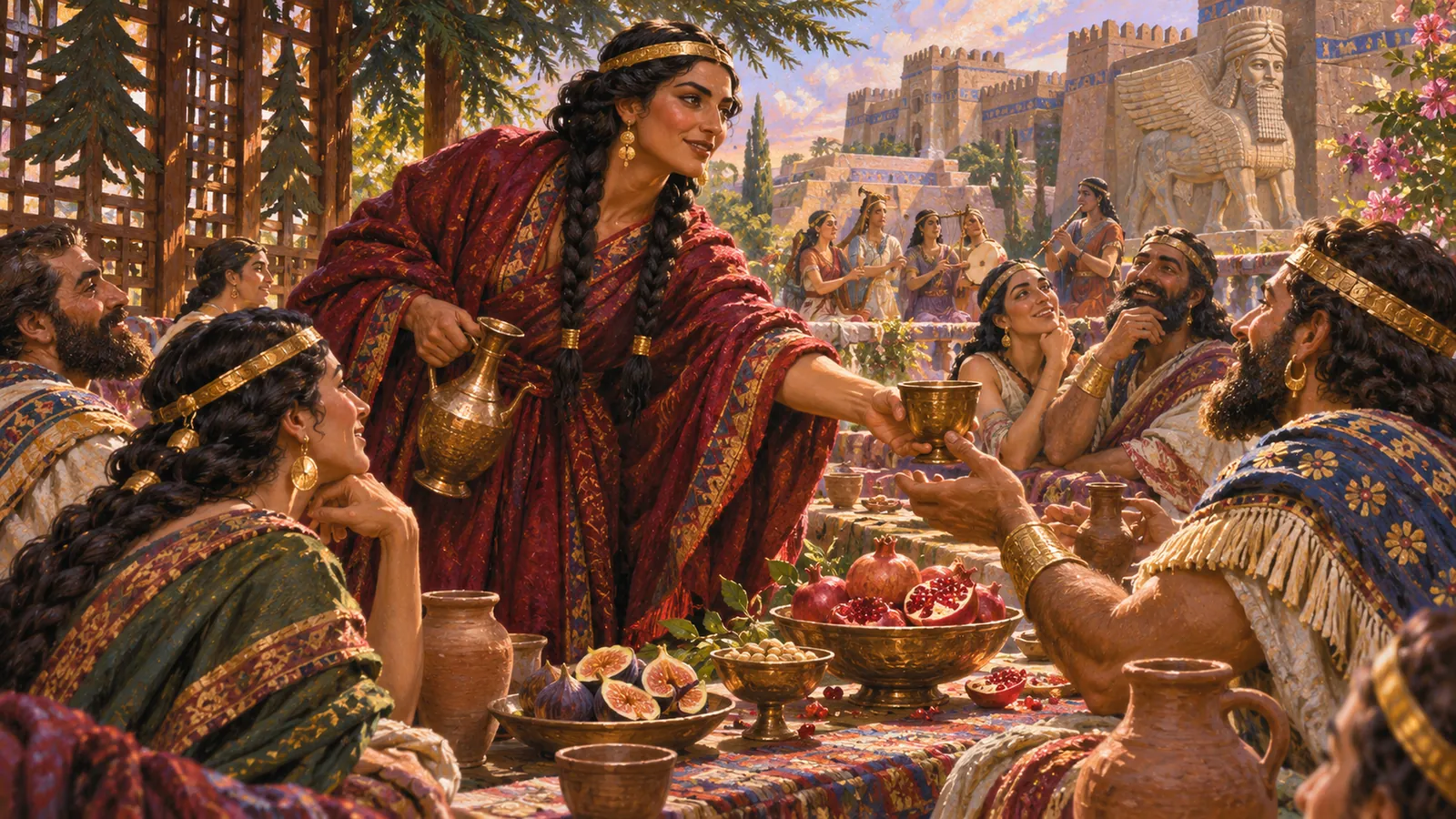
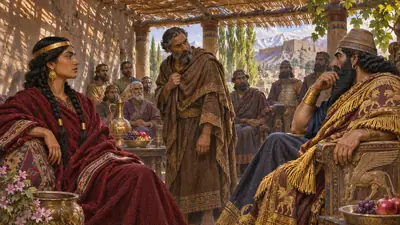
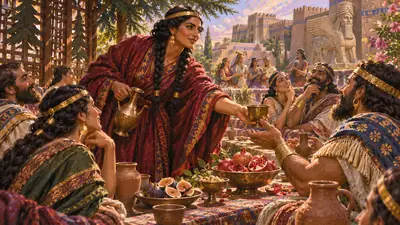
The historian gives a different account of how she first gained the kingdom. In this telling she asks for royal authority for five days and wins over the nobles at a feast on the first day.
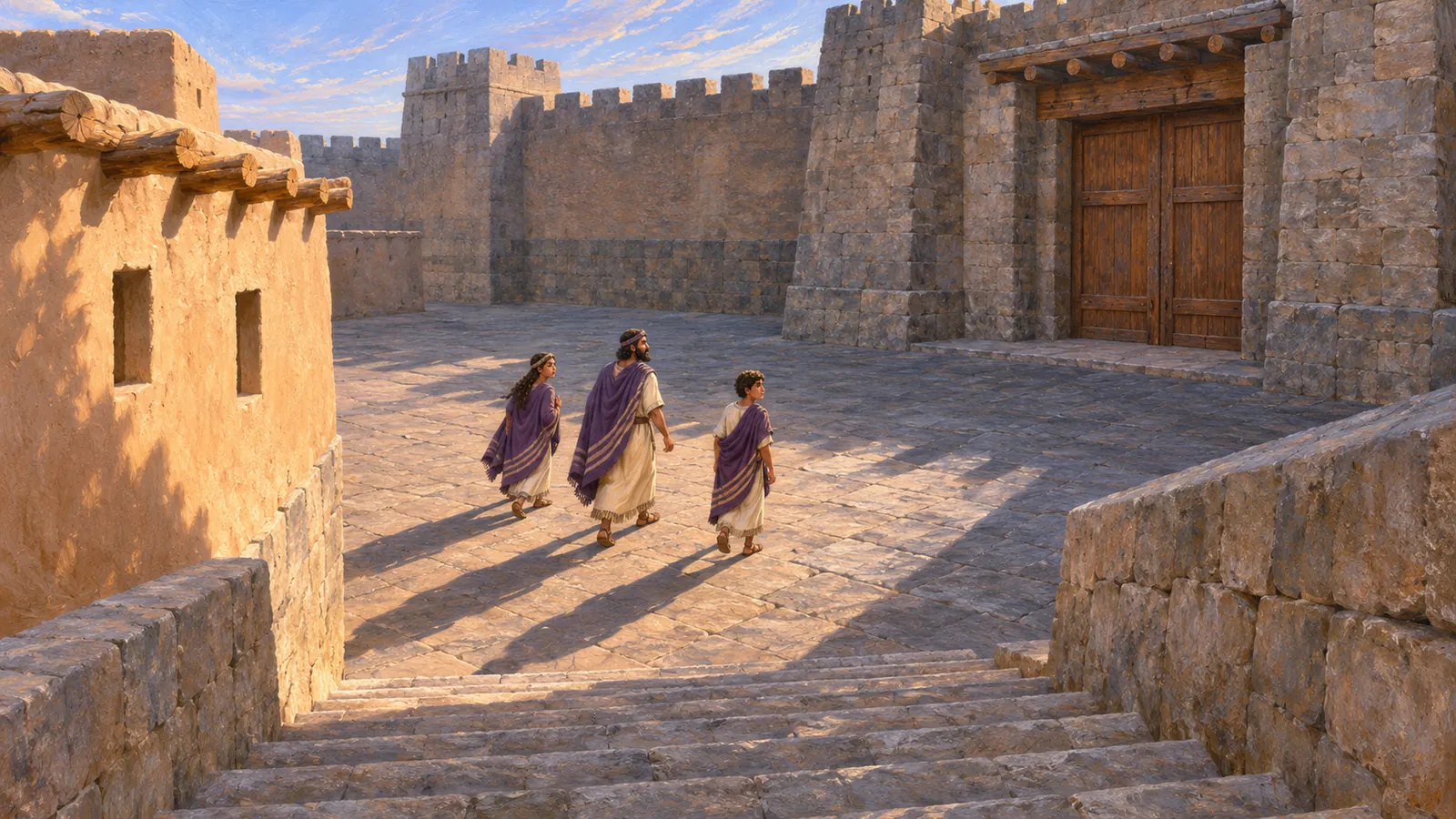
By the second day she has the king imprisoned and keeps the power she had borrowed. This version makes a short grant of authority the beginning of the reign.
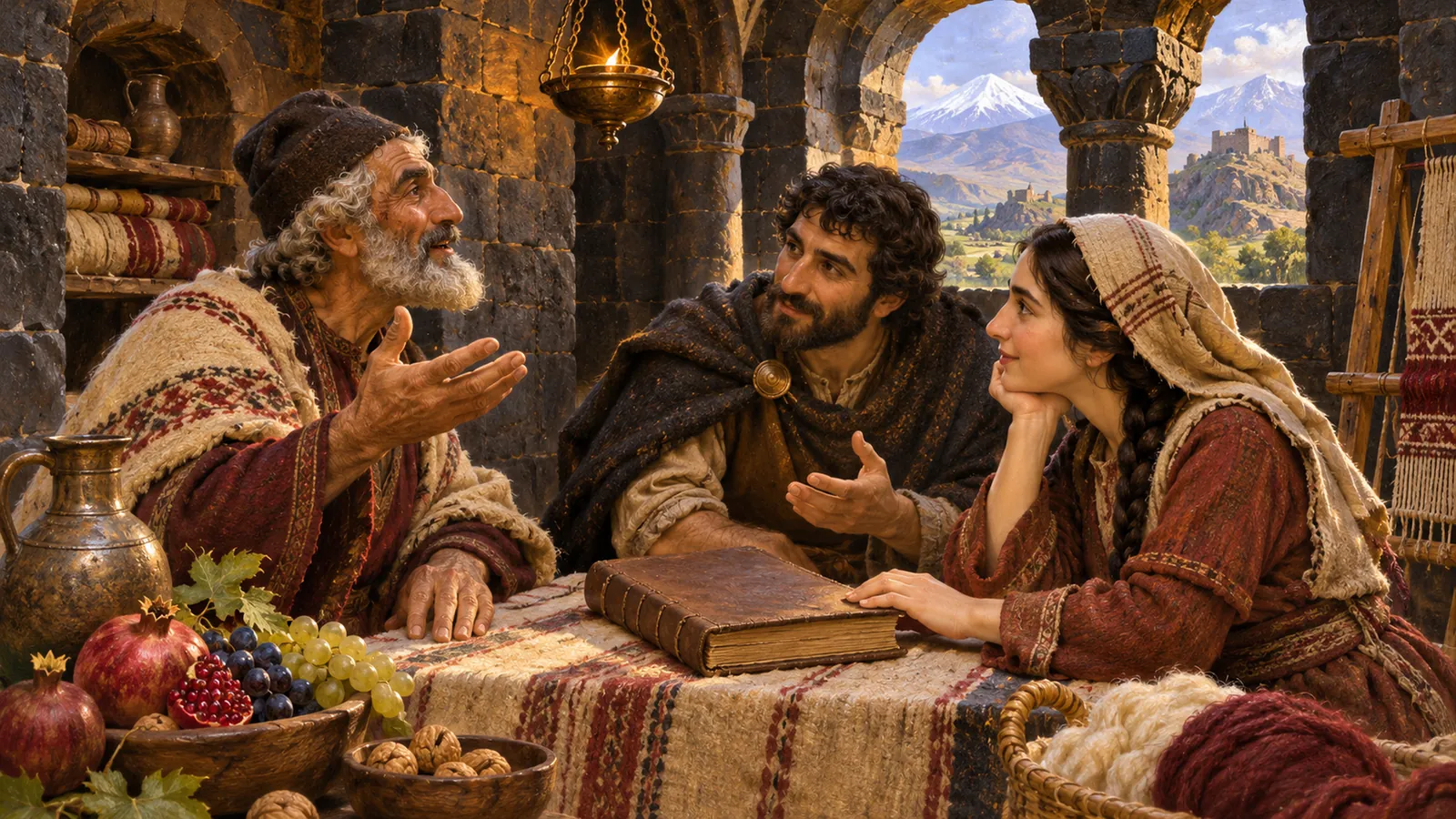
SHAMIRAM
In the History of the Armenians, Movses Khorenatsi calls the queen Shamiram. He sets her beside a ruler remembered as Ara the Handsome, or Ara the Beautiful.
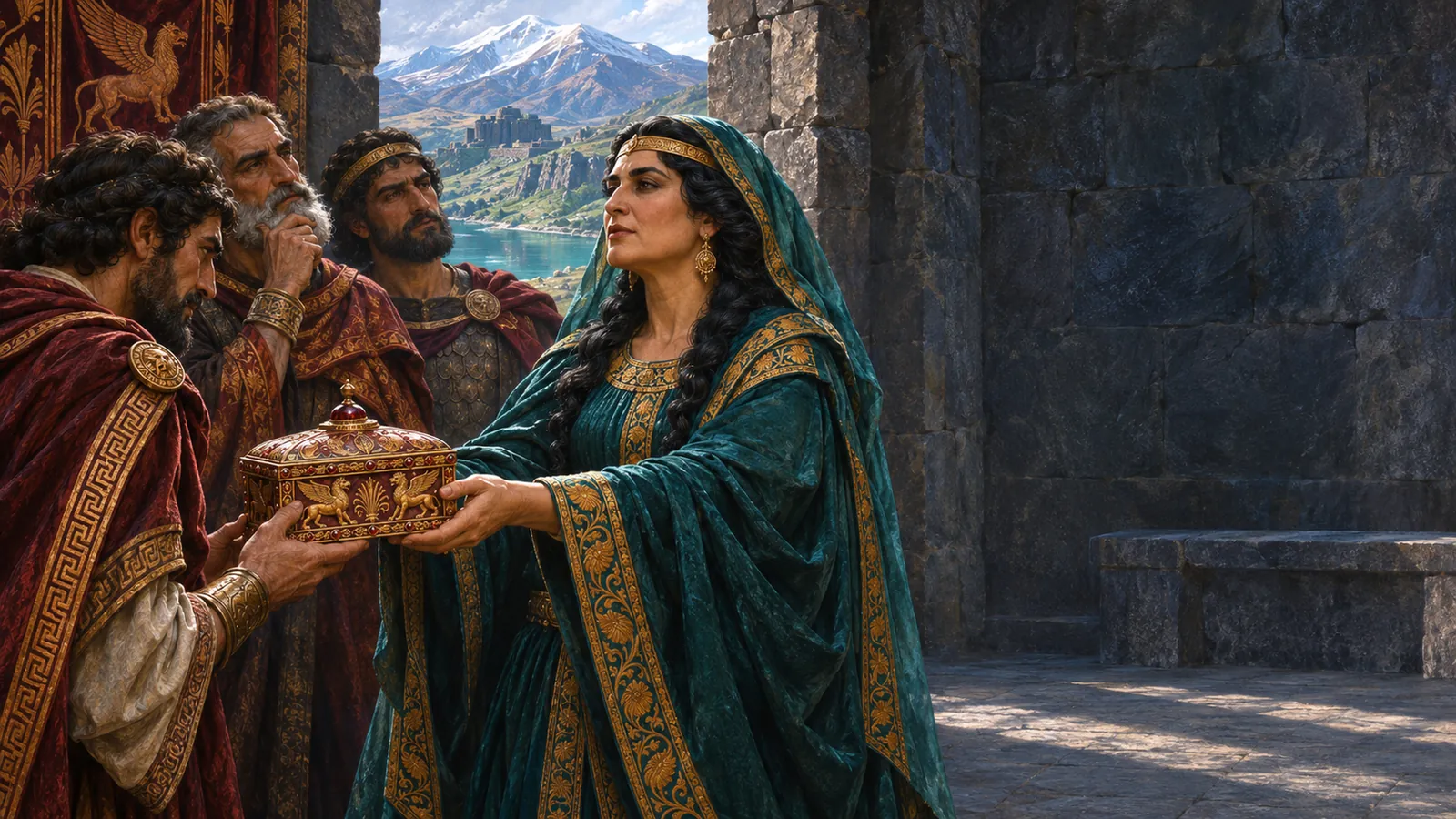
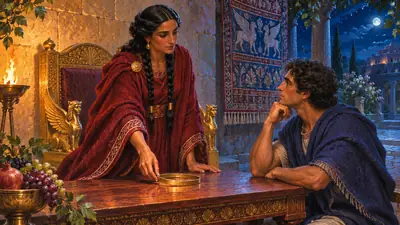
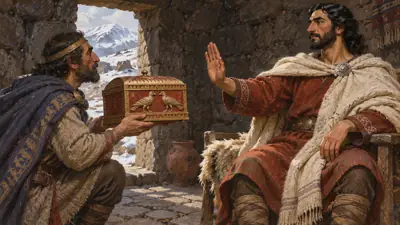
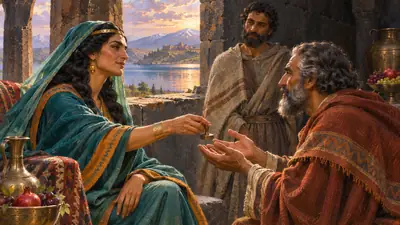
Shamiram has heard of Ara during the lifetime of Ninus. When the king is gone, she sends Ara messengers bearing gifts and invites him to come to her.
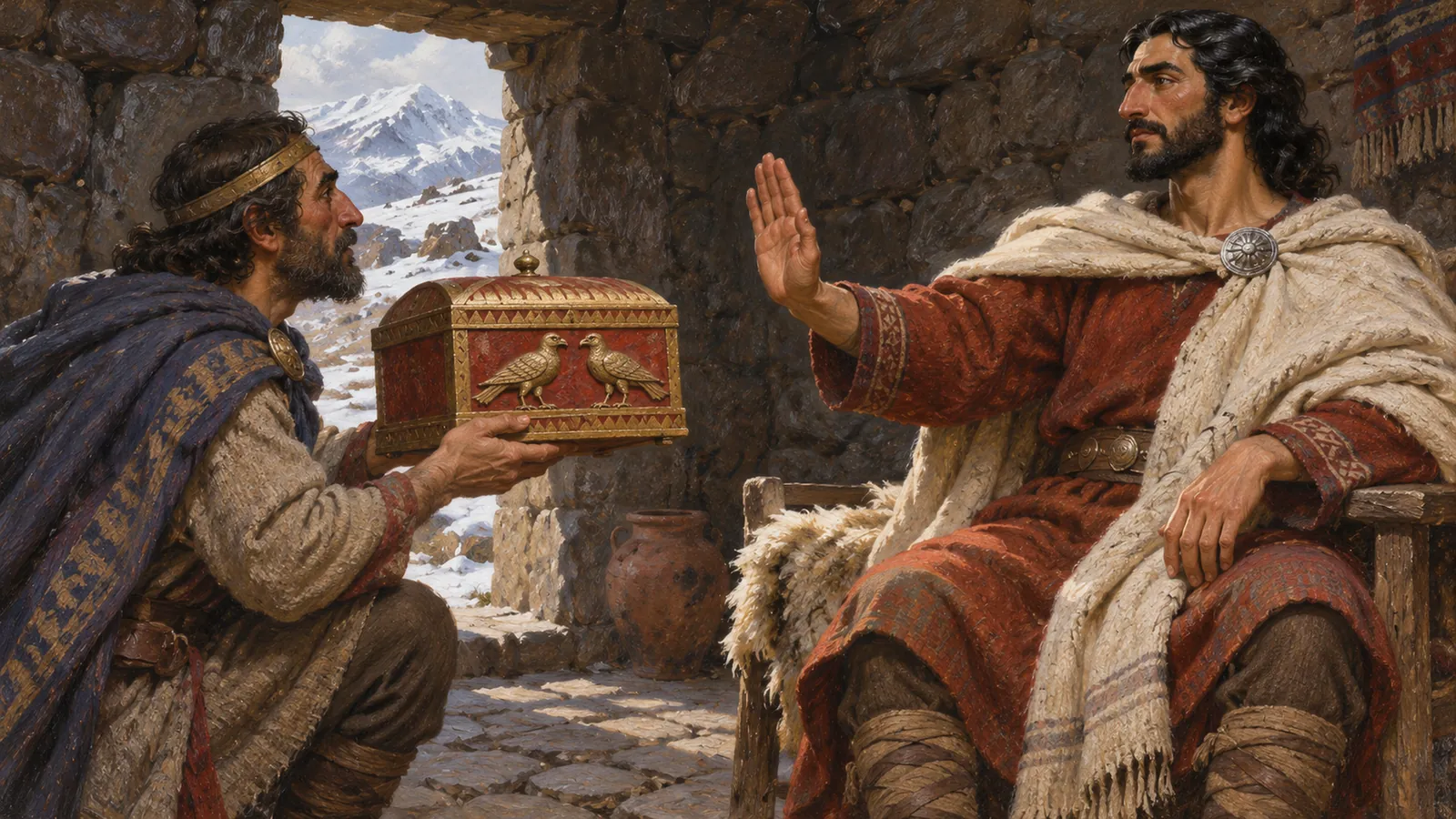
She asks him to marry her or visit her, and offers him rule over her kingdom. Ara refuses the proposal, though the messengers come more than once.
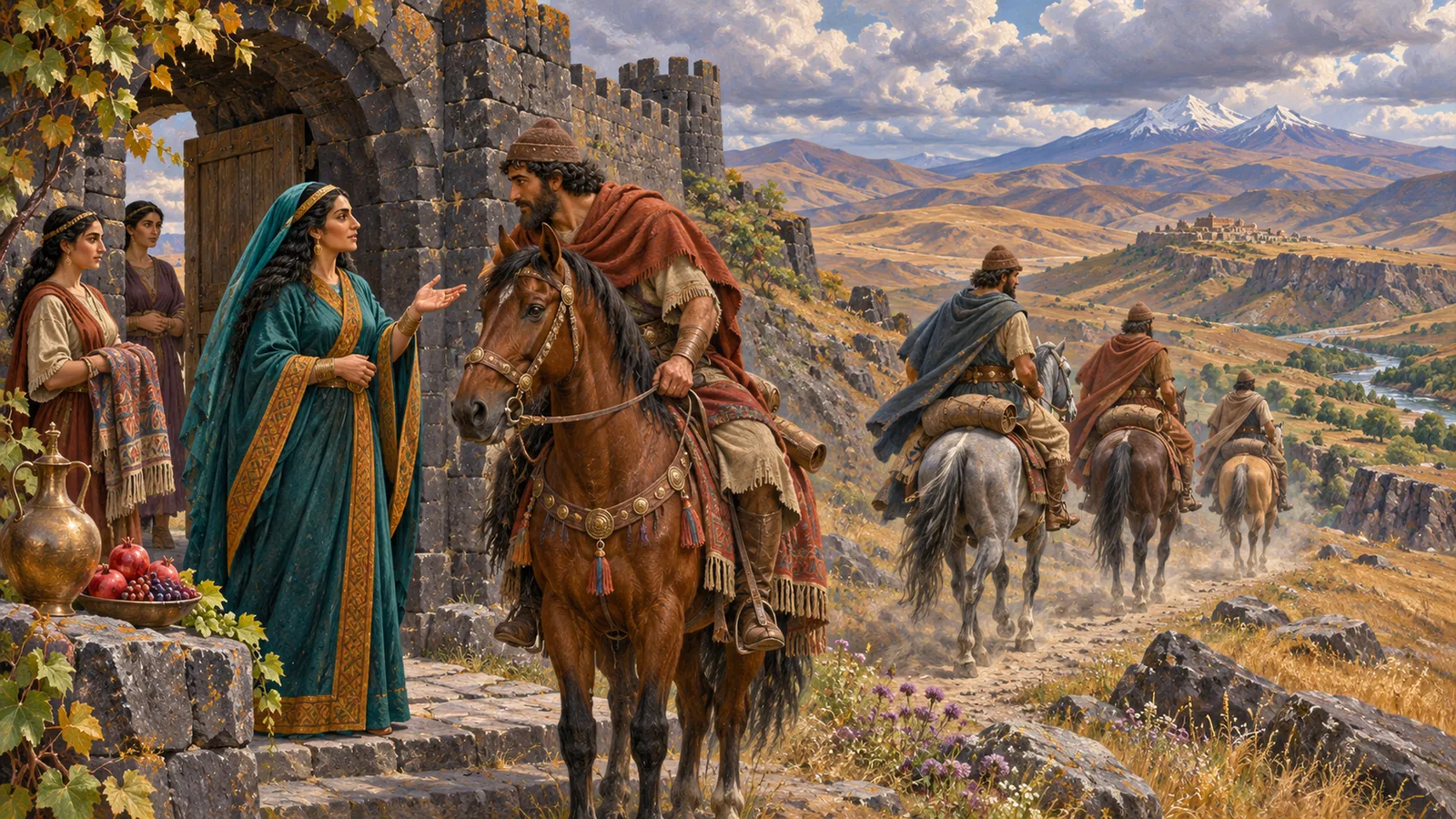
Shamiram comes to Armenia with an army. Khorenatsi says her instruction, before the fighting begins, is to bring Ara to her alive.
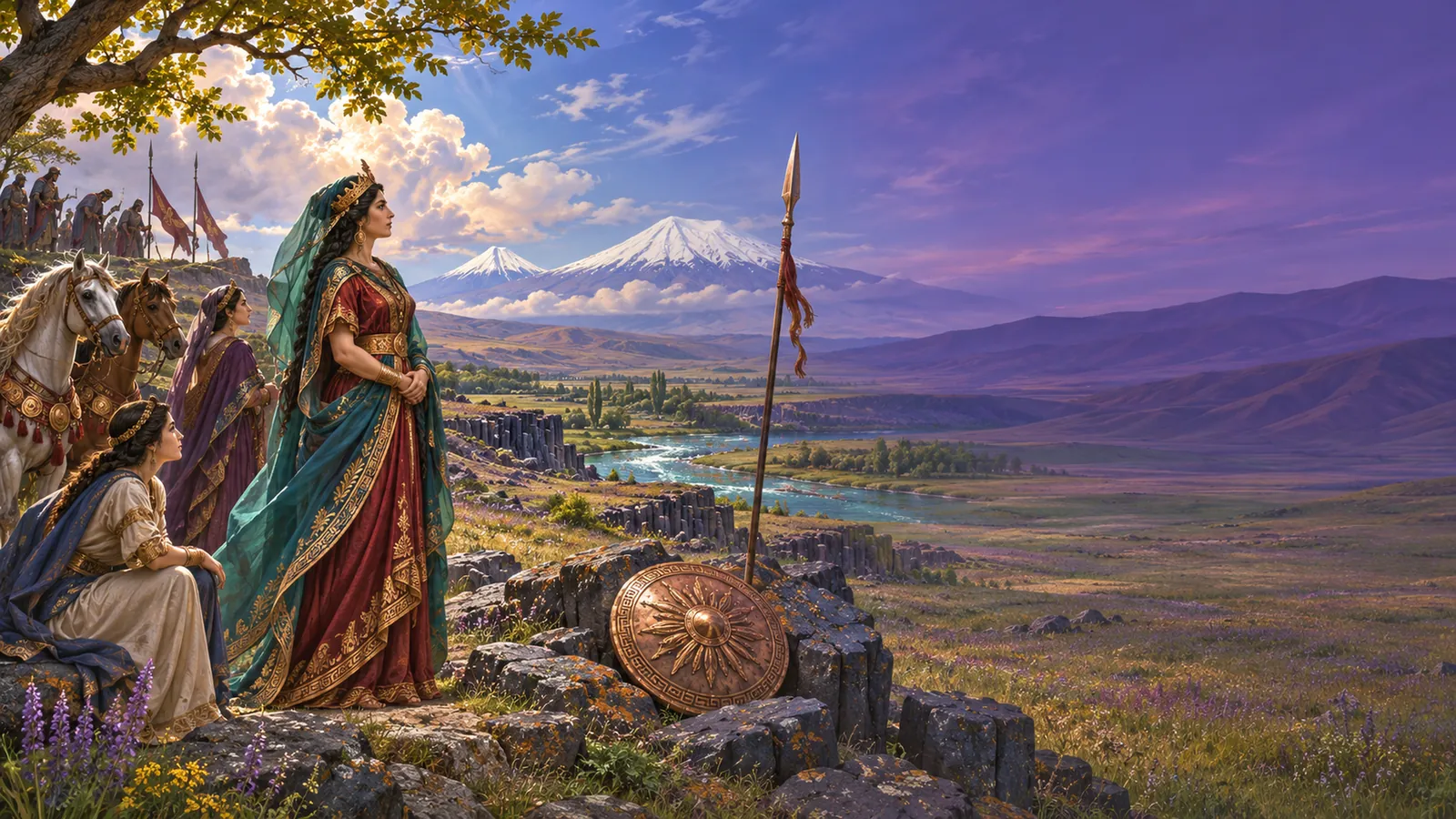
ARA
The armies meet on the plain. Ara is killed despite her order. Khorenatsi connects the name Ayrarat with the battlefield where his countrymen lose him.
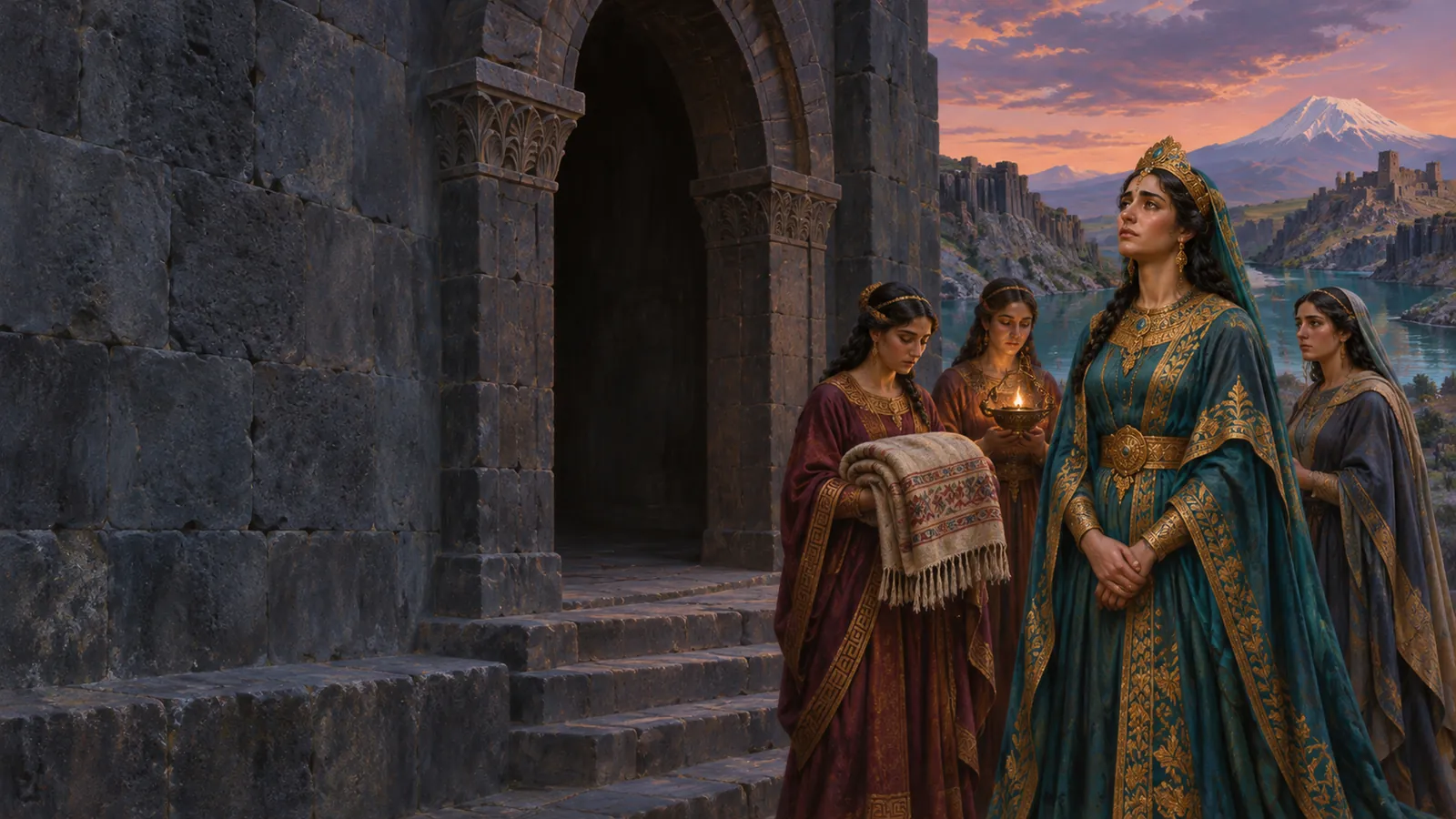
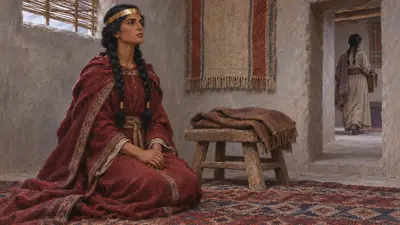
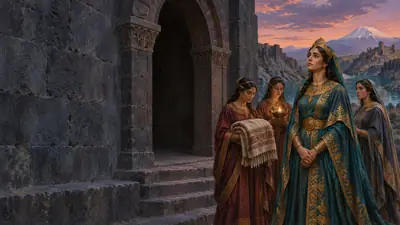
Shamiram has Ara carried to an upper room of her residence. She still hopes to recover the man she wanted brought before her alive.
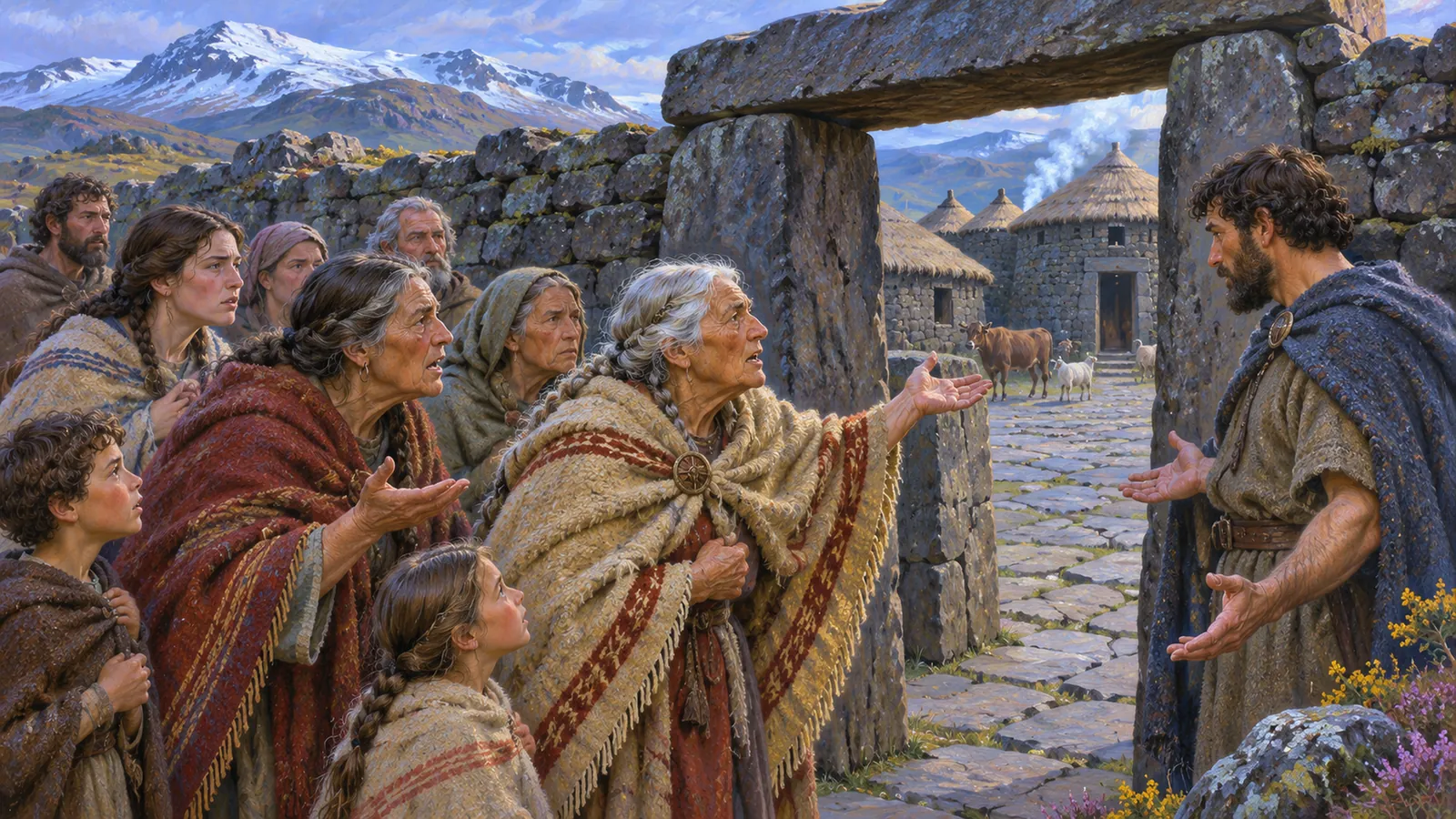
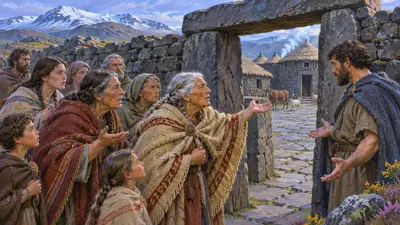
Ara’s people prepare to avenge their ruler. To keep them from taking up arms again, Shamiram tells them she has called on her gods to bring him back.
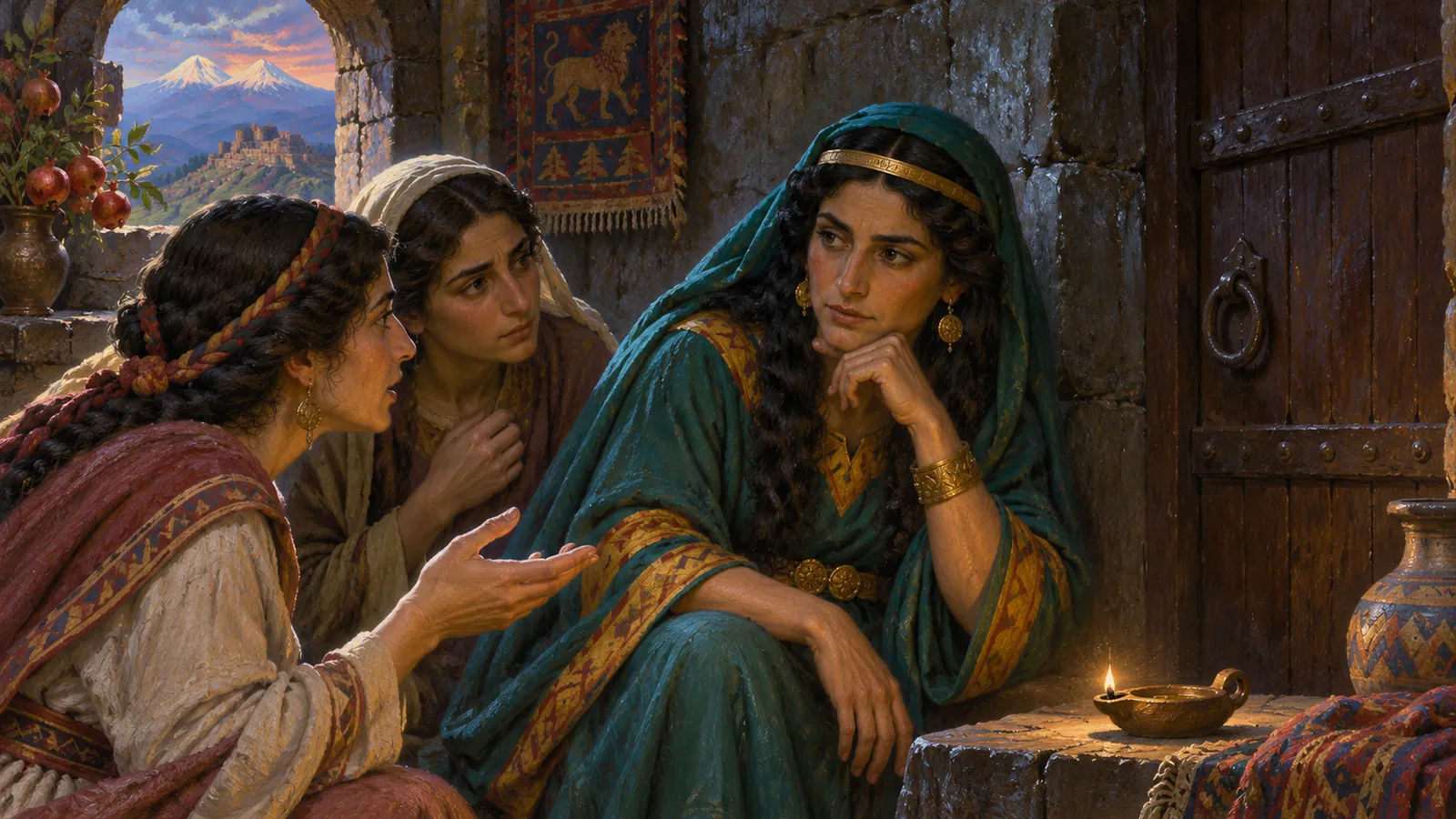
The promised revival fails. As time passes, Shamiram has Ara’s body removed. Then she prepares to make the public see what she said would happen.
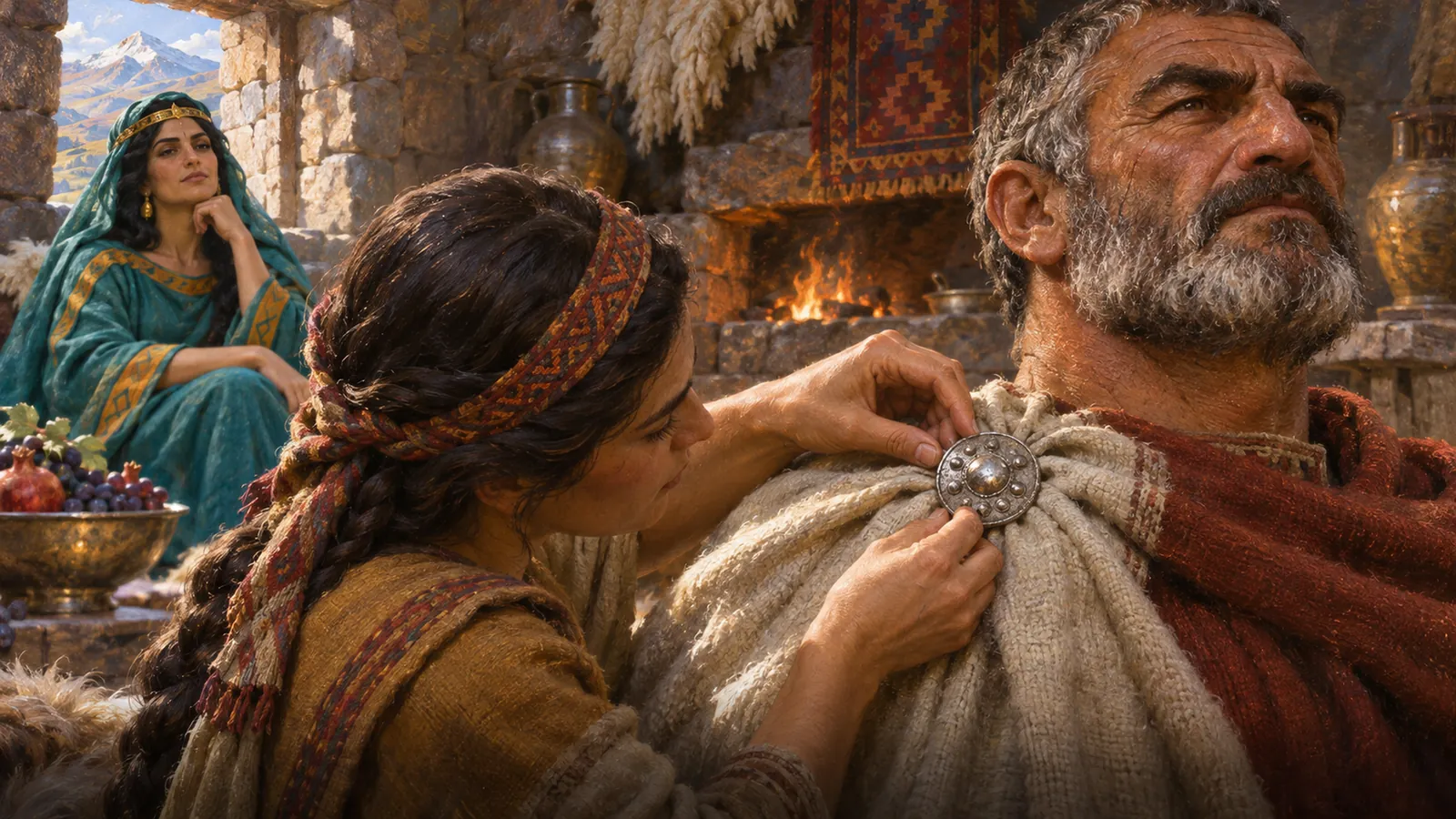
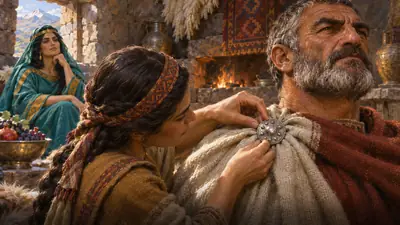
A man from Shamiram’s household is dressed in Ara’s clothes. The queen plans to let a familiar cloak make a stranger seem to be the ruler who has died.
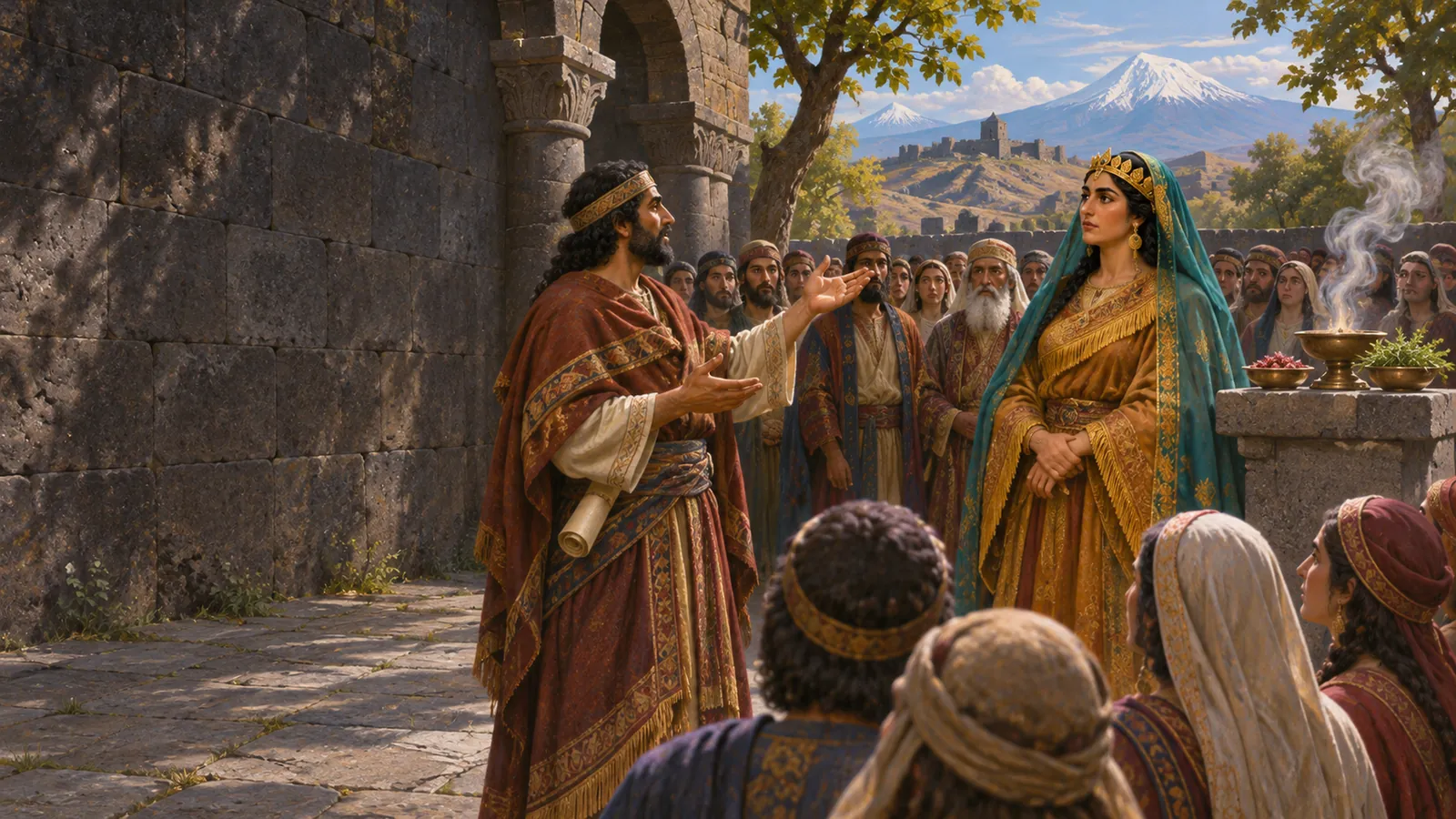
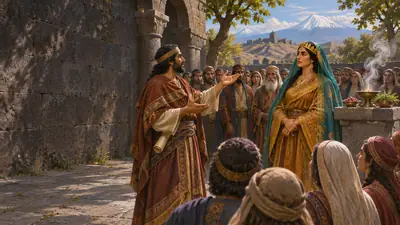
Shamiram has it announced that the gods brought Ara back to life. She honors them in public, and the account says that the report turns the Armenians away from further fighting.
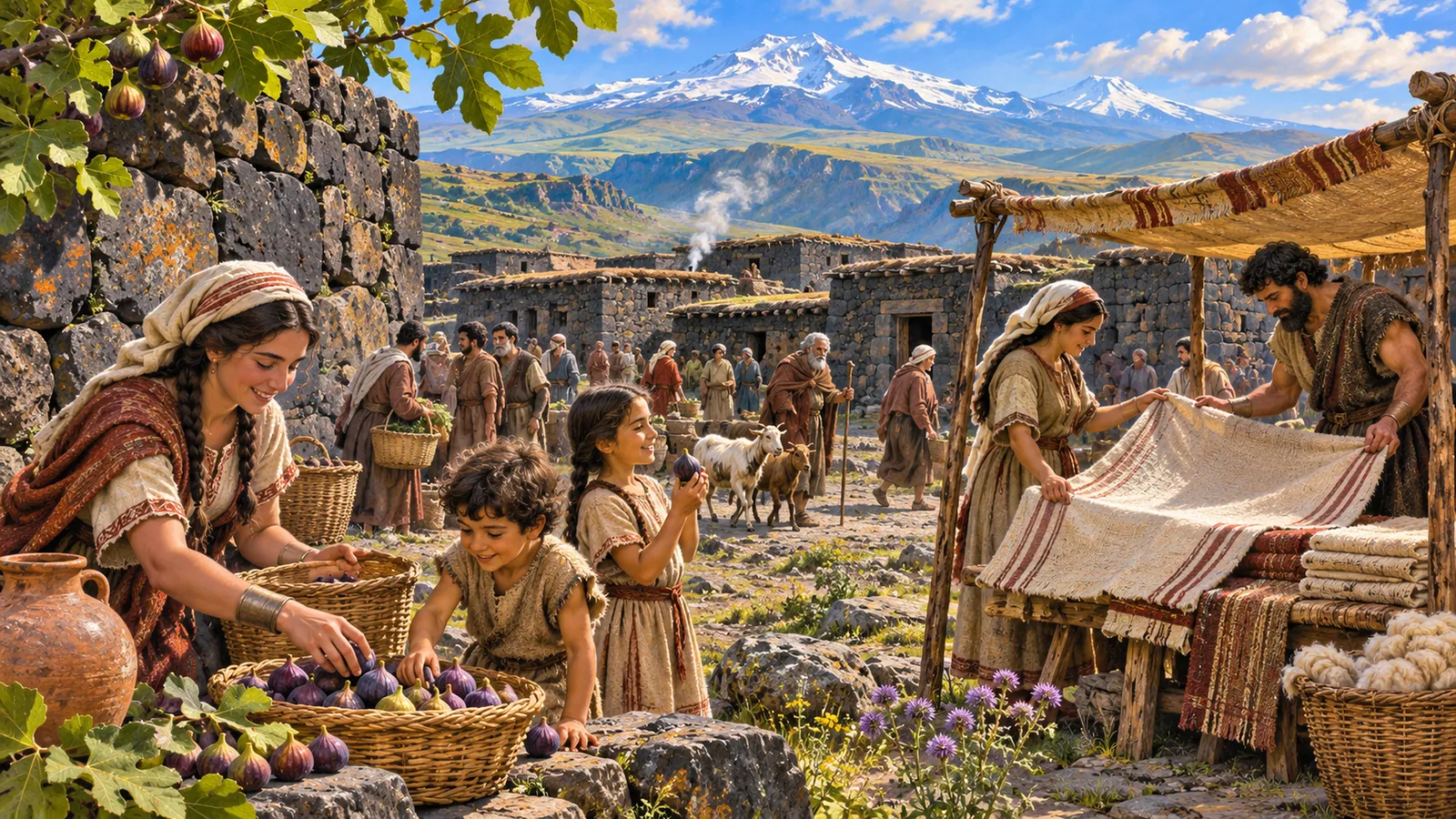
Khorenatsi closes the war there. What survives is a claim that quiets the fighting and passes into the stories people tell about the place.
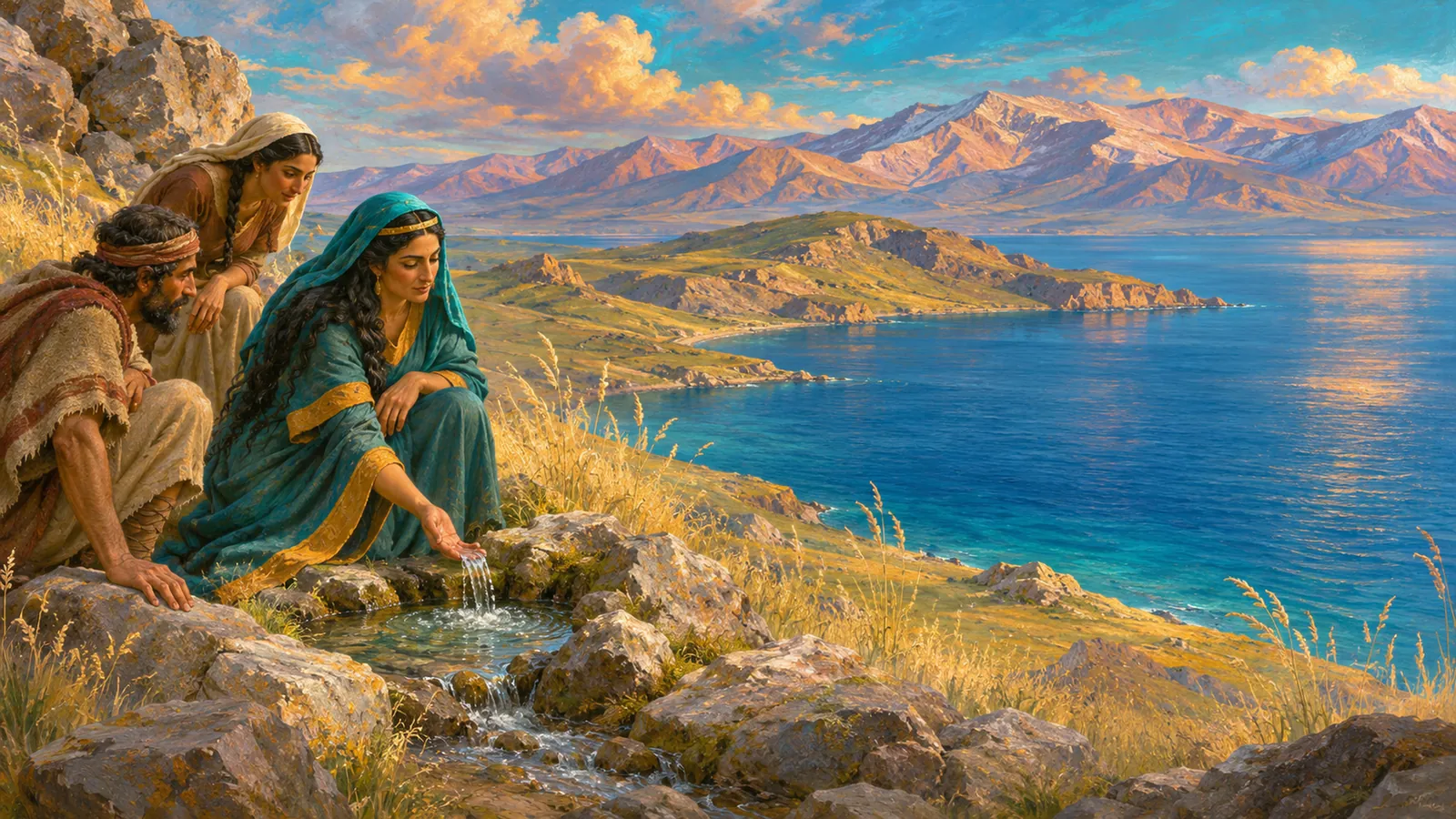
LAKE VAN
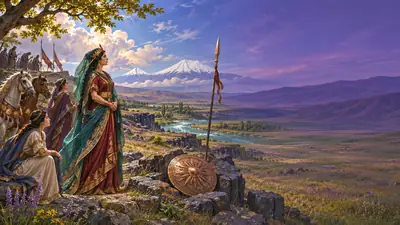
The Armenian historian next tells of a journey into the highlands. Shamiram finds springs, a defensible height and a broad lake below it. She chooses the place for a city.
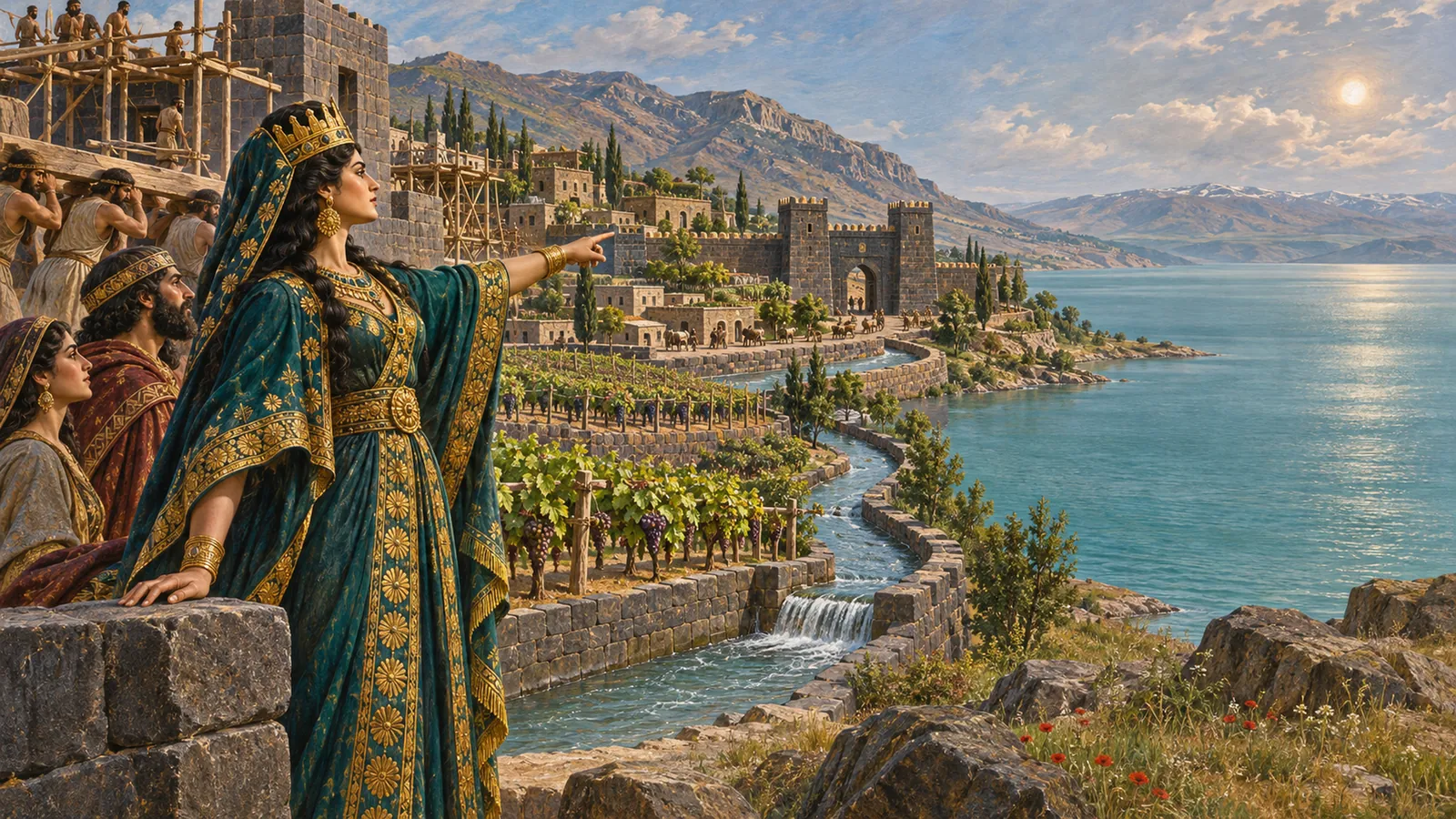
Workmen come in great numbers. In the story the streets are broad, the gates are bronze, and homes and gardens climb the sunny ground below the citadel.
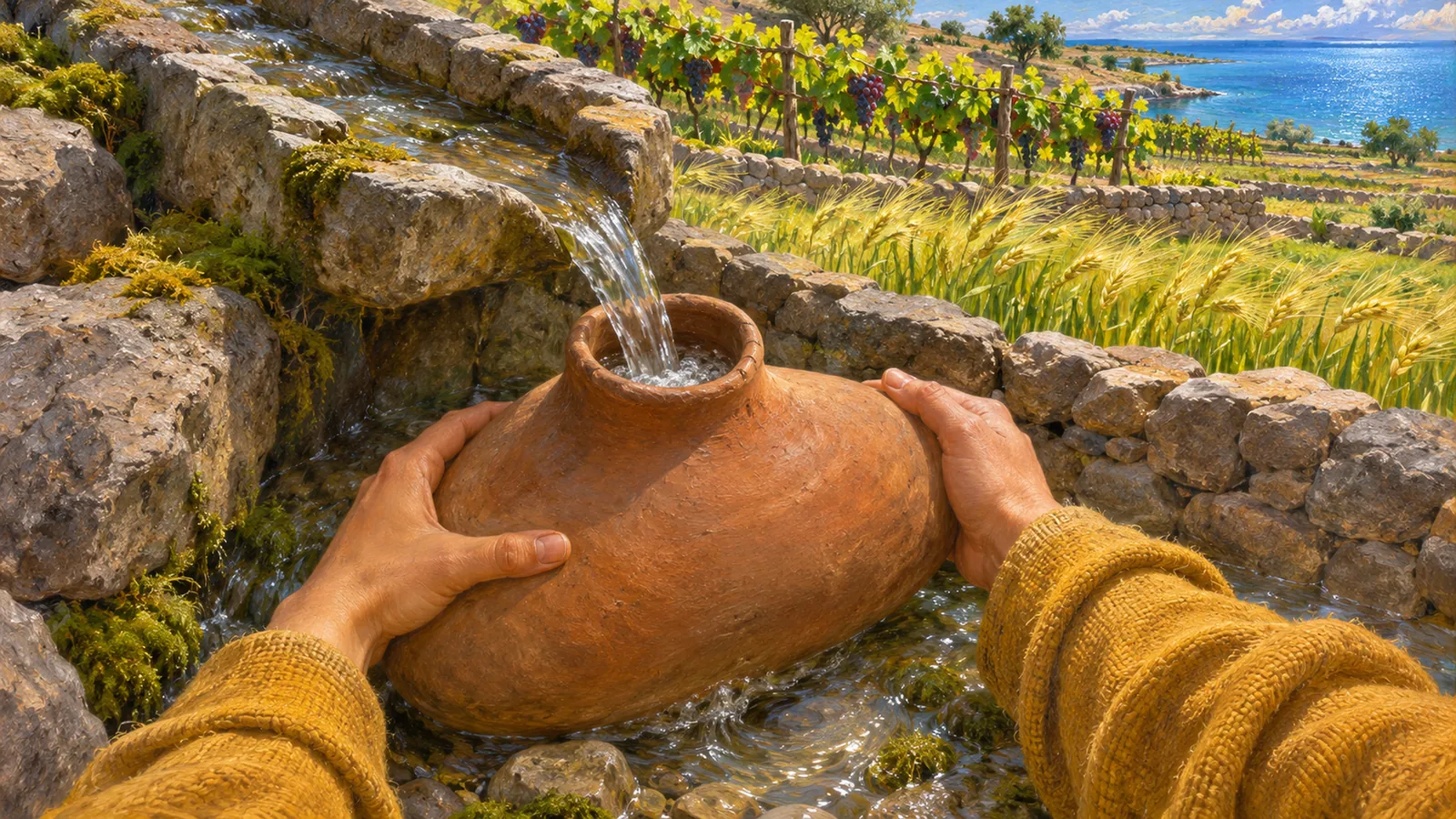
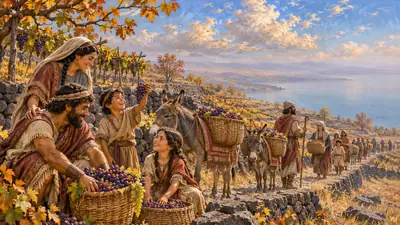
A strong stone conduit carries fresh water to gardens, vineyards and baths. The chronicler makes the abundance of water one of the chief wonders of her summer city.
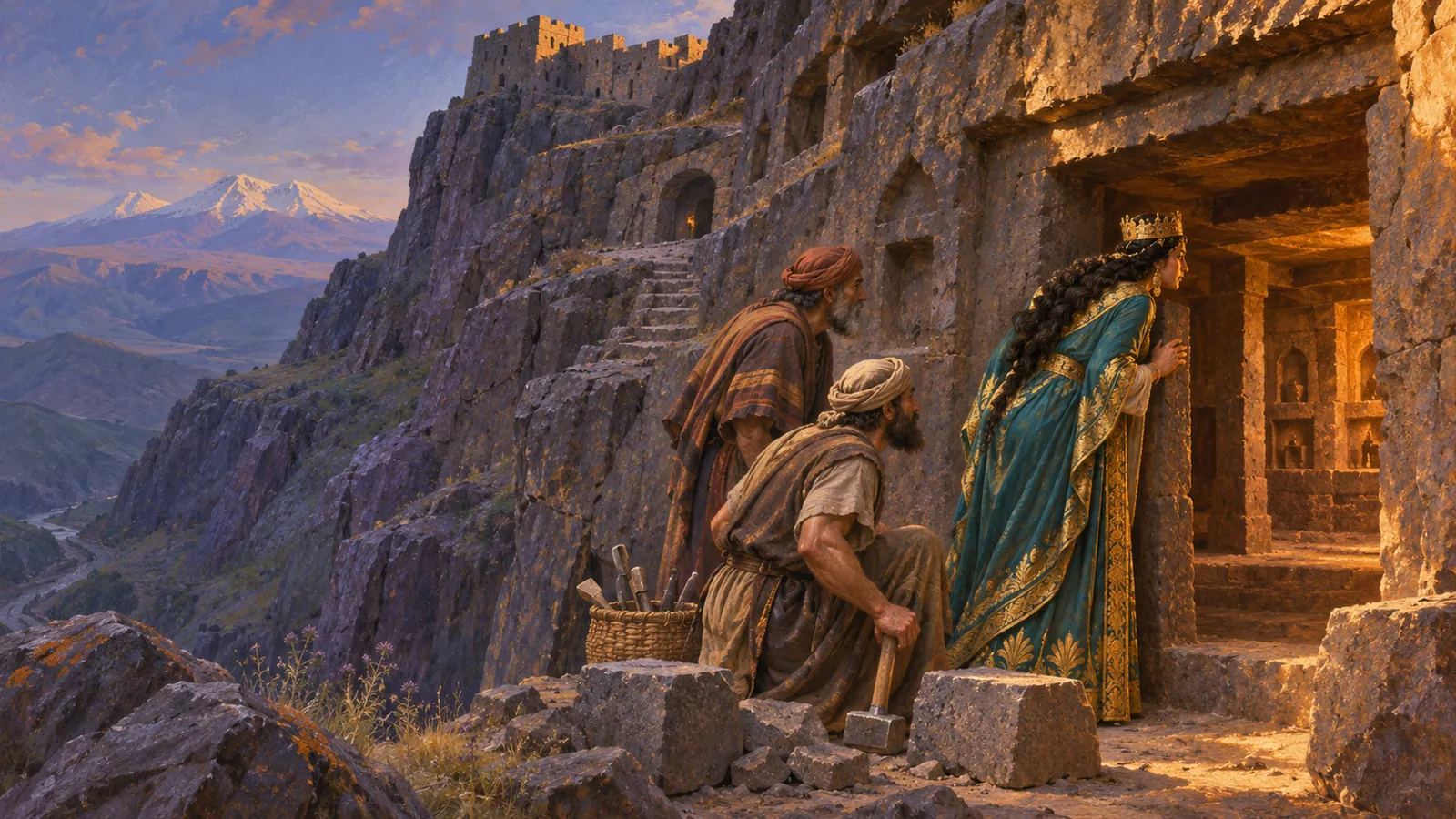
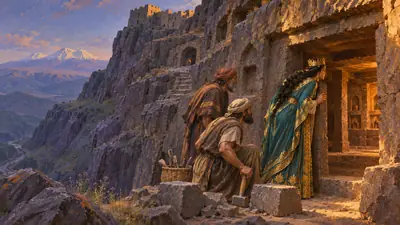
The builders cut chambers into the cliff and leave marks on its face. Khorenatsi ascribes these works to Shamiram as part of the region’s remembered past.
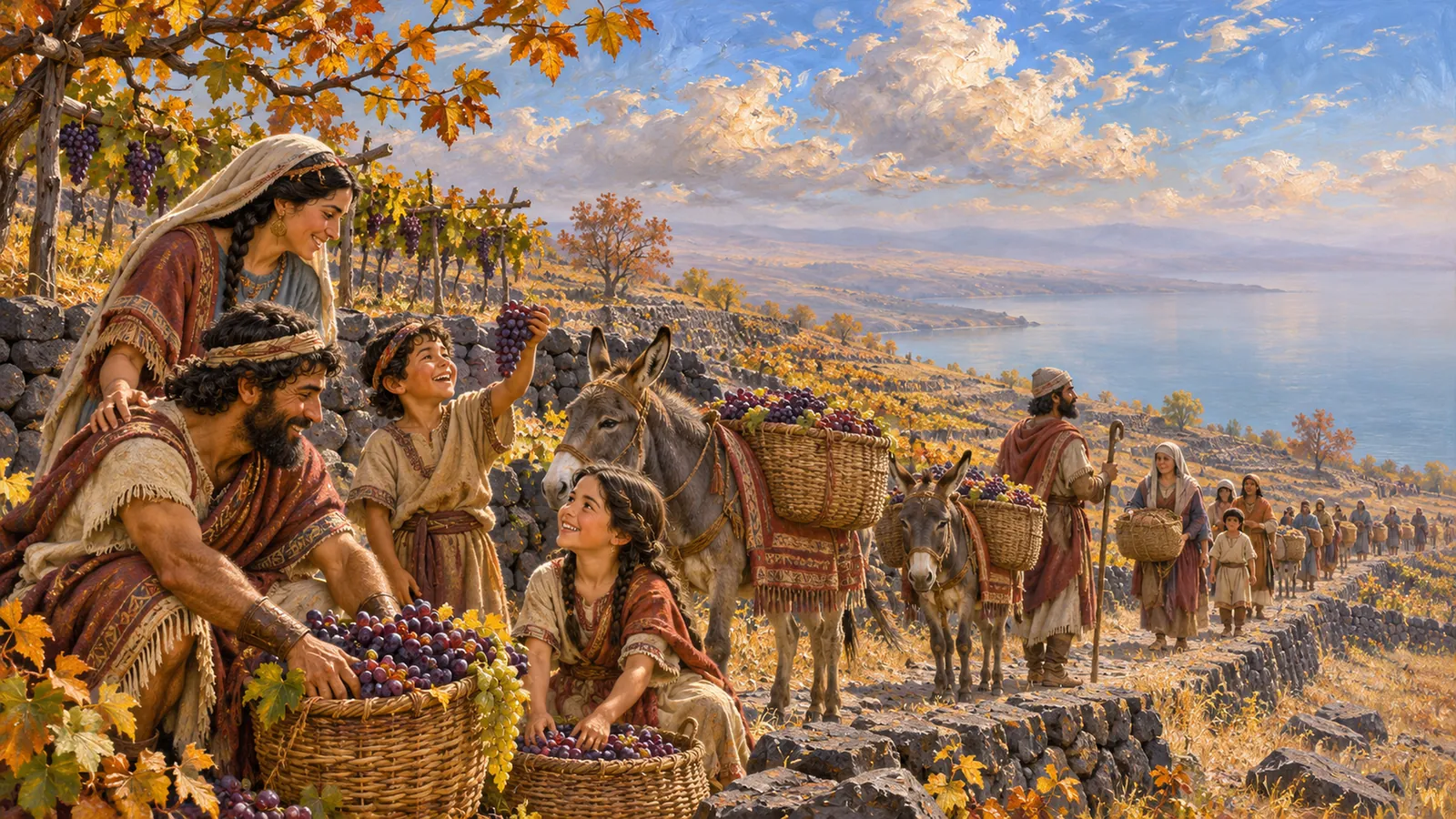
Shamiram spends part of the year near the lake and returns to Nineveh for the rest. Khorenatsi also records a story in which Ninus lives out his days on Crete.
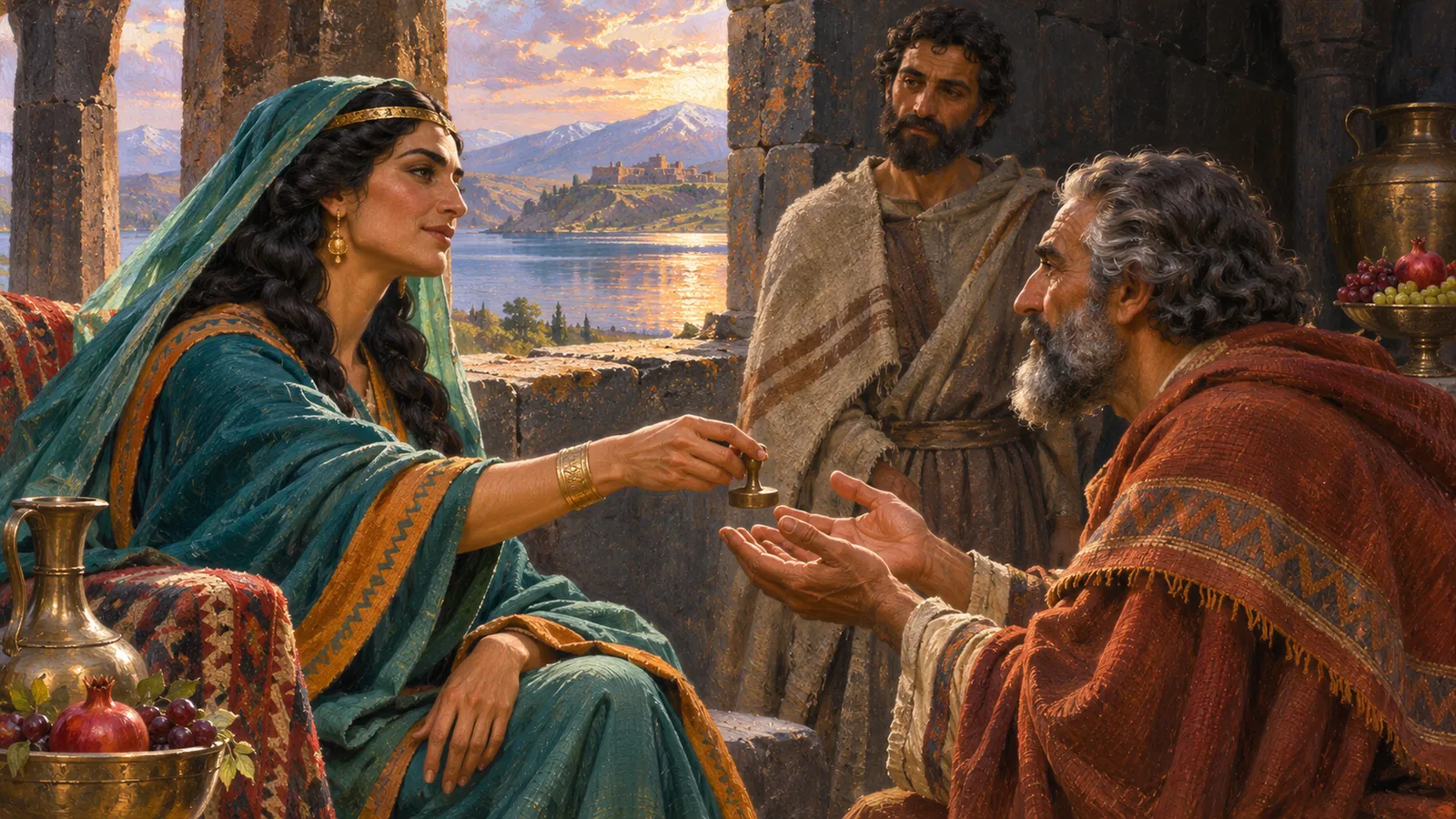
A Mede named Zoroaster governs in her absence. The two have an understanding while her attention is divided between the summer city and her court.
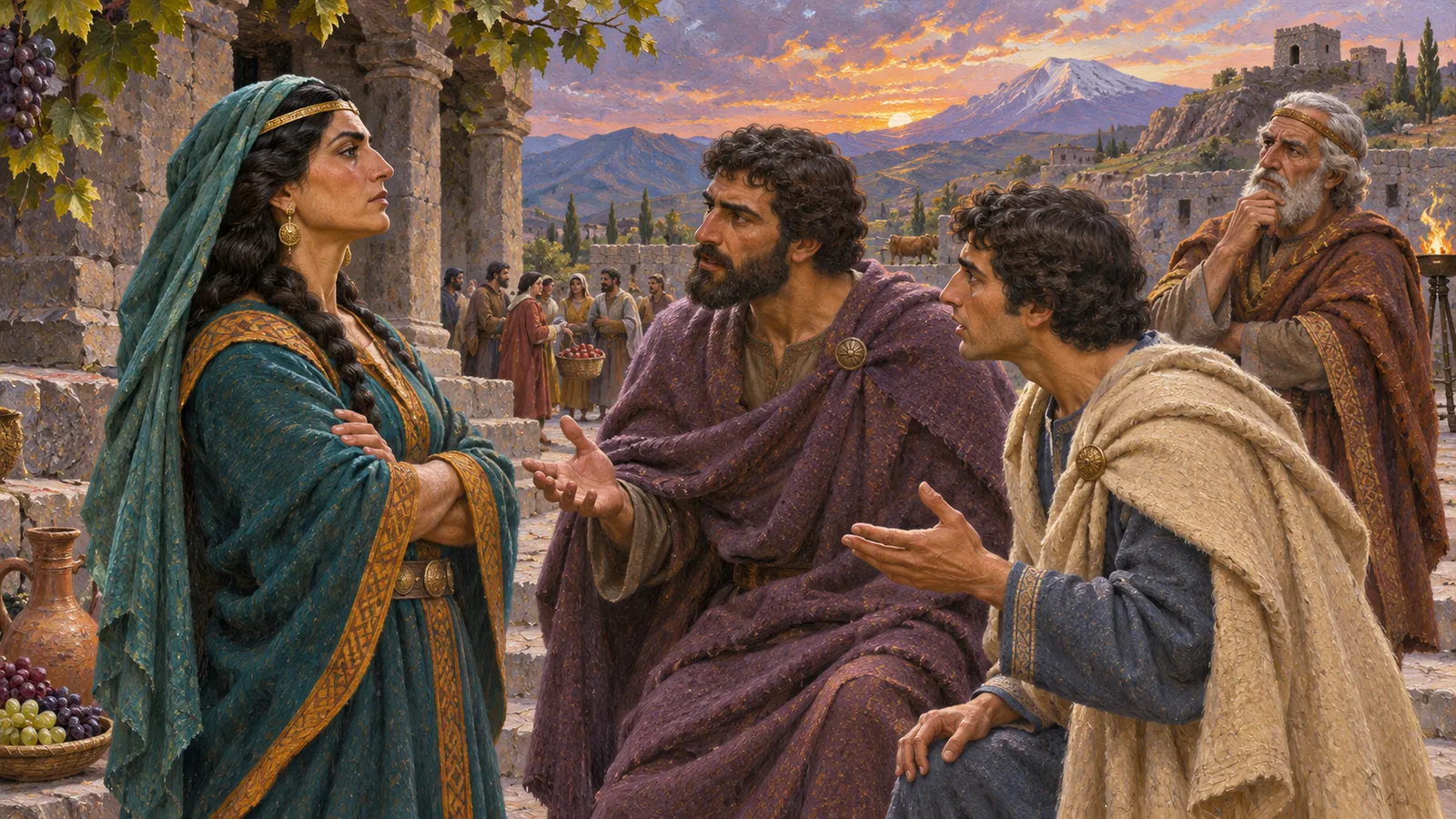
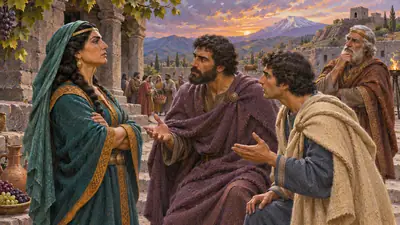
Her grown sons reproach her over the men of her court. In Khorenatsi’s account she has all of them killed except Ninuas, who escapes their fate.
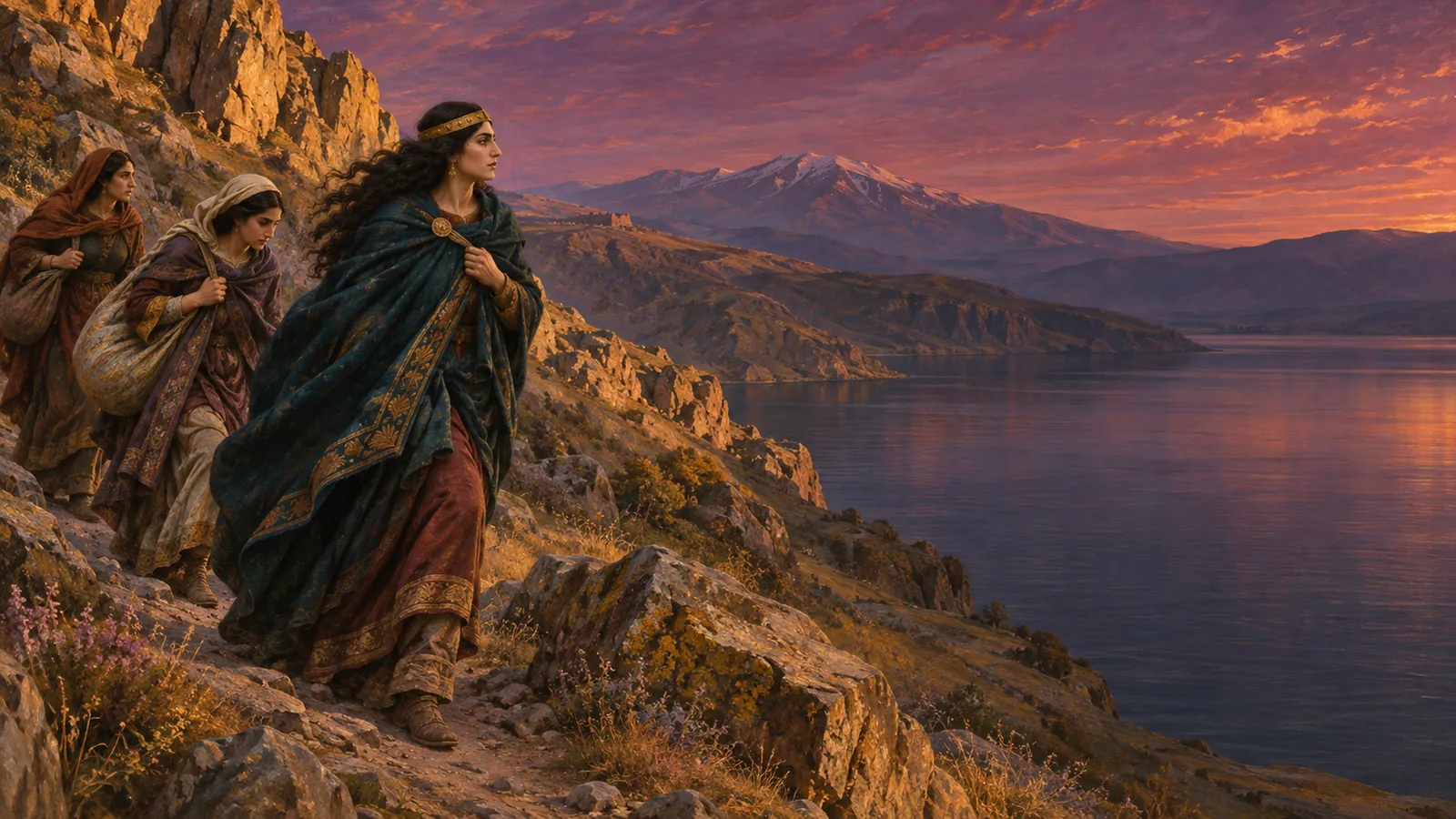
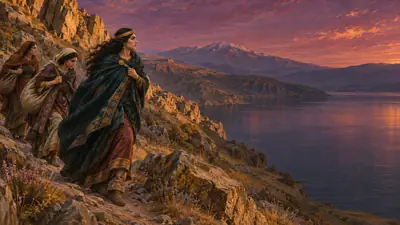
Shamiram and the Mede fall out. She goes to war against him, and as the conflict grows she flees toward Armenia, where she built her summer refuge.
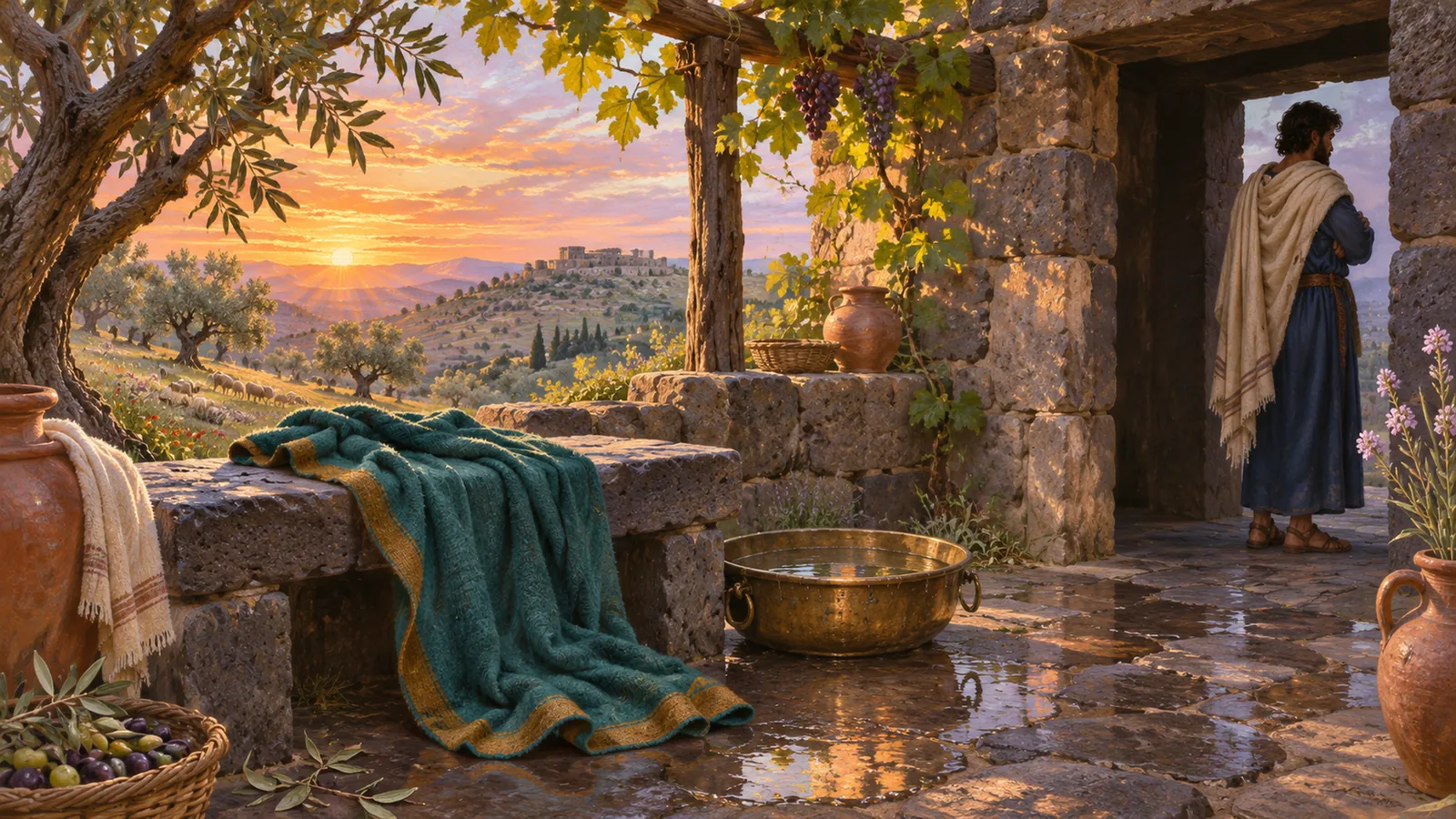
Khorenatsi gives Shamiram’s flight a fatal end. Ninuas, the son she spared, kills her. In the Armenian history he lives to take the throne.
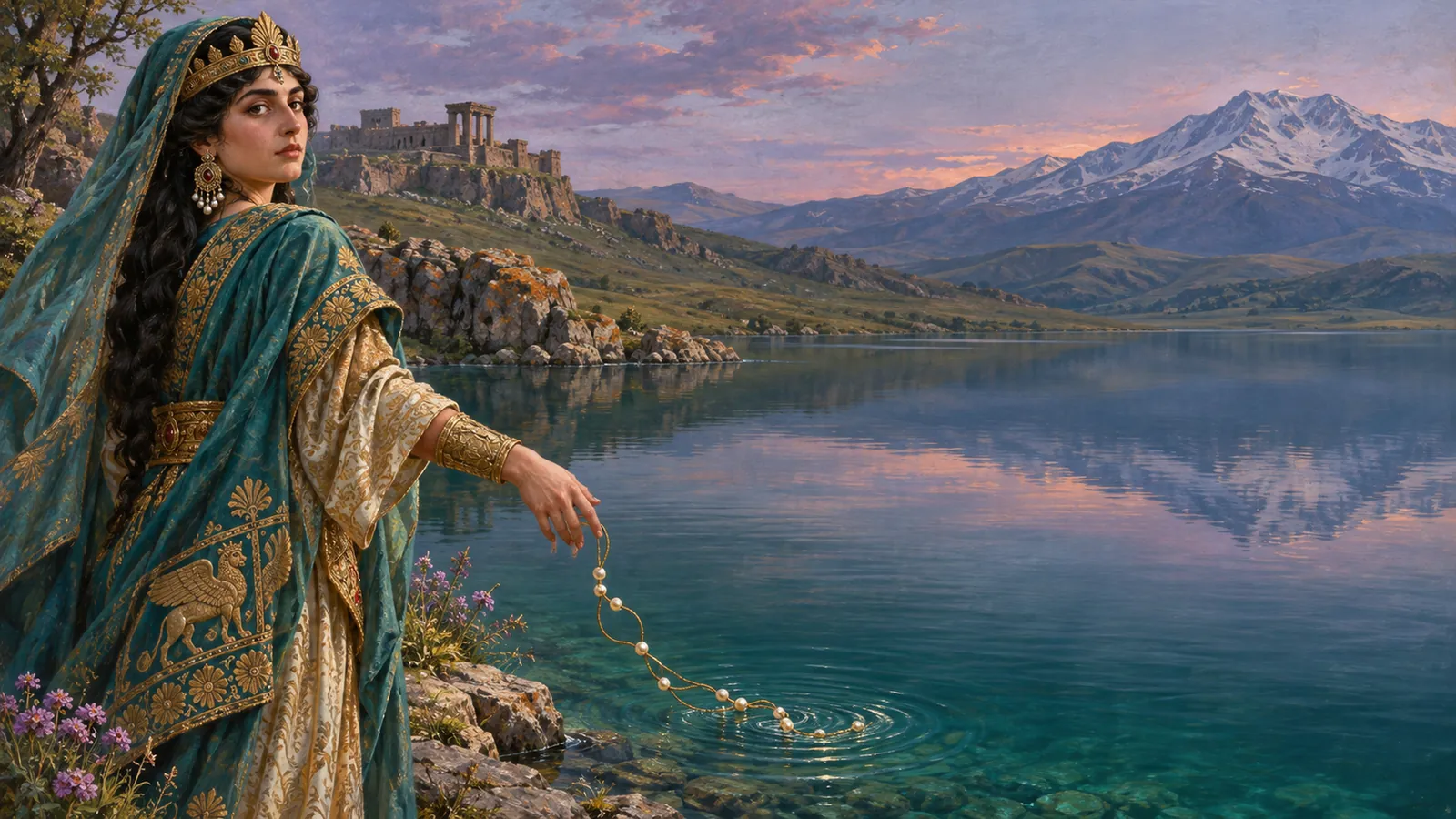
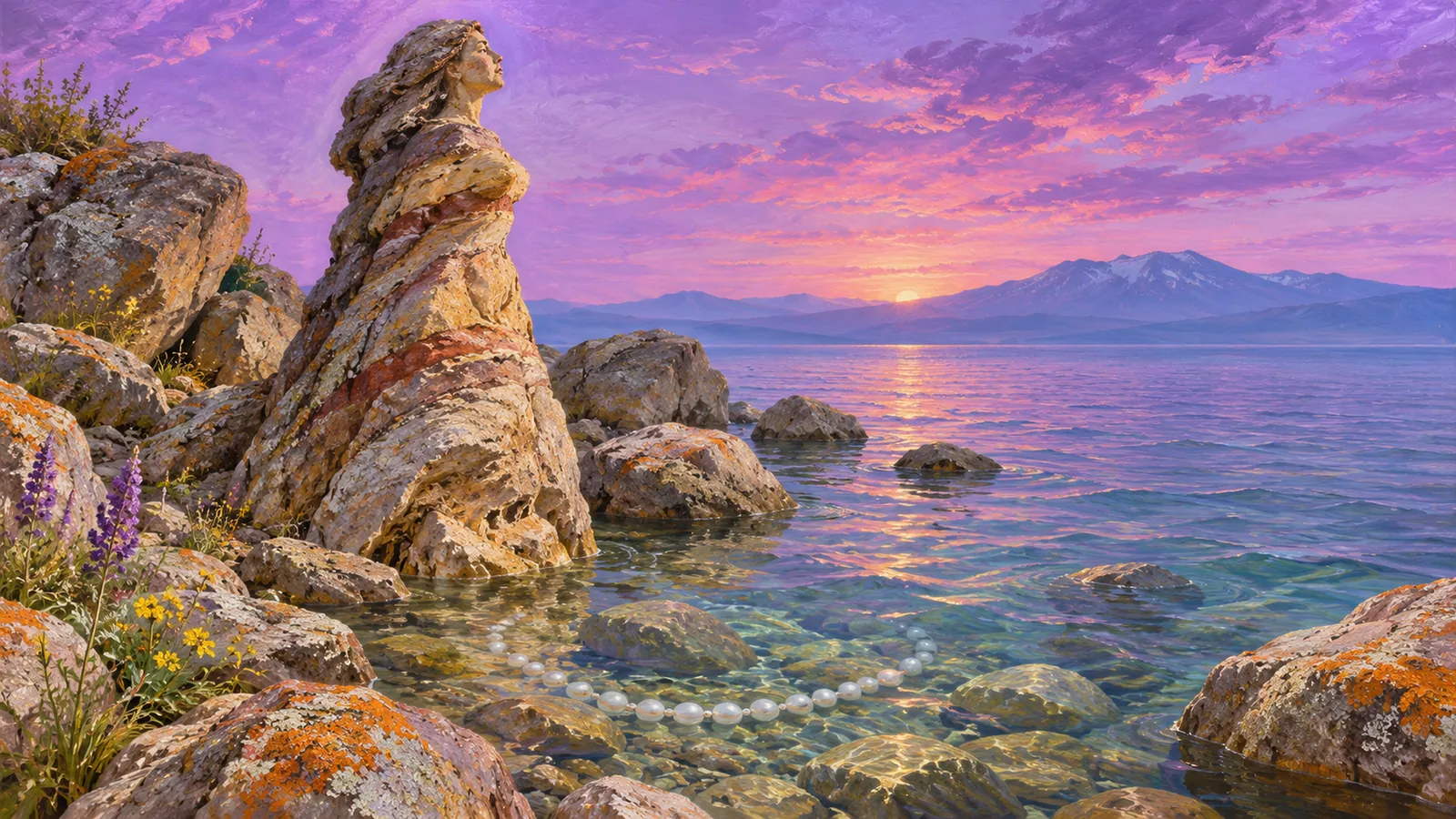
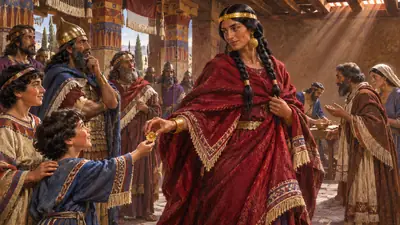
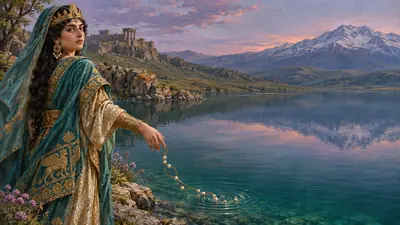
Two fables follow. In one Shamiram throws her jeweled charm into the lake, and in another she turns to stone before the pursuers can seize her.
THE LAKE
Khorenatsi compares the tale of Shamiram’s stone to the Greek story of Niobe. At the lake, the Armenian tradition gives the queen an ending of its own.
End of chapter 1
All pages


Sources
The Assyrian inscriptions record Sammu-ramat at Assur, on the Euphrates and at Kalhu. Diodorus and Khorenatsi tell the later legends.
Editions consulted
- Sammu-ramat’s monument at Assur, RIAo Q004781
- Boundary stele mentioning the Euphrates crossing, RIAo Q004751
- Statue dedication at Kalhu, RIAo Q004782
- Diodorus Siculus, Library of History 2.4–20
- Movses Khorenatsi, History of the Armenians, Book 1, chapters 15–18
- Pazarcık stele, bilingual edition in ARRIM 8
- Nabu’s temple at Kalhu, the statue dedication
- Ancient Babylon, archaeological history
Ancient lines behind each page
- Page 1: RIAo Q004781, lines 1–7; Assur Stelenreihen context
- Page 2: RIAo Q004781, lines 1–7; Assur Stelenreihen context
- Page 3: RIAo Q004781, lines 1–7; Assur Stelenreihen context
- Page 4: RIAo Q004751, obverse 1–10; Pazarcık stele
- Page 5: RIAo Q004751, obverse 1–10; Pazarcık stele
- Page 6: RIAo Q004751, obverse 11–23; Pazarcık stele
- Page 7: RIAo Q004751, obverse 11–23; Pazarcık stele
- Page 8: RIAo Q004782, lines 8–13; ORACC Ancient Kalhu
- Page 9: Diodorus Siculus 2.4.1; 2.20.3
- Page 10: Diodorus Siculus 2.4.2–3
- Page 11: Diodorus Siculus 2.4.4
- Page 12: Diodorus Siculus 2.4.4–5
- Page 13: Diodorus Siculus 2.4.5–6
- Page 14: Diodorus Siculus 2.5.1
- Page 15: Diodorus Siculus 2.5.2
- Page 16: Diodorus Siculus 2.6.1–5
- Page 17: Diodorus Siculus 2.6.5–6
- Page 18: Diodorus Siculus 2.6.5–6
- Page 19: Diodorus Siculus 2.6.7–8
- Page 20: Diodorus Siculus 2.6.8–9
- Page 21: Diodorus Siculus 2.6.9–10
- Page 22: Diodorus Siculus 2.6.10
- Page 23: Diodorus Siculus 2.7.1
- Page 24: Diodorus Siculus 2.7.1–2
- Page 25: Diodorus Siculus 2.7.1–2
- Page 26: Diodorus Siculus 2.7.2; Babylon historical context
- Page 27: Diodorus Siculus 2.7.2–5
- Page 28: Diodorus Siculus 2.7.3–5; 2.8.3
- Page 29: Diodorus Siculus 2.8.2–3
- Page 30: Diodorus Siculus 2.8.3–4
- Page 31: Diodorus Siculus 2.8.4–7
- Page 32: Diodorus Siculus 2.9.1–3
- Page 33: Diodorus Siculus 2.9.4; 2.10.1
- Page 34: Diodorus Siculus 2.13.1–2
- Page 35: Diodorus Siculus 2.13.5–6
- Page 36: Diodorus Siculus 2.13.6–8
- Page 37: Diodorus Siculus 2.13.3–4
- Page 38: Diodorus Siculus 2.14.3
- Page 39: Diodorus Siculus 2.14.4; 2.16.1
- Page 40: Diodorus Siculus 2.16.2–5; 2.17.2
- Page 41: Diodorus Siculus 2.16.7–9
- Page 42: Diodorus Siculus 2.18.1–8
- Page 43: Diodorus Siculus 2.19.4–9
- Page 44: Diodorus Siculus 2.19.10
- Page 45: Diodorus Siculus 2.20.1
- Page 46: Diodorus Siculus 2.20.2
- Page 47: Diodorus Siculus 2.20.3–4
- Page 48: Diodorus Siculus 2.20.4–5
- Page 49: Movses Khorenatsi 1.15
- Page 50: Movses Khorenatsi 1.15
- Page 51: Movses Khorenatsi 1.15
- Page 52: Movses Khorenatsi 1.15
- Page 53: Movses Khorenatsi 1.15
- Page 54: Movses Khorenatsi 1.15
- Page 55: Movses Khorenatsi 1.15
- Page 56: Movses Khorenatsi 1.15
- Page 57: Movses Khorenatsi 1.15
- Page 58: Movses Khorenatsi 1.15
- Page 59: Movses Khorenatsi 1.15
- Page 60: Movses Khorenatsi 1.16
- Page 61: Movses Khorenatsi 1.16
- Page 62: Movses Khorenatsi 1.16
- Page 63: Movses Khorenatsi 1.16
- Page 64: Movses Khorenatsi 1.16–17
- Page 65: Movses Khorenatsi 1.17
- Page 66: Movses Khorenatsi 1.17
- Page 67: Movses Khorenatsi 1.17
- Page 68: Movses Khorenatsi 1.17
- Page 69: Movses Khorenatsi 1.18
- Page 70: Movses Khorenatsi 1.18
Illustrations made with AI tools by IL Archive; the text is based on the ancient sources (see the sources at the end of each chapter).