Shulgi the Runner Chapter 1
Before the sun goes down
Shulgi describes the road and the people who maintain it for travellers. He runs from Nippur to the temple of Nanna at Ur, hears the festival music and turns home through wind and hail. At Nippur, two manuscripts recall his arrival in different words.
SourcesTurn the pages with the arrows, the arrow keys or a swipe.
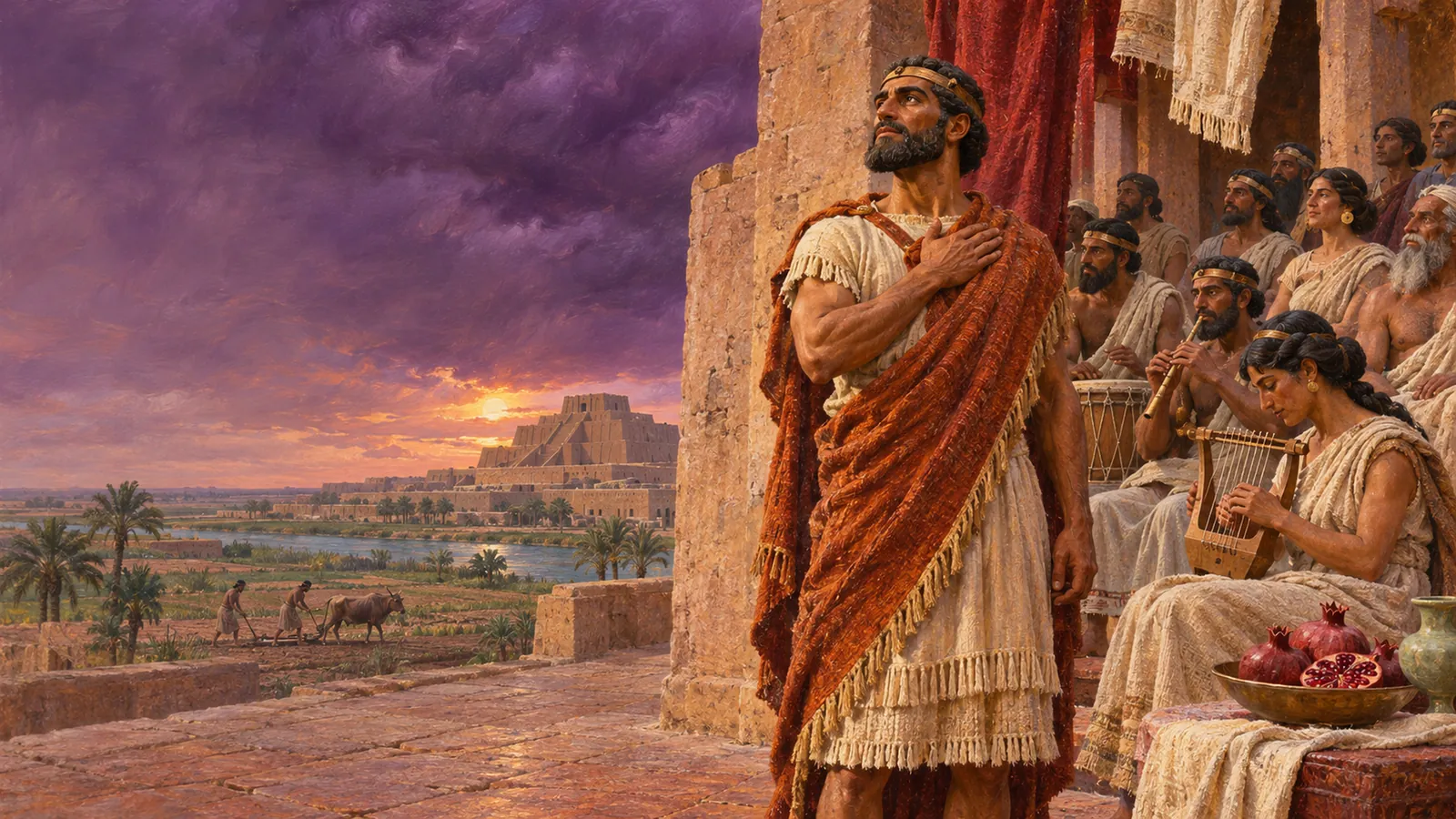
SHULGI
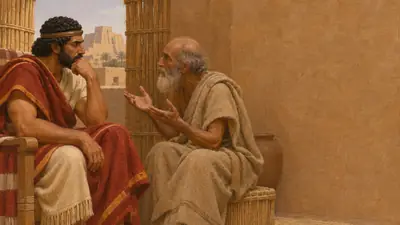
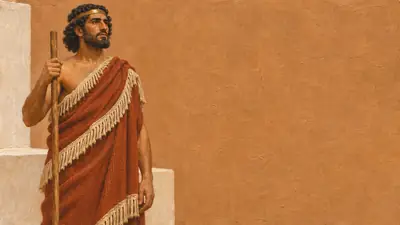
The poem lets Shulgi speak in his own praise. King of Ur, he calls himself a strong man and a shepherd of his people.
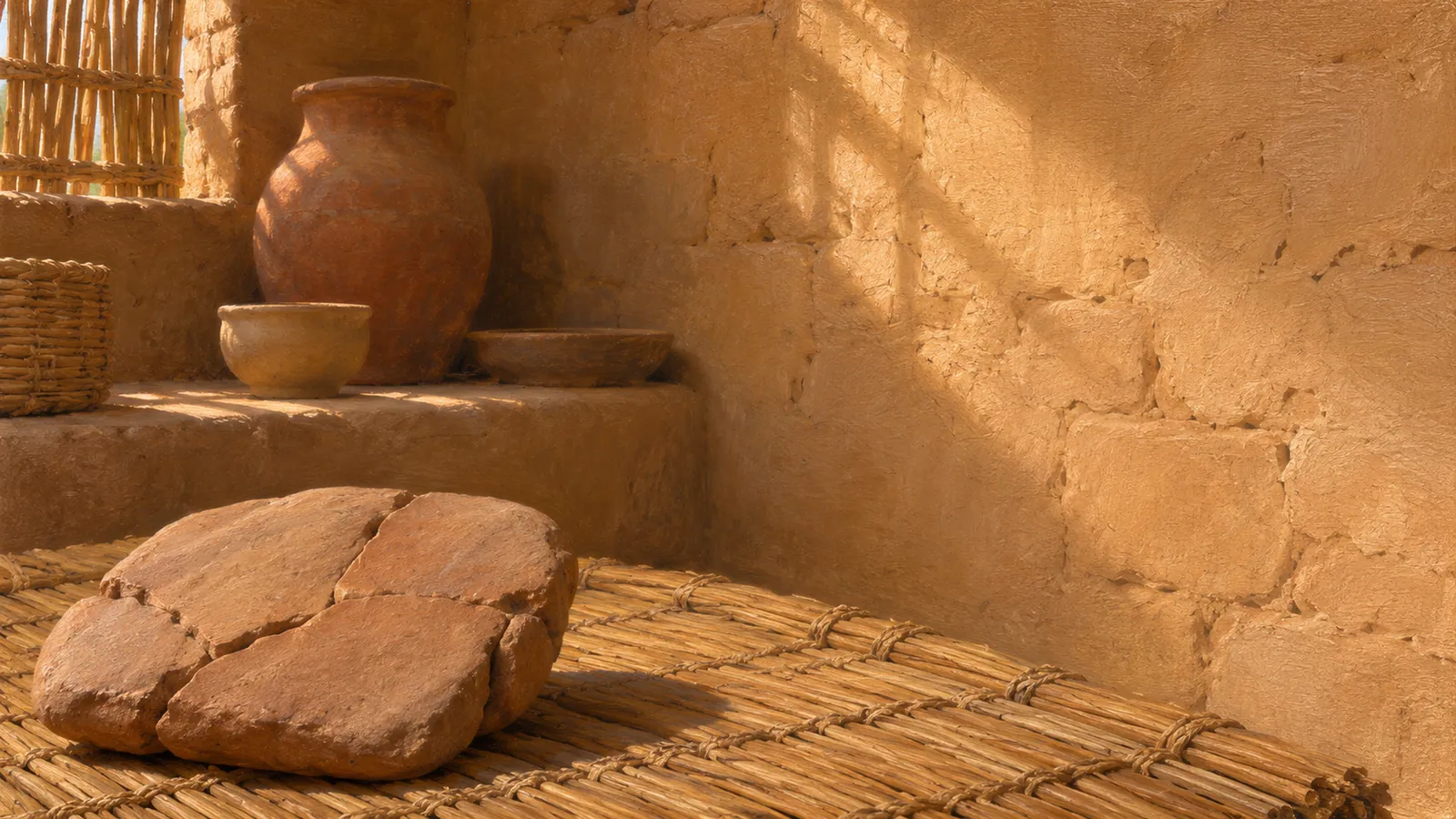
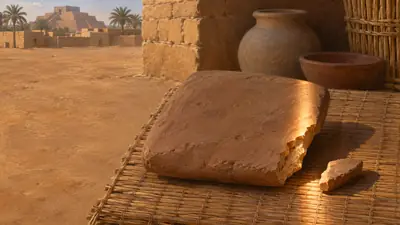
An Old Babylonian copy from Nippur preserves much of the hymn on a tablet. Its fragments help us read the king’s words long after the dynasty that first celebrated him.
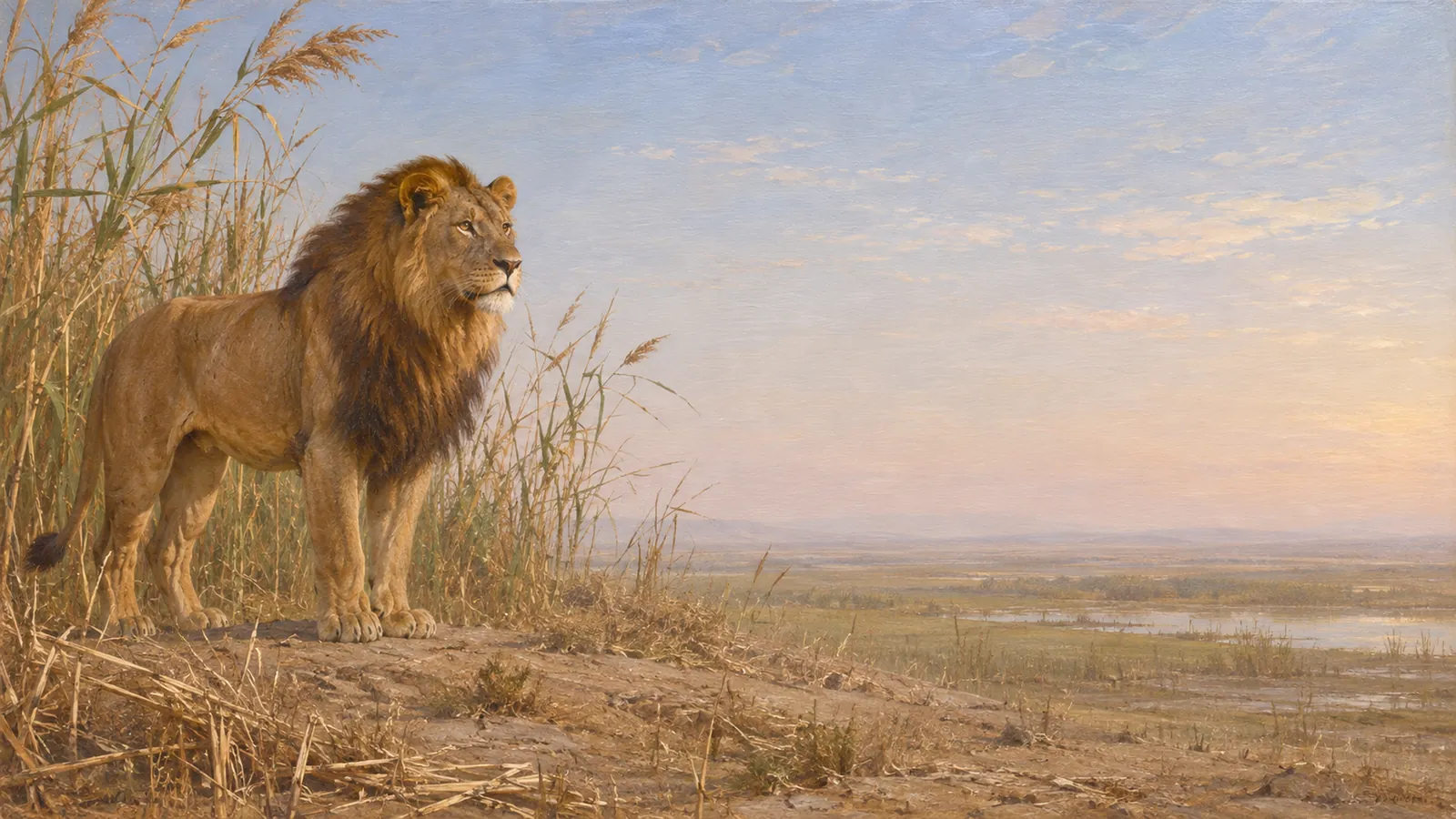
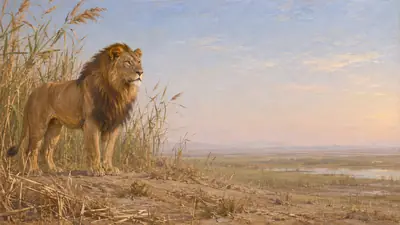
Shulgi reaches for the image of a fierce lion. The song will turn that strength into something people can see on the road.
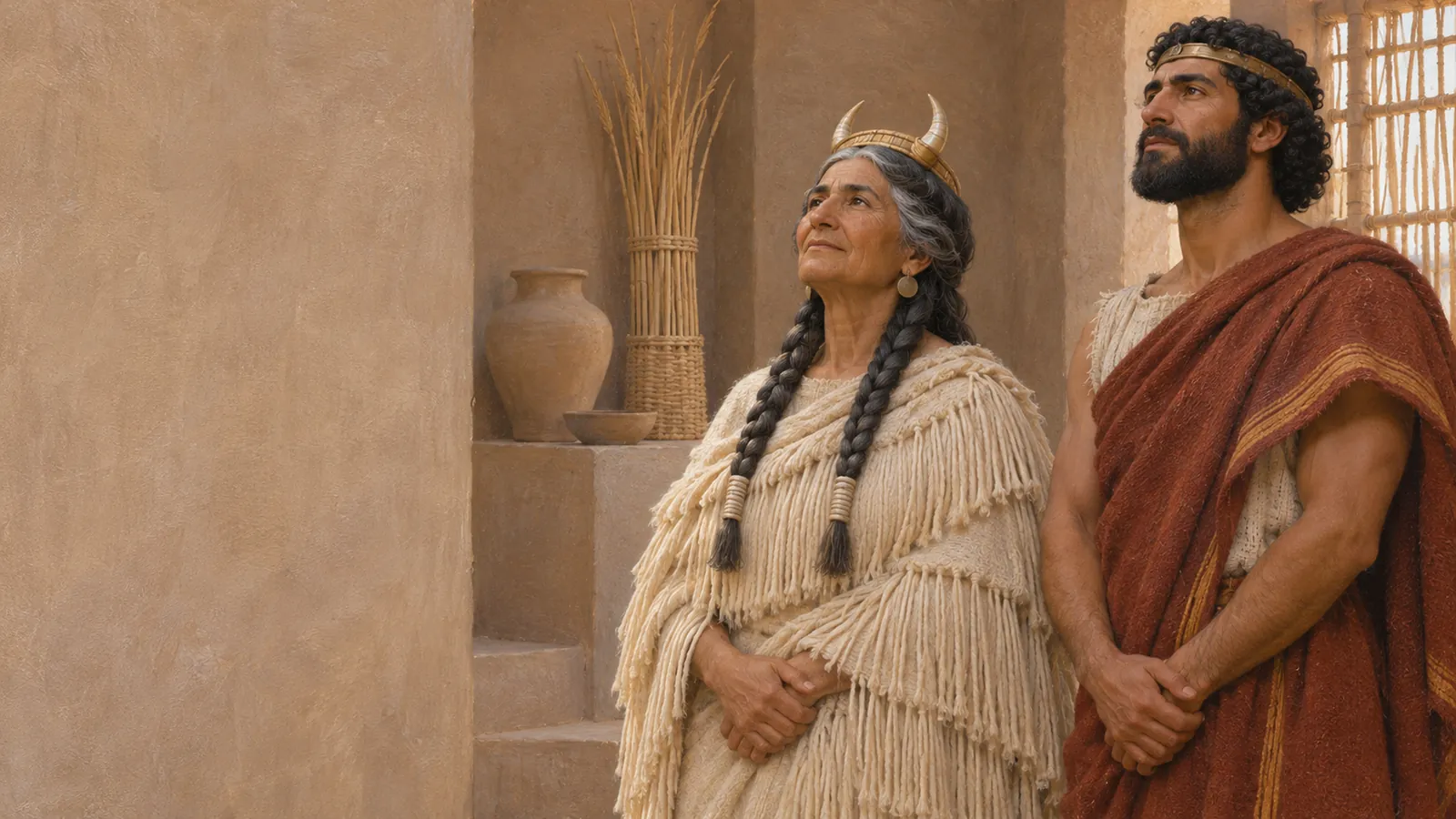
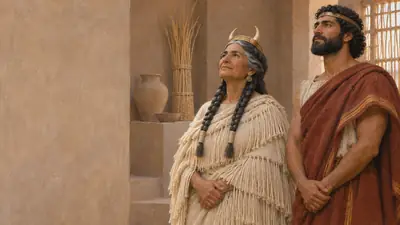
The royal voice claims Ninsun as mother, Enlil as the god who fixed his destiny, and Enki as the one who gave him wisdom.
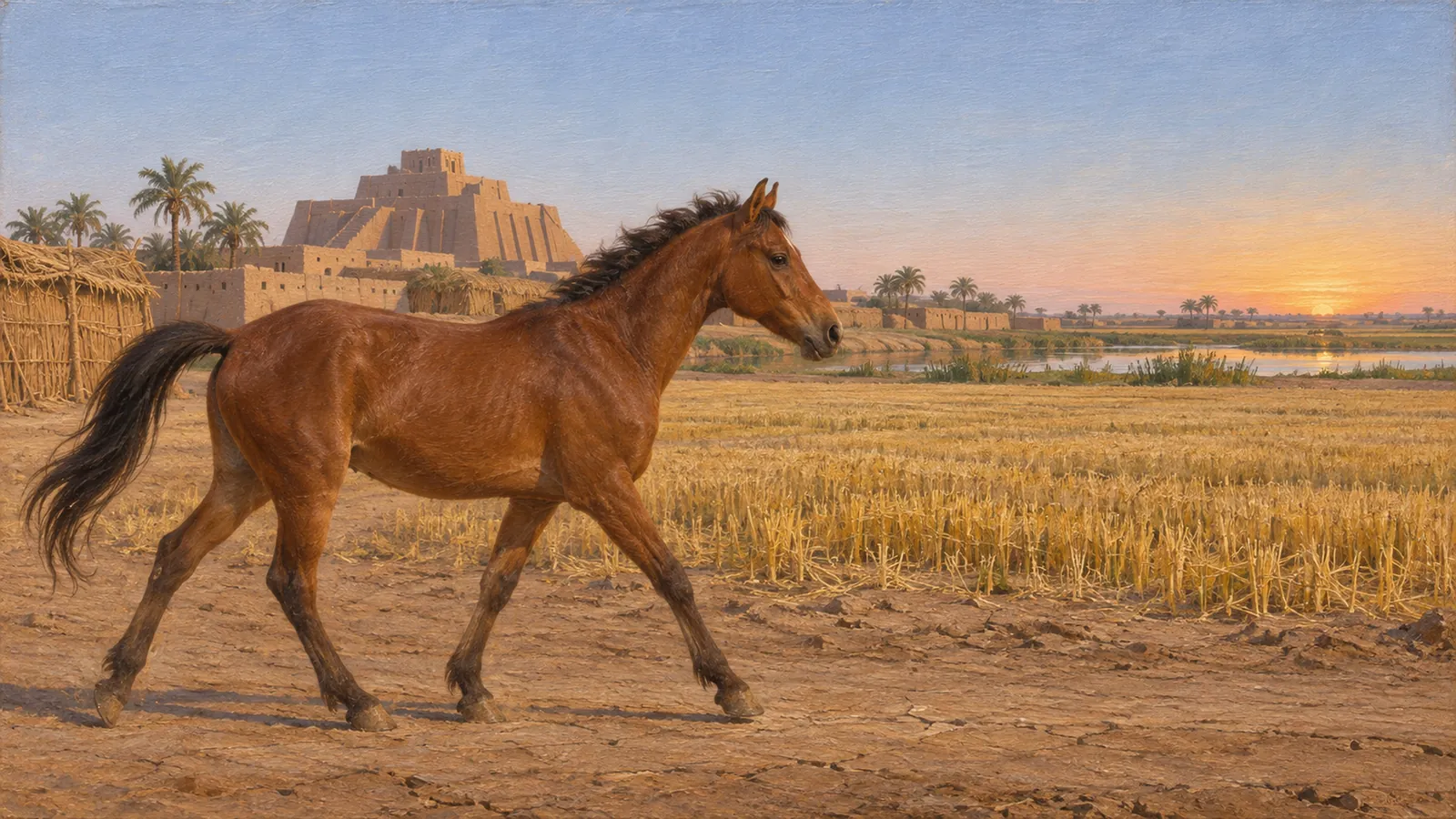
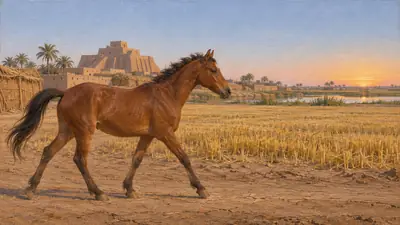
A mule made for travel, a horse with its tail in the wind. Shulgi compares himself to animals eager for the open road. One copy adds a donkey that loves to run.
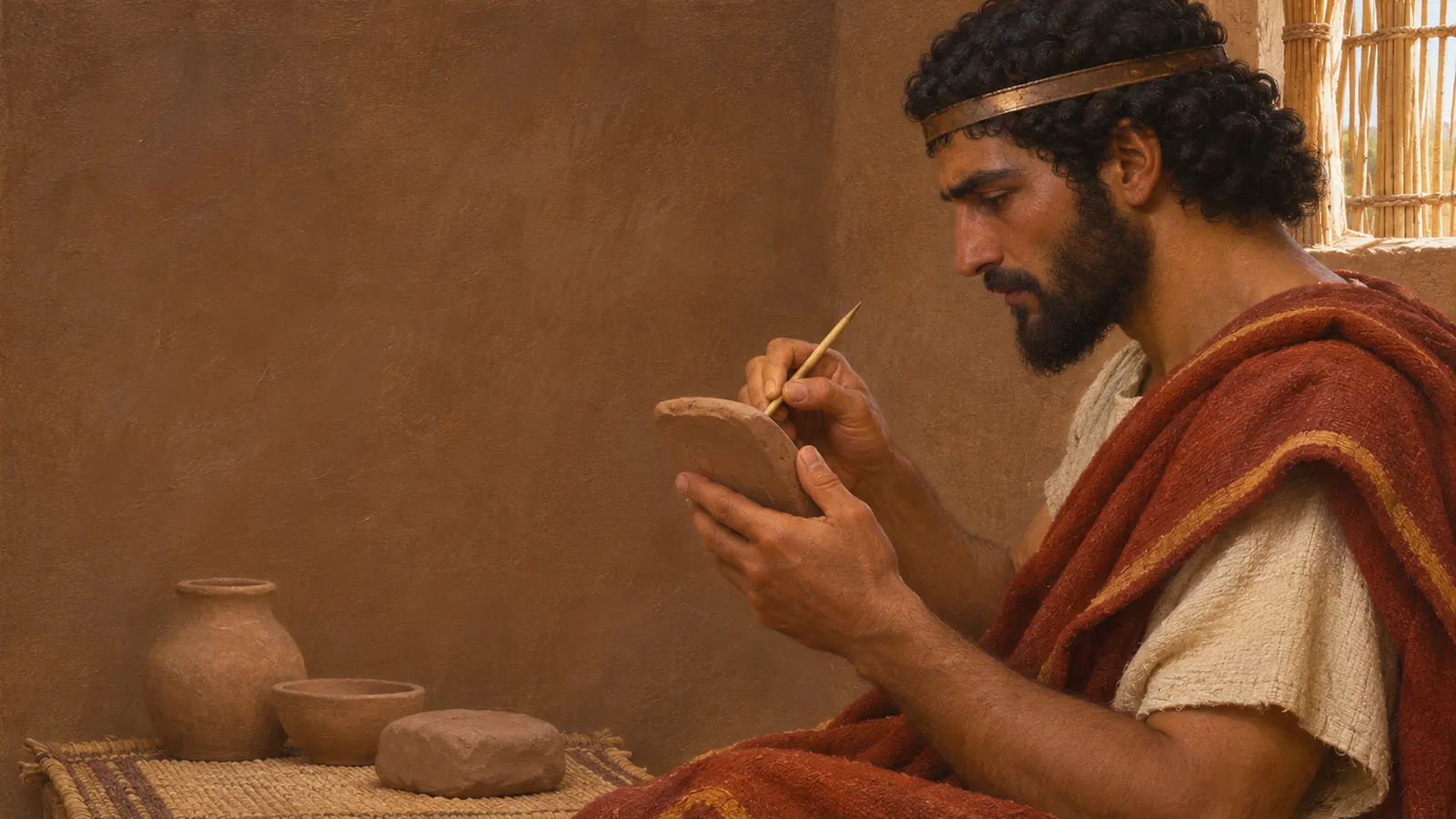
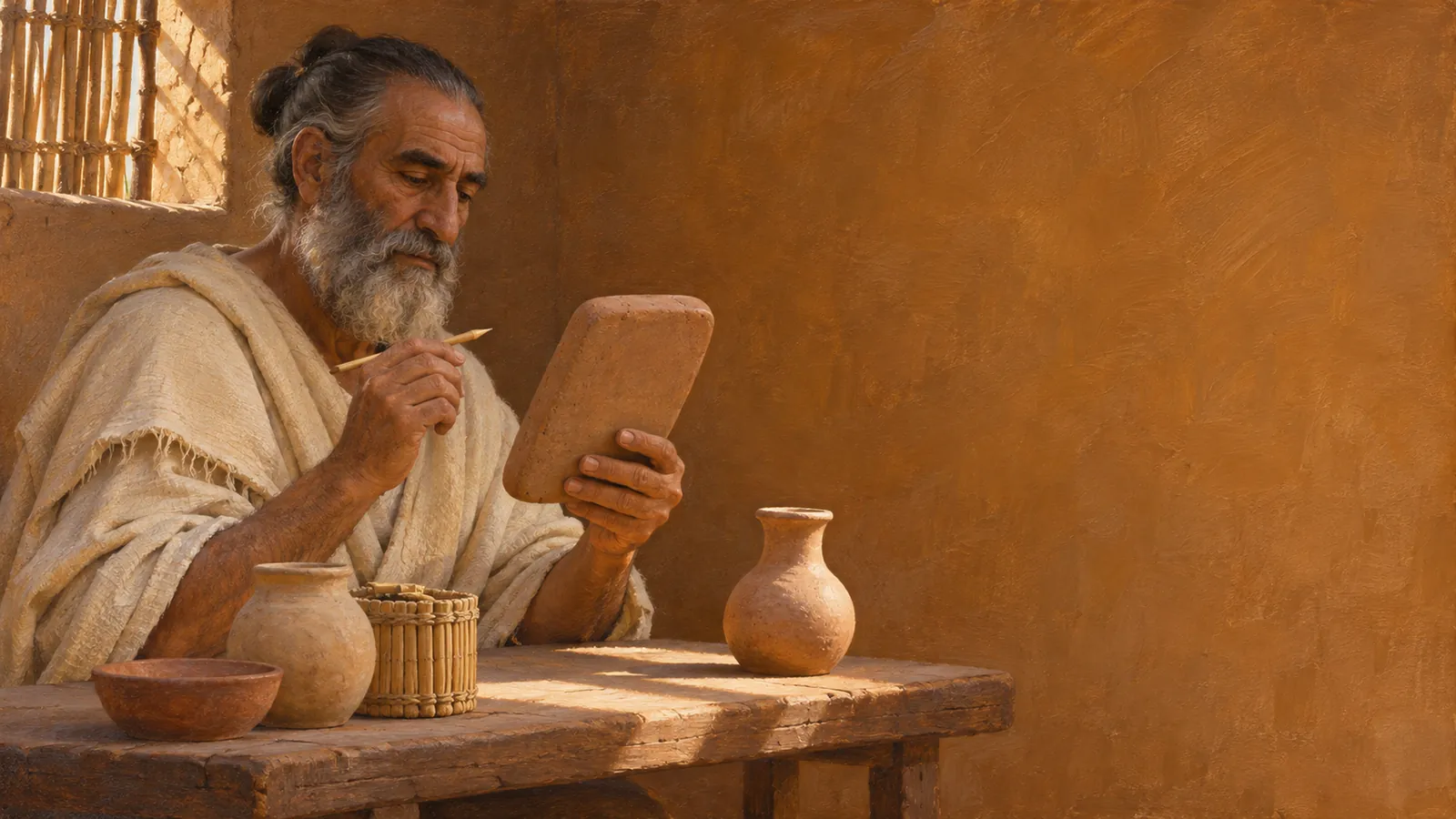
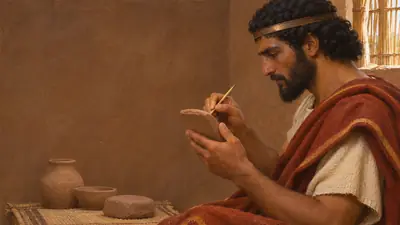
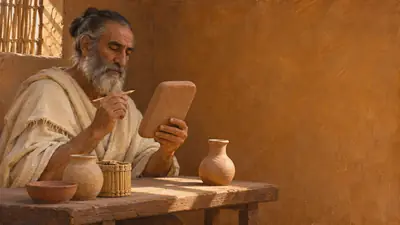
He also calls himself a skilled scribe of Nisaba. Wisdom and strength stand together in the portrait he makes of himself.
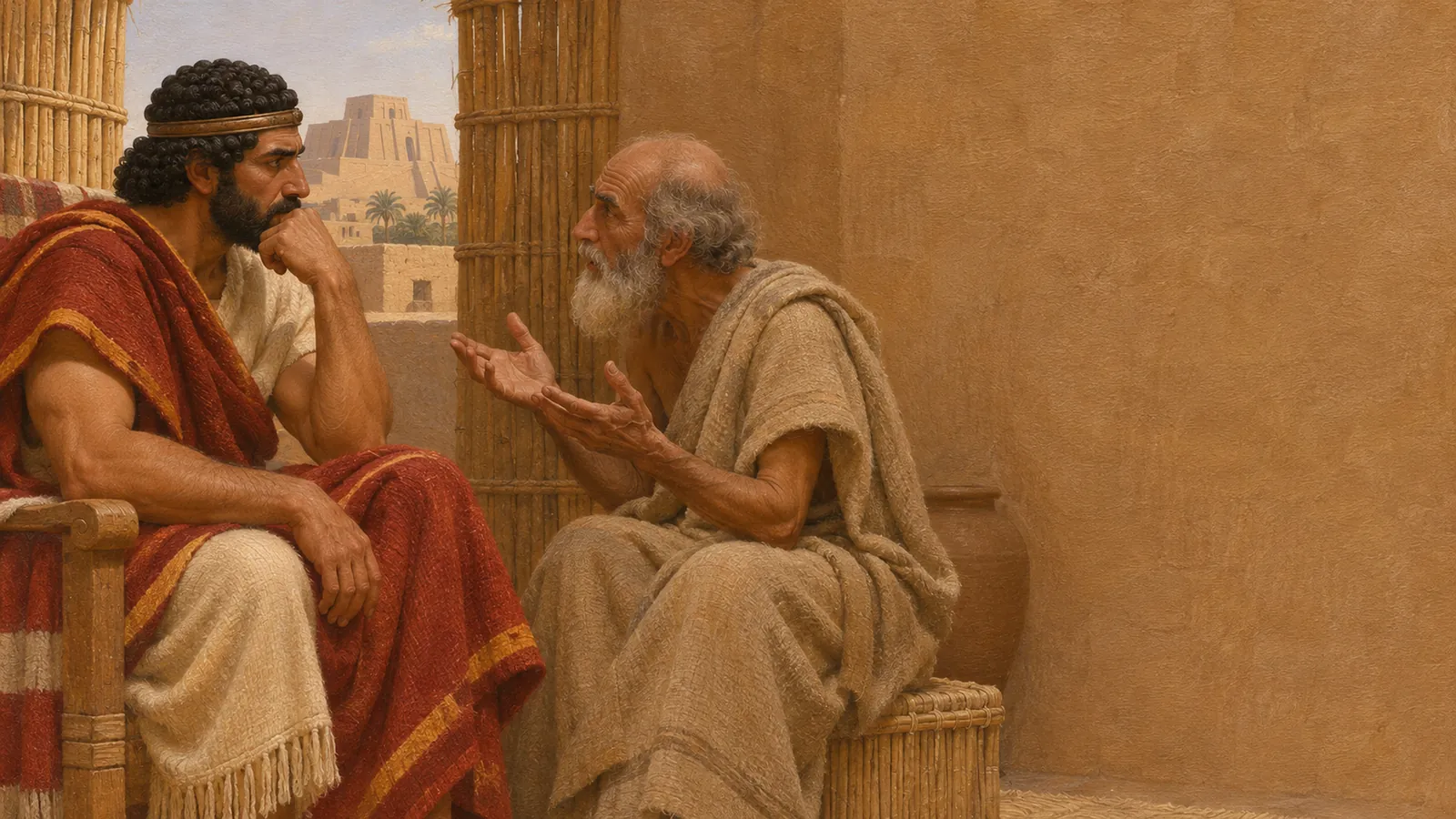
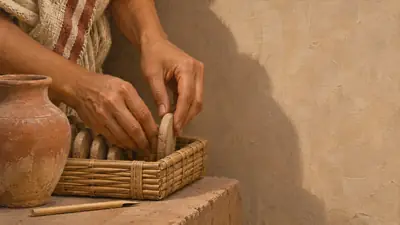
Shulgi adds another claim to his skill with the stylus. He says that honest words can reach him, that he cherishes fair dealing and that false speech earns his anger.
THE ROAD
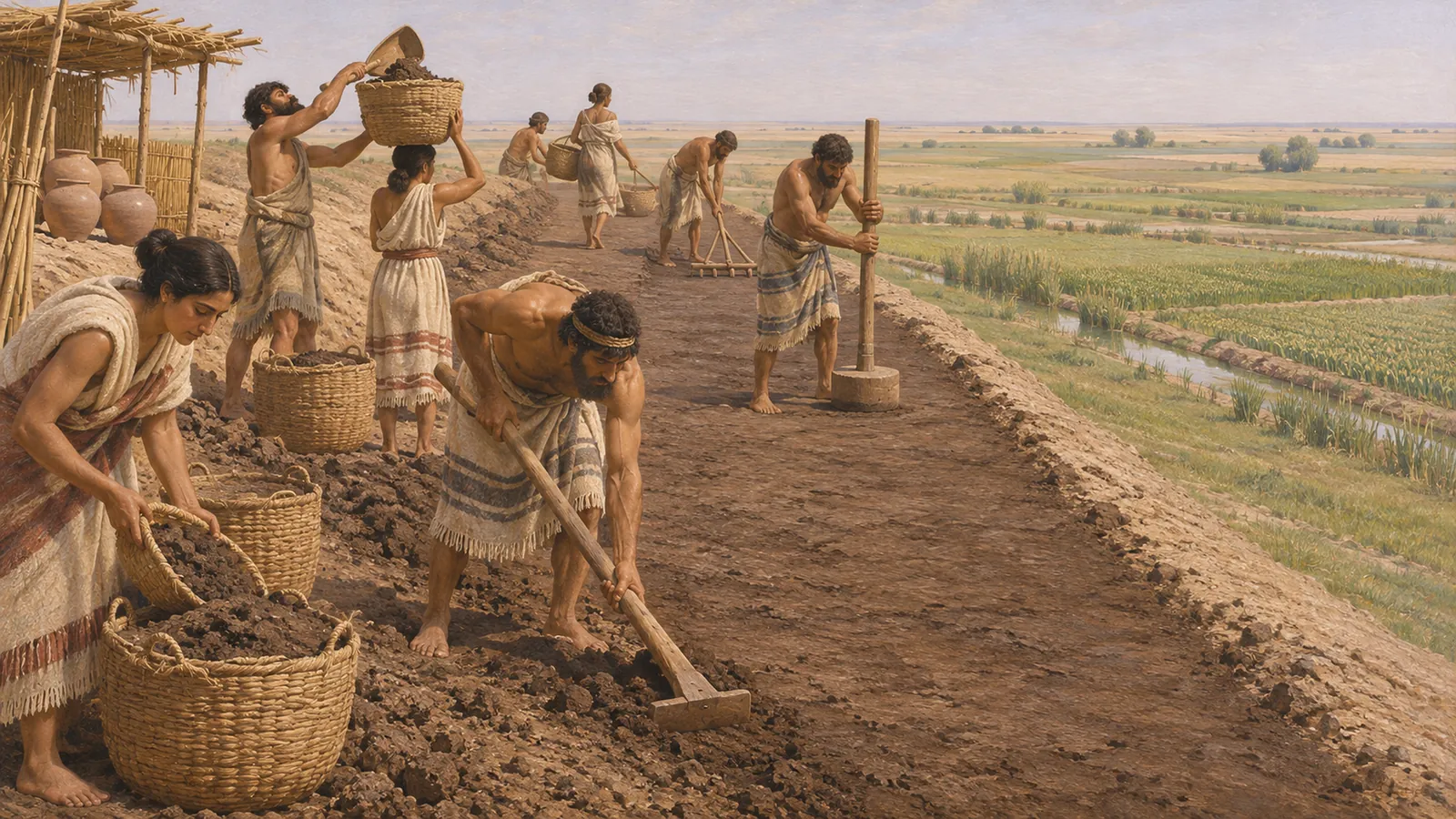
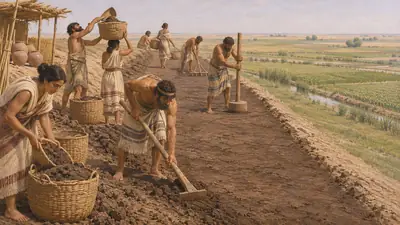
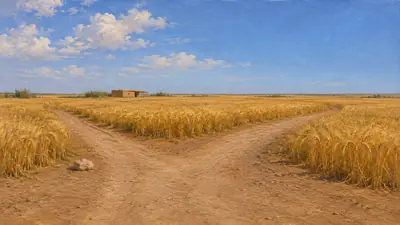
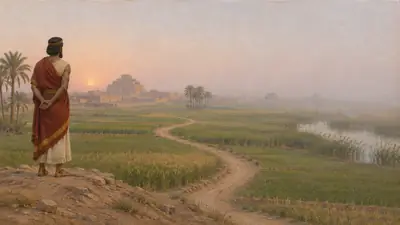
Shulgi says he put the roads of the land in order and marked the distance between places where people could stop.
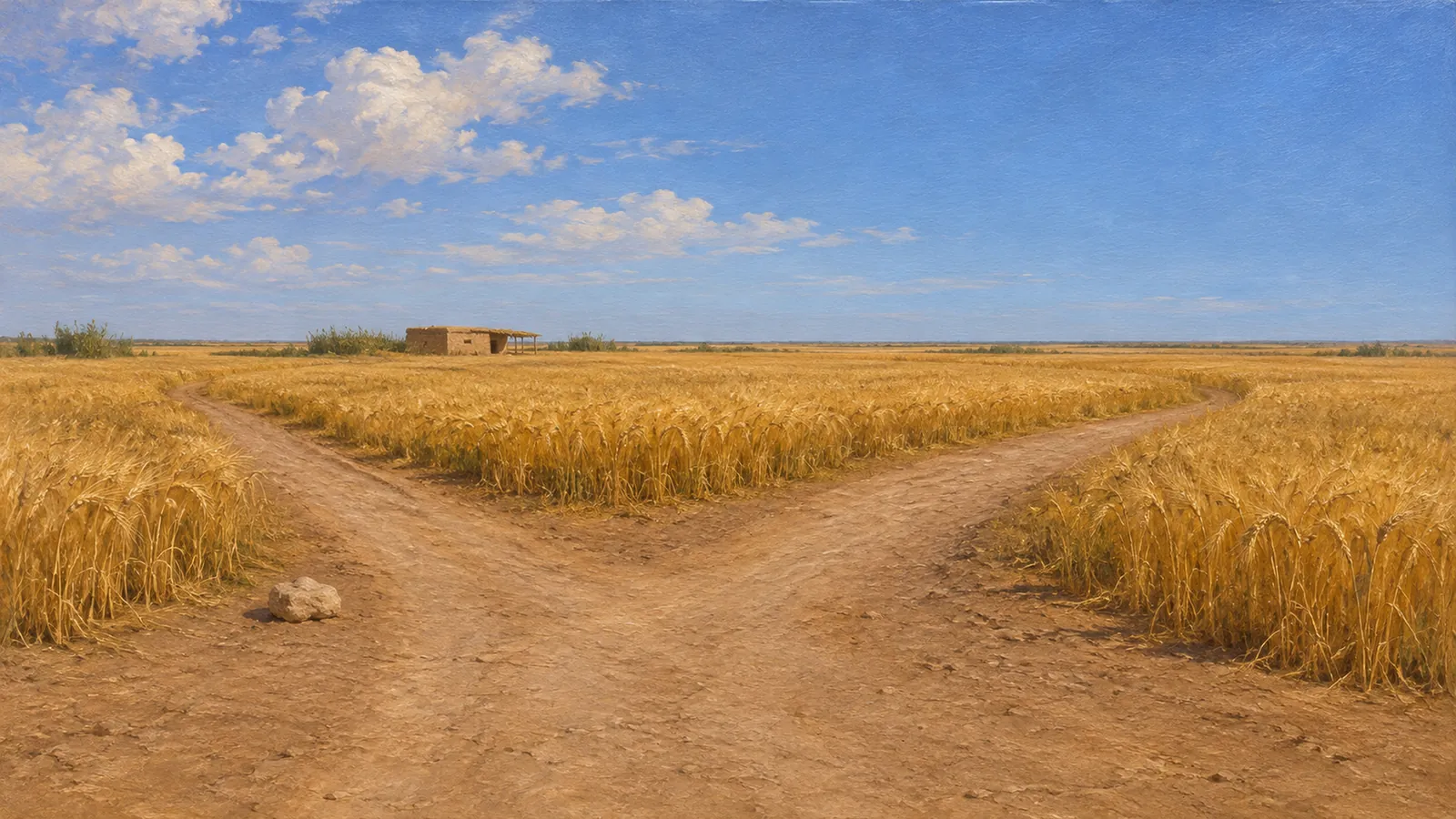
The poem reckons the road in double-hours, a Mesopotamian measure also used for distance. Shulgi will imagine the whole return journey as if it were only one of those stages.
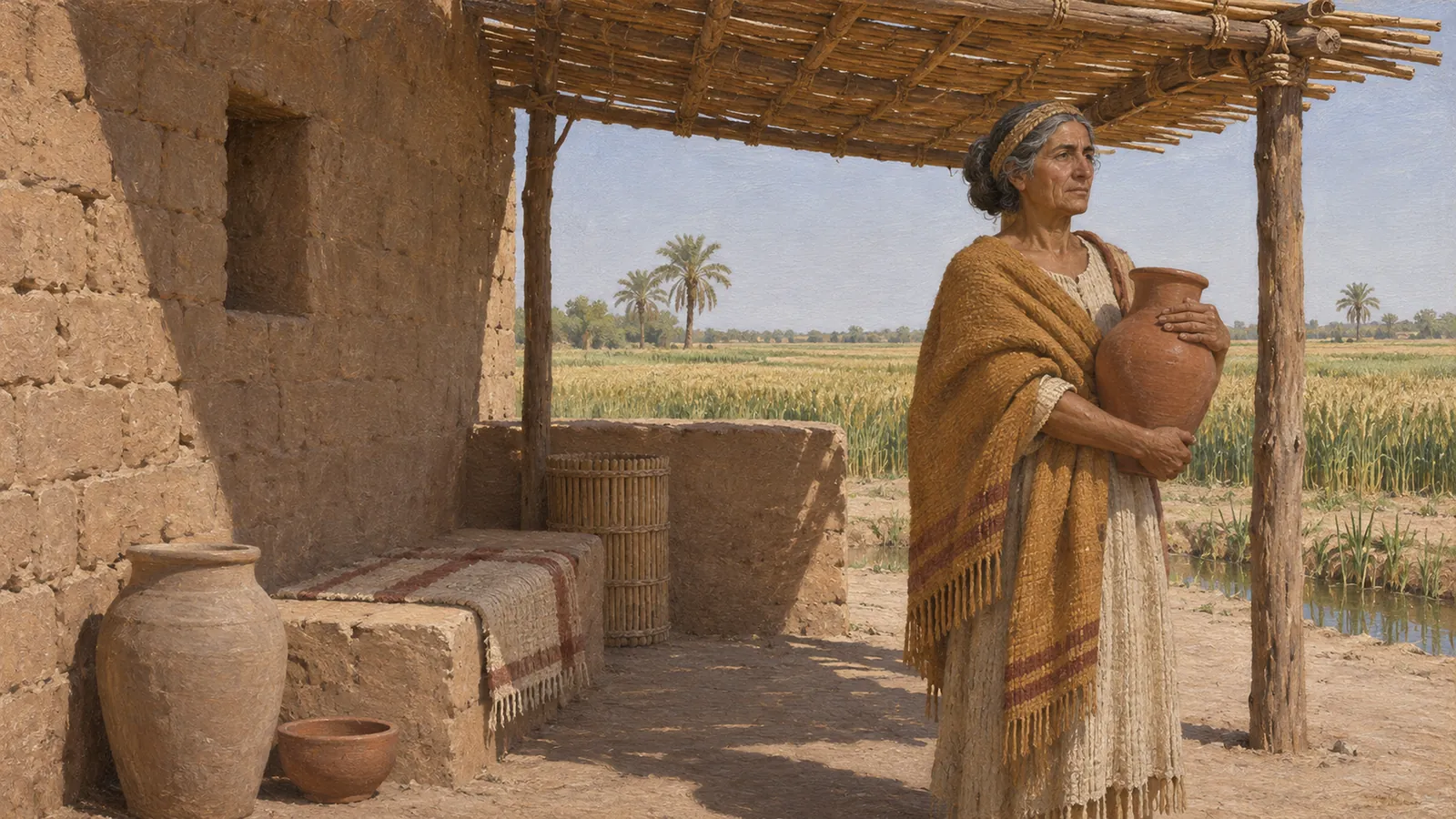
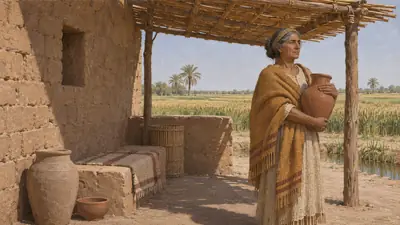
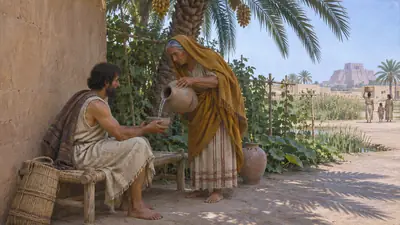
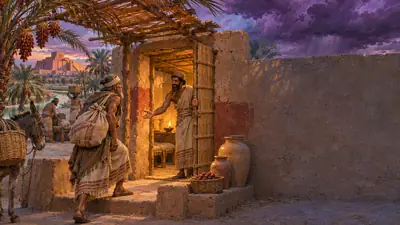
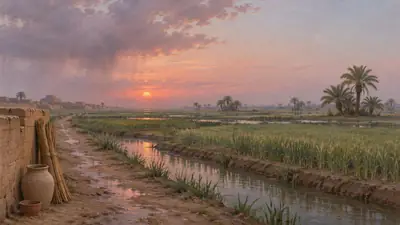
At intervals he says he built lodging houses. Beside them he set out gardens and places to rest, with experienced people to look after them.
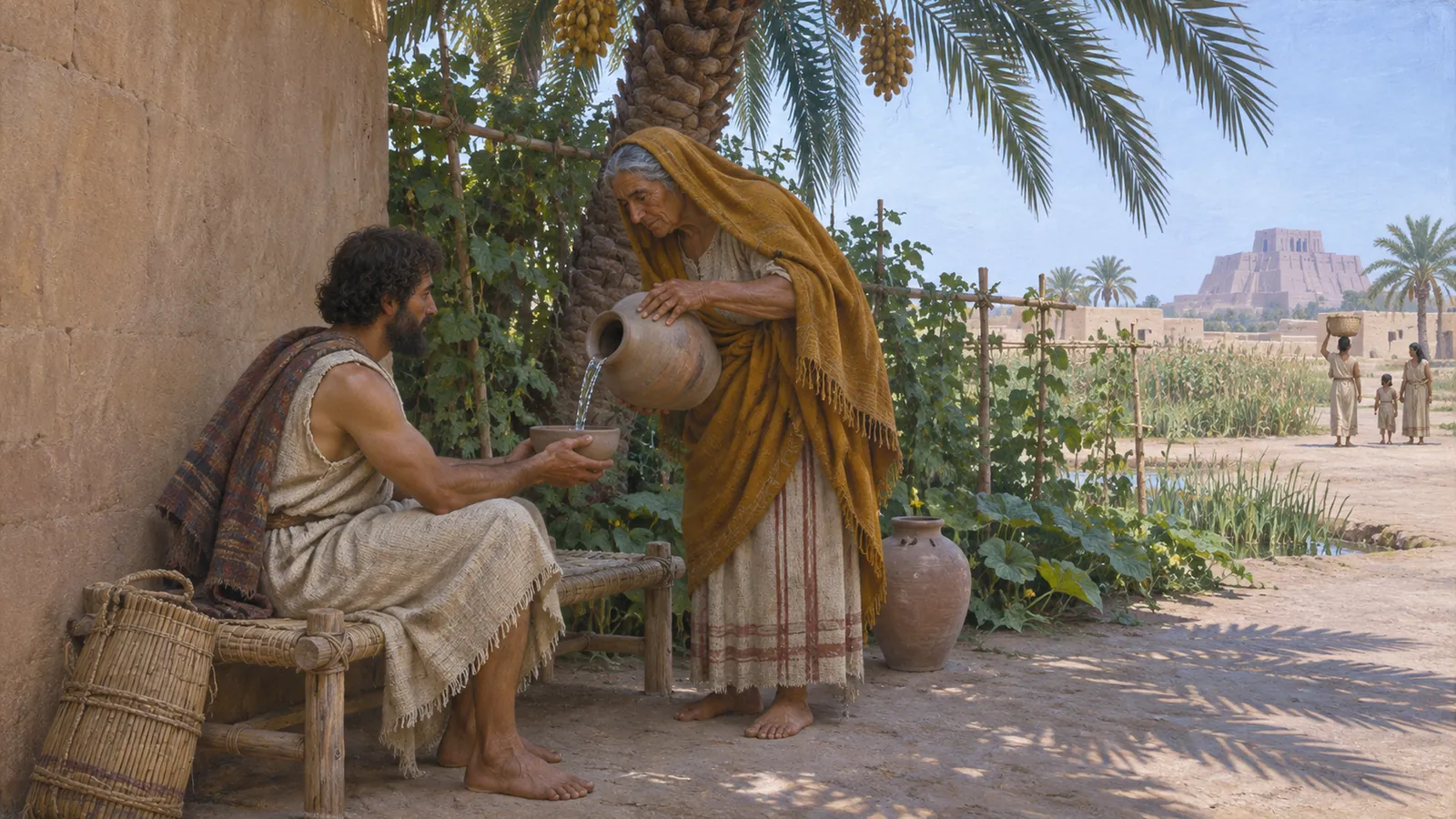
The road serves travellers coming from either direction. When the air cools, the poem says, they can stop and refresh themselves where the king has provided a place to rest.
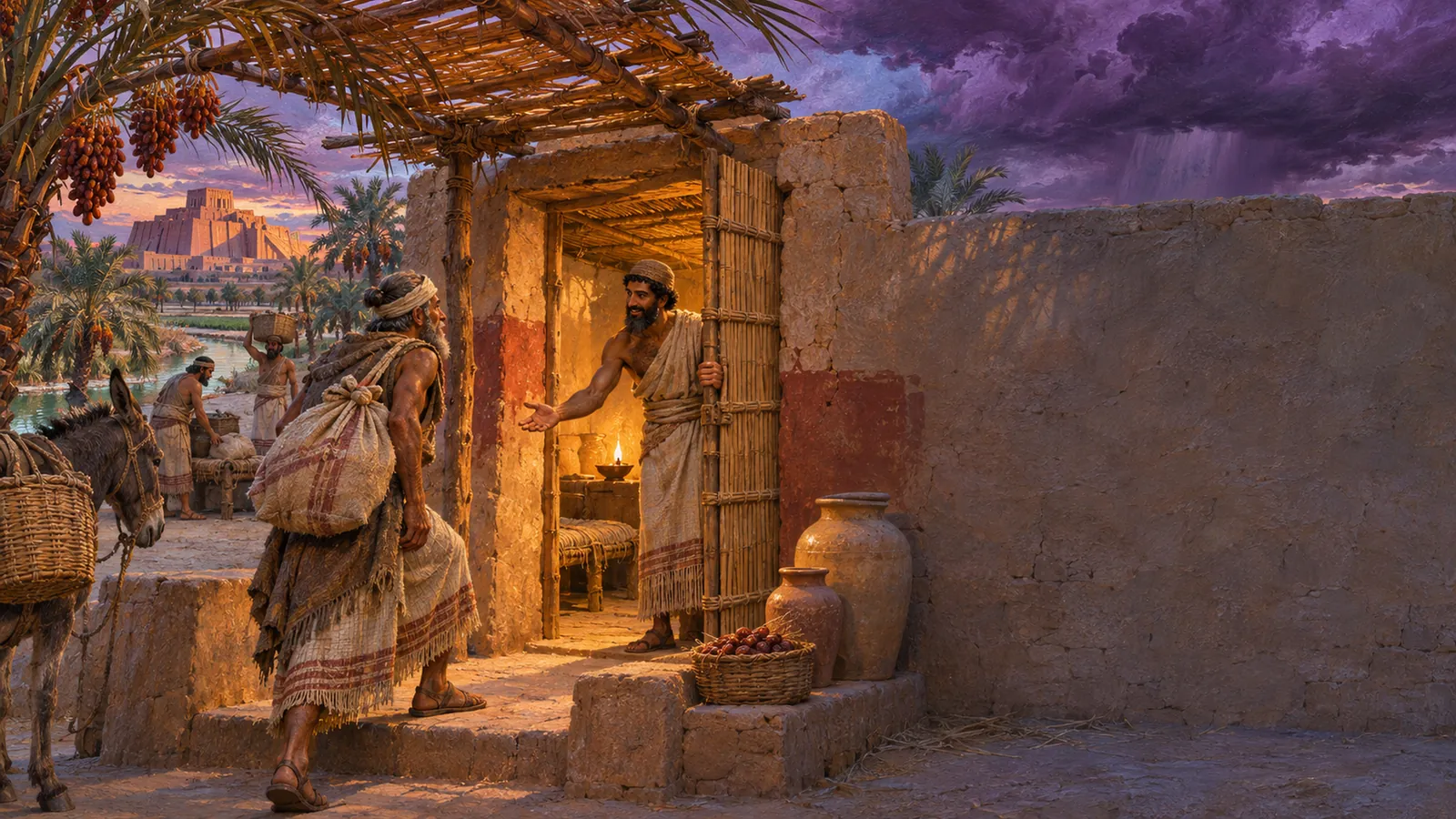
Someone still on the road at nightfall could seek shelter there, says Shulgi, as safely as in a well-built town.
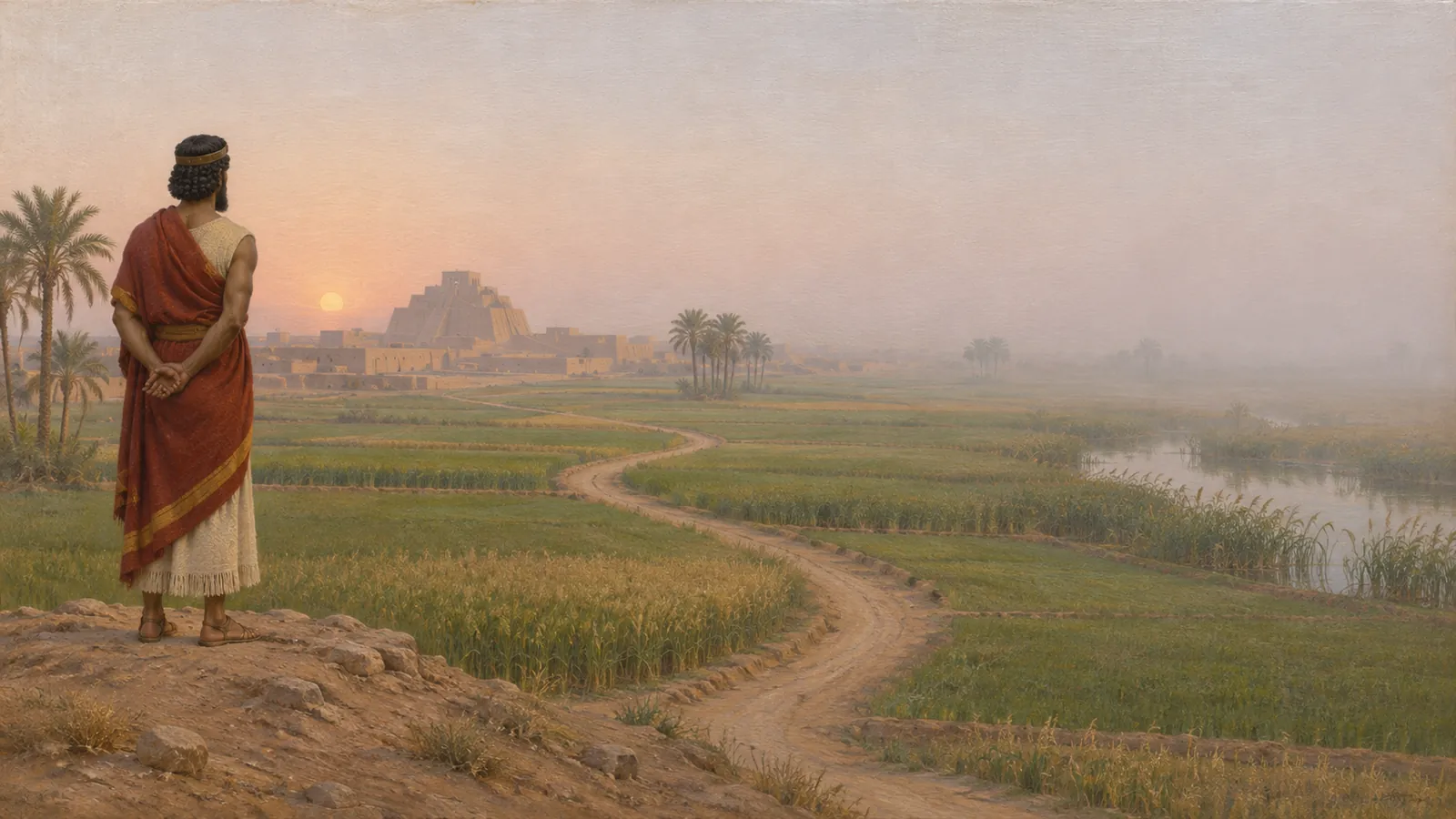
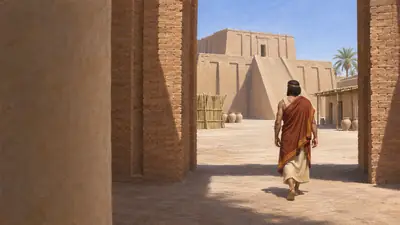
To put his speed to the test, Shulgi chooses the round trip from Nippur to brick-built Ur. He wants the deed spoken of in distant lands and remembered in years to come.
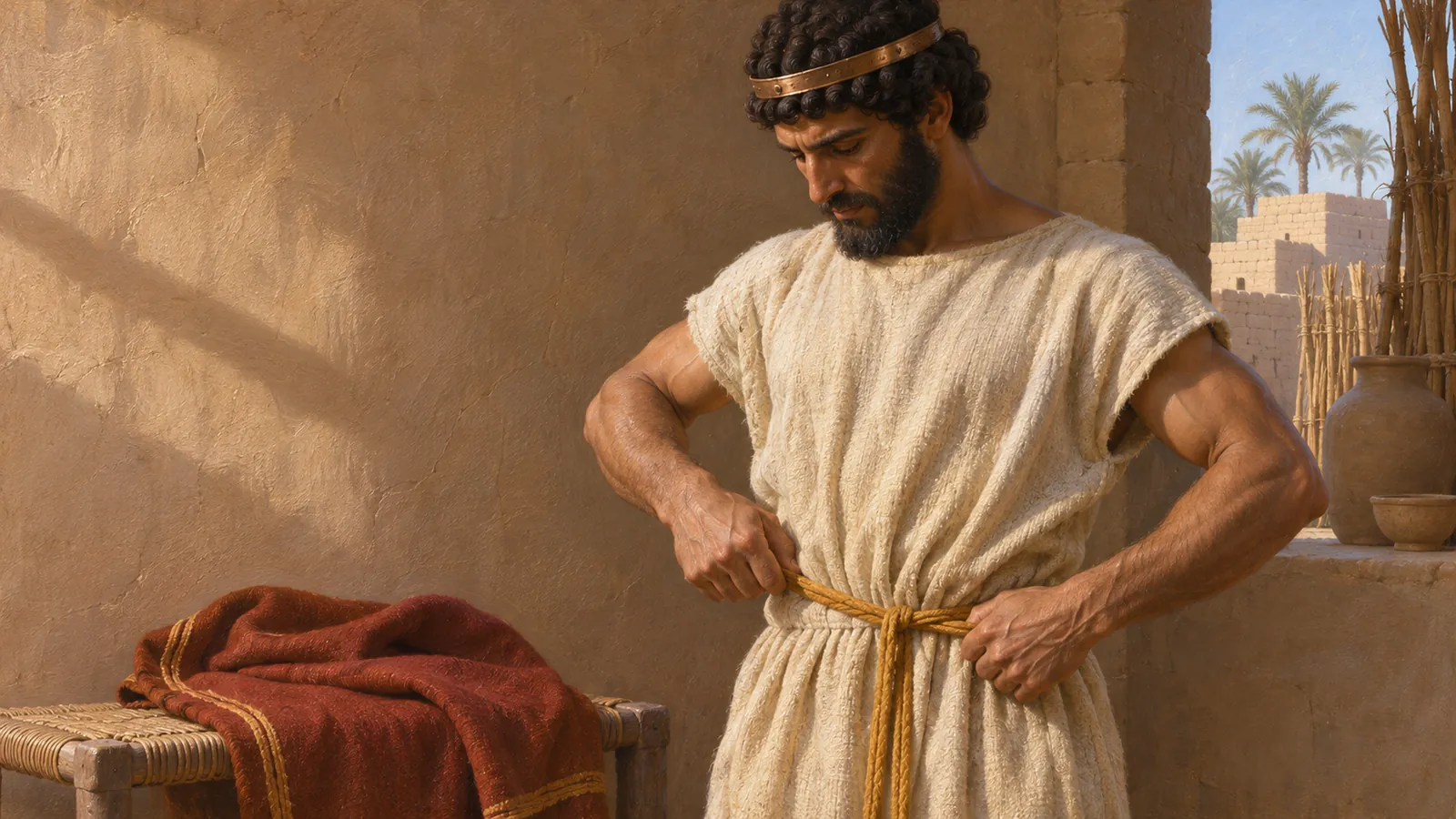
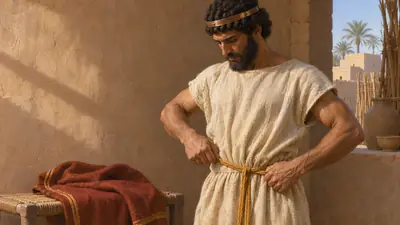
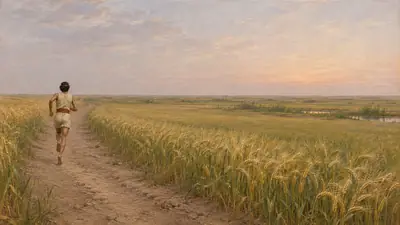
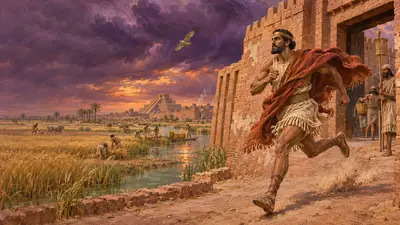
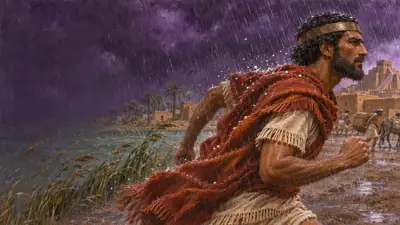
Shulgi tightens his short garment around his hips. The singer remembers the moment when the strong king makes himself ready to run.
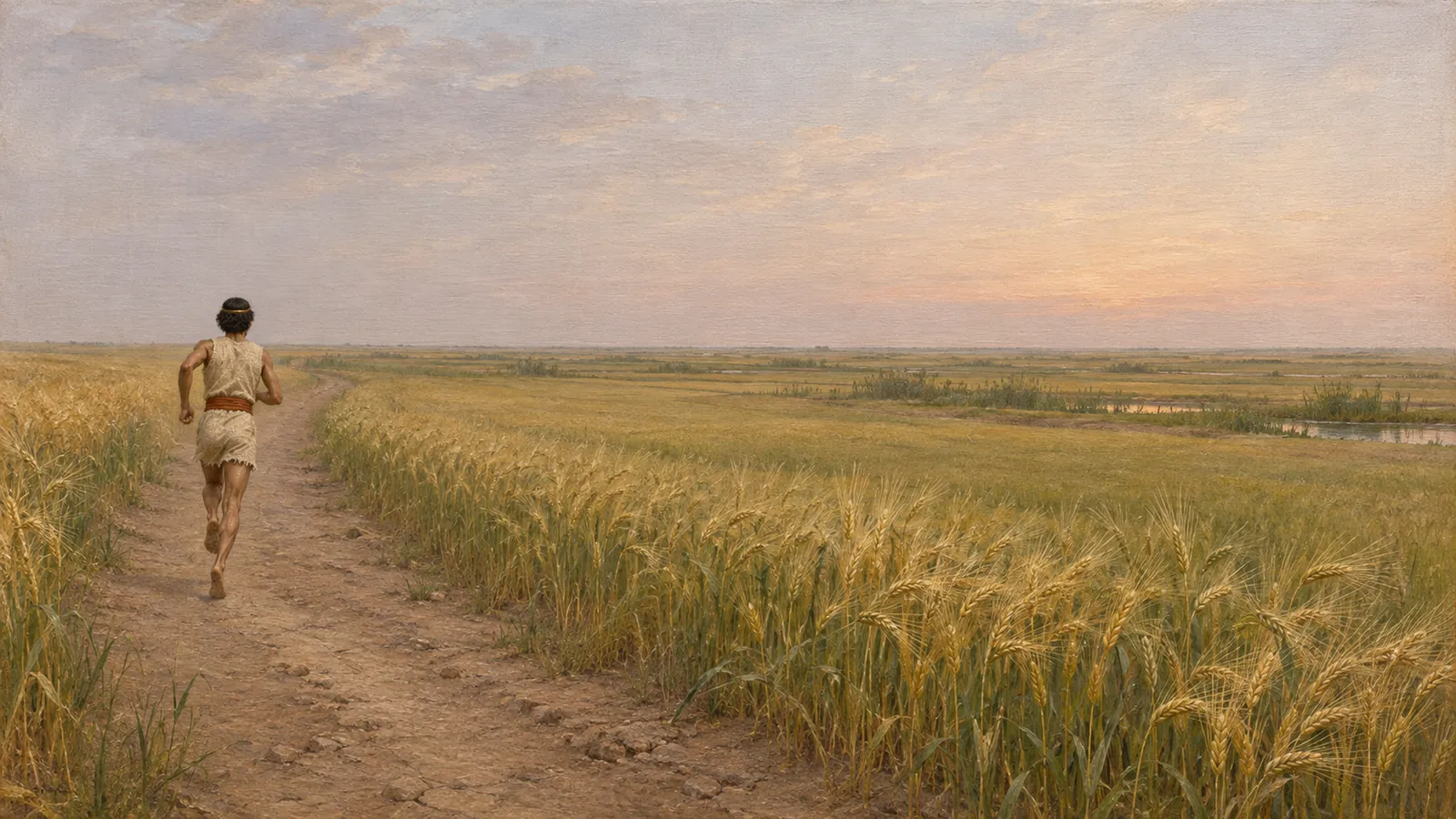
The runner readies himself to show his speed. With his garment fastened, he calls himself a lion whose strength holds, even as the road stretches ahead.
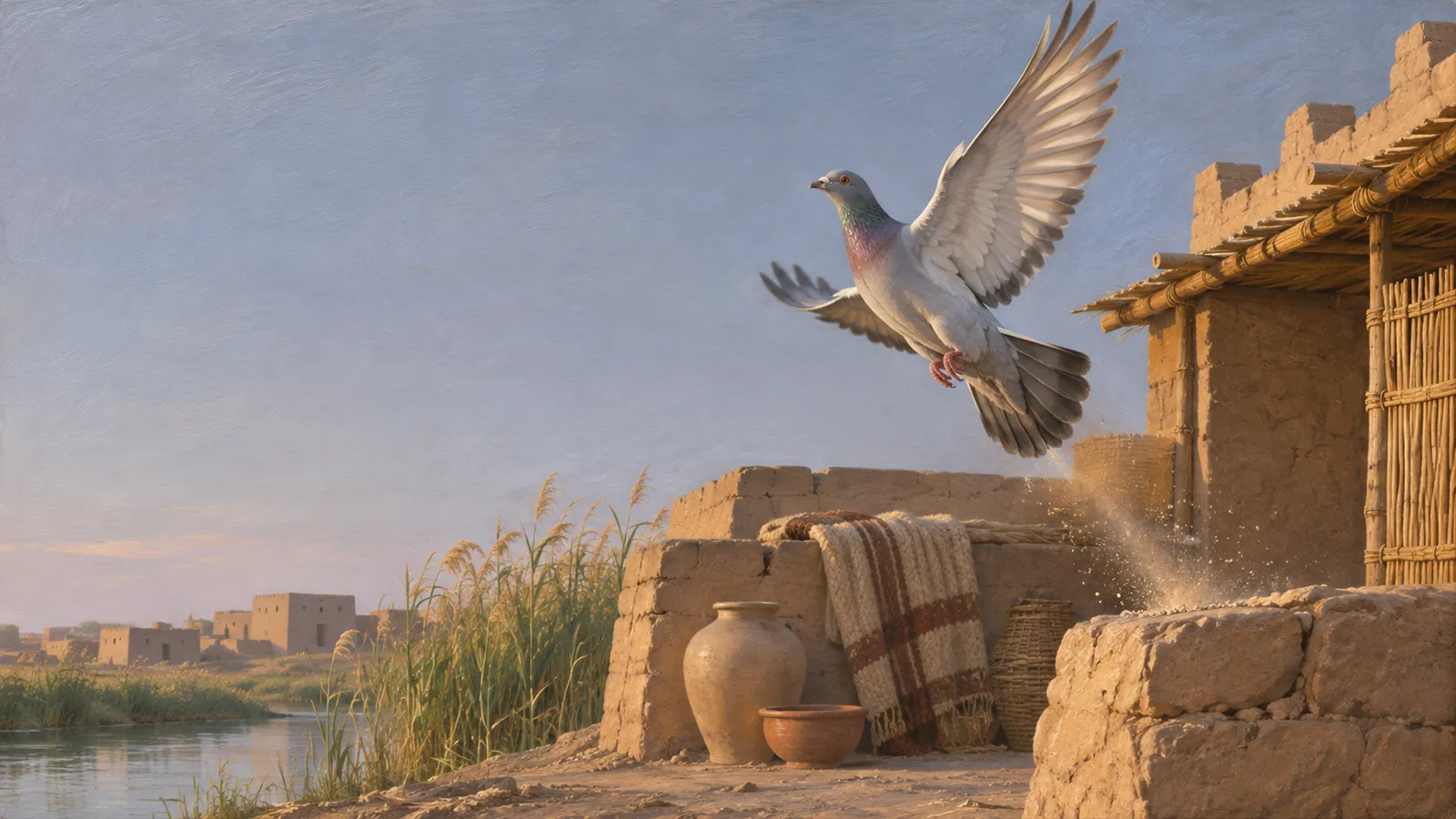
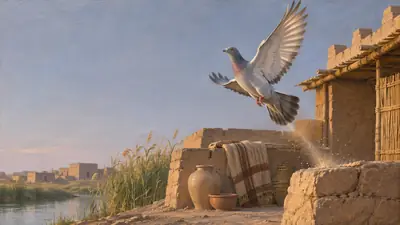
He launches himself like a pigeon in sudden flight. This is the first of two bird images the hymn gives him as he sets out.
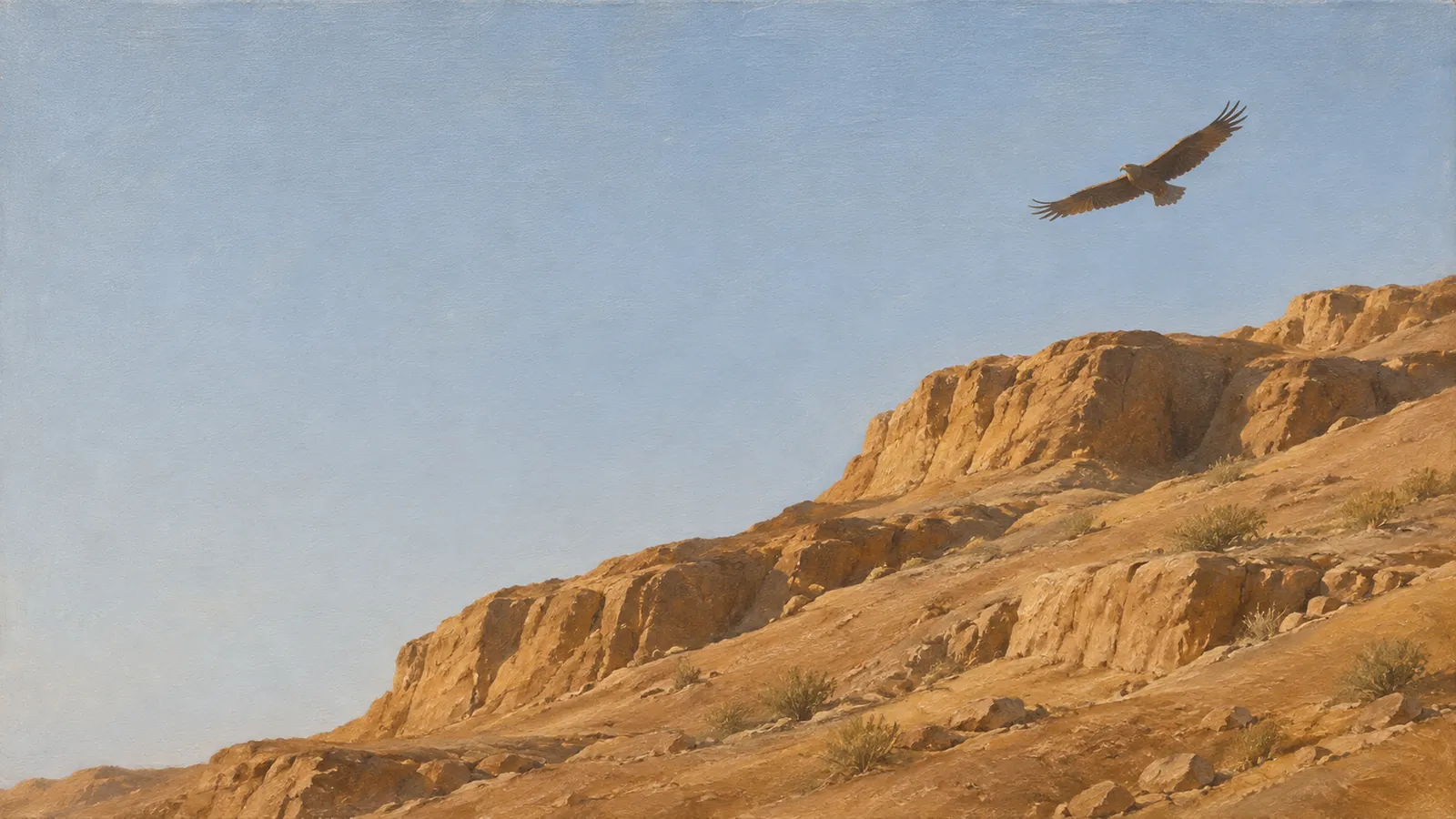
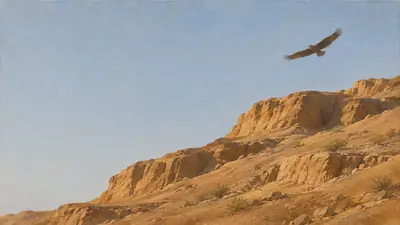
The second bird is Anzu, the great bird of Mesopotamian stories. It lifts its gaze toward the mountains. At the same moment in the verse, the king reaches forward with his legs.
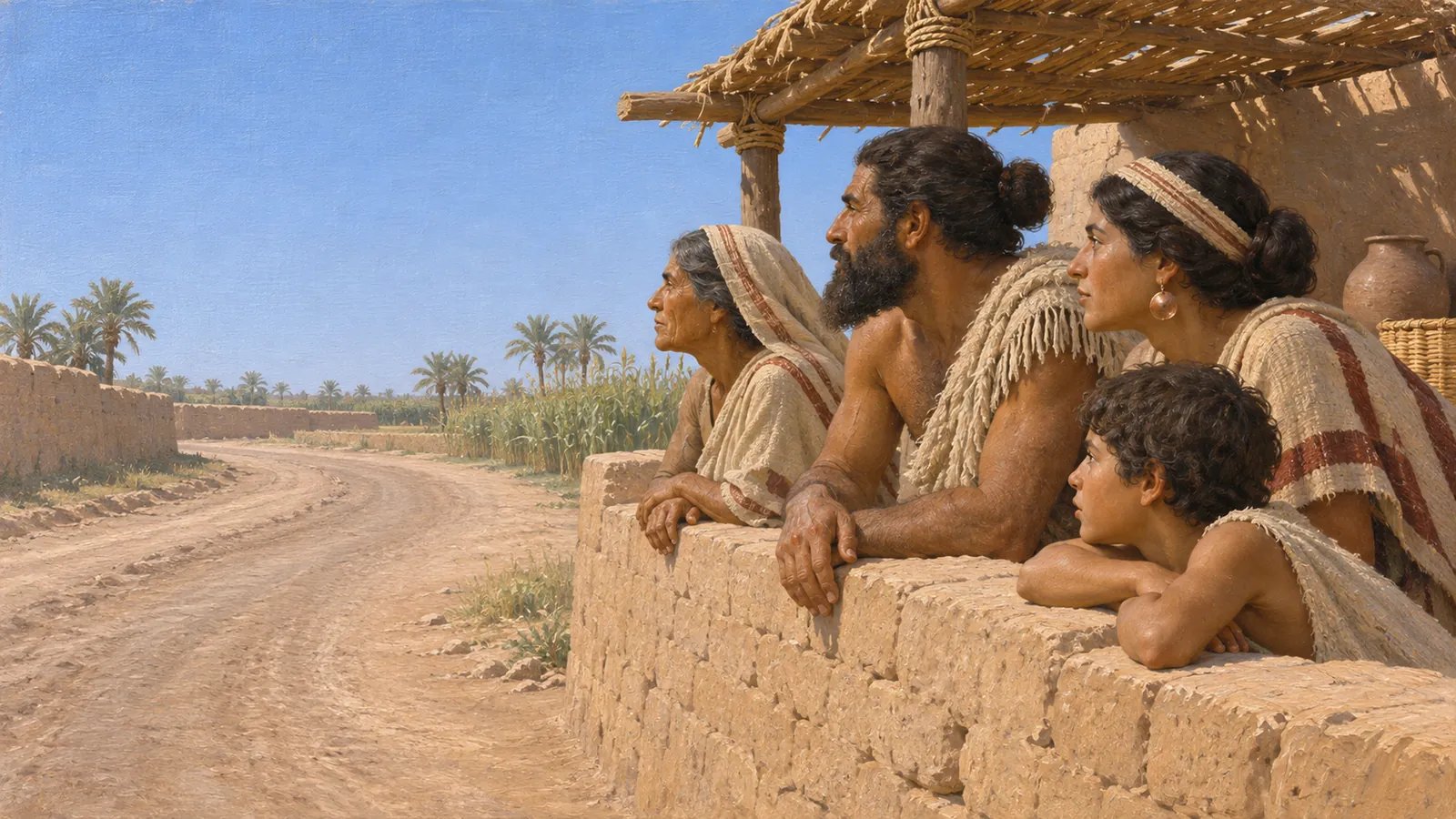
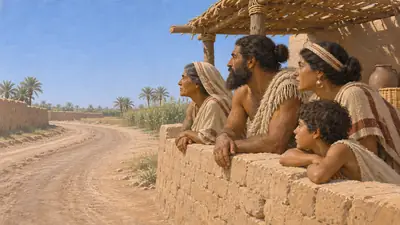
People line the roads by the cities the king says he founded. They turn their faces to watch him pass. The song likens their numbers to a flock of ewes.
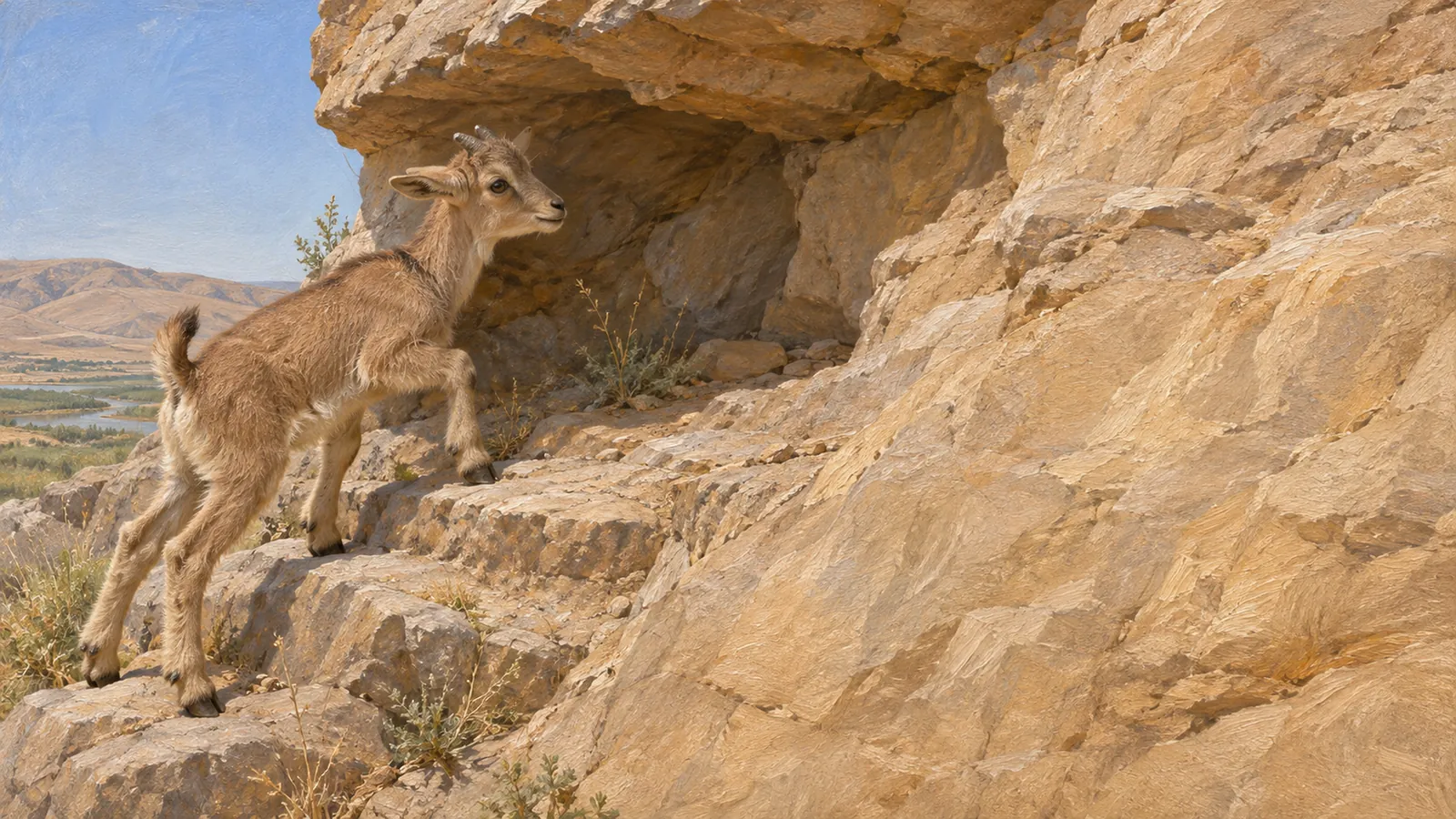
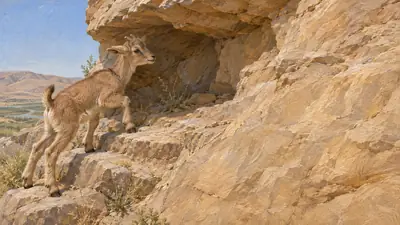
The poem leaves the crowd for the image of a mountain kid scampering to its shelter. The king approaches the sanctuary at Ur with the same quick familiarity.
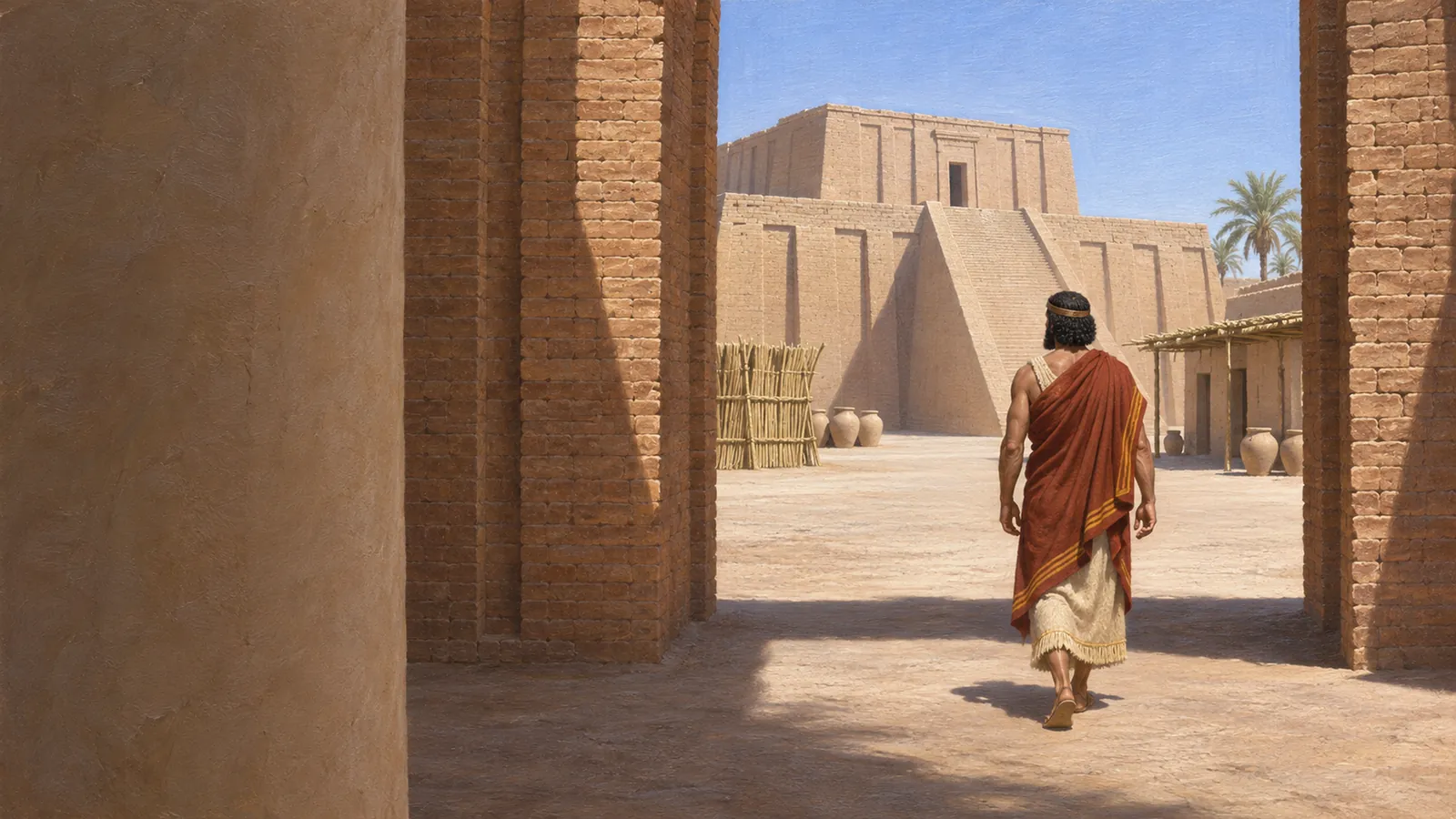
UR
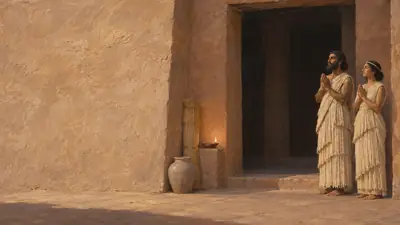
With daylight across the land, Shulgi enters the temple of Nanna at Ur. The hymn calls the shrine E-kishnugal. The arrival takes place while Utu spreads light over the countryside.
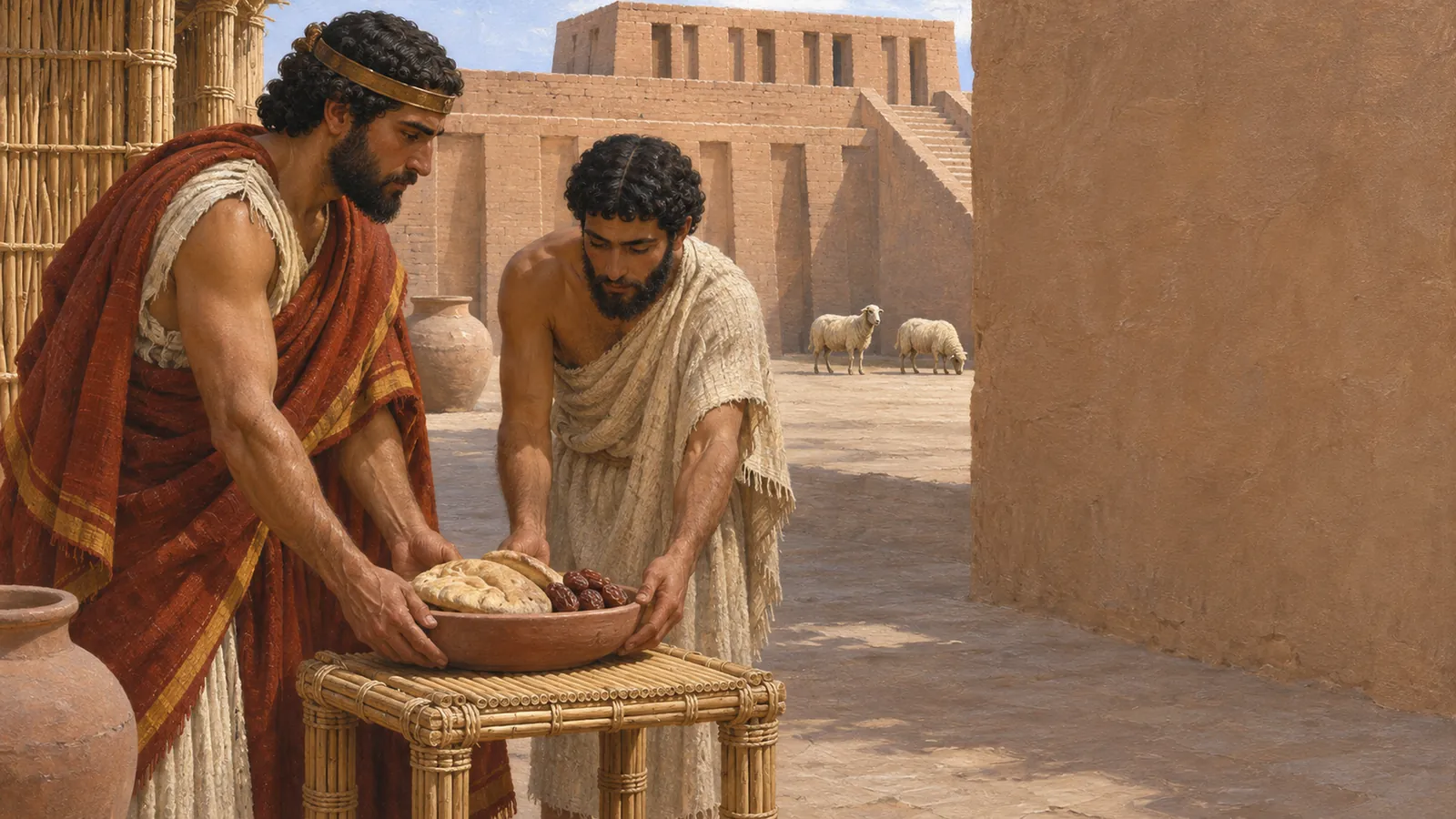
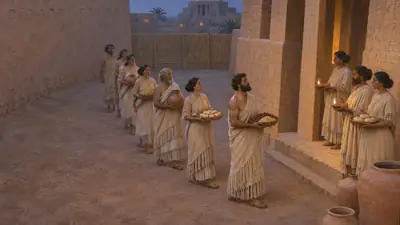
The hymn remembers generous offerings in the temple of the moon god. It compares the well-provisioned temple to a rich cattle pen. Shulgi presents food and cattle and sheep are brought for the rites.
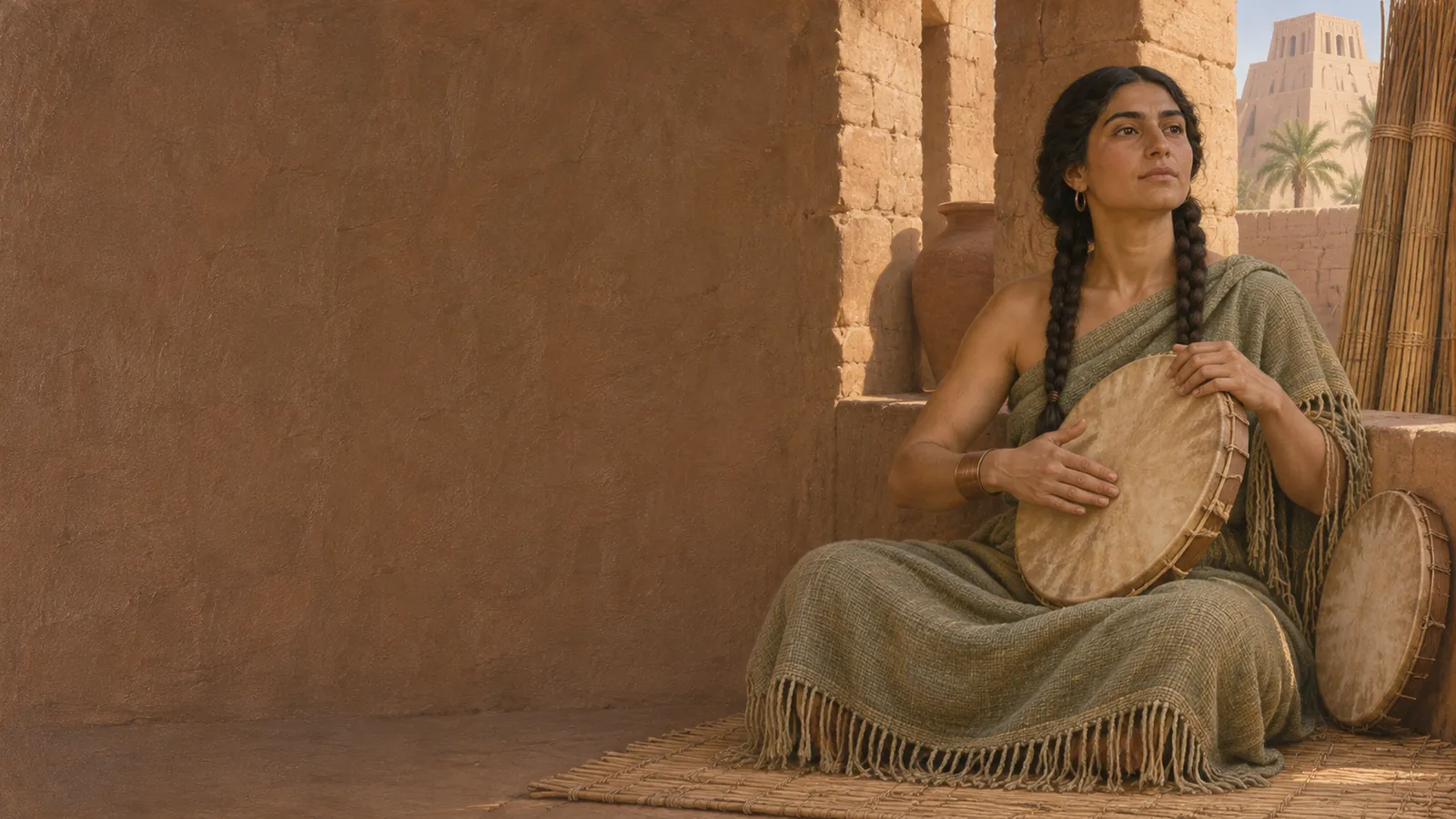
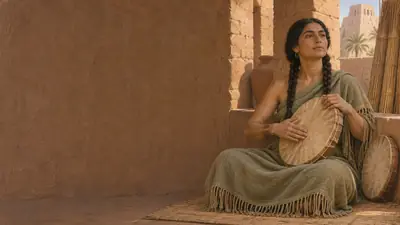
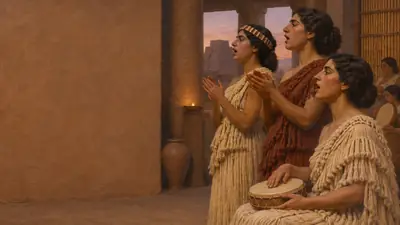
Several kinds of drum resound, by turns strong and sweet. The poem pauses to let the music of the feast at Ur be heard. An ancient copy gives a different line about a musician.
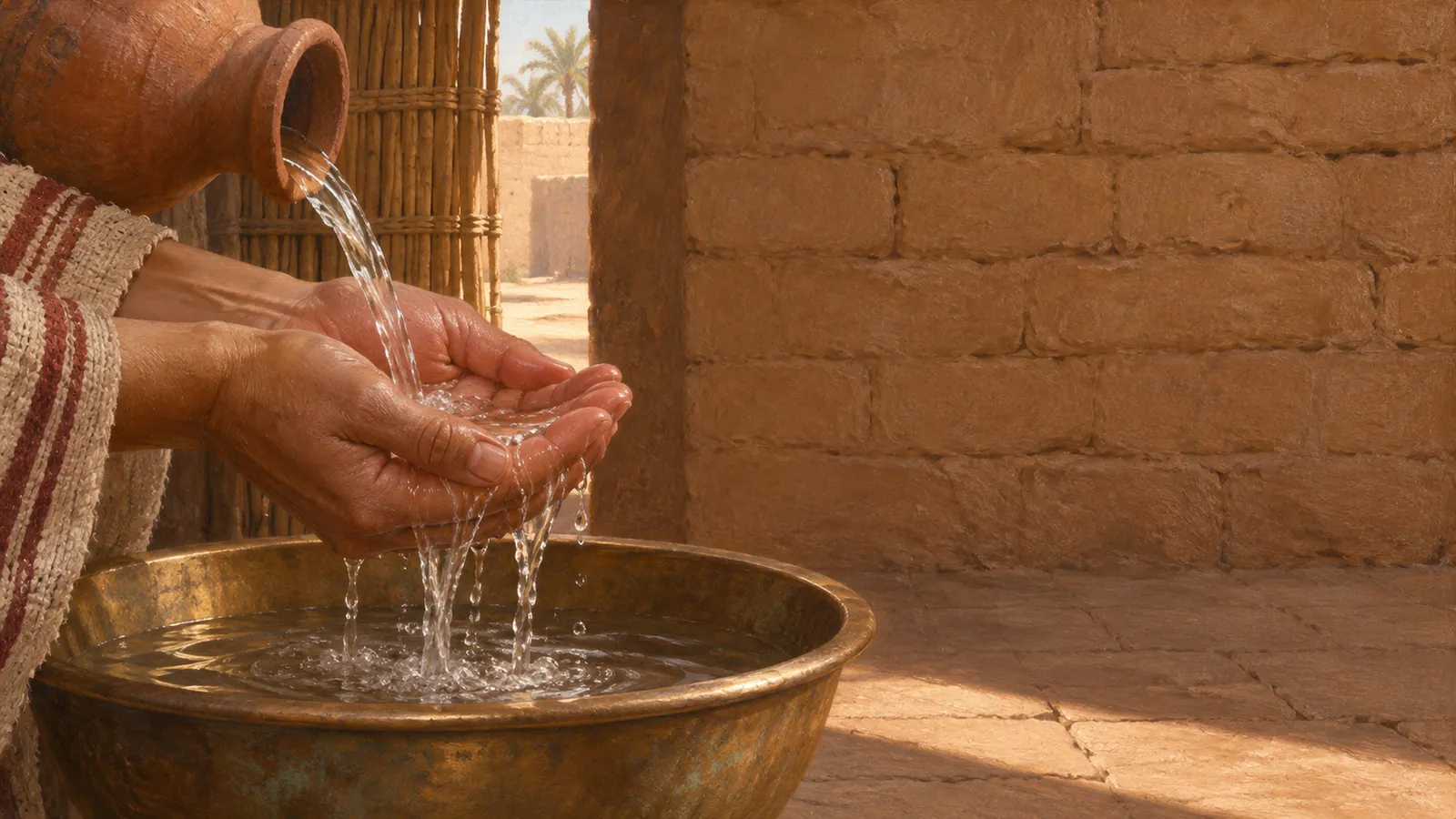
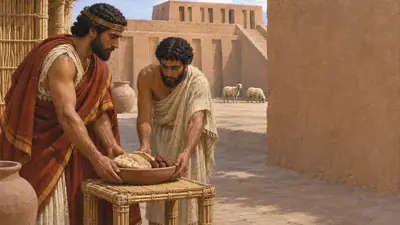
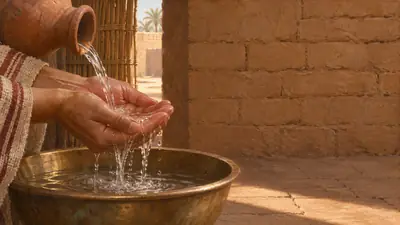
With the food presented, the king bends down to bathe in flowing water. The hymn puts this moment between the royal offering place and the meal in the great hall.
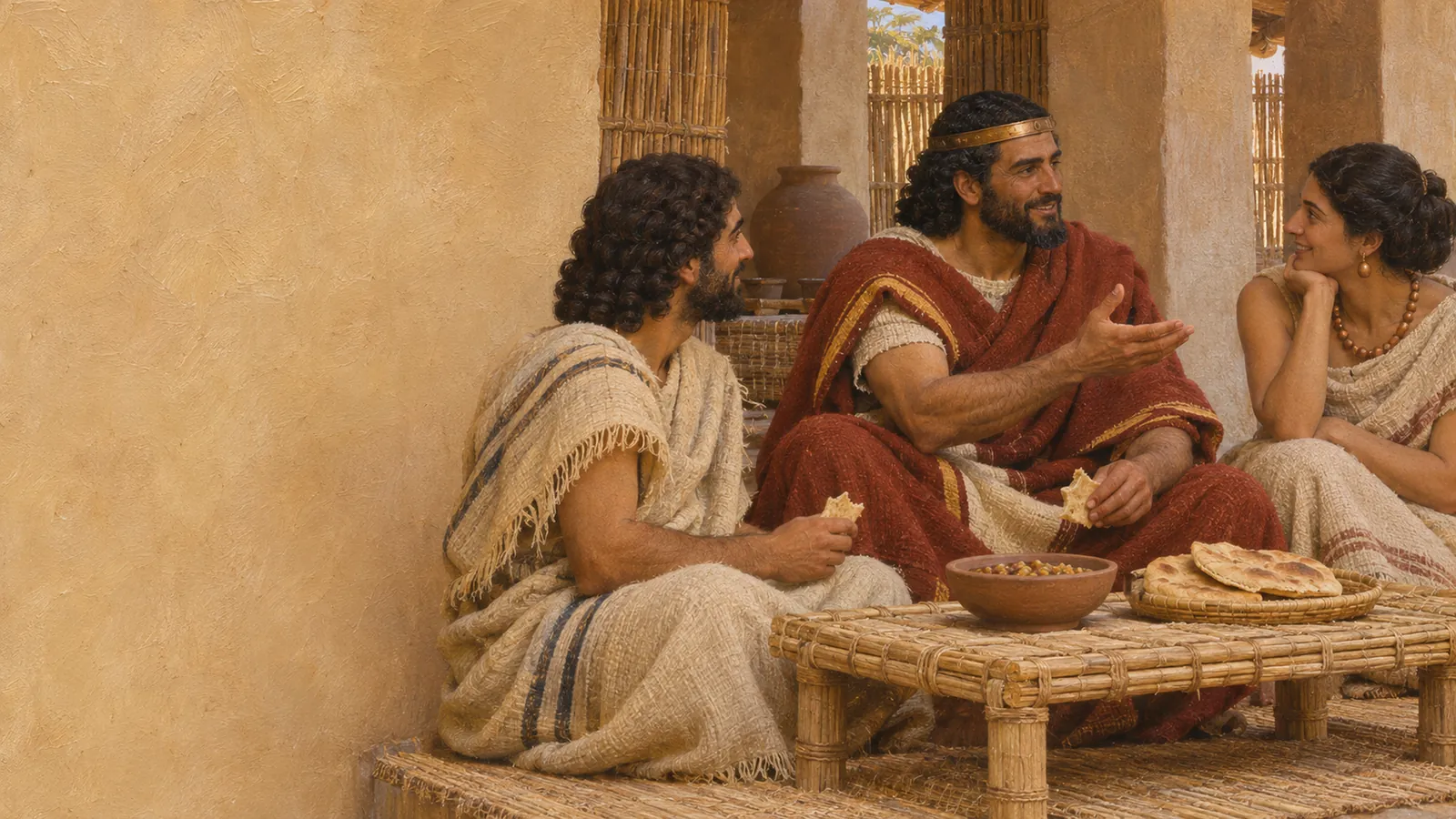
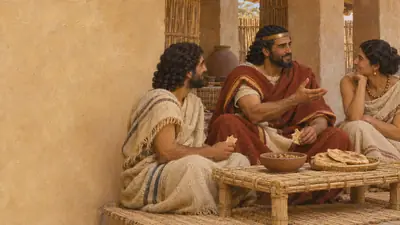
Shulgi feasts in the great palace of Ninegal, kneeling to eat after washing in flowing water. The outward run has brought him to a full celebration at Ur.
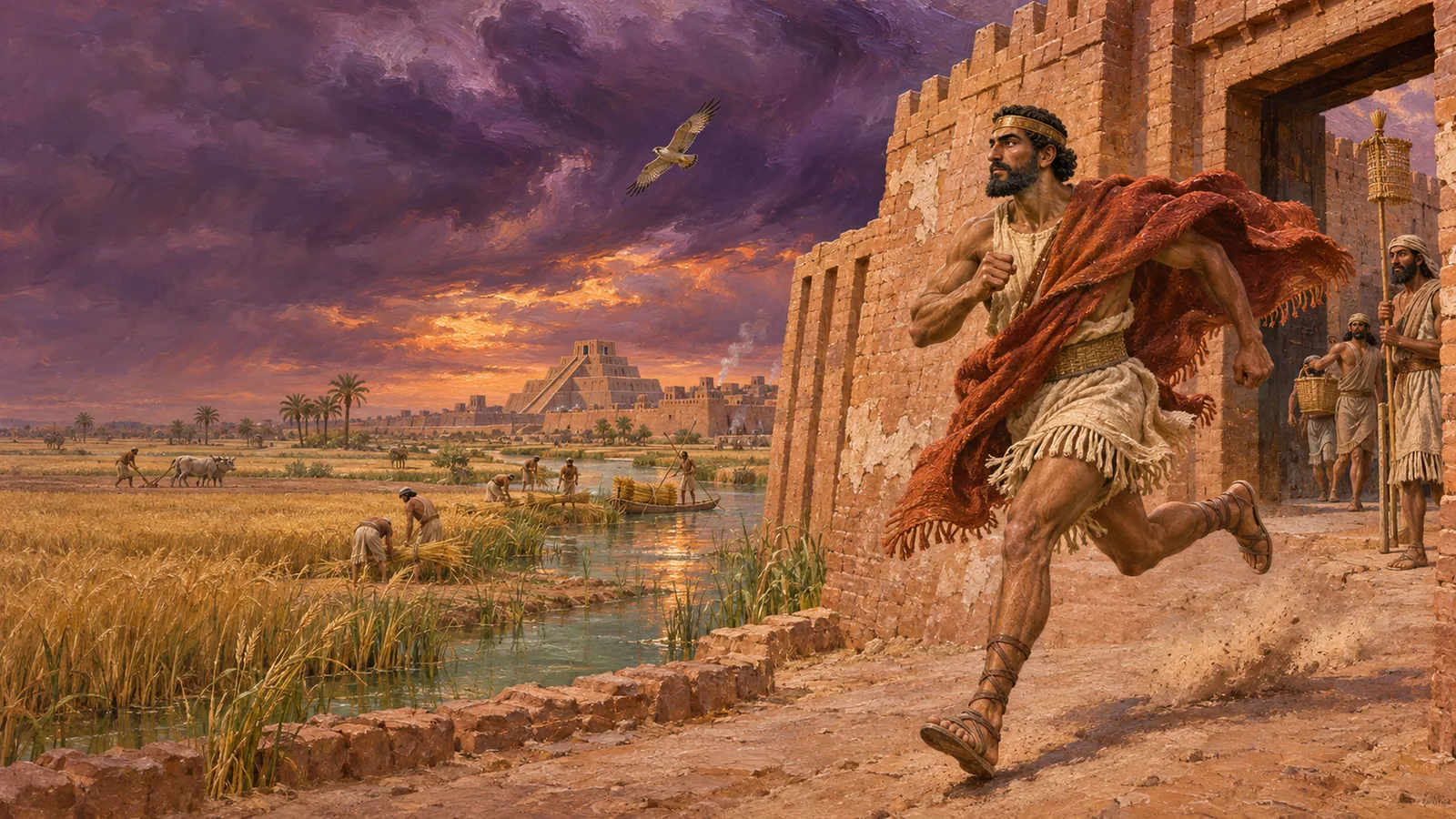
Shulgi rises and heads back toward Nippur. The poem compares him to a falcon as he gathers himself for the return.
THE STORM
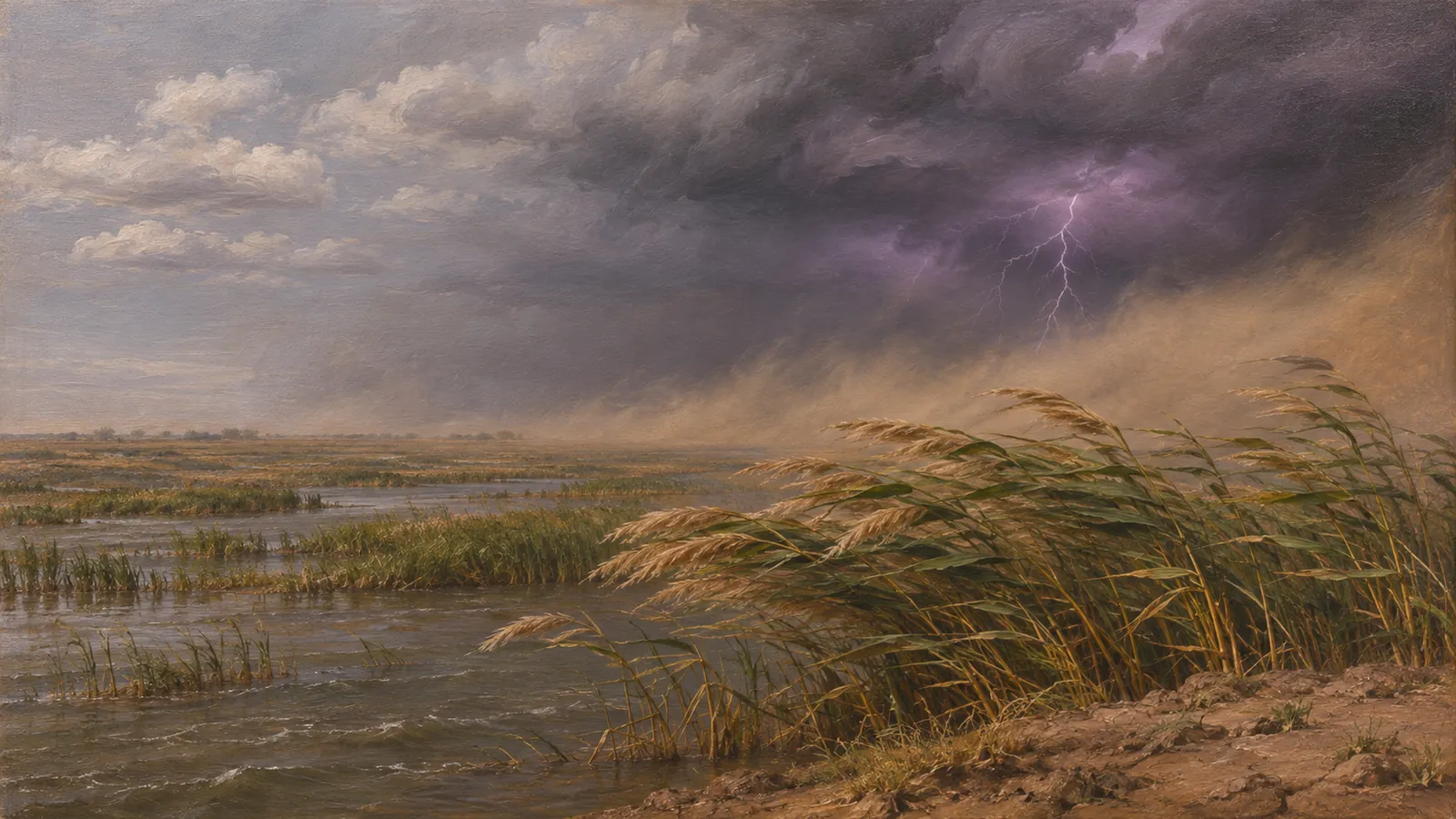
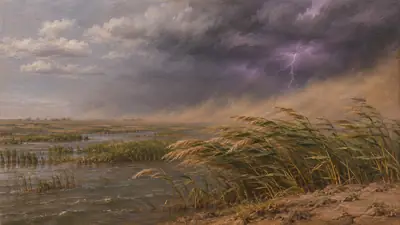
The west wind twists around him. North and south winds answer with a howl. Lightning vies with the seven winds as Ishkur, the storm god, roars across the sky.
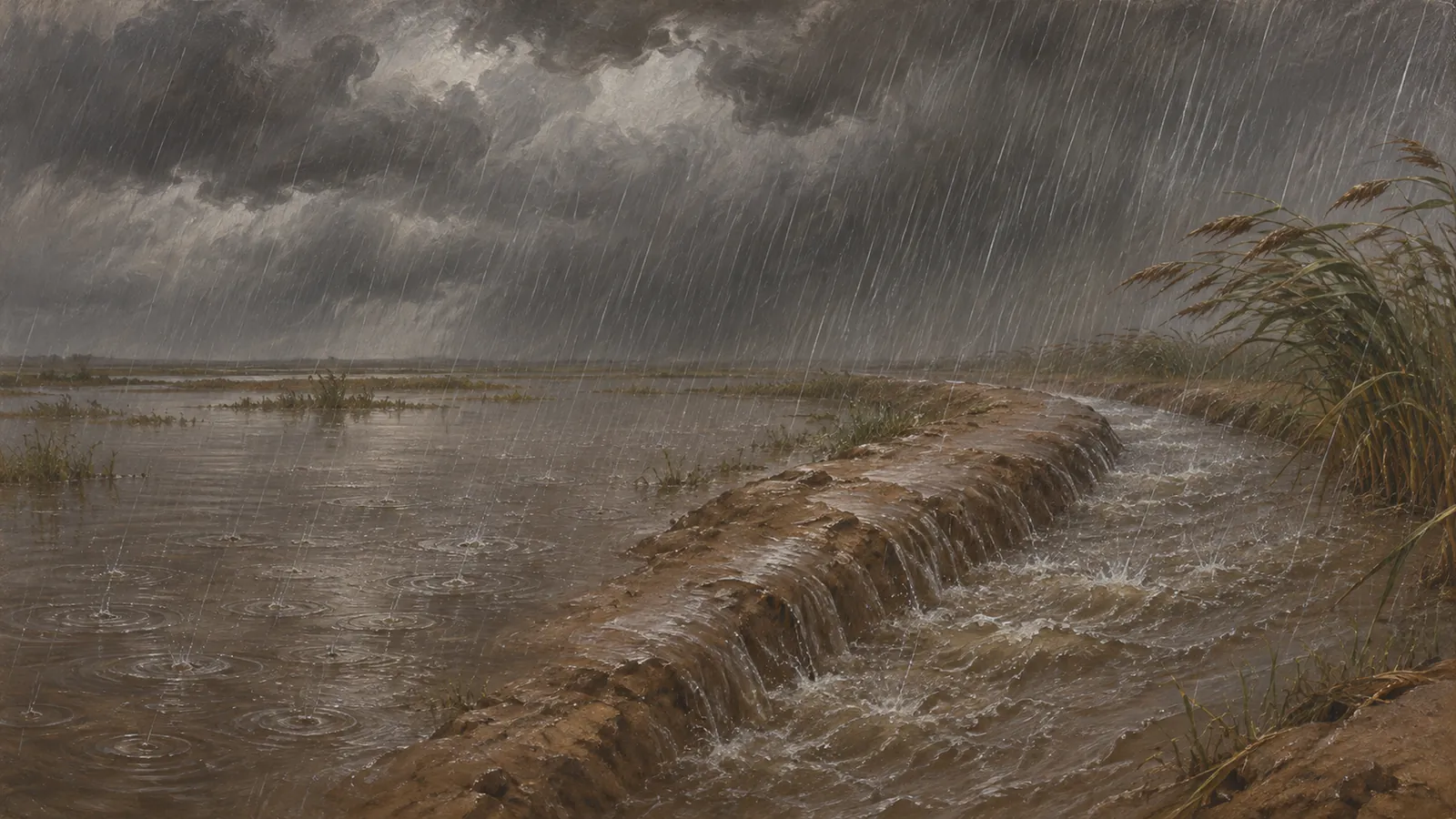
The storm reaches the ground. One reading of the hymn makes the rain mingle with the water already there. In another manuscript the two waters seem to contend with each other.
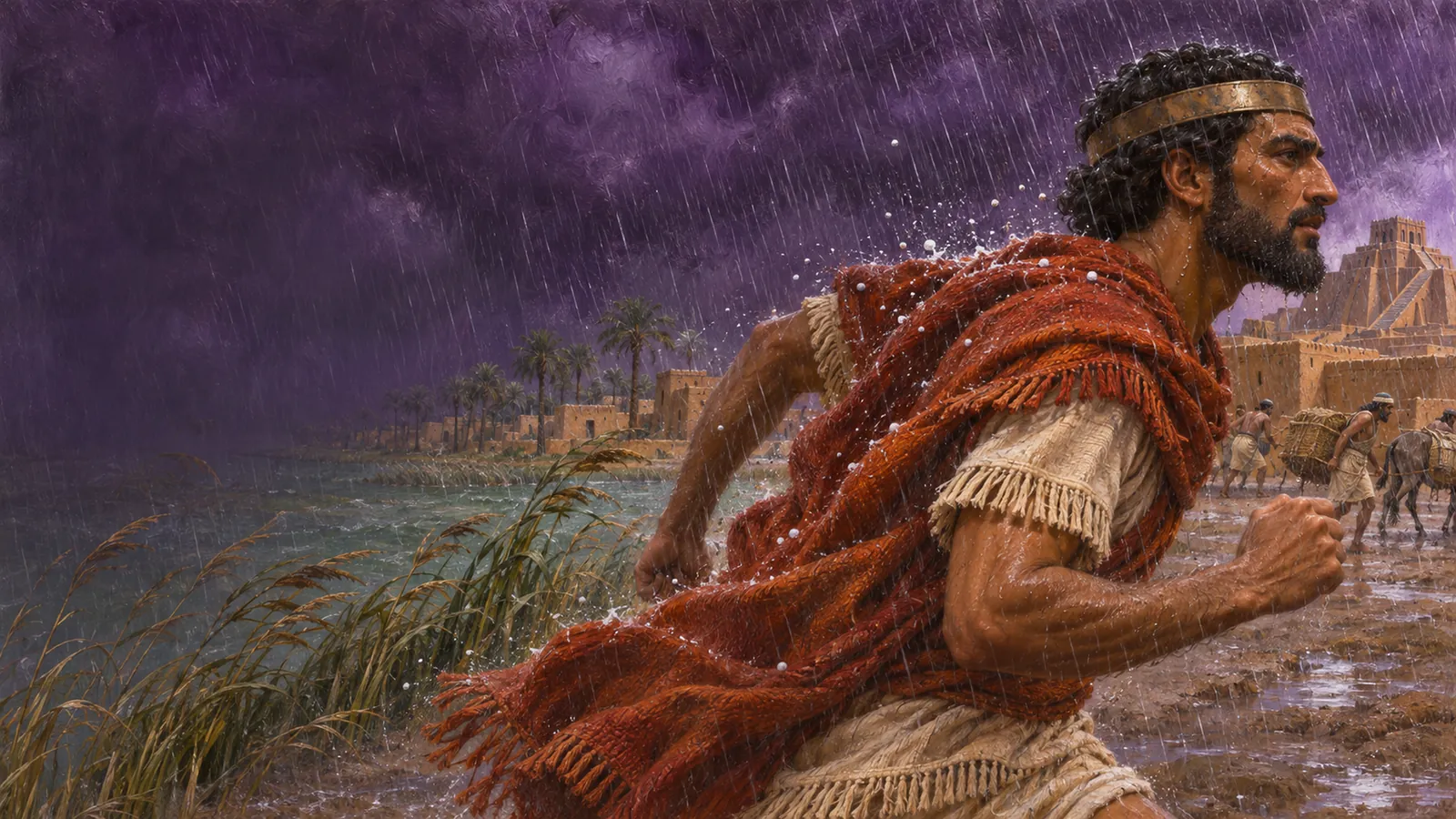
Rain pours across the land and hailstones large and small drum against Shulgi’s back. The king says that even then his body did not shake with fear.
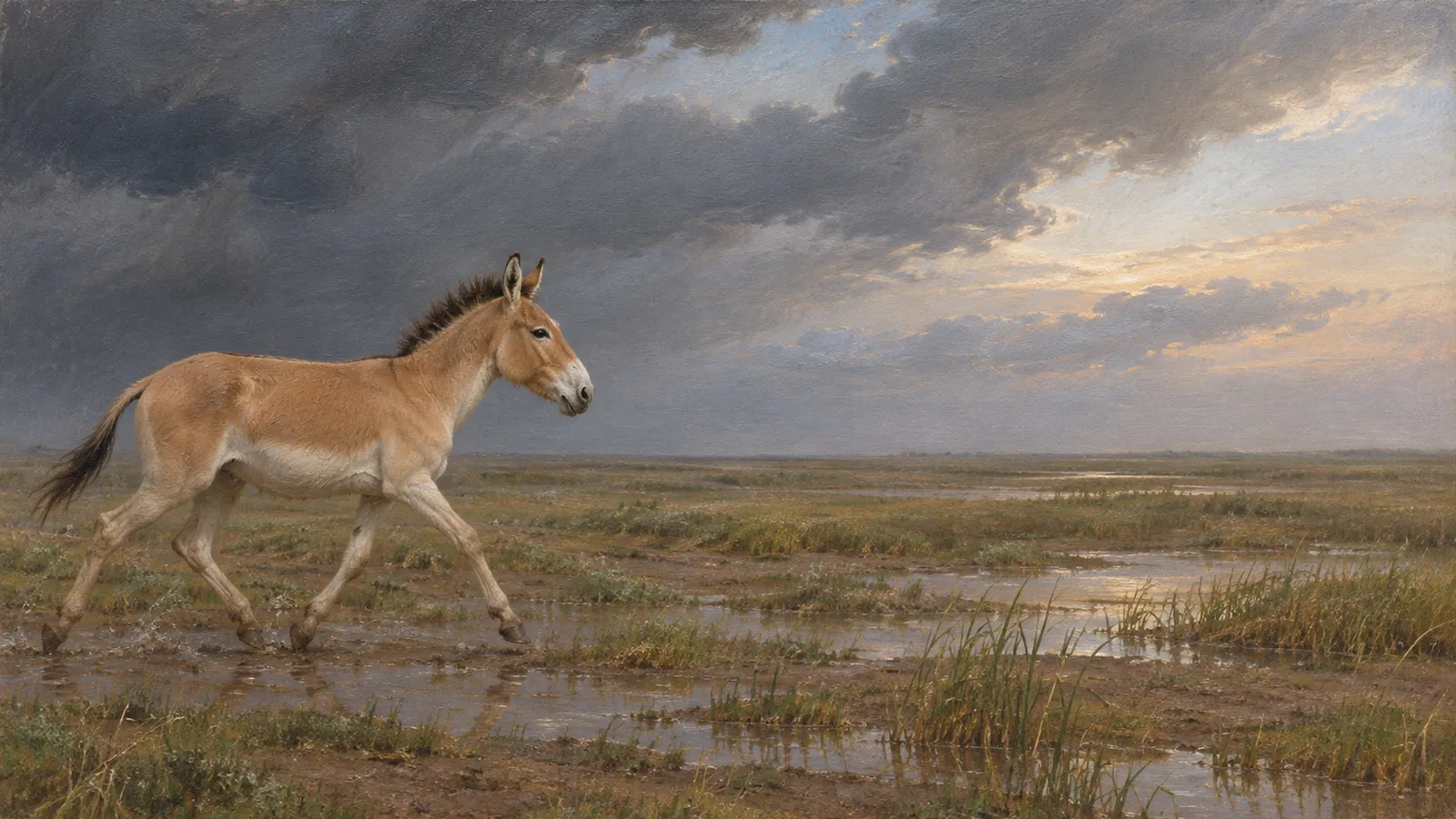
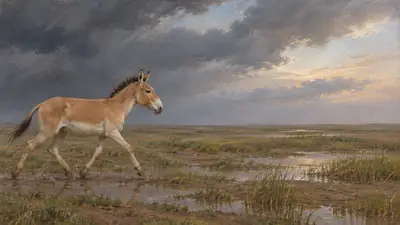
The king says he keeps running with joy. He calls himself a lion once more, then twice turns to the wild ass, the solitary animal whose gait carries the verse across the plain.
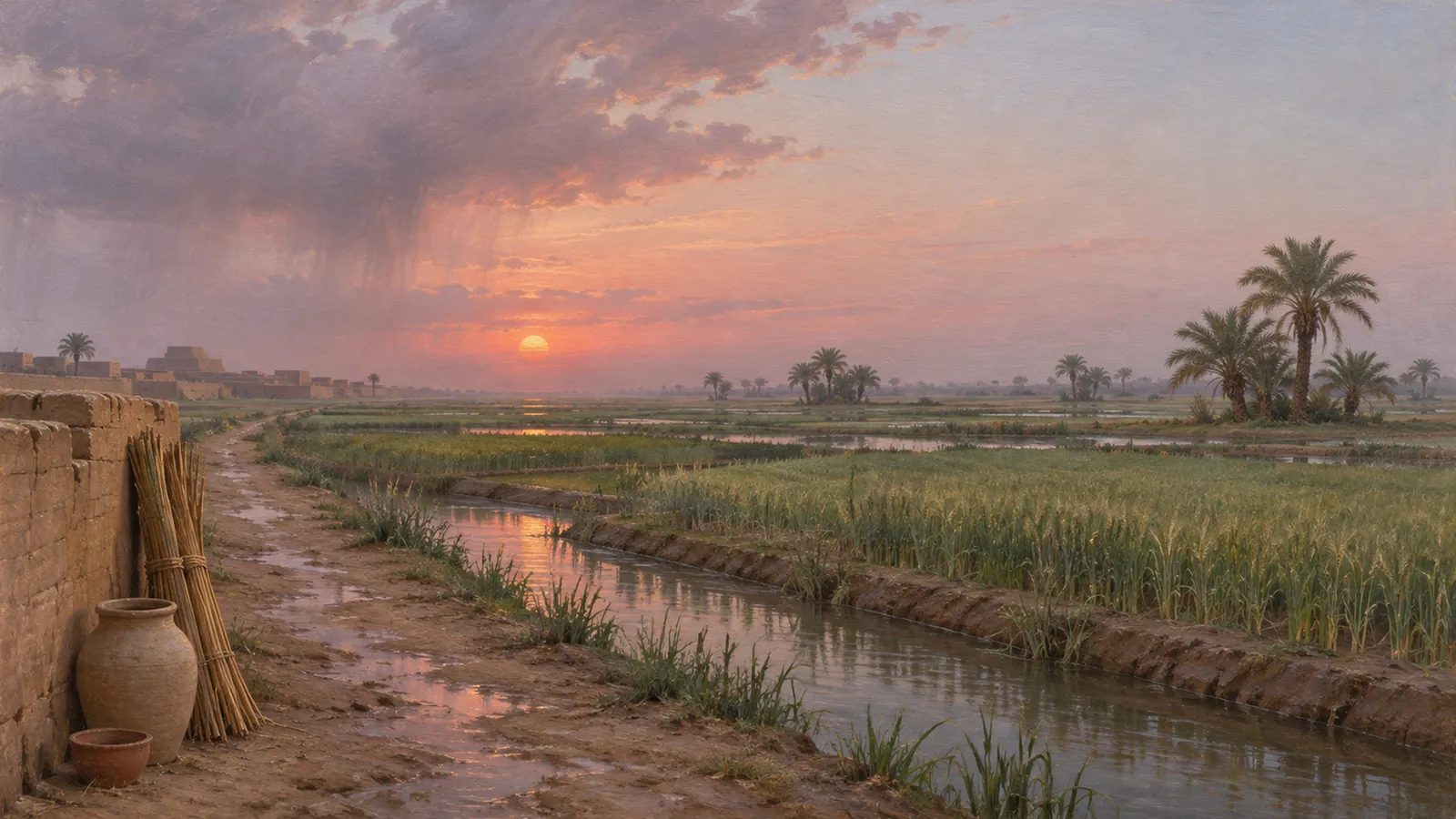
As the sun turns toward its dwelling, the poem gives the distance as fifteen double-hours. The great number sits beside Shulgi’s earlier boast that he would run it like a single stage.
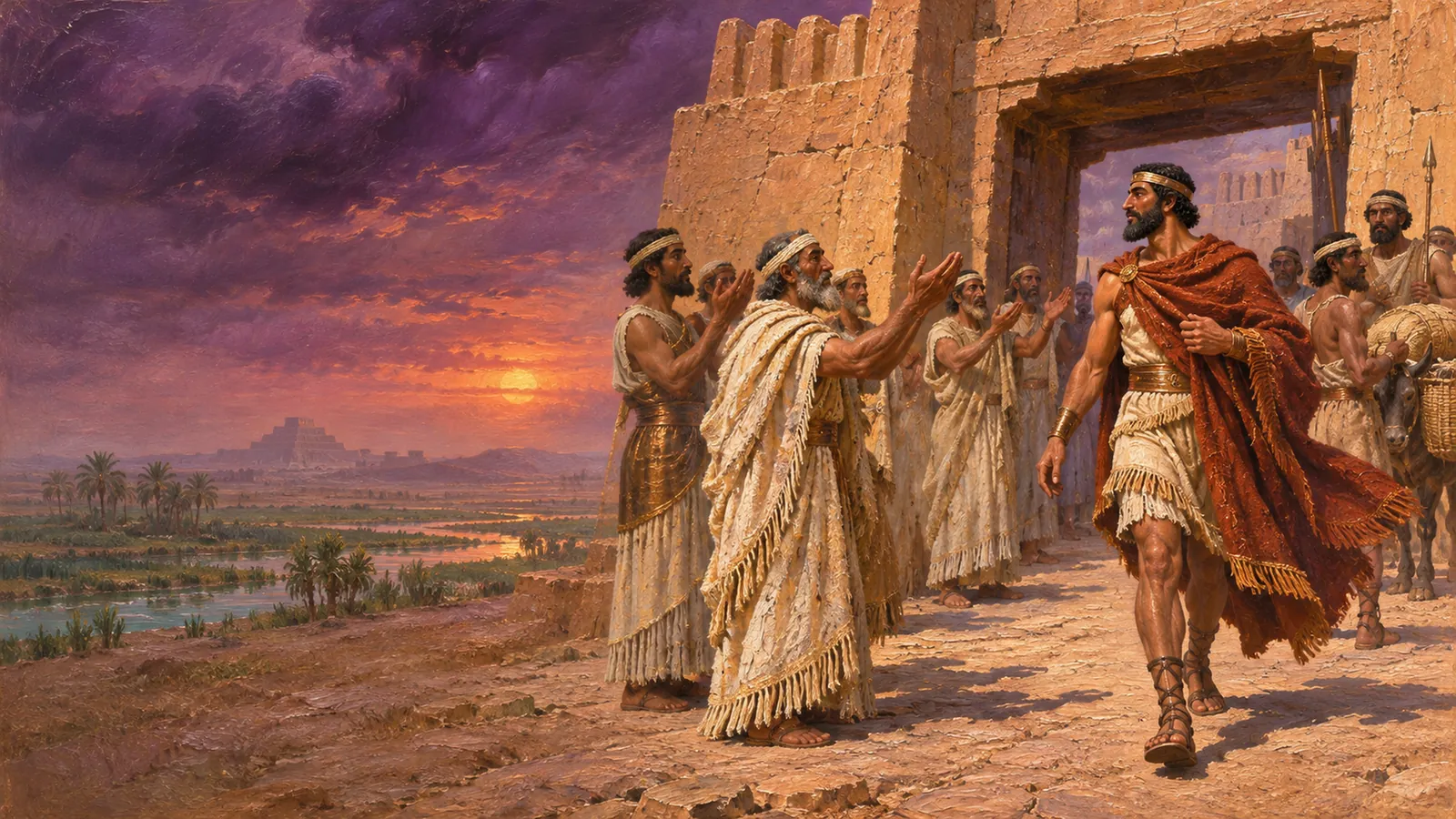
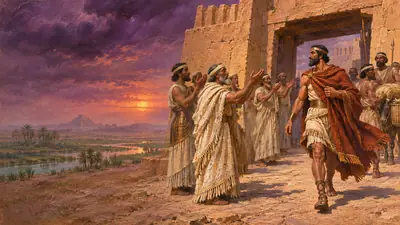
By the time Utu, the sun, turns toward his own house, Shulgi is back at Nippur. His priests see him and, in the main reading of the poem, look on in admiration.
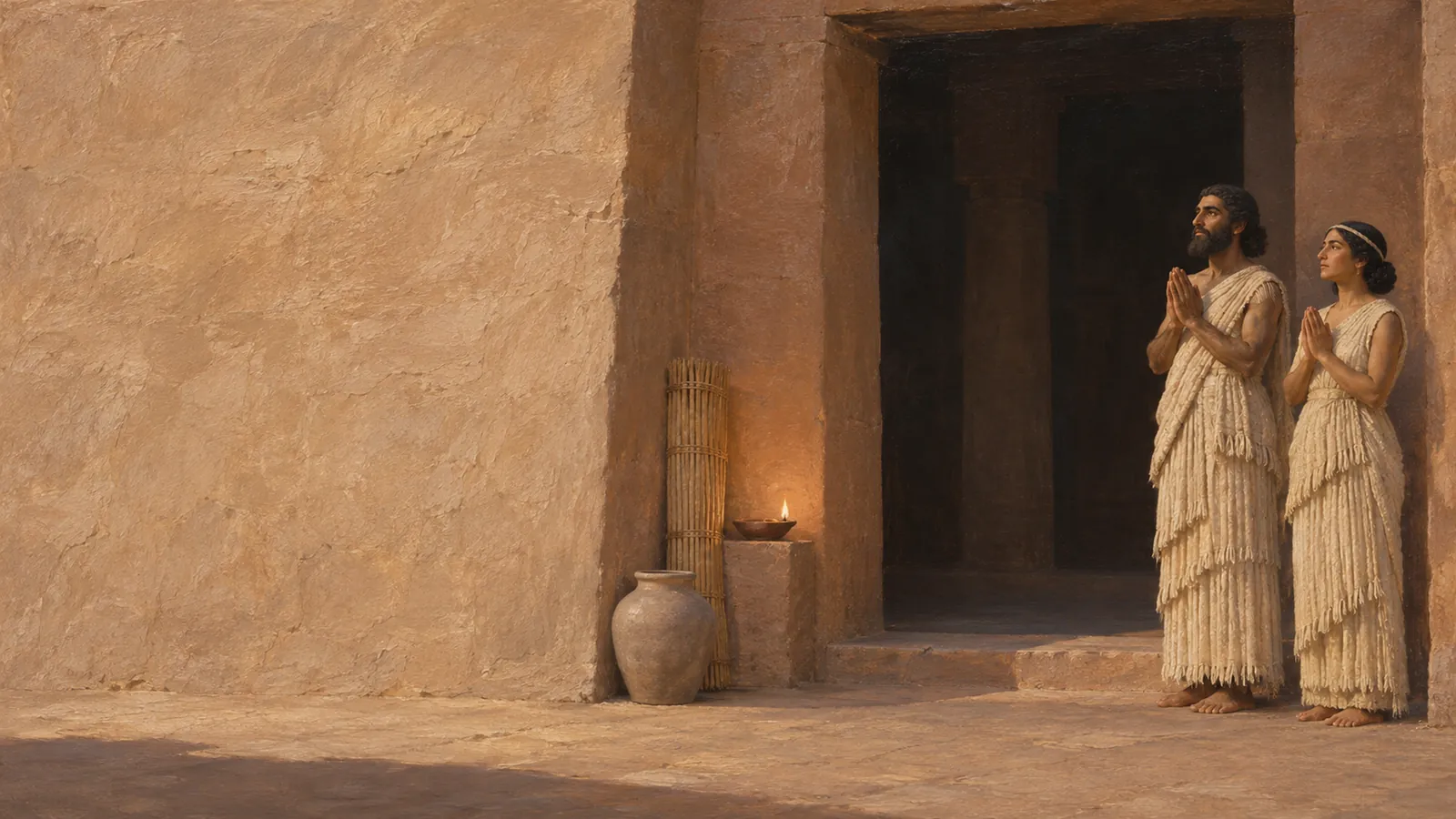
One copy has a different line at the end of the run. Its damaged words still preserve a prayer to Enlil and Ninlil, whose sanctuary stands at Nippur.
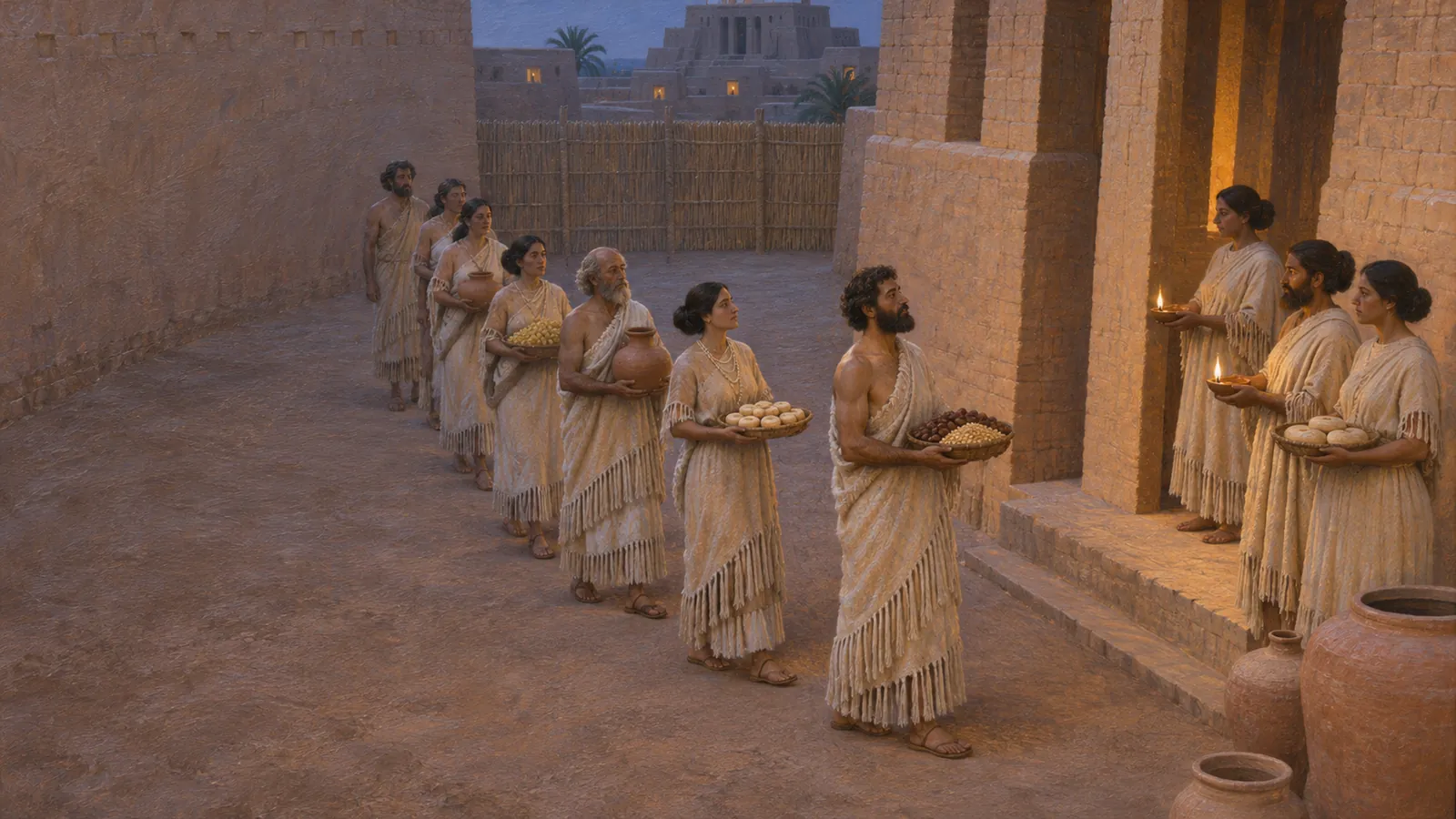
NIPPUR
The hymn gives the feat its own measure. Shulgi says he celebrated the eshesh festival in Ur and Nippur on the same day.
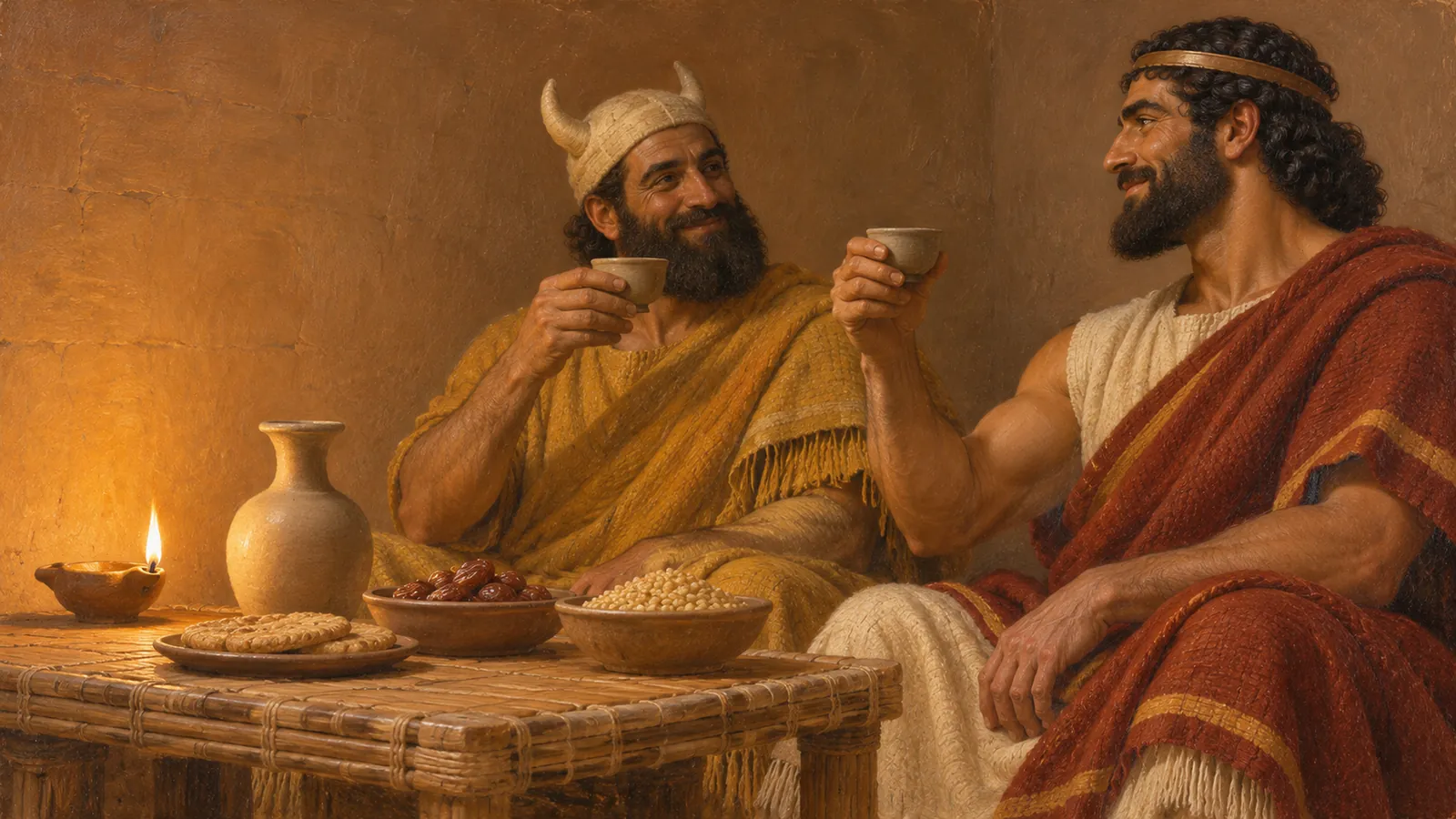
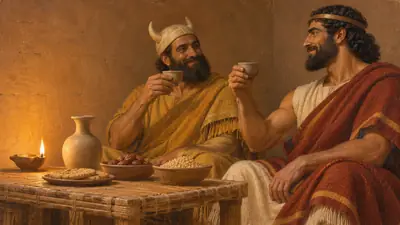
In the palace that the poem says An founded, Shulgi drinks beer with the hero Utu. The sun whom he watched on the road is now his brother and companion at the banquet.
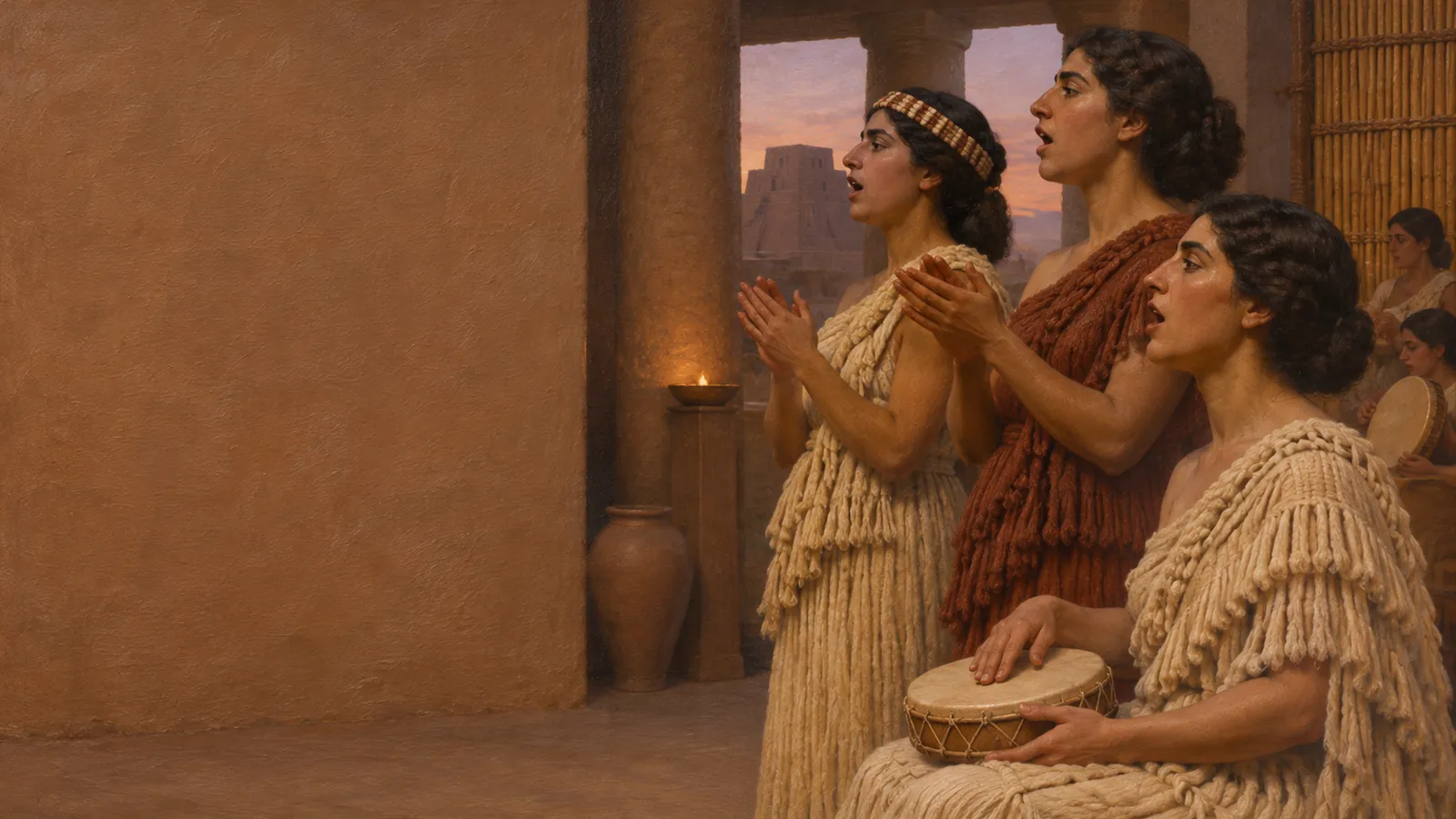
The singers give the king his praise aloud. The song remembers seven tigi instruments accompanying them and brings back the sound that greeted the king at the other end of his journey.
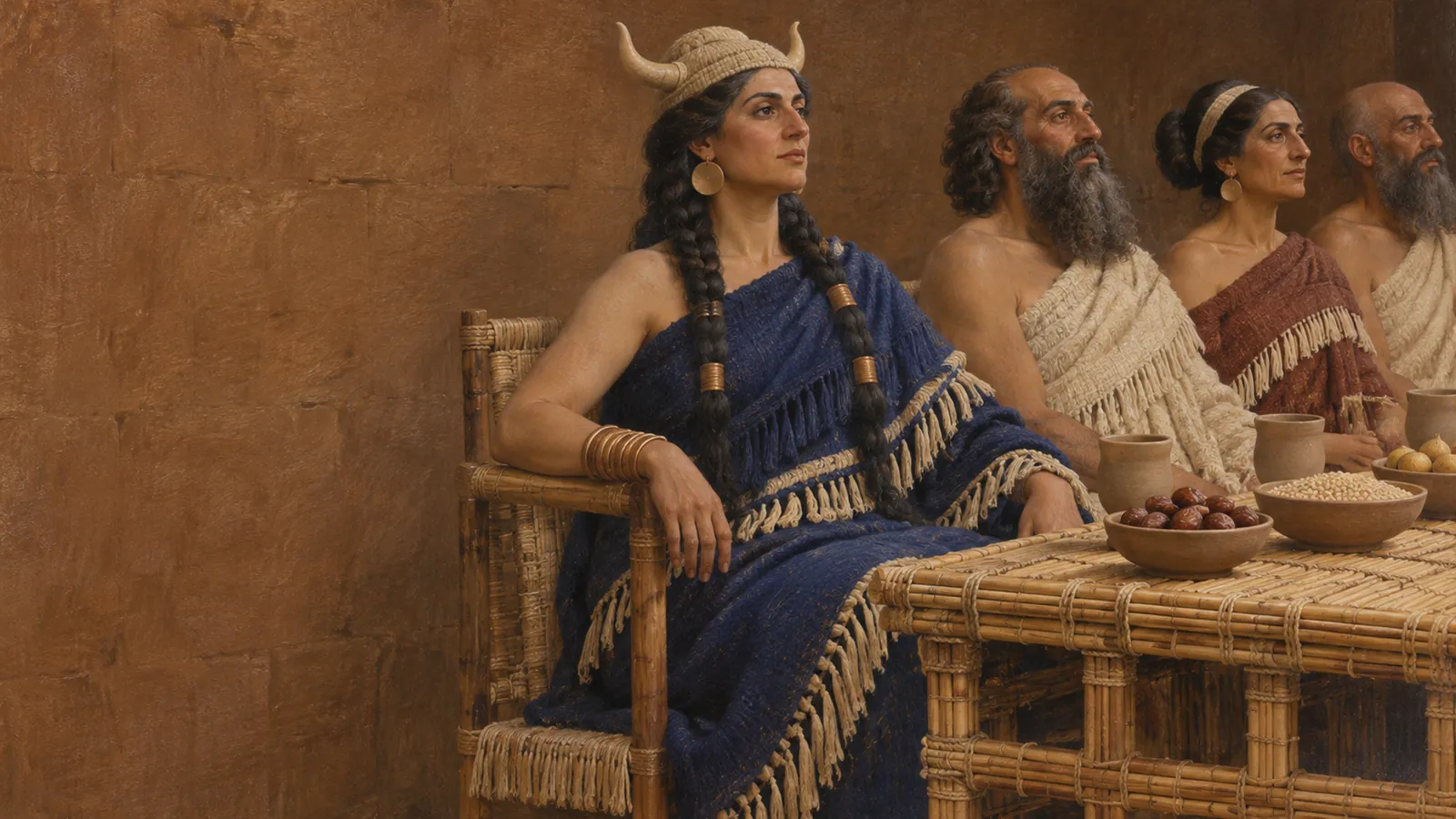
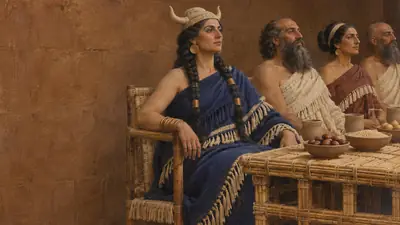
Inanna, whom Shulgi named among the gods who favoured him at the beginning, sits with him at the meal. The poem grants her the place of his spouse at the royal banquet.
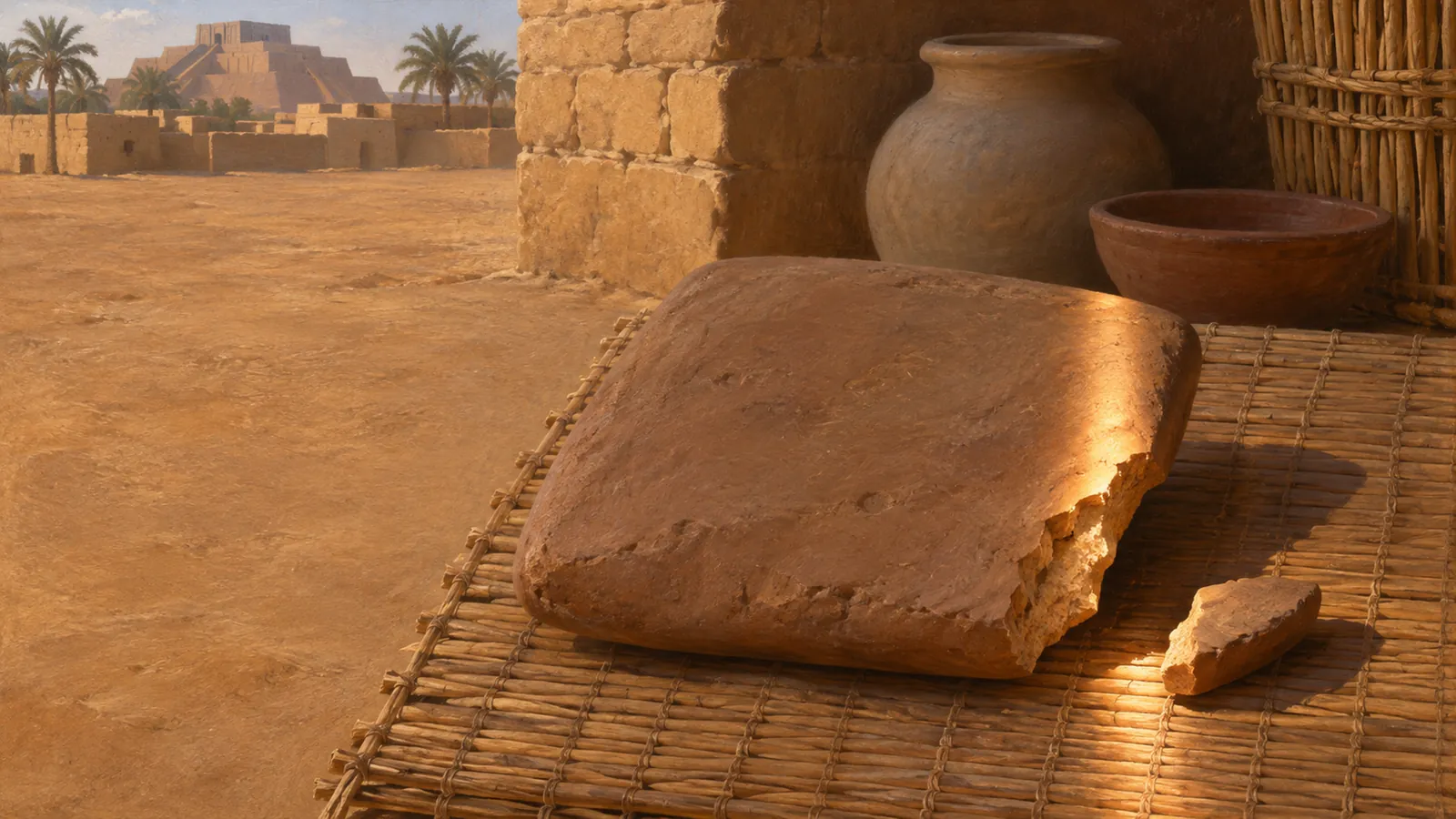
In one manuscript Shulgi swears by Lugalbanda and Nanna as he vouches for the words written on his tablet. The passage breaks, leaving pieces of a further claim to greatness.
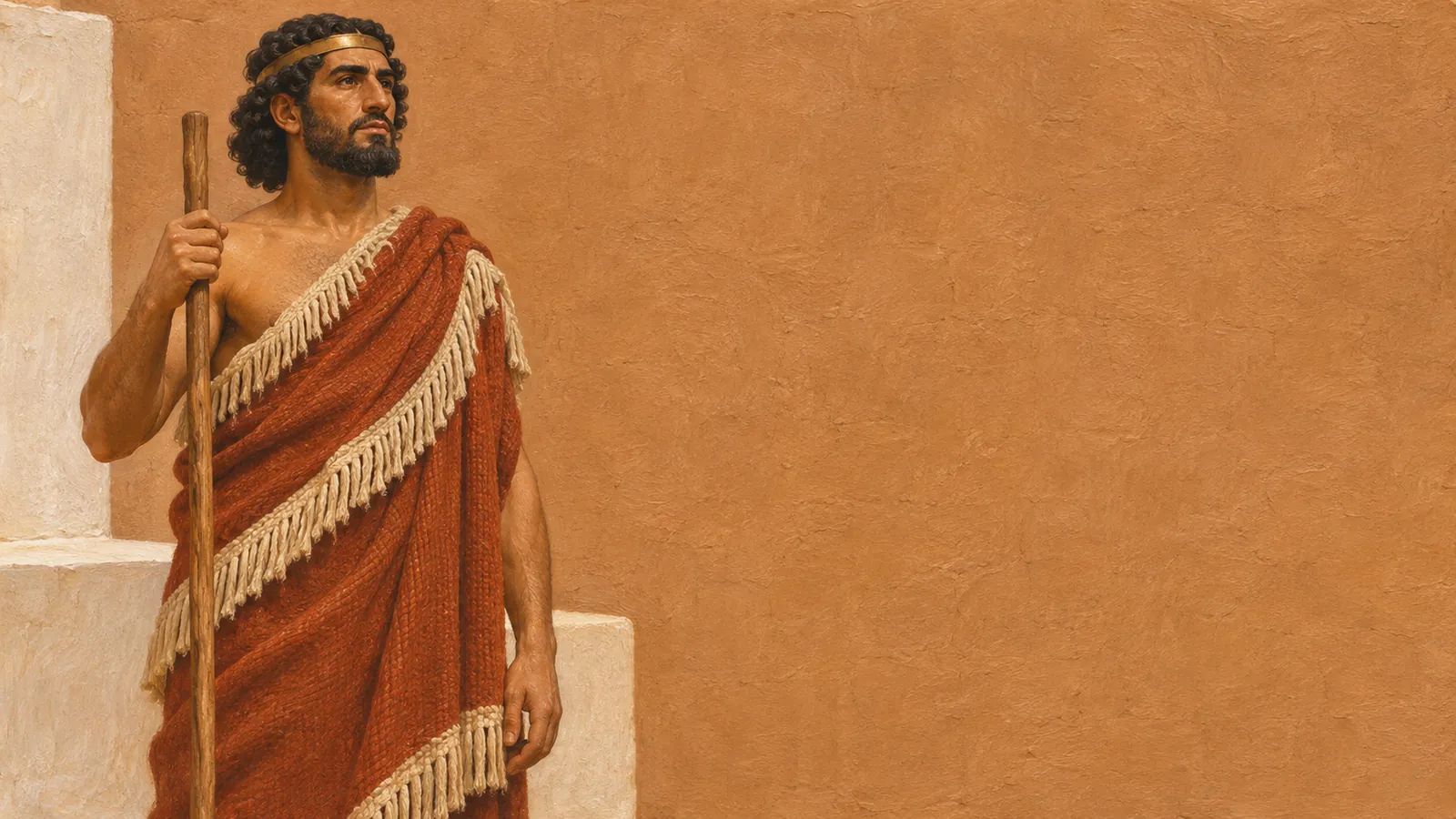
The royal voice ends its account with a crown set firmly on Shulgi’s head. He takes the sceptre in Enlil’s Ekur and stands on a bright dais. He asks that hymns keep his name alive.
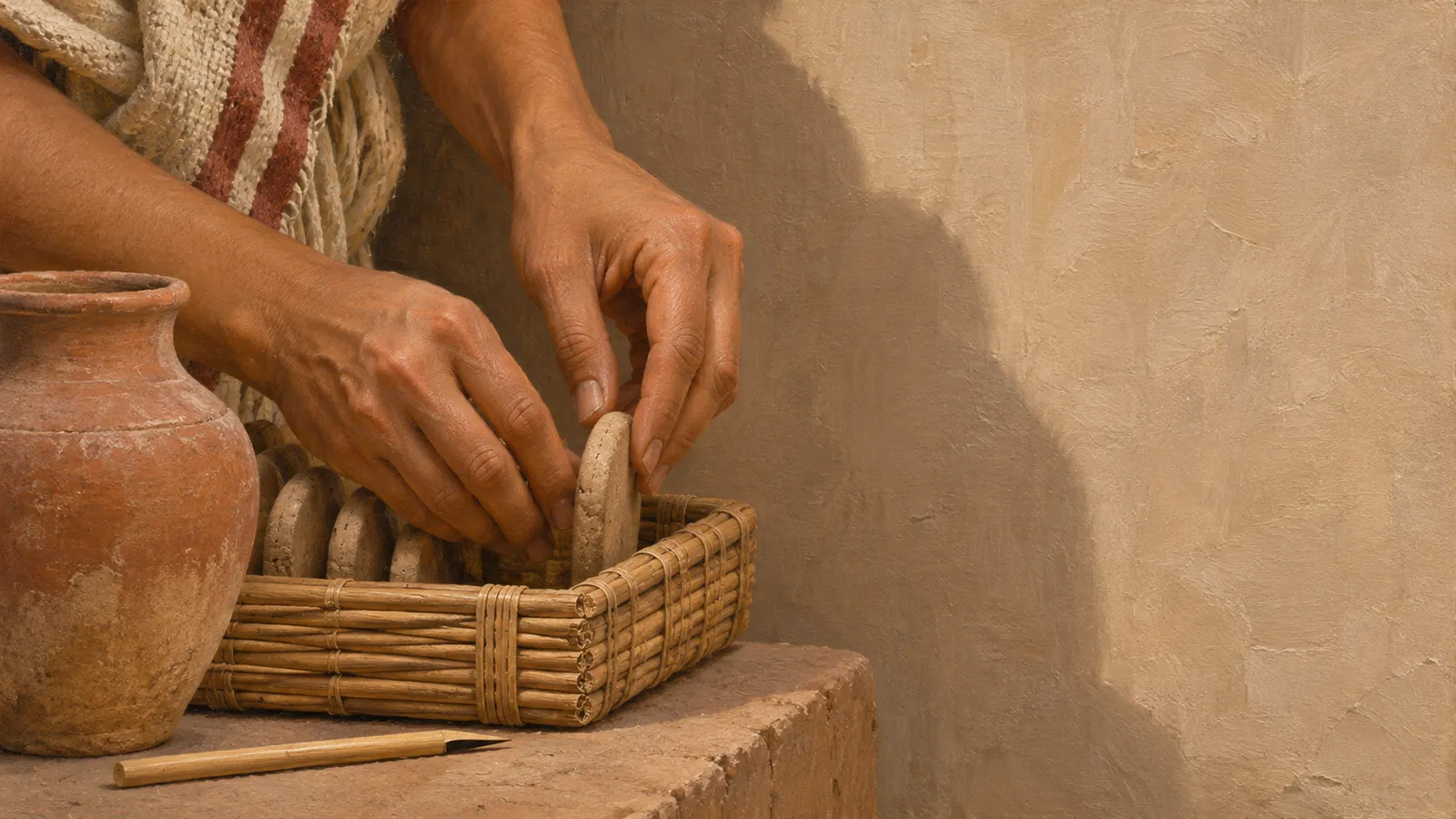
The sixth year name recalls putting Nippur’s roads in order. The seventh names the journey between Ur and Nippur. The one-day claim belongs to the poem. The year formula itself gives the two cities and the circuit.
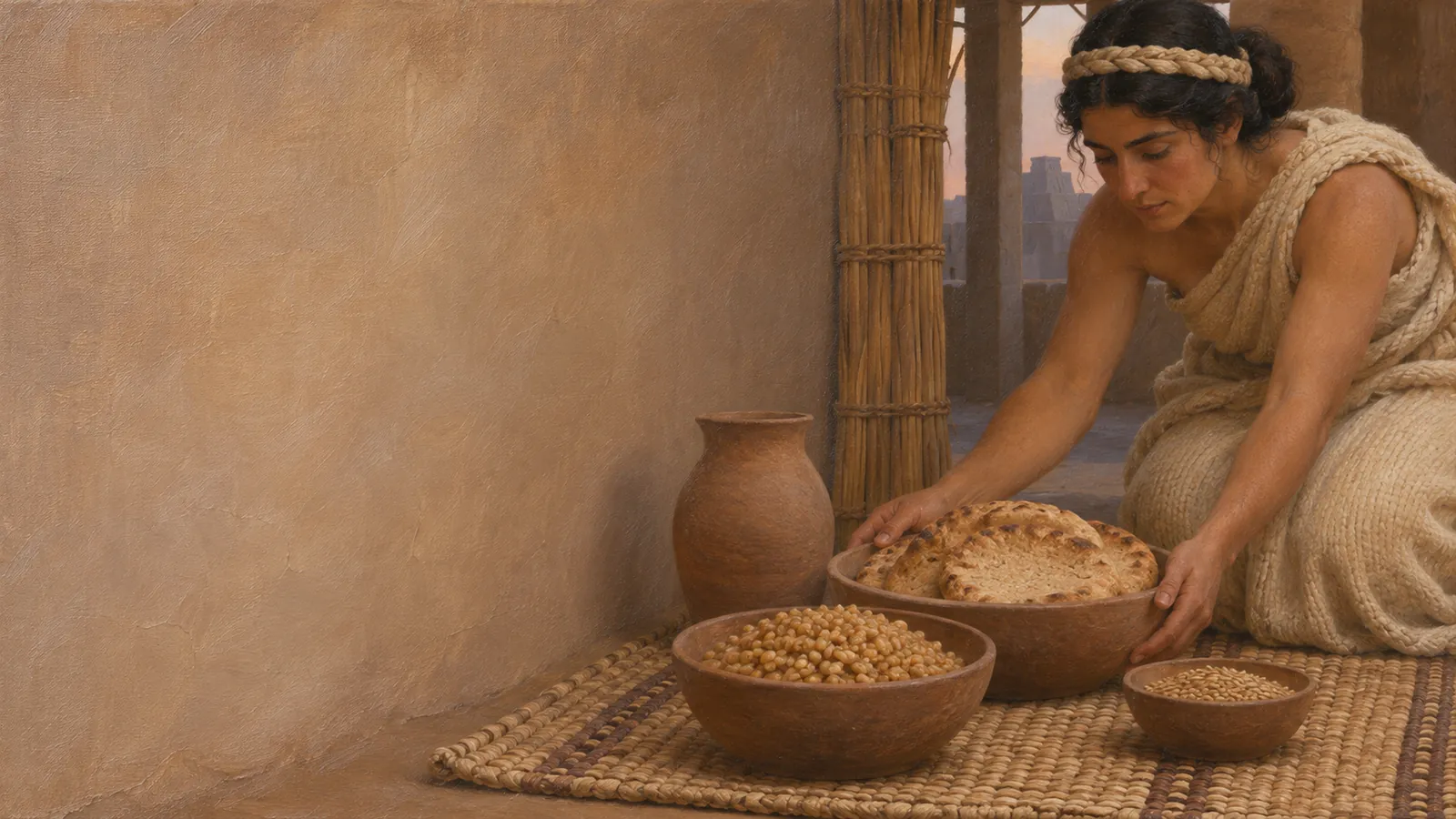
A separate dedication, Shulgi V, names Nippur’s Kiur as the starting point. It gives Shulgi a morning act at Ur, filling Nanna’s bowls, and remembers his return to the Ekur through a storm.
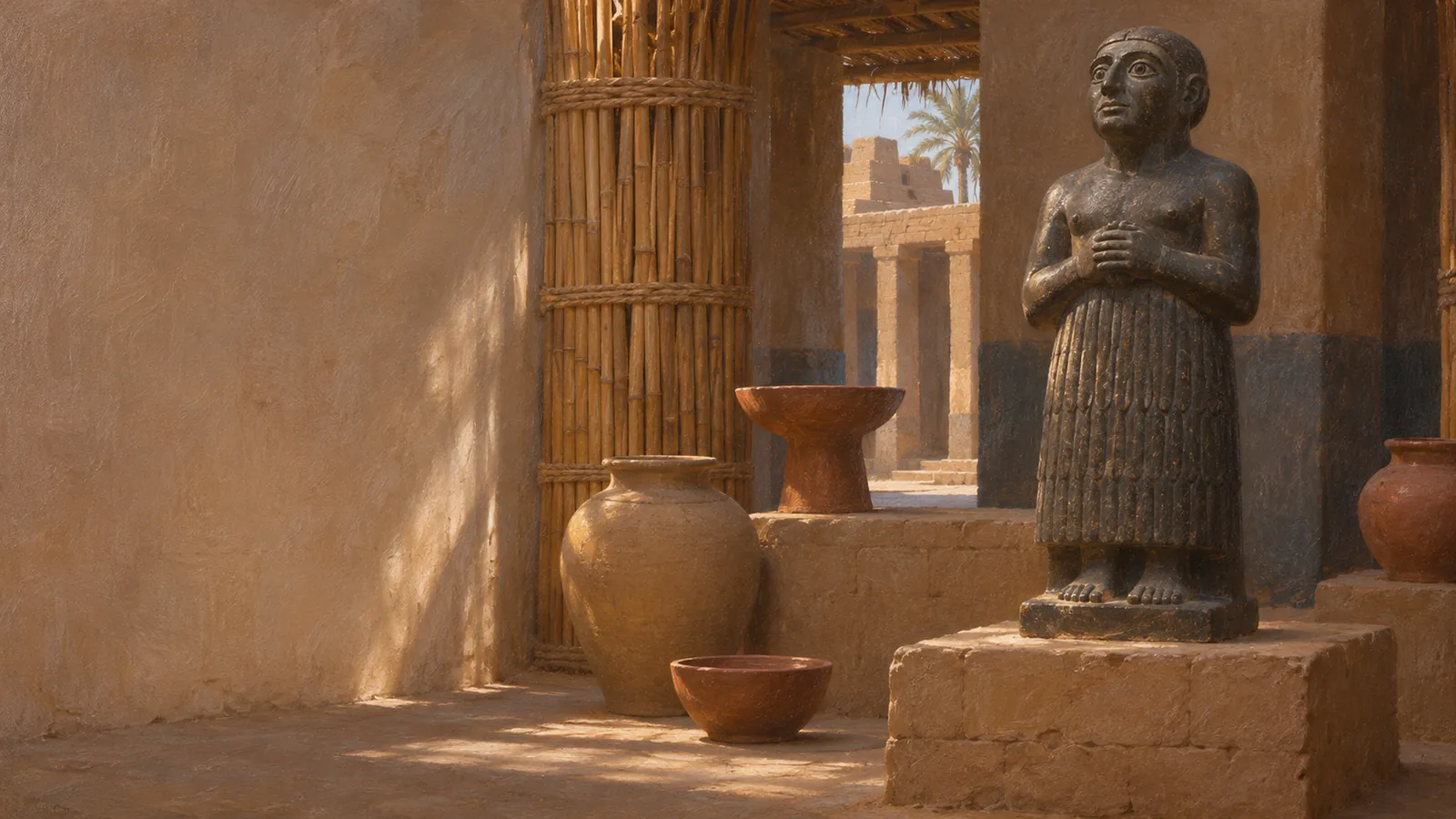
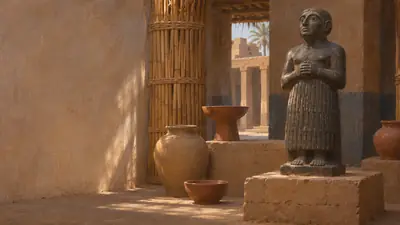
The dedication has its own ending. It places a statue of Shulgi before Enlil so that his fame might last. Where that poem leaves an image in the sanctuary, the praise hymn leaves a song.
NISABA
Shulgi asks that his name live on in song. The poem closes by praising Nisaba, the goddess of scribes, who stands behind the written hymn.
End of chapter 1
All pages

Sources
Editions consulted
- Oxford ETCSL 2.4.2.01, Shulgi A, translation and manuscript variants
- CDLI P469697, Shulgi A composite
- CDLI P266178, fragments of an Old Babylonian copy from Nippur
- CDLI, Shulgi year names, entries 6 and 7
- Oxford ETCSL 2.4.2.22, Shulgi V, dedication of a statue
Ancient lines behind each page
- Page 1: ETCSL 2.4.2.01, Shulgi A 1–6
- Page 2: CDLI P266178, Q000395
- Page 3: ETCSL 2.4.2.01, Shulgi A 1–6
- Page 4: ETCSL 2.4.2.01, Shulgi A 7–15
- Page 5: ETCSL 2.4.2.01, Shulgi A 16–18
- Page 6: ETCSL 2.4.2.01, Shulgi A 19–22
- Page 7: ETCSL 2.4.2.01, Shulgi A 22–25
- Page 8: ETCSL 2.4.2.01, Shulgi A 26–29
- Page 9: ETCSL 2.4.2.01, Shulgi A 29, 39–41
- Page 10: ETCSL 2.4.2.01, Shulgi A 29–31
- Page 11: ETCSL 2.4.2.01, Shulgi A 30–33
- Page 12: ETCSL 2.4.2.01, Shulgi A 34–35
- Page 13: ETCSL 2.4.2.01, Shulgi A 36–41
- Page 14: ETCSL 2.4.2.01, Shulgi A 42–43
- Page 15: ETCSL 2.4.2.01, Shulgi A 39–44
- Page 16: ETCSL 2.4.2.01, Shulgi A 44–45
- Page 17: ETCSL 2.4.2.01, Shulgi A 45
- Page 18: ETCSL 2.4.2.01, Shulgi A 46–47
- Page 19: ETCSL 2.4.2.01, Shulgi A 48–50
- Page 20: ETCSL 2.4.2.01, Shulgi A 48–51
- Page 21: ETCSL 2.4.2.01, Shulgi A 51–55
- Page 22: ETCSL 2.4.2.01, Shulgi A 53–54
- Page 23: ETCSL 2.4.2.01, Shulgi A 55–59
- Page 24: ETCSL 2.4.2.01, Shulgi A 57–59
- Page 25: ETCSL 2.4.2.01, Shulgi A 60–61
- Page 26: ETCSL 2.4.2.01, Shulgi A 62–66
- Page 27: ETCSL 2.4.2.01, Shulgi A 67, variant
- Page 28: ETCSL 2.4.2.01, Shulgi A 68–70
- Page 29: ETCSL 2.4.2.01, Shulgi A 70–74
- Page 30: ETCSL 2.4.2.01, Shulgi A 39–41, 75–76
- Page 31: ETCSL 2.4.2.01, Shulgi A 75–77
- Page 32: ETCSL 2.4.2.01, Shulgi A 77, variant
- Page 33: ETCSL 2.4.2.01, Shulgi A 78
- Page 34: ETCSL 2.4.2.01, Shulgi A 79–80
- Page 35: ETCSL 2.4.2.01, Shulgi A 81; compare 53–54
- Page 36: ETCSL 2.4.2.01, Shulgi A 15, 82–83
- Page 37: ETCSL 2.4.2.01, Shulgi A 84–87, variant
- Page 38: ETCSL 2.4.2.01, Shulgi A 87–101
- Page 39: CDLI, Shulgi years 6 and 7
- Page 40: ETCSL 2.4.2.22, 22–29
- Page 41: ETCSL 2.4.2.22, 30–35
- Page 42: ETCSL 2.4.2.01, Shulgi A 93–102
Illustrations made with AI tools by IL Archive; the text is based on the ancient sources (see the sources at the end of each chapter).