The Song of Ullikummi Chapter 1
The Stone That Challenged Heaven
Kumarbi’s stone-bodied son grows into a rival who blocks the gods’ city, and the Storm-god turns to Ea for help. The song preserves a proposed severing and renewed battle, but its final outcome is lost.
SourcesTurn the pages with the arrows, the arrow keys or a swipe.
A RIVAL
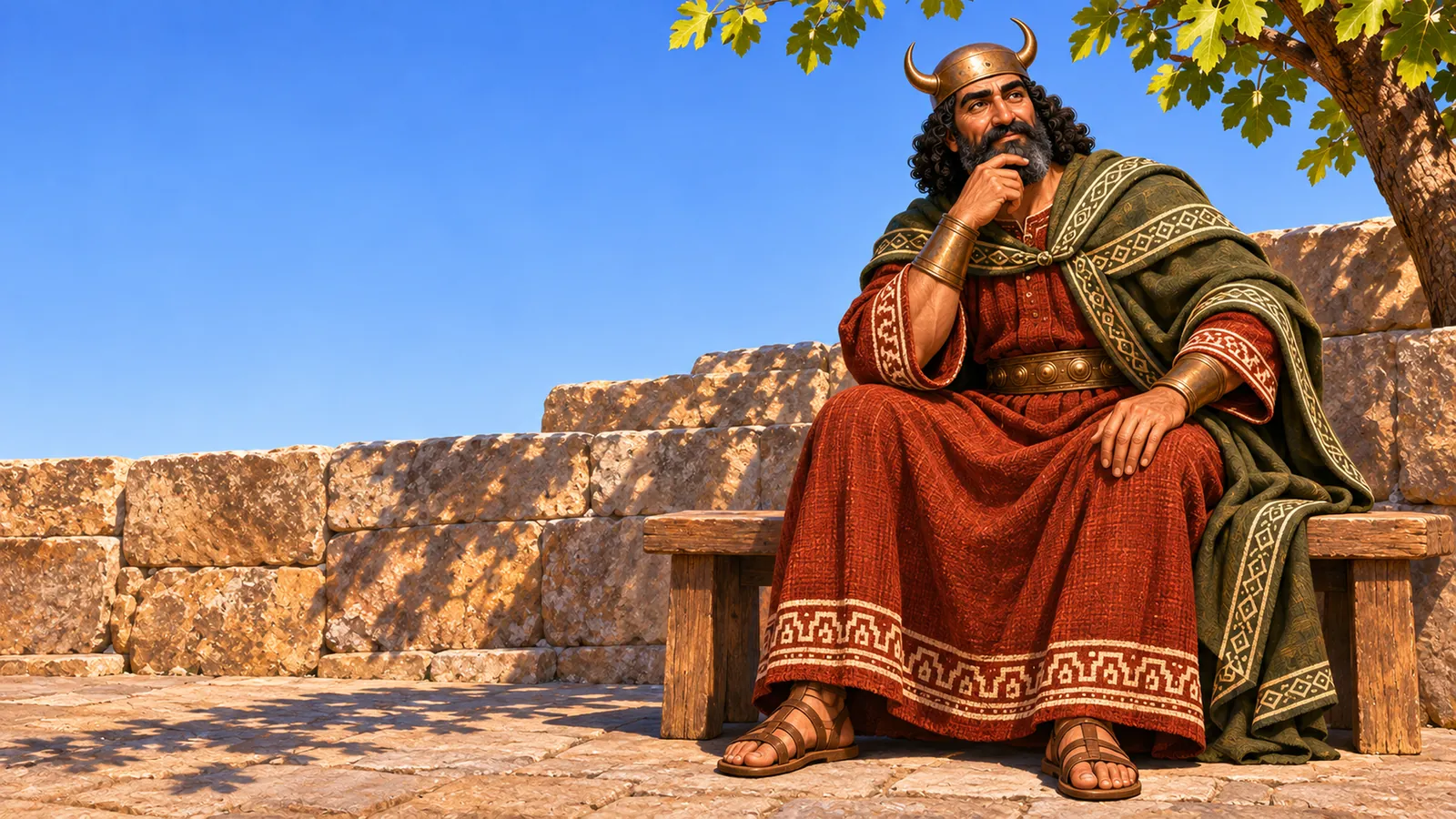
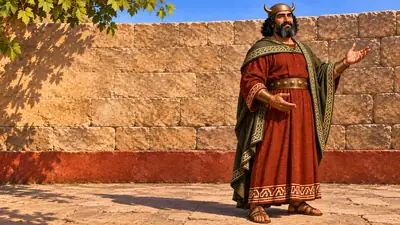
The singer turns to Kumarbi, father of gods, planning against the reigning Storm-god. He intends to raise a rival who will challenge heaven’s rule.
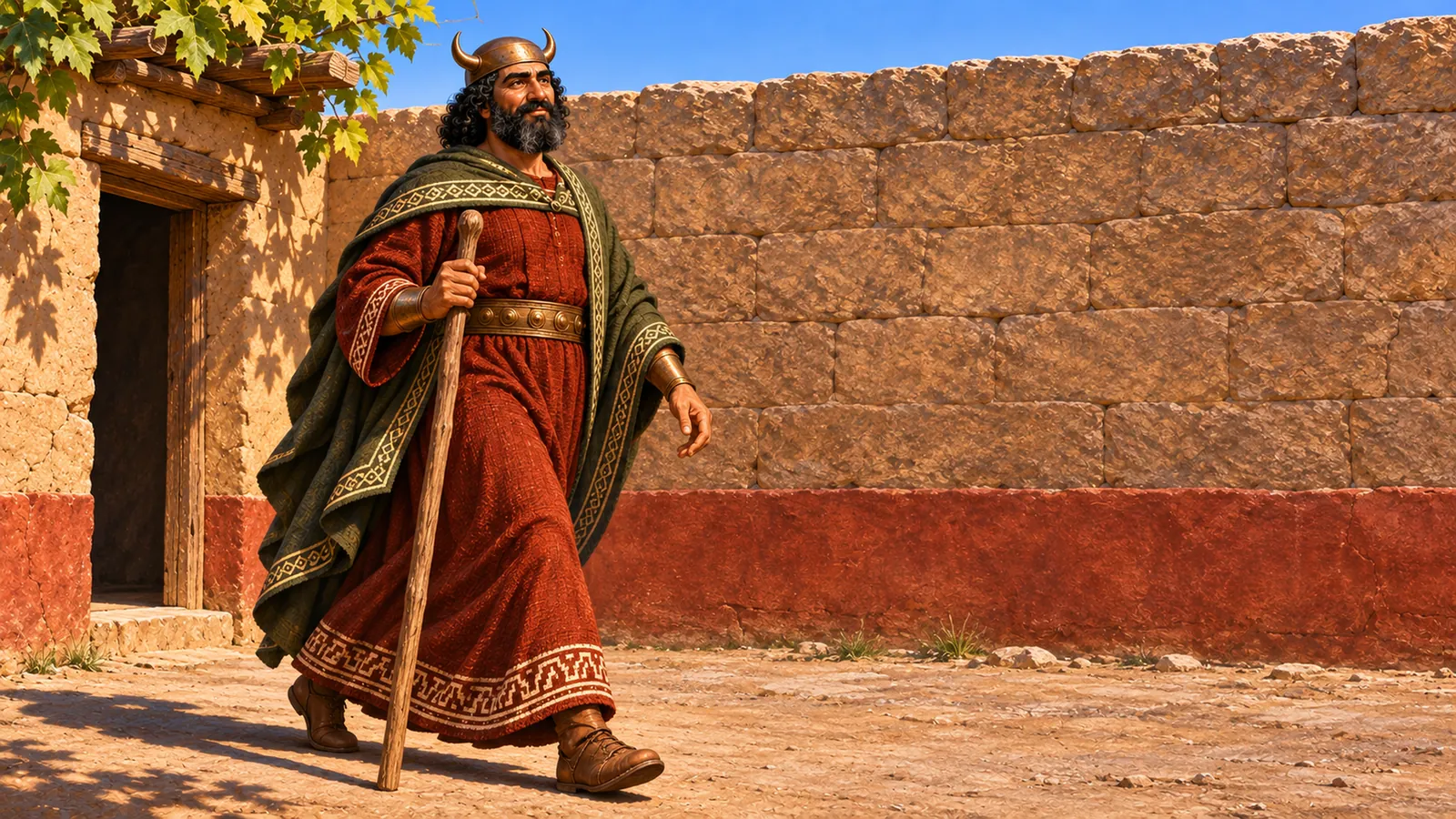
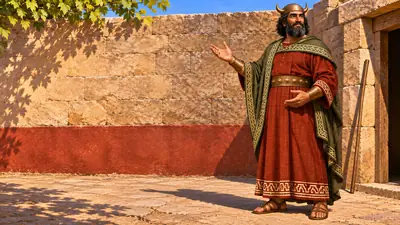
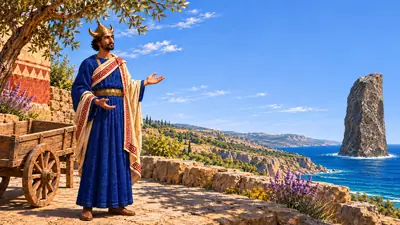
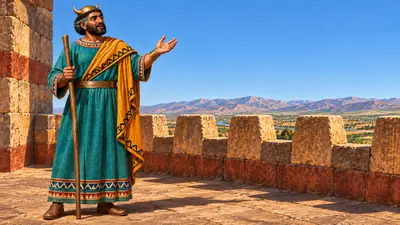
Kumarbi rose, took his staff and put on shoes likened to rushing winds. Leaving Urkesh, he reached a spring pool beside a great rock.

Kumarbi coupled with the rock, five times and then ten more. The tablet breaks before the story tells how this union brings forth a child.
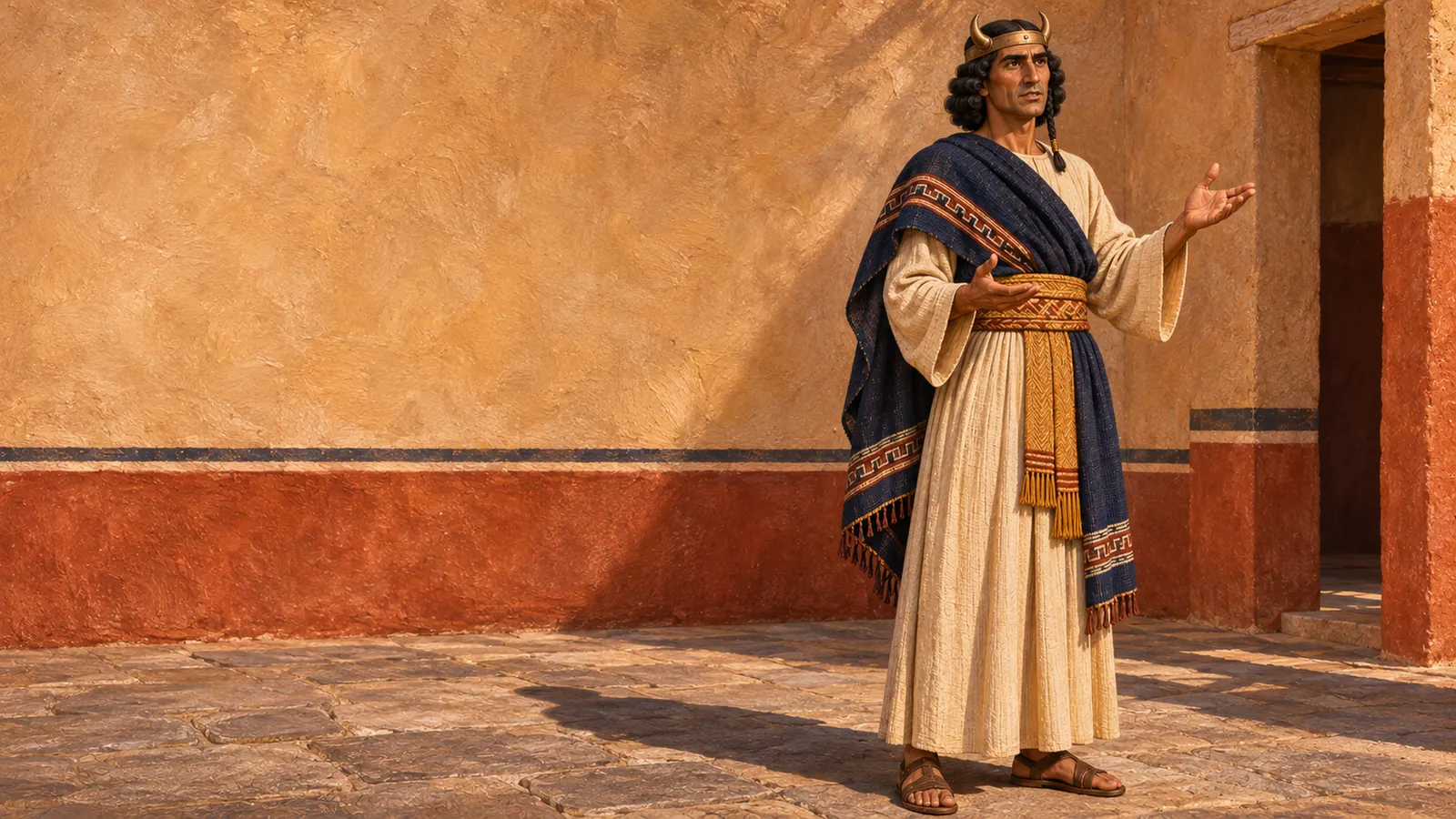
After a gap, Impaluri speaks to Sea about Kumarbi. The broken words place the father of gods on his seat, but leave the preceding journey unclear.
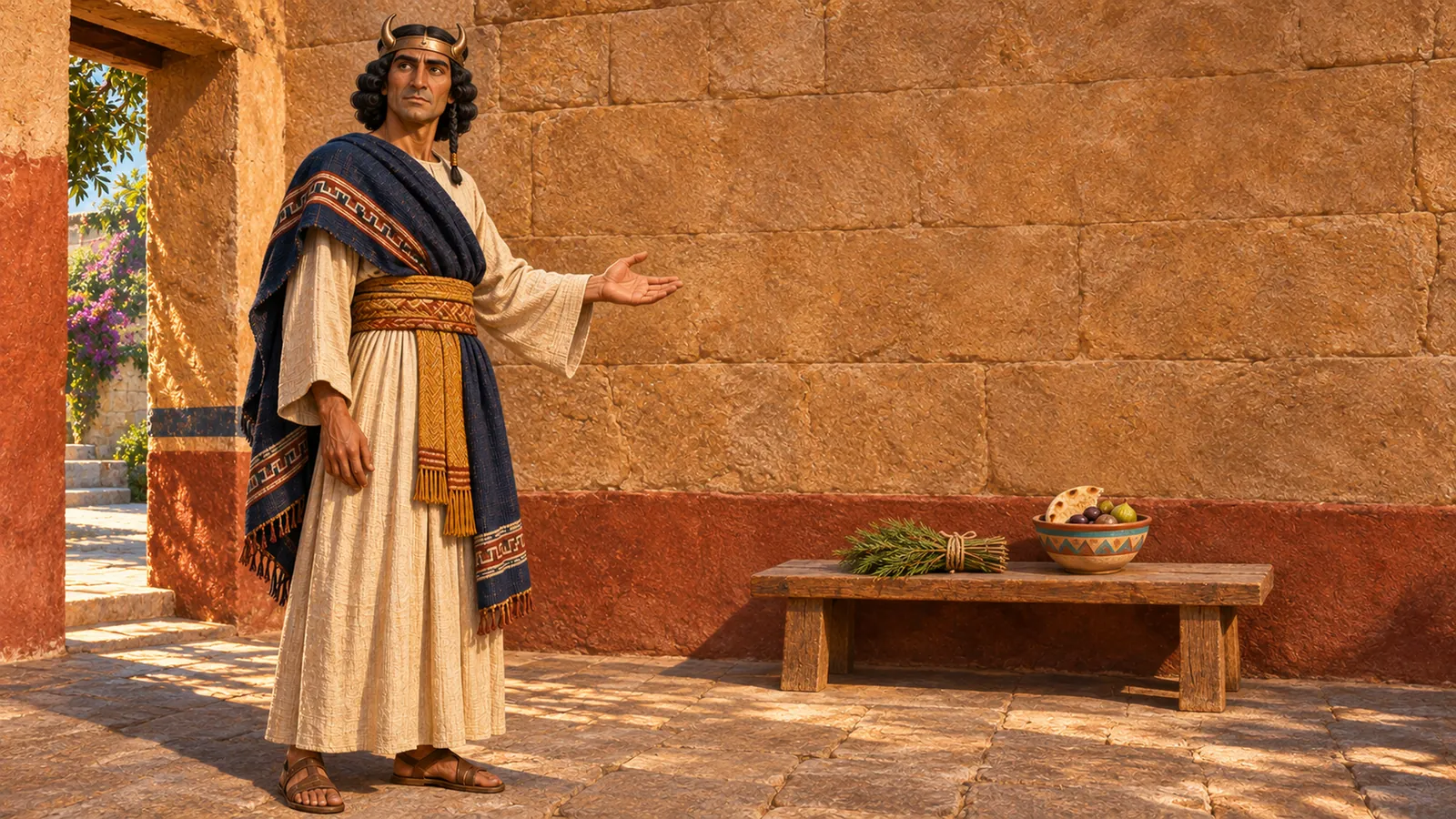
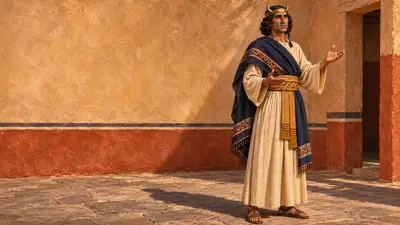
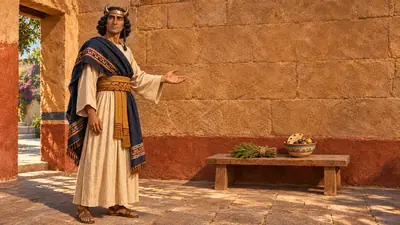
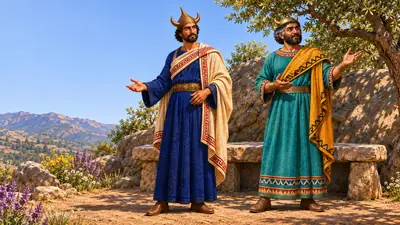
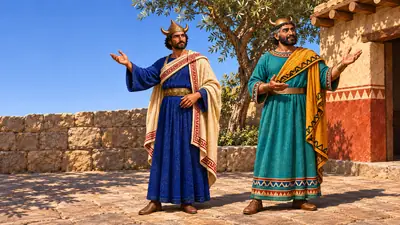
Sea fears Kumarbi’s angry arrival and the trembling of his household. Through Impaluri, he offers prepared food, cedar and singers, inviting Kumarbi inside.
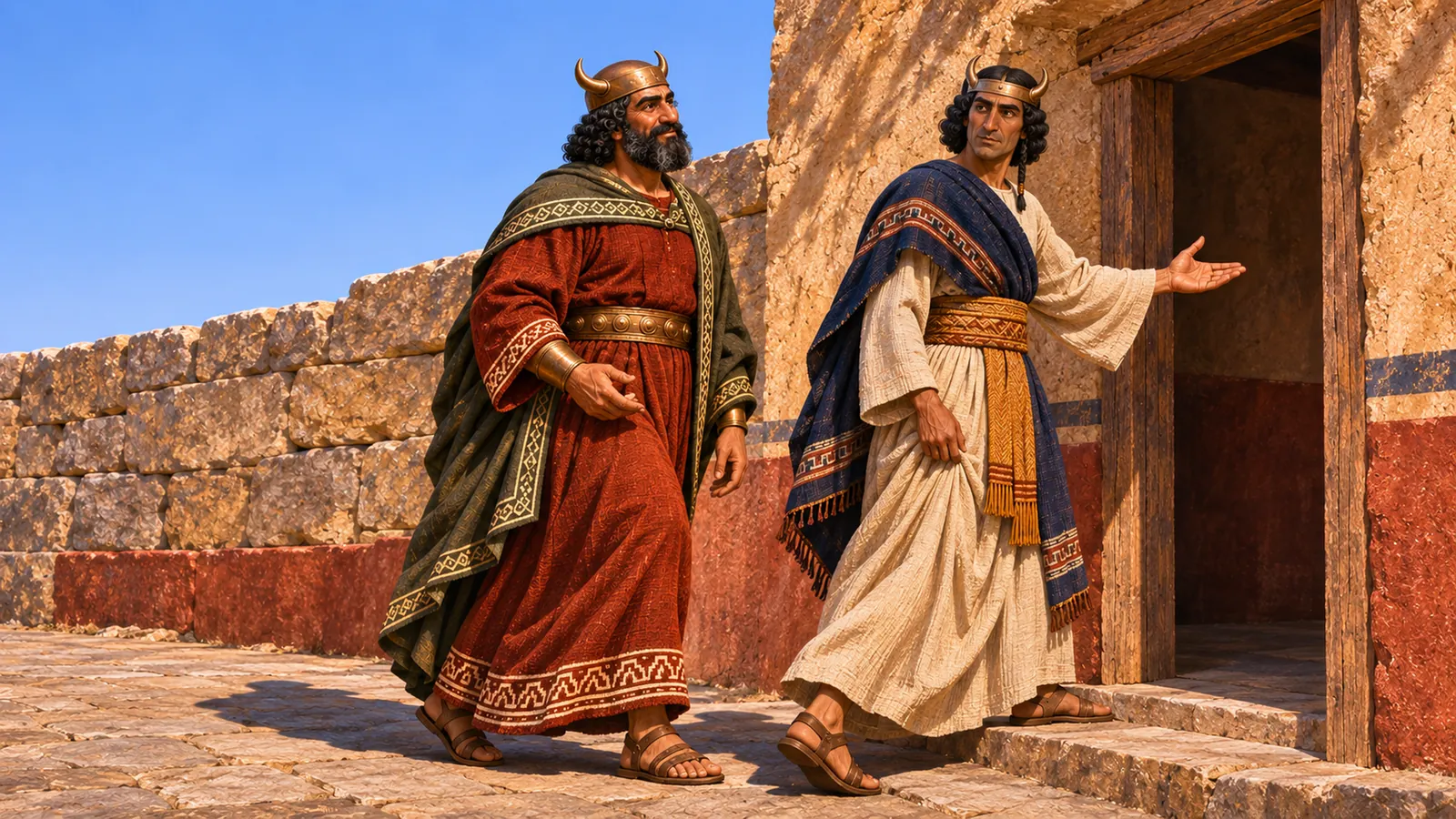
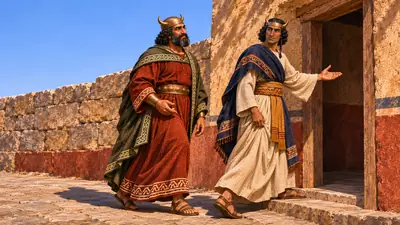
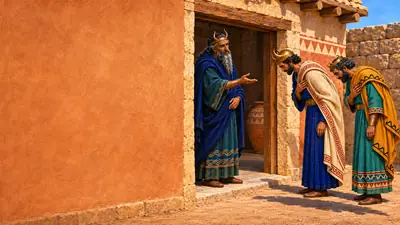
Kumarbi rose and went to Sea’s house, with Impaluri leading the way. The song preserves the welcome, while its larger purpose remains uncertain.
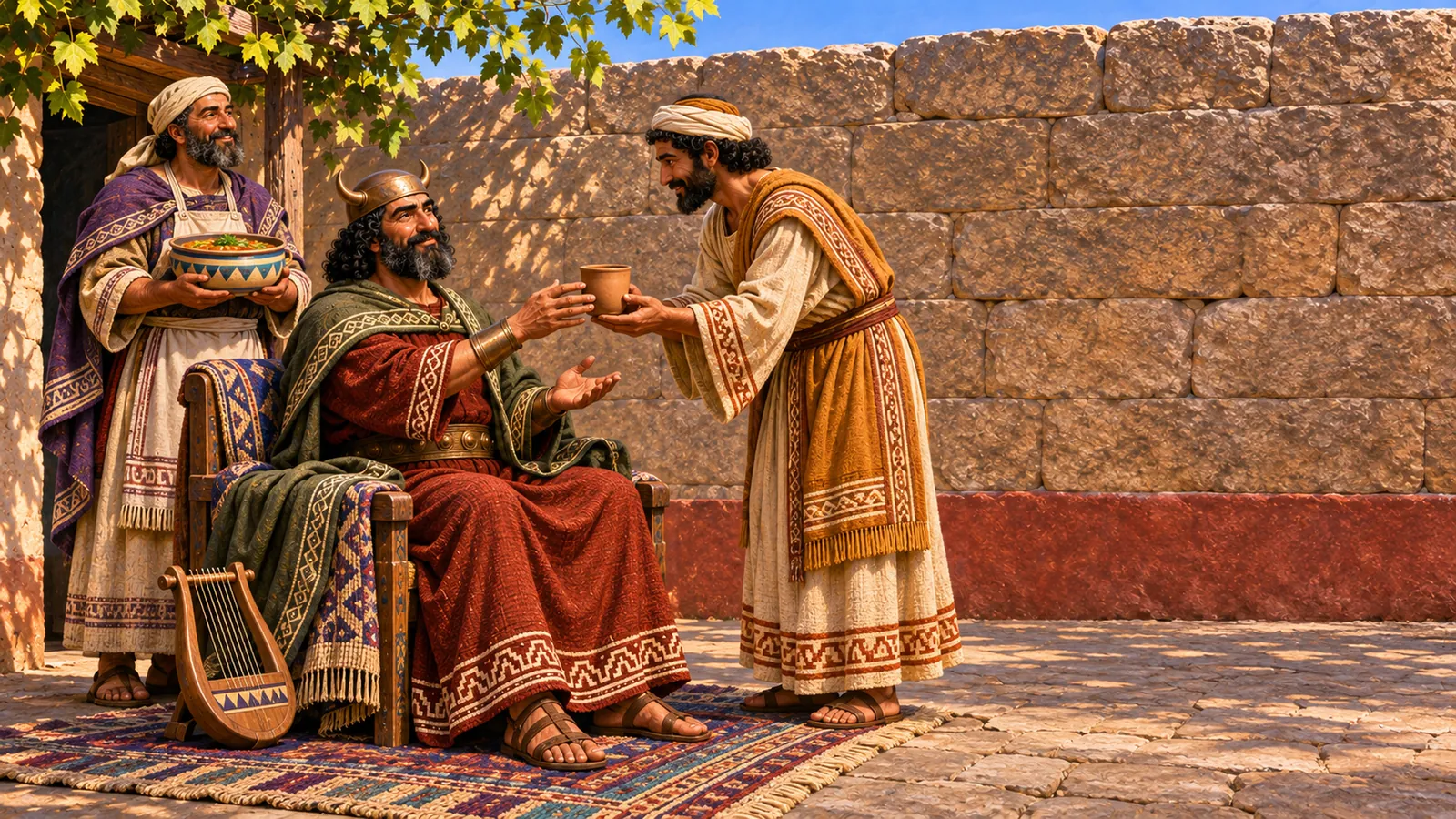
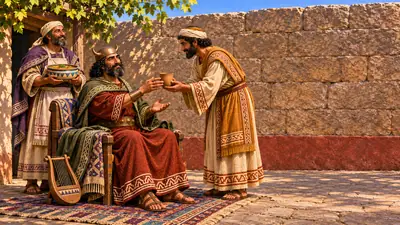
A seat and table were set for Kumarbi. Sea ordered beer; cooks brought soup and cupbearers sweet wine, and the guests drank seven rounds.
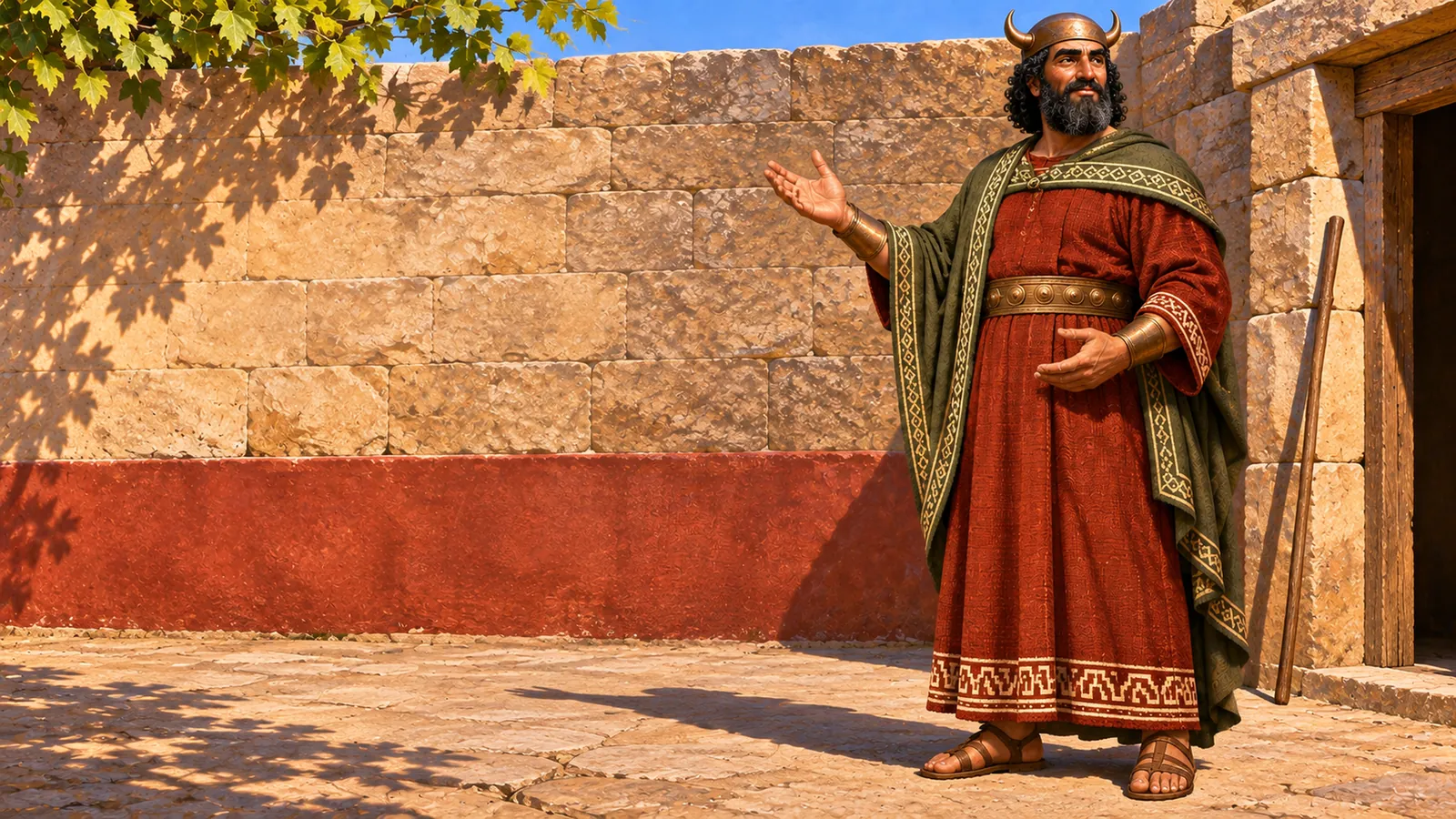
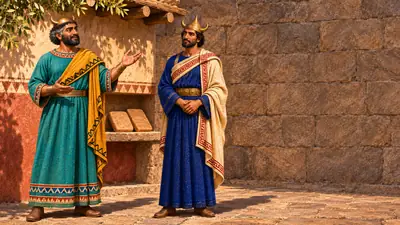
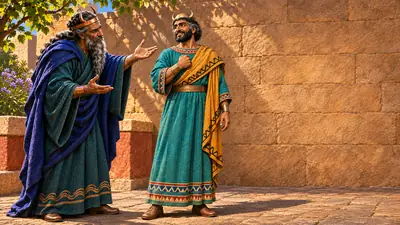
Kumarbi told his own vizier Mukishanu to take staff and shoes and go toward the waters. The words of the message are lost.

After another break, the rock’s child was born. The Fate and Mother goddesses lifted him and placed him on Kumarbi’s knees.
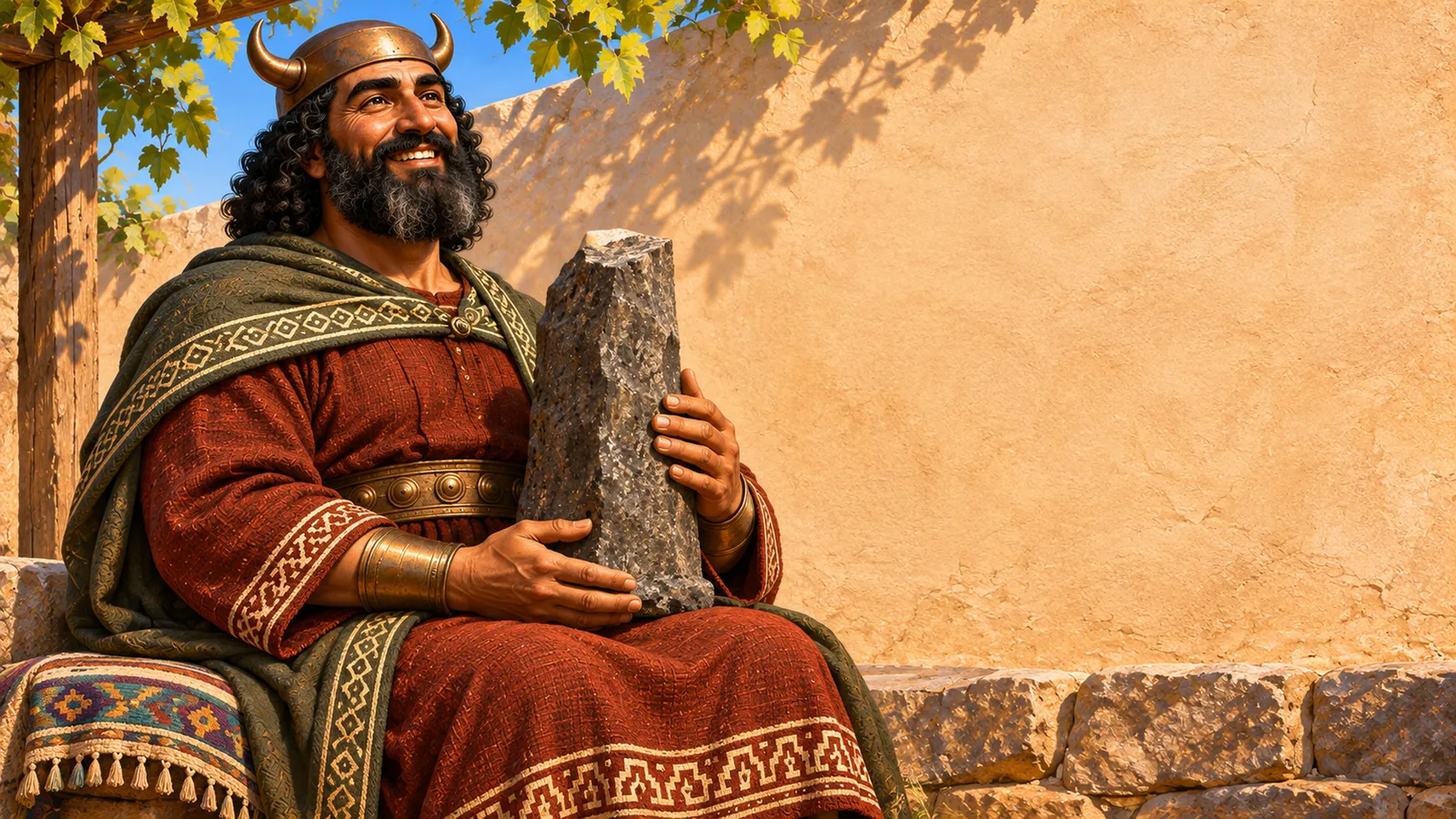
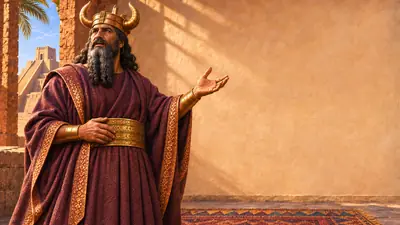
Kumarbi rejoiced over his stone-bodied son and gave him a name: Ullikummi. The name points toward destroying Kumme, the Storm-god’s city.
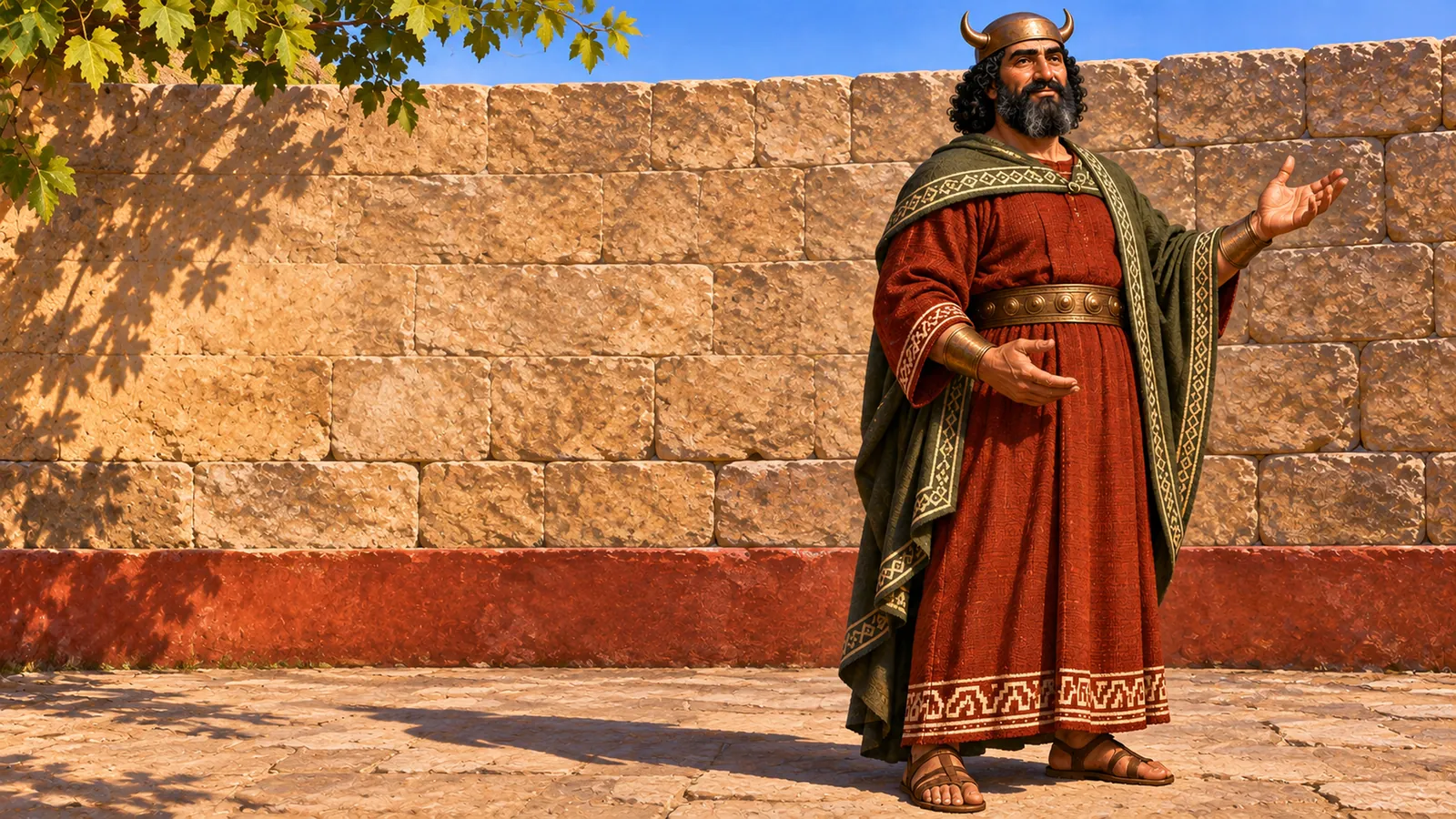
Kumarbi wished his son to seize heaven, crush the Storm-god and Tashmishu, cast the gods down like birds and shatter them like empty pots. These were future commands.

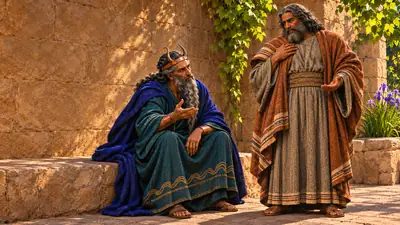
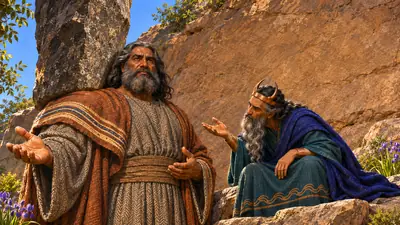
Kumarbi sought someone to hide the child in the dark earth. He feared the Sun, Moon, Storm-god or Ishtar might discover and harm his son.
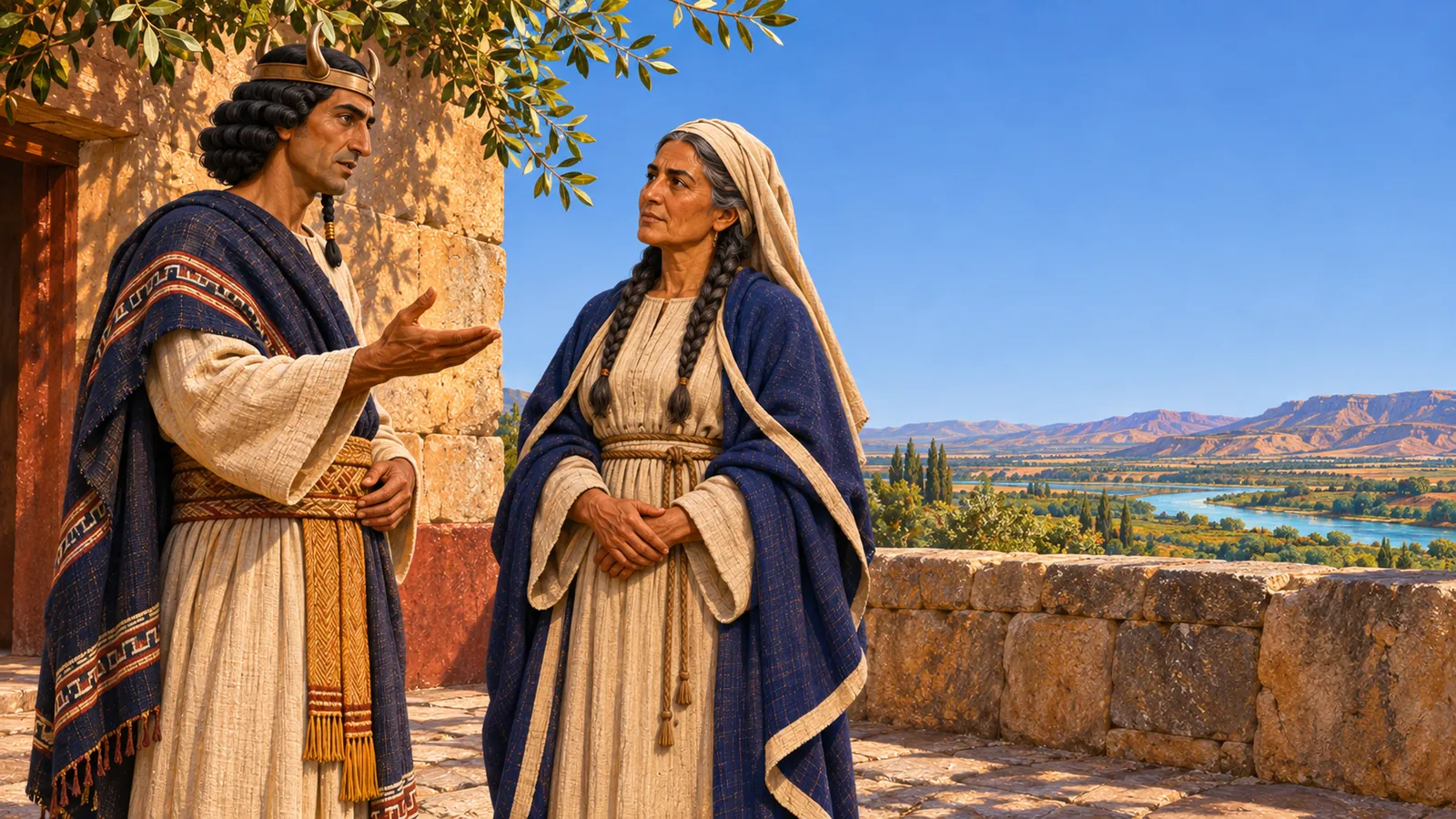
Kumarbi sent Impaluri to call the Irsirra deities. The messenger repeated the urgent summons, admitting that he did not know the business awaiting them.
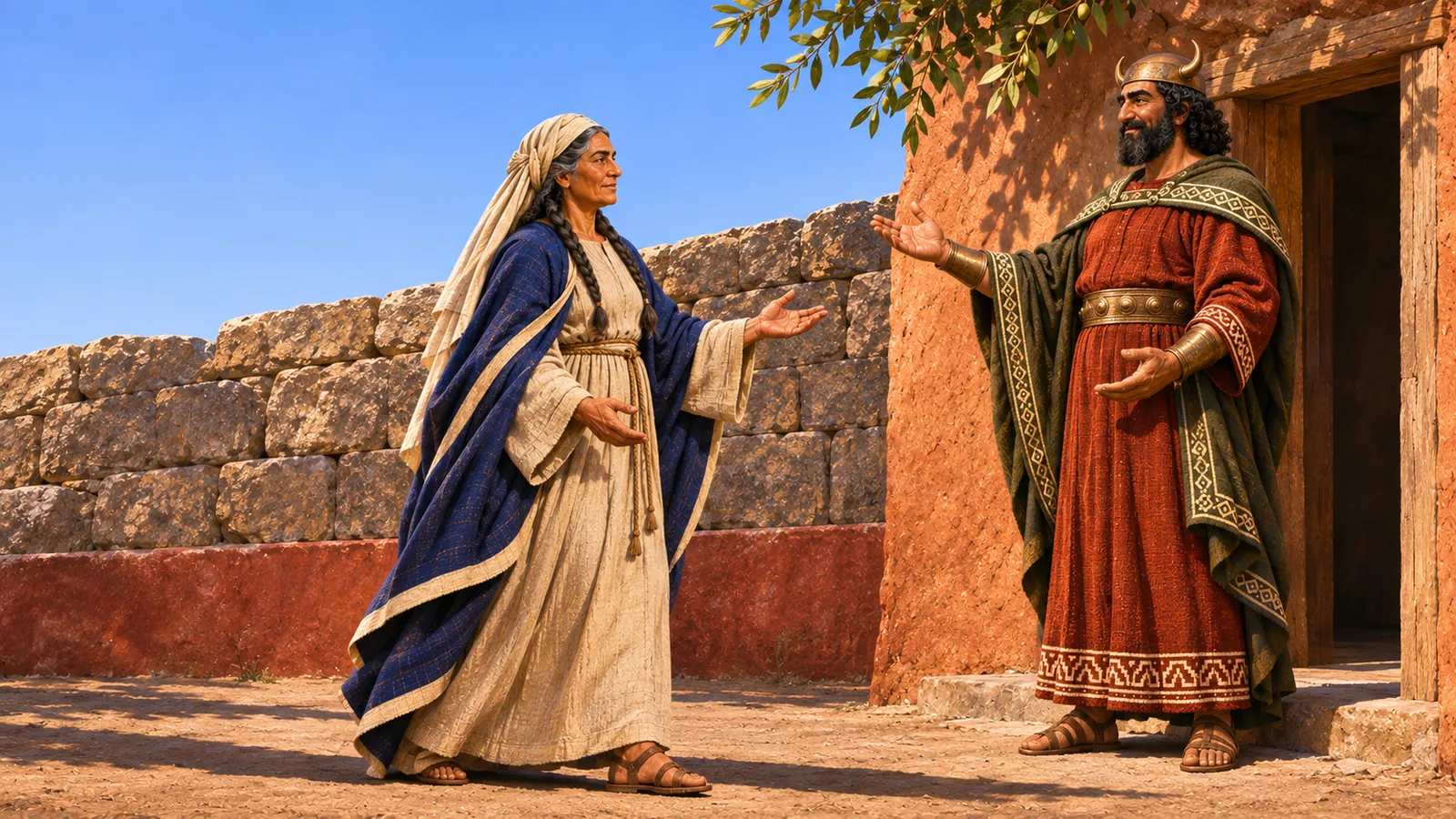
The Irsirra deities hurried to Kumarbi. He told them to take the child as a charge and carry him down into the dark earth.

Kumarbi ordered them to set the child on Upelluri’s right shoulder. He decreed growth of a cubit each day and an IKU each month.
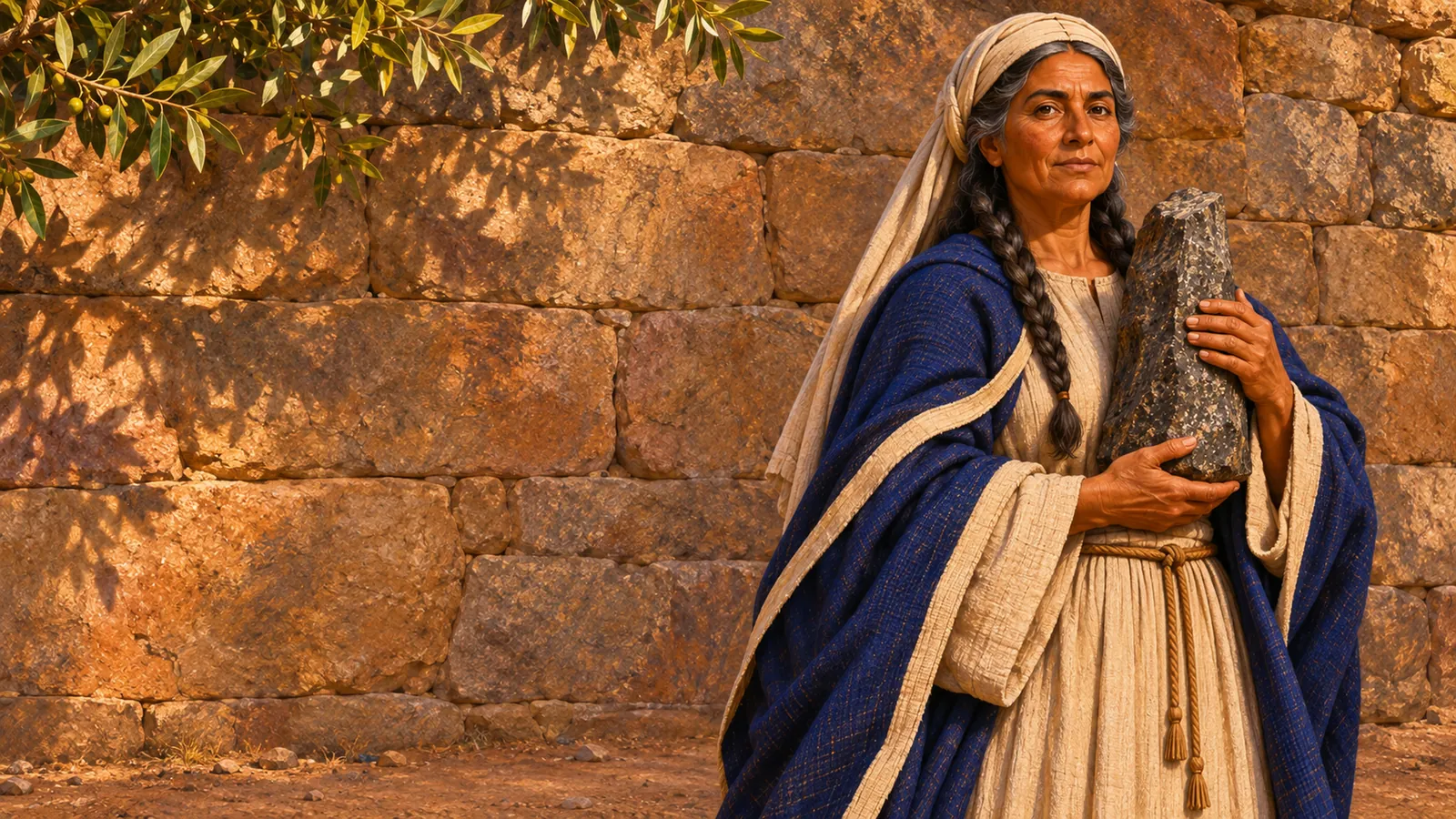
The Irsirra lifted the child from Kumarbi’s knees and held him close like a garment. Before reaching Upelluri, they brought him to Enlil.
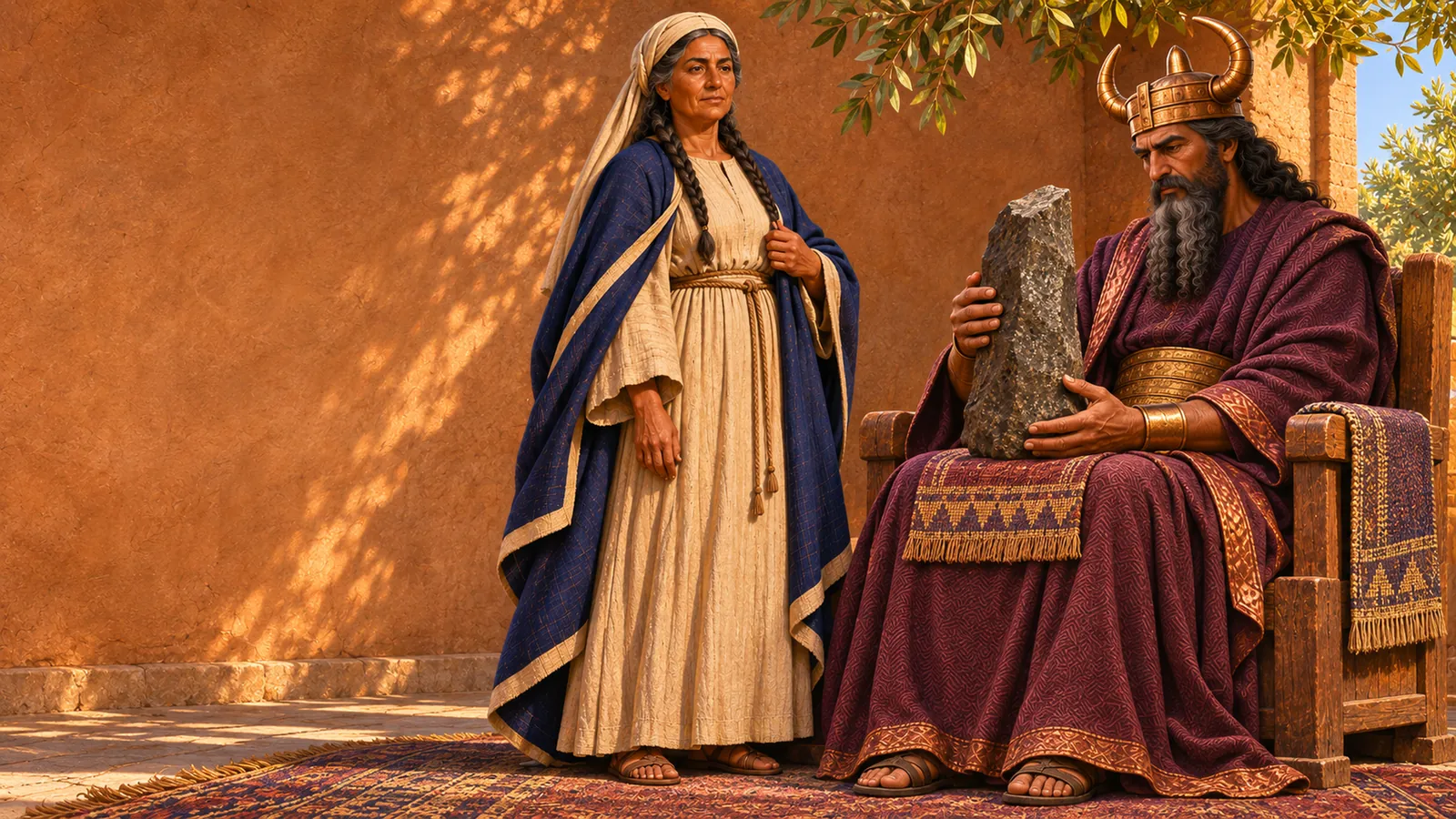
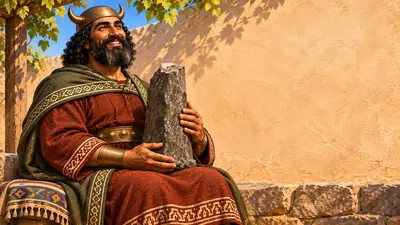
The child was set on Enlil’s knees. Enlil looked at him and saw that his body was made of hard stone, unlike an ordinary child.
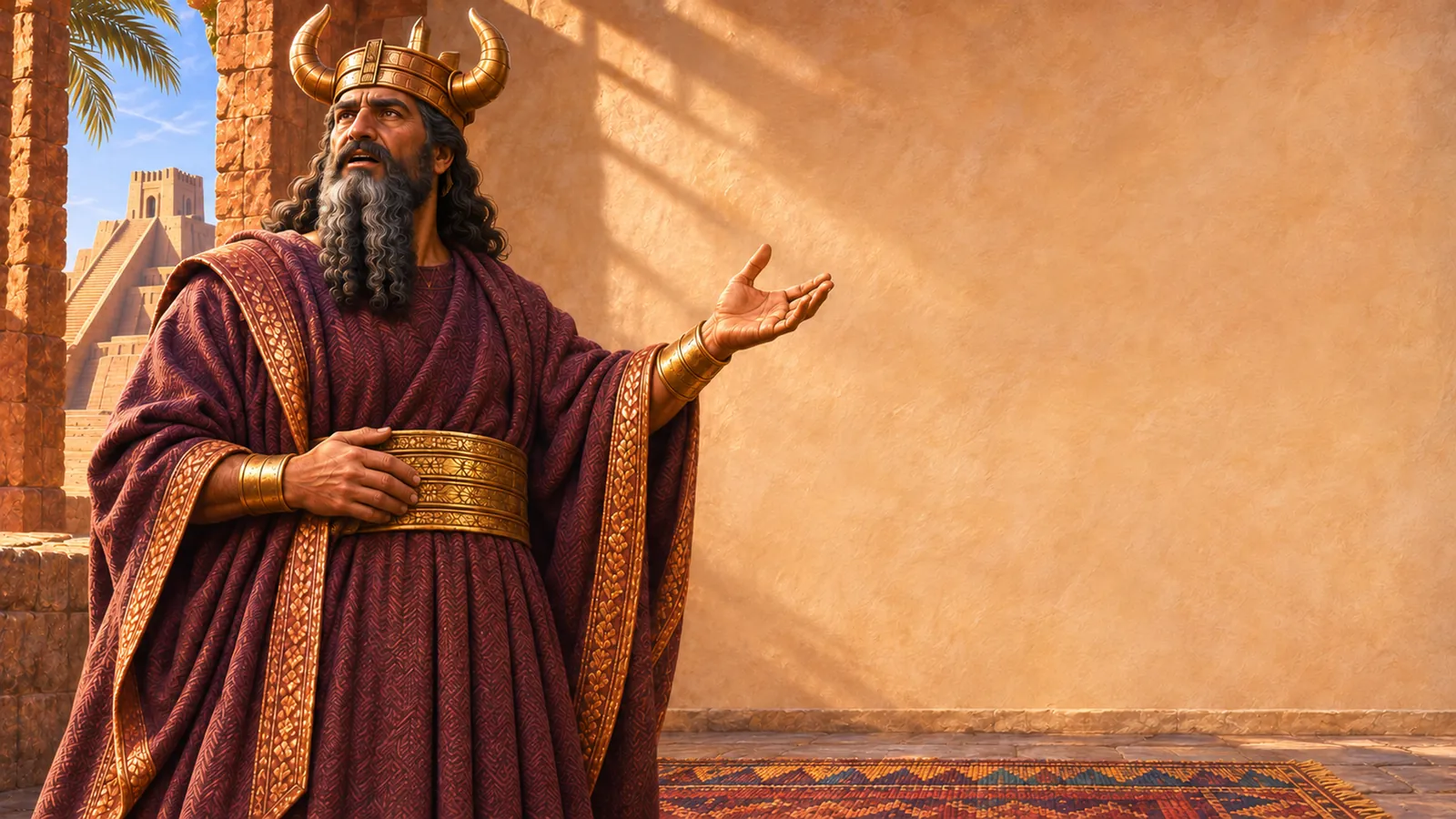
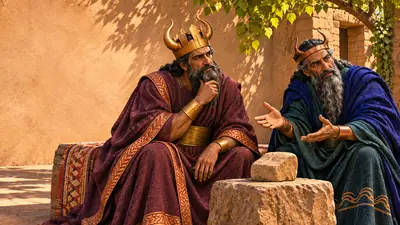
Enlil recognized Kumarbi’s work and foresaw terrible struggles among the gods. Kumarbi, who had brought forth the Storm-god, had now raised this rival against him.
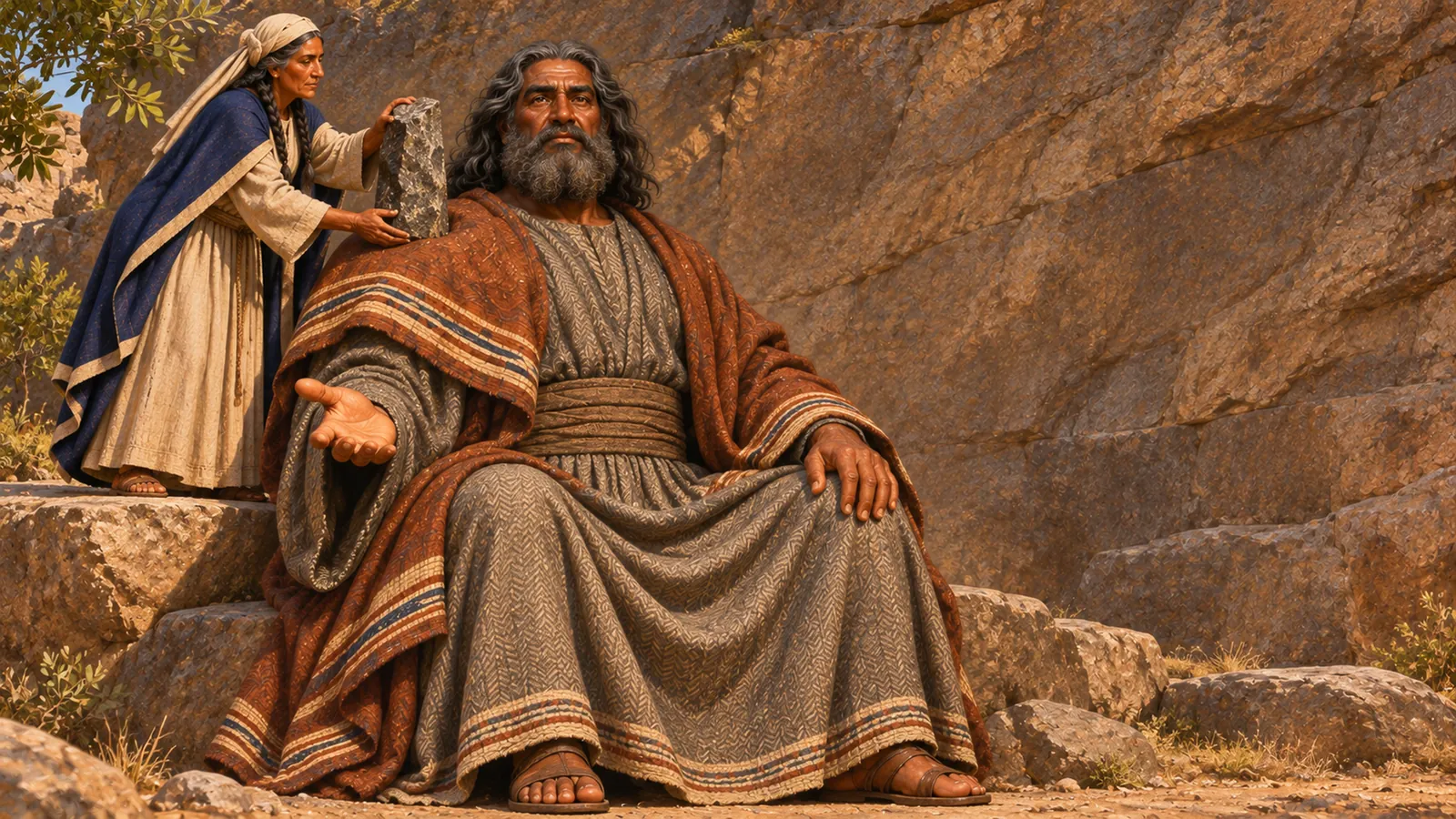
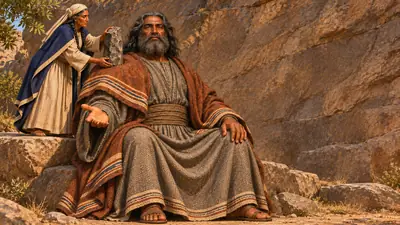
The Irsirra placed the stone child on Upelluri’s right shoulder. Hidden below, Ullikummi began the growth Kumarbi had commanded for his challenge to heaven.
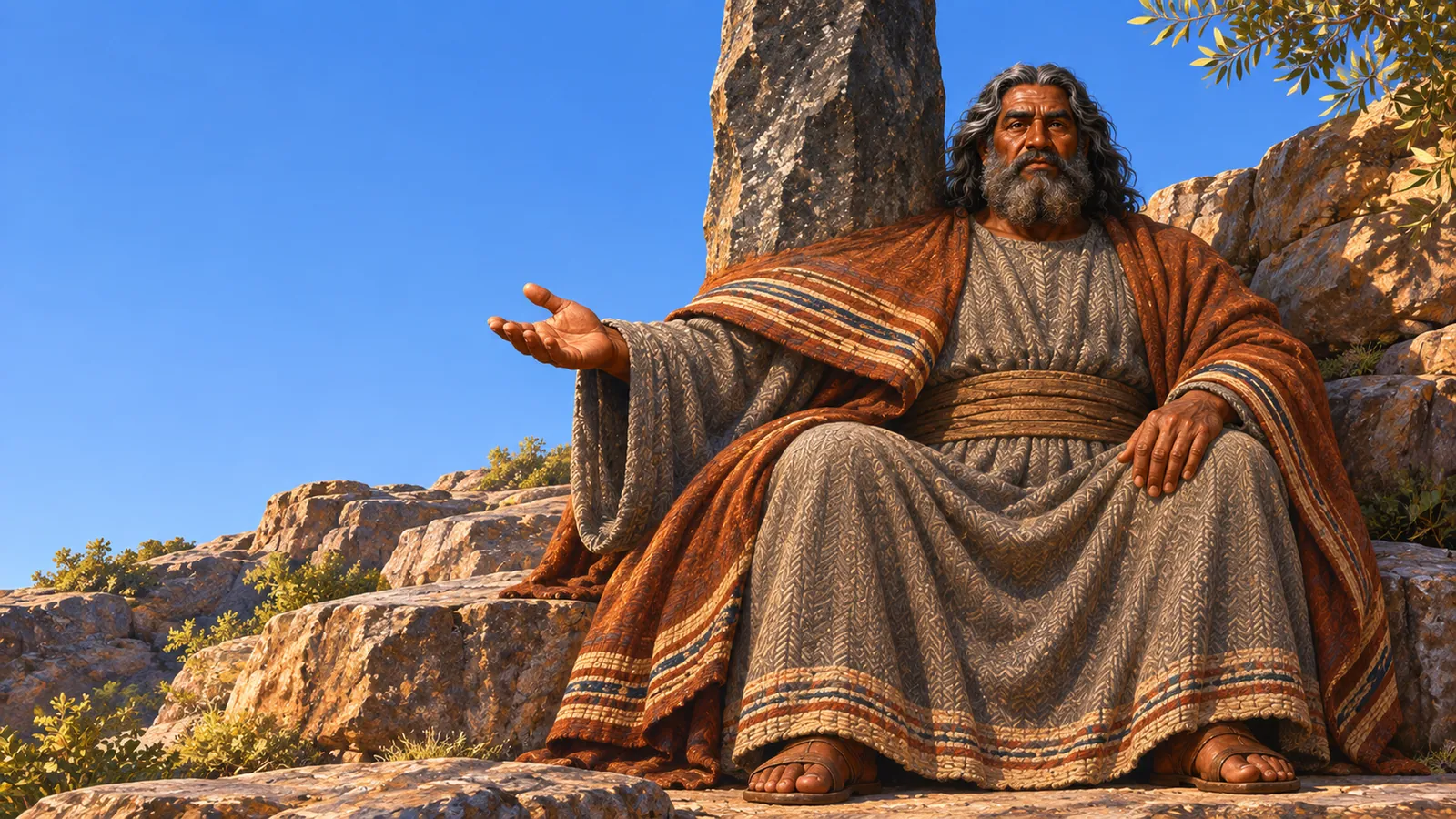
The stone grew a cubit each day and an IKU each month. The poem’s old measures are disputed; its clear point is extraordinary growth.
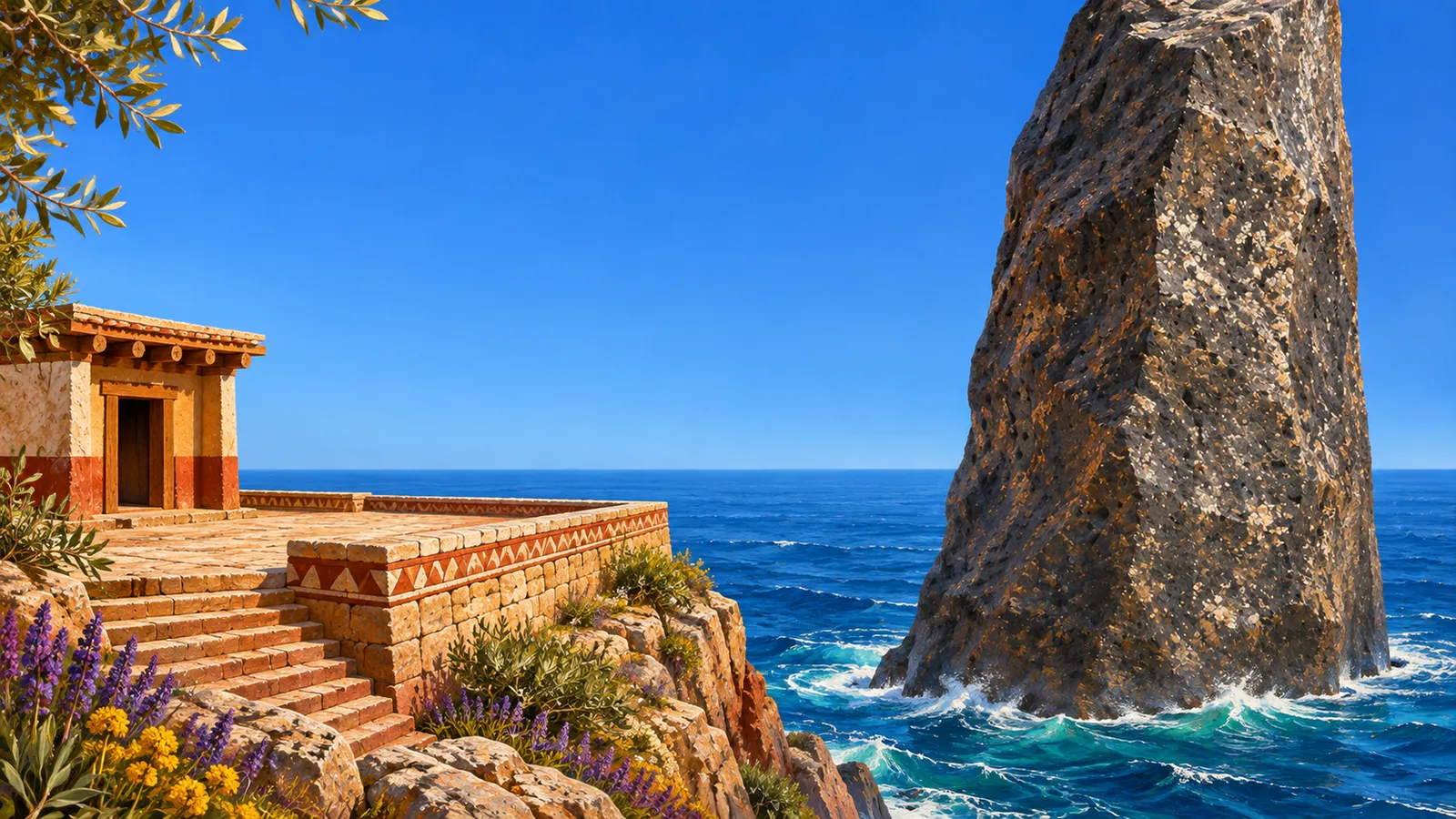
By the fifteenth day, Ullikummi rose far above the sea. Water reached his waist, while his growing height pressed toward the heavenly temples.
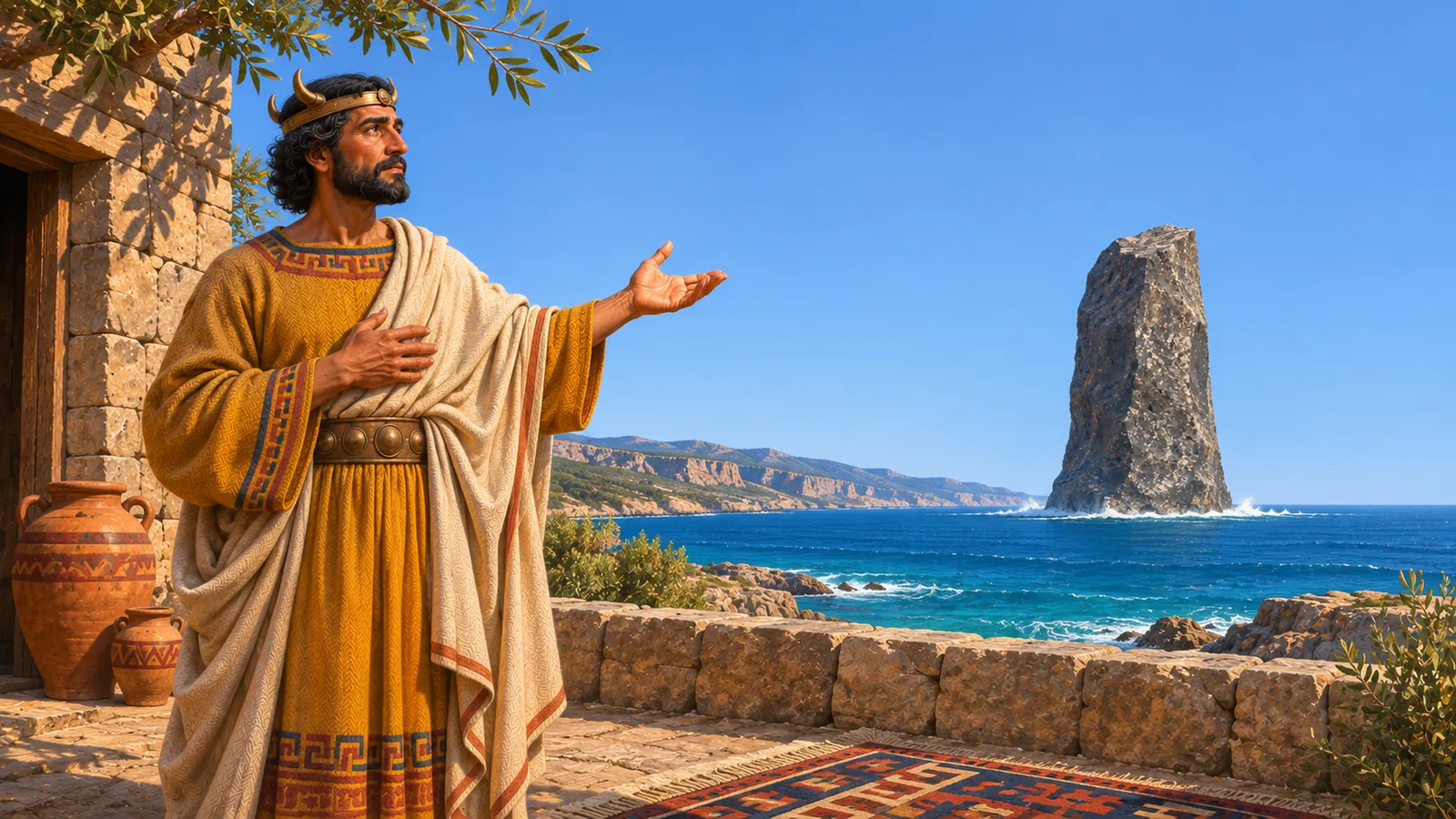
The Sun-god saw Ullikummi in the sea; the verse also speaks of Ullikummi looking back. Later words call him blind, leaving a tension in the song.
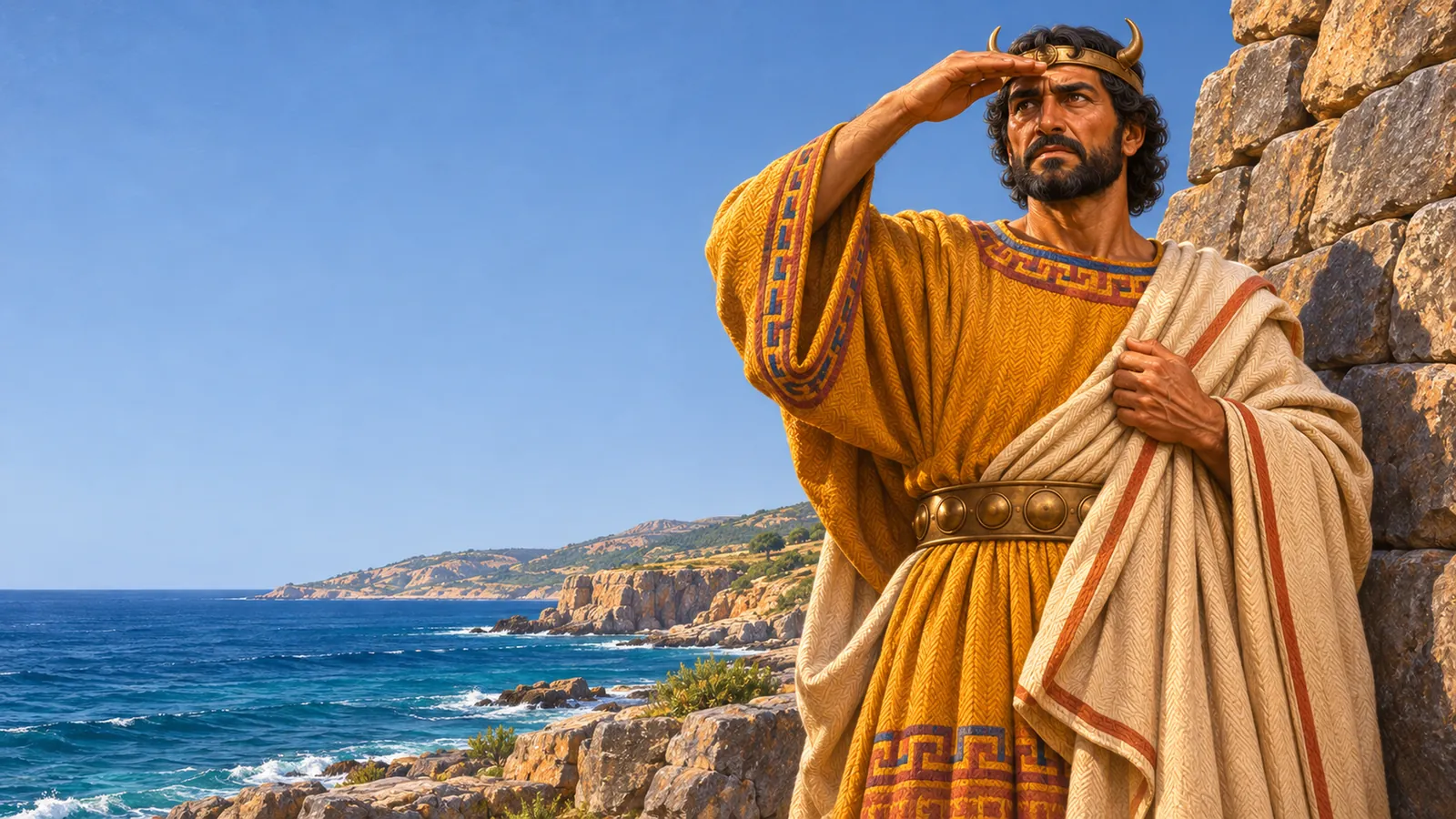
The Sun-god went nearer, raised his hand to his brow and changed in anger. Then he turned toward the Storm-god with grave news.
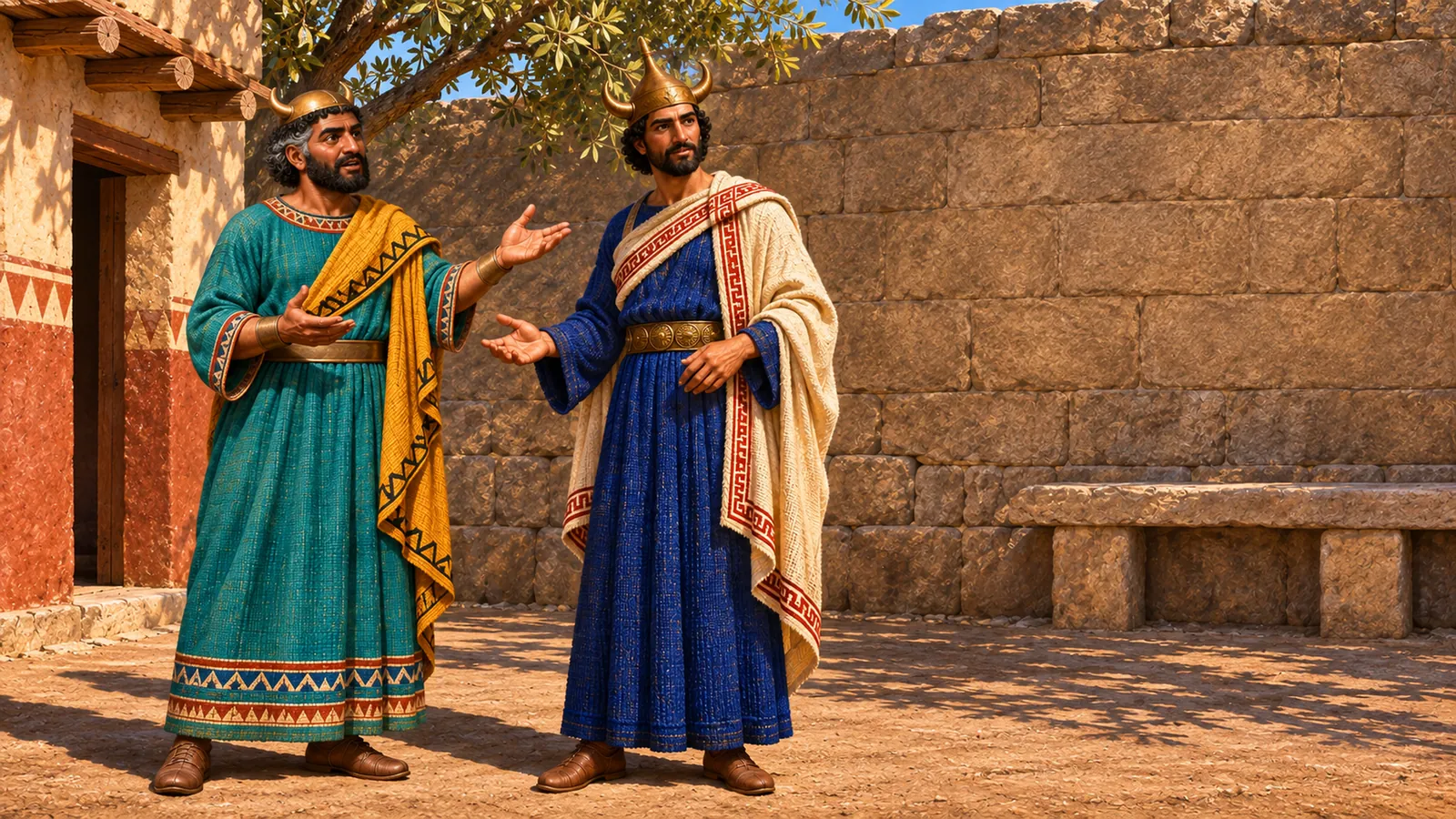
Seeing the Sun-god approach, Tashmishu warned his brother that the matter must be serious. His words foretold heavenly conflict, hunger and death in the land.
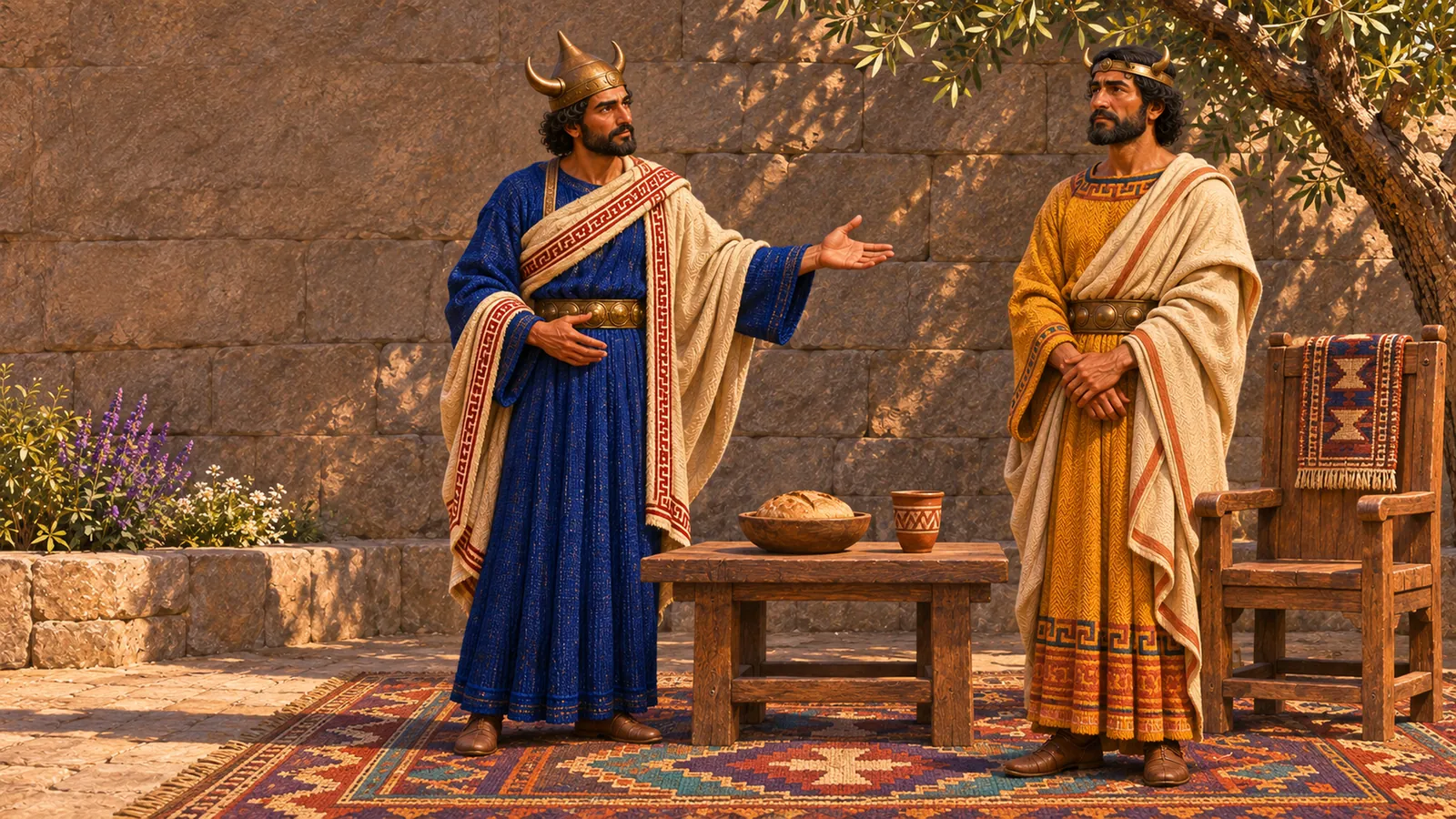
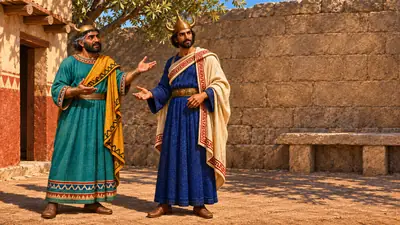
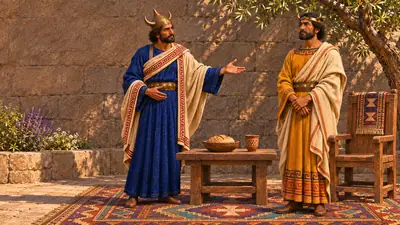
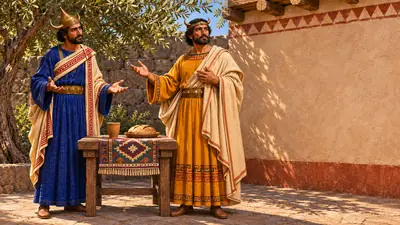
The Sun-god entered the house but would not sit. He approached neither the prepared meal nor the cup offered for him to drink.
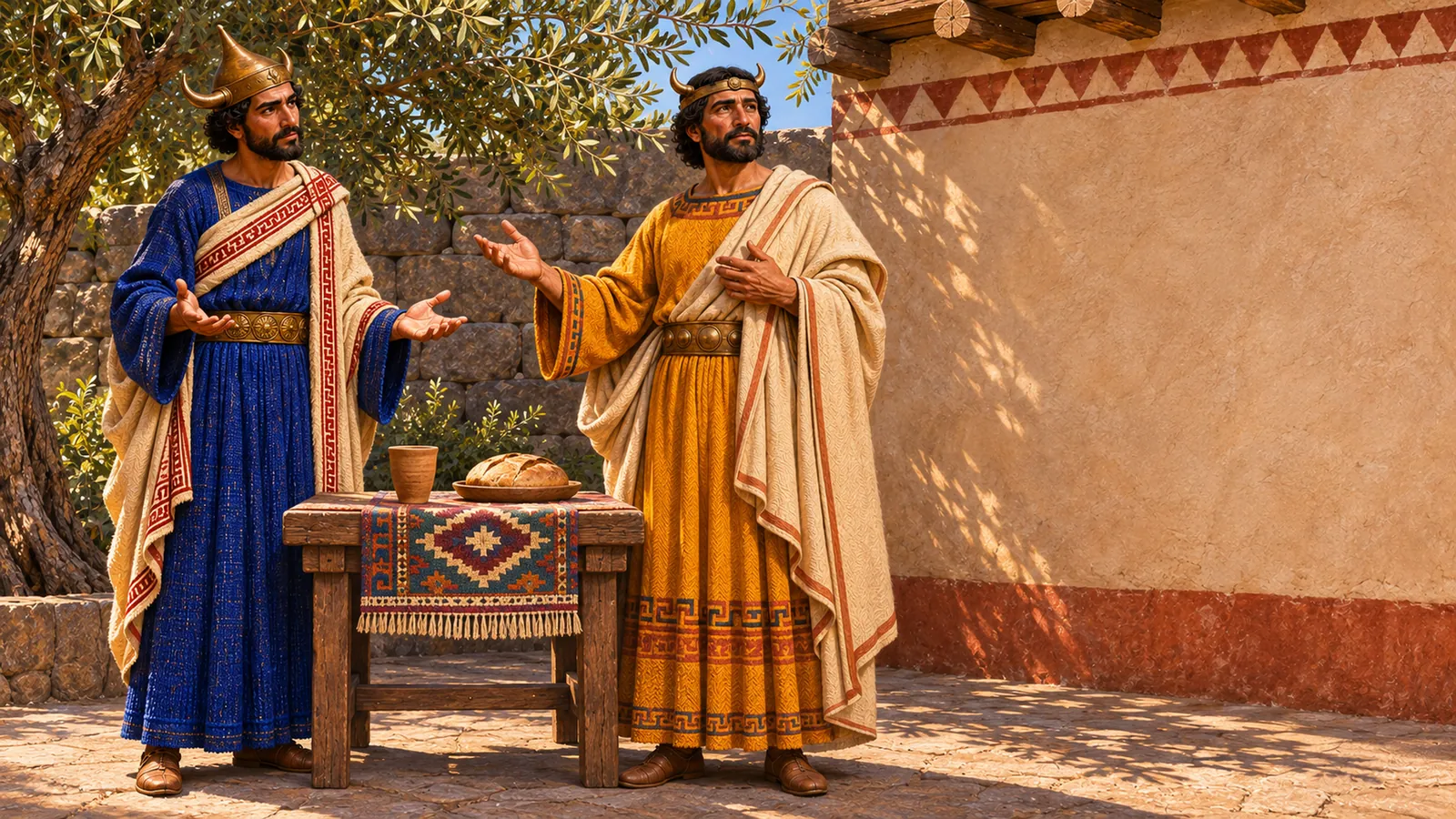
The Storm-god asked whether the chair, table or cup had been badly prepared. His questions sought the reason for his guest’s refusal.
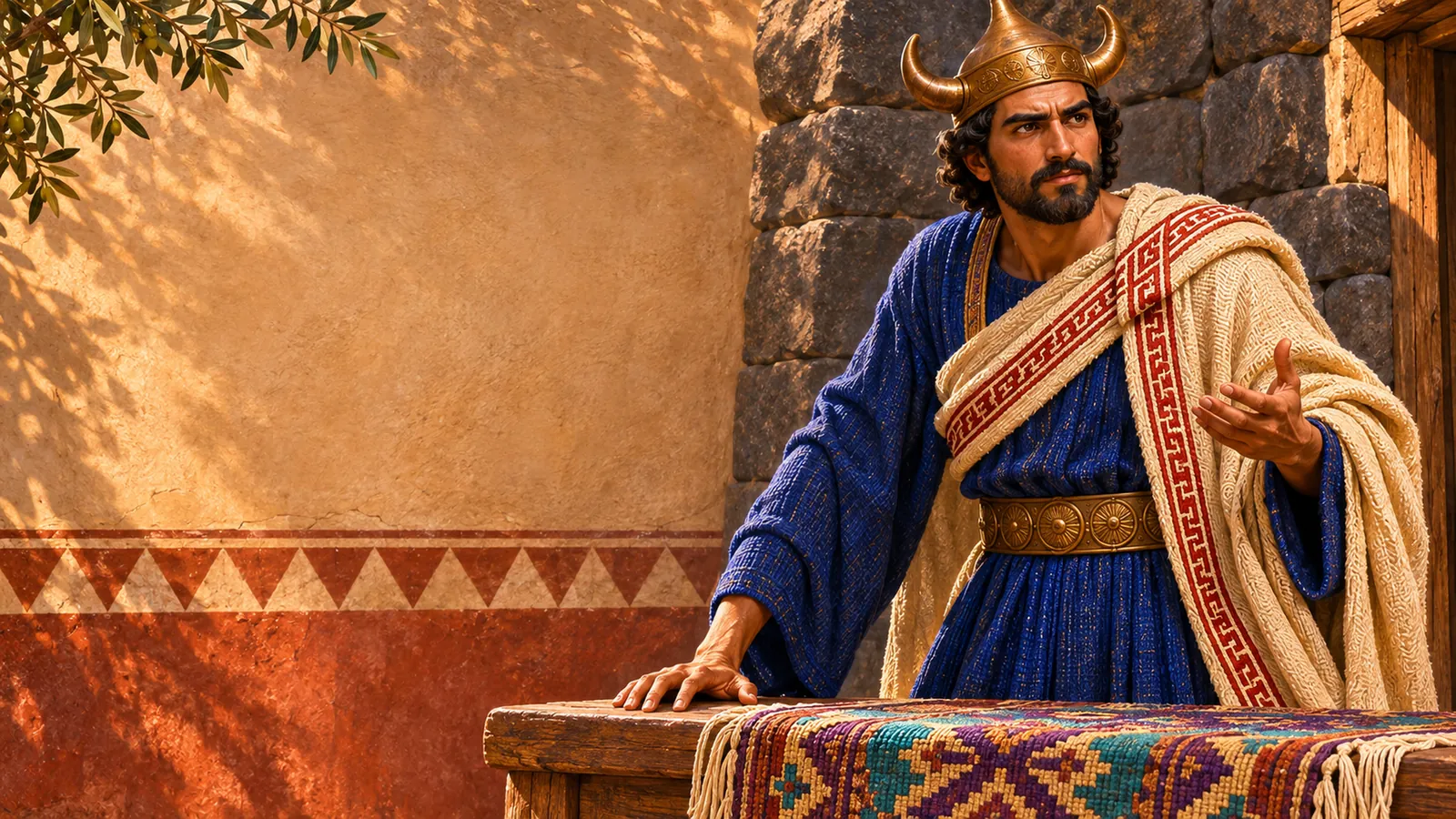
The detailed report is damaged, but the Storm-god’s angry response survives. The news of the growing stone had reached the ruler of Kummiya.
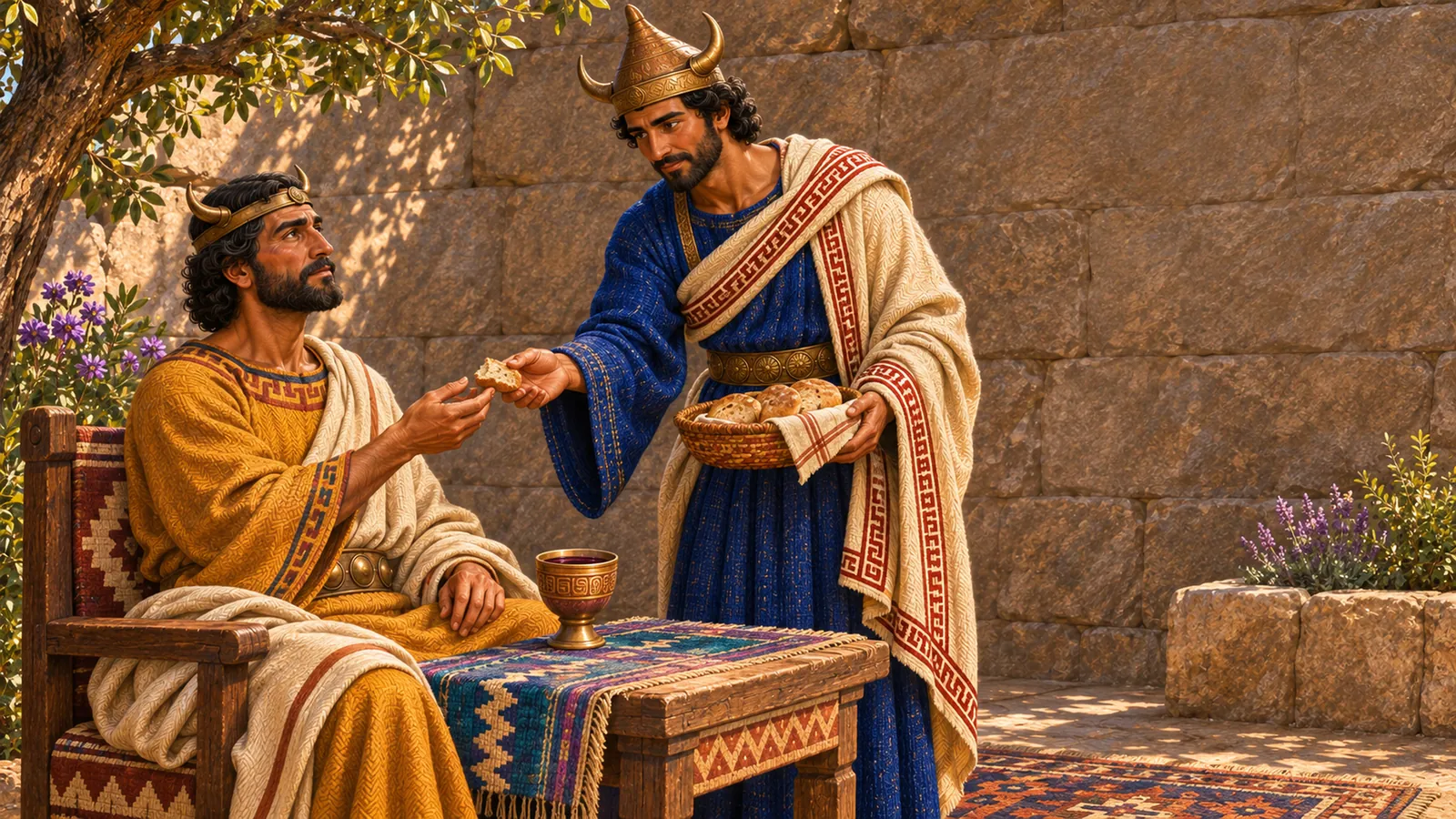
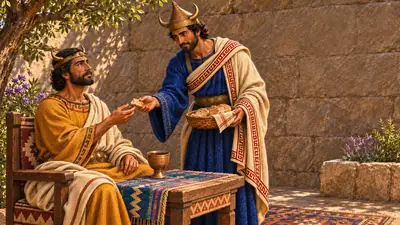
The Storm-god urged his guest to eat and drink. At last the Sun-god accepted bread and sweet wine, then rose and returned to heaven.
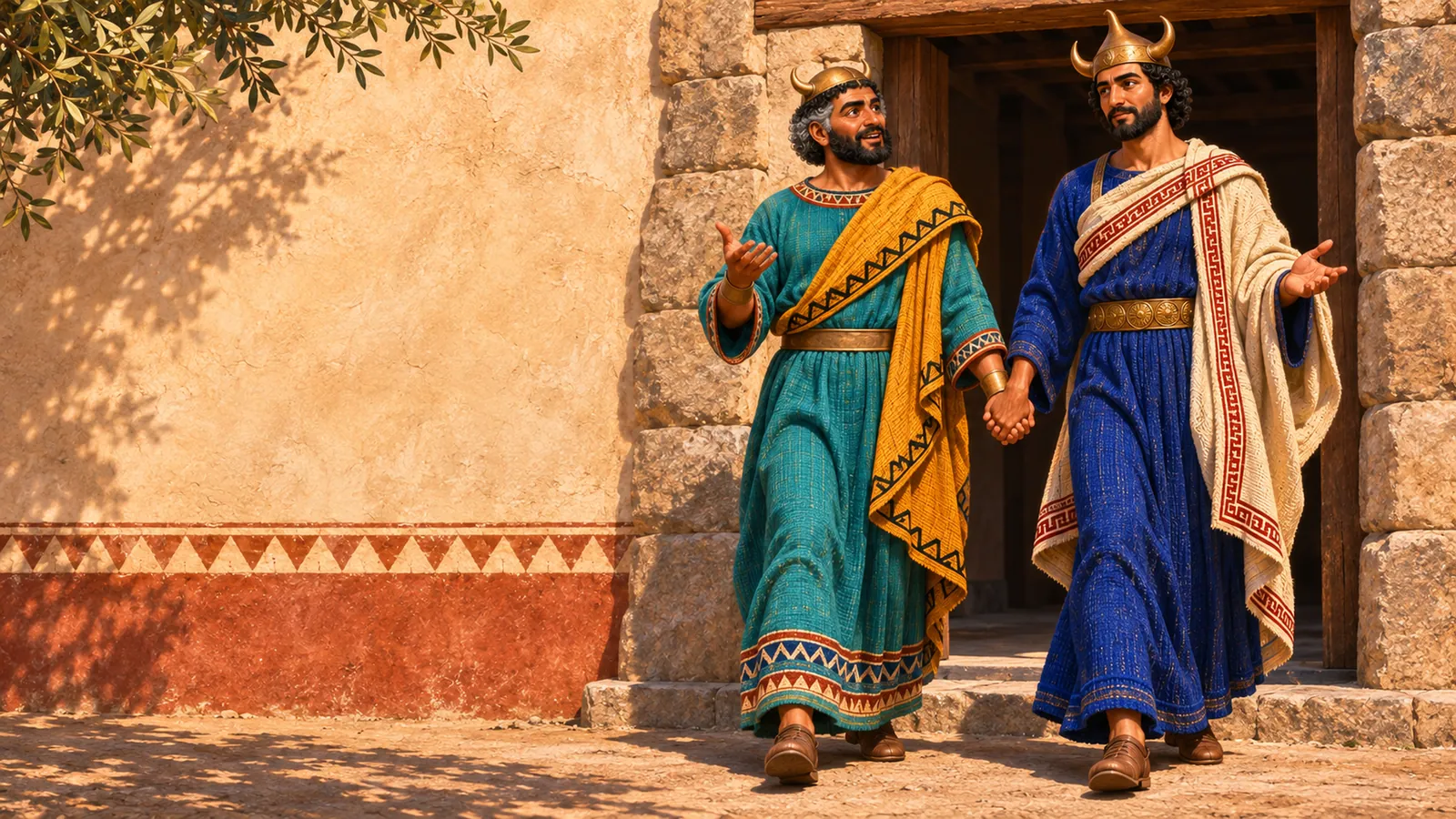
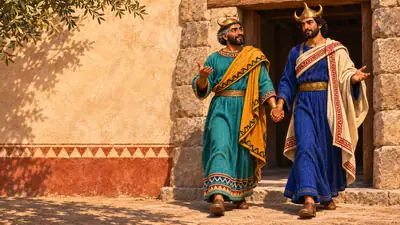
After the Sun-god’s departure, the Storm-god and Tashmishu took one another’s hands. They left their temple to see the danger for themselves.
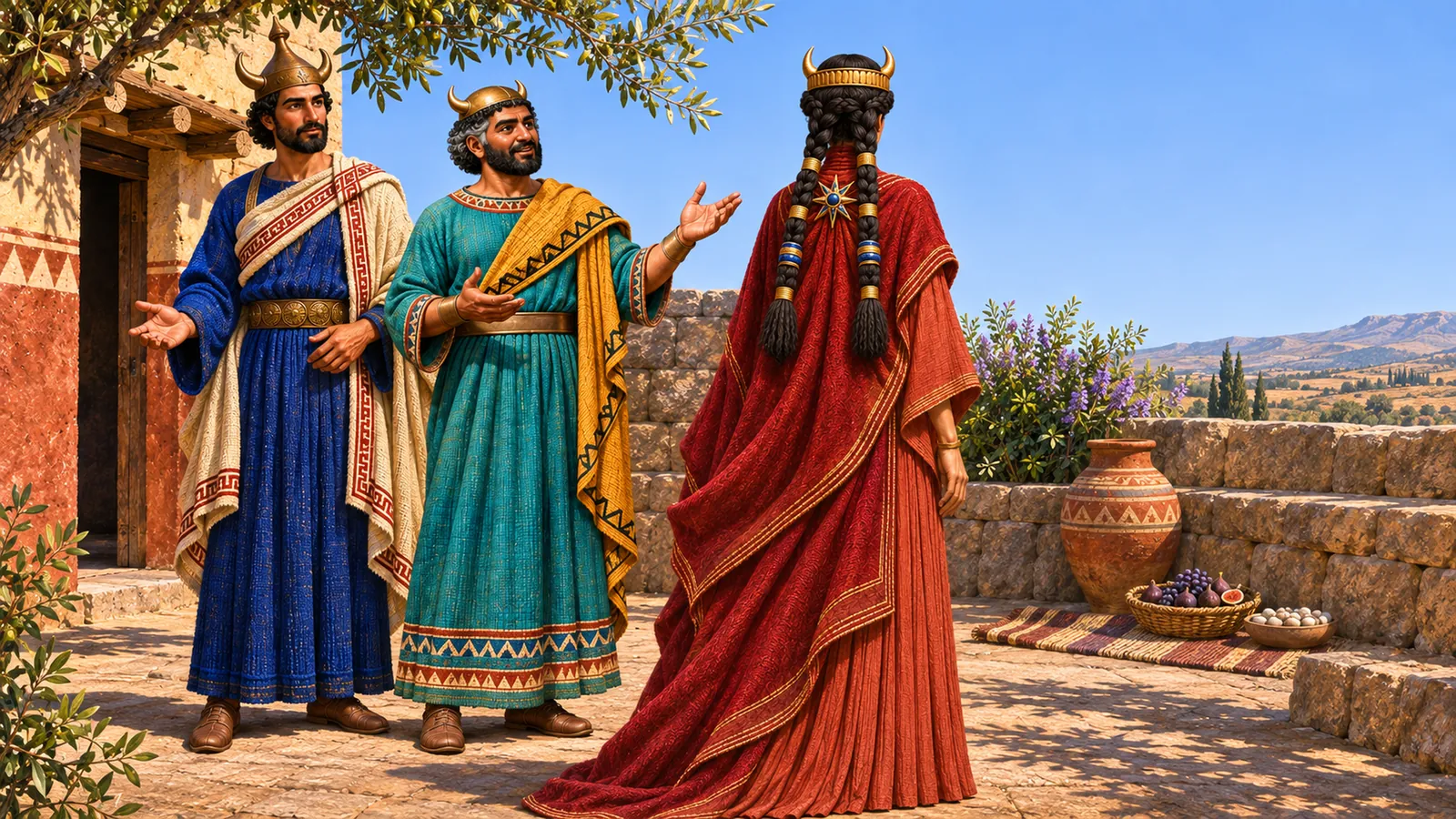
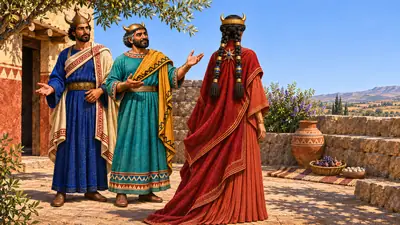
Ishtar saw her two brothers hurrying and asked where they were going. The Storm-god’s damaged reply refers to what the Sun-god had told him.
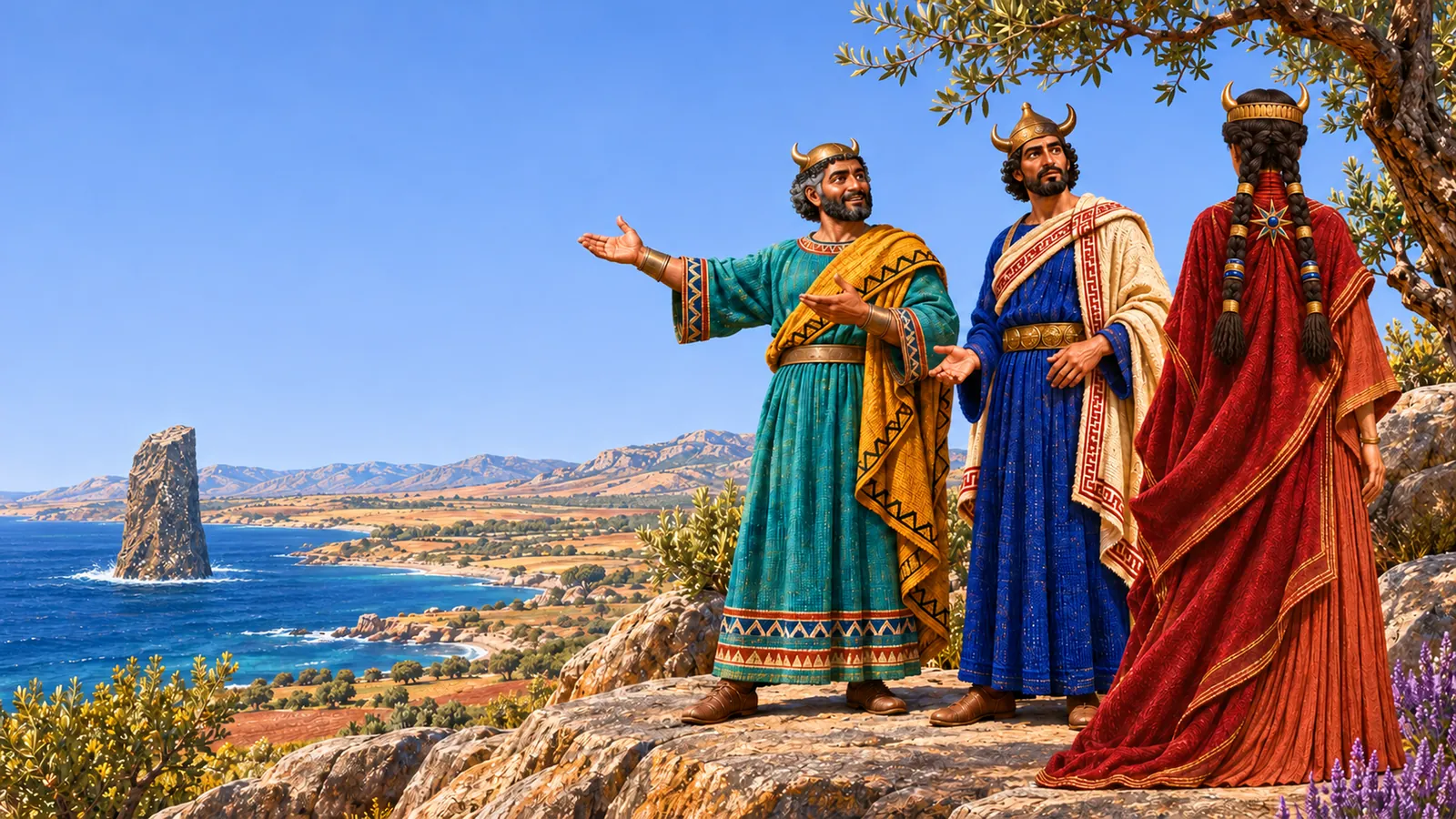
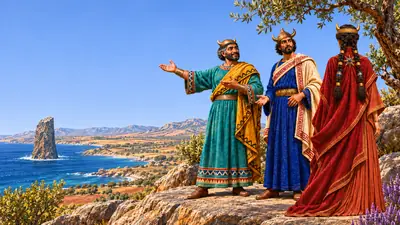
They climbed Mount Hazzi together and looked toward the stone. The king of Kummiya saw the immense rival rising before him and changed in anger.
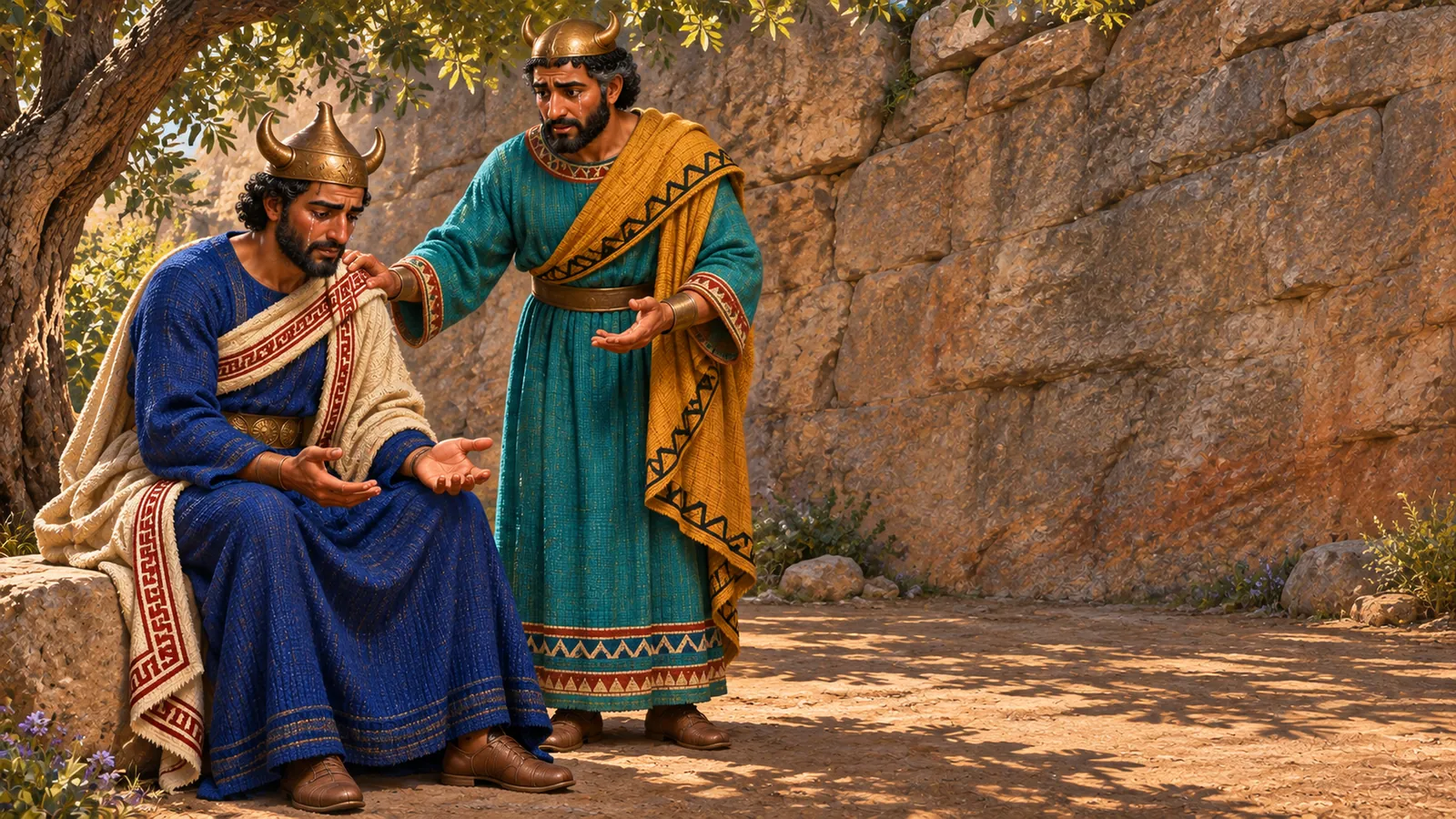
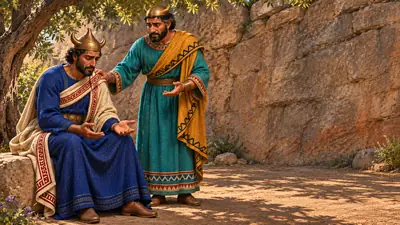
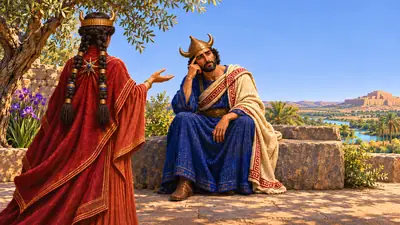
The Storm-god sat on the ground, tears flowing like channels. He asked who could endure such conflict and who could still fight this terror.
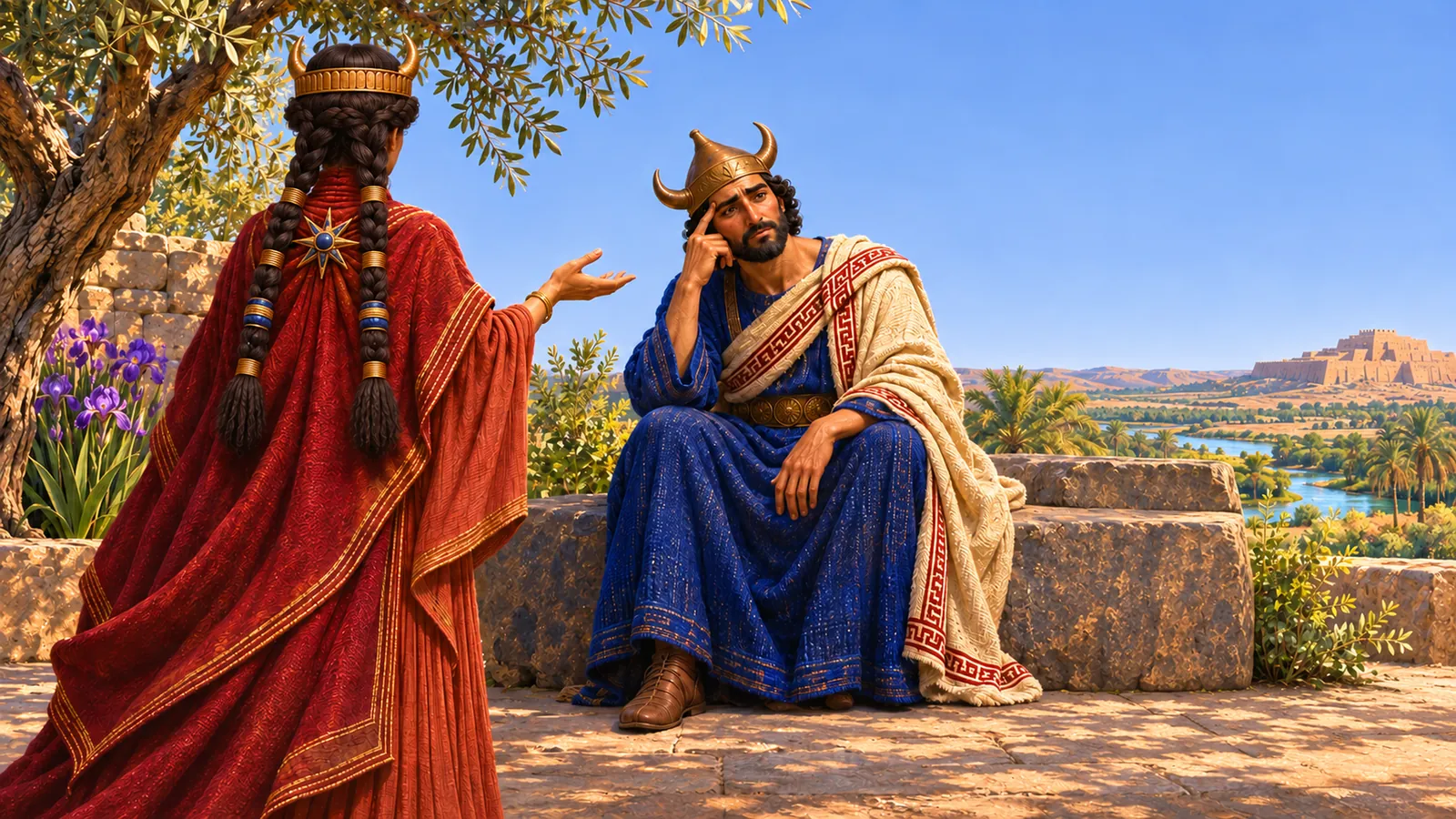
Ishtar answered her grieving brother. Her damaged speech contrasts the stone’s great courage with its lack of understanding, but the rest of her argument is broken.
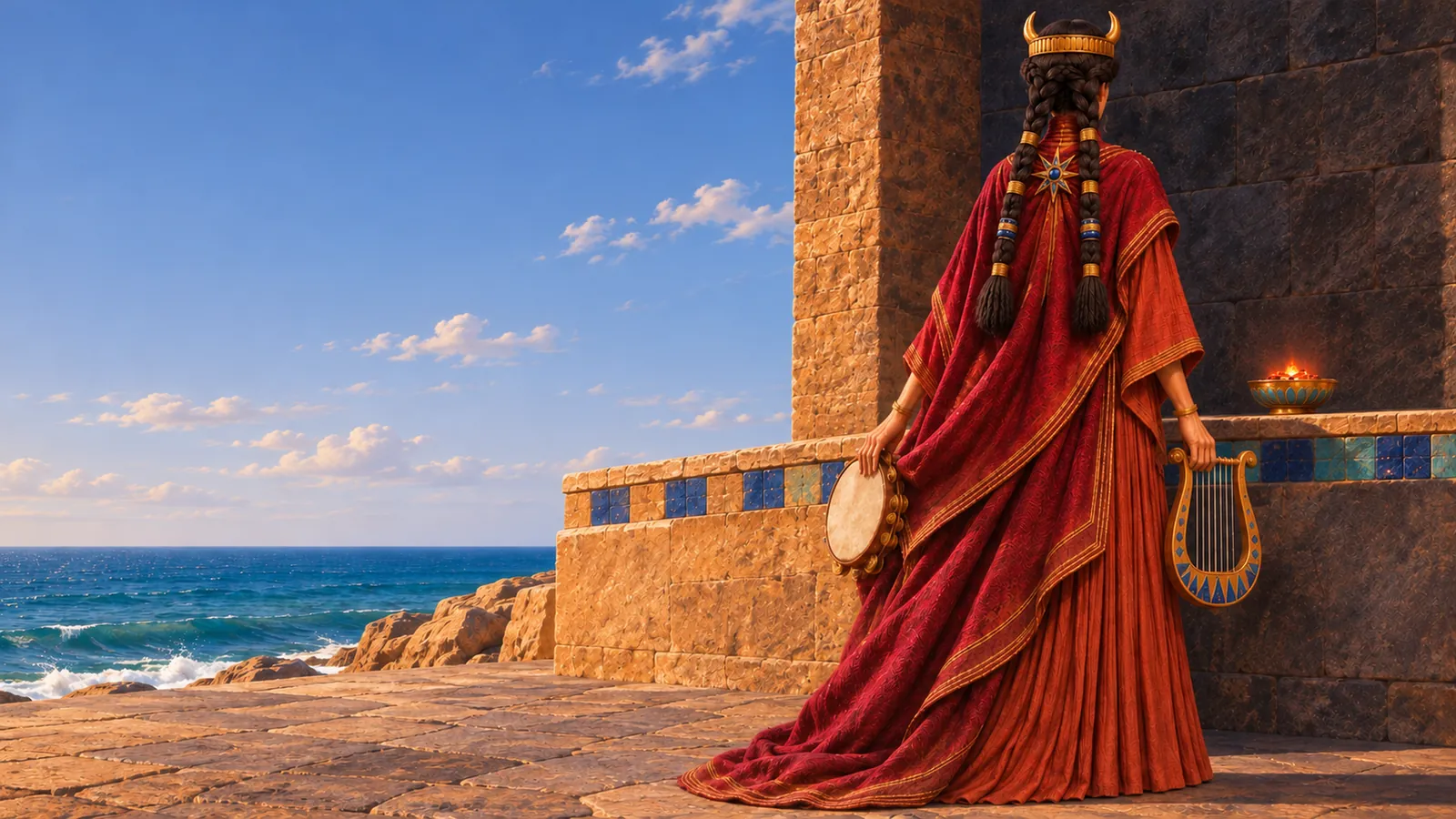
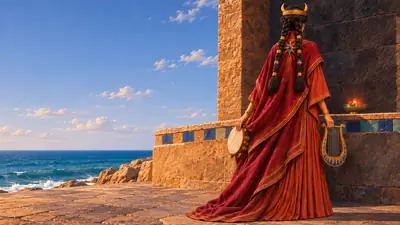
Ishtar dressed and adorned herself, left Nineveh and went toward the sea with her instruments. She burned cedar and set her golden ornaments moving.
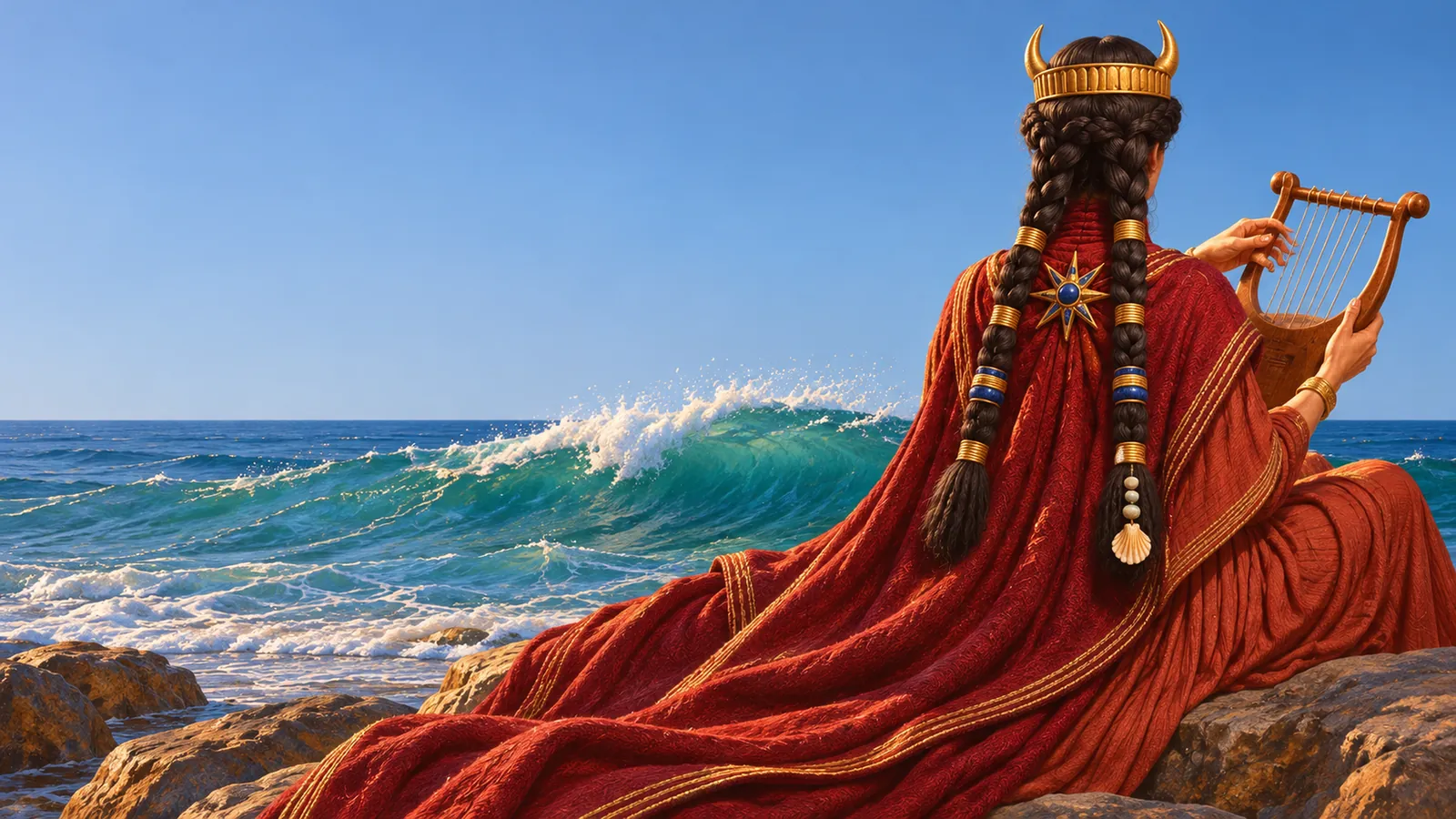
Ishtar played and sang, with heaven and earth answering her song. Wearing a sea stone and pebble, she faced the water as a great wave arose.
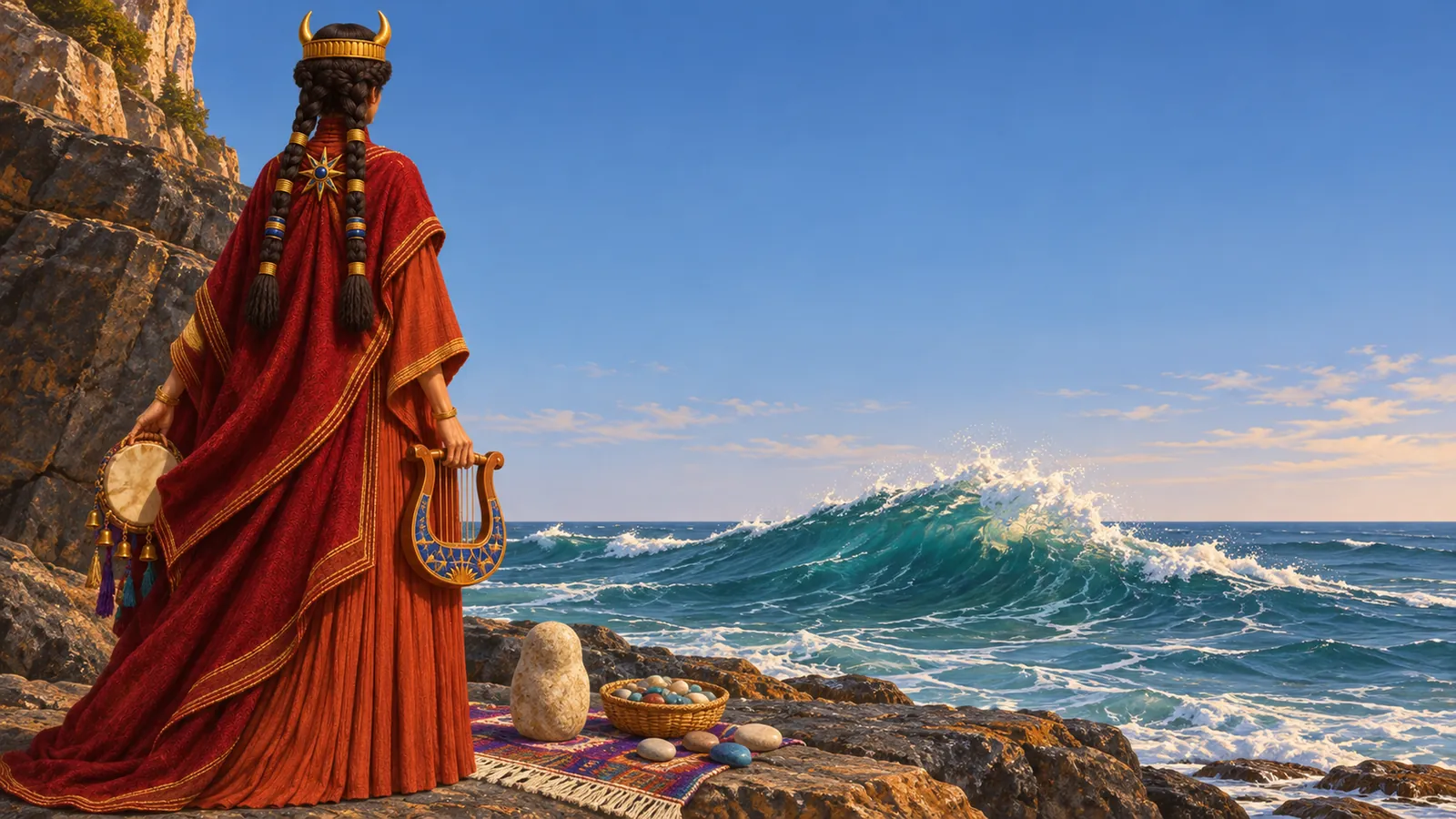
The wave told Ishtar that Ullikummi could neither hear nor see and felt no compassion. It urged her to find her brother before the stone grew stronger.

Hearing the warning, Ishtar put out the cedar and threw her instruments aside. She left crying; the song had not won Ullikummi over.
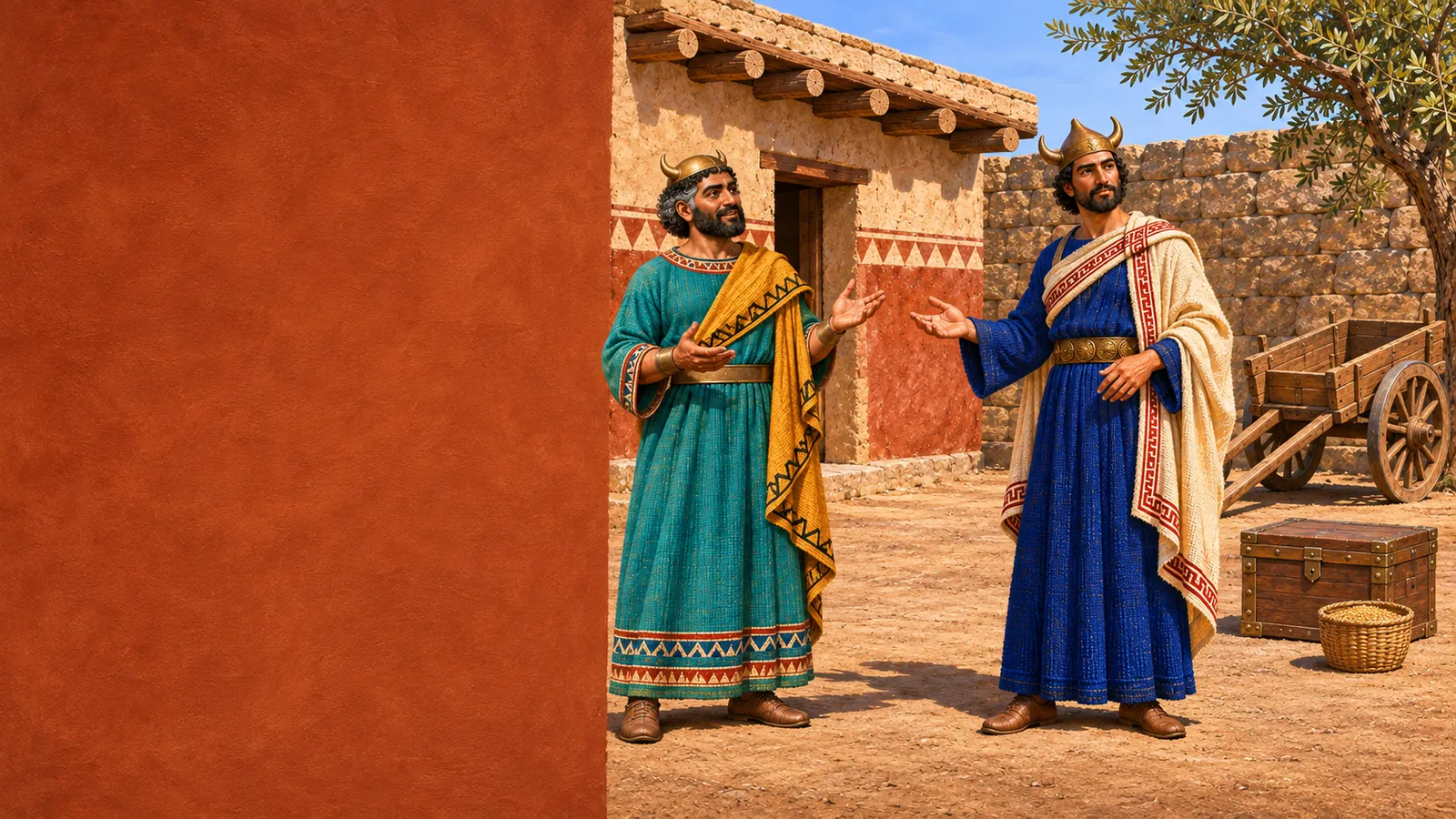
After a gap, the Storm-god ordered preparations: feed and oil for the bulls, carts made ready, and rain, winds and terrible lightning called forth.
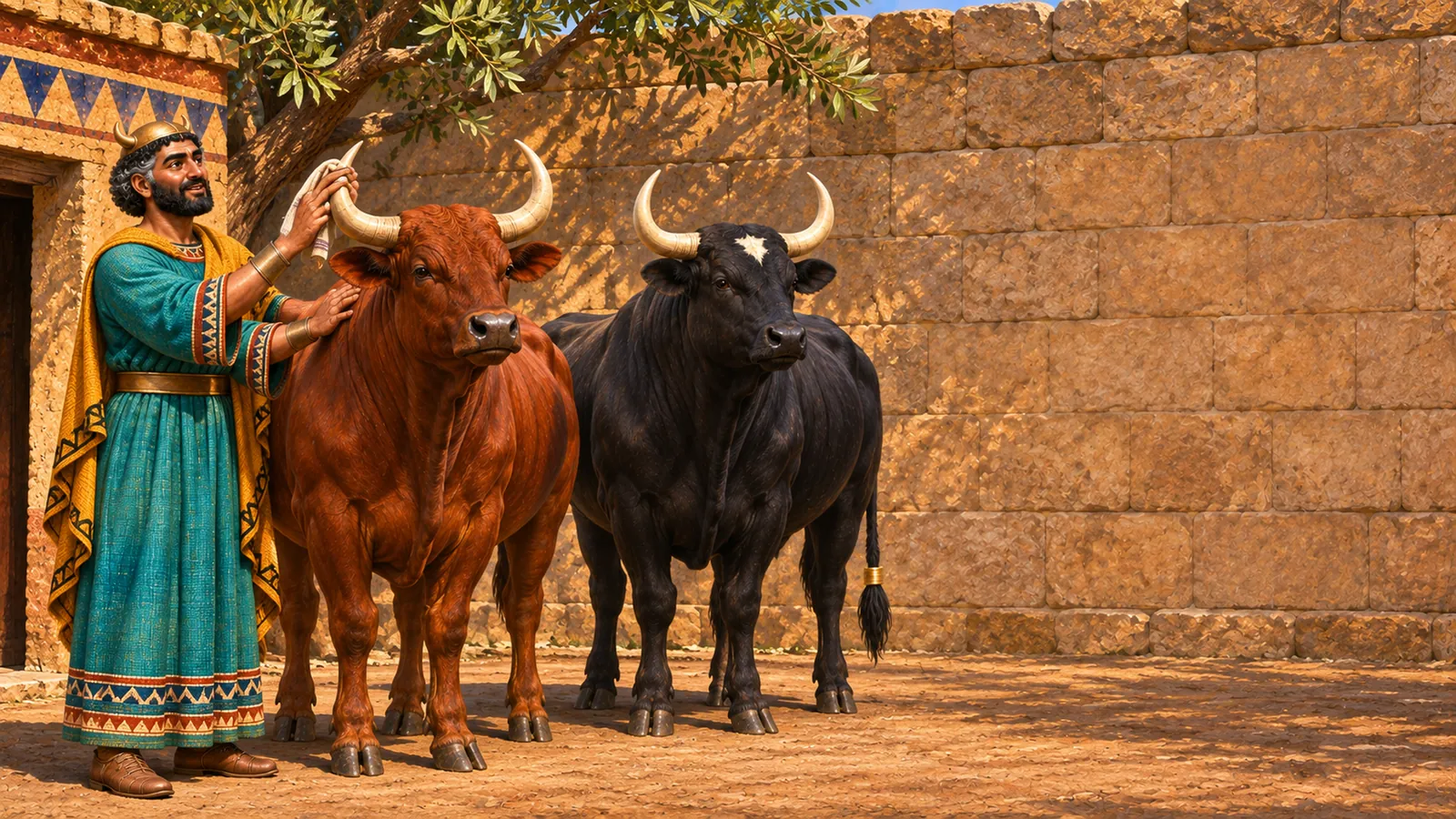
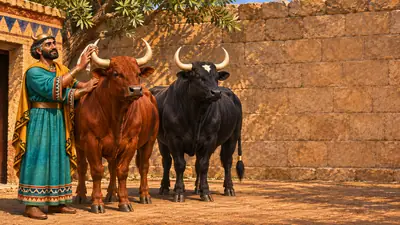
Tashmishu brought Sherishu from pasture and Tella from Mount Imgarra. He oiled Sherishu’s horns, gilded Tella’s tail and prepared the cart as commanded.
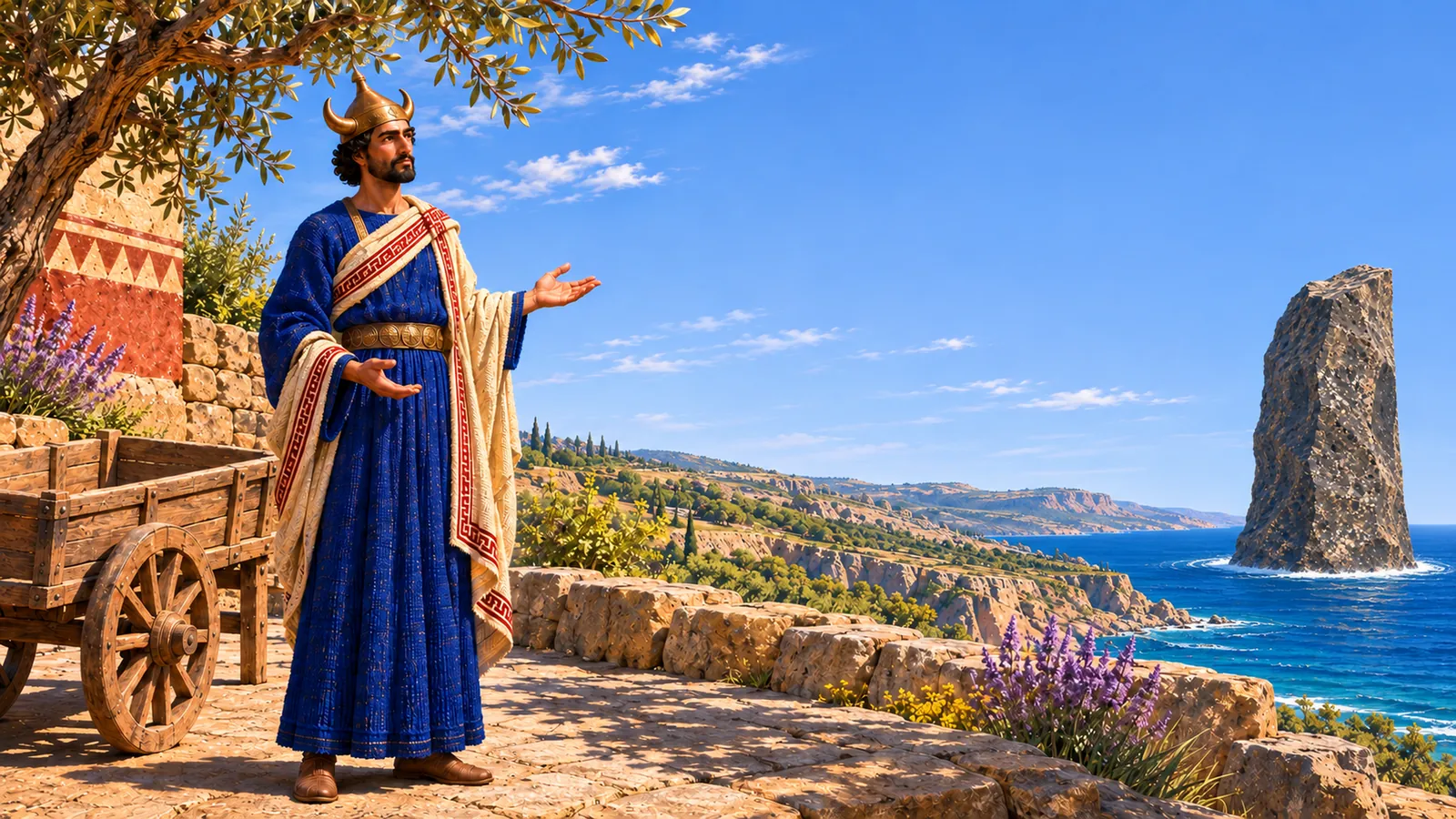
The Storm-god took battle equipment and carts, bringing clouds from heaven. He looked at the stone again; the damaged height passage describes its overwhelming scale.

Ashtabi and seventy gods fought the stone, but could not prevail and fell into the sea. The damaged account does not say that all were killed.
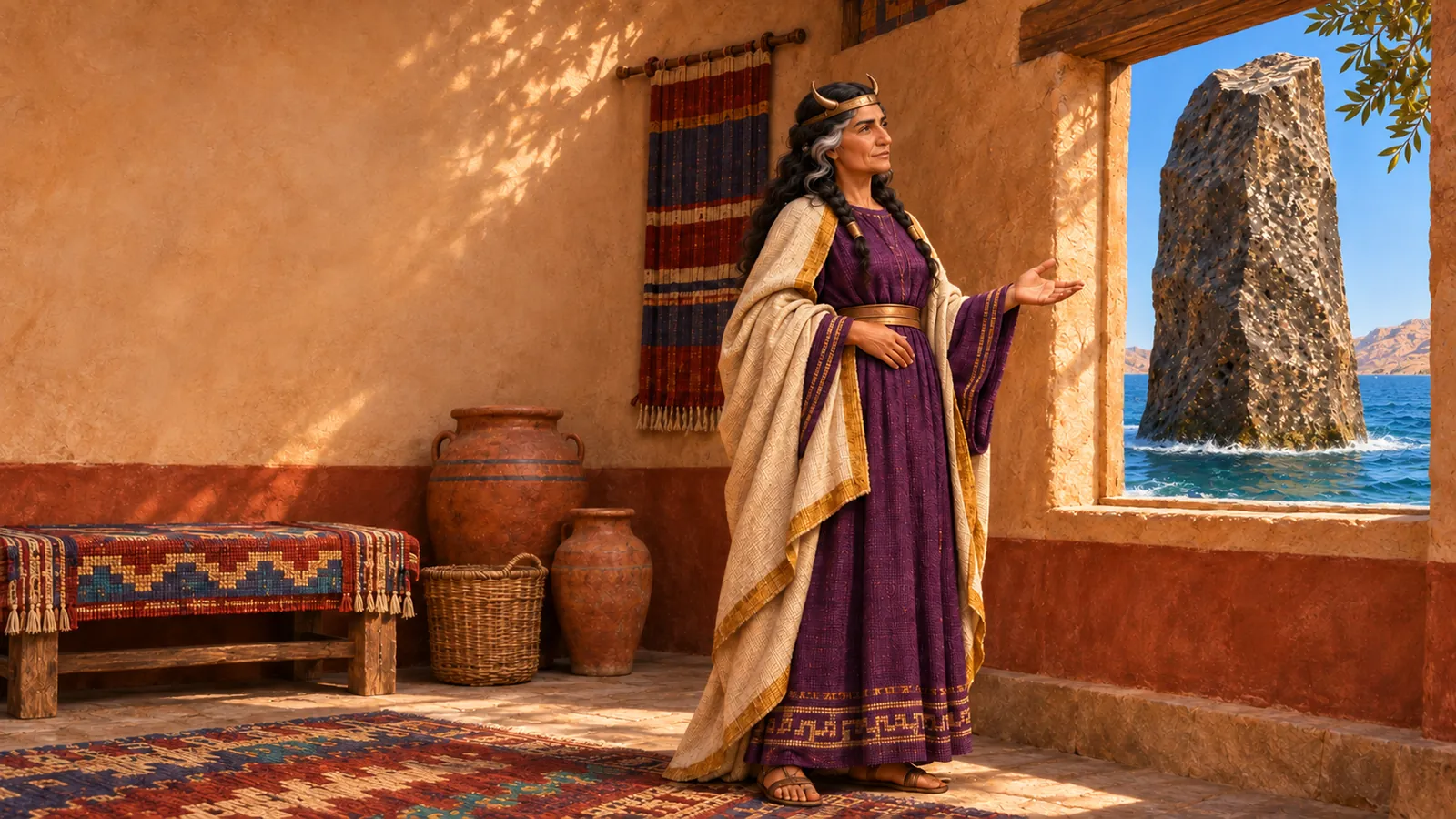
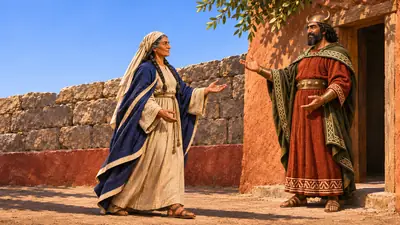
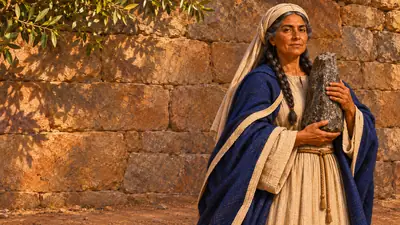
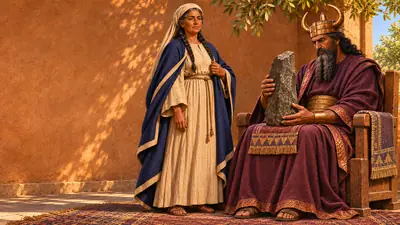
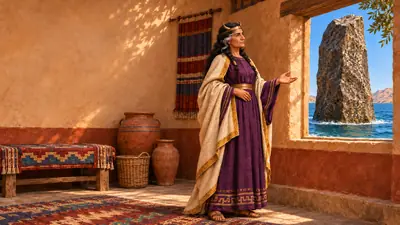
Ullikummi grew toward Kummiya and blocked Hebat in her temple. She could no longer hear news of the gods or see the Storm-god and his companion.
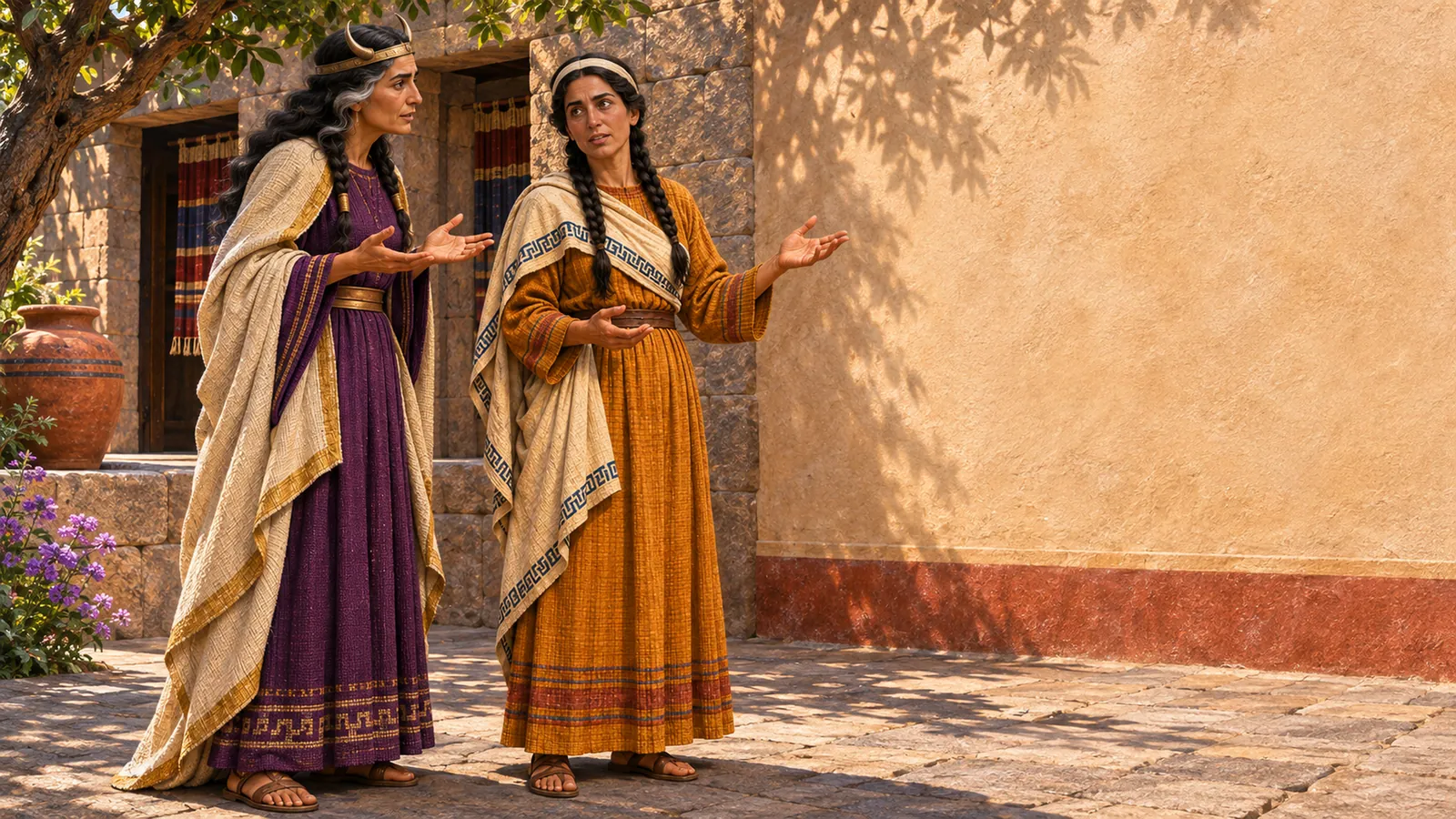
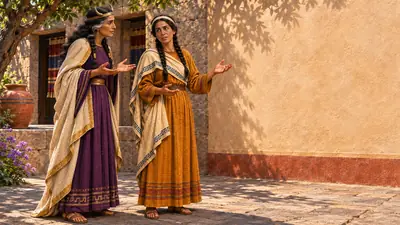
Hebat asked Takiti whether Ullikummi had defeated or killed her husband. She ordered her attendant to seek news; fear had not become a confirmed death.
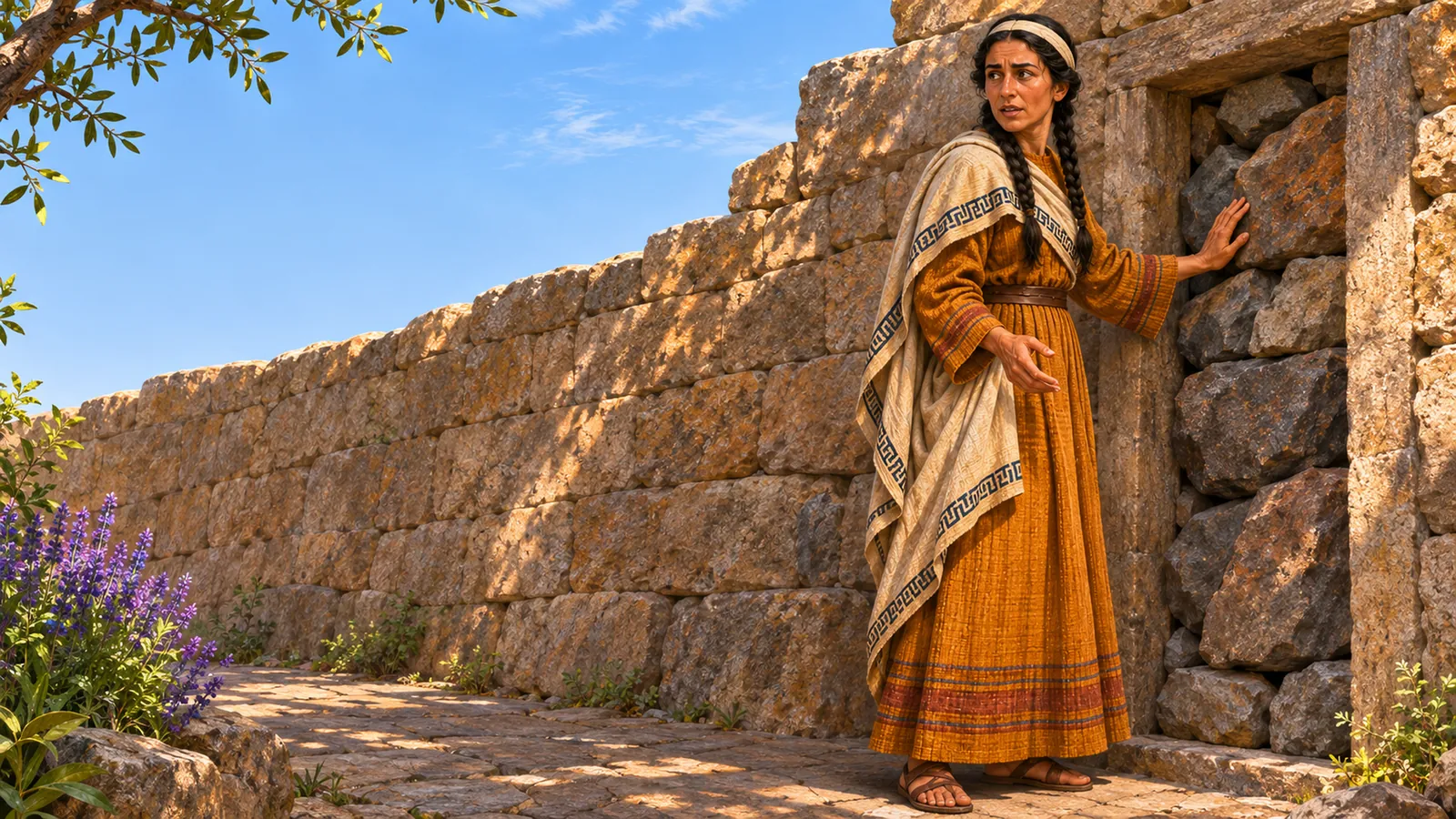
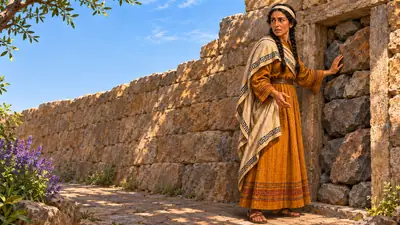
Takiti hurried to carry out Hebat’s order, but found no way through. She returned to her mistress; the words of her answer are largely broken.
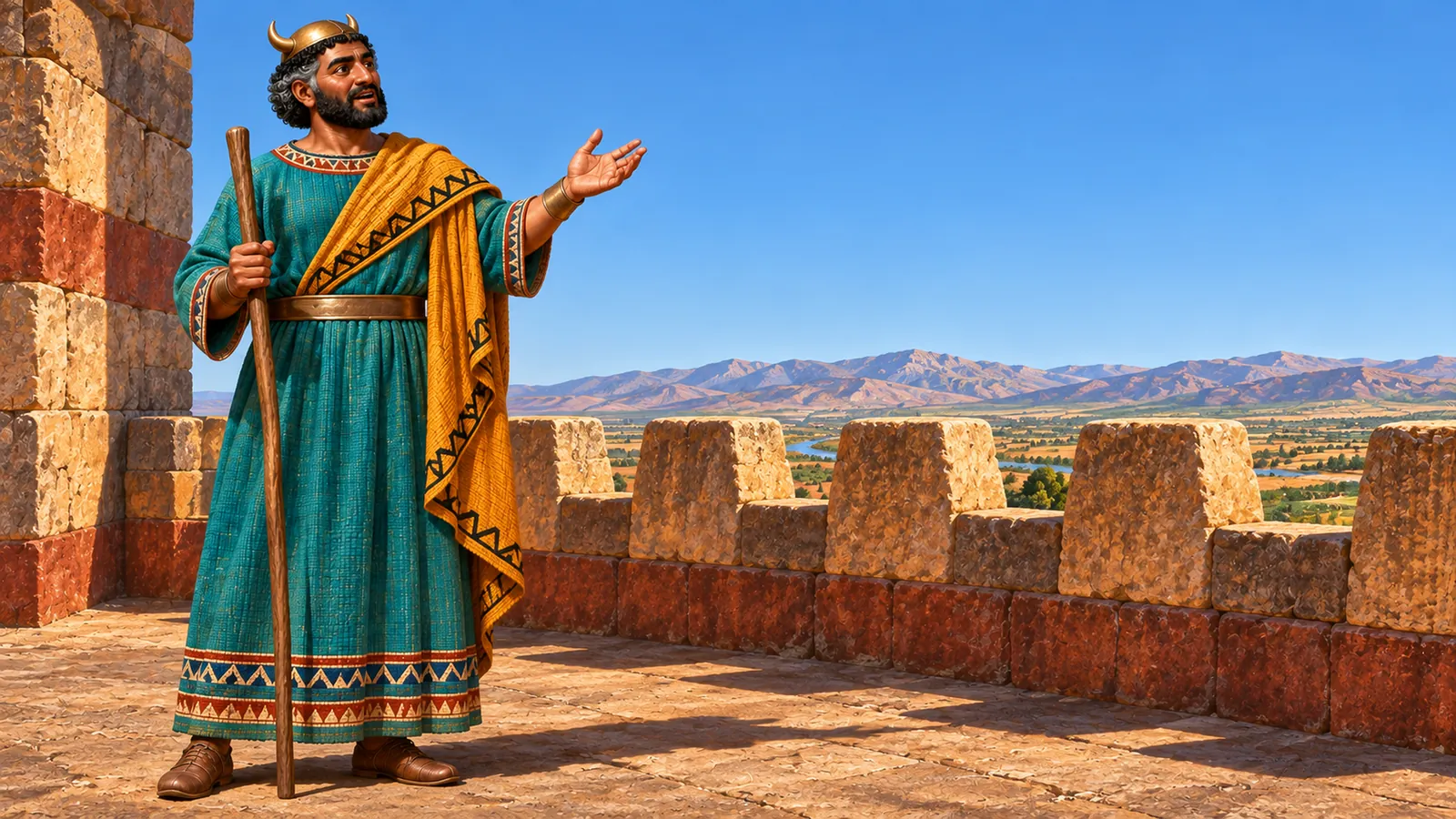
Tashmishu climbed a high tower and spoke across to Hebat. His broken message mentions a lowly place and appointed years, without preserving a complete explanation.

Seeing Tashmishu, Hebat almost fell from the roof. Her attendants seized her and held her fast; the fall that might have happened did not occur.
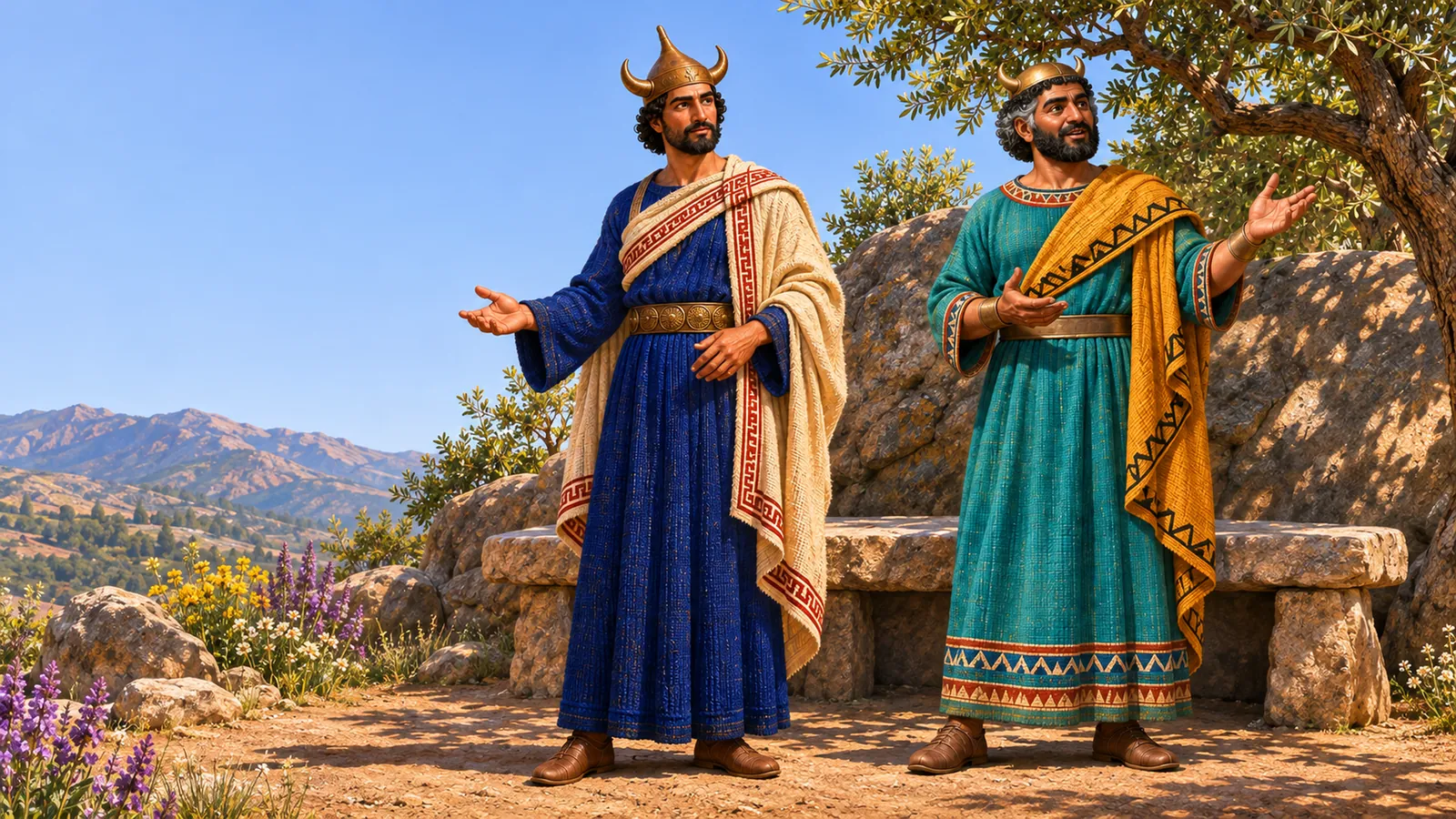
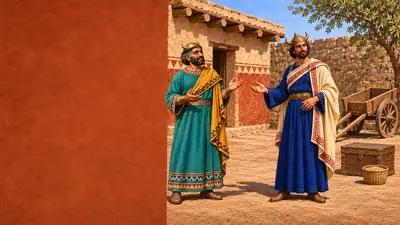
Tashmishu returned to the Storm-god. Their damaged discussion names Kandurna and Lalapaduwa and asks where they can find a place while heaven’s kingship is threatened.
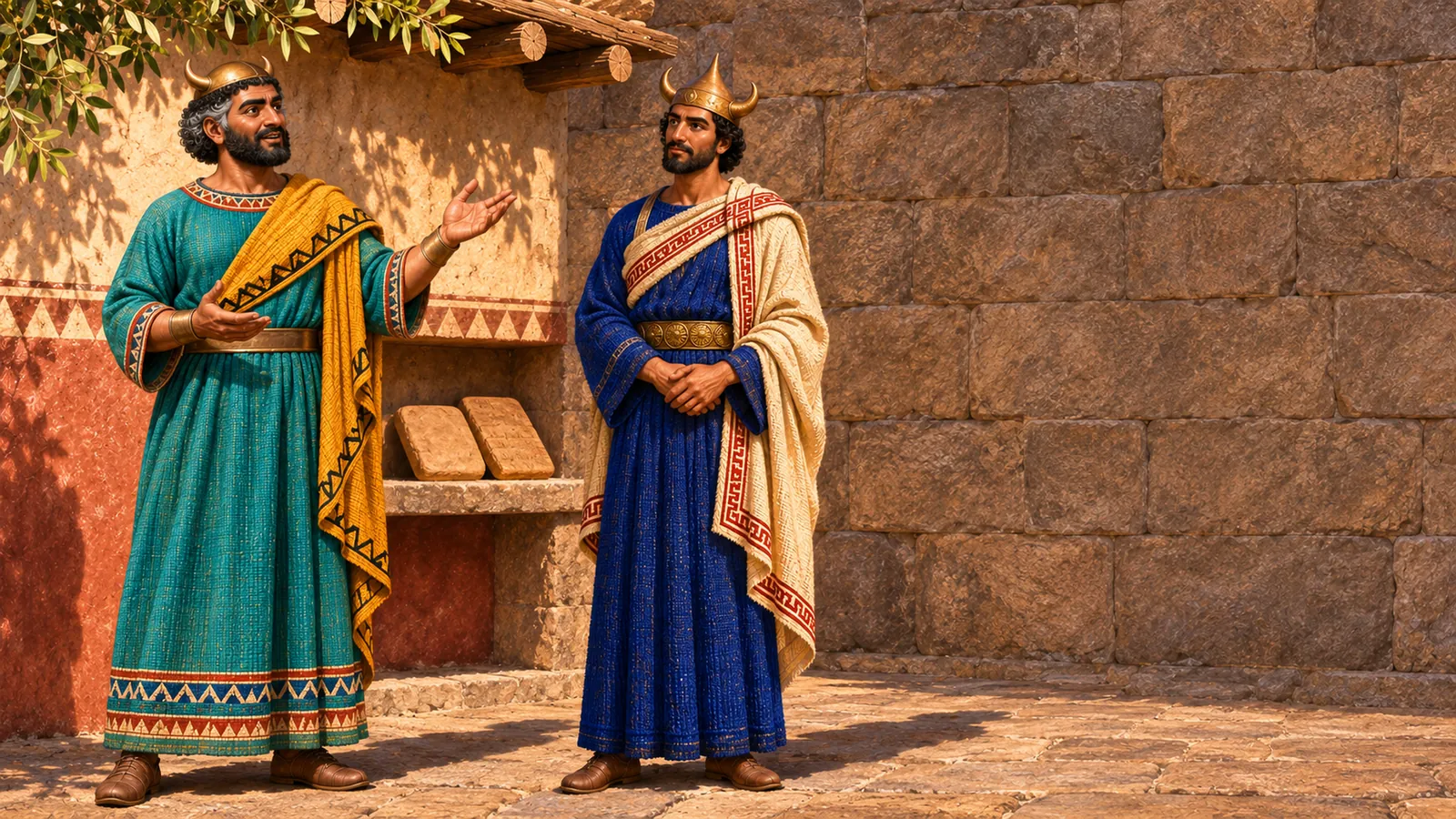
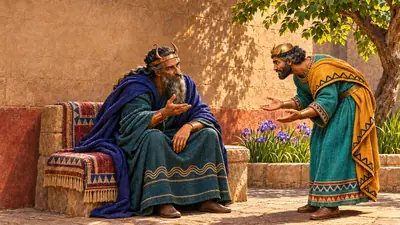
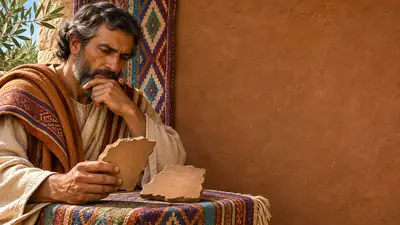
Tashmishu proposed going to Ea at Abzuwa and asking for the tablets of ancient words. Perhaps the god of wisdom would take pity and help them.
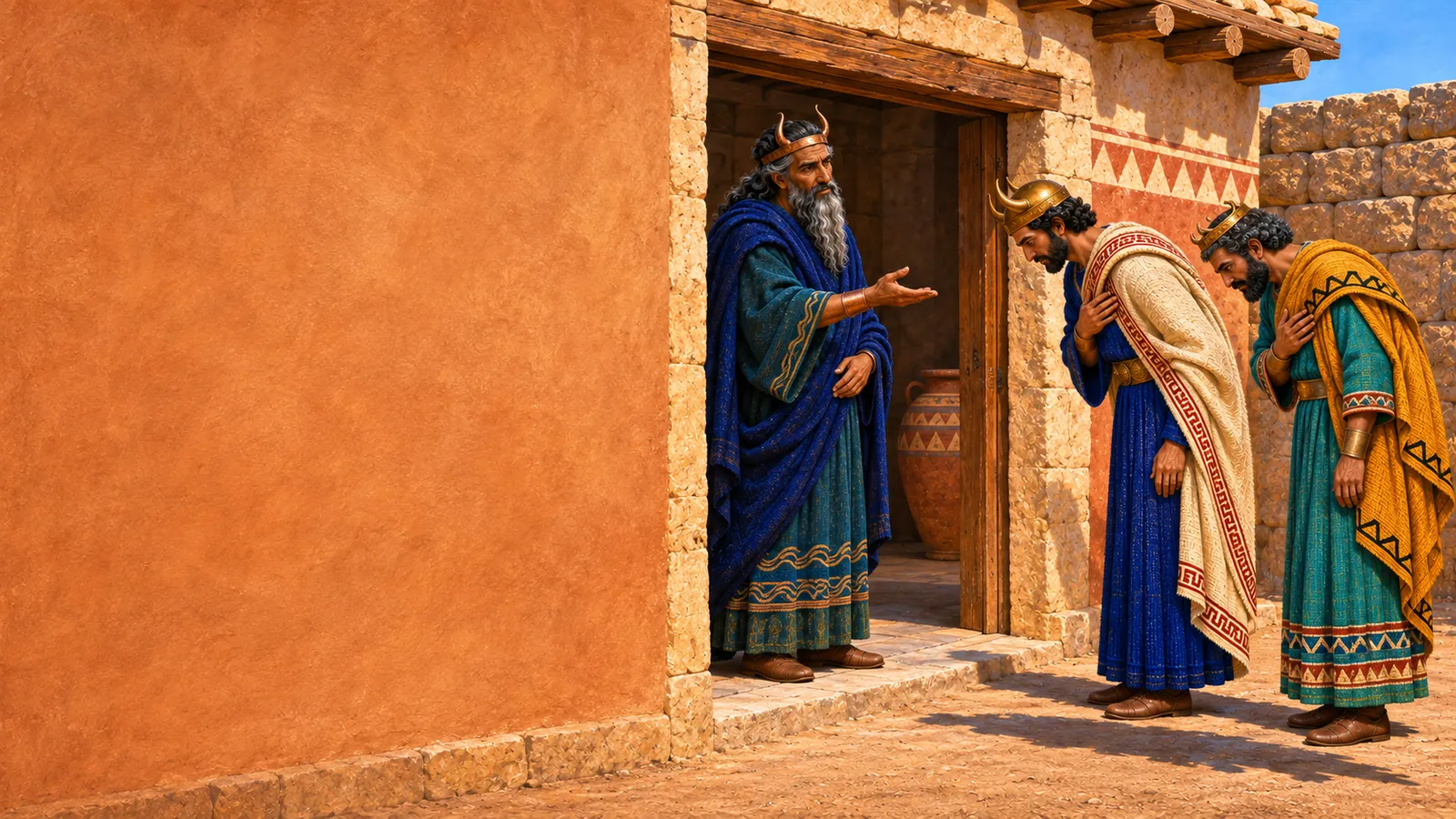
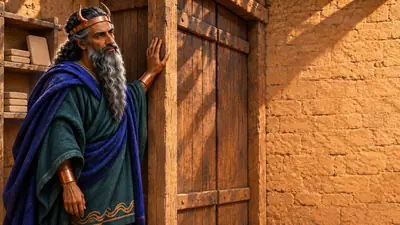
The brothers reached Abzuwa and bowed at Ea’s doors: five times outside, five within, then fifteen before Ea himself, as the reconstructed passage describes.
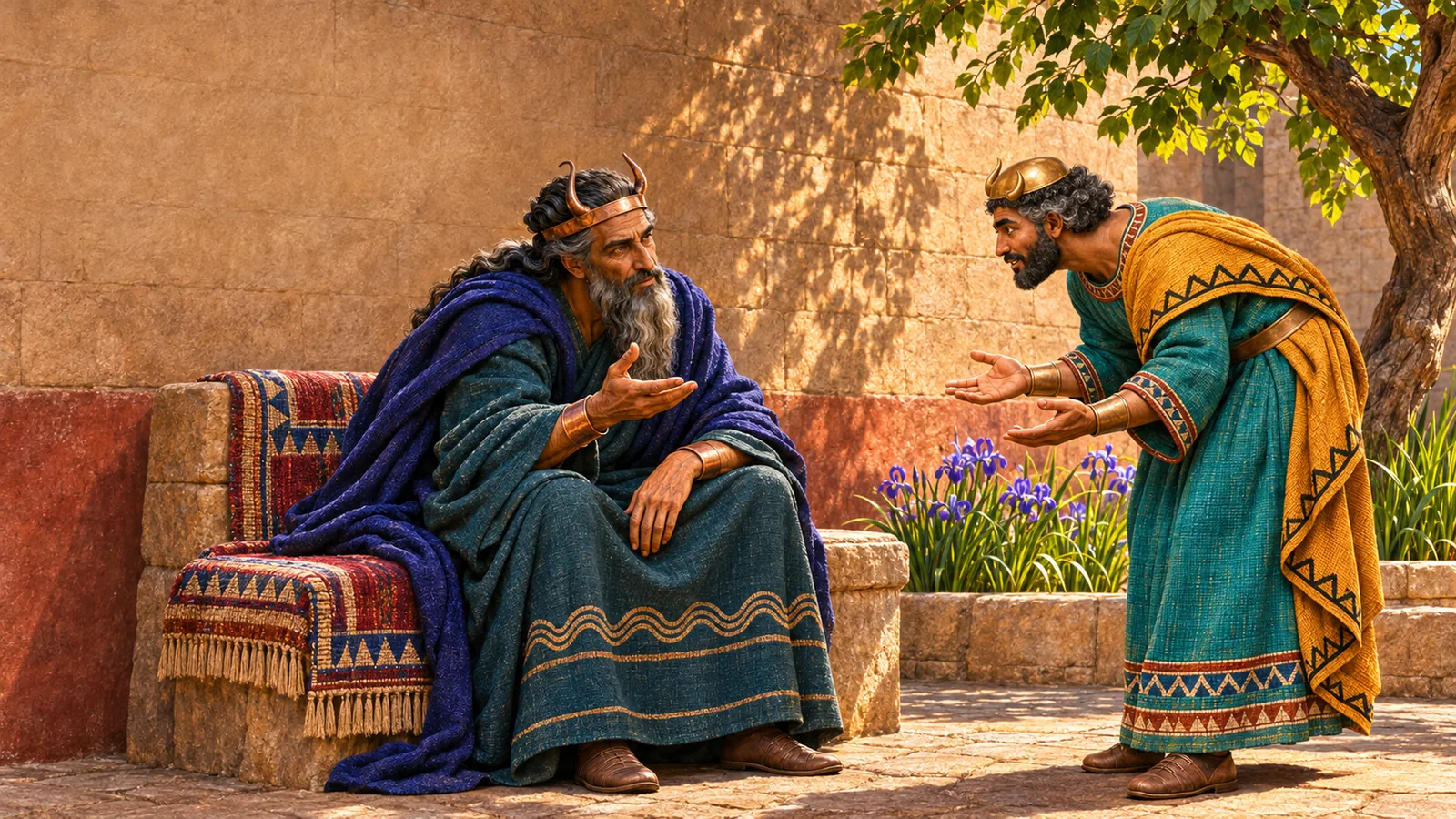
After lost words, Tashmishu kissed knees three times and feet four times. His appeal and the answering words survive only in a damaged exchange.
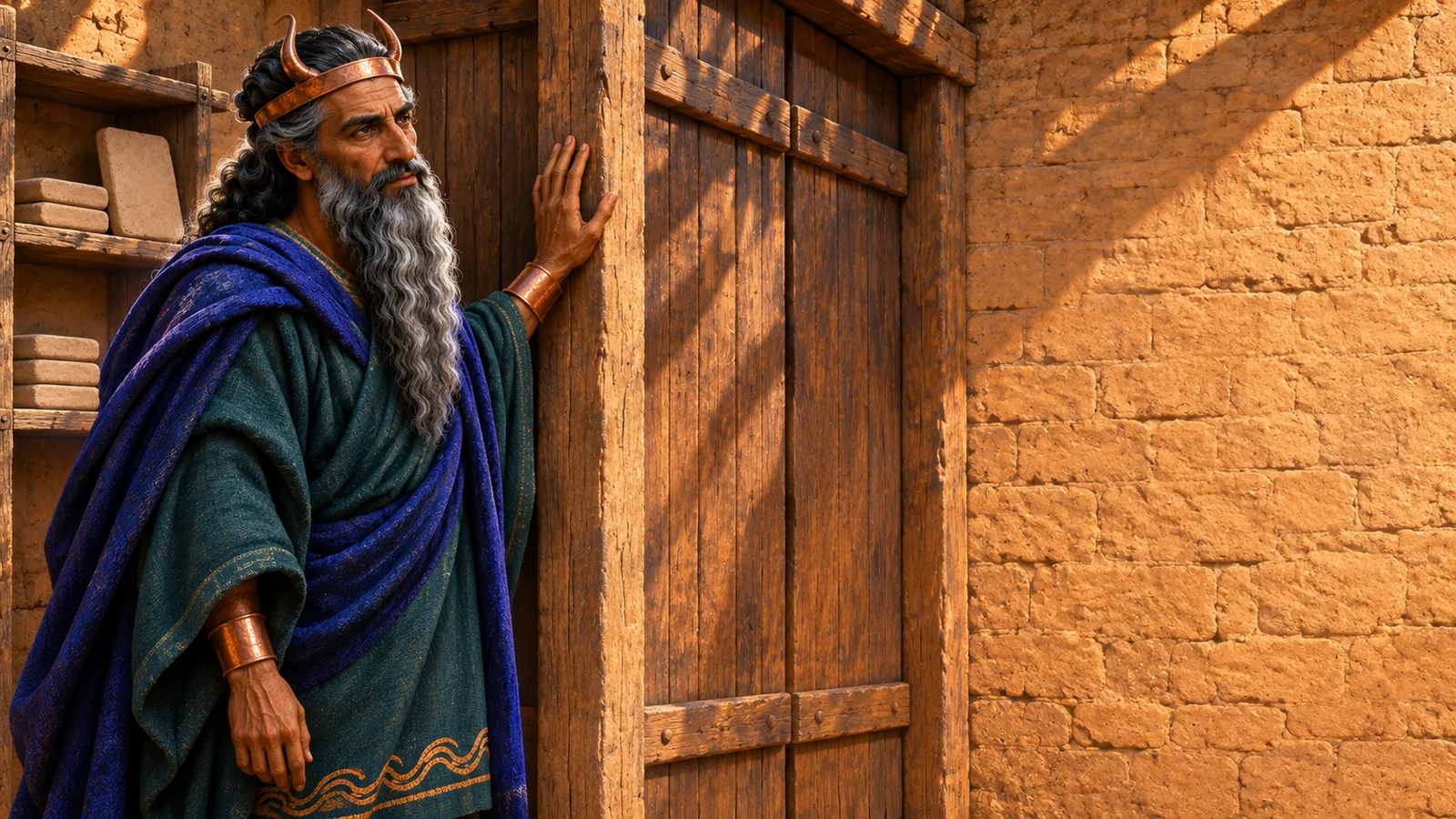
Broken replies speak of ancestral sealed storehouses and an old cutting tool. Ea’s anger and fragments of an assembly remain, but their missing connections stay open.
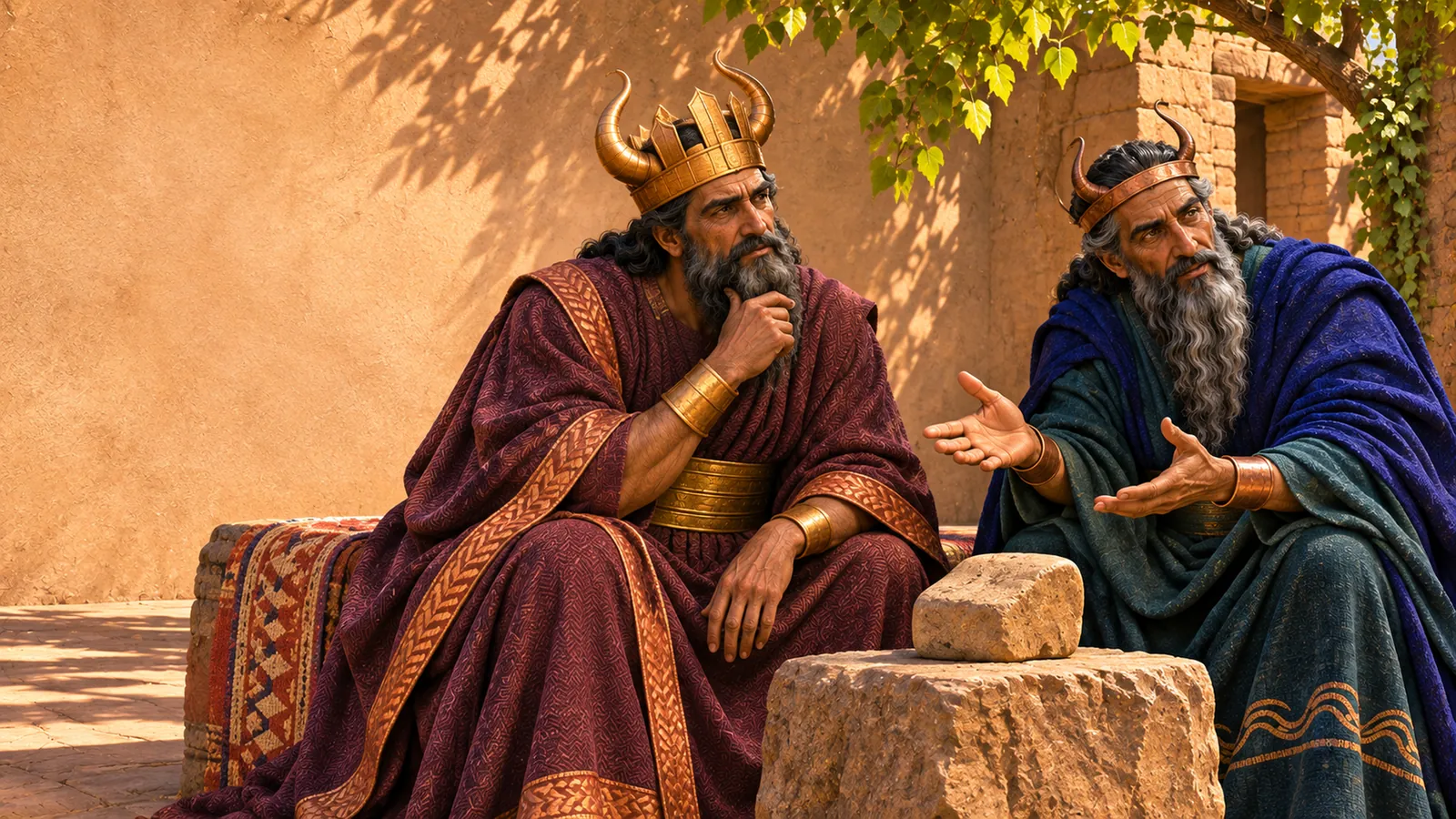
Ea asked Enlil whether he had heard of the stone Kumarbi had raised against the Storm-god. Enlil’s answer is lost in the damaged text.
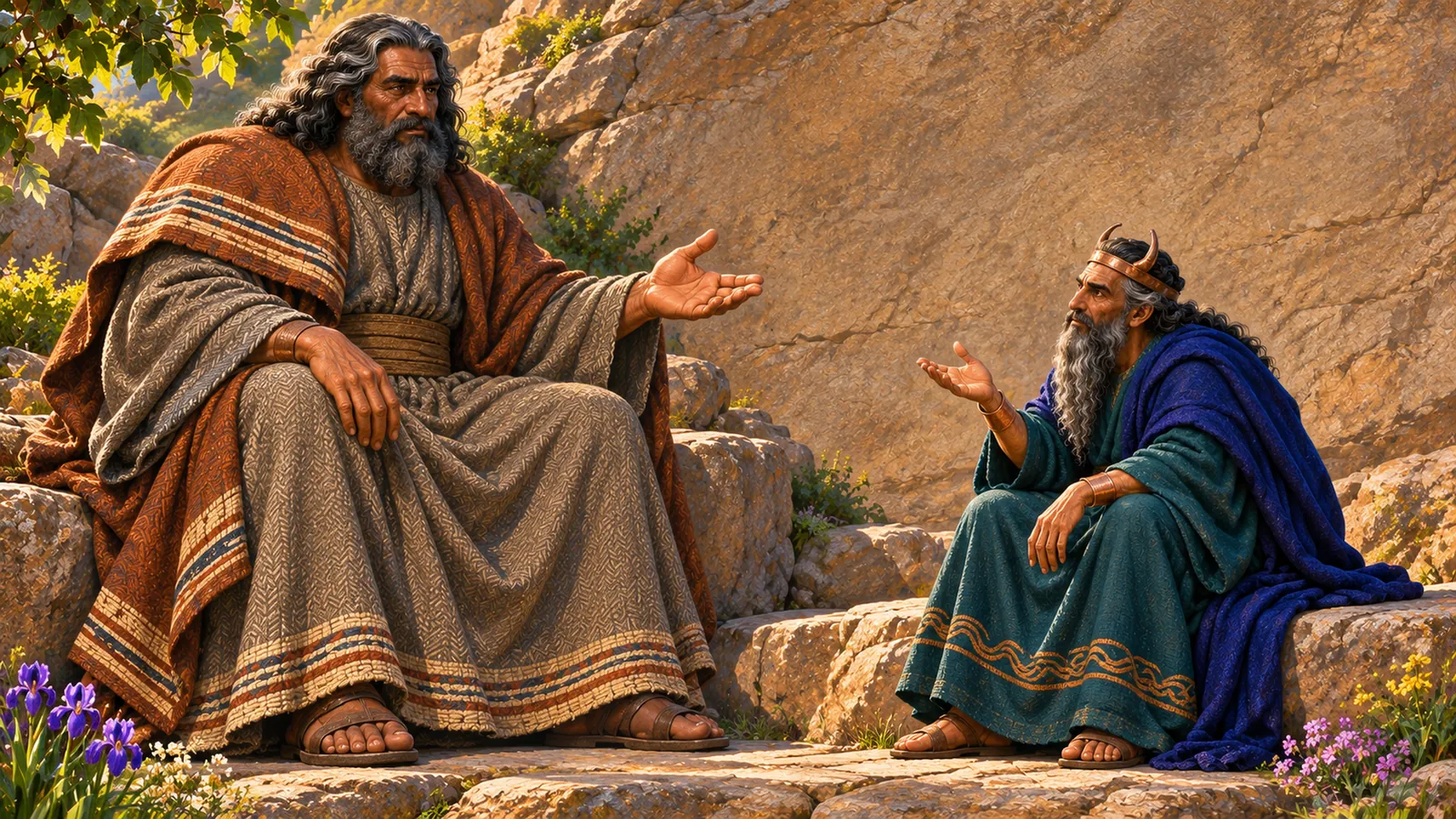
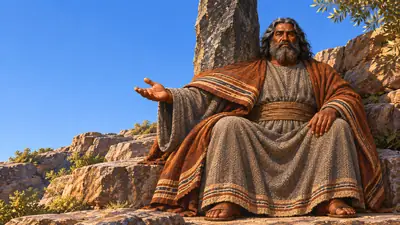
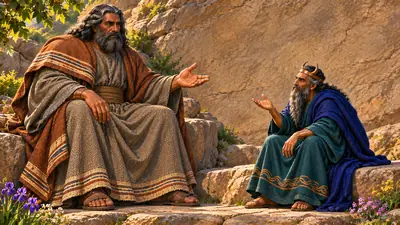
Ea went to Upelluri in the dark earth, and they exchanged wishes for life. Then Ea asked whether he knew the swiftly growing divine rival.
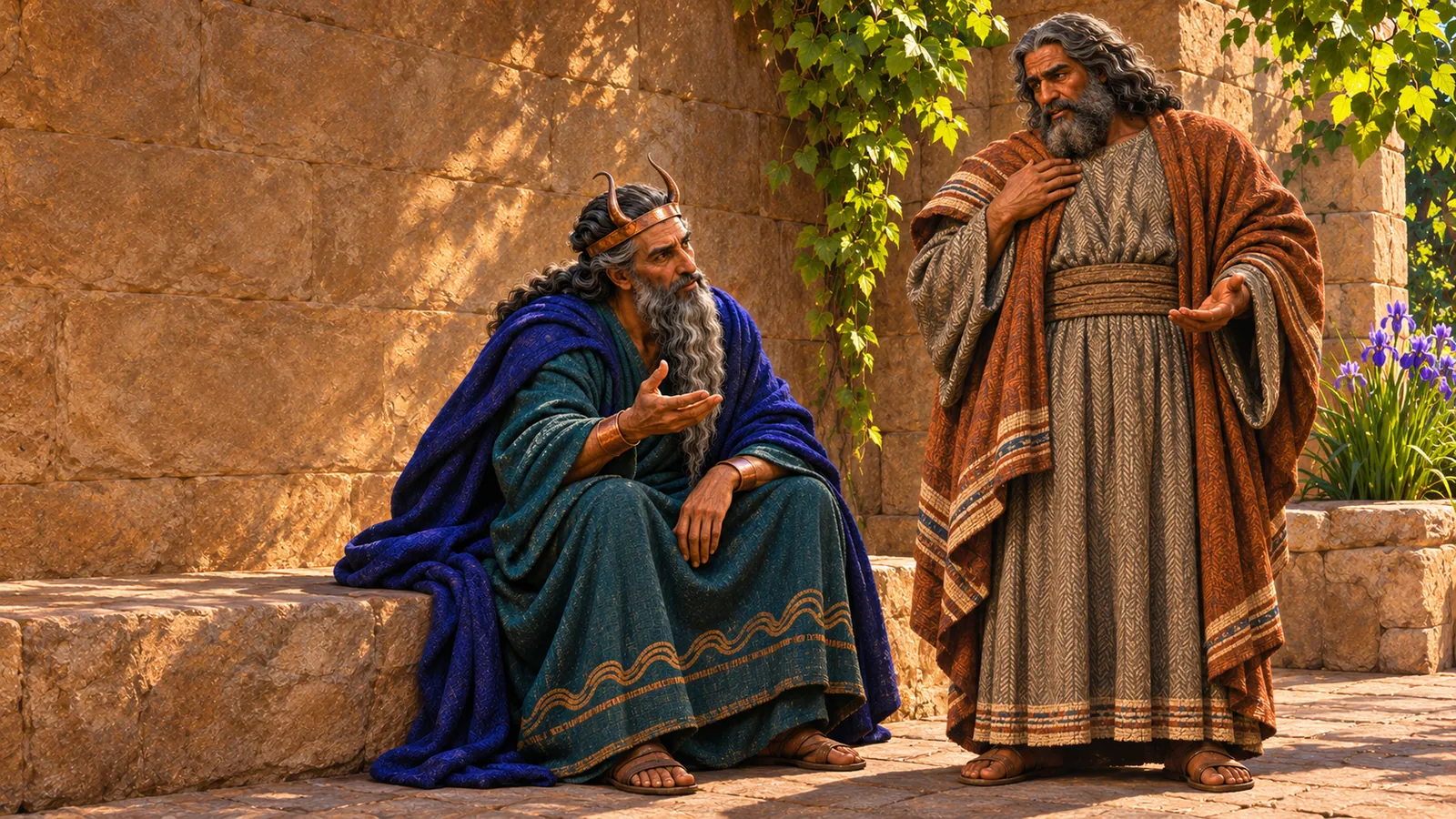
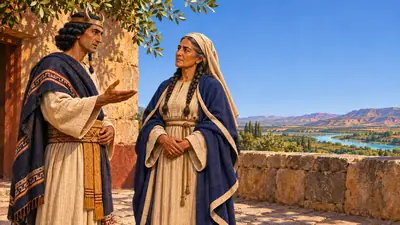
Upelluri had not noticed heaven and earth built upon him or later cut apart. Now something troubled his right shoulder, yet he did not know the being there.
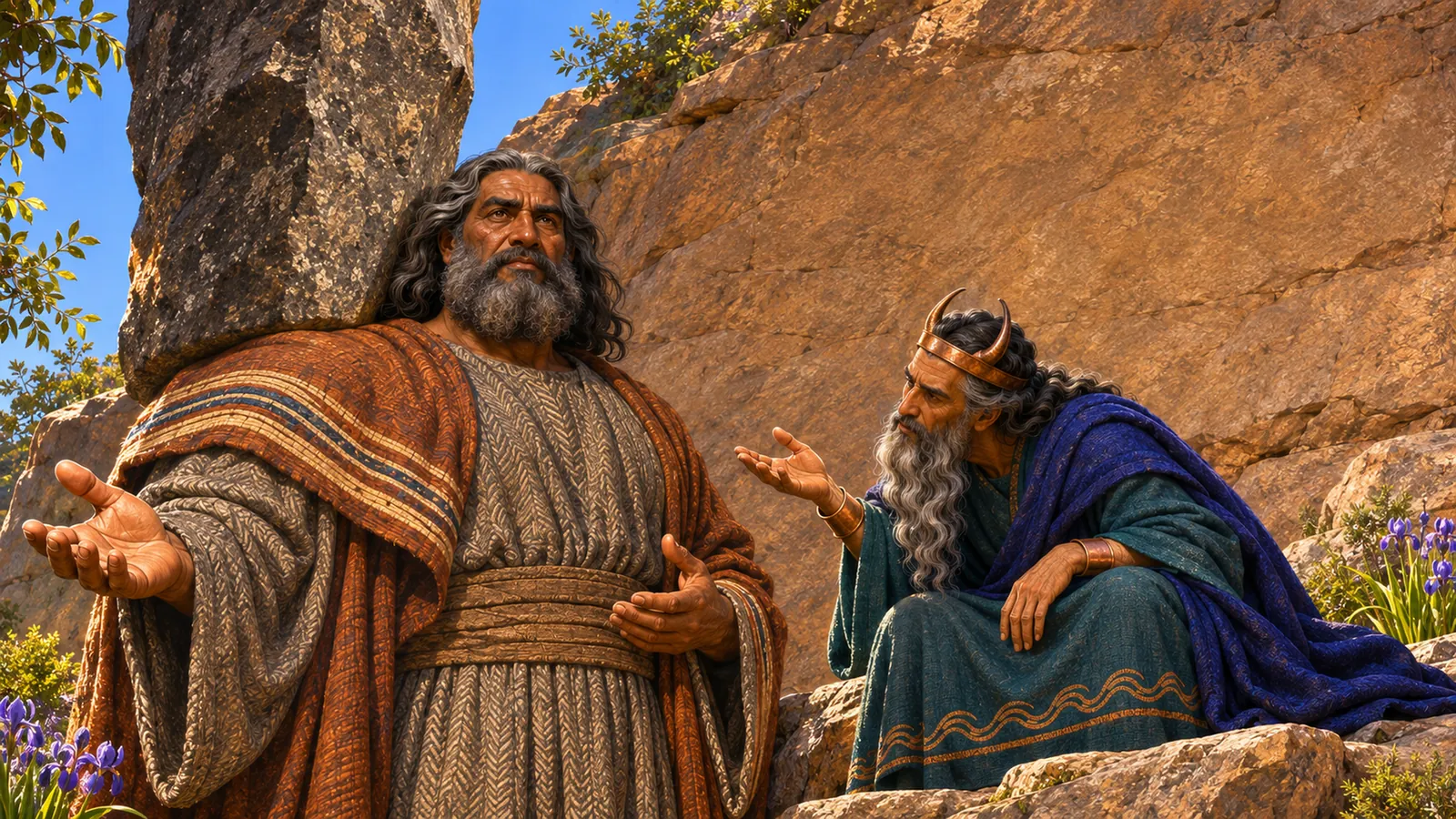
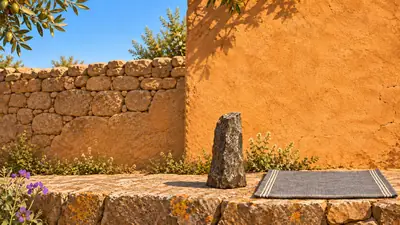
Ea turned Upelluri’s right shoulder and saw the stone standing upon it like a shaft. The place from which Ullikummi had grown was revealed.
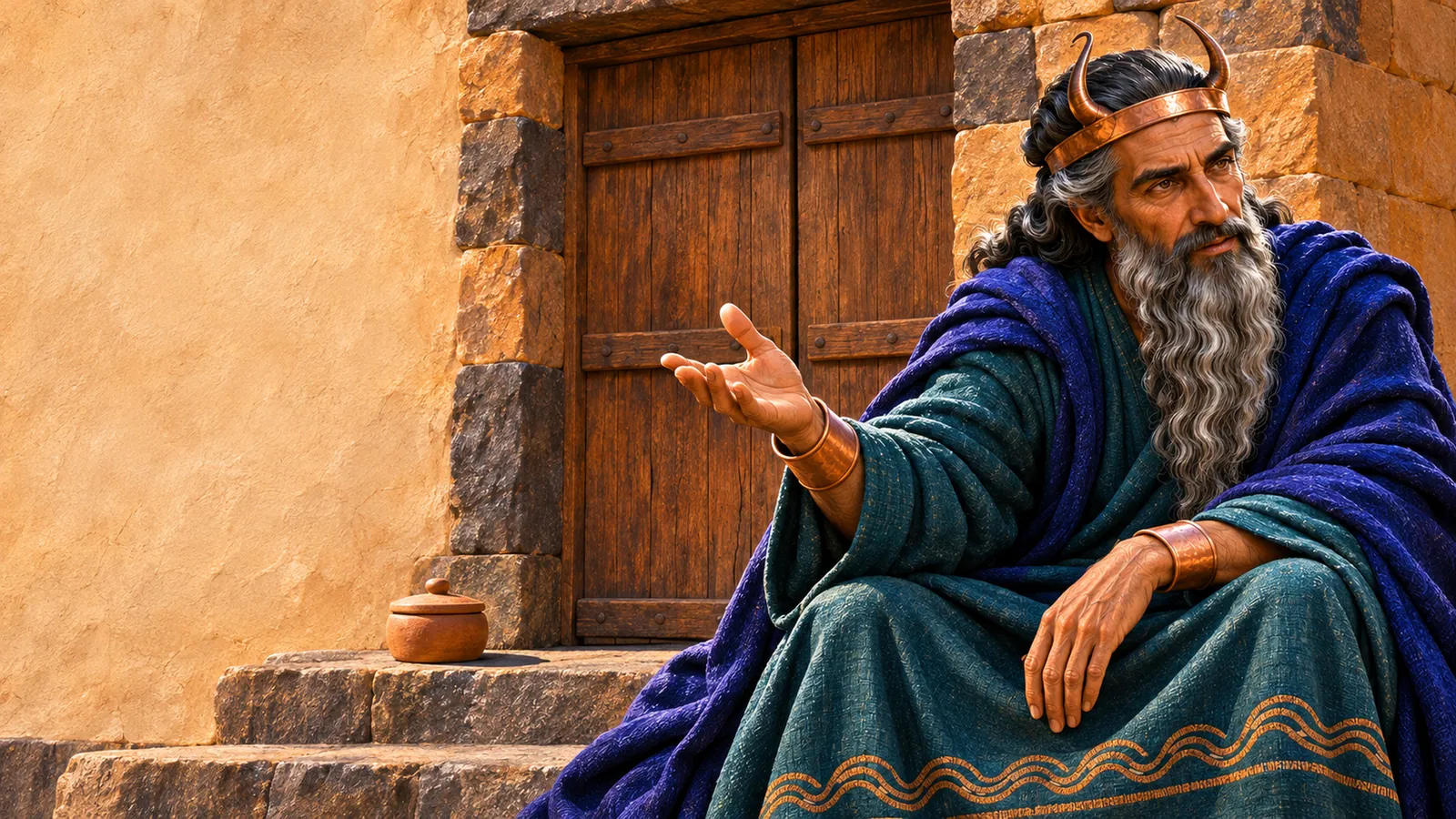
Ea called to the primeval gods who knew the old words. He ordered the ancestral storehouses opened and the ancient seals brought for sealing them again.

Ea called for the tool that had divided heaven and earth, proposing to cut Ullikummi beneath his feet. The transition to the next preserved speech is missing.
In a damaged exchange, Ea said his heart was troubled by seeing the dead in the dark earth. His severe comparison survives without a complete surrounding scene.
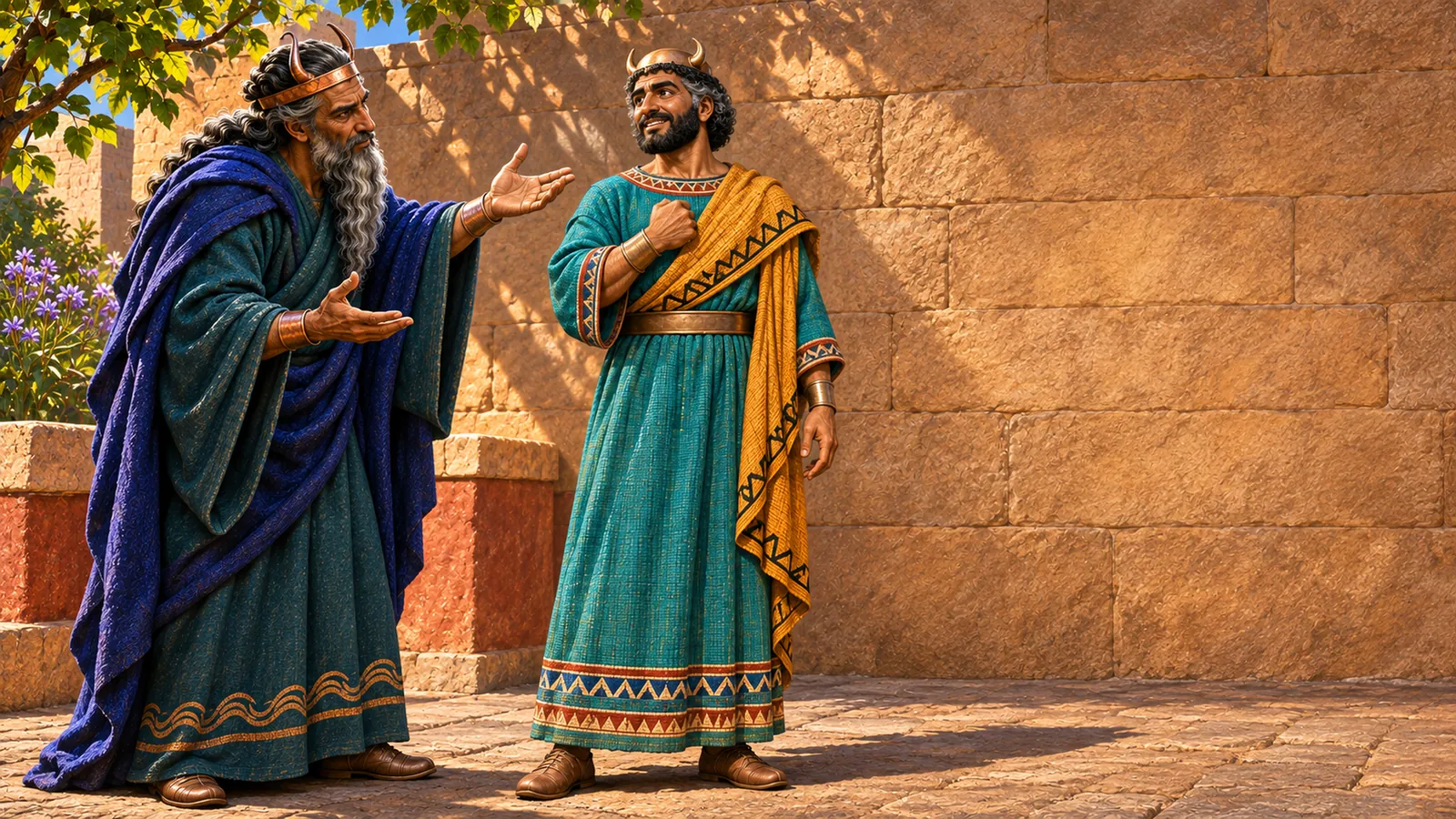
Ea announced that he had struck Ullikummi and urged the gods to fight him. Tashmishu heard and rejoiced; the news changed his fear into renewed resolve.
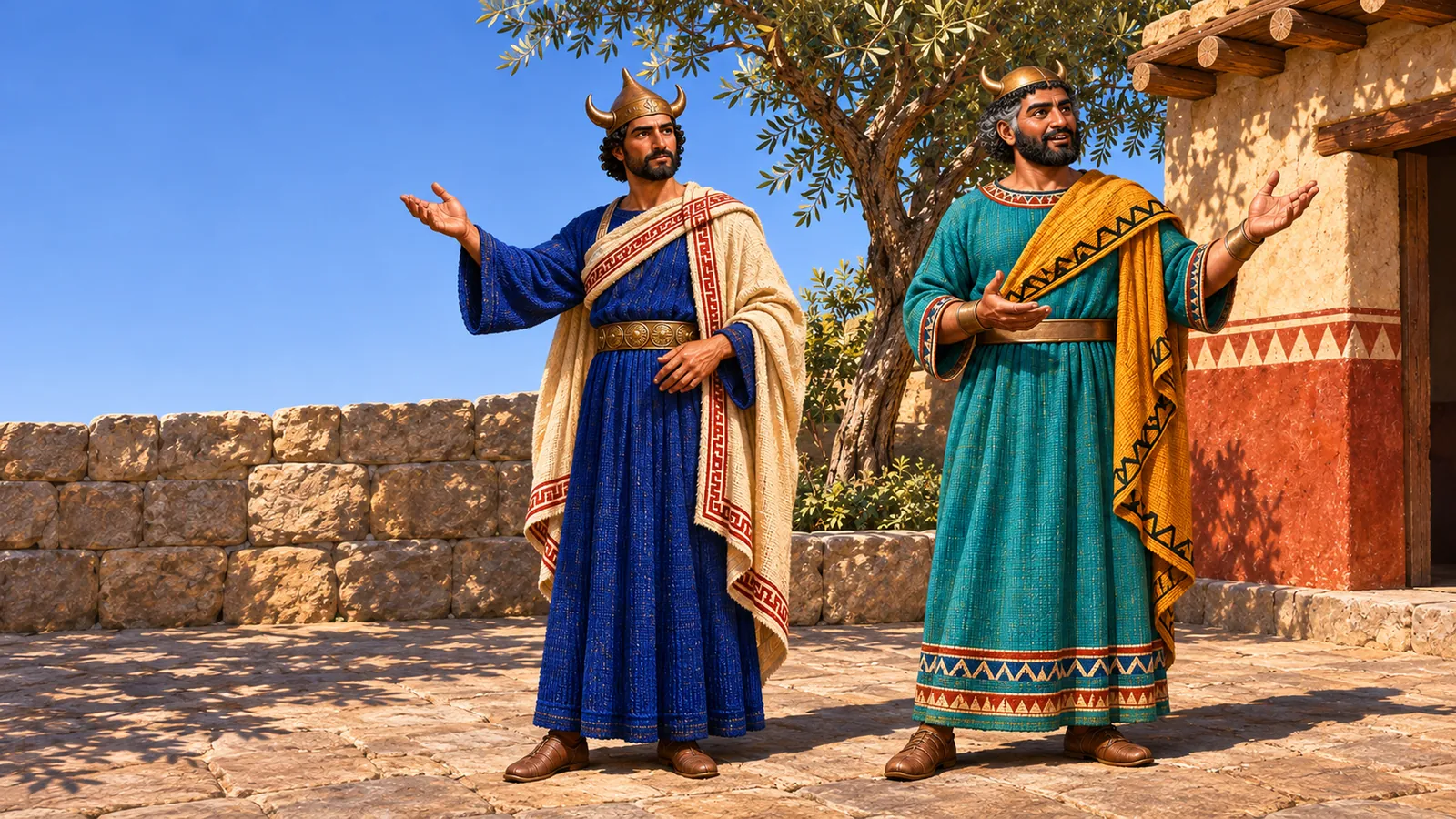
Tashmishu called three times, and the gods in heaven heard; he called twice, and the Storm-god heard. They assembled and roared toward Ullikummi like cattle.

The Storm-god descended with thunder and fought the stone again. The surviving battle leads into words of challenge, without preserving a complete account of the outcome.
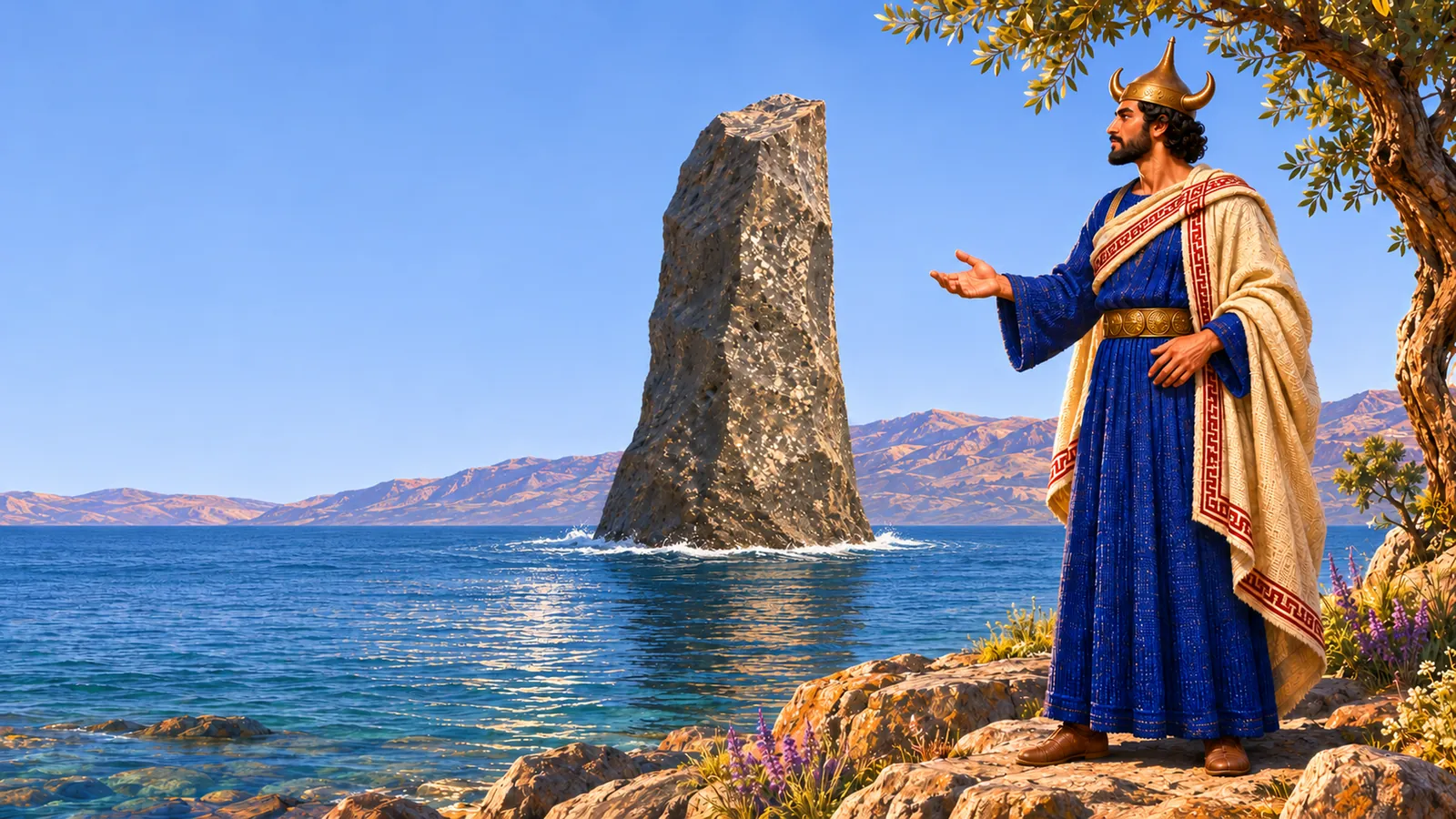
Ullikummi challenged the Storm-god, acknowledging that Ea supported his opponent. He boasted that he would seize heavenly kingship and scatter the gods; these were claims, not a preserved victory.

The closing fragments mention organs, names and calls across the land, but their actions and speakers are uncertain. They cannot supply an invented death or final sacrifice.
UNFINISHED
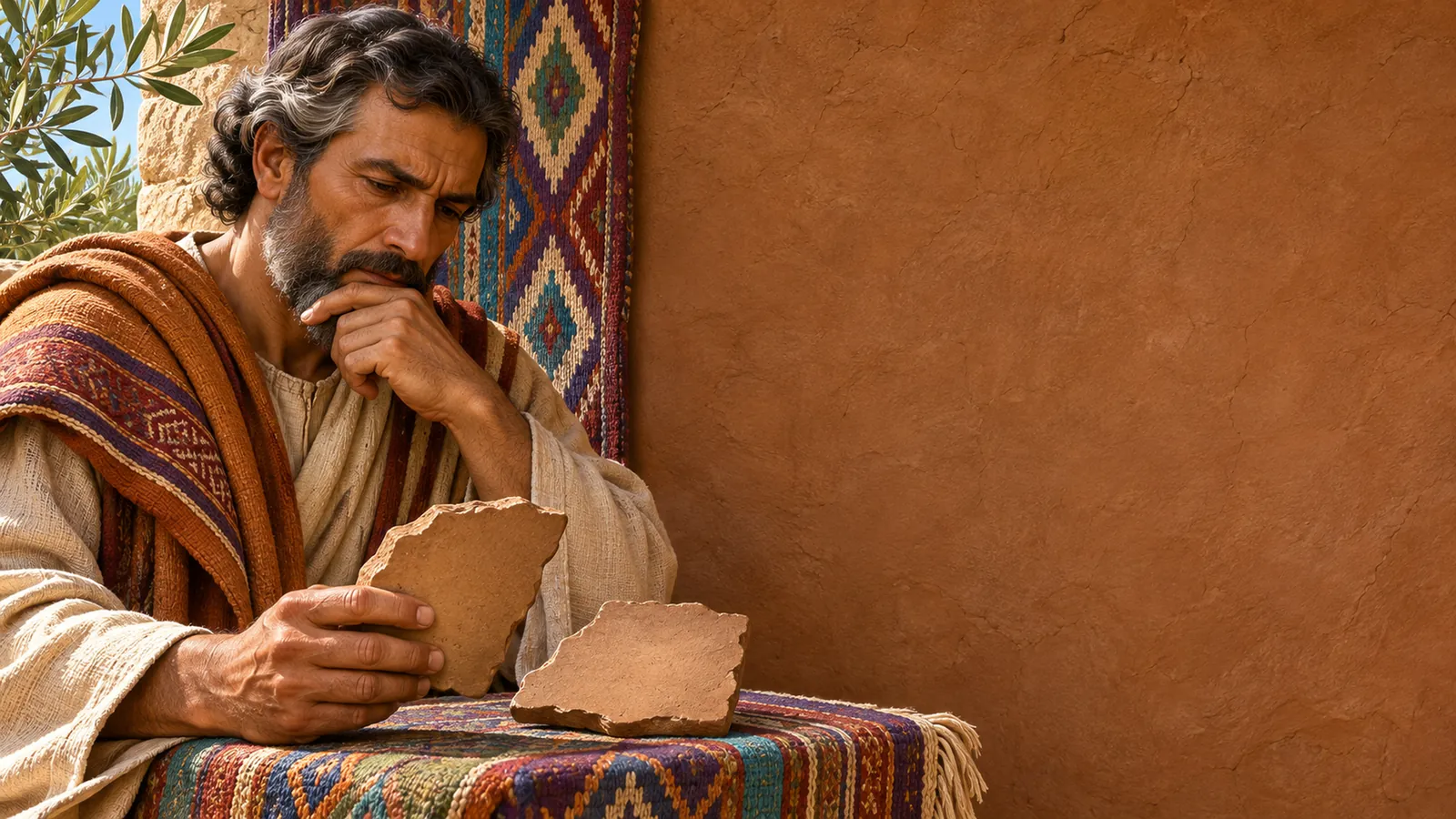
Here the surviving song breaks away from us. A final victory may be inferred from the wider tradition, but these fragments do not preserve its complete telling.
End of chapter 1
All pages















Sources
Read19 November2026 UTC: complete TITUS German CTH345.I.1 translation253 numbered entries/all60notes, I.2 translation169entries/all48notes, I.3.1 translation301entries/all58notes, and complete separate fragments I.3.2 fifteen entries/two notes, I.4 twelve entries and I.5 eleven entries/one note. All restorations, variant readings and breaks in those electronic translations were read. The primary comparative article consulted is Hans Gustav Güterbock1951, The Song of Ullikummi, printed135–140, including full reconstruction/summary and the beginning of the isolated-fragment discussion, through a public scan of the signed scholarly paper. The rest of1951 and the1952 continuation are not claimed independently read. TITUS quotes several printed translations/grammars in its notes; those entire books were not read. The electronic translation’s continuous entry numbers are not physical tablet-column line numbers. I.1 combines multiple witnesses including KUB33.96+17.7+33.93+KBo26.58+36.7b+33.95+36.7a, KUB33.98+36.8, KUB33.102+KBo57.228(+26.61)+36.9+33.104 and other copies; I.2 and I.3.1 likewise combine distinct fragmentary witnesses. Their tablet lengths and divisions varied. The text header, not the older index’s page offset, identifies each additional fragment at translation pages126–128. Modern translations are not reproduced as a source appendix; the six-language prose is newly written. This song starts with the Storm-god already king, without importing a missing coronation from CTH344. Kumarbi’s violent wishes and Hebat’s fearful questions are not silently converted to completed killings. The growth measurements are kept as disputed ancient units rather than fixed modern kilometers or area measures. Güterbock at140 expressly rejects treating the extant last lines as a full ending and infers a longer lost conclusion. Other Kumarbi songs, Hedammu seduction, separate assembly fragments, comparative Greek stories and a restored peaceful ending are not inserted.
Editions consulted
- TITUS / Rieken et al., CTH345.I.1 complete German translation and notes
- TITUS, CTH345.I.2 complete German translation and notes
- TITUS, CTH345.I.3.1 complete German translation and notes
- TITUS, CTH345.I.3.2 separate third-tablet fragment
- TITUS, CTH345.I.4 separate instrument/Nineveh fragment
- TITUS, CTH345.I.5 separate Ashtabi fragment
- Güterbock1951, JCS5/4,135–161; printed135–140 actually consulted
- Public scan of Güterbock1951 used for135–140, not a new edition
- Urkesh project, Güterbock1951–1952 bibliographic record
- IL Archive, Kumarbi
- IL Archive, Enki / Ea
- IL Archive, Enlil
- IL Archive, Hurrians
- IL Archive, Hittites
- IL Archive, cuneiform
Ancient lines behind each page
- Page 1: TITUS CTH345.I.1, continuous translation entries1–10; precise notes in episode
- Page 2: TITUS CTH345.I.1, continuous translation entries11–22; precise notes in episode
Rock length three DANNA, width damaged x-and-half; the unit may be roughly900 or1500m, not certain modern miles. - Page 3: TITUS CTH345.I.1, continuous translation entries23–33; precise notes in episode
I.1 23–33 explicitly couples with the rock five and then ten times, manhood wording damaged. - Page 4: TITUS CTH345.I.1, continuous translation entries34–44; precise notes in episode
I.1 34–44 broken report from Impaluri to deified Sea. - Page 5: TITUS CTH345.I.1, continuous translation entries45–58; precise notes in episode
- Page 6: TITUS CTH345.I.1, continuous translation entries59–63; precise notes in episode
Purpose of banquet is not preserved. - Page 7: TITUS CTH345.I.1, continuous translation entries64–78; precise notes in episode
- Page 8: TITUS CTH345.I.1, continuous translation entries78–89; precise notes in episode
His journey/message delivery is not independently preserved. - Page 9: TITUS CTH345.I.1, continuous translation entries90–100; precise notes in episode
I.1 90–100 night/watch and rock-birth fragments, women/midwives partly restored, Fate/Mother deities place child on knees. - Page 10: TITUS CTH345.I.1, continuous translation entries100–108; precise notes in episode
I.1 100–108 Kumarbi joy, rocking/cleaning/fondling verb disputed, names Ullikummi; name interpreted Destroy Kumme. - Page 11: TITUS CTH345.I.1, continuous translation entries109–116; precise notes in episode
- Page 12: TITUS CTH345.I.1, continuous translation entries117–128; precise notes in episode
Preventive violent words remain intention, not an enacted child victim. - Page 13: TITUS CTH345.I.1, continuous translation entries129–160; precise notes in episode
- Page 14: TITUS CTH345.I.1, continuous translation entries156–165; precise notes in episode
- Page 15: TITUS CTH345.I.1, continuous translation entries166–170; precise notes in episode
- Page 16: TITUS CTH345.I.1, continuous translation entries171–176; precise notes in episode
The plain abstract stone is the named stone child. - Page 17: TITUS CTH345.I.1, continuous translation entries176–180; precise notes in episode
- Page 18: TITUS CTH345.I.1, continuous translation entries181–188; precise notes in episode
Kumarbi and Enlil remain DISTINCT gods in this poem, unlike some other cultic equations. - Page 19: TITUS CTH345.I.1, continuous translation entries189–190; precise notes in episode
His covered giant support form is artistic convention for this specifically named being. - Page 20: TITUS CTH345.I.1, continuous translation entries191–196; precise notes in episode
- Page 21: TITUS CTH345.I.1, continuous translation entries197–204; precise notes in episode
- Page 22: TITUS CTH345.I.1, continuous translation entries205–210; precise notes in episode
Textual tension preserved rather than secretly repaired. Body unlike gods210 has a dissenting translation. - Page 23: TITUS CTH345.I.1, continuous translation entries211–220; precise notes in episode
I217 alternative older restoration god Ellil is not fused with the primary sea-deity reading. - Page 24: TITUS CTH345.I.1, continuous translation entries221–230; precise notes in episode
- Page 25: TITUS CTH345.I.1, continuous translation entries231–241; precise notes in episode
- Page 26: TITUS CTH345.I.1, continuous translation entries242–253; precise notes in episode
- Page 27: TITUS CTH345.I.2, continuous translation entries1–13; precise notes in episode
I.2 1–13 broken conversation/report and angry response; the later allusion51 supports news from Sun. - Page 28: TITUS CTH345.I.2, continuous translation entries14–30; precise notes in episode
This actual acceptance follows the first-tablet refusal. - Page 29: TITUS CTH345.I.2, continuous translation entries31–37; precise notes in episode
- Page 30: TITUS CTH345.I.2, continuous translation entries38–54; precise notes in episode
I.2 38–54 Ishtar meets two brothers, asks route and gets damaged reply about Sun. - Page 31: TITUS CTH345.I.2, continuous translation entries55–60; precise notes in episode
Hazzi not literally same as every sacred mountain. - Page 32: TITUS CTH345.I.2, continuous translation entries61–66; precise notes in episode
- Page 33: TITUS CTH345.I.2, continuous translation entries67–81; precise notes in episode
I.2 67–81 damaged Ishtar consolation contrasts understanding/mal with tenfold courage, disputed reading69/72. - Page 34: TITUS CTH345.I.2, continuous translation entries82–90; precise notes in episode
- Page 35: TITUS CTH345.I.2, continuous translation entries87–94; precise notes in episode
- Page 36: TITUS CTH345.I.2, continuous translation entries95–105; precise notes in episode
The warning is literary words, not a diagnosis. - Page 37: TITUS CTH345.I.2, continuous translation entries106–112; precise notes in episode
I.2 106–112 extinguishes cedar (alternative extinguishes song), throws instruments and crying departure partly restored; destination to brother conjectural, not independently narrated exact route. - Page 38: TITUS CTH345.I.2, continuous translation entries113–130; precise notes in episode
I.2 113–130 Storm’s orders after gap: feed/oil, Sherishu horns, Tella tail gold, cart/wheel/stones, thunder/rain/wind/lightning. - Page 39: TITUS CTH345.I.2, continuous translation entries131–143; precise notes in episode
- Page 40: TITUS CTH345.I.2, continuous translation entries144–169; precise notes in episode
I.2 144–169 damaged height/equipment/cloud/cart lines, possible tripling with competing reconstructions. Second-tablet colophon explicitly incomplete. - Page 41: TITUS CTH345.I.3.1, continuous translation entries1–24; precise notes in episode
I.3.1 1–24 Ashtabi/cart/thunder and SEVENTY gods, fall to sea partly restored. - Page 42: TITUS CTH345.I.3.1, continuous translation entries25–37; precise notes in episode
- Page 43: TITUS CTH345.I.3.1, continuous translation entries38–49; precise notes in episode
Hebat/Takiti named, actual mature women portrayed dignified and fully clothed. - Page 44: TITUS CTH345.I.3.1, continuous translation entries50–61; precise notes in episode
I.3.1 50–61 Takiti haste, no path, return and broken answer. - Page 45: TITUS CTH345.I.3.1, continuous translation entries62–70; precise notes in episode
I.3.1 62–70 Tashmishu staff/shoes/tower/message, low-place and appointed years broken. - Page 46: TITUS CTH345.I.3.1, continuous translation entries71–79; precise notes in episode
- Page 47: TITUS CTH345.I.3.1, continuous translation entries77–90; precise notes in episode
- Page 48: TITUS CTH345.I.3.1, continuous translation entries91–101; precise notes in episode
I.3.1 91–101 proposed Abzuwa/Ea/ancient-word tablets, five/fifteen bows and hope for mercy. - Page 49: TITUS CTH345.I.3.1, continuous translation entries102–112; precise notes in episode
- Page 50: TITUS CTH345.I.3.1, continuous translation entries113–136; precise notes in episode
I.3.1 113–136 lost exchange, three knee/four foot kisses, unclear object and contest versus embrace variant. - Page 51: TITUS CTH345.I.3.1, continuous translation entries137–174; precise notes in episode
I.3.1 137–174 old sealed stores/saw fragments, Ea rising/court, anger and damaged assembly words including body/hair change and unidentified departing speaker. These are not a fully reconstructed council or decision, no borrowed CTH346 assembly or new named addressee. - Page 52: TITUS CTH345.I.3.1, continuous translation entries175–191; precise notes in episode
- Page 53: TITUS CTH345.I.3.1, continuous translation entries192–215; precise notes in episode
First greeting/body posture partly restored. This is specifically named Upelluri, not El/Ilu or Atlas. - Page 54: TITUS CTH345.I.3.1, continuous translation entries216–223; precise notes in episode
- Page 55: TITUS CTH345.I.3.1, continuous translation entries224–226; precise notes in episode
- Page 56: TITUS CTH345.I.3.1, continuous translation entries227–232; precise notes in episode
I.3.1 227–232 primeval gods old words, old father/grandfather sealhouses and seals brought/reseal commanded. - Page 57: TITUS CTH345.I.3.1, continuous translation entries233–241; precise notes in episode
I.3.1 233–241 old cutting tool/saw that divided heaven/earth, proposal to cut under Ullikummi’s feet, then gap. Actual cutting not uninterruptedly preserved. - Page 58: TITUS CTH345.I.3.1, continuous translation entries242–252; precise notes in episode
I.3.1 242–252 kneeling/body-hair damaged, Ea troubled after seeing dead like dirt/gullushi (uncertain comparison), sends Tashmishu away/myson variants. - Page 59: TITUS CTH345.I.3.1, continuous translation entries253–258; precise notes in episode
This is Ea’s announcement across a missing transition, not a preserved complete sawing procedure, final Stone death or heavenly victory. - Page 60: TITUS CTH345.I.3.1, continuous translation entries259–264; precise notes in episode
- Page 61: TITUS CTH345.I.3.1, continuous translation entries265–267; precise notes in episode
I.3.1 265–267 spinning-whorl/cart simile disputed, thunder descent and renewed actual fight. - Page 62: TITUS CTH345.I.3.1, continuous translation entries268–282; precise notes in episode
- Page 63: TITUS CTH345.I.3.1, continuous translation entries283–301; I.3.2/I.4/I.5 comparison; precise notes in episode
I.3.1 283–301 liver/lung/colored-kidney designation, calls/names/hero/damage and uncertain speakers/actions. Other fragments I.3.2 repeat Ea-side/throne-threat parallels; I.4 instruments/Nineveh/sea and I.5 Ashtabi cannot provide an ending. - Page 64: TITUS CTH345.I.3.1, continuous translation entries290–301; separate fragments; precise notes in episode
Güterbock1951 printed140 explicitly abandons taking them as an abbreviated ending and infers a possible further tablet; that inference is not a newly found fourth tablet.
Illustrations made with AI tools by IL Archive; the text is based on the ancient sources (see the sources at the end of each chapter).