The Sumerian King List Chapter 1
The Cities of Kingship
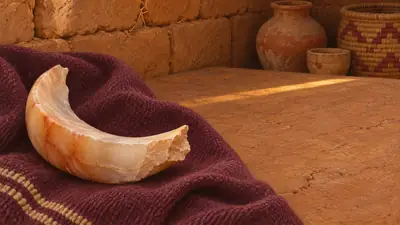
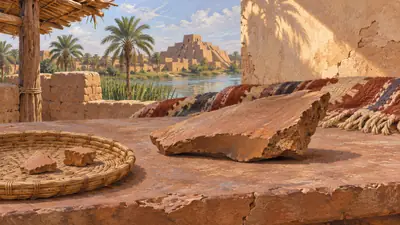
Turn the clay from Eridu to Kish, Uruk, Akkad, Ur and Isin. As the list carries kingship from city to city, a stone vessel, broken passages and the figures in other copies reveal how much can change from one record to the next.
SourcesTurn the pages with the arrows, the arrow keys or a swipe.
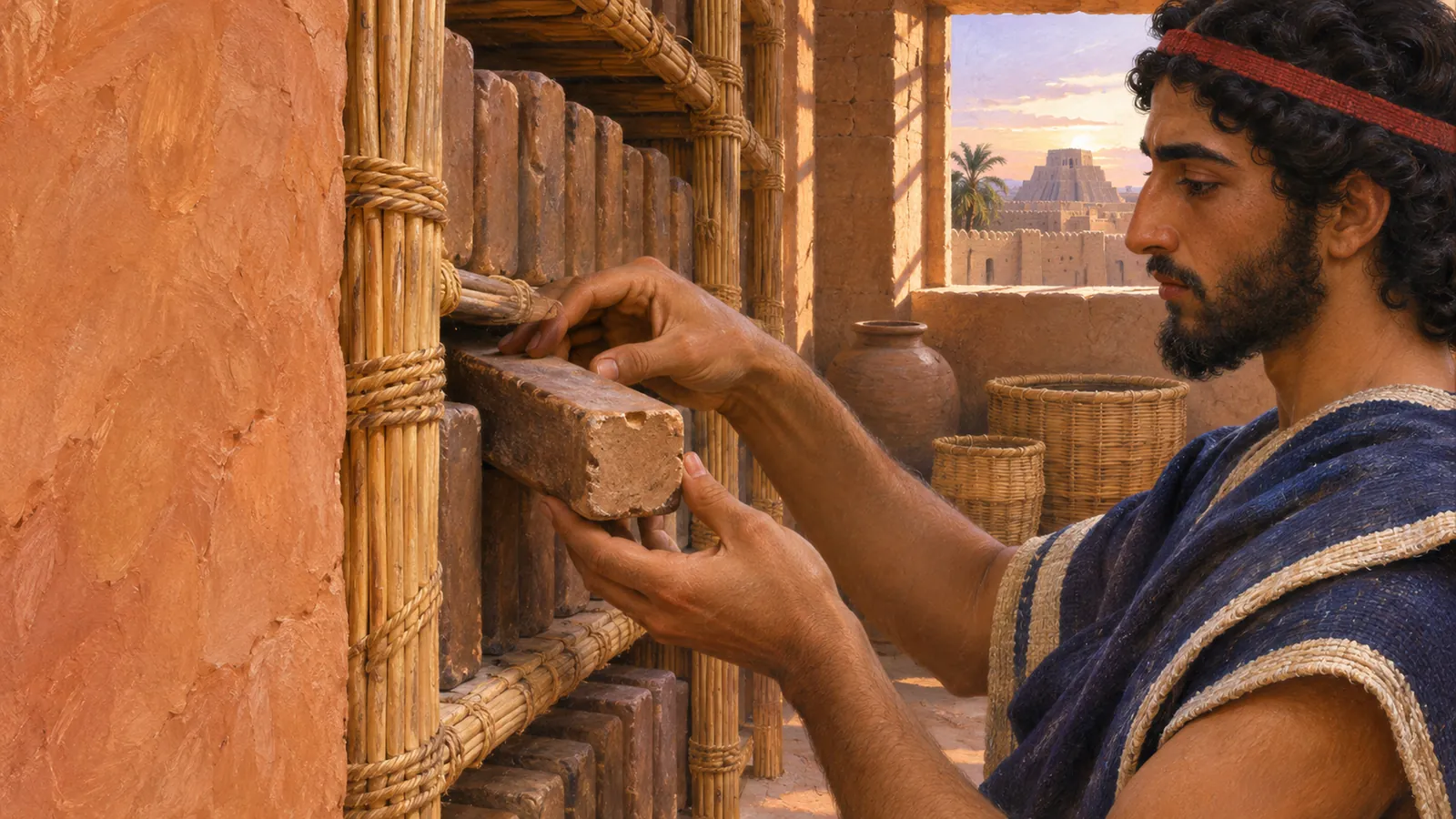
KINGSHIP
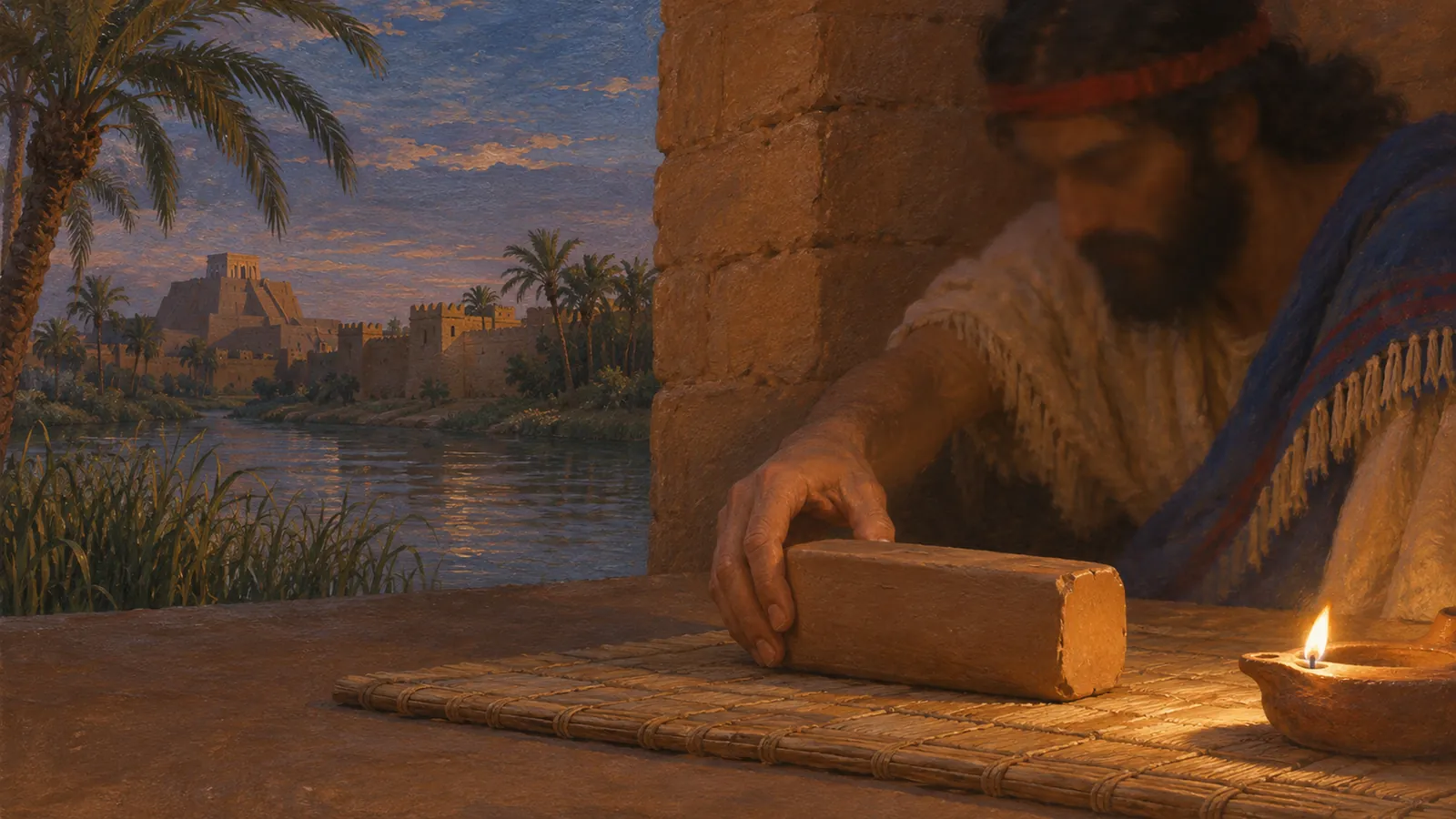
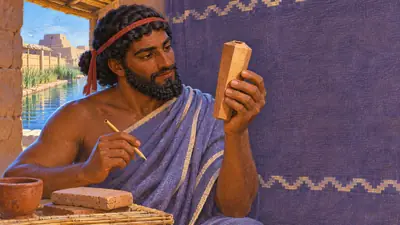
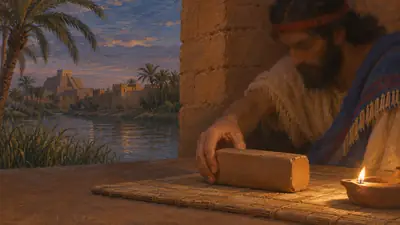
On four sides of a clay prism, a scribe set down the names of cities and rulers. Each place took a turn, and each reign could be counted in years.
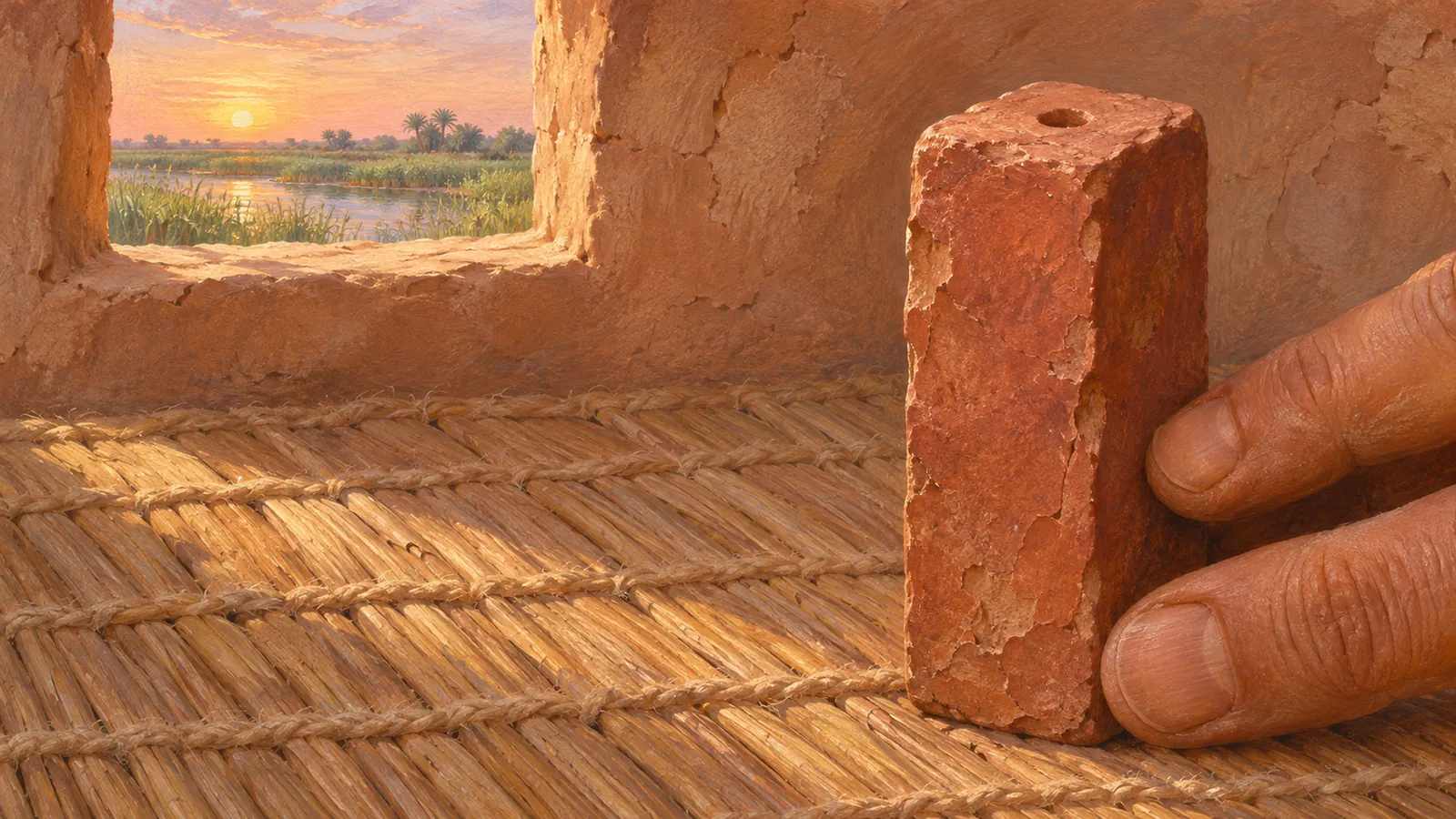
The prism has two columns on each face. A reader can turn the clay and follow all eight columns in order, from the first city to the last.
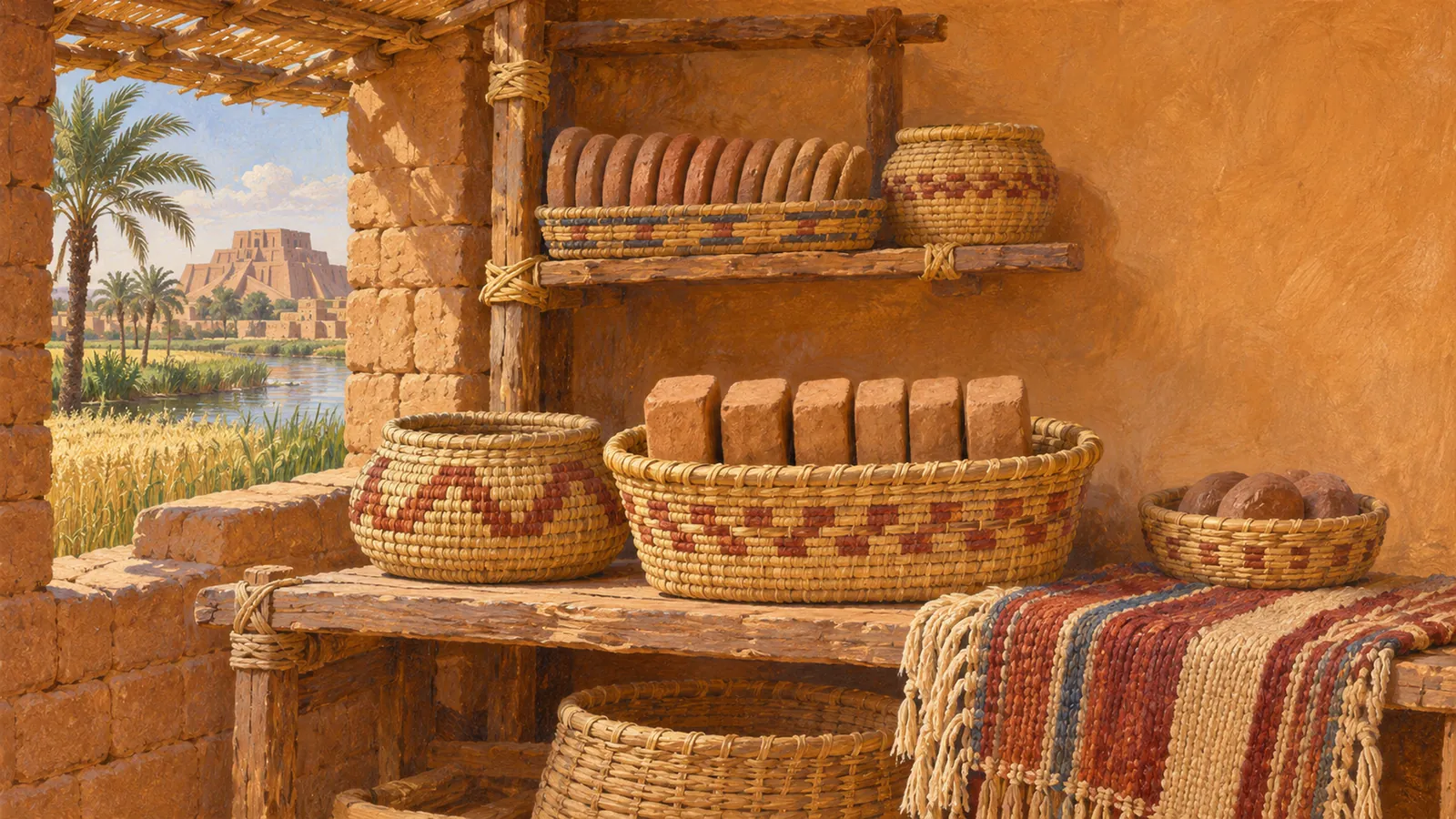
The Ashmolean Museum dates this prism to about 1800 BCE and gives Larsa as its probable origin. Other copies of the list are shaped like ordinary tablets.
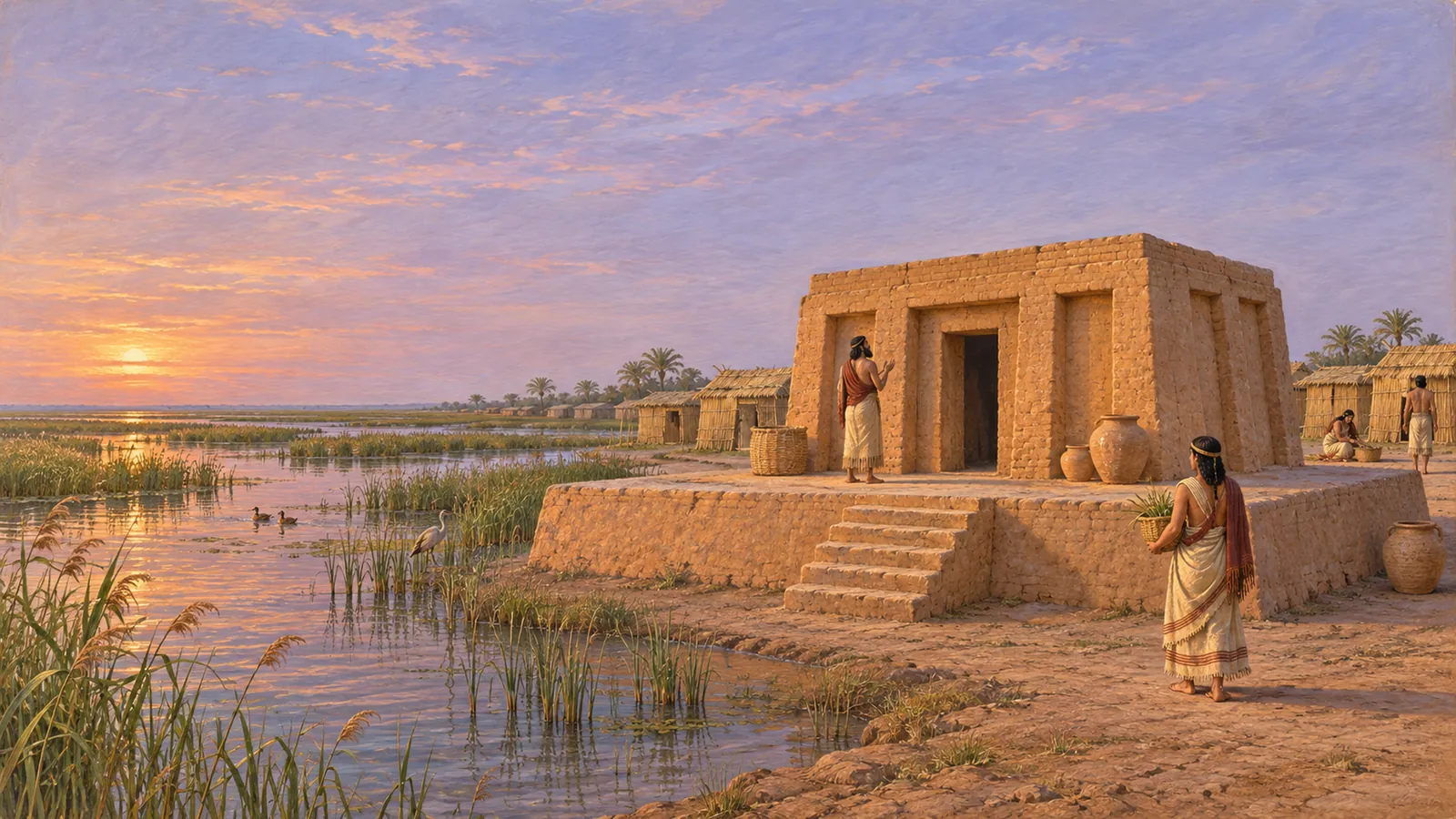
ERIDU
The list opens with kingship descending from heaven. It settles first at Eridu in the far south. Kingship is the power that passes from place to place.
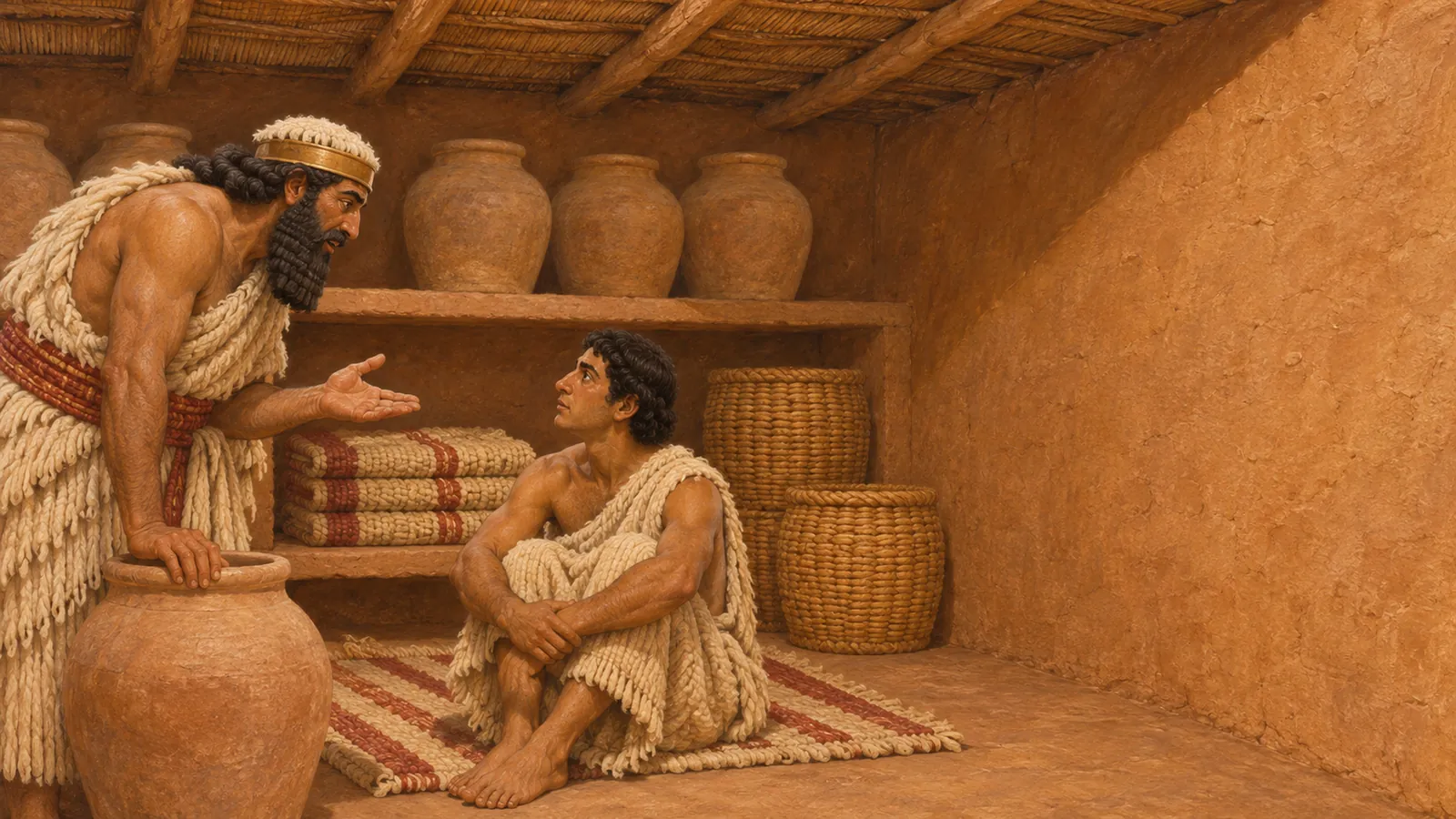
At Eridu the list gives Alulim 28,800 years and his successor Alalgar 36,000. The earliest rulers belong to a story whose timescale is far larger than a human life.
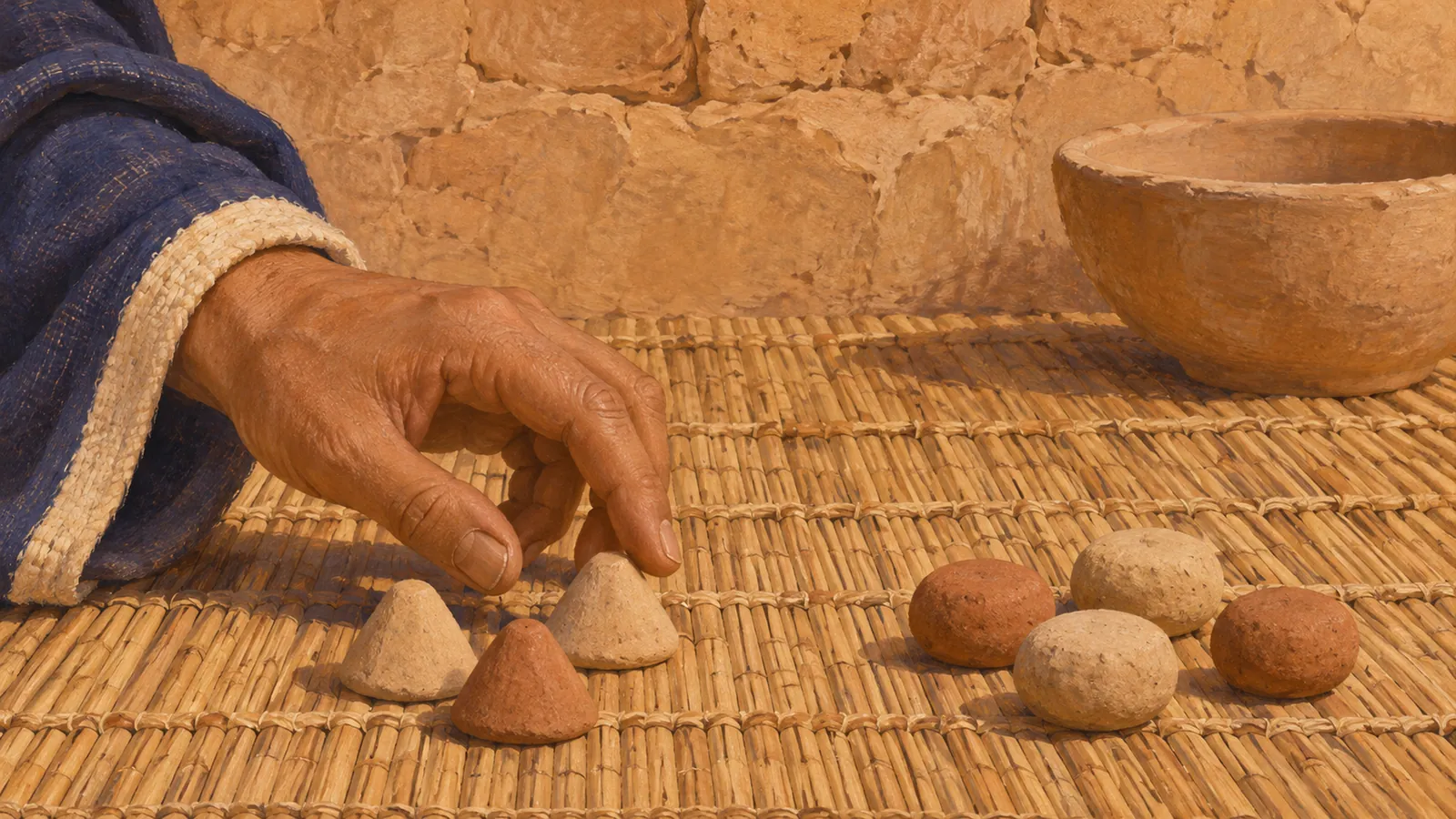
The prism writes Alulim’s years in eight groups of 3,600. Alalgar’s figure is ten such groups. Add the two reigns and the scribe’s total, 64,800 years, comes into view.
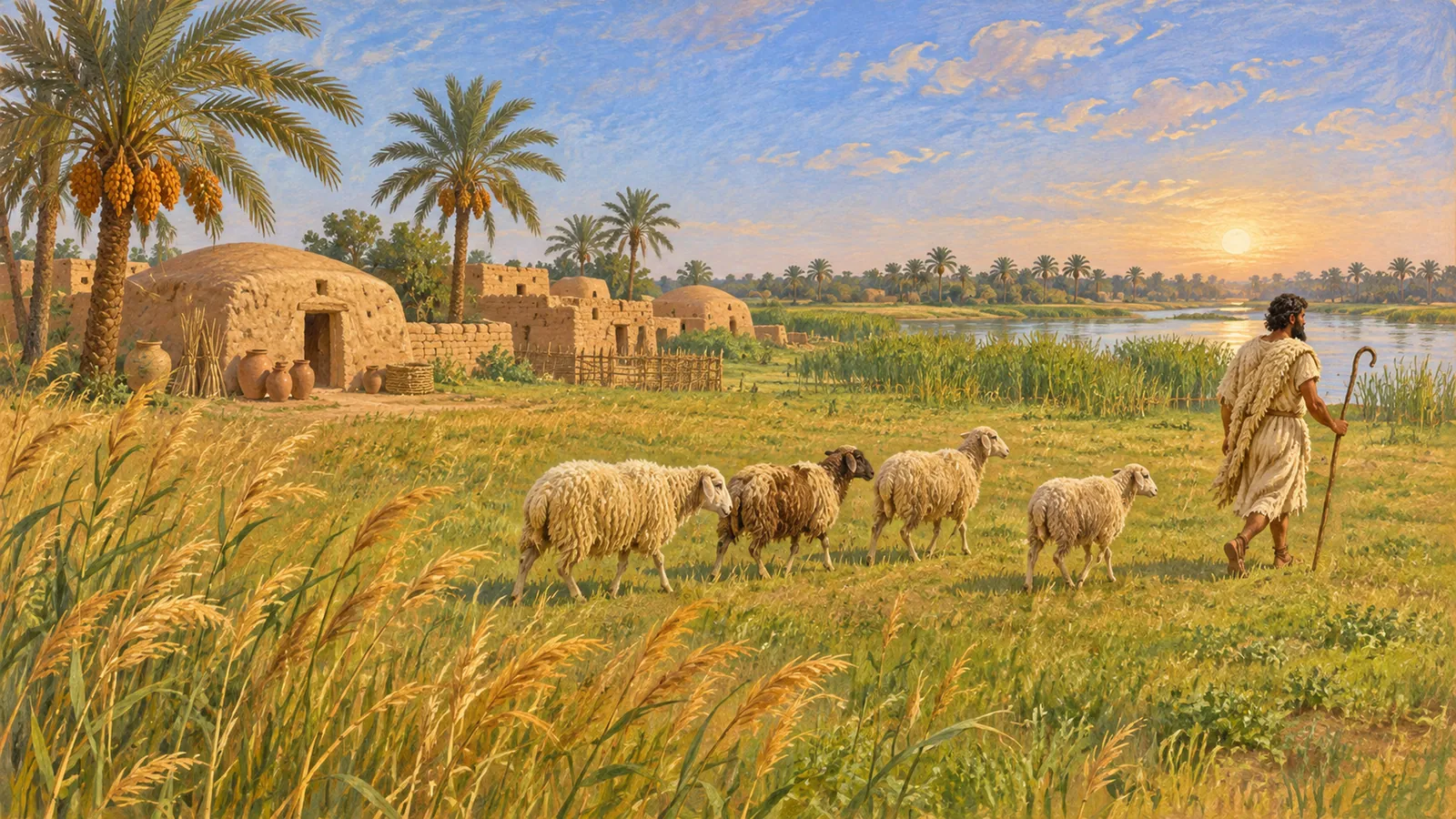
At Bad-tibira the prism names three kings. En-men-lu-ana and En-men-gal-ana come first. Dumuzi the shepherd closes the group with 36,000 years, and the city’s total reaches 108,000.
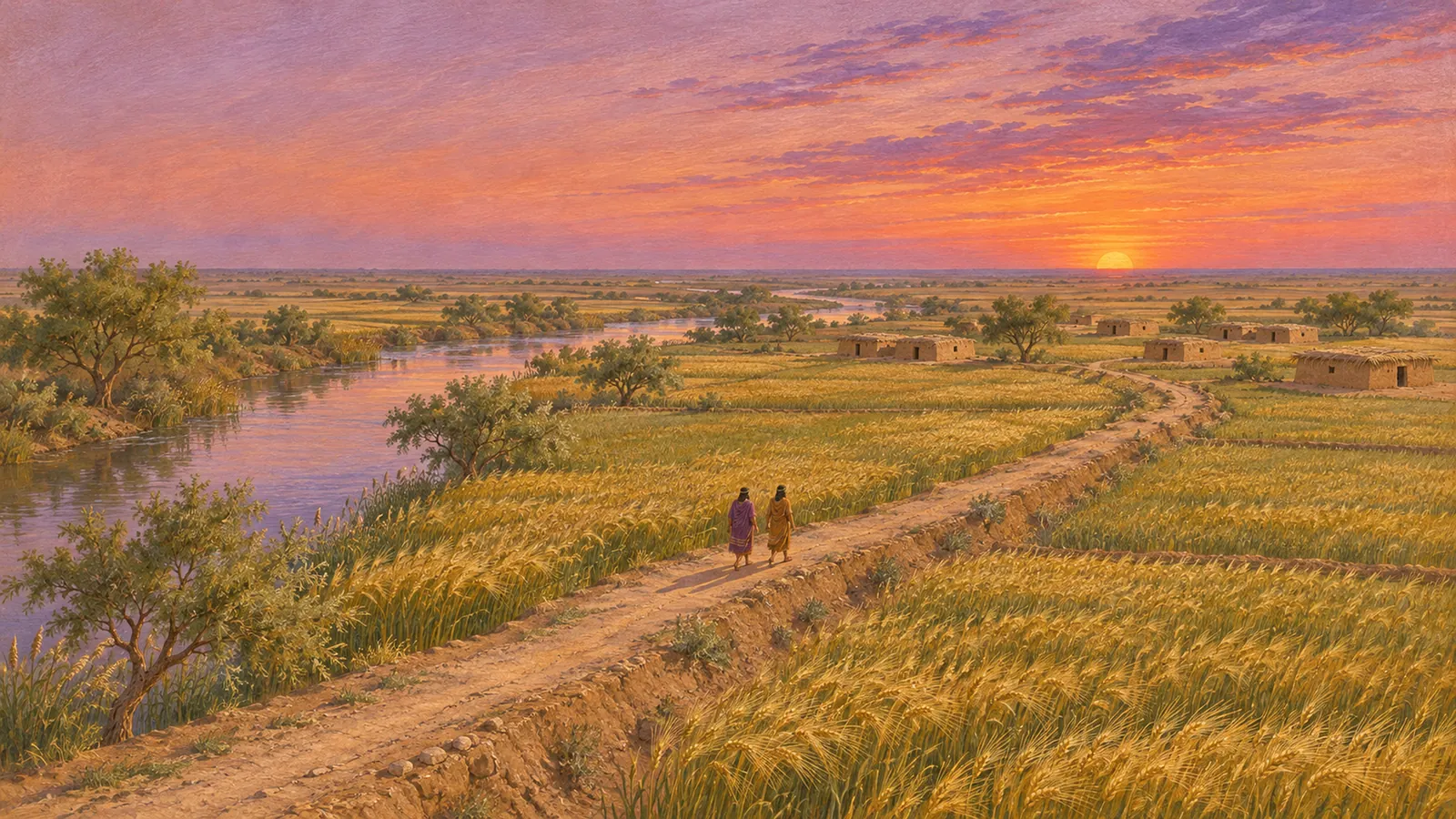
Larag follows with one king, En-sipad-zid-ana. Zimbir, better known as Sippar, has one king too. His name is En-men-dur-ana, and the prism gives him 21,000 years.
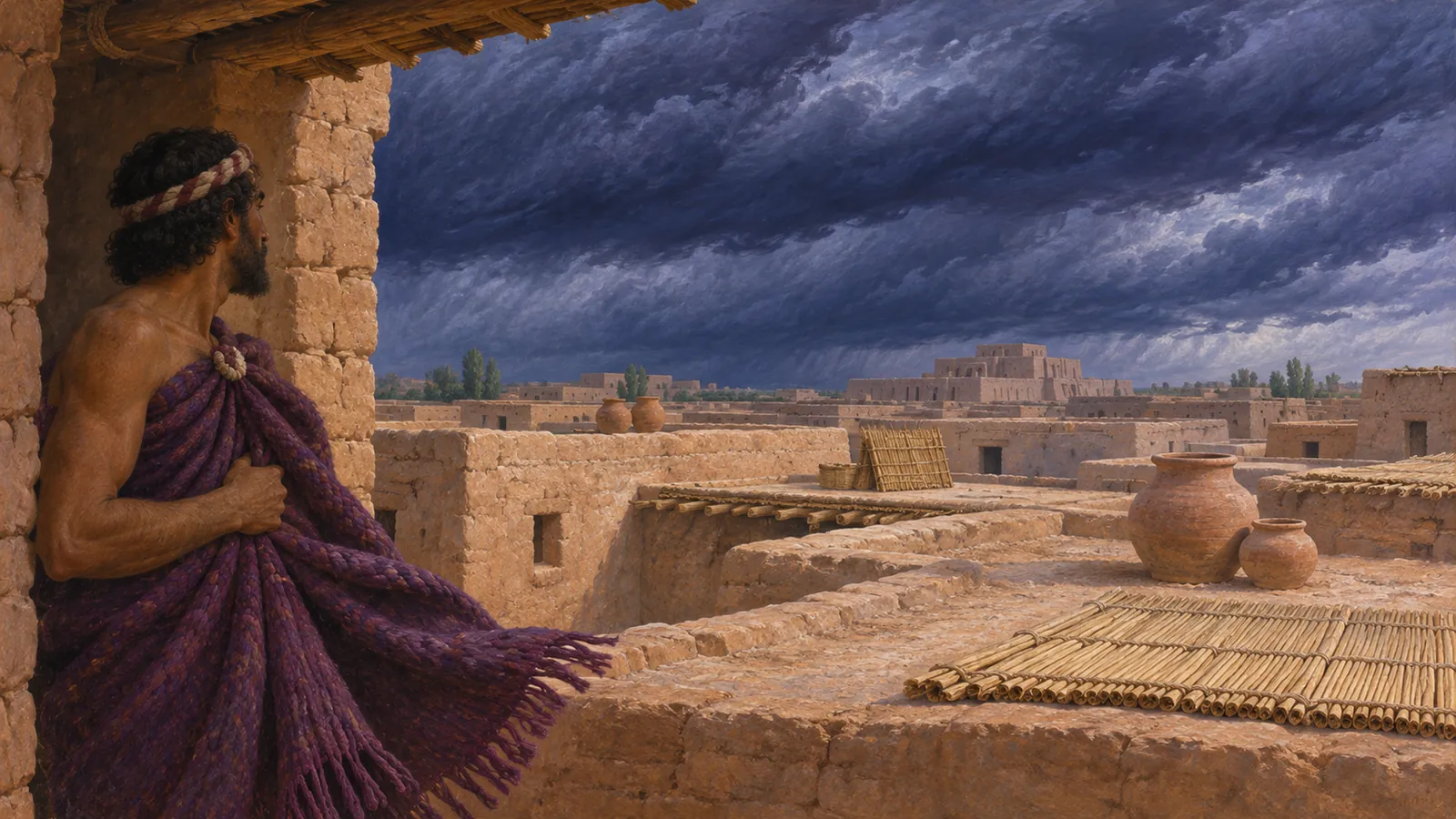
In Shuruppak, the fifth city in the opening, Ubara-Tutu holds kingship for 18,600 years according to the list. His name stands almost at the end of that enormous span.
The first part of the prism closes its account with a total of eight kings in five cities. It adds all their reigns and reaches 241,200 years.

THE FLOOD
Then comes the flood. The line is brief. It divides those early kings from the next age and lets the story of kingship begin again on the far side of the water.
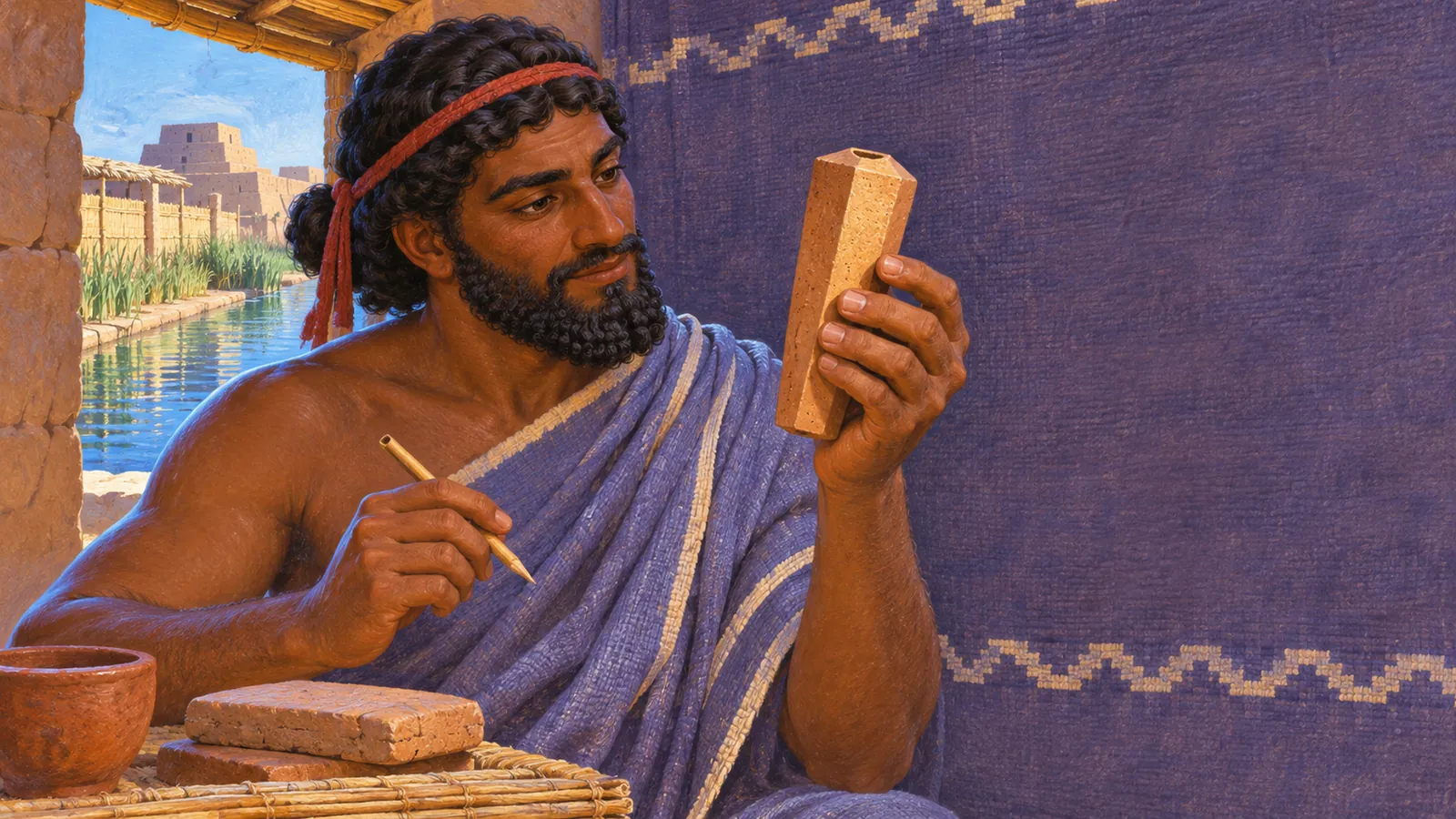
The list says that kingship came down a second time after the flood. A new city now receives it, and the reader hears a phrase already used at Eridu.
A different manuscript, published by Piotr Steinkeller, begins with kingship at Kish. It shows that an ancient copy could put its starting point somewhere other than Eridu.
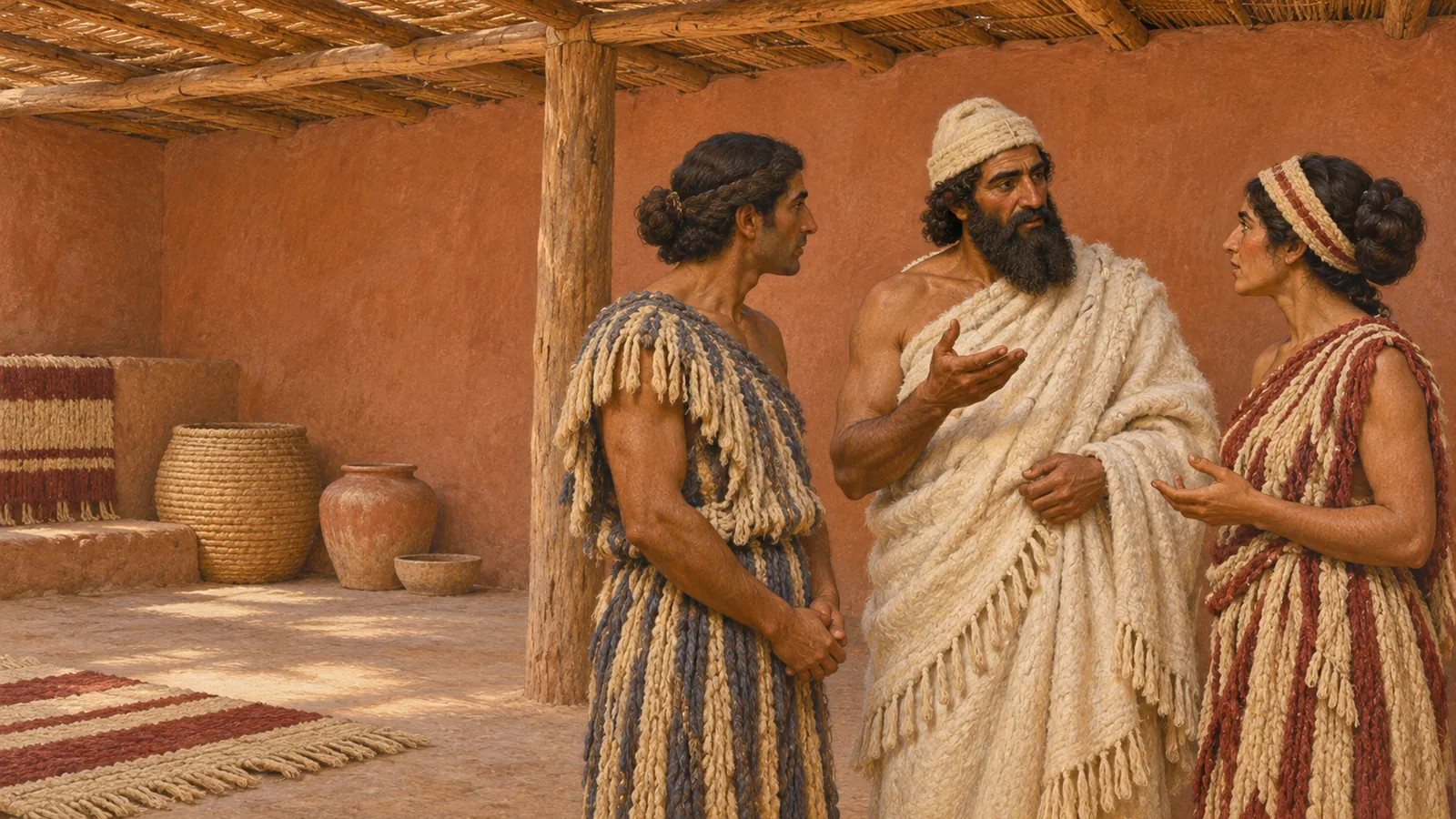
On this prism the rulers of Kish come after the flood. It opens their line with Jushur and goes on through a long succession, with some names and figures harder to read than others.
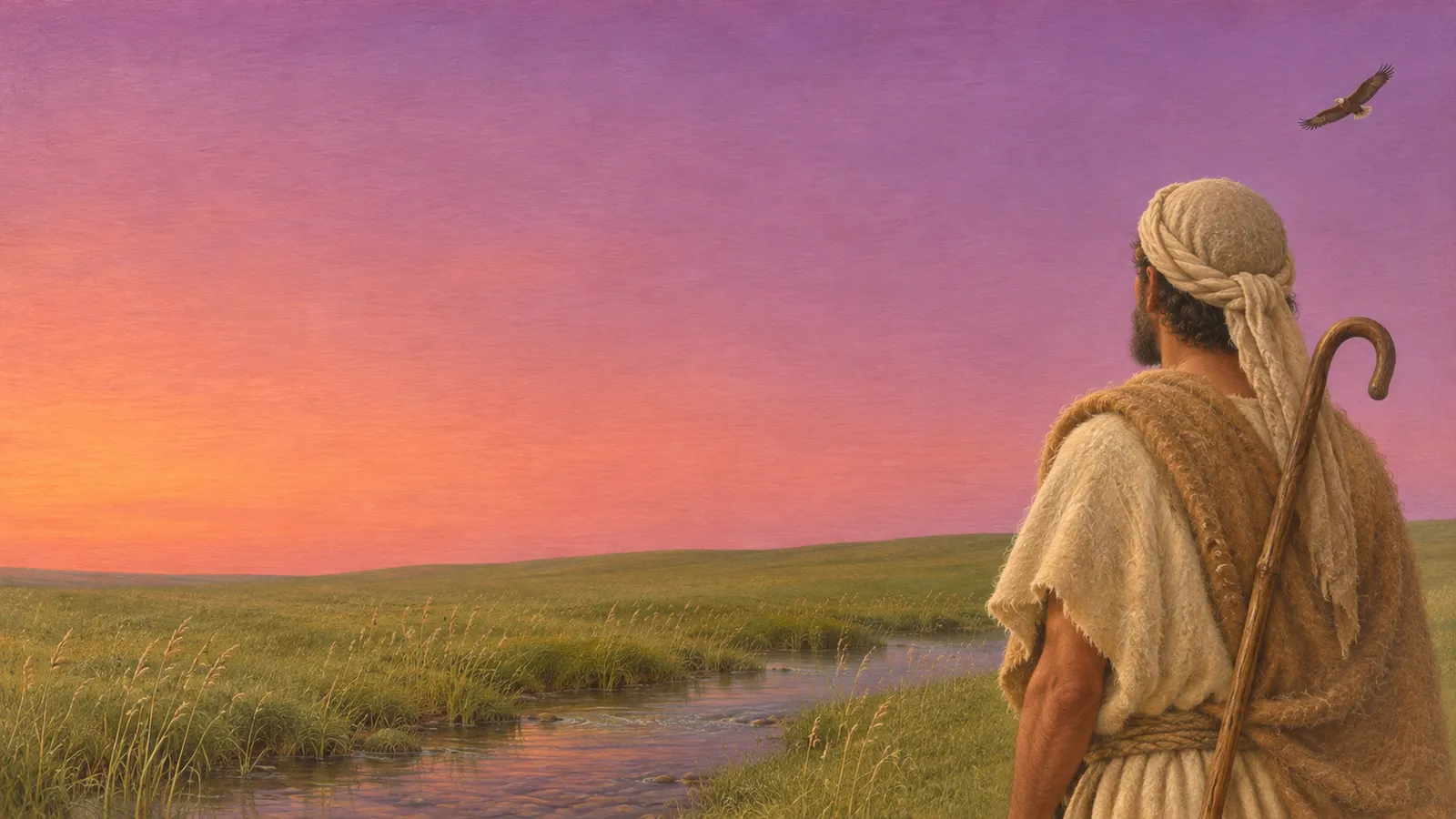
There the list names Etana, the shepherd who went up to heaven. Its main reading gives him 1,500 years. Another copy of the list gives him 635.
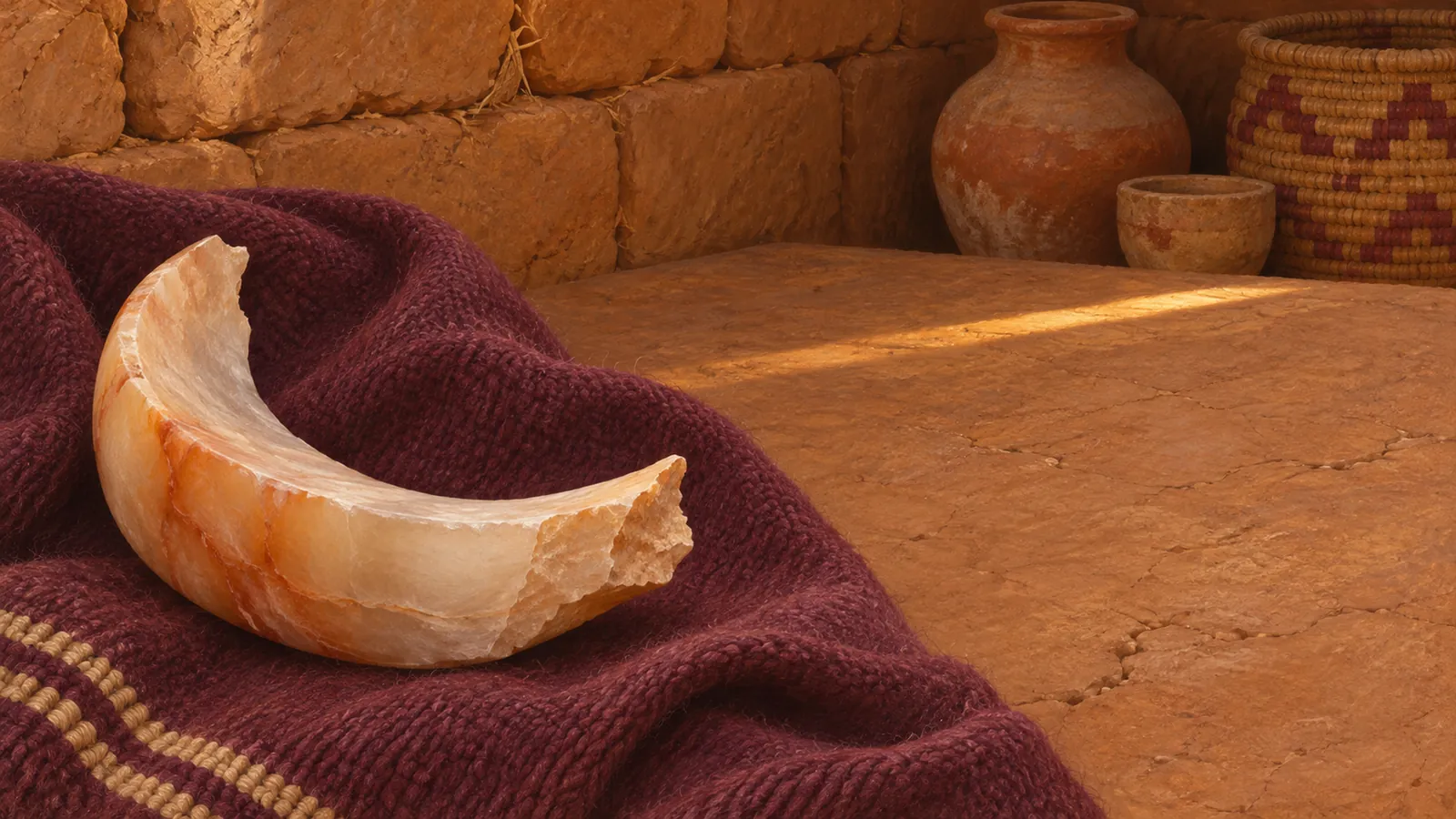
Near the end of Kish comes Enmebaragesi. A separate stone vessel fragment gives a form of his name and calls him king of Kish. The list gives him 900 years.
The list’s total for the first rulers of Kish is more than twenty-four thousand years. Yet the scribe carries the account down to three months and three and a half days.
URUK
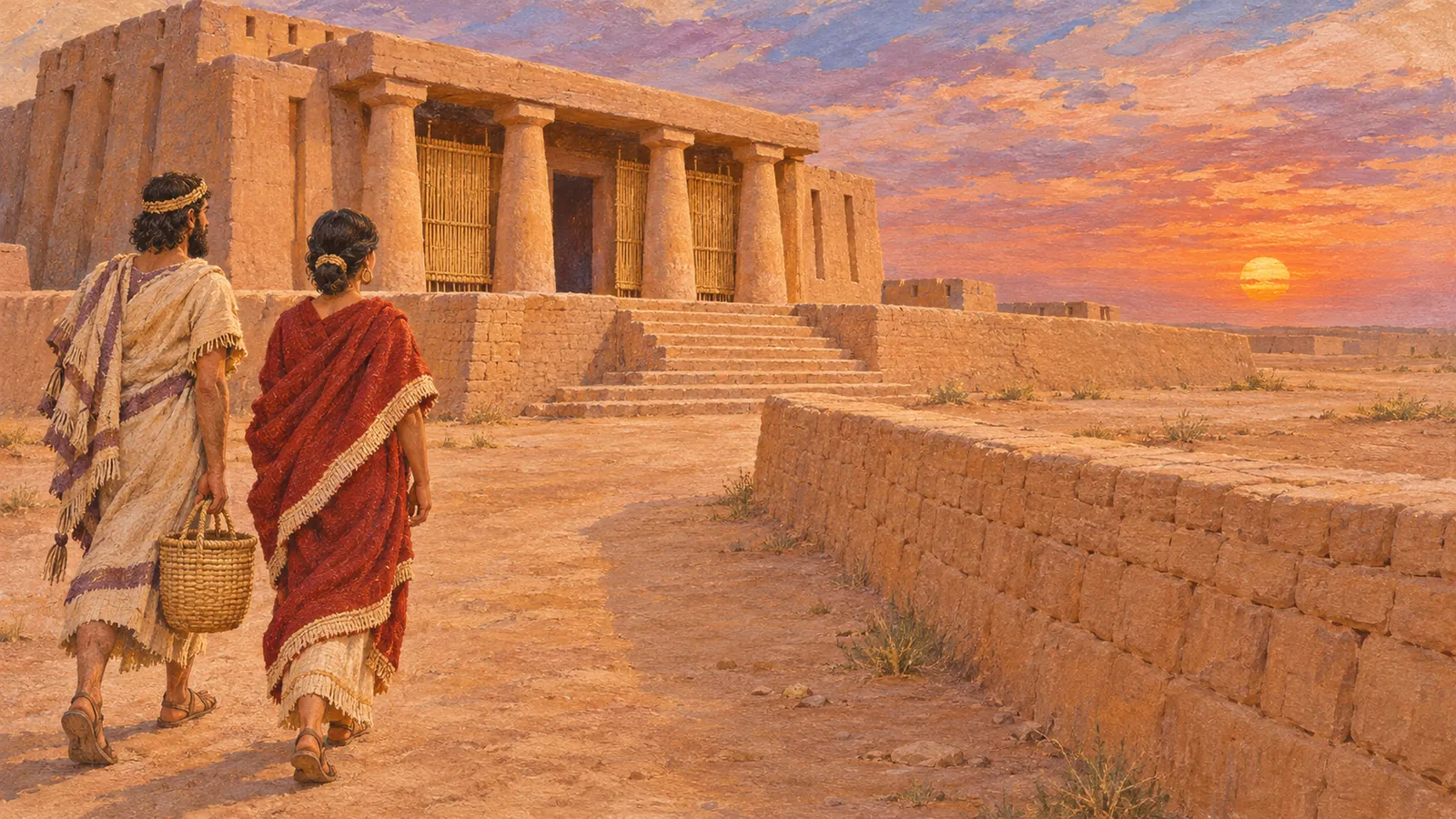
The list says Kish fell and kingship was carried to E-ana at Uruk. Meshkianggasher appears there first. The text goes on to say that he entered the sea and vanished.
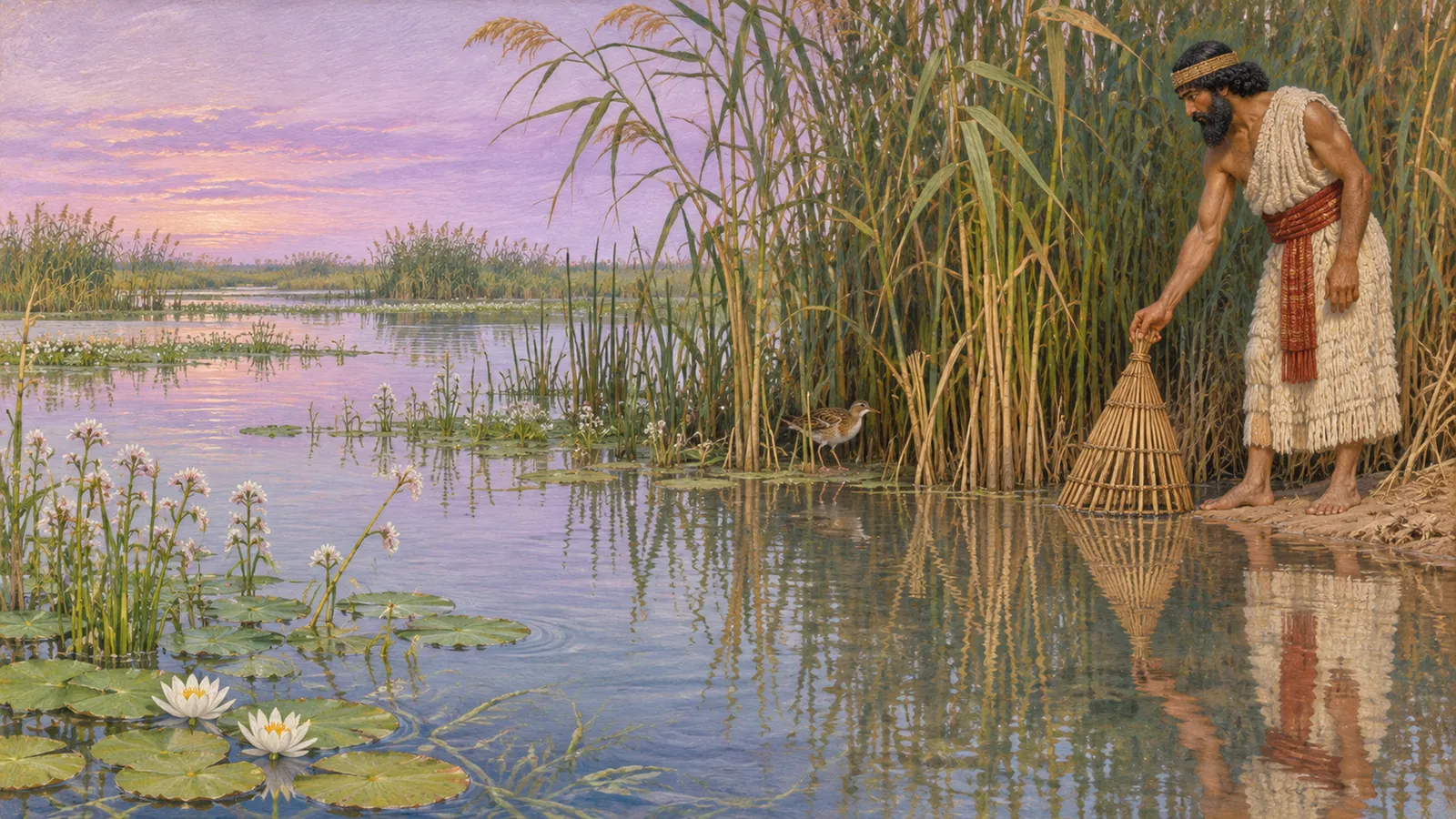
At Uruk another Dumuzi appears, a fisherman whose city was Kuara. The Dumuzi of Bad-tibira was a shepherd. Their occupations help the reader follow two entries that share a name.
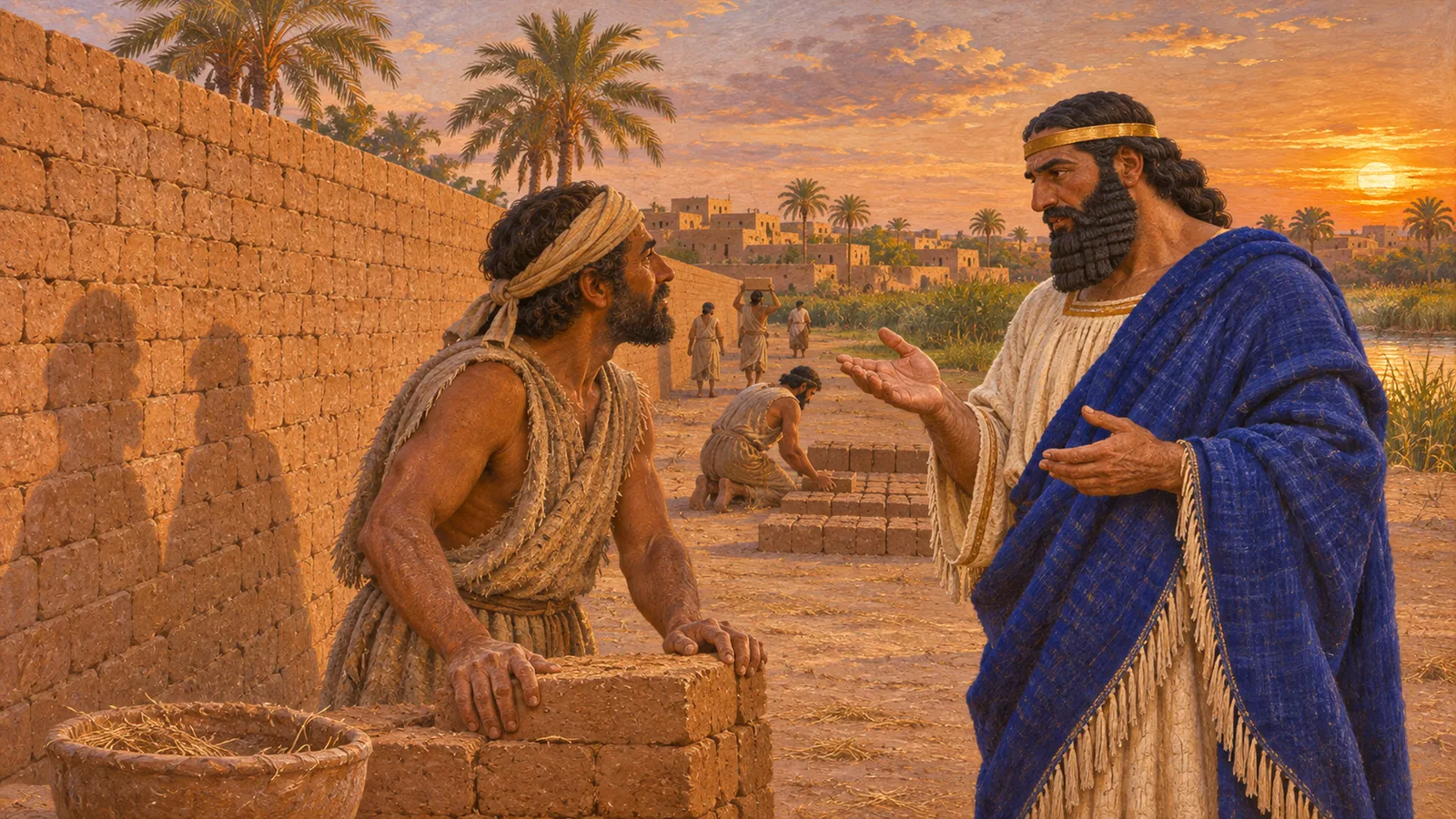
The prism names Gilgamesh, ruler of Kulaba, and gives him 126 years. It follows him with his son Ur-Nungal. The two names belong here to the succession at Uruk.
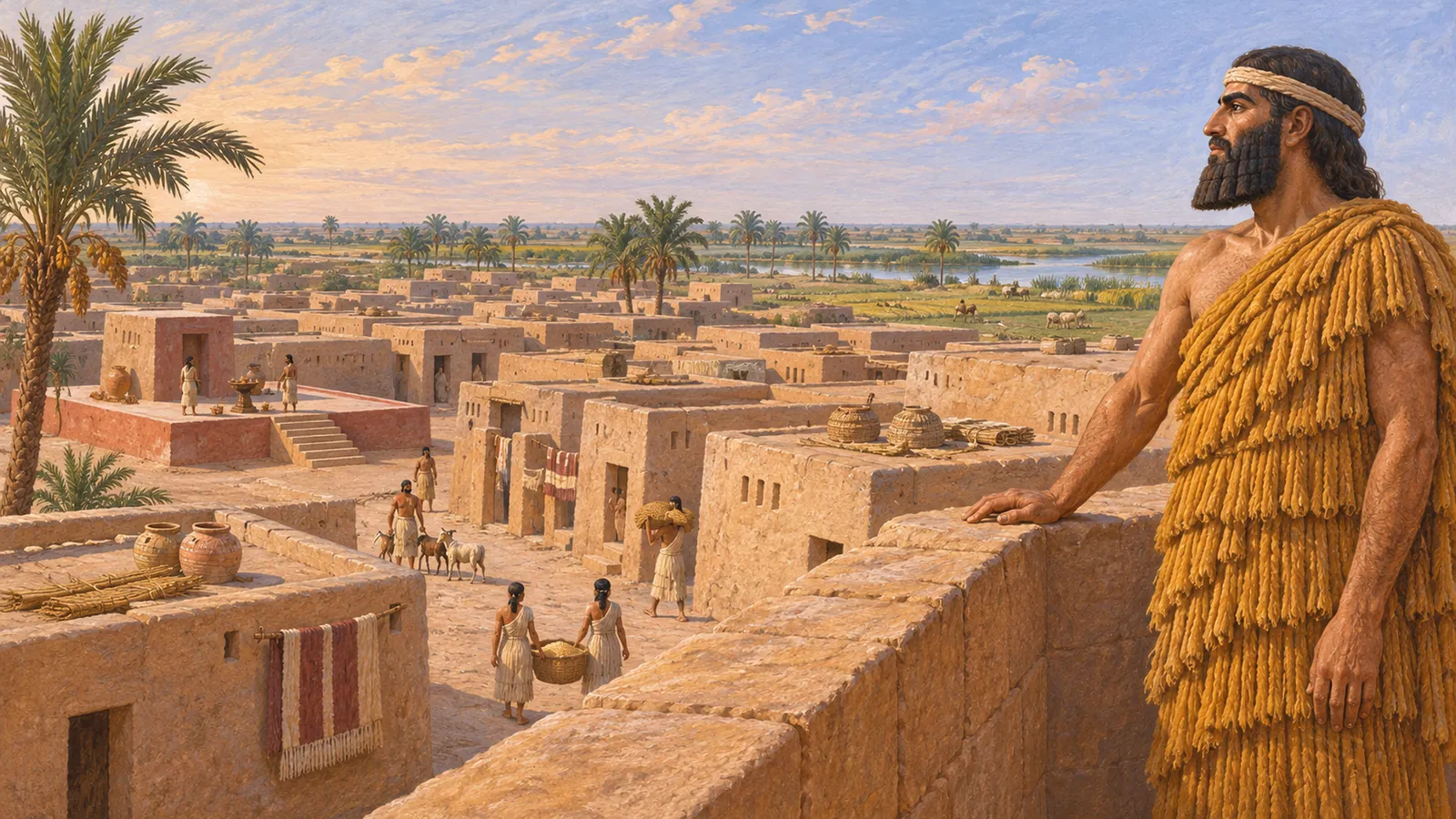
At Ur the list gives Mesannepada eighty years. A small bead found at Mari also names him as king of Ur. The two objects give different kinds of information.
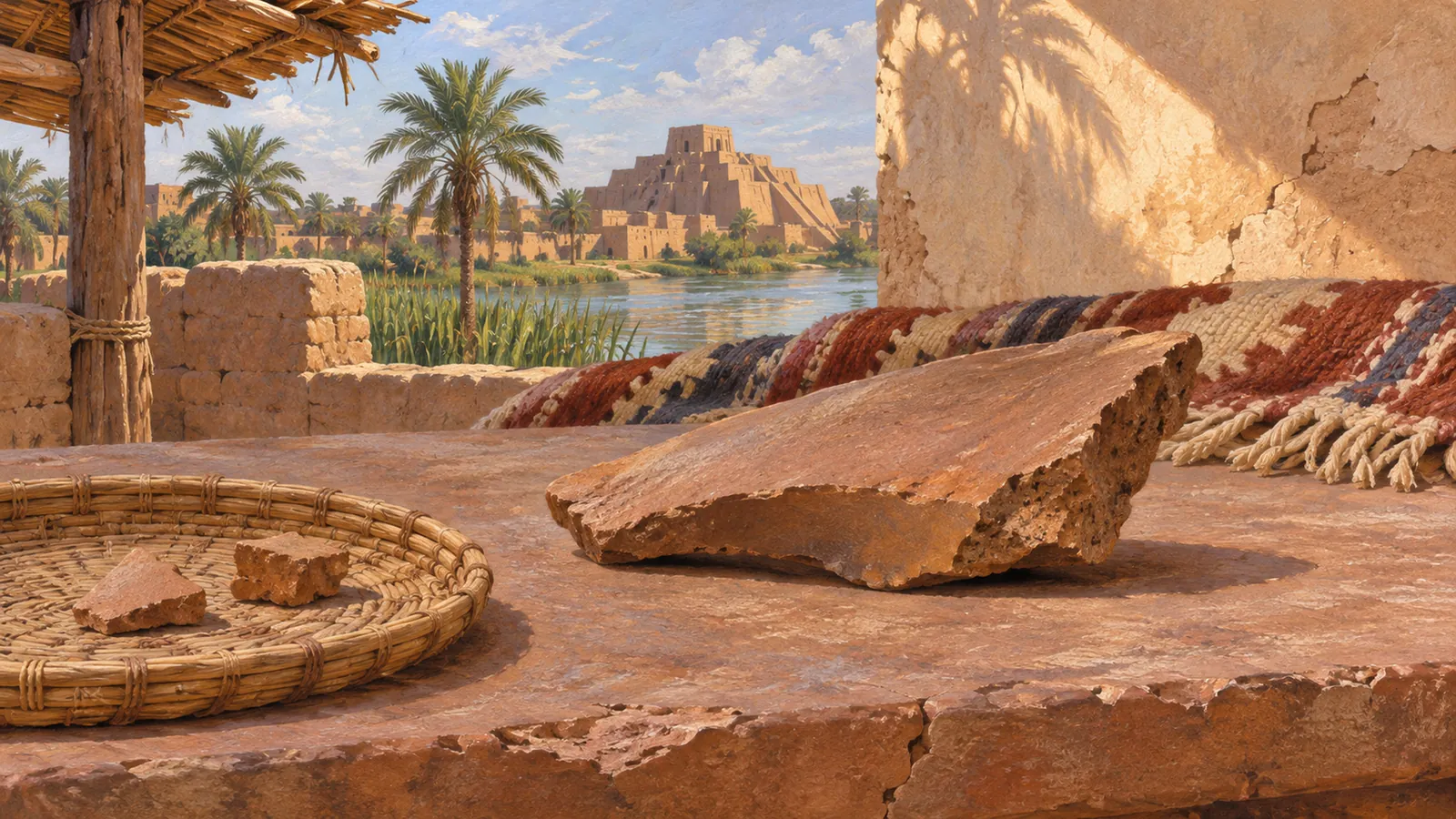
From Ur the list takes kingship to Awan. Names and parts of the reigns are missing in this stretch. A city can be readable even where the individual kings have been lost.
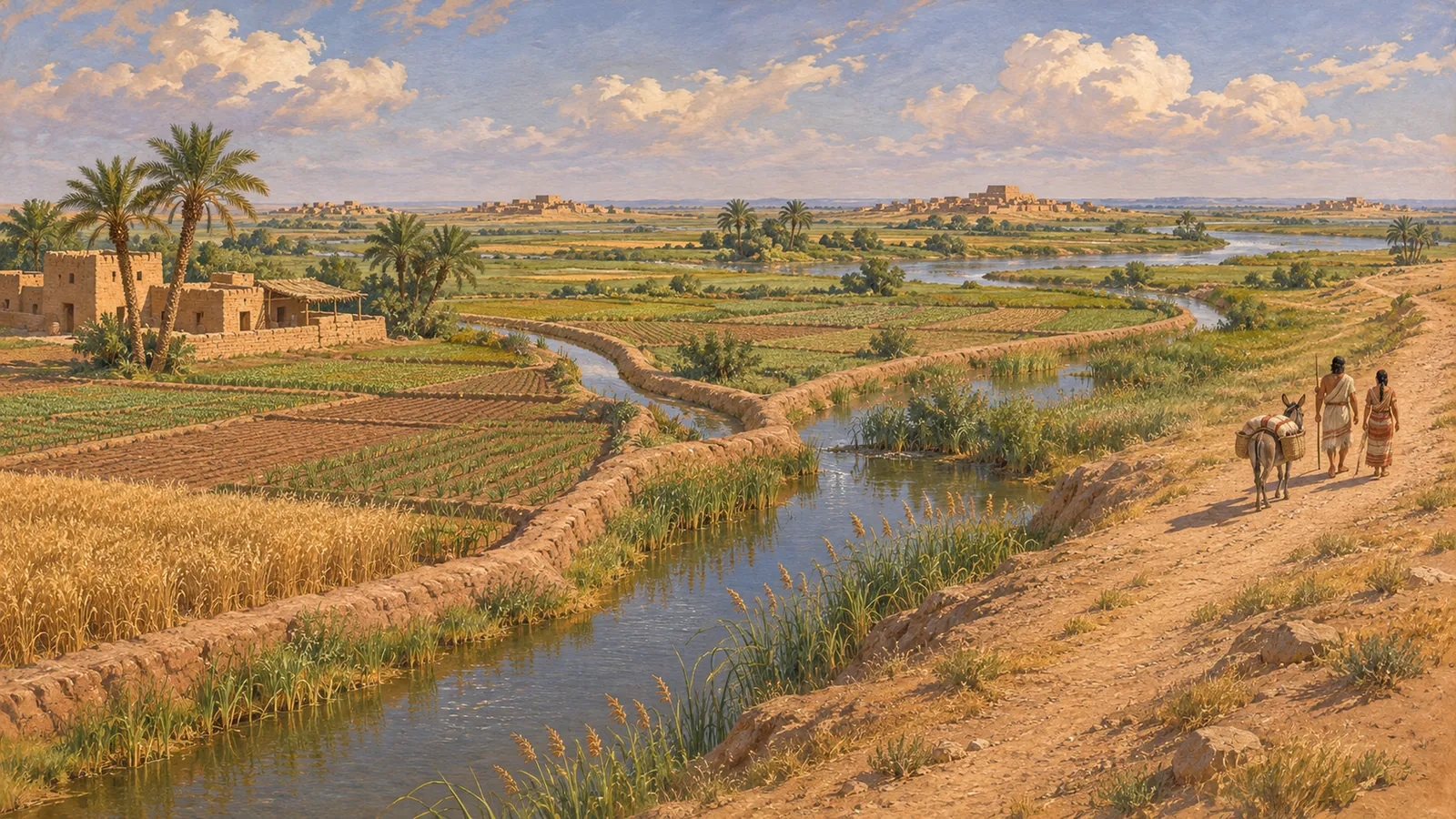
The route continues through Kish, Hamazi, Uruk and Ur again, then through other cities including Adab and Mari. Winning kingship once gives a city no permanent place in the list.
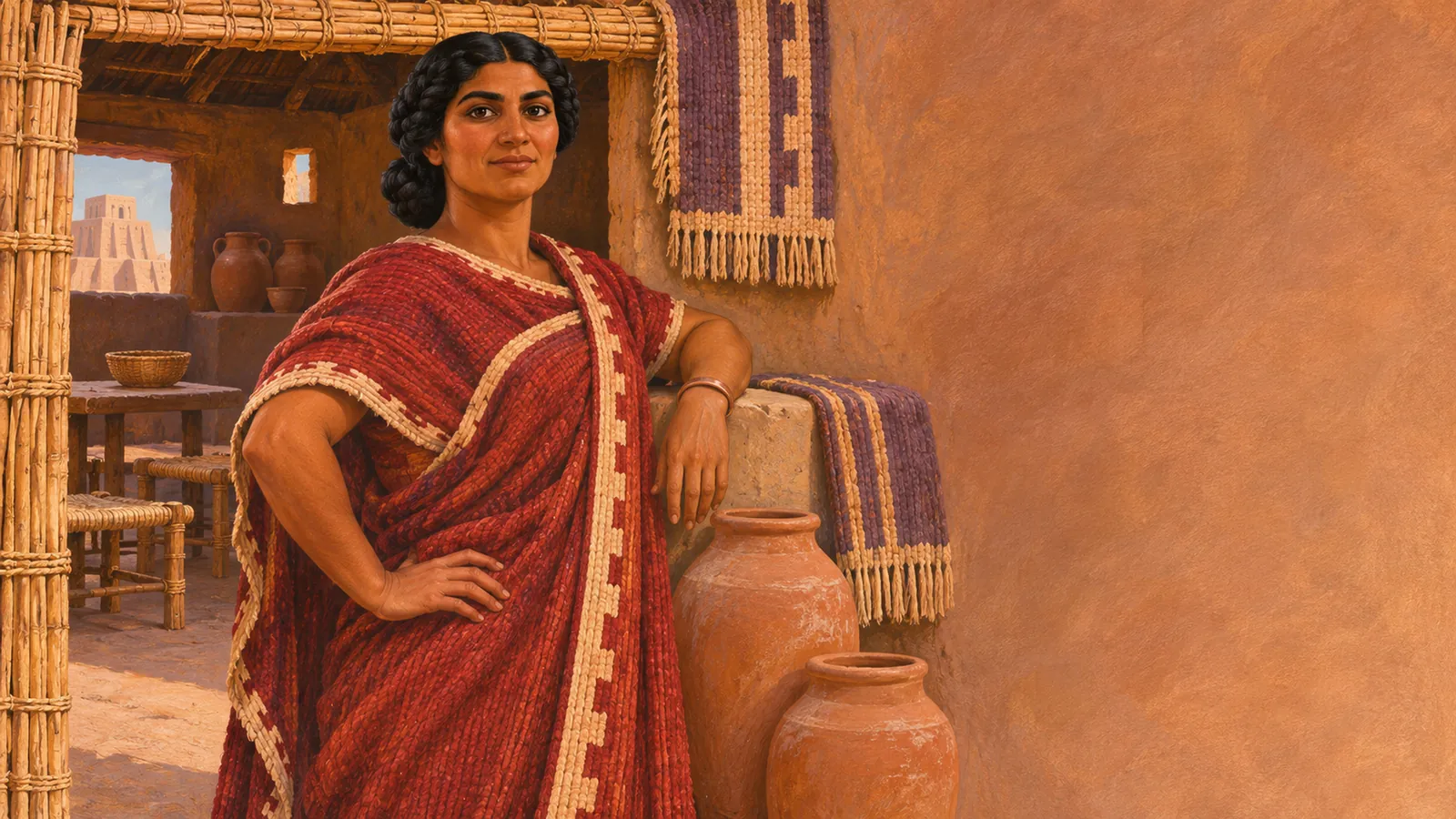
KUBABA
After Mari comes another turn at Kish. The list calls Kubaba a tavern keeper and credits her with securing Kish’s foundations. Her reign fills this entry on its own and lasts a hundred years.
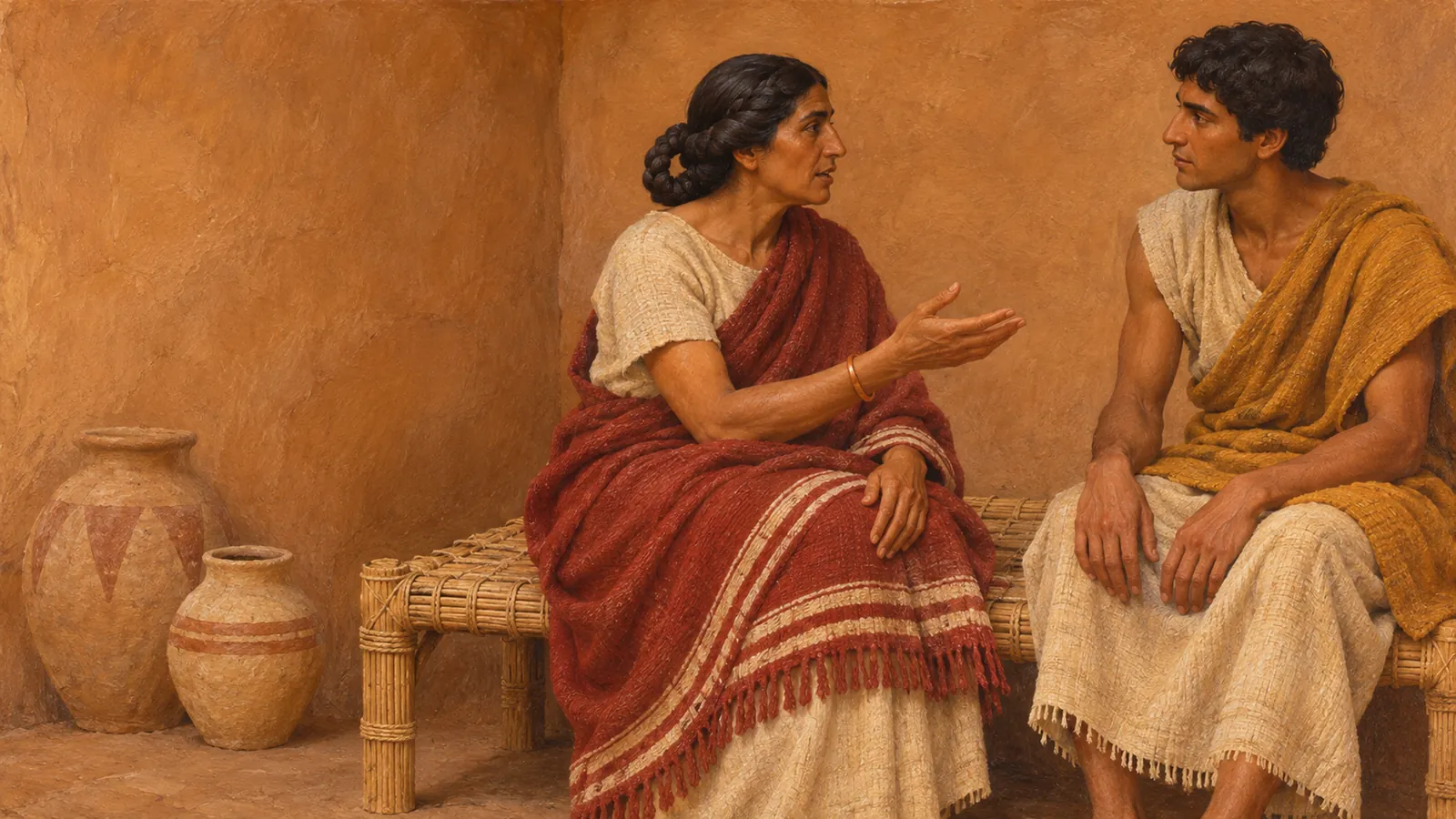
Kingship passes to Akshak and comes back to Kish. This time the list names Puzur-Suen, Kubaba’s son, at the head of the group and gives him twenty-five years.
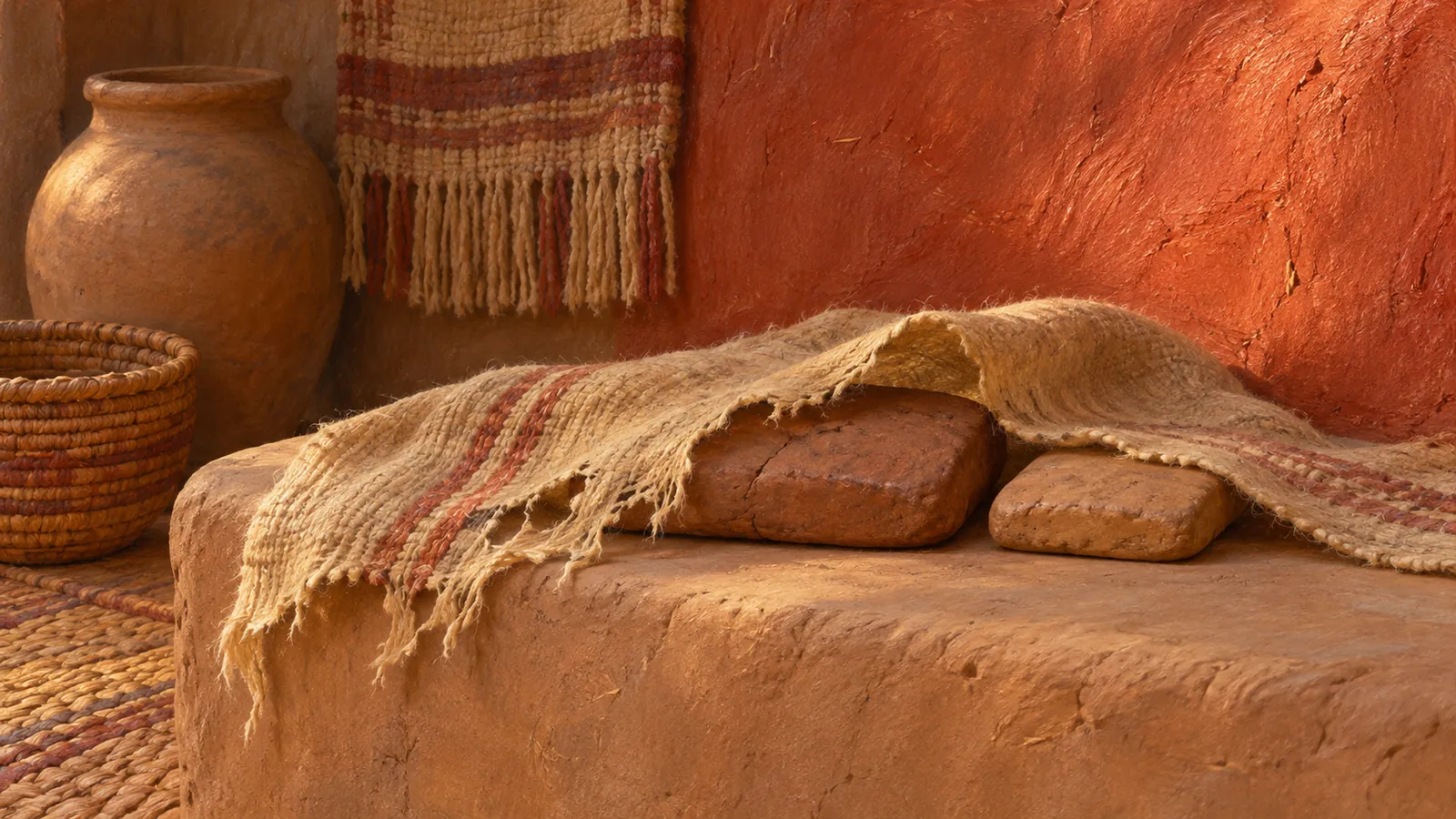
The prism gives Puzur-Suen’s son Ur-Zababa 400 years. Another manuscript gives him just six. Readers encounter two very different figures beside the father and son who held kingship at Kish.
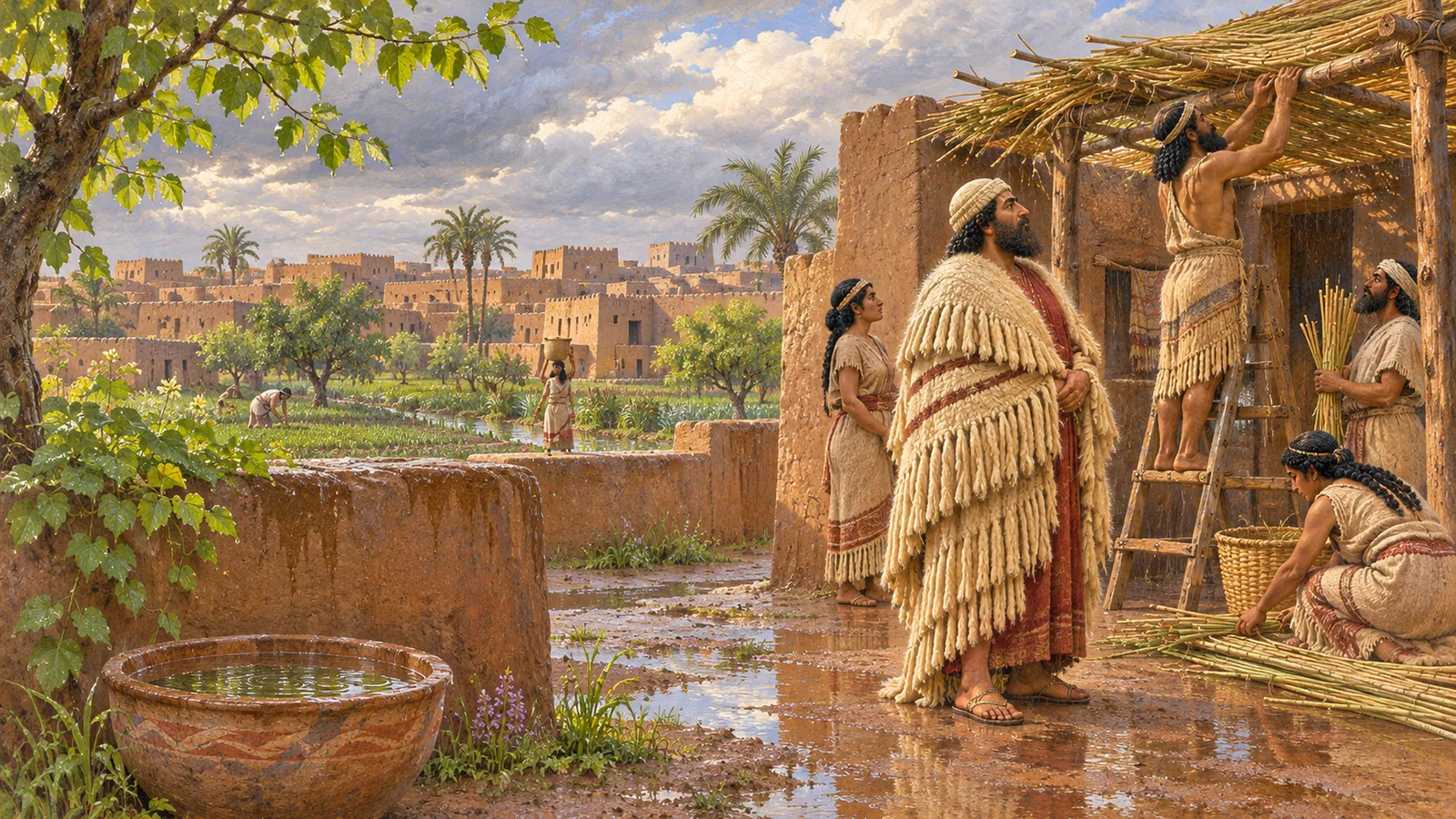
After Kish, kingship goes to Uruk, where the list gives Lugalzagesi twenty-five years. The account closes his city’s turn with the old formula and takes the reader on to Akkad.
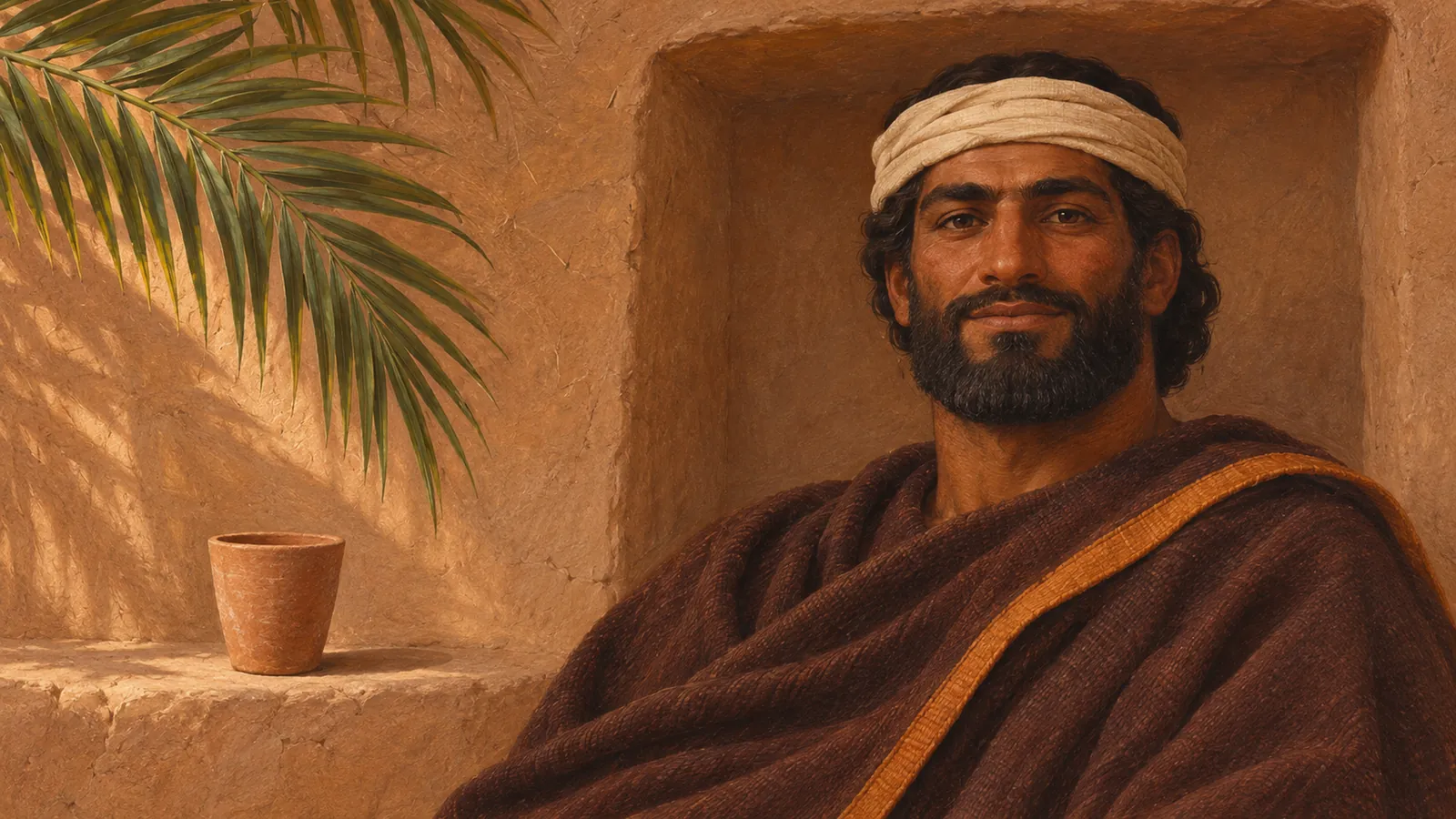
AKKAD
At Akkad the list names Sargon, son of a gardener and cupbearer to Ur-Zababa. The prism gives him fifty-six years, while other copies put his reign a little lower.
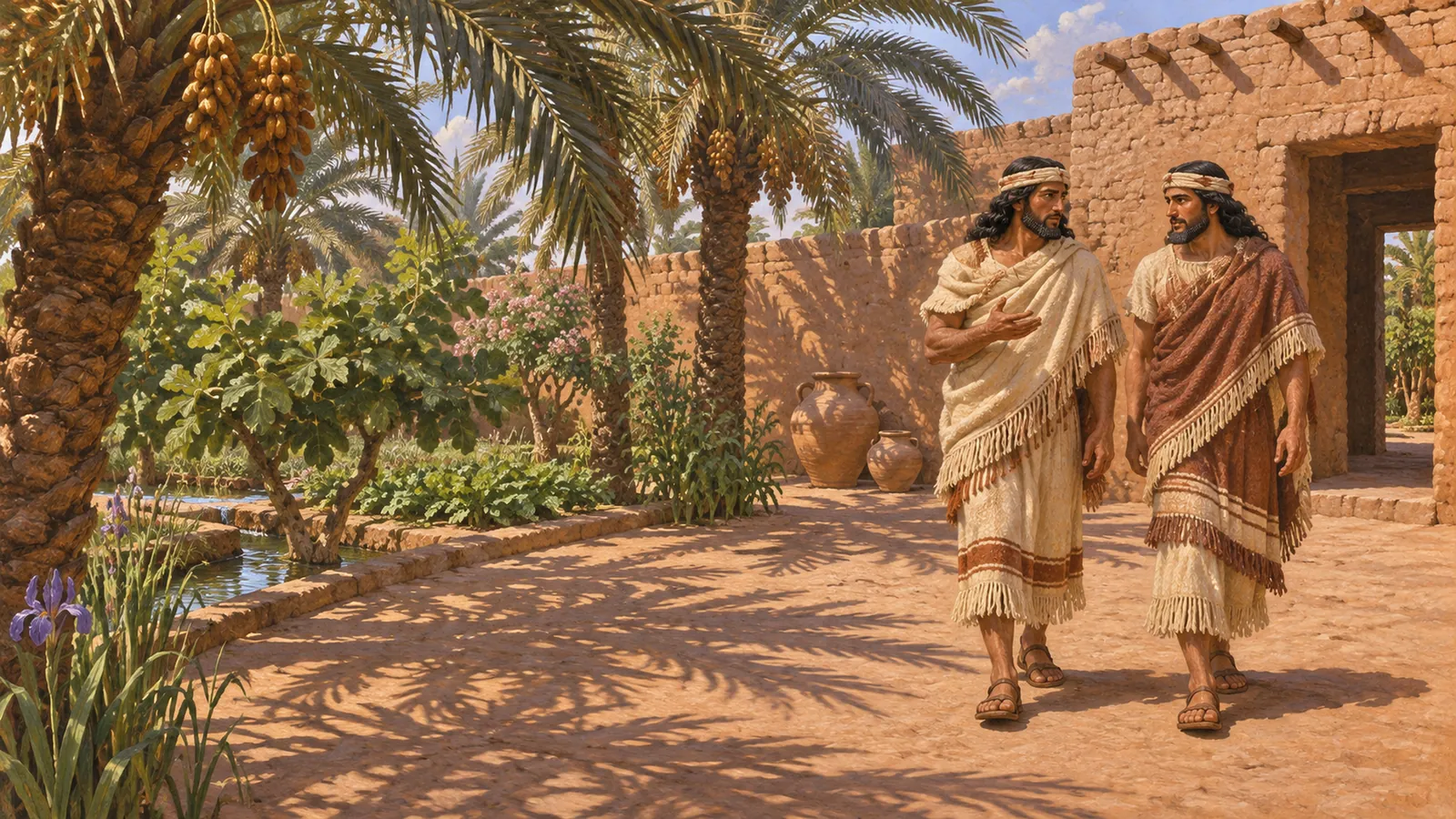
The list names Rimush and Manishtushu in Sargon’s line, then Naram-Sin and Shar-kali-sharri. The father-and-son entries help a reader follow the passage of power within a single city.
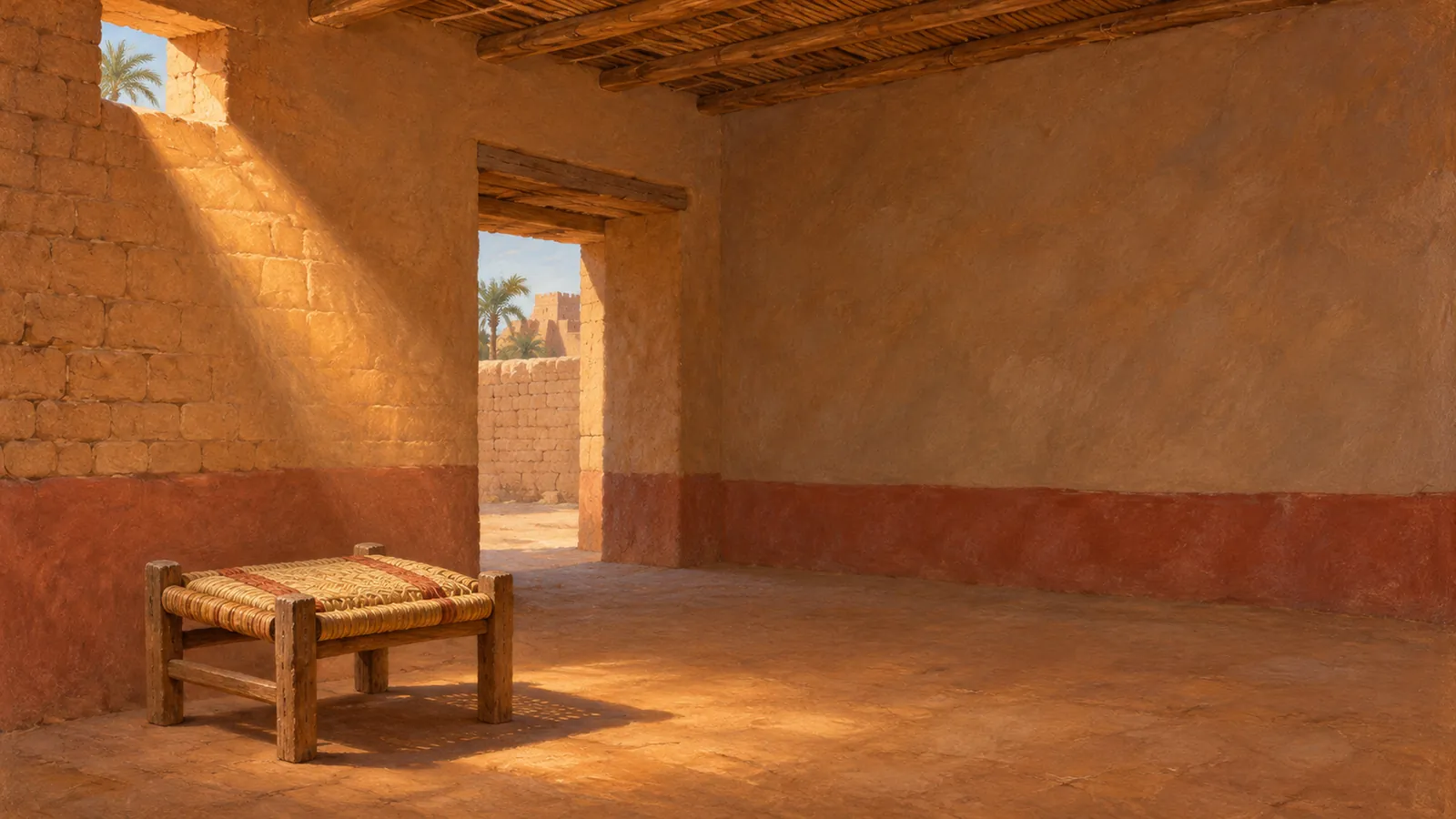
The reigns usually follow one another in neat lines. Here the writer asks who was king, then gives four names a brief shared span. For a moment the succession loses that familiar order.
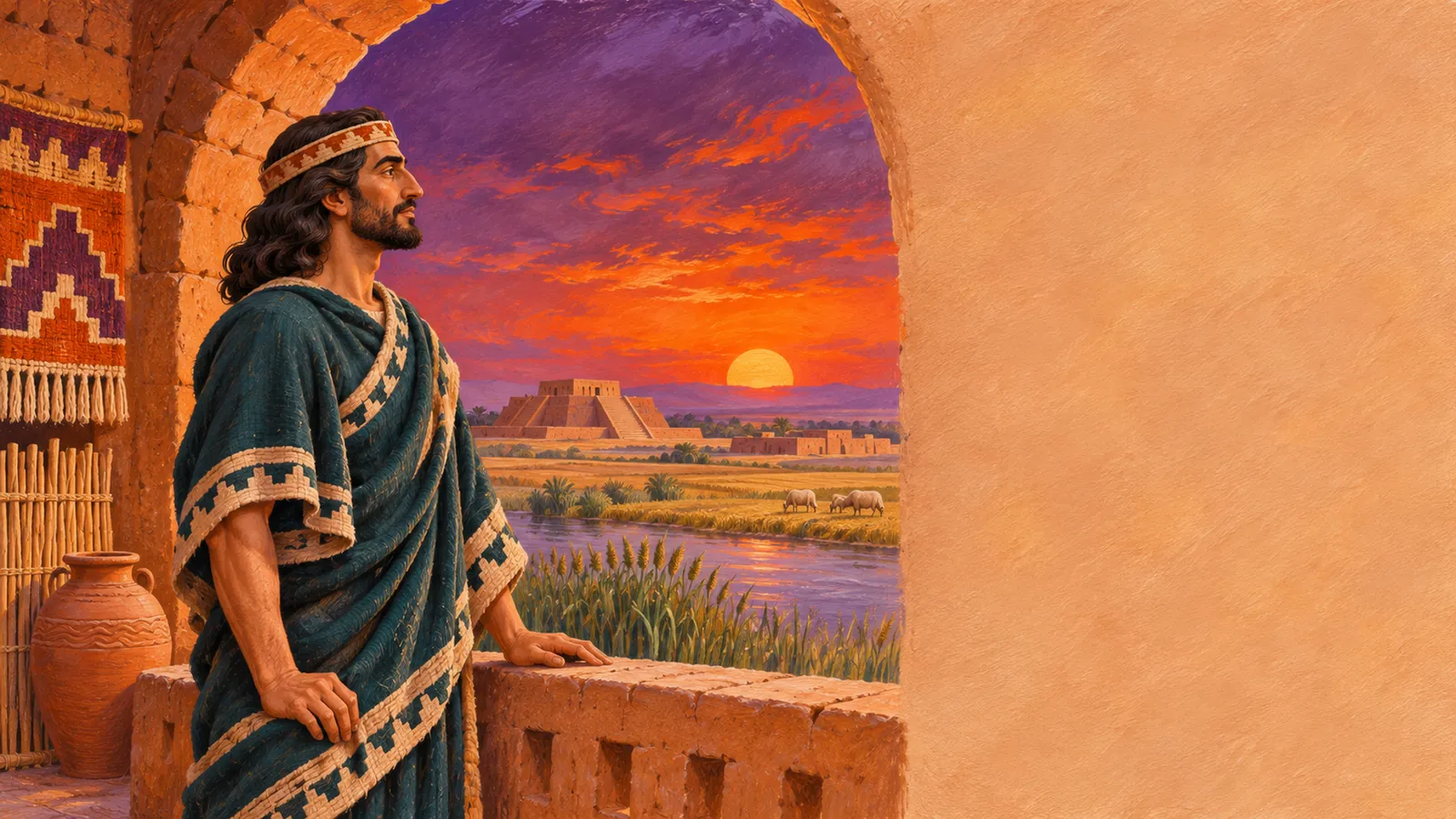
After Akkad, kingship passes through Uruk again and on to Gutium. When the list reaches Tirigan, it counts a reign of forty days, far shorter than its opening reigns.
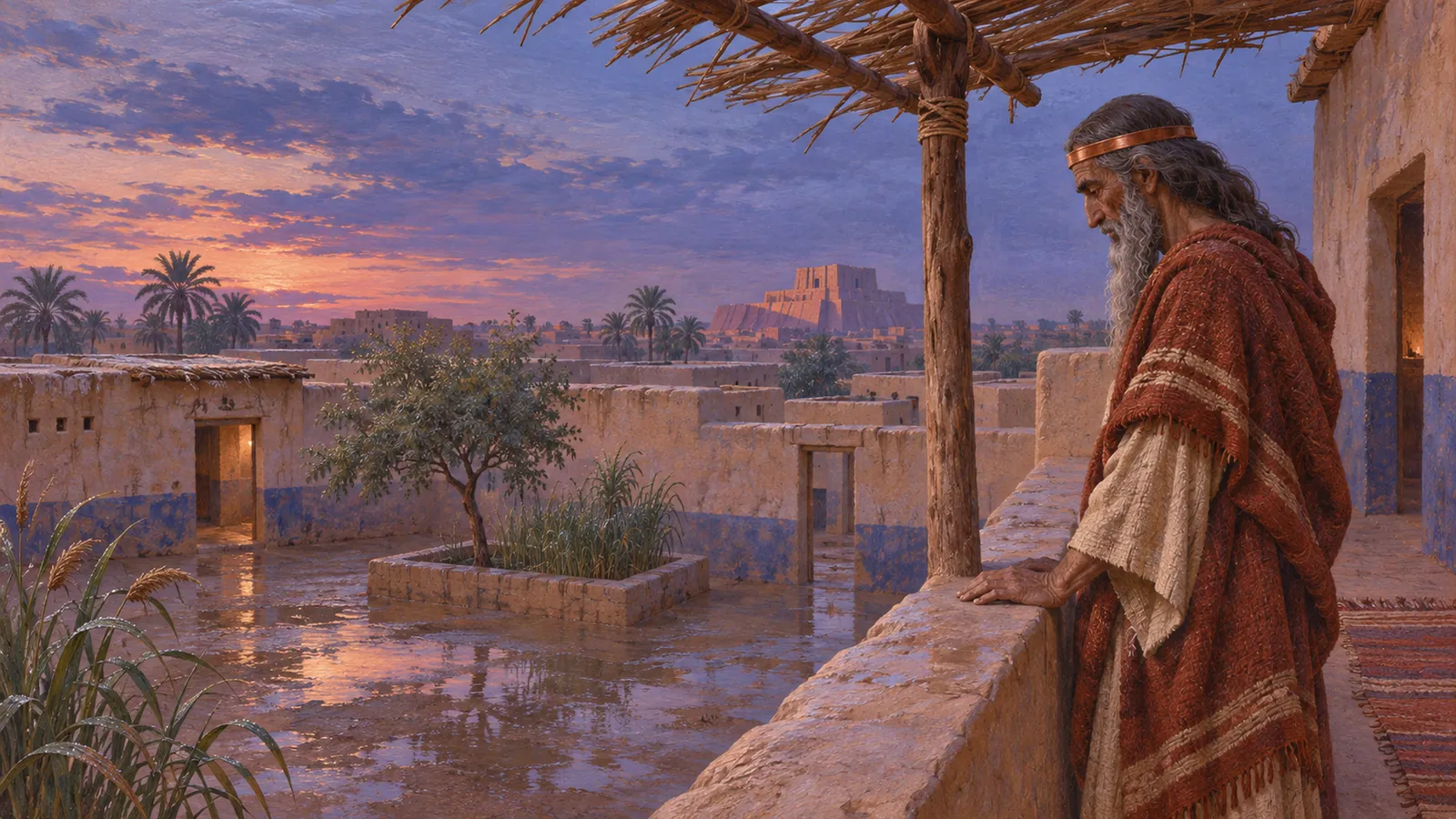
Kingship comes back to Uruk with Utu-hegal. The prism puts down 427 years and a damaged number of days. Another copy gives seven years, six months and fifteen days.
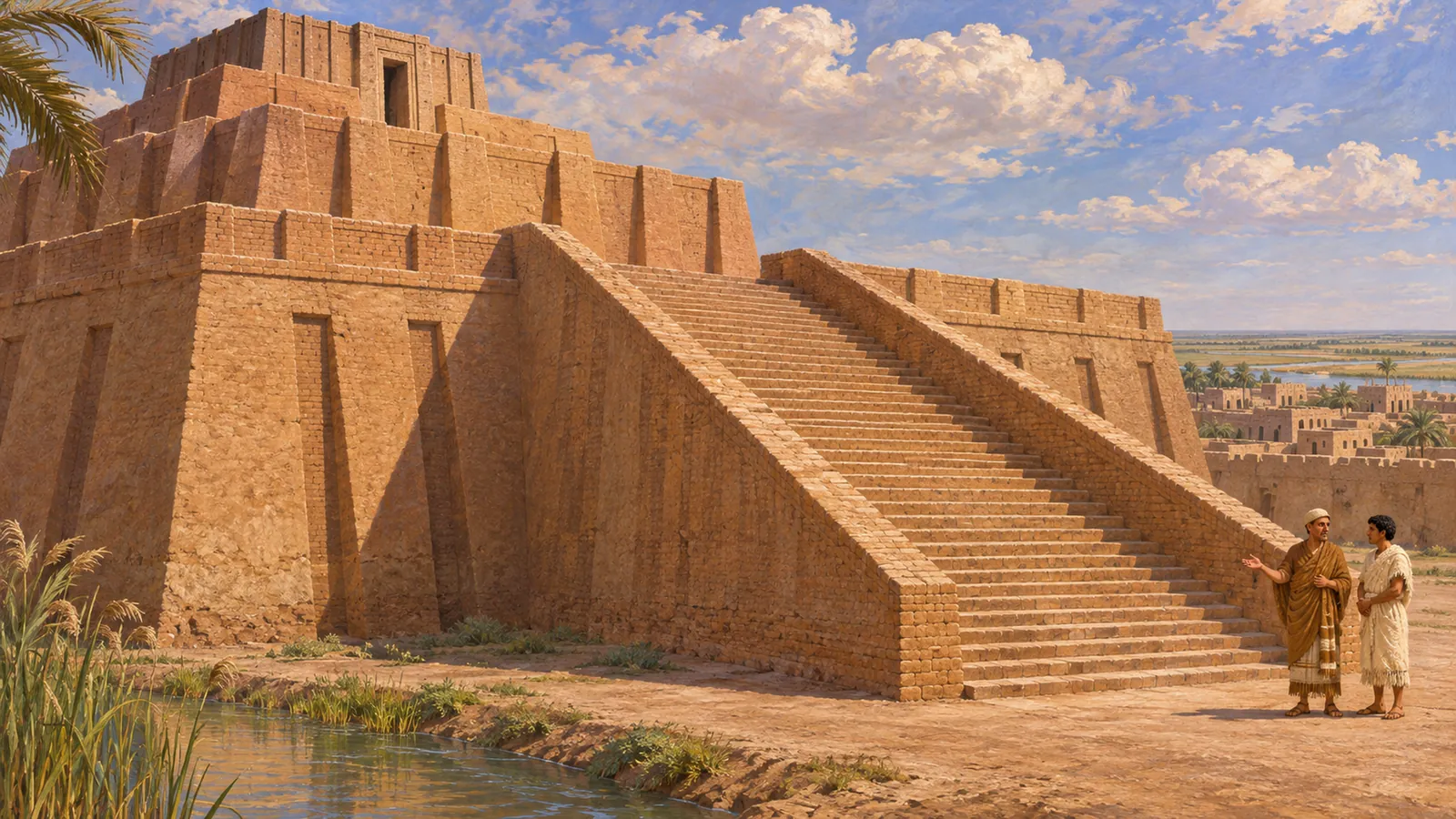
UR
Ur-Namma opens the Third Dynasty of Ur with eighteen years in the list. Then comes his son Shulgi. The prism records forty-six years for him, while other copies give forty-eight or fifty-eight.
Amar-Suen, Shu-Suen and Ibbi-Sin complete the run at Ur. Five kings appear before the end of the section, but the prism’s final line for Ur counts only four.
After Ur, the list again moves kingship. This time it moves to Isin, where Ishbi-Erra comes first with thirty-three years. Many of the following entries also record a father and son.
ISIN
The last named king on this prism is Sin-magir, with eleven years. A different copy continues to Damiq-ilishu, the son of Sin-magir. The point at which a copy stops has its own history.
Further lines preserved by other witnesses add up the cities and kings across the whole list. The prism ends its accounting after Isin and leaves those wider sums for other readers to discover.
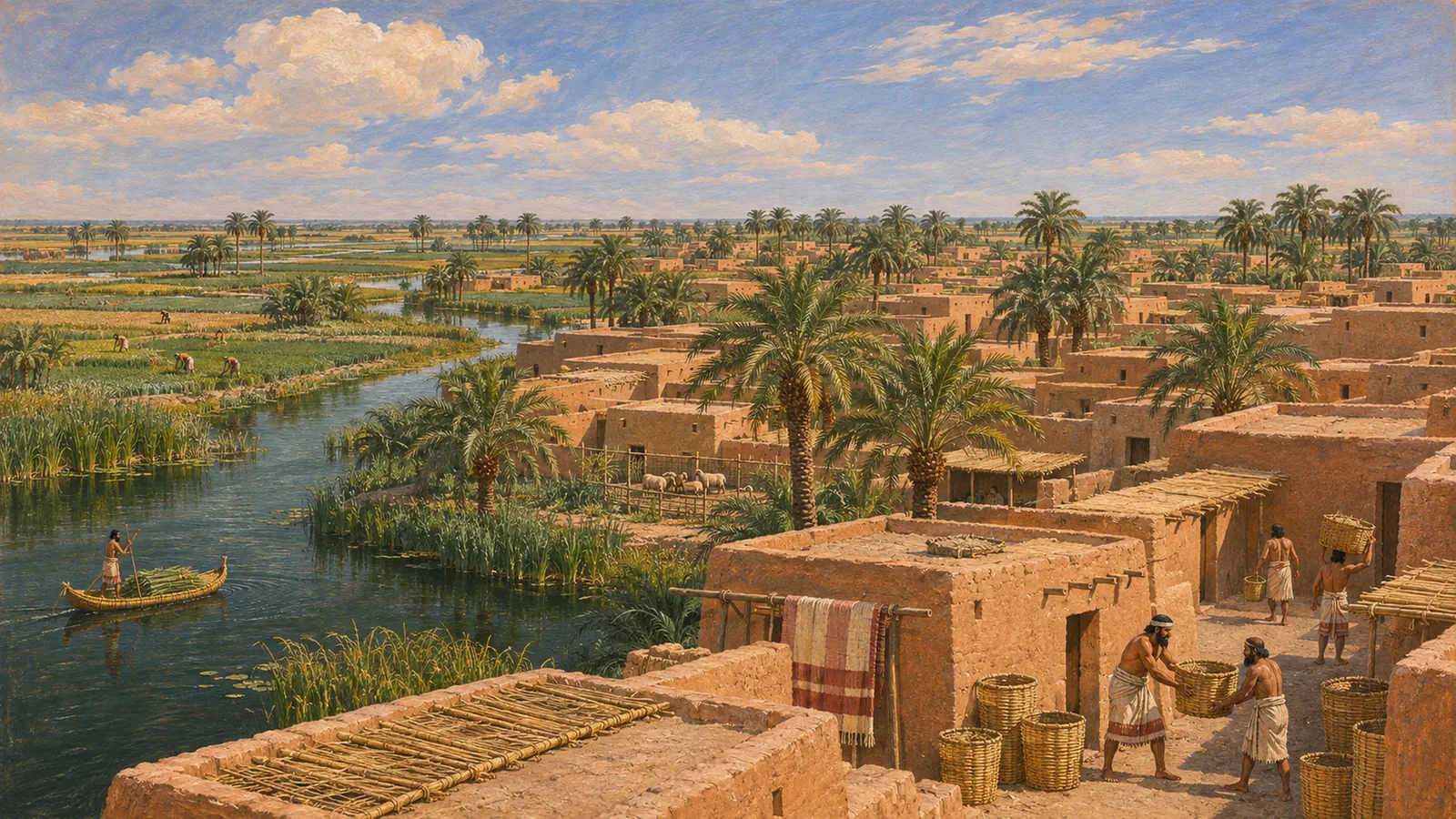
Lagash had rulers who left their own inscriptions. No dynasty of Lagash appears in the sequence on this prism. A list can tell us about the places an ancient writer chose to include.
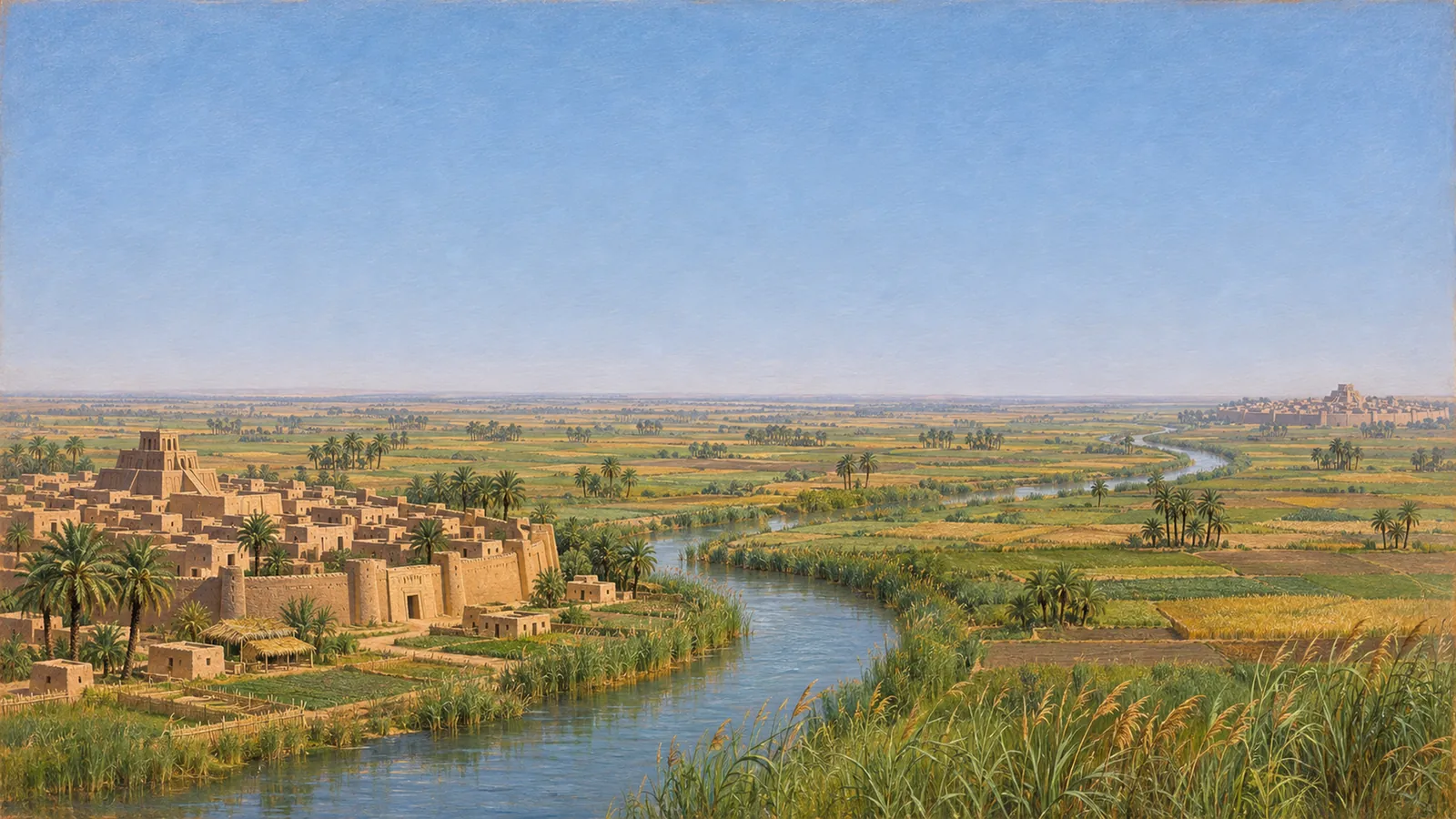
The list lets one city hold kingship at a time. Dated records from the end of the Third Dynasty of Ur show authority shifting among cities while Ibbi-Sin was still alive.
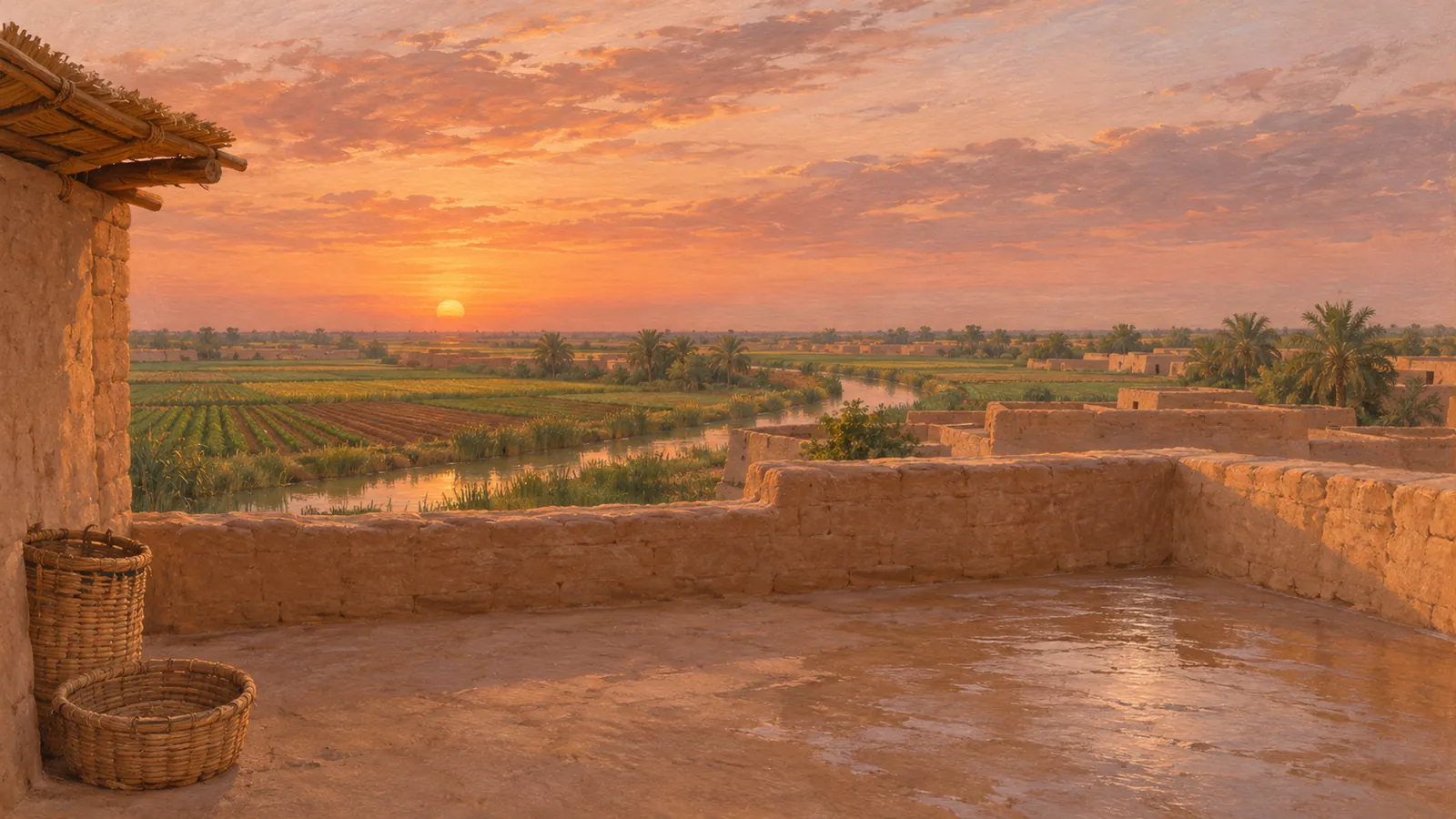
The prism gives one path through the past. Follow the names, the changing numbers and the cities that receive kingship, and the reader can see how an ancient scribe put that path together.
End of chapter 1
All pages




Sources
Editions consulted
- Ashmolean Museum, Sumerian King List, AN1923.444
- Cuneiform Digital Library Initiative, Weld-Blundell Prism P384786, transliteration
- Electronic Text Corpus of Sumerian Literature, The Sumerian King List, 2.1.1
- Thorkild Jacobsen, The Sumerian King List, Assyriological Studies 11
- CDLI, Sumerian King List P283804
- Piotr Steinkeller, An Ur III Manuscript of the Sumerian King List, pp. 267–292
- CDLI, Mebaragesi stone vessel witness P222739
- ORACC ETCSRI, Mes-Ane-pada 1, royal inscription
- ORACC ETCSRI, Gudea Cylinder A and B
- Piotr Michalowski, The Correspondence of the Kings of Ur, chapters 21–24
Ancient lines behind each page
- Page 1: Ashmolean AN1923.444; CDLI P384786
- Page 2: Ashmolean AN1923.444
- Page 3: Ashmolean AN1923.444; CDLI P384786, P283804
- Page 4: ETCSL 2.1.1, 1–39; WB 444
- Page 5: ETCSL 1–39; WB 444
- Page 6: ETCSL 1–39; WB 444
- Page 7: ETCSL 1–39; WB 444
- Page 8: ETCSL 1–39; WB 444
- Page 9: ETCSL 1–39; WB 444
- Page 10: ETCSL 1–39; WB 444
- Page 11: ETCSL 1–40; WB 444
- Page 12: ETCSL 40–94; WB 444
- Page 13: CDLI P283804; Steinkeller, pp. 267–292
- Page 14: ETCSL 40–94; WB 444
- Page 15: ETCSL 40–94; WB and P2+L2
Modern reading of WB plus P2+L2 variant. - Page 16: ETCSL 2.1.1, 83–86; RIME 1.07.22.02, CDLI P431027
- Page 17: ETCSL 40–94; WB 444
- Page 18: ETCSL 40–133; WB 444
- Page 19: ETCSL 2.1.1, 15, 109–111; WB 444
- Page 20: ETCSL 95–133; WB 444
- Page 21: ETCSL 134–147; RIME Mesannepada
- Page 22: ETCSL 148–159; WB 444
- Page 23: ETCSL 160–223; WB 444 with variants
- Page 24: ETCSL 224–231; WB 444
- Page 25: ETCSL 2.1.1, 230–246; WB 444
- Page 26: ETCSL 244–258; WB, P3+BT14 and S
Two readings of the same entry. - Page 27: ETCSL 259–265; WB 444 contrasted with P3+BT14
- Page 28: ETCSL 266–296; WB, L1+N1 and TL
- Page 29: ETCSL 2.1.1, 272–283; WB 444
- Page 30: ETCSL 266–296; WB 444
- Page 31: ETCSL 297–334; WB 444
- Page 32: ETCSL 335–340; WB and J
An incomplete written duration plus a genuine variant. - Page 33: ETCSL 341–354; WB, Su3+Su4, TL and P5
- Page 34: ETCSL 2.1.1, 341–352; WB 444, CDLI P384786
- Page 35: ETCSL 341–377; WB 444
- Page 36: Ashmolean AN1923.444; ETCSL 355–377 and P5
Refers to the last named ruler; another witness continues. - Page 37: ETCSL 2.1.1, 375–431; WB 444 and P5
- Page 38: WB 444; ORACC ETCSRI Q000377 and Q000925
- Page 39: WB 444; Michalowski, Correspondence of the Kings of Ur, chs. 21–24
- Page 40: ETCSL 1–431; Ashmolean AN1923.444, interpretation; Jacobsen critical edition
Illustrations made with AI tools by IL Archive; the text is based on the ancient sources (see the sources at the end of each chapter).