Le Cycle de Baal Chapitre 3
Baal et Mot
Baal envoie un message à Mot. Après une lacune dans la tablette, des messagers annoncent à El la mort de Baal, et Anat le pleure. Le rêve d’El lui rend espoir. Baal est de retour quand le texte reprend, et Shapash parle avant la fin de la lutte.
SourcesTournez les pages avec les flèches, le clavier ou en balayant l’écran.
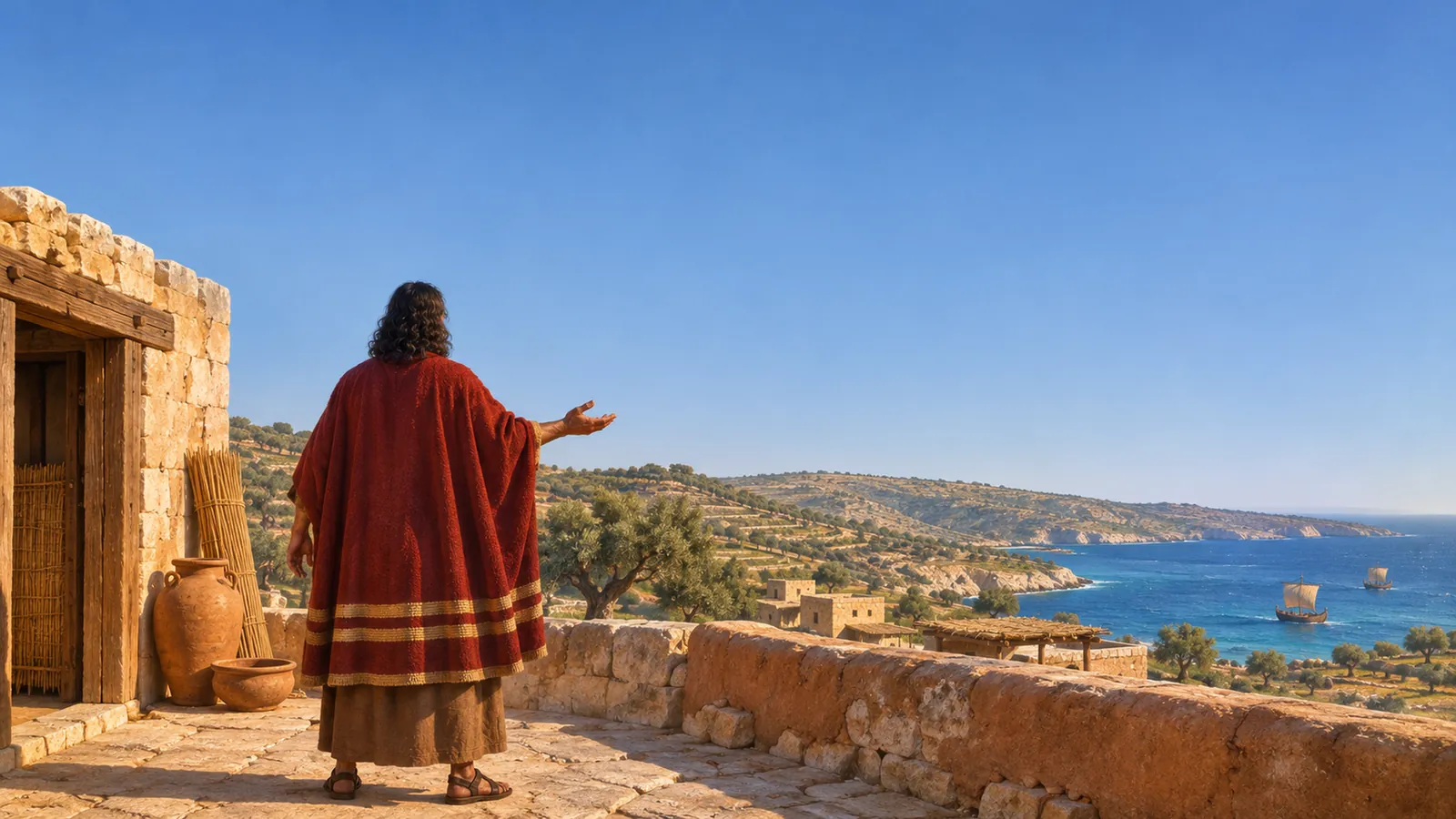
BAAL ET MOT
Baal demande qui peut exercer le pouvoir dans le domaine dont il parle à présent. Sa question ouvre l’échange qui portera ses paroles jusqu’à Mot.
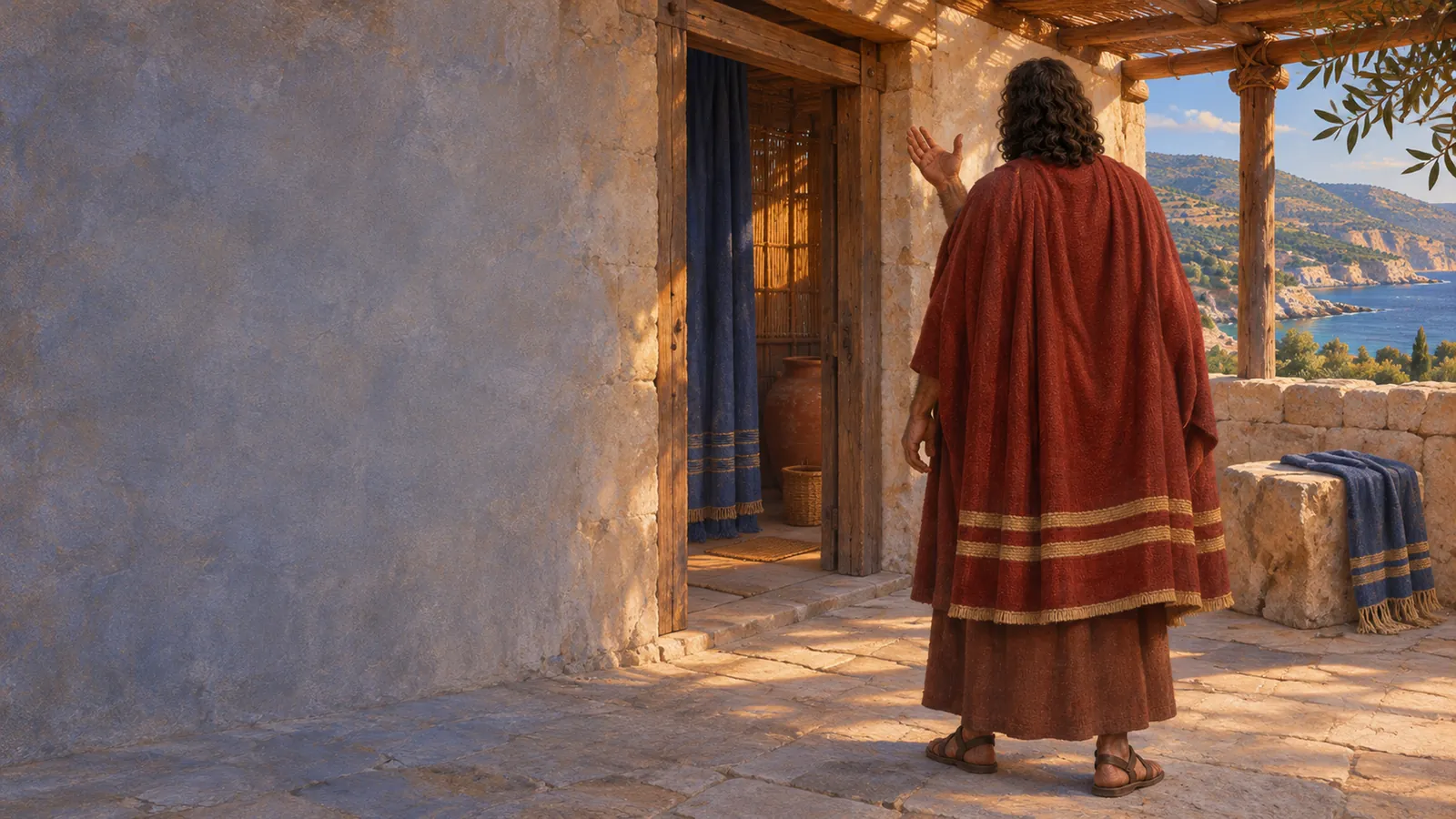
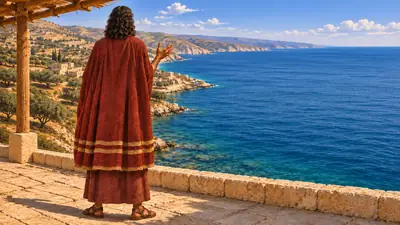
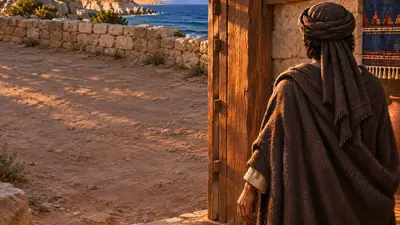
Baal dit qu’il enverra un héraut auprès de Mot. Il veut que ses paroles parviennent à celui qui doit les entendre.

Baal revendique la royauté parmi les dieux. Il dit qu’il nourrit les dieux et les hommes et qu’il rassasie la multitude des habitants de la terre.
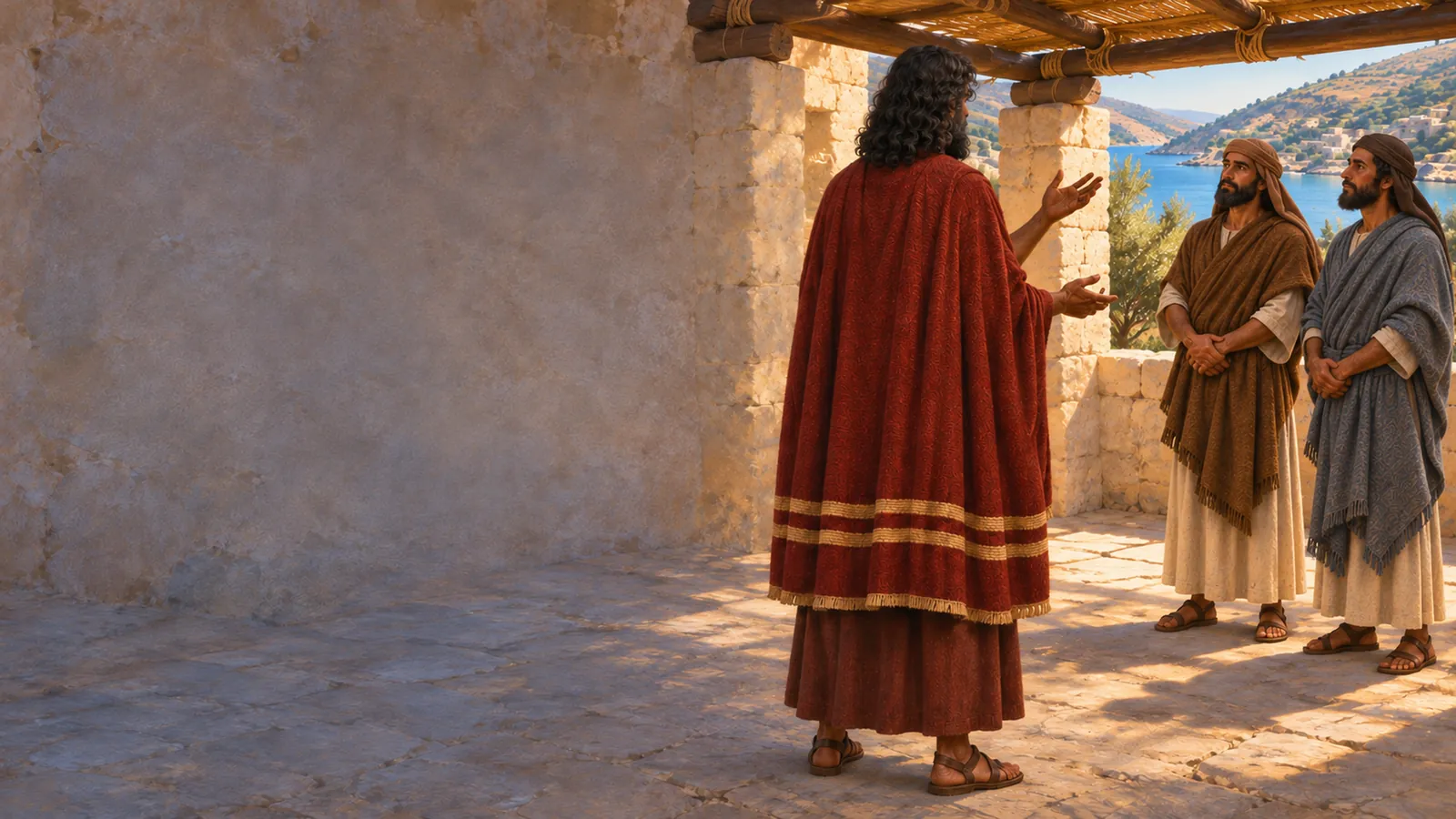
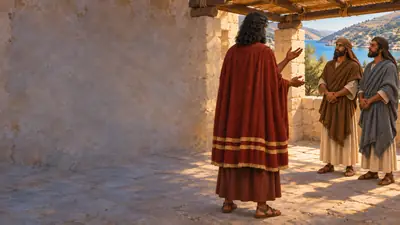
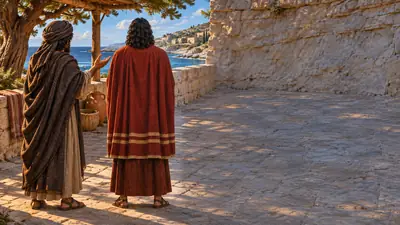
Baal appelle ses messagers, Gapn et Ugar, pour leur donner ses instructions. Une partie des mots qui les décrivent est endommagée.

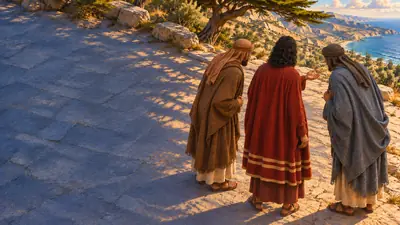
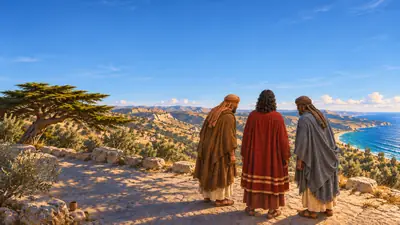
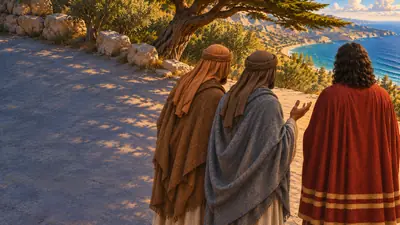
Baal dit aux messagers de se diriger vers deux collines. Le poème les situe au bord de la terre, sur le chemin indiqué dans ses instructions.
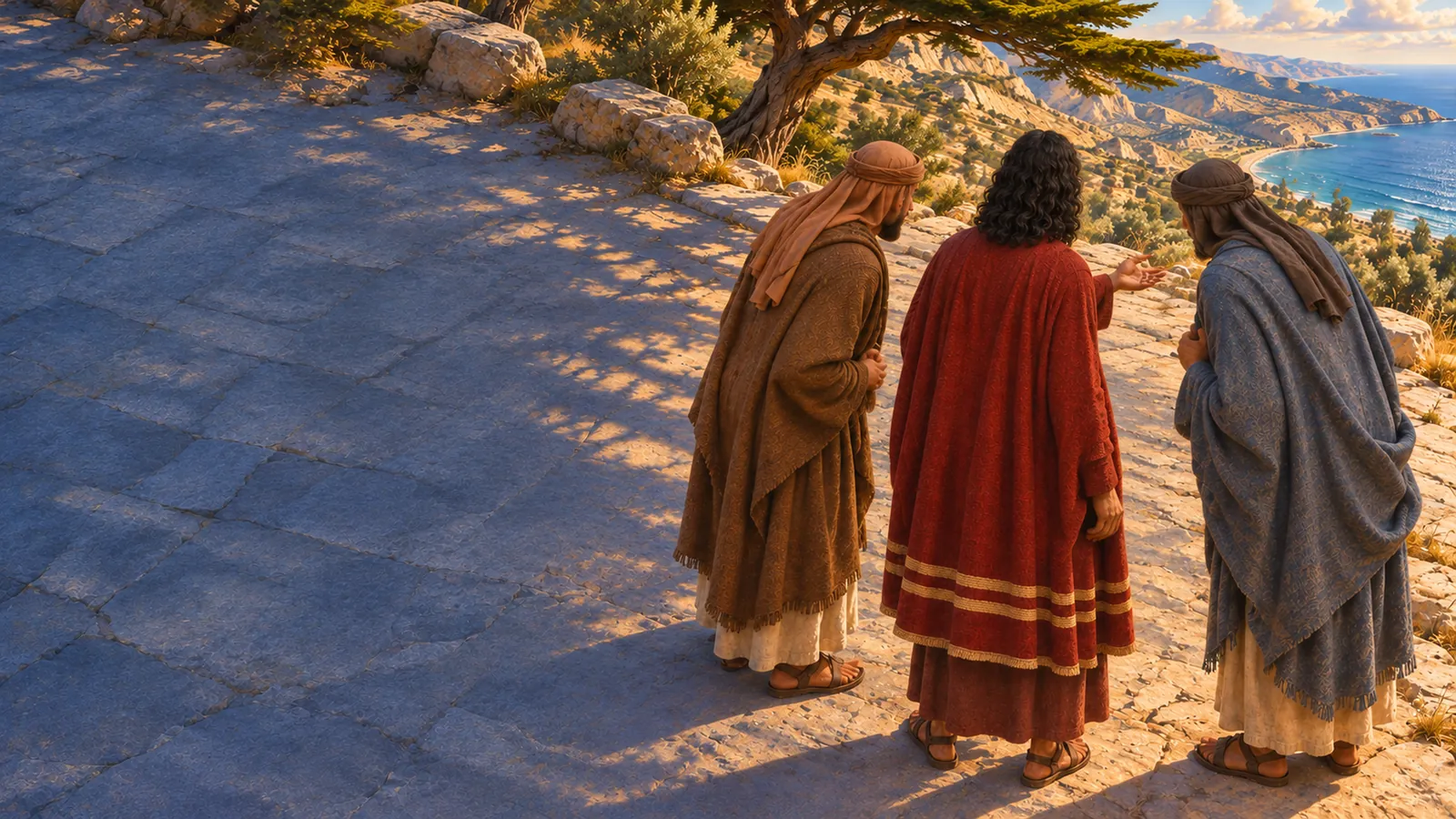
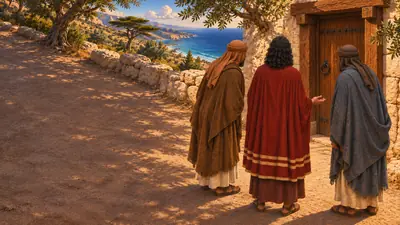
Baal leur dit de descendre vers le domaine de Mot. Il parle de sa ville et du lieu bas où il siège.

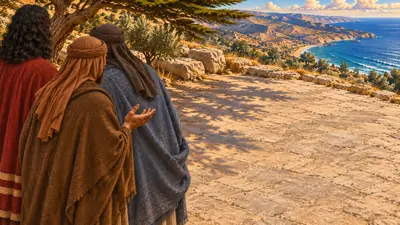
Baal dit aux envoyés de prendre garde. Il les avertit du danger de s’approcher trop près de Mot.
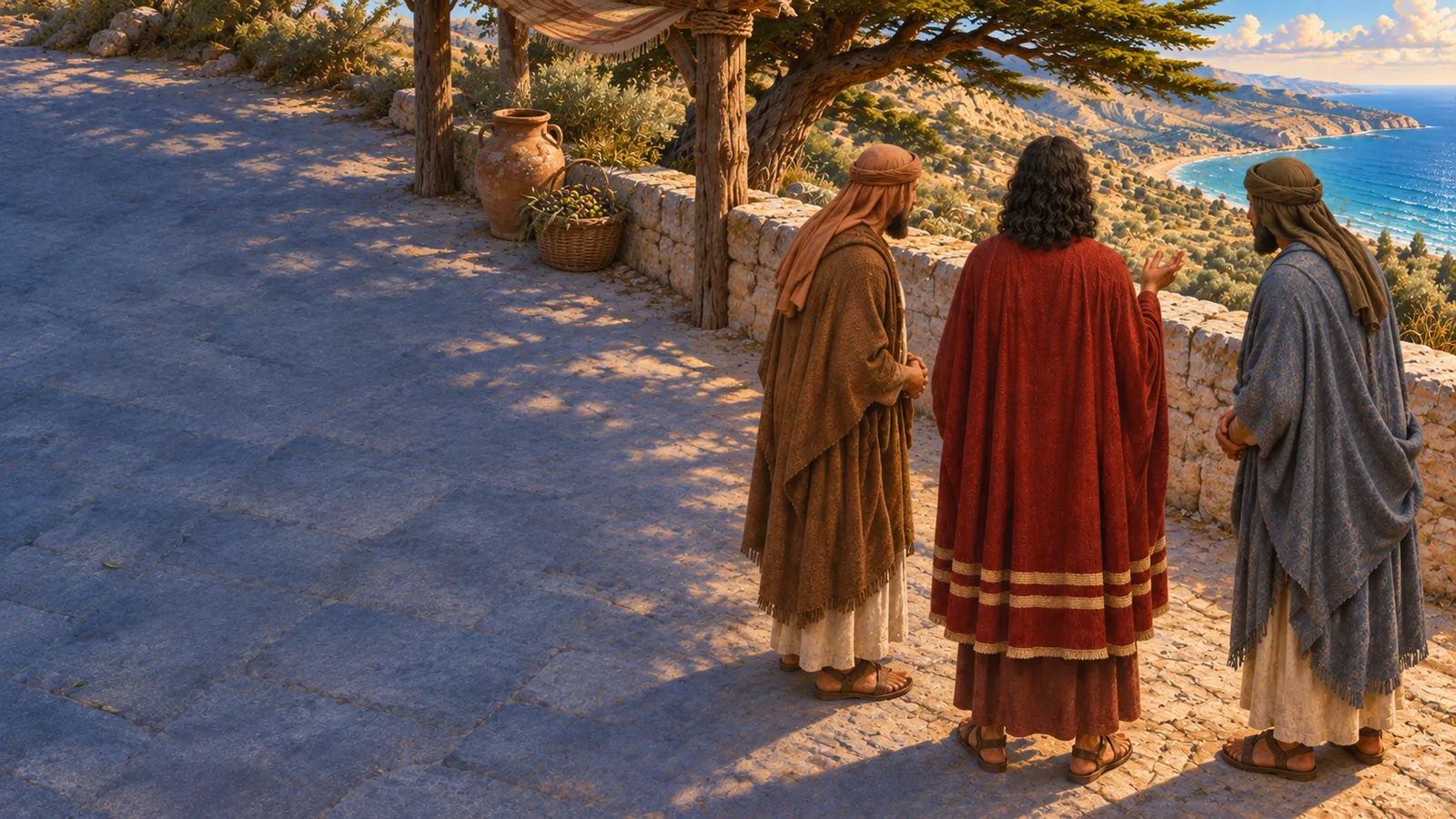
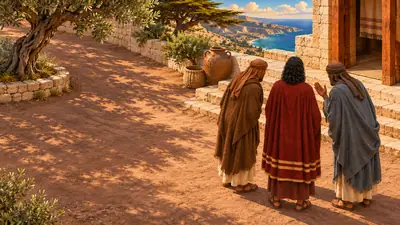
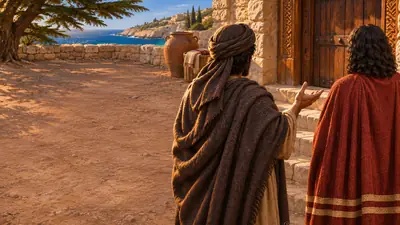
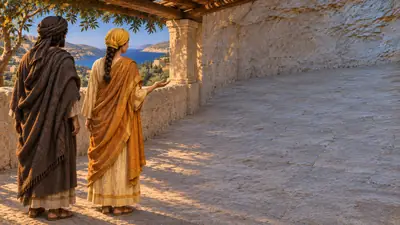
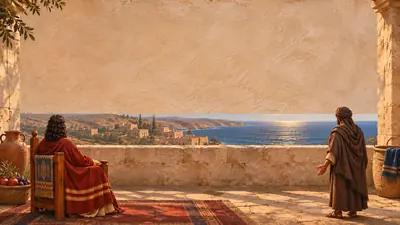
Baal leur demande de s’incliner devant Mot de loin. Ils doivent lui rendre honneur avant de livrer le message.
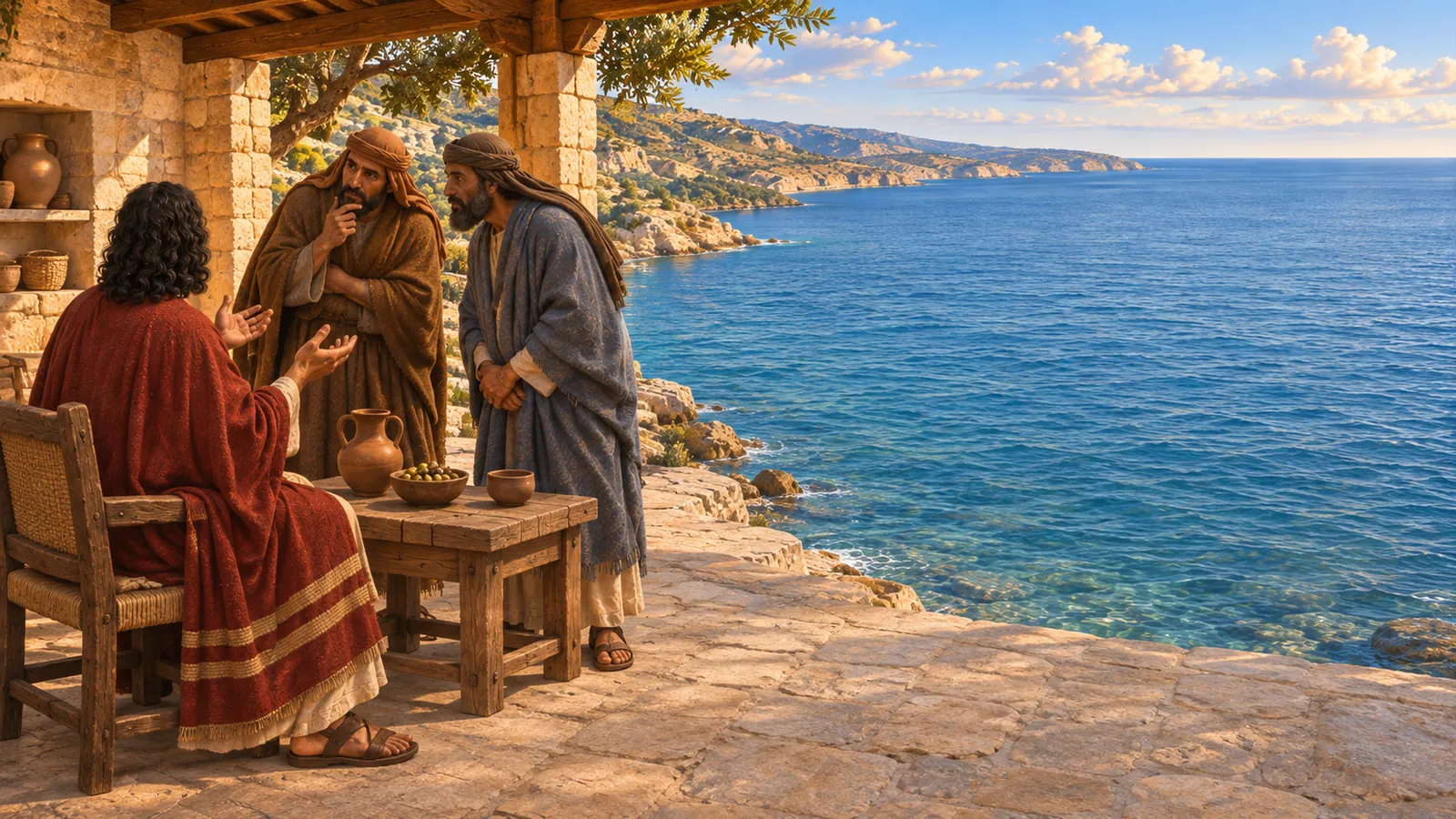
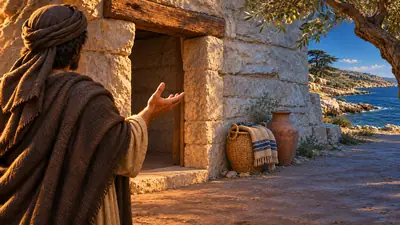
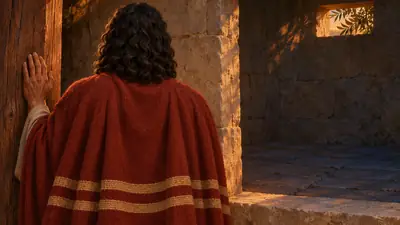
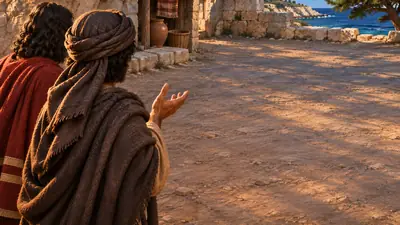
Baal donne aux envoyés les paroles qu’ils doivent prononcer. Au début conservé du message, il dit à Mot qu’il a bâti sa maison.
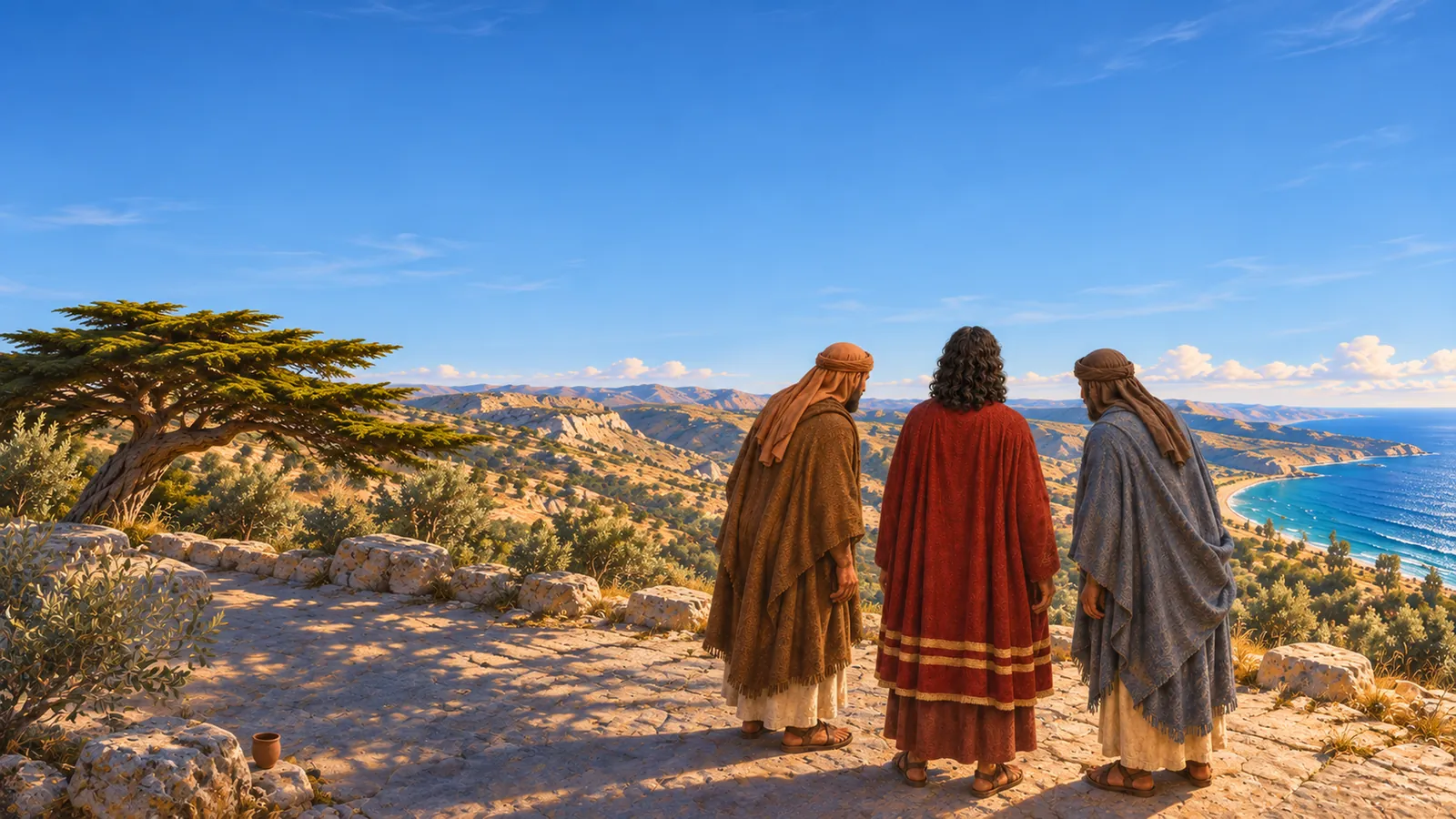
LE MESSAGE BRISÉ
La fin du message de Baal est endommagée. Les mots conservés laissent ouverte la question de savoir s’il avait déjà invité Mot à un festin.
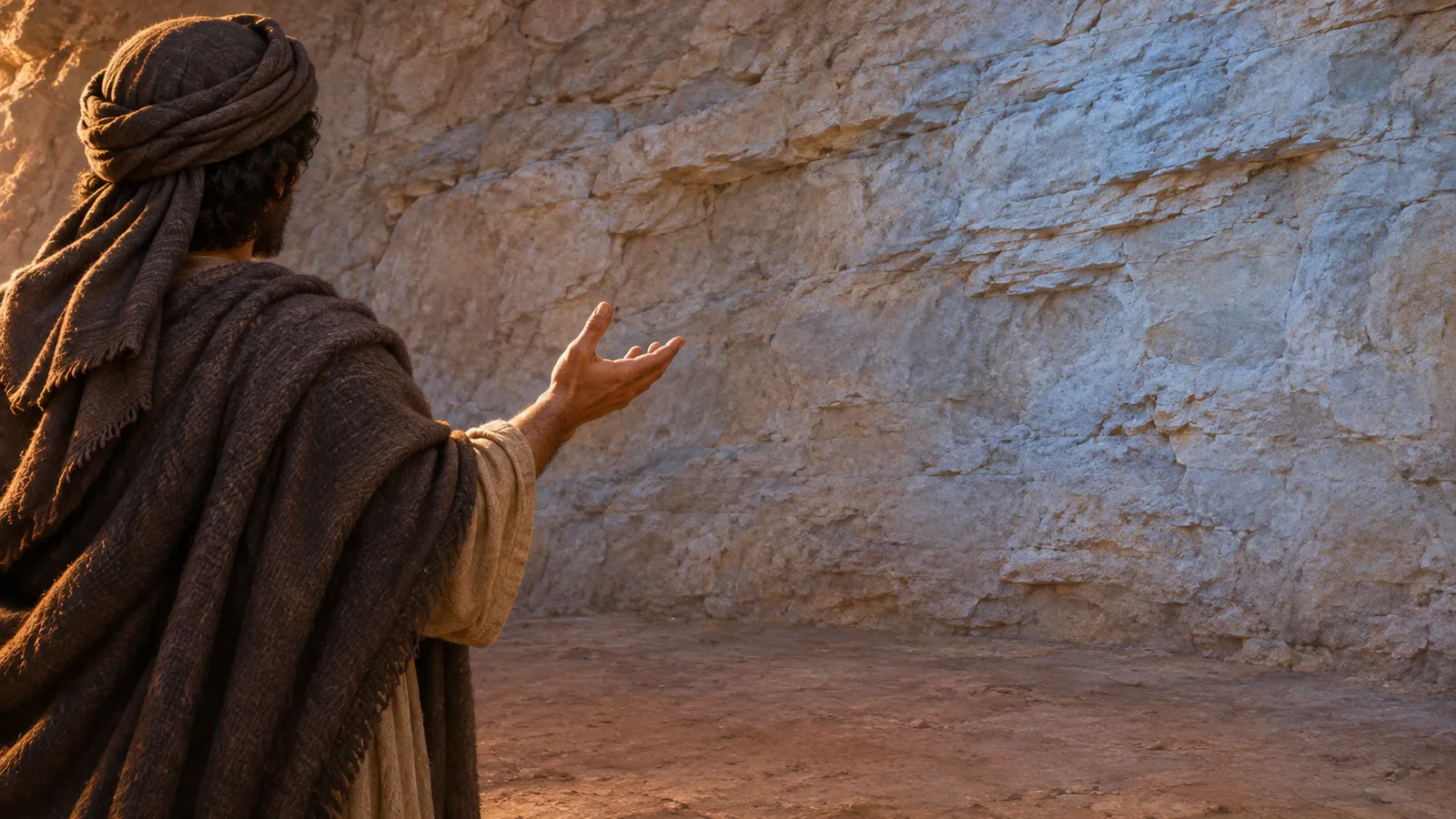
La tablette suivante s’ouvre alors que Mot est déjà en train de répondre. Une partie de ses paroles revient quand les messagers retournent auprès de Baal.
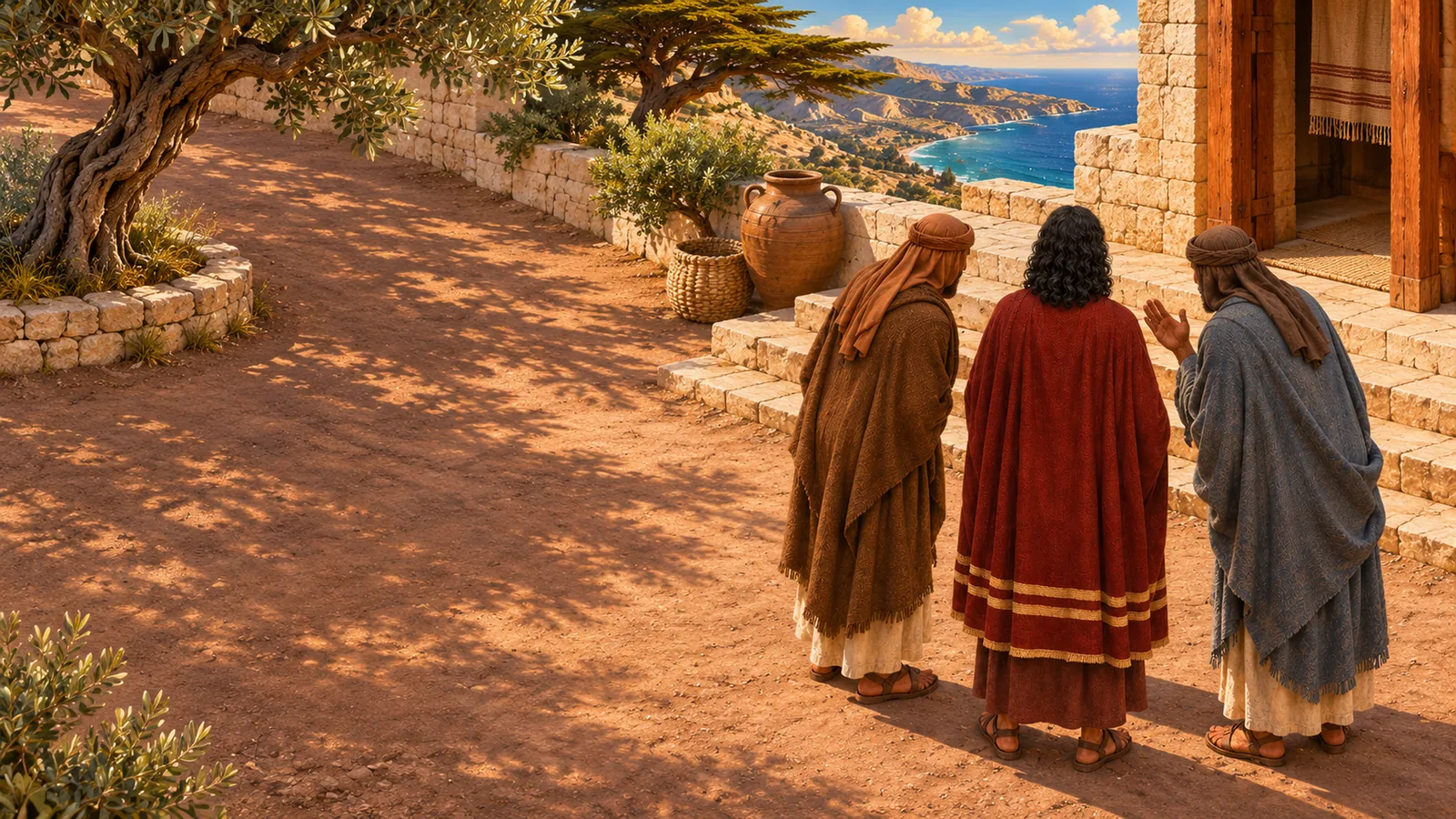
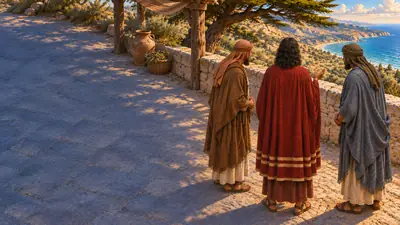
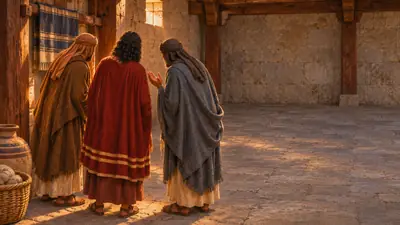
Les messagers reviennent auprès de Baal et répètent ce que Mot a dit. Les paroles qui suivent sont celles de Mot, rapportées par les envoyés.
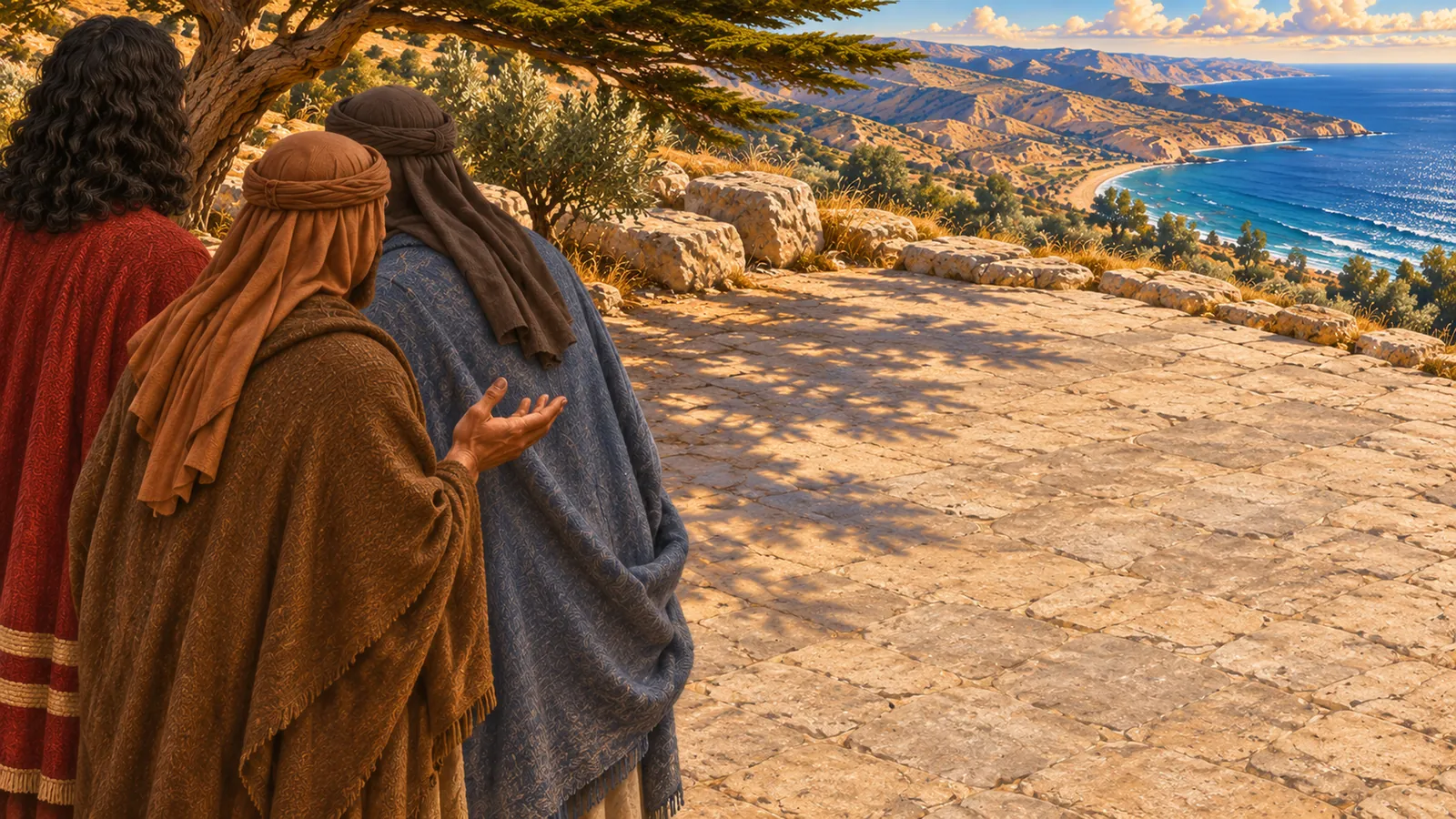
Dans la réponse répétée par les messagers, Mot parle d’un appétit immense. Il le compare à la faim et à la soif des animaux sauvages.
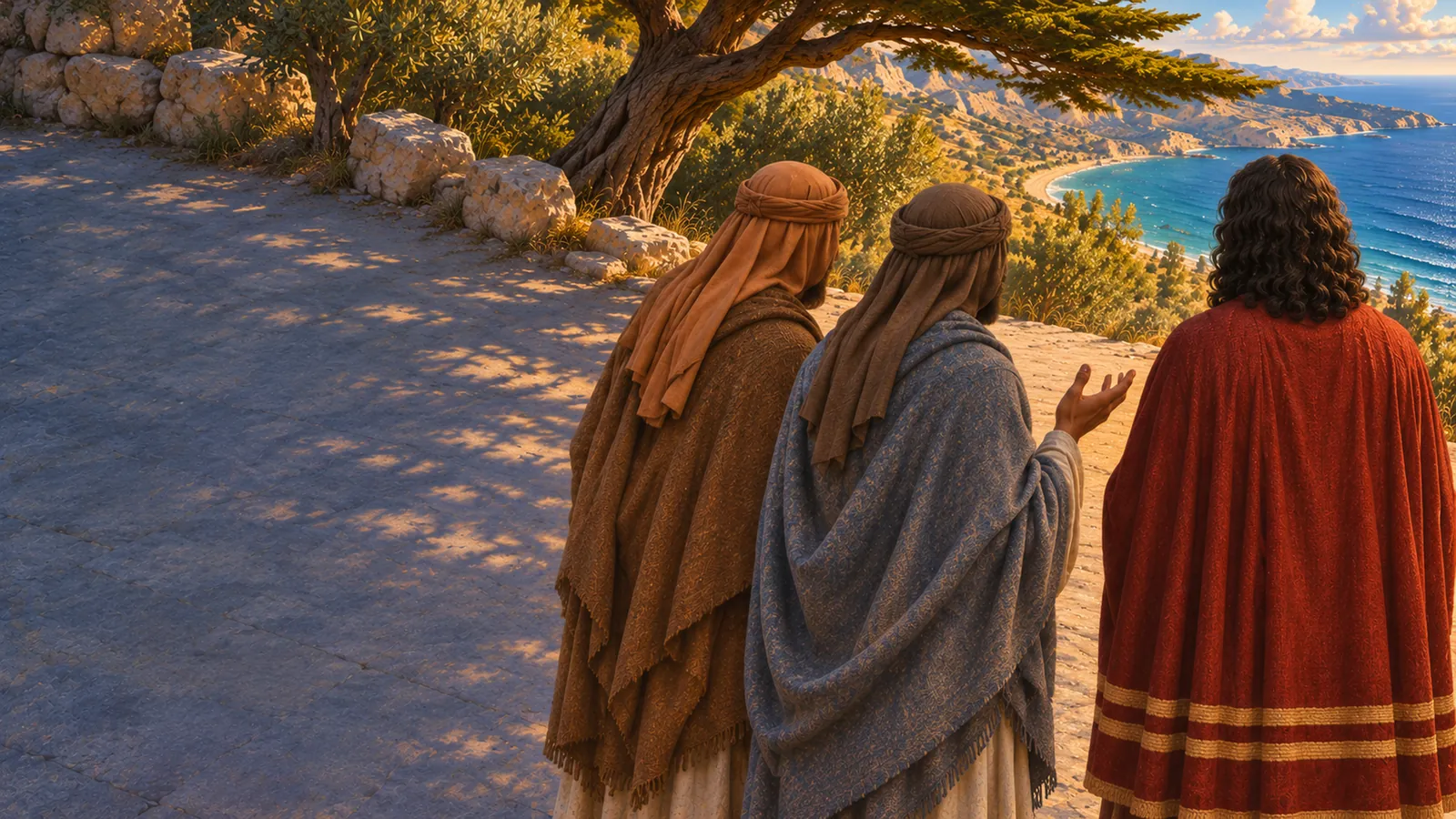
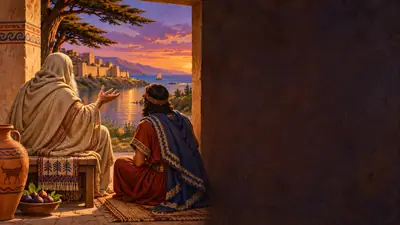
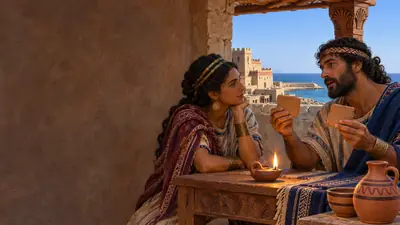
Dans le message, Mot demande à Baal de l’inviter à un festin avec ses proches. Il parle de nourriture à manger et de vin à boire.
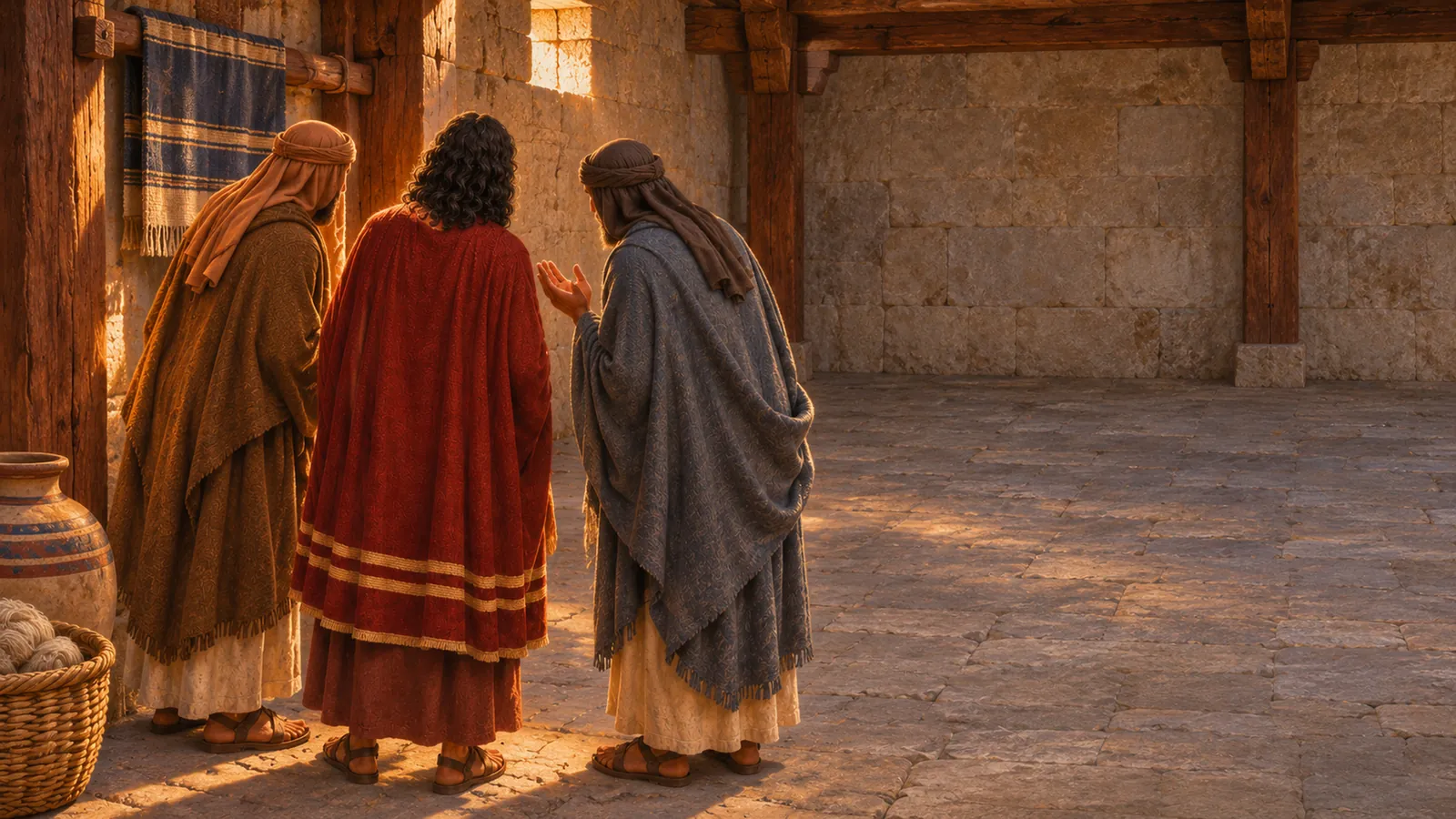
Le récit des messagers en vient à la menace de Mot contre Baal. Le poème exprime le danger par la voix de Mot avant de raconter la peur de Baal.
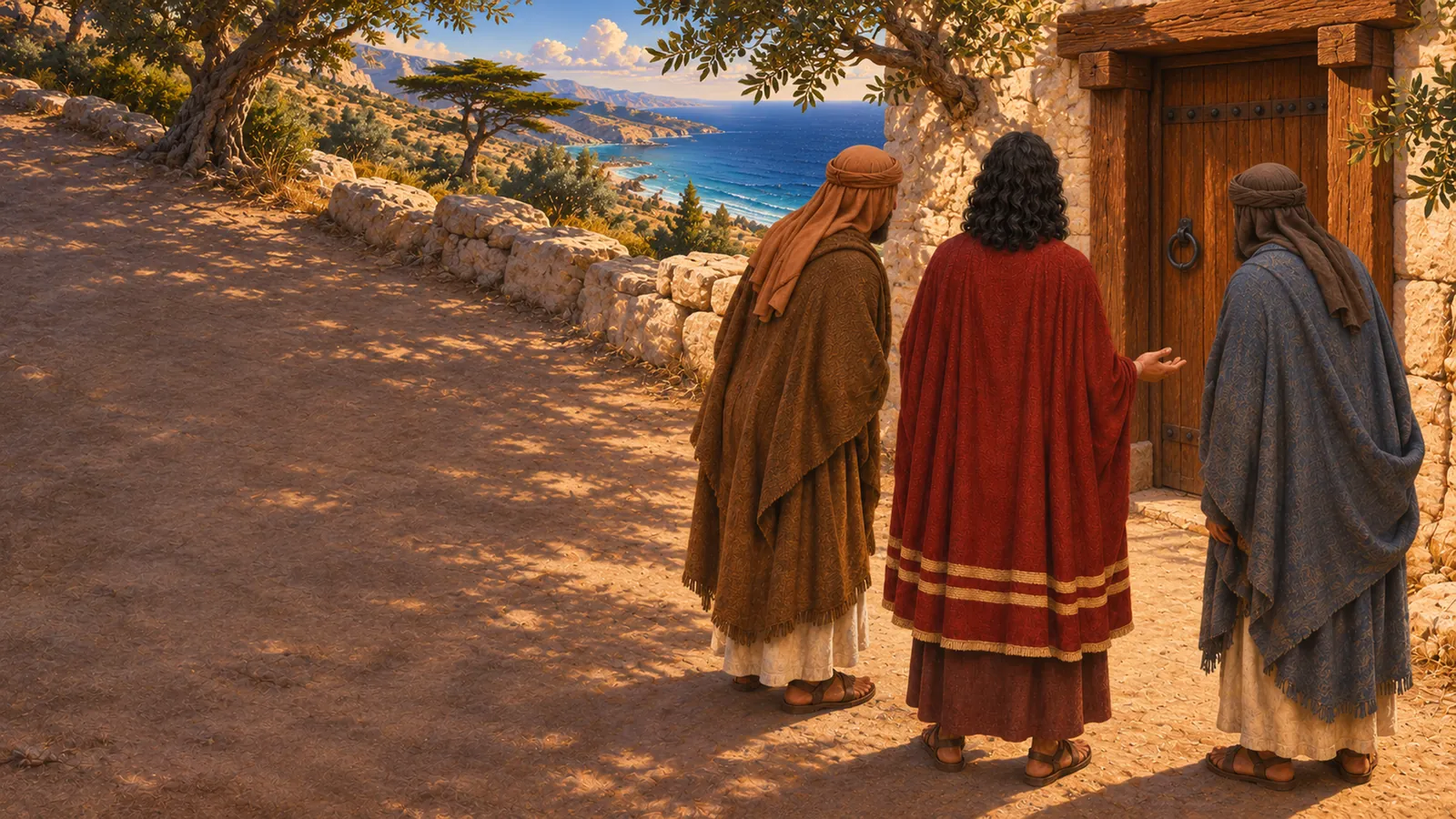
Baal prend peur. Il renvoie les messagers vers Mot avec une brève réponse, où il se place à son service.
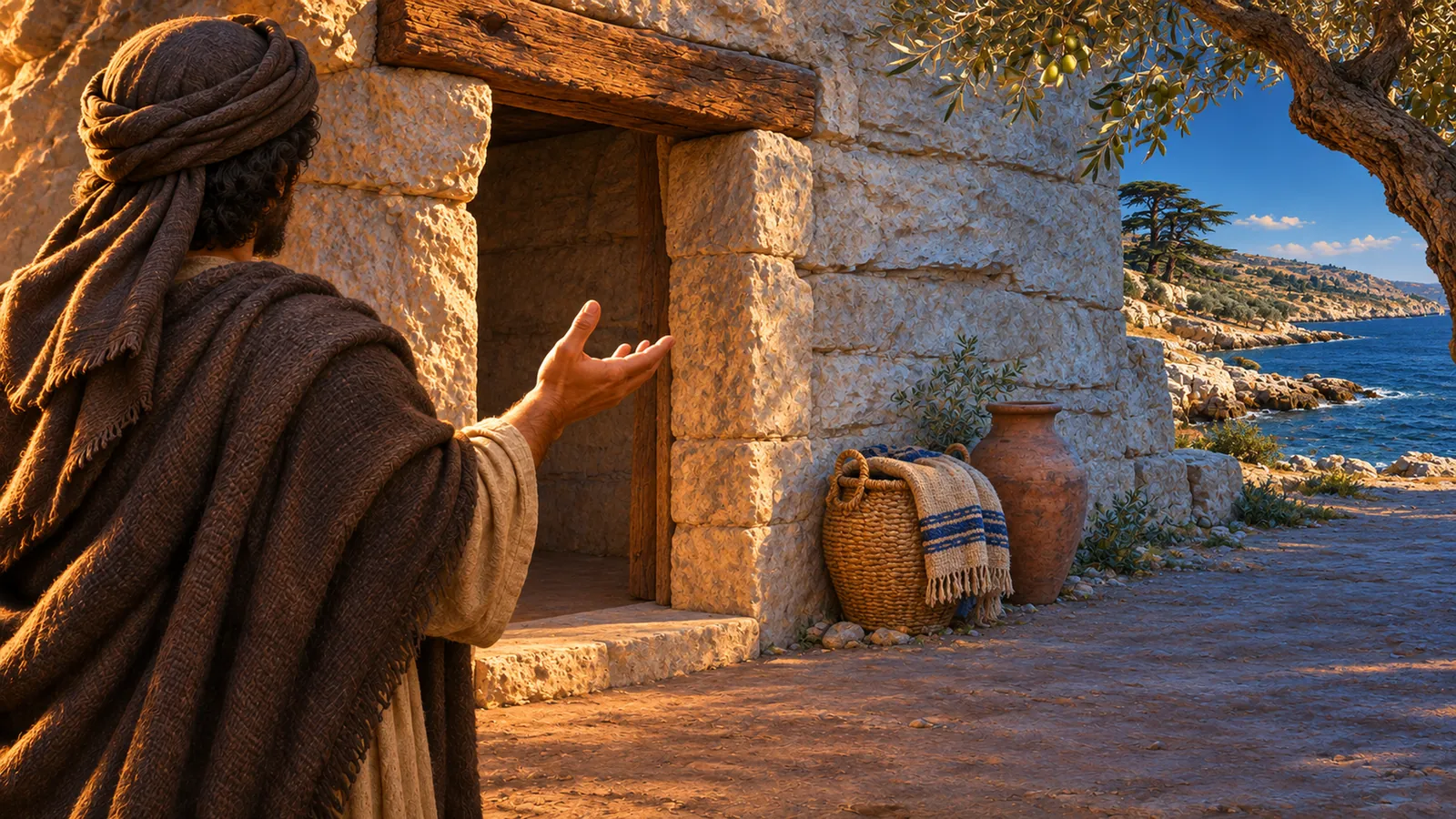
Mot se réjouit en entendant la réponse. Ses paroles sur le festin peuvent signifier que l’invitation lui est parvenue, ou qu’il s’attend à la recevoir.
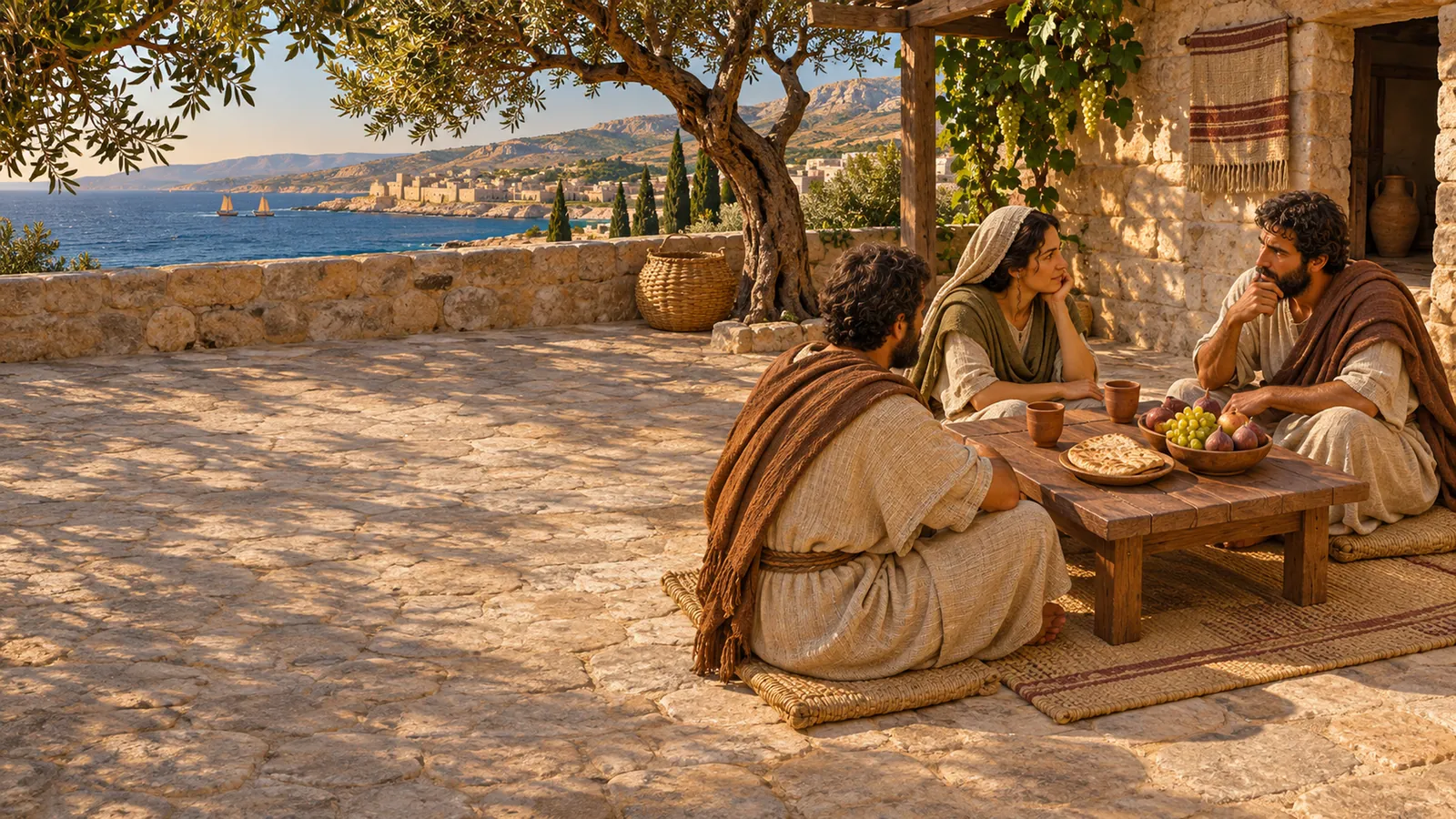
Les colonnes endommagées qui suivent contiennent des mots sur un festin. Il en reste trop peu pour reconstituer tout l’échange ou savoir comment l’occasion a commencé.
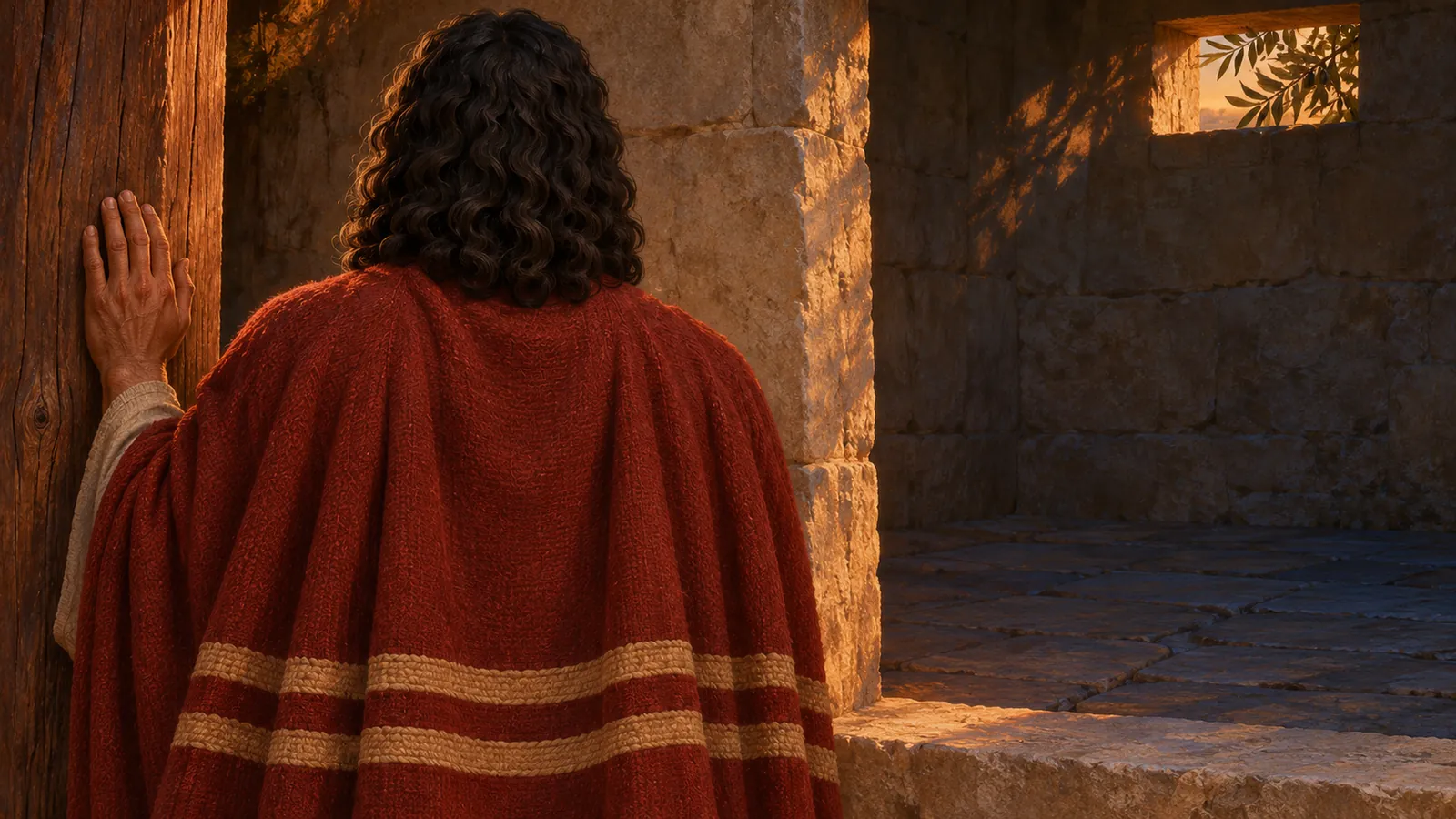
Quelqu’un dit à Baal de descendre dans le monde souterrain. Il reste assez des instructions pour entendre l’ordre, mais l’identité de la voix reste incertaine.
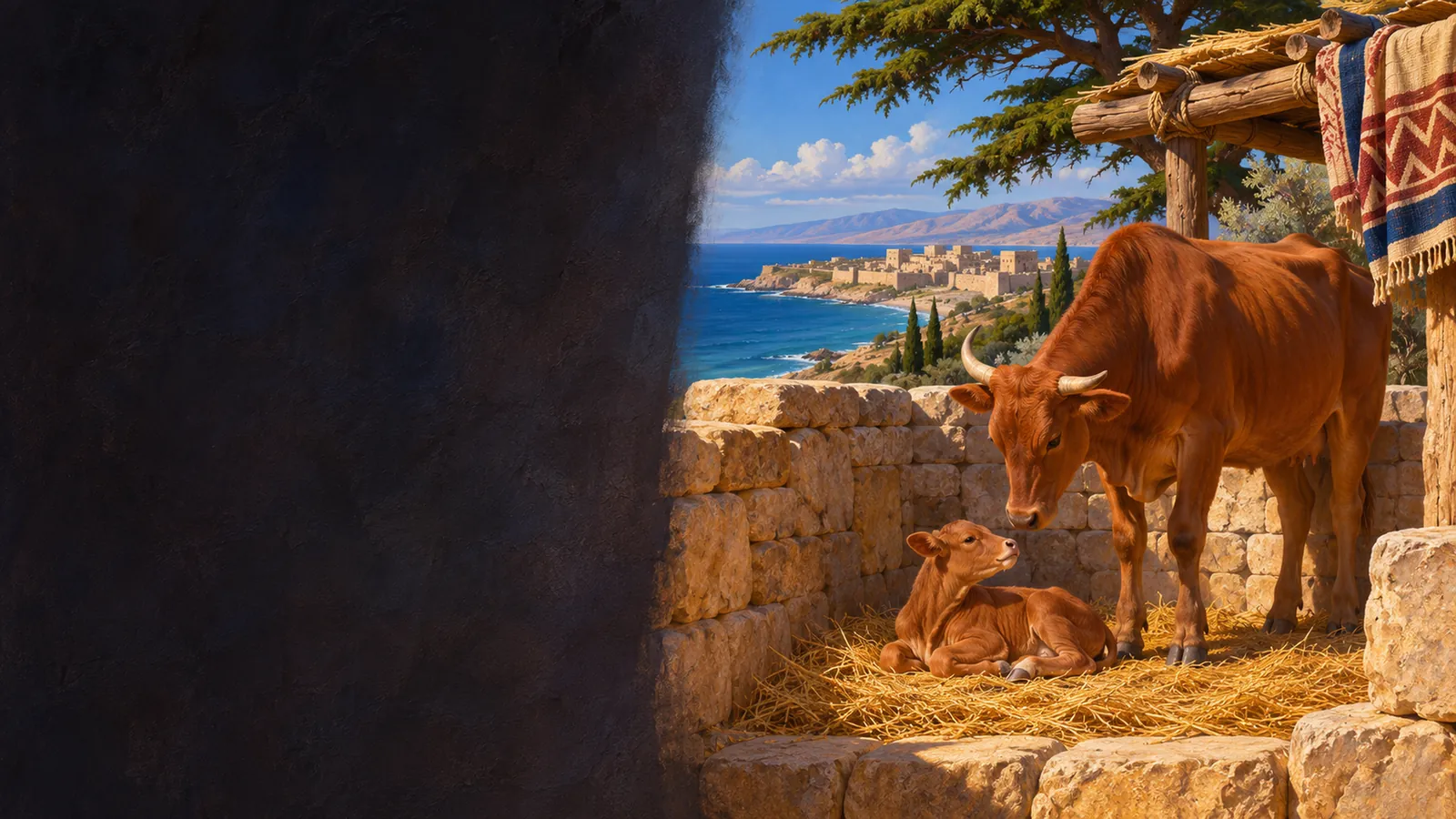
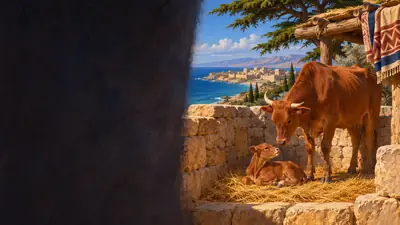
Baal s’unit à une génisse, qui lui donne un fils. Après une lacune vient le rapport fait à El.
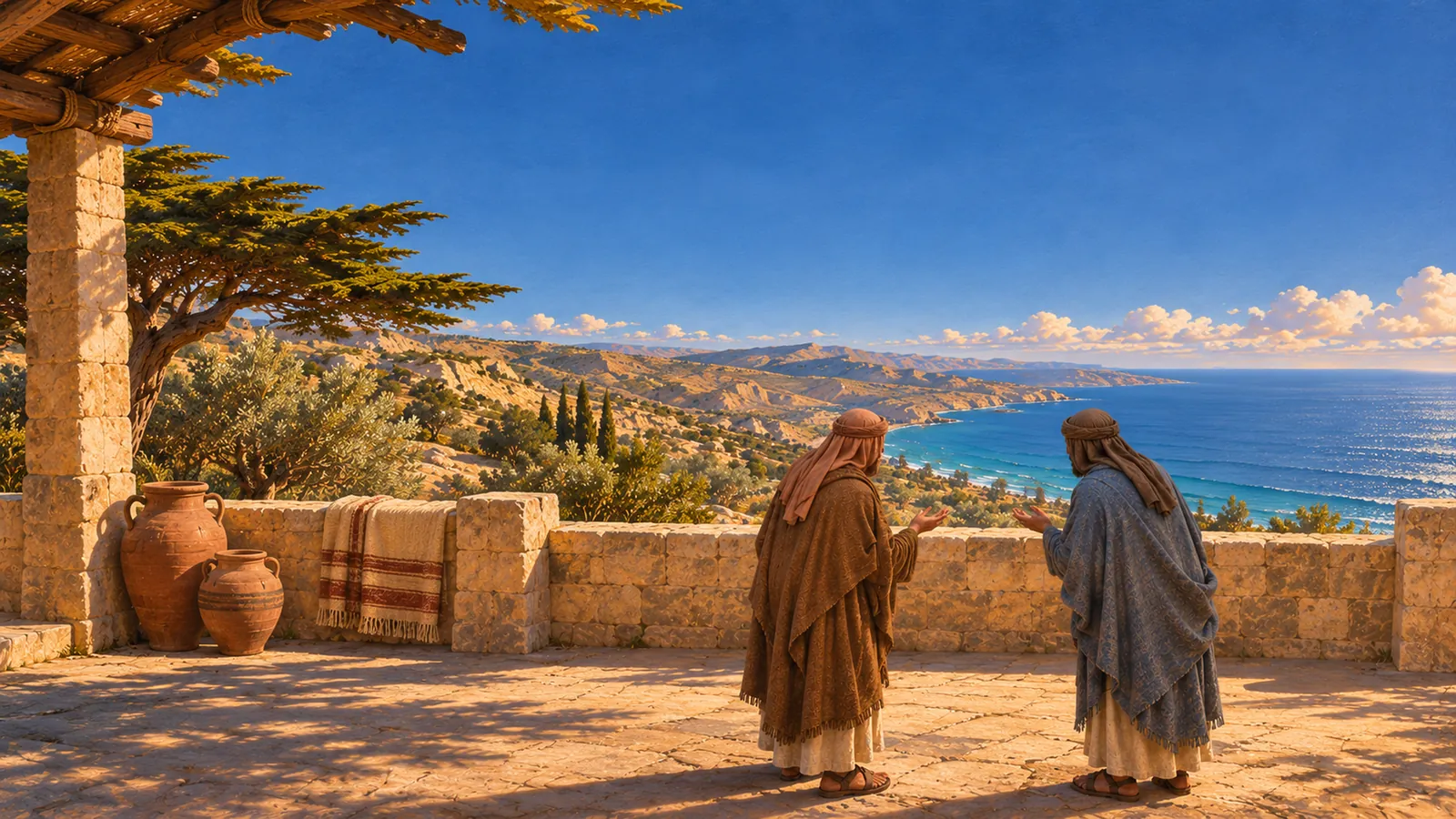
LA NOUVELLE
Quand les lignes redeviennent lisibles, des messagers parlent à El. Ils lui disent qu’ils ont trouvé Baal mort.
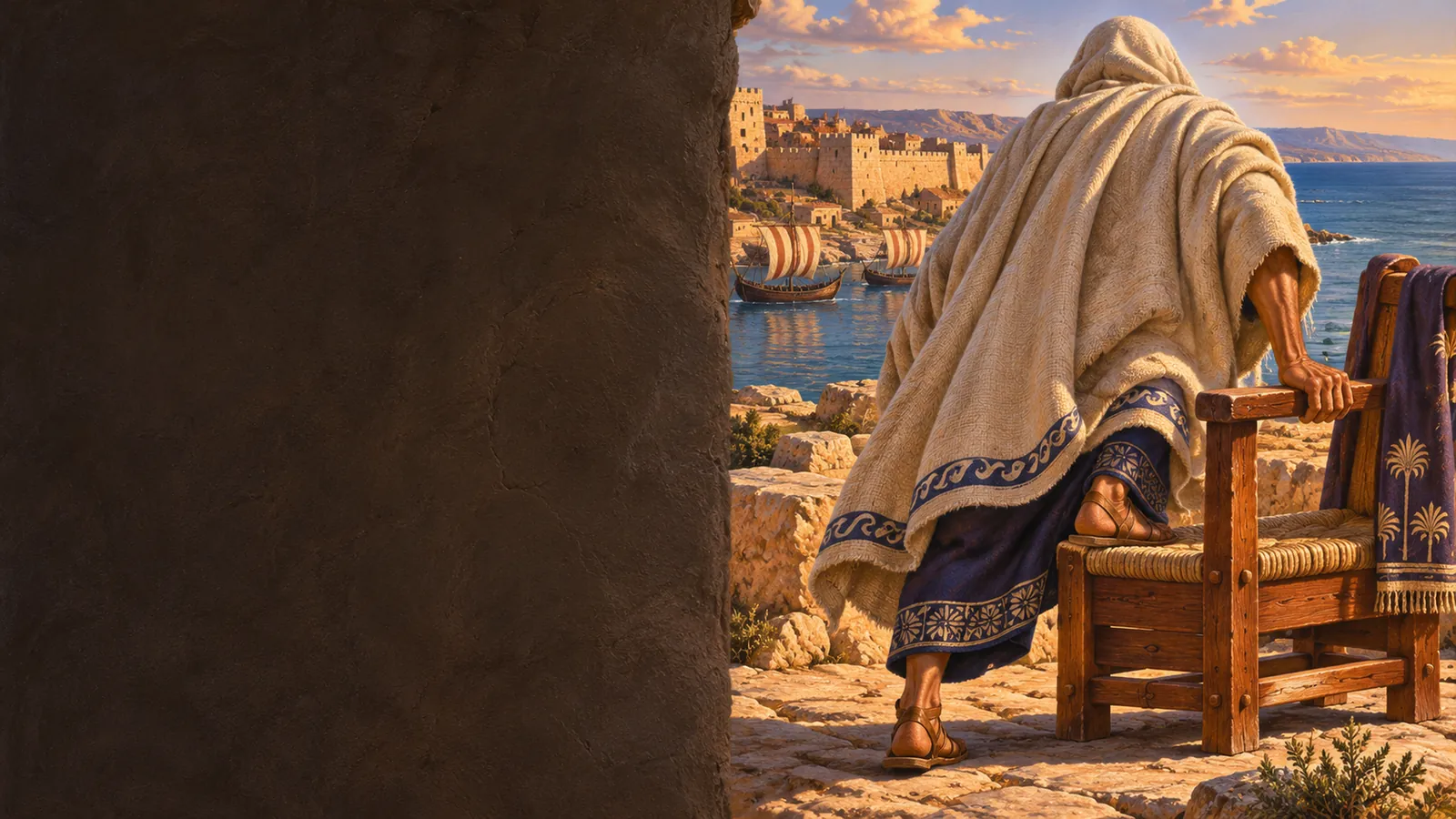
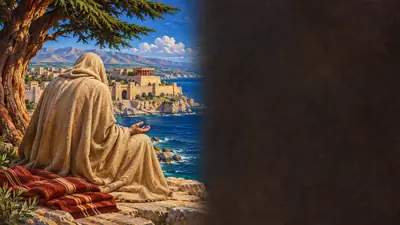
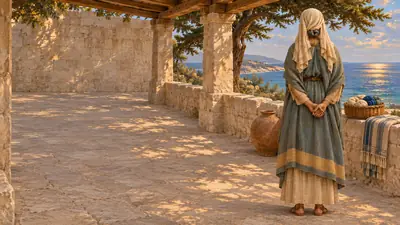
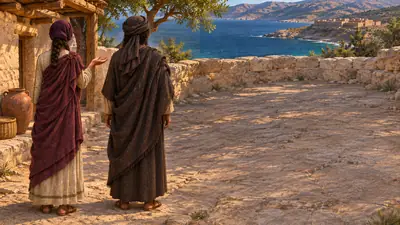
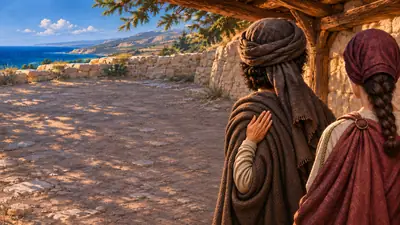
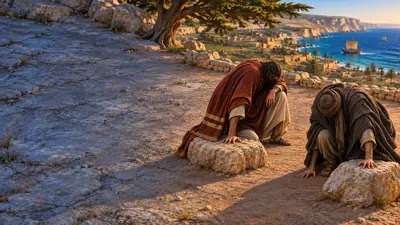
El entend la nouvelle et descend de son siège. Dans son deuil, il s’assied à terre.
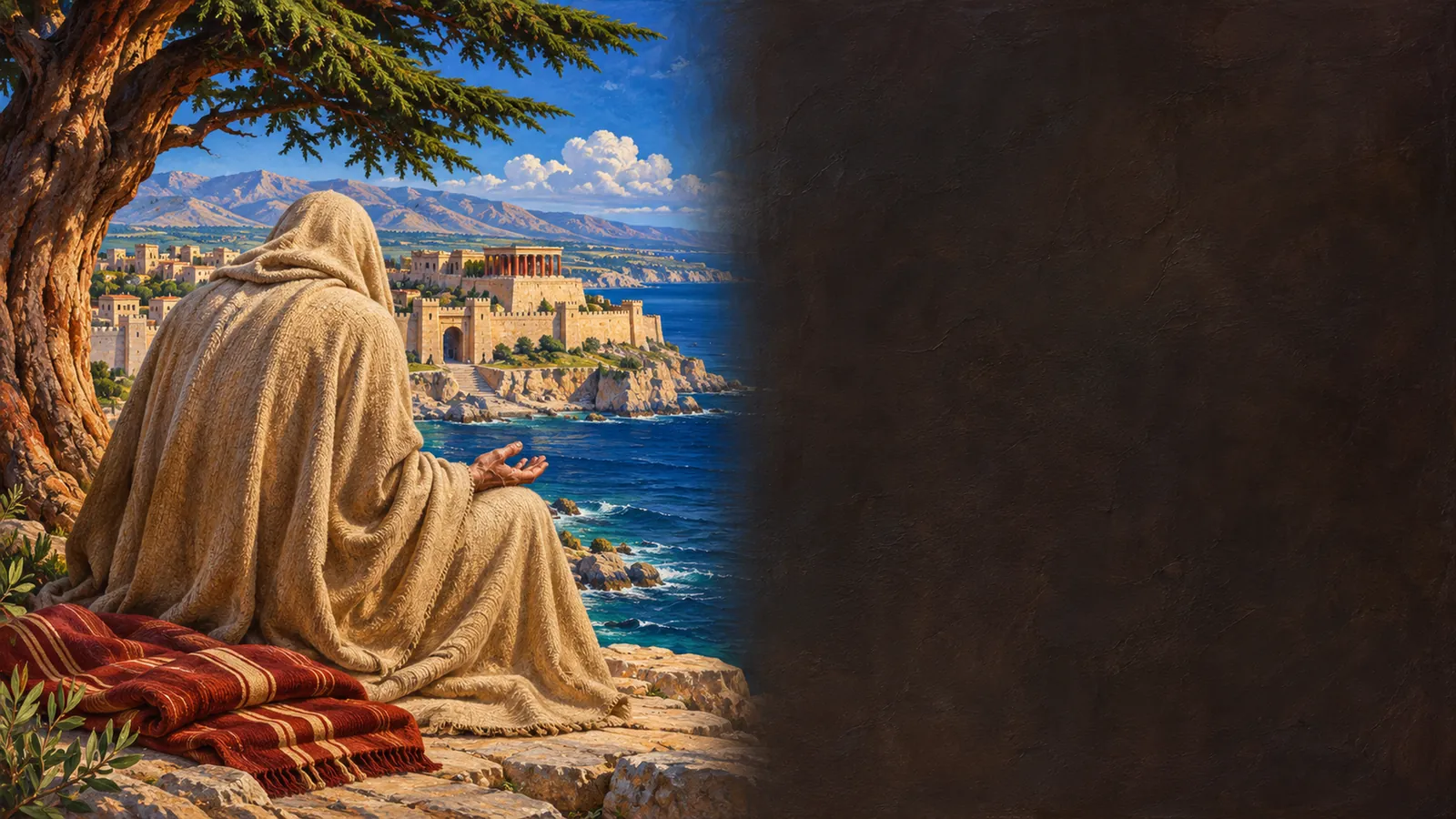
El pleure Baal. Il parle de descendre sous terre à sa suite, et ces paroles expriment son deuil.
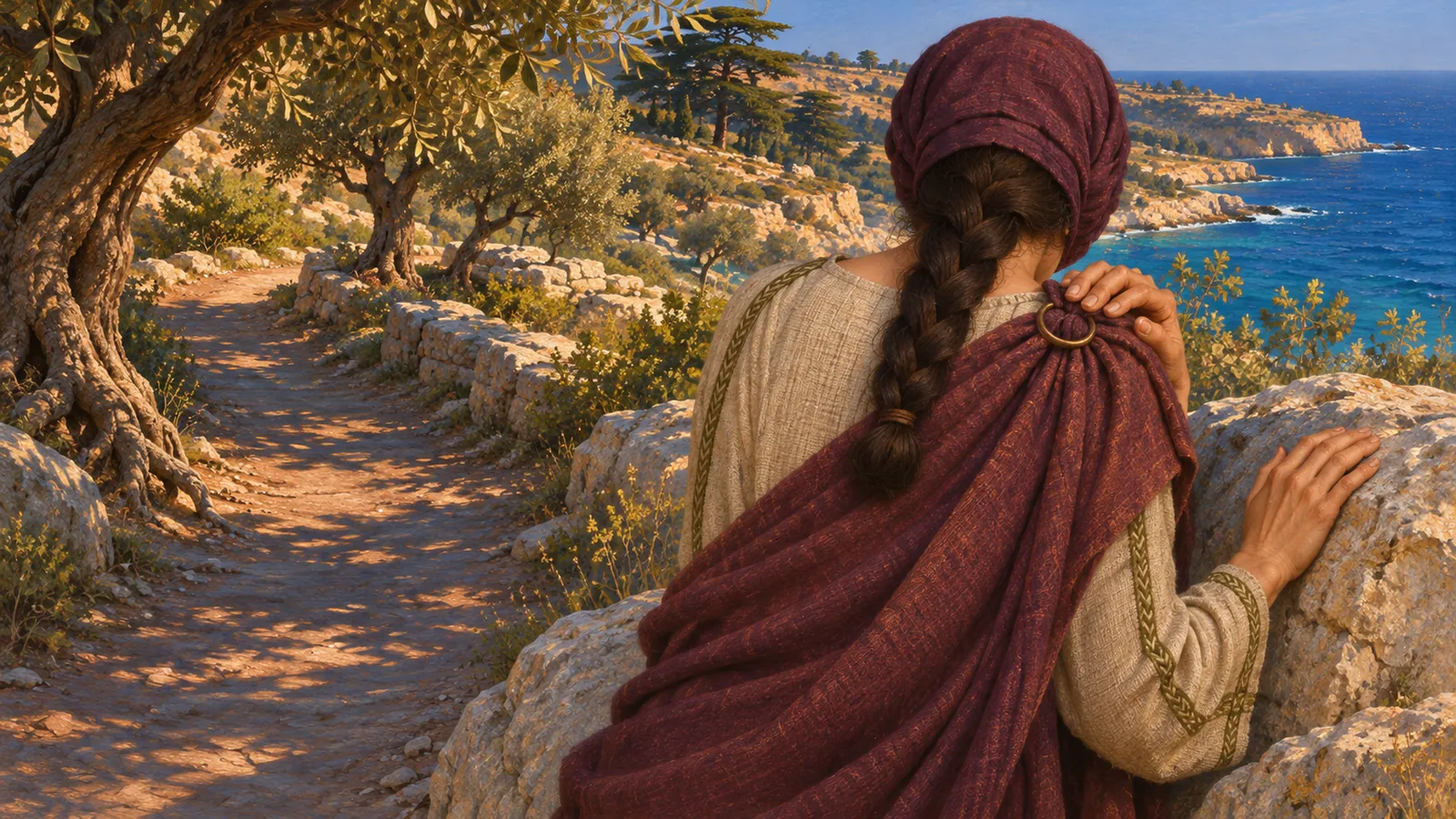
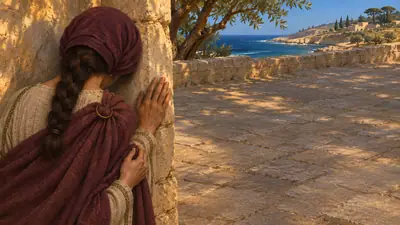
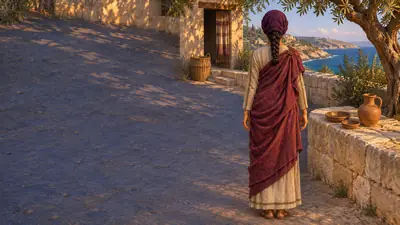
Le poème se tourne vers Anat dans les collines. Elle trouve elle-même Baal mort, comme les messagers l’avaient annoncé à El.
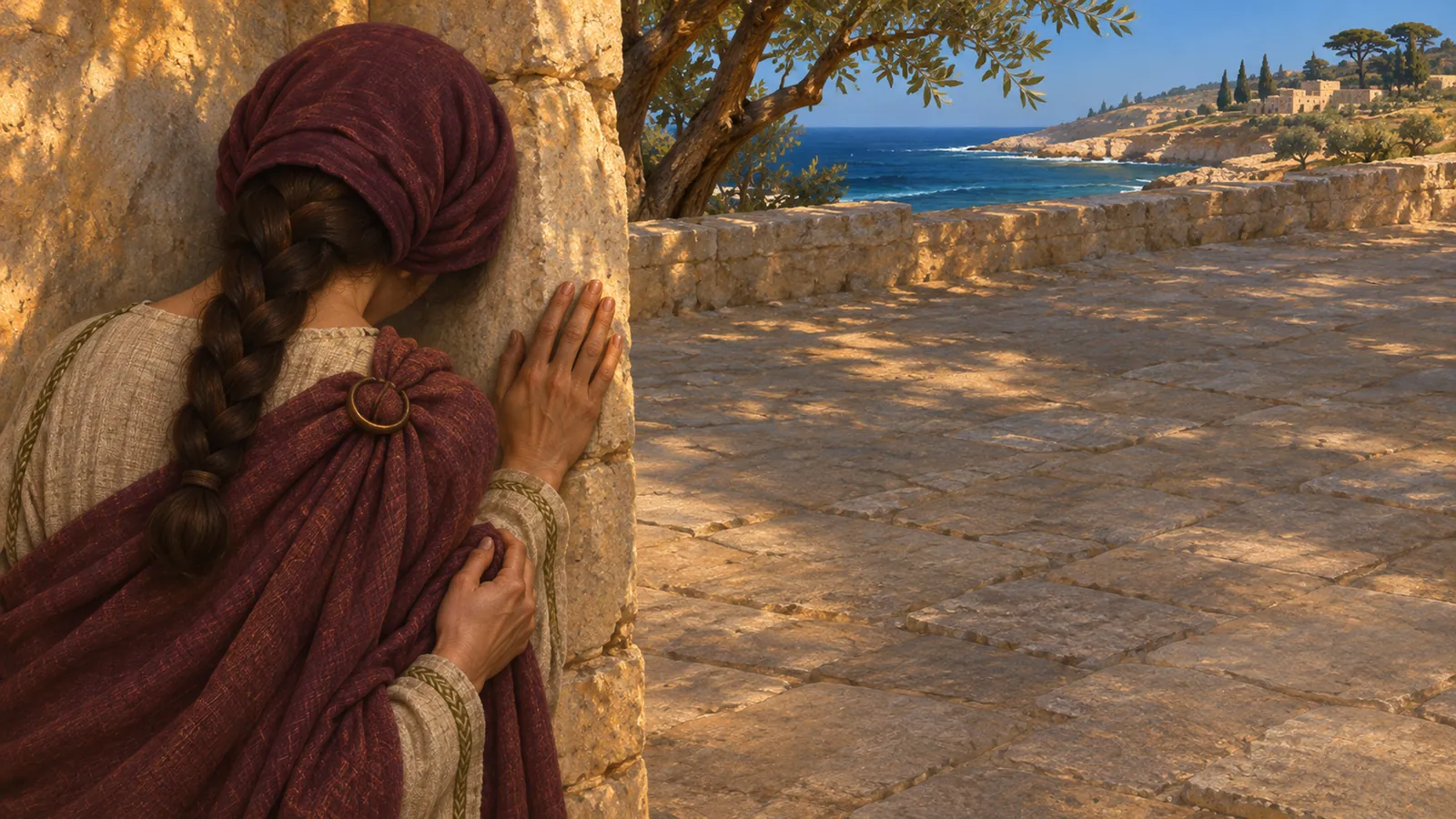
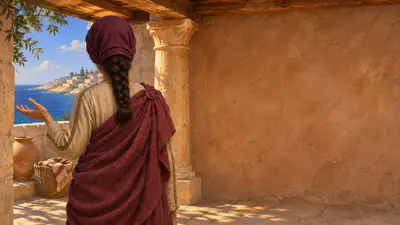
Le deuil d’Anat se poursuit dans la sixième tablette. Ses paroles et son chagrin rappellent le deuil d’El quand il a entendu la nouvelle.
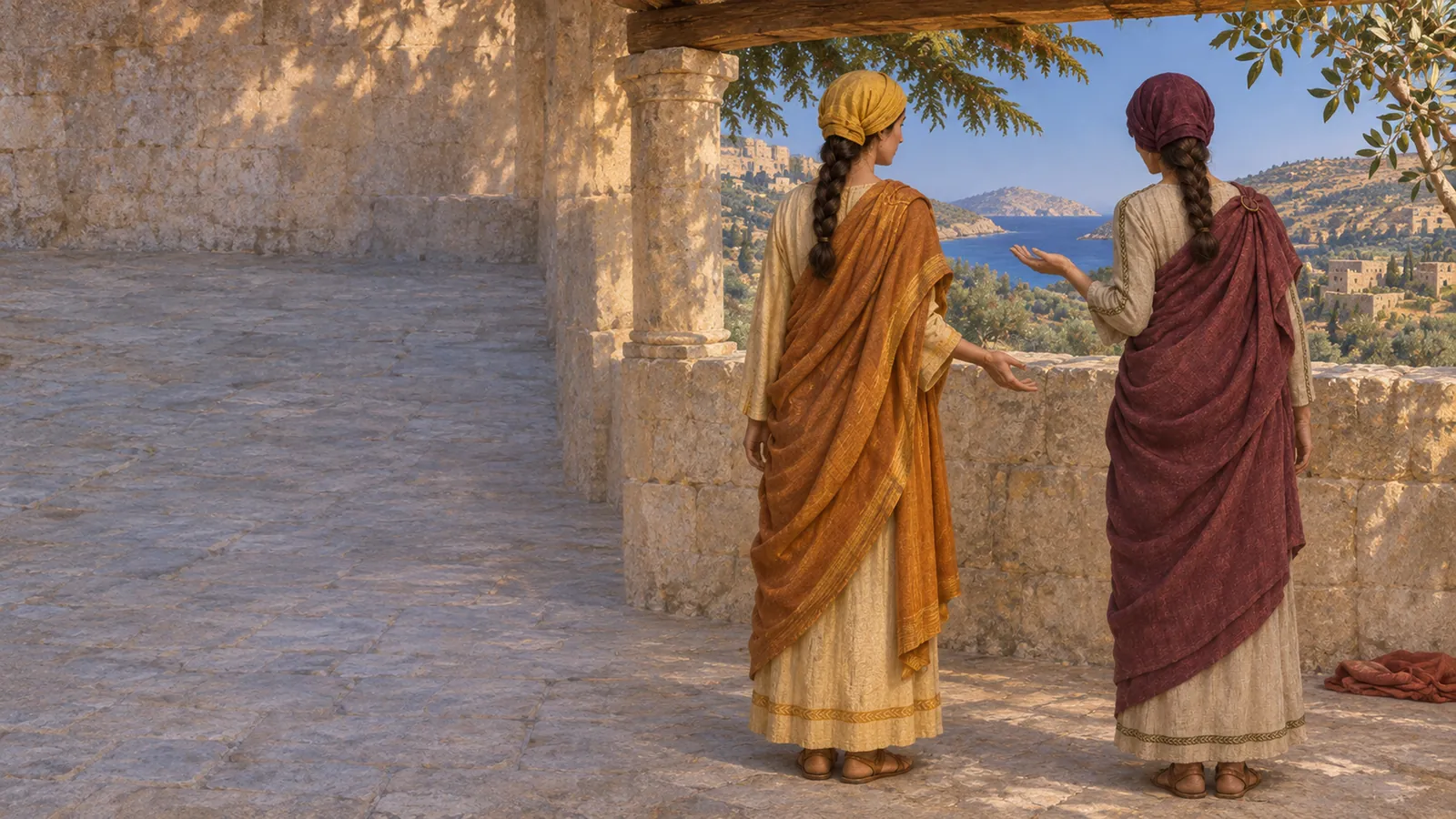
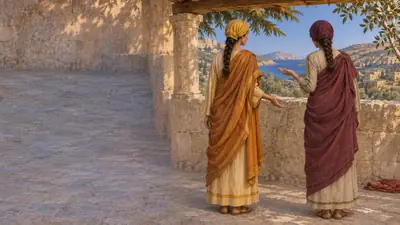
Shapash vient retrouver Anat. Anat lui demande de l’aider à emporter Baal pour l’ensevelir.

Anat emmène Baal sur les hauteurs du Saphon. Là, elle le pleure et l’ensevelit.
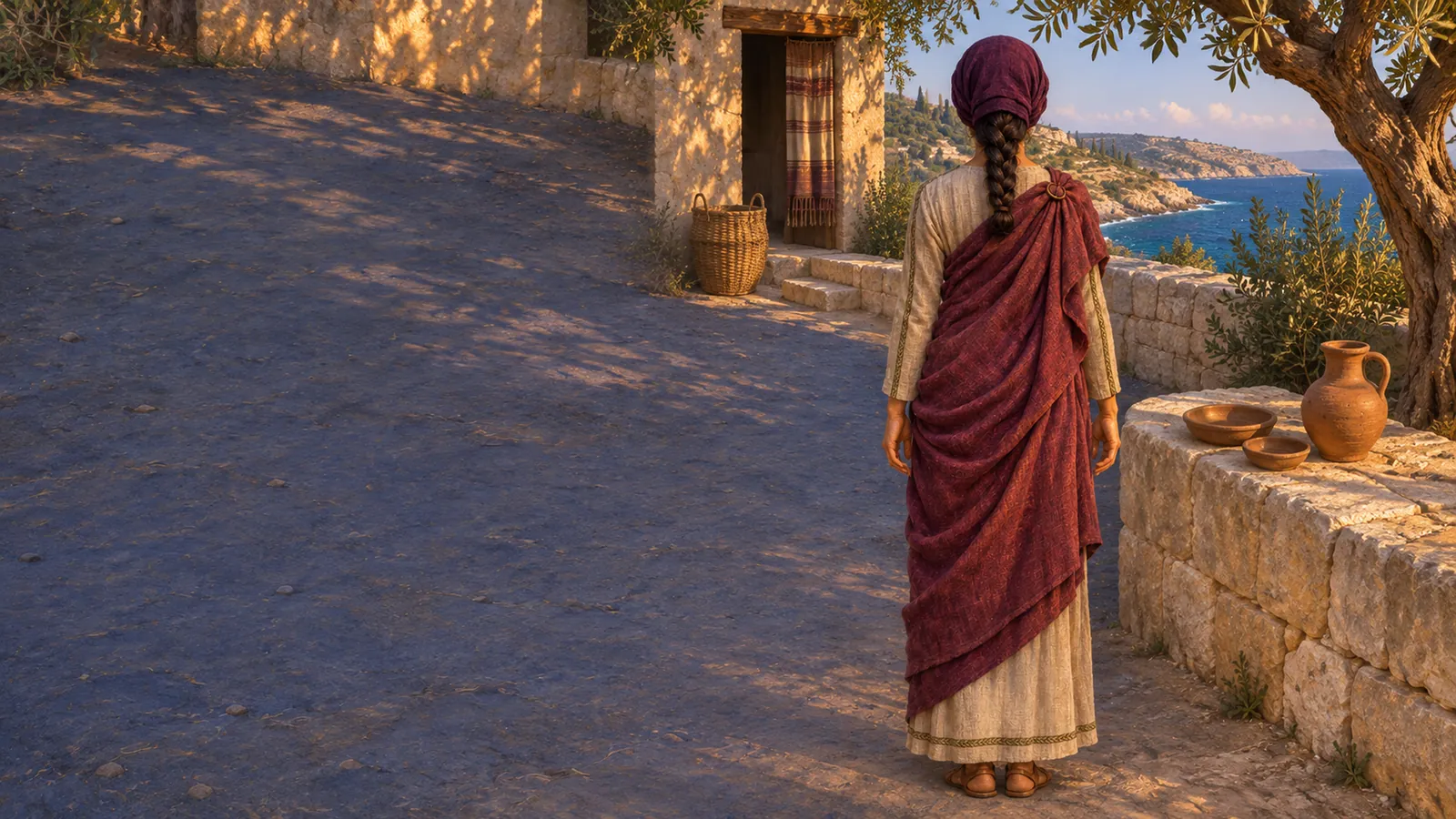
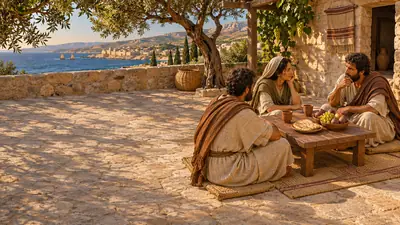
Après avoir enseveli Baal, Anat fait des offrandes funéraires. Le poème les décrit groupe après groupe.
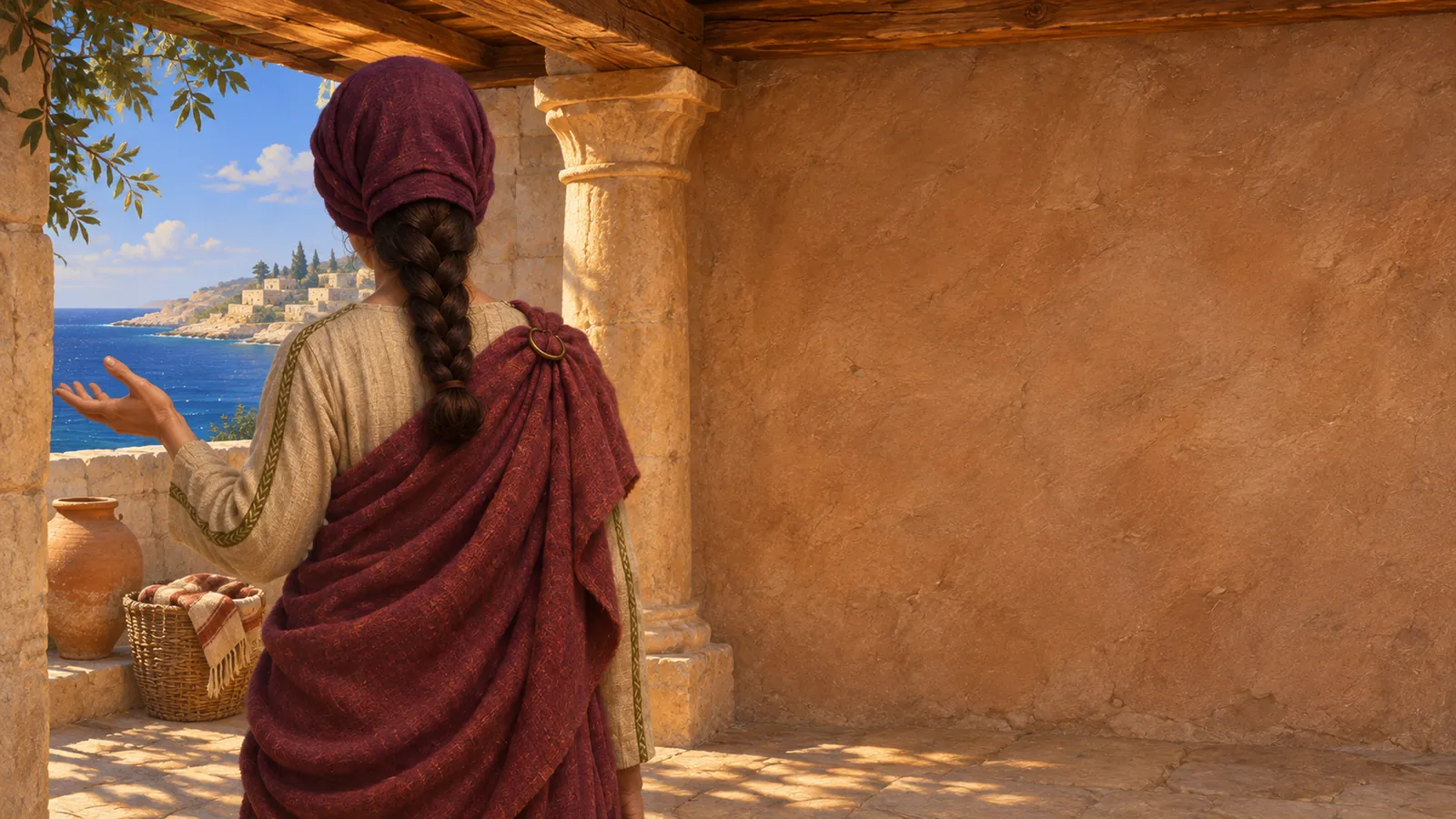
Anat parle à El après l’ensevelissement. Elle déclare que le puissant Baal est mort et nomme Athirat et ses enfants.
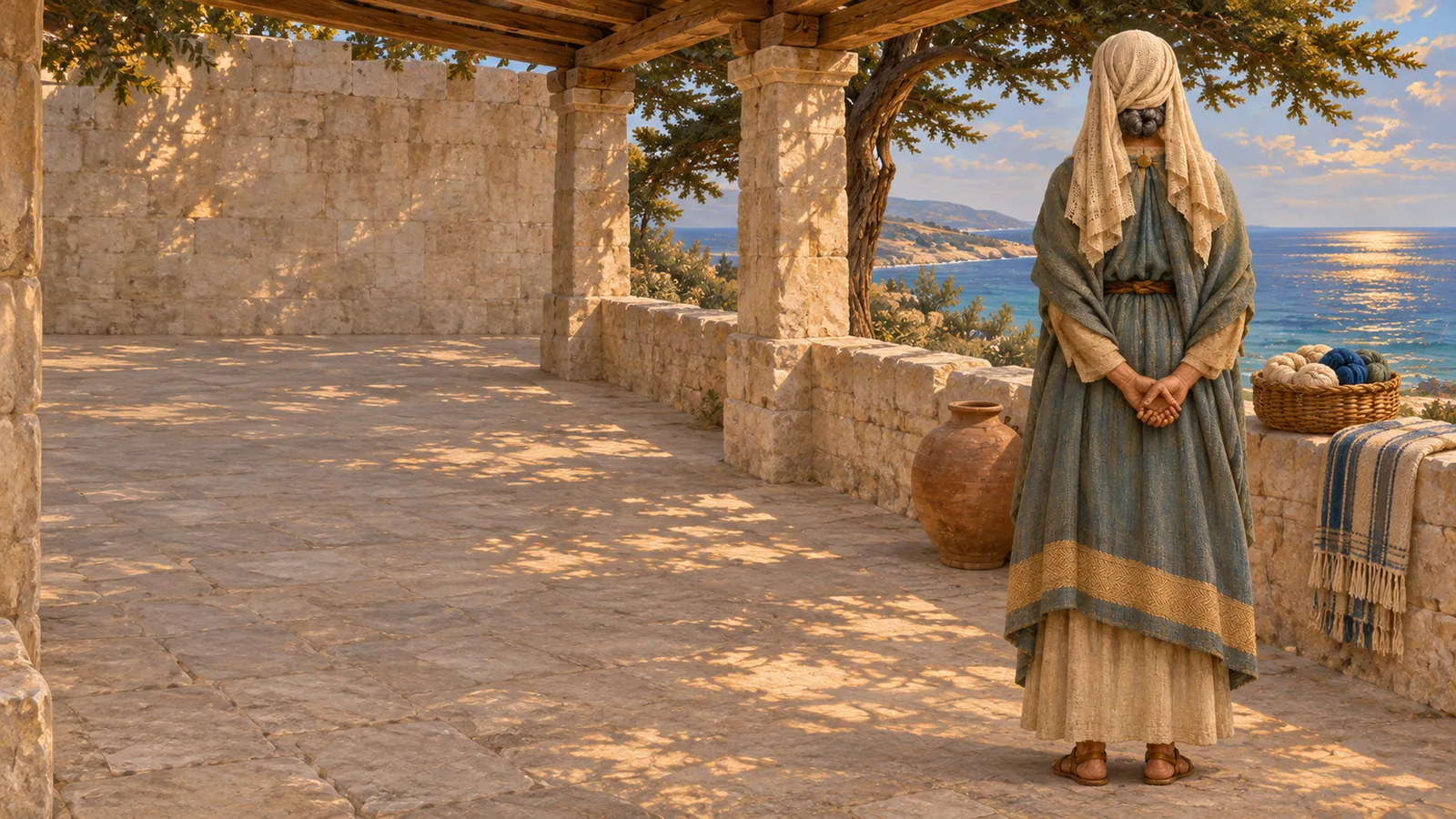
El demande à Athirat de trouver quelqu’un pour prendre la place de Baal. Leur échange passe de sa mort à celui qui occupera son siège.
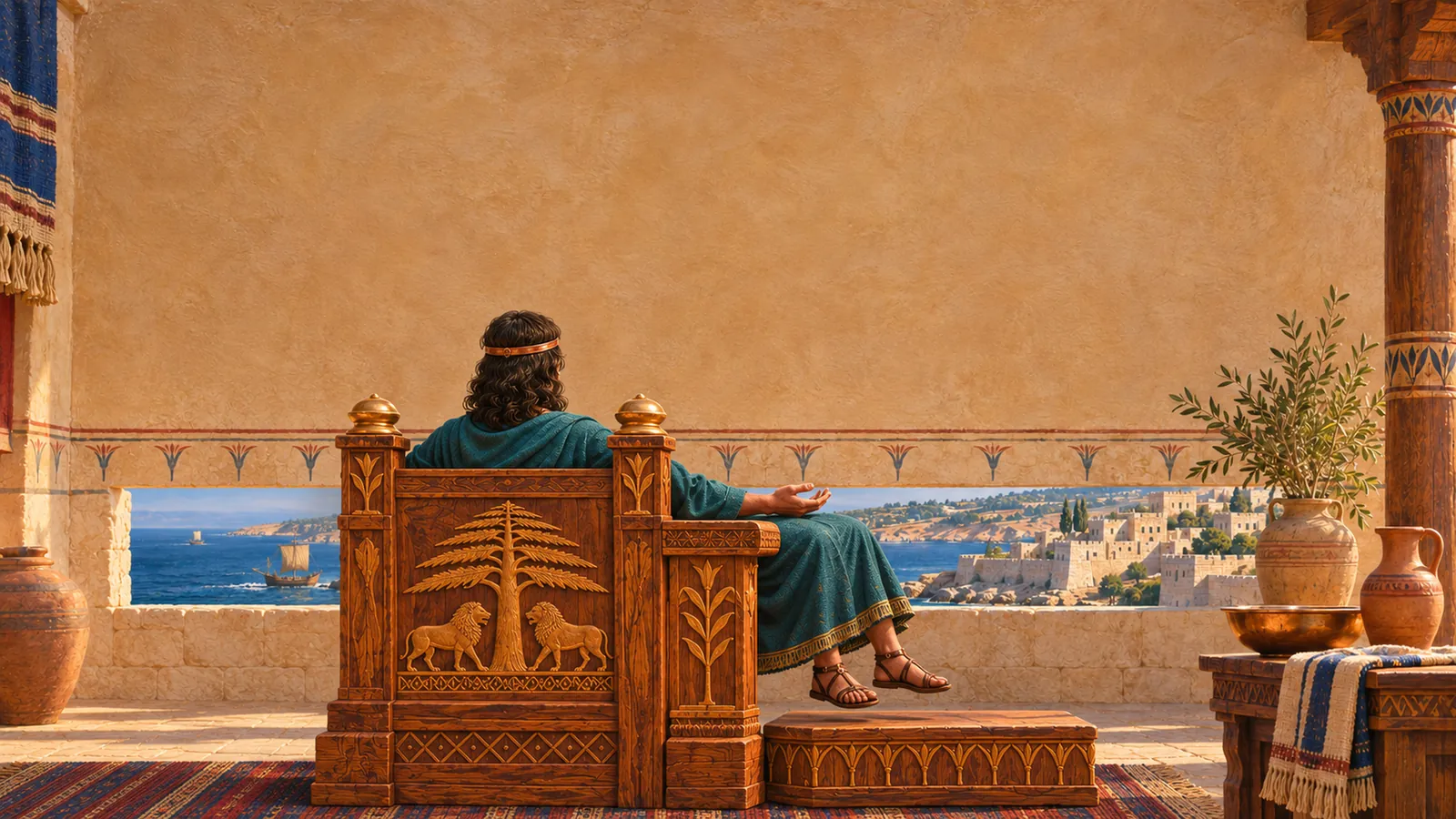
LE TRÔNE
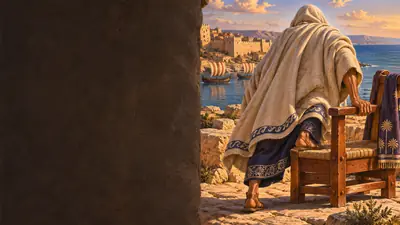
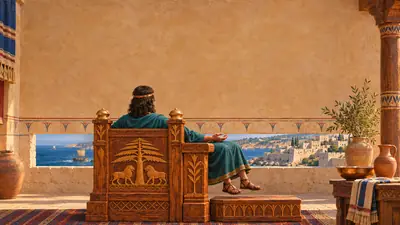
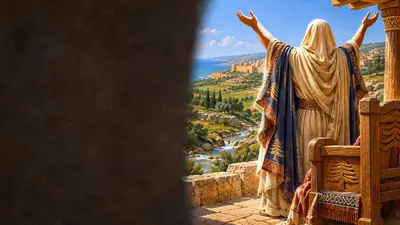
Athtar prend place sur le siège de Baal, mais ses pieds n’atteignent pas le repose-pieds. Il déclare qu’il ne peut régner depuis le Saphon et redescend.
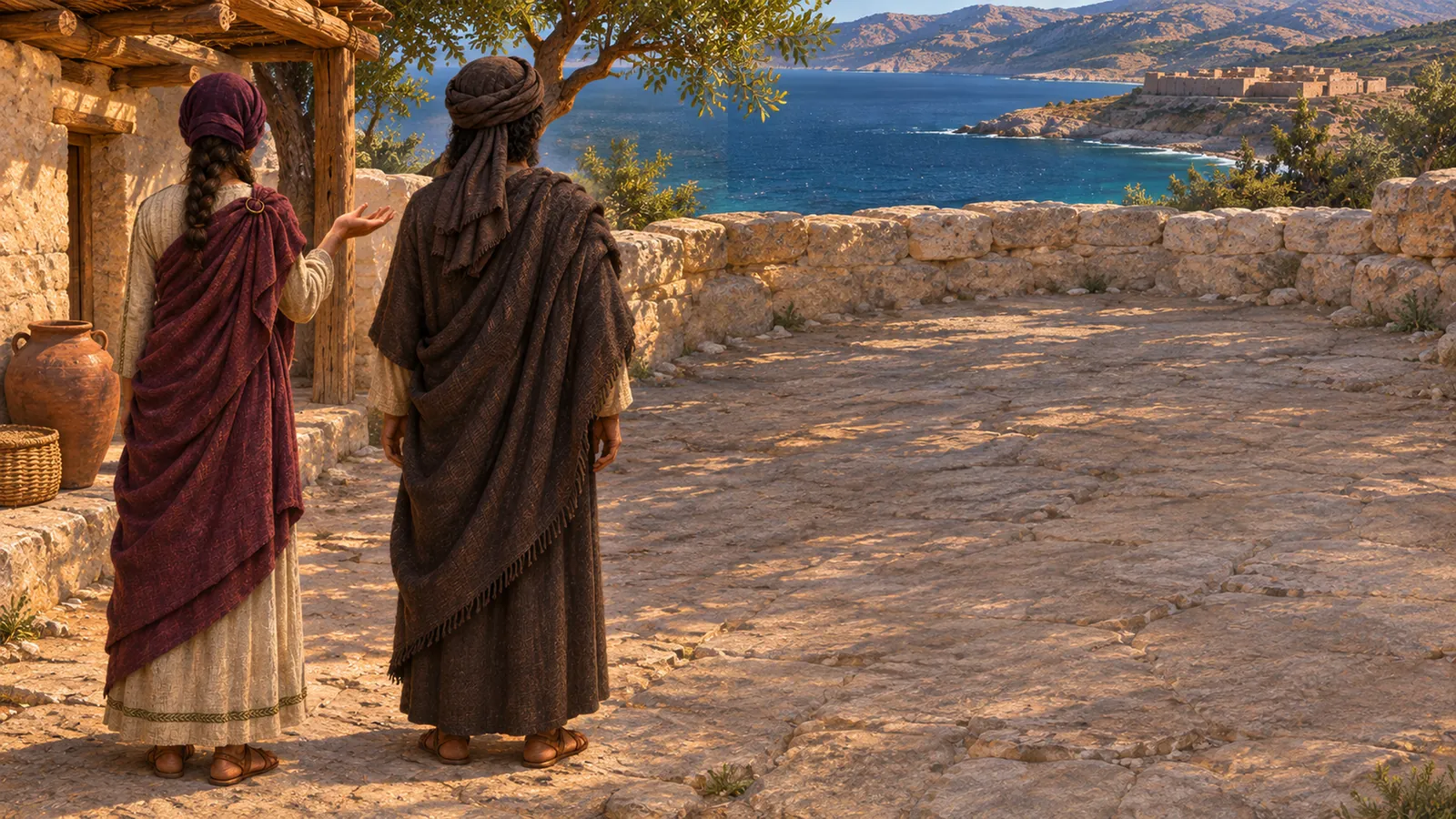
Anat cherche Baal. Quand elle rencontre Mot, elle exige qu’il le lui rende.
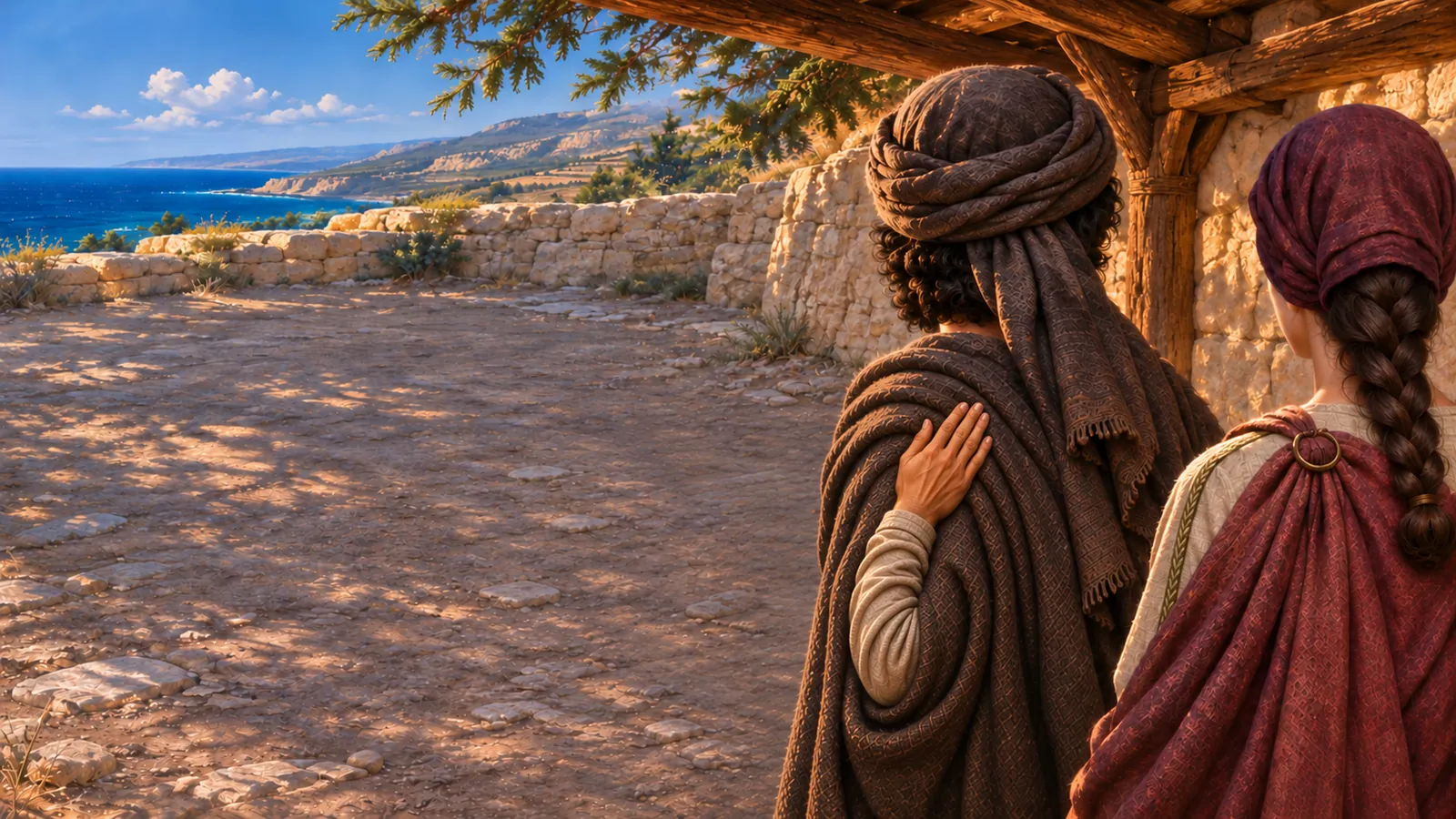
Mot dit à Anat qu’il a trouvé Baal dans les terres sauvages et l’a broyé dans sa bouche. C’est ainsi qu’il raconte sa mort.
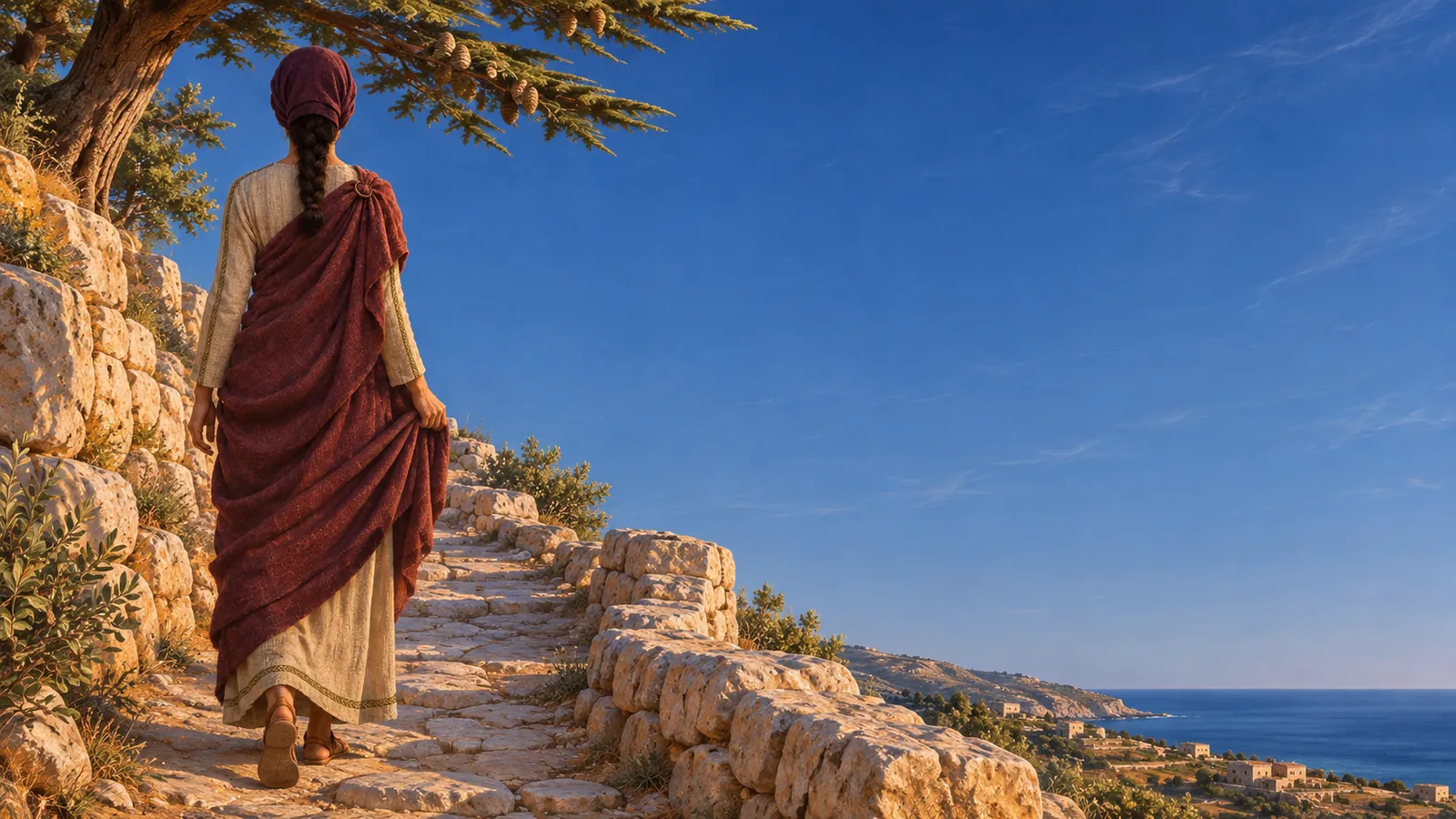
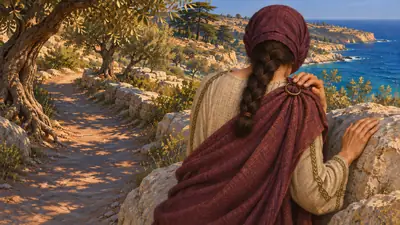
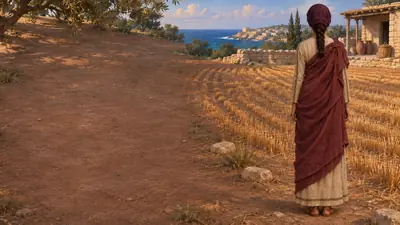
Les jours deviennent des mois, et Anat continue de chercher Baal. Le poème compare son désir de le retrouver à celui d’une mère animale pour son petit.
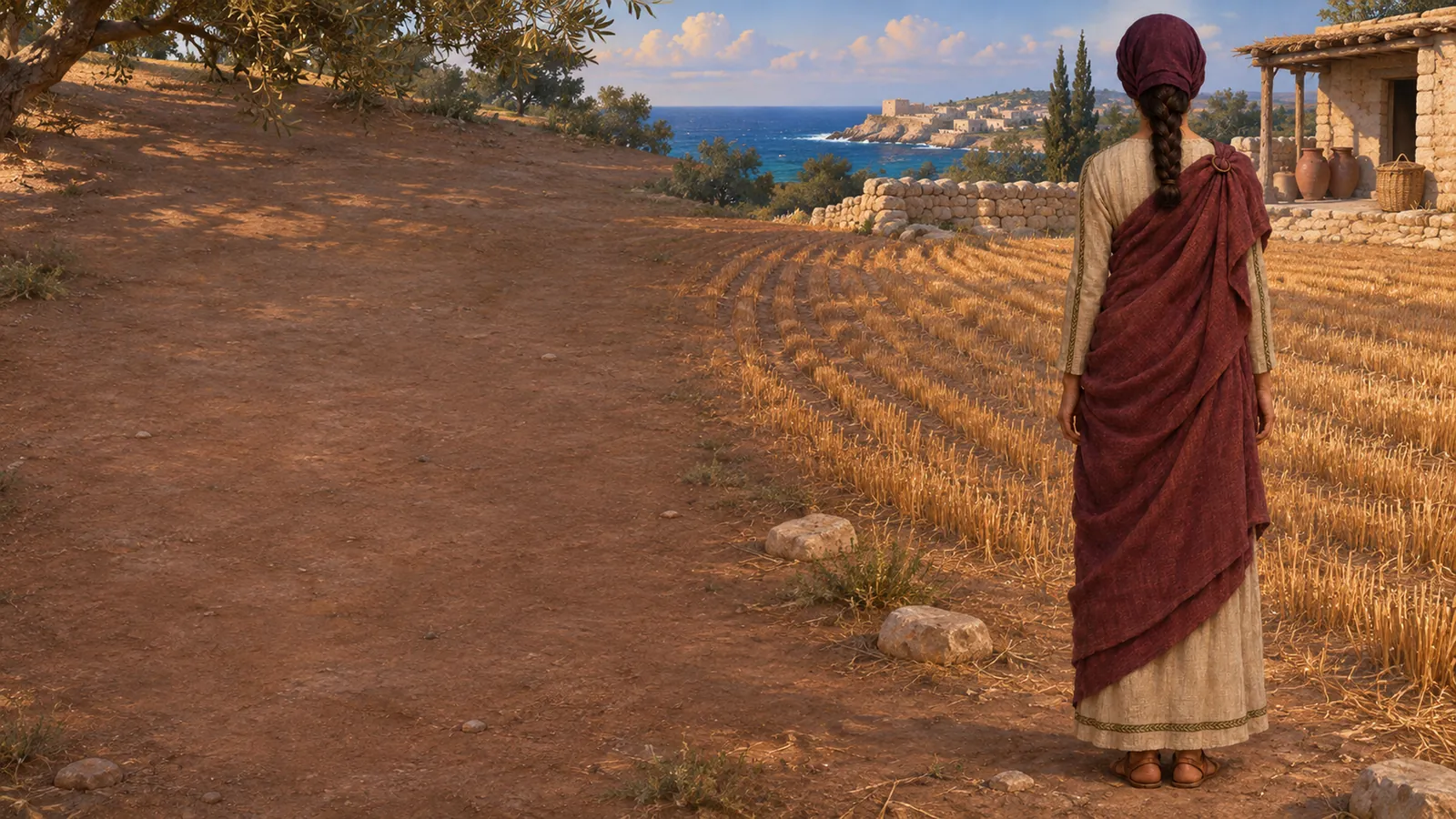
Anat saisit Mot et le tue. Le poème la décrit en train de le couper, de le brûler et de le broyer dans des images empruntées à la moisson.
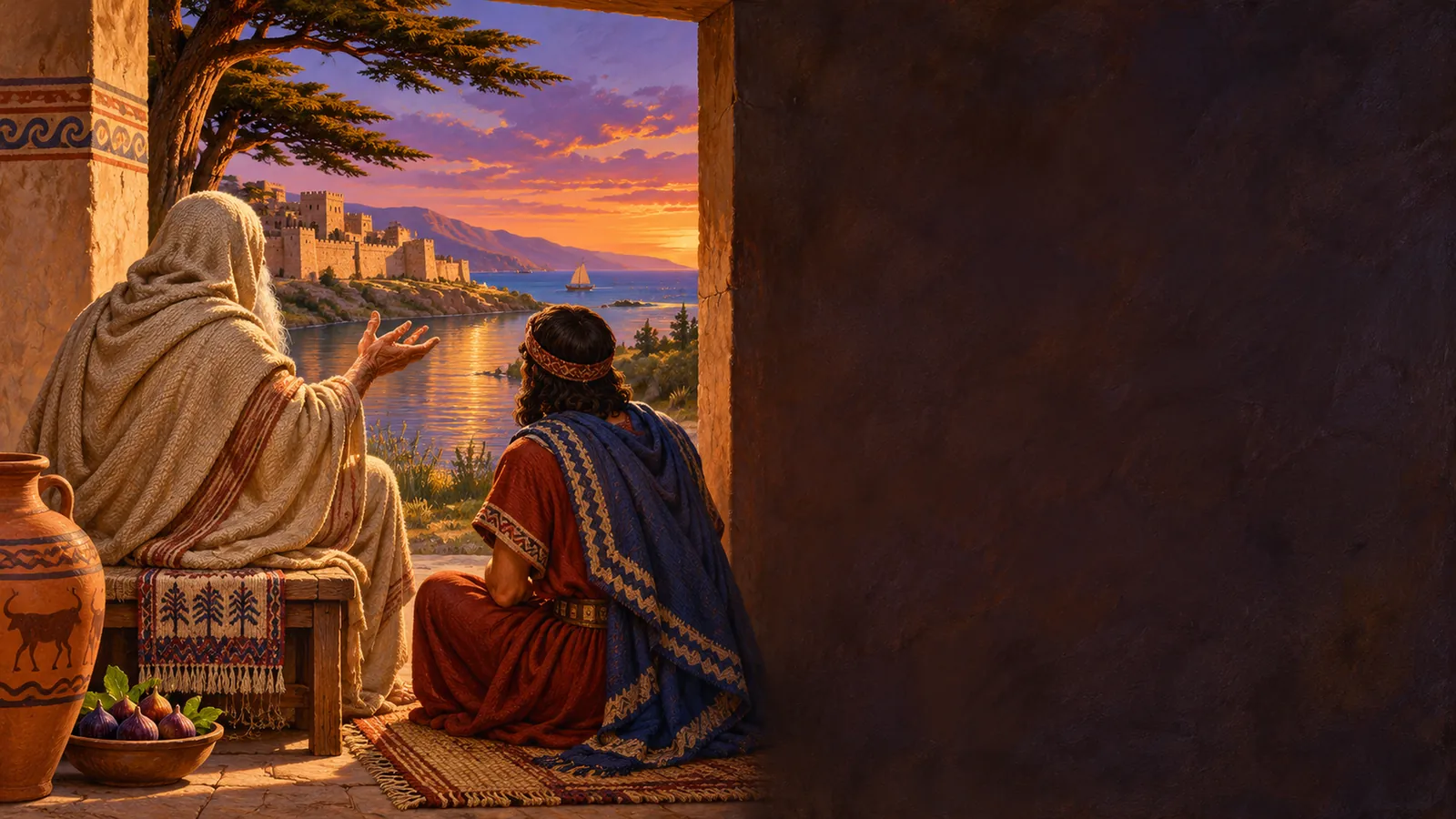
El dit que, si Baal est vivant, il le saura par un rêve. Il parle d’huile venue du ciel et de miel dans les cours d’eau.

LE RÊVE D’EL
El fait le rêve. L’huile tombe du ciel et le miel coule dans les cours d’eau, les signes qu’il attendait.
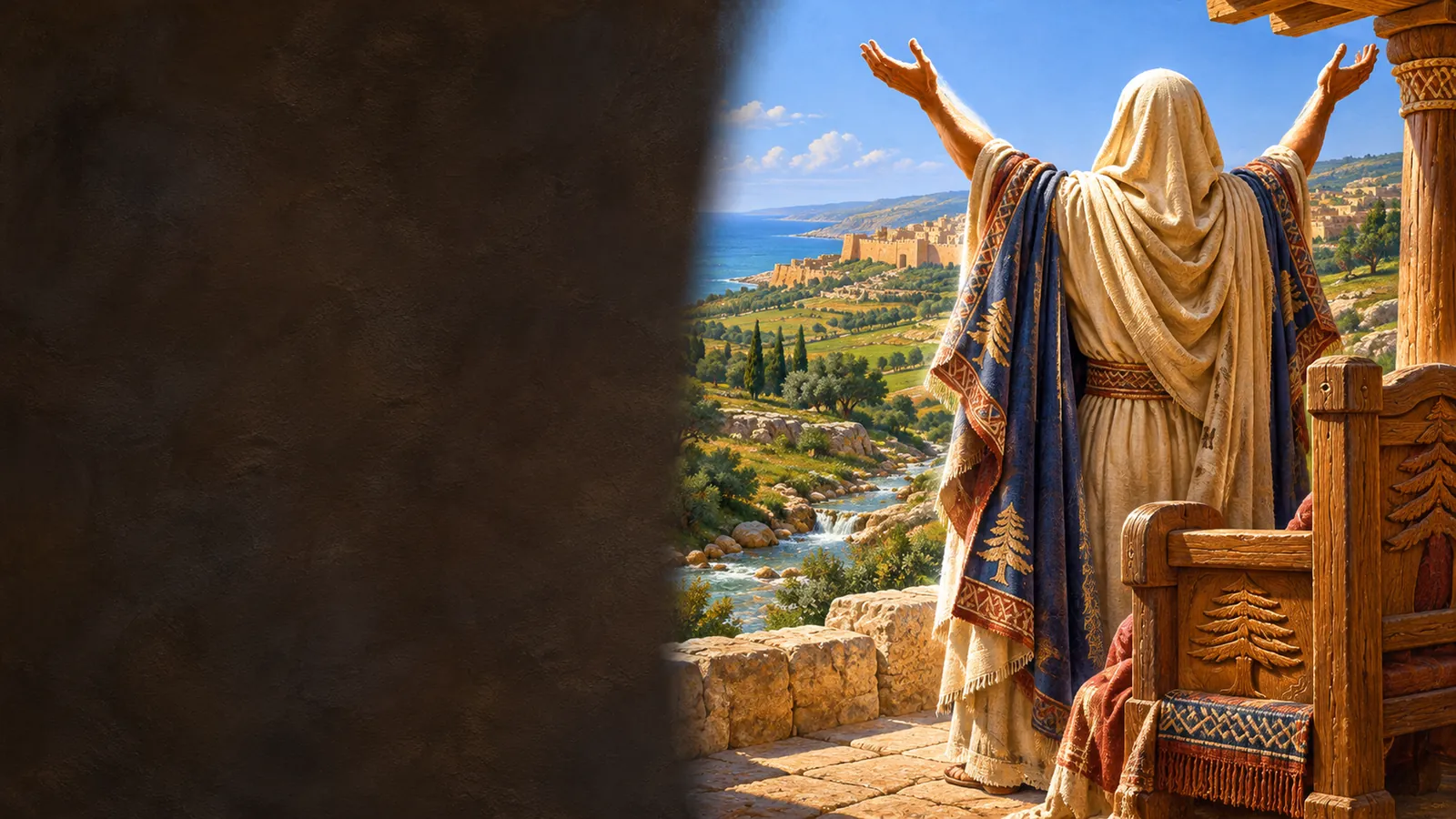
El se réjouit en voyant les signes. Le rêve lui permet de se reposer, dit-il, car le puissant Baal est vivant.
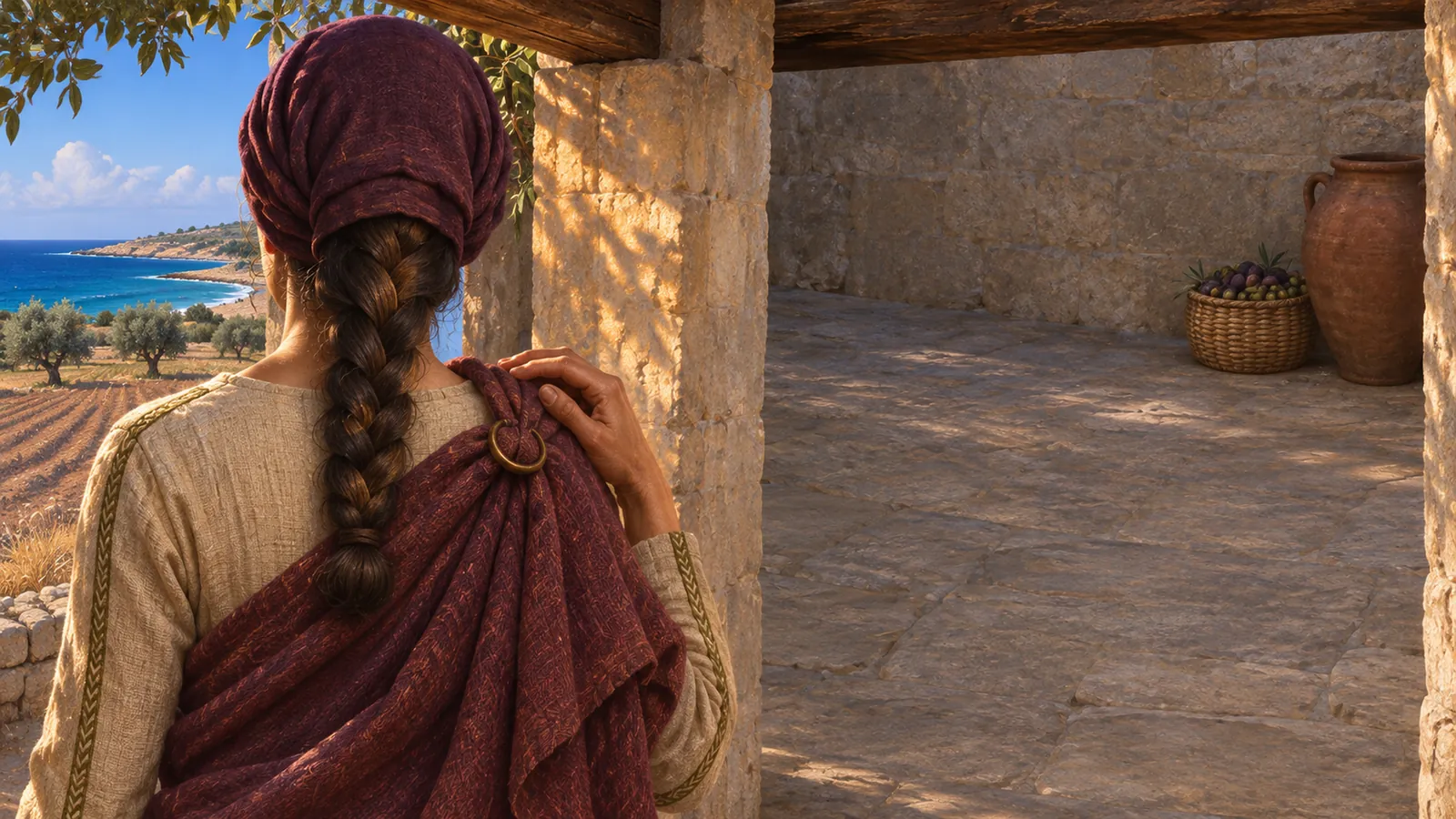
El appelle Anat et lui dit de parler à Shapash. Ses paroles évoquent des sillons desséchés et demandent où l’on peut trouver Baal.
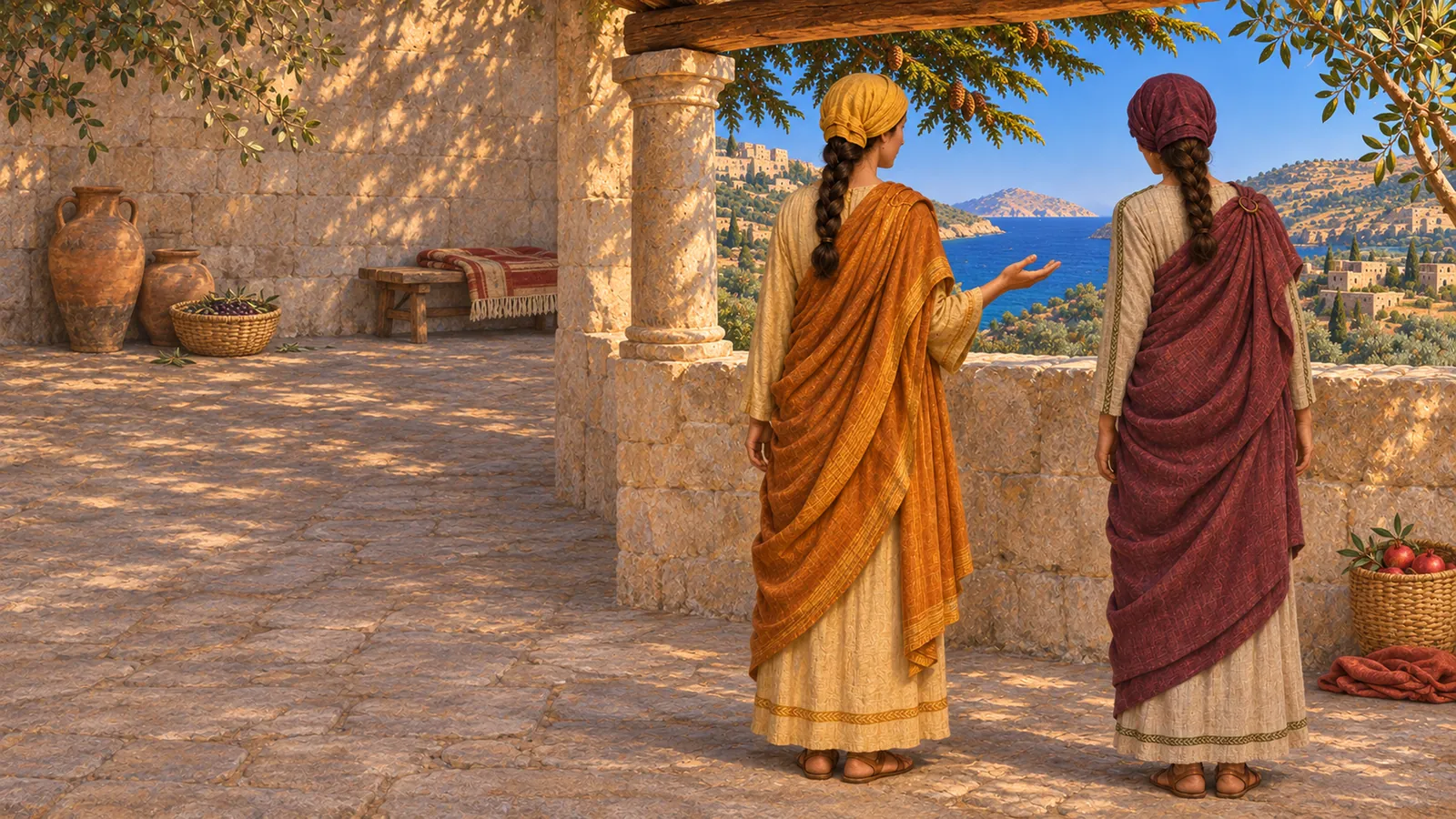
Shapash accepte de chercher Baal. L’échange conservé annonce la recherche avant que le texte ne s’interrompe de nouveau.
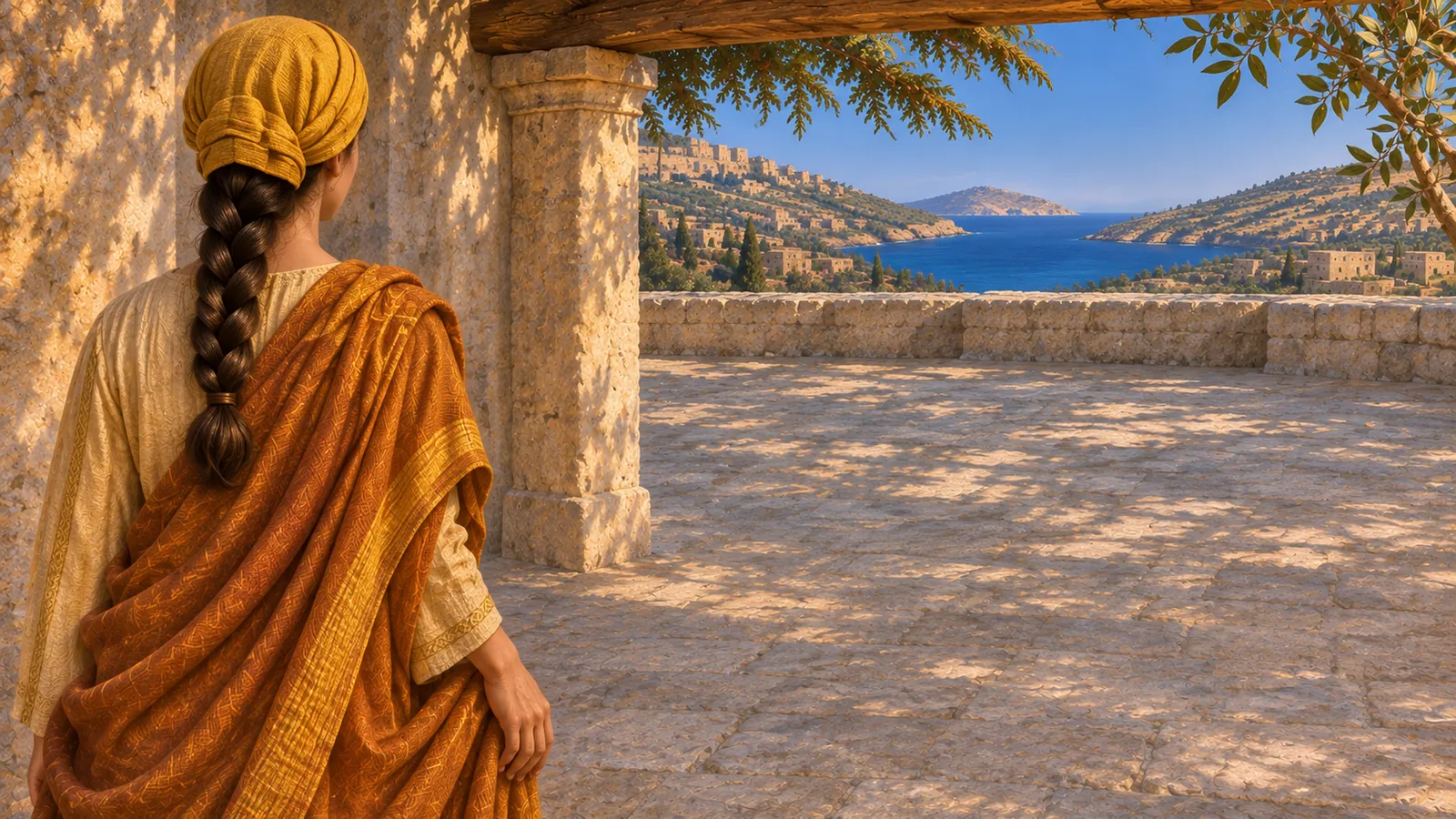
Le texte s’interrompt après l’accord de Shapash pour la recherche. Les mots conservés laissent ouverte la question de ce qui s’est passé entre sa promesse et le retour de Baal.

BAAL REVIENT
Lorsque le poème redevient lisible, Baal abat les fils d’Athirat et reprend sa place sur le trône.
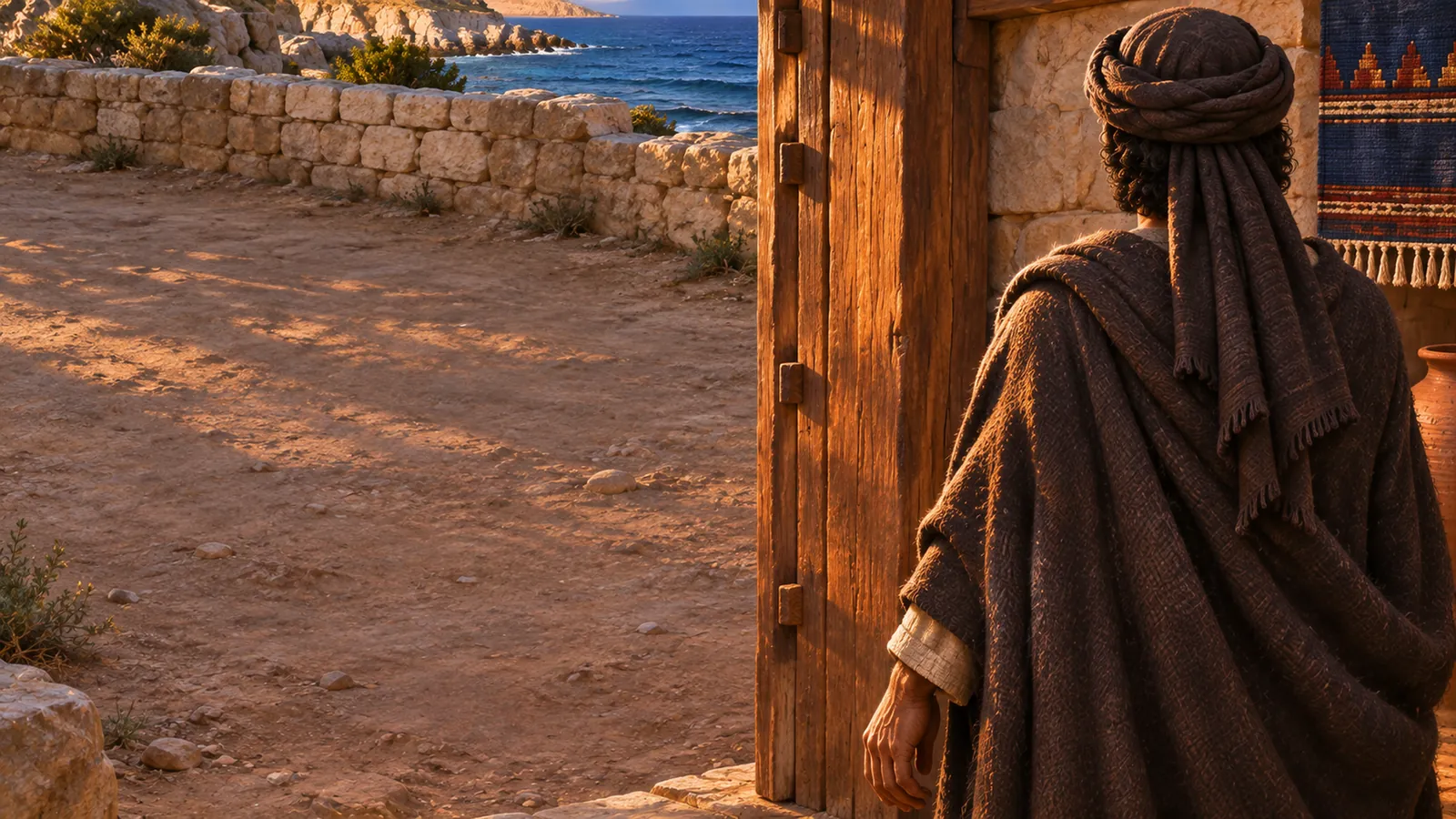
La septième année arrive dans le compte du poème. Mot reparaît après sa défaite, et son différend avec Baal reprend.
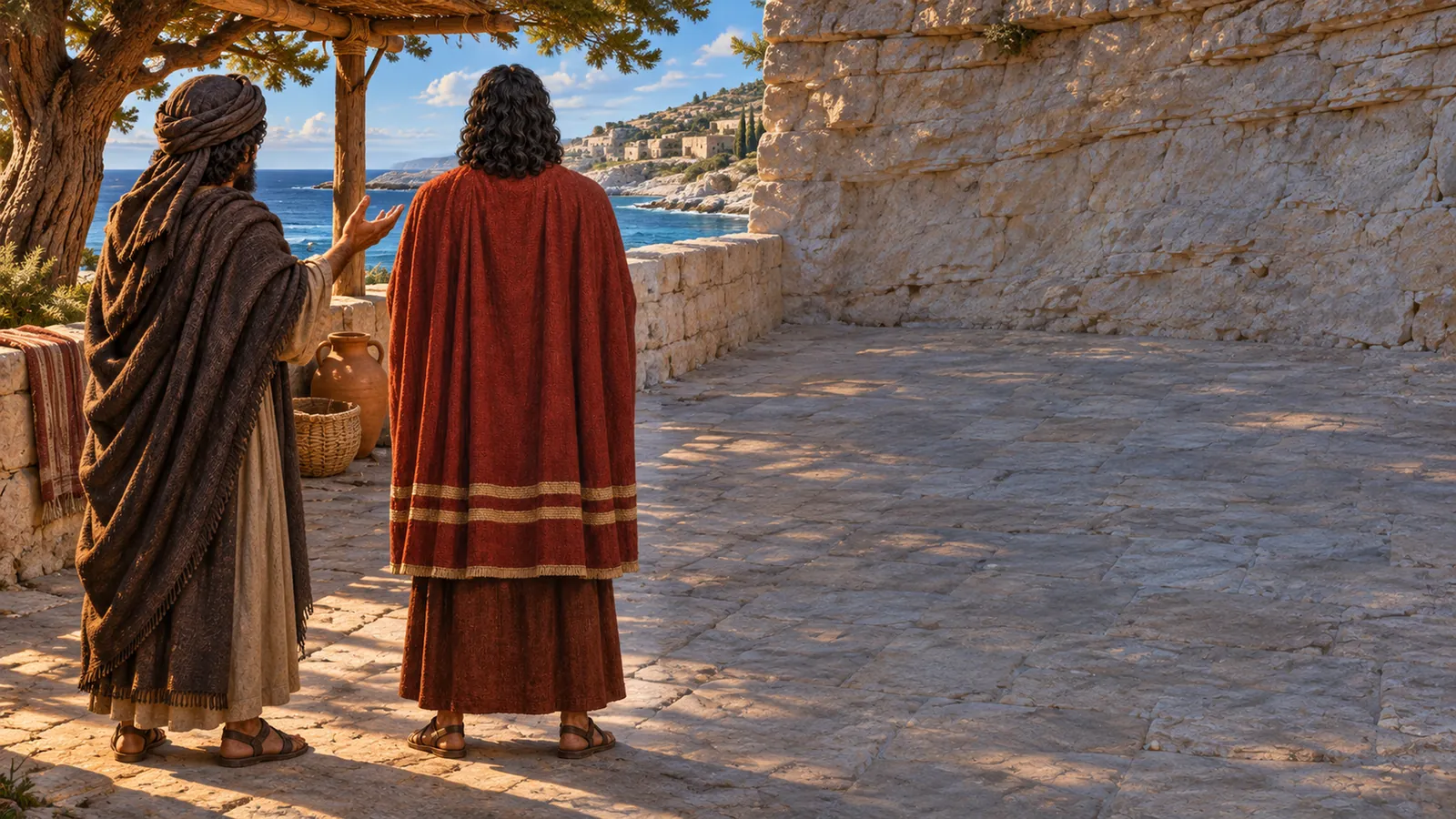
Mot dit à Baal ce qu’il a souffert. Il l’en tient pour responsable et rappelle sa défaite dans certaines des images déjà employées.
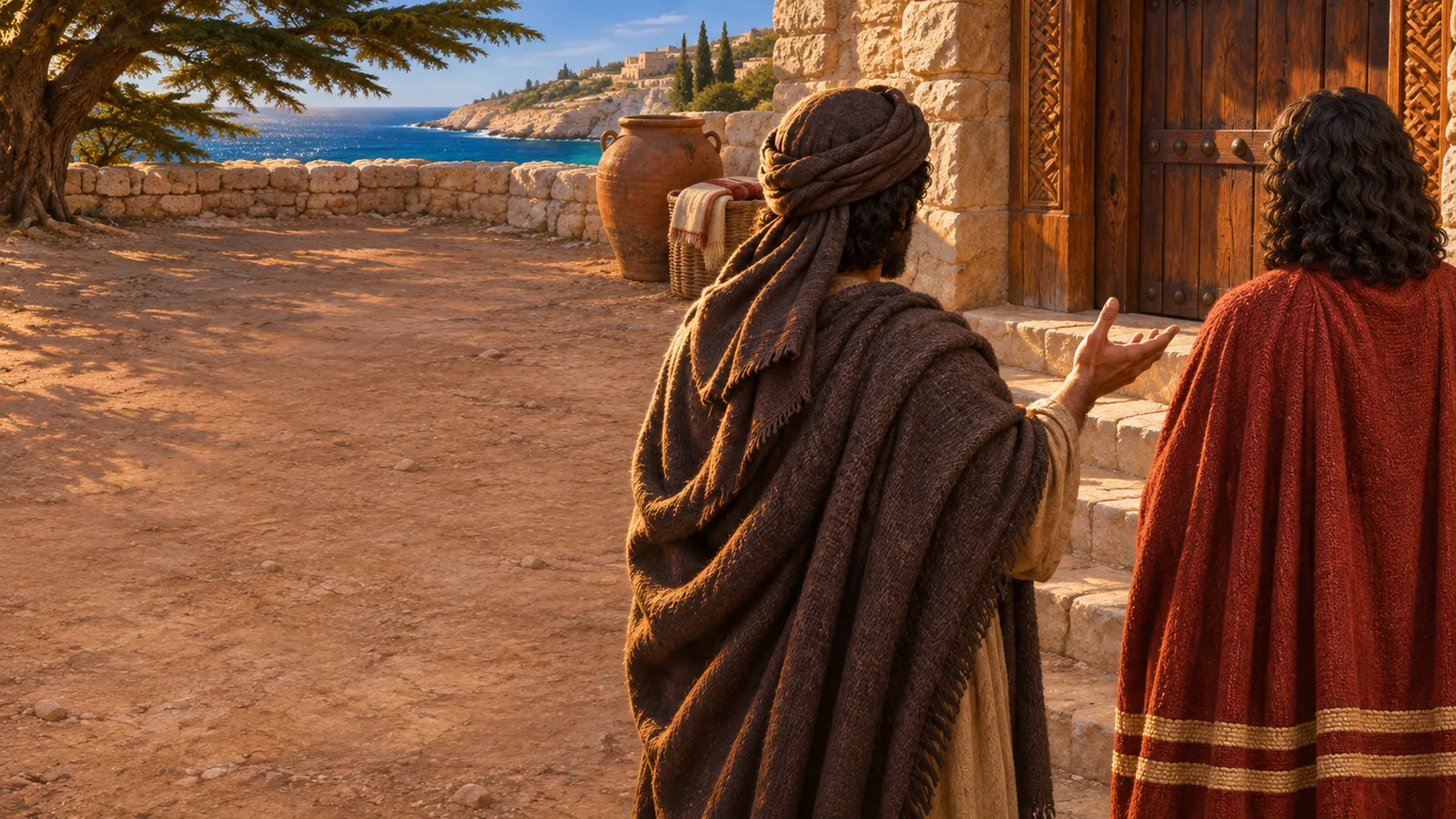
Mot réclame l’un des frères de Baal. Il dit que si Baal refuse, son appétit se tournera contre les hommes.
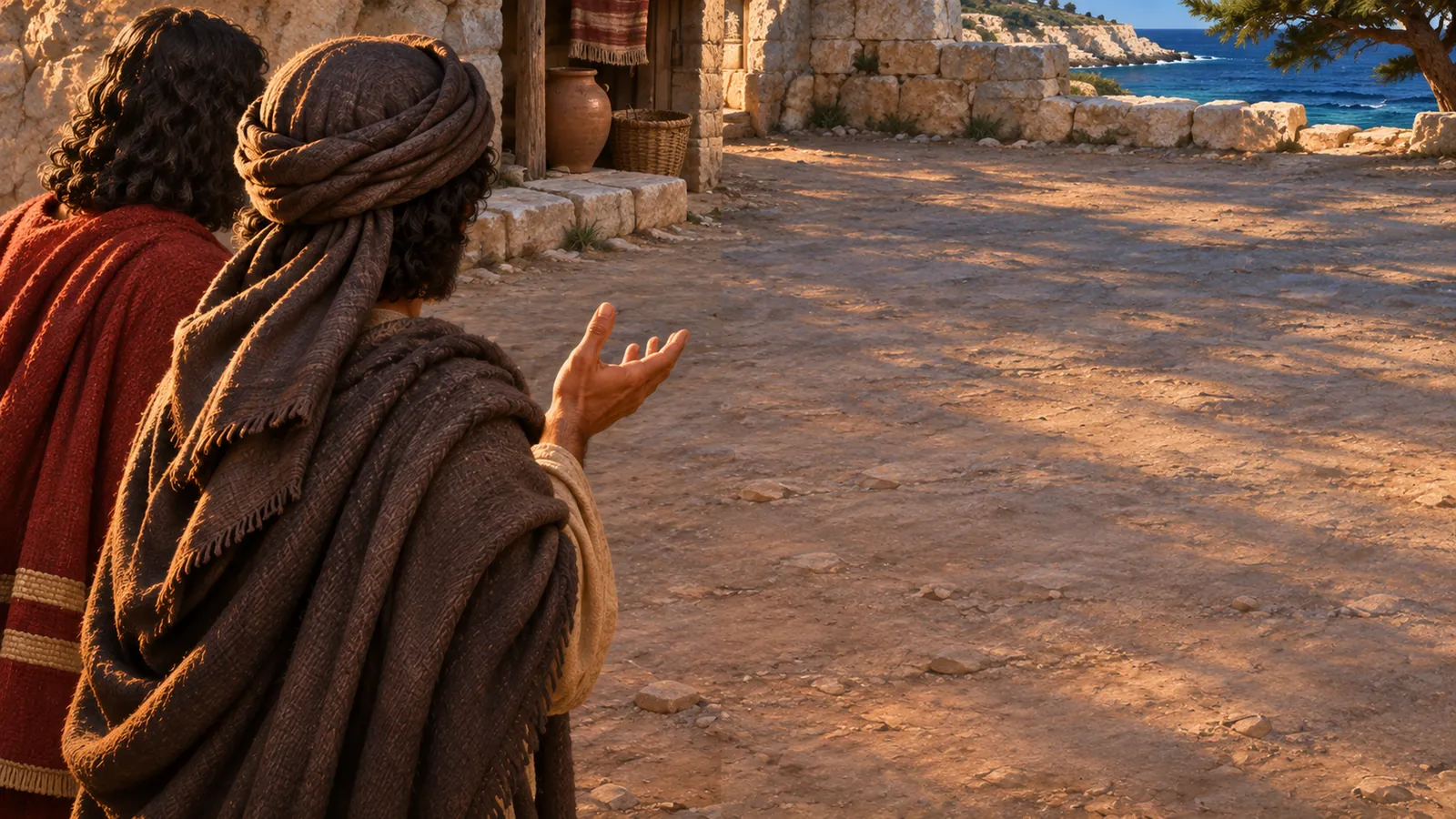
Mot dit qu’on lui a donné ses propres frères à manger, et il en accuse Baal. Une lacune sépare cette plainte de sa demande précédente.
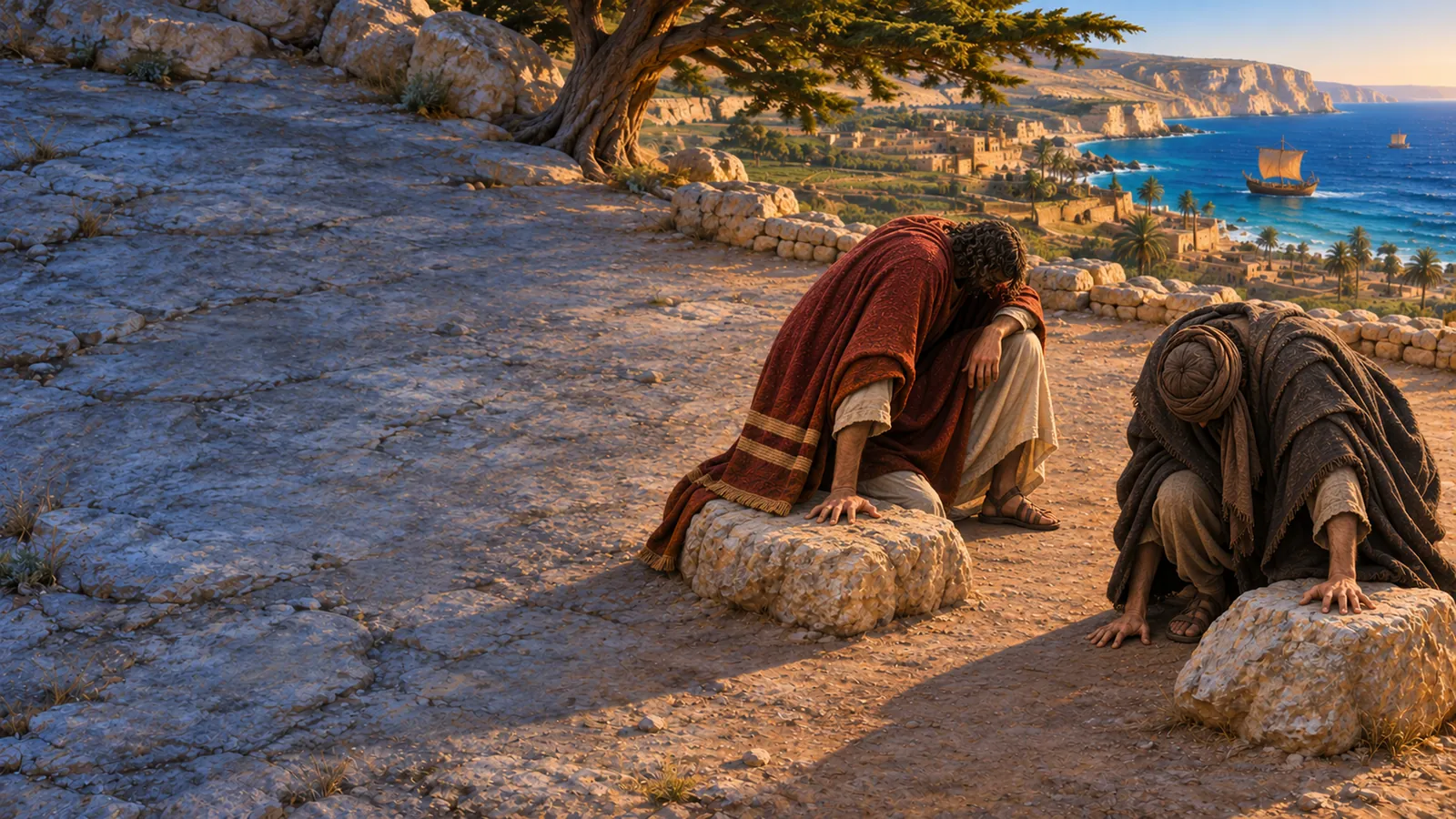
Baal et Mot luttent, et aucun ne prend le dessus. Le poème donne la même issue pour les deux. Tous deux tombent.
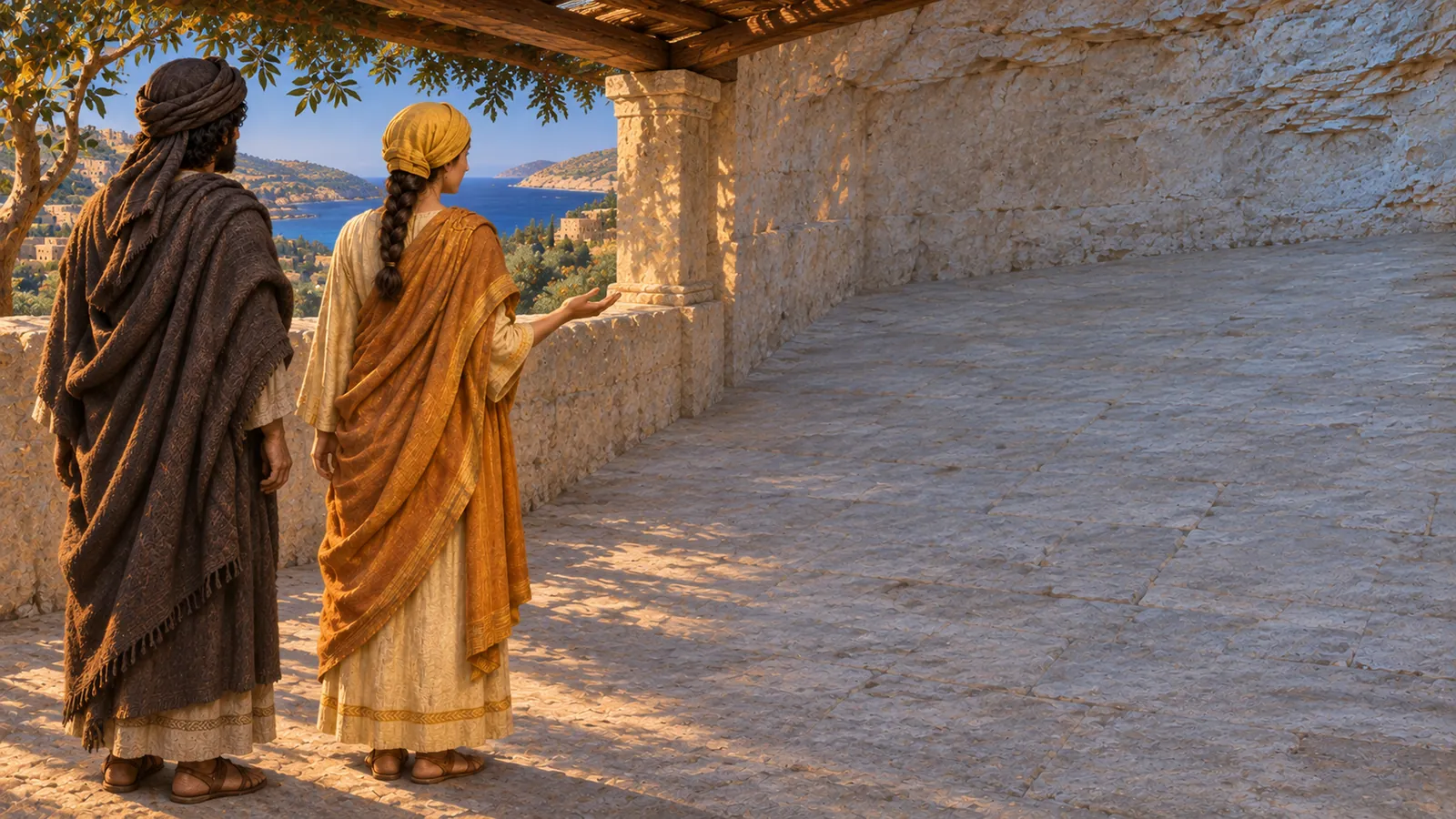
Shapash parle à Mot. Elle l’avertit qu’El peut renverser son trône et lui retirer le pouvoir qu’il détient.
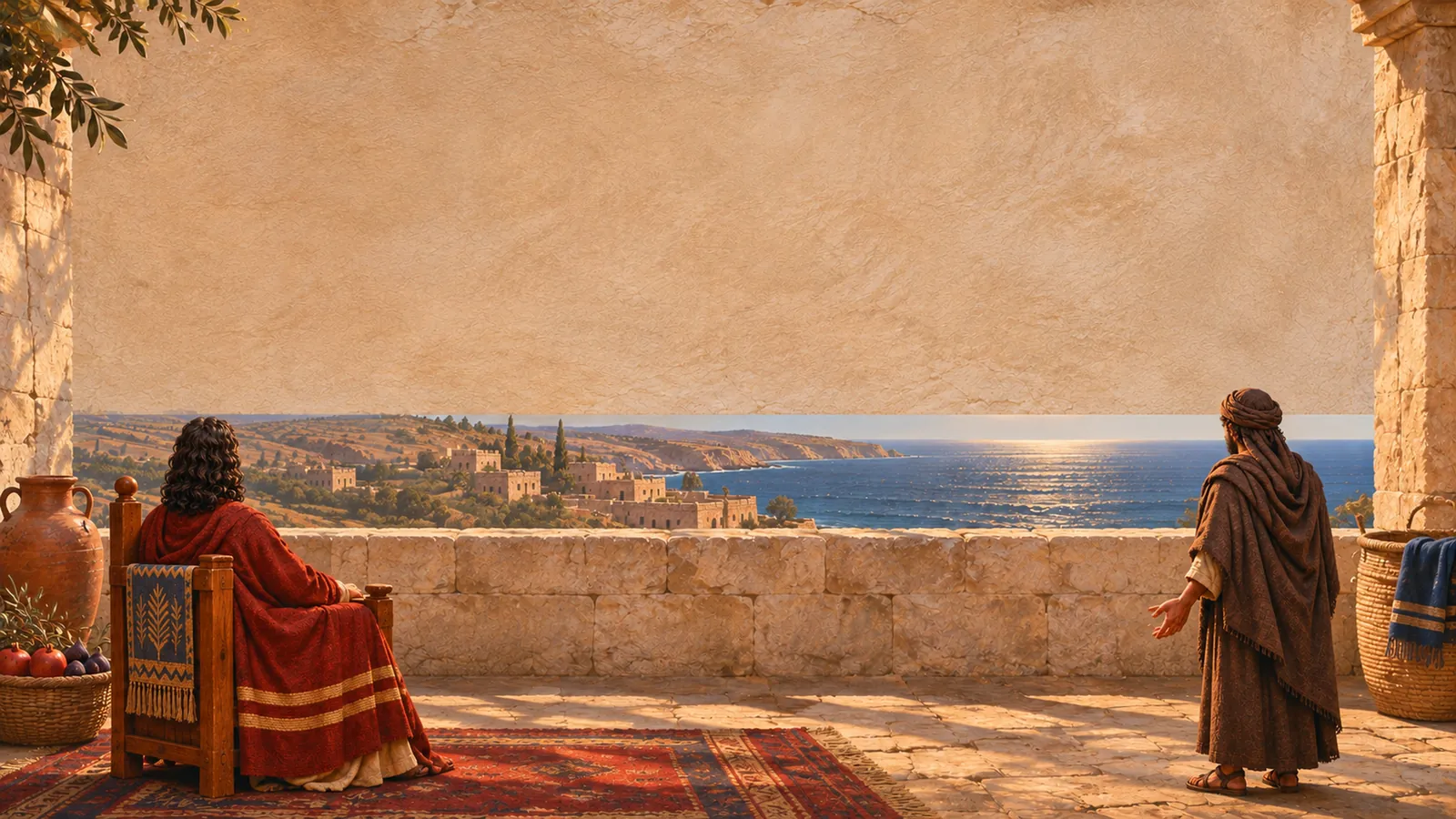
MOT CÈDE
Mot prend peur aux paroles de Shapash et cède. Il dit que Baal doit de nouveau siéger sur le trône de sa royauté.
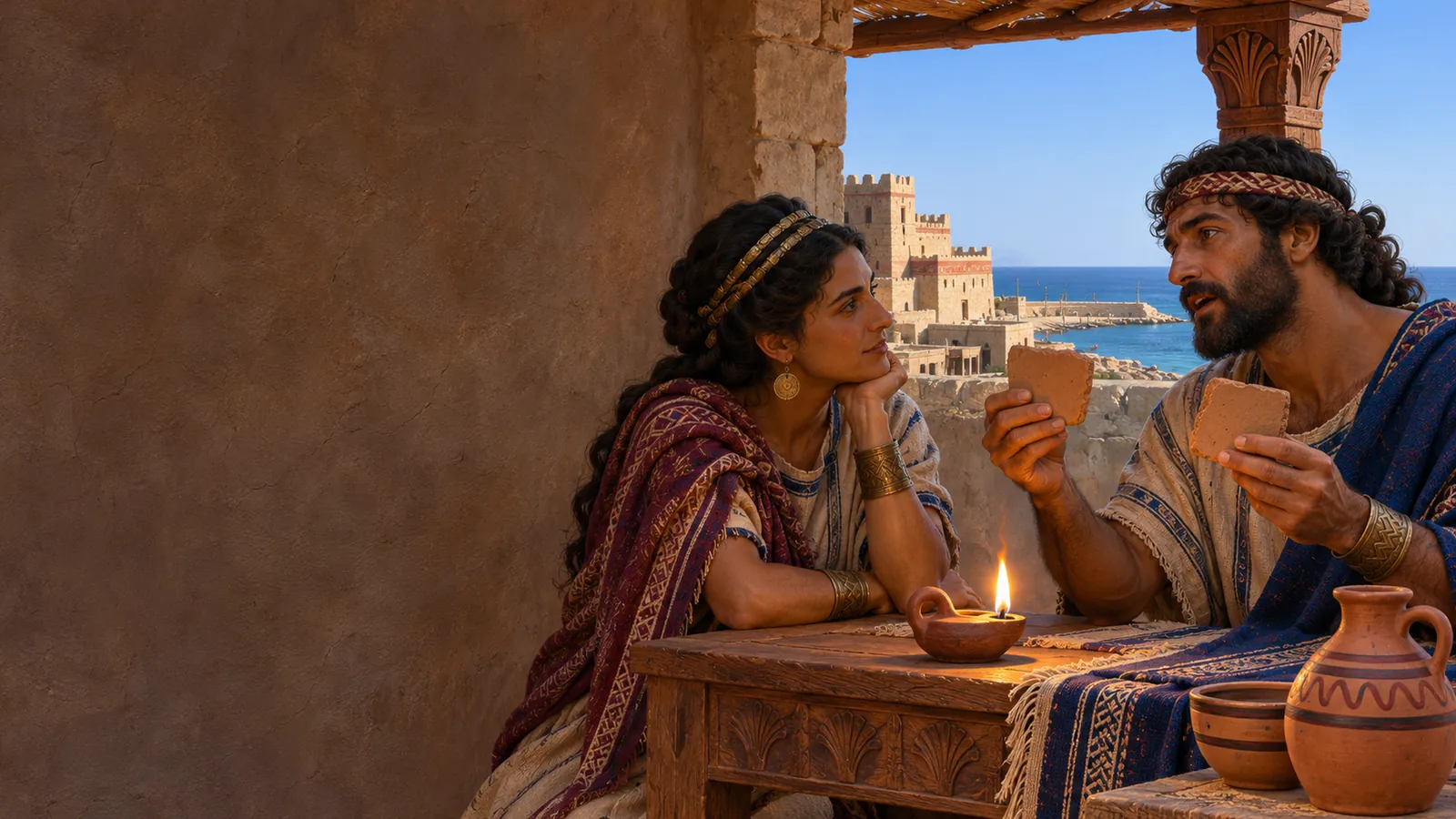
Après les dernières paroles de Mot, un passage endommagé conduit à la conclusion du poème. L’identité du destinataire de ses premiers mots reste incertaine.
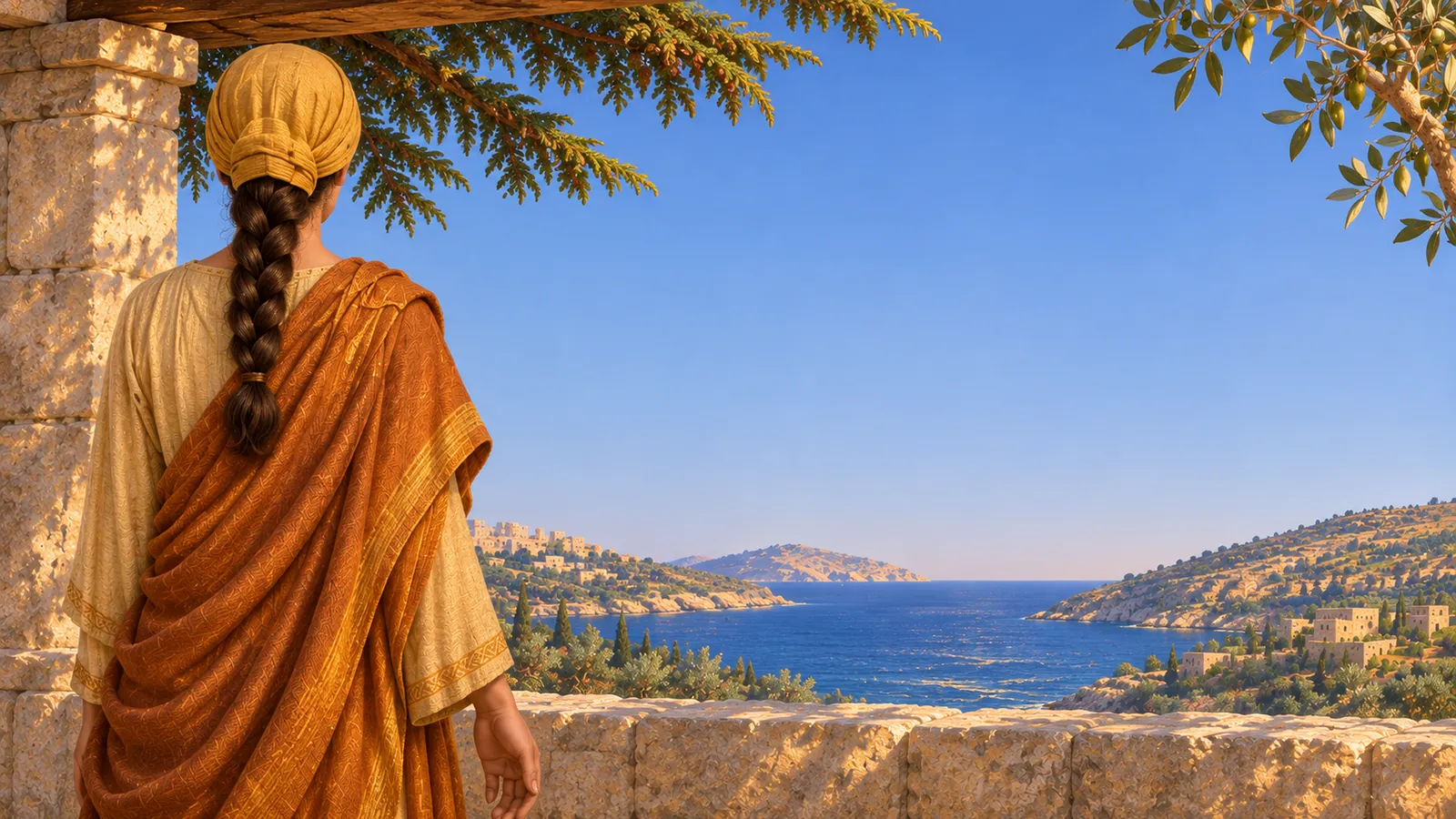
Les derniers vers s’adressent à Shapash. Ils évoquent en termes de louange les êtres divins et les morts honorés qui l’entourent.
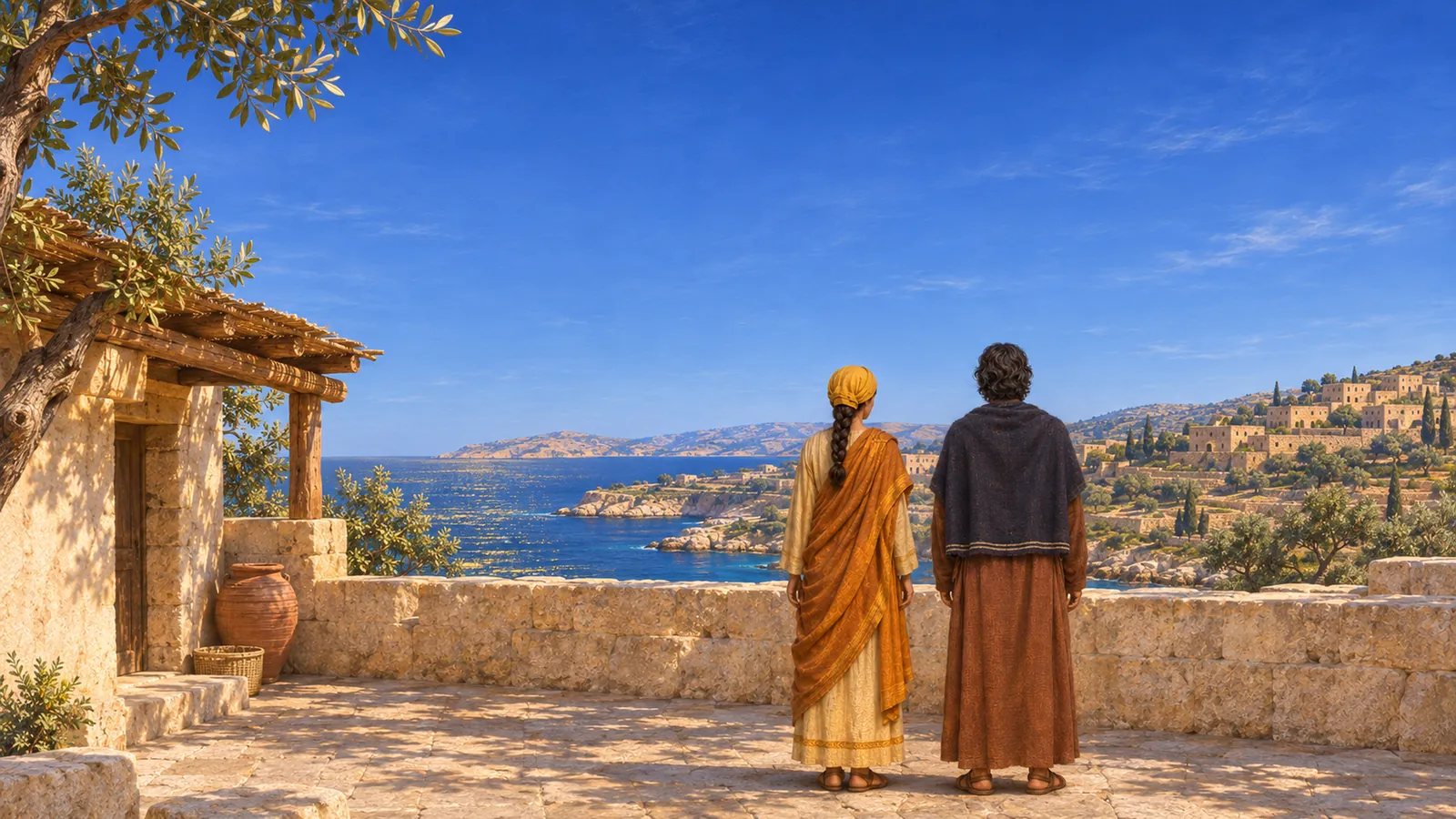
À SHAPASH
Les derniers vers nomment Kothar comme compagnon de Shapash. Le poème ancien s’achève sur ces paroles qui lui sont adressées, après que Baal et Mot se sont tus.
Fin du chapitre 3
Toutes les pages









Sources
Page 20. The heifer is in the wild, in the field called šḥlmmt in the text. She bears Baal a son, whom he clothes, before the passage breaks. 2–3, following Smith 1997, p. 148).
Éditions consultées
- Göttingen EUPT, tablet concordance
- Mark S. Smith and Wayne T. Pitard, The Ugaritic Baal Cycle, volume II, pp. 650–711
- Louvre, Tablet V of the Baal Cycle, AO 16641 and AO 16642
- Louvre, Tablet VI of the Baal Cycle, AO 16636
- Tzvi Abusch and David P. Wright, The Meaning and Sense of the Ugaritic Baal–Mot Conflict Narrative
- Koowon Kim, When Even the Gods Do Not Know, pp. 46–49
- Meindert Dijkstra, Ba’lu and His Antagonists, on CTA 6 V 1–6
- Noga Ayali-Darshan, The Death of Mot and His Resurrection, pp. 7–9
- Noga Ayali-Darshan, The Closing Hymn of the Ugaritic Baal Cycle
- IL Archive, Tablet Six of the Baal Cycle
- IL Archive, Athtar
Notes sur ce récit
Pages 22–23. El pours dust on himself, puts on mourning cloth and cuts his skin with a stone. 3–4; Schniedewind and Hunt, §6.2).
Page 25. Anat cuts herself in mourning in words echoing El’s mourning. 3–4).
Page 28. Anat slaughters animals as funeral offerings for Baal. The passage counts seventy each of wild oxen, cattle, sheep, deer, goats and asses. 3–4; Smith 1997, p. 152).
Page 33. Mot likens taking Baal in his mouth to taking a lamb and compares crushing him in his throat to crushing a kid. 156).
Page 35. The poem says Anat splits, winnows, burns, grinds and sows Mot. In one reading birds eat him. 7–9; Abusch and Wright, pp. 4–5).
Les vers antiques de chaque page
- Page 1: KTU 1.4 VII 43–44 (Smith and Pitard, pp. 650–651)
The word for the realm can mean earth or the world below. - Page 2: KTU 1.4 VII 45–49 (Smith and Pitard, pp. 650–651)
- Page 3: KTU 1.4 VII 49–52 (Smith and Pitard, pp. 650–651)
- Page 4: KTU 1.4 VII 52–56 (Smith and Pitard, pp. 650–651, 692–696)
- Page 5: KTU 1.4 VIII 1–6 (Smith and Pitard, pp. 702–704)
- Page 6: KTU 1.4 VIII 7–14 (Smith and Pitard, pp. 702–704)
- Page 7: KTU 1.4 VIII 14–24 (Smith and Pitard, pp. 703–704)
- Page 8: KTU 1.4 VIII 24–29 (Smith and Pitard, pp. 703–704)
- Page 9: KTU 1.4 VIII 29–37 (Smith and Pitard, pp. 703–705)
The references to silver and gold at the end of the passage depend partly on restoration from a parallel. - Page 10: KTU 1.4 VIII 38–49 and following loss (Smith and Pitard, pp. 704–710; Abusch and Wright, pp. 1–2)
Smith and Pitard also identify a possible scribal omission in this part of the tablet. - Page 11: KTU 1.5 I 1–8 (Abusch and Wright, pp. 1–2, discussing Smith and Pardee)
- Page 12: KTU 1.5 I 9–12 (Abusch and Wright, pp. 1–2)
- Page 13: KTU 1.5 I 12–22 (Abusch and Wright, pp. 1–2; parallel discussed by Smith and Pitard on 1.4 VIII)
- Page 14: KTU 1.5 I 22–27 (Abusch and Wright, pp. 1–2; parallel discussed by Smith and Pitard on 1.4 VIII)
- Page 15: KTU 1.5 I 27–35 (Abusch and Wright, pp. 1–2)
- Page 16: KTU 1.5 II 7–19 (Abusch and Wright, pp. 1–2, discussing Smith and Pardee)
Baal’s message of submission is preserved. - Page 17: KTU 1.5 II 20–24 (Abusch and Wright, pp. 1–2, contrasting Smith and Pardee)
The translations differ on the timing of the invitation. - Page 18: KTU 1.5 III–IV, selected fragments (Abusch and Wright, pp. 2–3)
This feast passage survives in fragments. - Page 19: KTU 1.5 V 4–17 (Abusch and Wright, pp. 2–3)
The speaker of the command is uncertain. - Page 20: KTU 1.5 V 17–26 and V–VI break (Abusch and Wright, pp. 2–3, following Smith 1997, p. 148)
- Page 21: KTU 1.5 VI 1–10 (Abusch and Wright, pp. 3–4)
- Page 22: KTU 1.5 VI 11–15 (Abusch and Wright, pp. 3–4)
- Page 23: KTU 1.5 VI 16–25 (Abusch and Wright, pp. 3–4)
The wording can express El’s grief without describing a rescue. - Page 24: KTU 1.5 VI 25–31 (Abusch and Wright, pp. 3–4)
- Page 25: KTU 1.6 I 1–8 (Abusch and Wright, pp. 3–4)
- Page 26: KTU 1.6 I 8–15 (Abusch and Wright, pp. 3–4)
- Page 27: KTU 1.6 I 15–18 (Abusch and Wright, pp. 3–4)
- Page 28: KTU 1.6 I 18–31 (Abusch and Wright, pp. 3–4)
- Page 29: KTU 1.6 I 39–43 (Abusch and Wright, pp. 3–4)
- Page 30: KTU 1.6 I 43–55 (Abusch and Wright, pp. 4–5)
The reading of a possible first candidate in line 48 remains disputed. - Page 31: KTU 1.6 I 56–65 (Abusch and Wright, pp. 4–5; IL Archive, Athtar)
- Page 32: KTU 1.6 II 4–14 (Abusch and Wright, pp. 4–5)
The start of the column is damaged. - Page 33: KTU 1.6 II 15–23 (Abusch and Wright, pp. 3–5)
- Page 34: KTU 1.6 II 24–30 (Ayali-Darshan, pp. 7–8; Abusch and Wright, pp. 4–5)
- Page 35: KTU 1.6 II 30–37 (Ayali-Darshan, pp. 7–9; Abusch and Wright, pp. 4–5)
The final lines of this encounter have competing readings. - Page 36: KTU 1.6 III 1–9 (Kim, pp. 46–47)
- Page 37: KTU 1.6 III 10–13 (Kim, pp. 46–47)
- Page 38: KTU 1.6 III 14–21 (Kim, pp. 47–48)
- Page 39: KTU 1.6 III 22–24 and IV 1–5 (Kim, pp. 47–49)
- Page 40: KTU 1.6 IV 6–24 (Abusch and Wright, pp. 4–5, following Smith)
The end of the column is damaged. - Page 41: KTU 1.6 IV–V break (Abusch and Wright, p. 5)
The surviving text leaves the means of Baal’s return uncertain. - Page 42: KTU 1.6 V 1–6 (Dijkstra; Abusch and Wright, p. 5)
- Page 43: KTU 1.6 V 8–11 (Abusch and Wright, p. 5; Ayali-Darshan, pp. 89–90)
- Page 44: KTU 1.6 V 11–19 (Ayali-Darshan, pp. 8–9; Abusch and Wright, p. 5)
- Page 45: KTU 1.6 V 20–25 (Abusch and Wright, p. 5)
- Page 46: KTU 1.6 V–VI break and VI 9–16 (Abusch and Wright, pp. 5–6)
- Page 47: KTU 1.6 VI 16–22 (Ayali-Darshan, pp. 89–90)
- Page 48: KTU 1.6 VI 23–29 (Ayali-Darshan, pp. 89–91)
- Page 49: KTU 1.6 VI 30–35 (Ayali-Darshan, pp. 90–91)
- Page 50: KTU 1.6 VI 35–45 (Ayali-Darshan, pp. 79–83, 90–92; Abusch and Wright, pp. 5–6)
The addressee of the opening lines of the closing passage is disputed. - Page 51: KTU 1.6 VI 45–49 (Ayali-Darshan, pp. 79–82)
- Page 52: KTU 1.6 VI 49–53 (Ayali-Darshan, pp. 82–83, 91–92)
Several other names and verbs in the closing lines are disputed.
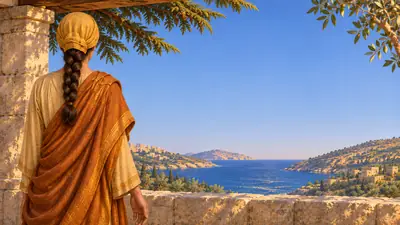
Illustrations réalisées par IL Archive avec des outils d’IA ; le texte s’appuie sur les sources antiques (voir les sources à la fin de chaque chapitre).