Le Cycle de Baal Chapitre 2
Le Palais de Baal
Baal demande une maison comme celle des autres dieux. Anat s’adresse à El, et Athirat obtient ensuite son accord. Kothar bâtit le palais sur le Saphon. Plus tard, Baal lui demande d’ouvrir une fenêtre, et les montagnes entendent sa voix.
SourcesTournez les pages avec les flèches, le clavier ou en balayant l’écran.
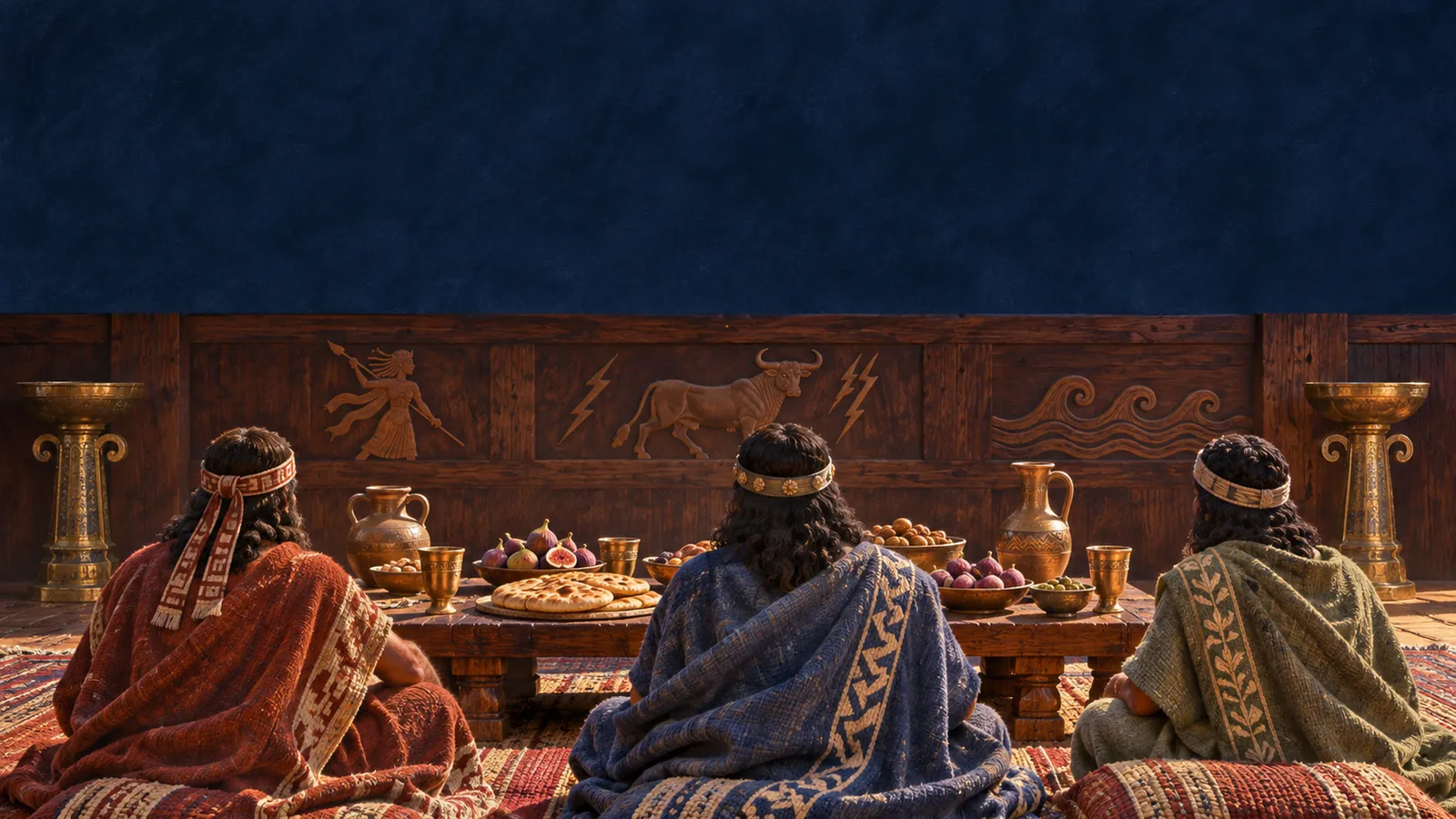
LE PALAIS DE BAAL
Le haut de la tablette est brisé. Quand les mots redeviennent lisibles, un banquet est en cours. Les lignes conservées en laissent l’occasion ouverte.
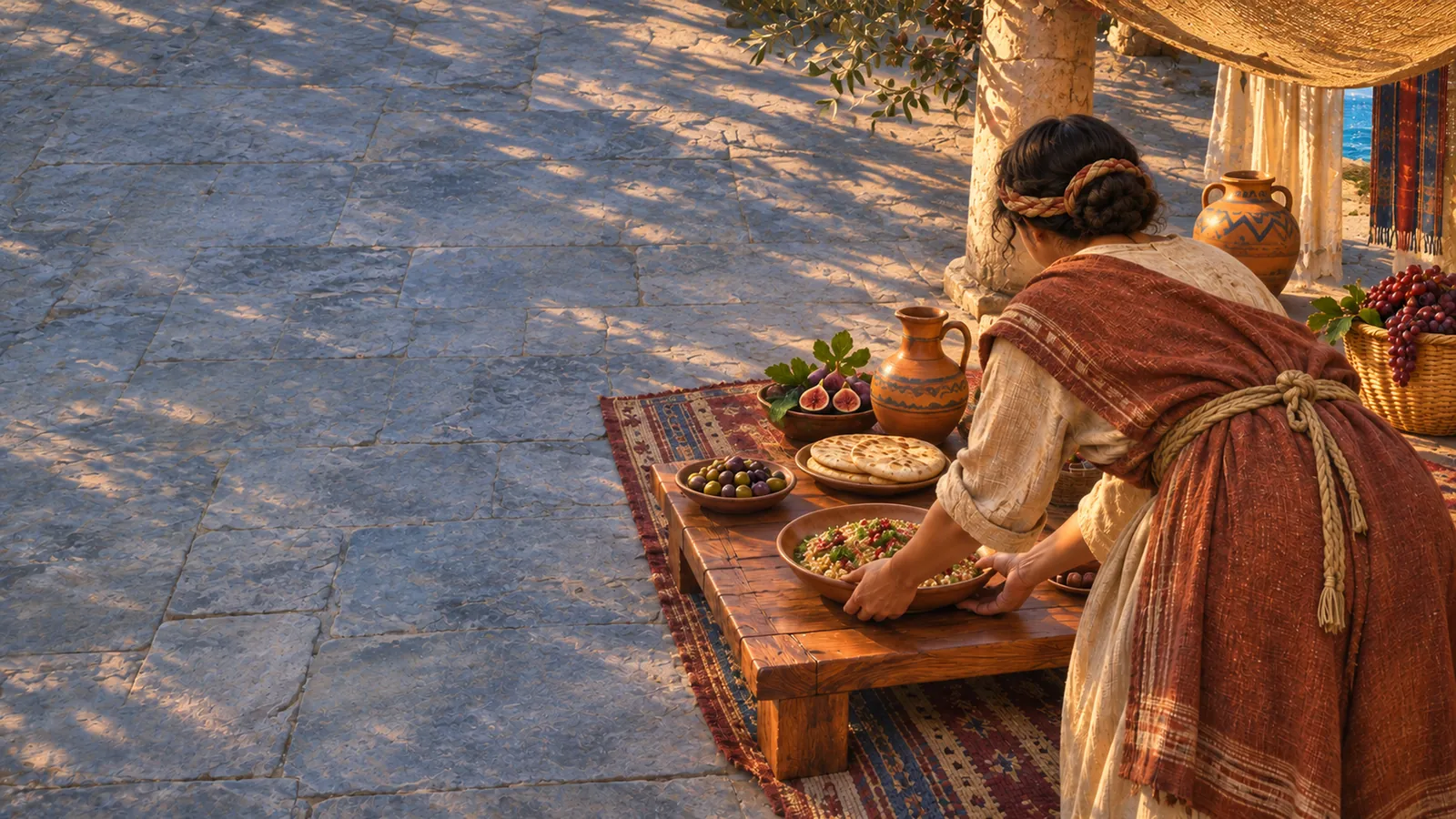
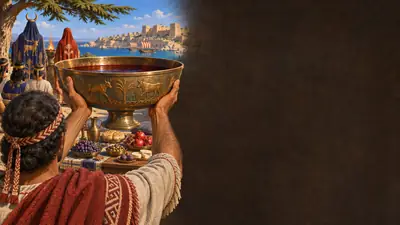
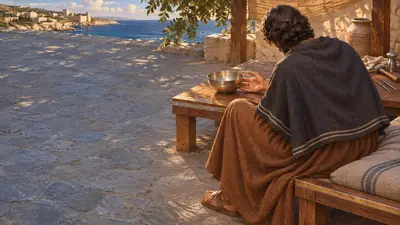
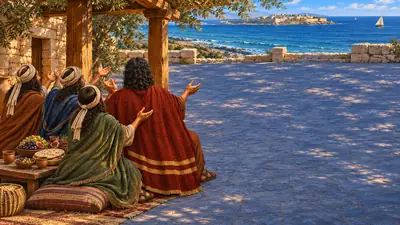
On apporte la nourriture au banquet. Le vers s’attarde sur le service avant d’évoquer le vin et le chant.
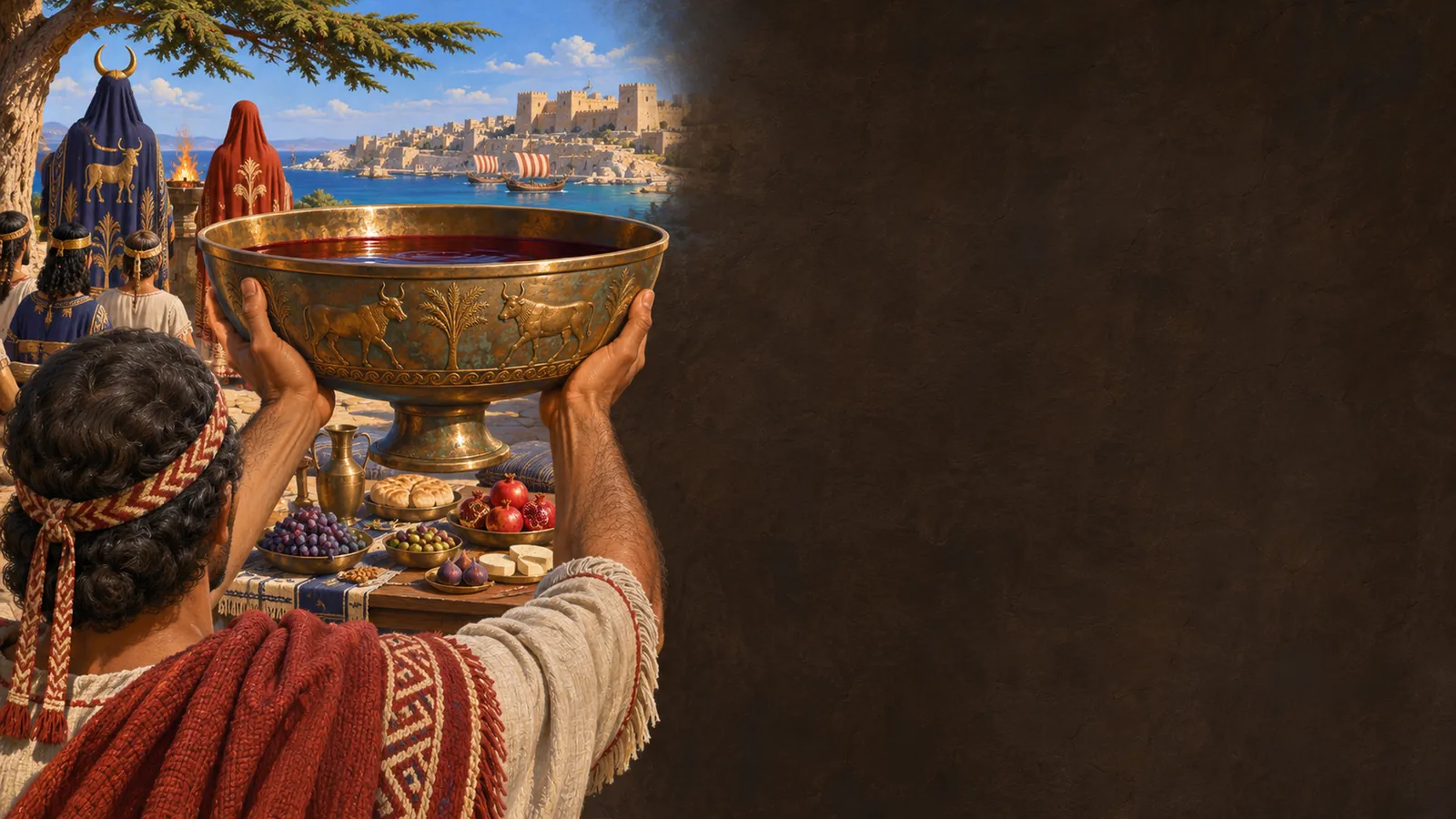
Le poème décrit une coupe de vin assez grande pour attirer le regard. Sa taille participe à l’éloge du banquet.
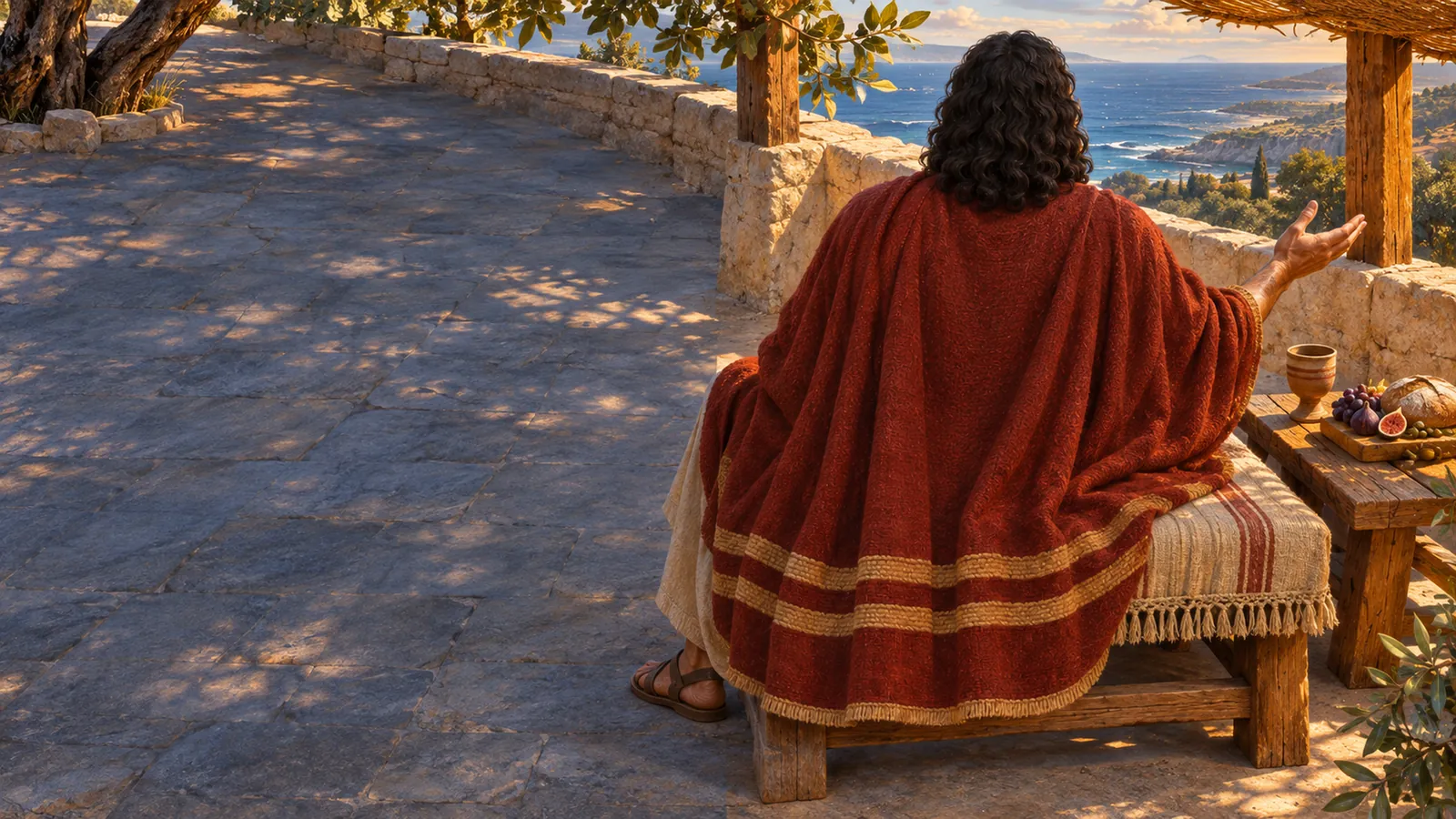
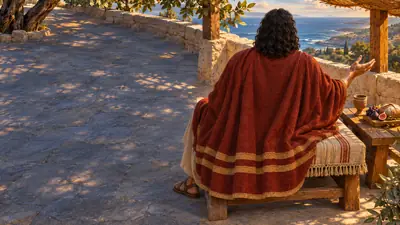
Le chant s’élève au banquet. Les mots situent Baal sur les hauteurs du Saphon, la montagne nommée dans cette partie du poème.
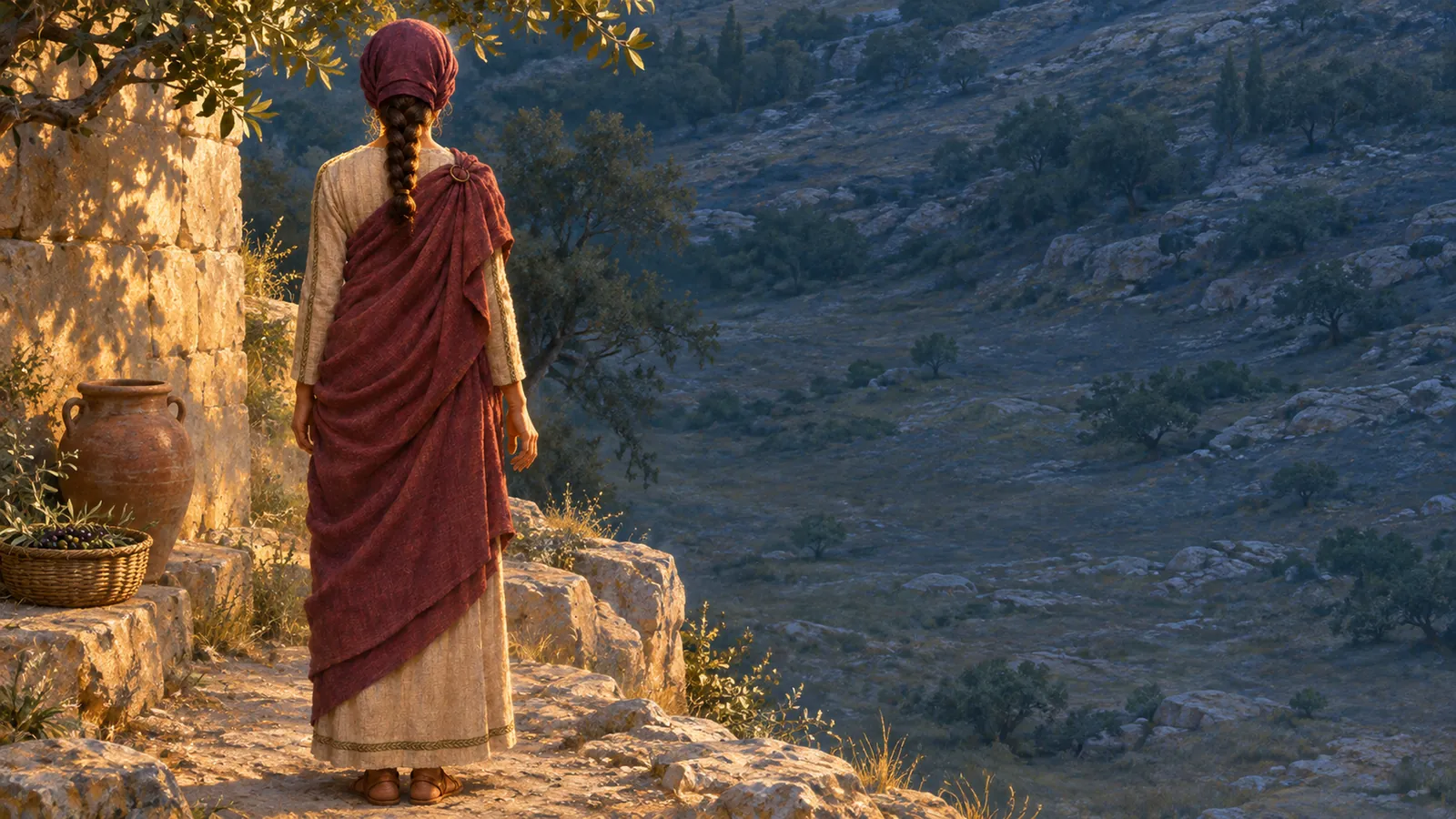
Le poème passe à une vallée où Anat tue des gens de la côte et de l’est. La raison du combat reste obscure.
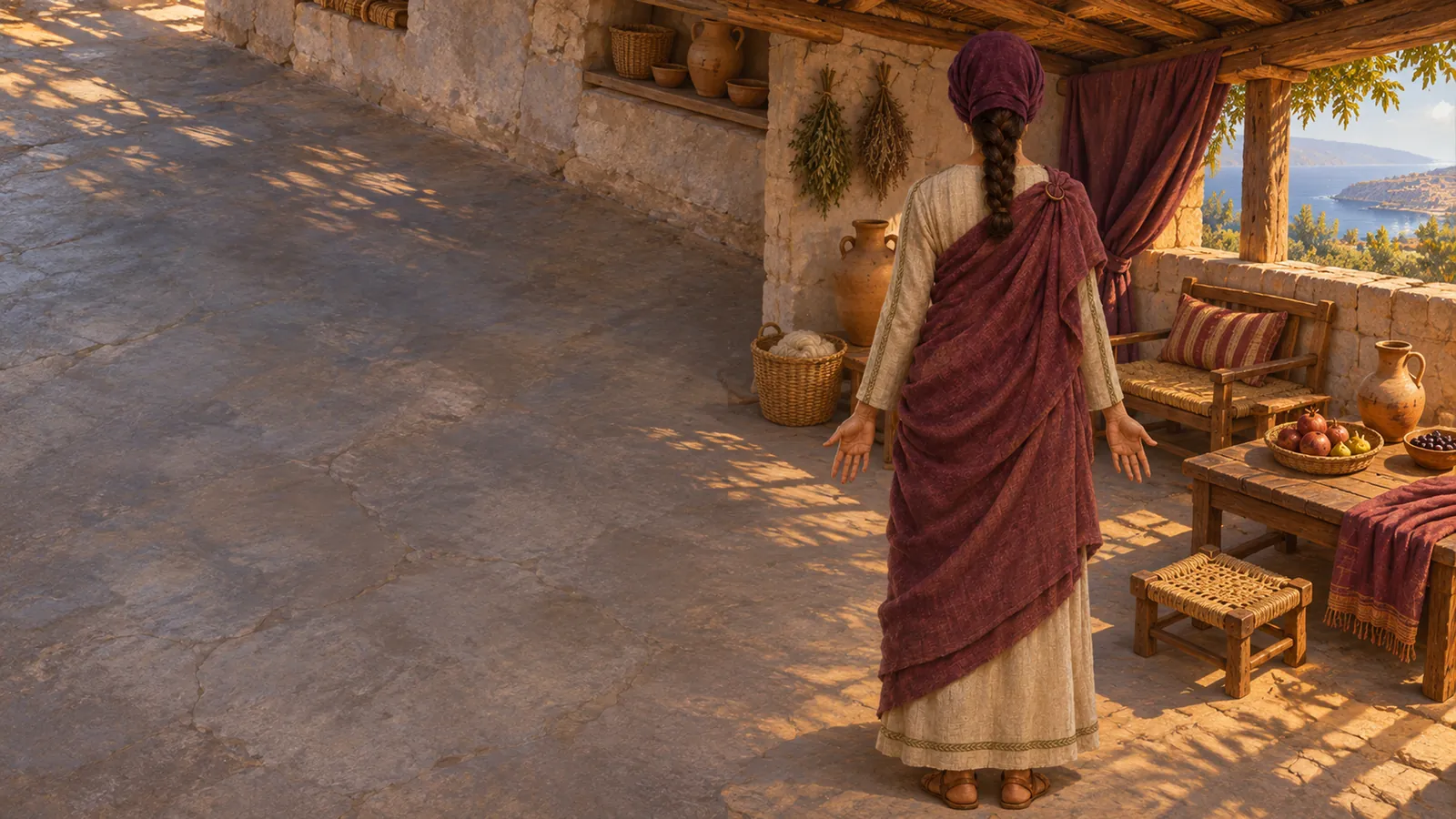
Dans sa maison, Anat dispose les tables et les sièges comme des guerriers et poursuit le combat. Le poème dit qu’elle s’en réjouit.
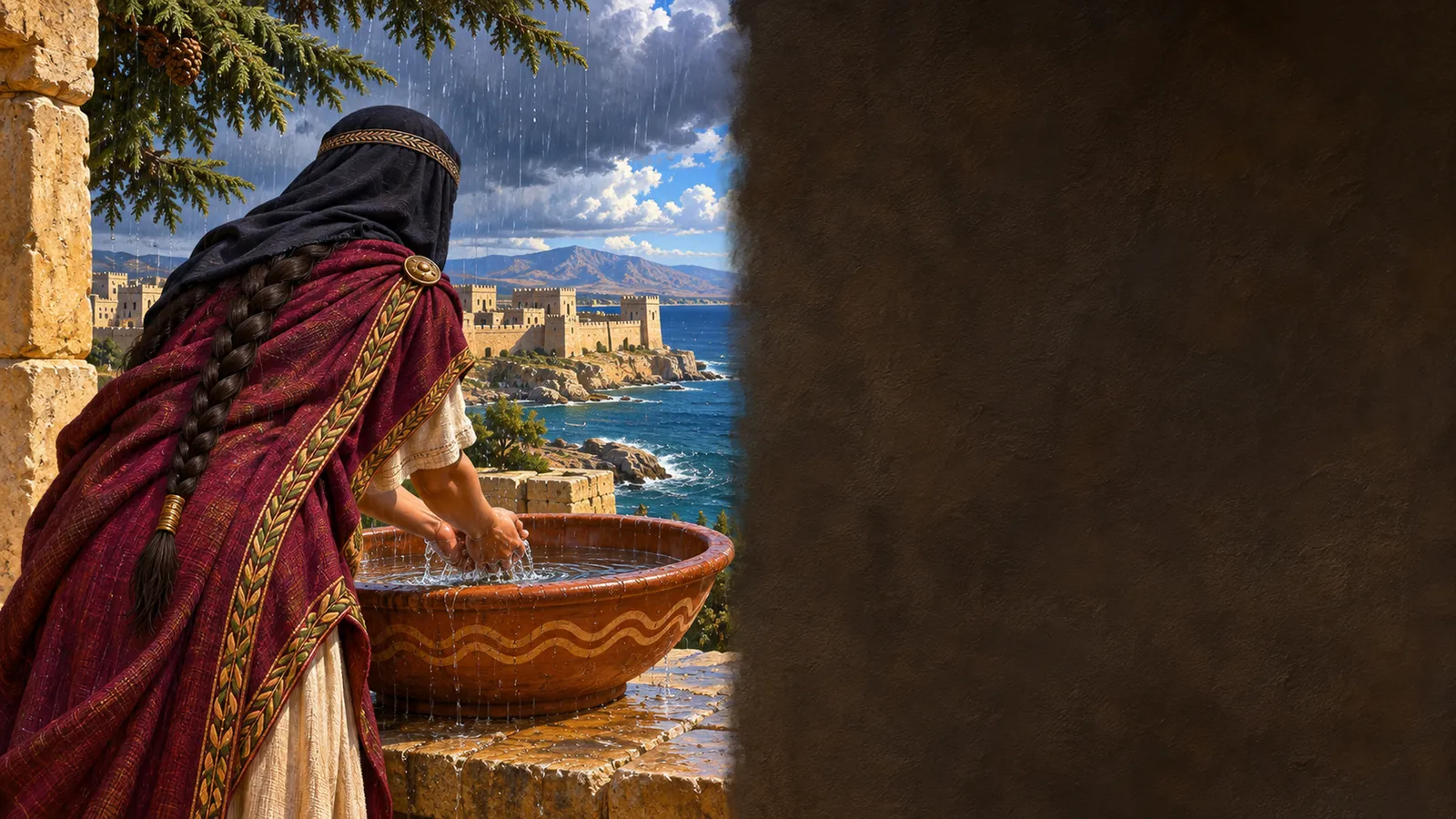
Quand le combat cesse, Anat lave le sang des guerriers sur ses mains. Puis elle se baigne dans la rosée et la pluie.
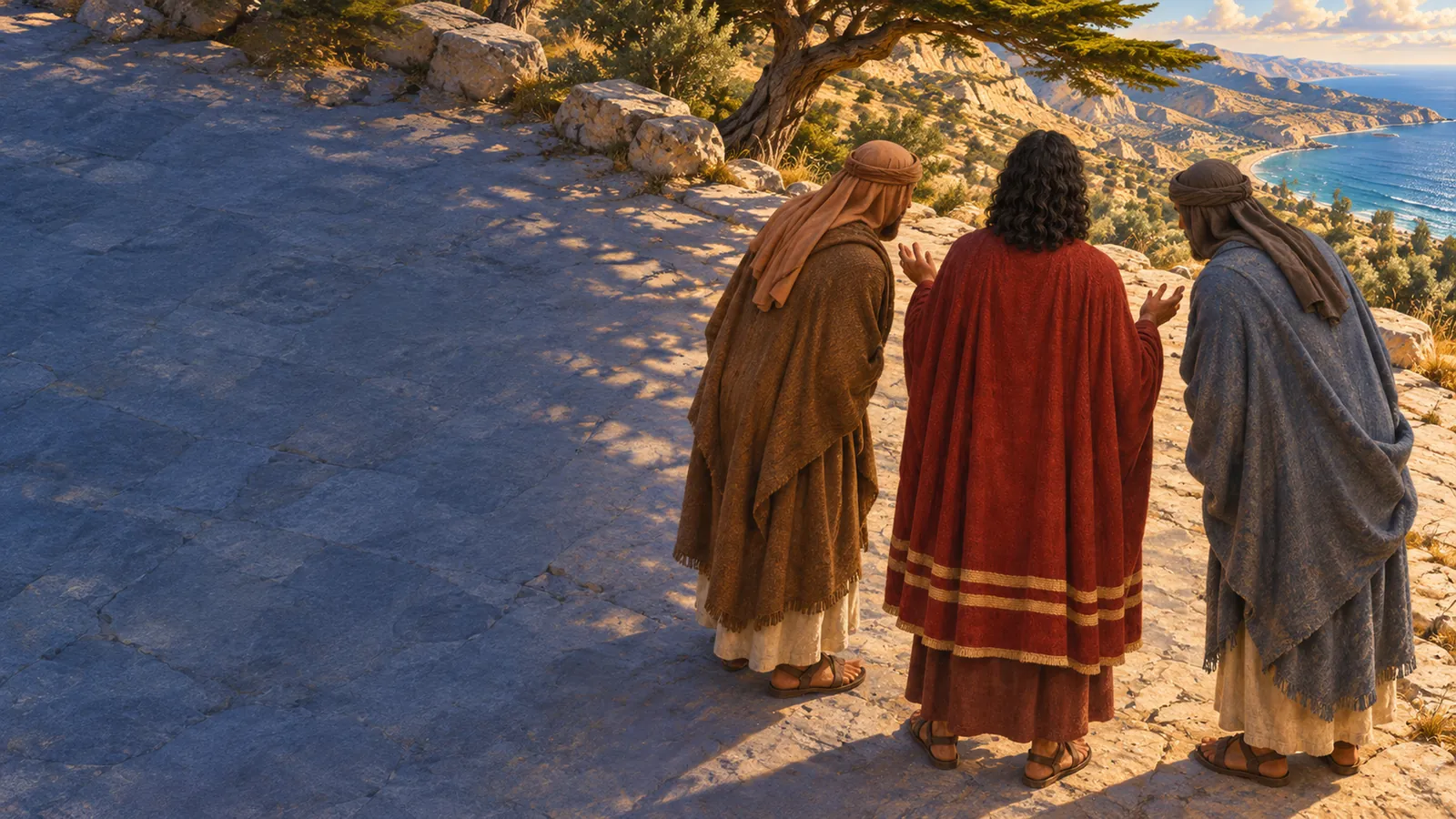
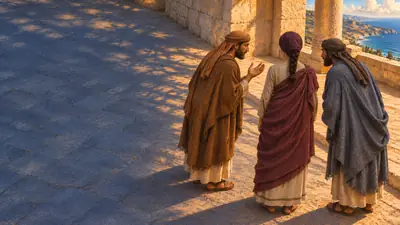
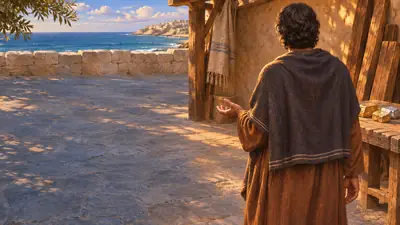
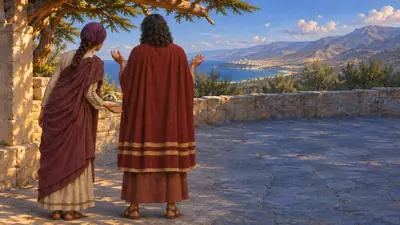
Baal envoie deux messagers parler à Anat. Il leur demande de l’approcher avec le respect dû à celle qui les écoutera.
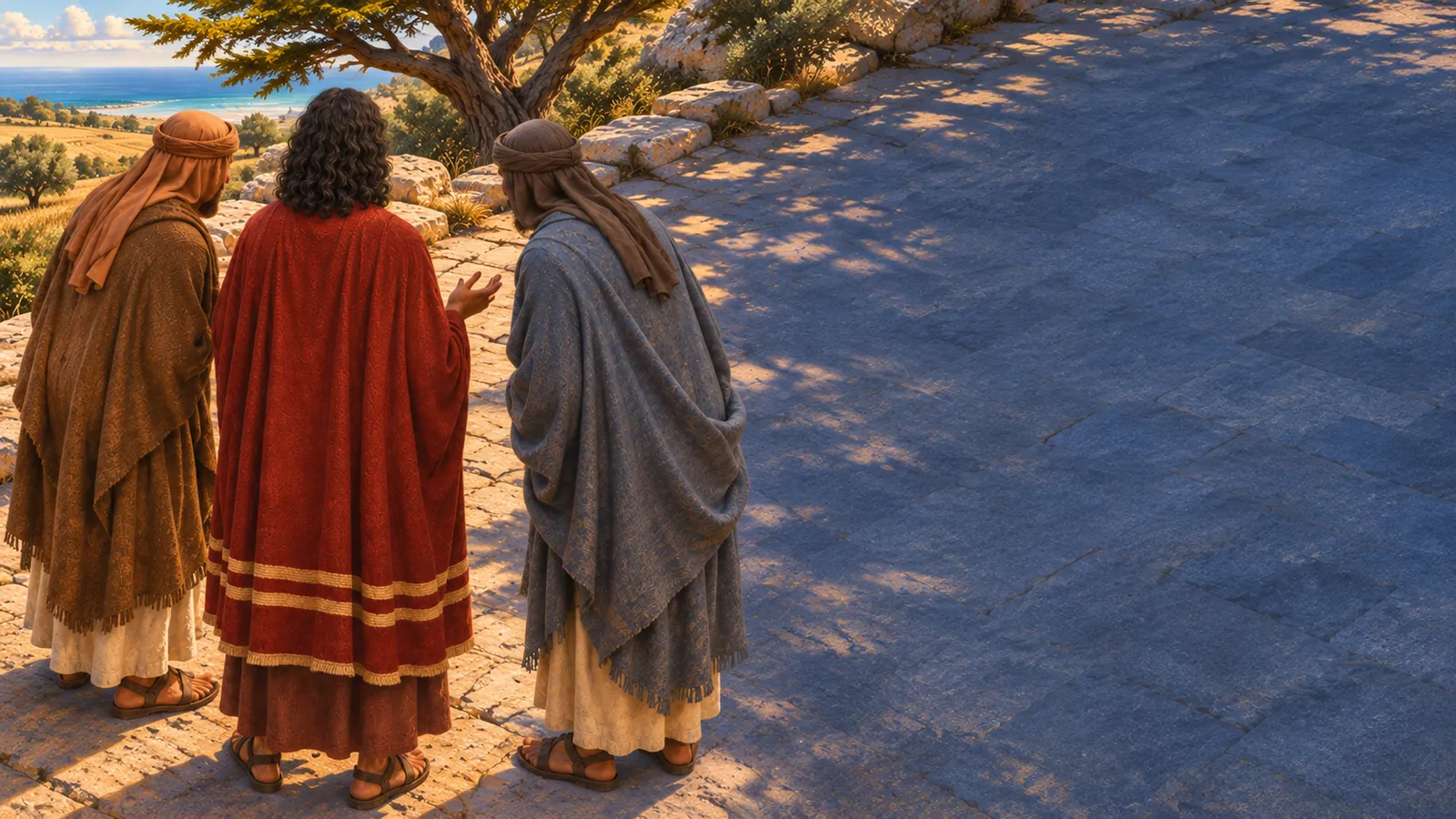
En donnant ses instructions aux messagers, Baal parle de mettre de côté les conflits. Il évoque la paix dans la terre et dans les champs.
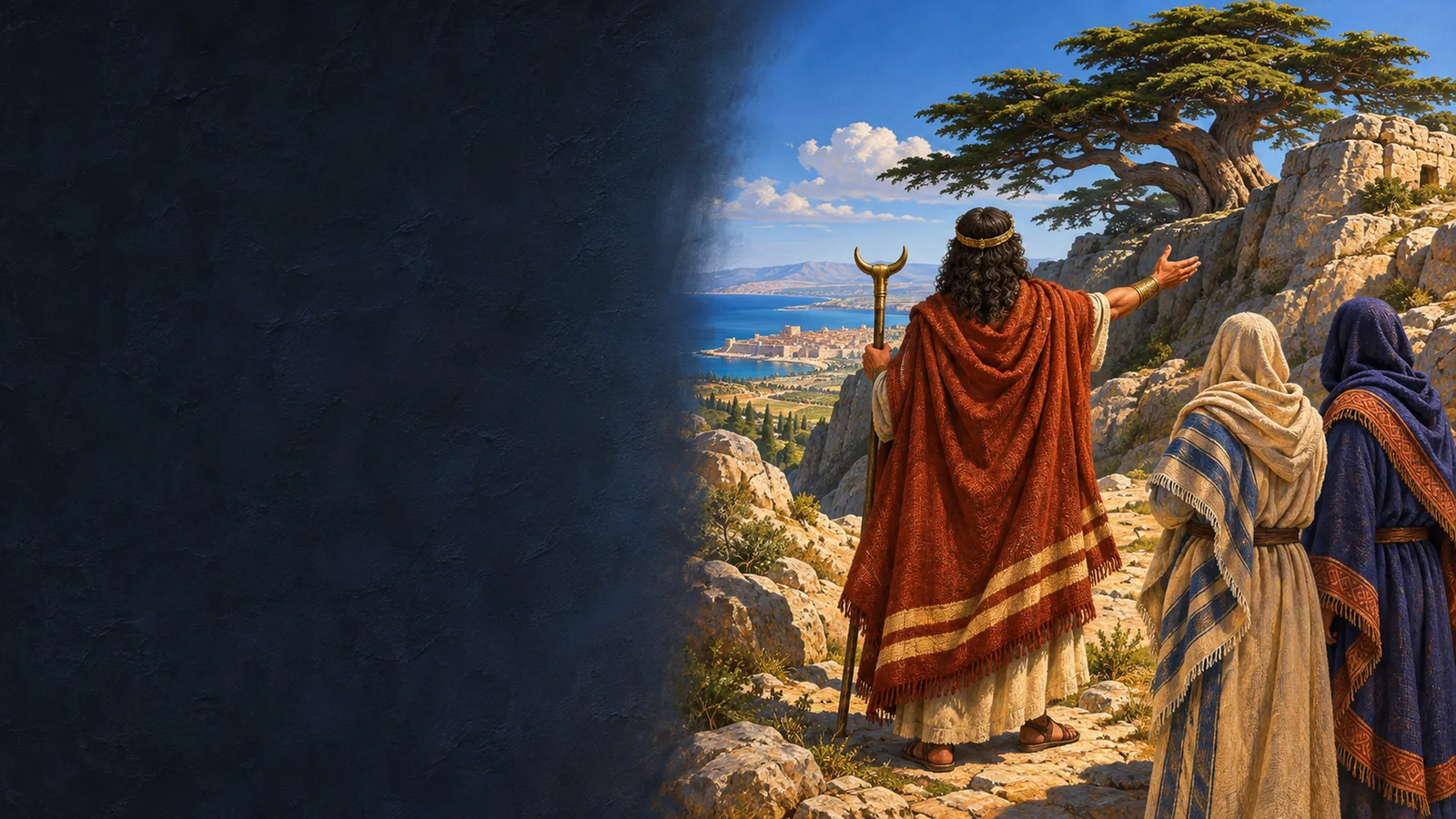
Baal a quelque chose à dire à Anat. Son message parle de l’arbre et de la pierre, et de l’échange entre le ciel et la terre.
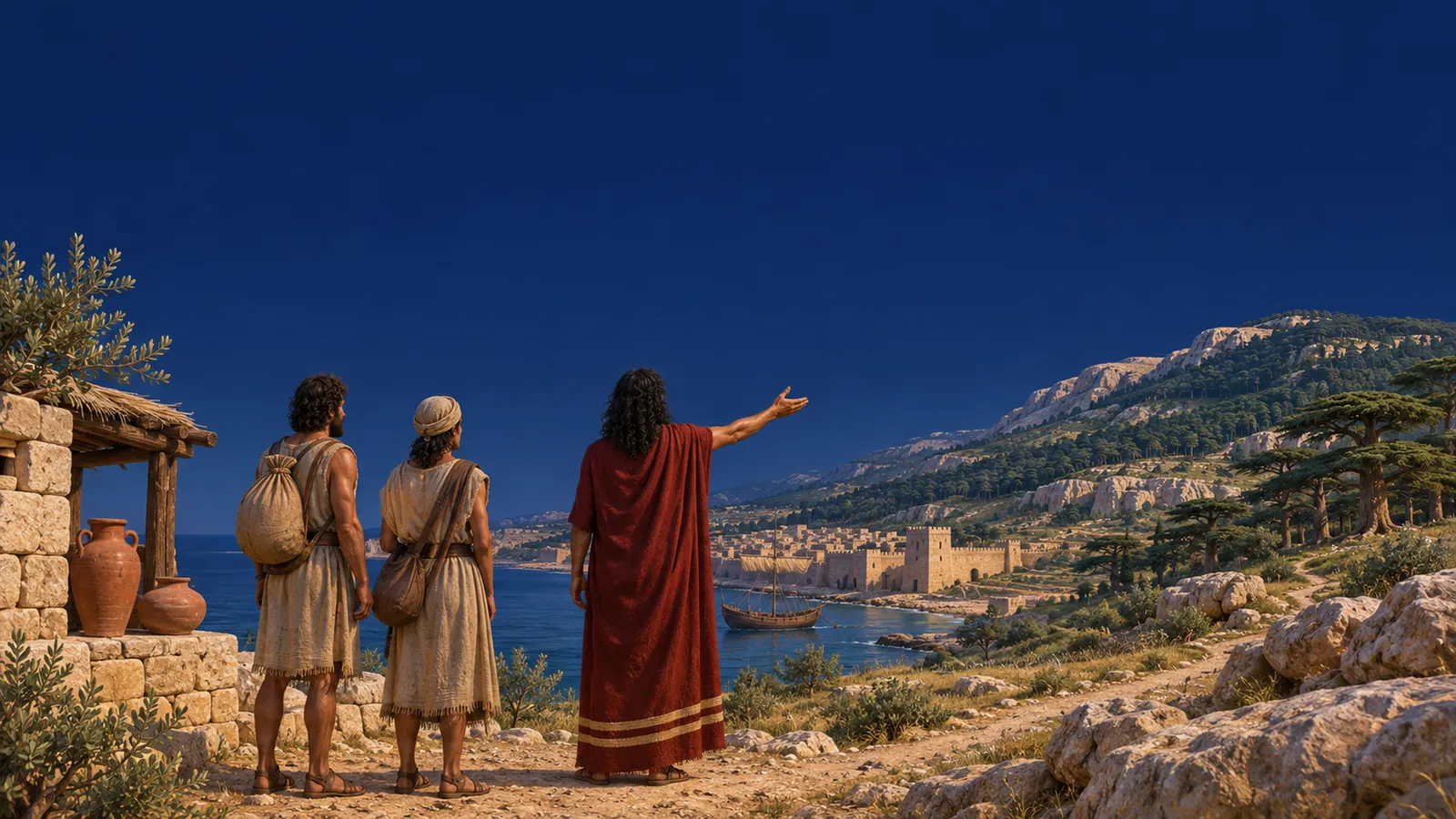
SAPHON
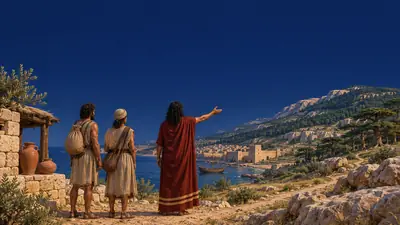
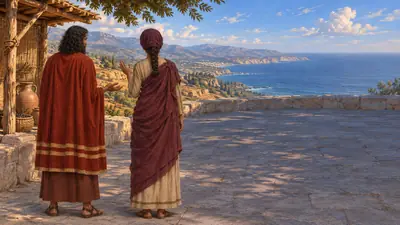
Baal demande à Anat de venir au Saphon entendre ce qu’il sait. Il l’appelle sa montagne sacrée et la colline dont il a hérité.
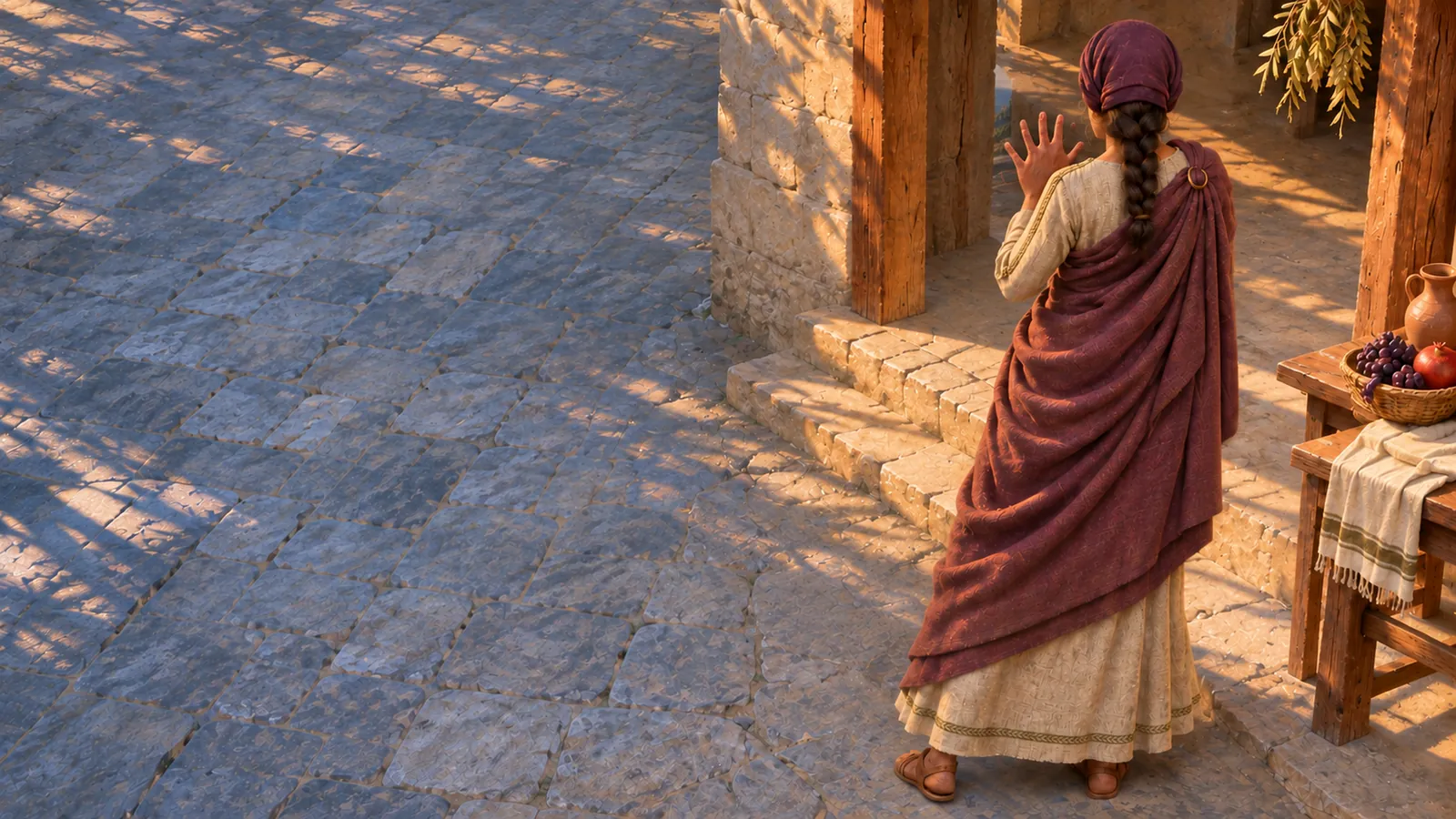
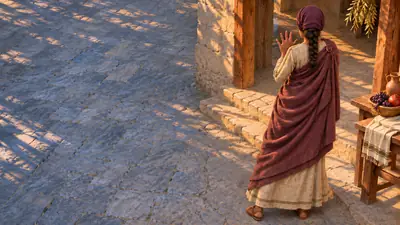
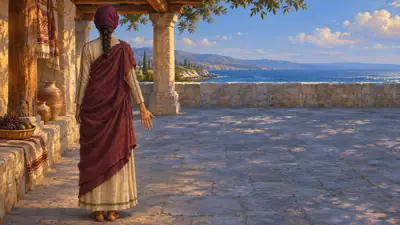
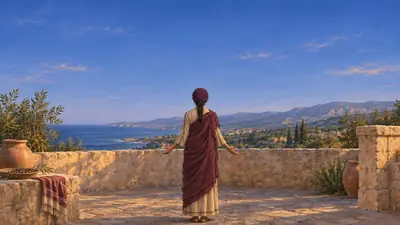
Anat voit les messagers s’approcher. Avant qu’ils ne parlent, la peur la saisit à leur vue.

Anat se demande quel ennemi a pu troubler Baal. Elle évoque, dans sa question, des adversaires qu’elle se souvient d’avoir vaincus autrefois.
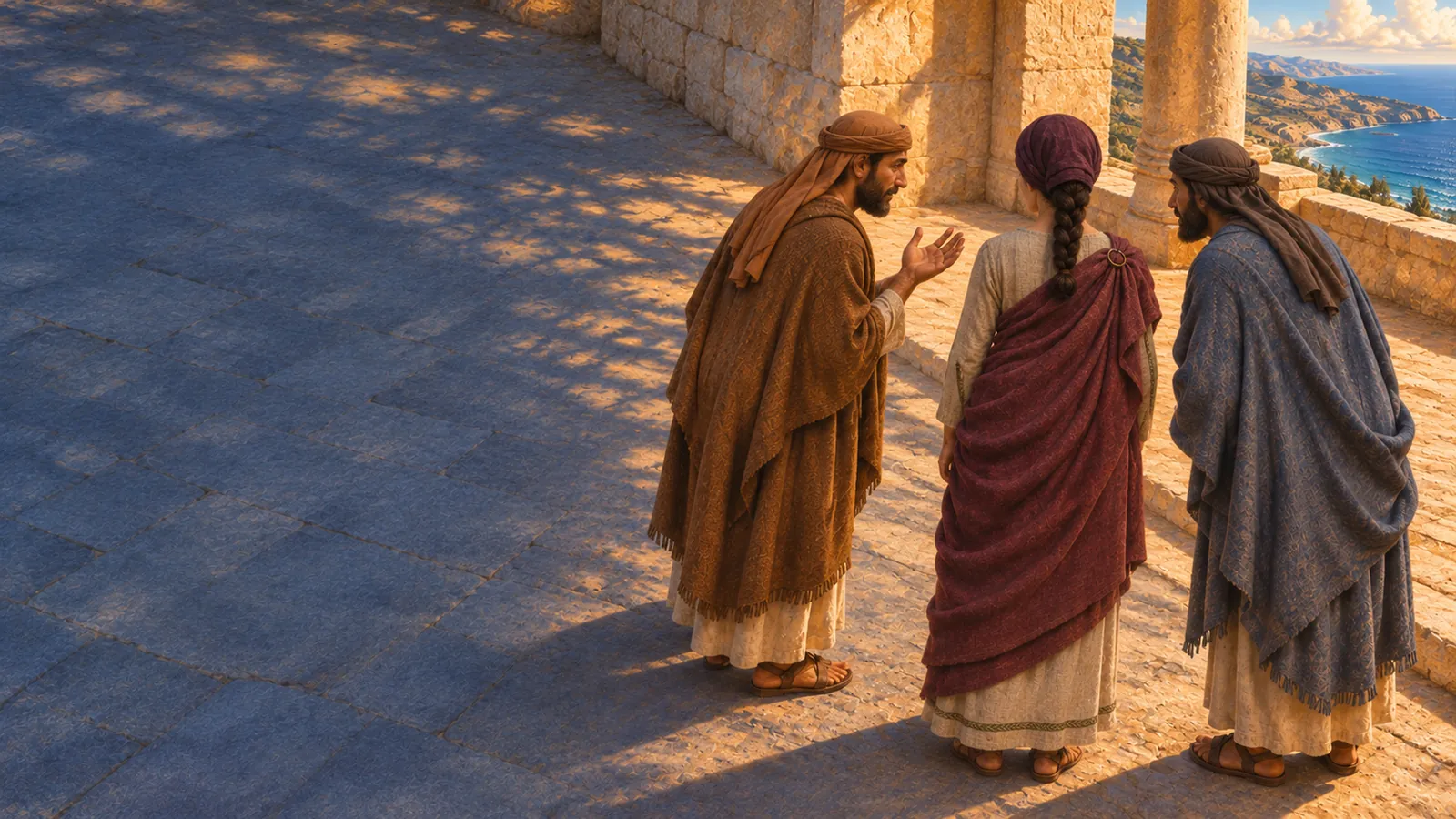
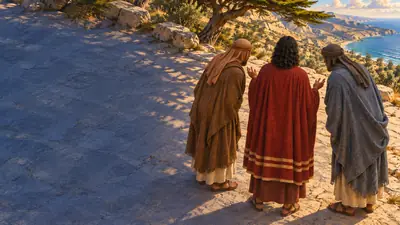
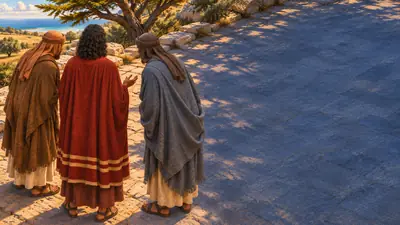
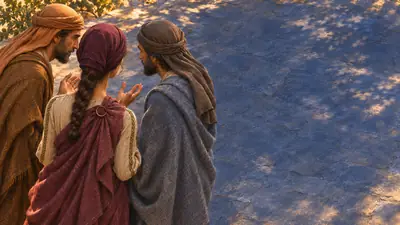
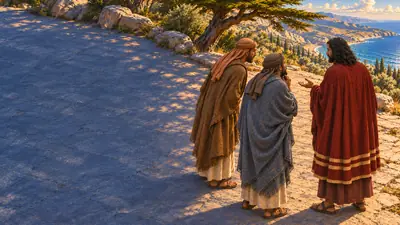
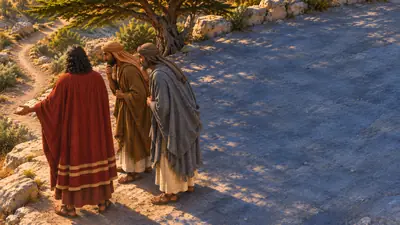
Les messagers transmettent les paroles qui leur ont été confiées. Baal demande à Anat de le rejoindre au Saphon pour entendre ce qu’il a à lui dire.
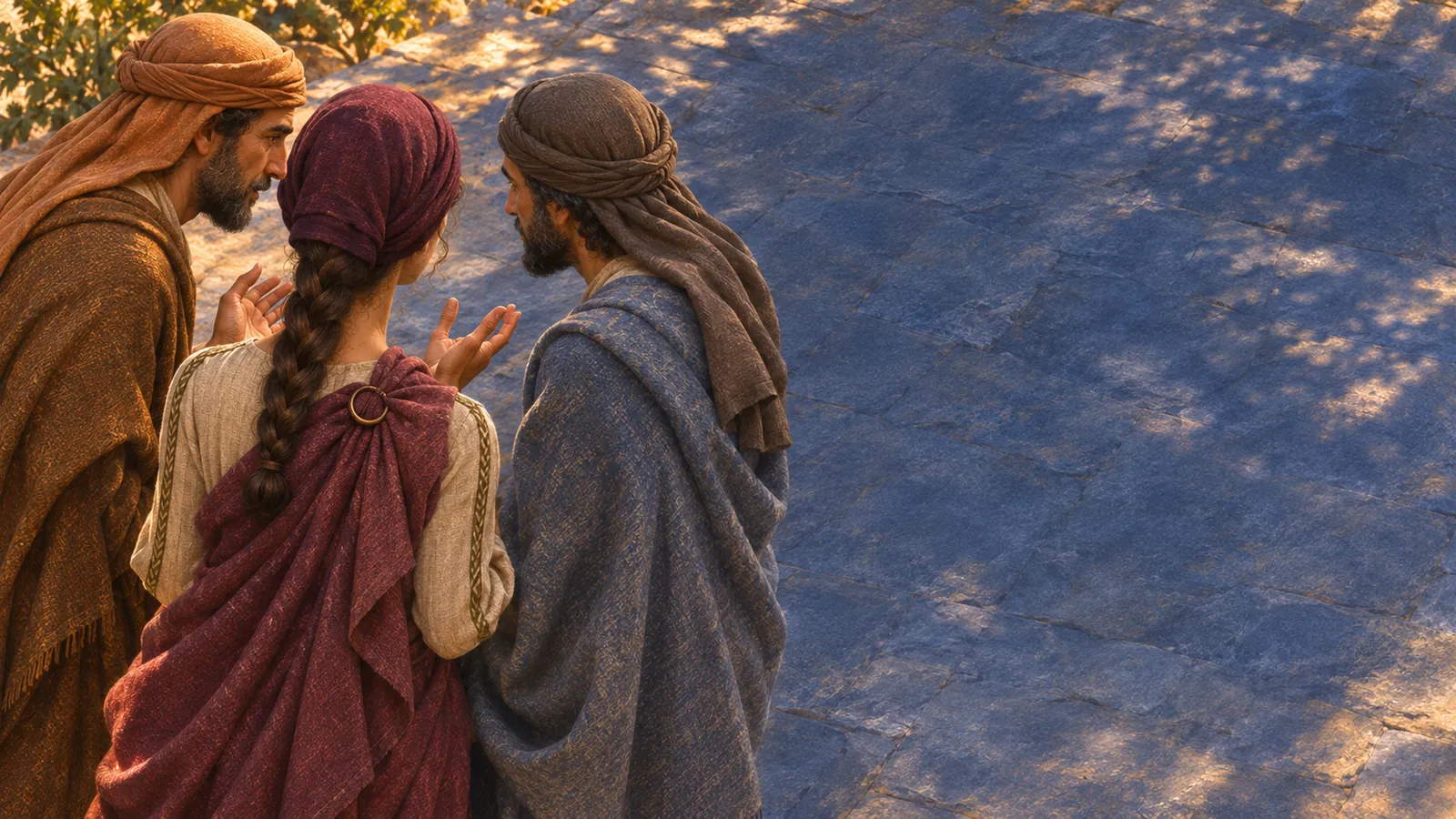
Anat répond aux messagers. Elle reprend les mots sur la fin des conflits et leur demande ce qu’ils sont venus lui dire.

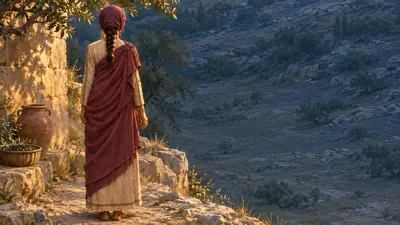
Anat dit qu’elle se hâtera. Elle se dirige vers Baal sur les hauteurs du Saphon, et il voit sa sœur venir.
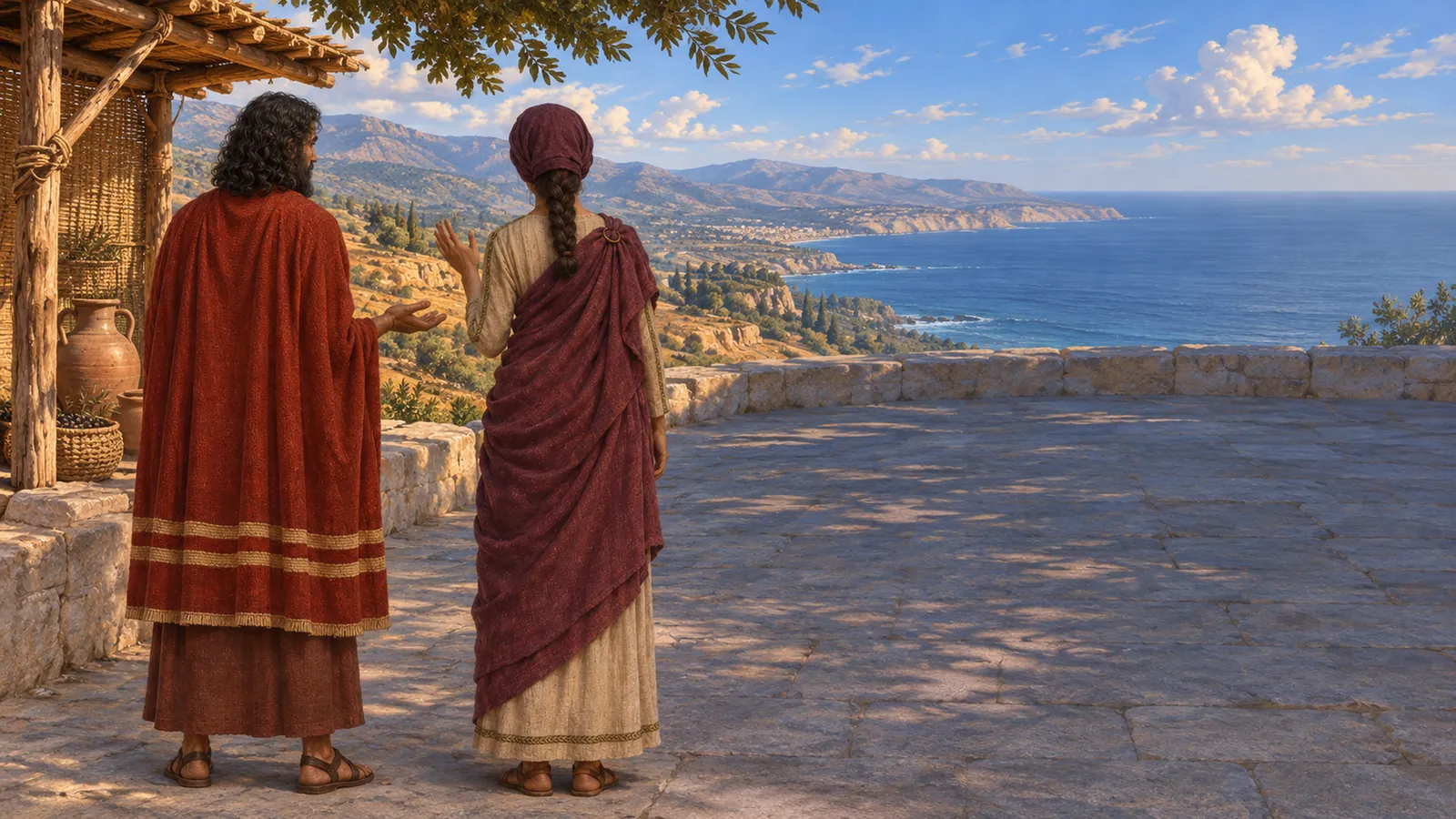
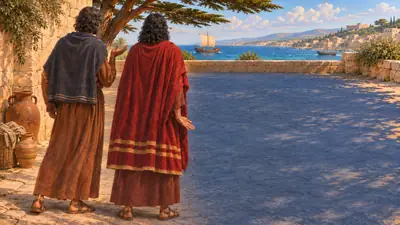
Baal manque d’une maison comme les autres dieux et d’une cour comme la famille d’Athirat. Anat répond qu’elle insistera auprès d’El.
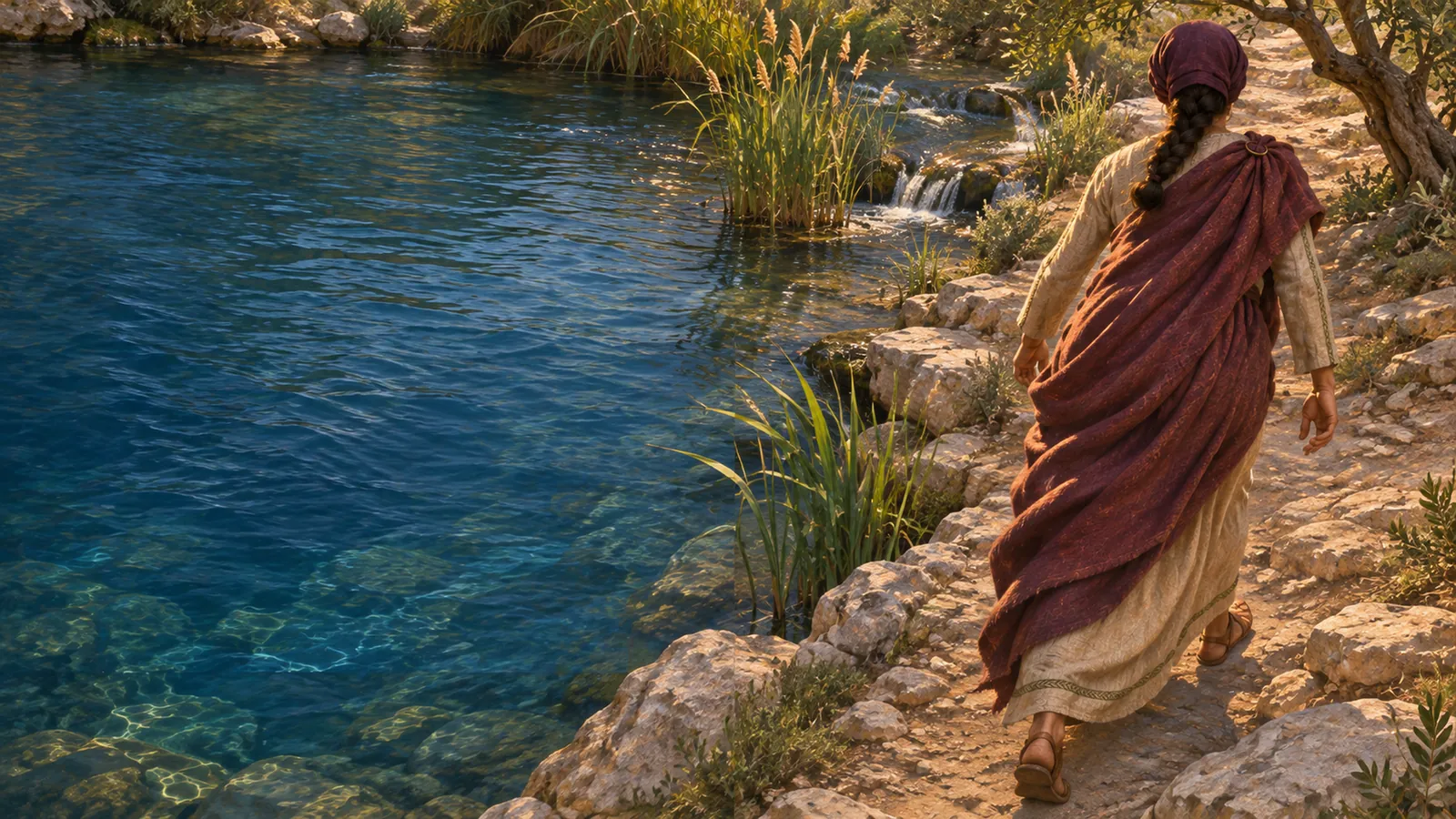
Anat dit ce qu’elle fera si la maison est refusée. Elle se met en route vers la demeure d’El, et les vers brisés conservent une partie de son trajet.
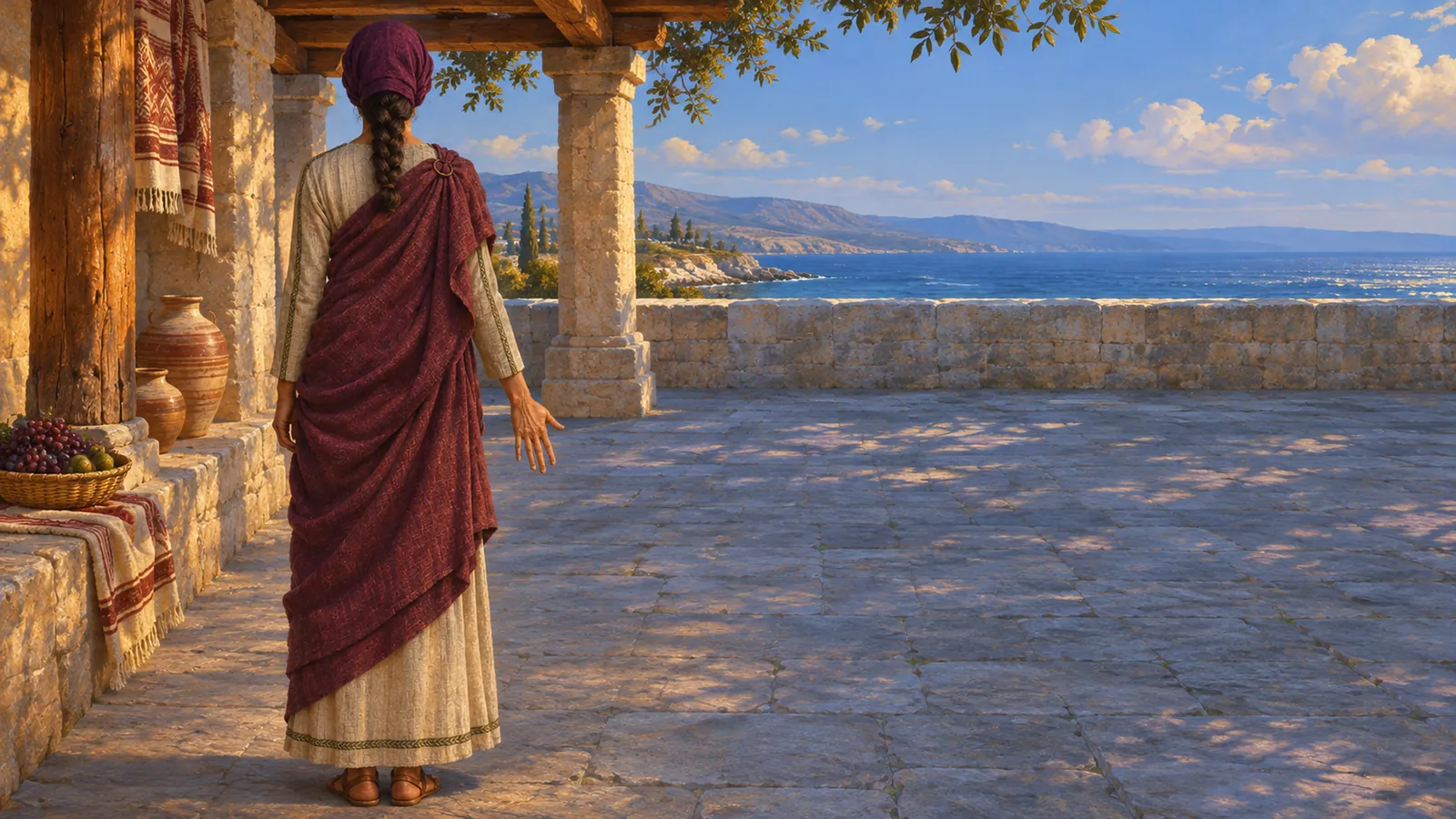
Devant El, Anat parle sous le coup de la colère et profère une menace. El lui répond en l’appelant sa fille.
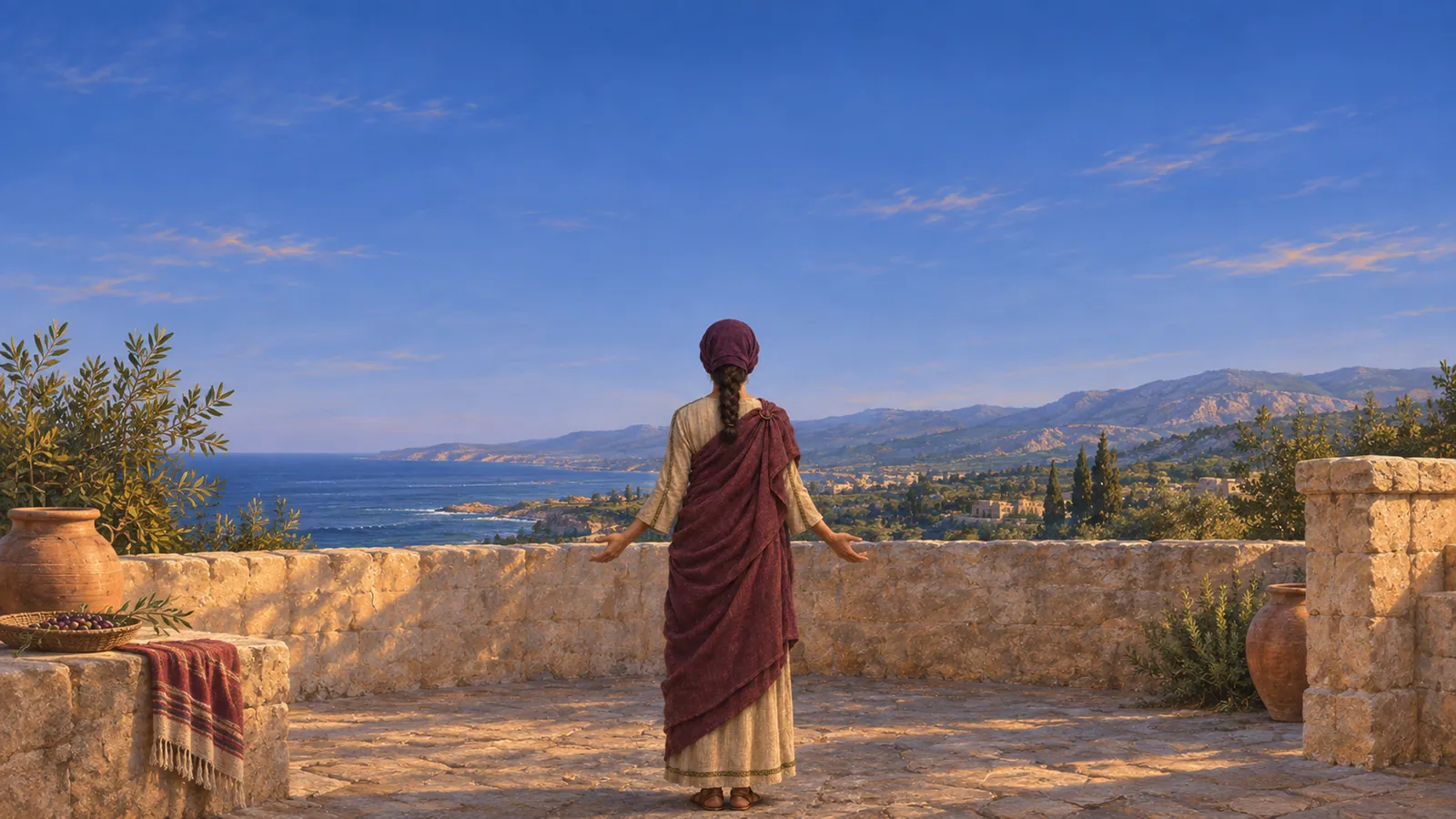
LA REQUÊTE
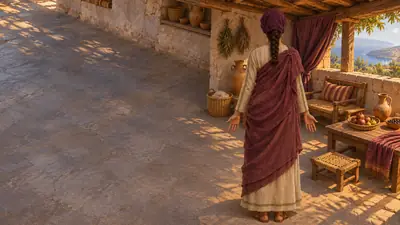
Anat loue la sagesse d’El et revient à sa demande. Les autres dieux ont des demeures, dit-elle, tandis que Baal en manque toujours. La réponse finale d’El à cette demande ne nous est pas parvenue.
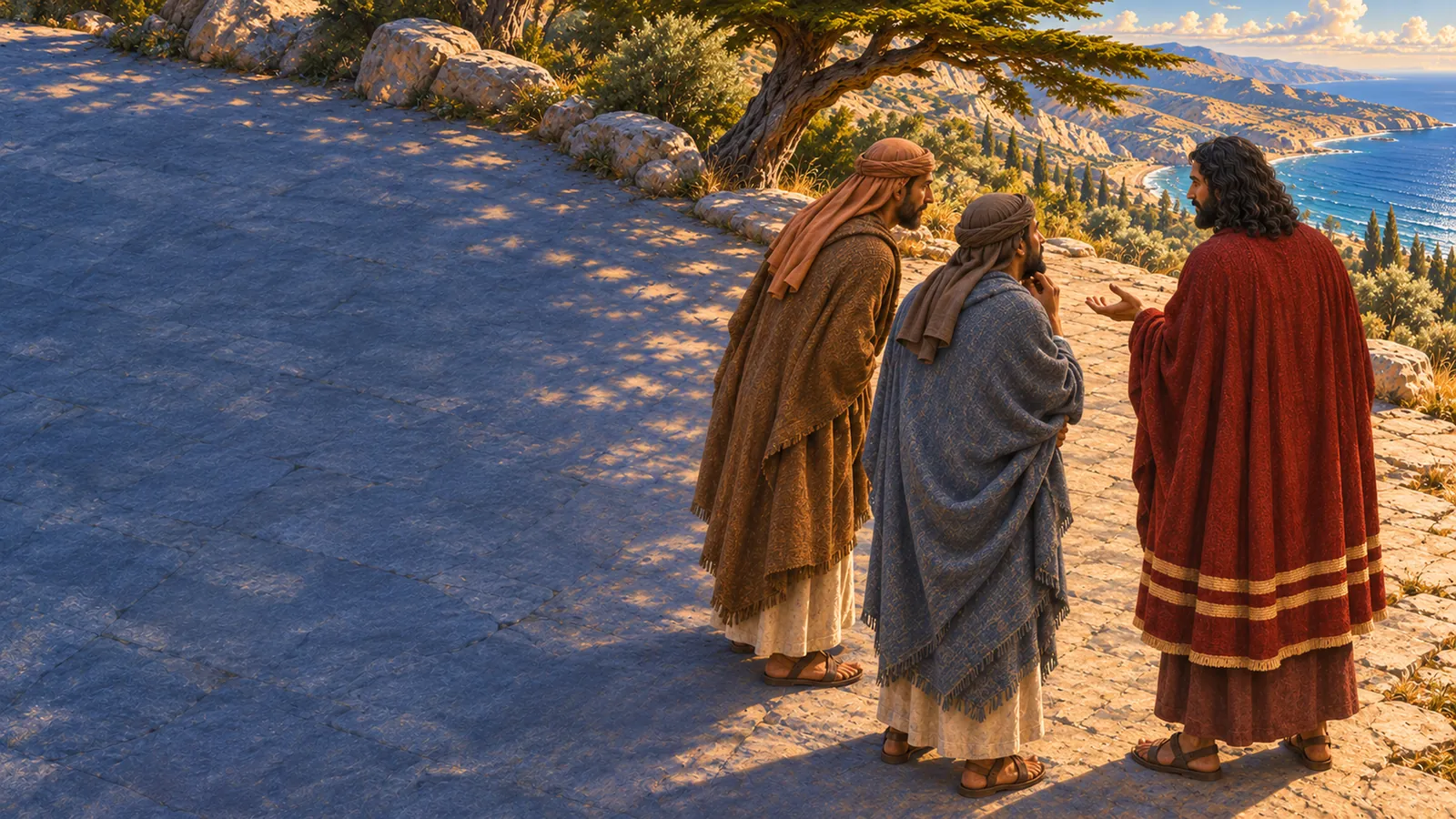
Les instructions conservées ensuite évoquent un présent pour Athirat à propos de la maison. Baal appelle Gapn et Ugar à porter ses paroles.
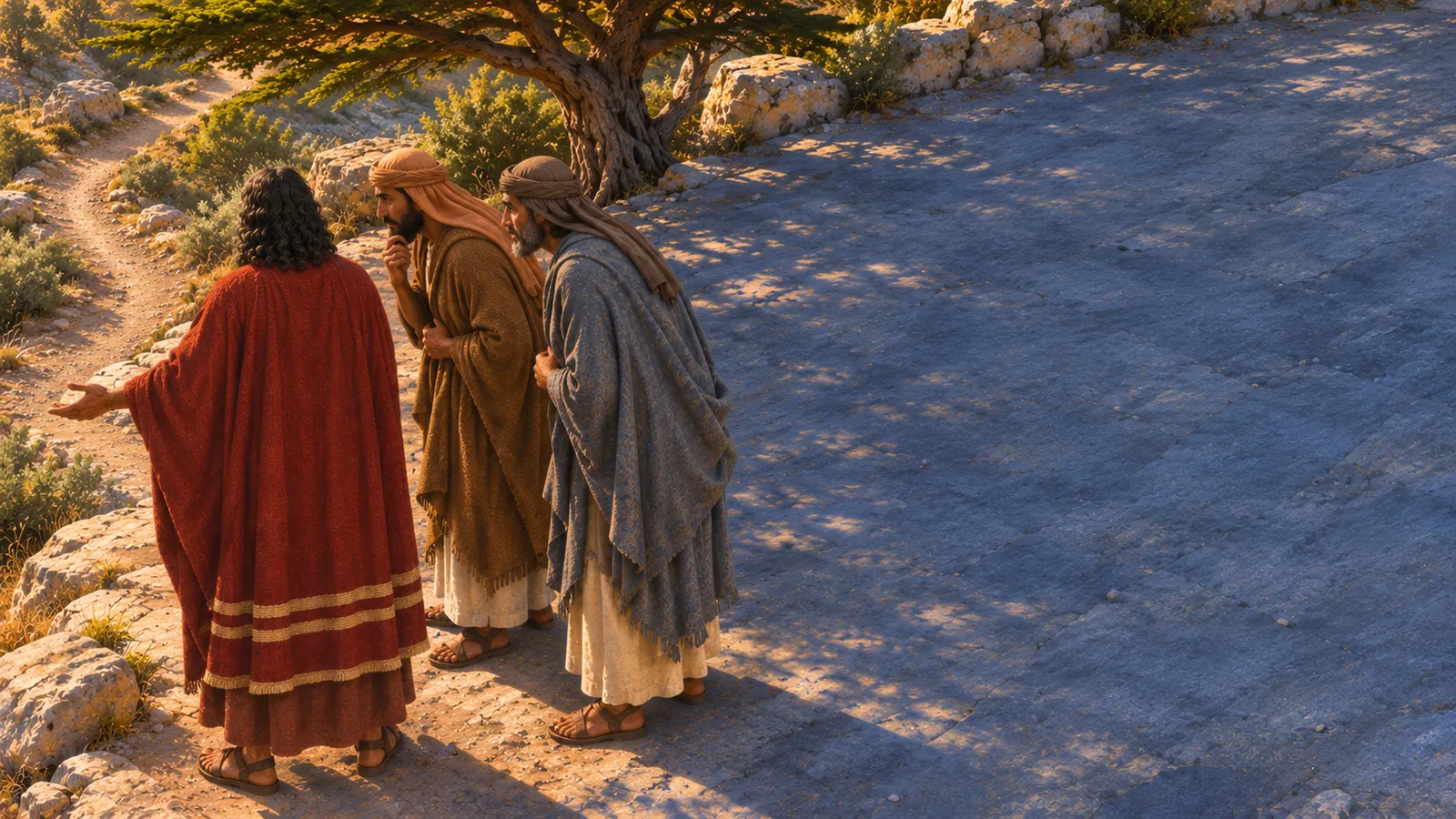
Baal explique aux deux messagers le chemin à suivre et la manière de se présenter à leur arrivée. Ils ont un nouveau message à porter.
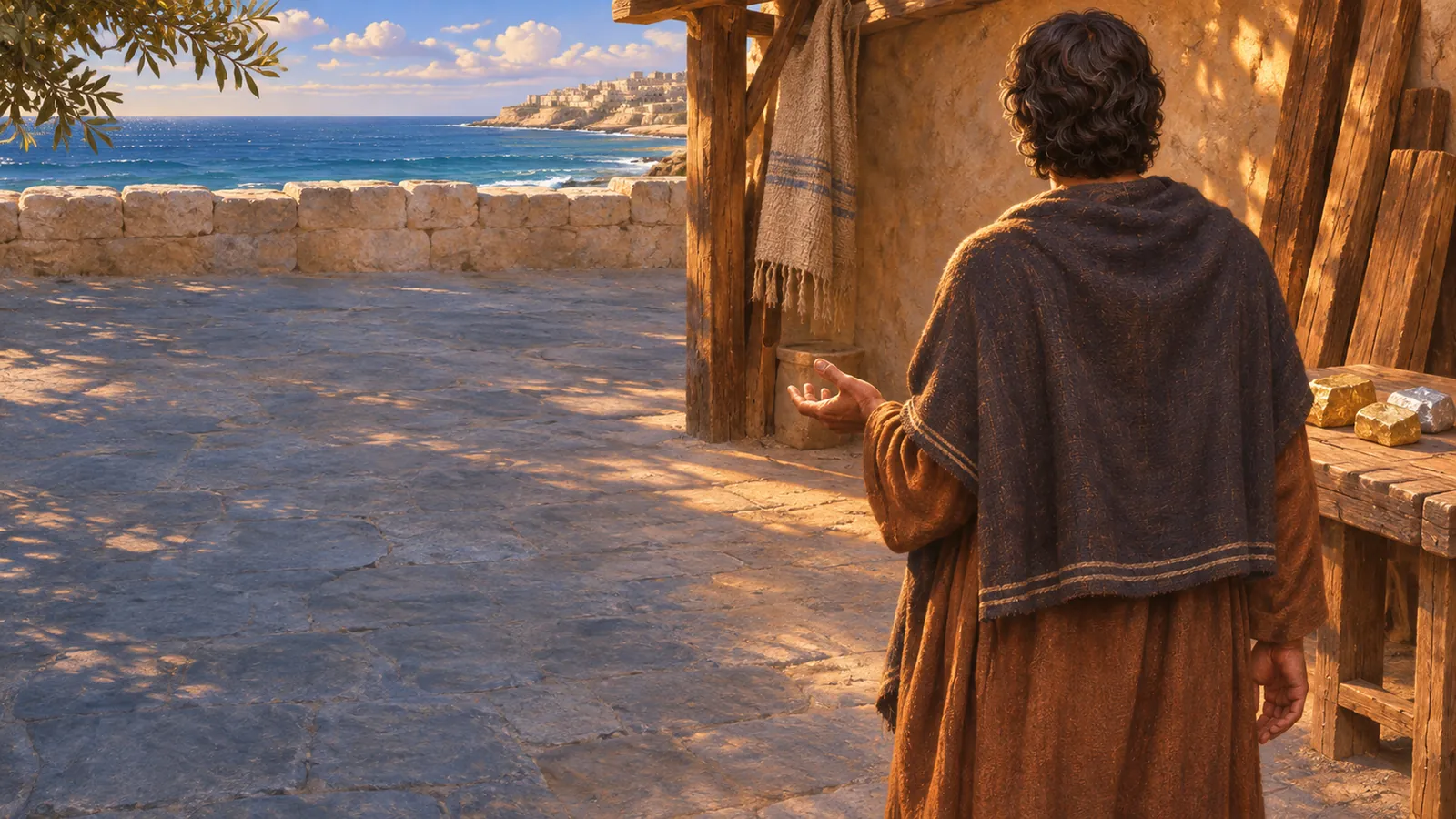
Le message endommagé évoque de nouveau la maison qui manque à Baal. Kothar reçoit à présent la demande de façonner un présent pour Athirat.
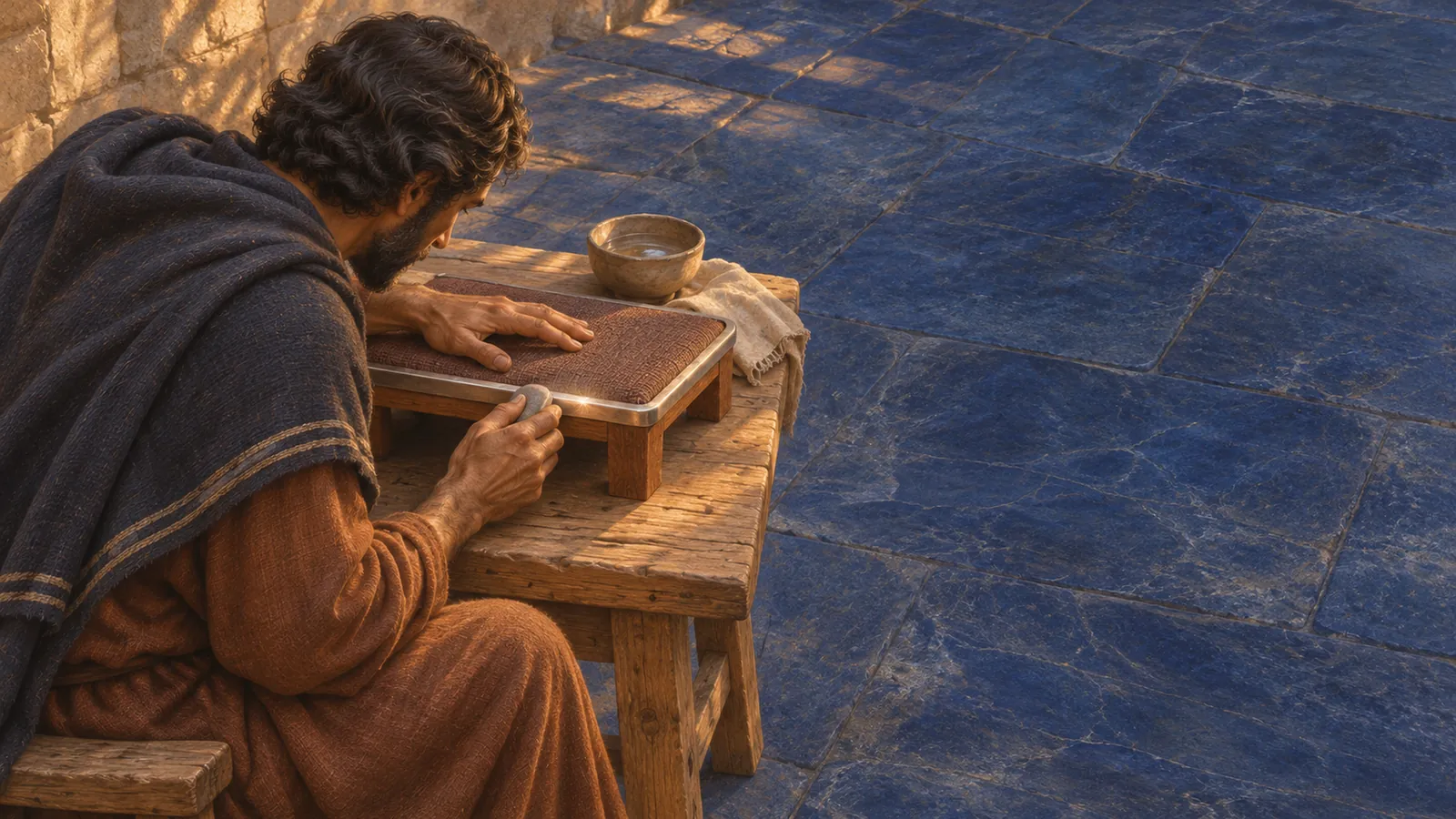
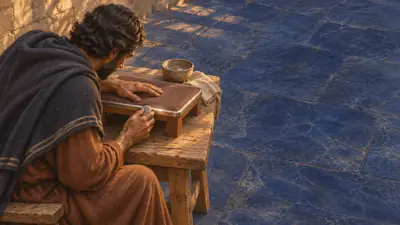
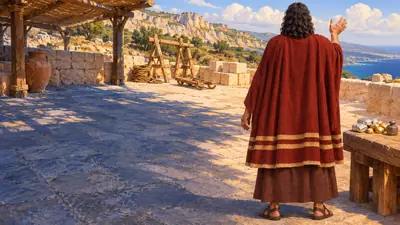
Kothar travaille les métaux précieux. Parmi les meubles qu’il façonne, le poème nomme une estrade, un siège et un repose-pieds.
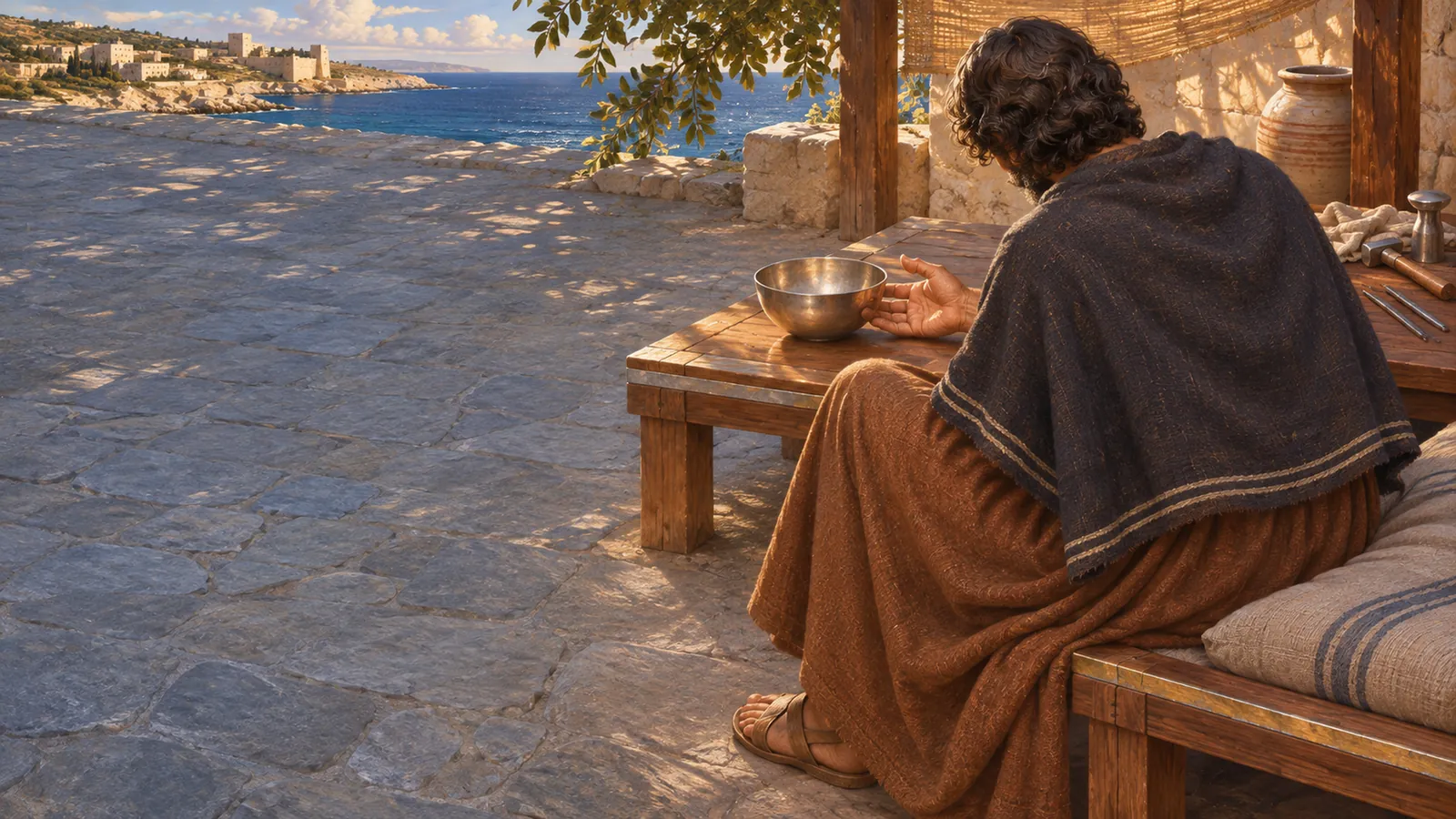
La liste des présents de Kothar comprend un lit de repos, une table et un bol finement ouvragé. Le poème souligne le soin du travail.

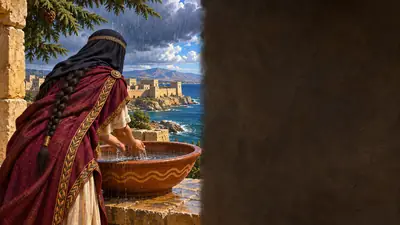
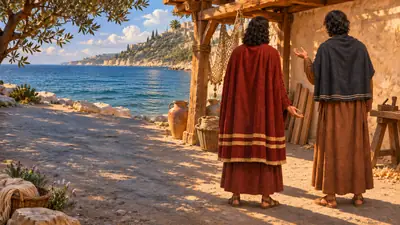
Les mots conservés passent à Athirat au bord de l’eau. Le passage est difficile, et les lectures divergent sur le travail qui y est décrit avec le tissu et le feu.
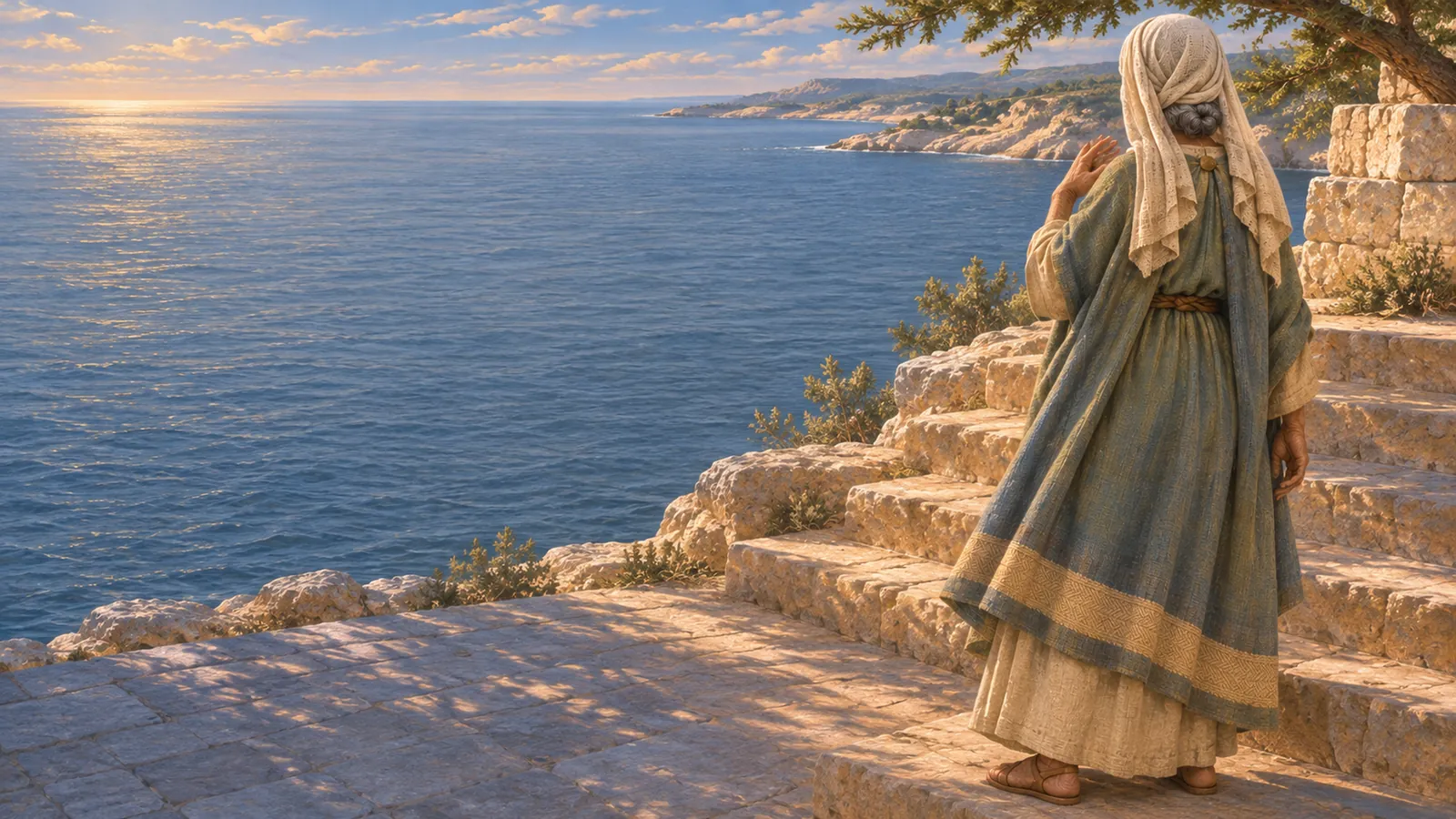
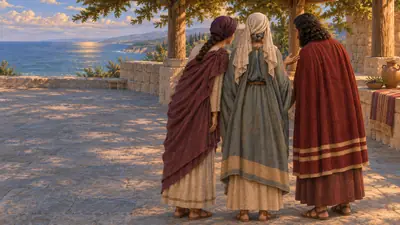
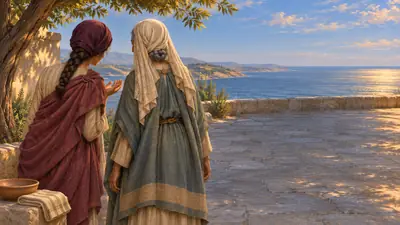
Athirat voit Baal et Anat venir vers elle. Leur approche l’alarme, et elle craint qu’ils soient venus s’en prendre à ses enfants et à ses proches.
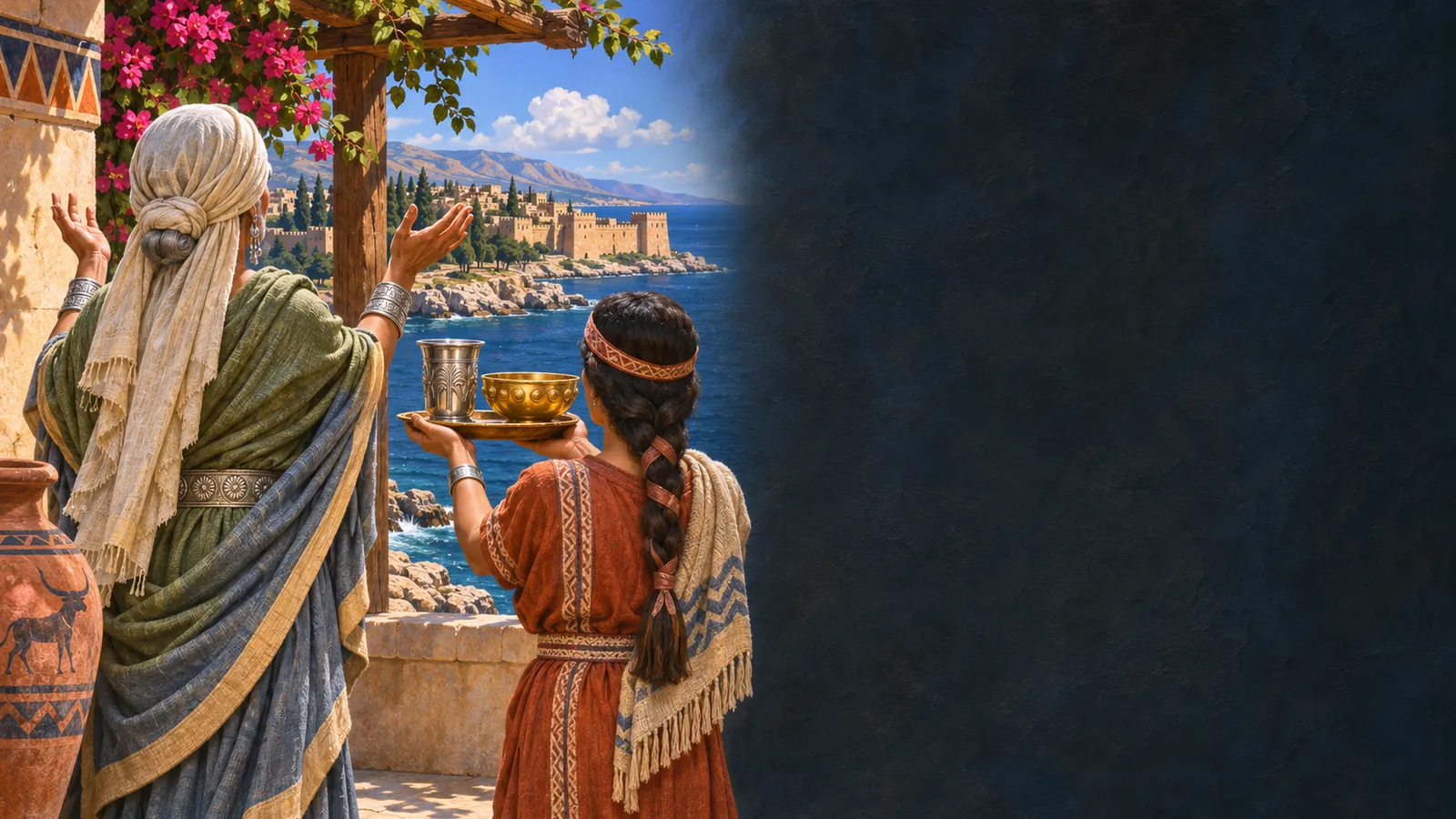
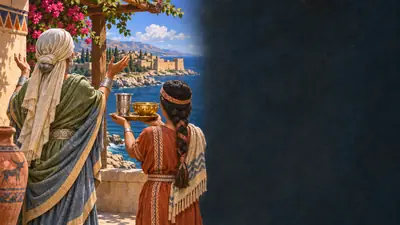
Athirat voit l’argent et l’éclat de l’or. Sa crainte cède à la joie lorsqu’elle attire l’attention sur le travail de l’artisan.
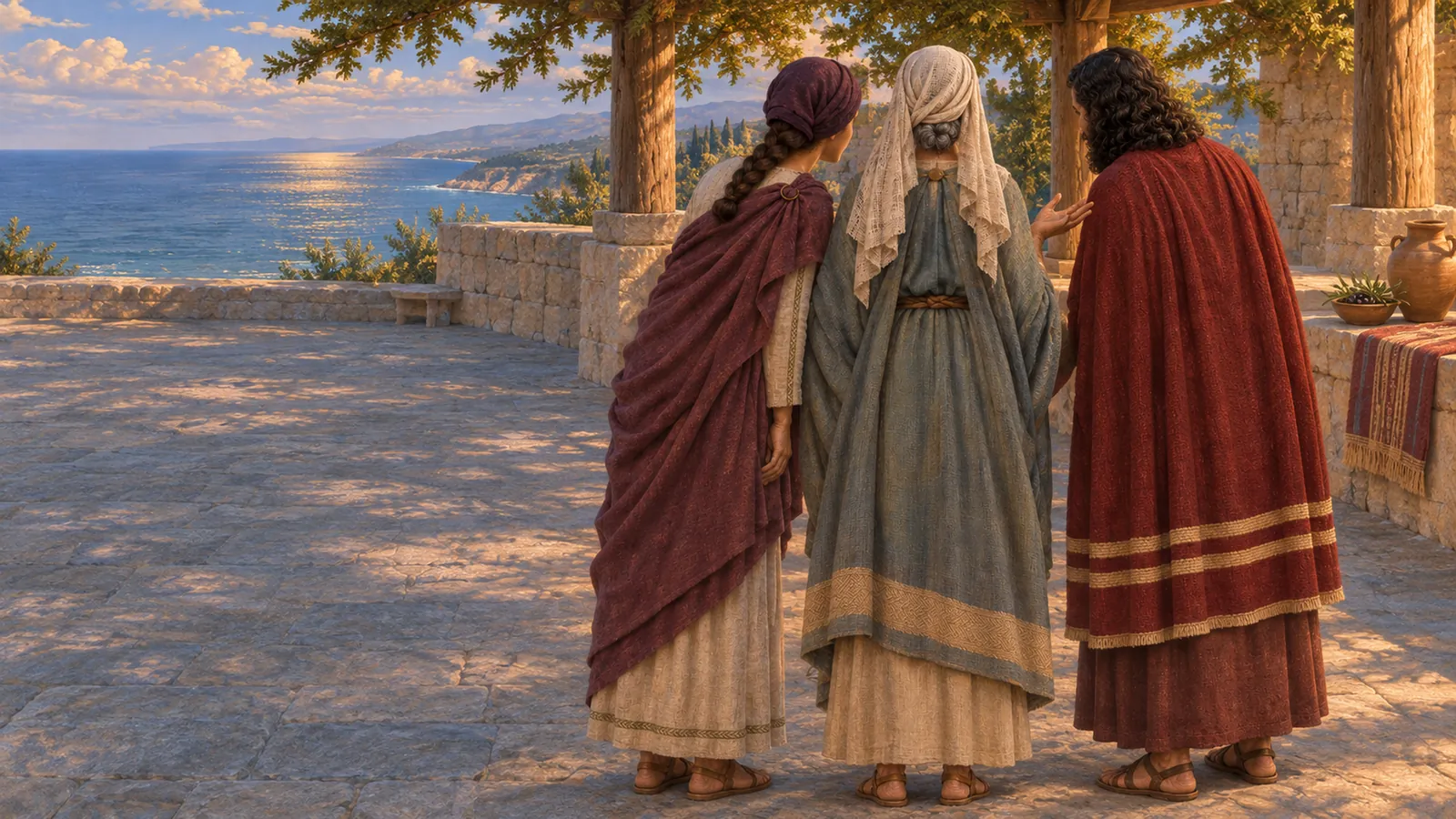
Baal et Anat viennent demander l’aide d’Athirat. Elle leur demande pourquoi ils viennent à elle et les invite à porter leur demande à El.
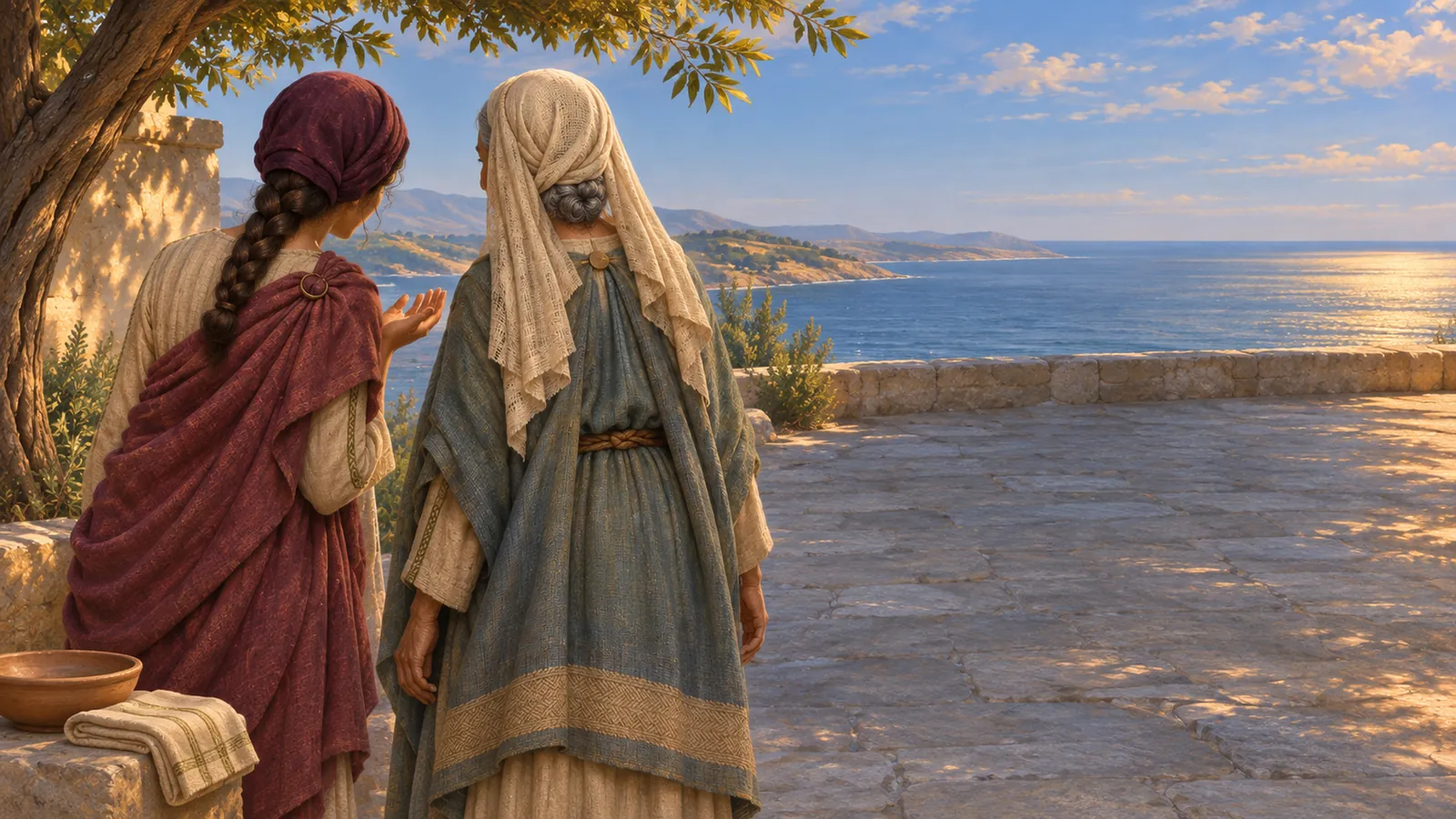
Anat revient à sa demande et parle d’apporter des présents à Athirat. La scène conservée se tourne ensuite vers l’hospitalité, avant qu’Athirat ne se rende auprès d’El.

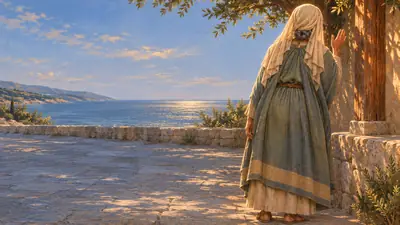
Athirat part parler à El. Le poème place sa demeure aux sources des fleuves, parmi les eaux qui jaillissent des profondeurs.
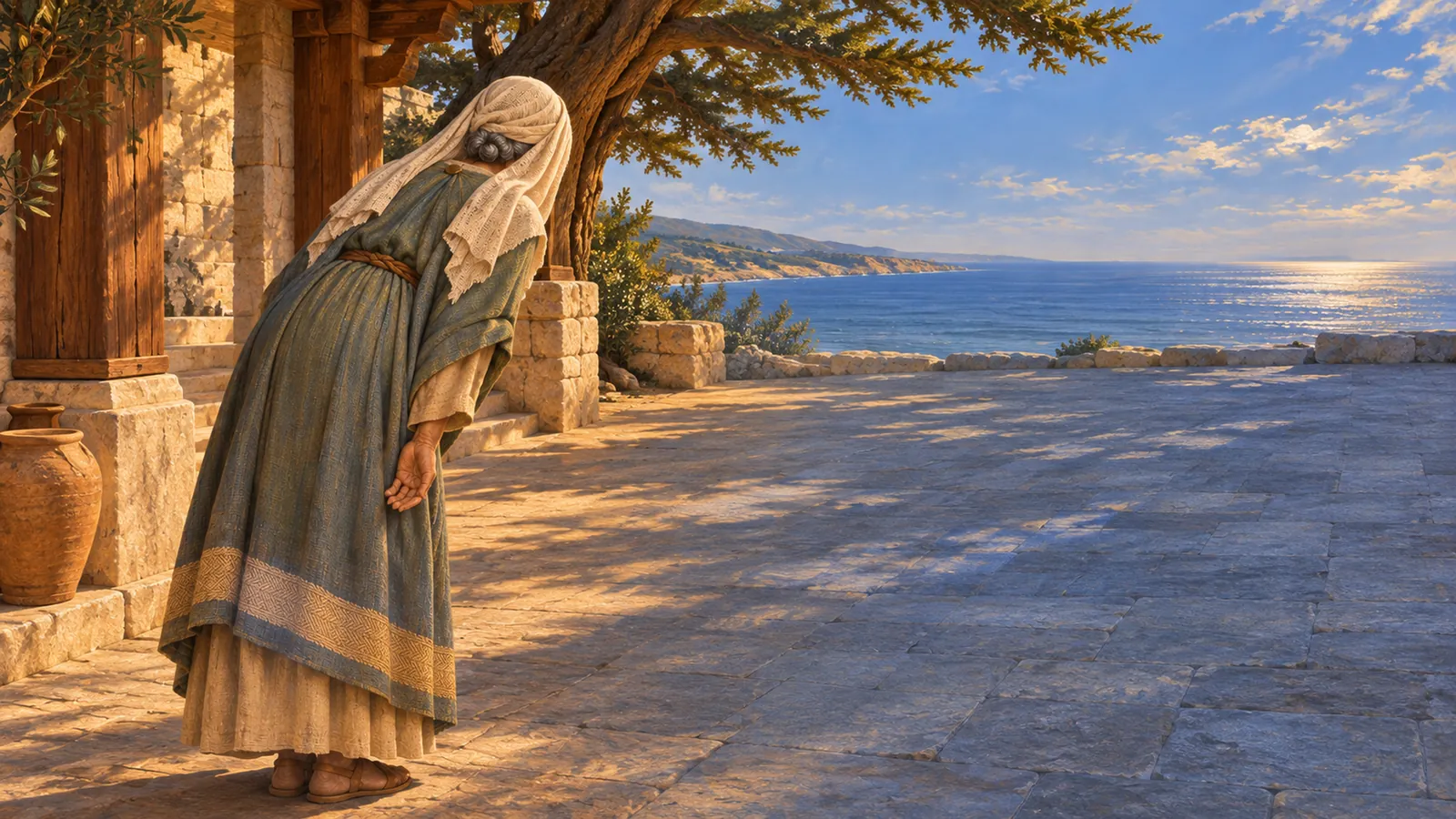
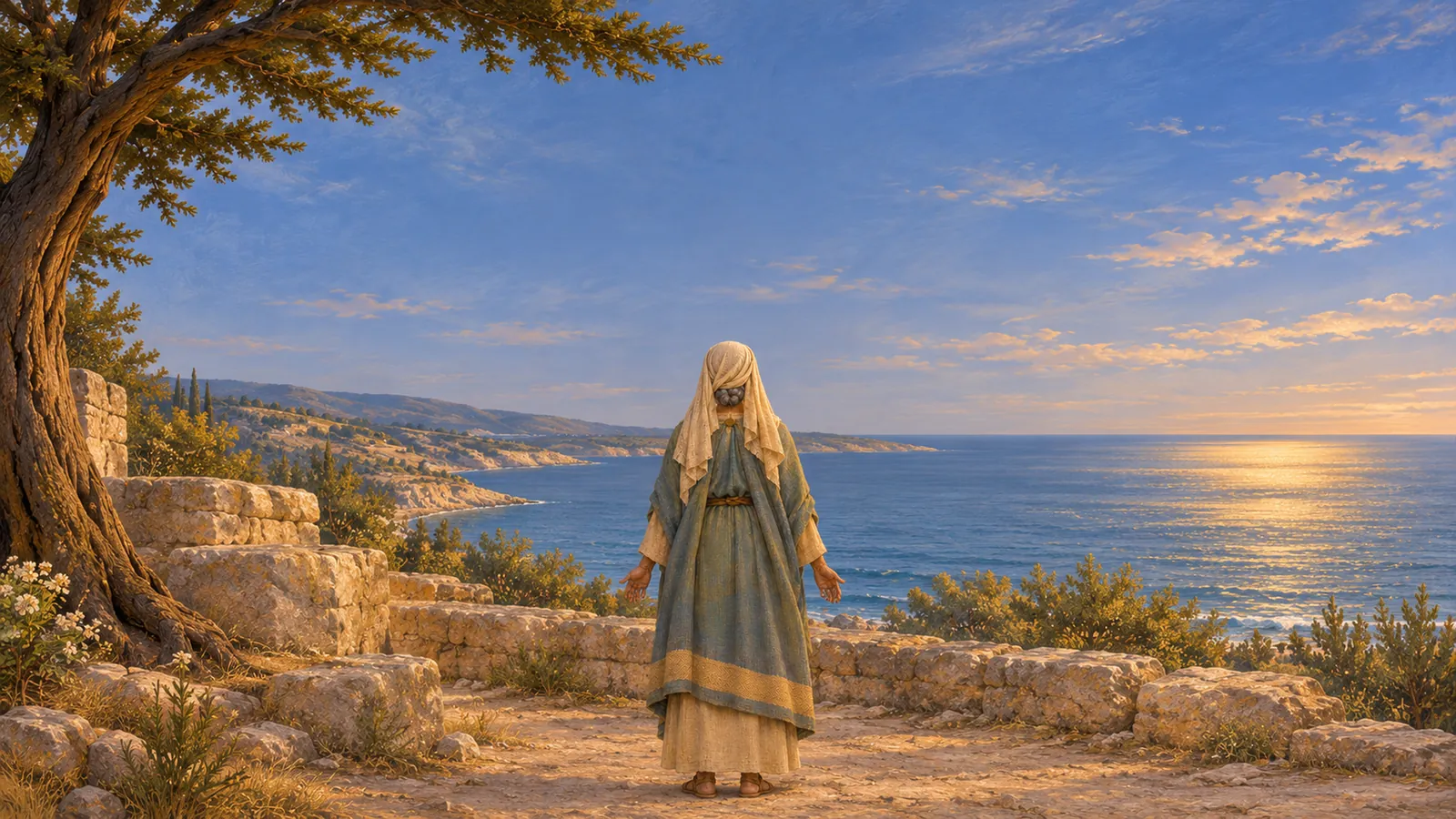
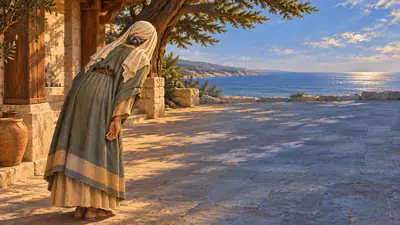
Athirat se présente devant El dans sa demeure. Elle s’incline et lui rend hommage avant de parler en faveur de Baal.
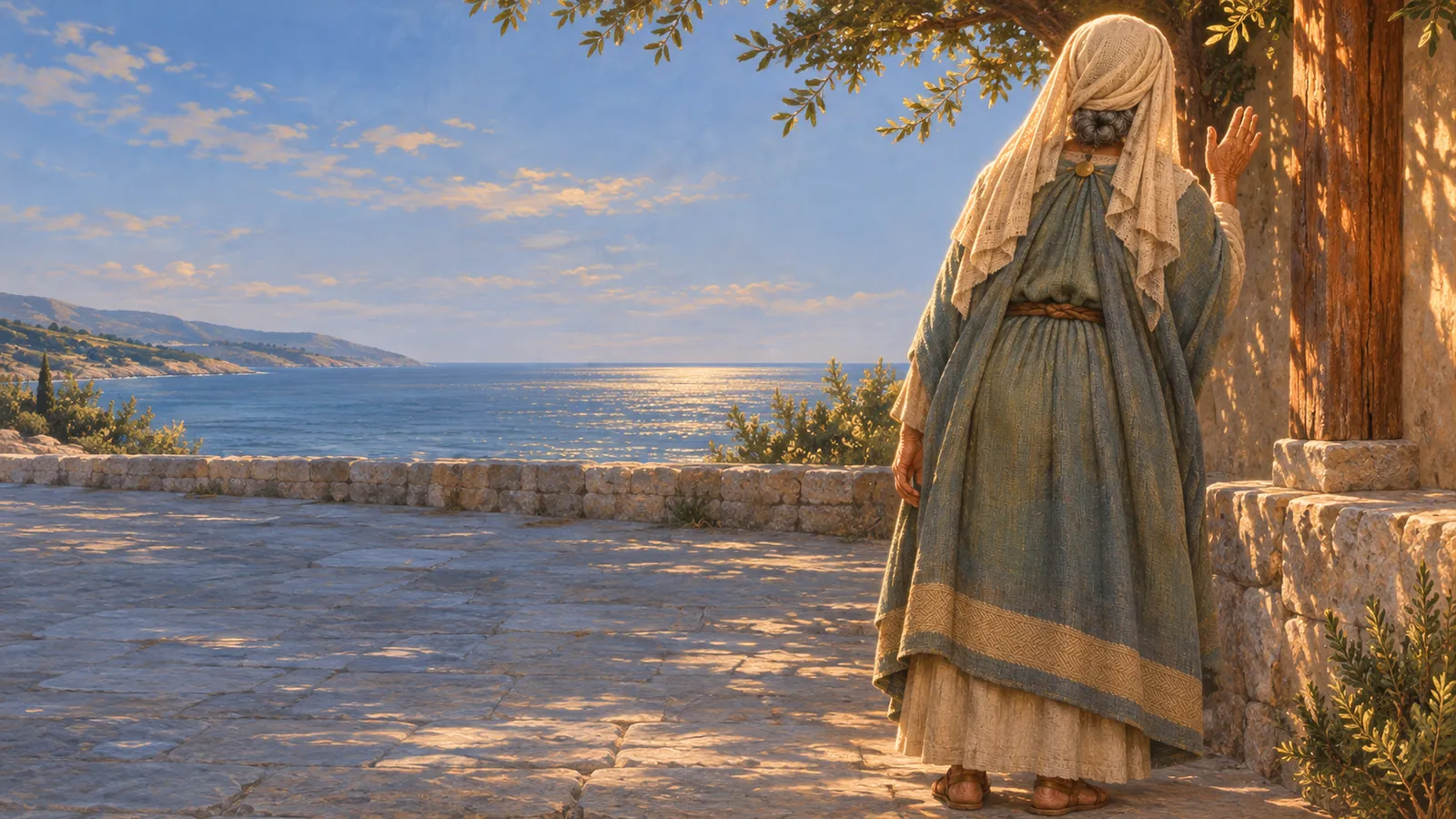
Athirat loue la sagesse d’El et intercède auprès de lui pour Baal. Elle demande pour Baal une demeure digne de lui parmi les autres dieux.
L’ACCORD
El donne son accord. Baal pourra avoir une maison comme les autres dieux et une cour comme les enfants d’Athirat.
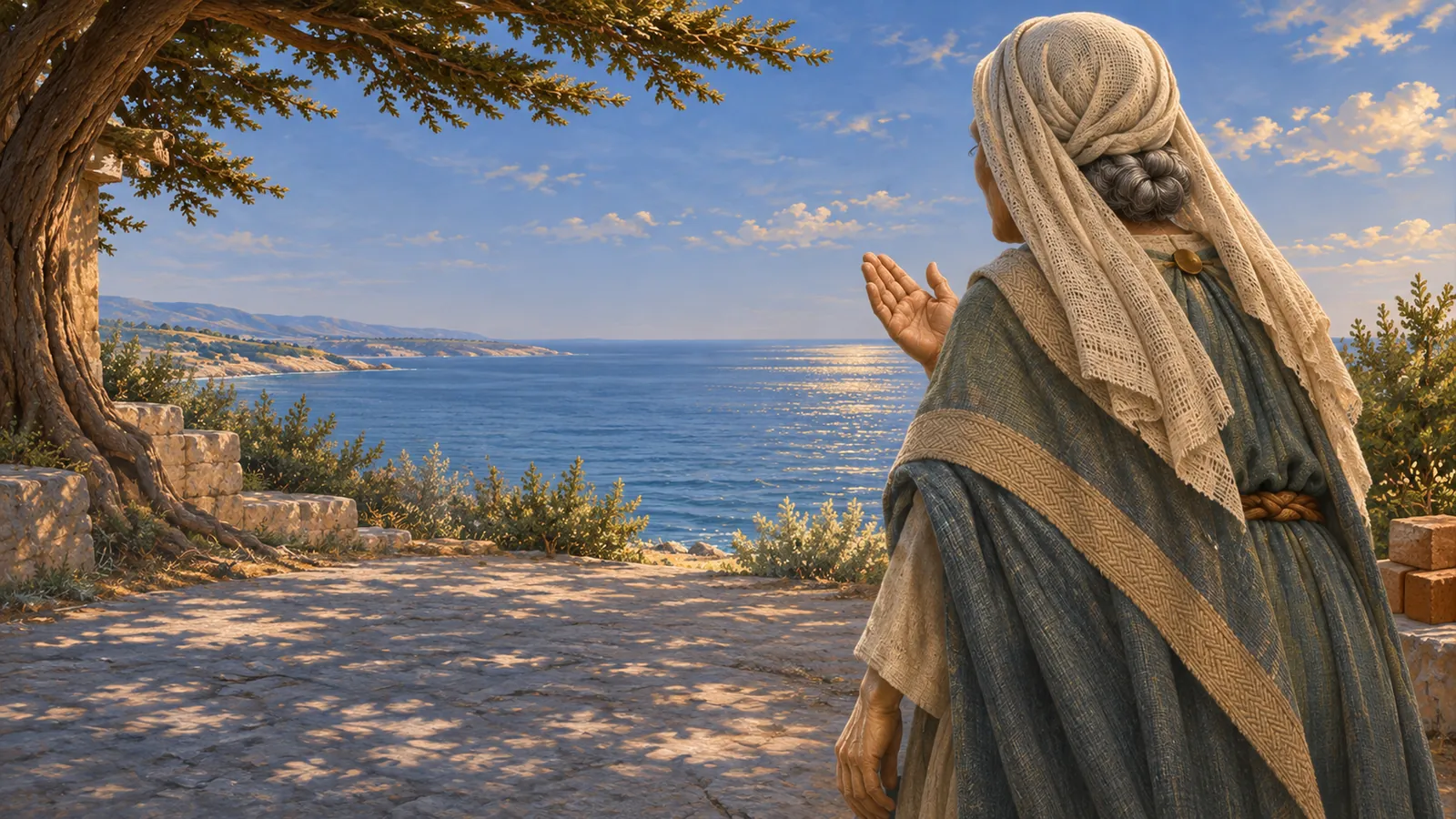
Athirat annonce la décision en faveur de Baal. Le poème évoque la maison de brique qui peut désormais lui être donnée.
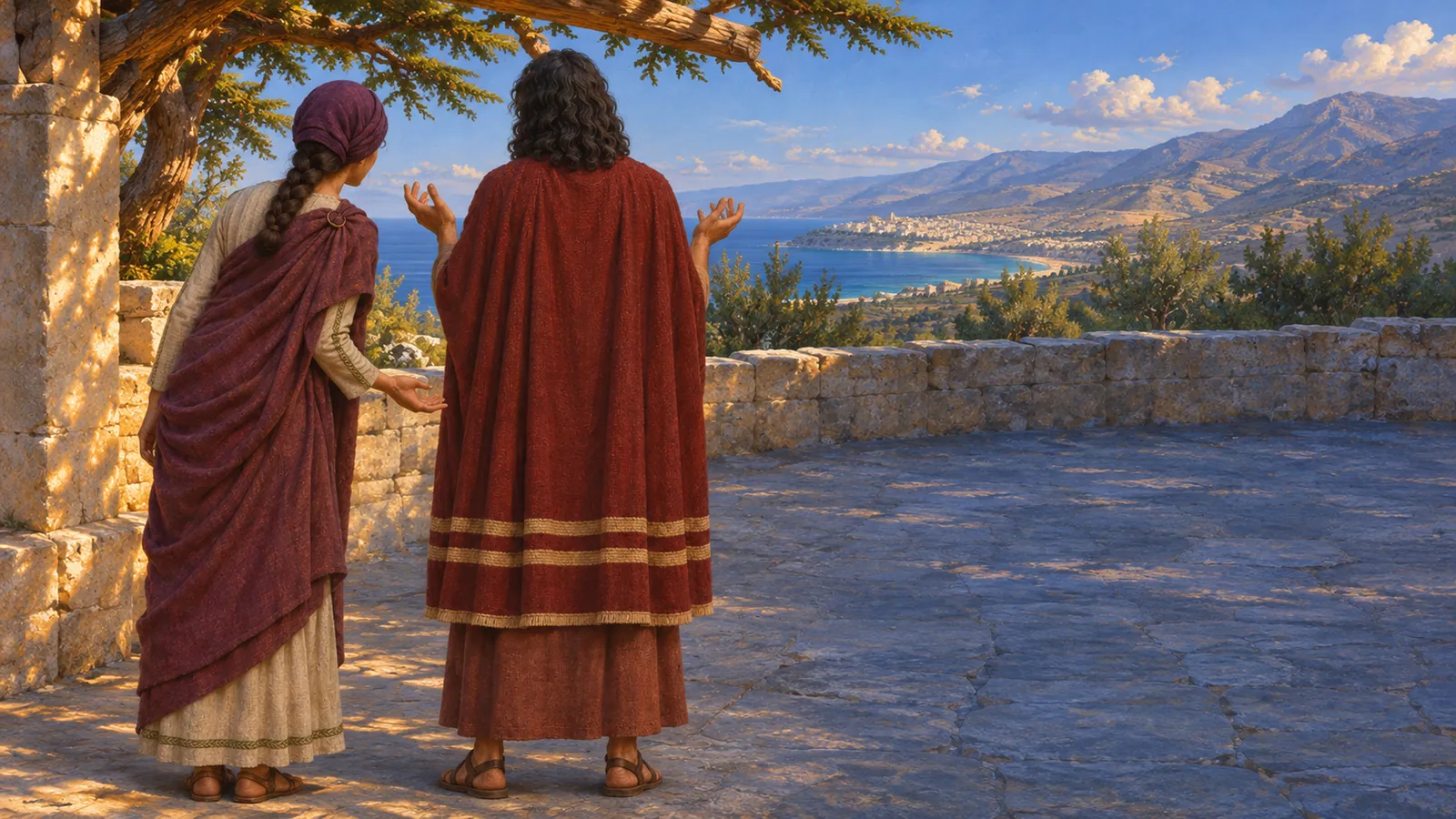
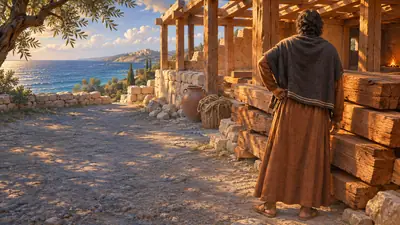
Anat va trouver Baal avec la nouvelle d’El. Baal se réjouit de pouvoir bâtir la maison sur le Saphon.
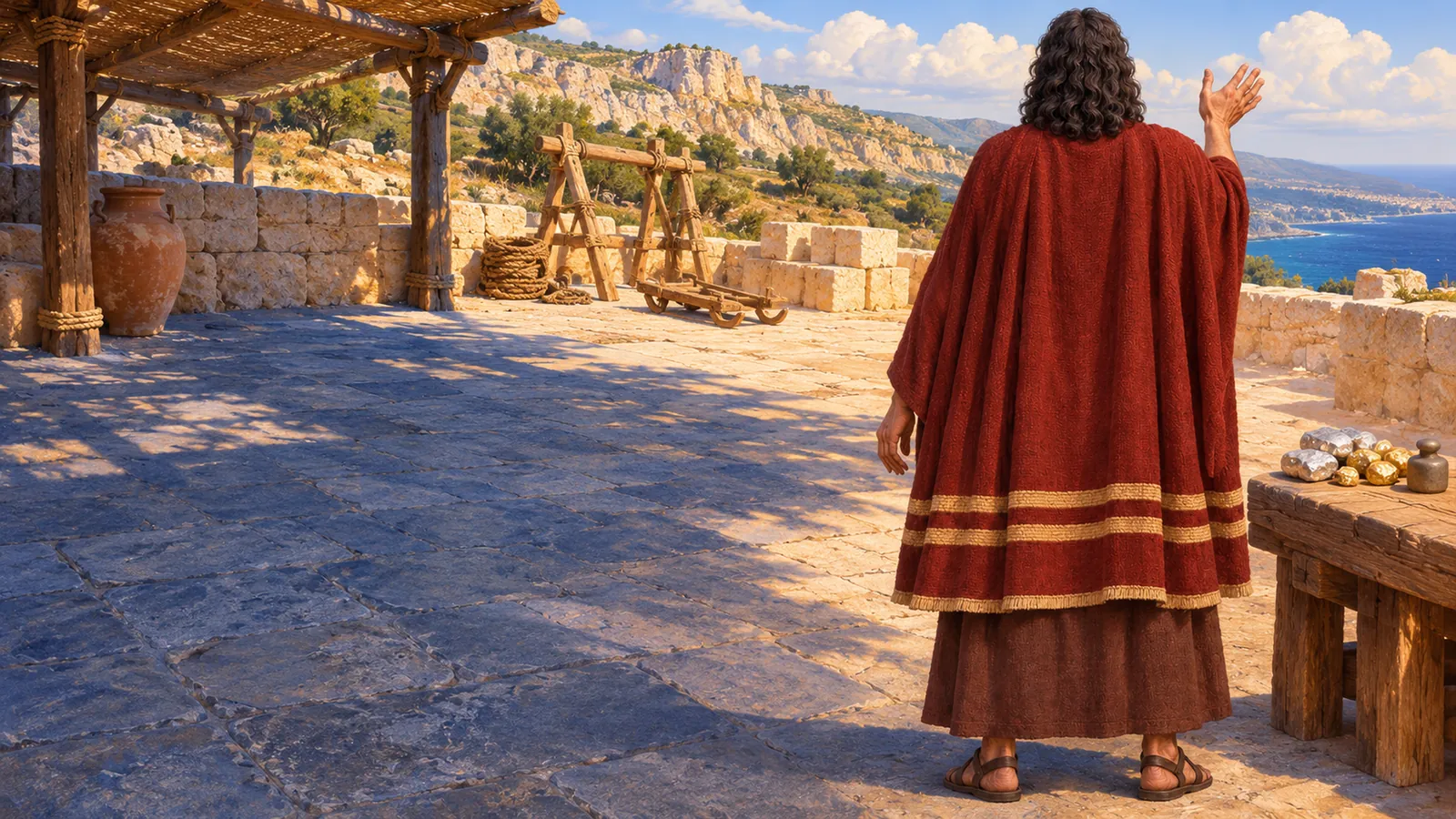
Baal fait appeler des marchands et demande des fournitures pour la maison. Le poème parle d’argent et d’or parmi les matériaux qu’il rassemble.
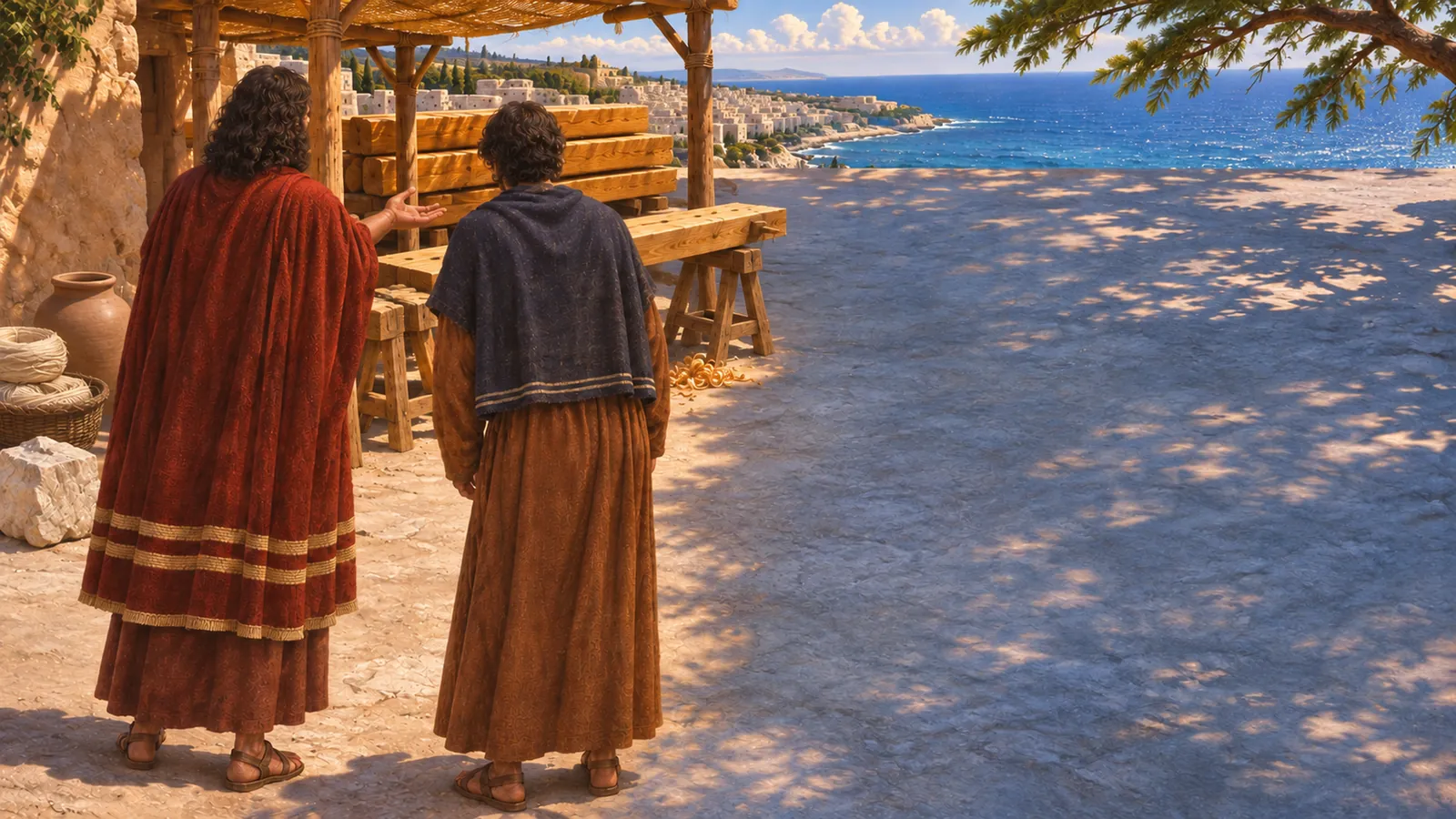
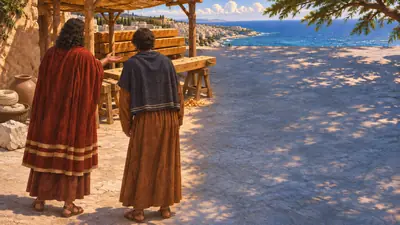
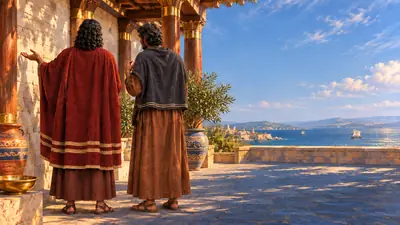
Baal se tourne vers Kothar, l’artisan. Il le presse de bâtir la maison et demande que le travail avance sans tarder.
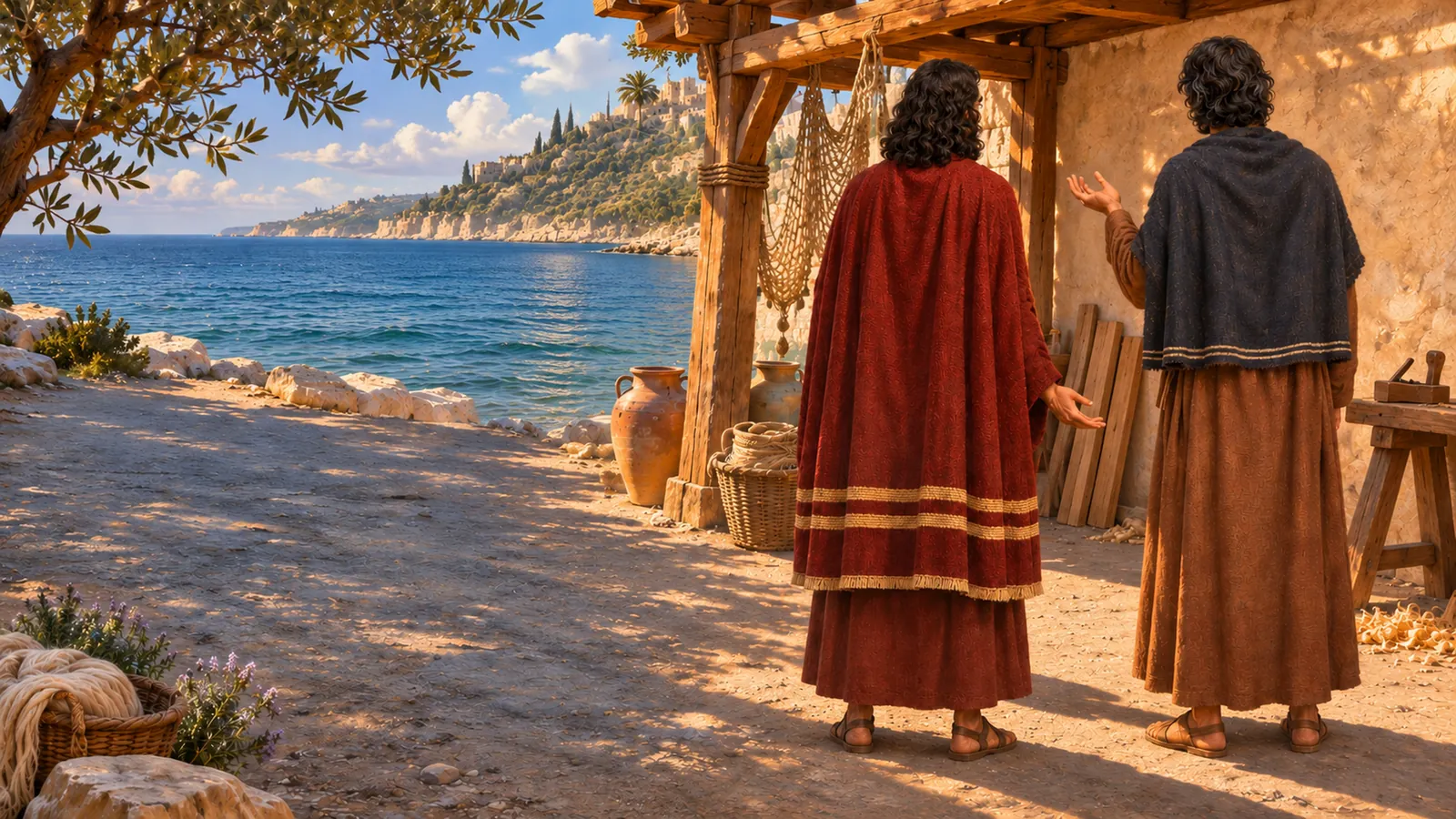
Kothar propose de faire une ouverture dans la maison, une fenêtre à l’intérieur du palais. Baal lui dit de ne pas la faire.
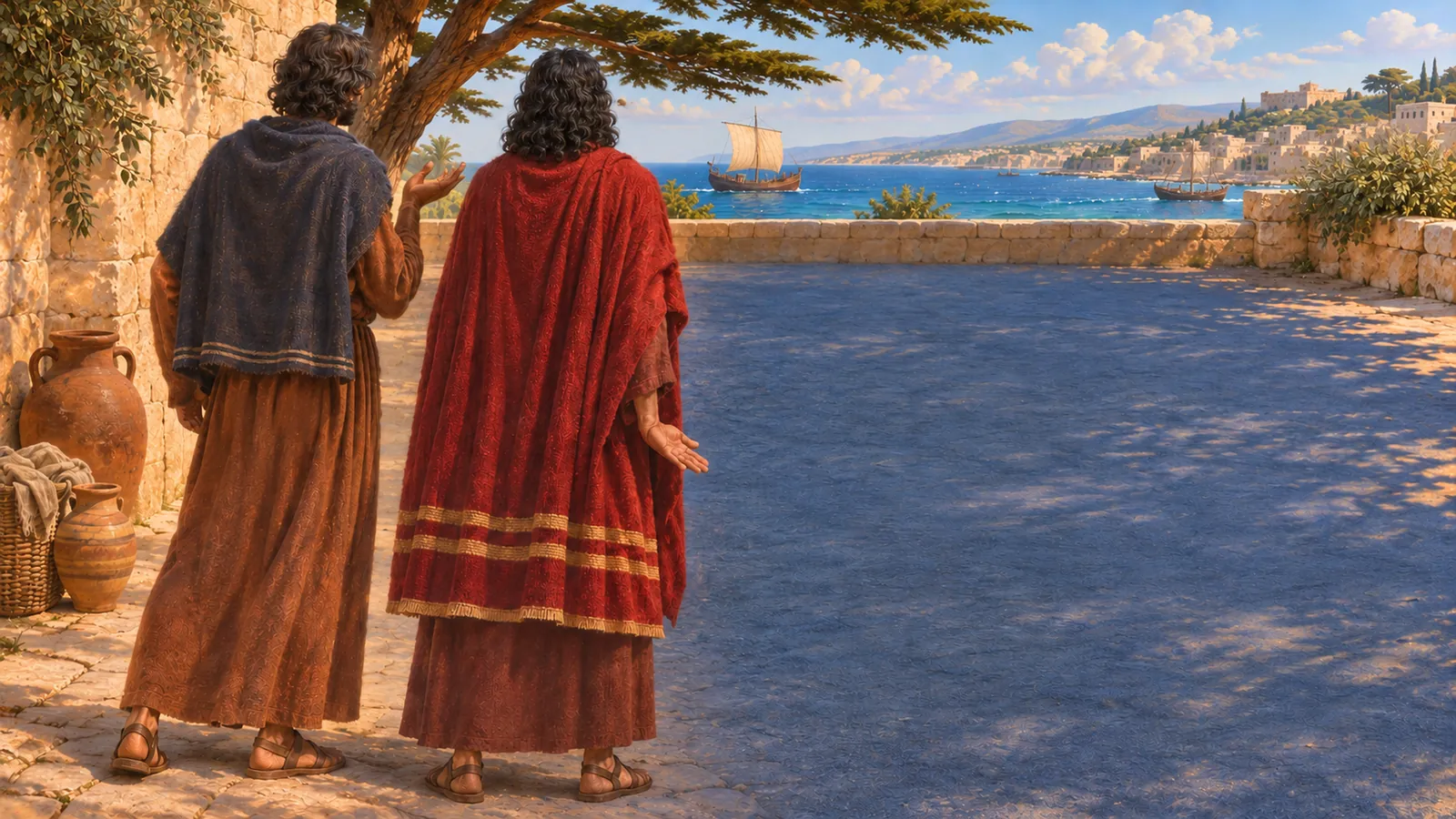
Kothar soulève de nouveau la question, et Baal refuse une deuxième fois. Les raisons ne sont conservées qu’en partie. Kothar dit que Baal reviendra à son conseil.
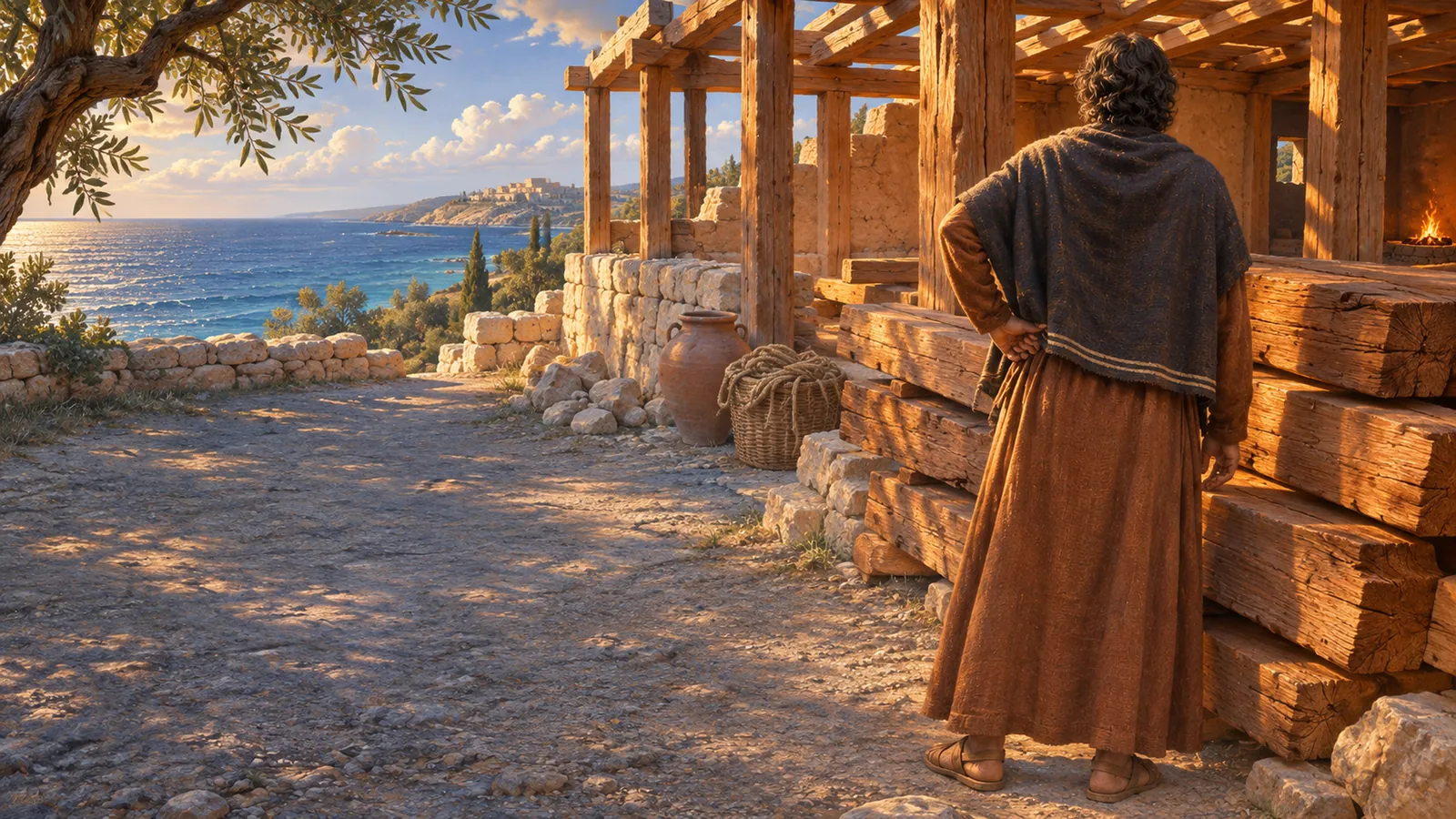
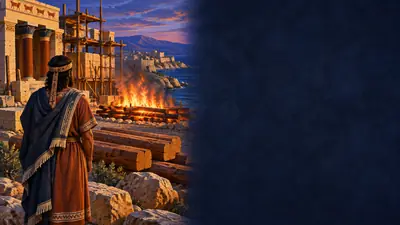
On apporte du bois de cèdre pour la maison. Puis le poème dit qu’on y allume un feu, tandis que le récit de la construction se poursuit.
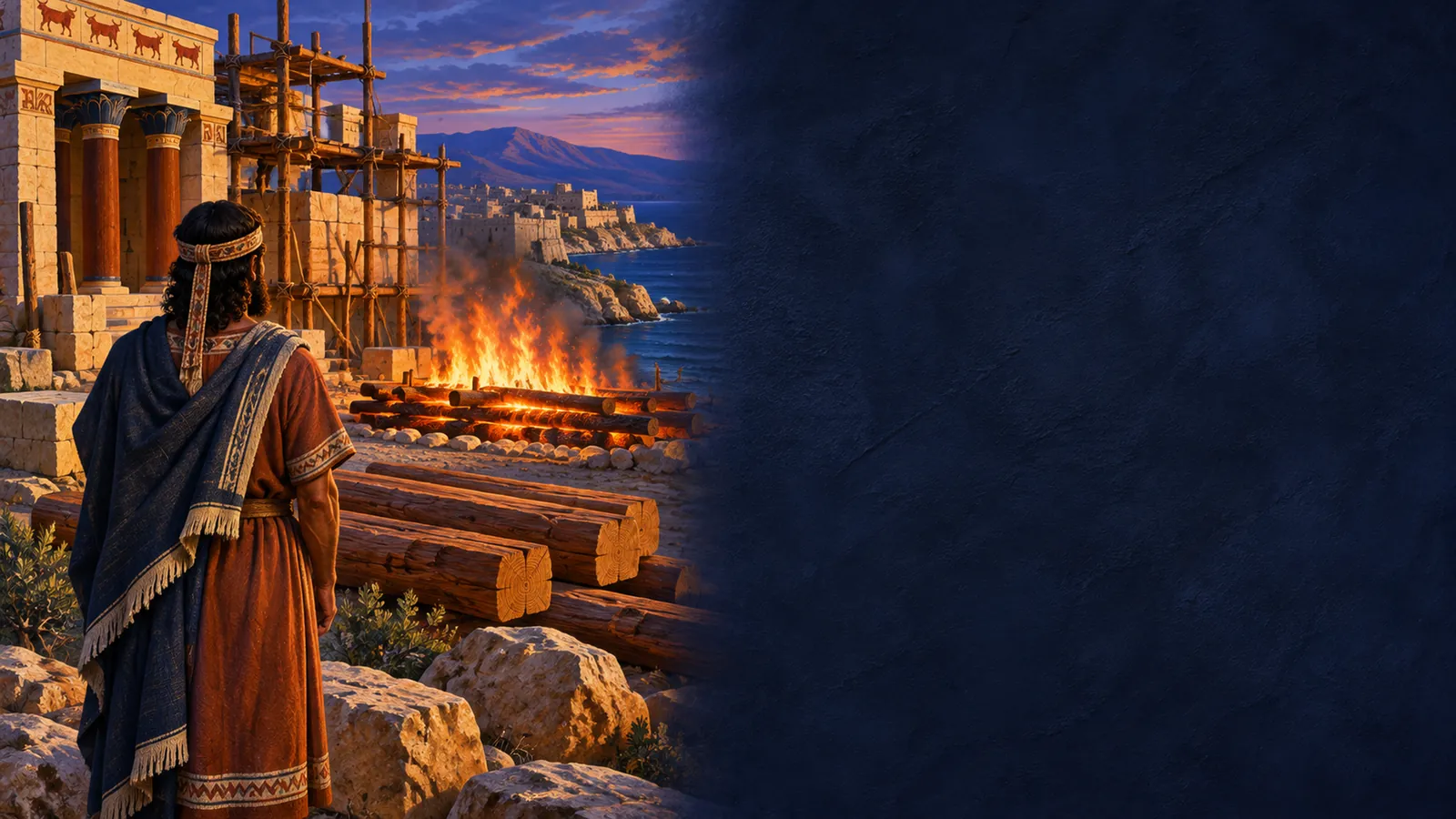
Le feu brûle le premier et le deuxième jour, puis le troisième et le quatrième. Le vers compte de même le cinquième et le sixième jour.
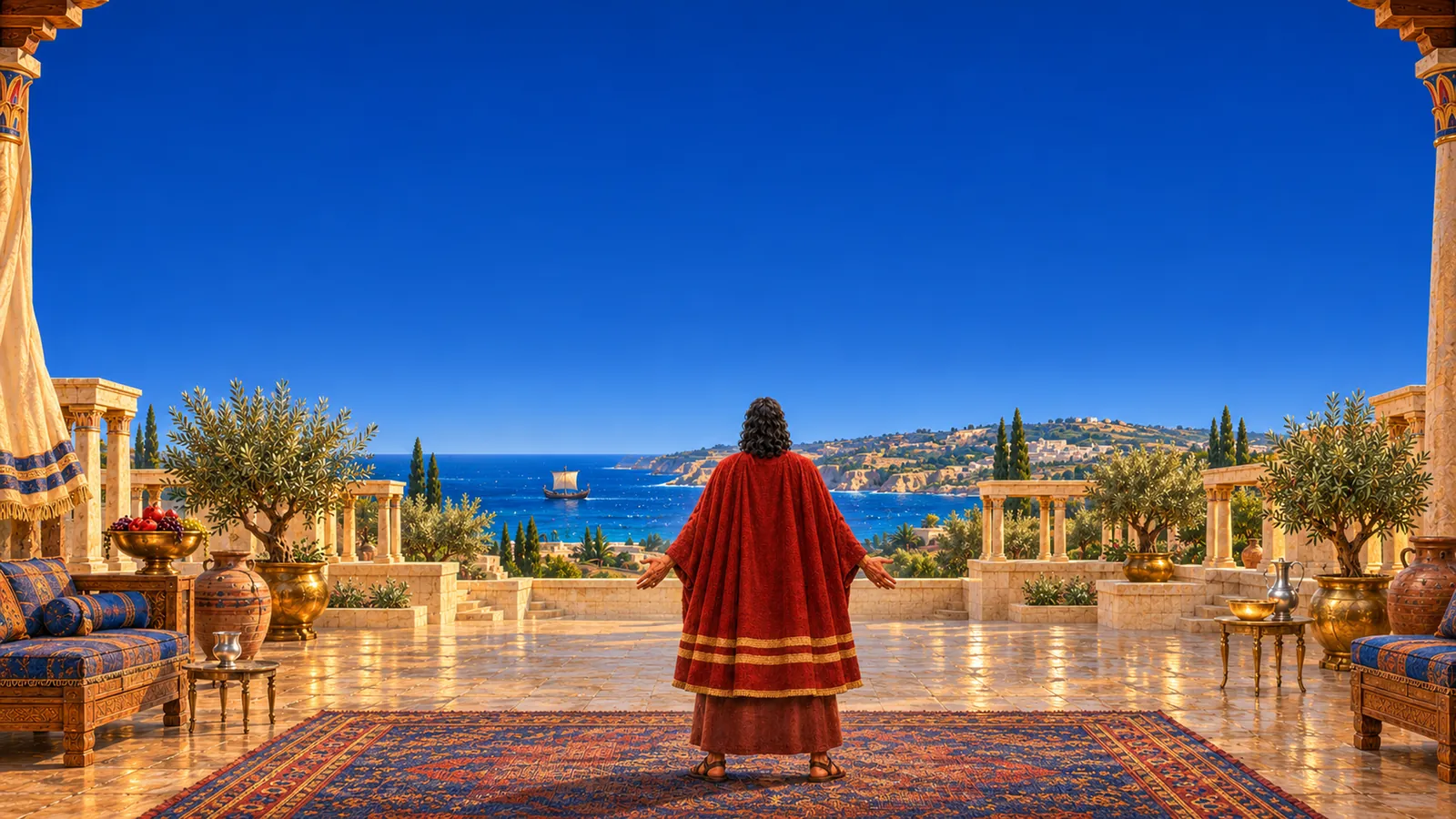
LE SEPTIÈME JOUR
Le septième jour, le feu s’éteint. Baal se réjouit et parle de la maison d’argent et du palais d’or.
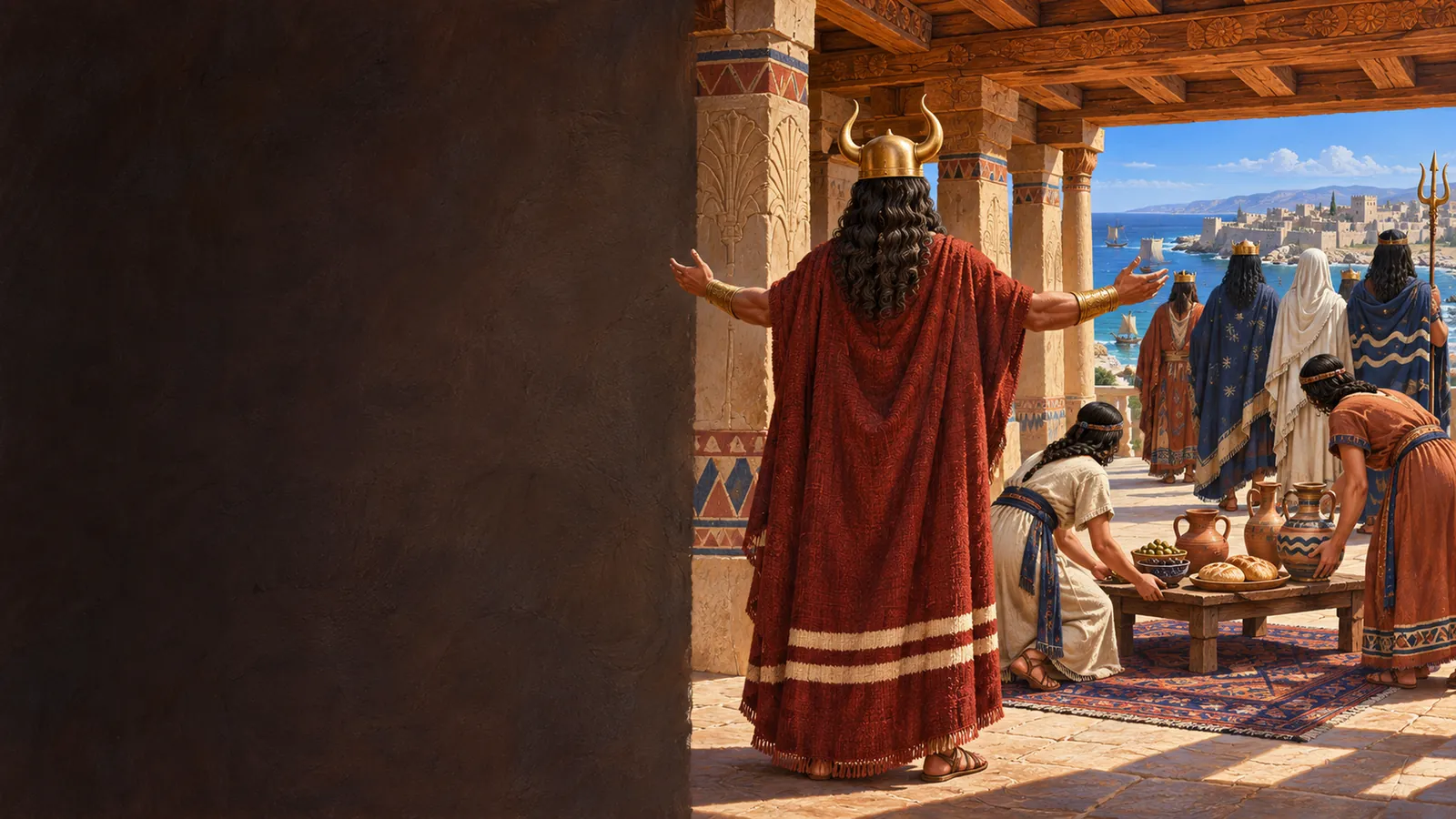
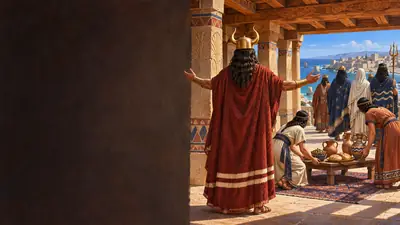
Baal prépare un festin pour célébrer la maison. Il appelle ses frères et ses proches à entrer dans le palais.
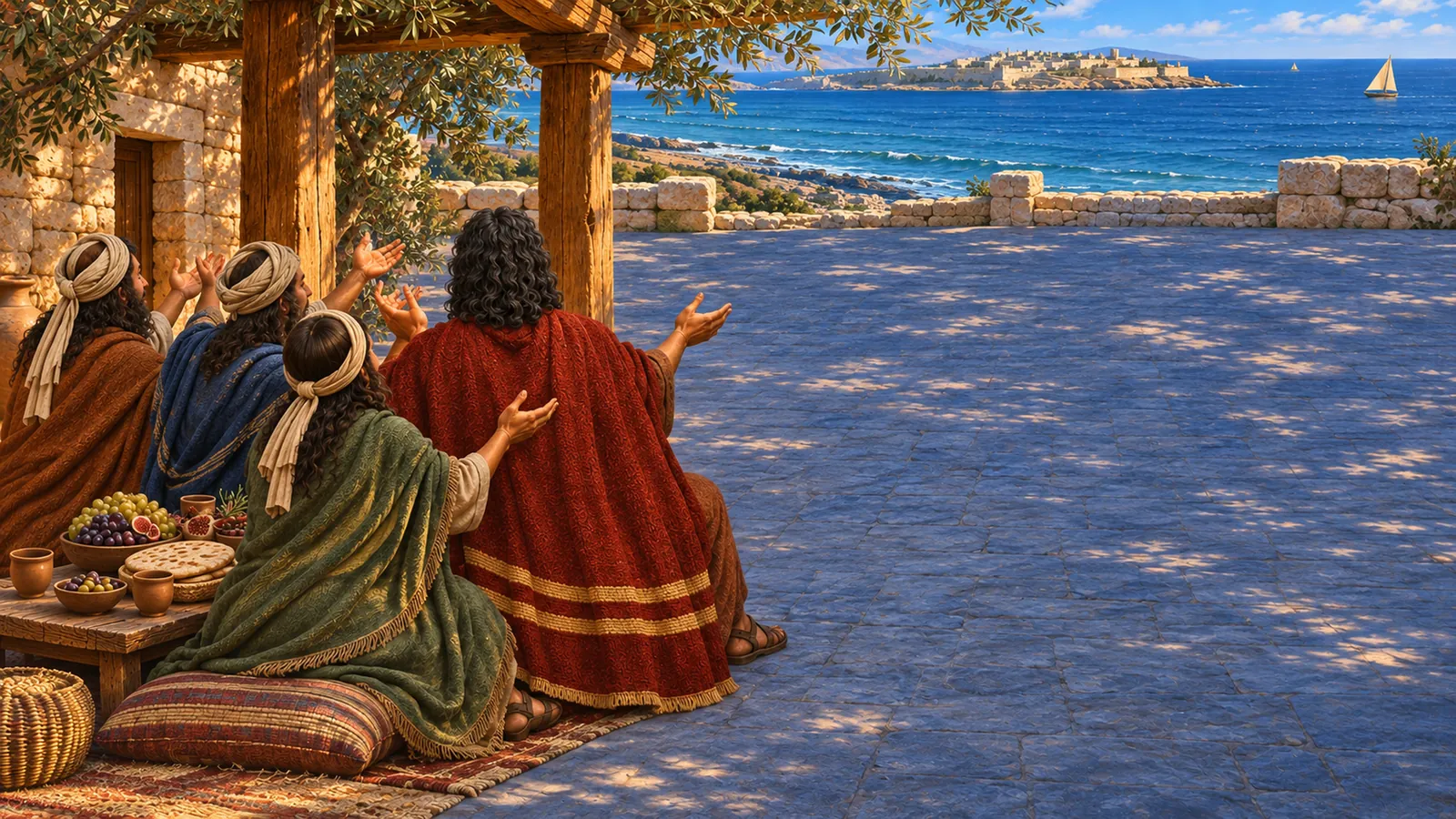
Le poème compte soixante-dix enfants d’Athirat parmi les invités au festin. Dieux et déesses prennent part à la fête du palais.

Le poème suit Baal de ville en bourg avant son retour dans la maison. Il compte les lieux dans la langue amplifiée du chant.
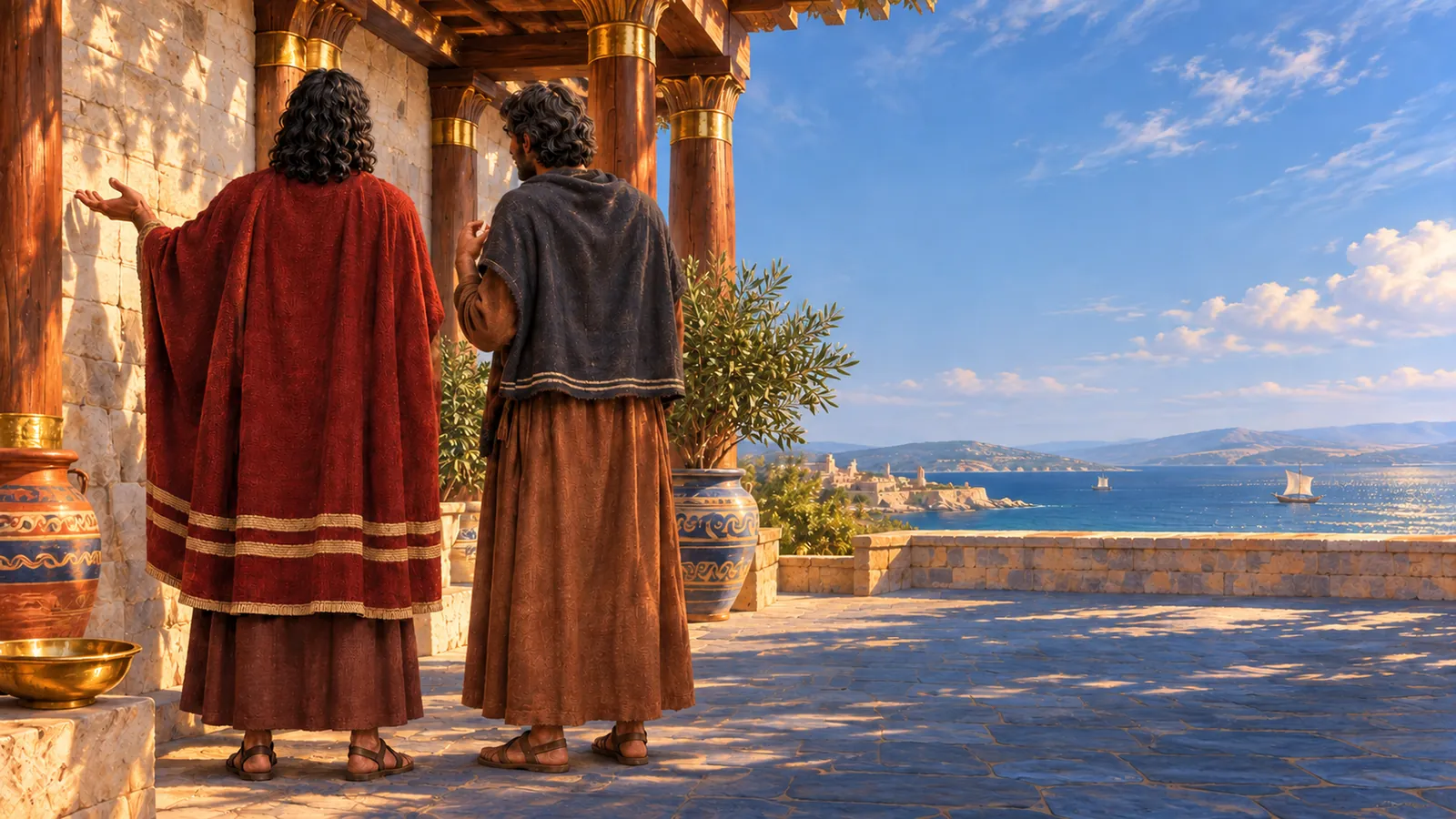
LA FENÊTRE
Baal dit finalement à Kothar d’ouvrir une fenêtre. Kothar rit et lui rappelle qu’il lui avait prédit qu’il reviendrait à ce conseil.
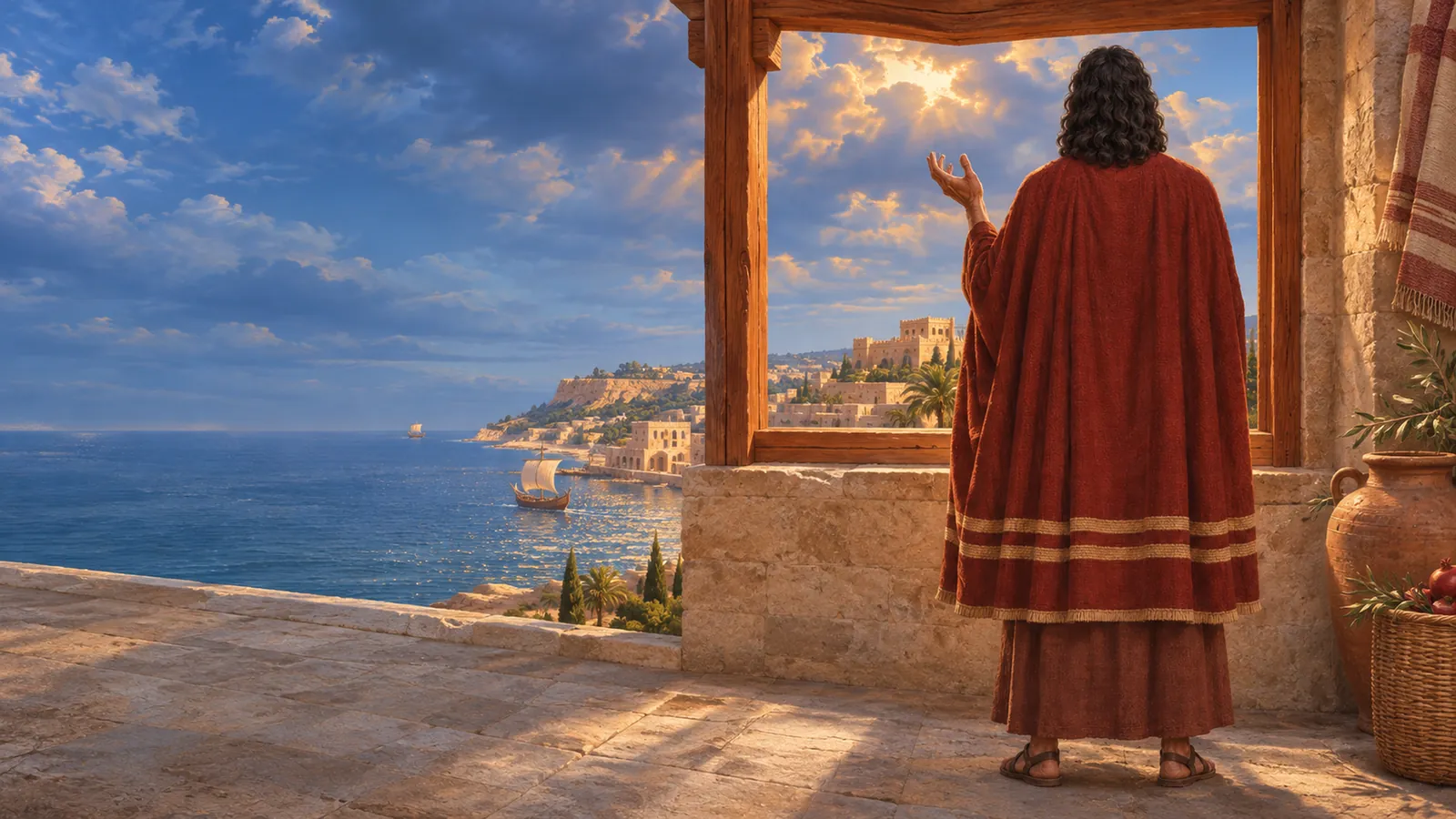
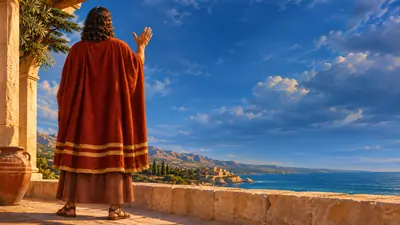
Une fenêtre s’ouvre dans le palais. Le poème associe cette ouverture à une trouée dans les nuages, par laquelle Baal lance sa voix.
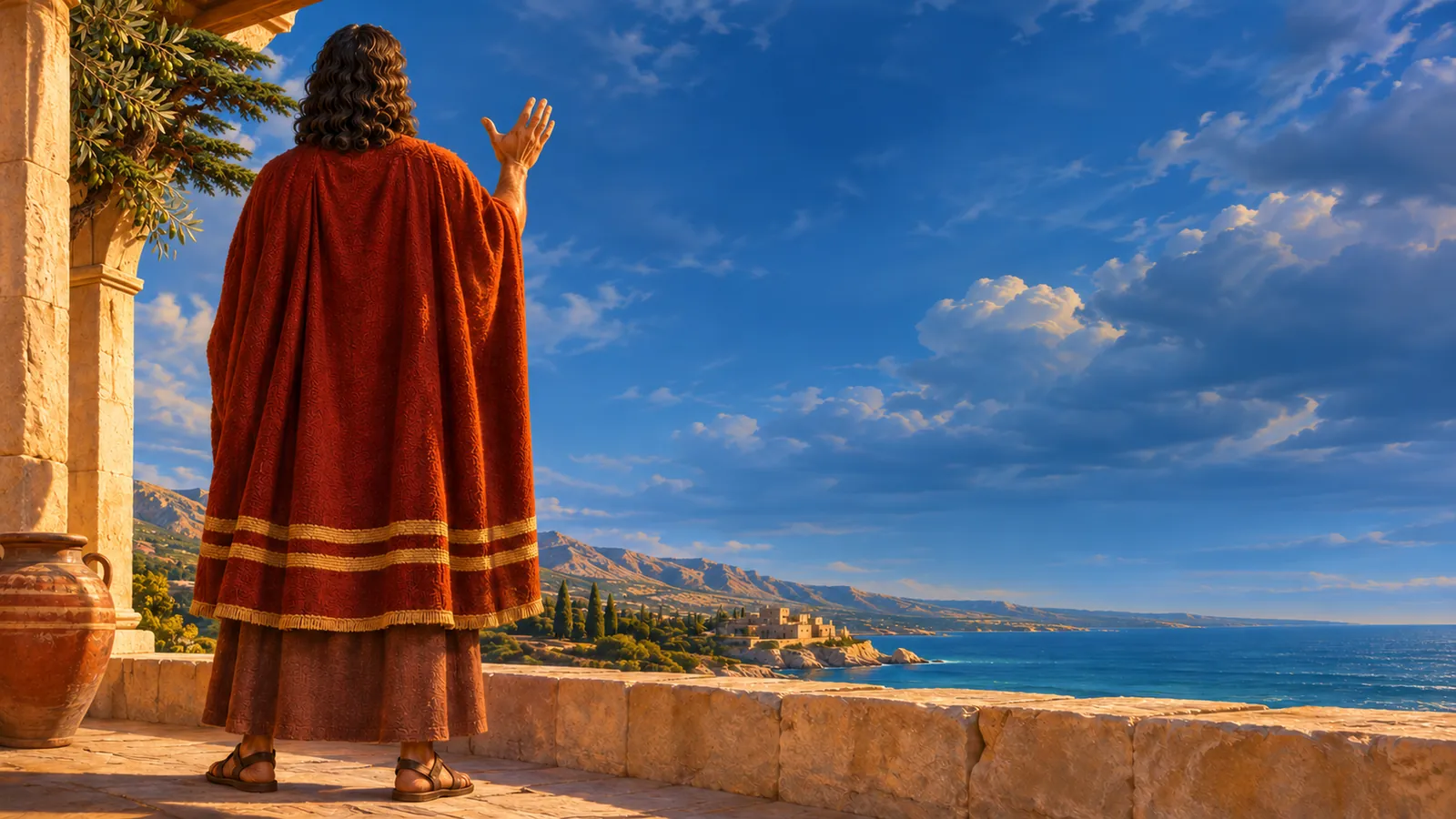
La voix de Baal retentit. Le poème décrit les montagnes qui tremblent et les hauteurs de la terre qui vacillent à ce bruit.
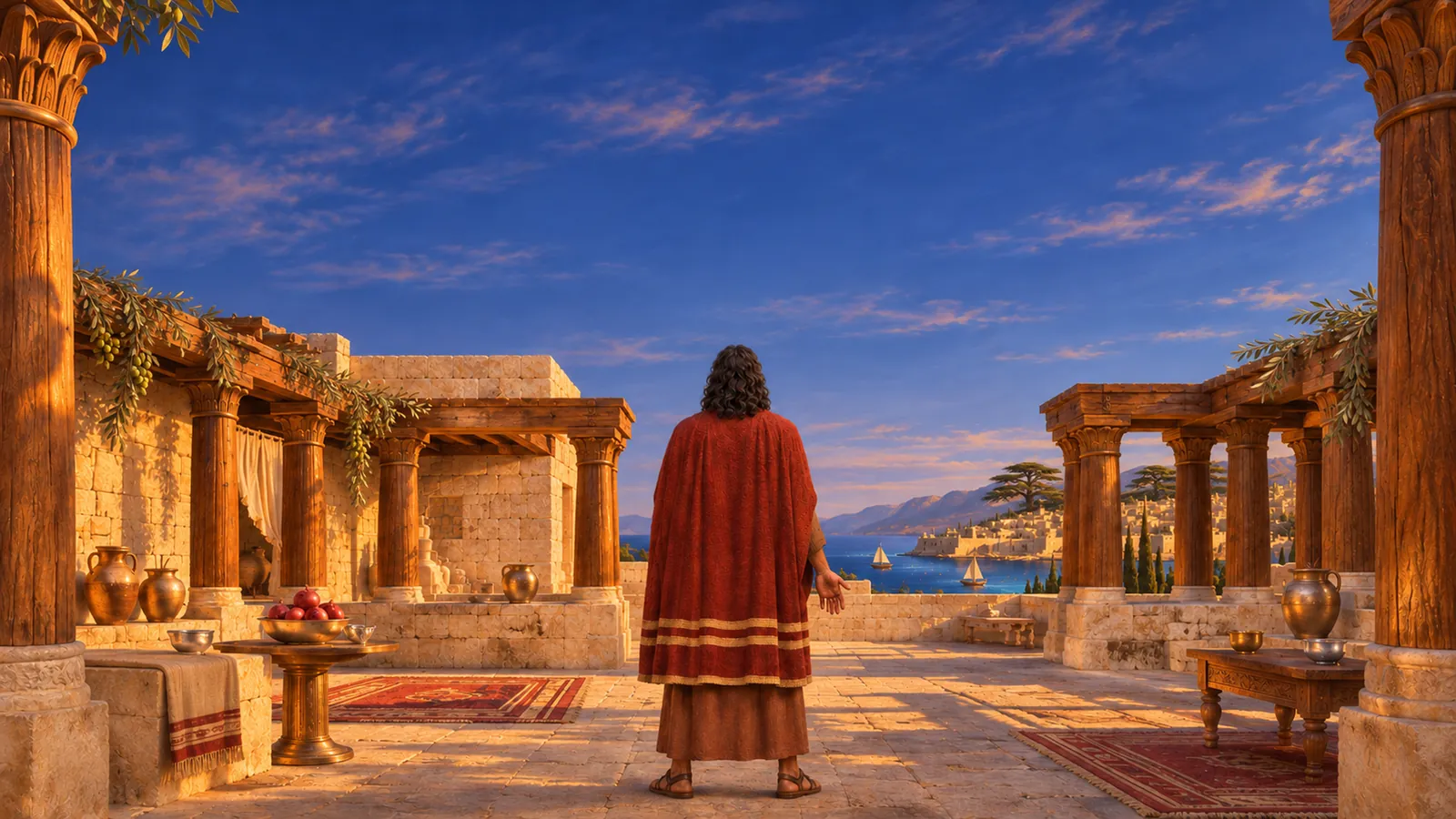
LE PALAIS
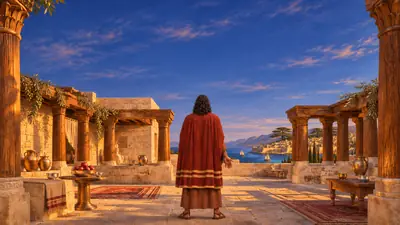
Baal prend place dans la maison. L’épisode du palais s’achève alors qu’il y demeure, après que l’orage a grondé par la fenêtre.
Fin du chapitre 2
Toutes les pages












Sources
Page 5. The poem compares severed heads to balls and flying hands to locusts. It describes Anat fastening heads and hands to her body as trophies and wading in blood. 2; Natan-Yulzary, Reading Ugaritic Narrative-Poetry).
Éditions consultées
- Clemens Steinberger, Göttingen working transcription of KTU 1.3
- Göttingen EUPT, tablet concordance and joined fragments
- Mark S. Smith and Wayne T. Pitard, The Ugaritic Baal Cycle, volume II
- Cory Crawford, The question of ekphrasis in ancient Levantine narrative, pp. 296–300
- Jeffery B. Lloyd, The Goddess Anat, pp. 177–190
- Shirly Natan-Yulzary, Lady Athirat of the Sea
- Sang Youl Cho, Lesser Deities, pp. 146–147
- Anthony I. Lipscomb, Levelling a Ballast Preposition as Poetic Strategy in KTU 1.4
- G. del Olmo Lete, El vocabulario de la construcción en Ugarit
- IL Archive, Anat
- IL Archive, Athirat
- IL Archive, The Seven-Day Pattern in Ugaritic Epic
Notes sur ce récit
Pages 6–7. It then describes her washing warriors’ blood from her hands and fingers before bathing in dew and rain. 2–3; Crawford, pp. 297–298; Smith and Pitard, vol. II).
Page 13. In the account she gives of past victories, Anat names Yamm and River, the dragon, the twisting serpent and the seven-headed Shalyat among her foes. 3; Pitard, pp. 75 onward).
Page 19. Anat threatens to make El’s grey hair run with blood and his beard with gore. The word for blood in the hair line is restored in the edition. 5; Lloyd, pp. 181–187).
Les vers antiques de chaque page
- Page 1: KTU 1.3 I 1–4 and preceding loss (Steinberger p. 1; Natan-Yulzary p. 141)
- Page 2: KTU 1.3 I 5–10 (Steinberger p. 1; Natan-Yulzary p. 141)
- Page 3: KTU 1.3 I 11–17 (Steinberger p. 1; Natan-Yulzary p. 141)
- Page 4: KTU 1.3 I 18–22 (Steinberger p. 1)
- Page 5: KTU 1.3 II 3–17 (Steinberger p. 2; IL Archive Anat)
The occasion and the identity of Anat’s opponents are uncertain. - Page 6: KTU 1.3 II 17–30 (Steinberger p. 2; Crawford pp. 297–298; IL Archive Anat)
The relationship between the valley and house passages is uncertain. - Page 7: KTU 1.3 II 31–41 and III 1–3 (Steinberger pp. 2–3; Smith and Pitard chapter divisions)
Parts of the washing passage require restoration. - Page 8: KTU 1.3 III 9–14 (Steinberger p. 3; Deluty p. 70; Pitard, opening discussion)
- Page 9: KTU 1.3 III 15–19 (Steinberger p. 3; Lloyd discussion of III–IV, pp. 178–180)
Some words in the message are restored in the edition. - Page 10: KTU 1.3 III 20–26 (Crawford pp. 299–300, quoting Smith and Pitard; Steinberger p. 3)
- Page 11: KTU 1.3 III 27–31 (Crawford pp. 299–300, quoting Smith and Pitard; Steinberger p. 3)
- Page 12: KTU 1.3 III 32–37 (Deluty pp. 70–71; Steinberger p. 3)
- Page 13: KTU 1.3 III 38–47 (Pitard pp. 75 onward; Steinberger p. 3)
Anat’s list of foes contains disputed names and parallel descriptions. - Page 14: KTU 1.3 IV 10–20 (Lloyd pp. 177–179; Steinberger p. 4)
The repeated message is partly restored from the earlier version. - Page 15: KTU 1.3 IV 21–32 (Lloyd pp. 178–180; Steinberger p. 4)
- Page 16: KTU 1.3 IV 33–42 (Lloyd pp. 179–181; Steinberger p. 4)
- Page 17: KTU 1.3 IV 43–55 (Lloyd pp. 180–181; Steinberger p. 4; Cho on dwelling clauses)
The tablet is damaged here. The house formula is partly restored from its repetitions. - Page 18: KTU 1.3 V 1–18 (Lloyd pp. 180–182; Steinberger p. 5)
The description of the journey is fragmentary. - Page 19: KTU 1.3 V 19–27 (Lloyd pp. 181–187; IL Archive Anat; Steinberger p. 5)
- Page 20: KTU 1.3 V 30–43 and following loss (Lloyd pp. 181–187; IL Archive Anat; Steinberger pp. 5–6)
The end of the first audience is damaged. - Page 21: KTU 1.3 VI 1–7, including joined RS 3.364 (Pardee join as documented in Steinberger p. 6 and Smith and Pitard contents)
The joined fragment RS 3.364 preserves the beginning of this passage. - Page 22: KTU 1.3 VI 18–25 (Steinberger pp. 6–7; Smith and Pitard chapter divisions)
Several place references in the instructions are uncertain. - Page 23: KTU 1.4 I 1–22, chiefly 9–11 and 20–22 (Crawford pp. 296–297; Natan-Yulzary p. 135)
The opening of Tablet IV contains damage. - Page 24: KTU 1.4 I 23–35 (Crawford pp. 296–297 and table)
- Page 25: KTU 1.4 I 36–43 (Crawford p. 297, table)
Several decorative terms have competing readings. - Page 26: KTU 1.4 II 3–11 (Natan-Yulzary pp. 131–141; Crawford p. 297)
The actions in these lines are interpreted differently. - Page 27: KTU 1.4 II 12–26 (Deluty pp. 70–72; Crawford pp. 297–298; IL Archive Athirat)
- Page 28: KTU 1.4 II 28–31 (Crawford p. 298)
- Page 29: KTU 1.4 III 23–32 (Lloyd pp. 188–190; IL Archive Athirat)
- Page 30: KTU 1.4 III 33–44 (Lloyd pp. 188–190)
- Page 31: KTU 1.4 IV 15–22 (Segert selected text; Lipiński on IV 21–22)
- Page 32: KTU 1.4 IV 23–40, chiefly 26 (Noegel, p. 107; Smith and Pitard contents)
- Page 33: KTU 1.4 IV 41–55 (Cho on the house formula; Steinberger n. 17 for IV 41–42 parallel; IL Archive Athirat)
- Page 34: KTU 1.4 IV 59–V 1 (Cho’s direct translation pp. 146–147)
- Page 35: KTU 1.4 V 2–12 (Del Olmo Lete on V 10–11, Smith and Pitard contents)
- Page 36: KTU 1.4 V 20–35 (IL Archive Anat and Athirat; Crawford p. 298)
- Page 37: KTU 1.4 V 35–44 (Lipscomb on V 36–37; Crawford p. 298)
- Page 38: KTU 1.4 V 45–57, chiefly 51–54 (Crawford pp. 298–299; Del Olmo Lete on V 56; Smith and Pitard contents)
- Page 39: KTU 1.4 V 58–65 (Lipscomb pp. 49–51, Smith and Pitard contents)
- Page 40: KTU 1.4 VI 1–15 (Kim pp. 126–128 quoting Smith; Crawford p. 299 n. 54)
Baal’s explanation after his second refusal is damaged. - Page 41: KTU 1.4 VI 16–23 (Crawford p. 299; Lipscomb p. 49)
- Page 42: KTU 1.4 VI 24–31 (Lipscomb p. 54, direct translation; IL Archive seven-day study)
- Page 43: KTU 1.4 VI 32–38 (Lipscomb pp. 54–55; Crawford p. 299; Del Olmo Lete on VI 34–35)
- Page 44: KTU 1.4 VI 39–45 (Lipscomb p. 51 on VI 44–45; Smith and Pitard contents)
- Page 45: KTU 1.4 VI 46–59 (IL Archive Athirat on VI 44–46; Crawford p. 299; Smith and Pitard contents)
- Page 46: KTU 1.4 VII 7–14 (De Gruyter, The Song of the Sea, p. 153; Heiser pp. 203–204 quoting Smith and Pitard)
Some numbers and nearby words are broken. - Page 47: KTU 1.4 VII 14–25 (Kim pp. 127–128 quoting Smith; Lipscomb on VII 17–19)
- Page 48: KTU 1.4 VII 25–30 (Crawford pp. 299–300 quoting Smith and Pitard)
- Page 49: KTU 1.4 VII 31–35 (Crawford p. 299 quoting Smith and Pitard)
Parts of the description are restored. - Page 50: KTU 1.4 VII 42 (Del Olmo Lete p. 109; Noegel p. 106; Smith and Pitard boundary)
The verb in the final line can be understood as dwelling, sitting enthroned or returning.
Illustrations réalisées par IL Archive avec des outils d’IA ; le texte s’appuie sur les sources antiques (voir les sources à la fin de chaque chapitre).