Site · City
Ereš
Sumerian city associated with Nisaba; its archaeological location remains uncertain. Not the goddess Ereshkigal.
Last reviewed:
Text
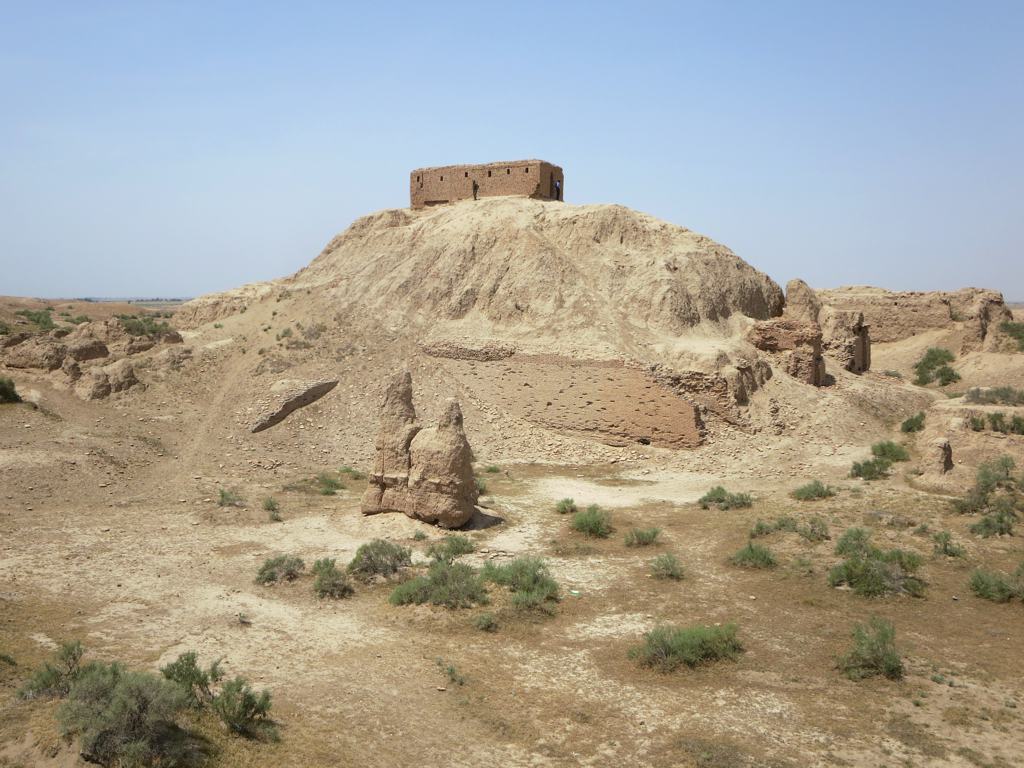
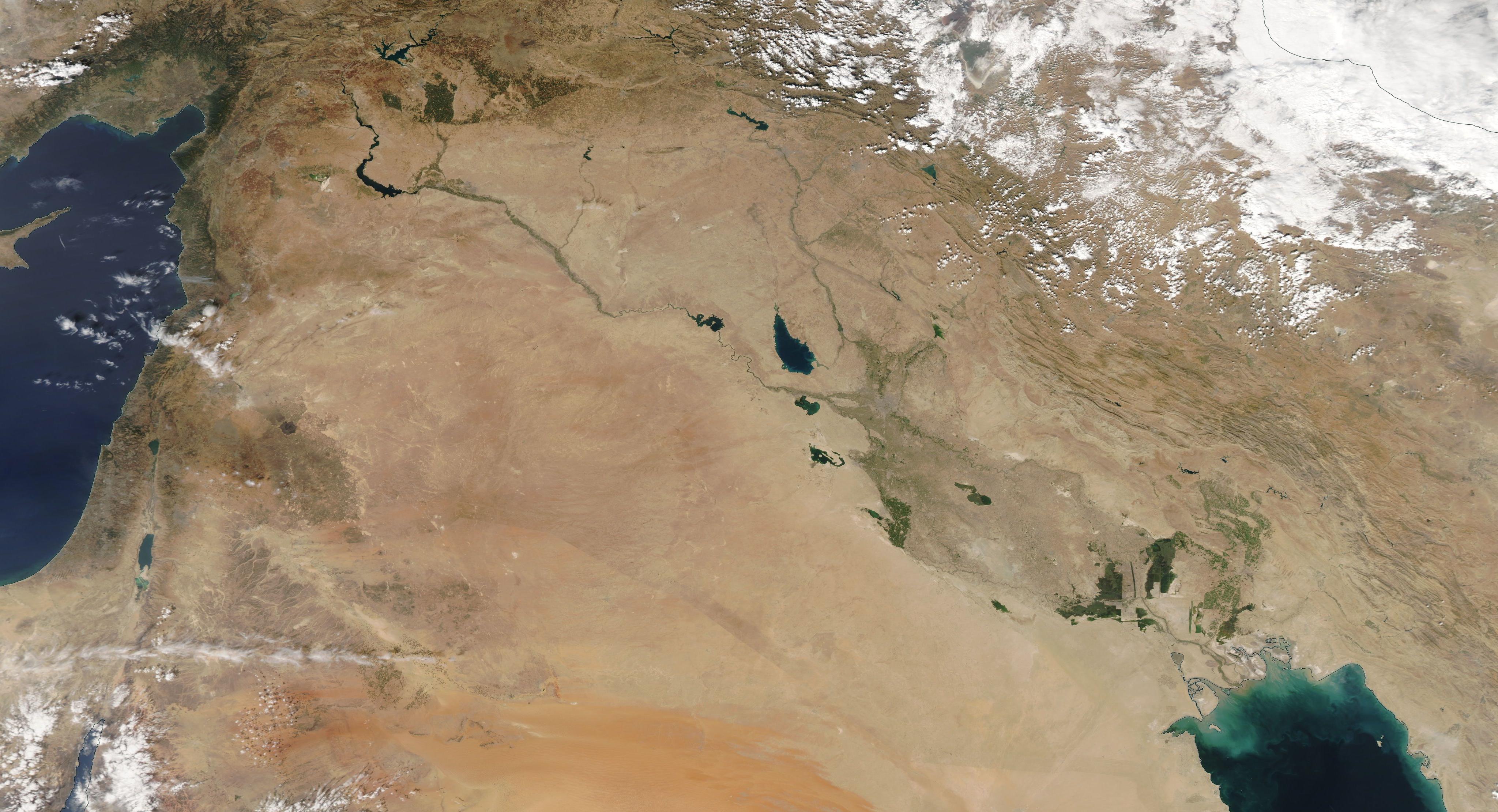
Ereš was a city in southern MesopotamiaMesopotamiaHistorical region associated with the Tigris and Euphrates: Uruk, Ur, Eridu, cuneiform, Sumer, Akkad, Babylon and Assyria, their languages and cults, and the limits of archaeological evidence.Glossary · Click to read the explanation associated with NisabaNisabaMesopotamian goddess of grain and writing, associated with Ereš and scribes; also called Nidaba.Glossary · Click to read the explanation, patron of writing. Its archaeological location remains unidentified; no proposed mound should therefore be presented as a secure identification. [1]
EnlilEnlilEnlil/Ellil: a major Mesopotamian god associated with destinies, kingship, and Ekur at Nippur, already prominent in third-millennium god lists. His name’s origin and cult beginnings remain debated.Glossary · Click to read the explanation and Sud makes Ereš the setting for Enlil’s meeting with Sud and the marriage negotiations. Ereš is a city name, not EreshkigalEreshkigalMesopotamian goddess ruling the netherworld; Inanna’s sister in descent texts, with varying accounts of her relationship with Nergal.Glossary · Click to read the explanation, the goddess of the underworld. [2]
References and notes
- Johanna Tudeau, “Nidaba”, Ancient Mesopotamian Gods and Goddesses, ORACC. Indexed sections on functions, cult places and iconography. Return to the text ↑
- ETCSL, University of Oxford, Enlil and Sud, 1.2.2; English translation. Version A, lines 1–102 and 156–170; version B, lines 15–29. Return to the text ↑
Suggest a correction · Suggest a source for this record
Cite this record
IL Archive, «Ereš», https://ilarchive.com/en/sites/eresh-city
Continue reading