The Curse of Agade Chapter 1
The City and the Curse
Agade flourishes, loses divine favor and is brought to calamity after its king attacks Ekur. The gods curse the city, the landscape fulfills the final wishes, and the poem praises Inana for its destruction.
SourcesTurn the pages with the arrows, the arrow keys or a swipe.
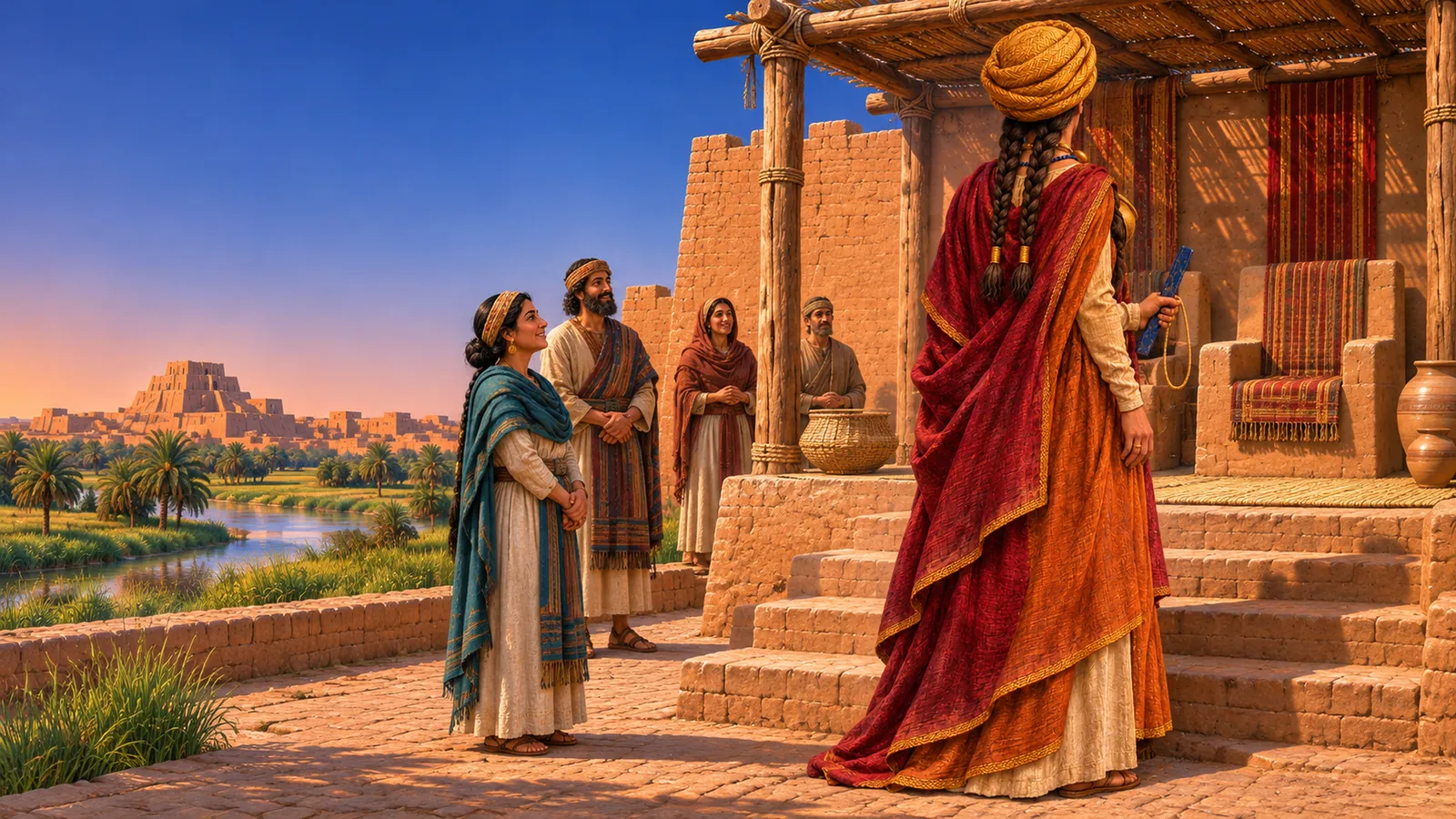
AGADE
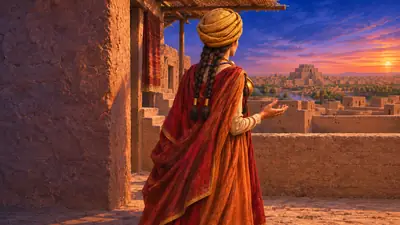
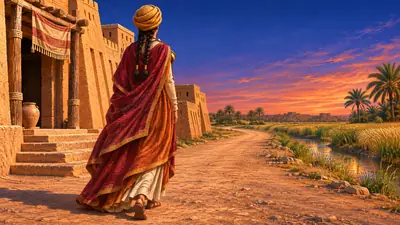
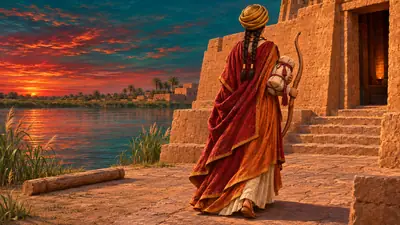
The poem opens after Enlil has overthrown Kish and Uruk and granted kingship to Sargon. Inana establishes her celebrated domain in Agade’s Ulmash sanctuary.
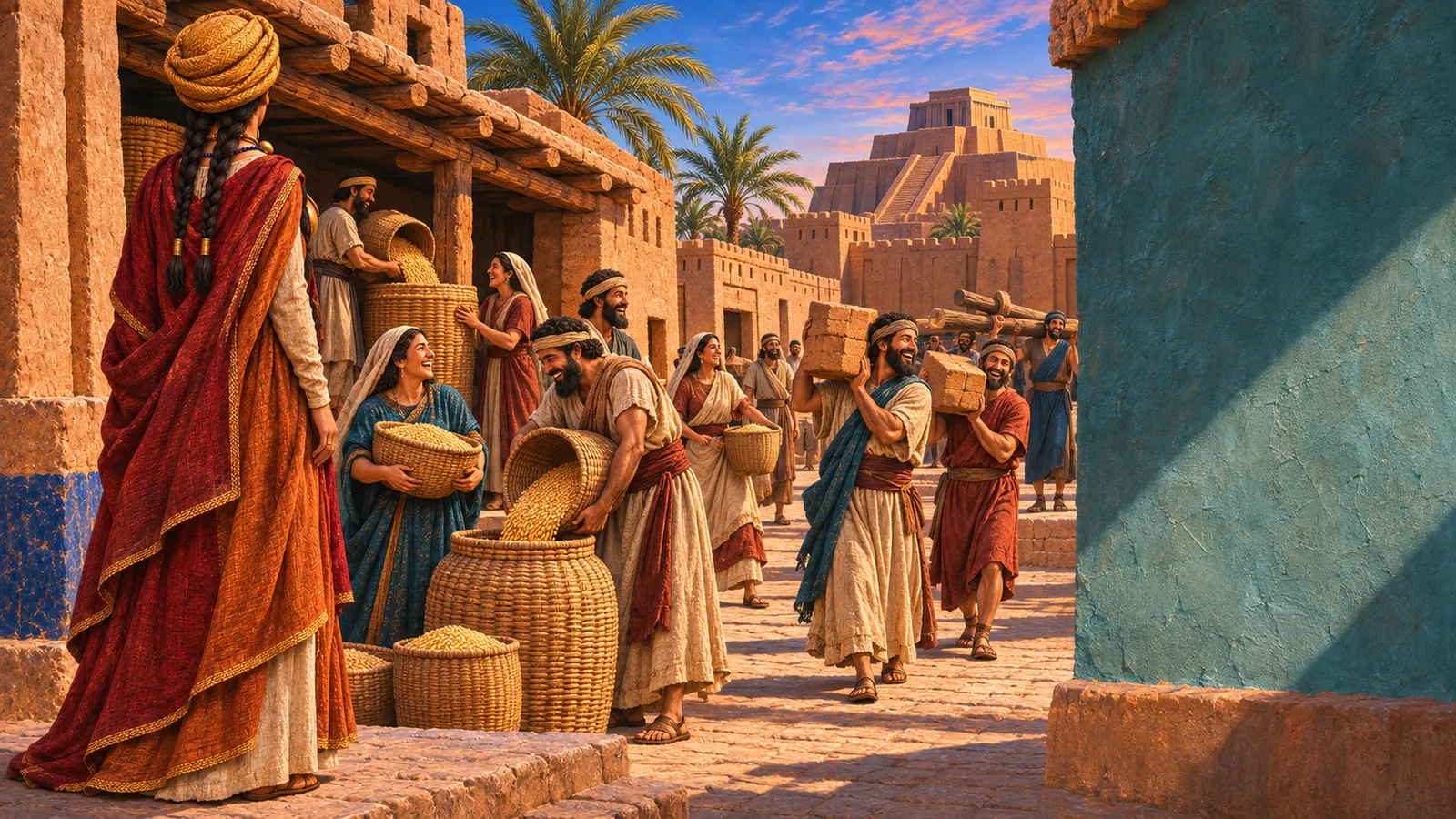
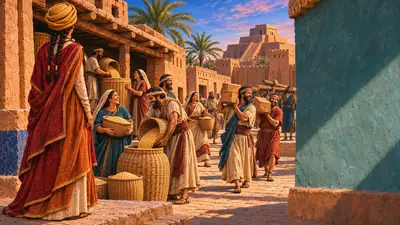
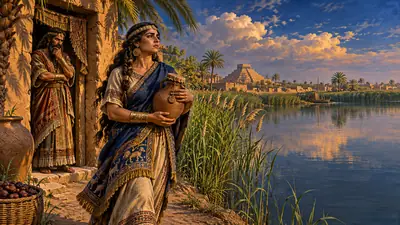
Inana works without rest to provision stores and establish homes. Agade’s people enjoy fine food, good drink and the gatherings of celebration.
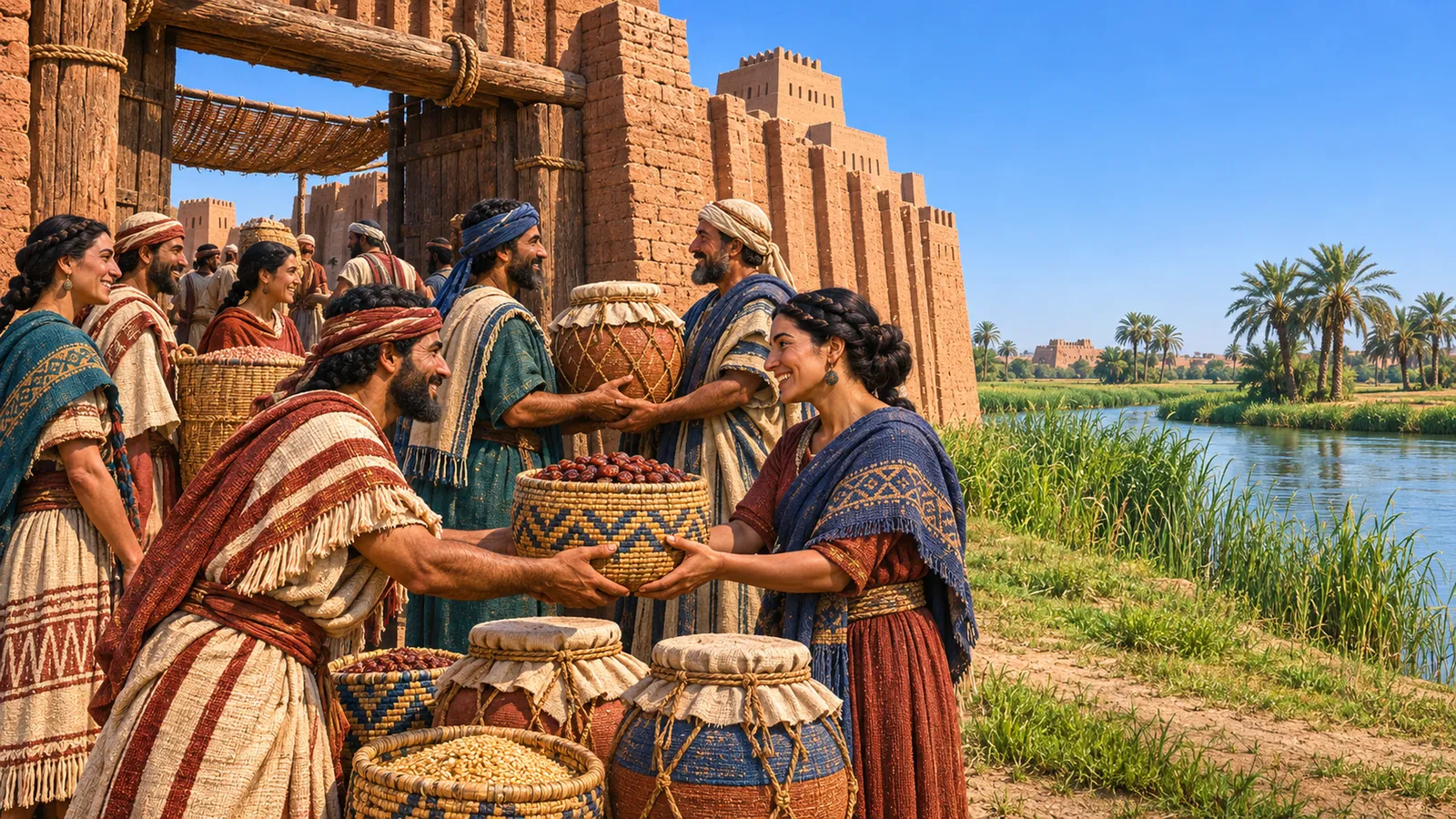
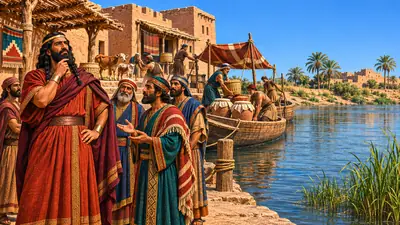
Foreign visitors move through the thriving city, compared by the poet to unusual birds. Even Marhashi appears again upon its tribute rolls.
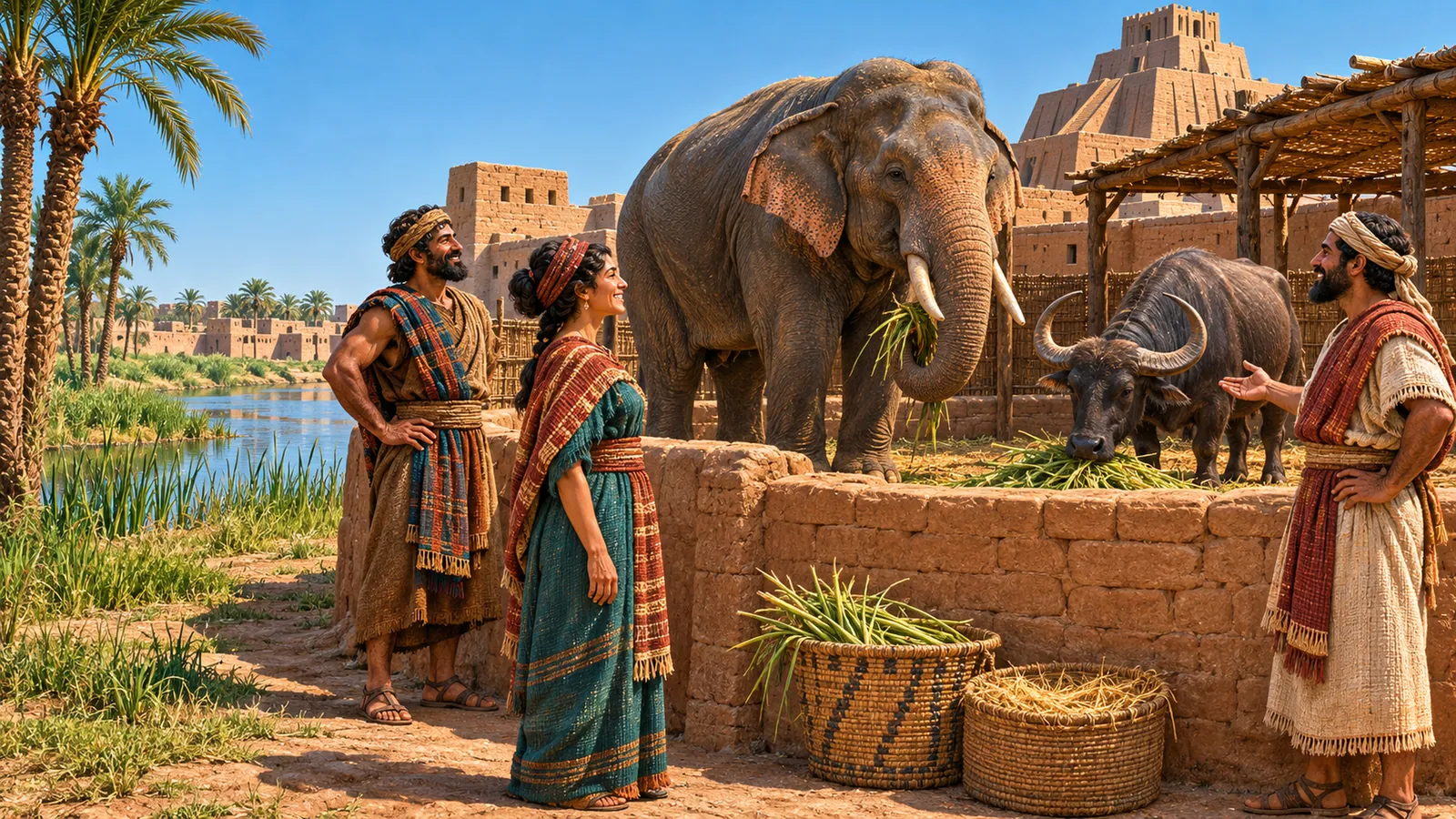
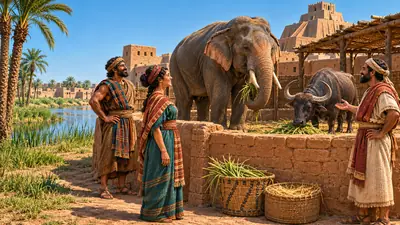
Monkeys, elephants, buffalo, dogs, lions, ibex and long-woolled sheep crowd the public squares. The poem pictures prosperity through a remarkable abundance of living creatures.
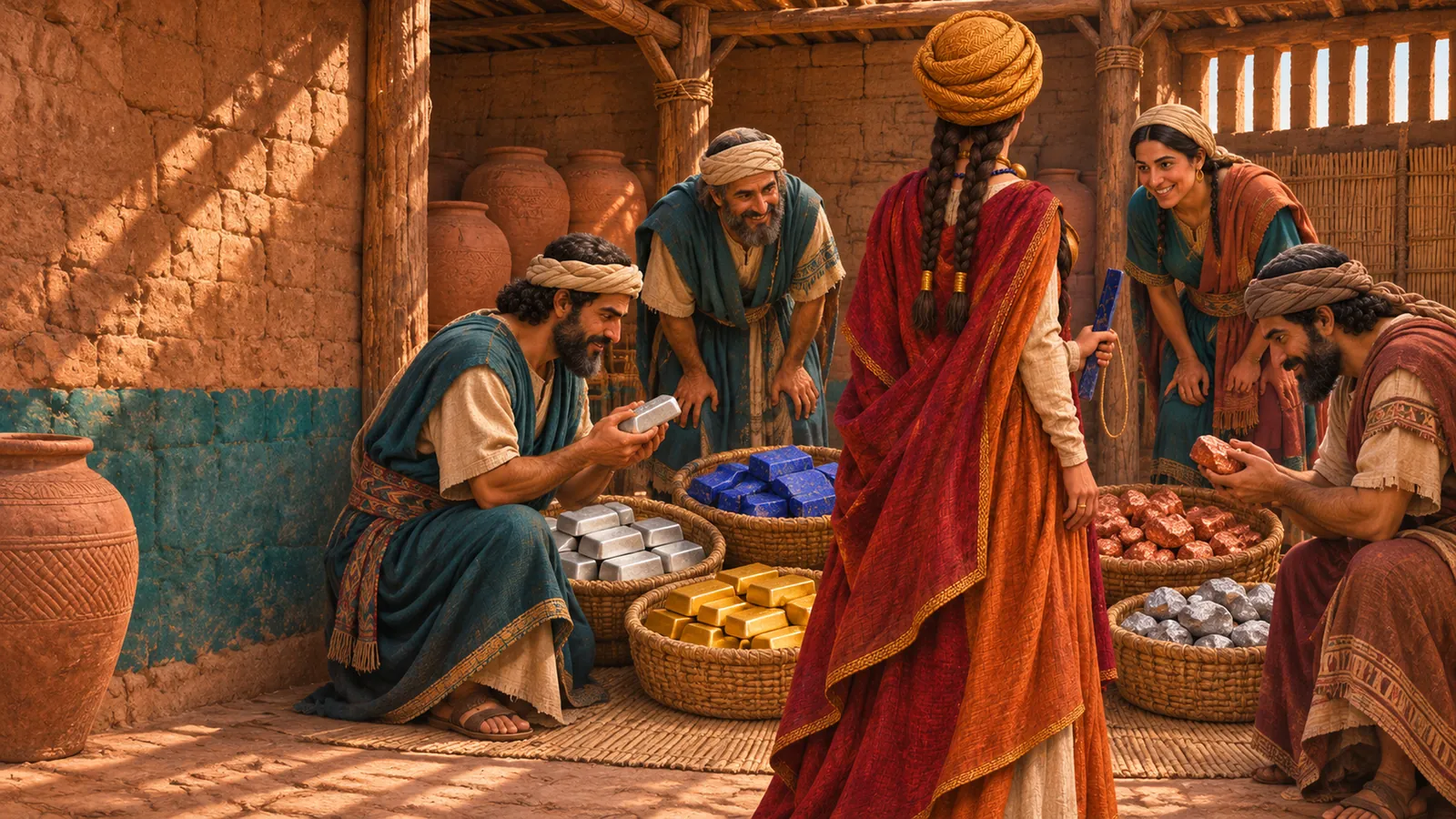
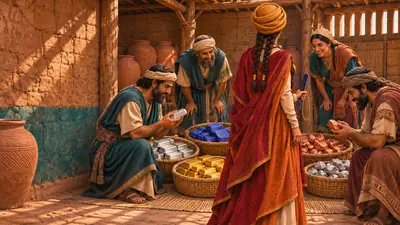
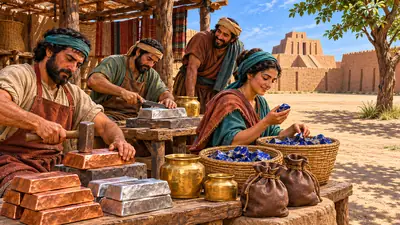
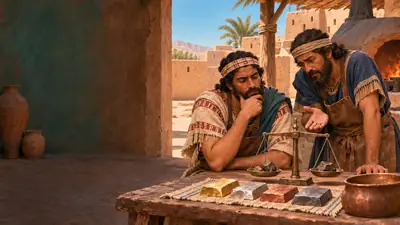
Gold and silver fill the grain stores; copper, tin and lapis lazuli reach the granaries. Inana seals the silos of a city rich in precious materials.
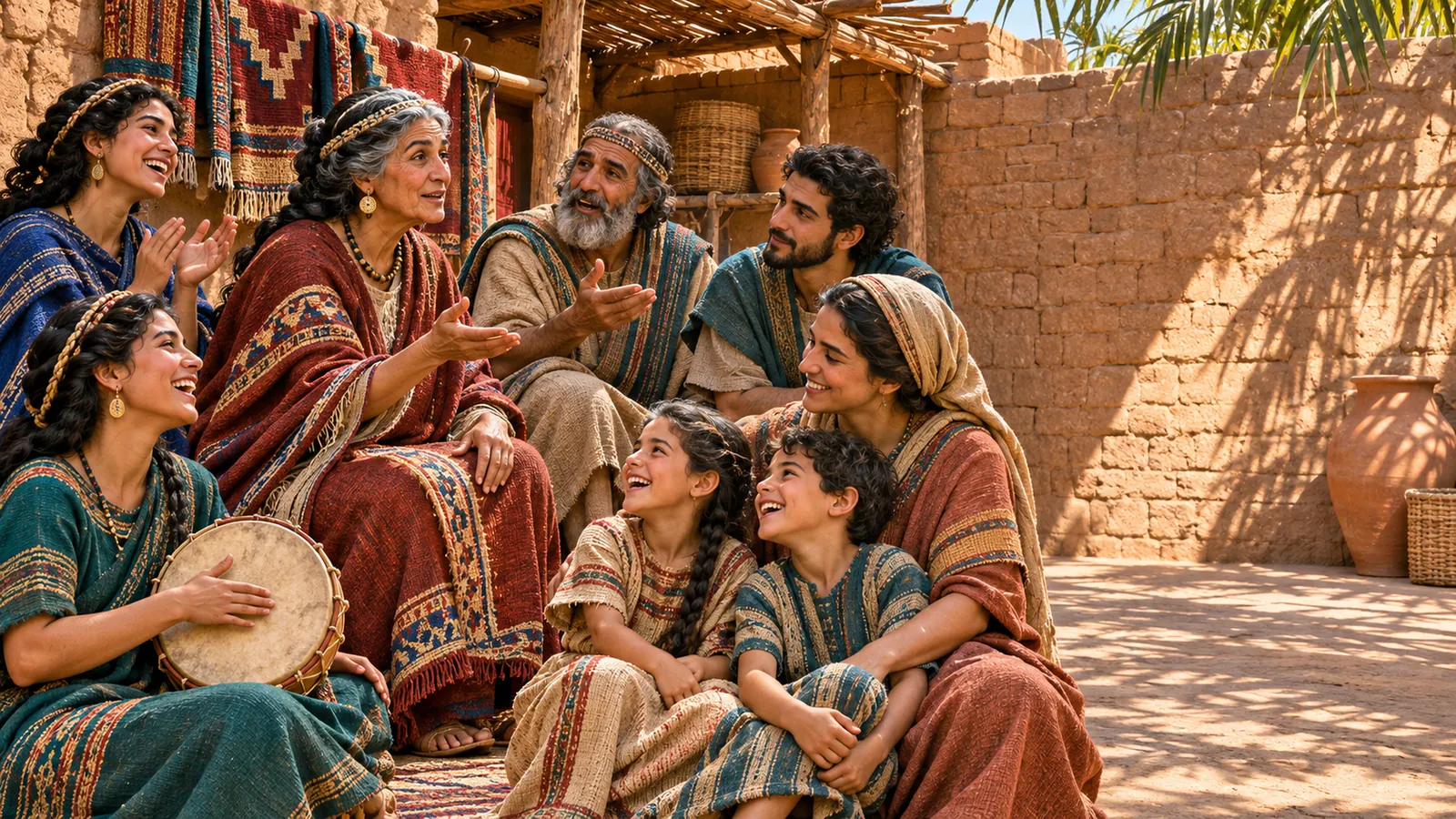
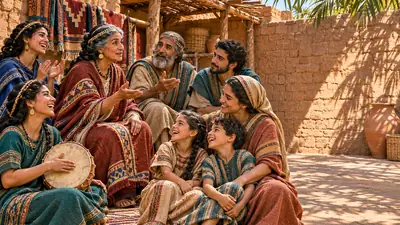
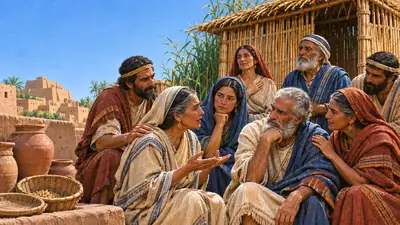
Old women receive counsel, old men eloquence, young women entertainment and young men strength in battle. The little ones receive joy among the city’s many gifts.
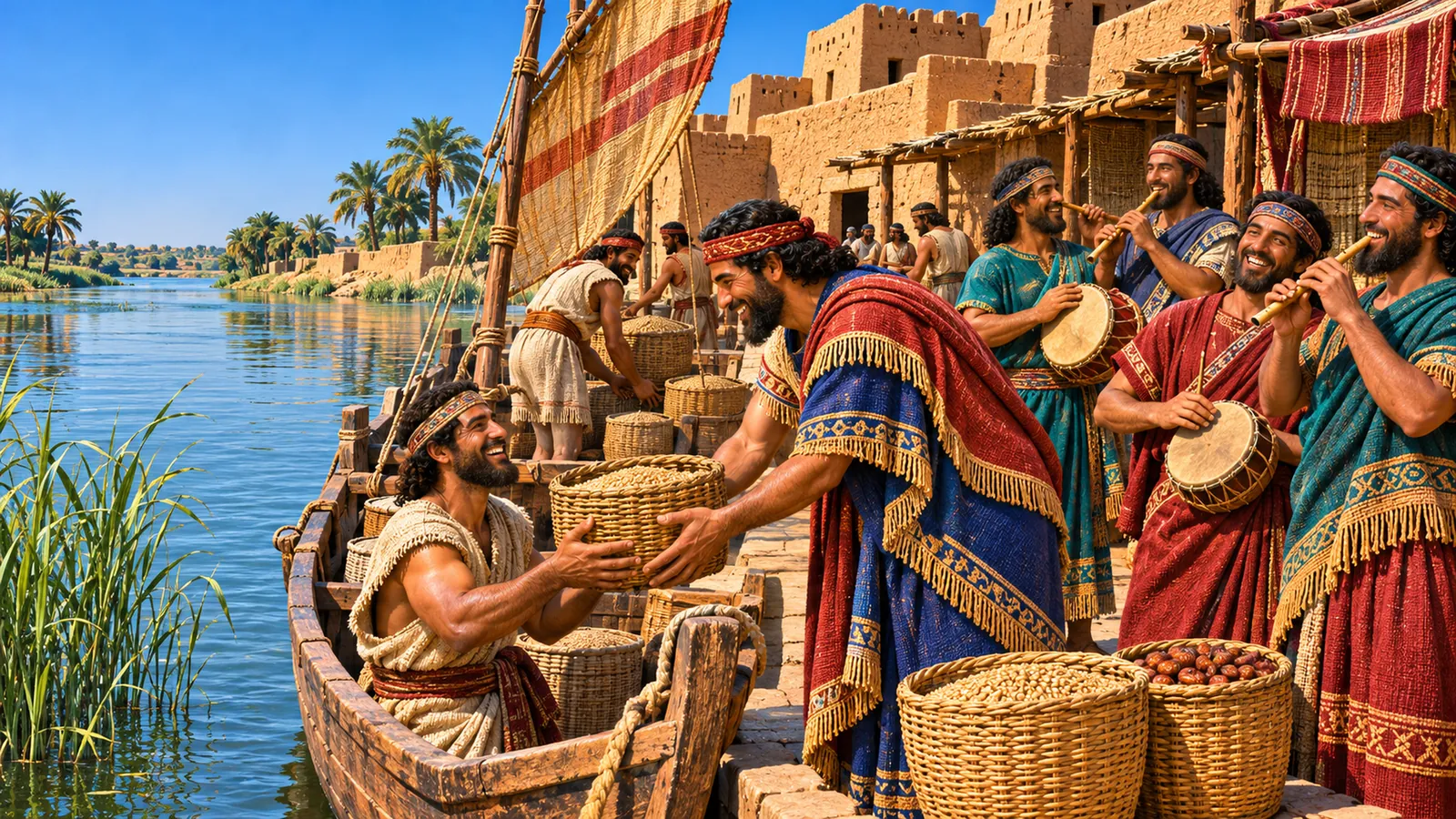
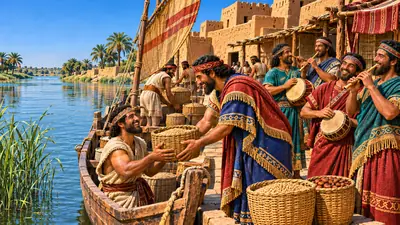
Nursemaids play aljarsur instruments, while drums, flutes and other instruments sound within and beyond Agade. Its harbor rejoices, and foreign peoples share in the happiness.
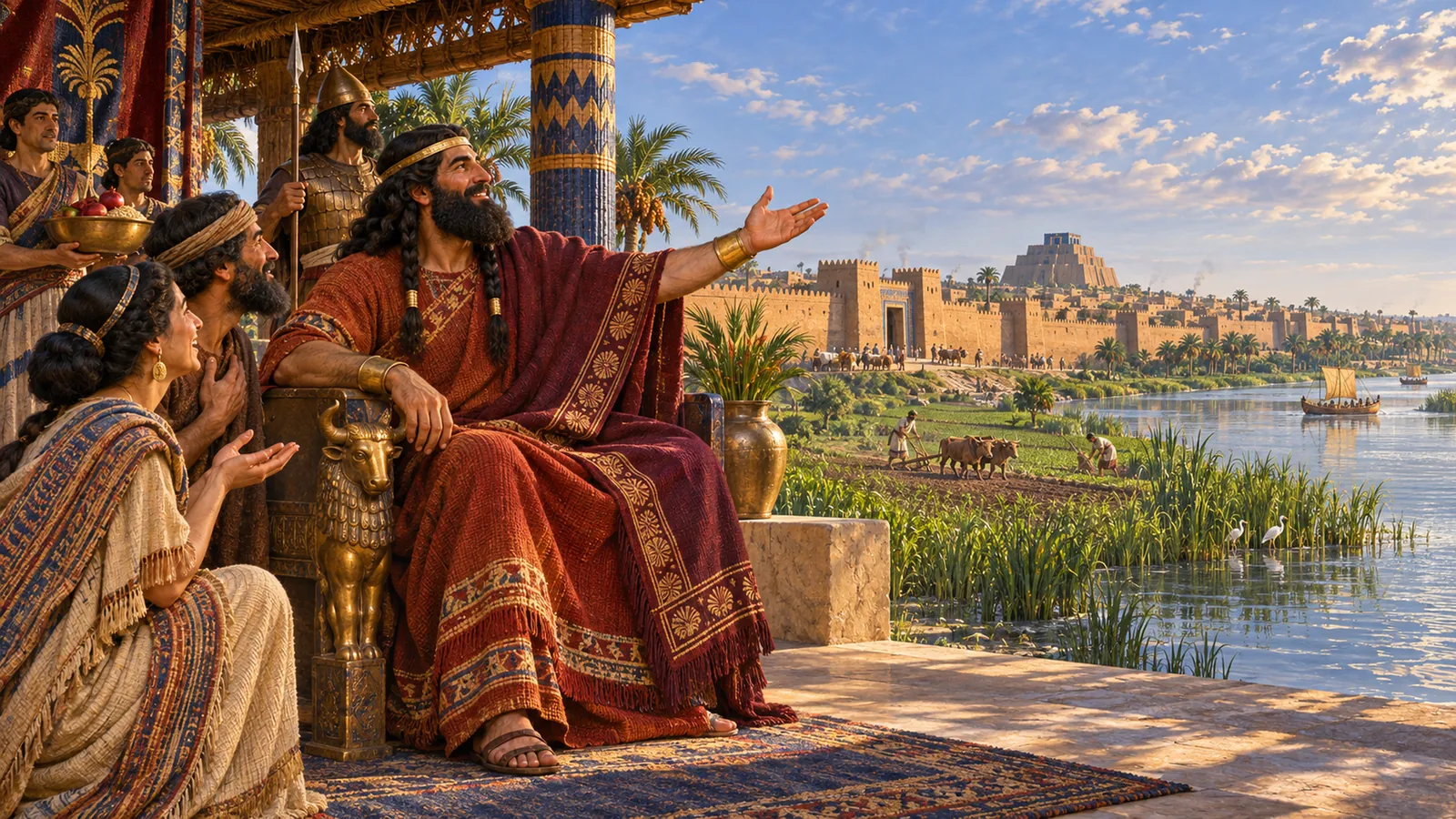
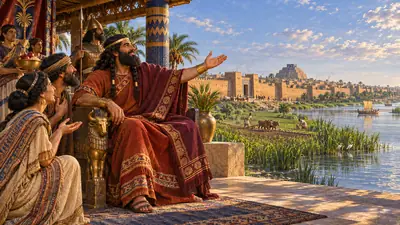
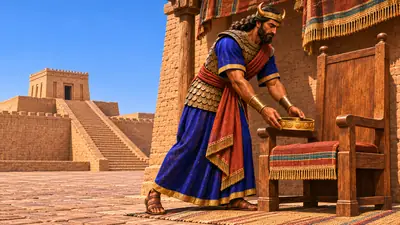
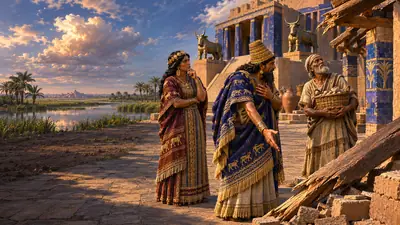
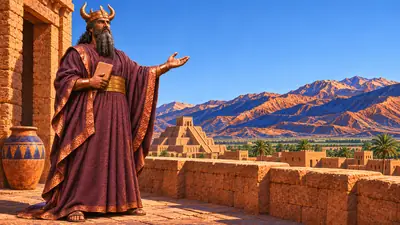
Naram-Suen rises upon Agade’s throne like daylight, its shepherd and king. The city wall seems a mountain reaching heaven in the poem’s praise.
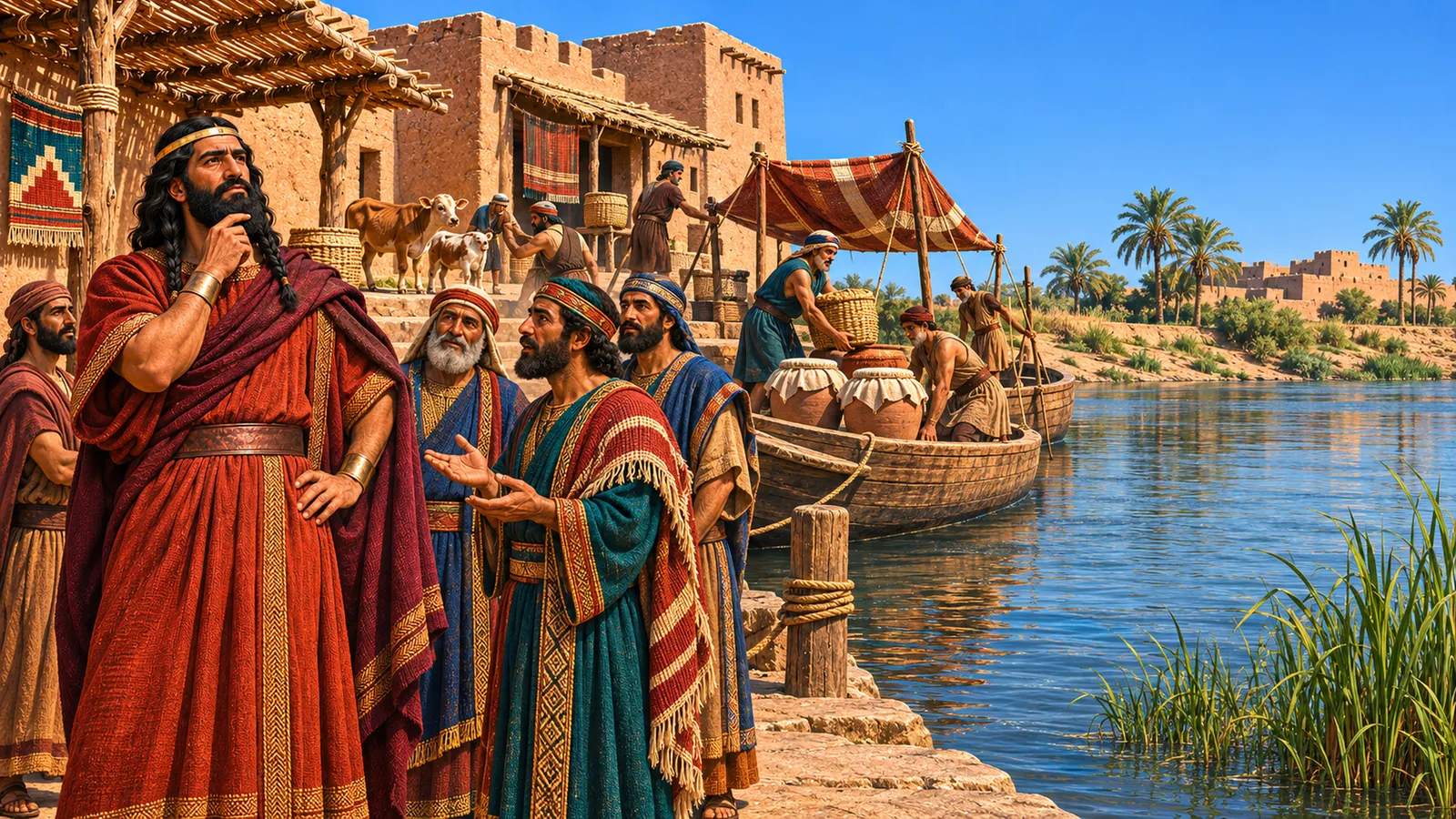
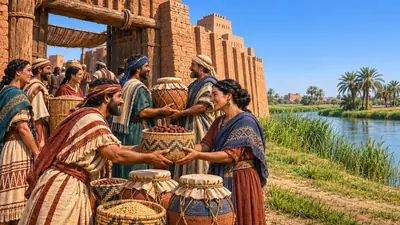
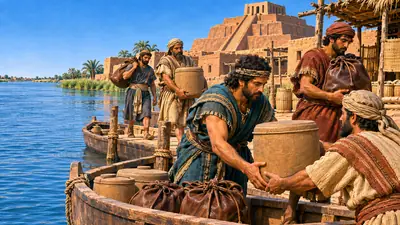
Goods arrive from Sumer, Martu, Meluhha, Elam and Subir. Officials bring monthly and New Year offerings until Inana can scarcely receive everything at the gates.
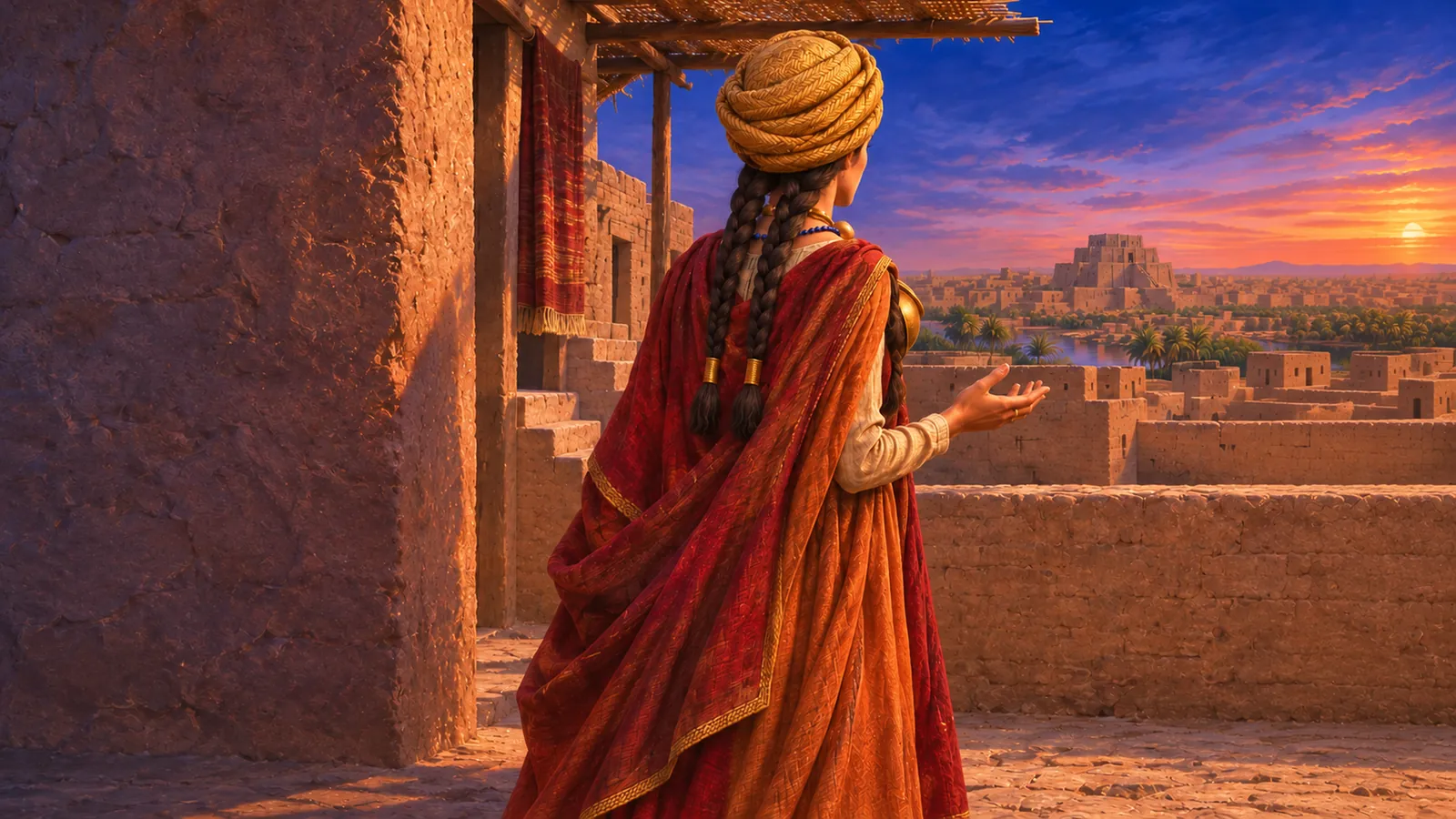
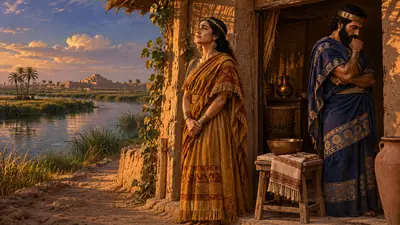
But a troubling word comes from Ekur. Agade trembles, and fear reaches Inana in Ulmash; the poem does not quote that word.
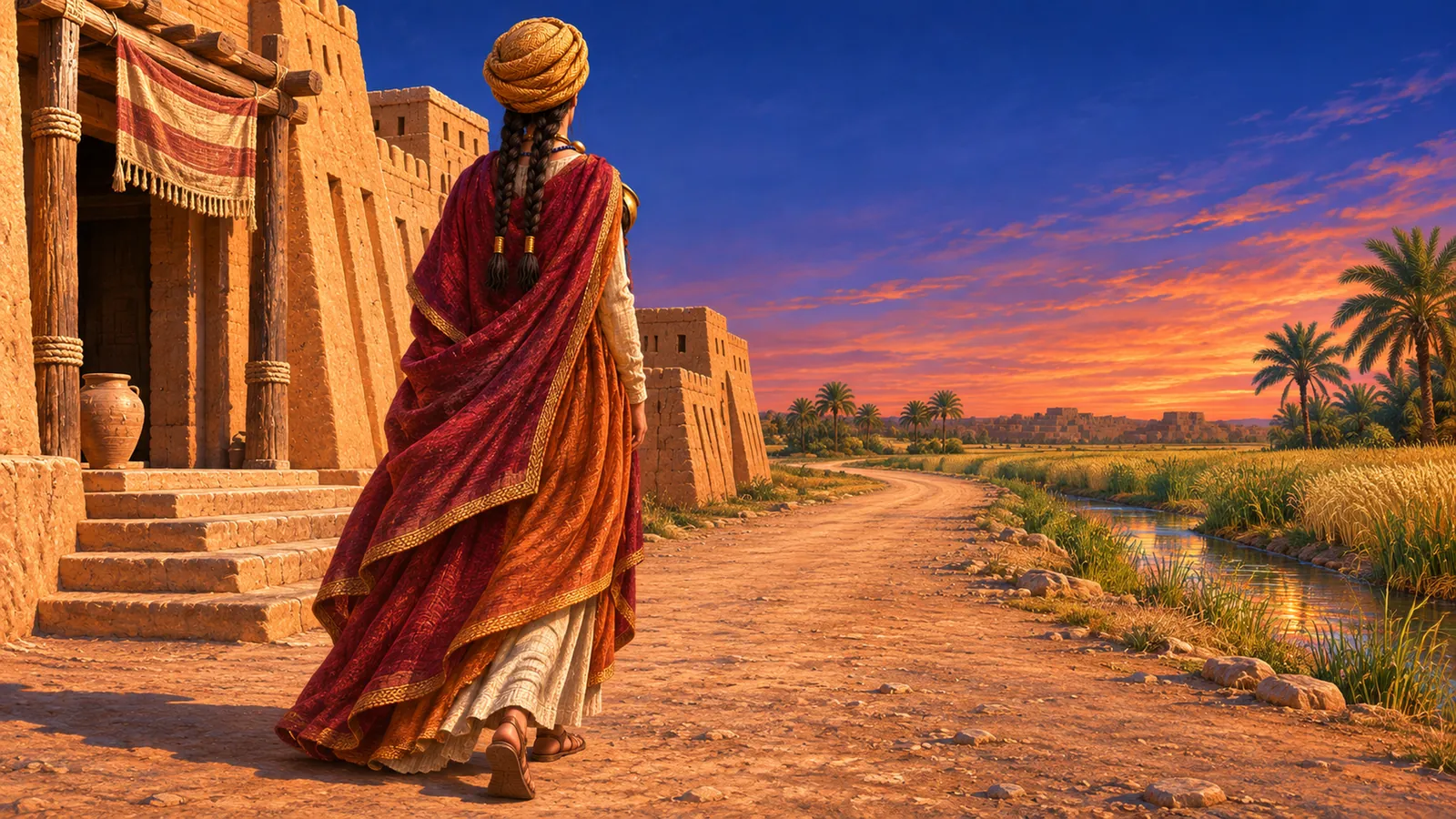
Inana leaves Agade and returns to her home. She withdraws the city’s gift of battle and hands that martial power over to its enemy.
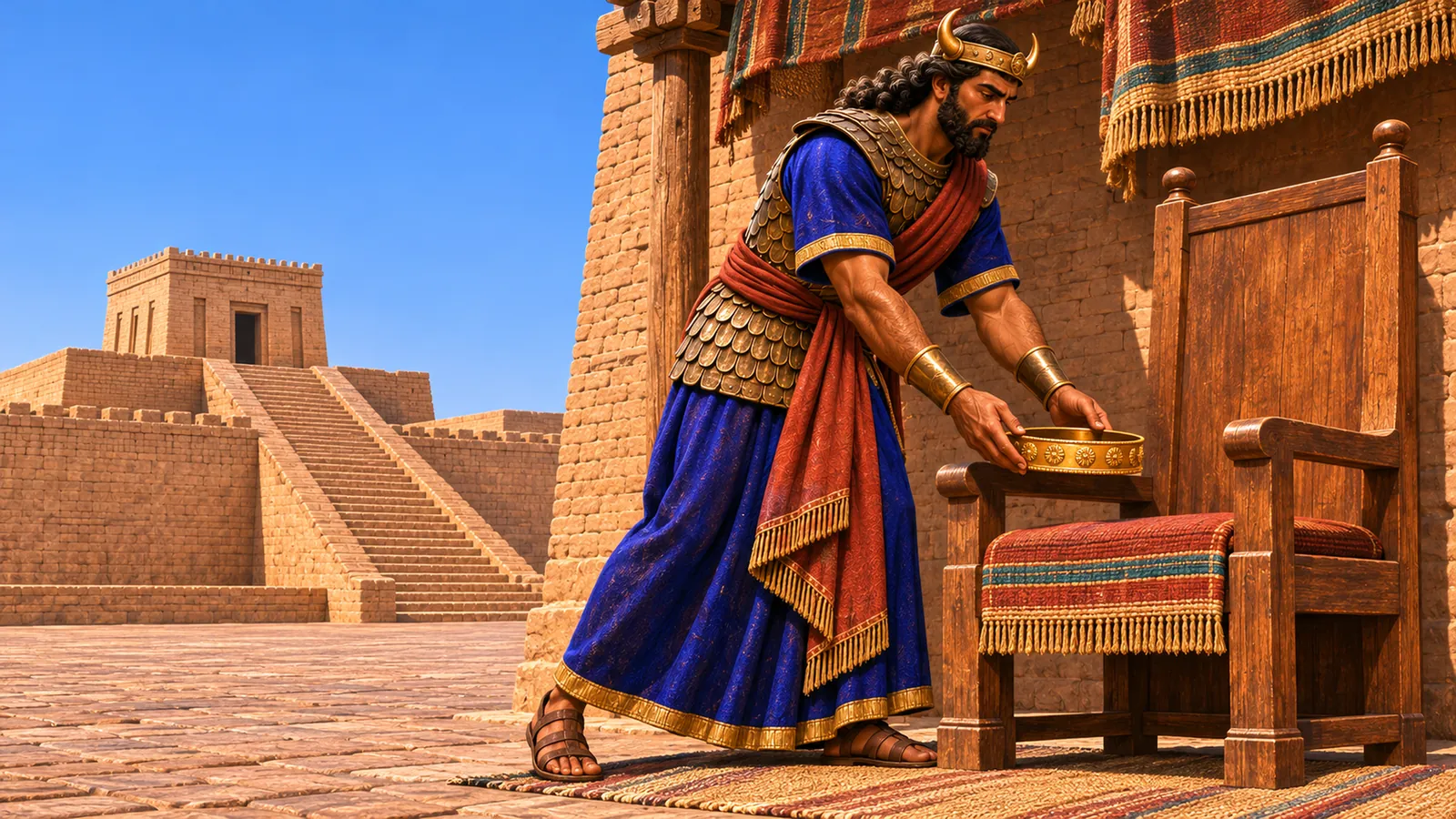
Before five or ten days pass, Ninurta takes Agade’s royal crown, emblems and throne back to Eshumesha. The city loses the ornaments of its kingship.
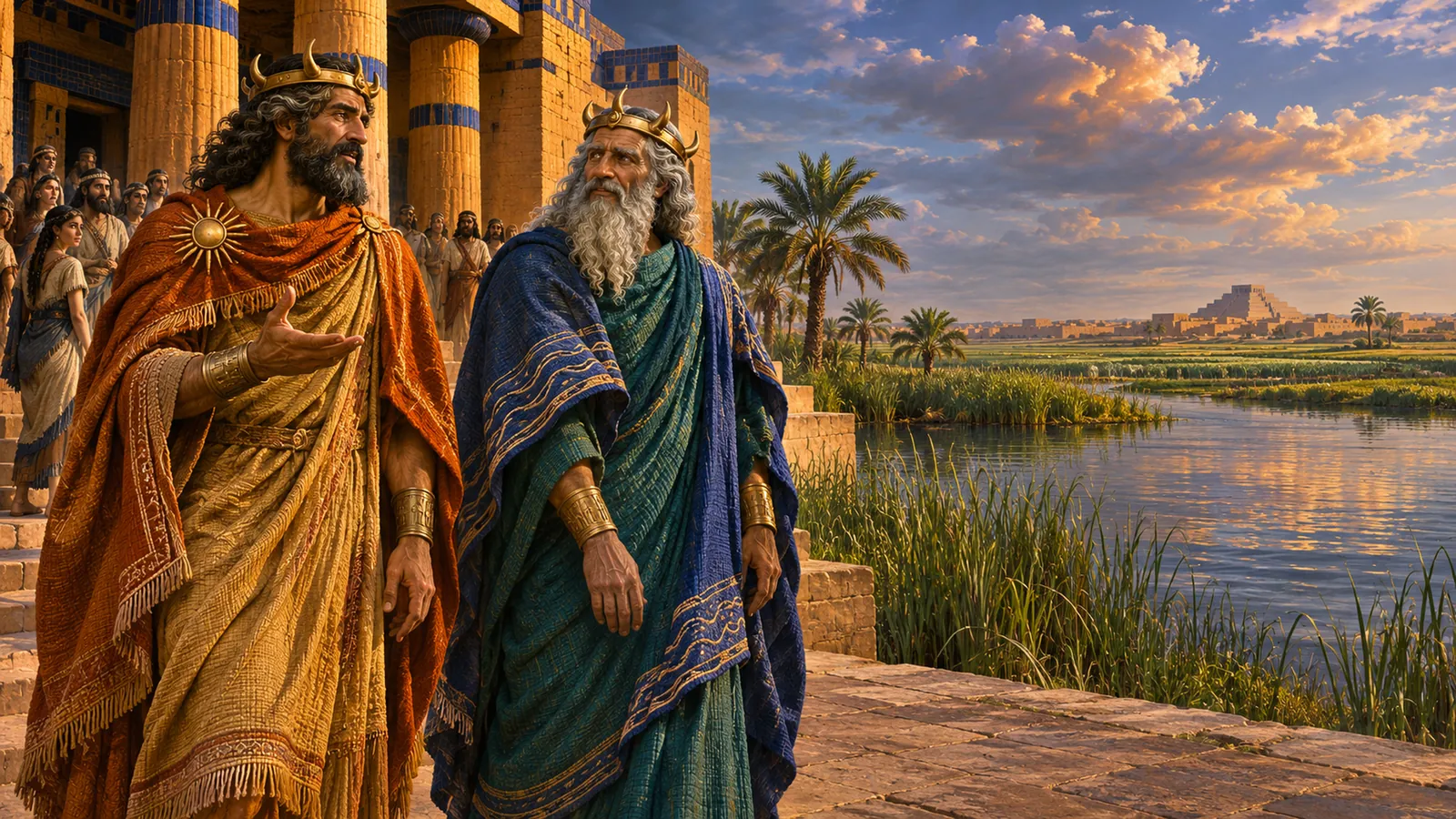
Utu withdraws the city’s eloquence, Enki its wisdom, and An its fearsome power into heaven. Each divine gift passes away from Agade.
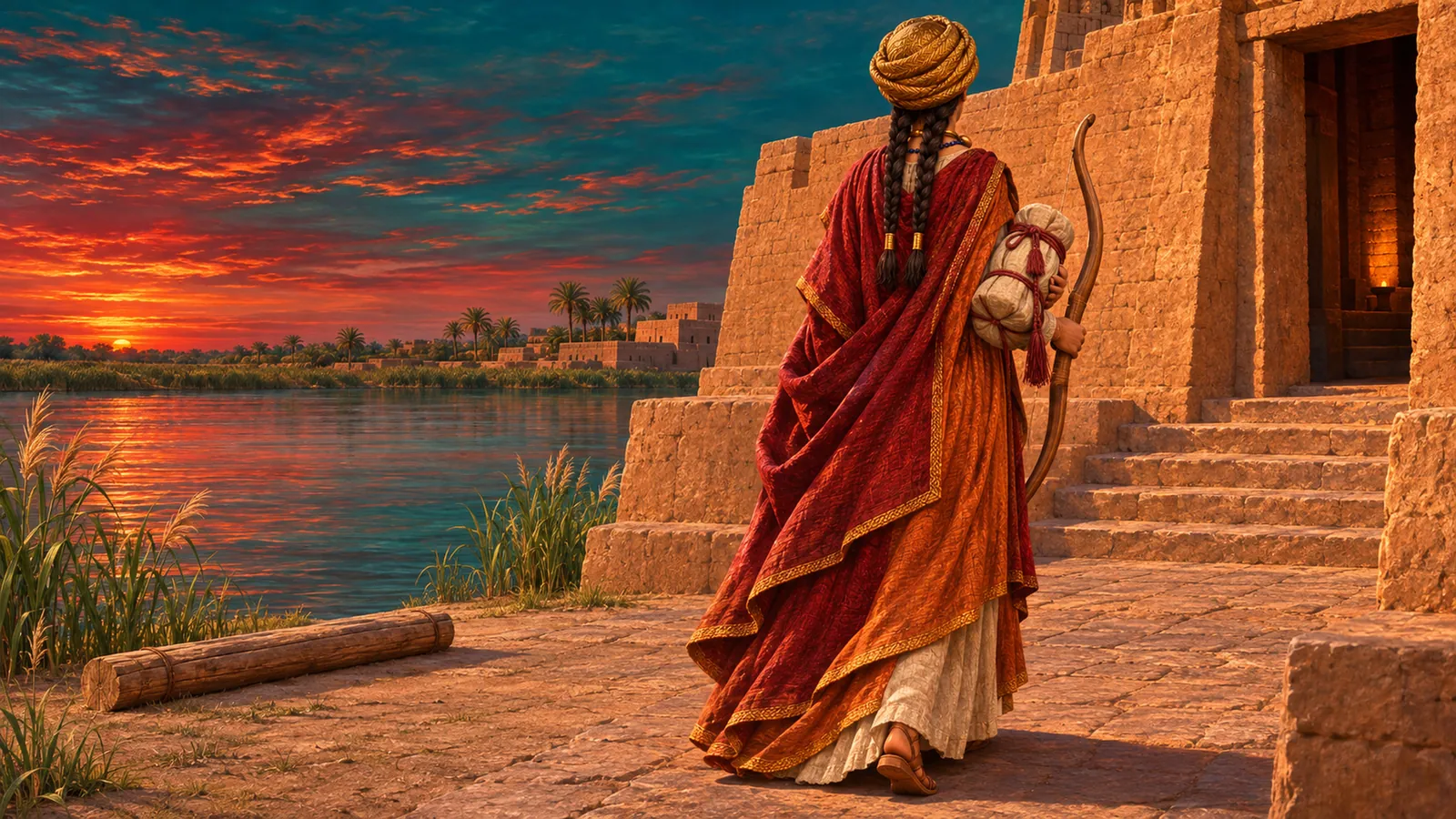
Enki uproots Agade’s securely anchored holy mooring pole from the Abzu, and Inana takes away its weapons. The city’s supports continue to disappear.
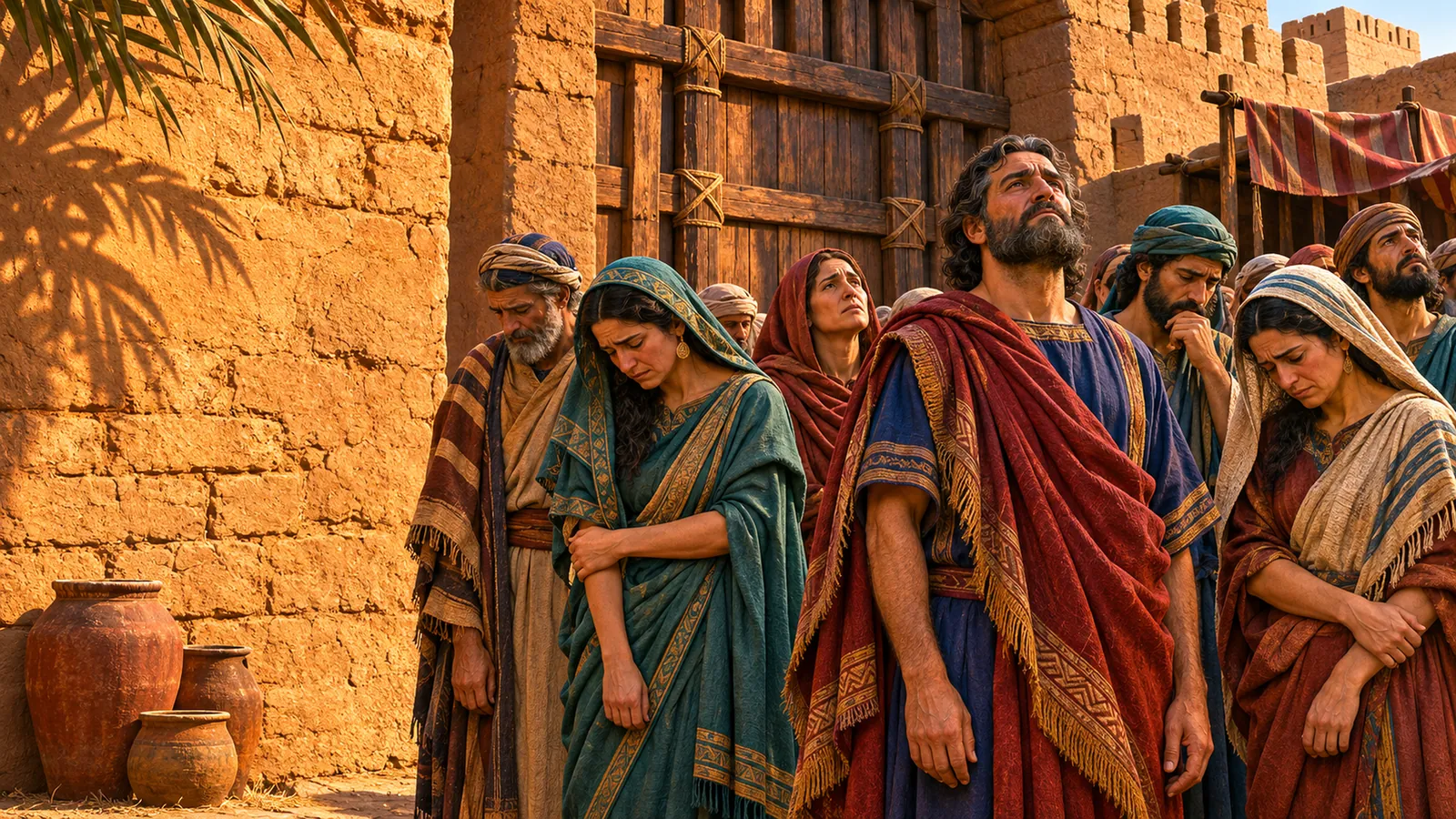
The sanctuary’s life ends, compared to that of a tiny carp. Agade bows like an elephant and a dying dragon while other cities strip away its honor.
THE DREAM
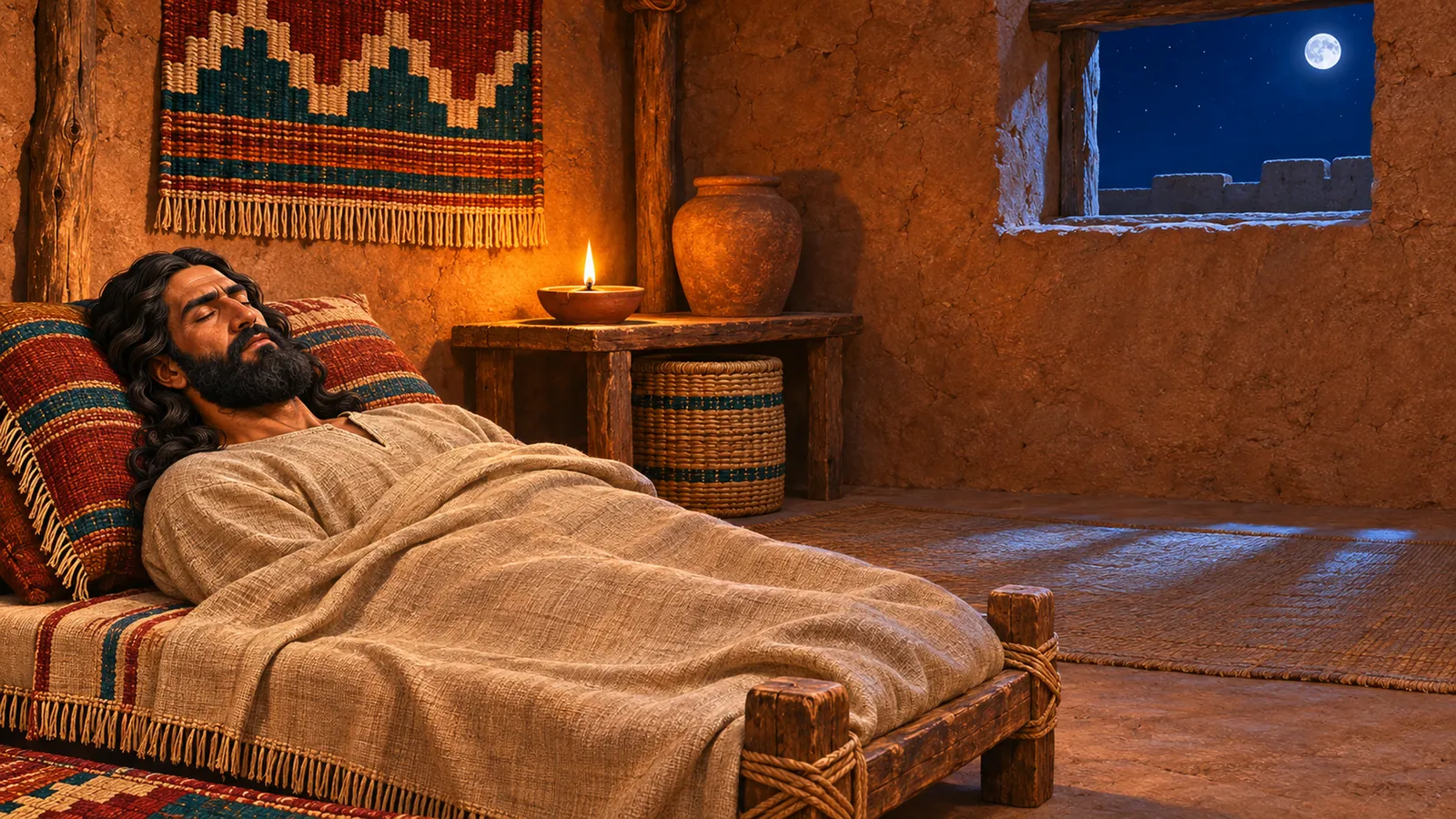
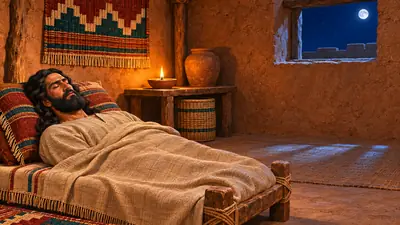
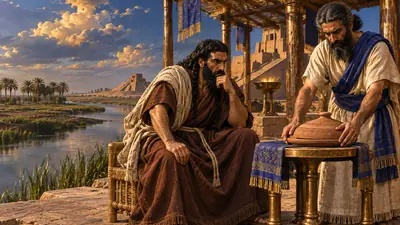
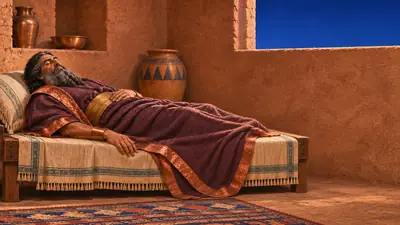
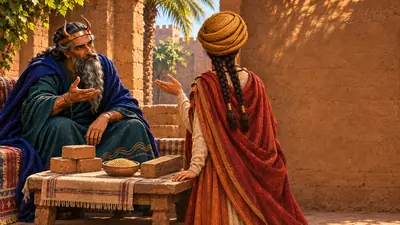
Naram-Suen dreams that Enlil will deny Agade a lasting future, shake its temples and scatter its treasures. He understands the vision but tells no one.
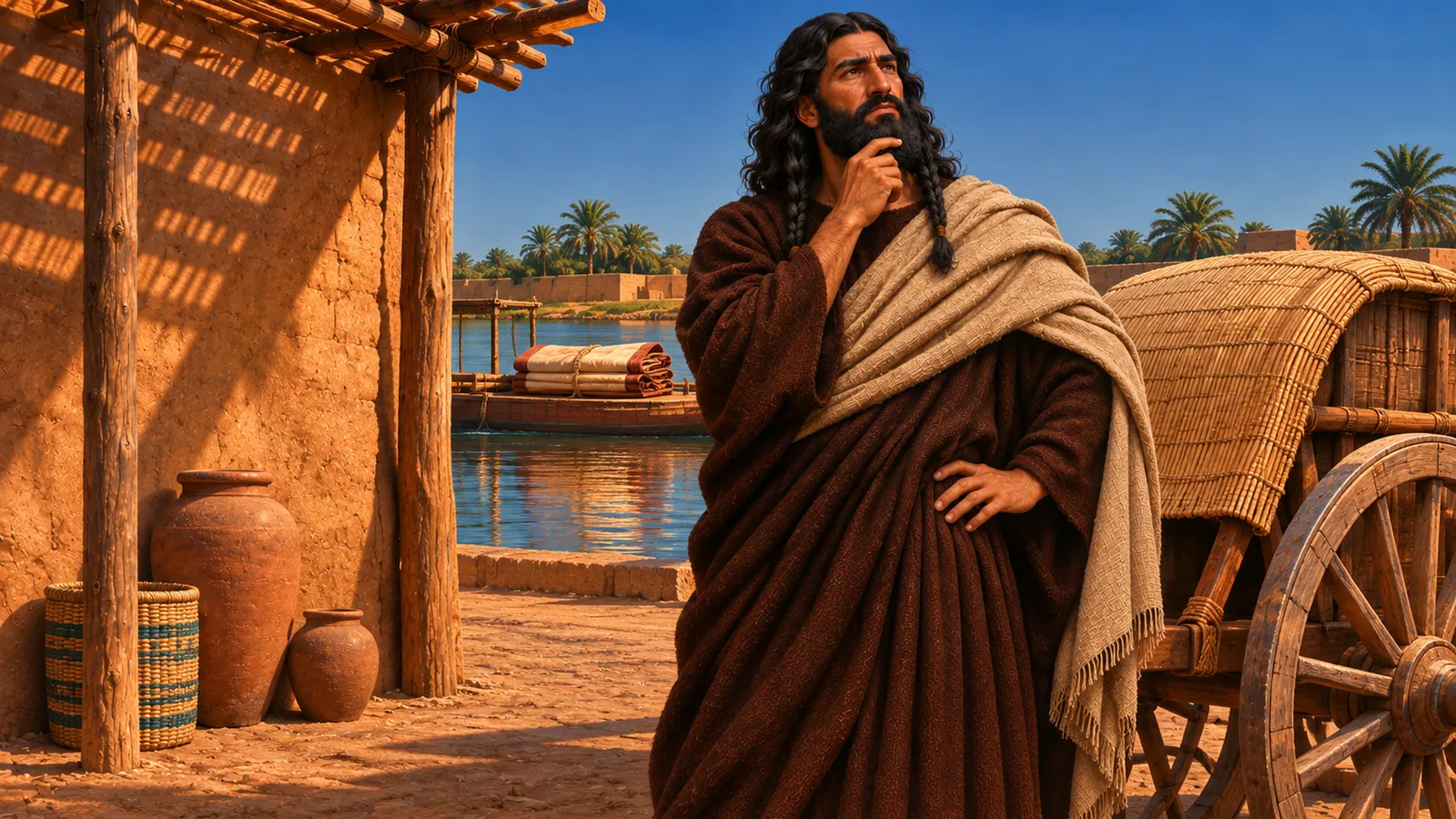
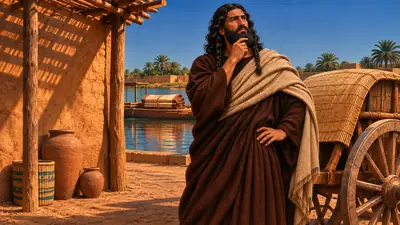
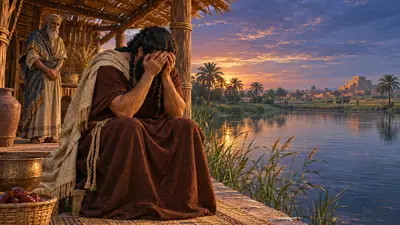
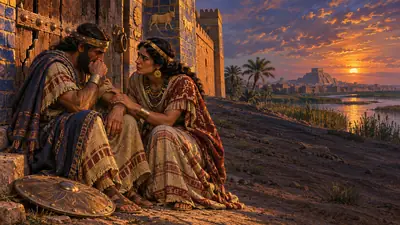
He puts on mourning clothes, covers his chariot with reeds, removes his barge’s canopy and gives away royal ornaments. His grief centers on Ekur.
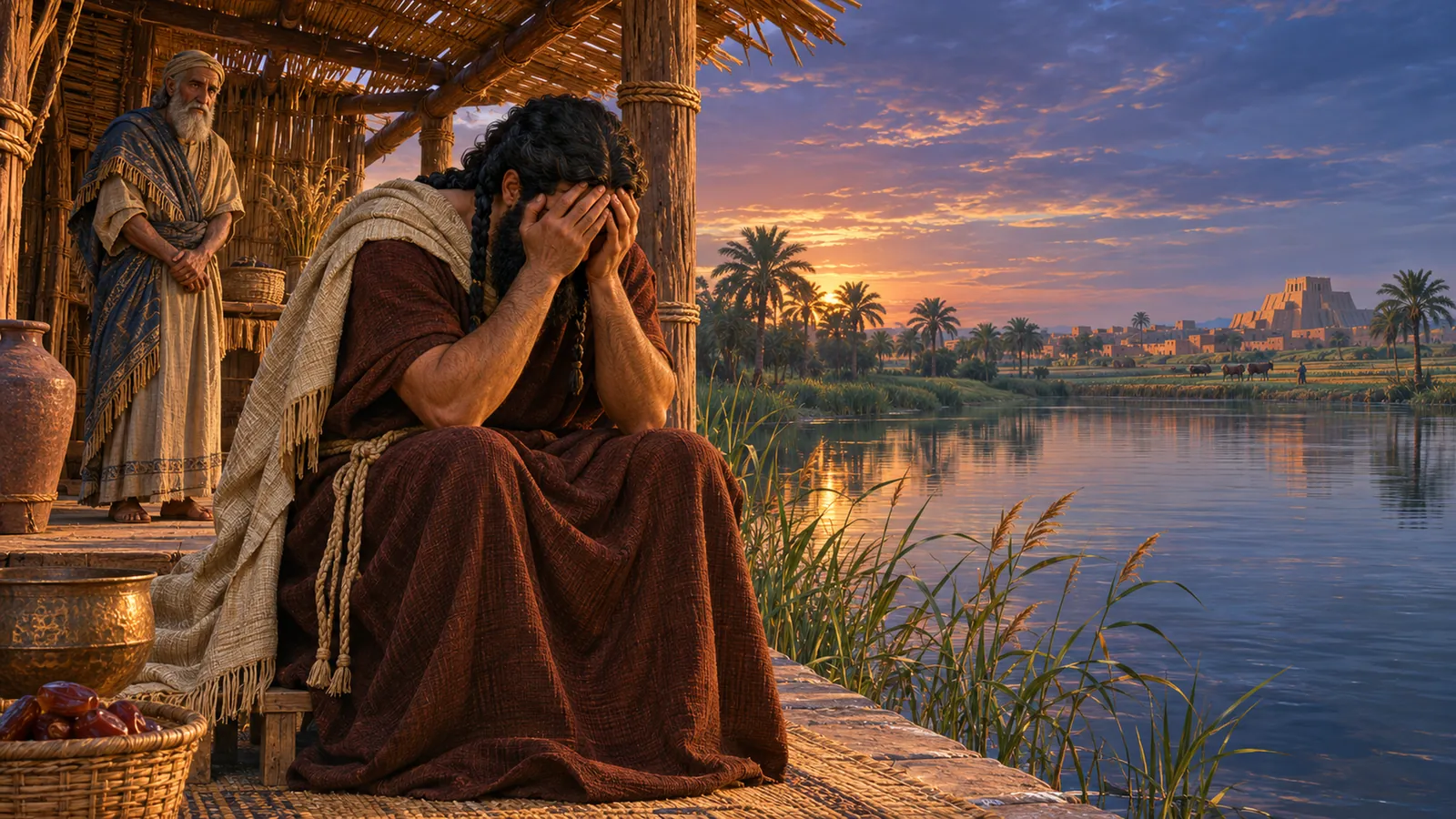
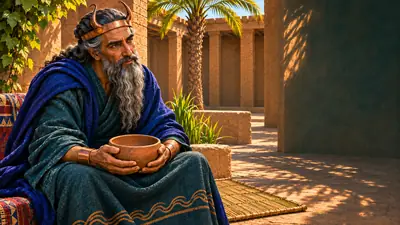
For seven years Naram-Suen persists, his head in his hands. The poem wonders at such a king, while his dream remains unspoken.
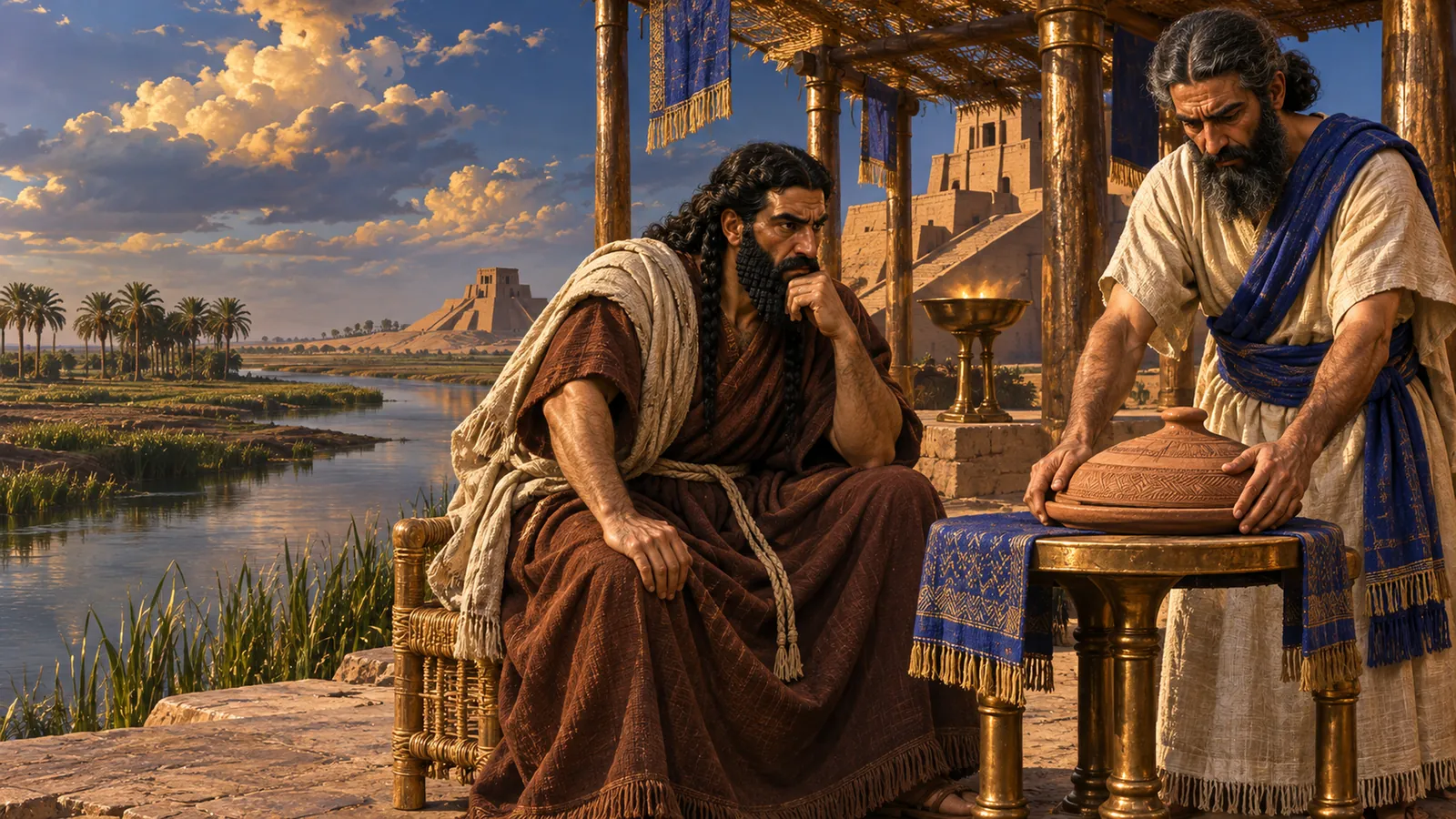
Twice he performs divination using a kid, but neither omen gives an answer about building the temple. He seeks to change what Enlil has pronounced.
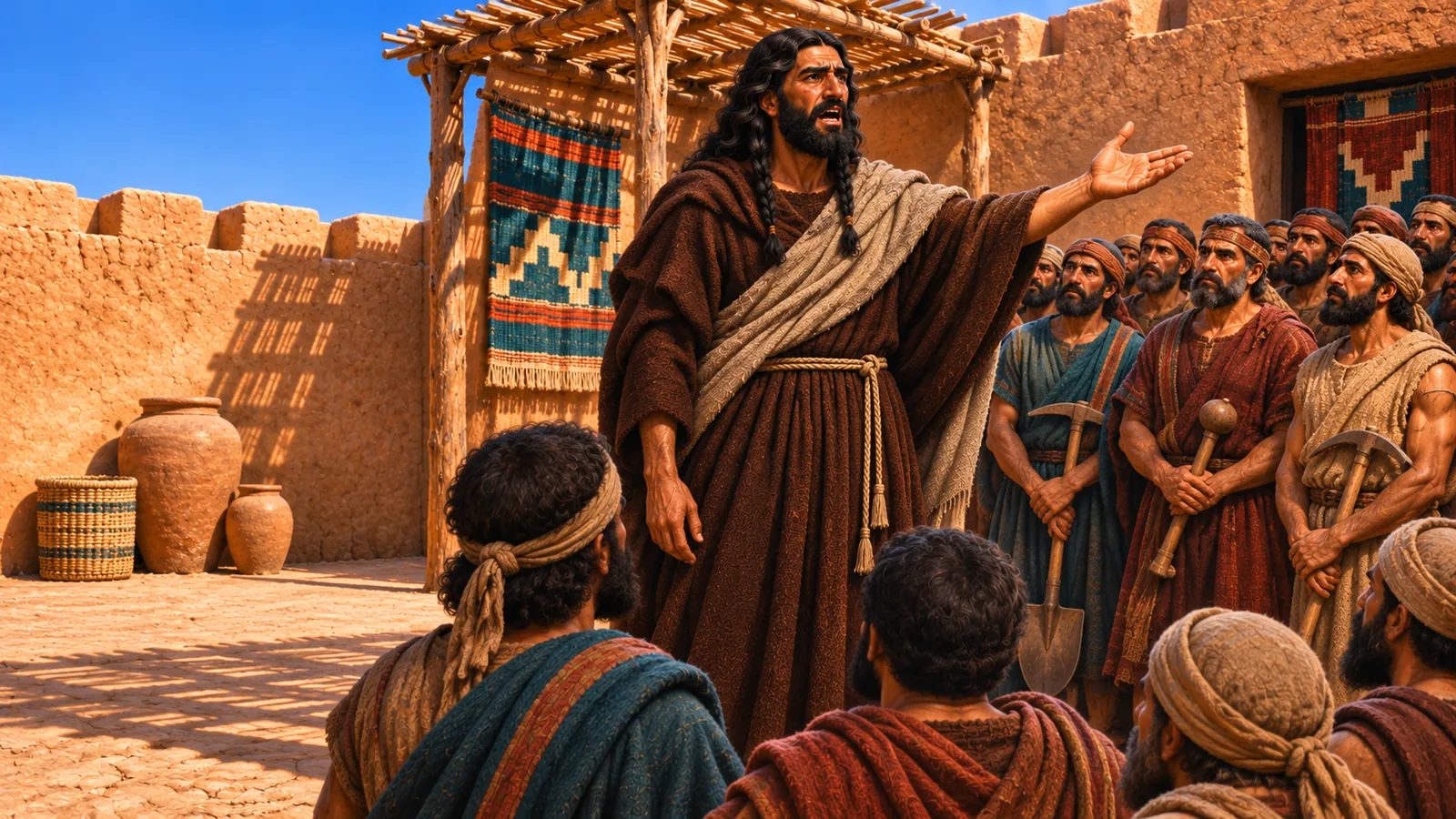
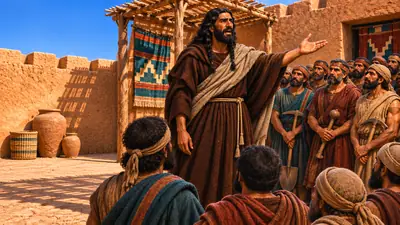
With his subjects dispersed, Naram-Suen begins mobilizing troops. His effort to alter Enlil’s decision now turns toward action against Ekur itself.
EKUR
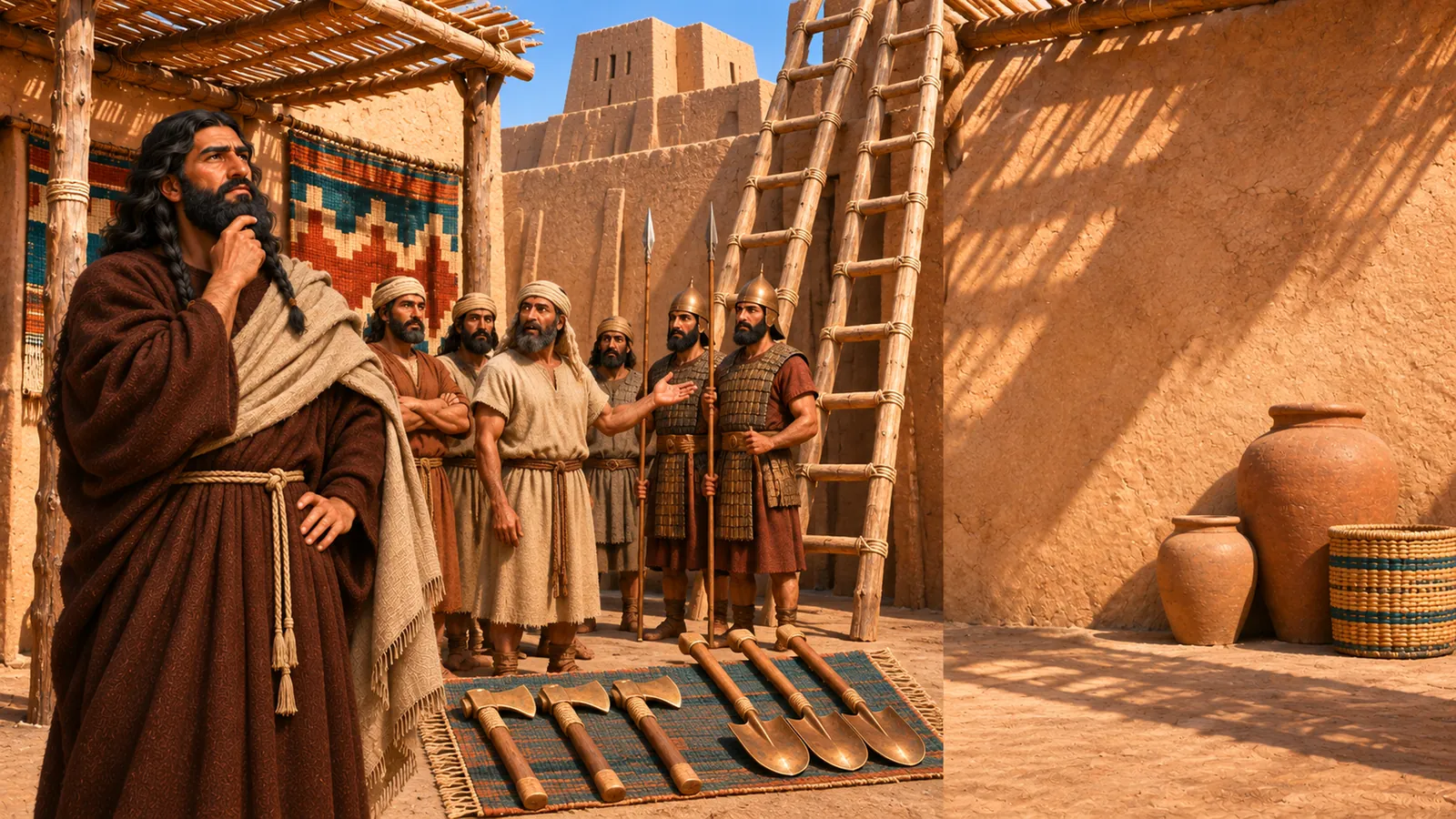
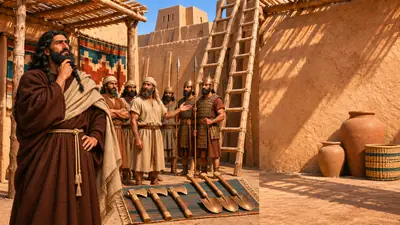
He treats the sacred giguna as worth only thirty shekels and sets ladders against the temple. Large axes and spades are prepared for its destruction.
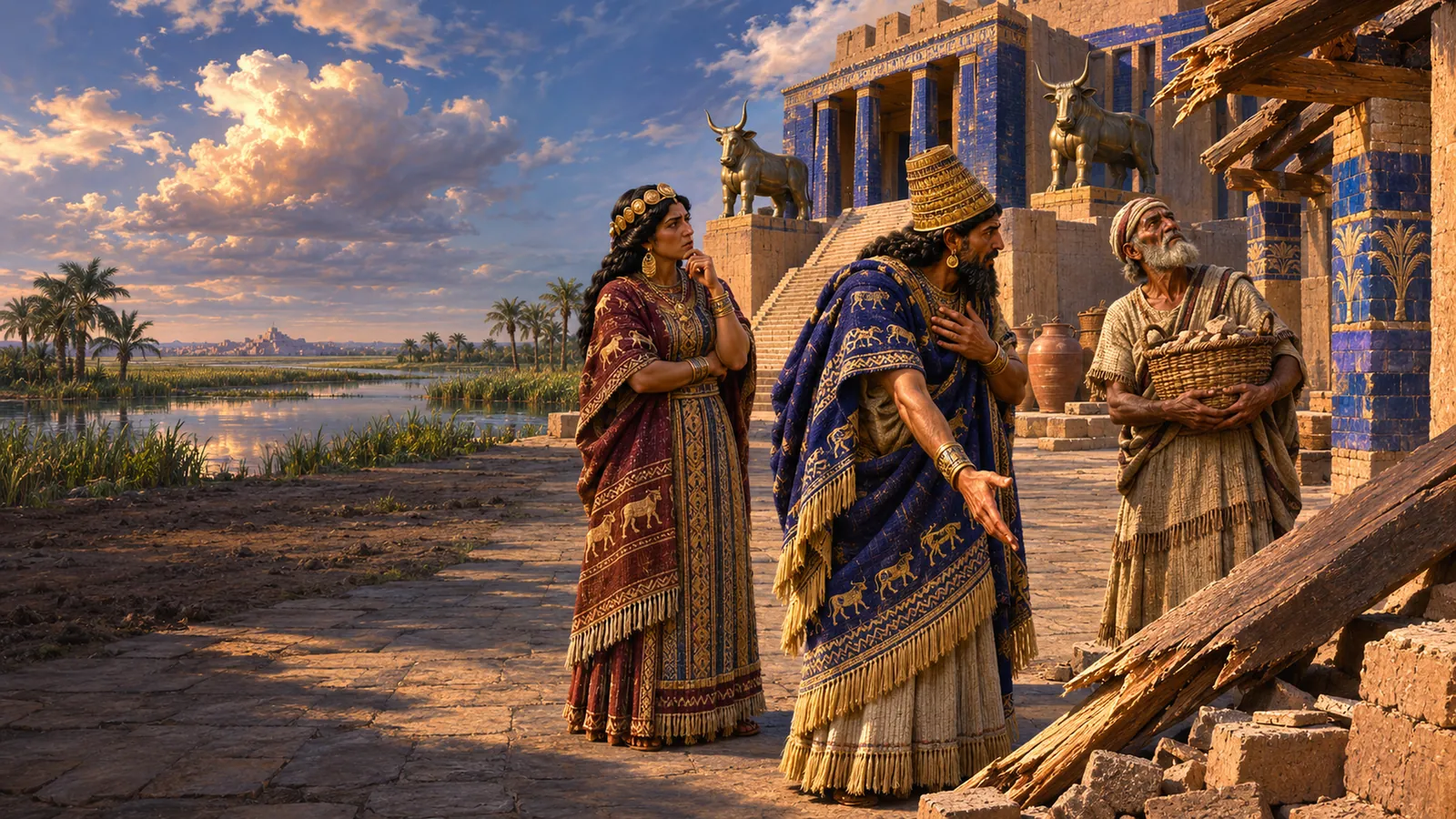
His forces undermine Ekur and break down its upper structure. The poem compares the temple to a slain warrior bowing his head before the king.
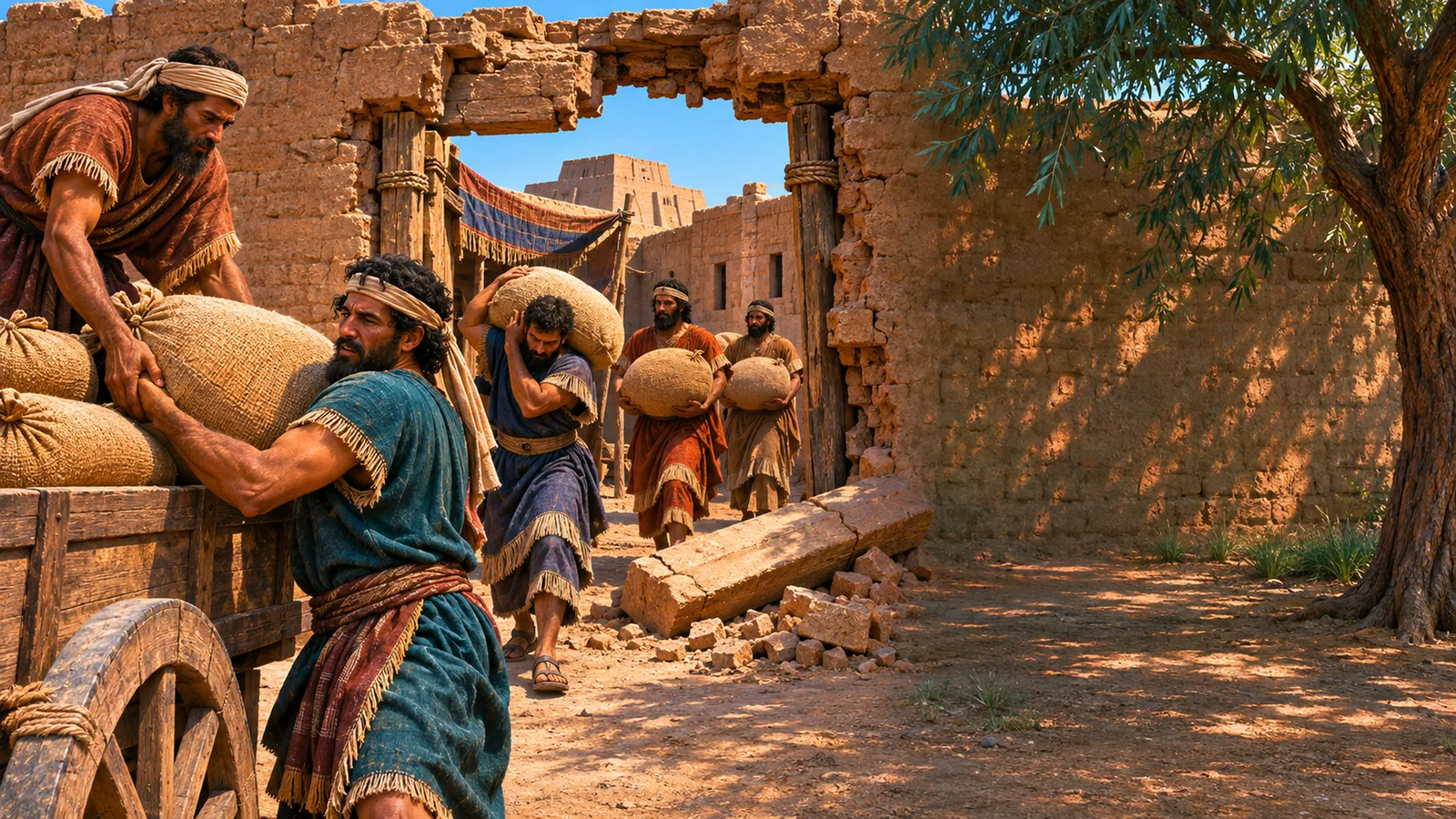
He tears out drains and lintels, diverts grain and damages the Gate of Well-Being. The poem links this destruction to the land’s lost rain, food and welfare.
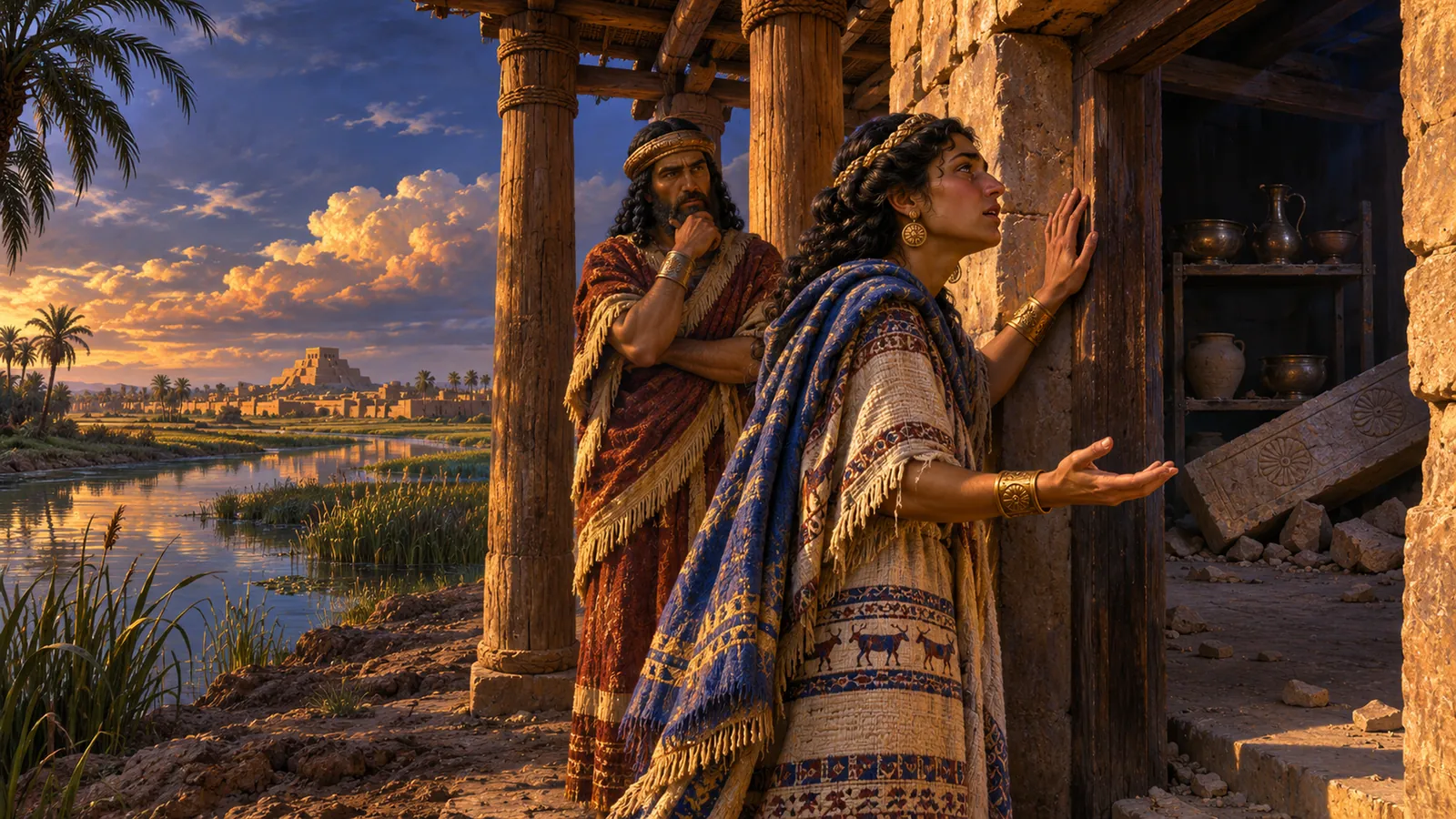
The hidden chamber and sacred treasury stand exposed. Naram-Suen throws the lahama deities of the great pillars into fire, although they have committed no sacrilege.
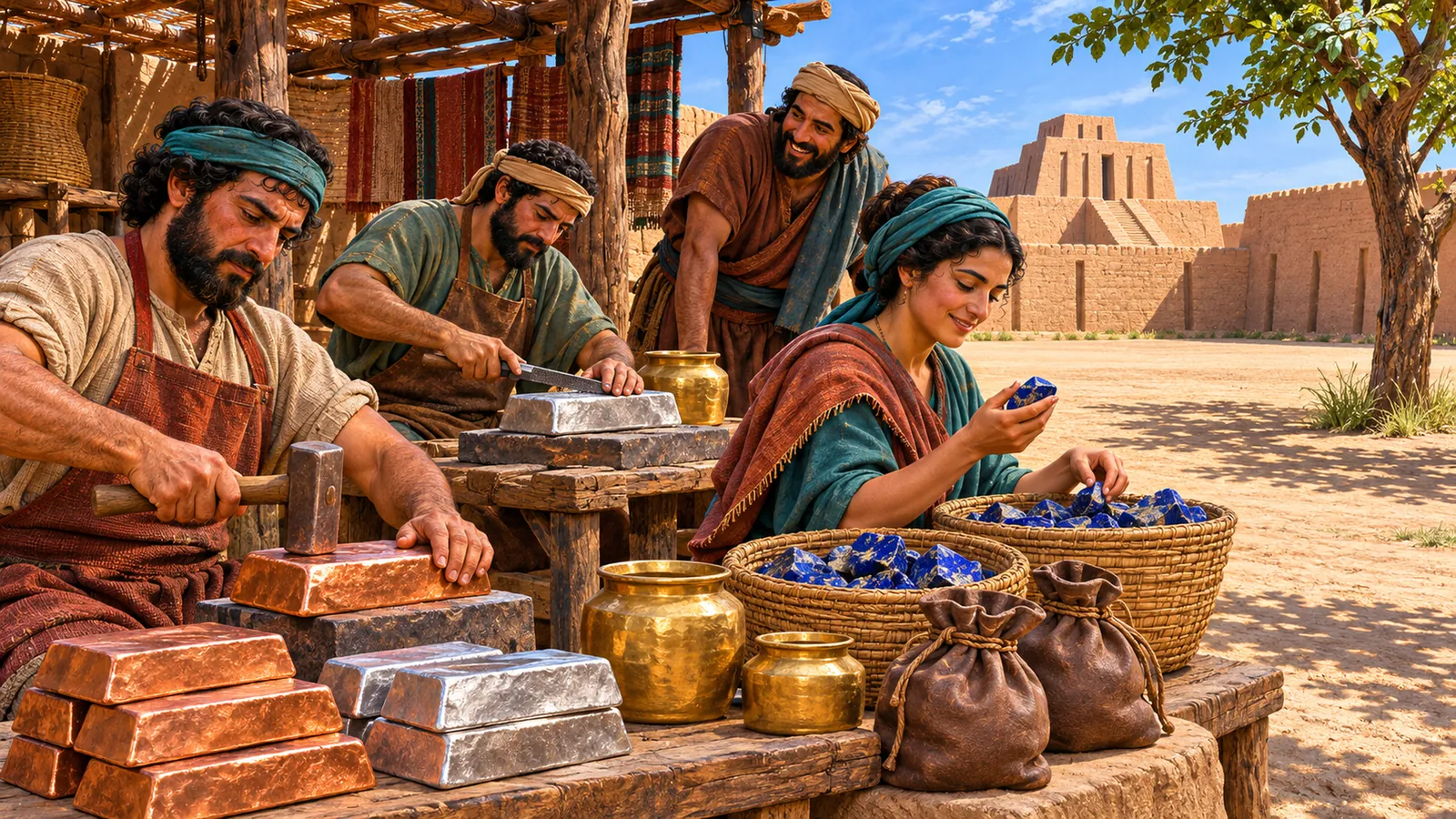
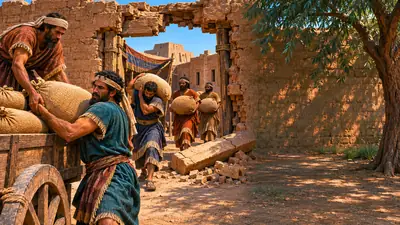
Gold goes into containers and silver into leather bags; copper fills the docks. Craftsmen reshape metals and stones, while a damaged passage concerns the temple’s timbers.
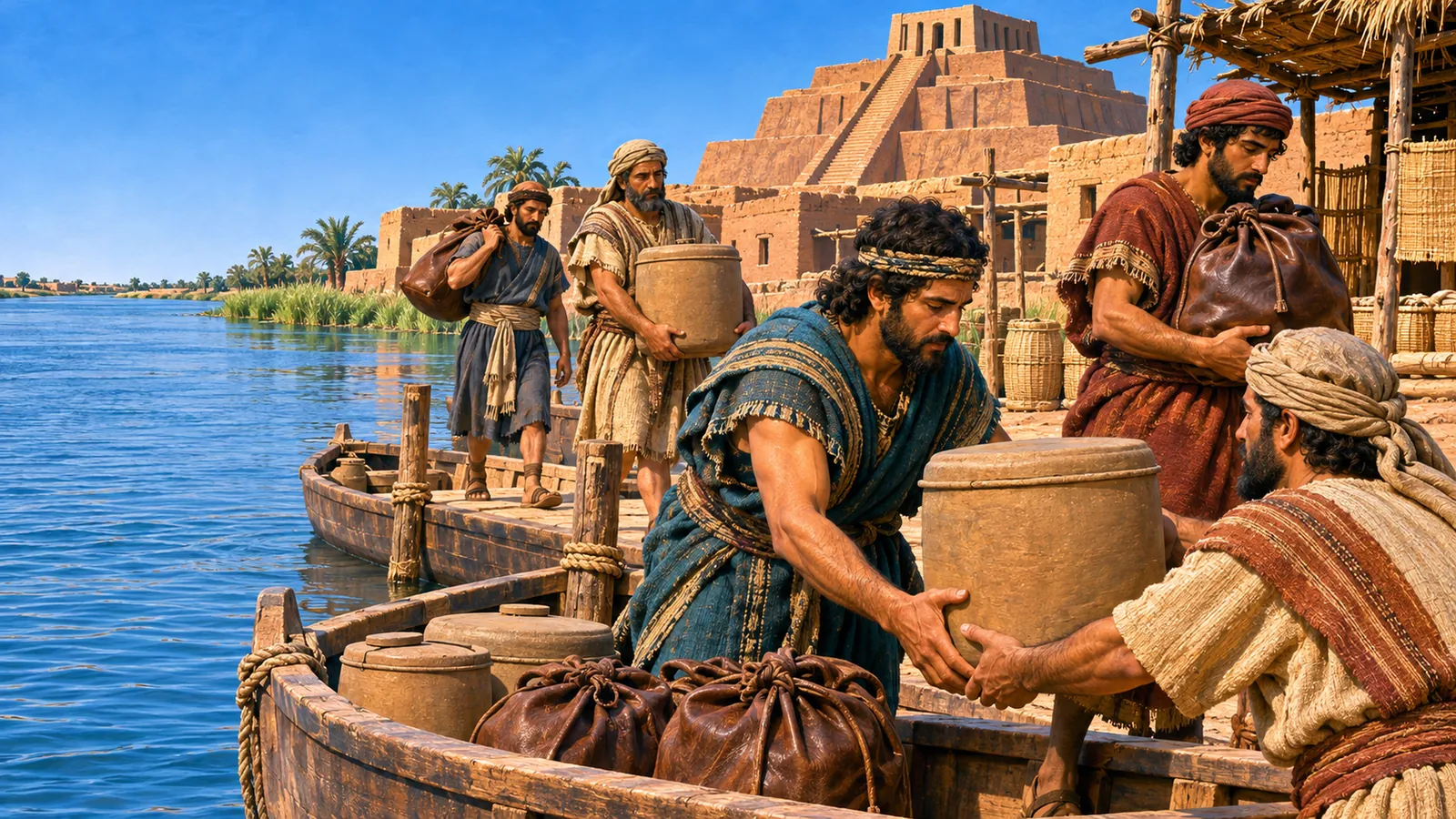
Ships carry the temple’s possessions away, though these are not the goods of a plundered city. As they depart, the poem says, good sense and intelligence leave Agade.
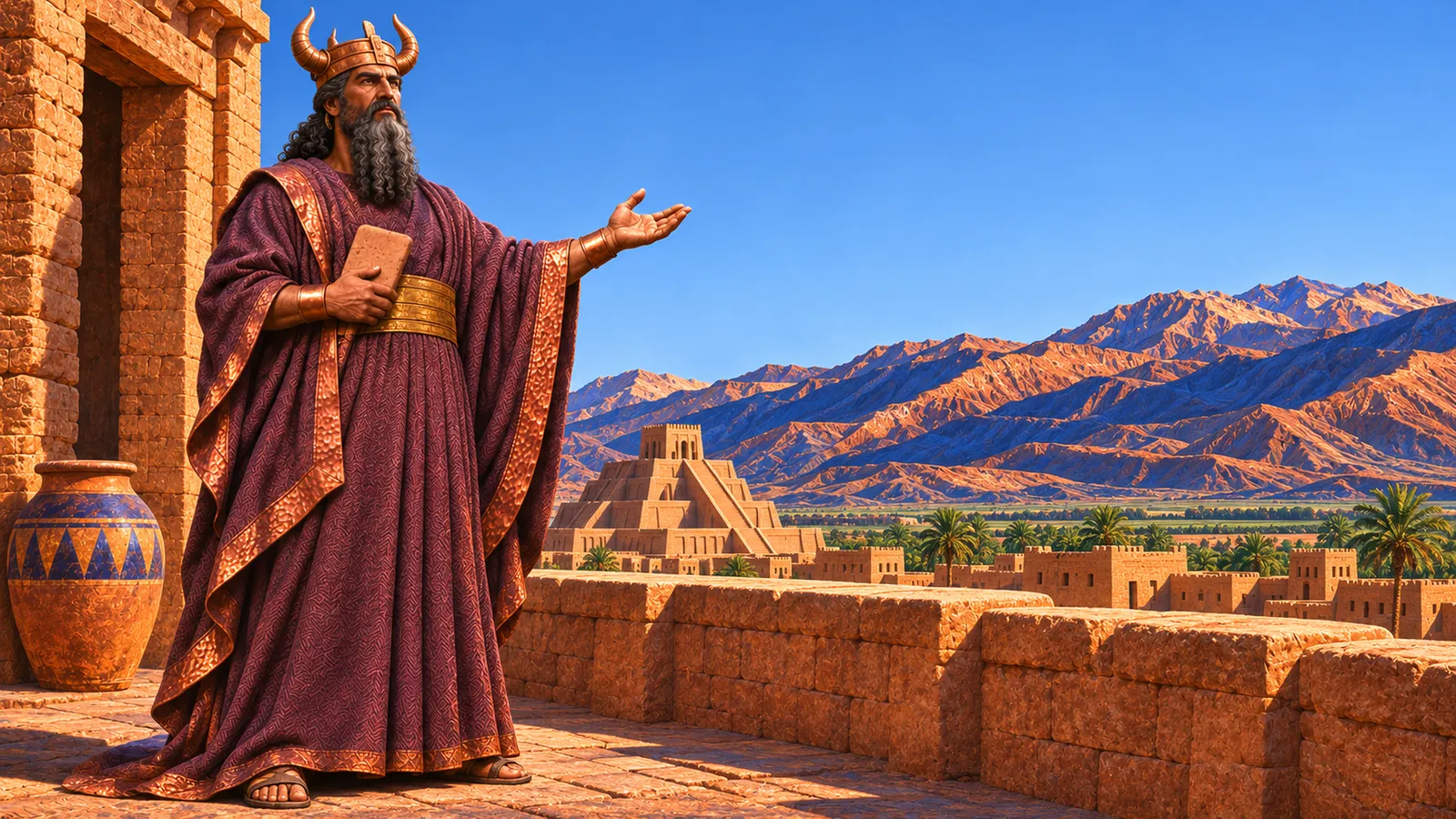
Enlil considers how to answer the wrecking of his beloved Ekur. His gaze turns toward the Gubin mountains and the peoples of their broad ranges.
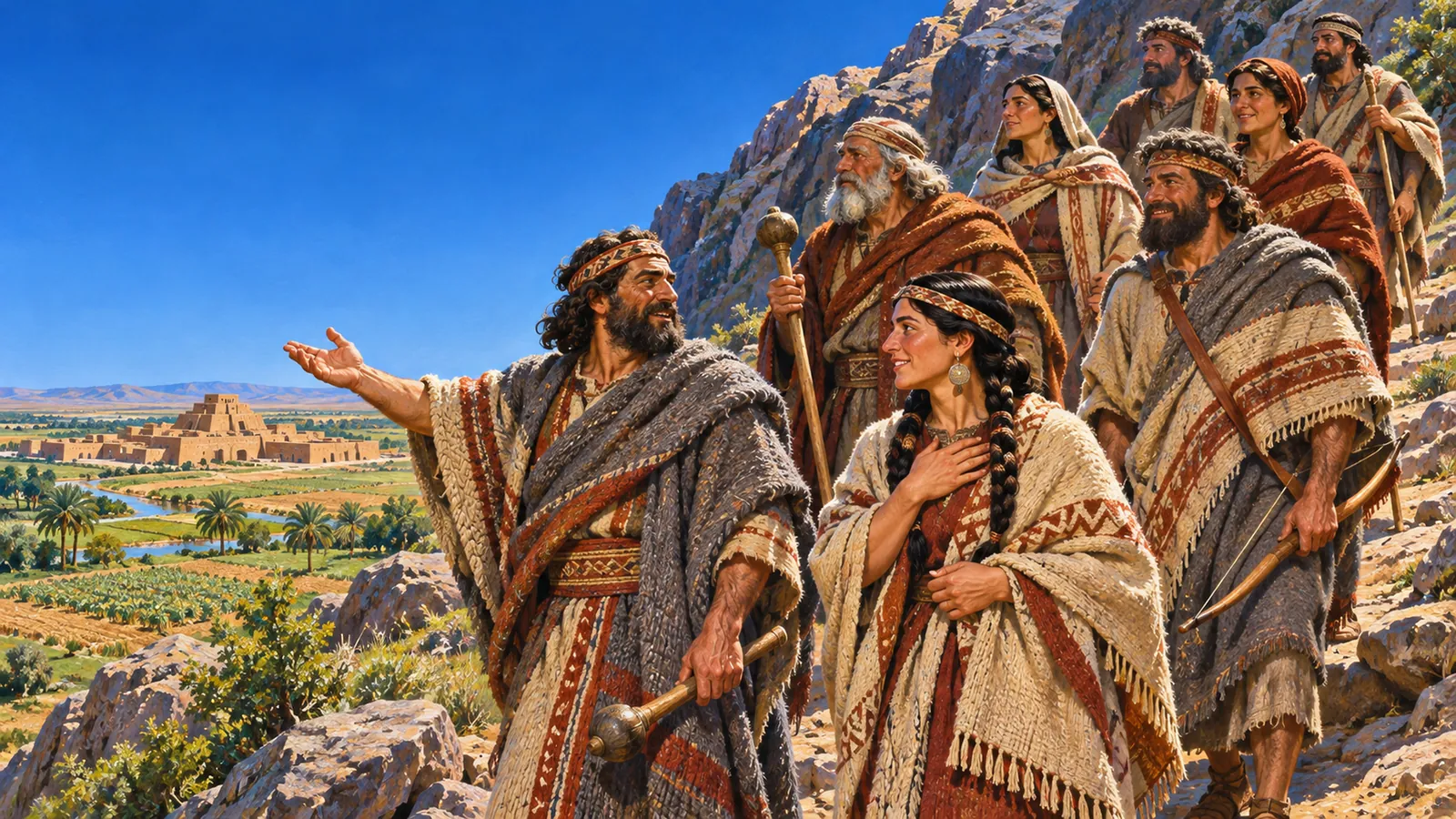
Enlil brings the Gutians down from the mountains. The poem describes these human people with hostile comparisons to dogs and monkeys, not reliable claims about their nature.
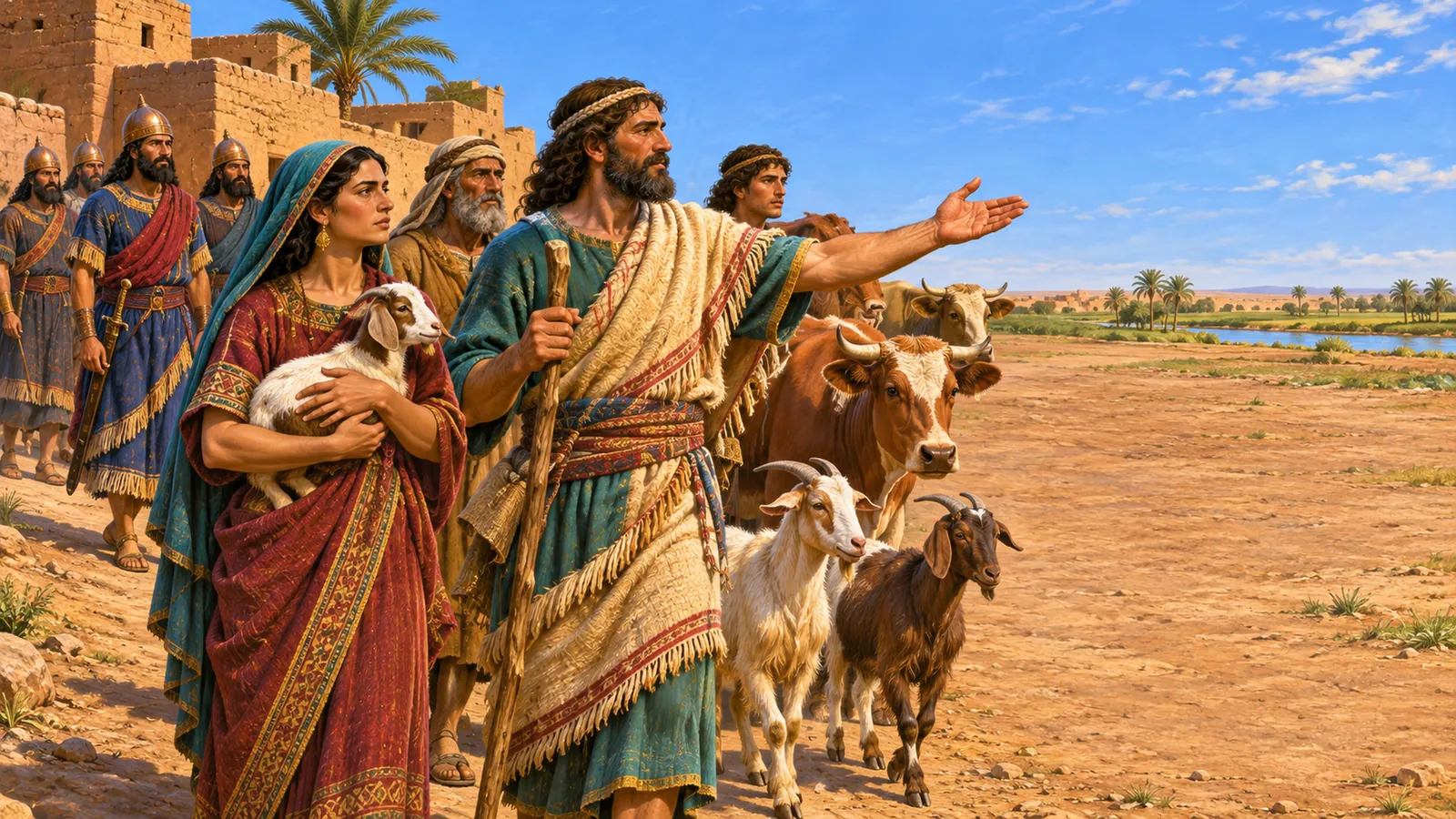
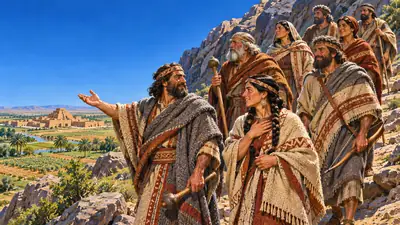
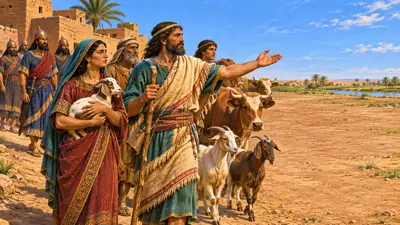
They spread over the plain like a net, the poem says. Goats and cattle are driven from their pens, and their herders are forced to follow.
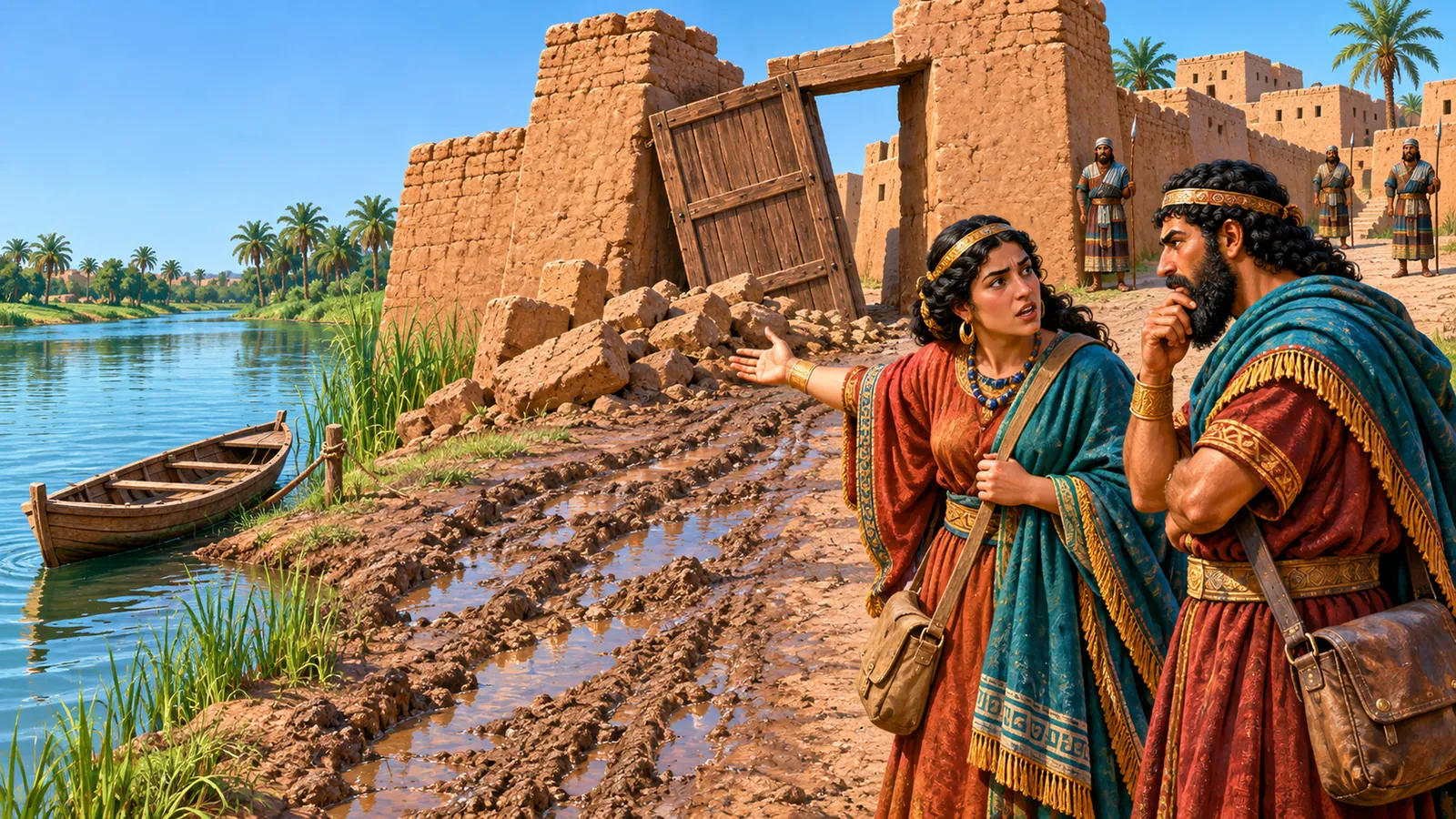
Messengers no longer travel the roads, and courier boats stop passing. Captives keep watch, brigands occupy the highways, and bitter cries rise from the cities.
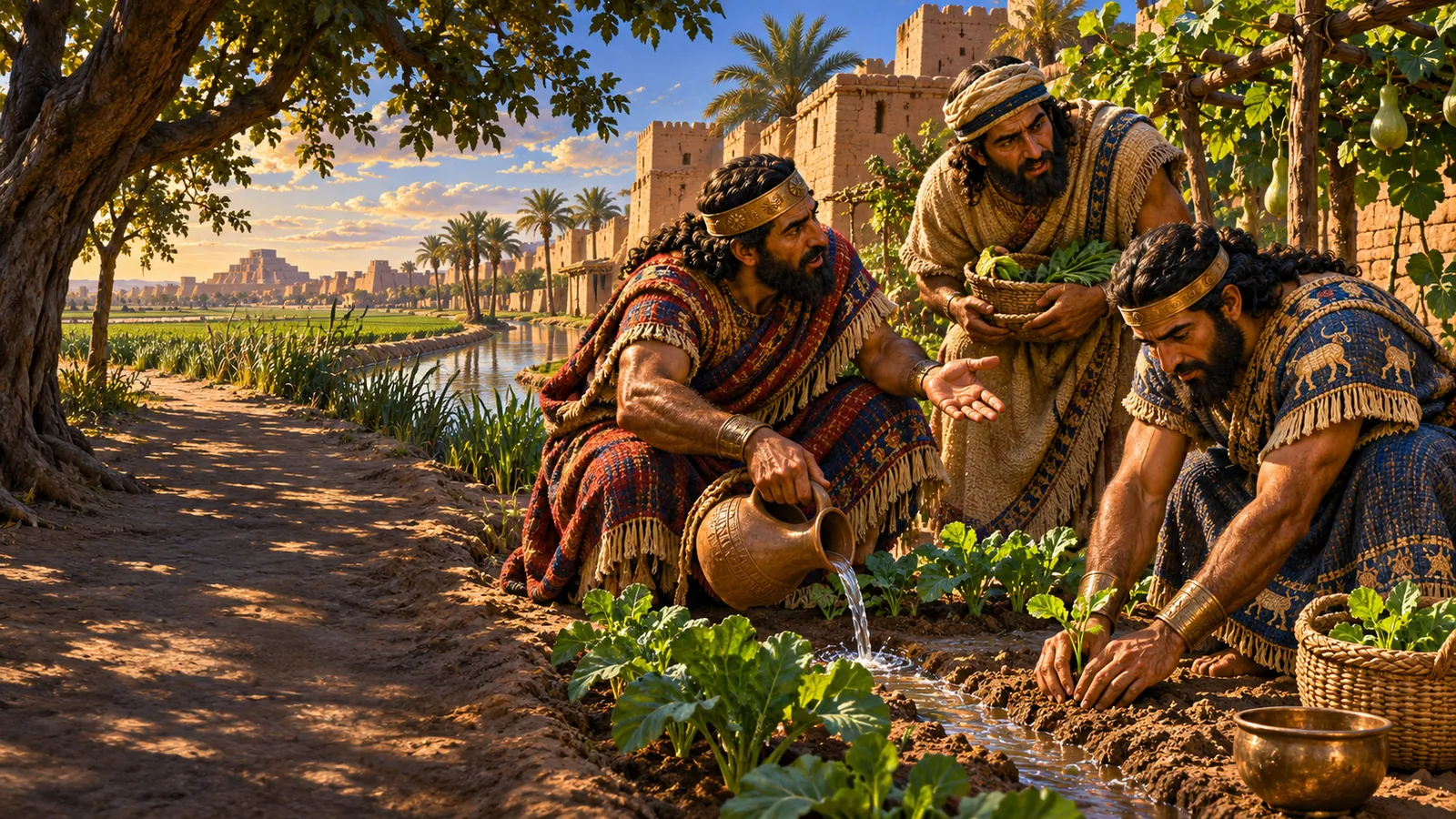
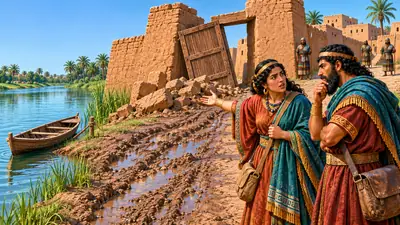
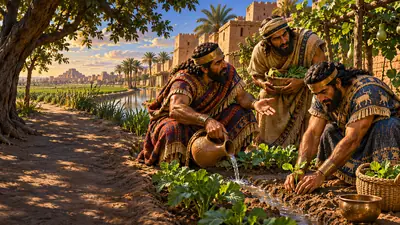
People establish gardens inside the cities instead of on the open plain. Grain, fish and orchard produce fail, clouds withhold rain, and the usual vegetation does not grow.
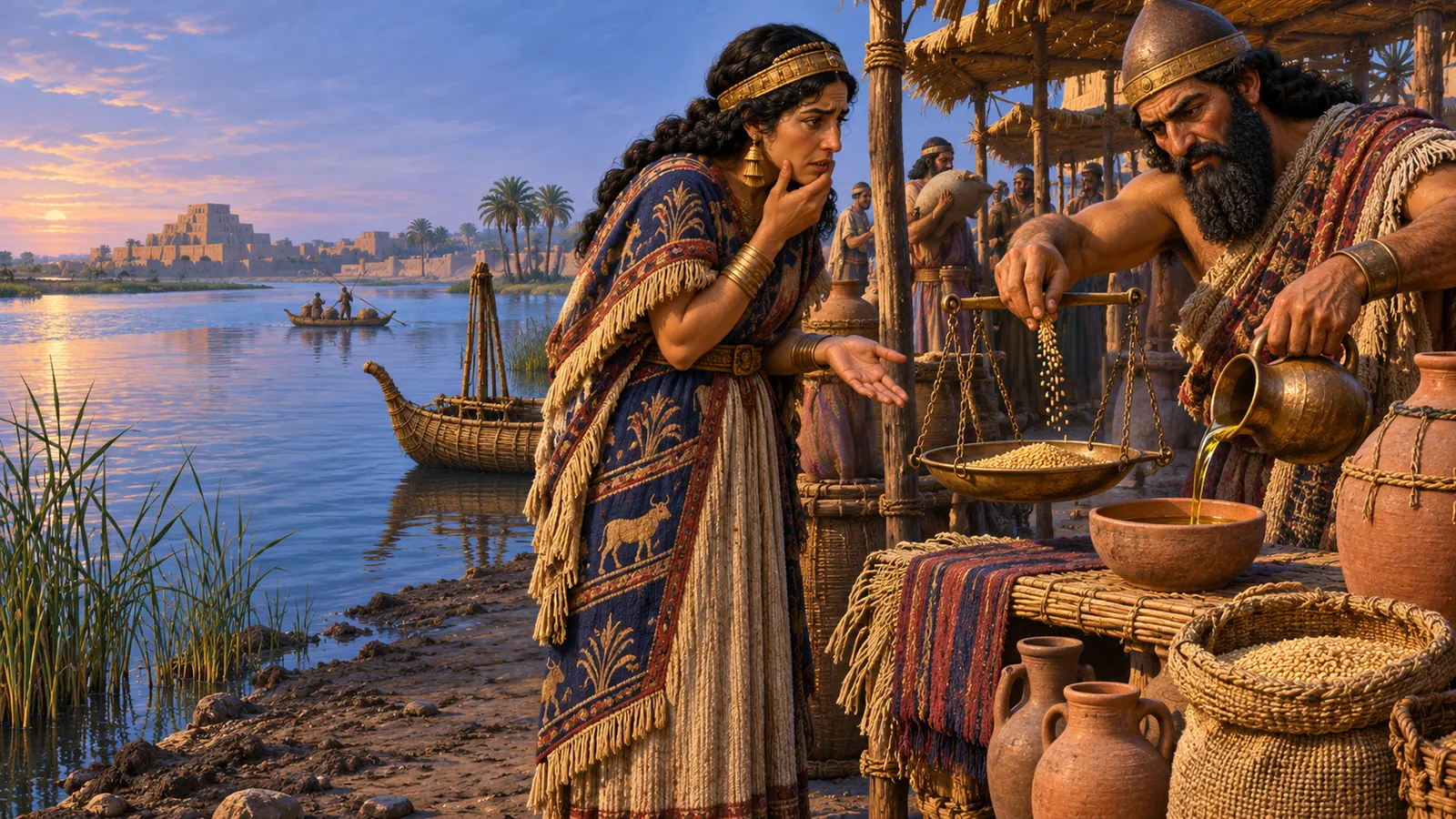
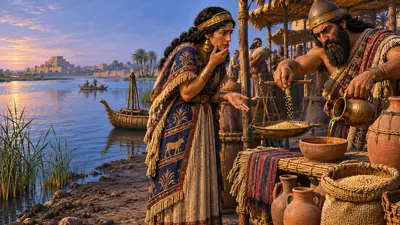
A shekel buys only half a litre of oil or grain, a mina of wool or a ban measure of fish. Such are the city markets’ harsh prices.
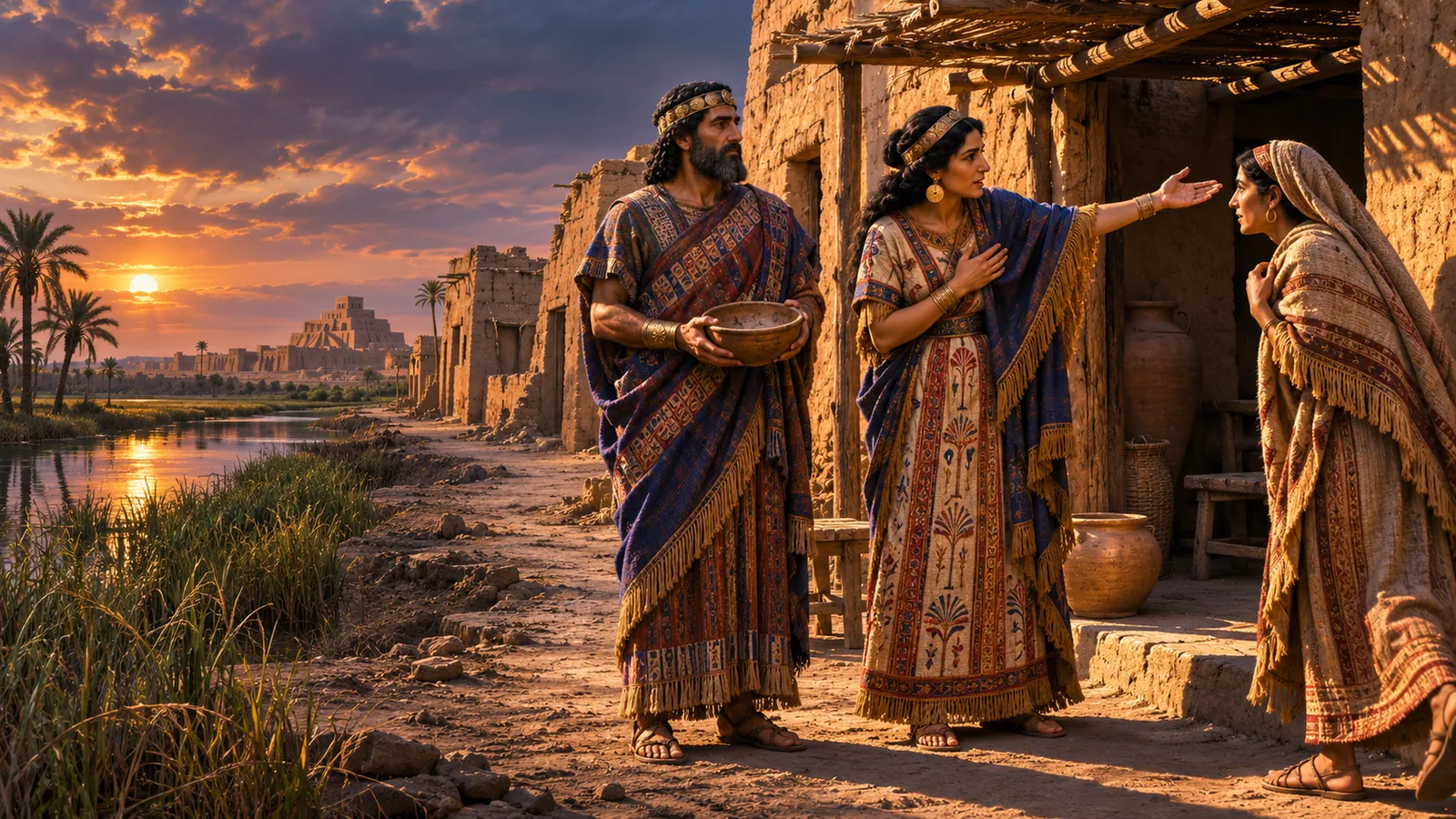
People die on roofs and lie unburied in houses; hunger brings self-beating, and dogs devour travelers near Kiur. The poem describes a land without safety.
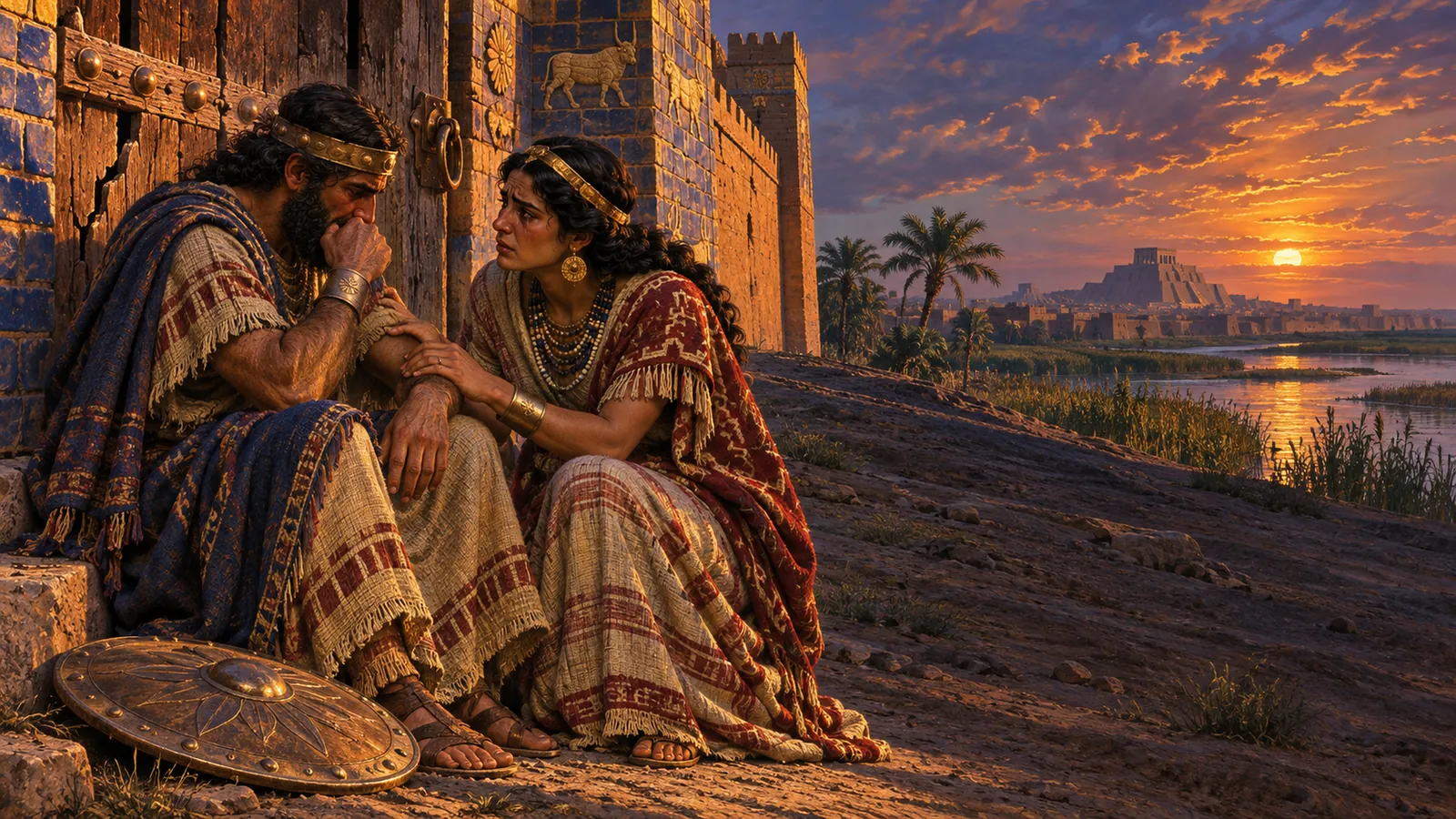
The poem describes mutilation and killing that confound the honest with those called traitors. Heroes die upon heroes; neither loyalty nor courage offers protection.
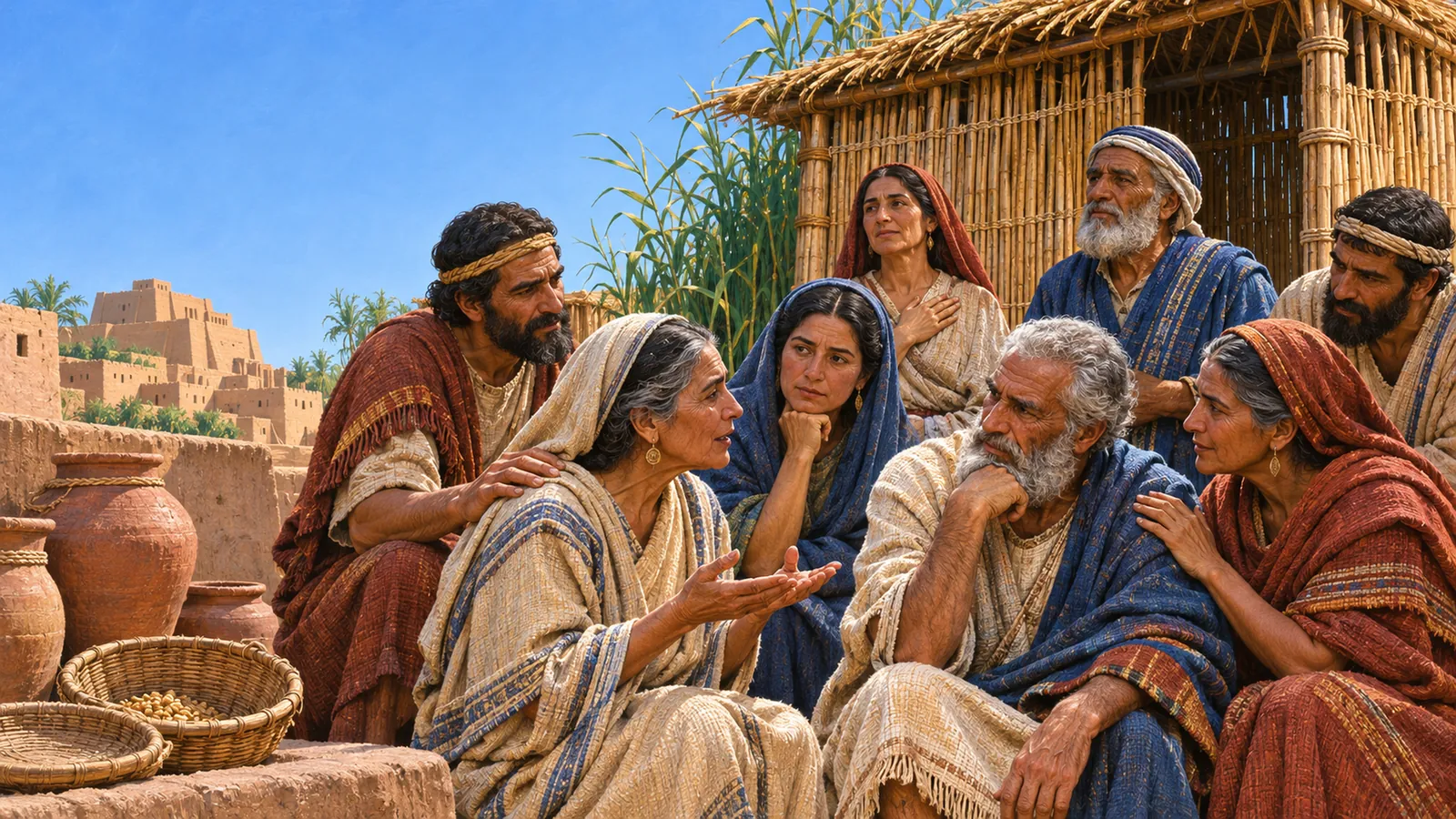
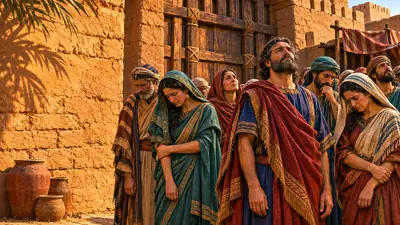
Enlil’s great sanctuaries become small reed shrines, and storehouses shrink across the land. The old women and men who survive prepare to lament.
LAMENT
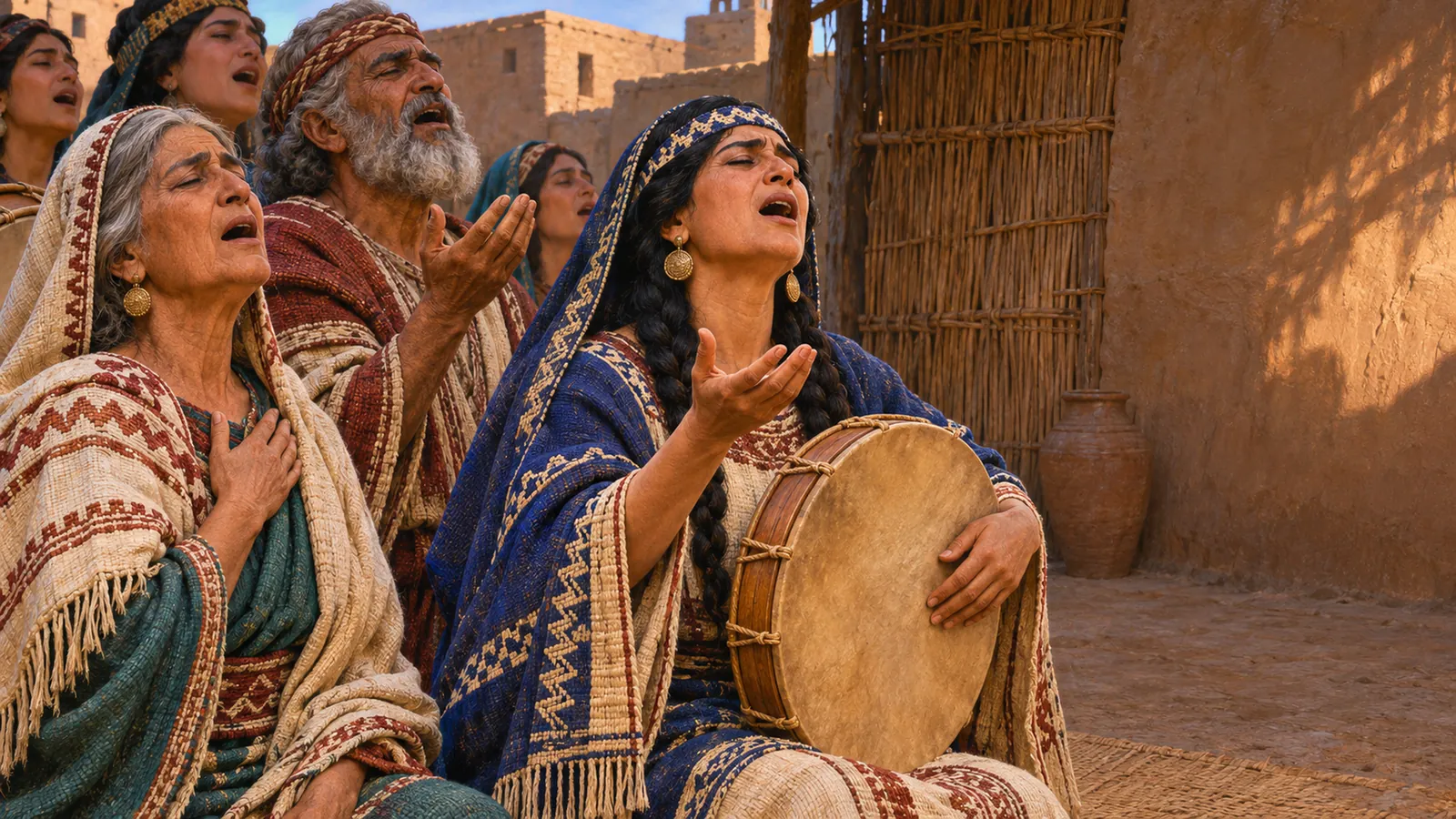
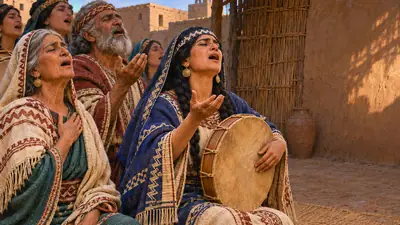
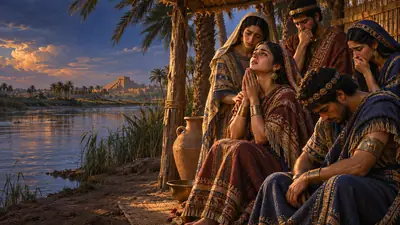
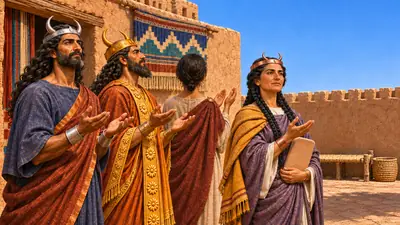
Surviving elders and the chief lamenter sound seven balag drums for seven days and nights. Women mourn the city, men its people, and the singer Ekur.
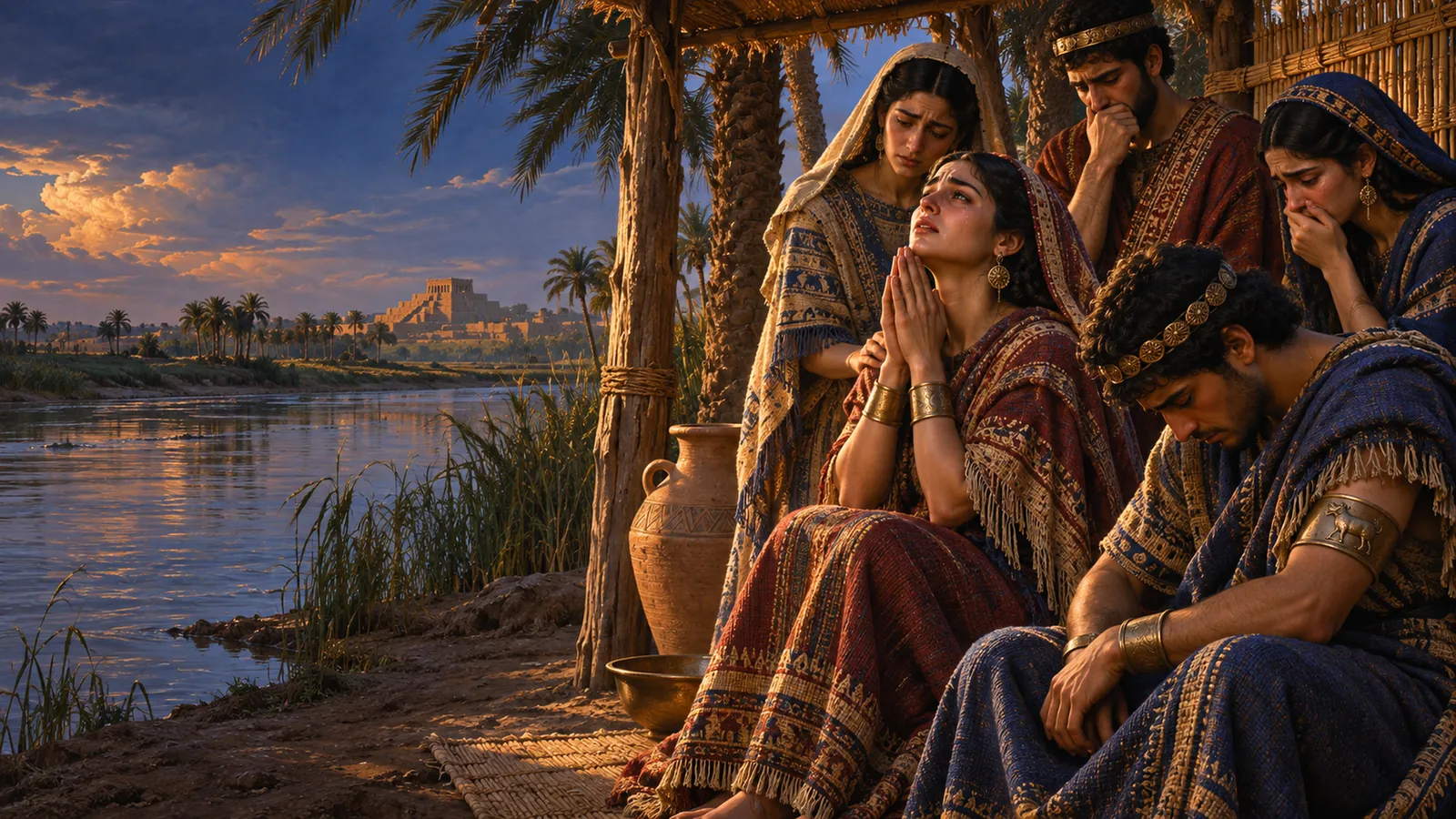
Young women tear their hair, and young men sharpen knives. The poem compares the lament to ancestral mourning beside Enlil’s own knees.
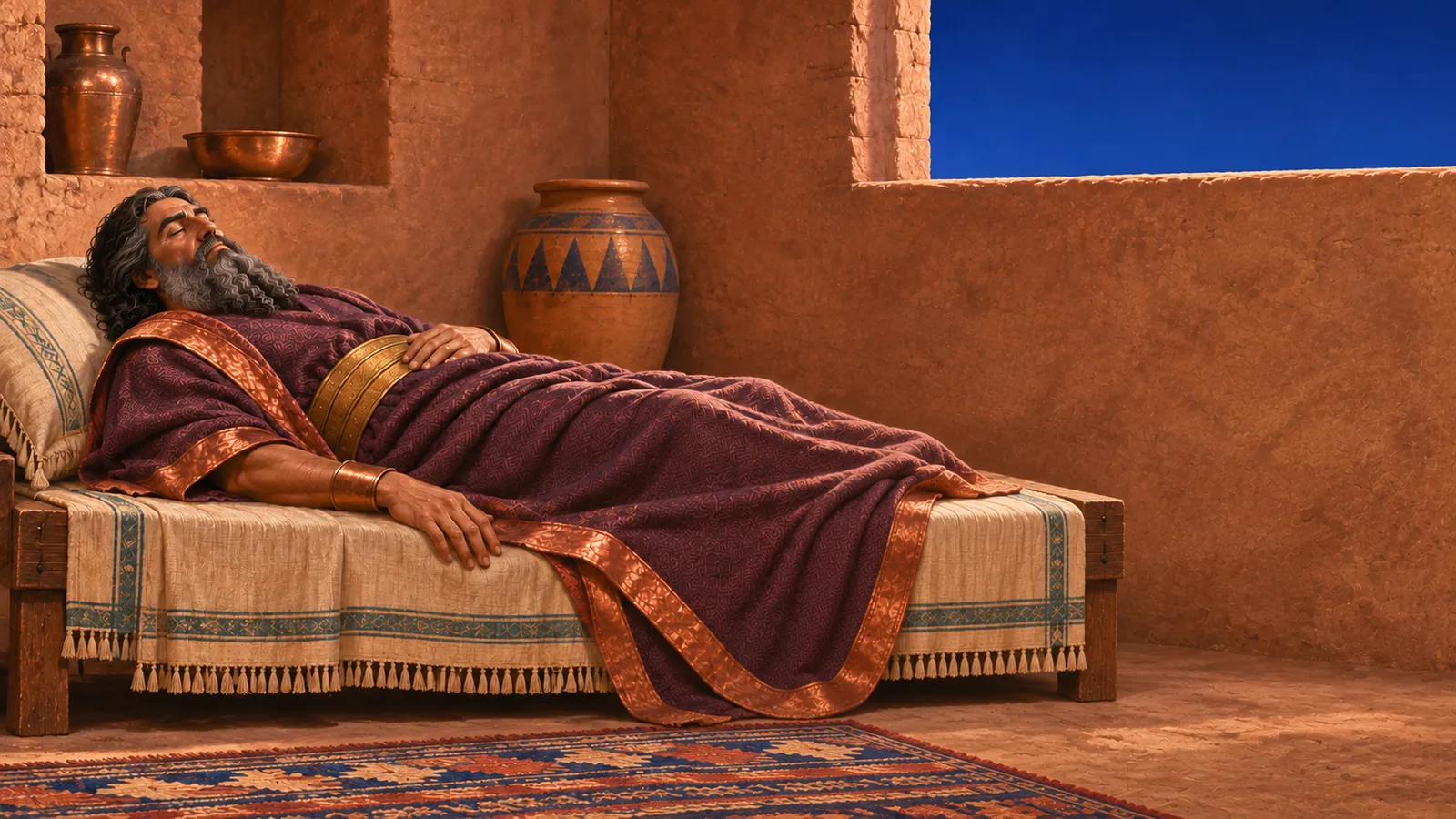
Because of the lament, Enlil enters his holy bedchamber and lies down fasting. The poem now turns toward the prayer of the other gods.
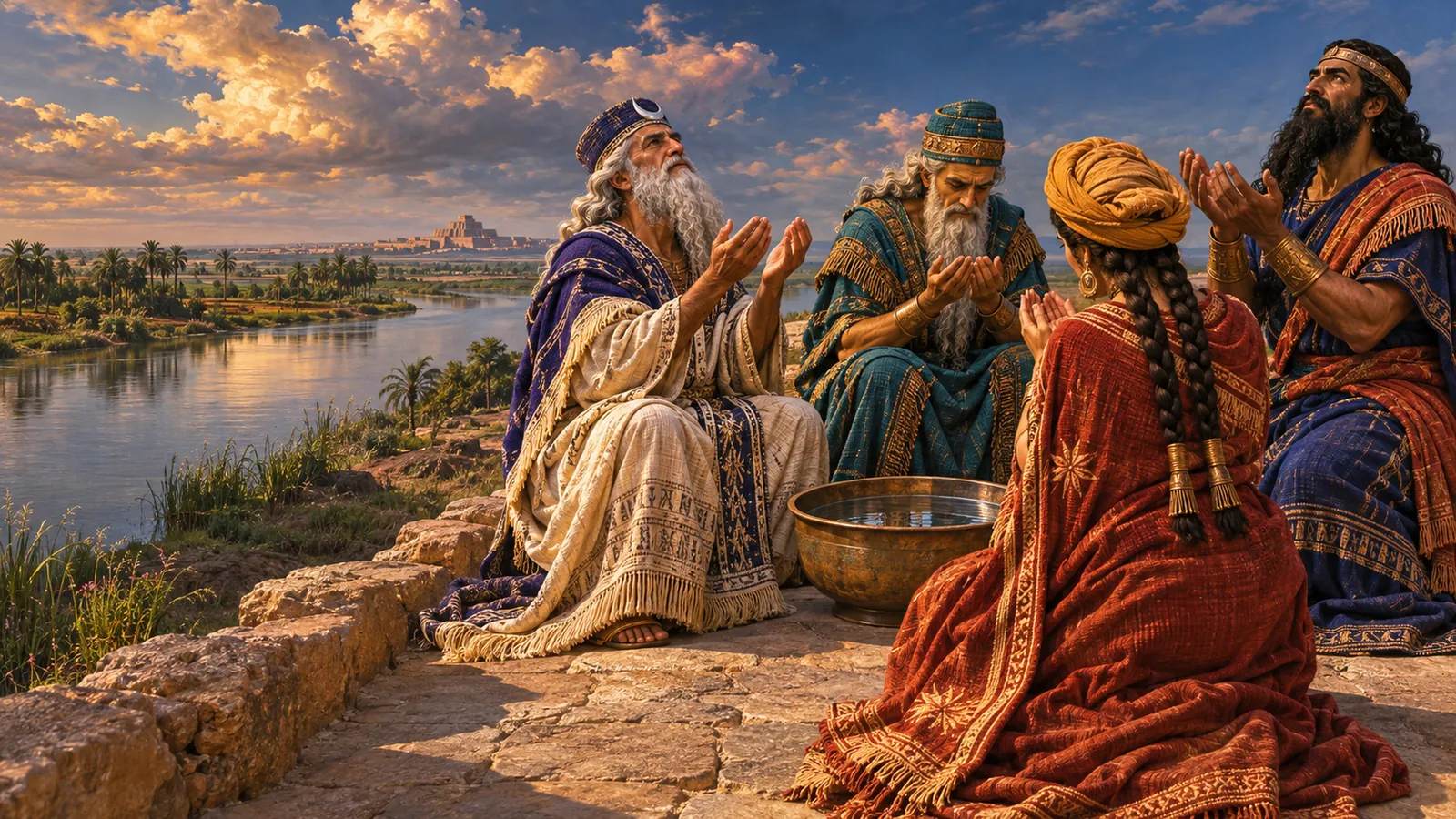
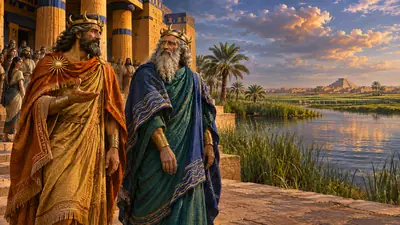
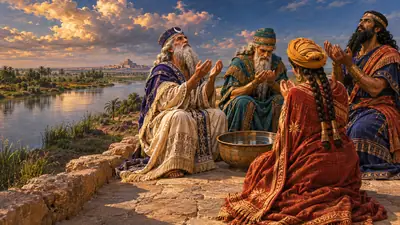
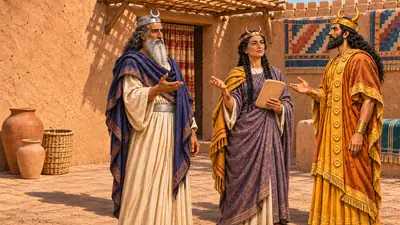
The great gods cool Enlil’s heart with water and pray to him. Among the eight are Suen, Enki, Inana and Ninurta.
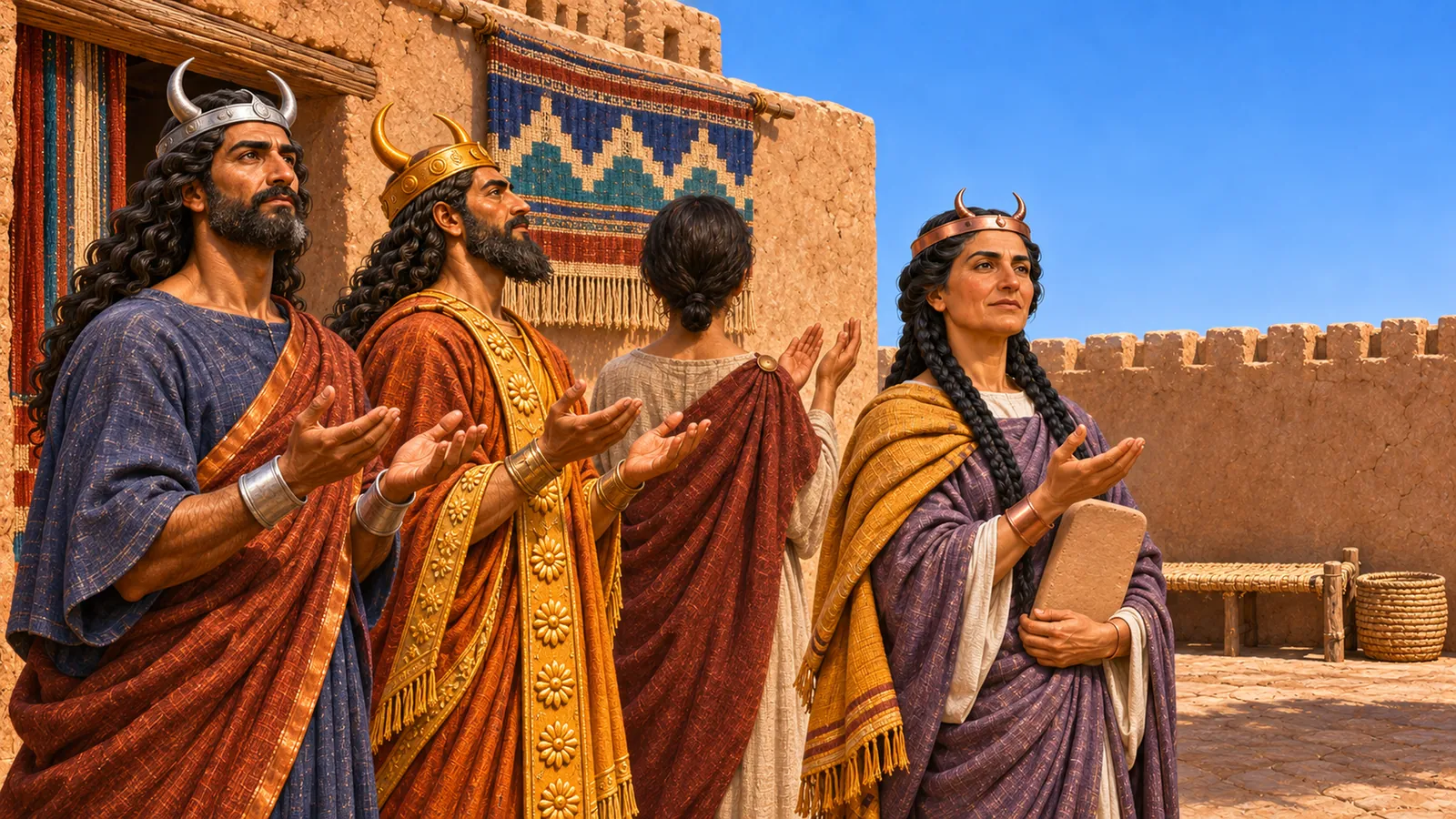
Ishkur, Utu, Nuska and Nisaba complete the eight. They pray that Agade, which struck Nippur, be treated as Nippur was treated, then direct their curses against it.
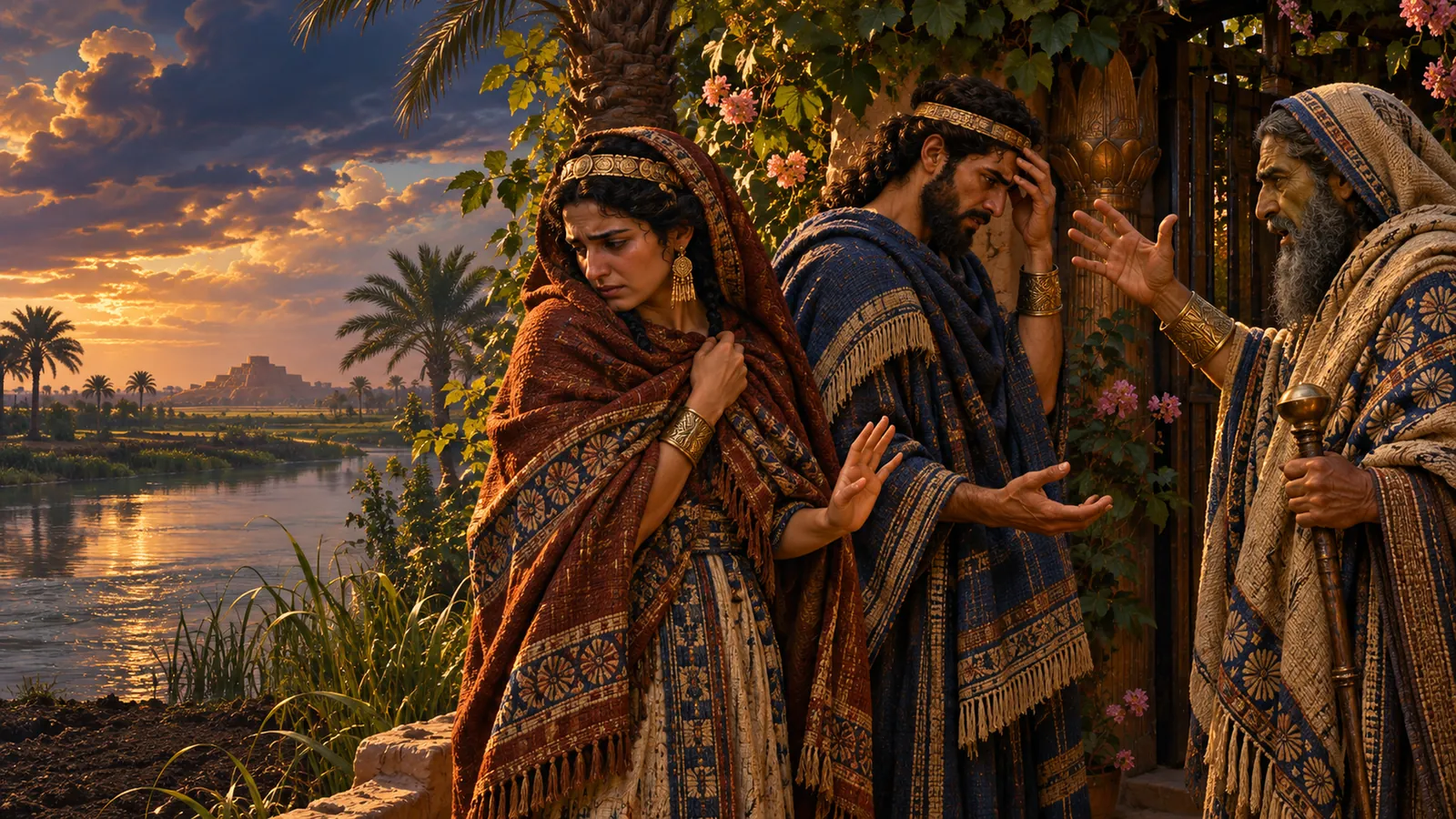
The gods wish death upon Agade’s young women, widowhood upon its old men and estrangement between brothers. These are the curse’s terrible wishes, not yet a report that each has happened.
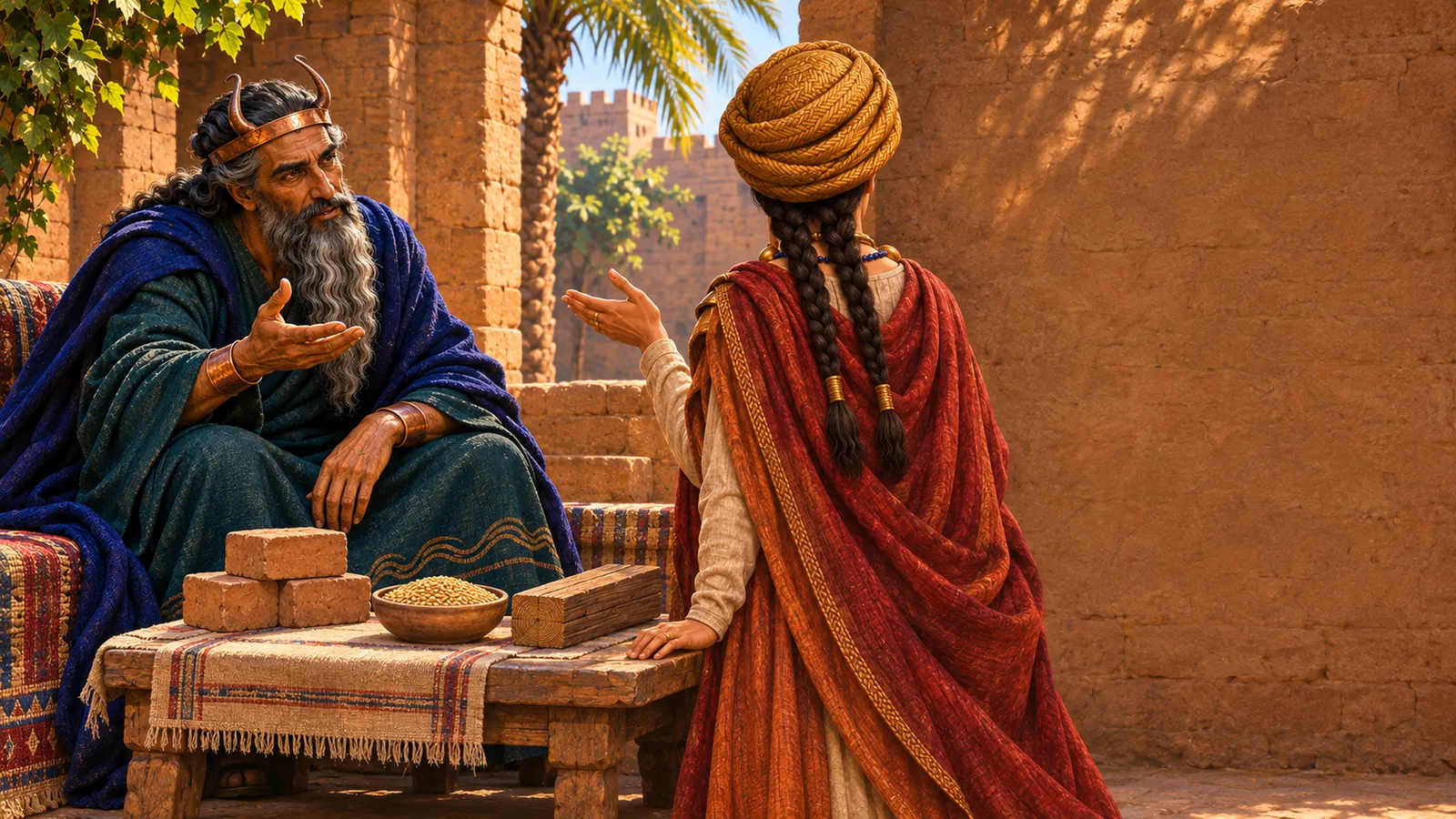
They wish the walls and sanctuary to collapse. They call for clay, grain and timber to return to their origins under the curses of Enki, Ezinu and Ninilduma.
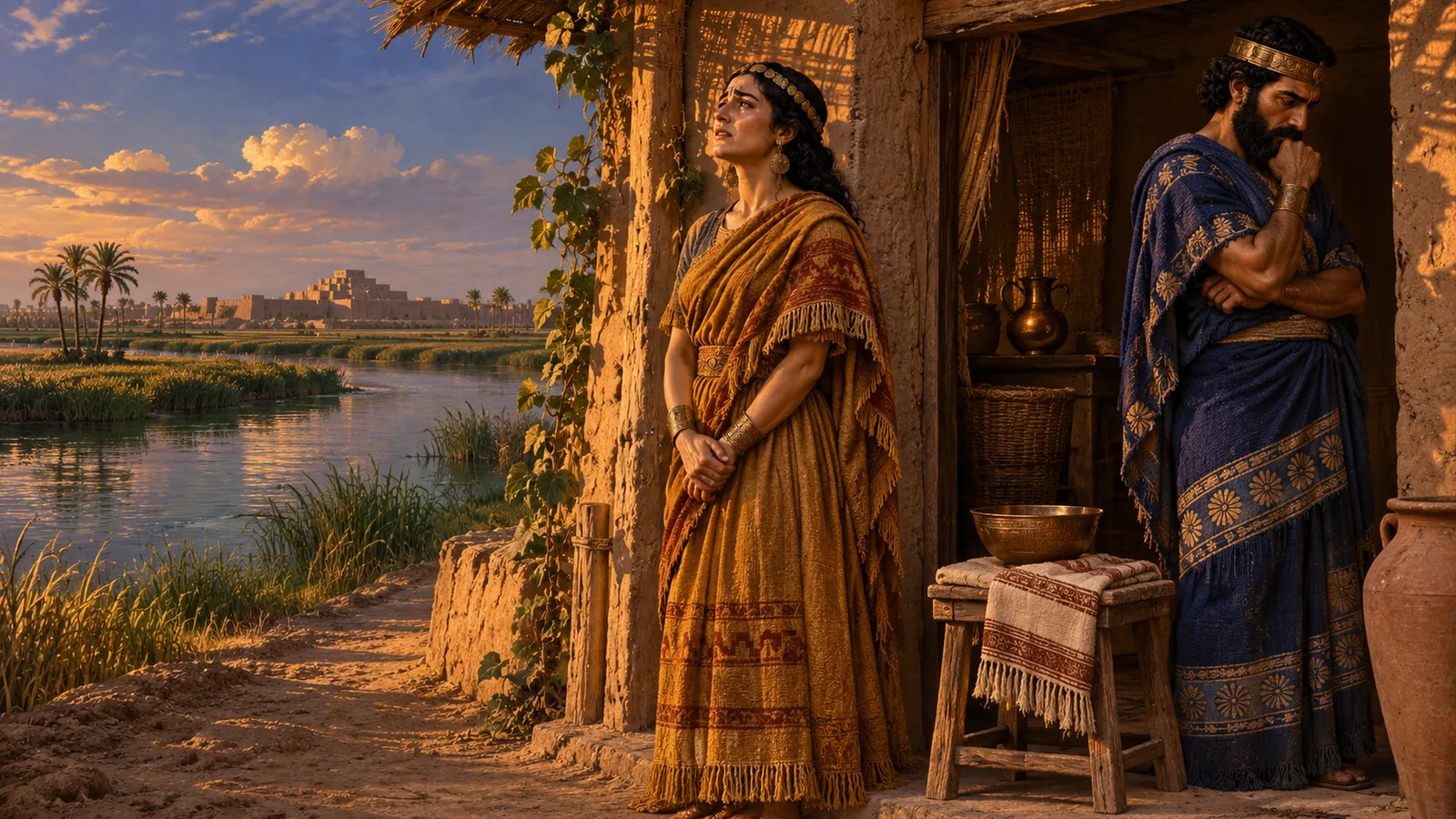
THE CURSE
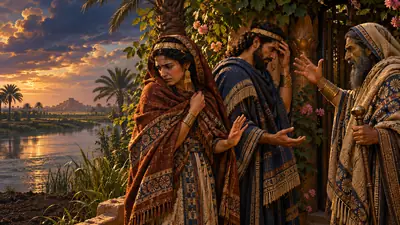
Their speech wishes that a cattle butcher kill his wife and a sheep butcher kill his child. The poem states these cruel wishes; it does not here narrate the killings as completed events.
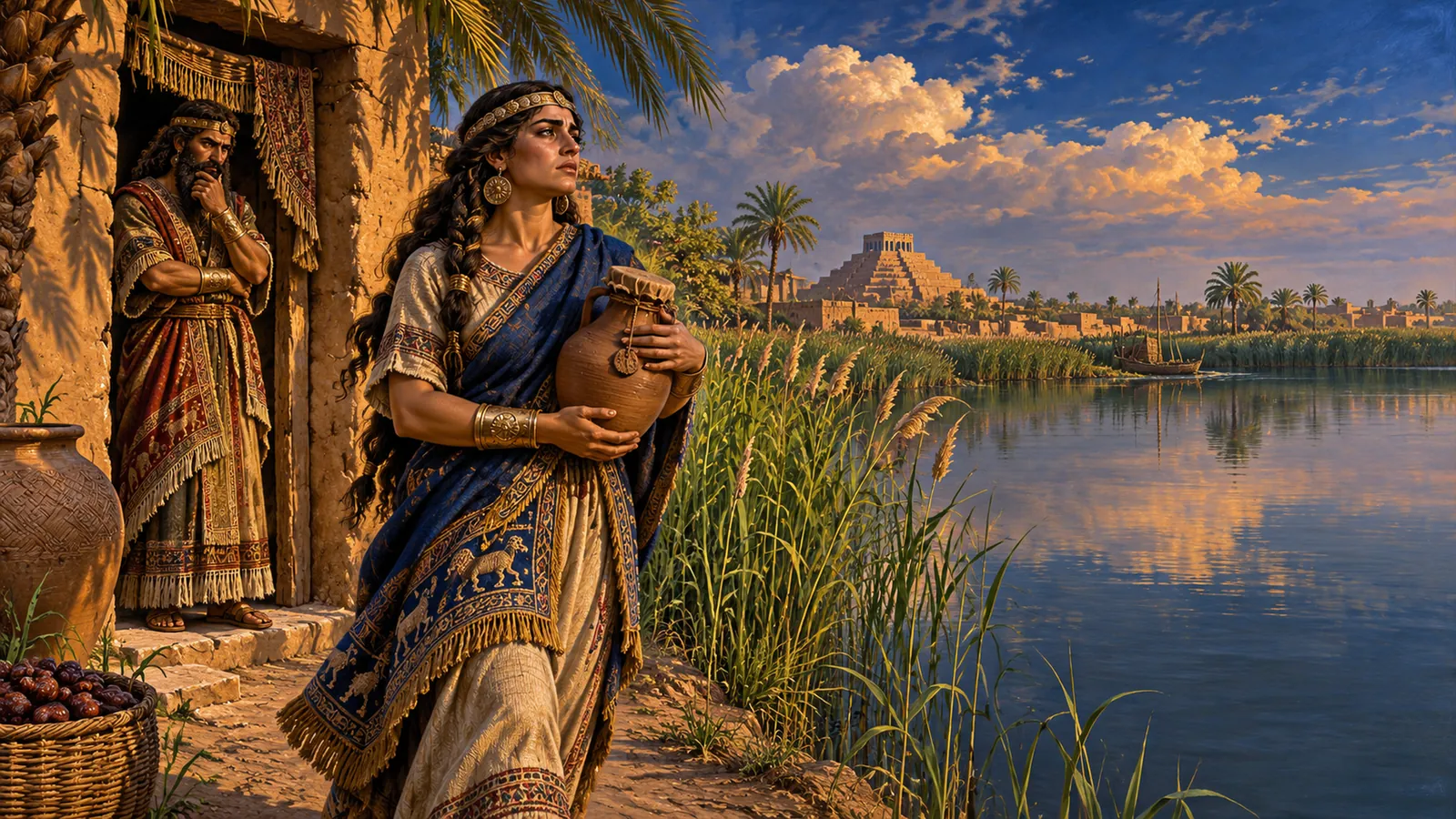
They wish a pauper swept away by water and a sex worker’s suicide. Another difficult passage wishes pregnancy loss upon women with cult or sexual titles; its wording and readings remain uncertain.
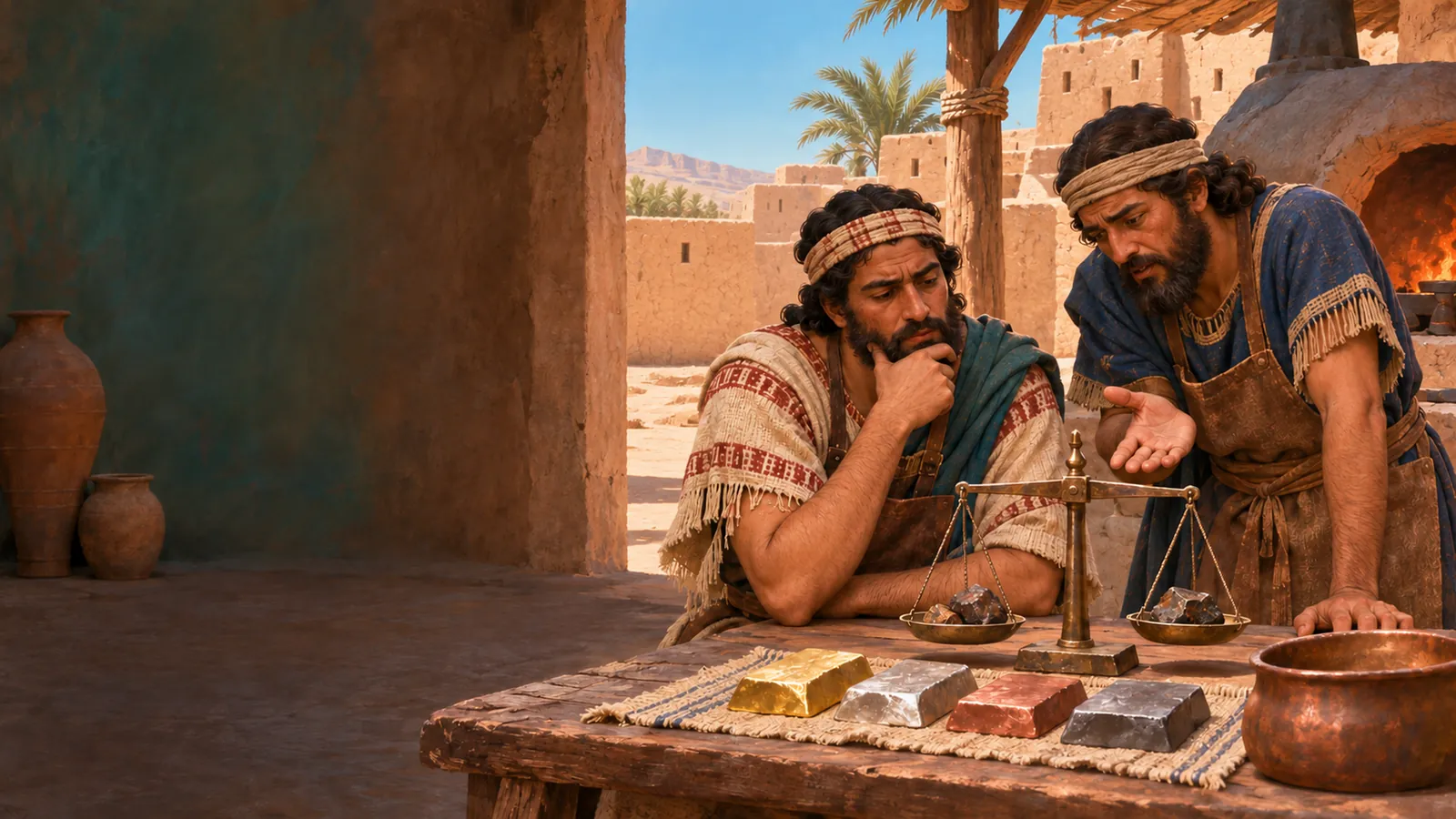
The curse wishes gold reduced to silver’s price, silver to a doubtful mineral’s price, and copper to lead’s. These words imagine value collapsing; they do not describe a newly completed sale.
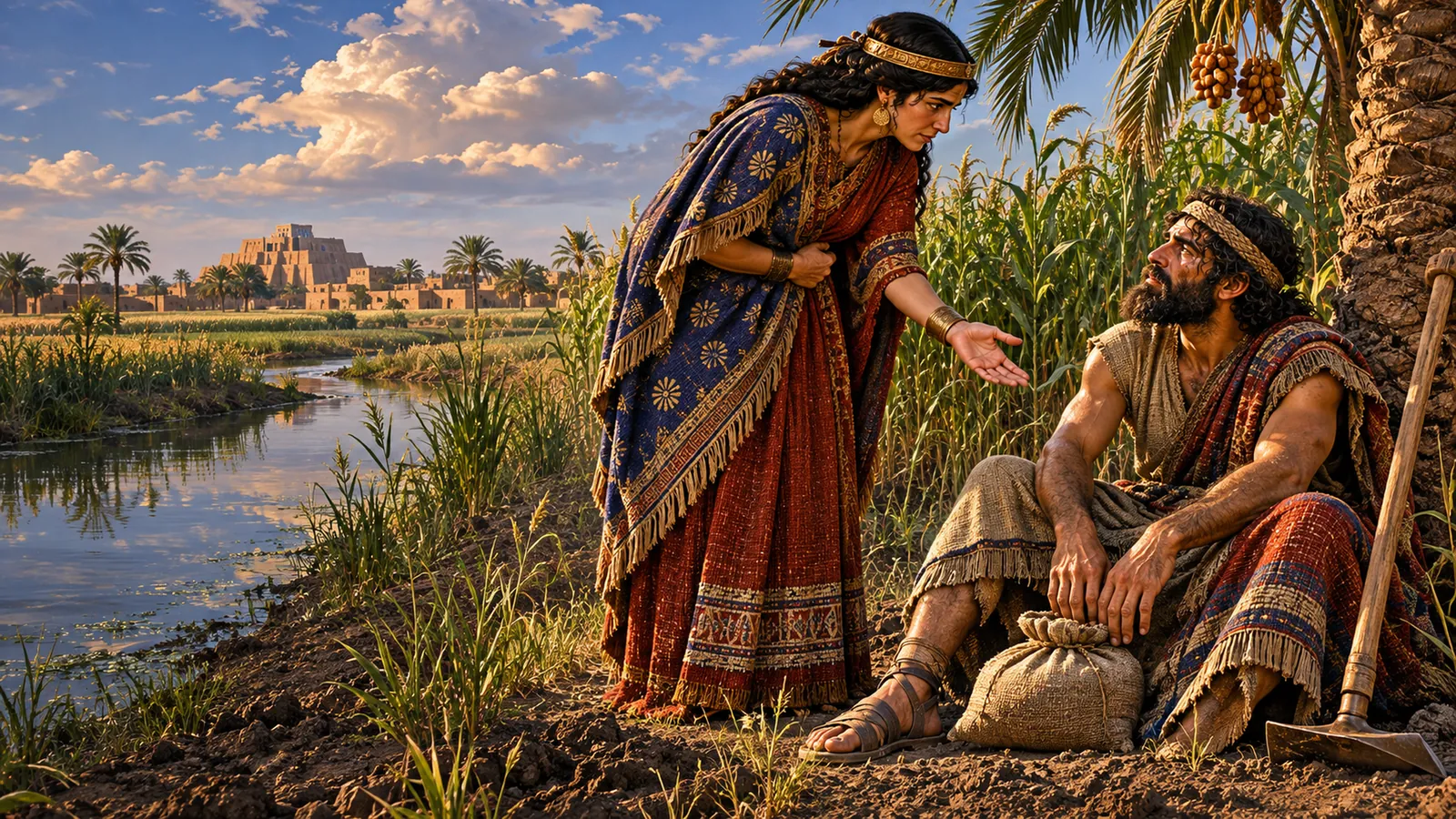
They wish strong people too weak to lift provisions or drive donkeys, and citizens hungry among the grass. Other wishes speak of eating roof coating and chewing an uncertain house material.
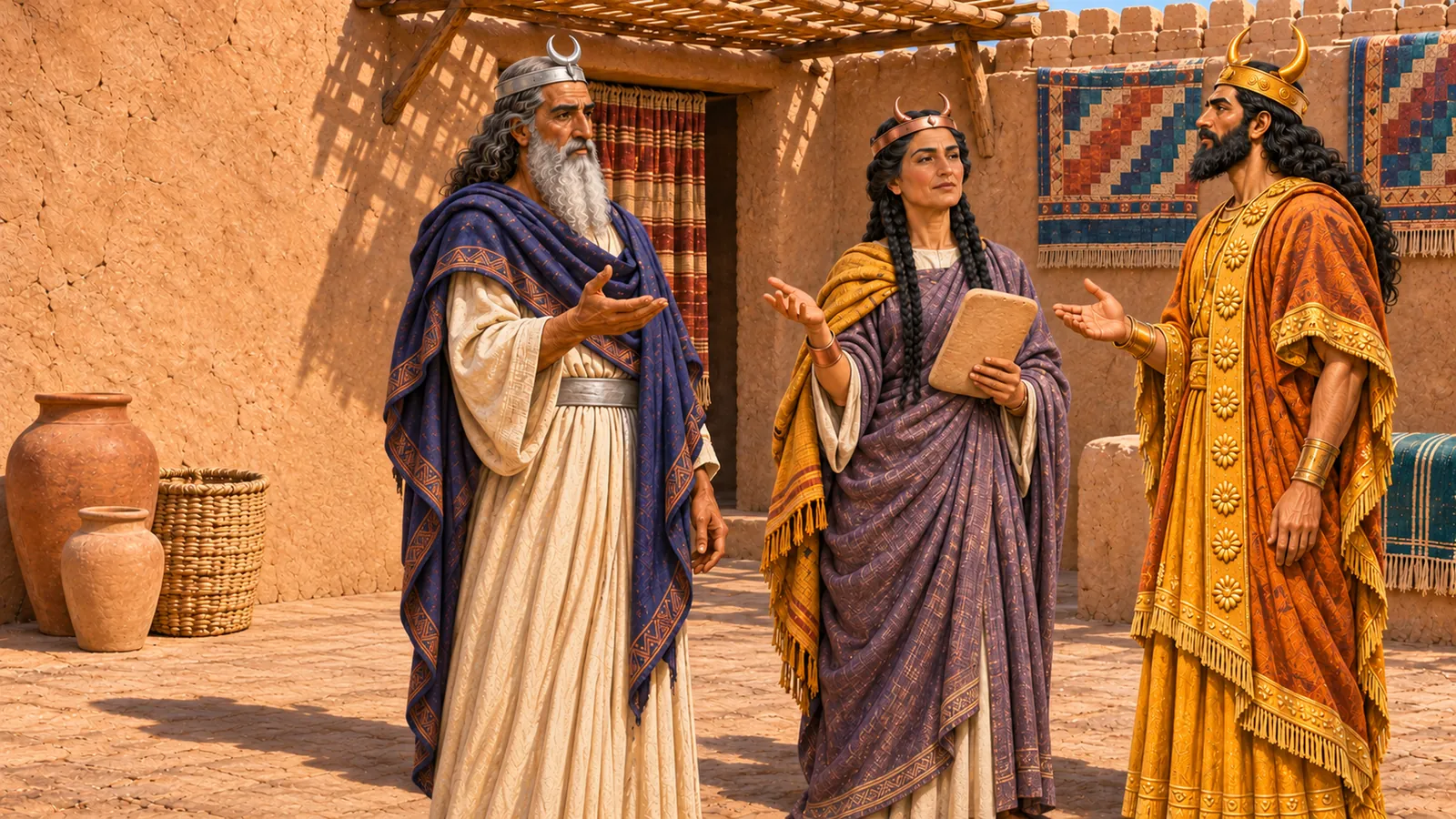
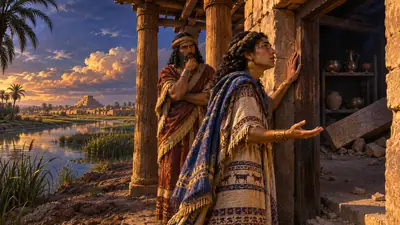
Their curse wishes palace joy replaced by gloom, and the city made a place of desert howling. The gods continue their speech; no new royal celebration or reconciliation interrupts it.
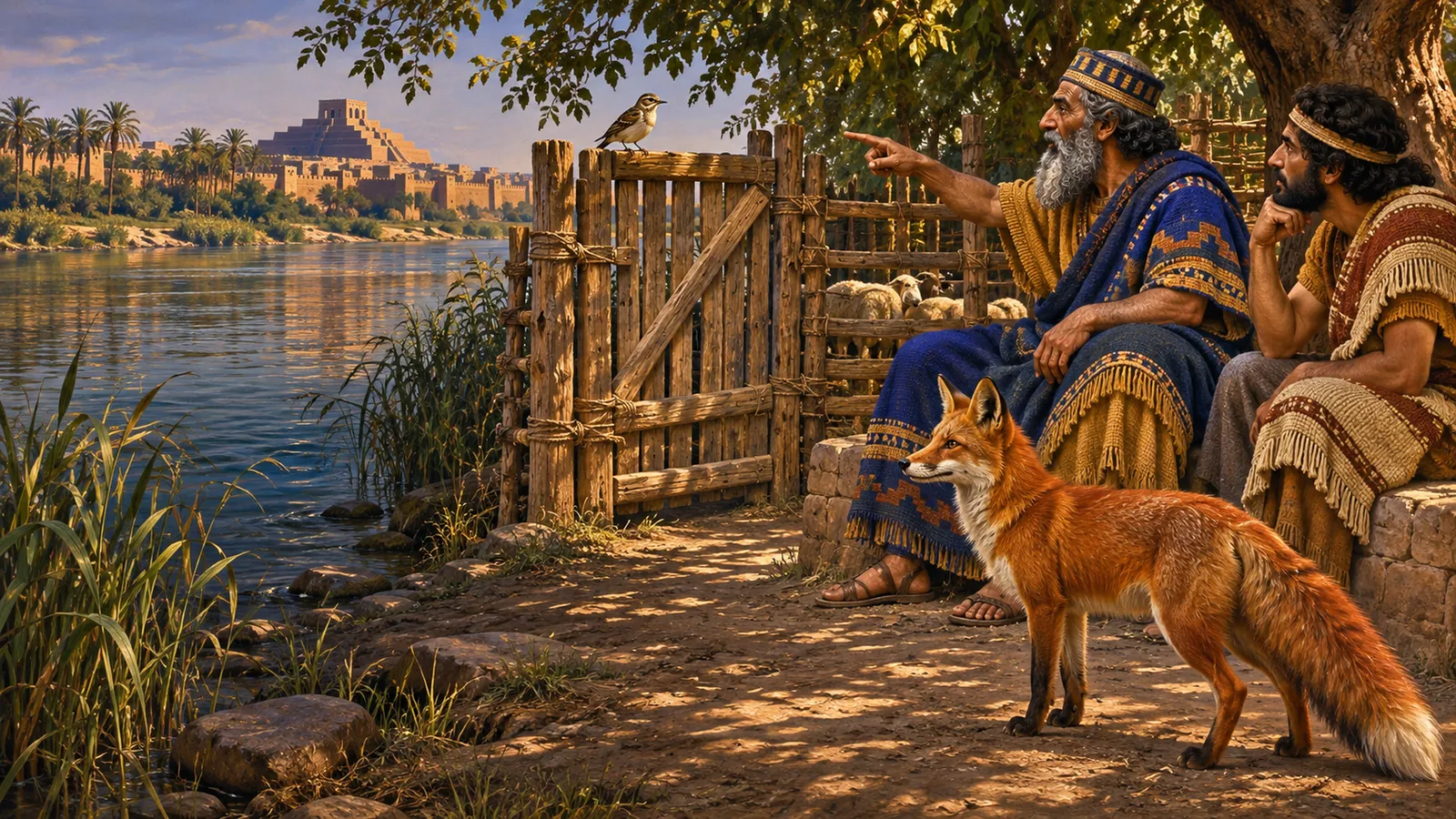
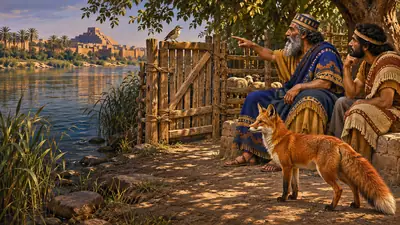
They wish foxes in ruined pens, the unidentified ukuku bird upon the gates, and Nanna’s bulls bellowing. These animal images still belong to the curse being spoken.
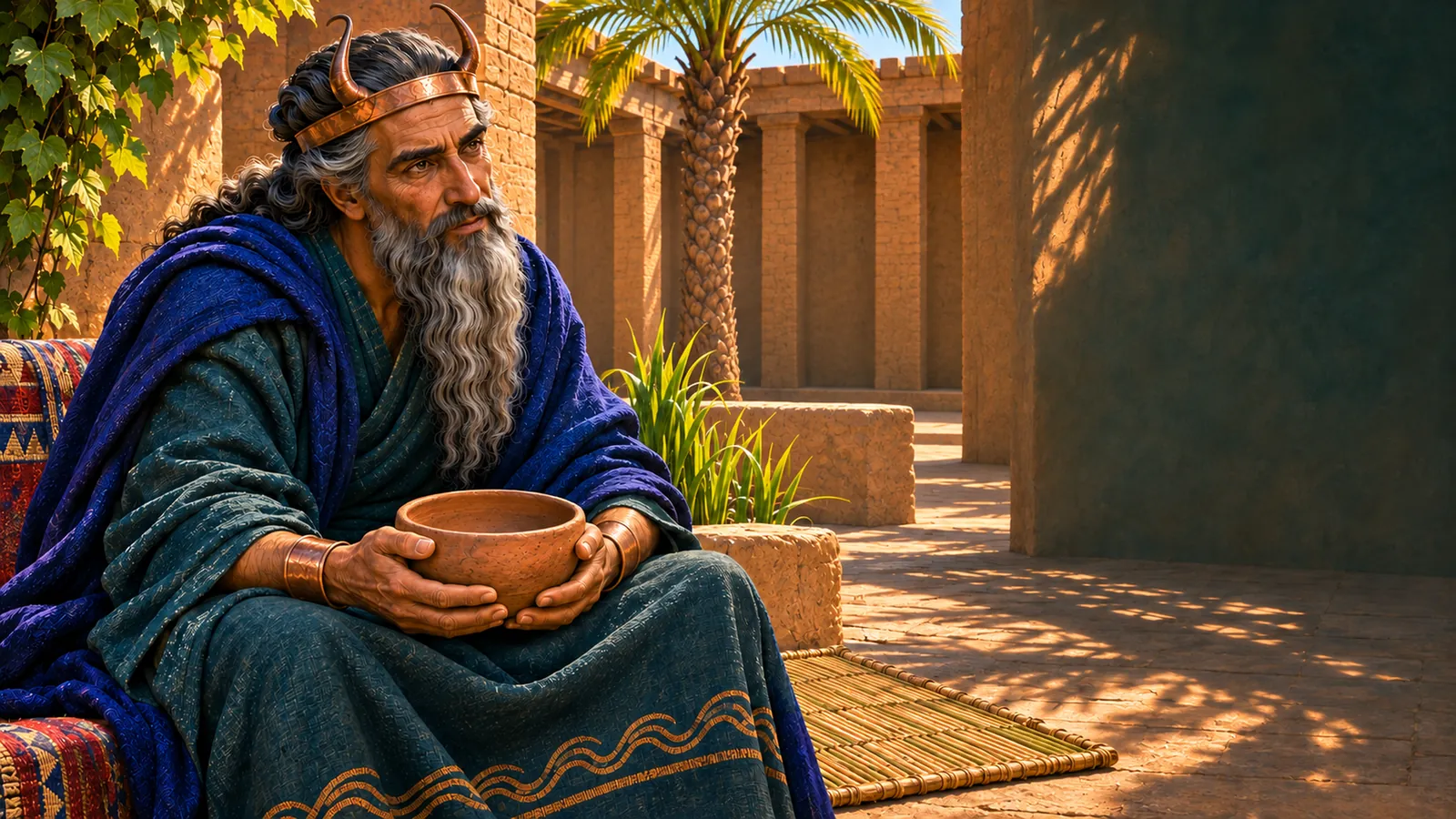
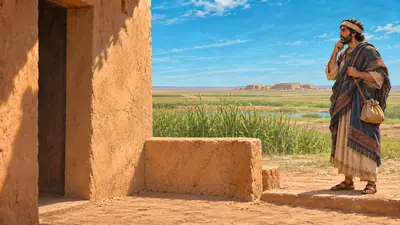
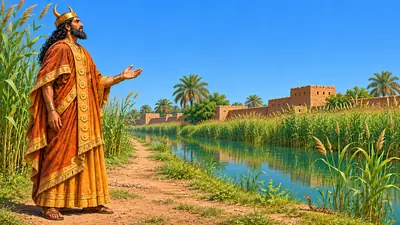
The gods wish grass and mourning reeds upon towpaths and roads, wild creatures among them, and fresh water turned brackish. Their curse reaches the city’s paths and water.
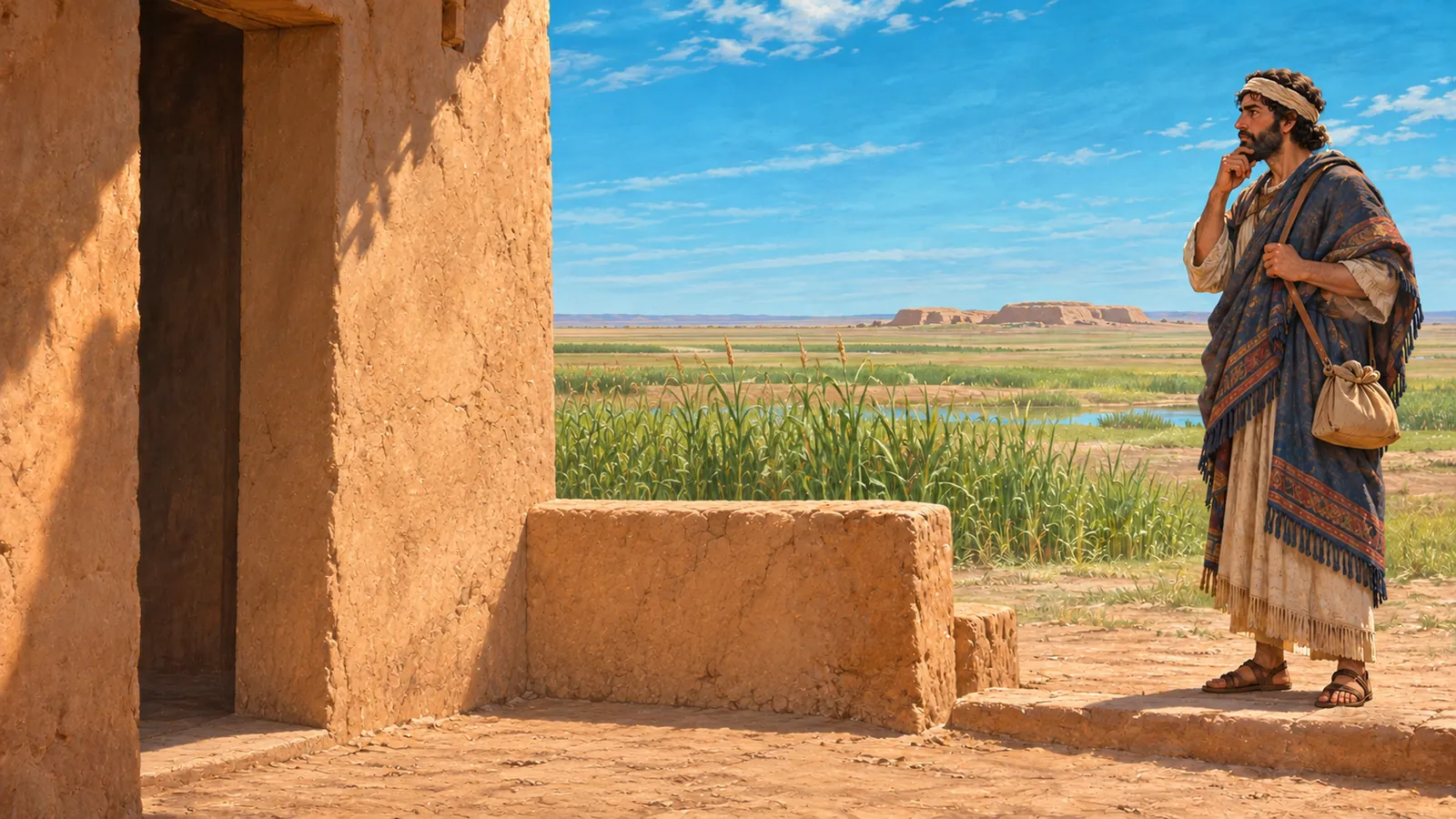
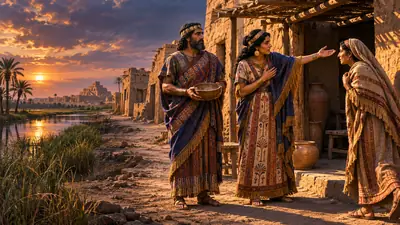
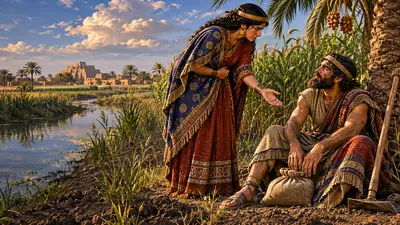
If anyone says they will dwell or rest in Agade, the gods wish them no pleasure there. This is a conditional curse, not a newly narrated arrival or settlement.
FULFILLED
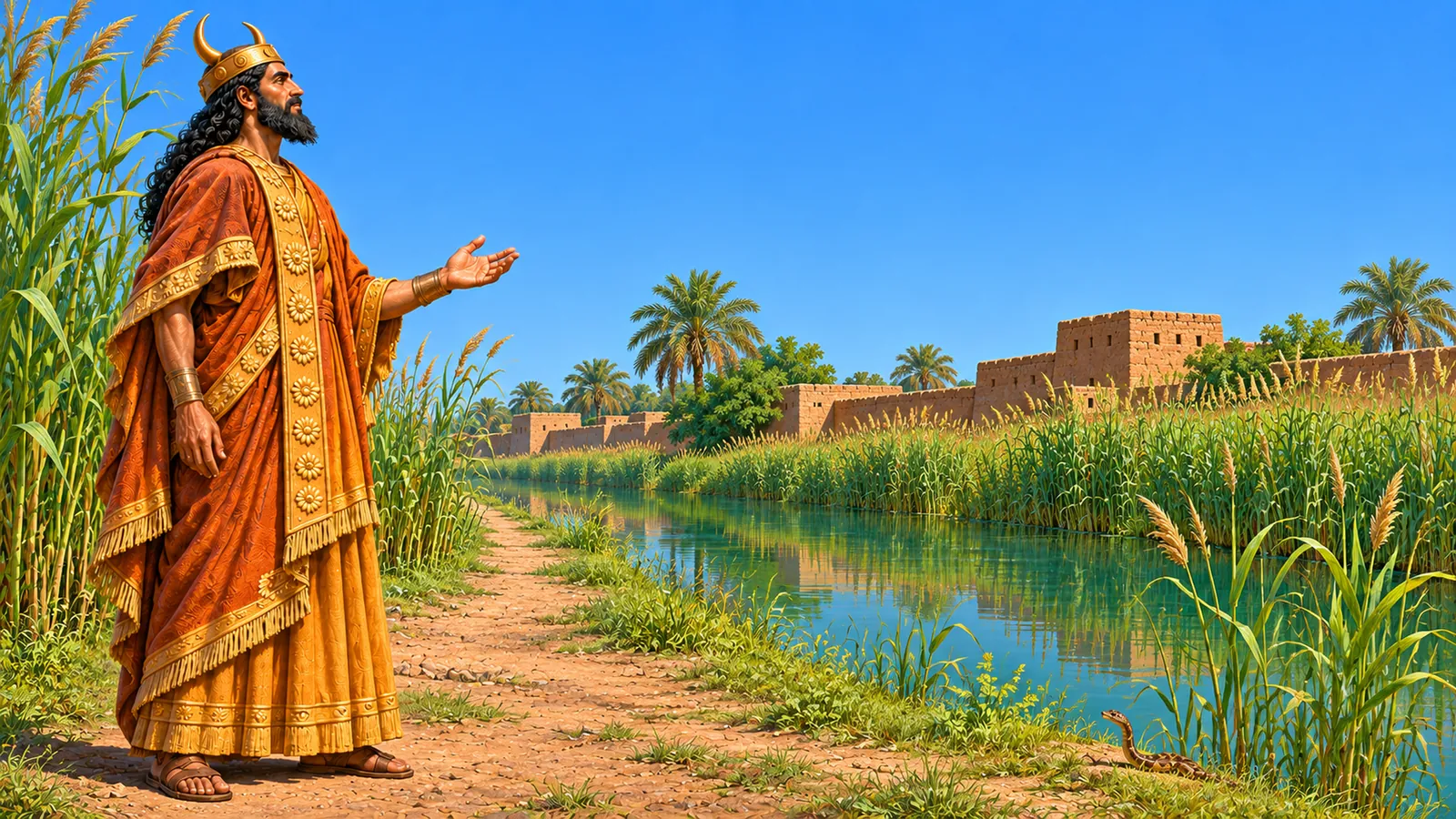
Before Utu that same day, the poem declares the overgrown paths, reeds, wild creatures, brackish water and joyless dwelling fulfilled. It does not separately report every earlier wished death as an accomplished event.

The poem ends by praising Inana for Agade’s destruction. It leaves the city under its curse, without adding a rebuilding, a reconciled king or the return of prosperity.
End of chapter 1
All pages

Sources
The complete Oxford ETCSL2.1.5 translation, Old Babylonian version lines1–281 with every manuscript alternative, and all earlier Ur III fragments A–F were read19 November2026 UTC; its bibliography was also consulted. The Old Babylonian text supplies the continuous spine. The earlier Nippur fragments are a separately identified comparison, never silently fused into it or used to restore missing beginnings, damaged words or an ending. This is the poem’s literary and theological portrayal of third-millennium Agade, not independent proof of a historical sack of Ekur or a modern explanation for the Akkadian empire’s decline. The king keeps his dream private. The two extispicies yield no answer on temple building, not a positive command to attack. Published print works listed in the Oxford bibliography were not independently read in full.
Editions consulted
- Oxford ETCSL2.1.5, complete Old Babylonian translation and all earlier Ur III fragments
- Oxford ETCSL2.1.5, editorial bibliography
- IL Archive, Enlil
- IL Archive, Enki
Ancient lines behind each page
- Page 1: Oxford ETCSL2.1.5, Old Babylonian version, lines 1–9
- Page 2: Oxford ETCSL2.1.5, Old Babylonian version, lines 10–24
- Page 3: Oxford ETCSL2.1.5, Old Babylonian version, lines 10–24
- Page 4: Oxford ETCSL2.1.5, Old Babylonian version, lines 10–24
The source alternatives include mountain beasts(?) or horses in place of mountain ibex; alum sheep have long wool. - Page 5: Oxford ETCSL2.1.5, Old Babylonian version, lines 25–39
- Page 6: Oxford ETCSL2.1.5, Old Babylonian version, lines 25–39
- Page 7: Oxford ETCSL2.1.5, Old Babylonian version, lines 25–39
- Page 8: Oxford ETCSL2.1.5, Old Babylonian version, lines 40–56
- Page 9: Oxford ETCSL2.1.5, Old Babylonian version, lines 40–56
Sumer, Martu, Meluhha, Elam and Subir remain literary place names. - Page 10: Oxford ETCSL2.1.5, Old Babylonian version, lines 57–65
- Page 11: Oxford ETCSL2.1.5, Old Babylonian version, lines 57–65
- Page 12: Oxford ETCSL2.1.5, Old Babylonian version, lines 66–76
- Page 13: Oxford ETCSL2.1.5, Old Babylonian version, lines 66–76; conceptual parallel withdrawals
- Page 14: Oxford ETCSL2.1.5, Old Babylonian version, lines 66–76
- Page 15: Oxford ETCSL2.1.5, Old Babylonian version, lines 77–82
- Page 16: Oxford ETCSL2.1.5, Old Babylonian version, lines 83–93
- Page 17: Oxford ETCSL2.1.5, Old Babylonian version, lines 83–93
- Page 18: Oxford ETCSL2.1.5, Old Babylonian version, lines 83–93
- Page 19: Oxford ETCSL2.1.5, Old Babylonian version, lines 94–99
- Page 20: Oxford ETCSL2.1.5, Old Babylonian version, lines 94–104
- Page 21: Oxford ETCSL2.1.5, Old Babylonian version, lines 100–119
The earlier Ur III fragmentC has additional/alternative axe wording, kept separate. - Page 22: Oxford ETCSL2.1.5, Old Babylonian version, lines 100–119
- Page 23: Oxford ETCSL2.1.5, Old Babylonian version, lines 120–128
- Page 24: Oxford ETCSL2.1.5, Old Babylonian version, lines 128–136
- Page 25: Oxford ETCSL2.1.5, Old Babylonian version, lines 136–148
The cedar/cypress/juniper/boxwood passage is damaged. - Page 26: Oxford ETCSL2.1.5, Old Babylonian version, lines 136–148
The source explicitly says the removed possessions are NOT the goods of a plundered city, even as temple property is being carried away. This qualification is preserved rather than reversed into an affirmative plundered-city simile. Ships moving away/juddering is a manuscript difference; intelligence/sanctuary is another. - Page 27: Oxford ETCSL2.1.5, Old Babylonian version, lines 149–156
- Page 28: Oxford ETCSL2.1.5, Old Babylonian version, lines 149–163
The poem calls the Gutians human in intelligence but canine in instincts and monkey-like in features. - Page 29: Oxford ETCSL2.1.5, Old Babylonian version, lines 149–175
The source takes herds and forces herders along. - Page 30: Oxford ETCSL2.1.5, Old Babylonian version, lines 163–175
- Page 31: Oxford ETCSL2.1.5, Old Babylonian version, lines 163–175
- Page 32: Oxford ETCSL2.1.5, Old Babylonian version, lines 176–182
The litre approximation belongs to the consulted translation. - Page 33: Oxford ETCSL2.1.5, Old Babylonian version, lines176–192
- Page 34: Oxford ETCSL2.1.5, Old Babylonian version, lines176–192
Question marks and rhetoric are retained here; the earlier Ur III fragmentF is a separate parallel, not a replacement reading. - Page 35: Oxford ETCSL2.1.5, Old Babylonian version, lines 193–209
- Page 36: Oxford ETCSL2.1.5, Old Babylonian version, lines 193–209
Seven balag drums sound seven days and nights with ub/meze/lilis and manuscript alternatives cem/lilis or bronze cem. - Page 37: Oxford ETCSL2.1.5, Old Babylonian version, lines 193–209
- Page 38: Oxford ETCSL2.1.5, Old Babylonian version, lines 193–209
- Page 39: Oxford ETCSL2.1.5, Old Babylonian version, lines 210–221; first cropped view of same eight-god assembly
Lines210–221 name Suen, Enki, Inana, Ninurta, Ishkur, Utu, Nuska, Nisaba; one manuscript instead generalizes all the gods. Cooling/sprinkling Enlil’s heart with water is the text’s wording. - Page 40: Oxford ETCSL2.1.5, Old Babylonian version, lines 210–221; second cropped view of same eight-god assembly
This is retaliatory analogy, not a new pardon, restored temple or modern historical verdict. - Page 41: Oxford ETCSL2.1.5, Old Babylonian version, lines 210–221
- Page 42: Oxford ETCSL2.1.5, Old Babylonian version, lines 222–244; spoken curse, not fulfilled scene
- Page 43: Oxford ETCSL2.1.5, Old Babylonian version, lines 222–244
The cattle slaughterer is wished to slaughter his wife and the sheep butcher his child, with your/the manuscript variants. - Page 44: Oxford ETCSL2.1.5, Old Babylonian version, lines222–244; wished washing-away, suicide and uncertain pregnancy-loss wording
The curse wishes water to wash away a pauper while looking for a lost/damaged object; it does not explicitly narrate his death. - Page 45: Oxford ETCSL2.1.5, Old Babylonian version, lines 222–244; conceptual picture of curse speech
- Page 46: Oxford ETCSL2.1.5, Old Babylonian version, lines 245–255; conceptual picture of curse speech
Other wishes concern eating roof coating and chewing(?) leather door hinges; uncertain wording is not reconstructed as a new precise material or completed starvation event. - Page 47: Oxford ETCSL2.1.5, Old Babylonian version, lines 245–255; continuing curse speech at same assembly
- Page 48: Oxford ETCSL2.1.5, Old Babylonian version, lines 256–271; conceptual animal imagery in curse speech
- Page 49: Oxford ETCSL2.1.5, Old Babylonian version, lines 256–271; continuing curse speech
Long grass on towpaths, mourning grass on wagon highways, damaged wording with wild rams(?) and alert mountain snakes blocking passage, lamentation reeds and brackish water replace former fertility. A manuscript places brackish water in the river. - Page 50: Oxford ETCSL2.1.5, Old Babylonian version, lines 256–271; conditional curse, conceptual inhabitant
- Page 51: Oxford ETCSL2.1.5, Old Babylonian version, lines 272–280; explicit fulfillment
- Page 52: Oxford ETCSL2.1.5, Old Babylonian version, lines 281
Illustrations made with AI tools by IL Archive; the text is based on the ancient sources (see the sources at the end of each chapter).