Enki and Ninmah Chapter 1
The Two Challenges
Ninmah forms six people from clay, and Enki finds a way for each to make a living in Thorkild Jacobsen’s account. The two gods exchange roles. The selection follows their dispute through Ninmah’s lament, her decree and the damaged ending.
SourcesTurn the pages with the arrows, the arrow keys or a swipe.
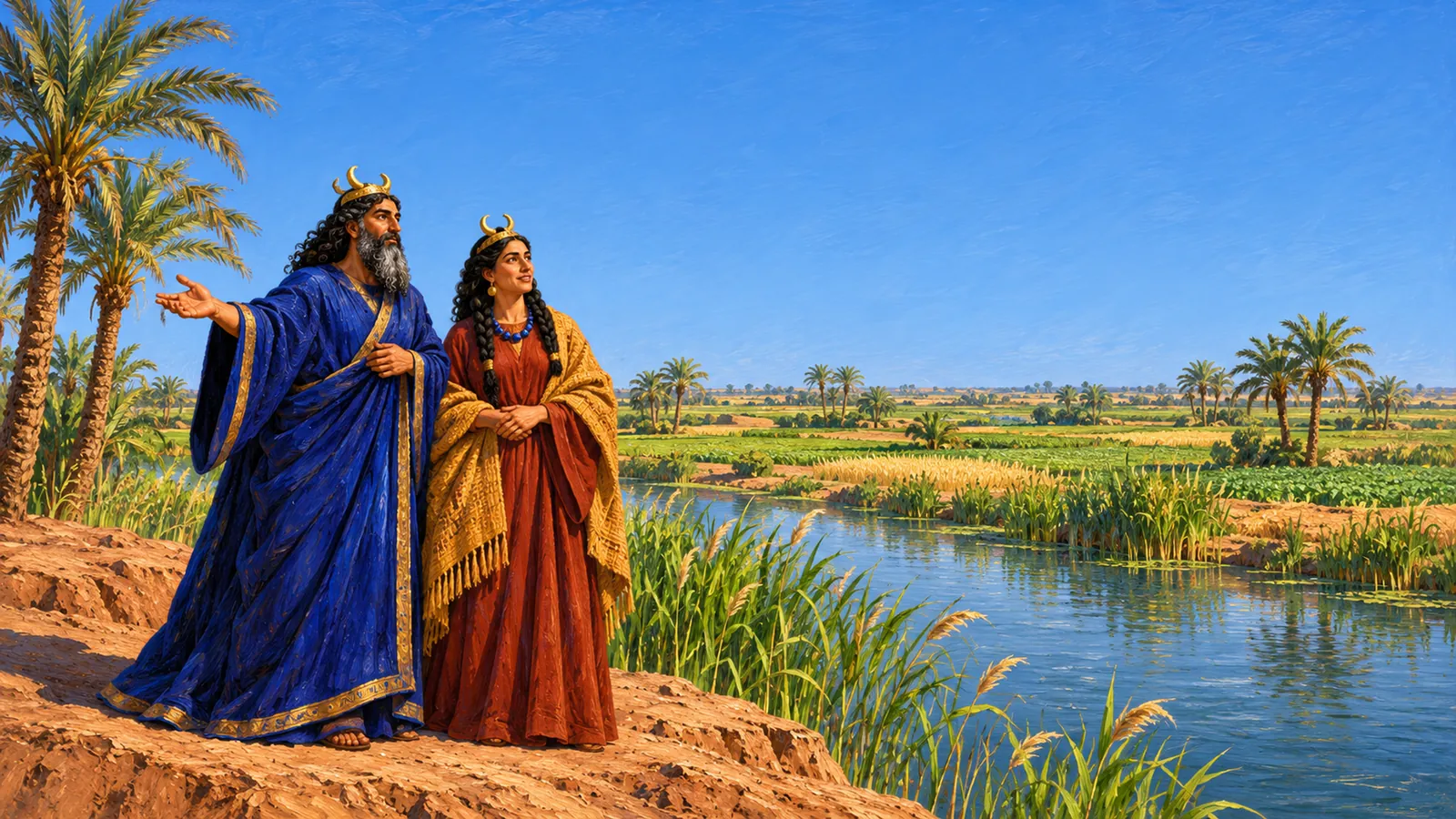
SKY AND EARTH
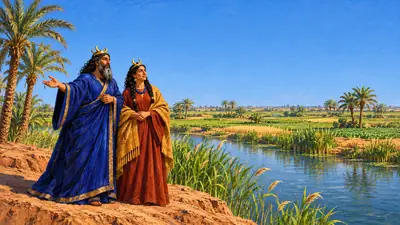
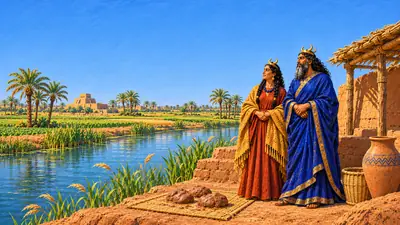
Thorkild Jacobsen introduces Enki, god of fresh water, and Ninmah, a name of the earth goddess Ninhursaga. The opening verse places their story in the days and nights after sky and earth were separated.
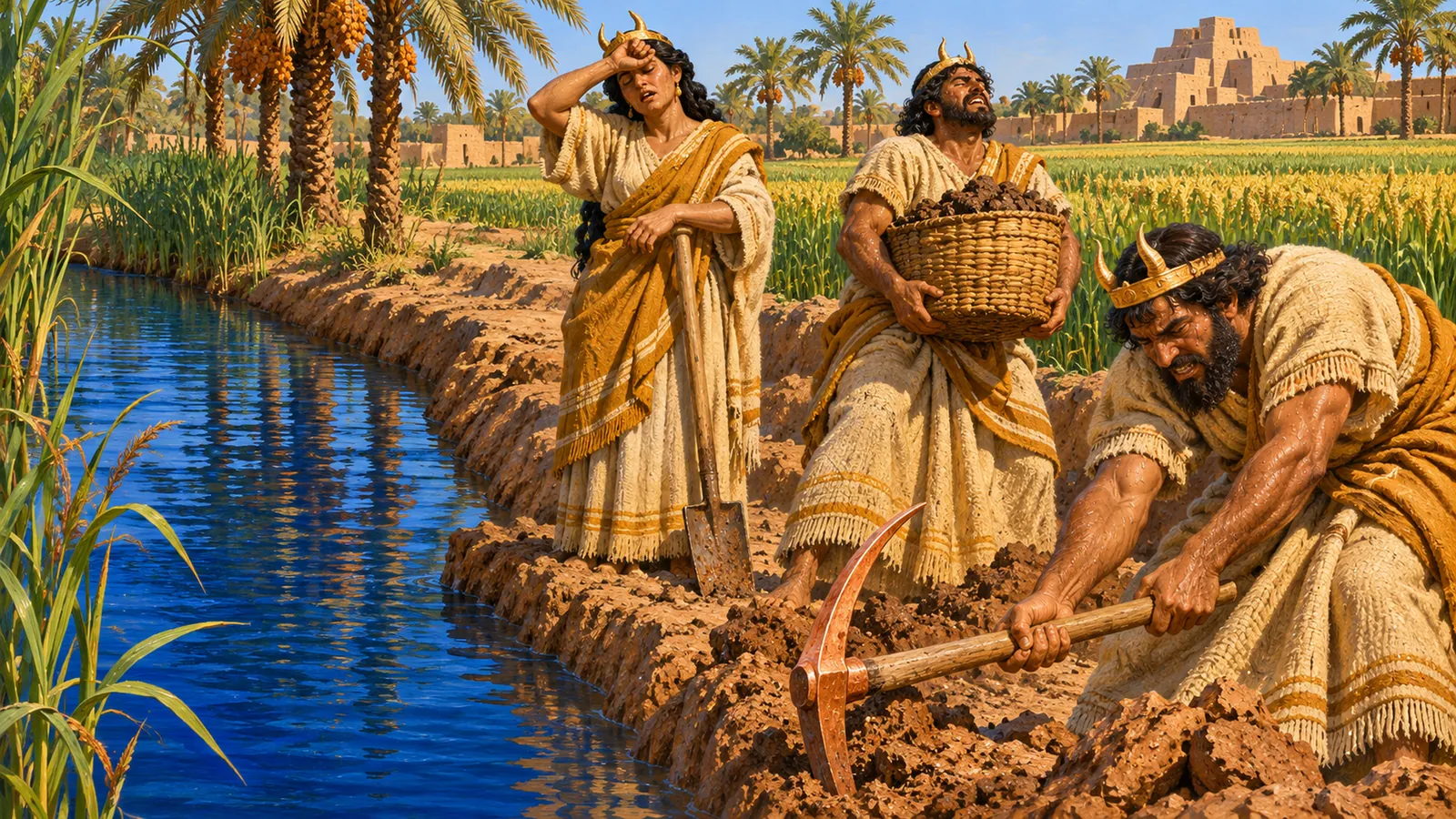
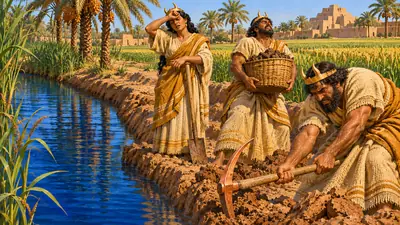
In Jacobsen’s account, the gods once worked to feed themselves. They used sickles and pickaxes and dug canals, and they detested the work.
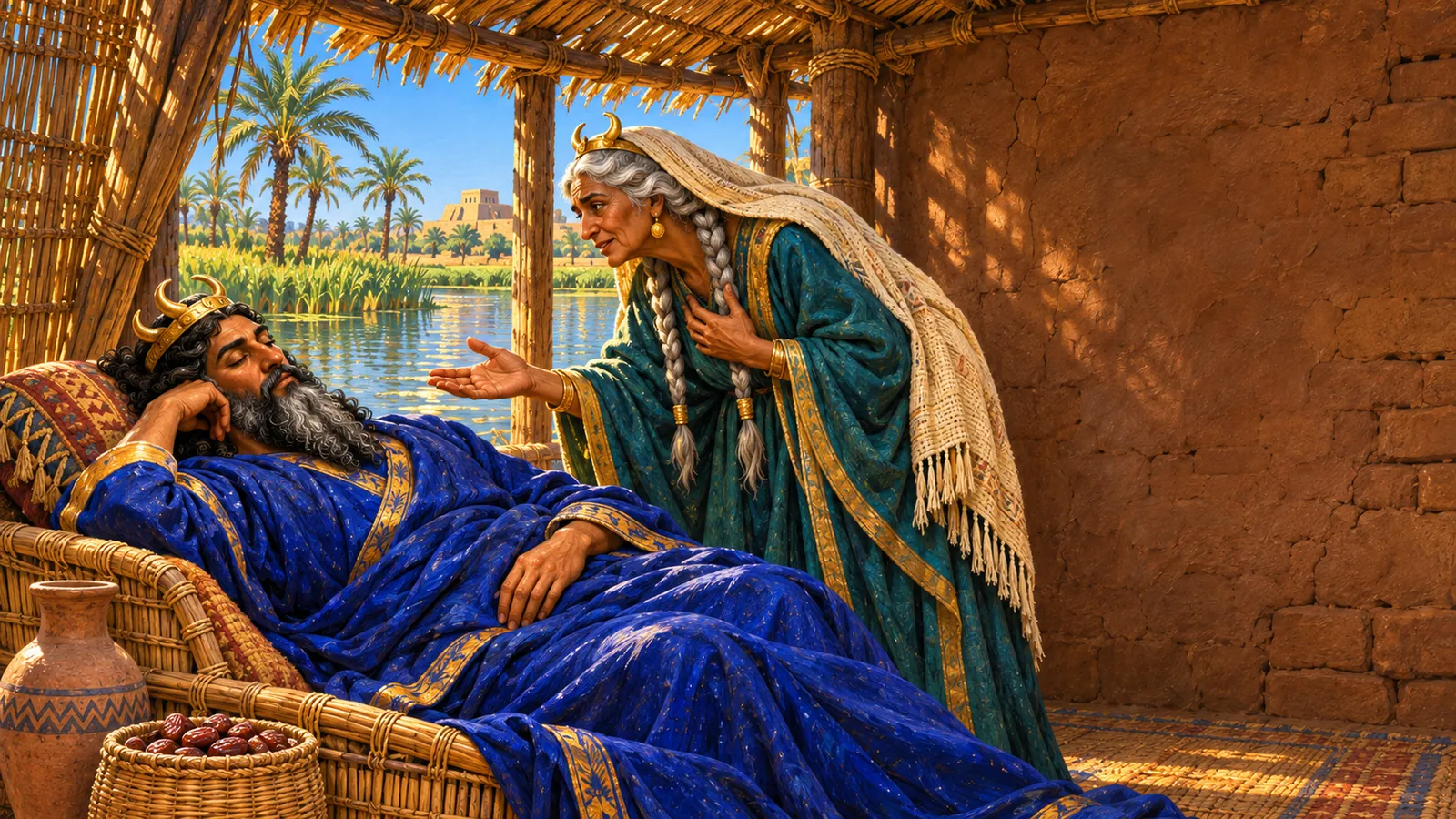
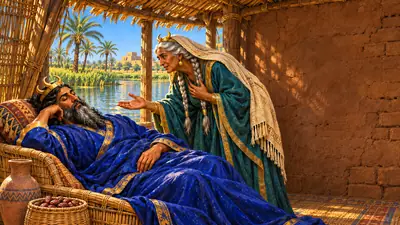
They turn to Enki, who lies asleep. His mother Nammu, whom Jacobsen associates with the watery deep, brings their complaints to her son.
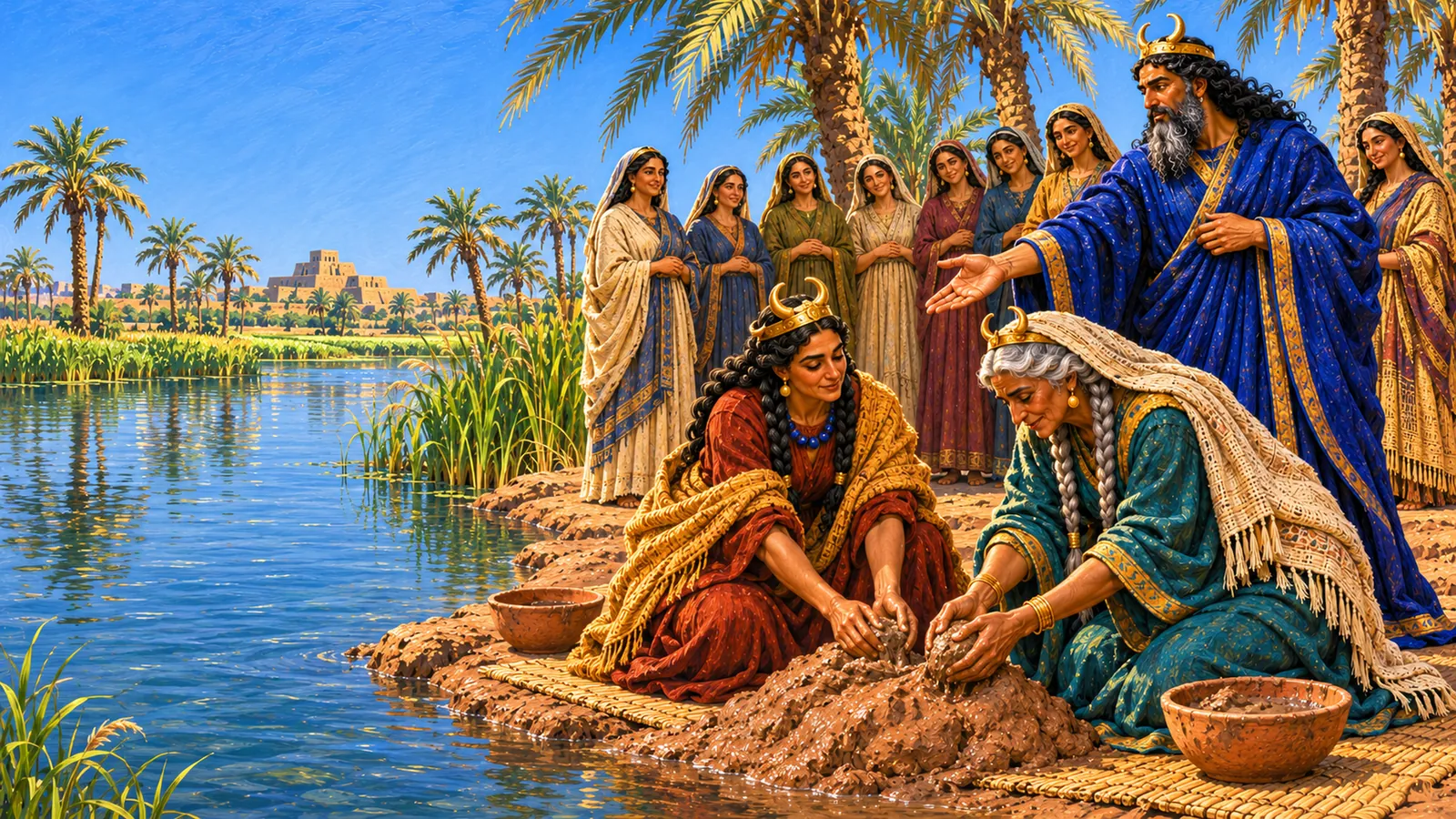
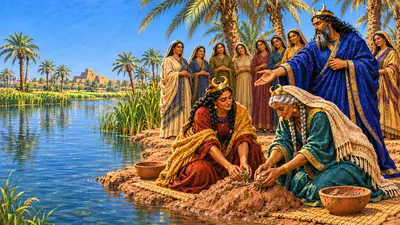
Enki tells Nammu to prepare to give birth to clay from above the apsu. Jacobsen explains that the clay is above the deep waters underground and that Ninmah and eight other goddesses are to help.
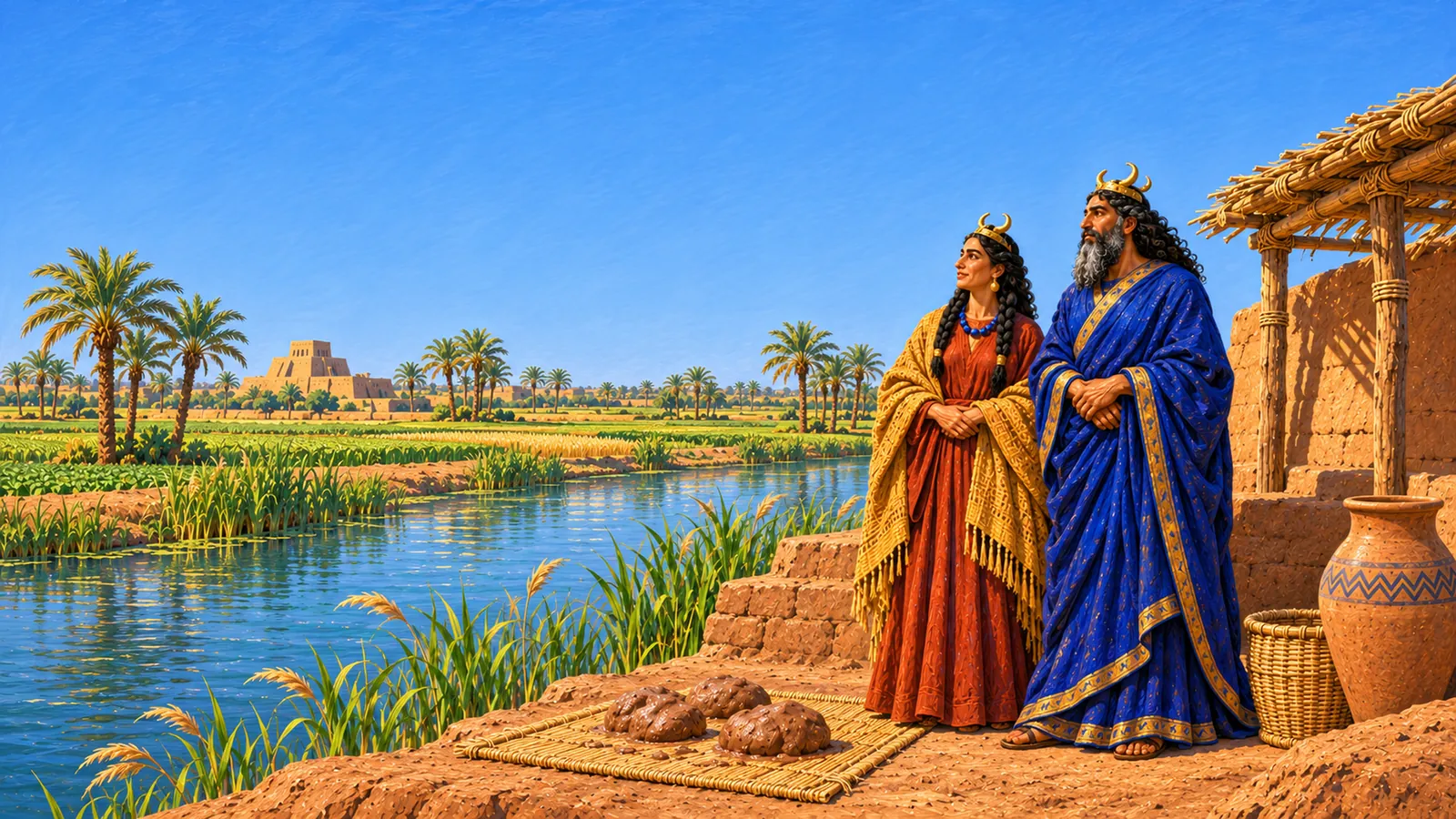
A TEXTUAL GAP
A serious gap leaves the making of humanity uncertain. Jacobsen suggests that the clay was born first and that human beings were formed from it.
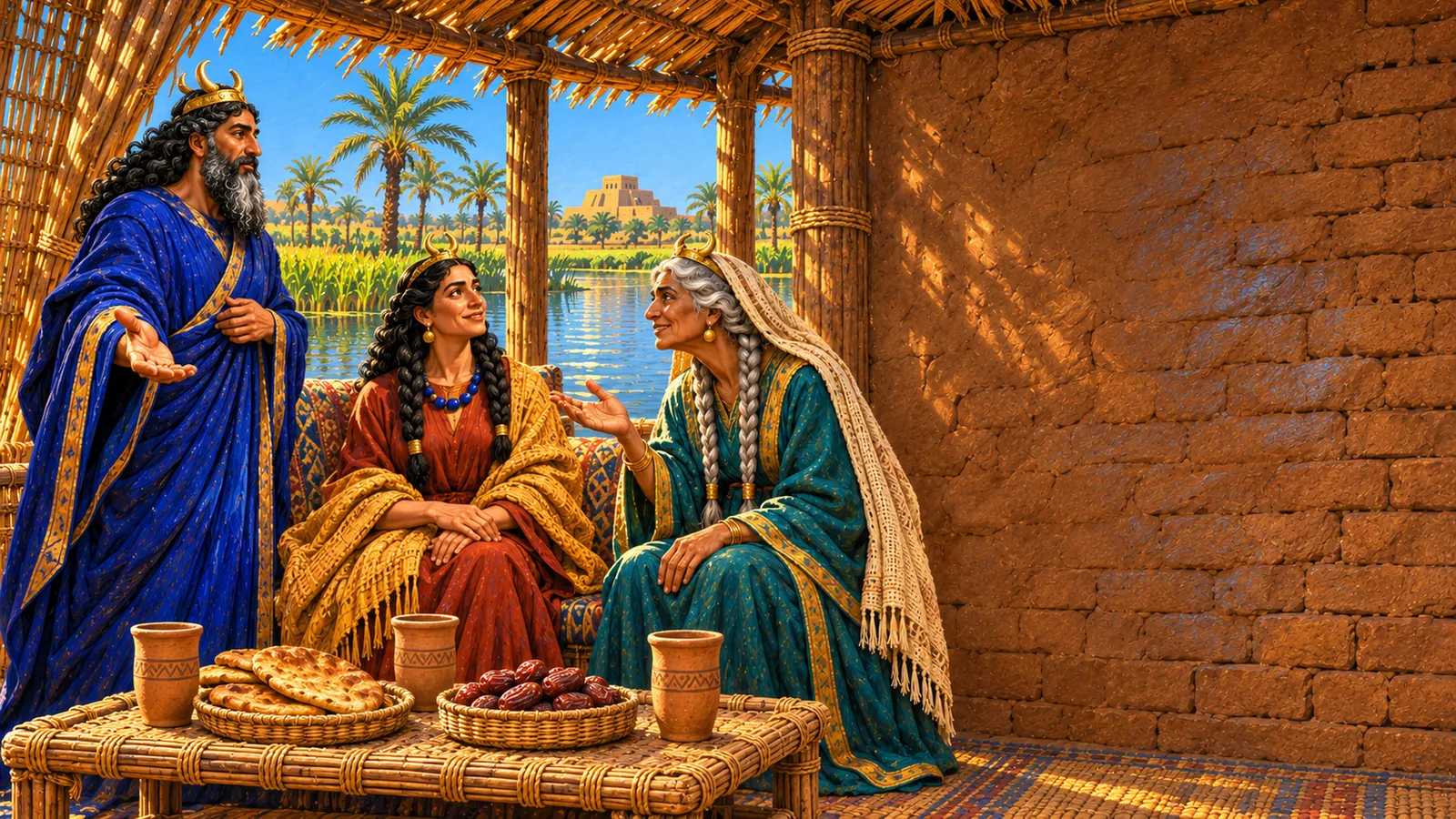
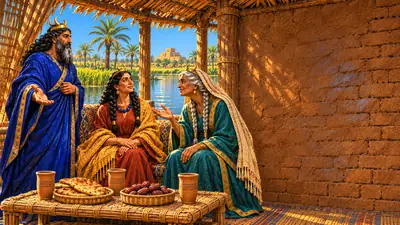
When the text resumes, Jacobsen describes Enki preparing a feast for Ninmah and Nammu. The gods praise his skill, and Jacobsen suggests the feast may celebrate the birth.
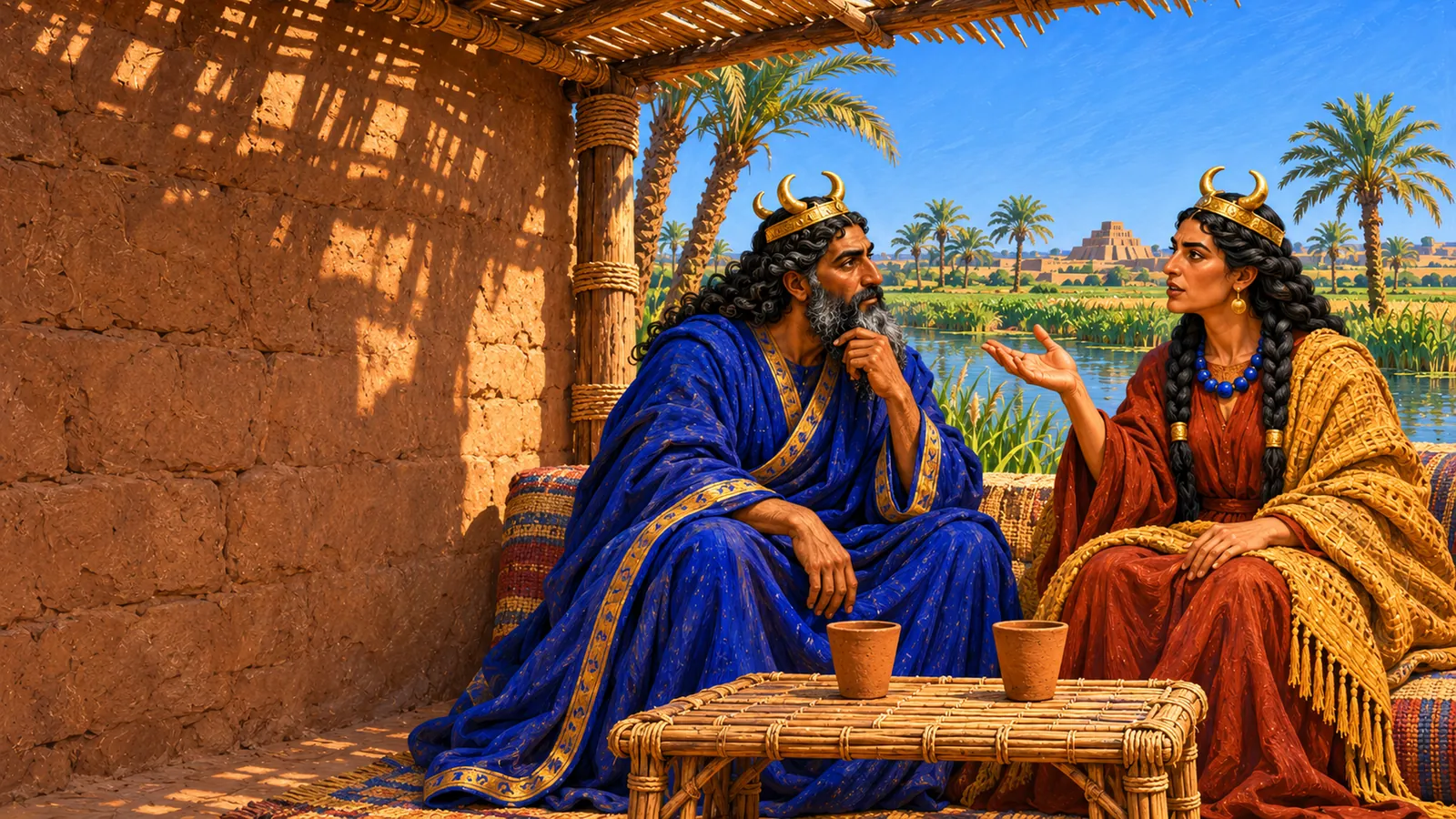
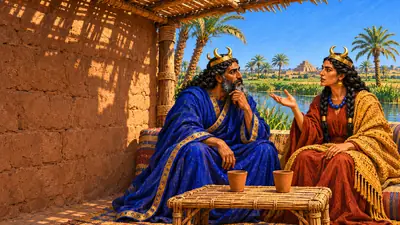
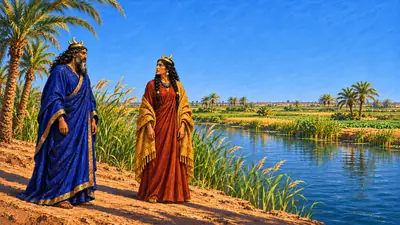
After drinking beer with Enki, Ninmah asks how good or bad the human body can be. She says she can give it a good or bad fate as she chooses.
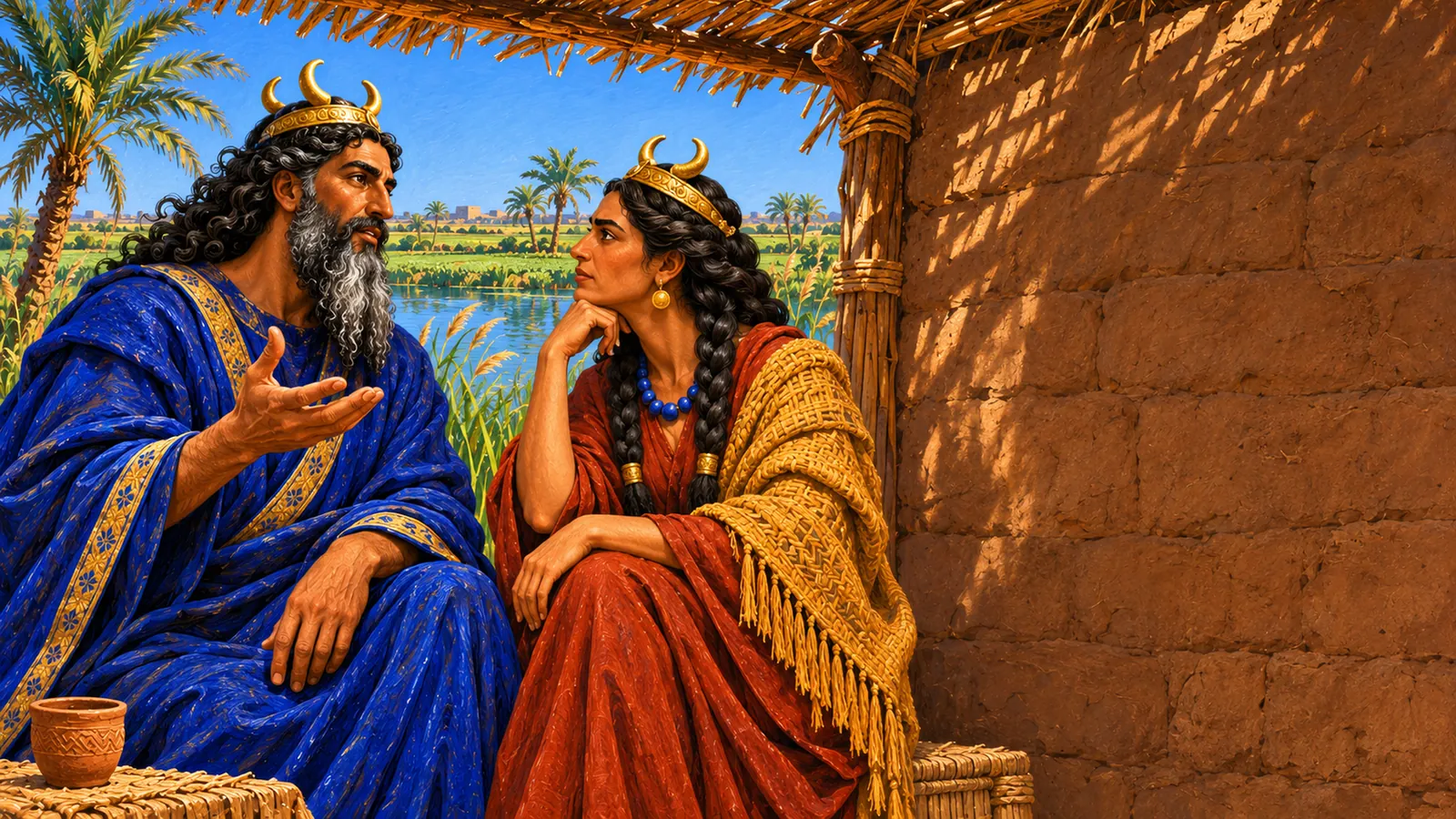
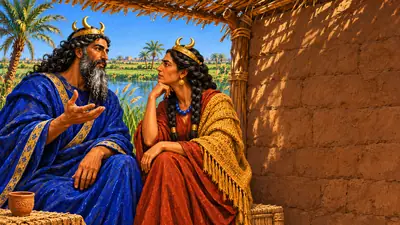
Enki says he will meet whichever fate Ninmah chooses, good or bad. The edition marks the verb rendered as balance as uncertain.
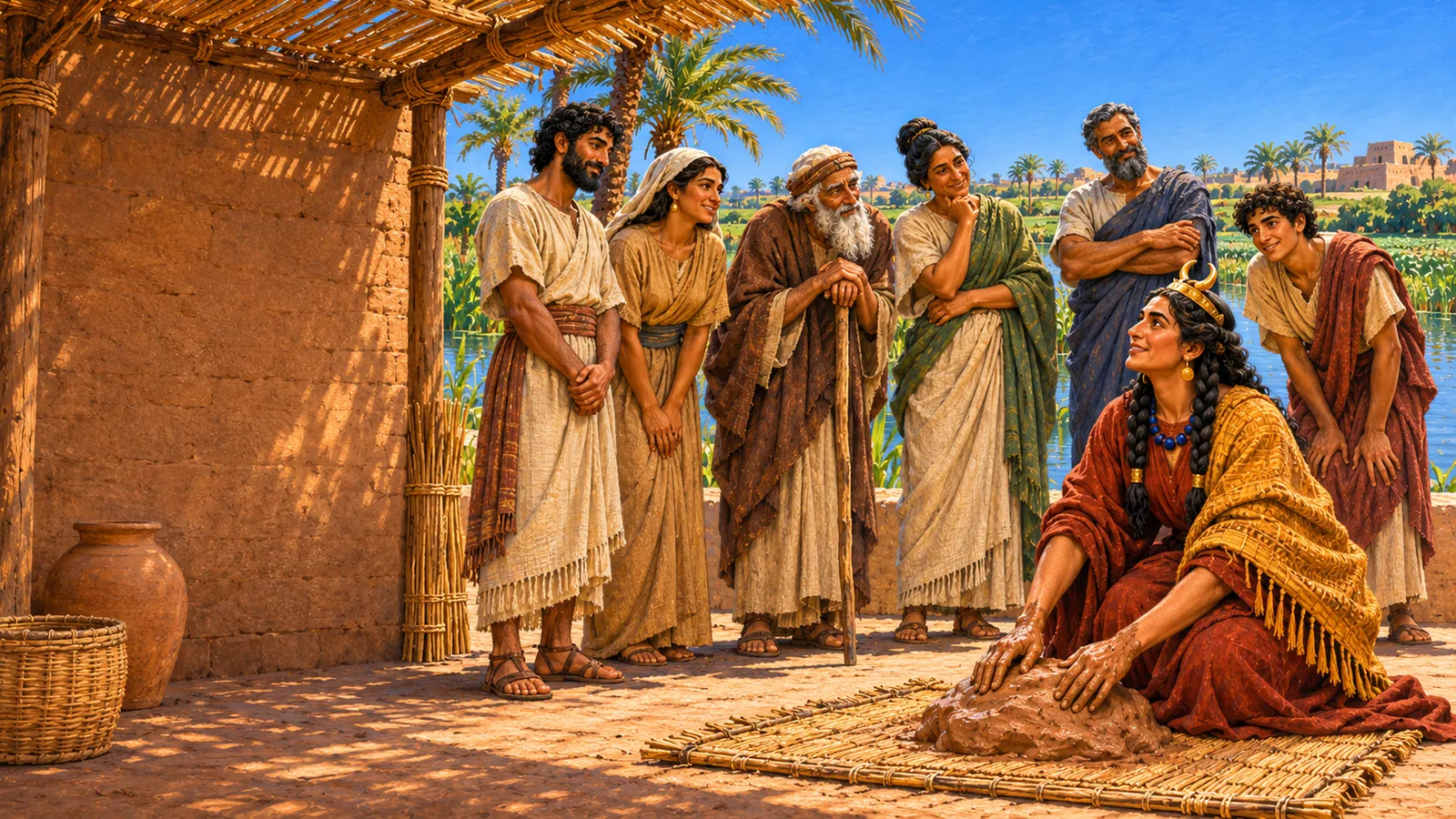
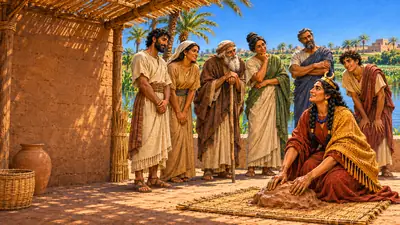
Jacobsen says Ninmah makes six people from clay. They include a man who cannot hold his urine, a woman who cannot bear children, and a person with neither male nor female sexual organs.
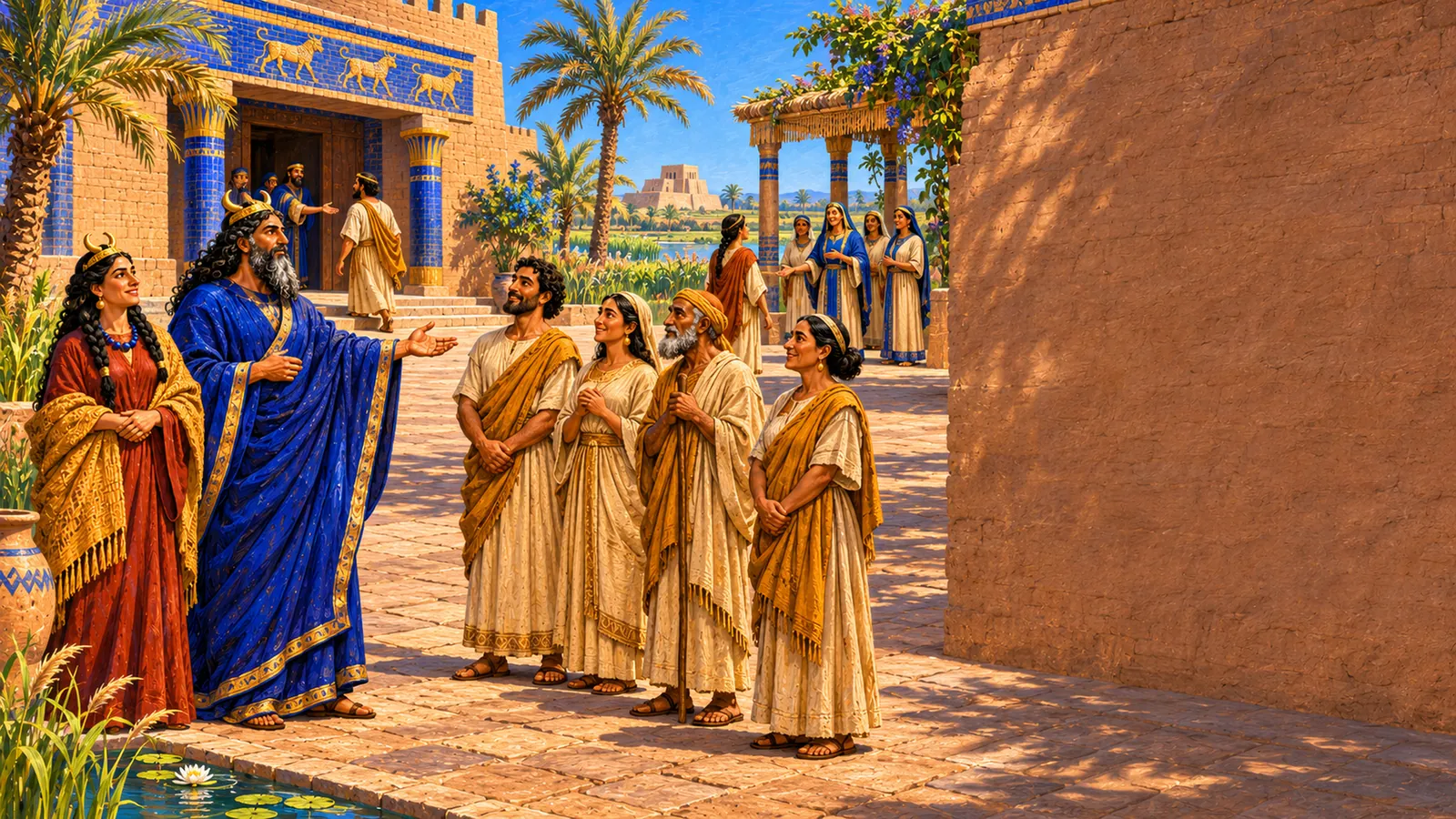
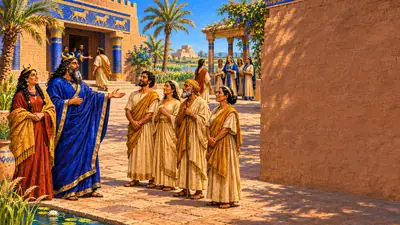
Jacobsen says Enki finds a way for all six to make a living. One enters the king’s service and another joins the queen’s attendants.
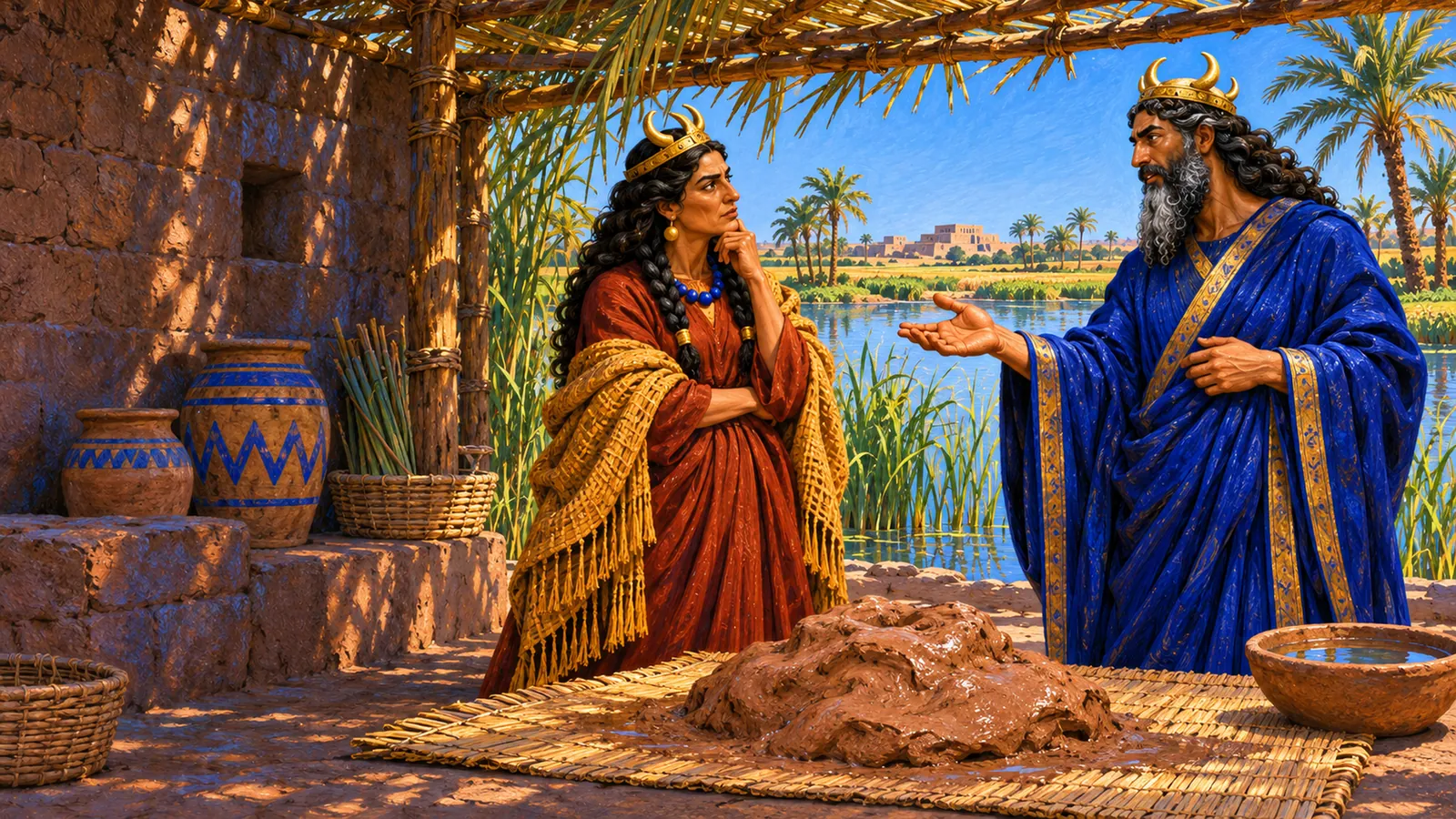
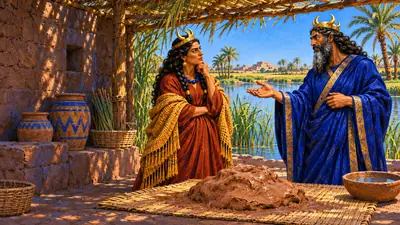
Jacobsen says Enki reverses roles with Ninmah and asks her to find a way for the people he makes to subsist. A damaged passage leaves his first attempt unknown.
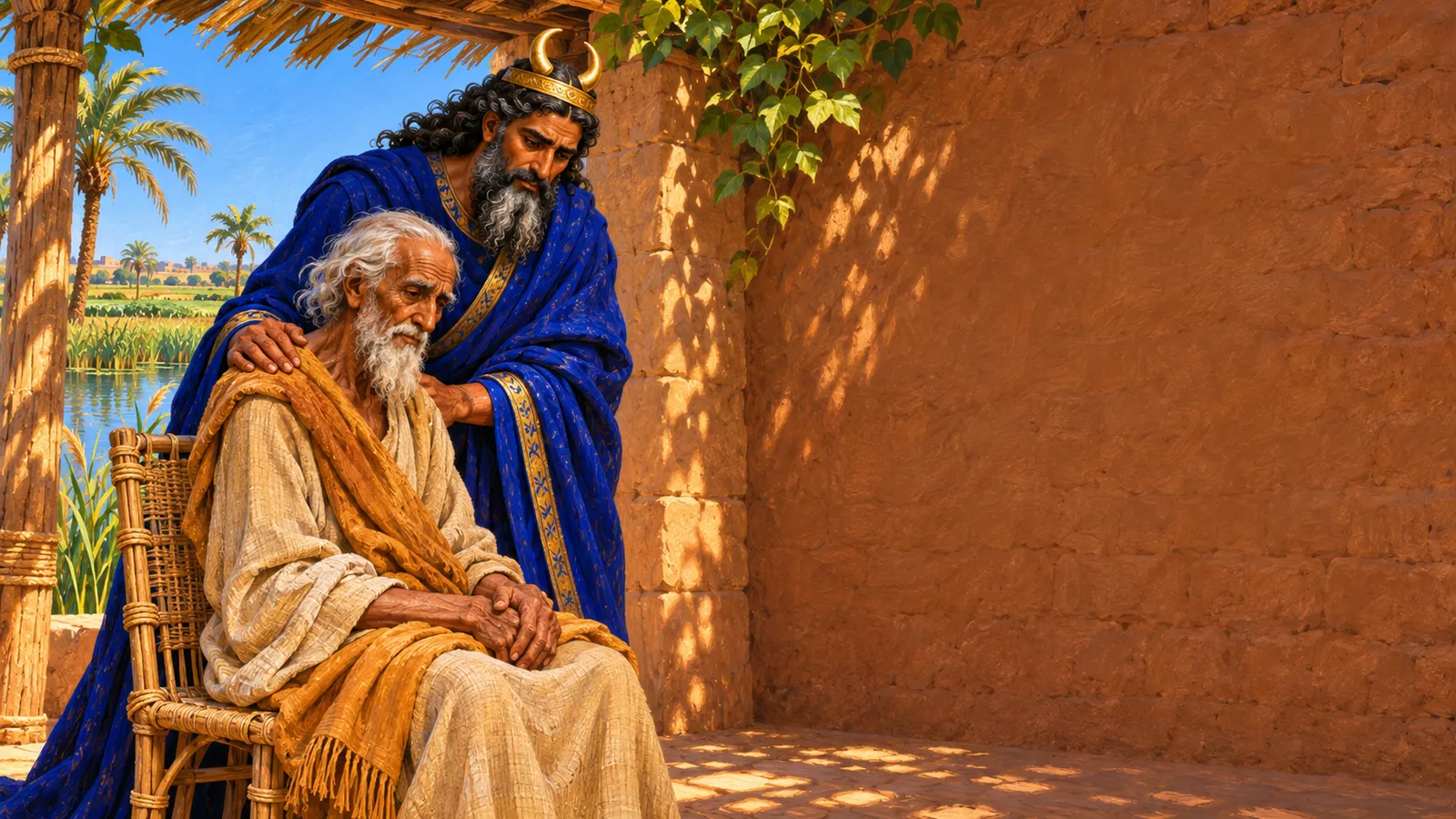
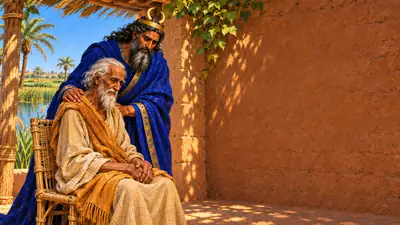
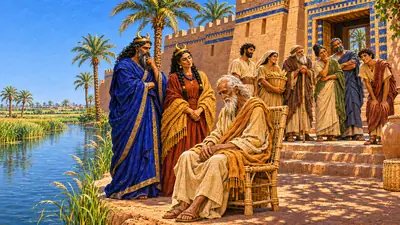
Jacobsen describes Enki’s second figure as a very old man whose name he glosses as “my day is remote”. He describes eye disease, pain in the liver and heart, trembling hands and a life ebbing away.
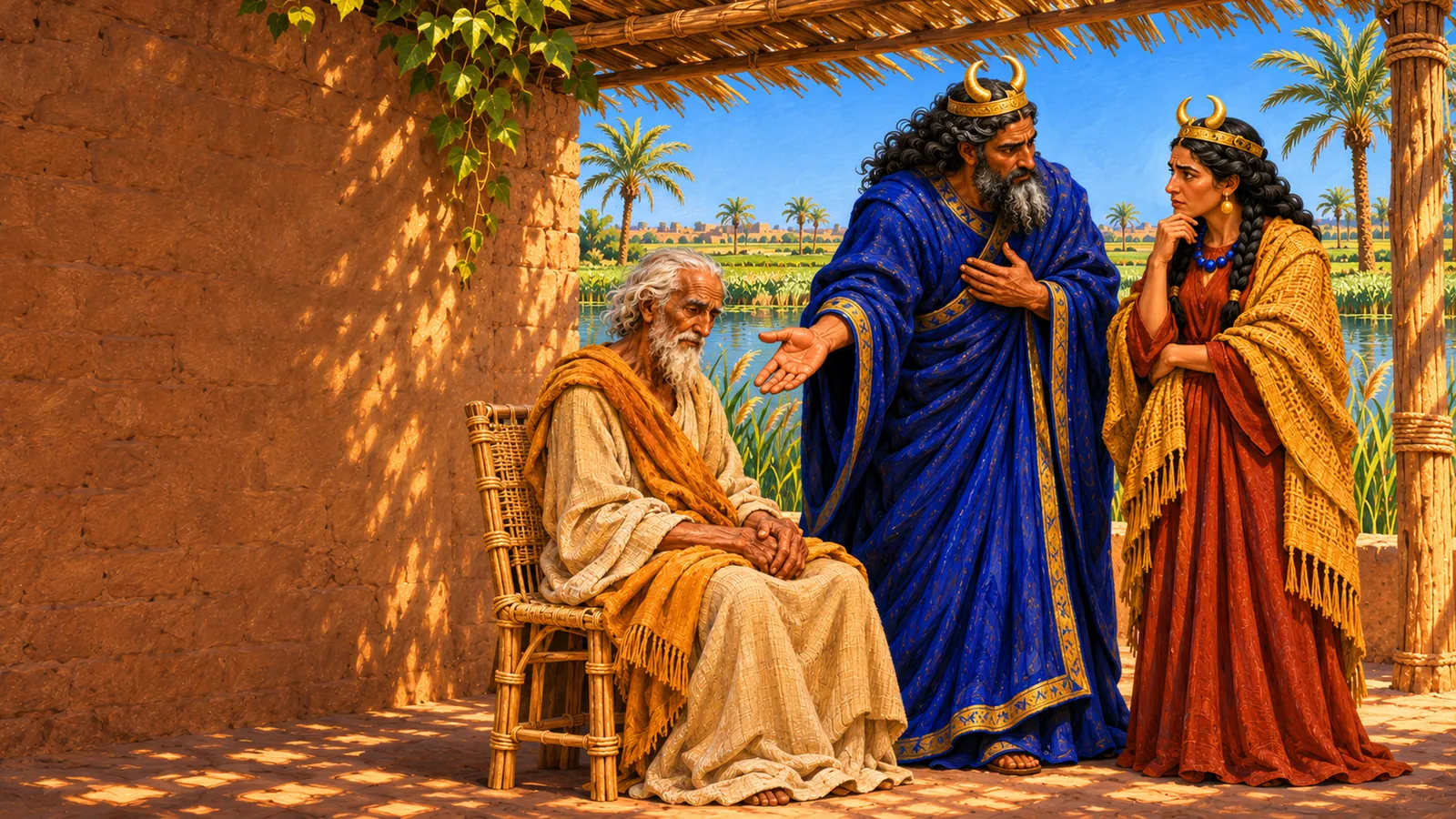
Enki says he assigned the people Ninmah made a lot that allowed them to make a living. He asks her to do the same for the man he made.
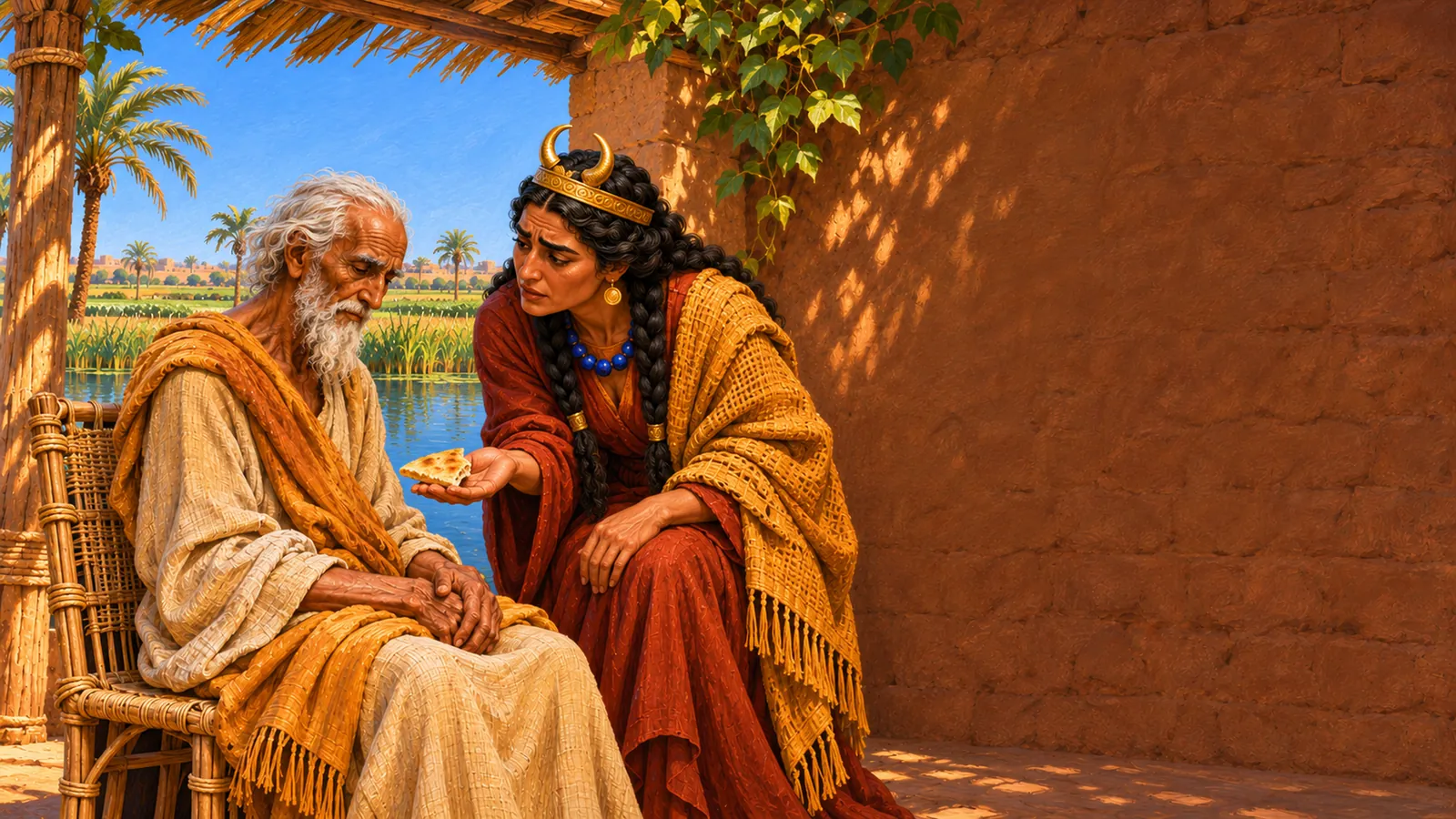
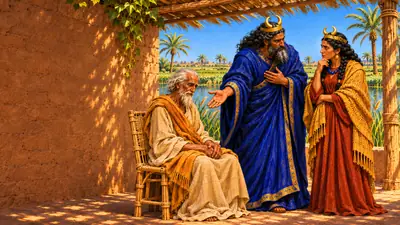
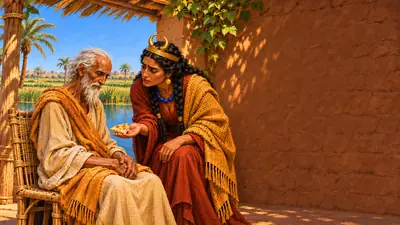
Jacobsen says the man cannot answer Ninmah’s question. He also cannot reach for the bread she offers him.
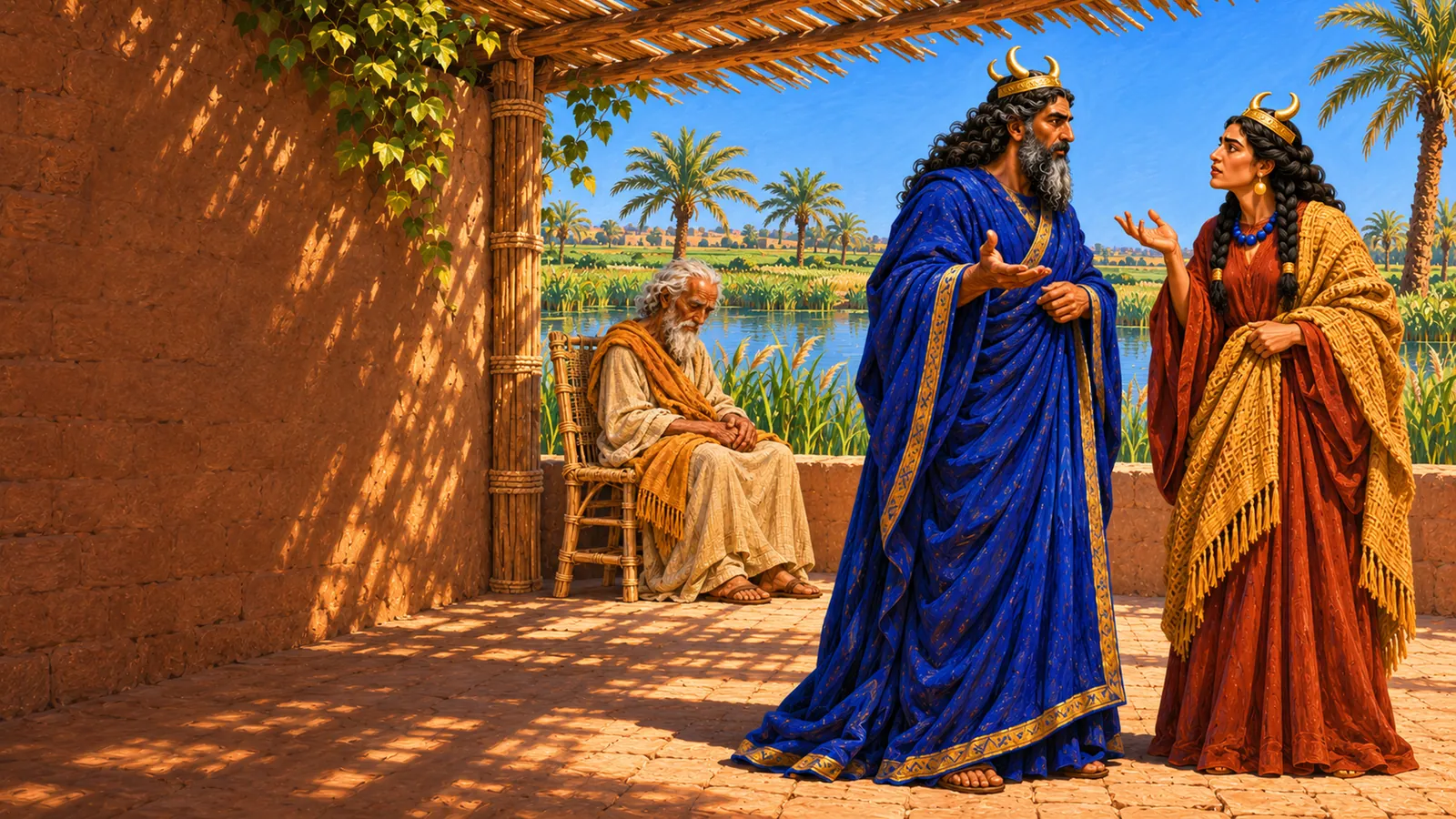
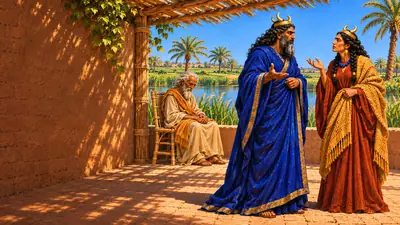
In Jacobsen’s account, Ninmah says the man Enki made is not alive. Enki reminds her that he found ways for the people she made to earn a living. A break interrupts the dispute.
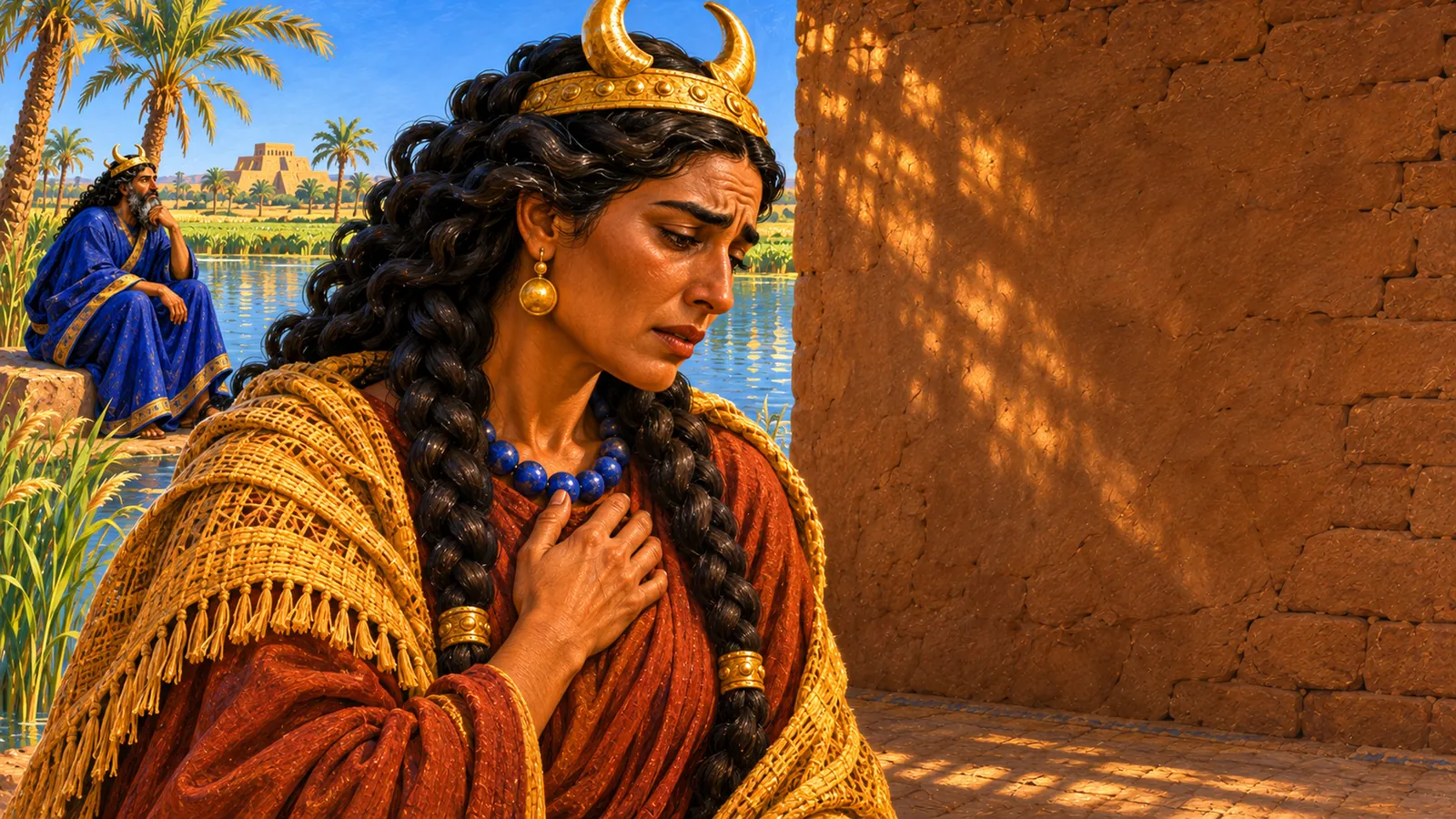
Jacobsen links Enki’s second figure with the hardships of old age. He wonders whether the figures’ effects on Ninmah’s land and city distressed her or whether Enki humiliated her again. The damage leaves the cause unclear.
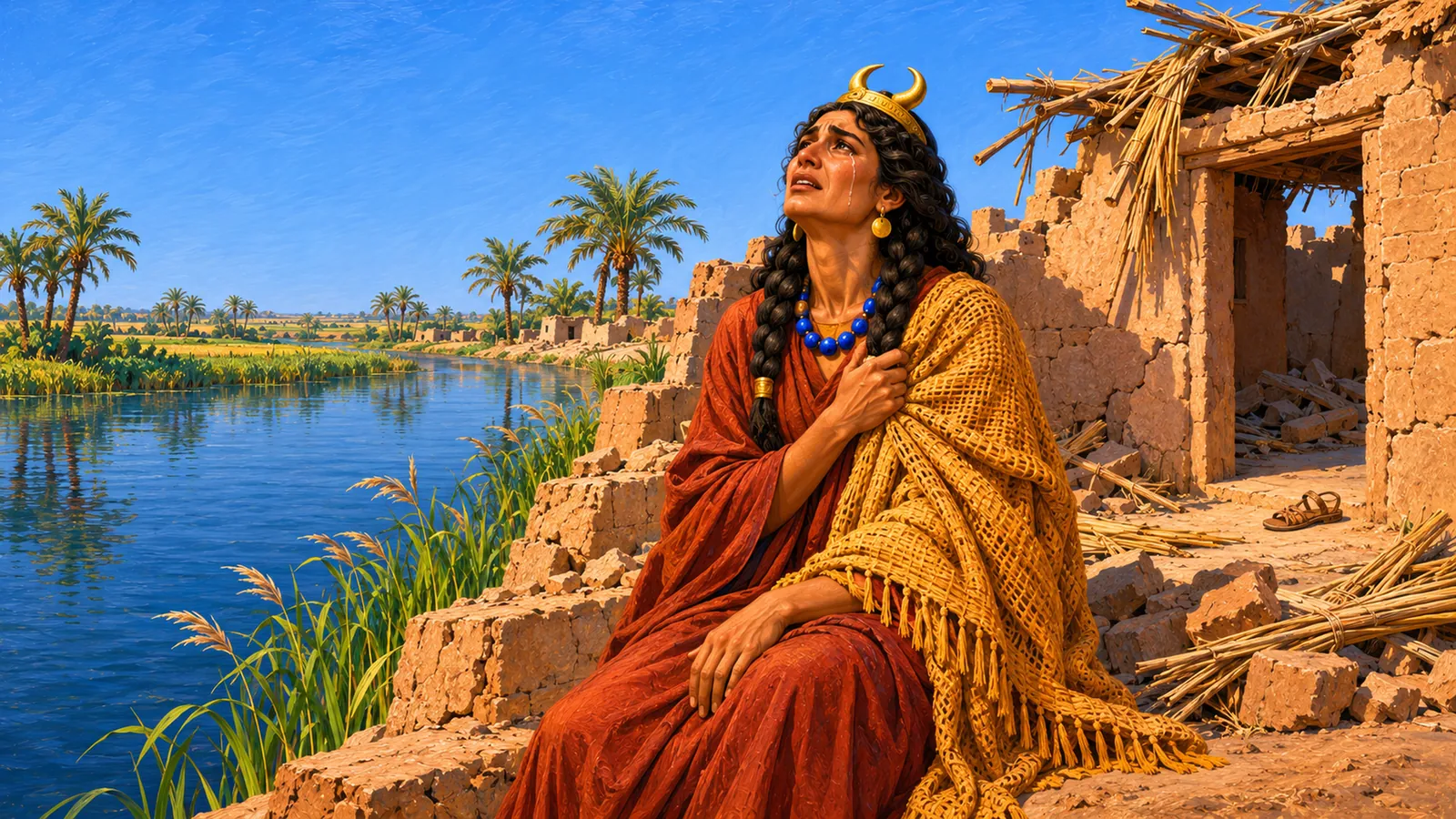
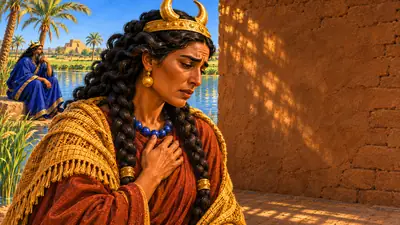
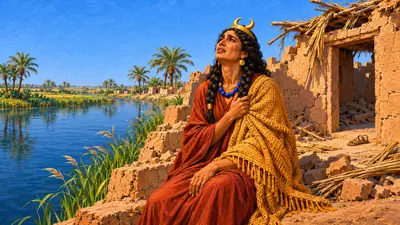
Ninmah says her city has been destroyed, her house wrecked and her children taken captive. She says she was forced to leave Ekur and still cannot escape Enki’s power. Jacobsen marks his reading of “fugitive” as uncertain.

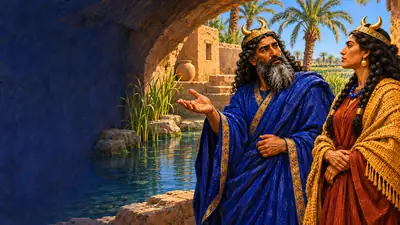
Ninmah forbids Enki to live in heaven or on earth. Jacobsen reads the curse as an explanation for why the sweet waters are underground.
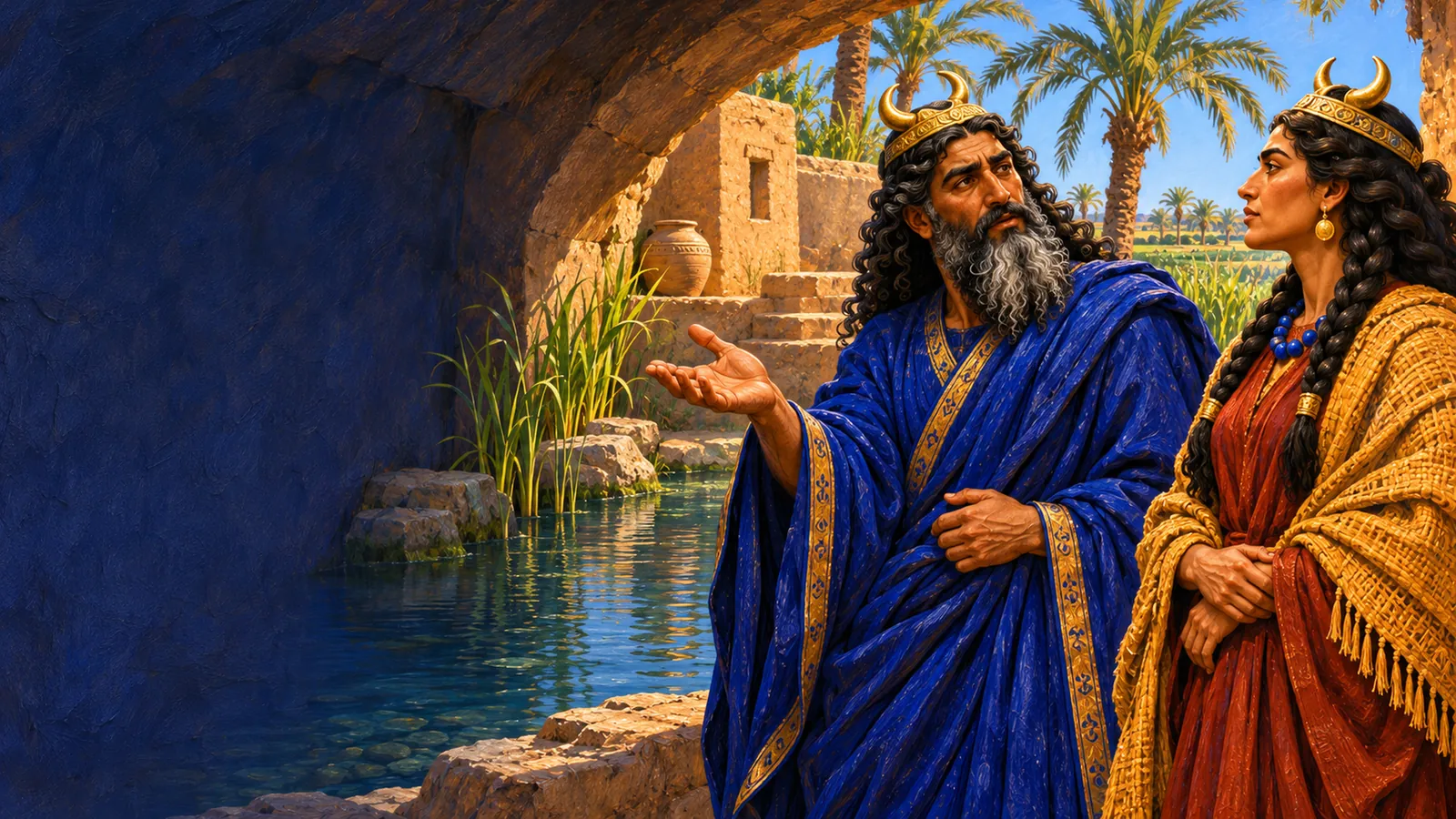
Enki asks who could change a command that came from Ninmah. Jacobsen takes this to mean that her decree is binding.
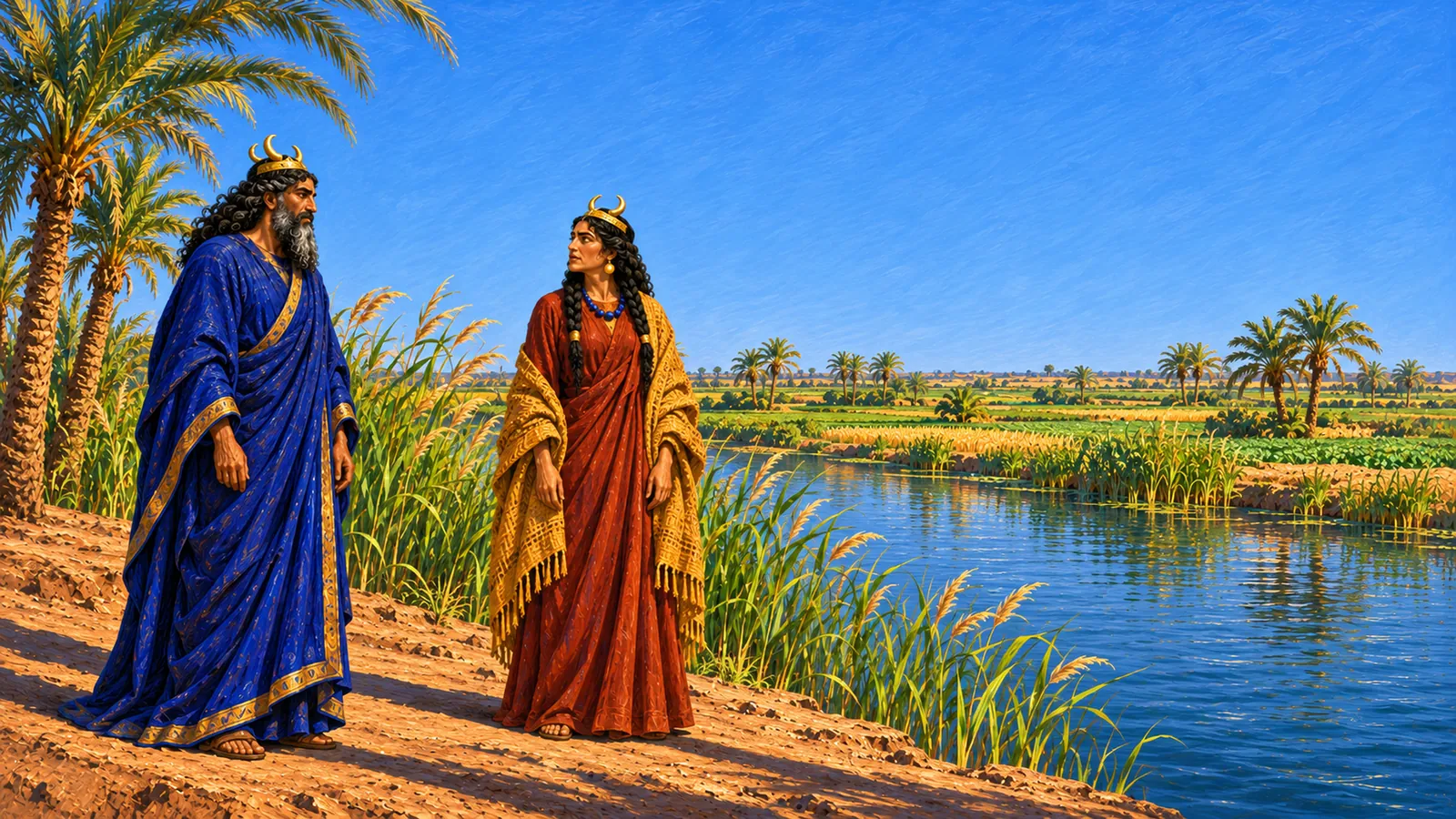
Jacobsen says the text continues, but it is fragmentary and difficult. He suggests that the sentence may have been eased and that they may have reconciled.
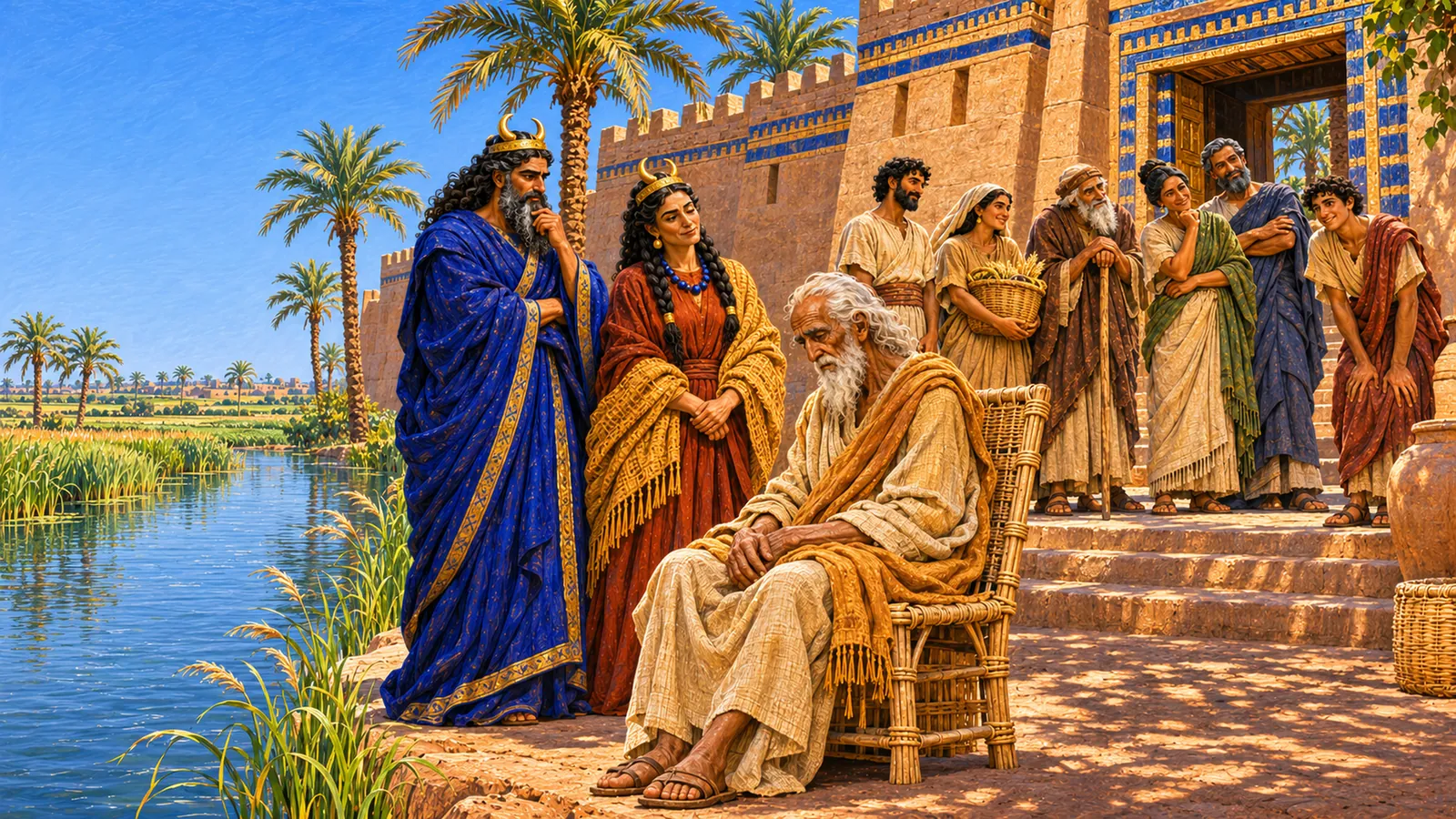
Jacobsen reads the story as explaining social roles associated with physical difference and the hardships of old age. He contrasts the livelihoods Enki found for Ninmah’s creations with Enki’s own challenge, whose outcome remains uncertain.
End of chapter 1
All pages

Sources
This reading follows Thorkild Jacobsen’s subsection on Enki and Ninmah in The Cosmos as a State, The Intellectual Adventure of Ancient Man, University of Chicago Press, 1946, first Phoenix edition 1977, pp. 161–165. The book credits H. A. Groenewegen Frankfort for the English poetic form (preface p. vi and p. 184, note 3). Chapter note 26 on p. 184 refers to Kramer’s Mythology, note 73.
Editions consulted
- University of Chicago, The Intellectual Adventure of Ancient Man
- Jacobsen’s printed subsection, pp. 161–165
- Chapter notes 3 and 26, p. 184
Notes on this retelling
Page 1, opening. Jacobsen’s introduction on pp. 161–162 describes Enki as the god of sweet water and gives Ninmah as an epithet of Ninhursaga. The opening translated lines repeat the separation of sky and earth across a pair of lines on days and nights. The book credits H. A. Groenewegen Frankfort with the English form of the poem selections (preface p. vi and p. 184, note 3).
Pages 2–3, labor and Nammu’s appeal. The prose following the opening selection on p. 162 recounts the gods’ agricultural toil, the canals they dig and their appeal to Enki. Nammu is Enki’s mother in the account and Jacobsen associates her with the watery deep.
Page 4, the clay and the apsu. A short quotation within the prose on p. 162 locates the clay above the apsu. Jacobsen glosses this as the level above the underground waters and adds the account of Ninmah and eight other goddesses helping Nammu. His prose compares the severing of the clay to that of a newborn from its mother.
Pages 5–6, the gap and feast. The p. 162 break leaves the making of human beings uncertain. Jacobsen’s suggestion about clay being born before humans are formed is conjectural. The proposed reason for the feast is another conjecture.
Pages 7–8, the first challenge. The printed passage on p. 162 sets the exchange after Ninmah and Enki drink beer. Parentheses mark “really” within her question about the human body. The edition places a question mark after the verb rendered “balance” in Enki’s reply.
Pages 9–10, physical descriptions and livelihoods. Jacobsen’s prose on p. 163 gives three examples among the six people Ninmah forms. The person without male or female sexual organs is assigned to the king’s service, and the woman who cannot bear children joins the queen’s attendants. Jacobsen proposes that the former is a eunuch. That identification is conjectural.
Page 11, reversal and the first attempt. Jacobsen’s prose on p. 163 describes Enki taking up the shaping of people, while Ninmah is asked to determine their lot. The text is damaged where Enki’s first attempt would be described.
Page 12 · p. Jacobsen reads the second as a very old man and glosses his name “my day is remote.” The spoken version uses the clearly readable gloss because the extracted transliteration from the scan is uncertain. Jacobsen’s description mentions eye disease, pain in the liver and heart, trembling hands, and life ebbing away.
Pages 13–14 · p. 163, translated challenge and explanatory prose. Enki says that he assigned the people Ninmah made a lot allowing them to subsist and asks her to find such a lot for the man he made. Jacobsen’s narrative says the man cannot reply to Ninmah’s question or reach for the bread she offers.
Pages 15–16 · pp. 163–164, the interrupted quarrel and Jacobsen’s conjectures. Jacobsen reports that Ninmah says the man is not alive. A break interrupts the quarrel.
Page 17 · p. 164, translated lament. In the printed translation, “fugitive” has a question mark. The still shows an intact doorway.
Pages 18–19 · p. 164, the curse and translated reply. Ninmah forbids Enki from dwelling in heaven or on earth. Jacobsen links this to the sweet waters beneath the earth and compares the decree with one in the separate Tilmun narrative. Enki asks who could alter a command from Ninmah. Jacobsen reads his reply in terms of the binding force of a divine decree.
Page 20 · p. 164, the fragmentary continuation. Jacobsen says that the text continues but is difficult to read. He suggests the sentence may have been eased and a reconciliation may have followed. The wording keeps both as conjectures.
Page 21 · pp. 164–165, Jacobsen’s closing interpretation. His historical interpretation mentions eunuchs and hierodules. It ends before the next category of myths.
Ancient lines behind each page
- Page 1: Jacobsen, “Enki and Ninmah,” 1977 Phoenix ed., pp. 161–162, framing prose and opening verse
- Page 2: Jacobsen, “Enki and Ninmah,” 1977 Phoenix ed., p. 162, prose on the gods’ work
- Page 3: Jacobsen, “Enki and Ninmah,” 1977 Phoenix ed., p. 162, prose on Nammu and Enki
- Page 4: Jacobsen, “Enki and Ninmah,” 1977 Phoenix ed., p. 162, short translated phrase and surrounding prose
- Page 5: Jacobsen, “Enki and Ninmah,” 1977 Phoenix ed., p. 162, lacuna and Jacobsen’s inference
Dark homogeneous matte mud plaster covers the upper two thirds, undisturbed by the roof edge, doorway lines, or lit seams. - Page 6: Jacobsen, “Enki and Ninmah,” 1977 Phoenix ed., p. 162, Jacobsen’s account of the resumed text
- Page 7: Jacobsen, “Enki and Ninmah,” 1977 Phoenix ed., p. 162, translated feast scene and Ninmah’s challenge
- Page 8: Jacobsen, “Enki and Ninmah,” 1977 Phoenix ed., p. 162, Enki’s translated reply
- Page 9: Jacobsen, “Enki and Ninmah,” 1977 Phoenix ed., p. 163, Jacobsen’s summary of Ninmah’s figures
- Page 10: Jacobsen, “Enki and Ninmah,” 1977 Phoenix ed., p. 163, Jacobsen’s prose on the people’s roles
- Page 11: Jacobsen, “Enki and Ninmah,” 1977 Phoenix ed., p. 163, role reversal and damaged passage
- Page 12: Jacobsen 1977, The Intellectual Adventure of Ancient Man, ch. V, Enki and Ninmah, p. 163, Jacobsen’s prose on Enki’s second figure
- Page 13: Jacobsen 1977, The Intellectual Adventure of Ancient Man, ch. V, Enki and Ninmah, p. 163, translated answering challenge
- Page 14: Jacobsen 1977, The Intellectual Adventure of Ancient Man, ch. V, Enki and Ninmah, p. 163, Jacobsen’s prose on Ninmah’s tests
- Page 15: Jacobsen 1977, The Intellectual Adventure of Ancient Man, ch. V, Enki and Ninmah, p. 163, Jacobsen’s prose and break in the quarrel
- Page 16: Jacobsen 1977, The Intellectual Adventure of Ancient Man, ch. V, Enki and Ninmah, p. 164, Jacobsen’s conjectural bridge
- Page 17: Jacobsen 1977, The Intellectual Adventure of Ancient Man, ch. V, Enki and Ninmah, p. 164, Ninmah’s translated lament
The low wider left area remains even continuous natural lapis-grey shade on matte clay, with no opening line, brick detail, bright spot or shape through the reserve. - Page 18: Jacobsen 1977, The Intellectual Adventure of Ancient Man, ch. V, Enki and Ninmah, p. 164, Ninmah’s quoted curse and Jacobsen’s interpretation
- Page 19: Jacobsen 1977, The Intellectual Adventure of Ancient Man, ch. V, Enki and Ninmah, p. 164, Enki’s quoted reply
- Page 20: Jacobsen 1977, The Intellectual Adventure of Ancient Man, ch. V, Enki and Ninmah, p. 164, Jacobsen’s account of the broken ending
- Page 21: Jacobsen 1977, The Intellectual Adventure of Ancient Man, ch. V, Enki and Ninmah, pp. 164–165, Jacobsen’s closing interpretation
Illustrations made with AI tools by IL Archive; the text is based on the ancient sources (see the sources at the end of each chapter).