Enmerkar and En-suhgir-ana Chapter 1
The Challenge at the River
Two courts exchange boasts about Inanna. The conflict reaches the livestock pens of Eresh, where the herders appeal to Utu. Sagburu faces the man who caused the loss, prevails in five rounds, and brings the dispute to its close.
SourcesTurn the pages with the arrows, the arrow keys or a swipe.
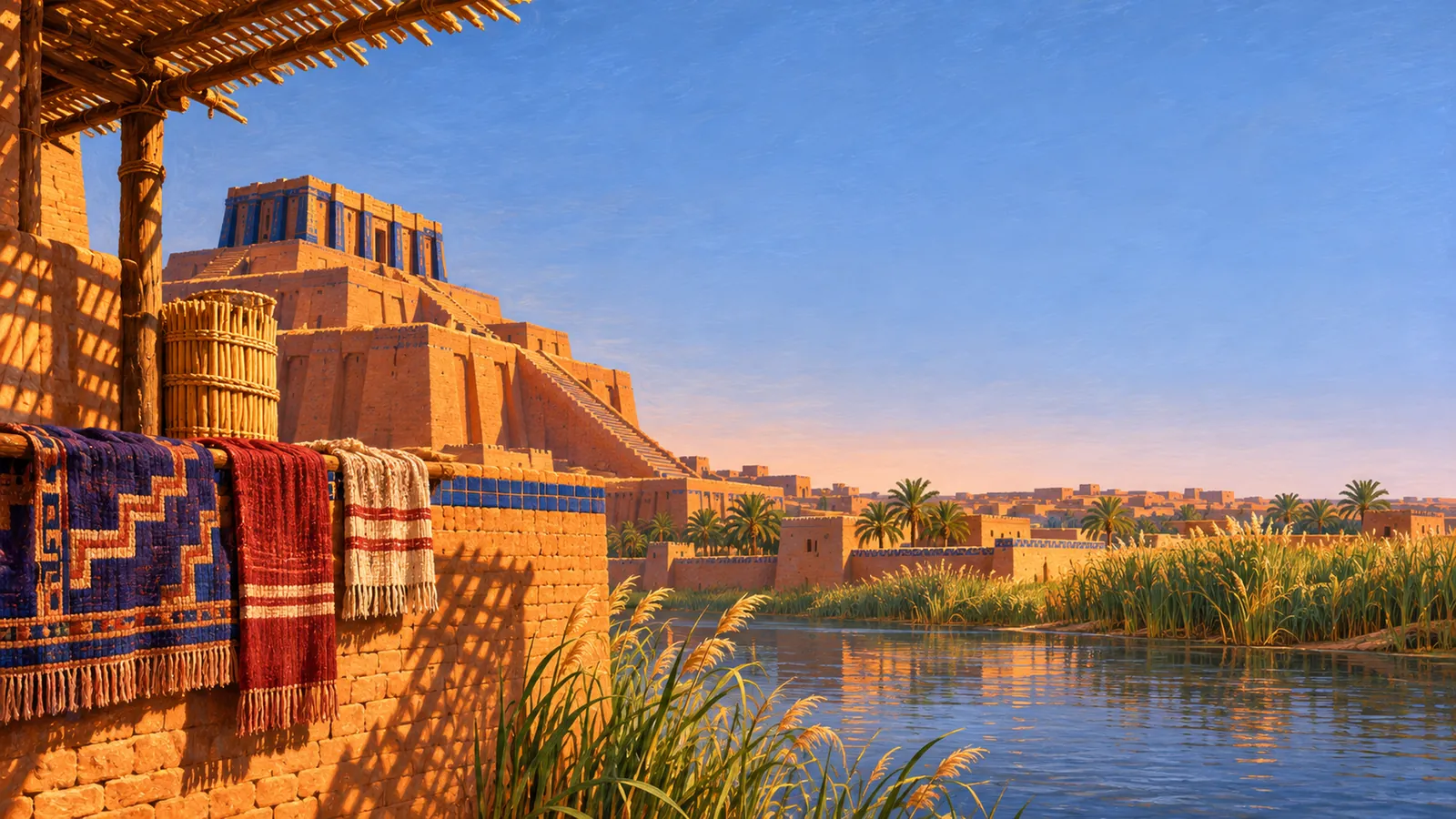
URUK
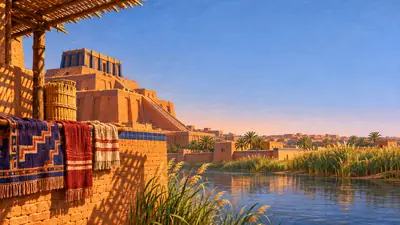
The singer opens with Uruk and its brick-built Kulaba. In the poem, the city shines across the sky like a rainbow.
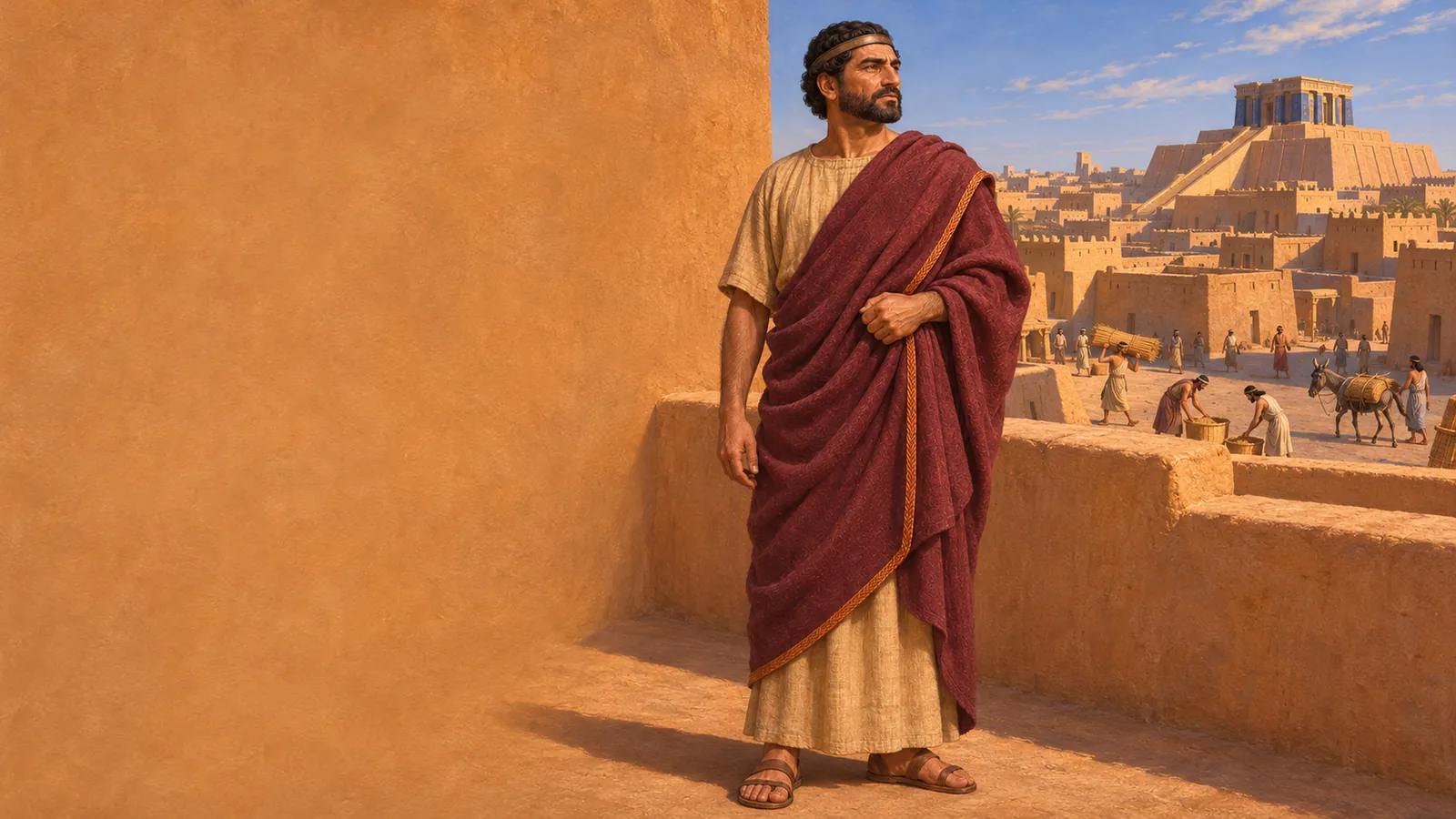
Uruk is likened to moonlight and sunshine spreading over the land. Its brilliance reaches the highlands and settles over Aratta like a fine cloth.
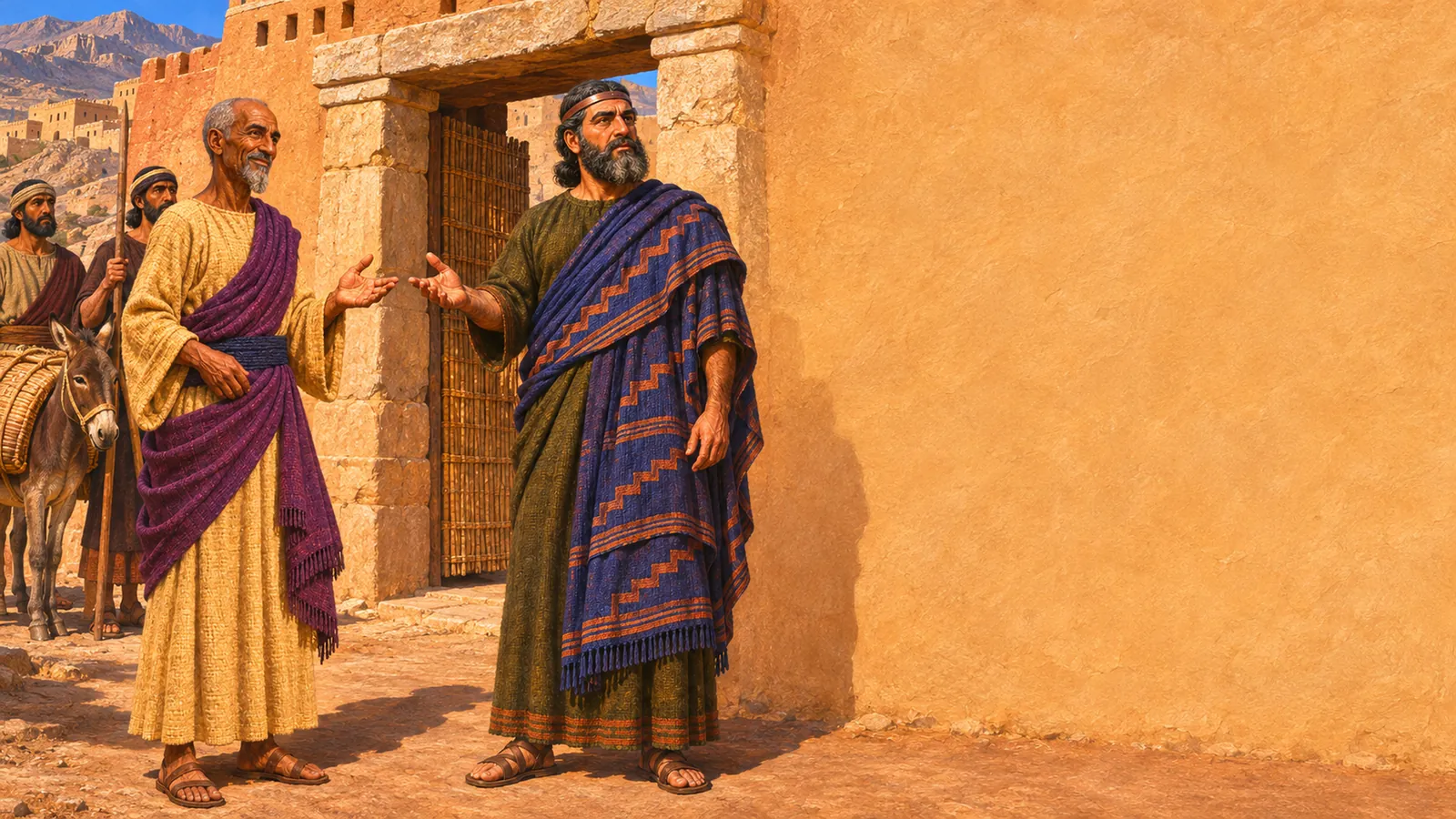
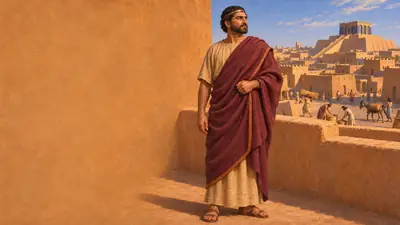
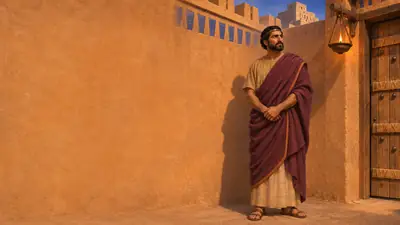
The story begins in an age when Utu is king. Ansiga-ria serves the lord of Aratta, and Namena-tuma serves Enmerkar in Kulaba.
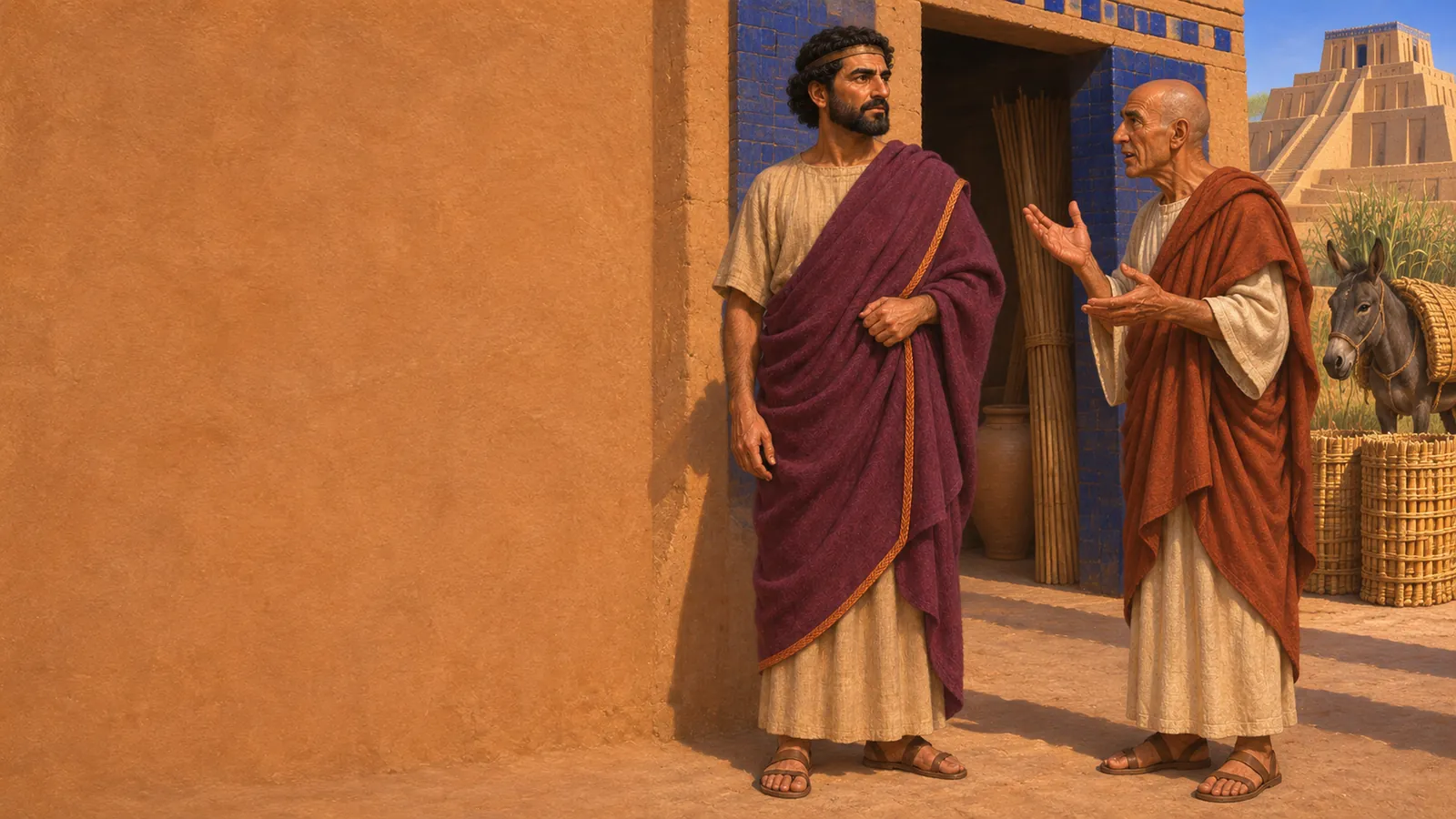
En-suhgir-ana, lord of Aratta, sets out to challenge Enmerkar. The singer describes the lord of Uruk in exalted terms, though several phrases are damaged.
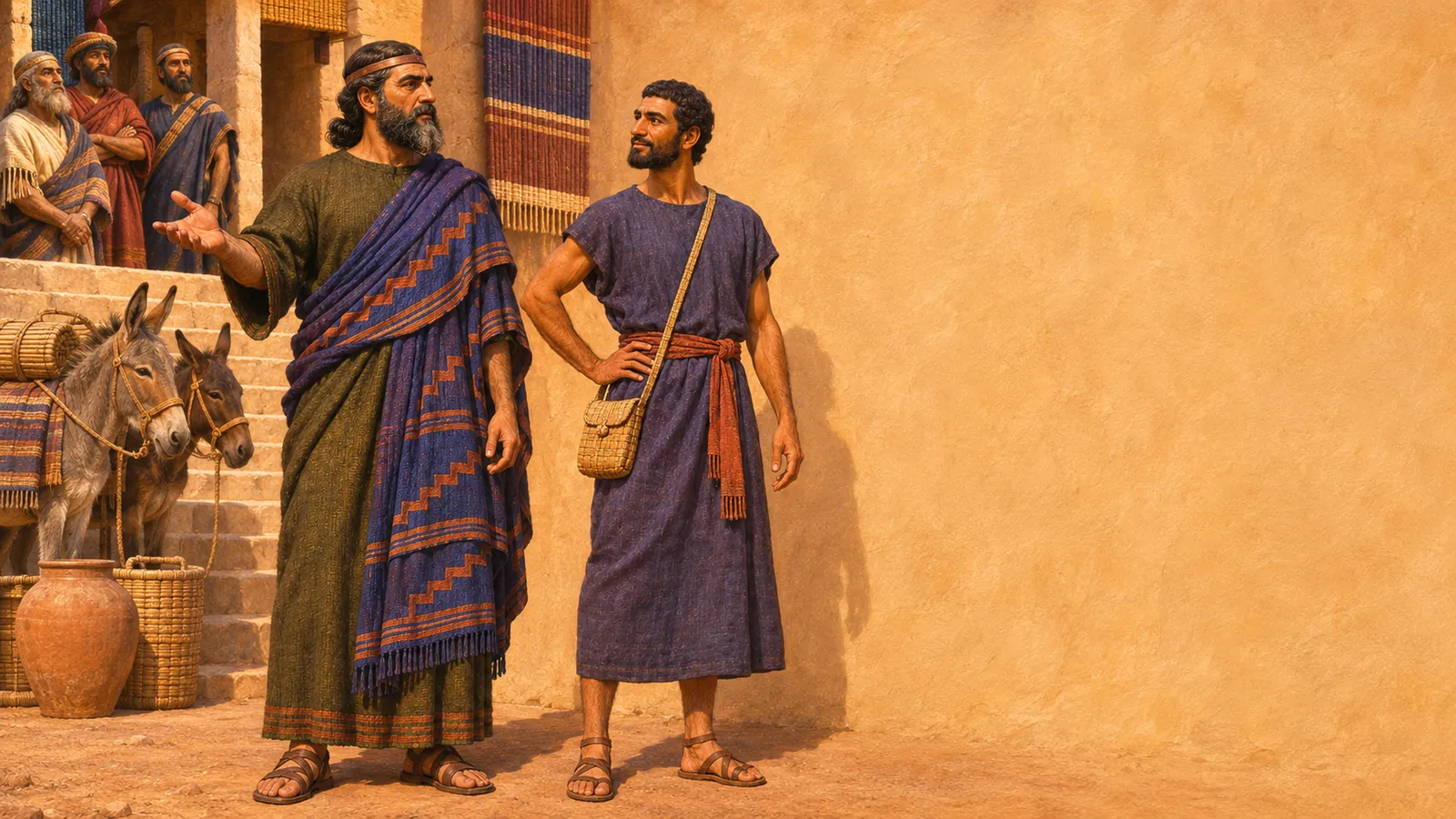
The lord of Aratta gives his courier an order for Uruk. He demands that Enmerkar yield and accept the yoke of his rule.
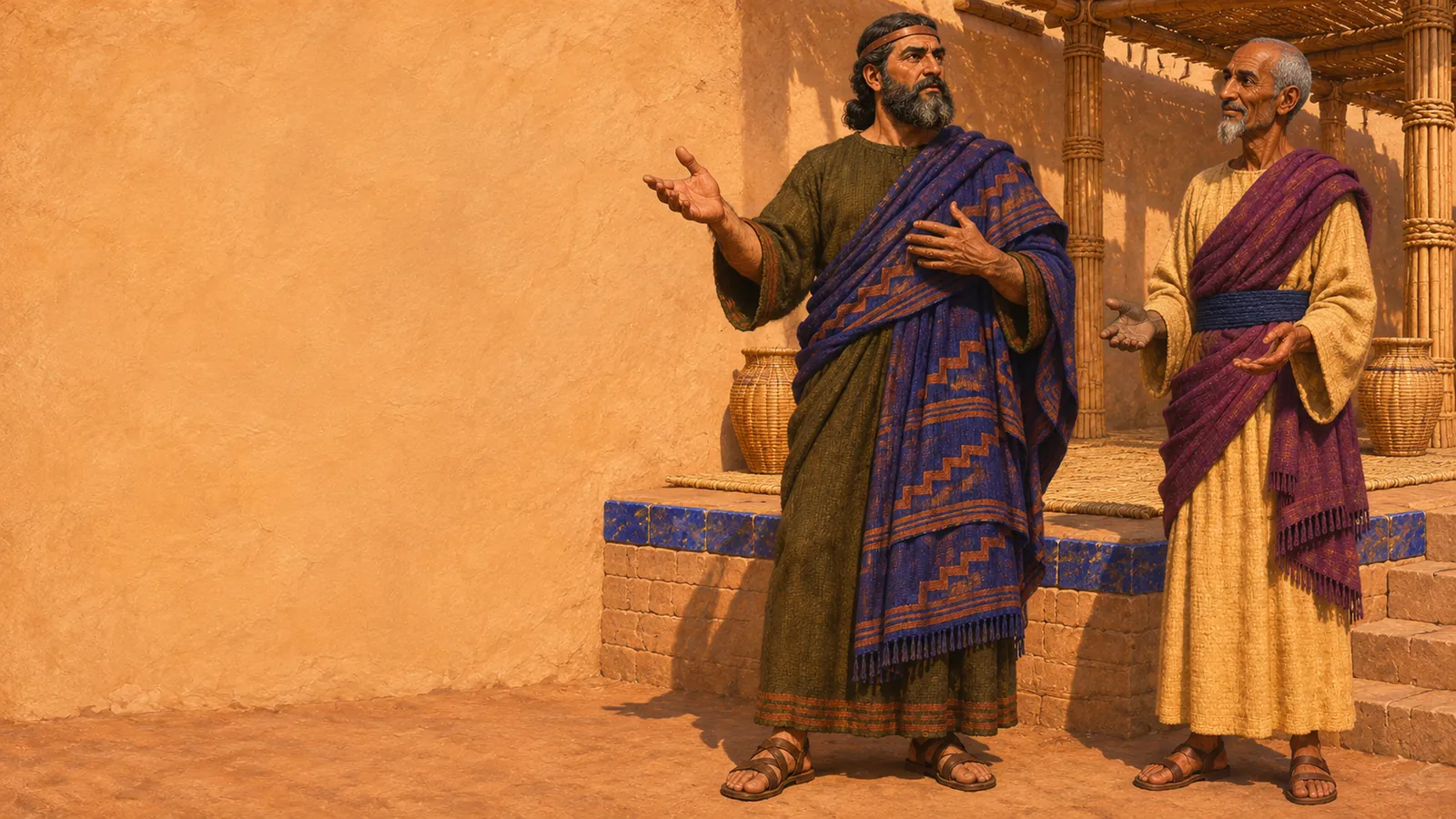
En-suhgir-ana claims to share Inanna’s company in Aratta’s E-zagin. He boasts that Enmerkar dreams of her while he himself speaks with her awake.
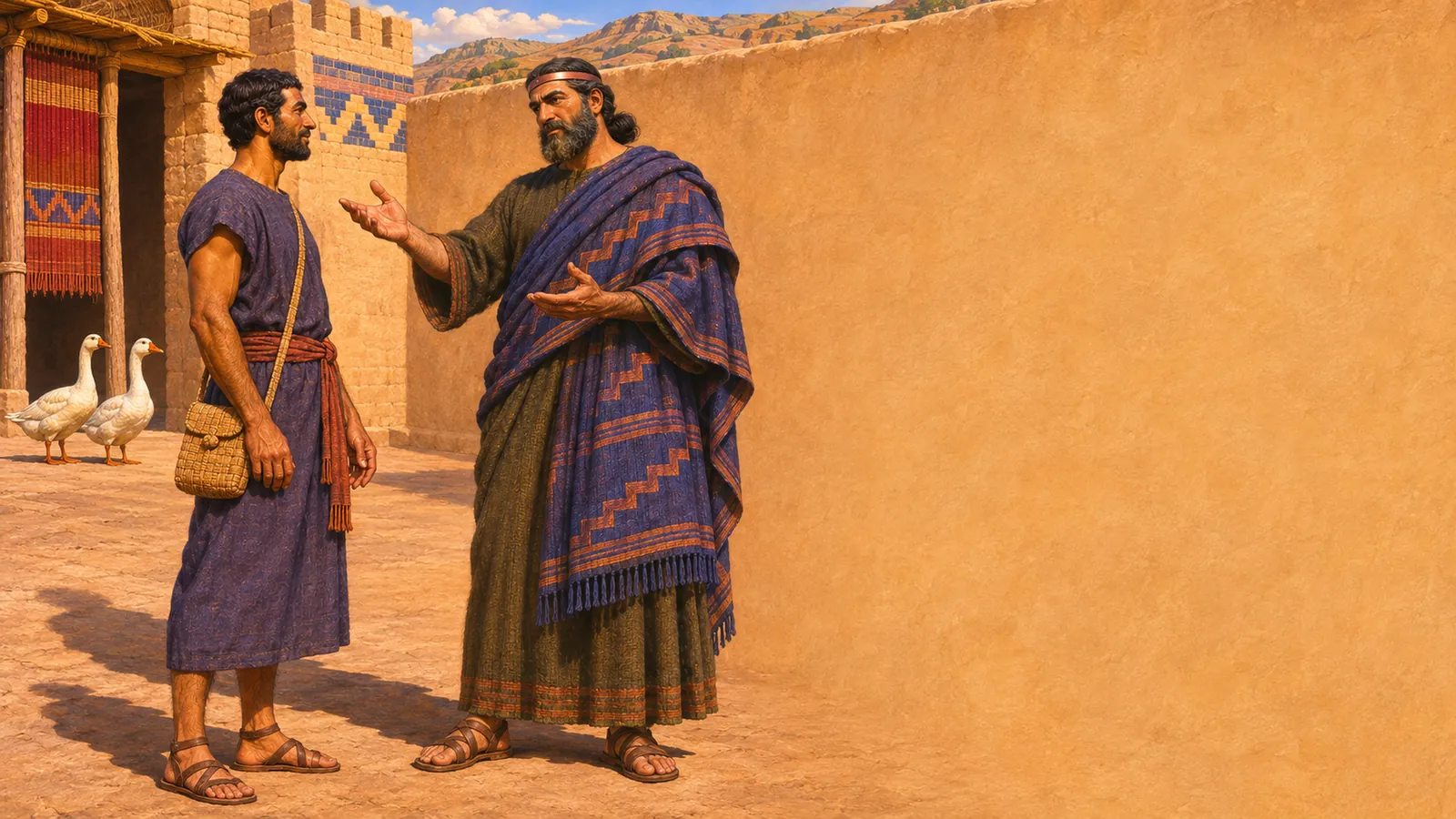
The speech turns to geese and an ensuing feast. The lord of Aratta speaks of sharing what remains with rulers who have yielded to him.
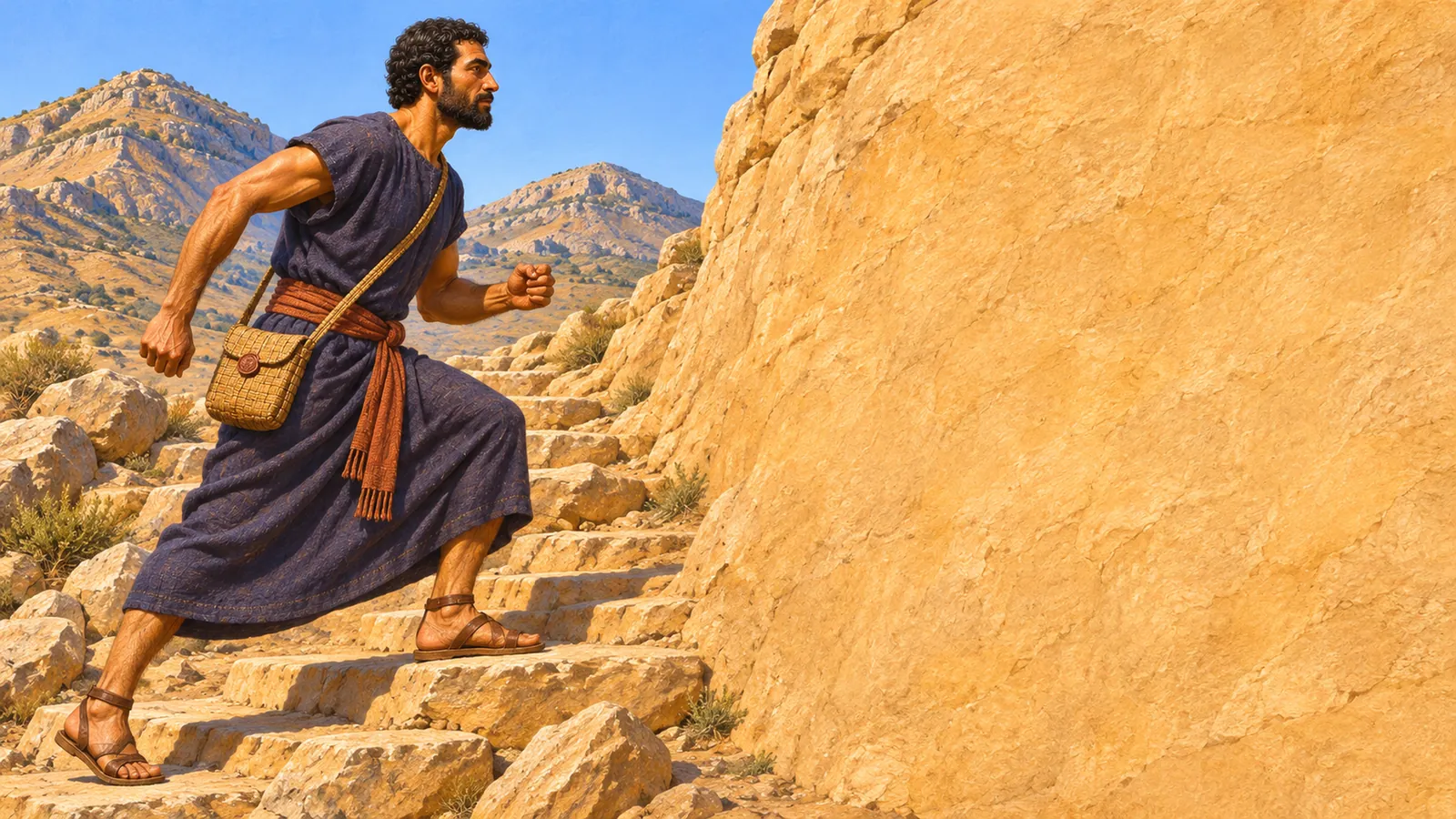
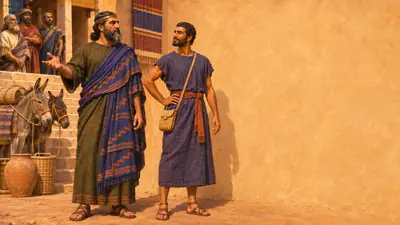
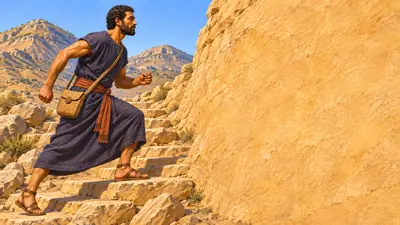
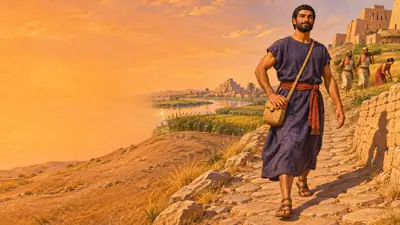
The courier crosses the highlands at remarkable speed. The singer compares him to a wild ram and a falcon as he moves through the mountains.
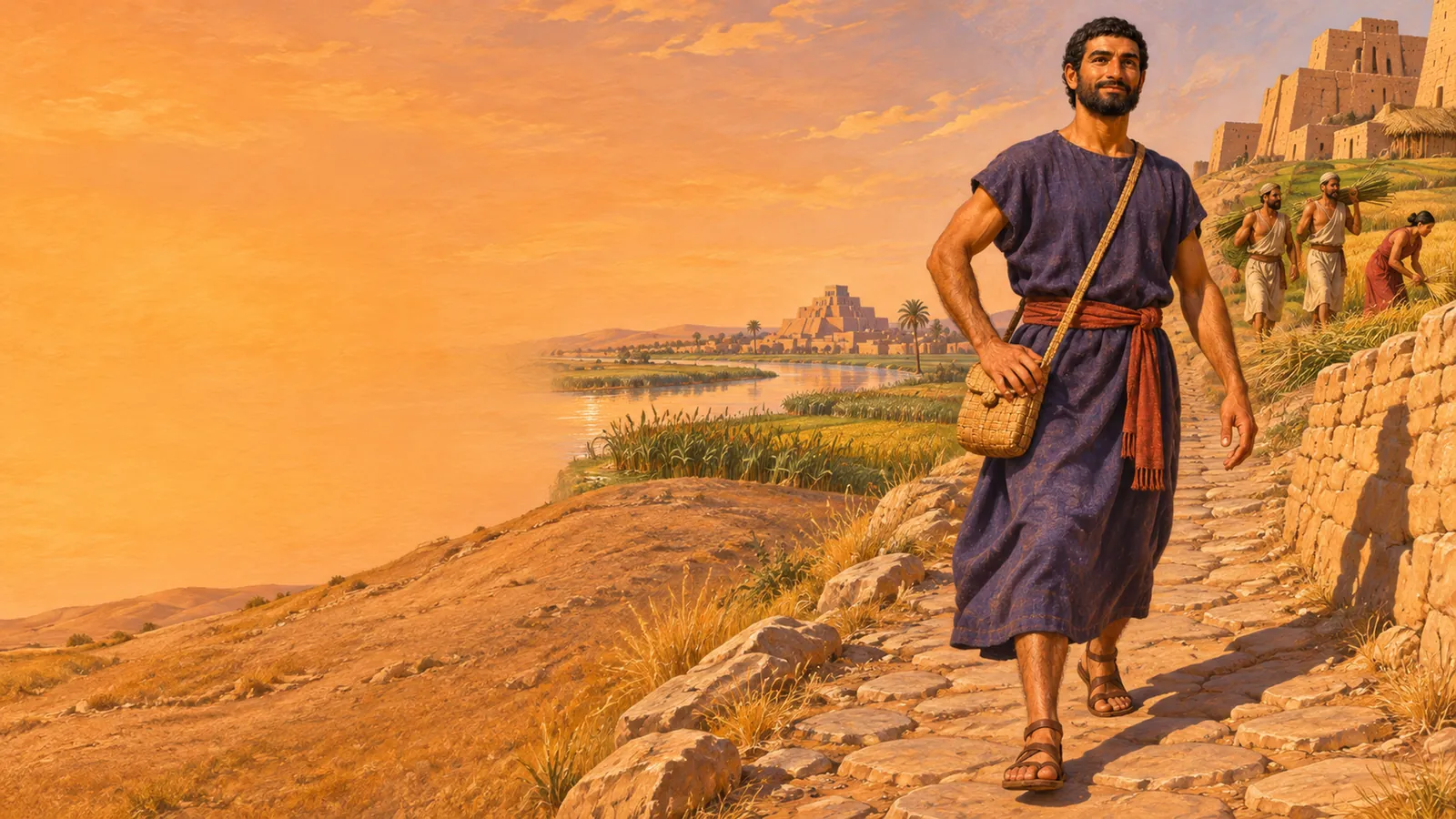
Morning and dusk mark the courier’s speed. In the singer’s comparisons he dashes like a powerful donkey and races like a wolf with its prey.
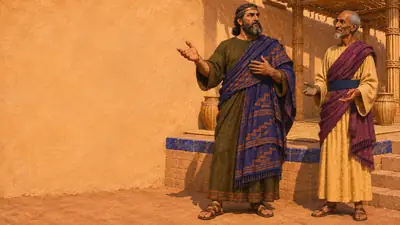
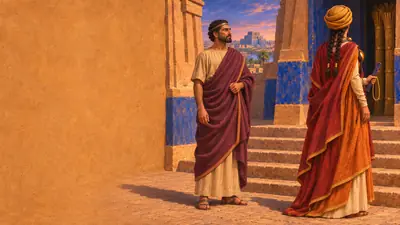
The courier enters Enmerkar’s presence in a sacred place. Some copies name the gipar, while another describes it as the most holy place.
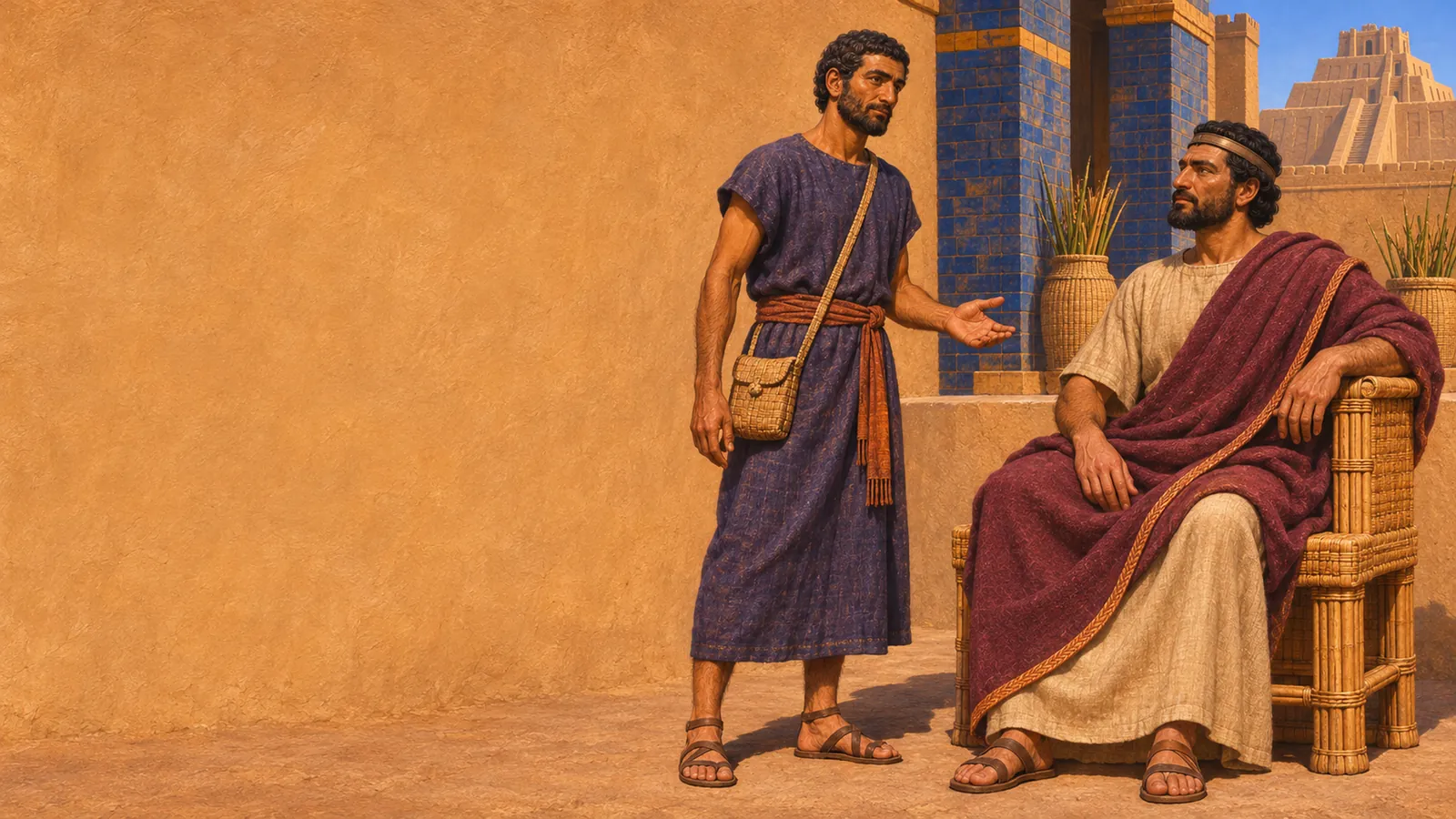
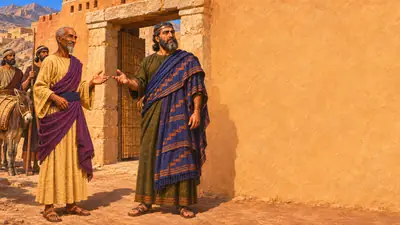
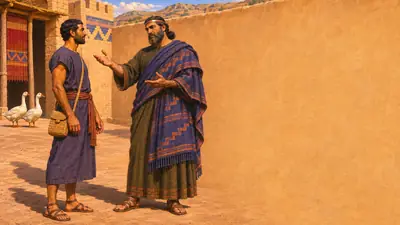
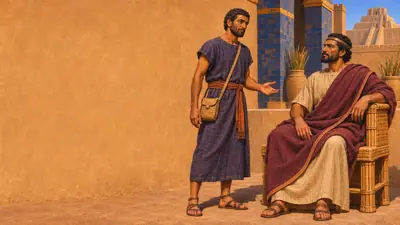
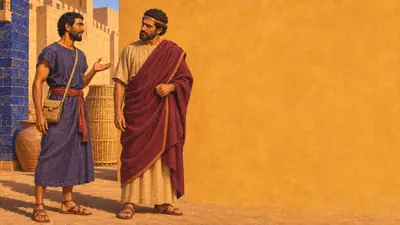
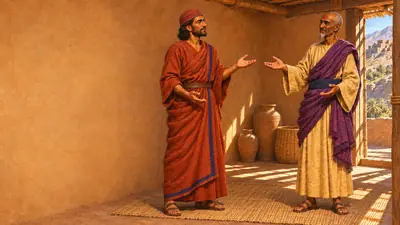
The messenger names En-suhgir-ana of Aratta as the lord who sent him. In some copies, Enmerkar asks him directly what his lord has to say.
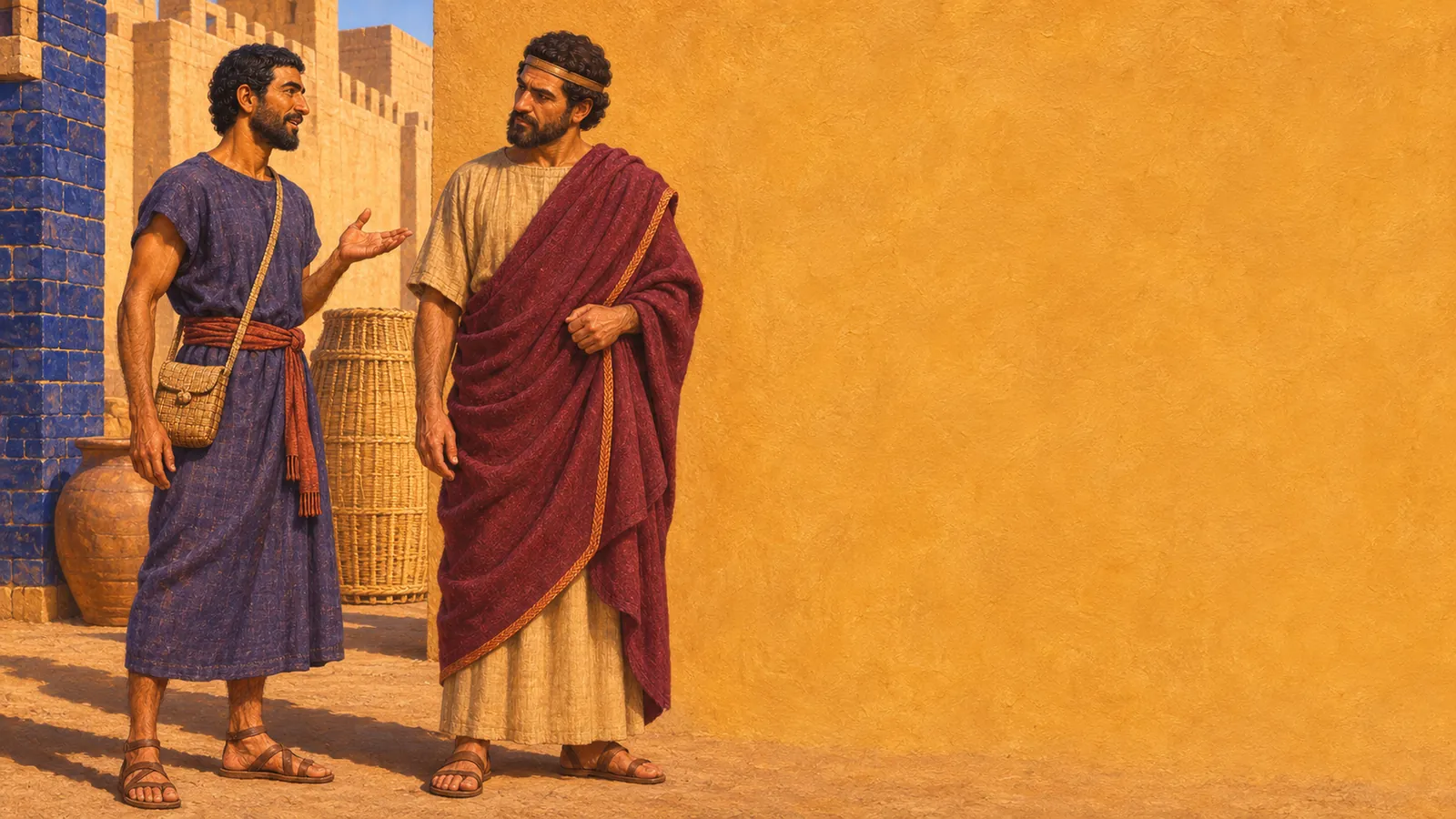
The courier repeats the demand for submission. He delivers his lord’s boasts about Inanna, her shrine in Aratta, and a feast for loyal rulers.
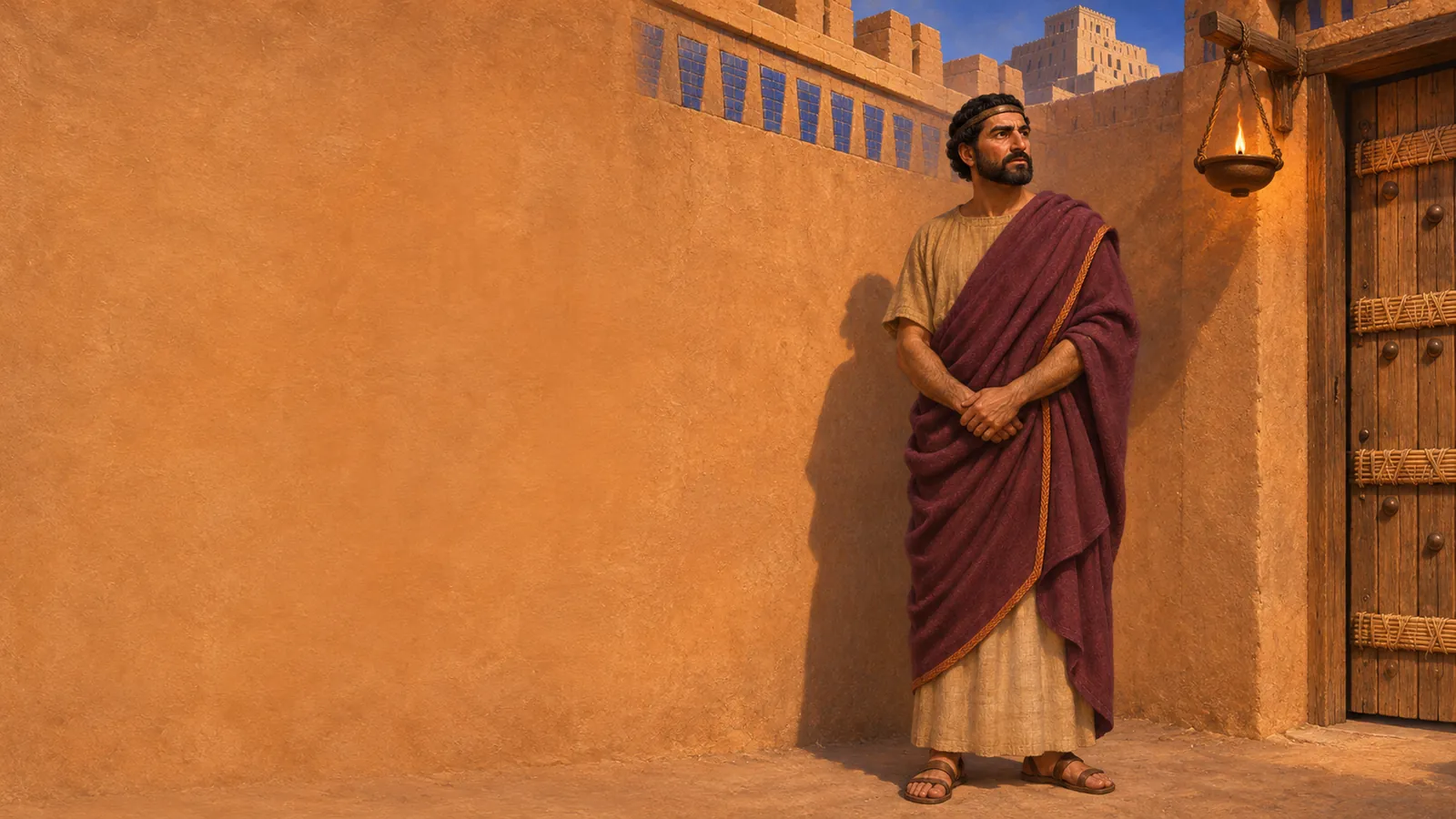
The next lines are damaged. Images of a rudder, a falcon and a bird net survive as the poem turns toward the lord of Uruk.
THE REPLY
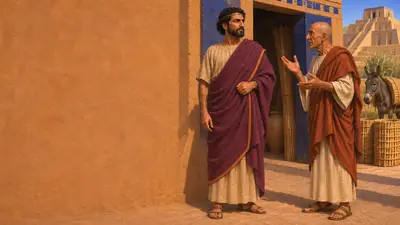
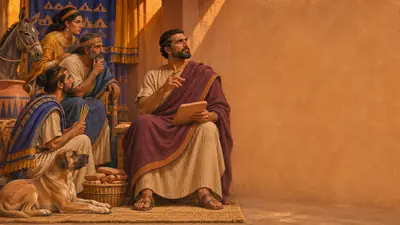
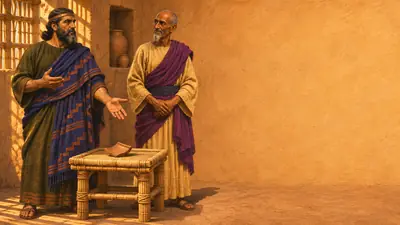
Enmerkar weighs the message. The singer likens his care to examining a clay tablet, then gives him a reply as bold as his rival’s.
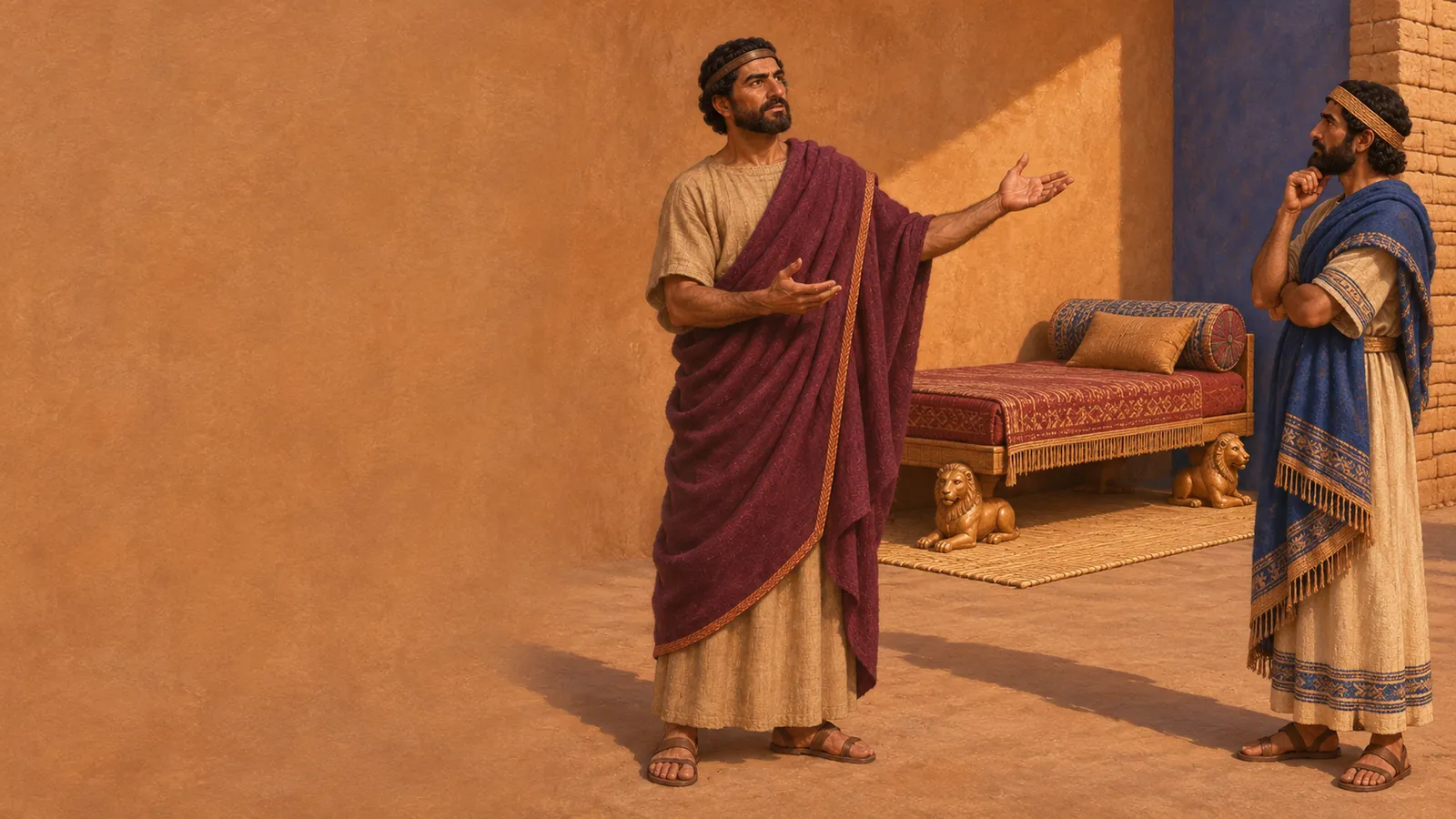
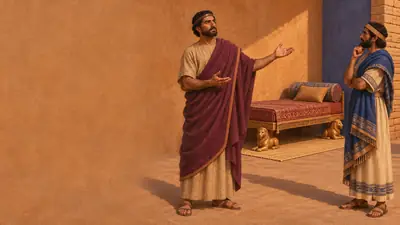
Enmerkar claims a place with Inanna on a splendid bed strewn with plants. Lions adorn both ends, and his speech imagines them chasing each other.
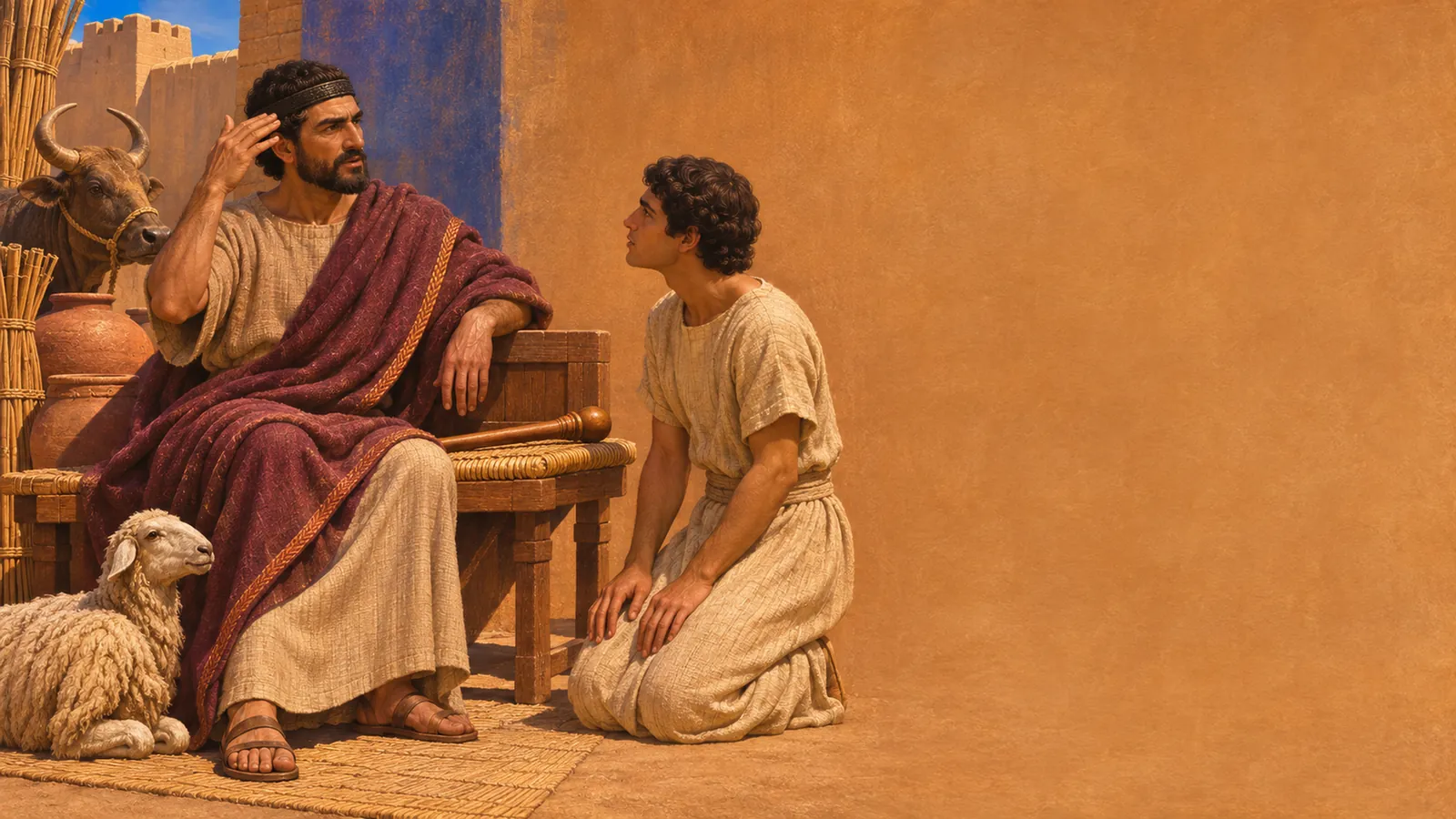
He claims the crown and sceptre from Enlil. He also describes Ninurta holding him and Aruru nursing him as signs of divine favour.
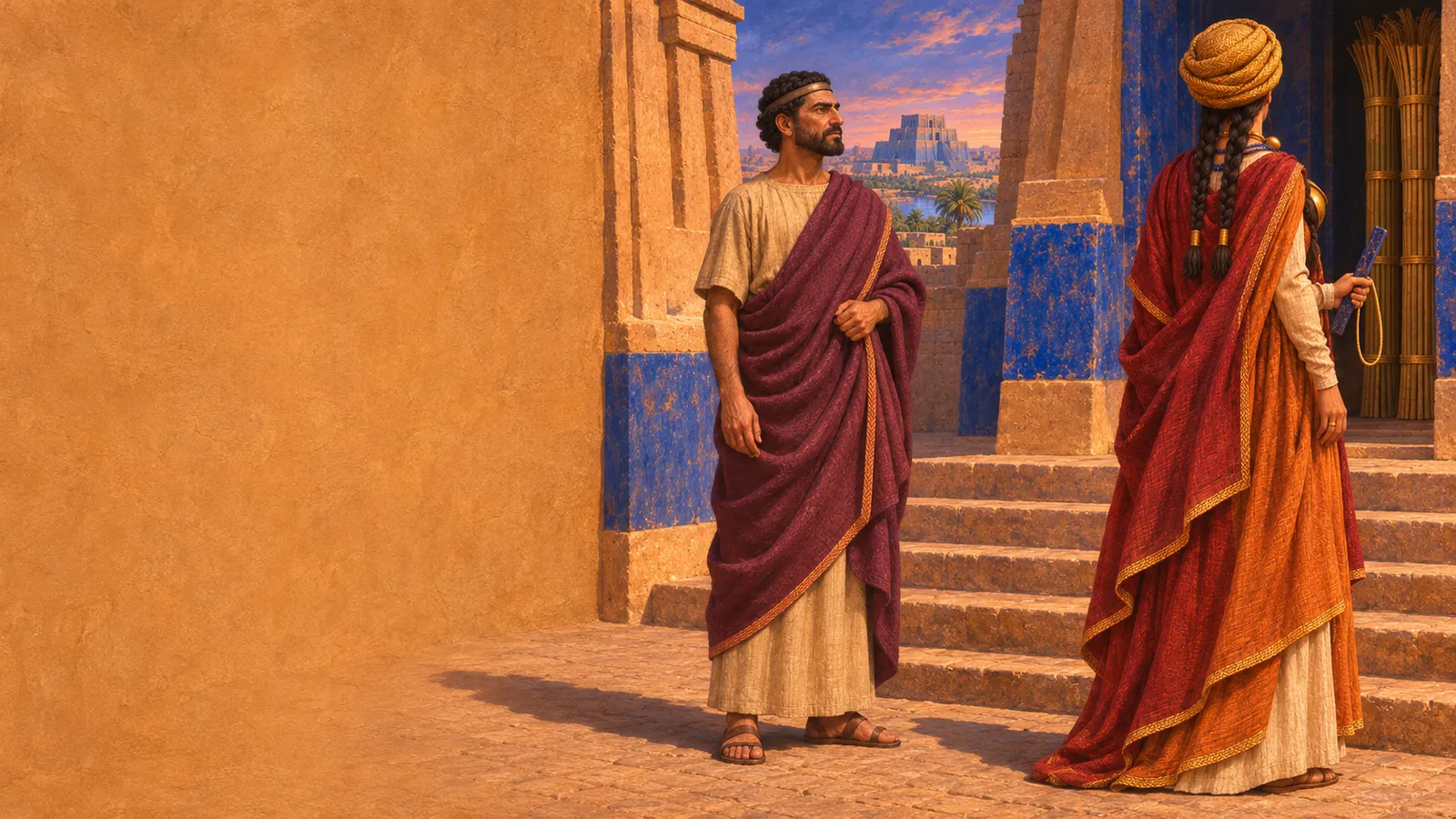
In Enmerkar’s reply, Uruk is the city where Inanna lives. He says the lady of E-ana has made her intention to stay known to him.
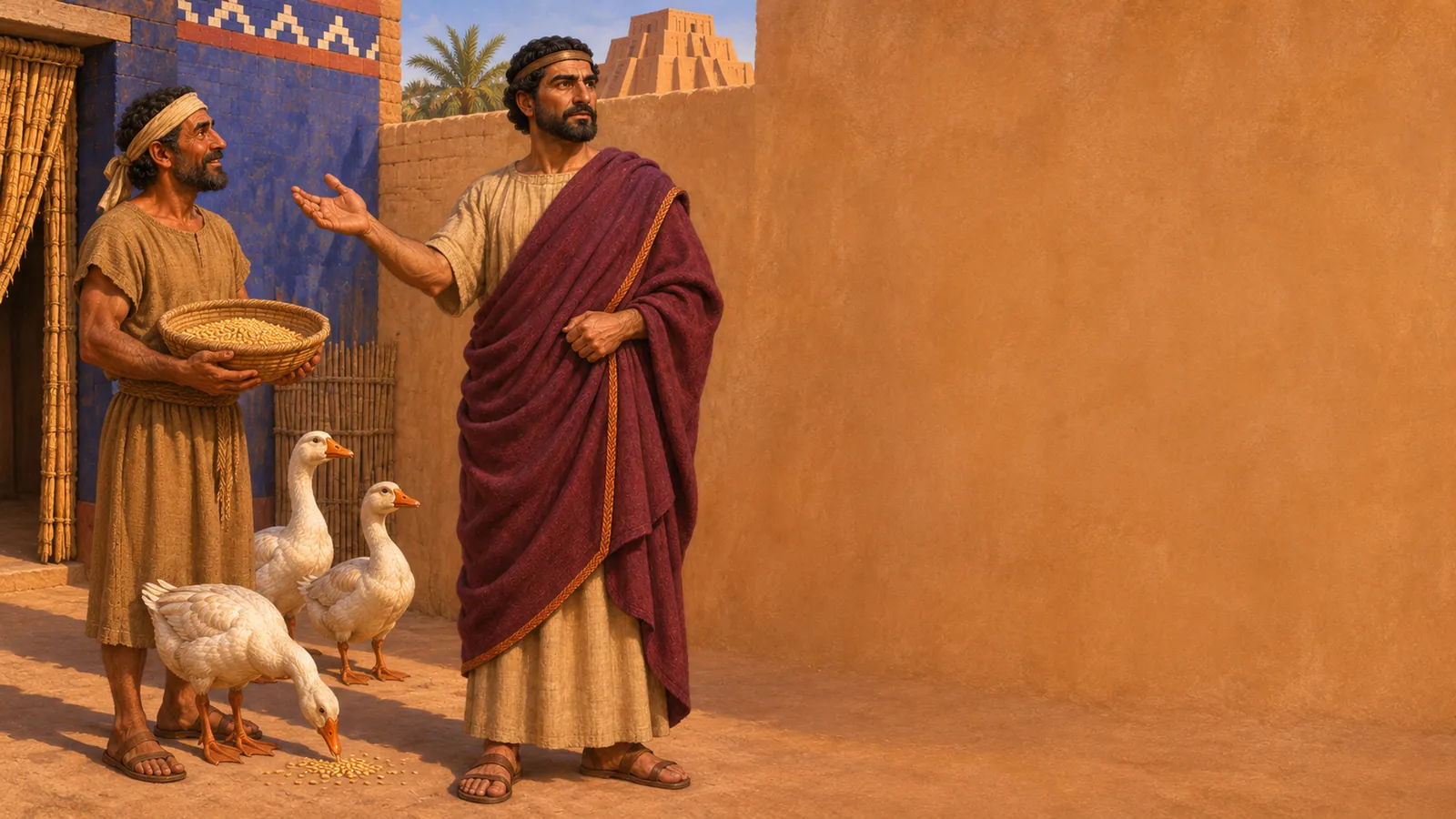
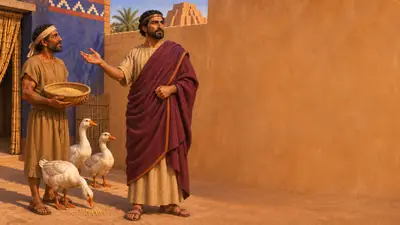
Enmerkar says he will feed the geese barley. He turns the feast imagery against his rival and imagines rulers dining beside him.
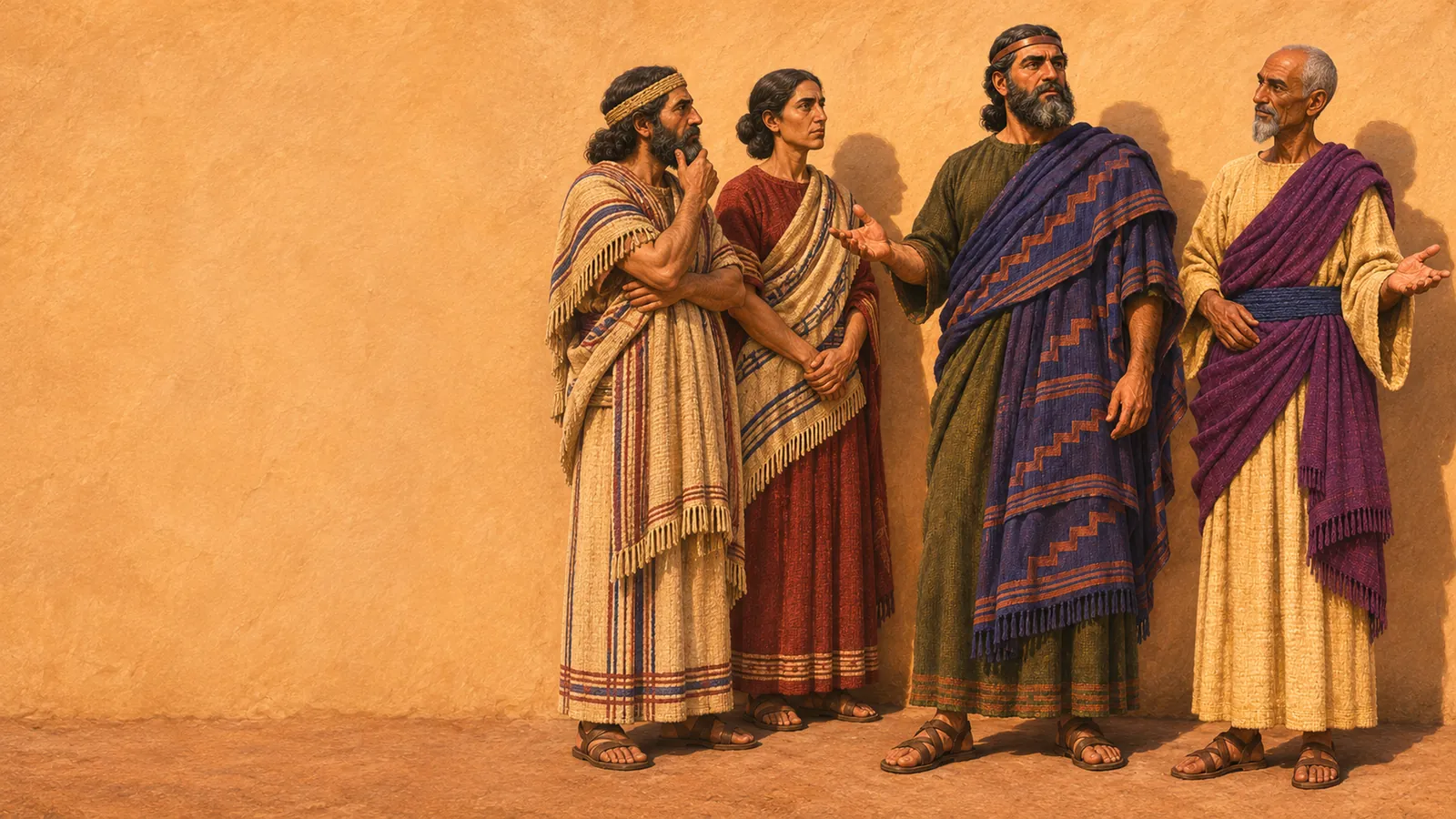
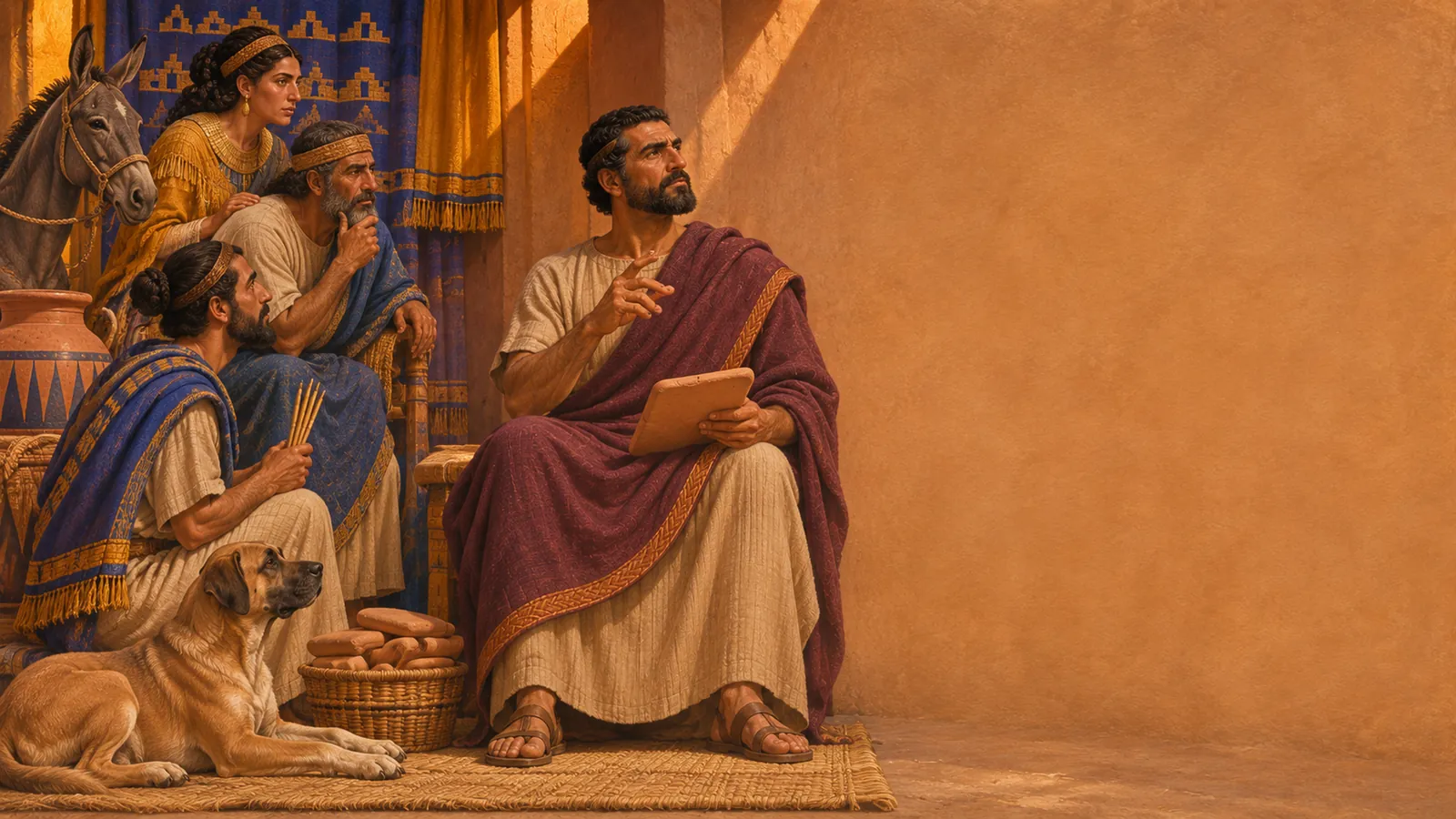
Enmerkar’s answer reaches Aratta. Its lord convenes priests and attendants, then compares his defeat in words to a bull beaten by the bull of Uruk.
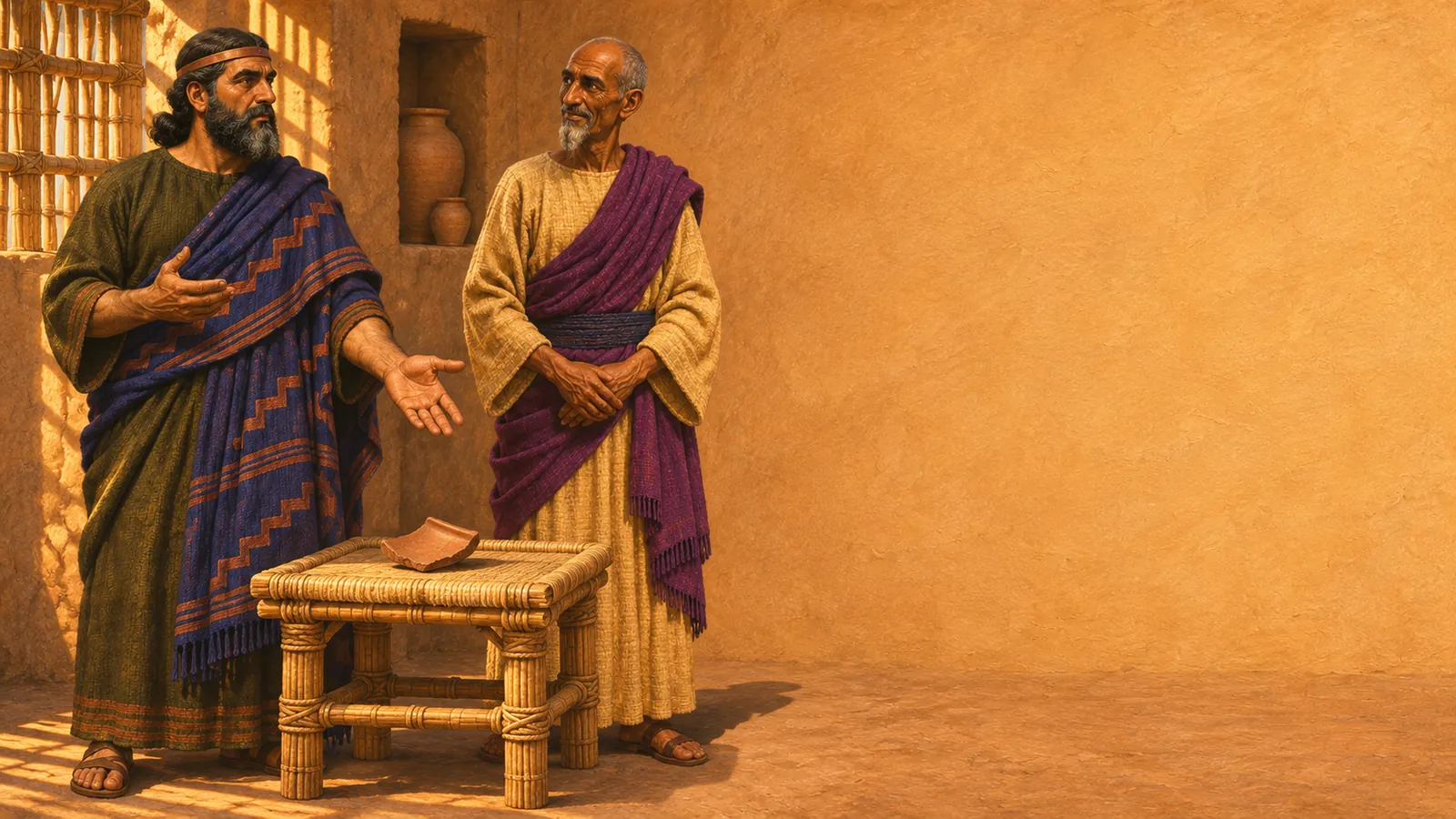
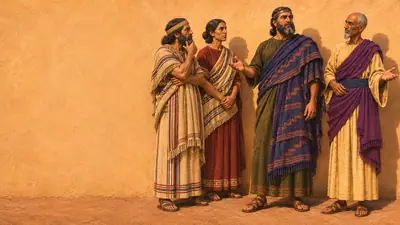
The council urges him to calm down. The lord would sooner become a potsherd in the ruins of his city than yield to Enmerkar.
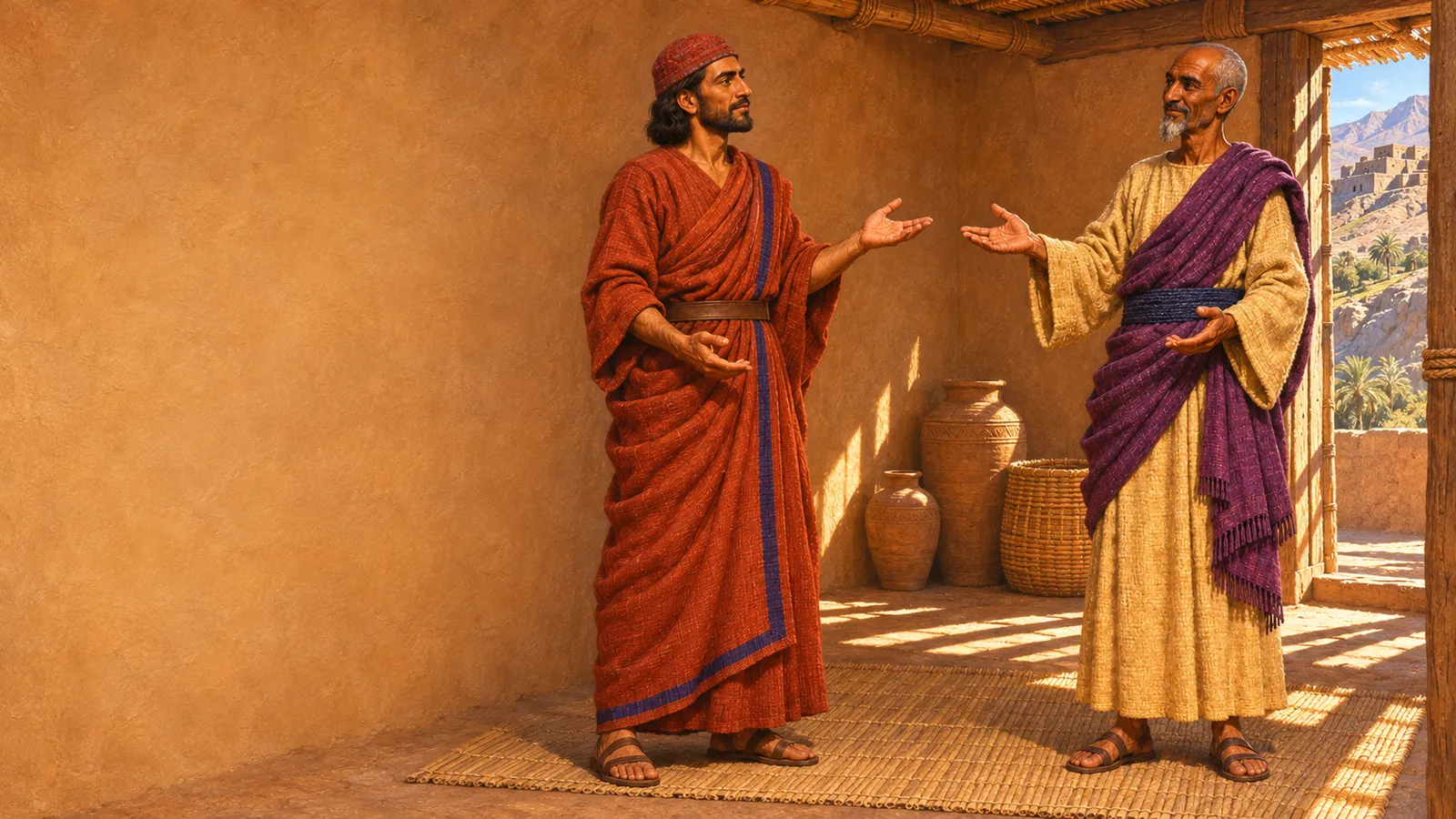
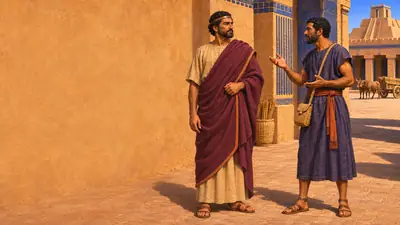
Ur-girinuna came to Aratta after the destruction of Hamazu. The poem introduces him as skilled in sorcery, and he takes a proposal to Ansiga-ria.
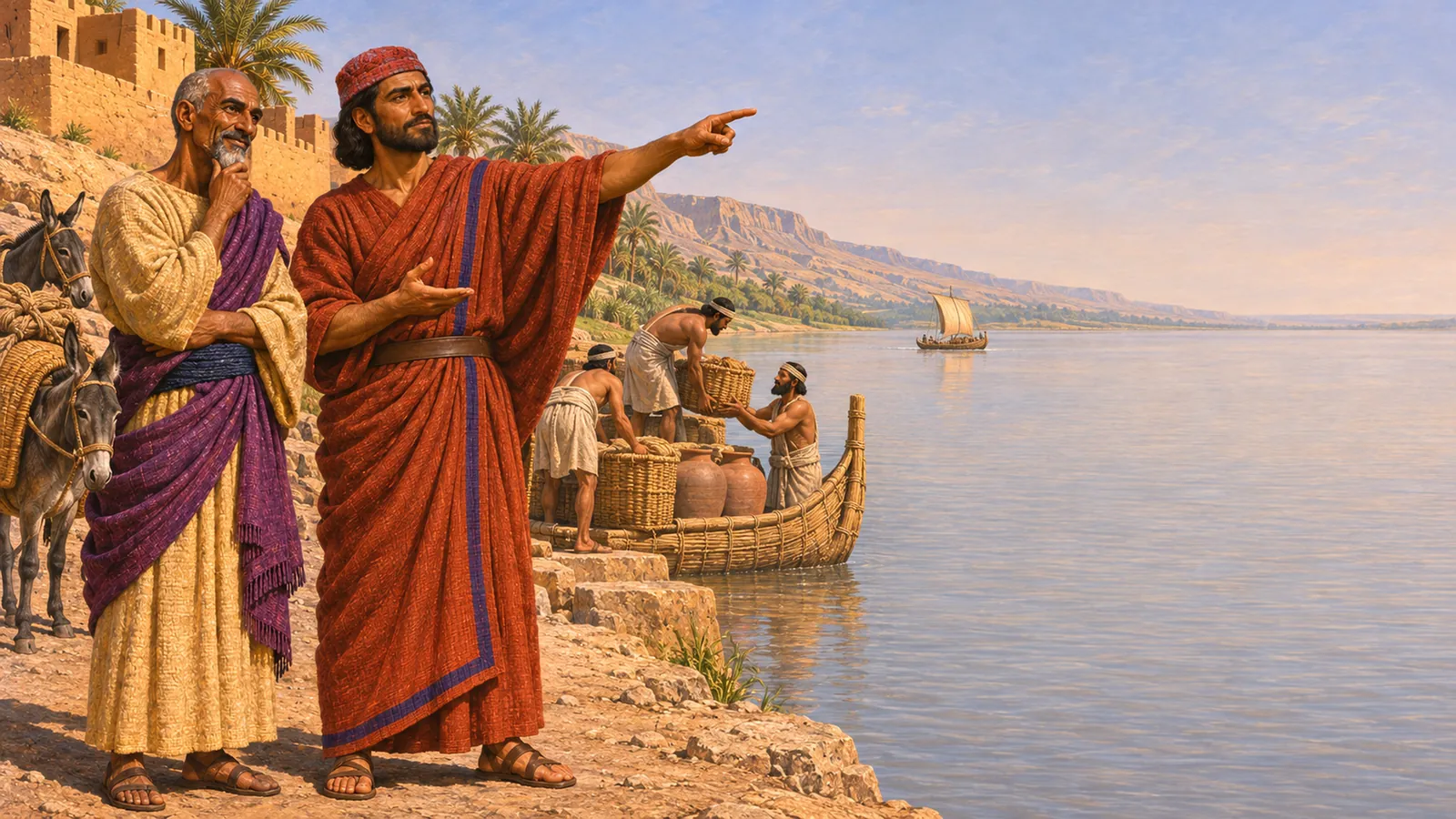
The sorcerer promises control over Uruk and its canals. He pictures boats bringing Uruk’s own goods to the shrine of Aratta.
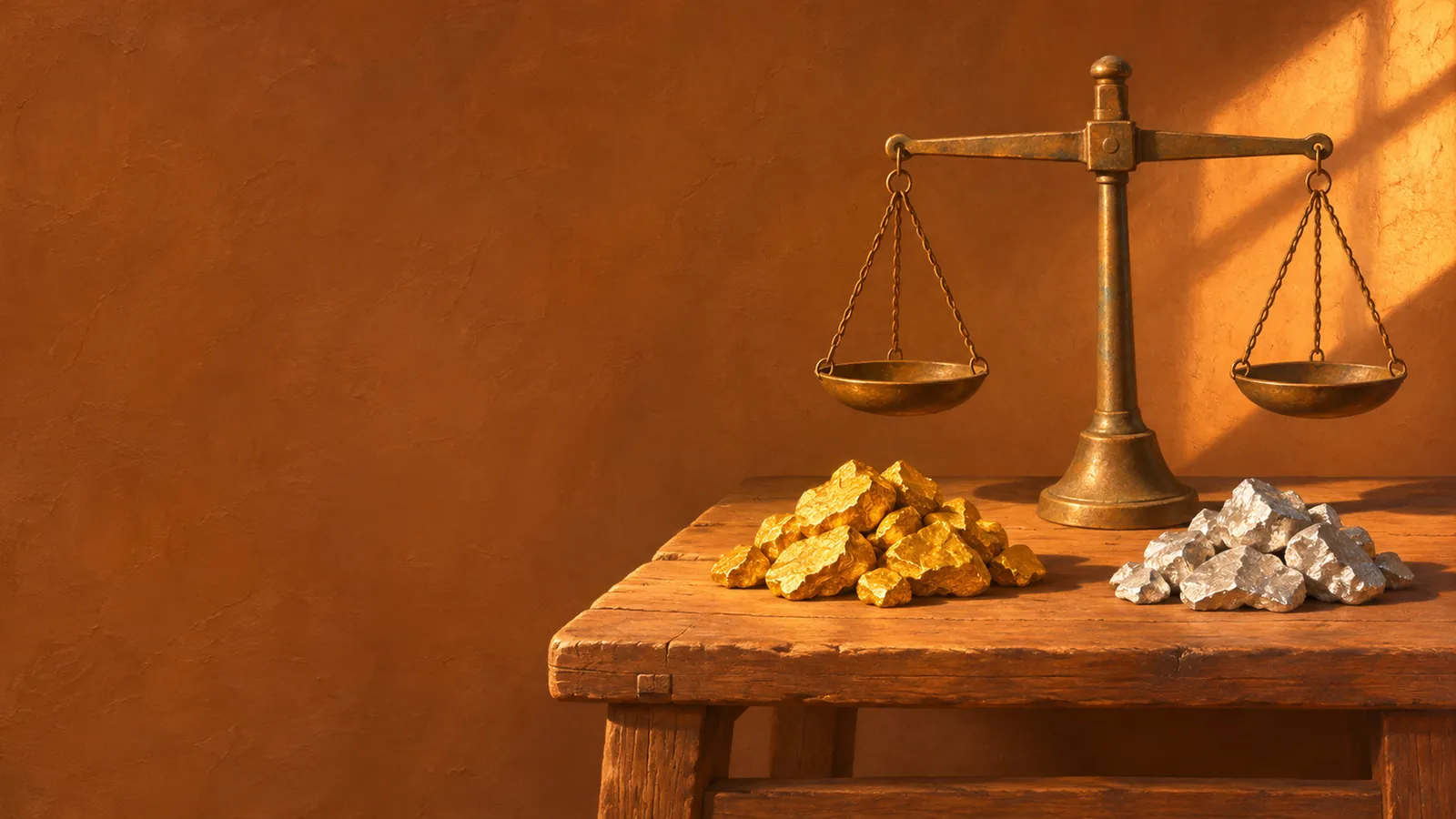
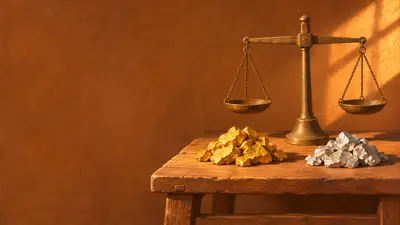
The proposal pleases the lord of Aratta. He gives the sorcerer five minas of gold and five of silver, both weighed quantities.
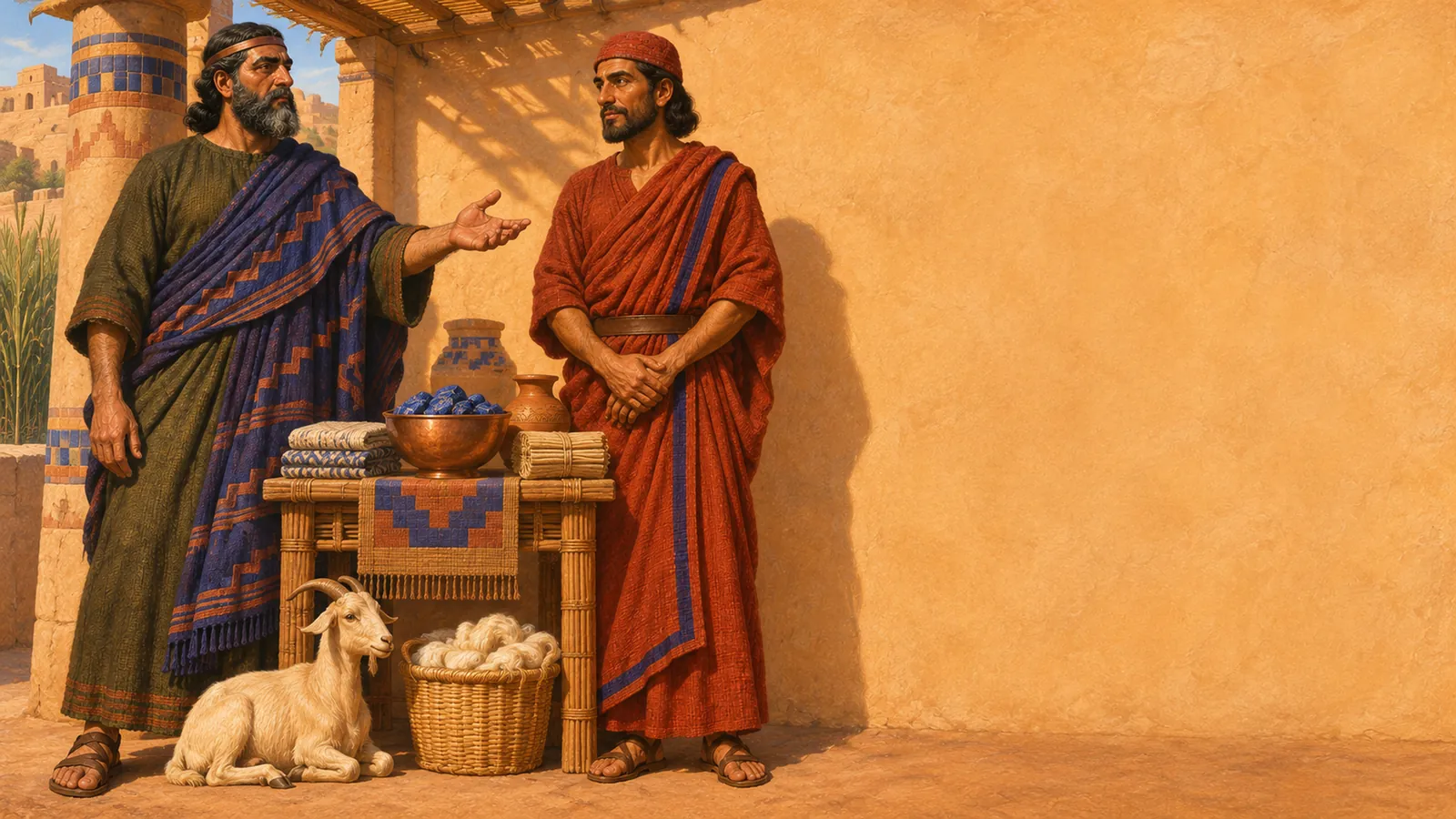
The lord promises the sorcerer fine food and drink. The speech anticipates taking captives, but the final words of the promise are damaged.
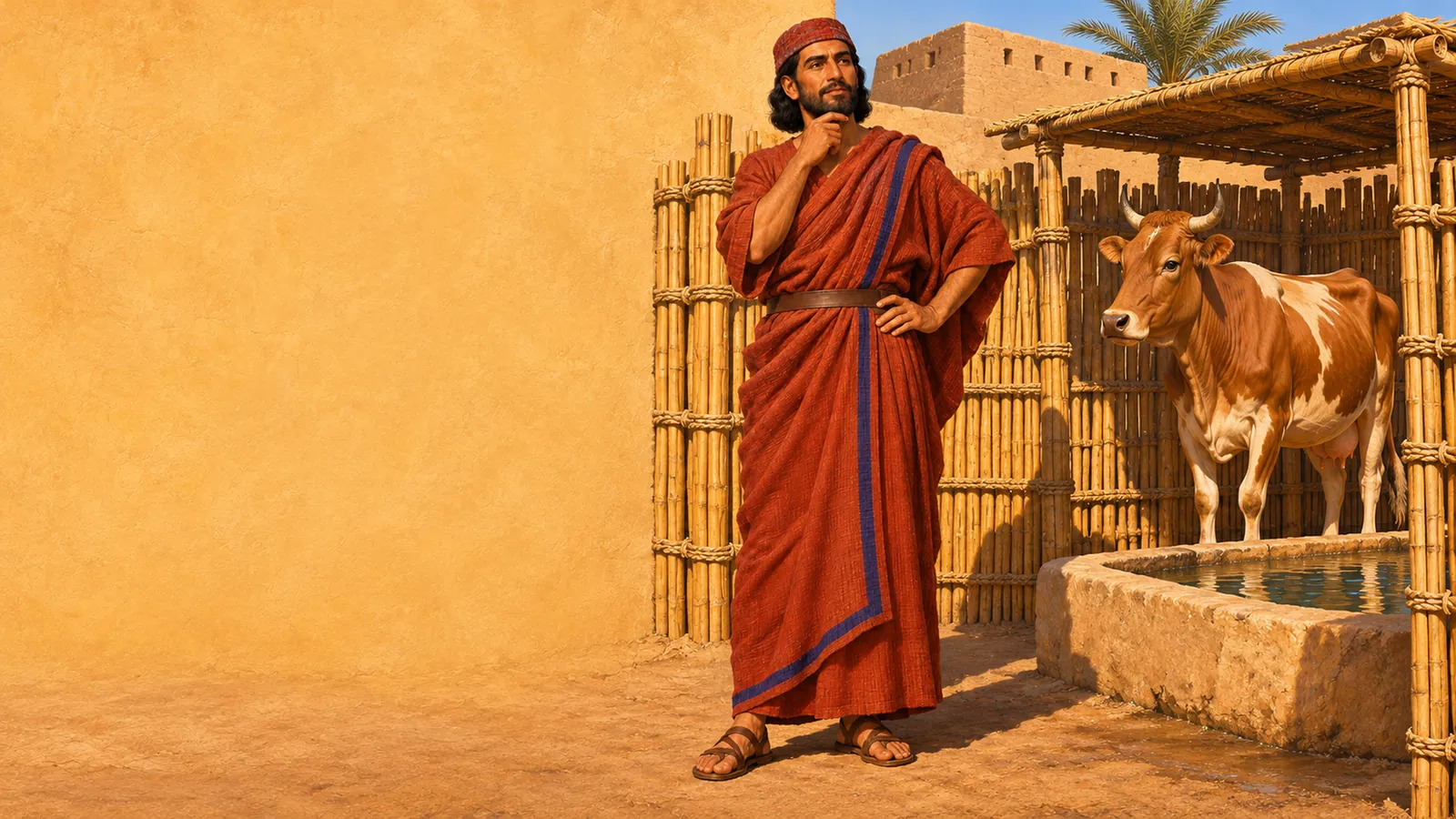
ERESH
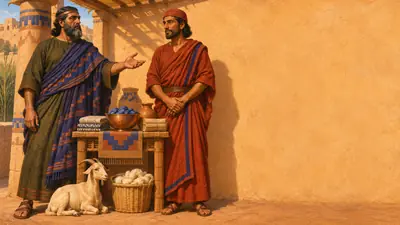
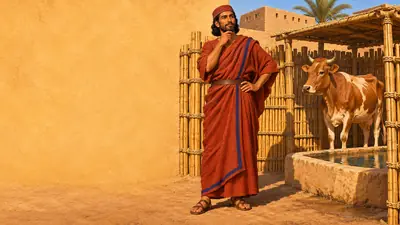
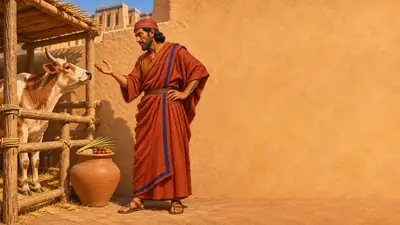
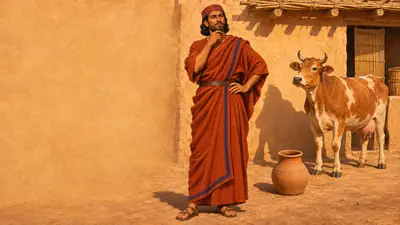
Ur-girinuna travels to Eresh, the city of Nisaba. He comes to the cattle pen, where the poem says a cow trembles at his arrival.
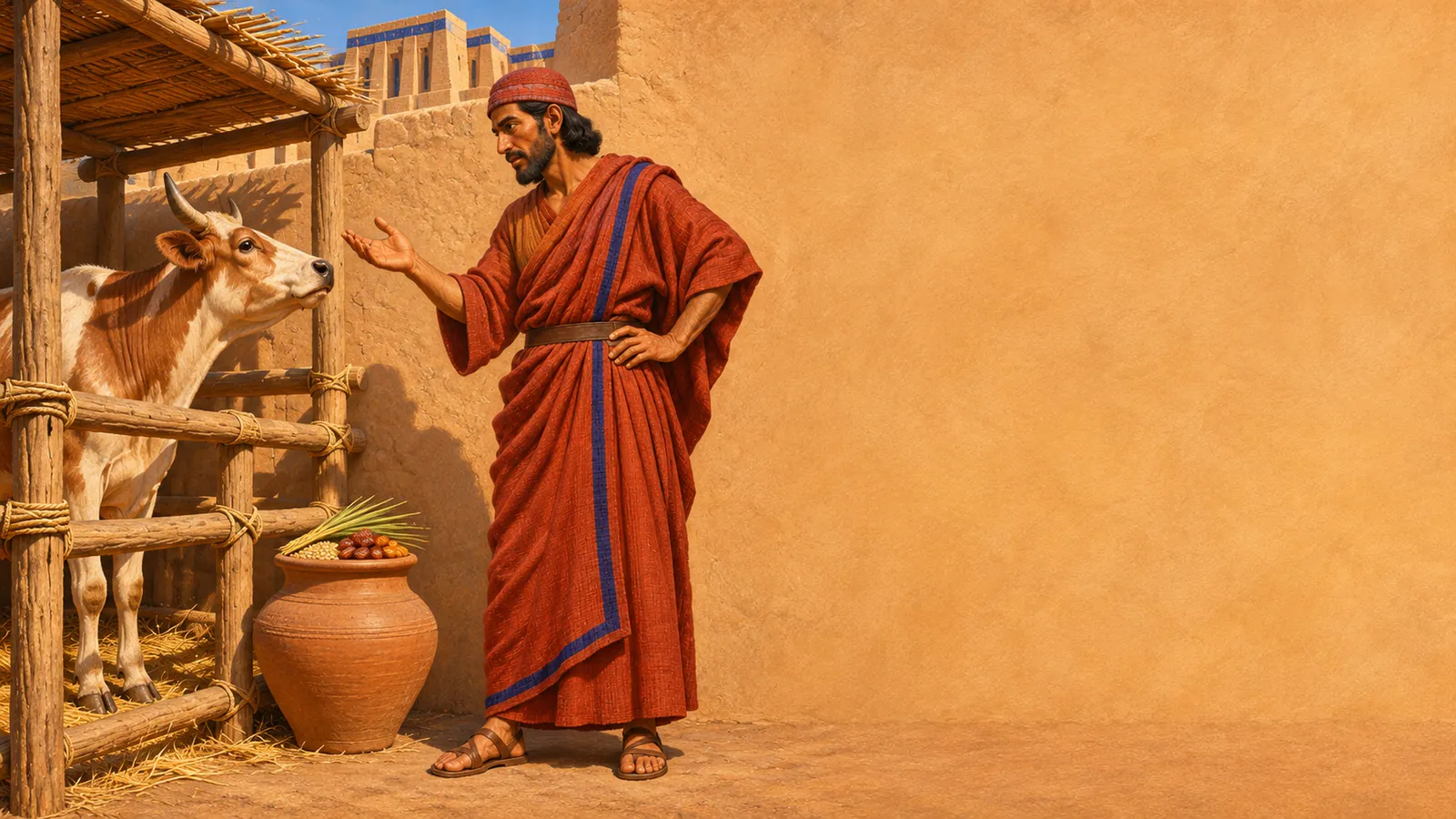
The sorcerer makes the cow speak like a person. She says her milk, butter and cheese are meant for Nisaba’s table.
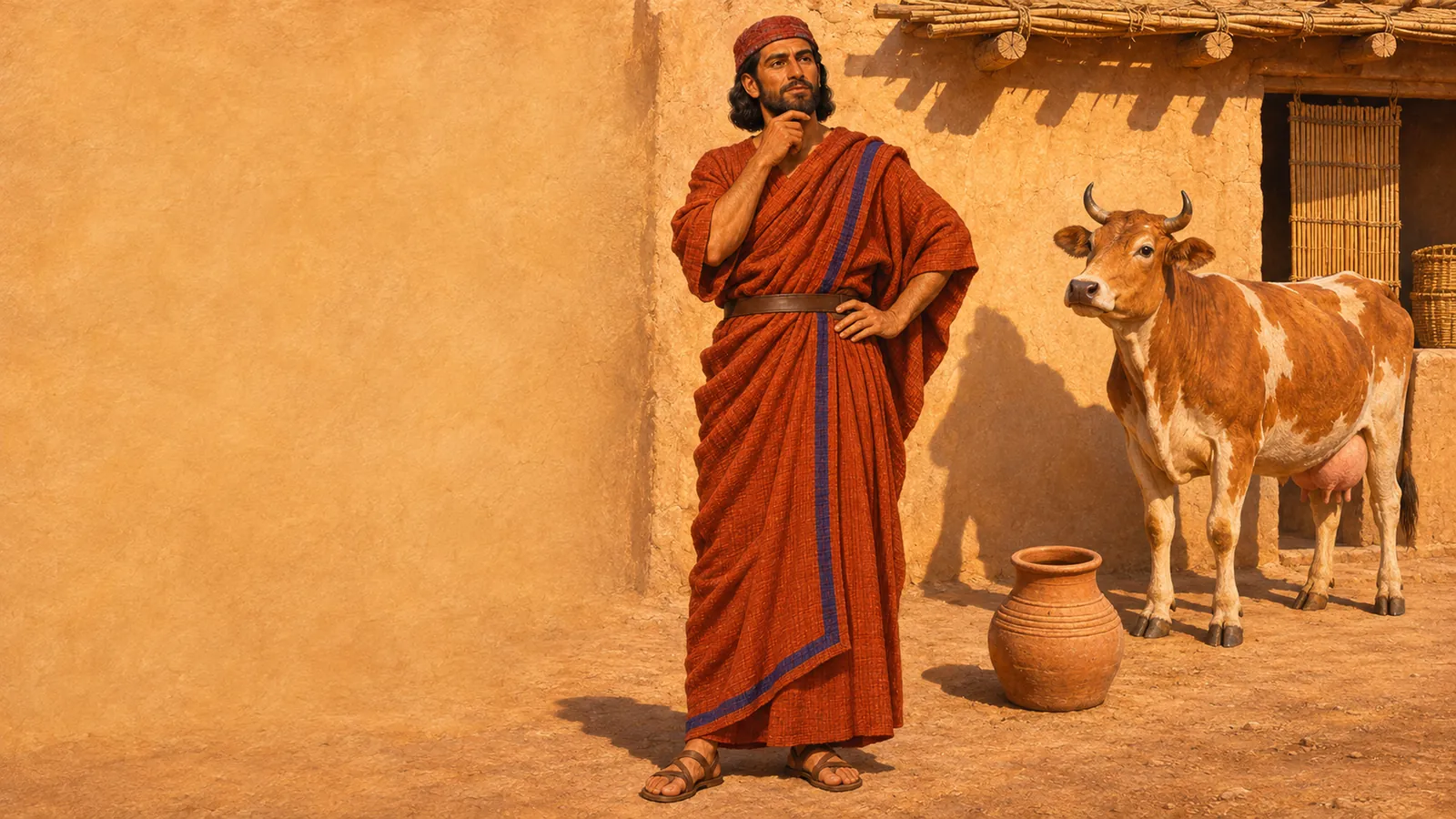
The cow links the offering to Nisaba’s levy on the people. The sorcerer tells her to send her butter to her horn and milk to her back.
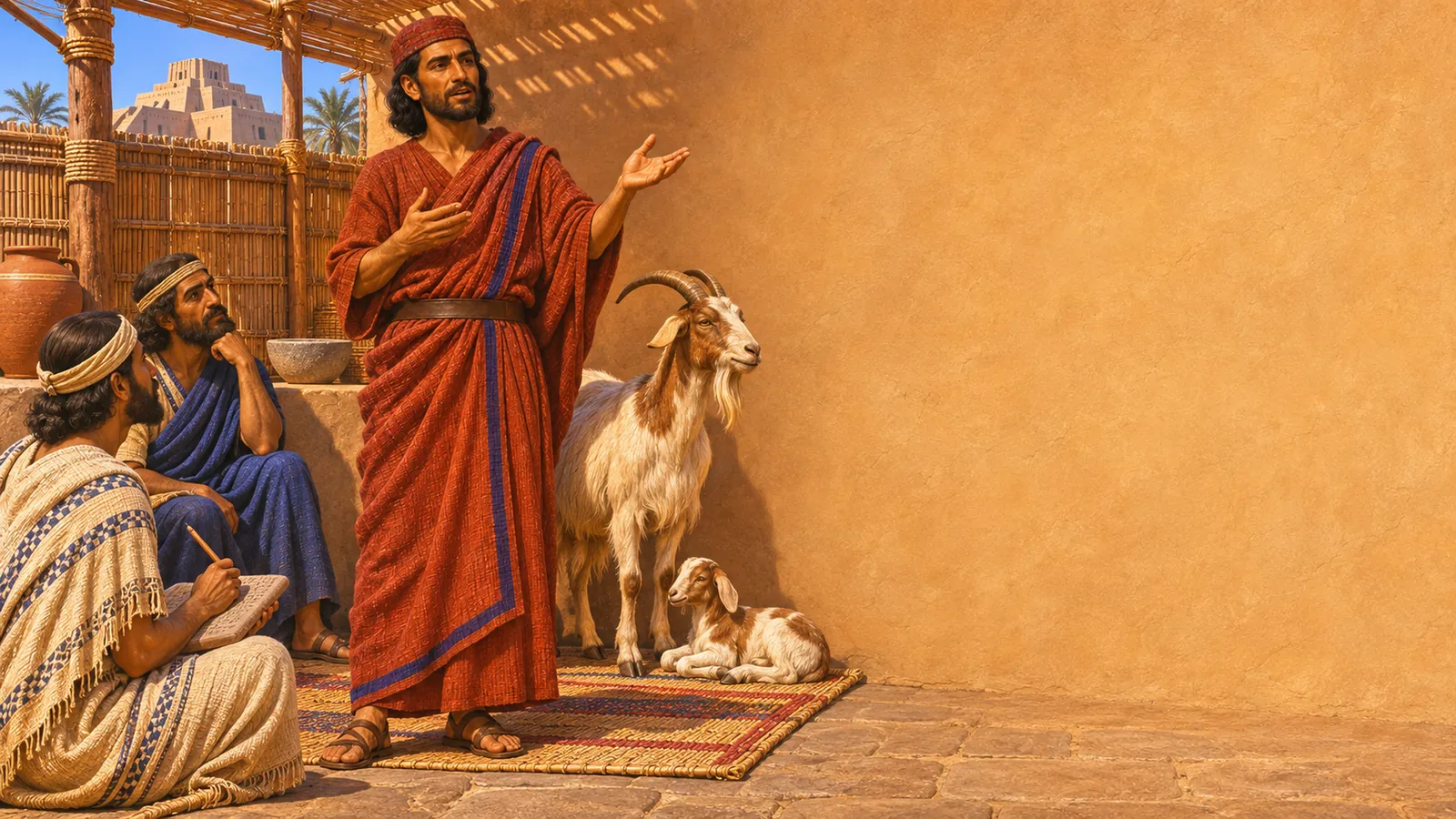
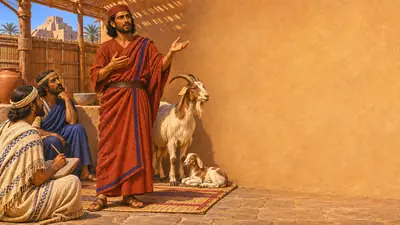
The sorcerer makes a goat answer the same questions. She too names Nisaba as the recipient, and the sorcerer turns away her milk.
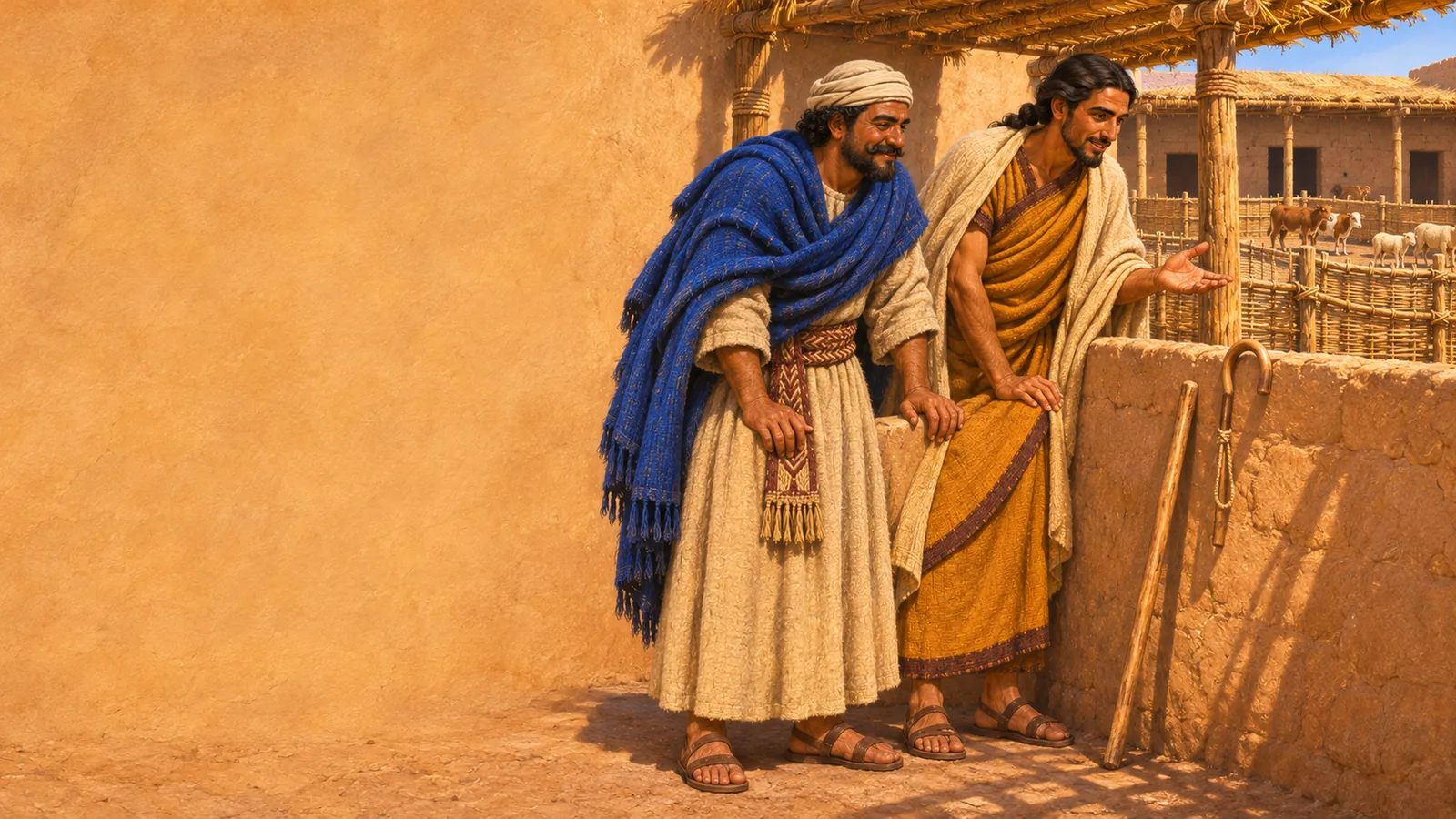
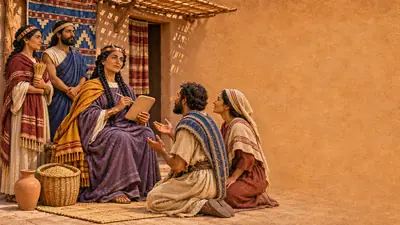
The cowherd lets his staff fall in shock, and the shepherd weeps. The pens where the brothers grew up have fallen silent.
There is no milk for the calf or the kid, and their hunger fills the verse. The sacred churn stands empty.
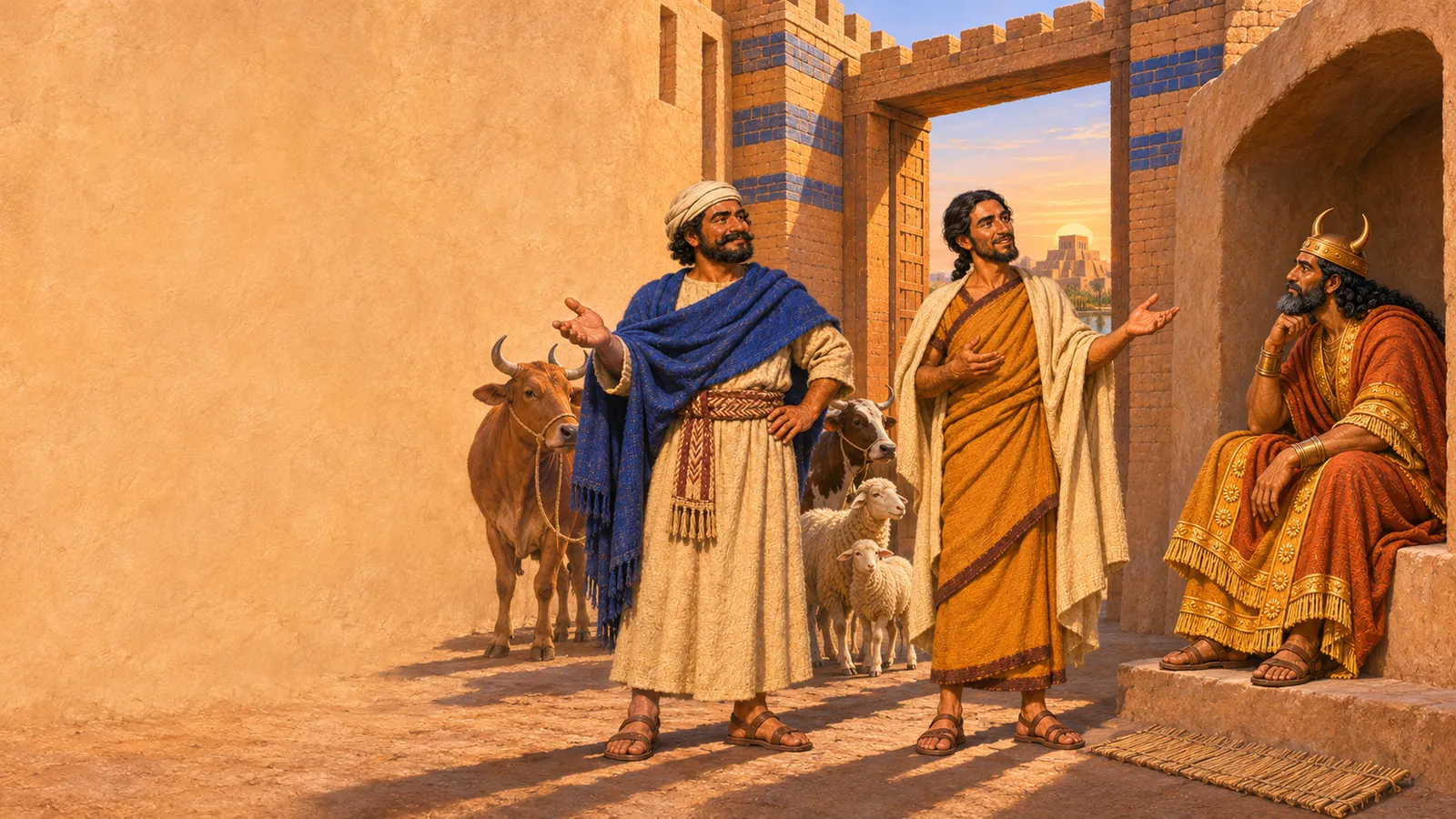
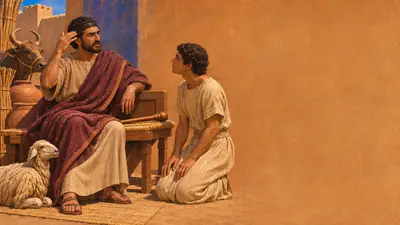
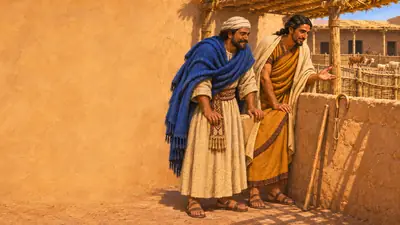
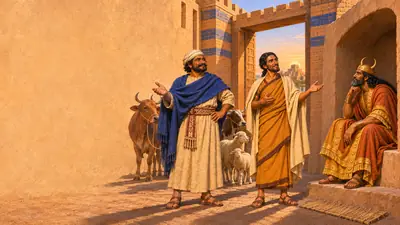
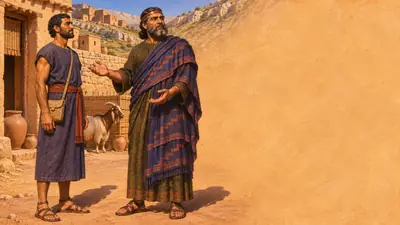
Mash-gula and Ur-edina appeal to Utu at the gate that faces sunrise. They tell him what the sorcerer from Aratta did to the herds.
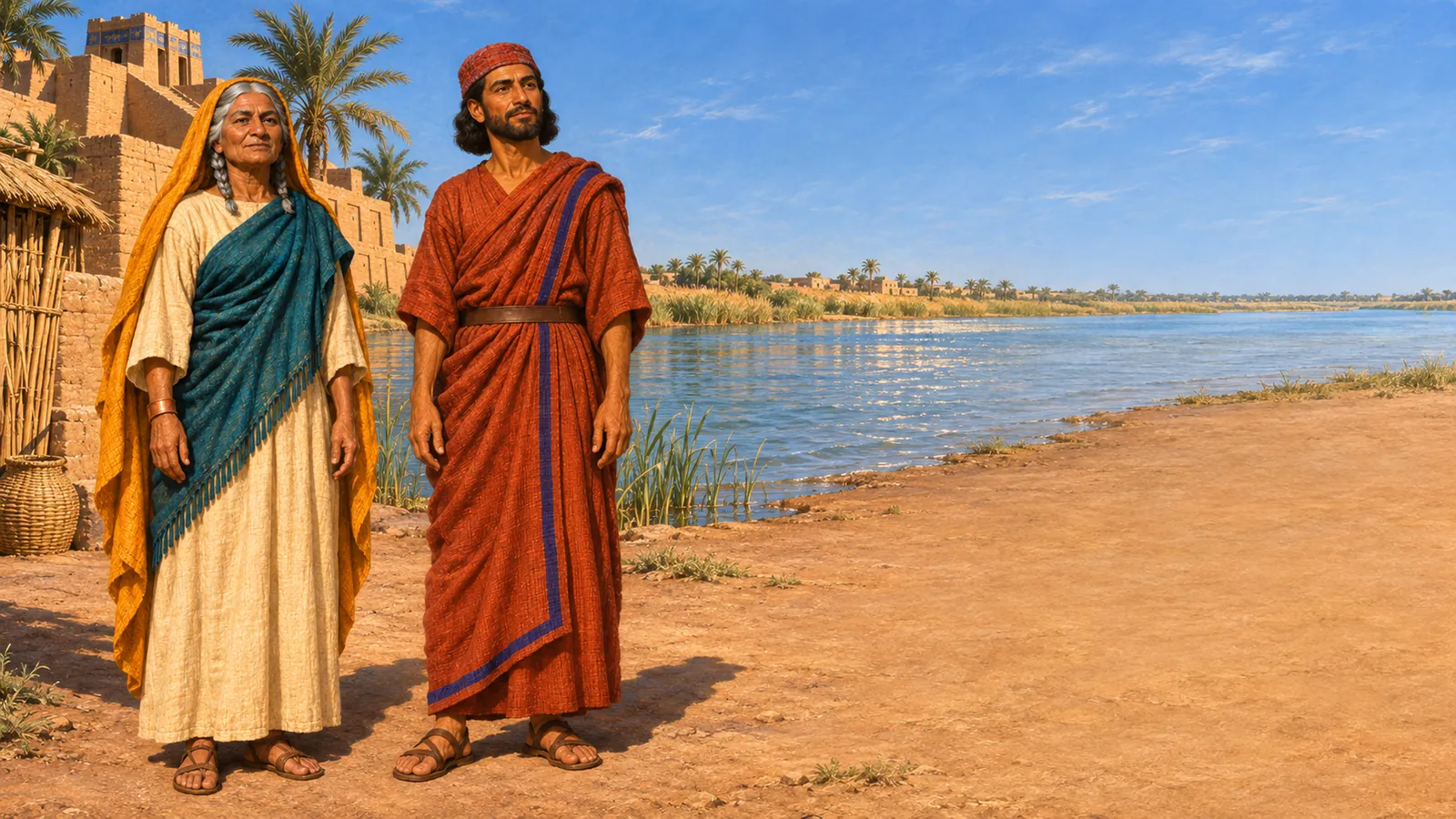
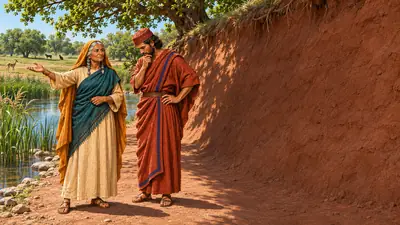
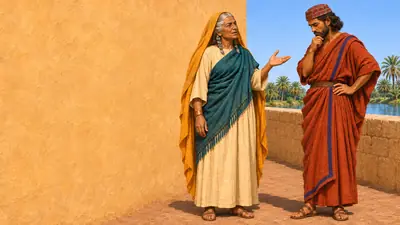
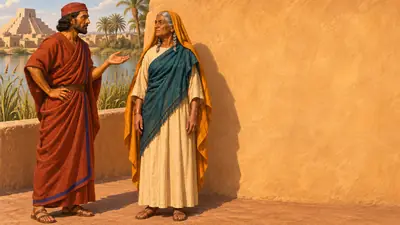
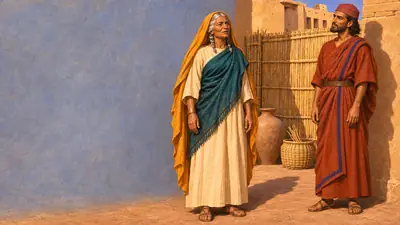
The damaged passage names Eresh, the Euphrates and the wise woman Sagburu. She and the sorcerer face each other when the surviving scene resumes.
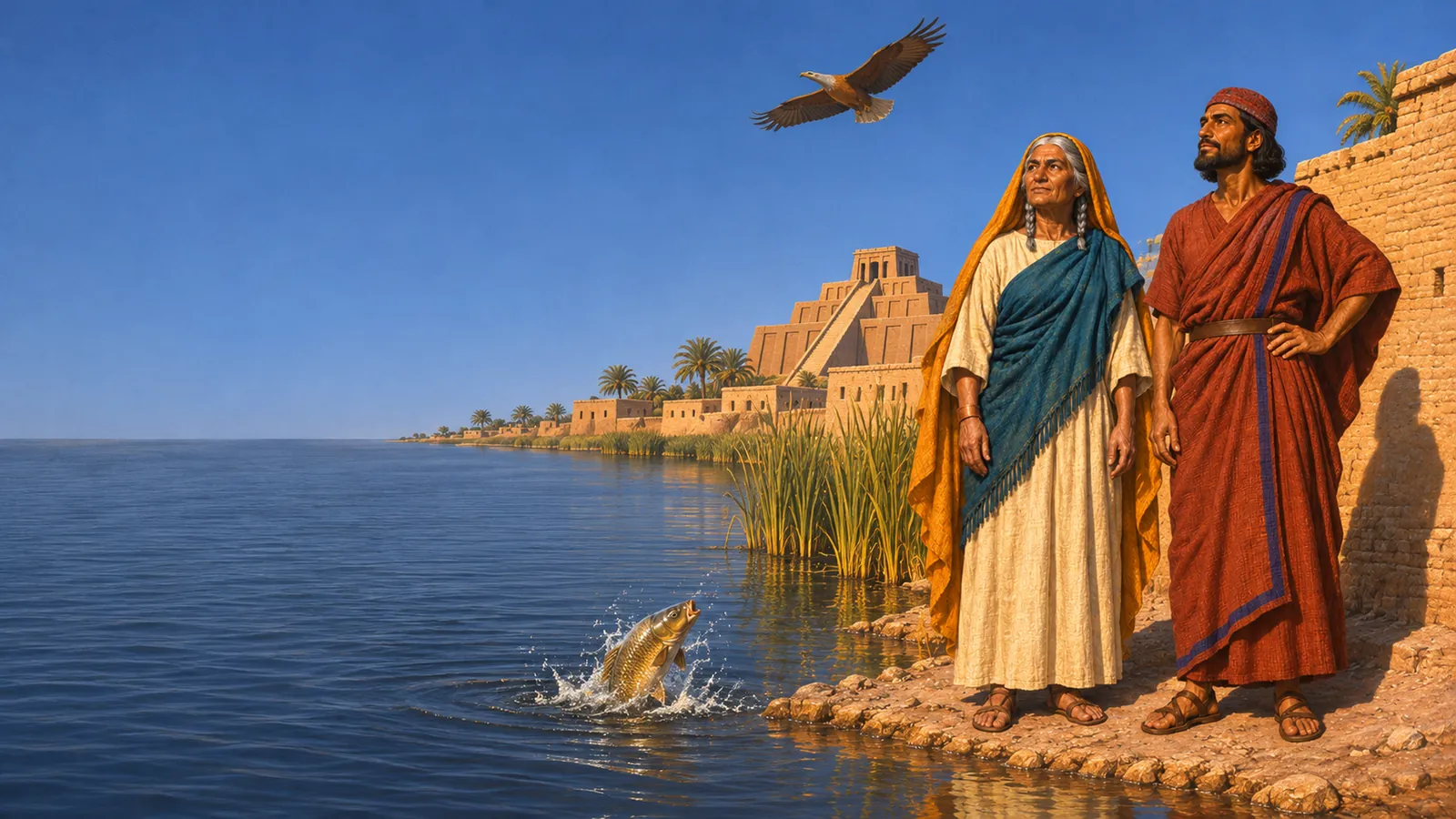
THE RIVER
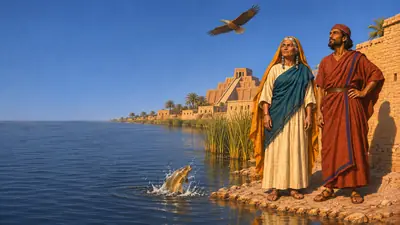
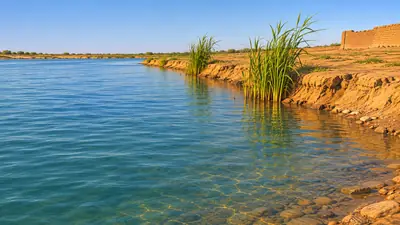
Ur-girinuna brings a great carp up from the river. Sagburu raises an eagle, which seizes the fish and flies away with it.
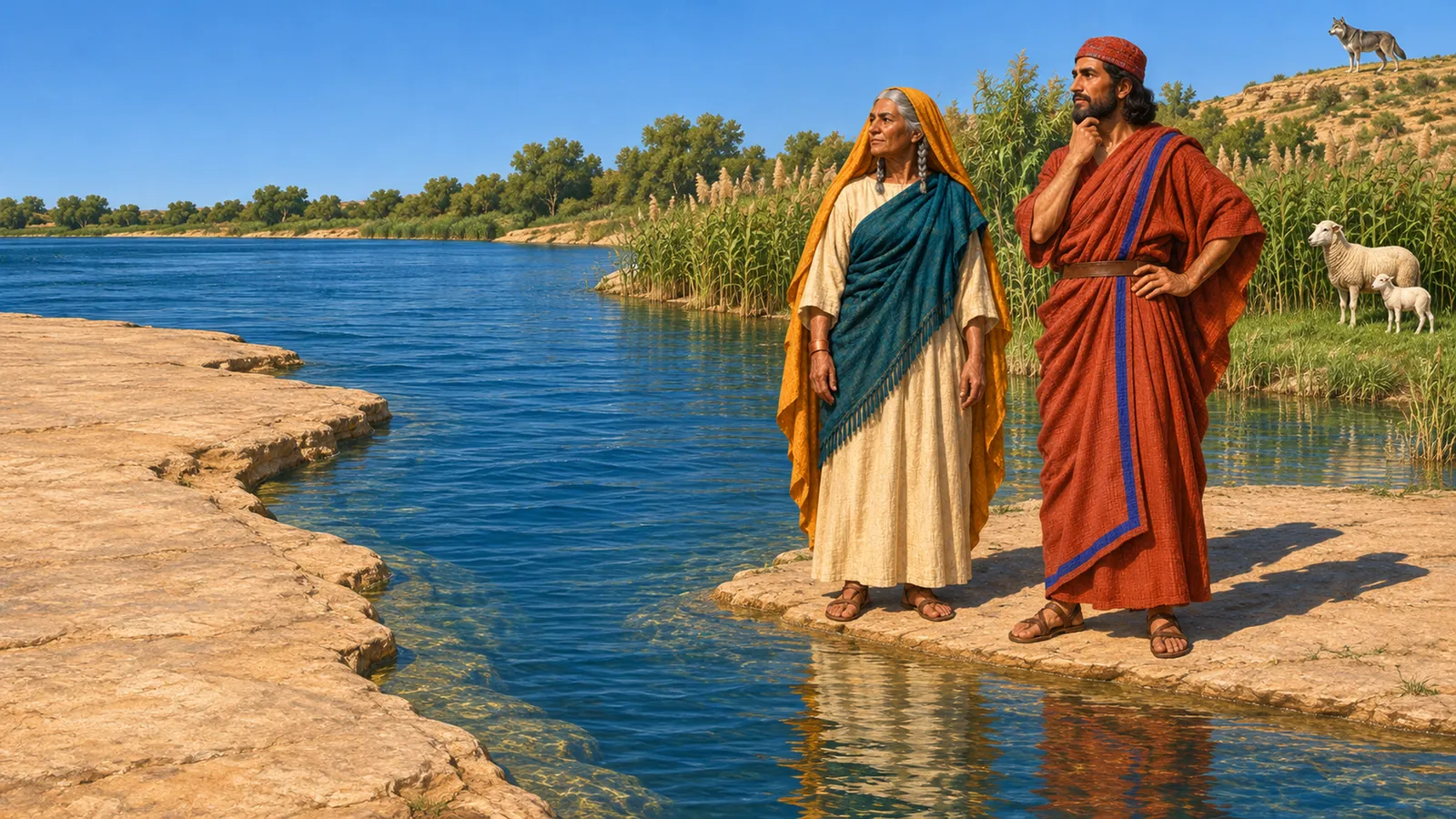
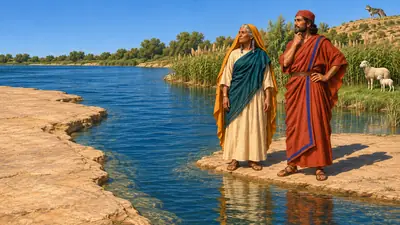
In the second round, the sorcerer brings up a ewe and her lamb. Sagburu raises a wolf that takes both into the open country.
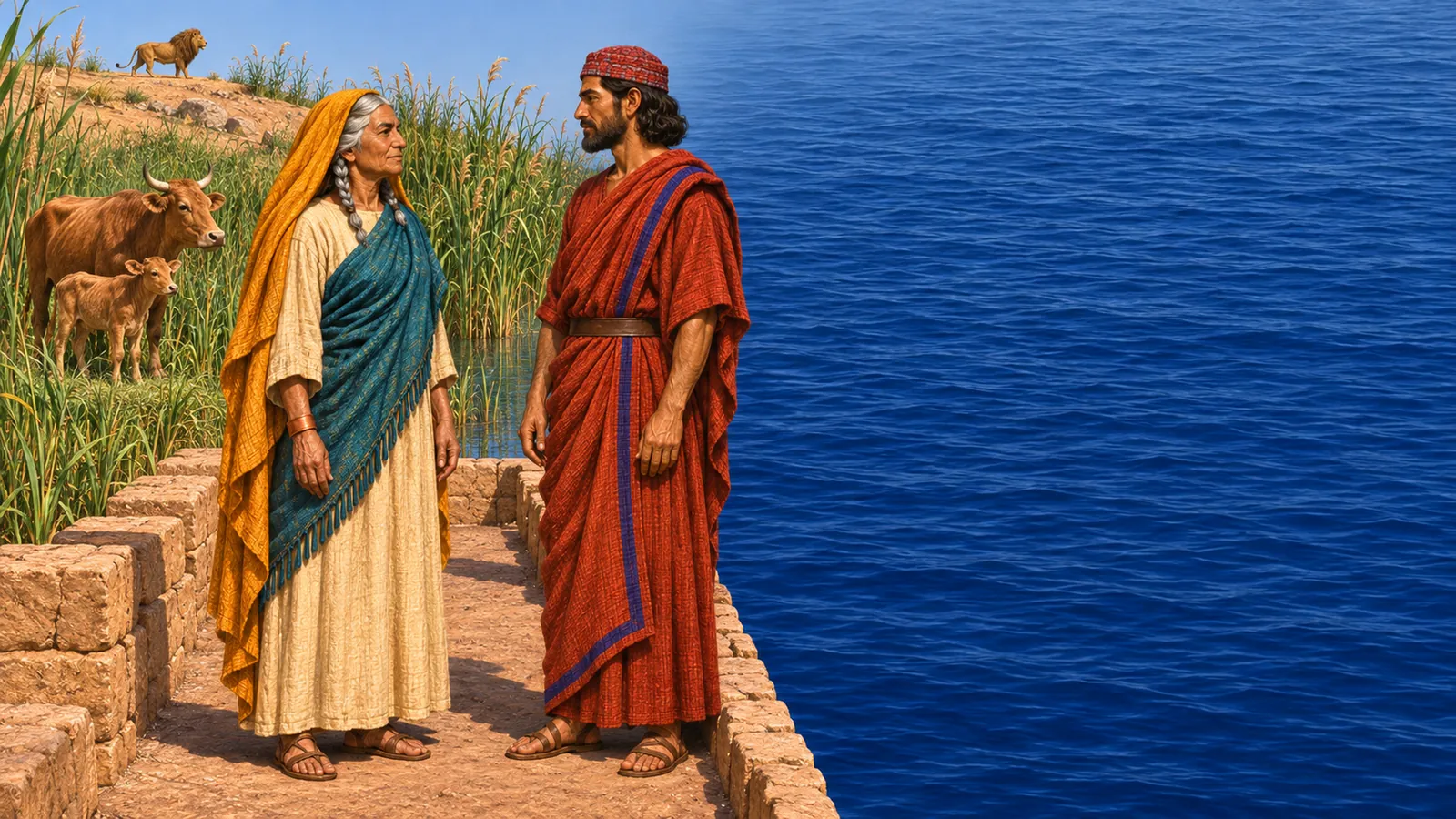
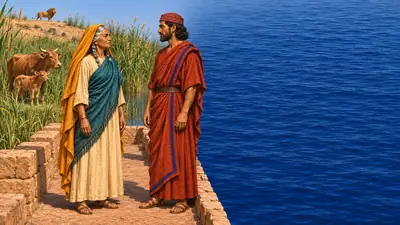
Next the sorcerer raises a cow and her calf. The lion Sagburu brings forth seizes them and takes them into the reedbeds.
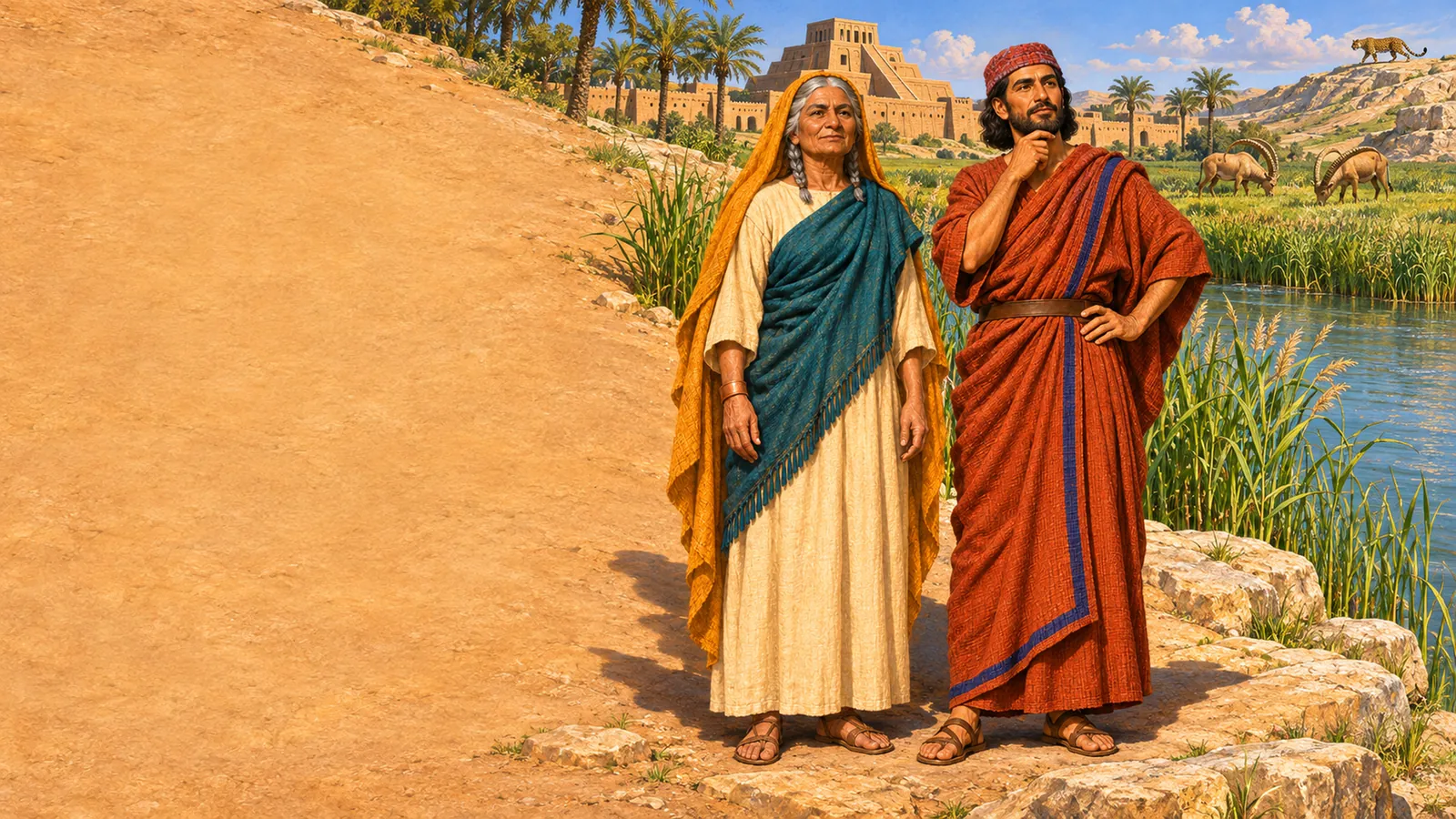
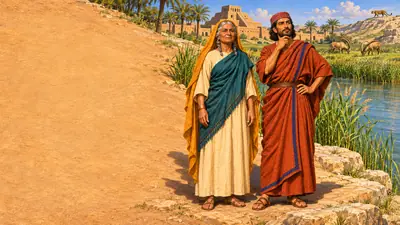
In the fourth round, the sorcerer raises two wild grazing animals. Sagburu brings up a mountain leopard that carries them away into the heights.
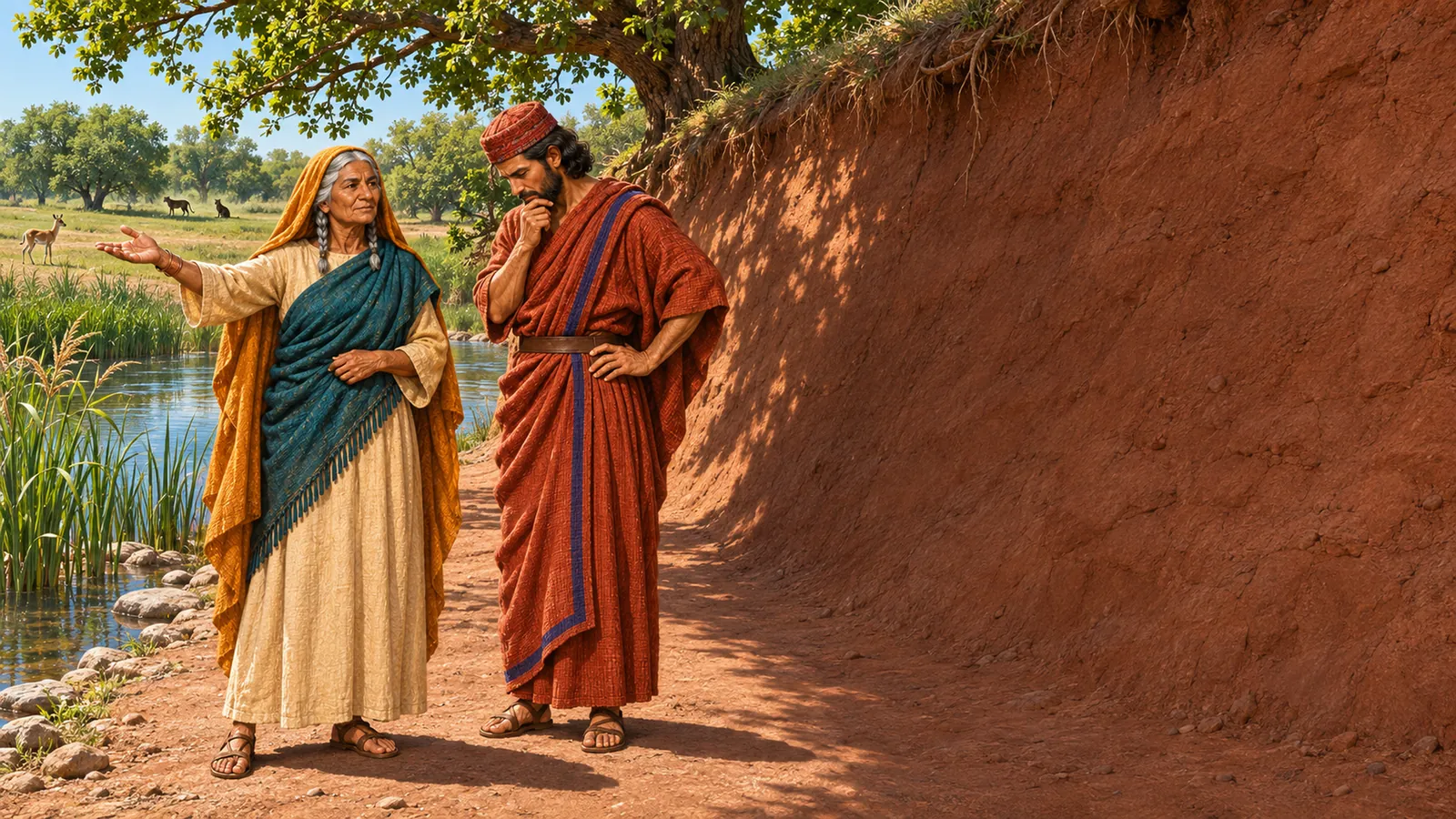
In the last round, the sorcerer raises a young gazelle. Two predators summoned by Sagburu take it to the forest, leaving him bewildered.
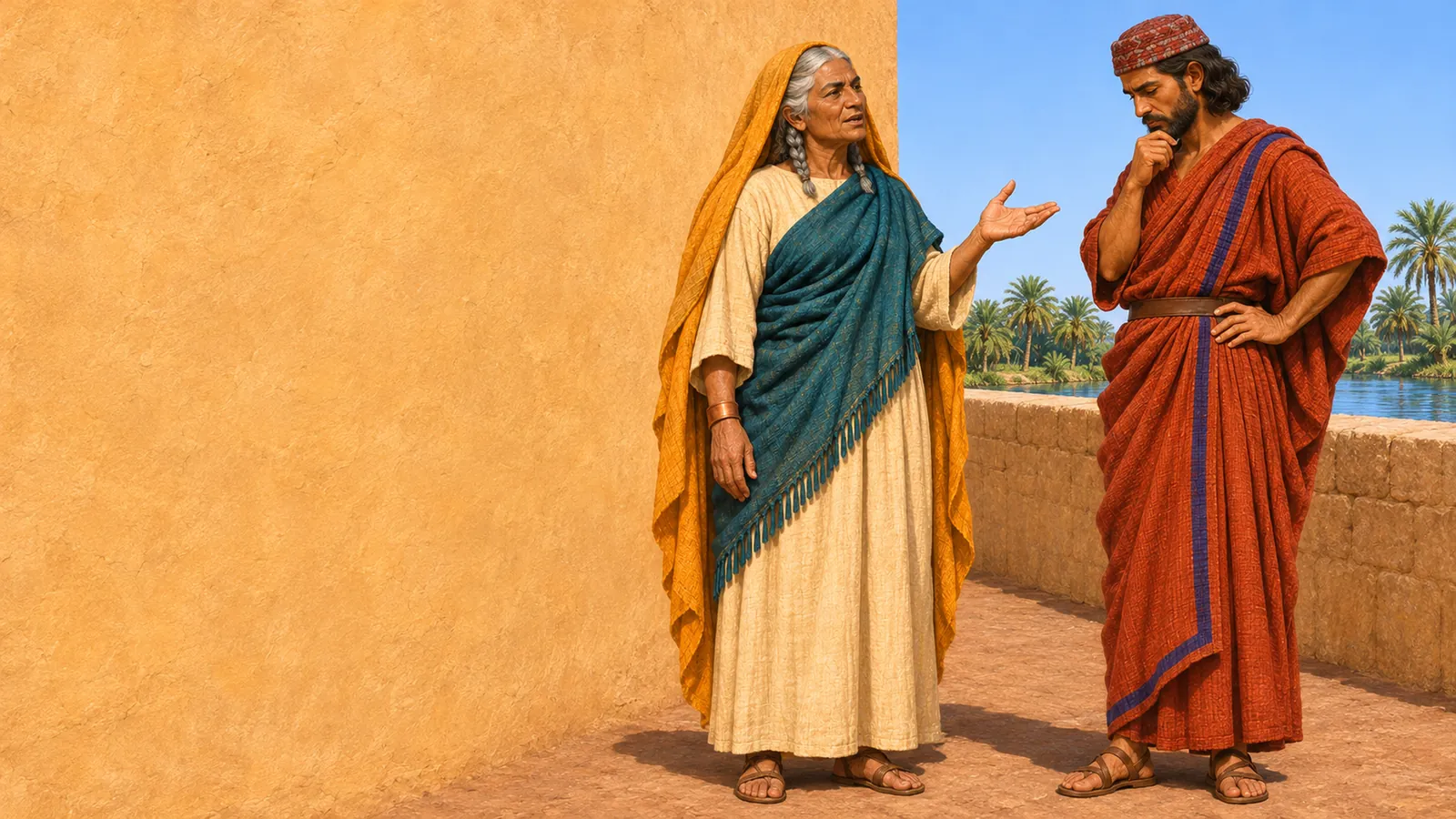
Sagburu asks how he could bring his sorcery to Eresh. She names it as the city of Nisaba, whose destiny An and Enlil determined.
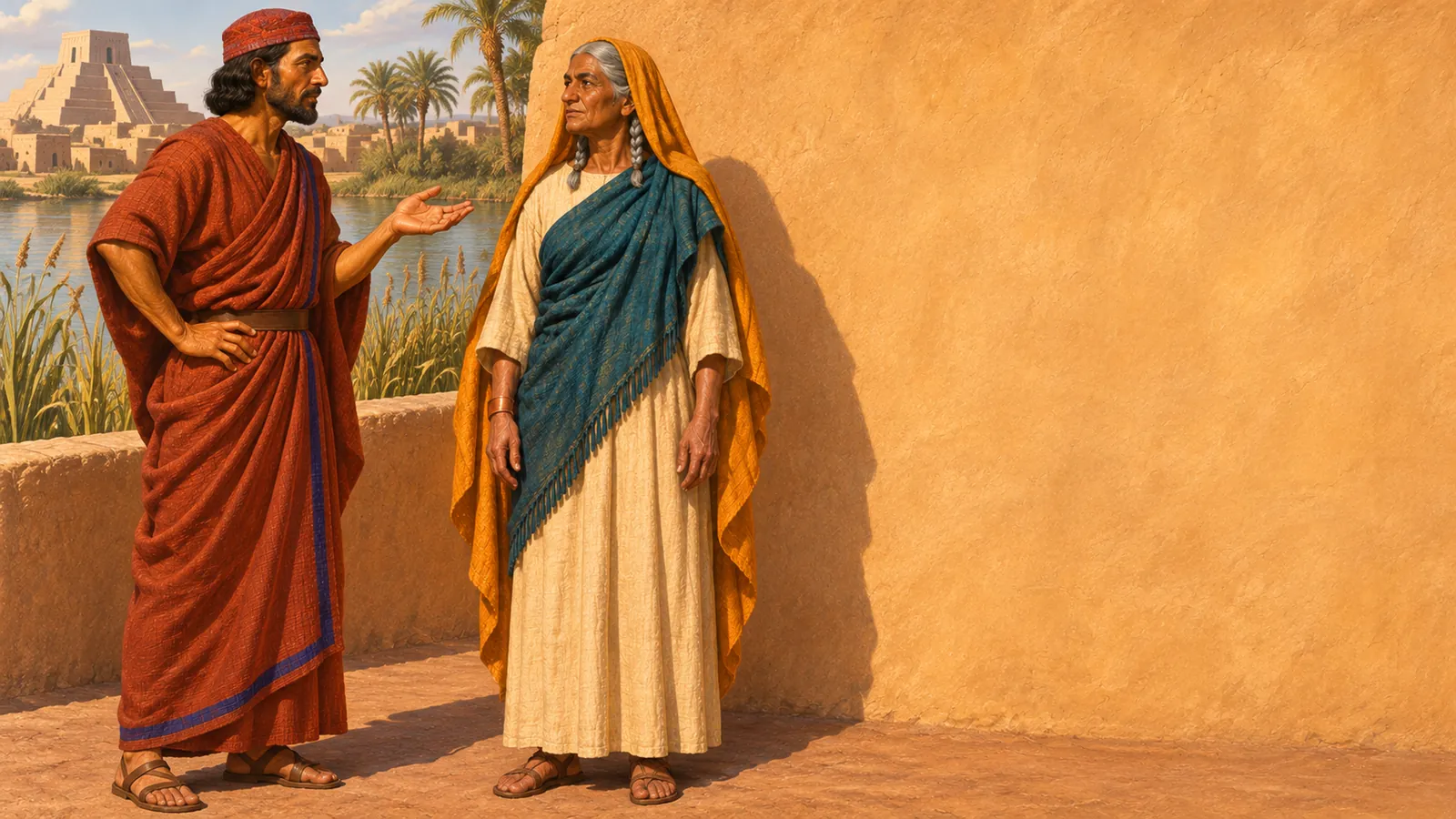
The sorcerer acknowledges Sagburu’s power and begs to go home safely. If released, he says he will tell Aratta and every land of her greatness.
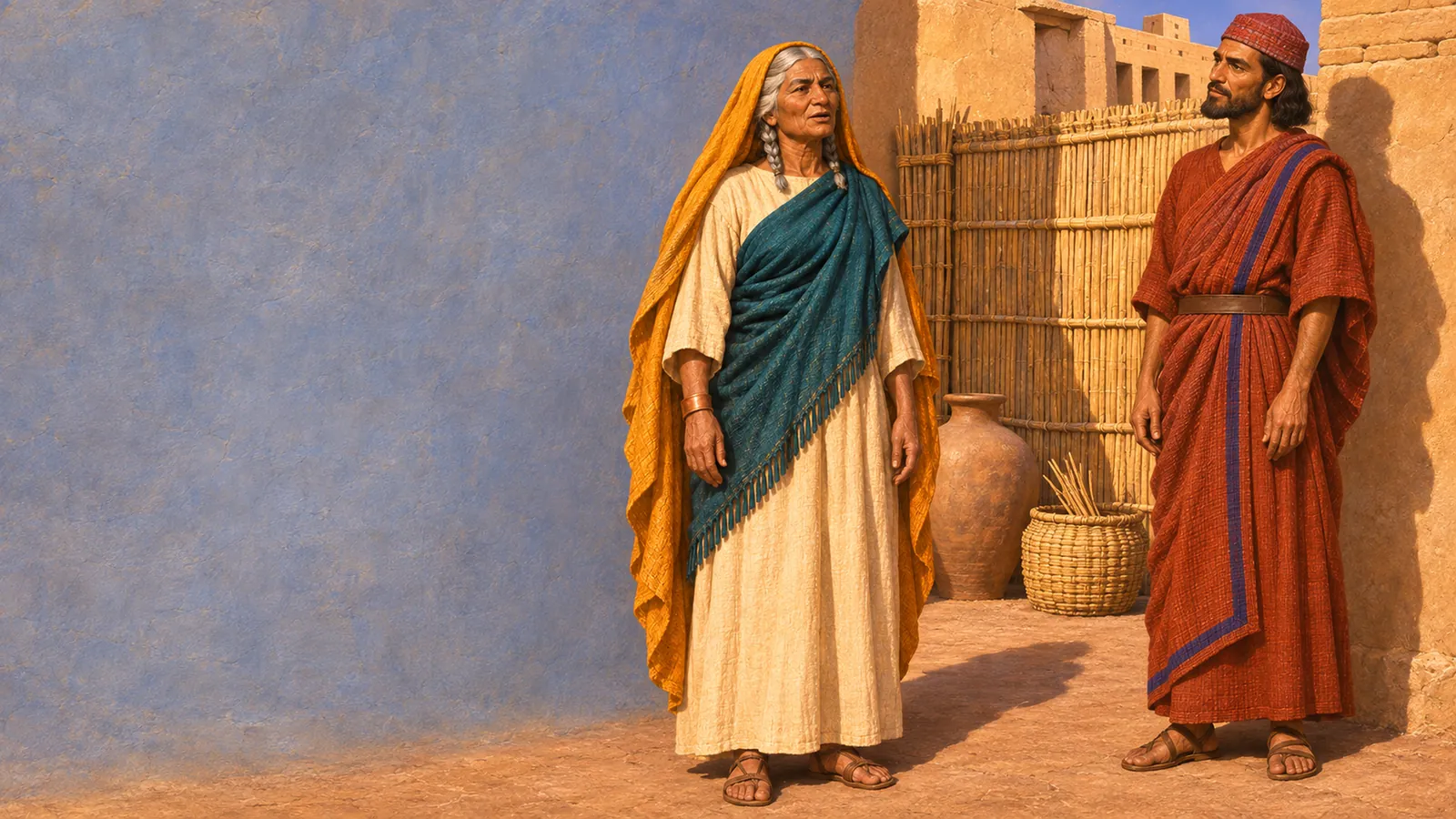
Sagburu lists the harm to the pens, the herds and the temple meals. She tells the sorcerer that she will not spare his life.
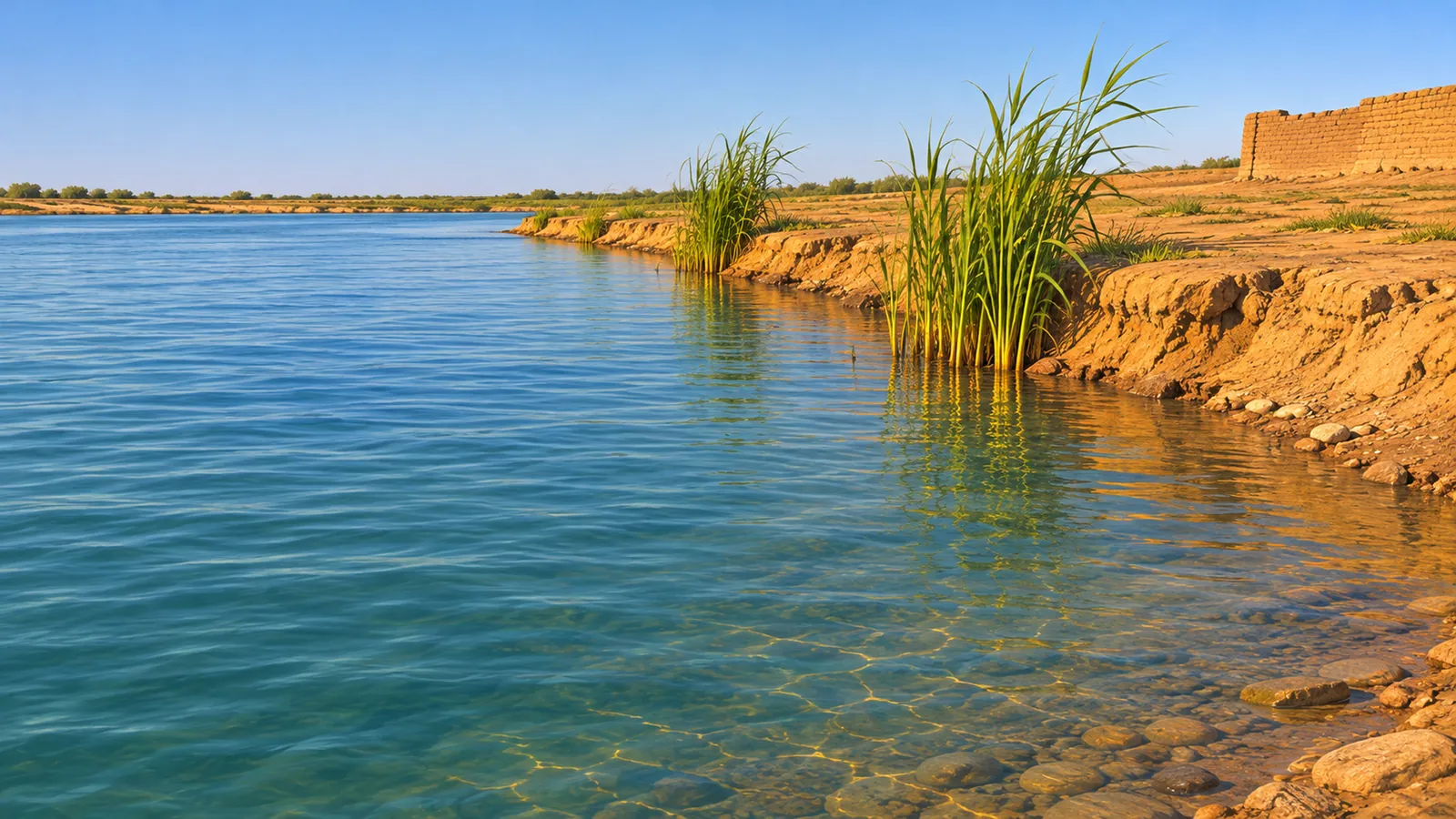
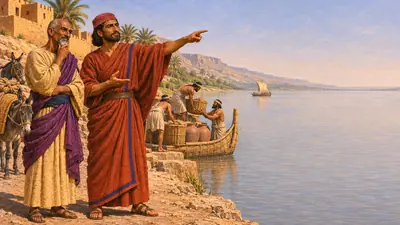
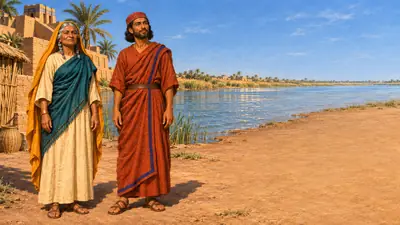
The poem says that Sagburu takes the sorcerer’s life beside the Euphrates. After carrying out the sentence, she returns to her city of Eresh.
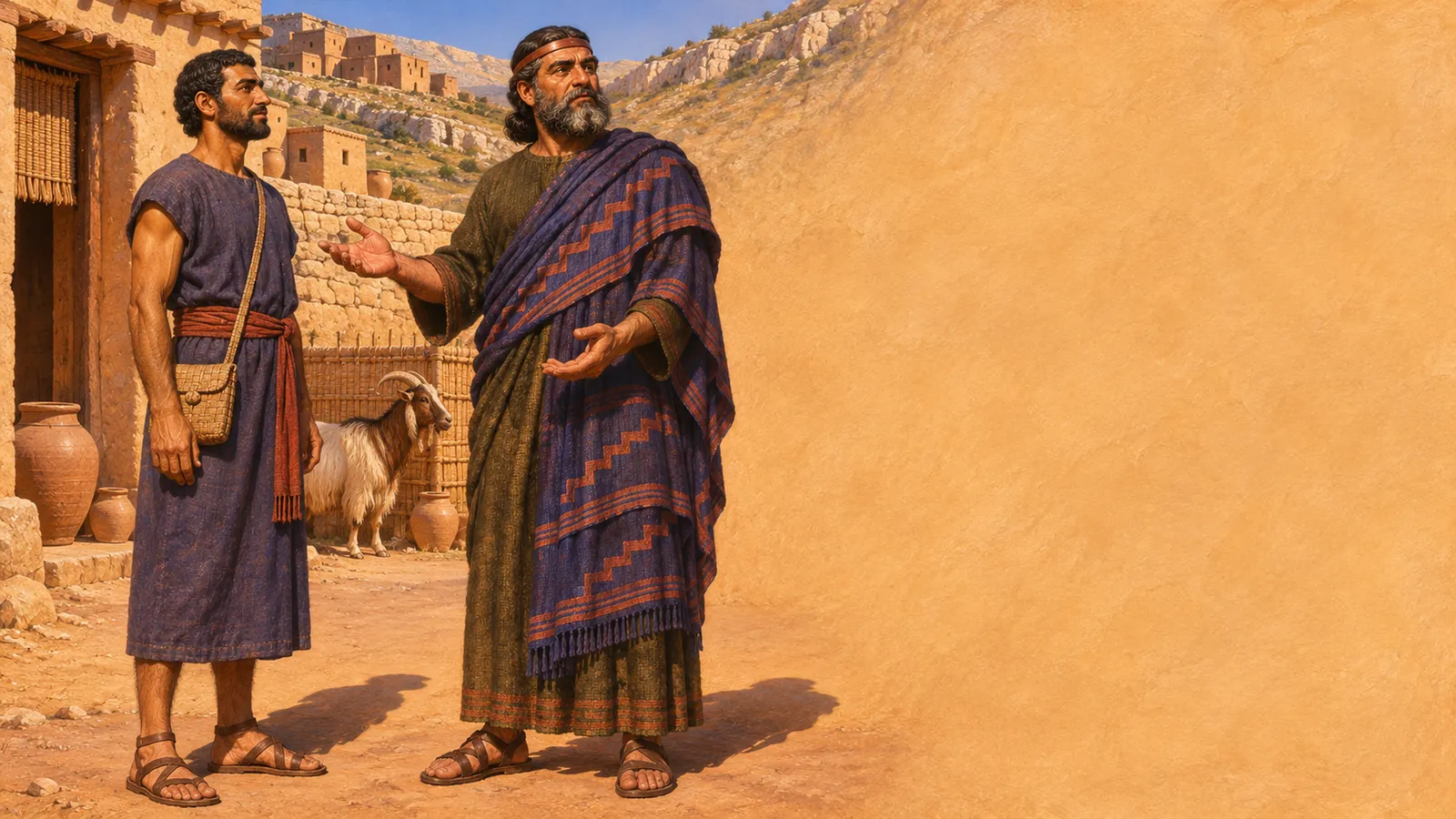
When the lord of Aratta hears what happened, he sends a new message to Enmerkar. He now acknowledges that Inanna has chosen his rival.
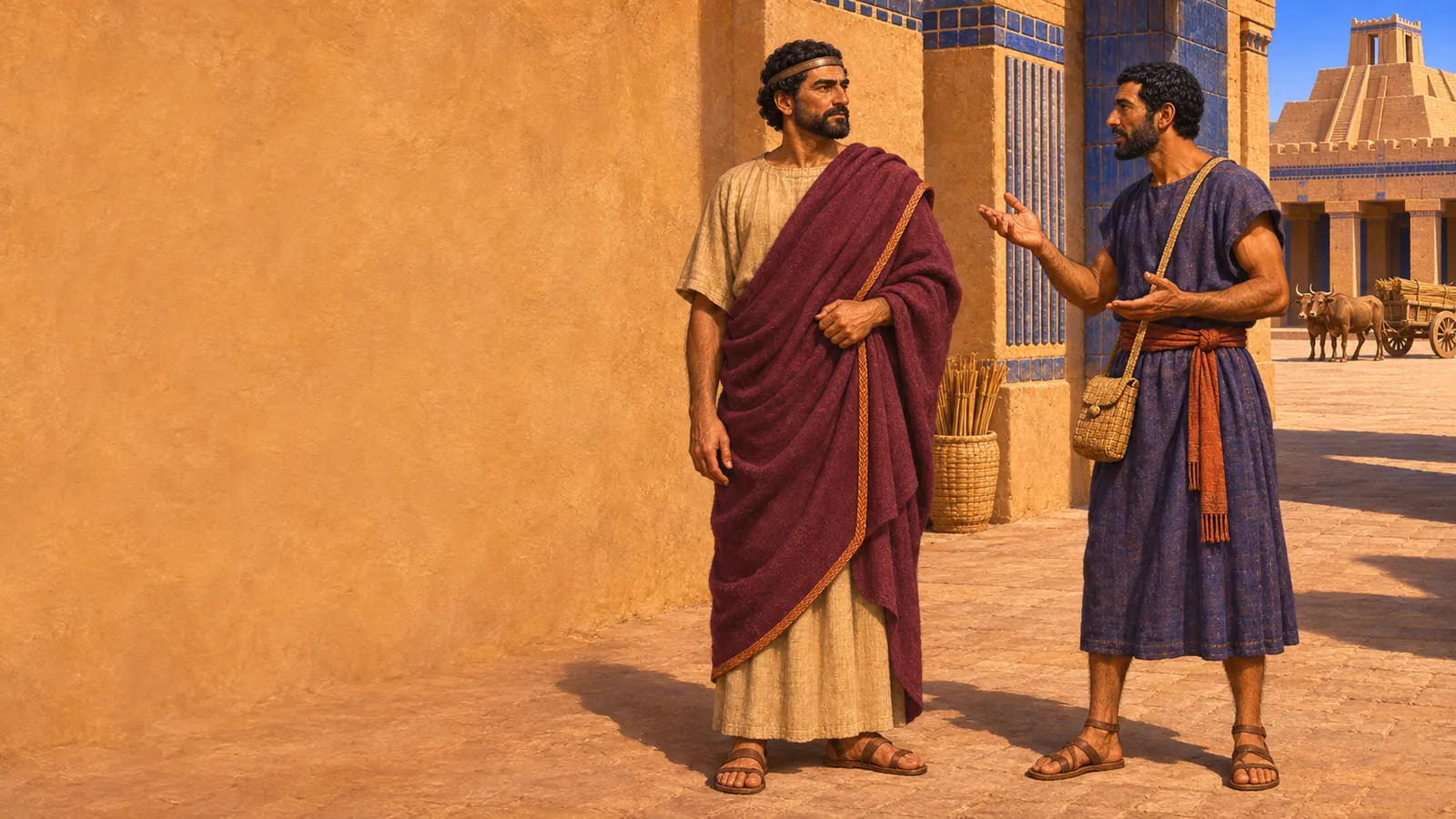
En-suhgir-ana calls Enmerkar the greater lord and the elder brother. He places himself second and says that he will never be his equal.
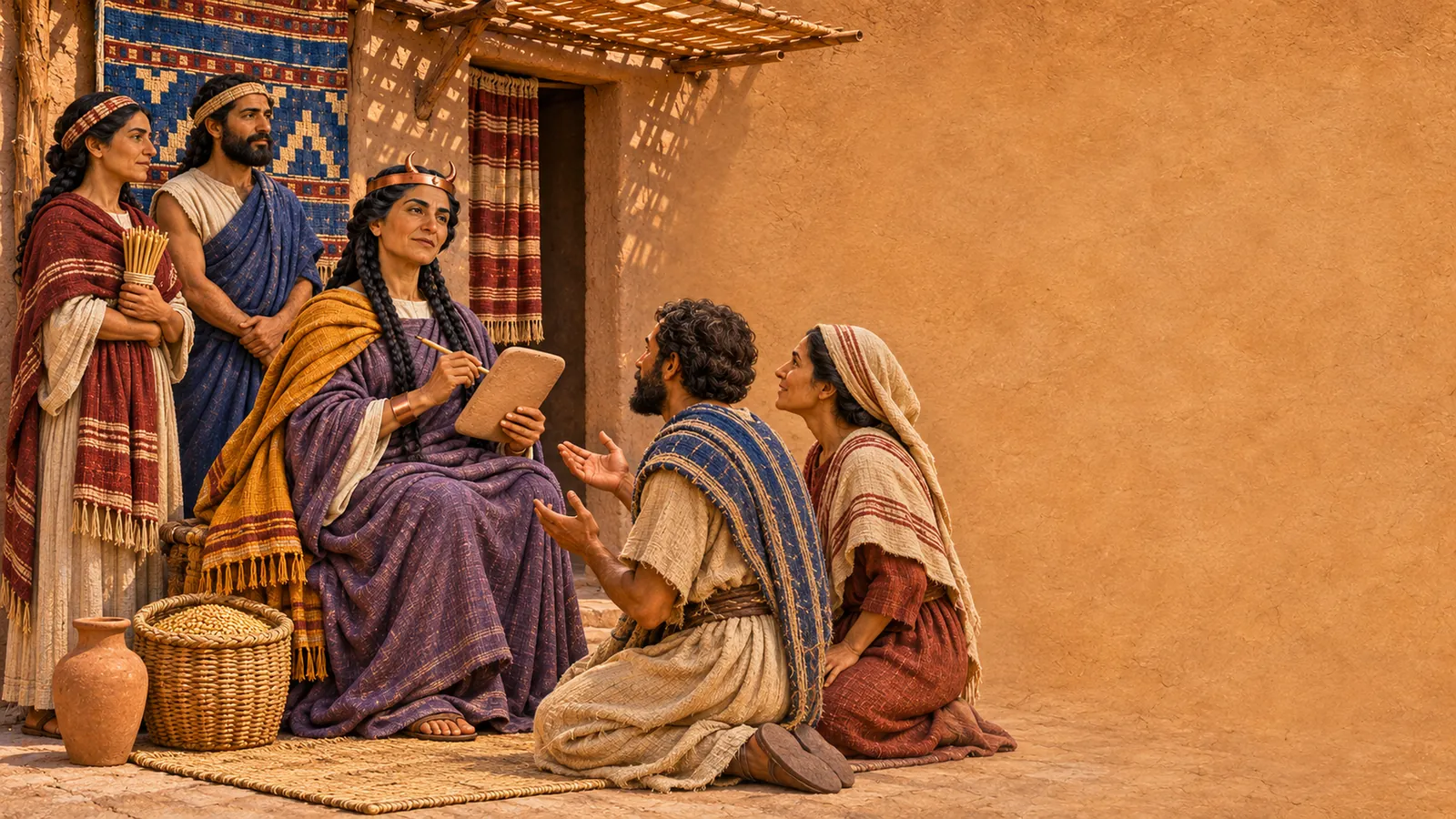
NISABA
The singer declares Enmerkar the winner of the contest with En-suhgir-ana. The poem closes by giving its praise to Nisaba.
End of chapter 1
All pages
Sources
Adapted from Oxford ETCSL 1.8.2.4, full Segment A 1–283. The source receipt describes the separately surviving Segment B and gives parallels in Attinger’s revised edition. Spelling and uncertain readings are listed in the page notes. Aratta is presented as a literary highland court.
Editions consulted
- Oxford ETCSL, full English translation
- Oxford ETCSL, Sumerian composite
- Pascal Attinger, edition and French translation, revised 2017
- CDLI, witnesses to composite Q000370
- Penn Museum, Nippur fragment CBS 3843
Ancient lines behind each page
- Page 1: Oxford ETCSL 1.8.2.4, A 1–5
The opening pairs Unug and Kulaba and gives variant descriptions of their surroundings. - Page 2: Oxford ETCSL 1.8.2.4, A 6–13
- Page 3: Oxford ETCSL 1.8.2.4, A 14–18
- Page 4: Oxford ETCSL 1.8.2.4, A 14–24
- Page 5: Oxford ETCSL 1.8.2.4, A 25–28
- Page 6: Oxford ETCSL 1.8.2.4, A 29–34
The reading of the Uruk enclosure is uncertain. - Page 7: Oxford ETCSL 1.8.2.4, A 35–39
Damaged clauses concern the eggs and goslings. - Page 8: Oxford ETCSL 1.8.2.4, A 40–45
- Page 9: Oxford ETCSL 1.8.2.4, A 46–51
- Page 10: Oxford ETCSL 1.8.2.4, A 52–55
- Page 11: Oxford ETCSL 1.8.2.4, A 52–60
The question about what Aratta's ruler wishes to say appears in some copies. - Page 12: Oxford ETCSL 1.8.2.4, A 61–69
- Page 13: Oxford ETCSL 1.8.2.4, A 70–77
- Page 14: Oxford ETCSL 1.8.2.4, A 77–81
Oxford uses a comparison with patting a clay lump and examining a tablet. - Page 15: Oxford ETCSL 1.8.2.4, A 82–89
- Page 16: Oxford ETCSL 1.8.2.4, A 90–100
Oxford marks part of the grant of crown and sceptre uncertain. - Page 17: Oxford ETCSL 1.8.2.4, A 100–107
- Page 18: Oxford ETCSL 1.8.2.4, A 107–113
- Page 19: Oxford ETCSL 1.8.2.4, A 114–127
The names for ritual personnel and the final wrestling comparison are partly uncertain. - Page 20: Oxford ETCSL 1.8.2.4, A 128–134
- Page 21: Oxford ETCSL 1.8.2.4, A 135–141
The wording about the sorcerer's practice and home city is variant. - Page 22: Oxford ETCSL 1.8.2.4, A 142–162
The Oxford and Attinger editions differ on how the canal plan is expressed. - Page 23: Oxford ETCSL 1.8.2.4, A 163–166
- Page 24: Oxford ETCSL 1.8.2.4, A 166–169
- Page 25: Oxford ETCSL 1.8.2.4, A 170–174
Eresh is the reading copy's transcription. - Page 26: Oxford ETCSL 1.8.2.4, A 175–180
- Page 27: Oxford ETCSL 1.8.2.4, A 181–184
The text repeats the linking of temple dairy products with a levy and gives variant damaged verbs for the cow's lost products. - Page 28: Oxford ETCSL 1.8.2.4, A 185–197
- Page 29: Oxford ETCSL 1.8.2.4, A 198–209
- Page 30: Oxford ETCSL 1.8.2.4, A 198–205
- Page 31: Oxford ETCSL 1.8.2.4, A 206–221
The copies vary in how the herders describe the sorcerer's acts. - Page 32: Oxford ETCSL 1.8.2.4, A 222–227
Several lines are damaged around the transition. - Page 33: Oxford ETCSL 1.8.2.4, A 228–231
- Page 34: Oxford ETCSL 1.8.2.4, A 232–235
- Page 35: Oxford ETCSL 1.8.2.4, A 236–239
- Page 36: Oxford ETCSL 1.8.2.4, A 240–243
- Page 37: Oxford ETCSL 1.8.2.4, A 244–248
Attinger retains both predator terms with uncertain identification. - Page 38: Oxford ETCSL 1.8.2.4, A 249–254
The text also calls Eresh the beloved city of Ninlil and asks why the sorcerer brought his practice there. - Page 39: Oxford ETCSL 1.8.2.4, A 255–263
- Page 40: Oxford ETCSL 1.8.2.4, A 264–270
The names and clauses surrounding Nanna's legal role in the verdict are damaged or open to different readings. - Page 41: Oxford ETCSL 1.8.2.4, A 271–273
The editions differ in the sequence of the sorcerer's death and disposal by the river. - Page 42: Oxford ETCSL 1.8.2.4, A 274–277
- Page 43: Oxford ETCSL 1.8.2.4, A 278–280
- Page 44: Oxford ETCSL 1.8.2.4, A 281–283
Oxford's separate Segment B is seven unclear lines with references to the sorcerer and minister.
Illustrations made with AI tools by IL Archive; the text is based on the ancient sources (see the sources at the end of each chapter).