Gilgamesh and Huwawa Chapter 1
The Seven Terrors
Gilgamesh seeks renown in the cedar mountains and persuades Huwawa to yield his terrors. Compassion gives way to killing, and Enlil rebukes the returning companions.
SourcesTurn the pages with the arrows, the arrow keys or a swipe.
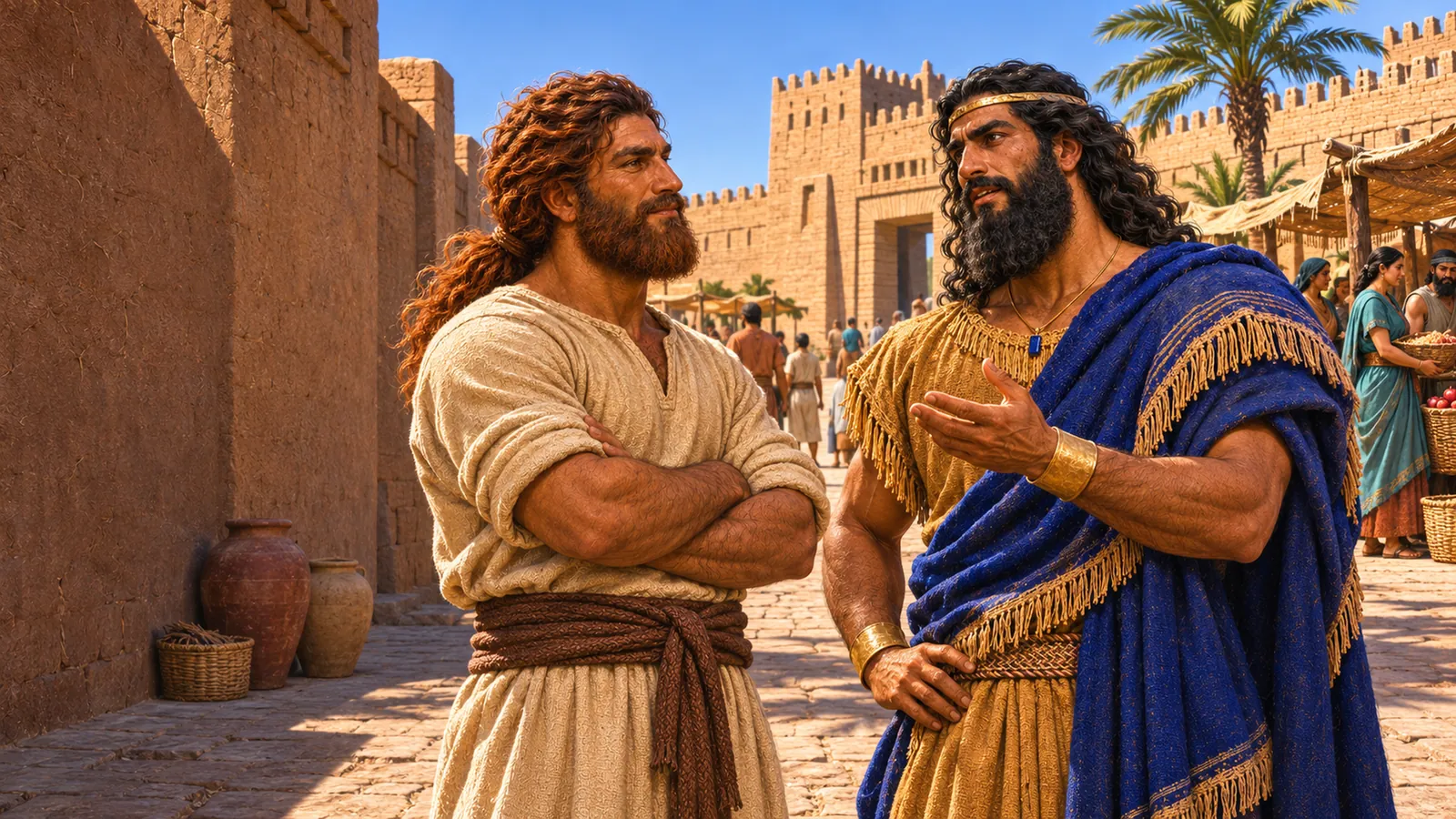
RENOWN
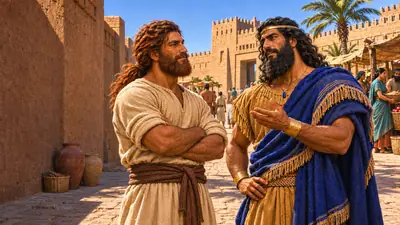
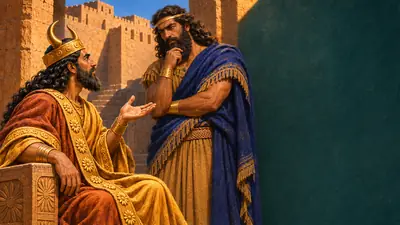
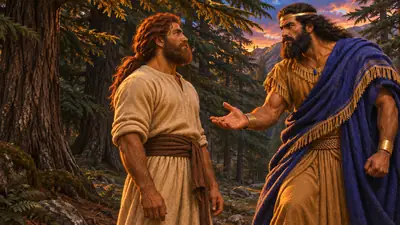
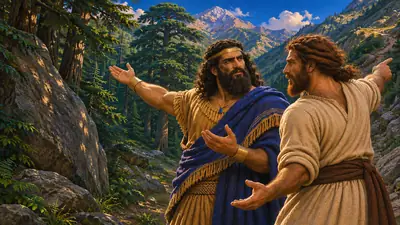
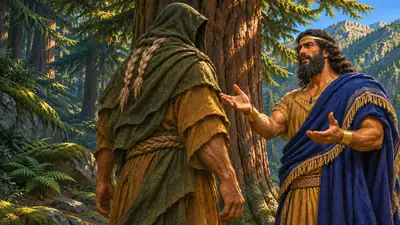
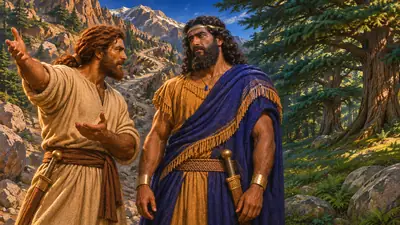
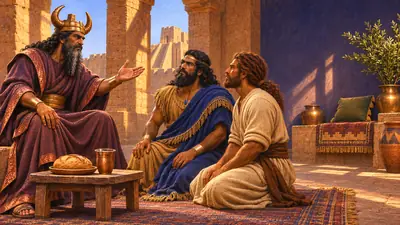
Gilgamesh spoke to Enkidu, whom this Sumerian poem calls his slave. Since no person escaped life’s end, the king wanted to seek renown in the mountains.
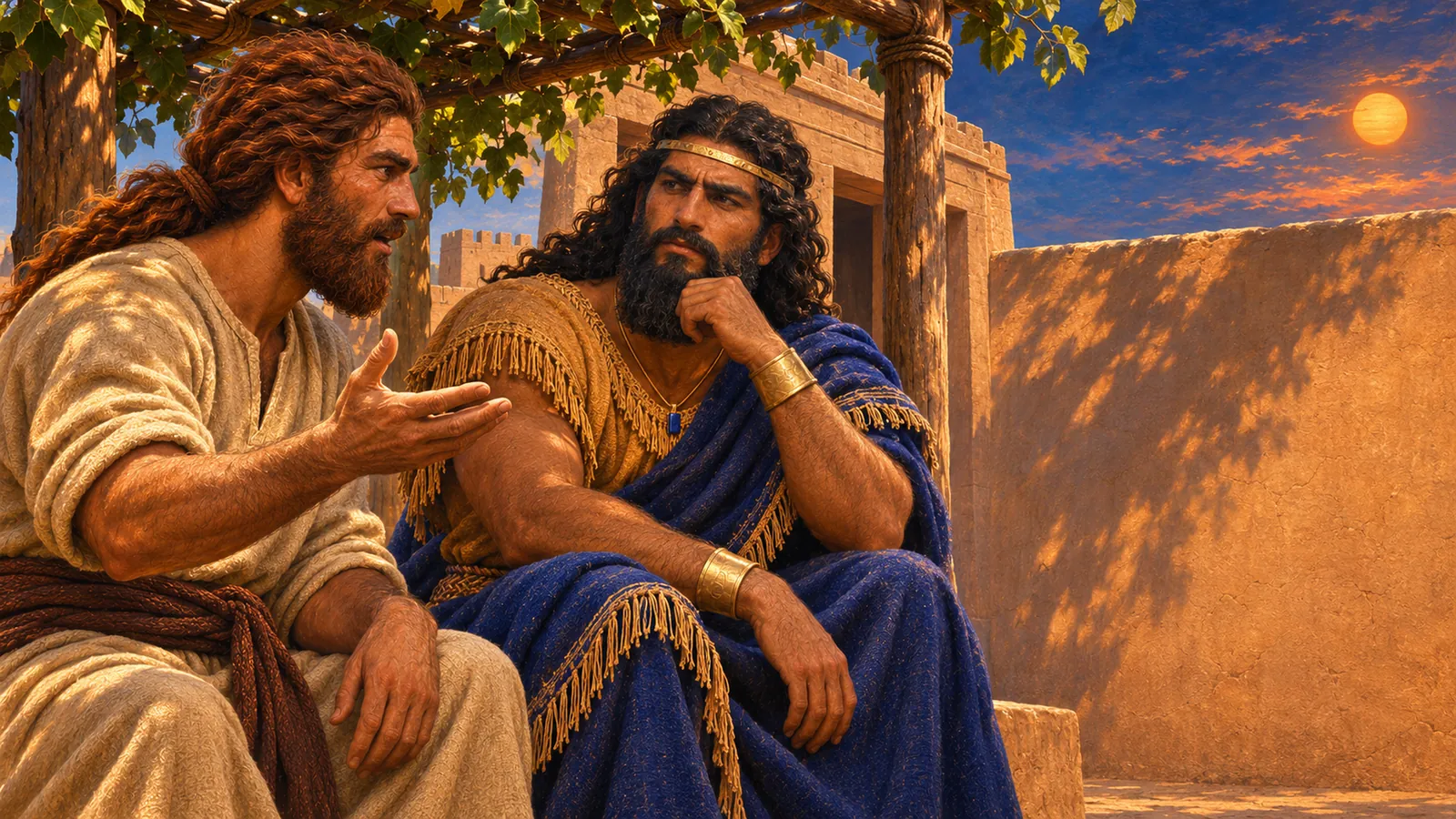
Enkidu answered that Utu should hear of the journey. The mountains and the cedar-felling country belonged to the youthful sun god’s concern.
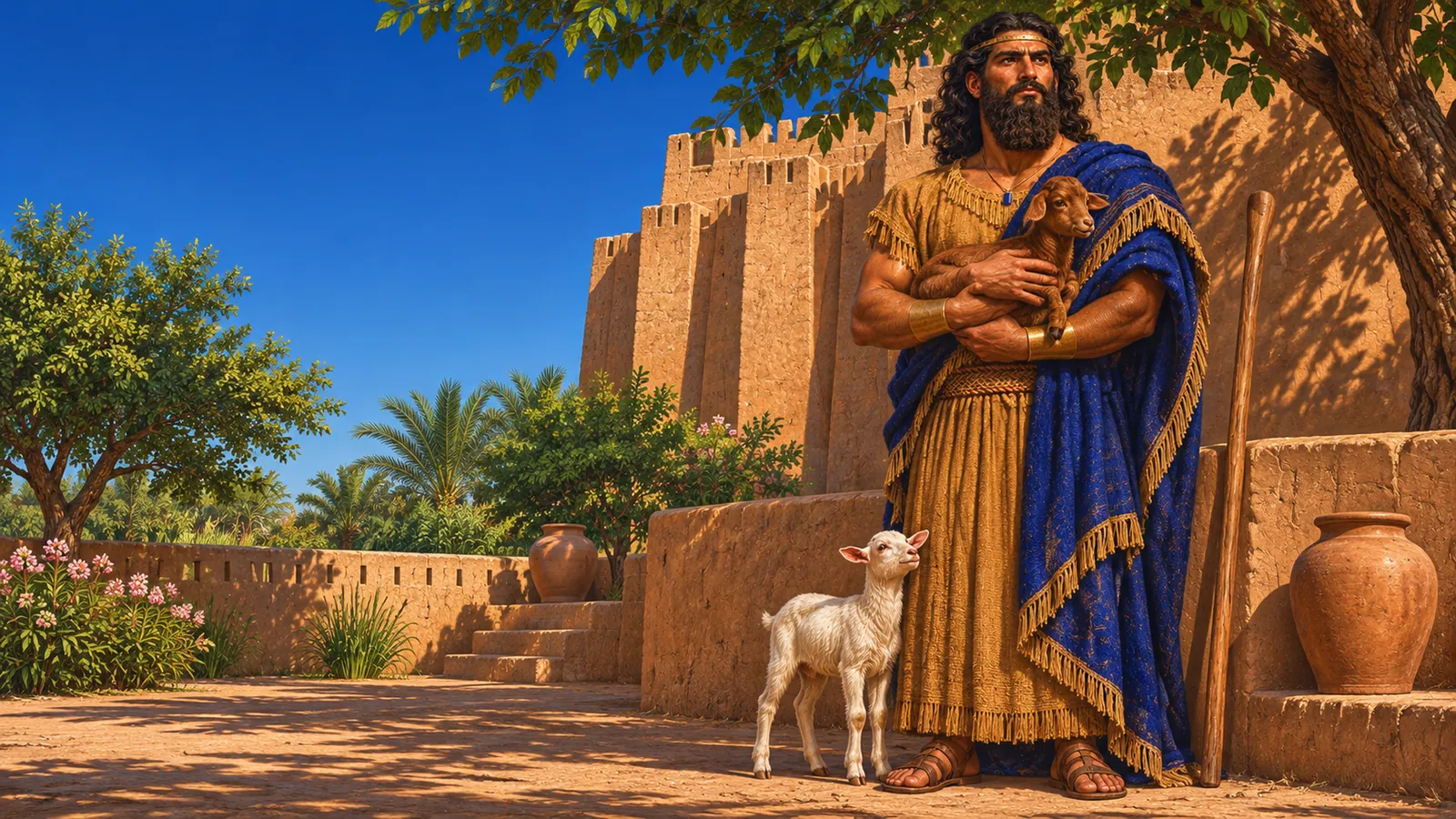
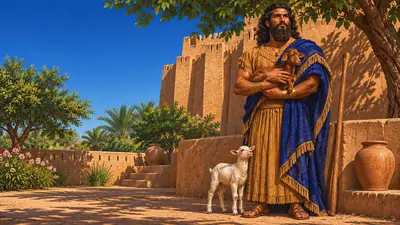
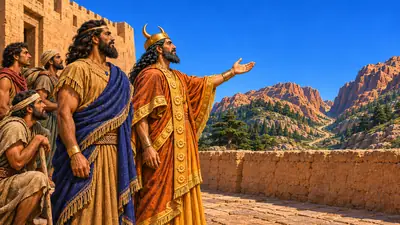
Gilgamesh prepared a white kid and held a brown kid for an offering. With a sacred staff before him, he addressed Utu of heaven.
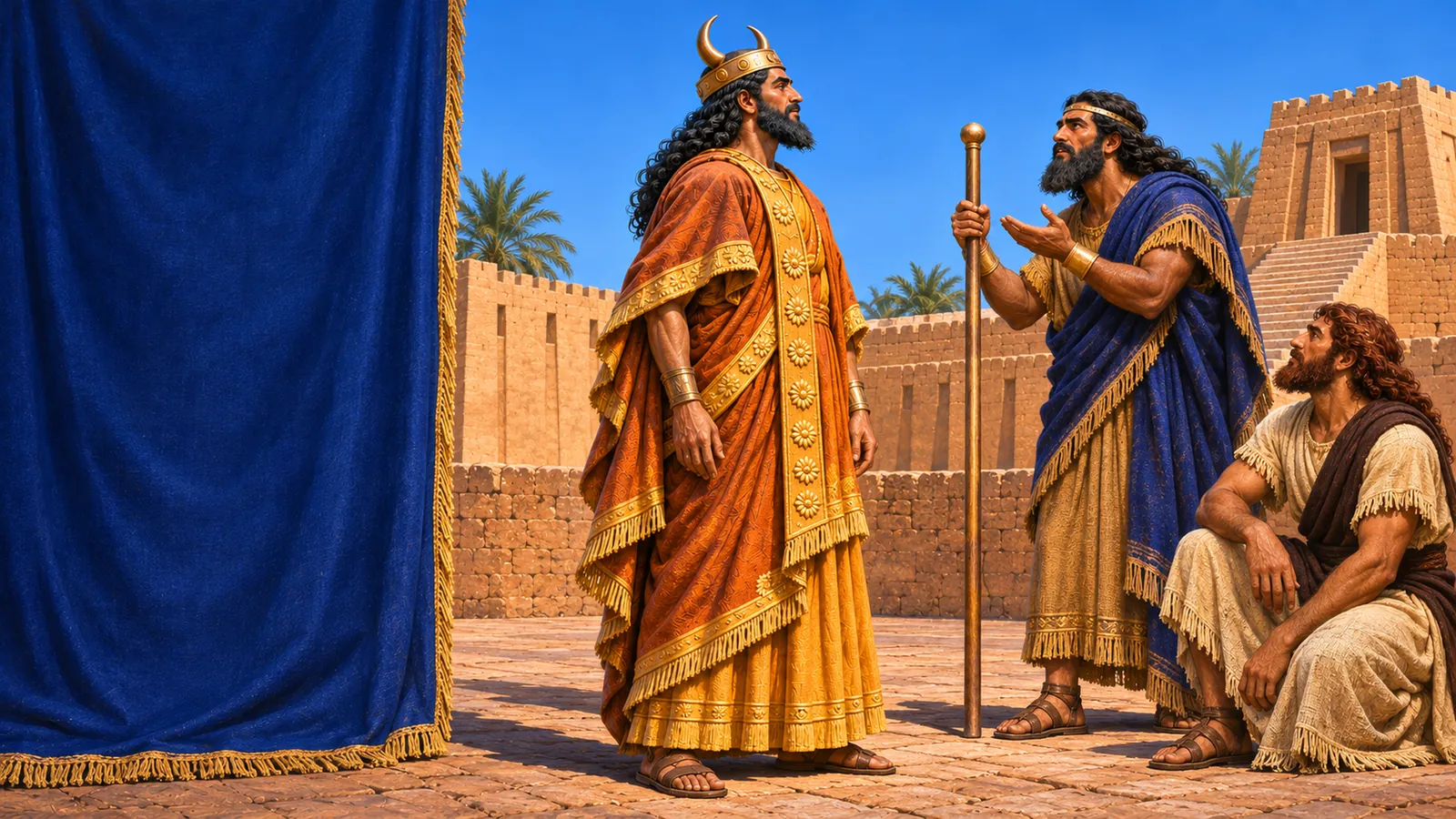
He wished to enter the mountains where cedars were cut. He asked Utu to be his helper on that distant journey.
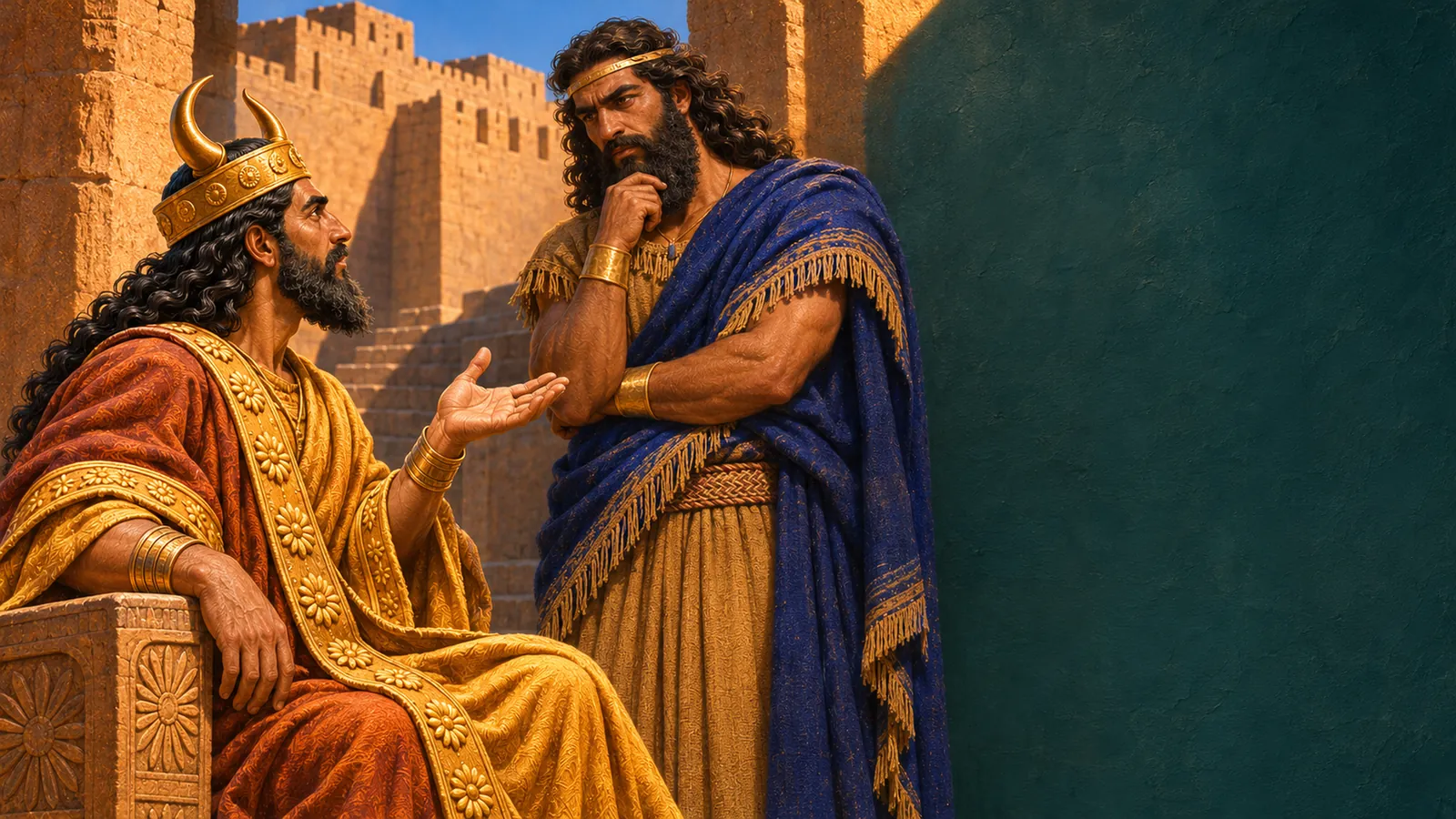
Utu replied that the young king was already noble in his own right. Why, then, did he want to go into the mountains?
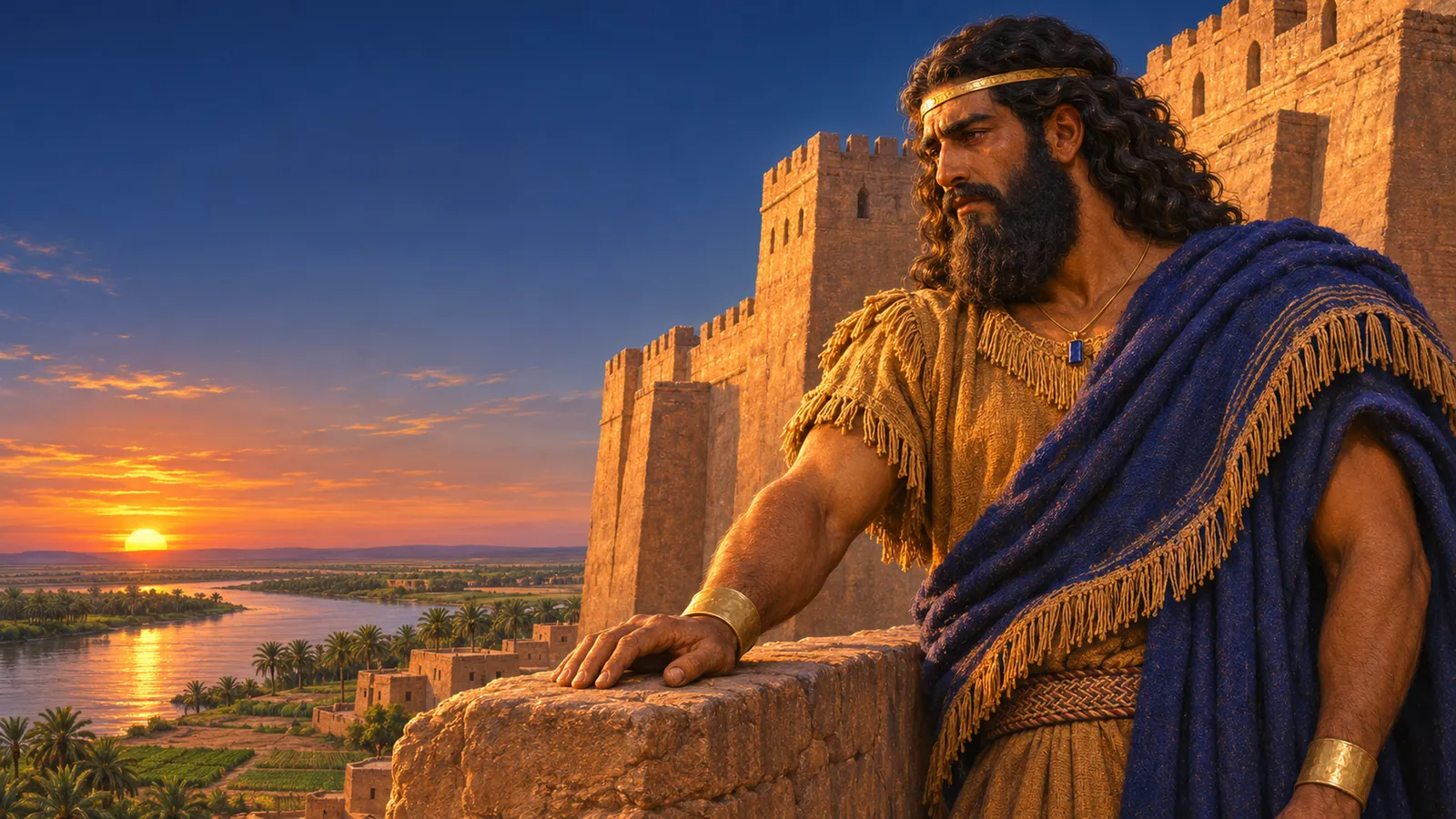
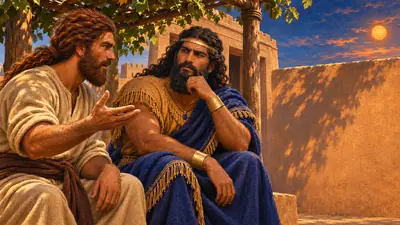
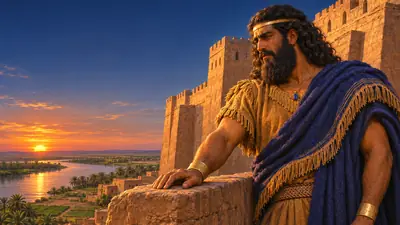
Gilgamesh spoke of people dying in Uruk and bodies filling the river. He knew the same end awaited him, and his heart was troubled.
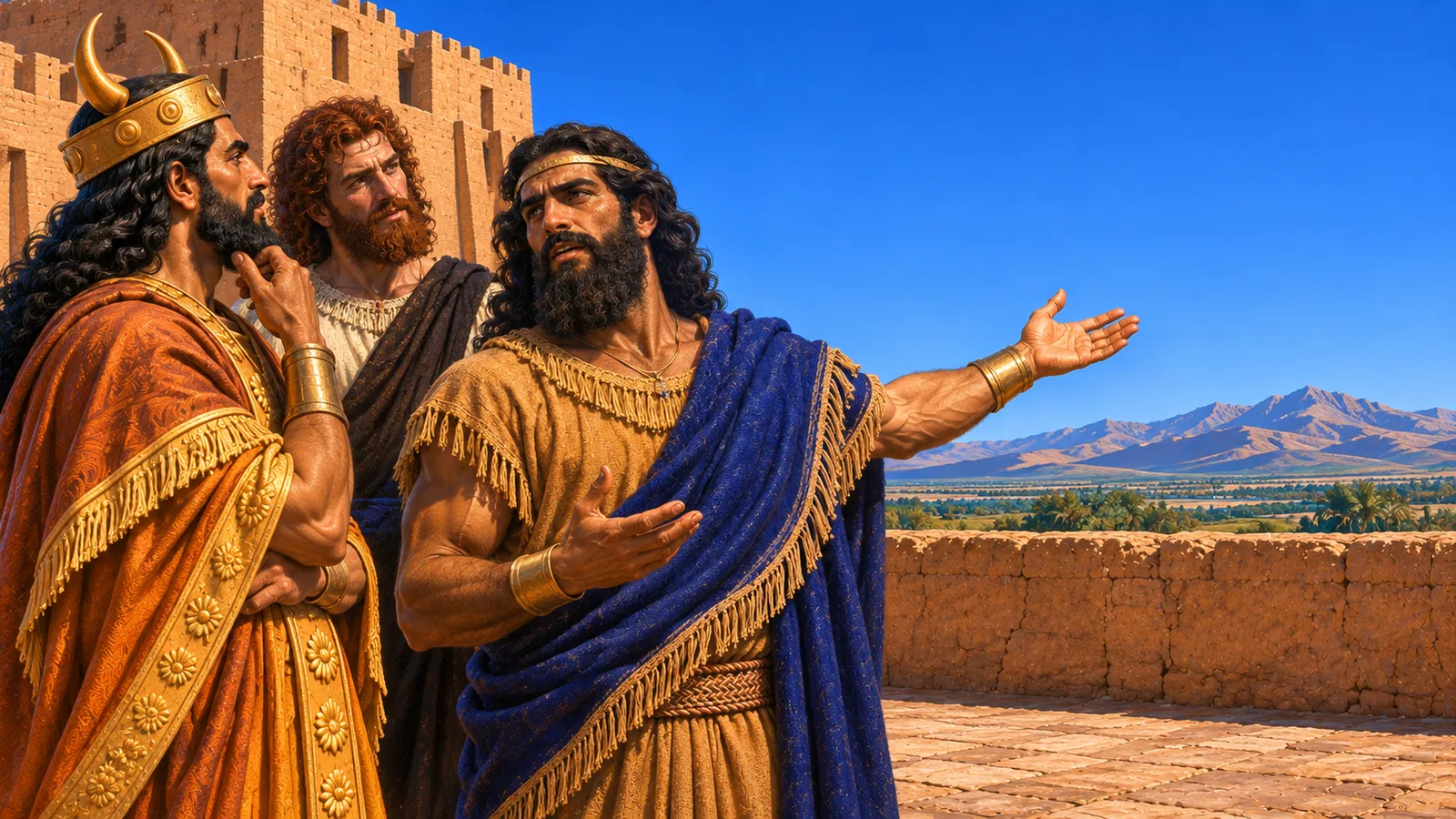
No one could reach beyond the limits of human life. Gilgamesh wanted to establish his own renown, or the gods’ renown where his own could not be established.
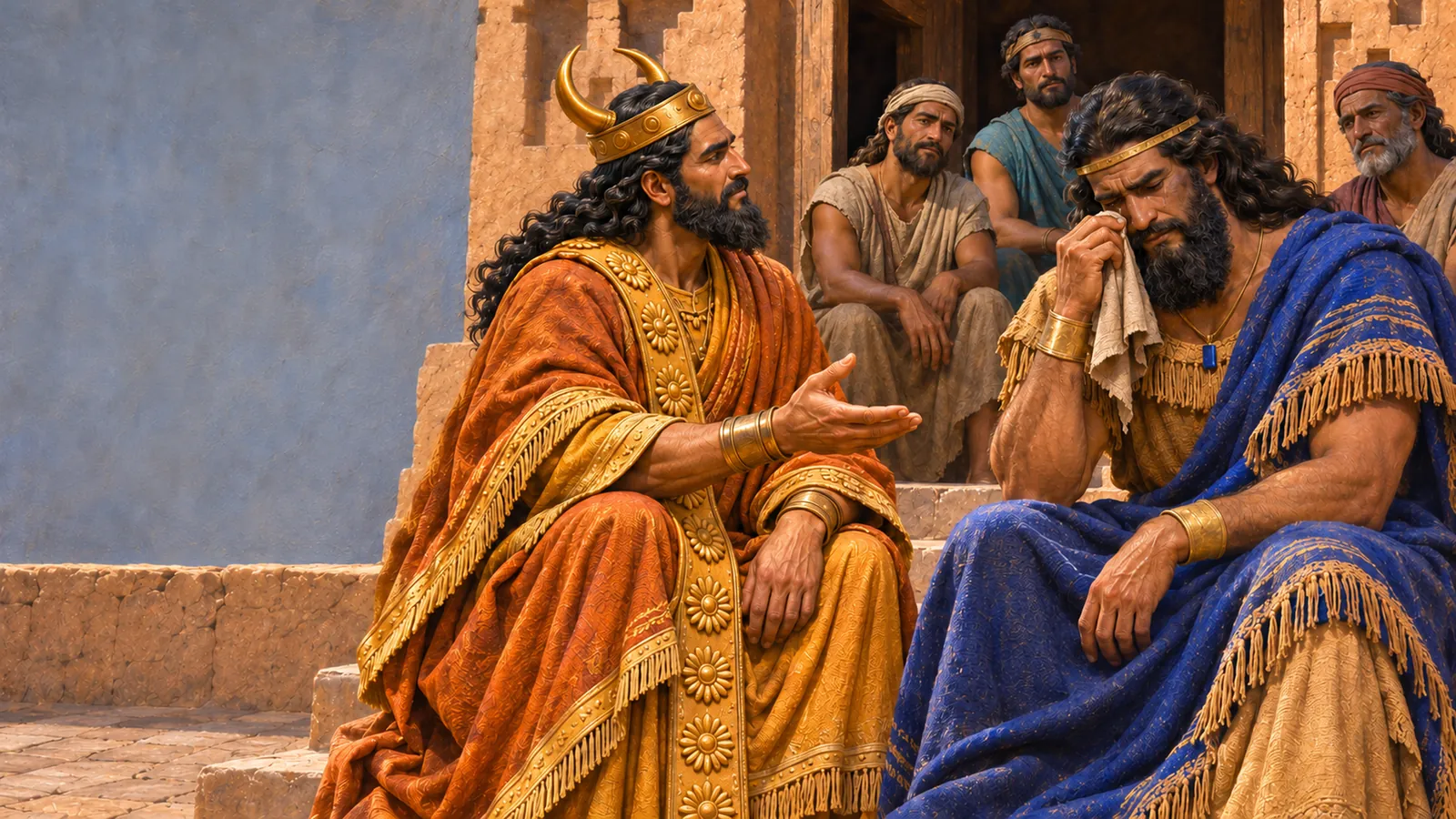
Utu accepted the king’s tears as a fitting gift. Moved by compassion, he offered help for the difficult journey through the mountain valleys.
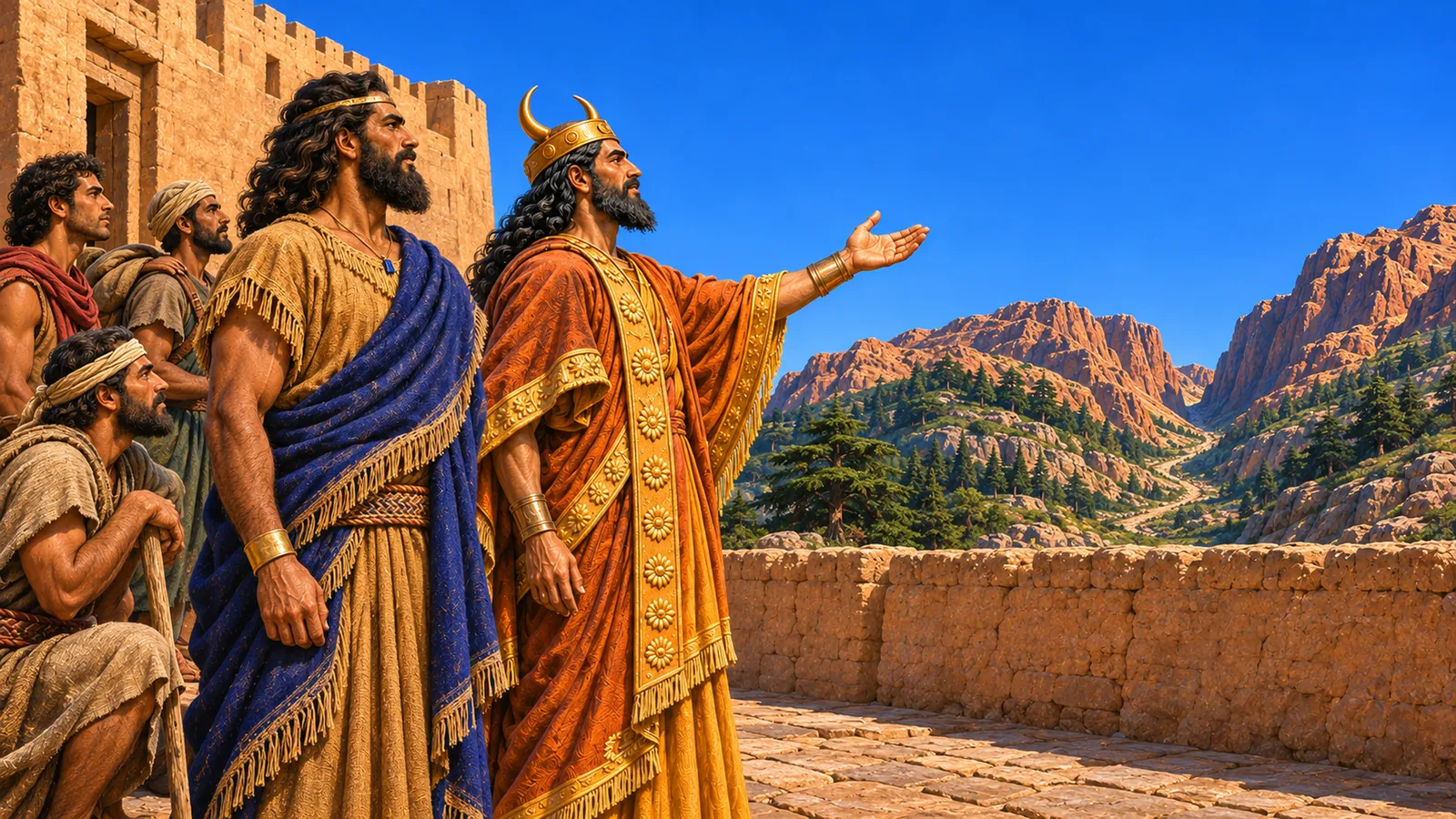
Utu gave him seven mighty guides, born of one mother. Their descriptions are partly damaged; the poem names animal forms, fire and lightning among their qualities.
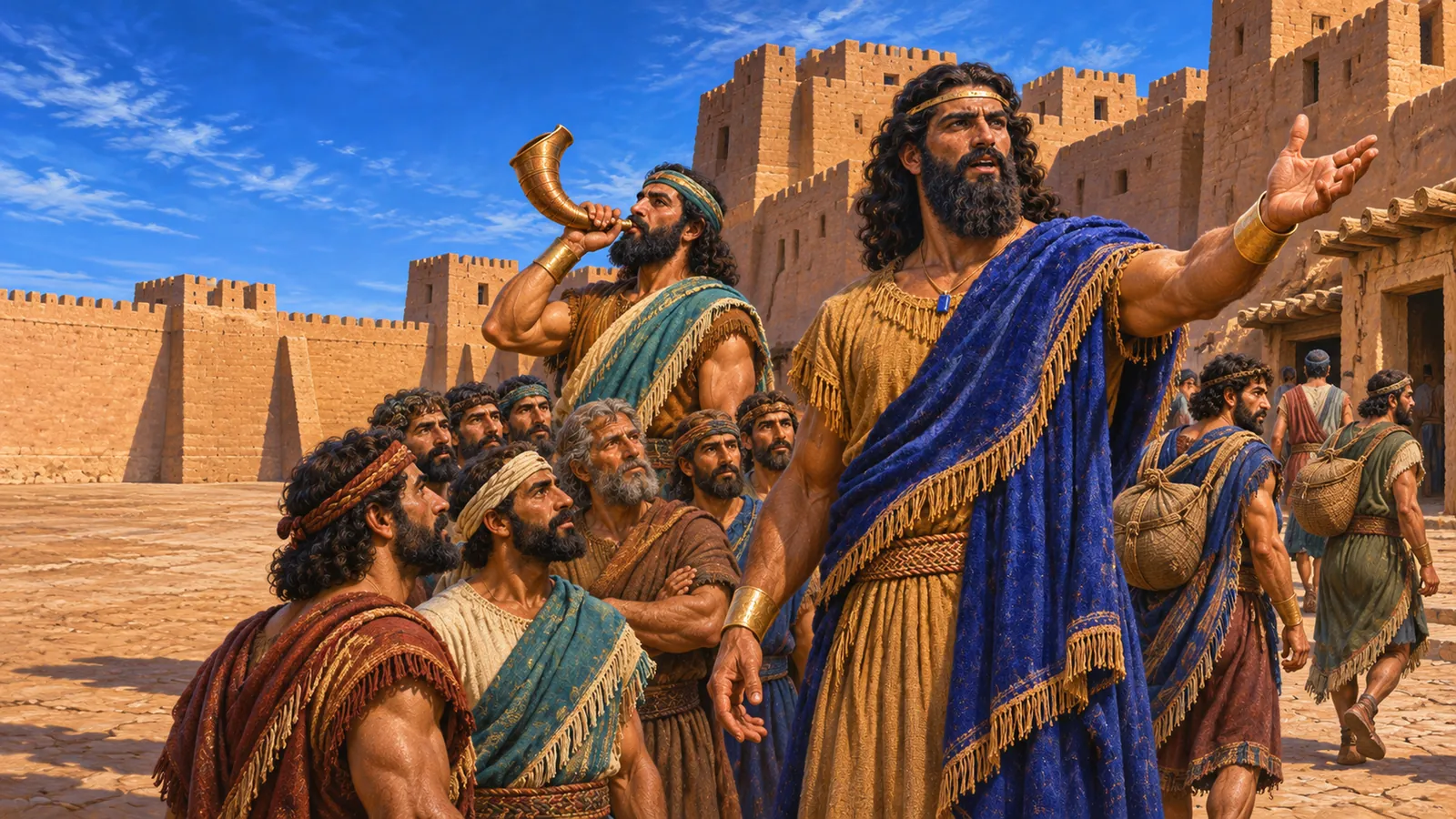
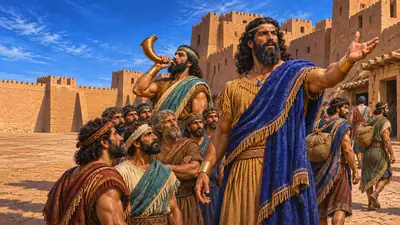
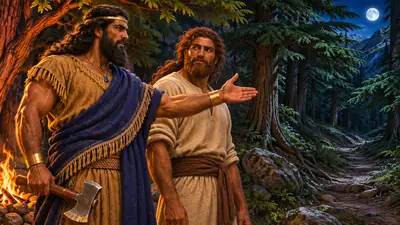
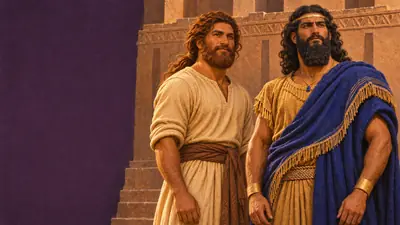
The horn sounded in Uruk. Gilgamesh told men with households or mothers to return to them, and called unattached men to join him.
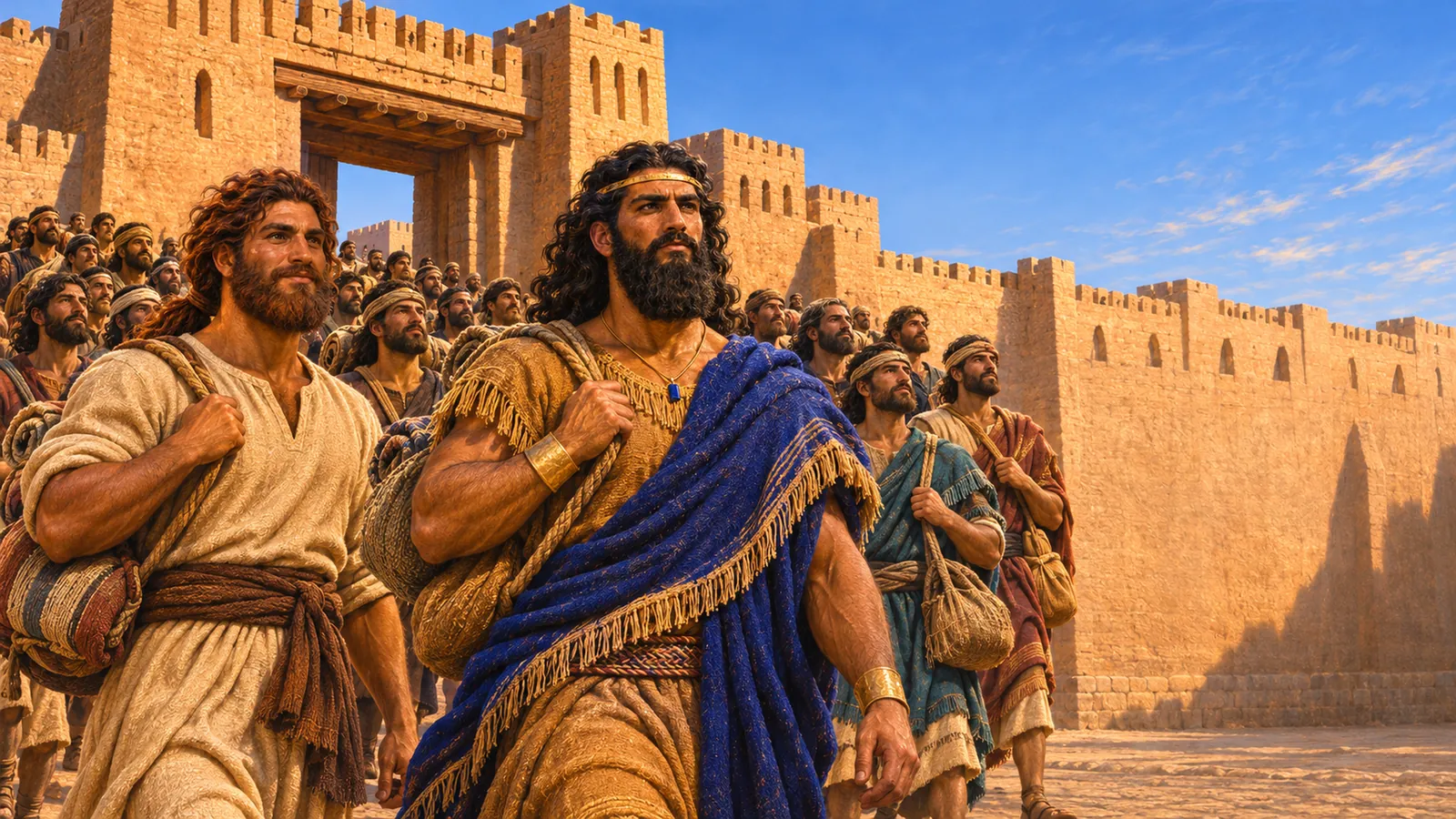
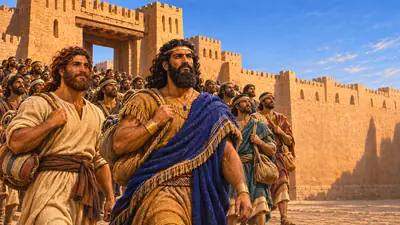
Those with households and mothers returned to them. Fifty unmarried men gathered beside Gilgamesh, ready to accompany him on the expedition.
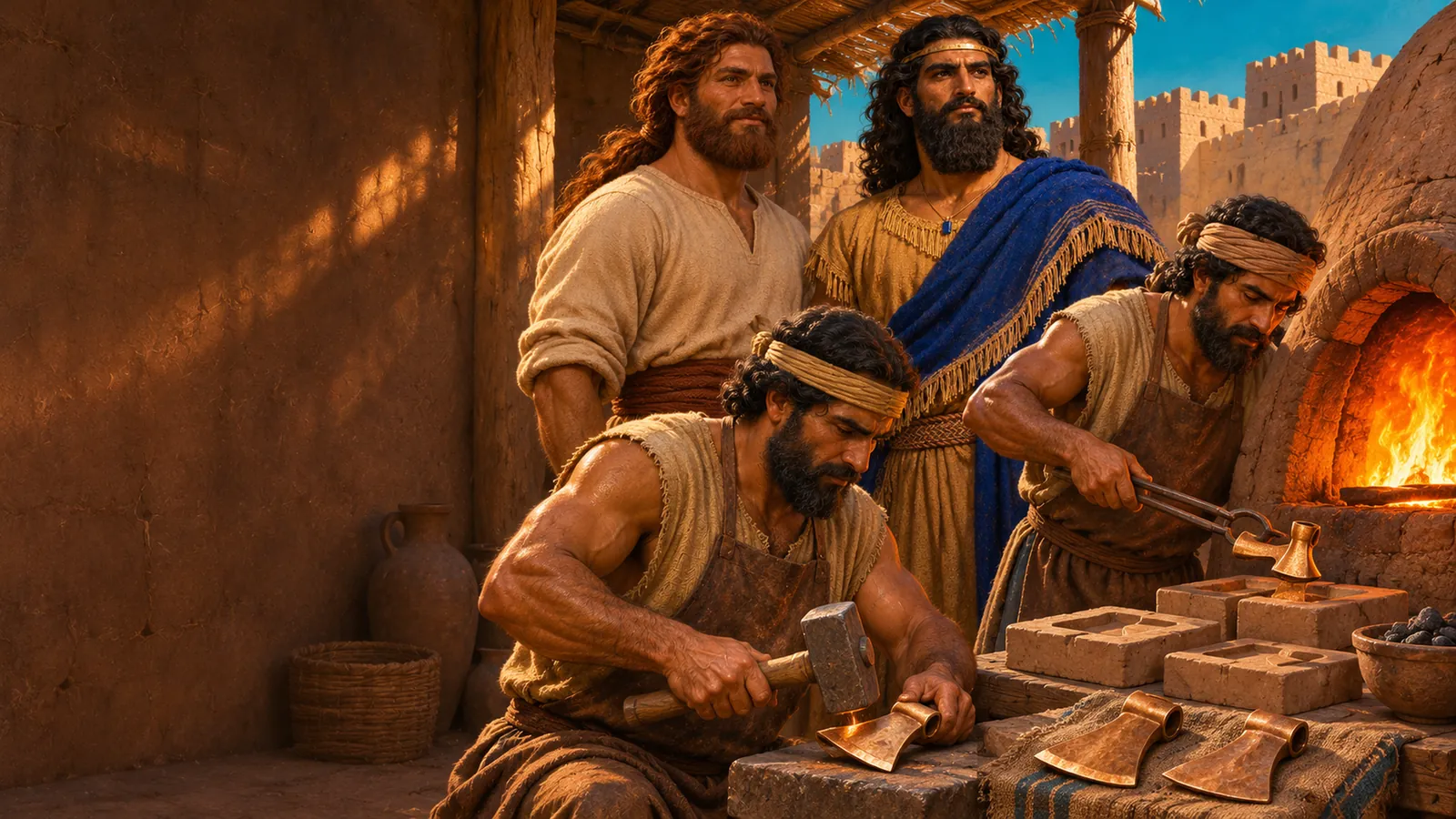
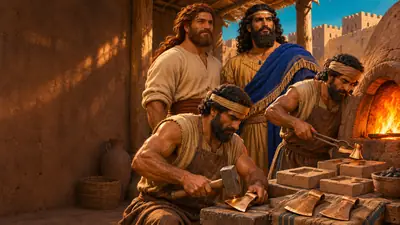
Gilgamesh went to the smiths and had weapons and axes cast. The expedition needed tools and the equipment of warriors before it could depart.
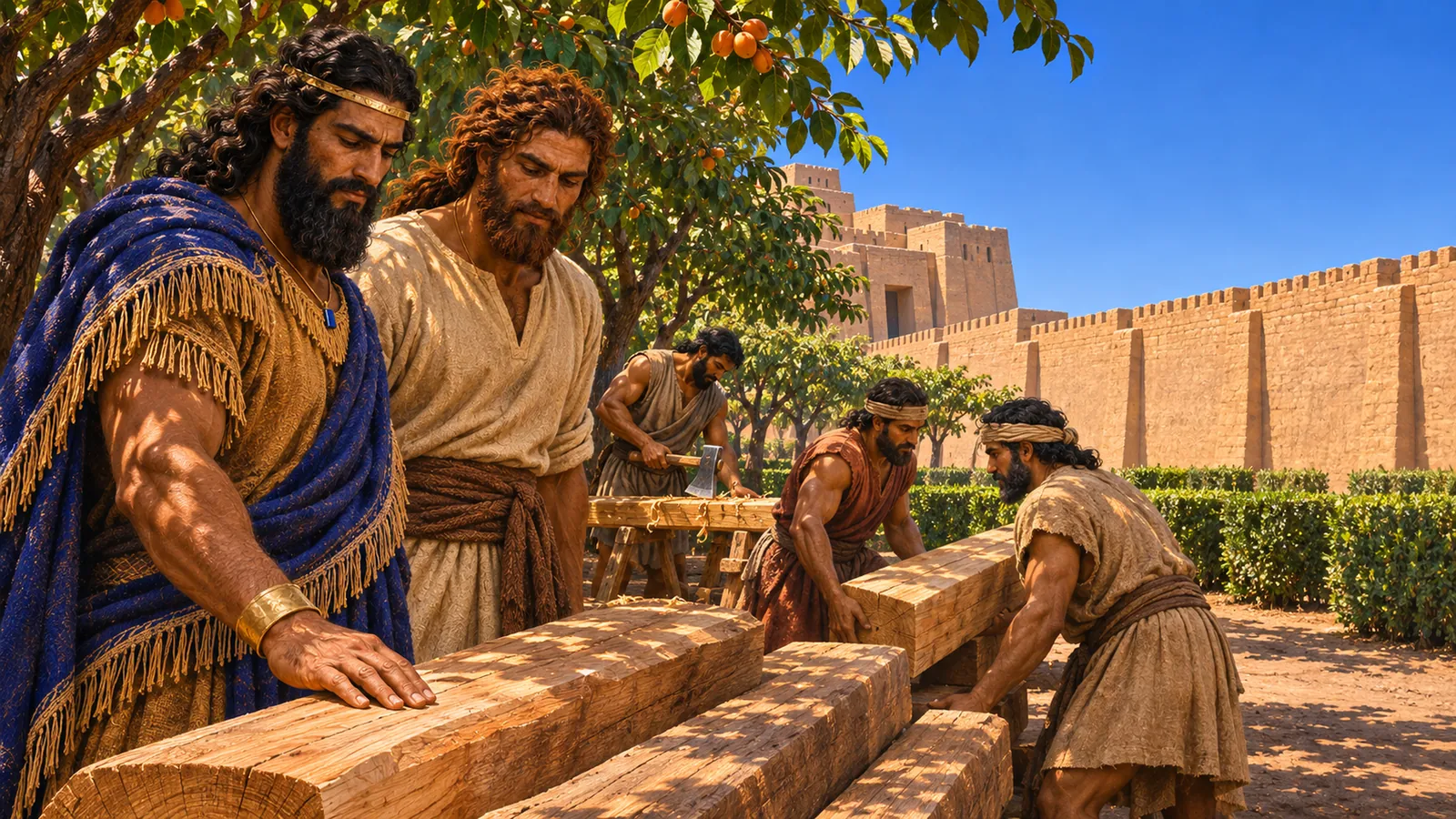
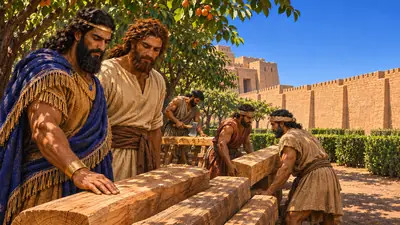
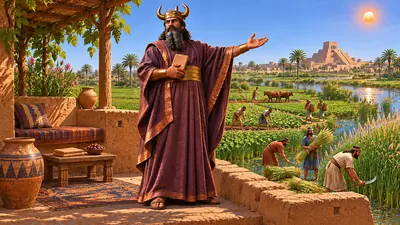
He then went to the shaded plantations and ordered several kinds of wood felled. The poem names ebony, halub, apricot and box trees among them.
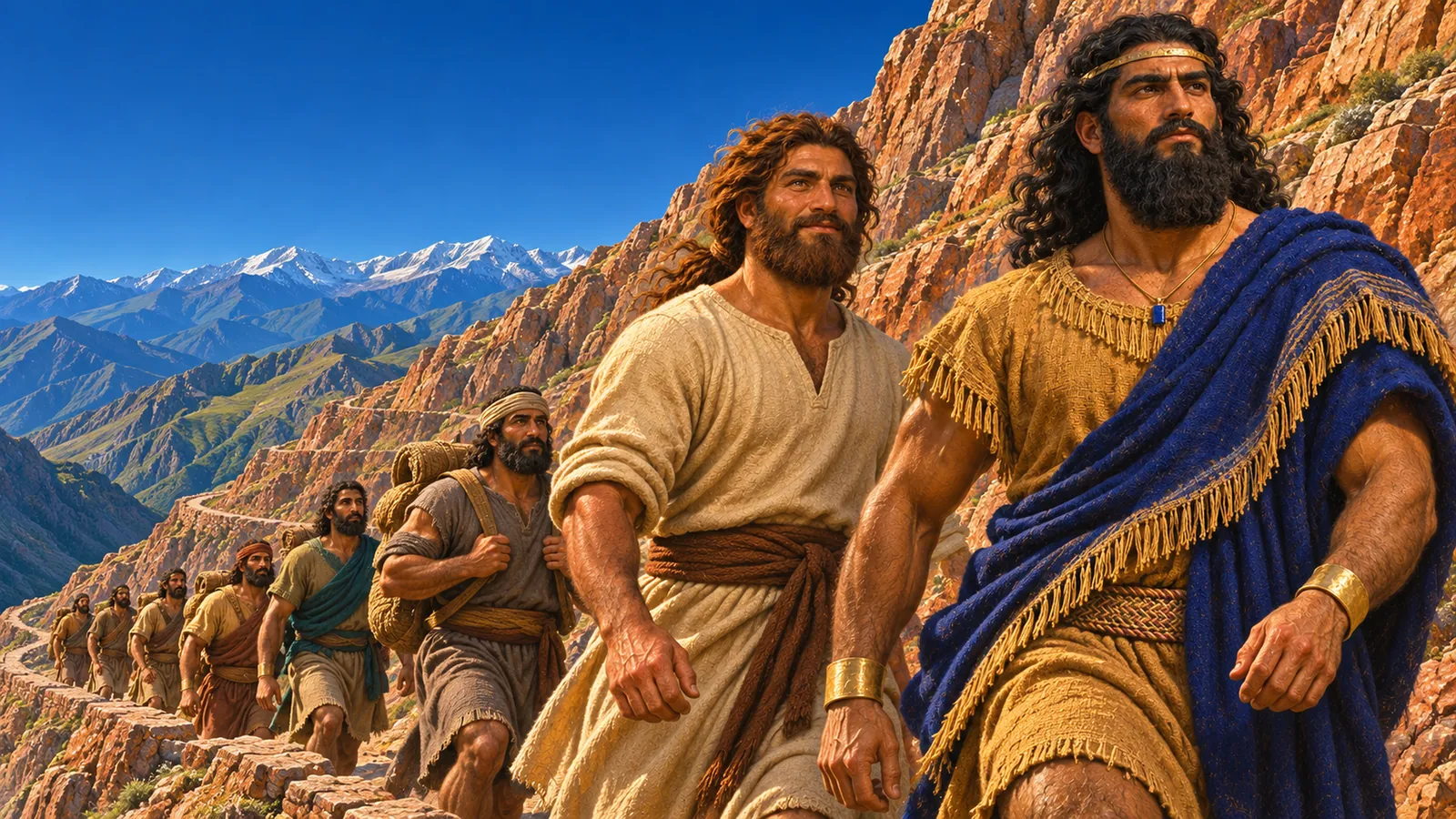
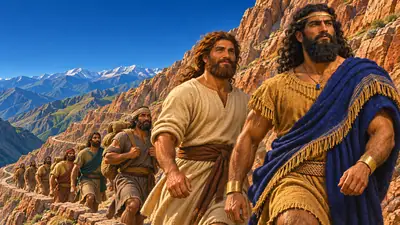
Gilgamesh crossed mountain range after mountain range without finding the cedars. Some manuscripts repeat the unsuccessful crossing through six ranges before the seventh.
CEDARS
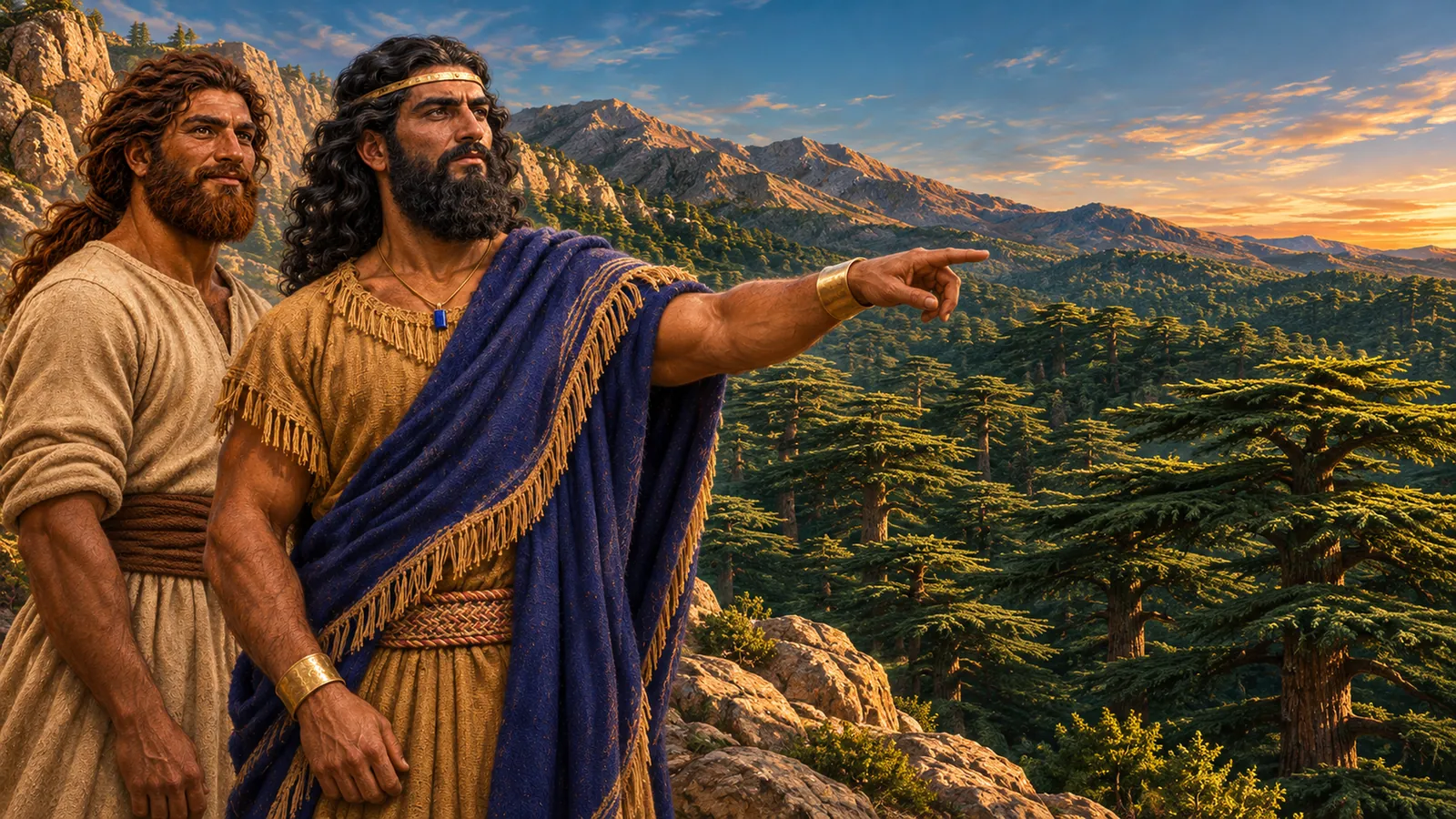
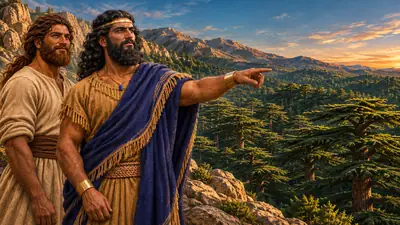
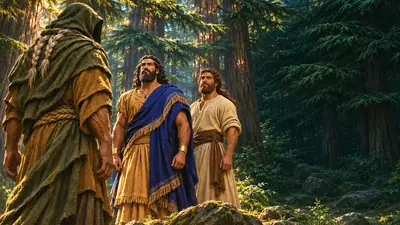
Beyond the seventh mountain range, Gilgamesh finally found the cedars. He no longer needed to ask or search; the forest lay before him.
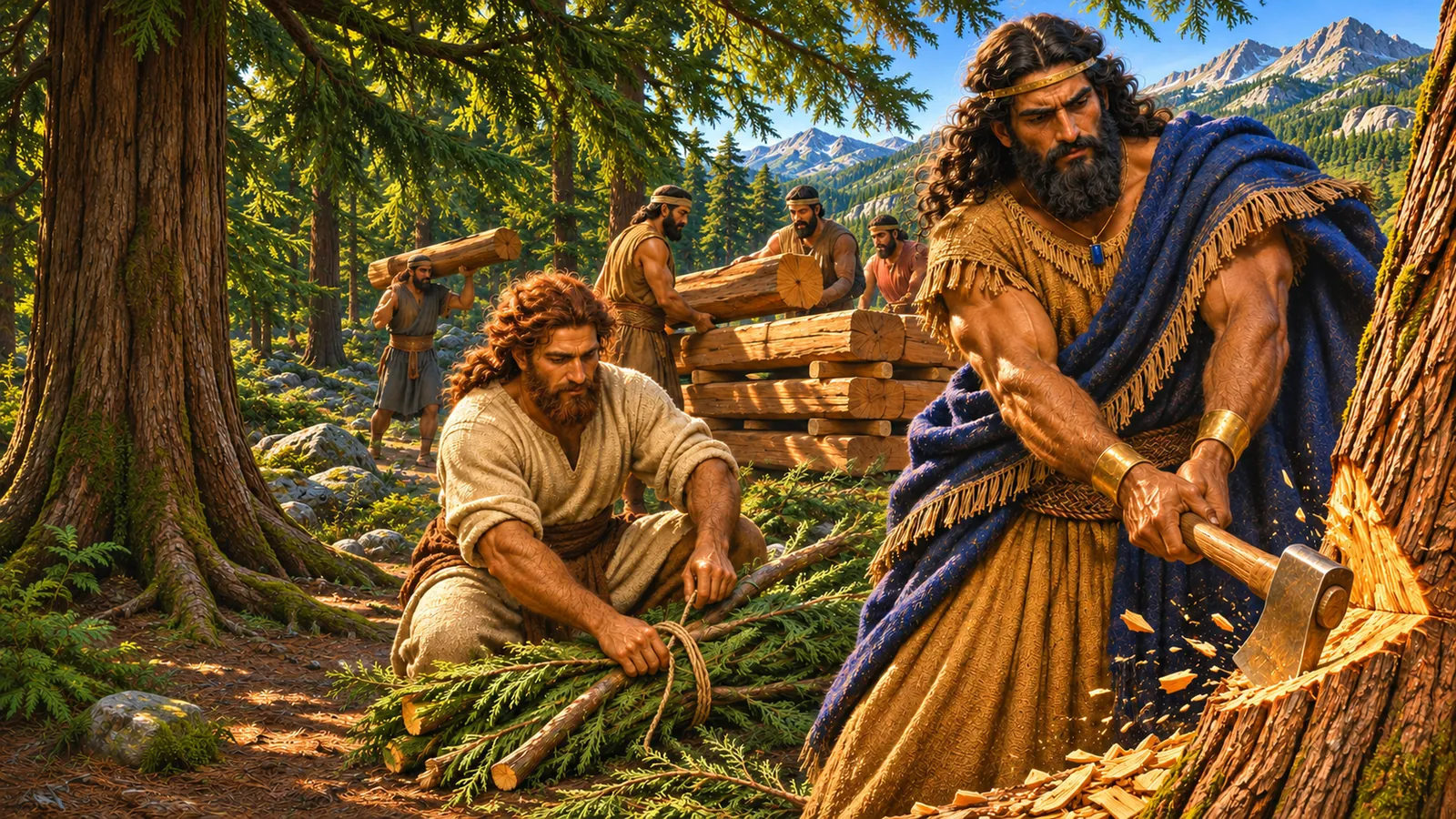
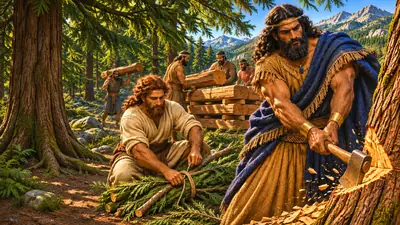
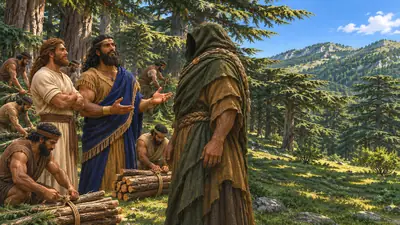
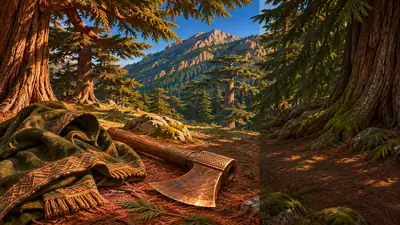
Gilgamesh began cutting the cedars while Enkidu worked on their branches. Their companions gathered the timber and stacked it in piles below the hills.
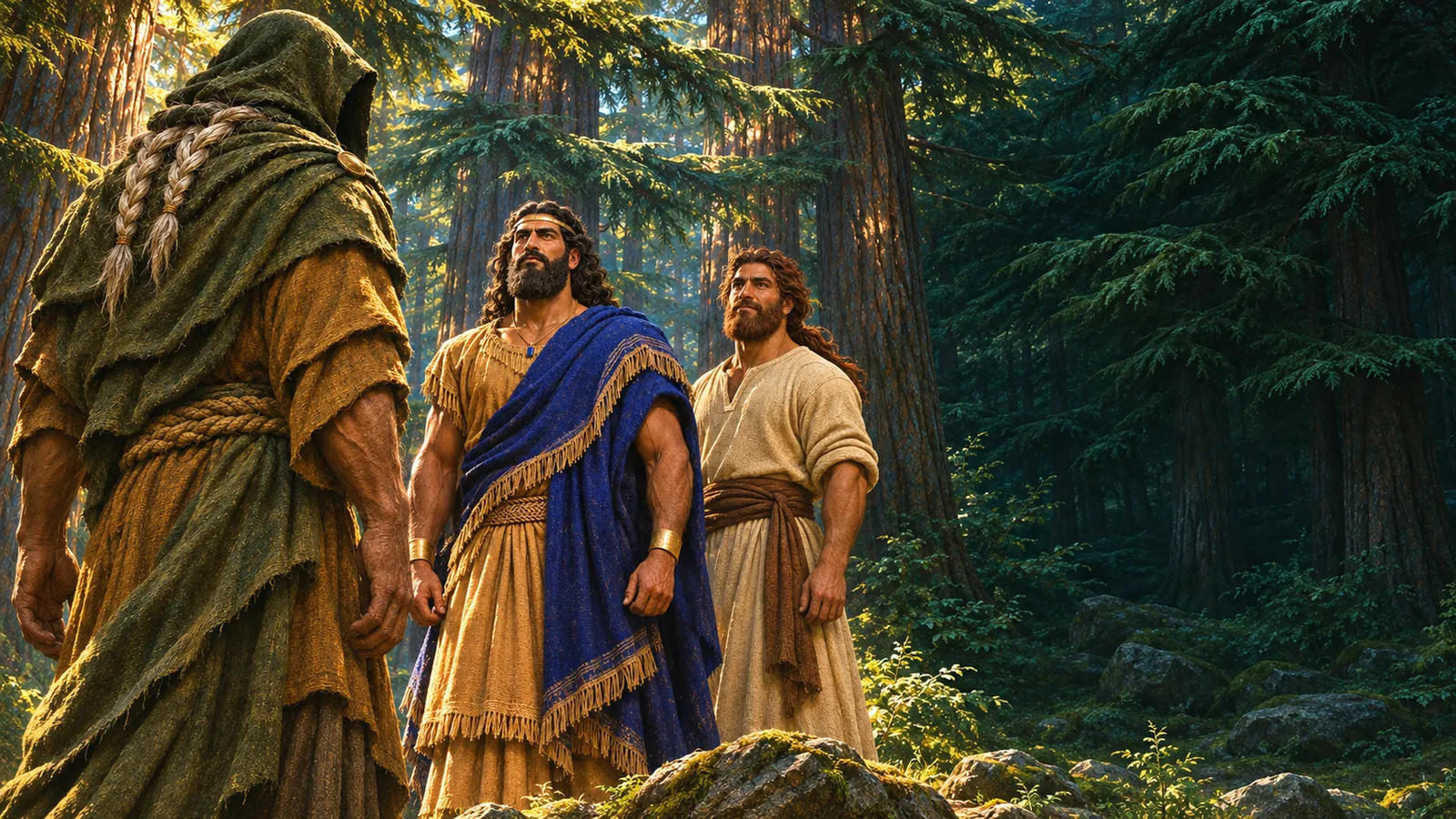
The damaged passage turns to Huwawa’s response. In its surviving and variant wording, the forest guardian released his terrors as the cedars were cut.
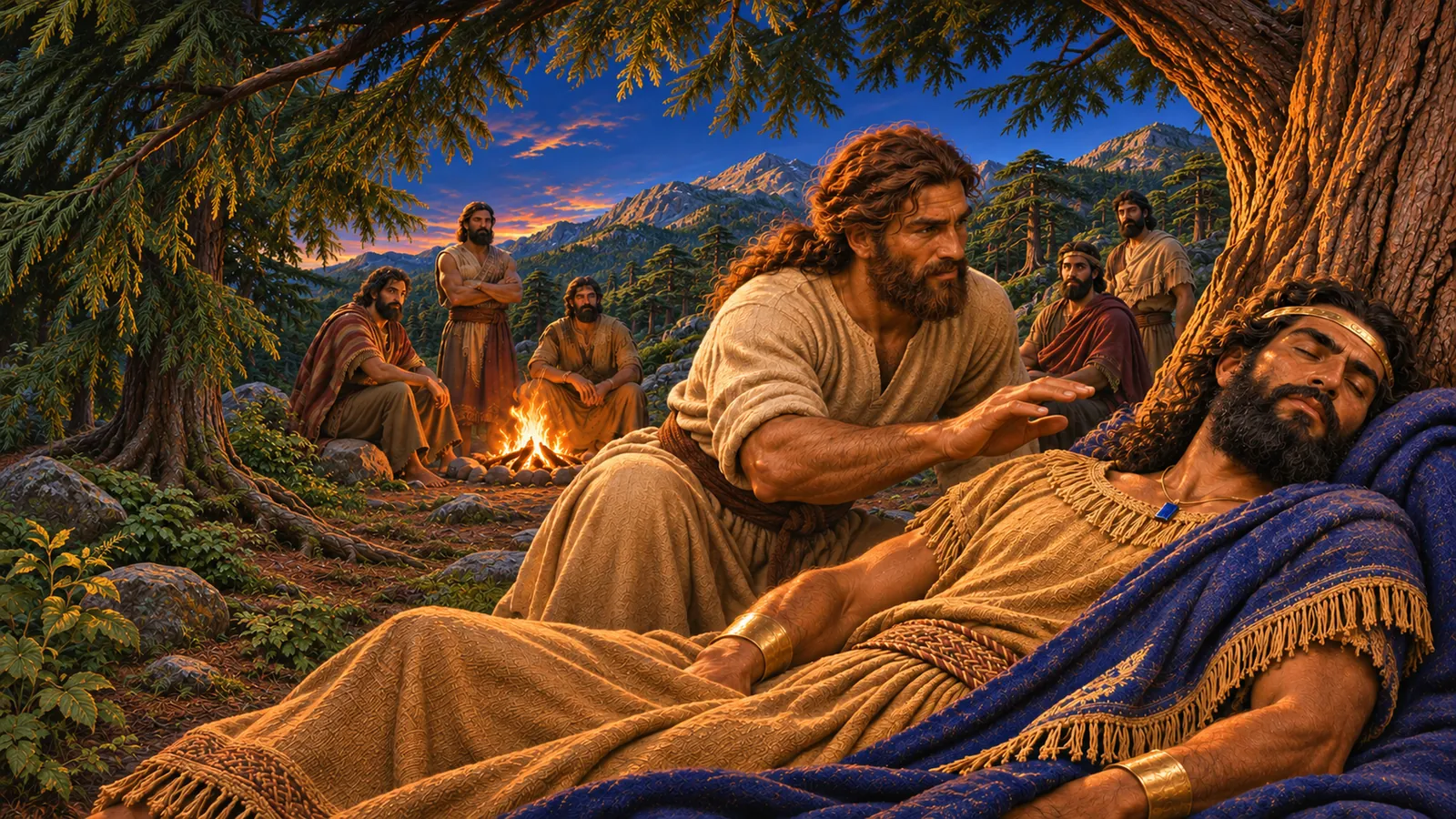
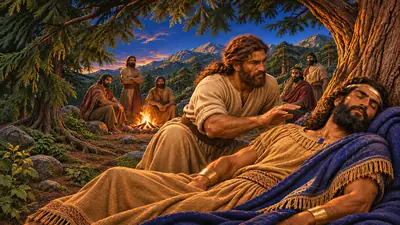
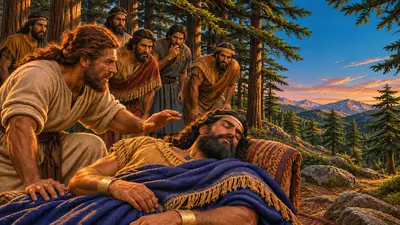
Sleep overcame Gilgamesh, and the passage also describes Enkidu’s troubled sleep. Enkidu woke shuddering, but his touch and voice could not yet rouse the king.
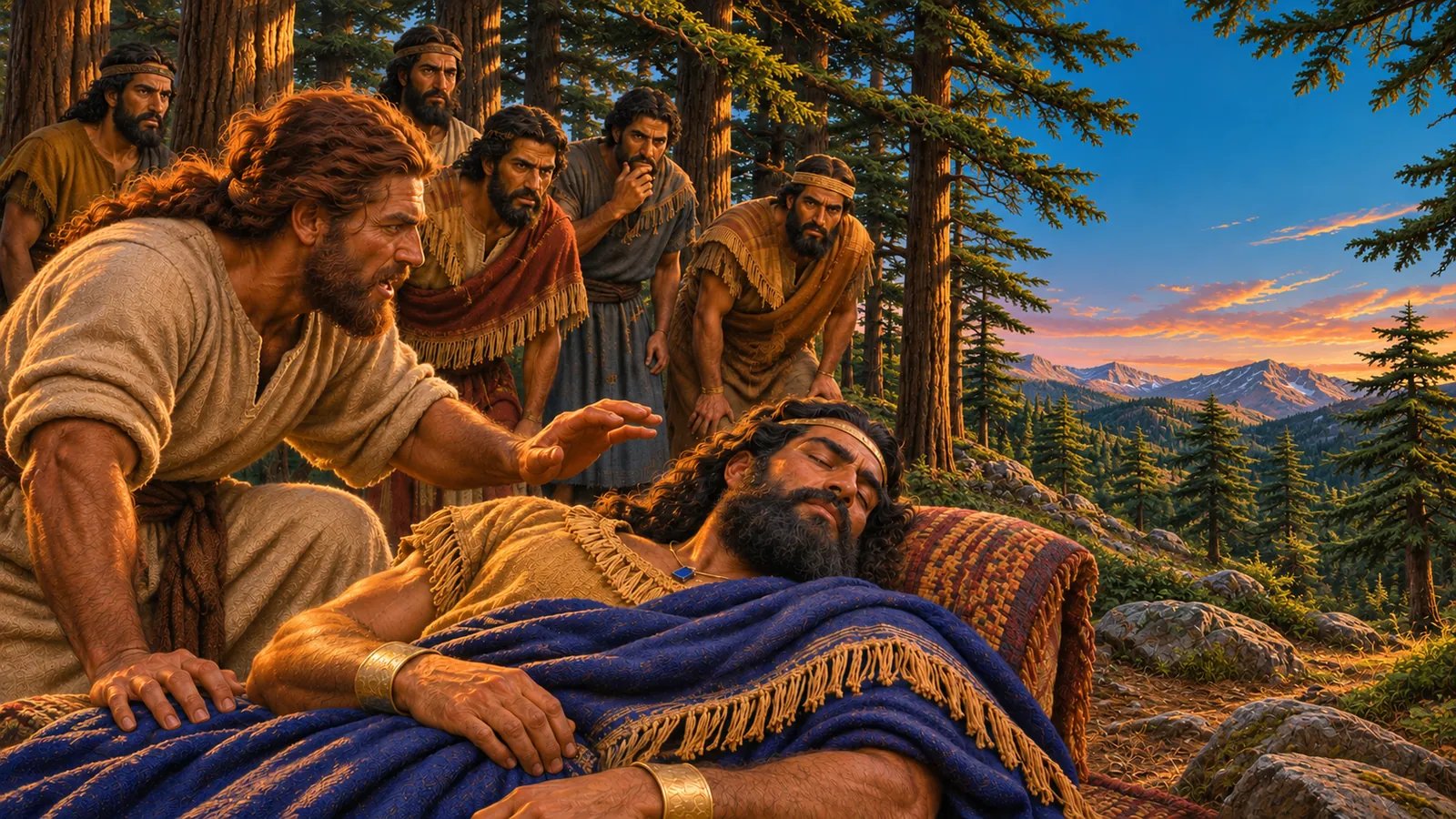
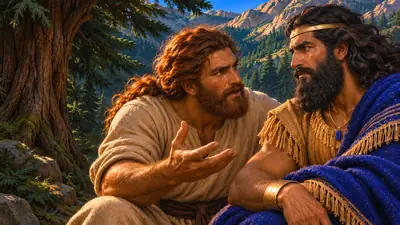
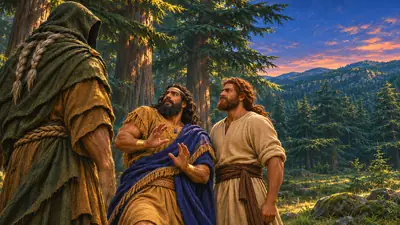
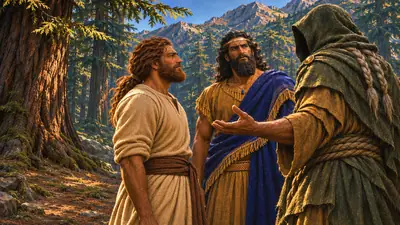
Enkidu called to Gilgamesh as evening settled over the mountains. He spoke of the waiting companions and the mothers who should not have to twist thread in the city square.
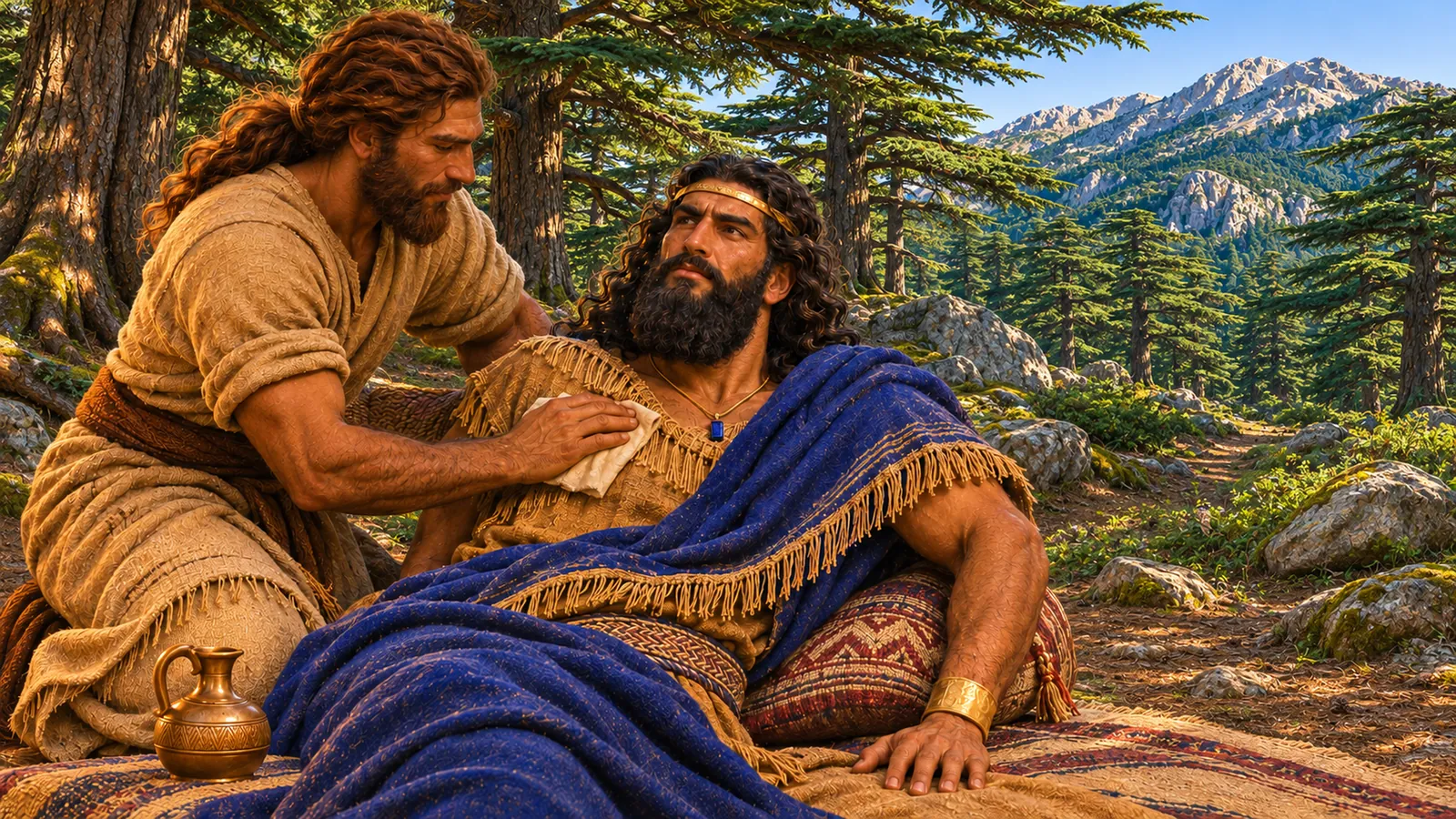
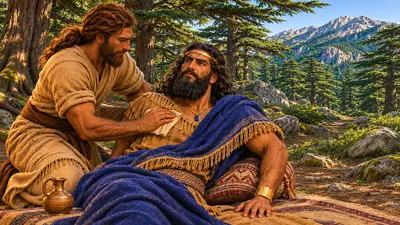
Enkidu took a cloth with thirty shekels of oil on it and applied it to Gilgamesh’s chest. Then the king rose, compared by the poem to a bull.
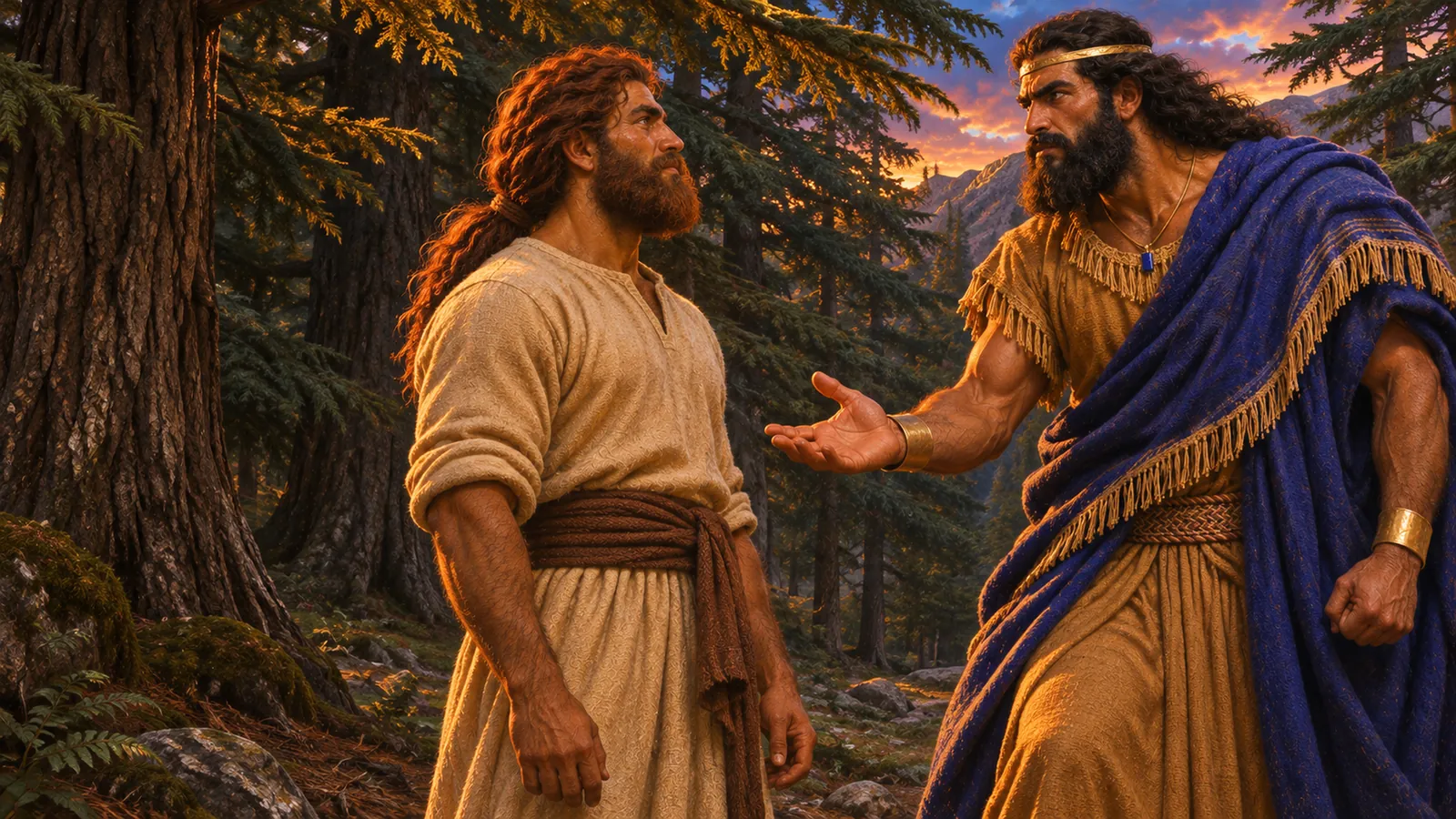
Gilgamesh rose and cried out to Enkidu, swearing by Ninsun and Lugalbanda. Was he to become again like someone sleeping on his mother’s lap?
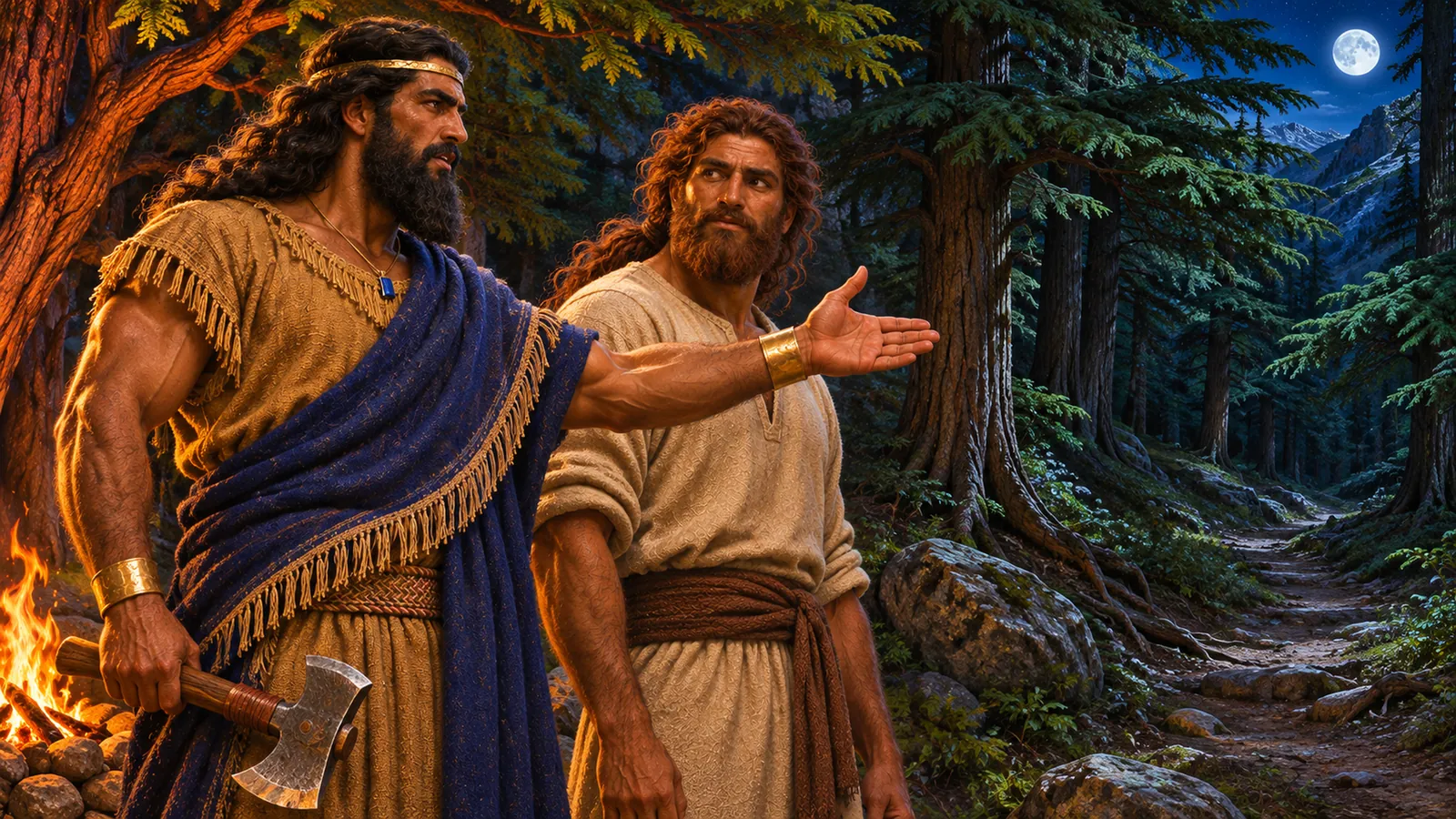
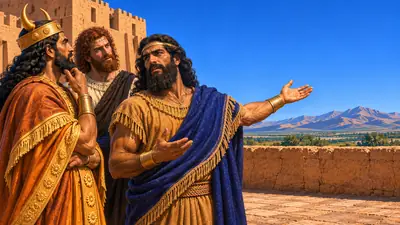
He swore that he would not turn his mountain-bound steps back toward Uruk. First he must discover whether the being before them was human or divine.
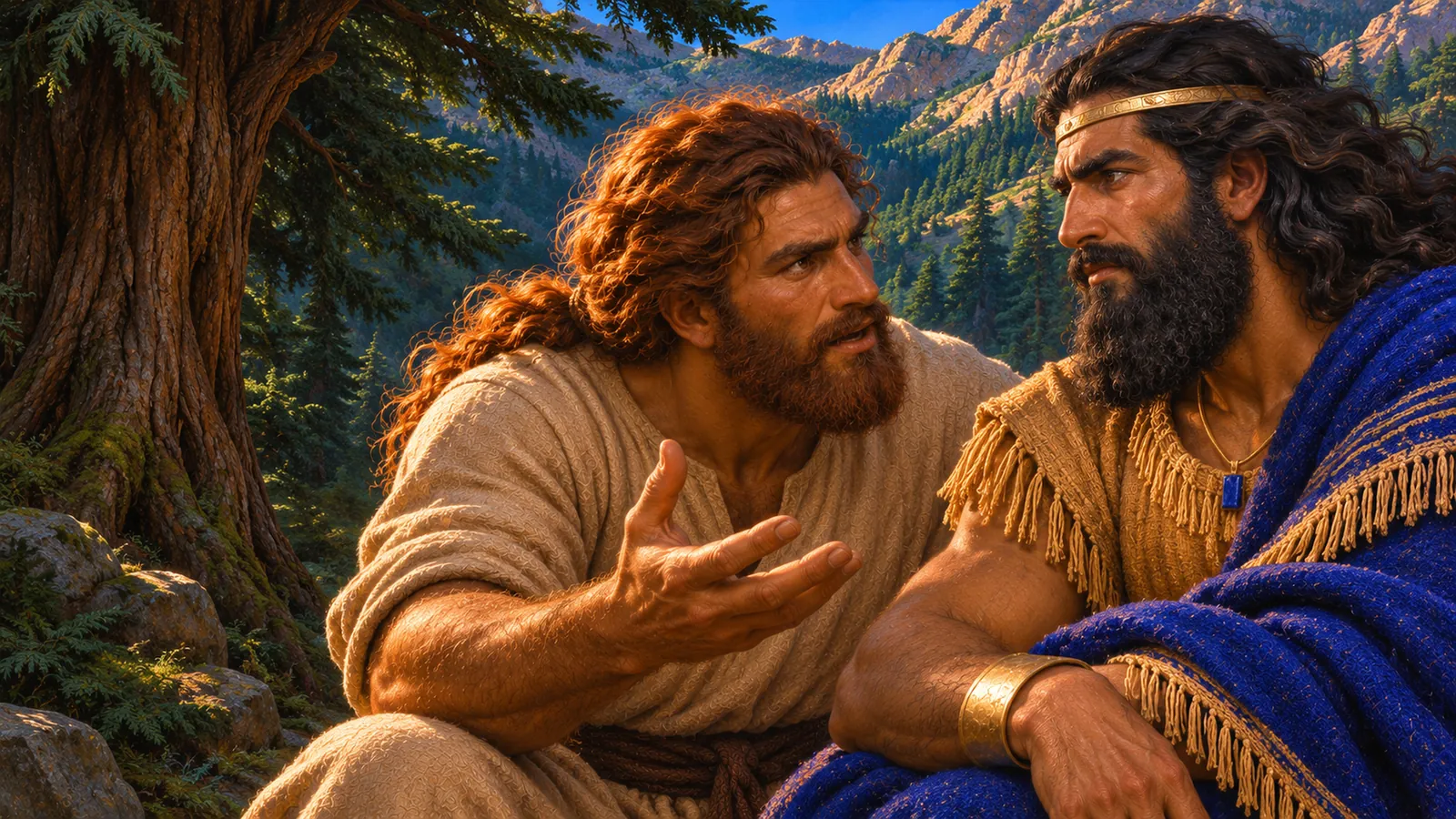
Enkidu described Huwawa’s overwhelming power with fierce animal and flood comparisons. Some copies add bloody images of devouring; Enkidu feared bringing news of Gilgamesh’s death to his mother.
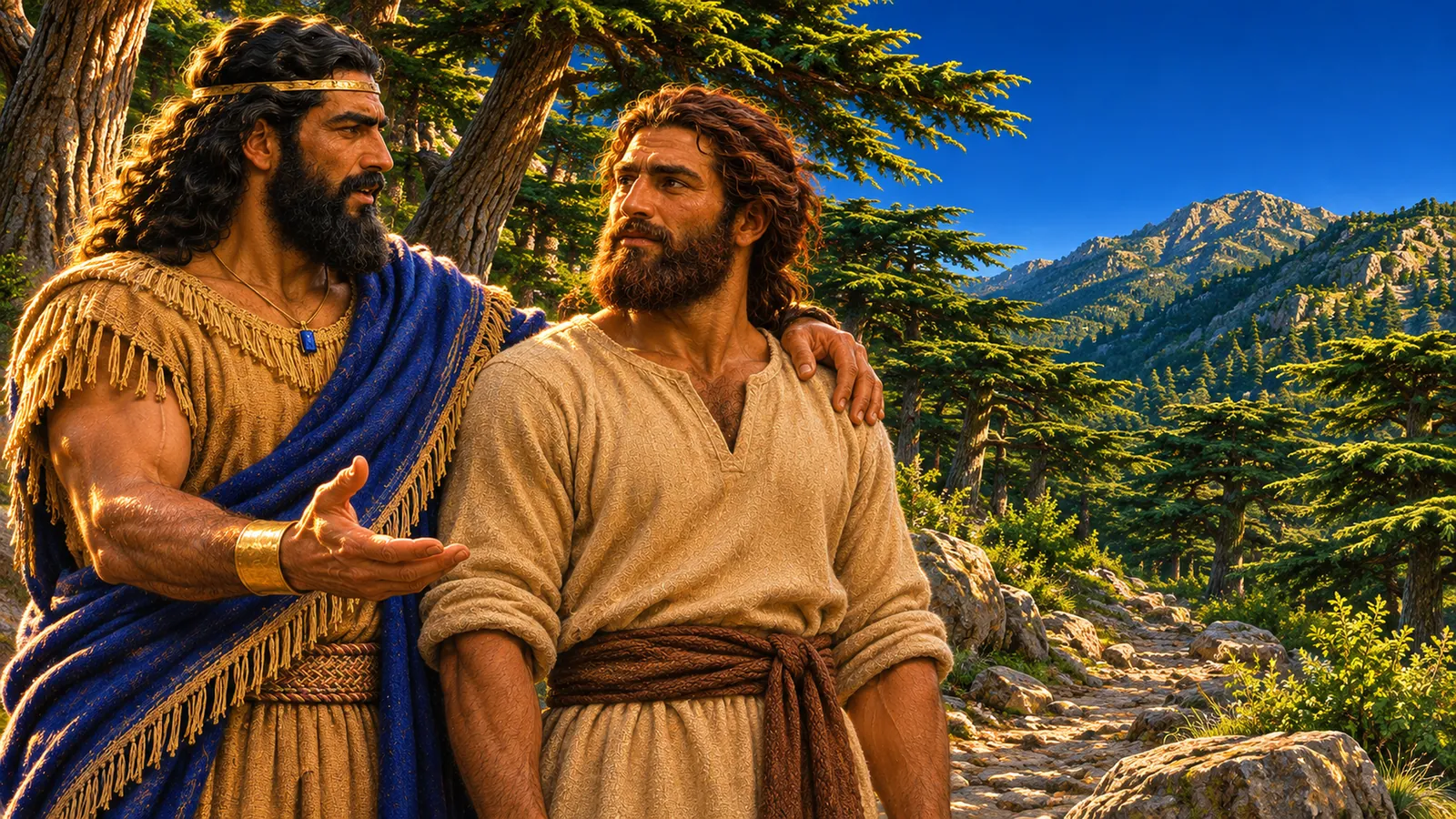
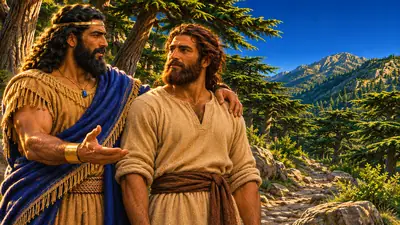
Gilgamesh answered with images of strength held together: woven cloth and a boat’s saving pole. If each helped the other, he asked, what could overcome them?
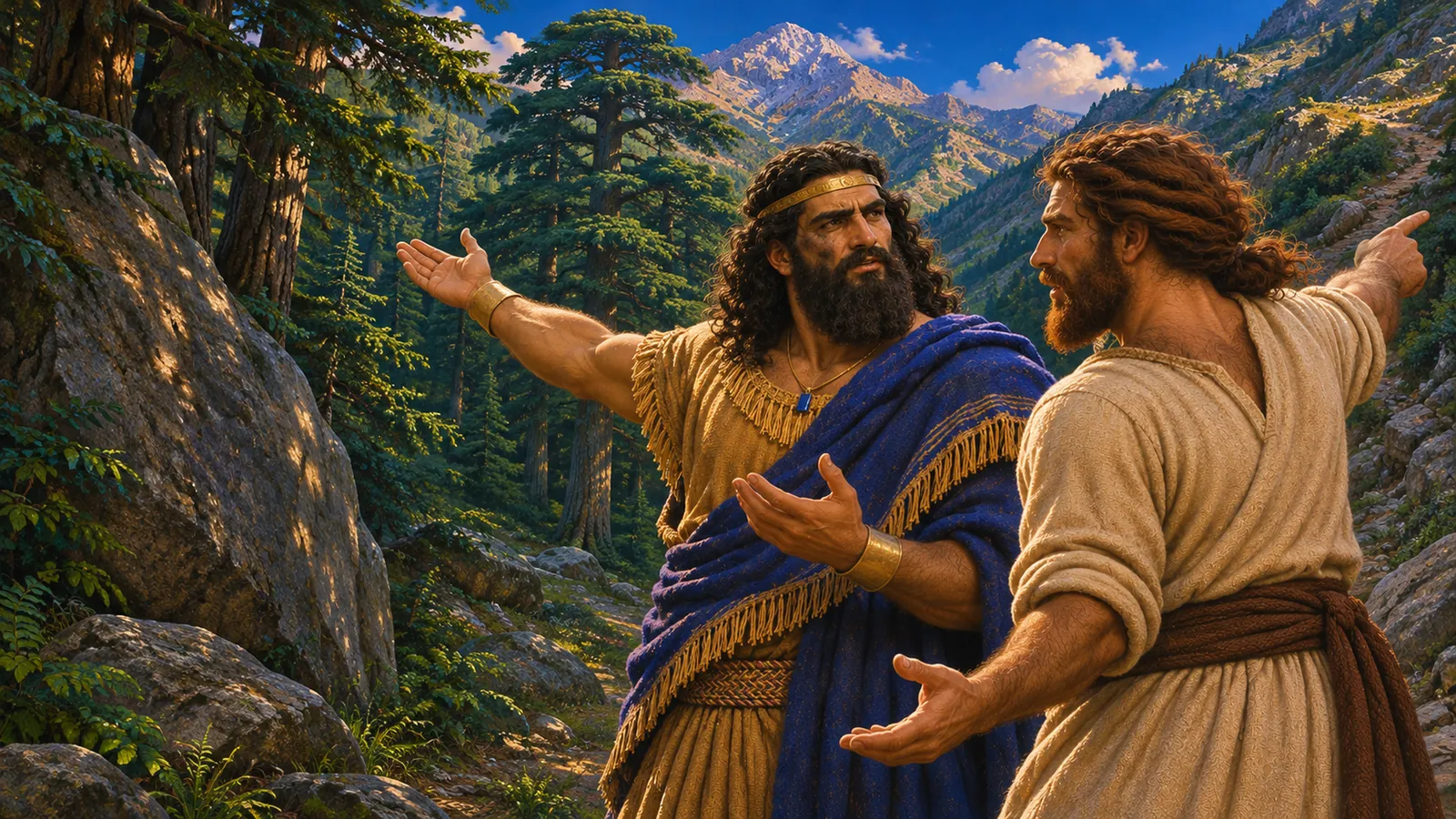
The exchange turns between warnings of terror and the call to go on. Retreat is urged, but the answer insists they should pursue Huwawa and see him.
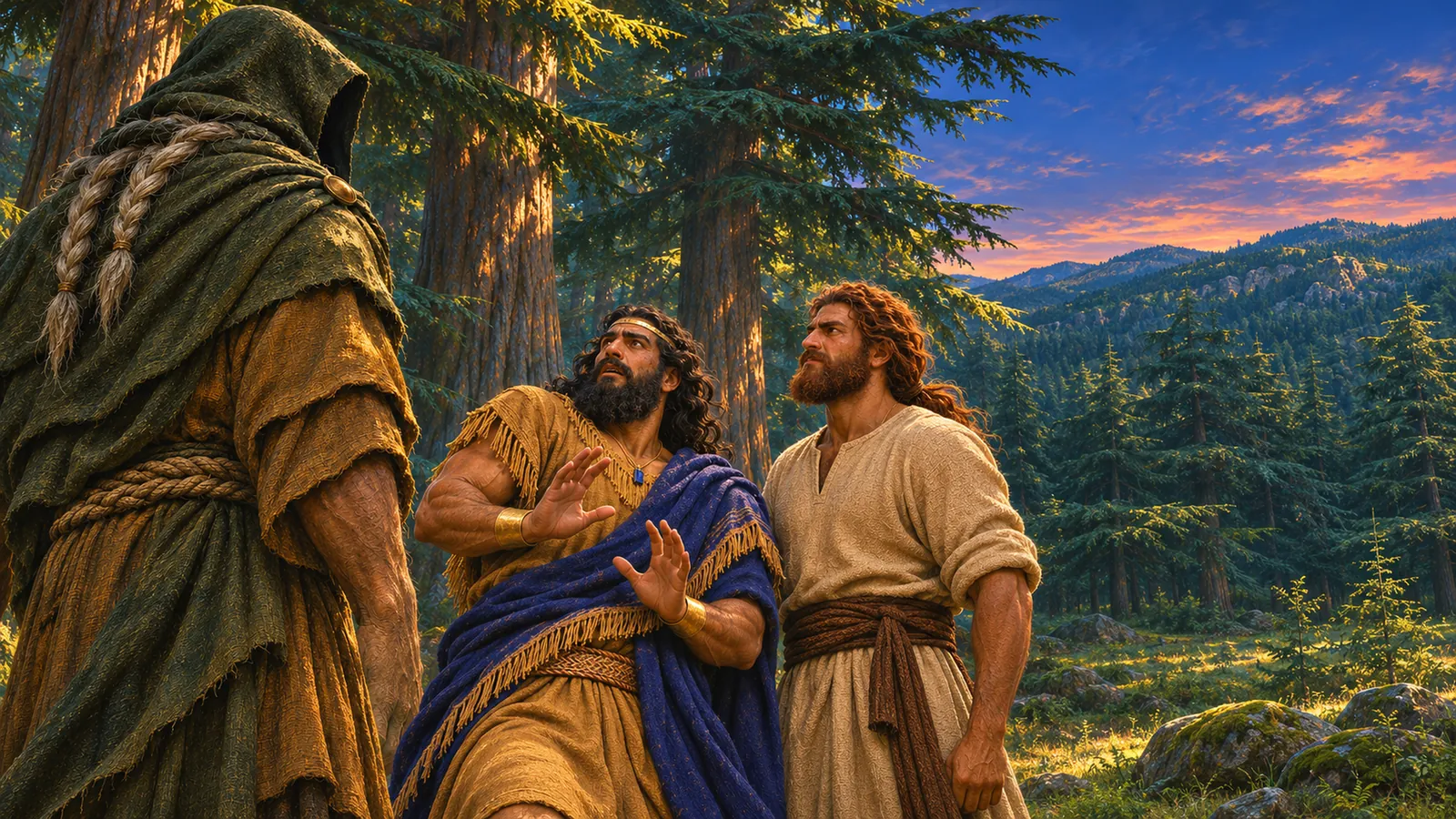
Huwawa warned that the young man would never return to his mother’s city. Fear seized the traveler’s body and feet; the damaged wording leaves some details uncertain.
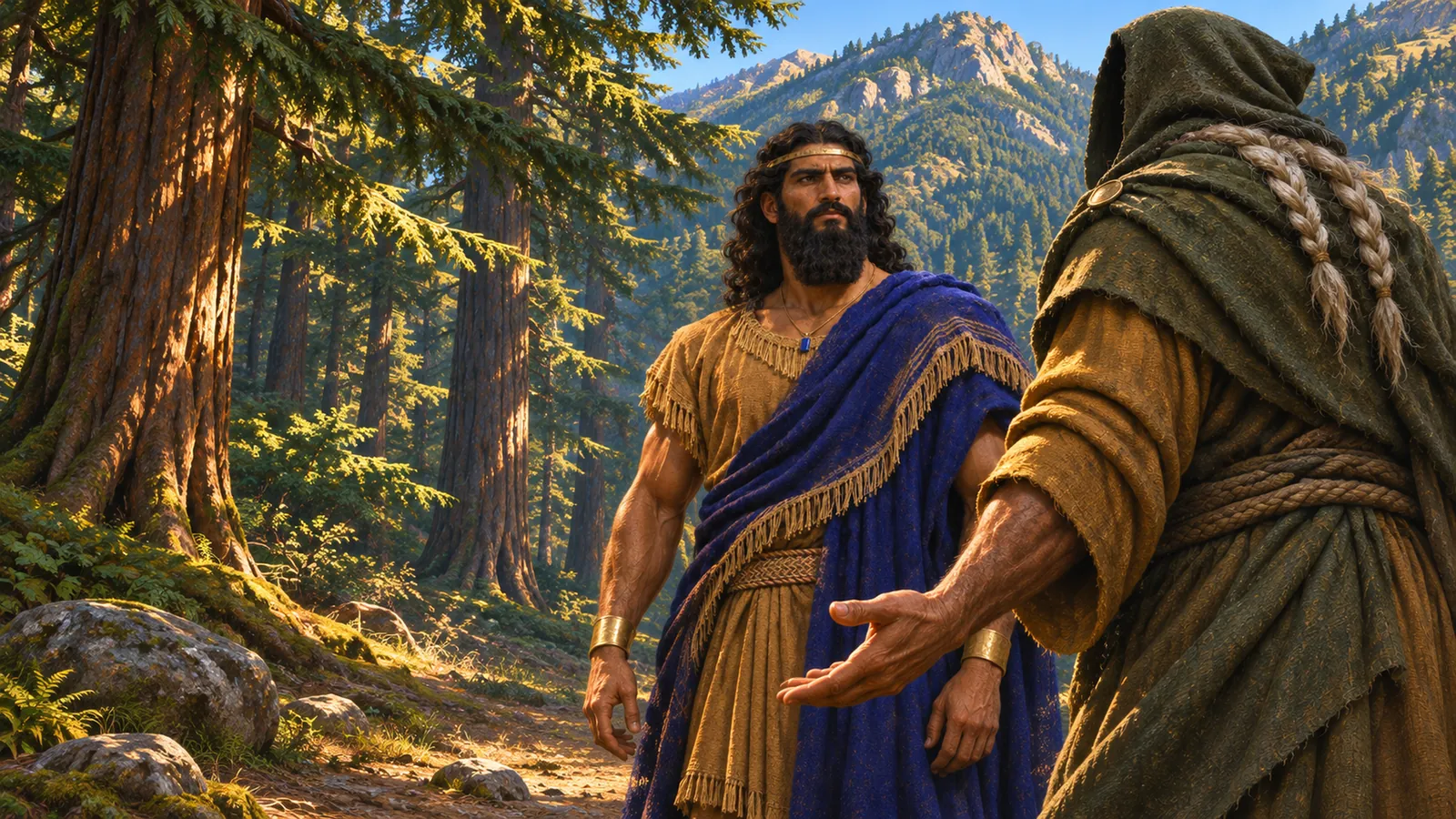
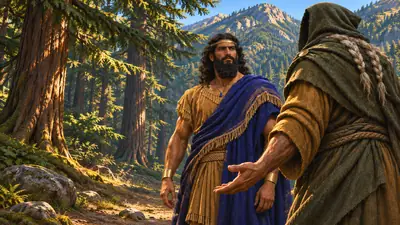
Huwawa addressed the hero with praise of his strength, birth and upbringing. Then he told him not to fear and to rest his hand on the ground.
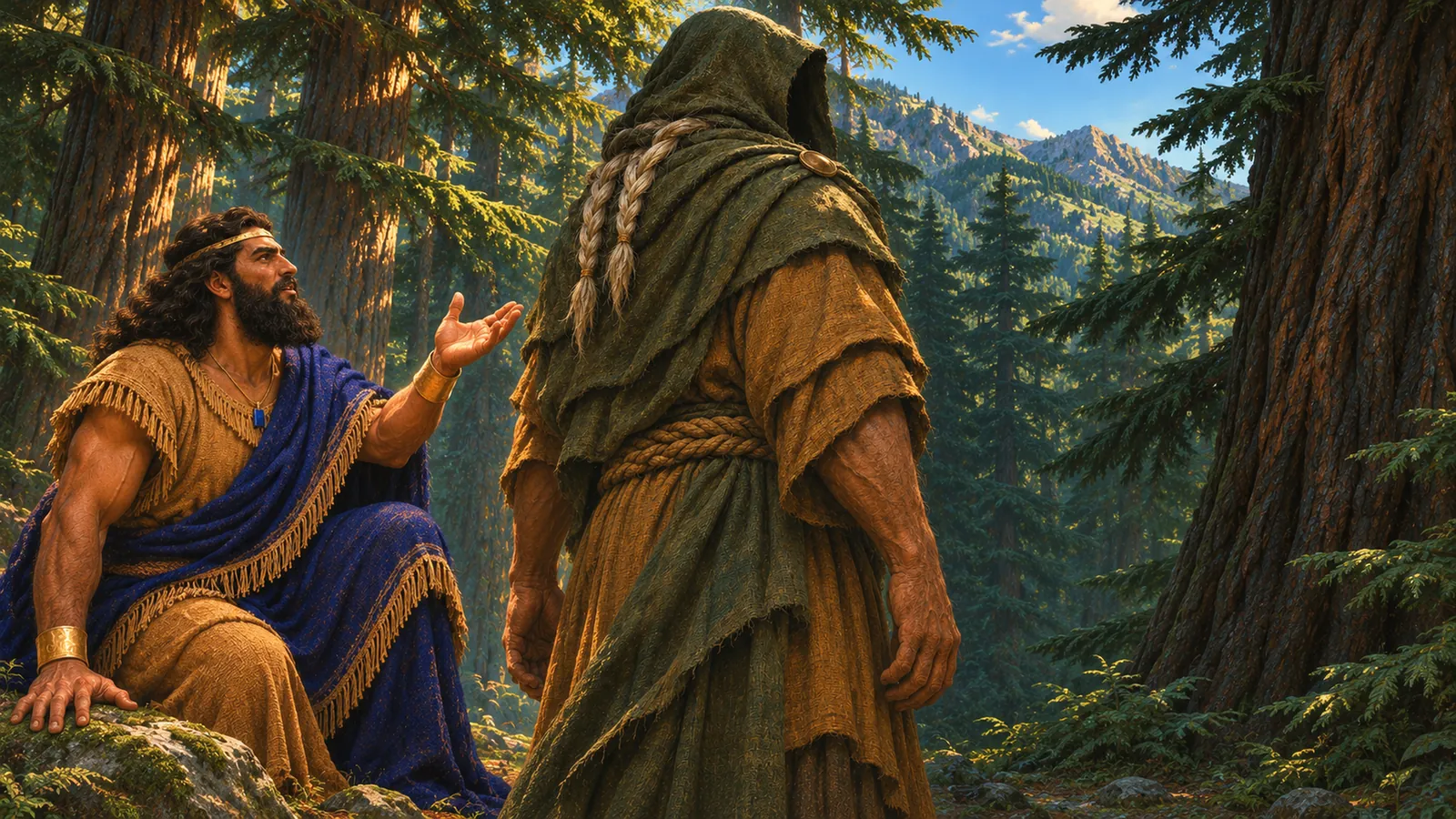
THE BARGAIN
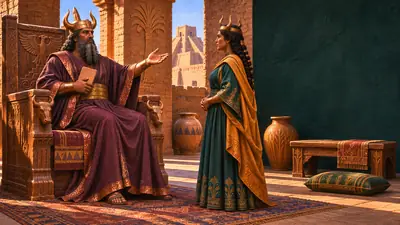
Gilgamesh swore by Ninsun and Lugalbanda. He offered someone he called his elder sister, En-me-barage-si, as Huwawa’s wife, beginning his bargain for the terrors.
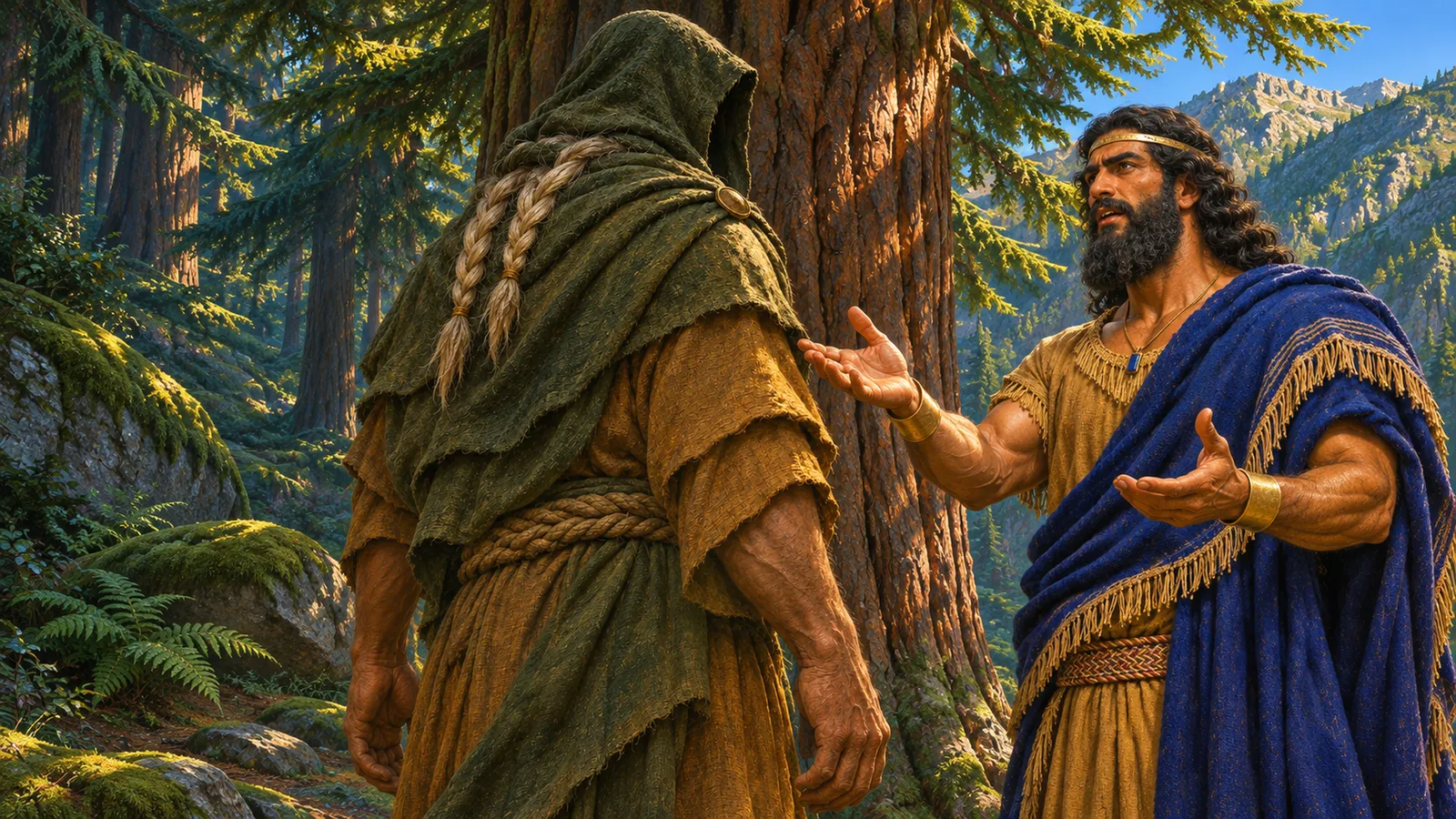
He next offered Ma-tur, whom he called his younger sister, as a concubine. He asked Huwawa to surrender his terrors, saying he wished to become his kinsman.
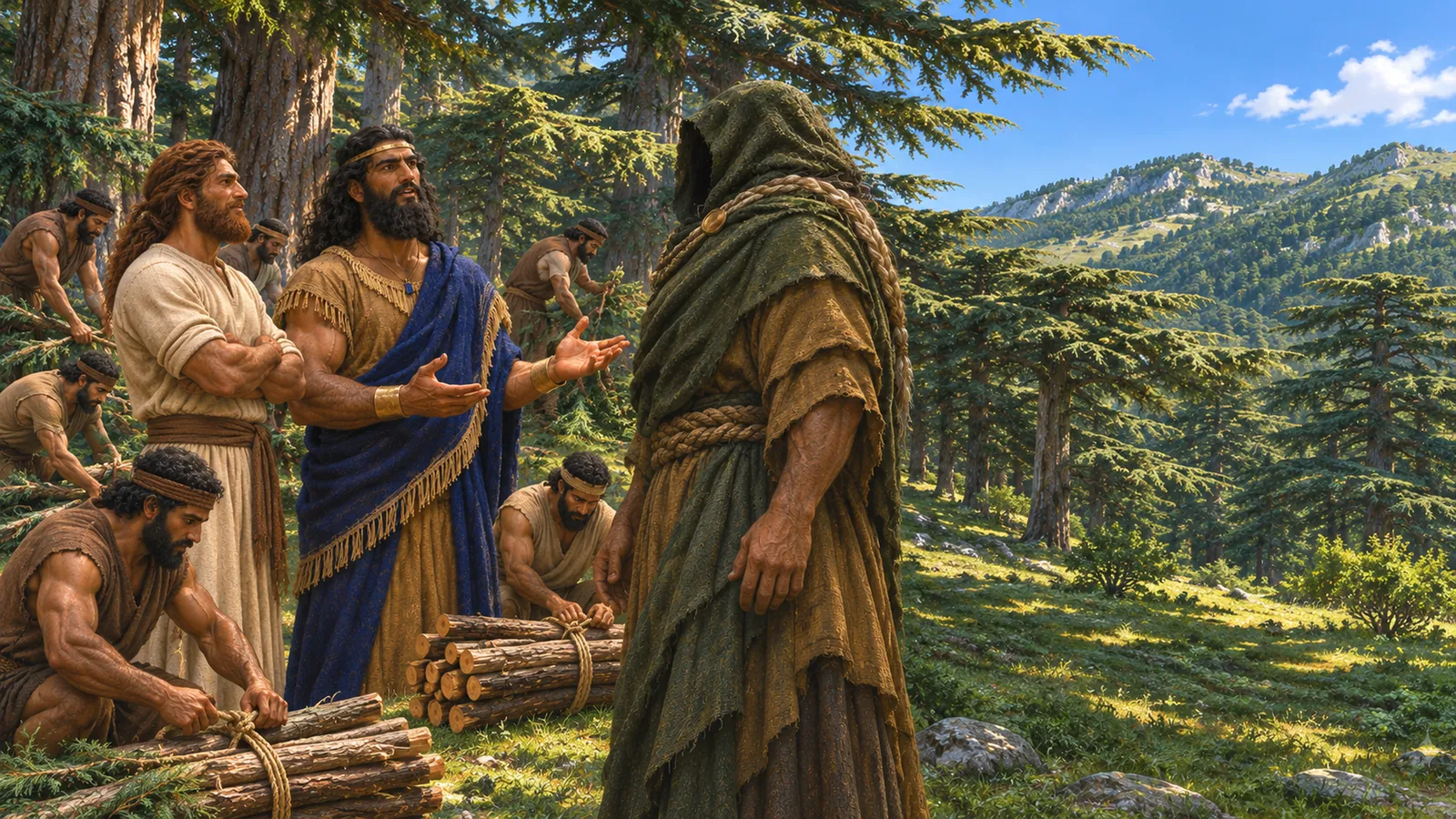
Huwawa handed over his first terror. Meanwhile, the companions who had come with Gilgamesh cut branches, tied bundles and laid the timber at the foot of the hills.
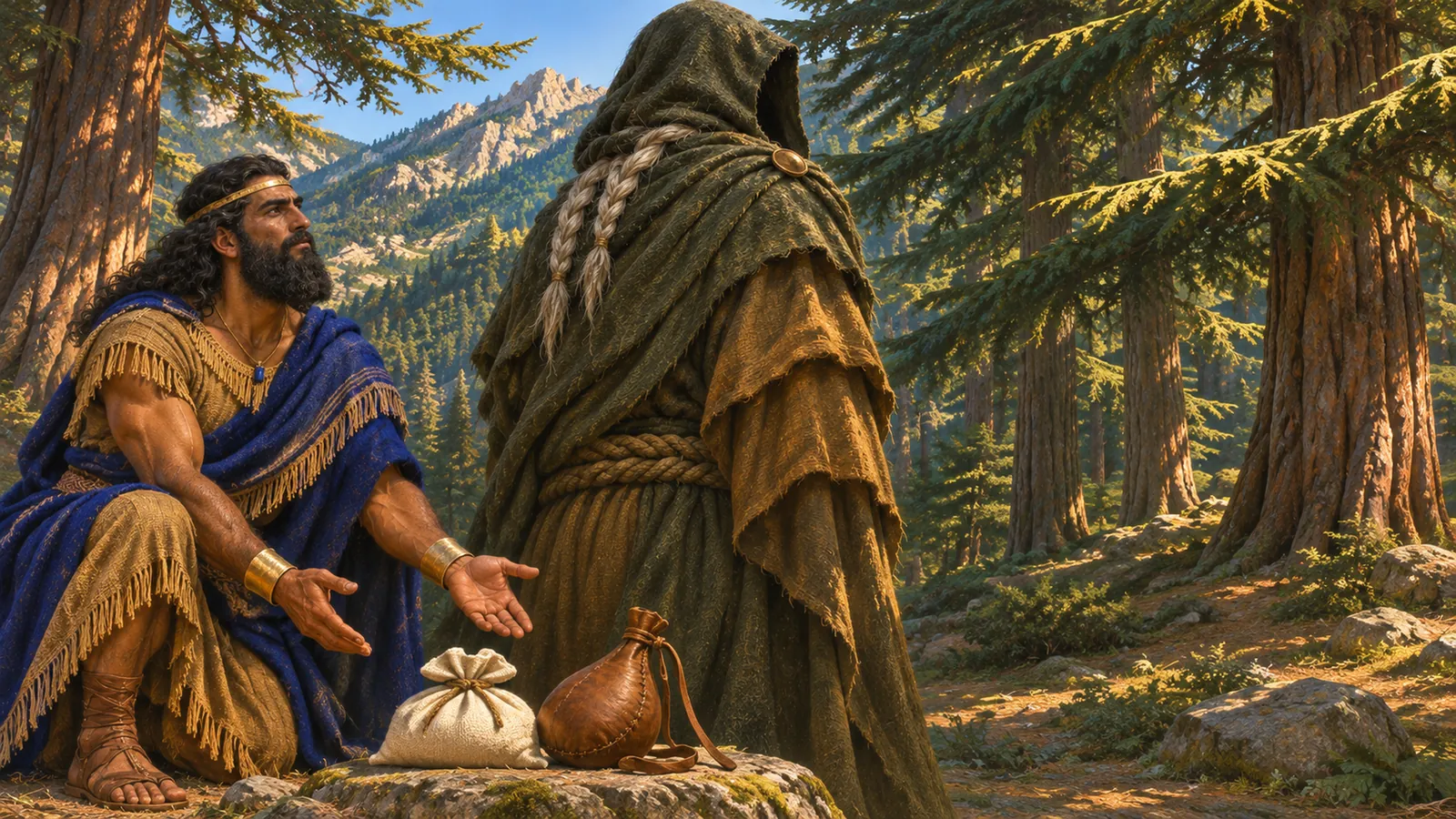
Some manuscripts greatly expand the repeated bargain. They name flour fit for the gods and cool water among the offered gifts, while the woodcutting continues.
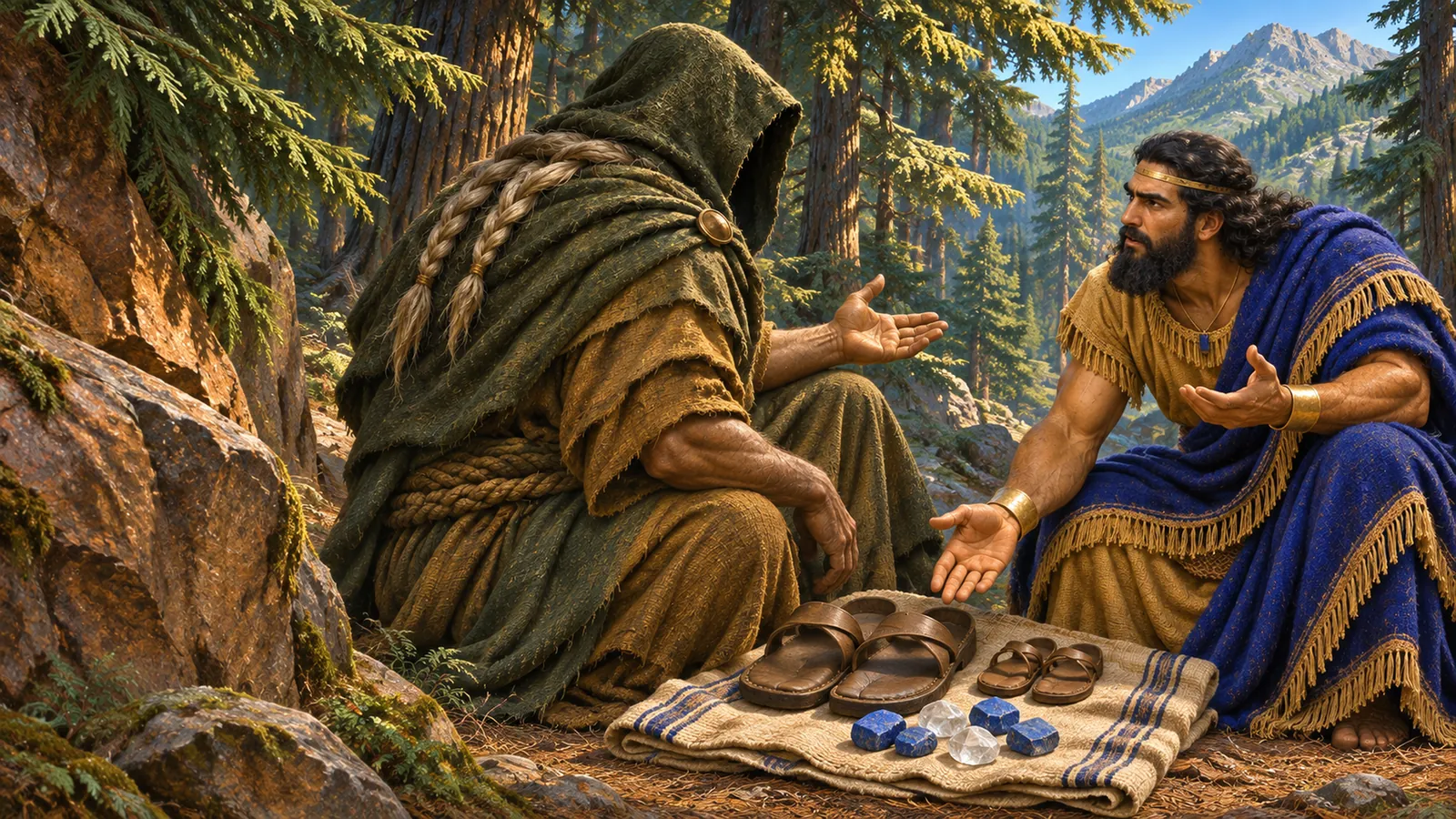
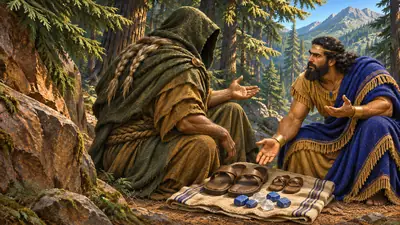
Expanded copies add large and small shoes, then rock-crystal, nir stone and lapis lazuli. With successive promises, Huwawa yields further terrors; not every manuscript preserves these repetitions.
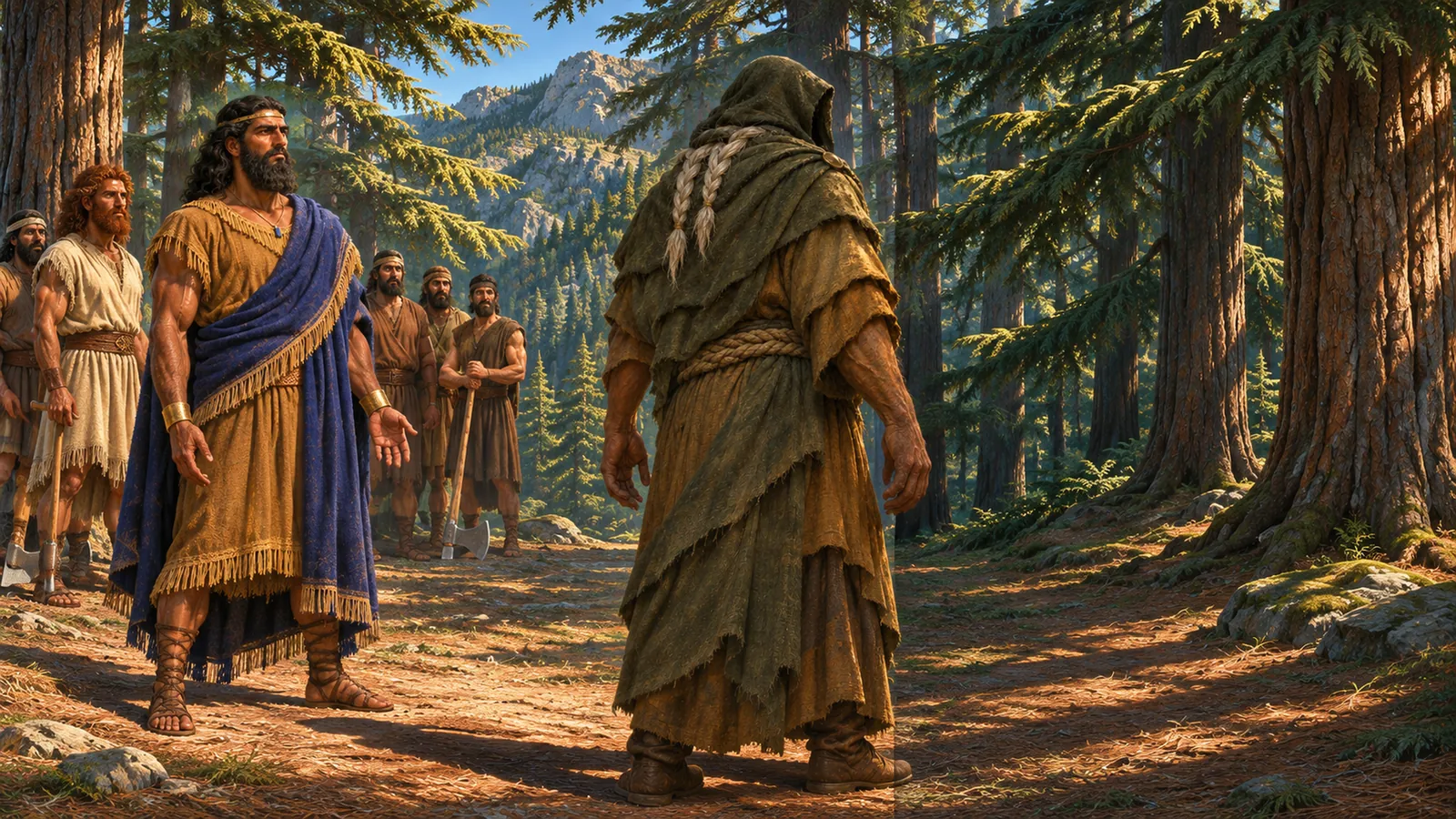
When Huwawa had yielded his seventh terror, Gilgamesh came close. He pretended to kiss him, then struck him on the cheek.
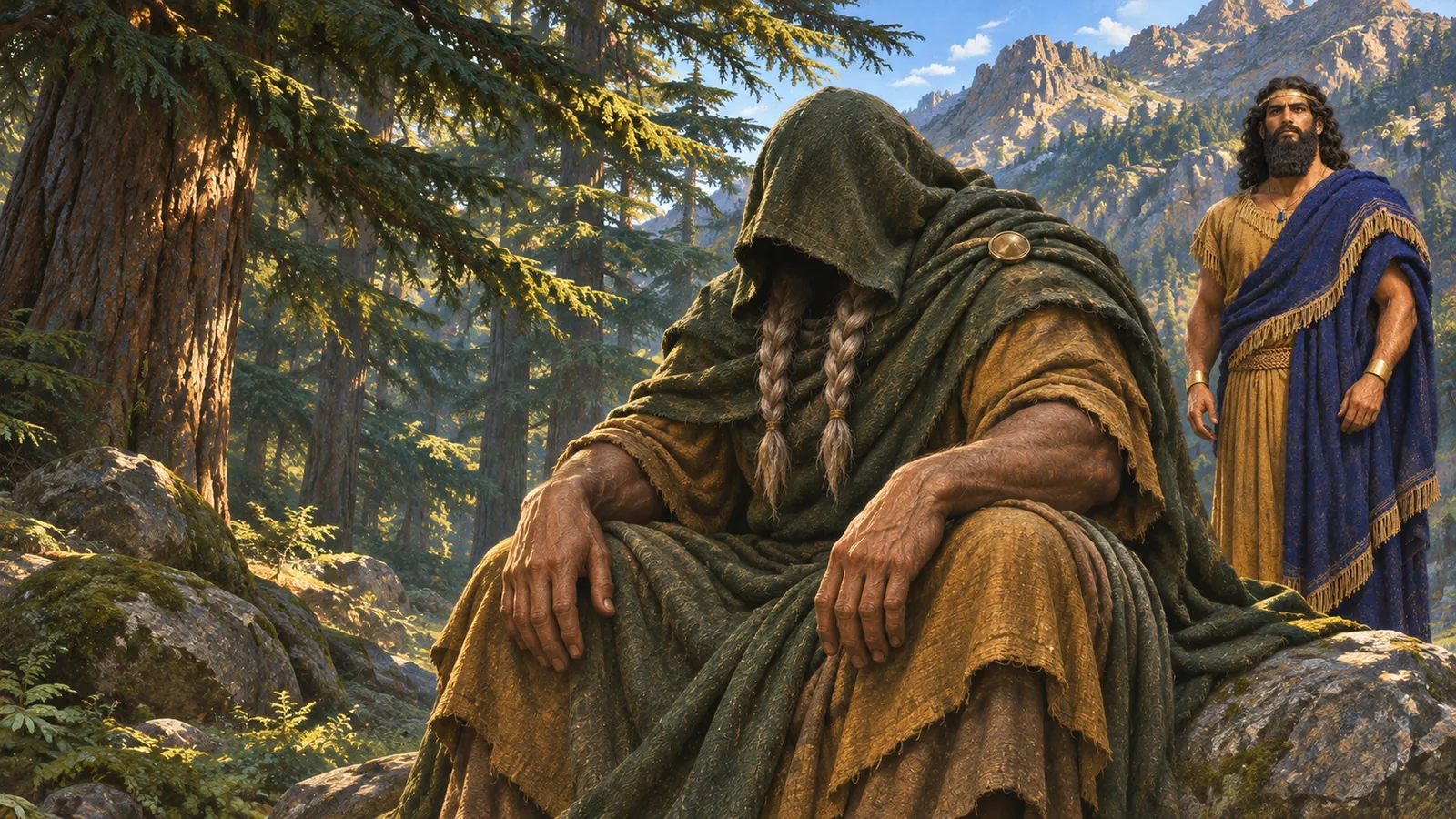
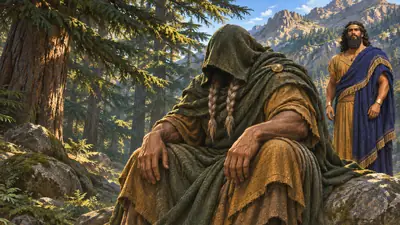
The copies differ in describing the capture. Some add a halter and bound arms; others preserve a broken scene of Huwawa sitting and weeping.
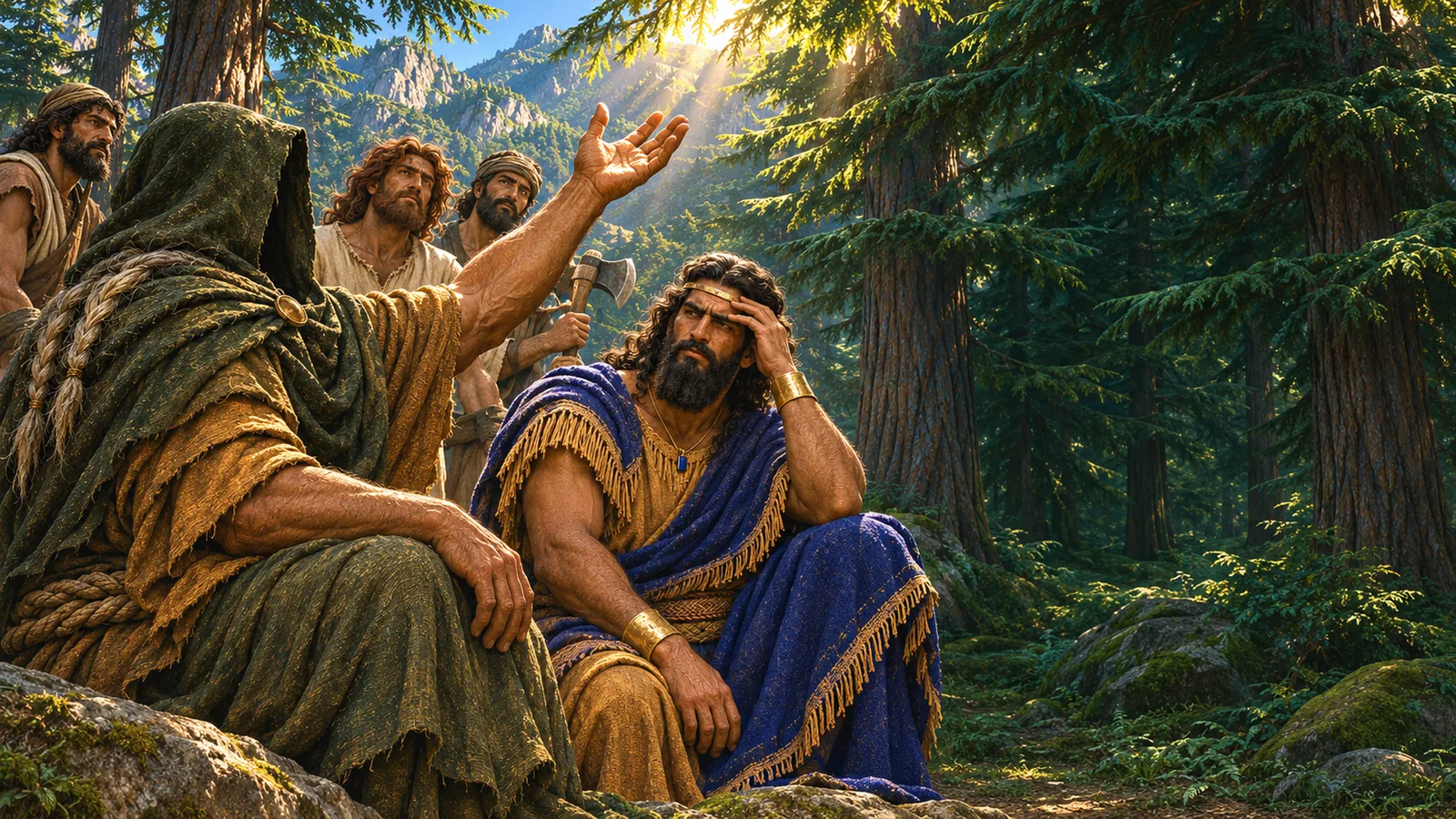
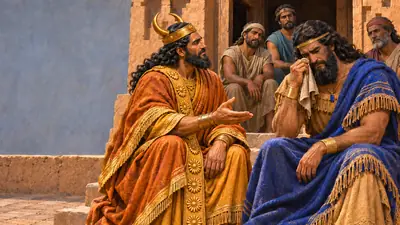
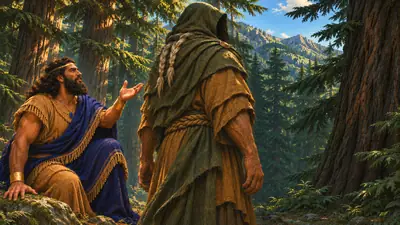
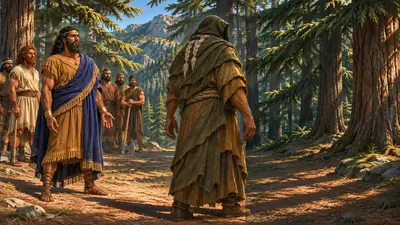
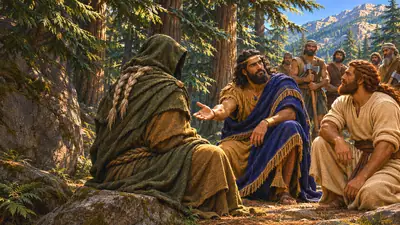
Huwawa asked to speak to Utu. He said he had known neither mother nor father in the mountains, but Utu had raised him; Gilgamesh had sworn an oath to him.
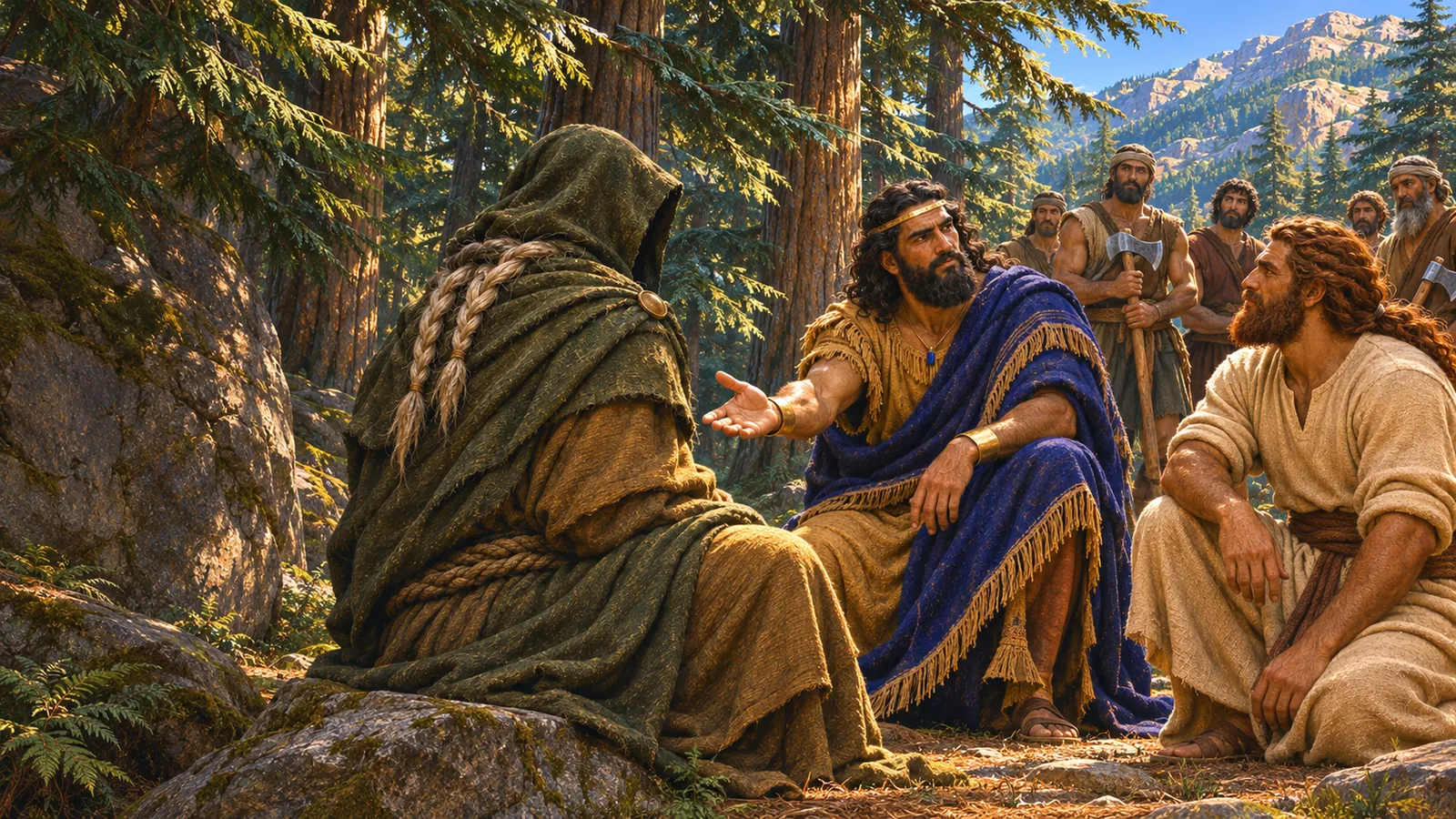
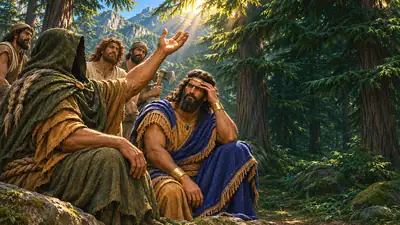
Huwawa’s plea moved Gilgamesh to pity. He asked Enkidu to let the captive go, comparing release to a bird flying home and a man returning to his mother.
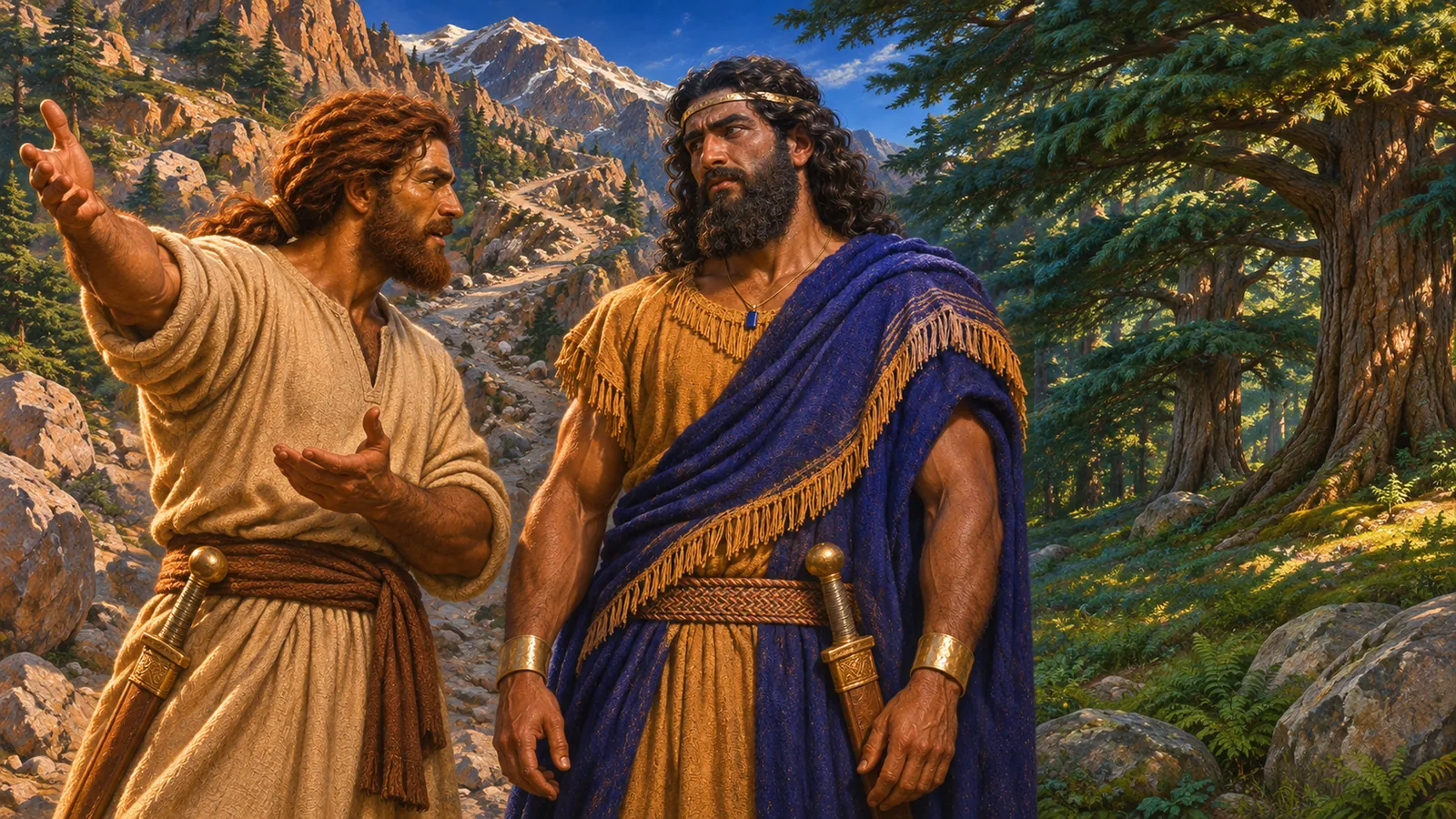
Enkidu rejected the proposal and questioned the king’s judgment. If they freed the captured warrior, he warned, they themselves would never return to their mother-city.
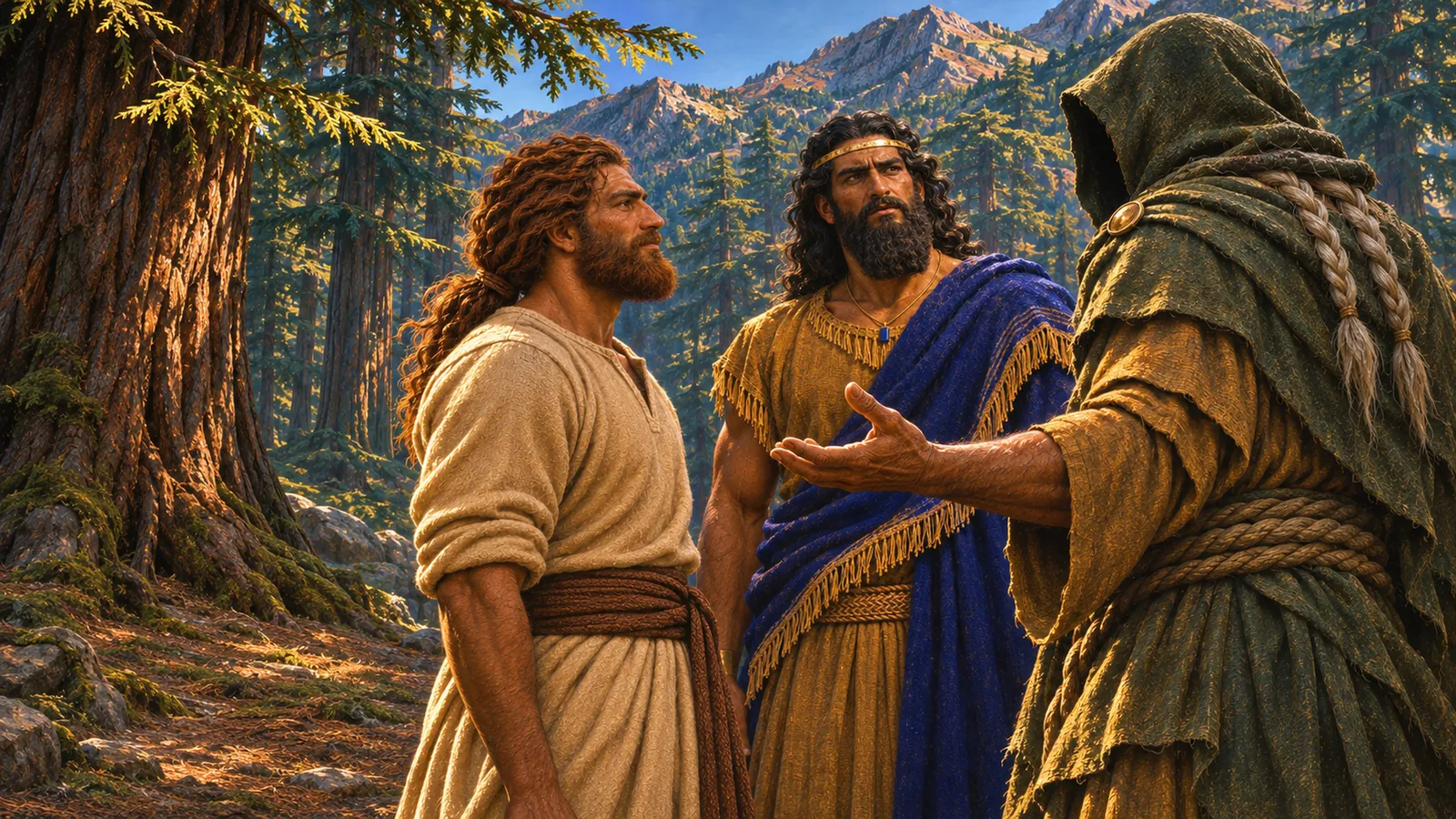
Huwawa turned to Enkidu and protested at the hateful words he was speaking. The exchange brought the captive’s appeal and Enkidu’s anger directly together.
THE COST
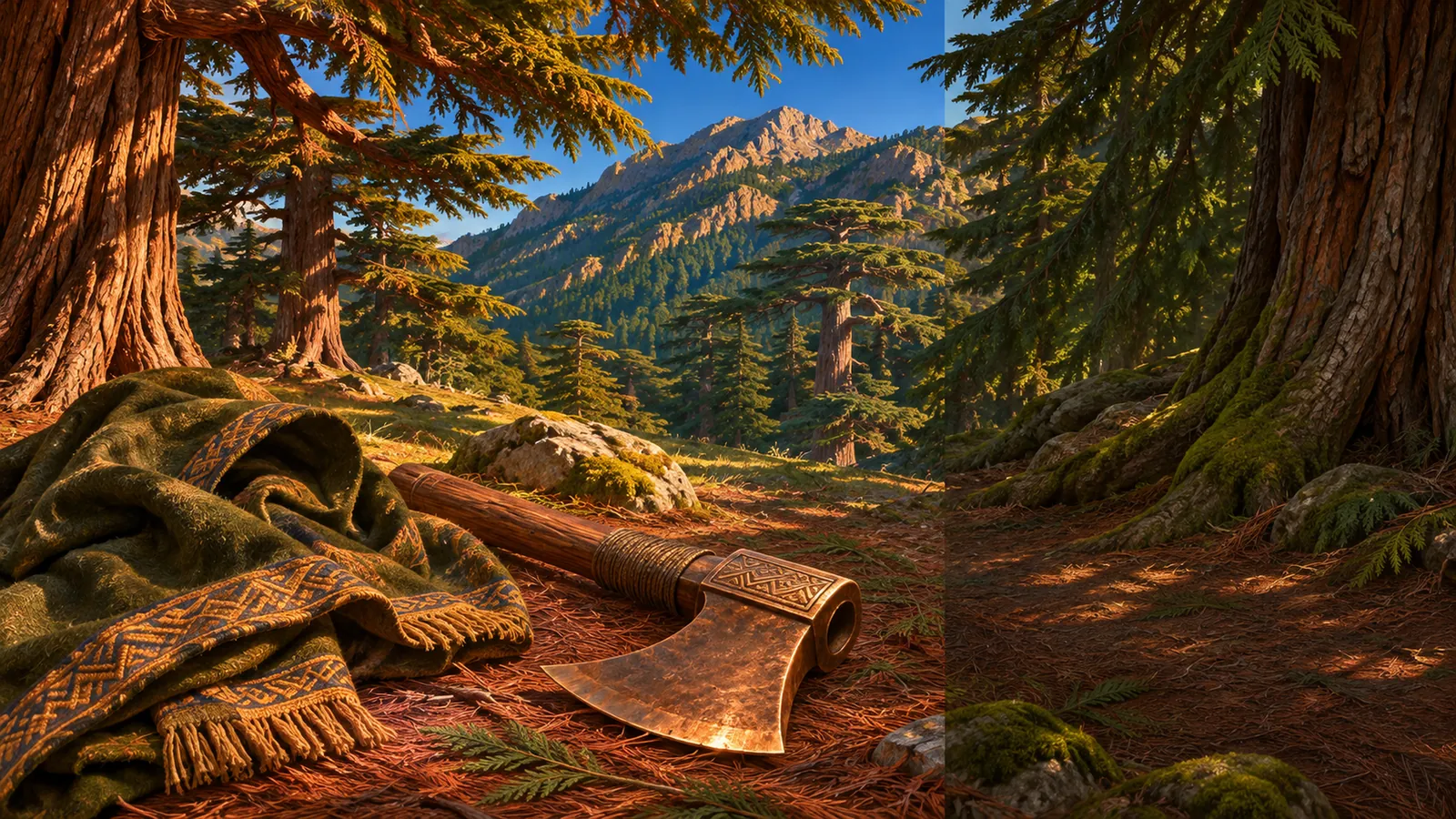
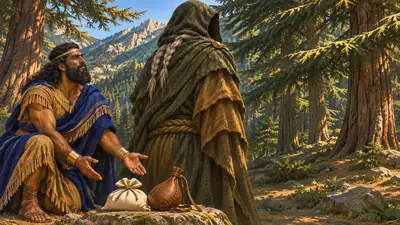
Enkidu angrily killed Huwawa and put his severed head in a leather bag. Some Nippur copies assign the killing to both companions.
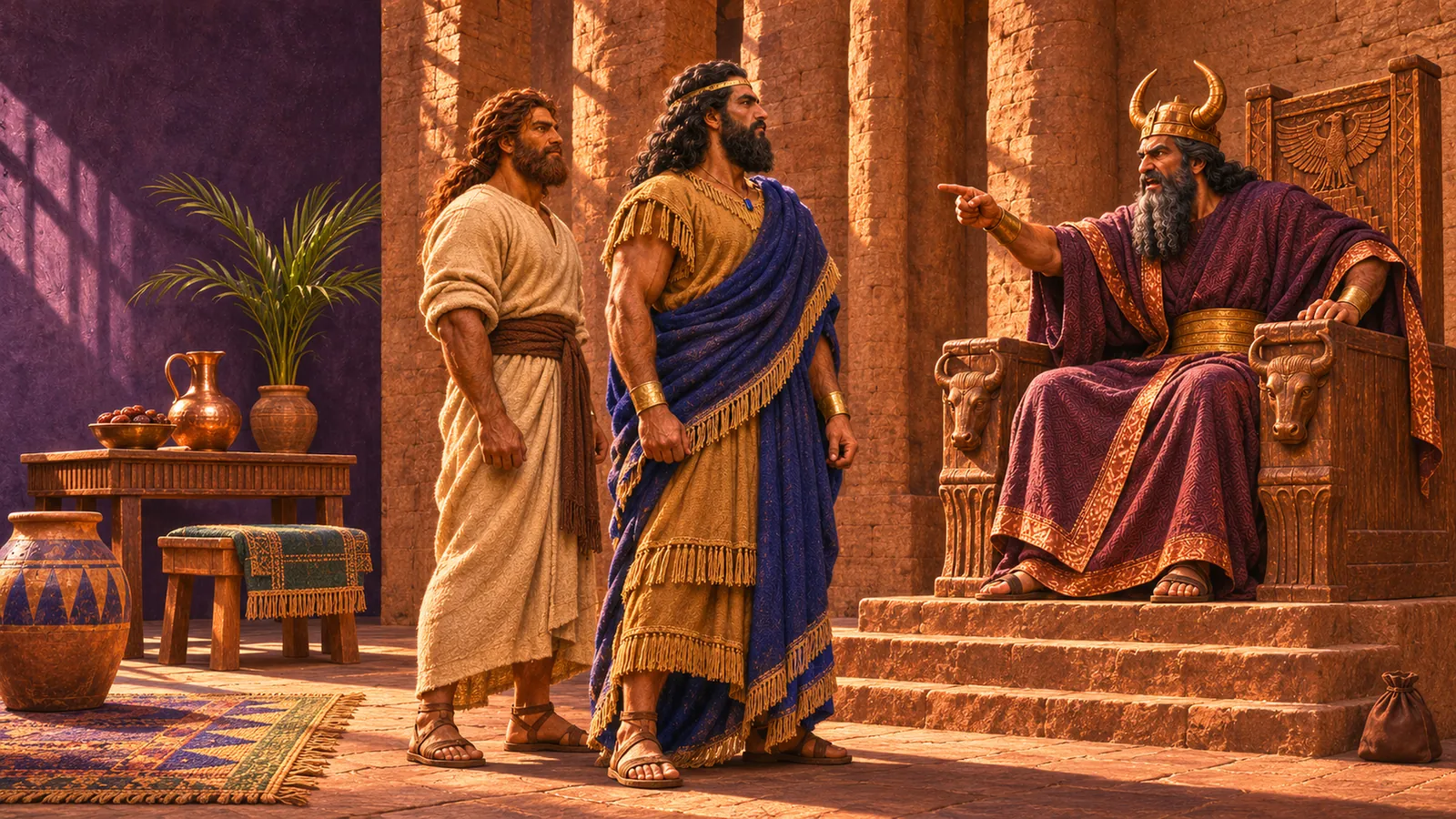
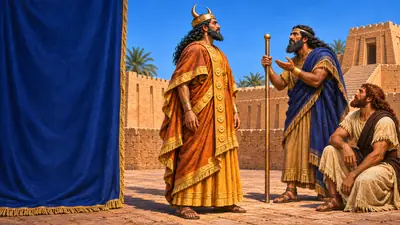
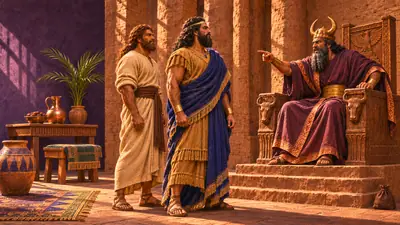
They took the head to Enlil and set it before him. When he saw what they had done, Enlil angrily questioned Gilgamesh.
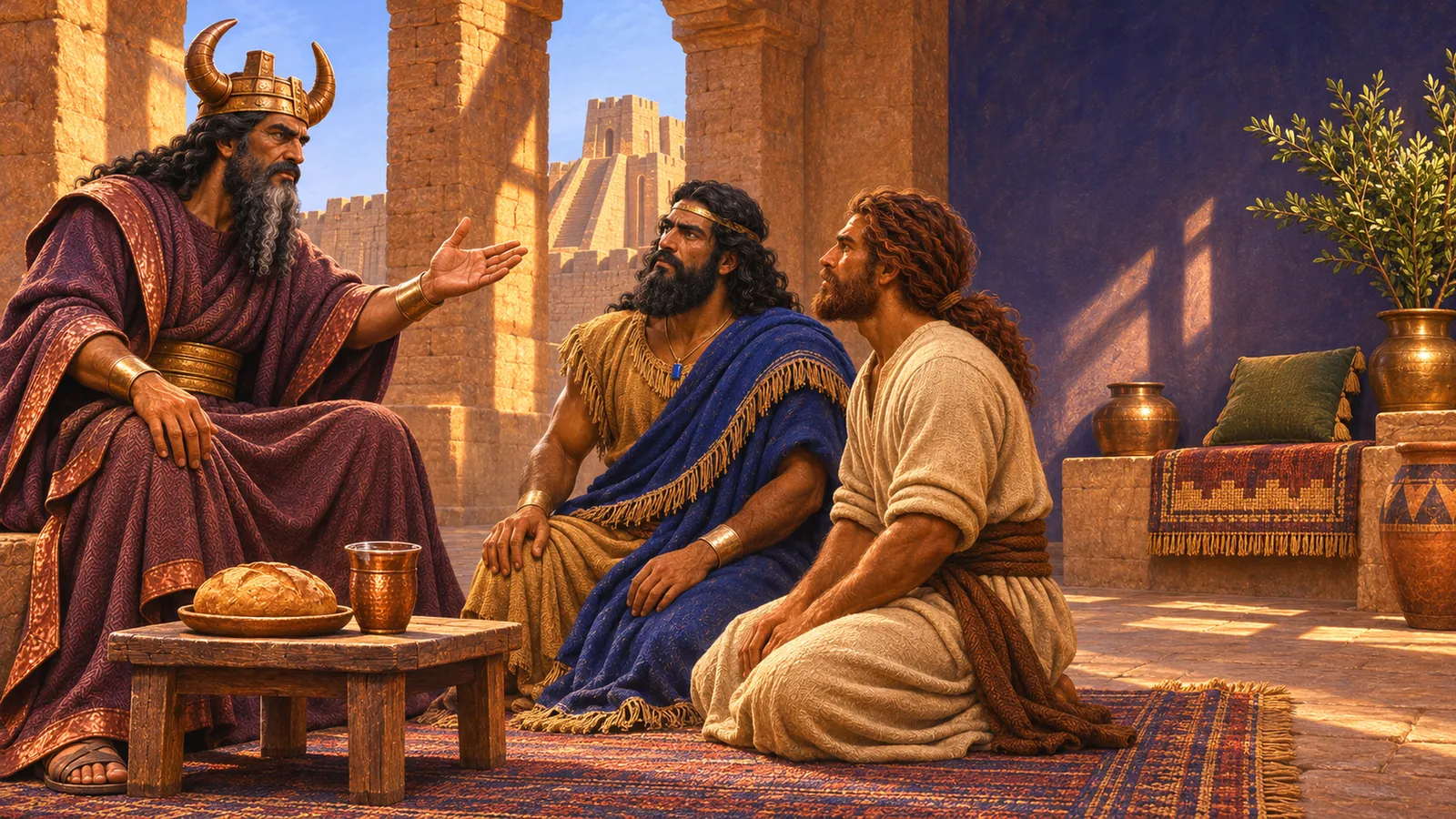
REPROACH
Enlil said Huwawa should have sat before them, shared their bread and water, and received honour. His words reproached the companions for the way they had treated the guardian.
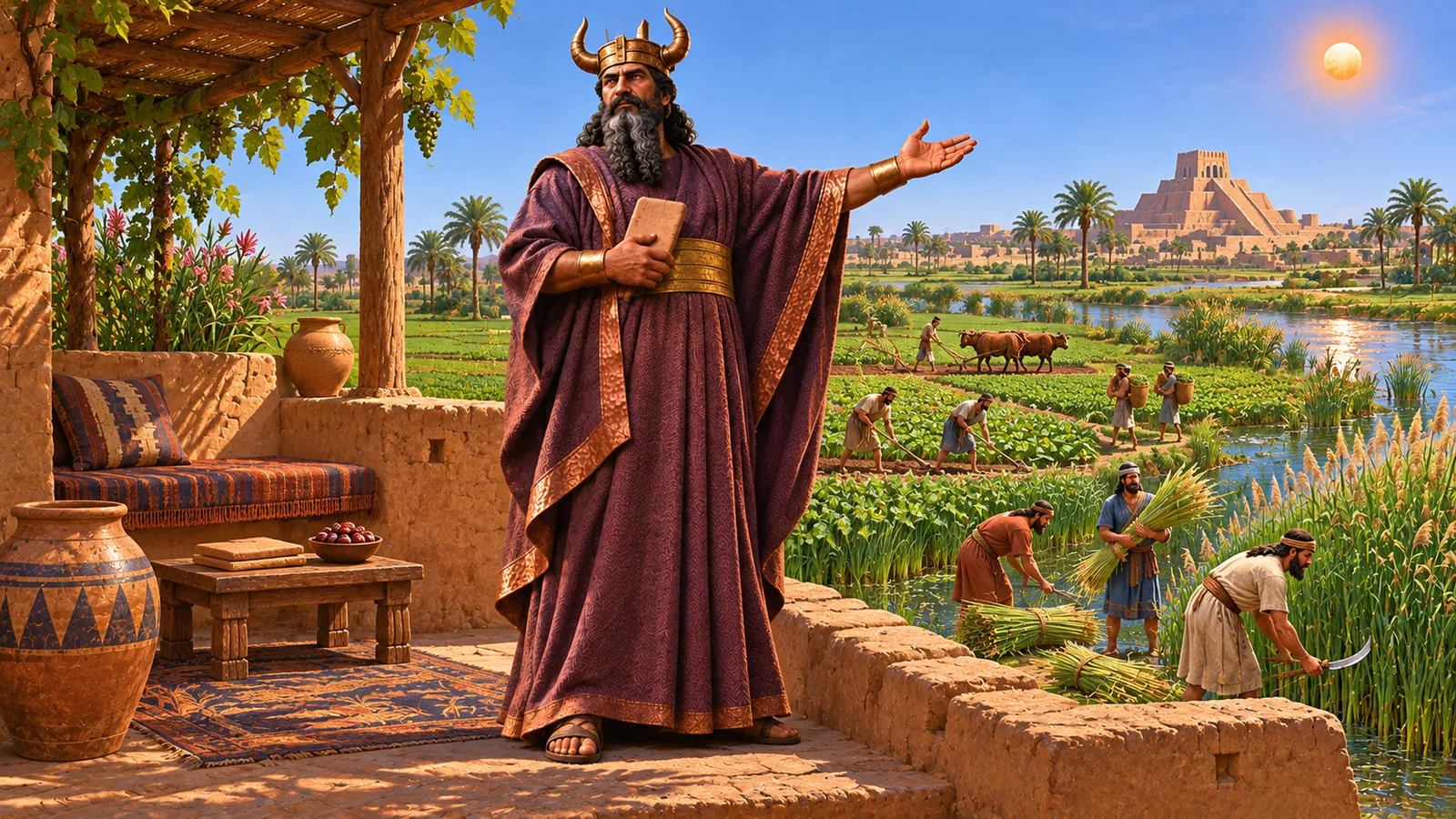
Enlil assigned six auras to fields, rivers, reeds, lions, the palace and forests. Some copies substitute debt-slaves and hills; the edition’s order is a compromise between differing manuscripts.
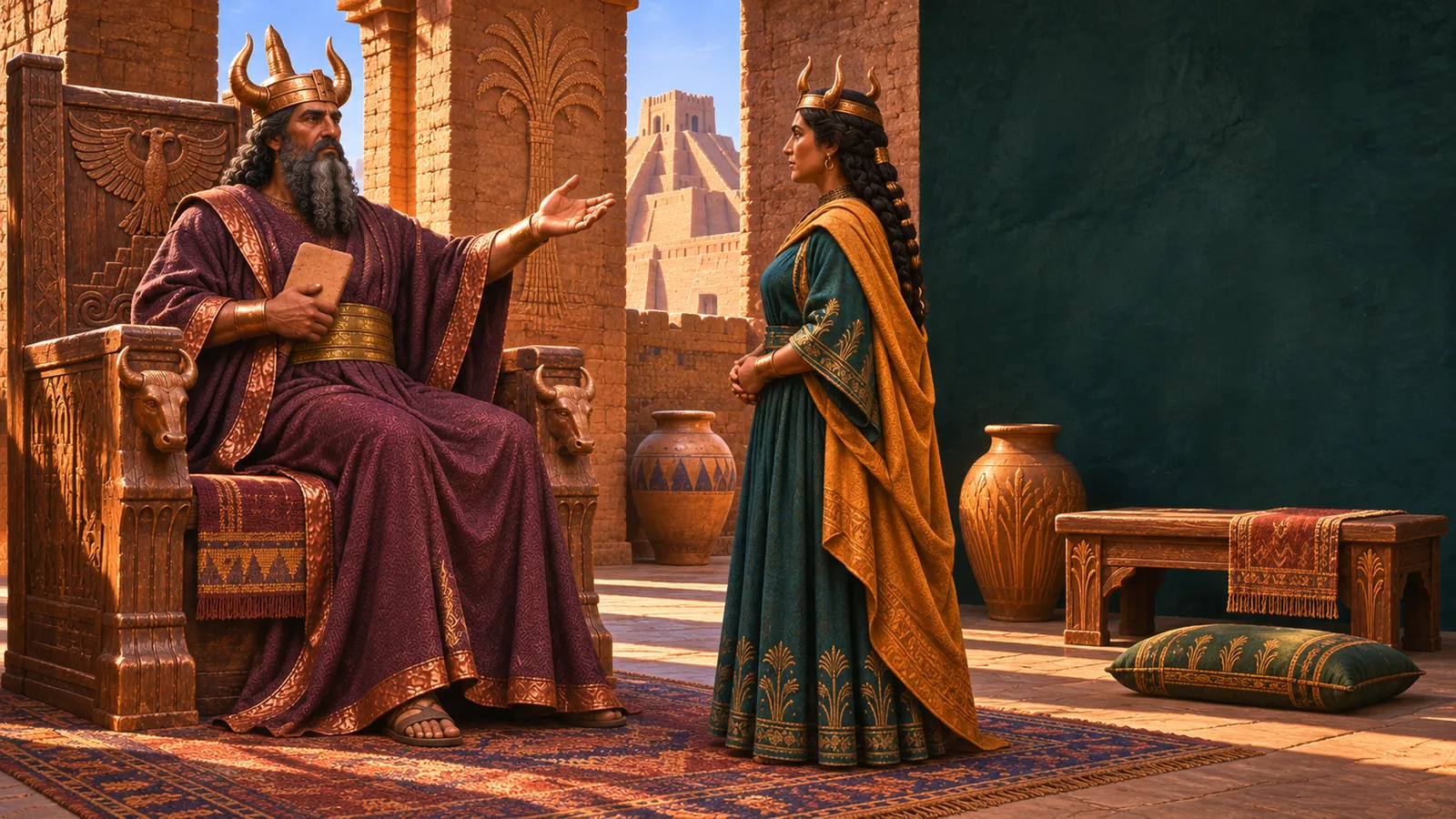
The seventh aura was assigned to Nungal, the goddess of prisoners. The manuscript tradition differs over these powers’ order, and some closing lines remain damaged.
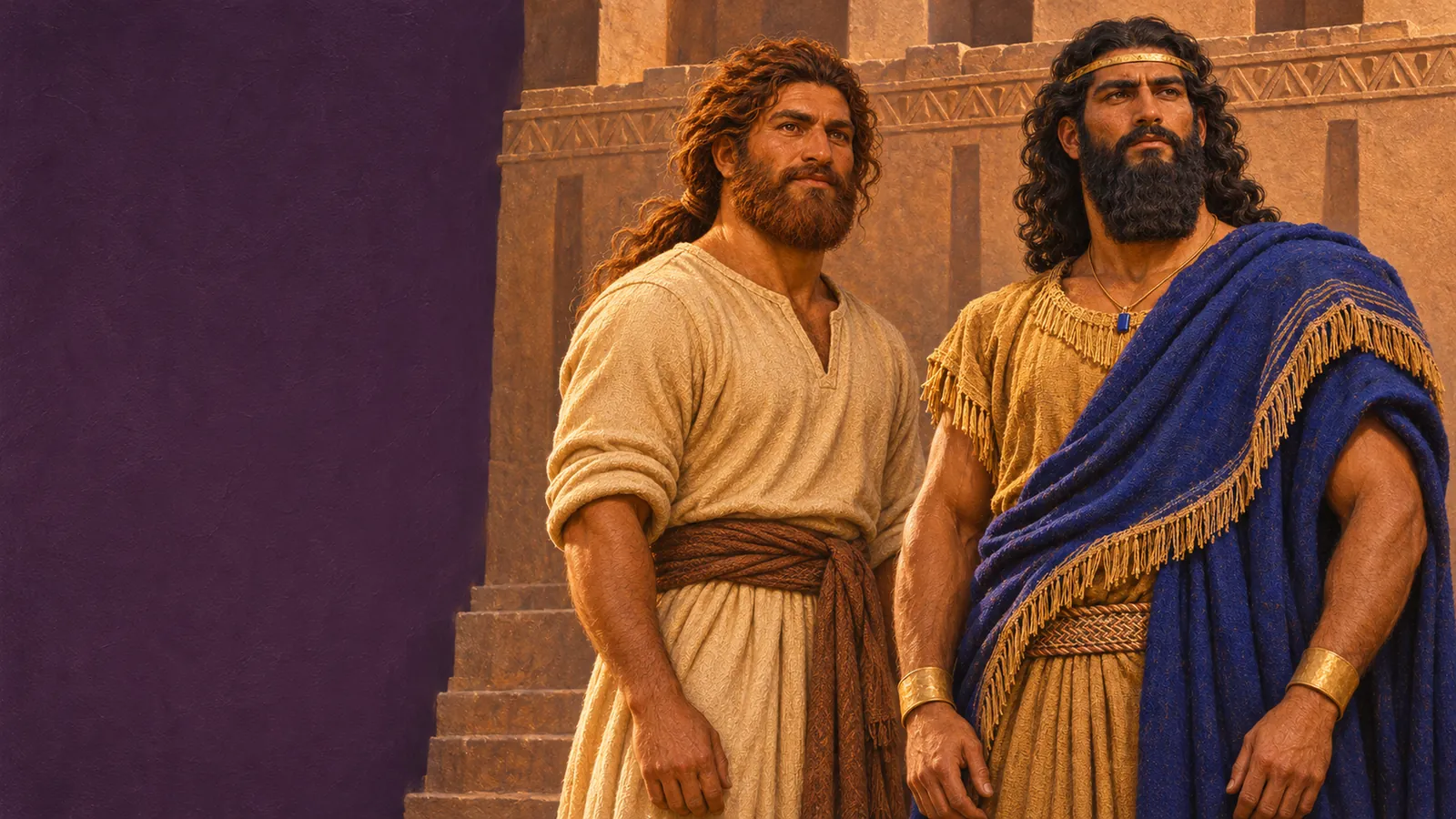
The surviving lines praise Gilgamesh and Nisaba. Other copies also praise Enkidu, while a damaged variant preserves Huwawa’s name among the closing words.
End of chapter 1
All pages
Sources
The narrative spine is Oxford ETCSL1.8.1.5, Gilgamesh and Huwawa Version A, consulted in full on18 November2026 UTC. All base lines1–202 and the embedded manuscript additions were read, including52–89 and149–152. Version B, ETCSL1.8.1.5.1, was also read in full but remains a separate text: it breaks off after Gilgamesh addresses Huwawa and supplies neither Version A’s killing nor its ending. The retelling is original concise prose based on the ancient narrative. Pages31–32 explicitly identify expanded witnesses of A148A–148AAA; no manuscript from Nippur known to the consulted edition preserves those added repetitions. The order of the seven final aura assignments is the edition’s compromise among confused witnesses, not a secure single manuscript sequence. Enkidu’s status as the king’s slave is stated as this poem presents it.
Editions consulted
- Oxford ETCSL1.8.1.5, Gilgamesh and Huwawa Version A
- Oxford ETCSL1.8.1.5.1, Version B — separate comparison
- ETCSL Version A bibliography and print editions
- Piotr Michalowski, Sumerian Gilgamesh context, University of Michigan
- IL Archive, Gilgamesh
- IL Archive, Enlil
Ancient lines behind each page
- Page 1: Oxford ETCSL1.8.1.5, Version A 1–7
The term arad in the source is rendered slave by ETCSL. - Page 2: Oxford ETCSL1.8.1.5, Version A 8–12
- Page 3: Oxford ETCSL1.8.1.5, Version A 13–16
- Page 4: Oxford ETCSL1.8.1.5, Version A 17–18
- Page 5: Oxford ETCSL1.8.1.5, Version A 19–20
- Page 6: Oxford ETCSL1.8.1.5, Version A 21–33
- Page 7: Oxford ETCSL1.8.1.5, Version A 21–33
- Page 8: Oxford ETCSL1.8.1.5, Version A 34–47
- Page 9: Oxford ETCSL1.8.1.5, Version A 34–47; partly damaged descriptions
Damaged descriptions include the first’s lion paws/eagle talons, serpentine forms, fire, a flood comparison and lightning. - Page 10: Oxford ETCSL1.8.1.5, Version A 48–51
Version B51–56 instead stresses wives and children; that wording is not silently substituted. - Page 11: Oxford ETCSL1.8.1.5, Version A 52–60
- Page 12: Oxford ETCSL1.8.1.5, Version A 52–60
- Page 13: Oxford ETCSL1.8.1.5, Version A 52–60
Plant names follow the consulted edition’s conventional renderings: ebony, halub, apricot and box. - Page 14: Oxford ETCSL1.8.1.5, Version A 61; manuscript-expanded repeated ranges
The expanded repeated crossings in A61 are manuscript additions. The seventh range and finding the cedars are preserved in A62–67. - Page 15: Oxford ETCSL1.8.1.5, Version A 62–67
- Page 16: Oxford ETCSL1.8.1.5, Version A 62–67
- Page 17: Oxford ETCSL1.8.1.5, Version A 65–67; variants
The transition to Huwawa’s release of terrors is damaged and differs among manuscripts. - Page 18: Oxford ETCSL1.8.1.5, Version A 68–75
A68–75 is damaged in the transition between Gilgamesh’s sleep, Enkidu’s experience, and Enkidu waking. The clear surviving failure to rouse the king by touch or speech is retained. - Page 19: Oxford ETCSL1.8.1.5, Version A 76–84
- Page 20: Oxford ETCSL1.8.1.5, Version A 85–89
The subsequent bull comparison is a simile, not a transformation. - Page 21: Oxford ETCSL1.8.1.5, Version A 85–91
- Page 22: Oxford ETCSL1.8.1.5, Version A 92–97
- Page 23: Oxford ETCSL1.8.1.5, Version A 98–106; variant graphic metaphors
Some witnesses add blood remaining on a man-eating lion’s mouth and a lion eating a corpse. - Page 24: Oxford ETCSL1.8.1.5, Version A 107–116
- Page 25: Oxford ETCSL1.8.1.5, Version A 117–120
- Page 26: Oxford ETCSL1.8.1.5, Version A 121–129
A121–129 includes a deadly gaze and fear in body/feet, with uncertain foot and toenail wording. - Page 27: Oxford ETCSL1.8.1.5, Version A 130–135
- Page 28: Oxford ETCSL1.8.1.5, Version A 136–139
The speech calls En-me-barage-si Gilgamesh’s elder sister and offers her as wife; A140–144 names Ma-tur as younger sister/concubine. These are deceptive proposals within the poem, not a historical genealogical identification or evidence of completed marriages. - Page 29: Oxford ETCSL1.8.1.5, Version A 140–144
Concubine names the proposed status in the speech; there is no narrated consummation. - Page 30: Oxford ETCSL1.8.1.5, Version A 145–148
- Page 31: Oxford ETCSL1.8.1.5, Version A, expanded lines 148A–148V; not all manuscripts
A148A–148AAA is an expanded repetitive narrative preserved in some manuscripts, absent from those known to the edition as Nippur witnesses. - Page 32: Oxford ETCSL1.8.1.5, Version A, expanded lines 148W–148AAA; not all manuscripts
The retelling condenses repetitions, labels their manuscript basis and does not pretend every witness contains them. - Page 33: Oxford ETCSL1.8.1.5, Version A 149–151
- Page 34: Oxford ETCSL1.8.1.5, Version A 152; differing manuscript additions
- Page 35: Oxford ETCSL1.8.1.5, Version A 153–157
Version A153–157 says Huwawa never knew mother or father and Utu raised him. Version B163–166 instead calls mountain caves his mother and father and says Utu left him alone. - Page 36: Oxford ETCSL1.8.1.5, Version A 158–162
- Page 37: Oxford ETCSL1.8.1.5, Version A 163–174
- Page 38: Oxford ETCSL1.8.1.5, Version A 175–177
- Page 39: Oxford ETCSL1.8.1.5, Version A 178–180; Nippur plural-agent variant
Two Nippur manuscripts use a plural agent; the variant is explicitly retained. - Page 40: Oxford ETCSL1.8.1.5, Version A 181–186; alternate witness differs
One witness’s different Enlil/Ninlil/window passage is damaged and not reconstructed or merged. - Page 41: Oxford ETCSL1.8.1.5, Version A 187–192
- Page 42: Oxford ETCSL1.8.1.5, Version A 193–199; order a manuscript compromise
Fields, rivers, reed-beds, lions, palace and forests are named, with debt-slaves for palace and hills for forests in variants. - Page 43: Oxford ETCSL1.8.1.5, Version A 193–200; order and closing lines uncertain
A200 is fragmentary. - Page 44: Oxford ETCSL1.8.1.5, Version A 201–202; variant praises
A201–202 preserves praise of Gilgamesh and Nisaba with variant praises of Enkidu and damaged Huwawa wording. Version B’s missing end is not replaced with this ending.
Illustrations made with AI tools by IL Archive; the text is based on the ancient sources (see the sources at the end of each chapter).