Hymns of Dawn and Evening Chapter 1
On the Path of the Sun
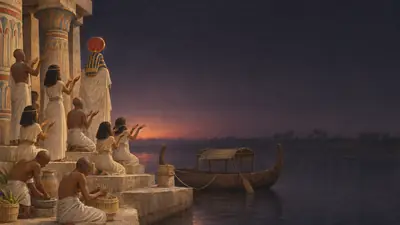
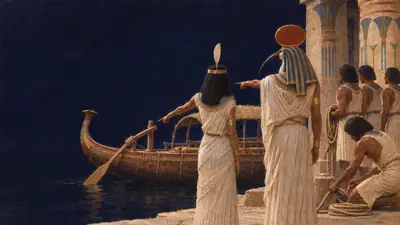
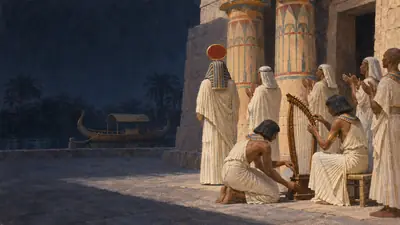
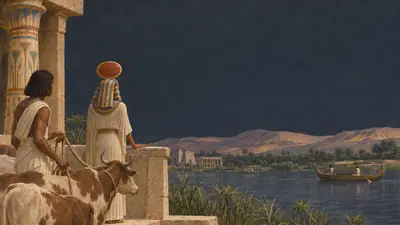
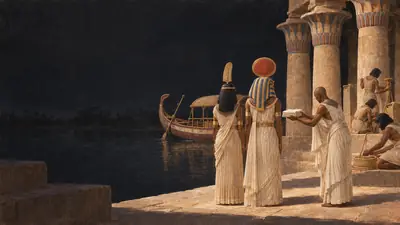
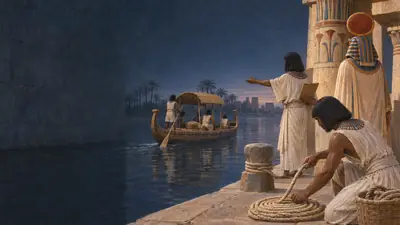
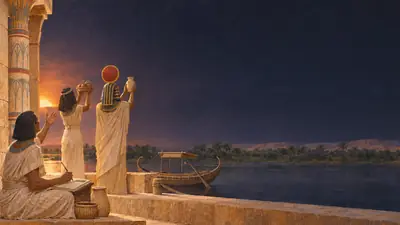
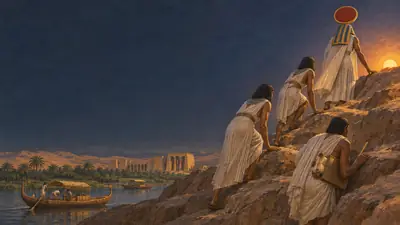
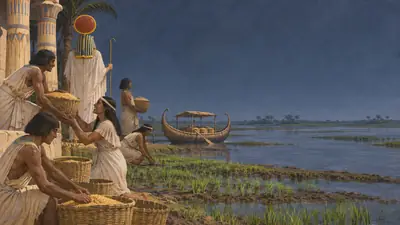
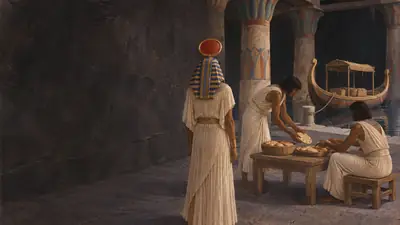
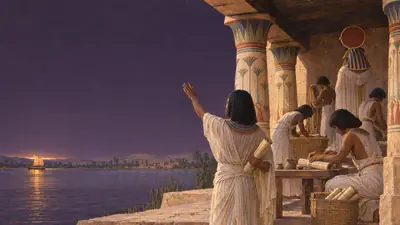
Four Egyptian hymns from the papyri of Ani, Hunefer and Nekht follow the sun from dawn through its passage across the sky. Ani asks to travel with it. In the last reading, the evening boat comes into port and Nekht’s hymn closes on joy in the shrine.
SourcesTurn the pages with the arrows, the arrow keys or a swipe.
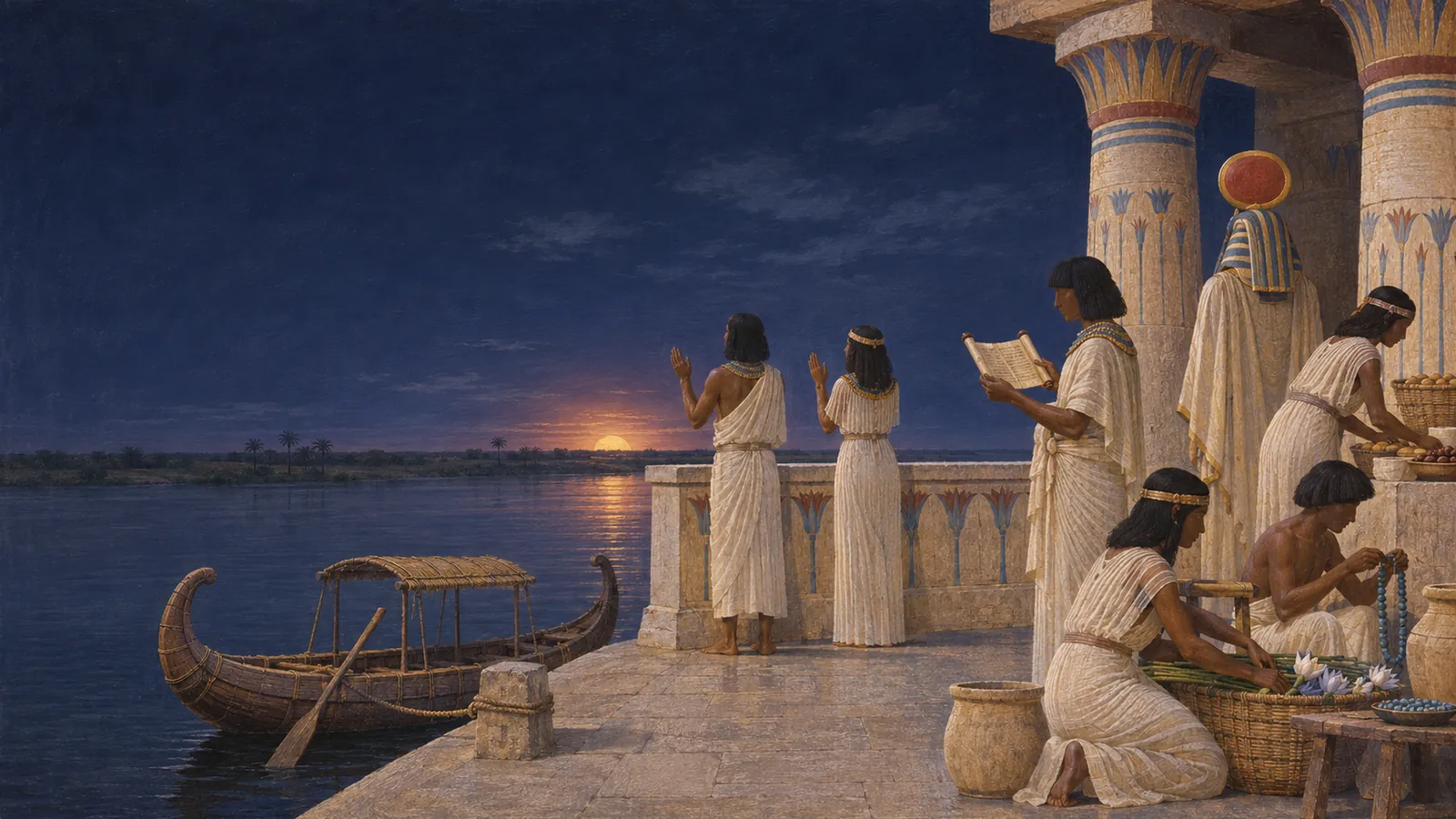
ANI
Four readings from Ani, Hunefer, Ani again and Nekht follow the sun’s daily passage. We begin with the first hymn from the Papyrus of Ani.
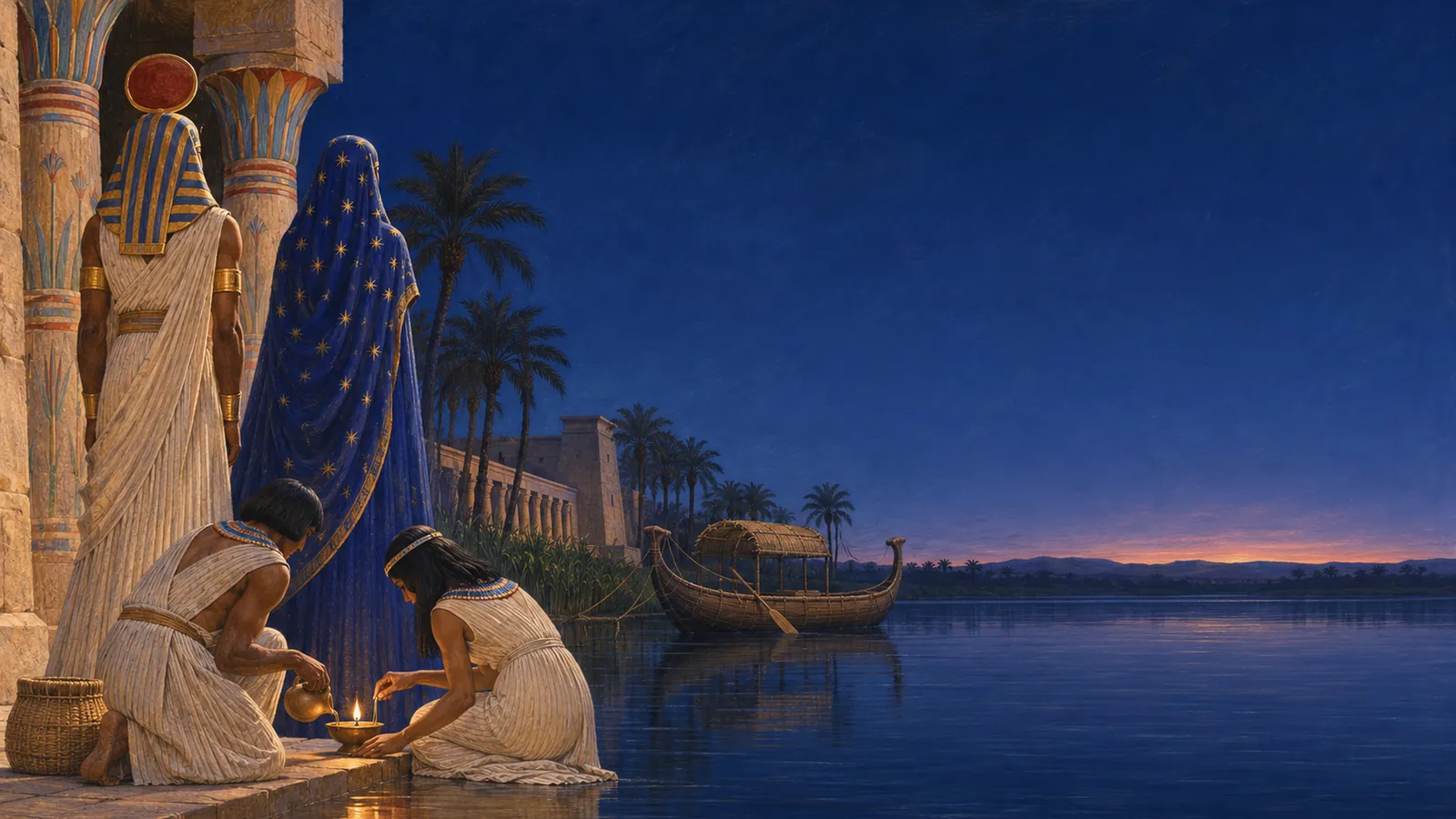
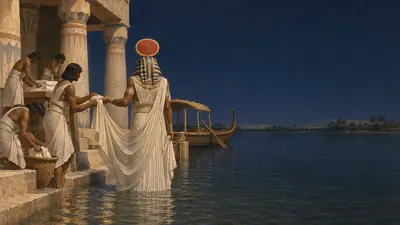
The hymn hails Khepera as the creator of the gods. He rises and shines, bringing light to his mother Nut, the sky.
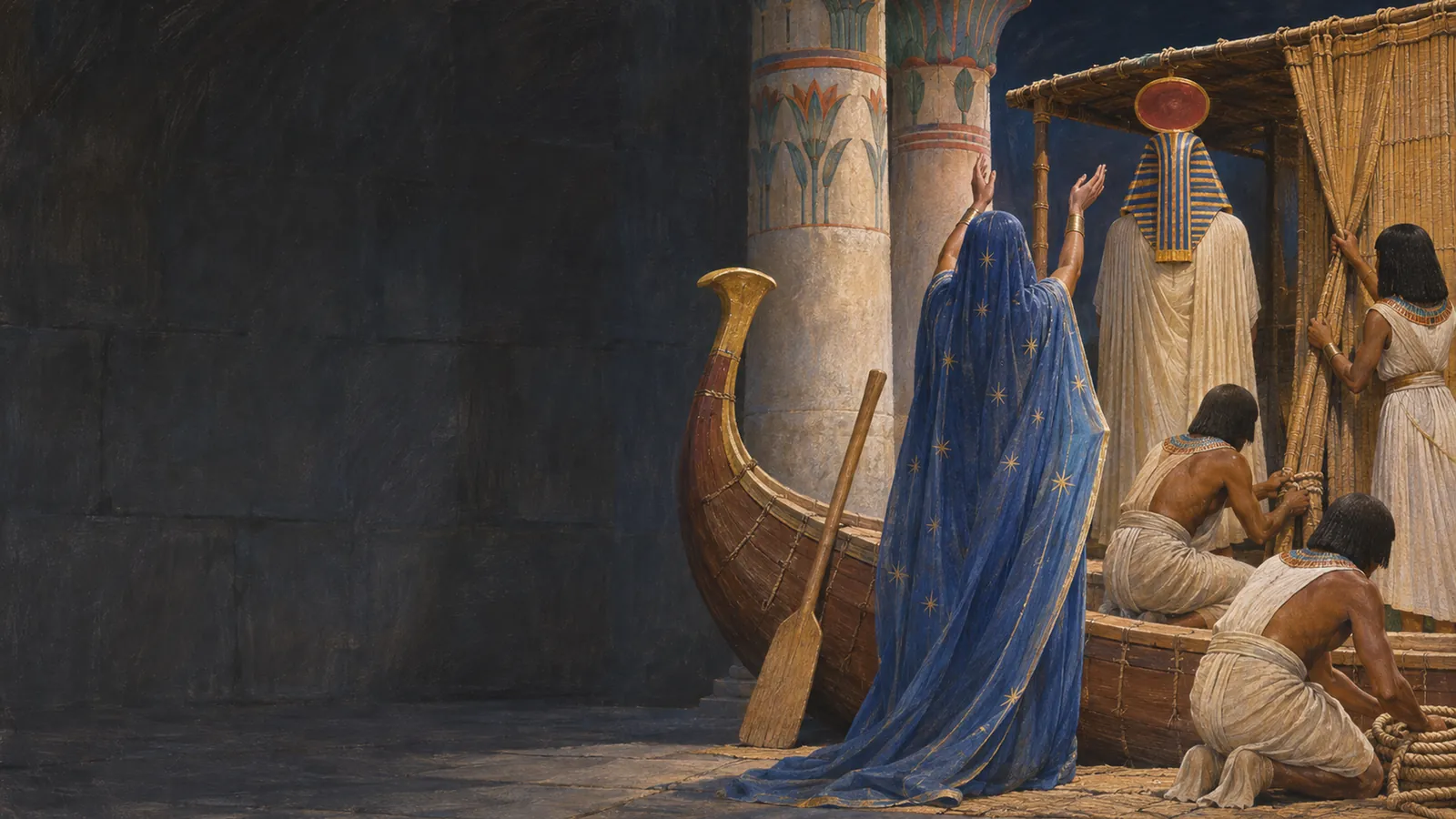
The hymn says Khepera is crowned king of the gods. His mother Nut raises both hands to pay homage to him.
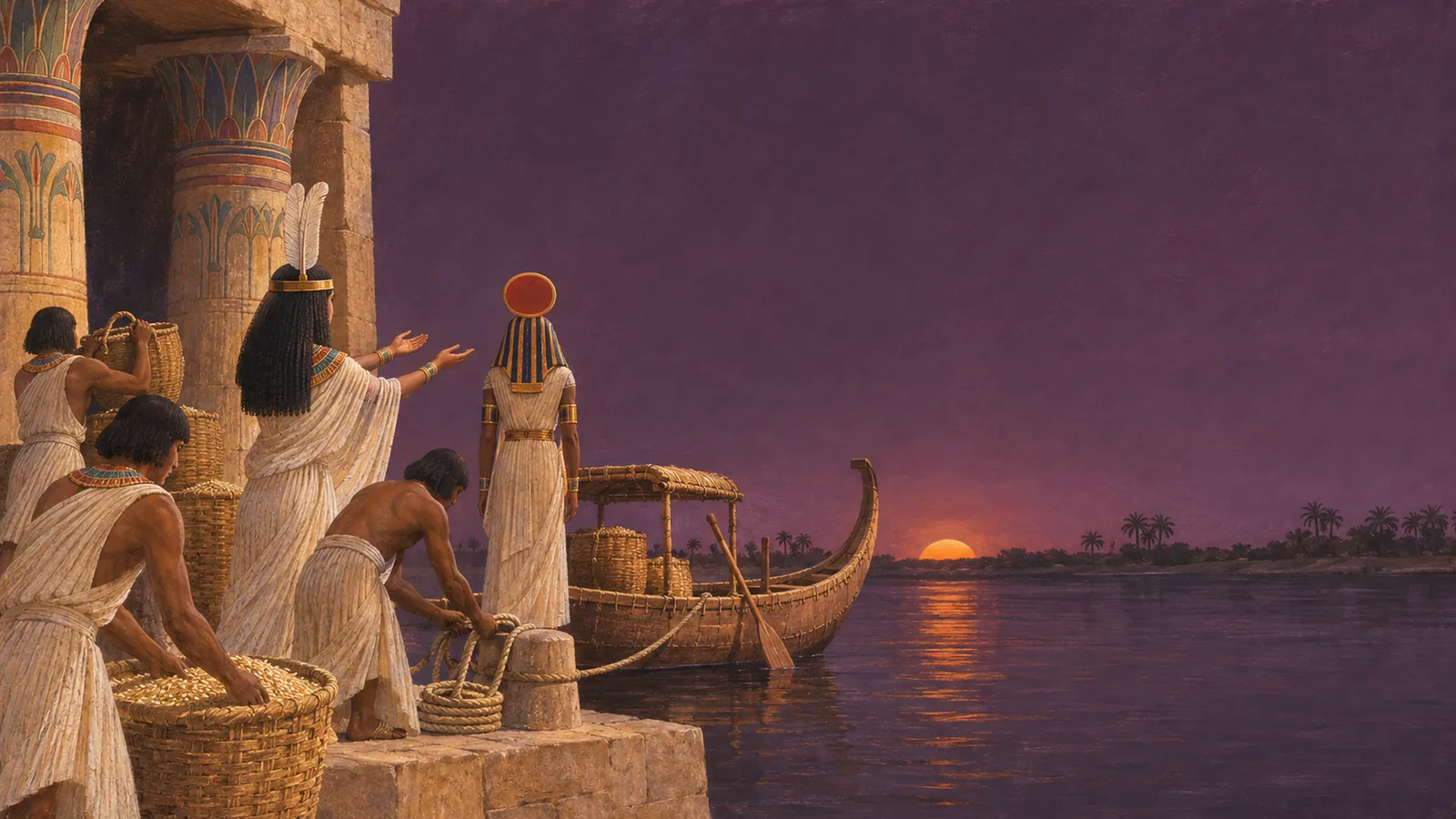
Manu, the land of sunset, receives him gladly. The hymn says that Maat embraces him in the morning and in the evening.
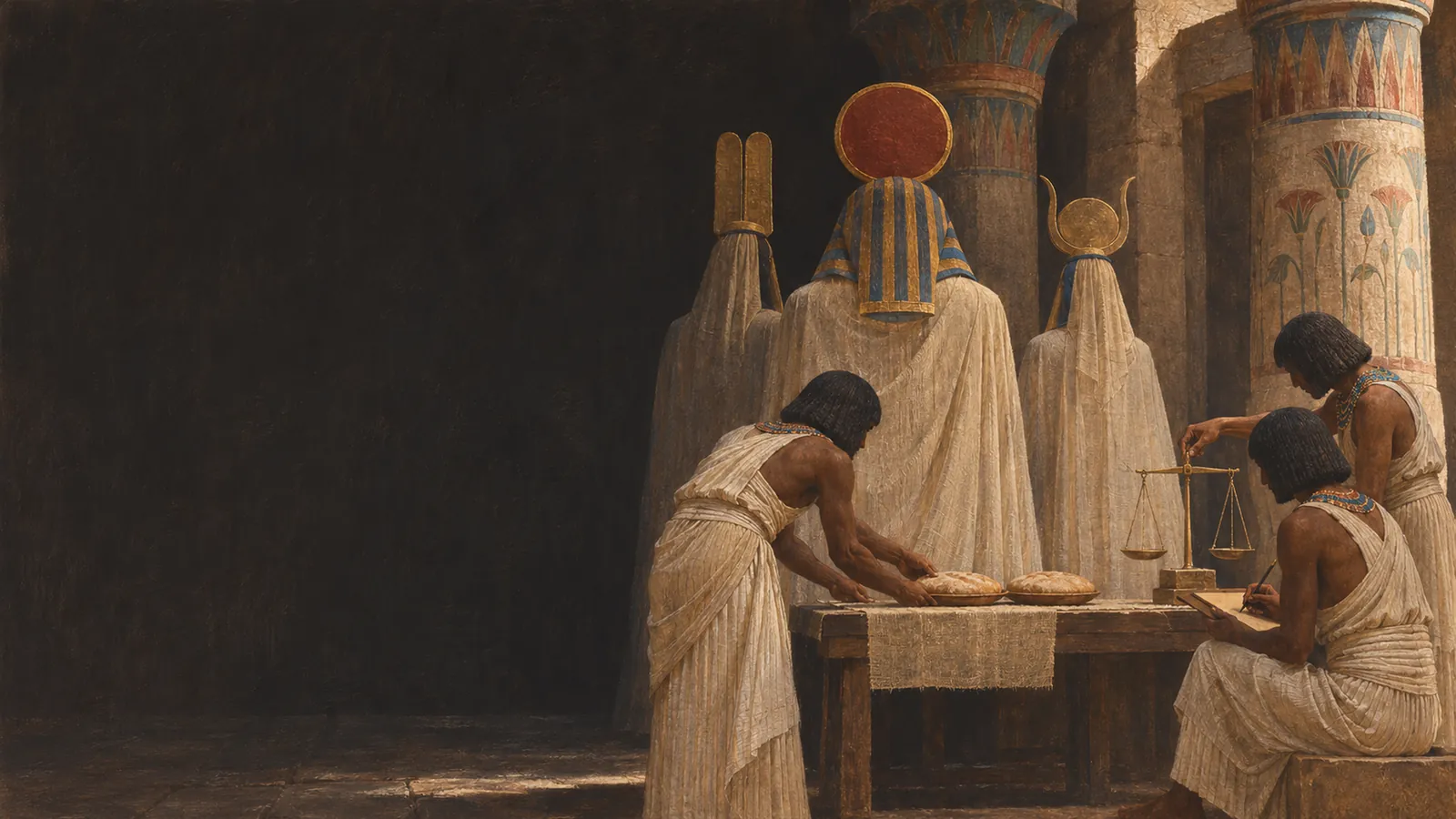
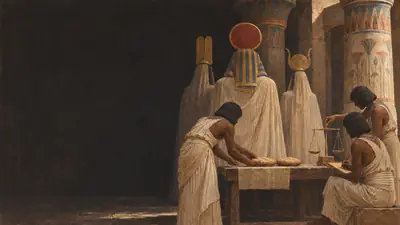
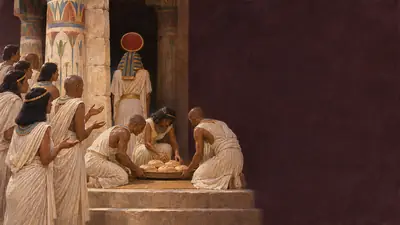
The hymn hails the gods of the Temple of the Soul. It says they weigh heaven and earth in a balance and provide abundant food for the gods.
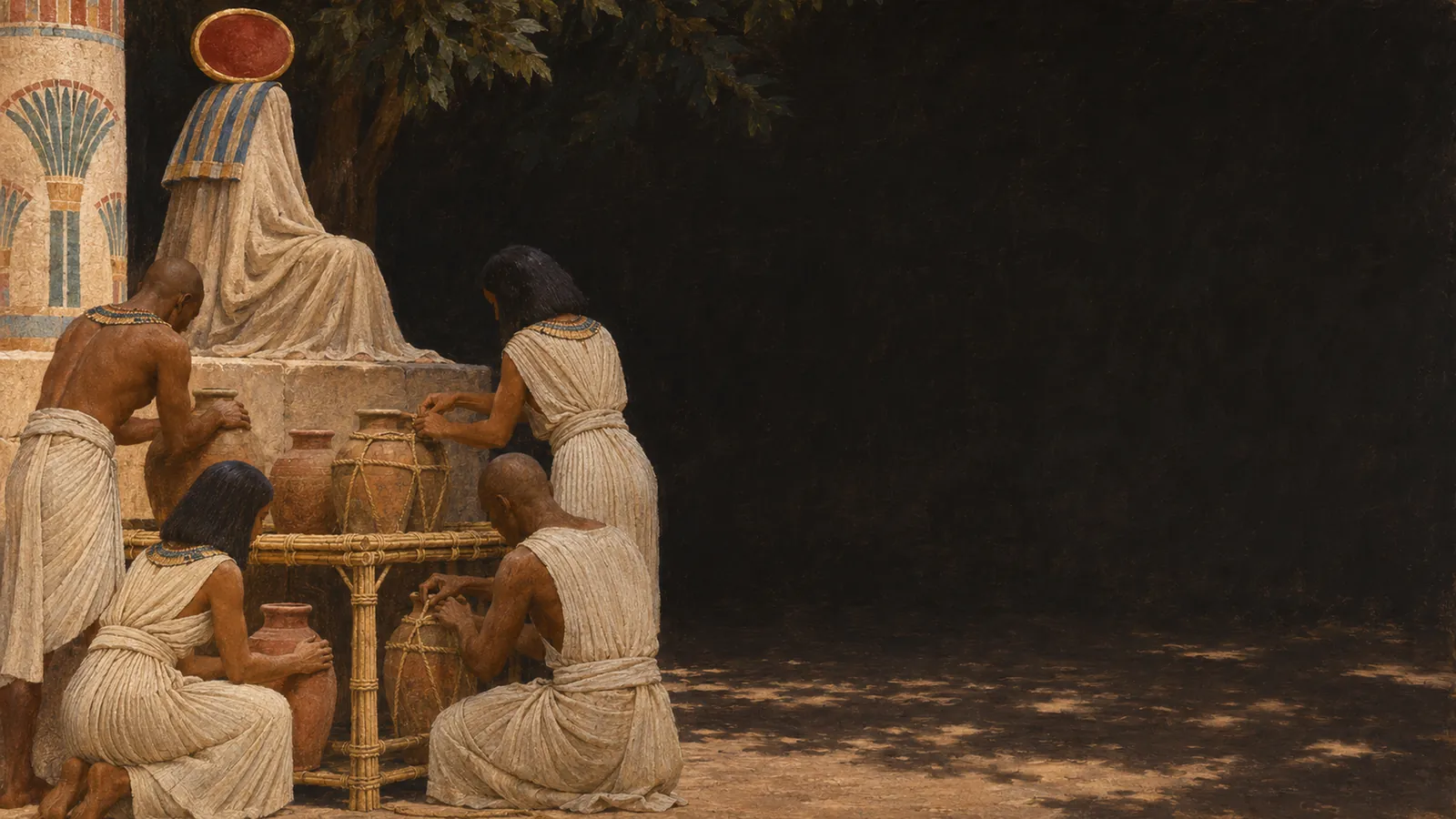
The hymn salutes Tatunen as the One who created people. It says he made the substance of the gods of south and north, west and east.
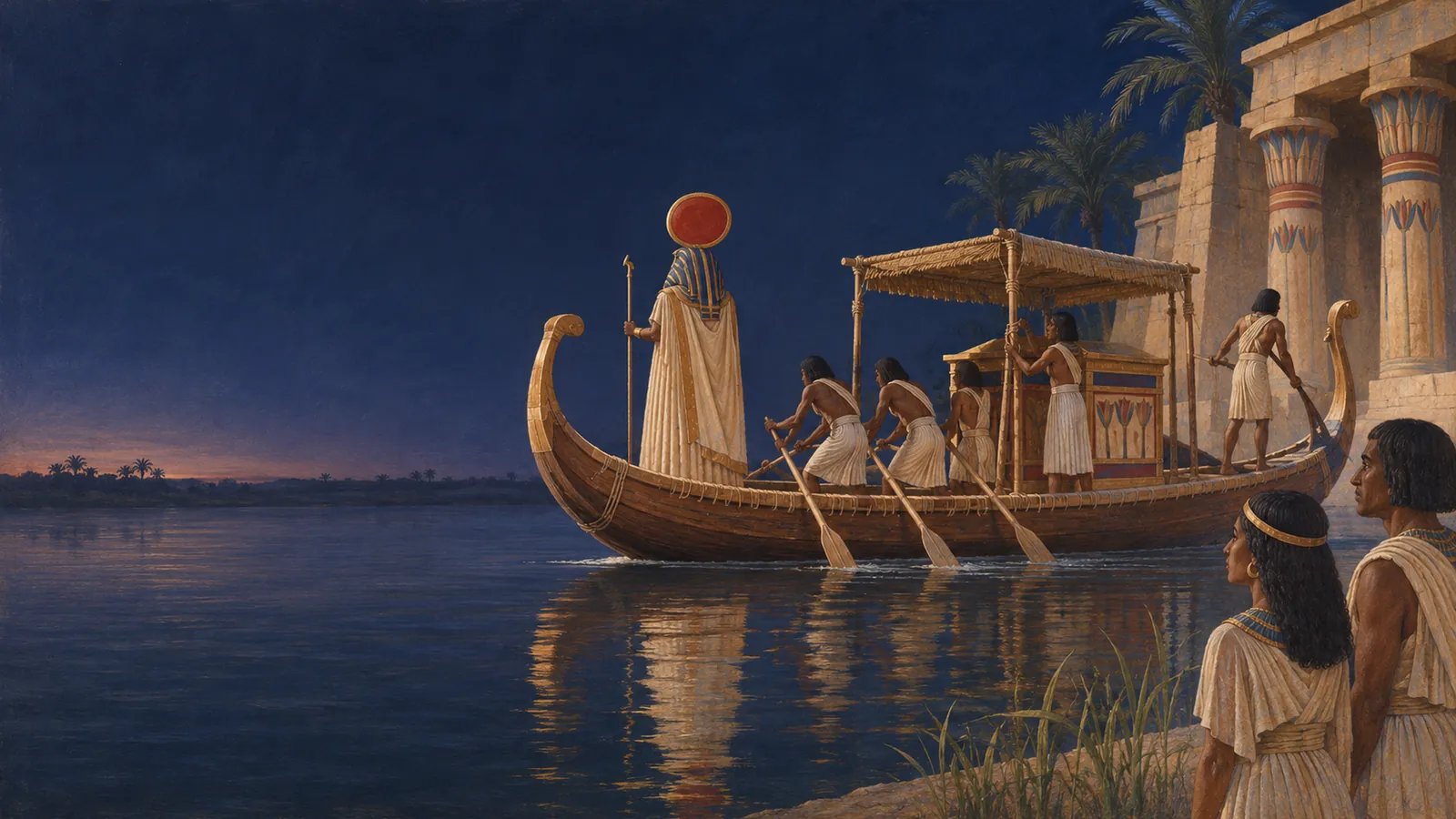
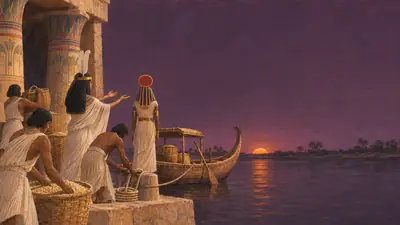
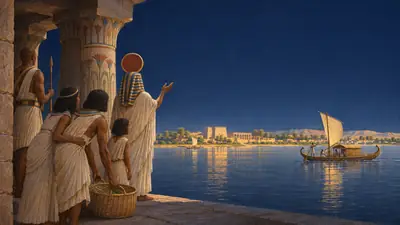
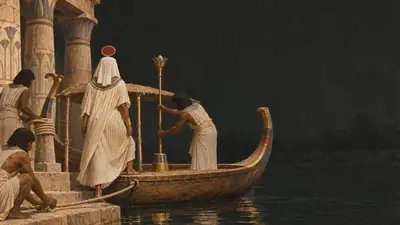
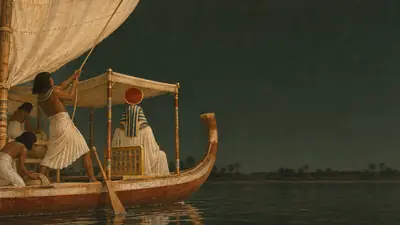
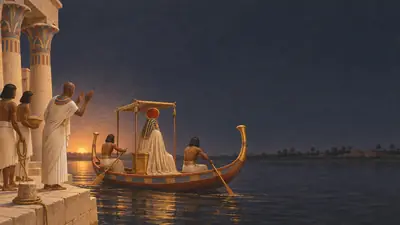
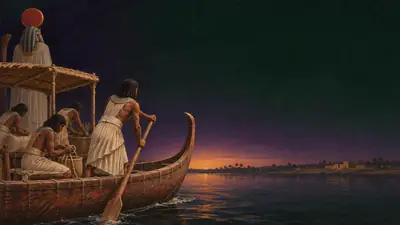
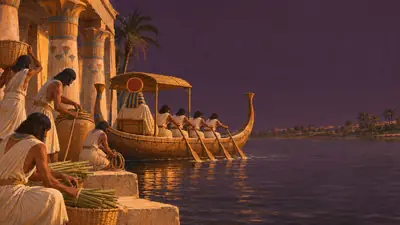
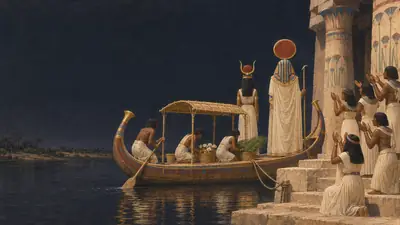
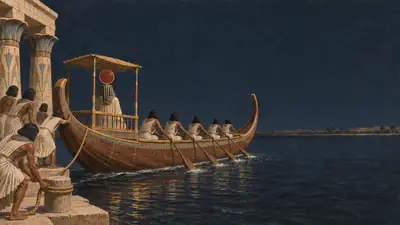
The hymn calls for people to acclaim Ra, lord of heaven and creator of the gods. He comes in the morning in his divine boat.
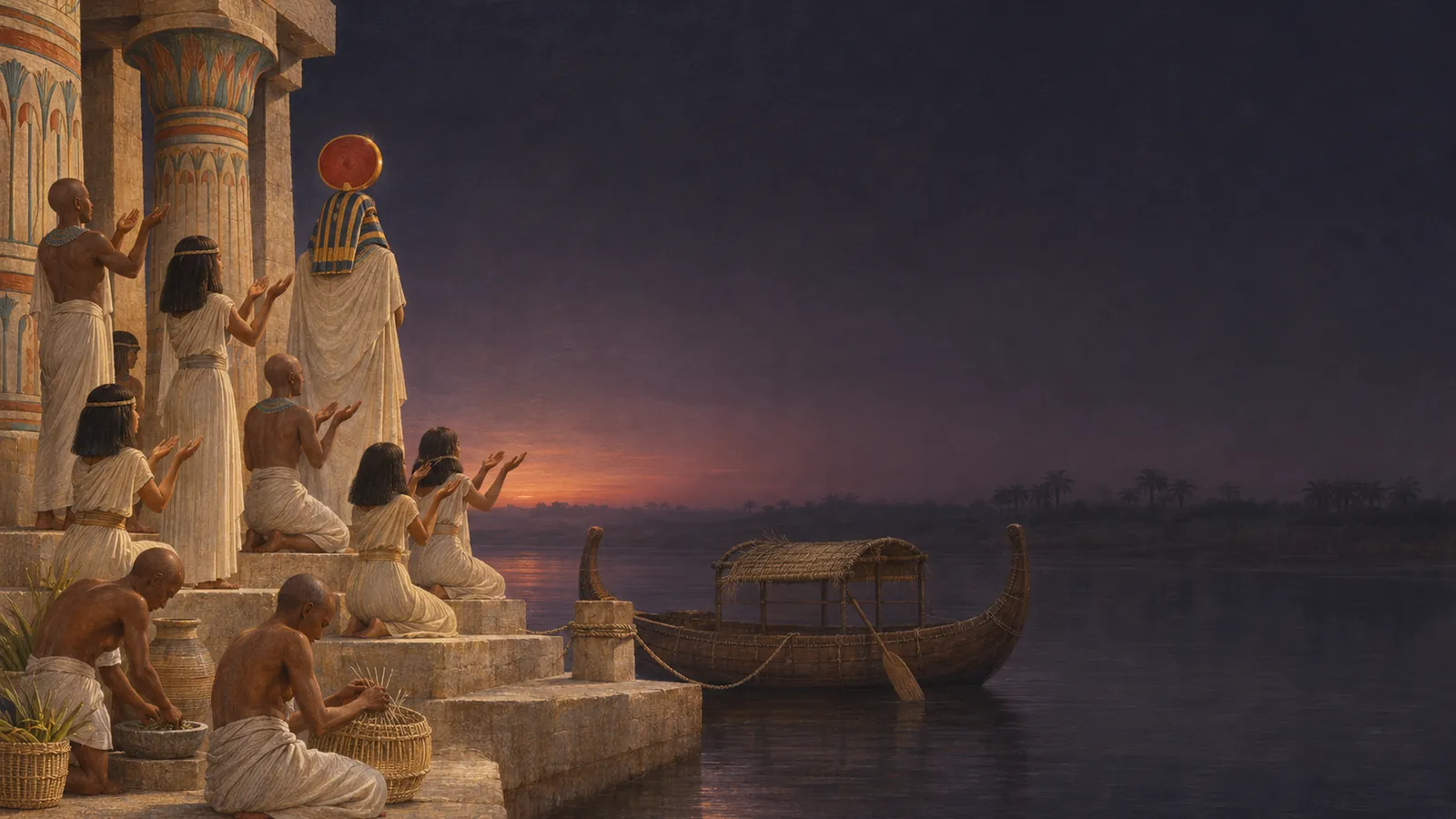
The singer addresses Ra directly. Those who dwell in the heights and those who dwell in the depths both pay homage to him.
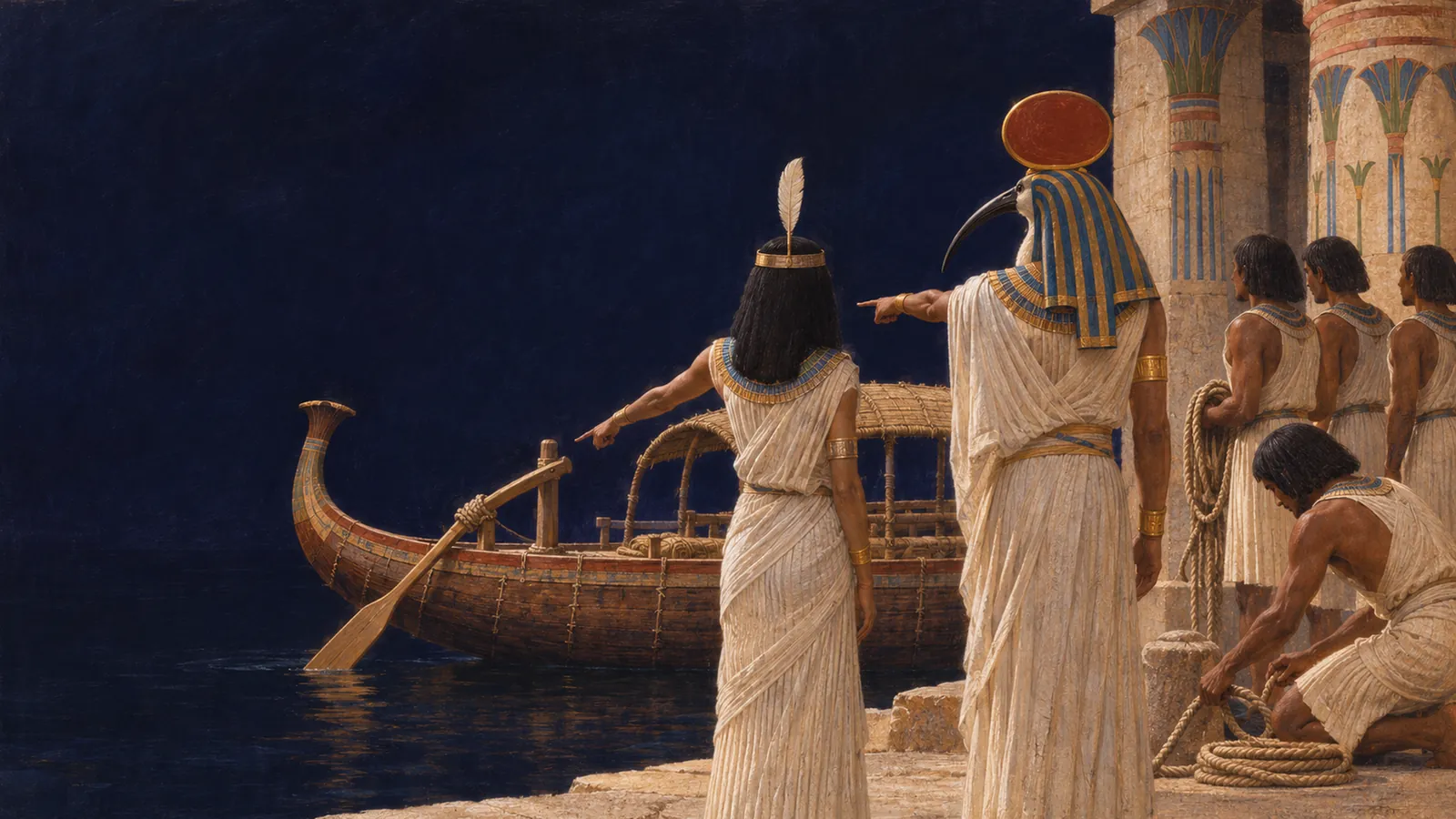
The hymn says that Thoth and Maat mark out the course of Ra for each and every day.
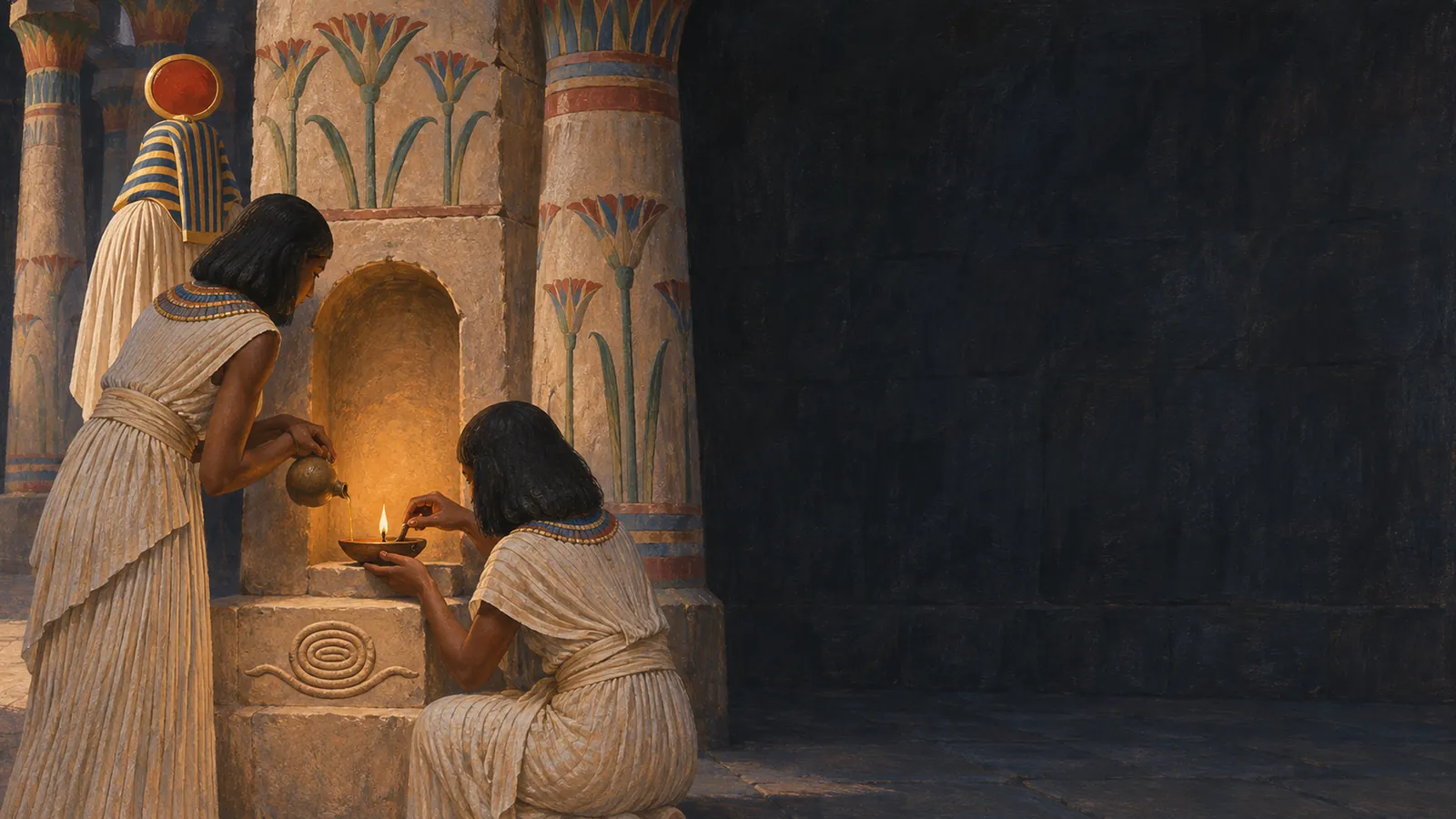
The hymn says the enemy serpent was given to the fire, and that Sebau fell, was bound, and had his legs cut off by Ra.
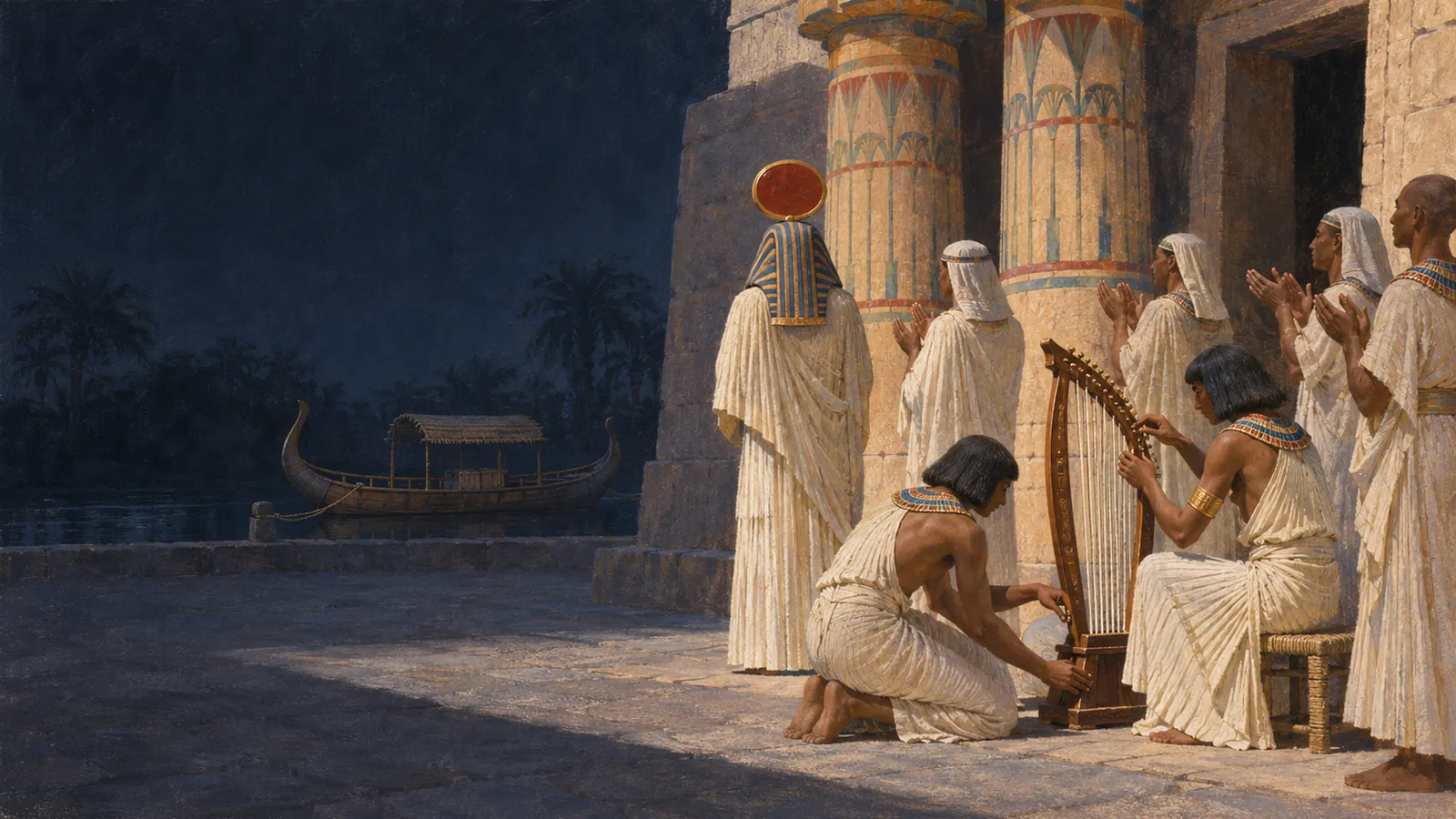
The hymn says the rebellious opponents will never rise again. The temple of the Aged One, whom the edition identifies as Ra, keeps festival.
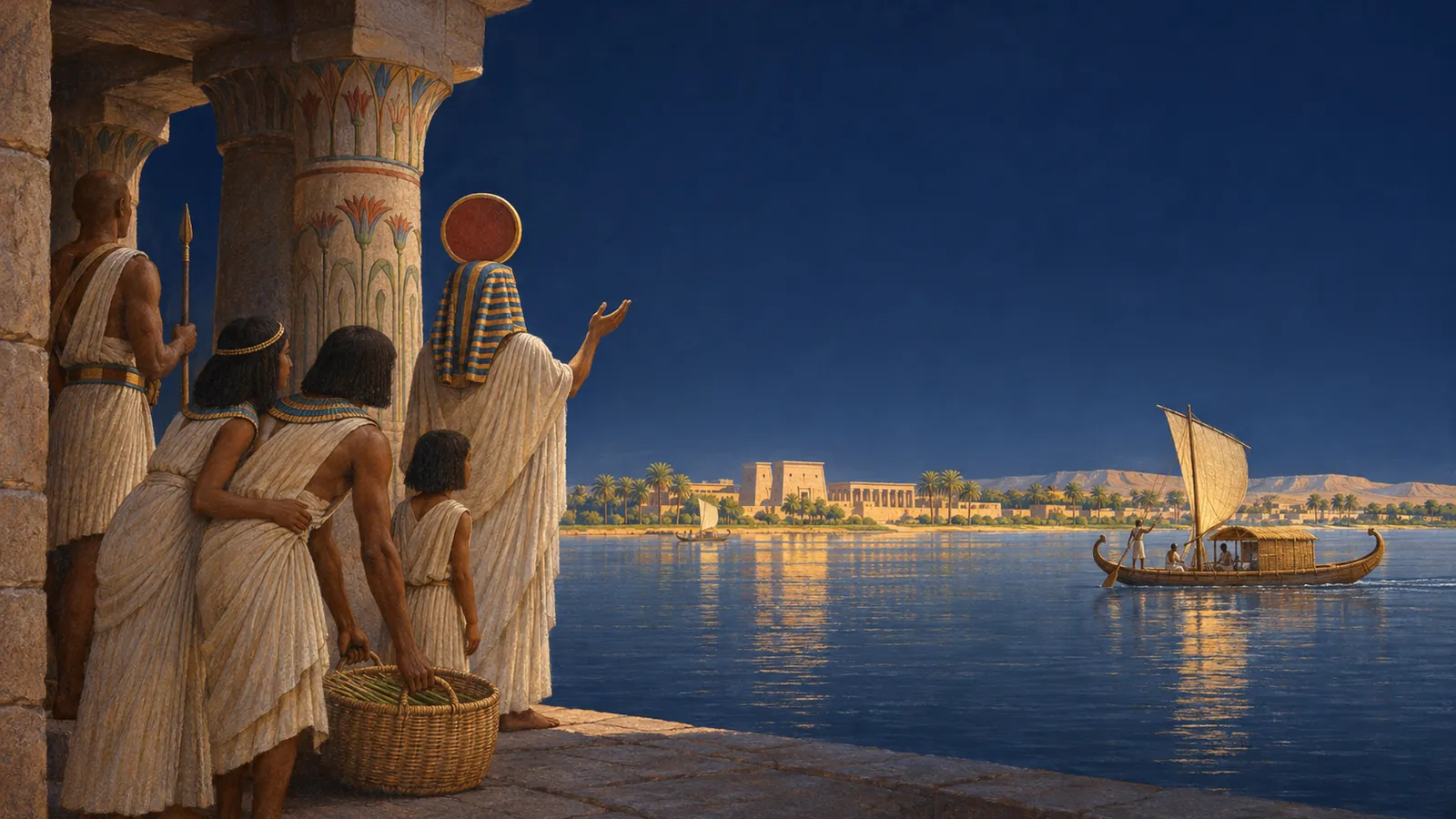
Voices rejoice in the great dwelling. The hymn says the gods also rejoice when Ra rises and his rays fill the world with light.
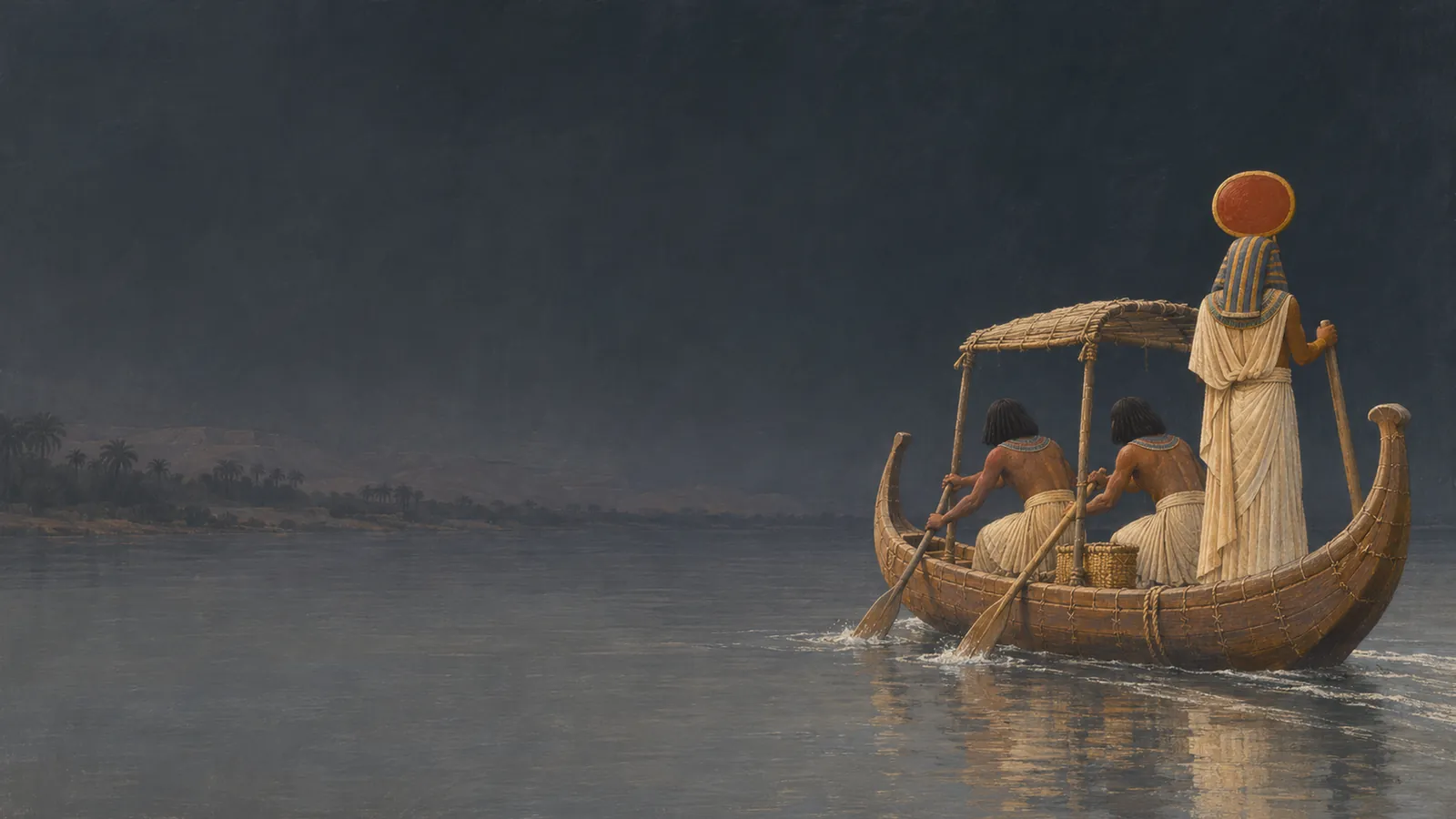
Ra goes forth and advances as far as Manu. The hymn says he makes the earth bright at his birth each day.
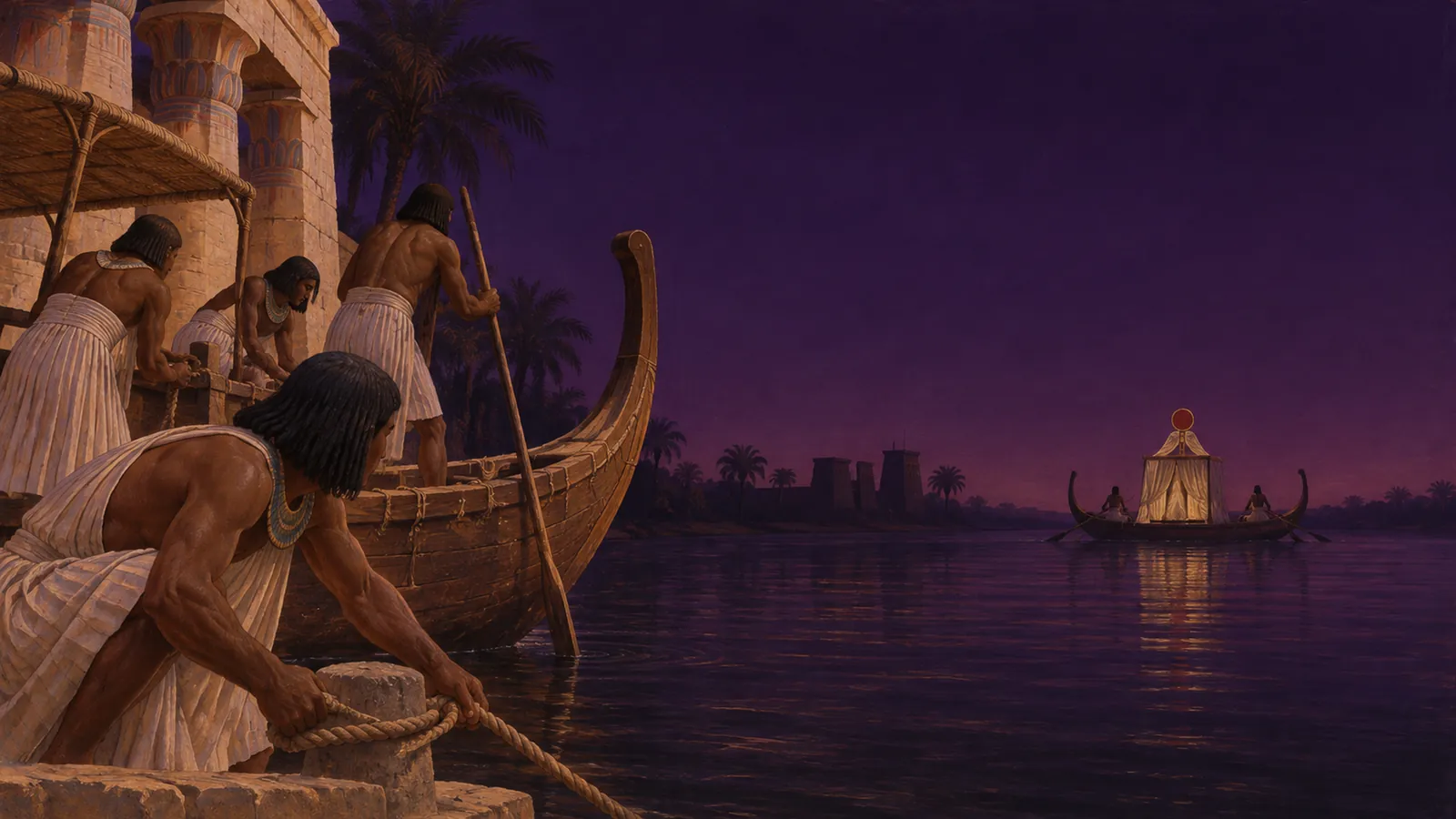
The first hymn closes with the return of Ra. He travels on to the place where he was the day before.
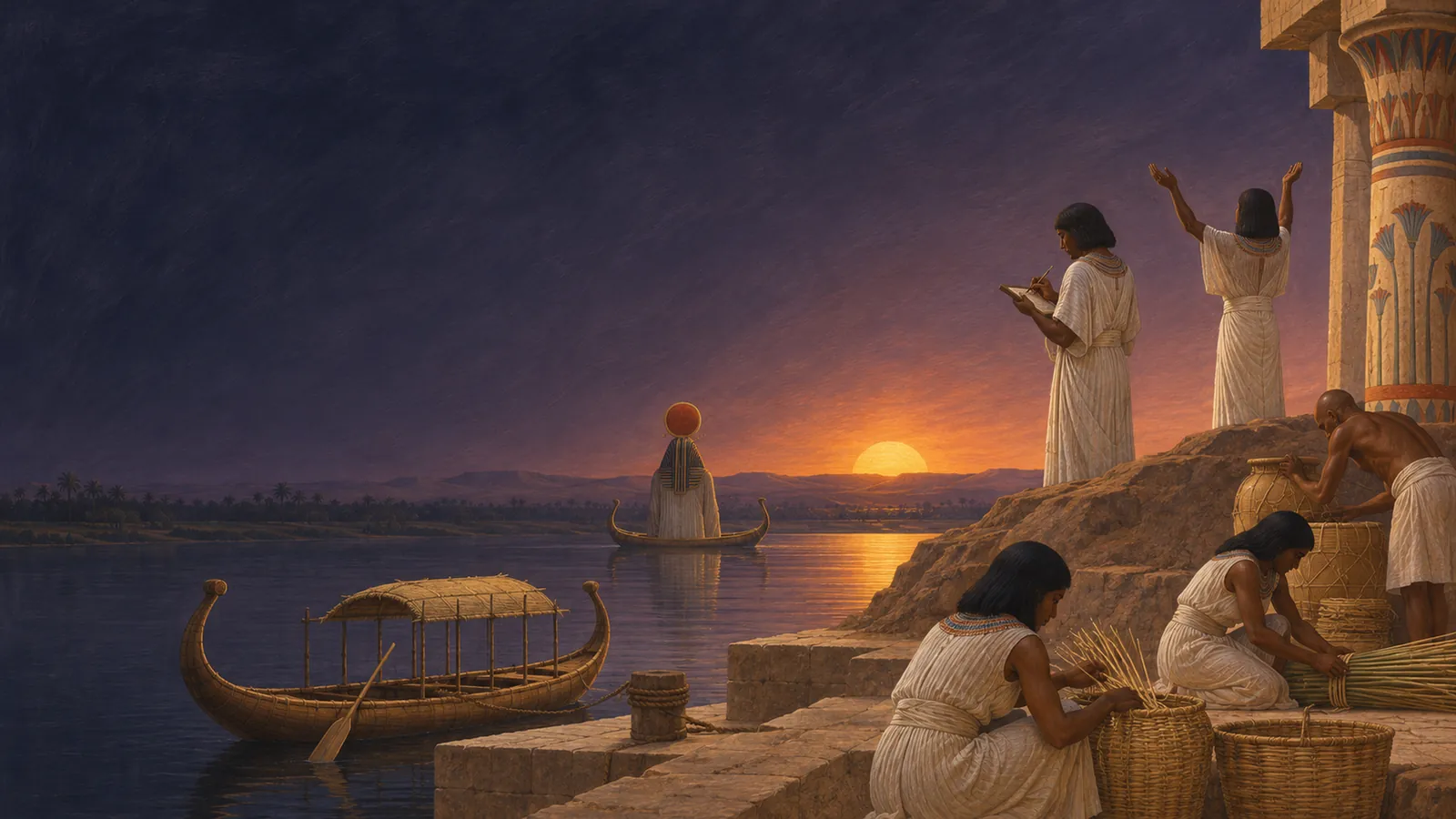
HUNEFER
The next hymn comes from the Papyrus of Hunefer. It opens by greeting the sun as Ra when he rises and Temu when he sets.
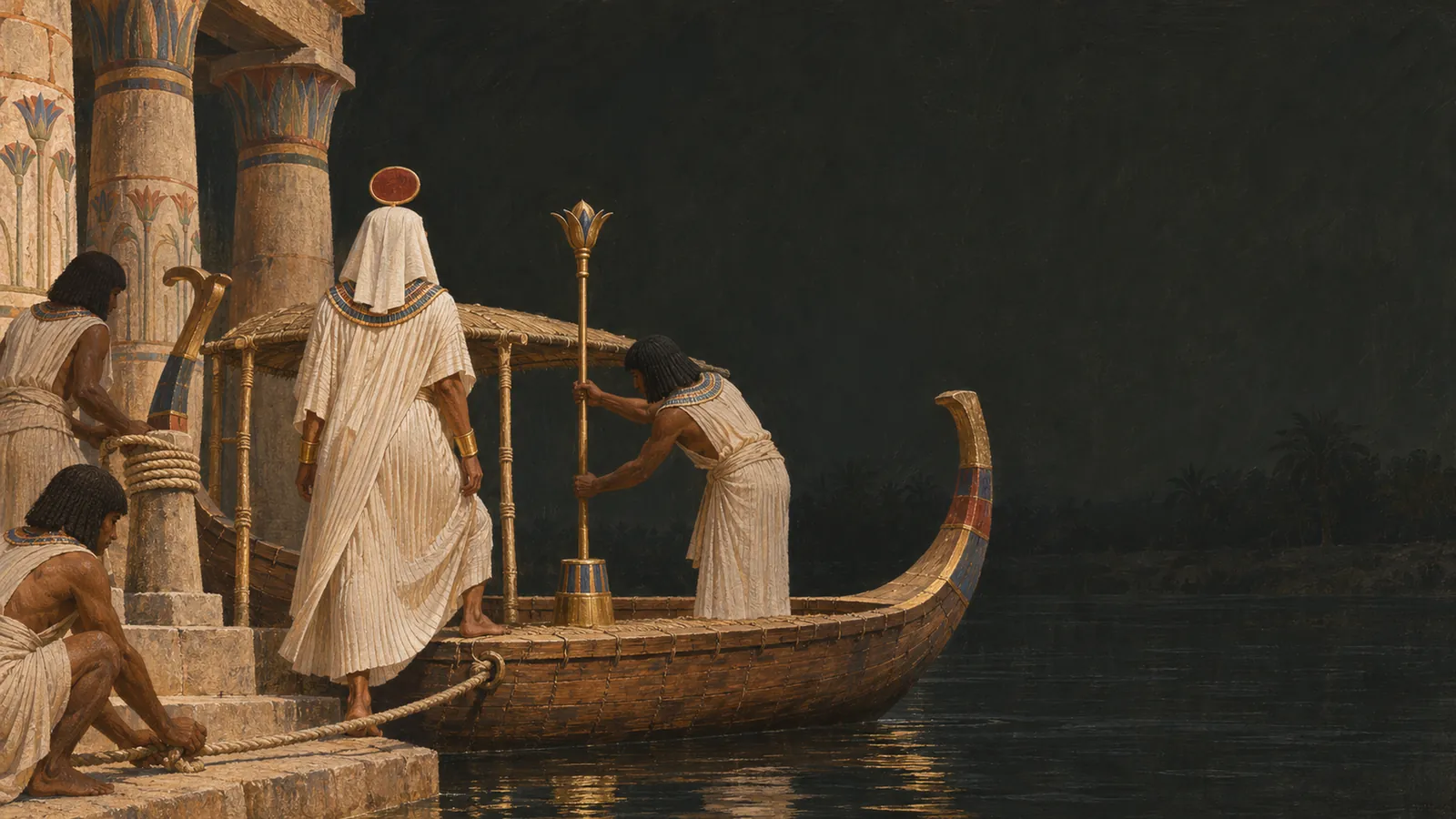
The hymn repeats that he rises and that he shines. It hails him as the crowned king of the gods and the lord of heaven and earth.
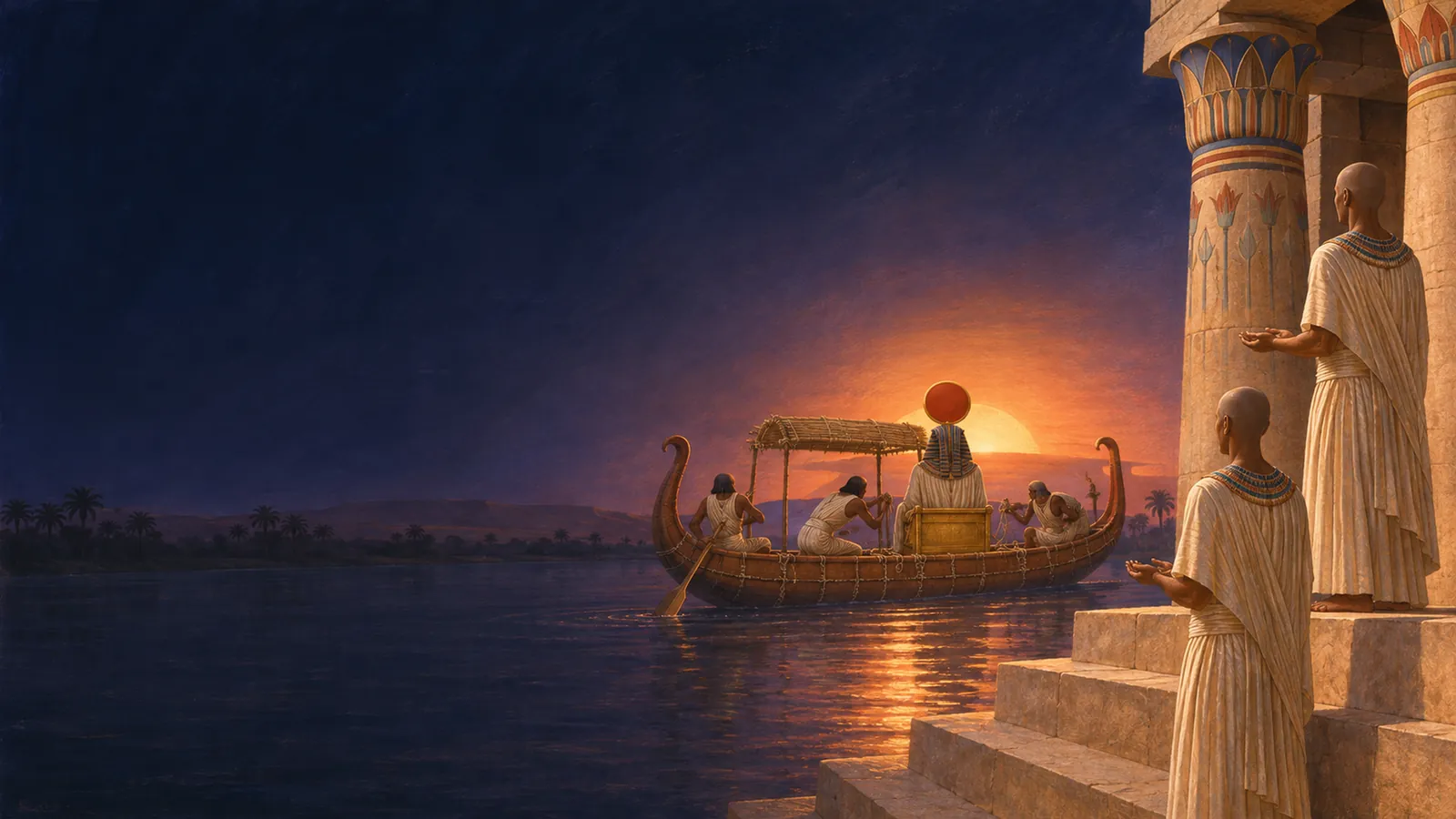
The hymn calls him creator of those who dwell in the heights and those who dwell in the depths. It says the One God came into being at the beginning of time.
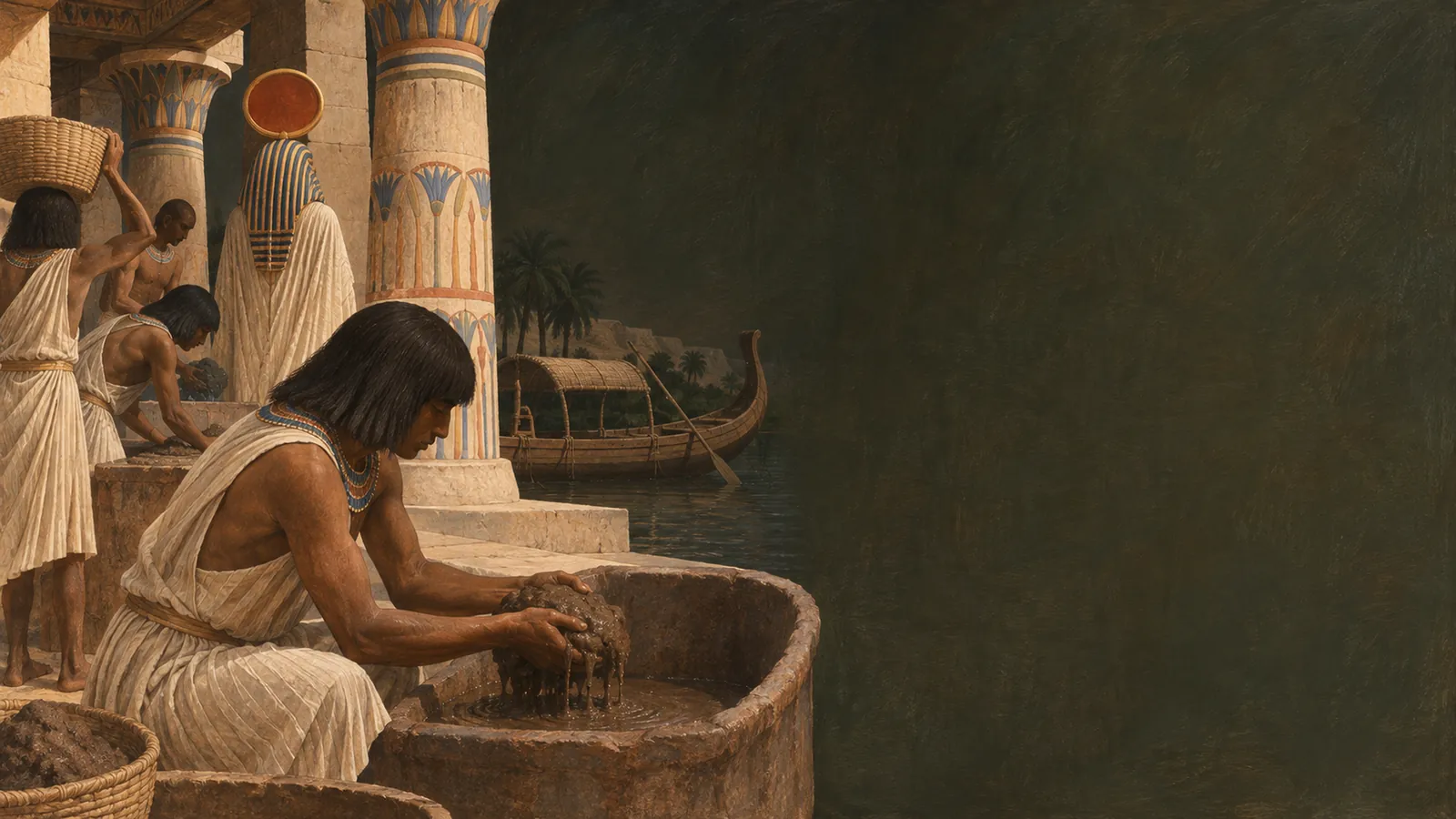
The song addresses him as the one who created the earth and fashioned humankind. It also tells him that he made the watery abyss of the sky.
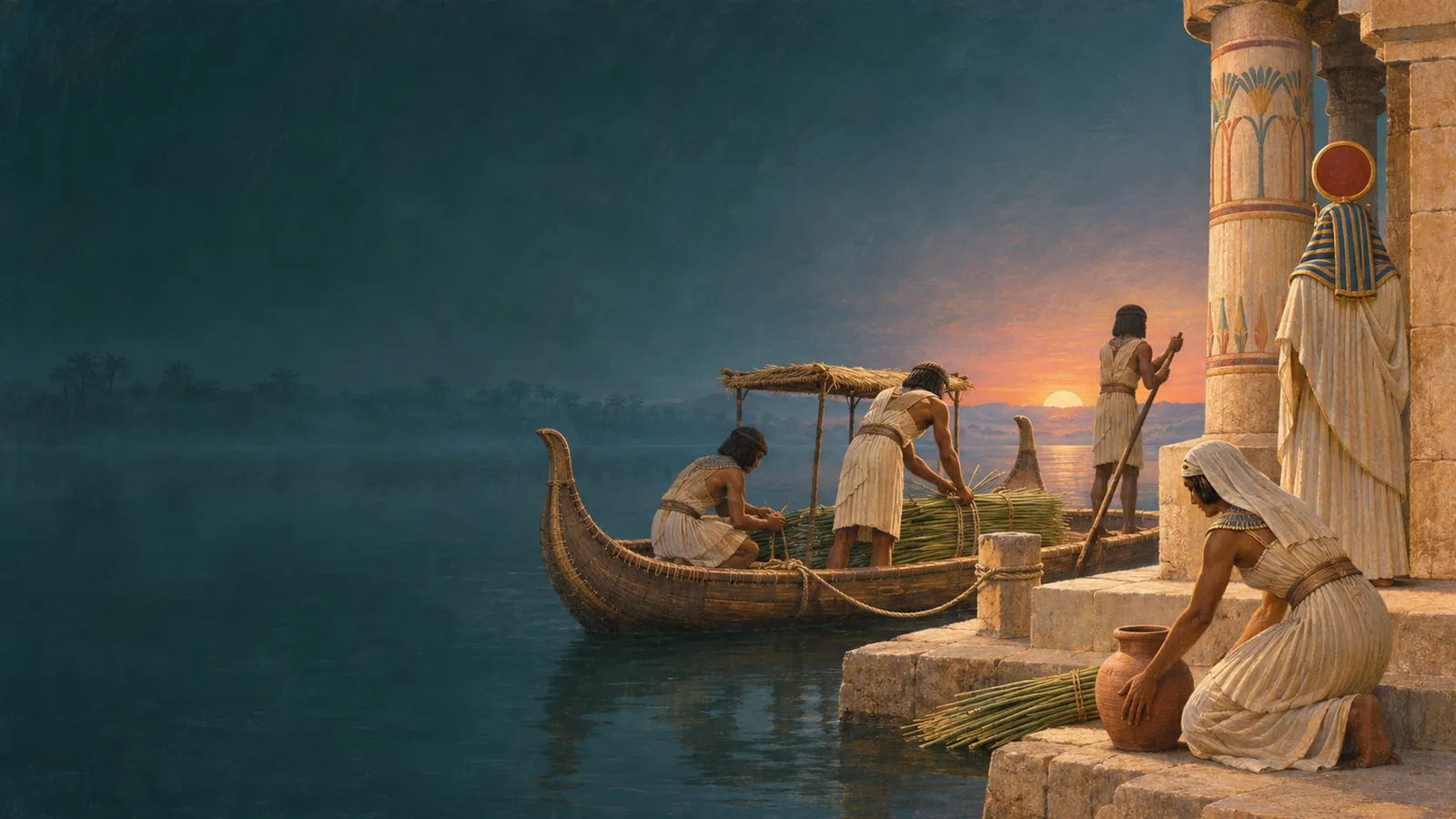
He formed Hapi, the Nile, and created the great deep. The hymn adds that he gives life to everything within the deep.
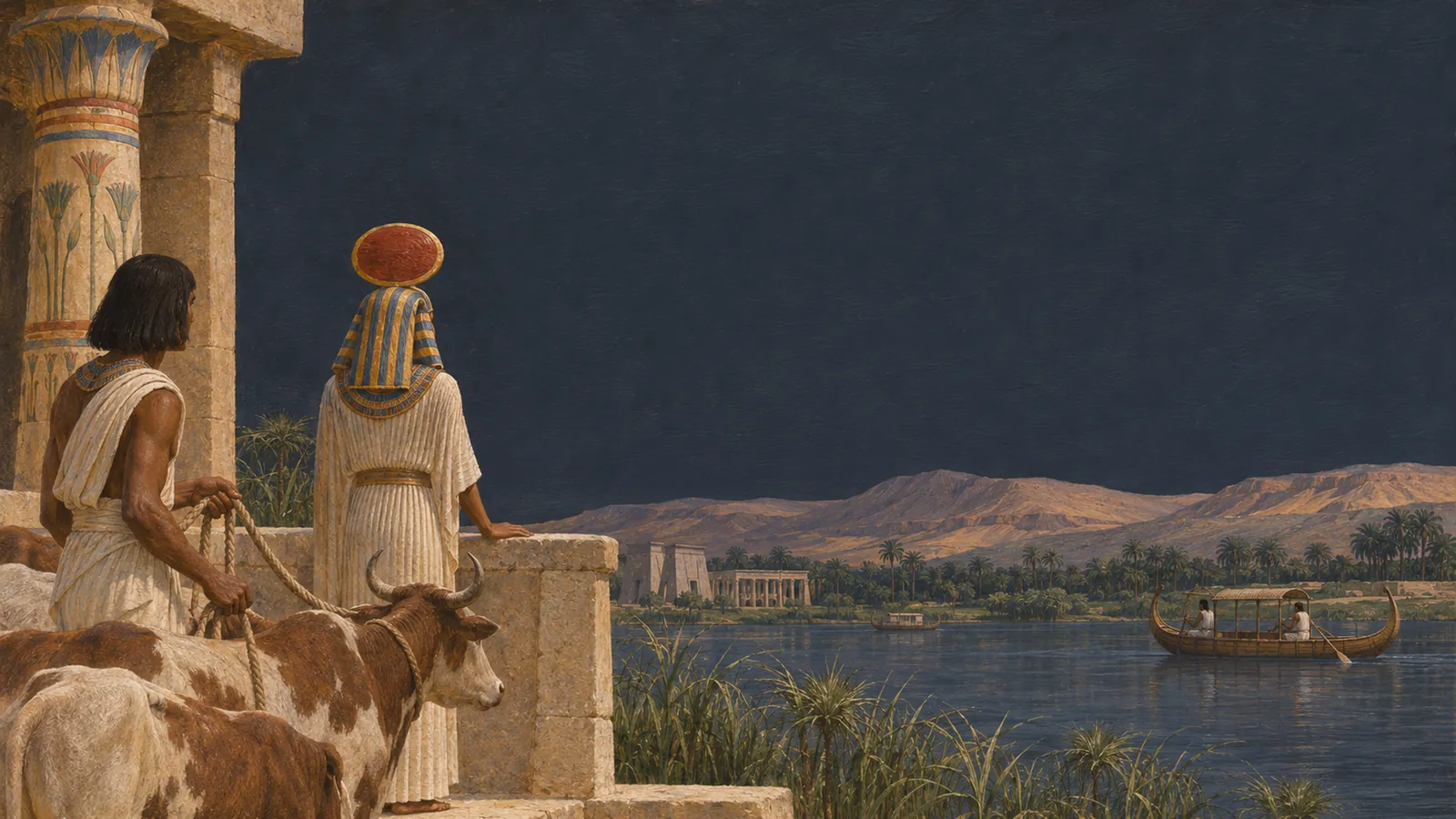
The hymn says he bound the mountains together and brought people and the animals of the fields into being. It names him as maker of the heavens and the earth.
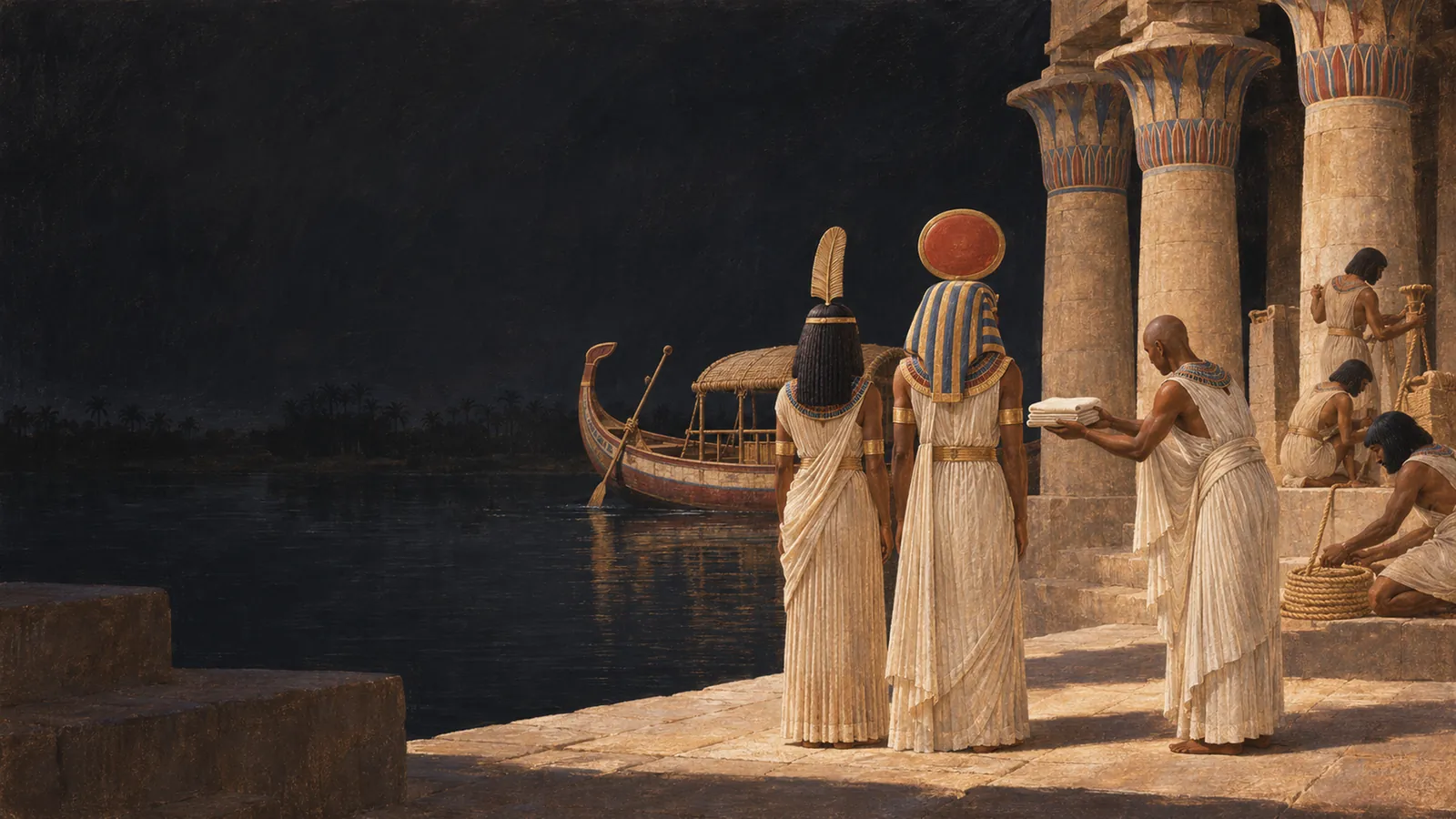
The hymn calls for praise of the one whom the goddess Maat embraces. It names both the morning and the evening as times of that embrace.
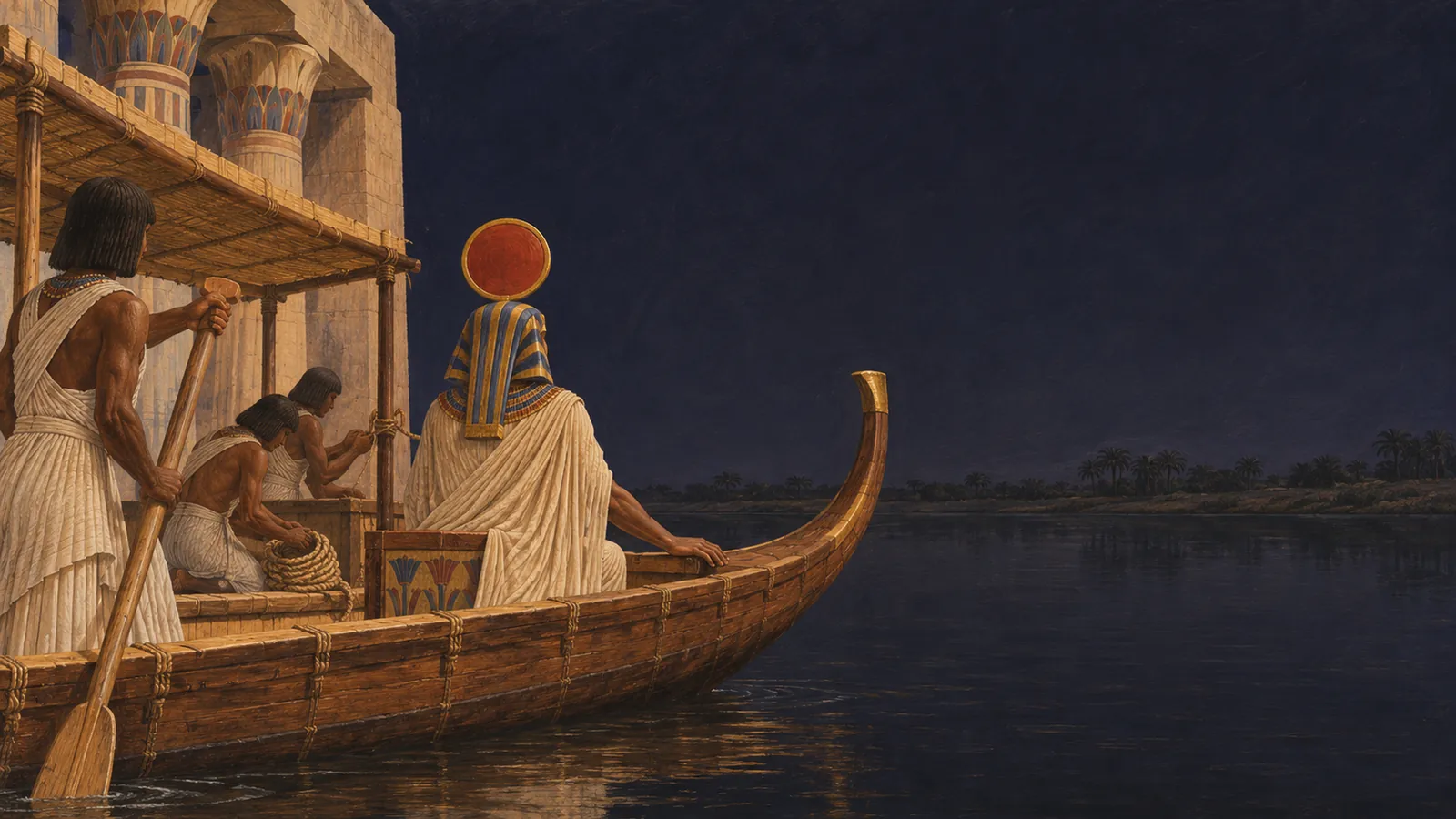
The hymn pictures the traveller crossing the sky with his heart swelling with joy. The great deep of heaven is content at his passage.
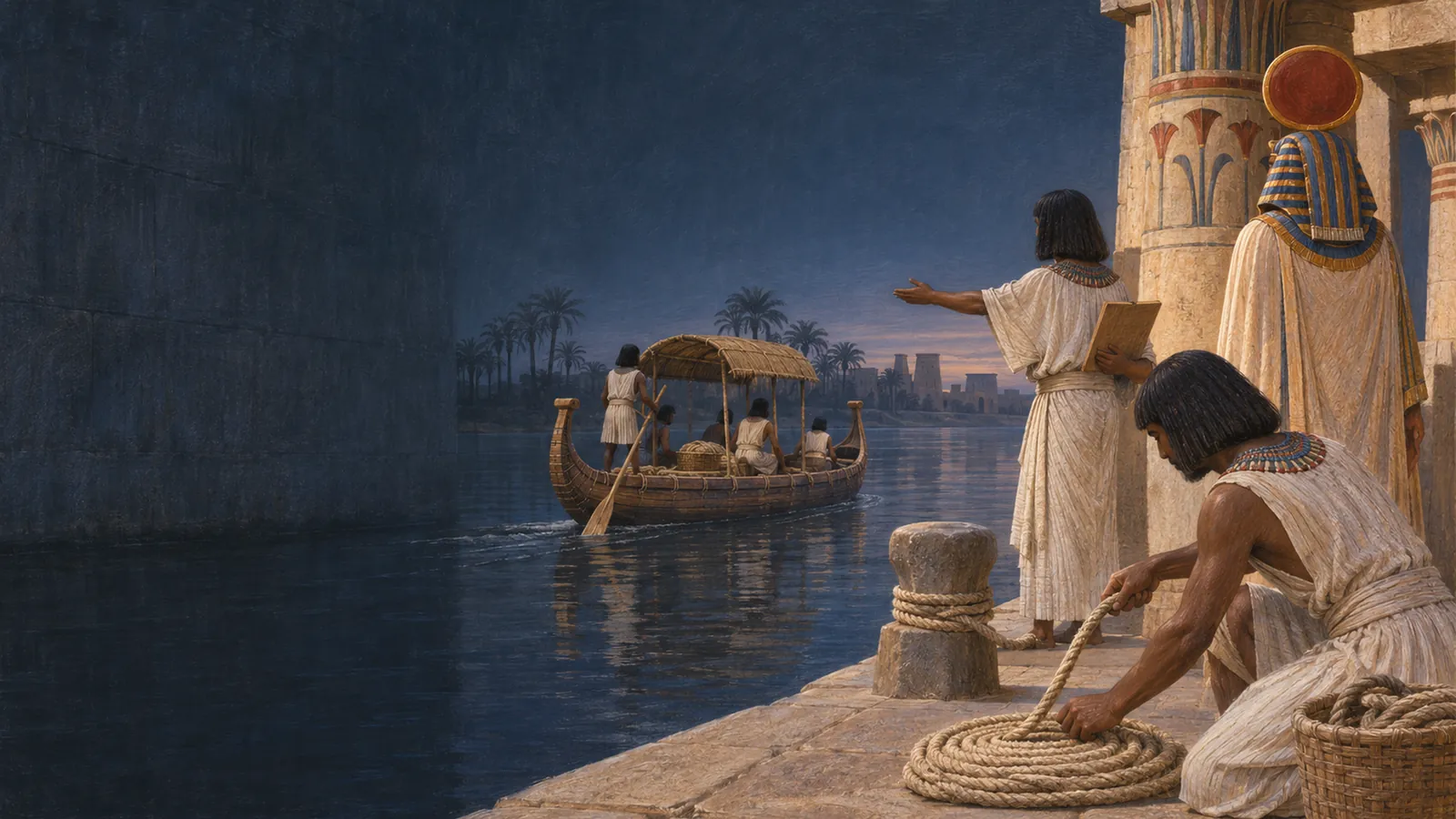
In Hunefer’s hymn, Nak, the serpent adversary, falls and his arms are cut off. The next lines return to the voyage of the Sektet boat.
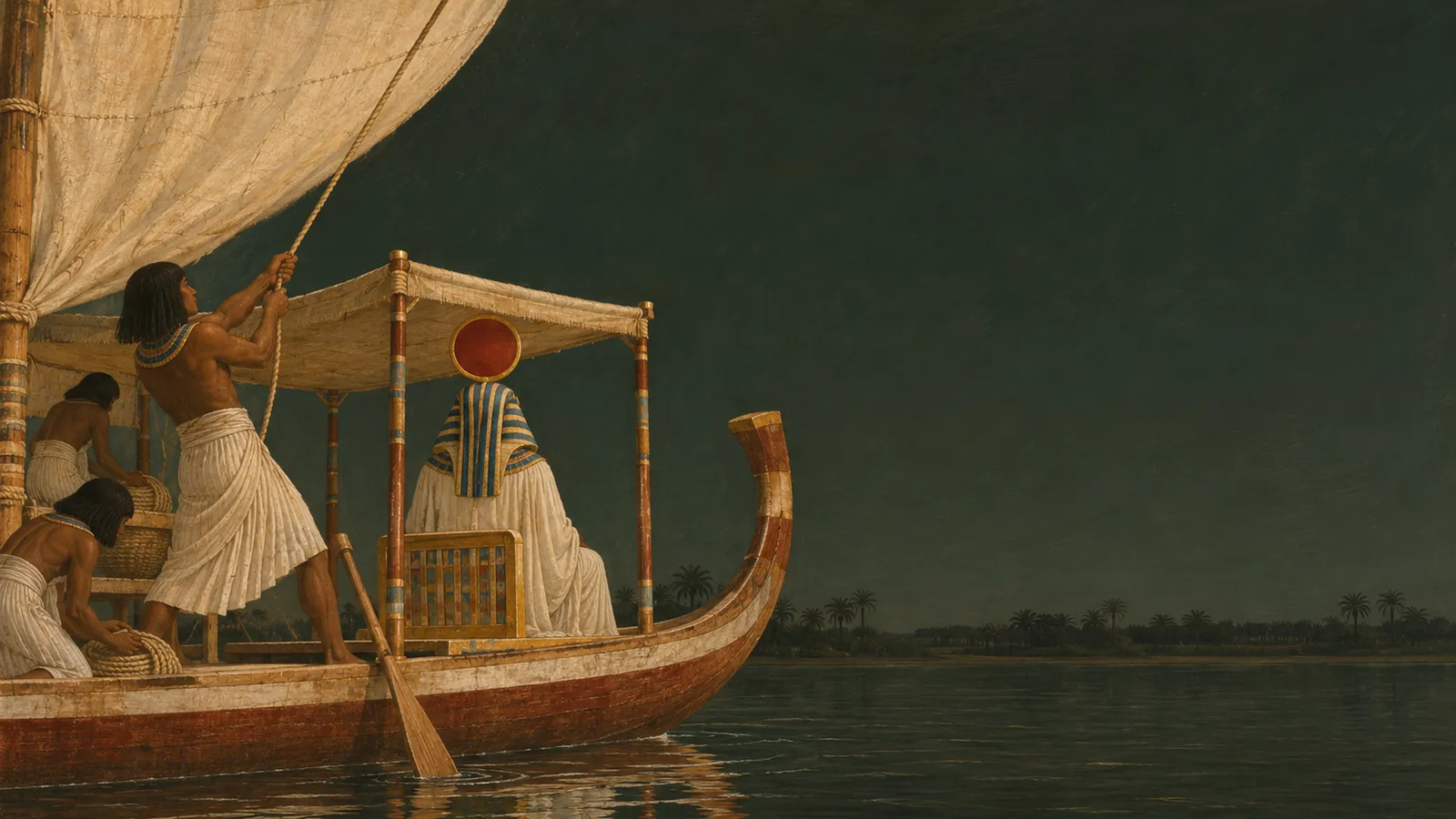
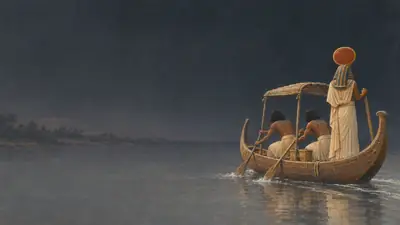
The Sektet boat receives fair winds, and the one within its shrine rejoices. Budge identifies it as the boat in which Ra sailed from noon to sunset.
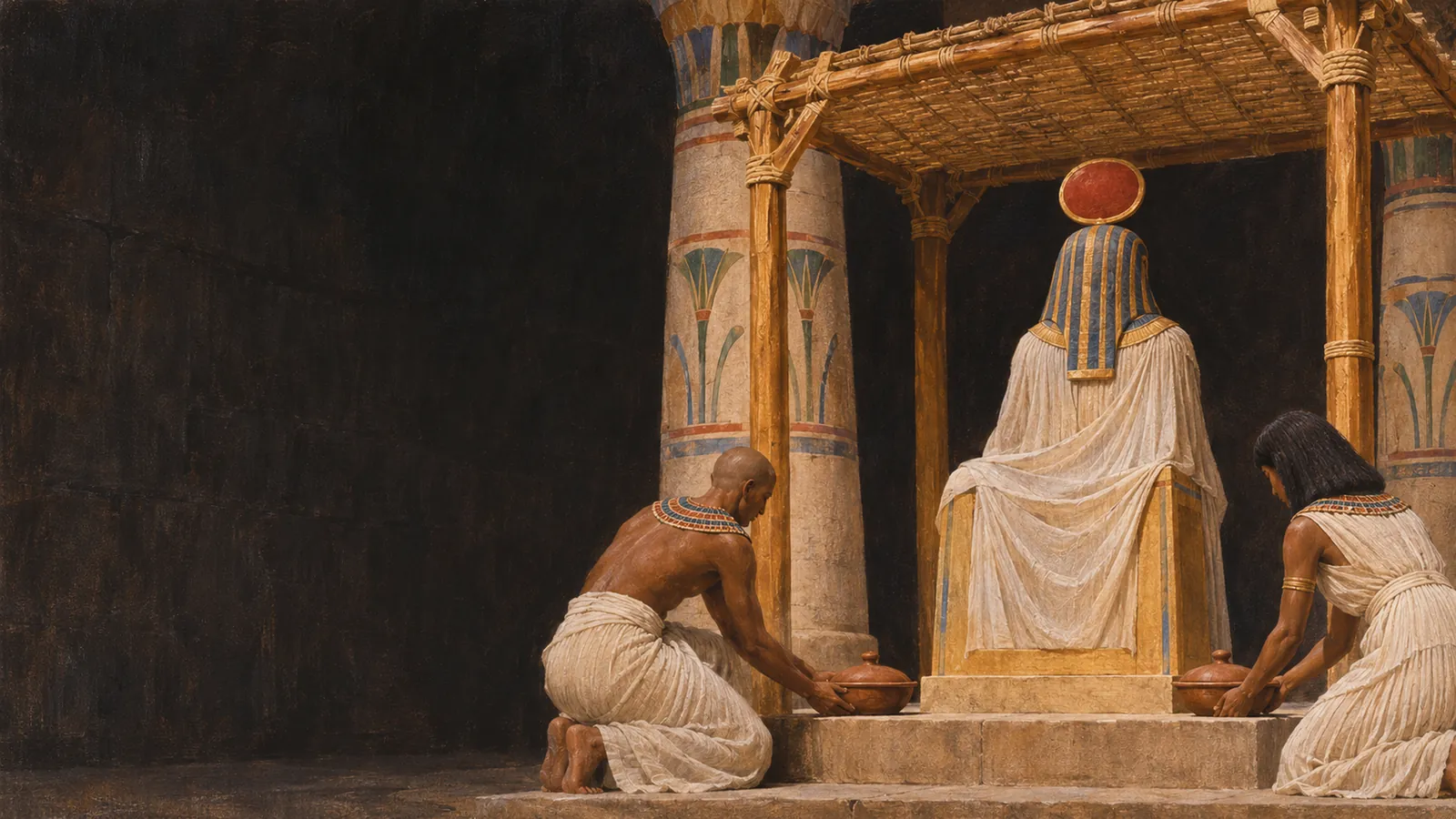
The hymn names him the crowned Prince of Heaven. In words supplied by Budge, the One who appears in the sky is endowed with all sovereignty. The hymn calls Ra true of voice.
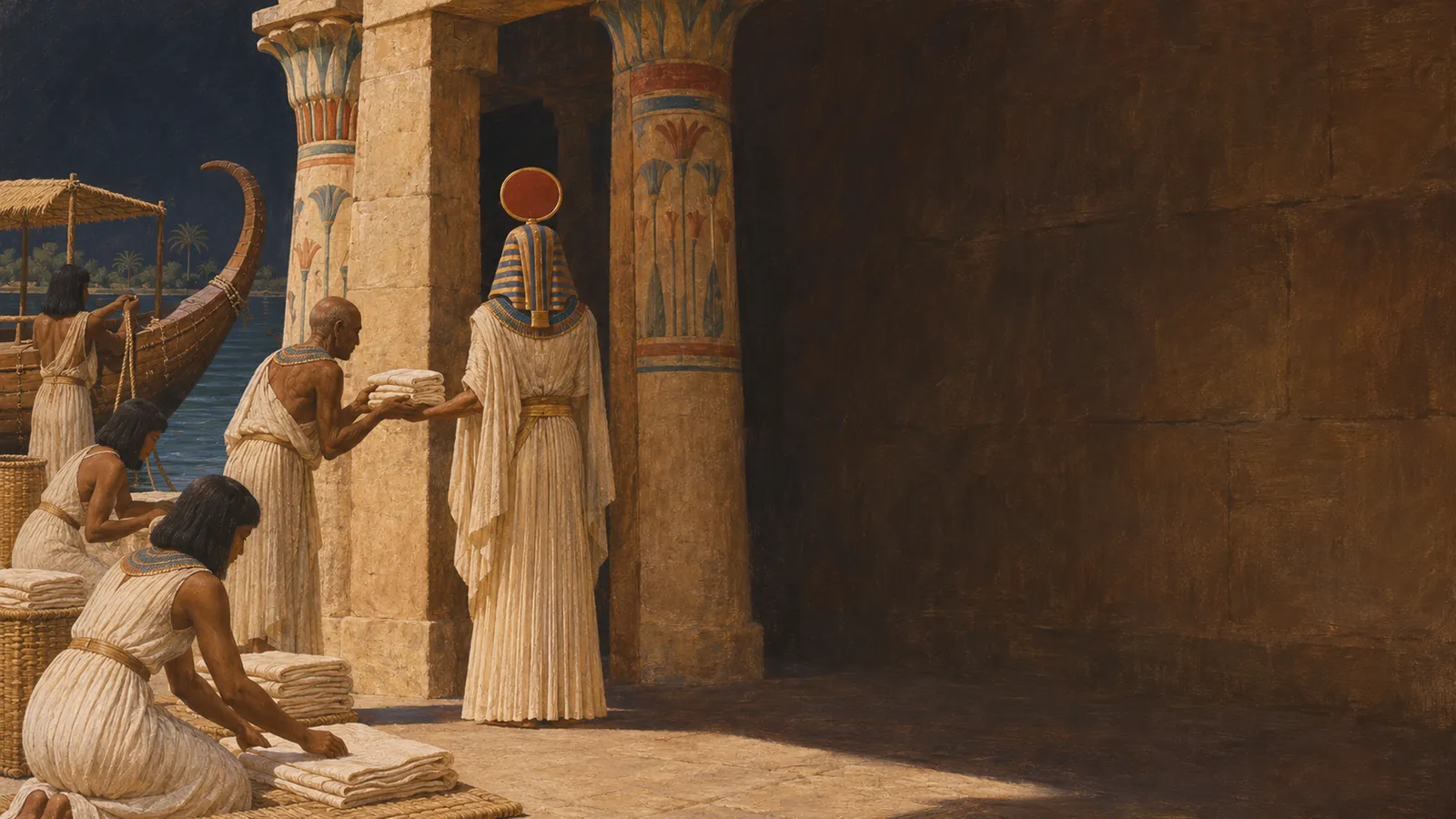
In this greeting the hymn calls him the divine youth and heir of everlastingness. It hails him as the one who gave birth to himself.
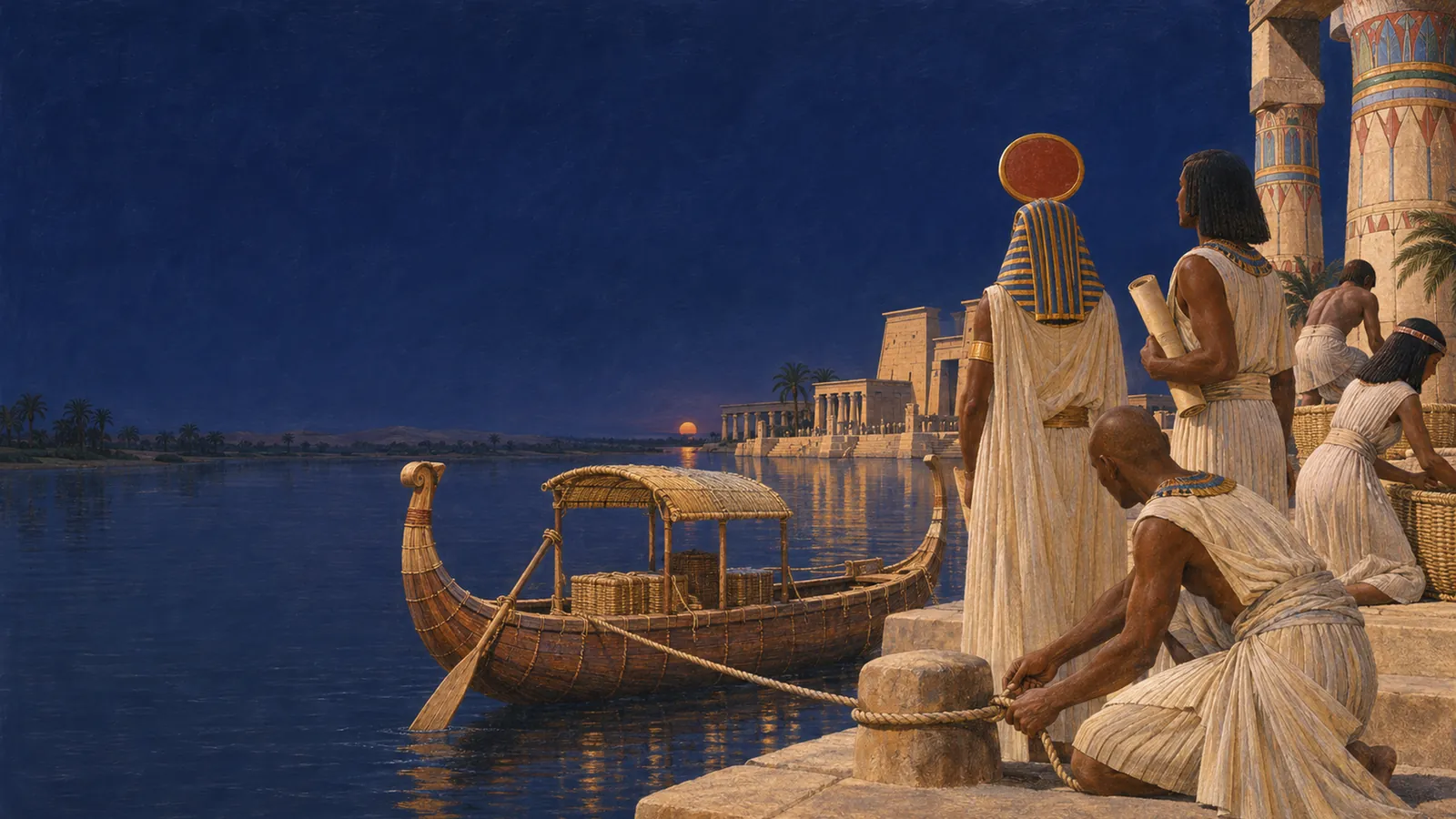
Hunefer’s hymn hails the mighty One of myriad forms. It names him king of the world, prince of Annu, which Budge identifies as Heliopolis, lord of eternity and ruler of everlastingness.
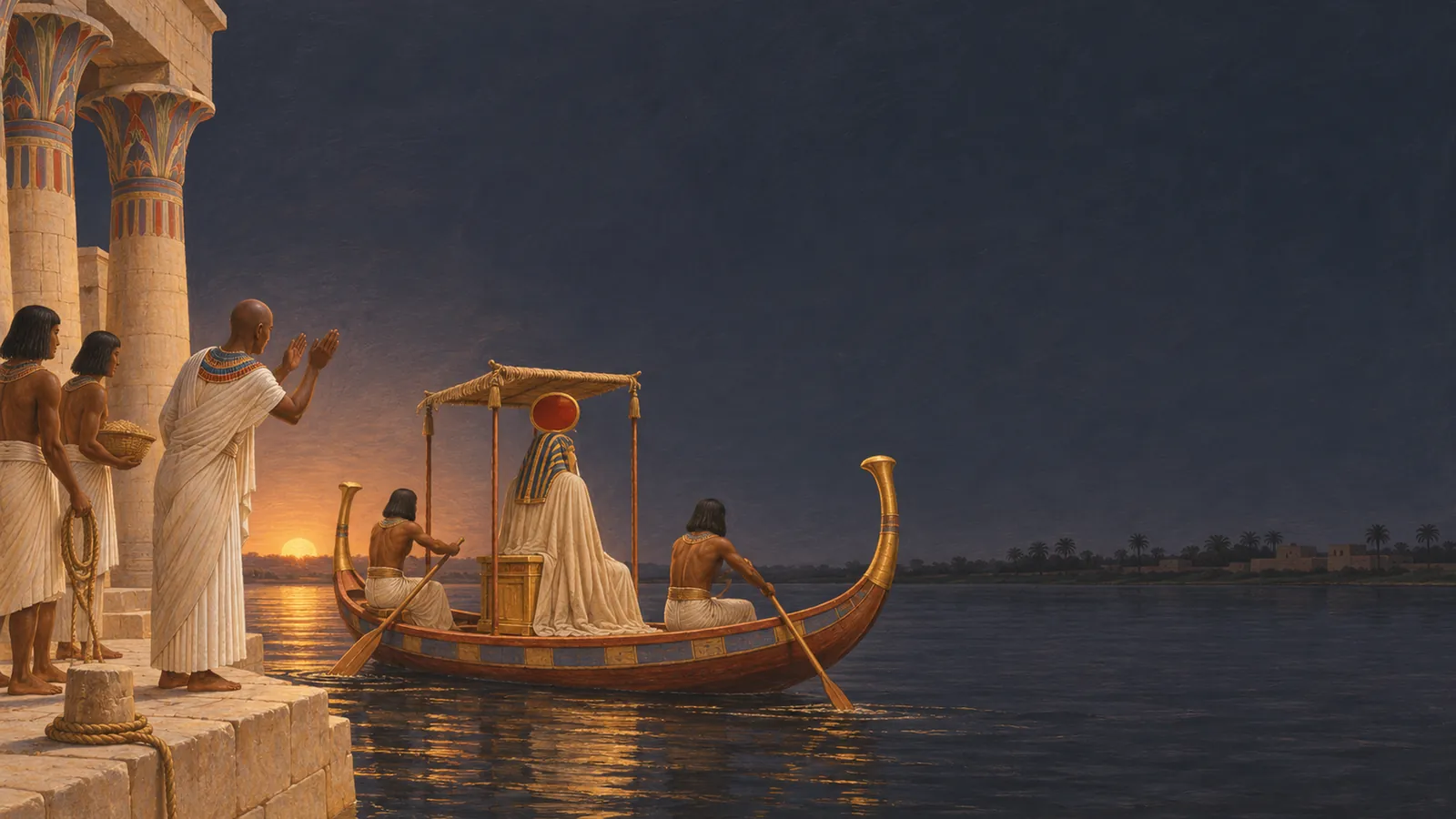
The company of the gods rejoices as he rises and sails across the sky. The hymn calls him exalted in the Sektet boat.
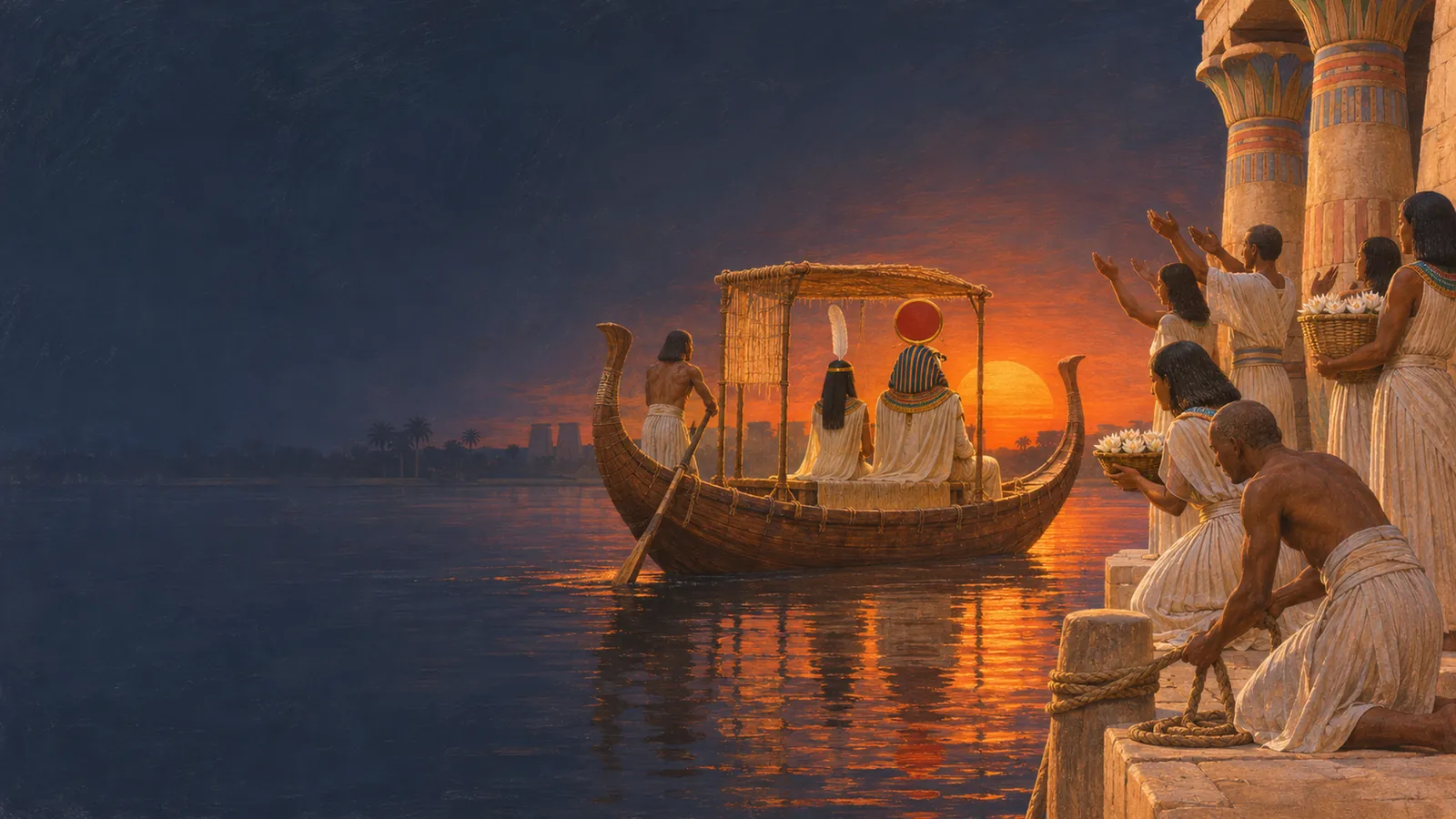
The hymn now addresses Amen-Ra, who rests on Maat and passes over heaven. As he advances, the song says every face sees him and receives his rays.
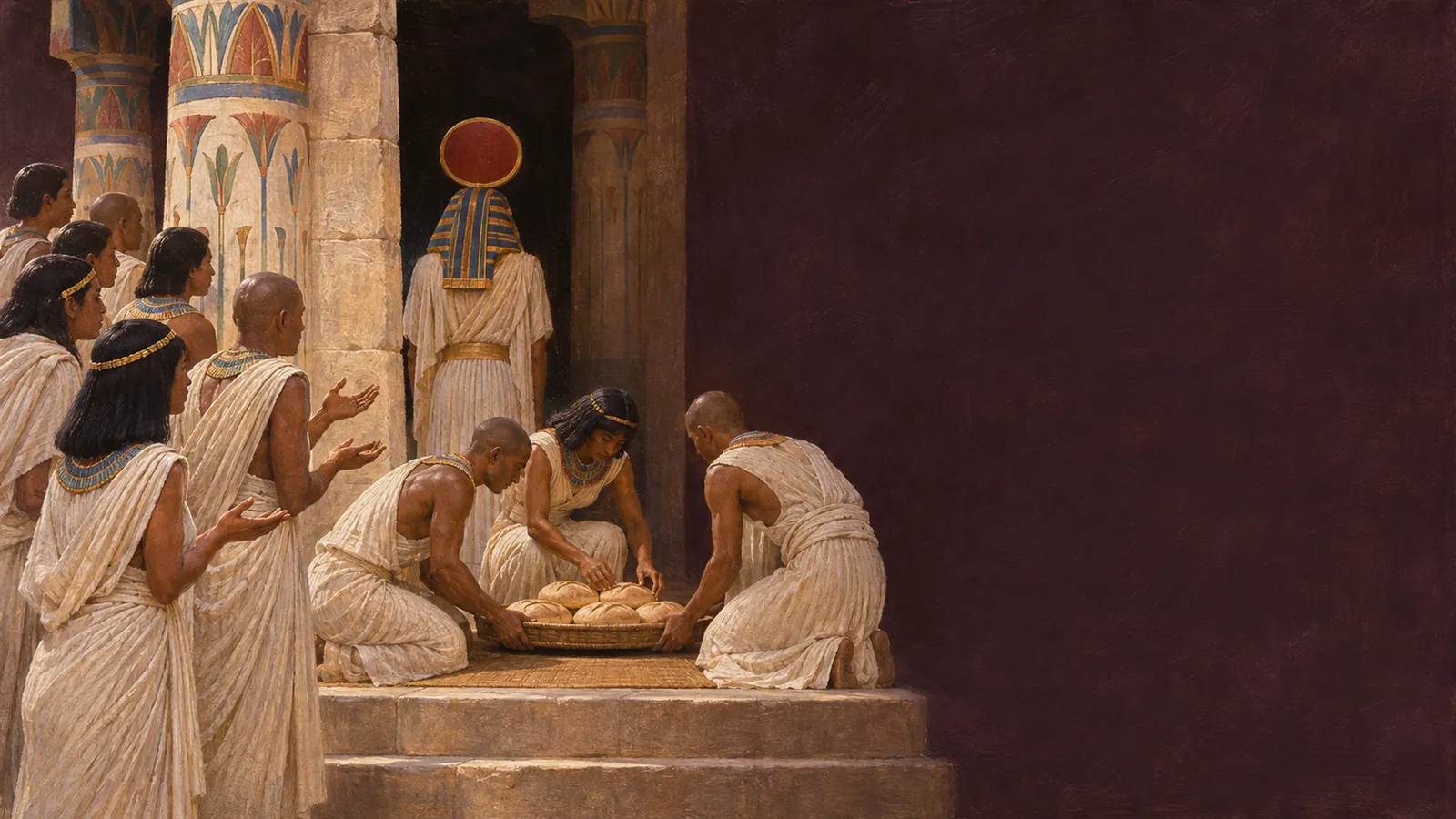
No tongue can declare his likeness, the hymn says, and Budge’s supplied words give that power to him alone. People praise him and swear by him as their lord. He hears and sees.
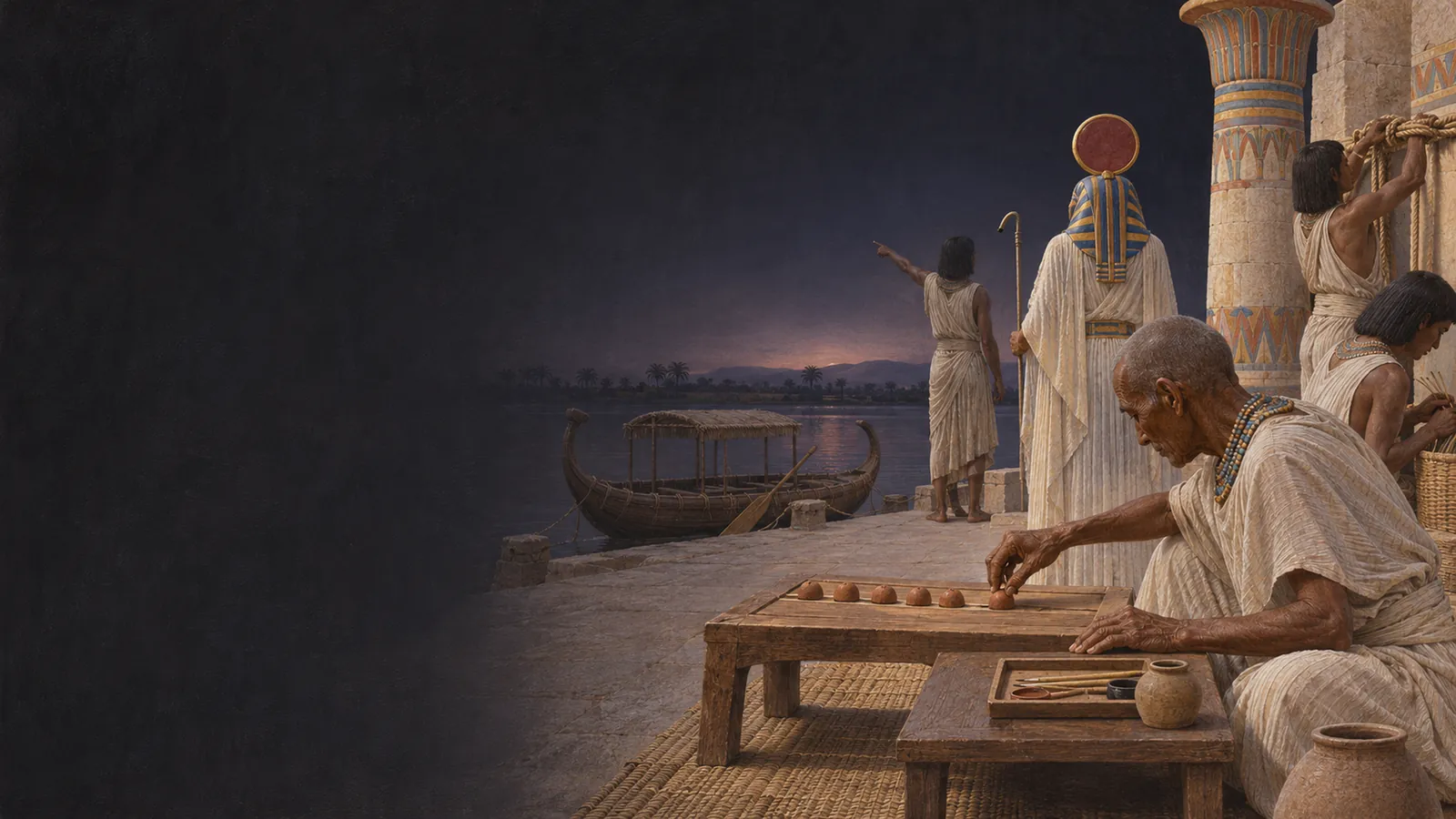
Millions of years have passed over the world, and the singer cannot count how many the god has traversed. Under the name Traveller, he has decreed a day of happiness.
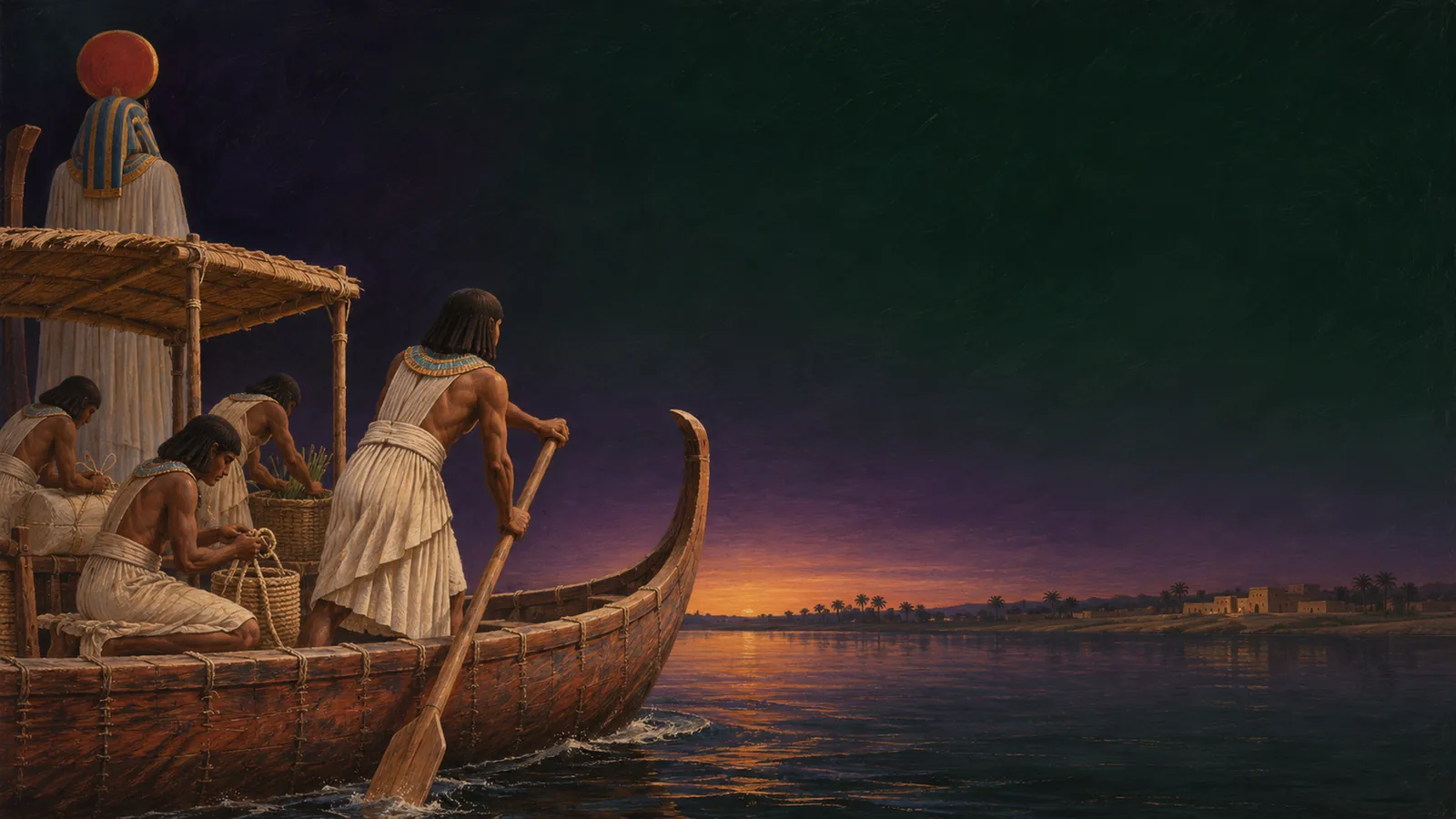
He crosses in peace distances that would take millions and hundreds of thousands of years to pass, in Budge’s rendering. In one moment he steers across the watery abyss to the place he loves. He sinks and ends the hours.
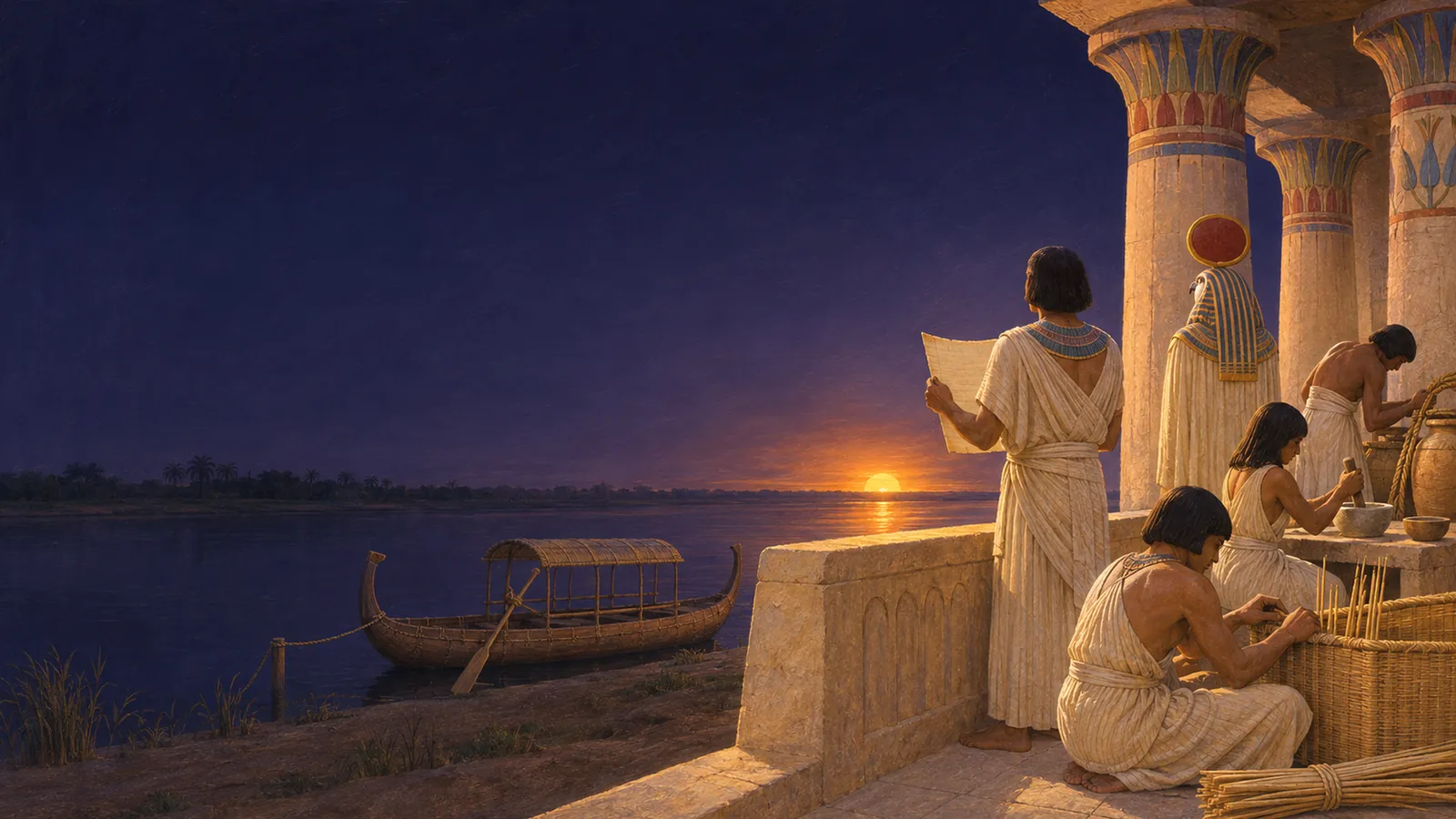
ANI’S PRAYER
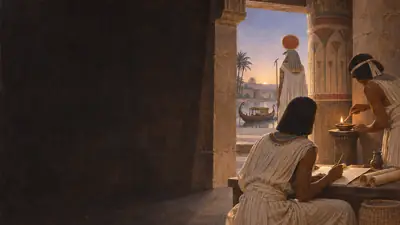
In this separate hymn and prayer, Ani welcomes the disk that rises day after day. The papyrus describes him as Osiris Ani, true of voice.
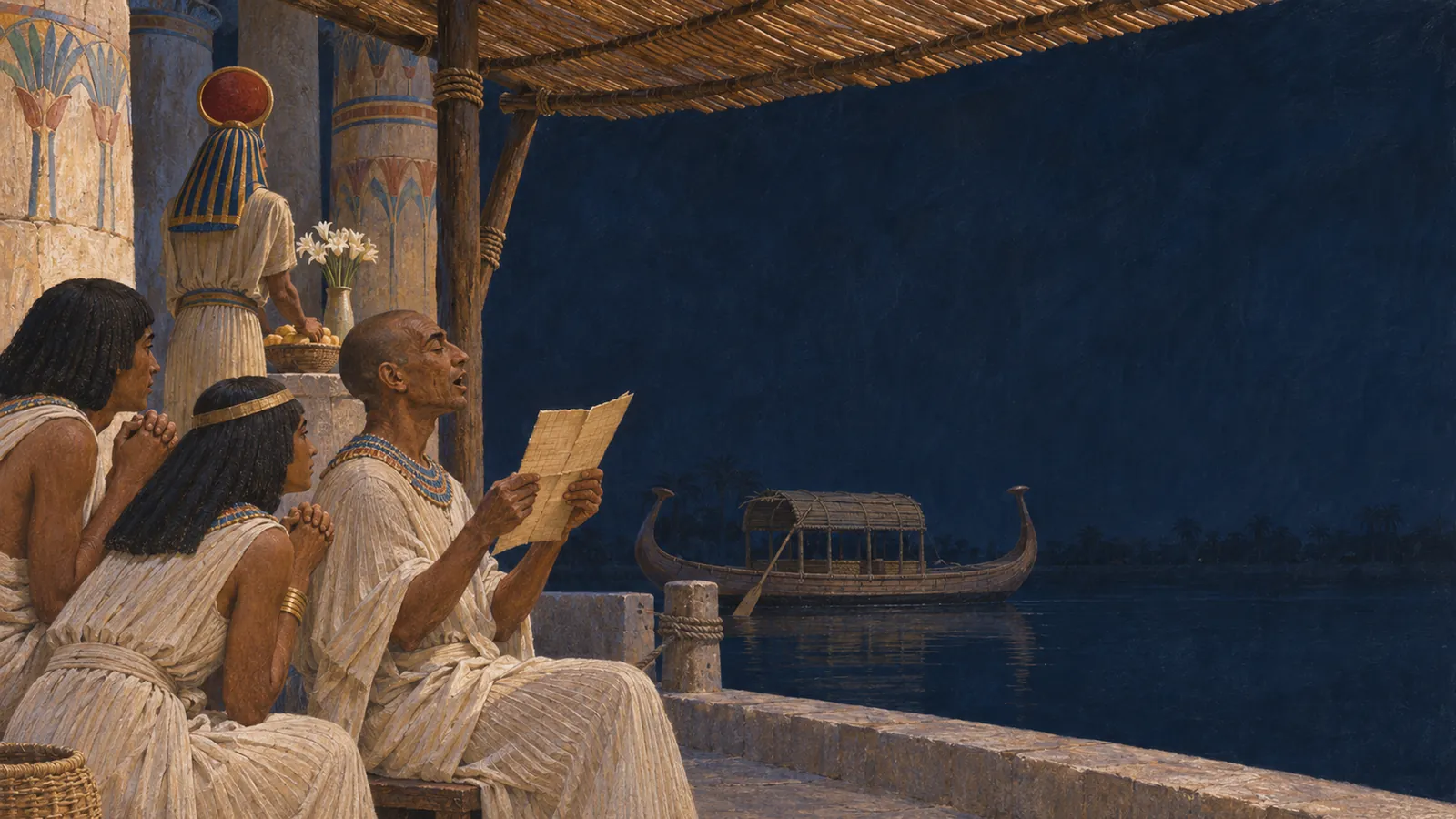
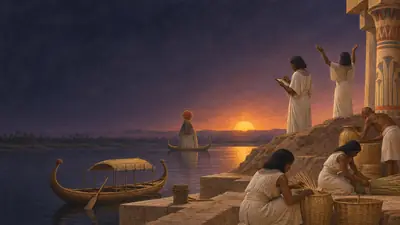
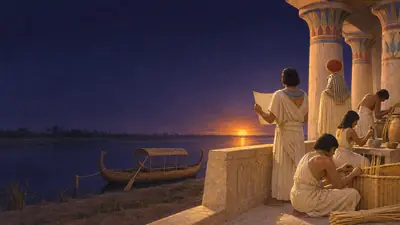
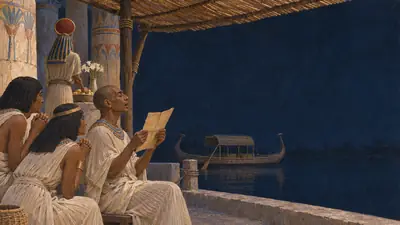
Ani says he sings hymns of praise when the sun comes up at dawn. At evening he sends it down with words of adoration.
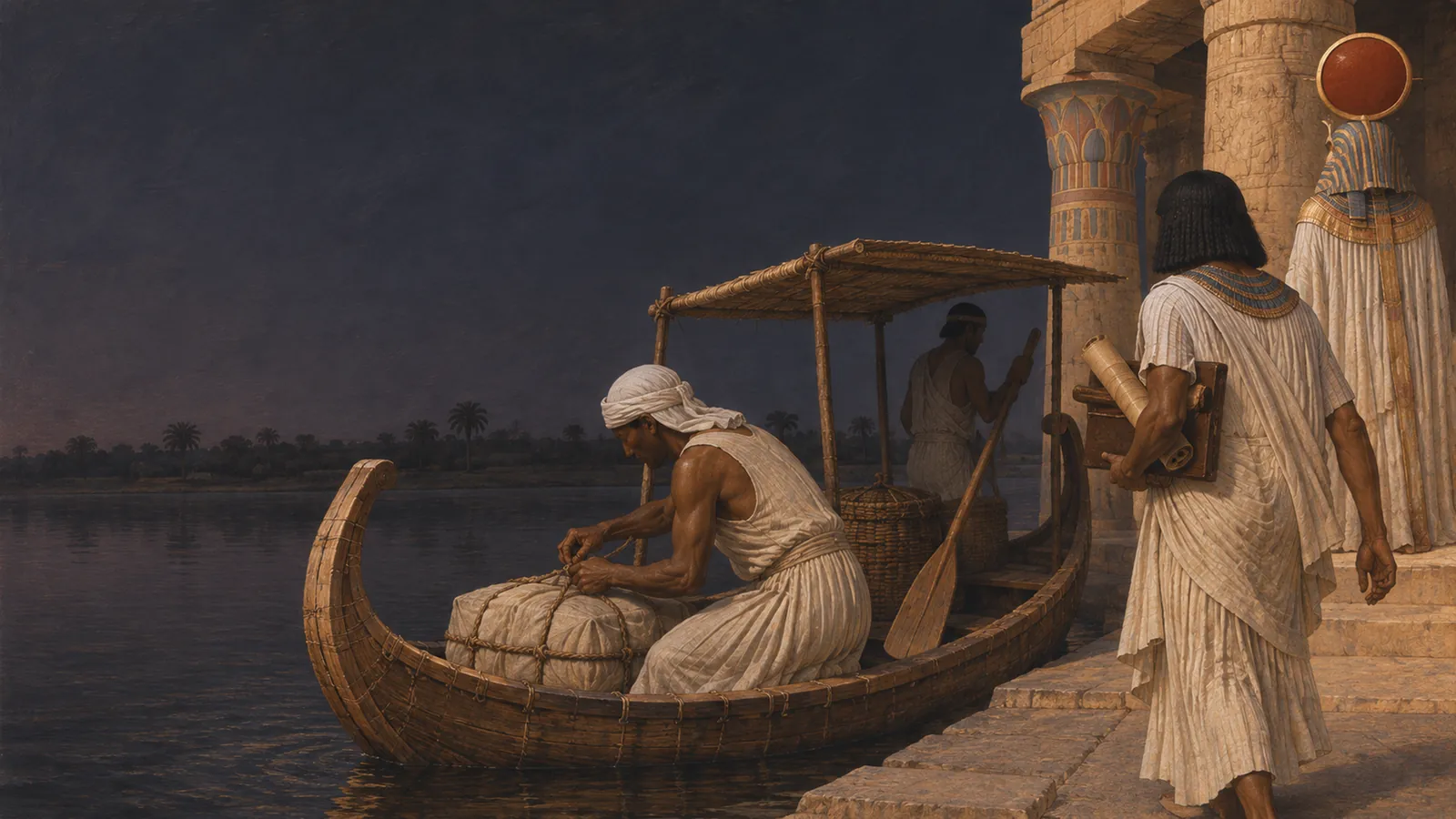
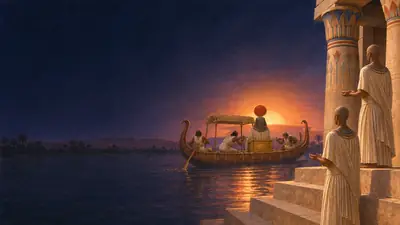
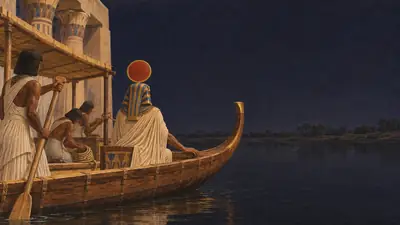
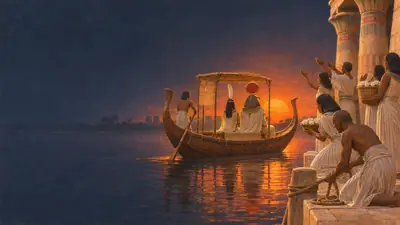
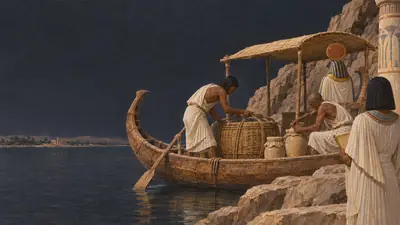
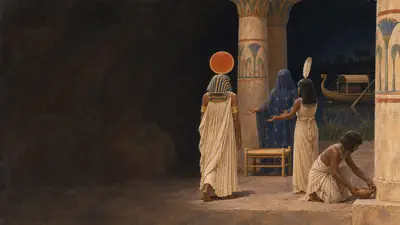
Ani asks that his soul may go out into heaven with the sun. May he set out in the Mātet boat and come into port in the Sektet.
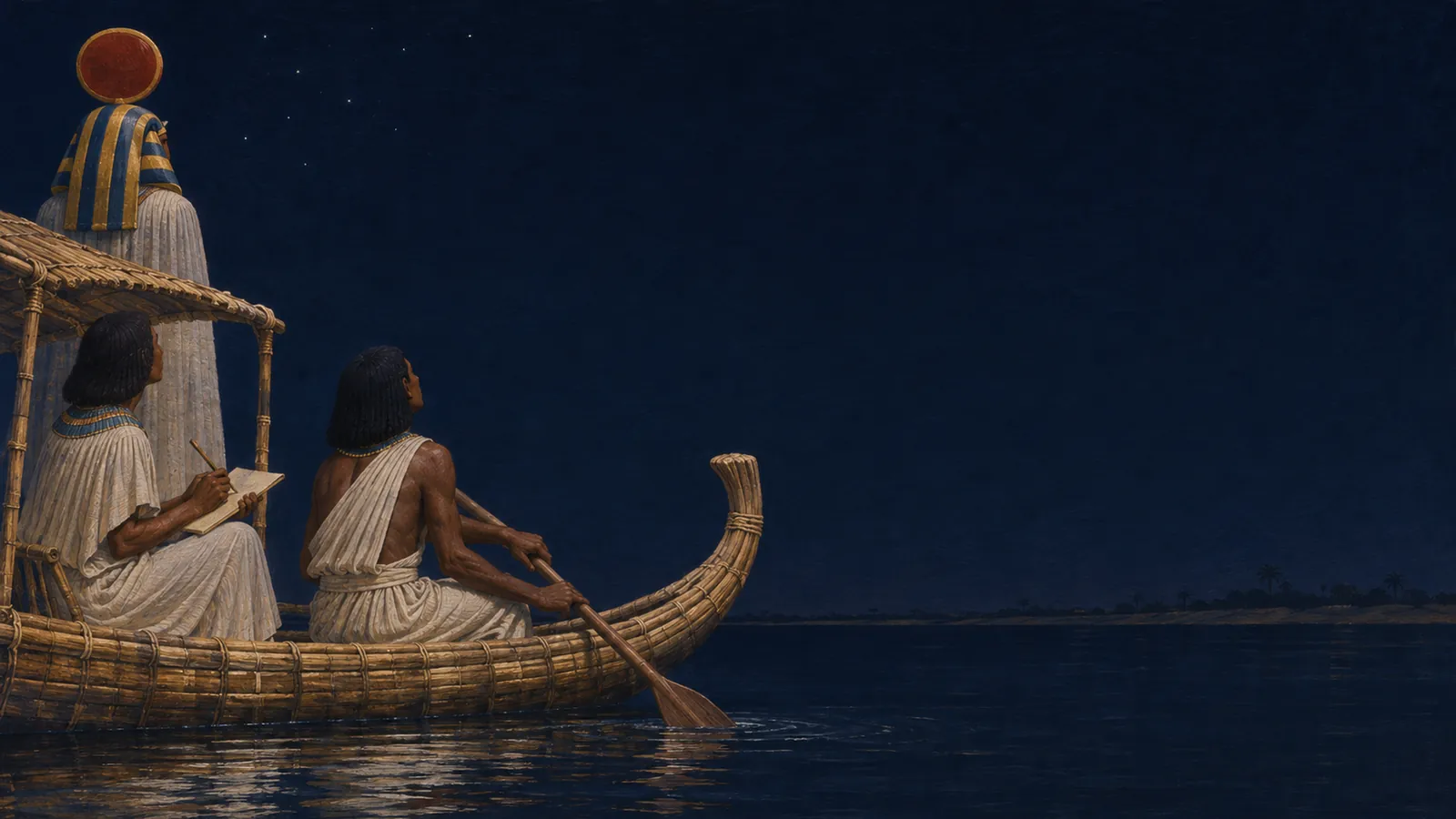
The prayer carries Ani’s hope into the night sky. May he find a way through the stars that never rest.
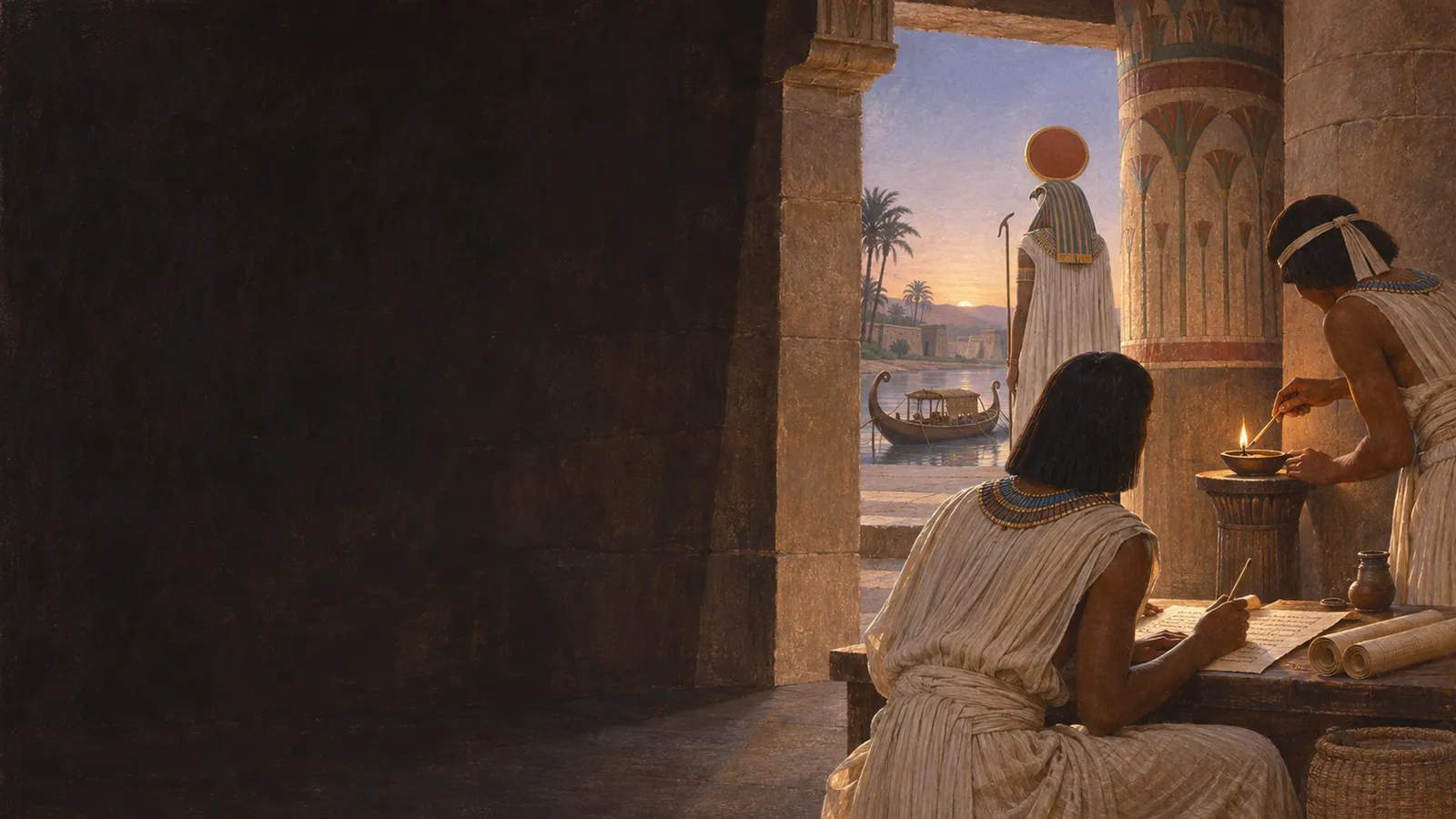
Ani greets Heru-Khuti as Khepera, who created himself. He praises the god’s beauty as his rising light falls on the lands of the North and South.
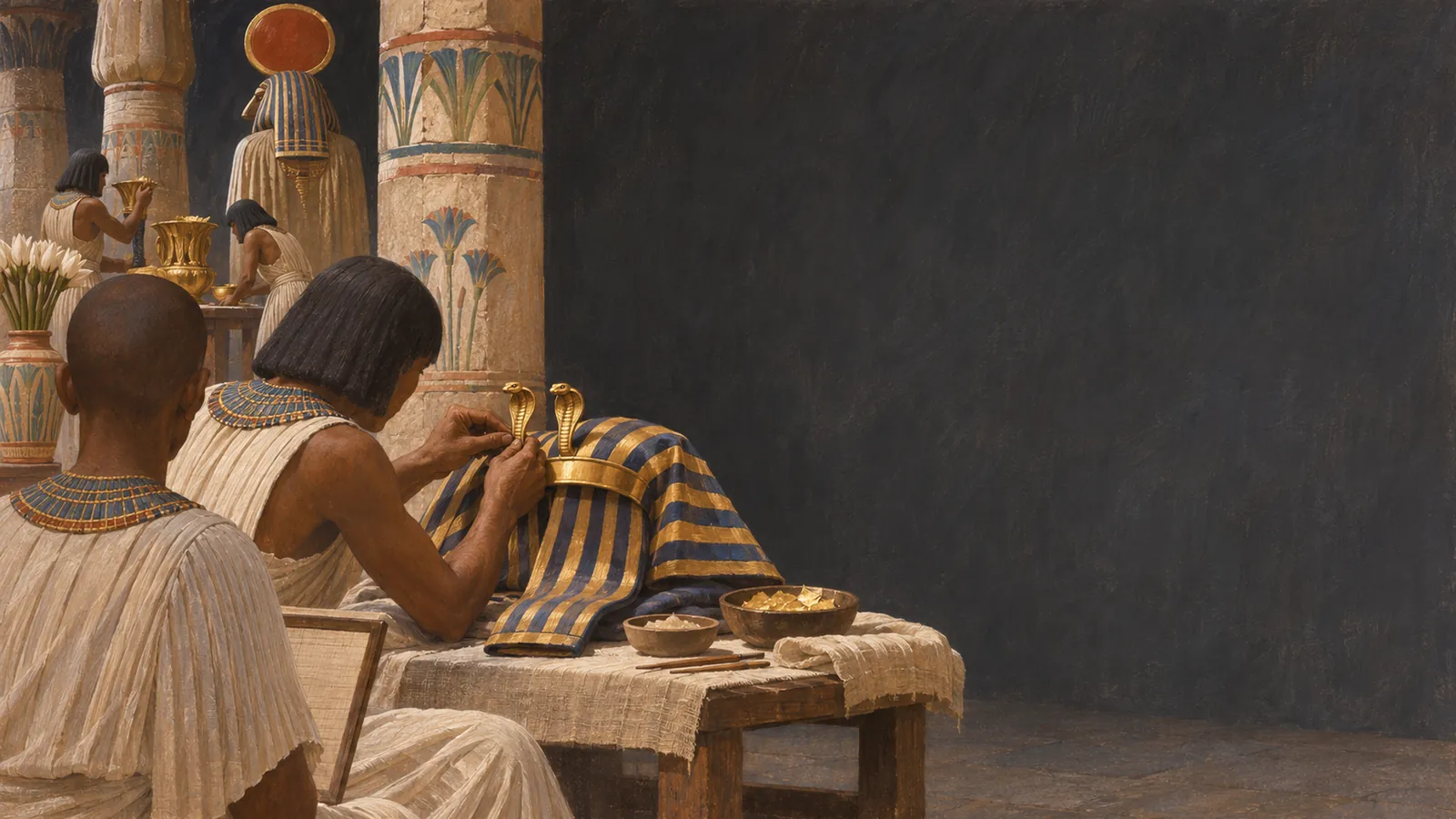
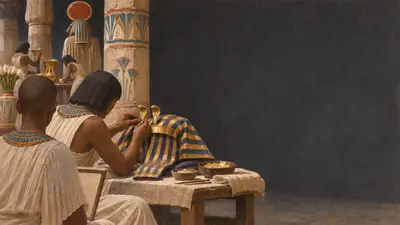
The gods rejoice when they see the king of heaven. The hymn sets Nebt-Unnut upon his head, with her two cobra emblems on his brow, and places her before him.
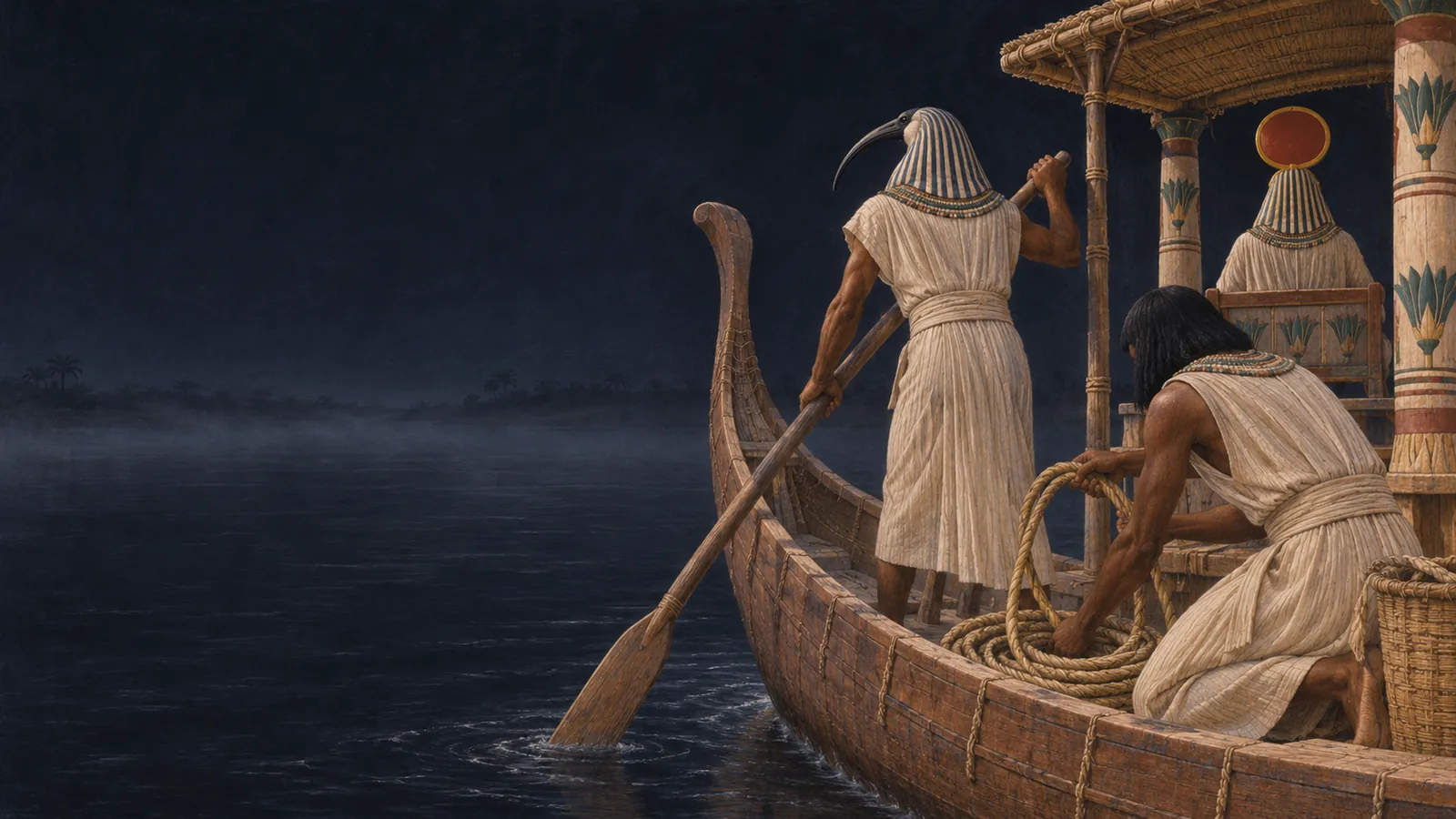
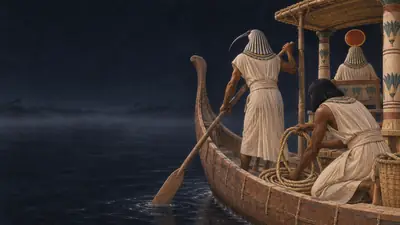
The hymn places Thoth in the bows of the boat. It says he stands there to destroy all the sun’s foes.
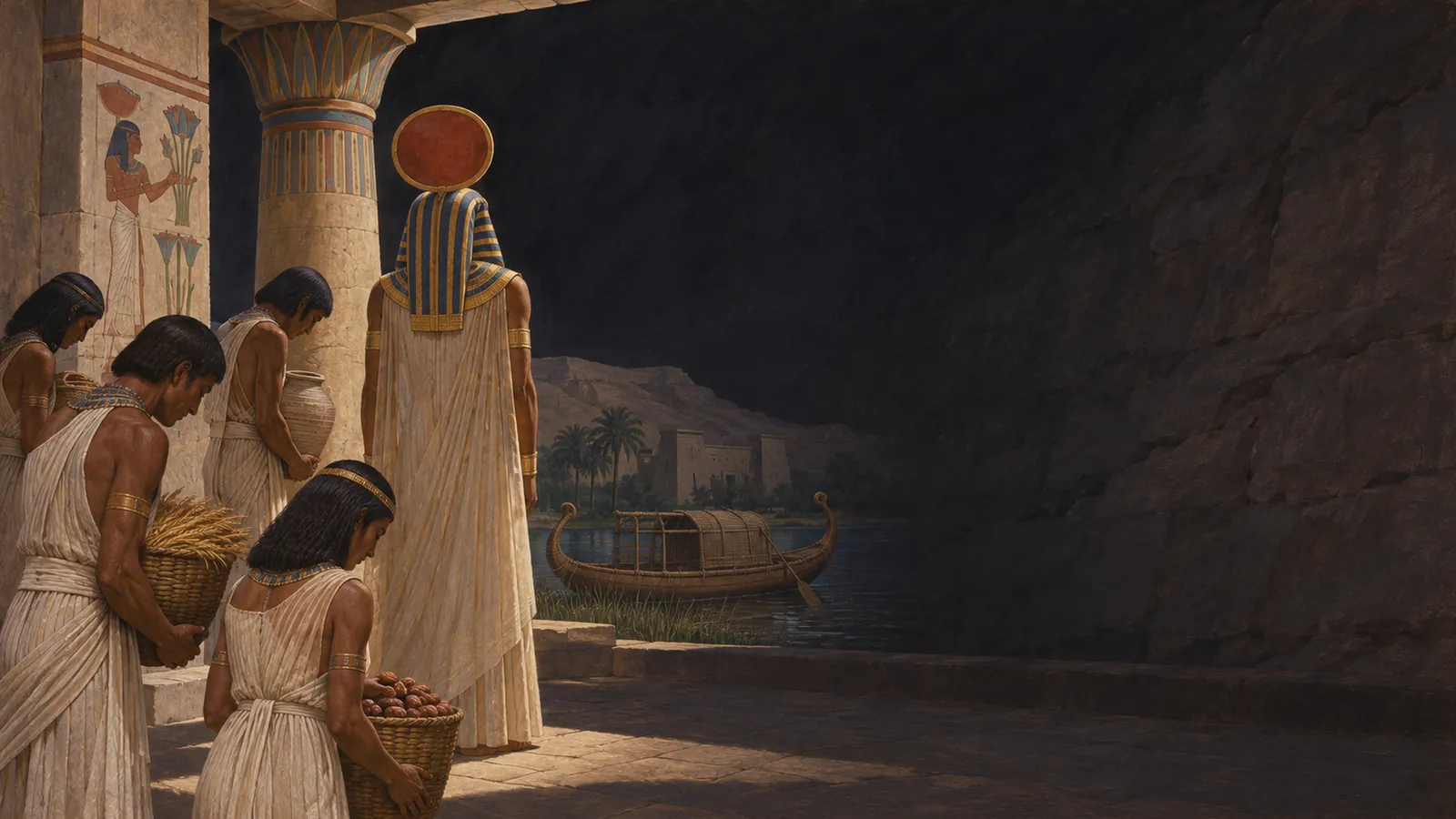
Those who dwell in Duat come forth to meet him. The hymn says they bow low so that they can behold his beautiful form.
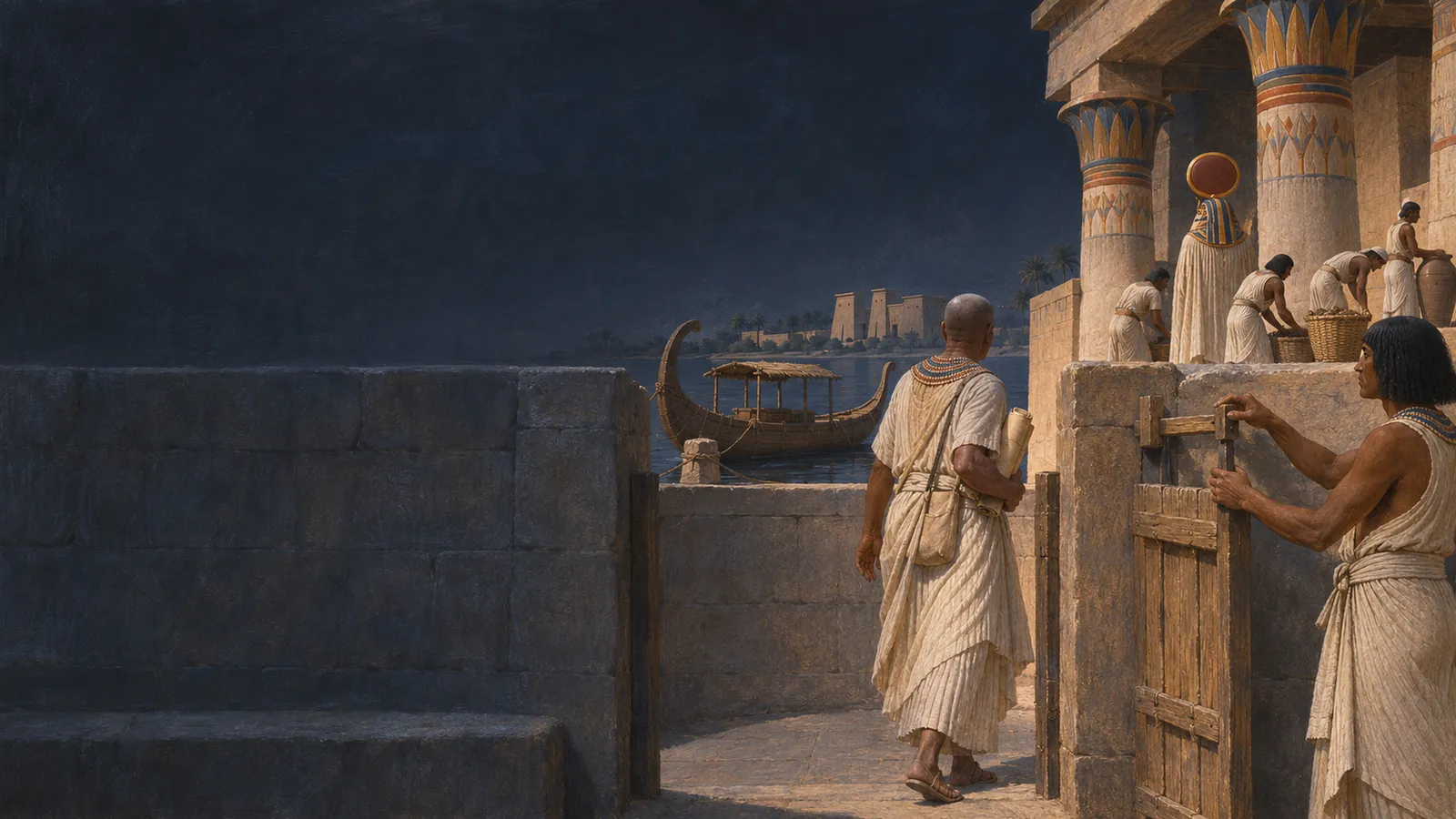
Ani says he has come to behold the disk each day. He asks that he may neither be shut in nor be turned back.
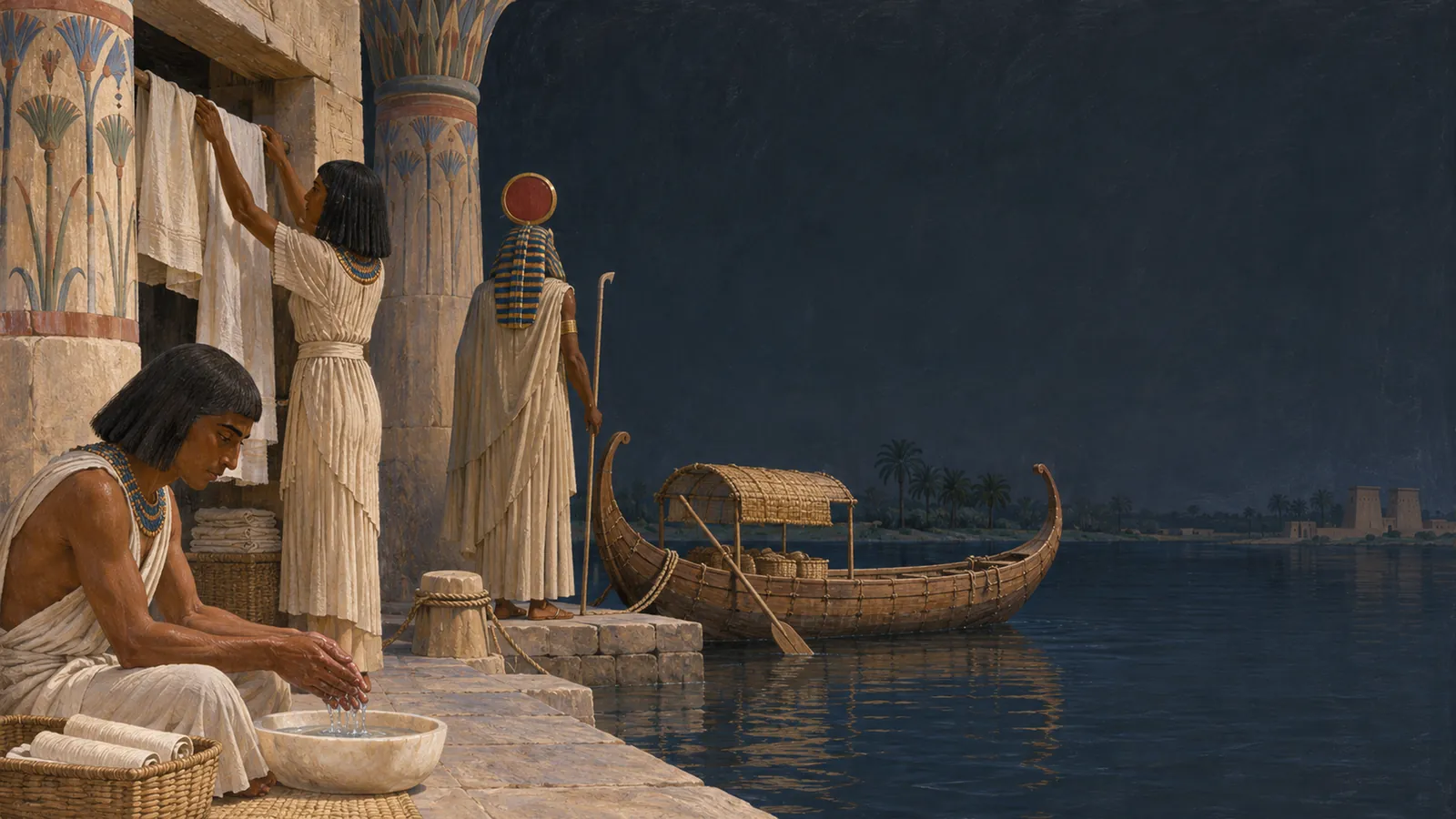
Ani asks that his body may be renewed like those of the favoured. He worshipped the sun on earth, and now asks to reach the everlasting land.
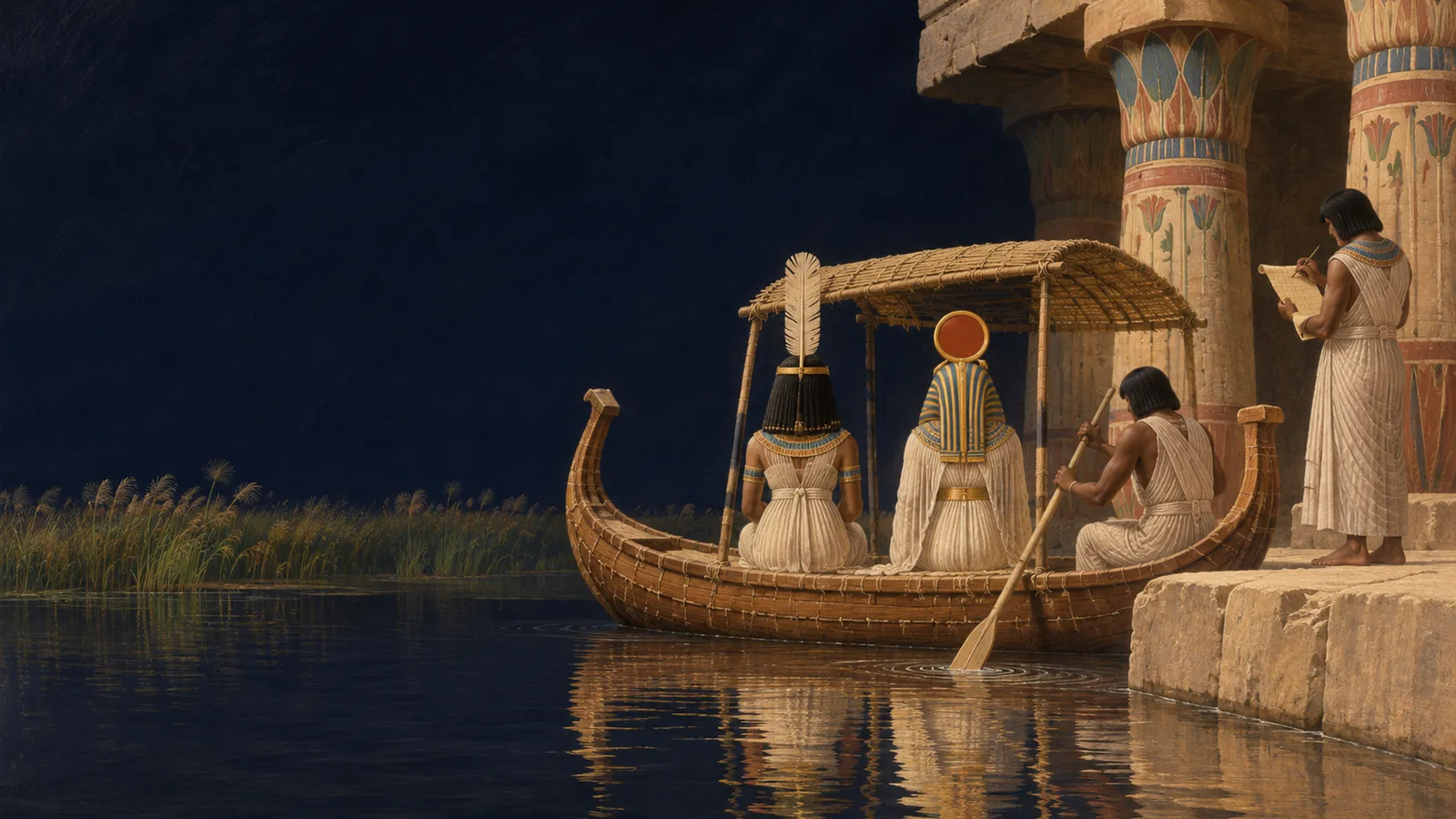
Ani greets Ra as he rises and rests on Maat. He was hidden from sight, but he shows himself at dawn and at evening, so all can watch his course.
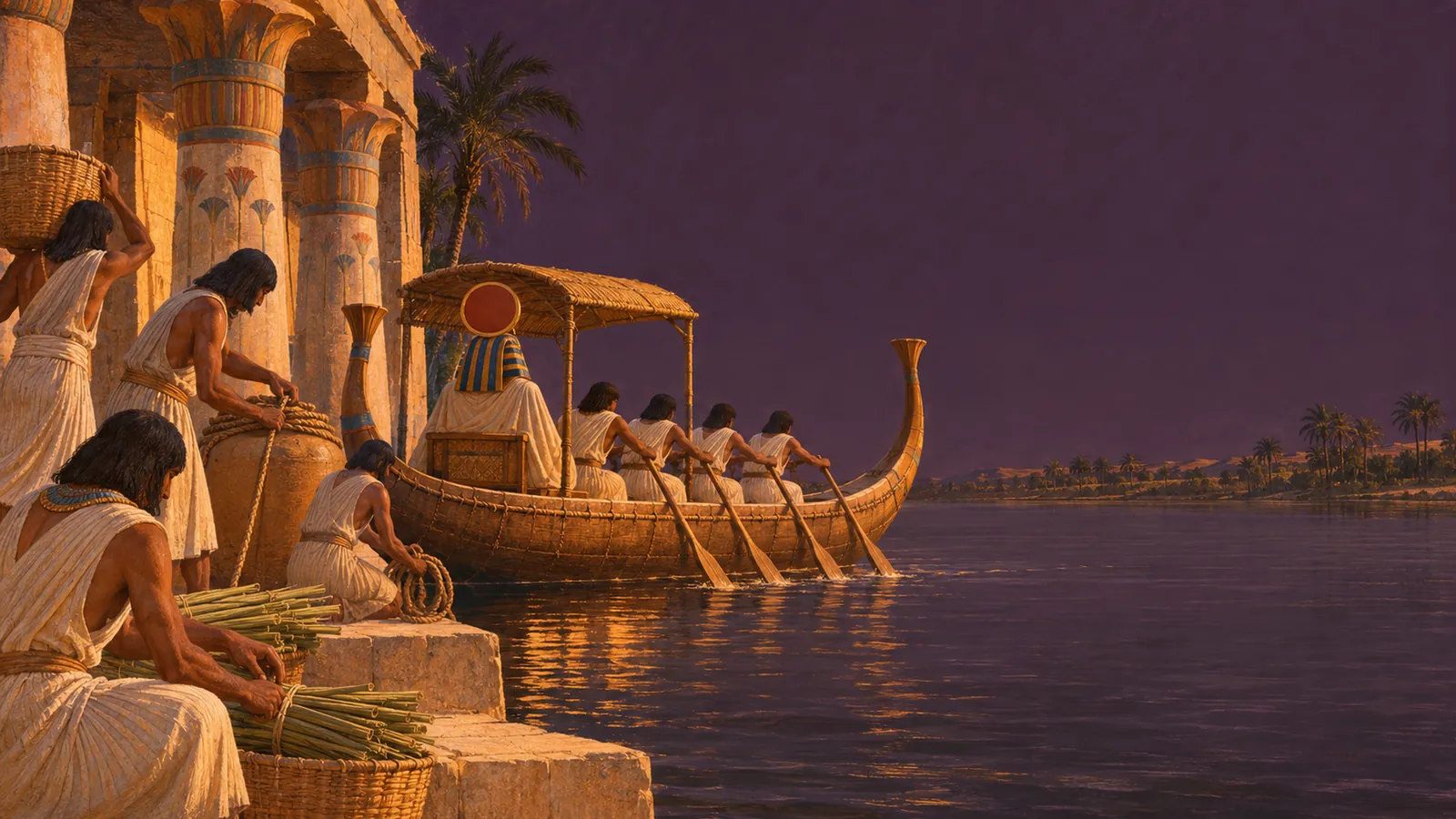
The majesty of Ra goes forward in the Sektet boat. His rays reach all faces, and no voice can tell the brightness of their red and yellow light.
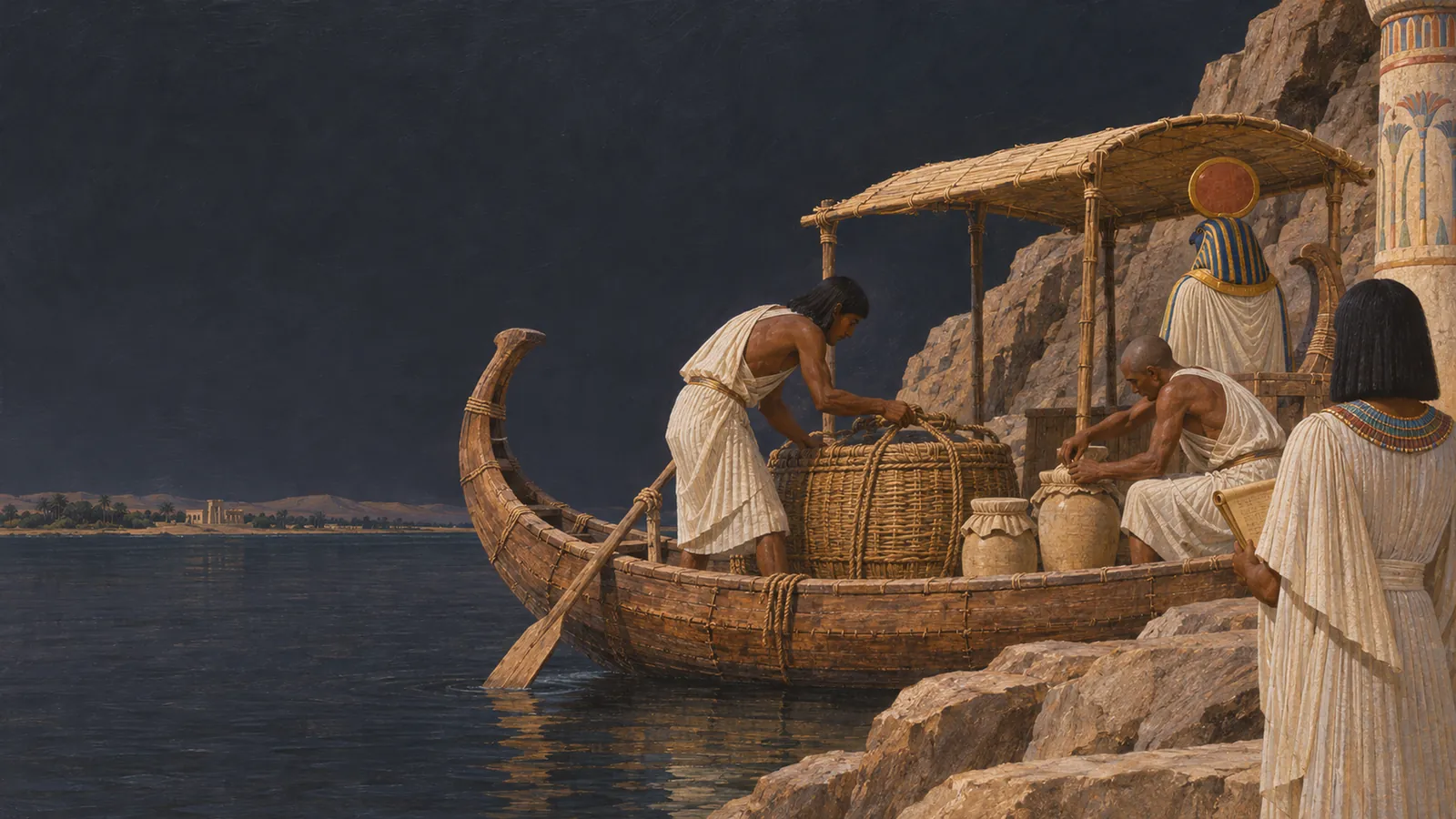
In a difficult line, the prayer says the lands of the gods and the eastern lands of Punt must be seen before anyone may measure what is hidden in the sun.
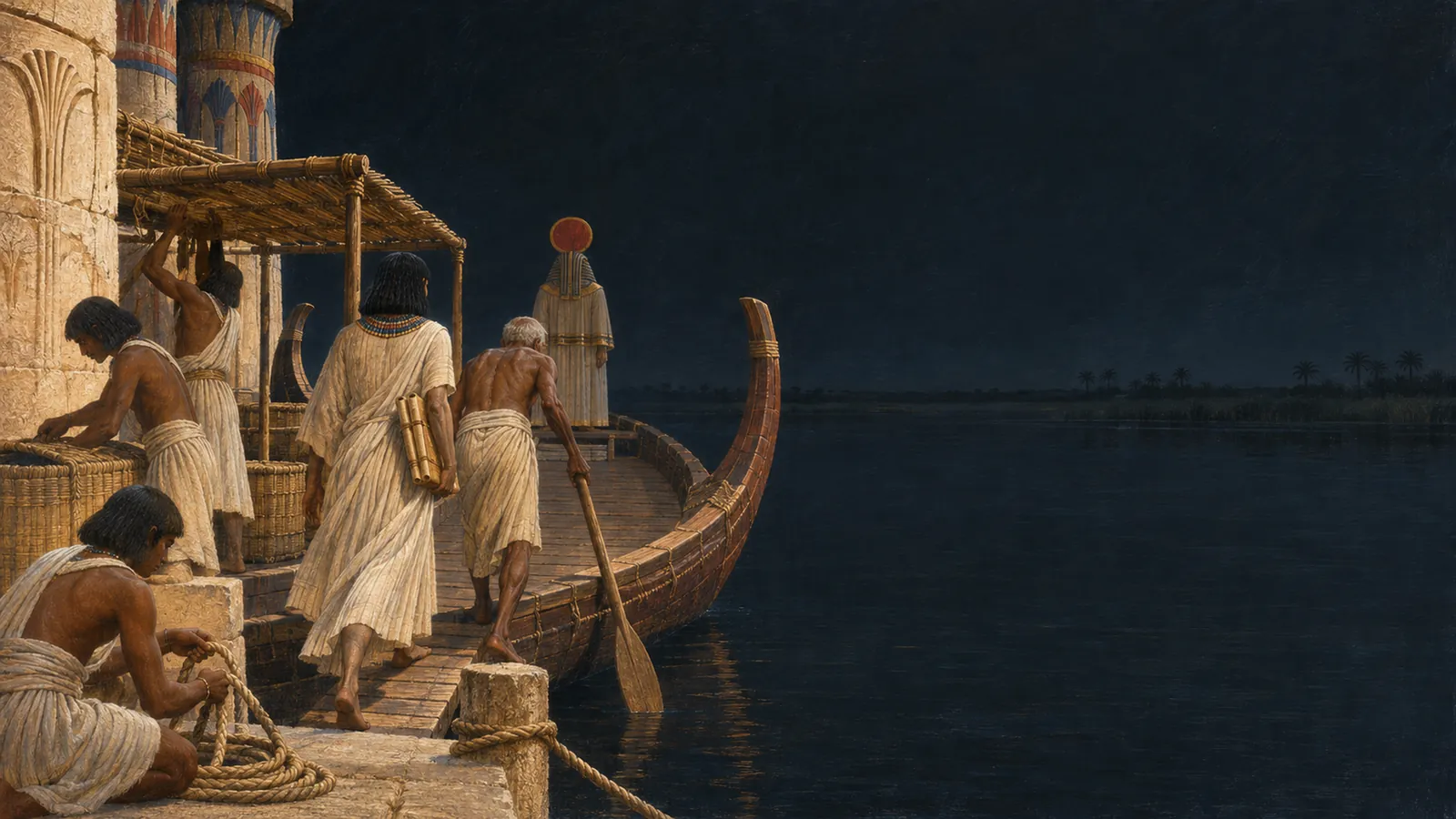
The prayer says the sun reveals himself alone above Nu. Ani asks to move forward with him and to keep going as he does.
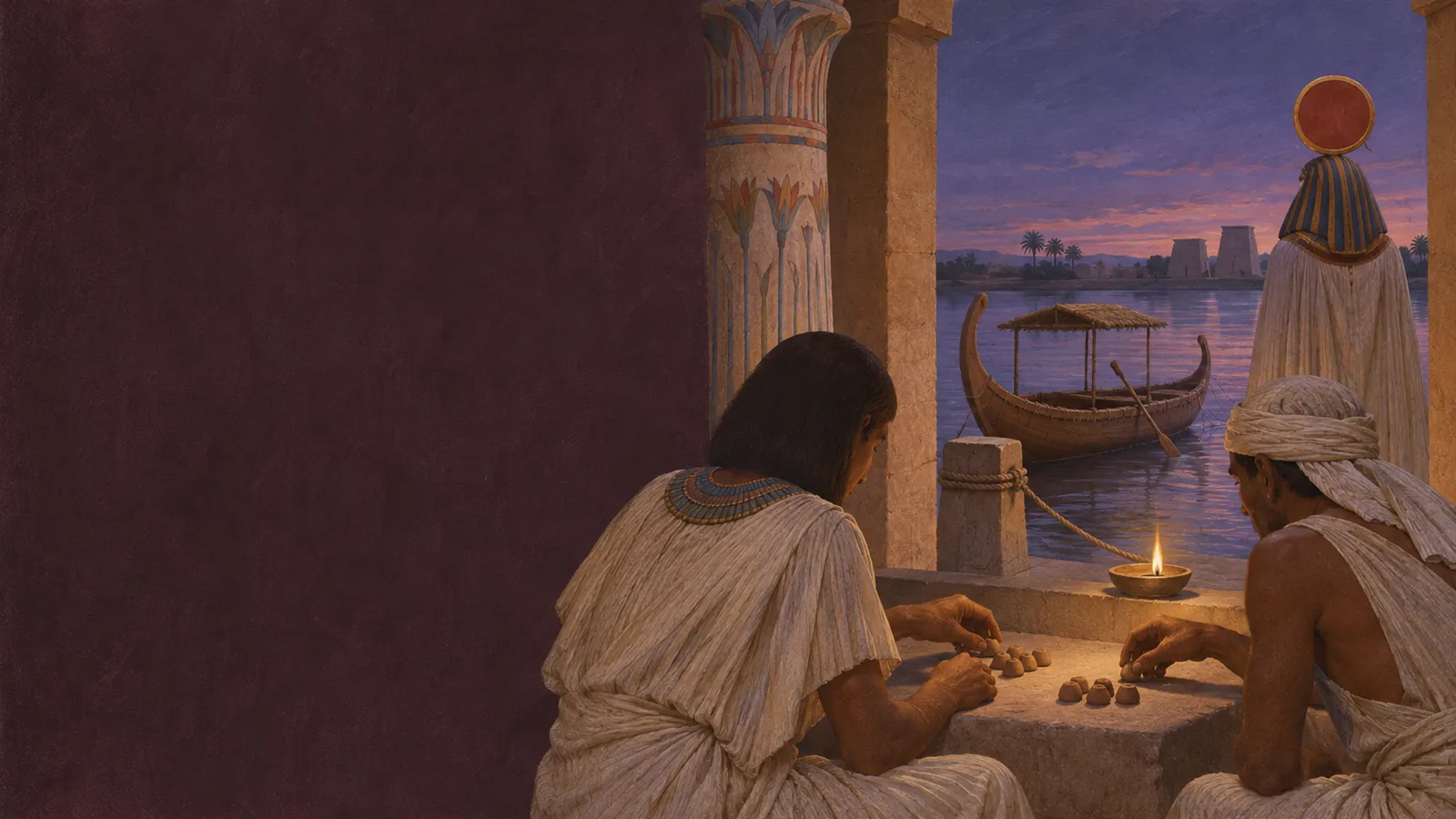
He crosses in a moment distances that people would need countless years to travel. He sinks to rest, counts the hours of the night and ends them at their appointed time.
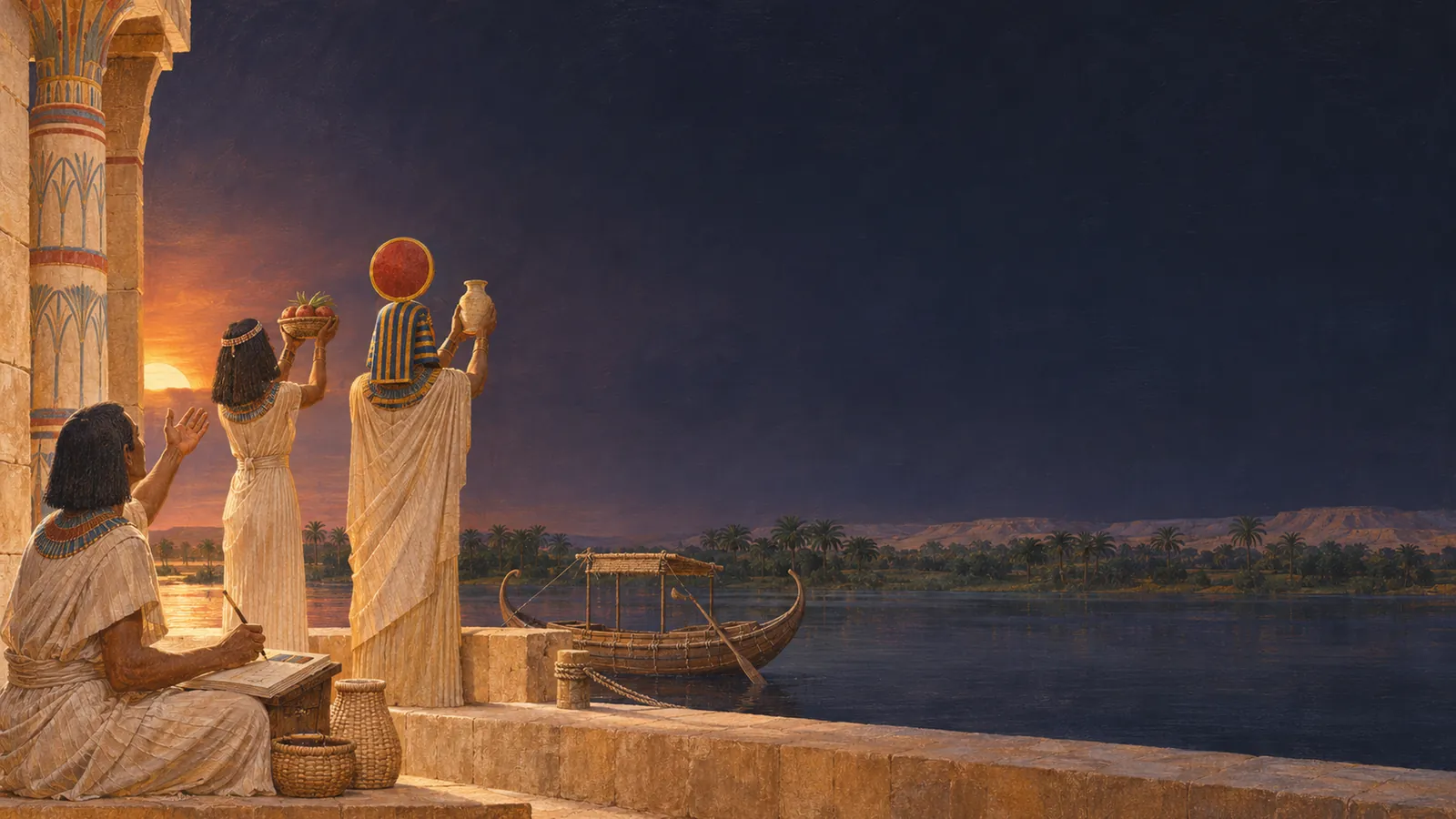
The earth brightens as the sun rises in the likeness of Ra. Ani cries out in joy at his birth, praising how he forms his limbs without the pains of birth.
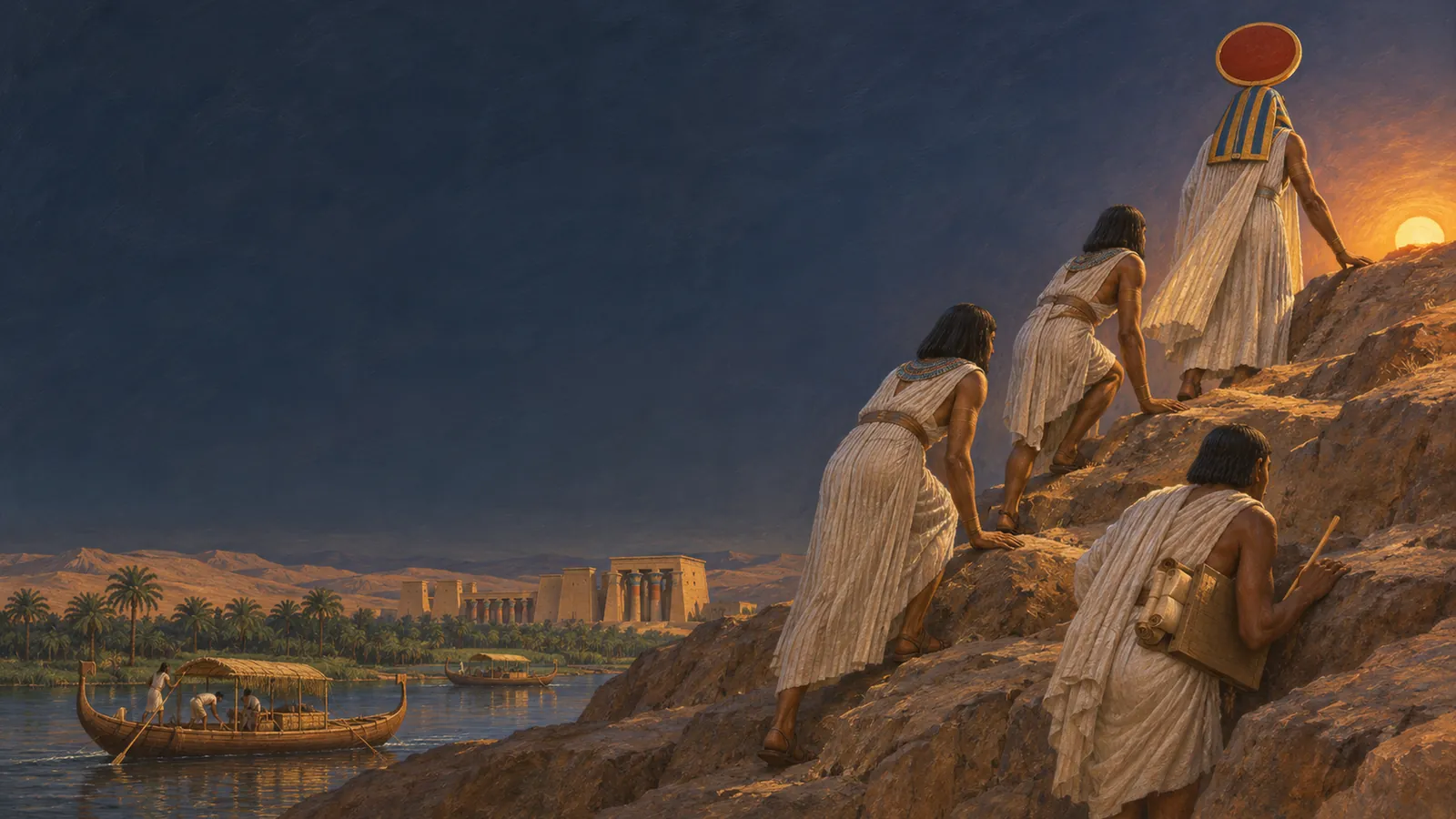
Ani asks to reach the lasting heaven and the mountain of the favoured. He hopes to join the shining beings below, to see the evening sun and to give praise as it sets in the west.
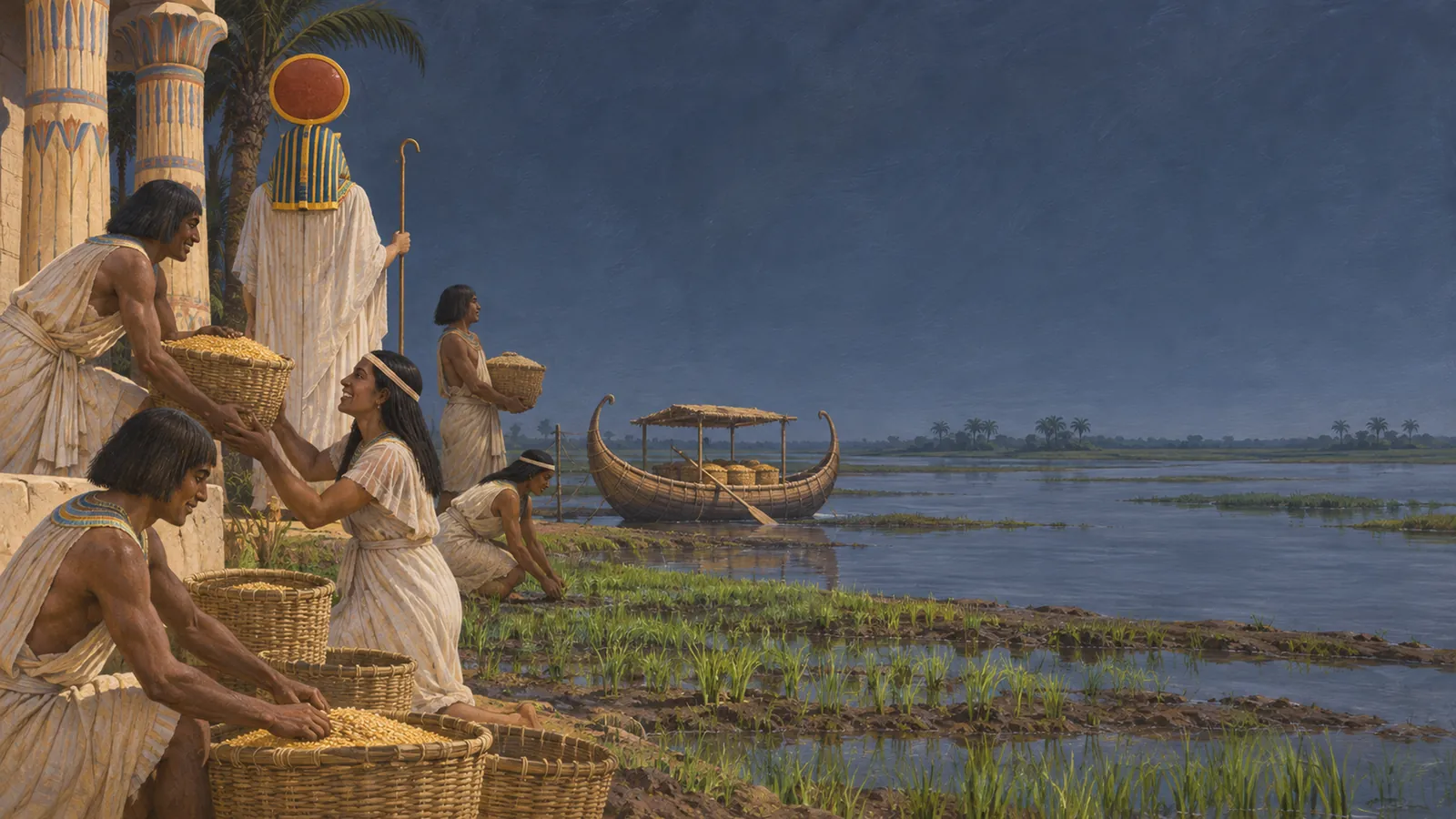
The hymn greets the sun born each day like gold, pouring light across the world. It praises the Nile flood through which generations flourish and joy reaches lands, cities and temples.
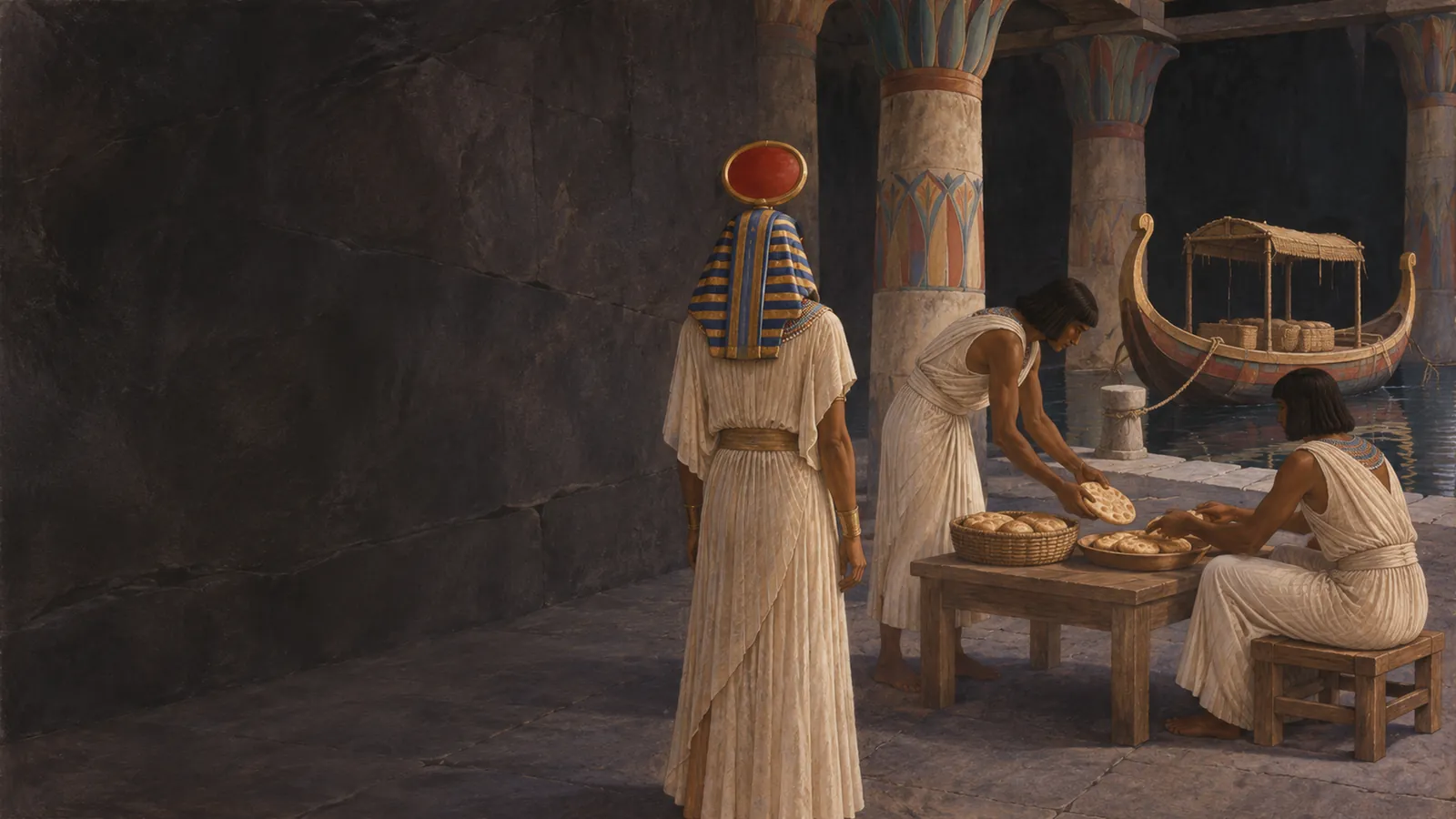
The singer praises divine food that strengthens the sun’s ka, and a throne made firm against harmful beings. He hails the sun’s majesty in the Sektet boat and his might in the Ātet.
NEKHT
A later hymn, preserved in the Papyrus of Nekht, begins with a greeting. It welcomes Temu-Harmachis as he rises on the horizon.
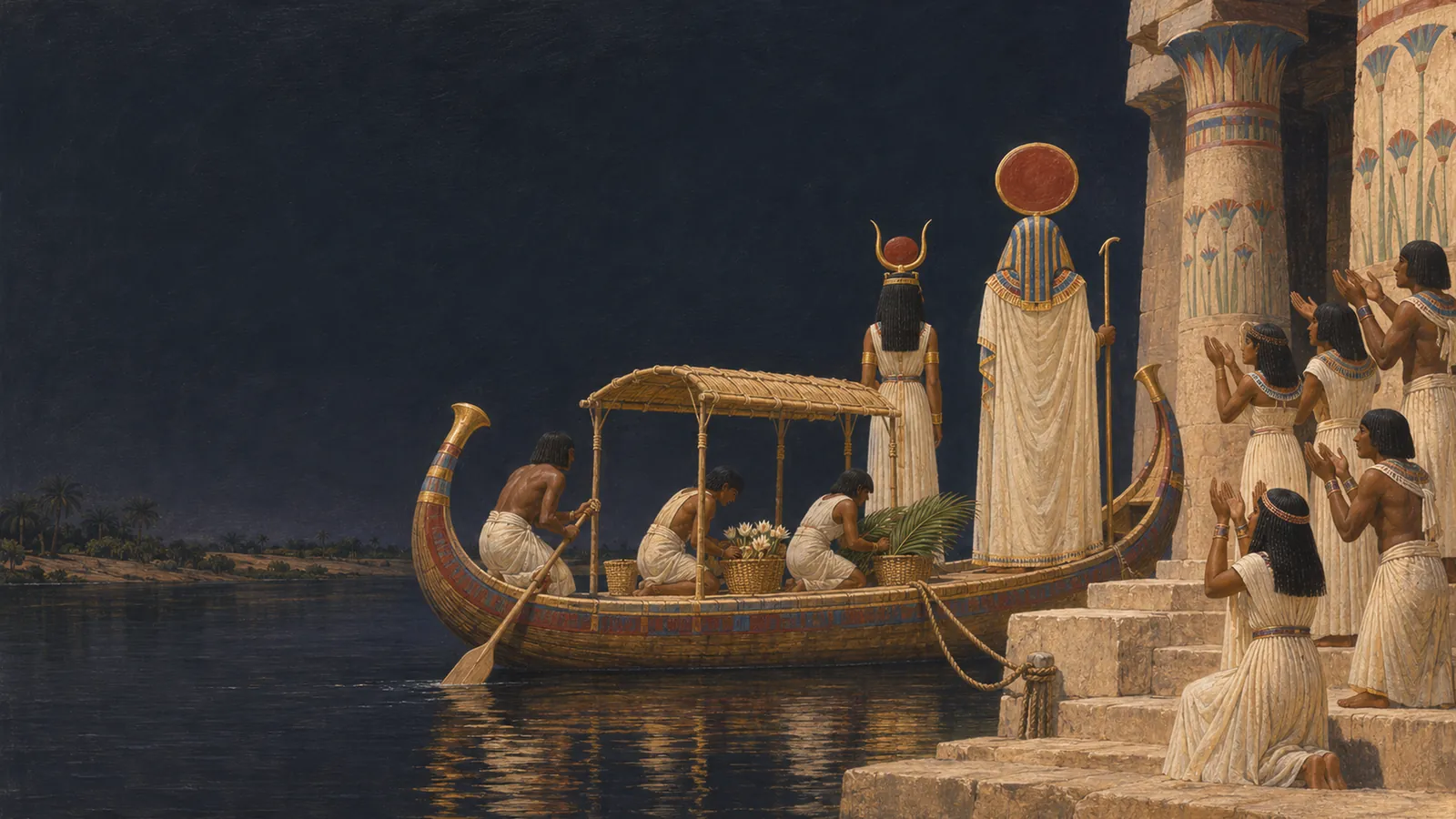
In the hymn a cry of joy comes from all peoples at the rising. The sun renews himself in season as the disk within his mother Hathor.
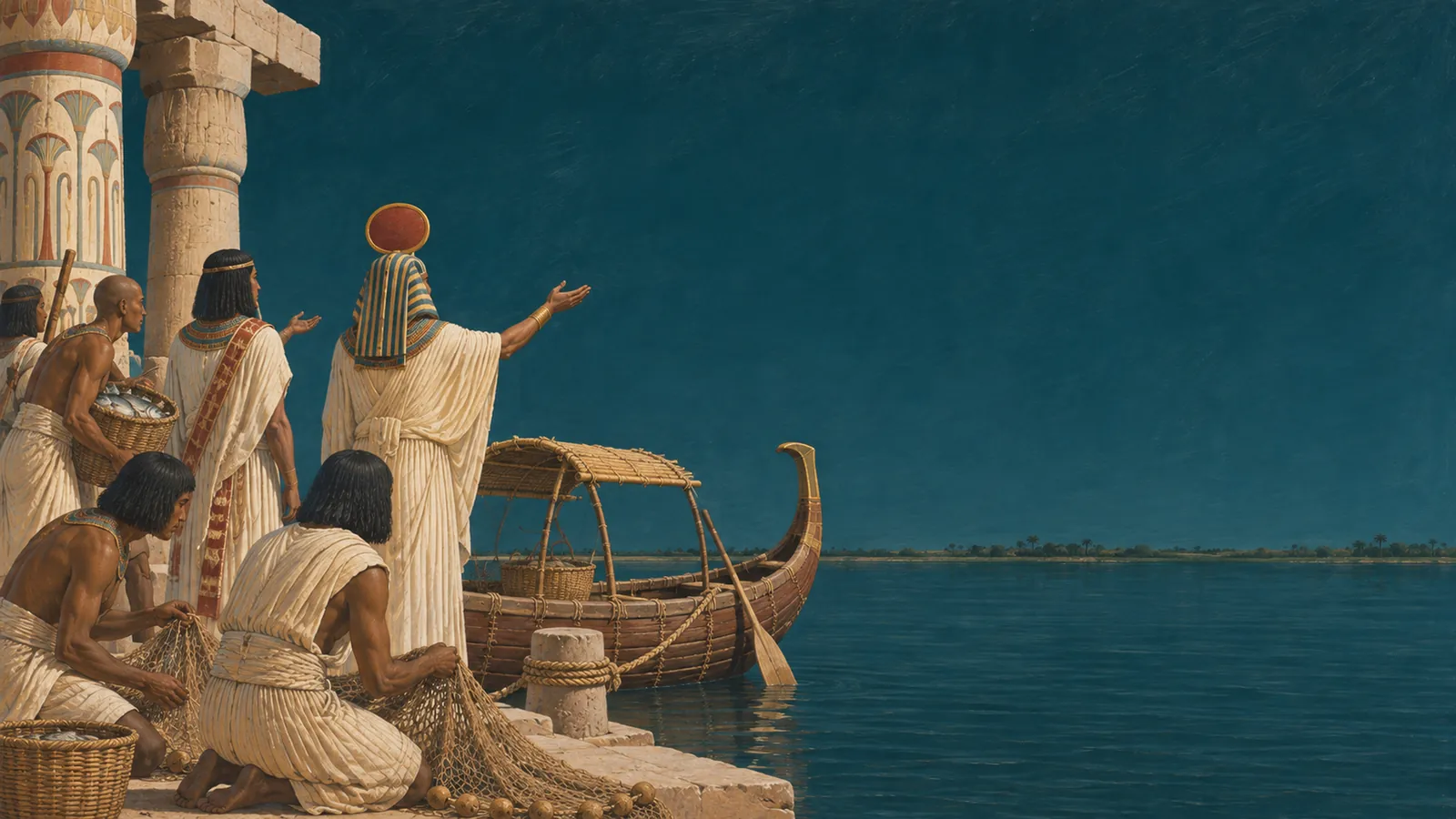
The regions of the North and South come to greet the sun. As he rises in the sky, he lights both lands with rays of turquoise.
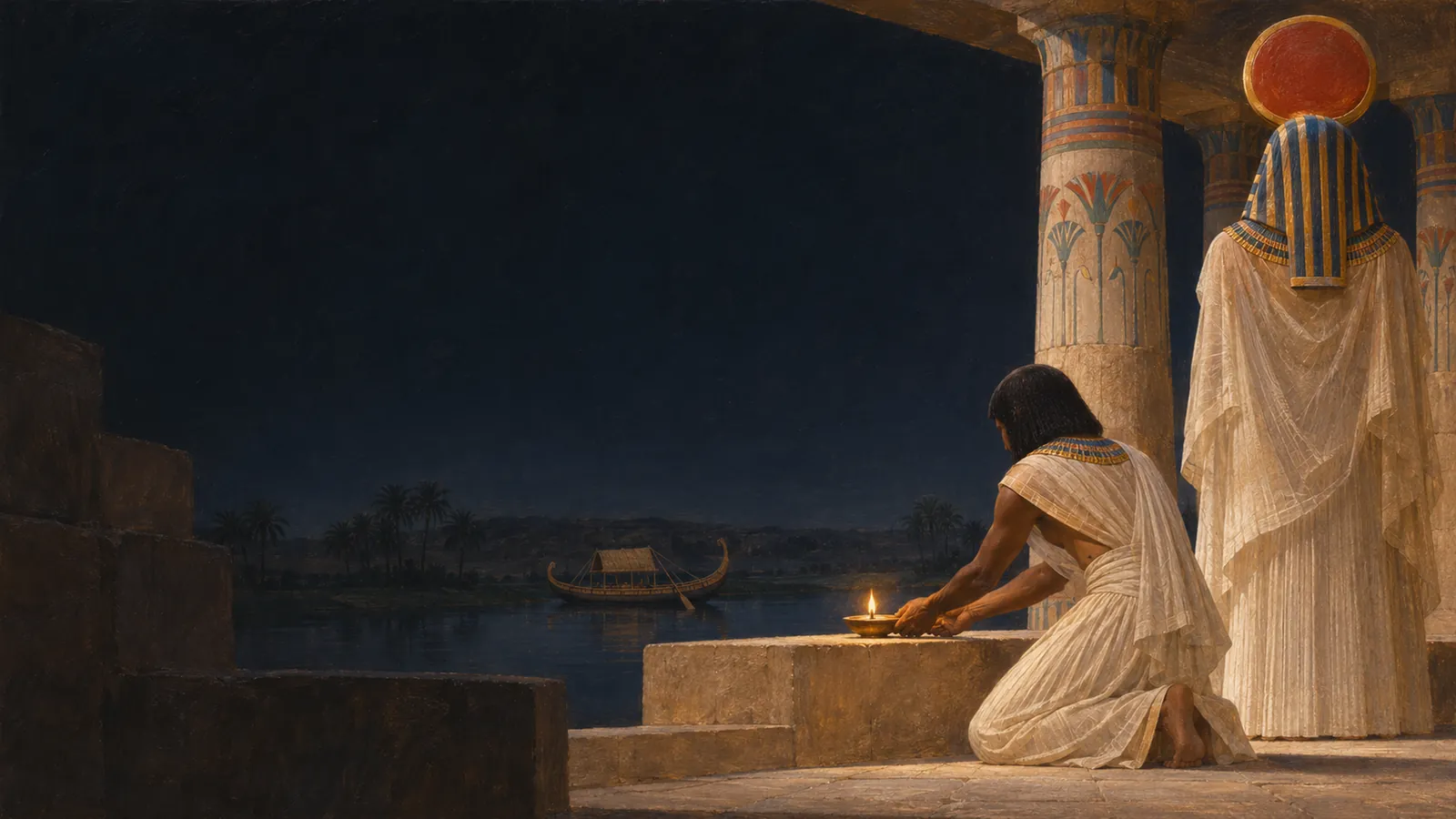
The singer hails Ra-Harmachis as a divine child who brought himself into being. The hymn names him heir of eternity, king of earth and ruler of the underworld.
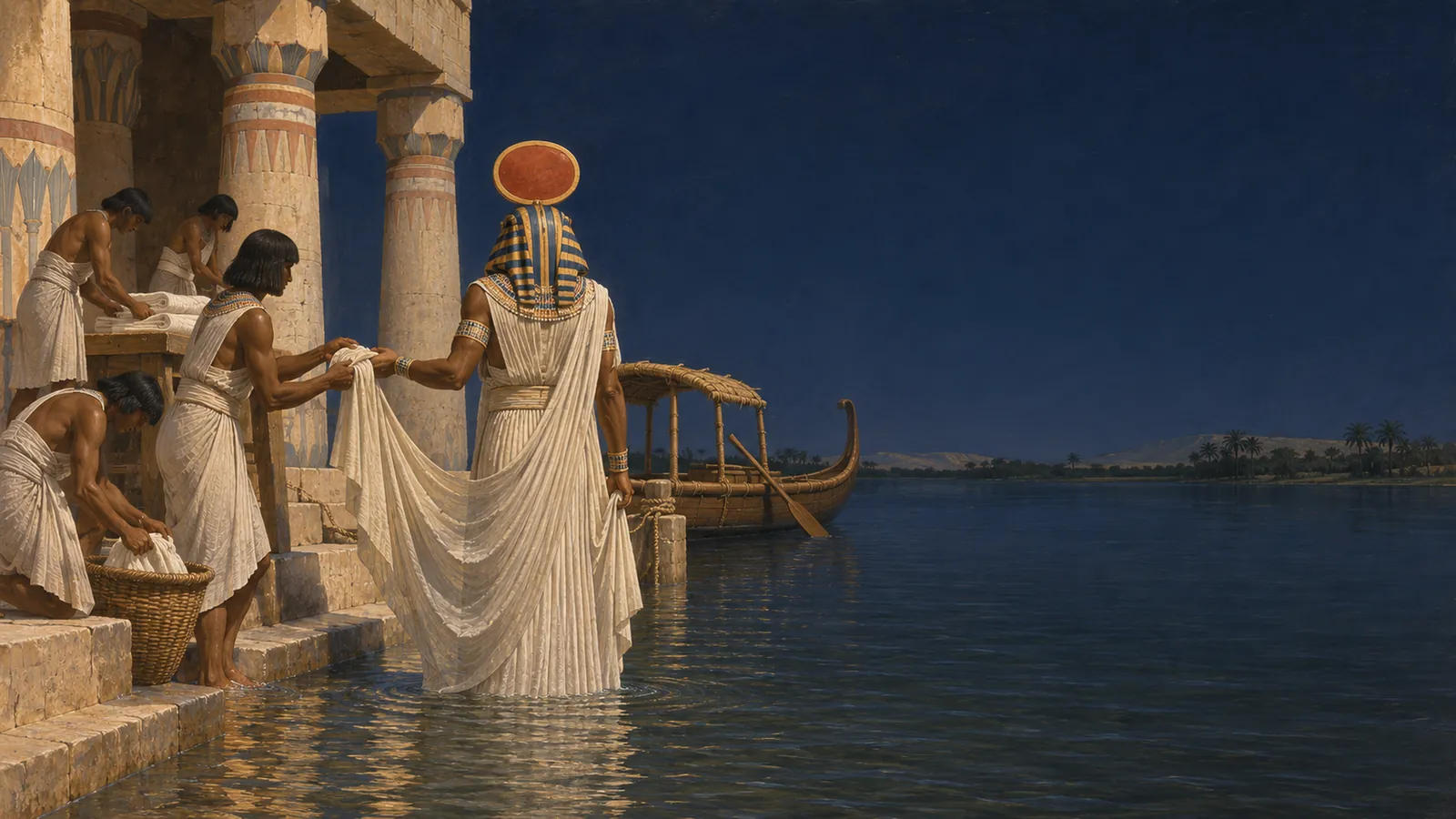
The hymn says the sun came forth from the water. He sprang from Nu, who cares for him and sets his limbs in order.
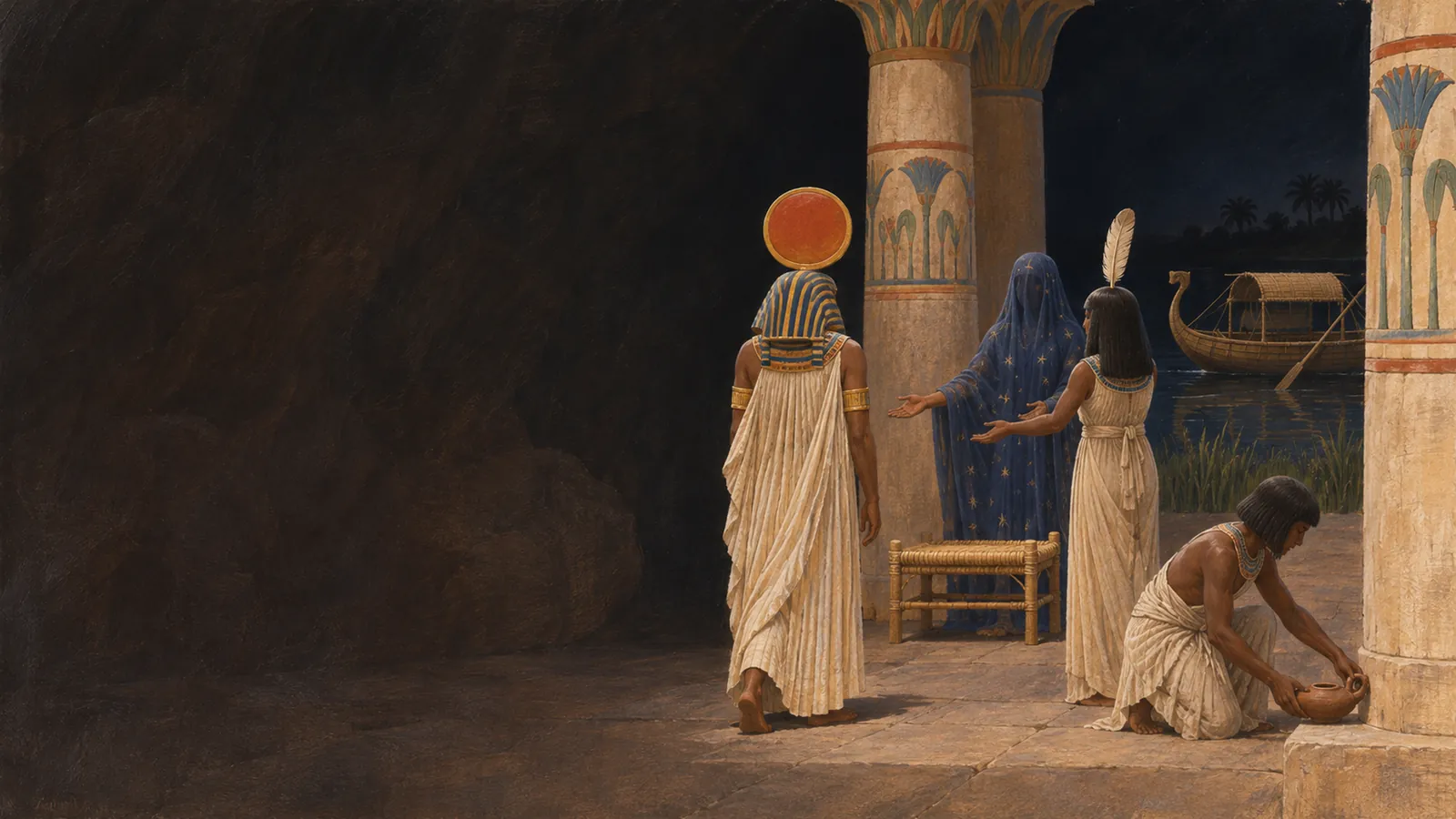
The singer says people live when the sun shines. The hymn calls him king of the gods and says Nut pays homage while Maat embraces him.
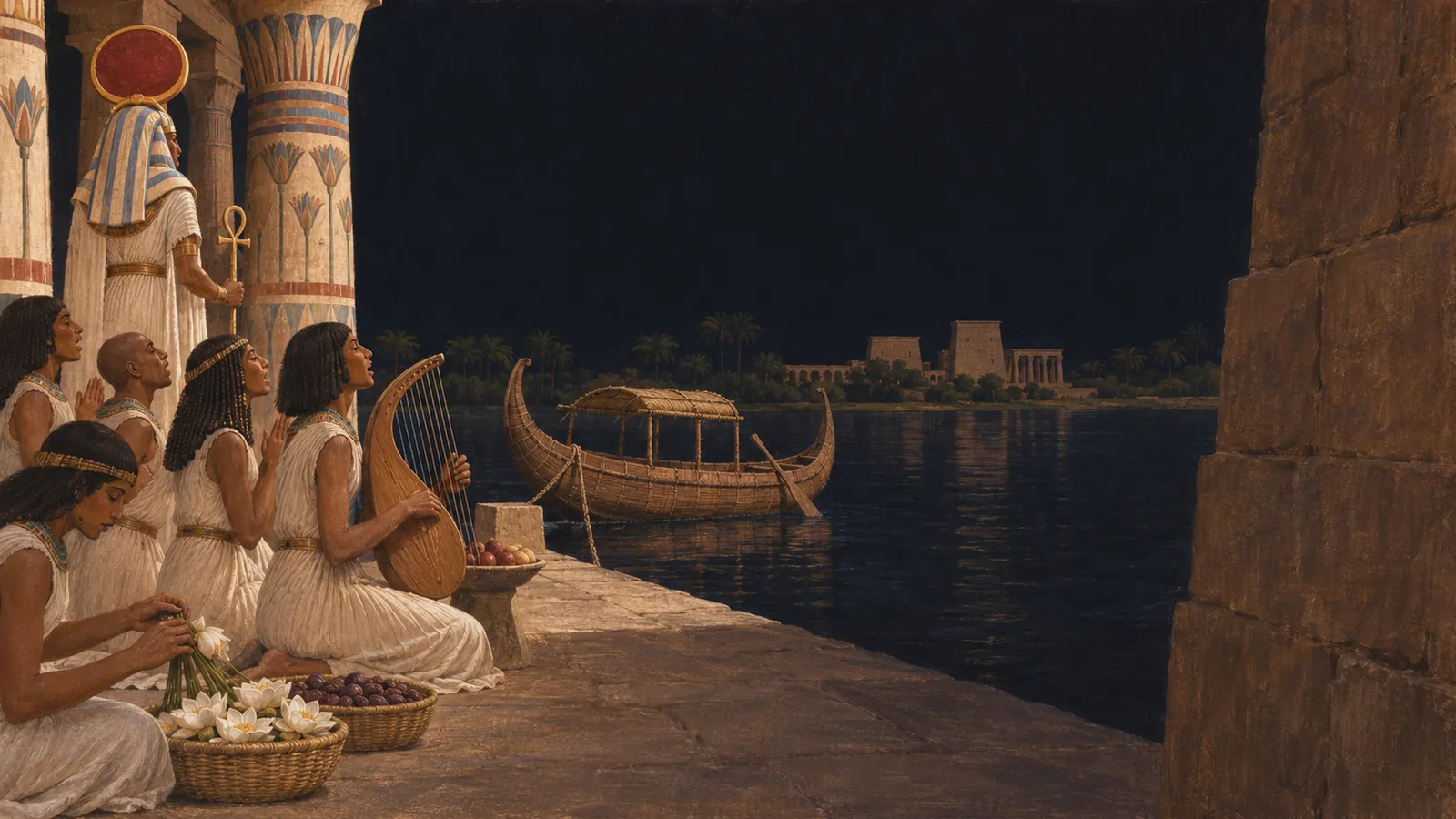
His followers sing to him in joy and bow low to the ground. They hail the lord of heaven and earth, king of right and truth and maker of heaven.
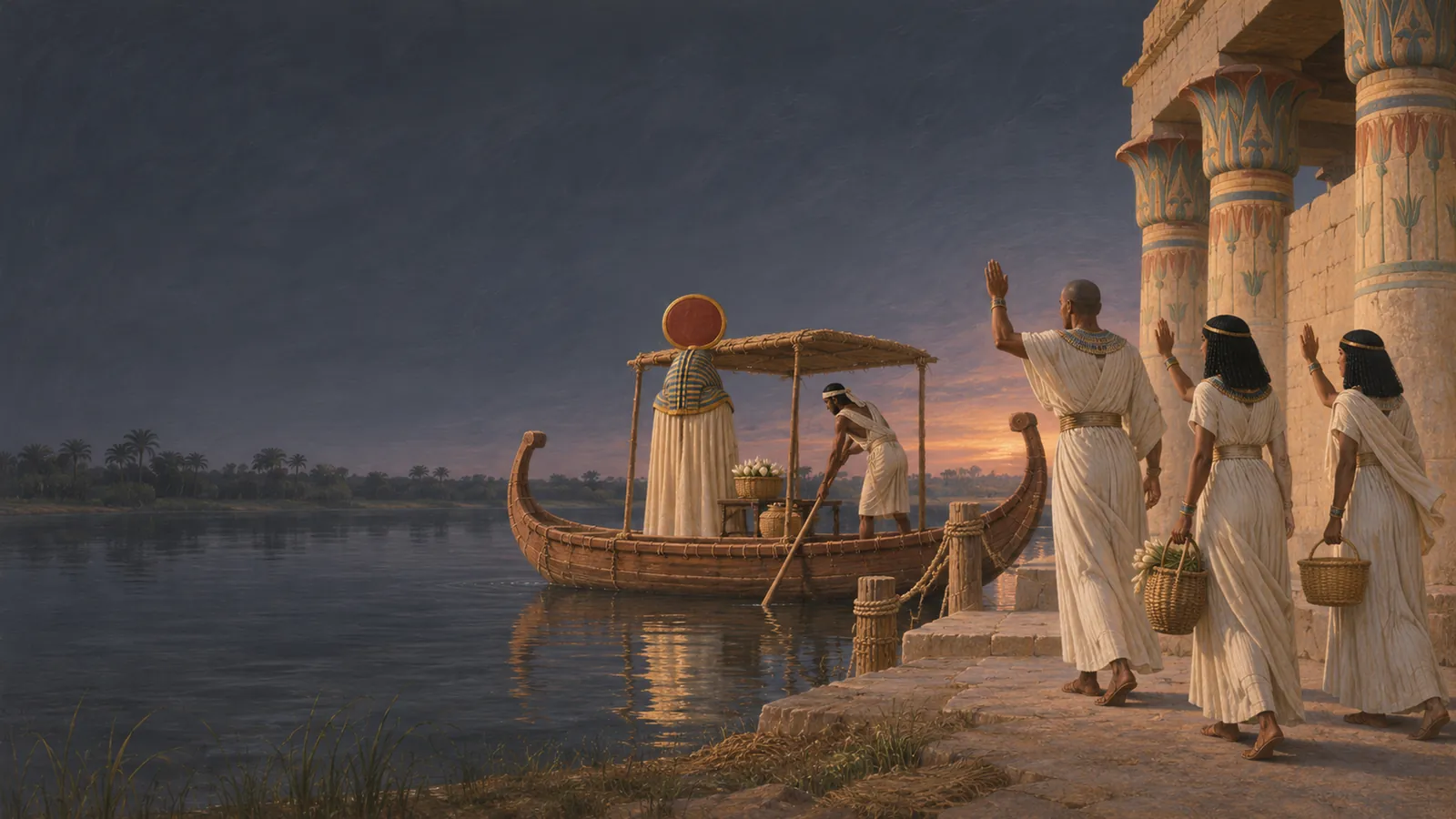
The earth is glad when it sees the sun’s rays. In the words of the hymn, even those long dead come forth with cries of joy to see him each day.
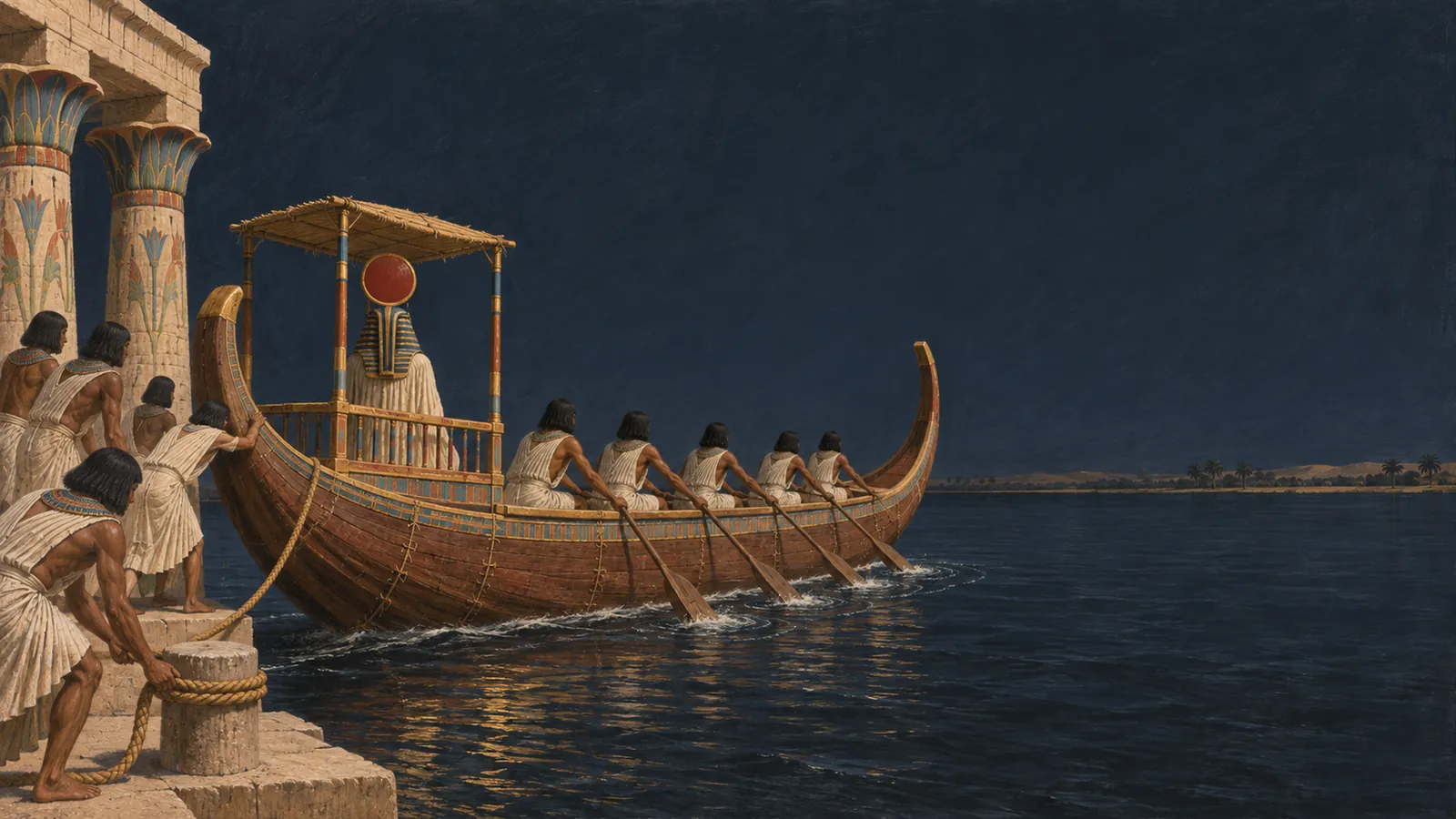
Day after day he goes over heaven and earth, strengthened by Nut. His heart swells with joy as he passes through the heights, and the deep of the sky is glad.
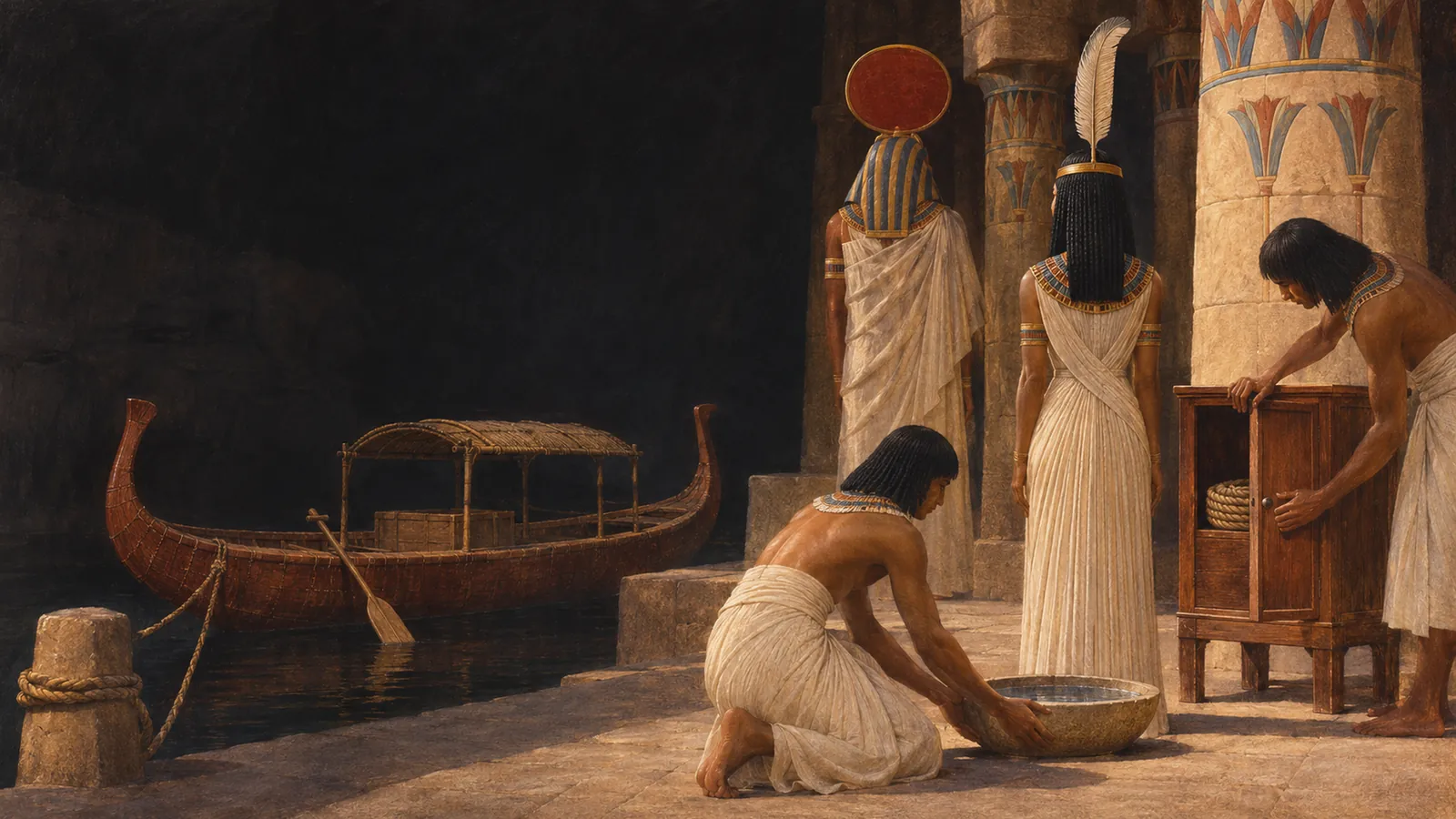
The hymn says the serpent enemy fell, his arms cut off and his joints severed. Then it declares that Ra lives in beautiful Maat.
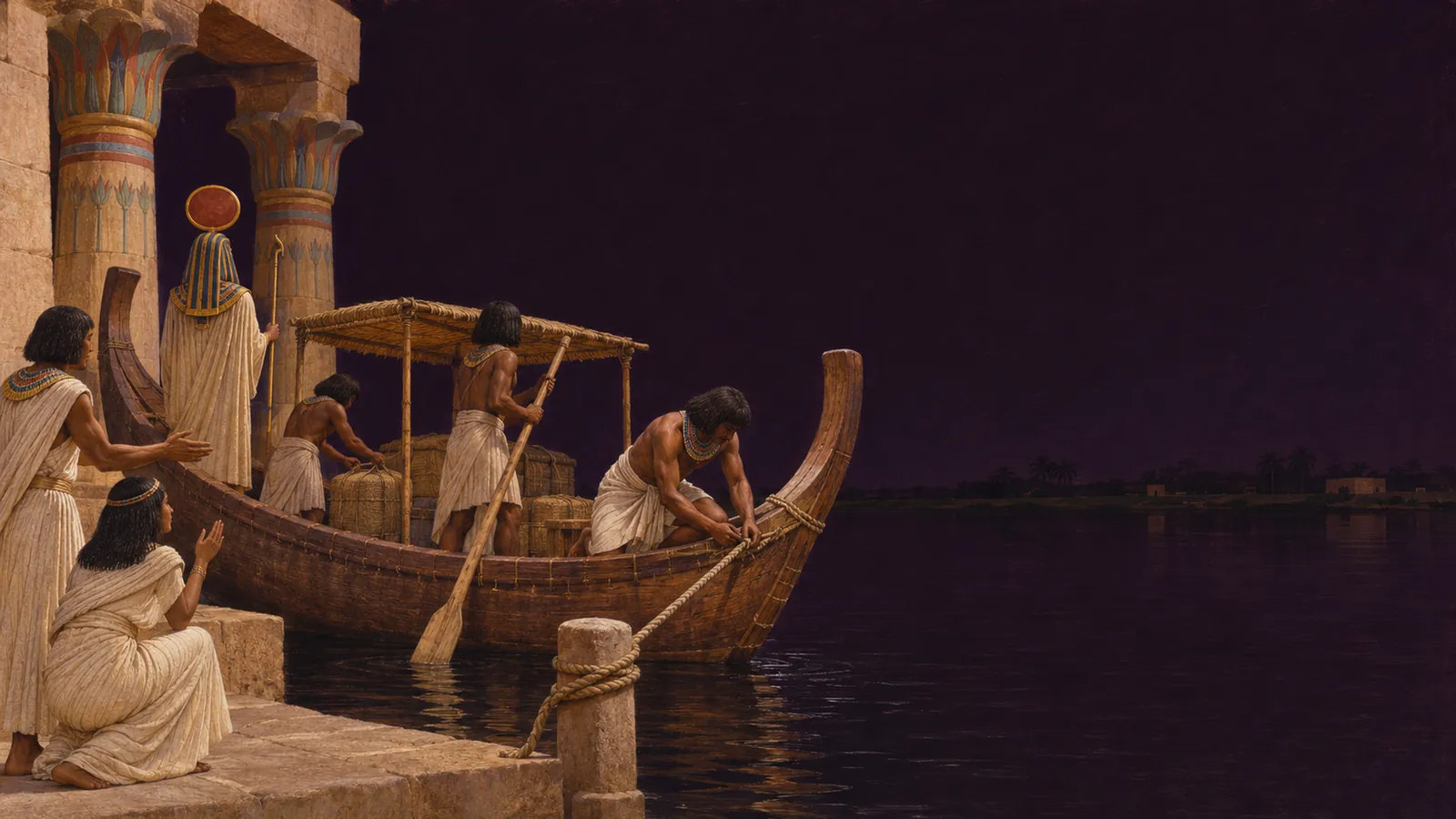
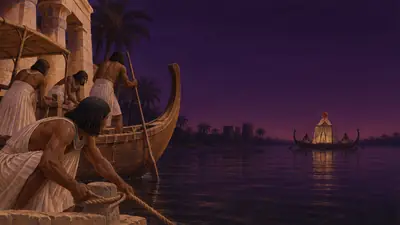
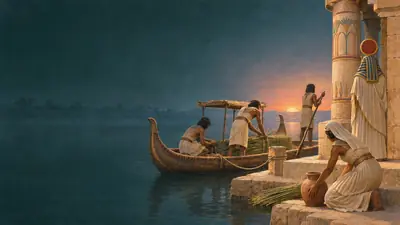
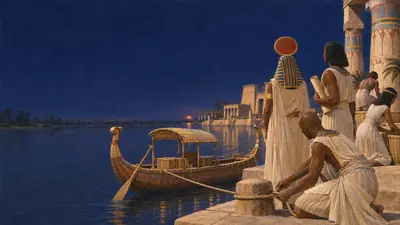
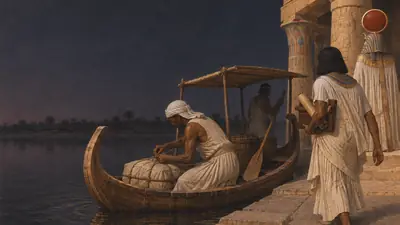
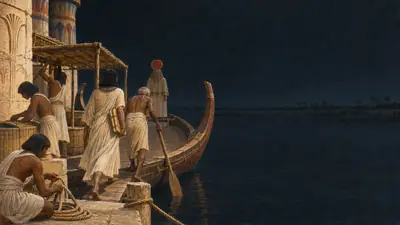
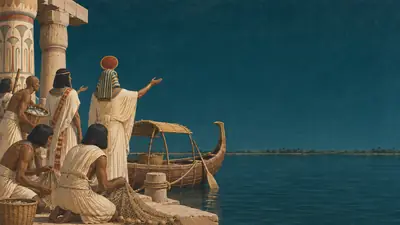
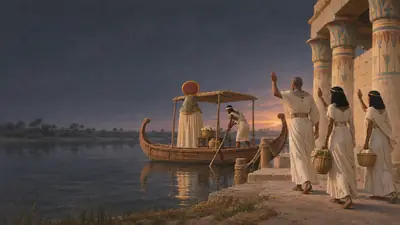
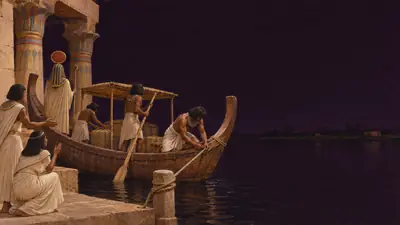
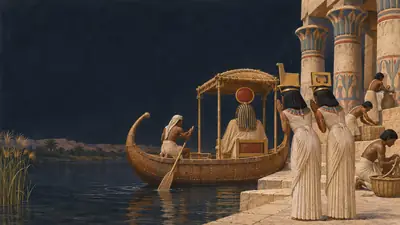
The Sektet comes into port. The hymn turns its praise to the one who came into being of his own accord, from the South and North, West and East.
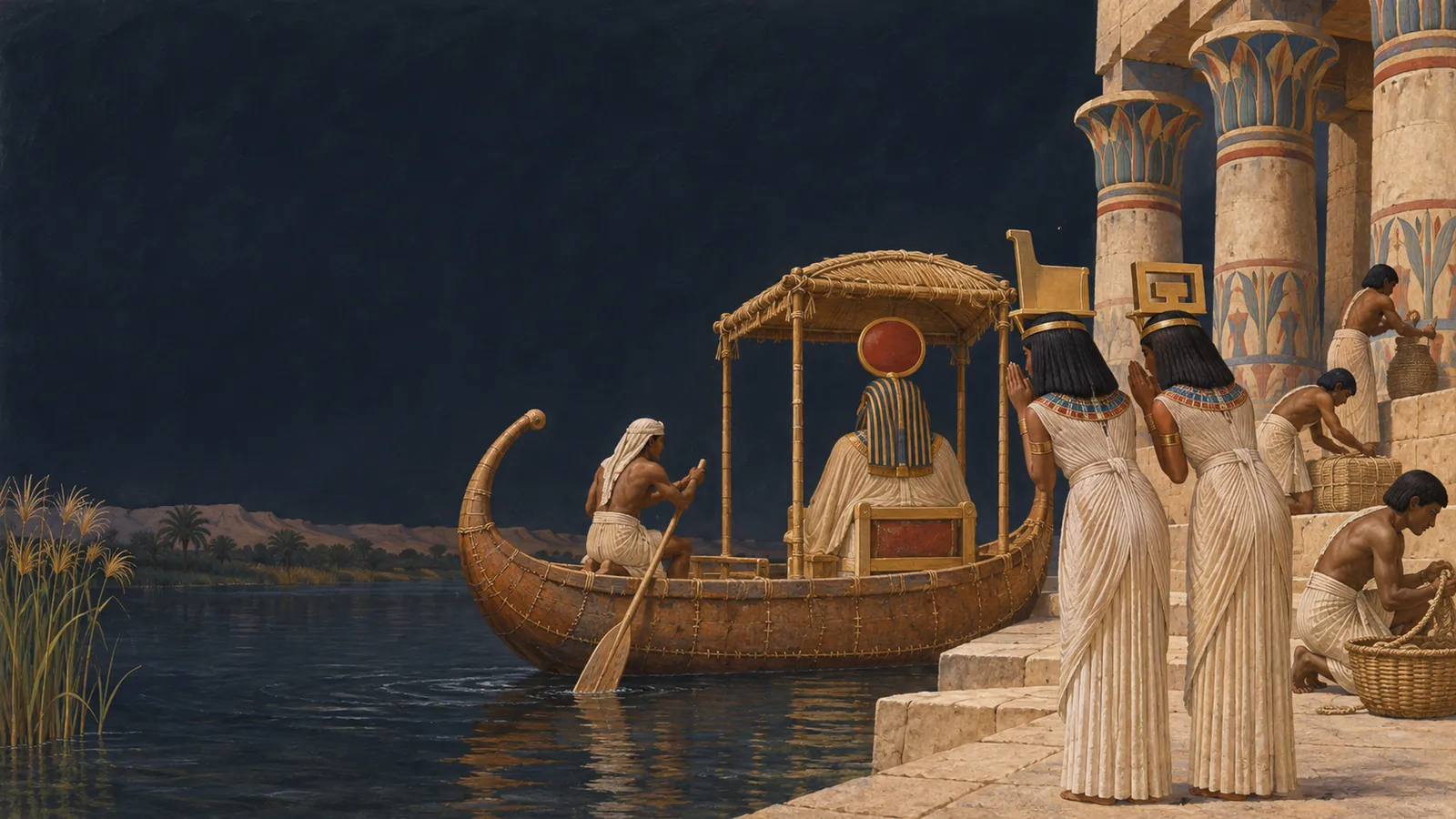
Isis and Nephthys greet him at his rising in the boat. In the hymn they sing songs of joy to him and protect him with their hands.
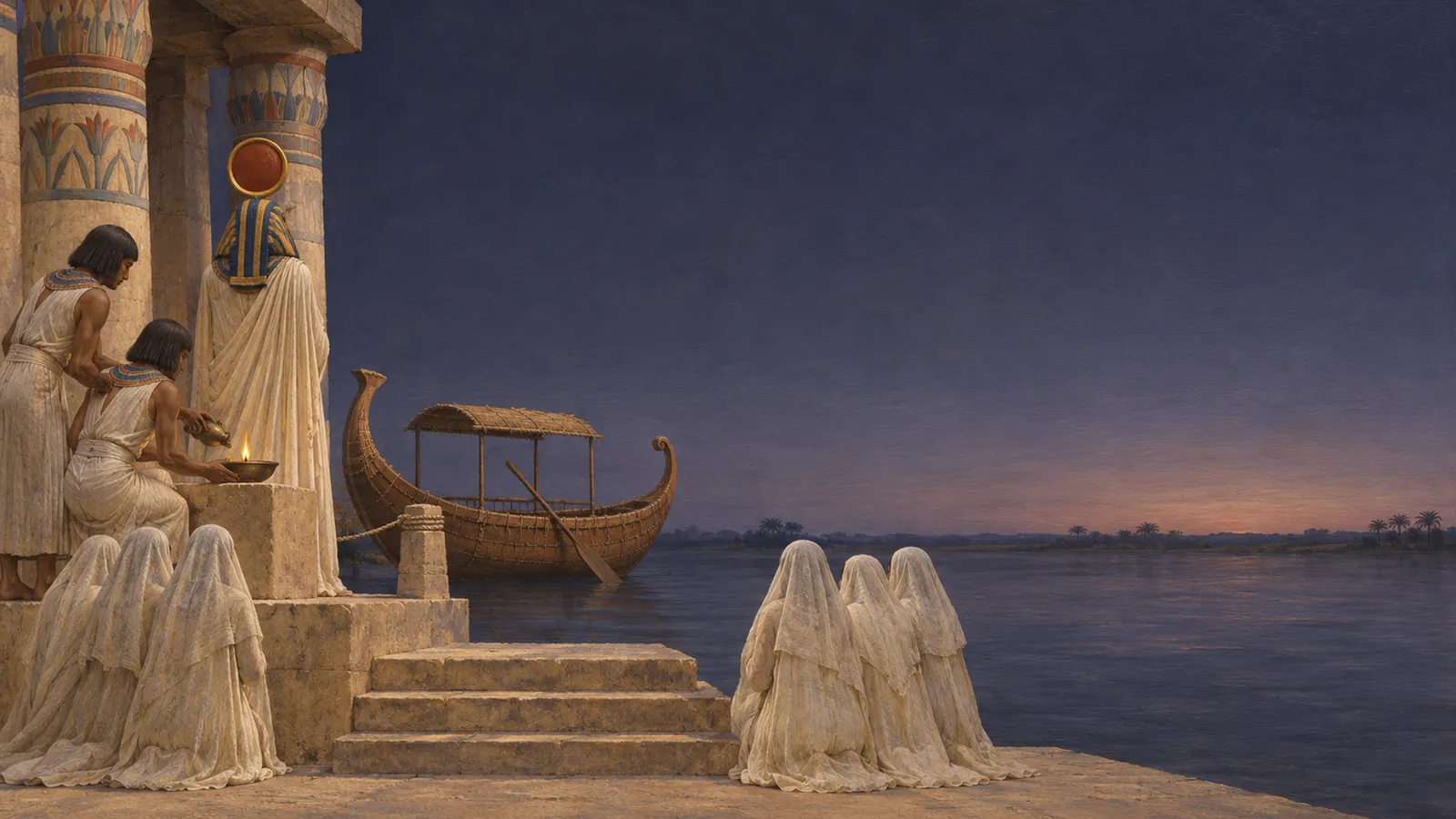
The souls of the East follow him, and those of the West praise him. The hymn says Nak, the serpent enemy, was condemned to fire.
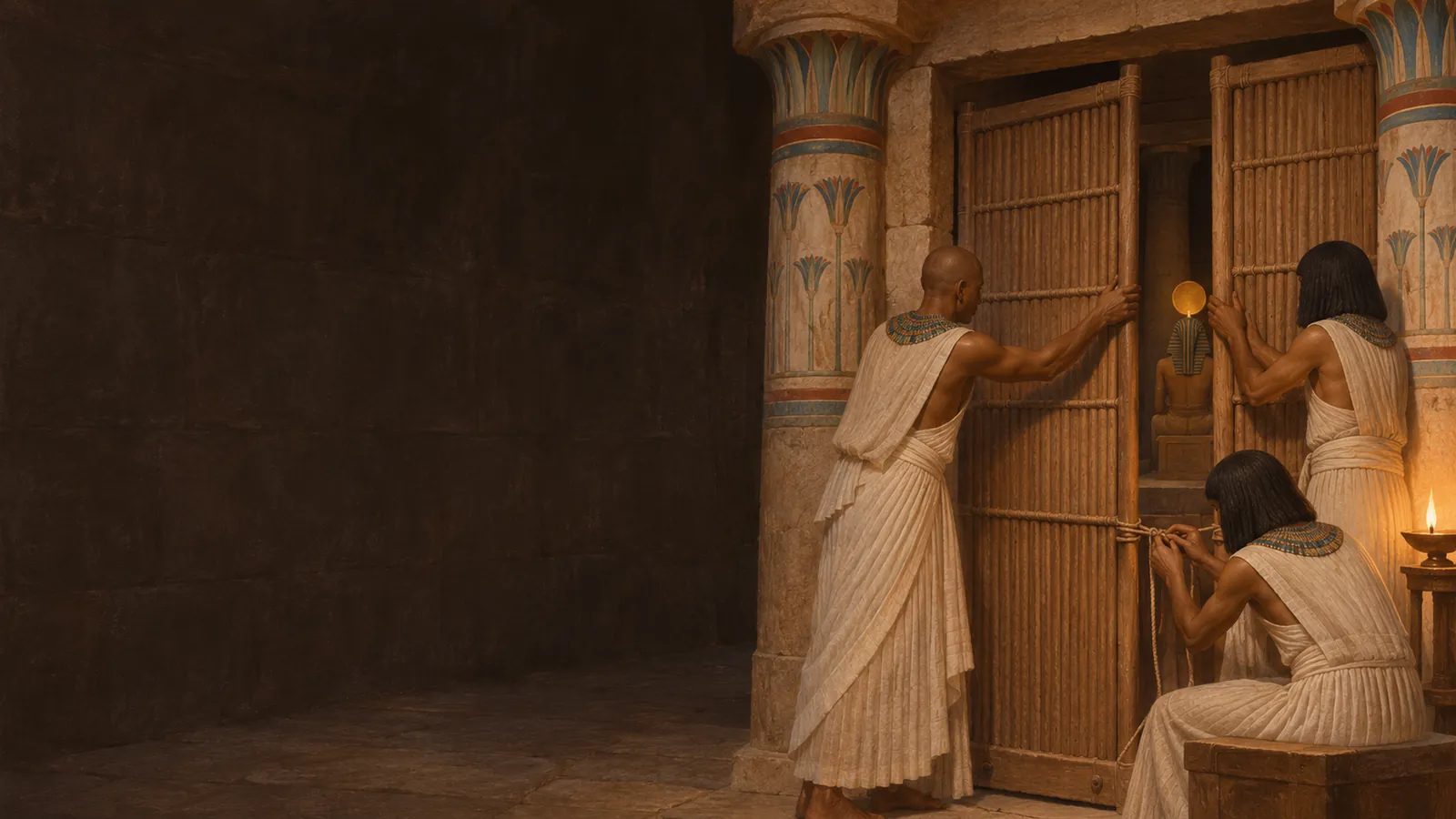
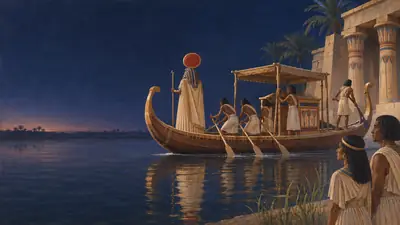
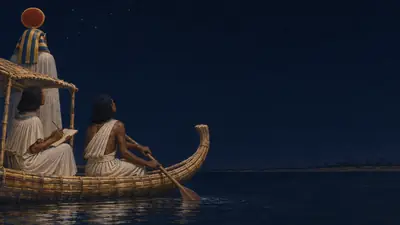
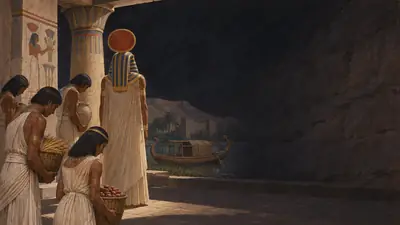
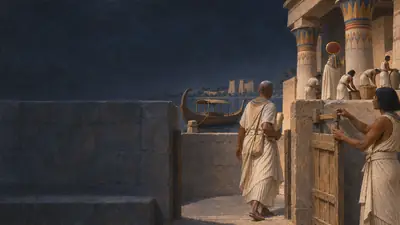
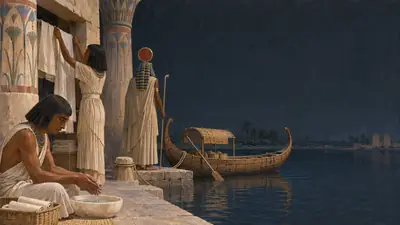
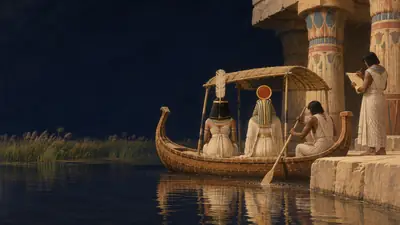
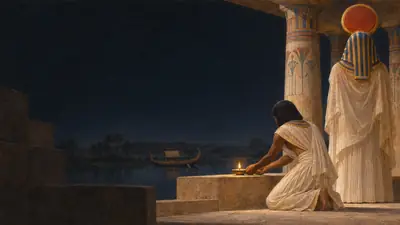
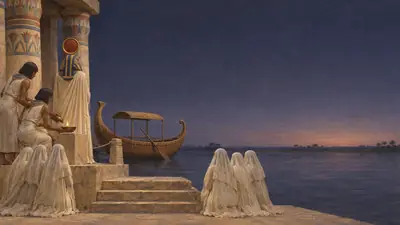
THE EVENING BOAT
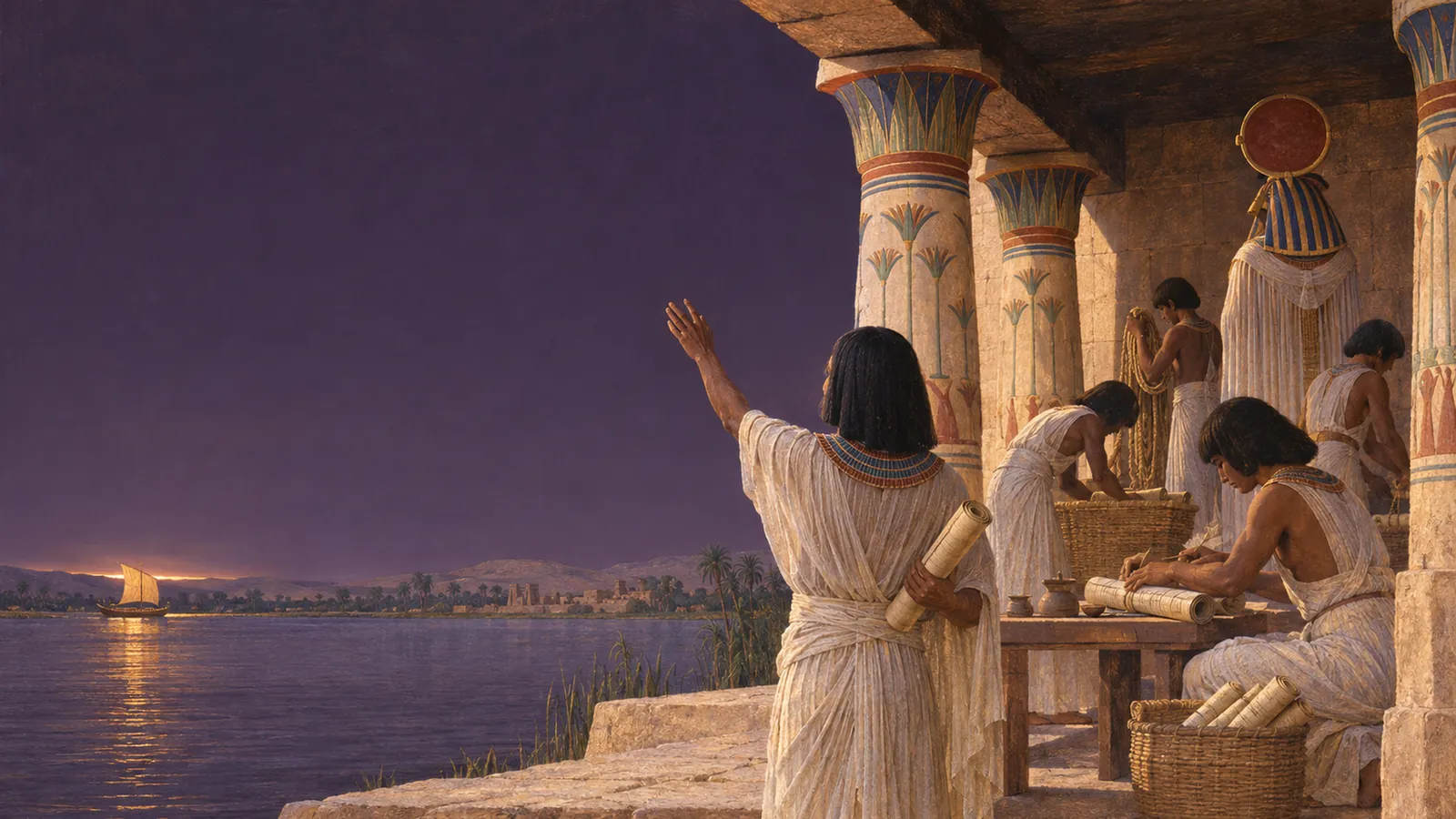
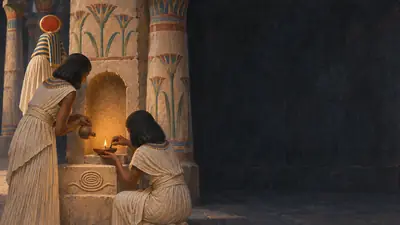
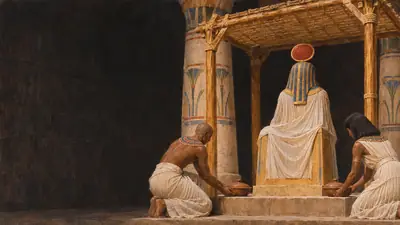
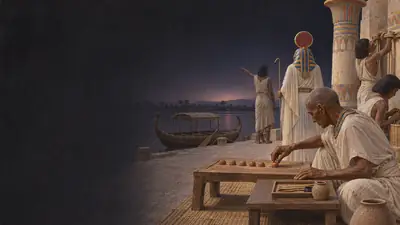
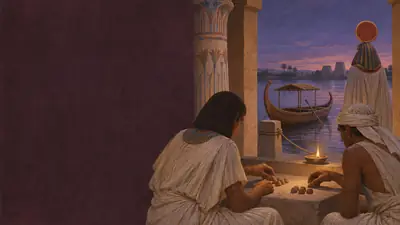
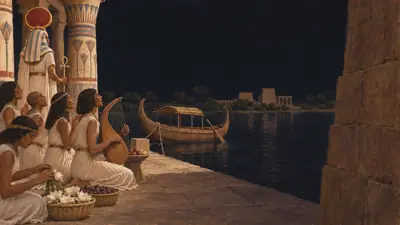
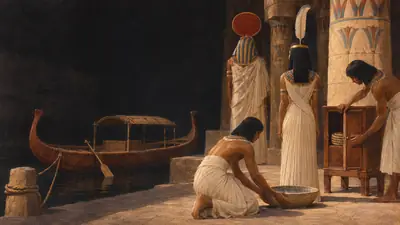
Nekht’s hymn ends in the shrine. Its final words say that the heart of the ruler of the gods will be joyful for ever.
End of chapter 1
All pages
Sources
The lines in the notes point into the Project Gutenberg
Editions consulted
- E. A. Wallis Budge, Egyptian Ideas of the Future Life, third edition, 1908, Chapter I
- Budge’s first Ani hymn and its edition citation
- Hunefer hymn, Papyrus of Hunefer, British Museum No. 9901
- Ani’s separate hymn and prayer, plate 20
- The later hymn, Papyrus of Nekht, British Museum No. 10471
Notes on this retelling
**Edition.** E. A. Wallis Budge, *Egyptian Ideas of the Future Life*, third edition (1908), chapter I, first selection under “From the Papyrus of Ani.” The heading is at(https://www.gutenberg.org/ebooks/11277)
Budge introduces the series as hymns to Ra selected from copies of the Theban Recension. The first selection is headed “From the Papyrus of Ani.” The public catalogue record for Ani’s weighing vignette is manuscript context. Budge’s footnote gives the source for the selected hymn.
The hymn gives the crowning as king of the gods and Nut’s homage with both hands.
Budge glosses Manu as the land where the sun sets. The hymn says it receives him with satisfaction and that Maat embraces him at morning and evening. Footnote 24 connects that embrace with orderly timing.
The gods of the Temple of the Soul weigh heaven and earth in a balance and provide abundant divine food. Budge’s footnote 25 links the title to the soul in his preceding account.
The hymn hails Tatunen as One, creator of humankind and maker of the gods’ substance in all four directions.
The hymn invites praise of Ra as lord of heaven and creator of the gods and refers to his beautiful form in the divine morning boat.
The hymn addresses Ra directly and gives homage from dwellers in the heights and the depths.
The hymn credits Thoth and Maat with marking the way for each day.
The hymn says that the enemy serpent was given to fire, that Sebau fell headlong and had his arms bound in chains, and that Ra cut off his legs. This witness gives the name Sebau. Later selections give their own serpent references and names.
The hymn says the rebellious opponents will never rise again and that the Temple of the Aged One keeps festival. Footnote 26 identifies the Aged One as Ra of Heliopolis.
Voices rejoice in the mighty dwelling and the gods exult when Ra rises and his beams flood the world.
The holy god advances to Manu and makes the earth bright at his daily birth.
The selection ends when he travels to the place where he was the previous day. This is the end of the first Ani selection. The next page introduces Hunefer’s different witness.
Pages 15–17 (Budge 1908, chapter I). The heading identifies a separate reading from the Papyrus of Hunefer. Budge’s footnote 27 gives British Museum No. 9901. The printed hymn distinguishes Rā at his rising from Temu at his setting, repeats “Thou risest” and “thou shinest” twice each, and calls him the creator of the inhabitants of the heights and the depths. The line about the One coming into being concerns this witness. Temu is Budge’s form of the name also rendered Atum.
Pages 18–20 (). Budge’s selection distinguishes the watery abyss of the sky, Hapi (glossed in the edition as the Nile), and the great deep. The hymn names the great deep when it says that he gives life to all within it, then joins the mountains, humanity, beasts, heavens and earth in its praise of creation.
Pages 21–22 (). In this hymn, Maat embraces the one addressed morning and evening. The traveller is joyful as he crosses the sky, while the great deep of heaven is content. The later greeting in this same witness says that Amen-Rā rests upon Maat ().
Page 23 (). Budge’s Hunefer translation explicitly says the serpent adversary Nak has fallen and that his arms are cut off. It does not name an agent for that act in this sentence. Footnote 28 separately identifies Nak as a name of the Serpent of darkness.
Pages 24 and 28 (). The Sektet receives fair winds and the heart of the one in its shrine rejoices in the first passage. The company of the gods rejoices at the rising and passage in the second. Budge’s footnote 29 identifies the Sektet with Rā’s journey from noon to sunset. The text does not describe the material appearance of the mythic boat.
Page 25 ().
Pages 26–27 (). The divine youth is the self-begotten one and heir of everlastingness. The next greeting names the One with myriad forms and aspects as prince of Annu, which the edition gives as Heliopolis in parentheses.
Pages 29–30 (). Budge begins a new paragraph with the name Amen-Rā and says that he rests on Maat. An ellipsis follows “Thou art One” in the print witness; the following claims about praise, oaths, hearing and seeing are legible in the edition. Budge’s separate explanatory reading of the line about Maat is in footnote 32.
Pages 31–32 (). After millions of years have gone over the world, the singer cannot count those through which the one addressed has passed. The epithet ‘Traveller’ accompanies the day of happiness he decrees. In the final sentence Budge brackets “[requiring]” and “[to pass over]” when describing the unmeasured distances. The hymn ends with the passage through the watery abyss in one moment to the place he loves, his sinking, and the end of the hours.
### Ani’s hymn and prayer
### The Papyrus of Nekht
Ancient lines behind each page
- Page 1: Budge 1908, chapter I, Papyrus of Ani
- Page 2: Budge 1908, chapter I, Papyrus of Ani
- Page 3: Budge 1908, chapter I, Papyrus of Ani
- Page 4: Budge 1908, chapter I, Papyrus of Ani
- Page 5: Budge 1908, chapter I, Papyrus of Ani
- Page 6: Budge 1908, chapter I, Papyrus of Ani
- Page 7: Budge 1908, chapter I, Papyrus of Ani
- Page 8: Budge 1908, chapter I, Papyrus of Ani
- Page 9: Budge 1908, chapter I, Papyrus of Ani
- Page 10: Budge 1908, chapter I, Papyrus of Ani
- Page 11: Budge 1908, chapter I, Papyrus of Ani
- Page 12: Budge 1908, chapter I, Papyrus of Ani
- Page 13: Budge 1908, chapter I, Papyrus of Ani
- Page 14: Budge 1908, chapter I, Papyrus of Ani
- Page 15: Budge 1908, chapter I, Papyrus of Hunefer
- Page 16: Budge 1908, chapter I, Papyrus of Hunefer
- Page 17: Budge 1908, chapter I, Papyrus of Hunefer
- Page 18: Budge 1908, chapter I, Papyrus of Hunefer
- Page 19: Budge 1908, chapter I, Papyrus of Hunefer
- Page 20: Budge 1908, chapter I, Papyrus of Hunefer
- Page 21: Budge 1908, chapter I, Papyrus of Hunefer
- Page 22: Budge 1908, chapter I, Papyrus of Hunefer
- Page 23: Budge 1908, chapter I, Papyrus of Hunefer
- Page 24: Budge 1908, chapter I, Papyrus of Hunefer
- Page 25: Budge 1908, chapter I, Papyrus of Hunefer
- Page 26: Budge 1908, chapter I, Papyrus of Hunefer
- Page 27: Budge 1908, chapter I, Papyrus of Hunefer
- Page 28: Budge 1908, chapter I, Papyrus of Hunefer
- Page 29: Budge 1908, chapter I, Papyrus of Hunefer
- Page 30: Budge 1908, chapter I, Papyrus of Hunefer
- Page 31: Budge 1908, chapter I, Papyrus of Hunefer
- Page 32: Budge 1908, chapter I, Papyrus of Hunefer
- Page 33: Budge 1908, Chapter I, Papyrus of Ani, hymn and prayer
- Page 34: Budge 1908, Chapter I, Papyrus of Ani, hymn and prayer
- Page 35: Budge 1908, Chapter I, Papyrus of Ani, hymn and prayer
- Page 36: Budge 1908, Chapter I, Papyrus of Ani, hymn and prayer
- Page 37: Budge 1908, Chapter I, Papyrus of Ani, hymn and prayer
- Page 38: Budge 1908, Chapter I, Papyrus of Ani, hymn and prayer
- Page 39: Budge 1908, Chapter I, Papyrus of Ani, hymn and prayer
- Page 40: Budge 1908, Chapter I, Papyrus of Ani, hymn and prayer
- Page 41: Budge 1908, Chapter I, Papyrus of Ani, hymn and prayer
- Page 42: Budge 1908, Chapter I, Papyrus of Ani, hymn and prayer
- Page 43: Budge 1908, Chapter I, Papyrus of Ani, hymn and prayer
- Page 44: Budge 1908, Chapter I, Papyrus of Ani, hymn and prayer
- Page 45: Budge 1908, Chapter I, Papyrus of Ani, hymn and prayer
- Page 46: Budge 1908, Chapter I, Papyrus of Ani, hymn and prayer
- Page 47: Budge 1908, Chapter I, Papyrus of Ani, hymn and prayer
- Page 48: Budge 1908, Chapter I, Papyrus of Ani, hymn and prayer
- Page 49: Budge 1908, Chapter I, Papyrus of Ani, hymn and prayer
- Page 50: Budge 1908, Chapter I, Papyrus of Ani, hymn and prayer
- Page 51: Budge 1908, Chapter I, Papyrus of Ani, hymn and prayer
- Page 52: Budge 1908, Chapter I, Papyrus of Nekht
- Page 53: Budge 1908, Chapter I, Papyrus of Nekht
- Page 54: Budge 1908, Chapter I, Papyrus of Nekht
- Page 55: Budge 1908, Chapter I, Papyrus of Nekht
- Page 56: Budge 1908, Chapter I, Papyrus of Nekht
- Page 57: Budge 1908, Chapter I, Papyrus of Nekht
- Page 58: Budge 1908, Chapter I, Papyrus of Nekht
- Page 59: Budge 1908, Chapter I, Papyrus of Nekht
- Page 60: Budge 1908, Chapter I, Papyrus of Nekht
- Page 61: Budge 1908, Chapter I, Papyrus of Nekht
- Page 62: Budge 1908, Chapter I, Papyrus of Nekht
- Page 63: Budge 1908, Chapter I, Papyrus of Nekht
- Page 64: Budge 1908, Chapter I, Papyrus of Nekht
- Page 65: Budge 1908, Chapter I, Papyrus of Nekht
Illustrations made with AI tools by IL Archive; the text is based on the ancient sources (see the sources at the end of each chapter).