Inanna and Shukaletuda Chapter 1
The Search Beneath the Poplar
The gardener’s father urges him to hide among the townspeople. Inanna searches three times and then secures Enki’s help. After she finds the gardener in the mountains, she speaks of his fate and how his name will be remembered.
SourcesTurn the pages with the arrows, the arrow keys or a swipe.
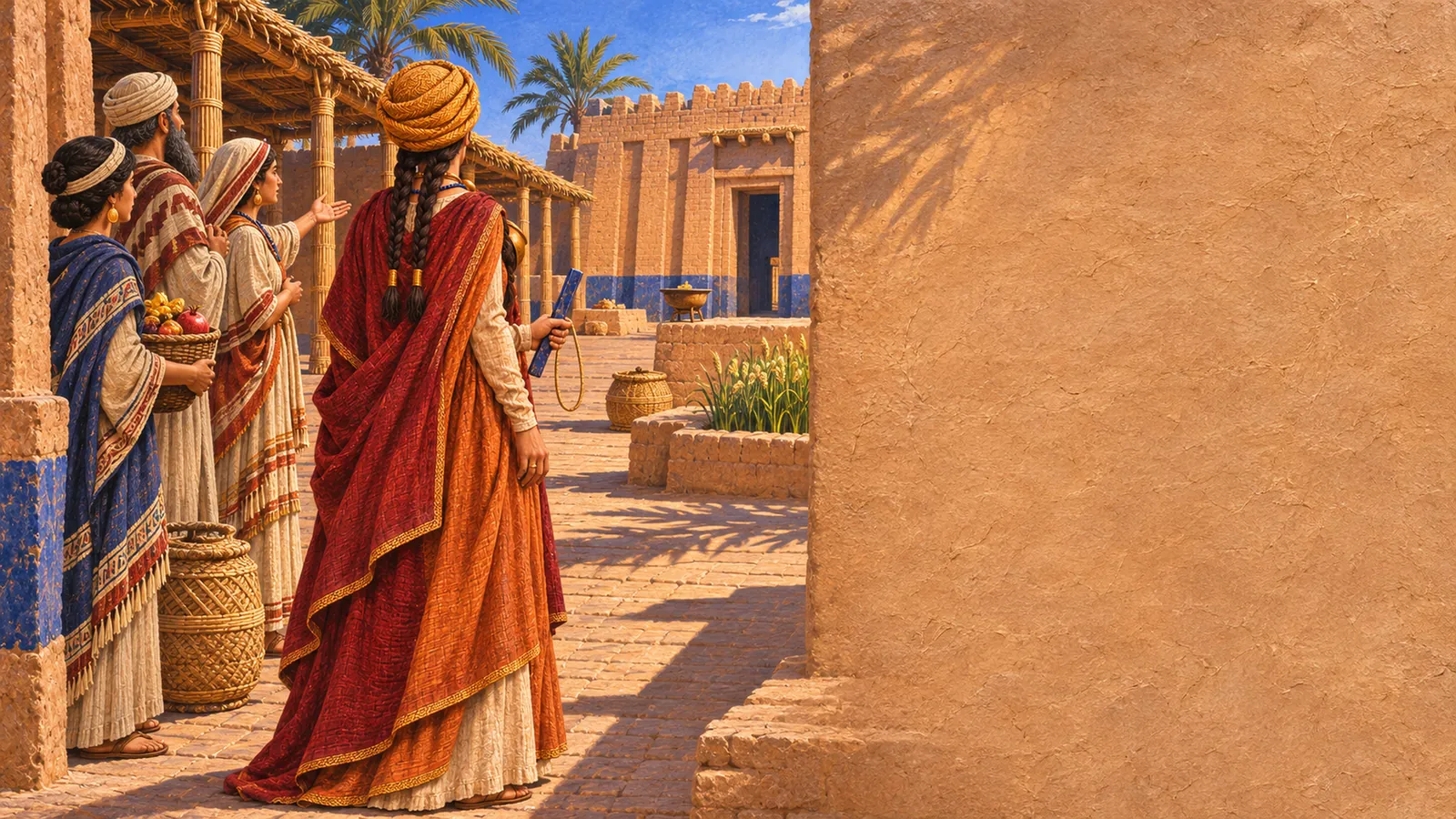
INANNA
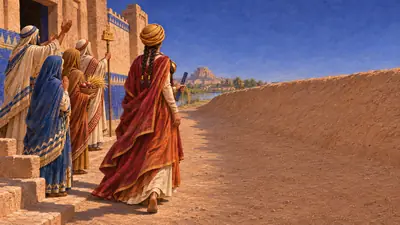
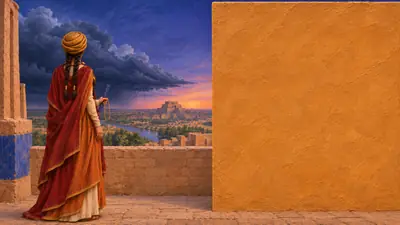
Inanna lifts her gaze from the holy precinct of the E-ana. The opening follows her as she prepares to leave Uruk.
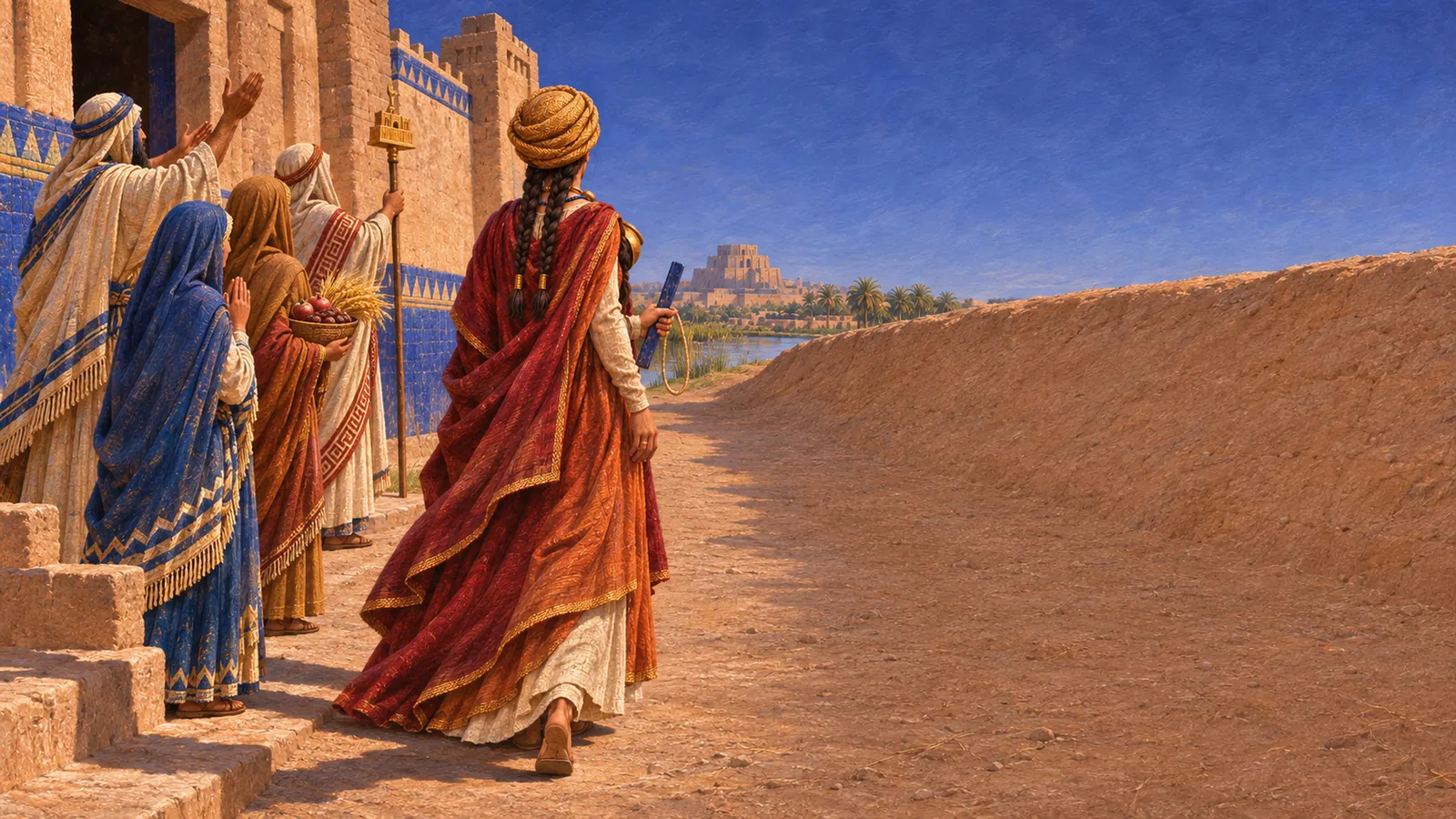
She goes out to look upon truth and falsehood, justice and injustice. The poem names all four as things she wishes to see.
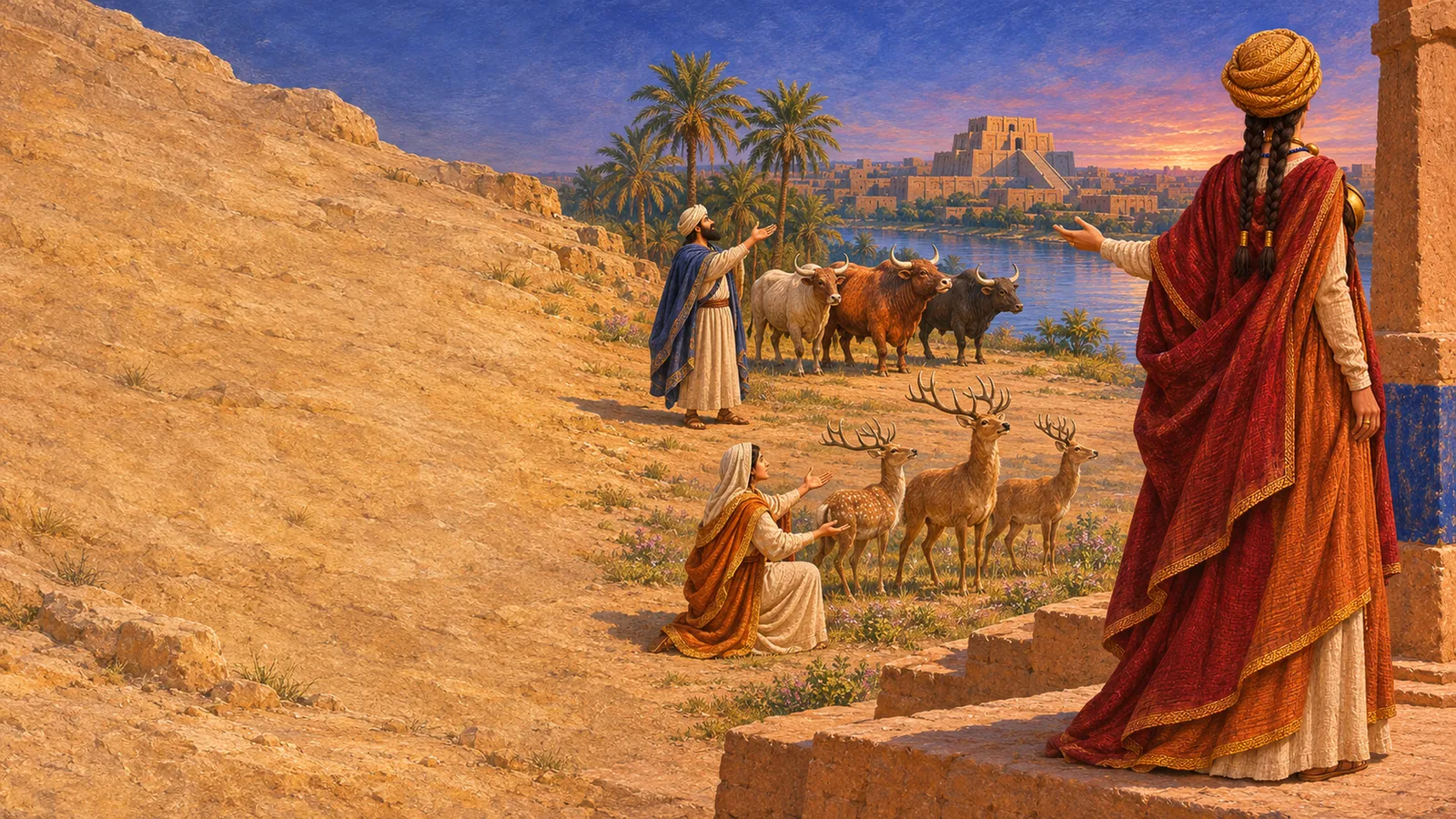
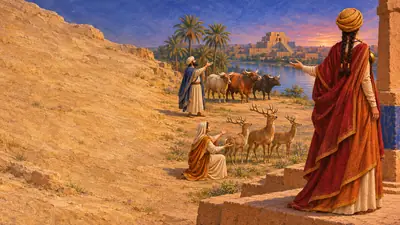
The poem places Inanna among wild bulls at the foot of the mountains and among stags on the heights.
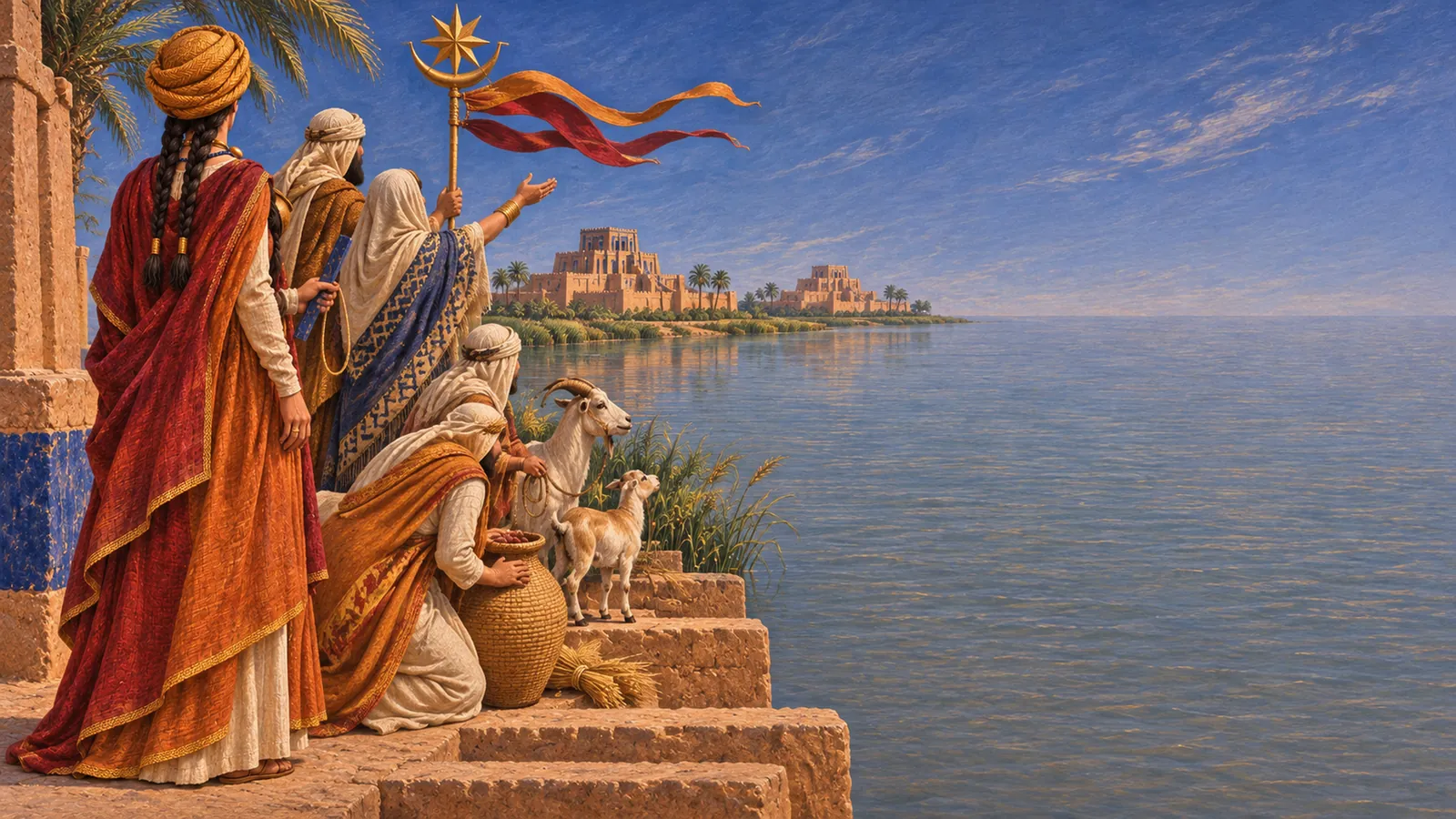
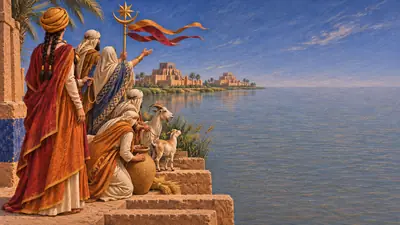
As Inanna ascends, the song remembers her sacred houses in Uruk and Zabalam. Each city has a place in the account of her departure.
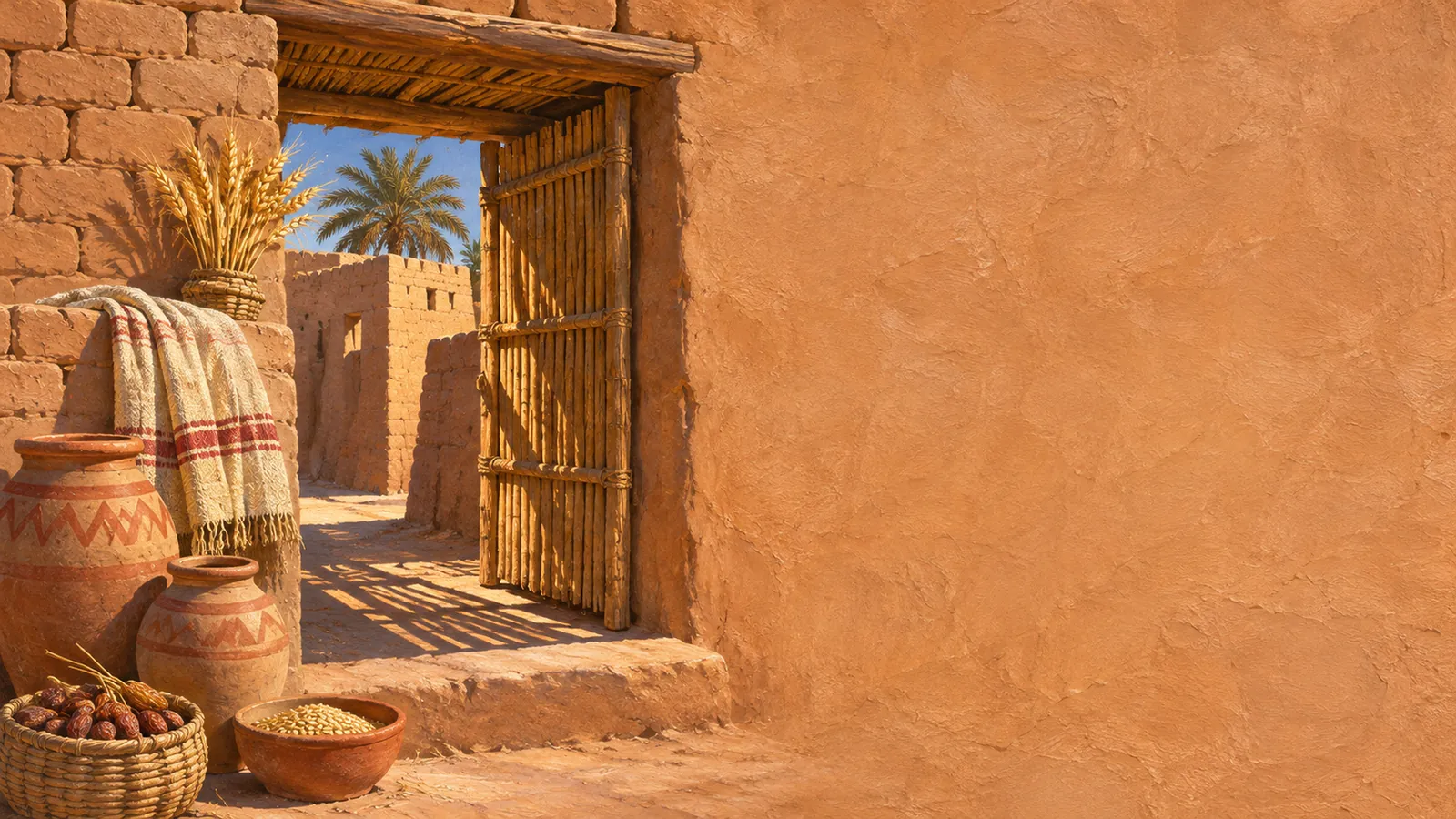
The surviving lines here are badly broken. When a continuous scene can be read again, the account has turned toward Enki and a raven.
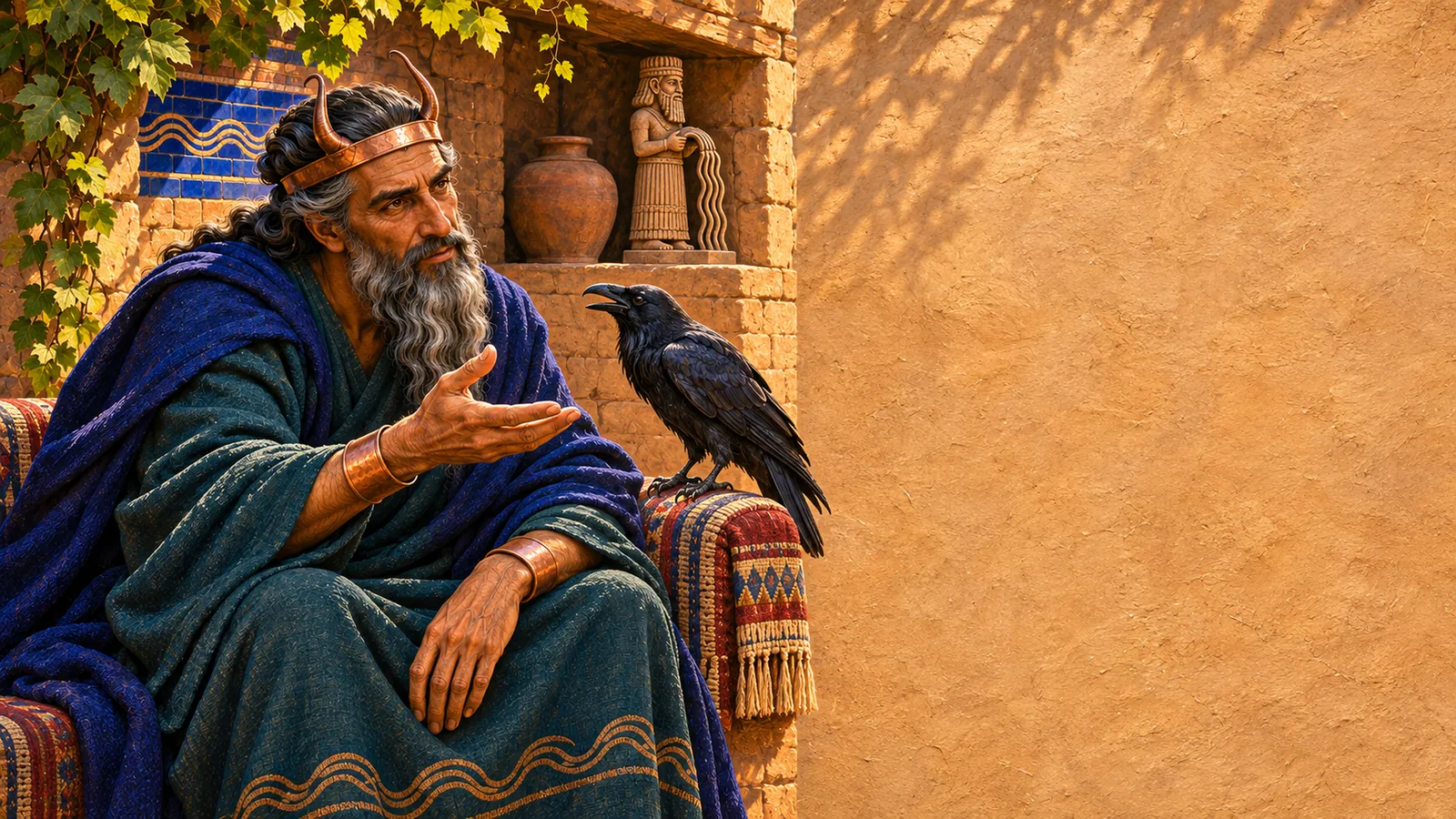
THE RAVEN
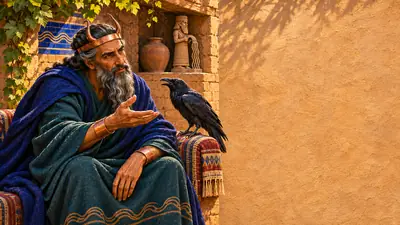
Enki addresses the raven in the abzu. The bird listens, and the account follows what it does under Enki’s direction.
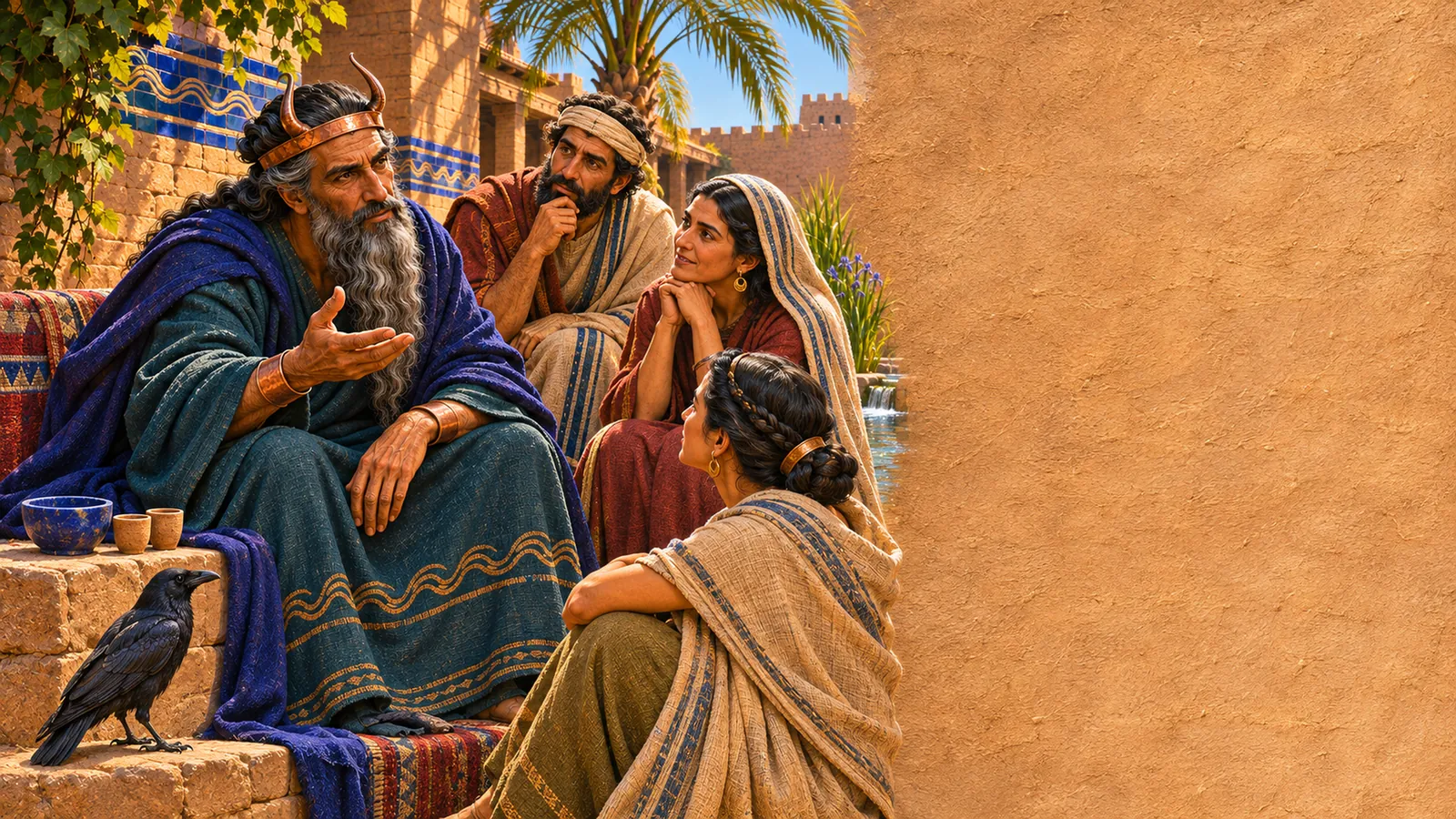
The scene names a lapis vessel and mentions oil, water and kohl. Damage to the lines leaves the steps of the action uncertain.
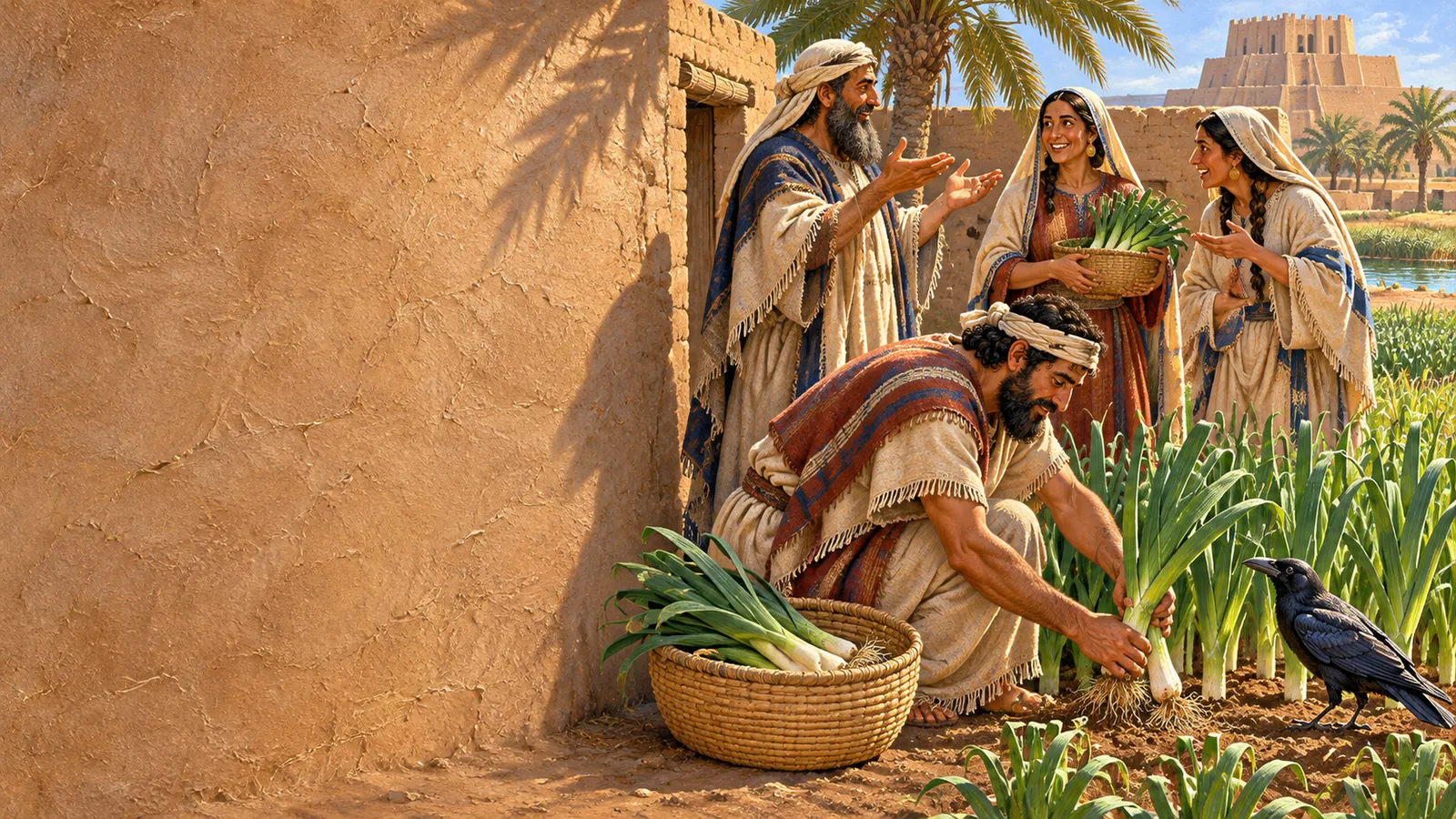
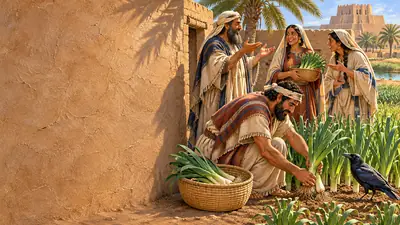
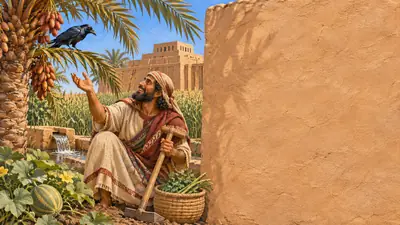
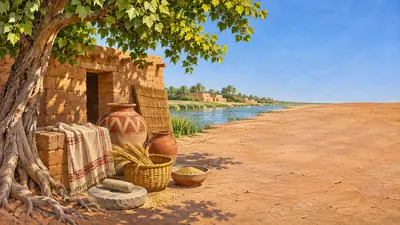
The raven reaches the garden and attends to the leeks. Alongside its actions, the poem brings cultivated plants and the tending of the soil into view.
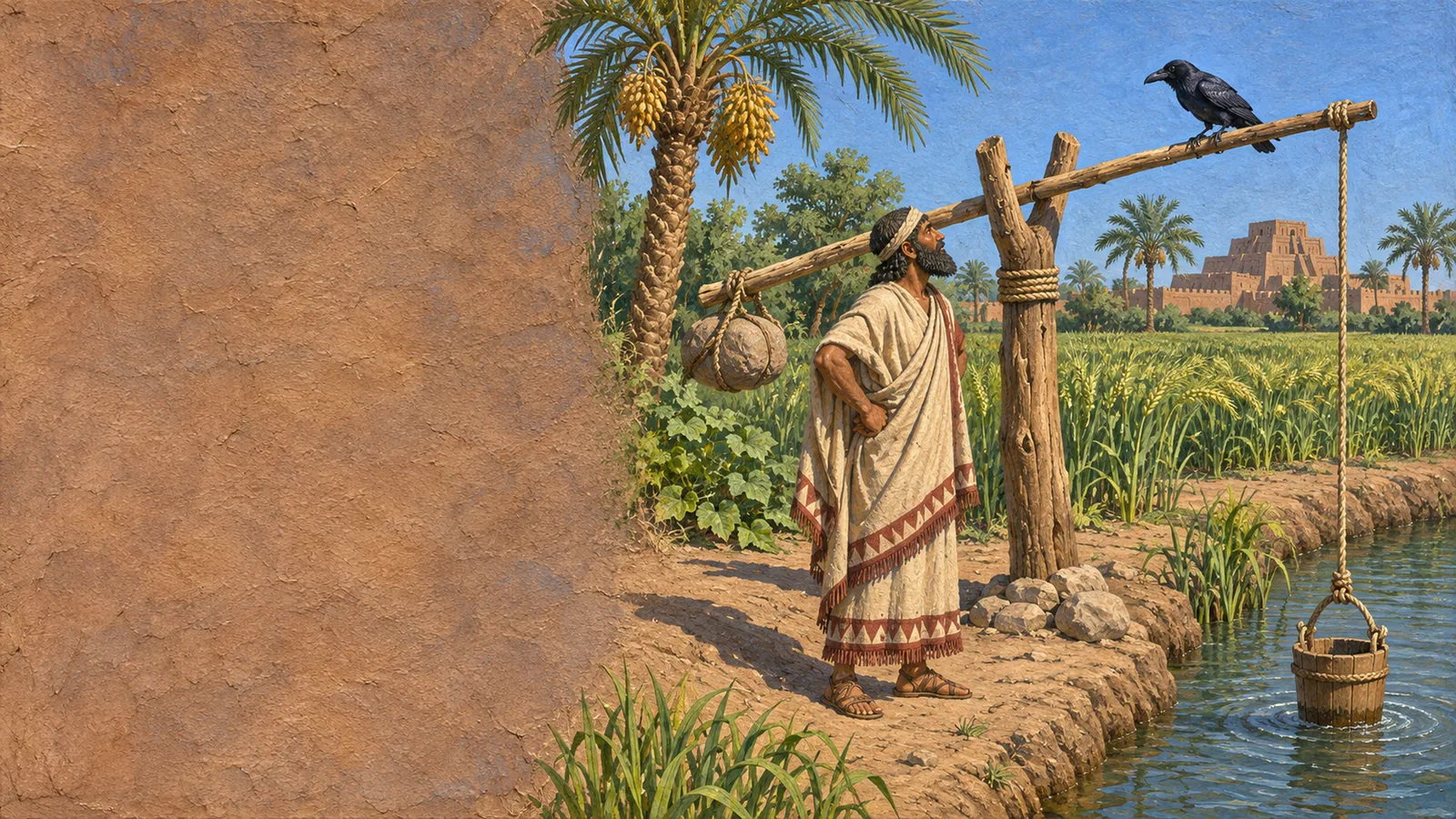
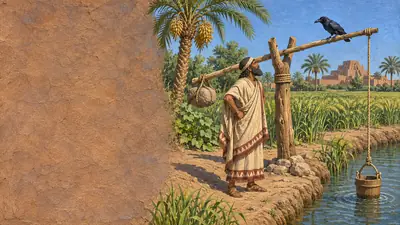
The raven does the work of a person. The poem marvels that the bird can move the counterweights of a water lift up and down.
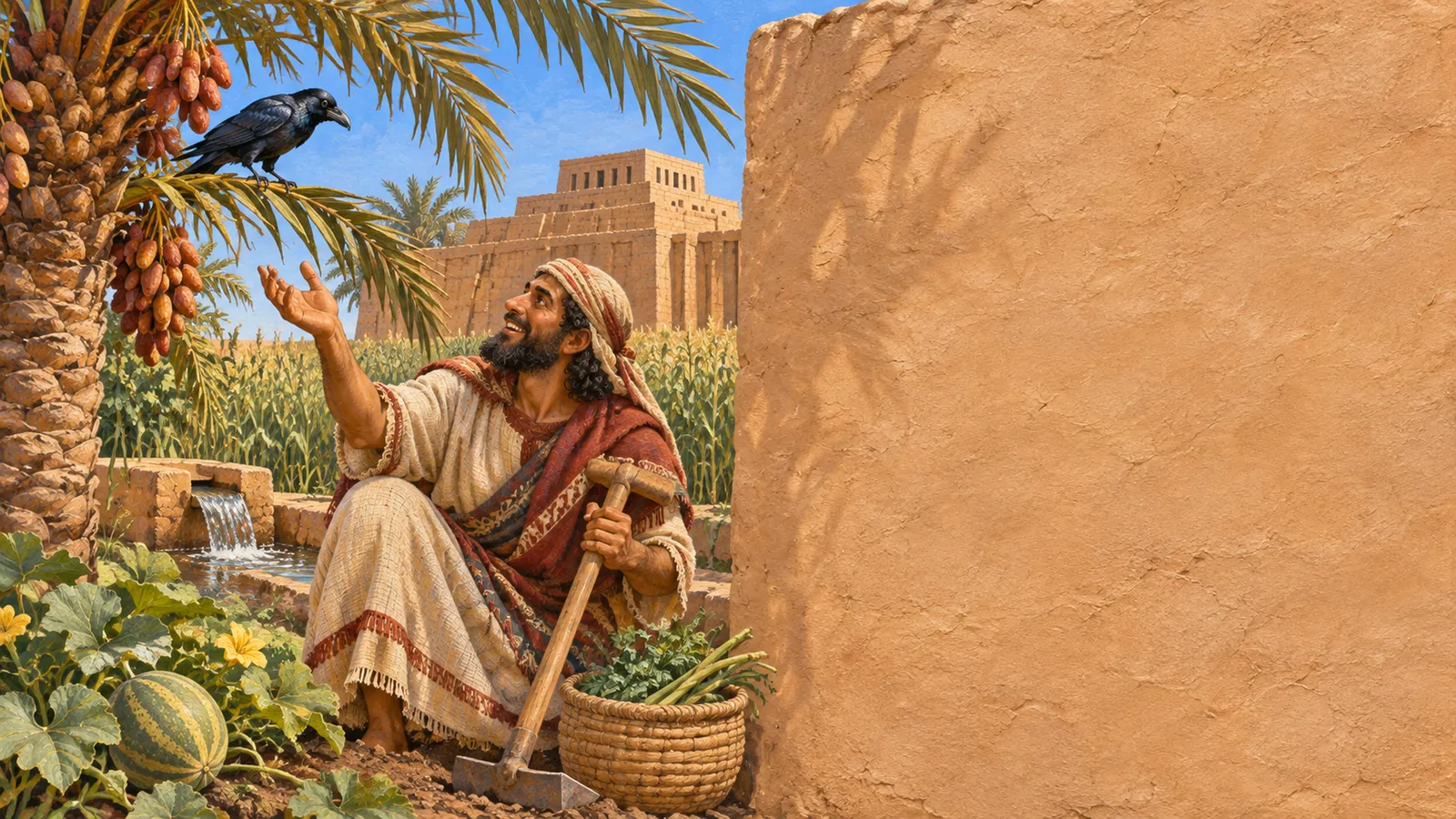
The raven climbs the date palm. The tree is important enough for the poem to pause over it and name what people do with it.
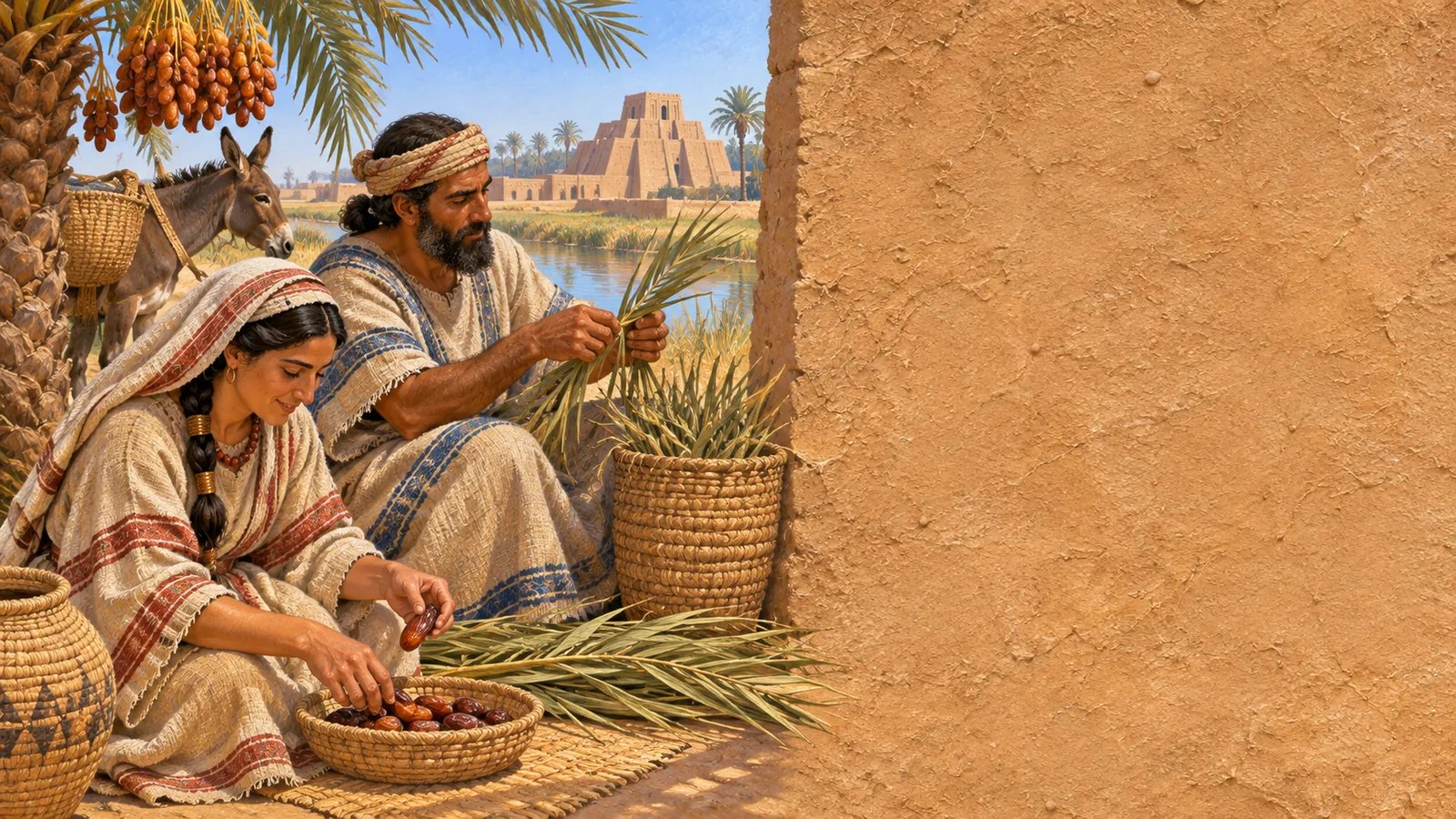
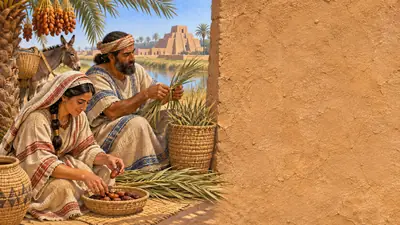
The palm supplies shoots and fronds for work, as well as fruit. The poem connects its uses with the palace and the temple.
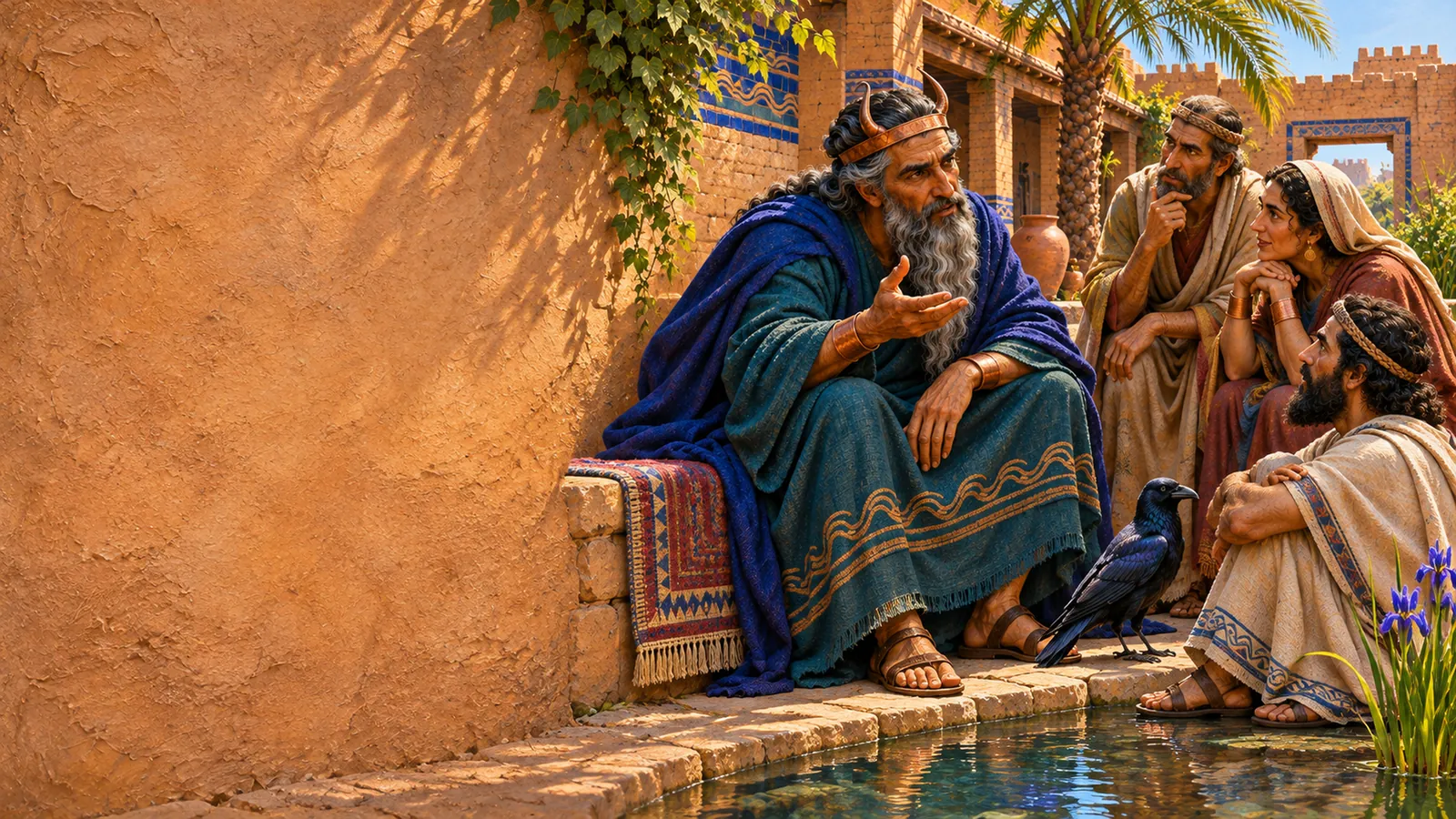
The raven’s work ends when Enki calls it back to the abzu. The account of the garden then turns to a human worker.
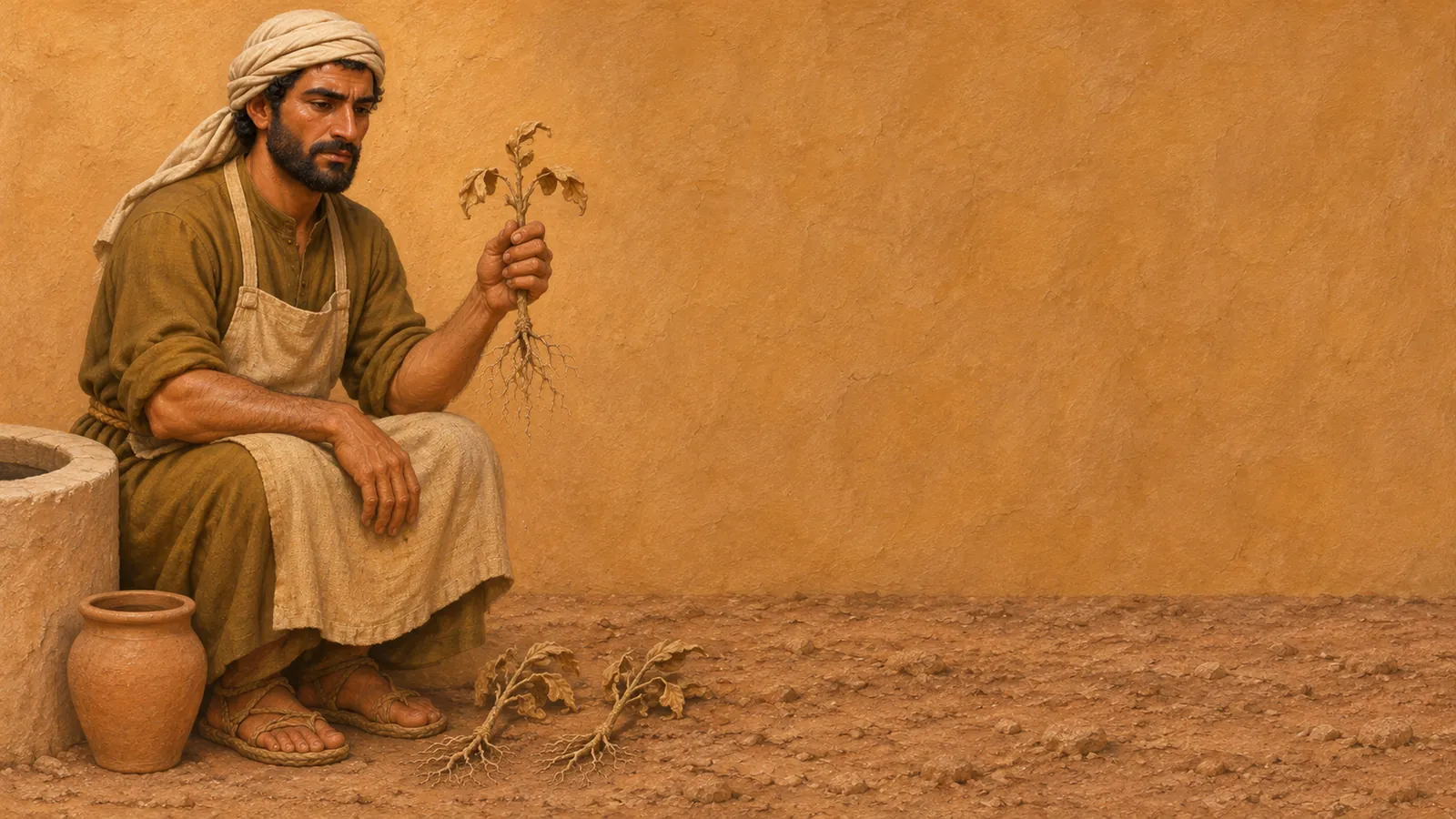
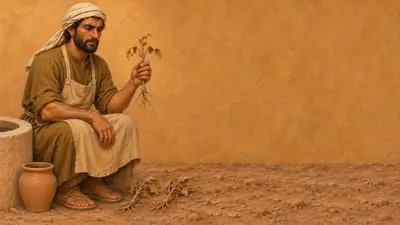
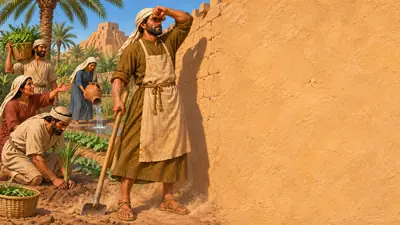
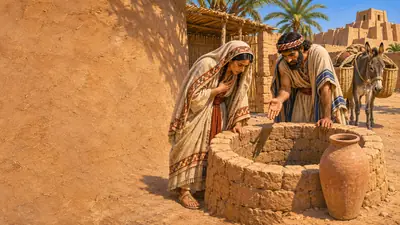
Shukaletuda is meant to water the garden plots and set up a well. He pulls up the plants by their roots and leaves none standing.
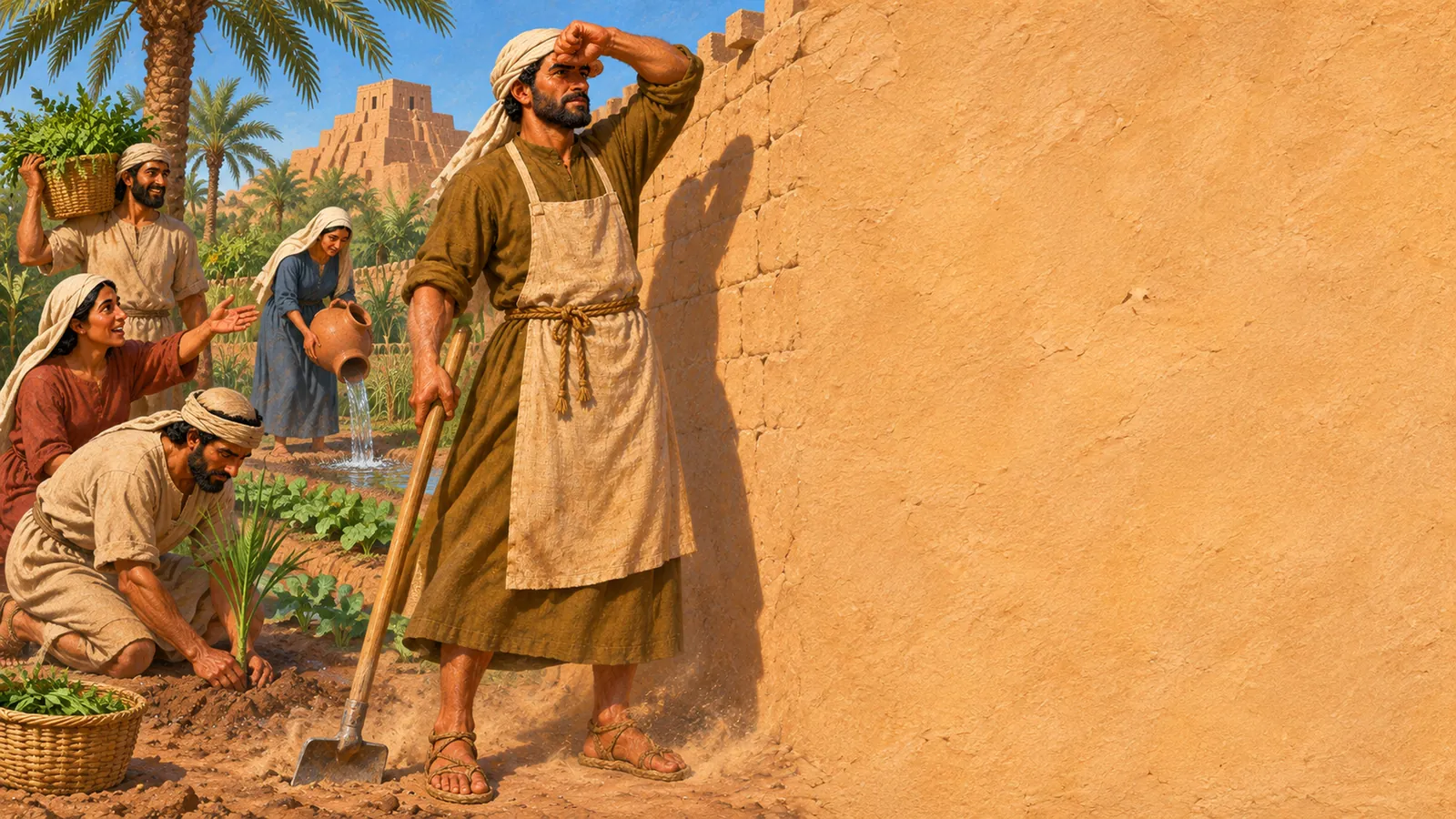
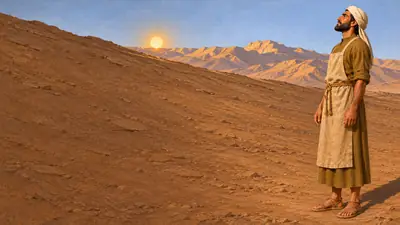
A gust lifts dust from the mountains and blows it into the gardener’s eyes. He rubs his eyes and raises his gaze.
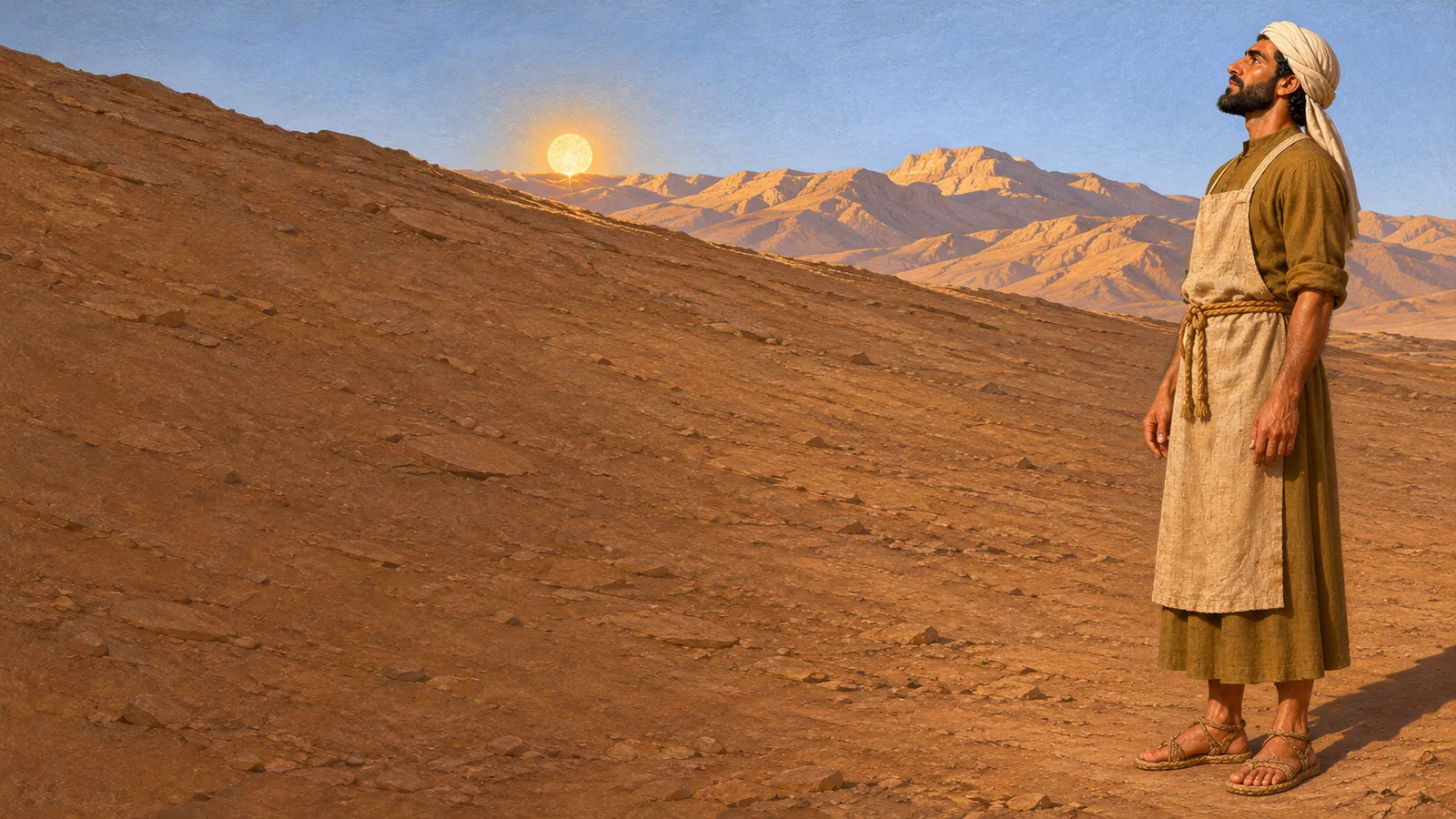
Shukaletuda looks toward sunrise and sunset and sees gods. He sees a lone divine figure as the account turns to the shade of a tree.
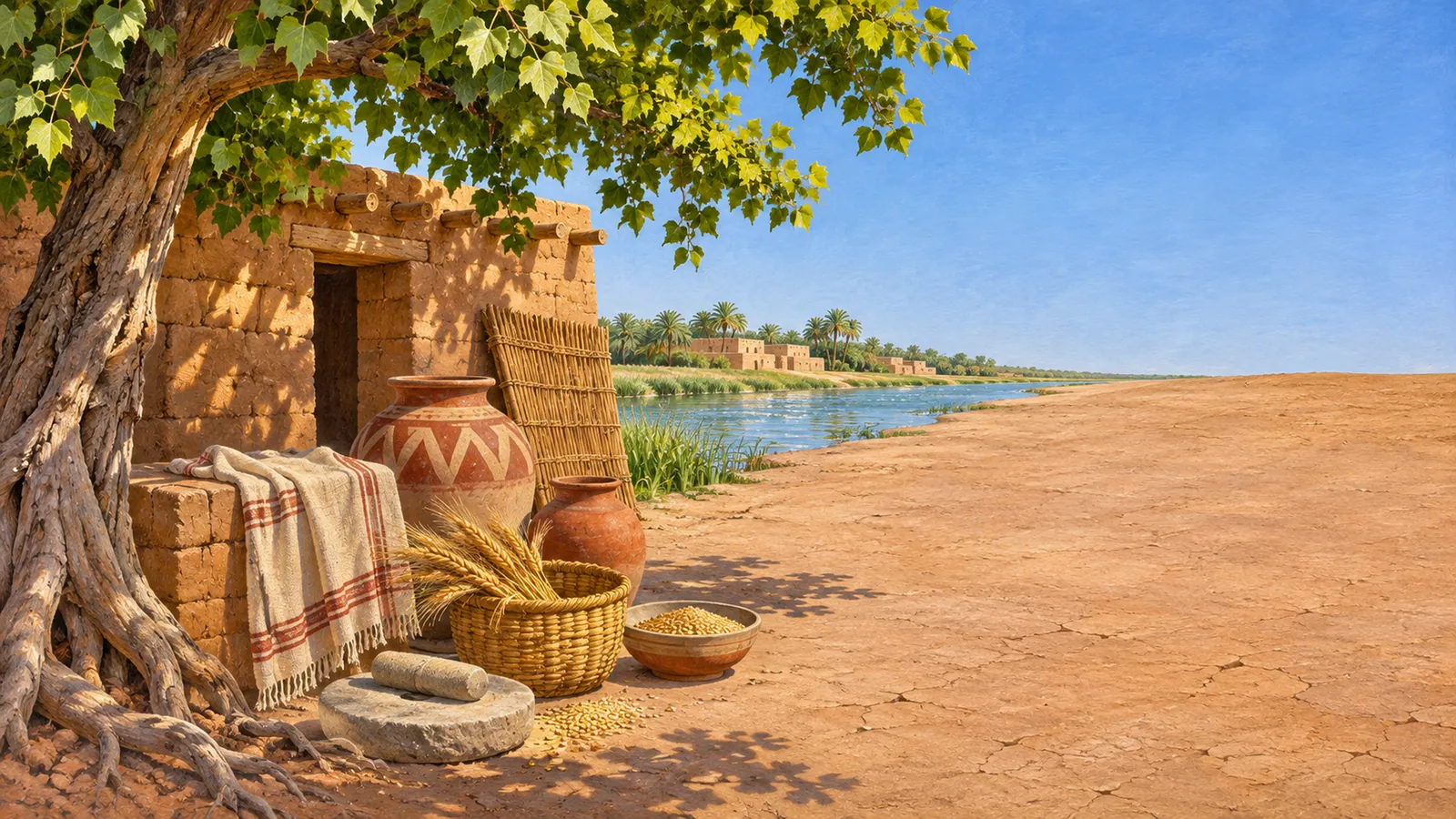
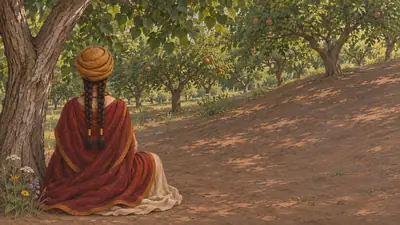
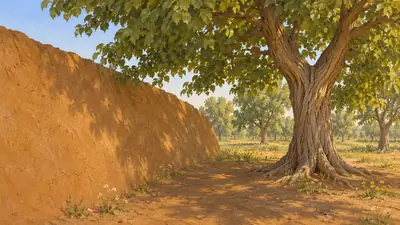
One poplar casts shade in the morning, at noon and in the evening. The poem lingers on this tree before Inanna arrives.
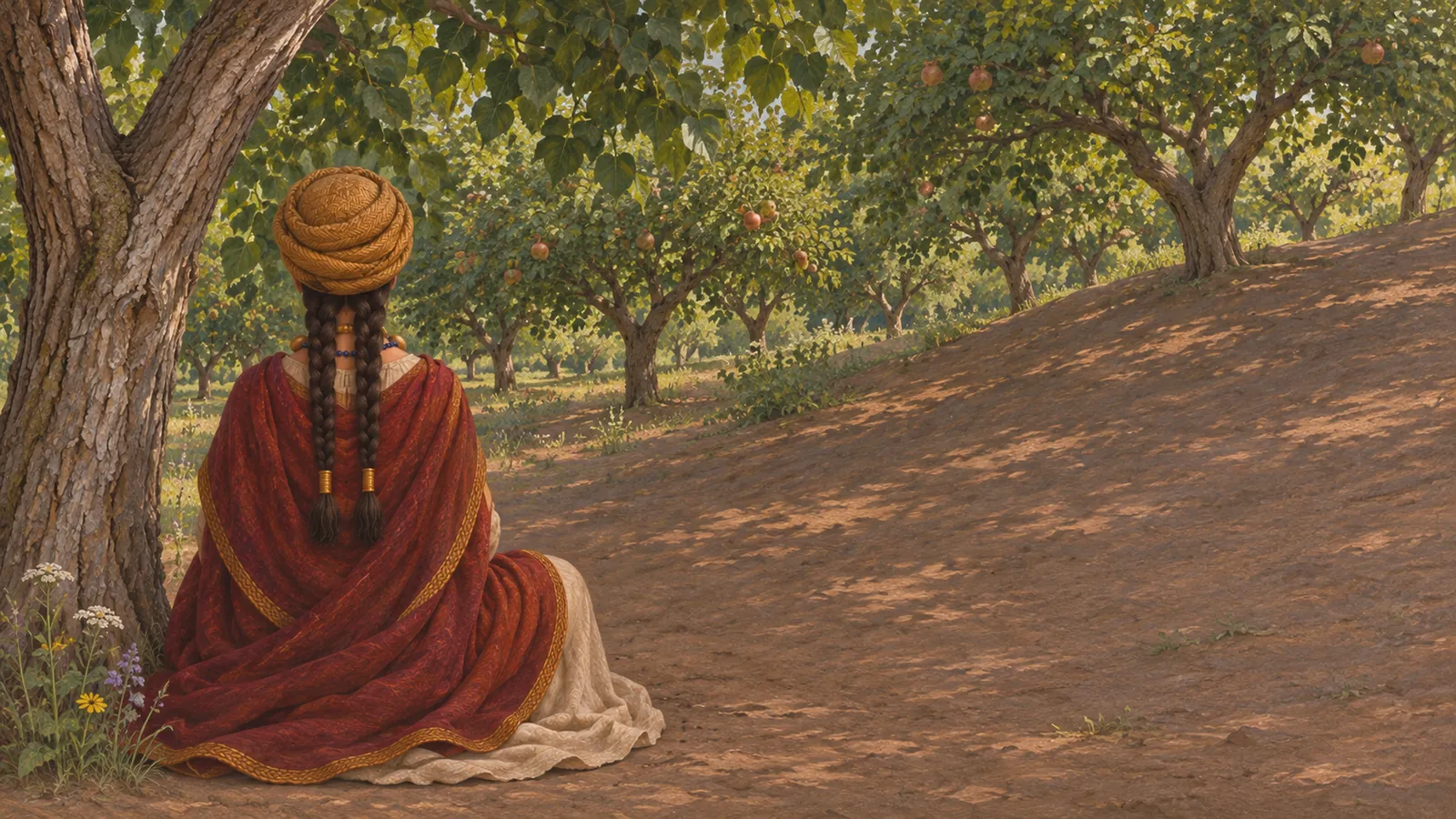
THE POPLAR
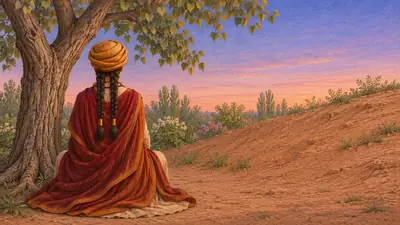
Inanna has travelled through heaven and earth and through Elam and Subir. Tired from her journey, she stops to rest by the poplar.
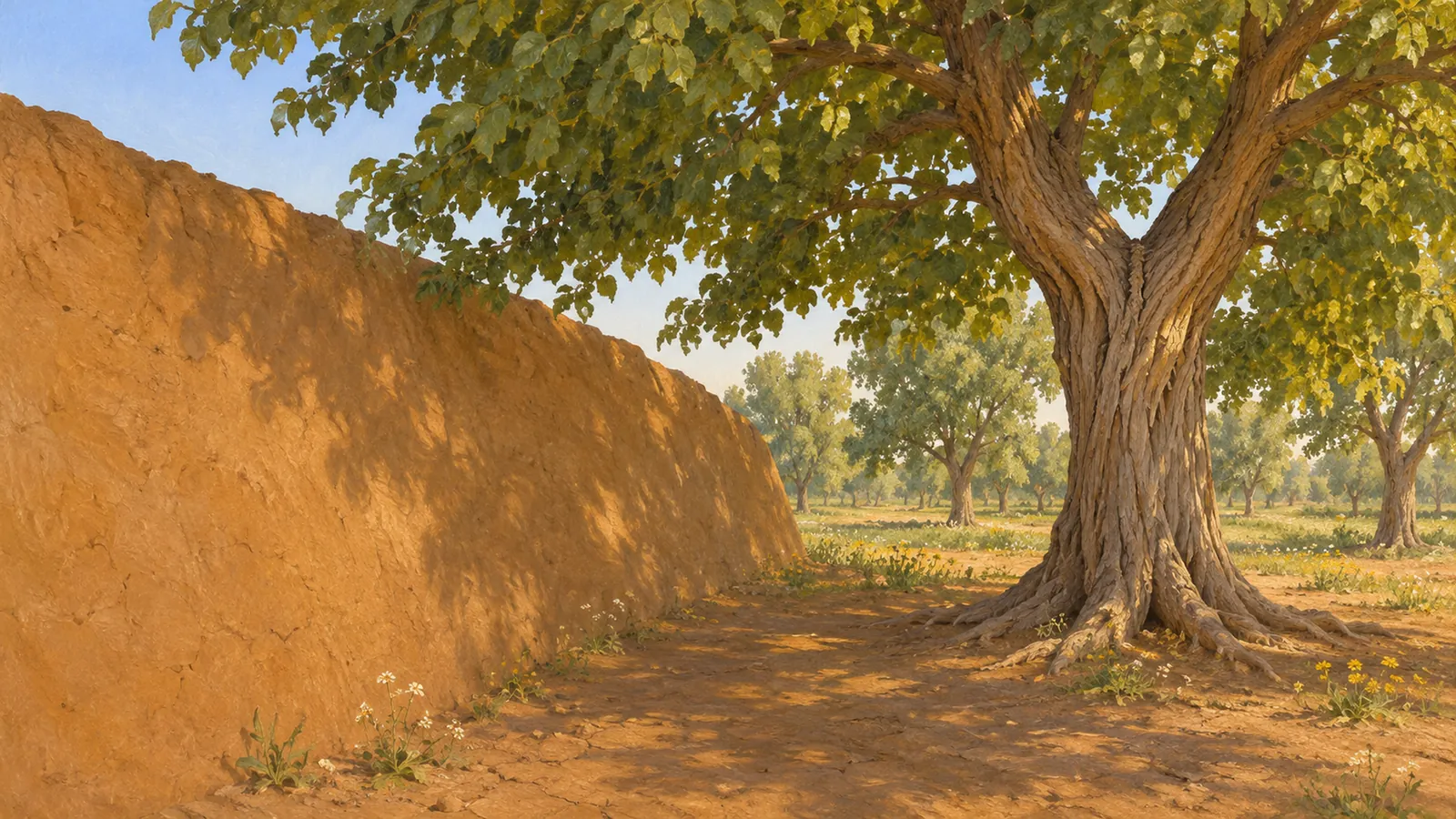
Shukaletuda violated Inanna while she slept. He then went back to his garden plot, leaving her beneath the poplar.
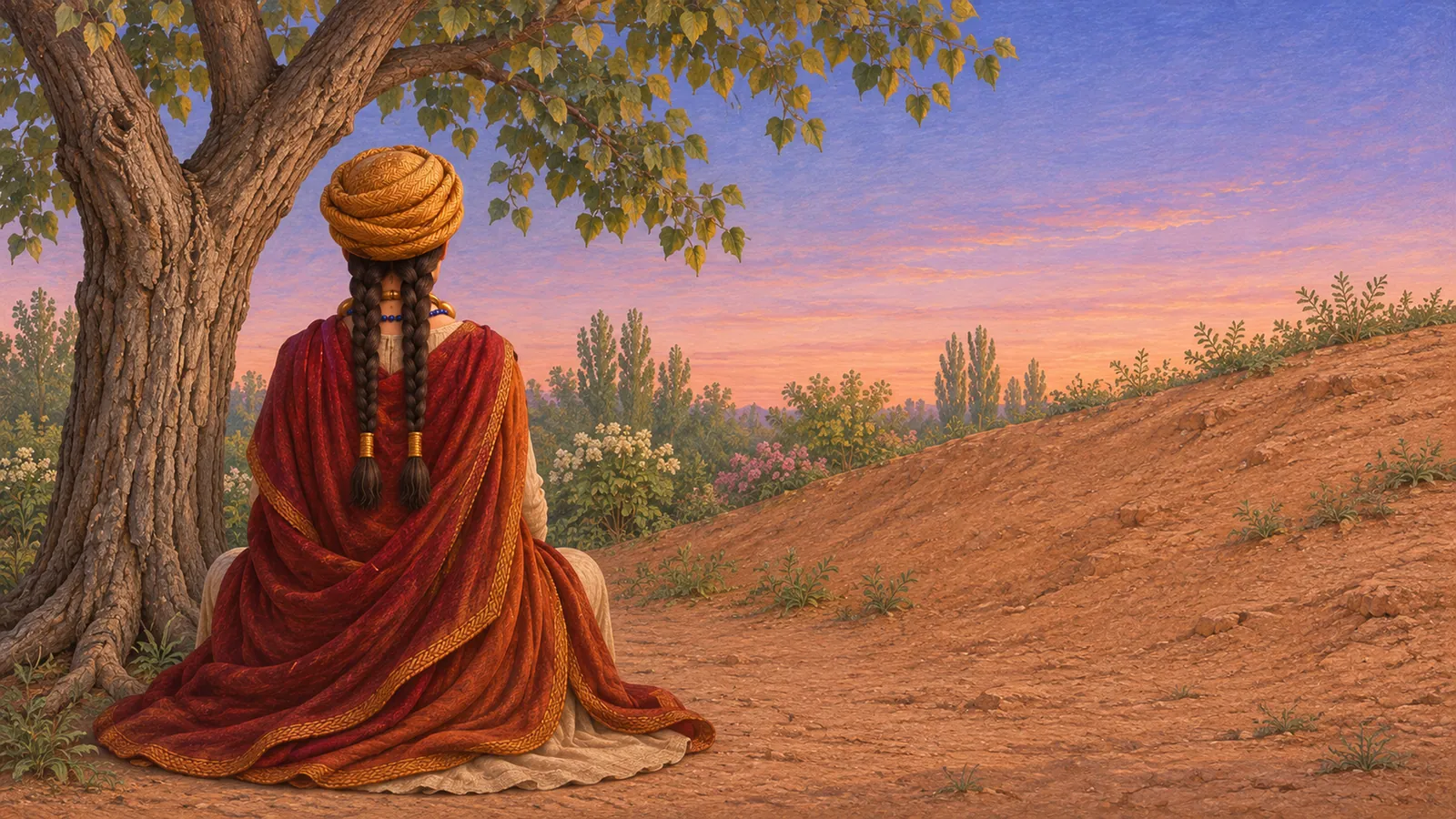
Day breaks and Inanna wakes. She looks closely at herself and becomes aware of what has happened to her.
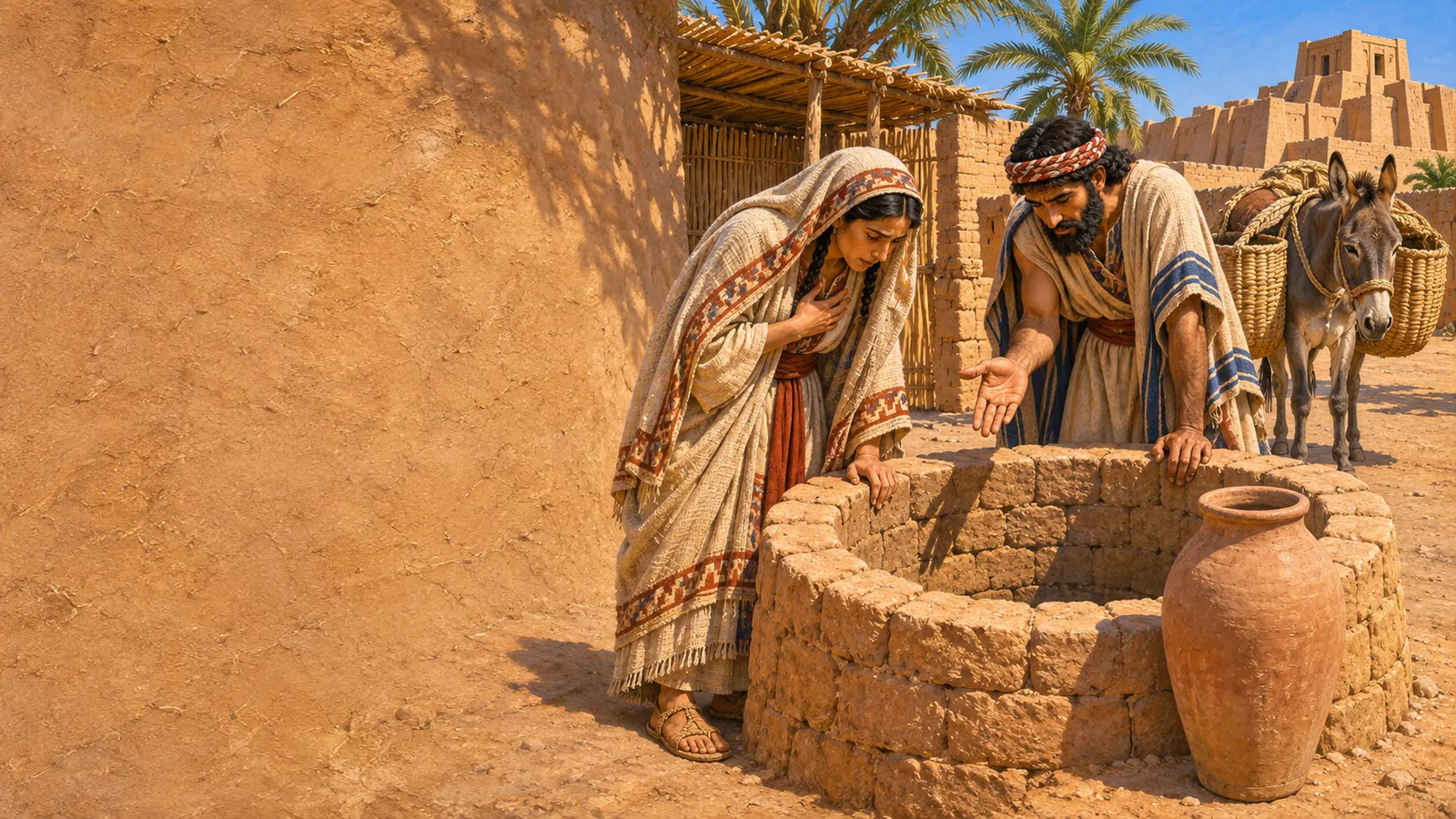
Inanna turns the waters of the land to blood. The poem names the wells and the orchards, and the people who come there for water.
THE SEARCH
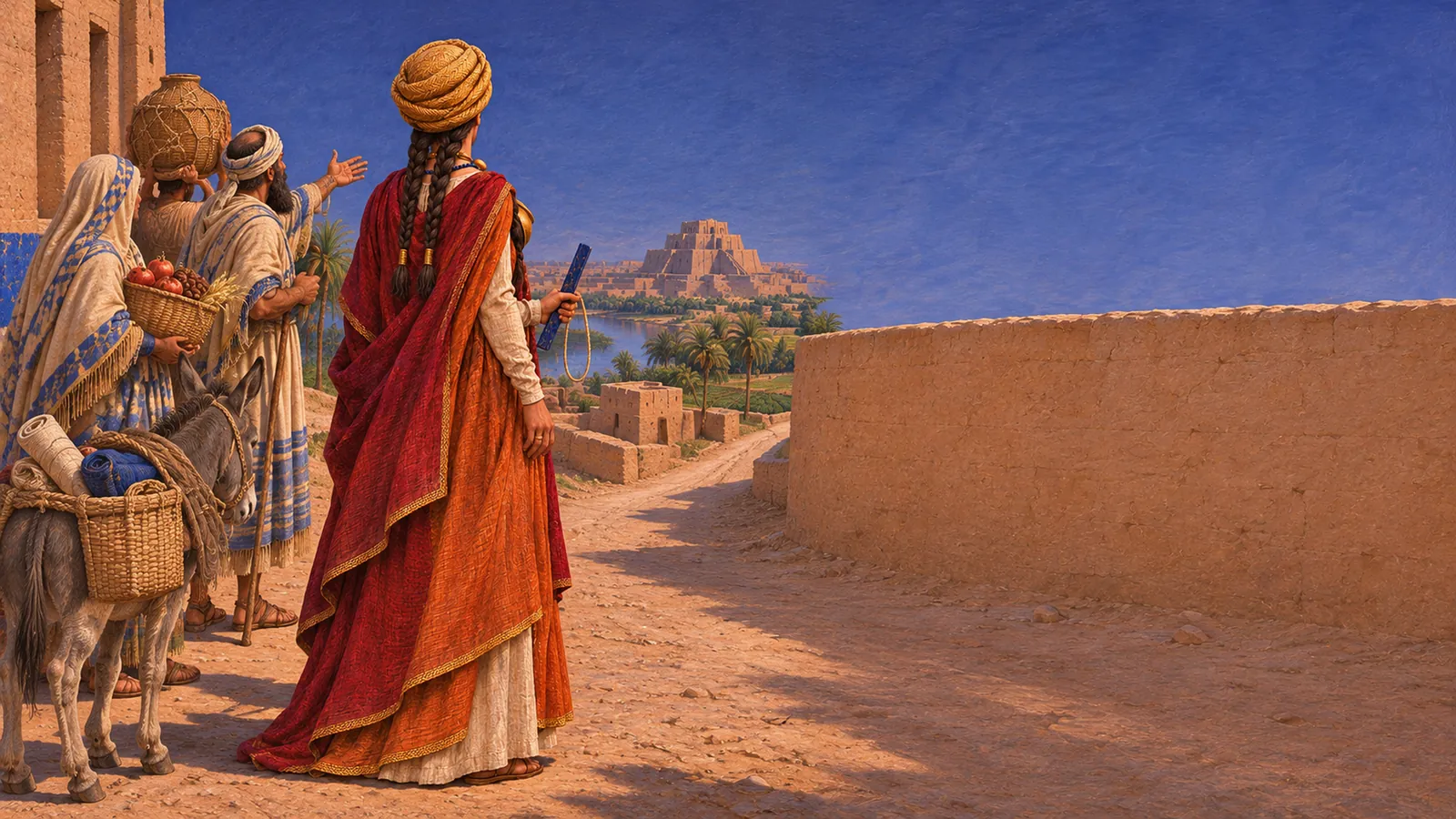
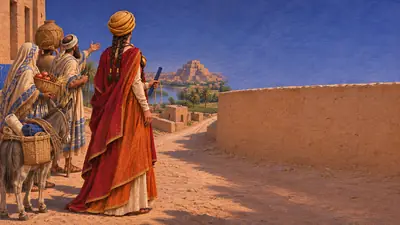
Inanna says she will search the whole land for the man who assaulted her. Her first search ends without finding him.
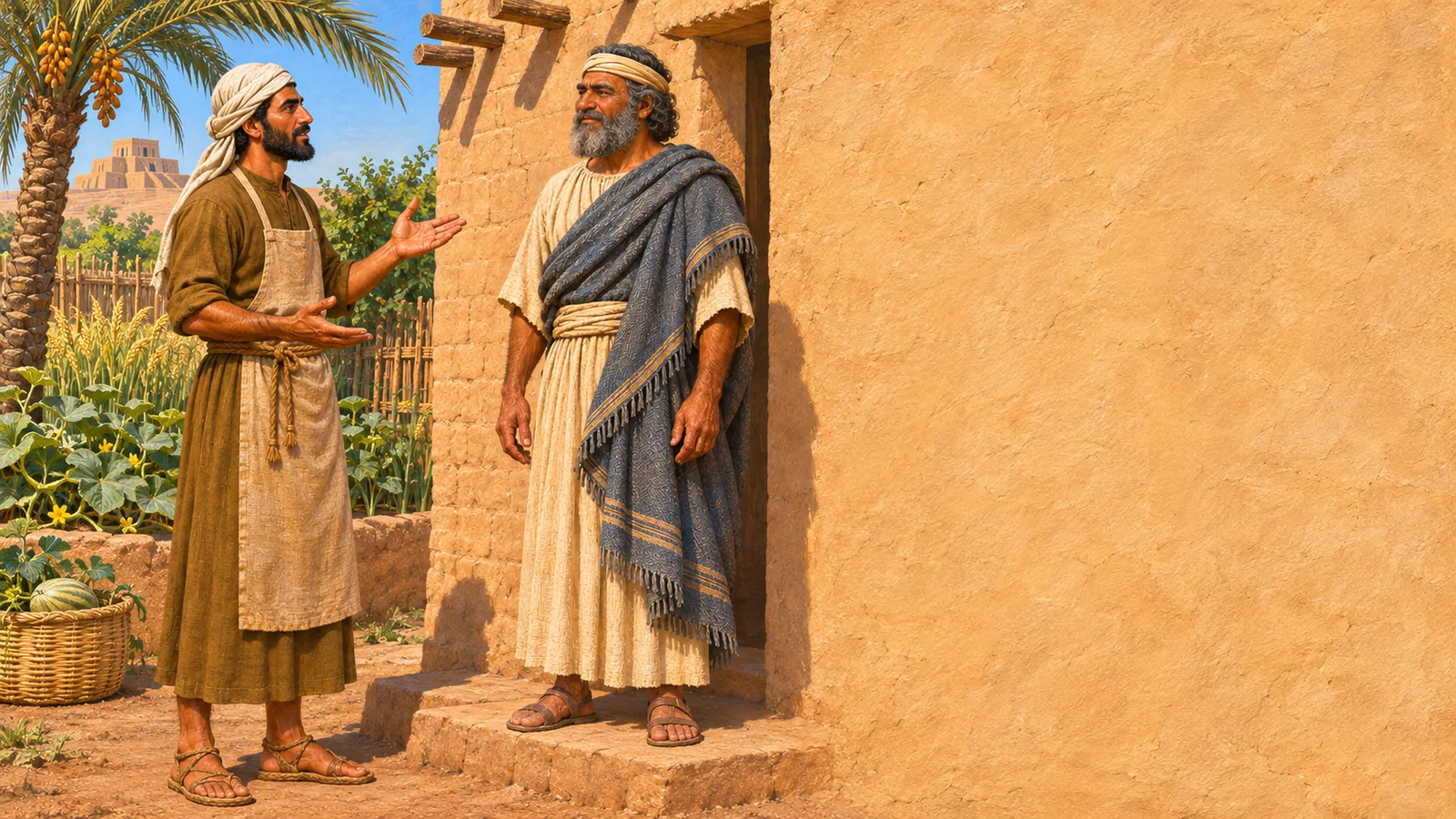
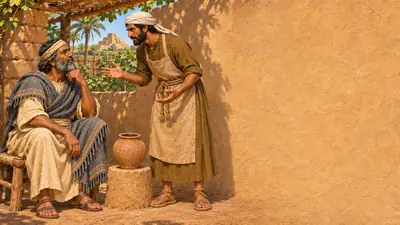
Shukaletuda goes to his father and tells him about the failing garden, the dust in his eyes and the sight of the gods.
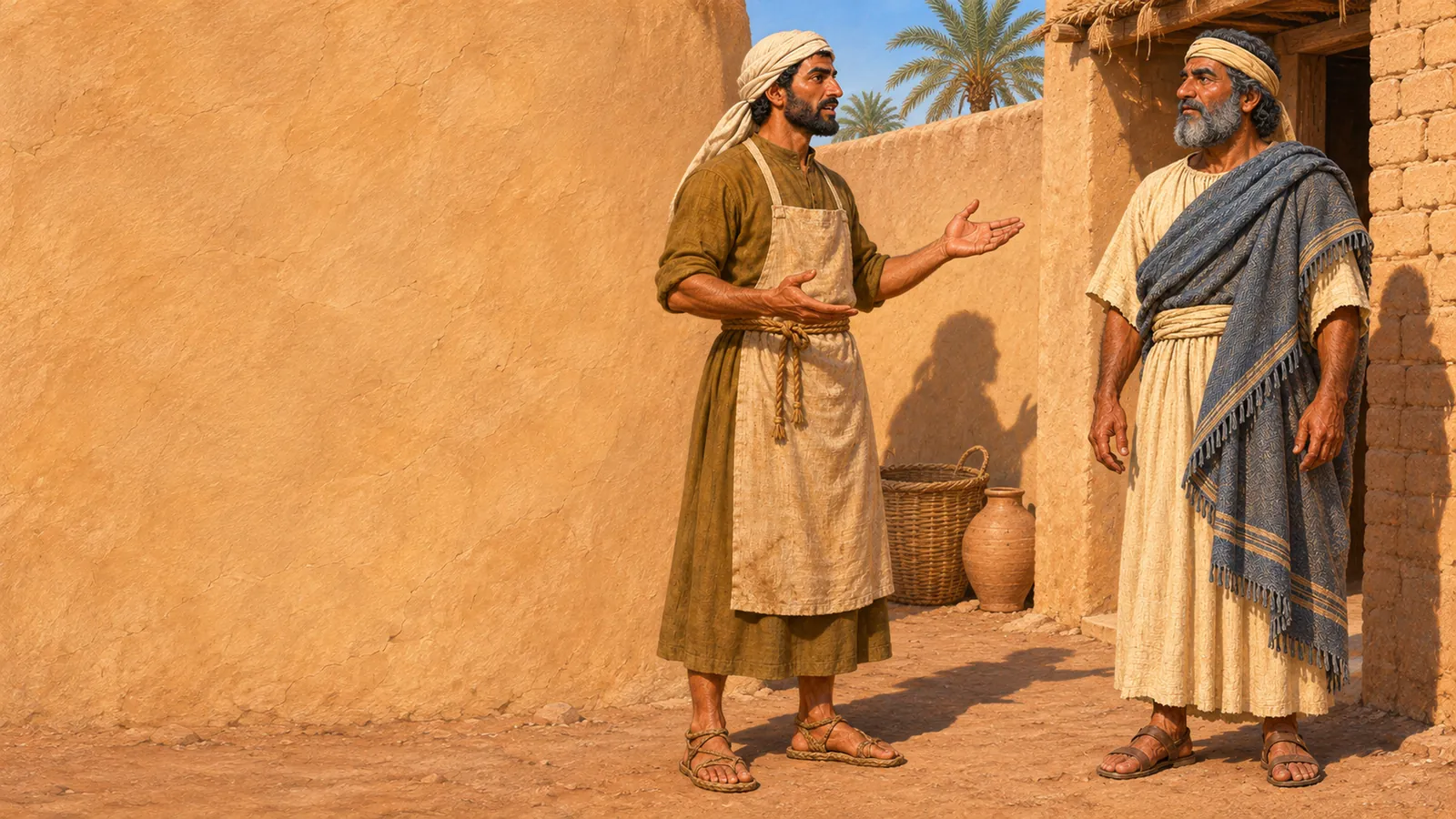
The gardener tells his father that he saw Inanna resting under the poplar. He admits that he assaulted her while she slept, then went back to his plot.
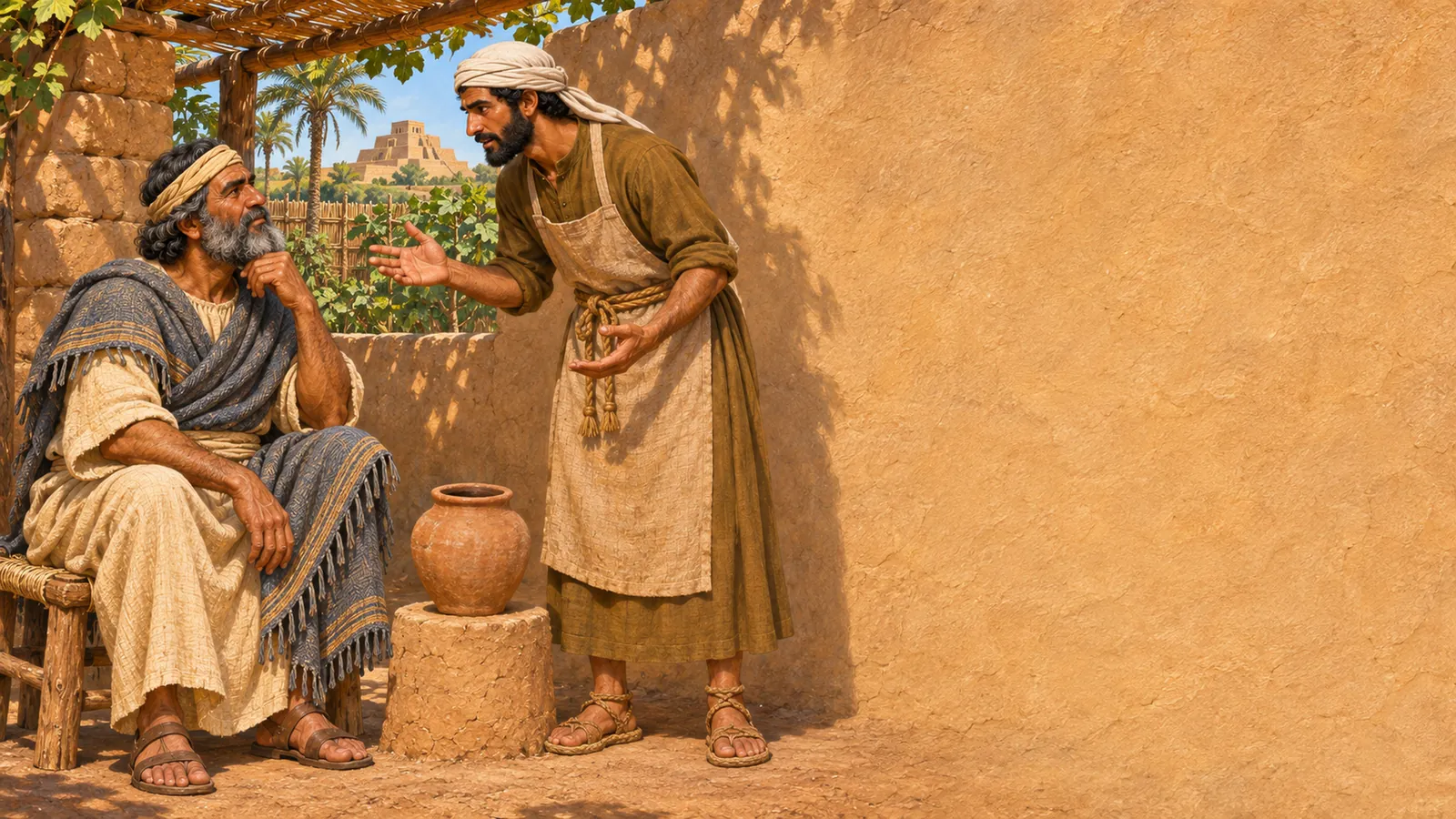
He also tells his father what happened after dawn. He describes the water turned to blood and Inanna’s attempt to find him.
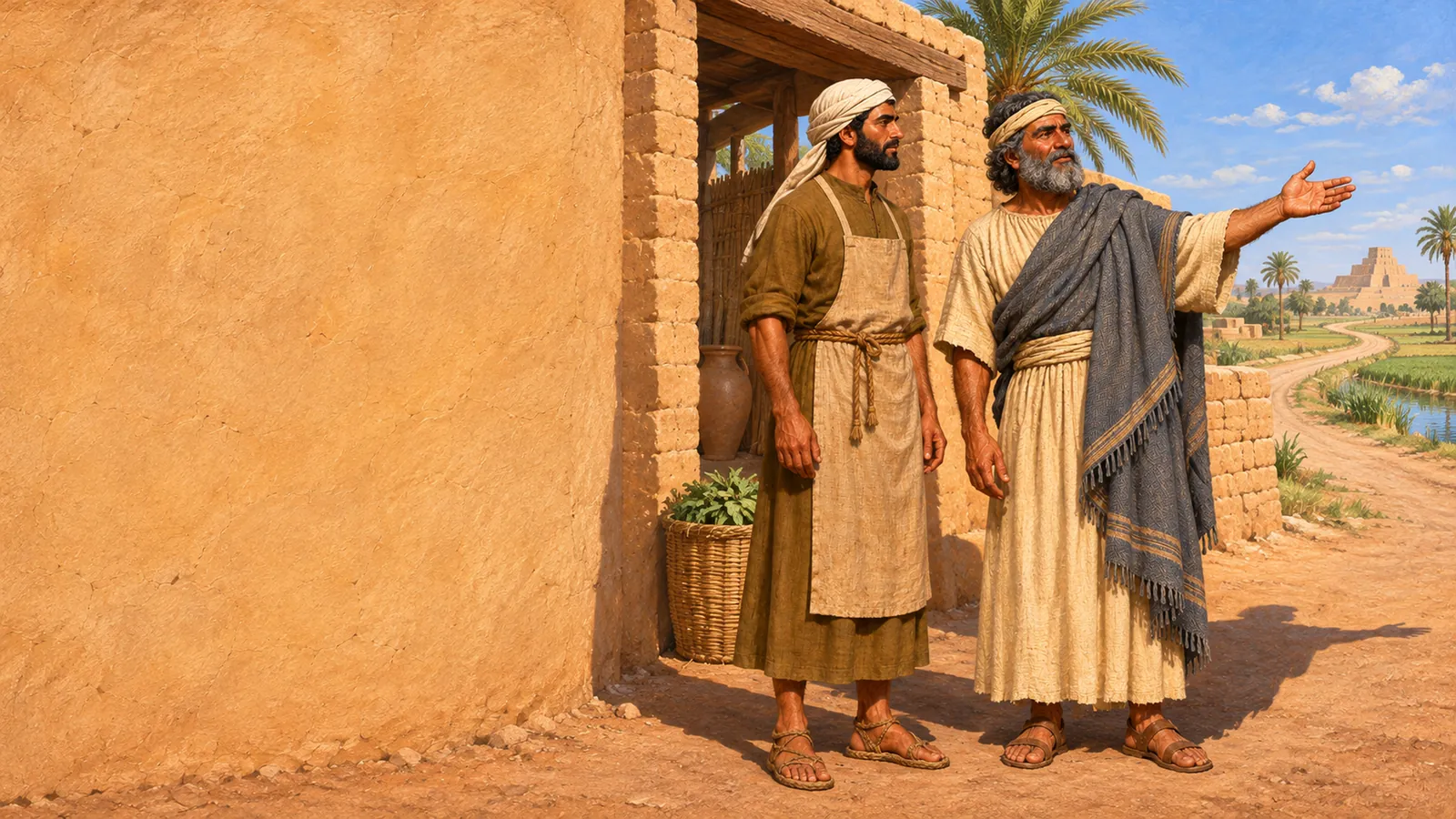
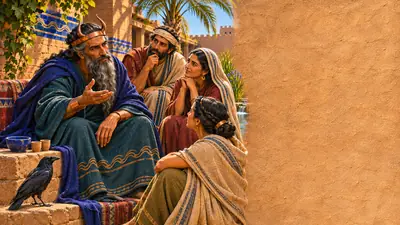
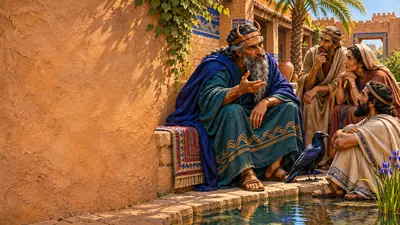
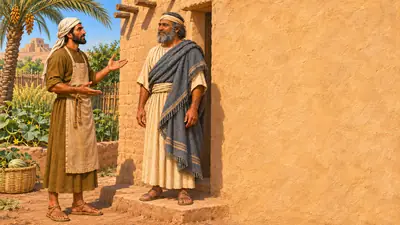
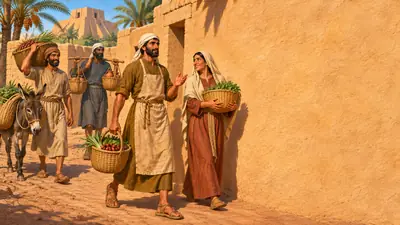
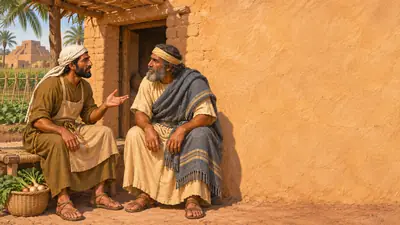
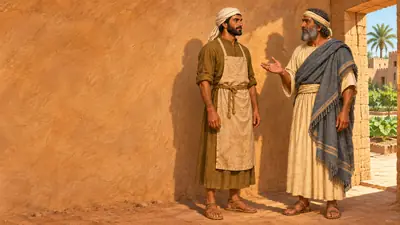
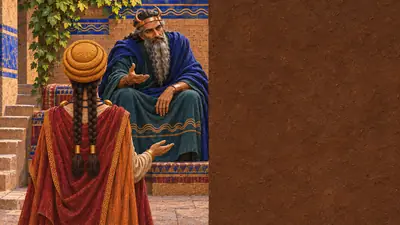
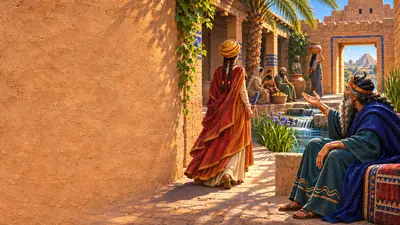
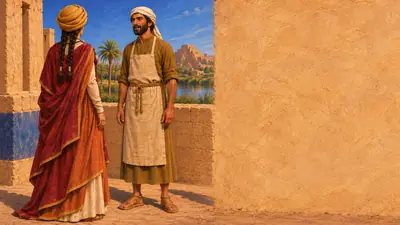
His father tells him to leave the garden and go where the townspeople gather. He says that Inanna will have difficulty finding him there.
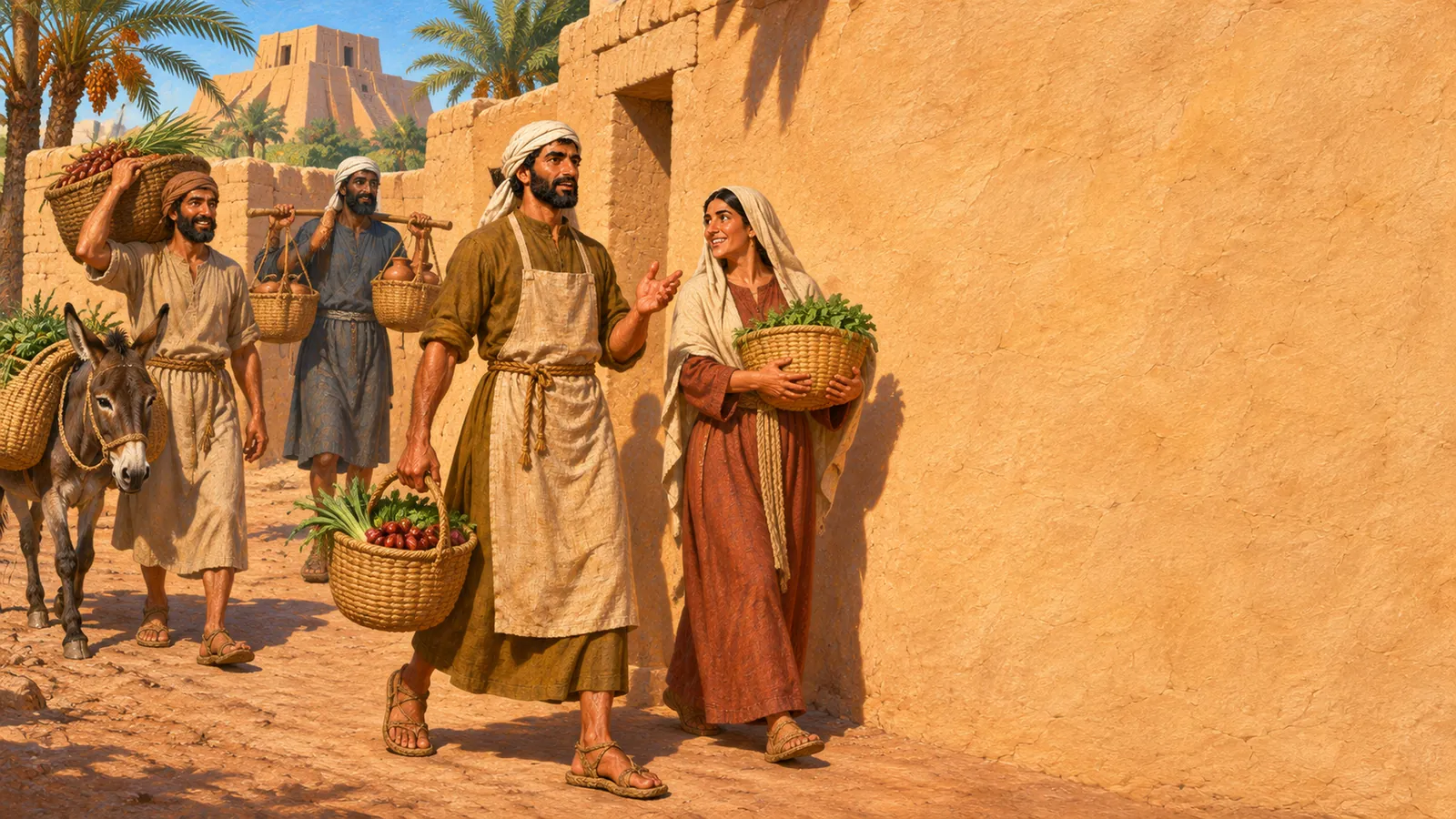
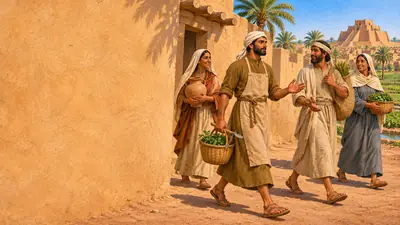
Shukaletuda follows his father’s advice. He leaves the garden and takes his place among the people of the town.
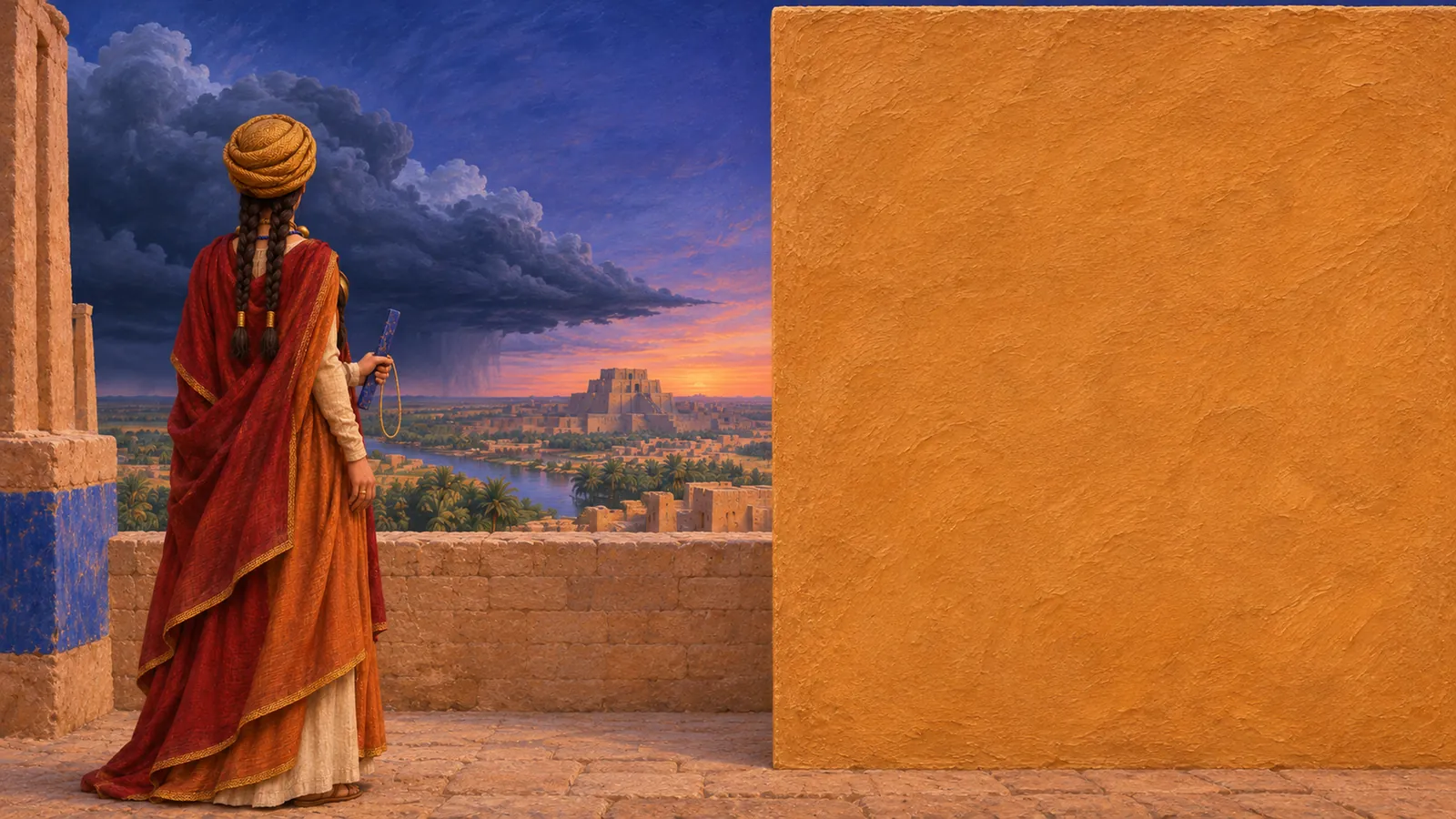
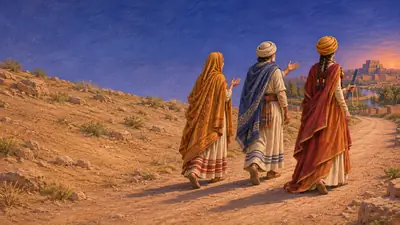
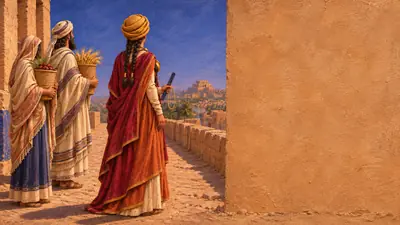
Inanna searches again. A storm cloud rises, and the south wind brings a flood over the land as she looks for Shukaletuda.
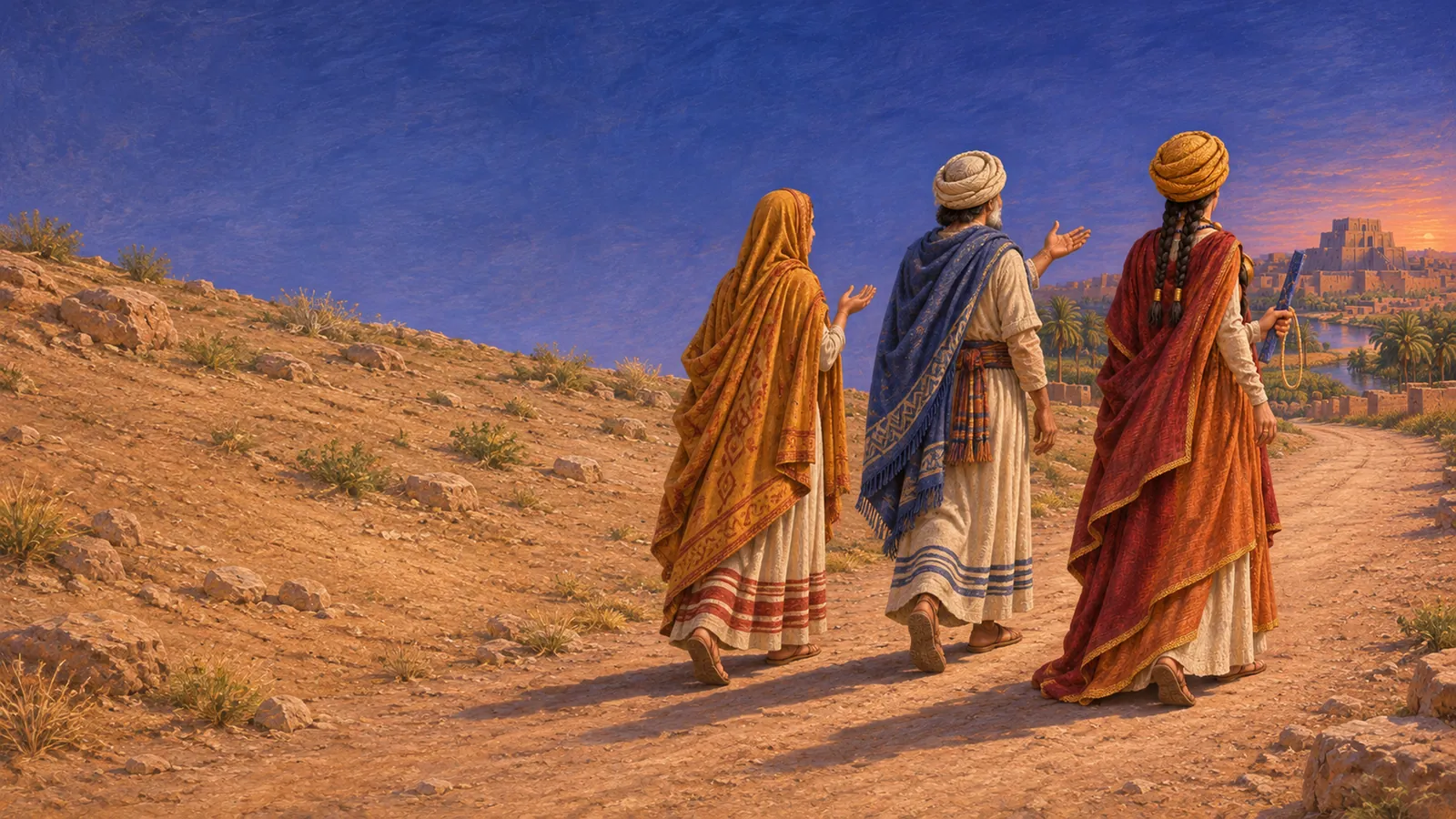
The poem names figures who accompany Inanna on the search. The wording is damaged in places, and parts of their titles are uncertain.
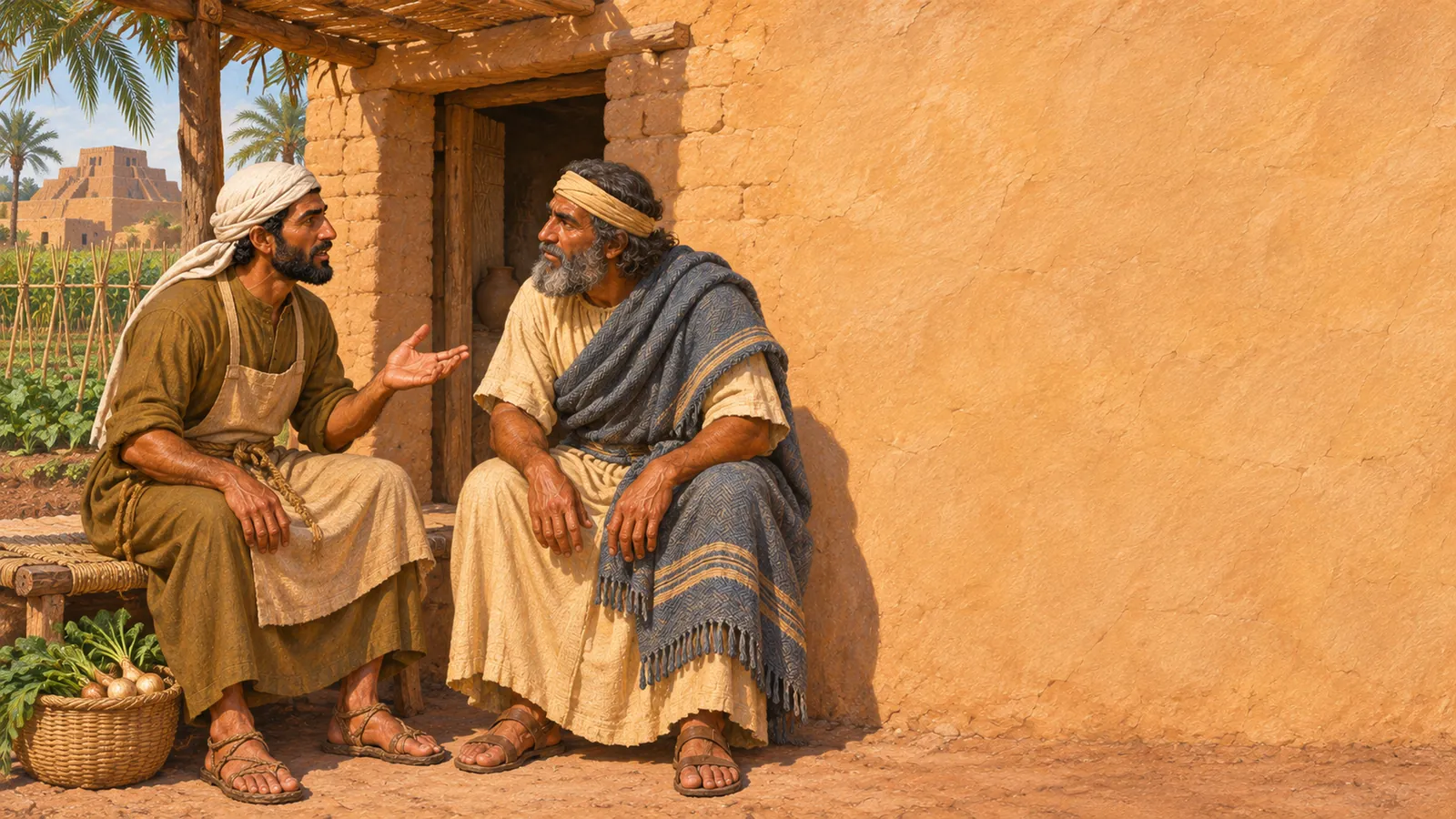
Shukaletuda tells his father about the second search and the storm over the land. He says that Inanna still has not found him.
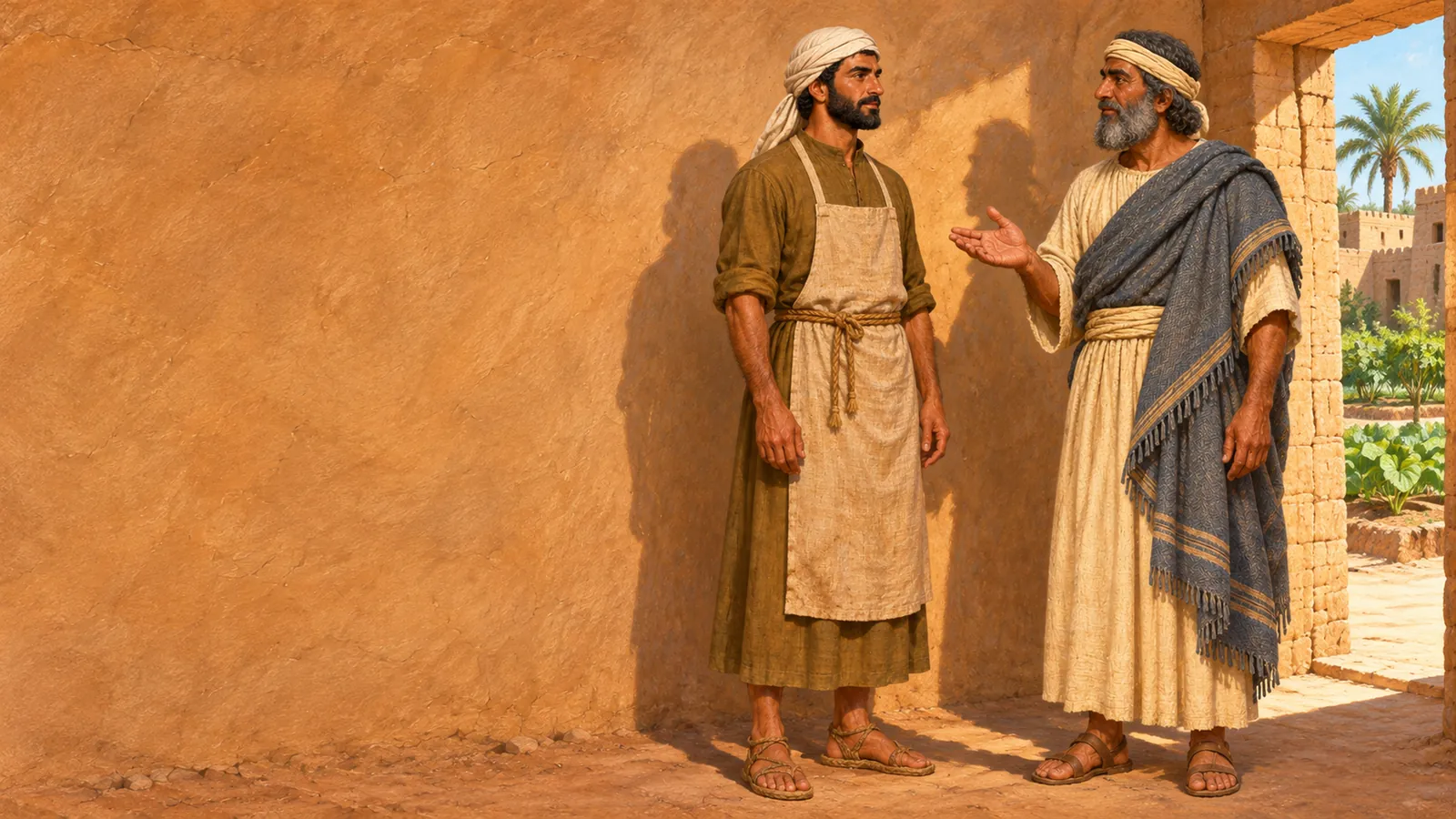
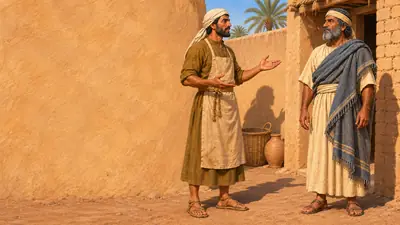
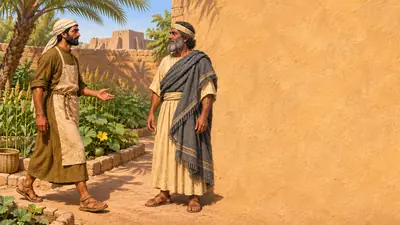
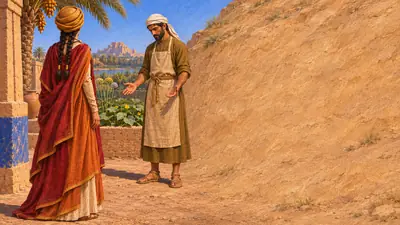
His father gives him the same advice as before. Shukaletuda is to go back among the townspeople and use their company to remain hidden.
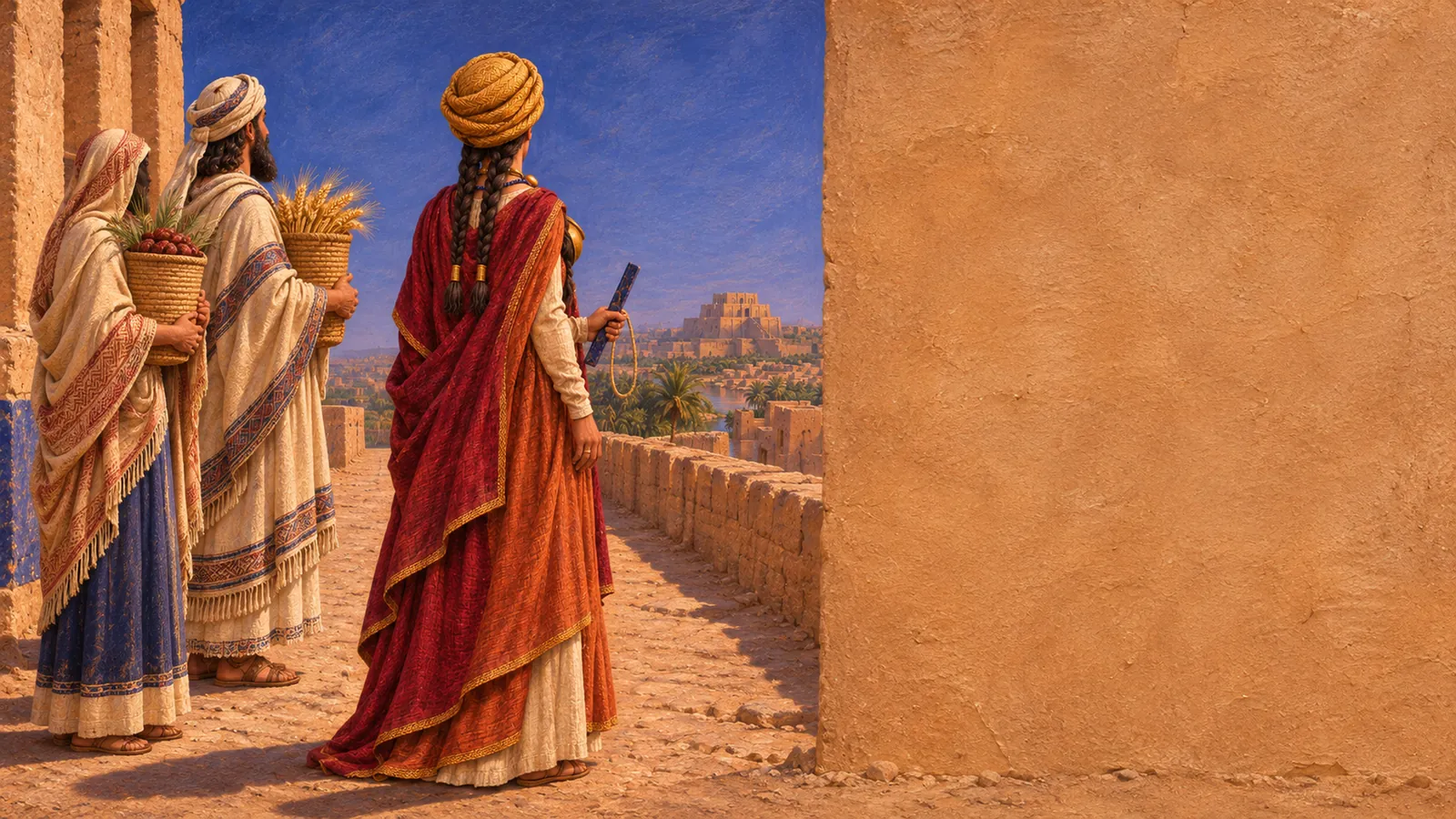
Inanna makes a third search. She blocks the roads of the land, but the surviving lines leave some details of the obstruction unclear.
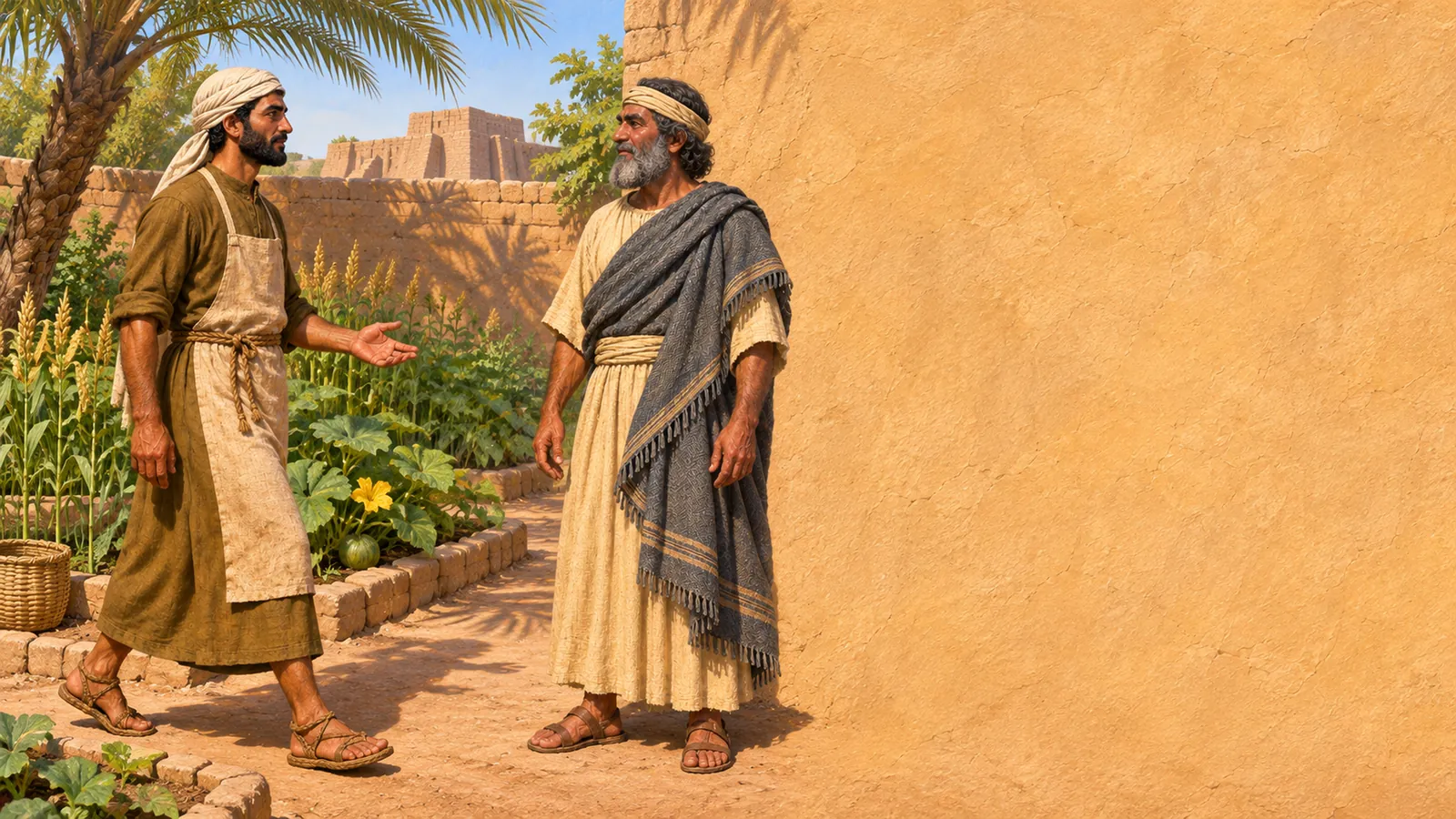
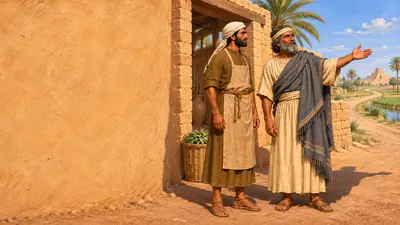
Shukaletuda brings his father word of the blocked roads and of Inanna’s third search. Again he tells his father that she did not find him.
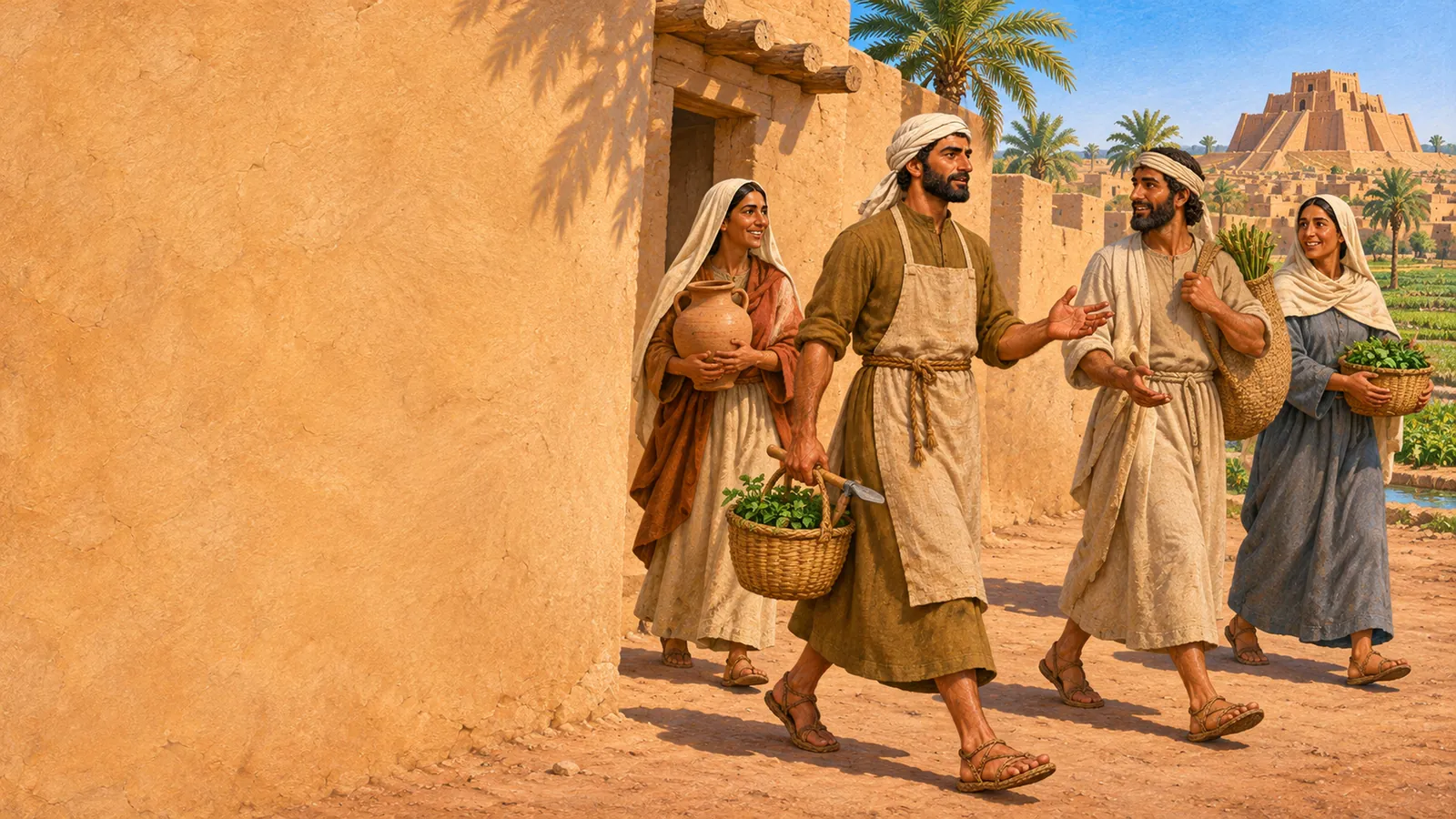
His father again tells him to go among the people of the town. Shukaletuda returns to the crowd once more.

At daybreak Inanna asks who will make amends to her. Her search now takes her to Enki, whose help she seeks.
ENKI
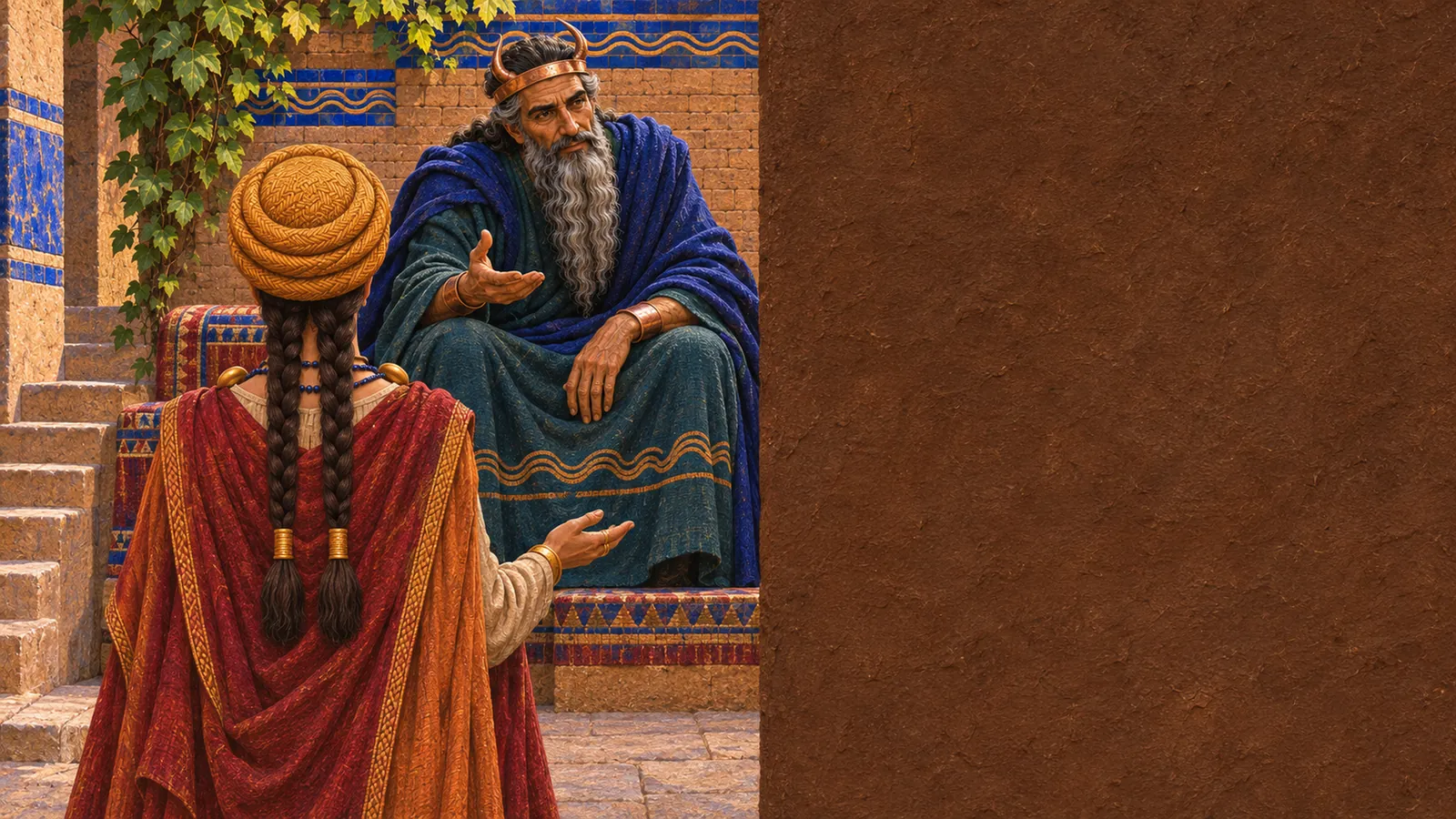
Inanna comes before Enki in the abzu at Eridu. She asks for his help in finding the man who assaulted her.
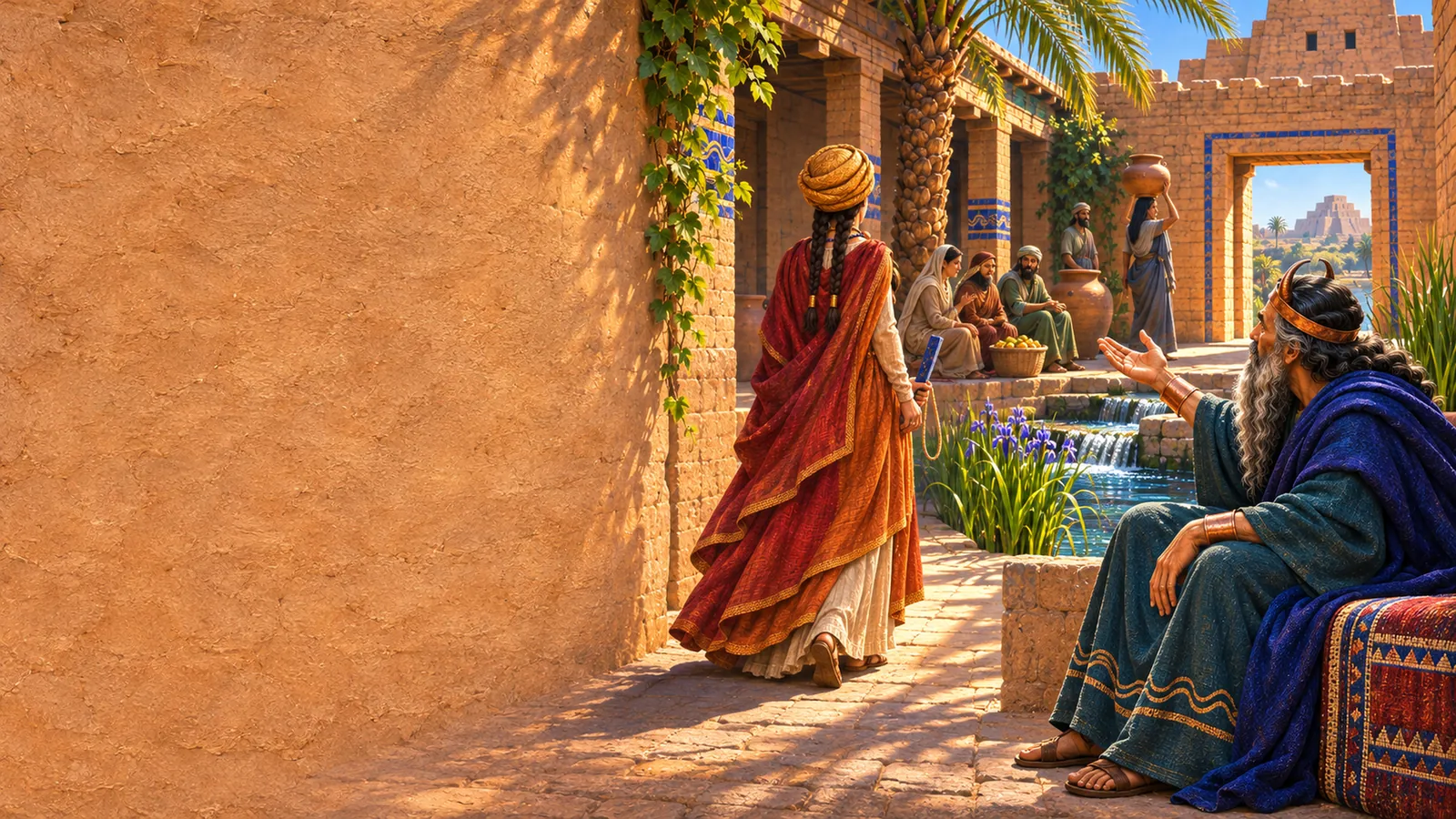
Enki agrees to her request. Inanna leaves the abzu and returns to the search with his word.
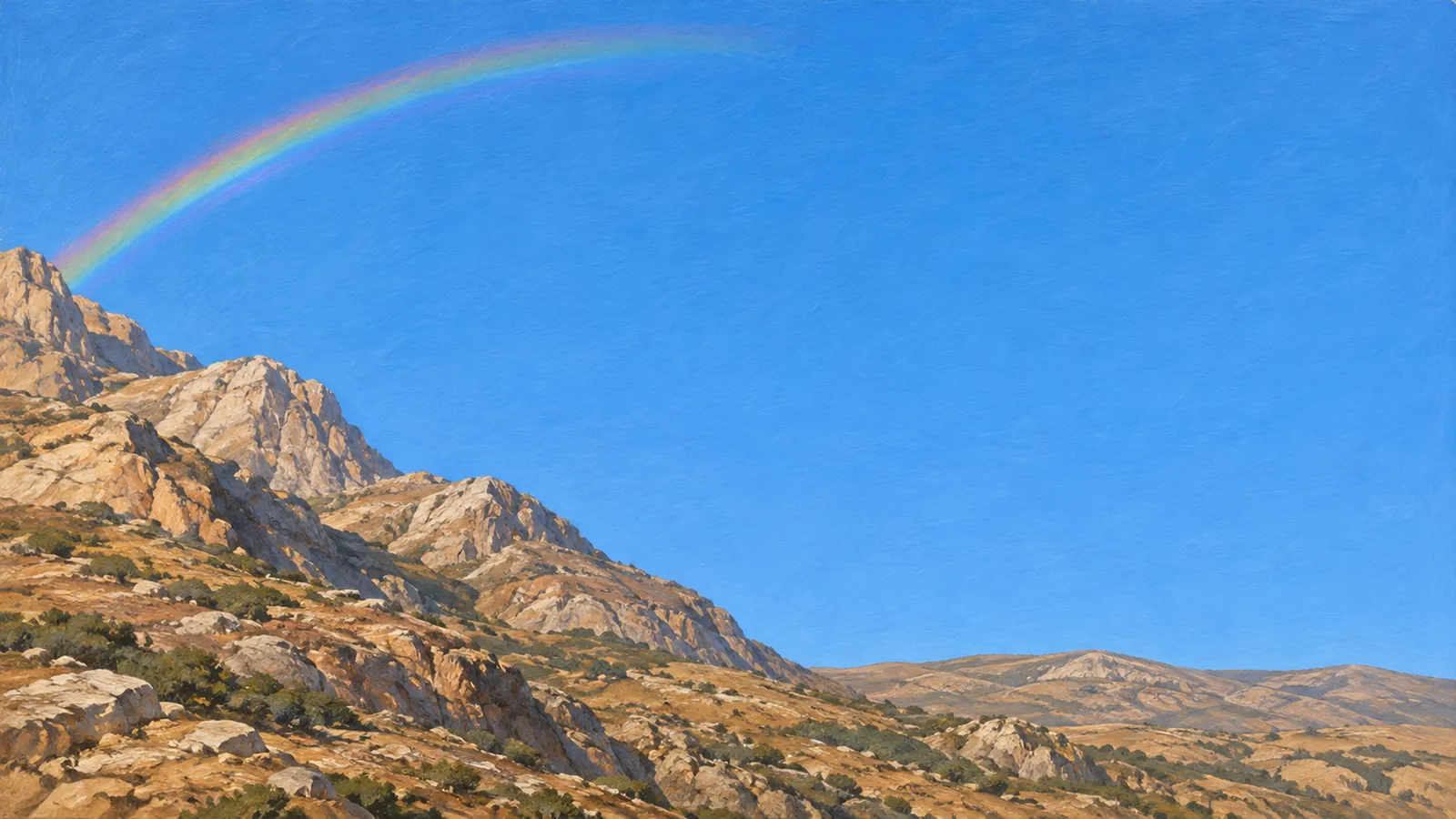
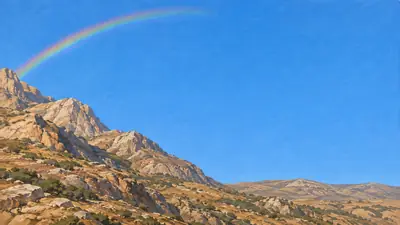
The poem likens Inanna to a rainbow as she spans the sky. It invokes the north and south winds as she searches.
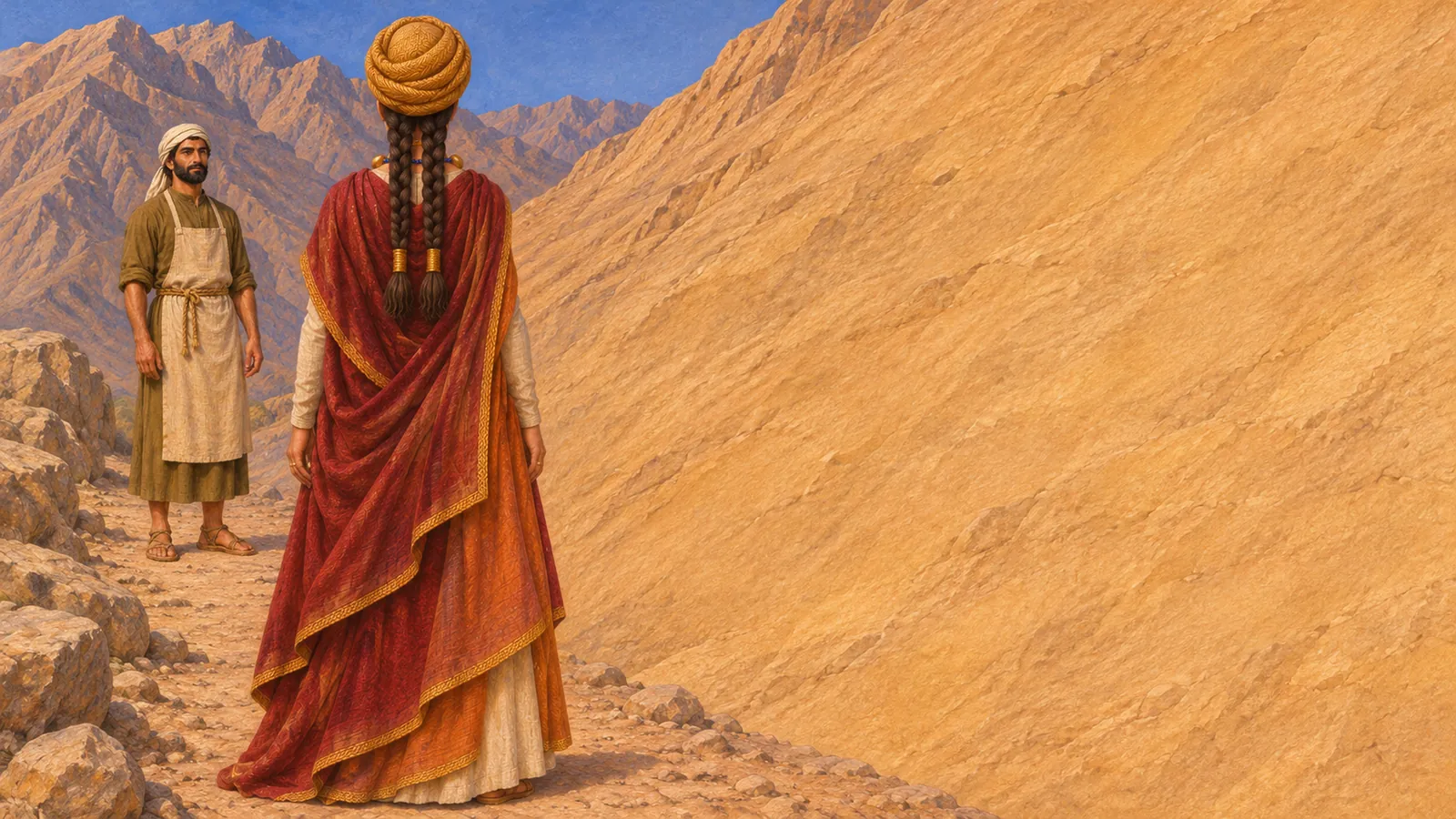
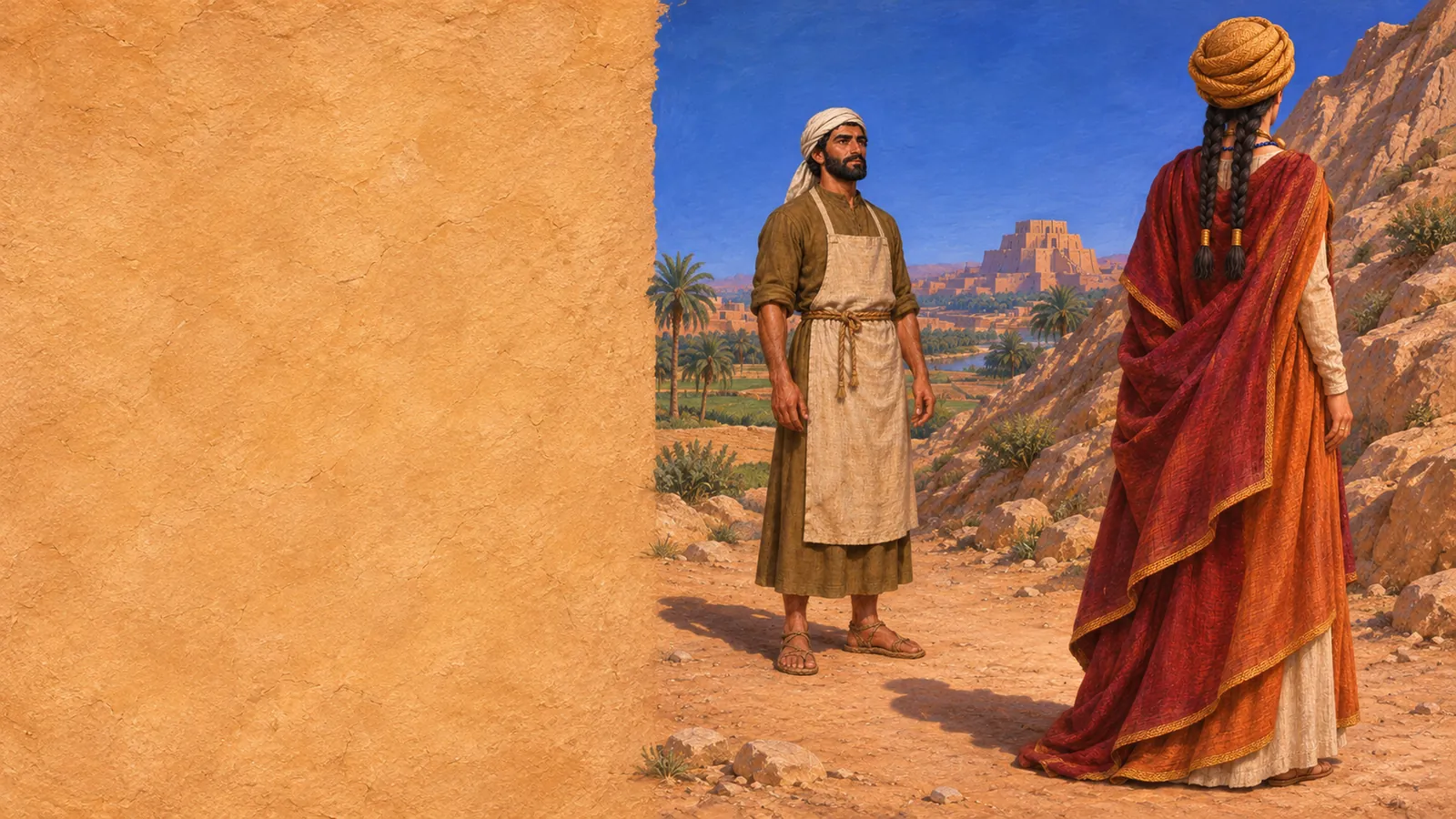
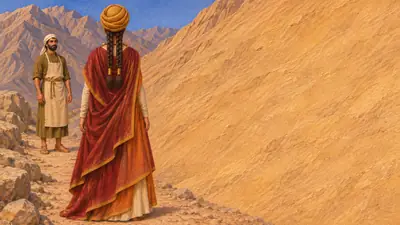
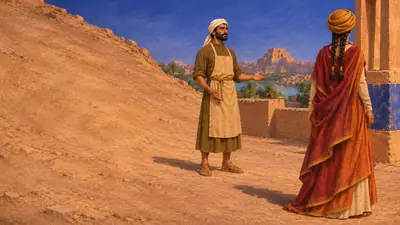
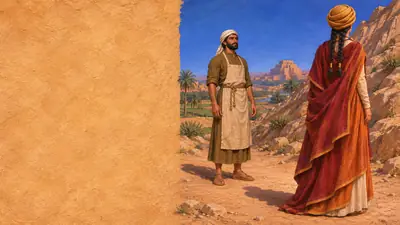
Inanna finally finds Shukaletuda in the mountains. He is trying to make himself small, and this time she sees him.
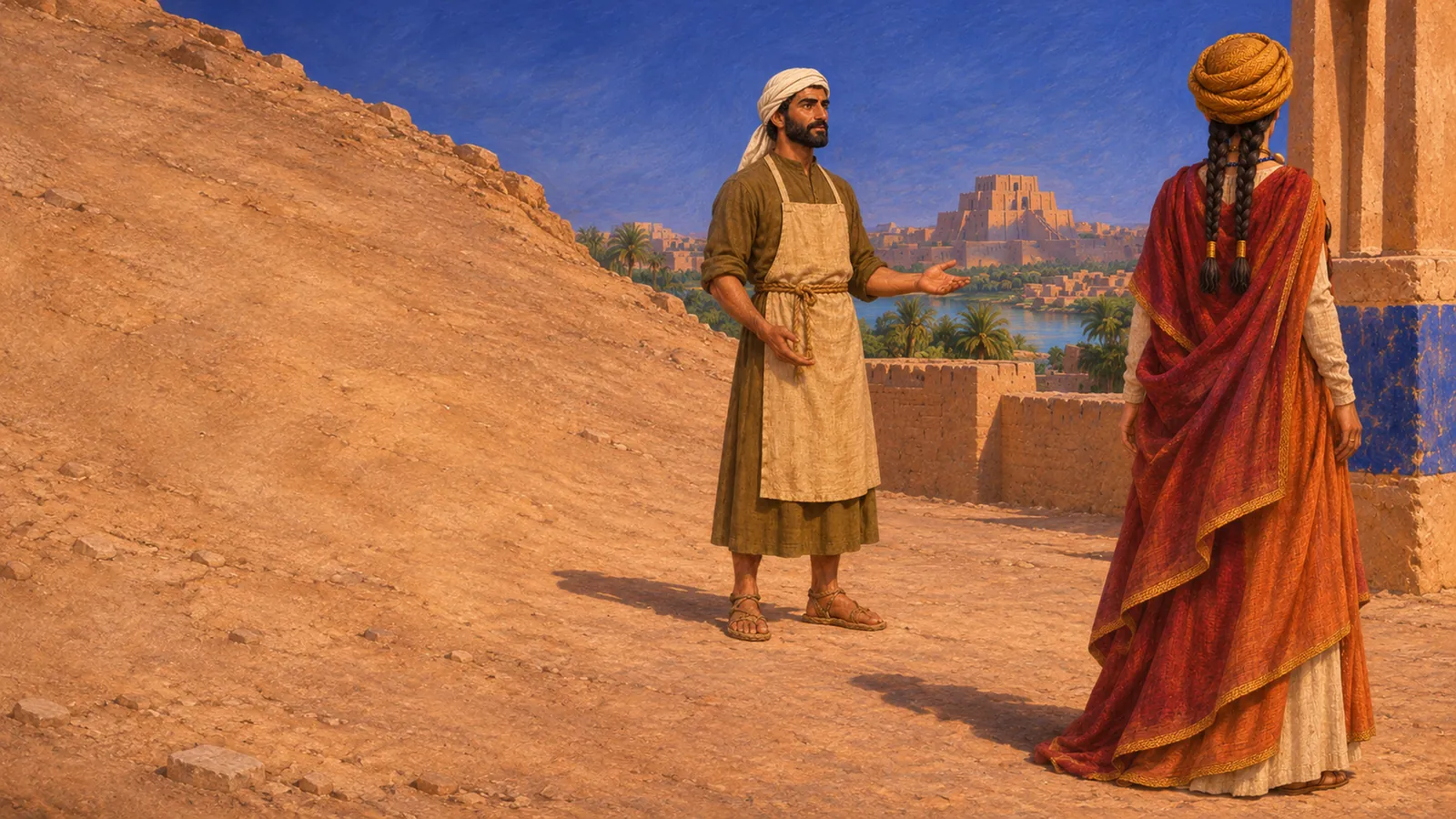
Inanna addresses the man she has found. Only parts of her words survive here, before the poem turns to his reply.
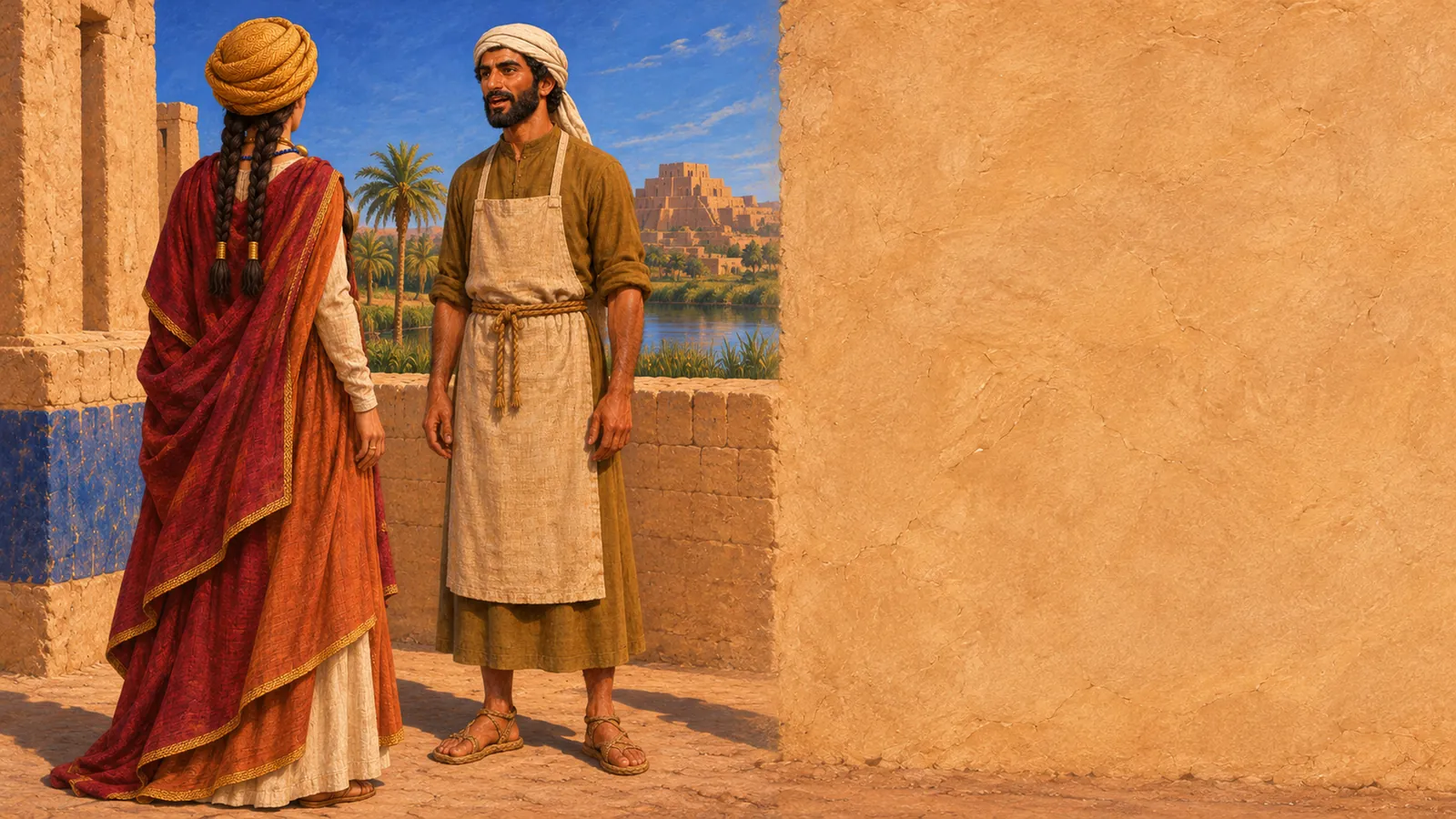
He tells Inanna about the failing garden and the dust in his eyes. He speaks again of the divine sight and the poplar’s shade.
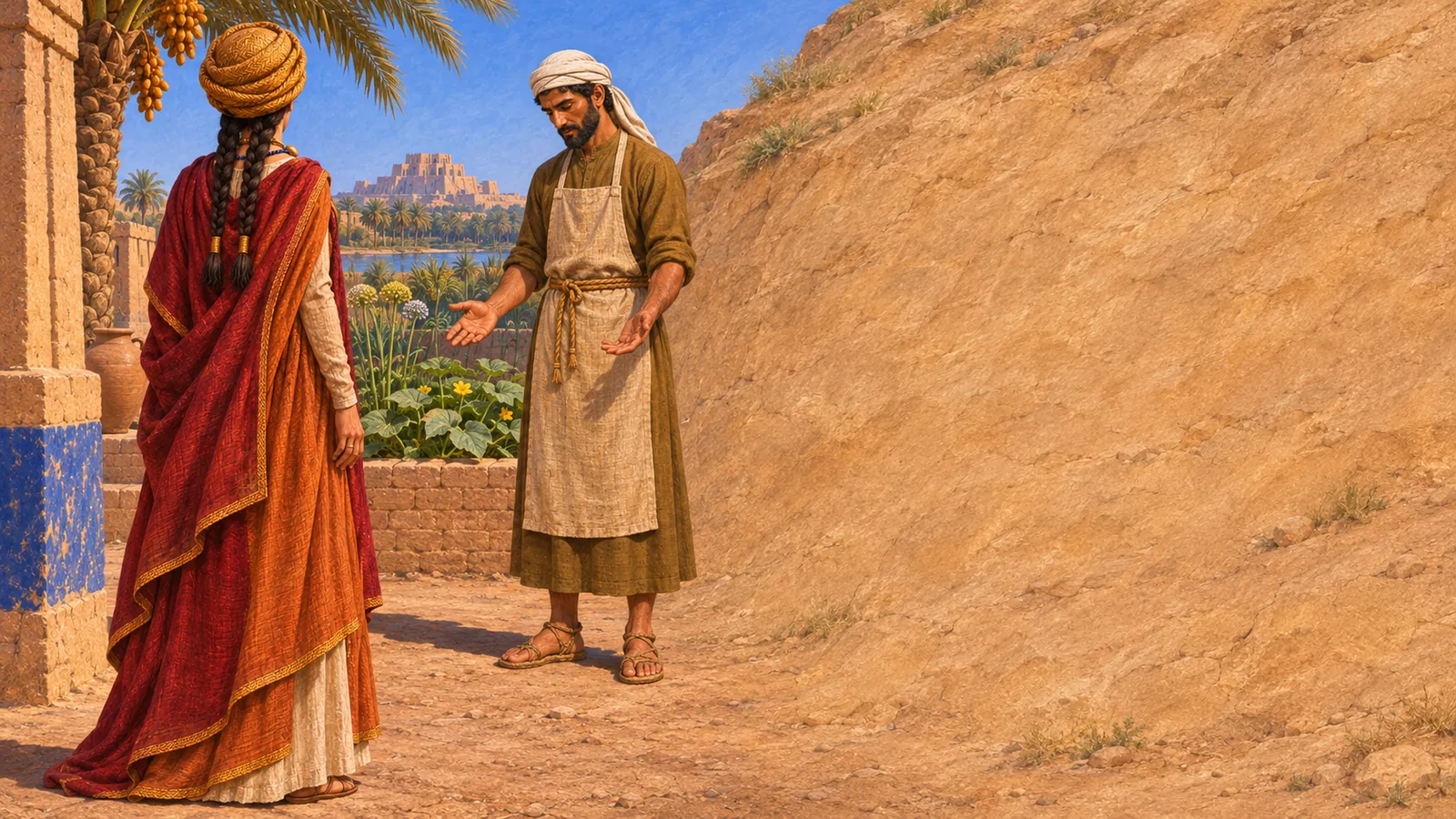
Shukaletuda tells Inanna that he saw her beneath the poplar. He admits that he violated her while she slept and then returned to his garden plot.
THE JUDGMENT
Inanna declares Shukaletuda’s fate. In one reading she says that he must die, but the line that follows these words is damaged.
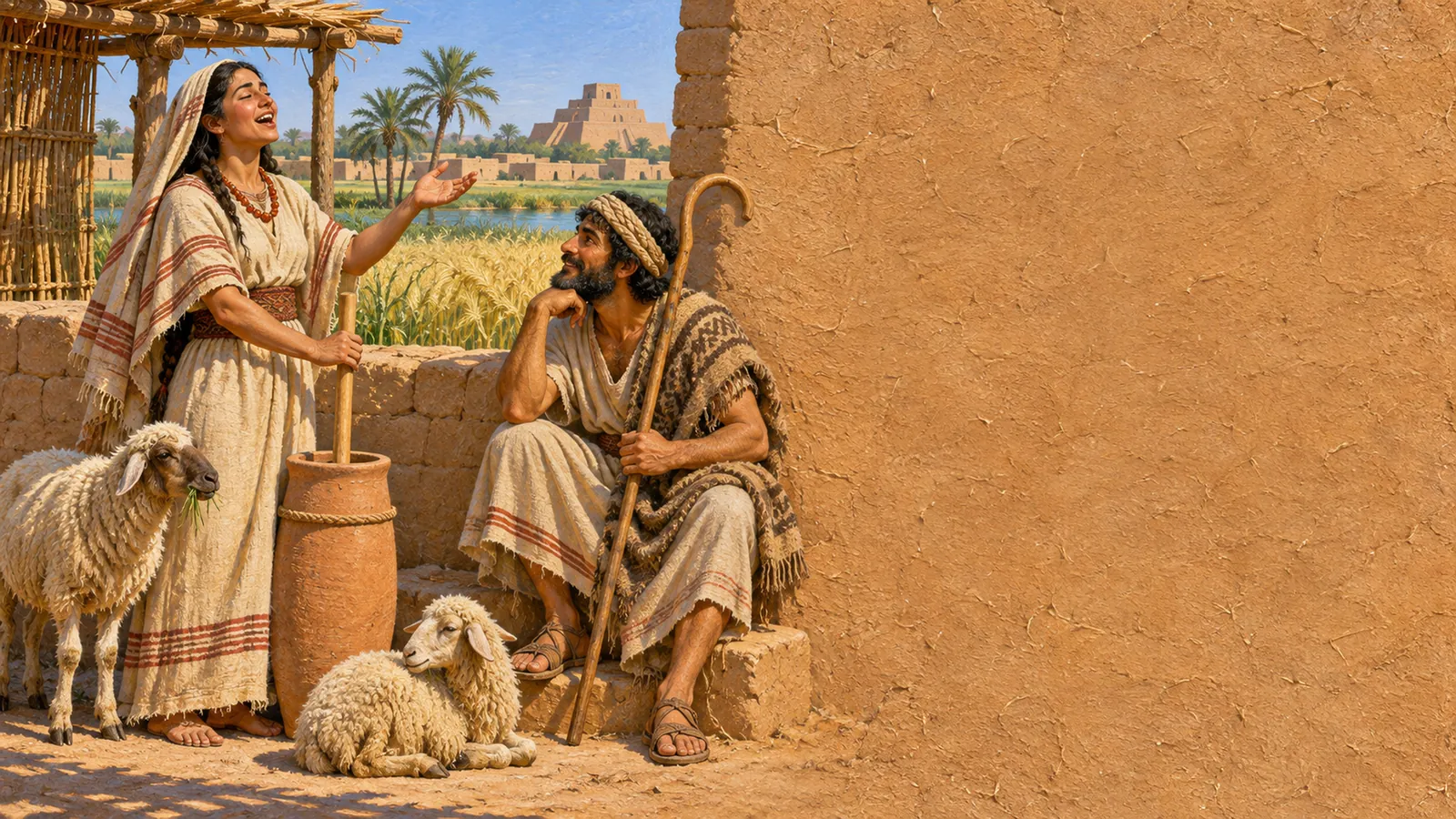
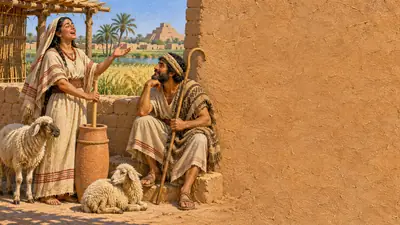
Inanna says his name will live on in song. A singer will sing it, and a shepherd will speak it at the butter churn.
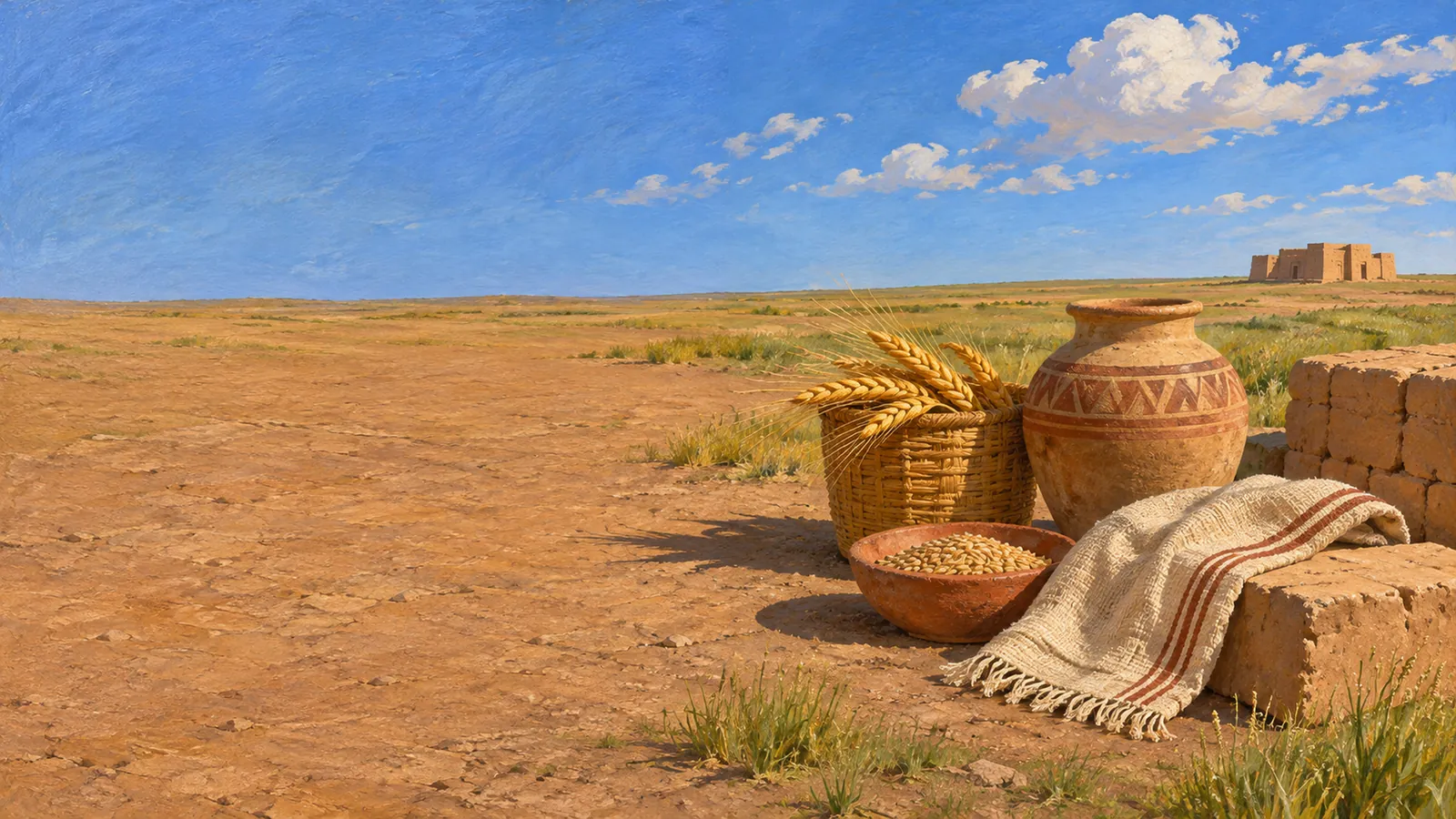
The poem names a palace of the steppe near its damaged close. Some words are lost, and the last preserved formula praises Inanna.
End of chapter 1
All pages

Sources
Adapted from all 310 lines of Oxford ETCSL 1.3.3, with the Sumerian composite, manuscripts, Attinger’s edition and Pintér’s reading of the ending.
Editions consulted
- Oxford ETCSL, complete English translation
- Oxford ETCSL, Sumerian composite
- CDLI, N 3551 from Old Babylonian Nippur
- CDLI, Sumerian composition Q000340
- Attinger, Innana et Shukaleduda, revised 2017
- Pintér, The Wording of Inana’s ‘Blessing’, 2022
Ancient lines behind each page
- Page 1: Oxford ETCSL 1.3.3, 1–3
- Page 2: Oxford ETCSL 1.3.3, 4–10
- Page 3: Oxford ETCSL 1.3.3, 11–14
- Page 4: Oxford ETCSL 1.3.3, 15–22
The named precincts are E-ana in Uruk and the giguna in Zabalam. - Page 5: Oxford ETCSL 1.3.3, 23–41
- Page 6: Oxford ETCSL 1.3.3, 42–51
- Page 7: Oxford ETCSL 1.3.3, 52–58
The material and ingredients are named. The verbs for processing the kohl are uncertain in Oxford. - Page 8: Oxford ETCSL 1.3.3, 59–65
A variant uses a different verb for the growth compared to a leek stalk. - Page 9: Oxford ETCSL 1.3.3, 66–71
- Page 10: Oxford ETCSL 1.3.3, 72–76
The exact application of kohl to the plant remains uncertain. - Page 11: Oxford ETCSL 1.3.3, 77–87
- Page 12: Oxford ETCSL 1.3.3, 88–90
- Page 13: Oxford ETCSL 1.3.3, 91–98
The opening name and kinship wording is damaged. - Page 14: Oxford ETCSL 1.3.3, 99–104
- Page 15: Oxford ETCSL 1.3.3, 103–111
- Page 16: Oxford ETCSL 1.3.3, 106–111
The poem specifies a Euphrates poplar and unusually persistent shade. - Page 17: Oxford ETCSL 1.3.3, 112–119
The route names Elam and Subir before the goddess lies down under the tree. - Page 18: Oxford ETCSL 1.3.3, 120–128
- Page 19: Oxford ETCSL 1.3.3, 127–130
- Page 20: Oxford ETCSL 1.3.3, 129–135
The poem names an enslaved wood gatherer, an enslaved woman drawing water and the wider populace. - Page 21: Oxford ETCSL 1.3.3, 136–138
- Page 22: Oxford ETCSL 1.3.3, 139–159
A manuscript changes the number of earlier visits to the plot. - Page 23: Oxford ETCSL 1.3.3, 160–167
- Page 24: Oxford ETCSL 1.3.3, 168–176
- Page 25: Oxford ETCSL 1.3.3, 177–184
- Page 26: Oxford ETCSL 1.3.3, 184
- Page 27: Oxford ETCSL 1.3.3, 185–188
The poem places Inanna on a cloud and names the south wind and storm flood. - Page 28: Oxford ETCSL 1.3.3, 189–193
It also names Abba-shushu and Inim-kur-dugdug, and tentatively reads seven times seven helpers. - Page 29: Oxford ETCSL 1.3.3, 194–205
- Page 30: Oxford ETCSL 1.3.3, 206–213
- Page 31: Oxford ETCSL 1.3.3, 214–220
- Page 32: Oxford ETCSL 1.3.3, 221–230
- Page 33: Oxford ETCSL 1.3.3, 231–238
- Page 34: Oxford ETCSL 1.3.3, 239–242
The text returns to the dawn inspection and Inanna’s question about compensation. - Page 35: Oxford ETCSL 1.3.3, 243–249
- Page 36: Oxford ETCSL 1.3.3, 250–252
- Page 37: Oxford ETCSL 1.3.3, 252–255
The rainbow is a simile for Inanna spanning the sky. - Page 38: Oxford ETCSL 1.3.3, 254–255
One manuscript adds a word translated as solitary. His attempt to shrink belongs to the poem’s account. - Page 39: Oxford ETCSL 1.3.3, 256–261
Dog, ass and pig occur in fragments of Inanna’s speech. The broken wording has no reconstructed dialogue here. - Page 40: Oxford ETCSL 1.3.3, 262–281
- Page 41: Oxford ETCSL 1.3.3, 282–289
- Page 42: Oxford ETCSL 1.3.3, 290–297
Pintér examines an alternative reading of the line as Inanna questioning whether she should kill him. The surviving passage leaves the fate and its manner open. - Page 43: Oxford ETCSL 1.3.3, 297–301
The poem names a singer in the king’s palace and a shepherd at a churn and among the sheep. - Page 44: Oxford ETCSL 1.3.3, 302–310
Five lines are unclear, another line is missing, and the surviving end praises her.
Illustrations made with AI tools by IL Archive; the text is based on the ancient sources (see the sources at the end of each chapter).