A Hymn to Nanshe Chapter 1
The Measure of Justice
This Sumerian hymn praises Nanshe’s care for the orphan, the widow and the refugee, and recalls the provisions for her rites. At New Year it describes the inspection of attendants. Judgments, shared measures and the hymn’s closing praise follow.
SourcesTurn the pages with the arrows, the arrow keys or a swipe.
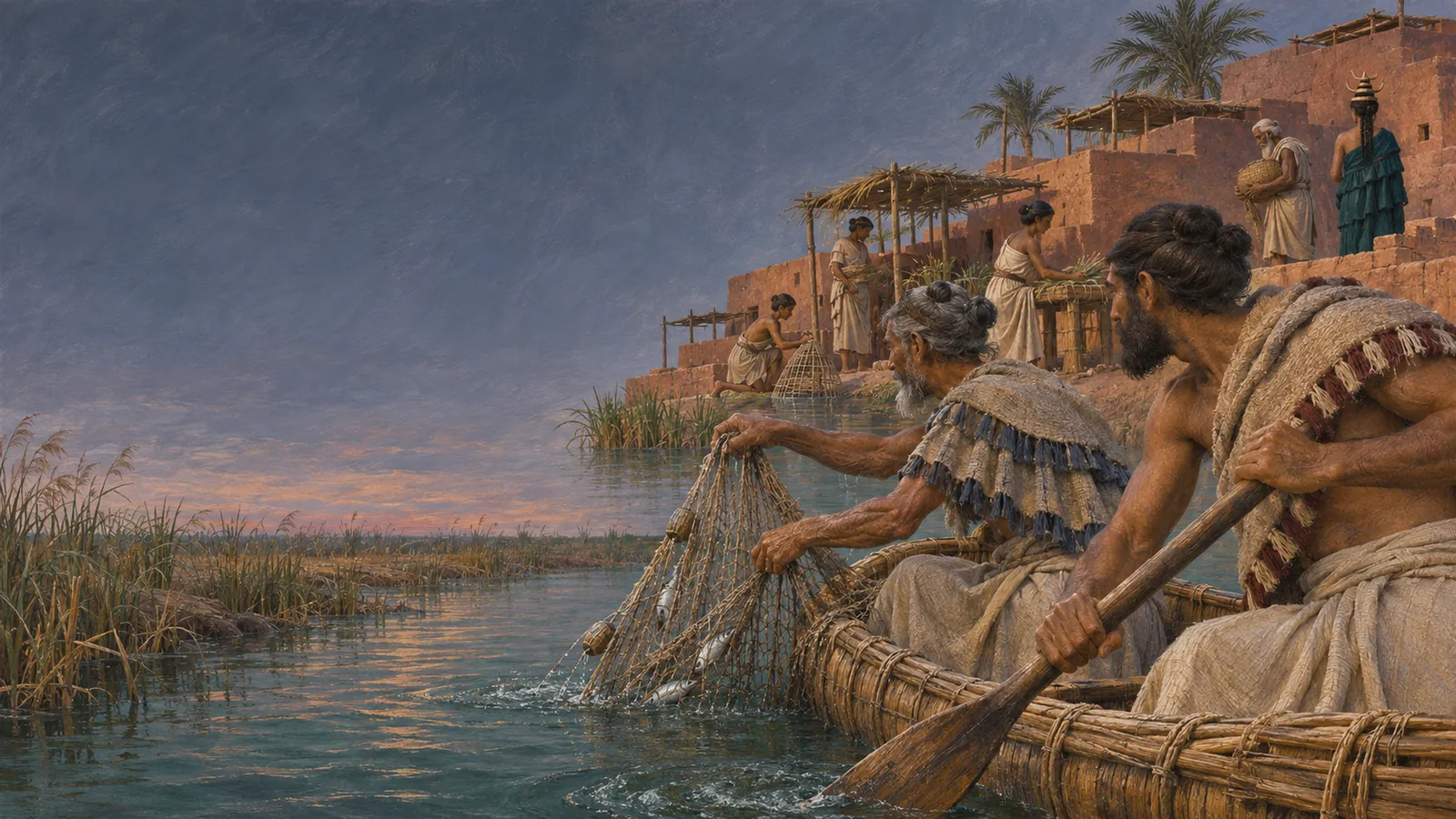
A HYMN TO NANSHE
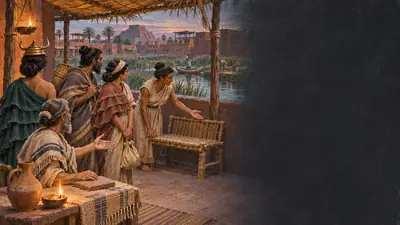
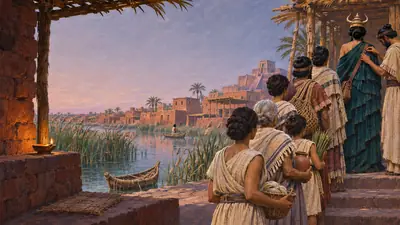
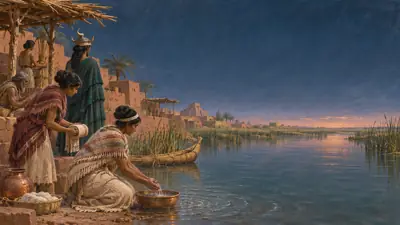
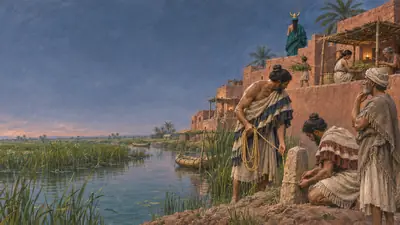
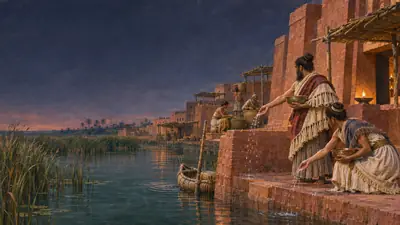
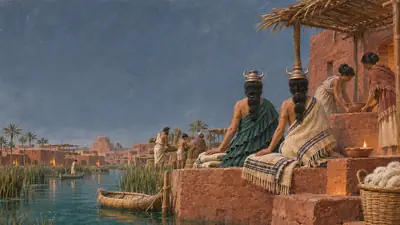
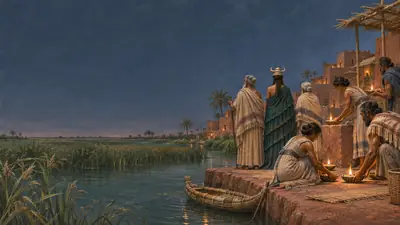
The hymn opens in the holy city of Nigin, where its powers are evident. The singer likens it to a height rising from the water.
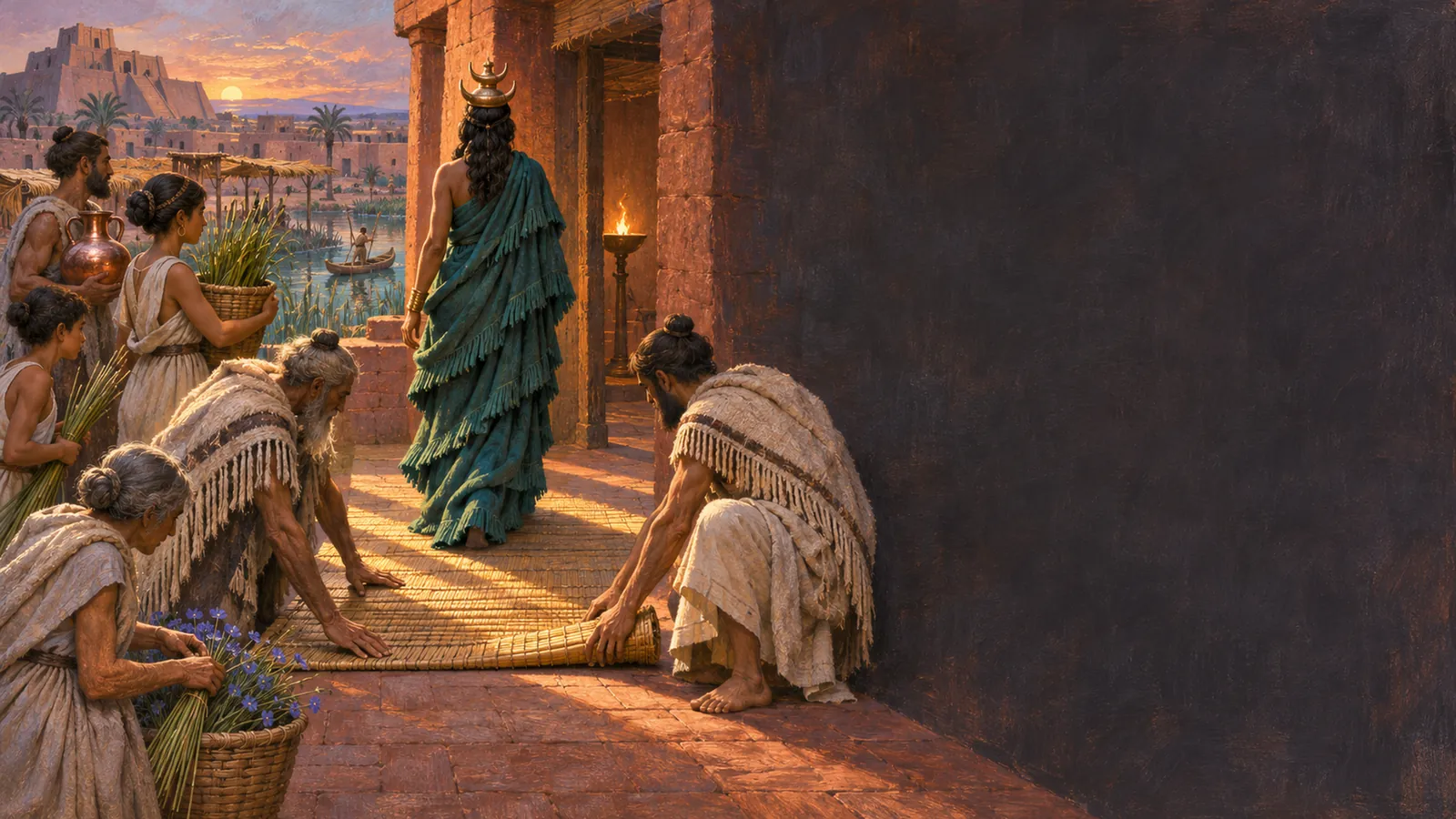
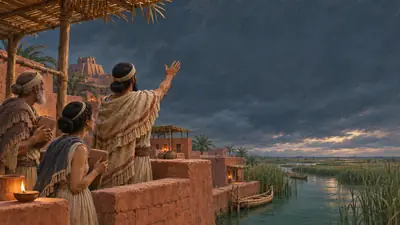
Light rises over Nigin’s secure temple, and Nanshe’s rites are carried out there. The hymn says that the lady, born in Eridu, is now to return.
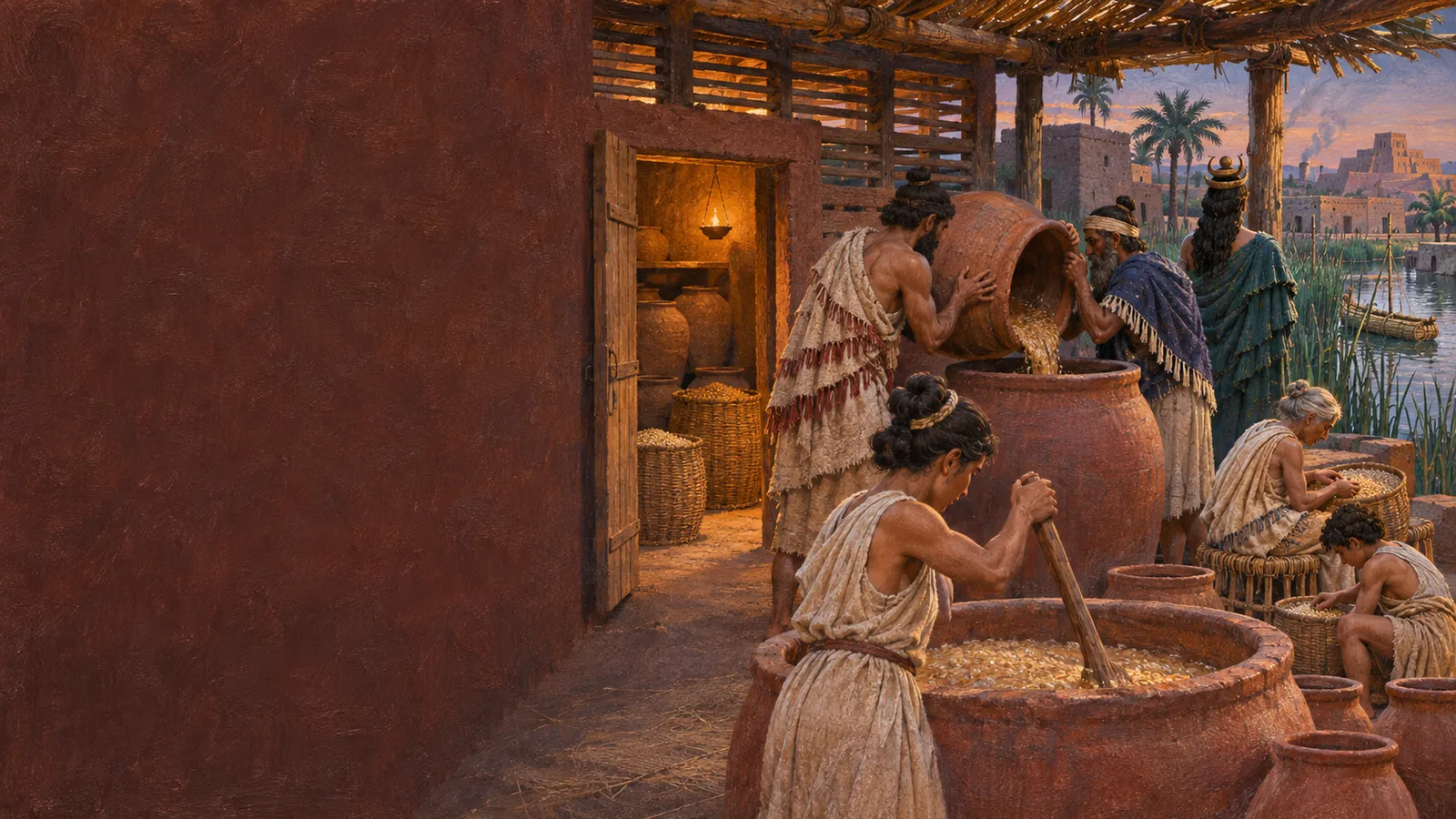
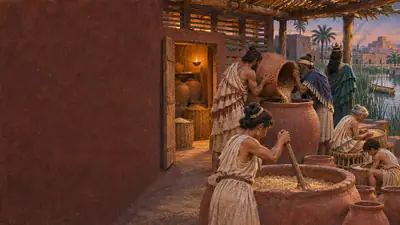
Beer mash and yeast appear in uncertain phrases. The hymn says Nanshe fills the storehouses and gives a broken comparison between honey and resin.
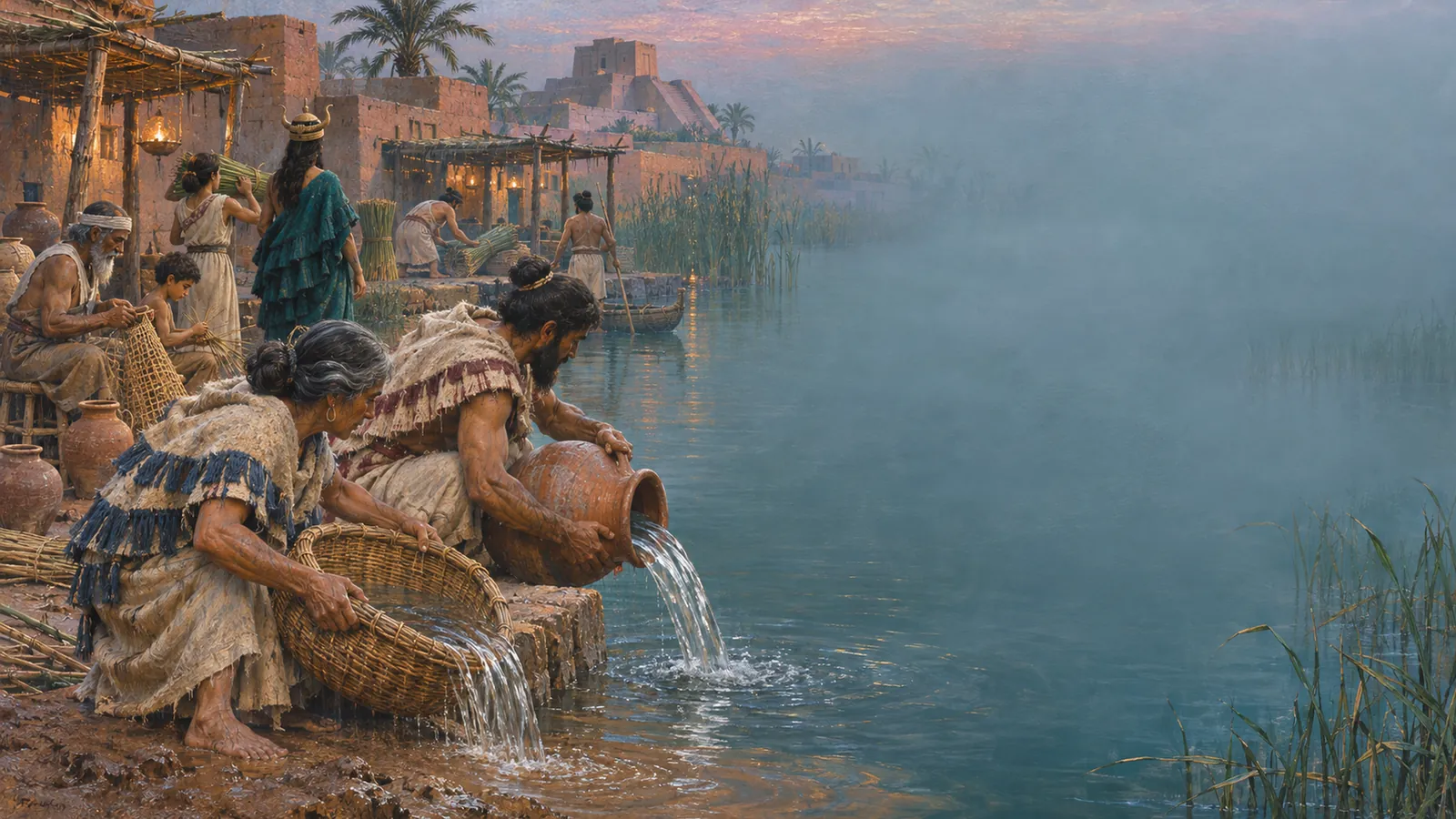
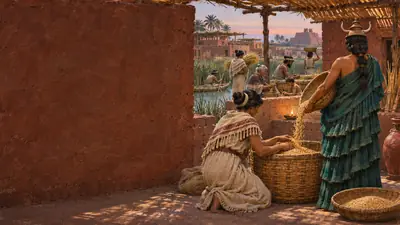
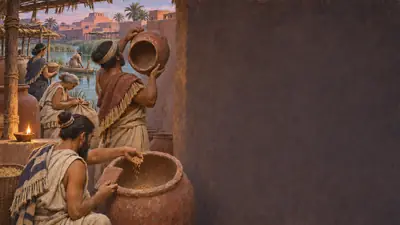
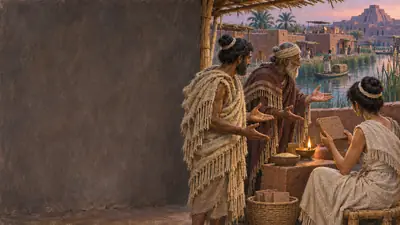
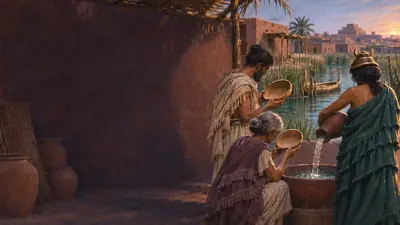
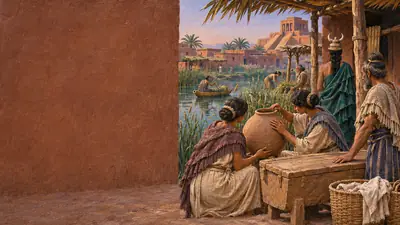
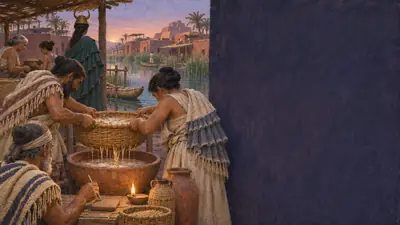
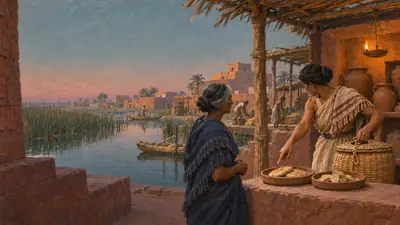
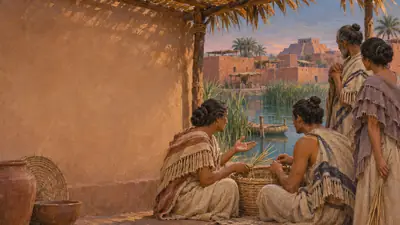
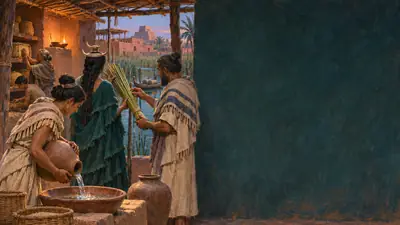
The singer credits Nanshe with vessels of ever-flowing water. Baskets holding the treasures of the land cover the ground like silt from the river.
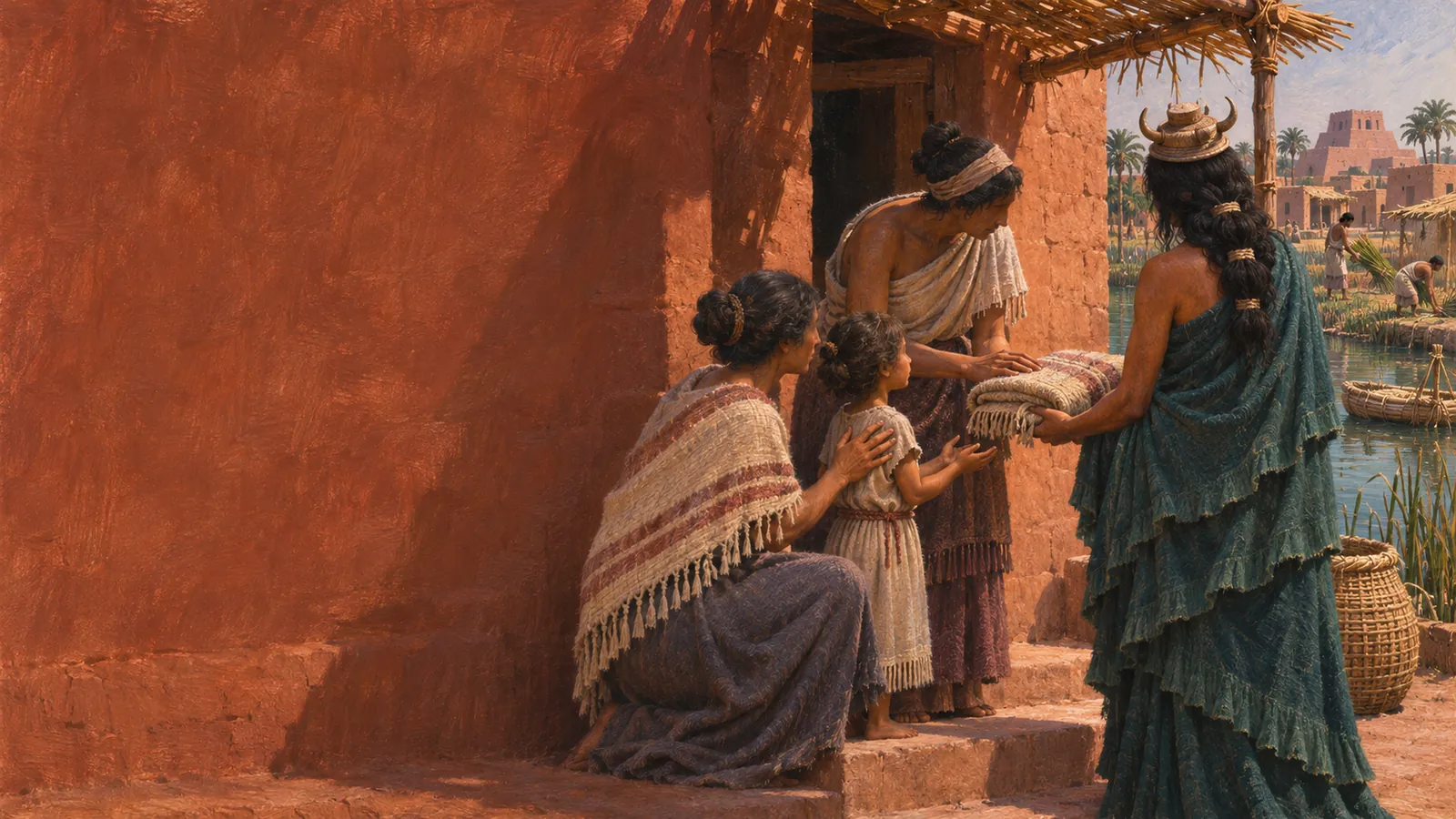
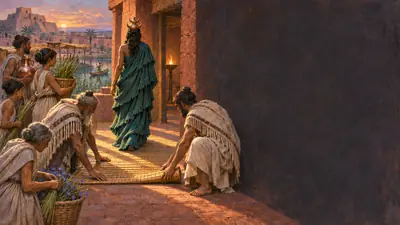
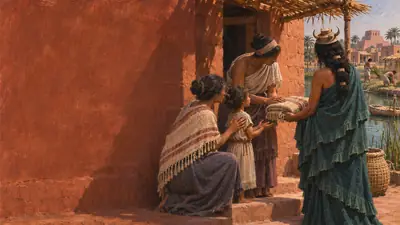
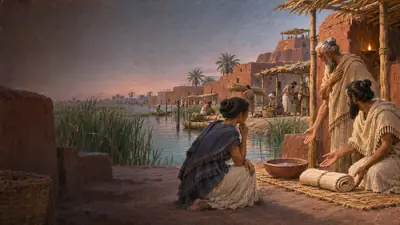
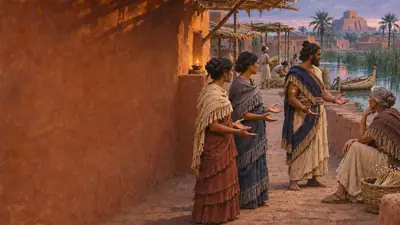
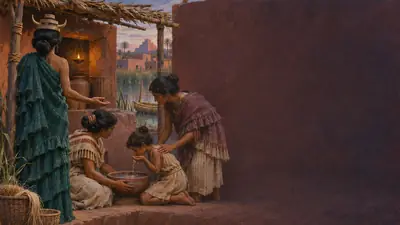
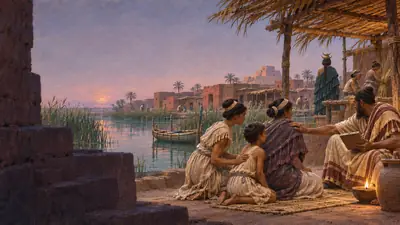
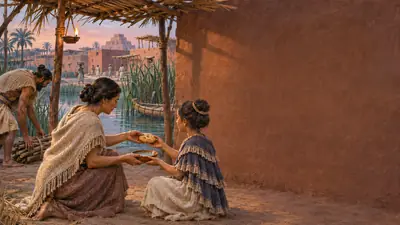
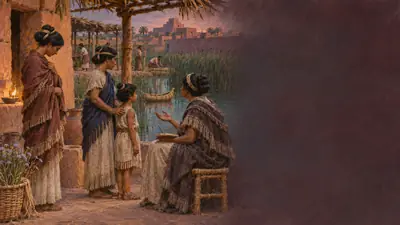
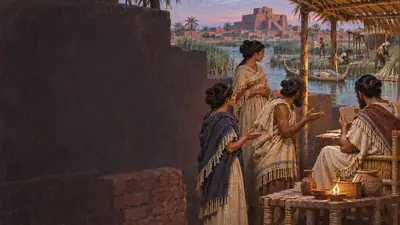
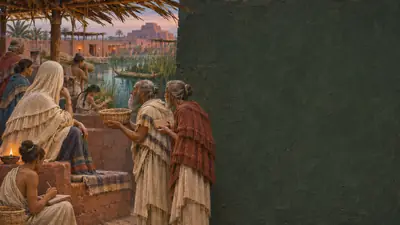
The hymn praises Nanshe for caring for the widow and for being like a mother to the orphan. It may also say she remembers those who help others.
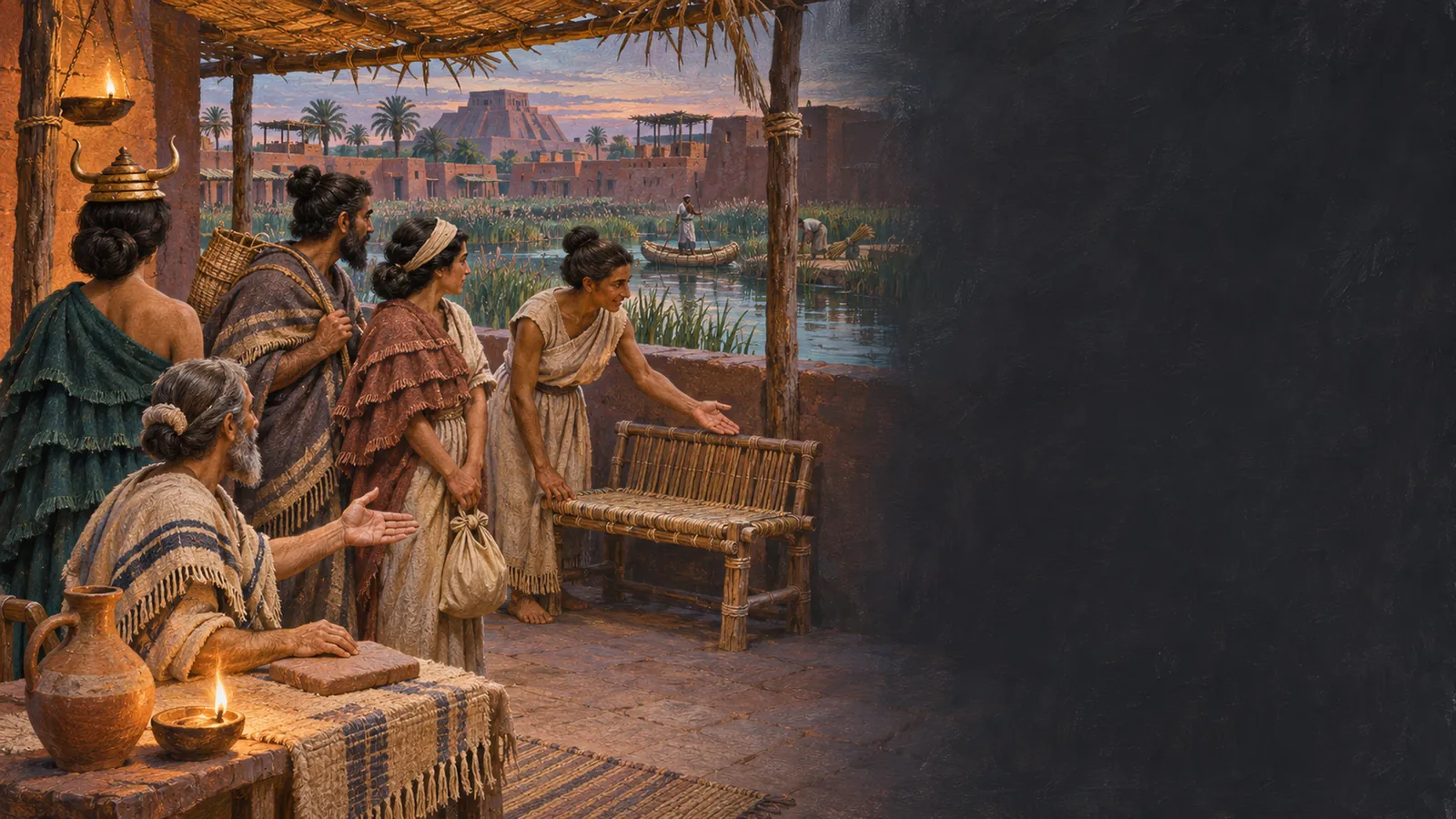
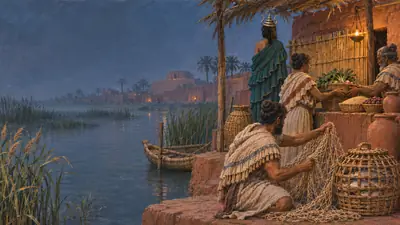
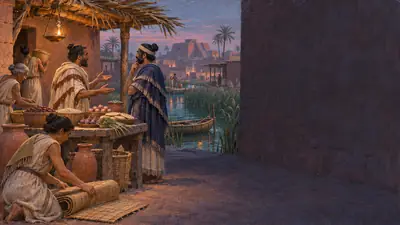
The singer praises Nanshe as one who finds advice for a person in debt bondage and offers protection to refugees.
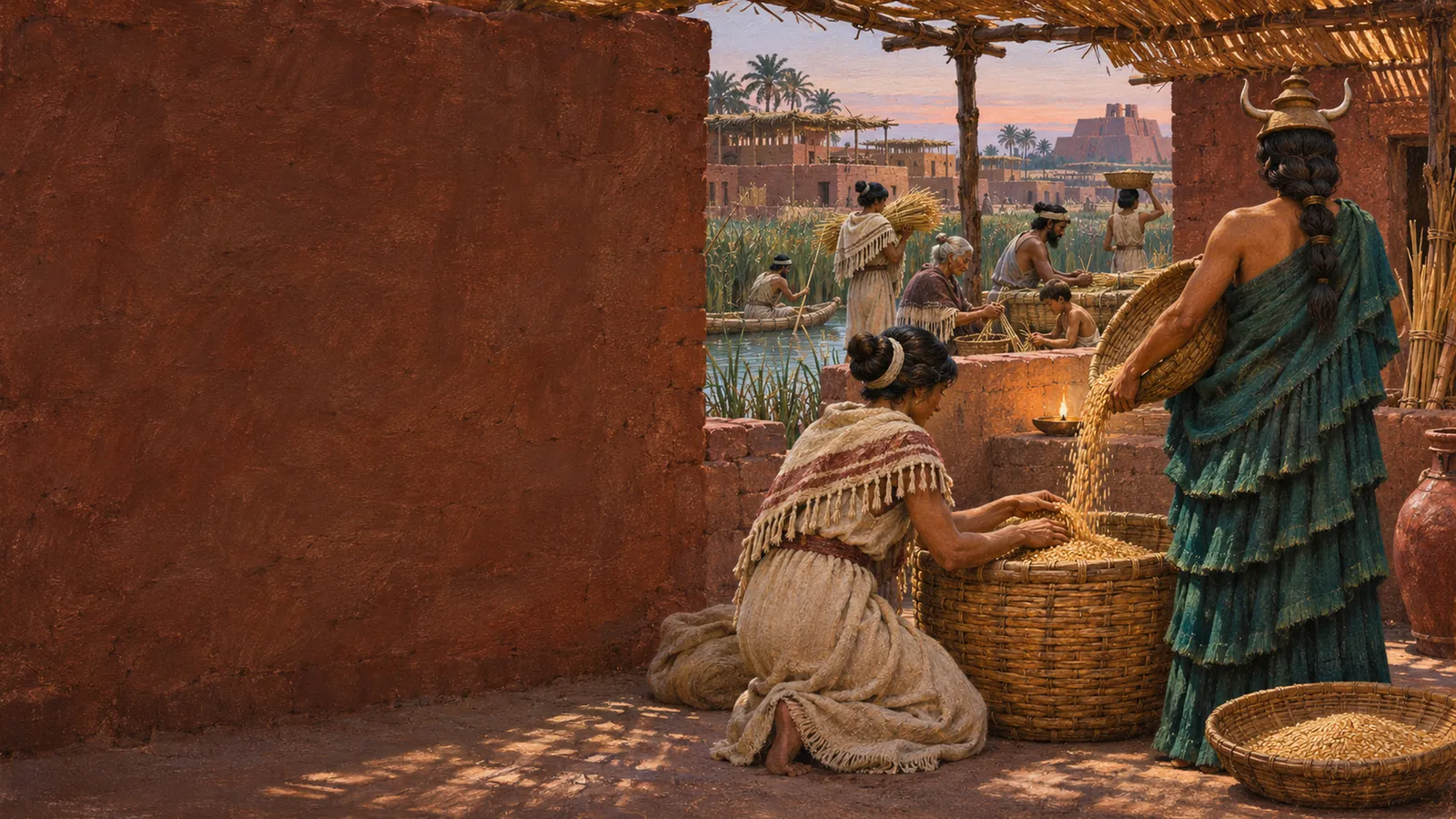
Nanshe seeks out a place for the weak, the hymn says. She fills the collecting basket and makes the collecting vessel yield something for its owner.
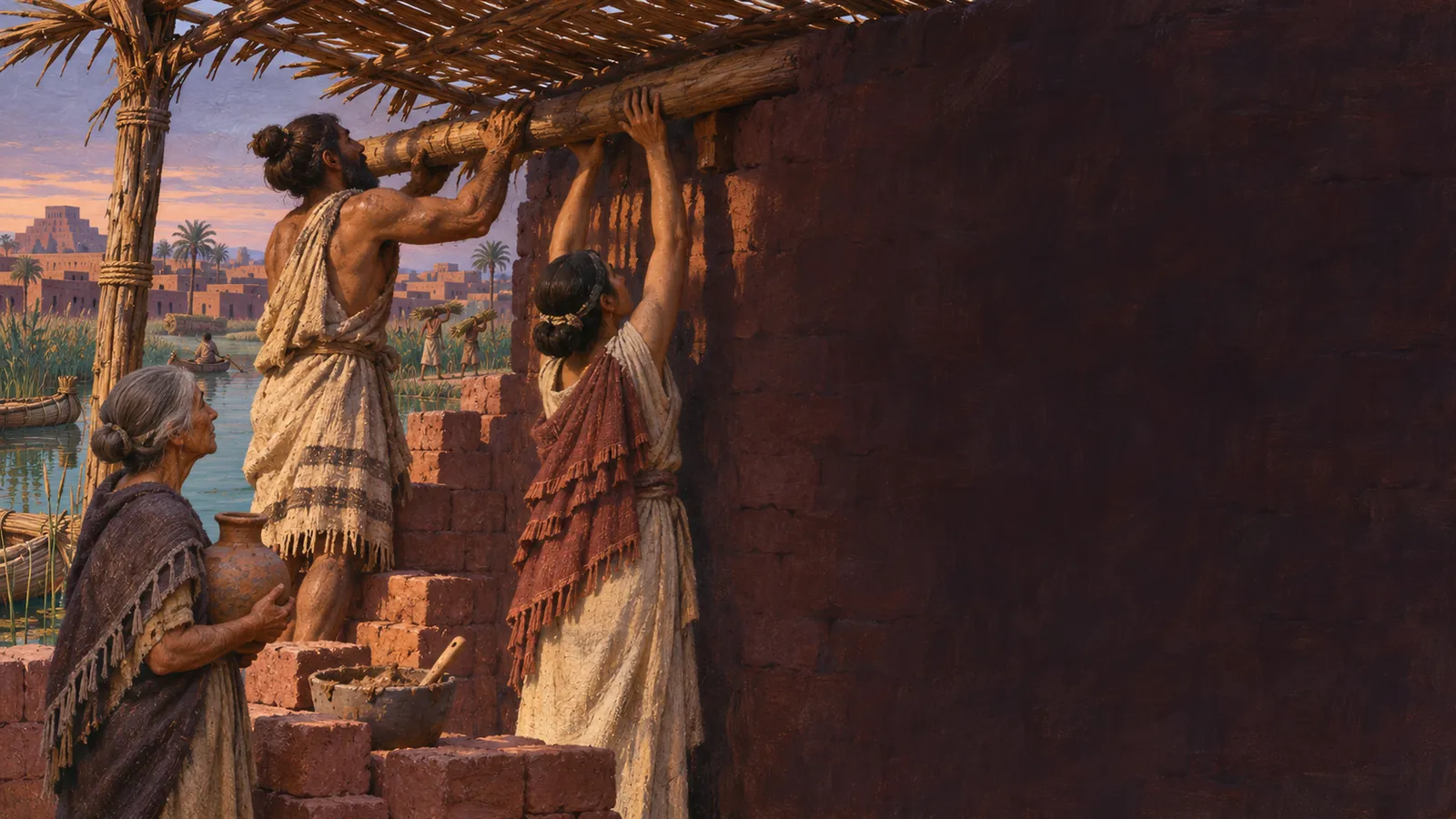
For the woman it calls righteous, who has followed Nanshe’s path, the hymn says Nanshe chooses a young man of means. For the widow who could not remarry, she raises a secure house like a roof over her.
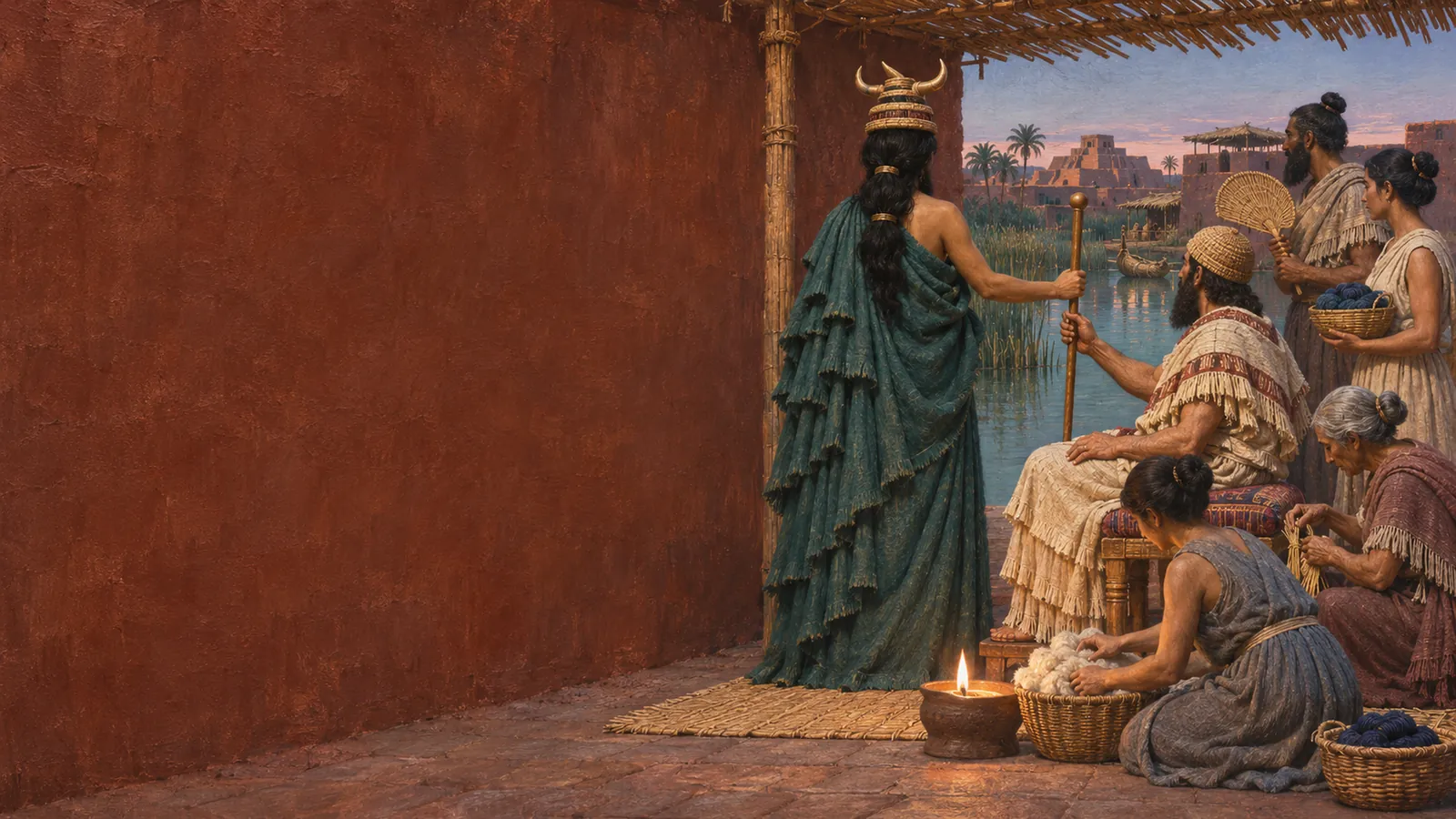
LAGASH
The hymn says Lagash thrives in abundance in Nanshe’s presence. She seats Ur-Nanshe on the throne and gives the shepherd a lofty sceptre.
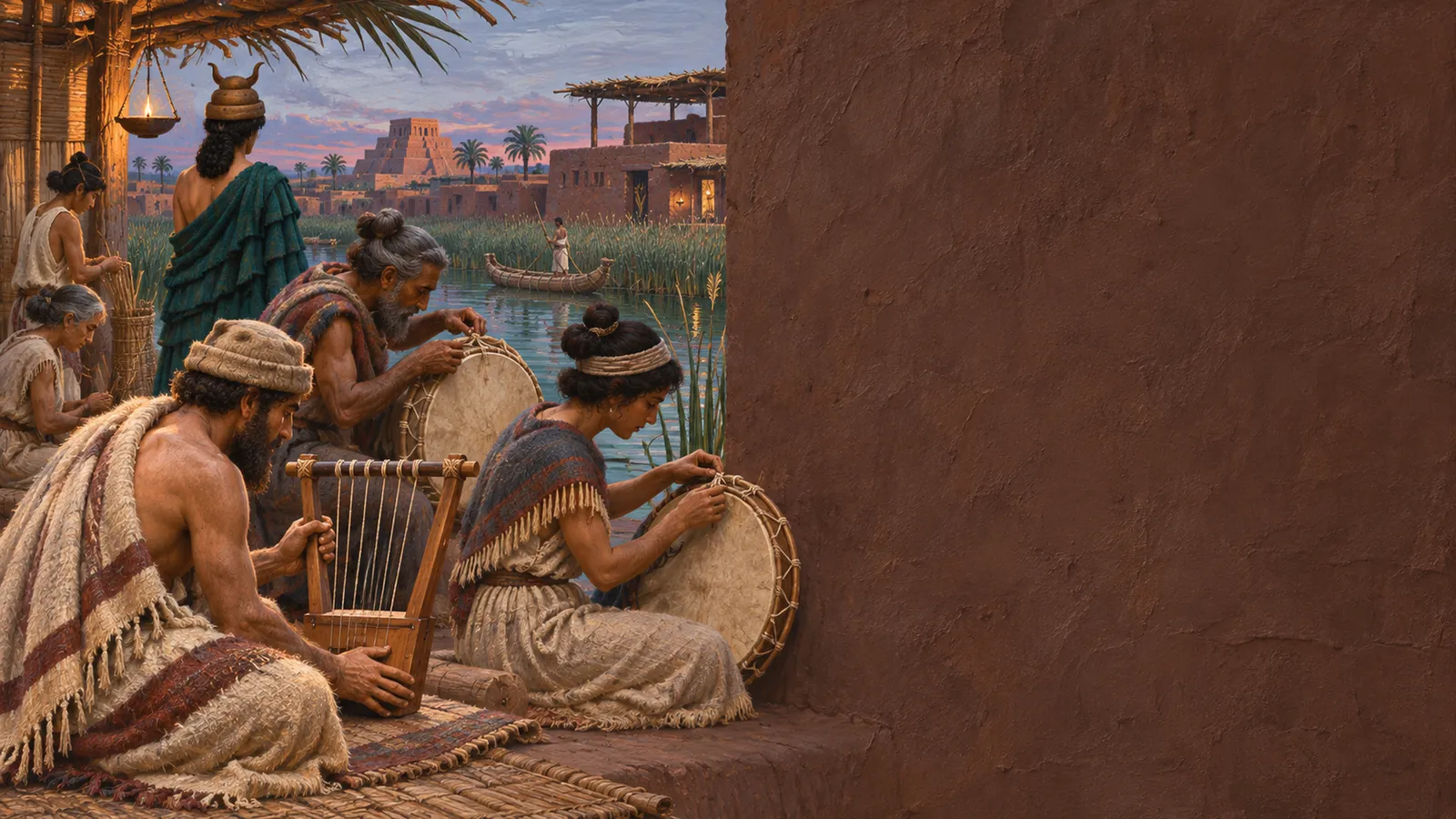
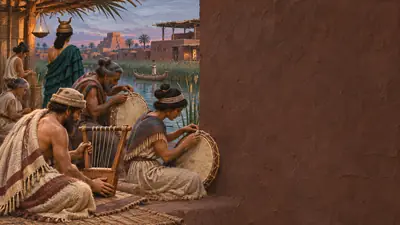
The hymn says Nanshe grants her powers to Gudea. He places the instrument called Cow of Abundance, perhaps a lyre, among the tigi drums and sets a balaj drum beside it.
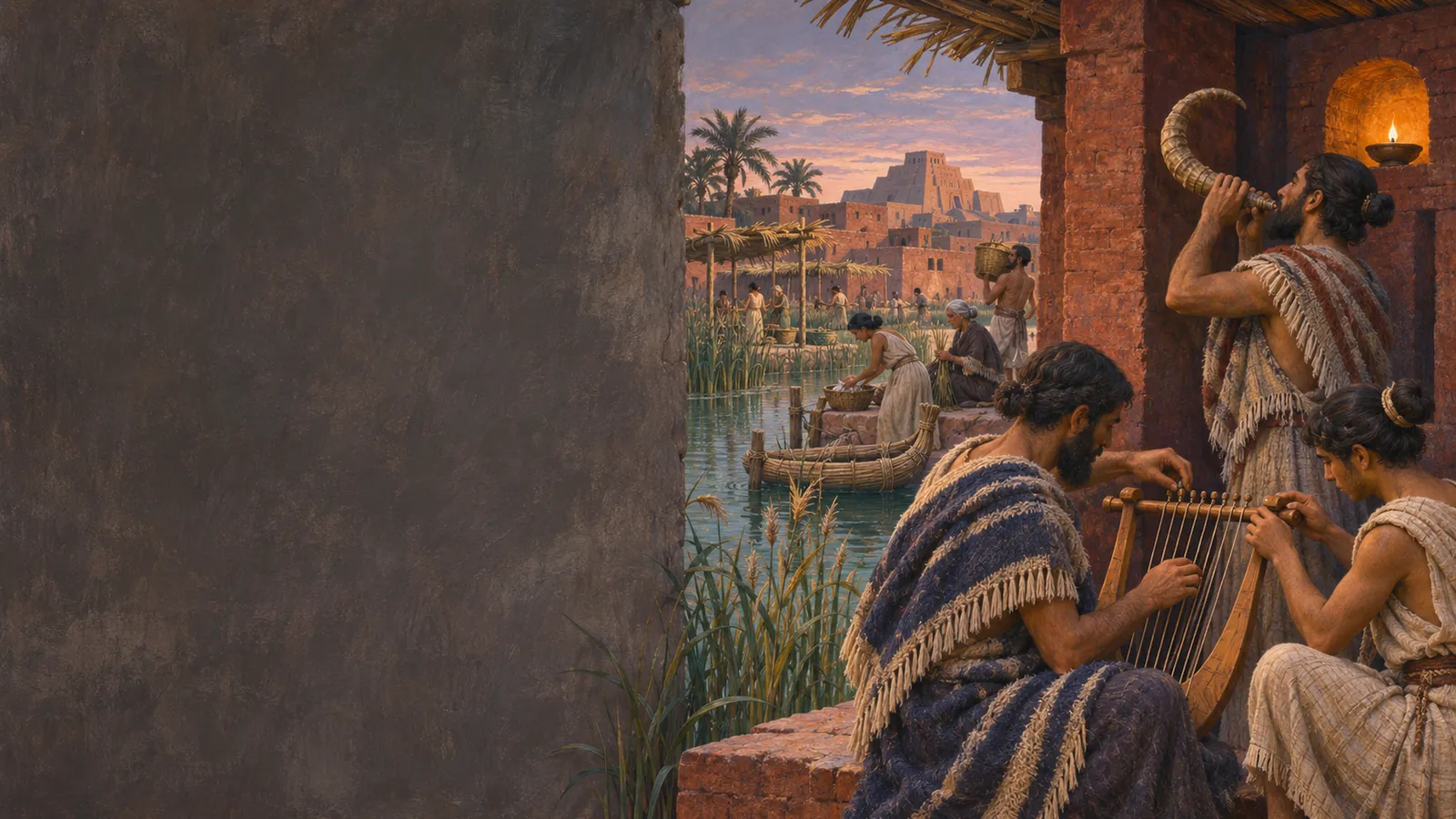
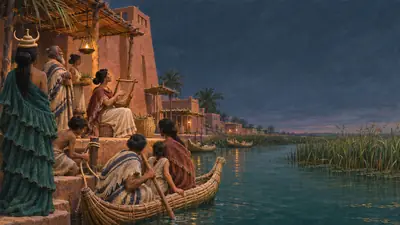
As sacred songs sound, the kintur instrument praises the temple. The chief musician plays an ibex horn, and the song of Sirara praises the powers its house receives from the abzu.
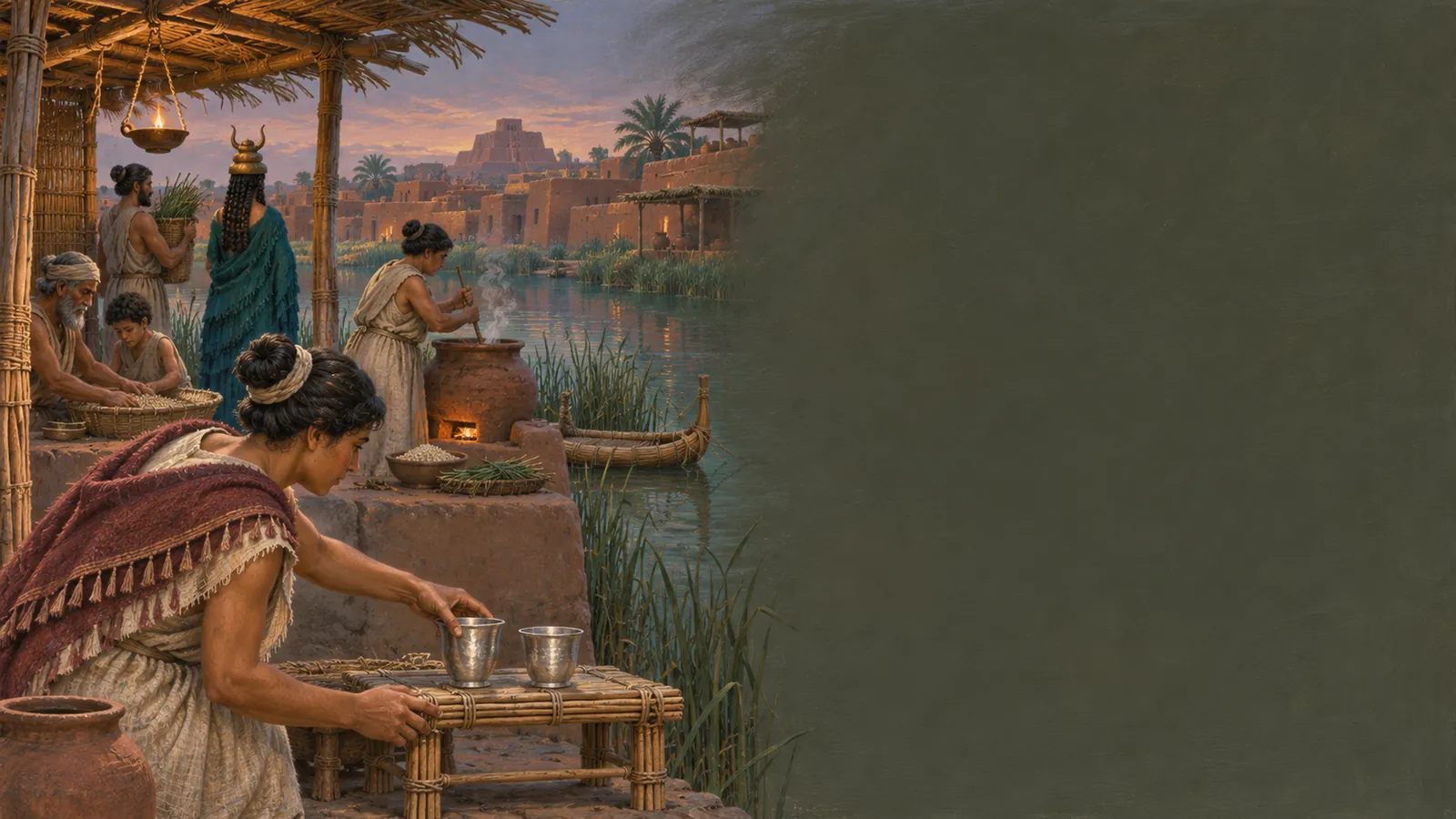
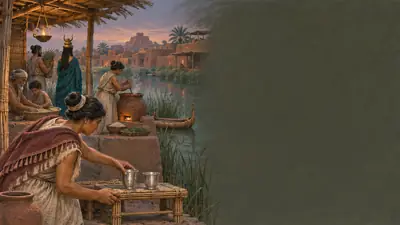
The interpreter of dreams enters a chamber of the temple and prepares gleaming silver cups. In the damaged lines that follow, the temple cook prepares hot and cold food.
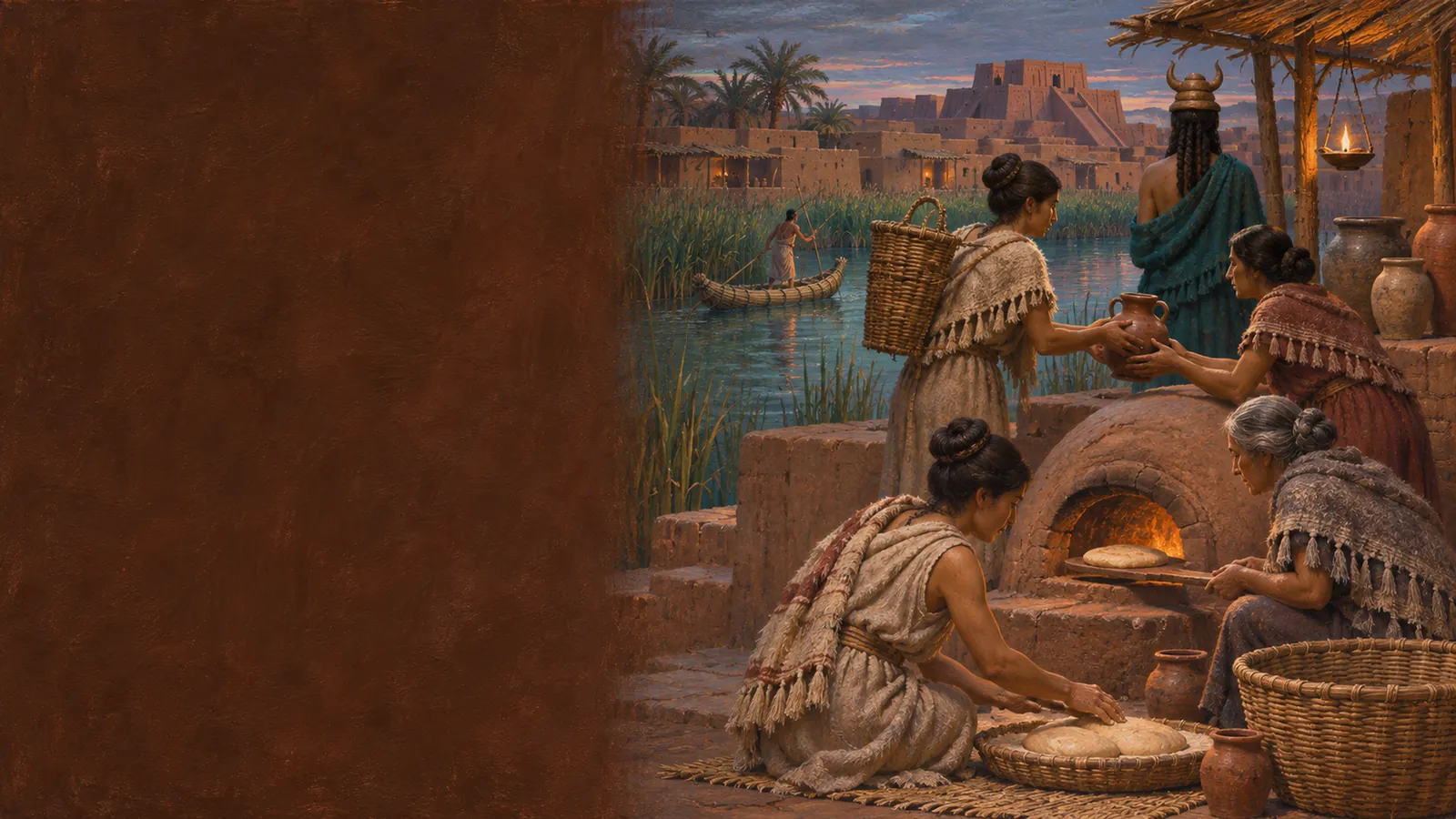
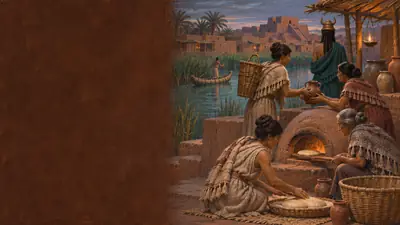
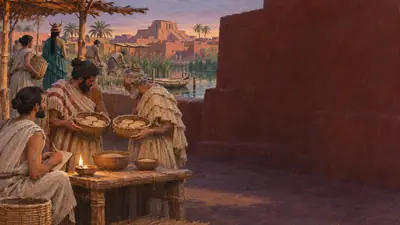
Meat arrives in large bowls, cool water comes from the Sirara canal, and festival goods and country wine are brought in. Then the hymn says Nanshe’s great oven hums.
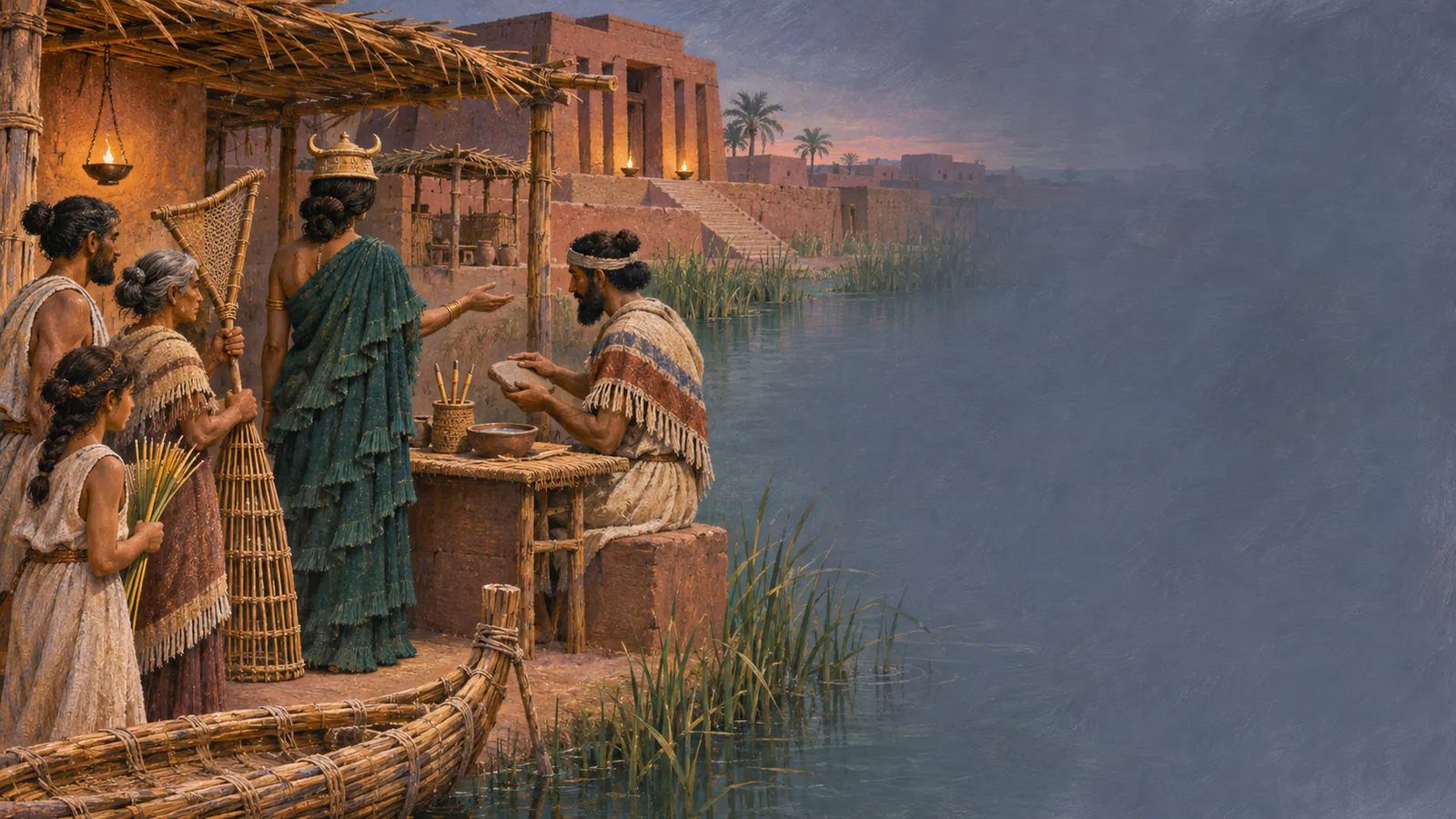
The hymn calls Nanshe the matriarch of Enlil, a lady of abundance and a child of Enki. It says she is to make the appointments.
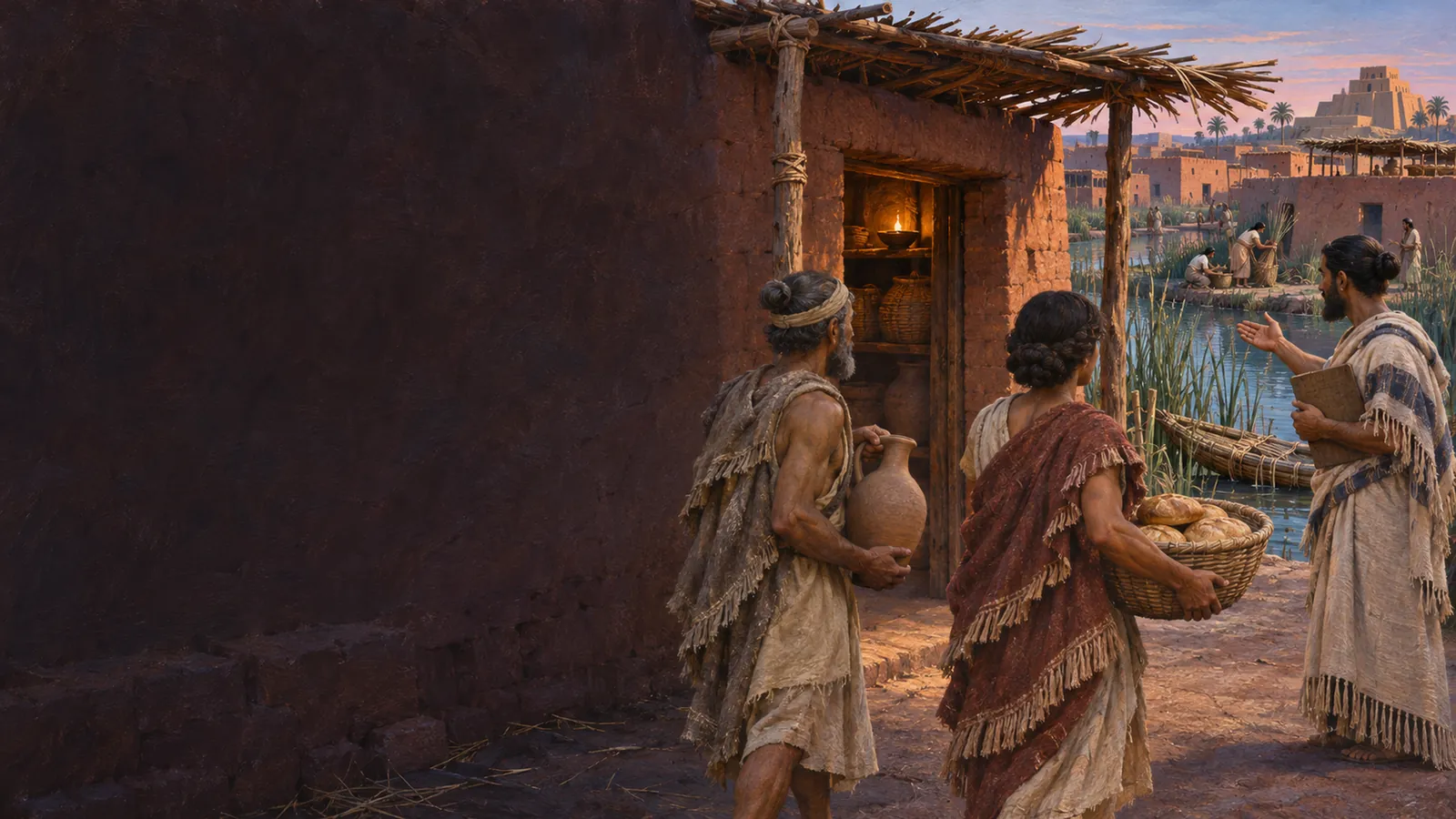
After Nanshe makes the appointments, the hymn says that the regular offerings and the household’s daily provisions always arrive from Bursaj.
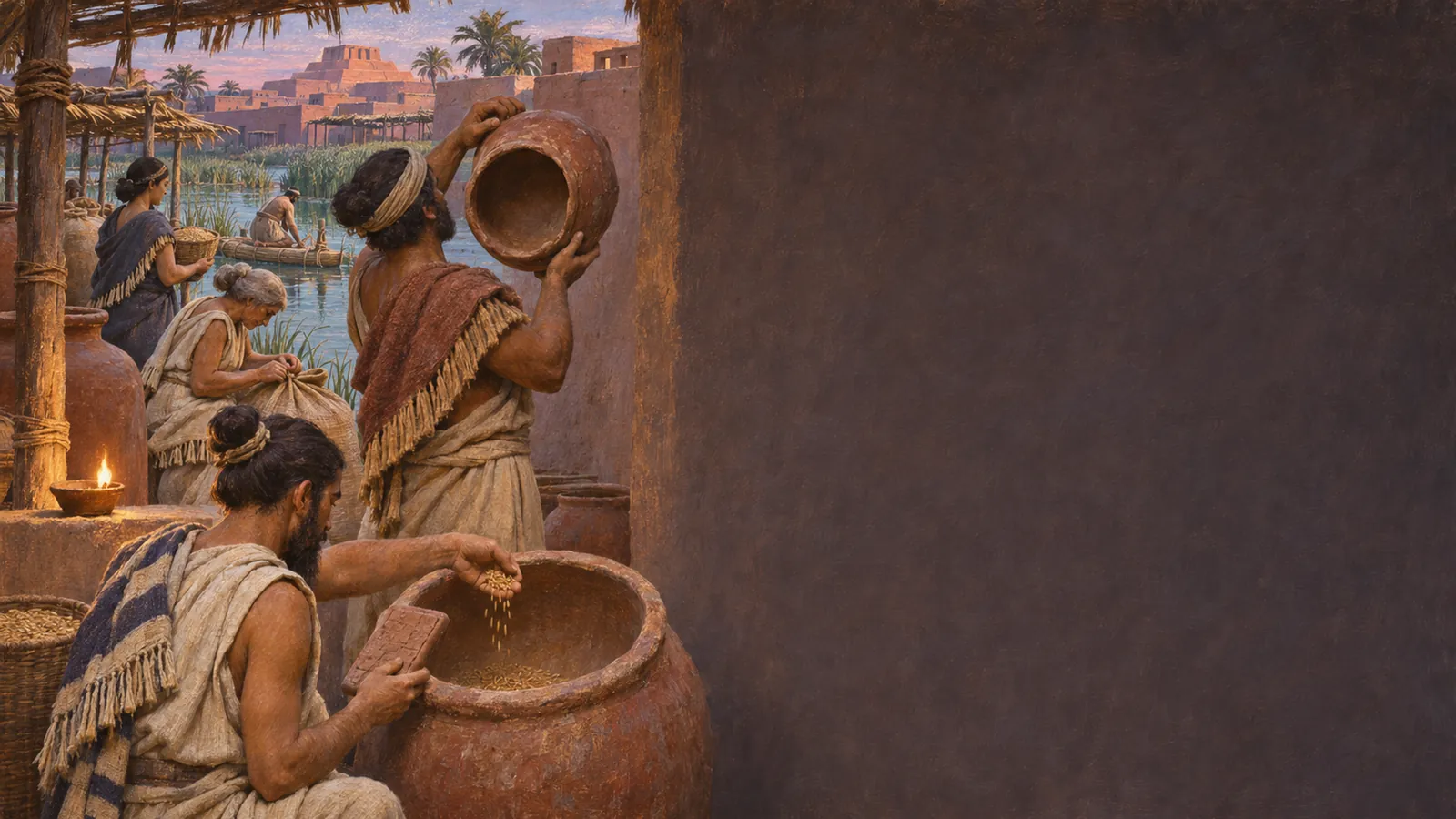
The damaged lines speak of grain possibly running short and of vessels that hold no water. The person responsible for the regular offerings then receives no extra share.
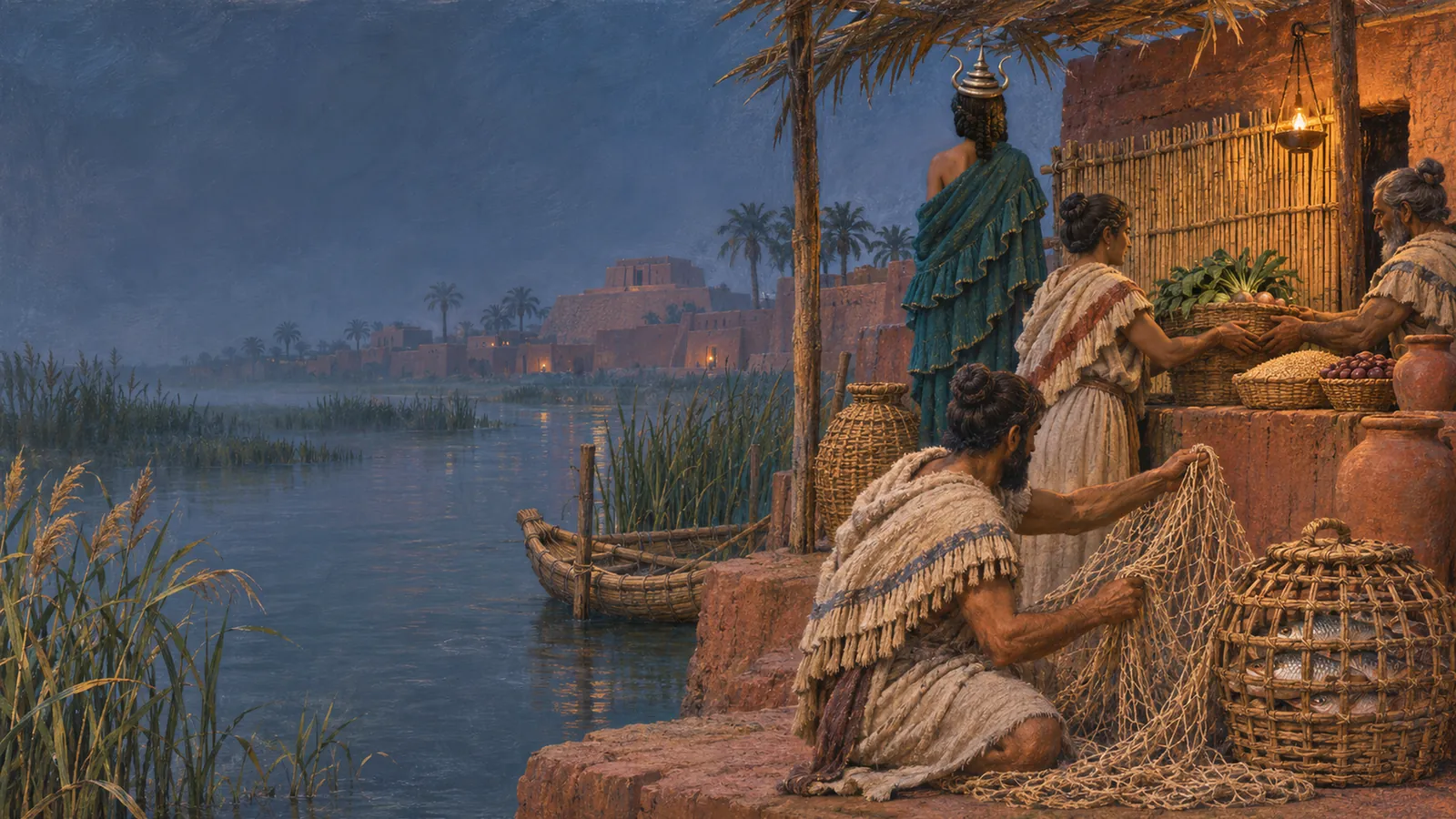
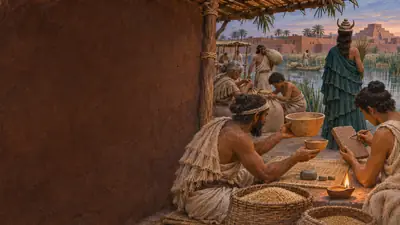
The hymn lists food and drink, unused offerings, fish dues, reed beds and produce from the garden. A passage about what may touch them is uncertain. It says the bread of the shrines must not be carried away as a ration.
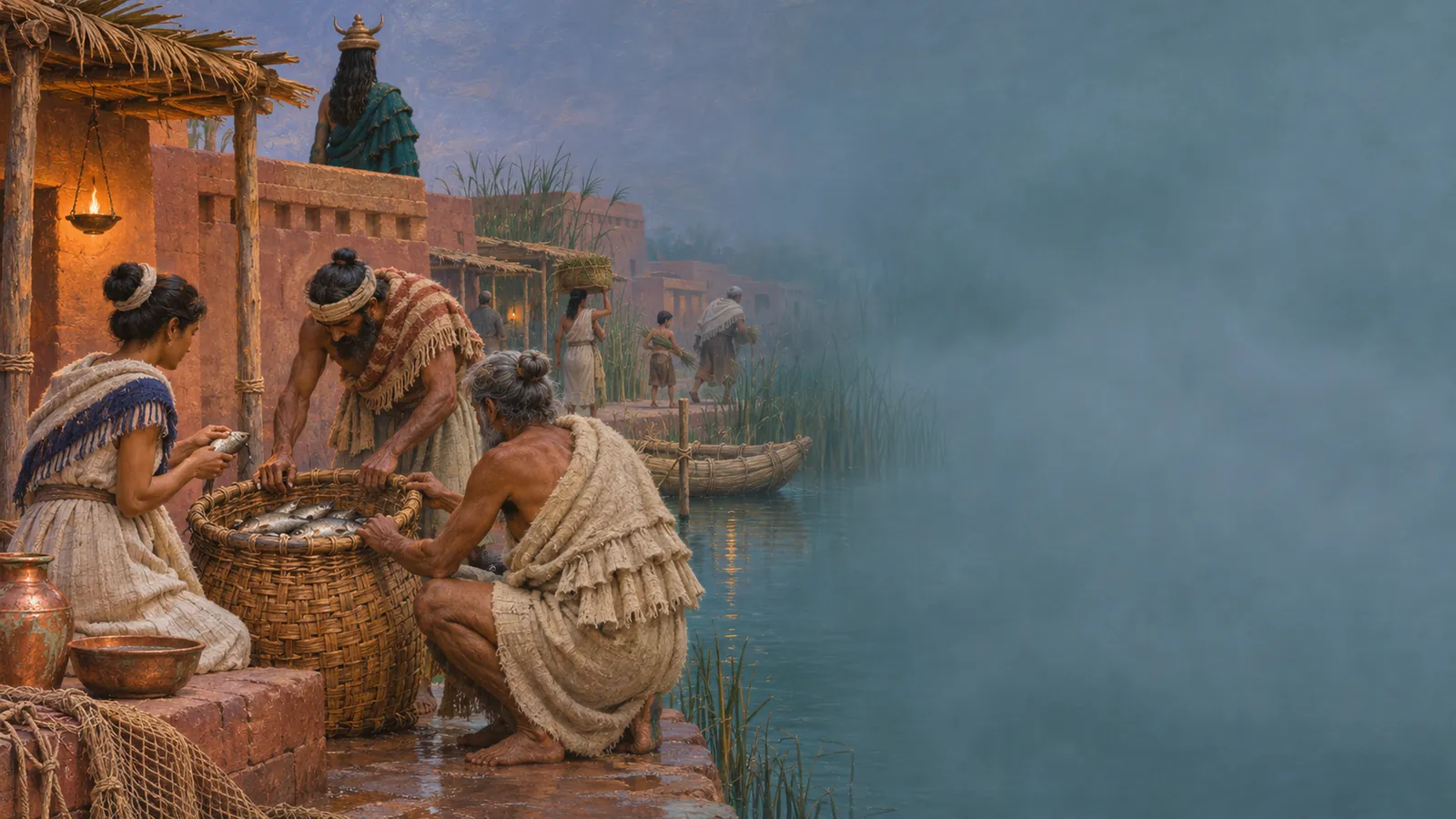
Preparations for the temple’s festival of first fruits are to continue. The hymn calls for people to bring fat, milk and fish, and makes the fish delivery a daily duty.
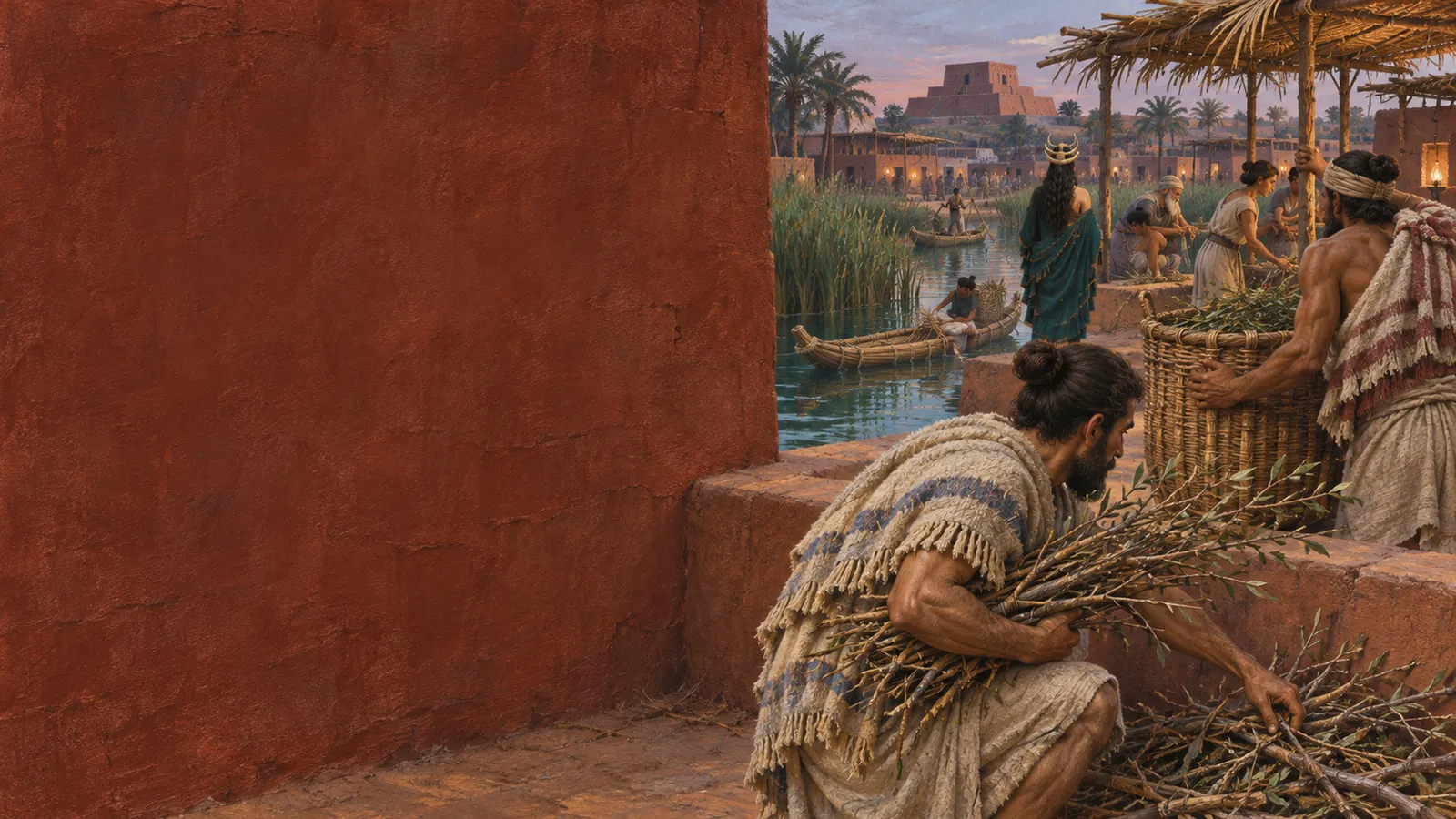
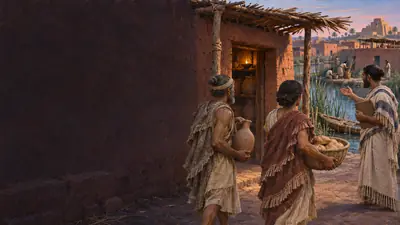
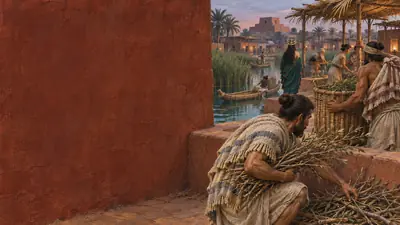
A carrier brings firewood in from the open country. The hymn has him store it along the sides and in the corners of the house.
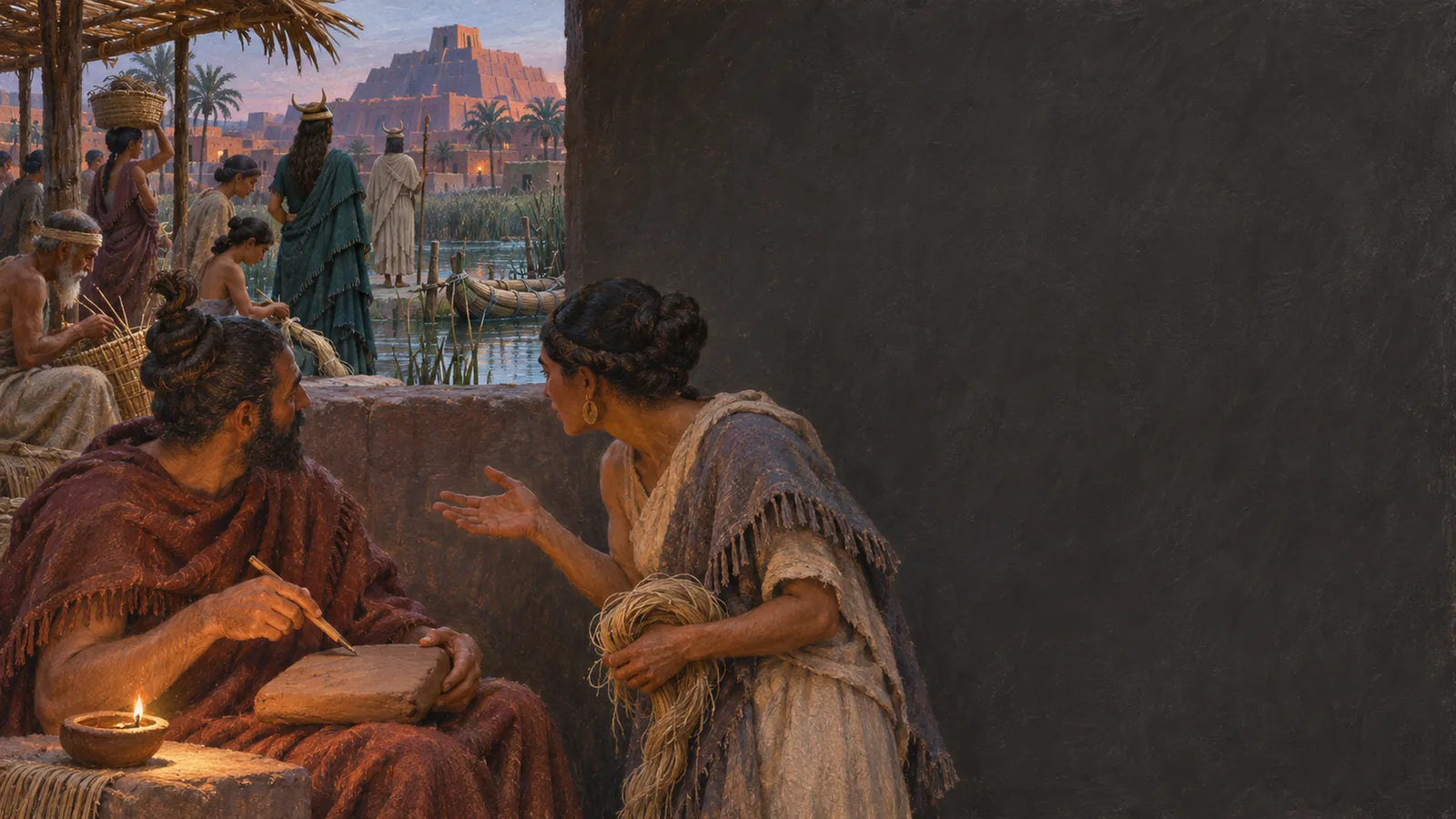
The hymn names Hendursaja, born to Utu, as caretaker of Nanshe’s house. It speaks of someone who confirms or contradicts what is spoken. The wording about coming from outside is uncertain.
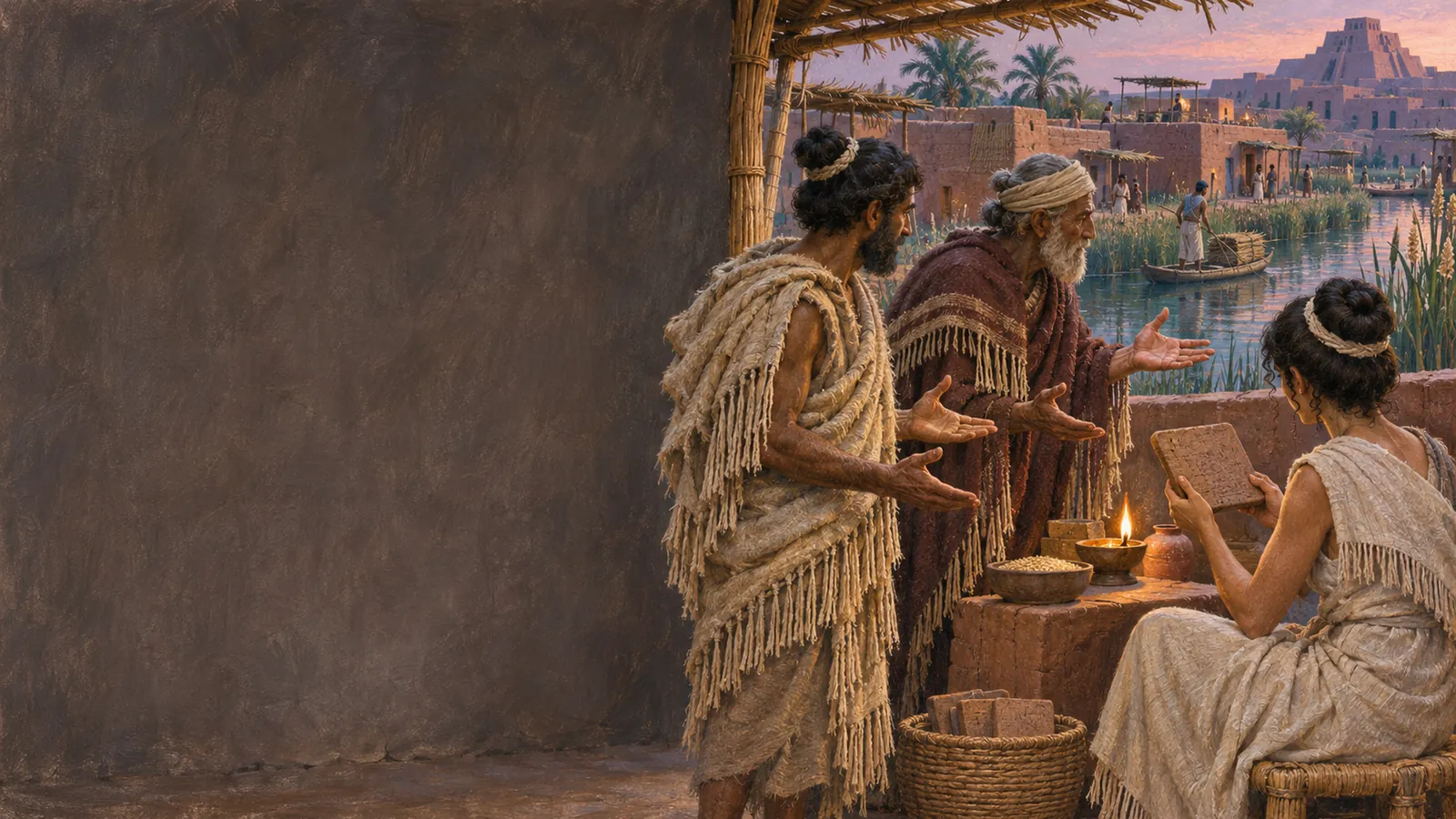
Hendursaja distinguishes good deeds from bad. The next words are damaged, and give only part of a goddess’s name and a reference to a child of Suen.
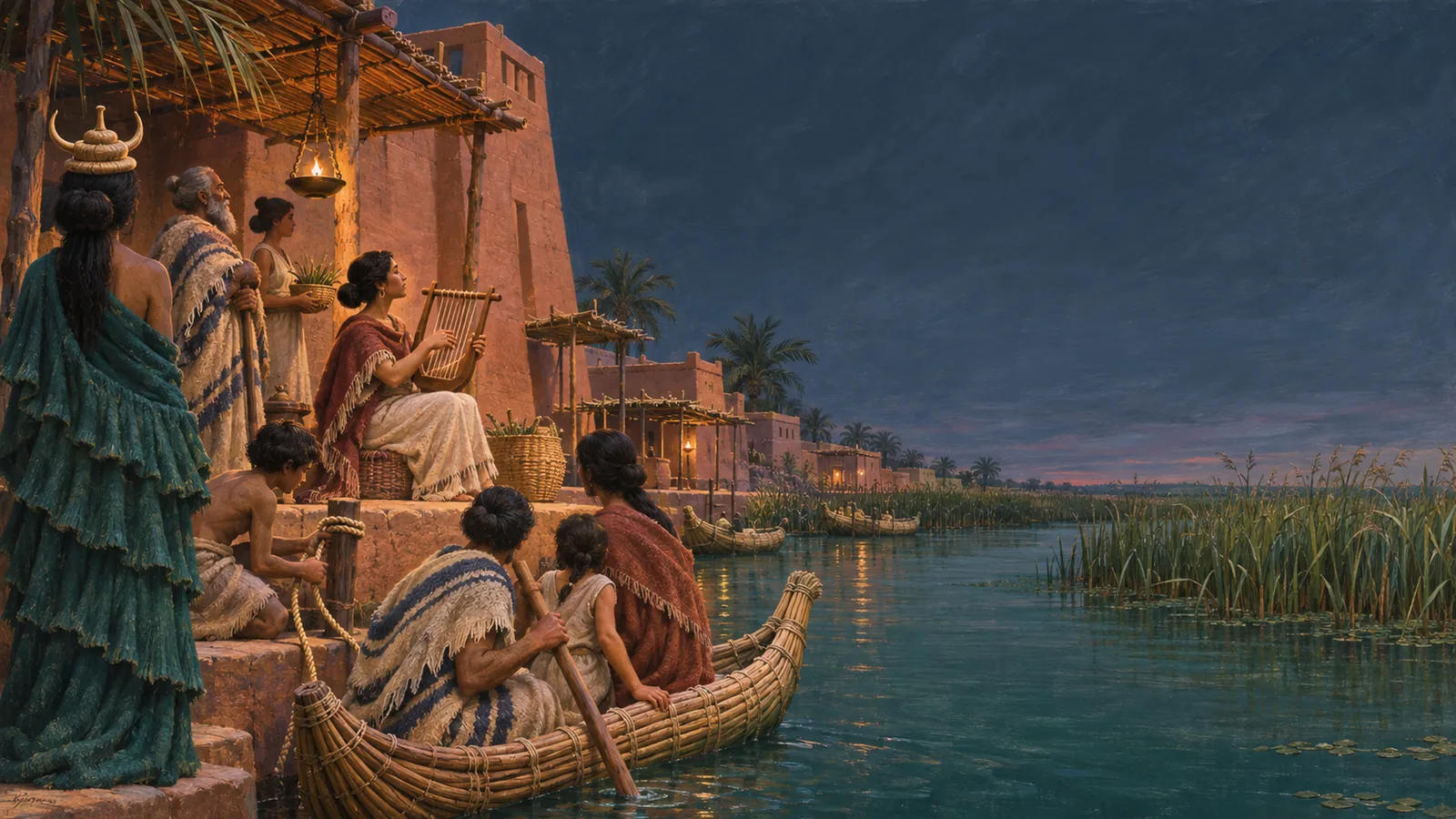
The singer calls on every land to praise Nanshe, the lady whose commands are right and whose sacred powers cannot be taken from her.
NEW YEAR
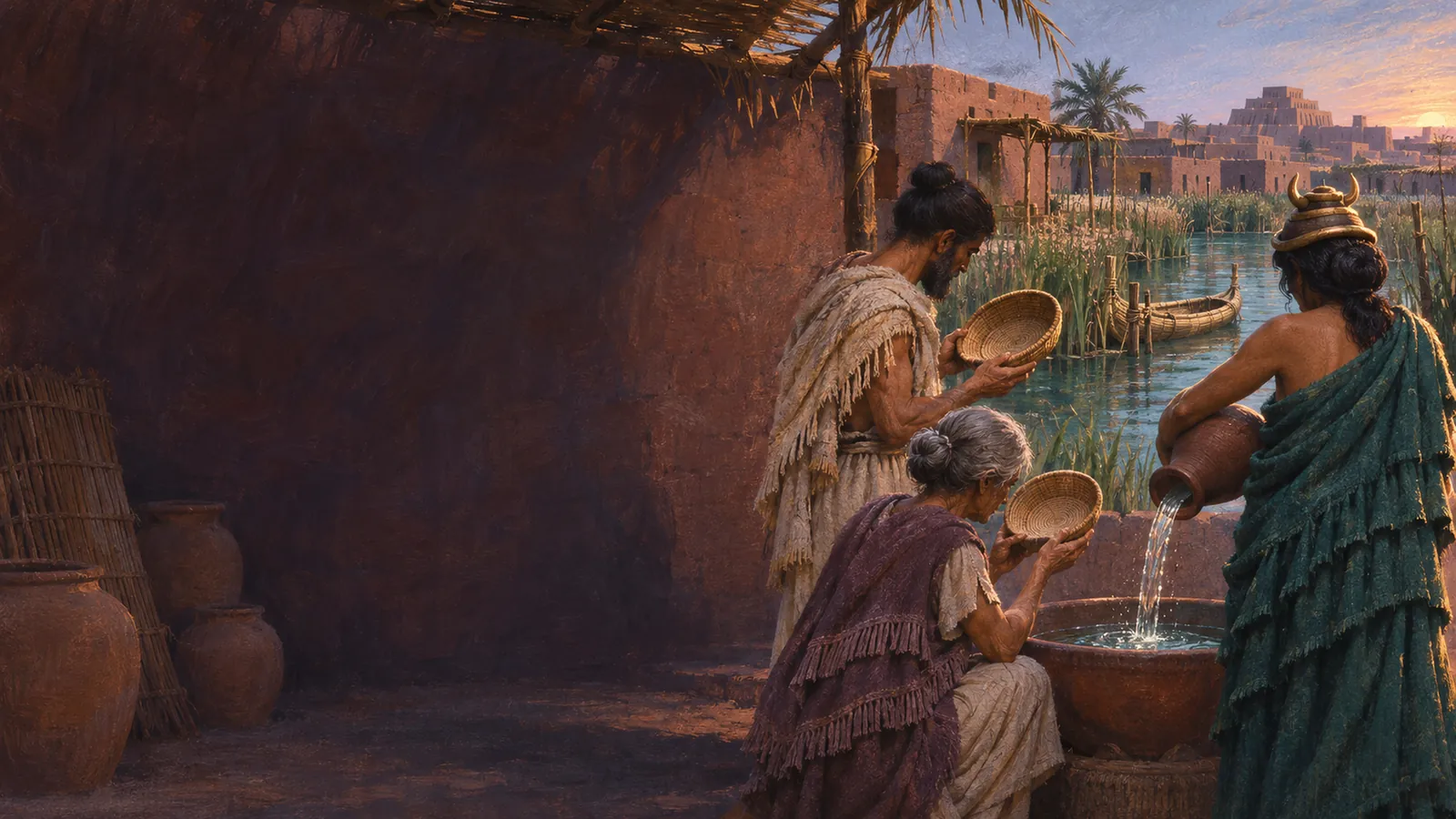
At New Year, Nanshe pours out water, but part of that line is lost. On the day the ration bowls are inspected, she also examines the servants before making appointments.
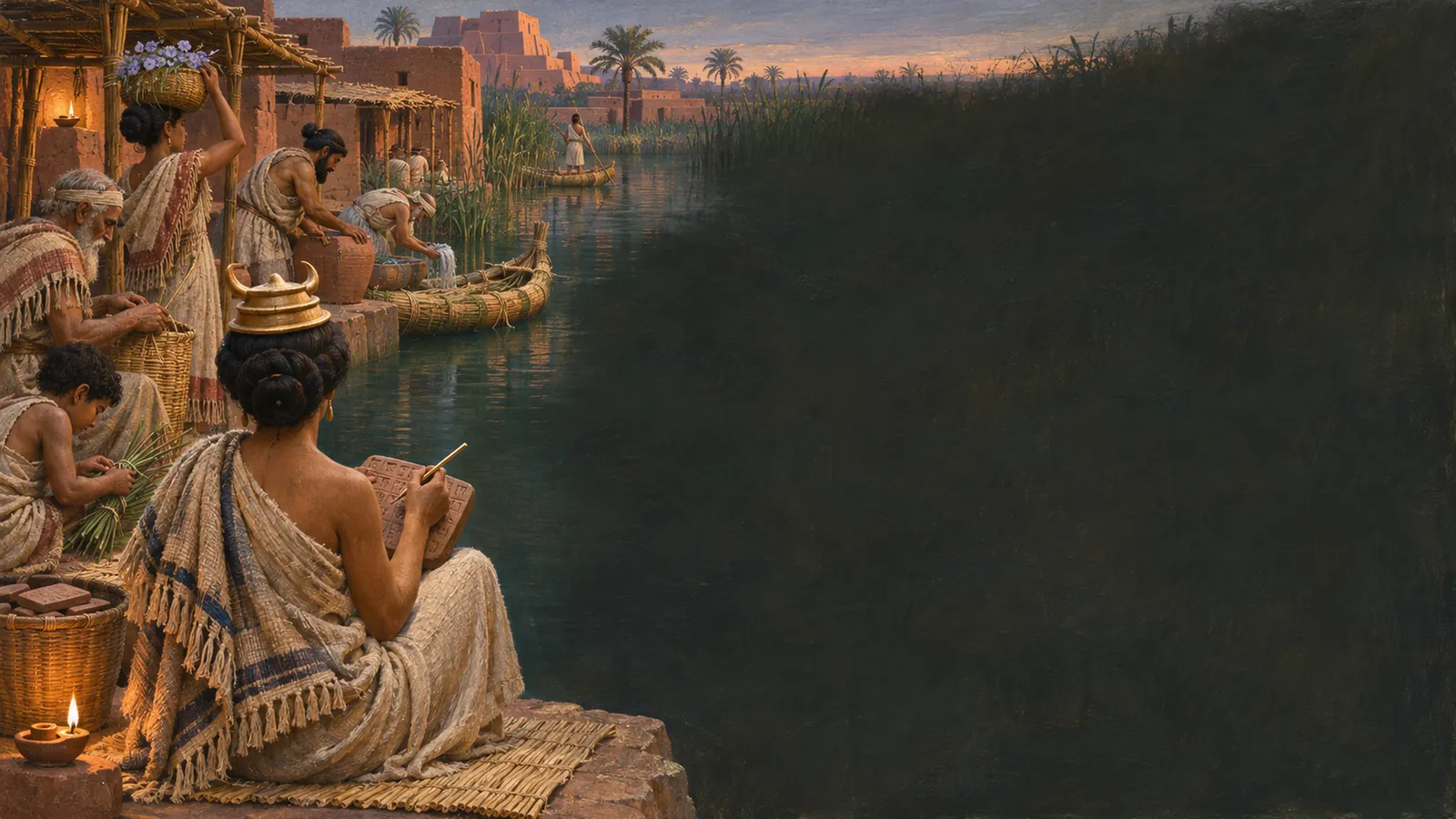
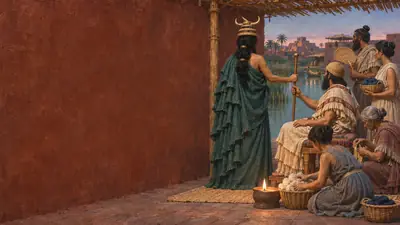
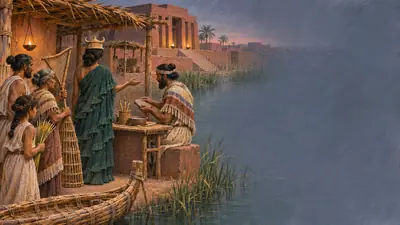
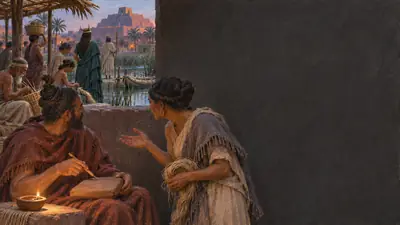
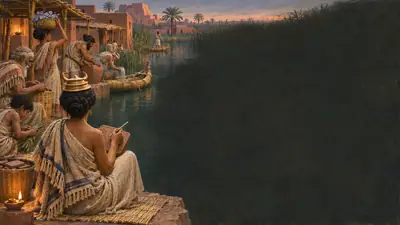
Nisaba, the chief scribe, sets the precious tablets on her knees and takes a gold stylus. Then she arranges the servants in a single line for Nanshe.
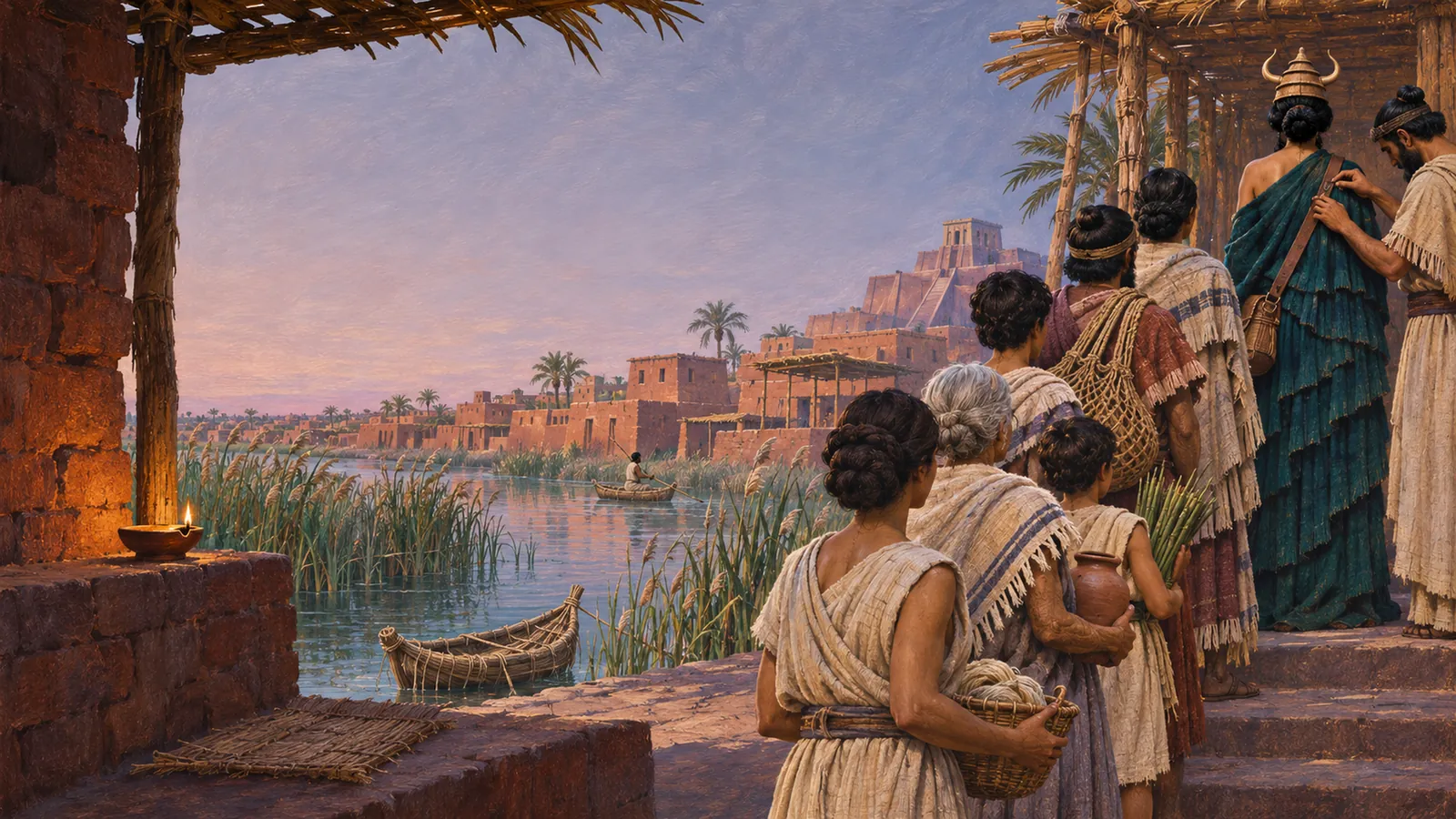
The attendants are lined up before Nanshe. A decision is made about whether those in leather may enter in leather, and those in linen may pass in linen.

A servant reported to have fled loses his position. Haia registers the faithful servant on a tablet, and removes the name of a woman judged no longer to be the lady’s servant.
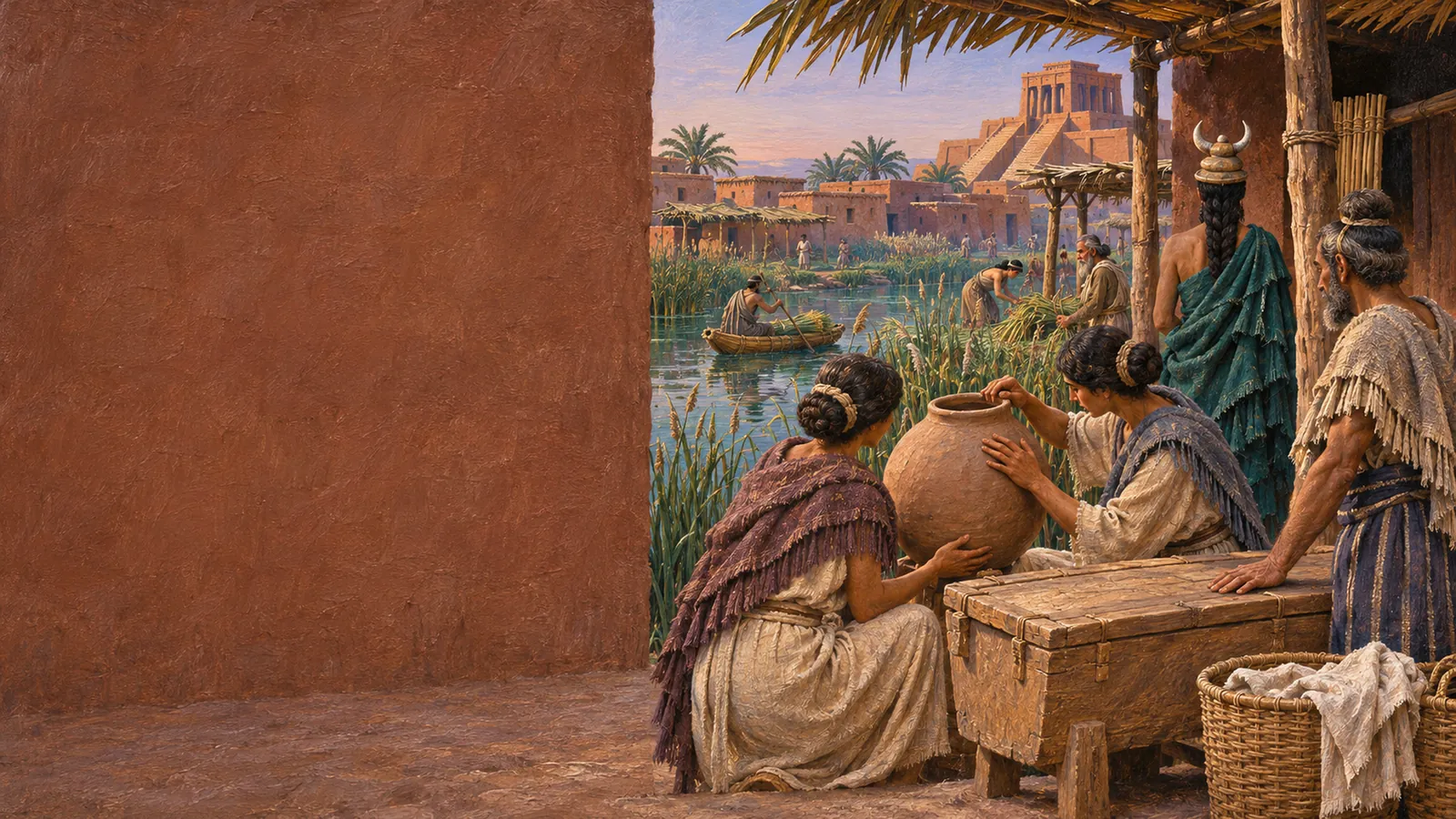
The damaged instructions mention dry vessels, bad roads and a dirty dough trough. Clauses about fire and incantations are broken. The serving cita-aba priest is to be removed from office.
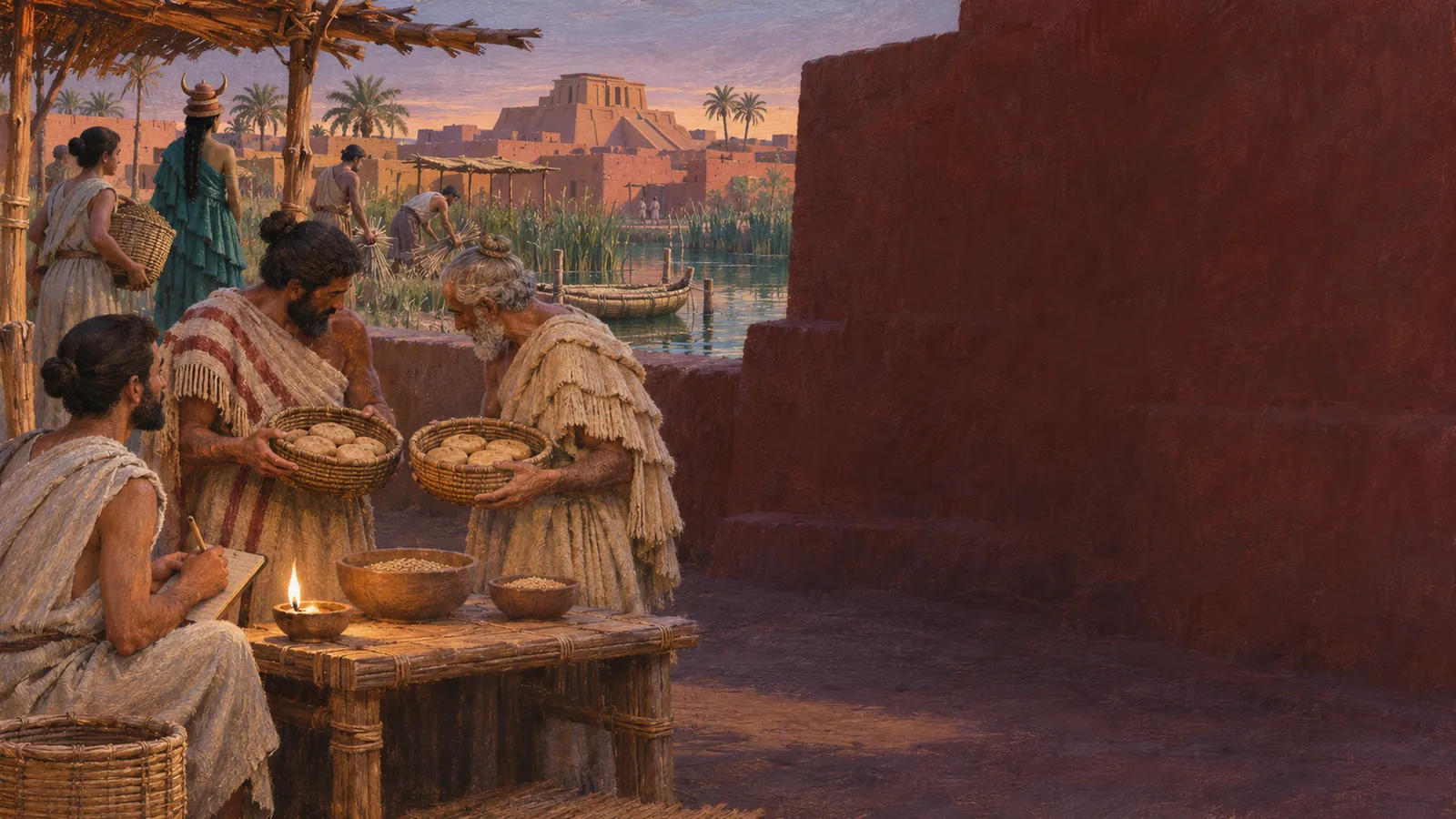
A complaint is lodged against the priest who distributes food. Another priest has failed in his service, in a partly uncertain reading. The passage says further rations are withheld.
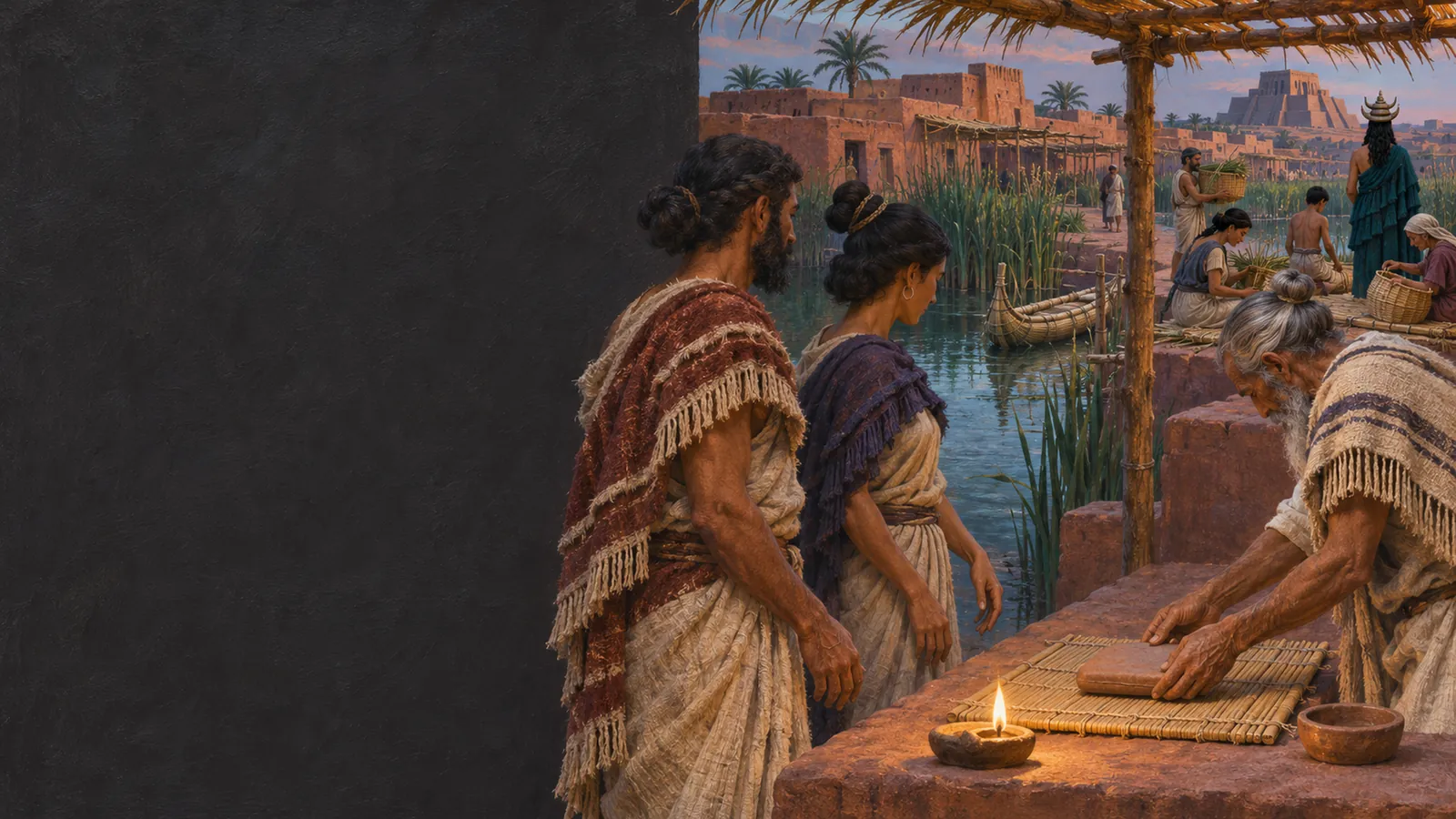
The hymn calls these instructions final. It says nothing is to be added to the rites. The last words in the passage are unclear.
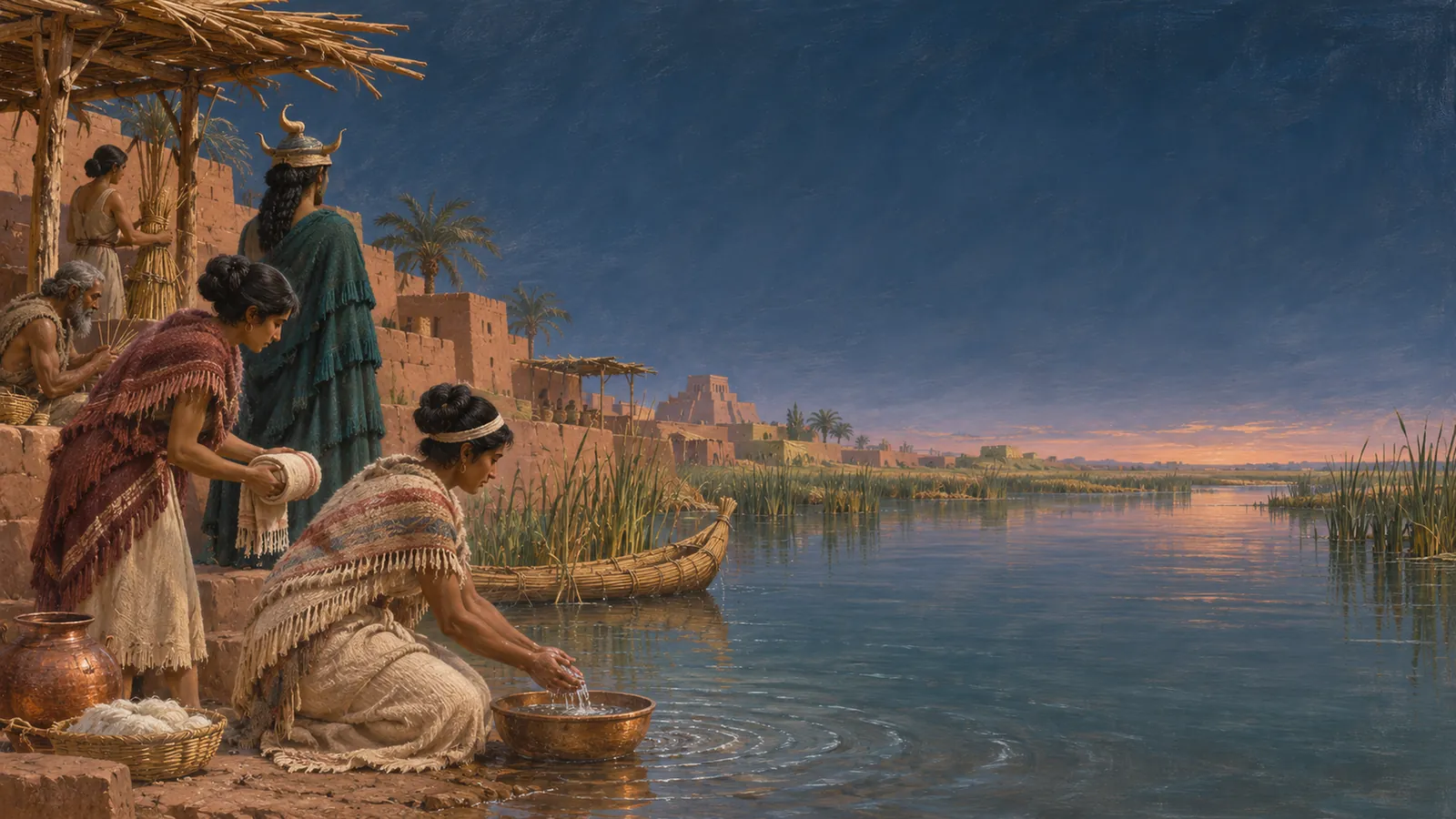
At Nanshe’s house, the hymn says that the river of the ordeal cleanses a person. It then speaks of messages and songs coming out of the abzu, in damaged words.
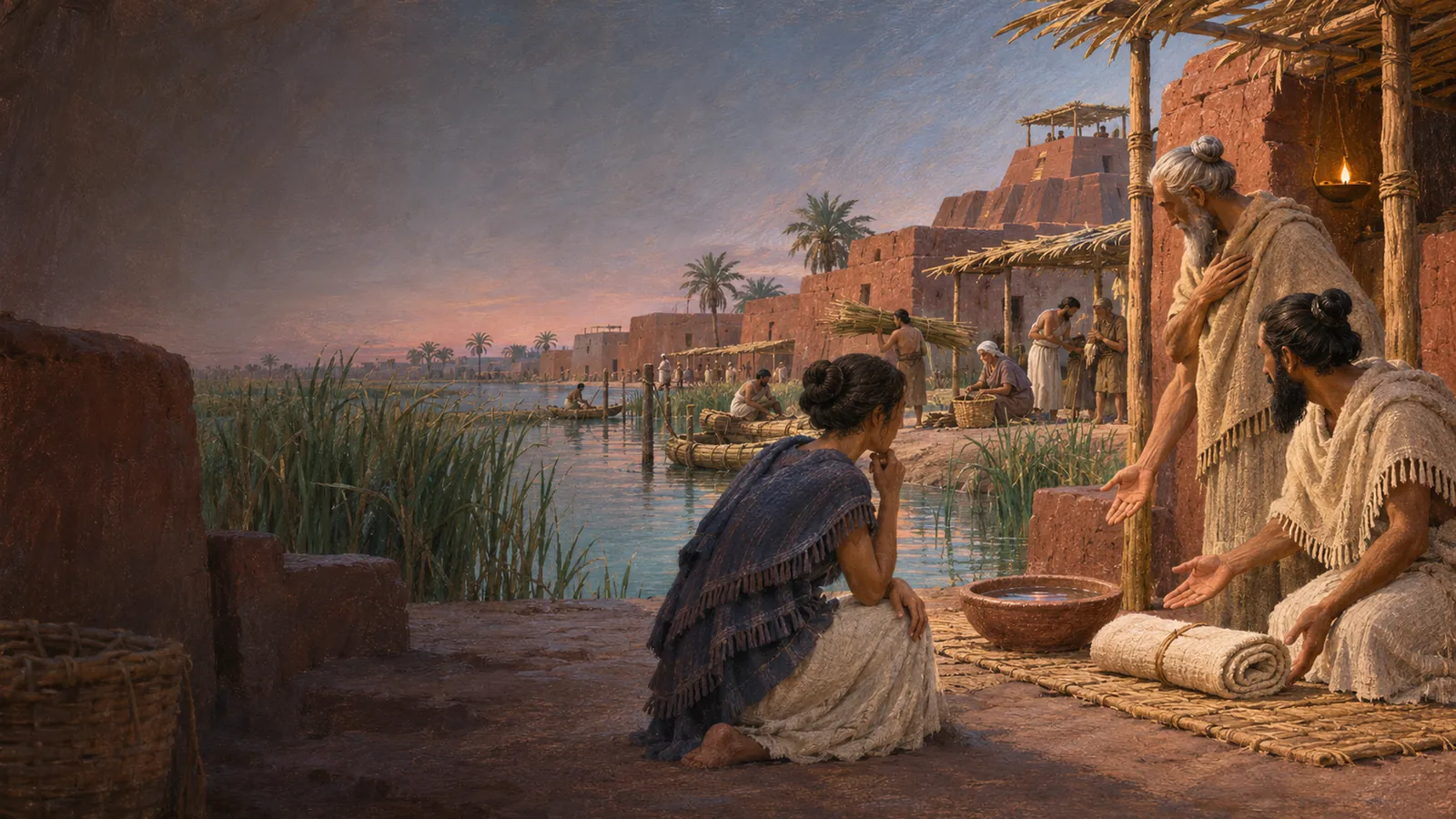
In a reading the edition queries, priests choose rites of purification. The hymn forbids obstinate or threatening speech as it returns to the wording of the rites.
BOUNDARIES
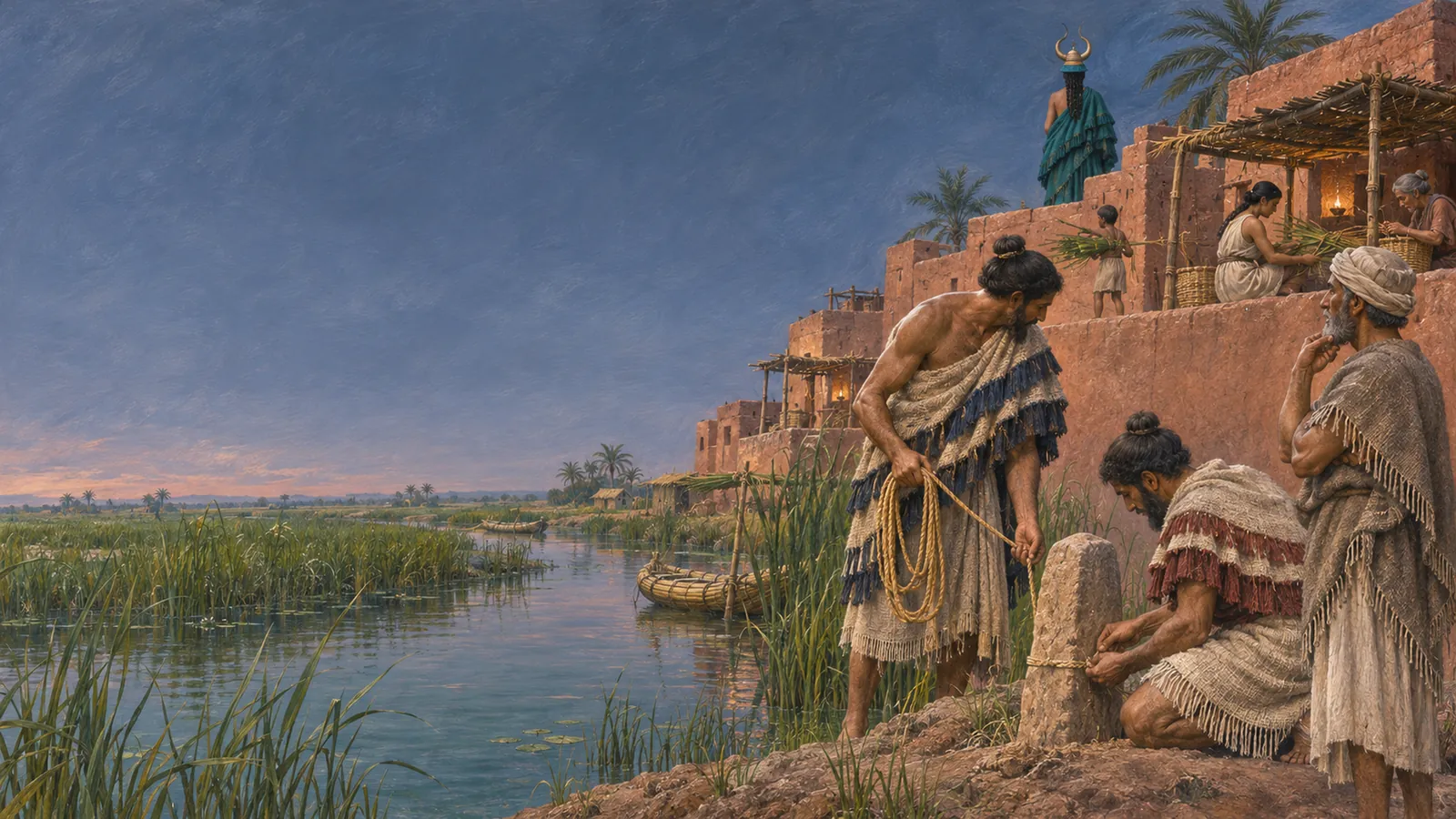
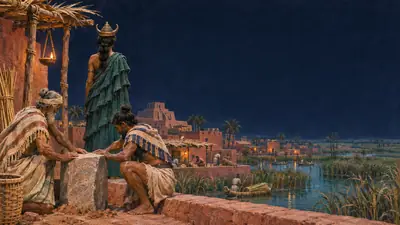
The hymn names anyone who commits violence or alters a marked boundary. A fragment may describe reaching out forcefully. The words about a firm foundation and the place of oath are damaged.
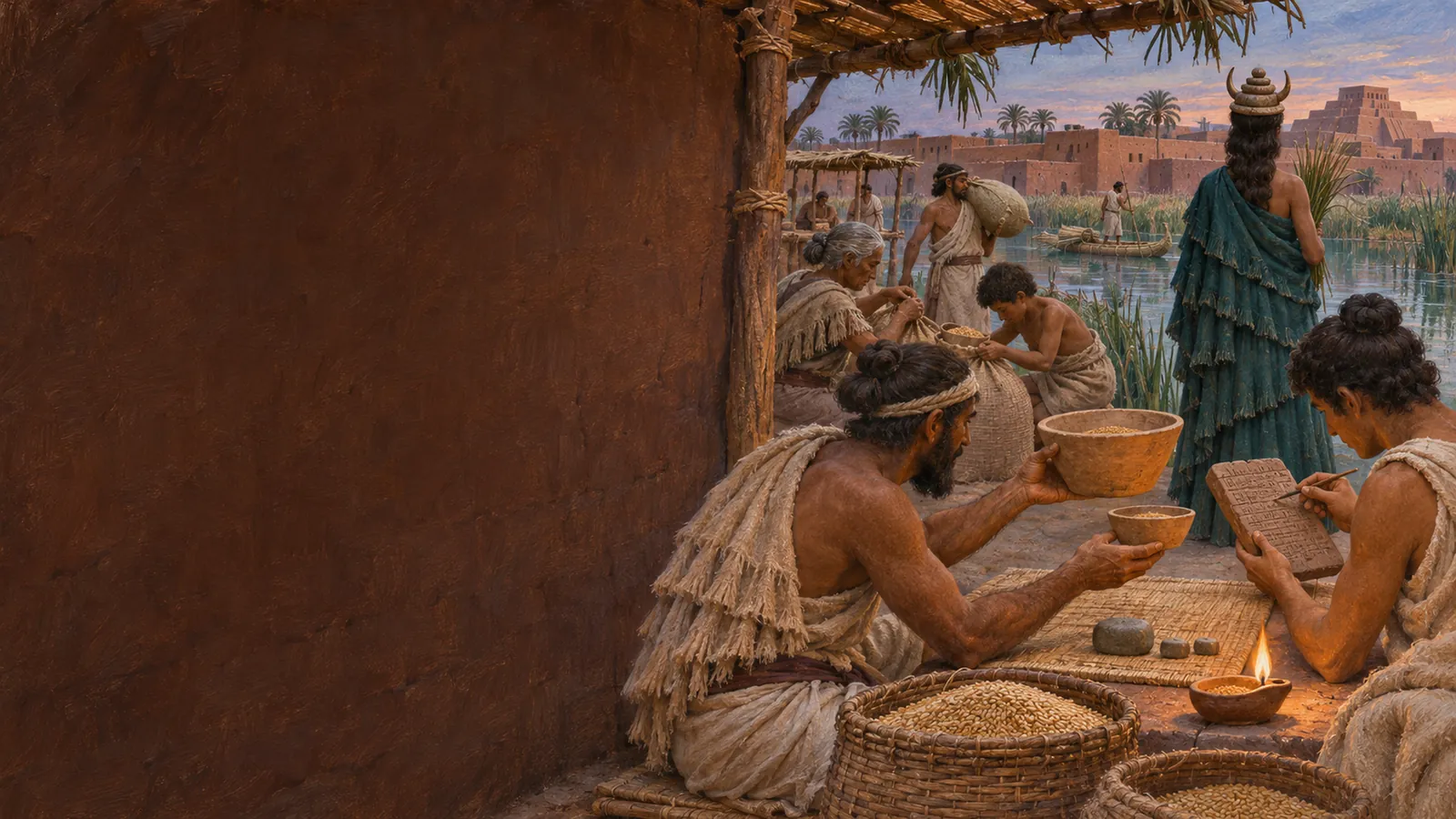
The hymn may describe using a small weight in place of a large one, and a small ban measure in place of a large one. It also speaks of wanting more after already obtaining something.
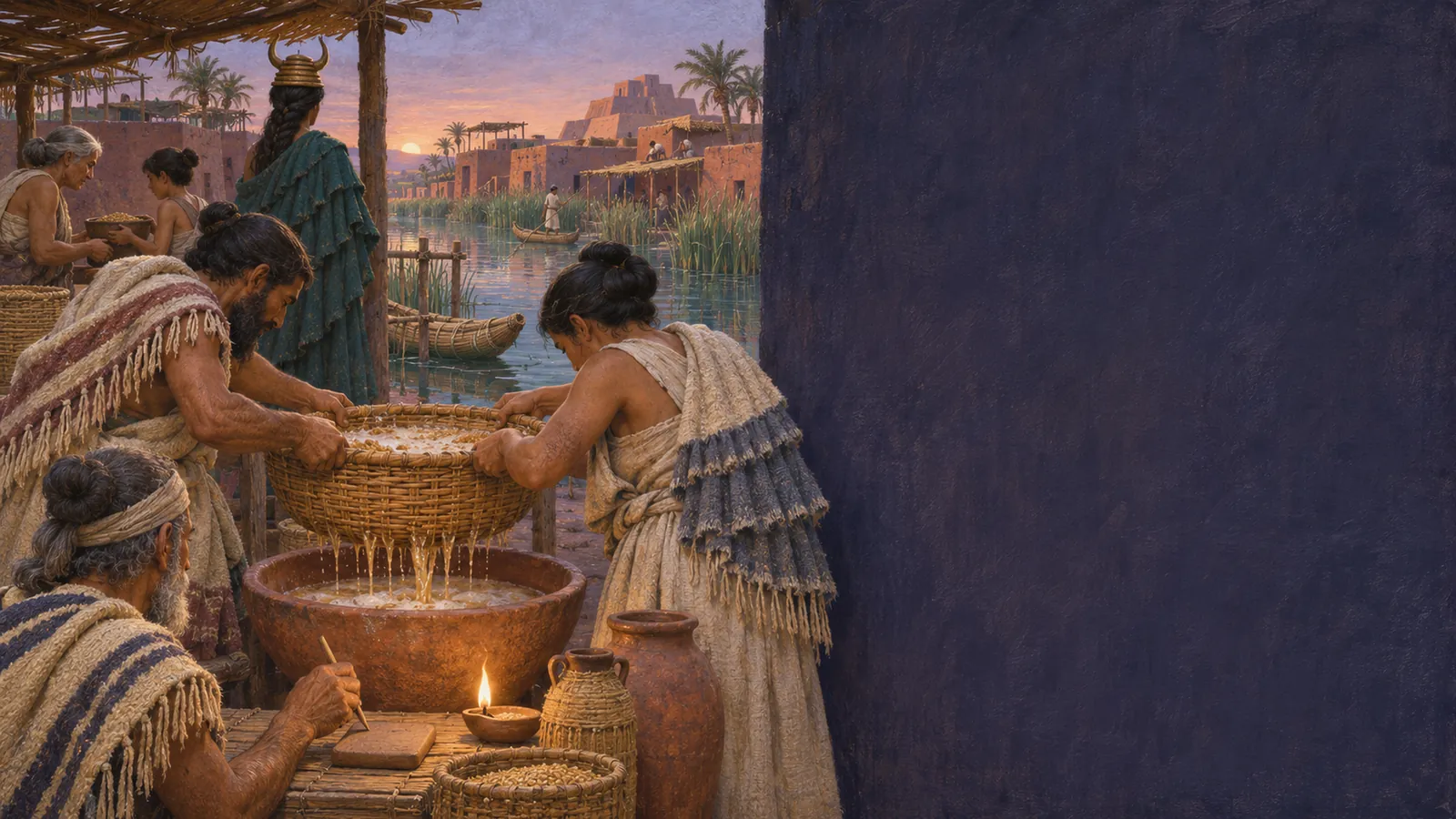
The hymn describes people who have eaten or drunk without saying so, then promise to set out a bowl and filter beer. The next clauses about a servant and an untrustworthy person are damaged.
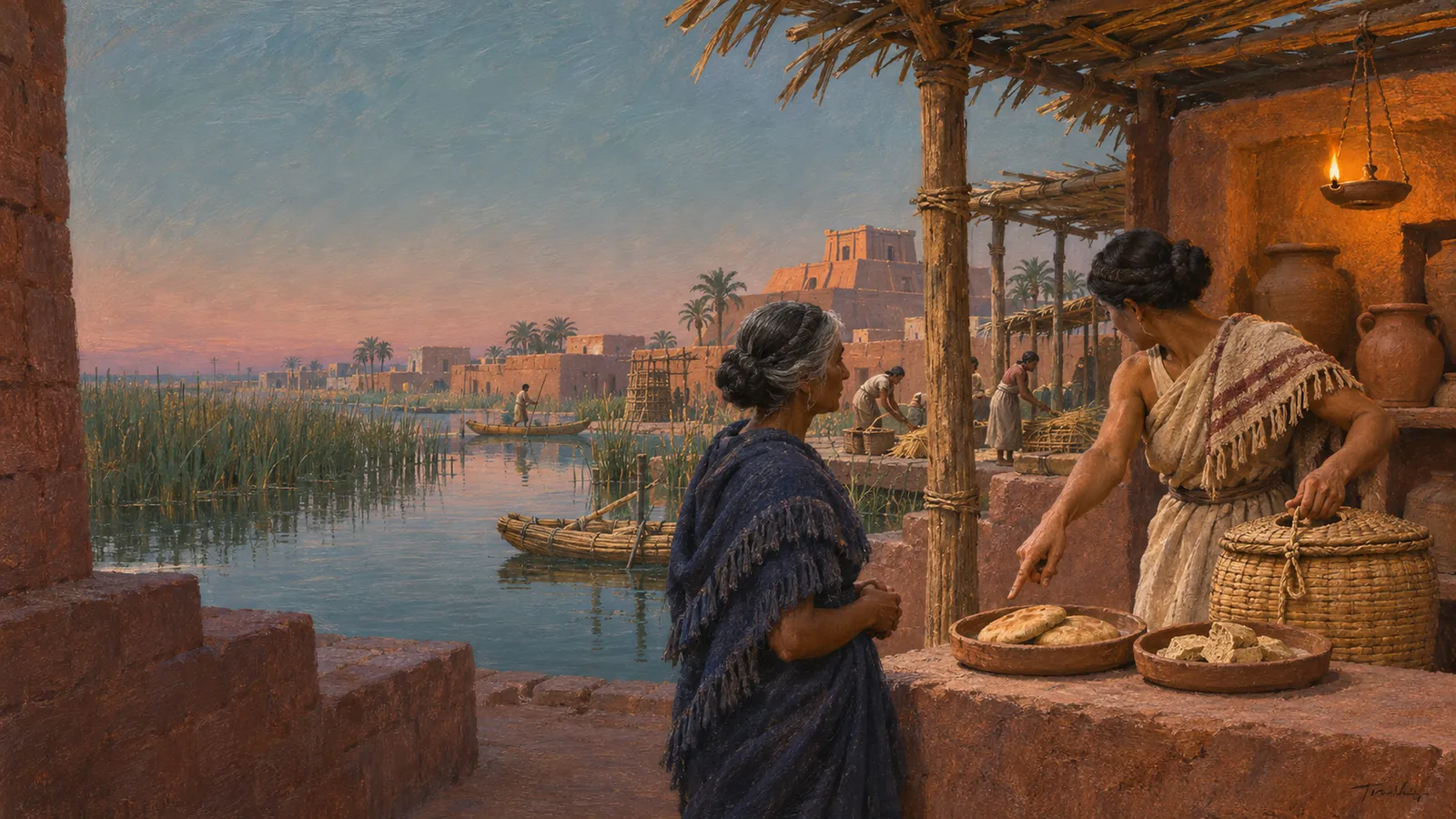
In this passage, when a person asks for food or drink, Nanshe forbids him bread with fat or shining eggs. The wording about serving and the violation is uncertain.
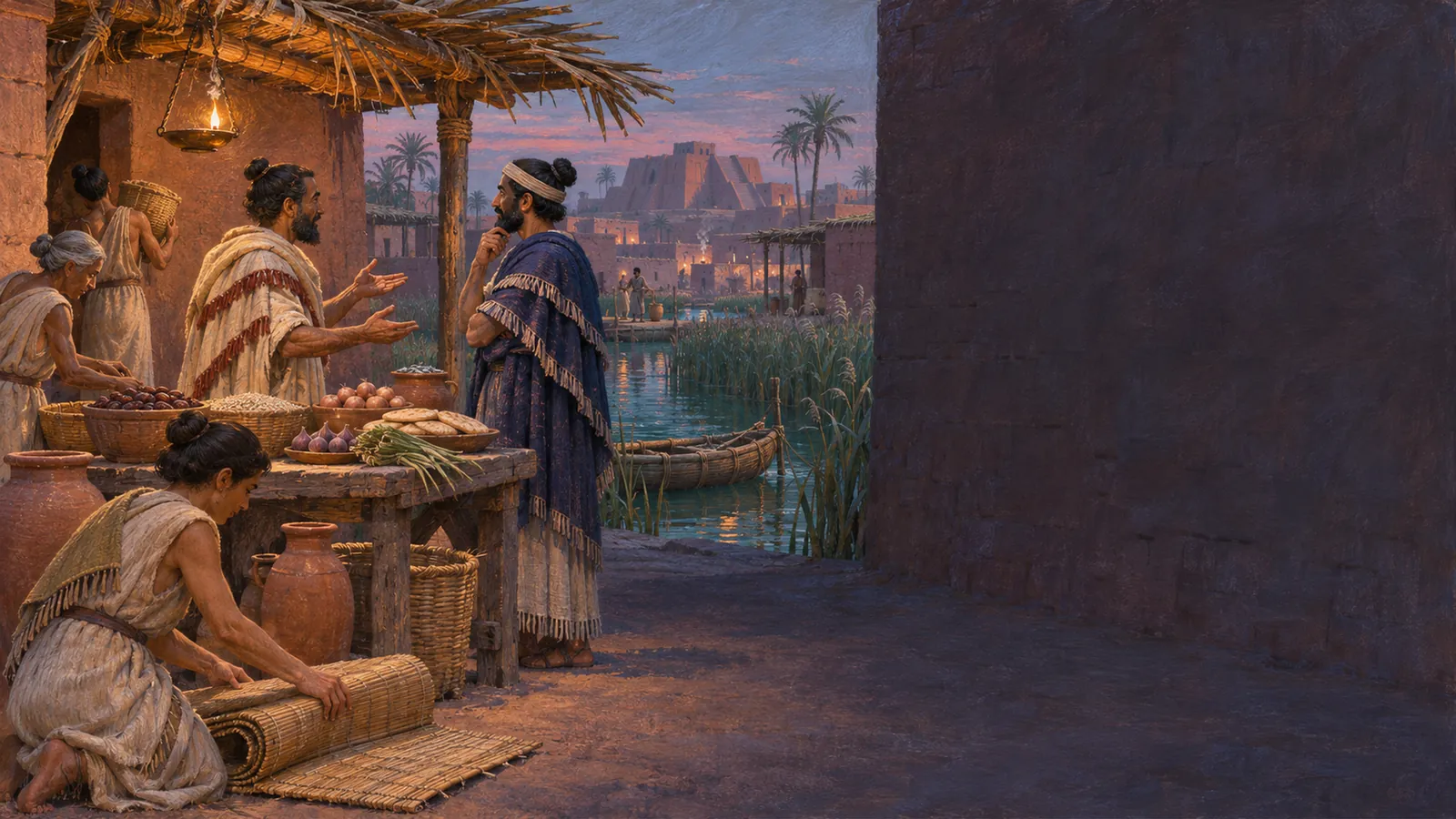
The damaged lines consider what follows if someone who has committed violence is allowed to eat. Words about the eyes, a mouth unable to move and shuffling feet survive.
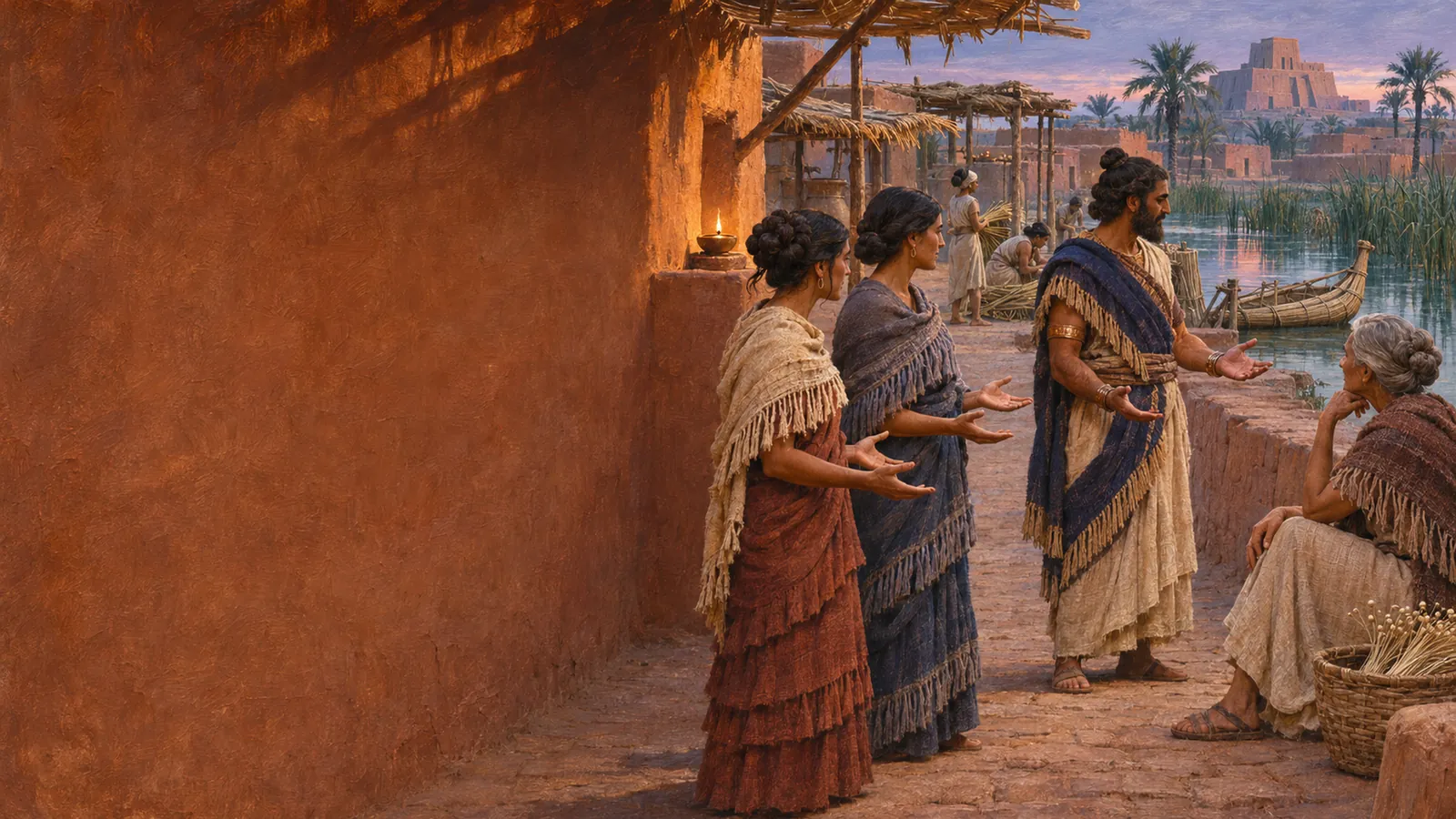
Other damaged lines mention a powerful person, a rich person in the street and a married man. They mention his wife and a widow, while the words linking them have broken away. Later phrases mention anger and mockery.
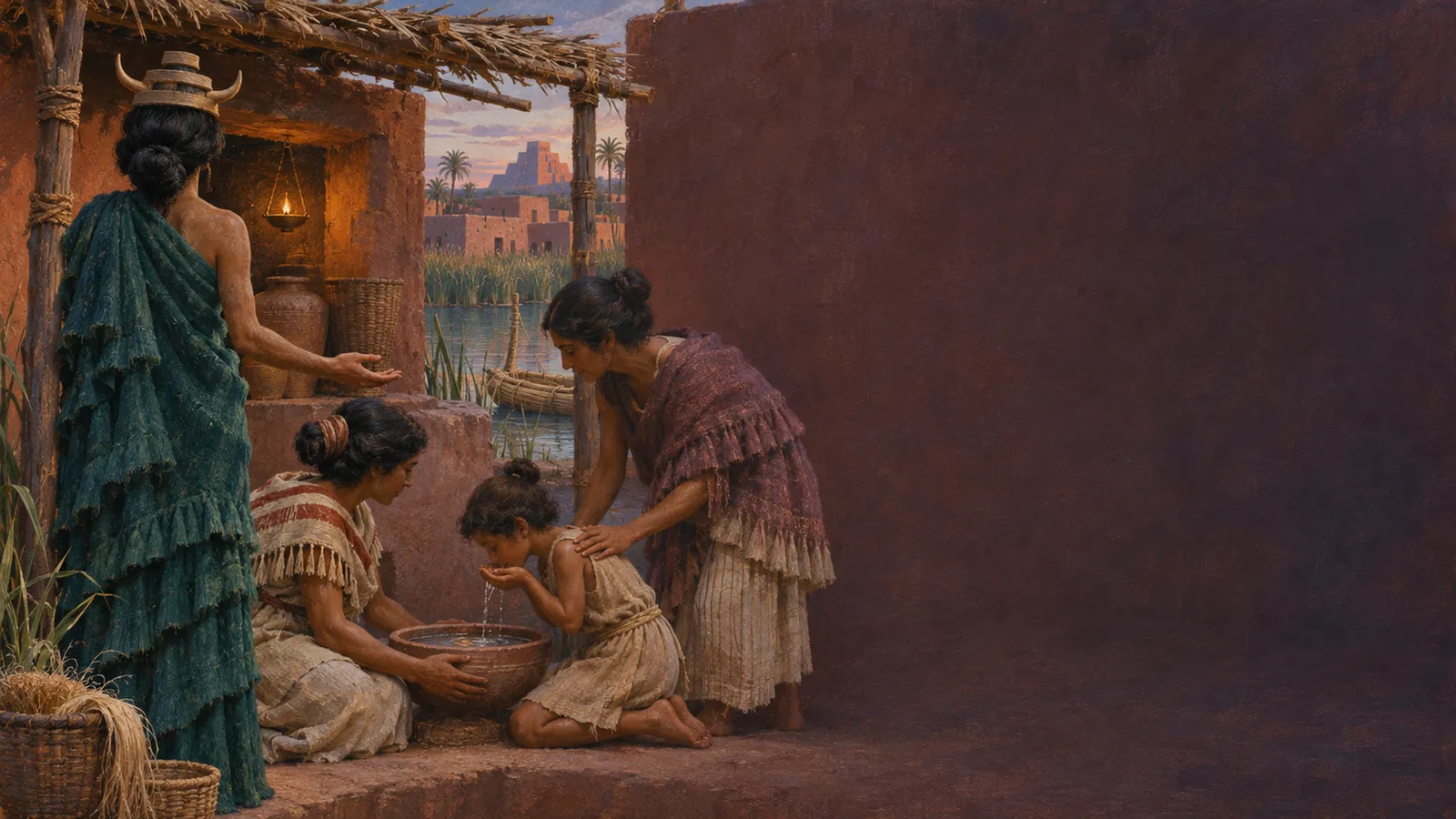
The hymn says Nanshe sees into people’s hearts. Broken lines name an orphan and a widow, then speak of a waif given over to the powerful and the powerful delivered to the powerless.
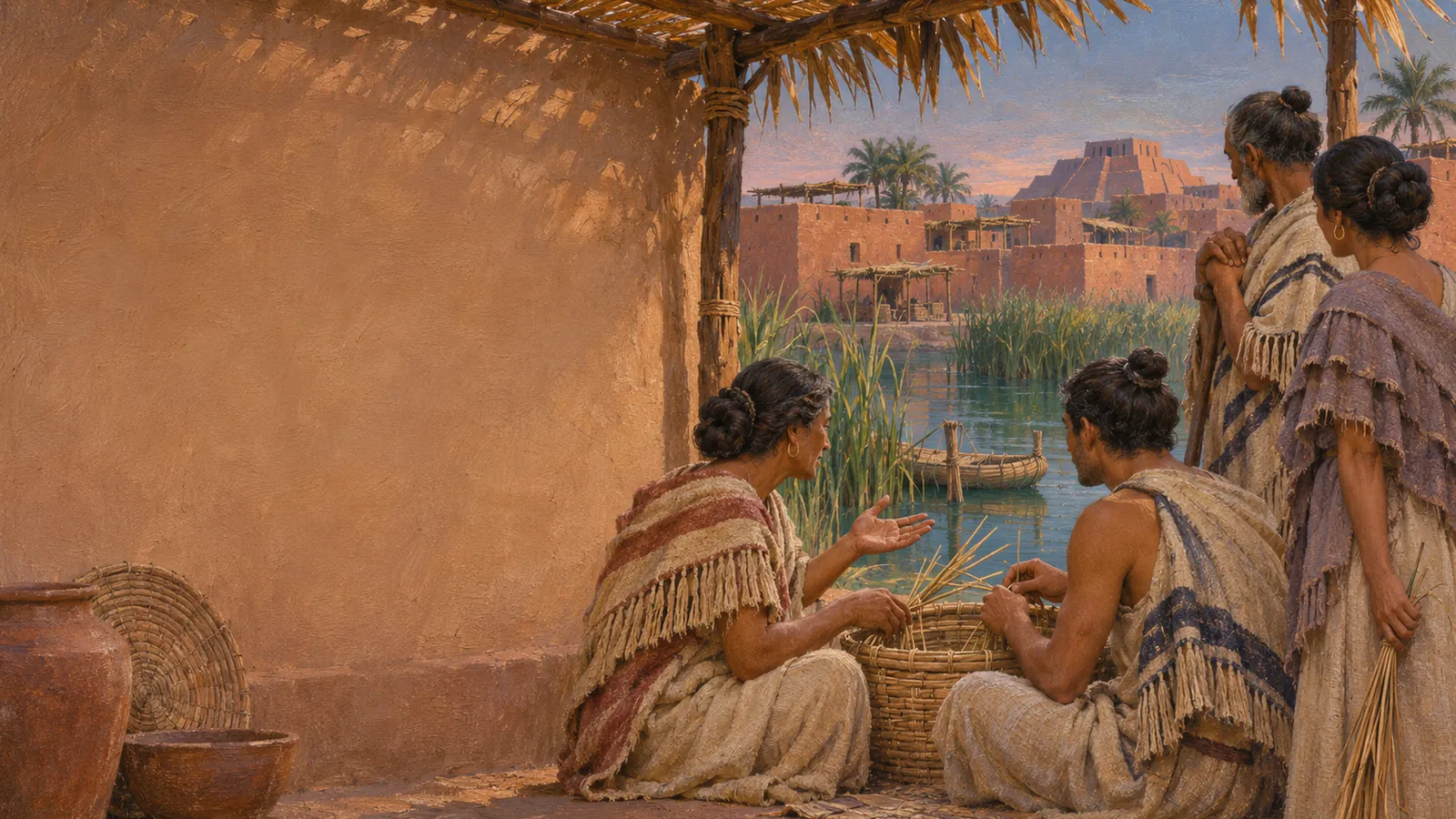
The hymn names a mother who scolds her child and a child who speaks stubbornly to his mother. It also names a younger brother who speaks against his older brother or answers back to his father.
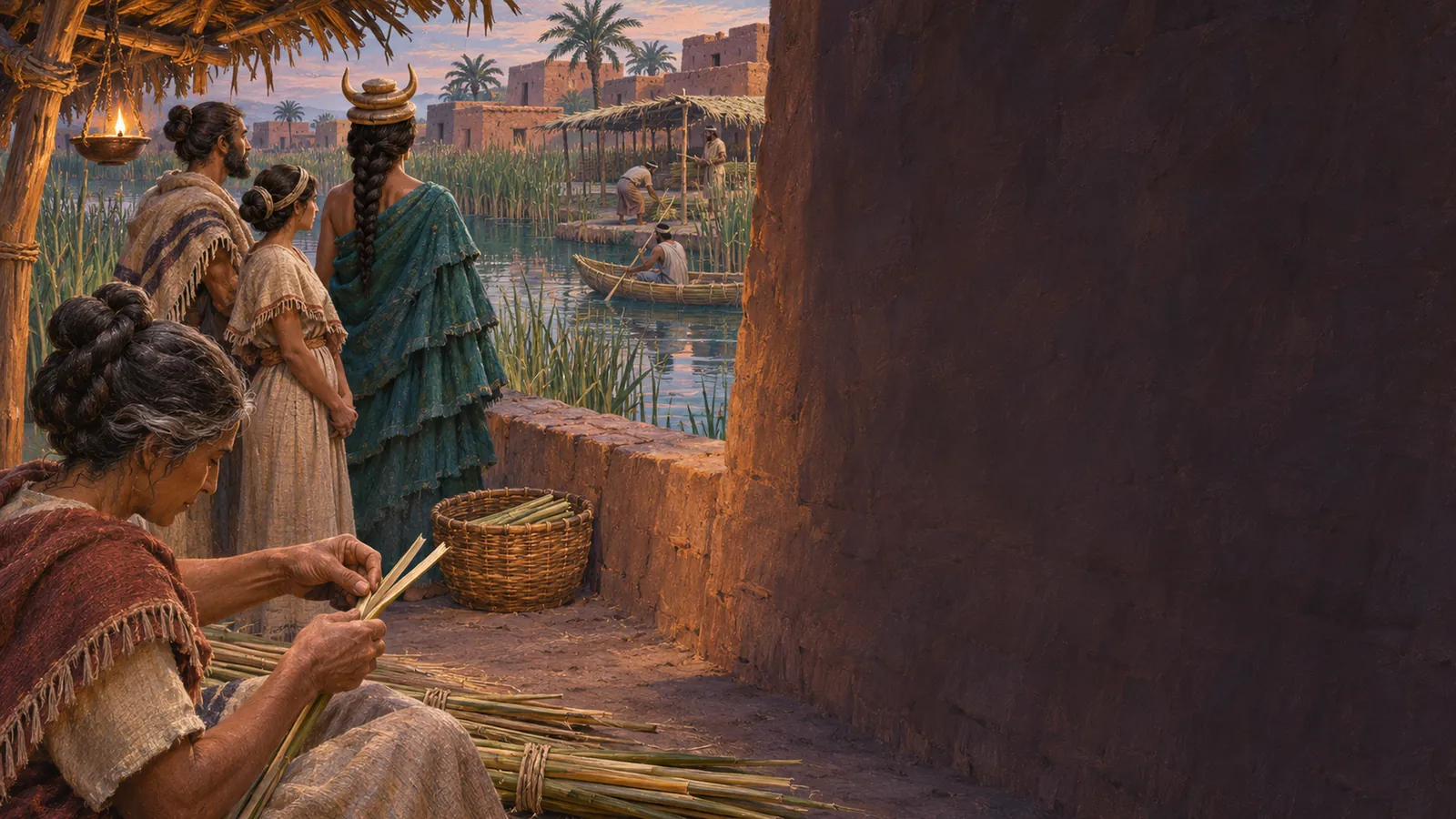
The hymn says Nanshe sees into the heart of the land as if it were a split reed. The last line in this passage is unclear.
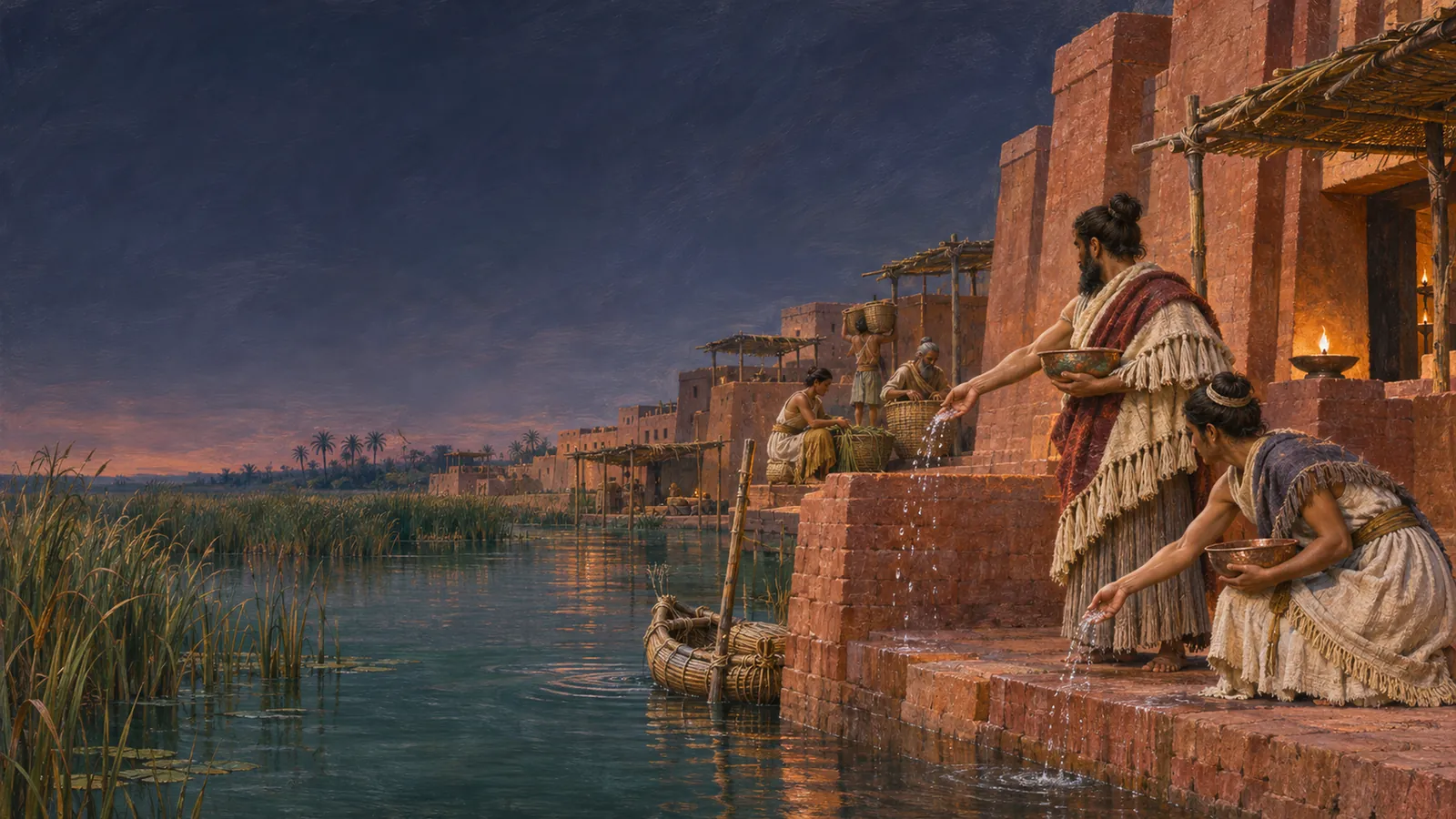
Damaged lines name the herald Hendursaja and the protecting spirit Dumu-tur-cugi. They mention Nanshe’s house in Sirara sprinkled with water. Other words about what happens, perhaps at night, are damaged.
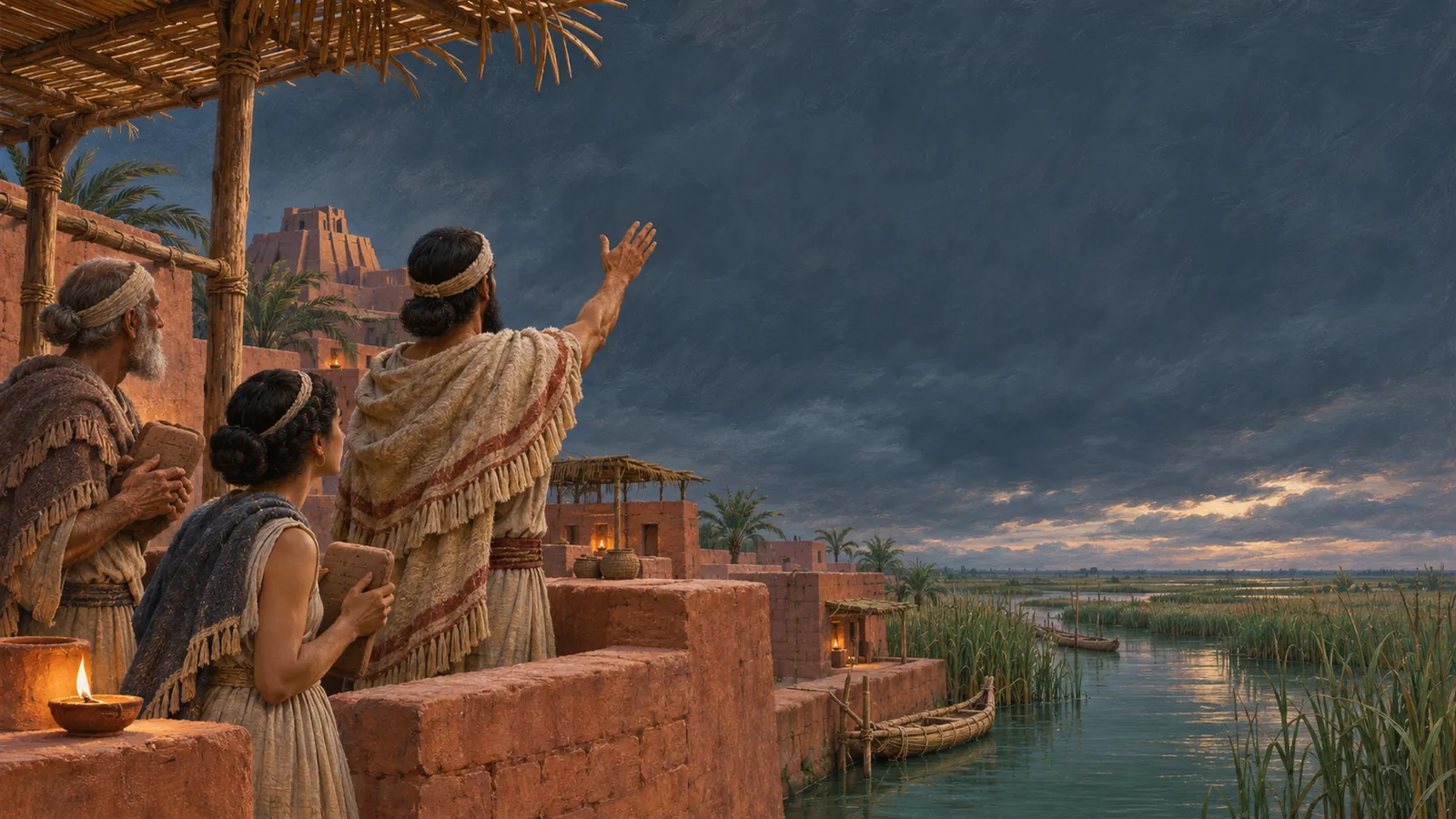
Hendursaja proclaims the decrees of Nanshe’s house. The hymn compares them to heavy smoke settling and thick clouds covering the sky, then says Hendursaja tears those clouds apart.
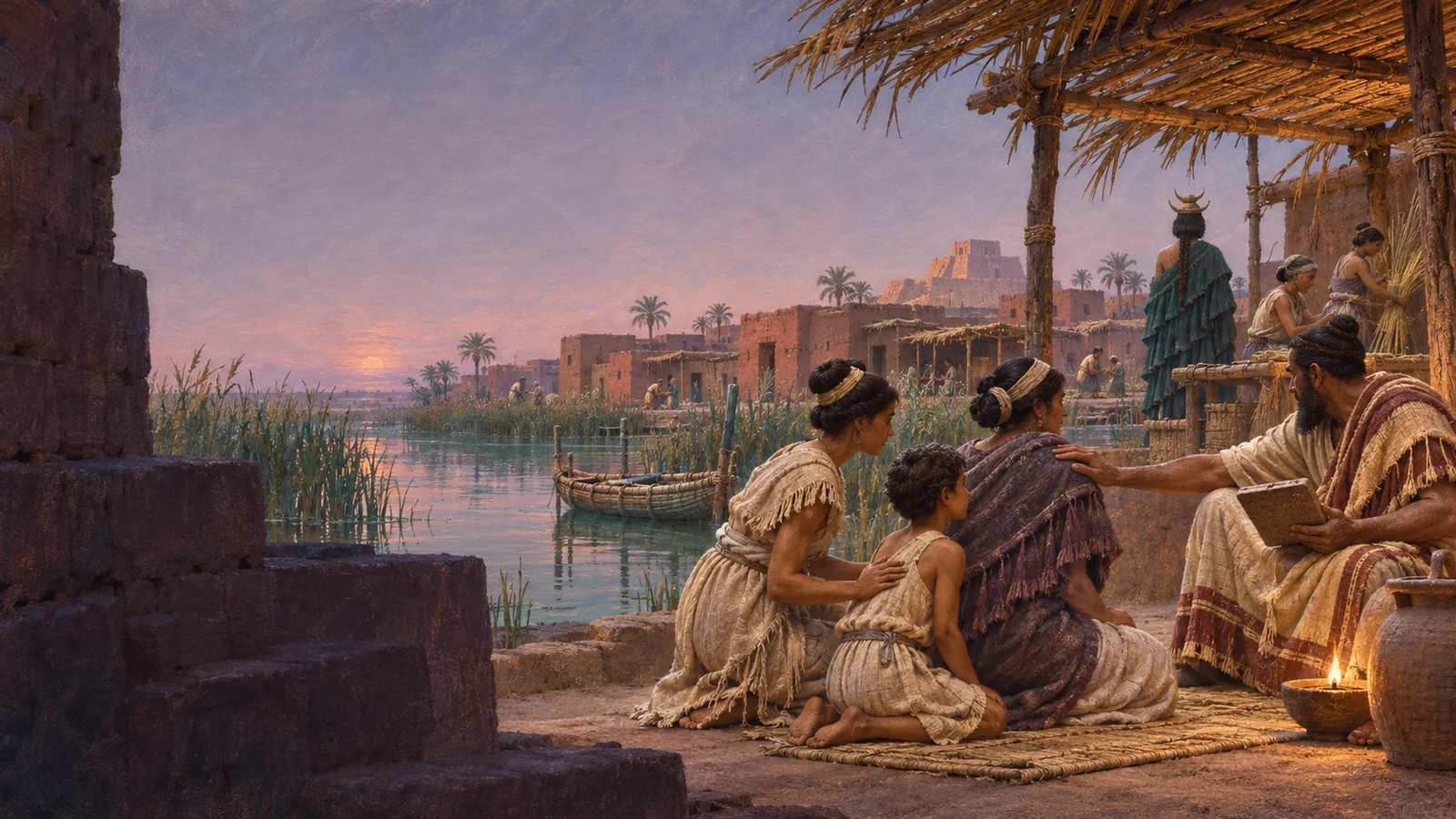
The hymn says Hendursaja can tell the just from the wicked. It praises his ability to bring justice to the orphan as well as to the widow.
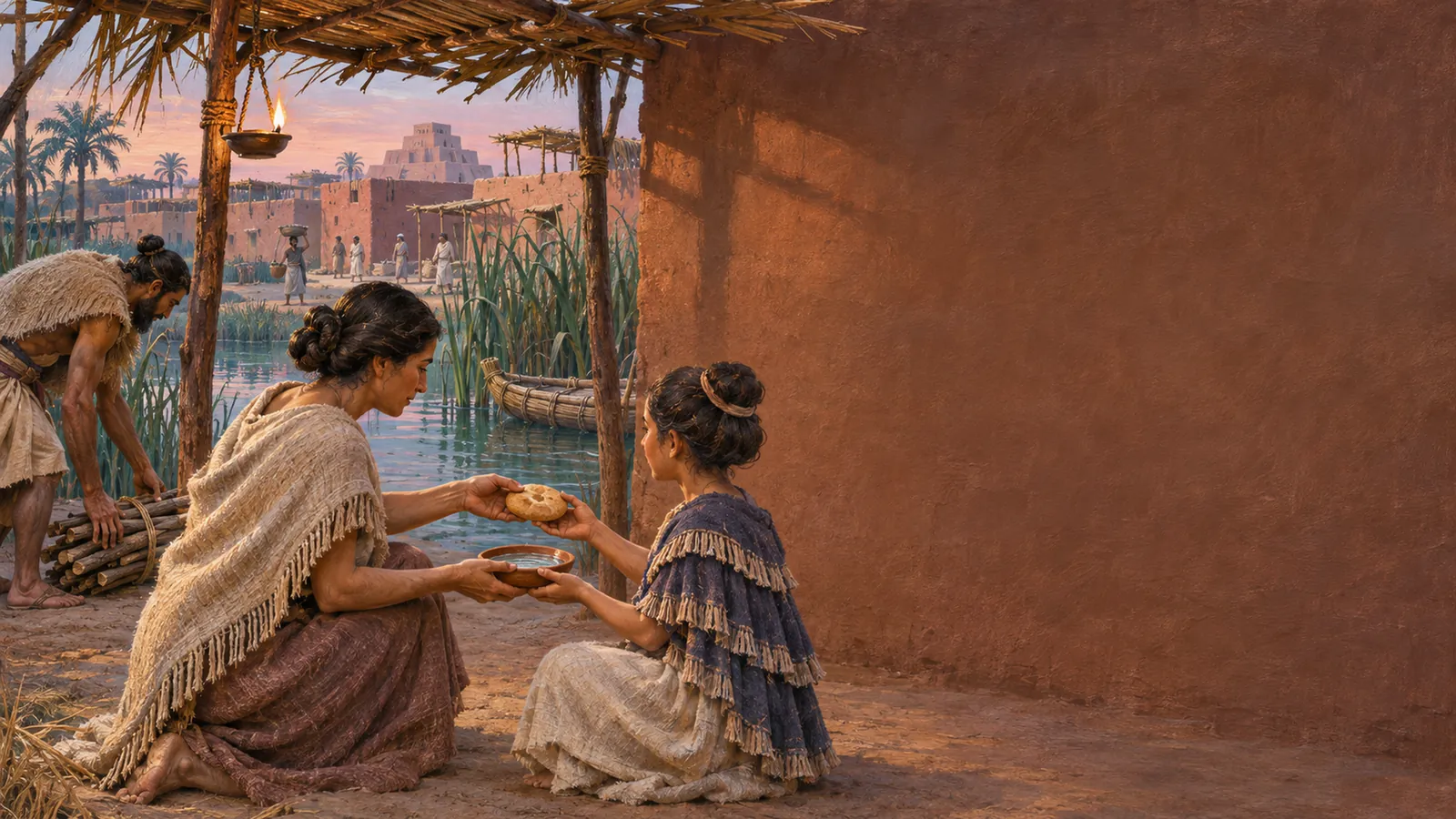
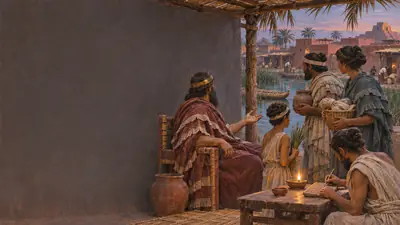
One case begins with a mother who gave her child what she had to eat and drink. The next words about a delivery of firewood are damaged.
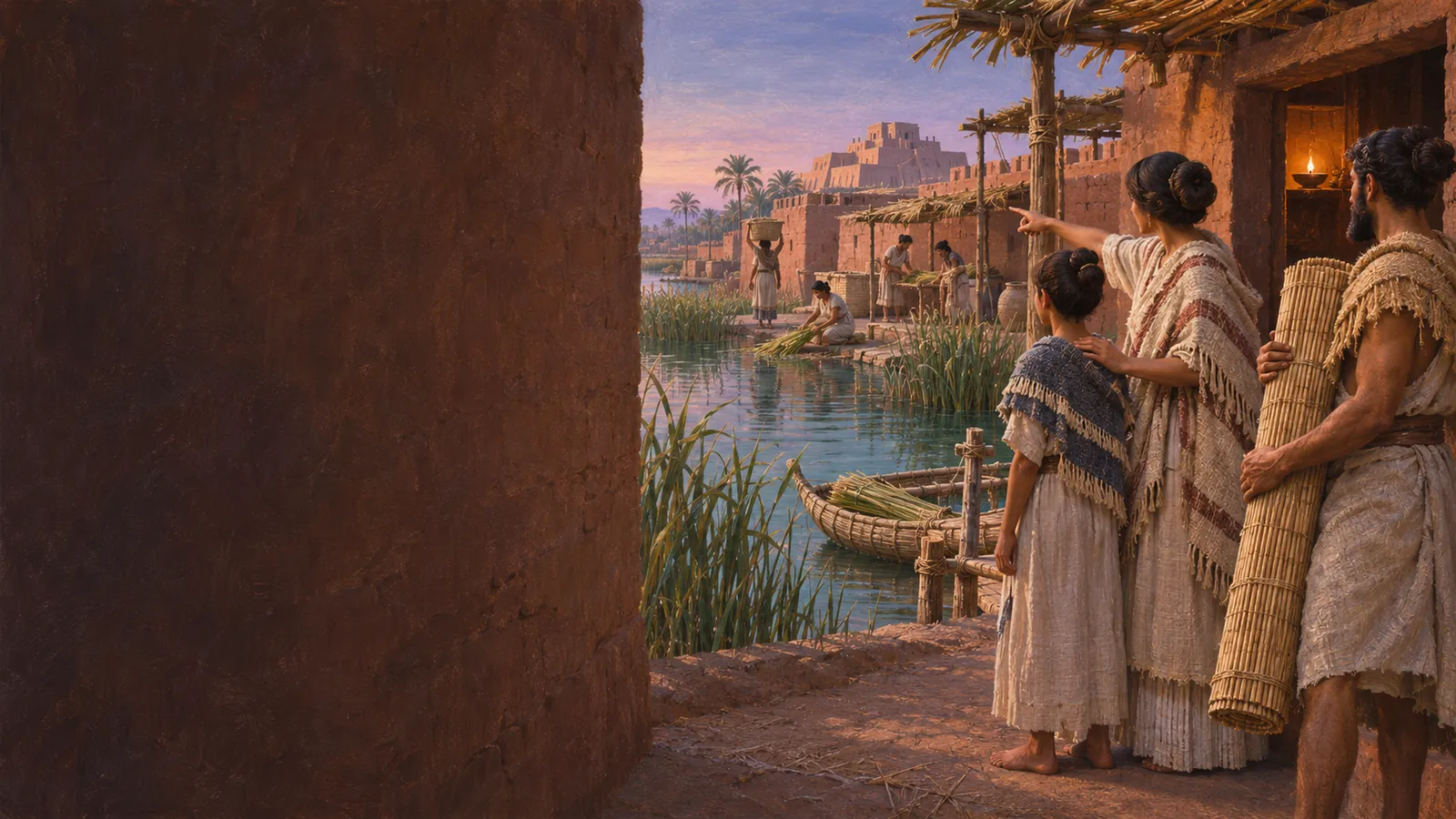
The surviving clause says the child did not speak angrily to his mother. She ordered him to go to the place where the offence had happened.
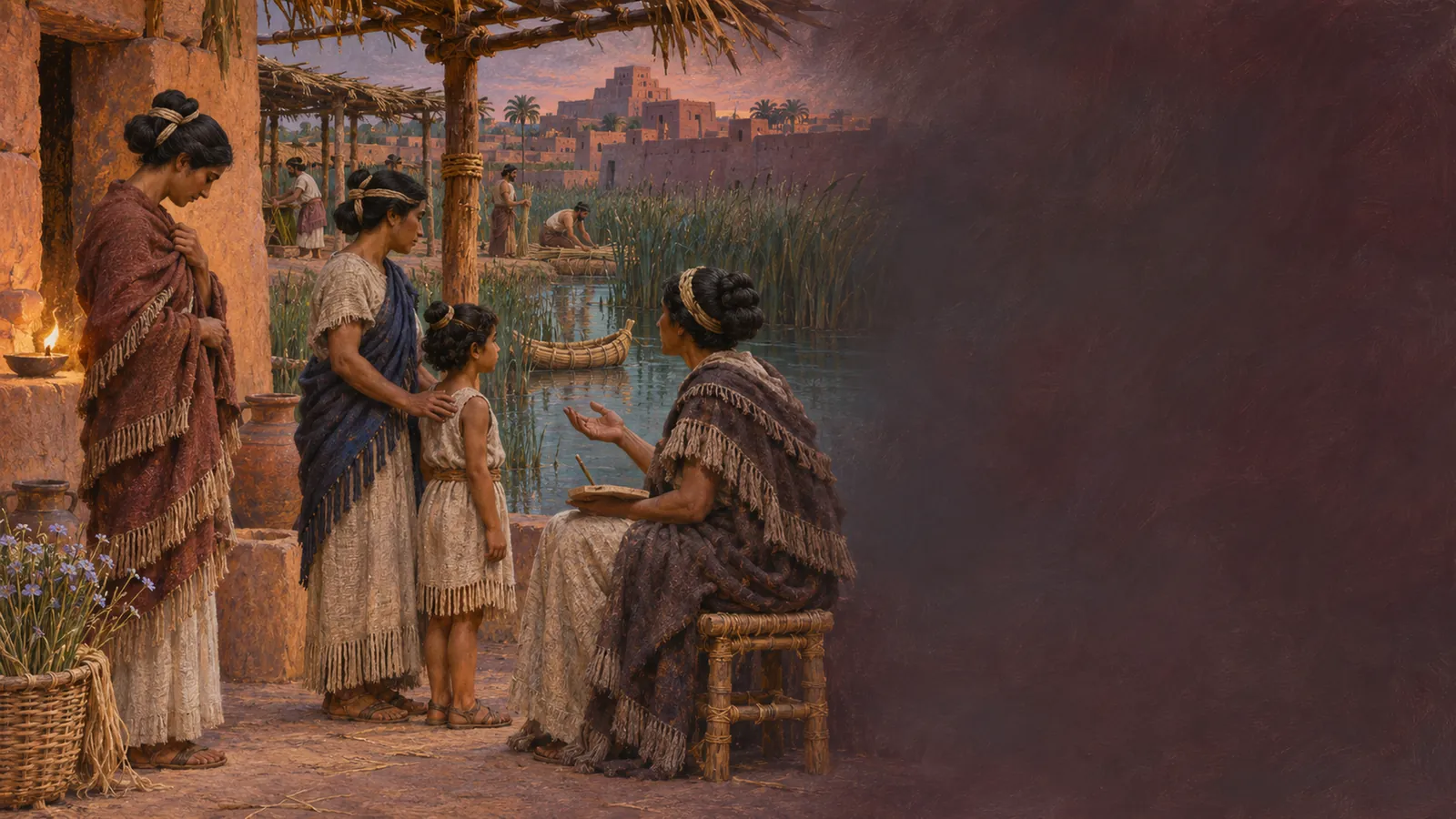
The mother struck her child, and the hymn recalls that she had nursed him. Part of the line about the blow is missing.
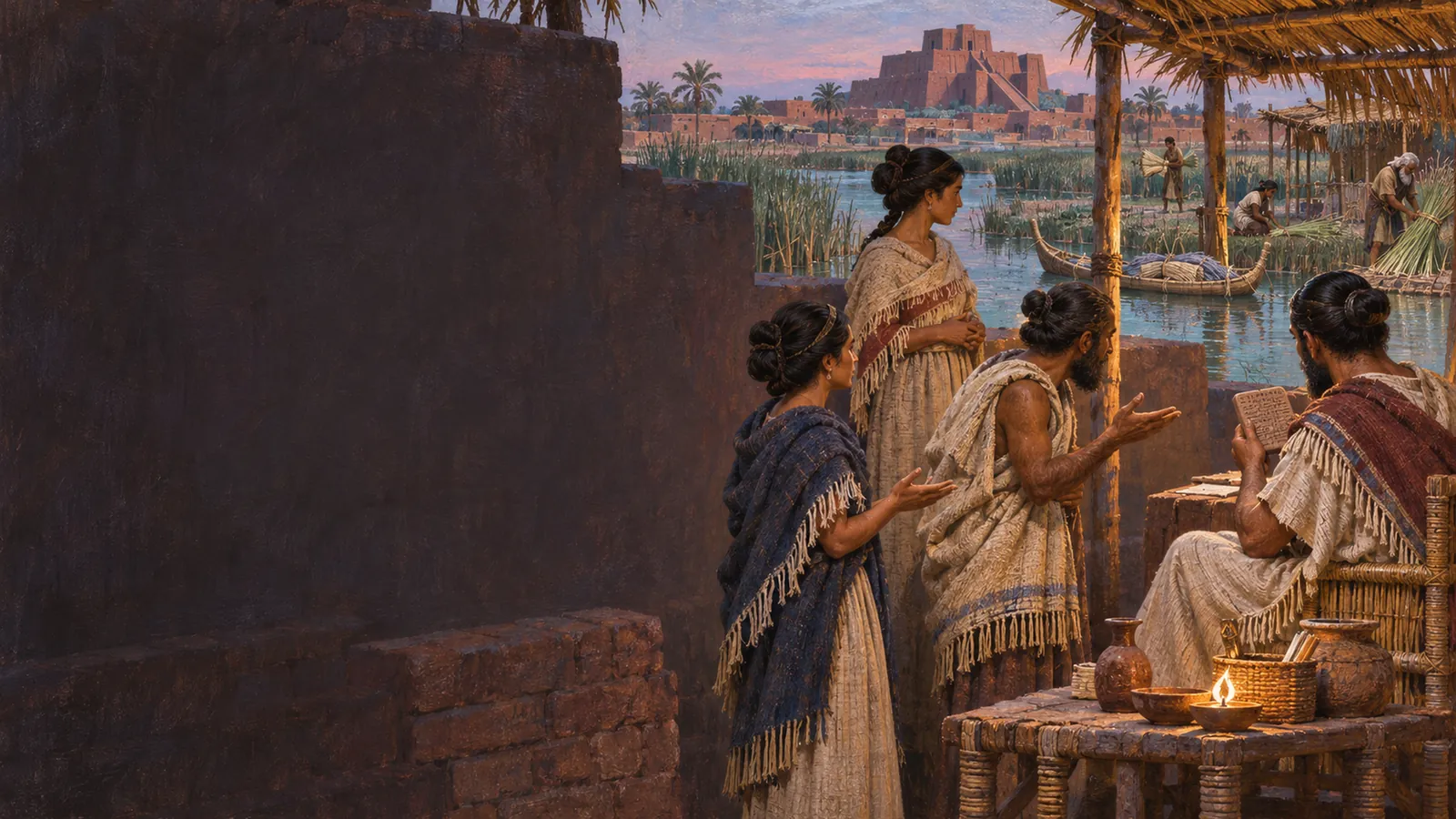
Hendursaja examined their testimony and laid the blame on the mother. The hymn says the weight of that blame would be hard to bear and gives her no god to turn to in prayer.
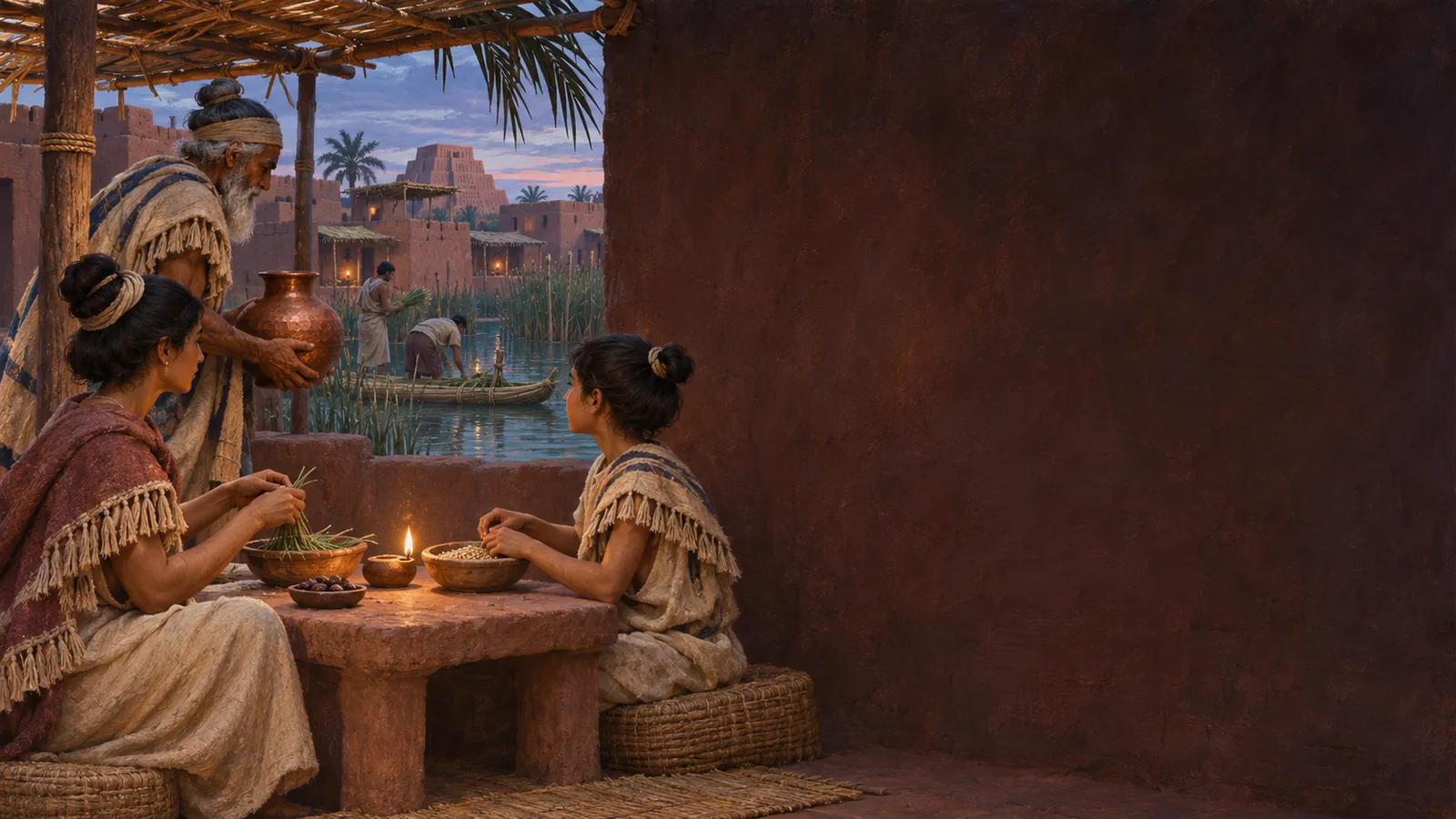
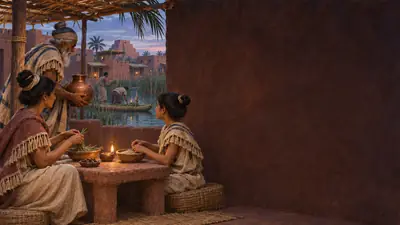
A second case speaks of a mother who did not give her child what she had to eat or drink. In the surviving lines, the child speaks to her in anger.
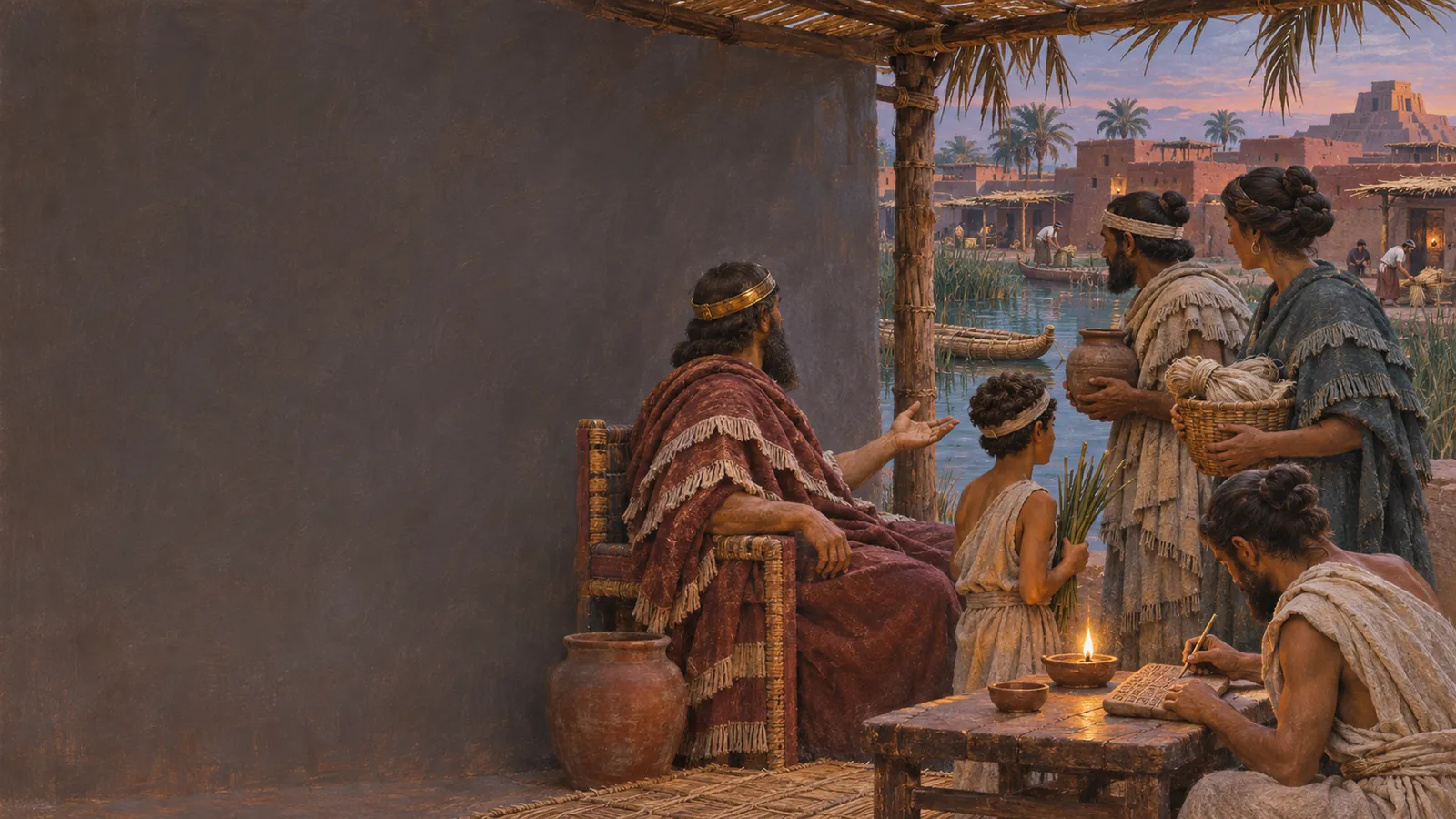
In the second case, Hendursaja rejects the child for his mother’s sake. The hymn compares the person to water in a filthy place and the rejection to sour soil refusing grain.
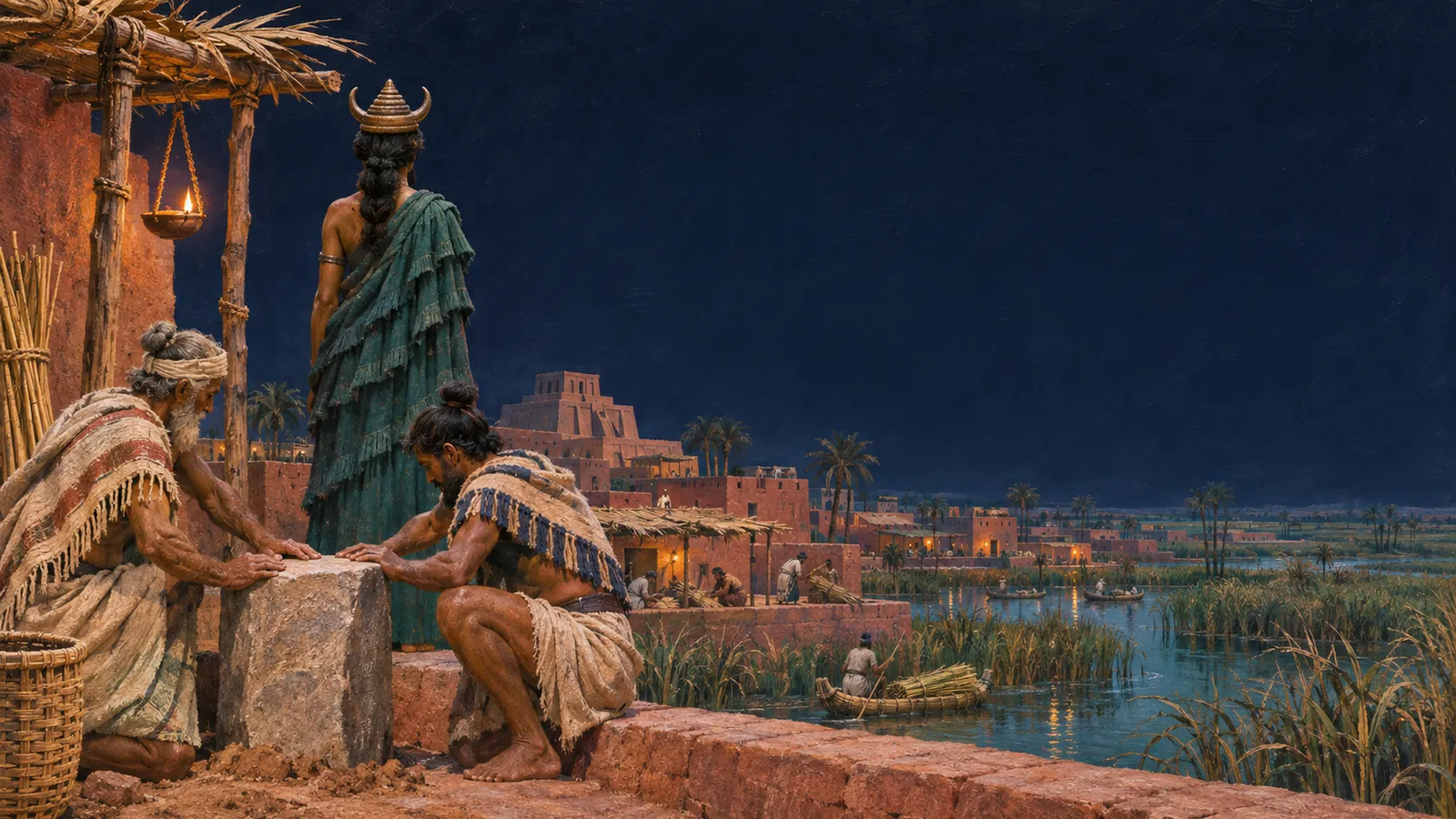
The hymn praises a guarantor of boundaries and an authority on just words. It names Lagash and Jatumdug in damaged clauses, then places the lady at Sirara, looking at her powers.
MEASURE
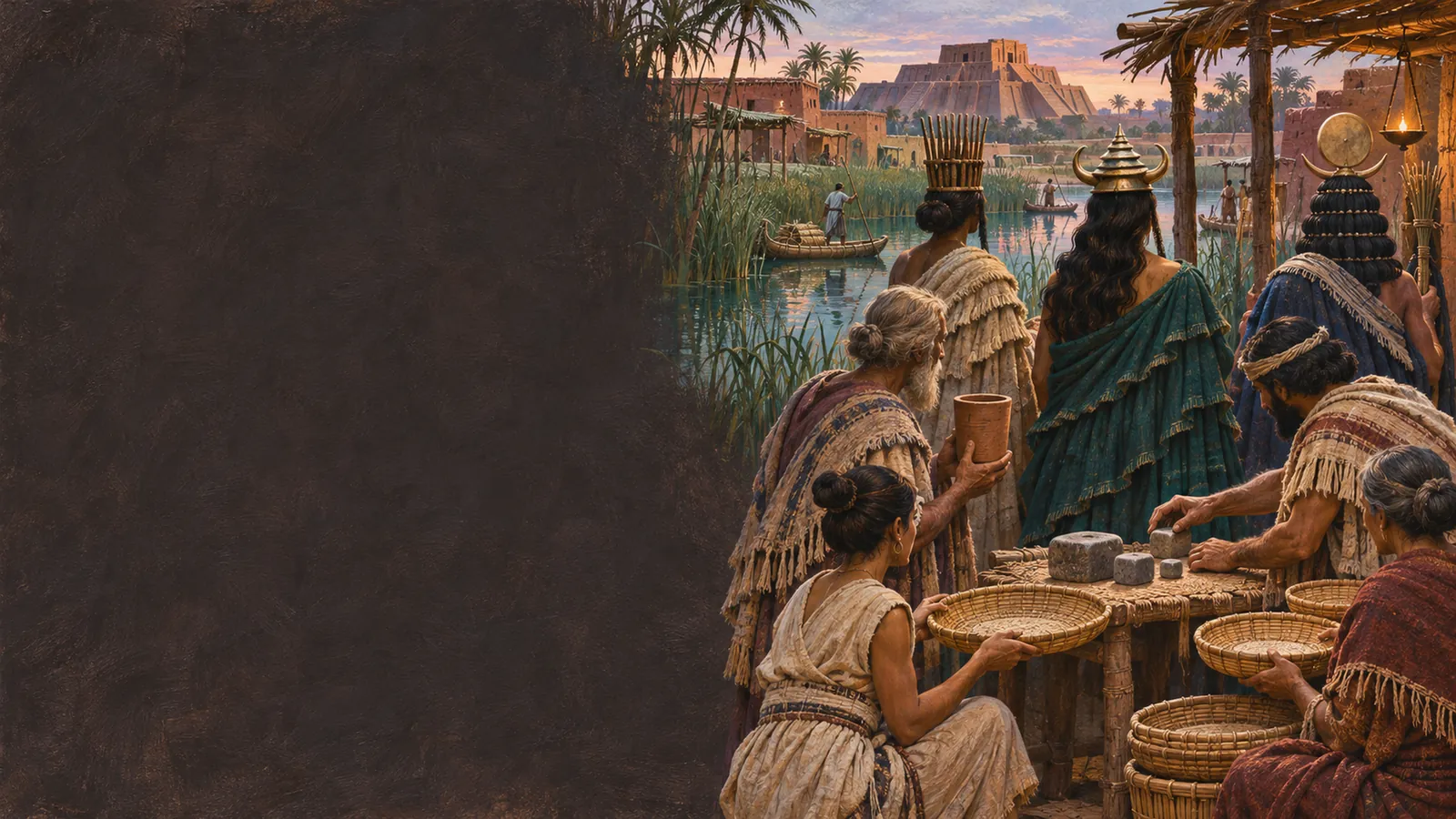
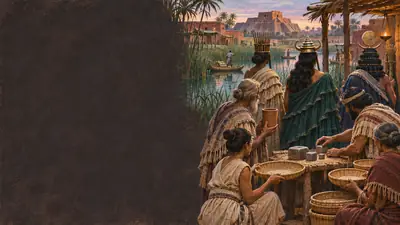
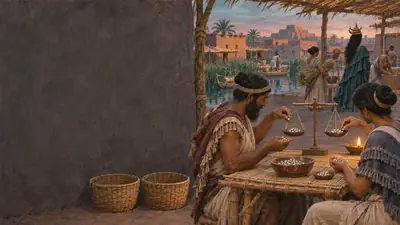
At Sirara, the gods gather at the house linked to the abzu. They set standard weights for silver, a standard size for reed baskets and an agreed ban measure.
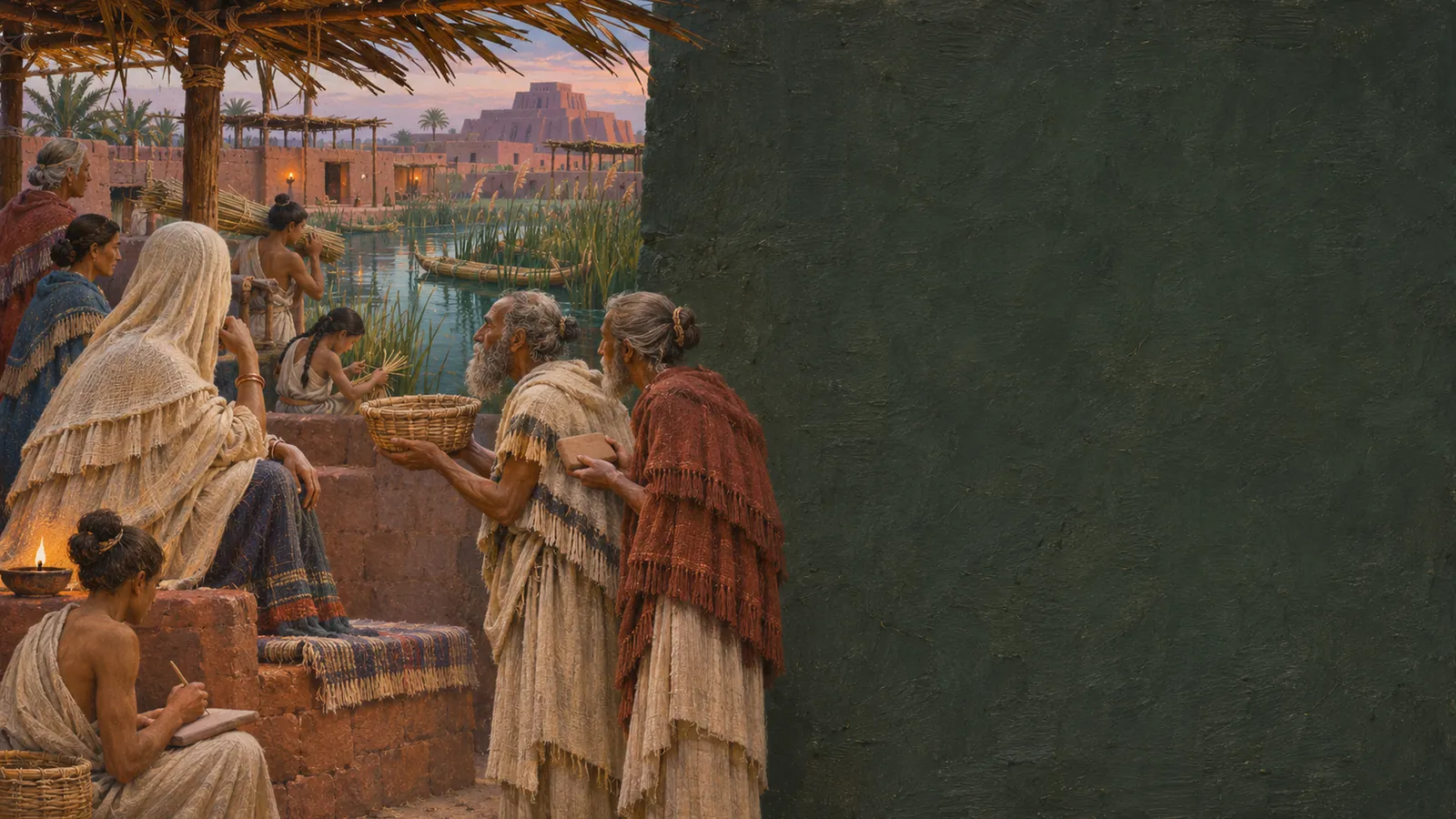
The hymn names Ishtaran as a just judge of disputes. It mentions Ningishzida in a damaged clause, before two lines the translation marks unclear.
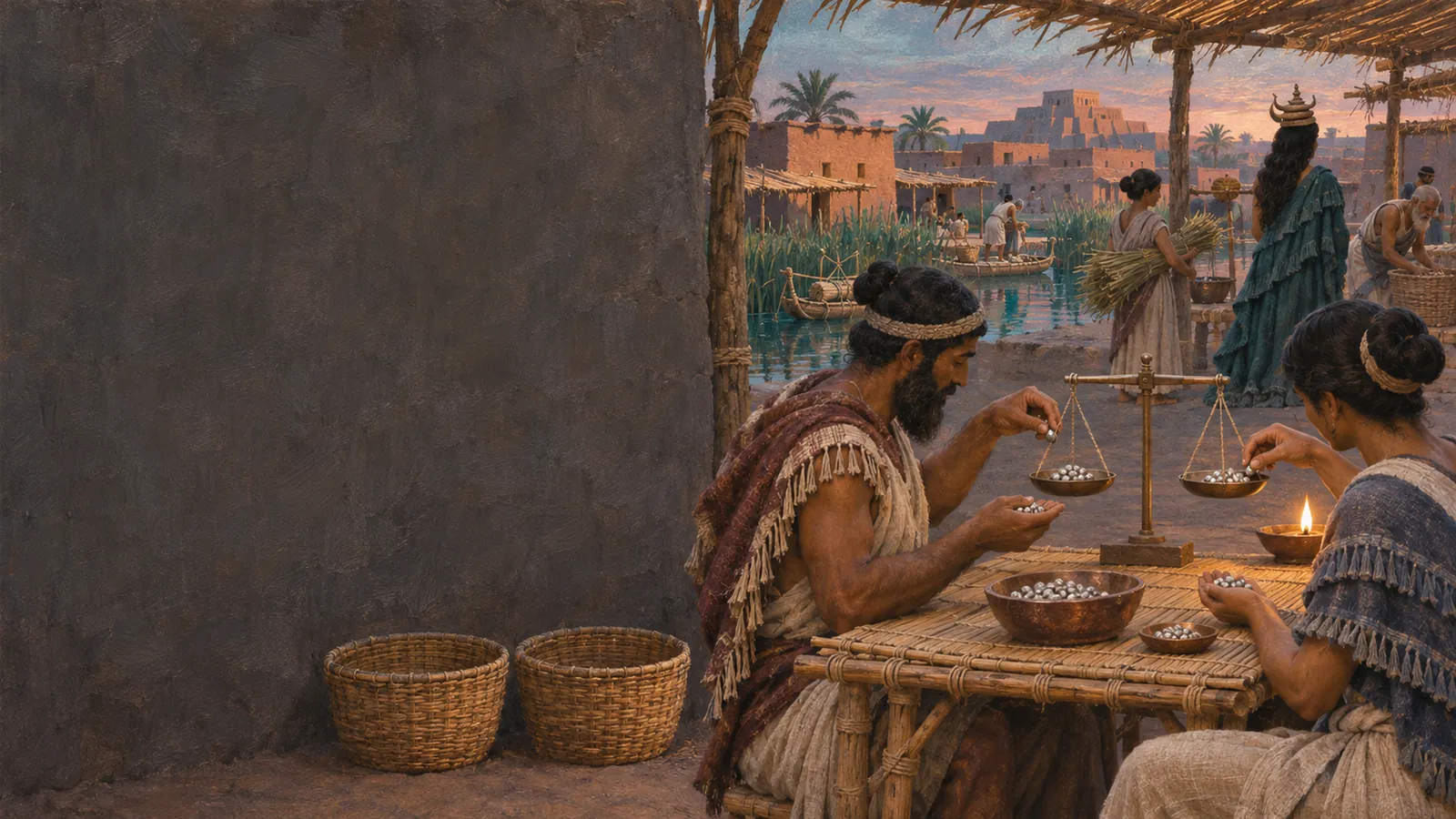
The hymn repeats the agreement to weigh silver with the same weights, to make reed baskets a standard size and to use one ban measure throughout the lands.
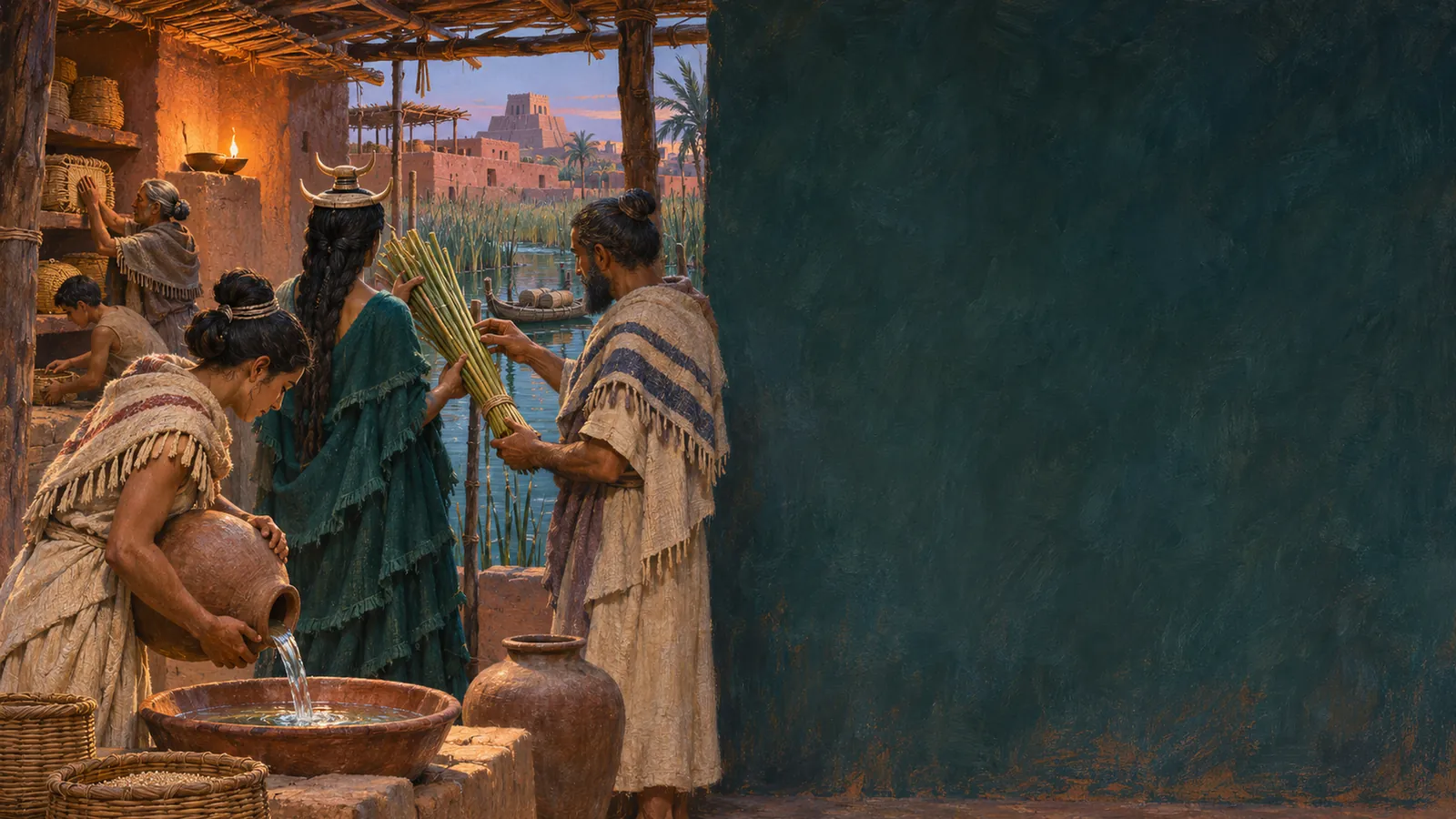
The broken lines return to the storerooms, flowing water and reed containers that never run empty. Nanshe gives Hendursaja a task. The translation leaves its exact wording uncertain.
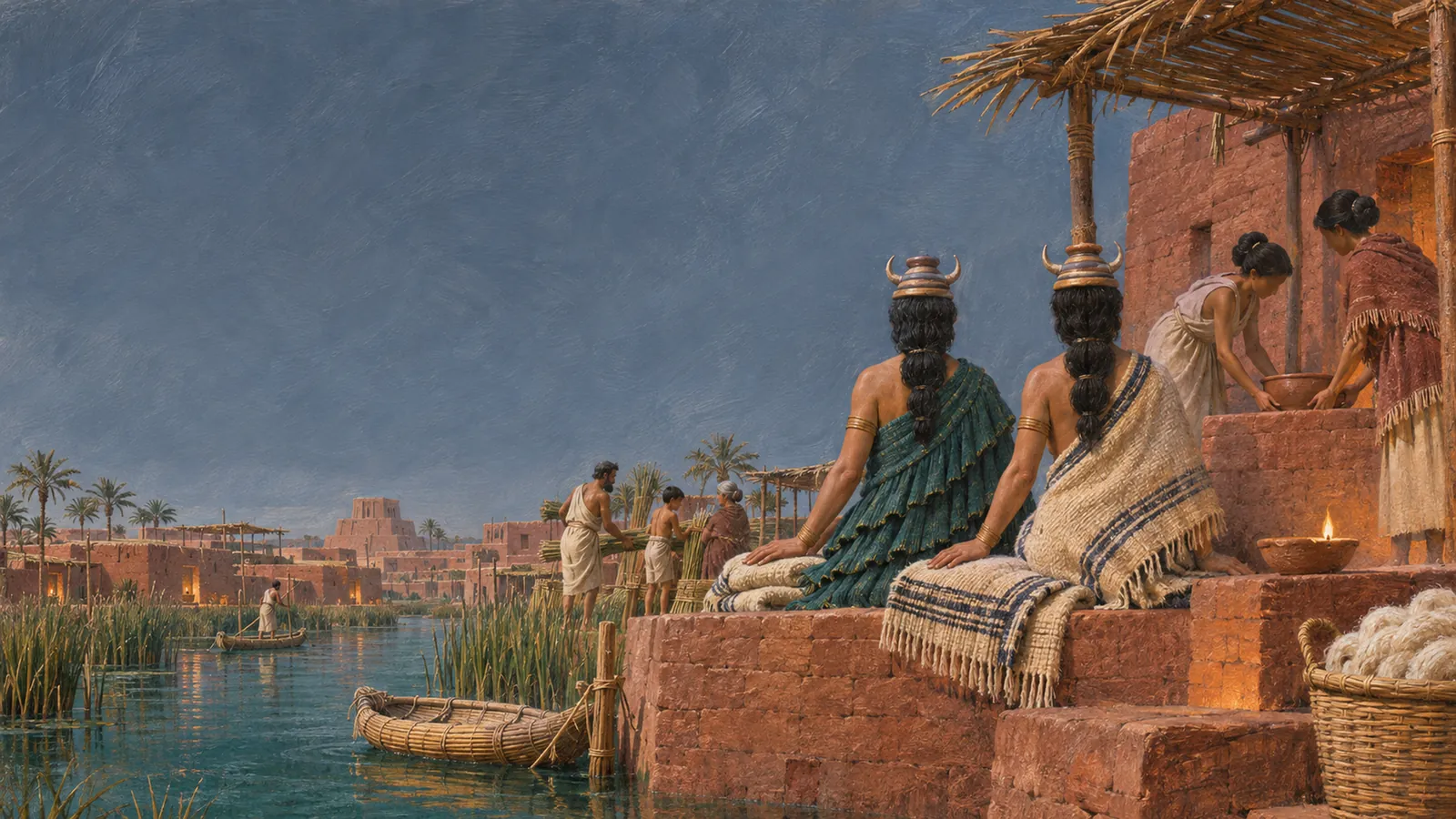
The hymn praises Nanshe’s powers as greater than all others. An looks on joyfully as she sits with Enlil on the dais where the fates are set.
PRAISE
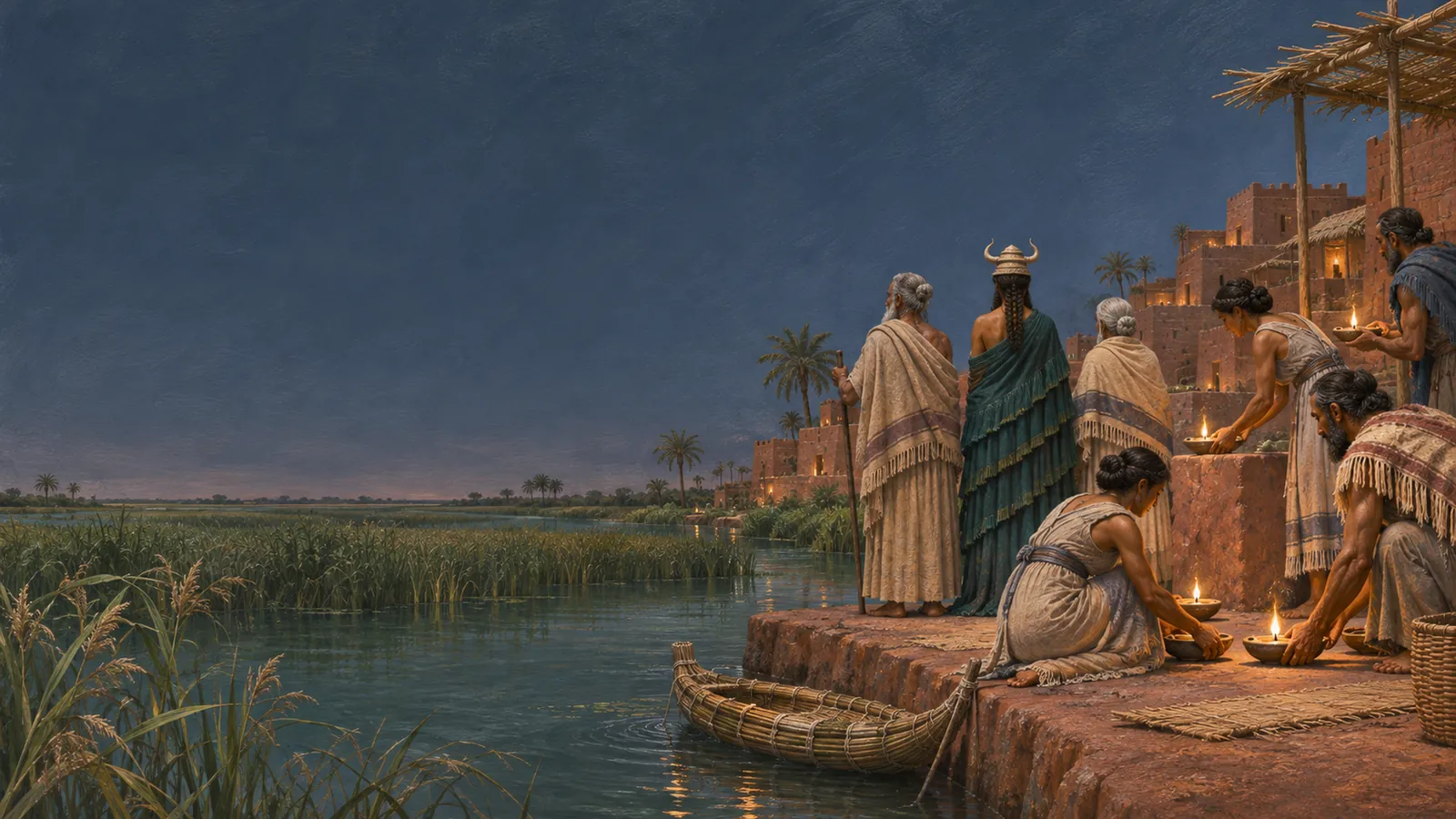
Enki determines a fate for Nanshe. The hymn calls her the child born in Eridu one last time, then ends with praise for her.
End of chapter 1
All pages






Sources
Page citations use the printed paragraph ranges. The Oxford translation records variant, broken and uncertain readings, and the printed headings move directly from 212–221 to 223–231. The translation body prints Nance, Nijin, Eridug and Lagac for Nanshe, Nigin, Eridu and Lagash.
Editions consulted
- Oxford ETCSL 4.14.1, A hymn to Nanshe, English translation
- Oxford ETCSL 4.14.1, Sumerian composite text
- Oxford ETCSL 4.14.1, New Year inspection, lines 94–112
- Oxford ETCSL 4.14.1, first family judgment, lines 193–211
Notes on this retelling
Pages 1–2, lines 1–9. The singer likens Nigin to a height rising from the water. The hymn identifies Nanshe as born in Eridu and says she is to return.
Pages 3–4, lines 10–19. Oxford queries the beer mash and yeast expressions. The composite says the storehouses bulge, with one manuscript giving the verb prosper. The honey and resin comparison and the final epithet are broken. The edition marks two unclear lines.
Pages 5–8, lines 20–31. The likely reference to remembering someone who helps others is queried. The hymn gives Nanshe’s care for orphan and widow, advice for a person in debt bondage, protection for refugees and aid for the weak. It describes her choosing a young man of means for the righteous woman on her path and providing a secure house for the widow who could not remarry.
Pages 9–11, lines 32–46. The passage leaves the word cennu untranslated and names Ur-Nanshe and Gudea separately. Cow of Abundance is the instrument that Oxford identifies tentatively as a lyre. Tigi, balaj and kintur retain the edition’s forms.
Pages 12–13, lines 47–58. The silver cups are called ecde cups in the edition. Several phrases about the cook, oven and shovel are broken. The hymn gives the arrival of meat in large bowls, water from the Sirara canal, festival goods and country wine. It compares the humming oven with a great dining hall.
Pages 14–15, lines 59–64. Oxford renders one of Nanshe’s honorifics as matriarch of Enlil and names her as a child of Enki. Another epithet is damaged. Bursaj is the place from which regular offerings and daily provisions come after the appointments.
Pages 16–17, lines 65–75. The opening conditional is queried. The hymn mentions food and drink already distributed, unused offerings, fish dues, a damaged phrase with an iku of reed beds, nuts and greens. The restriction on touching them is uncertain. The prohibition on carrying away shrine bread as a ration is followed by fragmentary mentions of choice beer and cool water.
Page 18, lines 76–82. The hymn specifies deliveries of fat, milk and fish for the ongoing first-fruits festival, and makes the fish courier a daily assignment. The next page follows the source’s next sentence on the delivery of firewood.
Page 19, 76–82. The following rule on the firewood carrier continues the instruction that first-fruit preparations should persist. Firewood goes to the sides and corners of the house.
Pages 20–21, 83–91. Oxford marks the clause about coming from outside uncertain. Hendursaja is named caretaker and child born to Utu, with nearby damage. The continuation has a partly preserved goddess name and a reference to a child of Suen among broken lines about evil utterance.
Page 22, 92–93. The short invocation praises Nanshe’s right commands and inalienable divine powers.
Pages 23–24, 94–112. The libation’s recipient is broken. The ration bowls are inspected and Nanshe examines the servants during appointment. Nisaba handles tablets and a gold stylus.
Pages 25–26, 94–112. The servant line, decisions over leather and linen, and accusations of flight appear in that order. Some status and witness words are queried and the employer-employee language is broken. Haia registers the faithful servant and deletes the entry of a woman regarded as no longer the mistress’s servant.
Pages 27–29, 113–129. Failing provisions and maintenance, opening clauses on fire and incantations, the cited offices and the withholding of further rations belong to the same damaged passage. Oxford names the cita-aba, susbu and sajja roles. The exact failings of the latter include a queried statement about making Nanshe’s songs and thoughts manifest. One unclear line follows the final instructions.
Pages 30–31, 130–136. The text attributes cleansing to the river of the ordeal. It mentions the abzu, oracular messages, holy songs and the enkum and ninkum priests, querying their choice of purification rites. Specific wording is damaged. Neither a specific procedure nor a verdict is assigned.
Pages 32–35, ETCSL 4.14.1, 137–153. The hymn names violence and altering a marked border. The forceful reaching, firm foundation and oath wording have uncertain or broken phrases, followed by an unclear line. The small weights and ban measures are queried. They stand next to more acquisition, a failure to acknowledge eating or drinking, promised hospitality and damaged clauses about a god’s maidservant and an untrustworthy person. The person asking for service is denied bread with fat or shining eggs. The language of service and the reference to a violation are queried.
Pages 36–37, 154–162. A damaged conditional concerns a violent person who is allowed to eat. The eyes are mentioned in a broken phrase, while Oxford gives a paralyzed mouth and shuffling feet. Broken clauses mention the powerful and rich, a married man, his wife, a widow, anger and mockery. The relationships and governing action words are incomplete.
Pages 38–40, 163–174. The hymn praises Nanshe for seeing into hearts. It has damaged clauses about an orphan and a widow, then names a waif delivered to the powerful and the powerful delivered to the powerless. The hymn likens discernment to seeing into the land’s heart as into a split reed. The final line is unclear.
Page 41, 175–180. Hendursaja and Dumu-tur-cugi are named as herald and protector in a damaged sequence. The surviving wording mentions the house in Sirara sprinkled with water. Who does what elsewhere in the passage and the nighttime reading are uncertain.
Pages 42–43, 181–192. Hendursaja’s authority and decrees are described with smoke and cloud comparisons. The hymn says he distinguishes the just and wicked and can bring justice to orphan and widow.
Pages 44–47, ETCSL 4.14.1, 193–211. The first case gives food and drink. An unclear line follows, and words about a firewood carrier are damaged. The surviving speech clause is negative and the descriptive phrase about looks is queried. The mother ordered the child to the place of the offence and struck him at a damaged location. He had been nursed by her. Oxford marks two further unclear lines before the judge evaluates the testimony, blames the mother and gives the closing statement about prayer.
Pages 48–49, 212–221. The second conditional preserves the mother’s failure to give food and drink, an unclear line, broken wood-delivery wording and the child speaking with anger. Hendursaja rejects him for her sake, with uncertain language in the comparison to water and acid soil. The final clause is broken. Oxford’s next printed group begins at 223.
Page 50, 223–231. Relationships among the boundary guarantor, the just words, the foundation of Lagash and Jatumdug are damaged. The later clauses mention the lady at Sirara who determines fates like Enlil and looks at her powers.
Pages 51–52, 232–240. The gods gather in the Sirara house endowed with powers from the abzu. The text names standards for weights, reed baskets and the ban measure. The judge Ishtaran and Ningishzida are printed Ictaran and Ninjiczida by Oxford. The last lines are damaged and two are explicitly marked unclear.
Pages 53–54, 241–250. The first three standards recur in the text. The clauses about the rites, storerooms and the condition of the vessels are damaged. One uncertain reading says Nanshe commissions her herald Hendursaja to make them profitable.
Pages 55–56, 251–255. The speaker directly addresses Nanshe with praise. An, Enlil and Enki are named in that sequence. The last words turn to Nanshe, child born in Eridu.
Ancient lines behind each page
- Page 1: ETCSL 4.14.1, lines 1–9
- Page 2: ETCSL 4.14.1, lines 1–9
- Page 3: ETCSL 4.14.1, lines 10–19
- Page 4: ETCSL 4.14.1, lines 10–19
- Page 5: ETCSL 4.14.1, lines 20–31
- Page 6: ETCSL 4.14.1, lines 20–31
- Page 7: ETCSL 4.14.1, lines 20–31
- Page 8: ETCSL 4.14.1, lines 20–31
- Page 9: ETCSL 4.14.1, lines 32–46
- Page 10: ETCSL 4.14.1, lines 32–46
- Page 11: ETCSL 4.14.1, lines 32–46
- Page 12: ETCSL 4.14.1, lines 47–58
- Page 13: ETCSL 4.14.1, lines 47–58
- Page 14: ETCSL 4.14.1, lines 59–64
- Page 15: ETCSL 4.14.1, lines 59–64
- Page 16: ETCSL 4.14.1, lines 65–75
- Page 17: ETCSL 4.14.1, lines 65–75
- Page 18: ETCSL 4.14.1, lines 76–82
- Page 19: ETCSL 4.14.1, lines 76–82
- Page 20: ETCSL 4.14.1, lines 83–91
- Page 21: ETCSL 4.14.1, lines 83–91
- Page 22: ETCSL 4.14.1, lines 92–93
- Page 23: ETCSL 4.14.1, lines 94–112
- Page 24: ETCSL 4.14.1, lines 94–112
- Page 25: ETCSL 4.14.1, lines 94–112
- Page 26: ETCSL 4.14.1, lines 94–112
- Page 27: ETCSL 4.14.1, lines 113–129
- Page 28: ETCSL 4.14.1, lines 113–129
- Page 29: ETCSL 4.14.1, lines 113–129
- Page 30: ETCSL 4.14.1, lines 130–136
- Page 31: ETCSL 4.14.1, lines 130–136
- Page 32: ETCSL 4.14.1, lines 137–153
- Page 33: ETCSL 4.14.1, lines 137–153
- Page 34: ETCSL 4.14.1, lines 137–153
- Page 35: ETCSL 4.14.1, lines 137–153
- Page 36: ETCSL 4.14.1, lines 154–162
- Page 37: ETCSL 4.14.1, lines 154–162
- Page 38: ETCSL 4.14.1, lines 163–174
- Page 39: ETCSL 4.14.1, lines 163–174
- Page 40: ETCSL 4.14.1, lines 163–174
- Page 41: ETCSL 4.14.1, lines 175–180
- Page 42: ETCSL 4.14.1, lines 181–192
- Page 43: ETCSL 4.14.1, lines 181–192
- Page 44: ETCSL 4.14.1, lines 193–211
- Page 45: ETCSL 4.14.1, lines 193–211
- Page 46: ETCSL 4.14.1, lines 193–211
- Page 47: ETCSL 4.14.1, lines 193–211
- Page 48: ETCSL 4.14.1, lines 212–221
- Page 49: ETCSL 4.14.1, lines 212–221
- Page 50: ETCSL 4.14.1, lines 223–231
- Page 51: ETCSL 4.14.1, lines 232–240
- Page 52: ETCSL 4.14.1, lines 232–240
- Page 53: ETCSL 4.14.1, lines 241–250
- Page 54: ETCSL 4.14.1, lines 241–250
- Page 55: ETCSL 4.14.1, lines 251–255
- Page 56: ETCSL 4.14.1, lines 251–255
Illustrations made with AI tools by IL Archive; the text is based on the ancient sources (see the sources at the end of each chapter).